Rainwater Harvesting Systems You Can Install Without Permits or Neighbor Knowledge: Complete Guide
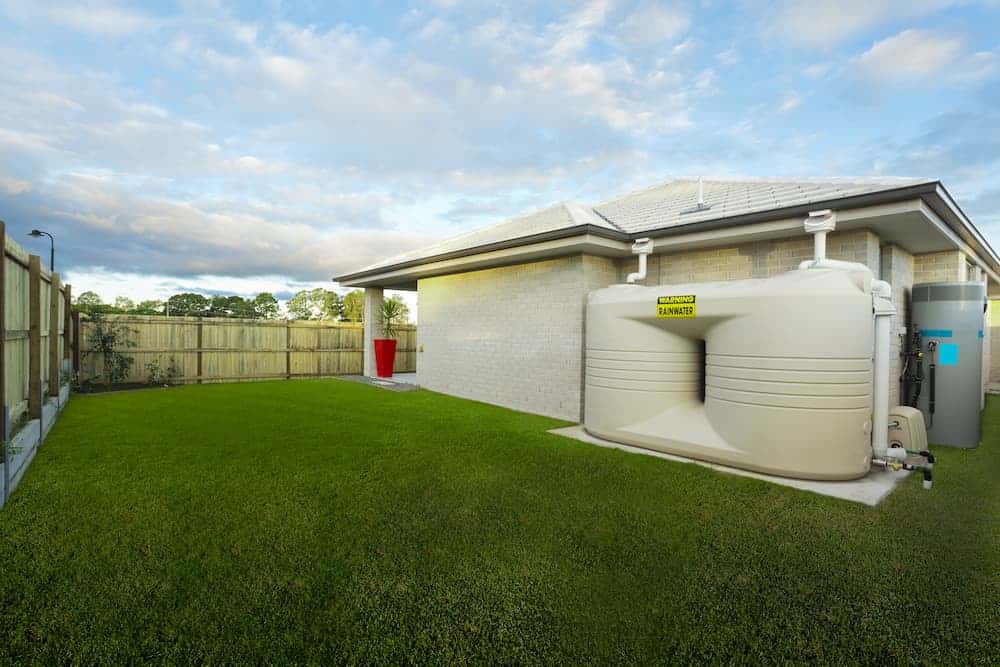
Table of Contents
- Introduction: My Secret Water Independence Journey
- Understanding the Legal Landscape of Rainwater Harvesting
- Why Discretion Matters: Navigating Neighbor Relations and HOA Restrictions
- The Science Behind Rainwater Collection: How Much Water You Can Actually Capture
- Permit-Free System Designs: From Simple Barrels to Advanced Setups
- Strategic Installation Techniques for Maximum Concealment
- Water Quality and Safety Considerations
- Maintenance and Long-Term Operation
- Conclusion: Your Path to Water Independence
- Frequently Asked Questions
Introduction: My Secret Water Independence Journey
Three years ago, I installed my first rain barrel behind the garage where my neighbor’s prying eyes couldn’t reach, and that single decision transformed how I think about water, property rights, and the quiet rebellion of self-sufficiency. The summer drought had stretched into its fourth month, municipal water restrictions limited outdoor watering to twice weekly, and my vegetable garden was withering despite every conservation effort I could muster. I watched storm after storm dump thousands of gallons of perfectly good water off my roof and straight into the storm drains while my tomatoes died of thirst just twenty feet away. The absurdity of the situation gnawed at me every time rain pounded against my windows while I worried about my water bill climbing higher with each forbidden irrigation session.
My journey into covert rainwater harvesting began with research that revealed a startling reality about American water regulations. While some homeowners freely install massive cistern systems with full municipal approval, others face legal restrictions that seem designed more to maintain institutional control over water resources than to serve any legitimate public interest. The patchwork of state and local regulations creates a landscape where identical systems might be celebrated in one jurisdiction and prohibited fifty miles away. This regulatory maze often leaves well-intentioned homeowners confused, frustrated, and uncertain about their rights to capture precipitation falling on their own property.
Before delving into the details of the article, watch this video where a sustainable agriculture expert explains the practical steps for setting up a home rainwater harvesting system :
The breaking point came during a neighborhood association meeting when a board member proudly announced new restrictions on “unapproved exterior modifications” while simultaneously complaining about drought conditions and rising water costs. The irony was palpable, yet no one questioned the contradiction of prohibiting the most obvious solution to our collective water challenges. That night, I decided that sometimes the most responsible path forward requires working within the gray areas of overly restrictive regulations rather than seeking permission that would never be granted. I wasn’t trying to build an off-grid compound or make a political statement; I simply wanted to water my garden with rain that fell on my own roof instead of watching it flow uselessly into the street.
My first system cost less than one hundred dollars and consisted of a simple fifty-five gallon barrel, some basic hardware from the home improvement store, and an afternoon of careful installation work. I positioned it strategically behind my detached garage where it remained completely invisible from the street and from my neighbors’ yards. The downspout modification took perhaps thirty minutes, and suddenly I had a functional water harvesting system that violated no actual laws yet would certainly have triggered complaints had anyone noticed it. Within two weeks, that single barrel had filled and emptied three times, providing over one hundred and fifty gallons of free irrigation water that kept my garden thriving while my neighbors’ plants struggled under watering restrictions.
The success of that initial installation led to careful expansion over the following months. I added a second barrel behind my air conditioning unit, a third tucked alongside my garbage bins, and eventually developed a network of six barrels distributed strategically around my property. None were visible from public areas, none triggered neighbor complaints, and none required any permits or official approvals. My garden flourished, my water bills dropped by thirty percent during peak summer months, and I gained something more valuable than mere financial savings. I discovered the profound satisfaction of genuine self-reliance and the quiet confidence that comes from solving problems independently rather than waiting for institutional permission to address obvious needs.
Statistics reveal that American residential properties waste approximately seven billion gallons of rainwater annually through conventional drainage systems. A typical suburban home with a fifteen hundred square foot roof can harvest nearly twenty-eight thousand gallons yearly in regions receiving moderate precipitation. Even drought-prone areas with just fifteen inches of annual rainfall can capture over fourteen thousand gallons from the same roof size. These numbers represent enormous volumes of high-quality water flowing unused into storm sewers while homeowners purchase treated municipal water for outdoor applications that don’t require potable quality. The disconnect between obvious need and bureaucratic restriction creates both an economic and environmental absurdity that individual action can quietly resolve.
This guide shares the knowledge I’ve accumulated through three years of practical experience installing, operating, and continuously improving covert rainwater harvesting systems. I’ve learned which approaches attract unwanted attention and which remain completely unnoticed. I’ve discovered the legal boundaries within which homeowners can operate confidently and the gray areas where discretion trumps explicit permission. Most importantly, I’ve proven that effective water independence doesn’t require massive infrastructure, substantial investment, or official approval. It requires only knowledge, strategic planning, and the willingness to act decisively within the considerable freedom that still exists for determined homeowners.
Navigating complex permit requirements for backyard improvements requires understanding similar regulatory frameworks. Legal guides for installing backyard structures address permit navigation strategies, HOA compliance, and neighbor relations that directly parallel rainwater system challenges. The same principles governing legal installation of accessory structures apply to water harvesting systems operating in regulatory gray areas.
The techniques and strategies detailed here aren’t theoretical concepts drawn from academic research; they’re battle-tested methods that work in real-world suburban environments where neighbors watch, HOA boards regulate, and municipal codes create unnecessary barriers. This isn’t about breaking laws or creating neighborhood conflicts. This is about intelligently navigating regulatory frameworks that often fail to serve legitimate homeowner interests while maintaining positive community relationships and achieving genuine water security. The freedom to capture rainwater falling on your own property represents one of the last bastions of true household independence, and knowing how to exercise that freedom effectively opens doors to resilience that extend far beyond mere water storage.
Federal agencies recognize the substantial environmental and economic benefits that residential rainwater harvesting provides to communities nationwide. Comprehensive EPA rainwater harvesting research demonstrates how distributed collection systems reduce stormwater runoff volumes, decrease strain on aging municipal infrastructure, and provide drought resilience without negatively impacting downstream water users. These federal findings validate what homeowners discover through practical experience while providing authoritative support for systems that might face regulatory challenges.
Agricultural and rural water conservation programs provide valuable technical knowledge applicable to residential systems. USDA natural resource conservation practices developed for farms and ranches translate effectively to suburban properties seeking water independence. The same principles governing large-scale agricultural water harvesting apply equally to homeowner installations, offering proven methodologies homeowners can adapt confidently to their specific situations.
Shop on AliExpress via link: wholesale-rain-water-barrel

Understanding the Legal Landscape of Rainwater Harvesting
The legal framework surrounding rainwater harvesting in the United States represents one of the most confusing and contradictory areas of property law, with regulations varying wildly not just between states but often between adjacent municipalities within the same county. Understanding this landscape requires recognizing that water law in America developed primarily in the western states where scarcity drove the creation of complex appropriation systems, while eastern states generally followed English common law doctrines of riparian rights. These fundamentally different legal philosophies create a patchwork where rainwater harvesting might be encouraged, tolerated, or theoretically prohibited depending on your zip code more than any rational assessment of environmental impact or public interest.
Federal law remains largely silent on residential rainwater harvesting, leaving regulation primarily to state and local governments. This absence of federal oversight means no single nationwide standard exists to guide homeowners seeking clear answers about their rights to capture precipitation. The EPA encourages rainwater harvesting as a stormwater management strategy and includes it in green infrastructure guidelines, but these recommendations carry no legal force and don’t override state or local restrictions. This federal vacuum leaves homeowners navigating a maze of potentially conflicting regulations where the most restrictive interpretation can prevail regardless of broader policy goals supporting water conservation.
Western states operating under prior appropriation doctrine theoretically treat all water, including rainwater, as a public resource subject to existing water rights. Colorado historically maintained the strictest interpretation, prohibiting most rainwater collection until 2016 legislation created limited exceptions for residential use. Current Colorado law allows homeowners with certain well permits to collect rainwater from residential rooftops using systems up to one hundred and ten gallons for outdoor irrigation. Utah similarly evolved from prohibition to permitting residential collection up to twenty-five hundred gallons for outdoor watering, recognizing that capturing roof runoff actually benefits downstream water rights holders by reducing erosion and improving water quality. These western state restrictions reflect concerns about depriving downstream users of water they’ve legally claimed, though many experts argue that capturing roof runoff that would otherwise evaporate or enter storm drains creates no meaningful impact on stream flows or water tables.
Eastern states generally impose far fewer restrictions on rainwater harvesting, with many actively encouraging the practice through tax incentives, rebate programs, and streamlined permitting processes. Virginia, North Carolina, Georgia, and Florida have all passed legislation explicitly authorizing residential rainwater collection and sometimes providing financial incentives for system installation. These states recognize rainwater harvesting as a valuable tool for stormwater management, drought resilience, and reducing demand on municipal water supplies. Rhode Island offers tax credits for system installation. Ohio provides stormwater credits that reduce fees for properties implementing rainwater harvesting. The contrast between western restrictions and eastern encouragement reflects different historical relationships with water abundance and different legal traditions regarding property rights.
Texas represents an interesting middle ground where rainwater harvesting enjoys strong legal support despite the state’s location in a region with prior appropriation influences. Texas law explicitly grants landowners the right to capture precipitation from their own property, and state agencies actively promote rainwater harvesting through education and technical assistance programs. The state offers sales tax exemptions for rainwater harvesting equipment and requires new state buildings to include collection capabilities where economically feasible. This progressive approach stems from recognition that distributed rainwater harvesting reduces flooding, decreases strain on centralized water infrastructure, and provides drought resilience without negatively impacting existing water rights.
The critical distinction for permit-free installation lies in understanding the difference between potable and non-potable systems. Most state and local regulations focus heavily on systems intended to provide drinking water, which typically require permits, inspections, and adherence to plumbing codes. Systems designed exclusively for outdoor irrigation, vehicle washing, or other non-potable uses often fall below regulatory thresholds, particularly when they remain small-scale and don’t integrate with home plumbing systems. A simple rain barrel collection system feeding a garden hose for landscape watering generally doesn’t trigger permit requirements even in jurisdictions with otherwise strict water regulations.
Size thresholds provide another key element of regulatory frameworks. Many jurisdictions exempt systems below certain storage capacities from permit requirements. The specific threshold varies widely. Some counties set limits at two hundred gallons, others at five hundred, and some have no specified exemption level. These capacity limits recognize that small-scale systems pose minimal public health or safety risks while providing meaningful water conservation benefits. Homeowners operating within these capacity exemptions can often install functional systems without navigating complex permitting processes or paying associated fees. The practical impact of these thresholds means that strategic distribution of multiple smaller barrels rather than a single large cistern can keep systems below regulatory triggers.
Homeowners associations create an additional layer of restrictions that can prove more limiting than actual law. HOA covenants frequently include broad language prohibiting “exterior modifications” or “visible storage containers” that board members might interpret as banning rainwater harvesting systems. However, several states have passed laws preventing HOAs from completely prohibiting rainwater collection. Texas, Colorado, California, and Utah all have statutes limiting HOA authority to ban systems, though these laws often include qualifications about visibility and aesthetic standards. The key to navigating HOA restrictions often lies in system design that avoids triggering appearance-based objections rather than seeking explicit approval that might be denied.
Professional industry associations have established comprehensive standards guiding safe rainwater system design and installation. ARCSA International rainwater standards developed through consensus processes now influence building codes nationwide, providing homeowners with authoritative specifications ensuring systems meet professional quality benchmarks. Understanding these industry standards helps homeowners design systems that meet or exceed regulatory expectations wherever they exist.
Building codes represent yet another regulatory consideration, particularly for systems integrating with home plumbing or using pressurized pumping systems. Most jurisdictions require plumbing permits for systems that connect to indoor fixtures, even for non-potable uses like toilet flushing. Electrical permits may be necessary for pump installations. Structural permits might apply to large cisterns or elaborate mounting systems. However, simple gravity-fed outdoor systems typically avoid these requirements entirely. The distinction between “plumbing” and “irrigation” creates regulatory space where rain barrels feeding garden hoses remain outside building code jurisdiction that would apply to more sophisticated integrated systems.
The enforcement reality often differs significantly from regulatory text. Many jurisdictions with theoretical restrictions rarely if ever enforce them against small residential rainwater harvesting systems. Code enforcement typically operates reactively, responding to complaints rather than proactively seeking violations. A discreet system that doesn’t create visible blight, mosquito breeding grounds, or neighbor complaints will likely never trigger enforcement action even in jurisdictions where it might technically violate some regulation. This practical reality doesn’t eliminate legal risk, but it does suggest that well-designed systems that maintain neighborhood aesthetics and avoid creating nuisances can operate successfully regardless of technical regulatory status.
Understanding your specific legal environment requires research at multiple levels. State environmental or water resources agencies often publish guidance documents explaining rainwater harvesting regulations. County health departments may regulate certain system types. Municipal building and planning departments enforce local ordinances. HOA governing documents contain association-specific restrictions. This multi-layered regulatory environment means comprehensive legal research can become complex, but for basic rain barrel systems, the practical inquiry usually reduces to simple questions. Does your state prohibit rainwater collection? Does your municipality require permits for small outdoor irrigation systems? Does your HOA covenant explicitly ban water storage containers? In the vast majority of American jurisdictions, the answers to these questions clear the way for permit-free installation of modest systems that provide substantial water conservation benefits while operating well within legal boundaries.

Why Discretion Matters: Navigating Neighbor Relations and HOA Restrictions
The paradox of modern suburban life means that the same neighbors who complain about water restrictions and drought conditions will often object to visible rainwater harvesting systems that represent obvious solutions to those very problems. This contradiction stems from deeply ingrained expectations about residential aesthetics, suspicions about unconventional behavior, and the peculiarly American tendency to view self-sufficiency efforts as implicit criticism of conventional choices. Understanding these social dynamics proves as important as understanding technical or legal aspects of system installation. A perfectly functional and legal rainwater harvesting system can generate problems if it triggers neighbor complaints, HOA enforcement, or community gossip that creates social friction disrupting the quiet enjoyment of your property.
Visual discretion serves multiple strategic purposes beyond simply avoiding complaints. Systems that blend seamlessly into existing architecture and landscaping avoid advertising your water independence to potential thieves, nosy neighbors, or overzealous code enforcement officers. During actual emergency situations when municipal water becomes scarce, conspicuous water storage can create security concerns as desperate neighbors realize you possess resources they lack. The same system that provides peace of mind during normal times could become a target during crisis periods if everyone knows exactly where your water reserves are located. Discretion protects both your immediate convenience and your long-term security interests.
HOA restrictions pose particular challenges because they operate through private contracts rather than public law. While you might successfully argue that municipal regulations don’t prohibit your rain barrel system, HOA covenants create contractual obligations that can be enforced through fines, liens, or even forced removal of non-compliant installations. Many HOA governing documents include language about “exterior modifications,” “architectural changes,” or “visible storage” that boards might interpret broadly to encompass rainwater harvesting equipment. The subjective nature of aesthetic standards means that even systems that seem perfectly reasonable to you might violate someone else’s interpretation of “maintaining property values” or “preserving neighborhood character.”
Strategic invisibility doesn’t mean skulking around or acting suspiciously. It means thoughtfully designing systems that integrate naturally into your property’s existing features rather than standing out as unusual additions. Rain barrels positioned behind air conditioning units, tucked under decks, placed alongside garbage bins, or hidden behind ornamental grasses simply become part of the landscape rather than focal points drawing attention. Color selection matters enormously; dark green or brown barrels disappear behind shrubbery where bright blue ones would scream for attention. Architectural integration means ensuring systems complement rather than clash with your home’s style, matching colors and keeping installations neat and well-maintained rather than appearing cobbled together from mismatched components.
Neighbor psychology plays a significant role in whether discretionary installations generate complaints. Systems that appear professionally installed and well-maintained tend to avoid objections even when visible, while obviously improvised setups trigger aesthetic concerns regardless of their actual impact. The perception of permanence versus temporary experimentation influences neighbor reactions; a purposefully designed system suggests serious commitment to a legitimate goal, while a collection of random containers implies carelessness or eccentricity. Understanding these psychological factors allows you to design installations that, if discovered, communicate competence and responsibility rather than oddness or disregard for community standards.
The “gradual normalization” approach provides an effective strategy for introducing rainwater harvesting in neighborhoods where it might face resistance. Starting with a single modest barrel in an inconspicuous location allows you to gauge reaction and demonstrate successful operation before expanding further. As neighbors grow accustomed to seeing one barrel, additional units generate less concern because they represent expansion of an accepted practice rather than introduction of something entirely new. This incremental approach builds social capital and demonstrates that your water harvesting creates no negative impacts on surrounding properties. Over time, your successful example might even inspire neighbors to implement their own systems, transforming initial skepticism into neighborhood-wide adoption.
Communication strategy matters when discretion fails and neighbors inquire about your installations. Framing your system in terms of water conservation, reduced municipal demand, and environmental responsibility resonates more positively than emphasizing self-sufficiency or independence from municipal systems. Most people respond well to conservation messaging but may view independence goals as antisocial or paranoid. Mentioning reduced water bills provides a practical economic angle that appeals to self-interest. Explaining how rainwater benefits plants better than chlorinated municipal water appeals to gardening enthusiasts. Noting that your system reduces stormwater runoff that would otherwise burden municipal systems positions you as contributing to community infrastructure rather than undermining it.
Preventive relationship building creates social capital that proves valuable if conflicts arise. Neighbors who know you as friendly, reasonable, and community-minded are far less likely to object to your rainwater harvesting than those who view you as aloof, eccentric, or uncommunicative. Maintaining attractive landscaping, keeping your property well-maintained, and being a good neighbor in other respects builds goodwill that extends to tolerance for minor unconventional elements like rain barrels. Social investment pays dividends when you need benefit of the doubt or when someone must decide whether your water system warrants a complaint to the HOA or code enforcement.
HOA board dynamics require particular attention because boards often include individuals who view enforcement of aesthetic standards as their primary responsibility. Understanding board member personalities, knowing who serves on architectural review committees, and recognizing which neighbors hold particular influence over association decisions helps you navigate these political waters. Sometimes a brief informal conversation with a key board member can prevent formal complaints. Other times, submitting requests for approval through official channels with professionally prepared plans demonstrates seriousness that defuses potential objections. Each association operates differently, requiring tailored approaches based on local dynamics rather than one-size-fits-all strategies.
Documentation proves valuable if disputes arise. Photographs showing your system’s minimal visual impact, research demonstrating legal compliance, and examples of similar systems operating successfully in other communities provide ammunition for defending your installation. Letters from neighbors expressing no objection, professional assessments of system safety, and evidence of property value maintenance or enhancement all counter arguments that your water harvesting damages the community. While you hope never to need such documentation, having it prepared and available protects your interests if someone challenges your right to capture rainwater on your own property.
The ultimate discretion strategy recognizes that successful rainwater harvesting doesn’t require making political statements or challenging conventional wisdom. Your goals involve capturing useful water, improving your household resilience, and reducing environmental impact of your water consumption. These practical objectives don’t require advertising your system, debating neighbors about water rights, or positioning yourself as an environmental crusader. Quiet competence often achieves better results than loud advocacy. Systems that work effectively without generating attention serve your interests far better than conspicuous installations that become controversial talking points regardless of their technical merit or legal status.

The Science Behind Rainwater Collection: How Much Water You Can Actually Capture
The mathematics of rainwater harvesting reveal surprising truths about the enormous water volumes that flow off typical residential roofs during even modest precipitation events. Understanding these calculations transforms rainwater from an abstract concept into a concrete resource that can meaningfully reduce municipal water dependence for outdoor uses. A single inch of rainfall falling on just one thousand square feet of roof surface yields approximately six hundred gallons of collectible water. This fundamental equation changes how you view rainstorms, transforming them from inconvenient weather into valuable water delivery events that can supply weeks worth of garden irrigation from a few hours of precipitation.
Collection efficiency depends primarily on roof surface characteristics, with modern composition shingles capturing approximately ninety-five percent of precipitation that falls on them. Metal roofing performs even better, often approaching ninety-eight percent efficiency due to its smooth, non-porous surface. Clay and concrete tiles achieve ninety to ninety-three percent efficiency. Flat or low-slope roofs with proper drainage systems can match pitched roof efficiency despite common assumptions that water might puddle rather than drain. These high efficiency rates mean that for practical calculation purposes, you can assume that nearly all precipitation falling on your roof becomes collectible water once you account for minor losses to absorption, evaporation, and conveyance system inefficiency.
Gutter systems dramatically influence actual collection volumes. Well-maintained gutters with proper slope and downspout placement deliver most of the precipitation that reaches the roof into storage systems. Undersized gutters can overflow during heavy rainfall, losing collection opportunity. Clogged gutters reduce effective capture area as water spills over rather than flowing to downspouts. Strategic gutter upgrades often prove more cost-effective than expanding storage capacity. Adding gutters to previously unguttered roof sections can increase collectible water by thousands of gallons annually for minimal investment. The key insight is that your roof represents the fundamental collection area, but your gutter system determines how much of that theoretical capacity translates into actual stored water.
Rainfall patterns profoundly affect system design decisions. Regions with consistent year-round precipitation can operate smaller systems that fill and empty regularly. Areas with seasonal rainfall need larger storage capacity to capture wet-season precipitation for use during extended dry periods. The distinction between average annual rainfall and rainfall distribution patterns determines optimal system sizing more than total precipitation amounts. A region receiving forty inches of rain distributed evenly across the year requires different system design than one receiving the same forty inches concentrated in a three-month monsoon season. Understanding local precipitation patterns allows you to size systems appropriately rather than over-building or under-building based on simplistic annual totals.
First-flush diversion systems significantly improve water quality by preventing the most contaminated initial runoff from entering storage tanks. The first several gallons washing off a roof after dry periods contain concentrated pollutants including dust, pollen, bird droppings, and atmospheric deposition. Diverting this initial flush away from storage tanks reduces contamination without requiring sophisticated filtration systems. Simple mechanical first-flush diverters cost twenty to fifty dollars and automatically bypass the first ten to twenty gallons of each rainfall event. This modest investment dramatically improves stored water quality, making it safer for gardens and reducing tank maintenance requirements.
Multiple collection points often outperform single large systems for permit-free installations. Rather than routing all downspouts to one massive cistern that might trigger regulatory attention, distributing smaller barrels across multiple downspouts keeps individual components below regulatory thresholds while capturing equivalent total volumes. This distributed approach provides operational advantages as well. Systems closer to use points eliminate long hose runs. Multiple small systems provide redundancy if one fails or requires maintenance. Distributed storage integrates more easily into existing landscape features, improving concealment. The practical impact means you can achieve five hundred or even one thousand gallons of total storage capacity while keeping individual units at modest sizes that attract no regulatory or aesthetic objections.
Seasonal variation in collection opportunity affects long-term planning. Late fall and winter precipitation often occurs when garden irrigation needs are minimal, creating timing mismatches between supply and demand. Strategic tank sizing accounts for this by providing sufficient capacity to bridge seasonal gaps. In regions with Mediterranean climates receiving winter rainfall and summer drought, systems must store several months worth of water captured during the wet season. Conversely, summer thunderstorm regions can operate smaller systems that fill frequently during the growing season when garden water demand peaks. Understanding these seasonal dynamics prevents both wasted storage investment and seasonal shortages.
Roof area calculations require measuring horizontal projection rather than actual sloped roof area. A pitched roof’s slope doesn’t affect the amount of rain that falls on it when viewed from above. Measure the area at ground level as if looking straight down at the roof. This simplified approach gives you the effective collection area for calculation purposes. For complex roof geometries, break the total into rectangles and triangles that you can measure easily, then sum the individual sections. Most residential roofs fall in the twelve hundred to twenty-five hundred square foot range. Even modest homes offer substantial collection potential. A typical single-car garage provides an additional two hundred to four hundred square feet of collection area. Sheds, porches, and detached structures all contribute to total site capacity.
The conversion formula providing approximately 0.6 gallons per square foot per inch of rainfall creates easy mental math for estimating storage needs. A fifteen hundred square foot roof yields nine hundred gallons from one inch of rain. That same roof captures forty-five hundred gallons from five inches of precipitation. In regions receiving thirty inches annually, the roof can theoretically harvest twenty-seven thousand gallons. While no residential system captures every drop throughout the year, these calculations reveal the enormous potential that exists for reducing purchased water consumption through strategic rainwater harvesting implementation.
Conveyance losses between roof and storage typically represent five to fifteen percent of collected water. These losses occur through gutter leaks, downspout inefficiencies, and evaporation from conveyance surfaces. Well-maintained systems minimize these losses. Strategic component selection reduces them further. Smooth interior gutters reduce friction losses. Properly sealed joints prevent leakage. Covered conveyance systems reduce evaporation. While you should account for some conveyance loss in system planning, effective design and maintenance keep these losses minimal relative to the large volumes you’re capturing.
Understanding collection science transforms how you view property water resources. That thunderstorm that dumps half an inch of rain over an afternoon isn’t just weather. It’s three hundred gallons of high-quality irrigation water flowing off your roof. Extended drizzle periods that barely wet the ground can fill multiple rain barrels over several hours. Winter precipitation that seems useless for summer gardens can be stored for later use if you have adequate capacity. This scientific perspective reveals that you’re not trying to harvest enough water to replace all household consumption; you’re strategically capturing sufficient outdoor-use water to eliminate the most water-intensive and least quality-dependent aspects of your municipal consumption. That narrower but still meaningful goal becomes readily achievable once you understand the remarkable volumes your existing roof already collects and directs into storm drains every time it rains.

Permit-Free System Designs: From Simple Barrels to Advanced Setups
The elegant simplicity of basic rain barrel systems makes them ideal for homeowners seeking immediate water independence without complex installation requirements or significant investment. A standard fifty-five gallon food-grade barrel costs thirty to sixty dollars new or can often be acquired free from businesses that receive liquid ingredients in them. Connecting the barrel to an existing downspout requires only a downspout diverter kit costing ten to twenty-five dollars, a spigot for water withdrawal, and basic tools most homeowners already possess. This fundamental system can be functional within an afternoon, capturing meaningful water volumes without requiring permits, professional installation, or extensive technical knowledge.
Strategic barrel positioning multiplies effectiveness without proportionally increasing visibility or investment. Rather than placing all storage at a single downspout, distribute barrels across multiple collection points around your property. Position one behind the garage, another near the garden, a third alongside the home’s back corner where foundation plantings provide visual screening. This distributed approach places water storage close to intended use areas, reducing hose length requirements and improving convenience. Multiple connection points also mean that when one barrel fills, others continue capturing water that might otherwise overflow and waste. The combined capacity of five fifty-five gallon barrels distributed strategically provides more practical utility than a single two hundred seventy-five gallon tank in one location.
Overflow management separates amateur installations from professional designs. Every rain barrel system must address what happens when storage capacity fills during continued precipitation. Simple overflow tubes directing excess water away from foundations prevent the water damage that could transform your water conservation effort into a expensive structural problem. Strategic overflow routing can feed secondary barrels, creating tiered systems where primary barrels fill first and excess cascades to backup storage. Alternatively, overflow can be directed to rain gardens, flower beds, or lawn areas that benefit from the additional water. The key principle is intentionally controlling where overflow goes rather than allowing it to pool around foundations or create muddy areas that attract complaints.
Pump systems dramatically expand functionality without requiring permanent plumbing modifications that might trigger permits. Twelve-volt submersible pumps powered by small solar panels provide pressurization for drip irrigation or soaker hoses without electrical connections to the home. Battery-powered pumps offer portable pressurization that moves between barrels as needed. Hand-operated pumps provide backup capability during power outages while delivering adequate pressure for most outdoor uses. These portable pumping solutions keep systems flexible and removable rather than creating permanent infrastructure that would classify as plumbing modifications requiring permits and inspections.
Linked barrel networks create substantial storage capacity while keeping individual components at modest sizes that avoid attention. Bulkhead fittings installed near the bottom of each barrel allow connecting multiple barrels so they function as a single system. Water automatically equalizes between connected barrels, with all units filling simultaneously rather than sequentially. This networking approach provides the storage capacity of a large cistern while maintaining the visual appearance of separate modest barrels. A network of six barrels provides three hundred thirty gallons of capacity but appears as six separate fifty-five gallon units rather than one large conspicuous tank. Strategic placement of networked barrels around foundations, along fence lines, or behind structures further reduces visual impact while maximizing total capacity.
Elevated platform systems enable gravity-fed pressurization without pumps. Raising barrels just two feet above ground level provides enough pressure for basic drip irrigation systems. Four to six feet of elevation generates ten to fifteen PSI, adequate for soaker hoses and basic sprinklers. Building stable platforms from pressure-treated lumber provides weather-resistant support that blends naturally into deck structures or creates functional storage beneath. The elevation principle means you’re converting vertical distance into water pressure, transforming potential energy into practical utility. This passive approach eliminates electrical requirements, reduces moving parts subject to failure, and operates silently without attracting attention.
Concealment structures serve dual purposes of hiding systems and improving functionality. Lattice screens painted to match trim colors create attractive visual barriers while allowing airflow preventing algae growth. Hinged wooden enclosures disguised as storage benches conceal rain barrels while providing useful outdoor seating. Custom-built sheds integrate water storage into structures that also house garden tools, creating consolidated utility areas. These concealment approaches don’t just hide systems; they improve property aesthetics by replacing random barrels with intentional landscape features that serve multiple purposes.
Seasonal system modifications extend utility into cold months in northern climates. Insulated barrel wraps combined with low-wattage heat tape prevent freezing while maintaining year-round collection capability. Alternatively, draining systems completely before freezing temperatures and storing barrels inverted prevents damage while clearing the site for winter. In moderate climates where hard freezes occur only occasionally, simply draining barrels a quarter full provides expansion room preventing crack damage during brief cold snaps. Understanding your climate’s patterns allows appropriate seasonal adaptations rather than assuming systems must be completely winterized everywhere or can operate identically year-round everywhere.
Integration with existing landscape irrigation provides sophisticated functionality without permanent plumbing changes. Drip irrigation systems can operate directly from rain barrels with minimal pressure. Installing valve connections that switch between municipal and harvested water sources allows using stored rainwater as primary supply while maintaining backup capability. These connections involve only garden hose fittings that can be installed and removed without tools, keeping systems removable and temporary rather than permanent modifications. The practical result is a irrigation system that operates primarily on free rainwater, automatically switching to municipal backup only when stored water depletes.
Filtration components improve water quality for sensitive uses while remaining simple enough for DIY installation. Mesh screens installed at downspout entry points capture leaves and large debris. First-flush diverters automatically bypass initial contaminated runoff. Inline sediment filters remove fine particles before water enters storage. These components cost twenty to seventy-five dollars each and install with basic tools. The resulting water quality rivals or exceeds municipal sources for outdoor irrigation uses, with soft water free of chlorine, fluoride, and dissolved minerals that can benefit rather than harm sensitive plants.
Advanced setups incorporate monitoring and control systems providing data-driven water management. Simple rain gauges combined with collection area calculations predict storage refill timing. Battery-powered water level indicators eliminate guesswork about remaining capacity. Smartphone-connected sensors provide real-time data on storage levels, rainfall amounts, and system performance. These monitoring tools cost from ten dollars for basic manual indicators to one hundred fifty dollars for sophisticated wireless systems. The information they provide enables optimized water use, preventing both premature depletion and overflow waste.
The design progression from simple single barrel to sophisticated multi-component systems allows incremental development matching your growing experience and needs. Starting simple provides immediate results and learning opportunities. Gradually adding components, improving integration, and expanding capacity allows organic system growth responding to actual performance rather than theoretical projections. This evolutionary approach prevents over-investment in elaborate systems before you fully understand your site-specific needs while avoiding under-building that leaves useful capacity untapped. The flexibility to start modestly and expand strategically represents one of rainwater harvesting’s greatest advantages for permit-free implementation.
Strategic Installation Techniques for Maximum Concealment
Professional-appearing installations that avoid the cobbled-together aesthetic of obvious DIY projects significantly reduce the likelihood of neighbor complaints or HOA enforcement actions. Clean lines, matching colors, neat connections, and proper mounting all contribute to systems that appear intentional and well-designed rather than temporary or experimental. Taking extra time to ensure level placement, plumb vertical surfaces, and secure fastening creates systems that look permanent and professionally installed even when constructed entirely through your own efforts. The visual difference between a carefully installed rain barrel and a hastily positioned container dramatically affects how neighbors and officials perceive your water harvesting activities.
Site assessment precedes actual installation, requiring careful observation of existing drainage patterns, sun exposure, accessibility needs, and visual sight lines from neighboring properties. Walk your property boundaries while mentally positioning yourself as neighbors looking toward your home. Identify which areas remain visible and which hide behind structures, vegetation, or topography. Note where downspouts currently discharge, measuring flow patterns during actual rain events to understand which collection points receive the most water. Document sun exposure throughout the day, recognizing that excessive heat can accelerate algae growth in stored water. This comprehensive assessment prevents installation mistakes that would require relocation after systems are operational.
Foundation clearance represents a critical safety consideration that also affects concealment strategies. Rain barrels must never compromise foundation drainage or create water accumulation against foundation walls. Minimum clearances of eighteen to twenty-four inches protect foundations while often positioning barrels behind landscaping features that provide natural screening. Strategic use of this clearance zone means barrels nestle into foundation planting beds, integrating with existing landscape features rather than standing as isolated elements. Proper foundation clearance prevents the structural problems that would undermine your entire project while simultaneously improving aesthetic integration.
Downspout modification techniques determine whether installations appear professional or amateurish. Quality diverter kits include properly sized components designed specifically for downspout integration. These systems install cleanly with appropriate sealing and secure fastening. Avoid improvised methods like cutting downspouts without proper connecting hardware or creating loose-fitting joints that leak. High-quality diverters automatically route water to barrels when space remains available and bypass overflow directly into existing drainage systems when barrels fill. This automatic functionality prevents overflow problems while maintaining the neat appearance of integrated components rather than rigged connections.
Pad preparation provides stable bases preventing settling or tilting that creates both functional and aesthetic problems. Four-inch concrete pads poured specifically for barrel placement provide permanent stable platforms. Less permanently, gravel-filled frames create load-bearing bases that can be removed if you relocate. At minimum, thick pressure-treated lumber positioned level on compacted soil prevents barrels from sinking unevenly into soft ground. Remember that filled fifty-five gallon barrels weigh over four hundred fifty pounds. Inadequate base preparation leads to settling that creates tilting barrels, stressed connections, and visual evidence of poor installation. Proper pads prevent these problems while contributing to the professional appearance that avoids complaints.
Color selection deserves careful consideration beyond simply accepting whatever barrel color the supplier offers. Dark green blends naturally with vegetation and shadows. Black barrels disappear in shaded locations. Brown units match wood tones and earth. Navy blue fits some architectural color schemes. Bright blue, white, or unpainted translucent barrels scream for attention, advertising your installation to everyone within sight. Spending a few extra dollars for appropriate colors or investing an hour applying proper exterior paint transforms highly visible systems into barely noticeable elements. This simple step makes the difference between installations that attract complaints and those that neighbors never notice despite clear sight lines.
Vegetation integration provides natural concealment that improves over time rather than requiring ongoing effort. Tall ornamental grasses like miscanthus or fountain grass planted strategically grow quickly and provide year-round screening. Bamboo creates dense barriers in appropriate climates. Climbing vines trained on trellises positioned in front of barrels offer seasonal coverage while adding attractive landscape features. Evergreen shrubs provide permanent screening that becomes more effective as plants mature. This living concealment strategy not only hides water harvesting systems but also improves overall landscape appearance, transforming potential aesthetic liabilities into landscape assets.
Nighttime visibility considerations often get overlooked but matter for complete concealment. Motion-sensing security lights, decorative landscape lighting, and even moonlight can highlight barrels that disappear during daylight. Positioning systems outside areas illuminated by security lights prevents them from casting obvious shadows or being directly lit during activation. Strategic vegetation placement blocks low-angle light that might highlight barrel silhouettes. Consider sightlines from neighbor windows during evening hours when interior lights make it easier to observe outdoor areas. Comprehensive concealment accounts for all viewing conditions rather than optimizing only for midday assessment.
Access maintenance balance requires ensuring you can reach systems for operation and maintenance while keeping them sufficiently concealed. Narrow pathways behind vegetation, removable fence panels, or hinged lattice sections provide hidden access without creating obvious openings. Position spigots facing accessible directions rather than forcing you to reach behind barrels in awkward positions. Ensure overflow inspection points remain visible enough for periodic monitoring. Design maintenance access as intentional features rather than afterthoughts, preventing the need to trample plantings or move barriers whenever you need to check water levels or clean filters.
Structural integration with existing features makes systems appear as intentional components rather than additions. Barrels positioned next to AC units, alongside garbage enclosures, or integrated with deck posts become associated features rather than stand-alone installations. Matching materials and colors to existing structures reinforces this association. Custom-built platforms or enclosures that mirror architectural details of your home create visual continuity suggesting professional planning rather than improvised additions. The goal is making rainwater systems appear as natural and inevitable as any other home utility rather than drawing attention as unusual interventions.
Documentation through photography serves multiple purposes beyond concealment. Taking before-and-after photos proves your installation didn’t damage property or create blight. Documenting careful installation provides evidence of professional-quality work if challenges arise. Photos from multiple angles help you assess visual impact from perspectives you might not ordinarily consider. This photographic record becomes valuable should you need to demonstrate to HOA boards or code enforcement that your system meets aesthetic standards. The small effort of proper documentation creates evidence protecting your interests while providing useful feedback for improving concealment.
Professional consultation doesn’t necessarily mean hiring contractors for installation. Brief conversations with landscape designers, building inspectors, or experienced neighbors can provide valuable perspective on site-specific challenges. Many extension services offer free consultations about water conservation systems. Local rainwater harvesting associations may connect you with experienced practitioners willing to share knowledge. These professional touches improve installation quality, prevent common mistakes, and provide credibility if you need to defend your system to skeptical authorities. The modest investment in expert guidance often prevents expensive mistakes while building confidence that your approach meets appropriate standards.
The installation phase represents your opportunity to establish systems that will operate successfully for years with minimal maintenance. Taking extra time to ensure proper placement, secure mounting, professional appearance, and effective concealment pays dividends through reduced problems, fewer complaints, and better long-term performance. Rushing through installation to achieve quick results almost invariably creates issues requiring later correction. Methodical installation following proven techniques produces systems that not only function effectively but do so while remaining nearly invisible to casual observation. This combination of functionality and discretion represents the ideal for permit-free rainwater harvesting in suburban environments where neighbor relations and aesthetic considerations matter as much as technical performance.

Water Quality and Safety Considerations
Understanding rainwater quality characteristics requires distinguishing between potable and non-potable uses while recognizing that harvested rainwater for outdoor irrigation typically exceeds municipal water quality for plant health purposes. Pure rainwater is naturally soft, containing minimal dissolved minerals that can build up in soil and harm sensitive plants. It lacks the chlorine and fluoride compounds that municipal treatment adds and that can negatively affect beneficial soil microorganisms. The slightly acidic pH of rainfall closer to 6.0 than the 7.0-8.5 range of treated water benefits most ornamental and vegetable plants. These quality advantages mean that for irrigation purposes, rainwater often provides superior plant health outcomes compared to treated municipal supplies.
Contamination sources require systematic management through proper system design rather than sophisticated filtration. Atmospheric deposition places dust, pollen, and air pollutants on roof surfaces between rain events. Bird and small mammal droppings accumulate, particularly on low-slope roofs or near overhanging trees. Organic debris including leaves, twigs, and seed pods creates decomposing material that can harbor bacteria. Roof material degradation releases particles and chemicals from asphalt shingles or other surfaces. These contamination sources are largely manageable through basic filtration, first-flush diversion, and regular maintenance rather than requiring expensive treatment systems.
Roof material selection significantly influences water quality, though most homeowners work with existing roofing rather than selecting materials specifically for rainwater harvesting. Metal roofing provides excellent water quality with minimal leaching of materials into runoff. Composition shingles work adequately for non-potable uses despite some asphalt component leaching. Clay and concrete tiles perform well. Wood shake roofs can add tannins and organic compounds that discolor water but don’t necessarily harm plants. Treated wood roofing or surfaces painted with lead-based or toxic paints should not be used for collection. Understanding your roof material’s characteristics helps set appropriate quality expectations and determines whether additional filtration or treatment proves necessary.
Gutter materials and conditions directly affect collected water quality. Aluminum and vinyl gutters provide neutral surfaces that don’t leach compounds into runoff. Galvanized steel can release zinc, typically beneficial to plants in small quantities but potentially problematic in excessive concentrations. Copper gutters leach copper compounds that inhibit algae growth but can accumulate in soils over time. The critical factor isn’t necessarily the gutter material but rather ensuring gutters remain clean and free of accumulated organic debris that creates bacterial breeding grounds. Regular cleaning provides more water quality benefit than gutter material selection in most cases.
First-flush diversion systems provide the single most effective water quality improvement for minimal cost and complexity. These simple devices automatically bypass the initial roof runoff containing concentrated pollutants, directing only subsequent cleaner water into storage. Commercial first-flush diverters cost thirty to sixty dollars and install inline between downspouts and storage tanks. DIY versions can be built from standard PVC components for under twenty dollars. The diverted water simply drains away as it would have originally, but preventing this most contaminated portion from entering storage dramatically reduces tank contamination. Most designs divert the first ten to thirty gallons from each rainfall event, adequate for typical residential roof areas.
Filtration needs vary based on intended water use and individual comfort with different contamination levels. Simple mesh screens at downspout entry points capture leaves and large debris for just a few dollars. Inline sediment filters removing particles down to five microns cost twenty to forty dollars and install easily in downspout systems. More sophisticated multi-stage filtration including activated carbon can remove chemical contaminants but typically costs over one hundred dollars and requires regular cartridge replacement. For basic landscape irrigation, minimal filtration beyond screens and first-flush diversion usually suffices. For more sensitive uses or personal preference, additional filtration provides peace of mind without breaking budgets.
Storage tank conditions determine whether initially clean water remains potable through time or develops problems requiring periodic cleaning. Opaque tanks prevent light penetration that enables algae growth. Sealed tanks prevent insect entry, particularly mosquitoes that breed in standing water. Cool storage locations slow bacterial growth compared to sun-heated tanks. Regular water use prevents stagnation that can develop odors or enable pathogen growth. These preventive measures keep stored water quality stable rather than requiring reactive treatments after problems develop. Well-designed systems rarely require chemical treatment or sophisticated maintenance beyond occasional tank cleaning.
Public health agencies provide clear guidance on safe water storage practices applicable to rainwater systems. CDC emergency water supply recommendations establish baseline standards for container selection, treatment protocols, and quality maintenance that directly inform residential rainwater management. Following these authoritative health guidelines ensures your harvested water remains safe for intended uses while meeting public health standards.
Algae management focuses on prevention rather than treatment. Light exclusion provides the primary control; algae cannot photosynthesize without light. Solid-colored opaque tanks, particularly dark colors, prevent light penetration. Covered tanks block direct sunlight even through translucent materials. For unavoidably exposed systems, small amounts of vegetable oil creating a surface film prevent light penetration into water. Barley straw placed in tanks releases compounds that inhibit algae growth naturally. These preventive approaches eliminate algae problems without requiring chemical treatments that might introduce substances you’d prefer to keep out of your garden water supply.
Mosquito prevention represents a critical public health responsibility beyond mere convenience. Female mosquitoes require standing water for egg laying and larval development. Unsealed rain barrels create ideal mosquito breeding habitat supporting disease vector populations. Fine mesh screening with openings smaller than mosquito body size provides absolute physical barriers. Mosquito dunks containing Bacillus thuringiensis israelensis (Bti) kill larvae without harming plants, animals, or beneficial insects. This biological control provides backup protection if screening fails. Completely sealed systems with properly screened overflows eliminate mosquito concerns entirely. Never operate open water storage in populated areas where mosquito-borne diseases present public health risks.
Seasonal water quality variations occur as rainfall patterns, atmospheric conditions, and biological activity change throughout the year. Early season spring rains wash accumulated winter pollutants creating higher contamination loads than mid-summer storms. Fall brings increased organic debris from dropping leaves. Winter precipitation in freezing climates may accumulate on roofs and melt gradually rather than running off immediately. Understanding these seasonal patterns allows adjusting maintenance schedules and collection practices to account for predictable quality variations. First rains after extended dry periods warrant particular caution, potentially requiring manual diversion until cleaner water begins flowing.
Testing protocols provide objective data about water quality rather than relying on assumptions. Basic home test kits measuring pH, hardness, and bacterial indicators cost twenty to forty dollars and provide quick results. Professional laboratory analysis offers comprehensive testing including heavy metals, organic compounds, and specific pathogens but costs one hundred to three hundred dollars. For non-potable outdoor uses, extensive testing usually proves unnecessary. Basic visual inspection for clarity, absence of odor, and lack of visible algae or debris generally indicates adequate quality for irrigation. Testing becomes more important if you suspect specific contamination sources or intend to use water for more sensitive applications.
Modern technology enables sophisticated monitoring of rainwater systems through smart devices. Smart home devices worth buying include wireless water level sensors, automated rainfall gauges, and smartphone-connected quality monitors that transform basic collection systems into data-driven water management networks. These monitoring technologies help optimize water use and predict refill timing without requiring complex installation.
Risk assessment based on intended use determines appropriate quality management measures. Watering established ornamental landscapes requires minimal quality concerns; plants tolerate wide ranges of water characteristics. Vegetable gardens benefit from cleaner water but generally thrive with basic filtration and first-flush diversion. Washing vehicles or outdoor equipment tolerates lower quality than human contact applications. This use-based approach prevents over-engineering quality management for applications that don’t require drinking water standards. Matching treatment complexity to actual requirements saves money and effort while still ensuring safety for intended purposes.
The fundamental principle guiding water quality management in permit-free systems is that you’re collecting water for non-potable outdoor uses, not for drinking or cooking. This narrower application allows relying on simpler quality assurance methods than would be necessary for potable systems requiring extensive treatment and testing. The rainwater you collect from clean modern roofs through well-maintained gutters into sealed storage tanks generally exceeds quality requirements for irrigation and other outdoor uses. Your focus should be preventing obvious contamination sources rather than achieving pharmaceutical-grade purity unnecessary for watering gardens. This practical perspective enables effective quality management without excessive complexity or expense.
Shop on AliExpress via link: wholesale-rainwater-harvesting-system

Maintenance and Long-Term Operation
Routine maintenance intervals establish predictable schedules preventing small issues from becoming system failures. Spring cleaning before heavy rainfall seasons begins should include gutter cleaning, filter inspection, tank draining for sediment removal, and checking all connections for leaks or damage. Mid-summer reviews during peak usage periods assess whether storage capacity meets needs and whether quality issues like algae growth require intervention. Fall preparation includes additional gutter cleaning to remove accumulating leaves and checking that overflow systems function properly before winter storms. This seasonal rhythm creates manageable maintenance tasks rather than requiring constant attention while ensuring systems remain functional year-round.
Gutter maintenance directly affects both collection efficiency and water quality, making it among the most important regular tasks. Accumulated leaves, twigs, and organic debris block water flow reducing collection volumes while creating decomposing material that contaminates runoff. Gutter cleaning should occur at least twice annually, ideally in spring and fall. Properties with overhanging trees may require quarterly cleaning. Installing gutter guards reduces debris accumulation significantly, though even guarded gutters benefit from annual inspection. The modest time investment in gutter maintenance prevents thousands of dollars in potential foundation damage while maximizing rainwater capture efficiency.
Filter maintenance requirements vary by filter type and local conditions. Mesh screens capturing leaves require periodic removal and cleaning, typically monthly during heavy-use seasons. Sediment filters need cartridge replacement when water flow drops noticeably, generally every six months to two years depending on local water quality and usage patterns. First-flush diverters require occasional draining if debris accumulates in diversion chambers. Spending a few minutes monthly inspecting and maintaining filtration components prevents sudden failures and extends component life. The key is establishing regular inspection routines rather than waiting for obvious problems before checking systems.
Tank cleaning intervals depend on water quality, usage patterns, and environmental conditions. Systems with good initial filtration and regular water use may operate multiple years between major cleanings. Lightly used systems or those experiencing algae growth benefit from annual cleaning. The process involves completely draining tanks, scrubbing interior surfaces with mild soap solution, thoroughly rinsing, and allowing complete drying before refilling. This deep cleaning removes accumulated sediment, eliminates biofilms, and restores tanks to like-new condition. Scheduling tank cleaning during dry seasons when rainfall is unlikely minimizes lost collection opportunity.
Connection integrity monitoring prevents leaks that waste water and potentially damage foundations. Regularly inspect all bulkhead fittings, hose connections, and overflow outlets for signs of seepage. Tighten loose fittings before minor leaks become significant problems. Replace deteriorating gaskets or seals at first signs of failure. Pay particular attention to connections subject to vibration or thermal cycling that can gradually loosen over time. The few minutes spent checking connections quarterly prevents water loss and protects property from moisture damage.
Academic extension services provide homeowner-focused guidance translating complex water management into accessible practices. Clemson University rainwater harvesting guides offer step-by-step instructions for barrel construction, maintenance schedules, and troubleshooting common problems based on years of practical testing. These extension resources serve homeowners specifically rather than commercial operators, making them ideal for residential applications.
Seasonal preparation differs for warm and cold climates but requires attention everywhere. Cold-climate winterization involves completely draining systems if not maintaining year-round operation, disconnecting and storing hoses, and ensuring no water remains trapped in vulnerable components where freezing would cause damage. Alternatively, insulating systems and adding heat tape enables winter operation in moderately cold climates. Warm-climate preparation focuses more on managing heat buildup that can accelerate algae growth and increase evaporation losses. Seasonal transitions present maintenance opportunities to inspect, clean, and repair systems while preparing for changed conditions ahead.
Water level monitoring helps optimize usage patterns and prevent unexpected shortages during drought periods. Simple float indicators provide at-a-glance capacity assessment. More sophisticated wireless sensors alert you via smartphone when levels drop below thresholds. Understanding your consumption rates relative to refill patterns allows better usage planning. During extended dry periods, you can ration water use to extend supplies rather than depleting storage entirely and losing irrigation capability. This active management transforms static storage into a dynamic resource you actively optimize.
Mosquito monitoring remains a year-round responsibility in mosquito-prone climates. Regularly inspect all overflow outlets, entry points, and potential gaps where mosquitoes might access water. During mosquito season, check for larval presence in any exposed water surfaces. If larvae appear despite screens, investigate how mosquitoes are bypassing barriers and address access points immediately. Refresh Bti treatments every thirty days when mosquitoes are active. Vigilant monitoring prevents your water conservation efforts from inadvertently contributing to public health problems.
Record keeping provides valuable data informing system improvements and demonstrating patterns useful for long-term planning. Noting rainfall amounts and collection volumes helps you understand actual capture efficiency versus theoretical capacity. Recording usage rates reveals whether storage meets needs or whether expansion would prove beneficial. Documenting maintenance activities and costs provides total ownership information useful for evaluating whether systems deliver expected value. These records need not be elaborate; simple spreadsheets or notebook entries suffice to capture information that becomes invaluable over months and years of operation.
Troubleshooting common problems requires systematic diagnosis rather than random interventions. Low water levels could indicate inadequate collection, excessive consumption, or leaks. Foul odors suggest stagnant water requiring more regular use or potential contamination needing investigation. Algae growth points to excessive light exposure or inadequate tank sealing. Overflow problems might stem from undersized capacity, clogged filters reducing flow rates, or malfunctioning diverters. Working through logical diagnosis prevents wasting time and money on solutions that don’t address actual problems.
Upgrade planning ensures systems evolve to meet changing needs rather than becoming obsolete. Early experience may reveal that you need more storage capacity than initially installed. Changing landscape design might create new opportunities for strategic barrel placement. Advancing technology offers improved components worth incorporating. Budget gradually expanding and improving systems rather than viewing initial installations as permanent fixed designs. This evolutionary approach keeps systems aligned with your growing experience and changing requirements while spreading costs across multiple years.
Emergency preparedness considerations recognize that rainwater systems provide valuable backup capability during municipal water disruptions. Ensure you have manual methods for drawing water if power-dependent pumps fail. Keep stored water quality suitable for emergency uses beyond mere irrigation. Consider expanding capacity specifically for emergency reserve beyond regular usage needs. Document your system capacity and expected duration of emergency supply. This preparedness perspective transforms rainwater harvesting from merely water bill reduction into genuine security enhancement.
Emergency preparedness experts emphasize that household water storage represents critical resilience infrastructure during disasters. Federal emergency water storage guidelines recommend maintaining three-day minimum supplies, with rainwater harvesting systems providing exactly this type of distributed backup capability. Understanding proper emergency water management principles ensures your rainwater systems serve dual purposes of daily conservation and crisis preparedness.
The discipline of regular maintenance separates successful long-term systems from abandoned experiments. Establish routines that become habits rather than requiring constant reminders. Schedule specific dates for seasonal maintenance tied to events you already track like changing storm door glass or testing smoke detectors. Involve family members so maintenance doesn’t depend entirely on you. Build maintenance time into garden schedules since rainwater system attention naturally coincides with landscape work. This integration ensures systems receive necessary care without becoming burdensome separate tasks competing for limited time.
Long-term success metrics go beyond simple gallons captured to encompass total value delivered. Calculate actual water bill reductions achieved through reduced municipal consumption. Assess plant health improvements from using superior quality rainwater. Value the satisfaction of genuine self-reliance and independence from sole municipal dependence. Consider emergency preparedness value of backup water supplies during disruptions. Account for property value enhancement from attractive water-wise landscaping. These broader success measures reveal that well-maintained systems deliver returns far exceeding their modest costs and maintenance requirements while supporting household resilience that transcends mere financial calculations.
Conclusion: Your Path to Water Independence
The journey from considering rainwater harvesting to operating effective permit-free systems involves far less complexity than most people imagine once they move beyond initial hesitation and begin taking actual implementation steps. Your roof already collects thousands of gallons annually that currently flow uselessly into storm drains. The infrastructure you need to capture this water involves modest investment in barrels, connectors, and basic filtration components readily available at home improvement stores and online suppliers. The knowledge required for successful installation exists in this guide and countless other freely available resources. The only remaining barrier is your decision to act decisively rather than endlessly researching and contemplating without ever actually building systems that transform concepts into reality.
University extension programs offer comprehensive research-backed guidance on implementing effective rainwater systems. University Nebraska rainwater harvesting studies provide detailed technical specifications, sizing calculations, and maintenance protocols developed through rigorous field testing. These academic resources bridge the gap between theoretical knowledge and practical application for homeowners seeking scientifically validated approaches.
Water independence doesn’t require complete off-grid living or severing all connection to municipal supplies. It means reducing your dependence on single sources while building redundancy and resilience into how you meet household water needs. Capturing five hundred to one thousand gallons of rainwater might represent only ten to fifteen percent of annual household consumption, but it covers fifty to seventy-five percent of outdoor irrigation requirements. That strategic targeting of the highest-volume, lowest-quality-requirement uses delivers disproportionate impact relative to the system size and investment required. Your goal isn’t replacing all water sources; it’s intelligently supplementing municipal supplies with locally captured precipitation that reduces both costs and vulnerability to supply disruptions.
Alternative water systems extend beyond rainwater to include comprehensive household water reuse strategies. Greywater recycling at home complements rainwater harvesting by capturing and reusing water from sinks, showers, and washing machines for landscape irrigation. Integrating both systems creates comprehensive water independence reducing municipal dependence by 40-60% while maximizing use of every water source available to homeowners.
The discretion emphasized throughout this guide protects both your practical interests and your social relationships within your community. Neighbors who never notice your rain barrels cannot complain about them. HOA boards that don’t receive complaints won’t initiate enforcement actions. Code officials focused on responding to specific issues won’t proactively seek out compliant low-profile systems. This reality doesn’t mean you’re doing anything wrong or illegal; it simply recognizes that avoiding unnecessary attention serves your interests better than provocative visible installations that invite scrutiny regardless of their technical merit or legal status. Quiet competence achieves better results than loud advocacy when implementing household-scale water independence.
The investment in rainwater harvesting extends beyond immediate water bill savings to encompass long-term resilience, environmental benefits, and the invaluable satisfaction of genuine self-reliance. Your garden flourishes during drought restrictions while neighbors struggle. Your landscape thrives on soft, chemical-free water superior to treated municipal supplies. You maintain productive outdoor spaces without contributing to peak demand stressing aging infrastructure. You develop practical skills and knowledge applicable to broader sustainability goals. You demonstrate to your children that individuals can solve problems independently rather than waiting for institutional permissions. These benefits compound over years, transforming initial investment into permanent capability delivering ongoing returns.
Starting points vary based on individual circumstances, but the universal first step involves simply beginning with basic systems you can implement immediately. Install a single barrel this weekend. Position it strategically, connect it to an existing downspout, use the captured water for a few weeks. This hands-on experience provides insights no amount of reading can deliver. You’ll discover your actual collection patterns, assess quality adequately, identify expansion opportunities, and build confidence through successful operation. That foundation enables incremental growth as you add barrels, improve concealment, upgrade components, and expand capability organically based on real experience rather than theoretical projections.
The regulatory landscape, while complex and sometimes frustrating, generally provides more freedom than many homeowners realize. Small non-potable systems remain below regulatory thresholds in most jurisdictions. Outdoor irrigation uses receive minimal scrutiny compared to potable applications. Removable systems that don’t integrate with permanent plumbing avoid classification as modifications requiring permits. This regulatory space allows considerable latitude for determined homeowners willing to understand local rules and design systems operating comfortably within legal boundaries. The freedom exists; you simply need confidence to exercise it intelligently rather than assuming everything requires formal approval.
Future regulatory trends generally favor rather than oppose residential rainwater harvesting as municipalities recognize that distributed water capture reduces stormwater management costs, decreases peak demand on centralized systems, and provides household resilience during emergencies. More states are passing laws explicitly protecting rainwater harvesting rights and preventing local prohibition. Building codes increasingly incorporate rainwater system standards rather than treating them as violations. This positive trajectory suggests that early adopters establishing systems now position themselves advantageously as practices become more mainstream and potentially encouraged through incentive programs. Being ahead of trends proves easier than catching up after everyone else has already implemented solutions.
The choice before you isn’t between perfect comprehensive water independence and maintaining complete municipal dependence. It’s about taking achievable steps toward greater household resilience while reducing environmental impact and operational costs. A few rain barrels strategically positioned and properly maintained don’t require dramatic lifestyle changes, significant investment, or technical expertise you don’t already possess. They do require decision and action. This guide has provided the knowledge. Your property provides the collection opportunity. The only remaining question is whether you’ll transform potential into reality by actually implementing systems rather than merely contemplating them endlessly while thousands of gallons continue flowing off your roof and into storm drains every time it rains.
Your path forward begins with commitment to action. Choose one area of your property for initial barrel placement. Order or acquire necessary components. Set aside a weekend afternoon for installation. Connect that first barrel, wait for rain, and experience the satisfaction of capturing water that previously went to waste. Build from that success, expanding gradually as experience and budget allow. Within months, you’ll operate a functional rainwater harvesting system providing real benefits while remaining completely legal and nearly invisible to neighbors. That achievement represents genuine water independence far more meaningful than theoretical systems you never actually implement. The knowledge exists in this guide. The opportunity exists on your property. The decision to act exists entirely with you.
Frequently Asked Questions
Question 1: Can I legally harvest rainwater without permits in the United States?
Answer 1: Most U.S. states allow small-scale rainwater harvesting without permits. Systems under 200 gallons designed for non-potable outdoor use typically fall below regulatory thresholds. However, regulations vary significantly by state and municipality. Western states with prior appropriation water rights like Colorado and Utah historically imposed stricter rules, though recent reforms have created exceptions for residential collection. Eastern states generally encourage rainwater harvesting with minimal restrictions. Texas explicitly protects rainwater harvesting rights and offers tax incentives. Municipal codes may impose additional requirements, and homeowners associations can restrict visible installations regardless of legal status. Simple rain barrels for garden irrigation generally operate in regulatory gray areas that don’t trigger permit requirements in most jurisdictions. Always verify local ordinances, but basic residential systems rarely require formal approval.
Question 2: What size rainwater system can I install without neighbor detection?
Answer 2: Rain barrels ranging from 40-100 gallons remain largely unnoticeable when positioned strategically. These compact systems blend with home exteriors when painted to match colors, hide effectively behind vegetation, or tuck alongside existing structures like air conditioning units or garbage enclosures. Multiple smaller barrels distributed across different downspouts appear less conspicuous than single large cisterns. Above-ground systems under 300 gallons typically go unnoticed if properly integrated into landscape design rather than prominently displayed in front yards or highly visible locations. Dark colors like forest green or brown disappear behind shrubs where bright blue units would attract attention. Corner placements where two walls meet, positions under deck structures, or locations behind outbuildings provide natural concealment. The key is treating barrels as integrated landscape features rather than stand-alone additions.
Question 3: How much rainwater can a typical roof collect annually?
Answer 3: A 1,000 square foot roof collects approximately 600 gallons of water from just one inch of rainfall. In areas receiving 30 inches of annual precipitation, that same roof can harvest around 18,000 gallons yearly. Calculation uses the formula: roof area × 0.6 gallons per square foot per inch of rain. Collection efficiency depends on roof material, gutter systems, and filtration methods. Modern composition shingles capture approximately 95% of precipitation, while metal roofing approaches 98% efficiency. Even modest rainfall events provide substantial volumes; a single thunderstorm producing 0.5 inches of rain yields 300 gallons from a standard 1,000 square foot roof. Larger typical residential roofs of 1,500-2,500 square feet can harvest 27,000-45,000 gallons annually in moderate rainfall regions. These calculations reveal enormous potential for reducing purchased water consumption through strategic rainwater harvesting implementation.
Question 4: Is rainwater safe for garden irrigation without treatment?
Answer 4: Untreated rainwater collected from clean roof surfaces is generally safe for ornamental gardens, lawns, and established plants. The water contains beneficial natural nutrients and lacks the chlorine, fluoride, and minerals found in municipal supplies. Rainwater’s near-neutral pH (around 6.0) and soft composition actually promotes healthier plant growth compared to heavily treated tap water. For edible gardens, basic filtration removing debris suffices for root vegetables like potatoes, carrots, and beets. Surface crops like lettuce, spinach, and herbs benefit from additional screening through mesh filters. First-flush diversion systems that bypass initial contaminated runoff dramatically improve water quality for just $20-50 investment. The natural soft water free of dissolved solids benefits soil health by preventing mineral buildup that can occur with hard municipal water. Plants often show visibly improved growth and color when irrigated with rainwater versus treated supplies.
Question 5: What are the best discreet locations for rain barrels?
Answer 5: Corner areas where two walls meet provide natural concealment for rain barrels by creating recessed spaces less visible from multiple angles. Behind air conditioning units offers existing visual barriers while maintaining downspout access. Under deck structures provides overhead cover making barrels nearly invisible from most viewpoints. Alongside garbage bin enclosures capitalizes on existing screening structures. Tall ornamental grasses, bamboo screens, or climbing vines create living camouflage that improves as plants mature. North-facing home sides receive less foot traffic and attention from neighbors. Strategic placement behind fencing, storage sheds, or garage structures keeps systems functional yet invisible to passersby. Foundation planting beds allow positioning barrels within landscaping that naturally screens them. The key is integrating barrels with existing landscape features rather than placing them as isolated objects in open spaces where they inevitably attract attention regardless of color or size.
Question 6: Do HOAs typically prohibit rainwater harvesting systems?
Answer 6: Many homeowners associations lack specific rainwater harvesting provisions in their covenants because the practice wasn’t common when documents were drafted. Some HOAs explicitly prohibit visible water collection systems while others remain silent on the matter. Discretely positioned systems that don’t alter home appearance often go unchallenged even where they might technically violate broad provisions about “exterior modifications.” Several states including Texas, Colorado, California, and Utah have passed laws preventing HOAs from completely banning rainwater harvesting, though these statutes often include qualifications about aesthetic standards and visibility requirements. When systems remain visually inconspicuous, use appropriate colors matching home exteriors, and don’t create maintenance issues or standing water problems, enforcement rarely occurs even where technically prohibited. Many HOA boards prioritize responding to specific complaints rather than proactively enforcing all covenant provisions. Strategic installations that avoid triggering aesthetic objections typically operate successfully without formal approval.
Question 7: How do I prevent mosquito breeding in rain barrels?
Answer 7: Sealed barrel tops with fine mesh screening (1/16 inch openings or smaller) block mosquito access entirely, providing absolute physical barriers when properly installed and maintained. Adding 1-2 tablespoons of vegetable oil to water surfaces creates a thin film that prevents mosquito larvae from breathing while not harming plants. Mosquito dunks containing Bacillus thuringiensis israelensis (Bti) kill larvae without affecting plants, beneficial insects, or animals that drink the water. Regular water use prevents stagnation; completely draining and refilling barrels every 7-10 days interrupts mosquito breeding cycles which require at least one week for larvae to mature into biting adults. Properly maintained systems with tight-fitting lids, screened overflow outlets, and screened inlet points eliminate all standing water access. Combination approaches using multiple prevention methods provide redundancy ensuring that even if one barrier fails, others maintain protection. Mosquito prevention represents both public health responsibility and protection of your system from becoming a nuisance attracting complaints.
Question 8: What’s the minimum roof area needed for effective rainwater harvesting?
Answer 8: Just 200 square feet of roof surface can harvest 120 gallons from a single inch of rainfall, providing meaningful irrigation water volumes. A typical garden shed (10x12 feet) provides 120 square feet of collection area capable of filling two 55-gallon barrels from a one-inch rain event. Even small porch roofs, garage overhangs, or storage building tops contribute valuable volumes when properly connected to collection systems. Multiple collection points across various structures often prove more effective than relying on a single large roof because distributed barrels reduce hose distances to use points. Virtually any elevated waterproof surface with guttering capability functions as a viable collection area. A modest single-car garage provides 200-400 square feet of additional collection beyond the main house roof. These smaller collection surfaces work particularly well for permit-free systems since they naturally limit storage capacity to modest sizes that avoid regulatory attention while still delivering substantial water volumes for targeted outdoor uses like vegetable gardens or flower beds.
Question 9: Can I connect rain barrels to underground irrigation systems?
Answer 9: Gravity-fed connections work effectively when barrels sit 2-3 feet above irrigation zones, providing adequate pressure for most drip systems. Drip irrigation systems require only 10-20 PSI pressure easily achieved through elevation without pumps. Small 12-volt submersible pumps powered by portable solar panels provide additional pressure for sprinkler systems without requiring permanent electrical installation or modifications that might trigger permit requirements. Buried PVC lines can connect multiple barrels creating distributed pressure across zones while remaining removable if needed. This setup operates independently of municipal water without permanent plumbing changes. Simple valve arrangements allow switching between rainwater and municipal backup sources. Underground irrigation connections provide sophisticated functionality while maintaining permit-free status by avoiding integration with home plumbing systems. The key is treating rainwater systems as separate outdoor irrigation networks rather than extensions of domestic plumbing. This distinction keeps installations removable and temporary legally while providing permanent practical benefits.
Question 10: How do I winterize rainwater harvesting systems in cold climates?
Answer 10: Completely drain all barrels before temperatures drop below freezing to prevent ice expansion damage to barrel walls and fittings. Disconnect downspout diverters and store removable components indoors where freezing won’t affect them. Leave barrel spigots open after draining to prevent any residual water from freezing in valve mechanisms. Turn barrels upside down or store in sheds eliminating snow and ice accumulation that could damage barrels or create safety hazards. Alternatively, wrap barrels in foam insulation with low-wattage heat tape for year-round use in climates with only occasional freezing. Underground cisterns installed below frost line (typically 3-4 feet deep) remain operational through winter without special protection. Portable systems provide flexibility to move components seasonally without permanent infrastructure modifications. In moderate climates with brief cold snaps, simply draining barrels to one-quarter full provides expansion room preventing damage during occasional freezing while maintaining some water storage. Choose winterization approaches matching your climate’s severity and your commitment to year-round operation.
Articles related:












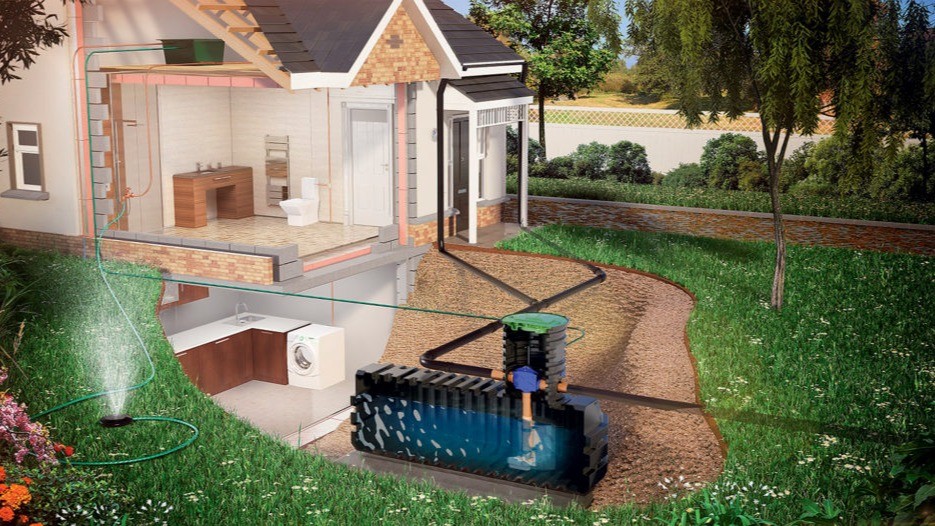


Tags
📧 Get More Articles Like This
Subscribe to receive product reviews and buying guides in your inbox!
We respect your privacy. Unsubscribe at any time.