Minimalist Living Room Ideas: The Complete Guide to Serene, Clutter-Free Spaces
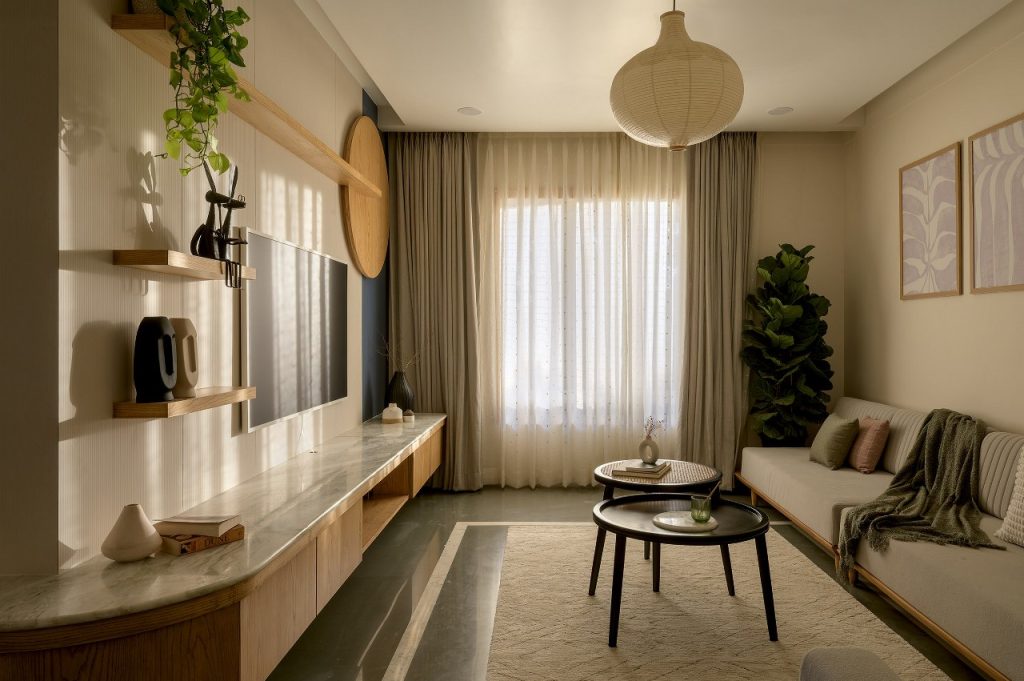
Table of Contents
- Introduction: The Philosophy of Minimalist Living
- Core Principles of Minimalist Design
- Color Palettes That Define Minimalist Spaces
- Essential Furniture Selection
- Smart Storage Solutions
- Lighting: Natural and Artificial Harmony
- Materials and Textures
- Thoughtful Decor and Accessories
- Bringing Life with Plants
- Space Planning and Layout Ideas
- Minimalist Substyles Explained
- Common Mistakes to Avoid
- Budget-Friendly Minimalist Transformations
- Maintenance and Long-Term Living
- Conclusion: Your Minimalist Journey
- FAQ
Introduction: The Philosophy of Minimalist Living
In an increasingly complex, overwhelming world filled with endless choices, constant notifications, and accumulated possessions demanding our attention, minimalist living rooms offer something profoundly valuable: sanctuary. These spaces aren’t simply about having less furniture or choosing white walls—they represent a deliberate, thoughtful approach to creating environments that support mental clarity, genuine relaxation, and intentional living.
The minimalist living room challenges our consumer culture’s narrative that more is better, that empty space needs filling, and that personal worth correlates with visible possessions. Instead, it proposes a radical alternative: that carefully curated spaces with only essential, meaningful elements can provide deeper satisfaction than rooms crowded with unused furniture, decorative clutter, and things we’ve stopped noticing.
This philosophy gained mainstream momentum through various cultural movements—Japanese aesthetic principles emphasizing ma (negative space), Scandinavian design celebrating functional simplicity, and contemporary responses to overconsumption and environmental concerns. But minimalism’s appeal transcends trends because it addresses fundamental human needs: the desire for calm in chaotic times, the yearning for clarity amid confusion, and the practical necessity of making homes work harder as living spaces shrink in urban environments.
While the following demonstration highlights the basic elements of minimalist living room design, there is still information and strategies that lie in the details later in this article - information you may not have known before. :
Common misconceptions about minimalist living rooms include:
- “Minimalist means cold, sterile, and uncomfortable”
- “You can’t have personality or warmth in minimalist spaces”
- “Minimalism only works with unlimited budgets for high-end furniture”
- “Minimalist living rooms aren’t practical for families with children”
- “Everything must be white, gray, or beige”
- “Minimalism means getting rid of everything you love”
These misconceptions reveal fundamental misunderstandings of minimalist principles. True minimalism isn’t about deprivation or following rigid aesthetic rules—it’s about intentionality. It’s choosing quality over quantity, function over decoration, and meaning over trend. A minimalist living room can be warm, inviting, and deeply personal while maintaining clean lines and uncluttered surfaces. It can accommodate family life, pets, and hobbies while preventing the accumulation of unnecessary items that don’t serve genuine purposes.
The benefits of minimalist living room design extend far beyond aesthetics:
Psychological benefits: Reduced visual clutter decreases mental stress and anxiety. Clean, organized spaces promote focus and creativity. Simplified environments facilitate genuine relaxation rather than subconscious to-do lists about organizing or cleaning.
Practical advantages: Less furniture means easier cleaning and maintenance. Fewer items reduce the burden of ownership—less to organize, repair, or replace. Open spaces feel larger, making even modest living rooms feel spacious and airy.
Financial wisdom: Investing in fewer, higher-quality pieces often costs less long-term than constantly replacing cheap furniture. Reduced impulse purchases of unnecessary decor items saves significant money. The discipline of minimalism naturally builds more mindful consumption habits.
Environmental impact: Consuming less means reduced environmental footprint. Quality furniture lasts decades rather than years. The minimalist ethos naturally aligns with sustainability values.
This comprehensive guide provides everything you need to create a minimalist living room that’s authentically yours—not a sterile showroom but a functional, beautiful space supporting how you actually live. We’ll explore the fundamental design principles that make minimalism work, discover specific furniture selections and arrangements, master color palettes creating serene atmospheres, learn storage solutions that hide necessary items while maintaining clean aesthetics, understand lighting strategies enhancing minimalist spaces, and examine various minimalist substyles from Scandinavian to Japanese-inspired approaches.
Whether you’re completely redesigning your living room, gradually transitioning toward minimalism, working with a tight budget, or living in a small urban apartment where every square foot counts—this guide offers practical, actionable ideas you can implement immediately.
Minimalism isn’t about perfection or rigid rules. It’s about creating spaces that serve your life rather than demanding your constant attention. Let’s discover how to design a living room that brings you genuine peace and joy.
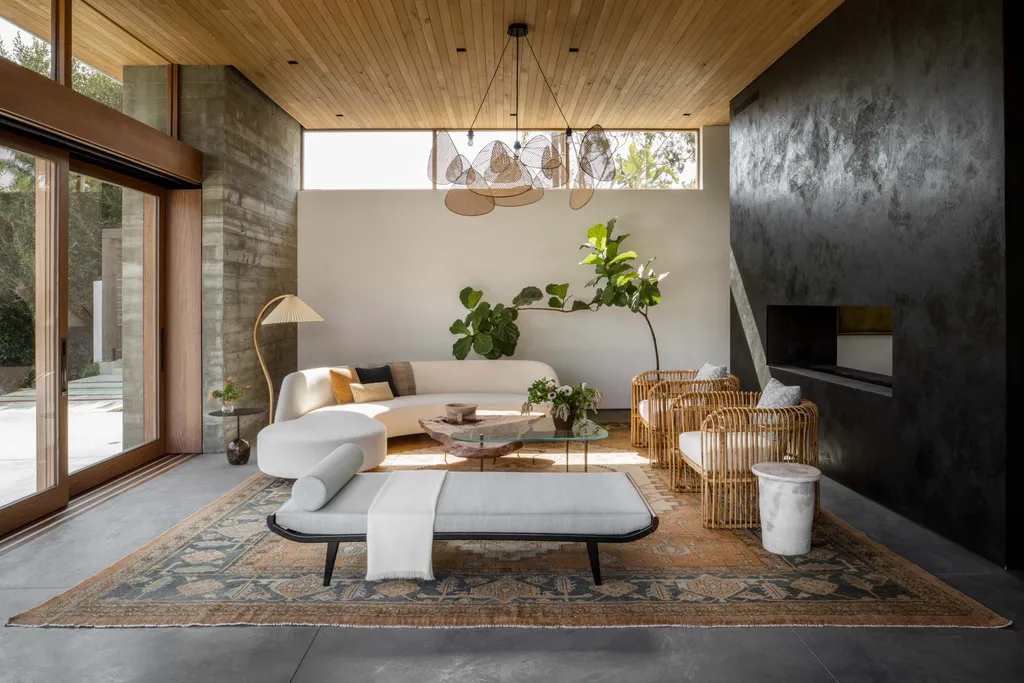
1. Core Principles of Minimalist Design
Understanding minimalist design’s foundational principles is crucial before selecting furniture or choosing paint colors. These principles guide every decision, ensuring your living room achieves genuine minimalism rather than simply looking sparse or unfinished.
Quality Over Quantity: The Foundation
The principle: Every item in your minimalist living room should be there for a reason—providing essential function, bringing genuine joy, or serving specific aesthetic purpose. Nothing earns its place simply by existing or filling space.
In practice: Instead of three mediocre sofas over a decade, invest in one exceptional sofa that will last 20+ years. Rather than numerous decorative objects cluttering surfaces, choose 2-3 meaningful pieces that truly resonate. Replace disposable, trendy items with timeless, well-crafted pieces that transcend passing fads.
The decision framework: Before adding any item to your minimalist living room, ask: “Does this serve a clear function?” “Does this bring me genuine joy when I see it?” “Is this the best version of this item I can reasonably afford?” “Will I still appreciate this in 5-10 years?” If the answer to most questions is no, the item doesn’t belong in your minimalist space.
Investment mindset: Minimalism often requires shifting from volume-based shopping to investment-based purchasing. A $2,000 sofa seems expensive compared to a $500 option—until you realize the quality piece lasts 20 years while the cheap version needs replacing every 3-4 years. Quality pays for itself through longevity, durability, and sustained satisfaction.
Intentional Empty Space: Ma and Negative Space
The principle: Empty space isn’t wasted space—it’s an active design element as important as the furniture and decor you include. Japanese aesthetic philosophy calls this ma: the conscious use of negative space to create breathing room, visual rest, and spatial harmony.
In practice: Leave walls partially bare rather than filling every surface with art. Allow space between furniture pieces rather than pushing everything against walls or clustering items. Embrace empty floor space as valuable rather than something requiring covering with rugs or furniture.
Psychological impact: Our eyes and minds need rest. Rooms filled with visual stimulation—busy patterns, crowded furniture arrangements, cluttered surfaces—create subtle stress even when we don’t consciously notice. Empty space provides visual rest, allowing the elements you do include to be appreciated rather than lost in visual noise.
The 60-40 rule: A useful guideline suggests minimalist living rooms should aim for roughly 60% empty space and 40% filled space. This isn’t rigid mathematics but a conceptual framework encouraging generous negative space. Look at your living room: if every surface, wall, and floor area is occupied, you’re likely missing minimalism’s breathing room.
Functional Design: Form Follows Function
The principle: Every element should serve practical purpose. Beauty in minimalism emerges from excellent function rather than pure decoration. This doesn’t mean everything must be utilitarian and ugly—rather, aesthetic choices should enhance rather than compromise function.
In practice: A coffee table should provide surface space at appropriate height while potentially offering storage. A beautiful lamp should also provide excellent task or ambient lighting. Decorative objects should bring genuine joy or meaning, not simply occupy space. Furniture arrangements should facilitate conversation, movement, and actual living rather than merely looking good in photographs.
The functionality test: For every item in your minimalist living room, identify its function. “Looking pretty” can be a function if the item genuinely brings aesthetic joy. But many decorative items exist simply because we feel spaces should be filled. Those items fail minimalism’s functionality requirement.
Multi-functional excellence: Minimalist design particularly values multi-functional pieces. Ottomans that provide seating, surface space, and storage. Sofas with built-in storage. Coffee tables that extend for dining. Wall-mounted shelving that displays meaningful items while keeping floors clear. Each piece doing multiple jobs reduces overall furniture count while maximizing functionality.
Cohesive Aesthetic: Visual Harmony
The principle: All elements in a minimalist living room should feel deliberately chosen to work together—coordinated color palettes, consistent design languages, and harmonious material choices create unified, peaceful spaces rather than collections of individual items fighting for attention.
In practice: Choose a defined color palette (typically 2-3 main colors with 1-2 accent colors) and use it consistently. Select furniture pieces that share design sensibilities—whether mid-century modern, Scandinavian, contemporary, or Japanese-inspired, maintaining stylistic consistency prevents visual fragmentation. Limit material variety—perhaps wood, metal, and natural textiles—rather than introducing numerous competing materials.
The “could this be a hotel lobby” test: High-end minimalist hotel lobbies achieve serene sophistication through rigorous aesthetic cohesion. While your home should feel warmer and more personal than a hotel, this test helps identify items disrupting visual harmony. If a piece would look jarringly out of place in a carefully designed hotel lobby, it might not fit your minimalist living room’s aesthetic cohesion.
Flexibility within framework: Cohesive aesthetics don’t require everything matching perfectly. A Scandinavian-inspired living room can incorporate Japanese pottery or mid-century modern chairs—the key is that elements share underlying design sensibilities (clean lines, natural materials, functional beauty) even if specific styles vary.
Edited and Curated: Less But Better
The principle: Minimalism practices active curation—continuously evaluating what earns its place and removing what no longer serves. It’s not a one-time purge but an ongoing practice of thoughtful editing.
In practice: Regularly assess your living room with fresh eyes. That decorative vase you loved three years ago but barely notice now? Time to let it go. Books you’ll never reread taking up shelf space? Donate them. Furniture that seemed necessary but rarely gets used? Reconsider its presence. The goal is maintaining only items that actively contribute to your life and space.
The replacement principle: When adding new items, consider removing existing ones—maintaining relatively constant item counts prevents gradual accumulation creeping back. Adding a new throw pillow? Donate an old one. Buying new artwork? Remove a current piece. This practice maintains minimalism long-term.
Sentimental items: Minimalism doesn’t require purging everything with memories. However, it does encourage being selective—keeping truly meaningful items while releasing things you feel obligated to keep despite not genuinely valuing them. Display items that spark joy; store or release those kept from guilt.
Maintenance and Cleanliness: Ongoing Practice
The principle: Minimalist living rooms maintain their serene quality through consistent tidiness and cleaning. The design makes this easier—fewer surfaces to dust, less clutter to organize, simpler cleaning routines—but requires discipline to prevent backsliding.
In practice: Establish daily habits: returning items to designated homes immediately after use, doing quick 5-minute evening tidies, wiping surfaces regularly, and preventing clutter accumulation. Weekly deeper cleaning takes minimal time in truly minimalist spaces—vacuuming, dusting, and surface cleaning completes in 30 minutes or less when you’re not navigating around excessive furniture and decor.
“A place for everything” philosophy: Essential to minimalist maintenance is ensuring every item has a designated home. Keys go in a specific bowl, remotes in a particular drawer, books on designated shelves. Without assigned homes, items become clutter scattered across surfaces.
Shop on AliExpress via link: wholesale-minimalist-furniture
2. Color Palettes That Define Minimalist Spaces
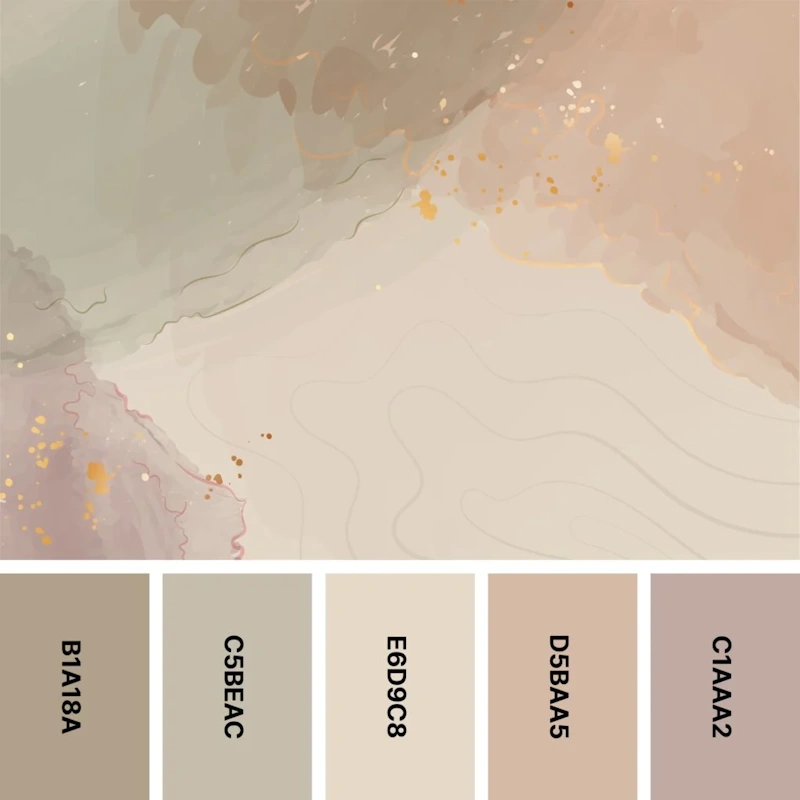
Color fundamentally shapes how minimalist living rooms feel—peaceful or energizing, warm or cool, spacious or cozy. Strategic color choices create cohesive, serene environments that embody minimalist principles.
The Classic Neutral Foundation
Why it works: Neutral color palettes—whites, beiges, grays, and taupes—form the backbone of most minimalist living rooms because they create calm, timeless backgrounds allowing other elements to shine without color-based visual competition.
Palette components:
Base neutrals (60-70% of room): Walls, ceilings, and large furniture pieces
- Pure white or warm white (for brightness and spaciousness)
- Soft gray (for sophistication without starkness)
- Warm beige/greige (for approachability and warmth)
- Soft taupe (for subtle richness)
Secondary neutrals (20-30% of room): Accent furniture, textiles, rugs
- Charcoal or deep gray (for grounding and definition)
- Warm brown/tan (for natural warmth)
- Cream or off-white (for layered sophistication)
Accent colors (10-15% of room): Throw pillows, small decor items, artwork
- Muted terracotta or rust (warmth without brightness)
- Soft sage or olive green (natural, calming)
- Dusty blue or slate (cool sophistication)
- Warm ochre or mustard (subtle energy)
Creating depth within neutrals: The key to preventing neutral palettes from feeling flat is layering multiple neutral shades with varying undertones and values. A living room featuring warm white walls, greige sofa, charcoal throw pillows, cream area rug, and light wood furniture creates substantial visual interest despite the monochromatic palette through careful tonal variation.
Texture as color: In neutral minimalist living rooms, texture becomes even more critical—varied textiles, natural wood grains, stone, metal, and woven materials provide visual interest that color would offer in more vibrant schemes.
Monochromatic Sophistication
Why it works: Monochromatic palettes use varying shades and tints of a single color family, creating sophisticated, cohesive environments with inherent harmony.
Gray monochrome: Ranges from pale dove gray to deep charcoal—sophisticated, modern, and inherently calm. Add warmth through wood tones and natural textiles. Use varying gray values to define different areas and create depth. Introduce metallic accents (chrome, brushed nickel) that complement gray’s cool tones.
Beige/tan monochrome: Spans from ivory through camel to chocolate brown—warm, inviting, and naturally cozy. Easier to make comfortable and welcoming than cooler palettes. Layer different beige tones to prevent flatness. Introduce texture aggressively—linen, jute, raw wood, leather—to create visual interest.
White monochrome: Challenges conventional thinking by embracing multiple white shades—pure white, cream, ivory, off-white, warm white. Creates light-filled, airy spaces feeling larger than actual dimensions. Requires meticulous attention to texture and material variety. Best with abundant natural light; struggles in darker rooms.
Creating distinction: Successful monochromatic schemes require intentional value contrast—placing lighter and darker shades adjacent to each other defines spaces, furniture, and architectural features. All-identical shades read as flat and uninteresting; varied values create depth and sophistication.
Warm Minimalism: Adding Coziness
Why it works: Warm color palettes make minimalist living rooms feel inviting and comfortable rather than cold or austere—critical for spaces meant for relaxation and gathering.
Warm palette foundations:
- Walls: Warm white, creamy beige, soft taupe, or pale terracotta
- Large furniture: Caramel leather, warm gray fabric, natural linen, tan/cognac tones
- Wood tones: Honey oak, warm walnut, natural pine—avoid cool-toned or whitewashed woods
- Accents: Rust, terracotta, warm ochre, burnt sienna, camel, warm coral
Natural warmth: Incorporate inherently warm materials—leather, wool, jute, raw wood, terracotta, brass, copper—which naturally add warmth regardless of color.
Balancing warmth: Prevent warm minimalist spaces from feeling heavy or closed by maintaining white or light-neutral ceilings, ensuring abundant natural light, and incorporating some cooler elements (perhaps stone or ceramic) for contrast.
Cool Minimalism: Serene Sophistication
Why it works: Cool palettes create calm, contemplative spaces perfect for relaxation and mental clarity—particularly effective in warm climates or for those who find warmth visually overstimulating.
Cool palette foundations:
- Walls: Pure white, cool gray, pale blue-gray, soft silver
- Large furniture: Cool gray fabric, steel blue, charcoal, white/ivory
- Wood tones: Whitewashed oak, bleached pine, light ash—avoid warm or honey-toned woods
- Accents: Slate blue, sage green, dove gray, soft lavender, icy blue
Adding warmth strategically: Cool minimalist palettes risk feeling sterile. Counter this with natural wood (even whitewashed), incorporating plants, using warm-toned metals (brass, gold, copper), and adding textural warmth through natural fiber textiles.
Light considerations: Cool palettes particularly depend on natural light—without it, they can feel gloomy. In naturally dark rooms, consider warmer palettes or ensure excellent artificial lighting.
Accent Color Strategies
The single accent approach: Choose one accent color used sparingly throughout the space—perhaps muted teal appearing in throw pillows, a vase, and artwork. This creates cohesion and prevents the “throw pillow chaos” of many competing colors.
Tonal accents: Rather than introducing completely different colors, use deeper or more saturated versions of your base palette as accents—if your room is soft gray, use charcoal or slate as accents rather than introducing unrelated colors.
Natural color accents: The safest accent colors for minimalist spaces come from nature—forest green, sky blue, terracotta, ochre, rust. These colors inherently harmonize with neutral bases and natural materials common in minimalism.
Seasonal rotation: Consider rotating accent colors seasonally—warm rust and ochre for autumn/winter, fresh greens and blues for spring/summer. This keeps spaces feeling current while maintaining minimalist foundations.
Black and White: High Contrast Drama
Why it works: Black and white minimalism creates striking, graphic spaces with maximum visual impact through pure contrast rather than color variety.
The 80-20 rule: In black and white spaces, one color typically dominates (80%) while the other accents (20%). All-white with black accents feels bright and spacious; predominantly black feels dramatic and cocooning.
Introducing warmth: Pure black and white can feel harsh. Soften with warm wood tones (tan, honey, walnut), natural textiles (jute, linen, wool), or warm metals (brass, gold). These neutral additions prevent sterility while maintaining high-contrast aesthetic.
Gray as mediator: Incorporating multiple gray tones between pure black and white creates gradation and reduces starkness while maintaining monochromatic sophistication.
3. Essential Furniture Selection
Minimalist furniture selection requires strategic thinking—every piece must earn its place through function, aesthetic contribution, or both. The goal is maximum impact with minimum items.
The Minimalist Sofa: Your Living Room Anchor
Characteristics of minimalist sofas:
Clean lines: No elaborate tufting, excessive curves, or ornate details—straight lines, simple silhouettes, and uncluttered profiles define minimalist sofas.
Neutral upholstery: Grays, beiges, whites, blacks, or other neutrals maintain visual calm. Avoid bold patterns or bright colors that dominate spaces.
Quality construction: Minimalism emphasizes longevity—solid hardwood frames, eight-way hand-tied springs, high-density foam cushions, and durable upholstery fabrics ensure decades of use.
Appropriate scale: Neither oversized nor petite—proportions should suit room size without overwhelming or appearing insubstantial. Measure carefully, considering ceiling height and room dimensions.
Leg style: Exposed legs (wood or metal) create visual lightness and make spaces feel larger by revealing floor space beneath. Skirted sofas feel heavier and less minimalist.
Ideal styles:
Mid-century modern sofas: Clean-lined silhouettes with tapered wooden legs—timeless and inherently minimalist. Example: Classic designs inspired by Hans Wegner or Florence Knoll.
Scandinavian sofas: Light-colored upholstery, natural wood legs, emphasis on comfort and simplicity. Often slightly rounded arms for approachability.
Contemporary minimalist: Boxy silhouettes, low profiles, floating appearance, minimal ornamentation. Often platform-style without visible legs.
Japanese-inspired: Low to ground, simple cushions, emphasis on natural materials and clean lines.
Sectional considerations: Sectionals can work in minimalist spaces if room size justifies them and you truly need the seating. Avoid oversized sectionals in small rooms—they create the opposite of minimalist spaciousness. Choose clean-lined sectionals without excessive pillows or fussy details.
Coffee Tables: Functional Centerpieces
Minimalist coffee table essentials:
Simple geometry: Rectangular, square, round, or oval tables with clean lines and minimal ornamentation work best. Avoid elaborate bases, excessive detail, or fussy designs.
Material honesty: Tables celebrating materials—solid wood with visible grain, marble or stone showing natural veining, metal with honest finishes—fit minimalist aesthetics better than pieces hiding their construction.
Appropriate height: Standard coffee tables sit 16-18 inches high, roughly even with sofa cushions. Low Japanese-style tables (12-14 inches) create different aesthetic but require floor cushions or very low seating.
Strategic storage: Some minimalist coffee tables incorporate hidden storage—lift-top tables, tables with lower shelves, or tables with drawers—helping maintain clutter-free surfaces while providing functionality.
Ideal styles:
Solid wood platforms: Simple rectangular tables in walnut, oak, or light woods—honest materials and straightforward construction.
Glass and metal: Tempered glass tops with minimal metal frames create visual lightness and openness—perfect for small spaces.
Stone or marble: Natural stone tops (marble, granite, concrete) on simple metal or wood bases bring organic luxury.
Nesting tables: Multiple small tables that stack together provide flexibility—separate for additional surface space when needed, nest together when not in use.
Alternative approaches: Some minimalist living rooms skip coffee tables entirely, using floor cushions for casual gatherings or side tables meeting specific needs. This works particularly well in small spaces or very casual living rooms.
Side Tables and Accent Tables
Minimalist side table principles:
Minimal footprint: Side tables should provide surface space without occupying excessive floor area—slim profiles and small footprints maintain openness.
Material coordination: Side tables should harmonize with other furniture—matching wood tones, complementary metals, or consistent material families.
Functional height: Table surfaces should sit slightly below or even with sofa arms for comfortable reach from seated positions.
Built-in options: Consider wall-mounted floating shelves as side table alternatives—they provide surface space while keeping floors clear.
Ideal quantities: Minimalism doesn’t require matching side tables flanking every sofa. One well-placed side table often suffices. Consider whether you genuinely need surface space on both sofa ends or if one serves actual function while the other merely maintains symmetry.
Seating Beyond the Sofa
When to add additional seating:
- Your household regularly has more people than the sofa accommodates
- You frequently entertain and host gatherings
- You want distinct conversation groupings in larger living rooms
- You need flexible seating that moves between rooms
Minimalist seating options:
Accent chairs: Choose one or two sculptural accent chairs making deliberate design statements rather than trying to match the sofa. Mid-century modern chairs, Scandinavian-inspired pieces, or contemporary designs with clean lines work beautifully. Position chairs to create conversation areas while maintaining traffic flow.
Floor cushions: Large, quality floor cushions provide flexible seating with minimal visual impact—stack in corners when unused, deploy during gatherings. Particularly appropriate for Japanese-inspired or casual minimalist spaces.
Ottomans and poufs: Upholstered ottomans or poufs serve as footrests, extra seating, and sometimes surface space (with trays). Choose simple geometric shapes without fussy details.
Benches: Simple wooden or upholstered benches offer seating while doubling as coffee tables (with trays) or console tables along walls. They’re easily moved and multi-functional.
Storage Furniture
Minimalist storage principles:
Hidden storage: Closed storage (cabinets, credenzas, storage ottomans) hides necessary items, maintaining clean visual lines rather than open shelving displaying clutter.
Multi-functional pieces: Storage that doubles as display space, room dividers, or surfaces maximizes utility without adding furniture.
Scale appropriateness: Storage furniture should provide adequate space without dominating rooms—measure realistic storage needs before purchasing massive units you don’t need.
Minimalist storage furniture:
Media consoles: Low-profile TV stands with closed cabinets hide electronics, cables, and media collections. Choose simple designs in natural wood, white, or black.
Sideboards and credenzas: Long, low storage pieces provide substantial storage while serving as display surfaces for carefully curated items. Position along walls to define space without blocking sightlines.
Built-in solutions: Where possible, built-in storage (custom cabinetry, alcove shelving) provides maximum storage with minimal visual impact by integrating with architecture.
Floating shelves: Wall-mounted floating shelves provide display space for carefully selected books and objects while keeping floors clear—key to maintaining visual spaciousness.
Shop on AliExpress via link: wholesale-minimalist-home-decor
4. Smart Storage Solutions
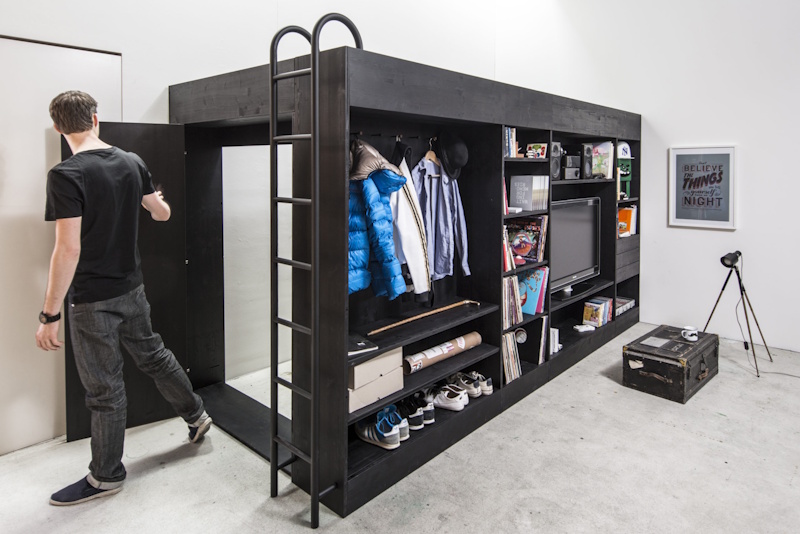
Effective storage is crucial to minimalist living rooms—not just having storage but hiding it elegantly so necessary items remain accessible without creating visual clutter.
The “One In, One Out” Rule
The principle: When acquiring new items, remove equivalent items you already own. This prevents gradual accumulation that undermines minimalism over time.
Living room application: Buying new throw pillows? Donate old ones. Adding new books? Remove books you won’t reread. New artwork? Take down current pieces. This maintains relatively constant item counts preventing creep back toward cluttered spaces.
Closed Storage Solutions
Why closed storage matters: Open shelving displaying items creates visual business—even neatly organized open shelves draw the eye constantly. Closed storage hides necessary items behind doors or within drawers, maintaining clean visual lines.
Cabinets and credenzas: Low-profile cabinets along walls provide substantial storage for electronics, media, books, games, hobby supplies, and miscellaneous items while presenting clean, uninterrupted facades. Choose simple door styles without excessive detailing—flat panel or simple frame-and-panel doors work best.
Storage ottomans: Upholstered ottomans with hidden storage inside provide flexible seating, footrests, and surface space (with trays) while concealing blankets, throw pillows, magazines, or children’s toys. Choose ottomans that suit your sofa’s scale and style.
Built-in cabinetry: Custom built-in cabinets integrate seamlessly with architecture, providing maximum storage without furniture-cluttered appearance. While more expensive than freestanding furniture, built-ins offer superior aesthetics and space utilization in minimalist design.
TV and media storage: Modern minimalist living rooms must address electronics. Choose media consoles with closed cabinets hiding cable boxes, gaming systems, media collections, and the cable chaos that accompanies modern entertainment systems. Cable management systems (raceways, clips, concealment boxes) are essential—visible cable tangles destroy minimalist aesthetics.
Baskets and Bins: Concealed Organization
Strategic basket use: Woven baskets or fabric bins provide flexible, attractive storage that hides visual clutter while remaining accessible. Place baskets on lower shelves, beneath console tables, or in corners to corral items like throw blankets, magazines, remote controls, or children’s toys.
Material choices: Natural fiber baskets (seagrass, rattan, jute) complement minimalist aesthetics and add warm texture. Fabric bins in neutral colors provide softer alternatives. Avoid plastic bins—they rarely photograph well or look intentional in designed spaces.
Labeled organization: Even in minimalist homes, knowing what’s in storage matters. Consider subtle labels (inside basket lips, on container bottoms, or small adhesive labels) helping household members maintain organization.
Floating Shelves: Display with Discipline
When floating shelves work: Unlike open bookcases, floating shelves maintain some minimalist qualities by eliminating bulky shelf structures and keeping floors clear. They work when displaying carefully curated items rather than serving as catch-all storage.
The “less is more” approach: On floating shelves, negative space equals sophistication. Display 3-5 meaningful items per shelf rather than filling every inch. Group items intentionally—books with complementary spines, objects with similar colors or materials, or curated vignettes with breathing room.
Height strategy: Mount floating shelves at varying heights creating visual interest while serving different functions—high shelves for decorative display, mid-height for frequently accessed books, lower shelves for items used regularly.
Material coordination: Choose floating shelf materials complementing existing furniture—wood shelves matching wood tones in your coffee table or credenza, white shelves blending with white walls, or metal shelves echoing metal furniture legs.
Hidden Storage Opportunities
Behind sofa storage: In living rooms where sofas don’t sit against walls, the space behind sofas becomes dead space. Long, low consoles positioned behind floating sofas provide storage and display space while defining zones in open-plan spaces.
Under furniture storage: Coffee tables with lower shelves, benches with storage underneath, and sofas with storage in bases maximize spatial efficiency—items hide in plain sight without adding furniture.
Vertical wall storage: Floor-to-ceiling built-in cabinets maximize storage capacity while occupying minimal floor space—particularly valuable in small living rooms where every square foot counts.
Digital Decluttering
Minimizing physical media: Streaming services eliminate physical media collections (DVDs, CDs) that once required substantial storage. Transitioning to digital libraries dramatically reduces storage needs while providing access to more content.
Cord management: Wireless technology reduces cord clutter—wireless speakers, charging stations with cable management, and Bluetooth devices minimize visual noise from tangled cables.
Hidden technology: Projectors replace large TVs; retractable screens hide when not in use. Wireless charging stations eliminate visible charging cables. Smart home integration reduces visible switches and controls.
5. Lighting: Natural and Artificial Harmony
Lighting fundamentally shapes how minimalist living rooms feel—good lighting makes spaces feel open, warm, and inviting while poor lighting can make even beautifully designed minimalist rooms feel cold and unwelcoming.
Maximizing Natural Light
The minimalist advantage: Minimalist living rooms typically feature fewer, simpler window treatments and less furniture blocking windows—this naturally maximizes natural light, a crucial element in creating bright, spacious-feeling interiors.
Window treatment strategies:
Minimal or no treatments: If privacy permits, leaving windows bare maximizes natural light and maintains clean, simple aesthetics. This works best with beautiful views, adequate privacy from neighbors, or ground-level rooms not visible from streets.
Simple sheer curtains: Lightweight white or cream sheer curtains filter harsh sunlight while maintaining brightness and privacy. Mount on simple rods without elaborate hardware or valances.
Roller shades: Clean-lined roller shades in white, cream, or light gray provide privacy when needed while rolling up completely to disappear when open. Choose top-down/bottom-up options for privacy flexibility.
Cellular shades: Honeycomb cellular shades provide excellent insulation (important for energy efficiency) while maintaining minimalist aesthetics when raised. Choose neutral colors that blend with walls.
What to avoid: Heavy drapes with elaborate valances, busy patterns, ornate curtain rods, tiebacks with tassels—these elements introduce visual complexity antithetical to minimalism.
Architectural enhancements: Consider whether your living room would benefit from additional windows, larger windows, or skylights. While expensive, these architectural changes dramatically improve spaces dependent on natural light.
Reflective surfaces: Mirrors, glass tables, metallic accents, and glossy finishes reflect and multiply natural light—strategically placing mirrors opposite windows bounces light deeper into rooms.
Layered Artificial Lighting
The three-layer approach: Professional lighting design uses three distinct layers creating flexible, functional, beautiful illumination: ambient lighting (general illumination), task lighting (focused light for activities), and accent lighting (highlighting features or creating atmosphere).
Ambient lighting (general illumination):
Recessed ceiling lights: Minimalist-friendly recessed lighting provides general illumination without visible fixtures cluttering ceilings. Space recessed lights appropriately (typically 4-6 feet apart) to prevent over-lit or under-lit areas. Use dimmer switches allowing brightness adjustment.
Semi-flush mount ceiling fixtures: Where recessed lighting isn’t possible (concrete ceilings, rental restrictions), choose simple semi-flush mount fixtures in minimal designs—simple drum shades, geometric metal fixtures, or modern glass globes work better than elaborate chandeliers or dated fixtures.
Track lighting: Contemporary track lighting in matte black or brushed metal finishes can work in minimalist spaces when designed with clean lines and simple fixture shapes. Position tracks to provide flexible directional lighting.
Task lighting (activity-focused):
Floor lamps: Arc floor lamps provide adjustable task lighting for reading or activities while maintaining floor space and creating sculptural visual interest. Choose lamps with simple, clean-lined designs in metal or wood finishes. Position behind or beside seating areas for ideal reading light.
Table lamps: Simple table lamps on side tables or consoles provide localized lighting. Choose lamps with minimal bases (simple cylinders, tripods, or geometric forms) and neutral lamp shades (white, cream, or simple linen). Avoid fussy traditional lamp styles with elaborate bases or decorative shades.
Reading lights: Wall-mounted swing-arm reading lights beside seating provide focused task lighting without occupying surface space—particularly valuable in minimalist living rooms where side tables might be absent or minimal.
Accent lighting (atmosphere and drama):
Picture lights: Small, directional lights mounted above artwork highlight pieces while creating visual interest and warm ambient light. LED picture lights are energy-efficient and generate minimal heat.
Uplighting: Placing simple uplights (cylinder cans or spotlights) in corners behind plants or sculptures creates dramatic shadows and warm indirect light—particularly effective in evening creating cozy atmosphere.
LED strips: Concealed LED strip lighting behind floating shelves, under media consoles, or along baseboards creates subtle ambient glow and visual interest without visible fixtures. Choose warm white (2700-3000K) for inviting atmosphere.
Color Temperature Matters
Understanding Kelvin ratings: Light color is measured in Kelvin (K)—lower numbers are warmer/yellower, higher numbers are cooler/bluer.
Warm white (2700-3000K): Creates cozy, inviting atmosphere similar to incandescent bulbs—ideal for living rooms where relaxation is primary function. This temperature makes spaces feel comfortable and warm.
Neutral white (3500-4100K): Crisp, balanced light without strong warm or cool cast—works well in modern minimalist spaces but can feel slightly clinical if not balanced with warmer sources.
Cool white (5000K+): Bright, blue-toned light mimicking daylight—generally too harsh for living rooms except in very contemporary spaces or where maximum brightness is needed.
Consistency matters: Use consistent color temperatures throughout your living room—mixing 2700K and 5000K bulbs in the same space creates uncomfortable visual discord. Choose one color temperature (ideally 2700-3000K for living rooms) and use it consistently across all light sources.
Dimmer Switches: Essential Control
Why dimmers matter: Dimmer switches transform rigid lighting into flexible, atmosphere-creating tools. Bright lighting works for daytime activities and cleaning; dimmed lighting creates evening ambiance and relaxation. Dimmers also extend bulb lifespan and reduce energy consumption.
Universal installation: Install dimmers on every light switch in your minimalist living room if possible—the small additional cost provides disproportionate quality-of-life improvements.
Smart lighting options: Smart bulbs and systems (Philips Hue, LIFX, smart switches) allow controlling brightness, color temperature, and even colors from smartphones or voice commands—convenient but not necessary for effective minimalist lighting.
Lighting Mistakes to Avoid
Over-reliance on overhead lighting: Single overhead fixtures as sole light sources create flat, uninviting illumination with harsh shadows. Layer multiple light sources at different heights for dimensional lighting.
Insufficient lighting quantity: Minimalist aesthetics don’t mean minimal lighting—adequate illumination is crucial for functionality and comfort. A living room typically needs 10-20 watts per square foot (LED equivalent) depending on ceiling height and natural light.
Neglecting corners: Dark corners make spaces feel smaller and less inviting—place floor lamps, uplights, or table lamps in corners to prevent dead zones and create balanced illumination throughout the space.
Visible bulbs in inappropriate fixtures: Unless using attractive Edison-style LED bulbs as deliberate design elements, visible bulbs look unfinished—choose fixtures with appropriate shades or diffusers concealing bulbs.
Shop on AliExpress via link: wholesale-modern-lighting
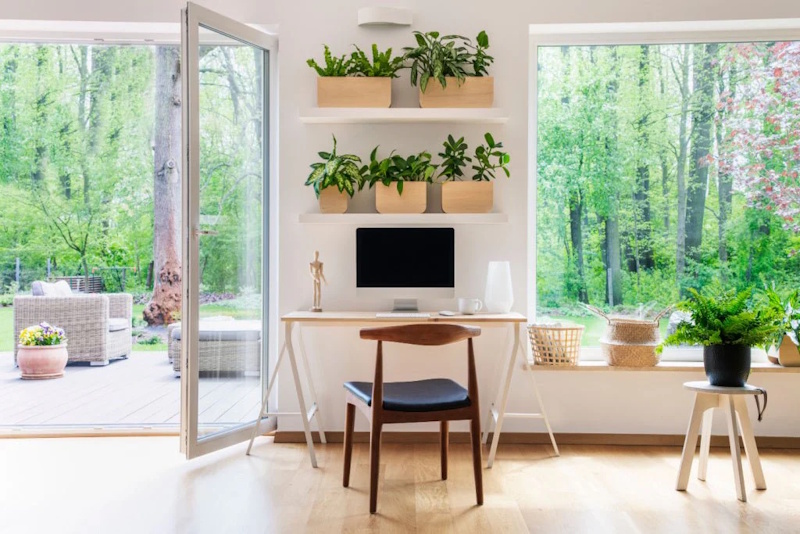
6. Materials and Textures
Material and texture selection in minimalist living rooms is crucial—with reduced visual complexity from fewer items and simpler color palettes, materials and textures provide essential depth, warmth, and tactile interest.
Wood: Warmth and Natural Beauty
Why wood is minimalist-essential: Natural wood brings organic warmth, texture, and visual interest to minimalist spaces without adding pattern or color complexity. Wood’s natural grain provides subtle variation preventing sterile uniformity.
Wood tone strategies:
Light woods (maple, ash, light oak, birch): Create bright, Scandinavian-inspired aesthetics. Light woods pair beautifully with white or light gray color palettes, making spaces feel open and airy. They work particularly well in smaller living rooms or spaces with limited natural light.
Medium woods (walnut, teak, cherry): Provide rich warmth without darkness—the sweet spot for many minimalist spaces. Medium tones introduce substantial warmth while maintaining sophistication. They pair well with both warm and cool neutral palettes.
Dark woods (espresso, dark walnut, mahogany): Create dramatic, grounding presence. Use dark woods strategically—perhaps one substantial piece like a coffee table or media console—rather than overwhelming spaces with too much darkness. Dark woods require abundant natural light or excellent artificial lighting to prevent oppressive feelings.
Consistency principle: Using wood tones consistently throughout your living room creates cohesion. This doesn’t mean everything must match exactly, but maintaining similar tonal families (all light woods, all medium tones) prevents visual fragmentation. Mixing light and dark woods can work but requires careful intentionality.
Finish matters: Natural, matte, or satin finishes showcase wood’s organic beauty and suit minimalist aesthetics better than high-gloss lacquered finishes which feel more formal or traditional.
Metal: Industrial Elegance
Why metal works: Metal elements introduce industrial edge, contemporary sophistication, and durability to minimalist living rooms. Metal’s inherent simplicity and structural honesty align perfectly with minimalist principles.
Metal finishes:
Matte black: Contemporary, bold, creates strong visual anchors and contrast. Works beautifully in modern minimalist spaces and pairs well with both warm and cool color palettes. Be cautious with quantity—too much matte black can feel heavy.
Brushed steel/stainless steel: Cool, modern, industrial—pairs well with cool-toned minimalist palettes and contemporary furniture. Can feel cold if overused; balance with warm woods and textiles.
Brass/gold tones: Warm, luxurious, adds richness without color. Brass and gold have experienced renaissance in contemporary design. Use strategically in light fixtures, hardware, accent pieces—warmth balances cooler minimalist palettes.
Bronze/copper: Similar warmth to brass but with different character—bronze feels more organic and less formal, copper develops beautiful patina over time adding character.
Metal applications: Furniture legs (table and chair bases), light fixtures (lamps, pendants, sconces), hardware (cabinet pulls, door handles), decorative objects (sculptures, vases), shelving brackets, and picture frames.
Mixing metals: Contemporary design embraces mixing metal finishes intentionally. The key is using each metal multiple times throughout the space—if using brass, incorporate it in 3-4 places (light fixture, coffee table legs, picture frame). Single instances of each metal feel random; multiple repetitions feel deliberate.
Natural Textiles: Softness and Warmth
Why textiles matter: In minimalist spaces with limited pattern and color, textiles provide essential softness, warmth, and tactile variety. They humanize minimalist spaces preventing cold, uninviting feelings.
Natural fiber advantages: Linen, cotton, wool, jute, and hemp offer organic beauty, durability, and eco-friendliness aligning with minimalist values. They age gracefully, developing character rather than looking worn.
Textile applications:
Linen: Excellent for curtains (subtle texture, beautiful drape, filters light softly), throw pillows (slightly rumpled character adds lived-in warmth), and upholstery (durable, breathable, casual elegance). Linen’s natural wrinkles are features, not bugs—they prevent overly precious feeling.
Cotton: Versatile, affordable, durable—works for curtains, throw pillows, blankets, and upholstery. Choose high-quality cotton (heavyweight canvas, dense weaves) rather than thin, cheap options that wear quickly.
Wool: Provides warmth and luxury—ideal for throw blankets, area rugs, and upholstery. Wool is naturally stain-resistant, durable, and ages beautifully. Consider wool blends for easier care.
Jute/sisal: Natural fiber area rugs provide organic texture and neutral color—perfect for grounding minimalist living rooms. They’re durable, relatively affordable, and visually interesting without pattern.
Color and pattern: Minimalist textiles typically use solid neutral colors (whites, creams, grays, tans) or very subtle patterns (slight texture, tiny check, thin stripe). Reserve brighter colors or bolder patterns for small accent pieces if desired.
Stone and Concrete: Organic Strength
Why stone works: Stone materials bring organic texture, natural variation, and substantial presence—their honesty and minimal processing align with minimalist values.
Applications:
Coffee tables: Marble, granite, or concrete coffee tables create stunning focal points. Natural stone tops on simple bases showcase material beauty.
Side tables: Small accent tables with stone tops add luxury and weight to arrangements.
Decorative objects: Stone bowls, vases, or sculptures provide organic sculptural elements.
Flooring: Concrete or polished stone floors (or porcelain tiles mimicking these materials) create modern minimalist foundations—cool to touch, extremely durable, low maintenance.
Care considerations: Natural stone requires appropriate sealing and care—marble is porous and stains easily; granite is more durable; concrete needs sealing to prevent staining. Consider maintenance requirements before committing to stone elements.
Glass: Transparency and Light
Why glass works: Glass elements maintain visual openness—glass tables don’t block sightlines or visually shrink spaces like solid furniture. Glass reflects and transmits light, enhancing brightness.
Applications:
Coffee tables: Glass-top coffee tables with metal or wood bases keep floors visible, maintaining spatial openness—particularly valuable in small living rooms.
Side tables: Glass accent tables provide surface space without visual weight.
Shelving: Glass floating shelves or glass shelves on metal brackets create displayspace without visual bulk.
Limitations: Glass requires frequent cleaning (fingerprints, dust show prominently), breaks more easily than wood or metal, and can feel cold to touch. Consider tempered glass for safety—it’s stronger and breaks into small, less dangerous pieces.
Creating Texture Variety
The principle: With minimalist color and pattern restraint, texture becomes crucial for visual interest. Successful minimalist living rooms feature diverse textures—smooth wood, rough jute, soft linen, cool metal, warm wool—creating depth through tactile variety.
Texture layering: Consider each element’s texture: smooth leather sofa + chunky knit throw + jute rug + smooth wood table + metal lamp = layered textural interest preventing flat, one-dimensional appearance despite monochromatic palette.
Avoid texture monotony: All smooth surfaces feel sterile; all rough textures feel unrefined. Balance smooth and textured elements throughout your space.
7. Thoughtful Decor and Accessories
Minimalist decor follows the “less is more” principle—every decorative element should be carefully chosen, meaningfully displayed, and genuinely appreciated. Decoration becomes curation rather than accumulation.
The Curated Approach to Decor
Quality over quantity: Display 5-10 carefully selected decorative items rather than 50 generic pieces. Each item should bring genuine joy, serve aesthetic purpose, or hold personal meaning.
The “love it or lose it” test: Before displaying any decorative item, ask honestly: “Do I genuinely love this?” “Does this contribute meaningfully to my space?” “Would I notice if it disappeared?” Items failing these tests shouldn’t occupy precious surface space.
Rotation strategy: Consider rotating decorative items seasonally or periodically—store some items while displaying others, then swap after several months. This keeps spaces feeling fresh while maintaining minimalist restraint.
Artwork: Intentional Wall Decor
Minimalist artwork principles:
Large-scale impact: In minimalist spaces, one substantial piece of artwork often works better than multiple small pieces—large art makes bold statements without creating cluttered gallery wall effects.
Simple framing: Choose simple, clean-lined frames (thin black, natural wood, white, or frameless float-mounting) rather than ornate gilded frames or elaborate matting that distracts from art itself.
Strategic placement: Center artwork at eye level (typically 57-60 inches to center point). Leave substantial breathing room around art—don’t crowd pieces or hang too close to furniture.
Abstract or minimal subject matter: Abstract art, line drawings, minimal photography, and simple compositions suit minimalist aesthetics naturally. However, meaningful representational art you genuinely love can work if framing and placement are thoughtful.
Gallery walls reconsidered: Traditional gallery walls with numerous small frames feel busy and non-minimalist. If you love gallery wall concepts, create minimalist versions: uniform frame sizes and colors, symmetrical grid arrangements, or thematic coherence preventing visual chaos.
Alternative wall decor: Consider alternatives to traditional framed art—large textile wall hangings, floating wooden shelves displaying 2-3 objects, sculptural wood or metal pieces, or leaving walls intentionally bare allowing architecture to shine.
Decorative Objects: Sculptural Simplicity
Choosing decorative objects:
Sculptural forms: Simple vases, bowls, sculptures, or objects with beautiful forms work better than fussy decorative items with excessive detail.
Natural materials: Wood, stone, ceramic, glass, and metal objects bring organic beauty aligning with minimalist aesthetics.
Monochromatic or neutral colors: Objects in whites, grays, blacks, natural wood tones, or muted earth tones maintain color palette cohesion. Reserve colorful objects for deliberate accent purposes.
Meaningful items: Prioritize objects with personal meaning—travel souvenirs, handmade pieces, heirlooms, or items connecting to memories—over generic decorative shop purchases.
Display strategies:
The rule of three: Grouping objects in odd numbers (particularly three) creates visually pleasing arrangements—three candlesticks on a console, three ceramic bowls on a coffee table.
Varying heights: When displaying multiple objects, vary heights creating visual interest—tall vase + medium bowl + small object creates more dynamic arrangement than three similar-height items.
Negative space: Leave substantial empty space around decorative groupings—crowding objects together dilutes impact. One beautiful vase on a console table with empty space around it commands more attention than the same vase surrounded by clutter.
Surface discipline: Not every surface needs decoration—bare surfaces provide visual rest and maintain minimalist simplicity. Consider leaving some tables, shelves, or counters completely bare.
Books as Decor
Display vs. storage: Minimalist living rooms typically display only books that are currently reading, reference frequently, or find genuinely beautiful. The extensive library lives in storage, bedrooms, or dedicated library spaces—not cluttering living room shelves.
Styling books:
Horizontal stacking: Laying books horizontally (rather than traditional vertical shelving) creates sculptural arrangements—stack 3-4 large books with objects displayed on top.
Color coordination: Organizing books by color creates visually cohesive displays—all white spines together, all black together. While controversial among book lovers, it creates pleasing minimalist aesthetics.
Coffee table books: Large-format photography, art, or design books serve as both reading material and decorative objects—display 2-3 on coffee tables, not 10.
Hidden storage for the rest: Non-display books live in closed cabinets, credenzas, or separate rooms maintaining living room minimalism while keeping cherished books accessible.
Throw Pillows and Blankets
Thoughtful pillow selection:
Quantity restraint: 2-4 throw pillows on a sofa typically suffices—more creates cluttered appearance and requires constant rearranging. Small loveseats might need just 2 pillows; large sectionals might accommodate 6-8.
Size and proportion: Use pillow sizes proportionate to furniture—18-22 inch pillows work on most sofas; smaller 16-18 inch pillows suit smaller seating; oversized 24-26 inch pillows create bold statements on large furniture.
Color and pattern: In minimalist spaces, neutral solid pillows predominate—choose whites, creams, grays, or muted tones. If adding pattern, choose geometric designs, subtle textures, or single accent pillow rather than multiple competing patterns.
Texture variety: Since pillow colors remain restrained, vary textures—linen, velvet, chunky knit, leather, or wool creates interest without color chaos.
Blanket throws:
One per sofa: A single, beautiful throw blanket draped casually over sofa arm or back provides warmth and texture—more than one feels cluttered.
Material quality: Invest in quality throws—chunky knit wool, soft cashmere blends, or heavyweight linen age beautifully and feel luxurious. Cheap acrylic throws look and feel disappointing.
Neutral colors: Maintain color discipline with throws matching overall palette—grays, creams, tans, or muted colors work better than bright patterns.
What NOT to Display
Minimalist decor actively avoids:
- Collections of small tchotchkes crowding surfaces
- Excessive family photos in mismatched frames
- Seasonal decor rotated constantly
- “Live, Laugh, Love” style word art or inspirational signs
- Fake flowers or plants (real or nothing)
- Generic decorative objects bought simply to fill space
- Excessive candles covering every surface
- Random items accumulating without conscious choice
Shop on AliExpress via link: wholesale-minimalist-deco
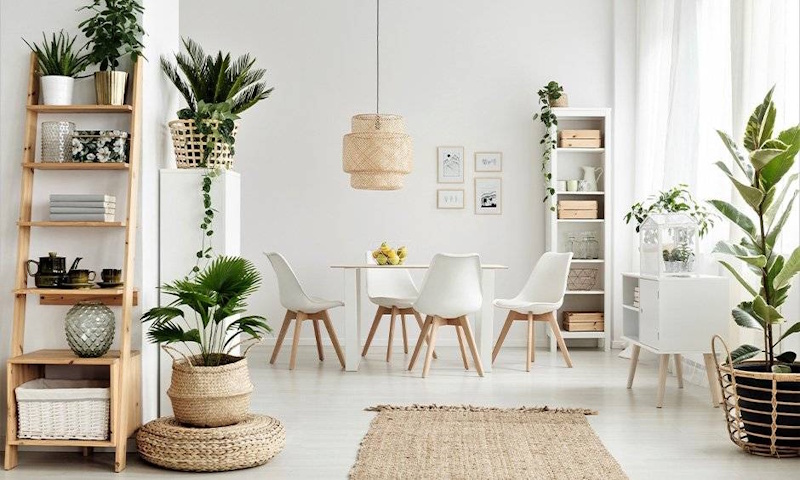
8. Bringing Life with Plants
Plants introduce organic life, color, texture, and air-purifying benefits to minimalist living rooms—they’re one of the few decorative elements that actively contribute to space quality beyond aesthetics.
Choosing Minimalist Plants
Large, sculptural plants: In minimalist spaces, fewer large plants create more impact than numerous small plants. Consider:
Fiddle Leaf Fig (Ficus lyrata): Dramatic, large leaves on tall stems—instantly iconic and sculptural. Requires bright indirect light and consistent watering. Grows 6-10 feet tall indoors.
Monstera Deliciosa: Large, split leaves create architectural interest. Easier care than fiddle leaf figs—tolerates varied light and occasional watering neglect. Grows large (6-8 feet) over time.
Snake Plant (Sansevieria): Tall, upright, architectural leaves—extremely hardy requiring minimal care. Tolerates low light and infrequent watering. Available in various sizes from tabletop to floor-size.
Bird of Paradise (Strelitzia): Tall, paddle-shaped leaves create tropical drama. Requires bright light and regular watering. Grows 5-6 feet indoors.
**Rubber Plant (Ficus elastica):** Broad, glossy leaves on sturdy stems—easier than fiddle leaf figs while maintaining sculptural presence. Tolerates medium light and moderate watering.
Medium accent plants:
ZZ Plant (Zamioculcas zamiifolia): Glossy, architectural foliage—extremely low-maintenance tolerating neglect, low light, and irregular watering. Perfect for minimalist beginners.
Pothos: Trailing vines work beautifully on shelves or hanging planters—very easy care, tolerates varied light, grows quickly creating lush greenery.
Peace Lily (Spathiphyllum): Elegant white flowers and dark green foliage—moderate care, tolerates low light, purifies air effectively.
Plant Placement Strategies
Corner focal points: Large floor plants in corners create vertical interest, fill otherwise dead space, and soften room edges without blocking traffic or sightlines.
Flanking furniture: Identical plants on either side of sofas, consoles, or media centers create symmetrical, intentional framing.
Shelf accents: Trailing plants (pothos, string of pearls) on shelves add organic softness to hard-edged furniture.
Empty space utilization: Plants occupy floor or surface space without adding visual clutter—their organic nature prevents overwhelming minimalist restraint.
Minimalist Planters
Clean-lined pots: Choose simple planters in neutral colors—white, black, gray, terracotta, or natural concrete. Avoid decorative patterns, bright colors, or fussy designs.
Material consistency: Using consistent planter materials throughout your living room creates cohesion—all white ceramic, all terracotta, or all natural concrete rather than mismatched eclectic collection.
Size proportions: Planters should suit plant sizes—slightly smaller than you initially think often works better, preventing overwhelming pots that dominate plants.
Elevated plant stands: Mid-century style plant stands elevate plants to various heights creating visual interest and layering without requiring large floor plants.
Maintenance Realities
The minimalist plant mistake: Overestimating plant care commitment—dead or dying plants destroy minimalist serenity. Choose plants matching your realistic care capacity.
Low-maintenance options: Snake plants, ZZ plants, and pothos require minimal attention—perfect for busy households or plant care beginners.
Regular maintenance schedule: Establish weekly watering and monthly cleaning routines preventing neglected, dusty, or dying plants undermining your minimalist aesthetic.
9. Space Planning and Layout Ideas
Thoughtful furniture arrangement maximizes functionality, maintains visual openness, and creates comfortable conversation areas—crucial for minimalist living rooms where every piece must justify its presence through both form and function.
Conversation-Focused Arrangements
The principle: Furniture should facilitate face-to-face conversation—seating pieces positioned to allow comfortable eye contact and discussion without shouting across rooms.
Classic conversation layout: Sofa facing two accent chairs with coffee table between creates intimate conversation grouping. Position seating 8-10 feet apart maximum for comfortable conversation distance.
L-shaped arrangement: Sofa perpendicular to loveseat or accent chairs forms L-shape opening toward focal point (fireplace, window, TV). This works well in square living rooms.
Parallel seating: Two sofas facing each other with coffee table between creates symmetrical, formal conversation area—works in larger, rectangular living rooms.
TV-Focused Layouts
The minimalist TV challenge: Televisions inherently conflict with minimalism—large black rectangles dominating walls. Thoughtful placement and integration minimize visual impact.
Viewing distance: Sit 1.5-2.5 times the TV’s diagonal screen size away for optimal viewing—a 65-inch TV requires 8-13 feet viewing distance. Position sofa accordingly.
Furniture arrangement: Orient primary seating (sofa) directly facing TV with supplementary seating (accent chairs) angled slightly toward screen. Avoid arrangements requiring neck craning to see TV.
Concealment strategies: Media consoles with rising TV lifts hide screens when not in use; frame TVs with art (Samsung Frame TV specializes in this); or position TVs on articulating mounts allowing rotation away when unused.
Traffic Flow
The 30-inch rule: Maintain at least 30 inches of clear walking space through living rooms—narrower paths feel cramped and awkward. Main traffic paths should be wider (36-48 inches) for comfortable two-way traffic.
Furniture placement: Avoid placing furniture in natural traffic paths—people shouldn’t walk behind seated individuals constantly. Create clear pathways from entries to exits.
Open center: Keeping room centers relatively open (beyond coffee table) prevents cramped feelings even in smaller spaces—pushing furniture toward walls maximizes central open space.
Small Living Room Strategies
Floating furniture: Pulling sofas away from walls creates depth illusion—counterintuitively, floating furniture makes small rooms feel larger than pushing everything against perimeters.
Multi-functional furniture: Nesting tables, storage ottomans, sofa beds maximize utility without increasing furniture count—critical in small spaces.
Visual tricks: Mirrors expand perceived space; glass tables maintain openness; light colors reflect light increasing brightness; vertical elements (tall plants, floor-to-ceiling curtains) draw eyes upward making ceilings feel higher.
Restraint above all: Small living rooms particularly benefit from minimalist restraint—overcrowding small spaces creates claustrophobic disaster. Better to have fewer, perfectly chosen pieces than cramming in inadequate furniture fighting for space.
Open-Concept Considerations
Defining zones: In open-plan spaces, area rugs, furniture arrangement, and lighting define living room zones without physical walls. Large area rug anchoring seating area signals “this is living room” separate from kitchen or dining areas.
Sightline awareness: In open plans, living room arrangements are visible from multiple angles—arrange furniture considering views from kitchen, dining area, and entryways.
Cohesive aesthetics: Open-concept spaces require stronger aesthetic cohesion across zones—living room furniture, finishes, and colors should harmonize with adjacent kitchen and dining areas.
10. Minimalist Substyles Explained
Minimalism encompasses various aesthetic approaches—understanding different substyles helps you identify which resonates most authentically with your preferences.
Scandinavian Minimalism
Characteristics: Light wood tones (blonde oak, ash, birch), white and light gray color palettes, emphasis on comfort and coziness (hygge), natural materials, functional beauty, and democratic design accessibility.
Furniture: Simple, clean-lined pieces with visible wood frames, comfortable upholstered seating, light-colored fabrics, multi-functional designs.
Decor: Candles, cozy textiles, simple ceramics, minimal artwork, potted plants.
Feel: Warm, inviting, lived-in comfort while maintaining simplicity.
Japanese Minimalism (Zen/Wabi-Sabi)
Characteristics: Low-profile furniture, natural materials, neutral earth tones, emphasis on negative space (ma), handcrafted irregular beauty (wabi-sabi), connection to nature, meditation-friendly calm.
Furniture: Low sofas and seating, floor cushions, simple wooden pieces, tatami-inspired elements, sliding screens (shoji).
Decor: Ikebana flower arrangements, simple ceramics, calligraphy, bonsai or sculptural plants, paper lanterns.
Feel: Serene, contemplative, spiritually calm, deeply peaceful.
Modern Minimalism
Characteristics: Industrial materials, monochromatic palettes (often black, white, gray), architectural emphasis, geometric forms, steel and glass, technology integration, urban sophistication.
Furniture: Low-profile contemporary pieces, metal and leather, geometric shapes, built-in solutions.
Decor: Abstract art, sculptural objects, architectural elements, minimal ornamentation.
Feel: Sophisticated, urban, crisp, somewhat formal, design-forward.
Warm Minimalism
Characteristics: Neutral palette with warm undertones, natural wood and leather, textural variety, cozy textiles, lived-in comfort, personalized touches while maintaining simplicity.
Furniture: Comfortable, inviting pieces in warm fabrics and leather, natural wood tones, curves softening angular forms.
Decor: Warm-toned artwork, organic objects, cozy throws and pillows, warm lighting.
Feel: Comfortable, welcoming, cozy while maintaining clean lines and restraint.
Japandi (Japanese + Scandinavian)
Characteristics: Fusion combining Scandinavian warmth with Japanese restraint, light and dark wood mixing, functional beauty, natural materials, both hygge coziness and zen calm.
Furniture: Low-profile pieces, light woods, natural textiles, functional simplicity, comfort and beauty balanced.
Decor: Minimal, intentional, natural elements, handcrafted items, plants.
Feel: Balanced, harmonious, warm yet serene, inviting yet uncluttered.
11. Common Mistakes to Avoid
Understanding frequent minimalist design pitfalls helps you avoid them, creating genuinely successful spaces rather than uncomfortable or sterile failures.
Mistake 1: Confusing Minimalism with Emptiness
The problem: Removing everything creating bare, uncomfortable spaces lacking warmth, personality, or livability.
The fix: Minimalism is curated selection, not deprivation. Include furniture you need, decor you love, and comfort elements making spaces enjoyable. The goal is “just enough” not “as little as possible.”
Mistake 2: All-White Everything
The problem: Assuming minimalism requires all-white rooms creating sterile, cold, uncomfortable spaces reminiscent of hospitals rather than homes.
The fix: Embrace full neutral palettes including grays, beiges, tans, and natural wood. Introduce texture aggressively. Add warmth through materials even if color remains restrained.
Mistake 3: Uncomfortable Furniture for Aesthetics
The problem: Choosing furniture that looks minimalist but feels uncomfortable—hard, unsupportive seating or impractical surfaces prioritizing appearance over function.
The fix: Test furniture before buying. Minimalist furniture should be comfortable—Danish modern and Scandinavian designs prove beautiful simplicity and genuine comfort coexist. Never sacrifice comfort for aesthetics.
Mistake 4: Neglecting Storage Needs
The problem: Creating beautiful minimalist spaces then having nowhere to store necessary items—resulting in clutter creeping back or essential items hidden awkwardly.
The fix: Plan adequate storage before purging items. Closed storage solutions maintain minimalist aesthetics while accommodating real-life belongings.
Mistake 5: Ignoring Personal Style
The problem: Following minimalist rules rigidly rather than adapting principles to personal preferences—creating spaces that photograph beautifully but don’t feel like home.
The fix: Use minimalism as framework, not rulebook. If you love colorful art, include it. If you collect books, display favorites. Minimalism should serve your life, not dictate it.
Mistake 6: Forgetting Lighting
The problem: Beautiful minimalist design with inadequate lighting creating dark, unwelcoming spaces that feel depressing rather than serene.
The fix: Prioritize lighting as much as furniture—layer ambient, task, and accent lighting creating warm, inviting illumination.
Mistake 7: Trendy Over Timeless
The problem: Choosing currently trendy minimalist pieces that will date quickly rather than timeless designs with lasting appeal.
The fix: Invest in classic designs—mid-century modern, Scandinavian, or contemporary pieces with proven longevity rather than Instagram-trendy items popular today but outdated tomorrow.
12. Budget-Friendly Minimalist Transformations
Minimalism doesn’t require unlimited budgets—thoughtful choices create beautiful spaces at various price points.
Start with Decluttering: Free Impact
The most budget-friendly step: Decluttering costs nothing and dramatically improves spaces—removing excess furniture, decor, and clutter creates instant minimalist impact without spending a dollar.
Systematic approach: Clear everything, clean thoroughly, return only essential, loved items. Donate, sell, or discard the rest.
Strategic Furniture Investment
Quality over quantity: Better one excellent sofa than three mediocre pieces. Save for quality items rather than filling spaces with cheap placeholder furniture.
Secondary market shopping: Vintage and secondhand stores offer quality minimalist furniture at fractions of retail prices—mid-century modern, Scandinavian, and simple contemporary pieces abound in thrift stores, estate sales, and online marketplaces.
DIY upgrades: Simple DIY projects transform mediocre furniture—replacing hardware, painting wood pieces, reupholstering cushions creates custom minimalist pieces affordably.
Budget Decor Solutions
Nature as decor: Branches in vases, collected stones, driftwood—free natural elements create beautiful minimalist displays.
DIY art: Simple abstract paintings, framed fabric, or large-scale photography prints cost minimal amounts while creating substantial impact.
Library borrowing: Borrow coffee table books from libraries, rotating displays without purchasing.
Affordable Minimalist Sources
IKEA: Offers genuinely minimalist furniture at accessible prices—many pieces designed by acclaimed Scandinavian designers. Focus on their simple, classic pieces rather than trendy items.
Affordable retailers: Target, West Elm (sale section), Article, Wayfair offer minimalist-appropriate furniture at moderate prices. Read reviews carefully—quality varies.
AliExpress and online marketplaces: Offer affordable home decor, textiles, and smaller items. Quality varies; research sellers thoroughly.
Shop on AliExpress via link: wholesale-smart-storage-solutions
13. Maintenance and Long-Term Living
Maintaining minimalist living rooms requires ongoing discipline—spaces don’t stay minimal automatically.
Daily Habits
Put things away immediately: Return items to designated homes rather than leaving them scattered—prevents gradual clutter accumulation.
Evening tidy: 5-minute evening routine returning items to homes, fluffing pillows, folding throws maintains morning-fresh appearance.
One in, one out: Adding new items requires removing equivalent items maintaining relatively constant item counts.
Weekly Maintenance
Surface cleaning: Weekly dusting and vacuuming maintains pristine appearance—minimalist spaces with fewer items clean faster than cluttered rooms.
Plant care: Weekly watering and monthly leaf cleaning keeps plants healthy and attractive.
Textile care: Regular washing or dry cleaning of throw pillow covers, blankets, and cushions prevents dingy, worn appearance.
Seasonal Reviews
Quarterly assessment: Every 3-4 months, evaluate your living room with fresh eyes—do all items still serve? Has clutter crept back? Make adjustments maintaining minimalism.
Decor rotation: Consider rotating decorative items seasonally preventing stale appearance while maintaining restraint.
Conclusion: Your Minimalist Journey
Creating a minimalist living room isn’t about achieving perfection or rigidly following rules—it’s about thoughtfully curating spaces supporting how you want to live. It’s choosing quality over quantity, function over decoration, and intention over accident. It’s creating room to breathe, think, and relax in increasingly chaotic world.
Remember these essential principles:
Start with why: Understanding why you want minimalism—mental clarity, easier maintenance, financial wisdom, environmental consciousness—keeps you motivated when tempted to accumulate.
Progress over perfection: Minimalism is journey, not destination—gradual progress toward simpler, more intentional spaces beats overwhelming one-time transformations often abandoned.
Personal authenticity: Your minimalist living room should reflect your life and values—not Pinterest perfection or someone else’s aesthetic. Adapt principles to your authentic preferences.
Functionality first: Beautiful furniture that doesn’t work for your actual life fails minimalism’s fundamental test. Prioritize function always.
Quality investment: Buying fewer, better pieces costs less long-term than constantly replacing cheap items while providing superior satisfaction.
Ongoing practice: Maintaining minimalism requires discipline—consistent habits preventing clutter creep keep spaces serene indefinitely.
Your minimalist living room becomes sanctuary—space supporting relaxation, conversation, creativity, and genuine life rather than demanding constant attention, organization, or maintenance. It’s investment in quality of life, not sacrifice of comfort.
Begin where you are, work with what you have, and move forward gradually. Every item removed, every thoughtful purchase, every intentional arrangement moves you toward living room truly serving your best life.
Frequently Asked Questions
Q: Can minimalist living rooms work for families with children?
A: Absolutely. Minimalism actually benefits families—easier cleaning, fewer toys to organize, more open space for play. Key strategies: ample closed storage for toys rotated regularly rather than all available constantly; durable, wipeable furniture; designated play zones rather than toys throughout entire living room; teaching children to return items to homes after use.
Q: How do I make minimalist spaces feel warm and inviting?
A: Warmth comes from materials, lighting, and texture—not clutter. Use warm wood tones, cozy textiles (linen, wool, cotton), warm white lighting (2700-3000K), plants, and tactile textures. Choose comfortable furniture prioritizing livability. Avoid stark white; embrace warm neutrals (beige, tan, warm gray).
Q: Is minimalism expensive?
A: Not inherently. Initial investment in quality pieces costs more than cheap furniture, but lasts decades justifying costs through longevity. Minimalism actually saves money long-term—fewer impulse purchases, reduced decoration spending, no constant furniture replacement. You can start minimalist transformation through free decluttering, then invest gradually in quality pieces.
Q: How many throw pillows should a minimalist sofa have?
A: 2-4 pillows typically—enough for comfort and visual interest without excessive fussiness requiring constant rearranging. Small sofas need 2 pillows; standard sofas work with 3-4; large sectionals might accommodate 6-8. Prioritize quality over quantity.
Q: Can I have collections in minimalist living rooms?
A: Yes, if displayed thoughtfully. Choose one meaningful collection displaying small, curated selection (5-10 items maximum) rather than entire collection. Rotate displayed items periodically. Store remaining collection elsewhere. Display cohesively—matching shelves, consistent spacing, intentional arrangement.
Q: What’s the difference between minimalist and boring?
A: Minimalism thoughtfully curates meaningful, beautiful items; boring happens through neglect or insufficient attention. Minimalist rooms feature intentional furniture arrangements, varied textures, strategic lighting, living plants, meaningful art, and comfortable seating. Boring rooms lack these intentional design elements resulting from laziness rather than discipline.
Q: How do I deal with guests who think my minimalist home looks empty?
A: Explain your intentional choices—that minimalism creates calm you value, represents mindful consumption, or simply reflects your aesthetic preference. Ultimately, your home should serve your needs and values, not guest expectations. Most negative reactions come from people uncomfortable with their own clutter seeing minimalism as implicit criticism.
Q: Should I get rid of sentimental items for minimalism?
A: Minimalism doesn’t require purging everything sentimental. It encourages being selective—keeping items bringing genuine joy or meaning while releasing things kept from obligation despite not truly valuing them. Display meaningful items proudly; store others safely; release items you feel obligated to keep despite not loving.
Q: Can minimalist living rooms have TVs?
A: Yes. Position TVs thoughtfully—wall-mounted at appropriate height, integrated into media consoles, or concealed when unused. Manage cables meticulously using raceways or in-wall routing. Choose TV sizes appropriate for room and viewing distance rather than biggest possible.
Q: How do I maintain minimalism long-term?
A: Establish consistent habits: daily evening tidies, weekly cleaning routines, monthly assessments removing accumulated clutter, “one in, one out” rules for new purchases, quarterly reviews evaluating whether items still serve. Minimalism requires ongoing discipline; it’s practice, not destination.
Articles related:
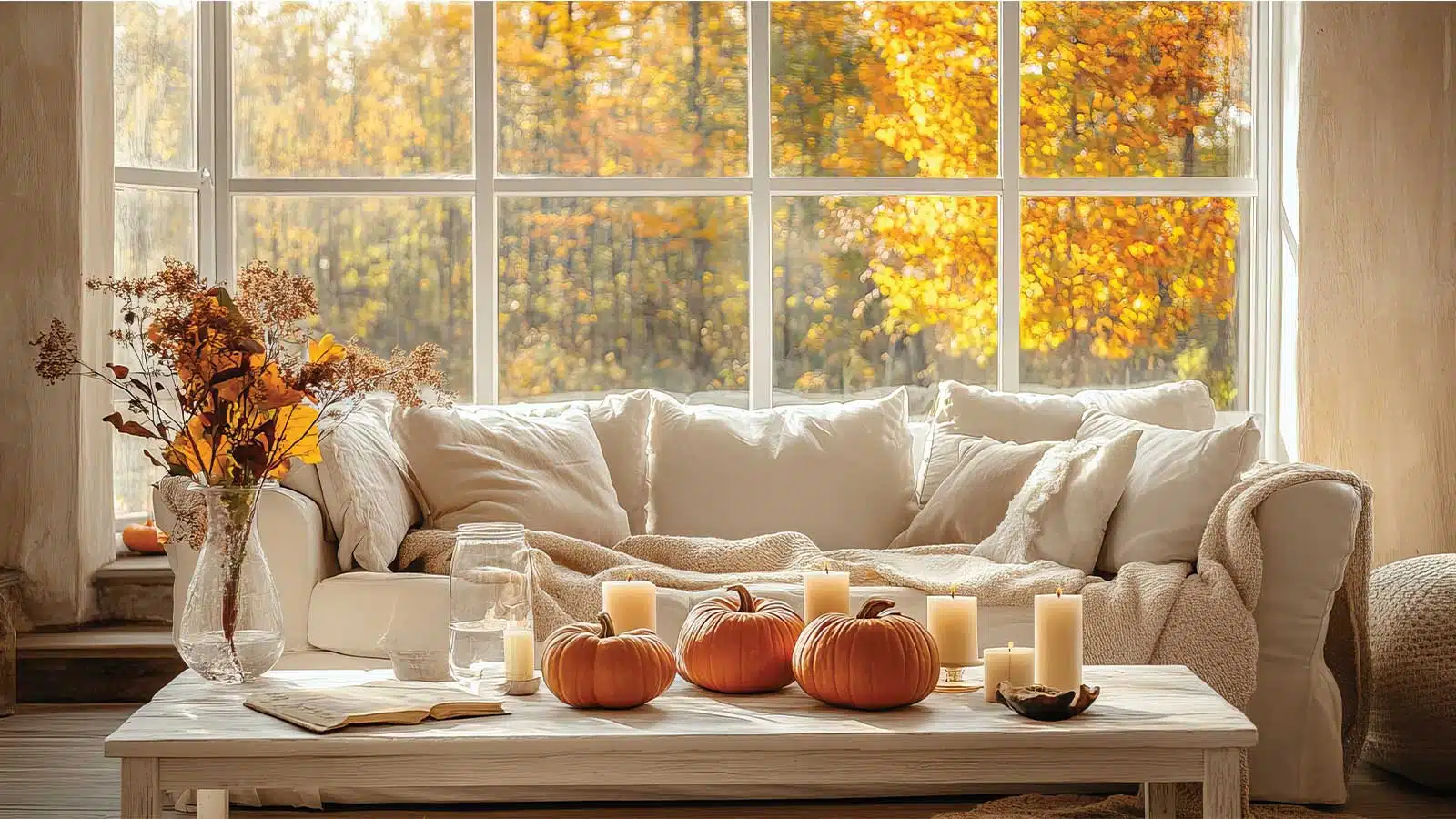



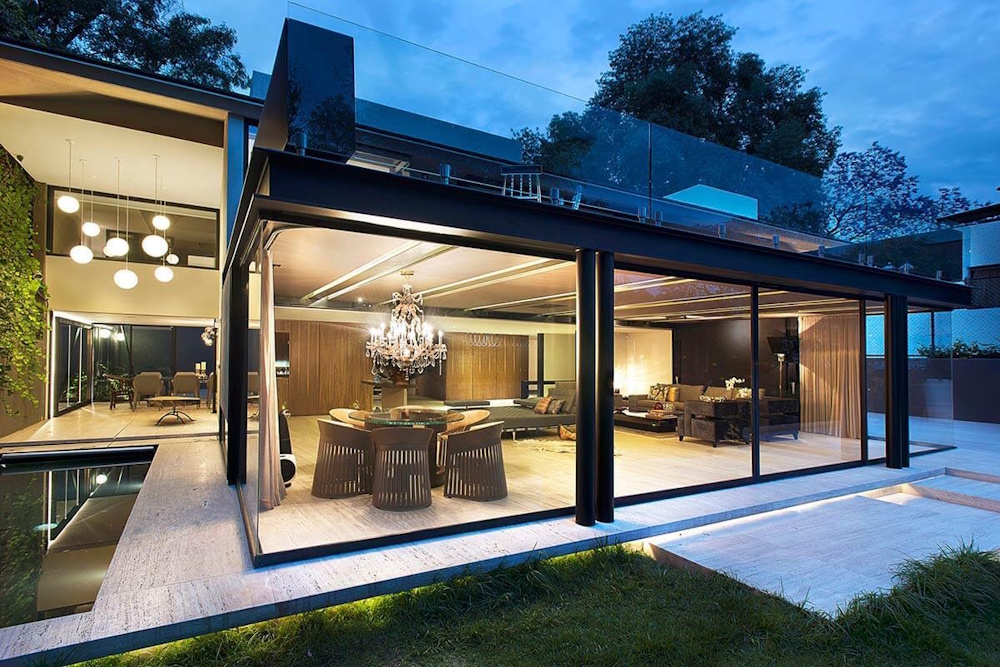
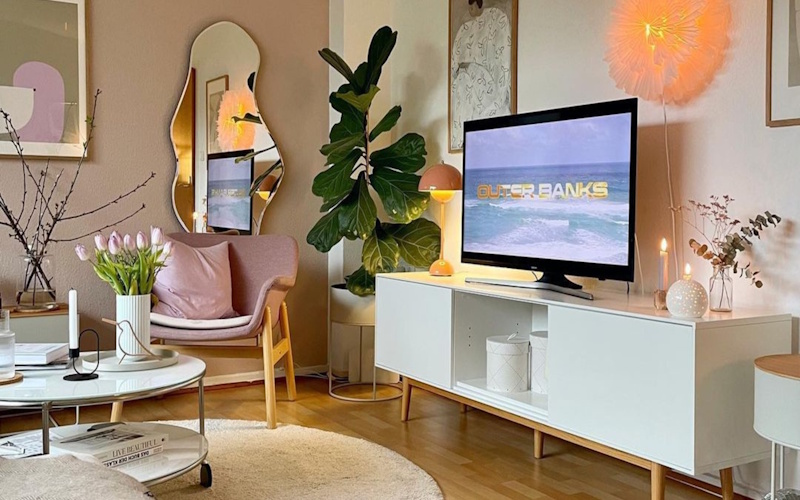





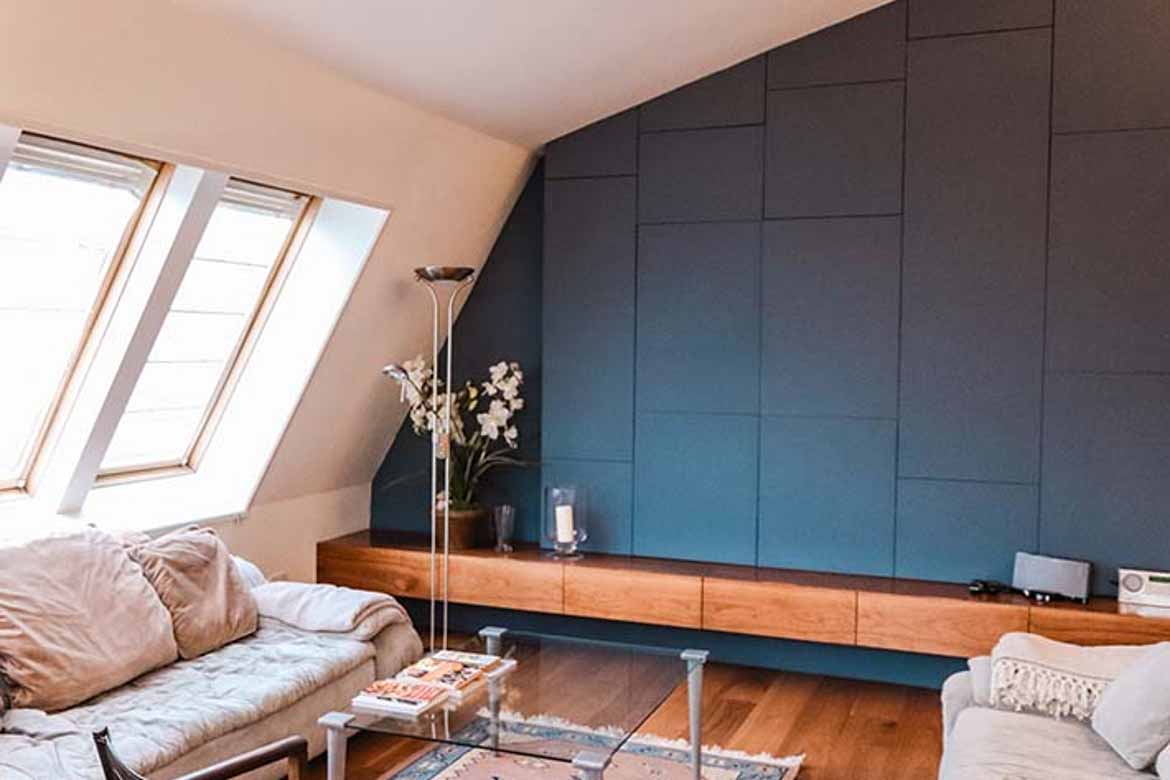
Tags
📧 Get More Articles Like This
Subscribe to receive product reviews and buying guides in your inbox!
We respect your privacy. Unsubscribe at any time.