Smart Pool Maintenance: AI Chemical Monitors vs Traditional Pool Care for Home
Table of Contents
- The Friday Evening Pool Disaster That Changed Everything
- Understanding Traditional Pool Maintenance Challenges
- How AI Chemical Monitors Revolutionize Pool Care
- Real-World Cost Comparison: Five-Year Analysis
- Smart Integration with Modern Home Systems
- Safety Features That Protect Your Family
- Environmental Impact and Sustainability
- Installation and Setup Process
- Maintenance Requirements for Both Systems
- Making the Right Choice for Your Home
- Conclusion
- Frequently Asked Questions
The Friday Evening Pool Disaster That Changed Everything
The sun was setting on a perfect June Friday when Sarah Martinez walked into her backyard to prepare the pool for her daughter’s birthday party the next morning. Twenty children were scheduled to arrive at ten o’clock for a pool celebration that had been planned for months. What she discovered when she dipped her test strip into the sparkling blue water made her heart sink into her stomach. The chlorine reading showed dangerously low levels, while the pH had skyrocketed to eight point four, turning what should have been a refreshing swimming environment into a potential health hazard that would burn eyes and irritate skin within minutes of contact.
Sarah’s hands trembled as she frantically searched her garage for the chemicals she needed, knowing that proper pool chemistry doesn’t adjust instantly even when correct amounts are added. The chemicals required several hours of circulation to distribute evenly throughout the twenty thousand gallons of water in her pool, and the pump needed to run continuously through the night to achieve proper mixing. Her mind raced through possibilities as she calculated whether she had enough time to fix the problem before morning, wondering how this situation had developed without warning despite her diligent weekly testing routine that she had maintained religiously since installing the pool three years earlier.
Before delving into the article, watch this video on how to use artificial intelligence to save over $400 annually on pool maintenance costs :
This nightmare scenario plays out in thousands of households every summer across residential neighborhoods where traditional pool maintenance methods leave homeowners constantly guessing about water chemistry between manual testing sessions. The problem stems from the fundamental limitation of periodic testing, which only provides snapshot information about pool conditions at specific moments rather than continuous monitoring that tracks changing chemistry throughout each day. Pool water chemistry fluctuates constantly due to factors including temperature variations, rainfall, swimmer load, sunlight exposure, and organic debris accumulation, yet traditional testing methods require homeowners to manually check these parameters two to three times weekly at most.
The financial implications of improper pool chemistry extend far beyond inconvenience and disappointment over cancelled parties. Understanding proper chemical handling remains critical regardless of whether homeowners choose traditional or automated approaches, as both systems require safe storage and proper protocols when adding treatments to pool water. Federal agencies provide comprehensive guidance about preventing chemical accidents that can cause fires, toxic vapor releases, and personal injuries when pool chemicals become wet or are improperly mixed with incompatible substances. Following EPA pool chemical safety guidelines helps homeowners avoid dangerous situations and ensures that chemical storage areas meet recommended standards for ventilation, temperature control, and separation between incompatible products. These safety protocols become particularly important during transitions to smart systems when homeowners might be tempted to stockpile chemicals in anticipation of automated dispensing capabilities. According to data from consumer product safety organizations, approximately six thousand three hundred pool-related injuries occur annually in residential settings, many stemming from chemical imbalances that could have been prevented through proper monitoring and maintenance practices. Equipment damage from corrosive water conditions can cost homeowners thousands of dollars in premature pump replacements, filter system failures, and surface degradation that occurs when pH levels remain outside optimal ranges for extended periods without detection or correction.
Sarah’s experience represents a turning point that millions of pool owners face when traditional maintenance methods prove inadequate for modern lifestyles that demand reliability and convenience. Her story doesn’t end with a cancelled party, though that outcome seemed inevitable as midnight approached and test strips still showed unbalanced chemistry despite hours of chemical additions and pump operation. Instead, her neighbor’s casual mention of the smart pool monitoring system he had installed the previous month sparked a conversation that would transform her approach to pool ownership and introduce her to technology that eliminated the guesswork and anxiety that had plagued her swimming season.

The evolution from manual pool testing to automated monitoring systems represents one of the most significant technological advances in residential pool care since the introduction of automatic chlorinators decades ago. Smart pool technology in twenty twenty-six has matured beyond early experimental systems that suffered from connectivity issues and unreliable sensors, evolving into sophisticated platforms that deliver laboratory-grade accuracy while integrating seamlessly with modern smart home ecosystems. These systems represent not merely incremental improvements over traditional methods but rather fundamental reimagining of how homeowners interact with and maintain their pools throughout the swimming season.
Understanding Traditional Pool Maintenance Challenges
Traditional pool maintenance built its foundation on principles established in the mid-twentieth century when residential swimming pools transitioned from luxury items reserved for the wealthy to common features in suburban backyards across developed nations. The methodology remained remarkably consistent for decades, requiring homeowners to physically collect water samples, add reagent chemicals or dip test strips into collected samples, compare resulting colors against printed charts, and interpret results to determine appropriate chemical additions. This process demanded not only time and effort but also substantial knowledge about water chemistry principles that many homeowners found intimidating and confusing throughout their pool ownership experience.
The accuracy challenges inherent in manual testing create significant problems that extend beyond mere inconvenience for busy families juggling work schedules, childcare responsibilities, and social commitments. Color comparison tests rely on human visual perception to match chemical-induced colors against reference charts, a process significantly affected by lighting conditions, individual color perception variations, and chart degradation over time from chemical exposure and sunlight damage. Research into testing accuracy has demonstrated that different individuals testing identical water samples can arrive at substantially different readings when interpreting color matches, leading to inappropriate chemical additions that compound existing imbalances rather than correcting them properly.
Timing represents another critical weakness in traditional testing methodologies that leaves pools vulnerable to rapid chemistry changes between testing sessions. A pool tested Monday morning might show perfect balance, yet by Wednesday afternoon the same water could have developed significant problems from rainfall, temperature fluctuations, or heavy bather load from afternoon swimming sessions with neighborhood children. The forty-eight to seventy-two hour gaps between recommended testing sessions create windows of vulnerability where developing problems go undetected until they manifest as visible algae growth, cloudy water, or uncomfortable swimming conditions that require extensive remediation efforts and chemical shock treatments.
The knowledge burden placed on homeowners through traditional maintenance approaches creates barriers that prevent optimal pool care even among diligent owners who genuinely want to maintain their pools properly. Understanding the relationships between pH, alkalinity, calcium hardness, cyanuric acid, and sanitizer levels requires chemistry knowledge that exceeds most people’s educational background, yet these interdependent factors must be balanced simultaneously for optimal water quality. Adjustment of one parameter frequently affects others, creating cascading effects that confuse homeowners attempting to follow simplified treatment guides provided by chemical manufacturers whose primary motivation involves selling more products rather than optimizing chemical efficiency.
Chemical waste represents a hidden cost of traditional pool maintenance that impacts both homeowner finances and environmental sustainability in ways that most pool owners never recognize or calculate accurately. Without precise real-time data about actual chemical levels, most homeowners default to conservative over-treatment strategies that ensure adequate sanitizer levels but consume substantially more chemicals than necessary for effective water treatment. This approach might seem prudent from a safety perspective, but the economic and environmental costs accumulate significantly over swimming seasons and years of pool ownership, consuming hundreds of dollars in unnecessary chemical purchases while contributing to groundwater contamination when pools are drained or backwashed.
Equipment inefficiency compounds the problems created by inadequate monitoring, as traditional pool owners typically operate pumps and heaters on fixed schedules regardless of actual needs or optimal timing considerations. Single-speed pumps run at full power regardless of whether the pool requires maximum circulation or could function adequately with reduced flow rates, consuming electricity at rates that can exceed five hundred sixty dollars annually according to efficiency studies conducted by energy departments. Heaters operate without consideration for utility rate structures that charge premium prices during peak demand periods, missing opportunities to pre-heat water during cheaper overnight hours when electricity costs substantially less and grid capacity remains underutilized.
The stress and mental burden of traditional pool maintenance affects homeowner quality of life in ways that financial calculations cannot adequately capture or quantify. The nagging worry about whether pool chemistry remains balanced during vacations or business trips diminishes relaxation and creates anxiety that defeats the purpose of pool ownership. The frustration of dealing with unexpected problems like green water on holiday weekends or discovering equipment failures at the worst possible moments contributes to the common lament among pool owners that swimming pools represent expensive headaches rather than sources of enjoyment and recreation for families.

How AI Chemical Monitors Revolutionize Pool Care
The transformation from periodic manual testing to continuous automated monitoring represents a paradigm shift comparable to the evolution from film photography to digital cameras or from paper maps to GPS navigation systems. AI chemical monitors fundamentally reimagine the relationship between homeowners and their pools by replacing reactive problem-solving approaches with proactive prevention strategies that maintain optimal conditions continuously rather than addressing issues after they develop into visible problems. These systems leverage advanced sensor technology, wireless connectivity, cloud computing, and machine learning algorithms to deliver pool care that exceeds human capabilities while reducing time investment and eliminating the specialized knowledge traditionally required for effective maintenance.
Modern AI pool monitoring systems employ sophisticated electrochemical sensors that measure multiple water quality parameters simultaneously with accuracy levels that match or surpass professional laboratory testing equipment. These sensors continuously track pH levels, free chlorine concentration, total alkalinity, water temperature, and in premium systems even oxidation-reduction potential and total dissolved solids. The measurements occur automatically throughout each day, creating comprehensive datasets that reveal patterns and trends invisible to manual testing approaches that only capture isolated snapshots at specific moments. This continuous monitoring capability enables systems to detect developing problems in early stages when corrections require minimal intervention rather than waiting until issues become severe enough to affect water clarity or swimmer comfort.
The intelligence embedded in contemporary monitoring systems extends far beyond simple measurement and reporting functions to encompass sophisticated analysis and recommendation capabilities powered by machine learning algorithms. These systems learn the specific characteristics of individual pools including volume, equipment configuration, typical usage patterns, and local environmental factors that affect chemistry stability. The algorithms analyze incoming sensor data against accumulated historical information to generate customized recommendations about chemical additions, equipment operation scheduling, and preventive maintenance actions needed to maintain optimal conditions. The recommendations account for factors including current weather conditions, predicted temperature changes, upcoming planned usage, and individual homeowner preferences about pool temperature and chemical balance targets.
Real-time alert systems transform pool monitoring from passive information gathering into active problem prevention by immediately notifying homeowners when sensor readings indicate developing issues that require attention. These alerts arrive via smartphone notifications, ensuring that problems receive prompt attention regardless of homeowner location or activity at the moment issues develop. The systems distinguish between minor variations that fall within acceptable ranges and significant deviations that require immediate intervention, preventing false alarms while ensuring genuine problems receive appropriate urgency. Advanced systems can even differentiate between transient fluctuations that will self-correct and sustained changes that indicate genuine chemistry imbalances requiring chemical additions or equipment adjustments.
Shop on AliExpress via link: wholesale-pool-water-test-kit

Integration with automated chemical dispensing systems represents the pinnacle of smart pool technology, enabling truly autonomous operation that maintains perfect water chemistry without any manual intervention beyond periodic refilling of chemical reservoirs. These integrated systems receive real-time data from monitoring sensors and automatically dispense precise quantities of chlorine, acid, or other treatment chemicals needed to maintain target chemistry levels. The dispensing occurs gradually in small doses rather than large shock additions, maintaining stable chemistry that provides superior swimmer comfort and equipment longevity compared to the dramatic fluctuations characteristic of weekly manual treatment approaches. The precision of automated dispensing reduces chemical consumption by approximately thirty percent compared to manual treatment methods while achieving superior water quality that traditional approaches struggle to match consistently.
Energy optimization capabilities built into comprehensive smart pool systems deliver substantial cost savings that help offset initial equipment investment within just a few years of operation. Government-backed certification programs help consumers identify energy-efficient technologies that deliver genuine savings while meeting rigorous performance standards established through independent testing and verification processes. Smart home energy management systems have emerged as powerful tools for coordinating multiple household systems including pools, heating, cooling, and appliances to optimize consumption patterns and reduce utility costs while maintaining comfort and convenience. The ENERGY STAR certified systems simplify energy management efforts and allow homeowners to reap efficiency benefits regardless of their technical expertise or interest in detailed data analysis. Pool automation platforms that integrate with these broader home energy management ecosystems can participate in coordinated optimization routines that reduce peak demand, take advantage of time-of-use rate structures, and respond to utility demand-response programs. Variable-speed pumps controlled by automation systems operate at minimum speeds adequate for maintaining water quality during low-demand periods, ramping up to higher speeds only when necessary for activities like vacuuming or increased bather load. The systems schedule pump operation to coincide with off-peak utility rate periods when electricity costs substantially less, pre-circulating and pre-heating water during cheap overnight hours rather than during expensive afternoon peak periods. Studies indicate that smart pump scheduling combined with variable-speed operation can reduce energy consumption by seventy to eighty percent compared to traditional single-speed pumps operating on basic timer controls.
Remote access capabilities transform pool management from location-dependent physical tasks into convenient smartphone interactions that can occur from anywhere with internet connectivity. Homeowners can check current chemistry readings, adjust temperature settings, activate cleaning cycles, or review historical data while sitting in office meetings, relaxing on vacation beaches, or commuting on public transportation. This capability proves particularly valuable during extended absences when traditional pool care would require arranging for neighbors or professional services to perform regular testing and maintenance tasks. The peace of mind from knowing that monitoring continues around the clock and problems will trigger immediate alerts allows pool owners to actually relax and enjoy their vacations rather than worrying about returning home to green water disasters.
The learning capabilities of AI monitoring systems improve performance over time as algorithms accumulate data about specific pool behavior patterns and environmental factors affecting chemistry stability. The systems identify correlations between weather conditions and chemistry changes, recognize how different numbers of swimmers affect chlorine consumption rates, and adapt recommendations based on observed effectiveness of previous interventions. This continuous improvement means that smart monitoring systems become increasingly effective over months and years of operation, developing intimate knowledge of individual pool characteristics that even experienced professional pool technicians would struggle to match through periodic service visits and manual observations.
Real-World Cost Comparison: Five-Year Analysis
Understanding the true financial implications of smart pool technology versus traditional maintenance requires comprehensive analysis that extends beyond initial purchase prices to encompass ongoing operating costs, chemical consumption, equipment longevity, and time value considerations that accumulate over typical pool ownership periods. While smart monitoring systems demand significant upfront investment that can range from several hundred to several thousand dollars depending on sophistication levels and integration depth, the total cost of ownership over five years of operation frequently favors automated systems when all factors receive proper consideration and accurate quantification in realistic usage scenarios.
Initial investment costs for smart pool monitoring begin with basic water chemistry sensors that retail for approximately two hundred to five hundred dollars for reputable systems from established manufacturers, providing essential monitoring capabilities without pump or equipment control features. Mid-range systems that integrate monitoring with basic automation for pump scheduling and lighting control typically cost between eight hundred and fifteen hundred dollars including professional installation charges for homeowners lacking technical expertise or confidence for DIY setup procedures. Comprehensive whole-pool automation systems that control all equipment, integrate with smart home platforms, and include advanced features like automated chemical dispensing can exceed five thousand dollars installed, representing significant financial commitment that requires careful evaluation against anticipated benefits and usage patterns.
Traditional pool maintenance carries hidden costs that many homeowners overlook when comparing system approaches, beginning with test kit and test strip expenses that accumulate to approximately one hundred fifty to two hundred fifty dollars annually for pools tested two to three times weekly throughout swimming seasons. Chemical costs for manually maintained pools typically range from four hundred to eight hundred dollars per season depending on pool size, usage intensity, and chemistry stability challenges specific to individual installations. Wasted chemicals from imprecise dosing and overly conservative treatment approaches add an additional twenty-five to thirty percent to chemical expenses, representing one hundred to two hundred forty dollars in unnecessary spending that accurate monitoring would eliminate through precision dosing recommendations.
Energy consumption differences between traditional single-speed pumps and smart variable-speed systems controlled by automation platforms represent the most substantial ongoing cost differential that determines whether smart technology investment delivers positive financial returns. Traditional single-speed pumps consume approximately twenty-eight hundred kilowatt-hours annually when operated on typical eight-hour daily schedules throughout year-round pool operation in moderate climates, translating to approximately four hundred twenty dollars at average residential electricity rates of fifteen cents per kilowatt-hour. Variable-speed pumps controlled by smart automation consume approximately seven hundred kilowatt-hours annually through optimized low-speed operation and off-peak scheduling, reducing annual electricity costs to approximately one hundred five dollars and generating savings of three hundred fifteen dollars per year that accumulate to fifteen hundred seventy-five dollars over five years of operation.

Equipment longevity improvements from stable chemistry and optimized operation patterns contribute additional financial benefits that strengthen the business case for smart pool technology investment. Pool pumps, filters, heaters, and sanitizers experience substantially reduced wear when chemistry remains consistently balanced rather than fluctuating between extreme values characteristic of weekly manual treatment cycles. Surface materials including plaster, vinyl liners, and tile grout last years longer when protected from corrosive conditions created by chronically imbalanced pH or aggressive water chemistry. Industry estimates suggest that properly maintained equipment can last twenty-five to forty percent longer than equipment subjected to poor chemistry control and inefficient operation, translating to thousands of dollars in deferred replacement costs over decade-long ownership periods.
Time savings represent another significant benefit that defies easy quantification but adds substantial value for busy professionals and families juggling competing demands on limited leisure hours. Traditional pool maintenance consumes approximately four to six hours monthly for testing, chemical additions, equipment checks, and problem remediation when issues develop between testing sessions. Smart monitoring reduces hands-on maintenance time to approximately one to two hours monthly primarily for physical cleaning tasks like skimming debris, brushing surfaces, and emptying skimmer baskets that automation cannot address. The recovered two to four hours monthly totals twenty-four to forty-eight hours annually that families can spend actually enjoying their pools or pursuing other activities rather than performing maintenance drudgery.
Professional service costs provide relevant comparison context for evaluating smart technology investment, as many pool owners who find traditional maintenance burdensome or confusing opt for regular professional servicing rather than managing pools themselves. Weekly professional pool service typically costs between eighty and one hundred fifty dollars monthly or nine hundred sixty to eighteen hundred dollars annually depending on local market rates and service comprehensiveness. Over five years, professional service costs accumulate to forty-eight hundred to ninety thousand dollars, substantially exceeding smart automation system investment even for premium comprehensive installations. Homeowners who would otherwise hire professional service can achieve superior monitoring and care quality through smart systems while saving thousands of dollars over ownership periods.
The cumulative five-year cost analysis reveals that smart pool monitoring systems typically achieve payback within two to four years depending on energy costs, pool size, usage intensity, and specific technology selections made by individual homeowners. Broader home automation investment decisions follow similar financial patterns where upfront technology costs require careful evaluation against long-term operational savings and convenience benefits that accumulate over years of ownership. Homeowners considering pool automation as part of comprehensive smart home strategies can benefit from understanding how different technology categories compare in terms of costs, savings potential, and practical value delivery. Examining smart home versus traditional home cost comparisons helps establish realistic expectations about payback periods, identify which technologies deliver the most compelling returns on investment, and develop phased implementation strategies that spread costs while building toward fully integrated systems. Pool automation typically ranks among the more attractive smart home investments due to substantial energy savings from variable-speed pump operation combined with chemical reduction through precision monitoring. Basic monitoring systems focused primarily on chemistry tracking and alerts may require three to four years to recover initial investment through chemical savings and reduced wasted treatments. Comprehensive automation systems that include variable-speed pump control achieve payback within two to three years through combined chemical and energy savings. Premium systems with automated chemical dispensing may require slightly longer payback periods but deliver superior convenience and water quality that justify investment even without purely financial justification for technology-enthusiastic homeowners who value cutting-edge capabilities.
Smart Integration with Modern Home Systems
The evolution of pool monitoring technology has occurred parallel to broader smart home adoption trends that have transformed modern residences into interconnected ecosystems where devices communicate seamlessly and automation routines coordinate multiple systems simultaneously. Contemporary AI pool monitors recognize this ecosystem context and offer integration capabilities that allow pools to become active participants in whole-home automation scenarios rather than isolated systems requiring separate management interfaces and independent control approaches. This integration delivers convenience benefits that extend beyond simple remote access to encompass sophisticated coordination between pool systems and other household devices that enhance both efficiency and user experience quality.
Voice control capabilities represent the most immediately apparent integration benefit, allowing homeowners to check pool status, adjust temperatures, or activate features using natural language commands directed to popular voice assistants including Amazon Alexa, Google Assistant, or Apple Siri. Building comprehensive smart home ecosystems requires thoughtful selection of devices and platforms that deliver genuine value rather than purchasing every available gadget regardless of practical utility or integration quality. The most successful smart home implementations focus on technologies addressing specific pain points or delivering measurable benefits through automation, remote access, or energy optimization capabilities. Understanding which smart home devices provide the best return on investment helps homeowners prioritize purchases and avoid wasting money on disappointing products that fail to deliver promised capabilities or integrate poorly with existing systems. Pool monitoring platforms work best when integrated with carefully selected complementary technologies including weather stations, energy monitors, security cameras, and voice assistants that enhance overall ecosystem functionality. These interactions eliminate the need to locate and unlock smartphones, launch dedicated apps, navigate menu structures, and confirm actions through multiple taps when simple verbal requests can accomplish the same objectives in seconds. The convenience of asking whether the pool is ready for swimming while preparing breakfast or requesting temperature increases while relaxing on the couch removes friction from pool management and encourages more frequent interaction with monitoring systems that keeps homeowners better informed about pool status and conditions.
Automated routine creation enables sophisticated coordination scenarios that would be impractical to execute manually but deliver substantial convenience and efficiency benefits when programmed into smart home platforms. Evening entertainment routines can simultaneously adjust pool lighting to create ambiance, activate waterfall features for sound effects, begin heating the pool to comfortable temperatures, and adjust outdoor lighting and music systems to complement poolside gathering environments. Morning preparation routines can ensure that pools have completed overnight filtration cycles, reached target temperatures, and show balanced chemistry before family members begin their daily activities. Departure routines triggered when leaving for vacation can adjust heating setpoints to economy modes, modify filtration schedules for reduced operation, and enhance security monitoring to alert about any unusual activity near the pool area.

Weather integration capabilities leverage internet-connected forecast data to optimize pool heating, chemical additions, and equipment operation in anticipation of predicted conditions rather than reacting to changes after they occur. Systems can pre-heat pools before sunny afternoons when temperatures will encourage swimming, avoiding energy-intensive rapid heating when swimmers arrive ready for immediate pool use. Advance knowledge of approaching rainstorms allows systems to delay chemical additions that would be diluted by rainfall, conserve chemicals that would otherwise be wasted, and schedule compensating treatments for immediately after storms pass. Temperature drops predicted by weather forecasts trigger automatic cover deployments on systems equipped with motorized covers, preventing heat loss and reducing overnight energy consumption without requiring manual intervention or remembering to activate covers before retiring for the evening.
Energy management integration connects pool systems with whole-home energy monitoring platforms that track consumption across all household systems and provide comprehensive insights about usage patterns and optimization opportunities. These integrations reveal how pool equipment contributes to overall household energy consumption, identify peak usage periods where rate optimization could generate savings, and enable comparison of pool energy costs against other major loads including heating, cooling, and hot water systems. Advanced energy management platforms can prioritize electricity allocation during high-demand periods, temporarily reducing pool pump speeds or deferring non-critical operations when household consumption approaches capacity limits or utility demand response events request voluntary usage reductions in exchange for rate credits.
Security system coordination enhances pool safety by integrating monitoring cameras, motion sensors, and access control systems with pool automation platforms to create comprehensive awareness of pool area activity. Motion detection systems can automatically activate pool lighting when movement occurs near the pool after dark, improving visibility and deterring unauthorized access by illuminating areas that would otherwise remain dark and unsupervised. Camera systems integrated with AI video analysis can detect individuals entering pool areas without authorization, recognize when children approach pools without adult supervision, and even identify distress behaviors that indicate potential drowning situations requiring immediate intervention. Access logs track when pool areas are used, creating records that help identify patterns and ensure that safety protocols are followed consistently by household members and guests.
Utility integration capabilities enable participation in demand response programs offered by progressive utility providers seeking to manage grid loads during peak consumption periods without constructing expensive additional generation capacity. Pool systems enrolled in these programs allow utilities to temporarily reduce pump speeds, delay heating cycles, or defer other non-critical operations during high-demand periods when grid stress reaches concerning levels. Homeowners receive financial compensation through rate credits or direct payments for this voluntary participation, which typically involves imperceptible service impacts since reductions target periods when pools are not actively used and short delays in heating or filtration create no noticeable effects on water quality or availability. These programs benefit both utilities and homeowners while contributing to grid stability and reducing need for carbon-intensive peaking power plants.
Safety Features That Protect Your Family
Pool safety considerations extend far beyond simple fencing requirements and anti-entrapment drain covers, encompassing chemical hazards, drowning prevention, equipment malfunction detection, and unauthorized access control that smart monitoring systems address through features specifically designed to protect families from the diverse risks associated with residential pool ownership. Traditional pool management approaches rely heavily on constant vigilance and manual enforcement of safety protocols, creating vulnerabilities during attention lapses or when adults become distracted by other responsibilities. Smart technology supplements human oversight with tireless automated monitoring that never sleeps, never gets distracted, and maintains constant awareness of conditions and activities that might indicate developing safety concerns requiring intervention.
Chemical safety enhancements begin with precise monitoring that prevents the dangerous chemistry imbalances that can burn eyes, irritate skin, corrode equipment, and create health hazards for swimmers unaware that water quality has deteriorated to unsafe levels. Professional pool operators and residential homeowners alike benefit from understanding comprehensive safety protocols that address chemical storage, handling procedures, personal protective equipment requirements, and emergency response planning for spills or exposure incidents. Organizations dedicated to public health have developed detailed recommendations covering ventilation requirements for chemical storage areas, proper labeling procedures, staff training protocols, and maintenance programs that prevent equipment failures leading to dangerous chemical releases. The CDC pool chemical safety resources provide valuable guidance about establishing preventive maintenance schedules, implementing proper chemical feed systems, and training family members about emergency procedures that could prevent serious injuries during accidental exposure events. Traditional testing approaches create gaps of forty-eight to seventy-two hours when chemistry can drift into dangerous territories without detection, while continuous AI monitoring identifies problems within minutes of developing and alerts homeowners before anyone enters water that could cause harm. The systems prevent over-chlorination accidents that occur when homeowners misinterpret test results and add excessive chemicals, creating concentrations that cause respiratory irritation and skin burns particularly dangerous for young children with sensitive skin and immature respiratory systems.
Drowning prevention capabilities represent perhaps the most critical safety enhancement available through advanced smart pool technology, addressing the leading cause of accidental death among children aged one to four years and a persistent threat even to older children and adults under certain circumstances. Consumer protection agencies have documented thousands of pool-related injuries annually and developed comprehensive educational programs aimed at preventing drownings, equipment-related injuries, and other hazards associated with residential pool ownership. The Pool Safely campaign provides free downloadable materials about barrier requirements, alarm systems, proper supervision protocols, and drain entrapment prevention that complement technological safety features offered by smart monitoring systems. CPSC pool safety resources help families develop layered protection strategies that combine physical barriers, active supervision, swimming skill development, and technological safeguards into comprehensive approaches reducing risks across multiple dimensions. AI-powered video analysis systems monitor pool areas continuously, employing machine learning algorithms trained to recognize distress behaviors including thrashing movements, prolonged submersion, or unusual stillness that indicates potential drowning situations. These systems distinguish normal swimming and play behaviors from genuine distress patterns, reducing false alarms while ensuring that authentic emergencies trigger immediate loud alerts and notifications to multiple family members and designated emergency contacts who can respond rapidly.
Equipment malfunction detection provides early warning about pump failures, filter problems, heater malfunctions, or other mechanical issues that could create hazardous conditions including inadequate water circulation that allows bacteria proliferation or chemical concentration in localized areas. The monitoring systems track expected patterns of temperature changes, flow rates, and equipment operation cycles, generating alerts when observed behavior deviates from normal expectations in ways that indicate developing problems requiring inspection and repair. Early detection allows homeowners to address issues before they escalate into complete failures requiring emergency service calls at premium rates or create hazardous conditions that force pool closures during prime summer weekends.
Shop on AliExpress via link: wholesale-smart-pool-thermometer

Access control integration creates comprehensive awareness of who enters pool areas and when, providing parents with information needed to enforce safety rules about adult supervision requirements and preventing young children from accessing pools without permission or proper oversight. Smart gate sensors detect when access points open, triggering cameras to record who entered and notifications to alert parents if entries occur at unexpected times or without adult accompaniment. These systems maintain detailed logs of all pool area access, creating records that help parents identify pattern violations and have informed conversations with children about safety rule compliance based on specific documented incidents rather than general admonishments about unspecified concerns.
Water level monitoring addresses multiple safety dimensions including detection of significant leaks that could undermine pool structure integrity, identification of unusual drainage patterns that might indicate equipment problems or vandalism, and prevention of low water levels that could damage pumps or create unsafe diving conditions. The systems track expected evaporation rates adjusted for weather conditions and alert when water loss exceeds normal expectations by margins suggesting leaks requiring investigation and repair. Automated water level management systems maintain optimal depths without manual monitoring, adding water when levels drop below optimal ranges and preventing overfilling during rainy periods when water levels naturally rise above preferred targets.
Cover automation safety features prevent accidents associated with manual pool covers that can trap individuals underneath fabric or solid surfaces where escape becomes impossible without external assistance. Automated covers controlled by smart systems include safety sensors that detect obstacles preventing proper closure, avoiding injuries from covers that might otherwise crush objects or trap individuals caught beneath closing mechanisms. The systems maintain logs of cover position status, alerting homeowners if covers remain open when pools should be secured and ensuring that safety protocols about covering pools when not in use receive consistent enforcement without relying solely on human memory and discipline.
Environmental Impact and Sustainability
The environmental footprint of residential swimming pools represents a significant concern for ecologically conscious homeowners seeking to minimize their carbon impact while maintaining comfortable outdoor living environments that enhance quality of life without excessive resource consumption. Traditional pool maintenance approaches consume substantial energy, waste chemicals through imprecise dosing, and require frequent water changes that contribute to water scarcity issues in drought-prone regions. Smart pool technology addresses these sustainability challenges through precision that eliminates waste, optimization that reduces energy consumption, and intelligence that extends water life by maintaining chemistry so stable that draining becomes unnecessary for years rather than requiring seasonal or annual renewal.
Chemical consumption reduction achieved through precision monitoring and dosing represents one of the most direct environmental benefits delivered by smart pool systems that eliminate guesswork and conservative over-treatment approaches characteristic of traditional maintenance methods. Studies examining chemical usage patterns demonstrate that automated systems consume approximately twenty-five to thirty percent less chlorine, acid, and alkalinity adjusters compared to manual treatment while achieving superior water quality and chemistry stability. This reduction prevents hundreds of pounds of chemicals from entering groundwater systems when pools are drained or backwashed, protecting aquatic ecosystems downstream from residential areas and reducing manufacturing demand for pool chemicals produced through energy-intensive industrial processes with substantial carbon footprints.
Energy conservation through variable-speed pump optimization and intelligent scheduling delivers the most substantial carbon footprint reduction available to pool owners, dramatically decreasing electricity consumption and associated greenhouse gas emissions from power generation. Traditional single-speed pumps operated on simple timer controls consume approximately twenty-eight hundred kilowatt-hours annually, generating roughly one point four tons of carbon dioxide emissions in regions where electricity comes primarily from fossil fuel sources. Smart systems reduce consumption to approximately seven hundred kilowatt-hours annually, cutting emissions by approximately one ton of carbon dioxide per pool per year and creating cumulative reductions of five tons over typical five-year ownership periods before equipment upgrades or replacements become necessary.
Water conservation capabilities address increasingly critical resource scarcity issues affecting millions of households in arid regions where residential water usage faces scrutiny and potential restrictions during drought conditions. Smart monitoring systems maintain chemistry stability that extends periods between necessary drainage from years to potentially decades for properly maintained pools that never develop chemistry problems requiring complete water replacement. Leak detection capabilities identify problems within days of developing rather than allowing slow losses to waste thousands of gallons over months before homeowners notice declining water levels and investigate causes. Automated cover controls reduce evaporation by approximately seventy percent compared to uncovered pools, preventing water loss of fifty to one hundred gallons daily during summer months in hot dry climates where evaporation reaches maximum rates.
Solar heating integration provides renewable energy options that eliminate or dramatically reduce fossil fuel consumption for maintaining comfortable swimming temperatures throughout extended swimming seasons in moderate climates or year-round in warmer regions. Smart systems optimize solar collector operation to maximize heat capture during sunny periods, store thermal energy in pool water mass for later use, and intelligently blend solar heating with conventional systems during periods when solar input proves insufficient for maintaining target temperatures. This integration reduces carbon emissions while delivering attractive financial returns through eliminated or reduced natural gas or propane consumption that typically costs hundreds of dollars seasonally for pools in regions where heating extends swimming seasons beyond natural warm weather periods.
Sustainable pool construction techniques supported by smart monitoring systems include natural filtration approaches using biological processes rather than chemical sanitization, reducing environmental impact while creating swimming environments more compatible with sensitive skin conditions and chemical sensitivities. Smart systems monitor the unique parameters relevant to natural pools including beneficial bacteria populations, biological oxygen demand, and nutrient levels that indicate ecosystem health. These systems demonstrate that technology and natural approaches can coexist synergistically, with monitoring intelligence optimizing biological processes for maximum effectiveness while ensuring that water quality meets health standards for safe recreational use by families and guests.
Equipment longevity extension through optimized operation and stable chemistry reduces the environmental impact of manufacturing replacement components, shipping materials globally, and disposing of failed equipment in landfills where complex assemblies create recycling challenges. Smart systems detect developing problems early when minor repairs can prevent major failures, schedule maintenance proactively rather than waiting for emergency breakdowns, and operate equipment within optimal parameters that minimize wear and extend operational lifespans by years compared to poorly maintained systems subjected to damaging chemistry and operational extremes. This longevity reduces the embodied carbon and resource consumption associated with manufacturing, transportation, and disposal that occurs with each equipment replacement cycle throughout decades of pool ownership.
Installation and Setup Process
The transition from traditional pool management to smart automated systems involves installation and setup processes that vary substantially in complexity depending on system sophistication, existing equipment compatibility, and homeowner technical capabilities. Modern manufacturers recognize that installation complexity creates adoption barriers and have responded by designing systems with streamlined setup procedures, comprehensive instructions, and professional installation services for customers who prefer expert assistance rather than DIY approaches. Understanding installation requirements helps homeowners make informed decisions about system selection and whether professional installation represents worthwhile investment for ensuring optimal configuration and avoiding frustration during critical setup phases.
Basic monitoring systems focused solely on water chemistry testing represent the simplest installation category, typically requiring only fifteen to thirty minutes for complete setup without any specialized tools or technical knowledge beyond smartphone operation and home WiFi password entry. These systems consist of floating sensor units that homeowners place directly in pool water, usually within skimmer baskets or tethered near pool returns where continuous water flow ensures representative measurements reflecting whole pool chemistry. Setup involves downloading manufacturer mobile apps, creating user accounts, connecting sensor units to home WiFi networks through guided pairing processes, and entering basic pool information including volume, equipment types, and typical usage patterns that algorithms use for generating customized maintenance recommendations.
Mid-range automation systems that control pump operation, lighting, and temperature settings require more involved installation that typically demands two to four hours for experienced DIYers comfortable working with electrical systems and following detailed instructions. Installation involves mounting control panels near pool equipment pads, connecting communication wiring between controllers and controlled devices, configuring equipment parameters within setup interfaces, and testing all functions to ensure proper operation before considering installation complete. Many homeowners in this category opt for professional installation despite DIY capability because expert installers complete setup more quickly, ensure code compliance, provide warranty coverage for installation quality, and troubleshoot any complications that arise during integration with existing equipment configurations.
Comprehensive whole-pool automation systems representing top-tier sophistication demand professional installation in most cases due to electrical work requirements, equipment integration complexity, and optimization needs that exceed typical homeowner capabilities and available time for self-education about technical details. Professional installation typically requires four to eight hours depending on equipment quantity, existing system age, and integration depth desired by homeowners seeking maximum automation and intelligence. Installers coordinate with existing pool equipment, configure communication between components, program automation routines based on homeowner preferences, and provide training about system operation and maintenance requirements that ensures customers understand capabilities and can operate systems effectively after installers depart.
Retrofit considerations complicate installations in homes with existing traditional pool equipment that may lack communication capabilities or standardized control interfaces required for integration with smart automation systems. Older pumps, heaters, and sanitizers often require replacement or upgrade to compatible models before full automation becomes possible, adding costs and complexity to conversion projects. However, manufacturers have developed retrofit control modules that integrate with existing equipment through relay-based control systems that manipulate older equipment without direct communication interfaces. These solutions allow incremental automation adoption without requiring complete equipment replacement, enabling homeowners to add intelligence gradually while planning for future upgrades when equipment replacement becomes necessary due to age and wear.
Network infrastructure requirements represent important considerations for installations in homes where WiFi coverage doesn’t extend reliably to pool equipment locations often situated at property peripheries distant from router placement in central living areas. Smart pool systems demand reliable internet connectivity for remote access capabilities and cloud-based data analysis that enhances system intelligence over time through machine learning improvements. Homeowners may need to install WiFi extenders, outdoor access points, or dedicated network equipment to ensure adequate signal strength at pool locations before smart systems can operate reliably and deliver promised capabilities without frustrating connectivity interruptions.
Calibration procedures during initial setup ensure that monitoring systems deliver accurate readings that form reliable foundations for automated decision-making and recommendations provided to homeowners through mobile apps. Installers or homeowners performing DIY setup must conduct calibration procedures using reference solutions with known chemistry values, adjusting sensor readings to match standards within acceptable tolerance ranges specified by manufacturers. This calibration typically requires twenty to thirty minutes and special care to ensure accurate completion that prevents systematic measurement errors from compromising system value throughout operational periods until next calibration cycles occur months later.
Maintenance Requirements for Both Systems
Understanding ongoing maintenance obligations associated with different pool management approaches helps homeowners make realistic assessments about time commitments, skill requirements, and total costs of ownership that extend far beyond initial equipment purchase prices. Both traditional and smart pool systems demand regular attention to maintain water quality and equipment functionality, though the nature, frequency, and complexity of required tasks differ substantially between approaches. Smart systems reduce but do not completely eliminate maintenance requirements, shifting focus from repetitive testing and chemical balancing toward physical cleaning tasks and periodic system calibration that ensures continued accuracy and optimal performance.
Traditional pool maintenance demands consistent weekly attention consuming approximately one to two hours for routine testing, chemical additions, equipment checks, and basic cleaning tasks that keep pools functioning adequately for casual recreational use. Testing procedures require collecting water samples, conducting chemical tests using strips or liquid reagents, recording results for trend tracking, and interpreting readings to determine appropriate chemical additions needed for maintaining balance. Chemical additions involve calculating doses based on test results and pool volume, carefully measuring and adding treatments while avoiding dangerous mixing of incompatible products, and allowing adequate circulation time before retesting to verify that adjustments achieved intended effects without overcorrecting or creating new imbalances.
Physical cleaning represents the most time-consuming aspect of traditional maintenance, requiring homeowners to manually vacuum pool floors, brush walls and steps, skim surface debris, empty skimmer baskets, and clean filter systems according to schedules determined by usage intensity and environmental debris loads. Vacuuming alone consumes thirty to sixty minutes weekly for average residential pools, demanding physical effort pushing heavy vacuum heads across pool surfaces while managing unwieldy hoses that tangle and resist cooperation. Wall brushing prevents algae establishment and removes bio-film accumulation but requires reaching all surfaces including stairs, benches, and deep-end areas challenging for individuals with mobility limitations or insufficient physical strength for sustained brushing efforts.
Equipment maintenance for traditional systems includes tasks like backwashing filters when pressure gauges indicate flow restrictions, cleaning pump strainer baskets weekly to prevent debris accumulation that restricts flow and overworks motors, inspecting o-rings and gaskets for wear that could cause leaks, and lubricating moving parts that require periodic attention for continued smooth operation. These tasks demand mechanical aptitude and willingness to get hands dirty working with wet equipment, chemical residues, and organic debris that most people find unpleasant though necessary for continued pool operation. Neglecting equipment maintenance accelerates wear, increases energy consumption from restricted flow and dirty filters, and creates failure risks that lead to expensive emergency repairs when problems develop during prime swimming season.
Smart system maintenance requirements focus primarily on sensor calibration, software updates, and physical cleaning tasks that automation cannot address rather than repetitive testing and chemical balancing handled automatically by monitoring systems. Sensor calibration typically occurs every three to six months depending on usage intensity and water chemistry stability, requiring approximately thirty minutes to complete procedures that ensure continued measurement accuracy essential for effective automated decision-making. Software updates occur automatically over WiFi connections in most systems, requiring no user intervention though homeowners should verify that systems remain current and install any pending updates that might have failed during automatic update attempts.
Physical cleaning remains necessary even with smart automation, though robotic cleaners controllable through automation apps reduce manual vacuuming time substantially while often delivering superior cleaning results compared to traditional manual approaches. These robots navigate pools autonomously using programmed patterns or AI-enhanced mapping, climbing walls and scrubbing surfaces while filtering debris into onboard canisters that require periodic emptying. Homeowners still need to skim floating debris that robots cannot capture, empty skimmer baskets that collect leaves and larger items, and periodically brush areas that robots might miss including tight corners, behind ladders, and around light fixtures where automatic cleaners cannot reach effectively.
Filter system maintenance continues regardless of automation level, as filters require cleaning or replacement according to schedules determined by usage intensity, debris loads, and specific filter types installed in individual pools. Cartridge filters need removal, hosing, and chemical soaking every few weeks during heavy use periods, while sand filters require less frequent but more involved backwashing procedures that reverse flow to flush captured debris and restore filtration effectiveness. Diatomaceous earth filters demand periodic backwashing plus fresh earth additions that require careful measurement and proper handling to avoid respiratory irritation from fine powder that becomes airborne easily during application procedures.
Seasonal maintenance represents major undertaking for pools in climates with winter freezes requiring closure procedures to prevent damage from ice formation that can crack pipes, damage equipment, and destroy pool surfaces. Comprehensive home management strategies account for seasonal transitions that affect multiple systems simultaneously including pools, heating, cooling, landscaping, and energy management across annual cycles of changing weather patterns and usage requirements. Optimizing home configurations between winter and summer involves coordinated adjustments spanning equipment operation, thermostat settings, window treatments, and outdoor system preparations that protect investments while maintaining comfort through temperature extremes. Effective winter and summer home setup approaches prevent damage from seasonal hazards, reduce energy waste during periods of extreme heating or cooling demands, and ensure that systems remain ready for immediate use when weather conditions become favorable for outdoor activities. Pool winterization and spring opening procedures integrate naturally into these broader seasonal transition strategies that smart home platforms can help coordinate and optimize. Smart systems cannot eliminate winterization requirements but can optimize timing based on weather forecasts, ensure proper equipment shutdown sequences that prevent damage, and monitor covered pools throughout winter for problems including cover drainage issues or unexpected temperature rises requiring attention. Spring opening procedures similarly benefit from smart system integration that optimizes startup sequences, monitors chemistry during initial balancing periods, and ensures all equipment returns to operation properly after months of dormancy during cold seasons.
Making the Right Choice for Your Home
Selecting the appropriate pool management approach demands careful consideration of multiple factors including budget constraints, technical comfort levels, time availability, pool usage patterns, and long-term ownership plans that influence whether traditional methods or smart automation better matches specific household needs and circumstances. No single solution proves universally optimal for all situations, as individual preferences, priorities, and constraints create unique decision contexts where different approaches offer distinct advantages. Understanding these factors enables informed choices that align technology investment with realistic expectations about benefits, capabilities, and limitations inherent in different pool management philosophies and systems.
Budget considerations extend beyond initial purchase prices to encompass total ownership costs over realistic time horizons that reflect typical equipment lifespans and pool ownership periods for families remaining in properties for five to ten years before relocating or undergoing major lifestyle changes. Homeowners with limited discretionary budgets may find that traditional maintenance approaches better match available resources despite higher long-term costs, as spreading expenses across multiple years through smaller periodic purchases proves more manageable than large upfront automation investments. Conversely, homeowners with capital available for technology investment but limited time for ongoing maintenance may view smart automation as superior choice despite higher initial costs, valuing convenience and time recovery over cost minimization.
Technical comfort levels significantly influence installation complexity and ongoing system operation satisfaction, as smart pool technology demands greater digital literacy and comfort with smartphone apps, WiFi networking, and troubleshooting connectivity issues compared to traditional chemical-focused approaches. Technology enthusiasts comfortable with smart home systems, mobile apps, and digital interfaces typically transition smoothly to automated pool management and appreciate advanced features including remote monitoring and voice control integration. Traditional homeowners preferring simple mechanical systems with minimal digital complexity may find smart automation frustrating despite potential benefits, experiencing anxiety rather than convenience from technology requiring regular attention to software updates, connectivity maintenance, and troubleshooting issues that arise periodically with complex systems.
Pool usage intensity influences the value proposition of automation investment, as heavily used pools benefit more substantially from continuous monitoring and optimized chemical management compared to occasionally used pools where traditional periodic testing proves adequate. Families swimming daily throughout extended seasons experience maximum benefit from automation that maintains perfect chemistry continuously, prevents weather-related surprises, and optimizes energy usage across thousands of hours of annual operation. Occasional users maintaining pools primarily for property value and rare family gatherings may find that traditional maintenance suffices for their limited needs, questioning whether automation investment makes sense when pools receive minimal use and chemistry remains relatively stable without continuous management.
Long-term ownership plans impact investment justification, as homeowners planning to remain in properties for decades can amortize automation costs across extended periods while accumulating substantial cumulative savings from reduced chemical and energy consumption. Conversely, homeowners expecting to relocate within a few years may struggle to recover automation investment before selling properties, particularly in markets where technological systems command limited premium compared to traditional pools with equivalent physical characteristics. However, smart pool automation may enhance property marketability in areas where buyers value cutting-edge technology and modern amenities, potentially offsetting investment costs through faster sales or higher offers from technology-oriented buyers seeking move-in-ready smart homes.
Environmental priorities influence decision-making for ecologically conscious homeowners prioritizing sustainability and resource conservation over pure financial optimization. These individuals may embrace smart automation specifically for environmental benefits including reduced chemical consumption, lower energy usage, and extended water life that aligns with values about minimizing ecological footprints. The premium cost of smart technology represents acceptable investment for advancing sustainability goals that transcend narrow financial calculations, particularly for homeowners already investing in solar panels, electric vehicles, and other efficiency upgrades throughout their properties as part of comprehensive environmental stewardship approaches.
Conclusion
The evolution from traditional manual pool maintenance to AI-powered automated monitoring represents one of the most significant advances in residential pool technology since the introduction of automatic chlorinators transformed daily chemical additions into weekly tablet replacements decades ago. Smart pool monitoring systems deliver benefits that extend far beyond simple convenience, encompassing improved safety through continuous surveillance and early problem detection, substantial cost savings through chemical optimization and energy reduction, environmental sustainability through resource conservation, and enhanced quality of life through stress elimination and time recovery. While initial investment costs exceed traditional approaches, the total cost of ownership analysis over realistic multi-year periods demonstrates clear advantages for smart automation when all factors receive proper consideration.
The transformation occurring in pool ownership mirrors broader trends throughout residential life as smart home technology gradually replaces manual management of heating, lighting, security, and countless other functions once requiring constant human attention and intervention. Pool automation participates in this ecosystem not as isolated luxury but as integrated component of comprehensive home management platforms that coordinate multiple systems simultaneously for optimal efficiency and convenience. The technology has matured beyond experimental early adopter phase into reliable mainstream solutions appropriate for ordinary homeowners seeking practical improvements rather than cutting-edge bragging rights.
Sarah Martinez’s story, introduced at the beginning of this exploration, concluded happily when she installed smart monitoring three days after her pool disaster nearly ruined her daughter’s birthday celebration. The system detected and alerted her to chemistry problems twice during the first month of operation, allowing quick corrections before issues became visible or required extensive remediation. Six months later, her pool maintenance time had decreased from four hours weekly to one hour primarily spent on physical cleaning that automation couldn’t address. She recovered approximately twelve hours monthly that her family now spends actually swimming rather than maintaining the pool, transforming the pool from occasional headache into reliable source of family recreation and entertainment.
The future of pool ownership clearly trends toward increased automation, artificial intelligence, and integration with broader smart home ecosystems that manage residential environments as coordinated systems rather than collections of independent components requiring separate attention. As technology continues advancing and costs decline through manufacturing scale and competition, smart pool monitoring will transition from luxury option to expected standard feature that buyers demand and sellers highlight when marketing properties with swimming pools. Homeowners investing in automation today position themselves at the forefront of this transformation, enjoying immediate benefits while building expertise that will prove valuable throughout their pool ownership journey.
The choice between traditional maintenance and smart automation ultimately reflects individual priorities, circumstances, and values rather than objectively superior solutions applicable universally across all situations. However, the evidence clearly demonstrates that smart pool monitoring delivers substantial benefits across multiple dimensions including cost, convenience, safety, and sustainability that make automation worthy of serious consideration by any pool owner willing to embrace technology and invest in systems that pay for themselves through reduced operating costs over reasonable time horizons. The technology has arrived, proven itself through years of real-world operation, and stands ready to transform pool ownership for millions of families seeking easier, more efficient, and more enjoyable ways to maintain the backyard oases they created for recreation, relaxation, and cherished family memories.
Frequently Asked Questions
**Question 1: **How do AI chemical monitors differ from traditional pool testing methods?
Answer 1: AI chemical monitors provide continuous automated water testing through sensors that measure pH, chlorine, alkalinity, and temperature in real-time, sending instant alerts to your smartphone when adjustments are needed. Traditional methods require manual testing two to three times weekly using test strips or liquid kits, demanding constant attention and expertise to interpret results accurately and maintain proper chemical balance throughout the swimming season. The fundamental difference lies in continuous surveillance versus periodic snapshots, where AI systems detect problems immediately as they develop rather than discovering issues during next scheduled testing session potentially days after chemistry drifted into problematic ranges. Smart monitors eliminate human interpretation errors from color matching in varying light conditions, provide historical trend data revealing patterns invisible to manual testing, and generate customized treatment recommendations based on specific pool characteristics and usage patterns learned through machine algorithms. Traditional testing depends entirely on homeowner knowledge and discipline to maintain consistent schedules, accurately interpret results, and make appropriate chemical adjustments based on limited information gathered during brief testing sessions.
Question 2: What are the main cost savings from using smart pool monitoring systems?
Answer 2: Smart pool monitoring systems reduce chemical usage by approximately thirty percent through precise dosing recommendations, eliminating wasteful over-treatment that plagues manual methods where homeowners default to conservative excessive additions to ensure adequate sanitizer levels. Variable-speed pumps controlled by automation apps can slash energy costs by up to eighty percent compared to traditional single-speed pumps, which can cost homeowners up to five hundred sixty dollars annually to operate according to energy efficiency studies. The systems prevent equipment damage from corrosive water conditions by maintaining stable chemistry continuously, extending pump, filter, and surface material lifespans by twenty-five to forty percent and deferring thousands of dollars in premature replacement costs. Time savings from reduced maintenance requirements translate to recovered leisure hours worth hundreds of dollars when valued at typical professional service rates, though this benefit defies precise quantification. Over five-year ownership periods, comprehensive smart systems typically save fifteen hundred to three thousand dollars compared to traditional maintenance approaches while delivering superior water quality and dramatically enhanced convenience that transforms pool ownership from constant chore into genuine recreation.
**Question 3: **Can AI pool monitors integrate with existing smart home systems?
Answer 3: Modern AI pool monitors seamlessly integrate with popular smart home platforms including Amazon Alexa, Google Home, and Apple HomeKit, allowing voice-activated controls and coordinated automation routines that combine pool functions with other household systems. These integrations enable sophisticated scenarios like automatically adjusting pool heating when smart thermostats detect cooling homes for vacation departure, synchronizing pool lighting with outdoor entertainment systems for evening gatherings, or incorporating pool monitoring into comprehensive home security systems that track access and activity throughout properties. The systems connect through standard WiFi networks using industry-standard communication protocols that ensure compatibility across diverse manufacturers and platform ecosystems, avoiding proprietary lock-in that would limit future upgrade options or force complete system replacements when components from different manufacturers prove optimal for specific needs. Integration capabilities extend beyond simple remote control to encompass advanced energy management coordination where pools participate in whole-home optimization routines that balance consumption across all systems, respond to utility demand-response programs, and optimize operation timing around time-of-use rate structures that charge premium prices during peak demand periods.
Question 4: How accurate are AI chemical monitors compared to professional pool testing?
Answer 4: Contemporary AI chemical monitoring systems utilize precision sensors that deliver laboratory-grade accuracy, often surpassing manual testing methods that rely on human interpretation of color comparisons which can be affected by lighting conditions and visual perception differences between individuals testing identical water samples. The digital sensors measure electrochemical properties directly rather than depending on color development reactions prone to timing variations, reagent degradation, and subjective color matching that introduces inconsistency into manual testing results. Professional testing services using sophisticated benchtop equipment may achieve marginally better accuracy in controlled laboratory environments, but smart monitors provide vastly superior practical effectiveness through continuous real-time measurements that capture chemistry changes immediately rather than depending on periodic samples delivered to testing facilities days after collection. The systems eliminate contamination risks from improper sample handling, ensure consistent testing techniques unaffected by user skill variations, and maintain calibration through regular procedures that preserve accuracy throughout operational periods. Over time, the cumulative value of continuous accurate monitoring far exceeds benefits from marginally improved precision in occasional professional tests that provide only isolated snapshots of rapidly changing pool chemistry conditions.
Question 5: What maintenance do AI pool monitoring systems require?
Answer 5: AI pool monitors require minimal maintenance beyond sensor calibration every three to six months and occasional cleaning to prevent buildup that could affect readings by interfering with electrodes or blocking water flow around measurement points. Most systems feature self-diagnostic capabilities that alert users when calibration is needed based on measurement drift detection or elapsed time since previous calibration procedures, eliminating guesswork about maintenance timing. Sensors typically last two to three years before replacement becomes necessary due to electrode degradation from continuous immersion in chemically treated water, with replacement costs generally ranging from fifty to one hundred fifty dollars depending on system sophistication. Battery-powered models may need charging every few weeks depending on measurement frequency and wireless communication demands, while solar-powered versions require only periodic cleaning of solar panels to maintain optimal charging efficiency and prevent power interruptions. Software updates occur automatically over WiFi connections in most systems, requiring no user intervention though homeowners should occasionally verify that systems remain current and manually install any pending updates that might have failed during automatic attempts due to temporary connectivity issues or power interruptions during update windows.
Question 6: Are smart pool systems difficult to install for homeowners?
**Answer 6: **Most modern smart pool monitoring systems are designed for straightforward DIY installation, typically requiring only fifteen to thirty minutes to set up without professional assistance or special tools beyond smartphones for app-based configuration procedures. Basic monitoring systems involve placing a floating sensor in the pool, downloading manufacturer mobile apps, connecting to home WiFi networks through guided pairing processes, and entering basic pool information that algorithms use for generating customized recommendations. Retrofit automation controllers that integrate with existing equipment offer plug-and-play installation for moderately technical homeowners comfortable working with basic electrical connections, though complex whole-system automation involving multiple equipment controllers and advanced integration features might benefit from professional installation to ensure proper configuration and optimal performance. Professional installation typically adds two hundred to five hundred dollars to project costs but provides value through expert equipment placement, code-compliant electrical work, thorough testing of all functions, and homeowner training about system operation and capabilities. Many manufacturers offer video tutorials, telephone support, and online communities where experienced users share installation tips and troubleshooting advice that help DIY installers overcome challenges without requiring expensive professional assistance for minor issues or questions.
**Question 7: **How do smart systems handle pool chemistry during extended absences?
Answer 7: Advanced smart pool systems provide remote monitoring capabilities that send real-time notifications about chemical imbalances, equipment malfunctions, or unusual conditions to your smartphone regardless of location, enabling prompt response even when traveling internationally for business or vacation. Some premium systems integrate with automatic chemical dispensers that can make adjustments autonomously based on sensor readings, maintaining optimal water chemistry even when homeowners are away for extended vacations without requiring trusted neighbors or professional services to perform regular testing and treatment tasks. Most systems continue requiring manual chemical addition based on app recommendations for safety reasons that prevent uncontrolled chemical injection from malfunctioning dispensing equipment, but remote monitoring allows homeowners to coordinate with neighbors, friends, or property managers about specific actions needed rather than trusting them to perform testing and interpret results correctly without expert guidance. The continuous surveillance eliminates surprises about returning home to green swamp conditions after week-long absations, as problems receive immediate attention rather than festering undetected until physical inspection occurs after return from travel. Peace of mind from knowing that monitoring continues around the clock allows genuine relaxation during vacations rather than constant worry about pool conditions deteriorating without supervision.
Question 8: What is the typical lifespan of AI pool monitoring equipment?
Answer 8: Quality AI pool monitoring systems typically last five to seven years with proper maintenance, though individual sensors may require replacement every two to three years depending on usage intensity and water chemistry conditions that accelerate electrode degradation through continuous exposure to chemically treated water. Control units and communication modules often have longer lifespans of eight to ten years since these components avoid direct water contact and operate in less demanding environmental conditions compared to sensors permanently immersed in pools. Software receives regular updates that extend functionality and improve performance throughout the system’s operational life, protecting investment through continuous enhancement that adds features and capabilities unavailable when systems were originally purchased. Manufacturer support and component availability represent important longevity factors, as systems from established companies with strong market presence offer better long-term parts availability and software support compared to products from startup companies that may disappear or discontinue support before hardware reaches end of useful life. Warranty coverage typically ranges from one to three years depending on manufacturer and product tier, with extended warranty options available for customers seeking additional protection against premature failure or defect-related replacement costs.
Question 9: Can traditional pool owners gradually transition to smart technology?
Answer 9: Traditional pool owners can adopt smart technology incrementally by starting with a single monitoring device to track water chemistry, then progressively adding automation components like smart pumps, automated cleaners, or lighting controls as budget allows and comfort with technology increases through hands-on experience. This phased approach enables homeowners to experience immediate benefits from basic monitoring while spreading investment costs over multiple seasons, ultimately building toward fully integrated smart pool systems that match specific needs and preferences without requiring large upfront investments that might strain household budgets or exceed comfort levels with technology commitment. Many homeowners begin with entry-level monitoring systems costing two to three hundred dollars, evaluate benefits over first swimming season, then invest in variable-speed pump upgrades that deliver substantial energy savings justifying their thousand to fifteen hundred dollar costs within two to three years through reduced electricity consumption. The incremental path allows natural progression as homeowners develop expertise operating smart systems, identify which features deliver greatest value for specific usage patterns, and make informed decisions about additional investments based on actual experience rather than marketing promises or theoretical benefits that may not materialize in practice for particular households.
Question 10: What safety features do AI pool monitors provide beyond chemical testing?
Answer 10: Modern AI pool monitoring systems often include advanced safety features such as unauthorized access alerts when motion is detected near pools through integrated security cameras or dedicated motion sensors that distinguish between legitimate family use and potential security concerns requiring investigation. Water level monitoring detects unusual drainage patterns that might indicate leaks, equipment malfunctions, or even drainage tampering, protecting against structural damage from low water levels and preventing pump damage from dry running when water drops below intake levels. Equipment malfunction detection warns about pump failures, filter problems, or heater issues before they create hazardous conditions including inadequate water circulation that allows bacteria proliferation or temperature control failures that could cause burns. Premium systems integrate with AI-powered drowning detection cameras that use machine learning algorithms trained to recognize distress behaviors including thrashing movements, prolonged submersion, or unusual stillness patterns indicating potential drowning situations requiring immediate intervention, providing additional safety layer particularly valuable for families with young children or elderly individuals with mobility limitations that increase drowning risks during pool use without constant direct supervision by capable adults.
Articles related:






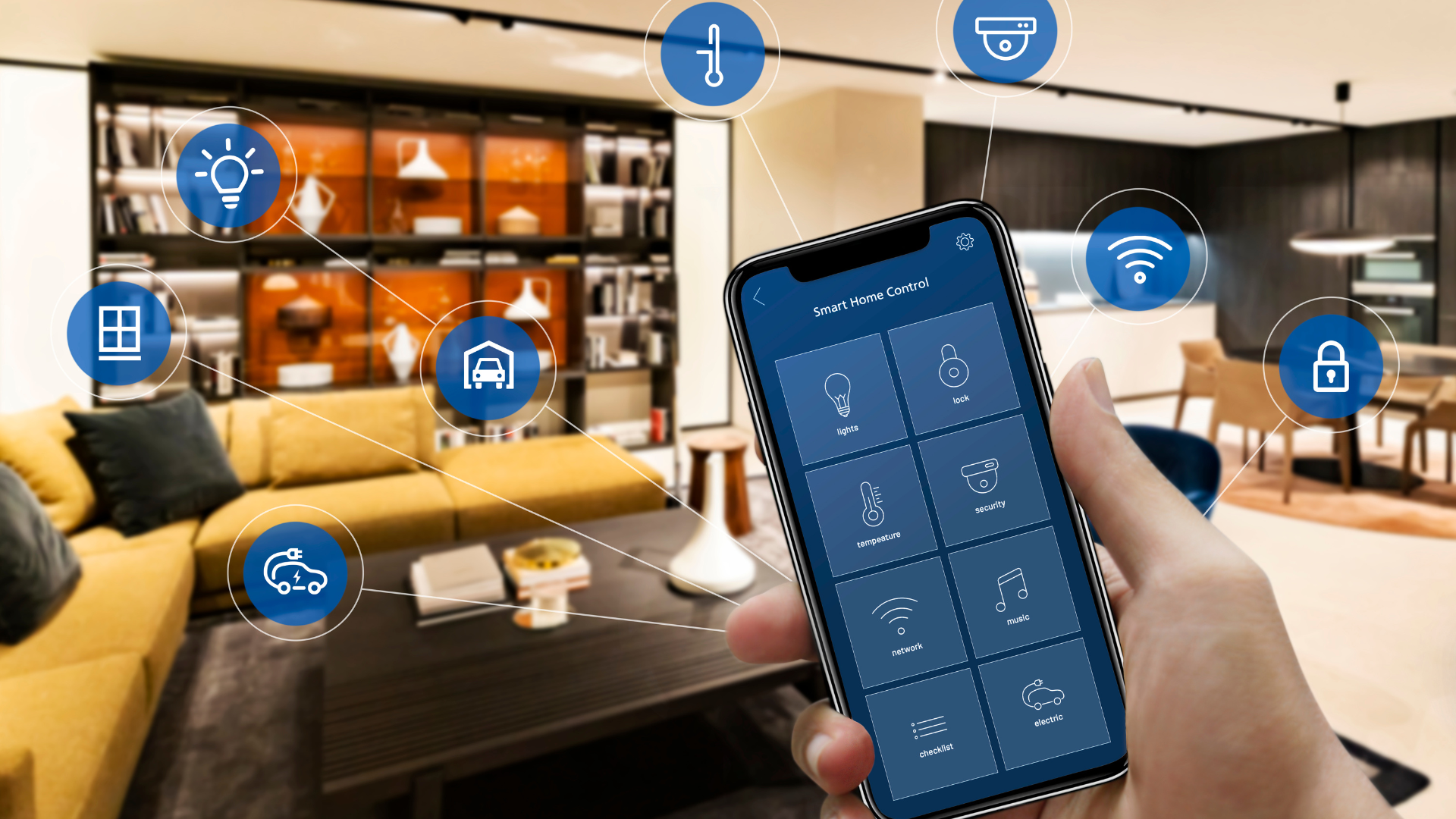
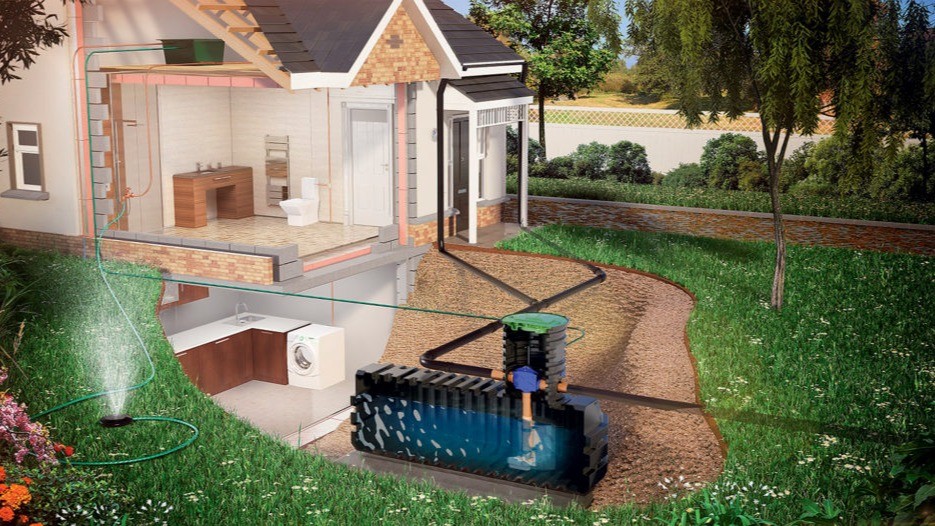


Tags
📧 Get More Articles Like This
Subscribe to receive product reviews and buying guides in your inbox!
We respect your privacy. Unsubscribe at any time.