The Complete Guide to Weird and Innovative Cleaning Gadgets That Make Life Easier
Table of Contents
- Introduction: The Revolution in Cleaning Technology
- 1. Kitchen Cleaning Innovations
- 2. Bathroom Cleaning Gadgets
- 3. Floor and Carpet Cleaning Solutions
- 4. Window and Glass Cleaning Tools
- 5. Electronics and Keyboard Cleaners
- 6. Pet Hair and Furniture Cleaning Devices
- 7. Hard-to-Reach Area Cleaners
- 8. Eco-Friendly and Chemical-Free Options
- 9. Smart and Automated Cleaning Gadgets
- 10. Specialty and Niche Cleaning Tools
- Conclusion: Embracing Cleaning Innovation
- Frequently Asked Questions
Introduction: The Revolution in Cleaning Technology
Cleaning has been humanity’s endless battle against dirt, dust, grime, and clutter since the dawn of civilization. For millennia, this necessary task has consumed countless hours of human labor, relying on simple tools like brooms, rags, and buckets requiring endless scrubbing, sweeping, and wiping. But in recent decades, something remarkable has happened—cleaning technology has exploded with creativity, innovation, and genuinely weird yet wonderfully effective solutions that transform tedious chores into surprisingly manageable, sometimes even enjoyable tasks.
The global cleaning products and equipment market now exceeds $200 billion annually, with innovative gadgets representing the fastest-growing segment. This explosion reflects multiple converging trends: technological advancement making sophisticated devices affordable and accessible, increasing time pressures driving demand for efficiency, social media spreading awareness of innovative solutions through viral cleaning videos and product demonstrations, growing appreciation for specialized tools designed for specific cleaning challenges, and perhaps most surprisingly, the emergence of cleaning as a form of entertainment and stress relief, with millions following cleaning influencers and finding satisfaction in organizing and tidying.
What makes a cleaning gadget “weird” or innovative? Often, it’s the unexpected approach to common problems—a spinning brush attached to a drill for grout cleaning, a gel compound that picks up dust from keyboards, a robotic window cleaner that seemingly defies gravity, or a tiny brush specifically designed for cleaning the ridges of drinking straws. These aren’t your grandmother’s cleaning tools, though many draw inspiration from professional cleaning techniques adapted for home use. The best innovative cleaning gadgets share common characteristics: they address genuine pain points in cleaning routines, they work significantly better or faster than traditional methods, they target specific problems with specialized designs, they often seem improbable until you see them work, and they frequently inspire that “why didn’t anyone think of this before?” reaction.
While the following demonstration highlights 10 genius cleaning tools, there is still cleaning information and strategies lying in the exclusive details below this article - information you may not have discovered yet: :
The rise of social media, particularly platforms like TikTok and Instagram, has dramatically accelerated awareness and adoption of innovative cleaning gadgets. Satisfying cleaning videos garner millions of views, with audiences mesmerized by the transformation of grimy surfaces into sparkling cleanliness through clever tools and techniques. This viral nature of cleaning content has created a feedback loop—innovators see what resonates with audiences, viewers discover tools they never knew existed, manufacturers respond with increasingly creative solutions, and the cycle continues driving innovation forward at unprecedented rates.
But the proliferation of cleaning gadgets creates challenges alongside opportunities. The marketplace overflows with both genuinely useful innovations and useless gimmicks designed primarily to separate consumers from their money through clever marketing and exaggerated claims. Some weird cleaning gadgets deliver on their promises, providing dramatic improvements over traditional methods. Others prove to be disappointments—either not working as advertised, breaking quickly, or solving problems so specific that they gather dust in closets after initial use. Navigating this landscape requires understanding what makes cleaning gadgets genuinely useful versus merely novel.
This comprehensive guide cuts through the marketing hype and viral trends to examine cleaning innovations that actually deliver value, making your cleaning routines more effective, efficient, or even enjoyable. We’ll explore room-by-room solutions starting with kitchen innovations tackling grease, grime, and food residue; bathroom gadgets addressing soap scum, mold, and hard water stains; floor and carpet cleaning tools ranging from specialized vacuums to steam cleaners; window and glass cleaning solutions including robotic cleaners and specialized squeegees; electronics cleaning tools for keyboards, screens, and devices; pet hair and furniture cleaners for homes with furry friends; hard-to-reach area tools for ceiling fans, vents, and tight spaces; eco-friendly options avoiding harsh chemicals; smart automated devices doing work for you; and specialty tools for specific niche cleaning challenges.
Each category receives detailed examination covering what these tools are, how they work, which genuinely deliver value versus overhyped disappointments, proper usage techniques maximizing effectiveness, and cost considerations helping you invest wisely. We emphasize practical utility over novelty—it doesn’t matter how weird or innovative a gadget is if it doesn’t actually make cleaning easier, faster, or more effective than traditional methods or if it costs far more than the value it provides.
The goal isn’t convincing you to replace every traditional cleaning tool with expensive gadgets—sometimes simple solutions work perfectly well. Rather, we’re identifying situations where innovative tools provide genuine improvements worth the investment. A keyboard cleaning gel that costs less than $5 can save some frustration and protect expensive electronic devices. A $30 electric spin scrubber could eliminate hours of exhausting manual scrubbing. A $300 robotic vacuum might be worthwhile for someone who hates vacuuming and has disposable income. Understanding which innovations match your specific needs, cleaning challenges, budget, and lifestyle enables smart decisions about where to embrace new technology versus sticking with proven traditional methods.
Cleaning innovation also reflects broader technological and social trends. Increasing automation and robotics capabilities enable devices handling tasks autonomously. Improved battery technology powers cordless tools with performance rivaling corded alternatives. Advanced materials create more effective cleaning surfaces and compounds. Ergonomic design reduces physical strain during cleaning. Environmental consciousness drives development of chemical-free cleaning solutions. Understanding these trends helps you evaluate whether new gadgets represent genuine advances or merely repackaging old solutions with trendy features.
The psychology of cleaning deserves recognition too. For many people, cleaning represents tedious drudgery—necessary but unpleasant work done grudgingly. Innovative gadgets that make cleaning faster, easier, or more effective can transform this experience, reducing both the time spent cleaning and the mental resistance to starting cleaning tasks. Some people even find satisfaction in using clever tools and seeing immediate results, converting cleaning from dreaded chore to satisfying activity. This psychological shift shouldn’t be dismissed—if a $20 gadget makes you actually clean your shower regularly instead of avoiding it for weeks, the value extends far beyond the tool’s direct functionality.
We’ll also address the elephant in the room—the tendency for cleaning gadget collections to accumulate in closets, used once or twice before being forgotten. This happens when people buy based on viral videos or clever marketing without considering whether they’ll actually use tools regularly, when gadgets target problems that aren’t actually significant issues in their homes, or when tools prove less effective or more cumbersome than expected. We’ll help you avoid this fate by emphasizing realistic assessment of your actual cleaning challenges and honest evaluation of whether you’ll use tools enough to justify purchases.
Environmental and economic considerations also matter. Some innovative cleaning gadgets reduce waste by replacing disposable products—microfiber cloths instead of paper towels, reusable dust mops instead of disposable sweeper pads, refillable spray bottles instead of buying new cleaners constantly. Others consume resources through electricity, require replacement parts, or create electronic waste when they break. We’ll discuss these tradeoffs, helping you make informed decisions aligned with your values and priorities.
Cost-effectiveness requires realistic analysis. A $200 gadget that saves two hours weekly for five years provides different value than one saving ten minutes monthly for six months before breaking. We’ll help you calculate realistic returns on investment considering both time savings and actual usage patterns rather than optimistic initial intentions. Sometimes expensive gadgets prove worthwhile; other times, cheaper alternatives or traditional methods make more sense.
The guide emphasizes practical application over theoretical possibilities. These aren’t abstract reviews based solely on specifications or marketing claims—we’re examining real-world performance, durability, and utility based on extensive user experiences and expert testing. We identify which gadgets consistently deliver value versus which regularly disappoint, which are built to last versus which break quickly, and which justify their costs versus which represent poor value regardless of how clever they seem.
Whether you’re someone who hates cleaning and wants to minimize time spent on chores, a cleaning enthusiast who enjoys having the perfect tool for every task, a busy parent struggling to maintain household cleanliness with limited time, someone with physical limitations making traditional cleaning difficult, or simply curious about what innovations might improve your routines, this guide provides comprehensive information helping you navigate the weird, wonderful world of innovative cleaning gadgets.
Cleaning technology has come remarkably far from simple brooms and rags, though those tools certainly retain value for many applications. The question isn’t whether to embrace all new cleaning gadgets or reject them entirely—it’s understanding which innovations genuinely improve your life enough to justify their costs and learning to use them effectively. Let’s explore this fascinating landscape of weird and wonderful cleaning innovations together, discovering tools that might just transform your least favorite chores into manageable, maybe even satisfying tasks.
1. Kitchen Cleaning Innovations
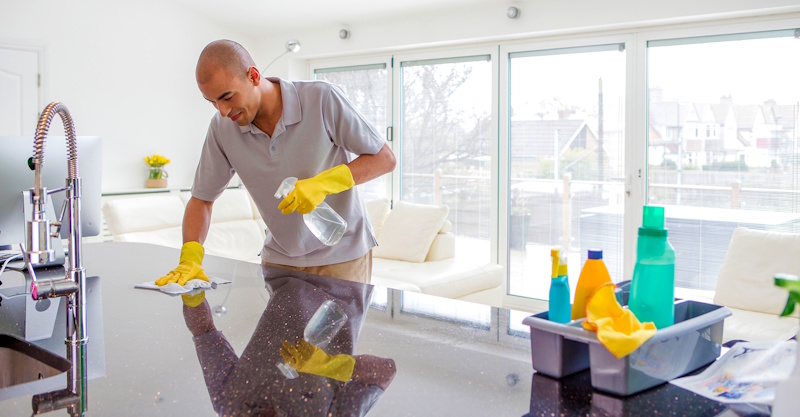
Kitchens present some of the most challenging cleaning scenarios—stubborn grease, baked-on food residue, multiple surface types requiring different approaches, and the need for thorough sanitization in food preparation areas. Innovative cleaning gadgets targeting kitchen-specific challenges can dramatically reduce the time and effort required to maintain clean, hygienic cooking spaces.
Electric Spin Scrubbers: The Game-Changing Tool
Electric spin scrubbers represent perhaps the most universally praised kitchen cleaning innovation in recent years. These cordless power tools feature rotating brush heads that scrub surfaces hundreds of times per second, eliminating the elbow grease required for manual scrubbing while delivering superior cleaning results.
The core concept is simple yet brilliant—attach various brush heads to a spinning motorized handle, apply to dirty surfaces, and watch years of accumulated grime disappear in seconds. Quality spin scrubbers like Homitt, Tilswall, or Turbo Scrub include multiple brush heads for different surfaces: stiff bristles for tough outdoor or garage cleaning, medium bristles for kitchen and bathroom general use, soft brushes for delicate surfaces like glass or stainless steel, corner brushes reaching into grout lines and tight spaces, and flat scrubbing pads for larger smooth surfaces.
The applications in kitchens are extensive. Grout between tiles, which traditionally requires exhausting manual scrubbing with tiny brushes, cleans effortlessly in minutes. Baked-on oven grime that normally demands harsh chemicals and intense scrubbing practically melts away under spinning brushes. Stovetop drip pans covered in carbonized grease become clean again. Sink surfaces and faucets regain their original shine. Range hood filters release accumulated grease. Even stubborn stains on countertops or in the sink surrender to persistent spinning action.
The time savings are dramatic—tasks requiring thirty minutes of manual scrubbing often complete in five minutes with spin scrubbers. The effort reduction matters even more for many people—you’re holding a tool doing the work rather than providing muscle power yourself. This makes deep cleaning accessible to people with arthritis, limited strength, or physical limitations preventing vigorous scrubbing.
However, spin scrubbers aren’t perfect for every application. They require charging (though cordless operation is convenient), can spray water and cleaning solutions everywhere if you’re not careful (work in controlled areas or protect surrounding surfaces), and the more powerful spinning brushes can scratch soft surfaces like certain plastics or worn finishes if used too aggressively. They also represent an investment—quality models cost $30-60, though this pays for itself quickly in time saved and cleaning products required.
Silicone Dish Scrubbers: The Bacteria-Resistant Alternative
Traditional sponges harbor bacteria in their porous structures, becoming smelly and unsanitary within days despite regular rinsing. Silicone scrubbers offer innovative alternatives using food-grade silicone bristles or textured surfaces that don’t absorb water or harbor bacteria.
These weird-looking tools resemble everything from sea creatures to abstract modern art—thick silicone pads covered in short bristles or textured nubs. They work surprisingly well for washing dishes, requiring slightly more scrubbing motion than sponges but providing antibacterial benefits and lasting months or years instead of weeks. Some designs include dual-sided functionality—scrubbing bristles on one side and smooth silicone for wiping on the other.
Silicone scrubbers clean easily—just rinse under hot water or throw in the dishwasher for thorough sanitization. They dry quickly without retaining odors. The durability dramatically reduces waste compared to constantly replacing sponges. While initial costs are higher ($5-10 versus $1 for sponge packs), the longevity makes them economical long-term.
The drawbacks are minor but worth noting. Silicone doesn’t create suds like sponges, requiring adjustment to different washing experiences. Very delicate glasses or dishes with intricate details might be easier to clean with soft sponges. And some people simply prefer traditional sponge textures. But for many households, silicone scrubbers represent clear improvements over bacteria-harboring traditional alternatives.
Microwave Steam Cleaners: The Weird Yet Effective Solution
Microwave steam cleaners look absurd—plastic containers shaped like angry mamas or volcanic eruptions—but they work remarkably well for one of the kitchen’s most annoying cleaning tasks. Fill the container with water and vinegar, microwave for several minutes, and steam loosens all the splattered food and grime coating microwave interiors. After steaming, simply wipe surfaces clean with a cloth—no scrubbing required.
These gadgets cost just $5-10 yet eliminate significant frustration from microwave cleaning. The steam softens even heavily crusted spills that normally require extensive scrubbing and harsh chemicals. The vinegar naturally deodorizes while cleaning. The process takes just minutes including steaming time and wiping.
The main limitation is that this approach only works for microwaves—you’re buying a single-purpose gadget. However, considering how annoying microwave cleaning typically is and how little these cost, many people find them worthwhile investments. Some versions include measurement marks and cleaning solution recipes for different cleaning needs.
Dishwasher Cleaning Tablets: The Set-It-and-Forget-It Solution
While not gadgets in the traditional sense, specialized dishwasher cleaning tablets represent innovative solutions to the problem of maintaining dishwashers themselves. These tablets run through empty dishwasher cycles, removing limescale, grease buildup, and odors from hidden internal components that regular dish washing doesn’t address.
Quality dishwasher cleaners like Affresh or Finish Dishwasher Cleaner use targeted formulas breaking down mineral deposits, grease accumulation, and soap scum affecting dishwasher performance. Monthly treatments keep machines running efficiently while preventing the gradual decline in cleaning performance that accumulated buildup causes.
The weirdness lies in the concept of cleaning your cleaning machine—it seems recursive until you understand that dishwashers gradually accumulate deposits in spray arms, filters, and internal plumbing that normal operation doesn’t remove. Regular cleaning prevents these issues, extending machine lifespan and maintaining cleaning effectiveness.
Grout Cleaning Brushes: Specialized Tools for Specific Problems
Kitchen tile grout accumulates grime creating dark lines that make entire floors or backsplashes look dirty even when surfaces are otherwise clean. Traditional grout cleaning requires painful scrubbing on hands and knees with small brushes or toothbrushes—exhausting, time-consuming, and hard on joints.
Innovative grout cleaning tools address this specific problem through creative designs. Some feature V-shaped brush arrangements that clean two grout lines simultaneously. Others attach specialized brushes to long handles eliminating kneeling. Electric versions (often attachments for spin scrubbers) provide powered scrubbing action. The most effective designs combine stiff bristles penetrating into grout texture with ergonomic handles reducing strain.
The specialized nature means these tools do one thing, but they do it dramatically better than improvised alternatives. Deep-cleaning kitchen floors or backsplash grout that would take hours manually completes in 30-45 minutes with proper grout tools. The results are dramatic—grout returning to original color rather than remaining perpetually dingy.
Shop on AliExpress via link: wholesale-electric-spin-scrubbe
Kitchen cleaning innovations dramatically reduce the time and effort required for maintaining clean, sanitary food preparation areas. Electric spin scrubbers provide powered assistance for stubborn grime, silicone scrubbers offer bacteria-resistant dish washing alternatives, steam cleaners simplify microwave maintenance, and specialized tools address specific challenges like grout cleaning. While not every innovation suits every household, identifying which align with your specific kitchen cleaning challenges can transform dreaded chores into manageable tasks.
2. Bathroom Cleaning Gadgets
Bathrooms present unique cleaning challenges—soap scum, hard water stains, mold and mildew, hair accumulation, and toilet maintenance all require different approaches and tools. Innovative gadgets targeting bathroom-specific problems can make these notoriously tedious cleaning tasks faster and less unpleasant.
Automatic Toilet Bowl Cleaners: The Low-Effort Solution
Automatic toilet bowl cleaning systems use various approaches to maintain bowl cleanliness between manual cleanings. Some clip onto bowl rims, releasing cleaning solution with each flush. Others consist of tablets that sit in the tank, gradually dissolving and cleaning with every flush. Advanced versions include gel stamps adhering to bowl interiors, slowly releasing cleaning agents over hundreds of flushes.
The appeal is obvious—reduced manual toilet cleaning through continuous automatic maintenance. These systems help prevent ring formation, reduce staining, and keep bowls fresher smelling between deep cleanings. They don’t eliminate manual cleaning entirely but extend the time between necessary scrubbing sessions from weekly to bi-weekly or monthly depending on usage and water hardness.
Quality matters significantly with automatic cleaners. Cheap versions deplete quickly, provide inconsistent cleaning, or damage toilet components. Premium options like Clorox Automatic Toilet Bowl Cleaner or Lysol Click Gel deliver more reliable performance with formulations less likely to corrode internal mechanisms. Costs range from $3-10 per unit, with refills needed monthly to quarterly depending on system type and usage levels.
The limitations include inability to address accumulated buildup—these maintain cleanliness but don’t deep-clean neglected toilets. They also don’t clean under the rim or in the trap where staining and buildup commonly occur. Environmental concerns arise from constant chemical introduction into water systems, though eco-friendly alternatives exist using less harmful ingredients.
Electric Bathroom Scrubbers: Specialized Power Tools
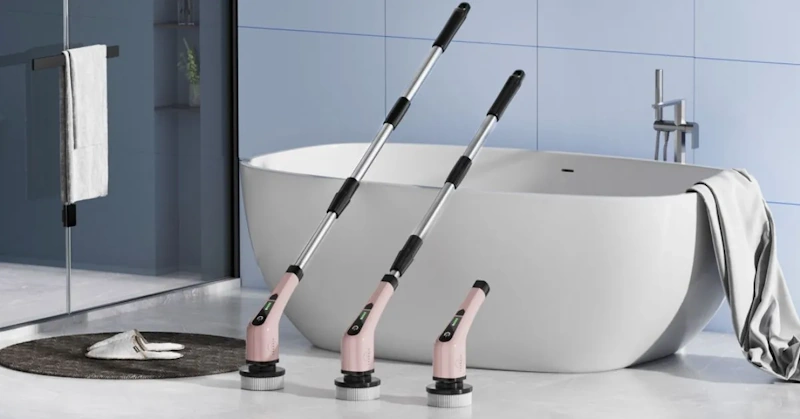
While similar to kitchen spin scrubbers, bathroom-specific electric scrubbers often include features targeting bathroom challenges. These might include extra-long extension poles reaching shower ceilings without ladders or awkward stretching, specialized dome brushes conforming to toilet bowl curves, soft bristles suitable for acrylic tubs and shower enclosures that scratch easily, and waterproof construction handling the wet conditions inherent in bathroom cleaning.
The applications transform exhausting bathroom cleaning tasks. Scrubbing shower walls and doors, which traditionally requires significant arm strength and time, becomes quick and easy. Reaching high corners and ceiling areas in showers doesn’t require ladders or dangerous stretching. Tub cleaning around faucets and drains, normally requiring awkward positions and intense scrubbing, happens with minimal effort. Tile and grout cleaning delivers professional results without professional costs or extreme labor.
The same caveats from kitchen use apply—they require charging, can be messy, and need care with delicate surfaces. However, the time savings in bathrooms often exceed even kitchen applications because bathroom cleaning traditionally requires more awkward positioning and sustained scrubbing effort. Many users report reducing bathroom deep cleaning time by 50-75% compared to manual methods.
Grout Pens and Whitening Solutions: The Restoration Tools
Grout eventually becomes permanently stained regardless of how diligently you clean, particularly in showers where constant moisture exposure and soap scum create stubborn discoloration. Grout pens offer innovative solutions using paint-like formulas that restore grout to original white color by coating rather than cleaning.
These markers contain water-based paint or epoxy formulations in grout-matching colors (usually white but sometimes gray or beige). You simply draw along grout lines, covering stains and discoloration with fresh coating. The results are immediate and dramatic—tired, discolored grout suddenly looks new again. Application takes time—you’re essentially painting every grout line—but the results last months or years depending on formula quality and usage conditions.
Quality grout pens like Grout-Aide or Rainbow Chalk Markers cost $8-15 and cover approximately 150 linear feet of standard grout lines. They work best on clean grout—you still need to remove loose debris and mildew before applying. Some formulas require ventilation during application due to fumes. Once dry, they’re waterproof and durable, though not permanent—you’ll eventually need reapplication as coatings wear.
The controversy around grout pens centers on whether they’re “cheating” by covering problems rather than solving them. Critics argue they hide rather than clean dirty grout. Proponents counter that some grout staining is permanent regardless of cleaning efforts, making restoration coatings practical solutions. The truth likely lies between—grout pens work excellently for permanently stained but otherwise sound grout, providing cost-effective alternatives to expensive regrouting.
Shower Drain Hair Catchers: The Preventive Tools
Hair clogs represent one of the most common and annoying bathroom plumbing issues. Traditional solutions involve fishing accumulated hair from drains with coat hangers or calling plumbers for serious blockages. Innovative hair catchers prevent clogs before they form by capturing hair before it enters drain pipes.
Modern designs go far beyond simple screens. Some feature silicone “flowers” or geometric patterns sitting in drains, capturing hair in textured surfaces while allowing water flow. Others use fine mesh or perforated metal catching hair without impeding drainage. The most clever designs include handles or tabs making removal and cleaning simple—just pull out the catcher, clean off accumulated hair, and replace.
The weirdness comes from the appearance—silicone flowers or bizarre shapes sitting in your shower drain look odd. But the functionality is undeniable—they prevent drain clogs almost entirely with minimal maintenance. Every few weeks or months (depending on hair shedding rates), you spend 30 seconds cleaning off the catcher rather than dealing with slow drains or expensive plumber visits.
Costs are minimal—$5-10 for quality catchers lasting years. Some designs fit specific drain types while others are universal. The only real downside is aesthetic—these tools are visible in your shower or tub, and some people dislike how they look. However, most users quickly decide that avoiding clogs outweighs appearance concerns.
Automatic Soap Dispensers: The Touch-Free Hygiene
Automatic soap dispensers use motion sensors or proximity detection to dispense soap without touching handles or pumps. While common in public restrooms, they’re increasingly popular in home bathrooms as people recognize hygiene benefits and appreciate the convenience.
The advantages extend beyond just avoiding germs on soap pump handles. These dispensers provide consistent portions, eliminating waste from excessive pumping. They work well for children who struggle with traditional pumps. They add modern, somewhat luxurious feel to bathrooms. Many include adjustable portion sizes and work with various liquid soaps.
The weirdness factor comes from having sensor-operated technology for something as simple as soap dispensing. Some people find this excessive automation unnecessary or even silly. However, users typically adapt quickly and appreciate not having soapy pumps to clean constantly.
Costs range from $15-40 for quality units from Simplehuman, Umbra, or Secura. Battery life typically extends months before requiring replacement. The main limitations include dependence on batteries, potential sensor failures over time, and the fact that you’re adding electronic complexity to a very simple task. However, for households valuing convenience and hygiene, automatic soap dispensers provide worthwhile improvements.
Steam Cleaners: The Chemical-Free Deep Cleaning
Handheld steam cleaners use high-temperature steam for deep cleaning and sanitizing bathroom surfaces without harsh chemicals. These devices heat water to steam temperatures (typically 200°F+) and direct pressurized steam through various nozzles and attachments onto surfaces, killing bacteria and loosening grime through heat and moisture.
The applications in bathrooms are extensive. Grout cleaning using concentrated steam and specialized nozzles removes staining and buildup without chemicals or extreme scrubbing. Shower door and tile cleaning eliminates soap scum and hard water staining through steam’s dissolving action. Faucet and fixture detailing reaches into crevices and around hardware removing accumulated grime. Toilet cleaning and sanitizing uses steam’s natural disinfecting properties without harsh chemical cleaners. Mold and mildew treatment kills spores with heat more effectively than many chemical cleaners.
Quality steam cleaners like McCulloch, Bissell, or PurSteam models cost $80-200 depending on features and power. They require filling with distilled water (tap water causes mineral buildup), heating time before use (typically 3-8 minutes), and periodic descaling maintenance. The benefits include chemical-free cleaning appealing to those with sensitivities or environmental concerns, deep sanitization from high temperatures, versatility across multiple surfaces and rooms, and long-term cost savings from eliminating cleaning product purchases.
The drawbacks include higher initial costs, learning curve for effective use, time required for heating and thorough cleaning, and the reality that steam cleaning, while effective, still requires effort—it’s not magic, just a different cleaning approach. Some surfaces like certain plastics or finishes can be damaged by high heat, requiring caution.
Shop on AliExpress via link: wholesale-bathroom-cleaning-tools
Bathroom cleaning innovations address specific challenges unique to these high-moisture, high-use spaces. From automatic toilet cleaners reducing maintenance frequency to electric scrubbers eliminating exhausting manual effort, to preventive tools like drain catchers avoiding problems before they develop, these gadgets can genuinely improve bathroom cleaning experiences. The key is identifying which specific bathroom cleaning challenges frustrate you most, then finding targeted tools addressing those exact issues.
3. Floor and Carpet Cleaning Solutions
Floors accumulate more dirt, dust, and debris than any other household surface through constant foot traffic and exposure. Innovative floor cleaning gadgets address the challenges of maintaining different floor types—hardwood, tile, laminate, carpet—through specialized approaches often dramatically more effective than traditional mopping and vacuuming.
Robot Vacuums: The Autonomous Floor Cleaners
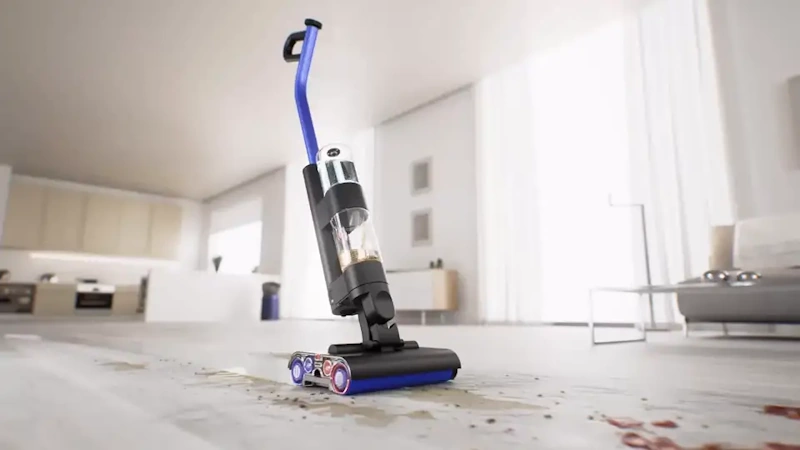
Robot vacuums represent perhaps the most famous cleaning innovation of the past decade. These autonomous disc-shaped devices navigate rooms independently, vacuuming floors while you’re away or occupied with other tasks. What seemed like science fiction just years ago has become surprisingly affordable and effective mainstream technology.
Modern robot vacuums from companies like iRobot (Roomba), Roborock, Eufy, or Shark include sophisticated features such as smart mapping using cameras or LIDAR creating efficient cleaning paths, obstacle detection and avoidance preventing damage and falls, scheduled cleaning allowing automated daily or weekly runs, app control enabling remote operation and monitoring, self-emptying bases collecting weeks of debris automatically, and mopping functionality combining vacuuming with wet floor cleaning.
The advantages are substantial for people who hate vacuuming or struggle to maintain consistent floor cleaning. Hands-free operation means floors get cleaned regularly without you spending time or effort. Scheduled daily runs prevent dirt accumulation keeping floors consistently clean rather than getting dirty between weekly cleanings. Hard-to-reach areas under furniture receive regular attention without moving anything. Maintenance becomes mostly just emptying dust bins every few days or weeks with self-emptying models.
However, robot vacuums aren’t perfect replacements for traditional vacuuming. Suction power, while improving with each generation, still typically lags behind quality upright vacuums. Edge cleaning often leaves traces near walls and corners. Complex spaces with many obstacles can confuse navigation systems. Stairs obviously can’t be cleaned by devices that would fall down them. Initial costs range from $200-1000+ depending on features and quality. And despite automation, these machines require regular maintenance—emptying bins, cleaning brushes and sensors, occasionally rescuing stuck units.
The verdict on robot vacuums depends heavily on individual circumstances. For people with large open floor plans, pets creating constant shedding, or strong aversion to vacuuming, these devices provide exceptional value despite costs. For others with complex layouts, thick carpets demanding powerful suction, or tight budgets, traditional vacuuming might make more sense. Many households find combining robot vacuums for daily maintenance with periodic traditional vacuuming for deep cleaning provides optimal results.
Steam Mops: The Chemical-Free Floor Cleaning
Steam mops combine traditional mop formats with steam cleaning technology, using heated steam to clean and sanitize hard floors without chemical cleaners. These devices heat water reservoirs to boiling, producing steam directed through mop pads onto floors, loosening dirt and killing bacteria through heat and moisture.
Quality steam mops like Shark, Bissell, or Dupray models feature variable steam settings adjusting output for different floor types and cleaning needs, quick heating reaching operating temperature in under a minute, large water tanks enabling 15-30 minutes of continuous cleaning, and multiple pad designs for different applications. Swivel heads improve maneuverability around furniture and into corners. Some models include attachments for cleaning above floors—counters, shower walls, windows.
The advantages include chemical-free cleaning appealing to households with chemical sensitivities, children, or pets, deep sanitization through heat killing bacteria and viruses without disinfectants, reduced long-term costs eliminating floor cleaner purchases, and effectiveness on stubborn sticky residues or stains that damp mopping struggles with.
The limitations involve initial costs ($60-150 for quality units), requirement for electricity and water making them less convenient than traditional mops for quick spot cleaning, unsuitability for some floor types including unsealed hardwood or certain laminates that water can damage, and the reality that steam mops work best with pre-swept floors—they don’t replace vacuuming for removing loose debris.
Steam mops work excellently as primary floor cleaning tools for households with tile, sealed hardwood, or laminate floors throughout most of their homes. They’re less practical as sole cleaning method for homes with mixed floor types or large carpeted areas.
Microfiber Flat Mops: The Modern Traditional Approach
Sometimes innovation isn’t about adding technology but improving traditional approaches through better materials and design. Microfiber flat mops represent exactly this—taking the age-old concept of mopping and optimizing it through modern materials and ergonomics.
These mops feature large rectangular heads covered in microfiber pads, attached to handles allowing various motions. Unlike traditional string mops requiring buckets and wringing, microfiber mops use spray bottles applying cleaning solution directly to floors or pads, or pre-moistened pads. The microfiber material traps and holds dirt more effectively than cotton, requires less water reducing drying time, and launders repeatedly rather than requiring disposal.
Quality systems like O-Cedar or Turbo Microfiber Mop include machine-washable pads (each lasting hundreds of washes), refillable spray bottles integrated into handles, swivel heads reaching under furniture, and optional dry dusting pads for dust mopping between wet cleaning. The total investment is modest—$25-40 for complete systems—with ongoing costs minimal since pads wash and reuse extensively.
The advantages include low cost, simple operation without learning curve, effective cleaning results comparable to much more expensive systems, versatility for both wet mopping and dry dusting, and environmental benefits from reusable pads versus disposable alternatives like Swiffer pads.
The limitations are primarily that this is still manual mopping—you’re doing the physical work rather than automation or machinery helping. For people with mobility issues or who simply hate mopping, microfiber systems don’t address those fundamental challenges despite making the process more efficient and effective.
Carpet Rakes and Brush Tools: The Deep Grooming
Carpet rakes look strange—long-handled tools with rows of rubber or bristle teeth—but they serve important purposes for maintaining carpet appearance and cleanliness. These tools “groom” carpets by loosening embedded dirt, reviving matted fibers, distributing carpet fibers evenly, and preparing surfaces for effective vacuuming.
Regular carpet raking before vacuuming dramatically improves vacuum effectiveness by lifting embedded dirt and debris closer to the surface where suction can remove it. This proves particularly valuable in high-traffic areas where carpet flattens and embeds dirt deeply. The grooming action also improves appearance by standing carpet fibers upright again, restoring the fresh appearance that traffic gradually flattens.
Pet owners especially appreciate carpet rakes for removing embedded pet hair that vacuums struggle with. The rubber teeth or stiff bristles pull hair from deep in carpet fibers, gathering it into clumps easily collected manually before vacuuming. This pre-treatment allows subsequent vacuuming to focus on dust and fine particles rather than struggling with hair.
Quality carpet rakes cost $15-30 and last indefinitely with no moving parts or maintenance required. The weird appearance causes many people to overlook these simple but effective tools. However, anyone struggling with persistently dingy-looking carpets despite regular vacuuming should consider adding carpet raking to their routine—the results often surprise people.
Upholstery and Fabric Cleaning Tools
Sofas, chairs, curtains, and other fabric items accumulate dust, spills, and odors but can’t be thrown in washing machines like clothing. Innovative fabric cleaning tools address these challenges through specialized approaches.
Fabric shavers remove pills and fuzz from upholstery and clothing, restoring smooth appearance to worn fabrics. These battery-operated devices use rotating blades that shave off pills without damaging underlying fabric. The results are dramatic—furniture that looked worn and shabby suddenly appears much newer and cleaner.
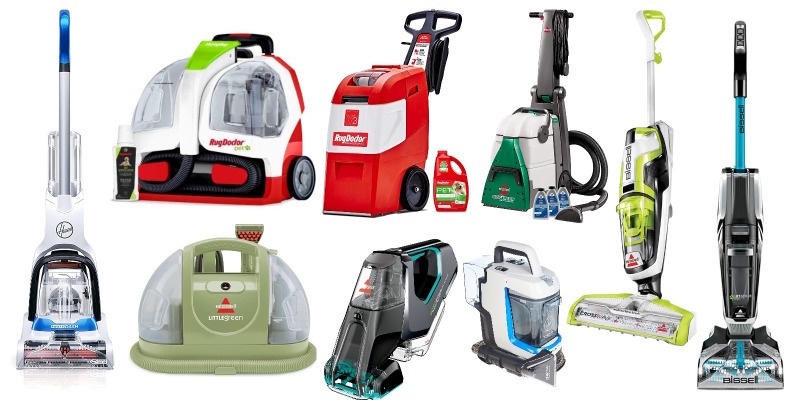
Portable spot cleaners like Bissell Little Green use spray-and-suction mechanisms to deep clean upholstery stains. They spray cleaning solution while simultaneously vacuuming dirty water, effectively “shampooing” fabrics without over-wetting. These prove invaluable for pet accidents, spilled drinks, or general upholstery refreshing.
Steam cleaners with upholstery attachments clean and sanitize fabrics using heat without harsh chemicals. The steam penetrates deeply, killing dust mites and bacteria while refreshing appearance.
Shop on AliExpress via link: wholesale-robot-vacuum
Floor and carpet cleaning innovations range from high-tech robot vacuums to simple but effective tools like microfiber mops and carpet rakes. The right solutions depend entirely on your specific floor types, cleaning challenges, budget, and whether you want automation or don’t mind manual effort when tools are effective. Combining multiple approaches often works best—robot vacuums for daily maintenance, traditional deep cleaning periodically, and specialized tools for specific challenges like embedded pet hair or stubborn carpet stains.
4. Window and Glass Cleaning Tools
Window and glass cleaning provokes strong reactions—some people avoid it entirely due to frustration with streaks, difficulty reaching high windows, or general tedium. Others find satisfaction in achieving perfectly clear, streak-free glass. Innovative tools address common glass cleaning challenges, making the process faster, easier, and more effective regardless of your attitude toward the task.
Magnetic Window Cleaners: The Double-Sided Solution
Magnetic window cleaners represent one of the weirdest yet most clever cleaning innovations. These devices consist of two cleaning pads containing strong magnets. You place one pad on the inside of windows and the other on the outside—the magnets hold them together through the glass. As you move the interior handle cleaning inside, the exterior pad follows along cleaning outside simultaneously. This eliminates the need for ladders, scaffolding, or dangerous leaning out of high windows to clean exterior glass surfaces.
Quality magnetic cleaners like Glider or Tyroler models include safety ropes preventing exterior pads from falling if magnetic connection breaks, thick microfiber or felt cleaning surfaces, fluid reservoirs or spray mechanisms for applying cleaning solution, and adjustable magnetic strength accommodating different glass thicknesses. They work on single-pane windows, most double-pane, and even some triple-pane windows depending on total thickness and magnetic strength.
The applications are particularly valuable for apartment dwellers with high-rise windows where exterior cleaning is otherwise impossible or dangerous, homeowners with second or third story windows requiring ladders, and anyone who hates the hassle of cleaning both sides of windows separately. The time savings and safety improvements make magnetic cleaners genuinely useful innovations rather than just gimmicks.
However, limitations exist. Magnetic cleaners don’t work on windows thicker than their magnetic strength can handle—check specifications against your window thickness. They require reasonably smooth glass surfaces—textured or patterned glass can prevent proper cleaning or trap pads. The technique takes practice—if you move too quickly or erratically, pads can separate and potentially fall (hence the importance of safety ropes). Frames, screens, and window mullions require separate cleaning. And costs are substantial—$30-80 for quality magnetic cleaners.
The verdict depends on your window situation. For people with many large windows at heights making exterior cleaning difficult, magnetic cleaners are excellent investments providing safe, convenient cleaning solutions. For ground-level window cleaning or homes with mostly small windows, traditional methods work fine without justify special tool costs.
Squeegees and Microfiber Window Cloths: The Professional Approach
Professional window cleaners rarely use paper towels and spray bottles—they use squeegees and specific techniques achieving streak-free results efficiently. Bringing professional methods and tools home dramatically improves window cleaning outcomes.
Quality squeegees feature rubber blades creating smooth, consistent contact with glass, comfortable handles allowing proper grip and control, and replaceable blades extending tool lifespan. Professional-style squeegees from Ettore or Unger cost $10-25 but last years with occasional blade replacement. The technique involves applying cleaning solution (often just water with small amounts of dish soap or vinegar), then pulling squeegee across glass in overlapping strokes, wiping blade between passes with clean microfiber cloth.
Microfiber window cloths provide lint-free, streak-free drying and polishing. These aren’t ordinary microfiber cloths—specialized window cloths use extremely fine fibers engineered specifically for glass cleaning. Quality window microfiber from brands like e-Cloth or Zwipes costs $8-15 for sets lasting years through hundreds of washings. One damp cloth removes dirt, one dry cloth polishes to streak-free shine.
The combination of proper squeegee technique and quality microfiber cloths produces professional results at home with minimal cost. The initial learning curve exists—squeegeeing effectively takes practice—but effort invested in learning proper technique pays dividends forever in faster, better window cleaning.
The weirdness factor is minimal here—squeegees and cloths are traditional tools. The innovation is adopting professional-grade versions and learning proper techniques rather than struggling with consumer-grade tools and improvised methods.
Robotic Window Cleaners: The Futuristic Approach
Robotic window cleaners represent high-tech solutions to window cleaning, using suction or magnetic adherence to hold onto glass while automatically cleaning surfaces. These devices look like smaller, flatter robot vacuums designed for vertical surfaces. They spray cleaning solution, scrub with pads or brushes, and squeegee while moving across glass in programmed patterns.
Devices from companies like Hobot, Ecovacs, or Alfawise cost $150-400 and include features like AI-driven path planning for efficient coverage, safety ropes or backup battery systems preventing falls during power loss, remote controls or smartphone apps, and compatibility with various glass types and thicknesses. Some models clean frameless glass, mirrors, tiles, and other smooth surfaces beyond just windows.
The advantages are obvious—hands-free window cleaning, ability to handle large window walls or hard-to-reach areas, consistent results, and the sheer coolness factor of watching robots clean your windows. For people who hate window cleaning or have extensive glass surfaces, these devices provide compelling solutions despite high costs.
The limitations are substantial. High initial costs make these luxury items rather than necessities. They work best on large, uninterrupted glass surfaces—small paned windows, windows with screens, or irregular shapes can cause issues. They require electricity (via extension cords) limiting outdoor use. Setup and monitoring are needed—these aren’t truly set-and-forget solutions. And cleaning quality, while good, may not match human attention to detail or professional cleaning results.
Robotic window cleaners make most sense for affluent households with extensive glass surfaces—floor-to-ceiling windows, large glass walls, skylights, or architectural designs featuring prominent glass. For typical homes with standard windows, the costs likely exceed value provided, particularly when proper squeegee techniques with quality tools produce excellent results at a fraction of the cost.
Extension Poles and High-Reach Tools: The Simple Solution
Sometimes innovation means taking existing tools and extending their reach rather than creating entirely new approaches. Extension poles with various cleaning attachments—squeegees, microfiber pads, scrapers—allow cleaning high windows, skylights, or glass doors safely from ground level without ladders.
Quality telescoping poles from Ettore or Unger extend 6-24 feet, lock securely at desired lengths, and accept standard tool attachments via threaded connectors. Complete systems including poles and multiple attachments cost $40-100 depending on maximum reach and accessory quantity. These one-time investments enable cleaning all the windows in most homes safely without ladders.
The advantages include safety eliminating falls from ladders, speed allowing faster work than constantly moving ladders, versatility enabling use for other high-reach cleaning (ceiling fans, light fixtures, exterior siding), and cost-effectiveness compared to hiring professional cleaners or risking ladder accidents.
The limitations involve storage—extended poles are long, though most telescoping models collapse for reasonable storage. Technique requires learning—controlling tools at maximum extension takes practice. Physical effort increases with reach—holding and maneuvering poles at full extension works arm muscles. But overall, extension poles represent excellent value for homes with hard-to-reach windows.
Glass and Mirror Cleaners: The Chemical Innovation
While not gadgets, innovative glass cleaning solutions deserve mention for dramatically improving results over basic methods. Quality glass cleaners are formulated specifically to prevent streaking, dry quickly without residue, cut through common glass contaminants like fingerprints or kitchen grease, and work with minimal product reducing waste.
Streak-free formulas from brands like Invisible Glass, Windex Ammonia-Free, or Method use surfactants and solvents that evaporate cleanly without leaving visible residue. The chemical engineering behind these formulations represents genuine innovation even if end products look like ordinary spray bottles.
Vinegar-based DIY solutions provide effective, economical alternatives using white vinegar diluted with water (typically 1:1 ratio). While more eco-friendly and cheaper than commercial cleaners, DIY solutions sometimes require more effort achieving streak-free results and don’t cut through heavy grease as effectively as formulated cleaners.
The real innovation in glass cleaning often comes from using better tools (quality microfiber, proper squeegees) rather than relying solely on chemical solutions. Even the best glass cleaners produce mediocre results with poor application methods, while plain water with vinegar works excellently when applied with proper technique and quality tools.
Shop on AliExpress via link: wholesale-magnetic-window-cleaner
Window and glass cleaning innovations range from high-tech robotic cleaners to simple but effective professional-grade tools and techniques. The right approach depends on your specific window situation, budget, and tolerance for learning proper techniques. For most households, investing in quality squeegees, microfiber cloths, and possibly extension poles for high reach provides optimal cost-effectiveness. Magnetic cleaners suit specific situations with hard-to-reach exterior glass. Robotic cleaners make sense only for homes with extensive glass surfaces and budgets accommodating luxury convenience items.
5. Electronics and Keyboard Cleaners
Electronics accumulate dust, fingerprints, and grime but require gentle cleaning methods avoiding moisture and abrasion that could damage sensitive components. Innovative cleaning tools designed specifically for electronics address these unique challenges through clever materials and approaches.
Keyboard Cleaning Gel: The Satisfying Goo
Keyboard cleaning gel (also called cyber clean or cleaning putty) has become viral on social media for its oddly satisfying cleaning action. This sticky, putty-like compound presses into keyboards, remote controls, car vents, and other devices with small crevices, conforming to surfaces and lifting away dust, crumbs, and debris as you pull it away.
The material is typically made from biodegradable, non-toxic gel that maintains adhesiveness through many uses before needing replacement. You simply press the gel onto dirty surfaces, work it into crevices slightly, then pull it away—dust and particles stick to the gel while electronics remain clean and dry. The visual satisfaction of seeing all the accumulated filth stuck in previously clean gel drives much of the viral appeal, though the actual cleaning effectiveness deserves recognition too.
Quality keyboard gel like ColorCoral or TICARVE costs $5-10 per container, provides dozens of cleanings before effectiveness declines, and works on countless small electronics and tight spaces—keyboards, TV remotes, car interiors, camera equipment, computer vents, gaming controllers, and anywhere else traditional cleaning methods struggle to reach.
The advantages include effective cleaning reaching into small crevices, completely dry process preventing water damage, ease of use requiring no tools or technique, reusability across many cleaning sessions, and versatility across many device types. The satisfying tactile experience encourages people to clean more frequently than they might with less engaging methods.
The limitations are minor—gel eventually gets too dirty to work effectively requiring replacement, gel can stick to itself making storage important (keep in included container), and some people find the texture unpleasant. But overall, keyboard gel represents genuinely useful innovation solving real cleaning challenges for electronics.
Compressed Air Dusters: The Forced Air Approach
Compressed air canisters blow debris from electronics using pressurized gas. These simple tools work excellently for cleaning dust from keyboard crevices, computer vents, camera equipment, or any electronics where physical cleaning would be difficult or risky. Holding cans upright and using short bursts rather than continuous spraying works best, preventing liquid propellant from escaping and potentially damaging electronics.
Reusable electric dusters provide eco-friendly, long-term alternatives to disposable canisters. These devices use battery-powered motors generating compressed air without propellant chemicals. Models from OPOLAR or Sin Shine cost $40-70 but eliminate ongoing canister purchase costs while providing unlimited uses. They work well for regular computer cleaning or camera equipment maintenance where frequent compressed air use justifies investment in reusable tools.
The main caution involves propellant cooling—rapidly emptying compressed air canisters causes significant cooling, potentially damaging sensitive electronics if sprayed directly on circuit boards or other components. Keep cans upright, use short bursts, maintain safe distance from components, and allow cooling time between extended spraying sessions.
Microfiber Screen Cleaning Cloths: The Specialized Fabric
Screens on phones, tablets, computers, and televisions require gentle cleaning avoiding scratches while effectively removing fingerprints and smudges. Specialized microfiber screen cloths use extremely fine fibers that clean effectively without risk of scratching delicate displays.
Quality screen cloths from companies like Tech Armor, MagicFiber, or e-Cloth cost just $5-10 for multi-packs, wash hundreds of times, and work excellently for both dry dusting and slightly damp cleaning. The key is using cloths designed specifically for electronics rather than general microfiber—screen cloths use finer fibers that won’t scratch modern displays.
The technique is simple—wipe gently in circular motions for slightly damp cleaning or straight passes for dry dusting. Never spray liquids directly onto screens—instead, slightly dampen cloth with water or screen cleaning solution, then wipe screens. This prevents liquid seeping into device edges causing damage.
Screen Cleaning Solutions: The Safe Formulas
While plain water often works adequately for screen cleaning, specialized solutions provide superior results while ensuring safety for delicate displays. Quality screen cleaners use alcohol-free, ammonia-free formulas that won’t damage screen coatings or cause clouding.
Premixed sprays from brands like WHOOSH or Screen Mom provide convenient ready-to-use solutions, typically costing $10-15 for bottles lasting many months. DIY alternatives using distilled water and small amounts of white vinegar work adequately for budget-conscious consumers, though they may not cut through oily fingerprints as effectively as formulated cleaners.
The innovation in screen cleaners involves formulation chemistry creating solutions that effectively remove oils and smudges, evaporate quickly without streaking, contain no harmful chemicals damaging modern screen coatings, and work with minimal product reducing waste. While less exciting than mechanical gadgets, proper screen cleaning solutions represent genuine innovation supporting safe electronics maintenance.
Brush and Swab Tool Kits: The Precision Cleaning
Electronics cleaning kits include various small brushes, swabs, and tools designed for precision work on keyboards, ports, vents, and other tight spaces. These typically include soft bristle brushes preventing scratches, foam swabs for damp cleaning, wooden or plastic picks for careful debris removal, and microfiber cloths.
Complete kits from brands like OXO or Hagibis cost $10-20 and provide everything needed for comprehensive electronics cleaning. The variety of tools addresses different cleaning scenarios—brushes for dry dusting, swabs for light damp cleaning around keys or ports, picks for stubborn debris, cloths for screens and cases.
The advantage over improvised tools (old toothbrushes, cotton swabs, toothpicks) lies in tools specifically designed for electronics—softer materials preventing damage, appropriate sizing for electronic crevices, and quality construction lasting through repeated use.
Shop on AliExpress via link: wholesale-keyboard-cleaning-gel
Electronics cleaning innovations focus on safe, effective methods appropriate for sensitive, expensive devices. From oddly satisfying cleaning gels to precision brush kits to specialized screen cloths and solutions, these tools address the unique challenges electronics present. The modest costs involved make comprehensive electronics cleaning kits accessible to anyone wanting to maintain devices properly, potentially extending equipment lifespan and maintaining resale value through proper care.
6. Pet Hair and Furniture Cleaning Devices
Pet owners face unique cleaning challenges—constant shedding covering furniture and floors, muddy paw prints, odors, and the need for pet-safe cleaning products. Innovative gadgets specifically designed for pet-related cleaning challenges can dramatically reduce the time and frustration involved in maintaining clean homes with furry family members.
Pet Hair Remover Rollers: The Sticky Solution
Traditional lint rollers work adequately for small areas but prove expensive and wasteful for homes with heavy pet shedding. Innovative pet hair removers use reusable mechanisms eliminating disposable sheets while providing superior hair collection.
The ChomChom Roller represents the most popular reusable design—a handled roller covered in microfiber fabric with directional nap. Rolling back and forth on furniture causes pet hair to collect in the fabric, and opening the collection chamber reveals the accumulated hair for disposal. No batteries, electricity, or adhesive sheets required—just mechanical action collecting hair effectively. These cost $25-35 and last years with no ongoing consumable costs.
Alternative designs use electrostatic properties attracting hair, rubber surfaces grabbing hair through friction, or brush mechanisms sweeping hair into collection chambers. The key advantage all share over disposable lint rollers is sustainability—one purchase provides unlimited use rather than constant sheet replacement.
The effectiveness surprises many pet owners accustomed to fighting losing battles against pet hair. Furniture that seemed permanently covered in fur becomes clean again with just minutes of rolling. The collection chambers fill satisfyingly with removed hair, providing visual confirmation of effectiveness. Regular use prevents hair buildup maintaining cleaner furniture with less overall effort than ignoring accumulation until it becomes overwhelming.
Limitations include the manual effort required—these aren’t automated solutions, you’re doing the physical work. They also work best on fabric surfaces—leather, wood, or other hard surfaces may require different approaches. But for upholstered furniture, bedding, car interiors, and clothing, reusable pet hair rollers dramatically outperform traditional lint roller alternatives at lower long-term cost.
Rubber Broom and Rake Tools: The Hair Gathering Champions
Rubber brooms feature soft rubber bristles rather than traditional straw or synthetic bristles. When swept across carpets or floors, the rubber creates static electricity attracting hair while the flexible bristles reach deep into carpet fibers pulling embedded hair to the surface. The gathered hair clumps together for easy collection rather than scattering or becoming airborne.
Quality rubber brooms like FURemover or Evriholder cost $15-25 and last indefinitely with no maintenance beyond occasional rinsing. The technique involves sweeping in long, smooth strokes allowing rubber to gather hair effectively. Short, choppy motions work less effectively. After gathering hair into piles, you can vacuum it up or collect it manually.
The applications extend beyond just floors. Rubber brooms work excellently on furniture, car interiors, stairs, and any surface where pet hair accumulates. The versatility makes these simple tools remarkably valuable for pet owners struggling with hair on multiple surface types.
Pet hair rakes work similarly but with slightly different designs—usually smaller handheld tools with angled rubber teeth specifically shaped for furniture grooming. These complement rubber brooms providing targeted hair removal from couches, chairs, and vehicle seats.
Grooming Gloves: The Source Control
Preventing pet hair from spreading throughout homes starts with removing loose fur directly from pets before it sheds onto surfaces. Grooming gloves feature rubber nubs or bristles on palms and fingers allowing you to pet animals while simultaneously collecting loose fur.
This dual-purpose approach means grooming doesn’t feel like grooming to pets—it’s just extra petting they typically enjoy. The fur sticks to glove surfaces, peeling off in satisfying clumps when finished. Regular grooming sessions dramatically reduce the amount of hair shedding onto furniture and floors, making downstream cleaning efforts more manageable.
Quality grooming gloves from HandsOn or True Touch cost $10-20 per pair and withstand repeated washing. They work for both dogs and cats, though cat-specific versions sometimes use gentler, finer nubs accommodating felines’ sensitivity. The convenience of grooming during normal petting or play sessions encourages more frequent use compared to traditional brushes that feel like chores.
Pet Hair Vacuum Attachments: The Specialized Suction
Standard vacuum attachments struggle with pet hair—it wraps around brush rollers, clogs suction paths, and often requires manual removal from tools after each use. Pet-specific vacuum attachments address these challenges through designs that minimize tangling while maximizing hair collection.
Turbo brush attachments use air-driven spinning brushes that agitate carpet and upholstery while preventing hair wrapping around rollers. The spinning action loosens embedded hair while suction removes it before tangling occurs. These attachments connect to standard vacuum hoses, providing specialized pet hair capability without requiring entirely new vacuums.
Rubber nozzle attachments use soft rubber fins that flex across surfaces collecting hair without mechanical components that jam. These low-tech solutions work surprisingly well, particularly on furniture and stairs where powered brushes are cumbersome.
Self-cleaning brush rolls in modern vacuums represent significant innovations for pet owners. These systems automatically cut or comb hair off brush rollers preventing the tangled messes that plague traditional designs. Shark and Bissell both offer vacuums with self-cleaning brushes specifically marketed for pet owners.
Furniture Covers and Protective Strategies
While not cleaning gadgets per se, protective covers represent smart strategies reducing cleaning needs. Waterproof, washable furniture covers protect sofas and chairs from hair, dirt, and accidents while remaining easy to launder when needed. Throwing covers in washing machines beats trying to deep clean upholstered furniture.
Modern furniture covers have evolved far beyond ugly plastic or quilted designs. Stylish options from SureFit or PetFusion use durable fabrics matching home decor while providing superior protection. Some use non-slip backing preventing covers from sliding, incorporate storage pockets, or reverse to different colors providing versatility.
The cost-benefit calculation favors furniture covers for most pet owners—$30-60 covers protect $1000+ furniture while simplifying cleaning. Even if covers reduce aesthetic appeal slightly, most pet owners prefer this tradeoff over constant cleaning or damaged furniture.
Odor Eliminators: The Smell Solutions
Pet odors require different approaches than human-caused odors due to the specific compounds in urine, feces, and general pet smells. Enzymatic cleaners like Nature’s Miracle or Rocco & Roxie use bacteria and enzymes that break down odor-causing organic compounds at molecular levels rather than just masking smells with fragrances.
These biological cleaners work remarkably well for pet accidents—spraying affected areas and allowing enzymes time to work (typically 10-15 minutes) eliminates odors that traditional cleaners only cover temporarily. The key is using adequate product and allowing proper dwell time rather than wiping away immediately.
Activated charcoal bags placed near litter boxes, pet bedding, or general living areas absorb odors naturally without artificial fragrances. These reusable bags last 1-2 years, requiring only monthly sun exposure to reactivate charcoal absorption. They provide continuous odor control without ongoing chemical air freshener costs.
UV blacklights reveal pet urine stains invisible under normal light, enabling targeted cleaning of all affected areas rather than missing hidden spots that continue smelling. These flashlights cost $10-20 and quickly pay for themselves by identifying exactly where cleaning is needed, preventing wasted effort and product on unaffected areas.
Shop on AliExpress via link: wholesale-pet-hair-remover
Pet-related cleaning innovations significantly reduce the challenges of maintaining clean homes while enjoying animal companionship. From reusable hair removal tools to source control through grooming to protective strategies and specialized cleaners, these solutions address the full spectrum of pet cleaning challenges. The cumulative effect of using multiple targeted tools creates manageable cleaning routines rather than constant battles against pet-related mess.
7. Hard-to-Reach Area Cleaners
Every home contains areas that rarely get cleaned simply because reaching them is difficult, awkward, or seemingly impossible without specialized tools. Accumulated dust in these neglected spaces affects air quality, aesthetics, and potentially equipment function. Innovative cleaning tools designed specifically for hard-to-reach areas make previously impossible or impractical cleaning tasks manageable.
Ceiling Fan Dusters: The Specialized Blade Tools
Ceiling fans accumulate impressive amounts of dust on blade tops—out of sight but definitely not harmless. When fans operate, accumulated dust becomes airborne circulating throughout rooms. Traditional cleaning requires ladders, careful balancing, and wiping each blade individually while trying not to bend or damage them.
Ceiling fan dusters solve this through specialized designs. U-shaped dusters surround fan blades allowing simultaneous cleaning of top and bottom surfaces in single motions. Extension poles enable cleaning from ground level eliminating ladder hazards. Microfiber covers trap dust rather than spreading it into the air. Some designs include bendable arms conforming to blade angles.
Quality ceiling fan dusters from Unger or Ettore cost $15-30 including extension poles. The time savings and safety improvements over ladder-based blade-by-blade wiping make these specialized tools worthwhile investments for homes with multiple ceiling fans. Cleaning that previously required 30 minutes and ladder setup completes in 5 minutes from ground level.
The technique involves gently sliding the U-shaped duster over blades from base to tip, allowing microfiber to capture dust. After cleaning all blades, machine wash the microfiber cover removing accumulated dust. Regular cleaning every 2-4 weeks prevents heavy buildup making the task quick and easy rather than letting dust accumulate for months creating difficult cleaning sessions.
Baseboard and Vent Cleaning Tools
Baseboards accumulate dust and debris particularly in corners and behind furniture. Traditional cleaning requires hands-and-knees scrubbing or moving furniture to access areas. Specialized baseboard cleaning tools use angled designs reaching into corners and under furniture edges without moving anything.
Baseboard Buddy-style tools feature long handles with pivoting heads covered in microfiber, shaped to match baseboard contours. The angled design reaches behind furniture legs and into corners where flat cloths can’t. Extension handles enable standing rather than kneeling during cleaning. Costs typically range $15-25 for tools lasting years.
Air vent covers trap dust reducing indoor air quality and HVAC efficiency. Small brushes designed specifically for cleaning vent slats reach between narrow openings removing accumulated dust. Some brush designs attach to vacuum hoses combining brushing action with immediate suction preventing dust from scattering into rooms.
Dryer vent cleaning kits include flexible brush attachments that snake through vent ducting removing lint buildup. This maintenance prevents fire hazards while improving dryer efficiency. The kits attach to standard drills, using rotary action to scrub vent walls while bristles collect lint. While more specialized than daily cleaning tools, dryer vent cleaning deserves regular attention for safety and efficiency.
Radiator and Behind-Furniture Dusters
Old-style radiators, modern baseboard heaters, and spaces behind large furniture accumulate dust in areas virtually impossible to reach with standard cleaning tools. Flexible dusters designed specifically for these challenges use creative approaches solving seemingly impossible cleaning problems.
Radiator brushes feature long, thin heads covered in microfiber or lamb’s wool that fit between radiator fins or baseboard heater vents. The flexible handles bend reaching into spaces where straight tools fail. These specialized brushes cost $10-20 but enable cleaning areas that otherwise remain perpetually dusty.
Flexible microfiber dusters mounted on bendable wires reach behind furniture, appliances, and into other tight spaces. The wires allow shaping tools to specific access needs—reaching behind refrigerators, between washer and wall gaps, or behind entertainment centers without moving heavy furniture. Once inserted, the microfiber traps dust for removal rather than just pushing it around.
Gap cleaning tools using compressed air or specialized vacuuming attachments blow or suck dust from narrow crevices. Some tools combine both approaches—blowing dust loose with compressed air while simultaneously vacuuming the dislodged debris preventing it from settling elsewhere.
Under-Appliance Cleaning Tools
Refrigerators, stoves, washing machines, and other large appliances often sit in places accumulating tremendous dust and debris underneath but can’t be moved easily for cleaning. Specialized tools address this frustrating situation through designs specifically shaped for thin gaps under appliances.
Thin, flexible dusting wands covered in electrostatic cloths or microfiber slide under appliances collecting dust and debris. These tools measure just 1-2 inches thick but extend 3-4 feet in length, reaching far under appliances from accessible edges. The electrostatic charge attracts and holds dust preventing it from scattering as tools are withdrawn.
Vacuum hose attachments designed for under-appliance cleaning feature flat profiles fitting into small gaps. Some include integrated lighting illuminating dark spaces showing what you’re cleaning. The suction removes debris while preventing dust clouds that cleaning with dusters alone might create.
Appliance rollers or furniture movers represent prevention strategies rather than cleaning tools—installing wheeled platforms under appliances during initial setup makes moving them for cleaning far easier than trying to lift and shift heavy units. While this requires advance planning, it dramatically simplifies future cleaning access.
High Shelf and Top-of-Cabinet Cleaners
Tops of kitchen cabinets, high shelves, and other elevated surfaces accumulate dust and grease but rarely get cleaned due to access difficulty. Extended-reach dusters solve this problem through long handles bringing high surfaces within reach from ground level.
Telescoping dusters extend 6-12 feet or more, featuring microfiber or lambswool heads that trap dust. Quality versions from Swiffer Duster, O-Cedar, or Ettore provide both extension and flexibility—the heads bend accessing angled surfaces or edges. The disposable versus reusable debate applies here too—disposable Swiffer-style pads provide convenience while reusable microfiber offers sustainability and ongoing cost savings.
The technique involves starting from highest points working downward, allowing falling dust to be captured by lower cleaning passes rather than recontaminating already-cleaned surfaces. Regular cleaning with extended dusters prevents the heavy grease-dust combinations that develop on kitchen cabinet tops over months or years of neglect.
Some cleaning enthusiasts place decorative items, plants, or simply accept dust accumulation on high surfaces they can’t easily see. This pragmatic approach acknowledges that cleaning every surface isn’t necessary if those surfaces aren’t visible or affecting function. However, for those who notice dust on high surfaces or experience allergies worsened by dust accumulation anywhere, extended-reach tools make previously impractical cleaning achievable.
Grout and Tile Line Cleaning Tools
Grout lines in floors and walls accumulate dirt in textured surfaces that flat mops and cloths can’t clean effectively. Specialized grout brushes with angled bristles or electric scrubbers with grout-specific attachments address this specific challenge.
Steam cleaners with grout attachments use concentrated steam jets blasting dirt from grout texture without harsh chemicals or extreme scrubbing. The heat softens stubborn staining while moisture loosens embedded dirt. Follow-up with grout brushes or cloths completes cleaning.
Grout pens or sealers, mentioned earlier in bathroom sections, also apply to kitchen and other tile applications. Restoring permanently stained grout to clean appearance through coating rather than cleaning proves practical when grout condition makes true cleaning ineffective.
Shop on AliExpress via link: wholesale-cleaning-tools
Hard-to-reach area cleaning tools transform impossible or impractical tasks into manageable routine maintenance. From ceiling fans to baseboards, behind appliances to under furniture, high shelves to tight crevices, specialized tools address specific access challenges. The relatively modest costs of these specialized gadgets provide significant value by enabling cleaning of areas that otherwise remain perpetually dirty or require furniture moving and ladder balancing.
8. Eco-Friendly and Chemical-Free Options
Growing environmental awareness and health concerns about chemical cleaners drive increasing interest in eco-friendly cleaning alternatives. Innovative gadgets enabling effective cleaning without harsh chemicals appeal to environmentally conscious consumers, those with chemical sensitivities, and parents concerned about exposing children to cleaning product residues.
Steam Cleaners: The Heat-Based Cleaning
Steam cleaning represents perhaps the most effective chemical-free cleaning method, using superheated water vapor (typically 200-250°F) to clean, sanitize, and deodorize surfaces without any cleaning products. The high temperature kills bacteria, viruses, dust mites, and mold while heat and moisture loosen dirt, grease, and grime for easy removal.
Handheld steam cleaners like McCulloch MC1275 or Bissell Steam Shot cost $30-60 and handle spot cleaning, kitchen surfaces, bathroom fixtures, and small areas. Canister steam cleaners ranging $150-300 include multiple attachments, larger water tanks enabling longer cleaning sessions, higher steam output, and versatility across more applications. Steam mops, discussed earlier, represent specialized floor-cleaning versions.
The environmental benefits include complete elimination of chemical cleaners, reduced water usage compared to traditional mopping, no chemical residues remaining on surfaces, and reusability—buy once and use indefinitely without consumable purchases. Health benefits include eliminating chemical exposure, allergen reduction through high-temperature sanitization, and peace of mind about surface safety for children and pets.
The limitations involve initial costs higher than basic cleaning supplies, requirement for distilled water preventing mineral buildup, heating time before use, and the fact that steam cleaning still requires physical effort—heat helps but doesn’t magically clean surfaces without your involvement. Some surfaces (unsealed wood, certain plastics, delicate fabrics) can be damaged by steam requiring caution.
Microfiber Cloths: The Reusable Cleaning Fabric
Quality microfiber cloths clean effectively with just water, using extremely fine synthetic fibers that trap dirt, dust, and bacteria through mechanical action rather than chemical cleaning. The fibers’ microscopic size enables reaching into tiny surface irregularities collecting contaminants that regular cloths push around.
The key is using genuine, quality microfiber rather than cheap imitations. Premium microfiber from e-Cloth, Norwex, or similar specialty brands costs $5-10 per cloth but lasts through 300-500 washings while maintaining effectiveness. These cloths use split microfibers creating even more surface area and cleaning power.
Different microfiber types serve different purposes. General-purpose cloths handle most surfaces with just water. Glass and mirror cloths use finer weaves providing streak-free results. Heavy-duty scrubbing cloths incorporate more aggressive textures for stubborn messes. Dusting cloths attract and hold dust through static rather than requiring sprays or treatments.
The environmental advantages are substantial—one cloth replaces hundreds of paper towels or disposable wipes over its lifespan. No chemical cleaners needed for most applications. Machine washable durability creates minimal waste. The cost savings add up quickly when considering the lifetime of disposable products replaced.
The technique involves using one damp cloth for cleaning, one dry cloth for polishing or drying. Fold cloths into quarters creating eight cleaning surfaces per cloth—use one surface, refold to expose clean area, continue until all surfaces are used, then launder. This maximizes efficiency and ensures you’re always cleaning with fresh cloth areas rather than spreading dirt around with contaminated sections.
Bamboo and Sustainable Material Tools
Cleaning tool handles and structures traditionally use plastic or treated wood. Eco-friendly alternatives use sustainable materials reducing environmental impact. Bamboo grows rapidly without pesticides or fertilizers, making it environmentally superior to plastic or traditional wood.
Bamboo-handled brooms, brushes, and dusters provide durability comparable to traditional materials with reduced environmental impact. Brands like Full Circle or Redecker specialize in sustainable cleaning tools using bamboo handles, natural bristles (coconut fiber, horsehair, plant fibers), and minimal plastic components.
The performance typically matches traditional alternatives—these aren’t inferior tools requiring compromises. The sustainability comes from material selection rather than reduced functionality. Costs are comparable or slightly higher than conventional tools, justified by environmental benefits and often superior build quality.
Recycled plastic cleaning tools represent another sustainable option, using post-consumer plastic waste rather than virgin materials. Some companies like OXO or Casabella increasingly incorporate recycled plastics into cleaning tool construction without sacrificing quality.
Reusable Cleaning Pads and Mop Heads
Disposable cleaning pads from products like Swiffer create ongoing waste and expense. Reusable alternatives eliminate disposable pad purchases while reducing environmental impact.
Washable microfiber mop pads fit standard mop heads, replacing disposable pads with machine-washable alternatives lasting hundreds of uses. These cost $8-15 for multi-packs versus continuous purchases of disposable options. Similar reusable pads exist for dusting systems, floor cleaners, and other applications traditionally using disposables.
DIY options include cutting old towels to size, creating reusable pads essentially free using materials otherwise destined for trash. While less optimized than purpose-made microfiber, these homemade alternatives work adequately for many applications while costing nothing.
Natural Cleaning Solutions
While not gadgets, eco-friendly cleaning solutions deserve mention alongside tools designed to use them. Concentrated formulas using plant-based ingredients, minimal packaging, and biodegradable formulations reduce environmental impact compared to conventional cleaners.
Brands like Seventh Generation, Method, Mrs. Meyer’s, or Blueland offer effective cleaning products with reduced environmental footprints. Blueland’s innovative tablet system—reusable bottles with concentrated tablets that dissolve in water—dramatically reduces plastic waste from cleaning product bottles.
DIY cleaning solutions using vinegar, baking soda, castile soap, and essential oils provide economical, eco-friendly alternatives to commercial products. While requiring more effort assembling and researching effective recipes, DIY cleaners work well for many applications at minimal cost with complete ingredient transparency.
Cleaning Tools with Replaceable Heads
Many cleaning tools discard entire units when heads wear out despite perfectly functional handles or bodies. Sustainable alternatives use replaceable heads extending product lifespans while reducing waste.
Quality brooms, mops, and brushes from companies focused on sustainability design products with easily replaceable components. When bristles wear or mop heads deteriorate, purchase just the replacement parts rather than entirely new tools. While initial costs often exceed cheap disposable alternatives, the lifetime cost and environmental impact favor repairable designs.
The key is actually utilizing replacement capabilities—buying tools with replaceable heads only provides benefits if you actually purchase and install replacements rather than discarding whole units when components wear. Educating yourself about maintenance and replacement part availability before purchase ensures you can actually maintain tools long-term.
Shop on AliExpress via link: wholesale-microfiber-cleaning-cloth
Eco-friendly cleaning innovations reduce environmental impact while maintaining or improving cleaning effectiveness. From chemical-free steam cleaning to reusable microfiber systems, sustainable materials to concentrated formulas, these alternatives address growing consumer demand for environmentally responsible cleaning solutions. The combination of reduced waste, eliminated chemical exposure, and often superior long-term economics makes sustainable cleaning tools increasingly attractive beyond just environmental considerations.
9. Smart and Automated Cleaning Gadgets
Technology integration brings automation, app control, and intelligent features to cleaning devices, reducing manual effort while potentially improving results. These high-tech solutions represent the cutting edge of cleaning innovation, though they also command premium prices and introduce technology dependencies into traditionally low-tech tasks.
Robot Vacuum and Mop Combinations
Advanced robot vacuum-mop combinations handle both tasks in single devices, vacuuming dirt and debris before mopping floors in sequential passes. High-end models from Roborock, Ecovacs, or iRobot Roomba Combo series include automatic dirt disposal eliminating manual bin emptying, automatic water refilling and dirty water disposal, obstacle avoidance using cameras or LIDAR, room-specific cleaning schedules, no-go zones preventing cleaning in designated areas, voice control through smart home platforms, and multi-floor mapping remembering different home levels.
The convenience of completely automated floor maintenance appeals strongly to busy households, people with mobility limitations, or those who simply hate floor cleaning. Setting schedules ensures floors get cleaned regularly without any effort beyond initial setup. The robots work while you’re away or sleeping, making floor cleaning invisible in daily routines.
However, costs are substantial—$600-1500 for premium models with advanced features. The robots require home layouts conducive to robotic navigation—simple floor plans work best while complex layouts with many small rooms, lots of furniture, or frequent floor clutter can frustrate robots. Maintenance includes cleaning sensors and brushes, refilling water tanks, emptying bins, and occasionally troubleshooting stuck robots. And despite technological advancement, these devices don’t clean as thoroughly as manual methods—they provide acceptable maintenance cleaning rather than deep cleaning.
The verdict depends on individual circumstances. For large, open floor plans with hard floors or low-pile carpet, these devices provide exceptional convenience possibly justifying premium costs. For complex layouts, thick carpets, or homes where robots would constantly encounter obstacles, traditional cleaning likely makes more sense.
UV Sanitizing Devices
UV-C light sanitizers use ultraviolet radiation killing bacteria, viruses, and other microorganisms without chemicals. Handheld UV wands, phone sanitizer boxes, and other UV devices claim to sanitize surfaces through light exposure.
The science is legitimate—UV-C light does kill microorganisms when applied at sufficient intensity for adequate duration. However, effectiveness requires direct exposure—UV doesn’t penetrate surfaces or reach into crevices, limiting practical sanitization. Shadows, cracks, or any obstruction prevent UV from sanitizing blocked areas.
Quality UV sanitizers from PhoneSoap, HoMedics, or similar established brands include safety features preventing UV exposure to eyes and skin, sufficient intensity for effective sanitization, and documented testing supporting efficacy claims. Many cheap UV devices lack adequate intensity, making them essentially useless despite appearing similar to effective models.
UV sanitizers work best as supplements to regular cleaning rather than replacements. Clean surfaces first removing visible dirt and debris, then apply UV sanitization for additional microorganism reduction. This provides thorough results combining mechanical cleaning with UV’s antimicrobial effects.
The cost-benefit calculation for UV sanitizers is debatable. They provide genuine sanitization when properly used, appealing during flu season or for frequently-touched items like phones or keys. However, regular cleaning with soap and water or conventional disinfectants achieves similar results at lower cost. UV devices make most sense for specific items difficult to clean with liquids (electronics) or for people with chemical sensitivities unable to use conventional disinfectants.
App-Connected Cleaning Appliances
Many modern cleaning devices include smartphone app connectivity providing remote control, scheduling, monitoring, and notifications. Vacuums, steam mops, or other cleaning devices with app integration offer convenience and control beyond basic operation.
The benefits include remote operation starting cleaning while away from home, scheduled automatic cleaning ensuring regular maintenance, monitoring progress or issues via notifications, usage statistics tracking cleaning frequency, and integration with smart home systems coordinating cleaning with other routines.
However, app connectivity adds complexity, potential failure points (if WiFi fails, apps crash, or company servers go offline), privacy concerns about devices tracking home layouts or schedules, and typically higher costs compared to functionally similar devices without connectivity.
The value proposition depends on individual preferences. Tech enthusiasts who enjoy smart home integration appreciate app connectivity. Others find it unnecessary complication for tasks that basic controls handle adequately. Consider whether you’ll actually use app features regularly before paying premiums for connectivity that may go unused.
Sensor-Activated Devices
Automatic soap dispensers, touchless trash cans, and other sensor-activated cleaning-related devices use motion or proximity sensors providing hands-free operation. While convenient and hygienic, they introduce battery dependencies and potential electronic failures to simple mechanical tasks.
The genuine benefit lies in touchless operation improving hygiene—you never touch potentially contaminated surfaces. This particularly matters for trash cans (avoiding touching lids while holding trash) and soap dispensers (preventing cross-contamination).
The drawbacks include battery replacement needs, higher costs than manual alternatives, potential sensor failures or erratic behavior, and arguably excessive automation for tasks that don’t significantly benefit from it. A $30 sensor trash can provides minimal advantage over a $10 manual foot-pedal can for most people.
Assess these devices individually based on specific circumstances. Automatic soap dispensers suit kitchens where messy hands make touching pumps undesirable. Touchless trash cans help when frequently disposing items with full hands. But many sensor-activated products offer minimal benefits over well-designed manual alternatives at lower costs.
Self-Cleaning Devices
Some cleaning devices incorporate self-cleaning mechanisms reducing maintenance burden. Self-cleaning vacuum brush rolls prevent hair tangling. Self-cleaning mop systems rinse and wring mops automatically. Self-emptying robot vacuums dump collected debris into larger stations.
These features genuinely improve user experience by reducing the annoying aspects of cleaning tool maintenance. Self-emptying robot vacuums allow weeks between manual intervention versus daily or every-few-days bin emptying. Self-cleaning brush rolls eliminate the tedious task of cutting tangled hair off vacuum rollers.
The premium costs for self-cleaning features require evaluating whether convenience justifies expense. For some people, eliminating specific frustrating maintenance tasks provides significant value. Others find manual maintenance acceptable, preferring to save money on simpler devices.
Shop on AliExpress via link: wholesale-smart-vacuum-robot
Smart and automated cleaning devices represent the cutting edge of cleaning technology, offering convenience and sophistication traditional tools can’t match. However, they also introduce complexity, higher costs, and technology dependencies. The right balance depends on individual priorities—some people enthusiastically embrace cleaning automation while others prefer simpler, more reliable traditional approaches. Neither choice is wrong; they simply reflect different values and circumstances.
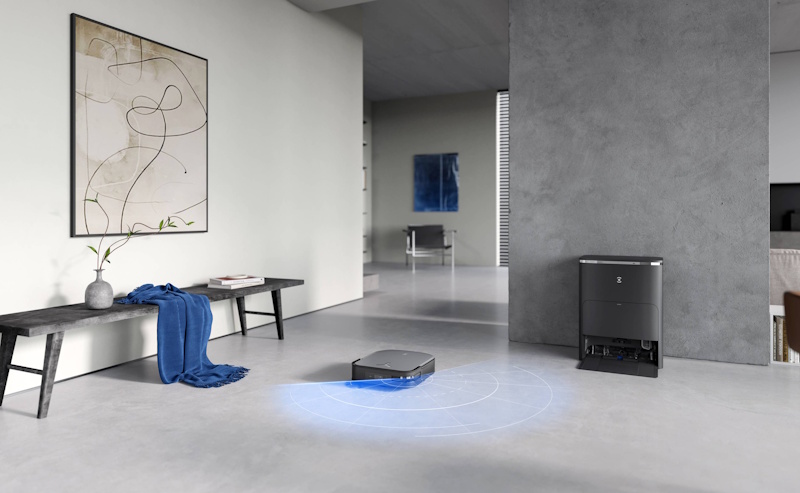
10. Specialty and Niche Cleaning Tools
Beyond general-purpose cleaning equipment, numerous specialized tools address specific cleaning challenges so precisely that they seem almost absurdly focused. Yet for people facing those exact problems, these niche tools provide invaluable solutions unavailable through general cleaning approaches.
Jewelry Cleaning Devices
Ultrasonic jewelry cleaners use high-frequency sound waves creating microscopic bubbles that implode against jewelry surfaces, dislodging dirt from intricate details impossible to clean manually. These small tabletop devices accommodate rings, earrings, necklaces, watches, and other small items, cleaning them thoroughly in minutes.
Quality ultrasonic cleaners from Magnasonic or InvisiClean cost $25-50 and last indefinitely with minimal maintenance beyond periodic water changes. The cleaning effectiveness for detailed jewelry, watches, and other small metal items dramatically exceeds manual scrubbing with brushes or cloths. Fine chains, stone settings, and intricate designs come clean without risk of damage from physical scrubbing.
The specialization limits these devices to specific applications—they won’t clean anything except small items that fit in their tanks. But for people with jewelry collections or watches requiring regular cleaning, ultrasonic cleaners provide professional results at home for modest costs.
Straw Cleaning Brushes
Reusable drinking straws reduce waste but require thorough cleaning preventing bacterial growth in narrow tubes. Specialized straw cleaning brushes feature long, thin bristled wires that fit inside straws, scrubbing interior surfaces during washing.
These seem absurdly specific—brushes for cleaning straws—yet they solve real problems. Reusable straws without proper cleaning develop odors, staining, and potentially harmful bacterial buildup. The tiny brushes cost just $5-10 for sets lasting years while enabling thorough straw sanitation.
Similar specialized brushes exist for cleaning baby bottle nipples, water bottle straws, and other narrow items difficult to clean with standard tools. The modest costs and effectiveness make these niche tools worthwhile for anyone regularly using the specific items they’re designed to clean.
Blind Cleaning Tools
Window blinds accumulate dust on individual slats, creating tedious cleaning requiring wiping each slat individually. Specialized blind cleaning tools feature multiple fingers or brushes cleaning several slats simultaneously, dramatically reducing time required for complete blind cleaning.
The most effective designs incorporate microfiber covering multiple prongs shaped to fit between slats, removable covers enabling machine washing, and extension handles reaching high windows without ladders. Quality blind cleaners from Hiware or Eversprout cost $10-20 and transform blind cleaning from dreaded hours-long chore into 15-minute task.
The specialization means these tools do one thing—clean blinds—but the time savings and frustration reduction for this specific task make them worthwhile investments for homes with multiple blinds requiring regular cleaning.
Shoe Cleaning Kits
Specialized shoe cleaning kits include brushes, solutions, and tools designed specifically for different shoe materials—leather, suede, canvas, athletic mesh, etc. While shoes can be cleaned with general tools, specialized equipment designed for footwear materials and construction delivers superior results with less effort.
Quality shoe cleaning kits from Jason Markk, Crep Protect, or Reshoevn8r include material-specific brushes (soft for delicate materials, stiff for durable fabrics), cleaning solutions formulated for footwear, applicators designed for shoe contours, and protective treatments maintaining cleanliness. Complete kits cost $20-50 depending on components and solution quantities.
For sneaker enthusiasts maintaining valuable collections or anyone wanting to extend expensive shoe lifespan, proper cleaning tools provide value through better results and potentially longer-lasting footwear. Casual users might find general cleaning adequate, but dedicated shoe care products deliver noticeably superior outcomes.
Mattress Cleaning Tools
Mattresses require periodic cleaning for hygiene and allergen reduction but can’t be thrown in washing machines. Specialized mattress cleaning approaches include handheld vacuum attachments with UV sanitizing lights, upholstery cleaning machines with mattress-specific attachments, and enzyme-based cleaning solutions targeting body oils and stains.
Mattress vacuums from Housmile or Raycop combine suction with UV light killing dust mites while removing dead skin cells, dust, and debris embedded in mattress fabric. These portable devices cost $80-150 and provide deeper cleaning than possible with standard vacuum attachments.
The specialized focus on mattress cleaning addresses genuine needs—we spend one-third of lives on mattresses which accumulate significant biological debris over time. However, the costs and storage requirements for single-purpose devices make these most sensible for people with allergies exacerbated by dust mites or those particularly focused on sleeping environment cleanliness.
Grill Cleaning Tools
Outdoor grills accumulate carbonized food residue and grease requiring specialized cleaning approaches different from kitchen cleaning. Grill cleaning tools include heavy-duty wire brushes, steam cleaning devices, scraper tools, and specialized grill stones using abrasive pumice-like materials removing baked-on residue.
The health and safety importance of proper grill cleaning makes appropriate tools essential rather than optional. Wire bristles from damaged brushes can embed in food causing serious injuries when consumed—using quality brushes in good condition matters significantly. Non-wire alternatives like coiled steel brushes, scraper tools, or grill stones provide effective cleaning without bristle risks.
Quality grill cleaning tools cost $15-40 depending on type and design. The specialized construction handles high heat residue and tough carbon buildup that kitchen tools can’t address effectively. For anyone regularly grilling, proper cleaning tools extend grill lifespan while ensuring safe, flavorful cooking surfaces.
Camera and Lens Cleaning Equipment
Photography equipment requires careful cleaning avoiding scratches or residues on optical surfaces. Specialized camera cleaning tools include air blowers removing loose dust without contact, microfiber lens cloths designed specifically for optical glass, cleaning solutions formulated for camera optics, sensor cleaning swabs for camera internals, and brush/blower combinations for comprehensive cleaning.
Quality camera cleaning kits from brands like Giottos, Altura, or LensPen cost $15-30 and enable safe camera maintenance protecting expensive equipment investments. The specialized tools prevent damage that general cleaning materials could cause—ordinary cloth might scratch lens coatings, generic cleaning solutions could leave residues, and compressed air cans can spray propellant damaging electronics.
For serious photographers, proper equipment cleaning tools are essential rather than optional. For casual camera users, basic lens cleaning cloths and air blowers suffice for routine maintenance, with professional cleaning services handling deeper needs.
Shop on AliExpress via link: wholesale-specialized-cleaning-tools
Specialty and niche cleaning tools address specific challenges with focused solutions that general-purpose tools can’t match. While the specialized nature limits these tools to particular applications, their effectiveness for those exact problems makes them valuable additions to comprehensive cleaning arsenals. The key is identifying which specific cleaning challenges frustrate you most, then finding targeted tools designed precisely for those tasks rather than accumulating specialty tools for problems you don’t actually face.
Conclusion: Embracing Cleaning Innovation
The landscape of cleaning tools and gadgets has transformed dramatically from the simple brooms, mops, and rags our grandparents used. Today’s innovations—from robot vacuums autonomously maintaining floors to oddly satisfying gel compounds lifting dust from keyboards, from magnetic window cleaners defying gravity to electric scrubbers eliminating exhausting manual labor—represent genuine advances making necessary household maintenance faster, easier, and sometimes even enjoyable.
But with this proliferation of options comes important questions: Which innovations genuinely improve your life versus creating clutter and wasting money? How do you distinguish useful tools from clever marketing? When should you embrace technology and when do traditional methods work perfectly well? The answers depend entirely on your specific circumstances, challenges, priorities, and resources.
The most important principle in navigating cleaning innovations is matching tools to your actual pain points rather than accumulating gadgets that seem clever but don’t address issues you actually face. If pet hair covers everything, invest in specialized pet hair removal tools. If reaching high windows frustrates you, magnetic window cleaners or extension poles solve real problems. If you hate scrubbing, electric spin scrubbers legitimately reduce effort. But buying robot vacuums when you enjoy traditional vacuuming, or accumulating specialty tools for tasks that don’t bother you, wastes money creating clutter.
Start by identifying your most frustrating or time-consuming cleaning tasks. What do you avoid or dread? What takes far longer than seems reasonable? What causes physical discomfort or seems impossible without enormous effort? These are the areas where innovative tools potentially provide the greatest value. Research solutions specifically targeting those challenges, reading reviews from long-term users rather than just watching satisfying cleaning videos or reading marketing claims.
Consider cost-effectiveness realistically. A $200 gadget saving two hours weekly for five years represents different value than one saving ten minutes monthly for six months before breaking. Calculate realistic time savings and multiply by how long devices will likely last. Compare against your hourly value—if a tool saves one hour monthly and lasts five years, that’s 60 saved hours. If you value your time at $20/hour, that’s $1,200 in value, potentially justifying even premium tool costs. But this calculation only works if you actually use tools consistently rather than letting them gather dust.
Quality matters enormously for cleaning tools you’ll use regularly. Investing in reliable, durable equipment from reputable manufacturers beats repeatedly replacing cheap failures. Read reviews focusing on long-term durability and company responsiveness to problems. Calculate total cost of ownership including replacement parts, consumables, and expected lifespan rather than just initial purchase prices.
Start small rather than revolutionizing your entire cleaning routine overnight. Choose one or two areas causing greatest frustration and invest in targeted solutions. Use them consistently, evaluating actual value provided. If they genuinely improve your cleaning experience, gradually expand to addressing other challenges. If they disappoint, you’ve limited losses while learning what doesn’t work for you.
Embrace both innovation and tradition. Many new cleaning tools provide genuine improvements over traditional methods, but that doesn’t mean all old approaches are obsolete. Sometimes simple solutions work perfectly well despite lacking technological sophistication. The ideal cleaning arsenal combines innovative tools addressing specific challenges with reliable traditional methods for tasks where innovation doesn’t provide meaningful advantages.
Consider environmental impacts alongside functionality. Reusable tools, chemical-free cleaning methods, and sustainable materials increasingly represent important factors in cleaning product selection. These considerations needn’t conflict with effectiveness—many eco-friendly options work as well or better than conventional alternatives while reducing environmental footprints.
Maintenance and proper use matter as much as the tools themselves. The best cleaning gadgets underperform if used incorrectly or poorly maintained. Take time learning proper techniques, following maintenance schedules, and using tools as designed rather than improvising. This maximizes effectiveness while extending equipment lifespan.
Share knowledge and learn from others. Cleaning communities online share reviews, techniques, and product recommendations that can guide your decisions. But remember that individual experiences vary—what works excellently for someone else might not suit your circumstances. Use others’ experiences as starting points for research rather than definitive answers.
Accept that cleaning tools are personal. What seems weird or unnecessary to one person solves real problems for another. Don’t judge others’ tool choices or feel pressured to match anyone else’s cleaning arsenal. Build collections matching your specific needs, preferences, and budgets regardless of what social media influencers or friends use.
The future of cleaning innovation continues advancing. Artificial intelligence improves robot vacuum navigation and efficiency. New materials create more effective cleaning surfaces. Better batteries enable more powerful cordless tools. Improved sensors enhance automated cleaning devices. Staying informed about genuine innovations helps you adopt useful advances while avoiding overhyped products.
Remember that cleaning tools serve life rather than dominating it. The goal isn’t achieving perfect cleanliness or accumulating every innovative gadget—it’s maintaining reasonably clean, comfortable living spaces with minimal time, effort, and frustration. Tools that help you achieve this goal deserve consideration. Those that create new burdens or excessive costs without proportional benefits don’t.
Ultimately, the weird and wonderful world of innovative cleaning gadgets offers genuine opportunities to transform tedious chores into manageable tasks. From simple specialized brushes costing a few dollars to sophisticated robots commanding four figures, from traditional tools reimagined with modern materials to high-tech devices bringing automation to household cleaning, innovations exist addressing virtually every cleaning challenge.
Your task is identifying which innovations align with your specific situations, investing thoughtfully in tools providing genuine value, learning to use them effectively, and maintaining realistic expectations about what technology can and cannot achieve. No cleaning gadget, however innovative or expensive, eliminates all cleaning effort or ensures perfect results without your involvement. But the right tools, properly selected and used, can dramatically reduce the time, effort, and frustration involved in maintaining clean, comfortable homes.
Embrace innovation where it serves you, respect tradition where it works adequately, and focus on results rather than gadget accumulation. Clean smarter, not necessarily harder. Find satisfaction in efficient, effective cleaning rather than dreading endless thankless labor. And remember that the best cleaning tools are ultimately the ones you actually use consistently rather than the most expensive, most advanced, or most heavily marketed.
Your cleaning journey is personal and ongoing. Start where you are, identify what frustrates you most, research solutions thoughtfully, invest in quality tools addressing real problems, and continuously refine your approaches based on experience. The weird and innovative cleaning gadgets we’ve explored offer pathways to better cleaning experiences—choose the paths that lead where you want to go.
Frequently Asked Questions
Q: Are expensive cleaning gadgets really worth the cost? Sometimes yes, sometimes no—it depends entirely on the specific tool and your circumstances. A $300 robot vacuum provides excellent value for someone with large open floor plans who hates vacuuming and has disposable income. The same device wastes money for someone with small, cluttered spaces or who doesn’t mind traditional vacuuming. Evaluate tools based on how much time and effort they’ll realistically save, how often you’ll use them, how long they’ll last, and what your time is worth. Tools saving significant time over years of regular use justify premium costs. Single-purpose gadgets used occasionally don’t justify high prices regardless of how innovative they seem.
Q: Do robot vacuums actually clean as well as traditional vacuuming? No, robot vacuums typically don’t clean as thoroughly as quality upright or canister vacuums operated by humans. However, they provide acceptable maintenance cleaning running daily or several times weekly, preventing dirt accumulation that weekly manual vacuuming allows between cleanings. Many households find combining robot vacuums for daily maintenance with periodic traditional deep cleaning provides optimal results. Robot vacuums work best on hard floors and low-pile carpet in simple layouts. They struggle with thick carpet, complex floor plans, or heavy debris like cereal or pet kibble.
Q: Are electric spin scrubbers better than manual scrubbing? For most applications, yes—electric spin scrubbers dramatically reduce effort while improving results. Tasks requiring 30 minutes of exhausting manual scrubbing often complete in 5-10 minutes with spin scrubbers while achieving better outcomes. The rotating brushes provide hundreds of scrubbing motions per second that human arms can’t match. However, very delicate surfaces might be safer with gentle manual cleaning, and learning to control spray from spinning wet brushes requires practice. Overall, electric scrubbers represent one of the most universally useful cleaning innovations for homes with tile, grout, or tough cleaning challenges.
Q: Do UV sanitizing devices actually kill germs? Yes, UV-C light kills bacteria, viruses, and other microorganisms when applied at sufficient intensity for adequate duration. However, UV only works on directly exposed surfaces—it doesn’t penetrate materials or reach into crevices. Effective UV sanitization requires quality devices with adequate intensity (many cheap UV products are too weak) and proper technique ensuring complete surface exposure. UV works best as supplement to regular cleaning rather than replacement. Clean surfaces first removing visible dirt, then apply UV for additional microbial reduction. For most applications, thorough cleaning with soap and water or conventional disinfectants achieves similar results at lower cost.
Q: Are microfiber cloths really better than paper towels? For most cleaning applications, yes—quality microfiber cloths clean more effectively than paper towels, last through hundreds of washings, and create minimal waste. The fine fibers trap dirt, dust, and bacteria rather than pushing them around. Microfiber works excellently with just water for many tasks, eliminating cleaning product needs. However, initial costs are higher ($5-10 per quality cloth versus pennies for paper towels), they require laundering rather than disposal, and some people prefer paper towel convenience for very messy tasks. The long-term economics and environmental benefits strongly favor microfiber despite higher upfront costs.
Q: How do I know if cleaning gadgets are gimmicks or genuinely useful? Research thoroughly before purchasing. Read long-term user reviews (3+ months after purchase) rather than just initial impressions. Watch for consistent complaints about specific issues across multiple reviews. Look for reviews from users with similar circumstances to yours. Be skeptical of products with only five-star reviews or primarily sponsored content. Consider the problem being solved—does this genuinely address a real challenge or create a solution for a non-existent problem? Check if simpler, cheaper alternatives might work adequately. And when possible, buy from retailers with good return policies allowing testing without commitment.
Q: Should I replace all my traditional cleaning tools with modern gadgets? No—traditional tools remain excellent for many applications despite innovative alternatives existing. Keep tools that work well for you, replacing or supplementing only when specific problems arise that innovations solve better. Many people find combining traditional and innovative tools works best—robot vacuums for maintenance with traditional vacuums for deep cleaning, electric scrubbers for tough jobs with regular sponges for quick cleanups, etc. Building cleaning arsenals gradually based on actual needs beats replacing everything with expensive gadgets providing minimal advantages over proven traditional methods.
Q: Do eco-friendly cleaning tools actually work as well as conventional ones? Generally yes—many eco-friendly cleaning methods and tools work as well or better than conventional alternatives. Microfiber with water cleans as effectively as paper towels with chemical cleaners for most surfaces. Steam cleaning provides chemical-free sanitization rivaling or exceeding conventional disinfectants. Reusable tools last longer than disposables. However, some eco-friendly options require adjusting techniques or expectations. Research specific products and methods, understanding that “eco-friendly” isn’t automatically inferior or superior—it’s about different approaches achieving similar results with reduced environmental impact.
Q: How often should I replace cleaning tools? Replace when tools no longer function effectively or become unhygienic despite proper cleaning. Microfiber cloths last 300-500 washes before losing effectiveness—typically several years. Mop heads require replacement every few months depending on use frequency. Sponges should be replaced weekly or bi-weekly. Brush bristles need replacement when they fray or flatten. Vacuum filters follow manufacturer recommendations, typically every 3-6 months. Rather than arbitrary schedules, assess tools regularly—when cleaning results decline despite proper technique, replacement is likely needed. Quality tools with replaceable components last longer than cheap tools requiring complete replacement.
Q: Are automatic soap dispensers and sensor-activated devices worth it? For some applications and people, yes; for others, they’re unnecessary complications. Touchless soap dispensers provide genuine hygiene benefits in kitchens where messy hands make touching pumps problematic. Sensor trash cans help when frequently disposing items with full hands. However, many sensor devices offer minimal advantages over well-designed manual alternatives at lower costs. Evaluate based on specific use cases—will touchless operation significantly improve your experience, or is it solving a problem you don’t really have? Consider whether you’re willing to maintain batteries and accept potential sensor failures. For some people, the convenience justifies costs; others find sensor devices annoying when they malfunction.
Articles related:





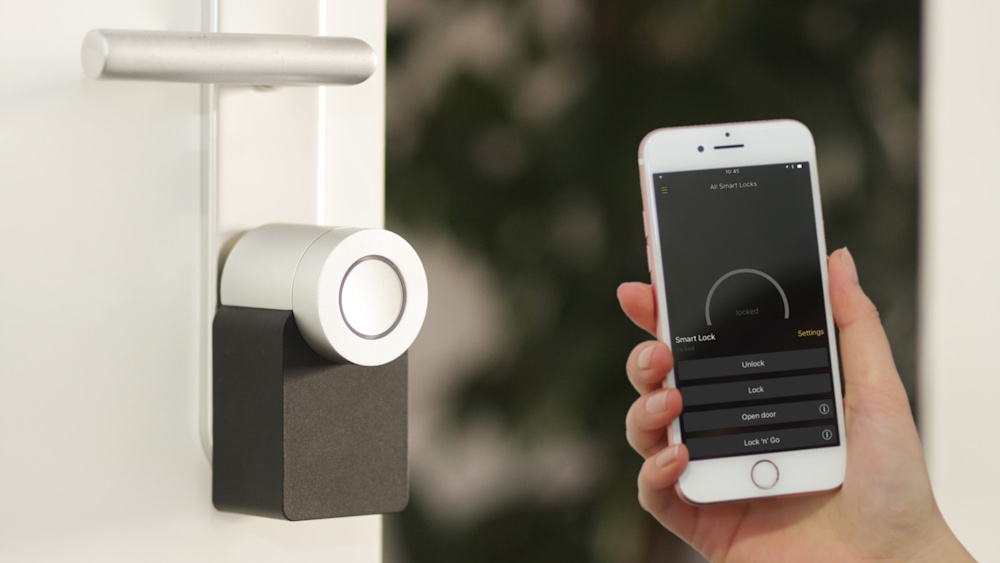

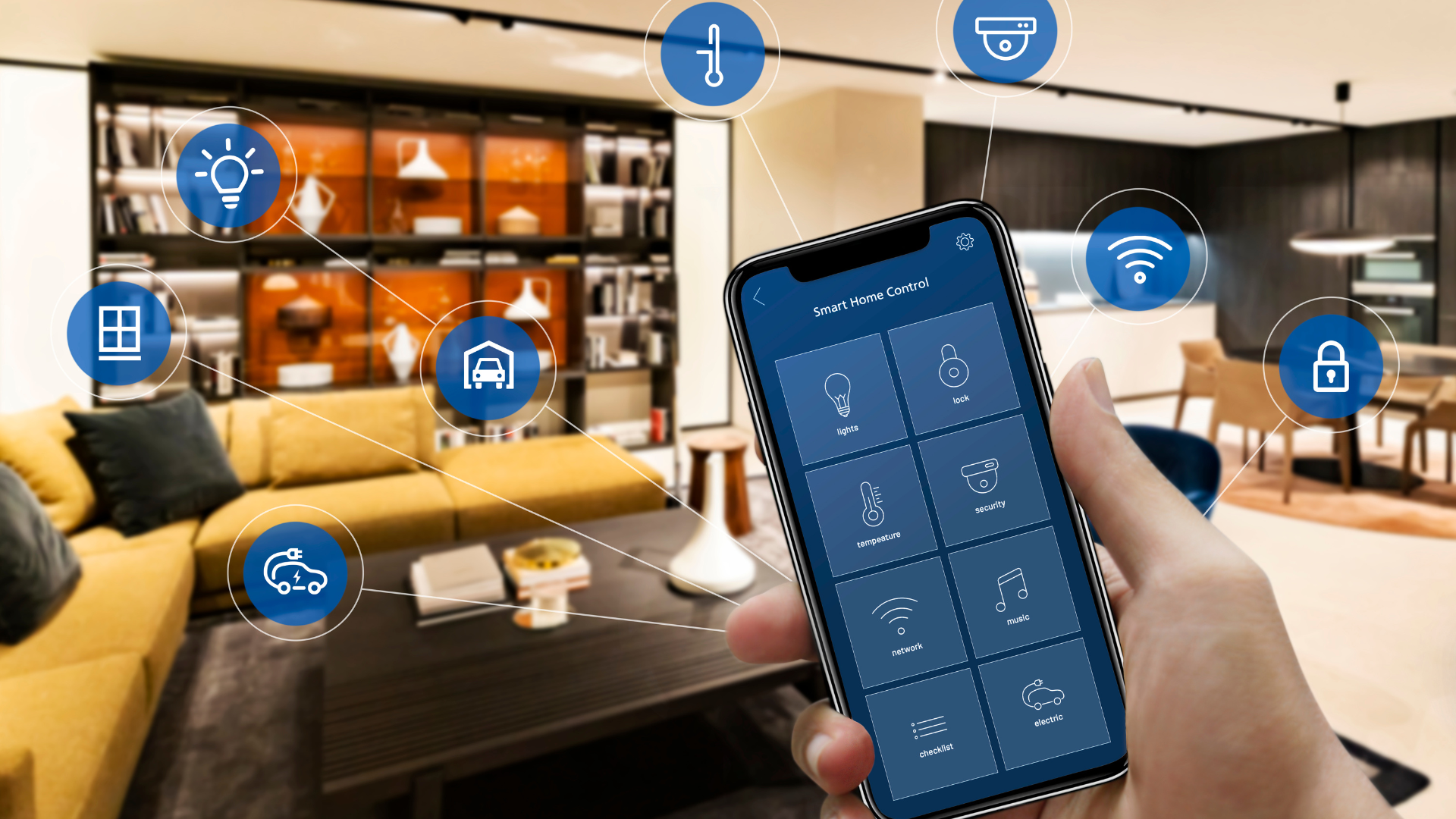



Tags
📧 Get More Articles Like This
Subscribe to receive product reviews and buying guides in your inbox!
We respect your privacy. Unsubscribe at any time.