Rapid Construction Technologies: Complete Guide to Modern Fast Building Methods
Table of Contents
- Introduction: The Revolution in Construction Speed
- Prefabricated and Modular Construction Systems
- 3D Printing Technology in Building
- Advanced Building Materials and Systems
- Automated Construction Equipment and Robotics
- Fast-Track Project Management Methods
- Building Information Modeling (BIM) Technology
- Cost Analysis and ROI of Rapid Construction
- Conclusion: The Future of Fast Construction
- FAQ
Introduction: The Revolution in Construction Speed
Construction has traditionally been one of the slowest industries to evolve, with building methods remaining largely unchanged for decades or even centuries. A typical house construction project requires 6-12 months from groundbreaking to completion, while commercial buildings can take years. This sluggish pace creates numerous problems: extended project timelines increasing costs, weather delays disrupting schedules, labor shortages slowing progress, quality inconsistencies from on-site construction variables, and enormous waste from traditional building methods.
However, the construction industry is experiencing a dramatic transformation driven by technological innovation, material science advances, automation, and changing market demands. Rapid construction technologies are fundamentally reimagining how we build—not just making traditional methods faster, but replacing them entirely with revolutionary approaches that reduce construction time by 50-80% while often improving quality, reducing costs, and minimizing environmental impact.
The global modular construction market alone exceeded $95 billion recently and continues growing at double-digit annual rates. Major construction companies, developers, and even governments are embracing rapid construction methods to address urgent housing shortages, reduce building costs, and meet ambitious infrastructure timelines. What once seemed like futuristic concepts—3D-printed houses, robot-assembled buildings, factories producing entire homes—are now proven technologies delivering real buildings to real occupants worldwide.
While the following demonstration highlights methods for building houses quickly and very effectively, there is still much more information on this topic that you may not have discovered yet, which can be found below this article:
Why rapid construction matters now more than ever:
Housing affordability crisis: In many developed nations, housing costs have outpaced income growth for decades, creating affordability crises affecting millions. Traditional construction methods cannot build housing quickly or cheaply enough to address this shortage. Rapid construction technologies offer potential solutions by dramatically reducing construction time and costs—building homes 50-70% faster while cutting costs 20-40%.
Labor shortages: The construction industry faces severe skilled labor shortages as experienced workers retire faster than new workers enter the trades. This shortage drives up labor costs and extends project timelines. Rapid construction methods—particularly factory-based prefabrication and automated systems—reduce on-site labor requirements by shifting work to controlled factory environments where automation and efficiency improvements compensate for labor limitations.
Climate change and sustainability: Traditional construction generates approximately 39% of global carbon emissions and produces enormous waste—typical house construction creates 3-7 tons of waste. Rapid construction technologies, particularly factory-based methods, reduce waste by 50-90% through precise material usage, recycling, and controlled manufacturing. Faster construction also means reduced equipment operation time, fewer material deliveries, and shorter site disturbance—all reducing environmental impact.
Urbanization pressures: Global urban populations are growing by over 60 million people annually, creating unprecedented demand for housing, schools, hospitals, and infrastructure. Traditional construction simply cannot keep pace with this demand. Rapid construction methods enable building at scales and speeds matching urban growth rates.
**Disaster recovery and emergency housing**: Natural disasters, conflicts, and humanitarian crises create urgent needs for rapid shelter deployment. Traditional construction is far too slow for emergency responses. Rapid construction technologies—particularly modular systems—can provide quality housing within weeks rather than months, addressing humanitarian needs more effectively.
This comprehensive guide explores the cutting-edge technologies and methods transforming construction from a slow, inefficient, craft-based process into a fast, precise, industrialized system. We’ll examine prefabricated and modular construction redefining housing production, 3D printing technology enabling customized structures built in days, advanced building materials making structures stronger and faster to assemble, automated equipment and robotics reducing labor needs and improving quality, and project management innovations coordinating complex rapid construction projects.
Whether you’re a construction professional exploring efficiency improvements, a developer seeking competitive advantages, a homeowner considering alternative building methods, or simply fascinated by technological innovation—this guide provides comprehensive understanding of how rapid construction is reshaping our built environment and creating possibilities that seemed impossible just years ago.
The future of construction isn’t coming—it’s here, being built right now at unprecedented speed.
1. Prefabricated and Modular Construction Systems: Factory-Built Excellence
Understanding Prefabrication and Modular Construction
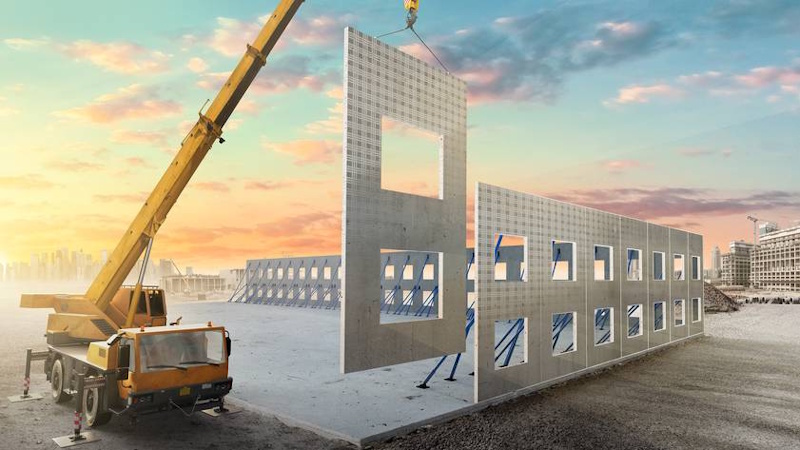
prefabrication and modularization construction represent the most mature and widely adopted rapid construction technologies, fundamentally changing where and how buildings are constructed. Instead of building everything on-site exposed to weather, coordination challenges, and variable quality control, major building components or even entire building modules are manufactured in controlled factory environments, then transported to sites for rapid assembly.
Prefabricated construction manufactures building components (wall panels, floor systems, roof trusses, bathroom pods, MEP systems) in factories, delivering them to construction sites where workers assemble components into complete buildings. Prefabrication ranges from simple pre-cut framing lumber to sophisticated panelized systems with finishes, insulation, windows, and wiring already installed.
Modular construction takes prefabrication further—manufacturing entire three-dimensional building modules (complete rooms or sections) in factories with interior finishes, fixtures, electrical, plumbing, and HVAC systems installed. These volumetric modules stack and connect on-site like sophisticated LEGO blocks, forming complete buildings in days or weeks rather than months.
The distinction matters less than the core principle: shifting construction work from unpredictable on-site conditions to controlled factory environments where automation, quality control, efficiency, and speed dramatically improve.
The Compelling Advantages of Factory-Built Construction
Construction speed: The single most dramatic benefit. While site preparation occurs, factories simultaneously manufacture building components or modules. When the foundation completes, pre-built components arrive ready for rapid assembly. A conventional home requiring 6-9 months can be “set” (modules placed and connected) in 1-3 days, with total project completion in 3-4 months including site work and finishing. Commercial buildings that traditionally require 18-24 months can complete in 12 months or less.
This speed advantage compounds through the project. Weather delays that would halt on-site construction for days or weeks don’t affect factory production. Labor coordination is simpler with consistent factory crews versus juggling multiple subcontractors on-site. Concurrent site preparation and module manufacturing eliminates sequential delays where one trade must complete before the next begins.
Quality control: Factory environments enable quality control impossible on construction sites. Climate-controlled facilities eliminate weather impacts on materials and workmanship. Standardized work stations with proper tools and lighting improve worker efficiency and accuracy. Quality inspections occur at multiple stages rather than after-the-fact site inspections. Materials storage in dry facilities prevents moisture damage and degradation. The result: fewer defects, more consistent quality, and longer-lasting buildings.
Studies consistently show factory-built construction has 50-80% fewer defects and callbacks than site-built construction. Insurance companies recognize this quality difference—some offer reduced premiums for modular construction due to lower risk of defects and associated claims.
Reduced waste: Construction waste reduction reaches 50-90% compared to site-built construction. Factories optimize material usage with precise cutting, systematic recycling of scraps, and controlled inventory management. Leftover materials from one project immediately become inputs for the next. On-site construction, conversely, orders materials with significant overages (accounting for damage, theft, and errors), with excess often discarded rather than efficiently reused.
Environmental benefits extend beyond waste reduction. Factory production uses less energy per square foot than on-site construction through efficient facility heating/cooling and optimized processes. Transportation impacts are lower despite shipping completed modules—consolidated shipments of finished components require fewer trips than delivering raw materials to sites. Reduced site disturbance minimizes environmental impact on building locations.
Cost efficiency: While modular construction isn’t always cheaper than conventional construction (particularly for unique designs requiring custom engineering), it delivers value through predictable costs and reduced soft costs. Factory production provides accurate cost estimation—fewer surprises and change orders that inflate budgets on traditional projects. Faster completion means reduced financing costs, earlier occupancy and revenue generation, and lower carrying costs.
Labor efficiency improves dramatically in factories. Specialized workers repeat similar tasks daily rather than moving between diverse projects, developing expertise and speed. Automation handles repetitive tasks, freeing skilled workers for complex operations. Factory schedules operate year-round without seasonal slowdowns affecting site construction in harsh climates.
Safety improvements: Construction sites are dangerous—the industry has significantly higher injury and fatality rates than most sectors. Factory environments are inherently safer with controlled conditions, proper equipment and safety systems, eliminated fall hazards (major construction injury source), reduced weather-related accidents, and consistent safety oversight. Workers perform tasks at comfortable working heights rather than on scaffolding or roofs in variable conditions.
Types of Prefabricated and Modular Systems
Panelized systems: Manufacture wall panels, floor panels, and roof panels in factories with insulation, vapor barriers, sheathing, and sometimes finishes already installed. Panels ship flat (efficient transportation), then crews assemble panels on foundations quickly—often completing building “dry-in” (weatherproof envelope) in 1-3 days versus weeks for stick-built construction.
Panelized systems suit custom designs better than volumetric modules since panels adapt to varied floor plans. However, panels still require significant on-site work (roofing, electrical, plumbing, finishing) unlike fully-finished modules.
Volumetric modules: Complete three-dimensional rooms or building sections manufactured with 90-95% of finish work completed in factories—flooring, paint, fixtures, cabinets, appliances, electrical, plumbing, HVAC. Modules transport to sites, crane-lift into position, and connect to adjacent modules and utilities. Interior finishing work is minimal, consisting primarily of trim, touch-ups, and finishes at module joints.
Volumetric modular construction achieves the greatest speed and quality advantages but requires design accommodation. Floor plans must work with standard module sizes (typically 12-16 feet wide, up to 60+ feet long) or custom modules (increasing cost). Transportation limitations affect design—modules must fit highway restrictions and navigate to building sites.
Hybrid systems: Combine modular components (bathroom pods, kitchen modules, MEP chases) with conventional or panelized construction, capturing modular advantages for complex systems while maintaining design flexibility for unique spaces. Hybrid approaches are increasingly popular in commercial construction where bathrooms, kitchens, and mechanical systems benefit from factory fabrication while architectural spaces require customization.
Permanent modular construction (PMC) vs. relocatable buildings: Permanent modular construction creates buildings designed for permanent installation and use, built to same codes and standards as conventional construction with similar lifespans (50-100+ years). Relocatable modular buildings (office trailers, classroom portables) are temporary structures designed for moving between sites—different category entirely despite similar manufacturing methods.
Real-World Applications and Success Stories
Residential housing: Single-family homes, townhouses, and small multi-family buildings extensively use modular construction. Companies like Blu Homes, Plant Prefab, and Method Homes in the US, along with numerous manufacturers worldwide, produce sophisticated modern homes indistinguishable from conventionally-built houses. These modular homes meet or exceed building codes, qualify for conventional mortgages and insurance, and appreciate in value identically to site-built homes.
Modular construction particularly suits affordable housing development where speed and cost efficiency are paramount. Developers can deliver housing developments 30-50% faster than conventional construction, addressing housing shortages more rapidly while controlling costs.
Multi-story buildings: Modular construction has scaled to high-rise applications. The world’s tallest modular building, a 32-story residential tower in Brooklyn, New York, demonstrates the technology’s maturity. Hotels extensively use modular construction—repetitive floor plans with standardized rooms perfectly suit factory production. Marriott has committed to modular construction for many locations, reducing construction time from 18-24 months to 12 months while maintaining brand quality standards.
Student housing, military barracks, and workforce housing—projects with repetitive units, tight budgets, and urgent timelines—increasingly choose modular construction for its speed and efficiency advantages.
Commercial and institutional buildings: Schools, healthcare facilities, and commercial offices increasingly incorporate modular construction. Entire classroom wings or hospital patient floors manufacture in factories, then install rapidly during summer breaks or phased construction minimizing operational disruptions.
The United Kingdom leads in modular healthcare construction, building entire hospital wings and facilities using volumetric modules. This approach addresses critical healthcare capacity needs more rapidly than conventional construction while maintaining stringent healthcare facility standards.
Shop on AliExpress via link: wholesale-prefab-building-materials
2. 3D Printing Technology in Building: Layer by Layer Revolution
How Construction 3D Printing Works
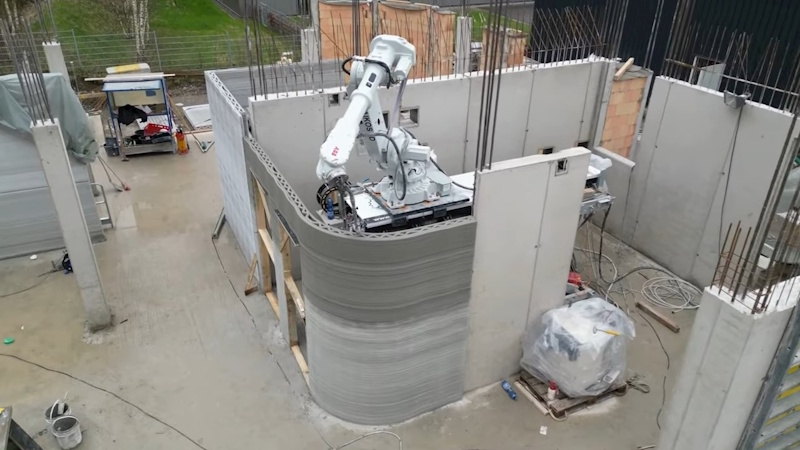
Construction 3D printing, also called additive manufacturing or contour crafting, uses large-scale robotic systems depositing construction materials layer by layer to build structures without traditional formwork, framing, or assembly. While the concept resembles desktop 3D printers, the scale, materials, and engineering challenges are vastly greater.
Extrusion-based systems (the most common approach): A robotic arm or gantry system equipped with a large nozzle extrudes concrete or similar materials in continuous layers, following computer-programmed paths. The printer deposits material in patterns creating walls, columns, and structural elements. As lower layers cure and gain strength, subsequent layers stack on top, gradually building vertical structures.
The concrete mix for 3D printing requires special formulation—pumpable enough to flow through printing equipment but setting quickly enough to support subsequent layers without forms. These specialized mixes typically include accelerators, fiber reinforcement, and additives controlling workability and setting time.
Powder-based systems: Less common in large-scale construction, powder-based systems deposit layers of dry material (sand, cement powder), then selectively bind areas using liquid binders or sintering. This approach offers greater material flexibility and intricate geometries but scales less effectively to building-size applications.
Hybrid systems: Combine 3D printing for primary structure with conventional methods for roofs, windows, doors, and finishes. Most completed 3D-printed houses use hybrid approaches—printing walls and structural elements while employing conventional roofing, glazing, and interior finishing.
Dramatic Advantages of 3D Printed Construction
Unprecedented speed: The headline-grabbing advantage. Small houses (500-800 square feet) can be “printed” (structural walls complete) in 24-48 hours. This doesn’t include foundations, roofs, windows, utilities, or finishes, but the primary structure completes in timeframes impossible through conventional methods. Complete move-in-ready houses finish in 1-2 weeks versus months for traditional construction.
ICON, a leading construction 3D printing company, printed a 2,000 square foot house in under a week, demonstrating scalability beyond tiny demonstration projects. Multiple companies worldwide are building 3D-printed housing developments with dozens or hundreds of units, proving the technology’s commercial viability.
Labor efficiency: 3D printing dramatically reduces on-site labor requirements. A small crew (2-4 people) operates the printer, manages material supply, and oversees the process versus 10-20+ workers for conventional construction. This labor reduction addresses construction industry workforce shortages while making projects viable in remote locations where skilled labor is unavailable or prohibitively expensive.
The labor savings compound through the construction process. No formwork to build and remove, no manual masonry or framing, no extensive scaffolding, and reduced finishing work (printed surfaces often acceptable with minimal treatment). While electrical, plumbing, roofing, and finishing still require conventional skilled labor, the structural construction phase requires minimal workers.
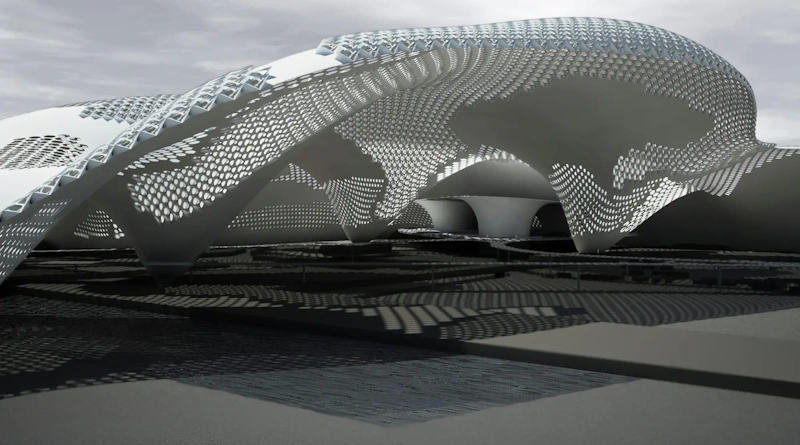
Design freedom: 3D printing enables curved walls, organic shapes, complex geometries, and integrated features impossible or impractical with conventional construction. Want curved walls throughout your house? No problem—printing curves costs the same as printing straight walls. Traditional construction charges significant premiums for non-rectangular designs due to custom framing, specialized skills, and material waste.
This design freedom extends to structural optimization. Instead of uniform wall thicknesses, printed walls can vary thickness for structural requirements—thicker at load-bearing points, thinner where loads are minimal—optimizing material usage and structural performance simultaneously. Integrated features like conduit channels, mounting points, and decorative elements print directly into walls without additional labor.
Material efficiency: 3D printing deposits material only where needed, eliminating the substantial waste of conventional construction. Studies suggest 30-60% material waste reduction compared to traditional methods. This efficiency translates directly to cost savings and environmental benefits—less material purchased, transported, and eventually disposed of as waste.
Some 3D printing systems use recycled materials or sustainable alternatives to traditional concrete. Research explores using local soil, recycled plastics, or agricultural waste as printing materials—potentially enabling construction with materials sourced directly from building sites or local recycling streams.
Reduced costs: The combined benefits—speed, labor efficiency, material reduction—create significant cost advantages. Construction 3D printing companies report 30-50% cost reduction versus conventional construction for similar structures. These savings enable affordable housing projects previously economically unfeasible.
However, cost advantages depend on scale and application. One-off custom homes may not achieve dramatic savings due to setup and engineering costs. Large developments with many similar units maximize 3D printing’s cost efficiency through economies of scale—setup costs amortize across many units while material and labor savings multiply.
Current Limitations and Challenges
Limited building codes and regulations: Most jurisdictions lack specific building codes for 3D-printed construction. This regulatory gap creates uncertainty and delays as projects navigate case-by-case approvals and inspections. Regulators, reasonably cautious about novel construction methods, require extensive engineering analysis, testing, and oversight. As 3D-printed buildings demonstrate long-term performance and more structures complete, codes will standardize, removing this barrier.
Material limitations: Current 3D printing primarily uses concrete-based materials. While concrete suits structural walls, complete buildings require diverse materials—insulation, weather barriers, finishes. Hybrid approaches combining printed structures with conventional roofing, glazing, and finishes work well but reduce the “fully 3D-printed building” vision’s elegance.
Research actively explores multi-material printing systems depositing different materials in single print operations—concrete for structure, insulation material simultaneously, waterproofing layers—creating complete wall assemblies in one pass. However, these advanced systems remain experimental rather than commercially available.
Scale and equipment cost: Construction 3D printers are expensive—$250,000 to several million dollars depending on size and capabilities. This capital requirement limits adoption to specialized contractors or large developers rather than typical builders. Additionally, printers require significant setup time and site preparation, making them economical only for multi-unit developments or substantial projects rather than single houses.
As the technology matures and more manufacturers produce printers, costs will decrease. Printer rental models and specialized 3D printing contractors provide access without capital investment, enabling wider adoption.
Skilled operator requirements: While 3D printing reduces traditional construction labor, it requires skilled operators managing complex robotic systems, troubleshooting equipment issues, adjusting print parameters for material and weather conditions, and coordinating material supply. These skills are distinct from traditional construction skills—creating training needs and short-term labor transition challenges.
Real-World 3D Printed Construction Projects
ICON (USA): Leading construction 3D printing company has completed numerous projects demonstrating commercial viability. Their East Austin housing development features multiple 3D-printed homes sold at market rate to conventional buyers. ICON partnered with Mobile Loaves & Fishes to create 3D-printed homes for a community supporting formerly homeless individuals—demonstrating the technology’s potential for affordable housing.
ICON’s proprietary “Vulcan” printing system and “Lavacrete” material represent years of research and development creating reliable, code-compliant construction systems. Their work with NASA developing 3D printing systems for lunar construction demonstrates the technology’s potential beyond Earth.
COBOD (Denmark): European leader in construction 3D printing technology, supplying printers used worldwide. COBOD printers built Europe’s first 3D-printed house, a three-story residential building in Germany demonstrating multi-story capability. Their technology emphasizes flexibility and ease of use, making 3D printing accessible to conventional construction companies rather than requiring specialized expertise.
Mighty Buildings (USA): Focuses on sustainable 3D-printed construction using unique light-stone material (synthetic stone cured with UV light rather than heat). Mighty Buildings’ approach enables printing complex modular components in factories, then assembling modules on-site—combining 3D printing’s design freedom with modular construction’s factory advantages.
WinSun (China): Early construction 3D printing pioneer, WinSun gained attention printing ten houses in 24 hours and a five-story apartment building. While some questioned their projects’ durability and finishing, WinSun demonstrated 3D printing’s potential scale and speed, advancing the industry significantly.
Shop on AliExpress via link: wholesale-construction-3d-printer-materials
3. Advanced Building Materials and Systems: Stronger, Faster, Better
High-Performance Concrete and Cementitious Materials
Traditional concrete, while versatile and durable, has limitations—slow curing time, heavy weight, cracking susceptibility, and significant carbon footprint from cement production. Advanced concrete technologies address these limitations, enabling faster construction with superior performance.
Ultra-High-Performance Concrete (UHPC): Revolutionary material with compressive strength 4-10 times greater than conventional concrete, enabling dramatically thinner structural elements, longer spans without intermediate supports, and reduced material volumes. UHPC’s superior strength allows structural designs impossible with normal concrete while reducing construction time through fewer, simpler structural members.
UHPC incorporates steel or synthetic fibers providing ductility (resistance to brittle failure), eliminating conventional reinforcing bar requirements in many applications. The dense matrix resists water penetration, chemical attack, and freeze-thaw damage—dramatically extending service life and reducing maintenance costs.
Applications include bridge construction (longer spans, faster installation of precast segments), architectural facades (thin, elegant panels with complex shapes), and protective structures (blast resistance, security applications). While UHPC costs 5-10 times more than conventional concrete per cubic yard, performance advantages and reduced quantities often create cost-competitive or superior total solutions.
Rapid-setting concrete: Formulations achieving structural strength in hours rather than days, enabling dramatically accelerated construction schedules. Rapid-setting concrete allows removing formwork and continuing construction the same day rather than waiting days for conventional concrete to cure adequately.
Transportation infrastructure particularly benefits from rapid-setting concrete—repairing highway pavements or bridge decks with minimal traffic disruption. Construction projects use rapid-setting concrete for foundations or structural elements on critical paths, eliminating curing time delays.
The technology includes chemical accelerators, alternative cement chemistries, or optimized aggregate and mixture proportions. Some systems reach working strength in 2-4 hours; extreme rapid-setting formulations achieve usable strength in 15-30 minutes.
Self-healing concrete: Contains bacteria spores or encapsulated healing agents that activate when cracks form, precipitating minerals sealing cracks automatically. This innovation dramatically extends concrete lifespan by preventing crack progression and water/chemical intrusion—primary causes of concrete deterioration.
Self-healing concrete remains more expensive than conventional concrete and is primarily used in critical applications where repair access is difficult or maintenance costs are high—tunnels, marine structures, foundation elements. As production scales and costs decrease, wider adoption becomes economically viable.
Engineered Wood Products: Sustainable Strength
Wood construction benefits from renewable materials, carbon sequestration, and faster assembly than concrete/steel. However, traditional dimensional lumber has limitations—size restrictions from tree dimensions, strength variability, and susceptibility to warping and defects. Engineered wood products overcome these limitations while maintaining or exceeding traditional wood’s advantages.
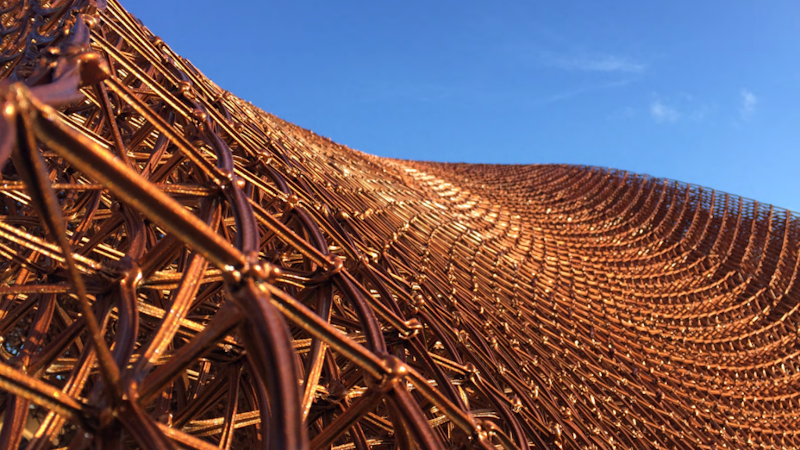
Cross-Laminated Timber (CLT): Large panels formed by gluing lumber layers perpendicular orientations (cross-laminating), creating structural panels suitable for walls, floors, and roofs. CLT panels reach 10-12 feet wide and 60+ feet long, enabling rapid construction of timber buildings rivaling concrete/steel in scale.
CLT’s strength-to-weight ratio exceeds concrete, enabling lighter foundations and faster construction. CLT panels install rapidly—crane-lifting panels into place, connecting with metal fasteners—completing building structures in days or weeks versus months for concrete. A 10-story CLT building can be erected in weeks once foundations complete.
Sustainability advantages are substantial. Wood stores carbon absorbed during tree growth, making CLT buildings carbon-negative when considering sustainable forestry practices. Manufacturing requires less energy than concrete or steel production. CLT structures create warm, natural interior environments appreciated by occupants.
Applications include residential buildings up to mid-rise heights, commercial offices, schools, and institutional buildings. Scandinavian countries lead CLT adoption, with impressive multi-story timber buildings demonstrating the material’s potential. North American and other markets increasingly embrace CLT as supply chains develop and builders gain experience.
Laminated Veneer Lumber (LVL) and Glulam: Engineered beams and columns from bonded wood veneers or laminations, creating structural members stronger and more consistent than traditional timber. These products enable larger structural spans, heavier loads, and more predictable performance than dimensional lumber.
LVL and Glulam manufacture uses smaller, faster-growing trees rather than requiring old-growth forests for large dimensional timber. Manufacturing processes eliminate natural defects (knots, splits) that weaken solid wood, creating more reliable structural members.
Mass Timber construction: Encompasses CLT, Glulam, and other heavy timber systems enabling multi-story timber buildings. Mass timber construction achieves rapid building assembly speed while providing sustainable, low-carbon alternatives to concrete and steel. The construction process resembles prefabricated steel structures—lifting pre-manufactured components, connecting with metal fasteners, quickly erecting complete structural systems.
Structural Insulated Panels (SIPs): Integrated Building Envelopes
SIPs consist of foam insulation cores sandwiched between structural sheathing (typically oriented strand board), creating panels serving as structure, insulation, and air barrier simultaneously. This integrated approach eliminates separate framing, insulation installation, and air sealing steps—dramatically accelerating construction while improving energy performance.
SIP advantages:
Speed: Pre-manufactured panels ship to sites, then crews erect complete building envelopes in days. A typical house shell (walls and roof) completes in 3-5 days versus 2-3 weeks for conventional stick framing plus insulation.
Energy efficiency: Continuous insulation without thermal bridging (heat loss through framing members) creates superior energy performance—typically 40-60% more efficient than conventionally-built structures. Air-tight construction reduces infiltration losses further.
Strength: The sandwich panel construction creates exceptionally strong structural elements—pound-for-pound stronger than conventional stud framing. SIP buildings withstand hurricanes, earthquakes, and heavy snow loads better than traditionally-framed structures.
Quality and consistency: Factory manufacturing ensures precise dimensions, consistent quality, and elimination of on-site construction variables affecting performance.
Applications: SIPs suit residential construction from small houses to large custom homes, commercial buildings, schools, and industrial structures. The technology particularly benefits cold climates where superior insulation provides significant operational cost savings.
Limitations: Design must accommodate standard panel sizes (typically 4 or 8 feet wide, up to 24 feet long). Electrical and plumbing installation requires planning since running utilities through solid panels requires chases and careful coordination. Costs run 5-15% higher than conventional framing initially, though energy savings typically recover this premium within years.
Shop on AliExpress via link: wholesale-building-insulation-panels
4. Automated Construction Equipment and Robotics: Machines Building Buildings
The Rise of Construction Automation
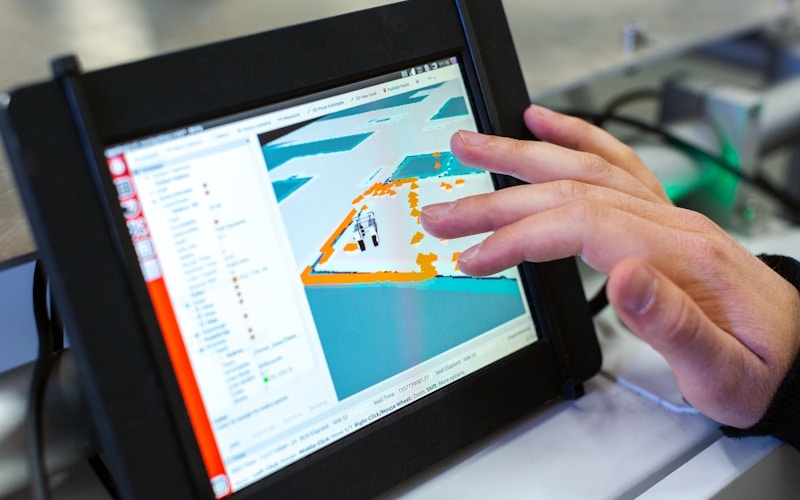
Construction remains one of the least automated industries despite other sectors (manufacturing, agriculture, logistics) extensively adopting robotics and automation. However, this is changing rapidly as labor shortages, safety concerns, and efficiency pressures drive automation adoption. Construction automation ranges from semi-autonomous equipment assisting human operators to fully autonomous robots performing specific tasks without direct human control.
Autonomous earthmoving equipment: Excavators, bulldozers, and graders equipped with GPS, sensors, and control systems can execute earthwork operations with minimal human intervention. Operators program desired grades and excavation profiles; machines autonomously achieve precise elevations and slopes faster and more accurately than manual operation.
Built Robotics, Caterpillar, Komatsu, and other manufacturers produce autonomous or semi-autonomous earthmoving equipment. These systems dramatically improve earthwork productivity—autonomous equipment operates longer hours without fatigue, maintains consistent accuracy, and reduces fuel consumption through optimized operations. Safety improves by removing operators from hazardous earthwork environments.
Large-scale projects—highways, airports, development sites—benefit most from autonomous earthmoving, where repetitive grading operations and large quantities justify automation investment. Technology costs (sensors, GPS, control systems) continue decreasing, expanding economic viability to smaller projects.
Robotic masonry: Bricklaying robots like SAM (Semi-Automated Mason) assist masons by handling repetitive brick placing while human masons perform skilled tasks—corner work, quality inspection, mortar application refinement. SAM increases productivity 3-5 times versus manual masonry, addressing mason shortages while maintaining quality.
The robot uses laser measurement and robotic arm placement positioning bricks precisely according to digital plans. The system spreads mortar and places bricks; masons follow behind, finishing joints and performing quality checks. This human-robot collaboration leverages both automation efficiency and human skilled judgment.
While robotic masonry hasn’t achieved widespread adoption due to equipment costs and masonry work’s declining prevalence (many modern buildings use other cladding systems), it demonstrates automation potential for repetitive construction tasks.
Robotic rebar tying: Placing and tying steel reinforcing bars (rebar) in concrete structures is labor-intensive, repetitive, and physically demanding. Robotic rebar-tying tools automate the wire-tying process, dramatically increasing productivity while reducing worker fatigue and injury.
These handheld robots detect rebar intersections and automatically apply and twist tie wire—completing in a second what manually requires 5-10 seconds. While not fully autonomous (workers still position tools), automation significantly improves efficiency and ergonomics.
Autonomous concrete finishing: Robotic screeds and troweling machines automatically level and finish concrete slabs using laser guidance and automated controls. These machines achieve superior flatness and level compared to manual finishing while reducing labor requirements and worker exposure to physically demanding, repetitive work.
Autonomous concrete equipment particularly suits large industrial floors, warehouses, and parking structures where substantial square footage and flatness requirements justify automation investment.
Drones for surveying and inspection: Unmanned aerial vehicles (UAVs/drones) equipped with cameras, LIDAR, and thermal sensors perform site surveys, progress monitoring, and inspections faster, safer, and more comprehensively than traditional methods. Drones capture detailed aerial imagery, generate accurate 3D site models, inspect roof and façade conditions without scaffolding or lifts, and monitor construction progress against schedules.
Drone adoption is widespread—relatively low equipment costs, immediate productivity benefits, and dramatic safety improvements (eliminating human exposure to heights and hazardous areas) drive rapid implementation across construction sectors.
Prefabrication robotics: Factory environments enable sophisticated automation impossible on construction sites. Automated framing stations cut, assemble, and finish wall panels without human intervention. Robotic welding systems create steel structures faster and more consistently than manual welding. Automated paint systems finish modular components uniformly.
Factory automation’s controlled environment, repetitive operations, and high volumes make it ideal for robotics deployment—much easier than adapting robots to chaotic, variable construction sites.
Challenges and Future Directions
Unstructured environments: Construction sites are dynamic, cluttered, and unpredictable—challenging for robots designed for structured factory environments. While robots excel at repetitive tasks in known conditions, they struggle with variability, unexpected obstacles, and coordination with human workers in shared spaces.
Research focuses on developing robots with sufficient perception, intelligence, and adaptability to function effectively in construction’s messy reality. Machine learning and artificial intelligence enable robots to recognize objects, navigate obstacles, and adapt to changing conditions—crucial capabilities for construction robotics maturation.
High equipment costs: Construction robots and autonomous equipment require significant capital investment—often hundreds of thousands or millions of dollars. These costs limit adoption to large contractors and specialized applications with clear return on investment. As technology matures and production scales, costs will decrease, expanding economic viability.
Workforce concerns: Automation naturally raises concerns about job displacement. However, construction’s severe labor shortages mean automation primarily addresses unfilled positions rather than displacing existing workers. Automation shifts work from physically demanding repetitive tasks to higher-skilled equipment operation, programming, and maintenance—potentially creating better jobs rather than eliminating jobs.
Successful automation implementation includes workforce training and transition planning, ensuring workers gain skills for evolving roles rather than being displaced.
Shop on AliExpress via link: wholesale-construction-equipment-tools
5. Fast-Track Project Management Methods: Organizing Speed
Design-Build Delivery: Integrated Project Approach
Traditional construction uses design-bid-build: architects design completely, contractors bid the finished design, then winning contractor builds. This sequential approach creates delays—design completion before construction bidding, bidding period delays, and design-construction disconnects causing changes and conflicts during building.
Design-build integrates design and construction under single contract, enabling overlapping and collaboration impossible in traditional delivery. Design-build teams begin construction while design is still developing—starting with foundations and site work while finalizing interior designs. This parallelization dramatically reduces total project duration.
Design-build advantages include:
Faster project delivery: Industry studies show design-build completes 33% faster than design-bid-build on average—months or years saved on large projects.
Single point of accountability: One entity responsible for design and construction eliminates finger-pointing between designer and builder when problems arise. The design-build team solves issues collaboratively rather than through adversarial processes.
Constructability integration: Builders input during design ensures designs can be built efficiently. Traditional separated processes often create designs that are expensive, slow, or difficult to construct—corrected only after problems emerge during construction.
Cost certainty: Design-build can provide fixed prices earlier in processes than traditional delivery, giving owners budget certainty sooner.
Improved collaboration: Shared financial interests align design and construction goals—the team succeeds or fails together, encouraging cooperation rather than adversarial relationships common in traditional delivery.
Design-build particularly suits projects with aggressive schedules, complex coordination requirements, or where owner priorities emphasize speed and single-point responsibility over designer selection control.
Lean Construction: Eliminating Waste
Lean construction applies manufacturing’s lean principles (pioneered by Toyota) to construction: eliminating waste, optimizing flow, maximizing value, continuous improvement, and respect for people. Lean construction identifies and eliminates non-value-adding activities—waiting, transportation, over-processing, defects—that consume resources without contributing to project value.
Last Planner System: Core lean construction technique improving project planning and coordination. Rather than top-down schedules imposed on workers, the Last Planner System engages trade workers (the “last planners” directly executing work) in collaborative planning. Teams identify work ready for execution (constraints removed, materials available, preceding work complete), creating realistic weekly work plans with high completion probability.
This collaborative planning dramatically improves plan reliability—studies show traditional scheduling achieves 50-60% plan reliability (actual work matching scheduled work) while Last Planner Systems achieve 70-85% reliability. Better plan reliability reduces delays, improves coordination, and accelerates overall progress.
Pull planning: Reverse scheduling where teams work backward from project milestones, identifying all prerequisite activities and their sequences. This reveals critical dependencies, long-lead procurement items, and potential bottlenecks—enabling proactive problem-solving rather than reactive crisis management.
Pull planning sessions bring all trades together collaboratively identifying optimal work sequences, discovering coordination issues early, and creating shared understanding of project flow. This upfront investment dramatically reduces construction disruptions and conflicts.
Continuous improvement: Lean construction emphasizes learning from experience. Regular review meetings assess what worked well, what didn’t, root causes of problems, and improvements for future work. This culture of continuous improvement gradually optimizes processes, reducing waste and improving productivity project after project.
Concurrent Engineering and Fast-Tracking
Fast-tracking overlaps design and construction phases traditionally executed sequentially—beginning construction while design is incomplete. This parallelization saves substantial time but increases risk since construction proceeds without complete information, potentially causing expensive changes if later design decisions conflict with completed work.
Successful fast-tracking requires careful risk management: starting with well-defined scope elements (site work, foundations, structure) while completing detailed design for later phases (interiors, finishes), maintaining design buffers preventing construction from overtaking design progress, strong communication between design and construction teams, and willingness to accept some rework risk in exchange for schedule compression.
Projects with urgent completion dates—disaster recovery, market-driven timelines, mission-critical facilities—justify fast-tracking risks. Careful implementation and experienced teams minimize downsides while capturing speed benefits.
6. Building Information Modeling (BIM) Technology: Digital Construction
BIM Fundamentals
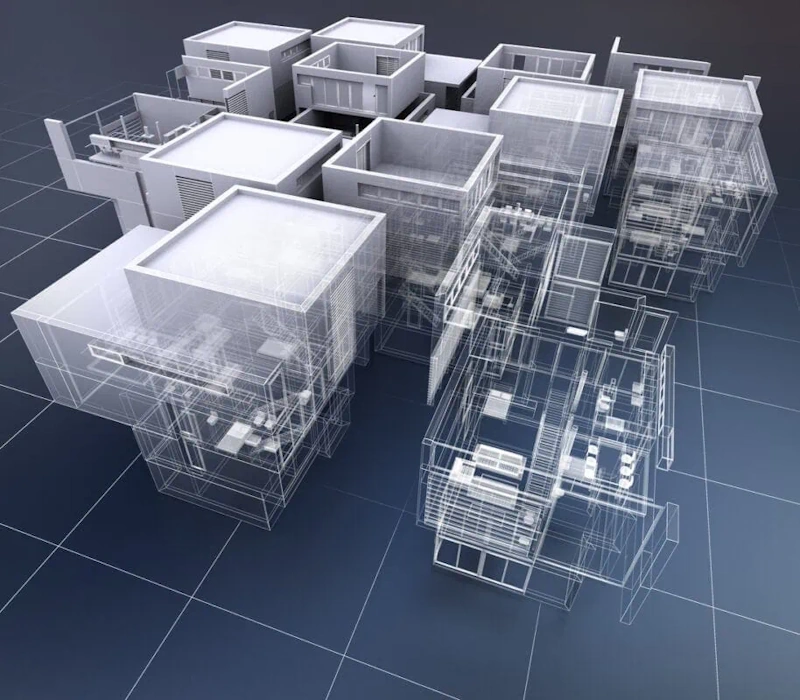
Building Information Modeling creates comprehensive digital representations of buildings containing detailed information about every component—geometry, materials, specifications, costs, schedules, maintenance requirements. BIM transcends traditional 2D drawings, providing interactive 3D models all project stakeholders can access, visualize, and coordinate.
BIM enables:
Clash detection: Automatically identifying conflicts where building systems interfere—ductwork colliding with structural beams, plumbing conflicting with electrical, doors swinging into equipment. Finding and resolving clashes digitally before construction prevents expensive field corrections and delays.
Quantity take-offs: Automatically calculating material quantities from models—enabling accurate cost estimation, material ordering, and waste reduction. Traditional manual quantity take-offs are time-consuming and error-prone; BIM extracts quantities instantly with perfect accuracy.
4D scheduling: Linking model components to construction schedules, visualizing construction sequences over time. This reveals logistical challenges, space conflicts, and sequencing issues before they impact actual construction.
5D cost management: Integrating cost data with models and schedules, tracking budget implications of design changes in real-time, and providing accurate cost forecasting throughout projects.
Facility management: Using as-built BIM models for facility management—maintenance scheduling, space management, renovation planning—creating lasting value beyond construction.
BIM’s Impact on Construction Speed
BIM accelerates construction through coordination improvements—clash detection prevents rework; visualization enables better construction planning; accurate information reduces delays from missing or incorrect data; and prefabrication facilitation (BIM models directly drive CNC machinery in factories producing building components with perfect accuracy).
Studies consistently show BIM reduces project schedules 5-15% while dramatically reducing change orders and rework—common sources of delays and cost overruns.
7. Cost Analysis and ROI of Rapid Construction
Understanding the Total Cost Picture
Rapid construction technologies often have higher direct costs than traditional methods—3D printers are expensive, modular manufacturing requires factory investments, advanced materials cost more than conventional alternatives. However, total project costs frequently favor rapid construction when considering all factors:
Reduced financing costs: Faster completion means shorter construction loans and carrying costs—months of interest savings on multi-million-dollar projects become substantial.
Earlier revenue generation: Commercial and residential projects generate revenue or use value sooner. Each month of accelerated completion provides return on investment earlier.
Labor savings: Reduced on-site labor requirements directly cut labor costs while mitigating labor shortage risks and schedule impacts.
Reduced site overhead: Shorter projects mean fewer months of site trailers, utilities, security, insurance, and management costs.
Weather delay mitigation: Factory-based work and rapid on-site assembly reduce weather exposure, preventing costly delays.
Quality improvements: Fewer defects and callbacks reduce warranty costs and owner dissatisfaction.
Return on Investment Examples
Modular housing development: 100-unit development using modular construction completes 6 months faster than conventional construction. Savings: $2 million in financing costs, $1.5 million earlier revenue from occupied units, $800,000 labor savings, $500,000 reduced site overhead. Total: $4.8 million savings against $1.5 million premium for modular construction—net $3.3 million benefit.
3D printed affordable housing: 20-unit affordable housing project using 3D printing completes in 9 months versus 15 months conventional. Material and labor savings: $600,000. Reduced soft costs: $300,000. Accelerated public funding draw: $200,000 value. Total savings: $1.1 million against $400,000 technology investment—net $700,000 benefit while providing housing 40% faster.
These examples illustrate rapid construction’s value proposition—even with higher direct costs, total project economics often strongly favor rapid methods through compressed timelines and reduced indirect costs.
Conclusion: The Future of Fast Construction
Rapid construction technologies are not experimental concepts or distant future possibilities—they’re proven methods building real structures for real occupants worldwide right now. The transformation from slow, craft-based construction to fast, industrialized building is accelerating, driven by undeniable advantages: dramatic time savings, cost efficiencies, quality improvements, labor requirement reductions, and sustainability benefits.
The construction industry stands at an inflection point similar to manufacturing’s industrialization or agriculture’s mechanization—fundamental changes in how work is performed, creating enormous efficiency gains while requiring workforce adaptation and business model evolution. Companies, developers, and governments embracing rapid construction methods gain competitive advantages through faster delivery, lower costs, and superior quality. Those clinging to traditional methods risk obsolescence as the industry transforms around them.
The technologies discussed—prefabrication and modular construction, 3D printing, advanced materials, automation and robotics, fast-track project management, and BIM—are not competing alternatives but complementary tools in the construction revolution. Successful projects often combine multiple rapid construction approaches—modular construction with BIM coordination, 3D printing with advanced materials, automation with lean construction management.
Barriers remain—building code adaptation, workforce training, equipment costs, cultural resistance to change. However, these barriers are steadily falling as more projects demonstrate success, codes evolve to accommodate innovation, costs decrease with scale, and new generations of construction professionals grow up with these technologies as normal rather than novel.
The future of construction is faster, more efficient, more sustainable, and more accessible than ever before. Whether you’re building one house or one thousand, the rapid construction revolution offers tools and methods making your project faster, better, and more successful than traditional approaches ever could.
The question is no longer whether rapid construction works—it demonstrably does. The question is how quickly you’ll adopt these transformative methods and gain their substantial benefits.
Frequently Asked Questions
Q: Is rapid construction as durable and long-lasting as traditional construction?
A: Yes. When properly engineered and constructed, rapid construction methods produce buildings meeting or exceeding traditional construction standards for durability and longevity. Modular buildings have identical lifespans (50-100+ years) as site-built structures since they meet the same building codes. 3D-printed structures use concrete-based materials with proven durability. Factory construction often improves quality through controlled environments and consistent processes, potentially increasing longevity versus site-built construction exposed to weather and variable quality control.
Q: Do banks and mortgage companies finance rapid construction homes normally?
A: Yes. Properly permitted modular, 3D-printed, or otherwise rapidly-constructed homes qualifying for conventional financing receive mortgages, appraisals, and insurance identically to traditionally-built homes. Lenders and appraisers evaluate the completed structure’s quality, code compliance, and market value—not construction method. Early resistance to alternative construction methods has largely disappeared as these methods became mainstream and proven.
Q: How much can rapid construction really save on total project costs?
A: Cost savings vary significantly by project type, location, and specific methods used, but typically range from 10-30% of total project costs when considering all direct and indirect savings. Labor cost reductions might save 15-25%, while reduced financing costs, faster revenue generation, and eliminated weather delays contribute additional savings. However, some rapid construction approaches have higher direct costs offset by indirect savings—total project economics usually favor rapid methods despite potentially higher material or technology costs.
Q: Can rapid construction methods produce custom, unique designs or only repetitive, cookie-cutter buildings?
A: Both. While rapid construction achieves maximum efficiency with repetitive designs (modular housing developments, hotels, multi-family buildings), many technologies accommodate customization. 3D printing excels at custom organic shapes impossible with traditional construction. Modular systems can be configured in diverse arrangements creating unique exteriors. The question is economic—custom designs sacrifice some efficiency benefits, but rapid methods still typically outperform traditional custom construction in speed and often cost.
Q: What happens if modular or prefabricated components are damaged during transportation?
A: Quality manufacturers engineer components for transportation stresses and wrap/protect them during shipping. Damage is relatively rare. When it occurs, manufacturers typically repair or replace damaged components before installation—factory repairs are faster and more controlled than field repairs. Insurance covers transportation damage. Some component types (volumetric modules with finished interiors) require more careful transportation than panels but still prove reliable with experienced transporters and proper equipment.
Q: Is rapid construction environmentally friendly and sustainable?
A: Generally yes—significantly more sustainable than traditional construction in most metrics. Factory-based construction reduces waste 50-90%, optimizes material usage, enables systematic recycling, consumes less energy per square foot, and reduces site disturbance. Timber-based rapid methods (CLT, modular wood construction) sequester carbon and use renewable materials. 3D printing eliminates formwork waste and optimizes material placement. However, transportation impacts from shipping modules or components partially offset these benefits—overall environmental balance remains strongly positive versus traditional construction.
Q: How difficult is it to find contractors experienced in rapid construction methods?
A: Availability varies by location and specific technology. Major metropolitan areas typically have modular construction manufacturers and experienced contractors. 3D printing construction remains limited to specialized companies in select markets. As technologies mature and adoption increases, contractor availability improves. Many projects use hybrid approaches—specialized firms for rapid construction components (printing walls, manufacturing modules) combined with local contractors for conventional elements (foundations, finishes, site work)—making projects viable even where fully specialized firms are unavailable.
Q: Can existing buildings be expanded or renovated using rapid construction methods?
A: Yes, though with limitations. Modular additions can expand existing buildings—manufacturing new modules and connecting them to existing structures. This approach works well for vertical expansions (adding floors to existing buildings) or horizontal additions where access permits module delivery and placement. 3D printing suits certain renovation applications—printing new walls, additions, or architectural features. However, constrained urban sites with difficult access may limit module delivery. Each renovation project requires case-by-case assessment of rapid construction method viability.
Articles related:










Tags
📧 Get More Articles Like This
Subscribe to receive product reviews and buying guides in your inbox!
We respect your privacy. Unsubscribe at any time.