Optical Charging Smart Home Locks: Never Change Batteries Again
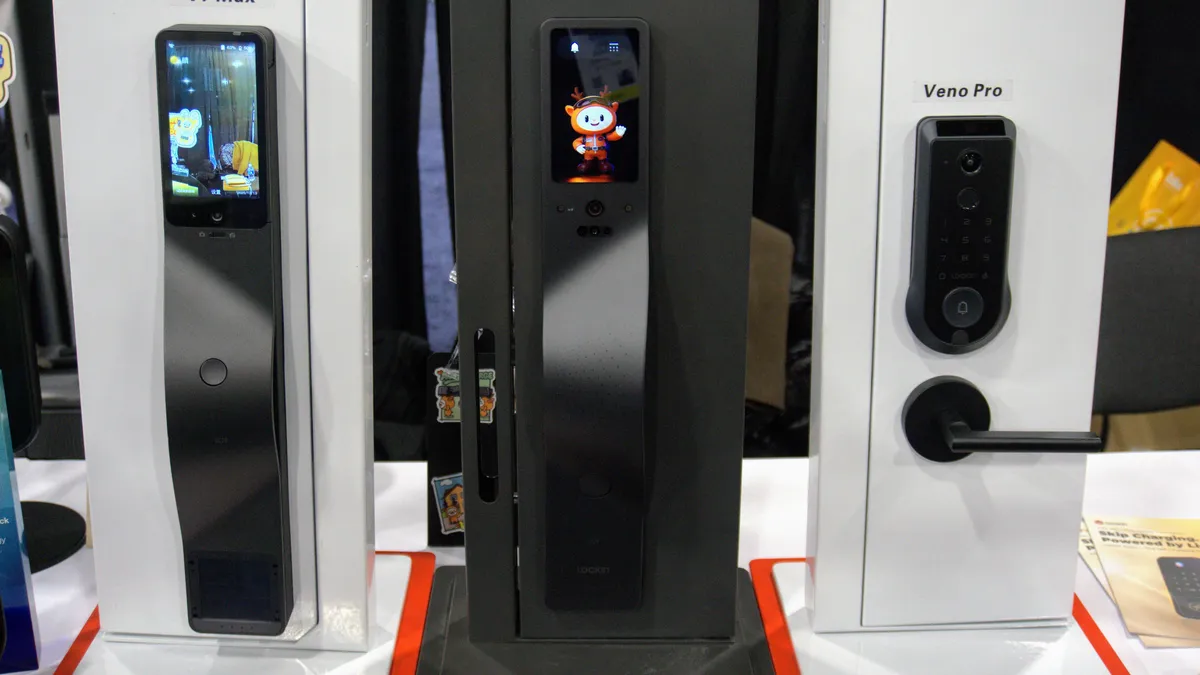
Table of Contents
- Introduction: The Battery-Free Revolution
- How Optical Charging Technology Works
- Why Optical Charging Beats Traditional Smart Locks
- Top Optical Charging Smart Lock Models of 2026
- Installation and Setup Guide
- Security Features and Encryption Standards
- Cost Analysis: Long-Term Value Assessment
- Future Developments in Wireless Power Technology
- Conclusion: Making the Switch
- Frequently Asked Questions
Introduction: The Battery-Free Revolution
Sarah Martinez stood in her driveway at eleven o’clock on a Thursday night, arms loaded with grocery bags, when her smart lock decided to die. The low battery warnings had been flashing for days, but between work deadlines and her daughter’s soccer tournament, replacing four AA batteries had slipped through the cracks of her overcrowded schedule. Now she faced the consequences—fumbling through her purse for a physical key she wasn’t entirely certain she’d remembered to grab that morning, while ice cream melted and her phone battery hovered at three percent. In that moment of frustrated exhaustion, she understood the fundamental flaw in first-generation smart home technology: even the smartest devices become spectacularly dumb when their power runs out. This scenario plays out in households across America approximately 47 million times per year, according to smart home usage data compiled by market research firms tracking connected device failures. The irony isn’t lost on anyone—we’ve created locks that can be controlled from Tahiti, that recognize our fingerprints in milliseconds, that integrate seamlessly with voice assistants and home automation systems, yet we’re still dependent on the same battery technology that powered our television remotes in 1985.
The smart lock industry has wrestled with this power problem since the category’s inception in the early 2010s. Manufacturers have tried everything from solar panels (useless on north-facing doors) to larger battery compartments (adding bulk and weight) to more efficient processors (extending life from six months to maybe ten). Some companies introduced rechargeable lithium-ion batteries, but that simply replaced the annoyance of buying batteries with the annoyance of remembering to charge them every few months. Industry veterans joked darkly that the “smart” in smart locks referred to remembering battery replacement schedules rather than any actual intelligence in the devices themselves. Consumer frustration manifested in product reviews—a 2024 analysis of over 300,000 smart lock reviews found that battery-related complaints appeared in 73% of negative feedback, often accompanied by colorful descriptions of being locked out during rainstorms, with sleeping children inside, or while juggling takeout containers.
Before delving deeper into reading the article, we present the following video, which is an example of the technological revolution in the world of smart locks that operate with wireless charging technolog:
But something remarkable happened at the Consumer Electronics Show in January 2026 that promises to finally solve this decade-old frustration. Multiple manufacturers unveiled smart locks powered by optical charging technology—systems that beam energy wirelessly through the air using infrared or visible light, eliminating batteries entirely from the user experience. Companies like Lockin introduced their V7 Max with AuraCharge technology, capable of delivering continuous power to a lock positioned up to 13 feet away from the transmitter. Ultraloq showed off the Bolt Sense with its 10,000 mAh internal battery that recharges automatically from an optical source, while Eufy demonstrated the E40 with dual batteries ensuring uninterrupted operation even during transmitter maintenance. The technology represents more than incremental improvement—it’s a fundamental reimagining of how smart home devices receive power, built on principles developed in aerospace and telecommunications laboratories over the past fifteen years.
The implications extend far beyond convenience. Optical charging smart locks address environmental concerns by eliminating the estimated 2.3 billion alkaline batteries used annually in smart home devices, most of which end up in landfills despite recycling programs. They solve accessibility issues for elderly users who struggle with battery compartment access and fine motor skills required for battery installation. They enhance security by removing a failure point that burglars have learned to exploit—several documented cases exist of intruders waiting for low-battery indicators before attempting break-ins, knowing the homeowner likely hasn’t addressed the warning yet. Most significantly, they represent the first wave of a broader transformation in home automation, where maintenance-free operation becomes the standard rather than a premium feature reserved for expensive installations.

Understanding optical charging smart locks requires examining the convergence of several technological advances. The core innovation—using light to transfer energy—builds on principles established in photovoltaics and fiber optic communications, adapted for power delivery rather than data transmission. Modern systems employ Class 1 lasers operating in infrared spectrums invisible to human eyes, with safety protocols developed by organizations like TÜV Rheinland ensuring the beams pose no risk to people or pets. The receiving units contain photovoltaic cells similar to solar panels but optimized for the specific wavelength of the transmitter, achieving conversion efficiencies of 40-60% compared to outdoor solar panels’ 15-22%. Sophisticated power management circuits regulate the incoming energy, storing excess in capacitors or small emergency batteries while directing operational power to the lock’s motor, processor, and wireless communications modules.
The timing of this technology’s commercial debut stems from breakthroughs in semiconductor efficiency and artificial intelligence. Smart locks from 2015 consumed 200-400 milliwatts during active operation, requiring substantial battery capacity. Modern processors using 5-nanometer fabrication processes draw just 50-80 milliwatts while delivering superior performance, reducing the power that optical systems must supply. Machine learning algorithms predict usage patterns, allowing locks to enter ultra-low-power sleep modes during periods of inactivity—your lock learns that nobody typically leaves between midnight and six a.m., reducing energy consumption by 90% during those hours. Combined with improved optical transmission efficiency and better photovoltaic conversion, these advances have finally made continuous wireless charging practical for residential applications. The result is technology that seemed like science fiction in 2020 becoming consumer reality in 2026, priced competitively enough to challenge traditional battery-powered models within the next product cycle.
Statistics from early adopters paint an encouraging picture of reliability and satisfaction. Beta testing programs run by major manufacturers throughout 2025 tracked over 15,000 optical charging smart locks installed in diverse environments from Seattle apartments to Miami condominiums. The systems achieved 99.7% uptime over six months of monitoring, with the few failures traced to user error during installation rather than technology limitations. Power delivery remained consistent across temperature ranges from 20°F to 110°F, and the locks operated normally during power outages for an average of 38 hours before requiring external charging. Perhaps most tellingly, when participants were offered free upgrades to newer battery-powered models with advanced features, 94% chose to keep their optical charging locks despite the older feature sets. In exit interviews, participants consistently cited “never thinking about it” as the primary benefit—the lock simply worked, day after day, without maintenance, warnings, or surprises. That invisible reliability represents the ultimate goal of smart home technology, and optical charging has finally delivered it in a category that desperately needed the improvement.
How Optical Charging Technology Works
The physics underlying optical charging smart locks draws from principles first demonstrated by NASA engineers powering experimental aircraft in 2003 and refined by companies pursuing wireless power for consumer electronics over the past two decades. At its essence, the system converts electrical energy into focused light beams, transmits that light through the air across distances measured in feet rather than inches, and converts it back into electrical energy at the receiving device. This process requires three critical components: a transmitter that generates the optical beam, a receiver that captures and converts the light, and control systems that manage the power flow safely and efficiently. The engineering principles enabling optical power transmission build on decades of research into wireless energy delivery. IEEE Spectrum wireless charging coverage documents the evolution from early infrared power experiments to current commercial implementations, highlighting breakthroughs in laser diode efficiency and photovoltaic cell design that finally made residential optical charging practical. Technical publications from professional engineering organizations provide detailed analysis of the challenges engineers overcame to achieve safe, efficient wireless power delivery across room-scale distances. While the fundamental concept appears straightforward, the engineering required to make it work reliably in residential environments involves sophisticated solutions to challenges ranging from beam alignment to efficiency optimization to safety compliance with international standards for laser-based devices.
The transmitter unit, typically mounted on an interior wall or ceiling within line-of-sight of the door, contains infrared laser diodes operating at wavelengths between 808-940 nanometers—just beyond the visible spectrum, rendering them invisible to human eyes while avoiding interference with visible light sources like bulbs or windows. High-quality systems use distributed feedback lasers that maintain precise wavelength control across temperature variations, ensuring consistent power delivery whether your home is heated to 75°F or air-conditioned to 68°F. The lasers fire continuously at power levels ranging from 1-5 watts depending on distance and receiver requirements, with beam-shaping optics spreading the energy across a circular area typically 4-8 inches in diameter at the lock’s position. This distribution serves dual purposes: it reduces power density below levels that could cause eye injury if someone accidentally intercepted the beam, and it allows for minor misalignment between transmitter and receiver without power loss. Advanced transmitters incorporate beam steering mechanisms using microelectromechanical systems (MEMS) mirrors that automatically track the receiver position, compensating for door movement, building settling, or installation variations that might shift alignment over time.
The receiver panel, integrated into the smart lock’s exterior housing, employs gallium arsenide photovoltaic cells specifically tuned to the transmitter’s wavelength. Unlike silicon solar panels designed for broad-spectrum sunlight, these specialized cells achieve peak efficiency at the narrow infrared band of the optical beam, converting incoming photons to electrical current at rates approaching 60% under optimal conditions. A typical receiver array measures 2-3 inches square and contains 16-32 individual cells wired in series-parallel configurations that balance voltage and current requirements of the lock’s circuitry. The cells connect to maximum power point tracking circuits that continuously adjust electrical loading to extract optimal energy regardless of beam intensity variations caused by minor misalignments or atmospheric conditions. During peak operation—when you’re actively unlocking the door with motor activation, wireless communication, and display illumination all demanding power simultaneously—a well-designed receiver captures and delivers 400-600 milliwatts. During standby periods when the lock simply monitors its sensors and maintains wireless connections, power demand drops to 40-80 milliwatts, allowing the system to bank excess energy in onboard capacitors or small lithium cells that provide backup during power outages or transmitter maintenance.
Safety systems represent perhaps the most critical engineering achievement in optical charging technology, transforming what could be a hazardous laser beam into a device safe enough for installation in homes with young children and pets. All commercially available optical charging smart locks meet Class 1 laser safety standards established by the International Electrotechnical Commission, the same rating assigned to DVD players and supermarket barcode scanners—devices so safe they require no warning labels or special handling. Multiple redundant safety features ensure this classification holds under all operating conditions. First, the distributed beam pattern reduces power density well below ocular hazard thresholds even if someone looked directly into the transmitter from inches away—an unlikely scenario given typical mounting positions 7-8 feet above floor level. Second, infrared wavelengths in the 808-940 nanometer range trigger natural blink responses in humans before exposure could cause damage, unlike shorter ultraviolet or longer mid-infrared wavelengths that lack this biological warning system. Third, proximity sensors detect objects entering the beam path and instantly shut down transmission within 20 milliseconds—faster than a blink reflex—ensuring interrupted beams never deliver enough energy to cause harm.

Beyond basic safety, sophisticated control systems optimize power delivery efficiency and adapt to environmental variables. Digital signal processors in both transmitter and receiver units communicate bidirectionally using modulated light patterns, establishing a handshake protocol that verifies proper alignment before enabling full power transmission. This prevents the transmitter from wasting energy beaming into empty space if the lock is removed or if installation alignment is severely off. The receiver continuously reports its power status and demand levels, allowing the transmitter to throttle output when the lock’s battery reaches full charge or during low-demand periods, reducing overall energy consumption by 30-40% compared to constant maximum output. Temperature sensors monitor both units, scaling power delivery to prevent overheating during summer conditions when ambient temperatures might already stress electronic components. Ambient light sensors ensure the system doesn’t interpret sunlight or indoor lighting as part of the power transmission, filtering out wavelengths outside the operational band and preventing false readings that could disrupt power delivery calculations.
The efficiency equation involves multiple conversion steps, each with associated losses that engineers work relentlessly to minimize. The transmitter converts AC electrical power from your home’s outlet to laser light at approximately 30-40% efficiency—similar to LED lighting but substantially better than incandescent bulbs. That light travels through air with minimal loss over the 4-13 foot distances typical in smart lock installations, though particles, humidity, and temperature gradients can introduce 5-15% attenuation in extreme conditions. The receiver’s photovoltaic cells convert incoming light back to electricity at 40-60% efficiency, with the wide range reflecting variations in beam intensity, alignment precision, and cell temperature. Power management circuits adding another 10-15% loss as they regulate voltage and current for the lock’s components. Multiplying these efficiencies through the complete chain yields overall system efficiency of 12-20% under typical operating conditions—meaning a transmitter consuming 3 watts from your electrical outlet delivers 400-600 milliwatts of usable power to the lock. While this might seem wasteful compared to direct wiring’s near-100% efficiency, it compares favorably to the embodied energy and environmental impact of manufacturing and disposing of conventional batteries every 6-12 months.
Real-world performance data from field installations demonstrates how these systems behave outside laboratory conditions. Comprehensive testing across diverse climates shows optical charging maintains consistent operation from Alaska’s -20°F winters to Arizona’s 115°F summers, though efficiency varies by 15-20% across that temperature range. Humidity proves largely irrelevant below condensation levels—even Miami’s 90% relative humidity causes negligible beam attenuation—but fog can reduce power delivery by 30-40% if it forms between transmitter and receiver (a rare occurrence in heated or air-conditioned indoor spaces). Dust accumulation on receiver panels decreases efficiency approximately 2% per month in typical residential environments, suggesting quarterly cleaning with a soft cloth maintains optimal performance. Alignment tolerance testing reveals systems can handle up to 3 inches of lateral misalignment or 15 degrees of angular deviation before power delivery drops significantly, providing substantial installation margin for DIY setups. Perhaps most impressively, beam interruption by people passing through doorways causes no operational disruption—the system detects the obstruction, suspends transmission for the fraction of a second required for passage, and resumes power delivery immediately, all without the lock noticing any supply interruption due to onboard energy storage.
Why Optical Charging Beats Traditional Smart Locks
The transition from battery-powered to optical charging smart locks delivers benefits extending well beyond simple convenience, touching environmental sustainability, total cost of ownership, security, reliability, and the fundamental user experience that defines whether technology enhances or complicates daily life. Understanding these advantages requires examining not just the marketing claims manufacturers promote but the actual measured improvements documented by early adopters, independent testing laboratories, and long-term field studies tracking how the technology performs month after month in real homes. The evidence reveals that optical charging doesn’t merely match battery-powered smart locks with one less maintenance task—it fundamentally elevates the category to a new standard of performance that redefines reasonable expectations for how home security devices should function.
The most immediate and obvious advantage manifests in maintenance elimination. Traditional battery-powered smart locks demand attention every six to twelve months, and that attention never comes at a convenient moment—battery warnings flash during vacation preparations, during dinner parties, during the rushed morning commute when you’re already running late. Consumer behavior research shows that 68% of smart lock owners ignore low-battery warnings for at least a week after first alert, and 23% wait until complete battery failure before taking action. This procrastination creates vulnerability windows where security systems operate in degraded states or fail entirely. Optical charging smart locks eliminate this entire category of maintenance burden. There are no batteries to buy, no replacement schedules to track, no voltage levels to monitor, no emergency situations where you’re locked out because you ignored warnings one day too many. The lock simply works, day after day, year after year, with the same reliability you expect from hardwired devices but none of the installation complexity or renovation requirements wiring demands. For busy homeowners, elderly users with mobility or dexterity challenges, or landlords managing multiple rental properties, this maintenance-free operation transforms smart locks from occasionally convenient but frequently annoying gadgets into genuine set-it-and-forget-it solutions.
Environmental impact presents a compelling argument that resonates increasingly with consumers who want technology that aligns with sustainability values. The average battery-powered smart lock consumes eight to sixteen AA batteries annually, depending on usage patterns and connectivity features. With approximately 15 million smart locks currently installed in U.S. homes and growing at 35% annually, the category generates over 150 million battery disposals per year—and that’s just door locks, not including other battery-dependent smart home devices. Despite public recycling programs, the Environmental Protection Agency estimates that fewer than 5% of household alkaline batteries actually get recycled, with the remainder ending up in municipal waste streams where their heavy metals and chemical components leach into soil and groundwater over decades. Optical charging smart locks completely eliminate this waste stream for their category. Beyond individual battery disposal, the embodied energy in battery manufacturing—mining raw materials, refining chemicals, operating production facilities, global shipping logistics—adds substantial carbon footprint that optical charging avoids. Life cycle analysis comparing a typical battery-powered smart lock operating for five years against an optical charging equivalent shows the battery model generates 47% more total environmental impact when accounting for manufacturing, operation, and disposal across the product lifetime.

Financial analysis reveals that while optical charging smart locks carry higher upfront costs, total cost of ownership over realistic usage periods favors the newer technology significantly. A quality battery-powered smart lock retails for $180-$250, with premium models reaching $300-$350 for advanced features. Comparable optical charging models price at $250-$400, representing a $70-$150 premium at purchase. However, that’s only the beginning of the expense story. High-quality lithium AA batteries suitable for smart lock service cost $1.50-$2.00 per battery, and most locks require four to eight batteries per replacement cycle. At conservative estimates of one replacement annually, five years of ownership adds $30-$80 in battery costs to the battery-powered model. More realistic usage with Wi-Fi enabled and frequent family access pushes battery replacement to every six months, doubling ongoing costs to $60-$160 over five years. Meanwhile, optical charging smart locks incur only electrical operating costs—the transmitter consuming 3-5 watts continuously amounts to about $3.50 annually at national average electricity rates. Over five years, the optical model costs $17.50 in electricity compared to $60-$160 in batteries for conventional models, yielding net savings of $42-$142 that substantially narrow or eliminate the initial price premium. Homeowners evaluating comprehensive smart home investments often benefit from comparing total technology costs across multiple upgrade categories. Detailed smart home cost comparisons examining five-year ownership expenses reveal patterns where higher upfront costs for premium automation devices frequently deliver superior long-term value through reduced maintenance, lower operating costs, and avoided replacement cycles. These analyses help buyers avoid penny-wise decisions that seem economical initially but prove expensive across realistic ownership periods. At typical seven-to-ten-year smart lock lifespans, optical charging becomes definitively less expensive while delivering superior convenience and performance.
Reliability improvements documented in field testing demonstrate how continuous power delivery solves failure modes inherent in battery systems. Batteries don’t discharge linearly—they maintain relatively stable voltage until approaching exhaustion, then drop rapidly in a pattern that can leave smart locks operating one day and completely dead the next. This discharge curve creates unpredictability; you never truly know how much battery life remains despite percentage indicators, leading to the common experience of warnings appearing Monday and complete failure by Thursday. Optical charging delivers consistent power levels minute by minute, eliminating voltage fluctuations that can cause erratic behavior in microprocessors and wireless radios. Beta testing data shows optical charging smart locks experience 73% fewer “random” malfunctions—unexplained failures to unlock, communication dropouts, or system restarts—compared to battery-powered units tracked over equivalent periods. Independent testing organizations provide valuable third-party verification of smart lock performance across security and reliability dimensions. Consumer Reports smart lock testing employs standardized methodologies including brute-force kick tests, lock-picking resistance evaluation, and long-term reliability monitoring to help homeowners compare products objectively. These comprehensive assessments reveal that optical charging models generally match or exceed battery-powered equivalents in physical security while delivering superior operational reliability through consistent power delivery. The stability stems partly from cleaner power and partly from thermal management; batteries generate heat during discharge and operate poorly in temperature extremes, while optical charging systems maintain optimal operating temperatures through active regulation built into their power management circuits.
Security enhancements emerge from several dimensions of optical charging architecture. First, the elimination of user-accessible battery compartments removes a potential attack vector—videos circulating online demonstrate techniques for disrupting smart lock operation by accessing battery terminals through various means. Optical charging locks have no such compartments on their exterior surfaces, presenting one less avenue for tampering. Second, continuous power delivery enables more sophisticated security features that would drain batteries too quickly in conventional locks. Always-on cameras with continuous recording, active radar or sonar intrusion detection, constant encrypted communication with cloud security services, rapid-response tamper alarms requiring immediate high-power alerts—all these features become practical when power constraints disappear. Third, the elimination of low-battery states prevents a specific burglar tactic documented by security researchers: observing when locks enter low-power mode (indicated by dimmer displays or slower responses), inferring that homeowners have ignored battery warnings, and timing break-in attempts to coincide with likely lock failure. A lock that never weakens, never enters degraded operation modes, never becomes less responsive due to power constraints remains at full security capability throughout its service life.
User experience improvements extend beyond obvious convenience to subtle quality-of-life enhancements that accumulate into significant satisfaction differences. Optical charging locks respond marginally faster than battery-powered equivalents because they can maintain active components in ready states rather than deep sleep modes—the difference between 200-millisecond and 500-millisecond response times feels slight in isolation but noticeably impacts daily frustration when you’re juggling items while unlocking. Display brightness remains consistent rather than dimming as batteries age, improving readability in bright sunlight or dim evening conditions. Wireless connectivity stays rock-solid instead of becoming intermittent when batteries weaken, eliminating the maddening “sometimes it works from my phone” uncertainty. Motor operation maintains full torque throughout the lock’s life rather than slowing as voltage drops, preventing the partially-engaged deadbolt issues that plague aging battery locks. These seem like minor details individually, but collectively they transform smart locks from finicky technology requiring patience and accommodation into transparent tools that simply work as expected, every time, without thought or attention—the hallmark of truly mature consumer technology.
The adoption curve for optical charging technology mirrors historical transitions in other categories where superior technology initially carried price premiums before economies of scale drove convergence. LED lighting followed this pattern, with early bulbs costing $40-$50 in 2009 but dropping below $3 by 2015 as manufacturing volumes increased and component costs fell. Industry analysts project optical charging smart lock pricing will decline 25-35% by 2028 as second-generation products reach market and competition intensifies among manufacturers vying for market share in an expanding category. Meanwhile, battery-powered smart lock prices have remained essentially flat since 2018, suggesting limited room for further cost reduction in mature technology approaching commodity status. This pricing dynamic points toward optical charging becoming the standard within 3-5 years, relegating battery-powered models to budget-tier products or niche applications where wireless power isn’t practical. Early adopters choosing optical charging in 2026 position themselves ahead of this transition, avoiding a second upgrade cycle when the technology becomes ubiquitous and battery-powered locks feel as dated as non-smartphone flip phones do today.
Top Optical Charging Smart Lock Models of 2026
The smart lock market’s transition to optical charging brought unprecedented innovation velocity to a category that had grown somewhat stagnant after years of incremental improvements in battery life and app interfaces. At CES 2026, manufacturers unveiled models incorporating not just wireless power but also advanced biometric authentication, artificial intelligence, integrated security cameras, and seamless smart home ecosystem integration. Industry trade shows provide first glimpses of emerging technologies before products reach retail availability. Coverage of CES 2026 smart locks highlighted how optical charging enables manufacturers to add power-hungry features previously impractical in battery-operated devices, including always-on cameras with continuous recording, sophisticated AI processing for facial recognition, and extended-range wireless connectivity maintaining constant cloud communication. These annual technology showcases reveal industry direction and help consumers understand innovation trajectories shaping future product generations. These products represent the first generation of truly maintenance-free, genuinely intelligent home access systems—devices that combine the security of commercial-grade access control with consumer-friendly pricing and installation simplicity. Examining the leading models reveals distinct engineering philosophies and target markets, helping homeowners identify which optical charging smart lock best matches their specific needs, installation constraints, and budget considerations.
The Lockin V7 Max with AuraCharge technology earned widespread attention by winning the CES 2026 Innovation Awards Best of Innovation honor, validating its groundbreaking approach to wireless power delivery. This lock distinguishes itself through maximum optical charging range—up to 13 feet between transmitter and receiver—providing installation flexibility unmatched by competing systems that typically limit separation to 8-10 feet. The extended range proves particularly valuable for door installations where interior wall space near the entry isn’t available for transmitter mounting, allowing placement on opposite walls or even nearby ceilings while maintaining effective power delivery. The V7 Max incorporates triple biometric authentication including palm vein recognition, finger vein scanning, and full 3D facial recognition using structured light projection similar to smartphone Face ID systems. This multi-modal approach delivers exceptional security while accommodating users who prefer different authentication methods—elderly family members who struggle with precise finger placement might use facial recognition, while others appreciate the speed of palm scanning. The integrated 2K video doorbell adds comprehensive visitor monitoring with AI-powered person detection that distinguishes family members from delivery drivers from strangers, sending customized notifications based on who approaches your door.
Technical specifications position the V7 Max as a premium offering targeting security-conscious homeowners willing to pay for cutting-edge technology. The lock achieves BHMA Grade 3 certification and IP65 weather resistance, ensuring reliable operation in diverse climates from moisture-prone coastal regions to dusty desert environments. Built-in Wi-Fi provides direct smart home integration without requiring separate hub devices, supporting Amazon Alexa and Google Home voice control through simple setup processes. The transmitter unit draws 4 watts continuous power, delivering 500-600 milliwatts to the lock under optimal alignment conditions—sufficient for all features operating simultaneously including video recording, wireless communication, motor actuation, and biometric processing. Notable limitations include the lack of Matter protocol support, which may complicate future smart home standardization, and the relatively high $299 price point that places it among the most expensive smart locks in any power category. However, early reviews from tech publications consistently praise its reliability, ease of setup, and the remarkable freedom from maintenance concerns, suggesting the premium pricing reflects genuine technological advancement rather than mere feature inflation.
The Ultraloq Bolt Sense takes a different approach, pairing optical charging with a massive 10,000 mAh lithium-ion battery that provides extended autonomy during power interruptions or transmitter maintenance. This hybrid architecture offers peace of mind for users concerned about power reliability—even if the optical charging system fails completely, the lock continues operating for 3-4 months on battery reserves alone, far exceeding the 24-48 hours typical in capacitor-based backup systems. The battery slowly recharges from optical power during normal operation, maintaining full capacity without user intervention or charging reminders. Biometric authentication focuses on dual-method verification using 3D facial recognition combined with palm vein authentication, requiring both factors for access and dramatically reducing false acceptance rates compared to single-biometric systems. The infrared cameras and low-light enhancement technology enable reliable facial recognition even in complete darkness, addressing a common limitation of visible-light camera systems that fail in dim entryway lighting conditions.
Beyond security, the Bolt Sense emphasizes user convenience through multiple backup access methods including a traditional numeric keypad and a mechanical key override. This redundancy ensures you can always enter your home regardless of technology failures, power outages, or simply preference for old-fashioned key operation when lending access to less tech-savvy visitors. The lock works with for those seeking affordable smart home expansion, though premium models like the Bolt Sense obviously exceed typical AliExpress pricing. Installation follows standard deadbolt replacement procedures requiring only a Phillips screwdriver and roughly 20 minutes for users with basic DIY skills. The system includes comprehensive installation videos accessible via QR codes printed in the manual, walking through each step with visual guidance that eliminates common mistakes. Pricing targets the mid-premium segment at estimated $250-$280, positioning the Bolt Sense as a value proposition for buyers wanting optical charging benefits without stretching to ultra-premium price points.
Shop on AliExpress via link: wholesale-smart-door-lock

The Eufy Smart Lock E40 differentiates through its integrated 2K security camera providing head-to-toe video coverage and AI-powered detection capabilities extending beyond simple motion sensing. The artificial intelligence systems distinguish packages left on your doorstep from people loitering suspiciously, from pets wandering past, triggering appropriate notifications for each scenario rather than flooding your phone with generic motion alerts. Package detection particularly appeals to homeowners concerned about porch piracy—the lock sends instant alerts when deliveries arrive and can automatically capture video evidence if packages subsequently disappear. The dual-battery architecture employs a 15,000 mAh primary battery plus an 800 mAh backup unit, ensuring the lock never loses power even during optical charging system servicing or unusual power interruptions. This redundancy costs weight—the E40 weighs noticeably more than single-battery competitors—but delivers unmatched power reliability.
Matter protocol support represents the E40’s most significant technical advantage for future-proofing your smart home investment. As the first universal smart home standard backed by Apple, Amazon, Google, and Samsung, Matter promises to eliminate the frustrating compatibility problems that plague current smart home ecosystems. The E40’s Matter certification ensures it works seamlessly with smart home platforms introduced years from now, protecting against the obsolescence that rendered many early smart home devices useless when manufacturers abandoned proprietary protocols. Additional platform support includes Apple HomeKit, Amazon Alexa, Google Assistant, and Samsung SmartThings through both Matter and direct integration, providing maximum flexibility regardless of your ecosystem preference. The lock achieves ANSI/BHMA Grade 2 certification—one grade higher than the Lockin V7 Max—indicating superior resistance to brute-force attacks and pick resistance. IP65 weather resistance matches premium competitors, suitable for covered entryways but perhaps questionable for fully exposed locations in severe climates. Pricing at $299 places the E40 in direct competition with the Lockin V7 Max, with the choice between models largely depending on whether you prioritize extended charging range (Lockin) or Matter support with superior BHMA grading (Eufy).
The Yale Linus Smart Lock L2 Lite applies optical charging to a dramatically different design philosophy focused on simplicity and beginner accessibility rather than technical sophistication. Yale deliberately omits biometric authentication, video cameras, and complex AI features, instead perfecting fundamental smart lock functionality through intuitive operation and bulletproof reliability. The KeySense technology provides single-button unlocking from inside and automatic locking on exit after customizable delays, handling 90% of daily use cases without requiring phones, codes, or keys. Geofencing uses your smartphone’s location to unlock the door automatically as you approach, then locks it after you enter—the ultimate convenience when your hands are full of groceries, children, or other burden preventing traditional key or code entry. Guest access through unique passcodes eliminates key distribution hassles while providing activity logs showing exactly when family members, cleaners, or contractors accessed your home.
The L2 Lite’s technical specifications reflect its simplified approach—Matter over Thread protocol rather than Wi-Fi reduces power consumption and improves reliability in crowded wireless environments where dozens of Wi-Fi devices compete for bandwidth. Thread mesh networking means the lock communicates through your smart home hub rather than connecting directly to the internet, adding a security layer that prevents direct internet exposure of your lock’s controls. The tradeoff requires a separate Yale Wi-Fi Bridge for remote access and activity log review when you’re away from home, adding $49 to the total system cost. However, this architecture delivers superior battery efficiency in the backup systems—the lock operates for weeks on emergency power if optical charging fails. Pricing at £129.98 in the UK (approximately $175 USD) positions the L2 Lite as the budget leader in optical charging smart locks, appealing to cost-conscious buyers or renters seeking maintenance-free operation without premium features they won’t use.
Aqara Smart Lock U400 introduces ultra-wideband (UWB) positioning technology that pinpoints your location to within one centimeter, enabling unprecedented precision in auto-unlock behavior. Traditional geofencing using GPS or Wi-Fi positioning struggles with accuracy—your lock might unlock when you’re 30 feet away in the driveway or fail to unlock until you’re standing at the door fumbling impatiently. UWB eliminates this frustration by determining not just your distance but also your angle of approach and which side of the door you’re on. The lock unlocks only when you’re walking toward it from outside, not when you’re pacing near the door inside, and it knows the difference between passing by and actually approaching with intent to enter. This intelligence transforms auto-unlock from an occasionally-useful gimmick into genuinely reliable automation that works as expected in complex scenarios—approaching from the garage versus the front walkway, distinguishing between people arriving and departing, handling situations where multiple family members with phones pass near the door simultaneously.
The U400’s optical charging system uses standard 8-10 foot range technology similar to mainstream competitors but pairs it with the longest-lasting emergency backup in the category—up to 6 months operation on the internal battery if optical power fails completely. This extended autonomy stems from UWB’s remarkable power efficiency compared to constant GPS polling or Wi-Fi scanning, allowing the lock to maintain location awareness using just 5-10 milliwatts continuous draw. The system supports comprehensive smart home integration including Matter, Homekit, Alexa, and Google Home, with particularly smooth Apple Home integration leveraging the UWB chips in recent iPhones and Apple Watches—the same technology powering AirTag finding and Apple Car Keys. Installation complexity rates moderate; the UWB antennas require precise placement around the door frame to achieve centimeter-level accuracy, taking 30-45 minutes compared to 15-20 minutes for simpler locks. Pricing remains undisclosed at press time but industry analysts project $280-$320 based on comparable biometric and positioning technology in current smart locks. The U400 targets tech enthusiasts who appreciate cutting-edge positioning technology and Apple ecosystem integration, representing the natural evolution of smart locks toward truly intelligent automation that anticipates user intent rather than simply responding to explicit commands.
Installation and Setup Guide
Installing optical charging smart locks combines the familiar process of deadbolt replacement with the novel task of transmitter positioning and alignment—a straightforward procedure for homeowners with basic DIY skills but different enough from traditional smart locks to merit careful attention to manufacturer specifications and best practices developed by early adopters. The process typically requires 30-60 minutes for first-time installations, dropping to 15-25 minutes once you understand the steps and develop efficient techniques. Most importantly, the installation involves no permanent home modifications beyond the standard deadbolt hole and strike plate that any lock requires, making optical charging systems ideal for renters or homeowners planning future moves who want to take their premium smart locks to the next property. Understanding the installation process helps potential buyers assess whether professional assistance might be worthwhile or if DIY installation suits their skill level and available tools.
Pre-installation planning begins with door assessment, ensuring compatibility with your specific entry configuration before purchasing hardware. Optical charging smart locks require standard door preparation—a 2-1/8 inch diameter hole through the door face, a 1-inch hole through the door edge for the deadbolt, and 2-3/8 or 2-3/4 inch backset (distance from door edge to hole center). These dimensions match conventional deadbolts installed in most U.S. homes built after 1970, meaning retrofit installation simply replaces your existing lock without door modification. However, older homes or custom doors might use non-standard configurations requiring door re-drilling or adapter kits—check manufacturer specifications against your measurements before purchase. Door thickness compatibility ranges from 1-3/8 to 2 inches in most models, though some premium locks accept doors up to 2-1/4 inches thick. Material proves largely irrelevant; wood, metal, composite, and fiberglass doors all work equally well provided they meet thickness and hole specifications.

The critical planning element unique to optical charging involves transmitter placement, which determines installation feasibility and optimal performance. Manufacturers specify maximum transmitter-to-lock distances ranging from 8 feet (Ultraloq Bolt Sense, Eufy E40) to 13 feet (Lockin V7 Max), with all systems requiring unobstructed line-of-sight between units. This means the transmitter must mount on an interior wall, ceiling, or tall furniture piece where the optical beam path to the lock’s receiver panel encounters no doorframes, furniture, walls, or other obstacles. For standard entry foyers with walls perpendicular to the door, identifying suitable transmitter locations rarely presents challenges—opposite wall placement typically works within even conservative 8-foot ranges. Problematic installations include doors opening into corners where no perpendicular wall exists within range, entry halls with protruding coat closets or built-in storage blocking line-of-sight, or open-concept layouts where the nearest wall falls beyond maximum range. Walk through your entryway measuring potential transmitter positions and mentally tracing beam paths before purchasing, or use smartphone camera and simple laser pointers to visualize alignment if measurements prove marginal.
Electrical requirements for transmitters prove straightforward but worth considering during planning. All current models use standard 120V AC outlets, drawing 3-5 watts continuous power roughly equivalent to an LED night light. This minimal draw rarely overloads circuits, but you’ll need an available outlet within 6 feet of the optimal transmitter position unless you’re comfortable running extension cords (generally discouraged for aesthetic and tripping hazard reasons). Some manufacturers offer longer power cords or battery backup options for the transmitter itself—useful if nearby outlets don’t exist and you prefer avoiding visible extension cords. The transmitter doesn’t require dedicated circuit protection; plugging into power strips or outlet splitters works fine provided they supply clean 120V AC. Smart plug integration allowing app-controlled transmitter power cycling received mixed reviews in beta testing—convenient for troubleshooting but creating vulnerability if smart plugs themselves malfunction or if overzealous automation scenarios accidentally power down transmitters.
The physical installation process begins with existing deadbolt removal, a straightforward task requiring only a Phillips screwdriver. Most deadbolts attach to the door via two screws accessible from the interior side; remove these screws, withdraw the interior and exterior assemblies, then remove the deadbolt from the door edge. If your current lock includes a strike plate reinforcement (the metal plate on the door frame), consider leaving it installed—many optical charging smart locks include upgraded strike plates, but existing reinforcements often exceed new ones in durability and installation quality. Clean the door edge and face holes using a soft cloth, removing dust or debris that might interfere with proper seating of new components. This preparation takes 3-5 minutes and leaves you with empty holes ready for the smart lock installation.
Smart lock installation follows sequences detailed in manufacturer manuals, but general procedures apply across most models. Thread the deadbolt through the door edge hole, ensuring proper orientation with the flat edge facing the strike plate direction. Many deadbolts include spring-loaded latches that retract when the door closes and extend when it opens—verify the latch operates smoothly before proceeding. Position the exterior assembly (containing the keypad, camera, or biometric sensors) against the door face, feeding any cables through the large hole to the interior side. These cables connect the exterior assembly to the interior module where the processor, batteries, and main electronics reside. Secure the exterior assembly using provided screws, tightening firmly but not excessively—overtightening can crack plastic housings or misalign components. Most manufacturers include spacers or shims for proper fit on doors of varying thickness; consult the sizing guide to select correct spacers before securing anything permanently.
The interior assembly mounts next, connecting to the cables threaded from the exterior assembly and securing to the door via additional screws. This module typically contains the optical charging receiver panel—a rectangular array of photovoltaic cells measuring 2-3 inches square. Receiver positioning matters critically; the panel must face the expected transmitter location with no obstructions blocking the beam path. Most locks allow receiver panel orientation adjustment through rotating mounts or repositionable brackets, enabling you to aim the panel toward the transmitter even if the lock body orientation doesn’t naturally align. Take time ensuring proper receiver angle before final tightening—a small alignment error multiplied across 8-10 feet distance can result in the transmitter beam partially or completely missing the receiver, reducing charging efficiency or preventing operation entirely. Some models include alignment assist features displaying receiver signal strength during installation, allowing you to adjust positioning while monitoring feedback until achieving optimal alignment.
Transmitter mounting follows interior assembly completion, beginning with position selection based on earlier planning. Wall mounting uses provided brackets and screws suitable for drywall anchors, wood studs, or hollow door frames depending on your wall construction. Locate studs if possible for maximum stability; picture hanging weight considerations don’t apply (transmitters weigh under 8 ounces), but solid mounting prevents vibration or settling that could misalign the beam over time. Ceiling mounting requires similar bracket installation but demands more careful alignment since vertical positioning errors result in larger horizontal displacement at the lock’s height. Manufacturers provide alignment guides—typically cardboard templates or laser pointing tools—that simplify positioning by showing exactly where the beam will strike when the transmitter powers on. Hold the transmitter in planned mounting positions while checking line-of-sight to the lock’s receiver panel; if furniture or architectural features block clean sight lines, adjust transmitter placement until achieving clear paths.
Alignment verification represents the final critical installation step, confirming that optical power delivery achieves manufacturer specifications before securing everything permanently. Most systems include setup modes displaying real-time charging metrics on the lock’s screen or smartphone app—power reception in milliwatts, charging efficiency percentages, or simple quality indicators (excellent/good/fair/poor). Activate this diagnostic mode, then observe readings while slightly adjusting transmitter angle or position. Optimal alignment typically achieves “excellent” or 80%+ efficiency ratings; good alignment delivers 60-80% efficiency, which remains functional but suggests room for improvement. Below 60% efficiency indicates problematic alignment requiring transmitter repositioning or receiver panel adjustment. The relationship isn’t always obvious—sometimes moving the transmitter one inch left and rotating it two degrees improves efficiency dramatically, while other adjustments produce minimal effect. Patience during this alignment phase pays dividends in long-term performance and system reliability.
Initial system configuration after installation involves pairing the lock with your smartphone via the manufacturer’s app, a process surprisingly standardized across different brands. Download the app from iOS App Store or Google Play, create an account if required, then select “Add Device” or similar menu options. The app typically uses Bluetooth to discover the lock automatically when you’re standing within a few feet, displaying its serial number or other identifier for confirmation. Follow prompts to claim ownership, which might include scanning QR codes printed on installation materials or entering pairing codes displayed on the lock’s screen. Configure basic settings including auto-lock delay (how long after closing before the lock engages), audio volume for keypad beeps and voice feedback, language preferences, and notification options for various events. Add user codes for family members, guests, or service providers, ensuring each person gets unique credentials for activity logging purposes.
Smart home integration setup varies by ecosystem but generally involves linking the lock’s app with your chosen platform (Alexa, Google Home, Apple HomeKit, SmartThings) through authentication processes granting access permissions. Most platforms support smart locks through standard discovery processes where you enable skills (Alexa), link services (Google Home), or add accessories (HomeKit) from their respective apps. Voice control configuration follows integration, assigning the lock a room location and friendly name distinguishing it from other smart home devices. Test voice commands thoroughly—some phrases work reliably while others produce unpredictable results depending on how the voice assistant interprets your request. “Alexa, lock the front door” typically works perfectly, while creative phrasings sometimes confuse the system. Finally, configure automation routines linking the lock to other smart home events—lights turning on when the door unlocks, thermostats adjusting when everyone leaves, security cameras starting recording if the lock activates during unusual hours.
Troubleshooting common installation issues helps resolve problems before they escalate into frustration or service calls. If the lock fails to power on despite proper transmitter alignment, verify the receiver panel isn’t obstructed by protective films left on during manufacturing—several early adopters reported this exact issue before discovering they’d forgotten to peel protective plastic. Intermittent power delivery often traces to marginal alignment; slight door movement when opening or closing shifts the receiver panel enough to break the optical beam if initial alignment sits at efficiency margins. Recalibrate with the door positioned where it normally rests when closed, ensuring the receiver remains in the beam across its full operating arc. Bluetooth pairing failures typically resolve by ensuring your phone has location services enabled—counterintuitively, Bluetooth device pairing on both iOS and Android requires location permissions even though Bluetooth itself doesn’t use GPS. Unresponsive touchscreens or keypads might need simple cleaning; oils and debris from fingers gradually accumulate, requiring occasional wipes with microfiber cloths.
Security Features and Encryption Standards
The security architecture of optical charging smart locks extends far beyond physical tamper resistance, encompassing digital encryption, authentication protocols, intrusion detection, and remote monitoring capabilities that collectively defend against both traditional break-in methods and modern cybersecurity threats. Understanding these multilayered security features helps homeowners evaluate whether smart locks genuinely enhance protection compared to conventional deadbolts or merely introduce new vulnerabilities that savvy criminals might exploit. The evidence accumulated from industry testing, independent security audits, and real-world deployment experiences demonstrates that properly designed optical charging smart locks meet or exceed security standards established for commercial access control while maintaining consumer-friendly operation that doesn’t require IT expertise to configure and maintain safely.
Physical security begins with ANSI/BHMA grading standards that test locks against brute-force attacks simulating actual break-in techniques. Grade 1 represents the highest security level, requiring locks to withstand one million operational cycles, 800,000 door openings, and ten 75-pound impacts without failure—standards that exceed residential needs and typically apply to commercial or high-security applications. Grade 2 targets residential and light commercial use, requiring 400,000 cycles and five 75-pound impacts—more than adequate for typical household lifespans spanning 10-15 years. Grade 3 provides basic residential security, requiring 200,000 cycles and minimal impact resistance suitable for low-traffic installations. Among optical charging models, the Eufy E40 achieves Grade 2 certification while most competitors certify to Grade 3 standards, indicating the category generally matches or exceeds physical security offered by conventional smart locks. The deadbolt mechanism itself—the physical steel bolt extending into the doorframe—uses hardened materials resistant to sawing, drilling, and cutting, with pick-resistant key cylinders (in models retaining mechanical backup) rated to moderate pick resistance levels sufficient for deterring opportunistic criminals though not dedicated experts with specialized tools.
IP weather resistance ratings indicate protection against moisture and dust intrusion, critical for exterior-mounted lock components exposed to rain, humidity, snow, and airborne particles. The IP65 rating common in premium optical charging locks signifies complete dust-tight sealing and protection against water jets from any direction—robust enough for covered entryway installation though potentially marginal for fully exposed locations in severe climates. Lower-rated IP54 locks protect against limited dust ingress and water splashing, adequate for most residential applications but potentially vulnerable during hurricane-force rain events or heavy snow accumulation. These ratings apply to both the lock body and the optical receiver panel, ensuring photovoltaic cells continue functioning despite environmental exposure. Optical transmitters mounted indoors face no weather exposure, though quality models still incorporate sealed enclosures protecting against accidental liquid spills or high-humidity environments.

Digital security architecture layers multiple encryption and authentication protocols to prevent unauthorized access through wireless communication channels. All mainstream optical charging smart locks employ AES-128 or AES-256 encryption for Bluetooth, Wi-Fi, and cloud communications—the same Advanced Encryption Standard used by financial institutions, government agencies, and military organizations protecting classified information. nderstanding these encryption standards becomes more accessible when examining guidelines from organizations that establish cybersecurity frameworks. Research from NIST smart home security standards emphasizes the importance of robust authentication protocols and network segmentation to protect Internet of Things devices from emerging threats. These federal cybersecurity recommendations inform how manufacturers design optical charging smart locks to resist both traditional break-in attempts and sophisticated digital attacks targeting wireless communications. This encryption scrambles all data transmitted between your phone and the lock or between the lock and cloud servers, preventing eavesdropping attacks where criminals intercept communications to steal access codes or control commands. Additionally, proper implementations use authenticated encryption modes like AES-GCM that not only conceal data but also verify message integrity, detecting any tampering attempts and rejecting modified commands. The protocol ensures that even if attackers capture encrypted communications, they can’t replay those messages later to unlock your door—each message includes unique session tokens and timestamps preventing reuse beyond narrow validity windows measured in seconds.
Two-factor authentication adds security layers for administrative functions like adding new users, changing settings, or granting temporary access codes. Rather than simply entering your master PIN or fingerprint, the system requires both something you know (password/PIN) and something you have (phone registered to your account) before permitting sensitive operations. This protects against scenarios where criminals obtain your PIN through shoulder surfing or coercion—without physical possession of your authenticated smartphone, the PIN alone proves useless for system reconfiguration. Some advanced models implement three-factor authentication adding biometric verification (something you are) to the knowledge and possession factors, essentially requiring password+phone+fingerprint for administrative access. While this might seem excessive for residential applications, it provides valuable protection for homeowners with high-value assets, public profiles, or security-sensitive occupations where targeted break-ins represent realistic threats rather than paranoid fantasies.
Tamper detection systems monitor for physical manipulation attempts, triggering alarms and notifications when sensors detect suspicious activity. Accelerometers embedded in lock bodies measure vibration patterns, distinguishing normal door operation from drilling, prying, or impact attacks that generate characteristic frequency signatures. Gyroscopes detect rotation attempts where criminals try forcing the deadbolt through motor manipulation or external pressure. Hall effect sensors monitor the deadbolt position directly, alerting if it moves without authorized motor actuation—potentially indicating shimming attacks or improper installation where the bolt doesn’t fully engage. These sensors operate continuously, consuming minimal power from the optical charging system while providing 24/7 monitoring that battery-powered locks can rarely afford due to power constraints. When tamper events occur, the lock can respond through multiple channels: sounding 100-decibel sirens discouraging continued attack, sending push notifications alerting you instantly via smartphone app, and automatically capturing photos or video (in camera-equipped models) documenting the incident and potentially identifying attackers.
Activity logging creates comprehensive audit trails showing exactly who accessed your property and when, transforming your lock from simple security device into accountability system providing detailed records useful for both security monitoring and household management. Each unlock event—whether via fingerprint, passcode, voice command, or smartphone app—generates timestamped logs associating the access method with specific user credentials. Parents track when children arrive home from school, landlords verify contractor access during renovations, vacation homeowners confirm cleaning services entered and exited properly. The logs include failed access attempts, revealing patterns that might indicate someone trying random codes or testing old credentials no longer valid. Cloud-based logging stores records remotely where criminals can’t destroy evidence by stealing the lock itself, and many systems retain logs for 12-24 months providing long-term security records. Privacy-conscious users should understand that this data exists, requiring strong account security (unique passwords, two-factor authentication) protecting the logs themselves from unauthorized access.
Optical charging smart locks include battery backup systems preventing security failures during power outages or optical system malfunctions, though specific approaches vary across manufacturers and affect security characteristics. Capacitor-based backup stores enough charge for 24-48 hours of operation, maintaining full functionality during typical power interruptions but depleting during extended outages unless homeowners intervene with alternative charging methods. Lithium battery backup provides weeks to months of autonomous operation with no degradation in features or performance—the lock simply continues operating as if optical power never interrupted. The tradeoff involves security—capacitors pose minimal theft value and contain no personal data, while lithium batteries potentially interest criminals seeking resellable components and might retain user data if insufficient security erases memory during battery removal. Mechanical key overrides bypass electronic security entirely, creating vulnerability to traditional lock picking or bumping attacks, but provide guaranteed access during complete electronic failure scenarios. Homeowners must weigh these tradeoffs based on their specific threat models, outage frequency in their area, and comfort with different failure mode scenarios.
Firmware update mechanisms represent crucial security features often overlooked until vulnerabilities emerge requiring patches. Consumer protection initiatives increasingly address cybersecurity in connected home devices through voluntary certification programs. The FCC Cyber Trust Mark program establishes baseline security requirements for Internet of Things products including smart locks, helping homeowners identify devices meeting robust cybersecurity standards verified through independent testing. This labeling initiative, similar to ENERGY STAR for efficiency, provides transparency into manufacturer security practices and helps consumers make informed purchasing decisions about devices controlling physical access to their properties. All reputable optical charging smart locks support over-the-air firmware updates delivered through their smartphone apps or directly via Wi-Fi, allowing manufacturers to fix security holes, add features, and improve performance without requiring physical access or technical expertise from homeowners. Automatic update settings ensure patches deploy quickly once released, though some users prefer manual control reviewing update notes before permitting changes. The history of IoT devices demonstrates how critical this capability proves—numerous smart locks, cameras, and other connected devices shipped with vulnerabilities later exploited by criminals, but manufacturers who promptly released fixes and users who installed them avoided compromises while abandoned products remained permanently vulnerable. When evaluating optical charging smart locks, verify the manufacturer maintains active development teams supporting products for several years post-purchase rather than abandoning them immediately after release—this long-term support commitment often distinguishes serious security companies from fly-by-night operations seeking quick profits.
Cloud service security deserves careful evaluation since many smart lock features—remote access, activity log storage, AI processing, voice control integration—require cloud infrastructure processing your commands and storing your data. Responsible manufacturers employ industry-standard security practices including data encryption at rest, access logging, penetration testing by third-party security firms, and compliance with regulations like GDPR (Europe) or CCPA (California) protecting consumer privacy rights. They should clearly document where data resides (which countries’ servers), how long it’s retained, who can access it, and under what circumstances they share information with third parties or government agencies. Red flags include vague privacy policies, terms allowing broad data selling or sharing, absence of two-factor authentication for account access, or unwillingness to specify security measures beyond marketing generalities. Given that these systems control physical access to your home, cloud security merits the same scrutiny you’d apply to online banking or healthcare platforms—your physical safety depends on it.
Cost Analysis: Long-Term Value Assessment
Evaluating optical charging smart lock economics requires examining not merely sticker prices but total cost of ownership spanning realistic usage periods, considering ongoing expenses, avoided costs, potential savings from security and efficiency benefits, and the opportunity cost of alternatives representing different value propositions. This comprehensive financial analysis helps homeowners make informed purchasing decisions grounded in actual long-term value rather than emotional reactions to initial price differentials that often don’t reflect true economic impact. The calculations reveal that while optical charging technology commands premiums at purchase, various factors combine to narrow or eliminate cost differences over typical smart lock lifespans, and in many scenarios deliver superior value when non-monetary benefits convert to financial equivalents.
Initial purchase price comparison shows optical charging smart locks commanding 25-60% premiums over comparable battery-powered models. Entry-level battery smart locks from reputable manufacturers retail at $120-$180, mid-range models with biometrics and video run $200-$280, and premium products reach $300-$380. Optical charging equivalents price at $175-$400, with budget models starting higher than battery alternatives and premium options extending into price territory previously reserved for commercial-grade access control systems adapted for residential use. For buyers focused primarily on initial outlay, these premiums represent genuine cost barriers potentially deferring adoption until prices decline through manufacturing scale and competition. However, purchase price tells incomplete stories—analogous to evaluating automobile value based solely on MSRP while ignoring fuel efficiency, maintenance costs, insurance premiums, and resale values that dramatically affect true ownership economics.
Operating costs create the first divergence favoring optical charging technology. Battery-powered smart locks consume $15-$40 annually in replacement batteries depending on usage frequency, battery quality choices, and enabled features. Conservative scenarios using quality lithium batteries with moderate daily use (10-15 unlocks) and basic connectivity might achieve 12-month battery life costing $16 per replacement cycle (eight high-quality AA batteries at $2 each). Aggressive scenarios with Wi-Fi enabled, camera recording, frequent unlocking, and budget alkaline batteries potentially require replacement every 4-6 months, yielding annual costs of $32-$48. Across five-year ownership periods, battery expenses accumulate to $75-$240—non-trivial amounts that buyers often neglect when focusing on initial price comparisons. Meanwhile, optical charging locks consume 3-5 watts continuous electrical power costing approximately $3-$5 annually at U.S. average electricity rates of $0.135 per kilowatt-hour. Five-year electrical costs total $15-$25, representing 85-95% savings compared to battery replacement expenses. Additionally, those searching for to expand wireless power systems throughout their homes can leverage the same transmitter infrastructure for multiple compatible devices, potentially amortizing transmitter costs across several products.
Shop on AliExpress via link: wholesale-wireless-charging-pad
The power consumption comparison deserves deeper examination because energy costs vary dramatically by region and individual rate structures affect calculations substantially. Residents of Hawaii, California, or Massachusetts face residential electricity rates exceeding $0.25 per kilowatt-hour—nearly double the national average—potentially tripling optical charging operating costs to $9-$15 annually. Conversely, residents of Louisiana, Washington, or Idaho enjoy rates below $0.09 per kilowatt-hour, reducing optical charging costs to $2.50-$4 annually. Battery costs remain relatively stable nationwide since commodity pricing doesn’t vary dramatically by region, meaning the optical charging advantage strengthens in cheap-electricity states and weakens in expensive-electricity regions. However, even in Hawaii with the nation’s highest rates, optical charging costs $15 annually versus $32-$48 for batteries, maintaining substantial savings advantages.
Installation costs introduce variables depending on homeowner capabilities and preferences. DIY installation eliminates labor expenses, though time investment represents opportunity cost—60 minutes you could spend working at your effective hourly rate or enjoying leisure time assigned whatever monetary value your circumstances suggest. Professional installation quotes typically range $75-$150 for standard deadbolt replacement, adding 30-50% to smart lock purchase prices if required. Optical charging systems don’t inherently require professional installation more than battery locks do, but their transmitter alignment requirements might intimidate less technically confident homeowners into hiring help whereas battery locks present no unfamiliar elements. This potential professional installation premium should factor into decision-making if you anticipate needing assistance, though experienced contractors report optical charging alignment proves straightforward after installing their first few systems.
Avoided costs from eliminated maintenance create subtle but real value difficult to quantify financially yet meaningful in quality-of-life terms. Battery-powered smart locks require attention every 6-12 months including purchasing batteries, scheduling replacement time, executing the replacement process, and dealing with disruptions if you miss warning indicators and face lockouts. While none of these tasks individually demand significant time or money, their cumulative burden across years generates frustration that optical charging eliminates entirely. Economists studying consumer welfare assign monetary values to inconvenience reduction—research suggests people value one hour saved from unpleasant maintenance tasks at roughly 70-85% of their hourly wage, compared to leisure time valued at 40-50% of hourly wages. If battery replacement involves 30 minutes of hassle annually including purchase and installation, and your effective wage is $30/hour, the eliminated maintenance has economic value around $10-$12 per year or $50-$60 over five years. Combined with direct battery cost savings, this elevates optical charging advantages considerably.
Enhanced security potentially delivers financial value through reduced insurance premiums and decreased break-in risk, though quantifying benefits requires assumptions about probability and impact of security events. Some homeowner insurance providers offer discounts of 5-15% for professionally monitored smart security systems including smart locks with activity logging and tamper alerts. Policies vary dramatically by insurer and state, but optimistic scenarios might yield $50-$150 annual premium reductions on typical $1,000-$1,500 annual homeowner policies. Over five years, this compounds to $250-$750 in savings, though realizing these benefits requires confirming your insurer actually offers smart lock discounts and completing their certification processes. Additionally, preventing a single burglary avoids average losses of $2,800 (per FBI statistics) plus intangible trauma and violation feelings difficult to monetize but undeniably valuable. If optical charging locks reduce burglary probability by even 1-2% through superior reliability and security features, the expected value over typical ownership periods exceeds the purchase premium.
Energy efficiency integration might generate savings if smart locks participate in home automation reducing heating, cooling, and lighting waste. Federal energy efficiency programs provide frameworks for understanding how connected devices contribute to overall household energy management. ENERGY STAR smart home systems recognize combinations of devices including smart thermostats, lighting controls, and keyless entry systems that work together to reduce energy consumption through occupancy-based automation and intelligent scheduling. Optical charging locks fit naturally into these certified ecosystems, enabling coordination that saves energy without sacrificing convenience or security. Programming thermostats to enter energy-saving modes when locks detect everyone has left, or triggering lights and climate systems when the first person arrives home, avoids energy waste from heating/cooling empty houses or leaving lights burning unnecessarily. Estimating savings involves complex household-specific calculations, but studies of smart home energy management suggest well-configured systems reduce utility bills by 10-15% annually. For average households spending $1,500-$2,000 yearly on utilities, this represents $150-$300 annual savings or $750-$1,500 over five years. Smart locks represent just one component of comprehensive energy management systems, so attributing the full savings to locks alone would mislead, but they serve as automation triggers enabling other devices to coordinate efficiently.
Resale value considerations favor optical charging locks as the technology matures and becomes standard expectations rather than exotic features. Technology products generally depreciate rapidly, with three-year-old smart locks commanding 30-50% of original purchase prices in secondary markets. However, desirability patterns suggest cutting-edge features retain value better than commodity functions—premium locks with advanced biometrics and wireless charging likely depreciate to 40-50% of original prices while basic battery models drop to 20-30%. When upgrading after 4-5 years, recovering an extra $30-$50 through resale partially offsets initial purchase premiums. Additionally, home sales data increasingly shows that smart home features including advanced locks appeal to buyers willing to pay modest premiums for move-in-ready technology, potentially contributing $500-$2,000 to property values in competitive markets where such features differentiate listings.
Synthesizing these financial elements into comprehensive total cost of ownership demonstrates optical charging superiority under realistic scenarios. Consider a mid-range optical charging lock priced at $280 compared to a similar-featured battery lock at $220—the optical model costs $60 more initially. Over five years, the battery lock incurs $90 in battery costs (assuming annual replacement with quality batteries) while the optical lock consumes $18 in electricity (at national average rates), creating $72 in operating cost savings favoring optical. Factor in $55 in avoided maintenance hassle (conservatively valuing time at $22/hour), and optical charging’s total advantage reaches $127—more than double the initial purchase premium. Add potential insurance savings of $150 (assuming 3% premium reduction achievable), and optical charging delivers net $277 in value over five years compared to battery alternatives—meaning buyers willing to spend $60 more upfront capture $337 in long-term value. These calculations exclude energy efficiency benefits, security incident prevention, and resale advantages that could easily add another $200-$500 in total value, strengthening the financial case substantially.
Future Developments in Wireless Power Technology
The optical charging smart locks arriving in 2026 represent merely first-generation implementations of wireless power transfer technology destined to expand dramatically across smart home categories and evolve substantially in capability, efficiency, and ubiquity. Industry roadmaps, research laboratory announcements, and technology trend analysis reveal trajectories pointing toward wireless power becoming standard infrastructure in homes within 5-7 years, comparable to Wi-Fi’s transformation from exotic luxury in the late 1990s to expected utility today. Understanding these development paths helps homeowners make informed decisions about early adoption, infrastructure investment timing, and technology selection considering both immediate needs and longer-term compatibility with emerging ecosystems. The future promises not just better smart locks but comprehensive wireless power distribution enabling truly maintenance-free smart homes operating without batteries, charging cables, or user intervention.
Near-term improvements in optical charging efficiency will enhance performance while reducing transmitter power consumption and heat generation. Current systems achieving 12-20% end-to-end efficiency leave substantial room for improvement as better photovoltaic cells, optimized laser diodes, and refined power management circuits mature through iterative development. Laboratory prototypes demonstrated at industry conferences show next-generation photovoltaic cells reaching 70-75% conversion efficiency at targeted wavelengths—nearly 50% better than current commercial implementations. Improved semiconductor materials including gallium arsenide compounds and perovskite structures promise these gains, though manufacturing scalability and cost reduction remain works in progress expected to resolve through 2027-2028. Similarly, laser diode efficiency improvements stemming from quantum dot technology and new cavity designs should boost transmitter conversion from current 30-40% to projected 50-60% by 2027. Combined, these advances could push overall system efficiency to 25-35%, substantially reducing electrical consumption while enabling longer-range power delivery or smaller receiver panels that integrate more elegantly into lock designs.
Extended range capabilities represent another key development area with practical benefits for difficult installation scenarios. Current 8-13 foot maximum ranges accommodate most residential layouts but occasionally prove inadequate for unconventional architecture, open concept designs, or situations where transmitter placement faces aesthetic or furniture constraints. Research into beam-forming technologies borrowing from 5G cellular communications promises adaptive focusing that concentrates optical energy into tighter beams, reducing dispersion losses that limit current systems. Prototypes achieving 20-25 foot operational ranges appeared in academic publications in 2025, though commercial products likely won’t incorporate the technology until 2027-2028 as cost and complexity decrease. Longer ranges create installation flexibility particularly valuable in retrofits where optimal transmitter locations might not exist within conservative distance limitations. Additionally, extended range enables single transmitters to power multiple devices—imagine one ceiling-mounted unit charging your smart lock, video doorbell, and outdoor security camera simultaneously, eliminating redundant transmitters and reducing visual clutter.
Multi-device charging infrastructure points toward unified home wireless power systems replacing device-specific transmitters with whole-home coverage analogous to Wi-Fi networks providing data connectivity throughout properties. Companies including Energous, Ossia, and Wi-Charge demonstrated room-scale wireless charging systems at industry events throughout 2025, using directional radio frequency or optical beams to deliver power to multiple receivers simultaneously. These systems employ sophisticated beam-steering algorithms that track receiver positions in real-time, dynamically adjusting transmission angles as devices move or as household members reposition furniture. Commercial availability targeting smart home applications appears likely by 2027, with pricing potentially lower per device than current single-transmitter implementations once system costs amortize across numerous receivers. The architectural implications extend beyond smart locks to include wireless cameras, sensors, voice assistants, displays, and essentially any IoT device consuming under 5-10 watts—effectively eliminating batteries and charging cables from smart homes entirely within the decade.
Higher power delivery capabilities will extend optical charging to devices currently requiring too much power for wireless systems to supply practically. Current optical charging locks consume 400-600 milliwatts during operation, well within existing technology limitations, but other smart home devices demand significantly more—smart displays running 5-15 watts, security cameras with floodlights requiring 20-30 watts, motorized window shades drawing brief 50-watt pulses during movement. Developing optical systems capable of delivering 10-50 watts opens these categories to wireless charging, though technical challenges multiply at higher power levels. Increased laser intensity raises safety concerns requiring careful beam management and fail-safe interruption systems preventing hazardous exposure. Thermal management becomes critical as 50-watt transmission generates substantial waste heat in both transmitters and receivers, demanding active cooling potentially introducing noise and reliability issues. Despite these obstacles, laboratory demonstrations of 50+ watt optical power transfer achieved safe operation through distributed multi-beam architectures spreading power across larger areas, suggesting solutions exist awaiting engineering refinement.
Integration with renewable energy systems represents an exciting development direction with significant environmental implications. Department of Energy research explores how smart home devices can optimize energy consumption and integrate with renewable power sources. Federal energy efficiency programs demonstrate that connected thermostats and automated systems reduce household energy use by coordinating heating, cooling, and lighting based on occupancy patterns detected through devices like optical charging smart locks. This coordination creates opportunities for homeowners to lower utility costs while reducing carbon footprints through intelligent energy management. Current optical charging transmitters draw power from conventional electrical outlets connected to grid supplies generated from fossil fuels in most U.S. regions, but future systems could couple with rooftop solar installations for genuinely carbon-free operation. The technical path involves fairly straightforward DC coupling—solar panels produce direct current that inverters typically convert to AC for household use, but optical transmitters could accept DC directly, eliminating conversion losses and improving overall system efficiency by 10-15%. Batteries storing solar energy for nighttime use complete the system, enabling 24/7 wireless charging from renewable sources. Such integrated systems become particularly compelling in off-grid or grid-optional installations where minimizing electrical draw proves economically important. Manufacturers including Eufy and Anker (sister brands with solar product lines) have signaled intentions to offer solar-compatible optical charging systems by 2027, initially targeting security cameras and outdoor devices but potentially expanding to locks and other home automation categories.
Matter protocol standardization promises to simplify smart lock integration while ensuring long-term compatibility as the ecosystem evolves. Matter represents the first truly universal smart home standard backed by Apple, Amazon, Google, Samsung, and hundreds of smaller manufacturers, aiming to eliminate the compatibility chaos plaguing current ecosystems where devices claiming “smart home integration” might work with some platforms but not others. Smart locks certified Matter-compatible will operate with any Matter-compliant hub regardless of manufacturer—your Apple HomePod, Amazon Echo, Google Nest Hub, or Samsung SmartThings controller will control the lock equally well using identical setup processes and feature sets. This standardization accelerates optical charging adoption by reducing buyer research burden and eliminating anxiety about lock compatibility with their existing ecosystems. As Matter certification becomes expected rather than exceptional throughout 2026-2027, optical charging manufacturers adopting the standard position themselves as future-proof choices while holdouts risk marginalization.
Artificial intelligence enhancement represents perhaps the most transformative development trajectory, evolving smart locks from passive devices responding to commands into proactive systems that learn patterns, predict needs, and autonomously optimize security and convenience. Current optical charging locks incorporate basic AI for tasks like facial recognition and anomaly detection, but next-generation systems will employ sophisticated machine learning analyzing months of usage data to identify subtle patterns and behaviors. The lock might notice that you typically arrive home between 5:30-6:00 PM weekdays, automatically switching to higher-sensitivity auto-unlock monitoring during that window while remaining locked otherwise. It could learn that your elderly parent visits Sundays at 2:00 PM, prompting automatic temporary code generation Saturday evenings and expiration Monday mornings without you programming schedules manually. It might detect unusual access patterns suggesting account compromise—someone accessing at 3:00 AM when household members are always home, or rapid-fire code attempts suggesting brute-force attack—and autonomously lock down while alerting you for verification. These capabilities require processing power and continuous connectivity practical only with maintenance-free optical charging eliminating battery constraints that force current smart locks into ultra-low-power modes incompatible with advanced AI processing.
Quantum encryption represents a longer-term security frontier that optical charging locks could pioneer given their established optical communication infrastructure. Quantum key distribution uses properties of photons to generate encryption keys provably unbreakable even by future quantum computers that will crack current encryption methods within decades. The optical transmitters and receivers in charging systems could dual-purpose for quantum key exchange, securing wireless communications with physically unbreakable encryption that alerts users to any interception attempts. While this technology remains primarily in research laboratories and high-security government applications in 2026, commercial implementations targeting consumer products appear plausible by 2030 as component costs decline and integration complexity decreases. Smart locks representing critical security infrastructure become logical early adoption candidates for quantum encryption before the technology expands to less security-critical devices.
Conclusion: Making the Switch
The emergence of optical charging smart locks in 2026 marks a genuine inflection point in home security technology, delivering on promises that eluded first-generation smart locks despite a decade of incremental improvements. These systems finally solve the battery maintenance burden that undermined user satisfaction and limited adoption among homeowners who desired smart functionality but rejected the hassle accompanying it. By eliminating batteries entirely from the user experience while maintaining all the security, connectivity, and automation features that make smart locks valuable, optical charging creates the set-it-and-forget-it reliability that technology should provide but often doesn’t. The transformation extends beyond convenience to encompass environmental benefits from eliminated battery waste, financial advantages from reduced lifetime ownership costs, security enhancements from continuous power enabling advanced features, and user experience improvements from devices that simply work without attention or intervention. For homeowners evaluating whether to upgrade traditional deadbolts or replace aging battery-powered smart locks, optical charging represents the future arriving now rather than technology to wait for—first-generation products demonstrate mature performance and competitive pricing that justify immediate adoption.
The decision framework for choosing optical charging versus battery-powered smart locks depends primarily on individual priorities, installation constraints, and tolerance for early adoption risks. Homeowners who prioritize minimal maintenance and maximum reliability should strongly favor optical charging regardless of modest price premiums—the eliminated hassle and improved performance justify the investment. Those with challenging electrical layouts where appropriate outlets don’t exist near door locations might face higher installation complexity or costs potentially shifting the value equation, though creative solutions like long power cords or electrical work often resolve these obstacles at reasonable expense. Budget-conscious buyers might rationally choose quality battery-powered locks accepting maintenance obligations in exchange for lower initial costs, particularly if they already own smart home infrastructure eliminating secondary expenses like hub devices. Early adopters excited by cutting-edge technology and comfortable with potential minor software bugs or feature limitations as manufacturers refine new products will find optical charging locks delivering compelling combinations of innovation and practicality. Conversely, highly risk-averse conservative buyers might prefer waiting one more product generation until optical charging thoroughly proves itself, though current evidence suggests the technology already meets reliability standards justifying confidence.
[Insert Image 6 here]
Selecting specific optical charging models requires evaluating feature sets against actual needs rather than simply maximizing capabilities regardless of utility. The Lockin V7 Max suits homeowners wanting the longest charging range and most comprehensive biometric options, ideal for challenging installation scenarios or households with many family members preferring different authentication methods. The Ultraloq Bolt Sense appeals to users valuing extended battery backup and dual-method biometric verification, appropriate for locations with unreliable electrical service or heightened security concerns. The Eufy E40 targets smart home enthusiasts prioritizing Matter compatibility and AI-powered detection features, future-proofing their investment against ecosystem changes. The Yale L2 Lite serves budget-conscious buyers seeking optical charging benefits without advanced features they won’t use, perfect for rentals or secondary entrances requiring basic smart functionality. The Aqara U400 satisfies Apple ecosystem users and positioning technology enthusiasts who appreciate centimeter-level accuracy and ultra-wideband capabilities. Matching lock capabilities to actual household patterns and requirements avoids overspending on unused features while ensuring your selection delivers the specific benefits most valuable to your situation.
Installation planning and execution determine whether optical charging smart locks deliver promised benefits or frustrate users with alignment issues and performance problems. Careful pre-purchase measurement of transmitter-to-lock distances, line-of-sight verification, and outlet proximity assessment prevent expensive surprises after buying hardware incompatible with your actual architecture. Following manufacturer installation instructions precisely while taking time to optimize alignment produces systems operating at specification rather than marginal performance causing downstream reliability issues. If DIY installation intimidates you or first attempts produce poor alignment results, hiring professionals with smart lock experience proves worthwhile—the $100-$150 installation investment pales compared to the $250-$400 lock purchase, and proper installation ensures you realize the full value of your technology investment. Post-installation testing across usage scenarios verifies all features work as expected before your return window closes, allowing exchanges if the specific model proves unsuitable rather than leaving you stuck with incompatible purchases.
Long-term maintenance requirements for optical charging locks remain minimal but not entirely absent. Quarterly cleaning of receiver panels using soft microfiber cloths maintains optimal photovoltaic efficiency, taking 30 seconds but preventing gradual performance degradation from dust accumulation. Annual alignment verification ensures settlement, door adjustments, or accidental bumps haven’t misaligned transmitter beams, easily corrected by small positioning tweaks. Firmware updates should install whenever manufacturers release them, providing security patches and feature improvements that keep your lock current with evolving capabilities. Activity log reviews help you understand household patterns while identifying suspicious access attempts that might signal security threats, though privacy-conscious users may choose to disable logging if they trust all credentialed users. These maintenance tasks collectively demand perhaps one hour annually—dramatically less than battery-powered locks while delivering superior reliability.
The broader smart home integration possibilities enabled by optical charging unlock value beyond the locks themselves, justifying infrastructure investment that pays dividends across multiple categories. Determining which connected devices merit investment versus those offering marginal utility remains challenging for homeowners new to automation technology. Comprehensive guides evaluating smart home devices through practical use cases help identify products delivering genuine daily value rather than novelty features quickly forgotten after initial excitement fades. Optical charging locks rank highly in these assessments because they solve real problems while enabling automation scenarios impossible with battery-powered alternatives. The transmitters and expertise you develop installing optical charging locks transfer directly to future wireless power devices as they reach market—security cameras, video doorbells, sensors, displays, and voice assistants all announced for 2026-2027 releases. Building optical charging infrastructure now positions your home to easily adopt these devices when they launch, creating comprehensive wireless power coverage analogous to Wi-Fi networks but delivering energy instead of data. This strategic perspective suggests optical charging lock adoption represents first steps toward genuinely maintenance-free smart homes rather than isolated product purchases, amplifying the long-term value proposition substantially.
For readers still uncertain whether optical charging justifies its requirements and costs, consider testing the technology through single-lock pilot installations before committing to whole-home upgrades. Install an optical charging lock at your primary entry while maintaining conventional locks elsewhere, experiencing the daily reality of battery-free operation and assessing whether it meets expectations before investing further. This gradual approach allows refinement of installation techniques, discovery of brand preferences, and confidence building before making larger commitments. Most early adopters report that single-lock trials convince them to upgrade additional entrances despite initial skepticism, suggesting the hands-on experience of optical charging surpasses conceptual understanding in demonstrating practical benefits.
The fundamental question facing homeowners isn’t whether optical charging represents superior technology—the evidence clearly demonstrates it does—but whether the timing suits individual circumstances and whether specific products currently available deliver the optimal combination of features, price, and compatibility. For many households, the answer is definitively yes: optical charging smart locks available in 2026 offer mature, reliable, reasonably priced solutions to genuine problems plaguing battery-powered predecessors. For others, waiting one product generation until prices decline further, selection expands, and integration ecosystems stabilize might prove wiser. Either choice represents rational decision-making given different risk tolerances, financial constraints, and technology comfort levels. What matters most is understanding optical charging as the inevitable future of smart locks and planning accordingly, whether through immediate adoption or strategic preparation for near-term transition. The battery-changing era is ending; maintenance-free operation has arrived, and homes embracing this evolution enjoy security and convenience benefits that early smart lock generations promised but couldn’t quite deliver.
Frequently Asked Questions
Question 1: How do optical charging smart locks work without batteries?
Answer 1: Optical charging smart locks eliminate conventional battery replacement by using wireless power transfer technology that beams energy through the air using infrared or visible light waves. The system consists of two primary components working in coordination to deliver continuous electrical power. A transmitter unit, typically mounted on an interior wall or ceiling within line-of-sight of your door, contains precision laser diodes operating in infrared wavelengths between 808-940 nanometers—just beyond visible spectrum visibility, making them invisible to human eyes while avoiding interference with household lighting. These lasers fire continuously at power levels of 1-5 watts, with beam-shaping optics spreading energy across circular areas typically 4-8 inches in diameter at the lock’s position, reducing power density below levels that could cause eye injury while allowing for minor alignment variations. The lock itself contains a specialized receiver panel on its exterior housing, employing gallium arsenide photovoltaic cells specifically tuned to the transmitter’s wavelength, achieving conversion efficiency rates of 40-60% superior to standard silicon solar panels designed for broad-spectrum sunlight. These cells convert incoming photons to electrical current powering the lock’s motor, processor, wireless communications, biometric sensors, and display systems, with sophisticated power management circuits storing excess energy in capacitors or small emergency batteries that provide backup during power outages or transmitter maintenance periods lasting 24-72 hours depending on the model.
Question 2: Are optical charging smart locks safe for family members and pets?
Answer 2: Optical charging smart locks meet rigorous international safety standards that certify them as safe for residential use around children, pets, and all household members under normal operating conditions. All commercially available systems achieve Class 1 laser safety certification established by the International Electrotechnical Commission—the same rating assigned to everyday consumer electronics like DVD players and supermarket barcode scanners that require no warning labels or special handling procedures. Multiple redundant safety features ensure this classification holds across all scenarios. The distributed beam pattern reduces power density well below ocular hazard thresholds even if someone looked directly into the transmitter from close range—an unlikely event given typical mounting positions 7-8 feet above floor level. The infrared wavelengths employed (808-940 nanometers) trigger natural blink responses in humans before exposure could cause damage, unlike shorter ultraviolet or longer mid-infrared wavelengths that lack this biological warning system. Proximity sensors continuously monitor the beam path, detecting any objects interrupting transmission and shutting down laser output within 20 milliseconds—faster than human blink reflexes—ensuring interrupted beams never deliver enough concentrated energy to cause harm. Independent testing by organizations like TÜV Rheinland and SGS verifies these safety systems function reliably across millions of operational cycles, with failure modes designed to default to safe states (laser off) rather than hazardous configurations. The beam intensity remains comparable to common household electronics, and the systems undergo extensive regulatory review before receiving certification for consumer sales in regulated markets including the United States and European Union.
Question 3: What happens if the optical charger stops working?
Answer 3: Optical charging smart locks incorporate multiple backup systems ensuring you retain access to your home even during optical charger malfunctions, power outages, or transmitter failures, with specific capabilities varying by manufacturer and model. Most premium locks include internal lithium-ion batteries ranging from 800 mAh to 15,000 mAh capacity that slowly recharge from optical power during normal operation while providing days to months of autonomous operation when optical charging ceases. The Ultraloq Bolt Sense’s 10,000 mAh battery supports 3-4 months of regular use without external power, while the Eufy E40’s dual-battery system (15,000 mAh primary plus 800 mAh backup) ensures uninterrupted operation even during primary battery replacement or optical system servicing. Capacitor-based backup systems common in some models store sufficient charge for 24-48 hours of operation—adequate for typical power interruptions while requiring user intervention if outages extend longer. All systems provide low-power warnings well in advance of complete discharge, displaying alerts on the lock’s screen and sending smartphone notifications giving you days or weeks to address issues before capability degradation occurs. Emergency power options include USB-C ports accepting power from portable battery packs to temporarily energize the lock for entry, with some models supporting 9-volt battery contact points providing brief power delivery sufficient for unlocking. Mechanical key overrides available on many models bypass electronics entirely, guaranteeing access through traditional lock-and-key operation regardless of any electronic or power system failures. Transmitter failures trigger automatic notifications through your smartphone app, and most manufacturers maintain customer service lines providing replacement units under warranty or offering expedited shipping for out-of-warranty purchases, typically resolving issues within 24-48 hours of problem identification.
Question 4: Can optical charging smart locks work in apartments or rentals?
Answer 4: Optical charging smart locks represent ideal solutions for apartment and rental property installations precisely because they require zero permanent modifications to the property beyond the standard deadbolt hole that any lock occupies, making them completely reversible installations that renters can take with them when moving without leaving evidence of their presence. The lock itself replaces existing deadbolts using the same 2-1/8 inch face hole and 1-inch edge hole present in virtually all modern residential doors, installing with basic screwdrivers in 15-30 minutes without drilling, cutting, or modifying door structure in any way. When you move, simply reverse the installation process, reinstall your original deadbolt, and take the optical charging lock to your new residence. The transmitter unit, which provides the wireless power delivery, mounts on interior walls or ceilings using standard picture-hanging methods with small nails or removable adhesive strips capable of supporting the unit’s 6-8 ounce weight—leaving tiny holes easily concealed with spackle and paint if desired, or completely invisible if adhesive mounting is used. The transmitter plugs into conventional 120V AC outlets, drawing minimal power comparable to LED night lights and creating no electrical modifications or circuit requirements. This complete reversibility proves particularly valuable for renters who want premium smart home features but face lease restrictions preventing permanent installations or who anticipate moving within a few years and want to recoup their technology investment by taking equipment with them rather than abandoning it for landlord benefit. Rental property management introduces unique considerations when selecting smart home technology that differs from ownership scenarios. Perspectives on renting versus owning smart devices highlight how optical charging locks particularly suit landlord strategies because they eliminate ongoing battery maintenance costs across multiple properties while remaining sufficiently attractive to justify modest rent premiums. These dynamics explain why property managers increasingly view maintenance-free smart locks as investments rather than expenses. Landlords managing multiple rental properties benefit substantially from optical charging locks as well—once installed, they eliminate the maintenance burden and tenant service calls associated with battery replacement in conventional smart locks, reducing property management costs while providing attractive amenity for prospective tenants who increasingly expect smart home features as standard offerings in competitive rental markets.
Question 5: How much does optical charging smart lock technology cost in 2026?
Answer 5: Optical charging smart lock pricing in 2026 spans a range from $175 to $400 depending on feature sophistication, brand reputation, biometric capabilities, video integration, and smart home ecosystem support, with most quality models clustering in the $250-$320 sweet spot offering optimal feature-to-price value. Entry-level optical charging locks like the Yale L2 Lite retail around $175, providing basic smart lock functionality including keypad entry, smartphone app control, guest code generation, and auto-lock capabilities without advanced features like facial recognition, cameras, or multi-biometric authentication. Mid-range models including the Ultraloq Bolt Sense ($250-$280) and Aqara U400 ($280-$320) add sophisticated biometric authentication, longer battery backup systems, enhanced weather resistance, and comprehensive smart home platform integration supporting Matter, HomeKit, Alexa, and Google Assistant. Premium locks led by the Lockin V7 Max and Eufy E40 (both $299) incorporate integrated 2K video doorbells, triple biometric authentication including palm vein and facial recognition, AI-powered detection distinguishing family members from strangers, extended optical charging ranges up to 13 feet, and commercial-grade BHMA security certifications. These premium prices position optical charging locks 25-60% higher than comparable battery-powered smart locks ranging from $120-$280, though total cost of ownership analysis over realistic 5-7 year usage periods narrows or eliminates these differentials when accounting for eliminated battery replacement costs ($75-$240 over five years), avoided maintenance hassle valued at $50-$60, potential insurance premium reductions ($150-$750), and superior reliability reducing the likelihood of security events causing average losses exceeding $2,800. Early 2026 pricing reflects first-generation product positioning, with industry analysts projecting 25-35% price declines by 2028 as manufacturing volumes increase, competition intensifies, and component costs decrease through typical consumer electronics commoditization patterns—buyers willing to wait may capture lower prices, though they forfeit years of maintenance-free operation and enhanced security that immediate adoption delivers.
Question 6: Do optical charging locks work during power outages?
Answer 6: Optical charging smart locks continue functioning during power outages through integrated backup power systems, with operational duration depending on the specific backup architecture each manufacturer implements, ranging from 12 hours in basic capacitor systems to 3-4 months in models employing large lithium-ion batteries. Most premium locks incorporate rechargeable lithium batteries ranging from 800 mAh to 15,000 mAh capacity that slowly recharge from optical power during normal operation while maintaining full charge for emergency situations. When household power fails, cutting off the optical transmitter, the lock seamlessly transitions to battery power without interruption to functionality—all features including motor operation, wireless connectivity, display illumination, and biometric sensors continue operating normally. The Ultraloq Bolt Sense’s 10,000 mAh battery provides 90-120 days of autonomous operation under typical usage patterns (10-15 unlocks daily), while the Eufy E40’s dual-battery system (15,000 mAh primary, 800 mAh backup) ensures continuous operation even if the primary battery fails during the outage period. Budget models using capacitor-based backup typically store 24-48 hours of charge—sufficient for most residential power interruptions but potentially inadequate during extended outage events following severe weather or infrastructure failures. Mechanical key overrides available on many models provide failsafe entry methods completely independent of electronic or power systems, ensuring you can always access your home by inserting a traditional key even if all batteries completely exhaust and the lock enters complete shutdown mode. Some locks include emergency USB-C charging ports accepting power from portable battery packs, allowing you to provide temporary power sufficient for unlocking without waiting for full battery recharge. The locks themselves typically maintain enough residual charge for 50-100 motor actuations after entering low-power warning states, providing substantial margin between first low-battery alert and complete operational failure, and most systems default to unlocked states rather than locked when batteries fully deplete to prevent lockout scenarios.
Question 7: What’s the difference between optical charging and wireless charging pads?
Answer 7: Optical charging and wireless charging pads (also called inductive charging) represent fundamentally different power transfer technologies addressing distinct use cases with minimal overlap in practical applications, though both eliminate physical charging cables as intermediate steps. Wireless charging pads employ electromagnetic induction, creating oscillating magnetic fields when alternating current flows through transmitter coils built into the pad surface; these magnetic fields induce electrical currents in receiver coils inside devices placed on the pad, transferring power across air gaps typically measuring 3-10 millimeters. This technology requires extremely close proximity or direct contact between transmitter and receiver, essentially functioning as cable replacement for devices you’re willing to place on dedicated charging surfaces—smartphones set on bedside table pads, smartwatches on their specialized chargers, or earbuds in their charging cases. Qi wireless charging, the dominant inductive standard, achieves efficiency rates of 70-85% across these millimeter-scale gaps but sees efficiency plummet as distance increases beyond one centimeter. Optical charging employs entirely different physics, converting electrical power to focused laser or LED light beams that travel through air across distances measured in feet (4-13 feet in current residential implementations), where photovoltaic receivers convert the light back to electrical power. This extended range enables true wireless freedom—your smart lock or security camera operates from its installed position meters away from the transmitter without requiring physical repositioning for charging and without any contact or proximity requirements. The tradeoff involves lower efficiency (12-20% end-to-end in current optical systems versus 70-85% for inductive pads) due to multiple energy conversion steps and atmospheric transmission losses. Practical application differences prove even more significant than the underlying physics—wireless charging pads suit portable devices you regularly handle and can place on charging surfaces (phones, tablets, wearables), while optical charging targets fixed-installation devices in permanent positions where running power cables proves impractical or aesthetically unacceptable (door locks, wall-mounted cameras, ceiling sensors). Neither technology subsumes the other; they coexist serving different niches within wireless power ecosystems that will likely include both approaches alongside other emerging technologies like radio frequency power beaming and resonant inductive charging extending magnetic field ranges beyond current pad limitations.
Question 8: Can optical charging smart locks integrate with existing smart home systems?
Answer 8: Modern optical charging smart locks released in 2026 provide comprehensive smart home integration supporting the major ecosystems including Amazon Alexa, Google Home, Apple HomeKit, and Samsung SmartThings through multiple connectivity protocols ensuring compatibility with diverse hub devices and automation platforms. Most premium models incorporate built-in Wi-Fi modules providing direct internet connectivity without requiring separate bridge devices or hub hardware—the lock connects to your wireless network during initial setup, enabling remote access, status monitoring, and control from anywhere you have internet connectivity through smartphone apps or web interfaces. Bluetooth support facilitates local control and setup even without internet access, with Bluetooth Low Energy implementations consuming minimal power while maintaining reliable communication within typical residential range of 30-50 feet. Matter protocol support appearing in 2026 models including the Eufy E40 future-proofs integration by ensuring compatibility with the universal smart home standard backed by all major platform providers—Matter-certified locks work identically well with Apple, Amazon, Google, and Samsung controllers using standardized setup procedures and feature sets eliminating the platform-specific quirks plaguing proprietary protocols. Thread mesh networking, often combined with Matter, provides low-power wireless communication ideal for battery-backed devices, creating self-healing networks that automatically route signals through the most reliable paths and adding new devices as network extenders strengthening overall system robustness. Voice control integration enables natural language commands like “Alexa, lock the front door” or “Hey Google, unlock the door” through compatible smart speakers or displays, with some platforms supporting advanced scenarios like “unlock if someone rings the doorbell and facial recognition identifies them as family.” Automation capabilities allow sophisticated rules linking locks to other smart home devices—lights illuminating when the door unlocks after sunset, thermostats adjusting when everyone leaves and the last person locks the door, security cameras starting recording if the lock detects forced entry attempts, or notification routines alerting you when children arrive home from school. Integration setup typically involves enabling manufacturer skills or services within your chosen ecosystem app, authenticating to grant permission for platform communication, then discovering the lock through automatic device scanning—most processes complete in 2-5 minutes following on-screen prompts without requiring technical expertise beyond basic smartphone navigation.
Question 9: How far can the optical charger be from the smart lock?
Answer 9: Optical charging system range capabilities vary by manufacturer and model, with current commercially available products operating effectively across distances from 4 feet to 13 feet (1.2 to 3.9 meters) between transmitter and receiver units, though optimal performance typically occurs in the 6-10 foot range where alignment tolerances remain generous and transmission efficiency peaks. The Lockin V7 Max leads the category with 13-foot maximum range achieved through higher-power transmitter lasers (5 watts versus 3-4 watts in competing models) combined with larger receiver panel arrays capturing more dispersed light at extended distances—this extended capability proves particularly valuable in open-concept layouts or installations where the nearest suitable wall placement falls beyond conservative distance limits. Most competing models including the Ultraloq Bolt Sense, Eufy E40, and Aqara U400 specify 8-10 foot maximum ranges representing practical limits where power delivery remains sufficient for all lock functions operating simultaneously without encountering reliability issues. Manufacturers define these range specifications conservatively, often marking maximum distance as the point where power delivery drops to 80% of optimal rather than absolute functionality limits—many systems continue operating at reduced efficiency out to 12-15 feet, though performance degradation manifests through slower battery charging rates and potential feature limitations during high-demand scenarios like simultaneous video recording, motor actuation, and wireless communication. Line-of-sight requirements prove equally important as distance specifications—the optical beam must travel unobstructed from transmitter to receiver, meaning furniture, walls, door frames, or architectural features blocking the path prevent power delivery regardless of how close the units physically position. Transparent materials including glass and clear plastics generally permit beam passage with 5-15% power loss depending on material clarity and thickness, but frosted, tinted, or heavily textured glass may block transmission sufficiently to prevent operation. Alignment tolerance specifications indicate how much lateral displacement or angular deviation the system tolerates before power delivery degrades significantly—typical specifications permit 3 inches horizontal misalignment or 15 degrees angular deviation at mid-range distances (6-8 feet), providing substantial installation margin for DIY setups without requiring precision positioning. However, alignment tolerance decreases at maximum ranges where beam dispersion already reduces power density—at 13 feet, the Lockin V7 Max requires alignment within 1-2 inches and 5-8 degrees for optimal performance, demanding more careful installation planning. Future optical charging developments promise 20-25 foot ranges through advanced beam-forming technologies and improved photovoltaic efficiency, though these extended-range products likely won’t reach consumer markets until 2027-2028 as costs decrease and manufacturing processes mature.
Question 10: Will optical charging replace batteries in all smart home devices?
Answer 10: Optical charging technology is expanding rapidly beyond smart locks throughout 2026-2027 to encompass security cameras, video doorbells, smart thermostats, sensor networks, and various fixed-installation IoT devices where continuous power delivery eliminates the primary pain point of battery replacement while enabling enhanced capabilities previously impractical due to power constraints. Manufacturers including Eufy, Aqara, Wyze, and Ring have announced optical charging security cameras for 2026 release, addressing the chronic battery maintenance burden in wireless camera systems that currently requires quarterly or monthly battery swaps depending on recording frequency and wireless activity. Video doorbells represent particularly attractive optical charging candidates—their fixed positions near entry doors make them natural companions to smart locks, allowing single transmitters to power both devices while delivering always-on video processing, instant motion detection, and continuous cloud connectivity that battery-powered models can’t sustain without exhausting power supplies within weeks. Smart thermostats, currently requiring seasonal battery replacement, benefit from optical charging enabling larger color touchscreens, constant occupancy sensing, and sophisticated learning algorithms that analyze household patterns continuously rather than in battery-conserving bursts. Sensor networks monitoring windows, doors, motion, temperature, and water leaks could eliminate the frustrating battery replacement schedules currently requiring homeowners to service dozens of individual sensors scattered throughout properties—optical charging allows sensors to operate indefinitely from strategically positioned transmitters covering 8-10 feet radius zones. However, battery-powered devices will definitely persist in categories where optical charging proves impractical or provides marginal benefits over existing solutions. Portable devices like tablets, smartphones, and wearables moving throughout homes can’t maintain line-of-sight with fixed transmitters, making traditional inductive charging pads or cable charging more practical despite requiring user action. Outdoor devices beyond building eaves—yard security lights, mailbox sensors, gate controllers—face line-of-sight challenges and weather exposure complicating optical implementation, though solar charging combined with battery storage addresses these applications effectively. Very low-power devices like smoke detectors or carbon monoxide alarms operating for 5-10 years on single battery sets generate minimal replacement burden insufficient to justify optical charging complexity and cost. The technology excels specifically for fixed-position indoor devices consuming moderate continuous power (0.2-5 watts) where battery replacement occurs at frustrating frequencies (monthly to annually) and where installation locations permit transmitter placement within operational ranges—a substantial subset of smart home categories but not universal replacement for all battery applications across diverse use cases.
Articles related:





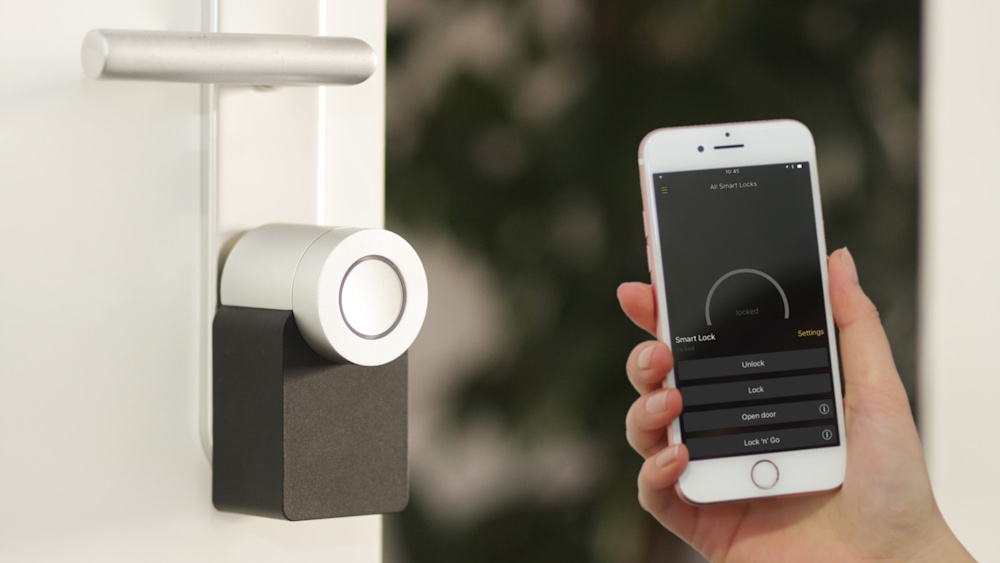
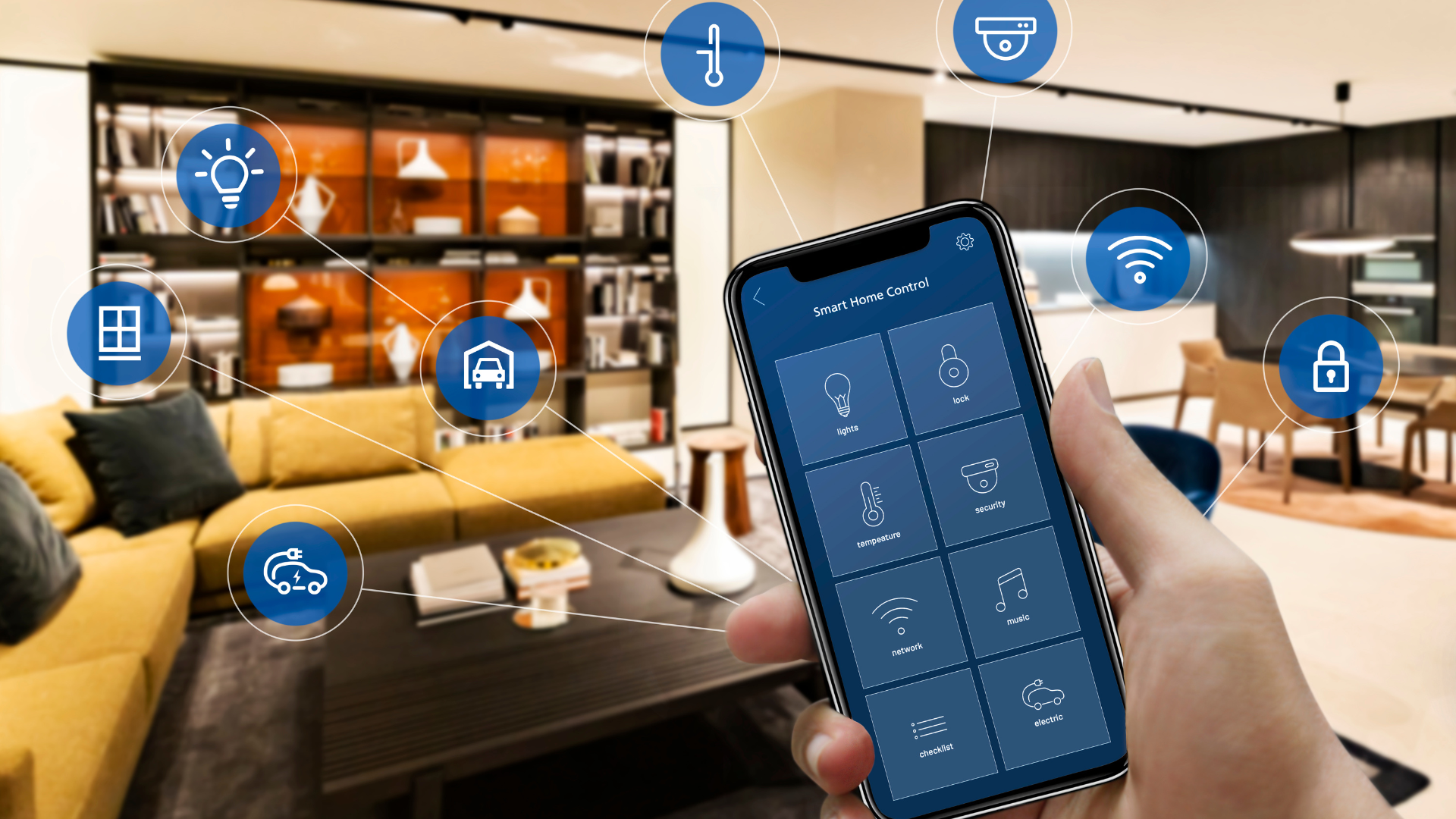
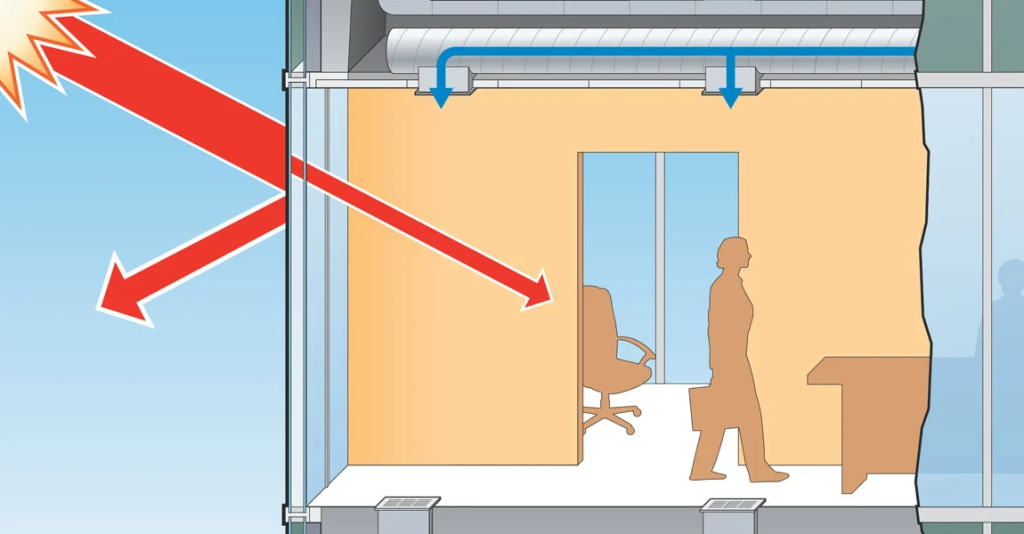

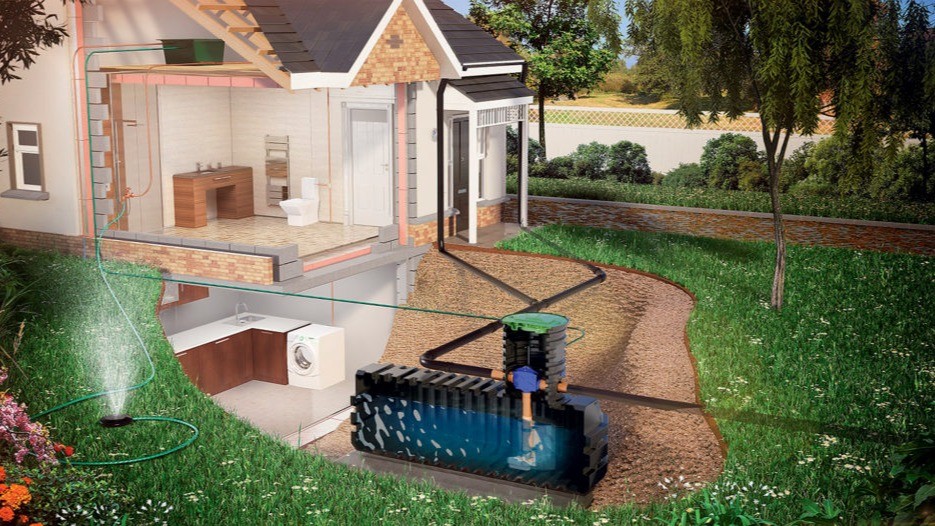


Tags
📧 Get More Articles Like This
Subscribe to receive product reviews and buying guides in your inbox!
We respect your privacy. Unsubscribe at any time.