How to Legally Install a Tiny House in Your Backyard as Guest House or Rental Income
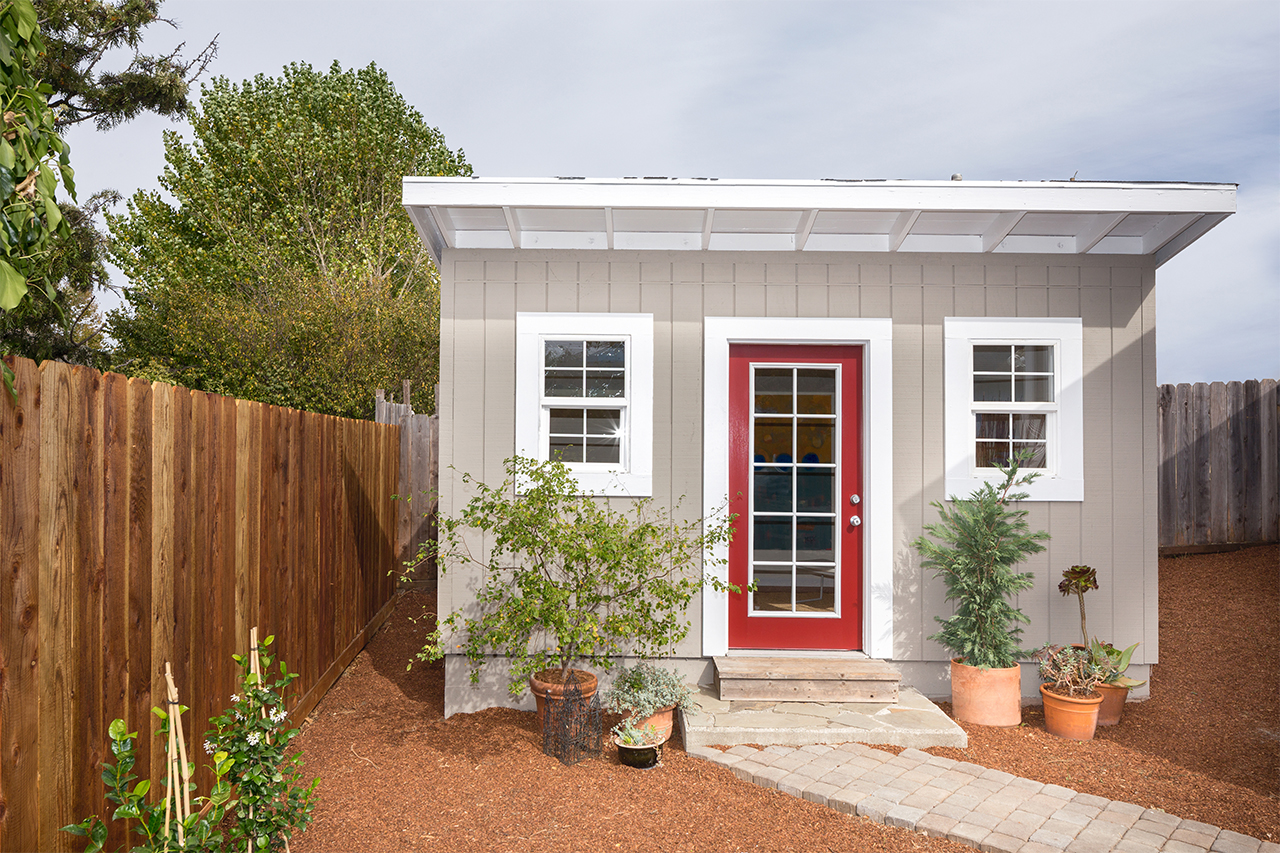
Table of Contents
- Understanding the Legal Landscape of Backyard Tiny Houses
- Navigating Zoning Regulations and Accessory Dwelling Unit Laws
- The Complete Permitting Process Step by Step
- Building Code Compliance and Safety Requirements
- Utility Connections and Infrastructure Requirements
- Financial Analysis: Costs, ROI, and Rental Income Potential
- Design Considerations and Space Optimization
- Frequently Asked Questions
Understanding the Legal Landscape of Backyard Tiny Houses
The dream of generating passive rental income or hosting family in a charming backyard cottage has captivated American homeowners for generations, but until recently, this vision remained frustratingly out of reach for most people due to restrictive zoning laws and outdated building codes. Sarah Martinez discovered this harsh reality in early 2024 when she purchased a beautifully crafted tiny house for her elderly mother, only to learn that her suburban Chicago township prohibited any structure smaller than eight hundred square feet from being used as a dwelling. After six months of appeals, attendance at zoning board meetings, and thousands of dollars in legal fees, Sarah finally secured a variance, but her experience highlighted a crucial truth that every prospective tiny house owner must understand: the legal framework governing backyard dwellings varies dramatically across jurisdictions and changes constantly as municipalities grapple with housing affordability crises.
The accessory dwelling unit revolution that began accelerating in California around 2017 has now spread across the nation, with eighteen states passing comprehensive ADU legislation since 2021, fundamentally transforming what homeowners can legally build in their backyards. This legislative momentum reflects growing recognition that housing shortages cannot be solved through large-scale development projects alone, and that allowing property owners to add small rental units represents perhaps the most politically feasible path toward increasing housing supply in established neighborhoods. The economic implications extend far beyond individual property owners, as research from the Urban Institute indicates that widespread ADU adoption could add between two point four and four point eight million housing units nationally over the next decade, potentially reducing rental costs by eight to fifteen percent in high-demand markets.
This video shows how to build a prefabricated house in your backyard to generate extra income—and there’s still exclusive information in this article you might not know about yet:
Understanding the current legal landscape requires recognizing that tiny house regulations exist in a complex three-dimensional framework encompassing federal guidelines, state preemption laws, and local zoning ordinances that often contradict each other. At the federal level, agencies like the Department of Housing and Urban Development establish baseline standards for residential construction and fair housing protections, while the Federal Emergency Management Agency sets flood-resistant construction requirements that affect properties in designated flood zones.Federal agencies play interconnected roles in establishing construction standards that ultimately affect backyard tiny house feasibility and design. The Department of Housing and Urban Development maintains comprehensive research on accessory dwelling units nationwide, publishing case studies and policy analyses that inform local regulatory reform efforts while documenting successful ADU programs across various municipalities. Meanwhile, properties located within Federal Emergency Management Agency designated flood zones must incorporate elevated foundations and flood-resistant construction meeting ASCE 24 standards, adding substantial costs to ADU projects in coastal and riverine areas. These federal requirements layer atop state and local regulations, creating complex compliance frameworks that builders must navigate carefully. State legislatures increasingly exercise preemption authority to override local zoning restrictions, with California’s Senate Bill Nine allowing lot splits and duplexes statewide regardless of local preferences, while Massachusetts mandates that municipalities permit ADUs up to nine hundred square feet by right in single-family zones. Local governments retain substantial control over implementation details including setback requirements, parking mandates, design standards, and permit fees, creating a regulatory patchwork where identical structures might be legal on one side of a municipal boundary but prohibited just blocks away.

The transformation of tiny house regulations accelerated dramatically between 2022 and 2026, driven by converging forces including catastrophic housing affordability challenges, demographic shifts toward remote work, and growing political pressure to address homelessness and wealth inequality through housing policy. Cities that once required lengthy conditional use permit processes now offer streamlined approval for ADUs meeting predetermined criteria, permit fees have dropped from eight thousand dollars to under two thousand in many progressive jurisdictions, and parking requirements have been eliminated or substantially reduced in recognition that many ADU residents don’t own vehicles. Portland Oregon exemplifies this regulatory evolution, having permitted over three thousand ADUs between 2020 and 2025 after eliminating owner-occupancy requirements, waiving system development charges, and allowing two ADUs per lot when one unit meets green building standards or serves income-restricted tenants.
The distinction between tiny houses on wheels and foundation-based accessory dwelling units represents perhaps the most critical legal consideration for prospective owners, as this classification determines which regulatory framework applies and whether your structure will ever be legally considered a permanent dwelling. Recreational vehicle codes administered by the National Fire Protection Association under NFPA 1192 govern tiny houses on wheels, classifying them as temporary shelters similar to RVs and severely restricting where they can be legally parked or occupied long-term. Most municipalities prohibit using RVs as permanent residences outside designated RV parks, and even in jurisdictions with progressive tiny house policies, structures on wheels typically cannot connect to permanent utilities or qualify for property tax assessments as improvements to the land. Converting a tiny house on wheels to a legal permanent dwelling requires removing the trailer chassis, constructing an approved foundation meeting local building codes, and completing the same permitting process as any new residential construction.
Foundation requirements for backyard tiny houses vary based on soil conditions, seismic risk, frost depth, and flood zones, with options ranging from simple concrete piers to full perimeter foundations depending on local code requirements and site-specific engineering considerations. Coastal areas designated as high-velocity hurricane zones under ASCE 24 standards require elevated foundations with breakaway walls and specific anchoring systems to resist storm surge and wind loads, while regions with expansive clay soils may mandate deeper footings with special moisture barriers to prevent foundation movement.Properties in flood-prone areas face particularly stringent construction requirements protecting occupants and limiting damage from high-water events. Federal Emergency Management Agency flood zone designations establish risk categories determining elevation requirements, foundation specifications, and materials standards for residential construction. Coastal high-hazard areas experience the most restrictive requirements, mandating elevated construction on pilings with breakaway walls below living areas, while inland flood zones allow various foundation approaches provided lowest floors exceed base flood elevations by appropriate margins. The Americans with Disabilities Act doesn’t typically apply to single-family accessory structures, but forward-thinking owners often incorporate universal design principles including zero-step entries, wider doorways, and accessible bathrooms to maximize future flexibility and expand potential renter demographics.
Environmental regulations increasingly influence tiny house feasibility, particularly regarding stormwater management, tree preservation, and habitat protection in ecologically sensitive areas. Incorporating sustainable design principles delivers environmental benefits while potentially qualifying projects for green building certifications and utility rebates offsetting construction costs. The Environmental Protection Agency maintains comprehensive guidance on sustainable building practices including location-efficient siting, resource-efficient construction, energy performance optimization, water conservation strategies, and indoor environmental quality enhancement. Their Sustainable Design and Green Building Toolkit helps homeowners and designers identify opportunities for incorporating sustainability measures within budget constraints. Many jurisdictions require stormwater detention systems for new impervious surfaces exceeding specific thresholds, adding several thousand dollars to project costs when detention vaults or rain gardens become necessary. Historic districts impose additional design review requirements ensuring new construction remains compatible with neighborhood character, potentially mandating specific architectural styles, exterior materials, and roof pitches that increase construction costs while limiting design flexibility. Homeowner association covenants represent a final regulatory layer that can completely prohibit ADUs regardless of municipal zoning, making careful review of recorded deed restrictions essential before investing in planning or design.
The legal landscape continues evolving rapidly as housing crises intensify and political coalitions form around “yes in my backyard” movements challenging exclusionary zoning practices. Tracking accessory dwelling unit regulatory developments requires monitoring multiple government levels and planning resources documenting policy evolution. The American Planning Association maintains extensive knowledge bases on ADU regulations, case studies of successful ordinance reforms, and best practices for removing local barriers to construction. Their research demonstrates how thoughtfully-designed regulations balance housing production goals against neighborhood character preservation, offering templates for communities developing or updating ADU policies. Minnesota, Montana, and Vermont joined California in passing state-level ADU mandates during 2024 and 2025, while cities from Charlotte to Minneapolis adopted ordinances specifically encouraging tiny house villages as affordable housing solutions. This regulatory momentum creates both opportunities and uncertainties for homeowners, as favorable policy changes can suddenly make viable a project that seemed legally impossible months earlier, while shifting political winds might bring restrictive amendments to permissive ordinances following neighborhood backlash.
Navigating Zoning Regulations and Accessory Dwelling Unit Laws
Zoning regulations form the foundational legal framework determining whether you can build a tiny house in your backyard, where exactly it can be located on your property, how large it can be, who can occupy it, and what uses are permitted, making thorough research of your specific jurisdiction’s zoning code the most critical first step in any backyard dwelling project. Marcus Thompson learned this lesson painfully after spending forty-eight thousand dollars on a custom-built tiny house delivered to his Atlanta suburb, only to discover during the permit application process that his property fell within a historical overlay district prohibiting any detached structures except garages in rear yards. His story illustrates why engaging with local planning departments and potentially hiring a zoning consultant before making financial commitments can save enormous frustration and expense.

Accessory dwelling unit definitions vary across jurisdictions but generally describe independent residential units located on the same lot as a primary single-family dwelling, including attached additions, basement apartments, garage conversions, and detached backyard cottages. The classification as “accessory” imposes specific constraints including size limitations relative to the primary dwelling, restrictions on separate sale or subdivision from the main property, and often requirements that the structure maintain architectural compatibility with the primary residence and surrounding neighborhood. Understanding these definitional nuances matters enormously because structures that don’t meet ADU criteria may be classified as prohibited second principal dwellings triggering enforcement actions and removal orders, while buildings marketed as “she sheds” or “man caves” without full kitchens or bathrooms might qualify as simple accessory structures facing far less restrictive regulations.
Size restrictions represent the most universal zoning limitation on backyard tiny houses, with most jurisdictions establishing both absolute maximum square footages and proportional caps based on primary dwelling size or lot area. California state law prohibits localities from imposing ADU size limits below eight hundred fifty square feet for studio or one-bedroom units and one thousand square feet for units with more bedrooms, while simultaneously capping maximum ADU sizes at one thousand two hundred square feet for detached units regardless of lot size. Portland Oregon allows ADUs up to eight hundred square feet without regard to primary dwelling size, but permits larger units on properties exceeding certain square footage thresholds. These size limitations directly impact rental income potential and construction costs per square foot, as smaller units typically command lower total rents but achieve higher per-square-foot returns and cost less to build.
Setback requirements mandate minimum distances between structures and property lines, varying dramatically based on whether the ADU faces streets, side yards, or rear property lines, with typical requirements ranging from three feet for alley-facing rear yards to twenty-five feet for street-facing facades. Reduced setbacks specifically for ADUs have become increasingly common as municipalities recognize that traditional single-family setback requirements severely limit where tiny houses can be located on typical suburban lots. Seattle allows detached ADUs to be built as close as five feet from rear and side property lines when meeting specific design criteria, while Los Angeles reduced rear and side setbacks to four feet for ADUs under eight hundred square feet. Corner lots face additional complications from multiple street frontages triggering front-yard setback requirements on sides where neighboring properties have side yards, potentially eliminating viable building locations entirely on smaller parcels.
Parking requirements have historically represented significant barriers to ADU construction, with many municipalities requiring one or two additional off-street parking spaces for tiny houses, consuming valuable yard space and adding thousands in hardscape costs. The parking mandate trend has reversed dramatically since 2020 as research demonstrated that ADU residents own fewer vehicles than average households, particularly in urban areas with good transit access or when units target seniors, students, or low-income renters. California prohibited parking requirements for ADUs located within half a mile of public transit or in historic districts, while Portland and Seattle eliminated ADU parking mandates entirely. Conservative suburbs often maintain parking requirements, but many offer exceptions for properties with existing garages, properties in walkable neighborhoods, or ADUs occupied by family members rather than market-rate tenants.
Owner-occupancy requirements generated intense debate within housing policy circles, with advocates arguing these mandates preserve neighborhood character and prevent speculative investors from converting single-family areas into rental districts, while opponents counter that occupancy restrictions severely limit ADU supply and prevent homeowners from maximizing property value or using rental income to afford staying in appreciating neighborhoods. The policy pendulum has swung decisively against owner-occupancy requirements, with California prohibiting such mandates statewide in 2020, followed by similar reforms in Oregon, Washington, and Massachusetts. Jurisdictions maintaining occupancy requirements increasingly limit enforcement to initial years after construction or exempt properties where owners plan to occupy the ADU while renting the main house, recognizing diverse household configurations and life circumstances that make rigid occupancy mandates problematic.
Design standards regulate aesthetic elements including roof pitch, exterior materials, window placement, and architectural styles, ostensibly maintaining neighborhood character but often increasing construction costs while limiting design flexibility and creative expression. Prescriptive design standards requiring pitched roofs, specific siding materials, or matching primary dwelling colors can add fifteen to thirty percent to construction budgets while eliminating cost-effective building approaches like modern shed-style designs or metal siding. Progressive jurisdictions have eliminated most ADU design standards beyond basic compatibility requirements, while others maintain detailed aesthetic controls especially in historic districts or neighborhoods with strong architectural identities. Fighting restrictive design standards through variance processes or political advocacy has succeeded in many communities when homeowners demonstrate that requirements price out affordable construction without generating proportionate public benefits.
The Complete Permitting Process Step by Step
The journey from concept to completed backyard tiny house winds through a bureaucratic maze of applications, inspections, and approvals that can test even the most patient homeowner’s resolve, but understanding the permitting process in advance enables strategic planning that minimizes delays, reduces costs, and prevents expensive mistakes that could derail your entire project. Jennifer and David Chen thought they had planned meticulously for their Oakland backyard cottage, allocating six months for permitting based on city guidance, only to encounter unexpected delays when neighboring property owners filed appeals, the fire marshal required sprinkler system upgrades, and archaeological surveys became necessary after construction crews discovered historical artifacts during excavation. Eighteen months after beginning their permit journey, with costs exceeding initial budgets by forty-three thousand dollars, the Chens finally received their certificate of occupancy, armed with hard-won wisdom about the permitting process that they now share with anyone contemplating backyard ADU projects.

Pre-application consultations with local planning and building departments represent the single most valuable investment of time in the entire permitting process, providing opportunities to identify potential obstacles, clarify ambiguous code provisions, and establish relationships with staff who will review your formal applications. Most jurisdictions offer free or low-cost pre-application meetings where homeowners can present preliminary site plans, discuss zoning compliance, and receive informal feedback on design approaches before investing in detailed architectural drawings and engineering reports. These consultations often reveal unexpected issues like easements restricting building locations, neighborhood plan overlays imposing additional requirements, or pending code changes that might affect project feasibility. Attending planning commission meetings where ADU applications are reviewed gives invaluable insights into local decision-making dynamics, recurring concerns that trigger delays or denials, and presentation strategies that resonate with officials.
Site surveys conducted by licensed surveyors establish precise property boundaries, easement locations, and topographic information essential for demonstrating zoning compliance and designing appropriate foundations and drainage systems. Survey costs range from eight hundred to three thousand dollars depending on property complexity, previous survey history, and local market rates, but attempting to proceed without current surveys risks discovering mid-construction that structures encroach on setbacks or violate easements, triggering stop-work orders and potentially requiring structure relocation at enormous expense. Surveyors mark property corners with monuments or stakes that construction crews use for accurate building placement, and their certified site maps become foundational documents referenced throughout the permitting and inspection process.
Architectural plans prepared by licensed architects or experienced designers translate your vision into technical documents showing floor plans, elevations, cross-sections, and details sufficient for building department review and contractor bidding. Plan requirements vary based on jurisdiction size and complexity, with major metropolitan areas typically demanding architect-stamped drawings while small towns might accept builder-prepared sketches for simple projects. Complete plan sets include site plans showing existing conditions and proposed improvements, foundation plans with engineering calculations, floor plans dimensioned with room labels and fixture locations, exterior elevations showing materials and heights, building cross-sections demonstrating ceiling heights and structural details, electrical plans locating outlets and fixtures, plumbing plans routing supply and waste lines, and mechanical plans showing HVAC equipment and ductwork. Professional plan preparation costs between three thousand and twelve thousand dollars depending on project scope and designer experience, but quality drawings prevent costly change orders, inspector rejections, and construction delays from inadequate documentation.
Working with qualified design professionals familiar with ADU regulations and construction standards significantly improves project outcomes and reduces permitting complications. The National Association of Home Builders establishes residential construction performance standards widely referenced in warranty agreements and builder contracts, providing objective guidelines for acceptable workmanship and material performance. Their standards address everything from foundation tolerances to finish quality expectations, helping homeowners understand appropriate construction standards while giving builders clear performance targets.
Building Code Compliance and Safety Requirements
Building codes establish minimum safety and performance standards that protect occupants from structural failures, fires, electrical hazards, and unhealthy living conditions, applying to backyard tiny houses just as rigorously as to conventional homes despite their diminutive size and accessory status. Robert Nakamura discovered the full scope of building code requirements when he attempted converting a shipping container into a backyard studio for his adult daughter, assuming the steel structure’s inherent strength would simplify permitting and satisfy safety concerns. The building department instead issued a lengthy deficiency list addressing inadequate insulation and thermal bridging, missing emergency egress windows, electrical systems not meeting code, improper foundation connections, and ventilation systems insufficient for habitable spaces.

The International Residential Code governs most single-family and accessory residential construction nationwide, with states and localities adopting specific IRC editions and amendments reflecting regional concerns and preferences. The 2024 IRC edition includes provisions specifically addressing tiny houses and accessory dwelling units, recognizing growing interest in smaller housing and providing clearer guidance for designers, builders, and inspectors. Understanding which IRC edition your jurisdiction has adopted matters because code requirements evolve significantly between three-year update cycles, with changes affecting everything from energy efficiency standards to emergency egress requirements and foundation specifications.
Minimum room dimensions and ceiling heights ensure habitable spaces provide adequate volume and functionality, with the IRC requiring habitable rooms to contain at least seventy square feet of floor area with horizontal dimensions of at least seven feet in any direction. Ceiling heights must reach at least seven feet in habitable rooms and bathrooms, though areas with sloped ceilings can average seven feet if no portion drops below five feet over more than fifty percent of the room area. Kitchens face specific counter space requirements ensuring functional food preparation areas, Achieving optimal energy performance requires understanding current building energy codes and available compliance pathways balancing prescriptive requirements against performance-based alternatives. The Building Energy Codes Program administered by federal agencies tracks code development, provides technical support for jurisdictions adopting updated standards, and documents energy savings achieved through successive code improvements. Their resources help builders understand insulation requirements, window specifications, mechanical system efficiencies, and alternative compliance methods. while bathrooms need adequate clearances around fixtures for safe use.
Utility Connections and Infrastructure Requirements
Connecting backyard tiny houses to essential utilities including water, sewer, electricity, and natural gas represents one of the most expensive and technically complex aspects of ADU construction, with costs ranging from eight thousand to thirty-five thousand dollars depending on distance from existing service points, need for upgraded infrastructure, and local utility requirements. Maria Gonzalez faced unexpected challenges when her Des Moines utility company required upgrading her service panel to accommodate the additional electrical load from her planned ADU, while the water department demanded a new meter despite city code allowing shared metering, and the sewer district imposed a twelve-thousand-dollar capacity charge she hadn’t budgeted.
Water service connections to municipal systems typically require extending supply lines from primary dwelling systems or tapping directly into street mains, with regulations varying based on whether jurisdictions mandate separate metering or permit shared service. Shared metering systems tie ADU plumbing into existing main house water lines using appropriately-sized pipes and properly-located shutoff valves, minimizing installation costs to perhaps two thousand dollars for trenching and pipe installation. Separate meters installed at street connections provide independent service and billing, requiring substantial additional investment for meter vaults, backflow preventers, pressure regulators, and extended pipe runs potentially reaching eight to fifteen thousand dollars depending on distances and terrain obstacles.
Financial Analysis: Costs, ROI, and Rental Income Potential
Understanding the complete financial picture surrounding backyard tiny house projects enables informed decisions balancing upfront investment against long-term returns, with realistic budgets preventing mid-project funding crises while accurate income projections support financing applications and feasibility analysis. Thomas and Rebecca Wu developed detailed financial models before proceeding with their Portland ADU, forecasting construction costs of ninety-eight thousand dollars and rental income of two thousand two hundred dollars monthly based on comparable units in their neighborhood.

Construction costs for backyard tiny houses vary enormously based on size, quality level, site preparation requirements, and local labor and material costs, with regional variation seeing identical projects costing sixty thousand dollars in rural areas but one hundred eighty thousand dollars in expensive coastal markets. Prefabricated tiny houses delivered complete to sites offer cost predictability and faster timelines, typically ranging from sixty to one hundred twenty dollars per square foot for quality factory-built units, though site preparation, foundation work, and utility connections add substantial additional expense beyond manufacturer pricing.
Modern construction methods employing prefabrication, modular systems, and advanced materials enable rapid project completion minimizing financing costs and accelerating rental income generation. Rapid construction technologies including panelized wall systems, pre-engineered trusses, and factory-assembled modules dramatically reduce field labor while improving quality through controlled manufacturing environments.
Rental income analysis comparing achievable rents against local market conditions determines project feasibility and informs decision-making about size, quality, and amenities balancing construction costs against rent premiums. Researching comparable rentals in your immediate neighborhood using online listing services provides baseline rent expectations, with adjustments for size differences, amenity variations, and quality disparities refining estimates. One-bedroom ADUs in urban markets command fifteen hundred to three thousand dollars monthly depending on location desirability, while studios typically rent for twelve hundred to twenty-three hundred, with premium amenities like private yards, attached garages, or luxury finishes adding several hundred dollars to achievable rents.
Design Considerations and Space Optimization
Maximizing functionality and livability within tiny house footprints requires thoughtful design integrating efficient space planning, smart storage solutions, and carefully selected materials and systems that deliver performance without consuming excessive volume or budget. Architects specializing in small-scale residential design bring valuable expertise creating comfortable homes within severe dimensional constraints, though costs for custom design services must be balanced against benefits relative to modified stock plans or design-build contractor packages.
Space planning fundamentals in tiny houses prioritize efficient circulation, multi-functional rooms, and furniture integration, eliminating wasted hallway area and single-purpose spaces common in conventional homes. Open floor plans combining kitchen, dining, and living functions in flowing great rooms maximize usable area while creating airy feelings despite compact dimensions, with careful furniture placement and area rugs defining zones without physical partitions. Bedrooms sized precisely for bed placement plus minimal circulation avoid square footage waste, while built-in headboards, side tables, and wardrobes eliminate furniture that would consume precious floor area.
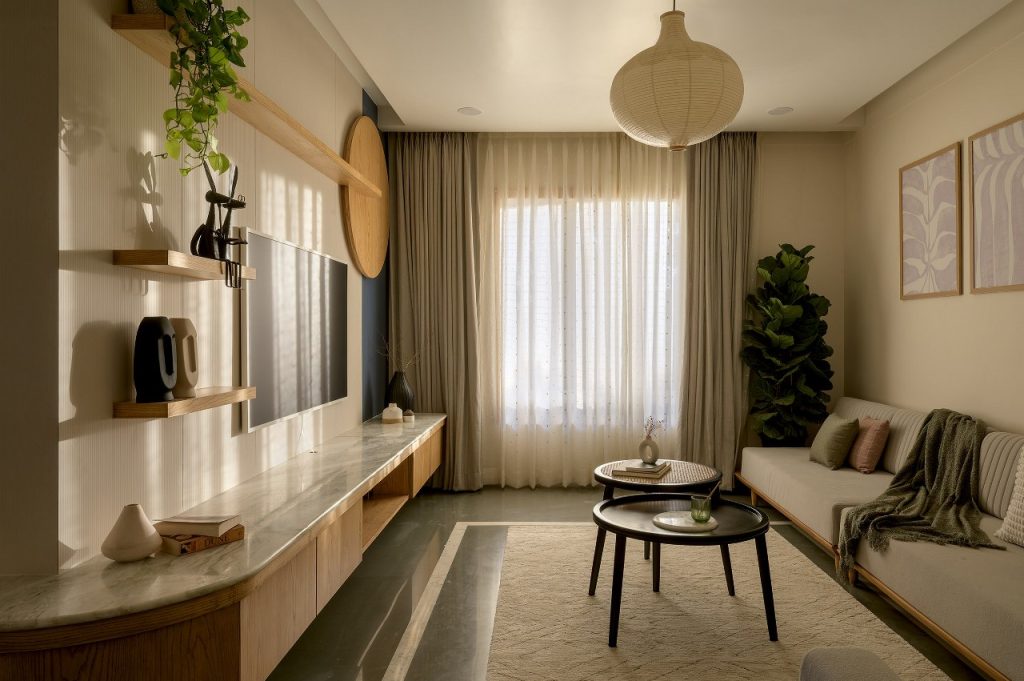
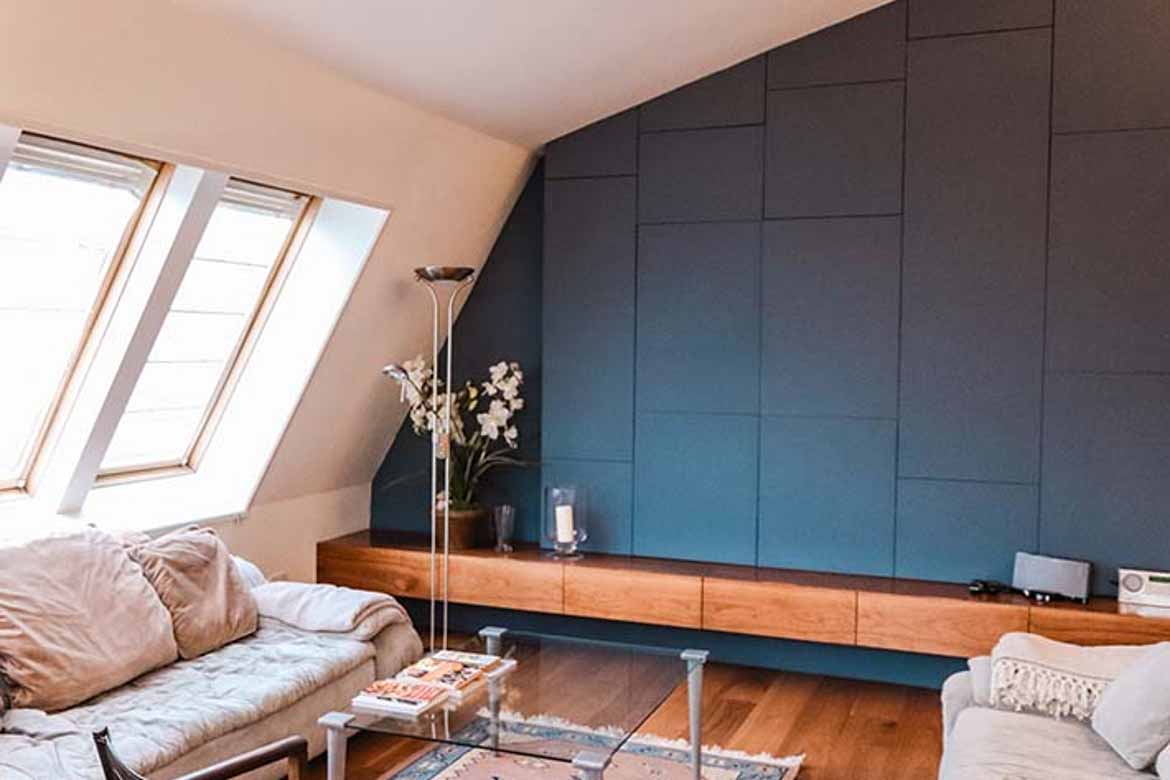
Creating universally accessible tiny houses requires thoughtful design addressing entry transitions, circulation patterns, and fixture placement enabling comfortable use by people across ability spectrums. Minimalist living room ideas emphasize simplified spaces with uncluttered circulation paths, flexible furniture arrangements, and clean aesthetics that coincidentally align well with accessibility principles requiring clear pathways and adequate maneuvering space. Incorporating minimalist design philosophies into ADU layouts creates spacious-feeling interiors despite compact footprints.
Frequently Asked Questions
Question 1: Can I legally install a tiny house in my backyard for rental income?
Answer 1: Yes, in most jurisdictions across the United States, you can legally install a tiny house in your backyard as an accessory dwelling unit for rental purposes, provided you comply with local zoning ordinances, obtain proper building permits, and meet minimum size requirements. The accessory dwelling unit movement has gained tremendous momentum since 2020, with eighteen states passing comprehensive ADU legislation that preempts overly restrictive local regulations and mandates reasonable permitting processes. California, Oregon, Washington, Massachusetts, Vermont, and Minnesota stand among the most progressive states with laws explicitly allowing backyard cottages by right in residential zones, though specific requirements regarding size, setbacks, parking, and design standards vary by municipality. However, regulations remain highly localized despite state-level reforms, meaning you must research your specific county and city codes before proceeding with any construction plans. Some areas require owner occupancy of either the primary residence or the ADU, while others have lifted these restrictions to encourage affordable housing development. Conservative suburbs and rural townships sometimes maintain prohibition on rental ADUs even within permissive states, exercising remaining local control over land use decisions.
Question 2: What are the typical size restrictions for backyard tiny houses?
Answer 2: Backyard tiny houses typically face size restrictions ranging from four hundred to twelve hundred square feet depending on local ordinances, though the most common maximums fall between eight hundred and one thousand square feet for detached accessory dwelling units. These limitations serve multiple policy purposes including preserving neighborhood character, preventing lot overcrowding, ensuring ADUs remain subordinate to primary dwellings, and limiting impacts on parking and infrastructure. California state law prohibits localities from imposing ADU size limits below eight hundred fifty square feet for studio or one-bedroom units and one thousand square feet for units with more bedrooms, while simultaneously capping maximum sizes at twelve hundred square feet for detached units regardless of lot size. Massachusetts permits up to nine hundred square feet by right in single-family zones under recent affordable housing legislation, while Oregon allows units up to eight hundred square feet without requiring proportional relationship to primary dwelling dimensions. Many jurisdictions employ dual limitation systems establishing both absolute maximum square footages and proportional caps such as fifty percent of the primary dwelling’s size, with the more restrictive provision governing in each specific case.
Question 3: Do I need to live on the property if I rent out my backyard tiny house?
Answer 3: Owner-occupancy requirements vary dramatically by location and have been changing rapidly since 2024 as housing policy evolves and legislators recognize these mandates as barriers to ADU production. Many progressive jurisdictions including Los Angeles, Seattle, Portland, and numerous California cities have eliminated owner-occupancy mandates entirely to increase housing supply and remove obstacles preventing property owners from building income-generating units. California’s statewide ADU law prohibits local governments from imposing owner-occupancy requirements on accessory dwelling units, representing a major shift from historical practice where most municipalities required owners to occupy either the primary residence or the ADU. However, numerous municipalities outside progressive states still require property owner residence in either the main house or the accessory unit, arguing these mandates preserve neighborhood stability, prevent investor speculation, and ensure owners maintain property standards. Some jurisdictions impose temporary occupancy requirements for limited periods such as three to five years after ADU construction, after which the restriction expires and owners may rent both structures.
Question 4: How much does it cost to legally install a backyard tiny house?
Answer 4: The total cost to legally install a backyard tiny house ranges from forty-five thousand to one hundred fifty thousand dollars depending on size, quality level, site preparation requirements, utility connections, permit fees, and regional labor and material costs, with most projects in developed urban and suburban areas falling between seventy-five thousand and one hundred twenty-five thousand dollars for turnkey completion. Prefabricated tiny houses manufactured in factories and delivered complete to sites typically cost sixty to one hundred twenty dollars per square foot for the structure itself, offering cost predictability and faster timelines but requiring substantial additional investment for foundations, utility connections, and site preparation not included in manufacturer pricing. Custom site-built construction using local contractors enables design flexibility and potentially superior quality while supporting local craftspeople, but introduces budgeting uncertainty and longer timelines, with hard construction costs ranging from one hundred fifty to three hundred dollars per square foot depending on finish quality and complexity. Foundation expenses vary from four thousand dollars for simple concrete pier systems to fifteen thousand for full perimeter foundations with crawl spaces.
Question 5: What permits do I need to install a tiny house in my backyard?
Answer 5: Installing a backyard tiny house requires multiple permits and approvals including a building permit for the structure itself, electrical permit for all wiring and electrical systems, plumbing permit for water supply and drainage installations, and potentially a mechanical permit for heating, cooling, and ventilation equipment, though some jurisdictions consolidate these into comprehensive building permits that include all trades. Most localities also require site plan approval or zoning compliance verification confirming the proposed ADU meets all dimensional requirements for setbacks, height, lot coverage, and other zoning standards, with planning department review preceding building permit issuance. Utility connection permits authorizing water service extensions, sewer laterals, gas lines, and electrical service upgrades ensure proper installation of infrastructure connections meeting utility company standards and safety requirements. Depending on your location and property characteristics, you may need septic permits if connecting to onsite wastewater systems, grading permits for significant earthwork exceeding certain cubic yardage thresholds, tree removal permits in jurisdictions with urban forestry protections, or environmental review clearances for properties in sensitive areas.
Question 6: Can tiny houses on wheels be used as permanent backyard dwellings?
Answer 6: Tiny houses on wheels face significant legal challenges as permanent dwellings in most jurisdictions because building codes and zoning ordinances classify them as recreational vehicles rather than permanent structures, subjecting them to RV regulations that severely restrict long-term residential occupancy. The National Fire Protection Association’s NFPA 1192 standard governing recreational vehicle construction applies to tiny houses built on trailer chassis, categorizing these structures similarly to motorhomes and travel trailers intended for temporary camping rather than permanent habitation. Most municipalities prohibit using RVs as permanent residences outside designated RV parks or manufactured housing communities specifically zoned to accommodate these uses, with enforcement mechanisms including neighbor complaints, building inspector patrols, and satellite imagery analysis identifying potential violations. Building codes require permanent dwellings to rest on approved foundations with connections to municipal utilities or approved private systems, while tiny houses on wheels by definition lack permanent foundations and typically cannot qualify for utility connections authorized only for stationary structures.
Understanding building code distinctions between temporary and permanent structures proves critical when planning tiny house projects. The International Residential Code establishes comprehensive standards for permanent residential construction including foundation requirements, structural integrity specifications, and safety provisions that temporary structures need not meet. Municipalities adopt IRC editions with local amendments addressing regional risks, creating variation in specific requirements while maintaining core safety principles across jurisdictions. Successful ADU projects comply with applicable IRC provisions from initial design through final inspection, avoiding costly corrections or removal orders that plague noncompliant construction.
Question 7: What is the typical rental income from a backyard tiny house?
Answer 7: Backyard tiny houses generate monthly rental income ranging from eight hundred to three thousand dollars depending on location, size, amenities, and local market conditions, with urban markets in expensive coastal cities commanding premium rents while suburban and rural areas produce more modest but still substantial returns relative to construction costs. San Francisco, Seattle, Portland, Los Angeles, Boston, and Austin represent high-rent markets where well-appointed studio or one-bedroom ADUs commonly rent for two thousand to three thousand dollars monthly, driven by severe housing shortages, strong job markets, and limited rental supply in desirable neighborhoods. Smaller metropolitan areas and suburban communities typically yield twelve hundred to eighteen hundred dollars monthly for comparable units, while rural markets and small towns see rents ranging from eight hundred to thirteen hundred depending on local employment opportunities and housing demand. Studio ADUs containing combined living and sleeping areas with separate bathrooms and kitchenettes generally command seventy to eighty-five percent of one-bedroom unit rents.
Question 8: How do setback requirements affect tiny house placement?
Answer 8: Setback requirements dictate minimum distances between your tiny house and property lines, varying by jurisdiction but typically ranging from three to ten feet for side and rear yards, and fifteen to twenty-five feet for front yards, with these mandated separations protecting fire safety access, maintaining neighbor privacy, preserving sight lines, and establishing neighborhood spatial patterns that zoning codes attempt to perpetuate. Side yard setbacks measured from property lines to nearest building faces ensure adequate separation between structures on adjacent lots, preventing fire spread between buildings and providing access corridors for fire department equipment and utility maintenance. Traditional single-family setbacks often require five to ten feet of separation, but many progressive jurisdictions have adopted reduced ADU setbacks recognizing that standard requirements severely limit viable building locations on typical suburban lots. Seattle allows detached ADUs to be built as close as five feet from rear and side property lines when meeting specific design criteria, while Los Angeles reduced setbacks to four feet for ADUs under eight hundred square feet.
Question 9: What building codes apply to backyard tiny houses?
Answer 9: Backyard tiny houses must comply with the International Residential Code or locally adopted building codes covering structural integrity, fire safety, electrical systems, plumbing, ventilation, energy efficiency, and numerous other aspects of building design and construction, ensuring occupant safety and building durability through minimum standards developed through extensive research and technical expertise. The IRC establishes baseline requirements that states and municipalities adopt with jurisdiction-specific amendments addressing regional concerns like hurricanes, earthquakes, wildfires, or extreme cold, creating variation in specific provisions while maintaining core safety standards across the country. Structural requirements specify minimum lumber sizes, maximum beam and joist spans, foundation designs, and roof framing capable of resisting dead loads from building materials and live loads from occupants, snow, and wind without excessive deflection or failure. Minimum room dimensions ensure habitable spaces provide adequate functionality, requiring seventy square feet minimum floor area with seven-foot minimum dimensions in any direction.
Question 10: Can I use my backyard tiny house as a home office or studio instead of rental?
Answer 10: Yes, backyard tiny houses can legally serve as home offices, art studios, music rooms, or personal workspace in most jurisdictions, often with fewer restrictions than rental units since non-residential accessory uses typically face less scrutiny than adding dwelling units with associated impacts on parking, utilities, and neighborhood character. Many zoning codes classify structures lacking full kitchens and sleeping areas as accessory buildings rather than accessory dwelling units, eliminating requirements for separate utility meters, owner-occupancy restrictions, or ADU-specific design standards that apply to rental housing. Home offices supporting remote work have proliferated dramatically since 2020 as pandemic-driven workplace changes normalized distributed employment, with backyard structures providing dedicated professional space separate from household distractions while avoiding expensive commercial office leasing. Professional uses operating businesses from ADU spaces with clients visiting the property may require home occupation permits or business licenses depending on local regulations.
Conclusion
Installing a legal backyard tiny house for guest accommodations or rental income represents one of the most compelling opportunities for homeowners to address housing needs, generate passive income, and maximize property value in 2026’s challenging real estate environment. While navigating the complex regulatory landscape spanning zoning ordinances, building codes, permit processes, and utility requirements demands patience, attention to detail, and often professional guidance, thousands of successful ADU projects across the nation demonstrate that motivated homeowners can successfully traverse these requirements to create valuable housing assets. The financial returns potentially exceeding eight to twelve percent annually through rental income, combined with property value appreciation typically recovering seventy to one hundred twenty-five percent of construction costs, position backyard tiny houses as attractive investments compared to alternative uses of capital.
The regulatory momentum toward greater ADU accommodation continues building as housing crises intensify and policymakers recognize accessory dwelling units as politically feasible tools for increasing supply without controversial large-scale development, suggesting conditions will likely improve further for prospective builders over coming years. Taking action now positions homeowners to benefit from current favorable policies while building equity through a long-term asset that will serve family needs, provide retirement income, or enhance eventual property sale value regardless of short-term market fluctuations.
Articles related:





Tags
📧 Get More Articles Like This
Subscribe to receive product reviews and buying guides in your inbox!
We respect your privacy. Unsubscribe at any time.