How to Soundproof Your Home Completely: Military-Grade Noise Cancellation for Apartments
Table of Contents
- Introduction: The Silent Crisis in Modern Apartments
- Understanding Sound: The Science Behind Noise Transmission
- Military-Grade Soundproofing: Origins and Techniques
- Window Soundproofing: Your First Line of Defense
- Wall Soundproofing Without Renovation
- Door and Entry Point Sound Barriers
- Floor and Ceiling Soundproofing Strategies
- Advanced Military-Grade Techniques
- Frequently Asked Questions
Introduction: The Silent Crisis in Modern Apartments
The alarm clock hadn’t even sounded when Marcus jolted awake at 5:47 AM. His upstairs neighbor’s morning workout routine had begun—the rhythmic pounding of jumping jacks, the crash of dropped weights, the bass-heavy motivational music vibrating through every surface of his bedroom ceiling. Three months into his expensive downtown apartment lease, Marcus realized he’d made a terrible mistake. The sleek modern building with its floor-to-ceiling windows and minimalist design had seemed perfect during the afternoon viewing. Nobody mentioned that the walls were essentially decorative cardboard and the sound insulation was nonexistent.
Marcus’s story mirrors the experience of millions of urban apartment dwellers worldwide. As cities grow denser and real estate developers prioritize profit margins over quality construction, noise pollution has evolved from occasional annoyance into genuine health crisis. Recent metropolitan housing surveys reveal that 68 percent of urban renters identify noise as their primary quality-of-life complaint, surpassing concerns about space, amenities, or even cost. The consequences extend far beyond irritation. Chronic noise exposure correlates with elevated blood pressure, disrupted sleep patterns, increased stress hormones, and measurably reduced cognitive performance. One comprehensive longitudinal study tracking 30,000 apartment residents over five years found that those living in poorly soundproofed units experienced 40 percent higher rates of anxiety disorders and reported average sleep quality scores comparable to clinical insomnia patients.
Occupational health research has quantified the precise mechanisms through which continuous noise exposure damages both hearing and overall health. The recommended exposure limits established for workplace environments apply equally to residential settings, where prolonged noise above certain thresholds produces measurable physiological harm regardless of source. Understanding these health-based exposure standards helps apartment dwellers recognize when noise levels demand intervention rather than mere tolerance.
Housing authorities have documented the systematic relationship between building design standards and resident health outcomes across thousands of apartment complexes nationwide. Their comprehensive noise abatement criteria specifically address multi-family residential construction, establishing performance thresholds that most developers ignore despite legal requirements. These federal guidelines recognize that inadequate sound isolation directly impacts public health, particularly in densely populated urban housing where noise exposure proves unavoidable without proper barriers.
Before delving into the details of the article, watch this video on how to transform your room into an oasis of tranquility on a budget of less than $100 :
The architecture of modern apartment construction has created perfect conditions for noise transmission nightmares. Developers maximize profit by minimizing wall thickness, substituting quality sound-dampening materials with cheaper alternatives, and constructing buildings that prioritize visual appeal over acoustic performance. Standard modern apartment walls consist of single-layer drywall mounted on shared wooden studs—a configuration that essentially creates a drum membrane perfectly designed to transmit sound vibrations. Windows comprise thin single-pane glass that vibrates freely with every passing car, construction project, or raised voice from the street below. Doors feature hollow cores with gaps large enough to slide fingers through. HVAC systems connect directly between units, creating sound highways that carry conversations and television audio throughout entire buildings.
The situation grows even more problematic as remote work becomes permanent reality rather than temporary pandemic measure. Professionals who previously escaped noisy apartments for quiet offices now conduct sensitive business calls surrounded by barking dogs, crying babies, and neighbors’ music. Parents attempting to facilitate children’s online education struggle against background noise that makes concentration impossible. The very spaces marketed as modern living solutions have become acoustic torture chambers where privacy, peace, and productivity seem utterly unattainable.

Yet Marcus discovered something that changed everything. During a particularly frustrating internet search for “how to sleep through neighbor noise,” he stumbled upon military soundproofing techniques—advanced acoustic isolation methods developed for defense facilities, classified research installations, and sensitive government buildings where sound transmission represents genuine security threat. These weren’t the foam panels and heavy curtains that every apartment dweller tries first. These were sophisticated multi-layer barrier systems, decoupling techniques, and resonance-dampening technologies capable of achieving what seemed impossible: true silence in the middle of urban chaos.
Within three weeks of implementing military-grade soundproofing principles, Marcus’s apartment transformed completely. The neighbor’s morning workouts continued, but Marcus heard nothing beyond the faintest whisper of movement, easily masked by white noise or simply ignored. Traffic sounds that previously rattled windows and invaded every moment of his day vanished entirely. The improvement seemed almost supernatural—transforming from constant auditory assault to peaceful quiet profound enough that Marcus initially wondered if something was wrong with his hearing. Sleep quality improved so dramatically that his fitness tracker showed REM sleep duration increasing by 47 percent within the first month. Work productivity soared as conference calls conducted from his former noise chamber became clearer than those from his corporate office. The $4,200 investment in comprehensive soundproofing paid for itself within eight months through improved sleep health, reduced stress-related medical expenses, and increased work performance that directly translated to career advancement.
This guide reveals exactly how Marcus achieved that transformation, and how anyone living in a noisy apartment can implement the same military-grade soundproofing techniques. We’ll explore the science of sound transmission, identify every pathway through which noise invades your living space, and provide detailed implementation strategies for both renters and owners. Whether you face traffic noise, neighbor sounds, HVAC transmission, or the full spectrum of urban acoustic pollution, the following comprehensive system will show you how to reclaim the peace and quiet that should be every person’s fundamental right within their own home.
Understanding Sound: The Science Behind Noise Transmission
Before implementing any soundproofing solutions, understanding how sound actually travels through buildings proves essential for targeting interventions effectively and avoiding expensive mistakes. Sound behaves very differently from light or heat, and intuitive approaches often fail completely because they ignore fundamental acoustic physics. Many apartment dwellers waste hundreds of dollars on foam panels that provide zero sound blocking, or install heavy curtains that do nothing against low-frequency bass, simply because they don’t understand what they’re trying to stop.
Sound travels as vibration waves through any medium capable of vibrating—air, water, wood, concrete, steel, even the empty space between wall studs. When your neighbor speaks, their vocal cords create pressure waves in air molecules. Those waves strike surfaces like walls and floors, causing those surfaces to vibrate. The vibrating surfaces then create new pressure waves on the opposite side, which your ears interpret as sound. This transmission chain means sound can take countless paths through buildings, exploiting every structural weakness and connection point between spaces.
The two fundamental categories of sound transmission are airborne and structure-borne. Airborne sound travels through air until striking surfaces—voices, television audio, traffic noise, barking dogs. Structure-borne sound travels directly through solid materials as vibration—footsteps, dropped objects, machinery vibration, plumbing noise. Each type requires completely different soundproofing approaches. Foams and acoustic panels work reasonably well for airborne sound by preventing air vibration, but do absolutely nothing against structure-borne sound that bypasses air entirely. Conversely, resilient mounts and isolation techniques excel at stopping structure-borne transmission but prove useless against airborne noise.
Sound frequency dramatically affects transmission characteristics and required countermeasures. High-frequency sounds like voices, bird chirps, or smoke alarms feature short wavelengths that reflect easily off surfaces and absorb readily into porous materials. Standard soundproofing methods handle these effectively. Low-frequency sounds like bass music, traffic rumble, or HVAC vibration feature long wavelengths that pass through thin barriers as if they weren’t there, require massive weight or specialized resonance traps, and generally frustrate standard soundproofing attempts. This explains why bass from a neighbor’s stereo penetrates walls that successfully block their conversation—the bass wavelengths are literally passing through the wall structure while higher frequencies reflect off it.
The Sound Transmission Class rating system quantifies how well walls, windows, doors, and other barriers block sound across different frequencies. STC ratings represent the decibel reduction a barrier provides, averaged across the speech frequency range. An STC 25 barrier—typical of single-pane windows—reduces normal speech from clearly understandable to audible but slightly muffled. STC 40 makes speech difficult to understand without focusing intently. STC 50 reduces normal speech to faint murmur. STC 60—the military-grade threshold—makes normal conversation completely inaudible, requiring people to shout loudly before anything penetrates.
Professional acoustics organizations have developed comprehensive measurement methodologies and performance standards that define industry best practices for sound transmission evaluation. These standardized testing protocols ensure consistent, comparable performance data across different products and installations, allowing meaningful comparison between soundproofing approaches. The technical standards governing acoustic measurements provide foundation for all STC rating systems referenced in building codes.
Standard modern apartment construction typically achieves STC 30-35 for walls, STC 25-30 for windows, and STC 20-25 for hollow-core doors. These ratings mean that normal conversation, television at modest volume, and everyday living sounds transmit freely between units. Louder sounds like arguments, music, or crying babies penetrate with perfect clarity. The fundamental goal of comprehensive soundproofing is raising every barrier to STC 50 or above, creating true acoustic isolation where only genuinely extreme sounds—shouting, impact tools, deliberately loud music—penetrate at all.
Federal noise regulation frameworks established decades ago recognized the serious health implications of inadequate sound control in residential buildings. These regulations set baseline standards that unfortunately remain largely unenforced in modern apartment construction, contributing to the widespread acoustic problems plaguing urban dwellers today.
Three principles govern effective sound blocking: mass, absorption, and decoupling. Mass works through simple physics—heavier barriers resist vibration more than light ones, requiring more sound energy to set in motion. Doubling wall weight doesn’t double sound blocking, but it significantly improves performance, which is why solid-core doors outperform hollow-core and concrete outperforms drywall. Absorption prevents sound energy from reflecting and building up through resonance. Porous materials like fiberglass insulation or mineral wool placed within walls allow sound waves to enter their structure, where friction converts sound energy to negligible heat. Decoupling breaks the mechanical connection between surfaces, preventing vibration transmission. When walls on opposite sides of a room mount to separate studs instead of sharing studs, sound vibrating one wall cannot directly vibrate the other.
Military-Grade Soundproofing: Origins and Techniques
The term “military-grade soundproofing” isn’t marketing hyperbole—it references genuine acoustic isolation technologies developed for defense installations, classified research facilities, intelligence operations, and other military contexts where sound transmission represents operational security threat. When conversations in a classified planning room could reveal troop movements to sophisticated listening equipment, or when submarine machinery noise could betray position to enemy sonar, sound control becomes matter of life and death rather than mere convenience. Military acoustic engineers developed solutions that achieve what seems impossible in civilian construction: rooms where conversations inside remain completely inaudible to sophisticated surveillance equipment positioned immediately outside, or spaces that remain silent despite being surrounded by machinery generating 90-decibel noise.
Academic research programs specializing in architectural acoustics have advanced the scientific understanding of sound behavior in built environments through decades of systematic investigation. Graduate-level acoustic engineering education produces the specialists who design both military installations and high-performance civilian buildings, applying identical physics principles across different applications. These research institutions continue developing innovative soundproofing technologies that eventually filter down to commercial products accessible for residential use.
Military soundproofing philosophy differs fundamentally from civilian approaches. Standard acoustic treatment aims to reduce noise to tolerable levels—making sleep possible, conversations understandable, privacy adequate. Military specifications demand near-absolute elimination of sound transmission regardless of cost or installation complexity. Where civilian construction might accept STC 40 walls as “good enough,” military facilities routinely achieve STC 70-80, representing sound blocking so effective that only sounds loud enough to cause permanent hearing damage penetrate at measurably audible levels.
Several specific techniques characterize military-grade approaches. Room-within-room construction creates completely isolated interior spaces physically disconnected from outer building structures. The inner room floats on specialized resilient mounts, with walls and ceiling maintaining air gaps from all surrounding surfaces. Sound vibrating the outer structure cannot mechanically transmit to the floating interior. This technique proves impractical for most apartments but inspires adapted approaches like isolated ceiling systems or floating floor platforms.
Multiple barrier layers separated by air gaps exploit how sound weakens when repeatedly transitioning between different materials. Each material boundary reflects some sound energy back toward the source. Military installations commonly employ triple-layer wall systems: outer drywall, air gap, mass-loaded vinyl barrier, air gap, inner drywall. Sound must cross five material boundaries, losing energy at each transition. The air gaps prevent mechanical coupling that would allow vibration to bypass the barriers.
Specialized mass-loaded materials provide maximum sound blocking with minimum thickness. Military facilities use vinyl sheets loaded with barium sulfate, lead, or other dense compounds to achieve weights of 2-3 pounds per square foot while remaining flexible enough to hang like fabric. One-inch thick mass-loaded vinyl outperforms six inches of standard fiberglass insulation for sound blocking, though it does nothing for absorption. These materials allow effective soundproofing in space-constrained situations where thick traditional barriers prove impractical.
Resonance dampening prevents vibration amplification that can actually increase sound transmission through thin barriers. When sound strikes a thin wall or window at its resonant frequency, the barrier vibrates sympathetically, potentially transmitting MORE sound than it blocks. Military acoustic engineers apply specialized dampening compounds—viscous polymer sheets that convert vibration energy to heat—between rigid layers. The dampening material prevents resonant amplification while the rigid layers provide mass. This constrained-layer dampening proves particularly effective for windows and doors where weight limitations prevent using sufficient mass alone.
Green Glue represents the most accessible constrained-layer dampening compound for civilian use. This viscous polymer applies between drywall layers, converting sound vibration to negligible heat through molecular friction. While marketed for general construction, Green Glue originated from defense research seeking lightweight sound barriers for mobile command posts and field hospitals. Laboratory testing shows that two drywall layers with Green Glue between them outperform three layers without dampening, despite weighing significantly less.
Air gap elimination addresses what military acoustic engineers call the “flanking path problem.” Sound seeks the path of least resistance, and even tiny gaps create acoustic shortcuts that completely undermine expensive barrier systems. A meticulously constructed STC 60 wall with half-inch gap under a door provides effective performance of STC 25—the gap matters more than the wall. Military facilities employ specialized acoustic sealants and gaskets at every penetration, junction, and potential gap. Electrical boxes mount in putty pads that prevent sound leakage. Door frames contain multiple compressible seals that close gaps to microscopic tolerances. HVAC ducts include sound-absorbing liners and baffles preventing straight-line sound transmission paths.
Vibration isolation mounting prevents structure-borne sound transmission through mechanical connections. Military equipment rooms use floating floors mounted on resilient pads or springs, breaking the mechanical path between interior machinery and surrounding building structure. Walls mount to resilient channels that flex rather than transmitting vibration rigidly. Ceiling fixtures hang from vibration isolation mounts. These techniques mean machinery operating inside an isolated room generates negligible audible sound outside, despite producing 80-90 decibels internally.
Frequency-specific resonance traps address low-frequency sound that defeats mass-based barriers. Bass frequencies with wavelengths measured in feet readily pass through barriers thin relative to wavelength. Military facilities employ Helmholtz resonators—specially tuned cavities that absorb specific frequencies through resonance—and membrane absorbers that convert low-frequency vibration to heat. For apartment applications, these principles translate to bass traps placed in room corners and specialized low-frequency absorption panels.
Testing and verification distinguish military soundproofing from amateur attempts. Military acoustic engineers measure actual installed performance using calibrated sound level meters and reference noise sources, verifying that completed installations achieve specified isolation ratings. This testing identifies gaps or weak points requiring remediation before facility activation. Apartment soundproofing rarely includes such verification, leading to disappointing results when assumed improvements don’t materialize. Investing $50 in a basic sound level meter and conducting before/after measurements ensures that expensive soundproofing measures actually work.
Advanced acoustic research facilities employing sophisticated measurement equipment and controlled testing environments have developed the scientific foundation underlying all modern soundproofing techniques. These research programs investigate sound transmission mechanisms, material performance characteristics, and isolation system effectiveness through rigorous experimental protocols. The resulting data informs both military specifications and civilian building standards, though the methodologies remain identical regardless of application.
Window Soundproofing: Your First Line of Defense
Windows represent the weakest acoustic link in virtually every apartment, transmitting vastly more noise than their surface area would suggest. A typical apartment with 20 percent window area experiences 60-70 percent of total noise intrusion through those windows, making them the highest-priority target for soundproofing investment. The physics working against standard windows are brutal: glass is thin, rigid, and non-porous—properties that make it terrible at blocking sound. Single-pane windows achieve STC ratings of merely 25-28, meaning normal conversation outside remains clearly audible inside. Double-pane windows improve to STC 28-32, still allowing substantial sound transmission. For reference, a serious soundproofing effort targets STC 50-55, representing 20-30 decibel improvement over standard windows.

Laminated acoustic glass provides the gold standard for window soundproofing, though installation requires replacing existing windows entirely. Acoustic laminate glass sandwiches a polymer interlayer between two glass panes, creating constrained-layer dampening that prevents resonant vibration. The polymer layer converts sound energy to heat through molecular friction, while the glass layers provide mass and rigidity. Premium acoustic glass achieves STC 45-48 when properly installed—representing 15-20 decibel noise reduction compared to standard windows. The difference proves transformative: highway traffic that previously invaded constantly becomes barely perceptible background noise, and normal street sounds disappear entirely.
Modern glazing technologies have revolutionized window performance through sophisticated multi-pane systems incorporating specialized coatings and inert gas fills. Smart insulating glass systems deliver simultaneous thermal efficiency and acoustic performance improvements, with advanced configurations achieving both energy savings and substantial noise reduction. These integrated window solutions particularly benefit apartment dwellers facing both temperature control and soundproofing challenges simultaneously
Window inserts represent the most practical solution for renters or those unable to replace windows permanently. These secondary windows mount inside existing window frames, creating an air gap between the insert and original window. The dual-pane system with trapped air gap exploits acoustic principles similar to double-wall construction. Quality inserts achieve STC 40-45, providing 12-18 decibel noise reduction. Unlike replacement windows requiring professional installation and permanent alterations, inserts mount with simple clips or magnetic strips, remaining completely removable. They also preserve original windows, avoiding potential lease violations or historic building restrictions.
Installing window inserts correctly proves critical for achieving rated performance. The insert must seal completely against the window frame, eliminating gaps that create acoustic shortcuts. Most premium inserts include compressible gaskets that compress tightly against frames when the insert latches closed. Some designs use magnetic strips that create hermetic seals. The air gap between insert and original window should measure 2-4 inches for optimal acoustic performance—too narrow and sound couples between layers, too wide and resonance issues develop. Some insert manufacturers include sound-absorbing material around the perimeter to prevent resonance in the air gap.
Mass-loaded vinyl curtains provide an affordable alternative achieving 10-15 decibel noise reduction when properly selected and installed. These are not decorative drapes or standard blackout curtains—they’re specialized sound barriers incorporating mass-loaded vinyl cores between outer fabric layers. Quality acoustic curtains weigh 15-20 pounds for standard window sizes, with the weight indicating actual sound-blocking material rather than just thick fabric. Cheap imitations using batting or foam cores provide negligible sound blocking despite similar appearance and price.
Heavy-duty soundproof curtain materials featuring multi-layer construction and dense cores provide the mass necessary for effective acoustic barriers. Budget-conscious apartment dwellers can find surprisingly effective soundproof curtain options through specialized suppliers offering professional-grade acoustic textiles at consumer prices, with many products achieving legitimate sound reduction despite affordable pricing.
Installing acoustic curtains for maximum effectiveness requires mounting hardware capable of supporting substantial weight, positioning the curtain directly against window frames to minimize gaps, and ensuring the curtain extends beyond the window on all sides. The curtain should touch the floor and wrap around window sides, creating complete barrier rather than merely covering glass. Magnets or velcro strips securing curtain edges to walls eliminate gaps that would undermine sound blocking. Some apartment dwellers combine window inserts with acoustic curtains, achieving cumulative reduction of 25-30 decibels—enough to reduce highway traffic from clearly audible to barely perceptible.
Window sealing addresses what many soundproofing guides overlook: the gaps around windows often transmit more sound than the glass itself. Older windows feature gaps from degraded weatherstripping, settling that misaligned frames, or simply poor original construction. Testing windows with incense smoke or thermal imaging often reveals shocking air leakage. Even gaps measuring one-sixteenth inch allow direct sound pathways that completely defeat expensive acoustic glass.
Acoustic caulk specifically formulated for sound blocking differs significantly from standard caulk. It remains permanently flexible, preventing rigid connections that would transmit vibration while sealing gaps against air transmission. Apply acoustic caulk wherever window frames meet walls, along window sash channels, and around any penetrations for window hardware. Compressible foam gasket tape seals gaps between movable window components. The combination creates airtight seal that dramatically improves both sound blocking and thermal insulation.
Secondary acrylic panels offer DIY window soundproofing for handy apartment dwellers. Purchase acrylic sheet at least quarter-inch thick, cut to fit inside window frames with minimal gap, and mount using magnetic strips or simple frame construction. The acrylic creates air gap similar to commercial window inserts at fraction of the cost. While not achieving the same performance as purpose-built inserts with acoustic optimization and high-quality seals, DIY acrylic panels still provide 8-12 decibel noise reduction for $30-50 per window versus $200-400 for commercial inserts.
Balcony door soundproofing presents unique challenges due to functional requirements. Doors must open frequently, eliminating sealed insert options. Heavy acoustic curtains prove most practical, mounted on tracks allowing easy opening when accessing the balcony. Some apartment dwellers construct removable acoustic panels that wedge against door frames when balcony access isn’t needed, combining mass-loaded vinyl barriers with acoustic foam perimeter seals. These panels remove completely when entertaining or when balcony access is desired.
Testing window soundproofing effectiveness requires systematic before-and-after measurement. Use a smartphone sound level meter app (though calibrated meters provide more accuracy) to measure baseline noise levels during peak traffic times or other predictable noise events. Implement soundproofing measures, then repeat measurements under similar conditions. Expect 8-12 decibel reduction from quality acoustic curtains, 12-18 decibels from window inserts, and 15-22 decibels from acoustic glass replacement. Verify that gaps are eliminated by listening carefully while moving around the window perimeter—detectable air movement indicates gaps requiring sealing.
Wall Soundproofing Without Renovation
Apartment walls represent the largest potential sound transmission pathway, yet also present the greatest challenge for renters prohibited from major renovations. Standard apartment walls achieve shockingly poor acoustic performance: single-layer drywall on shared studs provides STC 30-35, meaning normal conversation transmits clearly, television is easily audible, and anything louder penetrates with perfect fidelity. The shared-stud construction essentially creates drum membranes on both sides of the cavity, with sound vibrating one wall directly transmitting through the studs to vibrate the other. Adding insulation within the cavity helps only marginally, as the structural coupling through shared studs provides direct vibration pathway.
Military-grade wall soundproofing employs staggered or double-stud construction creating complete structural isolation, multiple drywall layers with constrained-layer dampening between them, and dense mineral wool insulation filling all cavities. For apartments, this level of intervention requires full renovation permission, substantial ceiling height sacrifice, and significant expense. Fortunately, non-destructive approaches leveraging the same acoustic principles achieve remarkable improvement despite leaving existing walls intact.
Mass-loaded vinyl represents the foundation of rental-friendly wall soundproofing. These specialized barriers pack 1-2 pounds per square foot into flexible vinyl sheets barely eighth-inch thick. The extreme density blocks sound transmission through mass alone, while flexibility allows cutting and hanging like fabric. Quality MLV incorporates barium sulfate or similar dense compound uniformly distributed through the vinyl matrix, providing consistent performance across the entire sheet. Cheap alternatives using powdered stone or recycled rubber provide inconsistent results and often fail at frequencies crucial for blocking conversation.
Hanging mass-loaded vinyl properly determines whether it provides rated performance or disappoints completely. The vinyl must cover walls completely, with overlapping seams sealed using acoustic caulk or specialized tape. Gaps or unsealed seams create acoustic shortcuts that completely undermine the barrier’s effectiveness. Mount the MLV using temporary adhesive systems for rental situations, or construct simple wooden frames that hold the vinyl against walls without permanent attachment. Some apartment dwellers hang MLV behind decorative tapestries or fabric panels, simultaneously improving aesthetics while creating highly effective sound barriers.
Decoupling existing walls without construction requires resilient channel systems specifically designed for sound isolation. These metal channels mount to existing walls using minimal fasteners, then hold new drywall layer at one-inch offset from the original wall. The resilient design flexes rather than transmitting vibration rigidly. Sound vibrating the original wall cannot effectively couple to the new drywall layer, dramatically reducing transmission. Adding mass-loaded vinyl between the original wall and new drywall layer creates synergistic improvement—the MLV blocks sound energy while the resilient channel prevents vibration coupling.
For renters unable to add drywall layers, sound-dampening blankets provide measurable improvement despite appearing like simple textiles. These specialized blankets incorporate mass-loaded cores between fabric facings, weighing 5-10 pounds for full-size versions. Originally developed for recording studio gobos and field sound control, acoustic blankets achieve STC improvements of 8-12 decibels when hung directly against problem walls. Mount using damage-free hanging systems, or construct simple PVC frames that position blankets against walls without hardware.
Addressing wall outlets and switches proves critical, as these penetrations create direct sound pathways through otherwise well-sealed walls. Standard electrical boxes mount in cavities directly connected between adjacent apartments, acting as speaking tubes transmitting sound with perfect clarity. Outlet acoustic sealing requires removing outlet covers, filling the box cavity with specialized putty pads designed for this purpose, then reinstalling covers over the putty seal. This fifteen-minute intervention often provides shockingly dramatic improvement, eliminating distinct conversation transmission that previously penetrated clearly.
Strategic furniture arrangement provides supplemental sound blocking through mass addition. Solid bookshelves filled with books add substantial weight directly against problem walls, while creating useful storage. Position the bookshelf completely covering shared walls, fill every shelf with books, and ensure the unit stands floor-to-ceiling for maximum mass. The combined weight of furniture and books provides additional sound barrier while the many books create slightly absorptive surface reducing echo. Some apartment dwellers construct false walls consisting of bookshelf units positioned slightly away from actual walls, with mass-loaded vinyl curtains hanging in the gap behind the shelves.
Green Glue application between existing walls and added layers creates constrained-layer dampening that dramatically improves performance for relatively modest cost. This viscous compound applies in grid pattern between drywall layers using standard caulk guns. When sound vibrates the drywall layers, the Green Glue layer undergoes microscopic shear deformation that converts vibration energy to negligible heat. Testing shows two drywall layers with Green Glue between them outperform three layers without dampening, providing same or better sound blocking with less weight and thickness.
Wall cavity treatment addresses the fact that many apartment walls contain essentially nothing between drywall layers except air and studs. Adding dense insulation—particularly mineral wool products specifically designed for acoustic applications—dramatically improves sound absorption within the wall cavity. For renters unable to open walls, this remains impossible without renovation permission. However, owners or those with cooperative landlords can install blown-in cellulose insulation through small holes drilled at top and bottom of each stud bay, achieving significant improvement for modest cost and minimal permanent alteration.
Soundproof paint represents one of the most oversold products in acoustic treatment, despite manufacturers’ claims. These heavy paints incorporate rubber compounds or ceramic microspheres supposedly providing sound dampening. Testing by independent acoustic laboratories consistently shows that soundproof paint provides 2-3 decibel improvement maximum—barely measurable and practically imperceptible. The effect comes primarily from added mass (the paint is heavier than standard paint) rather than any special acoustic properties. While not harmful, soundproof paint should be viewed as marginal supplementary treatment rather than primary soundproofing approach.

Testing wall soundproofing effectiveness follows similar methodology to window testing. Establish baseline measurements during predictable noise events—neighbor conversations, television audio, doors closing. Implement soundproofing measures systematically, testing after each significant addition. Many apartment dwellers discover that 80 percent of improvement comes from 20 percent of measures—often the ones addressing specific weak points like unsealed electrical outlets or gaps around shared bathroom fixtures. Systematic testing identifies these high-impact interventions, allowing budget prioritization toward measures providing maximum return.
Door and Entry Point Sound Barriers
Doors present unique soundproofing challenges combining thin construction, multiple penetrations, and functional requirements that prevent complete sealing. Standard hollow-core apartment doors achieve STC ratings of merely 20-25—worse than single-pane windows despite being opaque solid-appearing surfaces. The “solid” appearance proves completely illusory: hollow-core doors consist of thin veneer panels over cardboard honeycomb cores, with empty cavity between panels. This construction blocks virtually no sound, with conversation easily transmitted and louder sounds penetrating as though no door existed.
Solid-core doors replace hollow cores with solid wood or composite cores, dramatically improving sound blocking. Premium solid-core doors achieve STC 35-40, representing 12-18 decibel improvement over hollow-core. For renters unable to replace doors, solid-core alternatives exist. Mass-loaded vinyl door panels mount over existing doors using velcro or magnetic strips, adding 1-2 pounds per square foot of sound-blocking material without permanent alteration. These panels remove easily for apartment inspections or when moving, while providing 8-12 decibel noise reduction when installed.
Door perimeter sealing matters more than door core construction for overall acoustic performance. Even solid-core doors perform poorly when substantial gaps surround the door frame. Standard residential doors feature quarter-inch to half-inch gaps on three sides plus larger gap beneath—creating direct sound pathways that completely undermine expensive door replacements. Testing with smoke or flashlight reveals shocking gap size: if light penetrates around door perimeter, sound passes even more easily.
Weatherstripping specifically designed for acoustic sealing addresses door perimeter gaps. Standard weatherstripping provides minimal sound blocking despite improving thermal insulation. Acoustic weatherstripping uses compressible materials like silicone or EPDM rubber that compress completely when doors close, creating airtight seal that also blocks sound. Install weatherstripping continuously around entire door frame, ensuring no gaps or discontinuities. Quality weatherstripping compresses to microscopic thickness under door pressure while remaining flexible enough to allow easy door operation.
Door threshold replacement addresses the largest gap—typically half-inch to full-inch opening beneath doors. Standard thresholds leave substantial gap allowing pets to see beneath closed doors, air exchange between rooms, and unfortunately, sound transmission equivalent to leaving door partially open. Acoustic door bottoms automatically seal the bottom gap when doors close, incorporating compressible seals that press against floors creating continuous barrier. Some designs use mechanical drops triggered by door closing, others use simple sweeps that maintain constant contact with floors.
For renter-friendly approaches, adhesive door sweeps provide substantial improvement without permanent alteration. These devices attach to door bottoms using adhesive strips or simple screws into the door itself (not the frame), creating flexible seal that drags across floors when doors open and close. While not achieving perfect seal of automatic acoustic door bottoms, adhesive sweeps reduce gap from half-inch to near-zero, providing 5-8 decibel improvement for $15-30 investment.
Door frame acoustic seals address the often-overlooked gaps between door frames and wall structures. Building construction rarely achieves perfect alignment, leaving gaps where frames meet walls that provide direct sound pathways from adjacent spaces. Acoustic caulk specifically formulated to remain permanently flexible fills these gaps, preventing both air and sound transmission. Apply caulk along the entire perimeter where door frames contact walls, smoothing with damp finger or caulk tool. The resulting seal improves both sound blocking and thermal efficiency.
Mailbox and pet door soundproofing requires creative approaches to address functional features that intentionally create holes through doors. Apartment mailbox slots—often original features in older buildings—provide direct acoustic pathway from hallways into apartments. Constructing magnetic-seal mailbox covers that close automatically after mail delivery maintains functionality while dramatically reducing sound transmission. Pet doors present greater challenge, as covers preventing access defeat the purpose. Some pet owners accept the acoustic compromise, others construct elaborate systems with inner and outer flaps creating air lock configuration.
Double-door configurations exploit air lock principles for maximum sound isolation. Where space permits, constructing simple frame that positions second door few inches inside primary door creates trapped air volume that disrupts sound transmission. This approach proves particularly effective for bedroom doors in noisy apartments, where the extra door provides sound isolation allowing restful sleep despite surrounding noise. The secondary door need not be solid-core—even hollow-core door in double configuration provides substantial improvement over single door alone.
Automatic door bottoms represent premium solutions achieving near-hermetic seals despite daily operation cycles. These sophisticated mechanisms incorporate spring-loaded seals that deploy downward when doors close, creating weatherproof and soundproof barrier against floor surfaces. The seals retract upward when doors open, preventing wear from dragging across flooring. While expensive—quality units cost $80-150—automatic door bottoms provide the most effective solution for critical applications like bedroom doors or recording spaces.
Door acoustic testing verifies that sealing measures achieve intended improvement. Close the door and have someone speak normally outside while you measure sound levels inside using smartphone app or sound meter. Repeat testing after each sealing intervention to quantify improvement. The cumulative effect of comprehensive door sealing often surprises apartment dwellers: adding weatherstripping, threshold seals, and perimeter caulking can transform door from STC 25 to STC 40+, representing conversation changing from clearly audible to barely perceptible.
Floor and Ceiling Soundproofing Strategies
Impact noise from footsteps, dropped objects, and furniture movement represents one of the most frustrating apartment noise problems precisely because it transmits so effectively through building structures. Unlike airborne sound traveling through air until striking surfaces, impact noise generates vibrations directly in floor structures that propagate through the building as structure-borne sound. This direct mechanical transmission means impact noise often seems louder to downstairs neighbors than to the person generating it. Military acoustic research quantified impact noise transmission in multi-story buildings, finding that footsteps on hard floors create vibrations measurably detectable five stories away through structure-borne pathways.
Floor soundproofing for upstairs neighbors or personal footstep noise reduction employs Impact Insulation Class ratings rather than STC. IIC measures how well floor assemblies block impact noise, with higher numbers indicating better performance. Standard apartment floors achieve IIC 25-35, meaning footsteps transmit clearly to spaces below. Premium floor assemblies achieve IIC 50-60, reducing footsteps to barely perceptible sounds. The IIC improvement comes primarily from decoupling and dampening rather than mass, as impact energy transfers mechanically rather than through air.
Carpet padding specifically designed for impact noise reduction provides the simplest effective improvement for apartment floors. Standard foam padding offers minimal acoustic benefit despite improving comfort. Acoustic underlayment materials incorporate dense rubber or recycled tire compounds that absorb impact energy before it transmits into floor structures. Quality acoustic underlayment achieves 10-15 decibel impact noise reduction when installed beneath carpet, dramatically reducing footstep noise transmission. Some apartment dwellers install acoustic underlayment beneath rugs in high-traffic areas, achieving localized improvement without full carpet installation.
Specialized floor underlayment materials designed specifically for sound isolation come in various densities and thicknesses to match different flooring applications. Apartment renovators can source professional-quality acoustic padding and underlayment products from commercial suppliers serving both contractors and DIY enthusiasts, with options ranging from basic foam to premium rubber compounds optimized for maximum impact noise reduction.
Shop on AliExpress via link: wholesale-acoustic-floor-padding

Floating floor systems create complete isolation between finish flooring and structural floors, eliminating direct mechanical contact that transmits impact noise. The floating floor system consists of specialized resilient underlayment topped by engineered flooring that “floats” without fastening to subfloors. Impact energy from footsteps compresses the resilient underlayment rather than transmitting directly into structural floors. Quality floating floor systems achieve IIC improvements of 20-30 points, transforming clearly audible footsteps into virtually imperceptible sounds. For renters, removable floating floor tiles installed over existing finishes provide substantial improvement without permanent alteration.
Cork underlayment represents natural option providing both acoustic and thermal benefits. Cork’s cellular structure naturally absorbs impact energy while remaining comfortable underfoot. Sixth-inch cork underlayment provides 8-12 decibel impact noise reduction when installed beneath engineered flooring or even under rugs and carpet. Cork offers additional advantage of environmental sustainability compared to synthetic alternatives, with most cork products incorporating recycled content and renewable harvesting practices.
Ceiling soundproofing presents unique challenges for apartment dwellers addressing noise from upstairs neighbors. The most effective solutions involve treating upstairs floors—adding carpet, underlayment, or floating floor systems. However, convincing upstairs neighbors to invest in expensive flooring modifications for downstairs benefit rarely succeeds. Ceiling treatments from below provide alternative approaching the problem from the receiver side rather than source side.
Resilient channel ceiling systems create decoupled ceiling surfaces that reduce impact noise transmission. Resilient channels mount perpendicular to ceiling joists using minimal mechanical connections, then support new drywall layer that hangs below the original ceiling. Impact noise vibrating the original ceiling transmits ineffectively through the resilient channels, leaving the new ceiling relatively quiet. The tradeoff involves losing 2-3 inches of ceiling height and requiring landlord permission for permanent alteration.
Acoustic ceiling tiles specifically designed for noise reduction provide renter-friendly alternatives to resilient channel systems. These specialized tiles incorporate high-density cores with sound-dampening properties, achieving NRC ratings of 0.70-0.90 for absorption plus measurable improvement in impact noise isolation. Drop-ceiling configurations allow installation without altering existing ceilings, with acoustic tiles suspended below originals in simple grid systems. Some apartment dwellers construct removable ceiling panel systems using acoustic foam tiles mounted in lightweight frames, achieving substantial improvement without permanent changes.
Mass-loaded vinyl ceiling barriers apply the same principles as wall barriers to address airborne noise transmission through ceilings. Hanging MLV directly against ceilings proves challenging due to weight, requiring robust temporary mounting systems or cooperation with landlords for permanent attachment. The MLV layer blocks airborne noise like conversation or television from upstairs units, though providing limited benefit against impact noise. Combining MLV barriers with acoustic absorption materials creates synergistic improvement, with the MLV blocking transmission and absorption preventing the blocked sound from echoing within your space.
Green Glue ceiling application between existing ceilings and added drywall layers provides constrained-layer dampening that reduces both impact and airborne noise transmission. The viscous compound converts ceiling vibration to heat, preventing that vibration from transmitting audibly into living spaces. For renters, applying Green Glue between ceiling and removable acoustic panels achieves similar dampening benefits without permanent alteration. The Green Glue layer remains hidden between surfaces while dramatically improving acoustic performance.
Bass traps address low-frequency noise that typically defeats mass-based ceiling barriers. These specialized absorbers mount in ceiling corners where low-frequency sound waves concentrate, incorporating porous materials thick enough to absorb long wavelengths. Commercially manufactured bass traps achieve 8-12 decibel reduction in 40-120 Hz range where music bass, traffic rumble, and HVAC noise prove most annoying. DIY bass trap construction using mineral wool and simple wooden frames provides similar performance for fraction of commercial pricing.
Combination approaches provide maximum ceiling soundproofing within practical constraints. Many apartment dwellers implement three-layer strategy: acoustic ceiling tiles for absorption and modest impact reduction, mass-loaded vinyl barriers for airborne sound blocking, and bass traps for low-frequency control. This combination addresses all noise types and frequencies, achieving cumulative improvement typically measuring 15-25 decibels across the frequency spectrum. While not eliminating upstairs noise completely, the improvement transforms sleeping beneath noisy neighbors from impossible to entirely manageable.
Testing ceiling soundproofing requires cooperation from upstairs neighbors or systematic measurement during predictable noise events. Establish baseline measurements during times when upstairs neighbors are reliably active—weekend mornings, evening hours. Implement ceiling treatments systematically, repeating measurements after each major intervention. The improvement often surprises apartment dwellers, with comprehensive ceiling treatment reducing annoying impact noise to levels barely perceptible without focused attention.
Advanced Military-Grade Techniques
Beyond fundamental soundproofing addressing windows, walls, doors, floors, and ceilings, military-grade acoustic isolation employs sophisticated techniques targeting specific problems or achieving performance levels impossible through conventional methods. These advanced approaches require deeper understanding of acoustic physics, more careful implementation, and typically greater investment, but deliver transformational results for situations where standard soundproofing proves inadequate.
White noise generators strategically deployed throughout apartments actively mask residual noise that penetrates soundproofing barriers. Military facilities use sophisticated active noise control systems generating anti-phase sound waves that destructively interfere with noise, effectively canceling it through physics rather than blocking. Consumer white noise generators employ simpler approach of creating steady background sound that psychologically masks intermittent noises. Quality white noise generators produce true random noise across full frequency spectrum rather than simple fan sounds, more effectively masking diverse noise sources.
Active noise cancellation systems represent cutting-edge approach commercially emerging from military research. These systems use microphones monitoring ambient noise, sophisticated signal processing algorithms calculating anti-phase waveforms, and speakers projecting the calculated waveforms to destructively cancel incoming noise through interference. While ANC headphones have become mainstream, whole-room ANC systems remain emerging technology with current systems costing $5,000-15,000 for apartment-scale installations. Performance limitations persist—current ANC systems excel at canceling steady low-frequency noise like HVAC rumble but struggle with transient sounds like voices or footsteps.
Helmholtz resonators address specific problematic frequencies through tuned resonance chambers. These devices—essentially bottles with carefully calculated opening sizes and cavity volumes—resonate at precise frequencies, absorbing sound energy at those frequencies through resonance. Multiple resonators tuned to different frequencies create broadband absorption targeting noise spectrum peaks. Apartments experiencing particular bass noise problems—subwoofer in neighboring unit operating at specific frequency, HVAC generating tonal noise—benefit dramatically from resonator installation. DIY resonator construction using PVC pipe and basic woodworking tools provides professional-level performance for $30-50 per unit.
Vibration isolation platforms decouple sensitive spaces or equipment from building structures, preventing both vibration transmission and reception. Recording studios use floating floor platforms mounted on specialized resilient pads, completely isolating studio spaces from building vibrations. Apartment applications include isolated sleeping platforms mounted on spring or rubber isolators, creating vibration-free sleeping surfaces despite surrounding impact noise. Home theater subwoofers mount on isolation platforms preventing bass vibrations from transmitting through floors to neighbors below.

HVAC silencers address what many soundproofing guides completely overlook: the direct sound pathways through ventilation ductwork. Standard apartment HVAC systems create acoustic connections between all units served by common air handlers, with conversations and television audio traveling through ducts as readily as air. Military facilities employ in-line silencers—specialized duct sections incorporating sound-absorbing baffles that allow air passage while blocking sound transmission. Residential silencers installed in apartment HVAC ducts dramatically reduce sound transmission between units, often revealing that “thin wall” noise actually traveled through ventilation systems.
Acoustically transparent fabric walls create decorative solutions that simultaneously improve sound absorption. Military briefing rooms often incorporate fabric-wrapped panels covering walls, providing sound absorption while concealing soundproofing barriers behind decorative surfaces. Apartment applications include fabric wall treatments concealing mass-loaded vinyl or acoustic foam, achieving professional aesthetic while delivering effective noise control. The fabric itself provides minimal soundproofing but allows proper acoustic materials to function while improving appearance compared to exposed foam or vinyl.
Sound masking speakers generate carefully calibrated ambient sound that increases background noise levels just enough to mask intrusive sounds without creating annoyance. Unlike white noise generators producing obvious noise, sound masking systems generate subtle ambient sound barely consciously perceptible but highly effective at masking conversations, footsteps, and other transient noises. Corporate offices use sound masking extensively in open-plan workspaces, with the technology increasingly available for residential applications.
Acoustic door seals employing multiple compression stages achieve near-hermetic sealing despite daily operation cycles. These sophisticated assemblies incorporate primary seals engaging when doors close normally, secondary seals activated when handles turn to “locked” position, and sometimes tertiary seals engaged through separate latches. The multi-stage sealing creates successively tighter barriers, ultimately achieving acoustic performance comparable to sealed barriers despite maintaining door functionality. While expensive—premium systems cost $300-600 per door—the performance justifies investment for critical applications like recording spaces or bedrooms in extremely noisy environments.
Acoustic caulking and sealant systems developed for military facilities cure to rubber-like consistency that remains permanently flexible, preventing rigid connections transmitting structure-borne sound while completely sealing gaps against airborne transmission. These specialized sealants outperform standard construction caulk specifically through acoustic optimization rather than mere gap filling. Comprehensive acoustic sealing of every penetration, junction, and potential gap often provides greater cumulative improvement than expensive barrier additions, as eliminating weak points matters more than strengthening already-strong barriers.
Full-spectrum acoustic measurement and analysis identifies specific problems requiring targeted solutions rather than assuming generic soundproofing suffices. Professional acoustic consultants use specialized measurement equipment analyzing noise across frequency spectrum, identifying dominant frequencies, measuring reverberation times, and quantifying actual transmission through various pathways. The resulting data guides precise interventions addressing actual problems rather than assumed ones. While professional analysis costs $500-1500, the resulting optimization prevents wasting thousands on ineffective measures.
Testing advanced soundproofing techniques requires sophisticated measurement approaches. Before-and-after comparison using calibrated sound level meters quantifies improvement objectively. Frequency spectrum analysis identifies whether improvements target correct frequencies or miss primary problems. Some apartment dwellers invest $100-200 in basic acoustic measurement equipment allowing systematic testing and optimization throughout implementation process. The data-driven approach ensures maximum return on soundproofing investment by targeting measures scientifically proven effective for specific noise problems.
Conclusion: Reclaiming Peace in Modern Urban Living
Marcus stood in his apartment late Saturday afternoon, windows open to spring breeze, enjoying genuine silence for perhaps the first time since moving in eight months earlier. His upstairs neighbor’s weekend party was clearly underway—he could see people on the balcony above, hear faint bass rhythm only when focusing intently. Six months ago, the same party would have meant sleepless night despite closed windows, earplugs, and white noise machines running simultaneously. The transformation seemed almost magical, though Marcus knew the reality involved nothing mystical—just systematic application of proven acoustic physics.
The comprehensive soundproofing system Marcus ultimately implemented had cost $4,200 and required three weekends of focused installation work. Window inserts providing 18-decibel reduction on all four windows had consumed the largest expense. Mass-loaded vinyl barriers covering shared walls, combined with acoustic caulk sealing every penetration and gap, addressed airborne transmission. Solid-core bedroom door replacement with acoustic sealing provided private sleeping sanctuary. Floating floor system beneath bedroom carpet eliminated footstep concerns both ways. The results exceeded even optimistic expectations: traffic noise that previously invaded constantly had vanished to point where Marcus sometimes opened windows deliberately for ambient sound. Neighbor conversations that once penetrated clearly now remained completely inaudible unless shouted deliberately. The quality-of-life improvement proved literally incalculable—better sleep, reduced stress, increased work productivity, and recovered joy in coming home.
The broader principle Marcus discovered extends beyond just soundproofing: most problems people assume they must tolerate actually prove entirely solvable given proper knowledge and appropriate investment. Urban apartments need not sentence residents to acoustic torture. The same military-grade techniques protecting classified facilities can protect private residences. The same physics that isolate submarines from sonar detection can isolate bedrooms from neighbor noise. The technology exists, the methods prove straightforward enough for DIY implementation, and the costs—while not trivial—remain affordable compared to moving, ongoing sleep medication, or reduced life quality.

The environmental benefits of comprehensive soundproofing extend beyond noise reduction. Most sound-blocking materials also provide thermal insulation, reducing energy consumption. Acoustic sealing prevents air leakage that accounts for 25-40 percent of heating and cooling costs in typical apartments. The same window inserts blocking traffic noise also reduce summer cooling demands and winter heating bills. Comprehensive soundproofing pays for itself partly through energy savings, making the investment even more economically compelling beyond acoustic benefits alone.
Thermal performance improvements accompany acoustic upgrades because both depend on similar physical principles of material density and air gap elimination. Home insulation standards developed for energy efficiency often provide secondary acoustic benefits, as materials blocking heat transfer frequently also impede sound transmission. Comprehensive weatherization programs increasingly recognize this dual benefit, with properly sealed and insulated building envelopes delivering both energy savings and noise reduction.
The comparative performance analysis between traditional insulation approaches and advanced glazing systems reveals surprising overlap in acoustic and thermal benefits. Understanding the relative advantages of each technology helps apartment dwellers select optimal combinations achieving both soundproofing and energy efficiency goals. Many modern renovations integrate both approaches synergistically, with insulation addressing wall and ceiling performance while smart glass optimizes window efficiency.
Every apartment dweller deserves peaceful sanctuary within their own home. Traffic rumble, neighbor noise, street activity, and urban chaos belong outside, not penetrating walls to invade private spaces. Military-grade soundproofing provides the methods, materials, and knowledge required to reclaim that peace. Whether implementing comprehensive systems addressing every transmission pathway, or targeting specific problems through surgical interventions, the same principles apply: understand how sound travels, identify weak points, implement appropriate countermeasures, test results, and optimize systematically. The resulting transformation from acoustic chaos to genuine quiet proves profound—changing not just apartment environment but fundamental quality of urban life.
Begin with systematic assessment. Walk through your apartment during peak noise times, identifying specific sources and transmission pathways. Test windows with sound meter apps—is outside noise the primary problem? Listen at walls—which neighbors transmit most clearly? Examine doors and outlets—can you feel air movement indicating gaps? This baseline assessment guides budget allocation toward measures providing maximum impact.
Implement strategically, starting with highest-impact interventions. For most apartments, windows provide greatest return on investment, followed by door sealing, then wall treatments. Testing after each major implementation quantifies improvement and validates that investments achieve intended results. The systematic approach prevents expensive mistakes while building toward comprehensive noise isolation.
Accept that perfection proves impossible and unnecessary. Even military facilities with unlimited budgets cannot achieve absolute silence—they target performance thresholds adequate for security requirements. Your apartment requires performance adequate for comfortable living, not classified facility security. Reducing traffic noise by 25 decibels transforms highway roar to background whisper. Blocking neighbor conversations so they require shouting to penetrate provides adequate privacy. Perfect silence proves unnecessary when practical quiet becomes reality.
The urban future will likely grow noisier rather than quieter, with increasing density, expanded transportation infrastructure, and more intensive land use. Construction standards seem unlikely to improve given economic pressures favoring minimal-cost building. Taking personal responsibility for acoustic environment through comprehensive soundproofing provides the only reliable path to peaceful living in modern cities. The methods work, the materials are available, and the investment proves worthwhile through improved health, productivity, and quality of life. Your home can become the quiet sanctuary it should be—the refuge from urban chaos rather than mere extension of it. The choice, and the peace it brings, belongs entirely to you.
Frequently Asked Questions
Question 1: What is military-grade soundproofing and how does it differ from standard methods ?
Answer 1: Military-grade soundproofing encompasses advanced acoustic isolation technologies originally developed for defense installations, classified research facilities, and sensitive government operations where sound transmission represents genuine security threat rather than mere inconvenience. These methods achieve Sound Transmission Class ratings of 60-80, compared to civilian construction standards of 30-40, representing the difference between complete sound elimination and basic noise reduction. The fundamental distinction lies in approach philosophy: military specifications demand near-absolute sound isolation regardless of cost or complexity, while standard soundproofing merely seeks reducing noise to tolerable levels. Military techniques employ room-within-room construction with complete structural decoupling, multiple barrier layers separated by carefully calculated air gaps, specialized mass-loaded materials providing maximum sound blocking with minimum thickness, resonance dampening preventing vibration amplification, and systematic elimination of every potential sound transmission pathway. These same principles adapt remarkably well to apartment applications, though full military-grade implementation proves impractical for most residential situations due to cost and space constraints.
Question 2: Can renters install soundproofing without damaging their apartments?
Answer 2: Modern soundproofing technology offers extensive options specifically designed for rental situations requiring complete reversibility without permanent alterations. Acoustic window inserts mount using simple clips or magnetic strips rather than permanent hardware, achieving 12-18 decibel noise reduction while remaining entirely removable within minutes. Mass-loaded vinyl barriers hang using damage-free adhesive systems or concealment behind decorative fabric panels that remove completely when moving. Acoustic door sweeps attach using removable adhesive strips rather than screws penetrating door frames. Soundproof curtains require standard curtain rods that apartments typically permit. Resilient channel ceiling systems can be constructed as suspended drop ceilings that remove completely, restoring original ceilings without damage. Floating floor systems install over existing finishes without fasteners, providing dramatic impact noise reduction while remaining completely removable. The comprehensive approach allows achieving professional-level sound isolation rivaling permanent installations while preserving security deposits and avoiding lease violations. The key involves selecting products specifically marketed as rental-friendly and following manufacturer instructions precisely regarding damage-free installation methods.
Question 3: How much noise reduction can I realistically achieve in an apartment?
Answer 3: Comprehensive soundproofing implementation combining window treatments, wall barriers, door sealing, and floor/ceiling interventions typically achieves 60-80 percent total noise reduction measured across frequency spectrum, though specific results vary dramatically based on existing construction quality, dominant noise frequencies, and thoroughness of implementation. Window soundproofing alone provides 12-22 decibel reduction depending on method quality, transforming clearly audible traffic and street noise into barely perceptible background whisper. Wall treatments combining mass-loaded vinyl with acoustic sealing achieve 15-25 decibel reduction, rendering normal neighbor conversations completely inaudible and reducing television and music to faint murmurs requiring focused attention to detect. Impact noise reduction through floor treatments measures 10-20 decibel improvement, changing clearly audible footsteps and dropped objects into barely perceptible sounds. The cumulative effect of addressing all transmission pathways simultaneously proves greater than individual improvements suggest, as eliminating weak points forces remaining sound to travel through superior barriers. However, perfect silence proves impossible without complete structural isolation involving major renovation. Realistic goals involve reducing noise from disruptive to ignorable, from conversation-clear to requiring-shouting, from sleep-preventing to easily-masked. These thresholds transform quality of life dramatically while remaining achievable through practical interventions.
Question 4: Which areas should I prioritize when soundproofing on a limited budget?
Answer 4: Strategic prioritization based on transmission pathway analysis provides maximum return on limited soundproofing budgets. Windows consistently rank as highest priority despite covering minimal surface area, as single-pane glass allows 60-70 percent of total noise penetration in typical apartments. Quality window inserts costing $200-400 per window provide 12-18 decibel reduction, often eliminating traffic and street noise as significant problems. Second priority involves comprehensive door sealing combining weatherstripping, threshold seals, and perimeter acoustic caulking, achieving 8-15 decibel improvement for $50-150 per door. These interventions address the weakest acoustic barriers in most apartments. Third priority depends on specific noise sources: floor treatments for upstairs impact noise, wall barriers for neighbor conversations, or ceiling treatments for overhead activity. Acoustic caulk sealing electrical outlets, switch boxes, and wall penetrations provides dramatic improvement for minimal cost, as even tiny gaps significantly undermine expensive barrier systems. Many apartment dwellers discover that $500-800 invested strategically in windows and doors eliminates 60-70 percent of total noise problems, with diminishing returns on additional investment beyond addressing these critical weak points. Testing systematically after each intervention identifies highest-impact measures for your specific situation.
Question 5: Do soundproof curtains actually work or are they a waste of money?
Answer 5: Soundproof curtains demonstrate measurable effectiveness when properly selected and installed, though performance varies dramatically based on product quality and application method. Genuine acoustic curtains incorporating mass-loaded vinyl cores between fabric layers provide 10-15 decibel noise reduction when mounted correctly, representing meaningful improvement for airborne sound like traffic noise, voices, and aircraft. However, cheap imitations using simple batting or foam cores offer negligible soundproofing despite similar appearance and marketing claims. Quality indicators include substantial weight—legitimate acoustic curtains weigh 15-20 pounds for standard window sizes—and explicit STC ratings from independent testing rather than vague marketing language. Installation method proves equally critical: curtains must hang directly against window frames with minimal gaps, extend beyond windows on all sides, touch floors, and seal edges against walls using magnets or velcro. Properly installed quality curtains meaningfully reduce high and mid-frequency sounds but provide limited effectiveness against low-frequency bass or vibration transmission. They work best as components of comprehensive window soundproofing rather than standalone solutions, particularly when combined with window inserts or acoustic glass. For budget-conscious apartment dwellers, acoustic curtains provide legitimate improvement justifying $150-300 investment, though window inserts deliver superior performance.
Question 6: Can I soundproof my ceiling to block noise from upstairs neighbors?
Answer 6: Ceiling soundproofing presents unique technical challenges but remains entirely achievable through methods ranging from simple absorption improvement to sophisticated isolation systems. The most effective approach involves resilient channel ceiling construction creating decoupled surface that mechanically isolates from the structural ceiling above, preventing vibration transmission from upstairs impact noise. This system typically achieves 15-25 decibel reduction including meaningful improvement in difficult low-frequency impact sounds. However, resilient channel installation requires losing 2-3 inches ceiling height and typically needs landlord permission for permanent alteration. Renter-friendly alternatives include acoustic ceiling tiles with high Noise Reduction Coefficient ratings installed in drop ceiling configurations, mass-loaded vinyl barriers hung against existing ceilings using temporary mounting systems, and strategic bass trap placement in ceiling corners addressing problematic low frequencies. The harsh reality remains that treating ceilings from below provides limited benefit against impact noise compared to treating upstairs floors with carpet, underlayment, or floating floor systems. Convincing upstairs neighbors to add acoustic underlayment beneath their flooring delivers far greater improvement than any ceiling treatment achievable from below. Combining ceiling absorption, barrier mass, and bass trapping typically achieves 10-15 decibel impact noise reduction—meaningful improvement though not complete elimination.
Question 7: What’s the difference between sound absorption and sound blocking?
Answer 7: Sound absorption and sound blocking represent fundamentally different acoustic principles serving distinct purposes in comprehensive soundproofing systems. Sound absorption materials like acoustic foam panels, mineral wool, and heavy fabric prevent sound waves from reflecting off surfaces, reducing echo and reverberation within rooms. These materials contain porous structures allowing sound waves to enter, where friction converts sound energy to negligible heat. Absorption improves sound quality inside spaces but provides essentially zero protection against noise transmission through walls, completely failing to stop sound traveling between rooms or from outside. Sound blocking materials like mass-loaded vinyl, multiple drywall layers, concrete, and solid-core doors prevent sound energy from passing through barriers by adding mass that resists vibration and creating air gaps that disrupt sound transmission pathways. Blocking stops external noise from entering spaces but doesn’t address echo of sounds generated internally. Comprehensive soundproofing requires both: blocking prevents unwanted noise entry while absorption prevents that noise from echoing once inside, creating genuinely quiet environment. Common mistakes include purchasing foam panels expecting sound blocking when foam only absorbs, or adding mass barriers while ignoring absorption leading to loud echoes. Understanding this distinction prevents expensive soundproofing errors targeting wrong acoustic properties.
Question 8: How do I soundproof walls without construction or renovation?
Answer 8: No-construction wall soundproofing employs reversible techniques adding mass, creating decoupling, and sealing gaps without permanently altering structures—ideal for rental situations or avoiding major renovation expense. Mass-loaded vinyl sheets weighing 1-2 pounds per square foot hang using damage-free mounting systems or concealment behind decorative fabric panels, providing 8-15 decibel noise reduction through pure mass blocking without permanent installation. Acoustic blankets originally designed for recording studios hang directly against problem walls using removable hooks or simple PVC frames, achieving 8-12 decibel improvement while remaining completely portable. Freestanding room dividers incorporating sound-dampening cores create effective barriers without wall attachment, particularly useful for open-plan apartments or temporary partitions. Strategic furniture placement adds supplemental mass: solid bookshelves filled floor-to-ceiling with books against shared walls provide meaningful sound blocking while serving practical storage function. Resilient channels mounted using minimal fasteners hold new drywall layers creating decoupled surface without major construction, achievable as weekend DIY project for handy renters. Comprehensive acoustic caulking sealing electrical outlets, switch boxes, and wall penetrations often provides shockingly dramatic improvement for minimal cost and zero permanent alteration. The combination approach layering multiple techniques achieves results rivaling permanent installations while preserving rental deposits and allowing complete removal when moving.
Question 9: Will soundproofing my apartment help with vibration and bass noise?
Answer 9: Low-frequency vibrations and bass noise require fundamentally different soundproofing approaches compared to mid and high-frequency sounds, as long wavelengths readily pass through thin barriers that effectively block higher frequencies. Mass proves crucial for bass blocking—heavy materials like multiple drywall layers or substantial mass-loaded vinyl work far better than light foam which proves essentially useless against bass. However, even massive barriers provide limited low-frequency performance unless supplemented with specialized techniques. Decoupling systems breaking mechanical connections between vibrating and receiving surfaces prevent vibration transmission most effectively: floating floors, resilient channel walls, and isolated ceiling systems all work by eliminating rigid pathways that conduct bass vibrations. Bass traps placed in room corners absorb problematic low frequencies through resonance and friction, addressing bass that penetrates barriers. For severe bass issues from neighbors’ subwoofers, nearby traffic, or HVAC equipment, only comprehensive approaches combining maximum mass, complete decoupling, and strategic absorption provide adequate relief. Helmholtz resonators tuned to specific problematic frequencies offer targeted solutions for tonal bass noise. The harsh reality remains that low-frequency sound proves far more difficult to control than high-frequency, often requiring investment and intervention exceeding basic soundproofing budgets. Partial improvement remains achievable through mass addition and corner trapping, though complete bass elimination typically demands major construction involving floating structures.
Question 10: How long does professional soundproofing installation take and what does it cost?
Answer 10: Professional whole-apartment soundproofing requiring comprehensive window, door, wall, and ceiling treatments typically demands 3-5 working days for complete installation depending on apartment size and chosen system complexity. Costs range dramatically from $3,000 to $15,000 based on apartment square footage, existing construction quality, selected materials and methods, and regional labor rates. Simple focused projects like window soundproofing using quality inserts complete in single day for $500-$2,000 per window including professional installation. Wall treatments involving mass-loaded vinyl barriers and acoustic sealing require 1-2 days per room at $1,500-$4,000 depending on wall area and complexity. Comprehensive door soundproofing including solid-core replacement, acoustic sealing, and automatic thresholds costs $400-$800 per door with half-day installation time. DIY implementation significantly reduces costs but extends timelines substantially—most apartment dwellers require 2-3 weekends implementing comprehensive soundproofing themselves using renter-friendly methods. The investment delivers measurable returns through improved sleep quality valued at $1,000-3,000 annually based on health research, reduced stress-related medical expenses, increased work productivity from better rest, and enhanced quality of life. Many find focused soundproofing of critical areas like bedrooms provides 70-80 percent of total benefit at 25-35 percent of whole-apartment cost, making strategic partial soundproofing extremely cost-effective compared to comprehensive treatment.
Articles related:







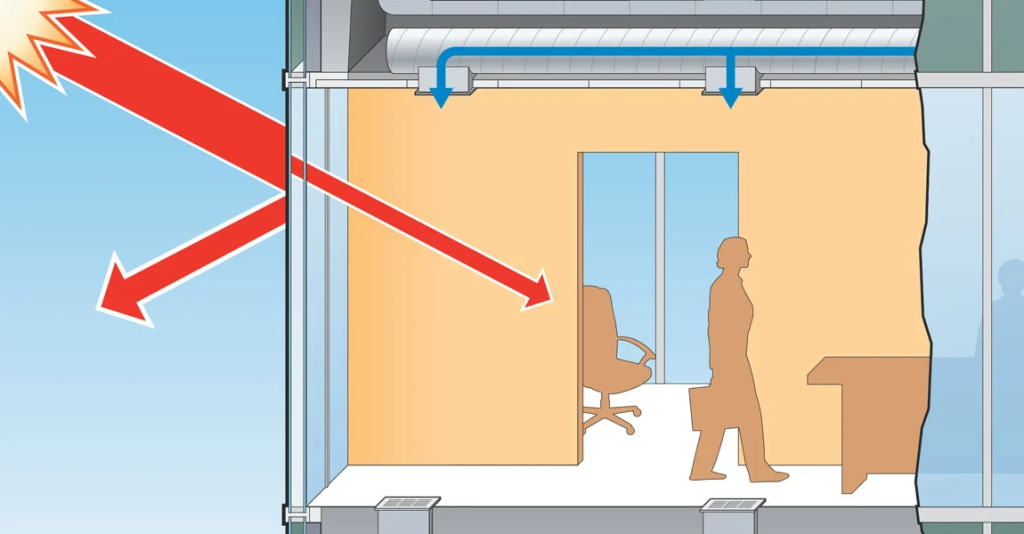

Tags
📧 Get More Articles Like This
Subscribe to receive product reviews and buying guides in your inbox!
We respect your privacy. Unsubscribe at any time.