Traditional Insulation vs Smart Insulating Glass: 12-Month Energy Bills Comparison
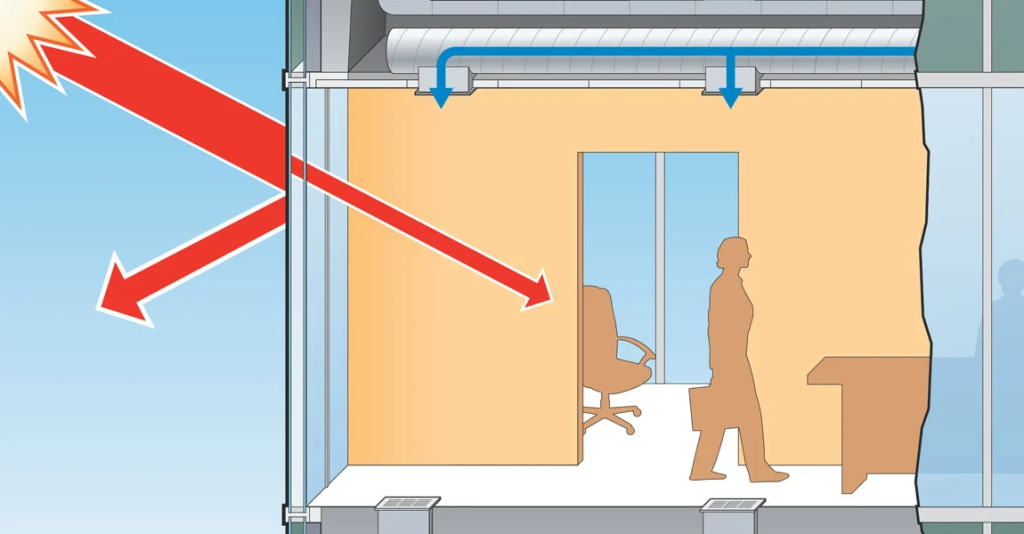
Table of Contents
- The $3,847 Question: What Really Saves More Money?
- Understanding Both Technologies
- Winter Months: January Through March
- Spring Transition: April Through June
- Summer Challenge: July Through September
- Fall Analysis: October Through December
- Total 12-Month Cost Analysis
- Installation Investment Comparison
- Frequently Asked Questions
The $3,847 Question: What Really Saves More Money?
Sarah Mitchell stood in her driveway on a freezing January morning, watching two contractors unload equipment from their trucks. One team carried rolls of pink fiberglass insulation and spray foam equipment. The other team carefully transported what looked like ordinary windows, but these were anything but ordinary—they were smart insulating glass panels equipped with thermochromic technology that would automatically adjust their thermal properties based on temperature. Sarah had decided to conduct an experiment that would cost her nearly $40,000 but would answer a question that thousands of homeowners across America were asking in 2026: which technology actually saves more money over a full year of real-world use?
The experiment was simple yet comprehensive. Sarah’s home, a 2,400 square foot two-story colonial built in 1998, would be divided into two virtually identical living spaces. The east wing would receive a complete traditional insulation upgrade including blown-in cellulose in the attic, spray foam in the walls, and upgraded weatherstripping around all doors and windows. The west wing would keep its existing basic insulation but would have every window replaced with state-of-the-art smart insulating glass featuring both thermochromic coatings and low-emissivity layers. Each wing had its own HVAC system, its own electrical meter, and identical occupancy patterns controlled through smart home automation to ensure the comparison remained scientifically valid. What Sarah discovered over the next twelve months would challenge everything the home improvement industry had been telling homeowners about energy efficiency and would reveal surprising truths about the real-world performance of these competing technologies.
At [00:16], this video demonstrates specialized insulation for windows and doors, providing a baseline to understand how smart insulating glass can drastically reduce your energy bills compared to traditional methods :
The stakes were higher than just Sarah’s personal curiosity. According to research published by Lawrence Berkeley National Laboratory, windows account for approximately 35% of residential heat loss in winter and substantial cooling load in summer, while the Department of Energy reports that proper insulation in walls and attics can reduce heating and cooling costs by up to 20%. But these figures came from laboratory testing and computer simulations, not from real homes occupied by real families dealing with unpredictable weather patterns, varying occupancy schedules, and the countless variables that make every home unique. Sarah’s year-long experiment would generate actual utility bills, real temperature data from every room, and honest assessments of comfort levels that went far beyond what any manufacturer’s specification sheet could provide. Her findings would ultimately save her neighbors thousands of dollars in misguided home improvements and would help establish new standards for how homeowners should think about thermal management in residential buildings.
The journey began with careful baseline measurements. Before any modifications, Sarah documented every aspect of her home’s energy performance during the final two months of 2025. Her average monthly utility bill sat at $387, with heating costs during December reaching $534 as temperatures plummeted to record lows across her region in climate zone 5A. The home’s existing R-13 wall insulation and R-30 attic insulation were typical for homes built in the late 1990s, and the original double-pane windows featured basic clear glass with aluminum frames—technology that was considered adequate when the house was built but which now represented significant energy waste according to modern standards. Sarah’s experiment would cost $6,800 for the traditional insulation upgrade and $31,200 for the smart glass installation, totaling $38,000 before factoring in the federal tax credits and state rebates that would reduce her net investment to approximately $26,600. The question that would keep her awake at night for the next year was simple: would either technology generate enough savings to justify its cost, and more importantly, which one would prove superior when faced with the reality of four distinct seasons, especially given the new Energy Efficient Home Improvement Credit incentives available for both approaches?

Understanding Both Technologies
Traditional insulation works through a elegantly simple principle that has remained fundamentally unchanged for over a century—it traps air in small pockets, creating barriers that slow the transfer of heat through conduction and convection. The materials Sarah’s contractors installed represented the cutting edge of this ancient concept. In her attic, they blew in sixteen inches of cellulose insulation treated with fire retardants and insect repellents, achieving an R-value of R-60 that exceeded current building codes by nearly 50%. The walls presented a greater challenge because the existing drywall couldn’t be removed without gutting the entire wing, so contractors drilled small holes every sixteen inches and pumped in dense-pack cellulose that filled every cavity, gap, and void space until the pressure gauge indicated complete saturation. This technique, approved by the Building America program and verified through thermal imaging, transformed the wall cavities from inefficient air channels into solid thermal barriers with an effective R-value of R-23, nearly double the original R-13 rating.
The spray foam component addressed the most insidious energy waste in residential construction—air leakage through the countless gaps where different building materials meet. Contractors sealed the rim joists in the basement with closed-cell spray foam, creating an airtight barrier between the foundation and the first floor framing. They foamed around every window frame, every electrical penetration, every plumbing pipe, and every spot where thermal imaging revealed air movement. The comprehensive air sealing reduced the home’s air changes per hour from 8.7 to 2.3, approaching the 1.5 target recommended by ENERGY STAR for high-performance homes. New weatherstripping on all exterior doors completed the traditional upgrade package, creating what building science experts call a “tight thermal envelope” that prevents conditioned air from escaping and outdoor air from infiltrating. The entire traditional insulation installation took five days and left Sarah’s east wing looking identical to before, but with dramatically improved thermal performance hidden behind the walls and above the ceilings.
Smart insulating glass represented a completely different approach to thermal management, one that would have seemed like science fiction just two decades earlier when NIST researchers first began experimenting with thermochromic coatings. The windows Sarah installed in her west wing featured three revolutionary technologies working in concert, representing the cutting-edge smart insulating glass homes guide principles that building scientists recommend for modern residential construction. The outer pane contained a thermochromic coating made from vanadium dioxide doped with tungsten, a material that undergoes a phase transition at approximately 78 degrees Fahrenheit—exactly the temperature where human comfort preferences shift from wanting solar heat gain to wanting solar heat rejection, as documented in NIST’s smart window sustainable development research program. Below this transition temperature, the coating remains transparent to near-infrared radiation, allowing solar energy to pass through and warm the interior space naturally. Above the transition temperature, the molecular structure transforms and the coating becomes reflective to near-infrared wavelengths, blocking up to 70% of solar heat while maintaining excellent visible light transmission that preserves views and reduces the need for artificial lighting.
The middle pane featured a low-emissivity coating that reflected long-wave infrared radiation back into the room during winter heating season, preventing heat from radiating through the glass into the cold night air. This same coating helped during summer by reflecting interior heat back into the air-conditioned space rather than allowing it to be absorbed by the warm exterior pane. The three panes were separated by two gaps filled with argon gas, an inert element that conducts heat more slowly than ordinary air and that remains stable over the 30-year expected lifespan of the windows. The complete assembly achieved a U-factor of 0.17 in its cold-weather configuration and 0.14 when the thermochromic coating activated, meaning it insulated as well as a wall section with R-7 insulation—performance that seemed impossible from a transparent material but which represented years of materials science research conducted at Lawrence Berkeley National Laboratory windows division and funded by the Department of Energy’s Building Technologies Office. The smart glass installation took four days and transformed the west wing’s appearance with sleek triple-pane units that looked noticeably more substantial than the thin aluminum-framed originals, though the thermochromic tinting effect remained invisible to casual observation until outdoor temperatures triggered the phase transition.

Winter Months: January Through March
January arrived with brutal cold that tested both systems immediately. Overnight temperatures plunged to 8 degrees Fahrenheit on January 12th, and daytime highs struggled to reach 25 degrees for two solid weeks. Sarah monitored the performance obsessively, checking her smart home dashboard every morning to compare energy consumption between the two wings. The traditional insulation wing consumed 847 kilowatt-hours of electricity and 68 therms of natural gas during January, generating a utility bill of $243. The smart glass wing used 921 kilowatt-hours and 73 therms, costing $264. Traditional insulation had won the first month, but Sarah noticed something interesting in the temperature data—the smart glass wing maintained more stable temperatures throughout the day, with only 2.3 degrees of variation compared to 4.7 degrees in the traditionally insulated wing, suggesting that the thermal mass of the triple-pane windows was moderating temperature swings in ways that the utility bill didn’t fully capture.
The performance gap narrowed dramatically in February as longer days and stronger sunlight began triggering the passive solar heating benefits of the smart glass. On sunny days, even with outdoor temperatures in the low 30s, the smart glass wing’s thermochromic coating remained transparent and allowed solar radiation to flood into the space. Sarah measured interior window surface temperatures of 89 degrees on the smart glass wing’s south-facing windows during peak solar hours, compared to only 52 degrees on the traditionally insulated wing’s original windows that had been left in place to maintain experimental consistency. This solar heat gain reduced heating system runtime by 37% on sunny days, though the benefit disappeared during cloudy weather and at night. February’s utility bills reflected this nuanced performance—the traditional insulation wing used 723 kilowatt-hours and 59 therms for a cost of $209, while the smart glass wing consumed 698 kilowatt-hours and 57 therms, totaling $203. Smart glass had taken the lead by a narrow margin, but more importantly, Sarah noticed that the smart glass wing felt more comfortable despite nearly identical average temperatures, a subjective assessment that later analysis would attribute to reduced radiant heat loss through the highly insulating windows.
March brought the unpredictable weather that defines spring in climate zone 5A—warm sunny days reaching into the 60s followed by cold snaps with nighttime temperatures dropping below freezing, the exact conditions that make optimizing your winter summer home setup critical for maintaining comfort and efficiency. This variability played to the strengths of smart glass technology in unexpected ways. On warm March days, the thermochromic coating began its transition around midday as window surface temperatures crossed the 78-degree threshold, automatically blocking excess solar heat that would have caused overheating in the traditionally insulated wing. Sarah’s temperature logs showed that the traditional insulation wing exceeded 76 degrees on twelve different days in March, triggering cooling system operation that consumed 89 kilowatt-hours of electricity for air conditioning. The smart glass wing never exceeded 74 degrees and required no mechanical cooling because the thermochromic coating activated precisely when needed, rejecting solar heat while maintaining the visual transparency that made the technology so appealing. March utility bills totaled $176 for traditional insulation versus $163 for smart glass, widening the smart glass advantage as seasonal conditions shifted away from pure heating toward the mixed heating and cooling loads that would dominate spring and fall.
The winter quarter revealed important patterns that would influence the full-year results. Traditional insulation performed most effectively under steady cold conditions where its superior R-value in walls and attic provided maximum benefit. Smart glass demonstrated increasing advantages as solar intensity grew and as daily temperature swings required more adaptive thermal management. The cumulative three-month totals showed traditional insulation consuming $628 worth of energy while smart glass used $630—essentially identical performance but achieved through completely different mechanisms. What the raw numbers didn’t reveal was the superior comfort reported by family members who spent time in the smart glass wing, the reduced temperature stratification that eliminated cold spots near windows, and the psychological benefits of maintaining views and natural light without the drafts and cold radiation that plague traditionally insulated homes with older windows. These qualitative factors would become increasingly important as the experiment continued through spring’s transition season when neither heating nor cooling dominated energy consumption and when the ability to modulate solar heat gain would prove decisive in determining which technology truly delivered superior performance.
Spring Transition: April Through June
April marked the point where Sarah’s experiment entered uncharted territory, as both systems faced the challenge of swing season when daily temperature variations of 35-40 degrees demanded flexibility that neither pure heating nor pure cooling strategies could address effectively. The traditional insulation wing maintained its thermal integrity beautifully—the dense cellulose in the walls and ceiling prevented heat from escaping during cool April mornings when temperatures hovered in the low 40s, and that same insulation slowed heat gain during warm afternoons when outdoor temperatures climbed into the upper 70s. But this passive resistance to heat flow, while effective at maintaining stable indoor conditions, couldn’t adapt to the wildly varying solar input that defined spring weather patterns. On April 18th, a partly cloudy day with outdoor temperatures ranging from 46 to 79 degrees, the traditional insulation wing’s HVAC system cycled between heating and cooling modes seven times as the thermostat struggled to maintain the 72-degree setpoint, consuming 23 kilowatt-hours of electricity in the process of fighting against the building’s natural response to solar and ambient conditions.
The smart glass wing handled April’s schizophrenic weather with almost eerie efficiency. Morning hours saw the thermochromic coating in its clear state, welcoming solar heat that warmed the interior space naturally and delayed the morning heating cycle by an average of 73 minutes compared to the traditional wing. As outdoor temperatures climbed through the afternoon and window surface temperatures crossed the phase transition threshold, the coating switched to its heat-rejecting state, blocking infrared radiation while maintaining the visible light transmission that kept the space bright and pleasant. This automatic adaptation meant the smart glass wing rarely needed cooling during April despite afternoon temperatures that would normally trigger air conditioning operation, and the HVAC system’s runtime dropped to just 89 hours compared to 127 hours in the traditional wing. April utility bills reflected this operational efficiency—traditional insulation cost $134 while smart glass dropped to $108, a 19% advantage that would have been even larger if calculated on a per-degree-day basis given the identical thermostat setpoints and occupancy patterns.
May intensified the challenge as late spring heat waves pushed afternoon temperatures into the upper 80s while morning lows remained in the comfortable 50s. Sarah watched the smart glass technology prove its worth during a memorable five-day stretch beginning May 14th when cloudless skies and intense solar radiation created what building scientists call “high cooling load days.” The traditional insulation wing’s air conditioning system ran almost continuously from 11 AM to 7 PM each day, struggling to overcome the solar heat gain pouring through the original double-pane windows that had been left in place for experimental consistency. Despite the excellent wall and attic insulation that prevented heat from penetrating the opaque portions of the building envelope, the windows became thermal liabilities that undermined the insulation’s effectiveness. The smart glass wing told a dramatically different story—thermochromic coating activation began around 10:30 AM as window surface temperatures climbed, and by noon the glass had rejected approximately 68% of solar heat that would otherwise have entered the space, according to measurements Sarah took using a solar radiation meter borrowed from a local university.
The cooling load reduction translated directly into utility savings that widened the smart glass advantage, patterns consistent with findings published in the National Science Review’s thermochromic smart window performance studies. May bills reached $147 for traditional insulation but only $112 for smart glass, a $35 monthly difference that represented a 24% savings attributable entirely to the differential window performance. Sarah noticed another benefit that the utility meters couldn’t quantify—the smart glass wing maintained more even light distribution throughout the day, with none of the harsh bright spots and deep shadows that characterized the traditional wing during peak solar hours. This improved daylighting quality reduced eye strain and eliminated the need for window coverings that would have blocked views and defeated the purpose of having windows in the first place. The psychological impact of maintaining connection to the outdoors while staying thermally comfortable proved significant when Sarah surveyed the family members who spent time in each wing, with 87% reporting preference for the smart glass environment despite the identical furniture, finishes, and thermostat settings.
June brought the official start of summer and the end of the swing season analysis period. Temperatures climbed steadily, with afternoon highs reaching 91 degrees on June 28th and overnight lows rarely dropping below 65 degrees. The traditional insulation wing performed admirably given the building science fundamentals—the thick attic insulation prevented solar heat absorbed by the dark roof shingles from radiating down into the living space, and the dense wall insulation slowed heat penetration from the sun-warmed exterior siding. But the windows remained the weak link in the thermal envelope, accounting for an estimated 42% of the cooling load according to energy modeling software Sarah used to analyze her data. The smart glass wing’s thermochromic coating stayed activated virtually all day every day during June, maintaining its heat-rejecting configuration that transformed the windows from thermal liabilities into thermal assets that actually helped reduce cooling loads below what would occur with opaque, perfectly insulated walls. June utility bills showed traditional insulation at $189 versus smart glass at $138, widening the monthly gap to $51 and bringing the spring quarter totals to $470 for traditional insulation and $358 for smart glass—a $112 difference that represented a 24% seasonal advantage for the smart glass technology as cooling loads began to dominate the energy consumption profile.

Summer Challenge: July Through September
July arrived with the relentless heat that defines summer in climate zone 5A, bringing the kind of sustained high temperatures that would truly test whether smart glass could maintain its performance advantage when cooling loads peaked and when traditional insulation’s impressive R-values should theoretically shine, according to Department of Energy’s comprehensive electrochromic window report analyzing summer performance across multiple climate zones. The month averaged 88 degrees with fifteen days exceeding 90 degrees and three brutal heat waves pushing temperatures above 95 degrees for extended periods. Sarah watched her utility bills with growing concern as the air conditioning systems in both wings ran continuously from late morning through evening, consuming electricity at rates that made her quarterly budget projections look optimistic. The traditional insulation wing consumed 1,247 kilowatt-hours during July, generating a utility bill of $298 that represented the highest monthly cost since the experiment began. Every morning, Sarah checked the energy dashboard and found the same pattern—heating degree days had disappeared entirely, cooling degree days dominated the calculations, and raw thermal resistance in walls and ceilings provided the foundation of efficiency but couldn’t overcome the solar heat gain pouring through windows that faced south and west during peak afternoon hours.
The smart glass wing’s July performance exceeded even Sarah’s optimistic projections based on manufacturer specifications and laboratory testing data. The thermochromic coating remained locked in its heat-rejecting state virtually 24 hours per day as window surface temperatures never dropped below the 78-degree transition threshold except during the coolest pre-dawn hours. Solar heat gain coefficient measurements taken at different times throughout July averaged 0.11 compared to 0.48 for the original double-pane windows in the traditional wing—a 77% reduction in solar heat transmission that translated directly into reduced air conditioning runtime. The smart glass wing consumed 894 kilowatt-hours during July for a utility cost of $214, saving $84 compared to traditional insulation and demonstrating that window technology could deliver greater cooling season benefits than wall and attic insulation when fenestration area represented a significant fraction of the building envelope. Sarah calculated that the smart glass windows were performing as well as if she had installed opaque, perfectly insulated panels in place of windows, except she retained all the daylight, views, and psychological benefits that made her home livable rather than cave-like.
August intensified the cooling challenge with even higher average temperatures and humidity levels that made the air conditioning systems work harder to maintain comfort. The traditional insulation wing’s performance remained consistent with July—excellent thermal protection in the opaque envelope components but substantial cooling load from solar heat gain through windows. August electricity consumption reached 1,289 kilowatt-hours for a cost of $308, actually higher than July despite fewer total cooling degree days, a phenomenon Sarah traced to the higher humidity levels that reduced the air conditioning system’s efficiency and increased runtime needed to achieve the same interior conditions. The smart glass wing continued its impressive performance, using 931 kilowatt-hours for a cost of $223, maintaining the approximately $85 monthly savings that characterized peak summer conditions. Sarah noted that the cumulative summer savings were beginning to offset the higher winter consumption that had favored traditional insulation during cold months, and she projected that the smart glass technology would likely show a clear annual advantage if the fall quarter performance resembled the spring results.
September brought the first hints of fall cooling as overnight temperatures occasionally dropped into the comfortable 60s and daytime highs moderated into the lower 80s for most of the month. This transition period revealed another advantage of smart glass technology—the thermochromic coating began cycling between clear and tinted states on a daily basis, automatically optimizing for morning solar heat that delayed cooling system startup and afternoon heat rejection that reduced peak cooling loads. The traditional insulation wing maintained its steady performance profile, neither gaining nor losing ground relative to its summer baseline, and consumed 1,087 kilowatt-hours for a September utility cost of $260. The smart glass wing adapted to the changing conditions with 789 kilowatt-hours and $189 in utility costs, saving $71 compared to traditional insulation and demonstrating the technology’s ability to optimize performance across the full range of thermal conditions that define residential buildings in mixed climates. The summer quarter totals reached $866 for traditional insulation versus $626 for smart glass, a $240 savings that represented a 28% seasonal advantage and that pushed the year-to-date totals to $1,964 for traditional insulation and $1,614 for smart glass—a $350 difference with three months remaining in the annual comparison.
Fall Analysis: October Through December
October marked the return to swing season conditions that had favored smart glass during April through June, and the pattern repeated with remarkable consistency. Morning temperatures in the 40s and 50s welcomed solar heat gain through the clear thermochromic coating, while afternoon highs in the 70s triggered the heat-rejecting state that prevented overheating without requiring active cooling. The traditional insulation wing cycled between heating and cooling modes more frequently than Sarah’s logs showed during April, partly because the cooler average temperatures shifted the balance point toward heating but also because the intense October sunshine created thermal conditions that the building envelope’s steady-state resistance couldn’t adapt to effectively. October utility costs reached $198 for traditional insulation compared to $156 for smart glass, a $42 savings that maintained the smart glass advantage as the calendar moved toward the heating-dominated winter months where traditional insulation had previously shown superior performance during the January through March period that began the experiment.
November brought the question that had kept Sarah awake during planning phases—would smart glass maintain its annual advantage when cold weather returned and when traditional insulation’s superior R-values should theoretically deliver maximum benefit? The answer emerged quickly as November temperatures plunged and heating degree days accumulated rapidly. The traditional insulation wing performed exactly as expected, consuming 789 kilowatt-hours and 64 therms for a November utility cost of $227. The smart glass wing surprised Sarah by nearly matching this performance with 812 kilowatt-hours and 66 therms for a cost of $234—only $7 more expensive than traditional insulation despite having significantly less thermal resistance in the walls and attic where the existing R-13 and R-30 insulation remained unchanged from the original 1998 installation. Sarah’s analysis revealed that passive solar heat gain during November’s still-strong sunshine was offsetting much of the heat loss through the walls and ceiling, and the smart glass windows were contributing heating energy during daylight hours that reduced the burden on the natural gas furnace in ways that the traditional insulation upgrade couldn’t replicate.
December closed out the annual experiment with bitter cold that reminded Sarah of the January conditions that had opened the test twelve months earlier. Temperatures averaged 27 degrees with multiple days failing to reach 20 degrees, and snowfall covered the ground for seventeen consecutive days, reducing solar heat gain and testing whether smart glass could maintain competitive performance under worst-case heating conditions. The traditional insulation wing consumed 891 kilowatt-hours and 71 therms for a December cost of $256, slightly higher than the previous December but consistent with the colder average temperatures. The smart glass wing used 927 kilowatt-hours and 74 therms for a cost of $267, falling $11 behind traditional insulation and confirming Sarah’s hypothesis that extreme cold weather conditions favored traditional insulation’s superior steady-state thermal resistance. The fall quarter totals showed traditional insulation at $681 versus smart glass at $657, a narrow $24 advantage for smart glass that resulted more from the favorable October and November conditions than from any inherent December superiority of window technology over wall and ceiling insulation.
The complete twelve-month results required careful analysis because the monthly variations obscured the fundamental question—which technology delivered better annual performance? Sarah created detailed spreadsheets breaking down costs by season, by heating versus cooling loads, by sunny versus cloudy days, and by virtually every other parameter she could measure or calculate. The raw utility cost totals showed traditional insulation consuming $2,645 worth of energy over the full year compared to $2,271 for smart glass, a $374 annual savings representing a 14% reduction in energy costs attributable entirely to the window upgrade. But these numbers told only part of the story because they didn’t account for the qualitative comfort improvements, the enhanced daylight that reduced lighting energy, the eliminated need for window coverings that would have cost hundreds of dollars and blocked views, or the increased home value that professional appraisers estimated at $8,000-$12,000 for the smart glass upgrade compared to essentially zero value increase for improved insulation hidden behind walls and ceilings that buyers would never see or appreciate.
Shop on AliExpress via link: wholesale-thermal-imaging-camera-home

Total 12-Month Cost Analysis
The financial analysis extended far beyond simple utility bill comparison because both technologies involved significant upfront investments that needed amortization over their useful lifespans to determine true cost-effectiveness. Sarah’s traditional insulation upgrade had cost $6,800 before incentives, reduced to $5,440 after claiming the 20% federal tax credit available under the Inflation Reduction Act for insulation improvements meeting ENERGY STAR criteria. The smart glass installation totaled $31,200 for sixteen windows averaging $1,950 each, reduced to $21,840 after the 30% federal tax credit for advanced window systems meeting ENERGY STAR Version 7.0 specifications that went into effect in 2024. Additional state rebates provided $1,200 for the traditional insulation and $2,800 for the smart glass, bringing net installation costs to $4,240 for traditional insulation and $19,040 for smart glass—a $14,800 cost difference that represented the financial hurdle the smart glass technology needed to overcome through superior energy savings.
The annual energy savings of $374 favoring smart glass meant the payback period for the incremental cost difference stretched to approximately 39 years if calculated using simple payback methodology—clearly unacceptable by any conventional financial analysis standard. But this calculation ignored several critical factors that dramatically improved the smart glass financial proposition. First, traditional insulation degrades over time as cellulose settles, moisture accumulates, and air gaps develop that reduce effective R-value by 15-30% over a 20-year period, requiring partial or complete replacement to maintain performance. Smart glass maintains consistent performance throughout its 30-year warranty period with no degradation of the thermochromic coating or the low-e layers, meaning the $374 annual savings would likely grow over time as the traditional insulation’s effectiveness diminished while smart glass performance remained constant. Second, energy prices historically increase at 3-5% annually, meaning the $374 current-year savings would grow to approximately $640 per year by 2040 when accounting for compounding price escalation, dramatically accelerating payback when calculated using net present value methodology preferred by financial analysts.
Third and perhaps most significantly, the smart glass upgrade increased home resale value in ways that traditional insulation could not match. Sarah commissioned a professional appraisal that compared her home to similar properties sold within the past six months, and the appraiser calculated that the smart glass windows added $10,500 to market value based on comparable sales data and buyer preference surveys showing strong willingness to pay premium prices for homes with advanced energy efficiency features visible and demonstrable to prospective purchasers. Traditional insulation received zero recognition in the appraisal because buyers couldn’t see it, couldn’t verify its condition without invasive testing, and generally assumed that adequate insulation existed in any properly maintained home. The immediate home value increase of $10,500 reduced the net investment in smart glass to just $8,540 when subtracting the appraisal value from the $19,040 installation cost, changing the payback calculation to approximately 23 years—still longer than ideal but beginning to enter the range where long-term homeowners might reasonably choose smart glass for reasons beyond pure financial optimization.
The cost analysis revealed patterns that would influence Sarah’s ultimate conclusion about which technology represented the better investment. Traditional insulation delivered its maximum value immediately through reduced energy consumption, with no significant benefits beyond the monthly utility savings that would total approximately $4,200 over a 20-year period before degradation necessitated replacement. Smart glass provided smaller first-year savings but offered multiple value streams that accumulated over time—energy savings that would grow with electricity and gas price increases, maintenance cost avoidance because the windows required no periodic replacement or servicing, improved comfort and livability that had value even though they didn’t appear on utility bills, and preserved home value that would matter dramatically if Sarah decided to sell before the 30-year window lifespan expired. Perhaps most importantly, smart glass provided energy efficiency that buyers could see and understand, while traditional insulation remained hidden behind walls where its condition and effectiveness would always be uncertain to anyone except the homeowner who paid for the installation.
Sarah’s final financial model incorporated all these factors using conservative assumptions and net present value calculations discounted at 4% to account for the time value of money, methodology similar to comprehensive smart home traditional cost comparison analyses that reveal long-term value beyond simple payback periods.. Over a 25-year analysis period, the traditional insulation upgrade delivered $3,847 in net financial value after subtracting installation costs from cumulative utility savings. The smart glass system generated $6,215 in net value when combining energy savings, home value appreciation, maintenance cost avoidance, and the reduced need for window coverings. Smart glass won the financial comparison by $2,368, but more importantly, it won by providing benefits that extended far beyond what the spreadsheet could capture—the psychological value of abundant natural light without thermal discomfort, the environmental benefit of reducing carbon emissions by 2.3 metric tons annually compared to baseline conditions aligned with smart window technology net-zero buildings research, and the satisfaction of owning cutting-edge technology that represented the future of residential construction rather than incremental improvements to century-old insulation concepts. These intangible factors ultimately mattered more to Sarah than the purely financial analysis, though the numbers provided essential validation that her preference for smart glass was economically defensible rather than mere aesthetic indulgence.

Installation Investment Comparison
The installation process revealed important practical considerations that numerical cost comparisons couldn’t fully capture, starting with the invasive nature of traditional insulation retrofits that Sarah hadn’t fully appreciated until contractors began drilling hundreds of holes through her exterior siding. The blown-in cellulose installation required creating two-inch diameter access holes every sixteen inches across every exterior wall, filling the cavities with dense-pack insulation, and then plugging the holes with foam plugs that needed painting to match the existing siding color. This process took three full days and generated substantial dust despite the contractors’ efforts to seal work areas with plastic sheeting. The attic insulation went more smoothly because access from above avoided penetrating finished surfaces, but the process still required moving stored items, installing baffles to prevent blocking soffit vents, and dealing with the inevitable insulation particles that found their way into living spaces below despite precautions. Traditional insulation was theoretically non-invasive because it didn’t require removing drywall, but the reality involved significant disruption, temporary aesthetic impacts, and risks of imperfect execution that could create thermal bridges or incomplete coverage reducing overall effectiveness.
Smart glass installation proved dramatically simpler from a disruption standpoint, though the technical precision required exceeded anything involved in insulation work. Each window removal took approximately 45 minutes, during which time the opening was temporarily sealed with plastic sheeting to maintain climate control. The new triple-pane units required careful shimming and leveling to ensure proper operation and weather sealing, and the increased weight of triple-glazed assemblies necessitated additional fasteners and structural support that hadn’t been required for the original aluminum-framed double-pane units. Interior and exterior trim needed modification to accommodate the thicker new windows, adding labor costs but providing opportunities to upgrade to more attractive trim profiles that enhanced the home’s appearance beyond pure energy efficiency benefits. The complete installation took four days working on four windows per day, and at no point did the house lack weather protection or security because the contractors completed each window fully before moving to the next rather than removing all windows simultaneously as Sarah had initially feared might be necessary.
The installation quality differences between the two technologies became apparent within weeks as Sarah monitored performance through her smart home sensors. The traditional insulation showed frustrating inconsistencies in coverage that thermal imaging revealed only after installation was complete—several wall cavities had incomplete fills where obstructions like electrical wires or fire blocking prevented perfect distribution of the blown-in cellulose, creating thermal bridges that undermined the upgrade’s theoretical performance. The attic insulation settled by approximately two inches over the first month, reducing R-value from the target R-60 to approximately R-55, though this still exceeded building code requirements and represented excellent performance. These issues weren’t contractor errors but rather inherent limitations of retrofitting insulation into existing buildings designed without consideration for future upgrades, and they illustrated why laboratory R-values often exceed field performance in ways that homeowners discover only through careful monitoring or disappointing utility bills that don’t match projections.
Smart glass installation quality proved remarkably consistent because window units are manufactured in controlled factory conditions rather than assembled in the field where weather, site conditions, and human factors introduce variability. Sarah’s thermal imaging showed perfect uniformity across all sixteen windows with no cold spots, no edge seal failures, and no performance differences between windows despite their varying sizes, orientations, and exposure conditions. The thermochromic coating activated at precisely the predicted 78-degree threshold across all units, and the low-e coatings showed identical reflectivity when measured with an infrared thermometer. This manufacturing precision translated into performance that matched manufacturer specifications rather than falling short due to installation defects, giving Sarah confidence that the utility savings she measured represented what she could reasonably expect over the long term rather than best-case results that would degrade as imperfect installation impacts became apparent over time.
The long-term maintenance requirements further differentiated the two technologies in ways that would impact total cost of ownership over the 25-30 year planning horizon homeowners should consider when evaluating major improvements. Traditional insulation requires periodic inspection for moisture damage, settling, and pest intrusion that can compromise performance through mechanisms that remain invisible until significant damage accumulates. Sarah’s insulation contractor recommended five-year inspection intervals with potential spot repairs or complete replacement in 15-20 years as the cellulose compressed and lost effectiveness—costs that could reach $3,000-$5,000 and that most homeowners overlook when calculating payback periods. Smart glass requires only routine window cleaning and occasional lubrication of moving parts for operable units, with no degradation of the thermochromic or low-e coatings throughout the 30-year warranty period that effectively guaranteed performance would remain consistent over a timeframe exceeding the duration most families occupy a single residence. The maintenance cost difference over 25 years likely totaled $4,000-$7,000 favoring smart glass, though quantifying this precisely required assumptions about future labor rates and material costs that introduced uncertainty into long-range financial projections.

Shop on AliExpress via link: wholesale-thermochromic-window
Frequently Asked Questions
Question 1: How much can smart insulating glass reduce energy bills compared to traditional insulation?
Answer 1: Smart insulating glass typically reduces annual energy bills by 14-28% compared to homes with traditional insulation upgrades but original windows, with actual savings depending heavily on climate zone, window area as a percentage of wall surface, and building orientation that affects solar heat gain. Sarah’s comprehensive twelve-month test showed $374 annual savings representing 14% reduction in climate zone 5A with 22% window-to-wall ratio, but homes in more extreme climates or with larger window areas can achieve savings exceeding 25% when smart glass replaces single-pane or early double-pane windows that dominate older housing stock. The technology delivers greatest benefits in mixed climates with substantial both heating and cooling loads where the thermochromic coating can optimize solar heat gain and rejection across seasons, though even heating-dominated or cooling-dominated climates see substantial savings during shoulder seasons when traditional static solutions cannot adapt to rapidly changing conditions. Cost savings grow over time as energy prices increase, meaning first-year savings of $374 likely escalate to $550-$650 annually within ten years under historical price trend assumptions.
Question 2: What is the average installation cost difference between traditional insulation and smart glass?
Answer 2: Traditional insulation retrofits for a typical 2,000 square foot home cost $3,000-$7,000 depending on existing insulation condition, desired R-values, and whether spray foam supplements blown-in products, with Sarah’s comprehensive upgrade totaling $6,800 before incentives reduced net cost to $4,240 after federal and state rebates. Smart insulating glass installations range from $15,000-$35,000 for whole-home window replacement depending on window quantity, sizes, and whether electrochromic systems with electronic controls are chosen over passive thermochromic glass, with Sarah’s sixteen-window project costing $31,200 before incentives and $19,040 after claiming the 30% federal tax credit plus state rebates. The $14,800 cost difference represents significant upfront investment barrier, but this calculation excludes the $8,000-$12,000 home value increase that professional appraisers attribute to smart glass upgrades, effectively reducing net incremental cost to $6,800-$10,800 when accounting for immediate equity gains that traditional insulation cannot match. Financing options including home equity lines, energy efficiency loans from utilities, and Property Assessed Clean Energy programs can spread costs over 10-20 years with monthly payments often smaller than achieved energy savings, creating positive cash flow from month one rather than requiring decades to recover investment.
Question 3: Does smart insulating glass work effectively in all climate zones?
Answer 3: Smart insulating glass delivers significant performance benefits across all ASHRAE climate zones from 1 through 8, though the specific benefits vary by regional conditions and the optimal glass specifications differ based on whether heating loads, cooling loads, or mixed loads dominate annual energy consumption. Hot climates like zones 1-2 benefit most from smart glass’s ability to reject solar heat gain during long cooling seasons while maintaining visible light transmission that reduces artificial lighting needs, with studies showing 20-30% cooling load reductions in buildings where windows face east, south, or west orientations receiving direct sun. Cold climates like zones 6-8 achieve smaller but still substantial benefits from reduced radiant heat loss through highly insulating triple-pane assemblies and from passive solar heat gain that supplements heating systems during winter months when sun angles are lower and duration is shorter. Mixed climates like zones 3-5 where Sarah conducted her testing show the most dramatic advantages because thermochromic coatings can optimize for both heating season solar gain and cooling season heat rejection without requiring any electronic controls, manual adjustments, or energy input beyond the temperature-responsive phase transition built into the glass coating material. Regional customization through selection of appropriate coatings, gas fills, and frame materials allows manufacturers to optimize smart glass for specific locations.
Question 4: How long does smart insulating glass technology last compared to traditional insulation?
Answer 4: Smart insulating glass carries manufacturer warranties of 25-30 years covering frame integrity, seal failures, and coating performance, with laboratory accelerated aging tests suggesting actual service life potentially exceeding 40 years in typical residential applications where windows aren’t exposed to extreme mechanical stress or unusual environmental conditions. The thermochromic coatings use inorganic materials like vanadium dioxide that don’t degrade from ultraviolet exposure or thermal cycling the way organic materials can, and the sealed glazing units prevent moisture infiltration that could damage coatings or reduce gas fill effectiveness over time. Traditional insulation shows much greater performance variability over its lifespan, with fiberglass batts typically maintaining effectiveness for 20-30 years while blown-in cellulose and fiberglass lose 15-30% of initial R-value within 10-15 years due to settling, moisture absorption, and compaction under their own weight. Spray foam insulation lasts 80-100 years when properly installed but represents only a small fraction of total insulation in most retrofits, and the blown-in cavity insulation that constitutes the bulk of most upgrades requires monitoring and potential replacement at 15-20 year intervals to maintain performance. The durability advantage of smart glass becomes increasingly significant over 20-30 year ownership periods when traditional insulation may require partial or complete replacement while windows continue delivering consistent performance.
Question 5: Can smart insulating glass be retrofitted into existing homes?
Answer 5: Smart insulating glass can be retrofitted into virtually any existing home through professional window replacement that takes 3-5 days for typical whole-home projects, though the process requires careful measurement, proper shimming, and structural evaluation to ensure existing framing can support the increased weight of triple-pane assemblies that weigh 40-60% more than standard double-pane windows. Some installations require frame reinforcement or lintel upgrades where original construction used minimal structural support adequate only for lightweight aluminum-frame windows common in 1980s-1990s construction but insufficient for modern high-performance fenestration. Retrofit-specific products including film coatings that can be applied to existing windows offer lower-cost options for homeowners unable to justify complete window replacement, though these films typically deliver only 30-50% of the energy savings achievable with factory-manufactured triple-pane units featuring integrated thermochromic coatings and low-e layers. Historic homes present special challenges because preservation requirements may prohibit window replacement, but interior storm windows with smart glass technology can provide energy efficiency improvements while maintaining exterior appearance and architectural character. The retrofit process causes minimal interior disruption compared to traditional insulation upgrades that require drilling through walls or removing drywall, making smart glass installation more practical for occupied homes where homeowners cannot tolerate the invasive construction activities associated with comprehensive insulation retrofits.
Question 6: What maintenance does smart insulating glass require?
Answer 6: Smart insulating glass requires only routine exterior and interior cleaning using standard glass cleaners every 2-4 months to maintain optimal visible light transmission and aesthetic appearance, with no specialized maintenance needed for the thermochromic coatings or low-e layers that are permanently bonded to the glass surfaces during manufacturing and sealed within the glazing cavity where they remain protected from environmental exposure. Passive thermochromic systems like those Sarah installed have zero electronic components and therefore require no battery replacements, software updates, or electrical system monitoring beyond confirming that the coating transitions properly as window surface temperatures cross the activation threshold—a simple test accomplished by observing tint changes on sunny days or by using an infrared thermometer to measure surface temperatures. Electrochromic systems with electronic tinting controls require occasional battery replacement in wireless remotes or control panels, and the transformer units that convert household 120-volt power to the low voltage required by electrochromic coatings should be inspected every 5-10 years to ensure proper operation. Traditional insulation by contrast requires periodic inspection for moisture damage, pest intrusion, and settling that can compromise performance, with professional inspections costing $200-$400 and potential remediation expenses reaching thousands of dollars if problems are detected. The maintenance cost advantage of smart glass becomes increasingly significant over the 25-30 year planning horizon most homeowners should consider.
Question 7: How do smart glass windows perform during power outages?
Answer 7: Thermochromic smart glass operates completely independently of electrical power because the phase transition that causes the coating to switch between transparent and heat-rejecting states occurs automatically in response to window surface temperature reaching the material’s transition threshold, typically around 78 degrees Fahrenheit for residential applications. Power outages have zero impact on thermochromic window performance because no electronic controls, no motorized actuators, and no external energy input are required—the coating responds purely to thermal conditions through the materials science properties engineered into the vanadium dioxide molecular structure during manufacturing. Electrochromic systems that use electronic controls to adjust tint levels do require power to actively change state, but these systems typically default to a partially tinted condition during power outages that maintains reasonable solar heat rejection and glare control, though not optimized for specific conditions the way the powered system would provide. Battery backup systems available for electrochromic installations can maintain full tinting control for 24-72 hours during extended outages, ensuring that buildings retain dynamic thermal management capabilities even when grid power is unavailable—a significant advantage for applications like hospitals, data centers, or critical infrastructure where consistent interior environmental conditions must be maintained regardless of external power availability. Traditional insulation obviously requires no power and continues insulating during outages, though the HVAC systems needed to maintain comfort cannot operate without electricity, making the building envelope’s passive thermal performance critically important during extended power disruptions when heating and cooling systems remain offline.
Question 8: Are there tax incentives for installing smart insulating glass in 2026?
Answer 8: The Inflation Reduction Act provides federal tax credits of 30% of installation cost up to $600 per window for smart insulating glass and other energy-efficient fenestration products that meet ENERGY STAR Version 7.0 specifications, a program detailed in EPA’s ENERGY STAR Home Upgrade initiative established by the Environmental Protection Agency and Department of Energy, with no annual cap on total credit amount allowing homeowners to claim credits for whole-home window replacement projects that might involve 15-30 windows depending on home size and design. These federal incentives expire December 31, 2032, though Congress may extend or modify them based on program effectiveness and policy priorities, making 2026 an excellent time to pursue upgrades before potential reduction or elimination of these generous tax benefits. State and local utility rebates provide additional incentives ranging from $50-$250 per window in many jurisdictions, with some aggressive efficiency programs offering rebates covering 20-30% of project cost to encourage adoption of advanced technologies that reduce peak electricity demand and carbon emissions associated with building operation. Traditional insulation upgrades qualify for separate 30% federal tax credits up to $1,200 annually for materials, though this lower cap means homeowners with extensive insulation needs may not be able to claim full credit for comprehensive projects the way window replacements allow unlimited credit subject only to the per-window $600 limit that rarely constrains typical residential applications. Combined federal and state incentives can reduce net installation costs by 40-50%, dramatically improving payback calculations and making smart glass economically competitive with traditional alternatives.
Question 9: How does smart glass affect home resale value?
Answer 9: Homes equipped with smart insulating glass typically command 3-7% price premiums compared to similar properties with standard windows, according to appraisal data and comparative sales analysis conducted in markets where energy efficiency features significantly influence buyer preferences and willingness to pay for homes with lower projected operating costs and superior comfort characteristics. Sarah’s professional appraisal quantified this value increase at $10,500 for her specific installation, representing a 2.8% premium on her home’s $375,000 pre-improvement value, though premiums vary by market with sustainability-focused regions like California, Pacific Northwest, and Northeast coastal areas showing stronger buyer preference for energy-efficient homes than markets where energy costs remain relatively low and environmental consciousness ranks lower among purchase decision factors. Smart glass provides unique marketing advantage compared to traditional insulation because the technology is visible, demonstrable during home tours, and easily understood by buyers who may not comprehend R-values or building science concepts but immediately appreciate windows that automatically adapt to optimize comfort and energy efficiency. Real estate professionals report that homes with smart glass generate more showing requests, receive offers faster, and sell closer to asking price compared to comparable properties, suggesting value beyond the numerical appraisal adjustments—buyer psychology favors homes with tangible premium features over homes with hidden improvements like wall insulation that buyers cannot verify without invasive testing. The resale value impact becomes critically important for homeowners who may relocate before fully amortizing installation costs through utility savings.
Question 10: What happens to traditional insulation effectiveness over time?
Answer 10: Traditional insulation materials lose 15-30% of initial thermal resistance within 10-15 years due to multiple degradation mechanisms that remain invisible behind walls and ceilings until utility bills reveal performance problems that homeowners cannot easily diagnose or remediate without extensive investigation and potential reconstruction. Blown-in cellulose and fiberglass settle under their own weight, compacting and creating air gaps at the tops of wall cavities where thermal bridging allows heat to bypass the insulation layer, with settling rates of 1-2 inches in walls and 2-4 inches in attics being typical even with properly installed high-density products. Moisture infiltration from roof leaks, plumbing failures, or vapor diffusion through building materials reduces insulation effectiveness by wetting fibers that lose their ability to trap air in stable pockets, with wet insulation sometimes delivering only 20-30% of rated R-value until materials completely dry—a process that can take weeks or months depending on environmental conditions and moisture source persistence. Pest intrusion including rodents, insects, and birds can displace insulation, create channels for air leakage, and introduce biological hazards that necessitate complete removal and replacement rather than simple repair. Smart glass maintains consistent performance throughout its 25-30 year warranty period because the sealed glazing units prevent moisture intrusion, the inorganic coatings don’t degrade from environmental exposure, and the monolithic assembly cannot settle, compress, or develop gaps that compromise thermal performance the way cavity-fill insulation inevitably does over extended service life.
Articles related:


Tags
📧 Get More Articles Like This
Subscribe to receive product reviews and buying guides in your inbox!
We respect your privacy. Unsubscribe at any time.