Smart and Insulating Glass for Homes: The Complete Guide to Modern Window Technology
Table of Contents
- Introduction: The Window Revolution
- Understanding Insulating Glass Technology
- Smart Glass: Windows That Adapt
- Energy Efficiency and Cost Savings
- Types of Glass Coatings and Treatments
- Installation Considerations and Costs
- Smart Home Integration
- Return on Investment Analysis
- Conclusion: The Future of Home Windows
- FAQ
Introduction: The Window Revolution
Windows are no longer just transparent barriers between inside and outside—they’ve evolved into sophisticated technological systems actively managing light, heat, privacy, and energy consumption. The glass in your windows now represents one of the most impactful upgrade decisions you can make for your home, affecting everything from monthly utility bills and interior comfort to property value and environmental footprint.
Traditional single-pane windows, still found in millions of older homes, are essentially holes in your walls from an energy perspective. They hemorrhage heat during winter (accounting for up to 30% of residential heating energy loss), allow scorching heat infiltration during summer, offer minimal sound dampening, provide no privacy control beyond curtains or blinds, and contribute virtually nothing to home efficiency. Standing near single-pane windows in winter, you literally feel cold radiating through the glass. In summer, the heat pouring through these windows forces air conditioners to work overtime, driving energy costs skyward while struggling to maintain comfort.
The window technology revolution addresses these problems through two complementary approaches: insulating glass that passively prevents heat transfer, and smart glass that actively adapts to conditions. Modern insulating glass uses multiple panes, specialized coatings, and inert gas fills creating thermal barriers far superior to traditional windows—reducing heat transfer by 50-75% compared to single-pane glass. Smart glass adds dynamic control, allowing windows to transition from clear to tinted or opaque on demand, automatically adjusting solar heat gain throughout the day, and integrating with home automation systems for truly intelligent climate and light management.
The global smart glass market exceeded $5 billion recently and continues growing at over 15% annually as homeowners discover the transformative impact of advanced window technology. Energy-efficient windows are no longer luxury additions—they’re practical investments delivering measurable returns through reduced energy costs, enhanced comfort, and increased property values. With typical payback periods of 5-15 years and window lifespans of 20-30+ years, modern glass technology provides decades of benefits.
This comprehensive guide explores everything you need to know about smart and insulating glass for residential applications. We’ll demystify the technology explaining how multiple panes, gas fills, and coatings prevent heat transfer, examine smart glass types from electrochromic to photochromic and thermochromic technologies, calculate the real-world energy savings and cost implications, discuss installation considerations and whether retrofitting existing windows versus complete replacement makes sense, explore integration with smart home systems, and analyze return on investment helping you determine if upgrading your windows justifies the investment.
Whether you’re building a new home, planning major renovations, struggling with high energy bills, seeking enhanced comfort and privacy, or simply curious about modern glass technology—this guide provides the knowledge to make informed decisions about one of the most significant yet often overlooked aspects of home performance and livability.
Your windows are portals to the outside world. Modern technology ensures they’re also barriers to energy waste, adaptable privacy controls, and active contributors to home comfort and efficiency. Let’s explore how glass evolved from simple transparency to intelligent, high-performance building technology.
1. Understanding Insulating Glass Technology
How Insulating Glass Units Work
Insulating Glass Units (IGUs), commonly called double-pane or triple-pane windows, use multiple glass layers separated by spacers and sealed around the edges, creating enclosed spaces between panes. These spaces are filled with air or inert gases (argon, krypton) that insulate far better than single glass panes.
The fundamental principle: still air is an excellent insulator. Moving air transfers heat through convection; still air trapped between glass panes prevents this convection, dramatically reducing heat transfer. However, regular air contains moisture that can condense between panes, so modern IGUs use dried air or inert gases and hermetically sealed edges preventing moisture intrusion.
Double-pane windows (two glass layers with one insulating space) are the current standard for residential construction and retrofits, offering dramatic improvement over single-pane windows while remaining cost-effective. The typical air gap is 1/2 to 3/4 inch—wider gaps don’t necessarily improve insulation (air can still circulate in very wide gaps) and can compromise structural integrity.
Triple-pane windows (three glass layers with two insulating spaces) provide even better performance—approximately 20-30% more efficient than double-pane. However, they’re heavier, more expensive, and the additional benefit may not justify cost in moderate climates. In extremely cold climates (northern regions, high altitudes), triple-pane windows deliver worthwhile additional efficiency.
Gas Fills: Beyond Regular Air
While double-pane windows with air gaps provide significant insulation improvement, replacing air with inert gases enhances performance further:
Argon gas is the most common fill, offering approximately 30% better insulation than air. Argon is denser and less conductive than air, reducing convection and heat transfer within the space. It’s colorless, odorless, non-toxic, and doesn’t affect window transparency. Argon is relatively inexpensive, making argon-filled windows only marginally more expensive than air-filled equivalents—typically $30-50 premium per window. Over time (10-20+ years), argon can gradually leak from seals, but well-manufactured windows retain 80-90% of gas even after decades.
Krypton gas provides even better insulation than argon—approximately 40% better than air. Krypton is denser than argon, making it superior for very narrow gaps (1/4 to 1/2 inch) where argon becomes less effective. However, krypton is significantly more expensive (gas scarcity), making krypton-filled windows cost $100-200+ more per window than argon-filled equivalents. Krypton is typically reserved for triple-pane windows or specialty applications where maximum performance justifies premium pricing.
Argon-Krypton mixtures balance performance and cost, using primarily argon with krypton blended in to enhance efficiency without the full cost of pure krypton.
Spacers: The Edge Technology That Matters
The spacers separating glass panes seem like minor components but significantly impact overall window performance. Traditional aluminum spacers create thermal bridges—highly conductive metal transfers heat/cold from outside glass to inside glass, reducing overall window efficiency and creating cold edges where condensation forms.
Warm-edge spacers use materials with lower thermal conductivity (foam, vinyl, stainless steel, or hybrid materials) reducing heat transfer at window edges by 40-70% compared to aluminum. This improvement might seem minor (edges represent small percentage of total window area), but edge heat loss contributes disproportionately to condensation problems and overall efficiency. Warm-edge spacers cost $5-15 more per window—minimal premium for meaningful performance improvement.
Benefits of warm-edge spacers:
- Reduced condensation on window edges (condensation promotes mold growth and damages frames)
- Improved overall window energy efficiency
- Enhanced comfort (less cold radiation near windows)
- Extended IGU lifespan (thermal stress reduction)
Window Frame Materials and Their Impact
Glass performance is crucial, but frames represent 10-30% of window area and significantly impact total window efficiency:
Vinyl frames are the most popular choice for residential windows, offering excellent insulation, low maintenance (no painting required), affordability, and resistance to moisture and rot. Quality vinyl frames with hollow chambers and reinforcement provide good structural integrity. However, vinyl can expand/contract with temperature extremes, potentially affecting seal integrity over decades, and color options are limited compared to other materials.
Fiberglass frames offer superior strength, durability, and thermal performance compared to vinyl. Fiberglass is extremely stable (minimal expansion/contraction), maintains seal integrity better over time, and can be painted virtually any color. However, fiberglass windows cost 15-30% more than comparable vinyl windows, making them premium options for those prioritizing longevity and performance over initial cost.
Wood frames provide excellent natural insulation, beautiful aesthetics, and strong structural properties. However, wood requires regular maintenance (painting/staining every 3-7 years), is vulnerable to moisture damage and rot, and costs significantly more than vinyl or fiberglass—typically 30-60% premium over vinyl.
Aluminum frames (rare in modern residential construction) are strong and low-maintenance but extremely poor insulators. Aluminum conducts heat readily, creating significant thermal bridging. Even with thermal breaks (insulating material interrupting aluminum frame), aluminum frames are the least efficient option. They’re primarily used in commercial applications or climates where insulation is less critical.
Composite frames combine materials (wood core with vinyl/aluminum exterior, for example) attempting to capture benefits of multiple materials while minimizing drawbacks. These specialty frames typically command premium pricing.
Shop on AliExpress via link: wholesale-insulated-glass-windows
2. Smart Glass: Windows That Adapt
Electrochromic Glass: Electric Control of Tint
Electrochromic glass changes tint level in response to electrical voltage, transitioning from clear to dark blue/gray tint on demand. This technology, sometimes called “smart tint” or “switchable glass,” allows precise control of visible light transmission and solar heat gain without mechanical blinds or shades.
How it works: Electrochromic glass contains thin layers of materials that change optical properties when voltage is applied. The glass remains transparent while electrically neutral; applying voltage causes ions to move within layers, darkening the glass. Reversing voltage returns glass to clear state. The transition takes 5-15 minutes depending on glass size and technology—gradual rather than instant, but sufficiently fast for practical use.
Control options:
- Manual switches controlling individual windows or zones
- Automated schedules (darken during peak sun hours, clear at other times)
- Light sensors automatically adjusting based on exterior brightness
- Integration with smart home systems (voice control, smartphone apps, home automation routines)
- Integration with building management systems in commercial applications
Benefits:
- Precise light control: Adjustable tinting from clear to approximately 1-3% light transmission
- Solar heat gain reduction: Dark tint blocks 98-99% of solar infrared heat while maintaining visibility
- Glare reduction: Eliminate harsh glare from direct sunlight without completely blocking views
- Energy savings: Reduce cooling costs 20-30% by blocking solar heat gain during peak hours
- Privacy on demand: Darken windows for instant privacy without curtains or blinds
- UV protection: Block 99%+ harmful UV rays in both clear and tinted states
- View preservation: Unlike reflective films or static tints, maintain clear views when desired
Limitations:
- High cost: Electrochromic glass costs $50-100+ per square foot installed—5-10x more than standard double-pane windows
- Tint color: Most systems tint blue/gray (neutral colors available but more expensive)
- Transition speed: 5-15 minute transition time means planning ahead for shade
- Power requirement: Requires minimal electricity and wiring to window locations
- Technology maturity: While proven reliable, still relatively new residential technology with limited long-term performance data
Best applications: West and south-facing windows with direct sun exposure, skylights receiving intense overhead sun, large windows where conventional shading is impractical, home offices and media rooms benefiting from precise light control, and modern smart homes where automation and technology integration are priorities.
Leading electrochromic glass manufacturers include Halio, SageGlass, and View, all offering residential products with warranties typically 10-15 years covering electronics and tinting functionality.
Photochromic Glass: Automatic Sun Response
Photochromic glass, similar to transition sunglasses, automatically darkens in response to UV light intensity and returns to clear state when UV exposure decreases. This passive technology requires no electricity or controls—the glass responds automatically to changing sun conditions.
How it works: Photochromic glass contains molecules that change structure when exposed to UV radiation, darkening the glass. When UV decreases (sun moves, clouds block sun, sun sets), molecules return to original structure and glass clears. The process is entirely passive and chemical—no electronics involved.
Benefits:
- No electricity required: Completely passive operation
- Automatic operation: No controls or programming necessary
- Reduced cooling costs: Automatic solar heat gain reduction during sunny periods
- Simplicity: No technology to maintain or fail
Limitations:
- No manual control: Cannot override automatic tinting (can’t keep clear during sunny periods or darken on cloudy days)
- Temperature sensitivity: Photochromic reactions slow in hot weather when you most need darkening
- Limited tint range: Typically only 40-60% light transmission reduction (much less than electrochromic)
- Slower transition: Often requires 30+ minutes for full darkening or clearing
- Cost: Still 2-4x more expensive than standard insulating glass
- Limited availability: Fewer manufacturers and less common in residential applications
Photochromic glass suits applications where automatic passive response suffices and control/deep tinting aren’t required. However, electrochromic glass’s superior control and performance make it preferable for most residential applications despite higher cost.
Thermochromic Glass: Temperature-Activated Tinting
Thermochromic glass changes tint based on temperature rather than light or electricity. When glass surface temperature exceeds a threshold (typically 75-85°F), the glass darkens; when temperature drops below threshold, glass clears.
How it works: Thermochromic coatings contain materials undergoing reversible phase transitions at specific temperatures, changing optical properties as they transition between phases.
Benefits:
- Passive operation: No electricity or controls required
- Direct heat response: Darkens specifically when surfaces heat from direct sun
Limitations:
- Very limited control: No ability to override or adjust behavior
- Inconsistent performance: Weather conditions, not just sun intensity, affect activation
- Limited adoption: Rare in residential applications due to limitations
- Cost: Similar to photochromic glass (2-4x standard glass) with less practical benefit
Thermochromic glass remains mostly experimental or niche in residential markets, with electrochromic glass dominating the controllable smart glass category.
Suspended Particle Device (SPD) and Polymer Dispersed Liquid Crystal (PDLC): Instant Privacy Glass
These technologies provide instant switching between transparent and opaque states—ideal for privacy rather than solar control:
SPD (Suspended Particle Device) glass contains particles suspended in film between glass layers. Without electricity, particles align randomly blocking light (glass appears dark/opaque). Applying voltage aligns particles allowing light transmission (glass becomes clear). Transition is nearly instant (under 1 second).
PDLC (Polymer Dispersed Liquid Crystal) glass contains liquid crystals that scatter light in unpowered state (glass appears milky white/translucent—light passes through but you cannot see through). Applying voltage aligns crystals allowing transparency.
Applications:
- Bathroom windows: Privacy on demand while maintaining natural light
- Conference room walls: Instant privacy for meetings
- Front door sidelights: Privacy control for entryways
- Office partitions: Flexible privacy in home offices
Limitations:
- Power required: Glass must stay powered to remain clear (PDLC) or dark (SPD)—power failure results in opacity/darkness
- Privacy focus: Not optimized for solar heat control
- Cost: Similar to electrochromic glass ($50-100+ per square foot)
- Limited light control: Either transparent or opaque with limited gradation
Privacy glass suits specific applications where instant switchable privacy justifies cost and power requirements, but isn’t generally used for whole-home window installations.
Shop on AliExpress via link: wholesale-smart-glass-windows
3. Energy Efficiency and Cost Savings
Understanding Window Energy Ratings
Window energy performance is measured by several standardized metrics:
U-Factor (U-Value): Measures how well windows prevent heat from escaping (in winter) or entering (in summer). Lower U-factors indicate better insulating properties. Scale ranges from approximately 0.15 (excellent) to 1.2+ (poor).
- Single-pane window: U-factor 0.9-1.1
- Double-pane with air: U-factor 0.45-0.55
- Double-pane with argon and low-E: U-factor 0.25-0.35
- Triple-pane with krypton and low-E: U-factor 0.15-0.20
Solar Heat Gain Coefficient (SHGC): Measures how much solar radiation passes through windows as heat. Scale ranges from 0 to 1, with lower values blocking more solar heat. Optimal SHGC depends on climate:
- Cold climates: Higher SHGC (0.40-0.55) beneficial—free solar heating in winter
- Hot climates: Lower SHGC (0.25-0.35) beneficial—block unwanted heat gain
- Mixed climates: Moderate SHGC (0.35-0.45) balances heating and cooling needs
Visible Transmittance (VT): Measures how much visible light passes through windows. Scale from 0 to 1, with higher values allowing more natural light. Balancing VT with SHGC is key—you want light without excessive heat.
Air Leakage: Measures how much air passes through window assemblies (not glass itself, but frames and seals). Lower values indicate better sealing and efficiency.
Condensation Resistance: Rates windows’ ability to resist condensation formation. Higher ratings (scale 0-100) mean less condensation risk.
Real-World Energy Savings Calculations
The actual energy savings from window upgrades depend on numerous factors: existing window performance, new window specifications, home size, climate, heating/cooling costs, and usage patterns. However, typical scenarios illustrate potential savings:
Scenario 1: Cold Climate (Minneapolis, MN)
- Home: 2,000 sq ft with 250 sq ft windows
- Existing: Single-pane windows (U-factor 1.0)
- Upgrade: Double-pane argon low-E (U-factor 0.28)
- Annual heating cost (existing windows): $2,400
- Estimated heating savings: 25-35% = $600-840/year
- Additional comfort: Warmer interior surfaces, reduced drafts, less condensation
Scenario 2: Hot Climate (Phoenix, AZ)
- Home: 2,000 sq ft with 300 sq ft windows (more glass common in warm climates)
- Existing: Single-pane clear windows
- Upgrade: Double-pane argon low-E low-SHGC (SHGC 0.27)
- Annual cooling cost (existing windows): $1,800
- Estimated cooling savings: 30-40% = $540-720/year
- Additional benefit: Reduced AC wear, extended equipment life, improved comfort
Scenario 3: Mixed Climate (Chicago, IL) with Smart Glass
- Home: 2,500 sq ft with 350 sq ft windows
- Existing: Double-pane clear windows (U-factor 0.50, SHGC 0.60)
- Upgrade: Electrochromic smart glass (U-factor 0.28, SHGC 0.10-0.60 adjustable)
- Annual heating/cooling costs (existing): $2,200
- Estimated savings from efficient static glass: 15-20% = $330-440/year
- Additional savings from dynamic SHGC control: 5-10% = $110-220/year
- Total potential savings: $440-660/year
These examples demonstrate significant potential savings, though actual results vary. In mild climates with low energy costs, savings are proportionally smaller. In extreme climates with high energy costs, savings can be even larger than these examples.
Payback Period Analysis
Window replacement represents significant investment, so understanding payback periods helps evaluate financial wisdom:
Standard double-pane window replacement:
- Cost: $300-700 per window installed (average $500)
- 15 windows home: $7,500 total investment
- Annual energy savings (moderate climate): $400-600
- Simple payback: 12-19 years
- Window lifespan: 20-30 years
- Net benefit over 25 years: $2,500-7,500 (savings minus initial cost)
Triple-pane premium window replacement:
- Cost: $500-1,000 per window installed (average $750)
- 15 windows home: $11,250 total investment
- Annual energy savings (cold climate): $600-900
- Simple payback: 12-19 years
- Additional benefit: Superior comfort and noise reduction
Electrochromic smart glass (partial home):
- Cost: $800-1,500 per window installed (average $1,100)
- 8 key windows (south/west facing): $8,800 total
- Annual energy savings: $400-700
- Simple payback: 12-22 years
- Additional benefits: Convenience, privacy control, potential property value increase
These payback periods seem long compared to other home improvements, but windows last 20-30+ years—providing 8-18 years of pure benefit after payback. Additionally, calculations ignore:
- Increased property value (efficient windows are selling points)
- Improved comfort (warmer winters, cooler summers, less noise)
- Reduced HVAC wear and maintenance costs
- Potential utility rebates and tax credits (discussed below)
- Future energy cost increases (extending payback as energy gets more expensive)
Rebates, Incentives, and Tax Credits
Many utilities, states, and federal programs offer financial incentives for energy-efficient window installations:
Federal tax credits: The Inflation Reduction Act extended tax credits for energy-efficient home improvements, including windows meeting Energy Star criteria. Credits typically cover 30% of installation costs up to certain limits ($600 for windows in recent versions, though amounts vary by year). Check current IRS guidelines for applicable credits.
Utility rebates: Many electric and gas utilities offer rebates for energy-efficient windows—typically $50-150 per window or $500-1,500 per home. Check with local utilities for available programs.
State and local incentives: Some states and municipalities offer additional rebates, tax credits, or low-interest financing for energy-efficient upgrades. Programs vary widely by location.
Energy Star certification: To qualify for most rebates and credits, windows must meet Energy Star criteria for your climate zone. Energy Star labels clearly indicate qualifying products.
These incentives can reduce net costs by 20-40%, significantly improving payback periods. A $7,500 window replacement project might net only $5,000 after incentives, improving payback from 15 years to 10 years—much more attractive investment.
4. Types of Glass Coatings and Treatments
Low-E (Low-Emissivity) Coatings
Low-E coatings are microscopically thin metallic layers applied to glass surfaces, reflecting infrared energy (heat) while allowing visible light to pass through. This technology is the single most impactful advancement in window efficiency, now standard in quality double-pane windows.
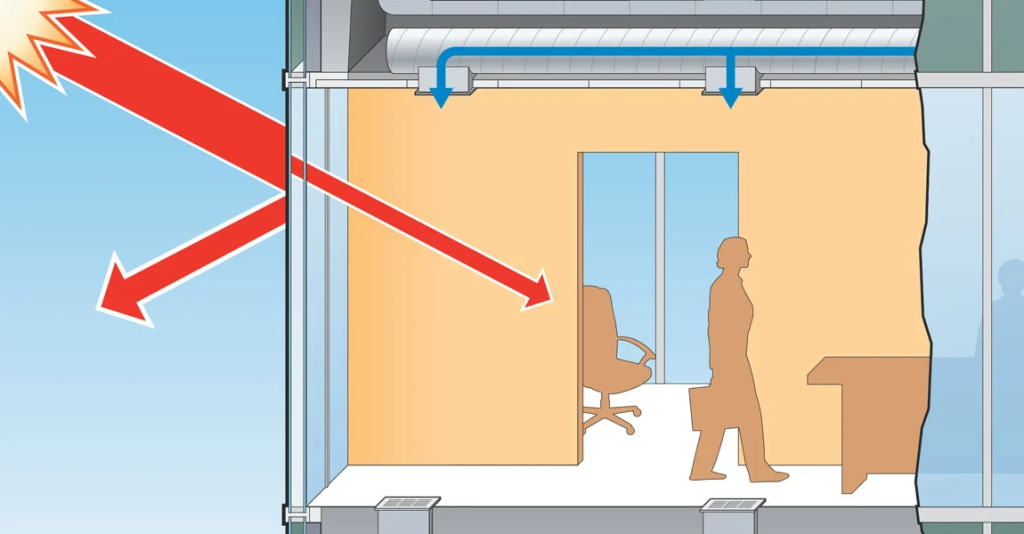
How Low-E works: The coating reflects radiant heat back toward its source—in winter, reflects interior heat back inside; in summer, reflects solar heat back outside. This selective reflection of infrared (heat) while transmitting visible light (allowing natural daylight) is the coating’s key benefit.
Types of Low-E coatings:
Hard-coat (pyrolytic) Low-E: Applied during glass manufacturing while glass is molten, creating durable coating fused to glass surface. Hard-coat Low-E is more durable and scratch-resistant than soft-coat but provides less heat reflection (higher SHGC and U-factors than soft-coat).
Soft-coat (sputtered) Low-E: Applied after glass manufacturing in vacuum chambers, depositing extremely thin metallic layers. Soft-coat Low-E provides superior performance (lower U-factors, more precise SHGC control) but is less durable and must be protected inside sealed IGU (cannot be exposed on exterior glass surface or it deteriorates).
Modern windows almost universally use soft-coat Low-E due to superior performance, with coating protected between glass panes in IGUs.
Low-E coating placement: In double-pane windows, Low-E coating is typically applied to surface #3 (interior side of exterior pane) or surface #2 (exterior side of interior pane) depending on climate optimization:
- Cold climates: Surface #3 coating maximizes solar heat gain while preventing heat loss
- Hot climates: Surface #2 coating minimizes solar heat gain
- Some advanced windows use multiple Low-E coatings on different surfaces optimizing both heating and cooling performance
Tinted and Reflective Glass
Tinted glass has color added throughout the glass (bronze, gray, blue, green) absorbing solar energy. The glass itself heats up, then re-radiates some heat inward and outward. Tinting reduces both visible light and solar heat gain but less efficiently than Low-E coatings (tint blocks light proportionally to heat blocking—you get dark interiors to achieve heat reduction).
Tinted glass is less common in modern residential windows since Low-E coatings provide superior heat control without proportional light reduction. However, deep tints can provide privacy and aesthetics some homeowners desire.
Reflective coatings create mirror-like exterior appearance, reflecting both light and heat. These are common in commercial buildings but rare in residential applications—neighbors (and homeowners) generally dislike mirrored appearance, and most building codes or HOAs restrict or prohibit reflective residential windows.
UV-Blocking Coatings
Low-E coatings block most UV radiation (99%+) as beneficial side effect of reflecting infrared energy, but some windows include additional UV-blocking treatments. UV protection prevents:
- Fabric fading (curtains, upholstery, carpets)
- Wood floor discoloration
- Artwork damage
- Skin exposure to harmful UV rays through windows
Most modern Low-E windows provide sufficient UV protection without additional treatments. However, windows with extensive direct sun exposure in homes with valuable furnishings or art might benefit from specialized UV-blocking films or coatings providing 99.9% UV blockage.
Anti-Condensation Treatments
Condensation forms on windows when interior surface temperature drops below the dew point of interior air. This occurs with cold exterior temperatures and humid interior air. Condensation causes:
- Water damage to window frames and sills
- Mold and mildew growth
- Ice buildup on windows (in extreme cold)
- Obstructed views
Prevention strategies:
- Better insulating windows (lower U-factors mean warmer interior glass surfaces)
- Warm-edge spacers (prevent cold edges where condensation concentrates)
- Proper interior humidity control (exhaust fans in bathrooms and kitchens, dehumidifiers if necessary)
- Interior storm windows or plastic film (add insulating layer in extreme cold)
Some windows include hydrophobic coatings causing condensation to sheet off glass rather than forming droplets, but these don’t prevent condensation—they just manage how it behaves.
Shop on AliExpress via link: wholesale-low-e-glass-coating
5. Installation Considerations and Costs
Retrofit vs. Full Replacement
Retrofit installations (also called insert or pocket installations) install new window units into existing frames after removing old sashes. This approach:
- Costs less ($200-400 per window vs. $300-700 for full replacement)
- Installs faster (2-3 hours per window vs. 4-6 hours)
- Requires no exterior siding work or interior trim repairs
- Avoids disturbing existing finishes
However, retrofit limitations include:
- Slightly smaller glass area (new unit fits inside existing frame)
- Can only be used if existing frames are square, plumb, and undamaged
- May not address frame insulation or air leakage issues
- Generally not suitable for very old windows with deteriorated frames
Full replacement removes entire window unit including frames, installing completely new windows. This approach:
- Allows addressing all efficiency issues (frame insulation, proper sealing)
- Maximizes glass area (new frames fit opening fully)
- Enables fixing any frame rot, structural issues, or air leakage
- Provides opportunity to resize or reconfigure windows
However, full replacement:
- Costs 30-50% more than retrofits
- Requires disturbing interior trim and possibly exterior siding
- Takes longer (4-6 hours per window)
- Requires interior and exterior finish repairs and painting
Decision factors: Use retrofits when existing frames are good condition and you prioritize cost savings and minimal disruption. Use full replacement when frames are damaged, you want maximum performance, or you’re doing comprehensive renovations anyway.
Installation Cost Breakdown
Material costs:
- Standard double-pane vinyl windows: $150-300 per window
- Premium double-pane (argon, low-E, warm-edge): $250-450 per window
- Triple-pane premium: $400-700 per window
- Electrochromic smart glass: $600-1,200+ per window (material only)
Labor costs:
- Retrofit installation: $150-250 per window
- Full replacement installation: $200-400 per window
- Complex installations (large windows, difficult access): $400-800 per window
Total installed costs (average home with standard-size windows):
- Budget double-pane replacement: $300-500 per window
- Mid-range premium double-pane: $450-700 per window
- Premium triple-pane: $600-1,000 per window
- Electrochromic smart glass: $800-1,500+ per window
Typical home installation (15 windows):
- Budget: $4,500-7,500
- Mid-range: $6,750-10,500
- Premium: $9,000-15,000
- Smart glass (partial home, 8 windows): $6,400-12,000
Additional costs may include:
- Removal and disposal of old windows: $50-100 per window
- Trim repair and painting: $100-300 per window if extensive
- Structural repairs if rot or damage discovered: $200-1,000+ per window
- Permits: $100-500 for project (varies by locality)
DIY vs. Professional Installation
Window installation appears straightforward but involves precision, specialized tools, and experience achieving proper performance:
DIY challenges:
- Ensuring square, plumb, level installation (critical for operation and sealing)
- Proper weatherproofing and sealing (improper sealing negates efficiency benefits)
- Handling large, heavy windows safely (especially upper floors)
- Achieving proper interior and exterior finish work
- Voiding manufacturer warranties (many require professional installation)
Professional advantages:
- Experience ensuring proper installation
- Specialized tools and techniques
- Warranty protection (installation and manufacturer warranties)
- Insurance coverage for damage during installation
- Speed (professionals install 3-6 windows per day vs. days per window for DIYers)
Recommendation: Unless you have significant construction experience, professional installation is worth the investment for major window projects. The installation quality directly impacts window performance, longevity, and your home’s weather protection. Poor installation can negate all benefits of premium windows.
For smaller projects (single window replacement, interior storm windows), DIY may be appropriate for experienced homeowners, but full-home window replacement projects benefit from professional expertise.

6. Smart Home Integration
Connecting Smart Glass to Home Automation
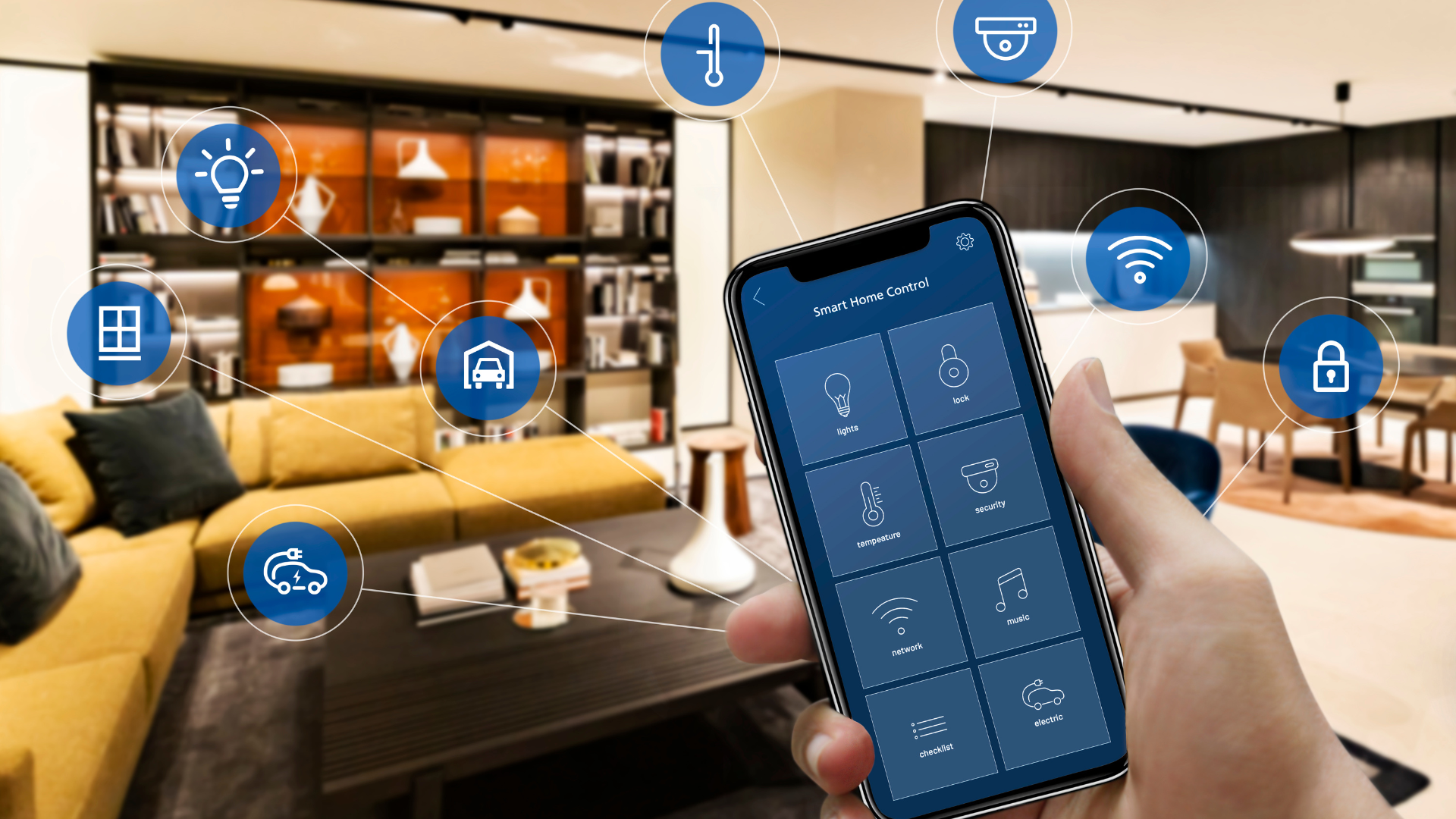
Electrochromic smart glass integrates with popular smart home platforms (Amazon Alexa, Google Home, Apple HomeKit, Control4, Savant) enabling:
Voice control: “Alexa, darken the living room windows” or “Hey Google, clear all windows”
Automated schedules: Program windows to darken during typical peak sun hours (10 AM - 4 PM) and clear at other times
Sensor-based automation: Connect to light sensors, temperature sensors, or weather stations automatically adjusting tint based on conditions:
- Darken when exterior brightness exceeds threshold
- Darken when indoor temperature rises above setpoint
- Clear when sun angles change (afternoon when sun no longer directly hits windows)
Scene integration: Include window tinting in home automation scenes:
- “Movie mode” darkens windows, dims lights, and starts entertainment system
- “Morning routine” clears windows, raises shades, and adjusts thermostats
- “Away mode” randomly adjusts windows simulating presence for security
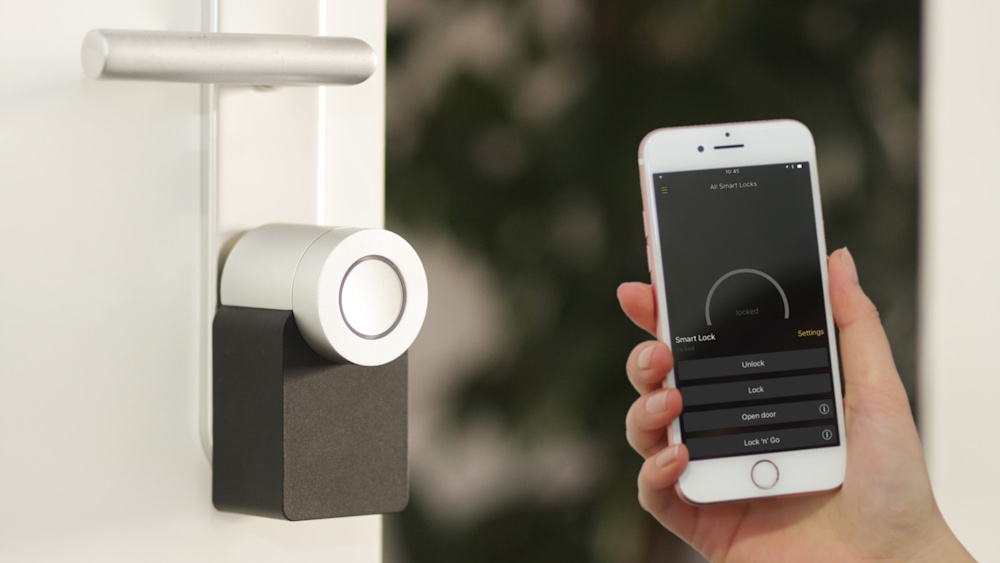
App control: Smartphone apps allow remote window control—adjust windows while away from home, check window status, and modify schedules
Integration with HVAC systems: Advanced integrations coordinate window tinting with heating/cooling systems:
- Darken south-facing windows when AC is running (reduce cooling load)
- Clear windows on cold sunny days when heating is active (capture free solar warmth)
- Optimize tinting based on utility rate structures (darken during peak electricity pricing hours)
Energy Monitoring and Optimization
Smart home systems can monitor actual energy savings from smart glass, providing data validating investment:
Energy tracking: Compare energy usage before and after installation, isolating HVAC consumption and calculating actual savings
Optimization algorithms: Machine learning systems analyze patterns over time, automatically optimizing window tinting schedules for maximum energy efficiency while maintaining comfort preferences
Utility integration: Some smart home platforms integrate with utility data providing real-time electricity costs and automating adjustments during peak pricing (darkening windows reducing AC load during expensive peak hours)
Future-Proofing Considerations
When installing smart glass or planning window replacements, consider future technology evolution:
Wiring infrastructure: Even if not installing smart glass immediately, consider running electrical circuits to key window locations during renovations—adding wiring later is difficult and expensive
Communication protocols: Choose smart glass systems supporting open standards (Matter, Zigbee, Z-Wave) rather than proprietary protocols ensuring compatibility with future smart home platforms
Upgradability: Some smart glass systems allow controller/electronics upgrades without replacing glass itself—useful as technology evolves
7. Return on Investment Analysis
Calculating Your Personal ROI
Generic payback calculations provide starting points, but your specific ROI depends on personal circumstances. Calculate your potential ROI:
Step 1: Determine current energy costs
- Annual heating costs: $____
- Annual cooling costs: $____
- Total HVAC costs: $____
Step 2: Estimate savings percentage
- Cold climate, single-pane to premium double-pane: 30-40% savings
- Hot climate, single-pane to low-SHGC double-pane: 25-35% savings
- Moderate climate, old double-pane to premium new: 15-25% savings
- Smart glass addition: 5-15% additional savings
Step 3: Calculate annual savings Total HVAC costs × Savings percentage = Annual savings
Step 4: Determine net investment
- Total window project cost: $____
- Minus rebates and tax credits: $____
- Net investment: $____
Step 5: Calculate simple payback Net investment ÷ Annual savings = Payback period (years)
Example calculation:
- Annual HVAC: $1,800
- Expected savings: 30% = $540/year
- Project cost: $8,000
- Rebates/credits: -$2,000
- Net investment: $6,000
- Payback: 6,000 ÷ 540 = 11.1 years
With 25-year window lifespan, this provides nearly 14 years of net benefit.
Non-Financial Benefits
ROI analysis shouldn’t focus solely on energy savings. Additional valuable benefits:
Comfort improvement: Warmer interior glass surfaces in winter eliminate cold drafts and uncomfortable cold zones. Cooler interiors in summer reduce hot spots near windows. These comfort improvements are immediate and ongoing.
Noise reduction: Quality insulating windows reduce exterior noise transmission 30-50% compared to single-pane windows—valuable near busy streets, airports, or commercial areas.
UV protection: Prevents thousands of dollars of furniture, flooring, and art damage over window lifespan.
Reduced condensation: Eliminates mold risk, window frame damage, and visual obstruction from condensation.
Increased home value: Energy-efficient windows are selling points increasing home appeal and value—typically recouping 70-85% of installation costs in increased sale price.
Environmental impact: Reduced energy consumption lowers carbon footprint and environmental impact—meaningful for environmentally-conscious homeowners.
When Window Replacement Makes Most Sense
Window replacement is most financially attractive when:
Existing windows are old: Replacing single-pane or deteriorated double-pane windows provides maximum benefit
Energy costs are high: Homes with expensive heating/cooling costs see faster payback
Climate is extreme: Very cold or very hot climates maximize energy savings potential
Windows are being replaced anyway: If windows are damaged, rotted, or failing operationally, upgrading to premium efficient windows adds minimal incremental cost
Comprehensive renovation underway: During major renovations, window replacement fits logically with other upgrades and avoids disturbing finishes twice
Long-term ownership planned: Homeowners planning to stay 10+ years capture full payback and ongoing benefits
Home comfort is inadequate: If drafts, cold zones, excessive heat, or noise significantly impact livability, comfort improvement alone may justify investment regardless of pure energy ROI
Conclusion: The Future of Home Windows
Windows have evolved from simple transparent barriers to sophisticated building components actively contributing to home comfort, efficiency, and livability. Modern insulating glass technology eliminates most heat transfer through windows, dramatically reducing energy waste and improving year-round comfort. Smart glass adds dynamic control, adapting to changing conditions and occupant preferences while integrating seamlessly with home automation systems.
The window industry continues advancing—next-generation technologies include transparent solar panels (windows generating electricity while remaining see-through), advanced thermochromic systems with predictive controls, and ultra-thin vacuum-insulated glass achieving dramatic efficiency in compact profiles. Windows are becoming increasingly intelligent, energy-positive building components rather than energy-negative compromises.
Whether you choose conventional premium insulating glass or invest in cutting-edge electrochromic smart windows, upgrading from old inefficient windows represents one of the most impactful home improvements available. The combination of energy savings, improved comfort, reduced environmental impact, and enhanced home value makes window replacement a wise investment for most homeowners with aging windows in their homes.
Your windows shape how you experience your home every single day—the light that enters, the views you enjoy, the comfort you feel, and the energy costs you pay. Modern glass technology ensures those experiences are as positive, comfortable, and efficient as possible while positioning your home for the increasingly automated and energy-conscious future.
Frequently Asked Questions
Q: How long do modern insulating glass windows last?
A: Quality double-pane and triple-pane windows typically last 20-30 years with proper maintenance. The sealed IGU (insulating glass unit) warranty is typically 10-20 years covering seal failure and gas loss. Frames can last 30-50+ years (especially vinyl and fiberglass), meaning windows may be reglazed (IGU replaced within existing frame) extending total lifespan beyond initial installation.
Q: Will smart glass work during power outages?
A: Most electrochromic smart glass defaults to clear state during power loss, ensuring visibility and natural light. Some systems include battery backup maintaining last setting during outages. PDLC privacy glass typically goes opaque during power loss, which may be undesirable depending on application.
Q: Can I retrofit smart glass into existing windows?
A: True electrochromic glass requires complete window replacement—the technology is integrated into the glass itself during manufacturing. However, aftermarket smart tint films can be applied to existing windows providing similar (though less sophisticated) functionality at lower cost. These films typically cost $10-30 per square foot installed versus $50-100+ for integrated smart glass.
Q: How much can smart glass actually save on energy costs?
A: Smart glass provides approximately 5-15% additional savings beyond quality static low-E windows. The savings come from dynamic solar heat gain control—blocking solar heat during cooling season while allowing it during heating season. Actual savings depend on climate, window orientation, and home characteristics. In mild climates with minimal HVAC costs, smart glass savings may not justify premium costs. In extreme climates with high energy costs, smart glass can pay for itself over 15-20 year horizons.
Q: Are triple-pane windows worth the extra cost?
A: In very cold climates (northern tier states, Canada, high altitudes), triple-pane windows provide worthwhile additional efficiency justifying 20-30% cost premium. In moderate to warm climates, diminishing returns mean double-pane premium windows (argon fill, low-E, warm-edge spacers) provide better cost-to-benefit ratio. Focus on overall U-factor rather than pane count—excellent double-pane windows (U-factor 0.25) outperform mediocre triple-pane windows (U-factor 0.28).
Q: Will new windows reduce outside noise significantly?
A: Yes. Quality double-pane windows reduce noise transmission approximately 30-40% compared to single-pane windows (measured in decibels—a logarithmic scale where 10 dB reduction means roughly half the perceived loudness). Triple-pane windows and laminated glass provide even better noise reduction (40-50%). For homes near highways, airports, or busy urban areas, acoustic improvement alone can justify window replacement regardless of energy savings.
Q: Do I need to replace all windows at once?
A: No. Phased replacement is practical and common, allowing budget spreading over multiple years. Prioritize based on: (1) worst-performing windows (single-pane, damaged, or leaking), (2) sun exposure (south and west-facing windows first in cooling-dominated climates, north windows first in heating-dominated climates), (3) most-used rooms (living areas before guest rooms). Even partial window replacement provides proportional benefits.
Q: How do I know if my windows need replacing?
A: Signs indicating replacement need include: condensation between panes (seal failure), difficulty operating (frames warped or hardware failed), visible damage or rot, excessive drafts, high energy bills with HVAC working constantly, and single-pane construction in extreme climates. If windows are 15-20+ years old and original to home, efficiency testing or professional assessment can determine whether replacement is cost-effective.
Q: Can I get tax credits or rebates for window replacement?
A: Many jurisdictions offer incentives. Federal tax credits (30% of costs up to limits, recently) for Energy Star certified windows are available some years—check current IRS guidelines. Many utility companies offer rebates ($50-150 per window typically). State and local programs vary. Always verify window products meet Energy Star criteria for your climate zone to qualify for incentives. Check www.energystar.gov and your utility websites for current programs.
Articles related:

Tags
📧 Get More Articles Like This
Subscribe to receive product reviews and buying guides in your inbox!
We respect your privacy. Unsubscribe at any time.