Renting Smart Home Devices Versus Buying Them: What Some Landlords Might Not Want You to Know
Table of Contents
- Introduction: The Smart Home Rental Trap
- The Real Cost Comparison Nobody Shows You
- Privacy Invasion Built Into Rental Agreements
- Landlord Control and Tenant Rights
- Hidden Fees and Long-Term Financial Impact
- Why Buying Makes More Financial Sense
- How to Navigate Rental Property Smart Home Policies
- Conclusion: Taking Back Control
- Frequently Asked Questions
Introduction: The Smart Home Rental Trap
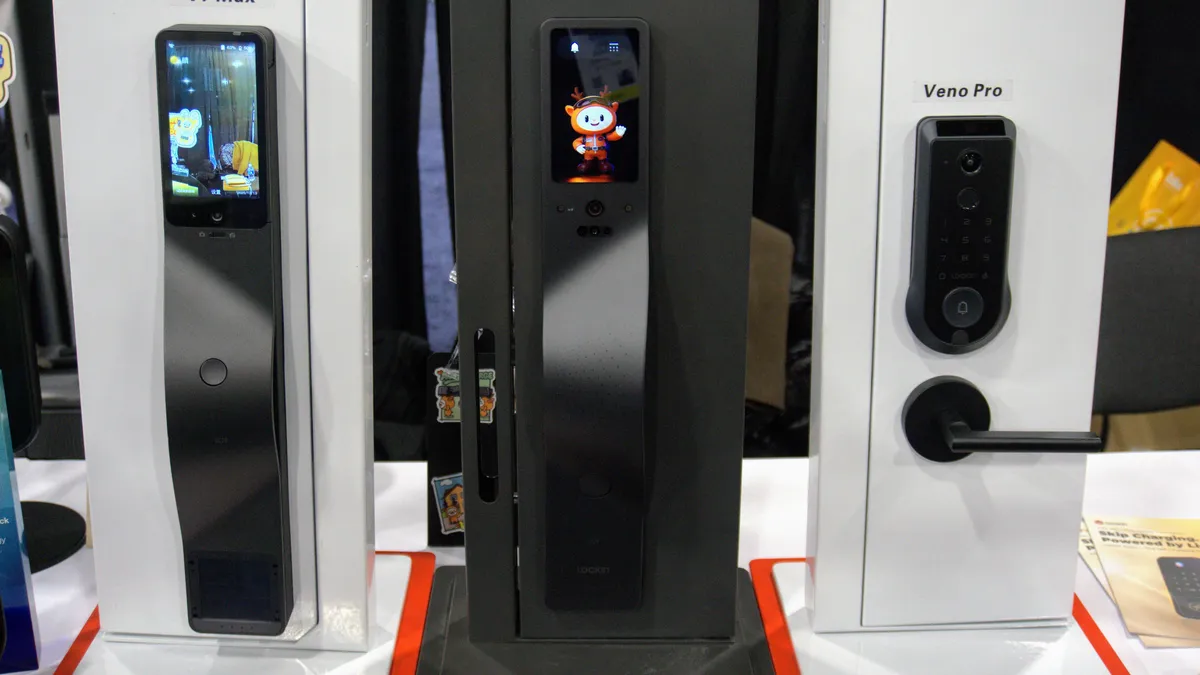
Jessica Thompson received her new lease renewal from the property management company with excitement about staying another year in her apartment, but the enthusiasm vanished when she discovered a new mandatory “Smart Home Technology Package” adding $45 monthly to her rent without the option to decline the service. The package included a smart thermostat replacing the perfectly functional manual unit, a video doorbell she never requested, and smart locks requiring smartphone access she found invasive and unnecessary for her security needs. When Jessica questioned the requirement, the leasing office explained that all units now featured these “premium amenities” as part of their property modernization initiative, presenting the technology as a value-added benefit rather than acknowledging the forced rental arrangement generating additional revenue from captive tenants unable to negotiate or refuse without relocating entirely. This scenario repeats across thousands of rental properties nationwide as landlords and property management companies increasingly mandate smart home device rentals, creating lucrative recurring revenue streams while shifting costs to tenants who receive zero ownership equity despite funding equipment purchases multiple times through monthly subscription fees.
The smart home rental industry has exploded over the past five years as property management companies discovered that technology subscriptions provide higher profit margins than traditional rent increases limited by market competition and regulatory caps in rent-controlled jurisdictions. By partnering with smart device manufacturers desperate for market penetration and recurring revenue models, landlords create mutually beneficial arrangements where manufacturers gain guaranteed customer bases through bulk installations while property managers receive substantial commission payments ranging from 20% to 40% of monthly rental fees plus upfront kickbacks for initial device deployments. This partnership dynamic means that landlord decisions to mandate smart device rentals serve financial motivations rather than genuine tenant benefit or property value enhancement, though marketing materials universally emphasize resident convenience, energy savings, and modern living amenities obscuring the profit-driven nature of forced technology adoption that tenants subsidize through inflated monthly costs dramatically exceeding simple device purchase prices.
The fundamental deception underlying smart device rental programs involves obscuring true costs through various accounting manipulations and misleading presentations that prevent tenants from recognizing the financial disadvantage compared to personal device ownership. Software update disclosure failures by device manufacturers compound tenant information gaps as companies rarely communicate how long rental devices will receive security patches or functionality support, leaving tenants paying for equipment that may become obsolete or vulnerable within months. Many leases bundle device fees into total rent figures rather than itemizing technology charges separately, making cost comparisons impossible and concealing that tenants pay premium prices for equipment available at retail stores for one-time purchases recovering costs within 6-12 months. Alternative presentations describe device access as “included amenities” similar to swimming pools or fitness centers, creating false equivalency between shared community features and individual unit equipment that tenants could own personally at fraction of cumulative rental expense. These deliberate obfuscations protect landlord interests by preventing informed tenant decision-making that would reject rental arrangements favoring outright purchases providing ownership value and long-term savings.
While this video highlights a smart device guide for renters to give you a useful insight, there’s still information you might not know about renting versus buying smart home devices :
The tenant rights implications of mandatory smart device rentals raise significant legal and ethical concerns as landlords increasingly require participation in technology programs as lease conditions, effectively forcing residents to accept surveillance infrastructure and recurring costs or forfeit housing access in tight rental markets. The IoT security standards established by federal agencies identify numerous privacy and security risks inherent in connected devices, yet rental agreements typically disclaim landlord liability for data breaches, surveillance abuses, or privacy violations while granting broad rights to collect and utilize tenant information generated through device monitoring. This power imbalance places tenants in untenable positions where exercising privacy preferences or avoiding unnecessary technology costs requires challenging well-resourced property management companies through expensive legal proceedings or accepting exploitative arrangements lacking meaningful choice or negotiation leverage. The situation particularly disadvantages lower-income renters who cannot afford relocating to properties without mandatory technology fees, creating economic discrimination where housing access depends on accepting smart home surveillance and recurring subscription costs unrelated to basic shelter provision.
The emerging backlash against smart device rental programs comes from tenant advocacy organizations, privacy rights groups, and consumer protection agencies recognizing the exploitative nature of arrangements that extract maximum value from captive tenant populations while providing minimal genuine benefit or informed consent. Smart home versus traditional home cost comparisons consistently demonstrate that rental programs represent the worst financial choice for residents, though effective landlord lobbying has prevented regulatory intervention in most jurisdictions. Class action lawsuits challenging deceptive rental practices and privacy violations have emerged in several states, though legal outcomes remain uncertain as courts grapple with applying traditional landlord-tenant law to emerging technology contexts lacking clear precedent or legislative guidance. This article exposes the hidden costs, privacy invasions, and control mechanisms embedded in smart device rental programs that landlords prefer tenants never discover, providing information and strategies enabling informed decisions about whether accepting rental requirements or negotiating ownership alternatives better serves individual circumstances and long-term financial interests.
The Real Cost Comparison Nobody Shows You
The financial analysis of renting versus buying smart home devices reveals shocking cost differentials that landlords deliberately obscure through misleading presentations and incomplete disclosure designed to prevent tenant recognition of exploitation. A standard smart thermostat like the Google Nest or similar mid-range model retails for approximately $130-180 with occasional sale prices dropping to $100-120, yet rental programs charge $15-25 monthly for the same equipment totaling $180-300 annually and $360-600 over typical two-year lease periods. This means tenants pay 2-3 times the retail purchase price through rental fees while receiving zero ownership equity, with equipment reverting to landlord possession upon lease termination regardless of total payments made. The manufacturers receive their retail price immediately through bulk landlord purchases plus ongoing subscription revenue from tenants, while landlords pocket the markup difference between wholesale acquisition costs and retail-based rental rates charged to residents, creating dual profit extraction from single transactions.
The smart lock comparison proves even more financially egregious as basic electronic deadbolts with keypad entry retail for $80-120 while advanced models with smartphone connectivity cost $150-200, yet rental programs charge $10-20 monthly for locks that tenants pay for multiple times during extended residency periods. A tenant renting a smart lock at $15 monthly spends $180 annually and $360 over two years for equipment purchasable at $150 one-time investment, representing 140% cost premium for rental access versus ownership. The situation worsens when calculating long-term residency scenarios where tenants occupy units for 3-5 years, generating $540-900 in rental payments for $150 retail equipment—a 260-460% markup creating pure profit for landlords and property management companies. These excessive costs escape tenant attention when presented as modest monthly fees rather than cumulative totals revealing the extreme financial disadvantage compared to simple retail purchases providing permanent ownership value.
The security camera rental arrangements demonstrate the most exploitative cost structures as basic indoor cameras retail for $30-60 while outdoor weatherproof units cost $80-150, yet rental programs charge $8-15 monthly per camera with properties featuring multiple units rapidly accumulating substantial costs. A rental property equipped with three cameras generating $12 monthly fees each produces $36 monthly and $432 annual rental revenue for equipment costing $300 combined retail price, meaning landlords recover full equipment costs within 8 months while collecting ongoing revenue for remaining lease duration and future tenant occupancies. The cameras typically include cloud storage subscriptions bundled into rental fees at inflated rates compared to direct consumer pricing, with landlords receiving manufacturer kickbacks for data access enabling surveillance monetization through third-party analytics and marketing partnerships. Smart power strips and energy management devices represent additional rental revenue streams despite minimal equipment costs, with simple plug devices costing $15-30 retail available as $5-8 monthly rentals generating massive percentage markups on low-value products.
The cumulative cost analysis across typical smart home packages reveals total financial impact as property management companies bundle multiple devices into mandatory technology packages presented as integrated amenity offerings rather than itemized individual rentals. A standard package including smart thermostat ($20 monthly), smart lock ($15 monthly), doorbell camera ($12 monthly), and two indoor cameras ($10 monthly each) totals $67 monthly technology fees representing $804 annually and $1,608 over two years for equipment readily purchasable at $500-700 combined retail price. This means tenants pay 130-220% premium through rental arrangements while building zero ownership equity and facing potential additional charges for installation, activation, removal, or damage that retail purchases avoid entirely. The home energy management systems marketed as reducing utility costs typically save $10-30 monthly through optimized heating/cooling schedules, yet rental fees of $20-35 monthly for the same technology create net cost increases rather than the advertised savings, with any financial benefits accruing primarily to landlords through reduced common area energy expenses rather than individual tenant utility bills.
The rent versus buy calculation becomes even more compelling when examining device lifespan and portability value as personally owned equipment serves 5-10 years across multiple residences while rental arrangements generate zero transferable value upon lease termination. A tenant purchasing $600 in smart home equipment used across three residences over six years enjoys amortized costs of $100 annually or $8.33 monthly, dramatically undercutting rental fees of $50-100 monthly for identical functionality and actual savings accumulating to $2,520-5,040 over the six-year period. The smart home devices worth buying in 2026 emphasize universal compatibility, simple installation, and proven reliability enabling cost-effective deployment across diverse rental properties without requiring landlord permission or specialized installation services. Property owners recognize these economics clearly, which explains aggressive promotion of rental programs and resistance to tenant-owned installations that would expose the financial exploitation inherent in mandatory subscription models generating recurring revenue from captive resident populations.

Privacy Invasion Built Into Rental Agreements
The surveillance capabilities embedded in rental smart home devices create comprehensive monitoring infrastructure enabling continuous landlord observation of tenant behavior, occupancy patterns, energy usage, and property access in ways that traditional rental relationships never permitted or contemplated. Smart thermostats record temperature adjustment patterns revealing when occupants wake, sleep, and leave for work, with algorithms analyzing preferences and generating behavioral profiles sold to utility companies, insurance providers, and marketing firms through data sharing agreements tenants unknowingly accept buried within rental contract fine print. The motion sensors integrated into cameras, doorbells, and lighting controls detect movement throughout properties creating detailed activity logs documenting when and where residents move within their homes, information accessible to landlords, property managers, and third-party technology providers maintaining cloud platforms hosting all collected data. Smart locks record every entry and exit event including timestamps and user identifications, enabling tracking of guest visits, monitoring compliance with occupancy limits, and documenting potential lease violations including unauthorized subletters or prohibited pets identified through unusual access patterns or entry frequency analysis.
The video doorbell and security camera systems provide even more invasive surveillance as lens positions capture not just property interiors but also surrounding common areas, neighboring units, and public spaces beyond rental boundaries raising legal questions about consent and reasonable expectation of privacy in multi-unit buildings. The cloud storage requirements for video footage mean that months or years of recordings exist on remote servers accessible to landlords, law enforcement without warrant requirements in some jurisdictions, and potentially third parties through data breaches or unauthorized access that rental agreements typically disclaim landlord responsibility for preventing or remedying. Facial recognition capabilities increasingly integrated into doorbell cameras enable tenant identification systems tracking building entry, analyzing visitor demographics, and creating permanent databases of everyone approaching rental properties without knowledge or consent from individuals whose biometric data gets captured and stored indefinitely. The IoT cybersecurity program research from federal agencies documents extensive vulnerabilities in consumer devices that rental agreements shift entirely to tenants despite landlords controlling device selection, configuration, and access management.
The data monetization practices embedded in rental device ecosystems reveal disturbing business models where landlords and manufacturers profit from selling tenant information to third parties including advertisers, data brokers, insurance companies, and researchers studying consumer behavior patterns. The privacy policies governing rental devices grant broad rights to collect behavioral data, usage patterns, energy consumption statistics, occupancy information, and voice recordings from smart speakers marketed as convenience features but functioning as permanent listening devices transmitting conversations to cloud servers for natural language processing and targeted advertising. Property management companies increasingly demand administrative access to all tenant smart home data as rental agreement conditions, enabling review of living patterns supposedly to optimize building operations but actually gathering information supporting rent increase justifications, lease non-renewal decisions, and tenant screening for future applicants. These invasive practices face minimal regulatory oversight as privacy laws applicable to traditional consumer products often exclude business-to-business relationships like landlord-tenant arrangements from consumer protection provisions.
The consent mechanisms for smart device data collection prove fundamentally flawed as tenants face mandatory participation without meaningful choice or alternative housing options in markets where landlords increasingly require rental technology adoption. The Federal Trade Commission consumer advisories warn about smart device privacy risks and recommend reviewing privacy policies, limiting data sharing, and maintaining control over device settings, yet rental arrangements violate all these recommendations by mandating landlord-controlled devices, preventing tenant access to privacy settings, and requiring agreement to expansive data collection as lease conditions. The clickwrap agreements and terms of service associated with rental devices contain provisions allowing unlimited data collection, indefinite storage, broad third-party sharing, and unilateral privacy policy changes without notice or consent from tenants bound by initial rental agreement terms accepting all future modifications. Landlord resistance to transparent privacy practices and tenant data control rights reveals recognition that surveillance capabilities and monetization opportunities represent core rental program value rather than tangential byproducts of legitimate property management technology.
The tenant advocacy efforts to establish privacy protections face significant challenges as property management industry lobbying opposes legislative restrictions on landlord surveillance capabilities and data collection practices. Some jurisdictions have enacted smart device disclosure requirements mandating landlord notice when rental units contain recording devices or networked monitoring equipment, though enforcement remains limited and penalties for non-compliance prove insufficient to motivate meaningful compliance. The legal theories supporting privacy protection claims include implied warranty of quiet enjoyment suggesting that constant surveillance violates tenant rights to peaceful property possession, constitutional privacy protections potentially applicable to government-owned housing, and consumer protection statutes prohibiting deceptive practices when landlords misrepresent smart device capabilities or data collection extent. These emerging legal frameworks provide potential recourse for exploited tenants though litigation proves expensive and outcomes uncertain, making legislative solutions establishing clear privacy rights and limiting permissible landlord surveillance more effective approaches to protecting renters from technology-enabled invasions that traditional landlord-tenant law never anticipated addressing.
Landlord Control and Tenant Rights
The control dynamics inherent in smart device rental programs fundamentally alter traditional landlord-tenant relationships by extending property owner authority into detailed management of how residents interact with their living spaces through technology intermediaries enabling unprecedented oversight and intervention capabilities. Landlords utilizing centralized management platforms control all smart device settings including temperature ranges preventing tenant adjustment beyond predetermined limits supposedly optimizing energy efficiency but actually restricting resident comfort preferences and autonomy over basic environmental conditions. The remote access capabilities embedded in rental systems enable landlord intervention during occupancy including adjusting thermostats during vacations to minimize heating/cooling costs benefiting property owners rather than tenants, locking or unlocking doors during showings for lease renewals or sales without resident permission, and deactivating devices during payment disputes creating coercive pressure for rent payment through essential service denial. These control mechanisms shift power dramatically toward landlords in ways that physical locks and manual thermostats never permitted, with technology enabling micro-management and enforcement previously impossible in traditional rental relationships.
The administrative access hierarchies built into smart home platforms create separate tenant and landlord account types with vastly different capabilities and permissions determining who truly controls rental property technology. Tenant accounts typically offer limited functionality including temperature adjustment within narrow ranges, basic door lock operation, and viewing live security feeds without download/storage capabilities, while landlord administrative access includes full system configuration, remote override authority, complete data access, and ability to disable tenant permissions or functionality at will without notice or justification. This architecture means tenants pay monthly rental fees for devices they cannot fully control or configure according to personal preferences, instead operating within parameters unilaterally established by landlords who retain ultimate authority over all technology decisions affecting daily life within rented spaces. The imbalance proves particularly problematic during landlord-tenant disputes where property managers weaponize technology control by restricting access, collecting evidence through surveillance footage, or creating discomfort through environmental controls motivating tenant capitulation to landlord demands.
The installation and removal policies governing rental devices demonstrate additional control mechanisms as landlords mandate professional installation at tenant expense supposedly ensuring proper setup but actually preventing self-service approaches that might reveal simple processes requiring no expertise or justify inflated installation fees. The removal requirements upon lease termination demand professional deinstallation at similar costs despite uninstallation proving simpler than initial setup, with landlords threatening security deposit withholding for improper removal or device damage claims enabling rent extraction through technology-related fees supplementing traditional move-out charges. Some rental agreements prohibit any tenant modification or adjustment of smart devices including routine maintenance like battery replacement or updating of software, requiring costly service calls for trivial tasks easily handled personally if landlord policies permitted resident participation in maintaining equipment that tenants fund through monthly rental payments. These restrictions maximize landlord control while generating additional fee revenue from installation, service, removal, and damage claims that ownership models avoid entirely.
The dispute resolution challenges emerging from smart device conflicts prove particularly difficult as traditional landlord-tenant remedies prove ill-suited for technology-related grievances involving privacy violations, service disruptions, or billing disputes. Tenants documenting inappropriate landlord surveillance through rental devices face challenges proving harm sufficient for legal claims when privacy invasions cause psychological impacts rather than quantifiable damages, with courts inconsistently applying existing privacy law to novel smart home scenarios lacking clear precedent. The arbitration clauses increasingly common in rental agreements mandate private dispute resolution rather than court access, with arbitration procedures favoring repeat-player landlords experienced in the process over individual tenants encountering arbitration for the first time. The costs of pursuing legal remedies often exceed amounts in controversy for individual tenants though class action procedures might provide collective remedy mechanisms if courts permit aggregation of similar claims across multiple affected residents experiencing systematic exploitation through rental device programs.
The legislative and regulatory responses to landlord smart device control remain nascent and inconsistent across jurisdictions as lawmakers struggle to balance property owner rights, tenant protections, and technology innovation in rapidly evolving contexts where traditional rules prove inadequate. Some localities have enacted disclosure requirements mandating landlord notice regarding installed surveillance equipment, data collection practices, and tenant rights to refuse optional device programs, though enforcement mechanisms remain weak and penalties insufficient to motivate compliance. Housing code provisions potentially applicable to smart device disputes include habitability requirements suggesting that landlord-controlled thermostats preventing adequate heating violate minimum standards, tenant rights to peaceful enjoyment supporting arguments against constant surveillance, and consumer protection statutes prohibiting deceptive rental device marketing obscuring true costs or privacy implications. These legal frameworks provide potential protective mechanisms though require significant development and enforcement commitment from housing agencies and courts before delivering meaningful tenant protection against exploitative technology control exercised by landlords prioritizing revenue generation over resident rights and wellbeing.

Hidden Fees and Long-Term Financial Impact
The fee structures embedded in smart device rental agreements extend far beyond advertised monthly rates through numerous hidden charges, penalties, and cost escalators that tenants discover only after signing leases and committing to technology programs marketed as simple amenity additions. Activation fees ranging from $25-75 per device supposedly cover account setup and system configuration, yet represent pure profit charges for administrative tasks requiring minimal time or expertise beyond entering tenant information into existing management platforms. The professional installation requirements generate $100-200 charges per property despite installation involving simple processes like screwing thermostats to existing wall plates or mounting cameras using included hardware, with landlords prohibiting self-installation supposedly to ensure proper setup but actually protecting lucrative installation fee revenue streams. Monthly platform access fees of $10-20 charge tenants for cloud storage, remote access capabilities, and software features already included in device manufacturer pricing, creating double-billing scenarios where tenants pay separately for functionalities covered by rental rates.
The insurance and protection plans pushed during rental device enrollment add $5-10 monthly per device supposedly covering damage, theft, or malfunction, yet rental agreements already impose tenant liability for device condition meaning insurance premiums protect landlord interests rather than reducing tenant financial exposure. The premium feature paywalls restrict basic functionality behind additional subscription tiers requiring $5-15 monthly upgrades for capabilities like extended video history, advanced automation rules, or multi-user access that competitive consumer products provide as standard features without ongoing fees. Usage overage charges emerge when security camera recording or data transmission exceeds plan limitations typically set at levels ensuring routine use triggers additional fees, with $10-25 monthly overage charges generating revenue from surveillance systems tenants never requested and cannot opt out from without lease violations. These layered fees can double or triple advertised rental rates transforming $15 monthly thermostаt charges into $40+ actual costs once activation, installation, platform access, insurance, and premium features accumulate through required or practically necessary additions.
The termination penalties and early cancellation fees create exit barriers preventing tenants from escaping rental arrangements recognized as financially disadvantageous, with charges ranging from $100-300 per device supposedly compensating landlords for remaining contract value though rental agreements typically continue month-to-month matching lease terms without fixed subscription periods justifying penalty imposition. Damage charges assessed during device removal frequently exceed actual equipment value as landlords claim depreciation and replacement costs at inflated rates rather than proportional responsibility for normal wear during tenant occupancy periods. The late payment fees and service disruption penalties add $25-50 monthly when rental fees fall past due separate from general rent non-payment, with some agreements authorizing device deactivation after 15-30 days including essential functions like smart locks creating security concerns or thermostat control affecting climate control during extreme weather. These punitive charges create coercive pressure ensuring rental fee payment through threats to basic housing services and security beyond what traditional rent collection mechanisms provide.
The long-term financial impact calculations reveal crushing cost burdens when analyzing multi-year tenancies and cumulative lifetime rental expenses across residential moves. A tenant occupying three rental properties over six years while paying $50 monthly smart device fees accumulates $3,600 total rental payments for equipment purchasable at $600 providing equivalent functionality through personally owned devices transferable between residences. The opportunity cost of allocated rental fees compounds when considering alternative uses of diverted funds including emergency savings, debt reduction, or investment generating returns rather than enriching landlords through pure profit technology schemes. The credit score impacts potentially emerge from rental fee non-payment reported as lease violations on tenant screening reports affecting future housing access and rental application competitiveness, creating cascading financial consequences extending beyond immediate rental costs through long-term housing market disadvantage. Cleaning gadgets and home technology options provide more affordable alternatives to rental programs for residents seeking modern conveniences without long-term subscription commitments or landlord control mechanisms.
The comparative financial analysis demonstrates that purchasing smart devices outright and accepting slight installation limitations in rental properties generates massive savings compared to rental subscriptions that never build equity or transferable value. A $500 upfront equipment investment provides 5-7 years of use across multiple residencies at amortized cost of $71-100 annually versus $600-1,200 annual rental fees, generating $500-1,100 annual savings and $2,500-7,700 cumulative seven-year savings even when factoring occasional device replacement or upgrade costs. The portable and modular nature of modern smart home systems enables deployment in diverse rental properties through non-permanent installation methods including freestanding cameras, battery-powered sensors, and plug-and-play devices requiring no landlord permission or property modification. The investment value extends beyond pure cost savings to include privacy protection through personal device control, customization freedom selecting preferred platforms and features, and ownership satisfaction versus renter status applying to technology as well as housing highlighting how device ownership aligns with broader financial empowerment and autonomy goals.
Why Buying Makes More Financial Sense
The purchasing approach to smart home technology delivers overwhelming financial advantages compared to rental programs when analyzing lifetime costs, ownership equity, transferability value, and control benefits that monthly subscriptions explicitly prevent tenants from achieving. The upfront cost barrier represents the primary purchasing challenge as $300-600 initial equipment investment exceeds available discretionary funds for many renters, though this one-time expense pales against cumulative rental fees totaling $720-1,440 annually providing no ownership value and creating permanent financial obligations throughout tenancy duration. The strategic purchasing approach prioritizes essential devices delivering maximum utility including smart thermostats providing energy savings and comfort optimization, video doorbells enhancing security and package delivery monitoring, and smart locks enabling keyless entry and remote access management for guests or service providers. These core devices provide 80% of smart home benefits at 30-40% of total system costs enabling budget-conscious deployment focused on high-value functionality rather than comprehensive whole-home automation rarely necessary in rental contexts.
The cost recovery timeline for purchased equipment proves remarkably brief as typical smart home starter packages costing $300-400 break even within 6-10 months compared to equivalent rental fees of $50-70 monthly, meaning tenants achieve positive financial returns within single lease years and accumulate massive savings throughout extended residencies. The smart home versus traditional home comparisons consistently demonstrate purchasing superiority when controlling for equivalent functionality and multi-year ownership periods, with rental arrangements delivering value only during extremely short 1-3 month residencies insufficient to justify ownership investment. The resale value preservation of quality smart devices provides additional financial protection as lightly used equipment retains 40-60% of original purchase price enabling partial cost recovery if technology needs change or upgrades become desirable, creating flexibility that rental subscriptions completely lack through zero-equity models generating no recoverable value regardless of payment history or total fees paid.
The compatibility and ecosystem considerations influence purchasing decisions as tenant-owned devices operate across different rental properties throughout residential moves while landlord-provided equipment remains property-specific and non-transferable between residences. The universal platform selection emphasizing products compatible with multiple control systems including Google Home, Amazon Alexa, and Apple HomeKit maximizes deployment flexibility and prevents vendor lock-in limiting future expansion or integration options. The installation simplicity prioritization favoring battery-powered wireless devices, plug-and-play sensors, and non-permanent mounting solutions enables deployment across diverse rental properties without requiring landlord permission or risking security deposit forfeitures for unauthorized modifications. These strategic considerations ensure purchased equipment delivers multi-residence value rather than single-property utility that rental models force through device return requirements upon lease termination.
The customization freedom and feature access advantages of personal device ownership prove substantial as purchased equipment enables complete configuration control, privacy setting management, and software customization impossible under landlord-controlled rental systems restricting tenant permissions and functionality. The manufacturers increasingly offer direct-to-consumer subscriptions providing cloud storage, advanced features, and premium capabilities at retail prices dramatically lower than landlord-mediated rental markup pricing, with $3-10 monthly optional subscriptions delivering better value than mandatory $15-40 property management fees for equivalent or inferior services. The integration possibilities with personal voice assistants, smartphones, and home automation routines provide personalized smart home experiences tailored to individual preferences and habits rather than generic landlord configurations serving property management efficiency over resident convenience and satisfaction. Minimalist living room ideas often emphasize essential technology that enhances rather than clutters residential spaces, prioritizing quality over quantity in device selection matching renter lifestyles and budgets.
[ ](Smart Home Rental infoprods)
The advocacy and education opportunities around smart home purchasing empower tenants to resist rental program mandates through informed negotiation, lease modification requests, and collective tenant action challenging exploitative technology requirements. The documentation of purchase costs, comparable functionality, and financial analysis supporting ownership advantages provides compelling evidence during lease negotiations potentially persuading reasonable landlords to permit tenant-owned installations in exchange for liability waivers or professional installation requirements ensuring proper setup. The tenant organizing around technology issues builds collective power enabling group negotiation for installation rights, rental program opt-outs, or building-wide purchasing arrangements providing bulk discounts while preserving individual ownership and control. The public education campaigns exposing rental program exploitation raise awareness among prospective tenants enabling informed housing decisions avoiding properties mandating technology subscriptions, creating market pressure incentivizing landlords to abandon unpopular rental requirements facing tenant resistance and competitive disadvantage in housing markets valuing resident choice and financial transparency.

How to Navigate Rental Property Smart Home Policies
The practical strategies for tenants confronting smart device rental requirements depend on lease agreement language, landlord flexibility, local tenant protection laws, and individual willingness to negotiate or relocate rather than accept disadvantageous technology mandates. The initial lease review should carefully examine technology provisions including rental device descriptions, monthly fee amounts, termination conditions, data collection disclosures, and any language prohibiting tenant-owned installations or requiring participation in property management technology programs as lease conditions. The red flag identification includes mandatory participation clauses preventing opt-out, excessive fees disproportionate to equipment value, unclear data privacy policies, restrictive installation prohibitions, and penalties for device refusal suggesting landlord inflexibility that may warrant housing search continuation rather than signing exploitative agreements. The questions to ask leasing agents include cost itemization separating technology fees from base rent, confirmation whether devices are truly mandatory or actually optional despite marketing as included amenities, privacy policy disclosure documents for data collection practices, and flexibility regarding tenant-owned equipment installation as rental program alternatives.
The negotiation tactics for modifying standard lease terms include requesting technology fee removal or reduction in exchange for accepting reduced amenities, proposing tenant-owned installations meeting equivalent functionality at personal expense eliminating landlord rental revenue, offering liability releases protecting landlords from device-related issues if personal installation permitted, and documenting comparable rental properties without technology mandates providing market evidence supporting negotiating positions. The success probability varies dramatically based on rental market conditions with tenant-favorable markets enabling aggressive negotiation while landlord-favorable contexts limit bargaining leverage except for particularly desirable applicants whom property managers want to attract and retain. The written documentation of all negotiation agreements proves essential as verbal assurances lack enforceability during disputes, requiring lease addendums explicitly modifying technology requirements and confirming tenant rights to install personal equipment or opt out from rental programs without penalty or lease violation. The winter and summer home setup strategies often emphasize seasonal device deployment matching occupancy patterns and climate control needs rather than year-round comprehensive automation that rental programs mandate regardless of actual resident usage or value perception.
The legal research and tenant advocacy resources provide critical information about jurisdiction-specific protections potentially limiting landlord authority to mandate technology rentals or collect associated fees. The housing agency consultations with local tenant rights organizations, legal aid societies, or government housing departments can clarify whether smart device rental requirements violate unfair lease provisions, constitute improper fees beyond lawful rent charges, or breach privacy protections applicable in particular jurisdictions. The statute review examining landlord-tenant law, consumer protection regulations, and privacy legislation may reveal legal theories supporting challenges to rental device mandates including unconscionability arguments, implied warranty of habitability claims if landlord-controlled thermostats create inadequate climate control, and privacy violation assertions when continuous surveillance equipment gets mandated without legitimate property management justification. These legal avenues require professional counsel for effective deployment though knowledge of potential claims strengthens tenant negotiating position even when litigation remains impractical due to cost or complexity considerations.
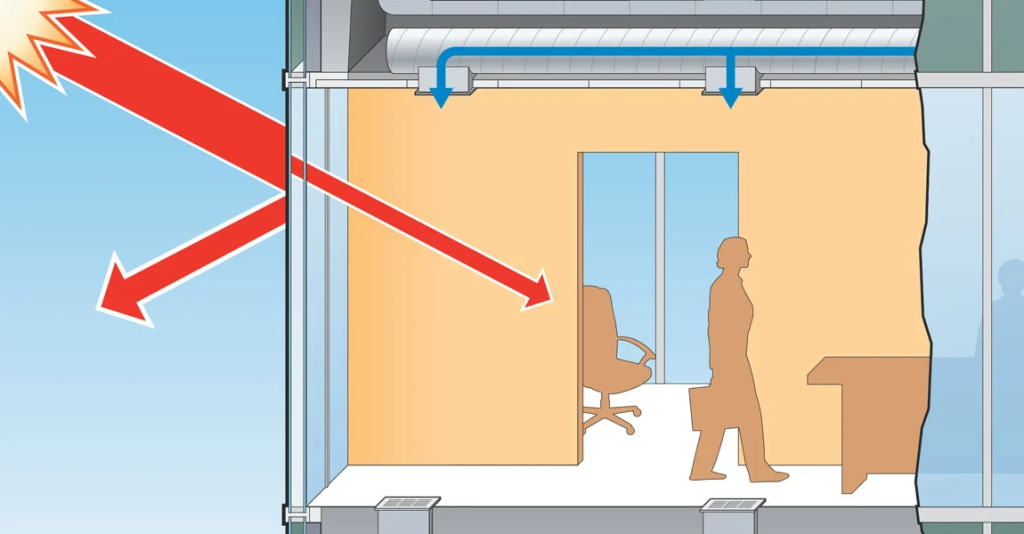
The alternative housing selection prioritizing properties without mandatory technology requirements represents the most straightforward approach avoiding rental device exploitation, though requires accepting potentially higher base rents or less desirable locations if technology-free rentals prove scarce in preferred neighborhoods. The screening questions during property search should directly address smart device policies including whether any technology fees apply, if devices are truly optional or disguised mandatory charges, what data collection occurs through installed equipment, and whether tenant-owned installations receive landlord permission with appropriate documentation confirming responses for future enforcement if disputes arise. The property comparison spreadsheets should include technology costs as separate line items enabling accurate total monthly expense calculations factoring all fees rather than just advertised base rent that excludes substantial technology charges revealed only during lease signing when prospective tenants feel pressure to proceed despite discovering unexpected costs. Smart insulating glass and building technology considerations may influence property selection decisions for energy-conscious tenants prioritizing environmental efficiency over connected device features.
The documentation and evidence collection throughout rental device experiences provides protection against landlord abuses and supports potential claims if litigation or advocacy efforts become necessary. The photograph record of all installed devices, their configuration settings accessible to tenants, and any physical property modifications necessary for installation establishes baseline conditions protecting against unwarranted damage claims during lease termination. The communication logs preserving email exchanges, text messages, and written notices regarding technology policies, fee disputes, privacy concerns, or access issues creates documentary evidence supporting tenant positions during conflicts or legal proceedings. The expense tracking calculating cumulative rental fees paid versus equipment retail costs demonstrates financial exploitation magnitude potentially relevant for consumer protection claims or public awareness campaigns exposing rental program economics. The experience sharing through online reviews, tenant organization communications, and social media platforms educates fellow renters about specific property management companies’ technology practices enabling informed housing decisions while creating public accountability pressure potentially motivating policy improvements.
Conclusion: Taking Back Control
The smart home device rental industry represents one of the most cynical examples of landlord profit maximization at tenant expense, exploiting captive residential populations through mandatory technology subscriptions generating massive revenue from equipment tenants could purchase outright at fraction of cumulative rental costs. The deliberate obscuring of true expenses through bundled fees, misleading amenity marketing, and information suppression prevents tenants from recognizing exploitation magnitude until months or years of payments accumulate without building any ownership equity or transferable value. The privacy invasions embedded in rental device ecosystems enable unprecedented landlord surveillance of tenant behavior, property usage, and daily life patterns through continuous monitoring infrastructure that traditional rental relationships never contemplated or permitted. The control mechanisms shifting power toward landlords through centralized device management platforms reduce tenant autonomy over basic residential functions including climate control, access management, and security systems that should remain under occupant rather than property owner authority.
The financial mathematics prove unambiguous as purchasing smart home equipment delivers overwhelming long-term savings compared to rental subscriptions extracting 200-400% premiums while preventing ownership accumulation that protects investment value across multiple residential moves. The strategic device selection emphasizing universal compatibility, simple installation, and core functionality enables budget-conscious deployment providing essential smart home benefits without comprehensive automation costs or permanent mounting requirements creating landlord objection risks. The tenant education and advocacy efforts must intensify to combat rental program expansion through prospective renter awareness enabling informed housing decisions, collective tenant organizing building negotiating leverage, and legislative campaigns establishing privacy protections and limiting permissible landlord technology mandates. The individual tenant empowerment through purchase decisions, lease negotiation, and alternative housing selection gradually creates market pressure potentially more effective than regulatory intervention for curbing rental device exploitation.
The broader implications of smart device rental programs extend beyond immediate financial costs to fundamental questions about residential privacy rights, tenant autonomy in housing markets increasingly dominated by corporate property management firms, and appropriate boundaries limiting landlord authority over how residents live within rented spaces. The normalization of constant surveillance through mandated monitoring technology creates dangerous precedents threatening civil liberties and human dignity as private living spaces become extensions of employer monitoring, government observation, and commercial data extraction pervading modern life. The resistance to these invasive systems requires individual and collective action including device rental refusal, tenant organizing, political advocacy, and public education exposing exploitative practices that property management industry prefers remaining hidden from tenant awareness. Rapid construction technologies and modern building methods increasingly integrate smart systems at construction phase, making technology decisions by tenants harder but also raising importance of establishing resident rights and control before built environments permanently encode surveillance infrastructure into residential architecture.
The pathway forward involves multiple strategies operating simultaneously across individual action, community organizing, and policy advocacy domains addressing different aspects of rental device challenges. Individual tenants can research device costs, negotiate lease modifications, select technology-free housing, or purchase personal equipment asserting ownership rights and installation permissions through informed but firm interactions with property managers. Tenant organizations can build collective knowledge sharing best practices, supporting members facing rental device disputes, organizing group negotiations with landlords, and creating public pressure through media campaigns exposing exploitative technology policies. The legislative advocacy must pursue privacy protections limiting landlord data collection, consent requirements ensuring meaningful tenant choice, fee transparency mandates preventing hidden charge accumulation, and clear ownership rights affirming that tenants can install personal devices without excessive landlord restriction or penalty.
The ultimate goal involves reclaiming tenant agency over residential technology decisions ensuring that smart home adoption reflects resident choice and values rather than landlord profit motives imposed through coercive lease requirements exploiting power imbalances in housing markets. The vision of tenant-controlled smart homes where residents select, own, and configure devices according to personal preferences and budgets provides alternative to current landlord-dominated models extracting value while restricting autonomy and privacy. The achievement of this vision requires sustained effort challenging property management industry practices, raising public awareness about rental device exploitation, and building political will for protective legislation establishing that housing access should not require surrendering privacy rights or accepting technology subscriptions serving landlord rather than tenant interests. Smart home devices worth purchasing in 2026 prioritize tenant ownership, universal compatibility, privacy protection, and cost-effectiveness over landlord-controlled rental systems extracting ongoing fees while providing minimal genuine resident benefit beyond enriching property managers and device manufacturers through exploitation of captive tenant populations.

Frequently Asked Questions
Q1: Why do landlords prefer renting smart home devices instead of allowing tenants to install their own?
Landlords prefer smart home rental programs because they receive commission kickbacks from device companies, maintain complete control over property access through centralized systems, and lock tenants into monthly subscription fees generating additional revenue streams beyond standard rent. The rental model prevents tenants from owning devices that would transfer to future residences, forcing repeated rental payments throughout tenancy while enabling landlords to monitor usage patterns and property access through cloud-based management platforms. This arrangement serves landlord financial interests rather than tenant convenience despite marketing claims emphasizing resident amenities and modern technology access.
Q2: How much more expensive is renting smart home devices compared to buying them outright?
Renting smart devices costs 200% to 400% more over typical 12-month lease periods compared to purchasing equivalent equipment outright, with smart thermostats rented at $15-25 monthly totaling $180-300 annually versus $120-200 purchase prices and smart locks costing $10-20 monthly reaching $120-240 yearly compared to $80-150 retail prices. The cumulative expense across multiple devices including security cameras, doorbells, and lighting controls can exceed $500 annually in rental fees for equipment purchasable at $300-400 one-time investment, though landlords conceal true costs by bundling device fees with rent or presenting them as optional amenities rather than transparent separate charges enabling informed cost comparisons.
Q3: Can tenants refuse smart home device rentals and install their own equipment?
Tenant rights regarding smart device installation vary dramatically by jurisdiction and lease agreement language, with some states protecting tenant technology choices while others grant landlords broad authority to restrict installations and mandate rental participation. Standard lease agreements increasingly include clauses prohibiting unauthorized smart device installation, requiring landlord approval for any connected equipment, and imposing fees or lease violations for non-compliance with property management technology policies. Tenants refusing rental programs risk lease non-renewal, security deposit forfeitures for unauthorized installations, or even eviction proceedings when landlords classify personal device installation as lease violations or property damage, though legal challenges sometimes succeed when rental requirements constitute unfair contract provisions or discriminatory access restrictions.
Q4: What happens to rented smart devices when the lease ends?
Rented smart devices remain landlord property requiring return upon lease termination, with tenants forfeiting all rental payments made during occupancy and receiving zero ownership equity despite funding equipment costs multiple times through monthly fees. Landlords frequently impose “device removal fees” of $50-150 per item when tenants fail to properly uninstall and return equipment, while damaged or missing devices trigger charges at inflated replacement costs exceeding actual retail prices. The rental arrangement means tenants must establish new smart home systems at each residence change, repeating device rental costs or purchasing personal equipment they should have acquired initially, while landlords recycle returned devices to subsequent tenants generating continuous revenue from single equipment investments.
Q5: Do smart device rental agreements include hidden fees beyond monthly charges?
Smart device rental contracts contain numerous hidden charges including activation fees of $25-75 per device, professional installation requirements at $100-200 per property, monthly platform access fees of $10-20 for cloud storage and remote control features, and termination penalties of $100-300 for early cancellation when tenants vacate before lease expiration. Additional costs emerge through mandatory insurance coverage at $5-10 monthly per device, premium feature paywalls restricting basic functionality, and usage overage fees when security camera recording or data transmission exceeds plan limitations. These undisclosed expenses can double or triple the advertised monthly rental rate, transforming apparent $15 device fees into actual $40+ monthly costs when all charges accumulate.
Q6: How do smart device rentals affect tenant privacy and data collection?
Rental smart devices enable continuous landlord surveillance through motion sensors recording entry/exit patterns, security cameras capturing common area activity, and smart locks logging every access event creating detailed behavioral profiles without explicit tenant consent or oversight. The cloud-based management platforms collect extensive data including temperature preferences, energy usage patterns, device interaction frequencies, and occupancy schedules that landlords monetize through third-party data sales or utilize for lease enforcement and rent increase justifications. Privacy policies buried in rental agreements grant broad data collection and sharing rights that tenants unknowingly accept, while actual device control remains with landlords who retain administrative access enabling remote monitoring, feature restrictions, and even device deactivation during tenant disputes or non-payment situations.
Q7: What legal protections exist against mandatory smart device rentals?
Legal protections against mandatory device rentals remain limited and inconsistent across jurisdictions, with most states lacking specific legislation addressing smart home technology requirements in residential leases. Some consumer protection statutes prohibit unconscionable contract terms or unfair business practices that might challenge excessive rental fees or deceptive disclosure practices, while housing discrimination laws occasionally provide recourse when technology requirements create disparate impacts on protected classes unable to afford additional costs. Tenant advocacy groups increasingly challenge rental device programs as lease violations, improper fees, or privacy violations, though successful legal outcomes depend on jurisdiction-specific tenant rights laws, lease agreement language, and judicial interpretation of emerging technology issues within traditional landlord-tenant legal frameworks.
Q8: Can purchased smart devices be transferred when moving to new rental properties?
Personally owned smart devices transfer seamlessly between residences enabling continued use without recurring purchase costs, though installation restrictions in rental properties may limit deployment options requiring landlord permission for mounting cameras, modifying door hardware for smart locks, or accessing electrical systems for thermostat installation. The investment protection through device portability makes purchasing dramatically more economical than repeated rental fees across multiple residences, with properly selected equipment serving 5-10 years across several moves while rental models generate no ownership equity or transferable value. Tenants should prioritize non-invasive installation options including freestanding cameras, adhesive-mounted sensors, and plug-and-play devices minimizing landlord objections while preserving equipment investment value through residence changes.
Q9: How do property management companies profit from device rental programs?
Property management companies profit through multiple revenue streams including direct rental fees collected from tenants, manufacturer commission payments of 20-40% on monthly subscriptions, and bulk purchasing discounts enabling equipment acquisition at 50-60% below retail prices while charging rental rates based on full MSRP. Additional profits emerge from installation fees, maintenance charges, replacement device markups, and technology platform licensing agreements with smart home companies providing kickbacks for tenant data access and user recruitment. The recurring revenue model proves exceptionally lucrative as single device investments generate ongoing income streams throughout multiyear tenant occupancies, with property portfolios containing hundreds or thousands of units producing substantial technology-related revenue supplementing traditional rental income.
Q10: What are the best alternatives to landlord-controlled smart home rental programs?
Optimal alternatives include purchasing compatible smart devices offering temporary installation options requiring no property modifications, utilizing battery-powered wireless equipment avoiding electrical work requiring landlord approval, and selecting portable systems easily removed upon lease termination without damage or violation risks. Budget-friendly options under $300 provide complete smart home capabilities matching rental program functionality while building ownership equity transferable across future residences, with strategic device selection emphasizing universal compatibility, simple installation, and proven reliability over premium features or brand prestige. Tenants should document landlord communication regarding installation permissions, maintain equipment receipts proving personal ownership, and understand local tenant rights protecting reasonable technology use in rental properties, while advocating for legislation prohibiting mandatory device rental programs and protecting tenant privacy against landlord surveillance through smart home technology.
Articles related:








Tags
📧 Get More Articles Like This
Subscribe to receive product reviews and buying guides in your inbox!
We respect your privacy. Unsubscribe at any time.