Greywater Recycling at Home: Turn Shower and Sink Water into Garden Irrigation Legally
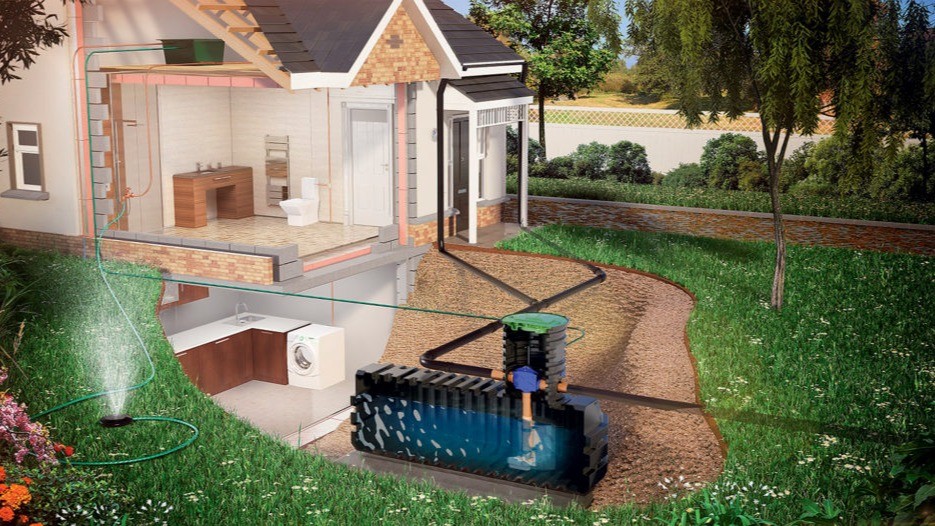
Table of Contents
- Introduction: The Hidden Water Crisis in Your Home
- Understanding Greywater: The Untapped Resource
- Legal Landscape: Navigating Greywater Regulations in 2026
- Types of Greywater Systems: From Simple to Sophisticated
- Installation Guide: Building Your Greywater System
- Treatment Methods: Ensuring Safety and Compliance
- Benefits and Challenges: The Complete Picture
- Maintenance and Long-Term Success
- Conclusion: Your Path to Water Independence
- Frequently Asked Questions
Introduction: The Hidden Water Crisis in Your Home
Sarah Martinez stood in her Phoenix backyard in July 2025, watching her sprinkler system spray precious potable water onto her struggling desert landscape while her monthly water bill exceeded $400 for the third consecutive summer. Inside her home, her family of four flushed approximately 80 gallons daily down bathroom drains from showers and sink use, water that disappeared into the city sewer system without serving any additional purpose. The irony wasn’t lost on her: clean drinking water irrigated her xeriscape plants while perfectly usable shower water vanished forever. This disconnect between water abundance inside the home and outdoor drought stress represents one of the most overlooked inefficiencies in modern American households, a problem that greywater recycling systems can solve both legally and practically.
The average American household uses approximately 82 gallons of water per person daily, according to 2026 Environmental Protection Agency data, with total family consumption reaching 250-400 gallons depending on household size and habits. What most homeowners don’t realize is that 50-80% of this daily water usage classifies as greywater, the relatively clean wastewater generated from bathroom sinks, showers, bathtubs, and washing machines. Unlike blackwater from toilets, which contains human waste and requires extensive treatment before reuse, greywater contains primarily soap residue, hair, dirt, and organic matter that plants can utilize as nutrients. Nationwide, landscape irrigation and outdoor water use account for nearly one-third of all residential water consumption, totaling approximately 8 billion gallons daily across the United States. Industry experts estimate that as much as 50% of water used for irrigation is wasted through evaporation, wind dispersal, or runoff from inefficient systems, representing billions of gallons of clean freshwater that could be conserved through smarter practices.
Before delving into the article, watch this video which highlights the innovative engineering of greywater systems for the home:
The convergence of multiple factors in 2026 has created unprecedented urgency around residential water conservation strategies. Climate change has intensified drought patterns across the American West, with states like California, Arizona, Nevada, and Texas facing multi-year water restrictions and rising municipal water costs. Urban populations continue expanding into arid regions where water resources were already stressed before development began, creating competition between agricultural, industrial, and residential water demands. Traditional water infrastructure built in the mid-20th century is aging and expensive to maintain, with many municipalities increasing water rates by 5-12% annually to fund necessary upgrades. These economic, environmental, and regulatory pressures are driving homeowners toward alternative water management solutions that were once considered fringe practices reserved for environmental enthusiasts.
Greywater recycling represents a proven, practical, and increasingly mainstream approach to residential water conservation that offers immediate benefits without requiring massive infrastructure changes or waiting for municipal utilities to implement large-scale solutions. The technology isn’t new; cultures throughout history have practiced water reuse in various forms, and modern greywater systems have been refined over decades of research and implementation in water-stressed regions worldwide. What has changed dramatically in recent years is the regulatory framework surrounding greywater reuse in the United States. As of January 2026, approximately 30 states have adopted specific regulations permitting greywater systems, with comprehensive frameworks in states like California, Washington, Oregon, Arizona, and Texas that provide clear guidelines for legal installation and operation.
The transformation of Sarah Martinez’s water management situation illustrates the practical impact of greywater recycling implementation. After researching state regulations and consulting with a licensed plumber familiar with Arizona’s greywater requirements, she installed a laundry-to-landscape system that diverts washing machine water directly to her desert-adapted plants through subsurface irrigation tubing. The system cost approximately $800 in materials and professional installation assistance, far less than the $3,000-$5,000 she had anticipated for a complex whole-house system. Within the first year, her outdoor water use decreased by 35%, reducing her summer water bills from over $400 to approximately $260 monthly while maintaining healthier plant growth through consistent irrigation during Arizona’s brutal summer heat. The system required minimal maintenance beyond occasional checks for clogs and ensuring her laundry detergent remained greywater-compatible, making it a sustainable long-term solution rather than a high-maintenance experiment.
Understanding the potential of greywater recycling requires examining both the resource volume available in typical households and the irrigation needs that greywater can satisfy. A household of four generates approximately 100-200 gallons of greywater daily from showers, bathroom sinks, and laundry activities, depending on conservation practices and appliance efficiency. Meanwhile, the same household might use 50-150 gallons daily for outdoor irrigation during growing seasons, creating a natural overlap where greywater production can meet or exceed irrigation demands. In water-conserving homes with efficient fixtures and appliances, daily greywater production might be closer to 30 gallons per person, or 120 gallons for a family of four, still sufficient to maintain moderate landscaping in most climates. The key to successful greywater system design involves matching the volume, timing, and quality of greywater production with the irrigation needs of the landscape, accounting for seasonal variations and ensuring excess capacity during periods when irrigation isn’t needed.
The 2026 landscape for greywater recycling differs significantly from even five years earlier, with technological improvements, regulatory clarification, and increased public awareness creating conditions favorable for widespread adoption. Modern greywater systems range from ultra-simple gravity-fed designs that homeowners can install in a weekend for under $200 to sophisticated automated systems with multi-stage treatment, UV disinfection, and smart controls that rival municipal water treatment capabilities. The variety of options means that nearly any household can find a greywater solution appropriate for their budget, technical capability, and regulatory environment. State health departments and environmental agencies have developed increasingly detailed guidance documents, permitting processes, and contractor training programs that make legal compliance more straightforward than the regulatory confusion that characterized earlier decades.
Shop on AliExpress via link: wholesale-water-filter-screen-mesh

Consumer awareness of water conservation importance has reached unprecedented levels in 2026, driven by visible drought impacts, rising water costs, and broader environmental consciousness about resource sustainability. Homeowners who once viewed greywater recycling as an extreme measure now consider it a sensible investment comparable to solar panels or energy-efficient appliances. The stigma that once surrounded “reusing wastewater” has diminished as educational campaigns emphasize that greywater recycling mirrors natural water cycles where water constantly recirculates through different uses. Media coverage of successful residential installations, municipal incentive programs offering rebates for greywater system installation, and peer influence through neighborhood adoption have all contributed to normalizing what was once considered an unconventional practice.
The technical foundation of greywater recycling rests on understanding water quality differences between various household sources. Bathroom sink water typically contains soap residue, toothpaste, hair, and personal care products, making it one of the cleaner greywater sources. Shower and bathtub water is similar in composition but generated in larger volumes, often representing the single largest greywater source in residential settings. Washing machine water varies significantly depending on the load type, detergent used, and items being cleaned, with laundry from normal clothing producing relatively clean greywater while loads containing diapers, infectious materials, or heavily soiled work clothes create water unsuitable for reuse. Kitchen sinks and dishwashers produce what many regulations classify as “dark greywater” due to higher concentrations of food particles, grease, oils, and bacteria that make treatment more complex and irrigation applications more limited.
The distinction between greywater and blackwater is fundamental to understanding system design, legal requirements, and health protection measures. Blackwater refers to any wastewater that has contacted fecal material, primarily toilet water but also water from washing diapers, cleaning litter boxes, or containing other bodily wastes. Blackwater requires extensive treatment before reuse and is subject to much stricter regulations than greywater due to pathogen risks. Greywater systems must be designed to prevent any possibility of blackwater contamination, which is why regulations typically require complete separation of greywater plumbing from toilet drainage and mandate backflow prevention devices to ensure contaminated water cannot enter the greywater system. Understanding this fundamental distinction helps homeowners avoid dangerous mistakes that could create health hazards or legal violations.
The environmental benefits of residential greywater recycling extend beyond individual household water savings to broader ecological impacts at community and watershed scales. When thousands of households in a municipality reduce their potable water consumption through greywater reuse, the cumulative effect reduces strain on rivers, aquifers, and reservoirs supplying the city. Less water withdrawn from natural sources means healthier stream flows supporting aquatic ecosystems, higher groundwater levels sustaining wells and springs, and greater resilience during drought periods when water resources are most stressed. Additionally, diverting greywater from sewer systems reduces the volume of wastewater requiring treatment at municipal facilities, lowering energy consumption, chemical usage, and infrastructure stress while reducing the volume of treated effluent discharged to waterways. These collective benefits create positive environmental feedback loops where individual actions aggregate into meaningful ecological improvements.
Economic considerations drive many households toward greywater recycling as water costs continue escalating across water-stressed regions. Cities implementing tiered water pricing structures charge progressively higher rates as consumption increases, making outdoor irrigation particularly expensive during summer months when demand peaks. A household using 15,000 gallons monthly might pay $3 per 1,000 gallons under basic rates, but consumption above 10,000 gallons might be billed at $8-$12 per 1,000 gallons in tiered systems designed to discourage waste. Greywater systems that reduce outdoor irrigation by 8,000-12,000 gallons monthly can save $100-$200 during peak summer months, translating to $600-$1,200 annually in warm climates with year-round irrigation needs. For simple systems costing $500-$1,500 installed, payback periods of 2-5 years make greywater recycling a financially rational investment comparable to other home efficiency upgrades.
Understanding Greywater: The Untapped Resource
The precise definition of greywater varies slightly across different regulatory frameworks, but the core concept remains consistent: greywater is domestic wastewater generated from household activities excluding toilet waste. The Environmental Protection Agency’s 2026 water reuse guidelines define greywater as untreated wastewater from bathroom sinks, showers, bathtubs, and clothes washing machines that has not been contaminated by toilet discharge or hazardous chemicals. This definition emphasizes both the source of the water and its relative cleanliness compared to other wastewater streams, establishing greywater as a resource suitable for reuse rather than waste requiring only disposal. State regulations build upon this federal framework with varying levels of specificity about which sources qualify as approved greywater, how it can be collected, what treatment is required, and where it can be applied.
The composition of greywater determines its suitability for different reuse applications and the level of treatment necessary before use. Typical greywater contains suspended solids including hair, lint, skin cells, and small particles from soaps and personal care products, with total suspended solids (TSS) concentrations ranging from 10-200 milligrams per liter depending on source and household habits. Organic matter measured as biochemical oxygen demand (BOD) typically ranges from 50-300 milligrams per liter, significantly lower than raw sewage but high enough to support microbial activity if greywater is stored without treatment. Chemical constituents include surfactants from soaps and detergents, nutrients like nitrogen and phosphorus, salts including sodium chloride, and various organic compounds from personal care products, cleaning agents, and body oils. Microbiological content varies widely but generally includes bacteria at concentrations of 10,000 to 10 million colony-forming units per milliliter, along with lower levels of viruses and protozoa that increase health concerns if greywater contacts edible food crops or is used in ways creating human exposure.

Greywater volume production in residential settings follows predictable patterns based on household size, water-using fixtures and appliances, and conservation practices. Bathroom showers and tubs typically generate 15-40 gallons per person daily, making them the largest single greywater source in most homes. Washing machines produce 15-40 gallons per load depending on machine type and cycle selection, with older top-loading washers using significantly more water than modern high-efficiency front-loaders. Bathroom sinks contribute 2-4 gallons per person daily, a smaller volume but one that accumulates throughout the day. Kitchen sinks generate 6-12 gallons daily but are generally excluded from residential greywater systems due to their higher contamination levels. Summing these sources, a typical household of four produces 150-250 gallons of greywater daily, though water-conserving households with efficient appliances might generate only 100-150 gallons while less efficient homes could exceed 300 gallons daily.
The timing of greywater production creates both opportunities and challenges for irrigation applications. Showers and morning hygiene routines generate significant volumes within short morning periods when evapotranspiration rates are low and irrigation isn’t optimal. Laundry activities might occur in concentrated periods once or twice weekly rather than distributed evenly across days, creating surge flows that irrigation systems must accommodate without flooding or runoff. Evening showers produce greywater when irrigation would be most beneficial in terms of water uptake and minimal evaporation, aligning generation with optimal use timing. Greywater systems must account for these temporal variations through surge tank storage that buffers peak flows, distribution systems sized to handle maximum discharge rates, and irrigation zones capable of absorbing the water volume produced regardless of when it arrives.
The nutrient content of greywater provides both benefits and concerns for plant health and soil chemistry. Nitrogen, primarily from personal care products and food residues, typically ranges from 5-30 milligrams per liter in greywater, providing mild fertilization benefits for ornamental plants and lawns. Phosphorus concentrations of 2-15 milligrams per liter similarly contribute to plant nutrition, though excessive long-term application can cause phosphorus accumulation in soils. Sodium from soaps and detergents represents the primary concern for plant and soil health, with concentrations varying from 50-400 milligrams per liter depending on household product choices and local water hardness. Excessive sodium can damage plant tissues, displace beneficial calcium and magnesium in soil, reduce soil permeability through clay dispersion, and accumulate to toxic levels with long-term irrigation using high-sodium greywater. Selecting low-sodium, biodegradable cleaning products specifically formulated for greywater compatibility addresses these concerns and protects both plants and soil structure.
Temperature characteristics of greywater differ from potable irrigation water in ways that affect both distribution system design and plant responses. Shower and bathtub greywater commonly exits fixtures at 90-110°F, well above ambient soil temperatures and potentially stressful to plant roots if applied without cooling. Distribution piping must be rated for occasional hot water exposure even though most greywater cools during storage or transport before reaching irrigation zones. Washing machine discharge varies from cold for wash cycles using cold water to 120-140°F for hot wash cycles, creating additional thermal considerations. Some greywater system designs incorporate cooling coils, extended pipe runs that allow heat dissipation, or surge tank storage providing time for temperature equilibration before irrigation. Alternatively, simple systems applying small volumes of warm greywater to large irrigation areas dilute thermal impacts through soil contact, making dedicated cooling unnecessary for most residential applications.
The biodegradability of greywater makes it fundamentally different from storing potable water, with important implications for system design. Organic matter in greywater supports bacterial growth and biological activity that begins breaking down compounds as soon as water leaves the fixture. If greywater is stored without treatment, microbial populations expand rapidly, consuming oxygen and producing odors as organic decomposition proceeds under anaerobic conditions. Storage tanks must therefore be sized to limit retention time to 24 hours or less, preventing offensive odors and reducing pathogen multiplication that occurs in stagnant water. Some systems add mechanical aeration to storage tanks, maintaining aerobic conditions that speed biodegradation while controlling odors and reducing pathogen levels through bacterial competition. Alternative approaches eliminate storage entirely through direct discharge to irrigation, using the soil and plant root zone as the treatment system rather than requiring pre-treatment before application.
Source segregation represents a critical concept in greywater system design, separating approved water sources from those that could contaminate the system. Residential plumbing typically combines all drainage into a single sewer line leading to the municipal system or septic tank, requiring modification to capture greywater before it mixes with toilet discharge. Bathroom remodeling or new construction offers ideal opportunities to install separate greywater plumbing that collects only approved sources, avoiding the expense and disruption of retrofitting existing homes. Washing machine systems are simplest to segregate because the machine’s discharge hose provides a convenient diversion point requiring no plumbing modifications, explaining why laundry-to-landscape systems represent the most popular entry point for homeowners exploring greywater recycling. Shower and bathroom sink diversions require more complex plumbing interventions, typically involving three-way valves that allow switching between greywater discharge and normal sewer routing based on circumstances.
The chemical stability of greywater after discharge depends heavily on household product choices, with some compounds persisting while others degrade rapidly. Synthetic surfactants from conventional detergents can resist biodegradation and accumulate in soils with repeated irrigation, potentially damaging plant roots and disrupting beneficial soil microorganisms. Bleach chlorine degrades quickly through volatilization and chemical reactions, losing disinfectant properties within hours but potentially damaging plants if applied immediately after use in concentrated form. Boron from some laundry products persists in soils and can reach toxic concentrations for sensitive plants after sustained greywater irrigation, making boron-free product selection essential for long-term system success. Synthetic fragrances, dyes, and optical brighteners in many consumer products have unknown environmental persistence and ecological impacts, favoring selection of simple, biodegradable products without unnecessary additives.
Regional water quality variations affect greywater composition through differences in municipal water chemistry. Hard water regions with high calcium and magnesium concentrations require more detergent for effective cleaning, increasing surfactant loading in greywater and potentially affecting plant and soil health. Softened water using salt-based ion exchange systems replaces calcium and magnesium with sodium, dramatically increasing greywater sodium content and making it unsuitable for irrigation without treatment to remove excess salt. Chlorinated municipal water contributes residual chlorine to greywater that can damage beneficial soil organisms if applied without allowing time for chlorine dissipation. Well water users might have naturally high sodium, iron, manganese, or other minerals that compound with household additions, creating greywater that requires special consideration for irrigation applications.
Legal Landscape: Navigating Greywater Regulations in 2026
The regulatory framework governing residential greywater systems in the United States has evolved dramatically since the first state regulations appeared in the 1990s, with 2026 representing a period of relative maturity and standardization compared to earlier uncertainty. The Environmental Protection Agency does not directly regulate residential greywater systems, instead leaving primary authority to state health departments and environmental agencies that develop regulations appropriate for their specific climate, water resources, and public health priorities. This state-level control has created a patchwork of regulations varying significantly in complexity, restrictiveness, and practical accessibility for homeowners, though recent years have seen increasing convergence toward tiered systems that balance safety concerns with practical usability. Approximately 30 states had adopted specific greywater regulations by early 2026, with the remaining states either prohibiting greywater reuse, handling it on a case-by-case basis through variance processes, or having no explicit regulations addressing the practice.
The Environmental Protection Agency maintains comprehensive resources documenting water reuse regulations across all fifty states through its online REUSExplorer tool. This regulatory framework provides homeowners and professionals with detailed information about state-specific greywater requirements, helping navigate the complex patchwork of local regulations. The EPA water reuse guidelines emphasize that while the federal government sets broad water quality standards, individual states retain primary authority for regulating residential greywater systems based on their specific environmental conditions and public health priorities.
California’s greywater regulations represent one of the most comprehensive and widely referenced frameworks, having undergone multiple revisions to balance public health protection with practical implementation barriers. The state’s tiered approach, established through amendments to the California Plumbing Code and California Health and Safety Code, creates three complexity levels with progressively stricter requirements. Tier 1 systems, including laundry-to-landscape installations using clothes washer discharge without alterations to household plumbing, can be installed without construction permits provided they meet specific design criteria including depth requirements, setback distances from property lines and structures, and prohibition on surface water ponding or runoff. These simple systems must discharge less than 250 gallons daily, use mulch basins or subsurface irrigation, and comply with all safety requirements including labeling, valve accessibility, and overflow routing to the sewer or septic system. Tier 2 systems handle more complex applications requiring construction permits but still focusing on straightforward residential installations, while Tier 3 encompasses commercial or multi-family systems requiring comprehensive review by health authorities and design by licensed professionals.

Arizona’s greywater regulations reflect the state’s severe water scarcity and long history with water reuse practices, creating what many consider the nation’s most permissive framework for simple residential systems. Arizona Administrative Code permits residential greywater systems under 400 gallons daily without permits if they meet basic requirements including subsurface discharge, prevention of pooling or runoff, 5-foot setback from structures, prohibition on spray irrigation, and exclusion of kitchen and toilet water. The city of Tucson has gone further, requiring greywater stubouts in all new residential construction, acknowledging that greywater infrastructure is far cheaper to install during original construction than as a retrofit. Arizona classifies greywater systems into distinct categories based on application method and treatment level, with surface irrigation requiring more stringent treatment than subsurface applications due to increased human exposure risk. The state’s regulations explicitly encourage greywater reuse through enabling language rather than creating barriers, though safety requirements remain non-negotiable.
Washington State’s greywater regulations, administered through the Department of Health and local health jurisdictions, implement a tiered framework similar to California’s but with different thresholds and requirements reflecting the state’s wetter climate and different water resource pressures. Chapter 246-274 of the Washington Administrative Code establishes three tiers based on greywater source and system complexity, with Tier 1 limited to “light greywater” from bathroom sinks, showers, and bathtubs discharged through gravity to subsurface irrigation. Tier 2 and 3 systems can incorporate washing machine water and more complex treatment or pressurized distribution, requiring increasingly detailed design review and professional involvement. Washington’s regulations distinguish between “growing season” when subsurface irrigation can occur and dormant periods when greywater must be diverted to sewer or septic systems, acknowledging that soil capacity to absorb and treat water diminishes during cold, wet winters. Local health jurisdictions have discretion to implement the state framework with up to three years for full adoption, creating temporary inconsistencies across counties but ultimately working toward statewide standardization.
The Washington Department of Health has developed particularly detailed guidance for greywater reuse in residential settings, with specific protocols for different climate conditions. Their greywater reuse regulations address seasonal challenges unique to Pacific Northwest climates where year-round precipitation patterns require different approaches than arid regions. These state-specific guidelines demonstrate how regional environmental conditions shape appropriate greywater management strategies that balance water conservation goals with public health protection and environmental sustainability.
Oregon’s approach through the Department of Environmental Quality establishes greywater as an acceptable water reuse source while leaving detailed regulation primarily to building codes and local jurisdictions. Oregon Administrative Rule 340-053 governs greywater reuse and disposal systems, focusing on prevention of public health hazards and environmental contamination rather than prescriptive design requirements. Systems must prevent human contact with greywater, avoid surface discharge or runoff, maintain setbacks from property lines and water sources, and include provisions for diversion to sanitary systems when greywater irrigation isn’t needed. Oregon’s regulations emphasize performance-based standards specifying outcomes required rather than mandating specific technologies, allowing flexibility in system design provided health protection goals are achieved. This approach accommodates innovation and site-specific solutions but requires more interpretation and professional judgment than highly prescriptive regulations.
Texas regulations governing greywater were substantially updated in recent years through amendments to the Texas Administrative Code Title 30, Chapter 285, creating what advocates consider among the nation’s most progressive frameworks while maintaining health protection. The Texas Commission on Environmental Quality oversees greywater regulations dividing systems into Type 1 (simple, permit-free systems under specific thresholds) and Type 2 (complex systems requiring permits). Type 1 systems can discharge up to 400 gallons daily to subsurface drip irrigation without permits if they meet design requirements including backflow prevention, overflow routing, surface discharge prohibition, and appropriate setbacks. Texas explicitly allows greywater irrigation of food crops provided the water doesn’t contact edible portions, a more permissive approach than many states that prohibit food crop irrigation entirely. The regulations acknowledge greywater as a valuable water resource and intentionally avoid creating barriers that would discourage beneficial reuse in the water-stressed state.
States without specific greywater regulations create challenges for residents seeking legal authorization for systems. Some states technically prohibit greywater reuse by requiring all household wastewater to discharge to approved sewage treatment facilities, though enforcement against residential systems is rare. Others handle greywater on a case-by-case variance basis, requiring homeowners to petition health departments for approval and demonstrate that proposed systems won’t create health hazards or environmental impacts. This variance process can be expensive, time-consuming, and uncertain, effectively discouraging greywater adoption despite no fundamental prohibition. A handful of states maintain ambiguous positions with neither explicit authorization nor prohibition, leaving homeowners unsure whether greywater systems comply with building codes and plumbing regulations. This regulatory void particularly frustrates residents of water-stressed areas who see neighbors in adjacent states legally implementing systems that could address their own water challenges.
Municipal and county regulations frequently add restrictions beyond state requirements, creating additional compliance layers that can significantly affect system feasibility. Local health departments might prohibit greywater systems in areas served by municipal sewers, arguing that wastewater flows are necessary to maintain sewer system function and that reduced flows could create operational problems. Homeowners associations and deed restrictions sometimes prohibit greywater systems based on aesthetic concerns, perceived property value impacts, or general resistance to unconventional practices regardless of legal authorization at state levels. Urban density restrictions might make setback requirements from property lines, structures, and wells impossible to satisfy on small residential lots, effectively prohibiting systems despite state authorization. Homeowners exploring greywater systems must investigate not just state regulations but also county health department policies, municipal codes, and property-level restrictions that could create insurmountable barriers.
Types of Greywater Systems: From Simple to Sophisticated
Greywater systems span an enormous range of complexity, cost, and capability, from ultra-basic bucket systems requiring no plumbing modifications to sophisticated automated installations rivaling commercial wastewater treatment in technical complexity. Understanding this spectrum helps homeowners select appropriate solutions matching their technical abilities, budget constraints, regulatory environment, and water reuse goals without over-designing systems that introduce unnecessary complexity or under-designing installations that fail to meet needs. The progression from simple to complex typically correlates with increasing water volume handling capacity, improved treatment levels, greater automation and convenience, higher installation and maintenance costs, and more stringent regulatory oversight requirements. Most residential applications are well-served by systems in the simple to moderate complexity range, reserving sophisticated treatment primarily for commercial installations or residential applications with unusual constraints or ambitious reuse goals.
Laundry-to-landscape systems represent the most accessible entry point for residential greywater recycling, requiring minimal plumbing modifications, no permits in many jurisdictions, and costs typically under $500 for materials and basic professional consultation. These systems capitalize on washing machines’ internal pumps that automatically discharge water under pressure, eliminating the need for additional pumping equipment. The washing machine’s drain hose connects to a three-way diverter valve allowing selection between discharge to the greywater system or routing to the sewer/septic for loads containing inappropriate materials like diapers or heavily soiled work clothes. From the diverter, 1-inch polyethylene tubing distributes water to irrigation zones, branching to ½-inch outlets at each plant or irrigation area through simple tee fittings. The system operates entirely on the washing machine’s pump pressure, using gravity to distribute water once it reaches the yard level, making it practical for single-story homes or installations where the washing machine is located at or above grade level relative to irrigation areas.
Shower and bath diversion systems collect larger volumes than laundry systems but require more complex plumbing interventions since shower and bathtub drains rely on gravity rather than pumps. Retrofitting existing bathrooms typically involves installing three-way valves in the drain system, allowing homeowners to choose whether each shower or bath event discharges to greywater irrigation or to the sewer system. New construction and major bathroom remodels provide opportunities to design separate greywater plumbing from the outset, avoiding the expense and disruption of retrofit installations. Shower greywater systems work best with gravity distribution to irrigation areas below the bathroom floor level, though pumped systems can accommodate situations where irrigation areas are uphill from collection points. The higher volume and more consistent generation from daily showers makes these systems particularly effective for households with regular bathroom use patterns and established landscape irrigation needs that align with greywater production volumes.
Branched drain systems utilize gravity to distribute greywater from collection points to multiple irrigation locations through carefully designed split piping. Starting with a single drain line from the greywater source, the system branches into two pipes of equal diameter, then each of those branches splits again, creating a tree structure that distributes flow evenly across multiple outlets without requiring valves or pressure regulation. This elegant design requires no moving parts, pumps, or complex controls, making it remarkably reliable and maintenance-free. However, the system demands precise elevation planning to ensure gravity flow throughout the network and equal distribution across all branches, limiting application to sites with appropriate topography. Branched drain systems work best with consistent, moderate greywater volumes from sources like showers rather than high-volume surge flows that could overwhelm some branches while leaving others dry.
Pumped systems add mechanical components to move greywater from collection points to irrigation areas that can’t be reached by gravity alone. A greywater collection tank near the source accumulates water until a float switch activates a pump that pressurizes the distribution system, pushing water through drip lines, sprinkler emitters, or other irrigation devices. Pumped systems offer maximum flexibility in distribution layout since water can be pushed uphill, across long distances, or to multiple zones controlled by automated valves. The tradeoff comes in mechanical complexity, energy consumption, maintenance requirements, and potential failure points compared to simpler gravity systems. Pump selection must account for greywater’s solids content, requiring models designed for wastewater or sewage pumping rather than clean water pumps that clog easily with hair, lint, and debris typical in household greywater.

Treatment systems incorporate various technologies to improve greywater quality before irrigation, ranging from simple filtration removing large particles to sophisticated multi-barrier approaches producing near-potable water quality. Sand filters pass greywater through layers of sand and gravel media that trap suspended solids while supporting biological activity that breaks down organic matter, producing clearer water with reduced biochemical oxygen demand. Constructed wetlands use plants, soil microorganisms, and natural processes to treat greywater through mechanisms including filtration, biological uptake, and microbial degradation, creating systems that provide treatment while enhancing landscape aesthetics. Membrane bioreactors combine biological treatment with ultrafiltration membranes that remove suspended solids, bacteria, and some viruses, producing high-quality effluent suitable for demanding applications. UV disinfection exposes greywater to ultraviolet light that damages microbial DNA, reducing pathogen levels without chemical additives, though pre-filtration is essential since suspended solids shield microorganisms from UV exposure.
Peer-reviewed scientific research published in academic journals has extensively documented greywater treatment effectiveness across various technologies. ScienceDirect greywater treatment research demonstrates that nature-based solutions including constructed wetlands and biofilter systems can achieve 80-95% removal of organic contaminants while providing sustainable, low-maintenance treatment approaches. This scientific evidence base helps homeowners and professionals select treatment methods appropriate for their specific applications and regulatory requirements.
Storage-based systems incorporate tanks that accumulate greywater for later irrigation, buffering the timing mismatch between when water is generated and when irrigation is most beneficial. A surge tank sized to hold one or several days’ greywater production allows irrigation during evening hours when evaporation is minimal, regardless of when showers or laundry occurs. Storage enables automated irrigation controllers to operate greywater systems similarly to conventional sprinkler systems, activating zones on schedules optimized for plant health rather than limited to whenever greywater happens to be generated. The downside of storage involves water quality degradation as organic matter decomposes, creating odors and encouraging pathogen multiplication if retention exceeds 24-48 hours without treatment. Tanks must be opaque to prevent algae growth, covered to exclude insects and debris, properly vented to release gases from decomposition, and equipped with overflow routing to sewer or septic systems for excess volume beyond irrigation capacity.
Hybrid systems combine multiple approaches to maximize benefits while mitigating individual system limitations. A laundry-to-landscape system might include a small surge tank smoothing discharge pulses from the washing machine’s rapid pumping cycles, preventing flood irrigation followed by extended dry periods. A shower diversion could feed a subsurface drip irrigation network using gravity for primary distribution but include a small pump for reaching a few uphill planting areas beyond gravity range. Treatment components can integrate into otherwise simple systems where site conditions or plant selections demand higher water quality than untreated greywater provides. The key to successful hybrid designs involves maintaining overall system simplicity while addressing specific constraints or opportunities unique to each installation rather than adding complexity for its own sake.
Installation Guide: Building Your Greywater System
Planning a greywater system installation requires careful assessment of multiple factors determining feasibility, appropriate system type, regulatory compliance, and long-term performance. Site evaluation begins with mapping existing plumbing to identify greywater sources, their locations relative to irrigation areas, and elevation relationships that will determine whether gravity distribution is feasible or pumping will be necessary. Measure distances from potential collection points to irrigation zones, noting obstacles like driveways, underground utilities, or structures that affect pipe routing options. Survey the landscape to identify appropriate irrigation areas considering factors including plant water needs, sun exposure, drainage characteristics, and proximity to property lines, wells, surface waters, or structures that might be affected by setback requirements in local regulations. Calculate approximate greywater production from household water use patterns and appliance characteristics, ensuring irrigation areas can absorb the volume without oversaturation or runoff.
Regulatory research represents a critical planning phase that many homeowners unfortunately skip, resulting in installations that violate codes and must be removed or modified. Contact your local health department to determine whether greywater systems are permitted in your jurisdiction and what specific requirements apply to residential installations. Request copies of applicable regulations, design standards, and permit applications to review requirements before finalizing system plans. Ask whether permitted systems require professional design by licensed engineers or plumbers, or whether homeowner-designed and installed systems are acceptable for simple configurations. Determine setback distances from property lines, structures, wells, surface waters, and other features that might constrain system layout. Clarify whether your planned system type and complexity level requires permits and inspections, or whether it qualifies for permit exemptions available in many states for simple systems below specified thresholds.
Design phase transforms site assessment and regulatory research into specific system plans detailing every component, connection, and dimension needed for successful installation. For simple laundry-to-landscape systems, design involves selecting a three-way diverter valve compatible with your washing machine’s drain configuration, routing 1-inch distribution tubing from the valve to irrigation zones, and sizing ½-inch outlet tubing to each planting area based on water volume and plant needs. More complex systems require detailed plans showing tank locations and sizes, pump specifications, pipe routing with dimensions and slopes, valve locations, irrigation emitters or distribution methods, and electrical connections for pumps or controls. Professional designers familiar with greywater systems can provide invaluable assistance navigating technical requirements, optimizing layouts for efficiency and reliability, and preparing permit application materials that satisfy health department requirements.
Product selection should prioritize components specifically designed for greywater service or approved for wastewater applications rather than using standard irrigation products that might not withstand greywater’s characteristics. Three-way diverter valves should have large-diameter ports that won’t clog with lint and debris, typically 1-1½ inches for washing machine systems. Distribution tubing must be rated for continuous outdoor exposure with UV resistance, typically Schedule 40 PVC for rigid installations or polyethylene for flexible systems. Irrigation emitters in drip systems need large orifices resistant to clogging by suspended solids, or systems should avoid emitters entirely in favor of open-discharge designs. Pumps must be sewage or effluent models capable of handling solids without clogging, avoiding standard irrigation pumps designed only for clean water. Tanks require food-grade materials safe for prolonged water contact, opaque construction preventing light penetration and algae growth, and covers excluding insects while allowing venting.
Installation sequencing depends on system type but generally follows patterns of preparing irrigation areas first, installing collection and distribution components next, and connecting to greywater sources last to avoid accumulating water before the system is ready to receive it. Irrigation area preparation includes clearing and grading as needed, creating mulch basins if using direct discharge methods, or trenching for subsurface distribution pipes at depths meeting code requirements typically 2-18 inches depending on jurisdiction. Distribution piping installation follows design plans, maintaining proper slopes for gravity systems or pressure testing for pressurized networks, and providing access points for cleanout and maintenance. Tank installation if applicable requires stable level foundations, anchoring against flotation if below grade, and connection of inlet, outlet, overflow, and vent piping before burial. Pump installation follows manufacturer specifications for mounting, electrical connections using ground fault protection, and integration with float switches or pressure sensors controlling operation.
Collection point connections link greywater sources to the distribution system, requiring plumbing modifications ranging from simple hose connections to complex drain line alterations. Washing machine systems often require only disconnecting the existing drain hose from its standpipe and connecting it to the three-way valve’s inlet, with one valve outlet going to the greywater system and the other reconnecting to the standpipe for non-greywater loads. Shower and bath connections typically require cutting into existing drain lines and installing tee fittings and valves, work that may require professional plumbers especially if local codes mandate licensed professionals for all plumbing modifications. Bathroom sink diversions involve similar drain line modifications but handle lower volumes and potentially simpler valve configurations. All connections must include appropriate backflow prevention ensuring contaminated water from toilets or other sources cannot enter the greywater system, a critical safety requirement emphasized in virtually all regulations.
Testing and commissioning procedures verify system performance before relying on it for regular irrigation. Begin by flushing distribution lines with clean water if available to remove construction debris and verify flow to all intended outlets. Operate greywater sources and confirm water routes through the system as designed, checking for leaks, clogs, or flow imbalances between distribution zones. Monitor irrigation areas after initial use to ensure even distribution without ponding, runoff, or failure to wet some intended zones. Adjust flow controls, add or remove mulch, or modify distribution layouts as needed to achieve desired performance. Document system operation including valve positions, timer settings if applicable, and seasonal adjustments required for varying irrigation needs. Create a simple operation and maintenance schedule covering tasks like filter cleaning, tank inspection, and product recommendations for household cleaners and detergents compatible with greywater irrigation.
Professional installation versus DIY approaches involves balancing capabilities, confidence, and costs against complexity and regulatory requirements. Simple laundry-to-landscape systems are within reach of most homeowners comfortable with basic plumbing connections and outdoor projects, potentially saving thousands of dollars in labor costs compared to professional installation. Complex systems involving underground tanks, pumps, electrical work, or sophisticated treatment justify professional design and installation ensuring proper function and code compliance. Many jurisdictions require licensed professionals for specific aspects like electrical connections or major plumbing modifications even if homeowners handle other installation components. A hybrid approach engaging professionals for specialized tasks while handling simpler components personally often provides the best balance of cost control and quality assurance. Regardless of installation approach, having professionals review plans and provide guidance before beginning work prevents expensive mistakes and ensures regulatory compliance.
Treatment Methods: Ensuring Safety and Compliance
The necessity and appropriate level of greywater treatment depends on the intended irrigation application, exposure risks, regulatory requirements, and water quality goals specific to each installation. Simple subsurface irrigation systems distributing untreated greywater directly to soil and plant root zones rely on natural soil filtration, biological activity by soil microorganisms, and plant uptake to provide treatment through what’s called “land application.” This approach works well for ornamental landscapes and established trees where human contact is minimal, edible plant parts don’t contact irrigation water, and untreated greywater’s characteristics fall within soil and plant tolerance ranges. More demanding applications including surface irrigation, food crop watering, or reuse in areas with high human exposure justify additional treatment removing suspended solids, reducing microbial populations, and addressing chemical constituents that could create health or environmental concerns.

Primary treatment focuses on removing large suspended solids, settling out heavier particles, and providing basic separation of water from debris before distribution or further treatment. Coarse screens or straining devices installed at collection points catch hair, lint, and large particles that could clog distribution pipes or irrigation emitters, requiring regular cleaning but dramatically reducing maintenance needs downstream. Settling basins or tanks sized to allow 15-30 minutes of retention time let heavier solids like sand and dirt sink to the bottom for periodic removal, while fats and oils float to the surface for skimming. These simple mechanical processes remove perhaps 40-60% of suspended solids and create clearer water less likely to clog distribution systems, though microbial quality remains essentially unchanged and dissolved chemical constituents pass through unaffected.
Biological treatment harnesses microorganisms to consume organic matter in greywater, reducing biochemical oxygen demand and converting dissolved organics into bacterial biomass that can be filtered out. Aerobic treatment systems inject air into greywater or circulate it through media colonized with beneficial bacteria that require oxygen for their metabolic processes, similar to activated sludge processes in municipal wastewater treatment but scaled for residential volumes. These systems can achieve 80-95% reduction in organic matter while producing relatively clear, odor-free water suitable for demanding irrigation applications. Constructed wetlands provide biological treatment through plants, soil microorganisms, and natural filtration processes, creating attractive landscape features that serve functional treatment purposes while enhancing aesthetics and providing wildlife habitat. Wetland sizing depends on greywater volume and desired treatment level, typically requiring 10-50 square feet per household member for adequate performance.
Filtration technologies range from simple sand filters to sophisticated membranes capable of removing particles smaller than bacteria. Media filters using sand, gravel, activated carbon, or specialized filter media remove suspended solids through physical straining as water percolates through the filter bed, with smaller media pore sizes capturing finer particles but requiring more frequent cleaning or backwashing. Disk filters and screen filters provide mechanical filtration without media, using stacked disks with micro-grooves or woven mesh screens that trap particles while allowing water to pass, suitable for protecting drip irrigation emitters from clogging. Membrane filtration including microfiltration, ultrafiltration, and reverse osmosis processes water through synthetic membranes with pore sizes measured in microns or nanometers, removing virtually all suspended matter, bacteria, many viruses, and in the case of reverse osmosis, dissolved salts and minerals. These sophisticated approaches produce high-quality water but require significant energy, regular membrane cleaning, and management of concentrated reject streams containing removed contaminants.
Disinfection processes reduce microbial populations through chemical or physical means, addressing pathogen concerns for applications with higher human exposure risk or where regulations mandate specific microbial quality standards. Chlorine disinfection, either through liquid bleach or generated onsite via electrolysis, is the most common chemical approach, effectively killing bacteria and many viruses though less effective against some protozoan cysts and requiring careful dosing to avoid harming plants with residual chlorine. Ultraviolet disinfection exposes greywater to UV light wavelengths that damage microbial DNA and prevent reproduction, achieving significant pathogen reduction without chemical additives but requiring clear water since suspended particles shield microorganisms from UV exposure. Ozone disinfection generates ozone gas that oxidizes cellular structures in microorganisms, providing powerful disinfection that automatically degrades to oxygen without residual chemicals, though ozone generation systems add cost and complexity suitable primarily for sophisticated residential or commercial installations.
Nutrient removal specifically targets nitrogen and phosphorus compounds that, while beneficial for plant growth in moderate amounts, can cause environmental problems if excessive greywater irrigation leads to nutrient runoff into waterways. Biological nitrification and denitrification processes convert ammonia to nitrate then to nitrogen gas under controlled conditions, removing nitrogen from water without chemical additives but requiring specific environmental conditions and retention times. Phosphorus removal typically involves chemical precipitation using aluminum or iron salts that bind with dissolved phosphorus to form solids that settle or filter out, though this generates additional sludge requiring disposal and adds chemicals to the treatment process. For most residential applications, nutrient removal is unnecessary since irrigation serves as the final “treatment,” with plants and soil microorganisms taking up nutrients rather than allowing them to reach groundwater or surface waters.
Salt management addresses the sodium, chloride, and other dissolved salts in greywater that accumulate in soils with repeated irrigation, potentially reaching levels toxic to sensitive plants or degrading soil structure. Simple management approaches include rotating irrigation areas allowing periodic rainfall leaching to flush accumulated salts below root zones, selecting salt-tolerant plant species adapted to brackish conditions, and using low-sodium household products that minimize salt introduction. Physical salt removal requires sophisticated treatment like reverse osmosis or electrodialysis that separate dissolved ions from water molecules, processes typically too expensive and complex for residential applications but potentially justified for commercial installations or situations where salt-sensitive crops are irrigated with high-sodium greywater. Soil amendment with gypsum can sometimes mitigate sodium impacts by providing calcium that displaces sodium from clay particles and improves soil structure, though this addresses symptoms rather than removing the underlying salt load.
Benefits and Challenges: The Complete Picture
The environmental benefits of greywater recycling extend across multiple dimensions including water conservation, energy savings, reduced infrastructure demand, and ecosystem protection. Household water conservation represents the most direct benefit, with properly designed systems reducing potable water consumption by 30-50% in climates with year-round irrigation needs or 15-30% in temperate regions with seasonal outdoor water use. These individual savings aggregate into substantial community-level impacts when adoption reaches meaningful penetration, reducing demand on municipal water supplies, extending available water resources during drought periods, and delaying or avoiding expensive water supply infrastructure expansions. Energy savings result from reduced water heating for showers and baths that contribute greywater, since the embedded energy in hot water is partially recovered through irrigation rather than lost down drains, plus reduced energy for municipal water treatment and distribution when demand decreases.
Professional water industry organizations like the WateReuse Association provide technical resources and policy advocacy supporting residential greywater adoption nationwide. WateReuse Association greywater standards compile best practices from hundreds of successful installations, offering homeowners evidence-based guidance for system design and operation. Industry collaboration between utilities, manufacturers, and regulatory agencies through professional associations helps standardize approaches that balance water conservation goals with public health protection requirements.
Academic research institutions have extensively studied greywater treatment technologies and their applications in urban water management. University greywater recycling studies from institutions like UC Berkeley and international research teams have documented the effectiveness of various treatment approaches, from simple sand filtration to advanced membrane bioreactors. This scientific foundation provides evidence-based guidance for system design, treatment selection, and performance expectations that help homeowners make informed decisions about their greywater installations.
Shop on AliExpress via link: wholesale-water-storage-tank-plastic

Economic benefits for homeowners include lower water bills through reduced consumption, potential rebates and incentives offered by water utilities or environmental agencies promoting conservation, and increased property values in water-conscious markets where sustainable features enhance marketability. Water bill savings vary dramatically based on local rate structures, with tiered pricing systems charging premium rates for high consumption creating greater savings potential than flat-rate structures. A household reducing consumption by 8,000 gallons monthly in a tiered pricing area might save $80-$150 monthly during peak summer irrigation season, translating to $500-$1,000 annually and providing payback on simple system investments in 2-4 years. Utilities in water-stressed regions increasingly offer rebates covering 25-75% of greywater system installation costs, recognizing that promoting distributed household conservation costs less than developing new centralized water supplies.
Social and community benefits emerge as greywater adoption normalizes sustainable water management practices, educates households about their water consumption patterns, and creates visible demonstrations of conservation principles that influence neighbors and visitors. Homeowners who install greywater systems typically become more aware of their overall water use, product choices affecting water quality, and connections between household activities and environmental impacts, often leading to additional conservation behaviors beyond the immediate greywater application. Neighborhood adoption creates peer influence effects where visible greywater system success motivates others to explore similar approaches, potentially creating clusters of installations that aggregate into meaningful community-level water savings. Educational opportunities for children growing up in households with greywater systems teach sustainable resource management and environmental stewardship through daily experience rather than abstract classroom lessons.
International sustainability research institutions have assessed greywater recycling systems across diverse climatic and demographic conditions. MDPI sustainability greywater studies from university researchers worldwide document water quality characteristics, treatment performance, and user acceptance rates that inform best practices for residential implementations. These peer-reviewed findings provide confidence that properly designed greywater systems deliver environmental benefits while maintaining public health protection across varied operating conditions.
Challenges and limitations of greywater systems must be honestly acknowledged to set realistic expectations and avoid installations that fail to meet needs or create problems outweighing benefits. System complexity and installation costs deter many homeowners, particularly for sophisticated approaches requiring professional design, licensed installation, permits, and expensive treatment components. Even simple systems demand time investment for research, planning, component sourcing, and installation that working families might struggle to accommodate. Maintenance requirements including filter cleaning, tank inspection, and product selection create ongoing obligations that some households find burdensome despite manufacturers’ claims of “maintenance-free” operation. Seasonal mismatches between greywater production and irrigation needs challenge systems in climates with cold winters when irrigation ceases but showers continue, requiring provisions for diverting greywater to sewers during non-irrigation months.
Regulatory uncertainty and complexity create frustration for homeowners navigating inconsistent or unclear requirements across jurisdictions, permit processes that seem disproportionate to simple installations, or restrictions that appear to prioritize theoretical concerns over practical solutions. The patchwork of state regulations means resources and advice applicable in California might be irrelevant or illegal in neighboring states, requiring homeowners to become local experts rather than following standardized national guidance. Permit requirements and inspection processes add time and cost burdens that particularly impact simple owner-installed systems, though some jurisdictions have streamlined approvals for basic configurations. Homeowners associations and deed restrictions sometimes prohibit greywater systems regardless of state authorization, creating legal conflicts and limiting adoption in planned communities.
Product compatibility concerns require careful selection of household cleaning products, soaps, and detergents to avoid chemicals that harm plants, accumulate in soils, or violate greywater system design assumptions. Conventional laundry detergents often contain sodium, boron, and chlorine bleach incompatible with plant health, requiring switches to specialized low-sodium, boron-free, biodegradable products that might cost more or perform differently than familiar brands. Personal care products including shampoos, body washes, and toothpastes contribute chemicals to greywater with varying environmental impacts and plant toxicity, though most common products are suitable for greywater irrigation if used in typical quantities. The learning curve for understanding product compatibility and making appropriate household changes frustrates some homeowners and creates resistance from family members unwilling to modify their product preferences.
Water quality variability creates unpredictability in how greywater affects plants and soils, with composition changing based on which fixtures are used, what activities occurred, which products were applied, and how household members’ habits fluctuate. A shower after exercise produces sweatier, potentially saltier greywater than a quick morning rinse, while laundry loads washing children’s muddy sports uniforms differ dramatically from a few delicate garments. This inconsistency makes precise irrigation calculations difficult and can cause plant stress if periodic high-sodium or high-bleach loads damage sensitive species. Some systems address variability through surge tanks that blend greywater from multiple uses, reducing concentration spikes, while others incorporate online monitoring and automated diversion of poor-quality batches to sewers before distribution.
Climate and seasonal limitations affect system utility in regions where outdoor irrigation needs don’t align with year-round greywater production. Homeowners in cold climates with frozen ground and dormant plants from November through March generate greywater continuously but have no irrigation needs for nearly half the year, reducing overall system benefit compared to warm-climate installations. Seasonal rainfall patterns create periods when irrigation is unnecessary regardless of greywater availability, requiring system provisions for diverting flow to sewers during wet seasons. Indoor greywater uses like toilet flushing could theoretically utilize winter production, but regulatory restrictions in most states currently prohibit residential indoor greywater applications due to cross-contamination concerns, limiting systems to outdoor seasonal use in many regions.
Maintenance and Long-Term Success
Successful long-term greywater system operation depends on establishing and following appropriate maintenance routines matched to system complexity, with simple gravity systems requiring minimal attention while sophisticated treatment installations demand regular servicing. Filter maintenance represents the most common recurring task across system types, involving cleaning or replacing screen filters, rinsing cartridge elements, or backwashing media filters according to manufacturers’ schedules or when flow rates decrease indicating clogging. Most residential systems benefit from filter inspection monthly during active irrigation season, cleaning as needed which might range from every few weeks for households generating high lint loads to every 2-3 months for cleaner greywater sources. Coarse inlet screens at collection points require more frequent attention, potentially weekly or even daily for washing machine systems with heavy lint, since these components protect downstream equipment from large debris.
Storage tank maintenance includes periodic inspection of water levels, overflow function, inlet and outlet screens, and structural integrity to identify problems before they create system failures. Opaque tank materials prevent visual inspection of interior conditions, but opening access ports during dry periods allows examination of accumulated sediments on the bottom, floating scum layers on the surface, and general interior condition. Sediment accumulation from suspended solids settling over time eventually reduces effective tank volume and can clog outlet screens, requiring periodic pumping similar to septic tank cleaning though typically needed less frequently given greywater’s lower solids content than blackwater. Vents must remain open to allow gases from biological activity to escape without creating pressure that could force greywater backwards through inlet pipes, yet screens over vents prevent insect entry particularly mosquitoes that pose health risks and legal liability in some jurisdictions.
Pump maintenance follows manufacturers’ schedules but typically includes annual inspection of impellers for debris accumulation, checking electrical connections for corrosion, testing float switches or pressure sensors controlling activation, and lubricating moving parts if specified. Sewage-type pumps used in greywater service are designed for challenging operating conditions but still benefit from periodic cleaning and inspection, particularly if household greywater includes high fiber content from lint or hair that can wrap around impeller shafts. Pump failure often manifests as sudden inability to discharge water, creating tank overflow situations that can flood irrigation areas or back up into collection points like washing machine standpipes, emphasizing importance of regular testing and maintenance to prevent surprise failures during heavy use periods.
Distribution system maintenance involves periodic inspection of irrigation zones for proper functioning, checking for clogged emitters in drip systems, uneven water distribution patterns suggesting blockages or leaks, and ensuring subsurface outlets haven’t become exposed through soil erosion. Walking through irrigation areas after system operation allows visual confirmation that expected plant zones are receiving water while also identifying any surface water ponding or runoff that violates design intentions and potentially regulatory requirements. Mulch basin maintenance includes replenishing mulch material depleted through decomposition or displacement, ensuring basins retain their depth and soil coverage, and monitoring for signs of odor, algae growth, or standing water indicating problems with drainage or excessive application rates.
Seasonal adjustments accommodate changing irrigation needs as weather patterns shift, plants enter dormant periods, or precipitation patterns reduce or eliminate outdoor water requirements. Systems in cold climates require winterization including draining exposed pipes to prevent freeze damage, diverting greywater sources to sewer or septic systems for the dormant season, and potentially disconnecting or protecting pumps and outdoor components from cold temperatures. Wet-season adjustments in temperate climates might involve temporarily routing greywater to sewers during periods of sustained rainfall when irrigation is unnecessary, avoiding overwatering that damages plants or creates muddy conditions. Spring startup after winter shutdown includes inspecting all components for damage, testing system operation before full reliance, and gradually resuming greywater irrigation as plants break dormancy and irrigation needs develop.
Product selection ongoing education helps household members understand connections between their consumer choices and system performance, preventing problems from incompatible cleaning products or personal care items. Creating simple reference guides listing approved and prohibited products for laundry, bathing, and cleaning supports consistent decision-making as households repurchase supplies or try new products. Regular communication about greywater system operation and maintenance needs keeps all household members engaged as partners in sustainable water management rather than creating situations where one person bears all responsibility for system success while others remain unaware or uninterested. Some families find educational moments around greywater systems help children understand water conservation, environmental stewardship, and practical sustainability in ways that abstract lessons cannot achieve.
Conclusion: Your Path to Water Independence
Greywater recycling has evolved from a fringe environmental practice to a mainstream water conservation strategy supported by regulations, technology, and growing public acceptance. Homeowners across the United States now have access to greywater systems ranging from ultra-simple DIY installations costing under $200 to sophisticated automated solutions providing near-potable water quality. The regulatory landscape, while still varying significantly across states, has matured to the point where clear legal frameworks guide installation and operation in the majority of jurisdictions, removing much of the uncertainty that characterized earlier decades. As water scarcity intensifies through climate change, population growth, and aging infrastructure challenges, greywater recycling will transition from optional enhancement to expected standard practice for responsible water management.
The path forward for prospective greywater system adopters begins with education about local regulations, honest assessment of household commitment to maintenance and product changes, and realistic evaluation of costs versus benefits for specific situations. Not every household or location is ideal for greywater recycling, and forcing systems into incompatible circumstances creates frustration and abandonment rather than sustainable success. However, homes with appropriate conditions including suitable irrigation areas, favorable regulations, household members willing to engage with system operation, and financial capacity for installation can achieve meaningful water savings while reducing environmental impacts and potentially lowering utility costs. Start small if uncertainty exists, perhaps with a simple laundry-to-landscape system that builds confidence and understanding before expanding to more complex whole-house approaches. Engage with local health departments early in the planning process to clarify requirements and avoid costly mistakes or violations. Connect with other greywater users through online communities, local workshops, or environmental organizations to learn from their experiences and avoid common pitfalls.
FAQ
Question 1: Is greywater recycling legal in my state?
Answer 1: Greywater recycling legality depends on state and local regulations that vary significantly across the United States. As of 2026, approximately 30 states have adopted specific greywater regulations, with frameworks ranging from highly permissive approaches in Arizona and California to more restrictive requirements in other jurisdictions. States like California have tiered systems where simple laundry-to-landscape installations under 250 gallons daily require no permits if they meet design criteria, while more complex systems need construction permits and professional involvement. Arizona permits residential systems under 400 gallons daily without permits provided they meet basic safety requirements including subsurface discharge and appropriate setbacks. Washington State’s regulations distinguish between light greywater from bathroom fixtures and systems incorporating washing machine water, with different tiers based on complexity. However, some states either prohibit greywater reuse entirely or handle it on a case-by-case variance basis requiring health department approval. Municipal and county regulations often add restrictions beyond state requirements, and homeowners associations can prohibit systems regardless of state authorization. Before planning any greywater installation, contact your local health department and building department to determine specific requirements, setback distances, permit needs, and whether your intended system type is allowed in your jurisdiction.
Question 2: What is greywater and what sources can I use?
Answer 2: Greywater is domestic wastewater generated from household activities excluding toilet waste, defined by most regulations and the EPA as water from bathroom sinks, showers, bathtubs, and clothes washing machines. These sources produce relatively clean water containing primarily soap residue, hair, dirt, and organic matter without the high pathogen levels found in toilet wastewater (blackwater). The distinction is critical because greywater can be safely reused for irrigation with appropriate handling while blackwater requires extensive treatment and is prohibited in residential reuse systems. Kitchen sinks and dishwashers typically produce what’s classified as “dark greywater” containing higher levels of food particles, grease, oils, and bacteria, making them unsuitable for most residential systems though some commercial installations with advanced treatment can handle these sources. Approved greywater sources must not include water that has contacted fecal material, so laundry loads containing diapers or pet bedding should be routed to sewer systems rather than greywater irrigation. Similarly, water used to wash infectious garments, heavily soiled work clothes with hazardous chemicals, or items contaminated with oils and solvents should be excluded from greywater systems. The quality and characteristics of greywater vary significantly based on household product choices, with biodegradable, low-sodium, boron-free products creating greywater most suitable for plant irrigation.
Question 3: How much water can I save with greywater recycling?
Answer 3: Greywater recycling can save residential households between 10,000 to 40,000 gallons of potable water annually, with actual savings depending on household size, climate, landscape irrigation needs, and system design. The average American family of four uses approximately 250 gallons of water daily according to EPA data, with 50-80% classified as greywater from showers, bathroom sinks, and laundry. This represents 125-200 gallons daily of reusable water that currently flows to sewer systems. Outdoor landscape irrigation accounts for approximately one-third of residential water use nationwide, totaling about 8 billion gallons daily, with experts estimating that 50% is wasted through evaporation and inefficient application methods. A well-designed greywater system can offset 30-60% of outdoor irrigation needs in warm climates with year-round watering, reducing to 15-30% in temperate regions with seasonal irrigation. For a household using 12,000 gallons monthly for outdoor irrigation, greywater could provide 4,000-7,000 gallons monthly, saving $40-$100 monthly in areas with tiered water pricing that charges premium rates for high consumption. Annual savings of $300-$1,000 are realistic for households in water-stressed regions with high irrigation demands and expensive water rates. Beyond direct water savings, greywater recycling reduces wastewater volume requiring treatment at municipal facilities, saving energy and infrastructure capacity while reducing treated effluent discharge to waterways.
Question 4: What are the health risks of greywater irrigation?
Answer 4: When properly designed and managed, greywater irrigation poses minimal health risks to households and surrounding communities, with decades of research and practical experience demonstrating safety when basic precautions are followed. Greywater can contain bacteria including fecal coliforms at concentrations of 10,000 to 10 million colony-forming units per milliliter, along with lower levels of viruses and protozoa depending on household health status and hygiene practices. However, subsurface irrigation methods that apply water 2-18 inches below the soil surface prevent human contact while allowing soil microorganisms and physical filtration to reduce pathogen levels before water reaches groundwater or surface waters. Key safety practices include avoiding direct contact with greywater or soil recently irrigated with greywater, not applying greywater to edible parts of food crops, maintaining proper setback distances from wells and surface waters, preventing surface ponding or runoff, and using appropriate household products that don’t contain hazardous chemicals. No documented cases of human illness have been attributed to properly treated greywater meeting established quality standards and application guidelines. Risks increase when greywater is mishandled through surface irrigation creating aerosols, application to food crops without proper precautions, storage for extended periods allowing pathogen multiplication, or use of contaminated sources like diaper wash water. Selecting biodegradable, non-toxic cleaning products further reduces chemical exposure risks while protecting plant and soil health.
The Centers for Disease Control provides extensive guidance on water safety standards that inform greywater treatment requirements across the country. Understanding safe water storage practices and contamination prevention helps homeowners implement greywater systems that protect public health while conserving resources. CDC water safety protocols emphasize the importance of preventing human contact with untreated water sources and maintaining proper treatment standards for any water reuse applications, principles that directly apply to residential greywater recycling installations.
Question 5: Can I install a greywater system myself?
Answer 5: Simple greywater systems like laundry-to-landscape installations can often be completed by homeowners with basic DIY skills and no permits in states with enabling regulations, while more complex systems typically require professional design and installation. California’s regulations specifically allow homeowner-installed laundry-to-landscape systems using clothes washer discharge without construction permits if they meet design criteria including subsurface discharge, proper setbacks, and volume limits under 250 gallons daily. These systems require minimal plumbing modifications since they use the washing machine’s drain hose connected to a three-way valve, eliminating the need to cut into existing drain lines or alter household plumbing. Arizona similarly permits simple residential systems under 400 gallons daily without permits, making DIY installation legally feasible for straightforward configurations. However, more complex systems involving shower and bath diversions typically require cutting into existing drain lines and installing three-way valves, work that many jurisdictions mandate must be performed by licensed plumbers. Systems with storage tanks, pumps, treatment components, or electrical connections generally need professional installation to ensure proper function and code compliance. Even when DIY installation is permitted, many homeowners benefit from professional consultation during planning stages to avoid design mistakes, ensure regulatory compliance, and receive guidance on material selection and construction techniques. Check local requirements before proceeding with any DIY installation, as some jurisdictions require permits and inspections regardless of system simplicity, while others mandate licensed professional involvement for all plumbing modifications.
Question 6: What plants can I water with greywater?
Answer 6: Greywater is suitable for irrigating lawns, established trees, ornamental plants, shrubs, and vegetable gardens with proper precautions, though some plant types and application methods require special consideration. Ornamental landscaping including flowers, shrubs, and non-edible groundcovers represents the ideal use for untreated greywater, as these plants have no food safety concerns and most species tolerate the mild nutrient content and slightly elevated pH typical of household greywater. Established trees benefit particularly well from greywater irrigation due to their deep root systems, high water demands, and tolerance for moderate chemical variations, making them excellent recipients for year-round greywater application even during dormant seasons. Lawns and turf grass tolerate greywater irrigation well provided sodium levels aren’t excessive, with drought-tolerant and salt-tolerant grass species performing better than sensitive varieties when greywater contains elevated salts from household products or water softeners. Vegetable gardens can be irrigated with greywater if water doesn’t contact edible plant parts, meaning root crops like carrots, potatoes, and radishes eaten raw should not receive greywater while tomatoes, peppers, and tree fruits with elevated edible portions are suitable. Avoid irrigating acid-loving plants like azaleas, blueberries, and rhododendrons with greywater since household soaps and detergents create alkaline pH unsuitable for these species. Seedlings and young plants are more sensitive to greywater chemicals than established mature plants, so use potable water until plants are well-established before transitioning to greywater irrigation. Rotate irrigation areas when possible to prevent sodium accumulation in soils, allowing periodic rainfall leaching to flush accumulated salts below root zones and maintain long-term soil health.
Question 7: How much does a greywater system cost?
Answer 7: Greywater system costs range from under $100 for ultra-simple bucket systems to over $15,000 for sophisticated whole-house installations with advanced treatment, with most residential systems falling in the $500-$5,000 range depending on complexity and professional involvement. Basic laundry-to-landscape systems using washing machine discharge can be assembled for $100-$500 in materials including a three-way valve, polyethylene distribution tubing, fittings, and mulch for infiltration basins, making them accessible for budget-conscious households. Adding professional consultation or partial installation assistance increases costs to $500-$1,500 while ensuring proper design and code compliance. Mid-range systems incorporating shower and bath diversions with gravity distribution to irrigation zones cost $1,000-$3,000 including materials and professional plumbing modifications to install diverter valves in existing drain lines. Pumped systems handling larger volumes or reaching irrigation areas beyond gravity range add $1,000-$2,000 for pump equipment, electrical connections, and pressure-rated distribution piping. Sophisticated systems with storage tanks, multi-stage filtration, UV disinfection, and automated controls approach $5,000-$10,000 for residential installations, while commercial-grade membrane bioreactor systems can exceed $15,000. Installation labor represents a significant cost component, with licensed plumbers charging $75-$150 hourly and typical installations requiring 8-24 hours depending on complexity. Water utility rebates in drought-prone regions often cover 25-75% of installation costs, dramatically improving economics and accelerating payback periods. Simple systems typically achieve payback through water bill savings in 2-5 years, while complex installations might require 7-15 years for economic break-even though providing immediate environmental benefits regardless of financial returns.
Question 8: What detergents are safe for greywater irrigation?
Answer 8: Safe greywater detergents must be biodegradable, free of sodium salts, boron compounds, and chlorine bleach, while avoiding synthetic fragrances, dyes, and other additives that can harm plants or accumulate in soils. Liquid laundry detergents generally contain less sodium than powdered formulations, making them preferable for greywater applications where sodium accumulation can damage plant roots and degrade soil structure over time. Brands specifically marketed as greywater-compatible include Oasis, ECOS, Vaska, and several other specialty products formulated without harmful ingredients, though consumers should verify current formulations as manufacturers sometimes change recipes. Conventional detergents often contain sodium-based surfactants, boron-containing optical brighteners that whiten fabrics, and chlorine bleach for disinfection, all of which create problems for plant health when concentrated through repeated irrigation. Boron is particularly problematic because plants require it in trace amounts but suffer toxicity at concentrations above 0.5-2.0 milligrams per liter depending on species sensitivity, and boron accumulates in soils without natural removal mechanisms. Fabric softeners, whether liquid or dryer sheets, should be avoided entirely as they contain cationic surfactants and synthetic fragrances that persist in soils and damage plant roots. Dishwasher detergents contain high salt levels and enzymes unsuitable for irrigation, reinforcing recommendations to exclude kitchen water from residential greywater systems. Bar soaps and body washes for personal hygiene are generally acceptable provided they don’t contain antibacterial agents like triclosan that harm beneficial soil microorganisms. The Ecology Center in Berkeley maintains an updated list of greywater-compatible cleaning products evaluated for plant and soil safety, serving as a helpful reference when selecting household supplies.
Question 9: Do I need a permit for a greywater system?
Answer 9: Permit requirements for residential greywater systems vary dramatically by state and local jurisdiction, ranging from no permits needed for simple installations meeting specific criteria to mandatory professional design review and construction permits for all systems regardless of complexity. California’s tiered approach allows laundry-to-landscape systems under 250 gallons daily to be installed without construction permits if they comply with detailed design standards including subsurface discharge, proper setbacks from structures and property lines, overflow routing to sewer or septic, and prohibition on surface ponding or runoff. More complex California systems require building permits and plumbing inspections but follow clear approval processes. Arizona permits residential systems under 400 gallons daily without permits provided basic requirements are met, while larger or more complex installations need health department review. Washington State requires local health jurisdiction approval for most greywater systems, though the state provides standardized guidelines that local agencies implement with up to three years for full adoption. States without specific greywater regulations might handle installations through variance processes requiring homeowners to petition health departments for case-by-case approval, creating uncertainty and potentially significant application costs. Even in permissive states, municipal and county regulations can add requirements beyond state minimums, with some urban areas prohibiting greywater systems in neighborhoods served by municipal sewers. Always contact your local building department and health department before starting any greywater project to determine exact permit requirements, application procedures, inspection protocols, and timeline for approvals, as installing unpermitted systems can result in orders to remove installations, fines, and potential liability if problems occur.
Question 10: How do I maintain a greywater system?
Answer 10: Greywater system maintenance requirements scale with system complexity, from minimal attention for simple gravity-fed laundry systems to regular servicing schedules for sophisticated treatment installations. Filter cleaning represents the most common maintenance task, involving inspection and cleaning of inlet screens monthly during irrigation season or when flow rates decrease indicating clogging, with washing machine systems requiring particularly frequent attention due to lint accumulation. Screen filters at collection points catch hair, lint, and debris before they enter distribution systems, requiring simple rinsing under a garden hose every few weeks to maintain flow capacity. Storage tanks need periodic inspection through access ports to check sediment accumulation on the bottom, floating scum layers on the surface, and proper function of inlet and outlet screens, with sediment pumping required every 2-5 years depending on greywater solids content. Pumps should be tested monthly during active use to confirm proper activation by float switches or pressure sensors, with annual detailed inspection of impellers, electrical connections, and moving parts according to manufacturer schedules. Distribution system inspection involves walking through irrigation zones after operation to verify proper water delivery, checking for clogged drip emitters, uneven distribution patterns, or surface water ponding indicating problems with drainage or application rates. Mulch basins require periodic replenishment as material decomposes and settles, ensuring continued soil coverage and infiltration capacity. Seasonal maintenance includes winterization in cold climates by draining exposed pipes, diverting greywater to sewers, and protecting outdoor components from freezing, with spring startup involving system inspection and gradual resumption of irrigation as plants break dormancy. Product selection requires ongoing household education about compatible cleaning products, laundry detergents, and personal care items that won’t harm plants or accumulate harmful chemicals in soils, with simple reference guides helping all household members make appropriate choices when purchasing supplies.
Articles related:









Tags
📧 Get More Articles Like This
Subscribe to receive product reviews and buying guides in your inbox!
We respect your privacy. Unsubscribe at any time.