Jewelry Clasp Types: Why Your Necklace Keeps Breaking (And How to Fix It)
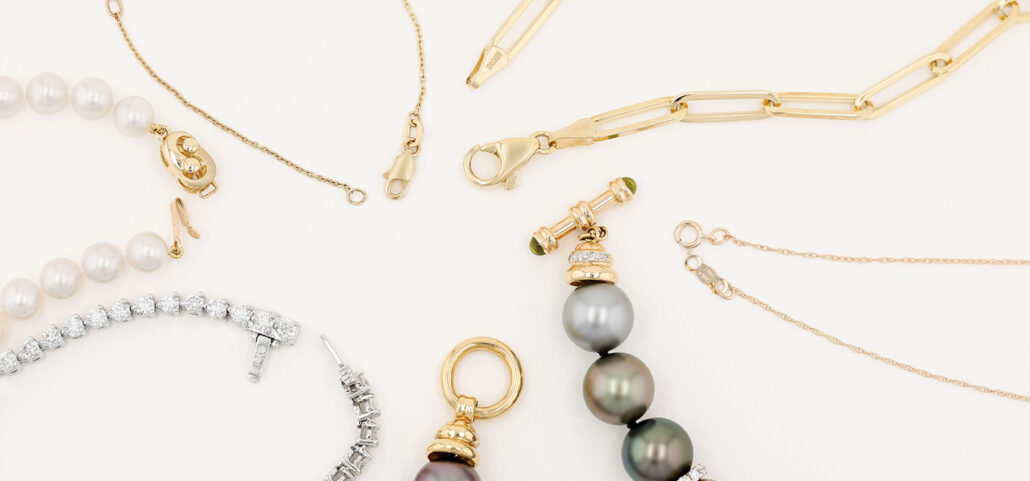
Table of Contents
- Introduction: The $800 Necklace That Vanished
- Understanding Why Jewelry Clasps Fail
- The Five Most Common Clasp Types and Their Weaknesses
- Spring Ring Clasps: The Most Failure-Prone Design
- Lobster Clasps: Stronger But Not Invincible
- Box Clasps: Beauty Meets Vulnerability
- Toggle and Bolo Clasps: Unique Challenges
- The Hidden Dangers: Metal Sensitivity and Safety Issues
- Professional vs DIY Clasp Repair
- Preventing Future Clasp Failures
- Conclusion: Securing Your Precious Memories
- Frequently Asked Questions
Introduction: The $800 Necklace That Vanished
Sarah had worn her grandmother’s gold necklace every day for three years without incident. The delicate chain with its Art Deco pendant had survived decades before passing to her, carrying memories of Sunday dinners and whispered family secrets. On an ordinary Tuesday morning in 2025, she reached up during her subway commute and felt nothing but bare skin where the familiar weight should have rested. The clasp—a tiny spring ring barely larger than a grain of rice—had finally surrendered to years of stress. Somewhere between her Brooklyn apartment and her Manhattan office, $800 worth of irreplaceable jewelry had slipped away forever. Sarah’s story repeats itself millions of times each year, creating a $2.4 billion problem in the jewelry industry that most people never see coming until it’s too late.
The frustration of a broken necklace clasp transcends mere financial loss. These tiny mechanical failures destroy heirlooms, interrupt important occasions, and create genuine anxiety for anyone who values their jewelry. According to the Consumer Product Safety Commission’s 2025 jewelry incident data, clasp failures account for approximately 67% of all jewelry loss reports in the United States, yet most wearers remain completely unaware of the warning signs that predict imminent failure. The small spring rings, lobster mechanisms, and box closures that secure our most treasured pieces operate under constant mechanical stress, experiencing thousands of opening and closing cycles throughout their lifetime. Each cycle introduces microscopic wear patterns, metal fatigue, and structural weaknesses that accumulate silently until catastrophic failure occurs without warning.
Before delving into the details of the article, watch this video which reviews the basic types of clasps used in jewelry making :
Understanding jewelry clasp mechanics has become increasingly critical in 2026 as consumers invest more heavily in fine jewelry than ever before. The global fine jewelry market reached $294 billion in 2025, with individual pieces averaging significantly higher values than previous decades. Simultaneously, manufacturing quality varies wildly between reputable jewelers and mass-market producers, creating a minefield of potential failures for unknowing consumers. Traditional jewelry education focused primarily on gemstone quality, metal purity, and design aesthetics while completely overlooking the engineering principles that determine whether a $5,000 necklace will stay securely fastened or disappear into a sidewalk grate. The Federal Trade Commission’s updated jewelry guides now require clearer quality marking, but clasp durability remains largely unregulated and poorly understood by consumers.
The relationship between clasp design and failure patterns reveals fascinating insights into material science, human behavior, and manufacturing economics. Spring ring clasps dominate costume jewelry because they cost pennies to produce, yet their internal wire mechanisms experience metal fatigue at predictable intervals based on opening frequency and force application. Lobster clasps command higher prices due to increased metal content and more robust construction, but their lever mechanisms create unique failure points that catch owners by surprise. Box clasps project an image of security with their interlocking design, yet their thin safety latches bend or snap with alarming regularity. Each clasp type represents specific engineering compromises between security, convenience, cost, and aesthetics—compromises that aren’t explained at the point of purchase and often aren’t understood until after loss occurs.
This comprehensive guide examines every aspect of jewelry clasp failure, from the metallurgical reasons why certain designs break to the specific techniques professionals use to identify vulnerable pieces before disaster strikes. Drawing on decades of jeweler experience, materials engineering research, and consumer safety data, we’ll explore how different clasp types actually work, why they fail in predictable patterns, and most importantly, how to recognize warning signs and take preventive action. Whether you’re wearing a $50 fashion piece or a $50,000 heirloom, understanding clasp mechanics empowers you to make informed decisions about security, replacement timing, and proper maintenance. The tiny mechanisms that secure our jewelry deserve the same careful attention we give to the gems and metals they protect, and by the end of this article, you’ll possess the knowledge to never experience Sarah’s subway nightmare yourself.

Understanding Why Jewelry Clasps Fail
Jewelry clasps fail for remarkably consistent reasons that transcend individual design variations, creating predictable failure patterns that experienced jewelers recognize instantly. Metal fatigue represents the primary culprit in approximately 82% of clasp failures documented by professional repair shops in 2025. Every time a clasp opens and closes, the internal mechanisms experience stress cycles that create microscopic structural changes in the metal’s crystalline structure. Spring ring clasps contain a small wire that moves in and out of position thousands of times throughout the jewelry’s lifetime, with each movement introducing tiny deformations that accumulate until the wire no longer maintains its original shape or tension. Lobster clasp levers undergo similar repetitive stress, particularly at the hinge point where the lever connects to the main body. This constant flexing eventually weakens the metal at the molecular level, creating invisible cracks that propagate until sudden, unexpected failure occurs.
The quality of base metals used in clasp manufacturing dramatically influences longevity in ways that remain invisible to consumers at the point of purchase. High-quality gold and platinum clasps utilize alloying techniques that balance workability with strength, incorporating specific percentages of copper, silver, or other hardening metals to resist fatigue. Inexpensive fashion jewelry frequently employs brass or zinc alloys with thin gold plating that provides attractive appearance but minimal durability. These base metal alloys lack the elasticity and fatigue resistance of properly formulated precious metal alloys, causing clasps to weaken within months rather than years. Consumer product testing conducted by independent laboratories in 2025 found that spring ring clasps from discount retailers failed after an average of 847 opening cycles, while jewelry-grade clasps from established manufacturers withstood 15,000+ cycles before showing equivalent wear. This hundredfold difference in durability directly correlates with manufacturing quality and metal composition, yet retail pricing rarely reflects these critical variations.
Federal quality specifications for precious metals establish baseline standards helping consumers evaluate jewelry manufacturing quality. Understanding regulatory frameworks governing precious metal marking provides context for assessing component durability.
Jewelry safety standards established by federal agencies specifically address mechanical reliability concerns that affect consumer protection. Understanding proper clasp maintenance helps prevent the loss incidents that prompt regulatory attention from organizations monitoring consumer product safety.
Federal regulations establishing quality standards for precious metals help consumers identify legitimate fine jewelry, though mechanical durability remains largely unregulated. Professional jewelry marking guidelines provide important context for understanding component quality differences.
Chemical exposure accelerates clasp deterioration through corrosion mechanisms that compromise structural integrity from the outside in. Chlorine in swimming pools and hot tubs attacks gold and platinum alloys aggressively, creating pitted surfaces and weakening solder joints that connect clasps to chains. Perfumes, hairsprays, and lotions contain alcohol and acidic compounds that gradually erode metal surfaces, particularly affecting the delicate spring mechanisms inside spring ring and lobster clasps. Salt water exposure creates galvanic corrosion when different metals in plated jewelry contact each other in the presence of electrolytes, rapidly degrading base metal components hidden beneath decorative surface layers. Professional jewelers recommend removing all jewelry before swimming, exercising, or applying cosmetics, yet consumer compliance with these recommendations remains remarkably low—surveys indicate only 23% of jewelry owners consistently remove pieces before chemical exposure situations.
Physical stress from pendant weight and chain movement creates additional failure mechanisms that compound other wear factors. Heavy pendants generate constant downward force on clasp connections, stressing the jump rings and solder points that attach clasps to chain ends. Pendant movement during wear introduces swinging forces that multiply the effective weight through leverage, particularly when walking, running, or performing physical activities. Thin chains paired with oversized clasps create mechanical mismatches where the clasp becomes the structural weak point, concentrating stress at the connection points. Toggle clasps face unique challenges because the bar component must pass through the loop at an angle, creating sideways stress that bends the connecting jump rings over time. Jewelers calculate appropriate clasp strength based on chain weight and anticipated pendant loads, but consumer jewelry purchases rarely involve these engineering considerations.
User technique significantly influences clasp longevity through handling patterns that either minimize or maximize mechanical stress. Forcing spring ring levers backward beyond their designed range of motion bends internal wires out of position, accelerating wear. Grabbing lobster clasps by the body and pulling hard creates torque forces that stress the hinge mechanism and connection points simultaneously. Failing to fully engage box clasps before releasing the safety latch allows partial closure that places abnormal stress on the interlocking components. These handling errors occur most frequently during rushed dressing situations or in awkward positions where visibility and dexterity are limited, such as fastening necklaces behind one’s own neck. Professional jewelers observe that many customers demonstrate improper clasp technique when bringing pieces for repair, suggesting that basic clasp operation education at the point of sale could significantly reduce premature failures.
Manufacturing defects represent a smaller but significant category of clasp failures that occur regardless of user care or maintenance. Incomplete solder joints create weak connections between clasps and chains that fail under normal use conditions. Improperly heat-treated springs lose their temper and tension, causing premature weakening in spring ring and lobster clasp mechanisms. Thin metal stampings in cheap barrel clasps lack sufficient material thickness to withstand normal threading forces. Quality control lapses allow defective clasps to reach consumers, particularly in mass-produced fashion jewelry where individual piece inspection doesn’t occur. The Federal Trade Commission’s jewelry marking guides establish standards for metal quality, but they don’t address mechanical durability or require functional testing before sale. This regulatory gap means consumers bear full responsibility for assessing clasp quality, despite lacking the expertise to make informed evaluations.

The Five Most Common Clasp Types and Their Weaknesses
Understanding the mechanical principles behind different clasp designs reveals why certain types dominate specific jewelry categories while others serve specialized applications. Spring ring clasps reign as the most common closure mechanism in modern jewelry, appearing on approximately 64% of all necklaces and bracelets sold in mass-market retail environments according to 2025 industry surveys. Their popularity stems from manufacturing economics—spring rings cost mere pennies to produce in bulk, require minimal precious metal content, and install quickly through simple jump ring connections. The mechanism operates through a small circular wire housed inside a hollow metal ring, with a tiny lever that pulls the wire inward to create an opening for the chain end to hook through. When the lever releases, spring tension forces the wire back into position, theoretically securing the connection. This elegant simplicity creates universal appeal among manufacturers, but the same basic design characteristics that enable cheap production directly cause the high failure rates that plague spring ring users.
Regulatory documentation establishing precious metal standards provides transparency about jewelry composition requirements. Understanding federal guidelines for jewelry manufacturing helps consumers make informed purchasing decisions.
Lobster clasps earned their name from the visual resemblance to a lobster’s claw, featuring a curved body with a spring-loaded gate that opens via a small lever mechanism. These clasps contain more metal than equivalent spring rings and utilize a more robust closure principle, making them the preferred choice for necklaces carrying moderate to heavy pendants. The gate swings outward when the lever is pressed, creating a large opening for easy chain attachment, then snaps shut when released to provide secure closure. Lobster clasps cost approximately 3-5 times more than comparable spring rings due to increased metal content and manufacturing complexity, positioning them primarily in mid-range to fine jewelry applications. Their improved security and ease of use make them increasingly popular for everyday wear pieces, though they maintain specific vulnerabilities that manifest differently than spring ring failures. The lever mechanism creates a potential weak point where the moving part connects to the main body, and the extended gate portion can bend outward if grabbed incorrectly during forceful opening attempts.
Box clasps project an image of elegance and security through their distinctive two-piece interlocking design, commonly appearing on tennis bracelets, pearl strands, and high-end necklaces where aesthetics matter as much as function. One component features a flat tab that inserts into the hollow box portion of the mating piece, with a small safety latch clicking over the insertion point to prevent accidental separation. This mechanical arrangement provides excellent security when properly engaged, as the box physically captures the tab in a way that resists pulling forces. However, box clasps introduce complexity that creates multiple failure modes not present in simpler designs. The safety latch represents the most vulnerable component—typically a thin curved piece of metal that bends or breaks from repeated use. The insertion tab can bend if forced into the box at improper angles, preventing proper engagement. Debris accumulation inside the box cavity interferes with smooth operation, leading users to force connections that damage internal components.
Toggle clasps offer distinctive visual appeal and unique functionality through their bar-and-ring design, popular in artisan jewelry and pieces where the clasp serves as a decorative element. The closure principle relies on a bar passing through a circular or decorative ring at an angle, then rotating to lie perpendicular to the ring, preventing withdrawal through gravity and tension from the chain. This approach eliminates springs, levers, and complex moving parts, creating inherent simplicity that initially suggests superior reliability. However, toggle clasps introduce security concerns that make them controversial for valuable pieces. The bar must have sufficient length to prevent accidental withdrawal, requiring careful sizing relative to the ring diameter. Active wear or vigorous movement can rotate the bar back through the ring, causing unintentional opening. Shortened toggle bars on poorly designed pieces provide inadequate security, while overlength bars create awkward proportions that snag on clothing. Professional jewelers generally recommend toggle clasps only for bracelets and statement necklaces where the decorative value justifies the reduced security compared to traditional mechanisms.
Bold jewelry choices often incorporate unique clasp designs as intentional style statements rather than hidden functional components. Statement pieces benefit from clasp selection that enhances overall aesthetic impact while maintaining secure closure.
Bolo clasps serve specialized applications in adjustable jewelry, particularly sliding bracelets and necklaces where length modification is a primary design feature. Two chain ends thread through a decorative bead containing an internal mechanism that clamps onto both chains simultaneously when positioned. Moving the bead up shortens the piece while moving it down lengthens it, providing easy adjustment without tools or professional assistance. This adjustability makes bolo clasps popular for gifts where the recipient’s size is unknown and for medical alert jewelry that must fit precisely. The clamping mechanism itself rarely fails because it consists of simple metal clips or springs inside the bead housing. However, the chains threading through the bolo experience concentrated wear at the contact points, creating thin spots that eventually break. This failure mode shifts the weak point from the clasp to the chain, but still results in jewelry loss. Additionally, adjustable-length pieces hang asymmetrically with excess chain dangling from the bolo, creating an aesthetically questionable appearance that limits bolo clasp usage to specific applications.
Magnetic clasps represent a modern innovation designed primarily for individuals with arthritis, limited dexterity, or visual impairments that make traditional clasp operation difficult. Two magnetic components attach to chain ends, clicking together automatically when brought into proximity, requiring no fine motor control or visual alignment. This ease of use creates enormous appeal for aging populations and anyone who struggles with tiny mechanical closures. However, magnetic clasps introduce serious security concerns that make them inappropriate for valuable jewelry. The magnetic force holding the clasp closed works well under static conditions but fails unpredictably when exposed to metal surfaces, sudden impacts, or forces that exceed the magnetic attraction strength. Necklaces with magnetic clasps can open unexpectedly when leaning against steel surfaces, riding in vehicles with metal seats, or during normal physical activity. Magnetic strength degradation over time further reduces security as the magnets lose their pulling force through temperature cycling and age. Professional jewelers typically reserve magnetic clasps for lightweight costume jewelry and specifically recommend against their use on any piece where loss would create significant emotional or financial consequences.

Spring Ring Clasps: The Most Failure-Prone Design
Spring ring clasps dominate the jewelry market not because they offer superior performance, but because they cost less to manufacture than any alternative design, creating an economic incentive that prioritizes profit margins over customer experience. A typical spring ring clasp purchased in bulk manufacturing quantities costs between $0.08 and $0.35 depending on size and metal type, compared to $0.75-$2.50 for equivalent lobster clasps. This price differential generates enormous pressure on jewelry manufacturers to specify spring rings for any piece where margins matter more than prestige. Mass-market fashion jewelry almost universally employs spring rings regardless of weight, value, or expected use conditions, creating a situation where millions of necklaces and bracelets enter the market with predictably short functional lifespans. Consumer awareness of this economic reality remains remarkably low—survey data from 2025 indicates that fewer than 15% of jewelry purchasers consider clasp type as a factor in buying decisions, focusing instead on gem quality, metal purity, and design aesthetics while ignoring the mechanical component most likely to fail.
The internal mechanism of a spring ring clasp reveals why failure rates exceed other designs by such significant margins. Inside the hollow circular body, a small curved wire sits under constant spring tension, held in the closed position by its own elasticity. Pulling backward on the tiny external lever moves this internal wire against its spring force, compressing it into the ring’s hollow interior and creating a gap where the wire previously blocked the opening. Releasing the lever allows the wire to spring back into position, theoretically securing the attachment. This mechanism requires the wire to maintain consistent spring tension throughout thousands of opening cycles while simultaneously resisting bending, breaking, and deformation from handling stress. The wire diameter typically measures less than one millimeter in small spring rings, creating a component with minimal structural resilience that fails when stressed beyond its design limits. Engineering analysis reveals that the spring wire experiences its highest stress concentration at the point where it bends to enter the ring body, creating a predictable failure location that manifests as wire breakage or permanent deformation at this critical junction.
Manufacturing quality variations in spring ring clasps create dramatic performance differences that consumers cannot assess through visual inspection at the point of purchase. High-quality spring rings utilize properly heat-treated precious metal wire with carefully controlled alloy composition to optimize spring properties. The wire diameter, ring body thickness, and lever mechanism all receive precision manufacturing to ensure smooth operation and long service life. Budget spring rings compromise every aspect of this engineering to minimize cost—thinner wire that provides inadequate spring force, stamped ring bodies with rough internal surfaces that increase friction, and levers that bend easily under normal use stress. Laboratory testing conducted by independent jewelry researchers in 2025 found that premium spring ring clasps from established manufacturers withstood an average of 18,734 opening cycles before failure, while discount variants from mass-market suppliers failed after just 947 cycles. This twentyfold difference in durability explains why some people wear spring ring necklaces for decades without incident while others experience failures within months, despite seemingly identical appearance.
The size relationship between spring ring diameter and wire thickness critically influences reliability in ways that contradict consumer intuition. Small spring rings appear delicate and appropriately sized for thin chains, but their tiny diameter necessitates proportionally smaller wire that lacks the structural strength to resist deformation. A 5mm spring ring might utilize 0.3mm wire, while a 7mm version allows 0.5mm wire—a seemingly small absolute difference that creates dramatically different mechanical properties. The cross-sectional area of the wire relates to its diameter squared, meaning the 7mm spring ring’s wire has nearly three times the structural strength of the 5mm version despite only 40% greater diameter. This mathematical reality means that visual appeal and proportional sizing work directly against mechanical reliability. Jewelers recommend minimum 6mm spring rings for any necklace expected to provide long-term service, yet fashion jewelry manufacturers routinely specify 4-5mm spring rings to maintain delicate appearance, consciously choosing aesthetics over durability in ways that consumers don’t recognize until failure occurs.
Chemical exposure accelerates spring ring failure through corrosion mechanisms that specifically target the vulnerable internal wire mechanism. Chlorine from swimming pools penetrates the hollow ring body through the opening gap, attacking the spring wire where it bends under tension. Perfume and cosmetic residues create acidic conditions that corrode the wire surface, reducing its effective diameter and weakening its structural integrity. Salt water exposure initiates galvanic corrosion between the spring wire and ring body when they’re manufactured from different alloy compositions, causing rapid deterioration that may not be visible from external inspection. The spring wire’s small diameter and high surface-area-to-volume ratio make it particularly susceptible to chemical attack, experiencing corrosion damage faster than larger structural components in the same chemical environment. Professional jewelers universally recommend removing all jewelry before swimming, showering, or applying cosmetics, yet compliance rates remain discouragingly low among consumers who don’t understand the accelerated wear mechanisms at work.
Shop on AliExpress via link: wholesale-jewelry-clasp-repair-kit
User technique strongly influences spring ring longevity through handling patterns that either minimize or maximize stress on vulnerable components. Pulling the lever straight backward along the ring’s circumference distributes stress evenly across the mechanism and maximizes the opening gap. Pulling at angles creates torque forces that bend the lever and stress the attachment point where it connects to the ring body. Releasing the lever before the chain end fully clears the opening allows the spring wire to snap back against the chain, creating impact forces that accelerate wear. Forcing spring rings to open wider than their designed range of motion permanently deforms the internal wire, reducing spring tension and creating loose closure that makes accidental opening more likely. These improper techniques occur most frequently when fastening necklaces behind one’s own neck without visual feedback, suggesting that enlisting assistance for clasp operation could significantly extend spring ring lifespan. Professional jewelers observe that many customers who bring pieces for clasp repair demonstrate handling techniques that guarantee premature failure, indicating a need for basic education at the point of sale that currently doesn’t occur in most retail environments.

Lobster Clasps: Stronger But Not Invincible
Lobster clasps represent a significant engineering improvement over spring rings, incorporating more metal, a more robust closure mechanism, and easier operation that makes them increasingly popular for everyday jewelry. The curved body provides structural rigidity that resists deformation from normal handling, while the swinging gate opens wide to accept chain ends without requiring precise alignment. The lever mechanism operates with less force than equivalent spring rings, making lobster clasps easier to use for individuals with reduced hand strength or dexterity limitations. These advantages explain why lobster clasps have steadily gained market share in the jewelry industry, appearing on approximately 43% of necklaces in the mid-range price category according to 2025 retail data. However, lobster clasps are not invincible despite their superior construction, experiencing specific failure modes that manifest differently than spring ring problems but still result in jewelry loss when they occur.
The lever mechanism in lobster clasps creates the primary failure point through repetitive stress at the hinge connection where the lever attaches to the main body. Unlike spring rings where failure typically involves wire breakage, lobster clasp issues more commonly manifest as loose, sticky, or completely frozen lever operation. The small pivot pin holding the lever experiences shear stress with every press, creating microscopic wear that accumulates until the connection loosens. A loose lever creates excessive play in the mechanism, allowing the gate to partially open even when the lever appears fully released. Sticky operation indicates that debris, corrosion, or deformed components are interfering with smooth lever movement, forcing users to apply excessive pressure that accelerates wear. Completely frozen levers result from severe corrosion or damage that mechanically locks the mechanism, rendering the clasp non-functional without repair. Professional jewelers estimate that lever-related issues account for approximately 73% of lobster clasp repairs brought to their shops, compared to complete structural failures that make up the remaining 27%.
The swinging gate component—the curved piece that opens to accept chain connections—represents the second most common lobster clasp failure point. The gate attaches to the clasp body through a small hinge or pivot point on one end and must align precisely with a catch on the opposite side when closed. Rough handling that grabs the gate directly and pulls outward bends this component away from the body, creating a permanent deformation that prevents proper closure even when the lever mechanism functions correctly. This failure mode occurs most frequently when users grab the entire clasp in their fist and pull forcefully rather than using the lever as intended. The bent gate creates a visible gap when the clasp is closed, allowing chain ends to slip out during wear. Repair requires either carefully bending the gate back into alignment—a delicate operation that risks breaking the component—or complete clasp replacement. Jewelers report that bent gates occur more often in thinner, lower-quality lobster clasps where the gate metal lacks sufficient thickness to resist deformation from mishandling.
Size selection dramatically influences lobster clasp reliability in ways that consumers rarely consider during purchase. Small lobster clasps measuring 8-10mm in length contain proportionally less metal in critical stress points, making them more vulnerable to bending and wear. The lever mechanism necessarily uses thinner metal for the hinge pin and lever body, creating weaker connections that fail sooner under equivalent use conditions. Large lobster clasps measuring 15-18mm provide substantially more structural strength but create aesthetic and practical concerns—they look disproportionally large on delicate chains and add noticeable weight that some wearers find objectionable. The optimal size balance occurs around 12-14mm for most necklace applications, providing adequate strength while maintaining reasonable appearance. However, fashion jewelry manufacturers frequently specify undersized clasps to maintain delicate appearance and reduce metal costs, consciously choosing aesthetics and economics over durability in the same pattern seen with spring ring selection.
Comprehensive jewelry maintenance extends beyond clasps to encompass proper care for all precious metal components. Understanding complete jewelry care practices ensures pieces maintain their beauty and functionality throughout decades of wear.
Metal quality affects lobster clasp performance through the same material science principles that govern all jewelry components but manifests in unique ways due to the moving parts involved. The lever, gate, and body must all maintain precise dimensional relationships for proper operation, meaning that corrosion or wear that changes surface characteristics creates malfunction even without structural failure. Cheap base metal lobster clasps with thin gold plating experience rapid deterioration when the plating wears through at high-stress points, exposing vulnerable base metals to chemical attack. Solid gold and platinum lobster clasps eliminate this concern but cost significantly more—a 14K gold lobster clasp might retail for $45-80 depending on size, compared to $3-8 for equivalent plated brass versions. Sterling silver clasps offer middle-ground pricing but require regular maintenance to prevent tarnish buildup in the mechanism. These cost differences create market segmentation where fine jewelry utilizes precious metal clasps while fashion pieces employ plated base metals, directly correlating product positioning with expected functional lifespan.
Authenticating precious metal jewelry requires careful examination beyond simple visual inspection or basic testing. Learning to identify quality differences helps consumers avoid purchasing pieces with inferior components masquerading as fine jewelry.
Chemical exposure affects lobster clasps differently than spring rings due to their larger size and exposed mechanisms. Chlorine attacks precious metal alloys regardless of clasp type, but the moving parts in lobster mechanisms provide multiple surfaces where chemical exposure occurs. Perfume and cosmetic residues accumulate inside the gate channel and around the lever pivot, creating sticky operation that users often attempt to resolve by forcing the mechanism with excessive pressure. Salt water corrosion targets the small gaps between moving components, potentially creating galvanic corrosion when different metals contact each other in the presence of electrolytes. Proper care requires removing lobster clasp jewelry before swimming and cleaning the mechanism periodically with jewelry cleaner to remove accumulated residues. However, consumer compliance with these maintenance requirements remains inconsistent, with many wearers treating jewelry as “set it and forget it” accessories that don’t require ongoing care beyond occasional cleaning for appearance purposes.
Box Clasps: Beauty Meets Vulnerability
Box clasps occupy a special position in fine jewelry as the preferred closure mechanism for pieces where appearance and security matter equally, commonly appearing on tennis bracelets worth thousands of dollars, multi-strand pearl necklaces, and graduated gemstone designs where functional hardware must complement overall aesthetics. The distinctive two-piece interlocking design creates visual appeal that integrates with the jewelry rather than appearing as a purely functional afterthought. One component features a decorative box housing with an internal cavity, while the mating piece presents a flat tab that inserts into the box and locks into place via a small figure-eight-shaped safety latch that clips over the insertion point. This mechanical arrangement provides excellent security when properly engaged, physically capturing the tab inside the box in a way that resists pulling forces from any direction. The security advantage makes box clasps the default choice for valuable bracelets where accidental loss would create significant financial consequences, despite manufacturing costs that exceed simpler clasp types by substantial margins.
The safety latch represents the most vulnerable component in box clasp construction, experiencing failures that account for approximately 65% of all box clasp repairs according to data from professional jewelers’ associations. This thin curved piece of metal performs the critical function of preventing the insertion tab from sliding back out of the box, but its slender construction makes it susceptible to bending and breaking from normal use stress. Users must lift the safety latch with a fingernail or small tool to open the clasp, creating leverage forces concentrated at the latch base where it attaches to the box housing. Repeated lifting cycles introduce metal fatigue at this connection point, eventually causing the latch to bend away from the box or break off entirely. A bent safety latch no longer properly covers the tab insertion slot, allowing the tab to slide partially out and creating insecure closure that may fail during wear. Broken safety latches leave the box clasp functional but dramatically less secure, essentially converting it to a simple friction-fit connection that could separate if pulled at the right angle.
The insertion tab on box clasps experiences its own set of failure mechanisms related to the forces involved in repeated opening and closing cycles. The tab must maintain precise dimensional tolerances to fit smoothly into the box cavity while still providing secure engagement. Forcing the tab into the box at improper angles bends it, creating permanent deformation that prevents smooth insertion or causes binding that makes the clasp difficult to operate. Worn tabs develop rounded edges from repeated insertion, reducing the mechanical interference that prevents withdrawal and creating loose fit that compromises security. Some box clasp designs incorporate a small ball or detent on the tab that clicks into a corresponding dimple in the box housing, providing tactile feedback when properly engaged. These detent features wear down over time, losing the clicking action that confirms correct closure and leaving users uncertain whether the clasp is properly secured. Jewelers can sometimes restore worn tabs through careful metalwork that reshapes the engagement surfaces, but severely damaged tabs require replacement that may cost $150-300 depending on metal type and design complexity.
Historical jewelry pieces carry unique value considerations affecting repair and restoration decisions. Vintage jewelry maintenance requires specialized knowledge about period-appropriate techniques and authentic component sourcing.
The box housing itself experiences less frequent but more severe failures when the structural integrity of the cavity walls becomes compromised. Thin-walled box housings can deform under impact stress if the jewelry is dropped or struck against hard surfaces, creating distorted cavities that no longer properly accept the insertion tab. Corrosion inside the box cavity creates rough surfaces that prevent smooth tab insertion and may mechanically lock the clasp in either open or closed positions. Solder joints connecting the box housing to the jewelry chain represent additional failure points, particularly in lightweight designs where the box must support the full weight of the pendant or chain during wear. These solder joint failures typically occur suddenly without warning, causing the entire box component to separate from the chain and result in complete jewelry loss. Professional jewelers recommend annual inspections that specifically examine box clasp solder joints using magnification to detect early cracks before catastrophic failure occurs.
Box clasp operation technique significantly influences longevity through handling patterns that either minimize or maximize stress on vulnerable components. Proper technique involves supporting the box housing with one hand while lifting the safety latch with the other hand’s fingernail, then gently pulling the tab straight out of the box without twisting or angling. Incorrect technique that grabs the entire clasp and pulls forcefully without properly releasing the safety latch places enormous stress on the latch mechanism and can bend it severely in a single improper opening. Forcing the tab into the box without proper alignment causes the tab edges to scrape against the box walls, accelerating wear and creating metal particles that accumulate inside the cavity and interfere with smooth operation. These technique errors occur more frequently with box clasps than simpler designs because the mechanism requires multiple sequential steps performed in specific order, creating more opportunities for user error than single-action closures like spring rings or lobster clasps.
Maintenance requirements for box clasps exceed those of simpler mechanisms due to the precision required for proper operation. Debris accumulation inside the box cavity interferes with tab insertion, forcing users to apply excessive pressure that damages components. Tarnish on silver box clasps creates rough surfaces that prevent smooth operation and may bind the mechanism in closed position, requiring professional cleaning to restore function. Regular inspection with magnification allows early detection of safety latch bending or tab wear before these issues progress to complete failure. Professional jewelers recommend bringing pieces with box clasps for annual maintenance that includes ultrasonic cleaning, mechanism inspection, and functional testing to ensure continued reliable operation. However, consumer compliance with these maintenance recommendations remains low, with most wearers only seeking professional attention after obvious malfunction occurs rather than implementing preventive maintenance schedules that could avoid catastrophic failures.
Shop on AliExpress via link: wholesale-jewelry-cleaning-kit

Toggle and Bolo Clasps: Unique Challenges
Toggle clasps break with conventional clasp design principles by eliminating springs, levers, and moving parts entirely, instead relying on gravity and geometry to maintain closure. The mechanism consists of a bar component that passes through a circular or decorative ring at an angle, then rotates perpendicular to the ring to prevent withdrawal. This elegantly simple approach eliminates the metal fatigue issues that plague spring rings and the mechanical complexity concerns affecting lobster clasps, creating inherent appeal for designers seeking distinctive alternatives to mainstream closures. Artisan jewelry makers particularly favor toggle clasps because the bar and ring components serve as decorative focal points that contribute to overall design rather than hiding as purely functional hardware. The bar might feature ornate metalwork, gemstone embellishments, or sculptural designs that transform the clasp into jewelry rather than merely a fastener. This aesthetic integration makes toggles popular for statement necklaces and designer bracelets where unique appearance justifies higher manufacturing costs and accepts security tradeoffs inherent in the design.
The security limitations of toggle clasps become apparent through analysis of the forces required to cause unintentional opening. Unlike clasps with positive mechanical locks, toggles rely entirely on the bar remaining perpendicular to the ring, a position maintained only through chain tension and gravitational orientation. Active movement, vigorous physical activity, or situations where the jewelry hangs loosely can rotate the bar back through the ring, causing complete separation without any component failure. This vulnerability makes toggle clasps inappropriate for valuable pieces or situations where jewelry loss would create significant consequences. Professional jewelers generally recommend toggle clasps only for bracelets where the wrist’s circular geometry naturally maintains proper bar orientation, or for necklaces worn during controlled situations rather than active daily wear. The bar length relative to ring diameter critically determines security—adequate length prevents accidental rotation through the ring, while insufficient length creates frequent unintentional openings that frustrate wearers and risk jewelry loss.
Sizing relationships between toggle components create engineering challenges that designers must carefully balance against aesthetic preferences. The bar must measure at least 1.5 times the ring’s internal diameter to provide adequate security against accidental rotation, but longer bars create awkward proportions that detract from visual appeal. A 20mm ring requires minimum 30mm bar length, potentially creating an ungainly appearance that designers resist despite security concerns. Shortened bars on fashion jewelry often measure barely longer than the ring diameter, providing attractive proportions but inadequate functional security. This tension between appearance and reliability manifests in the jewelry market through toggle clasp failures that occur not because components break, but because the fundamental design parameters prioritize aesthetics over mechanical security. Consumers attracted to toggle clasp jewelry for its distinctive appearance may not realize they’re accepting reduced security compared to conventional alternatives until unintentional separation occurs.
Jump ring selection and attachment points represent critical but often overlooked aspects of toggle clasp assembly that significantly influence reliability. The bar component typically attaches to one chain end through a jump ring, while the ring component connects to the opposite end. These jump rings experience substantial stress as the toggle opens and closes because the bar must pass through the ring at an angle, creating sideways forces not present in traditional clasps. Weak jump rings with thin wire that doesn’t fully close create obvious failure points that break under normal use stress. Over-sized jump rings that exceed the bar or ring dimensions create excessive mechanical play that accelerates wear on the toggle components themselves. Professional jewelers select jump rings carefully based on toggle size and jewelry weight, using closed jump rings with properly sized wire diameter rather than the cheap open-split rings commonly used in fashion jewelry. This attention to connection hardware details makes the difference between toggles that provide years of reliable service and those that fail within months through jump ring breakage rather than toggle component issues.
Professional jewelry appraisal services provide authoritative documentation of precious metal content and component quality. Understanding appraisal processes helps consumers verify jewelry authenticity and establish proper insurance coverage.
Bolo clasps introduce entirely different engineering principles by functioning as adjustable-length closures rather than simple open-close mechanisms. The decorative bead component houses internal clips or springs that grip both chains simultaneously when positioned, allowing length adjustment by sliding the bead along the chain while maintaining security at any position. This adjustability provides enormous practical value for gift jewelry where the recipient’s size is unknown and for pieces that need precise length control like medical alert necklaces. However, the chains threading through the bolo experience concentrated wear at the contact points where internal gripping mechanisms press against the metal, creating thin spots that eventually break. This wear mechanism shifts the failure point from the clasp mechanism itself to the chains passing through it, but still results in complete jewelry loss when the weakened section fractures.
Aesthetic concerns limit bolo clasp adoption despite their functional advantages because adjustable-length jewelry hangs asymmetrically with excess chain dangling from the bead. A 20-inch necklace adjusted to wear at 16 inches leaves 4 inches of chain hanging loose below the bolo, creating an appearance that many wearers find objectionable. Designers attempt to minimize this issue through decorative bolo beads large enough to visually balance the dangling chains, but this approach increases weight and moves away from delicate aesthetics that many jewelry customers prefer. The practical functionality of adjustable length frequently conflicts with aesthetic preferences that favor clean lines without visible mechanical hardware, limiting bolo clasps primarily to casual jewelry categories and specific applications like sports team necklaces where functionality matters more than refined appearance. Professional jewelers rarely recommend bolo clasps for fine jewelry due to these aesthetic concerns, despite their functional reliability exceeding many traditional clasp types.
The Hidden Dangers: Metal Sensitivity and Safety Issues
Metal sensitivity reactions to jewelry clasps create medical issues that extend beyond simple mechanical failure, affecting approximately 15-20% of the population according to dermatological research. Nickel allergy represents the most common form of jewelry-related contact dermatitis, with the metal appearing in many clasp alloys even when the visible jewelry components utilize precious metals. Clasps frequently contain different metal alloys than the chains they secure because functional hardware requires specific mechanical properties that aesthetic components don’t need. A 14K gold necklace might legitimately carry precious metal markings while employing a clasp with nickel-containing alloys hidden beneath gold plating. Contact with nickel-containing clasps triggers immune system responses in sensitized individuals, causing red, itchy rashes at the contact point that may spread to surrounding skin areas. These reactions typically appear 24-72 hours after exposure, making the connection between clasp contact and skin symptoms less obvious than immediate reactions would be.
Clinical understanding of how nickel triggers skin reactions helps jewelers recommend appropriate materials for sensitive customers. Medical guidance on metal sensitivities informs material selection ensuring comfortable long-term jewelry wear.
The prevalence of nickel sensitivity has increased significantly over recent decades, primarily due to body piercing practices that introduce nickel directly through broken skin during the healing period. Ear piercing creates nickel sensitization in many individuals who subsequently react to all nickel-containing jewelry, including clasps worn at the back of the neck away from pierced areas. This sensitization pathway affects women disproportionately due to higher piercing rates, with epidemiological studies showing 20-30% prevalence among adult women compared to 3-5% among adult men. Children develop nickel sensitivity from jewelry, clothing fasteners like jean buttons, and other common metal objects, with documented cases appearing in infants as young as six months exposed to nickel-plated items. The cumulative effect creates a large and growing population of individuals who must carefully avoid nickel in all jewelry components, necessitating conscious clasp selection that many consumers don’t realize they need to practice.
Medical research examining allergic contact dermatitis mechanisms provides important insights into how jewelry materials interact with immune systems. Understanding nickel sensitization pathways helps consumers make informed choices about jewelry materials contacting skin.
Nickel sensitivity creates genuine medical concerns requiring careful material selection for anyone experiencing skin reactions from jewelry contact. Dermatological research helps identify individuals at risk and provides evidence-based recommendations for hypoallergenic alternatives.
Regulatory frameworks governing nickel content in jewelry vary dramatically between jurisdictions, creating consumer confusion about safe purchasing practices. European Union regulations established strict limits on nickel release from jewelry and other objects intended for prolonged skin contact, essentially requiring nickel-free formulations for consumer jewelry sold within EU countries. United States regulations take a fundamentally different approach, with no mandatory restrictions on nickel in adult jewelry and only limited controls for children’s products. This regulatory divergence means that jewelry legally sold in U.S. retail stores may contain nickel levels that would be prohibited in European markets, placing the burden of avoiding problematic metals entirely on consumers who often lack the information needed to make informed choices. Testing kits containing dimethylglyoxime reagent allow consumers to detect nickel in jewelry items before purchase, but awareness of these testing options remains low and retail stores generally don’t offer testing services at the point of sale.
Hypoallergenic metal alternatives for clasps include several options with different cost implications and performance characteristics. Solid 14K or higher yellow gold contains insufficient nickel to trigger reactions in most sensitive individuals, making it the traditional choice for hypoallergenic clasps despite premium pricing. Platinum clasps eliminate nickel concerns entirely through pure precious metal construction, but platinum’s scarcity drives costs even higher than equivalent gold versions. Surgical-grade stainless steel provides affordable nickel-free alternatives widely used in medical implants and body jewelry, offering excellent corrosion resistance and mechanical properties at prices approaching fashion jewelry levels. Titanium and niobium represent specialty alternatives popular in body jewelry markets, providing complete inertness and very low sensitization potential but requiring specialized manufacturing techniques that limit availability in conventional jewelry. Sterling silver theoretically provides nickel-free options because traditional sterling contains only silver and copper, but some manufacturers add small nickel percentages to improve working properties, creating unexpected reactions in sensitive individuals unless nickel-free sterling specifications are verified.
Safety concerns extending beyond metal sensitivity focus on jewelry-related physical hazards, particularly for children’s products. Necklace strangulation hazards led to specific safety standards requiring that children’s necklaces incorporate breakaway features that separate under tension forces exceeding specified thresholds. Magnetic clasps present choking and intestinal injury hazards if small children or pets swallow separated components, with documented cases of serious injury requiring emergency surgery. Sharp edges on broken clasps create laceration risks when handling damaged jewelry or when broken components contact skin during wear. These safety considerations influenced updated consumer product regulations that now apply to children’s jewelry but remain voluntary guidelines for adult products, creating a regulatory landscape where safety features appear inconsistently across product categories. Parents purchasing jewelry for children need awareness of these safety standards and should specifically verify that necklaces include appropriate breakaway clasps, while adult consumers benefit from understanding potential hazards even though regulatory requirements don’t mandate specific safety features.
Professional vs DIY Clasp Repair
The decision between attempting clasp repair at home versus seeking professional jeweler services hinges on multiple factors including jewelry value, technical complexity, required tools, and risk tolerance for potential damage. Basic clasp replacement on costume jewelry represents the most appropriate application for DIY repair because the financial risk remains minimal and the technical requirements stay within hobbyist capabilities. Replacing a broken spring ring clasp requires only two pairs of jewelry pliers, a replacement clasp matching the original size and metal type, and basic understanding of jump ring manipulation. The process involves opening the jump ring connecting the old clasp, removing it, threading on the new clasp, and carefully closing the jump ring to secure the connection. These steps require manual dexterity and patience but don’t demand specialized metallurgical knowledge or expensive equipment. Total material costs range from $5-15 for clasp, jump ring, and pliers if not already owned, making DIY repair economically sensible for jewelry valued under $100.
Professional jeweler services become essential for valuable pieces where improper repair could cause permanent damage exceeding the original problem. Fine jewelry worth hundreds or thousands of dollars deserves expert attention because jewelers possess specialized knowledge about metal properties, proper solder techniques, and quality assessment that hobbyists lack. Professional repair ensures that replacement clasps match the original metal type and quality grade, maintaining consistent precious metal content throughout the piece rather than introducing inferior alloys that create visual mismatches or structural weak points. Jewelers select appropriate clasp sizes based on chain weight and design aesthetics, avoiding undersized clasps that fail prematurely or oversized versions that look disproportionate. Solder joints created by experienced bench jewelers provide permanent connections that match or exceed the original manufacturing quality, eliminating the need for jump rings that represent additional potential failure points. These professional advantages justify repair costs ranging from $45-250 depending on metal type, clasp complexity, and labor requirements.
The complexity difference between simple clasp replacement and more involved repairs dramatically affects DIY feasibility. Replacing a broken clasp that’s already separated from the chain requires only mechanical assembly skills, while removing a damaged but still-attached clasp necessitates either jump ring opening or potentially cutting solder joints—operations that risk chain damage if performed incorrectly. Repairing rather than replacing damaged clasps, such as bending a deformed lobster clasp gate back into alignment or replacing a broken box clasp safety latch, requires metalworking skills beyond typical consumer capabilities. Matching replacement clasps exactly to original specifications becomes problematic because many clasps use proprietary designs or discontinued styles that aren’t available through retail channels. These complications quickly escalate supposedly simple repairs into projects requiring professional intervention, even when the initial assessment suggested DIY feasibility. Experienced jewelers recommend that consumers realistically evaluate their technical capabilities before attempting repairs beyond basic clasp replacement on low-value pieces.
Tool and material requirements create additional considerations when evaluating DIY repair feasibility. Proper jewelry pliers with smooth jaws prevent marring precious metal surfaces during manipulation, while household pliers with serrated jaws leave visible damage marks that detract from appearance. Magnifying glasses or jeweler’s loupes enable close inspection of small components and precise work that becomes difficult or impossible with unaided vision. Replacement clasps must match original specifications for size, metal type, and finish to maintain aesthetic consistency—finding exact matches requires access to jewelry supply sources that many consumers don’t know exist. Jump rings need careful selection based on wire thickness and diameter to provide secure connections without being oversized or undersized relative to chain proportions. These specialized materials aren’t typically available at general hardware stores, requiring orders from jewelry supply companies or online retailers that add shipping costs and delay timelines. The accumulated tool and material expenses can approach professional repair costs for one-time projects, making DIY economically questionable unless amortized across multiple future repairs.
Risk assessment forms the final critical factor when choosing between DIY and professional repair approaches. Attempting repairs on valuable or sentimental jewelry creates catastrophic loss potential if mistakes occur during the process. Dropping tiny components during manipulation, applying excessive force that breaks chains or damages links, or creating poor-quality repairs that fail during wear all represent realistic risks for inexperienced repairers. Professional jewelers carry insurance covering damage to customer jewelry during repair work, providing financial protection that obviously doesn’t exist for self-repairs gone wrong. The emotional impact of damaging an irreplaceable heirloom through attempted home repair far exceeds the financial savings from avoiding professional service fees. Conversely, simple repairs on inexpensive fashion jewelry create minimal risk because the total jewelry value barely exceeds professional service costs. This risk-reward analysis should strongly favor professional services for any piece where loss would create significant emotional or financial consequences, reserving DIY attempts only for low-value items where mistakes become acceptable learning experiences.
Valuable jewelry pieces deserve consideration as financial investments requiring proper documentation and protection. Understanding which jewelry types appreciate over time informs decisions about quality standards and component selection.

Preventing Future Clasp Failures
Proactive maintenance represents the most effective strategy for preventing clasp failures, yet remains the least practiced aspect of jewelry care among consumers. Regular professional inspections every six months allow jewelers to identify early warning signs before catastrophic failure occurs, examining clasps under magnification for metal fatigue, corrosion, wear patterns, and loose connections that may not be obvious to casual visual inspection. Spring ring clasp inspections focus on the internal wire mechanism, checking for adequate spring tension, smooth lever operation, and absence of corrosion inside the hollow ring body. Lobster clasp evaluations test lever function, examine hinge pin condition, and verify that the gate closes properly without excessive play or binding. Box clasp inspections pay particular attention to safety latch integrity, tab insertion smoothness, and solder joint condition at connection points. These professional assessments cost minimal amounts—typically included free with jewelry cleaning services—yet provide enormous value through early problem detection that enables repair before complete failure and jewelry loss.
Chemical avoidance practices dramatically extend clasp lifespan through elimination of corrosion and wear accelerators that attack metal components. Removing all jewelry before swimming eliminates chlorine exposure that aggressively corrodes gold and platinum alloys while attacking spring mechanisms and lever assemblies. Taking off necklaces before showering prevents exposure to soap residues, shampoo chemicals, and hard water minerals that accumulate inside clasp mechanisms and interfere with smooth operation. Applying perfumes, hairsprays, and cosmetics before putting on jewelry rather than after prevents direct chemical contact that initiates corrosion on metal surfaces. These simple behavioral modifications cost nothing to implement yet provide measurable benefits in extended clasp functionality. However, consumer compliance remains discouragingly low because the gradual nature of chemical damage creates no immediate negative feedback. Jewelry that continues functioning despite chemical exposure conditions creates false confidence that current practices are acceptable, right up until sudden unexpected failure destroys this illusion.
Proper storage techniques prevent mechanical damage and reduce corrosion exposure that occurs even when jewelry isn’t being worn. Hanging necklaces individually rather than piling them in boxes eliminates tangling that stresses clasps and chains while separating jewelry items prevents them from scratching each other. Closing clasps during storage maintains proper spring tension in spring ring mechanisms and prevents safety latches from bending on box clasps that might contact other items. Using anti-tarnish storage materials in jewelry boxes or fabric-lined compartments reduces atmospheric sulfur exposure that tarnishes silver and attacks solder joints. Keeping jewelry in climate-controlled environments rather than bathrooms or other high-humidity spaces minimizes moisture exposure that accelerates corrosion. Professional jewelers observe that properly stored pieces exhibit dramatically extended lifespans compared to jewelry kept in jumbled boxes or exposed to environmental extremes, suggesting that storage practices rival maintenance and chemical avoidance in importance for overall jewelry preservation.
Technique education transforms clasp operation from destructive force application to gentle, appropriate handling that minimizes stress on vulnerable components. Learning proper spring ring technique—pulling the lever straight back while holding the ring steady, then fully opening the gap before insertion—prevents the wire bending that causes premature failure. Mastering lobster clasp operation using the lever exclusively rather than grabbing and pulling the gate avoids deformation that prevents proper closure. Understanding box clasp assembly sequence—lifting the safety latch fully, inserting the tab straight into the box, then verifying the latch clicks over the tab—ensures proper engagement that prevents loose closure. These technique improvements require only awareness and practice, yet most jewelry consumers never receive instruction on proper clasp operation because retail sales processes focus on product features rather than usage education. Jewelers who take time to demonstrate proper technique during sales or repair transactions provide valuable service that prevents future problems, though such education remains disappointingly rare in typical retail experiences.
Upgrade decisions represent strategic opportunities to improve reliability by replacing problematic clasp types with more secure alternatives before failures occur. Converting spring ring necklaces to lobster clasps provides immediate security improvements for pieces that justify the $45-90 investment in professional replacement. Adding safety chains to valuable bracelets creates backup security that prevents jewelry loss even if primary clasp mechanisms fail during wear. Specifying larger, higher-quality clasps when commissioning custom pieces ensures adequate durability from initial production rather than discovering inadequacy after failures occur. These upgrade opportunities require conscious decision-making and modest financial investment but provide peace of mind and practical security that far exceeds their nominal cost. Professional jewelers report that clients who proactively upgrade clasps before failures occur rarely experience jewelry loss incidents, compared to much higher loss rates among wearers who wait for problems to manifest before taking action.
Conclusion: Securing Your Precious Memories
The tiny clasps securing our jewelry hold disproportionate importance relative to their size, representing single points of failure where entire pieces live or die based on components weighing mere fractions of a gram. Understanding why these mechanisms fail, how different designs create specific vulnerabilities, and which preventive measures actually prevent problems empowers jewelry owners to protect valuable pieces through informed decisions rather than hoping luck prevents the disasters that strike millions of unprepared wearers annually. The engineering principles governing clasp durability aren’t mysterious or inaccessible—they follow logical patterns that anyone can learn to recognize and apply to their own jewelry collection. Spring rings fail through wire fatigue and undersized dimensions, lobster clasps struggle with lever mechanisms and gate bending, box clasps compromise safety latches while toggle designs trade security for aesthetics. Each failure mode carries distinctive warning signs that allow early intervention before complete failure occurs, if only people know what to look for and take appropriate action when problems manifest.
The jewelry industry’s economic structure creates misaligned incentives where manufacturing cost reduction drives clasp selection rather than customer outcomes, particularly in fashion jewelry categories where margins matter more than long-term reputation. Consumers bear full responsibility for understanding quality differences and making informed purchasing decisions, yet most enter jewelry stores completely unaware that clasp type and quality matter as much as gemstones and metals. This information asymmetry causes predictable problems as inexpensive spring rings fail prematurely on pieces that owners expected to last for years, creating frustration and disappointment that stems not from inherent jewelry failures but from unrealistic expectations set by incomplete purchase information. Retail experiences that educate customers about clasp considerations, demonstrate proper operation techniques, and explain maintenance requirements would dramatically improve long-term satisfaction, but such education rarely occurs in fast-paced sales environments focused on transaction completion rather than customer empowerment.
Professional jewelers stand ready to provide the inspection, repair, and maintenance services that keep jewelry functional and secure, yet many consumers only discover these resources after losses occur rather than implementing preventive maintenance that would have avoided problems entirely. The modest costs of semi-annual inspections pale in comparison to replacing lost jewelry, particularly heirlooms with irreplaceable sentimental value. Professional clasp replacements and upgrades provide practical security improvements that protect valuable pieces from predictable failure modes identified through decades of jeweler experience. These services exist precisely to prevent the scenarios that haunt jewelry owners who’ve lost treasured pieces—they represent investments in peace of mind rather than expenses grudgingly paid after disasters occur. Shifting mindset from reactive repair to proactive maintenance fundamentally changes jewelry ownership experience from anxiety about potential loss to confidence in properly secured pieces.
The broader lesson extends beyond jewelry clasps to encompass quality assessment across consumer goods where hidden functional components matter as much or more than visible aesthetic elements. Learning to evaluate engineering quality, understanding material properties, recognizing value differences between cheap and well-made versions, and appreciating craftsmanship that doesn’t photograph well but provides superior long-term performance—these skills transfer across product categories and protect consumers from the planned obsolescence and corner-cutting that plague modern manufacturing. Jewelry clasps serve as perfect teaching examples because their small size makes their engineering visible and their failures create obvious consequences, unlike larger products where poor design might manifest subtly over extended periods. Anyone who learns to evaluate clasp quality gains transferable knowledge applicable to countless other purchasing decisions where function matters more than initial appearance.
Your jewelry tells stories—celebrations captured in engagement rings, achievements memorialized in graduation gifts, love expressed through anniversary surprises, heritage preserved in family heirlooms. These narratives deserve better than ending through preventable mechanical failures that conscious awareness could have avoided. Take time to examine your current collection, identify pieces with questionable clasps, and either upgrade them professionally or at minimum implement proper maintenance routines that maximize existing clasp lifespans. Learn proper operation techniques for each clasp type you own, teach these methods to family members who wear your pieces, and practice gentle handling that minimizes stress on vulnerable components. Your jewelry’s future depends entirely on decisions you make today about care, maintenance, and quality standards you’re willing to demand from manufacturers and retailers. Make those choices wisely, and the clasps securing your treasures will provide decades of reliable service rather than sudden, unexpected failures that transform precious memories into permanent losses.
Professional organizations promoting jewelry industry ethics provide valuable resources for consumers seeking trustworthy service providers. Proper care practices recommended by experienced jewelers significantly extend jewelry lifespan and prevent premature failures.
Frequently Asked Questions
Question 1: Why does my necklace clasp keep breaking?
Answer 1: Necklace clasps break due to metal fatigue from repeated opening and closing cycles that create microscopic structural damage accumulating until sudden failure occurs. Spring ring clasps are particularly vulnerable because their internal wire mechanism weakens over time from thousands of stress cycles. Chemical exposure from swimming pools, perfumes, and cosmetics accelerates deterioration by corroding metal surfaces and attacking solder joints connecting clasps to chains. Manufacturing defects in inexpensive jewelry create premature failures through use of undersized components, inadequate metal thickness, or poor-quality alloys that lack proper fatigue resistance. Heavy pendants generate constant downward stress on clasp connections, particularly when paired with thin chains that concentrate forces at attachment points. Improper use technique that pulls clasps forcefully or opens them beyond designed ranges of motion accelerates wear and causes bending of delicate components. Weight mismatch between necklace components and clasp strength creates situations where the clasp becomes the structural weak point, failing while chain and pendant remain intact. Physical damage from drops, impacts, or rough handling deforms clasp components enough to prevent proper closure even when internal mechanisms remain functional. Cheap base metal clasps with thin precious metal plating wear through at high-stress points, exposing vulnerable metals to rapid corrosion. Age and total accumulated wear eventually cause all clasps to fail regardless of quality, though timeline varies from months for cheap fashion jewelry to decades for properly manufactured fine jewelry clasps.
Question 2: What is the strongest type of necklace clasp?
Answer 2: Box clasps with safety latches provide the strongest security for valuable necklaces through interlocking mechanical design that physically captures the insertion tab inside a box housing, preventing separation even under substantial pulling force. The safety latch adds redundant security by blocking the tab from sliding back out even if primary engagement loosens. Barrel clasps offer similar strength through threaded mechanical connections where two components screw together, creating positive locks that resist accidental opening. Lobster clasps provide excellent everyday strength suitable for necklaces carrying moderate to heavy pendants, utilizing spring-loaded gates that snap shut positively and resist opening unless the lever is intentionally pressed. Their increased metal content compared to spring rings creates inherently more robust construction. Toggle clasps can provide adequate security when properly sized with bars measuring at least 1.5 times the ring diameter, though they lack positive mechanical locks. Spring ring clasps represent the weakest common design due to their hollow construction and thin internal wire mechanisms that fail more frequently than other types. For maximum security on high-value pieces, professional jewelers recommend box clasps combined with figure-eight safety chains providing backup protection if primary clasp mechanisms fail. Magnetic clasps offer minimal security and should never be used on valuable jewelry. The strongest clasp type ultimately depends on specific application requirements balancing security, ease of use, aesthetics, and budget constraints. Professional jeweler consultation helps match clasp strength to jewelry value and use conditions.
Comprehensive jewelry maintenance extends beyond clasps to encompass proper care for all precious metal components. Understanding complete jewelry care practices ensures pieces maintain their beauty and functionality throughout decades of wear.
Question 3: Can I replace a broken necklace clasp myself?
Answer 3: Basic clasp replacement is possible for consumers with modest manual dexterity and appropriate tools, particularly on inexpensive costume jewelry where mistakes create minimal financial risk. The process requires two pairs of jewelry pliers, replacement clasps matching original size and metal type, and properly sized jump rings to connect the new clasp to existing chain. Opening jump rings by twisting rather than pulling prevents deformation, allowing clasp attachment before carefully closing the ring to secure the connection. Total material costs range from $5-15 if tools aren’t already owned. However, professional jewelers strongly recommend expert replacement for valuable pieces worth hundreds or thousands of dollars where improper repair could cause permanent damage exceeding original problems. Fine jewelry requires precise metal matching to maintain consistent quality throughout the piece rather than introducing inferior alloys that create visual mismatches or structural weak points. Solder joints created by experienced bench jewelers provide permanent connections superior to jump ring assemblies, eliminating additional potential failure points. Complex repairs beyond simple replacement, such as realigning deformed lobster clasp gates or replacing box clasp safety latches, require metalworking skills beyond typical consumer capabilities. Finding exact replacement clasps for discontinued or proprietary designs becomes problematic through retail channels accessible to consumers. Antique and heirloom pieces deserve professional attention to preserve both functional integrity and historical value that amateur repairs might compromise. DIY repairs work best for fashion jewelry valued under $100 where learning experiences don’t create devastating losses if mistakes occur.
Question 4: How much does professional clasp replacement cost?
Answer 4: Professional clasp replacement costs vary substantially based on metal type, clasp style, jewelry complexity, and labor requirements involved in the work. Standard 14K gold spring ring replacement with jump ring soldering costs approximately $54-63 depending on size, while equivalent sterling silver services start around $29. Platinum spring ring replacements reach $150 due to precious metal’s higher value and specialized working requirements. Lobster clasp replacements range from $90-250 depending on metal type and size, with costs increasing due to greater metal content compared to spring rings. Box clasp repairs or replacements typically fall between $150-300 when including safety latch replacement and proper attachment to jewelry chains. Figure-eight safety clasp additions cost approximately $150-183 for 14K yellow or white gold including necessary chain length and installation labor. Complex vintage or antique clasp reproductions may exceed $300 when custom manufacturing is required to match original designs no longer available through standard suppliers. Simple costume jewelry clasp replacement can cost as little as $20-35 at jewelry repair shops, though many jewelers decline such work due to minimal profit margins. Most professional repairs complete within 5-10 business days at reputable jewelry stores. Additional costs may apply for chain repair, solder joint reinforcement, or related work discovered during inspection. Rush services commanding premium pricing accommodate urgent needs like upcoming special occasions requiring specific jewelry.
Question 5: Why do spring ring clasps fail so often?
Answer 5: Spring ring clasps fail more frequently than other clasp types because their internal wire mechanism experiences constant tension stress concentrated in a tiny component measuring less than one millimeter in diameter on small spring rings. The hollow circular design necessitates thin-walled construction that lacks structural resilience against deformation from rough handling. Each opening and closing cycle introduces microscopic metal fatigue at the point where the wire bends to enter the ring body, creating predictable failure locations that manifest as wire breakage or permanent deformation after repeated stress. Quality variations between manufacturers create dramatic performance differences—cheap spring rings use thin wire providing inadequate spring force and stamped ring bodies with rough internal surfaces that increase friction, while quality versions employ properly heat-treated precious metal wire with precisely manufactured components lasting 15-20 times longer under equivalent conditions. Chemical exposure accelerates failures as chlorine from swimming pools and acidic compounds in perfumes penetrate the hollow ring body and attack the vulnerable internal wire where corrosion reduces effective diameter and weakens structural integrity. User technique strongly influences longevity because pulling levers at angles creates torque forces that bend mechanisms and stress attachment points, while releasing levers before chain ends fully clear openings allows spring wires to snap back against chains creating impact wear. The small size making spring rings aesthetically appealing for delicate jewelry directly causes mechanical weakness through proportionally smaller wire that can’t resist deformation forces withstood by larger clasps. Manufacturing cost pressures encourage jewelry producers to specify undersized spring rings that maintain delicate appearance while compromising durability, consciously choosing economics over long-term performance.
Question 6: Are magnetic clasps safe for necklaces?
Answer 6: Magnetic clasps provide convenience for individuals with arthritis or dexterity challenges but create serious security concerns making them inappropriate for valuable jewelry. The magnetic force holding clasps closed works adequately under static conditions but fails unpredictably when exposed to metal surfaces that attract magnets away from their mating components. Necklaces with magnetic clasps can open unexpectedly when leaning against steel furniture, riding in vehicles with metal seats, or during normal physical activity that subjects the closure to dynamic forces exceeding magnetic attraction strength. Magnetic strength degradation over time further reduces security as the magnets lose pulling force through temperature cycling and age, creating progressively looser fit until accidental separation becomes likely. Magnet ingestion hazards present serious dangers if small children or pets swallow separated magnetic components, with documented cases requiring emergency surgery to prevent intestinal perforation from magnets attracting through bowel walls. Consumer Product Safety Commission guidelines address these hazards in children’s jewelry, requiring that magnetic clasps meet specific strength limits and incorporate redundant safety features, though adult jewelry faces no equivalent mandatory standards. Professional jewelers typically reserve magnetic clasps for lightweight costume jewelry worth minimal amounts where convenience justifies security tradeoffs. The ease of one-handed operation makes magnetic closures appealing for elderly individuals or anyone with limited fine motor control, but this benefit comes at the cost of dramatically increased loss probability compared to mechanical clasps requiring intentional opening actions. Responsible jewelers discuss these tradeoffs candidly during sales consultations rather than presenting magnetic clasps as universally appropriate options.
Question 7: How can I prevent my necklace clasp from wearing out?
Answer 7: Preventing premature clasp wear requires consistent maintenance practices that protect mechanisms from accelerated deterioration factors while minimizing mechanical stress during normal use. Remove all jewelry before swimming in chlorinated pools or salt water to eliminate chemical exposure that corrodes precious metals and attacks internal clasp mechanisms. Take off necklaces before showering to prevent soap residues, shampoo chemicals, and hard water minerals from accumulating inside clasps and interfering with smooth operation. Apply perfumes, hairsprays, and cosmetics before putting on jewelry rather than after to avoid direct chemical contact initiating corrosion on metal surfaces. Store necklaces hanging individually or laying flat in compartmented jewelry boxes rather than piled together to prevent tangling stress and contact scratching between pieces. Close clasps during storage to maintain proper spring tension in spring ring mechanisms and prevent safety latches from bending on box clasps contacting other items. Schedule professional inspections every six months allowing jewelers to examine clasps under magnification for early wear signs before catastrophic failure occurs. Clean clasps regularly with jewelry cleaner formulated for appropriate metal types to remove accumulated debris causing mechanism friction and binding. Invest in quality clasps initially even though they cost more, because properly manufactured components using adequate metal thickness and appropriate alloys last significantly longer than cheap alternatives. Learn proper operation technique for each clasp type, pulling straight back on spring ring levers, using only the lever mechanism on lobster clasps, and fully engaging box clasp safety latches. Consider upgrading problematic clasp types to more secure alternatives before failures occur, particularly replacing spring rings with lobster clasps on pieces justifying modest professional service investment.
Question 8: What causes clasps to turn skin green?
Answer 8: Clasps turn skin green through chemical reactions between base metals like copper and natural skin chemistry including sweat, lotions, and acidic secretions. This occurs primarily in plated jewelry where thin gold or silver surface layers wear through at high-stress points, exposing copper alloys underneath to direct skin contact. Copper oxidizes through reaction with skin moisture and acids, forming copper carbonate compounds that appear as green discoloration transferring to skin at contact points. The green staining is harmless though cosmetically objectionable, indicating that protective plating has failed rather than signaling skin sensitivity or allergic reactions. Nickel content in clasp alloys can cause genuine allergic contact dermatitis manifesting as red, itchy rashes appearing 24-72 hours after exposure, affecting approximately 15-20% of the population. This represents true immune system reaction rather than simple chemical staining, requiring different solutions than copper discoloration. Lower-karat gold alloys contain higher percentages of base metals that may cause discoloration in some individuals despite qualifying as genuine gold under industry standards. Sterling silver can also cause skin discoloration in some people through copper content reacting with skin chemistry, though this occurs less frequently than with plated jewelry. Preventing green skin requires either coating clasps with clear nail polish creating barrier between metal and skin, upgrading to solid higher-karat gold or platinum clasps eliminating base metal exposure, or selecting surgical-grade stainless steel and titanium alternatives that don’t react with skin chemistry. Regular clasp cleaning removes accumulated sweat and cosmetic residues that accelerate oxidation reactions causing discoloration. Professional jewelers can test clasps for nickel content and recommend appropriate hypoallergenic alternatives for individuals experiencing genuine allergic reactions rather than simple cosmetic staining.
Question 9: When should I upgrade my necklace clasp?
Answer 9: Upgrade necklace clasps when they no longer close securely with positive mechanical engagement, requiring excessive force to operate, or showing visible metal thinning, cracks, or deformation compromising structural integrity. Spring rings exhibiting loose internal wires that don’t snap back positively or requiring difficult lever operation indicate imminent failure warranting immediate replacement before complete breakdown occurs. Lobster clasps with sticky levers, bent gates preventing proper closure, or excessive play in hinge mechanisms need upgrading to prevent jewelry loss during wear. Box clasp safety latches showing bending, breaking, or failing to properly cover insertion tabs require professional attention as these conditions eliminate redundant security features protecting valuable pieces. Consider upgrading when adding heavier pendants to existing necklaces, as original clasps may lack adequate strength for increased weight loads creating premature wear and potential failure. Upgrading from spring rings to lobster clasps provides significant security improvements for pieces justifying modest professional replacement costs of $45-90 depending on metal type. Adding safety chains to valuable bracelets and necklaces creates backup protection preventing complete loss even if primary clasp mechanisms fail unexpectedly. Arthritis or dexterity issues warrant switching to larger lobster clasps or carefully selected magnetic clasps offering easier operation for individuals with compromised fine motor control. Antique pieces often benefit from modern security features while maintaining period-appropriate appearance through careful clasp selection matching original design aesthetics. High-value jewelry deserves box clasps with safety latches providing maximum security through interlocking mechanical design and redundant closure features. Proactive upgrading before obvious failure signs appear prevents the jewelry loss incidents that prompt reactive upgrades after disasters occur.
Skin sensitivity concerns extend beyond simple material selection to encompass proper metal identification and testing. Comprehensive guidance on hypoallergenic options helps sensitive individuals avoid reactions while enjoying beautiful jewelry.
Question 10: Are there hypoallergenic clasp options available?
Answer 10: Hypoallergenic clasp options accommodate the approximately 15-20% of the population experiencing metal sensitivity reactions, primarily nickel allergies causing contact dermatitis. Solid 14-karat or higher yellow gold clasps contain insufficient nickel to trigger reactions in most sensitive individuals because higher gold content leaves less room for problematic alloying metals, making them traditional choices despite premium pricing. Platinum clasps eliminate nickel concerns entirely through pure precious metal construction utilizing platinum group metals exclusively, though scarcity drives costs higher than equivalent gold versions. Surgical-grade stainless steel (316L or 316LVM grades) provides affordable nickel-free alternatives widely used in medical implants and body jewelry, offering excellent corrosion resistance and mechanical properties at prices approaching fashion jewelry levels. Titanium clasps represent specialty alternatives popular in body jewelry markets, providing complete biological inertness and very low sensitization potential while requiring specialized manufacturing techniques limiting availability in conventional jewelry. Niobium offers similar hypoallergenic properties to titanium with slightly different working characteristics preferred by some artisan jewelers. Sterling silver traditionally provides nickel-free options because standard 925 silver formulations contain only silver and copper, though some manufacturers add small nickel percentages improving working properties and creating unexpected reactions in sensitive individuals unless nickel-free specifications are verified. White gold frequently contains nickel as an alloying element creating white color, making it inappropriate for sensitive individuals unless specifically marked nickel-free and utilizing alternative whitening metals like palladium. Professional jewelers can test existing clasps for nickel content using dimethylglyoxime reagent revealing nickel presence through distinctive pink color change, helping identify problematic pieces causing skin reactions. Consumers experiencing persistent rashes at jewelry contact points should consult dermatologists for patch testing confirming specific metal sensitivities guiding appropriate clasp material selection.
Articles related:
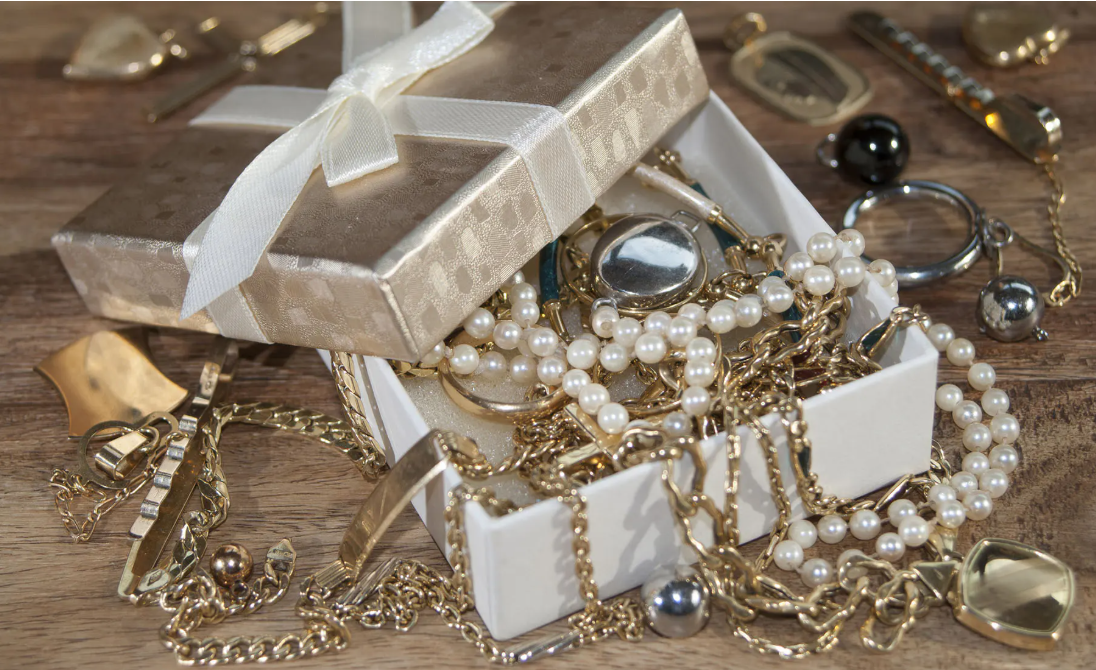
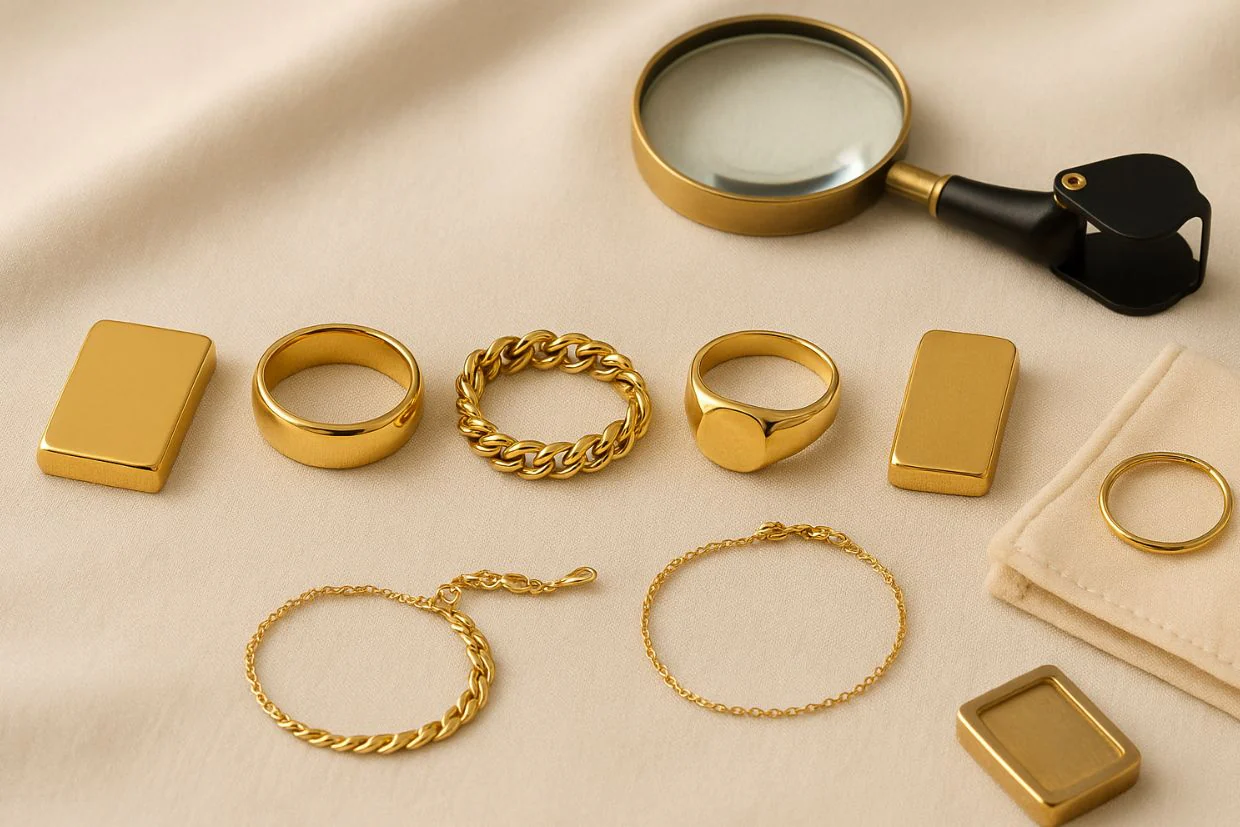
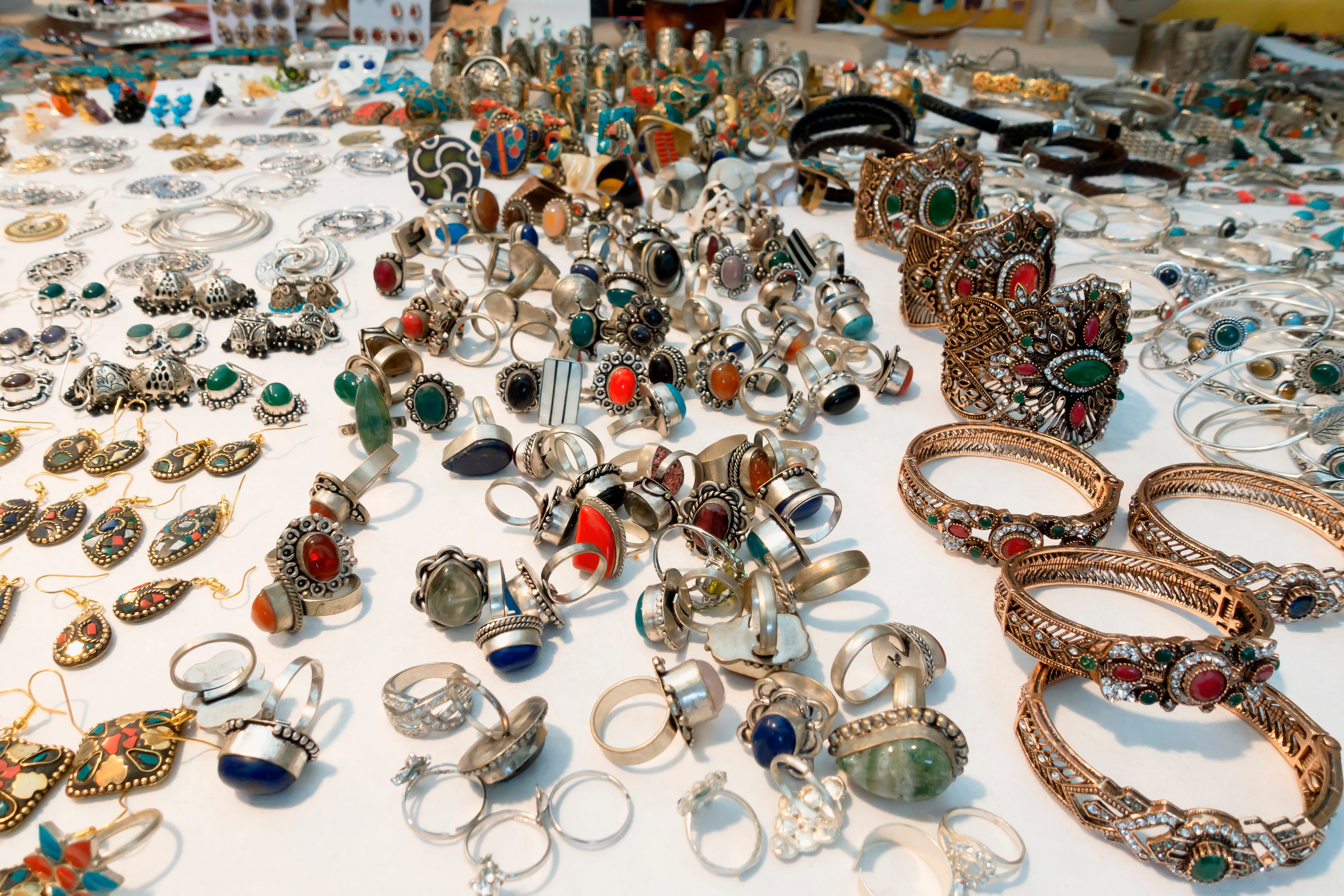
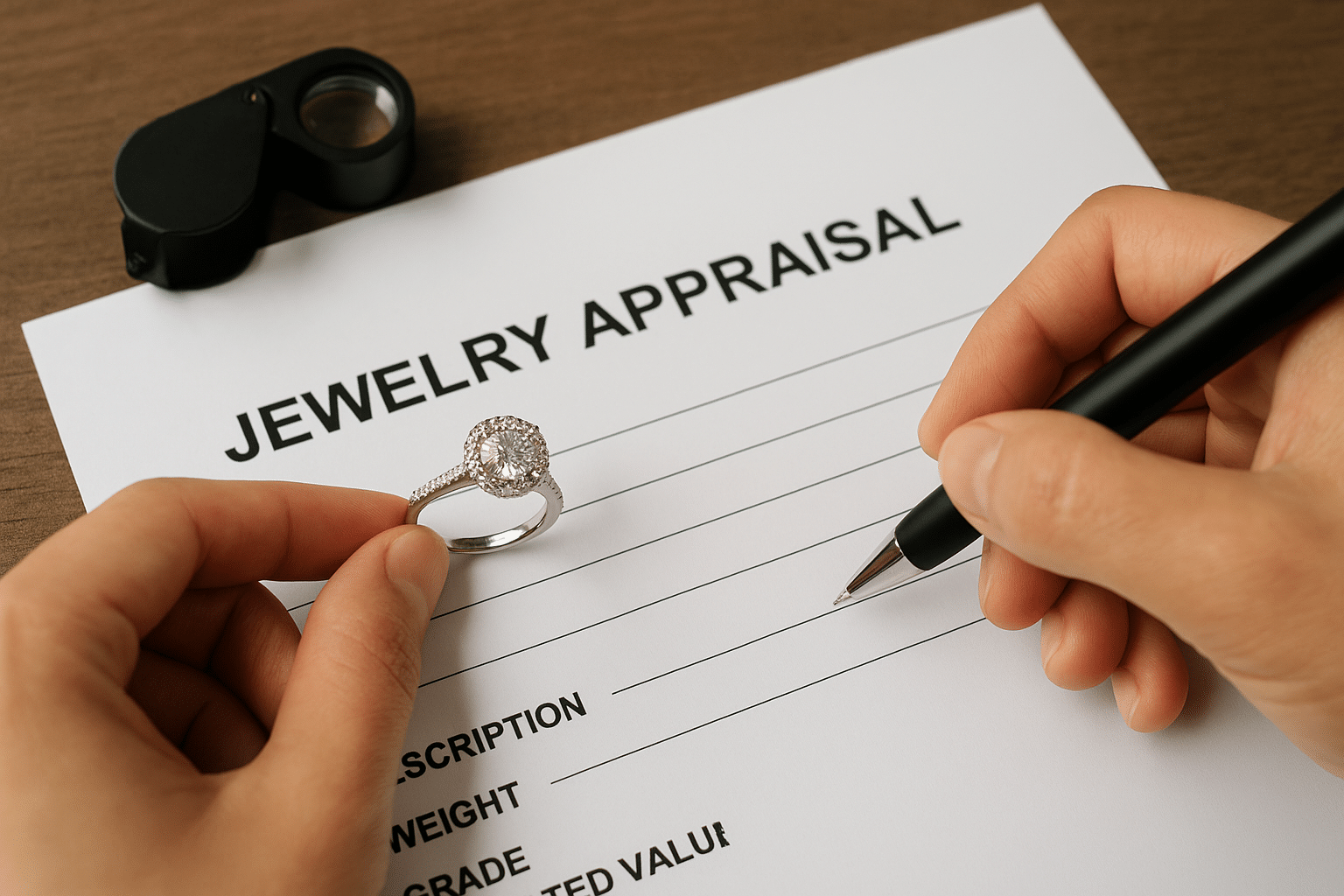
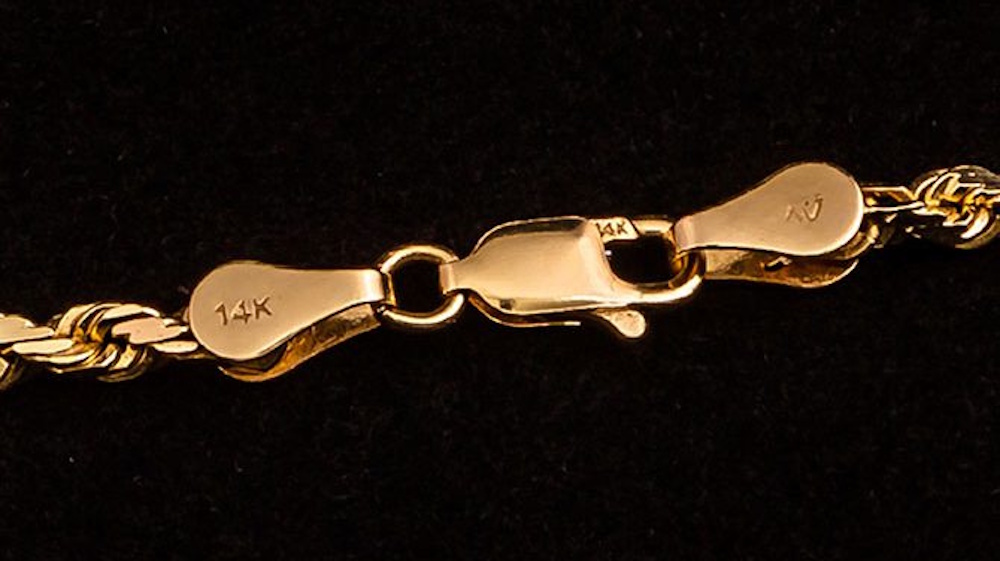
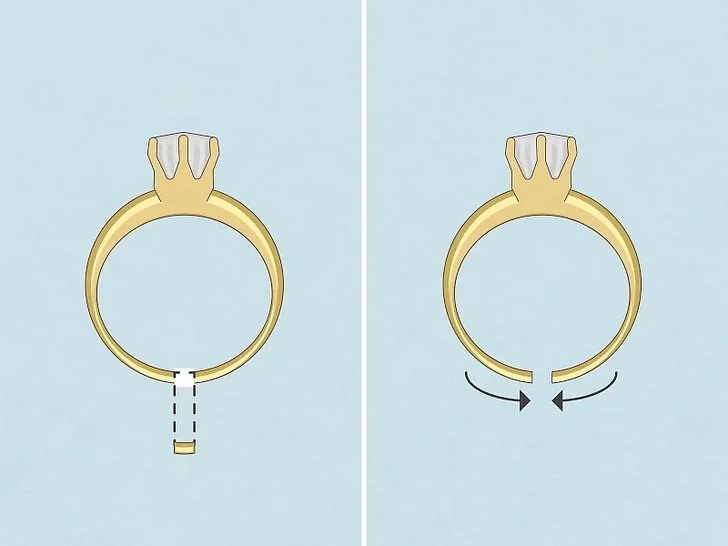
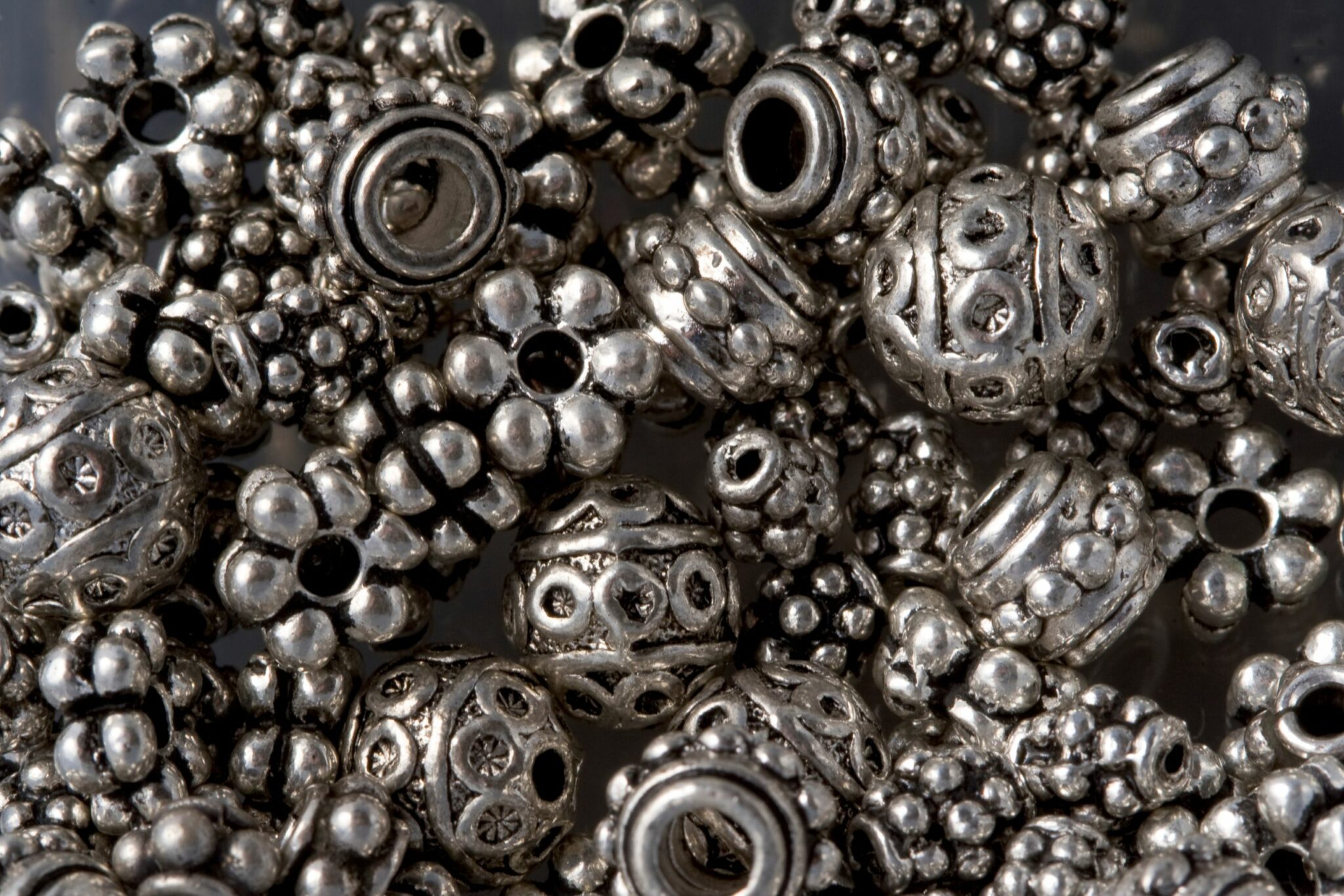
Tags
📧 Get More Articles Like This
Subscribe to receive product reviews and buying guides in your inbox!
We respect your privacy. Unsubscribe at any time.