Gemstone Treatments Exposed: Why Natural Stones Are Rarely What They Seem
Table of Contents
- Introduction: The Illusion of Natural Beauty
- The Historical Evolution of Gemstone Enhancement
- Common Treatment Methods Explained
- The Economics Behind Widespread Treatment
- Disclosure Requirements and Industry Standards
- How Treatments Impact Gemstone Value
- Detecting Treatments: Laboratory vs Consumer Methods
- The Future of Gemstone Enhancement Technology
- Conclusion: Making Informed Purchasing Decisions
- Frequently Asked Questions
Introduction: The Illusion of Natural Beauty
Sarah had saved for three years to purchase her dream engagement ring, specifically requesting an untreated natural sapphire from a reputable jeweler in Manhattan’s Diamond District. When she finally held the velvet box containing her stunning cornflower blue stone, she felt the culmination of patience and careful planning. Six months later, during a routine appraisal for insurance purposes, the certified gemologist delivered shocking news: her supposedly untreated sapphire showed clear evidence of heat treatment, a fact that reduced its value by nearly forty percent compared to what she had paid. The jeweler had either been deceived by their supplier or had deliberately misrepresented the stone’s treatment status, leaving Sarah caught between anger and heartbreak over her tainted treasure.
This scenario plays out more frequently than the jewelry industry would like to admit, not because treated gemstones are inherently problematic, but because disclosure practices remain inconsistent despite federal regulations requiring transparency. The fundamental challenge consumers face in 2026 stems from a simple yet profound reality: virtually every gemstone in commercial circulation has undergone some form of treatment, enhancement, or modification beyond the basic cutting and polishing process. The term “natural” has become so diluted in marketing materials that it often means little more than “originated from the earth” rather than indicating an absence of human intervention after mining. Industry veterans estimate that fewer than five percent of gemstones reach consumers in their genuinely untreated state, with these rare specimens commanding prices that place them firmly in the realm of serious collectors rather than typical jewelry shoppers.
Before delving into the article, watch this video which highlights the four golden criteria for identifying genuine gemstones:
Understanding gemstone treatments requires appreciating the delicate balance between commercial viability and consumer protection that has evolved over centuries of jewelry trade. Ancient civilizations discovered that heating certain stones could improve their color or clarity, establishing enhancement techniques that have been refined and expanded through generations of lapidary expertise. Modern technology has introduced methods that would astound those early gem workers, from controlled irradiation that creates vivid blues in topaz to sophisticated lattice diffusion that penetrates sapphire crystal structures with color-inducing elements. These treatments serve legitimate purposes in making beautiful gemstones accessible to broader markets, transforming materials that would otherwise remain too flawed or poorly colored for jewelry use into stunning pieces that bring joy to millions of consumers worldwide.
The complexity intensifies when examining the intersection of treatment disclosure, consumer expectations, and market economics in contemporary jewelry retail. Federal Trade Commission guidelines in the United States mandate specific disclosures for treatments that aren’t permanent, require special care, or significantly affect value, yet enforcement mechanisms remain limited and international variations create confusion for consumers shopping across borders. Comprehensive federal gemstone treatment regulations establish detailed requirements for disclosure at all commerce levels from mining through retail sales. The Electronic Code of Federal Regulations maintains current versions of jewelry industry guides that specify exactly when and how treatment information must be communicated to consumers. These legally binding standards create enforceable obligations for truthful representation while providing clear frameworks that ethical sellers can follow to ensure regulatory compliance. Many reputable jewelers embrace full transparency about enhancement methods, recognizing that educated customers make more confident purchases and develop lasting relationships with sellers they trust. However, the system contains enough ambiguity and occasional deception that consumers bear significant responsibility for asking informed questions and seeking independent verification of treatment claims through certified gemological laboratories.
The emotional dimension of gemstone purchases adds layers of complication to what might otherwise be straightforward commercial transactions involving treated versus untreated stones. Engagement rings carry profound symbolic weight, making the discovery of undisclosed treatments feel like betrayal beyond mere financial loss. Heirloom pieces passed through generations suddenly seem less authentic when family members learn that grandmother’s emerald bracelet contains modern resin fillings rather than the historical oil treatments that were common in her era. Investment-grade colored gemstones purchased for portfolio diversification lose projected appreciation potential when treatments limit their desirability among serious collectors who specifically seek untreated specimens. These emotional stakes explain why treatment disclosure has become such a contentious issue in jewelry circles, transcending simple questions of regulatory compliance to touch on fundamental matters of trust and authenticity.
Statistical analysis of the gemstone market reveals striking patterns in treatment prevalence across different stone categories and price points. Corundum varieties including ruby and sapphire undergo heat treatment in more than ninety-five percent of commercial specimens, with truly untreated examples commanding prices that can exceed heated stones by factors of three to ten depending on quality and origin. Emeralds present even more dramatic treatment statistics, as clarity enhancement through oil or resin filling affects virtually one hundred percent of stones in circulation, making completely untreated emeralds extraordinarily rare and valuable. Blue topaz owes its color entirely to irradiation processes, as naturally occurring blue topaz is so rare that virtually every stone on the market has been treated to achieve its characteristic hue. These numbers demonstrate that treatments have become so integral to gemstone commerce that the industry would collapse without them, reducing availability of quality stones to levels that would price most consumers entirely out of the market.

The technological sophistication of modern treatment methods challenges even trained gemologists to identify enhancements without access to specialized laboratory equipment. Surface diffusion techniques can penetrate sapphire to microscopic depths, creating color layers so thin that detection requires precise measurement tools and expert interpretation. Beryllium heating introduces elements into corundum crystal structures at such low concentrations that identifying the treatment demands spectroscopic analysis beyond what simple visual examination can reveal. Fracture filling materials have evolved from traditional cedar oil to synthetic resins engineered to match stone refractive indices so closely that magnification alone may not expose their presence. This arms race between enhancement technology and detection methodology means consumers cannot rely on their own observations or even basic gemological testing to determine treatment status with certainty, making laboratory certification from accredited institutions increasingly essential for significant gemstone purchases.
The Historical Evolution of Gemstone Enhancement
Archaeological evidence reveals that humans have been treating gemstones for at least four thousand years, with ancient Indian texts describing heat treatment processes for improving corundum color and clarity. The American Gem Trade Association documents gemstone enhancement history and publishes comprehensive treatment information manuals that serve as industry references for disclosure requirements and testing protocols.[ AGTA maintains detailed enhancement ](AGTA maintains detailed enhancement)frequency designations that communicate how commonly various treatments occur for different gemstone varieties, helping professionals and consumers understand treatment prevalence across categories. Their standardized disclosure codes facilitate communication within the trade while ensuring that enhancement information reaches consumers in accessible formats. The Arthashastra, a Sanskrit treatise on statecraft and economics written around 300 BCE, contains detailed instructions for heating rubies and sapphires to enhance their appearance, demonstrating that gemstone treatment was already an established practice in classical civilization. Roman naturalist Pliny the Elder documented various techniques for improving gemstone appearance in his encyclopedic Natural History, including methods for dyeing agates and other porous stones to create more vivid colors. These historical records establish that treatment and enhancement have been integral to gemology since humans first began fashioning stones for adornment and trade, rather than representing modern corruptions of an imagined pristine past.
Medieval European gem cutters developed sophisticated techniques for improving clarity in emeralds through oil application, recognizing that filling surface-reaching fractures with cedar oil could dramatically enhance appearance while protecting stones from further damage. This practice became so standard in emerald treatment that even today, the presence of traditional oil filling is considered acceptable and expected in fine emeralds, with only excessive filling or the use of modern hardened resins requiring specific disclosure under industry standards. The historical acceptance of certain treatments reflects an understanding that enhancement can bring out inherent beauty that nature created but left partially obscured by minor flaws or coloring variations. Gem merchants during the Renaissance period maintained careful distinctions between acceptable enhancements that revealed natural beauty and fraudulent practices that fundamentally altered a stone’s character, establishing ethical frameworks that continue to inform contemporary disclosure debates.
The industrial revolution brought dramatic changes to gemstone treatment capabilities, as improved furnace technology allowed more precise temperature control and the development of new enhancement methods. Nineteenth-century discoveries in chemistry and crystallography provided scientific understanding of why certain treatments worked, transforming empirical techniques passed down through generations into systematic processes that could be refined and optimized. The invention of the muffle furnace in the 1800s enabled controlled heating environments that reduced oxidation and contamination, producing more consistent results in color improvement for sapphires and rubies. These technological advances coincided with growing middle-class demand for jewelry, creating market pressures that favored treatments capable of converting lower-grade rough material into acceptable finished gems at prices that mass markets could afford.

The twentieth century witnessed an explosion in treatment techniques as nuclear physics, radiation technology, and materials science opened entirely new possibilities for gemstone enhancement. The discovery in the 1950s that bombarding certain gemstones with neutrons or gamma radiation could induce dramatic color changes led to the development of treatment processes that created new market categories like vivid blue topaz. Research into crystal chemistry revealed that introducing specific elements during heat treatment could diffuse into sapphire lattices, enabling color modification at molecular levels. The development of synthetic resins and epoxies provided emerald fillers more durable than traditional oils, though their permanence raised new questions about appropriate disclosure and consumer expectations. Federal regulations governing jewelry industry practices underwent major revisions to address composite gemstone products, treatment disclosure requirements, and laboratory-created stone nomenclature. The Federal Register published comprehensive updates to jewelry guides that clarified disclosure obligations while providing flexibility for describing man-made gemstones and treated natural stones. These regulatory developments reflect ongoing efforts to adapt consumer protection frameworks to emerging technologies and evolving market practices in the gemstone industry. Each new treatment method sparked industry debates about legitimacy and disclosure requirements, with gemological organizations working to establish standards that would protect consumers while allowing innovation in enhancement technology.
Contemporary treatment methods have reached levels of sophistication that would astound gem workers from even a few decades ago. Lattice diffusion processes can introduce beryllium into corundum crystal structures during heating, creating color effects indistinguishable from natural coloration without advanced spectroscopic analysis. High-pressure, high-temperature treatment can transform certain off-color diamonds into valuable fancy colors, essentially reversing the geological conditions that originally created the less desirable hues. Lead glass filling of ruby fractures can add substantial weight to stones while dramatically improving appearance, though this treatment has sparked controversy due to its impact on value and durability. These cutting-edge techniques demonstrate that treatment technology continues to evolve rapidly, with each advancement requiring updated detection methods and disclosure protocols to maintain market transparency.
Common Treatment Methods Explained
Heat treatment stands as the most prevalent and historically accepted enhancement method in gemology, affecting the vast majority of rubies, sapphires, and other corundum varieties in commercial circulation. The process involves exposing gemstones to temperatures ranging from 800 to 1800 degrees Celsius in controlled furnace environments, often with specific atmospheric conditions to prevent oxidation or promote desired chemical reactions. For sapphires, heating can lighten overly dark stones, remove silk inclusions that cloud transparency, or improve color saturation and evenness throughout the crystal. Ruby heating often occurs in the presence of fluxes or other chemicals that interact with chromium content to enhance the characteristic red coloration. The permanence of heat treatment and minimal special care requirements have made it widely accepted in the jewelry industry, with many experts considering heated stones essentially equivalent to untreated specimens when the heating produces stable, lasting improvements.
Irradiation treatment uses various forms of radiation including gamma rays, neutrons, or electron bombardment to alter gemstone color through changes in crystal structure or electron distribution. Blue topaz owes its color almost exclusively to irradiation processes, as naturally occurring blue topaz is so rare that treated stones dominate the market completely. Certain diamonds can be transformed from less desirable brownish tints into fancy colors including vivid yellows, greens, or blues through carefully controlled irradiation sometimes followed by heat treatment to stabilize the color. Kunzite, tourmaline, and quartz varieties also respond to irradiation with color changes that can enhance marketability. Safety concerns about residual radioactivity led to strict regulations requiring treated stones to be held until radiation levels decay to safe thresholds, with modern treatment facilities maintaining rigorous protocols to ensure consumer safety. The permanence of irradiation-induced colors varies by gemstone type, with some treatments producing stable results while others may fade under prolonged sun exposure or heat.
Clarity enhancement through fracture filling represents one of the most controversial treatment categories due to its impermanence and potential impact on stone durability. Traditional emerald oiling with cedar oil has centuries of historical acceptance, addressing the reality that emeralds naturally contain numerous fractures as part of their crystal formation process. Modern treatments have expanded to include synthetic resins and epoxies that provide more durable fillings than natural oils, though their detection becomes more challenging and their presence affects value calculations differently than historical treatments. Lead glass filling of rubies can dramatically improve appearance while adding measurable weight to stones, but the treatment requires disclosure and significantly reduces value compared to unfilled specimens. Fracture-filled stones may require special care to prevent filler leakage or deterioration, with ultrasonic cleaning, harsh chemicals, and high heat all potentially compromising the enhancement. These practical considerations make disclosure essential for consumers who need to understand care requirements and long-term stability of their gemstone jewelry.
Surface modification treatments including coating, dyeing, and diffusion alter gemstone appearance through changes confined to or concentrated near the surface rather than affecting the entire crystal volume. Coating involves applying thin layers of metallic oxides or other materials to gemstone surfaces to enhance color, improve luster, or create special effects like iridescence. The fragility of coatings makes them susceptible to scratching or wear during normal jewelry use, requiring gentle handling and specific care protocols. Dyeing introduces colored substances into porous gemstones like turquoise, jade, or pearls to intensify natural colors or create entirely new hues. Surface diffusion uses high heat combined with chemical additives to drive color-producing elements a short distance into crystal surfaces, creating enhancement concentrated in the outer layers rather than penetrating throughout the stone. These surface treatments generally require disclosure due to their impermanence and potential to mislead consumers about a stone’s natural characteristics, though acceptance levels vary based on historical precedent and market expectations for specific gemstone varieties.
Shop on AliExpress via link: wholesale-gemstone-testing-tools

Laser drilling and internal bleaching techniques specifically target inclusions within diamonds to improve apparent clarity without extensive filling of fractures. The laser drilling process uses focused laser beams to bore microscopic tunnels from the diamond surface to dark inclusions, allowing bleaching agents to reach and lighten or dissolve the visible flaws. These drill holes remain as permanent features within the diamond, though their tiny size makes them difficult to see without magnification. The treatment can significantly improve a diamond’s apparent clarity grade, transforming stones with obvious dark inclusions into ones that appear much cleaner to the unaided eye. Disclosure requirements mandate informing consumers about laser drilling because the treatment permanently alters the diamond’s structure and affects its value relative to naturally cleaner stones. Some laser-drilled diamonds undergo additional fracture filling to further reduce the visibility of treatments, creating complex disclosure scenarios that require careful documentation and communication between sellers and buyers.
The Economics Behind Widespread Treatment
The fundamental economic reality driving widespread gemstone treatment involves the vast disparity between the rarity of naturally fine-quality gems and global consumer demand for beautiful jewelry at accessible prices. Untreated rubies with rich color and good clarity are so rare that only a tiny fraction of mined corundum meets these standards naturally, making untreated fine rubies prohibitively expensive for most consumers. Heat treatment can transform lower-grade rough that would otherwise be worthless into marketable gemstones, dramatically increasing yield from mining operations and expanding availability of attractive stones. This economic multiplication effect means that treatment technologies have enabled the development of a global colored gemstone industry serving millions of consumers who would otherwise have no access to quality stones at price points they can afford.
Mining operations calculate profitability based on the percentage of recovered rough that can be transformed into saleable finished gems through treatment and cutting processes. A ruby mine might extract tons of material with only a small fraction showing natural color and clarity sufficient for direct cutting into fine gems without enhancement. Heat treatment facilities near major mining regions process the remaining material, salvaging what would otherwise be waste by improving color and removing clarity-reducing silk inclusions. The incremental cost of treatment represents a small fraction of total value-add compared to the dramatic improvement in marketability, making enhancement economically compelling even for stones that might technically qualify as saleable in untreated condition. This economic structure has become so integral to gemstone commerce that the industry would face severe contraction without treatment capabilities, as natural supply of genuinely fine untreated stones could never meet current demand levels at any price point accessible to typical consumers.
Price differentials between treated and untreated gemstones vary dramatically depending on stone type, treatment method, and overall quality factors. Untreated fine rubies command premiums ranging from three to ten times the price of comparable heated stones, reflecting both their genuine rarity and strong collector demand for untreated material. Emeralds show less dramatic pricing differentials because traditional oil treatment has historical acceptance and affects virtually all emeralds, though heavily filled stones with significant resin content may sell for substantially less than lightly oiled specimens. Heat-treated sapphires face smaller premiums for untreated equivalents compared to rubies, though the spread widens significantly for the finest colors and clarities where untreated examples become exceptionally rare. These pricing structures reflect sophisticated market understanding of treatment prevalence, permanence, and impact on inherent beauty, with collectors and investors willing to pay substantial premiums for the authenticity and rarity that untreated stones represent.

The globalization of gemstone supply chains has complicated treatment disclosure and created opportunities for information to be lost or deliberately obscured as stones pass through multiple handlers. Rough material mined in Madagascar might be sold to Thai treatment facilities, then cut in Sri Lanka before being distributed to Indian wholesalers who supply retailers in Europe and America. Each transfer point represents a potential break in treatment documentation, particularly when dealing with smaller parcels or older inventory where original treatment records may not have been maintained systematically. The economic incentives to maximize perceived value can encourage understatement of treatment intensity or deliberate omission of enhancement information, especially when dealing with treatments that require sophisticated testing to detect. This structural challenge means that even well-intentioned retailers may lack complete information about treatment history for stones in their inventory, making independent laboratory certification increasingly important for significant purchases.
Consumer psychology plays a complex role in gemstone treatment economics, as buyers often express preference for untreated stones while simultaneously being unwilling or unable to pay the premium prices that genuine untreated material commands. Retailers report frequent scenarios where customers initially request untreated gemstones, then balk at the significant price increases when shown comparable untreated options alongside treated alternatives. This disconnect between stated preferences and purchasing behavior creates market pressures that favor treatments, as sellers focus on providing the best appearance at given price points rather than maximizing authenticity. The challenge for ethical retailers involves educating customers about treatment realities while guiding them toward purchases that deliver genuine value and satisfaction within their budgets, whether that means embracing appropriately disclosed treated stones or investing in the premium pricing that untreated material genuinely requires.
Disclosure Requirements and Industry Standards
Federal Trade Commission regulations in the United States establish specific requirements for gemstone treatment disclosure based on three key criteria: permanence, special care requirements, and significant value impact. The Federal Trade Commission maintains comprehensive jewelry industry guidelines that evolved significantly through multiple revisions to address emerging treatment technologies and market practices. These regulations mandate that marketers truthfully represent gemstone characteristics including treatment status, establishing legal frameworks that protect consumers from deceptive practices. The FTC jewelry guides specify disclosure requirements for treatments affecting permanence, requiring special care, or significantly impacting value compared to untreated alternatives. Sellers must disclose treatments that are not permanent or may fade over time, informing consumers that enhancement effects could diminish with age or exposure to certain conditions. Treatments requiring special care to maintain the enhancement or prevent damage must be disclosed along with appropriate care instructions, protecting consumers from inadvertently ruining their purchases through normal cleaning or maintenance procedures. Even permanent treatments requiring no special care must be disclosed if they significantly affect the gemstone’s value compared to an untreated stone of similar appearance, ensuring consumers understand the economic implications of their purchases. These regulations apply to all sellers at every level of commerce, from mining companies to manufacturers to retail jewelers, establishing comprehensive obligations for truthful representation of gemstone products.
The challenge in applying FTC guidelines lies in interpreting what constitutes “significant” value impact and determining appropriate disclosure methods for complex treatment scenarios. Industry organizations including the American Gem Trade Association have developed coding systems for communicating treatment information within the trade, using letter abbreviations like H for heating, F for fracture filling, and R for irradiation. These codes facilitate efficient communication among professionals but may not provide sufficient clarity for consumer disclosure, as abbreviations lack the explanatory detail that shoppers need to make informed decisions. The FTC has clarified that trade codes alone do not satisfy disclosure requirements for retail sales, mandating that sellers use plain language descriptions that clearly convey the nature and implications of treatments to ordinary consumers. Consumer protection agencies provide detailed guidelines accessible through government resources that explain gemstone buying considerations in plain language for ordinary shoppers. Federal consumer advice portals offer straightforward explanations about treatment types, disclosure expectations, and questions consumers should ask when purchasing gemstone jewelry. These educational resources help bridge the gap between technical gemological terminology and practical consumer understanding. This gap between industry convenience and regulatory requirements creates practical challenges for retailers who must translate technical gemological information into accessible explanations while maintaining accuracy.

International standards organizations including CIBJO (the World Jewellery Confederation) have developed comprehensive nomenclature and disclosure guidelines that harmonize treatment classification across different countries and markets. CIBJO Blue Books represent definitive international standards for gemstone nomenclature and treatment disclosure that member organizations across forty-seven countries have adopted to create common frameworks for ethical commerce. These comprehensive guidelines establish standardized terminology for describing enhancements while providing detailed protocols for disclosing treatments at all levels of the gemstone trade. The confederation’s standards facilitate international communication and help ensure that consumers worldwide receive consistent information regardless of where they purchase gemstone jewelry CIBJO Blue Books provide detailed definitions for various treatment types, standardized terminology for describing enhancements, and recommendations for disclosure practices that member organizations should implement. The International Colored Gemstone Association promotes full treatment disclosure among its members, recognizing that transparency builds consumer confidence and supports long-term market development. Professional gemstone trade associations have established ethical codes requiring members to provide complete treatment disclosure and conduct due diligence on enhancement information throughout supply chains. The International Colored Gemstone Association maintains rigorous standards for member conduct, including mandatory disclosure of all known treatments and verification of enhancement information from suppliers. These industry self-regulation efforts complement government regulations by establishing professional expectations that often exceed minimum legal requirements. The Gemological Institute of America issues treatment disclosure on all gemstone reports, using standardized language to describe enhancements detected through laboratory testing. These institutional efforts toward standardization help create common frameworks for discussing treatments, though enforcement varies by jurisdiction and gaps remain in ensuring consistent disclosure to end consumers.
Laboratory certification has emerged as the gold standard for reliable treatment disclosure, particularly for significant gemstone purchases where value implications justify testing costs. Accredited gemological laboratories including GIA, SSEF, Gübelin, and others employ advanced analytical equipment including spectroscopy, microscopy, and various radiation detection instruments to identify treatments with high accuracy. The Gemological Institute of America pioneered systematic gemstone treatment documentation through laboratory reports that combine technical analysis with accessible explanations for consumers and industry professionals. GIA treatment detection protocols employ cutting-edge spectroscopy, advanced microscopy, and comprehensive testing procedures that establish industry standards for accuracy and reliability. Their published research on gemstone enhancements has educated generations of gemologists while providing reference materials that inform global treatment disclosure practices. Laboratory reports document not just the presence or absence of treatments but often provide detailed descriptions of enhancement types and intensities, giving consumers comprehensive information about what they’re purchasing. The limitation of laboratory certification lies in its cost and accessibility, as testing fees can represent a substantial percentage of value for modestly priced stones, making certification economically impractical for many routine jewelry purchases. This creates a two-tiered system where high-value acquisitions receive rigorous third-party verification while everyday purchases rely primarily on seller representations and consumer trust.
Consumer protection extends beyond regulatory requirements to encompass ethical obligations that responsible retailers embrace as fundamental business practices. Reputable jewelers provide written documentation of treatment status with every sale, ensuring customers have permanent records of representations made at point of purchase. Sales receipts should include specific treatment information rather than generic disclaimers, giving consumers actionable documentation if disputes arise or if stones need to be appraised for insurance purposes. Many ethical retailers go beyond minimum legal requirements by proactively explaining treatment realities, educating customers about enhancement prevalence and appropriate care requirements even when regulations might not strictly mandate such disclosure for every scenario. This culture of transparency recognizes that informed customers make better purchasing decisions, develop realistic expectations, and build lasting relationships with sellers they can trust over time.
How Treatments Impact Gemstone Value
The value relationship between treated and untreated gemstones defies simple rules, varying dramatically based on stone type, treatment method, quality factors, and market conditions for specific categories. Heat treatment of corundum is so widely accepted and prevalent that it has minimal negative impact on value for commercial-grade rubies and sapphires, with treated stones commanding prices nearly equivalent to their rare untreated counterparts when quality factors are otherwise comparable. However, this equivalence breaks down for the finest gems where collectors specifically seek untreated material, creating premium pricing that can triple or quadruple the value of exceptional untreated rubies compared to heated stones of similar appearance. The presence of less accepted treatments like beryllium diffusion or lead glass filling dramatically reduces value regardless of resulting appearance, reflecting market skepticism about enhancement durability and concerns about disclosure reliability.
Emerald valuation presents unique complexities because traditional oil treatment affects virtually all stones in circulation, making completely untreated emeralds extraordinarily rare and valuable. Lightly oiled emeralds using traditional cedar oil command premium pricing over heavily filled stones treated with modern resins and hardeners, reflecting both historical acceptance of minor enhancement and concerns about excessive filling that masks rather than reveals natural beauty. The intensity and type of clarity enhancement can affect value by factors of two to five within the same general quality category, making precise treatment characterization essential for accurate valuation. Laboratory reports increasingly provide detailed assessments of enhancement levels using terminology like “minor,” “moderate,” or “significant” to communicate filling intensity, giving buyers and sellers common language for discussing value implications.
Investment-grade colored gemstones represent a specialized market segment where treatment status becomes a primary value determinant alongside traditional quality factors. Serious collectors and investors often refuse to purchase treated material regardless of beauty or pricing, seeking only untreated specimens that represent authentic natural rarity. This preference creates bifurcated markets where untreated gems command exponential premiums over treated alternatives, with the spread widening as quality increases and genuine untreated examples become progressively rarer. A three-carat untreated Burmese ruby with fine color and clarity might sell for several hundred thousand dollars while a comparable heated stone fetches perhaps one-third that price, demonstrating how treatment status dominates value at the highest quality tiers. The investment rationale favors untreated stones because their genuine rarity provides better long-term appreciation potential compared to treated alternatives whose values depend more on fashion trends and treatment acceptance levels.
Diamond treatment impact on value varies significantly by enhancement type and resulting appearance changes. Laser drilling and fracture filling create permanent alterations that require disclosure and reduce value compared to naturally clean diamonds of similar apparent clarity, though the reduction may be modest for well-executed treatments that genuinely improve stone appearance. Color treatment through irradiation or high-pressure high-temperature processes can dramatically affect value depending on resulting hues, with some fancy colors created through enhancement commanding substantial prices while others face significant discounts compared to naturally colored diamonds. The key distinction involves whether treatment creates colors that occur naturally versus producing hues so rare in nature that treated stones effectively constitute their own market category. Treated fancy yellow diamonds compete directly with natural yellows and trade at discounts, while irradiated blue diamonds represent a separate market from extraordinarily rare natural blues that command seven-figure prices.
The subjective element in value determination means that individual preferences and intended uses can override general market principles about treatment impact. A consumer purchasing an engagement ring primarily for its beauty and symbolic significance may find minimal practical difference between appropriately disclosed treated and untreated stones, choosing the option that delivers best appearance within budget. Commercial jewelry designers creating pieces for mass-market retail need cost-effective materials and may actively prefer treated stones that provide consistent quality and availability at predictable prices. Museum collections and serious gem collectors represent the opposite extreme, seeking untreated specimens as scientific references or authentic representations of natural mineralogical rarity. These divergent use cases create multiple overlapping markets with different value hierarchies, making blanket statements about treatment impact on worth inherently incomplete without context about intended purpose and buyer priorities.
Detecting Treatments: Laboratory vs Consumer Methods
Advanced gemological laboratories employ sophisticated analytical equipment far beyond what consumers or even most jewelers can access, making professional testing essential for reliable treatment detection in many scenarios. Spectroscopic analysis examines how gemstones absorb and transmit different wavelengths of light, revealing chemical signatures that indicate specific treatments or natural formation processes. Ultraviolet fluorescence can expose the presence of oils, resins, or radiation-induced color changes that emit characteristic glows under UV illumination. Microscopic examination at high magnifications reveals treatment evidence including gas bubbles in filled fractures, surface residue from diffusion processes, or structural alterations from laser drilling. These technical capabilities require years of training to interpret correctly, making certified gemologists essential intermediaries between sophisticated testing methods and consumer understanding.
Some treatment evidence remains visible to careful observers using basic magnification, though interpretation requires experience and knowledge to distinguish treatment indicators from natural features. Fracture-filled gemstones often display flash effects where filler material creates rainbow-colored interference patterns in transmitted light, particularly visible when examining emeralds or rubies under magnification with controlled illumination. Dyed gemstones may show color concentration along fractures or grain boundaries where porous areas absorbed more colorant than surrounding material. Surface diffusion in sapphires sometimes creates uneven color distribution visible with magnification, showing concentration at facet junctions or variation in depth across different crystal orientations. While these observations can raise suspicions about treatment, they rarely provide definitive conclusions without laboratory confirmation, as natural features can sometimes mimic treatment indicators and sophisticated enhancements may leave no visible traces.
Consumer protection through education represents perhaps the most practical detection method, as informed buyers can ask appropriate questions and insist on written disclosure rather than attempting amateur gemology. Questions about treatment status should be direct and specific rather than accepting vague responses about “natural” stones without clarification of what that term means in context. Requests for laboratory reports from accredited institutions shift burden of proof to sellers while providing professional verification of treatment status. Understanding common treatments for specific gemstone types helps consumers recognize when claims of untreated material should trigger additional skepticism or verification requirements. A jeweler offering an untreated blue topaz should immediately raise red flags given that virtually all blue topaz is irradiated, suggesting either ignorance or deception that warrants taking business elsewhere.
Shop on AliExpress via link: wholesale-jewelry-storage-box

The proliferation of synthetic gemstones and simulants adds another layer of complexity to detection challenges, as these materials may mimic treated natural stones in appearance while representing fundamentally different categories. Laboratory-created synthetic gemstones have identical chemical and physical properties to natural stones but originate from manufacturing facilities rather than geological processes, requiring disclosure under the same regulations that govern treatment information. Simulants like cubic zirconia or moissanite resemble natural gemstones but have different compositions and properties, representing imitations rather than genuine gems. The equipment required to distinguish natural from synthetic material often exceeds what’s needed for treatment detection, as advanced analysis may need to identify minute trace elements or growth patterns that differ between natural and lab-created formation. This reality makes comprehensive laboratory testing increasingly valuable for significant purchases, as certification can address multiple authentication questions simultaneously rather than solving only the treatment disclosure issue.
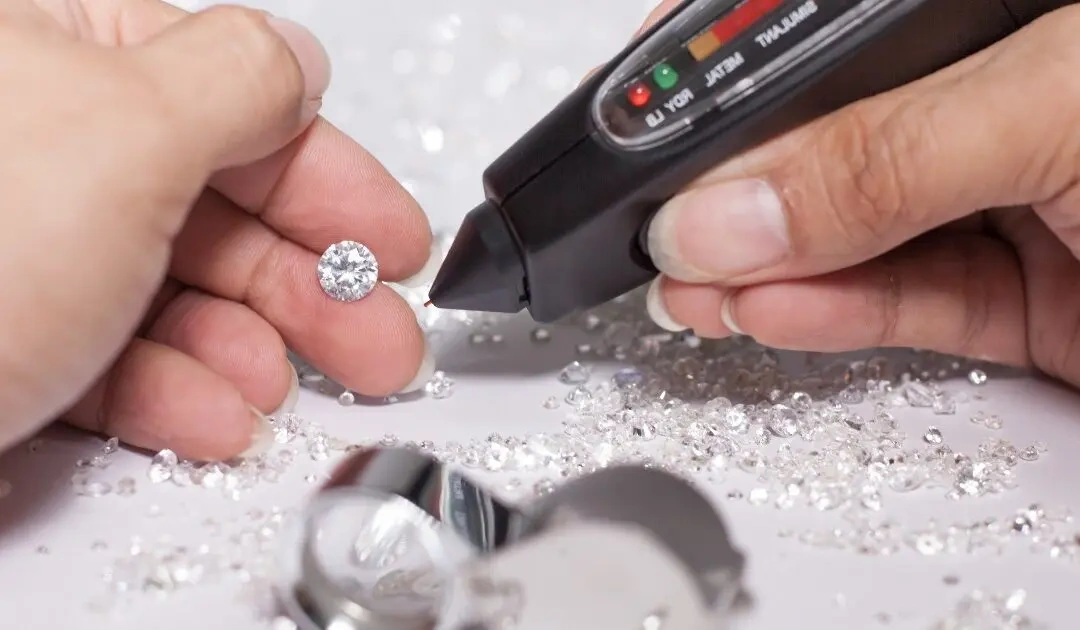
Portable gemological instruments including refractometers, polariscopes, and dichroscopes provide jewelers with testing capabilities beyond simple visual examination, though limitations remain in what these tools can definitively establish. Refractive index measurements can identify gemstone species and sometimes detect surface treatments that alter optical properties, though bulk treatments like heating typically don’t change refractive indices. Dichroscopes reveal pleochroism that helps identify stone types and sometimes indicates whether colors result from natural formation or treatment processes. Thermal probes can distinguish diamonds from simulants by measuring heat conductivity differences. While these tools enhance jeweler competence in basic gemstone identification, they generally cannot detect sophisticated treatments like diffusion or subtle clarity enhancements that require laboratory analysis. Consumers should understand that in-store testing provides valuable preliminary information but doesn’t substitute for independent laboratory certification when treatment status significantly affects purchase decisions or investment value.
The Future of Gemstone Enhancement Technology
Emerging treatment technologies promise to further blur distinctions between natural and enhanced gemstones while potentially raising new ethical and disclosure challenges. Research into high-pressure high-temperature processes continues to refine techniques for transforming lower-quality diamonds into more desirable colors or improving clarity without the visible alterations that laser drilling creates. Advances in coating technology are producing surface treatments with improved durability and subtlety, potentially requiring updated detection methods to identify enhancements that leave minimal physical evidence. The development of new synthetic filling materials engineered to precisely match gemstone optical properties could make fracture filling increasingly difficult to detect without sophisticated spectroscopic analysis. These technological trajectories suggest that the arms race between treatment innovation and detection capability will intensify rather than resolve, requiring ongoing vigilance from consumer protection agencies and gemological institutions.
Laboratory-created gemstones represent perhaps the most significant long-term disruptor to traditional gemstone treatment economics, as synthetic production eliminates the need for enhancement by creating perfect material from the outset. Modern synthesis techniques can produce rubies, sapphires, emeralds, and diamonds that are chemically and physically identical to natural stones while exhibiting clarity and color quality rarely if ever found in nature. As manufacturing costs decline and production scales increase, laboratory-grown gemstones challenge the traditional value hierarchy based on rarity, creating alternative markets where beauty and performance matter more than geological origin. The growth of lab-created gemstone markets may ultimately reduce reliance on treatment of natural material by providing abundant alternatives for consumers prioritizing appearance over rarity, though collector markets for genuinely natural untreated stones will likely persist as appreciation for mineralogical authenticity endures.
Artificial intelligence and machine learning applications are revolutionizing gemstone analysis, enabling pattern recognition and classification that exceeds human expert capabilities in some specialized detection tasks. Spectroscopic databases compiled from thousands of analyzed specimens can be searched algorithmically to identify treatment signatures or synthetic growth patterns with statistical confidence levels. Image analysis software can examine inclusion patterns and growth features, comparing them against reference collections to determine natural versus laboratory origin or detect specific treatment types. These computational approaches complement traditional gemological expertise rather than replacing it, as human judgment remains essential for interpreting complex scenarios and communicating findings in accessible language. The integration of AI tools into gemological laboratories promises to improve accuracy and efficiency in treatment detection while potentially reducing testing costs as automation increases.
Blockchain technology and digital certification systems may transform treatment disclosure by creating immutable records that follow gemstones through supply chains from mine to consumer. Pilot programs are testing blockchain applications for documenting treatment history, quality characteristics, and origin information in permanent distributed ledgers that cannot be altered retroactively. Digital certificates accessible via smartphone apps could provide consumers with instant verification of treatment status and comprehensive gemstone history at point of purchase. The success of these technological solutions depends on achieving critical mass participation across global supply chains and ensuring that small-scale miners and cutters can access systems designed with large commercial operations in mind. If implementation challenges can be overcome, blockchain certification could dramatically improve treatment disclosure reliability by eliminating information loss that occurs when stones pass through multiple handlers.
Consumer education technology including augmented reality applications and interactive gemstone simulators may help shoppers understand treatment implications through immersive experiences that transcend traditional written or verbal explanations. AR applications could overlay treatment information onto physical gemstones, visualizing enhancement locations and explaining value impacts in real-time as customers examine jewelry. Virtual reality gemstone comparisons might allow side-by-side examination of treated and untreated alternatives at various quality tiers, helping consumers appreciate pricing differentials and make informed choices about priorities. Educational apps could provide decision frameworks that guide users through treatment considerations based on purchase budgets, intended uses, and personal values regarding authenticity. These technological innovations promise to democratize gemological knowledge, empowering consumers to make confident decisions without requiring them to become amateur experts in complex technical subjects.
Conclusion: Making Informed Purchasing Decisions
The pervasive reality of gemstone treatments in 2026 need not undermine consumer confidence or diminish the joy of owning beautiful colored stones, provided that disclosure remains honest and buyers develop realistic expectations about what “natural” means in contemporary markets. Treated gemstones serve legitimate purposes in making beautiful jewelry accessible to millions of people who could never afford genuinely untreated material of comparable appearance. The key to ethical commerce lies not in avoiding treatments but in ensuring transparent communication about enhancement methods, permanence, care requirements, and value implications. Consumers who understand treatment realities can make confident purchasing decisions aligned with their priorities, whether that means embracing appropriately disclosed enhanced stones or investing premium dollars in the rarity that untreated material represents.
The responsibility for informed purchasing extends beyond seller disclosure obligations to encompass active consumer engagement through questioning, verification, and education. Buyers should ask direct questions about treatment status for every gemstone purchase, requesting written documentation that specifies enhancement methods rather than accepting vague assurances about “natural” stones. For significant acquisitions, independent laboratory certification from accredited institutions provides professional verification that protects investments and eliminates ambiguity about treatment claims. Understanding common treatments for specific gemstone varieties helps consumers recognize when representations seem implausible or when additional verification would be prudent. These proactive measures transform gemstone buying from passive acceptance of seller representations into informed evaluation based on comprehensive information and professional expertise.
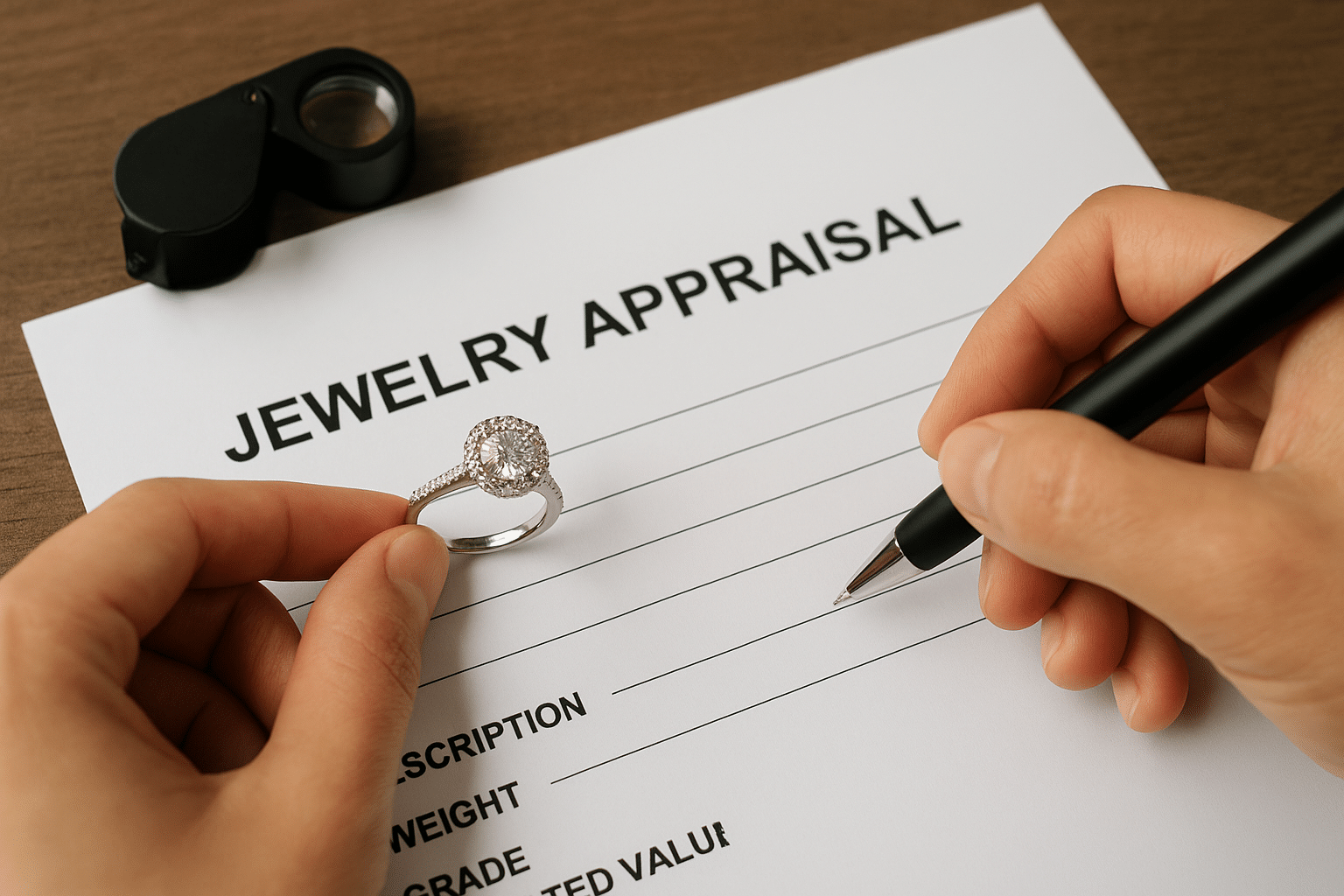
Professional appraisal services provide essential verification of gemstone characteristics including treatment status, quality factors, and appropriate valuation for insurance or resale purposes. Certified appraisers employ systematic evaluation protocols that document all material aspects of gemstone jewelry, creating comprehensive records that support accurate coverage and fair market pricing. Understanding appraisal processes helps consumers obtain reliable documentation while avoiding inflated valuations that increase insurance costs without reflecting true replacement values.
The evolution of gemstone treatment technology will continue reshaping markets and consumer expectations as new enhancement methods emerge and laboratory-grown alternatives expand their market presence. Staying informed about treatment innovations, disclosure requirements, and value implications helps consumers navigate these changes confidently. Building relationships with reputable jewelers who embrace transparency and education provides access to expert guidance that makes complex decisions more manageable. Viewing gemstone purchases as opportunities for learning rather than simply commercial transactions enriches the experience while building knowledge that benefits future buying decisions. The beauty and wonder that gemstones inspire need not be diminished by understanding the human interventions that often contribute to their final appearance, particularly when those enhancements are disclosed honestly and understood fully.
Frequently Asked Questions
Question 1: What percentage of gemstones in today’s market have been treated?
Answer 1: Industry experts and gemological institutions estimate that over ninety-five percent of gemstones in commercial circulation have undergone some form of treatment or enhancement beyond basic cutting and polishing. This extraordinarily high percentage reflects economic realities where naturally fine-quality rough material is so rare that treating lower-grade stones dramatically increases available supply while making beautiful gemstones accessible at prices most consumers can afford. The specific percentage varies by gemstone type, with some categories like blue topaz approaching one hundred percent treatment prevalence while others like certain garnets remain predominantly untreated because enhancement methods provide minimal benefit. This widespread treatment reality means that consumers should assume enhancement unless specifically documented otherwise, making disclosure and verification essential rather than optional considerations for gemstone purchases.
Question 2: Are treated gemstones less valuable than untreated stones?
Answer 2: Treated gemstones are generally less valuable than untreated stones of comparable appearance and quality, though the magnitude of value difference varies dramatically based on gemstone type, treatment method, and overall quality tier. For commercial-grade rubies and sapphires, heat treatment is so universally accepted that value differences may be modest, with treated stones commanding prices close to untreated equivalents when other quality factors are similar. However, for the finest gems in investment and collector categories, untreated stones command premiums of three to ten times or more compared to heated alternatives, reflecting genuine rarity and strong demand for authentic natural specimens. Less accepted treatments like beryllium diffusion or lead glass filling create more substantial value reductions regardless of resulting appearance, sometimes decreasing worth by fifty to eighty percent compared to untreated or traditionally enhanced stones. Understanding these nuanced value relationships requires consultation with experienced gemologists and appraisers who can assess specific stones within appropriate market contexts.
Question 3: What is heat treatment and why is it so common?
Answer 3: Heat treatment involves exposing gemstones to carefully controlled high temperatures, typically ranging from eight hundred to eighteen hundred degrees Celsius, to improve color, clarity, or both through chemical and physical changes within crystal structures. The technique has been practiced for over four thousand years, making it the oldest and most widely accepted gemstone enhancement method in commercial use. Heat treatment is common because it produces permanent improvements that require no special care, dramatically increases the yield of marketable stones from mining operations, and transforms materials that would otherwise be waste into beautiful gems accessible to broad consumer markets. For corundum varieties including ruby and sapphire, heating can lighten overly dark stones, remove silk inclusions that cloud clarity, improve color saturation, and create more uniform hues throughout crystals. The stability and permanence of heat treatment have led to broad acceptance within the jewelry industry, with many gemologists considering heated stones essentially equivalent to untreated specimens when enhancement produces lasting improvements without creating durability concerns or special care requirements.
Question 4: Do jewelry sellers have to disclose gemstone treatments?
Answer 4: Federal Trade Commission regulations in the United States require jewelry sellers to disclose gemstone treatments under specific circumstances that include non-permanent enhancements, treatments requiring special care, and enhancements that significantly affect value compared to untreated stones of similar appearance. These disclosure obligations apply to all sellers at every level of commerce from mining companies through manufacturers to retail jewelers, establishing comprehensive requirements for truthful representation of gemstone products. However, enforcement mechanisms remain limited and international variations create inconsistencies, making consumer protection partly dependent on voluntary ethical practices and industry self-regulation. Many reputable jewelers exceed minimum legal requirements by proactively providing complete treatment information with all sales, recognizing that transparency builds trust and supports informed purchasing decisions. Consumers should understand that disclosure requirements exist but cannot rely solely on regulations to ensure complete information, making it essential to ask direct questions about treatment status and request written documentation regardless of legal mandates.
Question 5: What is fracture filling and how does it affect gemstone durability?
Answer 5: Fracture filling involves injecting substances including glass, resin, oil, or epoxy into surface-reaching cracks within gemstones to improve clarity and appearance by making fissures less visible to the unaided eye. Traditional emerald oiling with cedar oil represents the historical form of this treatment, addressing the reality that emeralds naturally contain numerous fractures as part of their crystal formation process. Modern fracture filling has expanded to include synthetic resins, hardened epoxies, and lead glass treatments that provide varying degrees of durability and permanence. The impact on gemstone durability can be significant, as fillers may leak out, become visible, or deteriorate under conditions including temperature changes, exposure to chemicals, ultrasonic cleaning, or high heat from jewelry repair work. Fracture-filled stones typically require gentle care to preserve the enhancement, avoiding harsh cleaning methods and protecting jewelry from situations that might compromise filler integrity. Disclosure becomes essential because consumers need to understand these care requirements and durability limitations, which affect both immediate use and long-term value retention of their gemstone purchases.
Question 6: Can gemstone treatments be detected by consumers?
Answer 6: Most sophisticated gemstone treatments require professional gemological testing with specialized laboratory equipment to detect reliably, placing definitive treatment identification beyond consumer capabilities even when using basic magnification tools. Some enhancement evidence may be visible to careful observers, including flash effects in fracture fillings, color concentration patterns in dyed stones, or uneven hue distribution in surface-diffused material, but interpreting these observations correctly demands expertise that most consumers lack. The limitation stems from treatment technology advancement that specifically aims to minimize visible evidence, combined with natural feature variations that can mimic treatment indicators and create false conclusions. Consumers should focus on obtaining written disclosure from sellers and requesting independent laboratory certification for significant purchases rather than attempting amateur gemology that rarely provides definitive answers. Understanding common treatments for specific gemstone varieties helps raise appropriate questions and recognize when claims seem implausible, but professional testing remains essential for reliable verification of treatment status and comprehensive characterization of enhancement methods.
Question 7: What is the difference between enhancement and treatment?
Answer 7: In gemological terminology, “enhancement” and “treatment” are often used interchangeably to describe any process beyond cutting and polishing that alters a gemstone’s appearance, durability, or availability, though some professionals make subtle distinctions between the terms. When differentiation occurs, “enhancement” may be reserved for traditional, widely accepted methods like heat treatment and traditional oiling that reveal or improve natural beauty without fundamentally altering gemstone character. “Treatment” might be applied to modern techniques including irradiation, diffusion, or synthetic filling that create more substantial changes or have less historical precedent. However, this distinction lacks universal acceptance and appears inconsistently across industry publications, laboratory reports, and regulatory documents. Federal Trade Commission guidelines and most gemological institutions use the terms synonymously without assigning different meanings or implications to each. For practical purposes, consumers should understand both terms as indicating human intervention that modifies gemstone characteristics after mining, requiring disclosure when enhancements affect permanence, care requirements, or value compared to untreated alternatives.
Question 8: Are laboratory-created gemstones the same as treated natural stones?
Answer 8: Laboratory-created gemstones and treated natural stones represent fundamentally different categories despite both involving human intervention in final appearance. Laboratory-created or synthetic gemstones are entirely manufactured in controlled facilities using various synthesis techniques, possessing identical chemical composition, crystal structure, and optical properties to natural stones while originating from human production rather than geological processes. Treated natural stones are genuine minerals formed through natural geological processes but subsequently enhanced through methods including heating, irradiation, or filling to improve appearance or durability. Both categories require disclosure to consumers under Federal Trade Commission guidelines and industry standards, but they occupy distinct positions in gemstone classification and market valuation. Laboratory-created stones typically cost substantially less than natural alternatives despite potentially superior appearance, reflecting their abundant availability rather than geological rarity. Treated natural stones command prices between untreated natural gems and laboratory synthetics, with specific values depending on treatment acceptance levels, permanence, and impact on inherent beauty.
Question 9: Which gemstones are most commonly treated?
Answer 9: Corundum varieties including ruby and sapphire undergo heat treatment in more than ninety-five percent of commercial specimens, making heating the overwhelmingly dominant enhancement for these popular colored stones. Emeralds receive clarity enhancement through oil or resin filling in virtually one hundred percent of stones in circulation, as naturally clean emeralds are extraordinarily rare and valuable. Blue topaz achieves its characteristic color exclusively through irradiation treatment, with naturally occurring blue topaz so rare that the market depends entirely on enhancement to provide supply. Diamonds may undergo various treatments including laser drilling for clarity improvement, fracture filling, and color enhancement through irradiation or high-pressure high-temperature processes, though the percentage of treated diamonds remains lower than for colored gemstones. Tanzanite frequently receives heat treatment to achieve its desirable blue-violet color from brownish rough. Pearls undergo bleaching, dyeing, or irradiation to improve color uniformity and create fashionable hues. Understanding treatment prevalence for specific gemstone types helps consumers develop realistic expectations and ask appropriate questions about enhancement status before making purchases.
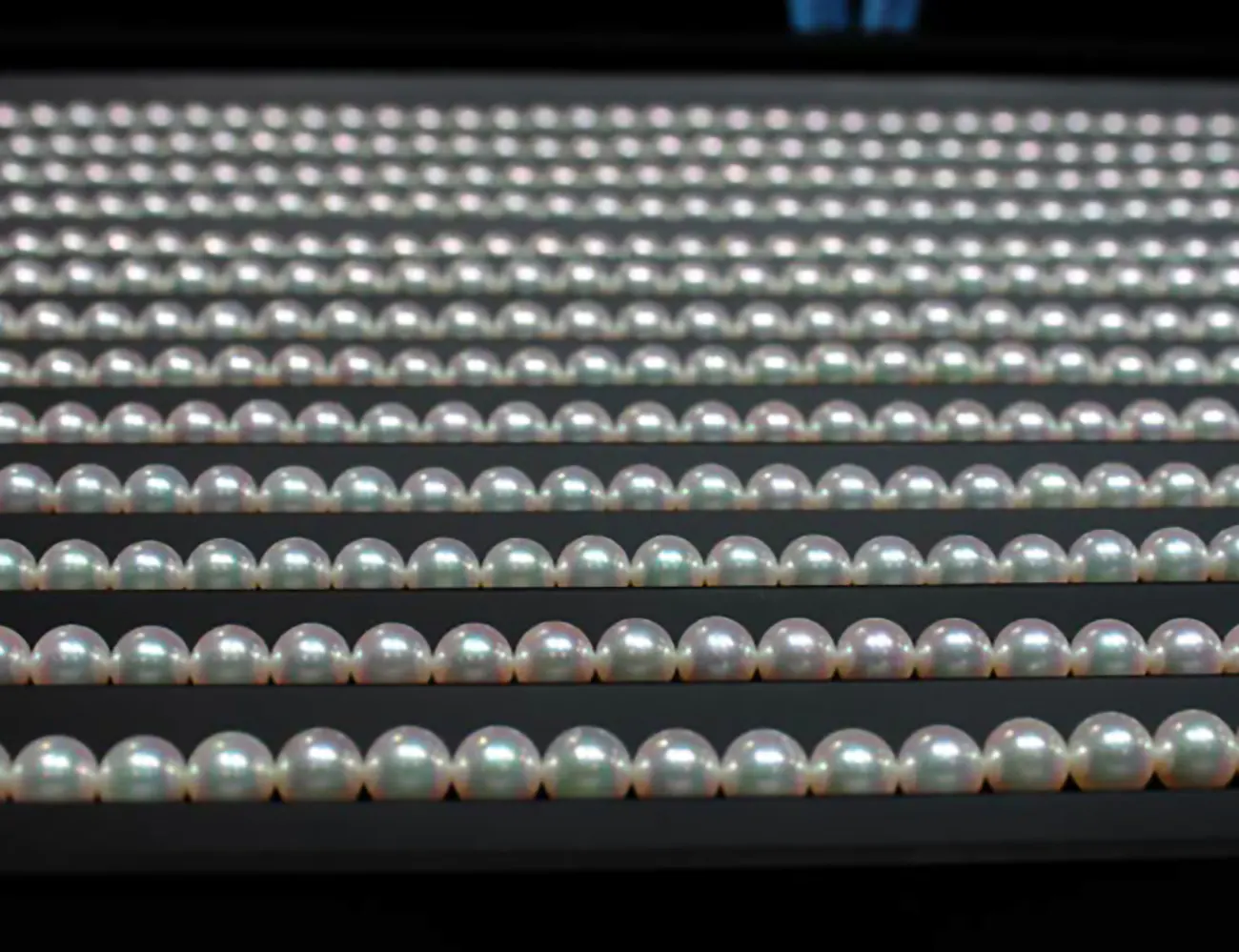
Pearl treatment protocols differ significantly from crystalline gemstone enhancements due to organic composition and structural characteristics unique to mollusk-produced gems. Understanding pearl grading systems and treatment disclosure requirements helps consumers evaluate quality factors including nacre thickness, luster intensity, and surface perfection alongside enhancement information. Cultured pearl treatments have become so standardized that disclosure focuses primarily on distinguishing natural from cultured origin rather than detailing routine color improvements.
Question 10: How do treatments affect gemstone care requirements?
Answer 10: Treated gemstones often require gentler care than untreated stones because enhancements can be compromised or damaged by cleaning methods, chemicals, heat, or physical stress that natural stones might tolerate without problems. Fracture-filled emeralds should never be cleaned ultrasonically as vibrations can dislodge fillings or cause oils and resins to leak from fractures, requiring hand cleaning with mild soap and water instead. Understanding proper care techniques for treated gemstones prevents damage while preserving enhancement benefits over the jewelry’s lifetime. Comprehensive guidance on maintaining different gemstone types helps owners protect their investments through appropriate cleaning methods, storage conditions, and maintenance schedules. Special attention to treatment-specific care requirements ensures that enhanced stones retain their beauty and structural integrity for generations. Irradiated gemstones including some topaz and kunzite varieties may experience color fading with prolonged sun exposure or high heat, necessitating protective storage away from intense light and avoiding situations where jewelry might be subjected to elevated temperatures. Surface-coated stones are vulnerable to scratching and wear during normal use, requiring careful handling and gentle cleaning to preserve coating integrity. Oil-filled gemstones may need periodic re-treatment as natural oils gradually evaporate or leach from fractures over time, making maintenance an ongoing requirement rather than one-time enhancement. Jewelers should provide specific care instructions appropriate to treatment methods when selling enhanced gemstones, and consumers should request this information in writing to ensure proper maintenance that preserves beauty and value over the jewelry’s lifetime.
Articles related:


Tags
📧 Get More Articles Like This
Subscribe to receive product reviews and buying guides in your inbox!
We respect your privacy. Unsubscribe at any time.