Pearl Grading Truth: Why Your Expensive Pearls Might Be Low Quality
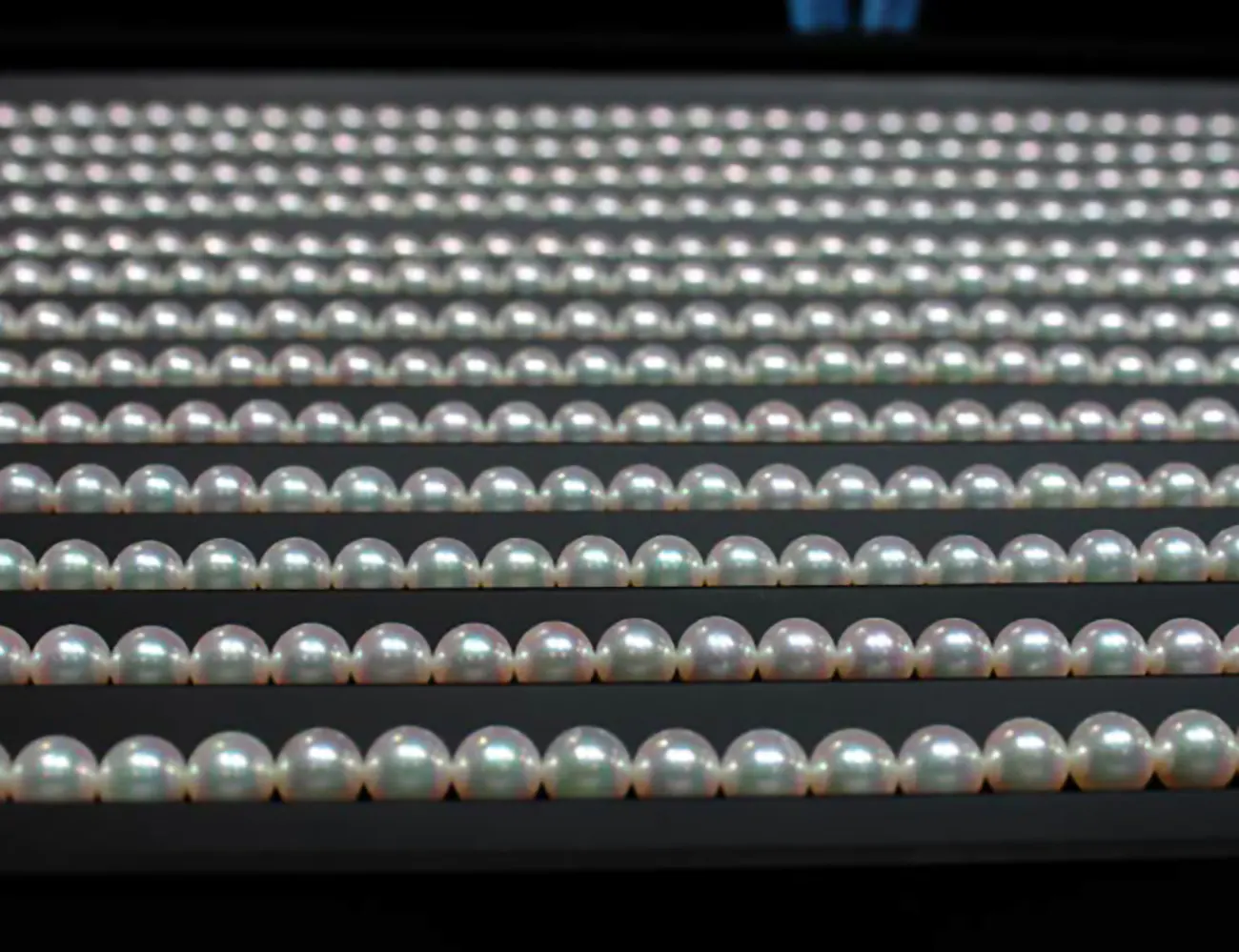
Table of Contents
- The Shocking Truth About Pearl Grading
- Understanding Pearl Value Factors
- The Grading System Confusion
- Red Flags in Pearl Marketing
- How to Identify Quality Pearls
- The Role of Certification
- Common Pearl Scams Exposed
- Making Smart Pearl Purchases
The Shocking Truth About Pearl Grading
The elegant pearl necklace gleamed under the jewelry store lights as Sarah examined it carefully through the glass display case. The price tag read fifteen thousand dollars, with a prominent certification card declaring the pearls to be “AAAA Premium Grade.” After months of saving for her mother’s retirement gift, she felt confident this represented the finest quality available. The sales associate assured her these were investment-grade pearls that would increase in value over time. Sarah made the purchase with excitement, imagining her mother’s joy at receiving such an exquisite piece. Three years later, when she decided to have the necklace appraised for insurance purposes, a gemologist delivered devastating news that would change her understanding of pearl jewelry forever. The pearls she had purchased for fifteen thousand dollars were actually mid-grade freshwater cultured pearls with a realistic market value of approximately two thousand dollars. The “AAAA” grading system used by the original seller was entirely proprietary and meaningless outside their own store. The gemologist explained that the jewelry industry’s lack of standardized pearl grading allows unscrupulous retailers to create arbitrary quality designations that inflate perceived value while deceiving consumers who assume letter grades carry universal meaning. Sarah’s experience represents just one example of widespread deception that costs pearl buyers millions of dollars annually through manipulated grading systems, misrepresented pearl types, and inflated quality claims backed by worthless certifications. The pearl industry operates in a regulatory gray zone where gemological standards exist but enforcement remains virtually nonexistent, creating perfect conditions for systematic fraud targeting consumers who lack specialized knowledge to distinguish authentic quality from clever marketing manipulation.
While the following video highlights the precise scientific methods for identifying and classifying pearls, there is still information below the article that you may not have discovered yet:
The fundamental problem underlying pearl grading deception stems from the complete absence of legally mandated universal standards that would create consistency across the global pearl market. Unlike diamonds, which benefit from the widely recognized GIA grading system establishing clear parameters for cut, clarity, color, and carat weight, pearls exist in a Wild West marketplace where each seller invents grading scales matching their inventory quality and profit objectives rather than objective gemological criteria. This standardization void creates enormous opportunities for manipulation because consumers naturally assume that quality grades like AAA carry consistent meaning across different retailers, similar to how automotive gasoline octane ratings maintain uniformity regardless of which gas station you visit. The reality proves far different, as pearl grading systems vary so dramatically between sellers that one company’s A-grade pearl might legitimately qualify as another company’s AAA grade based entirely on different evaluation methodologies and quality thresholds. The situation grows even more problematic when considering that many consumers invest thousands or tens of thousands of dollars in pearl jewelry without understanding that the grading information influencing their purchasing decision carries no independent verification or regulatory oversight whatsoever. Major jewelry retailers have exploited this confusion for decades by developing impressive-looking certification documents featuring official seals, detailed quality descriptions, and authoritative language that creates the illusion of independent gemological assessment when the reality involves nothing more than self-generated marketing materials designed to justify premium pricing on mediocre merchandise.
The psychological impact of seeing a pearl described as “AAAA Grade” or “Hanadama Quality” cannot be understated in terms of influencing consumer perception and willingness to pay elevated prices for products that may not warrant such investment. Behavioral economists have extensively documented how quality grades and certification labels trigger mental shortcuts in consumer decision-making processes, leading buyers to rely on these simplified signals rather than conducting detailed personal evaluation of product attributes. This cognitive bias becomes particularly pronounced in jewelry purchasing scenarios where most consumers lack technical expertise to independently assess gemstone quality, making them heavily dependent on retailer-provided information and implied quality guarantees. Unethical pearl sellers deliberately exploit these psychological vulnerabilities by creating elaborate grading systems that appear scientifically rigorous through the use of multiple quality tiers, numerical precision, and technical terminology while remaining completely detached from any objective gemological standards. The proliferation of online pearl sales has dramatically amplified these deceptive practices because internet retailers can easily create professional-appearing websites featuring detailed grading charts, comparison tables, and quality guarantees without any third-party verification or accountability for the accuracy of their quality claims. Consumers shopping for pearls online face particular challenges because they cannot physically examine the merchandise before purchase, forcing complete reliance on seller-provided images, descriptions, and grading information that may bear little relationship to the actual product quality they ultimately receive. The combination of psychological manipulation, lack of regulation, and information asymmetry between sellers and buyers creates a perfect storm of conditions enabling systematic overcharging for low-quality pearls marketed as premium merchandise through fabricated grading systems designed to deceive rather than inform.

The economic implications of pearl grading fraud extend far beyond individual consumer losses to affect the entire cultured pearl industry’s reputation and long-term sustainability. When thousands of consumers purchase what they believe are premium-quality pearls only to discover through subsequent appraisals that they overpaid by 300-500% or more for mediocre merchandise, the resulting distrust damages legitimate pearl dealers who maintain honest pricing and accurate quality representation. Industry associations have attempted various self-regulation initiatives over the past three decades, but these voluntary compliance efforts lack enforcement mechanisms capable of preventing bad actors from continuing deceptive grading practices that generate enormous short-term profits despite causing long-term harm to market integrity. The globalization of pearl commerce has further complicated regulatory efforts because cultured pearls sold in the United States may originate from China, Japan, French Polynesia, Australia, or numerous other producing regions, each with different quality standards, grading conventions, and consumer protection regulations that create regulatory arbitrage opportunities for unscrupulous sellers. Online marketplaces like eBay and Amazon have become particularly problematic venues for pearl fraud because the platform business models prioritize transaction volume over product quality verification, effectively allowing sellers to operate with minimal accountability for misrepresenting pearl quality or making false grading claims. Consumer protection agencies in the United States and Europe have documented thousands of complaints related to pearl quality misrepresentation, but enforcement actions remain rare because the technical complexity of pearl grading makes it difficult to establish clear legal standards for what constitutes fraudulent versus merely optimistic quality assessment.
Understanding Pearl Value Factors
Professional gemologists who specialize in pearl evaluation rely on comprehensive multi-factor assessment methodologies that consider seven distinct quality attributes simultaneously rather than reducing pearl value to simplistic letter grades or numerical scores. The Gemological Institute of America developed these standardized evaluation criteria specifically to address the pearl industry’s grading chaos by establishing clear terminology and assessment procedures that trained gemologists could apply consistently across different pearl types, sizes, and origins. The development of systematic pearl evaluation methodologies required extensive research into how optical characteristics, surface features, and structural properties collectively determine pearl beauty and value. Scientific understanding of pearl formation processes and nacre structure has advanced dramatically through collaborative efforts between gemological researchers and pearl cultivation experts. Modern gemological approaches to pearl classification provide consumers with transparent quality assessment tools that replace arbitrary grading systems with objective descriptive standards. These seven pearl value factors include size measured in millimeters, shape ranging from perfectly round to baroque irregular forms, color encompassing both body color and overtone characteristics, luster indicating surface brilliance and reflectivity, surface quality measuring the presence and severity of blemishes, nacre quality assessing thickness and layering consistency, and matching evaluating uniformity across multiple pearls in strands or pairs. Understanding how each factor independently affects pearl value and how they interact to determine overall quality represents essential knowledge for anyone considering significant pearl jewelry investments or seeking to evaluate existing pearl holdings accurately. The complexity of properly assessing all seven factors explains why legitimate pearl grading requires extensive gemological training and specialized equipment rather than the superficial visual inspection that characterizes most retail pearl quality claims. Size alone illustrates the multifaceted nature of pearl valuation, as larger pearls command premium prices but only when maintaining excellent quality in other factors, since a large pearl with poor luster or heavy surface blemishes may actually have less value than a smaller pearl exhibiting superior overall quality characteristics.
Shape classification proves particularly important in pearl valuation because different pearl types naturally occur in different shape distributions that affect both beauty and market demand patterns. Perfectly spherical pearls represent the most valuable shape category because they require ideal growth conditions and genetic factors to form, making round pearls significantly rarer than off-round, oval, or baroque irregular shapes across most cultured pearl varieties. Japanese Akoya cultured pearls have earned premium market positioning largely due to their tendency toward rounder shapes compared to freshwater cultured pearls that more commonly display off-round, oval, or potato-like irregular shapes requiring significant sorting and selection to assemble matched round strands. South Sea and Tahitian cultured pearls fall somewhere between these extremes, with sufficient percentages of round examples to create luxury market demand but enough shape variation to generate substantial price differences based on roundness quality alone. The relationship between shape and value becomes exponential rather than linear, meaning that a nearly perfect round pearl might command twice the price of a slightly off-round pearl that differs by only millimeters in diameter variation. Pearl farmers understand these shape-value dynamics thoroughly and have developed sophisticated culturing techniques designed to maximize the percentage of round pearls produced through careful nucleus placement, mollusk selection, and growth period optimization. However, even with advanced modern culturing methods, truly spherical pearls remain minority outcomes in most pearl farming operations, explaining why round pearls maintain significant value premiums over other shapes despite both forming through identical biological processes in the same mollusk species and growing environments.
Color evaluation in pearls involves far greater complexity than simple hue identification because pearl coloration emerges from multiple optical phenomena occurring simultaneously within the nacre layers that compose the pearl structure. The body color represents the fundamental background hue visible when viewing the pearl, ranging across the spectrum from white, cream, golden, and pink tones in certain varieties to silver, peacock, and deep black tones characteristic of Tahitian cultured pearls. Overtone refers to secondary colors visible as translucent layers over the body color, creating subtle pink, silver, or greenish casts that add depth and visual interest to the pearl’s appearance beyond flat single-tone coloration. Orient describes the iridescent rainbow effect caused by light interference within the nacre layers, producing shifting colors as viewing angle changes and representing one of the most desirable optical phenomena in premium pearls. The interplay between body color, overtone, and orient creates enormous variation in pearl appearance even within pearls from identical sources, making color assessment both subjective and technically demanding because personal preferences heavily influence color desirability while objective optical characteristics determine the intensity and quality of color effects. Historical market preferences have typically favored white pearls with pink overtones, but contemporary jewelry trends have dramatically expanded color appreciation to include golden South Sea pearls commanding premium prices, rare natural-color black Tahitian pearls achieving luxury market status, and even unconventional baroque pearls in unique colors finding enthusiastic collector markets. The cultural dimension of pearl color preferences adds another layer of complexity to valuation, as Asian markets traditionally prize white pearls more highly while Western markets show increasing enthusiasm for golden, peacock, and other non-traditional colors that would have struggled to find buyers just a generation ago.
Luster represents arguably the single most critical quality factor in pearl evaluation because it directly determines the characteristic glow and brilliance that distinguishes fine pearls from mediocre examples or obvious imitations. Gemologists define luster as the quantity and quality of light reflected from the pearl’s surface, with excellent luster producing sharp, mirror-like reflections that clearly show surrounding objects while poor luster creates soft, diffused, or hazy reflections lacking definition and brightness. The nacre quality directly determines luster characteristics because properly crystallized aragonite platelets in dense, well-organized layers create optimal conditions for light reflection, while irregular crystallization, organic material interruptions, or structural defects diminish reflective properties and produce the chalky or dull appearance characteristic of low-quality pearls. Cultured pearl producers manipulate numerous variables attempting to maximize luster in their harvests, including mollusk nutrition, water temperature stability, growth period duration, and harvest timing, but achieving consistently excellent luster across production volumes remains technically challenging even with optimized growing conditions. The distinction between excellent and merely good luster becomes apparent when comparing pearls side-by-side under consistent lighting conditions, as the superior pearl will demonstrate noticeably sharper reflections and greater surface brightness even to untrained observers making casual visual comparisons. Low-grade pearls sometimes undergo surface treatments intended to improve apparent luster through polishing, coating, or chemical processing, but these artificial enhancements lack the depth and durability of genuine luster arising from superior nacre quality and typically deteriorate over time as surface treatments wear away or degrade. Professional pearl evaluation always examines luster as the primary quality indicator because no other single factor provides equivalent insight into the fundamental nacre quality that determines both aesthetic appeal and long-term durability in pearl jewelry.
Surface quality assessment involves carefully examining the pearl’s exterior for blemishes, irregularities, and other imperfections that affect both appearance and structural integrity. The types of surface characteristics found on pearls include circles or rings caused by growth interruptions, pits or depressions from nacre irregularities, bumps or protrusions from particle intrusions during formation, chips from post-harvest damage, and cracks indicating structural weakness requiring careful handling or potentially limiting jewelry use options. The quantity, size, location, and visibility of these surface characteristics dramatically affect pearl value, with completely clean surfaces commanding enormous premiums over pearls showing even minor blemishes because truly flawless pearls represent statistical rarities even among cultured varieties grown under controlled conditions. Professional grading systems classify surface quality across scales ranging from “Clean” indicating virtually flawless surfaces when examined under normal viewing conditions, through “Lightly Spotted” showing minor blemishes requiring close inspection to detect, to “Heavily Spotted” displaying obvious surface imperfections visible from normal viewing distances without magnification. The economic reality of pearl farming creates market dynamics where heavily spotted pearls might sell for tiny fractions of clean pearl prices even when originating from identical production operations and differing only in surface quality outcomes resulting from subtle variations in growth conditions or genetic factors affecting individual mollusks. Smart pearl buyers recognize that strategic acceptance of minor surface blemishes hidden by drill holes or jewelry settings can enable acquisition of pearls with excellent luster, color, and size characteristics at substantially reduced prices compared to clean examples, representing optimization of value rather than compromise of quality when blemishes remain effectively invisible in the finished jewelry setting.

Nacre quality evaluation focuses on the thickness and consistency of the organic layers that actually compose the pearl material, representing the fundamental substance determining all other quality characteristics including luster, durability, and longevity. Cultured pearls form through human intervention involving nucleus implantation in mollusks, after which the animal secretes nacre layers coating the nucleus over growth periods ranging from months to years depending on the pearl type and production objectives. The relationship between growth duration and nacre thickness follows straightforward logic where longer growth periods allow more nacre deposition and generally produce superior quality outcomes, but this relationship also creates tension between quality optimization and economic efficiency because extended growth periods reduce production volumes while increasing costs and risks. Japanese Akoya cultured pearls typically have nacre thickness ranging from 0.3mm to 0.8mm after growing periods of 10-24 months, while South Sea pearls grown for 2-4 years develop much thicker nacre reaching 2mm to 6mm that contributes to their premium market positioning and price premiums. Thin nacre represents one of the most serious quality defects in cultured pearls because insufficient nacre thickness causes the nucleus to become visible through the nacre layers, creates vulnerability to chipping or peeling, and limits the jewelry’s useful life as wear gradually removes the thin nacre coating to expose the nucleus beneath. The detection of thin nacre requires specialized gemological equipment and training because surface appearance alone cannot reliably indicate underlying nacre thickness, making it possible for unethical sellers to market thin-nacre pearls using beautiful images and inflated quality grades without consumers having practical ability to verify claims before purchase. Professional pearl evaluation services examine nacre quality using techniques including backlighting to assess translucency patterns, x-ray analysis to measure actual nacre thickness, and microscopic inspection to evaluate nacre layering consistency, providing information essential for accurate quality assessment but rarely available to retail pearl buyers making purchasing decisions based primarily on visual appeal and seller representations.
The matching factor becomes relevant specifically for pearl jewelry items containing multiple pearls such as strands, earrings, or multi-pearl designs where consistency across individual pearls determines the overall aesthetic harmony and commercial value. Professional pearl matching involves painstakingly comparing individual pearls across all the previously discussed value factors to select combinations displaying minimal variation in size, shape, color, luster, and surface quality, creating the visual impression of uniformity that characterizes premium pearl jewelry. The difficulty of achieving excellent matching explains why matched pearl strands command substantial price premiums over equivalent unmatched pearl lots, since pearl farmers may need to sort through thousands of individual pearls to assemble a single perfectly matched 16-inch strand containing approximately 50 pearls meeting stringent matching criteria. The skills required for expert pearl matching involve both technical training and artistic sensibility because the matcher must recognize subtle variations in pearl appearance while also predicting how those variations will visually interact when the pearls are assembled into finished jewelry under different lighting conditions and viewing angles. Poor matching manifests through obvious variations in pearl size creating irregular strand appearance, color differences producing spotty or inconsistent visual effects, luster variations causing some pearls to appear dull against brighter neighbors, or shape inconsistencies generating gaps or irregular draping behavior in necklace strands. Contemporary jewelry design increasingly embraces intentionally mismatched or graduated pearl arrangements as deliberate aesthetic choices, particularly in baroque pearl jewelry where shape variation becomes a featured design element rather than a quality defect, but these creative applications remain distinct from traditional matched pearl jewelry where consistency represents the ultimate quality standard.
The Grading System Confusion
The alphabet soup of pearl grading systems currently operating in the global marketplace creates massive confusion for consumers attempting to make informed purchasing decisions about pearl quality and value relationships. The most commonly encountered grading schemes include the AAA grading system popular among American and European retailers, the AAAA grading system used by some sellers claiming to offer superior quality tiers, the Tahitian A-D grading system sometimes applied to black pearls, and the Japanese Hanadama designation reserved for the finest Akoya cultured pearls meeting specific quality thresholds. The fundamental problem emerges from the fact that these grading systems operate independently without any standardized definitions for what quality characteristics correspond to each grade level, allowing sellers to arbitrarily assign grades based on their own inventory quality distributions rather than objective external standards. A pearl graded AAA by one retailer might legitimately qualify only for an A or AA grade from another seller using more stringent criteria, making cross-retailer price comparisons meaningless without understanding the specific quality standards underlying each seller’s grading methodology. The illusion of standardization proves particularly deceptive because consumers naturally assume that letter grades carry consistent meaning across different contexts, similar to how academic grades or food safety ratings maintain relatively uniform interpretation despite being assigned by different evaluators. The pearl industry’s failure to adopt universal grading standards reflects both historical fragmentation across producing regions with different quality traditions and economic incentives favoring sellers who benefit from grading system flexibility enabling optimization of grade assignments to maximize profit margins on available inventory.
The AAA grading system represents the most widespread pearl quality classification method encountered in North American and European retail markets, typically establishing three or four quality tiers designated as A, AA, AAA, and occasionally AAAA for sellers claiming to offer ultra-premium merchandise. The theoretical framework behind these letter grades suggests that AAA pearls should exhibit the highest quality levels across multiple evaluation factors including superior luster, minimal surface blemishes, good shape uniformity, and consistent color characteristics, while lower grades indicate progressively more compromised quality attributes. However, the practical application of these grade definitions varies wildly between sellers because no industry authority establishes binding criteria for what specific luster intensity, surface cleanliness percentage, or shape regularity qualifies for each grade designation. This definitional void enables unethical sellers to label mediocre freshwater pearls displaying moderate luster and numerous surface blemishes as AAA grade through the simple expedient of defining their grading scale such that AAA represents the highest quality within their available inventory regardless of how that inventory quality compares to absolute standards or competitors’ offerings. The psychological manipulation inherent in alphabetical grading systems amplifies consumer susceptibility to deception because the AAA designation carries associations with premium quality and exclusivity from its use in other contexts like credit ratings or restaurant grades, priming buyers to perceive AAA pearls as representing top-tier quality warranting premium prices even when the actual product quality falls short of legitimate premium standards. The evolution of AAAA grading as a supposed super-premium tier beyond traditional AAA grades illustrates the grade inflation problem plaguing pearl markets, as sellers compete to differentiate their offerings by inventing new quality tiers at the top of grading scales to claim superiority over competitors using standard AAA classifications.
The Tahitian pearl grading system emerged from French Polynesian government efforts to standardize quality assessment for black cultured pearls produced in their territorial waters, establishing a four-tier classification scheme designating pearl quality levels as A, B, C, and D based on specific surface quality and luster criteria. This system represents one of the pearl industry’s few attempts at creating regionally standardized grading with government backing, requiring pearls exported from French Polynesia to undergo quality evaluation and grade assignment before export authorization. The Tahitian system primarily emphasizes surface quality assessment, with A-grade designation requiring clean surfaces with no more than one slight defect on 10% of the pearl surface, B-grade allowing concentrated defects on up to one-third of the surface, C-grade permitting defects across larger surface areas, and D-grade representing the lowest commercial quality with major defects affecting over two-thirds of the surface. The Tahitian grading system’s limitation stems from its narrow focus on surface characteristics while providing minimal attention to luster, nacre quality, or other factors equally important in determining pearl value and desirability. The system’s geographic restriction to French Polynesian exports leaves the vast majority of global pearl production including Chinese freshwater pearls, Japanese Akoya pearls, Australian South Sea pearls, and Indonesian South Sea pearls operating without equivalent standardized grading requirements, creating market fragmentation where different pearl types follow entirely different quality classification approaches. International pearl traders sometimes attempt to apply Tahitian-system grades to non-Tahitian pearls, but this practice introduces additional confusion because the grading criteria were developed specifically for Tahitian black pearl characteristics and may not translate appropriately to other pearl varieties with different quality distributions and market expectations.
The Japanese Hanadama designation represents perhaps the most prestigious and rigorously defined pearl quality standard currently operating in the international market, applied specifically to Akoya cultured pearls meeting exceptional quality criteria established by the Pearl Science Laboratory of Japan. Hanadama literally translates to “flower pearl” and identifies pearls exhibiting superior luster, minimal surface blemishes, and nacre quality exceeding standard thresholds through independent gemological evaluation rather than seller self-assessment. The certification process for Hanadama designation involves submitting pearls to the Pearl Science Laboratory where trained gemologists measure luster intensity using specialized equipment, evaluate surface quality under controlled lighting, verify nacre thickness through imaging analysis, and assess overall quality characteristics against established standards before issuing official Hanadama certificates for pearls meeting all requirements. This independent third-party verification distinguishes Hanadama certification from the self-assigned letter grades dominating most pearl marketing, providing consumers with reliable quality assurance backed by reputable gemological authority rather than unverifiable seller claims. The market recognition of Hanadama certification creates significant price premiums for certified pearls compared to uncertified examples, with premium percentages sometimes reaching 30-50% above equivalent quality pearls lacking official certification despite potentially identical actual quality characteristics. The limitation of Hanadama certification involves its exclusive application to Japanese Akoya cultured pearls, leaving buyers of South Sea pearls, Tahitian pearls, or freshwater pearls without equivalent certification options providing comparable third-party quality verification through standardized evaluation protocols.
Shop on AliExpress via link: wholesale-pearl-jewelry-storage-box

The explosion of online pearl sales through platforms like eBay, Amazon, Etsy, and standalone e-commerce websites has dramatically amplified grading system confusion by enabling sellers worldwide to market pearls using whatever grading terminology and quality claims they prefer without meaningful oversight or accountability for accuracy. Federal regulatory frameworks governing pearl marketing have evolved substantially through multiple revisions addressing pearl treatment disclosure requirements and deceptive quality claims that systematically mislead consumers. Government authorities recognize that pearl industry self-regulation proves inadequate without enforcement mechanisms compelling honest quality representation and requiring pearl treatment disclosure when modifications affect pearl value or care requirements. Understanding regulatory evolution helps consumers recognize what legal protections exist against deceptive pearl marketing practices while acknowledging enforcement limitations that allow widespread violations to persist without meaningful consequences for dishonest sellers. . Internet pearl vendors frequently display elaborate grading charts featuring multiple quality tiers with detailed descriptions of supposed characteristics distinguishing each grade level, creating the impression of rigorous quality control and objective assessment when the reality involves nothing more than marketing copy designed to justify pricing structures and create perceived value differentiation between product tiers. The visual presentation of these online grading systems intentionally mimics legitimate gemological documentation through the use of professional graphic design, technical terminology, and authoritative language that primes consumers to accept grade assignments as factual quality assessments rather than recognizing them as unverified seller opinions about merchandise they’re simultaneously trying to sell. The international nature of online pearl commerce introduces additional complexity because vendors operating from China, Hong Kong, Japan, Australia, or other producing regions may apply grading systems derived from local market conventions that differ fundamentally from standards familiar to North American or European consumers making purchasing decisions. The combination of information asymmetry, lack of physical product inspection capabilities before purchase, and complete absence of standardized grading requirements creates ideal conditions for systematic pearl quality misrepresentation through inflated grade assignments, misleading quality claims, and deceptive pricing strategies that exploit consumer inability to verify seller representations about merchandise they haven’t personally examined.
The vulnerability to online jewelry fraud extends far beyond pearls into widespread deception affecting all gemstone categories and precious metal jewelry. Sophisticated scam operations employ identical psychological manipulation techniques across different product categories, exploiting consumer trust in marketplace platforms and inability to physically inspect merchandise before purchase. Understanding common fraud patterns that appear across jewelry types helps buyers develop skepticism toward suspicious deals and recognize warning signs indicating potential deception regardless of specific product category.
The economic consequences of grading system confusion extend beyond individual consumer losses to create broader market inefficiencies that harm legitimate pearl dealers while enabling fraudulent operators to prosper through deceptive practices. Honest pearl sellers who accurately represent their merchandise quality find themselves at competitive disadvantage against unethical competitors who systematically inflate quality grades and corresponding prices to generate higher profit margins while deceiving consumers about actual value relationships. This dynamic creates a race to the bottom in grading honesty as sellers recognize that maintaining accurate quality representation results in apparent price disadvantage when consumers comparison shop across vendors using different grading standards. The lack of effective consumer protection enforcement in pearl markets means that sellers face minimal consequences for misrepresenting quality through inflated grades, fake certifications, or outright false claims about pearl characteristics, creating strong economic incentives favoring deception over honesty in quality representation. Consumer education represents the only realistic defense against pearl grading fraud in the absence of regulatory standardization, requiring buyers to develop sufficient technical knowledge to independently assess pearl quality characteristics rather than relying on seller-provided grades and certifications of uncertain validity. The difficulty of acquiring this specialized knowledge explains why pearl quality deception remains so prevalent despite decades of consumer complaints and industry calls for standardization, as most jewelry buyers lack time, interest, or opportunity to develop gemological expertise sufficient for recognizing when seller quality claims misrepresent actual merchandise characteristics.
Red Flags in Pearl Marketing
Sophisticated pearl buyers develop instincts for recognizing suspicious marketing tactics and quality claims that indicate potential deception or inflated pricing designed to exploit consumer ignorance about pearl quality assessment and valuation principles. The presence of certain warning signs in pearl marketing materials, seller communications, or website content should trigger heightened skepticism and additional verification efforts before committing to significant purchases from unfamiliar vendors. One of the most reliable red flags involves sellers claiming to offer top-quality pearls at prices dramatically lower than competitors, as genuine premium pearls command consistent market prices globally and deeply discounted pricing typically indicates either misrepresented quality, stolen merchandise, or outright fraudulent transactions where buyers pay but never receive merchandise. The classic “going out of business” or “family liquidation” story represents another common deception tactic where sellers create urgency and false scarcity narratives claiming to offer exceptional values because they’re closing their pearl farming operation or liquidating inherited inventory, when reality involves dropshipping cheap Chinese freshwater pearls while fabricating backstories designed to justify unrealistic pricing and overcome buyer skepticism about deals that seem too good to be true. The proliferation of these fake family pearl farm websites has accelerated dramatically with artificial intelligence technology enabling creation of convincing fake family photos, fabricated business histories, and professional-appearing websites that require careful investigation to expose as fraudulent operations with no actual connection to pearl farming or legitimate jewelry trade.
The use of non-existent certification bodies or fake gemological authority represents particularly pernicious deception because it exploits consumer desire for independent quality verification while providing worthless documentation that creates false sense of security about pearl authenticity and value. Multiple pearl party companies and online vendors have claimed certification or quality verification from organizations like the “National Pearl Association” that simply do not exist except as fictional entities invented for marketing purposes. Other sellers display impressive-looking certificates featuring official seals, technical jargon, and quality assessment details that appear to come from legitimate gemological laboratories but actually originate from the seller’s own offices or represent generic templates purchased online and customized with individual pearl details. The practice of creating fake certification documents has become increasingly sophisticated with desktop publishing technology and professional printing capabilities enabling production of documentation nearly indistinguishable from authentic gemological reports without close examination and verification of issuing organization legitimacy. Consumers can protect themselves from certification fraud by independently researching any certification body referenced in pearl documentation, verifying that the organization actually exists and maintains relevant gemological expertise, and understanding that legitimate pearl certification primarily comes from a small number of recognized institutions including the Gemological Institute of America and the Pearl Science Laboratory of Japan rather than obscure organizations with impressive-sounding names but no established industry reputation.
The presence of absurdly inflated “appraisal values” or “retail value” figures represents another reliable indicator of deceptive marketing designed to create perception of exceptional value through dramatic discounting from fictional baseline prices. Many pearl sellers, particularly those operating pearl party businesses or online storefronts targeting unsophisticated buyers, display appraisal certificates claiming that individual pearls or pearl jewelry items have retail values reaching thousands of dollars while simultaneously offering special promotional pricing at tiny fractions of these supposedly authoritative valuations. These inflated appraisals serve multiple psychological functions including anchoring consumer price expectations at artificially high levels that make actual selling prices appear reasonable or attractive, creating the impression that buyers are receiving exceptional value through deep discounting, and providing impressive-looking documentation that buyers can show friends and family to justify expensive purchases. The reality involves fabricated valuation figures bearing no relationship to actual market values for equivalent quality pearls, with the appraisals themselves generated by the seller or affiliated entities specifically to support deceptive marketing rather than representing independent professional assessment of pearl value. Professional appraisers operating according to recognized ethical standards would never produce the wildly inflated valuations commonly seen in pearl party or online pearl marketing because such valuations violate fundamental appraisal principles requiring objective market value assessment rather than creation of fictional figures designed to facilitate sales by generating false perception of exceptional value through discounting.

The pearl party business model itself represents a systematized fraud operation that has evolved from traditional home-party multi-level marketing into social media live streaming platforms while maintaining the fundamental deception of selling essentially worthless freshwater pearls for dramatically inflated prices through manufactured excitement and fake quality assessment. These operations typically involve hosts purchasing bulk quantities of low-grade Chinese freshwater cultured pearls sealed inside preserved oyster shells, then conducting live video broadcasts where they open oysters purchased by online viewers while providing enthusiastic commentary about pearl beauty and fabricated value assessments. The pearls used in these operations represent the lowest commercial quality grades of freshwater cultured pearls that wholesale for literally pennies per pearl in bulk purchases, but party hosts assign fictional values ranging from hundreds to thousands of dollars based on fabricated grading charts and quality assessment protocols lacking any connection to legitimate gemological standards. The complete supply chain for pearl party oysters involves Chinese suppliers who specifically package low-grade pearls inside preserved oyster shells creating the illusion of natural pearl discovery, export these kits to distributors in target markets, who then sell them to individual party hosts operating through multilevel marketing commission structures that incentivize recruitment of additional hosts while generating revenue from overpriced merchandise sales to gullible consumers. The social dynamics of live-streamed pearl parties amplify deceptive effects because viewers experience manufactured excitement from the host’s theatrical pearl reveals, feel social pressure to participate when seeing other viewers making purchases, and fall victim to artificially created scarcity through time-limited promotions and inventory claims designed to trigger impulsive purchasing decisions before rational evaluation can occur.
The practice of misrepresenting pearl type represents particularly serious fraud because the price differences between freshwater cultured pearls and saltwater varieties like Akoya, South Sea, or Tahitian pearls justify premiums reaching 10-100 times or more based on rarity, quality characteristics, and market positioning. Unethical sellers exploit these value differences by marketing cheap freshwater pearls as more valuable saltwater varieties through vague descriptions, strategic omission of pearl type information, or outright false claims about pearl origin and identity. The white round freshwater cultured pearls produced in enormous quantities by Chinese pearl farms share superficial visual similarities with Japanese Akoya cultured pearls when viewed casually by untrained observers, enabling fraudulent sellers to substitute freshwater pearls while claiming or implying Akoya origin to justify pricing appropriate for genuine Akoya pearls while actually delivering merchandise worth tiny fractions of represented values. Similarly, dyed black freshwater pearls can be misrepresented as natural-color Tahitian cultured pearls to unsuspecting buyers who don’t understand that genuine Tahitian pearls come exclusively from a specific species of black-lipped oyster cultured in French Polynesian waters and naturally produce black, gray, green, or peacock colorations without dyeing treatments. The detection of pearl type misrepresentation requires gemological expertise and testing capabilities beyond what most consumers can access before purchase, making this fraud particularly difficult to prevent through buyer diligence alone and highlighting the importance of purchasing pearls exclusively from established dealers with verifiable reputations for honest quality representation rather than unknown online vendors offering suspiciously attractive pricing on premium pearl varieties.
The absence of clear return policies, physical business addresses, or responsive customer service represents practical red flags indicating that a pearl seller may operate fraudulently or at minimum lacks commitment to customer satisfaction beyond completing initial sales transactions. Legitimate jewelry businesses maintain clear return policies allowing customers reasonable timeframes to return merchandise if it fails to meet expectations upon receipt and inspection, while fraudulent operators typically either provide no return information or establish restrictive policies making returns effectively impossible through short windows, restocking fees, or onerous documentation requirements. The listing of physical business addresses that can be independently verified through mapping services and business registries provides important accountability that online-only sellers lacking physical locations cannot offer, as street addresses enable customer recourse through local consumer protection agencies or legal actions if disputes arise requiring formal resolution. The responsiveness of customer service communications before and after purchase provides insight into whether a seller prioritizes customer satisfaction or treats buyers as revenue sources to be extracted from and then abandoned if problems emerge with purchased merchandise. Sophisticated pearl fraud operations have adapted to these red flag indicators by creating increasingly elaborate facades including fake business addresses showing prestigious locations, responsive pre-purchase customer service designed to close sales, and deliberately ambiguous return policies using technical language to appear reasonable while actually providing little practical protection for disappointed buyers.
How to Identify Quality Pearls
Developing practical skills for independently assessing pearl quality empowers consumers to make informed purchasing decisions based on actual merchandise characteristics rather than relying entirely on seller representations that may misrepresent quality for financial advantage. The most fundamental pearl quality assessment involves examining luster under appropriate lighting conditions to evaluate the intensity and clarity of surface reflections indicating nacre quality and overall pearl excellence. This evaluation works best in natural daylight or high-quality white lighting that reveals true pearl characteristics without the color-distorting effects of yellowed indoor lights or strategically chosen accent lighting that jewelry stores sometimes employ to enhance apparent pearl quality beyond what buyers will experience in normal viewing environments. Premium pearls with excellent luster will display sharp, mirror-like reflections of nearby objects including the examiner’s own face when holding the pearl at arm’s length, while inferior pearls produce soft, fuzzy, or barely visible reflections indicating poor nacre quality that compromises both beauty and value. The comparison method works particularly effectively for luster assessment, as placing potential purchase pearls alongside pearls of known quality enables direct visual comparison revealing luster differences that might not be apparent when examining individual pearls in isolation. Many experienced pearl buyers carry reference strands of pearls with established quality characteristics to use as comparison standards when evaluating potential purchases, providing objective benchmarks against which to judge unfamiliar pearls rather than relying on potentially manipulated seller-controlled comparison references.
Surface quality assessment requires careful visual inspection under adequate lighting to identify blemishes, irregularities, and other surface characteristics that affect both appearance and pearl value. The most effective inspection technique involves rotating the pearl slowly while examining its entire surface from multiple angles, as many surface defects appear most visible from specific orientations due to the way light interacts with depressions, protrusions, or irregular nacre formations. Small surface pits, bumps, circles, or color variations that remain effectively invisible during casual inspection may become quite apparent during systematic examination with proper lighting and viewing techniques, potentially revealing quality issues that justify lower pricing or complete rejection of purchase candidates. The strategic positioning of surface blemishes matters considerably for pearl value, as defects located near drill holes or in areas that will be concealed by jewelry settings have minimal impact on appearance and value compared to prominent blemishes positioned on visible surfaces that will remain exposed in finished jewelry. Smart pearl buyers recognize that accepting pearls with minor blemishes in strategic locations enables acquisition of excellent luster and color characteristics at substantially reduced prices compared to completely clean examples, representing practical value optimization rather than quality compromise when the blemishes remain effectively invisible in finished jewelry settings. The magnification capabilities of jeweler’s loupes or smartphone macro photography modes assist in detailed surface inspection by revealing small features invisible to naked eye examination, though professional gemological evaluation typically relies on standardized viewing conditions without magnification to assess surface quality according to appearance under normal jewelry wearing circumstances.

Color evaluation begins with identifying the pearl’s body color representing its fundamental background hue visible under neutral white lighting conditions. The assessment becomes complicated by the fact that pearl color perception changes significantly based on lighting conditions, with incandescent light sources tending to enhance warm tones while fluorescent lighting emphasizes cool tones compared to natural daylight providing the most accurate color perception. Professional pearl color grading occurs under standardized lighting conditions using high color-rendering index (CRI) light sources that accurately reproduce colors as they appear in natural daylight, but retail environments may employ strategic lighting designed to enhance pearl appearance beyond what buyers will experience in normal viewing situations. The presence and quality of overtones and orient significantly impact pearl beauty and value beyond simple body color considerations, as subtle pink, silver, or green overtones add depth and visual interest while intense orient displaying rainbow iridescence indicates superior nacre quality producing valuable optical effects. The color preference subjectivity means that consumers should prioritize personal aesthetic satisfaction over conforming to traditional market preferences favoring specific color categories, as pearls that appeal personally will generate more wearing enjoyment and satisfaction than conventionally desirable colors that fail to resonate with individual taste preferences. The natural color versus treated color distinction carries enormous value implications because dyed or irradiated pearls typically start as lower-grade stock requiring treatment to become marketable, making untreated pearls with natural coloration significantly more valuable than treated examples regardless of final appearance similarities.
Shape assessment involves determining both the pearl’s basic shape category and the degree of symmetry or regularity within that shape classification. The shape hierarchy places perfectly round pearls at the apex of desirability and value, followed by near-round pearls with slight diameter variations, oval and button shapes showing more pronounced dimensional differences, drop shapes appropriate for pendant designs, and baroque irregular shapes ranging from attractively organic to unmarketable misshapen forms. The measurement technique for roundness involves using precision calipers to determine maximum and minimum diameters through the pearl’s widest points, then calculating the variation percentage with acceptable tolerances for different shape designations. Semi-baroque and baroque shape categories introduce subjective aesthetic judgments because some irregular pearls display attractive organic forms with distinctive character while others show simply poor formation quality lacking artistic merit, requiring buyers to distinguish between interesting irregularity that enhances uniqueness versus defective formation that compromises desirability. Contemporary jewelry design trends have elevated baroque pearls from their traditional status as lower-value irregulars to sought-after centerpieces for artistic jewelry celebrating natural organic forms, creating market segments where certain baroque shapes command premiums over perfectly round examples due to distinctive character and uniqueness. The shape appropriateness for intended jewelry design should guide shape selection, as perfectly round pearls suit traditional strand necklaces while drops work ideally for pendants and earrings, buttons provide flat backs for ring and earring settings, and baroque shapes offer creative freedom for distinctive contemporary designs.
Nacre quality assessment presents significant challenges for consumers because the most reliable evaluation techniques require specialized equipment and gemological training beyond what typical jewelry buyers possess or can access during retail purchasing situations. The visual indicators of nacre quality include luster intensity as discussed previously, color depth and translucency patterns visible when backlighting pearls, and the presence or absence of chalky or cloudy areas indicating poor nacre formation with structural weaknesses. The blink test represents one accessible technique for nacre quality assessment, involving quickly rolling pearls to observe whether reflections remain crisp and well-defined during movement or appear blurry and diffused suggesting inferior nacre quality with light-scattering defects. Professional nacre evaluation for high-value pearl purchases should involve x-ray imaging that reveals nacre thickness by showing contrast between the solid nucleus bead and surrounding nacre layers, providing definitive information about whether adequate nacre deposition occurred during culturing period. The minimum acceptable nacre thickness varies by pearl type, with Akoya cultured pearls requiring at least 0.4mm thickness for adequate quality and durability, South Sea and Tahitian pearls naturally showing much thicker nacre ranging from 2mm to 6mm that contributes to their premium market positioning, and freshwater pearls typically having no nucleus so consist entirely of nacre making thickness concerns less relevant. The revelation of thin nacre through professional evaluation explains many situations where apparently beautiful pearls purchased at attractive prices prove to have minimal actual value because insufficient nacre thickness creates vulnerability to damage and limits useful life expectancy regardless of superficial appearance quality.
The size measurement of pearls occurs in millimeters using precision calipers, with size affecting value through exponential rather than linear relationships where small size increases generate disproportionately large value changes. The measurement procedure for round pearls involves determining diameter at the widest point, while non-round pearls require recording multiple dimensions to fully describe size and shape characteristics. The size-value relationship varies significantly across different pearl types because rarity distributions differ, with South Sea cultured pearls commonly reaching 12-18mm diameters commanding moderate premiums over smaller examples while Akoya cultured pearls rarely exceeding 9mm in diameter see enormous value premiums for the few examples reaching 9-10mm sizes. The size uniformity within matched pearl strands significantly affects value because dramatic size graduation or random variation compromises the harmonious appearance that characterizes premium pearl jewelry, requiring careful selection and matching to assemble strands where individual pearls progress smoothly from larger center pearls to smaller ones near the clasp. The practical considerations of size selection should balance aesthetic preferences, budget constraints, and intended use patterns, as larger statement pearls work well for occasional special-occasion jewelry while smaller everyday pearls provide versatility for regular wear without excessive value exposure to loss or damage risks. The relationship between size and other quality factors means that size alone never determines value, since a large pearl with poor luster and heavy blemishes may actually have less value than a smaller pearl displaying excellent surface quality and brilliant luster that demonstrates superior overall quality characteristics.
The Role of Certification
Independent gemological certification provides the most reliable mechanism for verifying pearl authenticity, quality characteristics, and value relationships when making significant pearl jewelry purchases from unfamiliar sellers or in situations where buyer expertise limitations create vulnerability to deception. Professional pearl certification involves submitting pearls to established gemological laboratories where trained specialists conduct detailed examinations using standardized protocols and specialized equipment to document pearl characteristics objectively without financial interest in assessment outcomes. The certification process typically includes identification of pearl type distinguishing natural from cultured origin and determining mollusk species and growing environment, measurement of physical dimensions and weight, color description encompassing body color and overtone characteristics, and quality classification according to standardized criteria for luster, surface quality, nacre thickness, and matching when applicable. The certification document or report issued after examination provides detailed information about examined pearls along with photographs for identification purposes, creating permanent record of pearl characteristics that serves multiple functions including insurance documentation, resale value establishment, and quality verification for buyer confidence. The investment in professional certification proves worthwhile for pearl purchases exceeding several thousand dollars where the certification cost represents small percentage of total purchase price and the protection against quality misrepresentation or fraud justifies modest additional expense.
The Gemological Institute of America represents the most widely recognized and respected gemological authority providing pearl identification and classification services to consumers, jewelry trade professionals, and institutions worldwide. GIA pearl services include Pearl Identification Reports documenting quantity, weight, shape, color, pearl type distinguishing natural from cultured origin, mollusk type when determinable, formation environment identifying saltwater versus freshwater origin, and detectable treatments affecting pearl characteristics. The GIA Pearl Classification Report provides comprehensive quality assessment including all identification information plus detailed classification of luster, surface quality, nacre thickness, and matching uniformity using the standardized GIA 7 Pearl Value Factors methodology. Professional pearl quality evaluation requires both technical gemological training and access to specialized assessment equipment that most consumers cannot replicate in retail shopping environments. Independent laboratories employ calibrated instruments measuring optical properties, structural characteristics, and chemical composition to provide objective quality documentation. The evaluation process combines visual assessment by trained specialists with instrumental analysis producing comprehensive characterization of pearl attributes that substantially exceeds information available through casual retail inspection. The specialized GIA Cultured Pearl Classification Report offers streamlined service specifically for untreated Akoya, South Sea, and Tahitian cultured pearls providing quality classification without extensive identification testing when pearl type has been verified by submitter. GIA certification carries significant market credibility because of the organization’s educational mission, nonprofit structure eliminating profit incentives that might bias quality assessments, rigorous gemologist training programs, and decades of gemological research establishing comprehensive knowledge bases for pearl identification and quality evaluation. The scientific foundation supporting modern pearl evaluation extends from laboratory gemology into broader research understanding how biological processes create these organic gems. Museums and research institutions have documented pearl formation across diverse mollusk species and environmental conditions, contributing essential knowledge that informs quality assessment standards. Historical pearl collections preserved in major museums provide benchmarks for understanding how natural pearls differ from modern cultured varieties and how environmental factors influence pearl characteristics across different producing regions worldwide. The market impact of GIA certification includes both added credibility for documented pearls when reselling or insuring jewelry and potential discovery of quality misrepresentations when submitted pearls fail to match seller claims about type, quality, or characteristics.
Shop on AliExpress via link: wholesale-jewelry-cleaning-kit

The Pearl Science Laboratory of Japan provides specialized certification services focused primarily on Japanese Akoya cultured pearls including the prestigious Hanadama designation reserved for pearls meeting exceptional quality standards. This laboratory’s certification process emphasizes luster measurement using specialized equipment that objectively quantifies reflective properties rather than relying on subjective visual assessment, providing numerical luster values that can be compared across different pearl lots to establish relative quality rankings. The Hanadama certification requirements include minimum luster intensity thresholds, maximum acceptable surface blemish percentages, and minimum nacre thickness standards that collectively define quality levels significantly exceeding ordinary commercial Akoya pearl grades. The market recognition and premium pricing associated with Hanadama certification reflects both the rarity of pearls meeting stringent quality thresholds and consumer confidence in certification representing genuine quality superiority rather than marketing hyperbole. The limitation of Pearl Science Laboratory services involves their primary focus on Japanese Akoya pearls, making this certification option less relevant for buyers of South Sea pearls, Tahitian pearls, or freshwater cultured pearls who require alternative certification sources for their specific pearl types.
The American Gem Trade Association Laboratory and other regional gemological facilities provide pearl identification and quality assessment services that may offer more convenient access or lower costs compared to major international laboratories while maintaining professional standards and gemological expertise. These regional facilities typically provide services similar to GIA reports including pearl type identification, basic quality descriptions, and photographic documentation though they may lack the international market recognition that GIA certification provides. The selection of certification laboratory should consider the specific requirements of individual situations, with GIA certification offering maximum credibility for high-value items or situations requiring international recognition while regional laboratories may adequately serve needs for moderate-value jewelry or straightforward identification questions. The certification process typically requires several weeks from submission to report delivery, with expedited services available at higher cost when timing constraints require faster turnaround for insurance deadlines or planned jewelry gifts.
The limitations of pearl certification deserve recognition to maintain realistic expectations about what certification documents can and cannot provide for pearl buyers. Certification reports document pearl characteristics as of examination date but cannot guarantee that those characteristics will remain unchanged over time, as pearls may undergo color changes, luster degradation, or physical damage after certification that renders report information outdated. The quality classifications provided in certification reports reflect assessment according to specific methodologies that may not perfectly align with individual buyer preferences or expectations, as classification systems necessarily involve somewhat subjective judgments about where to draw boundaries between quality grades. The certification investment may not prove economically justifiable for moderate or low-value pearl purchases where certification costs represent substantial percentages of purchase prices, requiring buyers to balance desires for independent quality verification against practical cost considerations. The existence of certification does not guarantee good value or appropriate pricing, as sellers may price certified pearls at levels exceeding fair market values regardless of objective quality documentation. The most effective use of certification involves combining independent quality verification with price comparison research, quality education, and seller reputation assessment to make fully informed purchasing decisions rather than treating certification as sufficient due diligence substitute.
Common Pearl Scams Exposed
The pearl party phenomenon represents perhaps the most visible and widespread pearl fraud operation affecting consumers globally through social media platforms enabling live-streamed pearl openings that combine entertainment with systematic financial exploitation. These operations follow predictable patterns involving party hosts who purchase bulk quantities of preserved oyster shells containing low-grade freshwater cultured pearls from Chinese suppliers, then conduct live video broadcasts while opening oysters purchased by online viewers who pay $25-$50 or more per oyster for the excitement of “discovering” pearls inside. The fundamental deception involves misrepresenting wholesale-grade freshwater pearls worth literally pennies each as valuable finds warranting the substantial per-oyster fees that hosts charge for participation. The pearl party hosts enhance deceptive effects through theatrical presentation including exaggerated excitement reactions, fake spontaneity suggesting genuine surprise at pearl discoveries, and fabricated value assessments using bogus grading charts claiming pearls have appraisal values reaching hundreds or thousands of dollars. The complete supply chain for pearl party operations begins with Chinese suppliers who specifically package low-grade pearls inside sterilized oyster shells creating the illusion of natural pearl formation, then export these kits to multilevel marketing distributors who recruit individual party hosts promising income opportunities while actually extracting profits through overpriced inventory purchases. The party host compensation structure follows classic MLM patterns where hosts earn commissions on their own sales while recruiting additional hosts generates override income, creating pyramid-like economics where early participants profit primarily from recruitment rather than legitimate product sales to end consumers.
The online marketplace deception involving fake pearl brands operating through social media advertising represents an evolving fraud category exploiting artificial intelligence technology to create convincing but entirely fictional pearl farming businesses. These operations typically feature websites with compelling backstories about multigenerational family pearl farming operations supposedly closing after decades in business and liquidating inventory at exceptional prices representing final opportunities for consumers to acquire premium pearls at small fractions of normal retail values. The sophisticated presentation includes AI-generated photographs of supposed family members standing near pearl farms, detailed historical narratives describing family pearl farming traditions, testimonials from satisfied customers, and professional product photography showing beautiful pearl jewelry that bears no relationship to the cheap freshwater pearls actually shipped to customers who make purchases. These fraudulent websites employ numerous deception techniques including fake media endorsements claiming features in National Geographic or other prestigious publications that never actually occurred, fabricated customer review collections showing thousands of five-star ratings that don’t exist on legitimate review platforms, and impressive certifications from gemological authorities that either don’t exist or never actually evaluated the seller’s merchandise. The payment processing for these fraud operations typically routes through international payment processors that make refund recovery difficult or impossible when disappointed customers discover they received cheap freshwater pearls worth tiny fractions of amounts paid for supposedly premium Tahitian or South Sea pearls. The proliferation of these AI-enhanced pearl frauds reflects broader patterns in online commerce where improving technology enables creation of increasingly convincing fake businesses requiring sophisticated verification efforts to expose as fraudulent operations rather than legitimate dealers.
The eBay and marketplace pearl fraud involves systematic misrepresentation of pearl quality through inflated grading claims, stock photography showing pearls different from actual products shipped, and the exploitation of buyer psychological vulnerabilities including deal-seeking behavior and trust in platform dispute resolution systems. Fraudulent pearl sellers on marketplace platforms typically operate multiple accounts simultaneously to artificially inflate feedback scores through mutual purchases between controlled accounts, gradually building apparent legitimacy while preparing to conduct high-value fraud transactions. The product listings employ professional photography often borrowed from legitimate pearl dealers to show beautiful high-quality pearls while actual products shipped consist of cheap freshwater pearls bearing minimal resemblance to advertised merchandise. The pricing strategies involve listing identical or similar pearl products at dramatically different prices ranging from a few dollars to hundreds of dollars, allowing sellers to price-discriminate between sophisticated buyers who recognize appropriate values and naive buyers willing to pay premium prices for merchandise worth small fractions of charged amounts. The marketplace platform response to pearl fraud complaints tends toward inadequate because the platforms prioritize transaction volume over quality control and have limited gemological expertise to evaluate technical disputes about pearl quality characteristics. The international sourcing of marketplace pearl inventory complicates consumer protection enforcement as sellers operating from China, Hong Kong, or other Asian locations remain effectively beyond reach of Western consumer protection agencies and legal systems.
The treatment disclosure deception involves selling dyed, bleached, or otherwise treated pearls as natural untreated examples without providing legally required information about treatments that significantly affect value and quality characteristics. The dying of pearls to create black, chocolate, or other fashionable colors represents common practice with lower-grade freshwater pearls that lack marketable natural coloration, but treated pearls command only fractions of prices appropriate for natural-color equivalents making treatment disclosure essential for informed purchasing decisions. The detection of pearl treatments requires gemological expertise and specialized equipment beyond what most consumers possess, enabling unethical sellers to market treated pearls as natural examples without significant risk that buyers will discover deception before completing purchases. The various pearl treatments employed in modern commercial pearl production include dyeing using organic dyes or silver nitrate to create darker colors, bleaching to lighten natural colors or create more uniform coloration, irradiation to induce color changes through radiation exposure, and coating or waxing to improve apparent luster on pearls with poor natural surface quality. The Federal Trade Commission jewelry guidelines require disclosure of treatments affecting pearl value or requiring special care, but enforcement remains minimal allowing widespread treatment non-disclosure that systematically misleads consumers about actual pearl characteristics and appropriate value relationships.
The complexity of pearl quality regulations extends beyond simple grading standards into comprehensive consumer protection frameworks that address deceptive practices across the jewelry industry. Professional organizations and regulatory authorities have worked for decades to establish clear guidelines that protect buyers from systematic misrepresentation while enabling legitimate commerce. Understanding federal jewelry guidelines helps consumers recognize their legal protections and identify when sellers violate established standards through misleading quality claims or treatment non-disclosure.
The fake appraisal scam involves provision of grossly inflated value assessments designed to create perception of exceptional deal when sellers offer substantial discounts from fictional appraisal values that bear no relationship to actual market values for equivalent quality pearls. These fake appraisals typically accompany pearl party purchases or online pearl sales targeting unsophisticated buyers who lack knowledge to recognize that claimed values exceed realistic market prices by factors of 10, 20, or even 100 times. The appraisal documents feature impressive visual presentation including official-looking certificates, detailed quality descriptions using technical gemological terminology, and specific dollar values purporting to represent professional valuation opinions when reality involves fabricated numbers calculated to justify seller pricing rather than objective market value assessment. The issuance of fake appraisals by sellers or seller-affiliated entities violates professional appraisal standards requiring independence and objectivity in value assessment, but enforcement of appraisal ethics remains minimal in jewelry industry allowing systematic abuse that harms consumers through false value representations. The insurance implications of fake appraisals create additional problems because insurance companies may refuse claims or provide limited compensation when learning that appraisal values significantly exceed actual replacement costs, leaving policyholders with inadequate coverage despite paying premiums calculated on inflated appraisal values provided by dishonest sellers.
The jewelry appraisal industry faces significant credibility challenges stemming from systematic conflicts of interest where retailers provide inflated valuations to facilitate sales while consumers rely on these same valuations for insurance purposes. Professional appraisal standards require independence and objectivity, but enforcement remains minimal enabling widespread abuse where appraisers prioritize client satisfaction over accuracy. Understanding how appraisal manipulation occurs and learning to recognize suspicious valuation practices helps consumers protect themselves from insurance shortfalls and financial losses arising from reliance on deliberately misleading documentation.
Making Smart Pearl Purchases
The foundation of smart pearl purchasing involves dedicating adequate time to education and research before making significant financial commitments, recognizing that pearl quality assessment requires specialized knowledge that most consumers lack without deliberate learning efforts. Prospective pearl buyers should study the seven pearl value factors developed by the Gemological Institute of America to understand how gemologists evaluate pearl quality across multiple dimensions simultaneously rather than reducing quality to simplistic letter grades or single characteristics. This educational foundation enables consumers to independently assess pearl characteristics using visual inspection techniques, luster comparisons, and surface quality evaluation rather than depending entirely on seller representations about quality and value relationships. The investment of several hours studying online educational resources from reputable sources including GIA educational materials, jewelry trade publications, and consumer protection agency guidance documents provides substantial return through improved purchasing decisions avoiding overpayment for mediocre merchandise or complete fraud victimization through recognition of common deception tactics.
The seller selection process represents the most critical factor determining whether pearl purchases deliver fair value and quality satisfaction or result in overpayment for misrepresented merchandise that fails to match reasonable quality expectations. Established jewelry retailers with decades of operating history and physical storefront locations provide substantially more accountability and recourse options compared to online-only sellers or marketplace vendors operating through anonymous accounts that can disappear after completing fraudulent transactions. The verification of seller legitimacy should include researching business registration information, examining customer reviews from independent review platforms rather than testimonials on seller websites, confirming physical address accuracy through mapping services, and testing customer service responsiveness before making purchases to assess whether the seller prioritizes customer satisfaction or treats buyers as revenue sources to be exploited. Professional jewelry organizations including the American Gem Society and Jewelers of America maintain member directories identifying retailers who have committed to ethical business practices and consumer protection standards, providing useful starting points for identifying reputable dealers worthy of buyer confidence and trust.
The price research component of smart pearl purchasing involves comparing prices across multiple sellers for equivalent quality merchandise to establish realistic market value ranges and identify sellers whose pricing appears suspiciously high or low compared to prevailing market levels. This comparison shopping proves challenging in pearl markets due to quality assessment difficulties and grading system variations between sellers, but examining specifications including pearl type, approximate size ranges, and photographic appearance enables rough equivalency judgments sufficient for detecting grossly inappropriate pricing. The recognition that genuine premium pearls command consistent pricing globally helps identify unrealistic “bargains” that likely indicate quality misrepresentation or outright fraud, as legitimate pearl dealers cannot offer authentic South Sea or Tahitian pearls at tiny fractions of prevailing market prices without suffering financial losses that make business operations unsustainable. The consultation with independent gemologists or professional appraisers before major purchases provides valuable objective opinions about whether contemplated purchases represent fair value at asked prices or involve significant overpayment for quality levels that don’t justify premium pricing.
The importance of examining actual merchandise before finalizing purchases cannot be overstated in pearl jewelry acquisition, as photographic representations frequently fail to accurately convey actual pearl characteristics including luster quality, surface blemishes, color accuracy, and overall visual appeal. In-person shopping at physical retail locations enables direct merchandise examination under appropriate lighting conditions, comparison of multiple options to identify personal preferences, and immediate resolution of questions about pearl characteristics, quality, or value relationships. The limitation of online pearl shopping involves information asymmetry where sellers control all product information and photography while buyers must trust that received merchandise will match represented characteristics, creating opportunities for systematic misrepresentation that physical inspection would immediately expose. When online purchasing proves necessary due to geographic limitations or specialized inventory requirements, buyers should insist on detailed photographs from multiple angles under different lighting conditions, comprehensive written specifications documenting all relevant quality characteristics, and generous return policies allowing adequate time for independent quality verification after receiving merchandise.
The documentation practices for significant pearl purchases should include obtaining detailed written specifications of all representations made by sellers regarding pearl characteristics, quality grades, treatments, origin information, and any other material facts affecting value or quality assessment. Proper jewelry care and documentation practices extend beyond initial purchase paperwork into ongoing maintenance requirements that preserve both aesthetic quality and monetary value over extended ownership periods. High-quality pearls require specific care protocols different from those appropriate for diamonds or colored gemstones, reflecting their organic composition and vulnerability to chemical damage from perfumes, cosmetics, or acidic substances. Establishing comprehensive care routines and maintaining detailed ownership documentation helps protect pearl jewelry investments while ensuring that these delicate organic gems retain their beauty through decades of careful use. This written documentation creates verifiable records that can support dispute resolution efforts if received merchandise fails to match seller representations or if subsequent professional evaluation reveals quality misrepresentations not apparent during initial purchase decisions. The retention of all purchase receipts, certification documents, appraisal reports, and seller communications provides essential evidence for insurance claims, warranty disputes, or potential legal actions if serious quality issues or fraud come to light requiring formal dispute resolution through consumer protection agencies or legal systems. Photography of purchased pearl jewelry from multiple angles under different lighting conditions creates contemporaneous visual records documenting merchandise condition at time of receipt, providing comparison baselines useful for detecting subsequent damage or quality changes that might affect insurance claims or resale values.
The strategic approach to pearl collecting and investment recognizes that pearls represent luxury purchases primarily providing aesthetic enjoyment rather than financial investments likely to generate significant appreciation or reliable resale values. The broader question of jewelry as investment requires careful consideration of which pieces genuinely appreciate versus those that simply represent consumption expenses disguised as investments through clever marketing. Certain jewelry categories have demonstrated reliable value retention or appreciation over extended periods, but these represent exceptions rather than rules in markets where most jewelry loses substantial value immediately after purchase. Educated buyers distinguish between jewelry selected primarily for wearing enjoyment versus the rare pieces that might qualify as legitimate investment holdings based on exceptional characteristics, historical provenance, or other factors generating sustained collector demand. The pearl jewelry market lacks liquidity and transparent pricing compared to precious metals or diamonds, making resale of pearl jewelry typically result in substantial losses compared to original purchase prices even for genuine high-quality merchandise from reputable sources. This economic reality means that pearl purchases should reflect personal aesthetic preferences and wearing enjoyment rather than financial investment considerations, with buyers selecting pearls they personally find beautiful and satisfying rather than conforming to conventional preferences or hoping for future value appreciation. The recognition that most pearl jewelry purchases will not preserve value much less appreciate over time encourages focus on current use satisfaction rather than delayed gratification through holding pearls as speculative investments unlikely to generate attractive financial returns over reasonable time horizons.
Question 1: Why are some expensive pearls actually low quality?
Answer 1: The absence of universal standardization in pearl grading creates opportunities for systematic deception that affects consumers globally. Unlike diamonds with widely recognized grading standards, pearls exist in fragmented markets where each seller develops proprietary grading systems using letter designations like AAA or AAAA without consistent quality definitions. This standardization void enables unethical retailers to assign inflated quality grades to mediocre pearls, creating false impressions of premium quality that justify excessive pricing. One seller’s AAA grade might legitimately qualify only as another seller’s A or AA grade based entirely on different evaluation criteria and quality thresholds. Many expensive pearls that consumers purchase believing they represent top-tier quality actually consist of mid-grade or even low-grade merchandise marketed through manipulated grading systems backed by worthless proprietary certifications. The situation particularly affects freshwater cultured pearls that sellers misrepresent as more valuable saltwater varieties like Akoya or Tahitian pearls through strategic ambiguity or outright false origin claims. Professional gemological evaluation frequently reveals that expensive pearls purchased based on seller quality claims actually have thin nacre thickness, poor luster characteristics, or heavy surface blemishing that genuine premium pearls would never exhibit regardless of assigned letter grades.
Question 2: What is the most reliable pearl grading system?
Answer 2: The Gemological Institute of America’s 7 Pearl Value Factors represents the most scientifically grounded and universally respected pearl evaluation methodology currently available to consumers and industry professionals. This comprehensive system assesses pearls across seven distinct quality dimensions including size measured in millimeters, shape classification from round to baroque, color encompassing body color and overtones, luster evaluating surface brilliance and reflectivity, surface quality measuring blemish presence and severity, nacre quality assessing thickness and layering consistency, and matching evaluating uniformity across multiple pearls. Unlike proprietary letter grades that vary wildly between sellers, GIA’s descriptive classification system provides detailed objective assessments using standardized terminology and evaluation protocols that trained gemologists apply consistently regardless of geographic location or commercial interests. The system’s development involved decades of pearl research, extensive consumer perception studies, and collaboration with industry experts to establish quality descriptions that accurately communicate pearl characteristics without reducing complex gemological attributes to oversimplified letter grades prone to manipulation. While GIA evaluation services cost more than seller-generated grading, the independent third-party verification provides reliable quality documentation for significant purchases where investment justification requires accurate information rather than marketing hyperbole.
Question 3: How can I verify pearl authenticity before purchasing?
Answer 3: Verifying pearl authenticity requires multi-faceted approach combining visual inspection, seller vetting, price research, and professional certification for substantial purchases. Begin by examining luster quality under natural lighting conditions, looking for sharp mirror-like reflections characteristic of genuine nacre rather than soft diffused reflections suggesting imitation materials. Investigate seller legitimacy through business registration verification, physical address confirmation, and independent review analysis avoiding testimonials on seller-controlled websites. Compare pricing across multiple reputable dealers to establish market value ranges, recognizing that genuine premium pearls command consistent pricing globally and suspiciously low prices typically indicate misrepresented quality or fraudulent operations. For purchases exceeding several thousand dollars, invest in independent gemological certification from recognized authorities like GIA providing objective documentation of pearl type, quality characteristics, and treatment disclosure. The tooth test offers simple preliminary authentication by gently rubbing pearls against teeth, as genuine pearls feel slightly gritty from microscopic nacre surface texture while most imitations feel completely smooth. Request detailed written specifications documenting all seller representations about pearl characteristics, enabling verification that received merchandise matches described attributes. When purchasing online, insist on generous return policies allowing adequate time for independent quality verification after receiving merchandise.
Question 4: What are the biggest pearl grading scams to avoid?
Answer 4: Pearl party multilevel marketing operations represent the most widespread pearl fraud, systematically selling low-grade freshwater cultured pearls worth pennies for inflated prices through live-streamed oyster openings featuring theatrical excitement and fabricated value assessments. These schemes exploit social media platforms where hosts purchase bulk preserved oysters containing cheap pearls from Chinese suppliers, then charge participants $25-$50 or more per oyster while claiming discoveries have appraisal values reaching thousands of dollars using fictitious grading charts and non-existent certification authorities. Another major scam category involves fake online pearl brands using AI-generated family photos and fabricated business histories claiming multigenerational pearl farming operations liquidating inventory at exceptional prices while actually dropshipping cheap freshwater pearls misrepresented as premium Tahitian or South Sea varieties. The eBay and marketplace fraud encompasses sellers using stock photography from legitimate dealers while shipping merchandise bearing minimal resemblance to advertised products, often operating multiple accounts to artificially inflate feedback scores before conducting high-value fraudulent transactions. The treatment non-disclosure deception involves selling dyed or bleached pearls as natural examples without required disclosures, capitalizing on consumer inability to detect treatments without gemological expertise and specialized equipment that most buyers lack access to before purchases.
Question 5: Does pearl size determine quality and value?
Answer 5: Pearl size significantly influences value through exponential rather than linear relationships where small size increases generate disproportionately large value changes, but size alone never determines quality or worth. A large pearl exhibiting poor luster, heavy surface blemishes, thin nacre, or irregular shape has substantially less value than a smaller pearl displaying excellent characteristics across all seven pearl value factors. The relationship between size and value varies dramatically across different pearl types because rarity distributions differ, with South Sea cultured pearls commonly reaching 12-18mm diameters commanding moderate size premiums while rare 9-10mm Akoya cultured pearls see enormous value increases due to scarcity at larger sizes. Professional pearl evaluation considers size as one factor among seven quality dimensions that collectively determine value, requiring simultaneous assessment of luster, surface quality, nacre thickness, color characteristics, shape regularity, and matching uniformity for multi-pearl jewelry. The practical reality of pearl valuation means that a 6mm pearl with excellent luster, clean surface, superior nacre quality, and desirable color often exceeds the value of a flawed 12mm pearl suffering from poor luster, obvious blemishes, thin nacre, or undesirable coloration despite the dramatic size difference. Smart pearl buyers recognize that size preferences should reflect personal aesthetic tastes and intended jewelry designs rather than assuming larger pearls automatically represent superior quality or value.
Question 6: What nacre thickness should quality pearls have?
Answer 6: Quality cultured pearls require minimum nacre thickness providing adequate durability and luster while preventing premature deterioration or nucleus visibility through thin nacre layers. Akoya cultured pearls need at least 0.4-0.5mm nacre thickness for acceptable quality, with premium examples displaying 0.6-0.8mm thickness after extended growing periods producing superior luster and longevity. South Sea and Tahitian cultured pearls naturally develop much thicker nacre ranging from 2mm to 6mm during multi-year growing periods, contributing significantly to their premium market positioning and exceptional luster characteristics that distinguish these varieties from thinner-nacre alternatives. Freshwater cultured pearls typically lack nuclei and consist entirely of nacre, making thickness measurement less relevant though growing period duration still affects overall size and quality outcomes. Thin nacre under 0.25mm indicates poor quality pearls vulnerable to chipping, peeling, or nucleus visibility through inadequate nacre layers, creating durability concerns and limited useful life regardless of superficial appearance quality. The detection of nacre thickness requires professional gemological examination using x-ray imaging or other specialized techniques revealing internal structure invisible through external visual inspection, making thin nacre one of the most common hidden defects affecting pearl quality and value. Federal regulatory guidelines established by trade authorities recommend minimum nacre thickness standards for different cultured pearl varieties, though enforcement remains limited enabling continued sale of thin-nacre pearls that fail to meet quality thresholds for durable jewelry use.
Question 7: Why do pearl grades vary between different sellers?
Answer 7: Pearl grading lacks legally mandated universal standardization creating regulatory void where each company develops proprietary evaluation systems optimized for their specific inventory quality rather than objective external standards. This absence of regulation enables sellers to arbitrarily define quality grades using whatever criteria generate favorable assessments for available merchandise, allowing one retailer’s AA grade pearl to legitimately qualify as another seller’s AAA grade based entirely on different luster thresholds, surface blemish tolerances, or shape requirements. The historical fragmentation of pearl production across different geographic regions with distinct quality traditions contributed to standards divergence, as Japanese Akoya pearls, Chinese freshwater pearls, Tahitian black pearls, and Australian South Sea pearls each developed separate grading conventions reflecting regional market practices rather than unified global standards. Economic incentives strongly favor grade inflation because sellers recognize that consumers comparison shopping across vendors assume letter grades carry consistent meaning, creating competitive pressure to assign highest available grades to inventory regardless of actual quality relationships. The proliferation of online pearl commerce has amplified grading inconsistency problems by enabling sellers worldwide to market pearls using whatever grading terminology maximizes appeal to target customers without accountability for accuracy or consistency with industry norms. This systematic grading variation makes cross-retailer price comparisons effectively meaningless without understanding specific quality standards underlying each seller’s methodology, leaving consumers vulnerable to deception through inflated grades suggesting premium quality while actual merchandise quality falls far below legitimate premium standards.
Question 8: Are cultured pearls less valuable than natural pearls?
Answer 8: Natural pearls command dramatically higher prices than cultured equivalents due to extreme rarity arising from spontaneous formation without human intervention, often generating value premiums reaching 100-1000 times or more compared to cultured pearls of similar size and appearance. The near-complete depletion of natural pearl oyster populations through historical overharvesting combined with modern pearl farming dominance means that finding natural pearls today requires exceptional luck or access to rare vintage jewelry collections from eras preceding cultured pearl industry development. However, high-quality cultured pearls from prestigious sources like Tahitian black pearls, Australian South Sea pearls, or premium Japanese Akoya pearls possess substantial value and extraordinary beauty despite their human-assisted formation process involving deliberate nucleus implantation and controlled growing conditions. The key distinction separating natural from cultured pearls involves formation spontaneity and rarity rather than inherent quality differences, as both pearl types consist of identical nacre materials secreted by mollusks through biological processes producing similar chemical composition and optical properties. The market recognition of cultured pearl legitimacy means that quality cultured pearls represent respected luxury goods rather than inferior substitutes, with many consumers preferring cultured pearls’ more accessible pricing and consistent quality compared to natural pearls’ astronomical costs and unpredictable characteristics. Professional gemological evaluation can definitively distinguish natural from cultured pearls through x-ray examination revealing internal structure differences, providing essential documentation for valuable natural pearls requiring authentication to establish provenance and justify extraordinary valuations.
Question 9: What luster grade indicates premium pearl quality?
Answer 9: Premium pearls display “Excellent” luster classification using GIA evaluation standards, characterized by sharp mirror-like surface reflections creating clear reproductions of surrounding objects with minimal blurring or diffusion around reflected light sources. This superior luster quality emerges from dense, well-organized aragonite crystal layers within high-quality nacre producing optimal light reflection properties that generate the characteristic pearl glow distinguishing fine examples from mediocre alternatives. The visual assessment of excellent luster involves examining pearls under natural daylight or high-quality white artificial lighting, observing whether surface reflections appear crisp and detailed like looking into mirrors versus soft and fuzzy suggesting poor nacre quality with light-scattering irregularities. The GIA Luster Scale classifies pearls across range from Excellent through Very Good, Good, Fair, to Poor grades based on reflection sharpness and brightness intensity, with each quality tier demonstrating progressively more compromised luster characteristics indicating inferior nacre formation during pearl growth periods. The supreme importance of luster in pearl valuation means that this single quality factor often determines value more powerfully than size, color, or other characteristics, as brilliant luster creates visual impact and aesthetic appeal that no other attribute can substitute regardless of favorable qualities in other evaluation dimensions. Poor luster appearing chalky, dull, or barely reflective indicates fundamental nacre quality defects that cannot be remedied through any treatments or enhancements, making luster assessment the most critical evaluation conducted during professional pearl quality inspection and grading processes.
Question 10: How do treatments affect pearl value and quality?
Answer 10: Pearl treatments including dyeing, bleaching, irradiation, and surface coating substantially reduce value compared to untreated pearls with natural characteristics, often signaling that treated pearls started as lower-grade stock requiring enhancement to achieve marketability. Dyeing represents the most common treatment employed on freshwater cultured pearls lacking desirable natural coloration, using organic dyes or silver nitrate to create fashionable black, chocolate, or other colors that command higher prices than undyed equivalents despite treated pearls having significantly less value than naturally colored alternatives. The bleaching process lightens natural pearl colors or creates more uniform coloration across pearl lots, frequently applied to Akoya cultured pearls achieving market-standard white appearance though bleaching may weaken nacre structure and reduce long-term durability compared to naturally white examples. Irradiation treatments induce color changes through radiation exposure creating gray, blue, or other unusual colors particularly in freshwater pearls, requiring disclosure under Federal Trade Commission jewelry guidelines because irradiation significantly affects value and some treatments may produce unstable colors fading over time. Surface coatings applied to pearls with poor natural luster temporarily improve apparent surface quality through wax, polymer, or other substance applications, but these treatments lack permanence and deteriorate through normal wear exposing underlying poor-quality nacre. Federal regulations require disclosure of treatments affecting pearl value, permanence, or requiring special care, but enforcement remains minimal enabling widespread treatment non-disclosure that systematically misleads consumers about actual pearl characteristics and appropriate value relationships between treated and untreated examples.
Articles related:
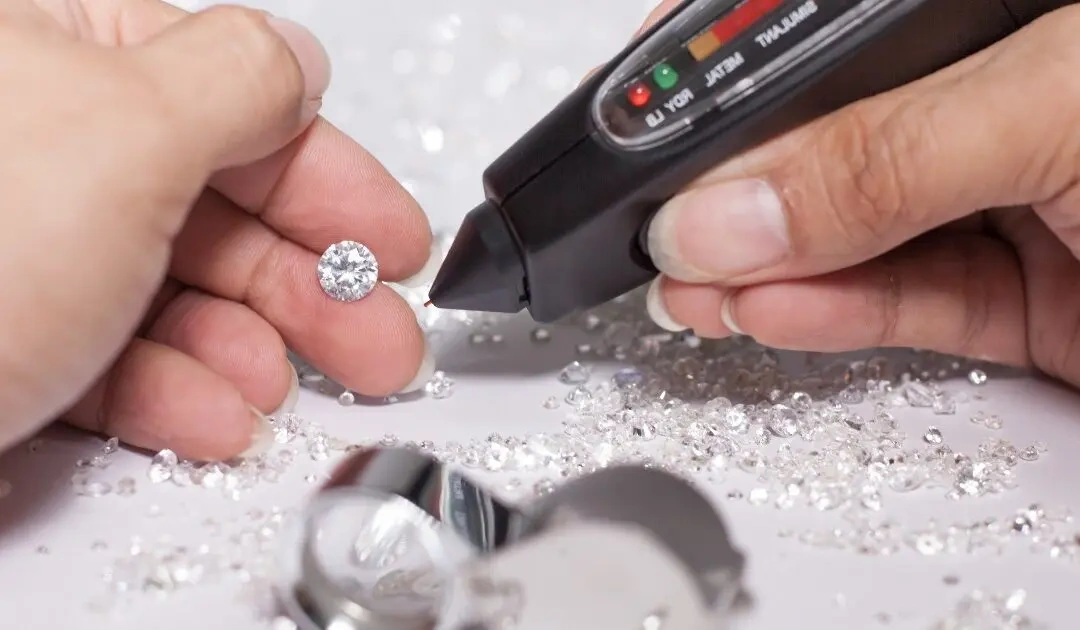

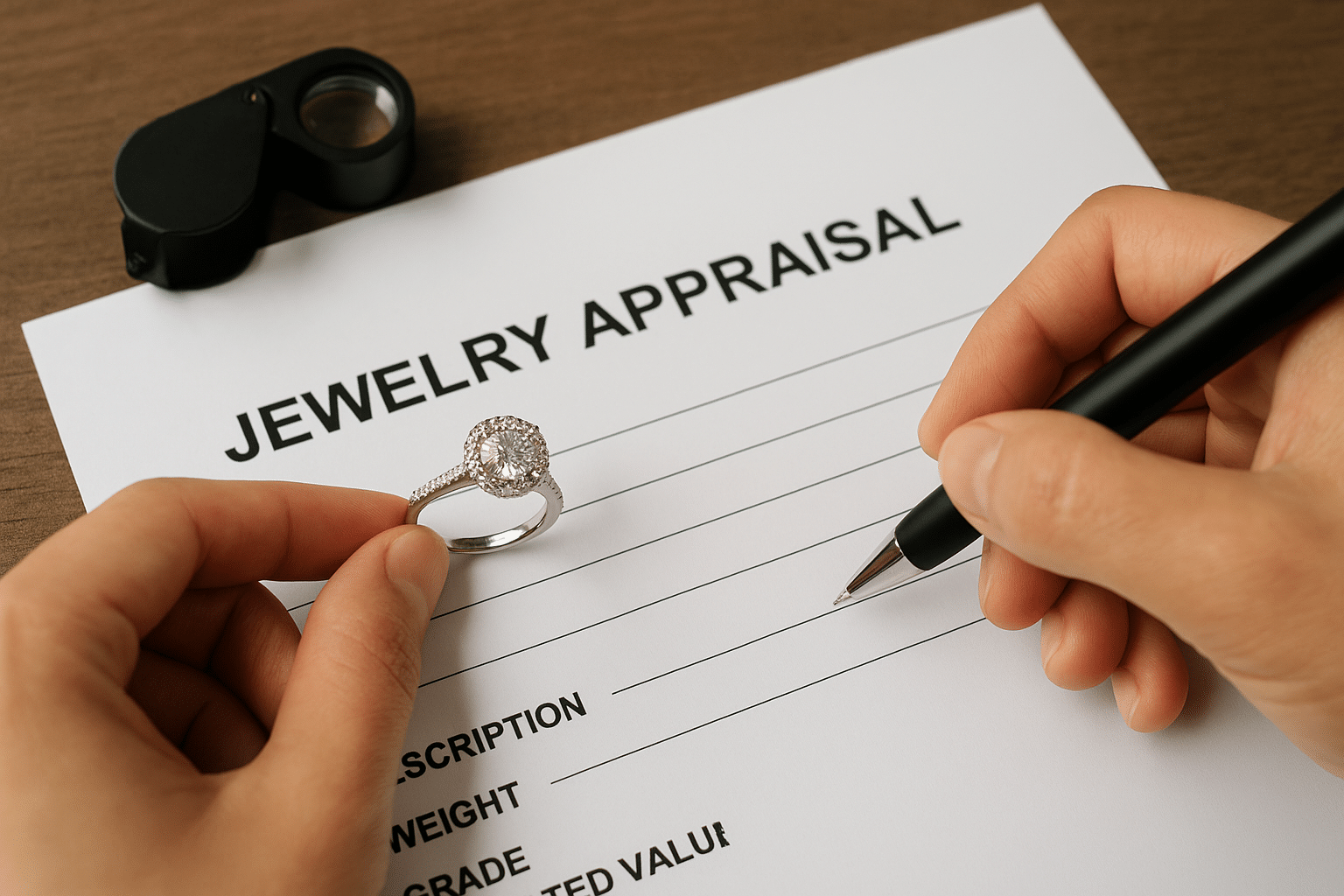
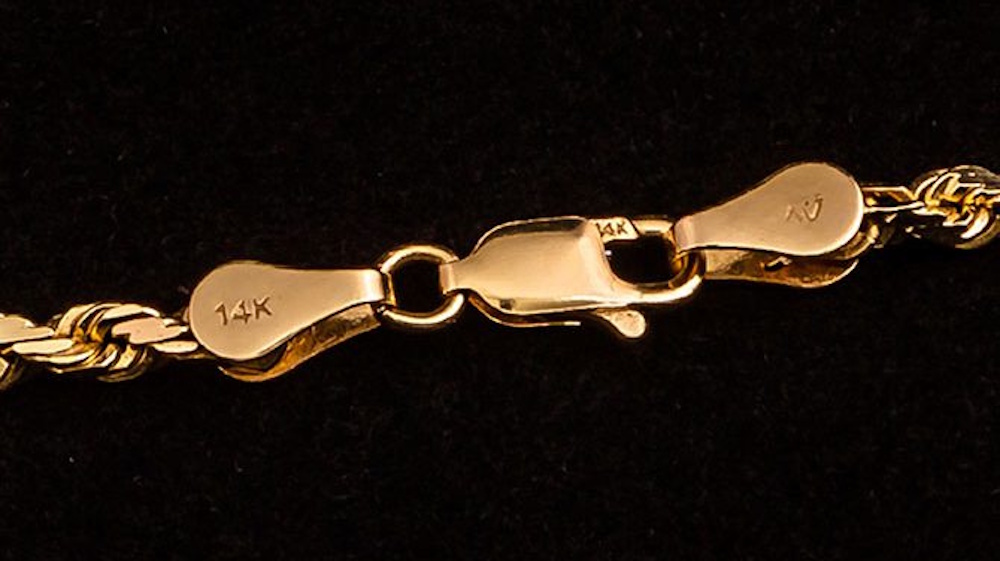
Tags
📧 Get More Articles Like This
Subscribe to receive product reviews and buying guides in your inbox!
We respect your privacy. Unsubscribe at any time.