How to Spot Fake Jewelry: Expert Tips to Avoid Getting Scammed When Shopping Online
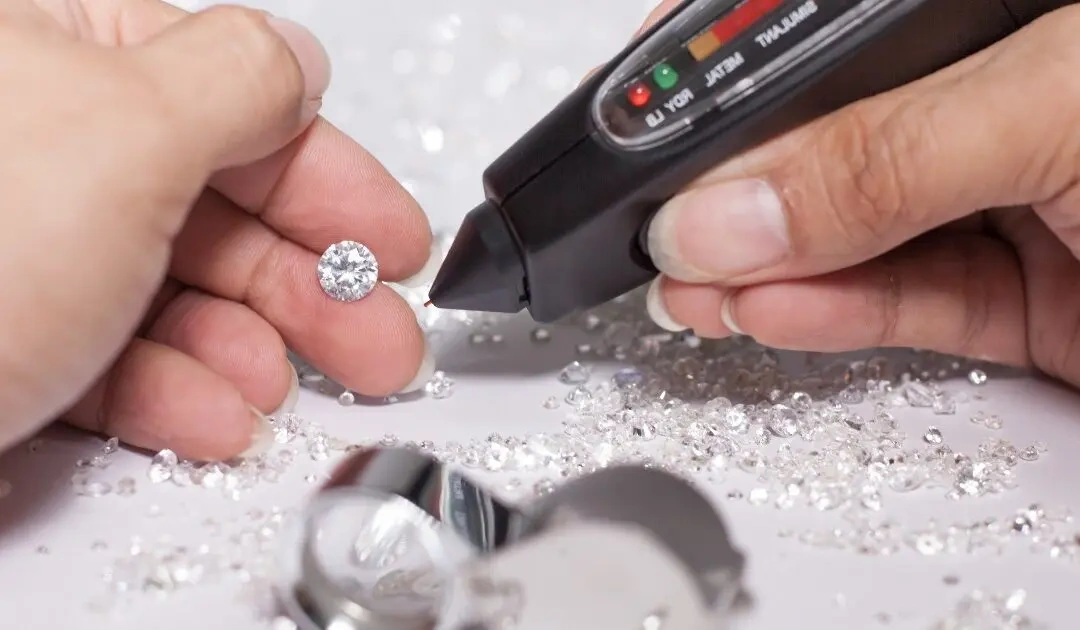
Table of Contents
- Introduction: The Hidden Danger of Online Jewelry Shopping
- 1. Understanding the Fake Jewelry Industry
- 2. Red Flags in Online Jewelry Listings
- 3. How to Authenticate Gold Jewelry
- 4. Diamond and Gemstone Verification Methods
- 5. Sterling Silver and Precious Metal Testing
- 6. Detecting Fake Designer and Branded Jewelry
- 7. Advanced Authentication Techniques
- 8. Safe Online Jewelry Shopping Practices
- 9. What to Do If You Receive Fake Jewelry
- 10. Professional Authentication Services
- Conclusion: Shopping Smart in the Digital Jewelry Market
- Frequently Asked Questions
Introduction: The Hidden Danger of Online Jewelry Shopping
The online jewelry market has exploded into a multi-billion dollar industry offering unprecedented convenience, selection, and competitive pricing that traditional brick-and-mortar stores struggle to match. With just a few clicks, you can browse thousands of engagement rings, purchase designer pieces from international sellers, or discover unique artisan jewelry from creators worldwide—all from the comfort of your home. This accessibility has democratized luxury, making fine jewelry available to broader audiences at various price points. However, this same convenience that makes online jewelry shopping so appealing also creates perfect conditions for fraud, deception, and sophisticated scams that separate unsuspecting buyers from their hard-earned money.
The counterfeit jewelry industry operates on a massive scale that most consumers don’t realize. Industry experts estimate that fake jewelry accounts for billions of dollars in annual sales globally, with sophisticated operations producing convincing replicas of everything from simple gold chains to elaborate diamond engagement rings and luxury branded pieces. These aren’t just obvious fakes sold by sketchy vendors—many counterfeit items are so well-crafted that even experienced jewelry enthusiasts can struggle to distinguish them from authentic pieces without proper testing equipment and knowledge.
The stakes are particularly high because jewelry purchases often represent significant financial investments and emotional commitments. An engagement ring might cost thousands or tens of thousands of dollars, representing months of savings and carrying profound sentimental value. Discovering that your expensive purchase is actually gold-plated brass, cubic zirconia masquerading as diamonds, or a counterfeit designer piece can be financially devastating and emotionally crushing. Beyond the monetary loss, there’s the embarrassment of giving or receiving fake jewelry, the difficulty of recovering funds from fraudulent sellers, and the violation of trust that comes with being deceived.
While the following demonstration highlights how to avoid being scammed when selling jewelry in 2026, there is still personal protection information and strategies lying in the exclusive details below this article - information you may not have discovered yet: :
The problem extends beyond outright counterfeits to include misleading descriptions, undisclosed treatments, and deceptive marketing practices that technically might not be illegal but certainly aren’t honest or ethical. Sellers might describe gold-plated items as “gold jewelry” without clearly stating they’re not solid gold, list lab-created diamonds as simply “diamonds” without disclosure, or use flattering photography and lighting that makes inferior quality stones appear more valuable than they actually are. These practices prey on consumers’ lack of expertise in gemology and precious metals, creating information asymmetries that favor dishonest sellers.
Online marketplaces compound these problems by providing anonymity and distance that make accountability difficult. A seller operating from another country can disappear after receiving payment, leaving buyers with fake jewelry and no recourse. Even legitimate-seeming websites with professional designs and polished marketing might be fronts for counterfeit operations. The global nature of online commerce means that legal protections vary dramatically, and pursuing fraud cases across international borders often proves impractical for individual consumers.
Consumer psychology plays directly into scammers’ hands. The desire to find great deals on expensive items creates motivated reasoning where buyers want to believe they’ve discovered legitimate jewelry at below-market prices. The “too good to be true” warning signs get rationalized away with thoughts like “maybe they’re just clearing inventory” or “online sellers have lower overhead so they can offer better prices.” This wishful thinking, combined with limited ability to physically inspect items before purchase, creates perfect conditions for fraud to flourish.
The sophistication of modern counterfeiting technology makes detection increasingly difficult. High-quality cubic zirconia can pass casual visual inspection as diamonds. Gold-plated jewelry with proper markings can fool buyers who don’t know how to properly test metals. Lab-created gemstones—which are chemically identical to natural stones but worth far less—can be sold as mined gems to buyers who lack gemological equipment. Even hallmarks and certifications can be faked convincingly enough to deceive people who don’t know what authentic versions should look like.
This comprehensive guide cuts through the confusion and provides you with expert knowledge to protect yourself when shopping for jewelry online. We’ll explore how to identify red flags in listings before you ever make a purchase; methods for authenticating different types of jewelry including gold, silver, diamonds, and gemstones; techniques for detecting fake designer pieces; advanced testing methods you can use at home or through professionals; safe shopping practices that minimize risk; and what to do if you receive fake jewelry despite your precautions.
Each section provides detailed, actionable information based on insights from professional gemologists, jewelry appraisers, metallurgists, fraud investigators, and experienced jewelry retailers. We emphasize practical techniques you can actually use rather than theoretical knowledge that sounds impressive but doesn’t help real purchasing decisions. We identify which authentication methods work reliably versus which are unreliable or require expensive equipment beyond most consumers’ means.
The goal isn’t making you paranoid about all online jewelry shopping or suggesting you should only buy from the most expensive retailers. Rather, we’re providing comprehensive information enabling informed decisions about where to shop, how to evaluate listings critically, which sellers to trust, and how to verify authenticity after purchase. Many legitimate online jewelry retailers offer excellent value, quality products, and honest service—learning to distinguish these from scammers protects you while still enabling access to online shopping’s genuine benefits.
Understanding jewelry authentication requires grasping some fundamental concepts about materials, manufacturing, valuation, and the economics of the jewelry industry. Why would someone create fake jewelry? What motivates these operations? How do pricing structures work for real jewelry versus counterfeits? What are the actual costs of precious metals and gemstones? Understanding these underlying factors helps you develop intuition about which deals might be legitimate and which are almost certainly fraudulent.
The financial stakes justify the time invested in education. Spending a few hours learning authentication techniques could save you thousands of dollars on a single purchase. The knowledge compounds over time—once you understand how to spot fake gold or test diamonds, you have these skills for life, protecting you across countless future purchases. The return on investment for jewelry education is exceptional compared to the actual investments you’ll make in jewelry itself.
Jewelry fraud affects everyone differently based on their purchasing patterns and price points. Someone buying a $50 fashion jewelry piece faces different risks than someone investing $5,000 in an engagement ring or $20,000 in a luxury watch. However, the fundamental principles of authentication and fraud detection apply across all price ranges. Whether you’re shopping budget-friendly accessories or high-end investment pieces, the ability to distinguish real from fake, authentic from counterfeit, and honest sellers from scammers provides tremendous value.
The evolving nature of online fraud means that staying informed requires ongoing attention. Scammers constantly develop new techniques, create more sophisticated fakes, and exploit emerging platforms and technologies. What worked to detect counterfeits five years ago might not catch today’s advanced replicas. Maintaining awareness of current fraud trends, new authentication methods, and emerging risks helps you stay protected as the landscape changes.
Your journey to becoming a savvy online jewelry shopper begins with understanding the scale and sophistication of the fake jewelry industry, learning to spot red flags before making purchases, mastering basic authentication techniques for different materials, and developing systematic approaches to evaluating sellers and listings. Armed with this knowledge, you can shop online with confidence, finding genuine value while avoiding costly mistakes that plague uninformed buyers.
Let’s dive deep into the world of jewelry authentication, exploring every aspect of identifying fakes, verifying authenticity, and shopping safely in the complex, sometimes treacherous world of online jewelry retail. Your ability to distinguish real from fake, valuable from worthless, and honest from fraudulent directly determines whether your online jewelry purchases bring joy and value or disappointment and financial loss.
1. Understanding the Fake Jewelry Industry
Before learning specific authentication techniques, understanding the counterfeit jewelry industry’s structure, motivations, and methods provides crucial context informing how you evaluate online purchases and assess risk across different shopping scenarios.
The Economics of Jewelry Counterfeiting
The counterfeit jewelry industry exists because profit margins are extraordinary. A fake gold necklace might cost $10-20 to produce including materials, labor, and basic packaging, but sells for $200-500 when marketed as genuine gold jewelry. A cubic zirconia ring in a gold-plated setting costs perhaps $15-30 to manufacture but can sell for $1,000-3,000 when presented as a diamond ring. These profit multiples—often 10x to 100x cost—create powerful financial incentives driving sophisticated counterfeiting operations.
The barrier to entry for jewelry fraud is relatively low compared to other counterfeiting markets. You don’t need the advanced printing technology required for currency counterfeiting or the pharmaceutical expertise needed for fake medications. Basic metalworking equipment, access to cubic zirconia and other diamond simulants, gold plating capabilities, and competent e-commerce skills enable establishing convincing fake jewelry operations. This accessibility means countless small-time scammers operate alongside larger organized operations.
Precious metal and gemstone markets provide cover for fraud through their inherent complexity and price opacity. Unlike standardized products where pricing is transparent and consistent, jewelry prices vary enormously based on factors like metal purity, stone quality, design, brand, and seller markup. This variability means buyers often can’t easily determine whether a price represents legitimate value or potential fraud. A diamond ring “normally” priced at $5,000 being offered for $2,000 might be a great deal from a seller with low overhead—or it might be a fake worth $50.
Common Counterfeit Categories
Understanding what types of jewelry are most frequently counterfeited helps you assess risk when shopping different categories.
Precious metal jewelry—particularly gold and silver items—ranks among the most commonly counterfeited products. Gold-plated brass or copper pieces marked with fake karat stamps deceive buyers into believing they’re purchasing solid gold. The weight difference between solid gold and plated base metals can help detection, but many buyers don’t think to weigh purchases or don’t know what authentic pieces should weigh.
Diamond and gemstone jewelry faces rampant counterfeiting through diamond simulants like cubic zirconia, moissanite, or white sapphire sold as natural diamonds without disclosure. Lab-created diamonds—which are chemically identical to mined diamonds but cost 40-70% less—are sometimes sold as natural diamonds at natural diamond prices. Similarly, lab-created rubies, sapphires, and emeralds might be marketed as natural stones, or lower-quality natural stones might be treated with heat, irradiation, or fracture filling without disclosure.
Designer and branded jewelry from companies like Tiffany, Cartier, Bulgari, or Pandora are extensively counterfeited because brand premiums create large gaps between production costs and retail prices. A genuine Tiffany bracelet might retail for $500 while a convincing fake costs $20 to produce, creating obvious profit potential. These counterfeits range from obvious fakes with misspelled brand names to sophisticated replicas that fool even some retail employees.
Vintage and antique jewelry markets attract fraud through completely fabricated pieces marketed as genuine antiques. Someone might create “Victorian” jewelry using modern techniques and materials, artificially age it, and sell it as a valuable antique. Alternatively, sellers might honestly sell reproduction pieces but buyers might not realize items are reproductions rather than genuine period jewelry.
Manufacturing and Distribution Networks
The global nature of counterfeit jewelry production and sales makes enforcement difficult and enables sophisticated operations spanning multiple countries.
Major manufacturing hubs for counterfeit jewelry exist in specific regions known for jewelry production capabilities and less stringent intellectual property enforcement. These operations often produce items that are technically legal in their home countries—creating jewelry that resembles branded pieces but doesn’t include actual trademarked names or exact design copies. These pieces then enter distribution channels where downstream sellers might add fake branding or make fraudulent claims about materials and authenticity.
Online marketplaces and platforms provide distribution channels connecting counterfeit manufacturers with global consumer markets. Major e-commerce sites, auction platforms, social media marketplaces, and dedicated jewelry sites all host varying amounts of counterfeit jewelry despite terms of service prohibiting such sales. The volume of listings and sellers makes comprehensive policing impractical, meaning responsibility for authentication largely falls on buyers themselves.
Drop-shipping models particularly enable jewelry fraud by completely separating the party making marketing claims from the party actually fulfilling orders. A seller might create slick marketing materials and product descriptions making specific authenticity claims while having never actually seen the products they’re selling. When orders arrive and prove fake, the drop-shipper can claim they were deceived by their supplier and shut down their storefront, only to pop up again under a new identity.
Why Fakes Are Getting Better
The quality of counterfeit jewelry has improved dramatically in recent years due to several technological and market factors.
Advanced manufacturing techniques including computer-aided design, precision casting, and automated production enable creating jewelry that closely mimics the appearance and even some physical properties of genuine pieces. Computer-controlled engraving can reproduce hallmarks and brand markings that previously required skilled artisans to fake convincingly.
Material science advances have produced increasingly convincing diamond simulants. Modern cubic zirconia, when properly cut and set, can fool casual observation. Moissanite—a diamond alternative that’s actually harder than cubic zirconia—passes some basic diamond tests that detect cubic zirconia, requiring more sophisticated testing for definitive identification. Lab-created diamonds prove virtually impossible to distinguish from natural diamonds without specialized gemological equipment.
Information availability through the internet helps counterfeiters study authentic jewelry in detail, learning exactly what hallmarks, packaging, certificates, and design details should look like. High-resolution photographs of genuine items provide reference materials enabling precise replication. Even security features can be researched and copied.
Economic incentives drive continuous improvement as counterfeiters compete for market share and adapt to authentication methods. When buyers learn to detect one type of fake, counterfeiters evolve their techniques, creating an arms race between fraud and authentication.
Legal and Enforcement Challenges
The legal environment surrounding counterfeit jewelry creates challenges for both prevention and recovery when fraud occurs.
Jurisdictional issues complicate enforcement when sellers operate internationally. A buyer in the United States who receives fake jewelry from a seller in another country faces practical and legal obstacles to recovery. International cooperation on intellectual property enforcement varies widely, and many jurisdictions prioritize more serious crimes over jewelry fraud cases involving individual consumers.
Platform liability limitations mean most online marketplaces aren’t legally responsible for counterfeit items sold by third-party sellers using their platforms. While these platforms might remove listings or sellers when violations are reported, they typically don’t compensate buyers who receive fake items. Buyer protection programs vary in coverage and effectiveness.
Criminal prosecution of jewelry fraud requires proving intent to defraud, which can be difficult when sellers can claim they were themselves deceived or that product descriptions were merely misleading rather than explicitly false. Many jewelry fraud cases fall into civil rather than criminal categories, meaning victims must pursue private lawsuits rather than relying on law enforcement.
Shop on AliExpress via link: wholesale-jewelry-tester
Understanding the counterfeit jewelry industry’s structure, economics, and methods provides essential context for evaluating online purchases. Recognizing that sophisticated operations create increasingly convincing fakes, that profit margins incentivize ongoing fraud, and that legal recourse is limited emphasizes the importance of authentication skills and careful purchasing practices. The next sections translate this understanding into practical techniques for spotting fakes and protecting yourself when shopping online.
2. Red Flags in Online Jewelry Listings
Learning to identify warning signs in online jewelry listings before making purchases prevents most fraud by simply avoiding suspicious sellers and too-good-to-be-true offers that almost certainly involve fake or misrepresented jewelry.
Pricing Red Flags
Unrealistic pricing represents the single biggest warning sign of potential jewelry fraud.
Prices significantly below market value for precious metals and gemstones should trigger immediate skepticism. If gold trades at $2,000 per ounce and a gold necklace weighing one ounce sells for $500, the math doesn’t work unless the piece is fake or the gold content is misrepresented. Similarly, natural diamonds have relatively consistent pricing based on the 4Cs (cut, color, clarity, carat), and offers dramatically below these established price points likely involve fake diamonds or misleading descriptions.
“Too good to be true” deals overwhelmingly prove fake upon investigation. That designer bracelet normally retailing for $2,000 being offered for $200 is almost certainly counterfeit. The luxury watch “originally $10,000” selling for $500 is fake. Legitimate luxury jewelry doesn’t get discounted 90% except under very specific, verifiable circumstances like estate sales with proper documentation.
Vague pricing justifications like “liquidation sale,” “factory direct,” or “closeout pricing” without specific, verifiable details should raise suspicion. Legitimate sellers having genuine sales can provide specific reasons—store closing, overstock of specific items, seasonal clearance—while fraudsters use vague language hoping to make suspicious pricing seem plausible without providing checkable details.
Seller Red Flags
Characteristics of the seller itself often indicate fraud risk before you even evaluate specific products.
New sellers or accounts with limited history pose higher risk than established sellers with long track records. While everyone starts somewhere and new sellers aren’t automatically fraudulent, limited history means less information for evaluating trustworthiness. Scammers frequently create new accounts after previous ones get shut down for fraud.
Generic or obviously fake business names like “Best Jewelry Shop” or “Luxury Watches USA” with no verifiable business registration, physical address, or other identifying information suggest operations designed for anonymity enabling easy disappearance after scamming customers. Legitimate businesses have identifiable owners, registered business entities, and physical presences even if they operate primarily online.
Poor communication quality including broken English, generic responses that don’t answer specific questions, or evasiveness about product details indicates sellers who either don’t actually understand the jewelry they’re selling or are deliberately avoiding providing information that would expose fraud.
Pressure tactics like limited-time offers, claims that “only 2 left in stock,” or statements that deals will disappear if you don’t buy immediately are classic manipulation techniques designed to bypass critical thinking. Legitimate sellers don’t need to pressure buyers into rushed decisions.
Resistance to questions or requests for additional photos, videos, certification details, or other documentation suggests sellers hiding something. Honest sellers welcome questions and provide information helping buyers make informed decisions. Evasiveness or refusal to provide standard documentation indicates probable fraud.
Product Description Red Flags
How jewelry is described and presented in listings reveals much about authenticity and seller honesty.
Vague or ambiguous descriptions avoiding specific claims about materials enable plausible deniability if items prove fake. Describing something as “gold-colored” rather than “gold,” “diamond-like” rather than “diamond,” or “luxury style” rather than actually identifying the brand allows sellers to claim they never explicitly said items were genuine when they’re actually fake.
Missing or incomplete specifications like not stating gold karat, diamond grades, gemstone treatments, metal types, or weights suggests sellers either don’t know these details (indicating they’re not legitimate jewelry sellers) or are deliberately omitting information that would reveal poor quality or fake materials.
Inconsistent information where photos show different items than descriptions claim, weights don’t match stated dimensions, or gemstone quantities don’t align with visual counts indicates careless fraud or outright scams using photos of genuine jewelry while shipping fakes.
Stock photos or images obviously taken from other sources rather than actual product photos should raise immediate suspicion. Reverse image searching product photos can reveal when sellers are using images from legitimate retailers or manufacturers’ websites rather than photographing actual items they possess and will ship.
Fake certifications or made-up gemological laboratory names fool buyers unfamiliar with legitimate certification organizations. Genuine diamonds and colored gemstones should have certificates from recognized laboratories like GIA (Gemological Institute of America), AGS (American Gem Society), IGI (International Gemological Institute), or other established organizations. Certificates from unknown “labs” with official-sounding names are often entirely fabricated.
Photography and Presentation Red Flags
How jewelry is photographed and presented provides clues about authenticity and seller legitimacy.
Overly perfect or professional photographs that seem inconsistent with a small individual seller’s capabilities might be stolen from legitimate retailers. Professional product photography requires expensive equipment and expertise unlikely for casual sellers claiming to sell small quantities of jewelry from home.
Lighting and editing that obscures details or makes inferior items appear higher quality than they are misleads buyers about actual appearance. Extremely bright lighting can hide color issues in gemstones, heavy editing can make fake stones appear more brilliant, and selective focus can hide quality problems with metal finishing.
Lack of scale references or size comparisons makes it difficult to judge actual jewelry dimensions. Scammers sometimes use photography making small, cheap items appear larger and more substantial than they actually are.
Missing close-up detail shots of hallmarks, clasp mechanisms, stone settings, or other features that would enable authenticity verification suggests sellers don’t want buyers examining these details too closely.
Review and Reputation Red Flags
Customer feedback and seller reputation require careful analysis rather than just glancing at overall ratings.
Fake positive reviews created by sellers or purchased from review farms can create false impressions of legitimacy. Look for reviews that seem generic, use similar phrasing, or don’t include specific details that suggest genuine customer experiences. Be especially suspicious of numerous five-star reviews posted in short timeframes.
Missing negative reviews despite long selling history might indicate sellers deleting critical feedback or the platform removing reviews (which sometimes happens but can also suggest problems). Legitimate sellers inevitably have some dissatisfied customers, so entirely perfect feedback can actually be suspicious.
Review complaints mentioning common fraud indicators like receiving items different from descriptions, jewelry testing as fake materials, or difficulty getting refunds should be taken seriously even if they’re outnumbered by positive reviews. Even a small percentage of these complaints indicates significant risk.
Seller responses to negative reviews that are defensive, blame customers, or don’t address specific problems raised suggest sellers more concerned with reputation management than actually fixing legitimate issues.
Return Policy and Guarantee Red Flags
Terms around returns, refunds, and authenticity guarantees reveal seller confidence and consumer protection.
Restrictive or absent return policies that make returns difficult or impossible signal sellers who know products won’t meet customer expectations. Legitimate jewelry sellers typically offer reasonable return windows and clear return processes.
No authenticity guarantees or vague statements that avoid making specific promises about materials and quality indicate sellers who know their products can’t withstand authentication testing. Genuine jewelry sellers confidently guarantee authenticity because they know items will pass testing.
Requirements for returns that are unreasonable—like demanding buyers pay return shipping internationally, imposing restocking fees approaching the purchase price, or requiring items be returned in impossible-to-verify “original condition”—effectively prevent returns while technically offering return policies.
Website and Platform Red Flags
For dedicated jewelry websites rather than marketplace sellers, the website itself provides clues about legitimacy.
Recently created domains with no history suggest websites set up specifically for fraud. Checking domain registration dates through WHOIS searches can reveal brand-new sites claiming long business histories.
Poor website quality including broken links, placeholder text, grammatical errors, or obviously template-based designs with minimal customization suggests low-effort operations unlikely to be legitimate jewelry retailers.
Lack of contact information beyond email forms, or contact details that prove non-functional when tested, indicates sellers trying to avoid direct communication that might expose fraud.
Missing security certificates or payment processing through unusual channels rather than established, secure processors suggests either technical incompetence or deliberate avoidance of mainstream payment processors that provide buyer protections.
Identifying these red flags requires critical evaluation rather than taking listings at face value. Most jewelry fraud could be avoided simply by heeding warning signs before making purchases. When you encounter multiple red flags in a single listing or from a particular seller, the wise choice is walking away regardless of how good the deal seems. Protecting yourself from fraud requires resisting temptation and maintaining skepticism when things don’t add up.

3. How to Authenticate Gold Jewelry
Gold jewelry authentication requires understanding gold purity marking systems, visual inspection techniques, and simple tests you can perform to distinguish solid gold from gold-plated or fake gold items.
Understanding Gold Purity and Markings
Gold purity is measured in karats (not to be confused with carats for gemstone weight), with 24 karat representing pure gold. However, pure gold is too soft for most jewelry applications, so it’s typically alloyed with other metals for durability.
Common gold purities include 24K (pure gold, 99.9% gold content), 22K (91.7% gold), 18K (75% gold), 14K (58.3% gold), and 10K (41.7% gold). Understanding these percentages helps evaluate whether gold jewelry pricing makes sense given the actual gold content. An 18K gold ring contains significantly more gold by weight than a 14K ring of the same size.
Hallmarks and stamps indicating gold purity should appear somewhere on jewelry items—typically inside ring bands, on clasp backs, or near chain closures. In the United States, legitimate markings include “10K,” “14K,” “18K,” or “22K.” European markings use a three-digit fineness system: “375” for 9K, “585” for 14K, “750” for 18K, and “916” or “917” for 22K.
However, fake gold jewelry often includes fake hallmarks, so stamps alone don’t guarantee authenticity. Counterfeiters know buyers check for markings, so they simply stamp fake gold with “14K” or “18K” marks despite containing no gold or being only gold-plated.
Visual Inspection Techniques
Careful visual examination can reveal many fake gold items before conducting any tests.
Look for discoloration or color inconsistencies where gold plating has worn thin, revealing different-colored base metal underneath. Areas experiencing frequent friction—jewelry backs, clasp edges, or anywhere jewelry rubs against skin or clothing—often show wear first on plated items. Genuine solid gold maintains consistent color because it’s gold throughout, not just on the surface.
Examine edges and wear points closely. Gold plating is extremely thin—typically just microns thick—so any significant wear will expose base metal. Use magnification if available to inspect suspicious areas more carefully.
Check for unusual lightness. Gold is dense and heavy—significantly heavier than most base metals except perhaps tungsten. Gold jewelry should feel substantial for its size. Extremely lightweight items claiming to be solid gold are almost certainly hollow, gold-plated, or fake.
Inspect any gemstone settings or connection points. Fake gold jewelry often has less precise and refined construction than genuine pieces. Sloppy solder joints, rough finishing, or obviously cheap stone settings indicate overall low quality inconsistent with valuable gold jewelry.
The Magnet Test
Gold is not magnetic, so this simple test can reveal some fakes immediately.
Hold a reasonably strong magnet (rare earth magnets work better than standard refrigerator magnets) near the jewelry. If the piece shows magnetic attraction, it contains significant amounts of magnetic metals like iron, nickel, or steel—meaning it’s not solid gold. However, note that some gold alloys might contain small amounts of magnetic metals, and gold-plated items with non-magnetic base metals won’t react to magnets either, so this test identifies some fakes but doesn’t confirm authenticity.
The Acid Test
Acid testing for gold purity provides reliable authentication but requires purchasing acid testing kits and using them carefully.
Gold testing kits contain acids of different strengths designed to test different gold purities. The principle is that genuine gold doesn’t react with certain acids while base metals and lower-purity gold do react, changing color or dissolving.
To perform the test, make a small scratch on an inconspicuous area of the jewelry (testing is slightly destructive, so choose hidden spots). Apply a tiny drop of the appropriate testing acid to the scratch. Genuine gold matching the acid strength won’t change color, while fake gold or lower purity gold will show a color change reaction.
Different acid strengths test for different purities—10K, 14K, 18K, and 22K acids are common. Start with the acid matching the claimed purity. If the metal doesn’t react, it’s at least that purity. If it reacts, try lower purity acids until you determine the actual gold content.
This method is reliable and used by professional jewelers, but requires comfort working with acids and accepting minor damage to jewelry from scratching test areas.
The Ceramic Test
A non-destructive but less definitive test involves dragging jewelry across unglazed ceramic.
Find an unglazed ceramic tile or plate—the unfinished back of ceramic tiles works well. Drag the gold jewelry firmly across the ceramic surface. Genuine gold leaves a yellow or golden streak, while fake gold leaves a black or different-colored streak.
This test works because genuine gold is softer than ceramic and leaves metal residue, while many base metals are harder or leave different-colored marks. However, some gold-plated items can pass this test since you’re testing the surface, and some quality fake gold can produce gold-colored streaks, so use this as a preliminary check rather than definitive proof.
The Density Test
Gold’s exceptional density can be measured to verify authenticity, though this requires more effort than simpler tests.
Weigh the jewelry piece precisely using a gram scale. Fill a graduated cylinder or measuring cup with water and note the exact water level. Submerge the jewelry completely and note the new water level. The difference in water levels gives you the volume.
Calculate density by dividing weight by volume. Pure 24K gold has a density of 19.32 g/cm³. Lower karat gold has proportionally lower density: 14K is approximately 12.9-14.6 g/cm³ depending on the alloy metals used, 18K is about 15.2-15.9 g/cm³.
If calculated density is significantly lower than appropriate for claimed karat, the piece is likely fake or lower purity than marked. However, this test requires accurate measurements and understanding that exact density varies based on specific alloys used.
The Skin Discoloration Test
Genuine gold doesn’t typically cause skin discoloration, while some fake gold or base metals do.
Wear the jewelry for several hours or days, particularly in situations causing perspiration. Check skin for green, black, or dark discoloration where jewelry contacts skin. Genuine gold is highly unreactive and won’t discolor skin, while copper (often used in fake gold or low-quality alloys) causes green discoloration, and other base metals can cause dark marks.
However, this test isn’t foolproof—some people’s skin chemistry reacts even with genuine gold alloys, and some fake gold might not cause discoloration. Use it as supporting evidence rather than definitive proof.
Professional Testing
For expensive pieces or when authentication is critical, professional testing provides definitive answers.
Local jewelers often offer gold testing services, sometimes free for potential customers. They use acid testing, electronic gold testers that measure electrical conductivity, or X-ray fluorescence (XRF) analyzers that can determine precise metal composition without damaging jewelry.
X-ray fluorescence testing is non-destructive and extremely accurate, analyzing the exact percentages of all metals present in the alloy. This is the gold standard (pun intended) for authentication, though XRF machines are expensive so only larger jewelers and testing facilities have them.
Interpreting Combined Results
No single test provides absolute certainty for all situations. Combining multiple tests gives more confident authentication.
If jewelry passes the magnet test, acid test, density test, and professional visual inspection by an experienced jeweler, you can be highly confident it’s genuine gold at the marked purity. Conversely, failing any of these tests strongly suggests fake or misrepresented gold.
For online purchases, you can’t perform these tests before buying. Instead, use seller reputation, pricing analysis, description evaluation, and red flag identification to assess risk before purchase, then authenticate items immediately upon receipt and pursue returns or refunds if items prove fake.
Gold authentication combines visual inspection, simple at-home tests, and professional verification when stakes warrant the expense. Understanding how to evaluate gold jewelry protects you from common scams while enabling confident purchases when items prove authentic.
4. Diamond and Gemstone Verification Methods
Diamonds and colored gemstones present particularly challenging authentication because high-quality simulants can fool casual observation, requiring more sophisticated testing methods to distinguish real from fake, natural from lab-created, and treated from untreated stones.
Understanding Diamond Simulants and Alternatives
Multiple materials simulate diamonds’ appearance while costing far less than natural diamonds.
Cubic zirconia (CZ) represents the most common diamond simulant, created in laboratories specifically to imitate diamonds. CZ is optically very different from diamond under testing, but to the untrained eye it appears remarkably similar—clear, brilliant, and sparkly. However, CZ is softer than diamond, more heat-conductive, and has different optical properties detectable with proper testing.
Moissanite is a naturally occurring mineral (silicon carbide) now created in laboratories for jewelry use. Moissanite actually has more brilliance and “fire” than diamonds, which can make it appear almost too sparkly. It’s harder than cubic zirconia, approaching diamond’s hardness, and passes some basic diamond tests that detect CZ, requiring more sophisticated testing for identification.
White sapphire, white topaz, and other colorless natural gemstones sometimes substitute for diamonds in jewelry. These are legitimate gemstones with their own value, but they’re worth far less than diamonds of comparable size and shouldn’t be sold as diamonds.
Lab-created (synthetic) diamonds are chemically identical to natural diamonds—they’re real diamond material created in laboratories rather than mined from the earth. They’re not fake, but they’re worth 40-70% less than natural diamonds of equivalent quality. The issue isn’t that lab diamonds are fake but rather that they’re sometimes sold as natural diamonds at natural diamond prices without disclosure.
Visual Diamond Inspection
Careful examination reveals clues about diamond authenticity, though visual inspection alone isn’t definitive.
The transparency test involves looking at printed text through the stone. Diamond’s high refractive index means you typically cannot read text clearly through a genuine diamond, while many simulants have lower refractive indexes allowing text to be legible. This test works best with loose stones rather than mounted jewelry.
Brilliance and fire observation requires knowing what real diamonds look like. Diamonds have distinctive sparkle combining white light brilliance and colored spectral “fire.” Cubic zirconia tends to have more colored flash than diamonds, appearing almost too rainbow-like. Moissanite has excessive fire compared to diamonds. Learning to recognize diamond’s specific optical characteristics helps identify simulants.
Facet edge sharpness differs between diamonds and softer simulants. Diamond is the hardest natural material, so facet edges and junction points remain razor-sharp. Softer simulants like cubic zirconia show wear on facet edges more quickly, developing slightly rounded edges over time.
Inclusion patterns within stones provide clues. Natural diamonds almost always contain some inclusions—tiny imperfections visible under magnification. Perfectly flawless stones are extremely rare and valuable, so a “perfect” diamond at moderate prices is suspicious. However, lab-created diamonds can also be flawless, and high-quality natural diamonds might have inclusions too small to see without magnification, so inclusion presence or absence isn’t definitive.
The Fog Test
This simple test exploits thermal conductivity differences between diamonds and most simulants.
Breathe on the stone as if fogging a mirror, creating moisture condensation on the surface. Genuine diamonds disperse heat extremely quickly, so fog evaporates almost instantly. Cubic zirconia and other simulants retain heat longer, so fog lingers for several seconds.
However, moissanite also disperses heat quickly (though not quite as fast as diamond), so this test detects cubic zirconia but might not differentiate moissanite from diamond.
The Water Test
Diamond’s high density makes it sink in water, while some lower-density simulants float.
Fill a glass with water and gently drop the loose stone into the water. Real diamonds sink immediately due to their high density (3.52 g/cm³). Some simulants with lower density might float or sink more slowly.
This test only works with loose stones—mounted jewelry includes metal that affects how pieces behave in water. Also, cubic zirconia’s density (5.6-6.0 g/cm³) actually exceeds diamond’s, so CZ also sinks, making this test less useful for detecting common simulants.
UV Light Testing
Many diamonds fluoresce under ultraviolet light, though not all do, and some simulants also fluoresce.
Expose the stone to UV light (a UV flashlight or black light works). Many natural diamonds glow blue under UV light due to trace elements in their crystal structure. However, not all diamonds fluoresce—the absence of fluorescence doesn’t mean a stone is fake. Additionally, some diamond simulants and lab-created diamonds also fluoresce, so this test is inconclusive in either direction.
Diamond Testers
Electronic diamond testers provide affordable, fairly reliable authentication tools.
Thermal diamond testers measure heat conductivity. You press the probe against the stone, and the device determines whether heat dispersion matches diamond characteristics. These testers reliably distinguish diamonds from cubic zirconia but give false positives for moissanite, which has similar thermal properties to diamond.
Electrical conductivity diamond testers use a different approach, measuring how materials conduct electricity. Moissanite conducts electricity while diamond doesn’t, so these testers differentiate moissanite from diamond. Using both a thermal tester and an electrical tester in combination provides confident differentiation between diamonds, moissanite, and cubic zirconia.
Quality diamond testers cost $30-100 and are worthwhile investments if you frequently purchase diamond jewelry. However, ensure you’re buying reputable testers from reliable sources—fake diamond testers exist that give unreliable results!
Gemstone Certifications
For significant diamond purchases, certification from recognized gemological laboratories provides professional authentication and quality grading.
Genuine certificates from GIA (Gemological Institute of America), AGS (American Gem Society), IGI (International Gemological Institute), EGL (European Gemological Laboratory), or other established organizations include detailed specifications about the diamond including carat weight, cut grade, color grade, clarity grade, proportions, and verification that the stone is a natural diamond.
Certificates include unique report numbers that can be verified on the issuing laboratory’s website, allowing you to confirm the certificate isn’t fake. The certificate should match the stone—laser inscriptions on diamond girdles can be checked to ensure the stone corresponds to the certificate.
Be suspicious of certificates from unknown “laboratories” with official-sounding names. Scammers create fake certificates that look legitimate but come from non-existent organizations. Only accept certificates from recognized, established gemological laboratories.
Colored Gemstone Authentication
Colored gemstones including rubies, sapphires, emeralds, and others face similar authentication challenges as diamonds.
Natural versus lab-created determination requires gemological testing. Lab-created rubies, sapphires, and emeralds are chemically identical to natural stones, making visual differentiation impossible. Professional gemologists using microscopic examination can identify growth patterns distinguishing lab-created stones from natural stones, but this requires expertise and equipment beyond most consumers.
Treatment disclosure represents a major issue in colored gemstones. Many natural gemstones undergo treatments like heating, irradiation, diffusion, or fracture filling to improve color or clarity. Treated stones are worth less than untreated stones of equivalent appearance, but treatments aren’t always disclosed to buyers. Professional certification from recognized laboratories should identify any treatments.
Synthetic simulants differ from lab-created actual gemstones. Lab-created rubies are still rubies (corundum), while synthetic ruby simulants might be colored glass or other materials that look like ruby but aren’t actually corundum. These simulants are easily distinguished from real rubies by jewelers but might fool casual buyers.
Professional Gemological Testing
For expensive gemstone purchases, professional testing provides definitive authentication and quality assessment.
Gemological laboratories offer comprehensive stone testing services including species identification (confirming what mineral the gemstone actually is), treatment detection, origin determination, quality grading, and authentication of natural versus lab-created stones. Services cost $50-300+ depending on testing depth and stone size.
Local jewelers often offer basic gemstone testing, though their equipment and expertise varies. They might confirm whether a stone is genuine versus a simulant, but detailed treatment detection and origin determination requires specialized laboratories.
X-ray diffraction, spectroscopy, and microscopic examination by professional gemologists provide definitive answers about gemstone authenticity, treatments, and origins for situations where accurate information is critical.
Shop on AliExpress via link: wholesale-diamond-tester
Diamond and gemstone authentication requires combining visual inspection, simple tests you can perform at home using affordable tools like diamond testers, and professional certification and testing for expensive purchases. Understanding that multiple types of diamond alternatives exist—including simulants like CZ and moissanite as well as lab-created actual diamonds—helps you ask the right questions and use appropriate testing methods. Never rely on seller claims alone for expensive gemstone purchases; independent verification protects you from fraud and ensures you receive accurately described stones.
5. Sterling Silver and Precious Metal Testing
Sterling silver and other precious metals beyond gold require specific authentication techniques addressing the particular ways these materials are commonly faked or misrepresented in jewelry.
Understanding Sterling Silver Markings
Sterling silver consists of 92.5% pure silver alloyed with 7.5% other metals (typically copper) for durability. Pure silver is too soft for most jewelry applications, so the sterling alloy provides strength while maintaining silver’s appearance and properties.
Legitimate sterling silver markings include “925,” “Sterling,” or “Ster” stamped somewhere on the jewelry. The “925” indicates 92.5% silver content. Similar to gold, however, fake silver jewelry often includes fake hallmarks, so stamps alone don’t guarantee authenticity.
Other silver purity markings exist for different applications. “999” or “Fine Silver” indicates 99.9% pure silver, occasionally used for jewelry but more common in bullion. “900” indicates 90% silver. “800” marks 80% silver, common in antique European silver.
Silver-plated items might be marked “EP” (electroplated), “Silver Plate,” or “SP,” though these markings are often absent entirely. Absence of any marking on supposed silver jewelry should raise suspicion—legitimate manufacturers mark their silver jewelry.
Visual Silver Inspection
Examining silver jewelry carefully reveals clues about authenticity.
Look for tarnish patterns. Genuine silver tarnishes naturally when exposed to air over time, developing a yellowish or blackish patina. This tarnish can be cleaned off, but its presence indicates reactive metal consistent with silver. Base metals that appear silver-colored initially often don’t tarnish in the same way—some stay bright while others develop different types of discoloration.
Check for wear on supposedly silver-plated items. Silver plating is thin, so areas subject to friction show wear revealing different-colored base metal underneath. Examine backs of settings, insides of rings, and clasp edges for color differences indicating plating rather than solid silver.
Inspect overall construction quality. Genuine sterling silver jewelry typically shows quality craftsmanship—smooth finishing, properly aligned components, and attention to detail. Cheap fake silver often has rough edges, poor stone settings, or obviously low-quality construction.
The Magnet Test
Silver is not magnetic, so this simple test eliminates some fakes.
Hold a strong magnet near the jewelry. If the piece shows magnetic attraction, it contains significant magnetic metals like iron or nickel—it’s not pure silver or sterling silver. However, as with gold, this test doesn’t confirm authenticity since silver-plated items with non-magnetic base metals also won’t react to magnets.
The Ice Test
Silver has exceptional thermal conductivity—the best of any metal—creating a unique testing opportunity.
Place an ice cube on top of the silver jewelry and observe how quickly it melts. Genuine silver conducts heat so efficiently that ice melts remarkably quickly when placed on silver, even at room temperature. The silver pulls heat from the surrounding environment and transfers it to the ice.
If ice melts noticeably faster on the metal than it would sitting on a non-metallic surface, the material has high thermal conductivity consistent with silver. If ice melts at normal rates, the metal is probably not silver.
This test works best with larger, solid silver pieces that have enough thermal mass to pull substantial heat from the environment. It’s less reliable with thin, small jewelry items.
The Acid Test
Similar to gold testing, acid tests provide reliable silver authentication.
Silver testing acid (nitric acid specifically formulated for silver testing) can be purchased as part of precious metal testing kits. Make a small, inconspicuous scratch on the jewelry to expose fresh metal. Apply a tiny drop of silver testing acid to the scratch.
Genuine sterling silver turns the acid a creamy color. Silver-plated items initially might show the creamy reaction if the scratch exposed the silver plating, but further testing on deeper scratches revealing base metal will show different color reactions. Non-silver metals typically turn the acid green, brown, or other colors distinct from the creamy color of genuine silver.
As with gold acid testing, this method is reliable but requires purchasing acid testing kits and accepting minor damage from scratching test areas on jewelry.
The Bleach Test
Silver reacts distinctively with bleach, though this test is somewhat destructive so use caution.
Apply a tiny drop of household bleach to an inconspicuous area of the jewelry. Genuine silver tarnishes rapidly when exposed to bleach, developing a black or dark grey discoloration almost immediately. Other metals either don’t react or react differently.
Clean the bleach off quickly after observing the reaction, as prolonged exposure damages silver jewelry. This test should be a last resort for authentication since it intentionally tarnishes the silver, requiring subsequent cleaning and polishing.
The Sound Test
Sterling silver produces a distinctive ringing sound when struck, sometimes called the “ring test.”
Hold the jewelry piece gently or suspend it, then tap it with another piece of metal or hard object. Genuine silver produces a clear, high-pitched ringing sound that resonates for a moment. Fake silver or base metals produce a dull, flat sound without resonance.
This test works best with larger items like bracelets or pendants that have enough mass to vibrate and produce clear sound. Small earrings or thin chains might not produce audible ring regardless of authenticity.
The Smell Test
Pure silver and sterling silver are odorless, while some base metals have distinctive smells.
Rub the jewelry between your hands or hold it in your palm for a minute to warm it, then smell it. Genuine silver has no smell. Some base metals, particularly those containing copper, nickel, or brass, develop metallic odors when warmed and handled. A metallic smell indicates the piece probably isn’t pure silver.
Platinum and Palladium Testing
Platinum and palladium, other precious metals used in jewelry, require specific authentication approaches.
Platinum markings include “PT,” “PLAT,” or “950 PLAT” indicating 95% platinum purity, the most common platinum alloy for jewelry. “900 PLAT” indicates 90% platinum.
Platinum is extremely dense and heavy—noticeably heavier than gold of equivalent size. Surprising lightness in supposedly platinum jewelry suggests fake or misrepresented metal.
Professional testing for platinum typically uses acid testing similar to gold and silver testing, but with platinum-specific acids. Electronic testers can also differentiate platinum from other white metals.
Palladium, a less expensive platinum group metal, is marked “PD” or “950 PD.” It’s lighter than platinum but still denser than silver, and also requires professional or acid testing for definitive authentication.
White Gold Considerations
White gold (gold alloyed with white metals like palladium or nickel, often plated with rhodium) is sometimes confused with silver or platinum.
White gold should be marked with gold purity stamps like “14K” or “18K” despite its white appearance. The presence of gold stamps indicates white gold rather than silver.
White gold is significantly heavier than silver due to gold’s high density, so unusual heaviness for supposed silver jewelry might actually be white gold.
Professional testing easily distinguishes white gold from silver through acid testing, X-ray fluorescence, or electronic testing.
Professional Silver Testing
For valuable silver items or antiques where authenticity is crucial, professional testing provides definitive answers.
X-ray fluorescence analyzers determine exact metal composition non-destructively, confirming silver content and identifying any alloy metals.
Destructive assay testing involves chemically analyzing small samples of the metal to determine precise composition. This is the most accurate method but requires removing a tiny amount of metal from the item.
Appraisers and precious metal dealers offer testing services, often at modest cost. For antique silver, professional authentication also includes identifying maker’s marks, dating pieces, and determining value beyond just metal content.
Silver authentication combines visual inspection, simple at-home tests exploiting silver’s distinctive properties (thermal conductivity, chemical reactivity, sound), and professional testing when stakes warrant. Understanding that fake silver markings exist and that plated items might initially pass some tests emphasizes the importance of combining multiple authentication methods for confident verification.
6. Detecting Fake Designer and Branded Jewelry
Designer jewelry from luxury brands like Tiffany & Co., Cartier, Van Cleef & Arpels, Bulgari, and popular brands like Pandora faces extensive counterfeiting because brand premiums create large gaps between production costs and retail prices, making fakes extremely profitable for counterfeiters.
Understanding Designer Jewelry Counterfeits
Designer jewelry counterfeits range from obvious fakes that wouldn’t fool anyone to sophisticated replicas requiring expertise to distinguish from authentic pieces.
Low-quality counterfeits have obvious flaws—misspelled brand names, incorrect logos, cheap materials, poor construction, and packaging that looks nothing like authentic brand packaging. These fakes target buyers who either don’t care about authenticity or are too uninformed to recognize obvious problems.
Mid-quality replicas replicate designs accurately and use decent materials but have subtle differences in finishing, construction techniques, weight, and details that informed buyers or brand specialists can identify. These might fool casual observers but fail scrutiny from people familiar with authentic items.
High-quality counterfeits are sophisticated reproductions that closely match authentic jewelry in materials, construction, weight, and even some security features. These require expert examination, and sometimes even brand specialists need laboratory testing to confirm authenticity.
Brand-Specific Authentication Features
Luxury jewelry brands implement specific design elements, markings, and security features helping authenticate genuine items.
Tiffany & Co. jewelry includes specific hallmarks and markings depending on the item. Sterling silver pieces are marked “Tiffany & Co. 925” or “T&Co. 925.” Gold jewelry includes karat markings along with “Tiffany & Co.” Authentic pieces have precise, clean engravings rather than rough or poorly executed marks. Tiffany packaging is distinctive—the iconic blue box with white ribbon, specific documentation, and anti-counterfeit features in certificates and packaging.
Cartier uses specific hallmarks including the Cartier logo, serial numbers, metal purity marks, and often numerical codes identifying production details. Authentic Cartier pieces have extremely high finishing quality with precise engravings and flawless surface finishing. Cartier packaging includes red boxes, certificates with specific security features, and detailed documentation.
Pandora charms and jewelry are extensively counterfeited. Authentic Pandora pieces include specific markings—“PANDORA” along with metal content markings like “S925 ALE” for sterling silver (ALE represents the founder’s father’s initials). Fake Pandoras often have incorrect markings, poor quality enamel, rough finishing, and obviously cheap materials.
Van Cleef & Arpels, Bulgari, and other ultra-luxury brands have brand-specific markings, serial numbers, and signature design elements. Authenticating these requires familiarity with the specific brand’s conventions.
Examining Construction and Quality
Designer jewelry quality exceeds mass-market jewelry in finish, materials, and construction techniques.
Surface finishing on authentic luxury jewelry is immaculate—perfectly smooth polishing, precise edges, and no tool marks or imperfections. Counterfeits often show imperfect finishing, tiny scratches from manufacturing, or rough spots where genuine pieces would be flawless.
Stone settings in designer jewelry use high-quality gemstones set with precision. Examine stone quality, setting alignment, and prong or bezel work. Luxury brands use well-cut, properly graded stones set securely with excellent metalwork. Counterfeits might use lower-quality stones or have sloppy setting work.
Weight and materials provide clues—authentic designer pieces use solid precious metals rather than hollow construction or plating. Weigh jewelry if possible and compare to known weights for specific items (online resources often list weights for popular designer pieces).
Mechanisms and closures on designer jewelry operate smoothly and precisely. Clasps align perfectly, springs have appropriate tension, and hinges work flawlessly. Counterfeit mechanisms often feel cheaper—sticky, loose, misaligned, or rough operation.
Packaging and Documentation Analysis
Luxury brands invest heavily in packaging, creating distinctive presentations with anti-counterfeit features.
Box quality for authentic designer jewelry is exceptional—precisely made, quality materials, perfect printing, and specific design details that counterfeiters struggle to replicate exactly. Compare packaging to photos of authentic packaging online, looking for differences in colors, fonts, logos, or construction.
Certificates and paperwork from luxury brands include specific security features—holograms, watermarks, special paper, and precise printing. Certificate information should match the specific item including model numbers, serial numbers, and descriptions.
Authentication cards for brands offering them should have correct formatting, logos, and security features. Some brands include scannable codes verifiable through official brand apps or websites.
Shopping bags, ribbons, and other presentation materials should match authentic brand standards. Even these peripheral items have specific designs that counterfeiters often get wrong.
Serial Numbers and Registration
Many designer jewelry pieces include serial numbers enabling verification through brand records.
Serial number location varies by brand and item type—engraved inside ring bands, on charm backs, or on other inconspicuous locations. Verify that serial numbers exist where they should for specific items and that formatting matches authentic conventions.
Brand verification services allow checking serial numbers against brand databases. Cartier, for example, maintains records of serial numbers and can verify whether specific numbers correspond to genuine items.
Registration through brand websites or customer service provides another verification avenue. Authentic luxury jewelry can often be registered with the brand using serial numbers and purchase information.
Pricing and Seller Analysis
Designer jewelry pricing follows relatively consistent patterns, with significant deviations indicating potential fraud.
Retail prices for new designer jewelry remain fairly stable across authorized retailers. Dramatic discounts from supposed authorized dealers should trigger suspicion—luxury brands maintain pricing control through their distribution channels.
Pre-owned designer jewelry typically sells at 30-70% of retail depending on condition, demand, and model. “Too good to be true” discounts of 80-90% off retail almost certainly involve counterfeits.
Seller authorization matters enormously. Buying directly from brand boutiques, authorized dealers, or reputable high-end retailers provides confidence in authenticity. Unknown online sellers offering luxury jewelry at steep discounts are highly likely selling counterfeits.
Professional Authentication Services
For expensive designer jewelry purchases, professional authentication protects investments.
Brand boutiques and customer service departments often authenticate items free or for modest fees. Bringing a piece to an official brand location enables expert examination by people intimately familiar with authentic products.
Third-party authentication services specializing in luxury goods including jewelry offer detailed analysis and authentication certificates. These services cost $50-300+ depending on item value and analysis depth.
Professional appraisers with expertise in luxury jewelry can authenticate designer pieces while also providing value assessments for insurance or resale purposes.
Red Flags Specific to Designer Counterfeits
Certain warning signs particularly indicate fake designer jewelry.
Misspellings or incorrect logos seem obvious but appear in many counterfeits. Carefully compare logos, brand names, and text to authentic examples, looking for subtle differences in fonts, spacing, or execution.
Incorrect packaging or missing documentation suggests counterfeits. Luxury brands include comprehensive packaging and documentation with new pieces—its absence or obvious differences from authentic packaging indicates fakes.
Sellers claiming “overstock,” “factory seconds,” or other explanations for dramatically reduced prices on designer jewelry are almost certainly selling counterfeits. Luxury brands control their distribution carefully and don’t dump excess inventory through unauthorized channels.
Lack of purchase documentation from authorized retailers means you can’t verify the item’s provenance. Authentic designer jewelry should come with receipts or documentation from authorized dealers.
Learning Brand-Specific Details
Authenticating designer jewelry requires familiarity with specific brands’ conventions and details.
Research specific items before purchasing by examining authentic examples in brand boutiques, reviewing detailed photos online, reading authentication guides specific to particular brands, and learning about markings, serial number formats, and signature design elements.
Join collector communities and forums where enthusiasts share authentication knowledge, post photos for authentication help, and discuss how to spot fakes of specific designer pieces.
Consult authentication guides and resources created by experts, including YouTube channels, websites, and books focusing on luxury jewelry authentication.
Designer jewelry authentication combines examining physical quality and construction, analyzing markings and serial numbers, evaluating packaging and documentation, assessing pricing and seller legitimacy, and seeking professional authentication for expensive purchases. The premiums commanded by luxury brands make counterfeiting highly profitable, meaning these categories require extra vigilance beyond general jewelry authentication practices.
7. Advanced Authentication Techniques
Beyond basic visual inspection and simple tests, advanced authentication methods provide higher confidence authentication for valuable jewelry or when basic methods prove inconclusive.
Gemological Equipment and Testing
Professional gemologists use specialized equipment enabling definitive gemstone identification and characterization.
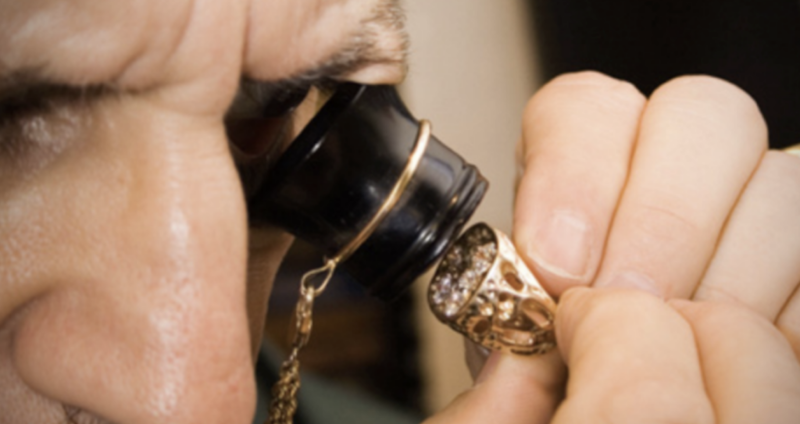
Loupe examination using 10x magnification allows detailed inspection of inclusions, growth patterns, surface features, and craftsmanship impossible with naked eye inspection. A quality jeweler’s loupe costs $15-50 and provides enough magnification to see many authentication-relevant details.
Microscopic examination at higher magnifications (20x-100x) reveals inclusion patterns distinguishing natural from lab-created gemstones, identifies treatments, and exposes manufacturing telltales in fake stones. Gemological microscopes cost thousands of dollars, limiting them to professional use, but local jewelers might offer microscopic examination services.
Refractometer testing measures how light bends passing through gemstones, with different materials having characteristic refractive indexes. This precisely identifies gemstone species—distinguishing sapphire from spinel, for example, or confirming whether a clear stone is diamond versus other colorless gemstones. Refractometers cost $100-500 for basic models.
Spectroscopy analyzes how gemstones absorb and transmit different light wavelengths, creating distinctive spectral signatures identifying specific gemstones and detecting treatments. Spectroscopes range from affordable handheld models ($50-200) to sophisticated laboratory instruments costing thousands.
Dichroscopes observe pleochroism—how gemstones display different colors when viewed from different angles. This characteristic helps identify gemstone species and distinguish natural from synthetic stones. Dichroscopes cost $30-100.
Polariscopes determine whether gemstones are crystalline and identify crystal systems, helping confirm gemstone identities and detect imitations. Polariscopes cost $50-300.
Specific gravity testing precisely measures gemstone density by weighing stones in air versus in water, then calculating specific gravity. Different gemstones have characteristic specific gravities enabling species identification. Requires an accurate scale and specific gravity liquid.
X-Ray Fluorescence (XRF) Analysis
XRF analyzers represent the gold standard for precious metal authentication, determining exact metal composition non-destructively.
XRF technology bombards materials with X-rays, causing atoms to emit characteristic fluorescent X-rays revealing which elements are present and in what percentages. This precisely determines gold karat, silver purity, platinum content, and identifies any alloy metals—all without damaging jewelry.
Professional XRF analyzers cost $15,000-50,000+, limiting them to jewelry stores, testing laboratories, pawn shops, and other businesses. However, many jewelers offer XRF testing services for modest fees ($10-50), making this technology accessible even if you don’t own the equipment.
XRF testing provides absolute certainty about metal composition, eliminating any doubt about whether gold is real and what karat it actually is, confirming silver purity, or identifying mystery white metals as platinum, palladium, or white gold.
Advanced Diamond Testing
Beyond basic diamond testers, more sophisticated methods provide definitive diamond authentication and characterization.
Thermal and electrical conductivity testing using dual-property diamond testers simultaneously checks both heat conductivity and electrical conductivity, reliably distinguishing diamonds from moissanite and cubic zirconia. Quality dual-property testers cost $50-200.
UV fluorescence examination under shortwave and longwave UV light reveals fluorescence patterns helping distinguish natural diamonds from lab-created or treated diamonds. Different growth methods and treatments create characteristic fluorescence signatures.
Microscopic examination of internal features identifies growth patterns distinguishing natural from lab-created diamonds. Natural diamonds show specific inclusion types and growth structures while lab diamonds display different internal characteristics based on their growth method (CVD or HPHT).
Spectroscopic analysis using infrared spectroscopy or photoluminescence spectroscopy definitively identifies diamond type (Type Ia, Ib, IIa, IIb), distinguishing natural from lab-created diamonds and detecting treatments. This requires expensive laboratory equipment but provides absolute authentication.
Laser inscription reading involves examining diamond girdles under high magnification to read laser inscriptions including GIA report numbers or serial numbers. These inscriptions can be verified against laboratory databases confirming the diamond’s identity and grading.
Hallmark and Maker’s Mark Research
Deep research into hallmarks, maker’s marks, and date letters helps authenticate antique and vintage jewelry.
Hallmark databases and references catalog thousands of historical hallmarks used by different countries, time periods, and manufacturers. Identifying specific hallmarks allows dating pieces, determining origins, and verifying authenticity of antique jewelry.
Maker’s marks from specific jewelers, particularly famous historical makers, significantly affect jewelry value and authenticity assessment. Researching marks can reveal whether pieces genuinely come from claimed makers or whether marks are fake.
Assay office marks from official testing offices in countries with hallmarking systems (UK, France, etc.) provide government-certified authentication of metal purity. Understanding these official marks helps assess antique jewelry authenticity.
Date letters used in some hallmarking systems encode the year of manufacture, helping date antique pieces and verify that claimed ages match actual manufacture dates.
Detecting Synthetic and Treated Gemstones
Advanced gemological testing reveals treatments and synthetic origins not apparent through basic examination.
Heat treatment detection in rubies and sapphires requires microscopic examination of inclusions showing characteristic alterations from heat exposure. Heated stones are worth less than natural unheated stones of equivalent appearance.
Irradiation treatment in diamonds creates colored diamonds artificially. Detection requires spectroscopic analysis identifying characteristic absorption patterns from irradiation.
Fracture filling in diamonds involves injecting glass-like substances into surface-reaching fractures improving apparent clarity. Filling can be detected microscopically by observing flash colors in fractures or by noting differences in how filled fractures appear under different lighting conditions.
Diffusion treatment in sapphires creates color layers on stone surfaces rather than throughout the stone. Microscopic examination viewing stones from different angles reveals color concentration at surfaces rather than uniform color distribution.
Synthetic identification through inclusion analysis, spectroscopy, and growth pattern examination distinguishes lab-created rubies, sapphires, emeralds, and other gemstones from natural stones of the same species.
Authentication Documentation and Chain of Custody
For valuable jewelry, proper documentation creates authentication trails.
Purchase receipts from authorized dealers provide provenance establishing that items came from legitimate sources. Keep all purchase documentation for valuable jewelry.
Appraisal certificates from qualified appraisers document jewelry characteristics, quality, and value, creating professional records useful for insurance, resale, or authentication purposes.
Laboratory reports from recognized gemological laboratories definitively characterize gemstones, providing independent verification of claims about stones.
Photographic documentation showing multiple angles, close-ups of hallmarks, and detail shots helps create authentication records for personal jewelry collections.
Insurance documentation requiring professional appraisal creates another authentication layer through independent expert evaluation.
When to Seek Professional Testing
Professional authentication makes sense in specific situations despite its cost.
High-value purchases—anything over $1,000-2,000—justify professional authentication ensuring you receive accurately described items worth their purchase prices.
Questionable items where home testing produces inconclusive or concerning results warrant professional examination providing definitive answers.
Antique or vintage jewelry claiming significant age or historical importance benefits from expert authentication verifying age, origin, and maker claims.
Designer jewelry at prices suggesting potential counterfeits should be professionally authenticated before completing purchases.
Insurance purposes requiring detailed appraisals necessitate professional gemological examination and documentation.
Estate jewelry or inherited pieces benefit from professional evaluation determining authenticity, quality, and value for insurance or sale decisions.
Shop on AliExpress via link: wholesale-gemstone-tester
Advanced authentication techniques provide higher certainty for valuable jewelry purchases, complementing basic testing methods with professional equipment and expertise. While most buyers won’t personally own XRF analyzers or gemological microscopes, knowing these technologies exist and seeking professional authentication services for important purchases protects against sophisticated counterfeits that might pass basic tests. Combining appropriate levels of authentication testing with purchase value and risk creates sensible approaches balancing cost against protection.
8. Safe Online Jewelry Shopping Practices
Beyond authentication knowledge, smart shopping practices minimize fraud risk before you ever receive jewelry, preventing problems rather than addressing them after scams occur.
Researching Sellers Thoroughly
Comprehensive seller research before purchase prevents most fraud.
Check seller ratings and reviews across multiple platforms, not just on the site where they’re selling. Search for the seller’s name or business name along with terms like “scam,” “fake,” or “counterfeit” to find complaints or warnings. Look for patterns in negative reviews—occasional unhappy customers are normal, but numerous complaints about authenticity or quality indicate serious problems.
Verify business legitimacy through business registration databases, Better Business Bureau records, or professional association memberships. Legitimate jewelers often belong to professional organizations like the Jewelers of America or have verifiable business registrations.
Examine seller websites carefully if buying from dedicated jewelry sites rather than marketplaces. Check domain age, look for complete contact information including phone numbers and physical addresses, verify security certificates, and assess overall professionalism and content quality.
Research the seller’s history and longevity—businesses operating for years with consistent positive feedback present lower risk than newly established sellers with limited track records.
Contact sellers with specific questions before purchasing, evaluating their knowledge, responsiveness, and willingness to provide detailed information. Evasive or vague responses to straightforward questions indicate problems.
Using Secure Payment Methods
Payment method choice dramatically affects fraud protection and recovery options.
Credit cards provide the best buyer protection through chargeback rights allowing disputes when merchants fail to deliver as described. Credit card companies side with buyers in fraud cases more readily than other payment methods.
PayPal and similar payment platforms offer buyer protection programs that may cover fraudulent transactions, though protection terms and success rates vary. These provide better protection than direct bank transfers but perhaps less than credit cards.
Avoid wire transfers, cryptocurrency, or other irreversible payment methods lacking buyer protection. Scammers prefer these because they’re difficult or impossible to reverse, even when clear fraud occurs.
Document all transactions thoroughly including receipts, communications, product descriptions, and photographs. This documentation supports disputes or chargebacks if items prove fake.
Demanding Proper Documentation
Require comprehensive documentation before and after purchase.
Insist on detailed descriptions including metal purity, gemstone grades, weights, measurements, and treatment disclosures. Vague descriptions enable sellers to claim misunderstandings if items prove inferior to expectations.
Request additional photographs or videos showing specific details like hallmarks, clasp mechanisms, gemstone inclusions, or any features relevant to authentication. Legitimate sellers readily provide these; reluctance suggests problems.
Require certificates for diamonds and expensive gemstones from recognized laboratories like GIA, AGS, or IGI. Verify certificates independently through laboratory websites using report numbers.
Get authenticity guarantees in writing explicitly stating that items are genuine materials and that returns are accepted if items fail authentication testing. Written guarantees create legal accountability.
Understanding Return Policies
Comprehensive return policies protect buyers from fraud or misrepresentation.
Verify return windows providing adequate time for professional authentication—at least 14-30 days from receipt enables getting items professionally tested.
Understand return conditions including who pays return shipping, whether refunds are full or partial, and any restocking fees. Reasonable policies don’t penalize buyers for returning fake or misrepresented items.
Document condition upon receipt through photographs and videos showing packaging, items, and any issues. This protects against false claims about damage during returns.
Test return policies by asking questions before purchase, ensuring you understand exactly what’s covered and what processes you’d need to follow if returning items.
Authentication Upon Receipt
Immediately authenticate jewelry upon receipt before return windows expire.
Perform visual inspection looking for obvious quality issues, construction problems, or discrepancies between item received and listing descriptions.
Conduct at-home tests appropriate for the item type—magnet tests, acid tests, diamond tester checks, weight measurements, or other relevant techniques.
Seek professional authentication for expensive items from local jewelers, appraisers, or testing services before return windows close.
Document any problems immediately through photographs and written descriptions, contacting sellers promptly when items prove fake or misrepresented.
Avoiding Common Scam Patterns
Recognizing and avoiding common fraud schemes prevents victimization.
“Too good to be true” deals inevitably involve fake jewelry, misrepresentation, or other fraud. Legitimate luxury jewelry doesn’t sell for 80-90% discounts from unknown sellers.
Pressure tactics creating false urgency—limited quantities, expiring deals, other buyers waiting—manipulate decisions. Legitimate sellers allow time for considered purchases.
Requests for unusual payment methods like wire transfers, cryptocurrency, gift cards, or other irreversible payments indicate scams. Use only protected payment methods.
Poor communication quality including bad grammar, evasive answers, or generic responses suggests fraudulent operations often based in countries where English isn’t primary language.
Suspicious backstories like “estate liquidation,” “divorce sales,” or other emotional appeals explaining unrealistic prices often fabricate scenarios justifying suspicious deals.
Platform-Specific Considerations
Different online selling platforms present varying risk levels and require adjusted approaches.
Major marketplaces like eBay or Etsy offer some buyer protections but host numerous fraudulent sellers. Use platform-specific protections, read seller reviews carefully, and maintain skepticism despite marketplace branding.
Social media marketplaces like Facebook Marketplace or Instagram shopping lack robust buyer protections and host substantial fraud. Exercise extreme caution, demand extensive documentation, use protected payments, and consider avoiding these platforms for expensive jewelry.
Dedicated jewelry sites range from reputable retailers to complete scams. Thoroughly research any site before purchasing, checking reviews, verification services, and business legitimacy.
Auction sites present unique challenges including authenticity verification, bidding psychology creating emotional investment, and potentially rushed decisions. Research items and sellers thoroughly before bidding.
International Purchase Considerations
Buying jewelry internationally introduces additional complexity and risk.
Customs and import duties might apply to international jewelry purchases, adding unexpected costs to your purchase price.
Return logistics become more complicated and expensive when shipping internationally. Verify who pays international return shipping and whether sellers actually honor returns for international customers.
Legal recourse is practically limited when sellers are located internationally. Pursuing fraud cases across borders proves impractical for most consumer purchases.
Shipping risks including damage, loss, or customs seizures increase with international shipments. Ensure adequate insurance and tracking.
Currency conversion and payment processing for international transactions might involve fees and exchange rate variations affecting actual costs.
Building Relationships with Reputable Sellers
Establishing ongoing relationships with trustworthy sellers provides long-term value.
Repeat purchases from sellers who’ve proven reliable, honest, and quality-focused reduces risk compared to constantly trying new sellers.
Local jewelers offering online sales often provide best combinations of convenience with local accountability and relationship-building potential.
Asking for recommendations from friends, family, or online communities helps identify reputable sellers others have successfully purchased from.
Professional jewelers and established retailers prioritize long-term reputation over short-term profit from individual transactions, creating alignment between their interests and customer satisfaction.
Educating Yourself Continuously
Ongoing education improves your ability to identify quality jewelry and avoid fraud.
Study jewelry through visiting stores, examining authentic pieces, reading books and resources about gemology and jewelry, and learning about specific types of jewelry you’re interested in purchasing.
Follow jewelry forums, communities, and educational resources sharing authentication knowledge, fraud warnings, and purchasing advice.
Learn from mistakes whether your own or others’, analyzing what went wrong and how to avoid similar problems in future purchases.
Stay current on emerging fraud techniques, new authentication technologies, and evolving jewelry markets through ongoing information gathering.
Safe online jewelry shopping combines seller research, secure payment methods, thorough documentation, immediate authentication upon receipt, avoiding obvious scams, and platform-appropriate precautions. While perfect protection is impossible, these practices dramatically reduce fraud risk while enabling access to online jewelry shopping’s legitimate benefits including selection, convenience, and competitive pricing from honest sellers.
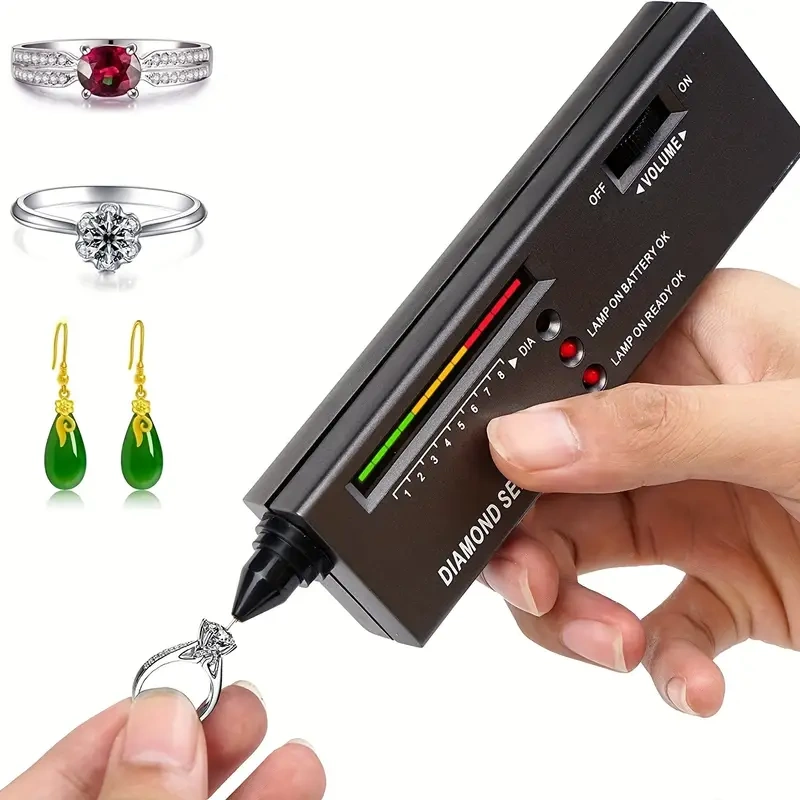
9. What to Do If You Receive Fake Jewelry
Despite precautions, you might receive fake jewelry. Taking prompt, systematic action maximizes recovery chances and prevents others from being scammed.
Immediate Steps Upon Discovery
Acting quickly is crucial for maximizing recovery options.
Stop using the item immediately to preserve it in received condition. Any modifications, repairs, or continued wear might complicate return or dispute processes.
Document everything thoroughly through photographs showing the item from multiple angles, close-ups of problematic features, comparisons to authentic versions if available, and packaging or documentation received with the item.
Gather all purchase documentation including receipts, order confirmations, emails with seller, listing screenshots, product descriptions, and any authenticity claims made.
Review the return policy and time remaining in any return windows. Many policies require returns within 14-30 days, making immediate action essential.
Conduct or obtain professional authentication creating independent documentation of the item’s fakeness. Professional authentication reports from jewelers or gemologists provide objective evidence beyond your personal assessment.
Contacting the Seller
Initial contact with sellers sometimes resolves issues, though responses vary from apologetic refunds to defensive denials.
Document all communications in writing—emails, messaging through platforms, or written correspondence—rather than phone calls lacking records. If phone conversations occur, follow up with written summaries.
Clearly state the problem explaining specifically how the item differs from descriptions or why you believe it’s fake. Attach documentation including photographs and professional authentication if available.
Request specific resolution—full refund, return acceptance, partial refund, or exchange—depending on circumstances and your preference.
Remain professional and factual rather than emotional or accusatory, at least in initial communications. Clear, business-like communications produce better results than angry rants.
Set reasonable deadlines for seller response—typically 3-7 business days—before escalating to platforms or payment providers.
Platform Dispute Processes
Most online selling platforms provide buyer protection and dispute resolution mechanisms.
File formal disputes through eBay, Etsy, Amazon, or other platform dispute systems following their specific procedures and providing requested documentation.
Submit all evidence including photographs, communications, professional authentication reports, product descriptions, and any other relevant documentation.
Respond promptly to platform requests for additional information during dispute processes. Missing deadlines or failing to provide requested information can result in disputes being decided against buyers.
Understand platform-specific rules and limitations—some platforms only cover “item not as described” claims rather than authenticity disputes, or have specific requirements for what evidence qualifies.
Be prepared for possible requirements to return items at your expense before receiving refunds. Some platforms require buyers to ship items back (with tracking) before processing refunds.
Credit Card Chargebacks
Credit card chargebacks provide another avenue for recovery when sellers or platforms don’t resolve disputes satisfactorily.
Contact your credit card issuer explaining the situation and requesting a chargeback for fraud or “item not as described.”
Provide documentation to credit card companies including purchase receipts, communications with sellers, photographs showing discrepancies, professional authentication reports, and evidence of attempts to resolve through sellers and platforms.
Understand chargeback time limits—typically 60-120 days from purchase or discovery of problems—requiring action within these windows.
Be aware that successful chargebacks might result in sellers disputing charges or platforms banning accounts, though receiving fake jewelry typically justifies these actions.
Reporting Fraud
Report fraud to appropriate authorities protecting other buyers and potentially enabling law enforcement action against systematic fraudsters.
Report to the selling platform through their fraud reporting mechanisms, even if disputes are resolved, helping platforms identify and remove fraudulent sellers.
File complaints with consumer protection agencies like the Federal Trade Commission (FTC) in the US, Action Fraud in the UK, or equivalent agencies in other countries.
Report intellectual property violations to brand owners when fake designer jewelry is involved. Many luxury brands have dedicated anti-counterfeiting departments investigating fraud.
Consider filing police reports for substantial fraud amounts, though law enforcement response to consumer jewelry fraud varies. Police reports create official records useful for other purposes even if criminal prosecution doesn’t occur.
Report to Better Business Bureau or similar business rating organizations if sellers are US-based businesses, creating public records warning other consumers.
Legal Action Considerations
Legal action represents last-resort options for substantial losses where other recovery methods failed.
Small claims court might be appropriate for fraud amounts within small claims limits (typically $5,000-10,000 depending on jurisdiction). Small claims processes are designed for individuals without lawyers, making them accessible for consumer fraud cases.
Evaluate whether legal action is practical considering seller location, amount involved, and likelihood of actually collecting judgments. Suing international sellers or individuals without assets may be impractical even if legally justified.
Consult consumer protection attorneys offering free consultations about whether legal action makes sense for your specific situation. Some attorneys work on contingency for fraud cases with clear documentation and substantial amounts.
Consider class action participation if multiple buyers were scammed by the same seller, potentially enabling legal action that wouldn’t be cost-effective individually.
Learning and Prevention
Analyze what happened to improve future purchasing decisions and avoid repeat victimization.
Review what red flags you might have missed that could have prevented the purchase, learning to better spot warning signs.
Assess whether authentication steps performed were adequate or whether you should have sought professional testing before purchase windows expired.
Evaluate seller selection criteria and platform choices, considering whether different approaches would have prevented problems.
Share experiences in online communities, forums, and review sites warning other buyers about specific scammers and helping others avoid similar situations.
Emotional and Financial Recovery
Being scammed is frustrating and can feel violating, requiring both practical and emotional recovery.
Accept that some losses might be unrecoverable despite best efforts, focusing energy on cases with realistic recovery chances rather than throwing good money after bad pursuing hopeless causes.
Learn from the experience rather than dwelling on the mistake. Everyone gets fooled sometimes, and the education gained from a fraud experience can prevent larger losses in future.
Consider the loss in perspective relative to your overall financial situation. A $100 loss is annoying but manageable for most people; $10,000 losses represent serious financial harm requiring all available recovery efforts.
Don’t let fraud experiences completely sour you on online shopping. Millions of legitimate transactions occur daily, and fraud represents a small percentage of overall commerce despite its visibility.
Prevention for Future Purchases
Apply lessons learned to future purchasing decisions.
Increase authentication rigor for purchases in categories where you were previously scammed, spending more on professional testing or authentication services.
Adjust seller selection criteria to emphasize factors you’ve learned matter more than initially recognized—like return policies, business longevity, or communication quality.
Use more conservative platform choices, perhaps limiting purchases to platforms with stronger buyer protections or sticking with sellers having extensive verified track records.
Budget for authentication costs as part of jewelry purchasing, accepting that professional testing represents insurance against fraud rather than optional expense.
Receiving fake jewelry requires swift action through seller contact, platform disputes, payment reversals, fraud reporting, and potentially legal action. While recovery isn’t guaranteed, systematic approaches following proper procedures maximize refund chances while warning other consumers and authorities about fraudsters. The experience, though frustrating, provides valuable education improving future purchasing decisions and reducing repeat victimization likelihood.
10. Professional Authentication Services
Professional authentication services provide expert verification, detailed documentation, and peace of mind for valuable jewelry purchases or inherited pieces where accurate identification and valuation are critical.
Types of Professional Services
Different professional services address various authentication and valuation needs.
Gemological laboratories like GIA (Gemological Institute of America), AGS (American Gem Society), IGI (International Gemological Institute), or EGL provide comprehensive gemstone testing, grading, and certification. Services include diamond grading reports, colored gemstone reports, identification reports, and treatment detection.
Independent appraisers certified through professional organizations like the American Society of Appraisers or National Association of Jewelry Appraisers offer jewelry appraisal services for insurance, estate, or resale purposes including authenticity verification and market value assessment.
Local jewelers often provide basic authentication services including metal testing, diamond verification, and general jewelry evaluation, sometimes free for potential customers or for modest fees.
Brand-specific authentication through luxury brand boutiques or customer service departments provides expert verification for designer jewelry from companies maintaining authentication services for their products.
Metal assay services offer precise chemical analysis determining exact metal composition through destructive testing methods providing ultimate accuracy when stakes justify minimal damage from testing.
When to Use Professional Services
Professional authentication makes sense in specific situations justifying its cost.
High-value purchases over $1,000-2,000 warrant professional testing ensuring items match descriptions and claimed quality before purchase windows expire or major payments clear.
Inherited jewelry benefits from professional appraisal determining authenticity, identifying specific items (particularly for antique or designer pieces), assessing condition, and establishing insurance values.
Insurance purposes requiring detailed documentation of jewelry characteristics, quality, and replacement values necessitate formal appraisals from qualified appraisers.
Estate settlement or division among heirs requires accurate valuations from independent professionals preventing disputes about fair allocation.
Resale preparation benefits from professional appraisals establishing documented values and authenticity supporting asking prices for potential buyers.
Disputed authenticity where sellers and buyers disagree about jewelry characteristics or authenticity can be resolved through independent professional testing.
Selecting Professional Services
Choosing qualified professionals ensures reliable results and legitimate documentation.
Verify credentials through professional organizations—gemologists should have GIA Graduate Gemologist or similar recognized credentials, appraisers should have ASA or NAJA certification, and services should demonstrate relevant expertise.
Check reputations through reviews, Better Business Bureau ratings, professional references, or recommendations from trusted sources like jewelers, attorneys, or financial advisors.
Understand fee structures before committing to services. Gemological laboratories charge per-item fees ranging from $50-300+ depending on service complexity. Appraisers charge hourly rates ($100-300/hour) or per-item fees. Clarify costs upfront avoiding surprises.
Evaluate turnaround times considering whether you need rush service or can wait standard processing times ranging from several days to weeks depending on service and workload.
What Professional Services Provide
Understanding what you receive from professional authentication helps set appropriate expectations.
Detailed reports documenting jewelry characteristics including metal types and purities, gemstone species identification, quality grades for diamonds and colored stones, weights and measurements, treatment detection, and manufacturing methods.
Photographs and diagrams illustrating jewelry features, inclusions in gemstones, unique characteristics, and condition issues relevant to valuation or authentication.
Numerical grades and quality assessments using standardized grading systems like GIA’s diamond grading or colored gemstone quality descriptions providing objective, comparable quality metrics.
Market valuations for appraisals including replacement value for insurance purposes, fair market value for estate or tax purposes, or liquidation value for immediate sale scenarios.
Authenticity verification confirming whether items are genuine materials, natural versus lab-created, brand authenticity for designer pieces, or period authenticity for antique jewelry.
Interpreting Professional Reports
Understanding authentication and appraisal reports requires familiarity with terminology and grading systems.
Diamond grading reports include the 4Cs (cut, color, clarity, carat weight) using standardized scales, plus additional information about fluorescence, proportions, polish, symmetry, and identifying characteristics like inclusions mapped in diagrams.
Colored gemstone reports describe species (what mineral the gem is), variety (specific type like ruby for red corundum), origin if determinable, treatments if detected, and quality characteristics using descriptive terminology rather than standardized grades like diamonds.
Metal analysis reports state exact percentages of constituent metals—for example, 14K gold might be reported as 58.3% gold, 25% silver, 16.7% copper—providing precise composition information.
Treatment disclosure identifies enhancements like heat treatment in sapphires, fracture filling in diamonds, or dyeing in jade, distinguishing natural unenhanced stones from treated stones worth less than equivalent untreated stones.
Condition assessments describe wear, damage, repairs, or alterations affecting jewelry value and desirability, particularly relevant for antique or estate jewelry.
Costs and Value Considerations
Professional authentication costs money but provides value preventing larger losses from fraud or misvaluation.
Gemological testing costs $50-300 per stone depending on service complexity—basic species identification is cheapest while comprehensive reports with treatment detection cost more. Diamond grading reports from GIA cost $80-300+ depending on carat weight and service speed.
Jewelry appraisals cost $100-500+ depending on complexity, number of items, and appraiser expertise. Simple appraisals for insurance might cost $100-150 while detailed estate appraisals of multiple complex pieces cost more.
Brand authentication through luxury brands varies—some offer free authentication while others charge fees comparable to independent appraisers.
Consider cost-benefit analysis—spending $200 authenticating a $5,000 purchase represents good insurance against fraud, while spending $200 authenticating a $300 item probably doesn’t make economic sense.
Using Professional Services Effectively
Maximizing value from professional services requires clear communication and appropriate service selection.
Clearly state your purpose—insurance appraisal, authentication before purchase, estate valuation, or resale preparation—allowing professionals to provide appropriate service levels and documentation formats.
Provide all available documentation about jewelry including purchase receipts, prior appraisals, certificates, or any information about origins, age, or provenance helping professionals provide comprehensive analysis.
Ask questions about reports you receive, ensuring you understand findings, terminology, and implications for your specific purposes.
Keep professional documentation safely, as authentication reports and appraisals have ongoing value for insurance claims, resale, or future verification needs.
Online Professional Services
Some professional authentication services operate remotely through detailed photographs or video submissions.
Photograph-based authentication requires high-quality images from multiple angles, close-ups of hallmarks and details, and sometimes videos showing items under different lighting or demonstrating features like gemstone fire.
Limitations of remote authentication mean definitive authentication of some characteristics requires in-person examination with specialized equipment, though experienced professionals can identify many issues from good photographs.
Shipping services where you mail jewelry to professional services for testing and return allows accessing specialized expertise regardless of geographic location, though requires trusting shipping security and insurance.
Virtual consultations through video calls enable real-time interaction with professionals examining your jewelry through your camera with their guidance, combining some benefits of in-person evaluation with remote convenience.
Professional authentication services provide expert verification, documentation, and valuation for valuable jewelry when accuracy justifies the expense. Understanding what different services offer, when professional authentication makes sense, how to select qualified professionals, and how to use these services effectively enables making informed decisions about when to invest in professional testing versus when personal authentication methods suffice. For expensive purchases or important jewelry decisions, professional services provide insurance against fraud and misvaluation that far exceeds their cost.
Conclusion: Shopping Smart in the Digital Jewelry Market
The online jewelry market offers unprecedented access to diverse selections, competitive pricing, and shopping convenience transforming how people discover and purchase jewelry. However, this same accessibility creating genuine opportunities also enables fraud, counterfeiting, and misrepresentation that can result in significant financial losses and emotional disappointment for uninformed buyers. The balance between embracing online jewelry shopping’s legitimate benefits while protecting yourself from its risks requires education, vigilance, and systematic approaches to authentication and seller evaluation.
The counterfeit jewelry industry operates at massive scale motivated by extraordinary profit margins, continually evolving techniques producing increasingly sophisticated fakes, and exploiting information asymmetries where sellers understand materials and values far better than most buyers. This reality means passive trust in seller claims, impressive-looking websites, or too-good-to-be-true pricing inevitably results in fraud victimization. Active skepticism, authentication knowledge, and critical evaluation represent essential defenses against an industry specifically designed to deceive.
Learning to spot fake jewelry requires understanding multiple authentication methods appropriate for different materials and jewelry types. Gold authentication combines visual inspection, magnet testing, acid testing, density calculation, and professional X-ray fluorescence analysis. Diamond verification uses thermal testing, visual examination, electronic testers, and professional gemological certification. Silver testing exploits silver’s distinctive thermal properties, chemical reactivity, and physical characteristics. Designer jewelry authentication requires familiarity with brand-specific details, construction quality, and documentation standards. Each material and category demands specific knowledge and appropriate testing approaches.
Red flags in online listings provide early warning systems preventing most fraud through simple avoidance of suspicious sellers and offers before any money exchanges hands. Unrealistic pricing, vague descriptions, poor seller communication, missing documentation, stolen photographs, and inadequate return policies all signal high fraud risk. Developing sensitivity to these warning signs and disciplining yourself to walk away from suspicious deals regardless of their apparent appeal prevents the majority of potential fraud situations.
Safe shopping practices layer multiple protections creating comprehensive fraud prevention. Thorough seller research, secure payment methods providing buyer protection, demanding proper documentation and certifications, understanding return policies, immediate authentication upon receipt, and maintaining healthy skepticism all contribute to safe purchasing. These practices require more effort than impulse buying but dramatically reduce fraud risk while still enabling access to online jewelry shopping’s legitimate advantages.
When fraud occurs despite precautions, swift systematic action maximizes recovery chances through seller contact, platform disputes, credit card chargebacks, fraud reporting, and potentially legal action. While recovery isn’t guaranteed, proper procedures and comprehensive documentation significantly improve refund probabilities. Even unrecoverable losses provide valuable education improving future decision-making if you analyze what went wrong and adjust approaches accordingly.
Professional authentication services provide expert verification for valuable purchases, inherited jewelry, insurance appraisals, or situations requiring absolute certainty about jewelry characteristics and values. Understanding when professional testing justifies its cost versus when personal authentication suffices enables appropriate allocation of resources balancing protection against expense.
The jewelry authentication knowledge you’ve gained through this guide provides lifelong value protecting you across countless future purchases. Understanding how gold purity works, what diamond simulants exist, how to test silver, what designer jewelry hallmarks should look like, and which authentication methods reliably detect fakes empowers confident purchasing decisions. This knowledge compounds over time—each purchasing experience and authentication attempt builds expertise making you progressively more difficult to fool.
However, remember that counterfeiters continuously evolve techniques, creating ongoing arms races between fraud and authentication. Maintaining awareness of emerging fraud patterns, new authentication technologies, and current market conditions requires periodic education updating rather than assuming knowledge from years past remains current. The jewelry industry changes, counterfeiting techniques advance, and new scam patterns emerge requiring vigilant ongoing learning.
Your approach to online jewelry shopping should balance appropriate caution with openness to legitimate opportunities. Not every deal is a scam, not every unknown seller is fraudulent, and not every attractive price indicates counterfeits. Many honest sellers offer excellent value through online channels, and appropriate authentication practices enable confidently distinguishing legitimate opportunities from fraud. The goal isn’t paranoia preventing any online jewelry purchases but rather informed skepticism enabling smart decisions about which sellers to trust, which deals are realistic, and which purchases warrant professional authentication.
Start implementing safer shopping practices immediately with your very next jewelry purchase, regardless of whether you’re buying expensive engagement rings or modest fashion jewelry. Apply red flag identification before making purchases. Use appropriate authentication methods after receiving items. Demand proper documentation and certifications. Select secure payment methods. Research sellers thoroughly. These practices become habits through consistent application, eventually requiring minimal conscious effort while providing continuous protection.
For expensive purchases, budget professional authentication as part of total cost rather than optional expense. Spending $100-200 authenticating a $3,000 diamond ring represents smart insurance against fraud, potentially preventing total loss if the item proves fake. Similarly, immediate professional testing of received items while return windows remain open provides definitive answers before options expire.
The emotional component of jewelry purchasing—particularly for engagement rings, anniversary gifts, or sentimental pieces—makes fraud especially painful beyond just financial losses. Discovering that a meaningful gift is counterfeit or fake creates embarrassment, disappointment, and violated trust that transcends monetary considerations. This emotional vulnerability makes jewelry buyers particularly susceptible to wishful thinking and motivated reasoning where attractive deals overcome skepticism. Recognizing these psychological factors and maintaining objective evaluation despite emotional investment protects both your finances and emotional wellbeing.
Share your authentication knowledge with friends and family, helping protect them from jewelry fraud. Many people have no idea how to test gold, verify diamonds, or spot fake designer pieces, making them easy targets for scammers. Your expertise can prevent friends and loved ones from painful fraud experiences while building a community of informed buyers who collectively raise standards and reduce fraud profitability.
The future of jewelry commerce will increasingly occur online as e-commerce continues displacing traditional retail across product categories. This trend makes jewelry authentication knowledge progressively more valuable as fewer people have access to trusted local jewelers who could examine pieces before purchase. Your ability to authenticate jewelry independently provides crucial self-reliance in markets where you cannot physically inspect items before buying.
Technology will continue advancing both fraud sophistication and authentication capabilities. Lab-created diamonds and gemstones will become increasingly common and affordable, requiring disclosure but not representing fraud when properly identified. New authentication tools will emerge making testing easier and more accessible. Blockchain and other technologies might create verification systems tracking jewelry provenance from manufacture through ownership changes. Staying informed about these technological developments positions you to leverage new authentication capabilities while recognizing new fraud techniques.
Remember that ultimate responsibility for avoiding fraud lies with you as a buyer rather than with platforms, payment processors, or law enforcement agencies. While these entities provide varying levels of protection and recourse, they cannot prevent all fraud or guarantee recovery from scams. Your own knowledge, skepticism, and authentication practices represent your best and most reliable fraud protection. Invest in education, maintain vigilance, and exercise disciplined decision-making regardless of how attractive offers appear.
Your transformation from vulnerable uninformed jewelry buyer to savvy, knowledgeable purchaser capable of confidently navigating online jewelry markets begins with the comprehensive foundation this guide provides. Apply these authentication methods, recognize red flags, implement safe shopping practices, and seek professional verification when appropriate. The combination of knowledge, vigilance, and systematic approaches protects you from fraud while enabling access to online jewelry shopping’s genuine benefits including selection, convenience, and value from honest sellers.
The online jewelry market contains both opportunity and risk, legitimate value and sophisticated fraud, honest sellers and elaborate scams. Your ability to distinguish between these extremes determines whether your online jewelry purchases bring joy, value, and satisfaction or disappointment, financial loss, and betrayed trust. Choose education over ignorance, skepticism over blind trust, and verification over assumption. Shop smart, test thoroughly, and never let desire for great deals overcome critical evaluation of whether offers make realistic sense.
Your jewelry purchasing decisions from this point forward will reflect everything you’ve learned, protecting you from fraud while enabling confident purchases from legitimate sellers offering genuine value. The knowledge investment you’ve made through reading and understanding this guide pays dividends across all future jewelry purchases throughout your life. Buy wisely, authenticate thoroughly, and enjoy beautiful genuine jewelry purchased with confidence from the diverse, convenient, but sometimes treacherous online jewelry marketplace.
Frequently Asked Questions
Q: Can I trust online jewelry sellers offering prices significantly below retail? Some discounts are legitimate—online sellers have lower overhead than traditional retail stores, direct-from-manufacturer sales eliminate middleman markups, and clearance sales move excess inventory. However, discounts exceeding 40-50% from established retail prices should trigger careful investigation. Check seller reputation extensively, demand proper documentation and certifications, plan for professional authentication upon receipt, and use protected payment methods enabling refunds if items prove fake. Extremely steep discounts—70-90% off—are almost always scams involving counterfeit jewelry regardless of how legitimate sellers appear.
Q: What’s the most reliable way to test gold at home without expensive equipment? The acid test provides the most reliable at-home gold authentication, requiring only an inexpensive gold testing kit ($20-40). Make a small scratch on an inconspicuous area and apply testing acid—genuine gold won’t change color while fake gold or lower purity gold will react. Combine this with the magnet test (gold isn’t magnetic), weight assessment (gold is very heavy), and visual inspection for wear exposing different metals underneath plating. For expensive pieces, professional testing using X-ray fluorescence provides definitive authentication without damaging jewelry and costs only $10-50 at many jewelers.
Q: Are lab-created diamonds considered fake, and should I avoid them? Lab-created diamonds are real diamonds chemically identical to natural mined diamonds—they’re not fake or simulants. However, they cost 40-70% less than natural diamonds, so selling them as natural diamonds at natural prices constitutes fraud even though they’re genuine diamond material. Lab-created diamonds represent legitimate alternatives for buyers wanting diamond properties at lower cost, but disclosure is essential. Always verify through certification whether diamonds are natural or lab-created, and ensure pricing reflects the appropriate category. Reputable sellers clearly disclose whether diamonds are natural or lab-created.
Q: How can I tell if a diamond is real or cubic zirconia without professional equipment? Several home tests help distinguish diamonds from cubic zirconia. The fog test—breathe on the stone and observe how quickly fog dissipates; diamonds clear almost instantly while CZ retains fog longer. The transparency test—try reading text through the stone; diamonds’ high refraction makes text unreadable while many simulants allow legibility. Weight comparison—CZ is notably heavier than diamond of equivalent size. Heat dispersion—CZ stays warm longer than diamonds after handling. However, moissanite passes some of these tests, so for definitive authentication, use dual-property diamond testers ($50-200) checking both thermal and electrical conductivity, or seek professional gemological testing.
Q: What should I do immediately if I suspect I received fake jewelry? Stop using the item to preserve its received condition. Photograph it thoroughly from multiple angles including close-ups of problematic features. Gather all purchase documentation—receipts, emails, listing screenshots, product descriptions. Check return policy deadlines requiring immediate action—many allow only 14-30 days. Conduct or obtain professional authentication creating documented evidence. Contact the seller in writing explaining the problem and requesting specific resolution. If seller responses are unsatisfactory, file platform disputes, contact credit card companies about chargebacks, and report fraud to consumer protection agencies. Act swiftly—delays reduce recovery chances as return windows expire and sellers disappear.
Q: Are jewelry certifications from sellers reliable, or do I need independent verification? Certificates accompanying jewelry require careful verification because fake certificates are common. Genuine certificates from recognized laboratories like GIA, AGS, or IGI include report numbers verifiable on laboratory websites—always verify certificates independently rather than accepting them at face value. Check that certificate details match the actual jewelry including measurements, weights, and any laser inscriptions. Be extremely suspicious of certificates from unknown “laboratories” with official-sounding names—these are often completely fabricated. For expensive purchases, consider obtaining independent certification from recognized laboratories rather than relying solely on seller-provided certificates, particularly when buying from unfamiliar sellers.
Q: How much should I budget for professional jewelry authentication? Professional authentication costs vary by service type and complexity. Basic metal testing at local jewelers often costs $10-30 or might be free for potential customers. Diamond grading reports from GIA cost $80-300+ depending on stone size and service speed. Comprehensive jewelry appraisals cost $100-500+ depending on complexity and appraiser expertise. XRF metal analysis typically costs $20-50 per item. As a general guideline, budget 5-10% of jewelry value for professional authentication on expensive purchases—spending $200 authenticating a $3,000 ring represents good insurance against fraud. For purchases under $500, thorough visual inspection and basic home testing might suffice unless specific concerns warrant professional verification.
Q: Can I trust jewelry from major online retailers like Amazon or major department stores? Major retailers’ own jewelry typically comes from vetted suppliers with quality controls reducing fraud risk compared to unknown sellers. However, many major platforms also host third-party marketplace sellers whose products receive less scrutiny. Carefully distinguish retailer’s own inventory (“Sold by Amazon,” “Sold by Macy’s”) from third-party sellers using the platform. Third-party sellers on major platforms present similar risks to other online sellers despite the platform branding. Even from major retailers, verify certifications independently, authenticate expensive purchases professionally, and use return policies if items prove different from descriptions. Platform branding doesn’t guarantee authenticity—it just provides stronger buyer protection and recourse when problems occur.
Q: What red flags indicate fake designer jewelry before I even purchase? Several warning signs suggest counterfeit designer pieces: prices dramatically below retail (70-90% discounts); sellers claiming “overstock,” “factory seconds,” or similar explanations for low prices; poor quality packaging that differs from authentic brand packaging; misspellings or incorrect logos in listings or on items; missing serial numbers or documentation that genuine designer pieces include; seller reluctance to provide additional photos or answer detailed questions; generic or obviously fake business names; and new seller accounts with limited history. Authentic designer jewelry maintains relatively stable pricing through authorized dealers—dramatic discounts from unknown sellers almost always indicate counterfeits. Always verify seller authorization with brands for expensive designer pieces.
Q: How do I know if colored gemstones have been treated, and does it matter? Most rubies, sapphires, and emeralds undergo treatments like heating to improve color or clarity—this is standard industry practice and doesn’t necessarily indicate lower quality. However, treatment disclosure matters because untreated stones are worth significantly more than treated stones of equivalent appearance. Reputable sellers disclose treatments, while dishonest sellers might sell treated stones at untreated prices without disclosure. Detecting treatments requires professional gemological examination—microscopic inclusion analysis, spectroscopy, or other laboratory testing. For expensive colored gemstone purchases, insist on certification from recognized gemological laboratories explicitly stating whether stones are natural, treated, or lab-created. Assume colored gemstones are treated unless certification specifically states “no indications of treatment” or similar language.
Articles related:
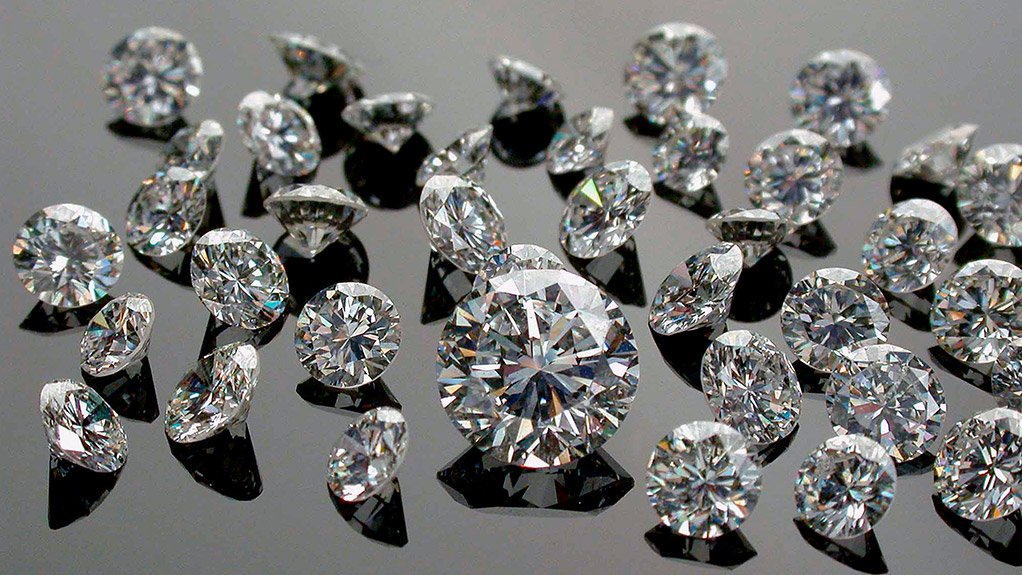
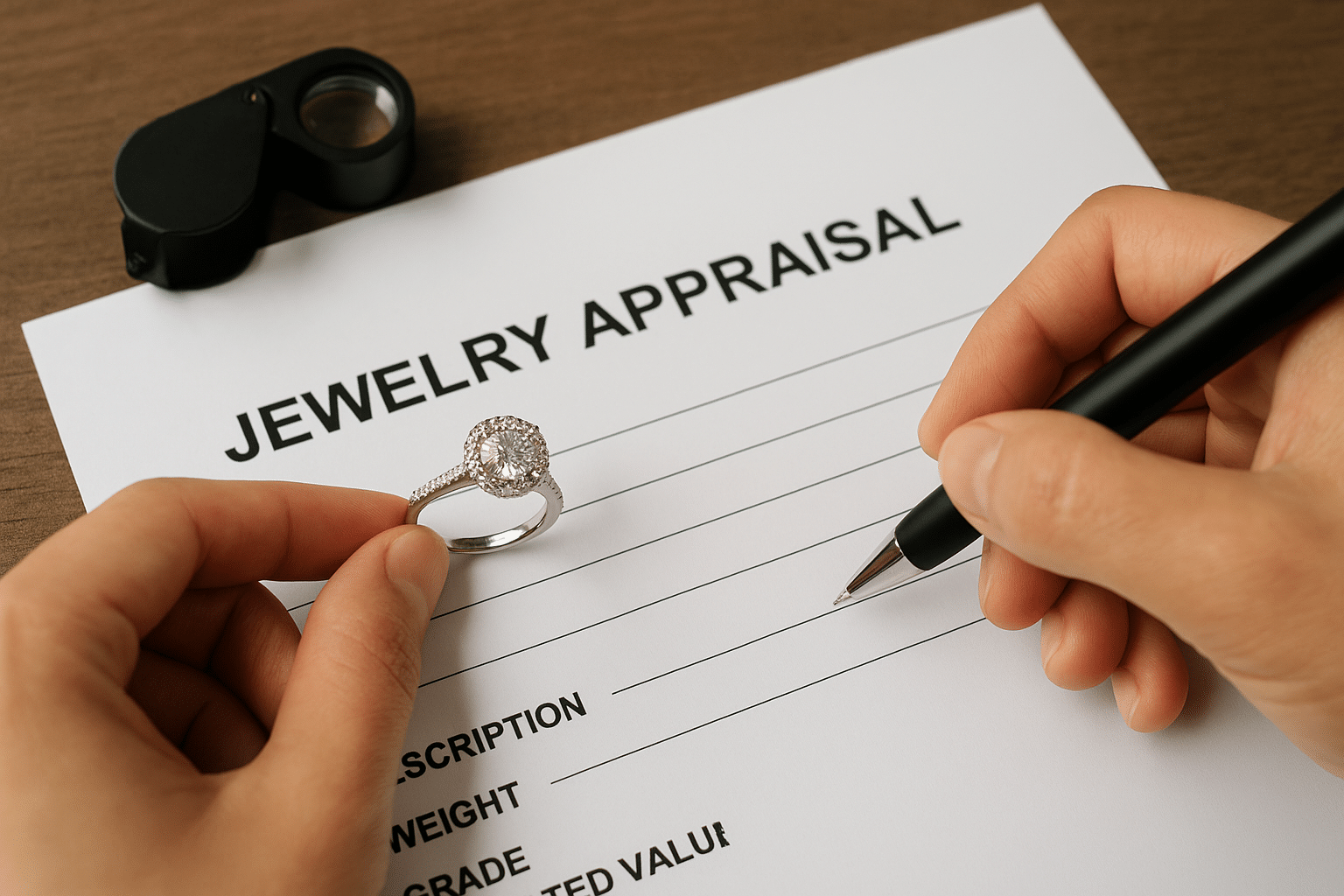
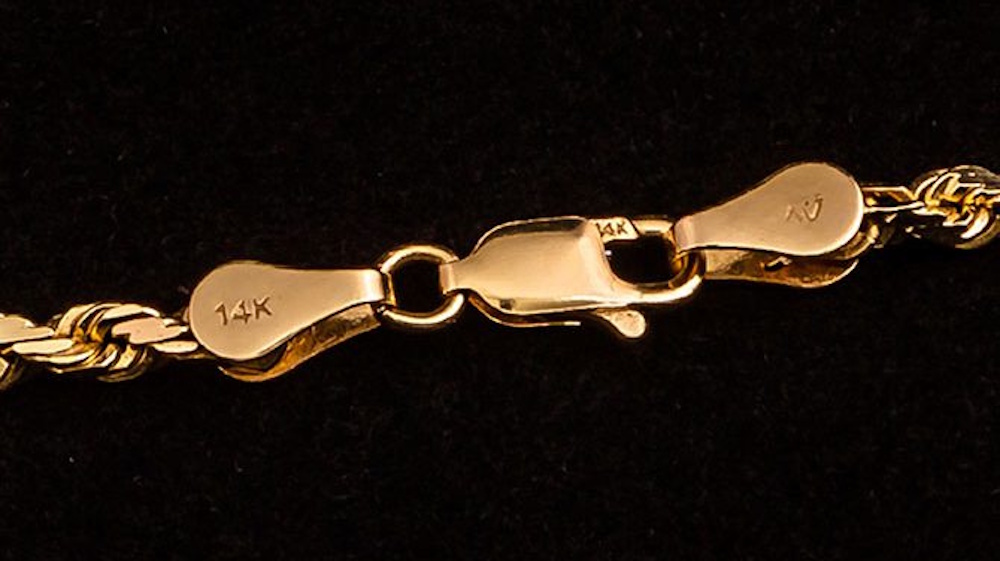
Tags
📧 Get More Articles Like This
Subscribe to receive product reviews and buying guides in your inbox!
We respect your privacy. Unsubscribe at any time.