Jewelry Appraisal Exposed: Why Your Insurance Valuation Might Be Wrong
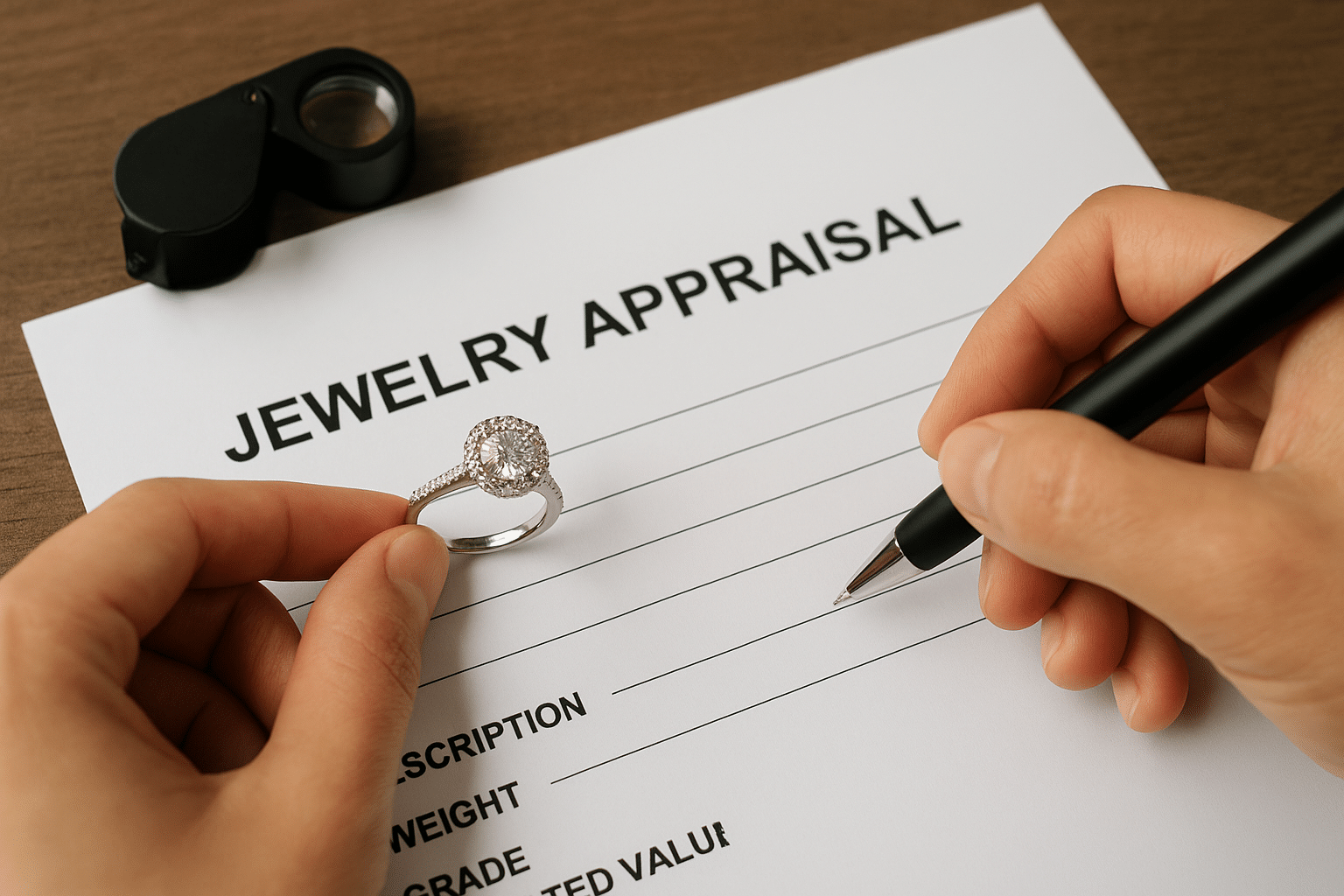
Table of Contents
- Introduction: The Appraisal Industry’s Dirty Secret
- The Replacement Value Illusion
- Appraiser Conflicts of Interest
- Insurance Company Settlement Tactics
- Market Value vs Appraised Value Reality
- How to Protect Yourself
- The Future of Jewelry Valuation
- Conclusion: Taking Control of Your Coverage
- Frequently Asked Questions
Introduction: The Appraisal Industry’s Dirty Secret
Sarah Martinez stared at the insurance claim denial letter with disbelief flooding through her body as the words “replacement value exceeds reasonable market price” destroyed her assumption that the $15,000 appraisal guaranteed equivalent coverage for her stolen engagement ring. The letter explained that while her appraisal documented a 1.5-carat diamond with specific quality grades, the insurance company’s independent evaluation determined they could replace the ring for $8,200 through wholesale channels, leaving Sarah with a $6,800 shortfall despite paying premiums calculated on the higher appraised value for three years. This devastating discovery revealed the uncomfortable truth that millions of jewelry owners discover only after suffering losses: appraisals and insurance valuations exist in parallel universes with dramatically different purposes and outcomes, creating false security that evaporates exactly when protection matters most. The jewelry appraisal industry operates on fundamentally misaligned incentives where appra
isers benefit from inflated valuations, jewelers use high appraisals as sales tools suggesting bargain purchases, insurance companies collect premiums based on inflated values while planning settlements using wholesale costs, and consumers remain trapped in this ecosystem believing their coverage matches appraisal amounts until claims reveal the harsh reality.
The systematic inflation pervading jewelry appraisals doesn’t represent isolated fraud or occasional errors but rather emerges from institutional structures creating financial incentives favoring overvaluation throughout the industry. Retail jewelers offering “complimentary” appraisals immediately after purchases face obvious conflicts of interest as realistic valuations might suggest customers overpaid, while high appraisals imply excellent value and smart purchasing decisions. Insurance agents working on commission prefer higher appraisals generating larger premiums, creating subtle pressure toward generous valuations rather than conservative estimates. Even independent appraisers compete for referrals from jewelers who naturally favor appraisers producing satisfactory valuations that don’t upset customers or create post-purchase regret. These converging incentives create systematic upward bias where appraisals routinely exceed realistic replacement costs by 50% to 200%, with some extreme cases showing 300% to 400% inflation for pieces where appraiser simply multiplied retail asking prices without considering actual market conditions or wholesale availability.
The Federal Trade Commission establishes jewelry value disclosure requirements protecting consumers from deceptive pricing practices, though enforcement limitations and voluntary compliance mean protections exist more in theory than practice. The distinction between appraisal purposes proves critical as replacement value appraisals for insurance intentionally estimate maximum retail costs, while liquidation appraisals for estate planning or divorce proceedings assess realistic resale values often 40% to 70% below replacement figures. Fair market value appraisals attempt determining prices in theoretical transactions between willing buyers and sellers, typically falling between replacement and liquidation extremes. Insurance appraisals utilize replacement methodology not because it reflects actual value but because it maximizes premium income while providing insurers flexibility during settlement negotiations, creating profitable imbalance where companies collect premiums on inflated values while settling claims at wholesale costs.
While this video highlights seven critical mistakes to avoid when appraising estate jewelry, there is still much more information on the topic of the article that you may not have discovered yet: :
The consequences extend beyond disappointed claim settlements to affect insurance costs, estate tax calculations, and financial planning decisions based on inflated asset valuations creating distorted net worth figures. Consumers paying premiums on $50,000 appraised jewelry collections might reasonably expect equivalent coverage while actual replacement through insurance company channels might cost $25,000, meaning they’ve paid double appropriate premiums for years without receiving commensurate protection. The estate planning implications prove equally problematic as heirs discover that jewelry Mom assured them was “worth $100,000 according to the insurance appraisal” sells for $35,000 through auction houses, creating family conflicts and financial disappointments based on systematic valuation inflation. The investment mentality surrounding jewelry purchases relies heavily on appraisals suggesting pieces appreciate or at minimum retain value, when market reality shows most jewelry loses 50% to 80% of retail purchase price immediately upon leaving the store, with appraisals perpetuating false impression of sound investment rather than consumption purchase.
The 2026 jewelry market faces additional complications as laboratory-grown diamonds achieve quality indistinguishable from natural stones while costing 60% to 80% less, creating appraisal challenges for pieces purchased when natural diamonds commanded premium prices but now compete with synthetic alternatives. Many older appraisals fail to explicitly state whether diamonds are natural or laboratory-grown, creating ambiguity during claims when insurers assume lower-cost replacement options absent specific documentation. The treatment disclosure rules mandated by Federal Trade Commission require appraisers to identify gemstone enhancements including heating, irradiation, fracture filling, and clarity enhancement, yet many appraisals omit these critical details or use vague language like “standard industry treatments” without specifics affecting value. The gemstone treatment disclosure rules specifically address these transparency requirements though compliance remains inconsistent across the fragmented appraisal industry where credentials and professional standards vary dramatically.

The Replacement Value Illusion
The replacement value methodology employed in insurance appraisals rests on theoretical concept of identifying maximum possible cost for purchasing identical or comparable item through normal retail channels, creating values bearing little relationship to prices consumers actually pay or jewelers actually charge in competitive markets. Appraisers determine replacement values by consulting price guides representing full retail asking prices from high-end jewelers rather than researching actual selling prices available through online retailers, estate sales, or wholesalers where most replacement purchases ultimately occur. This methodology intentionally overestimates costs by selecting expensive reference points while ignoring abundant lower-cost alternatives, producing appraisals that sound impressive but prove disconnected from marketplace reality. The appraiser might value a 1-carat diamond ring at $12,000 based on luxury retailer prices when identical quality stones sell for $7,000 through online vendors, $5,500 at jewelry shows, or $4,000 through estate auctions, yet the appraisal documents only the maximum figure establishing insurance coverage and premium costs.
The “comparable quality” language inserted into most insurance policies provides companies escape hatch from paying appraised values by allowing substitution of similar pieces rather than requiring identical replacement matching every specification in original appraisal. The insurer replaces Sarah’s ring with stone of equivalent carat weight, color, and clarity grades but sourced wholesale rather than retail, immediately reducing costs 40% to 60% below appraised value while technically fulfilling policy obligations. Additional cost reductions occur through metal substitution where original platinum settings get replaced with white gold alternatives, or mounting simplifications where elaborate designs get substituted with simpler settings achieving similar appearance at fraction of original cost. These legitimate policy interpretations mean replacement value appraisals document maximum theoretical costs rather than actual claim payments consumers receive, creating systematic gap between premium calculations and settlement reality.
The precious metal component of jewelry valuations particularly demonstrates replacement value methodology’s inflation as appraisers apply retail markup multiples to gold or platinum weight rather than using transparent spot market prices. A ring containing 10 grams of 18-karat gold includes 7.5 grams of pure gold currently valued at approximately $450 based on $60 per gram spot prices, yet appraisers might document $900 to $1,200 for the gold content by applying standard retail multipliers rather than actual precious metal value. This mathematical manipulation inflates base valuations before even addressing gemstones or labor costs, with finished appraisals documenting replacement values triple or quadruple realistic costs. The gemstone pricing factors vary considerably based on market conditions, source countries, and treatment methods, yet appraisals typically reference maximum retail prices from limited suppliers rather than conducting market research identifying competitive alternatives offering equivalent quality at lower costs.
The online jewelry retail revolution fundamentally disrupts replacement value assumptions as consumers easily discover prices 40% to 70% below traditional retail through vendors operating with lower overhead and transparent pricing models. Blue Nile, James Allen, Brilliant Earth, and countless specialty retailers offer certified diamonds and custom mounting combinations at prices dramatically undercutting brick-and-mortar jewelers whose pricing forms basis for traditional appraisals. An appraiser valuing engagement ring at $15,000 based on local jeweler pricing might document piece readily available online for $9,000 with identical specifications, yet insurance companies collect premiums on higher figure while planning settlements at lower costs should claims occur. This pricing transparency exposes replacement value methodology’s fundamental weakness as internet access provides consumers instant verification that appraisals overstate realistic replacement costs, though insurance contracts often prohibit policyholders from selecting replacement sources or require using company-approved jewelers maintaining inflated pricing supporting the appraisal fiction.
The laboratory-grown diamond revolution particularly impacts replacement value assumptions as synthetics achieve quality matching natural stones at 60% to 80% discounts, creating replacement opportunities far below natural diamond appraisals. Insurers increasingly exercise rights to replace lost natural diamonds with laboratory-grown alternatives when policies don’t explicitly exclude this option, reducing settlement costs dramatically while technically meeting comparable quality obligations. A natural 1.5-carat diamond ring appraised at $18,000 might get replaced with laboratory-grown version costing $5,000 despite synthetic stone displaying identical appearance and physical properties indistinguishable without specialized testing. This substitution represents logical economic decision from insurer perspective though devastates consumers who assumed appraisals guaranteed equivalent natural diamond replacements, particularly for pieces with emotional significance where laboratory-grown alternatives feel like inadequate substitutes regardless of technical equivalence. The official gemstones statistics data documents these dramatic market shifts requiring appraisal methodology updates reflecting new replacement options.
The treatment considerations further complicate replacement valuations as heated sapphires or rubies, fracture-filled emeralds, and clarity-enhanced diamonds require different pricing than untreated equivalents despite similar appearance to untrained observers. Many appraisals fail to adequately document treatments or disclose that stated values assume untreated stones when actual pieces received standard enhancements, creating discrepancies when insurers verify treatment status during claims and adjust settlement offers downward reflecting enhanced stone values. A “10-carat sapphire ring appraised at $25,000” might contain heated stone worth $8,000 rather than unheated equivalent valued at stated amount, yet appraisal language remains ambiguous allowing multiple interpretations. The Federal Trade Commission mandates treatment disclosures precisely to prevent these ambiguities, though enforcement proves difficult when appraisers use technical language consumers don’t understand or omit treatments entirely hoping documentation gaps won’t surface until claims when consumers lack leverage to demand proper replacement.
Shop on AliExpress via link: wholesale-jewelry-appraisal-tool
Appraiser Conflicts of Interest
The fundamental conflict permeating jewelry appraisal industry stems from appraisers depending on jeweler referrals and customer satisfaction for business survival, creating pressure toward generous valuations rather than conservative assessments that might disappoint clients or alienate referral sources. Retail jewelers offering complimentary appraisals immediately after purchases face impossible conflict as realistic valuations might suggest customers overpaid, while inflated appraisals imply excellent value and justify premium pricing. The jeweler employing or contracting appraiser naturally expects valuations supporting sales relationships and customer satisfaction rather than objective assessments potentially undermining confidence in purchases. This structural problem means complimentary appraisals should be viewed skeptically as marketing tools rather than independent valuations, yet millions of consumers accept them as authoritative documentation establishing jewelry values for insurance and planning purposes.
Even independent appraisers claiming separation from retail operations face subtle pressures as jewelers control referral flow and naturally favor appraisers producing satisfactory results for customers and maintaining positive relationships with referring parties. The appraiser consistently producing conservative valuations below jeweler selling prices risks losing referrals as dissatisfied customers complain about appraisals suggesting overpayment, while generous appraisers maintain strong referral relationships and positive word-of-mouth attracting additional business. These market dynamics create systematic bias toward overvaluation as appraisers rational
ly respond to economic incentives favoring clients and referral sources rather than maximizing accuracy potentially alienating business relationships. The truly independent appraiser with no jeweler connections and no interest in customer satisfaction beyond professional accuracy remains rare, as sustainable appraisal businesses require consistent client flow naturally creating dependencies on referral networks and reputation management favoring generous valuations.
The American Society of Appraisers and National Association of Jewelry Appraisers establish ethical guidelines prohibiting conflicts of interest and requiring objective valuations regardless of client interests, yet voluntary compliance and limited enforcement mean these professional standards influence only members choosing to follow them. The Graduate Gemologist credential from Gemological Institute of America provides technical training in gemstone identification and grading but includes no appraisal methodology education or ethical requirements ensuring valuation objectivity. An appraiser can hold impressive credentials while maintaining business relationships creating obvious conflicts, as technical competence doesn’t guarantee ethical independence or resistance to economic pressures favoring inflated values. Consumers evaluating appraiser qualifications should investigate independence from retail jewelers, absence of commission arrangements based on appraised values, and professional liability insurance demonstrating commitment to accuracy over client satisfaction.
The complimentary appraisal offered by selling jeweler represents the most obviously compromised valuation as merchant directly benefits from high appraisal supporting purchase price and encouraging continued relationship for repair, cleaning, and future purchases. These appraisals typically show replacement values 100% to 200% above selling price, creating impression of exceptional bargain and smart purchase while establishing inflated insurance coverage generating additional premium revenue for jeweler’s insurance agent partners. The customer leaving store with $10,000 purchase and $20,000 appraisal feels delighted about apparent value received, yet faces years of excessive insurance premiums and potential claim disappointments when insurer settlement offers reflect actual rather than inflated values. The proper jewelry care maintenance requires regular professional inspection regardless of appraisal source, though consumers should separate maintenance relationships from valuation services to avoid conflicts compromising objectivity.
The insurance company appraisal services present opposite conflict as insurers benefit from conservative valuations reducing premium obligations and settlement costs, though these downward pressures generally prove less problematic than upward inflation from retail sources. Some insurance companies offer free appraisal reviews or subsidized independent appraisals for high-value items, providing valuable second opinions potentially revealing overvaluation, though consumers should recognize insurer interest in lower values and consider these reviews as one data point rather than definitive assessments. The scheduled personal property coverage requiring detailed appraisals creates incentive for insurers to identify overvaluation reducing coverage costs, though companies rarely complain about inflated values when collecting premiums, reserving conservative interpretations for claim settlements when reducing payouts serves financial interests. This asymmetric approach where insurers accept high appraisals for premium calculations but dispute them during claims creates particularly frustrating consumer experiences feeling bait-and-switch character.
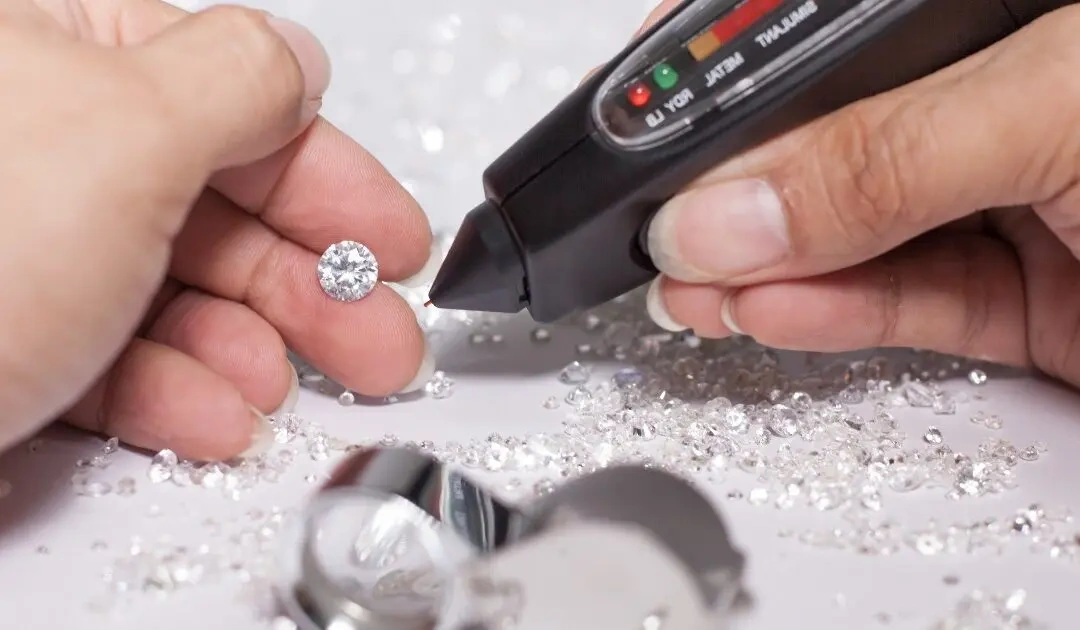
The online appraisal services claiming to provide valuations based on photographs and descriptions without physical examination represent questionable proposition as accurate gemstone grading requires microscopic inspection, spectroscopic analysis, and professional testing equipment unavailable through remote evaluation. Unscrupulous operators issue impressive certificates based solely on customer descriptions without independent verification, creating meaningless documents that fail providing legitimate coverage or realistic valuations. Even legitimate online appraisers acknowledge limitations of remote evaluation, offering preliminary assessments subject to verification during in-person examination or explicitly stating valuations assume customer descriptions prove accurate when actual inspection might reveal discrepancies. The convenience of online appraisal services should not override necessity for physical examination by qualified professionals using proper equipment, particularly for high-value pieces where accurate valuation justifies examination costs and protects against errors materially affecting insurance coverage or financial planning. Identifying fake jewelry pieces requires similar expertise and professional equipment preventing online evaluation.

Insurance Company Settlement Tactics
Insurance companies employ sophisticated claim settlement strategies minimizing payouts despite policies promising replacement value coverage, utilizing contract language ambiguities, wholesale sourcing advantages, and comparable substitution clauses reducing costs below appraised values. The “we will replace or repair” provision common in jewelry insurance policies gives insurers first option to select replacement source rather than paying appraised value directly, enabling them to utilize wholesale channels, negotiate bulk discounts, and select lower-cost alternatives achieving comparable quality specifications at fraction of retail costs forming appraisal basis. The policyholder expecting $15,000 check for stolen ring instead receives replacement from insurance company’s network jeweler providing wholesale product at $8,000 cost, meeting policy obligations while preserving $7,000 difference as profit from premium collections exceeding actual replacement expenses.
The comparable quality language proves particularly advantageous to insurers as policies rarely require identical replacement matching every specification in original appraisal, instead allowing substitution of similar items achieving comparable appearance and quality grades despite different designs, settings, or proportions. The insurance adjuster replaces lost engagement ring with comparable carat weight, color, and clarity grades but simpler setting, different diamond shape, or alternative metal, reducing costs while technically fulfilling contractual obligations to provide comparable replacement. These subtle differences mean policyholders receive jewelry meeting basic specifications without capturing original piece’s unique characteristics, sentimental designs, or artistic elements that attracted initial purchase but prove difficult to quantify or enforce during claims. The cash settlement option typically reflects wholesale replacement cost rather than appraised retail value, with insurers offering checks representing actual expenditure avoiding retail markup rather than amounts consumers paid or appraisals documented.
The agreed value coverage represents superior alternative to standard replacement value policies as it establishes predetermined claim payments regardless of actual replacement costs or wholesale availability, eliminating valuation disputes and settlement negotiations at time of loss when policyholders possess minimal leverage. These specialized policies require comprehensive appraisals meeting higher standards and charge premium rates reflecting guaranteed payouts, though they provide certainty avoiding disappointing settlements and protracted disputes about whether insurer-provided replacements truly match lost pieces. The scheduled personal property endorsements listing specific items with individual coverage limits provide similar agreed value benefits, though require detailed documentation and regular premium payments calculated on scheduled amounts rather than blanket coverage with aggregate limits offering lower costs but reduced protection for high-value items. The jewelry investment value considerations factor into coverage decisions as pieces appreciating beyond original purchase prices require appraisal updates maintaining adequate protection levels.
The mysterious disappearance exclusion common in homeowners insurance policies denies coverage for jewelry losses where theft cannot be proven through evidence like broken windows or police reports, creating coverage gaps for pieces lost through unknown circumstances or gradual disappearance only noticed later. Standard homeowners policies also impose per-item limits typically $1,000 to $2,500 for jewelry regardless of actual value or appraisals, making specialized scheduled coverage essential for protection of engagement rings, heirloom pieces, or collections exceeding basic limits. The deductible applications further reduce claim payments as policyholders must absorb initial losses before insurance coverage activates, with typical $500 to $1,000 deductibles representing significant portions of lower-value jewelry claims. Specialized jewelry insurance policies often waive deductibles and provide broader coverage including mysterious disappearance and worldwide protection, though these enhanced benefits require dedicated policies separate from homeowners coverage and generate higher premiums reflecting expanded protection scope.
The depreciation deductions applied by actual cash value policies reduce claim payments below replacement costs by accounting for age and condition, creating particularly problematic outcomes for inherited jewelry or vintage pieces where original purchase prices or appraisals bear little relationship to current values. The insurer calculates depreciation percentage based on jewelry age, reducing settlement offers 10% to 50% below replacement costs despite replacement value appraisals documenting undepreciated amounts. This approach proves financially logical from insurer perspective avoiding enrichment where policyholders receive new jewelry replacing worn or dated pieces, though creates coverage inadequacy when settlement amounts prove insufficient for purchasing comparable replacements. The fashion statement jewelry wearing patterns influence depreciation calculations as pieces showing significant wear or damage justify larger deductions compared to rarely-worn items maintaining near-original condition, creating unpredictable outcomes where actual settlement offers deviate substantially from appraisal expectations.
The claim investigation process reveals another disadvantage phase as insurers conduct independent appraisals often producing lower valuations than original appraisals, creating disputes about whether policy coverage should reflect policyholder’s or insurer’s valuation. The insurance company appraiser naturally inclines toward conservative assessment reducing claim costs, while possessing specialized knowledge about wholesale sourcing and treatment identifications potentially overlooked in original retail appraisals. These dueling valuations lead to settlement negotiations where policyholders with limited leverage accept reduced payments rather than pursuing costly disputes with uncertain outcomes. The jewelry industry standards compliance requires transparent documentation and ethical practices though enforcement limitations mean consumers bear burden of documenting values and proving claims rather than insurers assuming good faith obligations to honor appraisals upon which premium calculations based.
Market Value vs Appraised Value Reality
The gap between insurance appraisals and actual market values becomes immediately apparent when consumers attempt selling jewelry, discovering that pieces appraised at $20,000 attract buyer offers of $7,000 to $10,000 reflecting realistic resale values rather than inflated replacement costs. Estate jewelry markets, online auction platforms, and resale specialists provide transparent pricing data revealing systematic overvaluation in insurance appraisals, with typical discounts of 50% to 80% from appraised amounts representing normal marketplace outcomes for retail jewelry transitions to secondary markets. This dramatic value destruction doesn’t indicate fraudulent appraisals but rather exposes fundamental differences between theoretical replacement costs and actual prices willing buyers pay for pre-owned jewelry lacking retail warranties, original packaging, and luxury buying experience retail prices partially reflect. The collector gemstones vary value substantially based on market demand, treatment disclosures, and certification documentation affecting prices independently of appraisal amounts.
The wholesale market reality particularly impacts appraisal credibility as jewelry industry operates on wholesale-retail pricing structure where retail markups typically range 200% to 400% above trade prices, meaning $10,000 retail appraisal might reflect $2,500 to $5,000 wholesale cost forming actual replacement expense when insurers utilize trade sources. The consumer purchasing jewelry at retail prices immediately experiences 60% to 75% value loss as piece transitions from retail to wholesale market segment where resale must occur, creating immediate underwater position where selling price cannot recover purchase cost regardless of appraisal amounts. This structural characteristic of jewelry markets means appraisals documenting retail replacement costs dramatically overstate consumer equity position, creating false impression of asset accumulation when reality involves consumption purchase losing value upon acquisition similar to automobiles or fashion purchases.
The online marketplace transparency revolutionizes consumer awareness of realistic jewelry prices as platforms like eBay, Ruby Lane, and specialized jewelry auction sites display actual selling prices rather than aspirational retail asking amounts, enabling verification that appraisals overstate realistic market values. A search for comparable engagement rings reveals hundreds of options priced 40% to 70% below retail appraisals, with completed sale prices providing definitive evidence of market values contradicting appraisal figures. This pricing transparency creates informed consumers recognizing appraisal inflation though creating frustration as insurance companies continue collecting premiums on inflated values while planning settlements at lower market-based costs. The ethical diamond alternatives marketplace additionally affects valuations as conscious consumers increasingly select laboratory-grown options, recycled gold settings, and fair-trade gemstones at prices substantially below traditional jewelry while maintaining comparable quality and appearance.
The gemological certification from independent laboratories including GIA, AGS, or IGI provides objective documentation of diamond quality characteristics independent of appraisal valuations, enabling consumers to research actual selling prices for equivalent specifications and verify whether appraisals reflect realistic replacement costs. A GIA-certified 1.5-carat VS1 clarity, G color, Excellent cut diamond trades at transparent prices accessible through online databases and retail platforms, providing market reality check against appraiser replacement value claims. The certification identifies treatments, synthetic origins, or enhancement procedures affecting value beyond carat weight and quality grades, preventing appraiser omissions or ambiguous language obscuring material value factors. These laboratory reports cost $150 to $300 but provide objective documentation worth multiples of expense by enabling informed insurance decisions and protecting against appraisal inflation or gemstone misrepresentation.
The antique and vintage jewelry markets demonstrate additional disconnects between replacement value methodology and realistic valuations as unique historical pieces cannot be replaced at any price, making replacement value calculations meaningless despite appraiser attempts to estimate comparable reproduction costs. The vintage jewelry treasure hunting opportunities exist precisely because secondary markets value pieces below replacement costs, enabling collectors to acquire jewelry far less than appraisals document. An Art Deco diamond bracelet might carry $50,000 replacement appraisal reflecting contemporary reproduction costs yet sell at auction for $18,000 reflecting actual collector market demand and available comparable pieces. These valuation discrepancies create particular insurance challenges as agreed value coverage proves essential for irreplaceable pieces where replacement value methodology fails providing meaningful protection, though specialized coverage commands premium costs reflecting unique valuation circumstances.
The precious metal price fluctuations demonstrate another appraisal weakness as gold and platinum values cycle through dramatic swings rendering fixed appraisals inaccurate within months of issuance. A gold bracelet appraised at $5,000 when gold traded at $2,000 per ounce might warrant $3,500 appraisal when prices decline to $1,400, yet insurance premiums continue reflecting outdated higher value absent periodic reappraisals updating coverage. These commodity price movements affect all precious metal jewelry requiring regular appraisal updates maintaining accurate valuations, though consumers often overlook reappraisal needs until claim events reveal coverage inadequacy or excess. The systematic reappraisal every two to three years provides opportunities to adjust coverage levels matching current market conditions, potentially reducing premiums when values decline or increasing protection when appreciation occurs.

How to Protect Yourself
Consumer protection against appraisal inflation and insurance coverage gaps requires proactive strategies including independent appraisals from credentialed professionals without retail connections, regular reappraisals maintaining current valuations, comprehensive documentation through photographs and certifications, and specialized insurance policies providing agreed value coverage for highest-value pieces. The independent appraiser selection should prioritize Graduate Gemologist credentials from GIA, American Society of Appraisers membership demonstrating professional standards, and explicit absence of commissions or referral relationships with retail jewelers creating conflicts of interest. The appraiser charging professional fees for services rather than offering complimentary valuations demonstrates commitment to objectivity over client satisfaction, though hourly rates of $150 to $300 represent necessary investment for reliable valuations protecting potentially tens of thousands in jewelry assets and insurance costs over time.
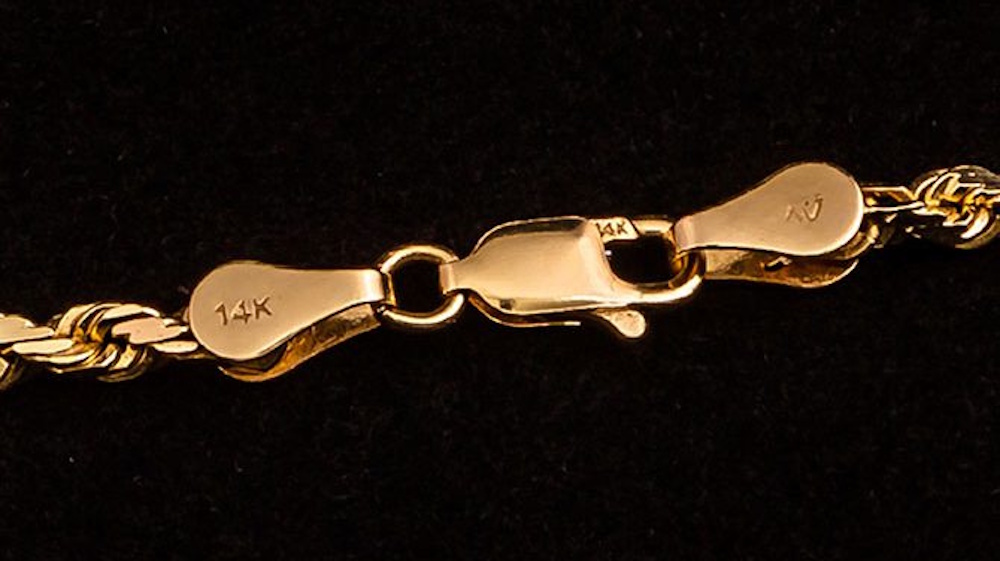
The comprehensive appraisal documentation should include detailed photographs from multiple angles capturing design characteristics, close-ups of gemstone settings showing mounting details, and images documenting any damage or wear affecting value. The written description must specify precise measurements, carat weights, metal purity marks, gemstone quality grades using standard industry terminology, and explicit treatment disclosures noting heating, irradiation, fracture filling, or clarity enhancement affecting value. The market analysis section should reference specific comparable sales or retail offerings supporting stated replacement values rather than generic assertions of value without verifiable justification. This thorough documentation enables claim verification and prevents settlement disputes about whether replacement pieces truly match lost items, providing leverage during negotiations when insurers propose inadequate settlements.
Shop on AliExpress via link: wholesale-jewelry-loupe-magnifier
The gemological laboratory certification provides independent verification of diamond quality characteristics, enabling consumers to research actual market prices for equivalent specifications and assess whether appraisals reflect realistic replacement costs. The GIA report documenting exact carat weight, color grade, clarity characteristics, cut proportions, fluorescence, and treatment disclosures costs $150 to $300 but protects against inaccurate appraisals and enables informed insurance decisions. The certification also identifies laboratory-grown diamonds, synthetic gemstones, or treated materials requiring value adjustments, preventing appraiser errors or omissions creating coverage gaps when claims reveal discrepancies between stated and actual characteristics. The investment in professional certification proves particularly valuable for diamonds exceeding one carat and any colored gemstones like rubies, sapphires, or emeralds where treatment identification dramatically affects value and replacement costs.
The insurance policy selection should prioritize scheduled personal property endorsements or specialized jewelry policies providing agreed value coverage eliminating valuation disputes during claims, though requiring detailed appraisals meeting higher standards and commanding premium costs reflecting enhanced protection. The policy should explicitly exclude laboratory-grown diamond substitutions for lost natural stones, eliminate deductibles for jewelry claims, and provide worldwide coverage including mysterious disappearance situations where theft cannot be definitively proven. The insurance company specializing in jewelry coverage often provides superior protection compared to homeowners policy jewelry endorsements as specialized carriers understand unique valuation challenges and offer broader coverage acknowledging jewelry loss circumstances differing from other property claims. The annual premium costs typically range 1% to 3% of insured value depending on coverage terms, deductibles, and
insurance company, representing reasonable expense for comprehensive protection when policies deliver promised coverage rather than disappointing settlement offers dramatically below appraisals.
The regular reappraisal schedule every two to three years maintains current valuations reflecting precious metal price changes, gemstone market fluctuations, and emerging replacement options like laboratory-grown diamonds reducing natural stone valuations. The updated appraisals enable premium adjustments downward when values decline, avoiding excessive insurance costs for overvalued pieces, while increasing coverage when appreciation occurs protecting against underinsurance. The reappraisal process also provides opportunities to identify damaged settings, worn prongs, or condition issues requiring repairs before losses occur from gemstones falling from deteriorated mountings. Professional jewelers caring for fine pieces recommend annual inspections identifying maintenance needs preventing avoidable losses, with periodic reappraisals every few years documenting current conditions and values for insurance purposes.
The consumer awareness about realistic jewelry values develops through research of online markets, auction results, and wholesale price databases providing transparency previously unavailable before internet access. The informed consumer recognizes that retail jewelry purchases involve immediate 60% to 75% value loss as pieces transition to secondary markets, avoiding expectation that jewelry represents sound investment or appreciating asset. This realistic perspective enables appropriate insurance decisions focusing on actual replacement costs rather than inflated retail appraisals, while setting proper expectations for inheritance values or resale proceeds should liquidation become necessary. The jewelry purchases should be viewed primarily as consumption for personal enjoyment rather than investment vehicles, with any appreciation representing pleasant surprise rather than expected outcome justifying premium retail prices.
The claim documentation preparation should begin immediately upon jewelry acquisition, maintaining comprehensive records including purchase receipts, appraisals, laboratory certifications, detailed photographs, and repair/maintenance records demonstrating proper care. The documentation should be stored securely in fireproof safe or bank safe deposit box separate from jewelry itself, while digital copies should be maintained in cloud storage providing access if physical documents are destroyed in same event causing jewelry loss. This thorough record-keeping strengthens claim submissions and prevents insurer disputes about coverage amounts or piece characteristics, providing leverage to demand fair settlements matching documented values rather than accepting reduced offers based on inadequate policyholder documentation. The proactive organization requiring modest time investment provides enormous value when claims occur and comprehensive documentation means difference between adequate and inadequate settlement outcomes. The hypoallergenic jewelry considerations factor into replacement negotiations as metal sensitivities require specific alloy selections potentially affecting costs and availability.

The Future of Jewelry Valuation
The jewelry appraisal industry faces fundamental disruption from technological advances including blockchain certification systems providing transparent provenance tracking, artificial intelligence valuation algorithms analyzing vast market databases producing objective price estimates, and online marketplaces creating pricing transparency undermining traditional appraisal opacity. The blockchain diamond certification from companies like Everledger creates permanent digital records documenting gemstone characteristics from mine to retail, preventing appraisal fraud or misrepresentation while enabling instant verification of specifications and ownership history. The distributed ledger technology provides tamper-proof documentation accessible to insurers, consumers, and secondary market buyers, creating accountability previously impossible with paper certificates subject to alteration or loss. The widespread adoption remains years away as industry stakeholders resist transparency threatening profitable appraisal inflation, though growing consumer demand for verification and insurance company interest in fraud prevention gradually drive blockchain integration across jewelry supply chains.
The artificial intelligence appraisal systems training on millions of sale transactions, laboratory certifications, and market prices produce valuation algorithms matching or exceeding human appraiser accuracy while eliminating conflicts of interest and unconscious biases affecting traditional assessments. The computer vision analysis comparing submitted photographs against database of gemstone characteristics provides preliminary valuations subject to verification through physical inspection, enabling efficient screening identifying pieces requiring comprehensive professional appraisal versus routine items suitable for automated assessment. These technological systems cannot fully replace professional appraisers for complex or unique pieces requiring expert judgment, though they provide valuable second opinions revealing obvious inflation in retail appraisals and enabling consumers to identify appraisers whose valuations systematically exceed market norms suggesting conflict or bias.
The laboratory-grown diamond revolution fundamentally disrupts traditional diamond valuations as synthetics achieving quality indistinguishable from natural stones sell at 60% to 80% discounts, creating replacement options dramatically below natural diamond appraisals. The insurance companies increasingly exercise rights to replace lost natural diamonds with laboratory-grown alternatives when policies don’t explicitly prohibit this substitution, reducing settlement costs while technically meeting comparable quality obligations. This emerging practice forces explicit policy language distinguishing natural and synthetic diamonds, with premium coverage guaranteeing natural replacements commanding higher rates reflecting increased costs. The consumer purchasing natural diamonds must insist on policy language prohibiting laboratory-grown substitutions, while accepting these emerging alternatives requires explicit acknowledgment understanding lower replacement costs should reduce insurance premiums accordingly. The industry tensions between traditional natural diamond merchants and laboratory-grown advocates create complex valuation landscape requiring careful policy language protecting consumer interests regardless of diamond origin preferences.
The online marketplace pricing transparency continues pressuring traditional retail jewelers and appraisers as consumers instantly verify inflated appraisals through simple internet searches revealing wholesale prices and actual selling values. The informed consumer shopping online jewelers like Blue Nile or James Allen before purchasing through retail channels recognizes dramatic pricing differences, questioning appraisals that document values double or triple realistic replacement costs. This transparency forces retail jewelers to justify premium pricing through service, expertise, and buying experience rather than relying on information asymmetry and appraisal inflation supporting elevated prices. The gradual industry shift toward realistic appraisals reflecting actual replacement costs through wholesale channels benefits consumers through lower insurance premiums and appropriate coverage expectations, though threatens traditional retail business models depending on high margins and inflated valuations.
The regulatory attention to jewelry industry practices increases as consumer protection agencies recognize systematic appraisal inflation creating financial harm through excessive insurance premiums and inadequate claim settlements. The enhanced disclosure requirements and standardized appraisal formats proposed by various industry groups attempt addressing conflicts and establishing minimum documentation standards, though voluntary compliance and limited enforcement mean meaningful reform requires years of gradual adoption. The insurance industry self-interest in reducing inflated appraisals may ultimately drive change as companies recognizing they could reduce premiums while maintaining profitability by basing coverage on realistic wholesale replacement costs rather than inflated retail appraisals. This realignment would benefit consumers through lower premiums and clearer coverage expectations while reducing insurer vulnerability to bad faith claims when settlement offers deviate dramatically from appraised values forming premium calculation basis.
The consumer education initiatives from non-profit organizations, government agencies, and independent advocates gradually increase awareness about appraisal inflation and insurance coverage limitations, empowering consumers to demand independent valuations and comprehensive policy coverage rather than accepting complimentary retail appraisals and inadequate insurance. The informed consumer represents the most powerful force for industry reform as marketplace decisions reward honest appraisers and insurers providing transparent coverage while punishing businesses relying on inflated valuations and disappointing claim settlements. This consumer pressure combined with technological disruption and regulatory attention creates momentum toward fundamental reform of jewelry appraisal practices over coming decade, though pace of change depends on consumer vigilance demanding transparency and accountability rather than accepting status quo of systematic overvaluation and coverage inadequacy.

Conclusion: Taking Control of Your Coverage
The uncomfortable truth about jewelry appraisals and insurance valuations reveals systematic inflation serving everyone’s interests except consumers who pay excessive premiums based on inflated values while receiving inadequate settlements when claims occur. The structural conflicts throughout appraisal industry create upward valuation bias as jewelers, appraisers, and insurance agents all benefit from high appraisals while only consumers suffer consequences through excessive costs and disappointing claim outcomes. This exploitation operates openly because consumers lack awareness of realistic jewelry values and insurance settlement practices until losses occur when documentation gaps and policy language ambiguities prevent recovery matching appraisal expectations. The informed consumer recognizes these industry dynamics and takes proactive measures protecting financial interests through independent appraisals from credentialed professionals, comprehensive documentation supporting claim submissions, specialized insurance providing agreed value coverage, and realistic expectations understanding jewelry represents consumption purchase rather than investment appreciating over time.
The protection strategy begins with rejecting complimentary retail appraisals in favor of independent valuations from professionals without retail connections or commission arrangements creating conflicts. The investment in professional independent appraisal at $150 to $300 pays for itself many times over through realistic valuations enabling appropriate insurance coverage at fair premium costs while avoiding excessive premiums on inflated values. The laboratory certification from GIA or similar institutions provides objective gemstone documentation enabling market research verifying whether appraisals reflect realistic replacement costs or represent inflated theoretical values disconnected from marketplace reality. This due diligence requires modest time investment but protects potentially tens of thousands in jewelry assets and insurance costs over ownership period, while providing leverage during claim negotiations when comprehensive documentation prevents insurer attempts to minimize settlements through inadequate comparable substitutions or depreciation deductions.
The insurance policy selection emphasizing scheduled personal property coverage or specialized jewelry policies providing agreed value protection eliminates valuation disputes and settlement uncertainties inherent in standard replacement value policies. The premium costs of 1% to 3% of insured value represent reasonable expense for coverage delivering promised protection rather than disappointing settlements dramatically below appraisals, while worldwide coverage and mysterious disappearance protection address jewelry loss circumstances differing from typical property claims. The regular reappraisal every two to three years maintains current valuations accounting for precious metal price changes and market condition shifts, enabling premium adjustments and appropriate coverage levels protecting against both underinsurance and overinsurance.
The realistic expectations about jewelry values recognizing immediate 60% to 75% value loss upon retail purchase prevents disappointment and enables informed decisions about insurance coverage, inheritance planning, and personal finances. Jewelry purchases should be viewed primarily as consumption for personal enjoyment rather than investment vehicles, with appraisals serving insurance documentation purposes rather than reflecting realistic resale values or liquidation proceeds. This perspective doesn’t diminish jewelry’s emotional value or personal significance but rather prevents financial planning mistakes based on inflated appraisals suggesting asset accumulation when reality involves consumption purchases similar to automobiles or fashion expenditures. The sentimental value far exceeds market value for most jewelry, making insurance protection essential despite pieces’ modest resale values preventing recovery of original purchase costs.
The consumer advocacy and awareness represent the most powerful forces driving industry reform toward transparent valuations and honest insurance practices. The informed consumer demanding independent appraisals, comprehensive policy coverage, and realistic valuations creates marketplace pressure rewarding ethical practitioners while punishing businesses relying on conflicts and systematic overvaluation. This consumer power combined with technological disruption from blockchain certification, artificial intelligence valuation, and online marketplace transparency gradually forces industry evolution toward practices serving consumer interests rather than enriching intermediaries through information asymmetry and inflated valuations. The ultimate responsibility lies with consumers educating themselves about jewelry markets, insurance practices, and realistic valuations rather than accepting industry conventional wisdom favoring higher appraisals and excessive premiums funding profits while delivering inadequate protection exactly when coverage matters most.

Frequently Asked Questions
Q1: Why do jewelry appraisals often show inflated values compared to actual market prices?
Jewelry appraisals frequently display inflated values because appraisers working directly for jewelers have financial incentives to overstate replacement costs, enabling higher insurance premiums and creating impression of greater value justifying original purchase prices. The replacement value methodology intentionally estimates maximum retail costs rather than realistic market values, often producing appraisals 50-200% above actual resale prices. This systematic inflation serves insurance company interests through higher premium collections while providing jewelers competitive advantage suggesting customers received exceptional deals on valuable pieces worth substantially more than purchase prices.
Q2: What is the difference between replacement value and actual cash value in jewelry insurance?
Replacement value represents theoretical maximum cost for purchasing identical or comparable item from retail jeweler at current market prices, while actual cash value calculates depreciated worth considering age, condition, and realistic resale market prices. Insurance policies based on replacement value typically charge higher premiums but promise full replacement without depreciation deductions, though actual claim settlements often reveal limitations when insurers utilize wholesale sources paying far less than appraised values. The actual cash value approach applies depreciation reducing claim payments below original purchase costs, creating lower premiums but potentially inadequate recovery after losses, particularly for pieces with sentimental rather than investment value.
Q3: How often should I update my jewelry appraisals for insurance purposes?
Jewelry appraisals require updates every two to three years maintaining accurate valuations reflecting current market conditions, precious metal price fluctuations, and gemstone value changes that can shift dramatically during economic cycles. Market conditions in 2026 show significant variance from 2020 appraisals due to gold price increases, diamond market corrections, and emerging synthetic gemstone competition reducing natural stone values. Insurance companies may deny claims or apply depreciation when outdated appraisals fail reflecting current replacement costs, while regular updates also reveal overinsured pieces where premium reductions can generate savings when market values decline below original appraisal estimates.
Q4: What credentials should I look for in an independent jewelry appraiser?
Qualified independent appraisers hold credentials from recognized gemological institutions including GIA Graduate Gemologist designation, American Society of Appraisers membership with personal property specialization, or National Association of Jewelry Appraisers certification demonstrating technical competence and ethical standards. Independent status proves critical as appraisers without retail jewelry sales connections avoid conflicts of interest that compromise valuation objectivity, though truly independent practitioners may charge higher fees than complimentary appraisals offered by jewelers seeking customer retention. Professional appraisers maintain liability insurance protecting clients against valuation errors, use standardized documentation formats including detailed photographs and gemstone certifications, and provide market-based valuations considering actual replacement sources rather than theoretical maximum retail prices.
Q5: Can my insurance company refuse to pay the appraised value after a claim?
Insurance companies frequently pay significantly less than appraised values by utilizing wholesale replacement sources, negotiating jeweler discounts, or substituting comparable alternatives rather than identical replacements matching original specifications. Policy language containing phrases like “comparable quality” or “similar item” provides insurers flexibility replacing lost pieces with lower-cost alternatives despite higher appraised values, while some companies impose maximum per-item limits regardless of appraisals. Scheduled personal property endorsements offering agreed-value coverage eliminate valuation disputes by establishing predetermined claim payments, though these specialized policies require detailed appraisals and charge premium rates reflecting guaranteed payouts without depreciation or comparable substitution clauses reducing insurer costs.
Q6: What are the most common jewelry appraisal mistakes that affect insurance coverage?
Common appraisal mistakes include vague descriptions lacking specific gemstone characteristics, missing documentation of treatments or enhancements affecting value, outdated market values failing to reflect current conditions, and inflated replacement costs bearing no relationship to realistic retail prices. Appraisals omitting precise measurements, weight specifications, and quality grades create disputes during claims when insurers question whether replacement pieces match original quality levels. Additional errors involve failing to distinguish between natural and laboratory-created gemstones, overlooking condition issues like worn prongs or damaged settings, and applying inappropriate valuation methods for antique or vintage pieces where replacement value methodology proves meaningless since identical items cannot be purchased at any price.
Q7: How do online appraisals compare to in-person jewelry valuations?
Online appraisals utilizing photographs and submitted documentation provide convenient preliminary valuations though cannot match accuracy of in-person examination using professional gemological equipment including microscopes, spectroscopes, and electronic testers identifying treatments, synthetics, and quality characteristics invisible in photographs. Reputable online appraisers acknowledge these limitations, offering conditional valuations subject to physical inspection verification, while disreputable services provide meaningless certificates based solely on customer descriptions without independent verification. The hybrid approach combines online submission for preliminary review followed by scheduled in-person examination at appraiser’s location or through insured shipping to laboratory facilities, providing convenience benefits while maintaining professional standards requiring physical gemstone testing and jewelry examination under controlled lighting conditions.
Q8: What should I do if I suspect my jewelry appraisal is inflated?
Suspected inflated appraisals warrant seeking second opinions from independent appraisers without retail sales connections, comparing stated values against online marketplaces showing actual selling prices for comparable pieces, and researching current precious metal and gemstone market prices validating whether appraisal figures reflect realistic replacement costs. Many insurance companies offer appraisal review services examining documentation for obvious inflation or errors, potentially reducing premiums when values decrease to market-appropriate levels. Overinsured jewelry creates unnecessary premium expenses without additional protection since claim payments cannot exceed actual replacement costs regardless of appraisal amounts, making periodic reappraisals during market downturns financially beneficial when precious metal or gemstone values decline below original estimates.
Q9: Do insurance companies require specific appraisal formats or certifications?
Insurance companies increasingly specify appraisal documentation requirements including detailed photographs from multiple angles, precise gemstone measurements and quality grades, current market analysis supporting stated values, and appraiser credentials from recognized gemological institutions. Some insurers mandate appraisals following USPAP standards ensuring consistency and reliability, while others accept informal valuations from jewelers despite inherent conflicts of interest. Scheduled personal property coverage typically demands comprehensive appraisal documentation meeting higher standards than blanket coverage with aggregate limits, with insurers reserving rights to request updated appraisals or independent reviews when claim values seem inconsistent with policy premiums or market conditions.
Q10: What is the best insurance strategy for protecting valuable jewelry collections?
Optimal jewelry insurance combines scheduled personal property endorsements for highest-value pieces with agreed-value coverage eliminating valuation disputes, supplemented by appropriate deductibles balancing premium costs against acceptable loss exposure. Separating jewelry insurance from homeowners policies through specialized jewelry insurers provides broader coverage including mysterious disappearance and worldwide protection without deductibles, though requires comprehensive appraisals and higher premiums reflecting enhanced protection. Regular appraisal updates maintain accurate coverage levels avoiding both underinsurance risking inadequate recovery and overinsurance generating unnecessary premium expenses, while detailed documentation including photographs and purchase records strengthens claim submissions regardless of policy type.
Articles related:

Tags
📧 Get More Articles Like This
Subscribe to receive product reviews and buying guides in your inbox!
We respect your privacy. Unsubscribe at any time.