Smart Jewelry Technology: Health Tracking Rings and Necklaces That Replace Your Smartwatch
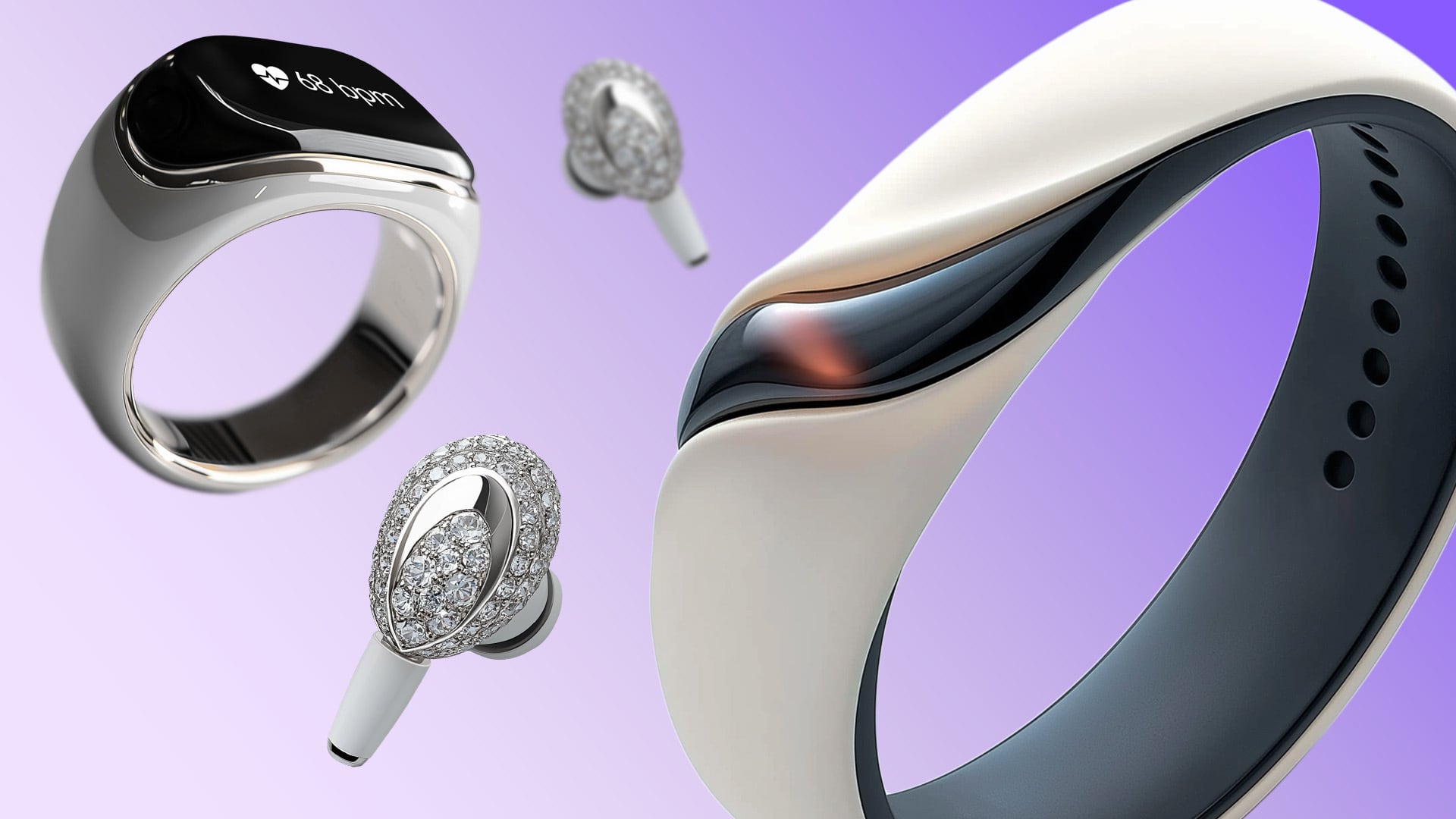
Table of Contents
- The Silent Revolution in Wearable Technology
- How Smart Jewelry Actually Works
- The Science Behind Health Tracking Rings
- Smart Necklaces: Beyond Basic Monitoring
- FDA Regulations and Safety Standards
- Privacy and Data Security Concerns
- Comparing Smart Jewelry to Traditional Wearables
- The Future of Health Tracking Jewelry
- FAQ
The Silent Revolution in Wearable Technology
Sarah Martinez never considered herself a technology enthusiast, and the bulky fitness tracker her doctor recommended sat unused in its box for three months after her cardiac health scare. The black rubber band looked completely out of place next to the elegant gold jewelry she wore daily to her position as a senior banking executive, where image and professionalism mattered as much as competence and results. When her physician strongly insisted on continuous heart rate monitoring following an episode of atrial fibrillation, Sarah faced an uncomfortable choice between her health needs and professional appearance. That dilemma dissolved completely when she discovered the Oura Ring Generation 4, a sleek titanium band that looked indistinguishable from her other fine jewelry but contained sophisticated sensors capable of detecting irregular heartbeats, monitoring sleep quality, tracking activity levels, and even measuring blood oxygen saturation throughout the day and night. Six months later, the smart ring had become so integral to her daily routine that she felt naked without it, checking her readiness score each morning before deciding whether to push through an intense workout or take a recovery day based on objective physiological data rather than subjective feelings.
Sarah’s story represents a fundamental shift occurring in the wearable technology market, where consumers increasingly demand devices that seamlessly integrate into their lives without announcing their presence or compromising personal style. The global smart jewelry market has exploded from a niche curiosity valued at approximately three hundred forty-five million dollars in 2023 to projections exceeding one point three billion dollars by 2032, driven by technological miniaturization that allows powerful health monitoring capabilities to fit inside rings barely larger than traditional bands, necklaces thin enough to layer with other jewelry, and earrings sophisticated enough to track blood flow to the brain while weighing less than a gram. This remarkable growth reflects not just improved technology but a changing consumer psychology where people want their health data without the constant visual reminder of medical monitoring that traditional fitness trackers provide.
The transformation from clunky wearables to elegant smart jewelry required breakthroughs in multiple technological domains simultaneously, including battery miniaturization that allows devices to operate for days on charges small enough to fit inside a ring, sensor technology sensitive enough to detect minute physiological changes through skin contact, and wireless connectivity efficient enough to sync data without draining power reserves. Companies like Oura, Motiv, Circular, and newcomers like Lumia have invested millions in research and development to solve these engineering challenges, creating devices that measure up to fifteen different health metrics while maintaining water resistance, durability, and the refined aesthetics that jewelry customers demand. The result is a new category of wearables that appeals to demographics who previously rejected fitness trackers as too sporty, too casual, or simply too obviously technological for their personal style preferences or professional environments.
This video specifically showcases the “Nirva AI Powered Necklace” at minute [10:42], as well as the latest smart ring releases for 2026, such as the RingConn Gen 3. :
The medical community has taken notice of this evolution with cautious optimism, recognizing that continuous health monitoring can provide valuable data for managing chronic conditions, detecting early warning signs of cardiac events, and understanding sleep disorders that impact millions of Americans. Cardiologists report that patients who rejected traditional wearables enthusiastically adopt smart rings when presented as an elegant alternative, leading to higher compliance rates and more comprehensive data collection over extended periods. The FDA wellness device policy that evolved significantly in early 2026 acknowledged this trend by clarifying regulatory pathways for devices that blur the line between medical equipment and consumer wellness products, creating a framework that encourages innovation while maintaining appropriate safety standards for devices making health-related claims.

How Smart Jewelry Actually Works
The technological magic enabling smart jewelry to monitor complex physiological parameters from a tiny package involves sophisticated integration of multiple sensor systems, each designed to capture specific data points that collectively paint a comprehensive picture of the wearer’s health status. At the heart of most smart rings sits a photoplethysmography sensor, commonly known as a PPG sensor, which uses light-emitting diodes to shine green or red light through the skin and measures how much light reflects back to photodetectors on the opposite side of the sensor array. This technique works because blood absorbs more light than surrounding tissue, so the amount of reflected light varies with each heartbeat as blood volume pulses through the capillaries in the finger, allowing sophisticated algorithms to calculate heart rate with remarkable accuracy by analyzing the frequency and amplitude of these light variations over time.
Beyond basic heart rate measurement, advanced PPG systems can extract additional valuable information from the waveform patterns they detect, including estimates of blood oxygen saturation by comparing absorption differences between red and infrared light wavelengths, respiratory rate by identifying subtle variations in the baseline PPG signal caused by breathing-related changes in blood pressure, and even indicators of arterial stiffness that may signal cardiovascular health issues requiring medical attention. The placement of sensors matters enormously for data quality, which is why smart rings positioned on fingers near major arteries often provide more accurate readings than wrist-worn devices that must contend with more tissue interference, greater movement artifacts, and less consistent skin contact during different activities and sleeping positions throughout the day.
Temperature sensors represent another critical component in smart jewelry health monitoring systems, using thermistors or infrared detectors to track skin temperature variations that can indicate fever, hormonal cycle phases in women, recovery status after exercise, and even early signs of illness before obvious symptoms appear. The Oura Ring pioneered continuous temperature monitoring by establishing each user’s personal baseline temperature profile over their first few weeks of wear, then flagging deviations from that individual pattern rather than comparing against population averages that fail to account for natural variation between people. This personalized approach has proven particularly valuable for detecting early signs of illness, with some users reporting that their rings alerted them to elevated temperatures a full day before they felt any symptoms, potentially allowing earlier intervention and reduced disease transmission.
Accelerometers and gyroscopes embedded within smart jewelry track movement patterns in three-dimensional space, recording not just step counts but also the intensity, duration, and type of physical activity based on characteristic motion signatures that algorithms can recognize and classify. These motion sensors operate continuously with minimal power consumption, collecting data even when the device is not actively syncing with a smartphone, and sophisticated processing algorithms can distinguish between walking, running, cycling, swimming, and even specific exercise movements like yoga poses or weightlifting repetitions. Sleep tracking leverages these same motion sensors combined with heart rate data to identify sleep stages including light sleep, deep sleep, REM sleep, and wake periods throughout the night, providing insights into sleep quality that go far beyond simple duration tracking.
The wireless connectivity enabling smart jewelry to communicate with smartphones and cloud servers typically uses Bluetooth Low Energy technology, a power-efficient protocol specifically designed for small devices that need to transmit data periodically without draining tiny batteries. Modern smart rings can store several days worth of health data in onboard memory, syncing with paired smartphones opportunistically when in range rather than maintaining constant connections that would quickly exhaust battery reserves. This intermittent syncing approach allows users to wear their smart jewelry continuously without worrying about staying within Bluetooth range at all times, though most people naturally sync multiple times daily as their phones remain nearby during normal activities.
The Science Behind Health Tracking Rings
The finger provides an unexpectedly ideal location for physiological monitoring, offering several advantages over more obvious placement sites like the wrist that most people intuitively assume would be superior for health tracking purposes. The arteries running through fingers sit relatively close to the skin surface with minimal surrounding muscle tissue or fat that can interfere with optical sensors, creating cleaner signals with less noise compared to the wrist where tendons, bones, and variable tissue thickness complicate sensor readings. Additionally, fingers experience less movement during most activities compared to wrists that swing dramatically during walking or exercise, reducing motion artifacts that can confuse sensors and produce inaccurate readings requiring complex filtering algorithms to clean the data after collection.
The temperature stability of fingers also contributes to measurement quality, as fingers maintain relatively consistent temperatures throughout the day unlike wrists that can fluctuate significantly based on ambient conditions, clothing coverage, and proximity to the body’s core. This stability allows temperature sensors in smart rings to detect subtle variations of just a few tenths of a degree that would be lost in the noise of wrist temperature fluctuations, enabling the early illness detection and menstrual cycle tracking features that have become signature capabilities of leading smart ring platforms. Research published in peer-reviewed journals has validated that finger-based temperature monitoring can detect fever onset hours before subjective symptoms appear, potentially providing crucial early warning for infectious diseases including COVID-19, influenza, and other illnesses where early treatment improves outcomes.
The continuous nature of ring-based monitoring provides advantages beyond just measurement accuracy, creating comprehensive datasets that reveal patterns invisible in spot-check measurements or even hourly sampling from devices that only activate periodically. Heart rate variability, a metric increasingly recognized as an important indicator of autonomic nervous system function and overall health status, requires continuous high-quality heart rate data collected over extended periods to calculate meaningfully. Smart rings worn twenty-four hours a day naturally capture this information, building rich profiles of how each individual’s cardiovascular system responds to stress, exercise, sleep, and daily activities. Studies utilizing wearable sensor data have demonstrated that heart rate variability patterns can predict illness onset, overtraining in athletes, and even mood disorders, though much research remains before these correlations translate into clinically validated diagnostic tools.
The sleep tracking capabilities of smart rings have garnered particular attention from sleep researchers and medical professionals who previously relied on expensive polysomnography equipment requiring overnight hospital stays or bulky home monitoring systems that patients found uncomfortable and intrusive. While smart rings cannot match the comprehensive data captured by full sleep studies with electroencephalography, electrooculography, and electromyography, they provide surprisingly accurate sleep stage estimation by combining heart rate patterns, heart rate variability, body temperature, and movement data through machine learning algorithms trained on thousands of polysomnography-validated sleep sessions. Validation studies comparing smart ring sleep staging to gold-standard polysomnography have shown agreement rates exceeding eighty percent for major sleep stages, making these devices valuable tools for tracking sleep patterns over weeks and months even though they should not replace medical-grade sleep studies when diagnosing serious sleep disorders.
The blood oxygen monitoring capability added to recent smart ring generations uses pulse oximetry principles similar to the finger clip devices ubiquitous in medical settings, though miniaturized and optimized for continuous wear rather than spot measurements. By comparing light absorption at two different wavelengths, smart rings can estimate blood oxygen saturation levels that normally remain above ninety-five percent in healthy individuals but may drop during sleep apnea events, respiratory illnesses, or high-altitude exposure. The FTC health app guidance clarifies that devices measuring blood oxygen for general wellness purposes face different regulatory requirements than those marketed for medical diagnosis, an important distinction as some manufacturers have faced scrutiny for health claims that crossed from wellness into medical territory without appropriate regulatory clearances.

Smart Necklaces: Beyond Basic Monitoring
While smart rings have captured most of the health tracking jewelry spotlight, innovative companies are developing smart necklaces and pendants that offer unique monitoring capabilities unavailable from finger-based devices due to their proximity to different physiological measurement sites. The neck and upper chest area provides access to major blood vessels including the carotid artery, offers excellent positioning for respiratory monitoring through chest expansion detection, and allows novel measurements like tracking blood flow to the brain that cannot be accomplished from peripheral locations like fingers or wrists. These anatomical advantages are driving development of necklace-based health trackers that complement rather than compete with smart rings, creating opportunities for multi-device monitoring systems that capture different aspects of physiological function from strategically chosen body locations.
Lumia 2, perhaps the most technologically ambitious smart necklace currently available, uses infrared sensors in a tiny earring format to measure arterial blood flow in the shallow ear artery closest to the brain, providing insights into cerebral circulation that correlate with mental alertness, energy levels, and cardiovascular health. The device weighs just one gram and uses a secure back-locking system to prevent loss during vigorous activity or sleep, addressing the primary concern many consumers express about wearing valuable technology in easily-lost earring formats. The modular battery system allows continuous wear without removal for charging, a significant advantage over devices requiring daily or weekly charging sessions that interrupt data collection and compliance. This blood flow monitoring capability represents a genuinely novel measurement that standard wearables cannot replicate, potentially justifying the premium pricing these advanced devices command in an increasingly crowded smart jewelry marketplace.
Other smart necklace designs focus on environmental monitoring rather than purely physiological measurements, incorporating sensors for ultraviolet light exposure that can help users avoid excessive sun exposure linked to skin cancer risk, air quality monitors detecting particulate pollution and volatile organic compounds that may trigger asthma or allergies, and even radiation detectors for people working in healthcare or nuclear facilities where exposure tracking provides important safety information. These environmental monitoring capabilities align perfectly with necklace form factors since the sensors need exposure to ambient conditions rather than skin contact, and chest-level positioning approximates breathing zone exposure better than wrist-worn devices that often end up covered by sleeves or positioned far from the nose and mouth where air quality matters most.
The posture monitoring applications of smart necklaces have attracted attention from physical therapists and ergonomics specialists who recognize that poor posture contributes to neck pain, back problems, and repetitive strain injuries affecting millions of office workers and students spending hours daily hunched over computers and smartphones. Accelerometers in chest-worn pendants can detect slouching, forward head posture, and other problematic positions, providing gentle vibration alerts when the wearer maintains poor posture for extended periods. While the effectiveness of these reminders for creating lasting behavioral change remains debated, users report increased awareness of posture habits and gradual improvement over weeks of consistent use, suggesting potential value for people motivated to correct postural issues before they progress to chronic pain conditions requiring medical intervention.
The breathing rate and pattern monitoring enabled by smart necklaces positioned on the chest provides another unique measurement capability with applications ranging from stress management to sleep apnea detection and general respiratory health tracking. Impedance sensors or motion detectors can measure chest expansion during breathing with sufficient precision to calculate respiratory rate and identify irregular breathing patterns like the periodic breathing sometimes seen during sleep or the rapid shallow breathing associated with anxiety and panic attacks. Some mental wellness applications incorporate breathing monitoring into biofeedback systems that help users practice controlled breathing techniques proven to reduce stress and anxiety, providing real-time visual or haptic feedback about breathing pace and depth to facilitate learning proper breath control techniques without requiring conscious counting or timing.
The FDA Regulations and Safety Standards
The regulatory landscape governing smart jewelry underwent significant evolution in early 2026 when the FDA general wellness policy clarified enforcement approaches for wearable devices that blur traditional boundaries between medical equipment and consumer electronics. The FDA digital health guidance distinguishes between devices marketed for “general wellness” purposes such as encouraging physical activity or healthy lifestyle choices versus those making specific claims about diagnosing, treating, or preventing diseases that trigger more stringent medical device regulations requiring premarket review and clearance. This distinction matters enormously for smart jewelry manufacturers because the difference determines whether they can bring products to market within months through a streamlined process or must invest years and millions of dollars in clinical validation studies to satisfy medical device requirements.
Under the updated FDA policy announced at the Consumer Electronics Show in early 2026, smart jewelry monitoring metrics like heart rate, physical activity, sleep patterns, and blood oxygen levels for wellness purposes typically qualifies for relaxed regulatory oversight as long as manufacturers avoid medical claims suggesting their devices can diagnose conditions or replace medical equipment. A smart ring marketed as helping users “understand their body better” and “optimize wellness” generally falls outside medical device regulations, while an identical device claiming to “detect atrial fibrillation” or “diagnose sleep apnea” would require FDA clearance through the 510(k) premarket notification process or potentially even more rigorous premarket approval if the agency considers it a novel device without appropriate predicate comparisons.
This regulatory framework creates an interesting tension for companies developing increasingly sophisticated smart jewelry with genuine medical-grade measurement capabilities but uncertain how to market those capabilities without triggering burdensome regulatory requirements that smaller companies cannot afford. Some manufacturers deliberately limit their marketing claims to stay within general wellness boundaries even though their devices could potentially detect medical conditions, while others pursue FDA clearance for specific features to differentiate themselves in a crowded market and build credibility with healthcare providers who might recommend their devices to patients. The Oura Ring, for example, initially marketed strictly for wellness but later sought FDA clearance for specific capabilities after establishing market presence and generating revenue to fund the regulatory process.
The FTC health breach notification requirements expanded significantly in 2024 and continued evolving through 2026, now clearly applying to smart jewelry makers and health app developers who collect sensitive personal health information from users. Companies must notify consumers and the FTC within sixty days of discovering data breaches involving health information, with potential civil penalties for non-compliance reaching tens of thousands of dollars per day for violations. These breach notification obligations apply regardless of whether devices are classified as medical equipment by the FDA, reflecting the FTC’s consumer protection mandate that extends beyond medical device safety to encompass data privacy and security for all companies collecting personal information from consumers.
The data privacy implications of continuous health monitoring deserve serious consideration from consumers evaluating smart jewelry purchases, as these devices generate extraordinarily detailed records of intimate personal information including sleep patterns that reveal when someone is home and vulnerable, location data from connected smartphones that tracks movements throughout the day, heart rate patterns that might disclose stress responses or emotional states, and reproductive health information for women using temperature tracking for fertility awareness. The IEEE wearable technology research has documented security vulnerabilities in some commercial devices including inadequate encryption, insecure data transmission protocols, and smartphone apps with poor security practices that could allow unauthorized access to sensitive health information by hackers, employers, insurance companies, or other parties with economic or legal interests in that data.

Privacy and Data Security Concerns
The convenience and health insights provided by smart jewelry come with privacy trade-offs that many consumers fail to fully consider before beginning continuous health monitoring, potentially exposing sensitive personal information to commercial exploitation, security breaches, or legal discovery in ways that few anticipate when initially attracted by the wellness benefits these devices promise. Every heart rate reading, every sleep pattern, every step count, and every temperature fluctuation recorded by smart jewelry creates a permanent digital record that typically transmits to cloud servers owned by the device manufacturer or their technology partners, where that data may reside indefinitely unless users specifically request deletion and verify that all copies including backups have been destroyed.
The commercial value of aggregated health data from millions of smart jewelry users creates powerful incentives for manufacturers to retain, analyze, and potentially monetize that information through partnerships with pharmaceutical companies conducting research, insurance companies assessing risk, employers evaluating wellness program effectiveness, or data brokers packaging and reselling consumer profiles to anyone willing to pay. While privacy policies theoretically protect against unauthorized use and most companies claim they anonymize data before sharing, investigations by privacy advocates have repeatedly demonstrated that supposedly anonymized health data can often be re-identified by combining multiple data points or matching against other databases containing personal information, making true anonymization far more difficult than companies suggest in their reassuring policy statements.
The legal protections covering health information vary dramatically depending on who collects it and under what circumstances, creating a confusing patchwork where identical data enjoys robust privacy protection in one context but virtually none in another situation. The Health Insurance Portability and Accountability Act, universally known as HIPAA, provides strong federal privacy protections for medical records held by healthcare providers, insurance companies, and their business partners, but explicitly does not cover health information collected by consumer technology companies including smart jewelry manufacturers, fitness apps, or wellness platforms unless they contract directly with HIPAA-covered entities. This means that detailed health data collected by your smart ring enjoys fewer federal privacy protections than the same information recorded by your doctor’s office during an annual physical examination, an irony that surprises many consumers when they learn about this regulatory gap.
State privacy laws are gradually filling some of these gaps, with comprehensive data protection statutes enacted in California, Colorado, Virginia, and other states establishing consumer rights to access, delete, and control use of personal information including health data collected by technology companies. Washington state’s My Health My Data Act specifically addresses health information collected through apps and wearables, requiring explicit consent before companies can collect sensitive health metrics and prohibiting geofencing near medical facilities to target advertising or data collection. These state-level protections create compliance challenges for nationwide smart jewelry manufacturers who must navigate different requirements across jurisdictions while maintaining their business models that often depend on leveraging user data for product development, marketing, or monetization.
The security vulnerabilities affecting some smart jewelry devices and their companion smartphone applications present additional risks beyond privacy policy violations, potentially exposing users to hacking attempts, data theft, or even physical harm if malicious actors gain control over device functions or access to sensitive location and behavioral information. Cybersecurity researchers have demonstrated attacks against various commercial wearables including Bluetooth eavesdropping that intercepts data transmissions, fake base station attacks that impersonate legitimate servers to steal authentication credentials, and firmware vulnerabilities that could allow remote control of device functions. While responsible manufacturers address these issues through software updates when discovered, the history of consumer technology suggests that security often receives insufficient attention until high-profile breaches force companies to invest in robust protection measures.
The question of who owns health data generated by smart jewelry remains surprisingly unsettled despite years of devices collecting this information, with most privacy policies asserting that users own their data while simultaneously claiming broad licenses to use that data for various purposes that may conflict with meaningful user control. The practical reality is that users often have limited ability to actually control their data once collected, facing barriers to deletion, restrictions on portability to competing platforms, and uncertainty about what happens to their information if the manufacturer is acquired, goes bankrupt, or decides to change its privacy practices. Some privacy advocates argue for stronger data ownership rights including requirements that users can download their complete data history in standard formats and that companies must permanently delete data upon request with verified confirmation of destruction.
Comparing Smart Jewelry to Traditional Wearables
The fundamental difference between smart jewelry and traditional fitness trackers extends beyond aesthetics to encompass distinct design philosophies, target demographics, and use case priorities that shape every aspect of these competing product categories. Smartwatches exemplified by the Apple Watch and Samsung Galaxy Watch prioritize comprehensive functionality with large displays showing notifications, apps, messages, and detailed health metrics in real-time, accepting the bulk and obvious technological appearance as necessary trade-offs for versatility and immediate information access. Smart jewelry takes the opposite approach, minimizing size and maintaining elegant aesthetics by eliminating displays entirely or using tiny indicators, accepting limitations in immediate feedback and interface options to achieve jewelry-like discretion that appeals to users who value subtlety over functionality or work in professional environments where obvious technology seems inappropriate.
The accuracy comparison between smart rings and smartwatches reveals surprisingly mixed results depending on which metrics matter most to individual users and their specific use cases. Multiple independent validation studies have found that smart rings often equal or exceed smartwatch accuracy for sleep tracking, likely because rings maintain more consistent skin contact throughout the night while watches sometimes rotate around the wrist or experience reduced blood flow from pressure against sleeping surfaces. Heart rate monitoring during intense exercise traditionally favored chest strap monitors over all wrist-worn devices, but smart rings have demonstrated competitive accuracy during most activities except those involving significant hand movements like boxing or rowing that create motion artifacts confusing ring sensors. Blood oxygen monitoring shows similar accuracy across both device types when measured under ideal conditions, though both struggle with accuracy during movement or in individuals with poor circulation affecting finger or wrist perfusion.
The battery life advantage of smart rings over most smartwatches provides a significant practical benefit for users prioritizing continuous monitoring over constant device attention, with popular smart rings lasting four to seven days between charges compared to daily charging required by feature-rich smartwatches. This multi-day battery life means users can simply wear their smart ring continuously without thinking about charging schedules or worrying about missing data during charging periods, creating a truly set-and-forget experience that smartwatches cannot match due to their larger displays and more power-hungry processors. The exception comes with some minimalist hybrid smartwatches using e-ink displays or traditional watch faces with minimal smart features, which can achieve weeks of battery life while sacrificing most of the advanced capabilities that define modern smartwatches.
The notification and communication capabilities represent perhaps the most obvious functional difference, with smartwatches excelling at delivering messages, calls, emails, and app alerts directly to the wrist with immediate visibility and often the ability to respond through voice input or quick replies. Smart rings handle notifications minimally if at all, typically using simple vibration patterns or tiny LED indicators to signal incoming communications without displaying content, requiring users to check their smartphones to actually read messages or take calls. This limitation is deliberate rather than technological, reflecting the smart jewelry philosophy that constant notification interruptions undermine mindfulness and presence while creating the same addictive checking behaviors that many users specifically want to escape by choosing less intrusive wearables.
The price comparison between smart jewelry and traditional wearables reveals that elegant aesthetics and miniaturized technology command premium pricing, with most smart rings costing between two hundred fifty and four hundred fifty dollars compared to fitness bands available for under one hundred dollars or feature-rich smartwatches ranging from two hundred to over one thousand dollars depending on materials and capabilities. The appraisal considerations for smart jewelry differ from traditional precious metal pieces, as the technology depreciates rapidly while materials may retain some value, creating unique valuation challenges when devices combine gold or platinum with electronics that become obsolete within years. Consumers must decide whether they value the discrete jewelry form factor enough to accept higher per-feature costs compared to obviously technological alternatives offering more functionality at similar or lower price points.
The durability and care requirements for smart jewelry present additional considerations that differ significantly from both traditional jewelry and rugged fitness trackers designed to withstand abuse. Smart rings must balance delicate electronics with real-world exposure to impacts, chemicals, extreme temperatures, and water that jewelry regularly encounters, leading most manufacturers to specify care instructions that many jewelry owners would consider restrictive. The proper jewelry care practices that preserve fine pieces need adaptation for smart jewelry, as harsh chemicals in hand sanitizers or cleaning products can damage sensors and seals, while extreme temperature exposure from saunas or cold weather may impact battery performance and accuracy. Understanding these care requirements before purchase helps avoid disappointment from damage that manufacturers may classify as user error rather than warrantable defects.

Shop on AliExpress via link: wholesale-smart-ring-charger-dock
The Future of Health Tracking Jewelry
The trajectory of smart jewelry technology points toward increasingly sophisticated sensors measuring ever-expanding ranges of physiological parameters, while simultaneously shrinking physical footprints and extending battery life through advances in miniaturization, materials science, and power management. Emerging sensor technologies under development in research laboratories promise capabilities that sound like science fiction, including non-invasive blood glucose monitoring that could revolutionize diabetes management if accuracy and reliability challenges can be overcome, continuous blood pressure tracking through pulse wave analysis rather than uncomfortable inflation cuffs, and even early cancer detection through volatile organic compound analysis in sweat or exhaled breath captured by jewelry-mounted sensors.
The integration of artificial intelligence and machine learning into smart jewelry platforms represents another frontier with enormous potential to extract meaningful insights from the torrents of health data these devices generate continuously. Current smart rings and necklaces use relatively simple algorithms to identify sleep stages or detect irregular heartbeats, but next-generation AI systems trained on millions of users and billions of data points could potentially identify subtle patterns predicting illness onset days before symptoms appear, personalize health recommendations based on individual response patterns rather than population averages, and even detect early warning signs of serious conditions like heart attacks or strokes that current consumer devices cannot reliably identify. The challenge will be validating these AI predictions through rigorous clinical studies before marketing them to consumers who might make life-or-death decisions based on algorithm outputs.
The wearable technology definition itself continues expanding as manufacturers experiment with jewelry categories beyond rings and necklaces, including smart earrings that measure core body temperature more accurately than peripheral sites, intelligent bracelets combining health tracking with mobile payment capabilities, and even technologically enhanced gemstones that serve as both beautiful jewelry and functional sensors. The convergence of fashion design and engineering expertise will determine which concepts succeed with mainstream consumers versus remaining niche products for early adopters and technology enthusiasts, as history repeatedly demonstrates that functionality alone cannot overcome aesthetic failures in consumer markets where appearance drives purchasing decisions.
The potential integration between smart jewelry and formal healthcare systems represents perhaps the most transformative opportunity if regulatory, technical, and business challenges can be resolved satisfactorily for all stakeholders. Imagine a future where cardiologists remotely monitor patients recovering from heart attacks through smart rings that automatically alert medical teams about concerning changes in heart rhythm or other warning signs, or where endocrinologists track diabetes patients’ glucose levels continuously through jewelry rather than painful finger sticks, or where sleep specialists analyze months of objective sleep data from smart rings before making treatment recommendations. These scenarios require solving serious problems around data accuracy, liability, reimbursement, and integration with electronic health records, but the potential benefits for patients and healthcare efficiency justify serious exploration.
The sustainability implications of smart jewelry deserve attention as the industry matures and production volumes increase substantially, particularly regarding the electronic waste generated when users upgrade devices every few years or batteries fail requiring complete device replacement rather than simple battery swaps. The jewelry industry has faced growing scrutiny around conflict minerals, labor practices, and environmental damage from mining operations, and adding electronic components to jewelry brings additional concerns about toxic materials in batteries and circuit boards, energy consumption in manufacturing processes, and end-of-life disposal of devices containing valuable materials that should be recycled rather than ending up in landfills. Progressive manufacturers are beginning to address these issues through take-back programs, designing for repairability and component reuse, and choosing materials and manufacturing methods that minimize environmental footprint, but industry-wide progress requires regulatory pressure or consumer demand forcing sustainability to priority status.
The cultural acceptance of smart jewelry in different global markets will likely vary based on existing jewelry traditions, technology adoption patterns, and economic factors that influence whether consumers view these devices as essential health tools, fashionable accessories, or wasteful gadgets. In some markets, the combination of jewelry and technology may seem natural and exciting, while in others the fusion might feel inappropriate or even offensive if technology diminishes the symbolic or traditional significance of jewelry. Understanding these cultural nuances will be crucial for manufacturers hoping to expand globally rather than remaining dependent on early adopter markets in technologically advanced Western countries.

Conclusion
The emergence of smart jewelry as a viable alternative to traditional fitness trackers and smartwatches represents more than just another product category in the crowded wearables market, instead signaling a fundamental maturation of health monitoring technology that can finally deliver on the promise of continuous physiological tracking without the aesthetic compromises that prevented mainstream adoption of earlier devices. The sophisticated sensors and algorithms packed into rings barely distinguishable from wedding bands and necklaces elegant enough to wear to formal events demonstrate the remarkable progress achieved by engineers and designers who refused to accept that health technology must look obviously technological to function effectively. This convergence of fashion and functionality opens wearable technology to demographics who previously rejected fitness trackers as too casual, too sporty, or simply too ugly to incorporate into their daily wardrobes and professional images.
The health insights enabled by continuous monitoring through discreet jewelry offer genuine value that extends beyond novelty or gadget appeal, providing objective data about sleep quality, activity patterns, recovery status, and cardiovascular function that can inform better decisions about exercise, rest, stress management, and medical care. The clinical validation studies demonstrating that smart rings can match or exceed smartwatch accuracy for key metrics like sleep staging and resting heart rate suggest these elegant devices deliver serious health tracking capabilities rather than merely providing approximations sufficient for general trends. The potential for early illness detection, chronic disease management, and personalized health optimization based on individual baseline patterns rather than population averages represents a fundamentally new paradigm for preventive health care if privacy concerns and data ownership issues can be resolved in ways that protect consumers while enabling beneficial applications.
The regulatory evolution clarifying how consumer health technology fits within existing frameworks governing medical devices and data privacy creates greater certainty for manufacturers while ideally protecting consumers from dangerous products making unsupported health claims or mishandling sensitive personal information. The FDA’s recognition that wellness devices serving valuable purposes without attempting to diagnose or treat diseases deserve lighter regulatory touch than medical equipment encourages innovation and market entry while maintaining appropriate oversight for devices crossing into medical territory. The FTC’s expanded enforcement of health data breach notification requirements and scrutiny of privacy practices sends clear signals that companies collecting intimate personal health information bear serious responsibility for protecting that data from unauthorized access and use.
The competitive landscape will likely see consolidation and evolution as the smart jewelry market matures, with some current players failing to achieve sustainable business models while others break through to mainstream success by solving key challenges around battery life, accuracy, user experience, and aesthetics that current devices still struggle to fully address. The winners in this emerging market will likely be companies that successfully balance technological capability with design elegance, creating products that consumers genuinely want to wear every day for years rather than abandoning in drawers after the initial excitement fades. The successful integration of smart jewelry into the broader jewelry industry’s retail and marketing channels will require bridging cultural gaps between technology companies and traditional jewelers who understand that most jewelry purchases involve emotion, symbolism, and self-expression rather than the purely rational feature comparisons that dominate technology marketing.
The future of health tracking increasingly looks like it belongs on our fingers, around our necks, and in our ears rather than strapped obviously to our wrists, as technological progress finally makes truly discreet continuous monitoring practical and affordable for mainstream consumers. Whether this vision becomes reality depends on continued innovation addressing current limitations, building consumer trust around privacy and security, demonstrating clear health benefits that justify the costs, and ultimately creating products that people love wearing for their beauty and style as much as their functionality. The most successful smart jewelry will be the pieces that users forget are technology at all, simply becoming treasured accessories that happen to provide valuable health insights rather than medical monitoring devices that aspire to beauty.
Shop on AliExpress via link: wholesale-smart-ring-case-titanium

Frequently Asked Questions
Question 1: What is smart jewelry technology?
Answer 1: Smart jewelry technology represents the convergence of elegant wearable accessories with advanced health monitoring sensors, wireless connectivity, and sophisticated data analysis capabilities that traditionally required bulky electronic devices. These innovative products embed miniaturized photoplethysmography sensors, accelerometers, gyroscopes, temperature monitors, and wireless communication chips within rings, necklaces, bracelets, and earrings that maintain the aesthetic appeal and wearability of traditional fine jewelry while delivering continuous physiological tracking. The technology uses optical sensors to measure heart rate by detecting blood volume changes with each heartbeat, motion sensors to track activity patterns and sleep movements, temperature sensors to monitor skin temperature fluctuations indicating illness or hormonal changes, and Bluetooth connectivity to sync collected data with smartphone applications that analyze and display health insights. Unlike first-generation fitness trackers that prioritized function over form with obvious technological aesthetics, modern smart jewelry achieves technical capabilities comparable to or exceeding smartwatches while maintaining refined designs appropriate for professional environments, formal occasions, and daily wear by users who value discretion and style. The devices typically operate for multiple days on single battery charges, resist water exposure during normal activities, and use materials like titanium, platinum, and surgical steel that balance durability with the hypoallergenic properties necessary for continuous skin contact.
Question 2: How accurate are health tracking rings compared to smartwatches?
Answer 2: Independent validation studies comparing smart rings to smartwatches reveal surprisingly competitive accuracy across most health metrics, with rings often matching or exceeding wrist-worn devices for sleep tracking, resting heart rate measurement, and blood oxygen monitoring under normal conditions. The finger provides several physiological advantages for certain measurements including proximity to arteries with minimal surrounding tissue, reduced motion artifacts during sleep, and more consistent skin contact throughout the day compared to wrists where watch positioning varies with movement and clothing. Research published in peer-reviewed medical journals has demonstrated that popular smart rings achieve sleep stage classification accuracy exceeding eighty percent agreement with gold-standard polysomnography laboratory testing, performance comparable to research-grade actigraphy devices used in clinical sleep studies. Resting heart rate measurements from finger-based sensors typically show mean errors under two beats per minute compared to electrocardiogram references, though accuracy degrades during intense exercise involving significant hand movements that create motion artifacts confusing optical sensors. Blood oxygen monitoring through pulse oximetry principles works equally well on fingers or wrists under ideal conditions, though both locations struggle with accuracy during movement or in individuals with poor peripheral circulation affecting sensor readings. The continuous wear nature of rings provides advantages for capturing comprehensive datasets spanning entire days and nights without gaps from charging interruptions, while smartwatches offer superior real-time display capabilities and exercise tracking for specific activities requiring immediate feedback. The practical accuracy for most users proves sufficient for trend monitoring and wellness tracking even if not quite matching medical-grade equipment, with the choice between rings and watches often depending more on personal preference for form factor than measurable differences in sensor performance.
Question 3: Can smart jewelry cause skin allergies?
Answer 3: Smart jewelry can potentially cause allergic reactions or skin irritation depending on the materials used in device construction, individual sensitivity to specific metals, and factors like trapped moisture or chemical exposure that exacerbate contact dermatitis risks. The most common culprit in jewelry allergies is nickel, a metal widely used in costume jewelry and some electronic components that triggers allergic contact dermatitis in approximately ten to twenty percent of the population, particularly women who often develop sensitivity through repeated exposure to nickel-containing earrings during childhood. Reputable smart jewelry manufacturers typically use hypoallergenic materials specifically chosen to minimize allergic reactions, including medical-grade titanium, surgical stainless steel (316L), platinum, or precious metals like gold for the portions contacting skin. However, even supposedly hypoallergenic devices may contain small amounts of potentially sensitizing materials in sensors, circuit boards, or adhesives that occasionally cause problems for highly sensitive individuals. The continuous wear nature of smart jewelry increases exposure time compared to traditional jewelry that might be removed nightly, potentially triggering reactions in people who tolerate brief contact with mildly irritating materials but develop problems with twenty-four hour exposure. Moisture trapped beneath rings or necklaces can create ideal conditions for bacterial or fungal growth that causes inflammation mimicking allergic reactions, while residues from hand sanitizers, soaps, lotions, or cleaning products may interact with device materials to create irritating compounds. Anyone with known metal sensitivities or a history of jewelry-related skin reactions should carefully verify the materials used in smart jewelry before purchasing, ideally choosing devices explicitly marketed as hypoallergenic and manufactured from materials like titanium or platinum rather than stainless steel alloys that may contain trace nickel. Most manufacturers provide detailed material specifications and some offer sample materials or return policies allowing users to test tolerability before committing to expensive purchases that might prove unwearable due to skin reactions.
Question 4: How long does smart jewelry battery last?
Answer 4: Battery life in smart jewelry varies dramatically depending on device type, features enabled, usage patterns, and the specific technologies employed for power management, with typical smart rings lasting four to seven days on single charges while some advanced designs achieve weeks or even months through novel power strategies. The size constraints of ring form factors limit battery capacity to approximately fifteen to forty milliamp-hours compared to several hundred milliamp-hours available in smartwatches, necessitating extremely power-efficient sensor designs, intermittent rather than continuous monitoring for some metrics, and sophisticated algorithms that balance data collection frequency against battery drain. Most commercial smart rings use photoplethysmography sensors that activate periodically rather than continuously, collecting heart rate data several times per hour during daytime and more frequently during sleep when users remain stationary and signal quality improves, while accelerometers monitor motion constantly using minimal power due to their inherently low energy requirements. The wireless data synchronization using Bluetooth Low Energy typically consumes significant power only during brief periods when rings transmit stored data to paired smartphones, allowing most rings to sync a few times daily without drastically impacting battery life compared to devices maintaining constant connections. Temperature monitoring operates continuously with negligible power consumption since temperature sensors draw microamps of current, making this feature essentially free from a battery perspective and contributing to the overnight temperature tracking that has become a signature capability of leading smart rings. Smart necklaces generally achieve longer battery life than rings due to larger form factors accommodating bigger batteries, with some models offering seven to fourteen days between charges and advanced designs using removable battery modules allowing continuous wear while spare batteries charge separately. The variation in advertised versus real-world battery life often frustrates users, as manufacturer claims typically reflect optimal conditions with minimal syncing and feature usage, while actual performance depends on factors like frequent Bluetooth connections draining power, cold temperatures reducing battery capacity, and enabling continuous heart rate monitoring rather than periodic sampling. Charging typically requires thirty to ninety minutes using proprietary magnetic docks that rings or necklaces rest upon, with most devices providing adequate charge within an hour allowing convenient overnight or morning charging routines that don’t significantly interrupt continuous monitoring if users establish consistent habits.
Question 5: Is smart jewelry regulated by the FDA?
Answer 5: The FDA regulatory status of smart jewelry depends primarily on how manufacturers market their devices, with products making general wellness claims about encouraging healthy lifestyles or tracking fitness typically falling outside medical device regulations while those claiming to diagnose, treat, or prevent specific diseases requiring formal clearance through premarket review processes. The FDA guidance issued in early 2026 clarified this distinction by explicitly exempting low-risk wellness devices from enforcement action provided they avoid medical claims, recognize well-understood relationships between healthy lifestyle choices and chronic disease risk reduction, and refrain from promising specific therapeutic benefits that would classify them as medical devices requiring regulatory oversight. Smart jewelry monitoring heart rate, sleep patterns, activity levels, and blood oxygen saturation for general wellness purposes generally qualifies for this relaxed regulatory approach, allowing manufacturers to bring products to market relatively quickly without expensive clinical trials validating medical claims. However, devices marketed with explicit claims about detecting atrial fibrillation, diagnosing sleep apnea, identifying irregular heartbeats, or replacing medical equipment would likely require FDA clearance through the 510k premarket notification process demonstrating substantial equivalence to previously cleared devices, or potentially more stringent premarket approval if the agency considers them novel devices without appropriate comparisons. The regulatory distinction creates interesting challenges for manufacturers whose devices possess genuine medical-grade measurement capabilities but who carefully craft marketing language to remain within general wellness boundaries, walking fine lines between describing legitimate product capabilities and triggering regulatory requirements that would delay market entry by months or years. Some companies deliberately pursue FDA clearance for specific features even when not strictly required, seeking to differentiate their products in crowded markets and build credibility with healthcare providers who might recommend devices to patients for clinical monitoring purposes. The regulatory landscape continues evolving as technology advances create devices that blur traditional boundaries between consumer electronics and medical equipment, with the FDA attempting to encourage innovation while maintaining appropriate safety oversight for devices that consumers increasingly rely upon for health-related decisions.
Question 6: What data privacy concerns exist with health tracking jewelry?
Answer 6: Smart jewelry collects extraordinarily detailed records of intimate personal health information including sleep patterns revealing when someone is home and vulnerable, heart rate data potentially disclosing stress responses or emotional states, temperature variations indicating illness or women’s reproductive cycles, location information from paired smartphones tracking movements throughout every day, and activity patterns showing exercise habits, daily routines, and behavioral changes over weeks and months. The commercial value of this aggregated health data creates powerful incentives for manufacturers to retain, analyze, and potentially monetize information through partnerships with pharmaceutical companies conducting research, insurance companies assessing risk profiles, employers evaluating wellness program effectiveness, advertisers targeting health-related products, or data brokers packaging consumer profiles for resale to anyone willing to pay. Privacy policies theoretically protect against unauthorized use and most companies claim they anonymize data before sharing externally, yet investigations repeatedly demonstrate that supposedly anonymized health data can often be re-identified by combining multiple data points or matching against other databases, making true anonymization far more difficult than reassuring policy statements suggest. The legal protections covering health information vary dramatically based on who collects it, with HIPAA providing strong federal privacy protections for medical records held by healthcare providers and insurance companies but explicitly not covering health information collected by consumer technology companies including smart jewelry manufacturers unless they contract directly with HIPAA-covered entities as business associates. State privacy laws are gradually filling regulatory gaps, with comprehensive data protection statutes in California, Colorado, Virginia, and Washington establishing consumer rights to access, delete, and control use of personal information including health data collected through apps and wearables, though compliance challenges arise for nationwide manufacturers navigating different requirements across jurisdictions. Security vulnerabilities affecting some devices and companion applications present additional risks beyond privacy policy violations, potentially exposing users to hacking attempts, data theft, or physical harm if malicious actors gain access to sensitive location and behavioral information through Bluetooth eavesdropping, fake base stations, firmware vulnerabilities, or insecure smartphone apps. The question of who owns health data generated by smart jewelry remains surprisingly unsettled despite years of collection, with privacy policies asserting users own their data while simultaneously claiming broad licenses for various uses that may conflict with meaningful user control, leaving consumers with limited practical ability to delete information, port data to competing platforms, or understand what happens if manufacturers are acquired, declare bankruptcy, or change privacy practices.
Question 7: Can smart rings replace traditional wedding bands?
Answer 7: Several manufacturers now design smart rings specifically intended to function as wedding bands, combining health tracking technology with precious metals like gold or platinum, traditional wedding ring aesthetics including plain or engraved surfaces, and symbolism-appropriate designs that honor the cultural significance of wedding jewelry while incorporating modern functionality. These marriage-compatible smart rings recognize that many consumers resist wearing technology on their ring finger due to the symbolic importance of wedding bands in signifying marital commitment, creating market opportunities for devices that satisfy both sentimental attachment to traditional wedding jewelry and practical interest in continuous health monitoring. The technical challenges of creating smart wedding bands include working with precious metals that complicate sensor design compared to titanium or stainless steel, maintaining elegant aesthetics without obvious technological features like charging ports or indicator lights, achieving durability appropriate for jewelry worn continuously for years or decades, and pricing products appropriately given that wedding rings often represent significant emotional and financial investments that consumers expect to keep indefinitely. Some couples embrace smart wedding rings enthusiastically as perfect expressions of their tech-forward lifestyles and appreciation for devices that combine beauty with utility, while others prefer traditional wedding bands for sentimental reasons or concerns that technology distracts from the symbolic meaning of marriage jewelry. The practical consideration that smart ring technology becomes obsolete within years while wedding bands traditionally last lifetimes creates challenges for couples wondering whether smart wedding rings will require replacement every few years as sensors improve and software support ends, potentially undermining the permanence traditionally associated with marriage symbols. Alternative approaches include wearing smart rings on different fingers than wedding bands, stacking smart rings with traditional wedding jewelry on the same finger, or reserving smart rings for specific contexts like sleep tracking while continuing to wear traditional bands during daytime hours. The decision ultimately depends on individual values regarding technology integration into daily life, attachment to traditional wedding jewelry symbolism, willingness to replace devices periodically as technology evolves, and personal aesthetic preferences that vary widely across different demographic groups and cultural backgrounds.
Question 8: How do you charge smart jewelry?
Answer 8: Most smart rings use proprietary magnetic charging docks where the ring sits in a specially designed cradle with magnetic connections aligning automatically to transfer power through the ring’s charging contacts, typically requiring sixty to ninety minutes to reach full charge from completely depleted batteries. The magnetic attachment ensures proper alignment without requiring precise manual positioning, preventing connection failures that could frustrate users attempting to charge tiny devices with finicky charging ports, while also enabling waterproof designs without exposed electrical contacts vulnerable to corrosion from sweat, water, or environmental exposure. Smart necklaces employ various charging approaches depending on their specific designs, with some using magnetic charging cables that attach to the pendant similar to ring charging docks, others featuring removable battery modules that detach from the necklace for charging while a spare battery maintains continuous device operation, and a few experimental designs exploring wireless charging pads that transfer power through inductive coupling when necklaces lie upon charging surfaces. The modular battery approach pioneered by companies like Lumia offers significant advantages for users prioritizing continuous monitoring without interruption, as swapping battery modules takes seconds and allows wearing smart jewelry twenty-four hours daily without ever removing devices for charging sessions that break data collection continuity. Charging frequency varies by device and usage patterns, with most smart rings requiring charging every four to seven days under normal use, though power-hungry features like continuous heart rate monitoring or frequent Bluetooth syncing may necessitate more frequent charging every two to three days. The charging infrastructure requirements remain minimal compared to smartphones or smartwatches needing daily charging, allowing many users to establish weekly charging routines like Sunday mornings that ensure devices remain powered throughout busy weeks without requiring daily attention to battery levels. Travel considerations include remembering to pack proprietary charging docks that cannot be replaced with standard cables if forgotten, though some manufacturers include backup charging cases or offer compact travel chargers specifically designed for portability. Battery degradation over time follows similar patterns to other rechargeable devices using lithium-ion or lithium-polymer cells, with capacity declining gradually over hundreds of charge cycles until eventually requiring battery replacement that may or may not be offered as a service by manufacturers depending on their business models and device designs.
Question 9: What health metrics can smart necklaces track?
Answer 9: Smart necklaces positioned on the chest or neck provide access to unique physiological monitoring opportunities unavailable from peripheral locations like fingers or wrists, including heart rate monitoring through proximity to the heart and major blood vessels, respiratory rate tracking through chest expansion measurement using accelerometers or impedance sensors, posture detection through orientation sensors that identify slouching or forward head positions associated with neck and back problems, blood flow monitoring in the carotid artery providing insights into cerebral circulation particularly in ear-worn designs, and environmental exposure tracking for ultraviolet radiation, air quality particulates, volatile organic compounds, and temperature conditions. The respiratory monitoring capabilities enabled by chest-mounted sensors offer particular value for applications ranging from stress management through breathing biofeedback to sleep apnea detection through irregular breathing pattern identification during sleep, with some mental wellness applications incorporating real-time breathing guidance helping users practice controlled breathing techniques proven to reduce anxiety and panic symptoms. Posture tracking through smart necklaces appeals to physical therapists and ergonomics specialists who recognize that poor posture contributes to chronic pain affecting millions of office workers and students spending hours daily hunched over computers and smartphones, with devices providing gentle vibration alerts when wearers maintain problematic positions for extended periods, potentially increasing awareness and facilitating gradual behavioral changes that prevent pain conditions before they require medical intervention. The environmental monitoring capabilities align perfectly with necklace form factors since sensors need exposure to ambient conditions rather than skin contact, with chest-level positioning approximating breathing zone exposure better than wrist-worn devices that often end up covered by sleeves or positioned far from the nose and mouth where air quality impacts health most directly. Advanced smart necklace designs like Lumia’s earring format measure blood flow in the shallow ear artery closest to the brain using infrared sensors, providing novel insights into cerebral circulation that correlate with mental alertness, energy levels, cognitive performance, and cardiovascular health patterns that peripheral measurements cannot capture. The combination of multiple sensor types in single necklace devices creates opportunities for comprehensive health monitoring that complements rather than duplicates capabilities offered by smart rings or smartwatches, potentially justifying multi-device monitoring systems that strategically place sensors at different body locations to capture complementary physiological information unavailable from any single measurement site.
Question 10: Are smart jewelry devices waterproof?
Answer 10: Most modern smart rings and necklaces achieve water resistance ratings between IP67 and IP68 on the International Protection Marking scale, indicating they can withstand submersion in fresh water at specified depths for limited durations, making them safe for handwashing, showering, swimming, and most water activities that consumers encounter during normal daily life. The IP67 rating specifies protection against temporary immersion up to one meter depth for thirty minutes, while IP68 allows continuous submersion beyond one meter with specific limits varying by manufacturer, though these laboratory test conditions may not reflect real-world exposure to moving water, temperature variations, or chemical contaminants that can compromise seals and damage electronics. The water resistance standards apply specifically to fresh water at room temperature, with salt water from ocean swimming and chlorinated pool water posing additional corrosion risks that may degrade seals, damage sensors, or corrode electrical contacts faster than anticipated based on IP ratings tested with clean fresh water. Hot water exposure from showers, hot tubs, or saunas presents challenges beyond simple water resistance, as elevated temperatures can compromise rubber seals, affect battery performance, reduce sensor accuracy, and potentially create internal condensation when devices later cool, leading many manufacturers to recommend removing smart jewelry during activities involving extreme temperatures despite nominal water resistance ratings suggesting they could survive brief exposure. The charging contacts on smart rings and necklaces represent particular vulnerability points for water-related damage, as these electrical connections must remain exposed for magnetic charging to function, creating potential corrosion or short-circuit risks from salt, chlorine, soap residue, or minerals in hard water accumulating on contacts over time with repeated wet exposure. Mechanical damage to seals from impacts, scratches, or normal wear gradually reduces water resistance over months or years of use, meaning devices achieving IP68 ratings when new may lose that protection as microscopic gaps develop in seal integrity, suggesting that users should exercise increasing caution about water exposure as devices age even if they initially showed no problems with swimming or showering. The warranty coverage for water damage varies significantly between manufacturers, with some explicitly excluding water-related failures despite advertising water resistance ratings, creating confusion about whether devices damaged during activities within stated ratings qualify for warranty repairs or represent user error due to exposure beyond intended use cases.
Articles related:


Tags
📧 Get More Articles Like This
Subscribe to receive product reviews and buying guides in your inbox!
We respect your privacy. Unsubscribe at any time.