Jewelry Hallmarks Secret: How to Read Hidden Stamps That Reveal True Value
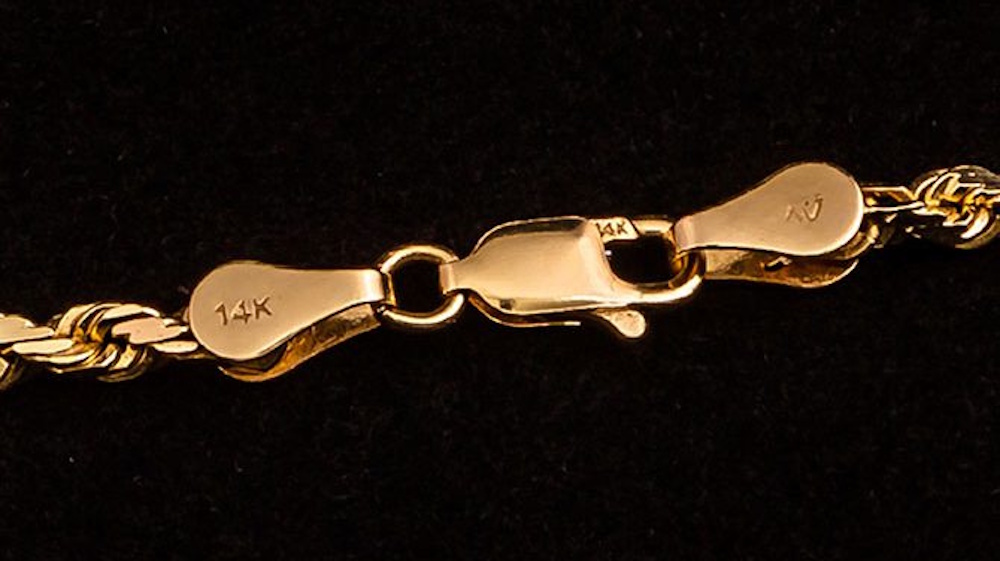
Table of Contents
- Introduction: The Hidden Language of Precious Metals
- Understanding Basic Hallmark Components
- Gold Hallmarks: Karat Marks and Purity Standards
- Silver Hallmarks: From 925 to Britannia
- Platinum and Other Precious Metal Marks
- Maker’s Marks and Manufacturer Identification
- Date Letters and Assay Office Symbols
- Spotting Fake and Misleading Hallmarks
- International Hallmarking Systems Compared
- Conclusion: Becoming a Hallmark Expert
- Frequently Asked Questions
Introduction: The Hidden Language of Precious Metals
The elderly woman sat across from the jewelry appraiser, her grandmother’s bracelet glinting under the examination lamp as she waited for the verdict that would determine whether her inheritance represented genuine treasure or worthless sentiment. The appraiser pulled out a jeweler’s loupe, peered at the tiny stamps barely visible on the clasp, and suddenly his expression changed from professional detachment to genuine excitement. Those microscopic symbols, no larger than pinheads and often overlooked by untrained eyes, told a story that transformed the bracelet’s value from perhaps two hundred dollars of scrap metal to a documented piece worth thirty-five thousand dollars at auction. The difference between financial disappointment and life-changing discovery hinged entirely on understanding three tiny marks that most people would never notice, much less comprehend.
This scenario plays out thousands of times annually in jewelry stores, estate sales, and appraisal offices worldwide, where the ability to read and interpret hallmarks separates informed collectors from those who unknowingly surrender fortunes to unscrupulous dealers or discard valuable heirlooms as costume jewelry. Hallmarks represent a sophisticated language developed over seven centuries to protect consumers, authenticate precious metals, guarantee quality, and establish legal accountability throughout the jewelry supply chain. Yet despite their critical importance, these marks remain mysterious hieroglyphics to the vast majority of jewelry owners, who wear pieces daily without ever questioning the tiny stamps that reveal their true composition, origin, age, and value. The knowledge gap creates opportunities for fraud while simultaneously hiding treasures in plain sight, waiting for someone educated enough to recognize what those cryptic symbols actually communicate.
While the following video highlights the basic techniques for finding hidden jewelry tags, there is still exclusive information and details at the bottom of this article - information you may not have discovered yet:
The origin of hallmarking traces back to 1300 when King Edward I of England decreed that all gold and silver items must bear the leopard’s head mark guaranteeing minimum purity standards, creating what historians recognize as the world’s oldest form of consumer protection legislation still in active use today. The term “hallmark” itself derives from Goldsmiths’ Hall in London, where craftsmen brought their wares for independent testing and official stamping, establishing a system so effective that it spread across Europe and eventually influenced marking requirements worldwide. Over subsequent centuries, hallmarking evolved into increasingly complex systems incorporating multiple stamps that identified not just metal purity but also the manufacturer, testing location, production year, and various other details that modern experts decode like detectives reading clues left at crime scenes.
Understanding hallmarks provides practical benefits extending far beyond academic interest in jewelry history. Proper jewelry maintenance requires understanding what your pieces are actually made from, as different metals demand specific care approaches that preserve their appearance and value over decades of ownership. Knowing whether you own gold plated, gold filled, or solid gold jewelry determines which cleaning methods are safe, how often professional servicing is needed, and what storage conditions prevent damage, making hallmark literacy essential for anyone committed to preserving their jewelry investments for future generations. When purchasing precious metal jewelry, the ability to verify authenticity prevents costly mistakes that plague uninformed buyers who trust seller representations without independent confirmation. Estate jewelry often appears at garage sales, online marketplaces, and thrift stores where sellers lack expertise to properly identify valuable pieces, creating opportunities for knowledgeable buyers to acquire genuine treasures at basement prices. Insurance valuations require accurate metal content documentation, and hallmarks provide definitive proof that supports proper coverage amounts rather than estimates based on appearance alone. Professional jewelry appraisal involves complex methodologies that determine accurate values for insurance, estate settlement, or resale purposes through systematic evaluation processes. Understanding how appraisers assess jewelry, what factors they consider beyond hallmark reading, why different appraisal types yield different values, and how to challenge questionable valuations empowers jewelry owners to obtain accurate assessments that protect their interests whether seeking adequate insurance coverage or fair market prices during sales transactions. Perhaps most importantly, hallmark literacy protects against the sophisticated counterfeiting operations that have proliferated globally, producing fake stamps so convincing that they fool casual observers while still containing telltale errors that trained eyes immediately spot.
The proliferation of online jewelry sales has made hallmark knowledge more valuable than ever before, as buyers cannot physically examine pieces before purchase and must rely on photographs that may deliberately obscure or misrepresent markings. Unscrupulous sellers exploit buyer ignorance by describing plated items as solid, exaggerating purity, or claiming prestigious maker’s marks that close examination would reveal as fraudulent. Conversely, honest but uninformed sellers often undervalue inherited jewelry because they cannot interpret the marks indicating exceptional quality, rare makers, or historically significant origins. The ability to read hallmarks through photographs, request specific images showing marks clearly, and verify claims against established references has become an essential skill for anyone participating in the modern jewelry market.
The complexity of hallmarking systems varies dramatically across different countries and time periods, creating challenges even for experienced collectors who must familiarize themselves with multiple marking conventions. British hallmarks employ four to six distinct stamps including purity marks, assay office symbols, date letters, and maker’s marks, all requiring careful cross-referencing against comprehensive guides to decode accurately. American markings follow simpler conventions focused primarily on karat fineness without assay office requirements, though maker’s marks and additional symbols add layers of complexity. Federal regulations governing jewelry marking have evolved significantly to protect consumers from deceptive practices in precious metal sales. The Federal Trade Commission’s comprehensive guides establish standards that jewelry marketers must follow when describing gold, silver, platinum, and other precious metals, specifying exactly how purity marks, quality claims, and metal descriptions can be used to prevent misleading representations that deceive buyers about what they’re actually purchasing. European systems use millesimal fineness expressed as parts per thousand rather than karats, while also incorporating various national symbols and standards that differ significantly from Anglo-American practices. Understanding these variations becomes crucial when evaluating international jewelry or pieces that traveled across borders during their history.

The financial implications of hallmark literacy cannot be overstated, as the difference between 14K and 18K gold represents substantial value variations that multiply across larger pieces or collections. Building wealth through strategic jewelry acquisition requires knowledge that separates pieces appreciating in value from those depreciating regardless of initial purchase prices. Understanding which jewelry characteristics predict long-term value retention, how to identify undervalued pieces at estate sales or auctions, and what authentication documentation supports insurance claims and resale transactions transforms jewelry collecting from expensive hobby into legitimate investment strategy that can preserve and grow wealth across generations. A necklace marked 14K contains 58.3% pure gold, while an 18K piece of identical weight contains 75% gold, translating to roughly 28% more precious metal content that directly impacts market value. Similarly, understanding the distinction between gold plated, gold filled, and solid gold prevents overpaying for surface treatments worth a fraction of solid metal prices. The ability to spot these differences through hallmark examination has saved informed buyers millions collectively, while lack of knowledge has cost uninformed purchasers equivalent amounts through fraudulent sales, inaccurate appraisals, and missed opportunities to acquire undervalued pieces.
Beyond financial considerations, hallmarks provide historical insights that enrich appreciation for jewelry as artistic and cultural artifacts rather than mere commodities. Date letters reveal exactly when pieces were created, connecting them to specific historical periods and events. Assay office marks indicate geographic origins, tracing jewelry’s journey through time and space. Maker’s marks identify craftsmen whose work may have achieved recognition or historical significance. These contextual details transform anonymous metal objects into documented pieces with provable histories, increasing both monetary value and emotional significance for collectors who prize authenticated heritage over generic modern productions.
Understanding Basic Hallmark Components
Hallmarks function as compact information packages that convey multiple data points through standardized symbols requiring minimal space on finished jewelry. A complete British hallmark from the Victorian era might measure barely five millimeters across yet contain four distinct stamps communicating the metal’s purity, where it was tested, when testing occurred, and who made it. This information density makes hallmarks remarkably efficient but also creates interpretation challenges for those unfamiliar with the symbolic language these marks employ. Breaking hallmarks down into their component parts provides the foundation for accurate reading and prevents the confusion that results from attempting to understand complete hallmark sequences without grasping individual elements.
The purity mark represents the most fundamental hallmark component, indicating the proportion of precious metal present in the alloy used to create the piece. Pure gold, silver, and platinum are too soft for practical jewelry use, requiring mixture with harder metals like copper, nickel, or palladium to achieve durability suitable for items subjected to daily wear. The purity mark discloses exactly how much precious metal the alloy contains, expressed through various systems depending on the country and metal type. Understanding purity marks prevents misunderstandings about what descriptions like “gold jewelry” actually mean, as pieces marked 10K contain less than half pure gold while 24K represents nearly pure metal unsuitable for most jewelry applications.
Assay office marks appear on jewelry from countries employing official testing systems, most notably Britain and other European nations that require independent verification of metal content before allowing pieces to enter commerce. These marks take the form of distinctive symbols assigned to specific testing facilities, with each assay office using a unique design that identifies where verification occurred. The London Assay Office uses a leopard’s head, Birmingham an anchor, Sheffield a crown, and Chester a sword between wheat sheaves, among other symbols representing offices that operated at various times throughout history. Recognizing these marks allows collectors to trace jewelry’s geographic origins and verify that pieces underwent official testing rather than relying solely on manufacturer claims about metal content.
Date letters constitute one of the most valuable yet challenging hallmark components, using alphabetic cycles to indicate the year when testing occurred. British assay offices changed date letter punches annually, typically in May or June when new wardens assumed office, cycling through 25-letter alphabets (excluding J and other confusing characters) before starting fresh cycles with different type fonts and shield shapes to prevent confusion across cycles. Reading date letters requires identifying the assay office first, then consulting reference tables showing which letter fonts and shields were used during specific periods, a process complicated by each office maintaining independent cycles until standardization occurred in 1975. The reward for mastering date letter interpretation comes through precise dating that establishes provenance and connects pieces to specific historical moments.
Maker’s marks identify the person, firm, or corporation responsible for the jewelry’s manufacture and the accuracy of any purity claims stamped on the piece. Before 1739, British makers used various symbols, initials, or marks to identify their work, but legislation enacted that year standardized maker’s marks as the craftsman’s initials enclosed in distinctive shapes. American marking laws evolved differently, initially allowing unmarked jewelry but eventually requiring that any piece bearing purity marks must also display a registered trademark or maker’s name to establish accountability. These marks prove invaluable for authenticating pieces attributed to renowned makers, as genuine examples display documented marks that counterfeiters often replicate imperfectly, creating telltale discrepancies that alert knowledgeable buyers to fraudulent attribution.
Additional symbols occasionally appear on hallmarks to communicate specific information beyond the standard marks, including duty marks showing tax payment, commemorative marks celebrating special events, or convention marks indicating conformity with international standards. British hallmarks from 1784 to 1890 include the monarch’s head as a duty mark, proving that taxes required on gold and silver had been paid. Special marks commemorate significant occasions like the Silver Jubilee or millennium celebrations, appearing alongside regular hallmarks on pieces made during designated periods. International convention marks use standardized symbols recognized across member countries, facilitating trade by eliminating the need for re-hallmarking when jewelry crosses borders between nations honoring the convention.
The arrangement and positioning of hallmark components follows conventions that assist in identification despite the tiny size of individual stamps. British hallmarks typically appear in a row, though space constraints sometimes require staggered or clustered arrangements. The standard mark usually appears first or most prominently, with date letters and assay office symbols adjacent. American markings show less standardization regarding arrangement, though purity marks and maker’s stamps generally appear near each other on the same surface. Understanding typical arrangements helps locate all components when examining pieces, as marks may appear on different areas depending on jewelry type and construction methods.
Gold Hallmarks: Karat Marks and Purity Standards
Gold purity measurements employ the karat system in the United States and much of the jewelry world, expressing gold content as parts out of 24, with 24 karat representing pure gold and lower numbers indicating proportionally less gold mixed with other metals. A 14K mark signifies that 14 parts out of 24 are pure gold while the remaining 10 parts consist of alloy metals, translating to 58.3% gold content. The mathematical relationship proves straightforward once understood: divide the karat number by 24, multiply by 100, and the result shows percentage purity. This system dates back centuries and provides an intuitive framework that most consumers grasp quickly, though regional variations and alternative marking methods create complexities that require deeper knowledge to navigate accurately.
The most common gold karat marks encountered in American jewelry are 10K, 14K, and 18K, each representing different balance points between purity and practical durability. Ten karat gold contains 41.7% pure gold, the minimum allowed to be called gold in the United States, offering maximum durability and affordability while sacrificing the rich color and prestige associated with higher purities. Fourteen karat gold strikes the middle ground at 58.3% purity, providing good durability for everyday wear while maintaining recognizable gold appearance and reasonable cost, explaining its popularity for engagement rings and frequently worn pieces. Eighteen karat gold contains 75% pure gold, delivering the rich yellow color and substantial feel that luxury jewelry buyers prize, though its softness makes it less suitable for items subjected to rough treatment or constant wear.
European gold markings use the millesimal system expressing purity as parts per thousand rather than karats, creating direct numerical equivalents that precisely communicate gold content without mathematical conversion. A mark reading “585” indicates 585 parts per thousand are pure gold, equivalent to 14K in the karat system, while “750” denotes 18K gold containing 750 parts per thousand purity. This system offers greater precision and eliminates confusion about fractional karats, though American buyers accustomed to karat markings often find millesimal numbers less intuitive. Converting between systems requires simple multiplication or division: multiply karat by 41.666 to get parts per thousand, or divide parts per thousand by 41.666 to determine karat fineness.
Color variations in gold jewelry result from different alloy metals mixed with pure gold to achieve desired hues while maintaining necessary hardness. Yellow gold uses copper and silver alloys that preserve gold’s natural color while adding strength. White gold incorporates nickel, palladium, or other whitening metals that create a silver appearance often enhanced through rhodium plating that wears away over time. Rose gold contains higher copper percentages that impart pinkish tones popular in vintage and contemporary designs. The karat or millesimal mark indicates gold purity regardless of color, as 14K white gold contains the same 58.3% pure gold as 14K yellow or rose gold despite their visual differences.
Stamping regulations governing gold marks vary by jurisdiction, with American law requiring that purity marks accompany a registered trademark identifying who guarantees the accuracy of fineness claims. This pairing prevents manufacturers from stamping misleading purity marks without accountability, as the trademark creates legal responsibility enforceable through civil and criminal penalties. Federal legislation enacted over a century ago established the legal framework governing how precious metal jewelry must be marked in the United States. The National Gold and Silver Stamping Act requires that any jewelry bearing quality marks indicating gold or silver content must also display a registered trademark identifying the manufacturer or importer responsible for guaranteeing the accuracy of those marks, creating accountability that protects consumers and honest businesses from fraudulent misrepresentation. British regulations demand even more comprehensive marking including assay office verification, though pieces below specified weights receive exemptions from compulsory hallmarking. Understanding these requirements helps authenticate jewelry by verifying that proper mark combinations appear rather than isolated purity stamps that suggest unofficial or fraudulent marking.
Gold plated and gold filled items receive distinct markings that differentiate them from solid gold, preventing deceptive description of surface treatments as solid metal. Gold plated pieces marked “GP” or “HGE” (heavy gold electroplate) feature thin gold layers over base metal that wear through relatively quickly with normal use. Gold filled items stamped “GF” or with fractional markings like “1/20 12K GF” contain thicker, heat-bonded gold layers comprising at least 5% of total weight, lasting decades with proper care. The markings prevent fraud while informing buyers exactly what they purchase, as price differences between plated, filled, and solid gold pieces can exceed ten-fold for equivalent sizes.
Recent regulatory changes have influenced gold marking practices, particularly the Federal Trade Commission’s 2018 revision of jewelry guides that eliminated minimum karat requirements previously restricting the term “gold” to 10K and higher purities. This change allows 8K, 6K, or even lower fineness to be marketed as gold provided the karat is clearly disclosed, though consumer perception studies show most buyers still associate “gold” with traditional minimum standards. The revision sparked controversy within the industry, as some manufacturers welcomed flexibility while consumer advocates worried about confusion and potential deception through technically accurate but misleading marketing.
Silver Hallmarks: From 925 to Britannia
The 925 mark represents sterling silver, the international standard containing 92.5% pure silver and 7.5% other metals (typically copper) added for durability and workability. This ratio dates back centuries as the optimal balance between silver’s desirable properties and practical jewelry requirements, achieving sufficient hardness for daily wear while maintaining the lustrous appearance and precious metal content that buyers value. The ubiquity of 925 marks has made them the most recognized silver hallmark globally, appearing on pieces from virtually every silver-producing nation regardless of other marking conventions they employ. Understanding that 925 definitively indicates sterling silver provides the foundation for evaluating any silver jewelry’s quality and authenticity.
British silver hallmarking extends far beyond simple 925 stamps, incorporating the traditional lion passant symbol that has denoted sterling silver since 1544, making it among the oldest continuously used hallmarks in existence. The lion passant depicts a walking lion with raised right forepaw, struck on sterling silver items tested by any British assay office as the definitive proof of 92.5% purity. Independent testing offices throughout Britain have maintained rigorous precious metal verification standards for centuries through the hallmarking system. British assay offices including Sheffield, Birmingham, London, and Edinburgh operate as independent authorities that test submitted jewelry for metal purity, striking official hallmarks that guarantee pieces meet legal standards and providing consumer protection that has served as the global model for precious metal authentication since medieval times. Pre-1975 hallmarks also included assay office town marks and date letters, creating four-mark sequences that fully documented each piece. The lion symbol carries such historical weight and recognition value that many manufacturers voluntarily request it even though modern regulations no longer mandate its use, preferring the traditional mark’s prestige over simple numerical stamps.
Britannia silver represents higher purity than sterling, containing 95.8% pure silver (958 parts per thousand) and marked with the figure of Britannia alongside a lion’s head erased rather than the lion passant used for sterling. This purity became mandatory from 1697 to 1720 during a period when the British government attempted to prevent coin clipping by requiring higher fineness that made melting silverware into coins unprofitable. Though the requirement lasted only 23 years, Britannia silver continued as an optional higher standard that some manufacturers adopted for prestigious pieces. The marks remain in use today, with Britannia figure and lion’s head erased immediately identifying the enhanced purity that commands premium prices from collectors and buyers seeking the highest quality silver available.
Coin silver, marked as “COIN” or “900” and containing 90% pure silver, originated from the practice of melting silver coins to create jewelry during periods when manufactured silver products weren’t readily available. American silversmiths particularly favored coin silver during the 18th and 19th centuries before sterling became the dominant standard. The lower purity compared to sterling reflected coins’ composition, which required harder alloy for circulation durability. Coin silver pieces have become collectible for their historical significance and connection to American silversmithing traditions, though the reduced silver content makes them less valuable than equivalent sterling pieces based solely on metal worth.
Silver plate markings indicate items constructed from base metals coated with thin silver layers, requiring clear disclosure to prevent fraudulent representation as solid silver. Marks like “EPNS” (Electroplated Nickel Silver), “EPBM” (Electroplated Britannia Metal), or simply “Silver Plate” identify surface-treated pieces whose silver content measures mere microns thick. The base metals may include copper, nickel alloys, or other materials chosen for workability and cost efficiency. Understanding plate markings prevents overpaying for items worth only base metal scrap value rather than silver prices, as plate pieces command drastically lower values than solid silver of comparable size and appearance.
Antique silver markings present identification challenges due to variations in standards and marking practices across different periods and regions. Early American silver often bears only maker’s marks without purity indicators, as hallmarking wasn’t legally required until the mid-20th century. British provincial assay offices used unique date letter cycles and town marks that require specialized reference books to decode. Continental European marks incorporate various national symbols, eagle heads, crescents, and other devices indicating different purity levels and testing authorities. Successful authentication of antique silver demands familiarity with these historical marking systems and access to comprehensive references that document the evolution of standards across centuries.

International silver marking conventions generally recognize 925 as the sterling standard, though some countries employ additional or alternative marks. Mexican silver often shows “925 Mexico” or eagle marks with number codes indicating manufacturer registration. Scandinavian countries use detailed hallmarking systems incorporating national symbols, purity marks, and maker codes. Asian silver may bear percentage marks like “925” alongside local characters identifying origin and maker. This global diversity requires research when encountering unfamiliar marks, as the same numerical purity indicators may appear in different contexts that affect authenticity verification and value determination.
Platinum and Other Precious Metal Marks
Platinum hallmarks identify the newest precious metal to achieve widespread jewelry use, with marking standards developed only during the 20th century as platinum jewelry gained popularity. The marks typically show “PLAT,” “PT,” “950 PLAT,” or simply “950” indicating the standard 95% platinum purity that has become the international norm for platinum jewelry. Some pieces display “IRID PLAT” or “IRID PT” when platinum is alloyed with iridium rather than more common additives. British platinum bears an orb symbol as the official hallmark, introduced in 1975 when platinum received its own distinctive mark separate from gold and silver traditions. The relative newness of platinum hallmarking means fewer historical variations exist compared to gold and silver, simplifying identification of genuine platinum pieces.
Industry publications track ongoing developments in jewelry marking regulations and practices that affect how manufacturers stamp and describe their products. Trade journals covering the jewelry industry report regulatory changes, interpret new marking requirements, and analyze how evolving standards impact manufacturers and retailers who must adapt their practices to remain compliant while educating consumers about what current hallmarks mean.
Platinum purity standards differ from gold conventions, with 950 representing the typical fineness rather than a range of purities like gold’s multiple karat options. This standardization reflects platinum’s specific properties that require careful alloy balance to achieve jewelry-appropriate characteristics. Lower platinum percentages lack the metal’s desirable qualities, while higher purities create excessive softness unsuitable for settings holding valuable gemstones. Some pieces show 900 platinum content, particularly vintage items made before 950 became standard, or contemporary pieces alloyed for specific performance characteristics. Understanding that platinum marks indicate actual fineness rather than relative quality grades helps buyers evaluate pieces accurately.
Professional gemological institutions provide authoritative education and certification services that establish industry standards for jewelry evaluation and authentication. The Gemological Institute of America pioneered systematic approaches to diamond grading and gemstone identification while training generations of professionals who apply scientific methodologies to jewelry authentication, including proper hallmark interpretation as part of comprehensive appraisal processes.
Palladium hallmarks have emerged as platinum group metal markings became systematized during the 21st century. Palladium jewelry bears “PD,” “PALL,” or numerical indicators like “950 PD” or “500 PD” showing purity levels. The metal’s lower cost compared to platinum has made it increasingly popular for wedding bands and jewelry where platinum’s price seems unjustified for the intended use. British hallmarking introduced official palladium marks in 2009, using three linked circles as the distinctive symbol appearing alongside purity, assay office, and date marks. The relatively recent formal recognition of palladium in hallmarking systems means many older pieces lack proper marks, though contemporary production consistently shows appropriate identification.
White gold markings indicate gold content and karat fineness without specifying the alloy metals used to achieve white coloring, creating potential confusion for buyers who may assume all white gold has identical composition and appearance. White gold may contain nickel, palladium, or various other whitening metals depending on manufacturer preference and regulatory restrictions. The karat mark shows gold purity regardless of color alloys, so 14K white gold and 14K yellow gold contain identical gold percentages despite their visual differences. Consumer education resources provide valuable guidance for buyers navigating precious metal purchases and learning to verify quality claims. Government consumer protection agencies offer accessible information explaining how to interpret hallmarks, what different purity marks mean, and how to protect yourself from fraudulent jewelry sales that exploit buyer unfamiliarity with marking standards and authentication techniques. Understanding that “white gold” describes appearance rather than specific composition helps buyers ask appropriate questions about alloy metals, particularly regarding nickel content that causes allergic reactions in sensitive individuals.
Rhodium plating markings rarely appear on jewelry despite rhodium’s widespread use as a surface treatment applied to white gold and some silver pieces to enhance brightness and durability. The omission occurs because rhodium plating isn’t considered permanent metal content but rather a surface finish that wears away and requires periodic reapplication. Consumers should understand that white gold’s brilliant appearance often results from rhodium plating that will yellow as the coating wears through to reveal the underlying white gold alloy’s natural color. This reality matters for long-term maintenance expectations and helps explain why white gold jewelry sometimes requires “replating” to restore its original brilliant white appearance.
Vermeil hallmarks identify sterling silver covered with substantial gold layers meeting specific thickness and purity requirements, distinguished from ordinary gold-plated silver through regulated standards. American vermeil must have sterling silver base metal and gold plating at least 2.5 microns thick of 10K or higher fineness, though many manufacturers exceed minimums significantly. The term “vermeil” provides a useful marketing category for gold-over-silver jewelry that offers better value and durability than standard gold plate while costing far less than solid gold equivalent items. Marks may show “VERMEIL” spelled out or abbreviated, often accompanied by both silver purity marks (925) and gold karat indicators describing the plating.
Maker’s Marks and Manufacturer Identification
Maker’s marks serve as signatures identifying who created, manufactured, or imported jewelry pieces, establishing accountability for quality claims and enabling collectors to attribute work to specific makers whose reputation adds value beyond mere metal content. These marks evolved from simple symbols used by medieval craftsmen to complex registered trademarks protected by international intellectual property laws. British makers have used initials enclosed in distinctive shield shapes since 1739, creating combinations unique to each registered maker at each assay office. American manufacturers register trademarks with the United States Patent and Trademark Office, displaying these marks alongside purity indicators to guarantee fineness claims as required by the National Stamping Act.
Prestigious maker’s marks can increase jewelry values substantially beyond intrinsic metal worth, as pieces by Cartier, Tiffany, Van Cleef & Arpels, and other renowned houses command premiums reflecting their designs, craftsmanship, and brand prestige. A diamond ring worth $5,000 based on materials might sell for $15,000 or more bearing a Cartier mark, assuming authentication confirms genuine attribution. This reality makes maker’s marks targets for counterfeiting, with fraudulent marks appearing on pieces that copy famous designs or attempt to pass ordinary jewelry as designer originals. Careful examination comparing marks to documented examples exposes most fakes, as counterfeiters rarely achieve the precise details found on legitimate stamps.
Photographing maker’s marks provides crucial documentation for insurance purposes, resale transactions, and authentication verification by experts who can compare submitted images against reference databases containing documented marks. Modern smartphones equipped with macro photography capabilities can capture hallmark details invisible to naked eyes, revealing minute characteristics that confirm or contradict attribution claims. Multiple photographs from different angles under varied lighting conditions ensure that three-dimensional mark characteristics register clearly, allowing evaluators to assess depth, sharpness, and consistency that distinguish genuine stamps from fraudulent replicas.
Online databases and reference books catalog maker’s marks from major manufacturers and historical periods, providing resources that collectors use to identify pieces and research maker backgrounds. The Encyclopedia of Silver Marks documents thousands of marks used by silversmiths globally across five centuries. Bradbury’s Book of Hallmarks remains the definitive guide to British marks from all periods and assay offices. Kovels’ and other collectors’ guides reproduce marks from prominent American manufacturers. Digital databases allow keyword searching and image comparison that print references cannot match, though authentication still requires expertise to interpret findings correctly and spot sophisticated counterfeits.
Regional maker’s mark conventions reflect different legal requirements and industry traditions, creating variation in how makers identify themselves across countries and time periods. American marks typically show company names or registered symbols identifying the corporate entity standing behind quality claims. British marks use individual’s initials in standardized formats that reference the registered maker at specific assay offices. Continental European marks may combine maker initials with location codes and purity symbols in compact sequences. Understanding these conventions prevents misinterpretation when examining marks from unfamiliar origins that follow different structural patterns.
Changes in maker’s marks over time can help date pieces and identify specific production periods for manufacturers who operated across decades or centuries. Companies often modified their marks when ownership changed, relocated operations, or altered corporate structure. Tiffany & Co. used different mark variations throughout its history, with specific designs corresponding to particular eras. Cartier marks evolved as the company expanded from Paris to London and New York operations. Researching maker’s mark chronologies sometimes provides more precise dating than date letters or style analysis alone, particularly for manufacturers whose marking evolution has been thoroughly documented.
Date Letters and Assay Office Symbols
Date letters provide precise chronological information through alphabetic cycles that British assay offices have employed since the 15th century, changing letter punches annually when new wardens took office. Each office maintained independent cycles using different type fonts, letter cases, and shield shapes to distinguish their sequences, creating complexity that requires reference guides to decode. London’s cycles changed in May, Birmingham’s in July, Sheffield’s at various times before 1975 standardization synchronized all offices to January changeovers using identical letter sequences. Understanding that date letters span two calendar years (as changes occurred mid-year) prevents dating errors that place pieces in wrong years when consulting references showing only the year when each punch entered service.
The shape of shields enclosing date letters provides critical information beyond the letter itself, as assay offices cycled through different shield designs that help identify which alphabetic sequence applies. A cursive “G” might appear in five different Birmingham cycles spanning 150 years, with shield shape definitively determining which cycle and therefore which years the letter represents. Shield shapes include rectangular, oval, hexagonal, pointed shields, and numerous variations that create unique combinations unlikely to repeat across cycles. This complexity frustrates beginners attempting to read date letters without proper references, but also prevents ambiguity once the system is understood and appropriate lookup tools are available.
Gold and silver items received different date letter shields at London Assay Office despite using identical letter punches, creating additional complexity when identifying marks on gold pieces. Silver hallmarks used one shield shape while contemporary gold marks showed different shields, requiring separate reference tables to date gold versus silver pieces from the same year. Other assay offices maintained unified date letters across metals, making London marks particularly challenging for those unfamiliar with this quirk. Recognition that such variations exist prevents confusion when date letters don’t match expected references, prompting deeper investigation into metal-specific marking practices.
Assay office symbols identify where testing occurred through distinctive marks assigned to each authorized testing facility. The leopard’s head represents London (officially called Goldsmiths’ Hall), the anchor identifies Birmingham, the rose represents Sheffield, three wheat sheaves and a sword marked Chester, and other symbols indicated Edinburgh, Glasgow, Newcastle, and provincial offices that operated at various times. Some symbols evolved across centuries, with London’s leopard gaining and losing crowns at different periods and Sheffield adopting different crown designs that help date pieces based on symbol variations. Learning the main assay office symbols enables quick identification of where pieces were tested, providing geographical origin information valuable for attribution and valuation.
Foreign marks appear on imported items hallmarked in Britain, with special symbols distinguishing imported goods from domestic production. The letter “F” in an oval marked foreign goods under 1887 legislation, though this requirement proved difficult to enforce and led to alternative marking requirements in subsequent years. Legislation in 1904 and 1906 introduced distinct town marks for imported items, including a sun symbol for London, crossed arrows for Sheffield, and other special marks used only on imported goods. These foreign marks help identify pieces that originated abroad but passed through British hallmarking before sale, adding historical context about jewelry’s geographic journey.

The value of date letters extends beyond academic interest in exact manufacturing dates to practical applications in authentication and valuation. Pieces supposedly from the Georgian era (1714-1830) must show date letters consistent with that period, as marks from wrong decades expose fraudulent age claims. Date letters combined with style analysis provide cross-checking that strengthens or weakens attribution claims, as jewelry design evolved in identifiable ways that should align with documented production dates. Investment-grade antique jewelry requires precise dating to command appropriate prices, with date letters providing documentation that vague “circa 1880” estimates cannot match.
Spotting Fake and Misleading Hallmarks
Counterfeit hallmarks represent significant threats to buyers who rely on marks to verify precious metal content and maker attribution, with sophisticated operations producing convincing replicas that require expert examination to detect. Fake marks appear on three categories of fraudulent jewelry: base metal pieces stamped with gold or silver marks to suggest precious metal content they lack, lower purity items marked with higher fineness than actually present, and jewelry bearing false maker’s marks claiming prestigious attribution to increase value. The financial stakes create strong incentives for fraud, as a base metal bracelet worth $30 might sell for $500 with convincing fake marks claiming sterling silver, while falsely attributing jewelry to famous makers can multiply prices ten-fold or more.
Examining hallmark quality provides the first line of defense against fakes, as genuine marks show consistent depth, sharp edges, and proper font characteristics that counterfeiters struggle to replicate exactly. Authentic marks result from precision-made punches struck with proper force, creating crisp impressions with clean edges and uniform depth across the entire mark. Fake marks often show blurred edges, inconsistent depth, irregular shapes, or crude execution revealing hand engraving rather than professional stamping. Counterfeit jewelry operations employ increasingly sophisticated techniques that extend beyond fake hallmarks to encompass every aspect of fraudulent production designed to deceive buyers. Learning comprehensive authentication methods including weight verification, magnet testing, gemstone examination, and construction quality assessment provides layered defenses against fraud that protect buyers when any single verification method might be compromised by clever counterfeiters who study detection techniques and adapt their deceptions accordingly. Using magnification of 10x to 20x power exposes these quality differences that naked eyes miss, making a jeweler’s loupe essential equipment for serious hallmark verification.
Font accuracy separates genuine marks from counterfeits that approximate but don’t precisely match legitimate hallmark typefaces, particularly for historical marks where distinctive period fonts create characteristic appearances. Forgers working from photographs or drawings rarely capture subtle font details like serif shapes, letter proportions, or spacing that define specific marks. Comparing questionable marks against documented examples reveals discrepancies in letter forms, though this requires access to quality references and experience recognizing what authentic marks should look like. Digital magnification allowing side-by-side comparison of suspect marks against verified examples has made font analysis more accessible to collectors previously dependent on memory or instinct.
Placement and spacing of multiple marks follows conventions that genuine pieces observe while fakes often violate through ignorance or carelessness. British hallmarks traditionally appear in straight rows with consistent spacing between individual stamps, struck by experienced hallmarkers who achieved uniform results through practiced technique. American marks typically cluster in logical locations (inside ring bands, clasp areas) where manufacturers would naturally stamp them during production. Marks appearing in random arrangements, inconsistent orientations, or inappropriate locations suggest after-market additions rather than original manufacture. Understanding proper placement conventions helps identify fraudulent marking added to pieces that originated unmarked or with different marks.
Testing beyond visual examination becomes necessary when marks appear convincing but suspicion remains based on other factors like price, seller reputation, or item characteristics inconsistent with claimed marks. Acid testing applies chemicals that react differently with various metal purities, producing color changes that indicate actual gold or silver content regardless of marks. Electronic testing equipment measures conductivity or other properties that vary predictably across metal compositions, providing non-destructive verification. X-ray fluorescence analyzers offer laboratory-grade accuracy in identifying metal composition and purity, though cost restricts this technology to professional settings. These testing methods provide objective verification that exposes fraudulent marks on pieces containing metals different from what stamps claim.
Common hallmark fraud patterns include adding fake marks to unmarked jewelry, altering genuine low-purity marks to show higher fineness, or applying counterfeit maker’s marks to generic jewelry. The first category represents the most prevalent fraud, as genuinely unmarked antique jewelry or pieces from non-hallmarking countries receive fake stamps suggesting prestigious origins or higher value. The second appears less often but causes significant losses when successful, as changing “10K” to “18K” through careful alteration can triple perceived gold content. The third targets collectors willing to pay premiums for desirable makers, with fake Cartier, Tiffany, or Georg Jensen marks appearing on period-appropriate jewelry that resembles authentic designs without actually representing those makers’ work.
Legal consequences of selling jewelry with fake hallmarks vary by jurisdiction but can include criminal charges carrying substantial fines and imprisonment for intentional fraud. The National Stamping Act in the United States makes fraudulent marking a federal offense, while British hallmarking laws impose severe penalties for counterfeiting official assay office marks. Civil liability extends to anyone in the distribution chain who knowingly sold mismarked items, allowing defrauded buyers to recover damages through lawsuits. These legal protections provide recourse for fraud victims while creating deterrents that discourage hallmark counterfeiting by reputable businesses, though enforcement challenges mean substantial fraudulent marking still circulates in markets worldwide.
International Hallmarking Systems Compared
British hallmarking represents the most comprehensive system globally, requiring four to six stamps that document purity, testing location, production year, and maker identity through mandatory testing by independent assay offices. The Hallmarking Act of 1973 consolidated centuries of precedent into modern legal framework requiring all gold, silver, platinum, and palladium items above specified weights to receive assay office testing and official marking before sale. This compulsory system ensures that jewelry described as precious metal actually contains stated purities, with criminal penalties for violations creating strong incentives for compliance. British hallmarks provide unparalleled documentation of jewelry history, age, and provenance that makes them particularly valuable for collectors and researchers.
American hallmarking follows voluntary conventions where manufacturers choose whether to mark purity, though any item bearing purity marks must also display registered trademarks identifying who guarantees the accuracy. The National Stamping Act prohibits misrepresenting precious metal content but doesn’t mandate marking, creating situations where unmarked jewelry may or may not contain precious metals without visual examination revealing composition. Makers registering trademarks assume legal responsibility for fineness accuracy, facing criminal and civil liability for fraudulent marking. This system balances consumer protection against excessive regulation, though critics argue that mandatory independent testing like British assay offices provide would better prevent fraud and protect buyers.
European hallmarking varies considerably across countries despite International Hallmarking Convention attempts to harmonize standards among member nations. France uses eagle and horse head marks indicating different purities and testing authorities. Germany employs crown and crescent marks with numerical fineness. Italy shows regional symbols and millesimal marks. The Convention mark itself shows balance scales and indicates metal purity through standardized symbols, allowing jewelry to circulate across member countries without additional testing. Understanding that “European jewelry” encompasses multiple marking systems prevents assumptions about specific countries’ conventions based on limited familiarity with one system.
Asian hallmarking traditions differ significantly from Western systems, with some countries adopting Western-style marks while others maintain unique conventions or minimal marking requirements. Japanese jewelry often shows kanji characters indicating precious metal content alongside Western-style numerical purity marks. Chinese gold may bear percentage marks and character stamps identifying manufacturers. Thai jewelry displays various marks including the traditional three-ball symbol. Indian jewelry increasingly uses international standard marks though traditional jewelry may show only maker’s marks or no marks at all. These variations require research when evaluating Asian jewelry, as unfamiliarity with regional conventions can lead to misidentification or failed authentication attempts.
Mexican silver marks evolved from Spanish colonial traditions into modern systems incorporating eagle symbols, percentage marks, and maker codes registered with government authorities. Sterling silver shows “925” or “Sterling” marks, often with “Mexico” or “Hecho en Mexico” (Made in Mexico) to establish origin. The eagle mark appears in various forms depending on the era and registration system in effect when pieces were made. Mexican silver enjoyed tremendous popularity during mid-20th century when Taxco became renowned for high-quality silver jewelry, with marks from that period particularly valued by collectors. Understanding Mexican marking conventions helps identify and authenticate the substantial amount of Mexican silver circulating in American markets.
Scandinavian hallmarking systems incorporate detailed symbols communicating metal purity, maker identity, and origin through carefully regulated marking schemes. Swedish silver shows three crowns, Norwegian silver displays a lion, Danish silver uses three towers, and Finnish silver features a crown over a goblet, among other national symbols that appear alongside fineness marks. These marks create distinctive appearances that experienced collectors recognize instantly, though beginners require references to decode unfamiliar symbols. The high quality traditionally associated with Scandinavian silver makes proper identification valuable, as pieces from prestigious makers can command substantial premiums over generic silver of equivalent purity and weight.

International convention marks facilitate global jewelry trade by establishing reciprocal recognition among member countries, eliminating duplicate testing requirements when jewelry crosses borders. The convention mark shows balance scales (resembling the scales of justice) alongside standardized purity symbols that communicate metal content through universally recognized numbers. Member countries accept convention marks as equivalent to their domestic hallmarks, allowing jewelry to enter commerce without additional testing. This system benefits manufacturers exporting internationally while providing buyers confidence that foreign-marked jewelry meets verified standards equivalent to domestic requirements.
Conclusion: Becoming a Hallmark Expert
The journey from hallmark illiteracy to competent mark reading requires patience, study, and hands-on examination of marked pieces that builds familiarity with how genuine marks appear across different styles, periods, and origins. Reading dozens or hundreds of actual hallmarks develops intuitive recognition that textbooks cannot teach, as subtle characteristics distinguishing authentic from counterfeit marks become apparent only through repeated observation. Visiting jewelry stores, antique shops, museums, and auctions provides opportunities to examine diverse marked pieces while discussing interpretations with dealers and collectors whose expertise accumulated over years of daily exposure to hallmarks. This experiential learning complements book study and online research to create comprehensive understanding that purely theoretical knowledge cannot achieve.
Essential tools for hallmark examination include quality jeweler’s loupes providing 10x to 20x magnification, good lighting sources that illuminate marks clearly without creating glare, and comprehensive reference books documenting marks across periods and regions. Digital resources now supplement traditional print references, with online databases offering keyword searching and image galleries that facilitate mark identification. Photography equipment capable of macro images preserves documentation of examined marks for later comparison, research, or expert consultation. Investing in proper tools demonstrates seriousness about hallmark study while enabling effective examination that identifies details invisible to naked eyes.
Building a personal reference library tailored to collecting interests and regional availability creates resources immediately accessible when questions arise during jewelry examination or purchases. Bradbury’s Book of Hallmarks remains essential for British marks, while Kovels’ guides cover American makers. Specialized references document particular categories like Scottish provincial marks, Victorian jewelry, or specific prestigious manufacturers. Digital photograph collections showing authenticated marks from known pieces provide comparison references for suspicious marks encountered later. Organizing these resources for quick consultation during time-sensitive situations like auctions or estate sales allows hallmark verification before committing to purchases.

Developing relationships with knowledgeable dealers, appraisers, and fellow collectors creates networks that provide second opinions, expertise sharing, and learning opportunities beyond solitary study. Jewelry shows, collector meetings, and online forums connect enthusiasts who share knowledge freely and enjoy discussing hallmark mysteries that arise. These communities welcome newcomers genuinely interested in learning, offering mentorship that accelerates skill development through exposure to experienced collectors’ accumulated wisdom. The social dimension of hallmark expertise makes studying marks more enjoyable while building connections that yield practical benefits when difficult identifications require consultation with specialists.
The economic value of hallmark literacy manifests through avoided mistakes, recognized opportunities, and confident participation in jewelry markets where knowledge gaps create vulnerability to fraud or missed treasures. A single avoided purchase of convincingly marked fake jewelry can save thousands of dollars, while recognizing undervalued pieces through accurate hallmark interpretation creates profit opportunities that reward expertise. Insurance valuations benefit from precise documentation of hallmarked pieces, potentially reducing premiums or ensuring adequate coverage based on verified rather than estimated metal content. These practical benefits justify the time invested in mastering hallmark interpretation as returns compound across dozens or hundreds of jewelry interactions throughout collecting careers.
The future of hallmarking faces challenges from technological changes, regulatory evolution, and counterfeit sophistication that threaten traditional systems’ effectiveness. Digital hallmarking using blockchain technology or microscopic laser encoding has been proposed as modern alternatives offering superior fraud resistance and comprehensive tracking. Regulatory pressures toward harmonized international standards may eventually create unified global marking systems replacing current national variations. Meanwhile, counterfeiters employ increasingly sophisticated techniques including computer-generated dies and precision engraving that replicate marks more convincingly than crude hand methods. Staying current with these developments ensures that hallmark expertise remains relevant as systems evolve.

Ultimately, hallmark knowledge transforms jewelry appreciation from superficial aesthetic enjoyment to informed understanding of pieces as documented historical artifacts with verifiable origins, authenticated quality, and traceable provenance. The tiny stamps that most people ignore reveal fascinating stories when decoded by those who invested effort to learn their language. This expertise enriches collecting experiences while providing practical protection against fraud and financial mistakes. Whether approached as serious investment research or enjoyable hobby study, mastering hallmark interpretation opens new dimensions of jewelry engagement that casual observers never experience.
Frequently Asked Questions
Question 1: What does 925 stamped on jewelry mean?
Answer 1: The 925 stamp indicates sterling silver, the internationally recognized standard containing 92.5% pure silver and 7.5% other metals, usually copper added for strength and durability. This marking appears on silver jewelry worldwide regardless of origin, as most countries have adopted 925 as the universal sterling silver standard. The number represents parts per thousand, so 925 out of 1000 parts are pure silver, with the remaining 75 parts comprising alloy metals necessary to make soft pure silver practical for jewelry that must withstand daily wear without bending or breaking easily. Sterling silver marked 925 maintains excellent value retention, tarnish resistance superior to lower purities, and the lustrous white appearance that buyers associate with quality silver jewelry. When examining jewelry for 925 stamps, use a jeweler’s loupe to inspect typical marking locations including ring bands, bracelet clasps, earring posts, and pendant bails. Authentic 925 marks show crisp edges, consistent depth, and professional striking quality that distinguishes them from fake marks added to silver-plated or base metal items attempting to misrepresent their composition. Some pieces also display additional markings alongside 925 indicating the manufacturer, country of origin, or other information, but the presence of a clear 925 stamp provides definitive confirmation of sterling silver content. Collectors and buyers should verify 925 marks through visual inspection and testing when purchasing valuable pieces, as counterfeit stamps do appear on fraudulent jewelry, though careful examination usually reveals quality differences between genuine and fake marks.
Question 2: How can I tell if my jewelry hallmarks are real or fake?
Answer 2: Authentic hallmarks display consistent professional quality with sharp edges, uniform depth, and precise font characteristics that amateur counterfeiters struggle to replicate accurately, while fake marks show blurred edges, inconsistent striking depth, incorrect fonts, or crude execution revealing hand engraving rather than proper stamping. Examining hallmarks under 10x to 20x magnification using a quality jeweler’s loupe exposes these quality differences invisible to naked eyes, allowing you to assess whether marks show the crisp, clean impressions that precision-made punches create when struck by experienced professionals. Compare questionable marks against documented examples from reliable references, noting any discrepancies in letter forms, symbol details, or overall appearance that suggest imperfect reproduction attempts. Authentic marks follow standardized positioning conventions, appearing in logical locations like ring bands or clasp areas in straight rows or consistent arrangements, while fake marks often violate these conventions through random placement, inconsistent spacing, or inappropriate locations that genuine manufacturers would never use. The metal itself provides verification evidence, as acid testing, electronic testing, or professional X-ray fluorescence analysis definitively determines actual precious metal content regardless of what hallmarks claim, exposing fraudulent marks on base metal or lower-purity pieces. Pay attention to hallmark combinations, as genuine pieces show logically related marks that belong together (for example, British hallmarks include purity, assay office, and date marks in proper sequences), while fake hallmarks may show impossible combinations mixing marks from different periods, countries, or systems that would never appear together on authentic jewelry. Professional appraisal becomes advisable when valuable pieces show questionable marks, as experts possess specialized knowledge, reference materials, and testing equipment that enable definitive authentication beyond what casual examination provides.
Question 3: What’s the difference between 14K and 18K gold?
Answer 3: 14K gold contains 58.3% pure gold (14 parts gold out of 24 parts total) mixed with 41.7% alloy metals for durability, while 18K gold contains 75% pure gold (18 parts out of 24) with 25% alloys, creating meaningful differences in color richness, durability, price, and appropriate usage. The higher gold content in 18K pieces delivers richer, more vibrant yellow coloring and greater intrinsic value based on precious metal weight, commanding premium prices that typically exceed 14K equivalents by 40-60% for comparable designs. However, the increased purity makes 18K gold softer and more susceptible to scratching, bending, or wear damage, particularly in rings subjected to constant contact with hard surfaces during daily activities. 14K gold offers superior durability for items receiving hard wear like wedding bands or bracelets, maintaining shape and finish longer than softer 18K pieces while still providing genuine gold appearance and substantial precious metal content. The choice between 14K and 18K involves balancing practical considerations against aesthetic preferences and budget limitations, with many buyers selecting 14K for everyday jewelry worn constantly and reserving 18K for special occasion pieces receiving gentler treatment. European jewelry traditions favor 18K gold as the standard for fine jewelry, while American markets show strong preference for 14K representing optimal balance between quality and affordability. Both purities create genuine gold jewelry suitable for lifetime use when properly cared for, with the karat selection reflecting individual priorities regarding color intensity, durability requirements, and willingness to pay premiums for higher gold content. Understanding that karat marks indicate only gold percentage without specifying alloy metals used for the remaining content helps buyers ask appropriate questions about whether pieces contain nickel or other metals that might cause skin sensitivities or influence color and performance characteristics.
Question 4: Where are hallmarks typically stamped on jewelry pieces?
Answer 4: Hallmarks appear on inconspicuous areas that verify authenticity without compromising aesthetic appeal, with specific locations varying by jewelry type but generally favoring hidden surfaces that remain accessible for examination. Rings display hallmarks on the interior band surface where they remain invisible during wear but easily checked by removing the ring and examining the inside with proper lighting and magnification, though some antique rings show exterior marks placed prominently as quality indicators when hallmarks represented prestige rather than hidden verification. Bracelets typically bear marks on or near clasp mechanisms, either stamped directly on clasp components or on small flat areas adjacent to closure systems where marks don’t interfere with bracelet operation or appearance. Necklaces show hallmarks on clasp assemblies, spring ring closures, or small flat jump rings near clasps, requiring removal and careful examination to locate marks that may be quite small depending on available space for stamping. Earrings place marks on post backs, behind decorative front elements, or on earring findings away from visible surfaces, with marks sometimes challenging to locate without magnification and good lighting. Pendants typically display marks on bails (the loop connecting pendants to chains), on back surfaces, or along edges where stamps don’t detract from intended appearance. Brooches and pins show marks on back plates, pin mechanisms, or along edges, often in positions requiring removal of the piece to examine marks properly. Watches display hallmarks on case backs, inside case covers accessible by opening protective backs, or on links in metal watchbands. Larger decorative pieces may have marks placed on edges, bases, or back surfaces depending on construction and available flat areas suitable for clear stamping. The positioning aims to make verification possible while keeping marks subtle, though antique jewelry sometimes features prominently displayed hallmarks that craftsmen considered artistic elements rather than merely functional stamps. Understanding typical placement for each jewelry type helps locate marks efficiently, though patience and systematic examination sometimes prove necessary when marks appear in unexpected locations or extremely small sizes that require careful searching to discover.
Question 5: Do all countries use the same hallmarking systems?
Answer 5: No, hallmarking systems vary dramatically across countries, with different nations employing distinct marking conventions, purity standards, testing requirements, and symbol systems that reflect their legal traditions and jewelry industry evolution. The United States uses karat-based purity marks (10K, 14K, 18K) paired with registered trademarks identifying manufacturers, following voluntary conventions where marking isn’t legally mandatory but fraudulent marks carry criminal penalties under the National Stamping Act. Britain requires comprehensive hallmarks including purity marks, assay office symbols, date letters, and maker’s marks applied by independent testing offices through compulsory hallmarking governed by the Hallmarking Act of 1973. European Union countries employ varied national systems often using millesimal fineness (585, 750) rather than karats, with some nations participating in the International Hallmarking Convention that allows reciprocal mark recognition across member countries through standardized convention marks showing balance scales and purity numbers. Asian marking practices range from Western-style numerical stamps to traditional character-based marks, with some countries maintaining minimal marking requirements while others have adopted international standards to facilitate export markets. Understanding these variations becomes essential when evaluating international jewelry or pieces that traveled across borders, as marks appropriate for one country might indicate something entirely different elsewhere or violate regulations that another nation enforces. The lack of universal standardization creates authentication challenges requiring research into specific countries’ conventions and time periods, though resources like comprehensive hallmark guides and online databases help decode unfamiliar marks by providing region-specific information. Some luxury manufacturers now apply consistent marks across their global production to maintain brand identity regardless of sale location, creating recognizable signatures that transcend national marking conventions. The International Hallmarking Convention represents attempts toward harmonization, though full global standardization remains distant as national sovereignty over marking regulations and centuries of established traditions resist radical change toward unified systems.
Question 6: What does GP or GF mean on jewelry?
Answer 6: GP stands for “Gold Plated” indicating jewelry constructed from base metals coated with thin layers of gold applied through electroplating processes, creating gold appearance at minimal cost but with limited durability as plating wears through to reveal base metal beneath. The gold layer on plated items measures mere microns thick (0.5 to 2.5 microns typically), wearing away relatively quickly with regular use especially at high-friction points like ring bands or bracelet links that constantly contact skin and surfaces. GF means “Gold Filled” identifying jewelry with substantially thicker gold layers heat-bonded to base metal cores, requiring that gold comprises at least 5% of total item weight and delivering durability measured in decades rather than months. Gold filled jewelry marked “1/20 14K GF” contains a 14-karat gold layer representing 1/20 of total weight, creating pieces that maintain gold appearance throughout normal lifetimes with proper care. The price differences between gold plated and gold filled jewelry reflect their vastly different gold content and longevity, with filled pieces costing roughly ten times plated equivalents but still representing substantial savings compared to solid gold items of similar appearance. Understanding GP and GF distinctions prevents overpaying for thin plating marketed misleadingly or mistaking gold filled for solid gold, as unscrupulous sellers sometimes downplay these descriptors or display them in small print while emphasizing “gold” in large type. Both plated and filled jewelry serve legitimate purposes offering gold aesthetics at accessible prices, though buyers should understand exactly what they’re purchasing and expect appropriate pricing reflecting the actual gold content indicated by markings. Regulations require clear disclosure of plating or filling, with marks like “14K GP” or “GF” appearing alongside karat stamps to prevent deception, though enforcement varies and some sellers violate disclosure requirements through omission or misleading presentation. Testing gold-appearing jewelry reveals its construction when marks are absent, unclear, or suspicious, providing definitive determination of whether pieces are solid, filled, plated, or merely gold-colored base metal without any precious metal content.
Question 7: How do I identify antique jewelry maker’s marks?
Answer 7: Identifying antique maker’s marks requires systematic approach combining careful visual documentation, consultation with specialized references, expert collaboration, and understanding historical marking conventions that evolved across different periods and regions. Begin by photographing marks clearly using macro photography capabilities available on modern smartphones or dedicated cameras, capturing multiple images from different angles under varied lighting to reveal three-dimensional characteristics and fine details invisible in single photographs. Compare documented marks against comprehensive reference books like Bradbury’s Book of Hallmarks for British marks, Tardy’s International Hallmarks on Silver for European marks, or specialized volumes covering particular makers, periods, or jewelry types that match the piece being researched. Online databases now complement print references, with websites like 925-1000.com, Lang Antiques hallmark encyclopedia, and manufacturer-specific resources providing searchable collections that facilitate identification when traditional books prove insufficient. Pay attention to mark combinations rather than isolated symbols, as maker’s marks rarely appear alone on quality antique jewelry but instead accompany purity marks, date letters, and assay office symbols that provide chronological and geographic context narrowing possibilities. British maker’s marks follow standardized formats using maker’s initials in distinctive shield shapes registered at specific assay offices, requiring cross-referencing the assay office symbol and date letter to identify which maker used particular initials during the relevant time period. American antique marks show greater variation, with early pieces displaying only maker’s symbols or names without standardized formats until 20th century regulations required registered trademarks accompanying purity marks. Regional marking conventions influenced what information makers included, as Continental European makers often incorporated town marks, purity symbols, and maker codes in compact sequences following local guild traditions or national regulations. When references fail to identify mysterious marks, consult professional appraisers, antique jewelry dealers, auction house specialists, or online collector communities where experienced members share expertise and may recognize marks that stump newcomers. Understanding that some valuable antique jewelry remains unmarked or bears only partial marks helps set realistic expectations, as marking practices weren’t universal historically and some craftsmen chose not to mark work for various reasons. Research maker backgrounds once identification succeeds, learning their operation dates, location, specialties, and reputation to contextualize pieces and assess whether attribution makes sense given the jewelry’s style, materials, and construction methods.
Question 8: What hallmarks indicate platinum jewelry?
Answer 8: Platinum hallmarks typically display “PLAT,” “PT,” “950 PLAT,” “PLATINUM,” or numerical fineness like “950” indicating 95% pure platinum, the international standard purity for platinum jewelry established during the 20th century as this newest precious metal achieved widespread use. British platinum bears an official assay office mark showing an orb symbol introduced in 1975 when platinum received its distinctive hallmark separate from gold and silver traditions, appearing alongside purity marks, assay office symbols, date letters, and maker’s marks in complete hallmarking sequences. Some platinum pieces show “IRID PLAT” or “IRID PT” indicating iridium-platinum alloys used to achieve specific working properties or cost targets, as iridium belongs to the platinum group metals and creates alloys with characteristics similar to pure platinum. The 950 standard represents optimal balance between platinum’s desirable qualities and practical jewelry requirements, as higher purities create excessive softness while lower platinum percentages sacrifice the metal’s distinctive properties that justify premium pricing. Earlier platinum jewelry sometimes shows 900 fineness particularly in vintage pieces created before 950 became the universal standard, though contemporary production consistently uses 950 platinum except for specialized applications requiring different alloy formulations. Palladium marks may appear on white-colored jewelry that owners assume is platinum, showing “PD,” “PALL,” or “500 PD” indicating palladium rather than platinum, with the metals’ similar appearances creating confusion for those unfamiliar with marking differences. White gold marked with karat stamps like “14K” or “18K” alongside “W” or “WG” abbreviations differs entirely from platinum despite surface similarities after rhodium plating, as the gold content and price points vary dramatically from platinum pieces. Understanding platinum’s relatively recent adoption for jewelry use explains why platinum hallmarks lack the historical complexity of gold and silver marks with their centuries of evolution, making platinum identification generally more straightforward than interpreting ancient gold or silver hallmarks. Testing platinum using acid testing kits, electronic testers, or professional X-ray fluorescence analysis provides definitive verification when marks are unclear, worn, or absent, as platinum’s unique properties create distinctive test results that confirm or contradict platinum claims regardless of what marks suggest.
Question 9: Can jewelry be valuable without hallmarks?
Answer 9: Yes, unmarked jewelry can hold substantial value particularly when exceptional craftsmanship, precious gemstones, historical provenance, or cultural significance outweigh the authentication challenges that lack of marks creates. Antique jewelry predating compulsory hallmarking laws often appears without marks yet commands high prices when quality and period authenticity can be verified through style analysis, construction techniques, and expert authentication independent of hallmark documentation. Handmade artisan jewelry from skilled craftsmen who chose not to mark their work for aesthetic or philosophical reasons can be extremely valuable, especially pieces by recognized artists whose unmarked work is authenticated through documented sale history, exhibition records, or expert attribution based on distinctive style characteristics. Jewelry from cultures without hallmarking traditions including much Asian, African, and indigenous American work lacks Western-style marks but possesses significant cultural and artistic value that collectors prize for reasons unrelated to hallmark documentation. The absence of marks does create authentication difficulties that may reduce marketability compared to similar hallmarked pieces, as buyers rightfully hesitate when purchasing expensive items lacking definitive proof of composition and origin that hallmarks provide. Professional testing determines precious metal content reliably when hallmarks are missing, using acid tests, electronic conductivity measurements, or X-ray fluorescence analysis to verify gold, silver, platinum, or other metals regardless of whether pieces bear marks documenting composition. Gemological examination evaluates stone quality independently from metal marks, as diamond grading, colored stone identification, and pearl testing proceed through standardized methodologies that don’t require hallmark verification. Provenance documentation including purchase receipts, insurance appraisals, family histories, or expert opinions can compensate partially for missing hallmarks by establishing credible ownership chains and professional assessments validating quality claims. Understanding that hallmarks serve authentication and documentation purposes rather than creating value themselves helps maintain perspective, as pieces containing substantial precious metals and quality gemstones retain intrinsic worth even when marks are absent. Insurance companies may require professional appraisal and testing for unmarked items to establish coverage amounts, adding cost compared to hallmarked pieces whose marks provide documentation supporting stated values. Resale markets generally offer lower prices for unmarked jewelry compared to equivalent hallmarked pieces due to authentication uncertainty, though knowledgeable buyers willing to test items can find bargains when sellers discount unmarked pieces to account for perceived risk.
Question 10: What does a lion symbol mean on jewelry hallmarks?
Answer 10: The lion passant (walking lion with raised right forepaw) represents the traditional British hallmark guaranteeing sterling silver purity at 92.5% pure silver content, in continuous use since 1544 making it among the world’s oldest consumer protection marks still actively employed. This iconic symbol appears on British sterling silver tested and marked by any of the UK’s assay offices, providing instant recognition of quality that carries tremendous historical significance and consumer confidence built across nearly five centuries. A lion’s head erased (lion’s head shown separated from the body) indicates higher-purity Britannia silver containing 95.8% pure silver rather than the 92.5% sterling standard, appearing alongside the Britannia figure mark during periods when this enhanced purity was mandatory or voluntarily chosen for prestigious pieces. The lion passant originally appeared as “lion passant guardant” (walking lion with head facing viewer) but evolved over time into the modern form showing the lion in profile, though date and variations help authenticate pieces and narrow dating when combined with other hallmark elements. Different British assay offices applied the same lion passant mark creating uniformity across testing locations, though minute variations in the punches used by different offices and periods sometimes enable experts to distinguish which office struck particular marks. Gold items historically received lion passant marks under early hallmarking systems, though 1844 legislation replaced the lion with crown symbols for gold while retaining lion marks exclusively for silver. The leopard’s head mark often confused with lion symbols actually represents the London Assay Office town mark rather than a purity indicator, appearing alongside lion passant marks on London-tested sterling silver in combination hallmarks. Understanding lion hallmark significance helps identify British silver instantly while avoiding confusion with completely different marks used in other countries, as Continental European silver shows various national symbols rather than the British lion. The lion’s endurance across centuries demonstrates hallmarking’s fundamental role in consumer protection, with modern UK regulations still requiring the mark’s application (though now optionally rather than mandatory) because of universal recognition and trust that this symbol commands in global markets.
Articles related:



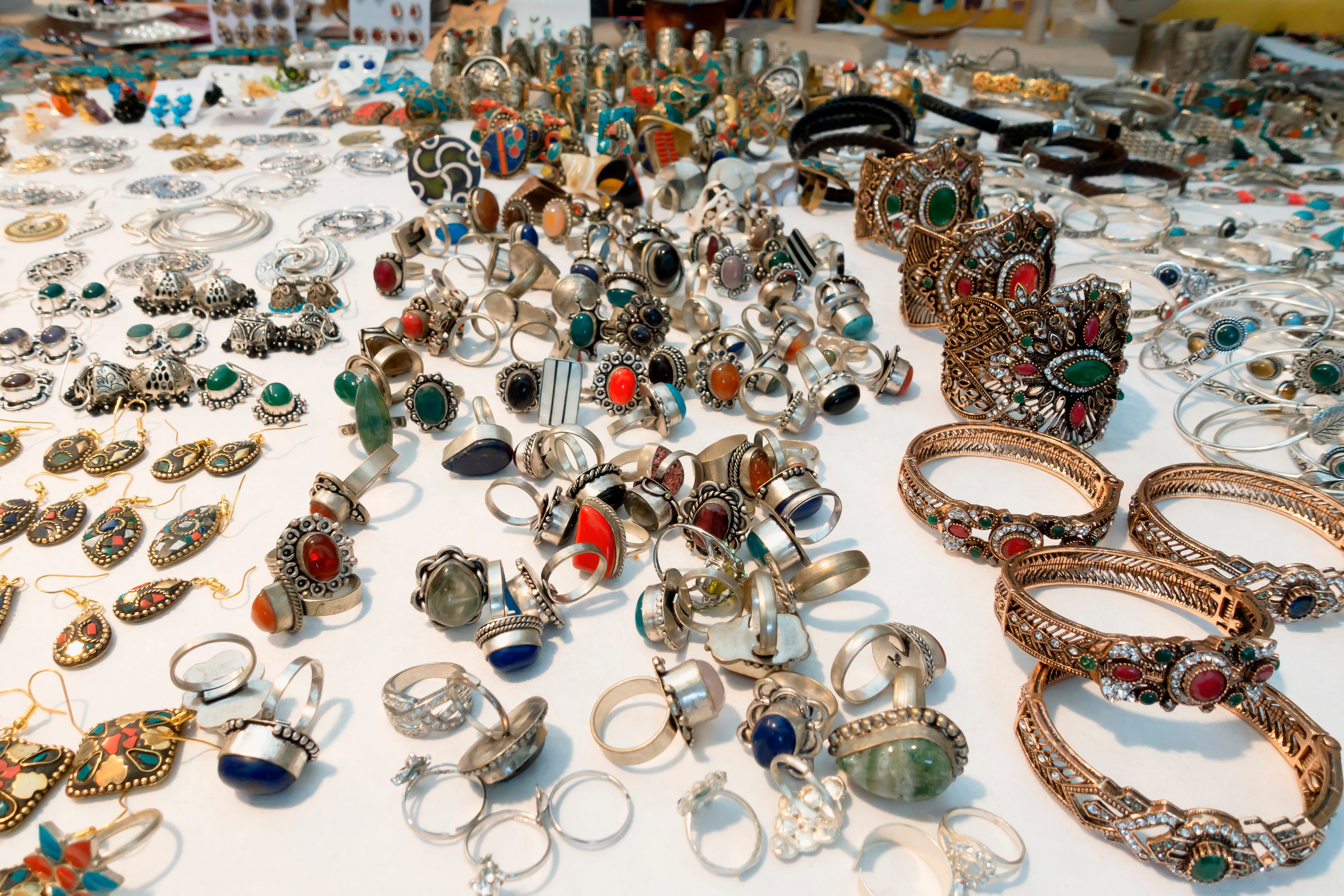



Tags
📧 Get More Articles Like This
Subscribe to receive product reviews and buying guides in your inbox!
We respect your privacy. Unsubscribe at any time.