Allergic to Jewelry? Complete Guide to Hypoallergenic Metals and Skin-Safe Options
Table of Contents
- Understanding Jewelry Allergies and Metal Sensitivities
- Nickel Allergy: The Most Common Jewelry Sensitivity
- Recognizing Symptoms of Metal Allergic Reactions
- Truly Hypoallergenic Metals and Safe Alternatives
- Titanium Jewelry: The Gold Standard for Sensitive Skin
- Surgical Stainless Steel and Medical-Grade Options
- Precious Metals: Gold, Platinum, and Silver Considerations
- Testing and Diagnosing Jewelry Metal Allergies
- Shopping Guidelines for Hypoallergenic Jewelry
- Caring for Sensitive Skin and Preventing Reactions
- Children’s Jewelry Safety and Metal Regulations
- Frequently Asked Questions
The sudden appearance of red, itchy rashes where your favorite necklace rests or persistent irritation around newly pierced ears signals a frustrating reality affecting millions worldwide. Metal allergies transform the simple pleasure of wearing jewelry into a source of discomfort, confusion, and sometimes genuine health concerns requiring medical attention. Understanding which metals trigger reactions, identifying truly hypoallergenic alternatives, and learning protective strategies empowers individuals with sensitive skin to enjoy beautiful jewelry without compromising comfort or wellbeing through informed purchasing decisions and proper metal selection.
Jewelry allergies primarily result from nickel exposure, the most common cause of contact dermatitis worldwide affecting approximately ten to twenty percent of the general population according to extensive epidemiological research. This prevalence makes nickel sensitivity a significant public health concern generating substantial healthcare costs, reduced quality of life, and occupational challenges for affected individuals working in industries requiring jewelry or metal contact. The problem extends beyond simple discomfort, encompassing broader issues of consumer safety, regulatory standards, and the jewelry industry’s responsibility to provide transparent information about metal composition in products marketed to potentially vulnerable consumers.
While this video highlights the best hypoallergenic minerals for sensitive skin, there’s still plenty of information you may not have discovered yet, which you’ll find in the exclusive details below this article:
The rising awareness of metal sensitivities has driven significant market demand for genuinely hypoallergenic jewelry options meeting rigorous safety standards. Consumers increasingly seek titanium, surgical stainless steel, niobium, and high-quality precious metals verified free from common allergens through third-party testing and certification. This shift represents more than a fashion trend or niche market development; it reflects fundamental changes in consumer expectations regarding product safety, transparency, and corporate accountability for health impacts associated with everyday items like jewelry that millions wear continuously throughout their lives without considering potential consequences until sensitivity develops.

Understanding Jewelry Allergies and Metal Sensitivities
Metal allergies represent a form of allergic contact dermatitis resulting from delayed-type hypersensitivity reactions classified as Type IV immune responses. Unlike immediate allergic reactions involving immunoglobulin E antibodies causing symptoms within minutes, metal allergies develop through T-cell mediated immune responses manifesting symptoms twelve to forty-eight hours after exposure. This delayed timeline often confuses affected individuals who struggle to identify triggering jewelry when symptoms appear long after removing problematic pieces, leading to continued exposure and progressive sensitization without awareness of the specific cause.
The sensitization process begins when metal ions released through jewelry wear and corrosion penetrate the skin’s outer protective barrier through microscopic breaks, sweat exposure, or prolonged contact. These metal ions lack sufficient molecular size to trigger immune responses independently but bind with naturally occurring skin proteins creating hapten-protein complexes recognized as foreign substances by the body’s immune surveillance systems. Dendritic cells and other antigen-presenting cells process these complexes and present them to T lymphocytes in regional lymph nodes, initiating immune memory that persists permanently once established through initial sensitization events.
Subsequent exposures to the sensitizing metal trigger rapid immune responses as memory T cells recognize the familiar hapten-protein complexes and activate inflammatory cascades releasing cytokines and recruiting additional immune cells to the contact site. This inflammatory response produces the characteristic symptoms of contact dermatitis including redness, swelling, itching, and blistering that define allergic jewelry reactions. The intensity of reactions varies significantly among individuals based on factors including degree of sensitization, exposure duration and intensity, specific metals involved, and individual variations in immune system responsiveness and skin barrier function.
Multiple factors influence susceptibility to metal sensitization beyond simple exposure patterns. Genetic predisposition plays significant roles, with certain human leukocyte antigen types associated with increased metal allergy risk. Gender significantly affects prevalence, with women experiencing nickel allergies three to ten times more frequently than men primarily due to higher exposure rates through jewelry, particularly ear piercing practices introducing nickel directly into healing wounds during critical sensitization windows. Age influences both susceptibility and expression, with sensitization often occurring during childhood or adolescence when ear piercing commonly occurs, though allergies can develop at any life stage following sufficient exposure.
Occupational exposures significantly increase sensitization risk for individuals working in industries involving frequent metal contact. Hairdressers, metalworkers, healthcare professionals, food handlers, cashiers, and electronics industry workers face elevated exposure risks through professional tools, equipment, and materials containing allergenic metals. These occupational exposures often involve prolonged skin contact with moisture, friction, and compromised skin barriers increasing metal ion penetration and sensitization probability. Workplace protections including proper gloves, barrier creams, and equipment modifications prove essential for preventing occupational metal allergies in susceptible workers.

Nickel Allergy: The Most Common Jewelry Sensitivity
Nickel represents the single most common cause of allergic contact dermatitis globally, consistently identified as the most frequent allergen detected during patch testing of dermatology patients worldwide. Epidemiological studies document nickel allergy prevalence ranging from approximately six percent to twenty percent across different populations, with significantly higher rates among women reflecting greater jewelry exposure through ear piercing and fashion jewelry consumption patterns. This widespread sensitivity creates substantial personal, social, and economic impacts affecting quality of life, employment opportunities, and healthcare resource utilization across affected populations numbering in hundreds of millions globally.
The ubiquity of nickel in consumer products, jewelry, and everyday items contributes significantly to high sensitization rates observed worldwide. Nickel appears in costume jewelry, fashion accessories, watches, eyeglass frames, zippers, belt buckles, buttons, keys, coins, mobile phones, and countless other metal objects contacting skin regularly throughout daily activities. This pervasive presence creates continuous reexposure opportunities for sensitized individuals while increasing sensitization risk for previously unaffected persons through cumulative exposure over time. The challenge of avoiding nickel completely in modern environments remains substantial despite regulatory efforts and increased consumer awareness.
Ear piercing represents the most significant risk factor for nickel sensitization, particularly when performed during childhood or adolescence using jewelry containing nickel or nickel-releasing alloys. The piercing process creates open wounds allowing direct nickel contact with dermal tissues where immune cell populations concentrate, facilitating efficient sensitization during the healing period when jewelry remains continuously in contact with compromised skin barriers. Research demonstrates clear dose-response relationships with sensitization risk increasing proportionally to the number of piercings, duration of jewelry wear, and nickel content in initial piercing jewelry.
Regulatory efforts to reduce nickel exposure and sensitization rates have achieved variable success across different jurisdictions. The European Union implemented comprehensive nickel directives beginning in 1994 limiting nickel release from products intended for prolonged skin contact including piercing jewelry. These regulations specify maximum nickel release rates of 0.5 micrograms per square centimeter per week for post assemblies inserted through piercings and 0.2 micrograms per square centimeter per week for products in direct and prolonged skin contact. Studies evaluating directive effectiveness demonstrate modest reductions in nickel allergy prevalence among younger age cohorts in some European countries, though sensitization rates remain concerningly high suggesting incomplete regulatory success.
United States regulations addressing nickel in jewelry remain less comprehensive than European standards, relying primarily on voluntary industry compliance and state-level initiatives rather than federal mandates. California’s metal-containing jewelry law establishes specific requirements for body-piercing jewelry composition mandating surgical implant stainless steel surgical implant grade of titanium niobium or solid high-karat nickel-free gold for jewelry inserted through new piercings or mucous membranes. These state-level protections provide important safeguards though inconsistent nationwide coverage leaves gaps in consumer protection across different jurisdictions.
Shop on AliExpress via link: Check hypoallergenic surgical steel jewelry
Recognizing Symptoms of Metal Allergic Reactions
Identifying jewelry metal allergies requires understanding characteristic symptom patterns distinguishing allergic contact dermatitis from other skin conditions including irritant contact dermatitis, eczema, fungal infections, and various dermatological disorders presenting similar visual appearances. The delayed nature of Type IV hypersensitivity reactions complicates diagnosis as symptoms appear twelve to seventy-two hours after exposure rather than immediately, requiring careful attention to timing patterns and jewelry wearing habits to establish causative connections between specific pieces and resulting skin reactions.
The classic presentation of jewelry metal allergy involves localized eczematous dermatitis precisely corresponding to jewelry contact sites. Necklace allergies produce characteristic patterns around the neck and upper chest where pendants rest, earring allergies create reactions on earlobes and surrounding auricular skin, bracelet allergies affect wrists and forearms, and ring allergies produce dermatitis encircling finger bases. This anatomical specificity provides important diagnostic clues distinguishing allergic contact dermatitis from systemic conditions producing more diffuse or randomly distributed skin changes without clear relationship to external contact patterns.
Initial acute reactions typically present as erythematous patches with indistinct borders, accompanied by varying degrees of edema causing visible swelling at affected sites. Pruritus represents a cardinal feature, with itching intensity ranging from mild irritation to severe, sleep-disrupting symptoms demanding immediate relief through scratching that often exacerbates inflammation and risks secondary infection through barrier compromise. Vesiculation may occur in more severe reactions, with small fluid-filled blisters developing within inflamed areas that rupture spontaneously or through scratching, creating weeping, crusted lesions requiring careful management to prevent bacterial superinfection complications.
Chronic metal allergy manifestations differ substantially from acute presentations when exposure continues over extended periods despite ongoing reactions. Affected skin undergoes characteristic changes including lichenification with thickening and exaggeration of normal skin markings, hyperpigmentation leaving darkened patches persisting long after active inflammation resolves, and development of fissures in severely affected areas particularly on hands and fingers where mechanical stress exacerbates skin damage. These chronic changes indicate prolonged inflammation requiring aggressive avoidance strategies and dermatological intervention to prevent permanent scarring and persistent symptoms.
Systemic contact dermatitis represents a less common but more concerning manifestation of metal allergy occurring when sensitized individuals experience systemic exposure to triggering metals through ingestion, medical implants, or widespread cutaneous contact. This condition produces dermatitis extending beyond contact sites to include hands, feet, flexural areas, and generalized distribution patterns suggesting systemic rather than purely local immune activation. Systemic nickel allergy associated with dietary nickel intake or metal implants requires comprehensive management strategies beyond simple jewelry avoidance, including dietary modifications and careful evaluation of medical device compatibility.
For individuals concerned about jewelry authenticity and quality affecting skin reactions, learning how to spot fake jewelry expert tips avoid scams online shopping helps ensure purchases meet claimed hypoallergenic standards.

Truly Hypoallergenic Metals and Safe Alternatives
Understanding which metals genuinely qualify as hypoallergenic requires examining corrosion resistance, ion release rates, and clinical evidence documenting low sensitization and reaction rates among exposed populations. The term “hypoallergenic” lacks strict regulatory definition in jewelry contexts, allowing manufacturers to apply this designation without rigorous testing or standardized criteria verification. Consumers seeking truly safe options must look beyond marketing claims to understand specific metal compositions, grades, and supporting evidence for hypoallergenic properties through scientific research and clinical experience.
Titanium represents the gold standard for hypoallergenic jewelry due to exceptional biocompatibility, corrosion resistance, and minimal ion release under normal wearing conditions. Medical-grade titanium used in surgical implants, dental implants, and orthopedic devices demonstrates outstanding safety records with extremely low allergic reaction rates documented across millions of patients worldwide. Commercially pure titanium grades used in jewelry exhibit similar properties, though consumers should verify specific grades rather than accepting generic “titanium” designations that may indicate lower-purity alloys with reduced hypoallergenic characteristics.
Niobium provides another genuinely hypoallergenic option rarely causing sensitization or allergic reactions in clinical experience. This pure elemental metal exhibits excellent corrosion resistance and produces vibrant colors through anodization without requiring allergenic coatings or platings. Niobium’s relative obscurity compared to titanium or precious metals keeps prices moderate while providing maximum safety for severely sensitive individuals unable to tolerate even surgical steel. The metal’s softness limits applications in certain jewelry types but works excellently for earrings, especially for fresh piercings where maximum biocompatibility proves essential.
Platinum qualifies as truly hypoallergenic when used in high purity without nickel-containing alloys. Pure platinum and high-platinum alloys (950 platinum containing 95% pure platinum) resist corrosion and release negligible ions causing reactions. The metal’s rarity and cost limit accessibility, but platinum jewelry provides luxury hypoallergenic option for those able to afford premium pricing. Consumers must verify platinum content and alloy composition, as some platinum jewelry contains palladium or other alloys potentially triggering reactions in sensitized individuals with multiple metal allergies.
High-karat gold offers excellent hypoallergenic properties when nickel-free alloy compositions are used. Pure 24-karat gold rarely causes allergies but proves too soft for most jewelry applications without alloying for increased hardness and durability. Eighteen-karat and higher gold jewelry produced with palladium or copper alloying agents rather than nickel provides safe alternatives for most metal-sensitive individuals. Yellow gold generally proves safer than white gold, which traditionally contains nickel in alloying formulations though nickel-free white gold alternatives increasingly appear in hypoallergenic jewelry lines.
Titanium Jewelry: The Gold Standard for Sensitive Skin
Titanium’s exceptional biocompatibility established through decades of medical implant experience positions this metal as the optimal choice for individuals with severe metal sensitivities or multiple metal allergies. The formation of a stable titanium dioxide passive film on the metal’s surface through instantaneous oxygen binding creates a protective barrier preventing ion release that triggers allergic reactions in susceptible individuals. This passive layer remains intact under normal jewelry wearing conditions, maintaining protection even with daily wear, exposure to sweat and body fluids, and typical environmental conditions encountered during routine activities.
Medical-grade titanium used in surgical implants undergoes rigorous testing and quality control ensuring maximum purity and biocompatibility suitable for permanent implantation within human bodies. Grade 23 titanium (Ti-6Al-4V ELI) represents the implant-grade material commonly used in orthopedic devices, dental implants, and body piercing jewelry where biocompatibility proves absolutely critical. This alloy contains small amounts of aluminum and vanadium providing enhanced mechanical properties while maintaining excellent corrosion resistance and low allergic potential documented through extensive clinical experience across millions of patients worldwide.
Commercially pure titanium grades used in jewelry applications include Grade 1 through Grade 4, with increasing tensile strength and decreasing purity across the range. Grade 1 titanium offers maximum purity and softness suitable for applications where forming ease outweighs strength requirements. Grade 2 titanium represents the most commonly used grade in jewelry, balancing purity, workability, and mechanical properties for diverse applications. Higher grades provide increased strength for demanding applications while maintaining hypoallergenic characteristics essential for sensitive skin jewelry.
The lightweight nature of titanium jewelry provides significant comfort advantages over denser metals including gold, platinum, and stainless steel. Titanium’s density approximately half that of steel creates substantially lighter jewelry pieces reducing ear lobe stretching from earring weight, improving necklace comfort during extended wear, and making larger statement pieces practical without excessive weight causing discomfort. This weight advantage particularly benefits individuals wearing jewelry continuously including wedding bands, medical alert jewelry, and religious pieces maintained twenty-four hours daily throughout years of wear.
Color options in titanium jewelry extend beyond natural silver-gray appearance through anodization processes creating vibrant hues including blue, purple, gold, green, and pink without applied coatings or platings. Anodization modifies the surface titanium dioxide layer thickness through electrochemical processing, creating interference effects producing pure, spectral colors through light wave interaction rather than pigments or dyes. These colors prove extremely durable, resisting wear, fading, and chemical exposure while maintaining hypoallergenic properties since no foreign materials are applied to titanium surfaces creating potential allergen sources.
When building quality jewelry collections, consulting jewelry investment guide pieces that increase in value helps identify hypoallergenic options maintaining both wearability and long-term monetary worth.

Surgical Stainless Steel and Medical-Grade Options
Surgical stainless steel represents a widely available, affordable hypoallergenic alternative suitable for most nickel-sensitive individuals despite containing small nickel percentages in alloy composition. The 316L stainless steel grade commonly designated “surgical steel” in jewelry marketing contains approximately ten to fourteen percent nickel alloyed with chromium, molybdenum, and iron. However, the chromium content creates a stable chromium oxide passive layer preventing nickel ion release under normal conditions, enabling most nickel-allergic individuals to tolerate surgical steel jewelry without reactions despite theoretical nickel content.
The “L” designation in 316L stainless steel indicates low carbon content reducing corrosion susceptibility and improving biocompatibility for medical applications. This low-carbon formulation proves essential for jewelry intended for body piercings or prolonged skin contact where maximum corrosion resistance protects against metal ion release triggering allergic reactions. Standard 316 stainless steel without low carbon specification shows inferior corrosion resistance in body fluid exposure, increasing nickel release risks unacceptable for sensitive individuals requiring maximum protection from metal exposure.
Medical implant grade stainless steel designated 316LVM provides enhanced purity and processing controls exceeding standard 316L specifications. The “VM” suffix indicates vacuum melting processing removing impurities and inclusions improving corrosion resistance, mechanical properties, and biocompatibility for permanent surgical implant applications. Jewelry manufactured from 316LVM steel offers maximum safety for severely nickel-sensitive individuals requiring absolute assurance against allergic reactions. The price premium over standard surgical steel remains modest while providing substantially improved confidence in hypoallergenic performance.
Limitations of surgical stainless steel for extremely sensitive individuals include rare but documented reactions in severely nickel-allergic persons unable to tolerate even minimal nickel exposure from released ions. Clinical experience suggests approximately five to fifteen percent of nickel-sensitive individuals experience reactions to surgical steel jewelry despite protective oxide layers. These individuals require alternative metals including titanium, niobium, or precious metals completely free from nickel content. Patch testing surgical steel before committing to jewelry purchases helps identify the small subset of highly sensitive individuals requiring stricter metal avoidance.
The medical device considerations of a nitinol which combines nickel and titanium in a shape-memory alloy raise important questions about nickel release from titanium-based materials containing nickel as a major component.
Precious Metals: Gold, Platinum, and Silver Considerations
Gold jewelry’s hypoallergenic potential depends entirely on purity level and alloy composition rather than gold content alone. Pure twenty-four karat gold rarely causes allergic reactions due to chemical inertness and corrosion resistance preventing ion release. However, pure gold’s softness necessitates alloying with harder metals for practical jewelry durability, and these alloy metals determine whether resulting jewelry triggers reactions in sensitive individuals. Nickel added to gold alloys creates potential allergen sources completely negating any hypoallergenic benefits from gold content itself.
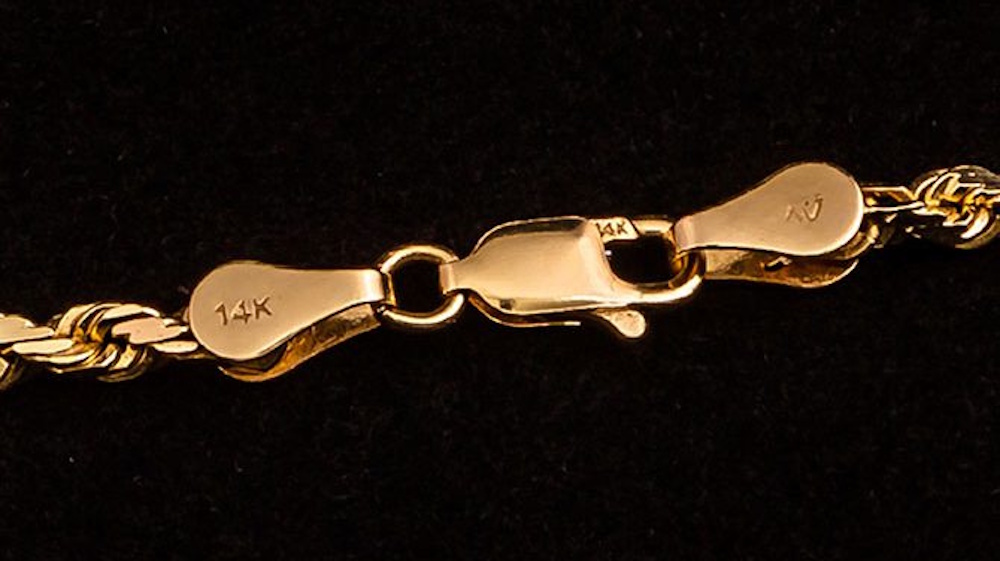
Yellow gold traditionally uses copper and silver alloying agents creating warm gold tones while avoiding nickel entirely in quality jewelry formulations. Eighteen-karat yellow gold containing seventy-five percent pure gold typically proves safe for most metal-sensitive individuals when nickel-free alloys are used. Fourteen-karat yellow gold contains fifty-eight percent pure gold with higher proportions of alloying metals potentially including nickel in lower-quality formulations. Consumers should verify nickel-free certification rather than assuming all gold jewelry provides hypoallergenic properties regardless of composition.
White gold presents particular challenges for metal-sensitive individuals as traditional formulations rely heavily on nickel alloying agents creating the desired white color. Nickel-white gold contains ten to twenty percent nickel creating highly allergenic jewelry completely unsuitable for sensitive skin despite high gold content. Modern nickel-free white gold formulations use palladium or other whitening agents avoiding nickel while achieving desired color characteristics. However, consumers must verify specific alloy composition rather than assuming white gold designation indicates hypoallergenic properties.
Platinum jewelry offers excellent hypoallergenic properties when used in high-purity formulations containing ninety to ninety-five percent platinum. The metal’s natural white color eliminates need for nickel-containing whitening agents, while exceptional corrosion resistance prevents ion release triggering allergic reactions. Platinum-iridium and platinum-ruthenium alloys commonly used in jewelry maintain hypoallergenic characteristics while providing enhanced hardness and workability. Lower platinum content alloys may include palladium or other metals potentially causing reactions in individuals with multiple metal sensitivities.
Sterling silver consists of ninety-two point five percent pure silver alloyed with copper for increased hardness and durability. Pure silver and sterling silver rarely cause allergic reactions independently, making them generally safe for sensitive individuals. However, silver’s tendency to tarnish prompts rhodium plating applications creating bright, tarnish-resistant surfaces. Rhodium plating provides excellent hypoallergenic protection when intact but eventually wears exposing underlying silver or potentially allergenic base metals in lower-quality jewelry. Unplated sterling silver or frequently re-plated pieces maintain hypoallergenic properties better than worn rhodium-plated jewelry.
Understanding statement jewelry pieces complete guide helps select hypoallergenic bold accessories expressing personal style without sacrificing comfort or skin health.

Testing and Diagnosing Jewelry Metal Allergies
Professional diagnosis of metal allergies through dermatologist evaluation provides definitive identification of specific sensitizing metals enabling targeted avoidance strategies and appropriate jewelry selection. Patch testing represents the diagnostic gold standard, applying suspected allergens to skin under occlusive patches for forty-eight hours followed by evaluation at removal and again after seventy-two to ninety-six hours. Multiple time points prove essential as delayed reactions may not manifest at initial reading, requiring follow-up assessment to identify all sensitizations accurately.
Standard patch test panels include nickel sulfate, cobalt chloride, and potassium dichromate as the most common metal allergens encountered in jewelry and everyday items. Expanded metal series add palladium, gold, platinum, and other metals for comprehensive evaluation when standard testing fails to identify causative allergens despite strong clinical suspicion of metal sensitivity. Commercially available standardized patch test allergens ensure appropriate concentrations avoiding both false-negative results from insufficient strength and false-positive irritant reactions from excessive concentrations mimicking allergic responses.
Positive patch test reactions produce eczematous dermatitis at test sites characterized by erythema, edema, papules, and sometimes vesiculation depending on reaction intensity. Scoring systems grade reaction severity from doubtful reactions through strong positive responses guiding interpretation and clinical significance determination. Weak positive reactions sometimes reflect borderline sensitivity questionably relevant to clinical symptoms, while strong reactions definitively confirm allergy requiring strict metal avoidance. Correlation between patch test results and clinical presentation remains essential for appropriate interpretation.
Lymphocyte transformation tests analyze blood immune cell responses to metal antigens providing alternative diagnostic approaches when patch testing proves inconclusive or impractical. These in vitro tests measure lymphocyte proliferation following metal antigen exposure indicating cellular immune sensitization. Sensitivity and specificity vary across different test protocols and metals tested, with some publications questioning reliability for titanium allergy diagnosis. Clinical context and correlation with symptom patterns remain essential for interpreting lymphocyte transformation results appropriately.
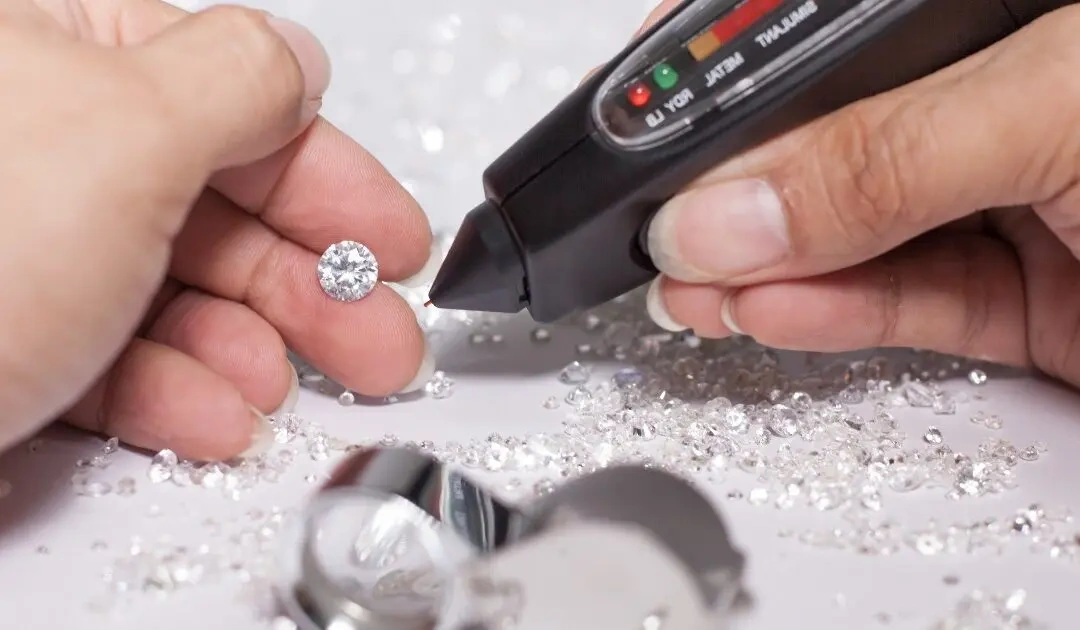
Home nickel spot tests provide convenient screening tools detecting nickel presence in jewelry and metal items before purchasing or wearing. The dimethylglyoxime test applies chemical reagents to metal surfaces producing pink or red coloration indicating nickel content exceeding detection thresholds. These tests help avoid nickel-containing jewelry but cannot confirm hypoallergenic status for all metals or guarantee safety for extremely sensitive individuals. Professional testing remains preferable for definitive diagnosis and comprehensive metal sensitivity evaluation.
Shopping Guidelines for Hypoallergenic Jewelry
Successful hypoallergenic jewelry shopping requires careful attention to material specifications, certifications, and vendor reputation rather than relying on generic “hypoallergenic” marketing claims lacking verification. Requesting detailed composition information including specific alloy grades, certifications, and third-party testing documentation helps distinguish genuinely safe products from misleading marketing targeting uninformed consumers. Reputable jewelers and manufacturers provide transparent information willingly while evasive responses or vague descriptions suggest questionable quality and potentially problematic materials.
Material specifications should include precise designations rather than generic metal categories. “Titanium” descriptions should specify commercially pure grade numbers or medical implant grade 23 rather than unknown titanium alloys potentially containing allergenic additives. “Surgical steel” should indicate 316L or 316LVM grades rather than unspecified stainless steel formulations varying widely in nickel release characteristics. “Gold” descriptions require karat specification and explicit nickel-free certification rather than assuming absence based on gold content alone.
Third-party certifications provide independent verification of material claims and manufacturing quality standards. ISO certifications, medical device registrations, and recognized industry testing laboratory reports document compliance with established safety and composition standards. Jewelry tested and certified by accredited laboratories offers greater assurance than uncertified products relying solely on manufacturer self-reporting. However, consumers should verify certification authenticity through direct laboratory contact rather than accepting certificates at face value given potential falsification in counterfeit products.
Price considerations require balancing affordability with quality and safety assurance. Extremely inexpensive jewelry often uses substandard materials, poor quality control, and misleading labeling creating allergy risks unacceptable for sensitive individuals. However, excessive prices don’t guarantee hypoallergenic properties without material verification and appropriate certifications. Mid-range pricing from reputable manufacturers typically provides optimal value combining genuine hypoallergenic materials with reasonable costs avoiding both bottom-tier quality issues and luxury brand premium pricing.
Return policies and satisfaction guarantees provide essential protection when purchasing hypoallergenic jewelry, particularly for first-time buyers uncertain about specific material tolerances. Reputable vendors offer reasonable return periods allowing trial wear and reaction assessment before commitment to purchases. Lifetime guarantees against allergic reactions reflect manufacturer confidence in product safety and quality. Conversely, restrictive return policies and absence of satisfaction guarantees suggest potential quality issues warranting caution and thorough investigation before purchasing.
For comprehensive jewelry maintenance knowledge, reviewing caring fine jewelry complete guide ensures hypoallergenic pieces remain in optimal condition while maintaining their protective properties.

Caring for Sensitive Skin and Preventing Reactions
Proactive skin care strategies minimize metal allergy reactions even when wearing generally hypoallergenic jewelry. Proper cleaning routines removing dirt, oils, and irritants from jewelry surfaces before wearing reduce combined irritant and allergic response risks. Mild soap and water cleaning followed by thorough drying prevents buildup of potentially problematic substances between jewelry and skin. Regular cleaning schedules proportional to wear frequency maintain jewelry hygiene without excessive handling risking damage or finish deterioration.
Barrier methods provide additional protection for mildly sensitive individuals tolerating certain metals with precautionary measures. Clear nail polish applications to jewelry backs contacting skin create temporary barriers preventing metal-skin contact and ion transfer triggering reactions. However, nail polish barriers wear quickly requiring frequent reapplication, particularly with regularly worn pieces experiencing friction and moisture exposure. More durable professional coating services provide longer-lasting protection through specialized polymers and application techniques.
Wearing duration limitations help manage reactions in individuals with mild sensitivities unable to tolerate continuous jewelry contact. Removing jewelry during sleep, bathing, exercise, and other high-moisture activities reduces total exposure duration while eliminating high-risk situations where sweat and moisture accelerate metal ion release. Rotating jewelry wearing among multiple pieces prevents continuous exposure to single items allowing affected skin recovery between wearing sessions.
Skin barrier enhancement through moisturizers and protective creams strengthens natural defenses against metal penetration and immune activation. Regularly moisturized skin maintains intact protective barriers resisting ion penetration more effectively than dry, cracked skin allowing easy allergen access to immune cells. However, some moisturizers and skin care products contain ingredients potentially interacting with metals or exacerbating reactions, requiring careful product selection based on individual sensitivities and dermatologist recommendations.
Environmental factors influence reaction severity including temperature, humidity, and activity levels affecting sweat production and metal corrosion rates. Hot, humid conditions accelerate sweating and metal corrosion increasing ion release rates and reaction risks. Physical activities generating sweat similarly elevate metal exposure requiring jewelry removal during exercise, sports, and strenuous work. Cold, dry conditions reduce corrosion and sweating potentially allowing jewelry wear by marginally sensitive individuals intolerant during warmer seasons or humid climates.
Medical management of active allergic contact dermatitis involves topical corticosteroids reducing inflammation and itching during acute reactions. Prescription-strength corticosteroids prove more effective than over-the-counter hydrocortisone for severe reactions while minimizing treatment duration preventing adverse effects from prolonged steroid use. Oral antihistamines provide symptomatic relief for itching though limited effectiveness on underlying allergic inflammation. Severe reactions resistant to conservative management may require oral corticosteroids, immunosuppressive agents, or specialized dermatology consultation for advanced treatment approaches.
Children’s Jewelry Safety and Metal Regulations
Children’s jewelry presents heightened safety concerns beyond adult jewelry due to developmental vulnerability, mouthing behaviors, and different use patterns requiring specialized regulatory attention. Federal regulations addressing lead and cadmium content in children’s jewelry reflect serious toxicity risks from ingestion of contaminated products. The Consumer Product Safety Improvement Act establishes strict limits on total lead content in children’s products including jewelry, currently restricted to one hundred parts per million in accessible components.
Lead exposure through children’s jewelry ingestion has caused documented fatalities prompting comprehensive regulatory reforms and aggressive enforcement activities. Cheap metal jewelry sold through discount retailers, vending machines, and online marketplaces repeatedly violated lead content limits leading to massive recalls affecting hundreds of millions of jewelry pieces. Current regulations require third-party testing certification demonstrating compliance before products reach consumers, though enforcement challenges persist particularly for imported products entering commerce through e-commerce platforms bypassing traditional customs screening.
Cadmium emerged as a lead substitute in children’s jewelry following stricter lead regulations, creating new toxicity concerns requiring additional regulatory responses. The Federal Hazardous Substances Act prohibits cadmium in children’s products where accessible components exceed specified limits based on migration testing simulating ingestion scenarios. California regulations establish additional cadmium restrictions addressing both content limits and allowable uses in children’s jewelry and accessories intended for consumers under age fourteen.
Nickel regulations in children’s jewelry focus primarily on allergic sensitization prevention rather than acute toxicity concerns. California’s metal-containing jewelry law requires body-piercing jewelry to use materials suitable for fresh piercings including surgical stainless steel, surgical implant grade titanium, niobium, solid fourteen-karat or higher nickel-free gold, solid platinum, or specific plastic materials meeting safety standards. These requirements address the critical sensitization window during initial piercing healing when nickel exposure creates maximum allergy development risk.
Parents and caregivers should exercise extreme caution when selecting children’s jewelry, prioritizing safety over fashion considerations and price savings. Reputable retailers selling certified hypoallergenic jewelry provide maximum assurance against both toxicity and allergic sensitization risks. Avoiding cheap jewelry from unknown sources, particularly items marketed toward children through vending machines, party favors, and promotional giveaways, prevents exposure to potentially dangerous products lacking appropriate safety testing and quality control. Regular monitoring for recalls and safety warnings through Consumer Product Safety Commission alerts helps identify problematic products requiring removal and disposal.
Individuals interested in broader jewelry sourcing ethics can review dark side diamond industry ethical alternatives understanding connections between safety, ethics, and responsible jewelry consumption.
Frequently Asked Questions
Question 1: What causes jewelry allergies and metal sensitivities?
Answer 1: Jewelry allergies result from Type IV delayed hypersensitivity reactions involving T-cell mediated immune responses rather than immediate antibody-mediated reactions. When metals corrode through wear and contact with sweat, they release ions that penetrate the skin’s protective barrier. These metal ions lack sufficient molecular size to trigger immune responses independently but bind with naturally occurring skin proteins creating hapten-protein complexes that the immune system recognizes as foreign substances requiring elimination. Dendritic cells process these complexes and present them to T lymphocytes in regional lymph nodes, establishing immune memory that persists permanently once sensitization occurs. Subsequent exposures trigger rapid inflammatory responses producing characteristic dermatitis symptoms including redness, itching, and blistering. Nickel causes the majority of jewelry allergies, affecting ten to twenty percent of the general population, with women experiencing significantly higher rates due to greater jewelry exposure particularly through ear piercing. Genetic factors influence susceptibility, with certain individuals inheriting increased propensity for metal sensitization. Once developed, metal allergies persist lifelong requiring permanent avoidance of triggering metals through careful jewelry selection and protective strategies.
Question 2: What are the most common symptoms of jewelry allergies?
Answer 2: Jewelry allergy symptoms manifest as localized allergic contact dermatitis precisely corresponding to jewelry contact sites, appearing twelve to seventy-two hours after exposure rather than immediately. Initial acute reactions present as red, itchy rashes with indistinct borders and varying degrees of swelling at affected locations. Necklace allergies create characteristic patterns around the neck and upper chest, earring allergies affect earlobes and surrounding areas, bracelet allergies produce wrist and forearm dermatitis, and ring allergies cause inflammation encircling finger bases. Intense itching represents a cardinal symptom, with severity ranging from mild irritation to sleep-disrupting discomfort. Vesiculation may occur in severe reactions, with small fluid-filled blisters developing within inflamed areas that rupture spontaneously or through scratching. Chronic exposure produces different manifestations including skin thickening with exaggerated markings, darkened patches persisting after inflammation resolves, and painful fissures in severely affected areas. The delayed symptom onset often confuses affected individuals who struggle connecting reactions to specific jewelry worn hours or days earlier. Systemic contact dermatitis represents an uncommon manifestation producing widespread reactions extending beyond contact sites, occurring when sensitized individuals experience systemic metal exposure through ingestion, implants, or extensive cutaneous contact.
Question 3: Which metals are truly hypoallergenic for sensitive skin?
Answer 3: Truly hypoallergenic metals include titanium (particularly medical-grade implant titanium), surgical stainless steel 316L or 316LVM, niobium, platinum, and high-karat gold without nickel alloys. Titanium represents the gold standard due to exceptional biocompatibility documented through decades of medical implant experience with extremely low allergic reaction rates. The stable titanium dioxide passive film prevents ion release triggering reactions. Medical-grade titanium (Grade 23) used in surgical implants provides maximum safety, while commercially pure titanium grades 1-4 maintain excellent hypoallergenic properties. Niobium offers another genuinely hypoallergenic pure elemental metal rarely causing sensitization. Surgical stainless steel contains small nickel amounts but chromium oxide protective layers prevent ion release, enabling most nickel-sensitive individuals to tolerate this affordable alternative. Platinum jewelry in high purity (950 platinum) resists corrosion and releases negligible ions. High-karat gold (18K-24K) proves safe when nickel-free alloys are used, with yellow gold typically safer than white gold which traditionally contains nickel. Rhodium-plated sterling silver provides temporary hypoallergenic protection though plating eventually wears. The term “hypoallergenic” lacks strict regulatory definition, requiring consumers to verify specific grades and compositions rather than accepting marketing claims without documentation.
Question 4: Is surgical steel completely safe for metal allergies?
Answer 4: Surgical stainless steel (316L grade) proves safe for most nickel-sensitive individuals despite containing ten to fourteen percent nickel in alloy composition. The chromium content creates a stable chromium oxide passive layer preventing nickel ion release under normal conditions, enabling approximately eighty-five to ninety-five percent of nickel-allergic individuals to tolerate surgical steel jewelry without reactions. The “L” designation indicates low carbon content reducing corrosion susceptibility and improving biocompatibility for medical applications. Medical implant grade 316LVM provides enhanced purity through vacuum melting processing, offering maximum safety for severely sensitive individuals. However, surgical steel is not “completely safe” for all metal-allergic people—approximately five to fifteen percent of nickel-sensitive individuals experience reactions even to surgical steel due to extreme sensitivity unable to tolerate minimal nickel exposure from released ions. These highly sensitive individuals require alternative metals including titanium, niobium, or precious metals completely free from nickel content. Patch testing surgical steel samples before purchasing expensive jewelry helps identify the small subset requiring stricter metal avoidance. Quality varies across manufacturers, with some lower-grade “surgical steel” jewelry using substandard alloys lacking proper corrosion resistance. Always verify 316L or 316LVM designation rather than accepting generic “surgical steel” claims without specification.
Question 5: Can you develop jewelry allergies later in life?
Answer 5: Metal allergies can develop at any age through repeated exposure sensitizing previously unaffected immune systems. Individuals tolerating jewelry without problems for years or decades may suddenly develop allergic reactions after reaching sensitization thresholds through cumulative exposure. The immune system requires repeated metal contact over variable time periods before establishing allergic memory, with some people sensitizing after minimal exposure while others tolerate extensive contact without developing allergies. Ear piercing, particularly multiple piercings in adulthood, represents a significant risk factor for late-onset nickel sensitization by introducing metal directly into healing wounds where immune cell populations concentrate. Changes in jewelry wearing patterns, such as continuous wedding band wear after marriage or increased fashion jewelry use, can trigger sensitization through dramatically increased exposure levels. Occupational exposures in careers involving frequent metal contact may cause sensitization during adulthood when professional activities begin. Pregnancy and hormonal changes potentially influence immune function and sensitization susceptibility, with some women developing metal allergies during or after pregnancy despite previous tolerance. Once metal allergies develop, they persist permanently requiring lifelong avoidance of triggering metals. The delayed nature of reactions complicates identification of causative jewelry when sensitivity develops, often leading to continued exposure before connections are recognized. Anyone experiencing unexplained dermatitis corresponding to jewelry contact sites should consider metal allergy regardless of previous tolerance history.
Question 6: How do you test for jewelry metal allergies?
Answer 6: Dermatologists diagnose metal allergies through patch testing, applying suspected allergens to skin under occlusive patches for forty-eight hours followed by evaluation at removal and again seventy-two to ninety-six hours later. Standard patch test panels include nickel sulfate, cobalt chloride, and potassium dichromate as common metal allergens, with expanded series adding palladium, gold, platinum, and other metals for comprehensive evaluation. Positive reactions produce eczematous dermatitis at test sites characterized by redness, swelling, papules, and sometimes vesiculation depending on intensity. Scoring systems grade reaction severity from doubtful through strong positive responses guiding clinical significance determination. Multiple time points prove essential as delayed reactions may not manifest at initial reading, requiring follow-up assessment for accurate identification. Lymphocyte transformation tests provide alternative diagnostic approaches analyzing blood immune cell responses to metal antigens, though sensitivity and specificity vary across protocols and metals tested. Home nickel spot tests using dimethylglyoxime reagents detect nickel presence in jewelry producing pink or red coloration indicating nickel content, helping avoid nickel-containing items before purchasing. However, spot tests cannot confirm hypoallergenic status for all metals or guarantee safety for extremely sensitive individuals. Professional testing remains preferable for definitive diagnosis and comprehensive sensitivity evaluation. Correlation between test results and clinical symptom patterns remains essential for appropriate interpretation, as weak positive reactions may reflect borderline sensitivity questionably relevant to actual symptoms.
Question 7: Is gold-plated jewelry safe for allergic skin?
Answer 7: Gold plating provides only temporary protection that deteriorates through regular wear, eventually exposing base metals causing allergic reactions. Plating thickness varies dramatically across products, with cheap jewelry featuring microscopically thin gold layers wearing through within days or weeks while quality plating may last months or years before failing. Once plating wears at contact points, underlying metals—often nickel-containing alloys chosen for low cost rather than skin safety—contact skin triggering reactions in sensitive individuals. The gradual plating deterioration creates confusing situations where previously tolerated jewelry suddenly causes reactions without obvious changes, leading affected individuals to incorrectly conclude they’ve developed new allergies rather than recognizing plating failure. Cheap gold-plated jewelry marketed toward budget-conscious consumers frequently uses highly allergenic base metals including brass, copper-nickel alloys, or mystery metals of unknown composition. Even quality gold-plated jewelry eventually requires replating to maintain protection, with costs potentially exceeding original purchase prices over jewelry lifetime. Solid gold jewelry in fourteen to twenty-four karat formulations with nickel-free alloys provides genuinely hypoallergenic properties without degradation concerns. Rhodium plating over sterling silver offers better protection than gold plating due to rhodium’s exceptional hardness and corrosion resistance, though it too eventually wears requiring maintenance. Individuals with metal sensitivities should avoid gold-plated jewelry entirely, investing instead in solid hypoallergenic metals preventing reactions reliably without maintenance requirements or uncertainty about plating condition.
Question 8: What is the best metal for sensitive ears and piercings?
Answer 8: Medical-grade titanium (Grade 23 implant grade) represents the optimal choice for piercings and sensitive ears due to exceptional biocompatibility, zero nickel content, and extensive safety documentation through surgical implant experience. This material resists corrosion completely while releasing negligible ions triggering allergic reactions, making it suitable even for extremely sensitive individuals unable to tolerate other metals. Titanium’s lightweight nature reduces ear lobe stretching from earring weight, particularly important for multiple piercings or larger earring styles. Surgical stainless steel 316LVM provides excellent alternative for most people, successfully tolerated by approximately ninety percent of nickel-sensitive individuals despite containing small nickel percentages. Niobium offers pure hypoallergenic option particularly valued for anodized colored jewelry without coatings or plating potentially harboring allergens. Solid platinum provides luxury hypoallergenic choice though high cost limits accessibility. High-karat gold (18K minimum) with nickel-free alloy certification works well for many people preferring precious metal aesthetics. Fresh piercings require maximum biocompatibility during healing periods when metal contact with wounds creates heightened sensitization risk—titanium or surgical steel specifically designated for piercing applications prove essential rather than fashion jewelry lacking appropriate safety verification. Avoid nickel silver, cheap metals, mystery alloys, and any jewelry without clear material specification for fresh piercings. California regulations mandate surgical implant materials for body-piercing jewelry recognizing the critical importance of metal safety during healing.
Question 9: Can you reverse or cure metal allergies?
Answer 9: Metal allergies cannot be cured or reversed once immune sensitization establishes permanent allergic memory within T lymphocyte populations. The immune system’s memory cells persist indefinitely maintaining recognition of sensitizing metals and capacity for rapid inflammatory responses upon reexposure. No proven treatments eliminate established metal allergies, with avoidance representing the only reliable strategy preventing reactions. Desensitization approaches attempted in some clinical settings show limited success with significant adverse reaction risks generally outweighing potential benefits. These experimental protocols involve gradual exposure increases attempting to induce immune tolerance, but rarely achieve complete desensitization and may paradoxically worsen sensitivity in some patients. Topical corticosteroids effectively manage acute symptoms during active reactions but provide only temporary symptomatic relief without affecting underlying allergy. Long-term solutions require strict avoidance of allergenic metals through careful jewelry selection, occupational modifications, and lifestyle adjustments minimizing exposure. Some research explores immunotherapy possibilities including oral nickel desensitization for systemic symptoms, though outcomes remain uncertain with variable success rates and significant risks limiting clinical application. Children who develop oral tolerance through dental braces before ear piercing may show reduced nickel sensitization rates, suggesting early exposure under specific conditions might prevent rather than reverse allergies—but this observation doesn’t translate to therapeutic approaches for established sensitivities. Accepting the permanent nature of metal allergies allows affected individuals to focus energy on effective avoidance strategies rather than pursuing ineffective treatments promising unrealistic cures.
Question 10: How can you protect jewelry to prevent metal reactions?
Answer 10: Multiple strategies protect jewelry and reduce metal allergy reactions for mildly sensitive individuals. Clear nail polish barriers applied to jewelry backs contacting skin create temporary protection preventing metal-skin contact and ion transfer, though coatings wear quickly requiring reapplication every few days depending on wear frequency and friction exposure. Professional jewelry coating services provide longer-lasting barriers through specialized polymers and application techniques, maintaining protection for months rather than days at substantially higher cost. Polymer or plastic earring posts and backs replace metal components for individuals tolerating precious metal decorative portions but reacting to posts, guards, or backings. Jewelry guards—small adhesive or clip-on barriers—prevent direct metal contact while maintaining jewelry appearance and function. Limiting wearing duration reduces total exposure, with jewelry removal during sleep, bathing, exercise, and high-moisture activities decreasing reaction risk while allowing affected skin recovery between wearing sessions. Regular cleaning removes dirt, oils, and irritants that combine with metal exposure exacerbating reactions, with mild soap and water followed by thorough drying maintaining jewelry hygiene. Proper storage prevents corrosion and tarnish accelerating metal degradation and ion release. Rotating jewelry among multiple pieces prevents continuous single-item exposure. Consider permanent rhodium plating for sterling silver jewelry providing durable tarnish-resistant surfaces with excellent hypoallergenic properties. However, protective measures provide limited benefit for severely sensitive individuals requiring genuine hypoallergenic metals rather than barriers preventing contact with allergenic materials.
Articles related:
Tags
📧 Get More Articles Like This
Subscribe to receive product reviews and buying guides in your inbox!
We respect your privacy. Unsubscribe at any time.