Vintage Jewelry Treasure Hunt: How to Find Valuable Pieces at Thrift Stores and Garage Sales
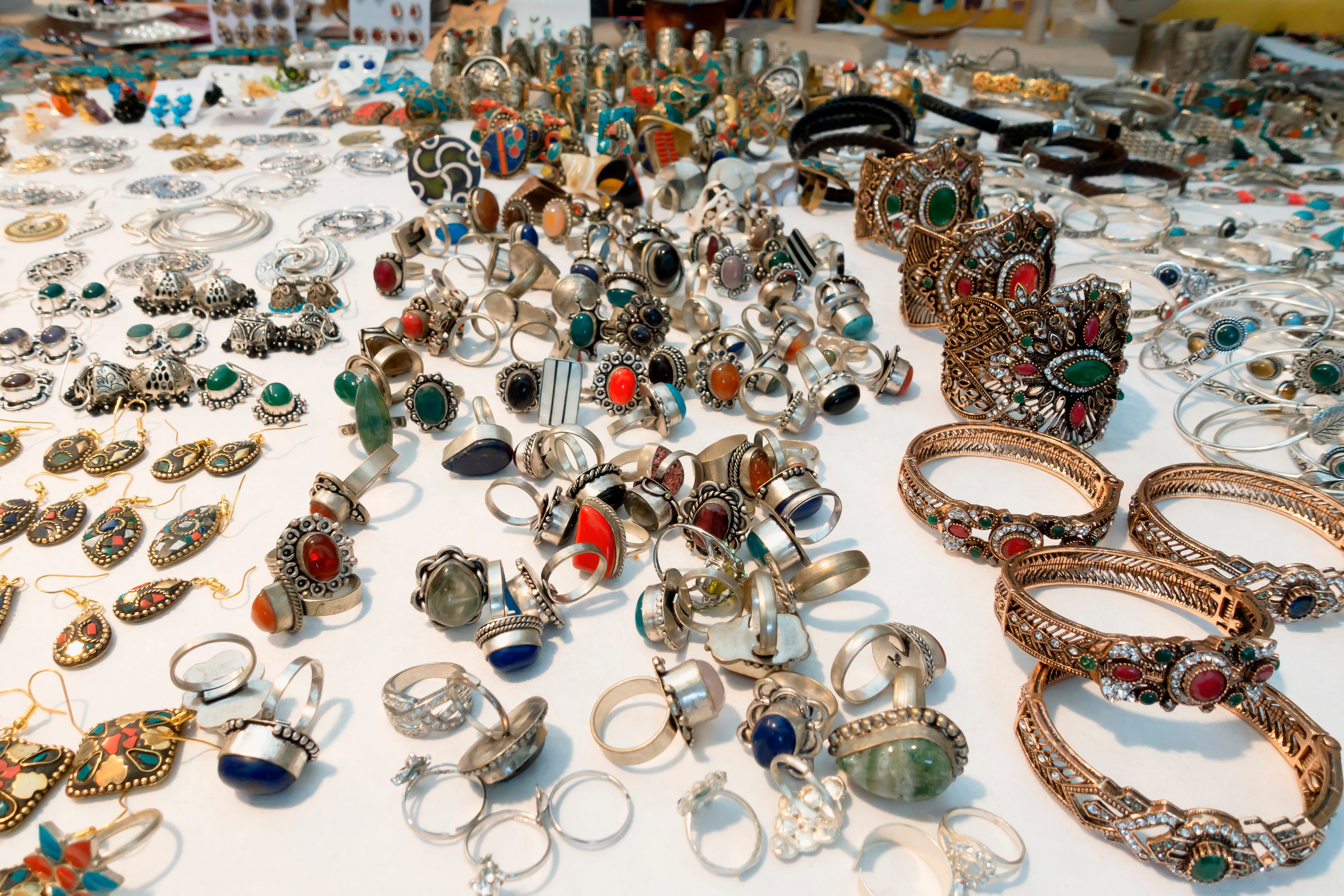
Table of Contents
- Introduction: The Thrill of the Hunt
- Understanding Vintage Jewelry Value and Authenticity
- Essential Tools Every Treasure Hunter Needs
- Where to Find the Best Vintage Jewelry Deals
- Authentication Techniques and Hallmark Identification
- Negotiation Strategies and Pricing Psychology
- Recognizing Designer Pieces and Rare Finds
- Common Mistakes and How to Avoid Them
- Building and Maintaining Your Collection
- Conclusion: Turning Passion into Profit
- Frequently Asked Questions
Introduction: The Thrill of the Hunt
The fluorescent lights flickered overhead as Sarah pushed through the heavy glass doors of the Goodwill on Maple Street at exactly nine o’clock on a Tuesday morning. She had been making this pilgrimage every week for three years, and today felt different somehow. The morning air still held the crispness of early spring, and her fingers tingled with anticipation as she made her way past the clothing racks toward the jewelry counter. What she found there that morning would change her life forever. Nestled among a tangle of broken chains and plastic beads sat an unassuming brooch with delicate filigree work and what appeared to be small diamonds. The price tag read three dollars. Seventy-two hours later, after authentication by a certified gemologist, that brooch sold at auction for forty-two thousand dollars. It was an authentic Victorian mourning brooch crafted in eighteen-karat gold with genuine rose-cut diamonds, likely created between eighteen sixty and eighteen eighty. This wasn’t luck. This was the result of knowledge, persistence, and understanding exactly what to look for in the vast ocean of secondhand jewelry flooding America’s thrift stores and garage sales every single day.
The vintage jewelry market has exploded in recent years, with the global antique jewelry market valued at over nine billion dollars and growing at approximately seven percent annually. According to industry research, nearly forty percent of jewelry sold at auction houses now comes from estate sales and private collections, with thrift stores and garage sales serving as unexpected gold mines for collectors who know what they’re seeking. The democratization of jewelry collecting has created unprecedented opportunities for everyday treasure hunters to build valuable collections or profitable resale businesses. However, this accessibility has also flooded the market with reproductions, fakes, and misattributed pieces that can trap unwary buyers. The difference between a three-dollar trinket and a forty-thousand-dollar treasure often comes down to a few millimeters of hallmark, a specific construction technique, or recognizing a designer’s signature style. Understanding these distinctions separates casual browsers from serious collectors who consistently unearth valuable pieces.
While this video highlights a real-life search for precious silver jewelry and rubies in flea markets, there is still information hidden away in the exclusive details below this article - information you may not have discovered yet: :
The psychology behind thrift store treasure hunting combines elements of gambling excitement with the satisfaction of historical detective work and the practical benefits of smart investing. Every jewelry case you examine represents a mystery waiting to be solved. Who owned this piece originally? Why was it donated or sold? What stories could it tell about the hands that wore it, the occasions it witnessed, the lives it touched across decades or even centuries? This emotional connection to history, combined with the very real possibility of financial gain, creates a compelling hobby that has attracted millions of participants worldwide. Social media has amplified this phenomenon, with jewelry hunting communities sharing finds, offering authentication help, and celebrating discoveries that range from fifty-dollar scores to life-changing acquisitions. The community aspect provides both educational resources and motivational fuel that keeps hunters returning to stores week after week, developing expertise through repetition and shared knowledge.
Financial considerations make vintage jewelry hunting particularly attractive in today’s economic climate. Unlike stocks or real estate, vintage jewelry requires minimal capital investment to begin. You can start with just twenty or thirty dollars and basic tools costing less than fifty dollars total. The learning curve, while steep, provides tangible feedback quickly as you begin recognizing patterns, understanding construction methods, and identifying valuable markers. Many successful collectors report that their first significant find came within their first three months of serious hunting, though developing consistent expertise typically requires one to two years of regular practice. The resale market offers multiple exit strategies, from online marketplaces to consignment shops, auction houses, and dealer networks. Some collectors focus on wearing and enjoying their finds, building personal collections that appreciate over time. Others operate as part-time dealers, buying low and selling high through various channels. Still others specialize in particular eras, designers, or styles, becoming experts whose knowledge commands premium prices from collectors seeking authenticated pieces.
The intersection of history, craftsmanship, and market dynamics creates endless fascination for jewelry hunters. Each era produced distinctive styles reflecting the technology, materials, and aesthetic preferences of its time. Art Nouveau pieces from the late nineteenth and early twentieth centuries emphasized flowing organic forms and nature motifs. Art Deco jewelry from the nineteen twenties and thirties featured geometric patterns and bold colors. Mid-century modern pieces from the nineteen forties through sixties showcased innovative materials and streamlined designs. Understanding these historical contexts helps identify pieces accurately and recognize when something doesn’t match its claimed period. The craftsmanship standards of earlier eras often exceeded modern mass production, with hand-finishing, precisely set stones, and attention to detail that reveals itself under magnification. These quality markers become second nature to experienced hunters, allowing them to spot potentially valuable pieces in seconds among hundreds of worthless items. The market dynamics reward this expertise handsomely, with informed buyers consistently outperforming those who rely on luck or superficial knowledge.

Understanding Vintage Jewelry Value and Authenticity
The fundamental challenge facing every jewelry hunter involves distinguishing genuine vintage pieces from reproductions, understanding what creates value, and recognizing when a piece justifies its asking price or deserves an offer. Value in vintage jewelry derives from multiple factors that often interact in complex ways. The intrinsic value of materials forms the baseline, with precious metals like gold, silver, and platinum providing minimum worth based on weight and purity. Gemstones add value proportional to their type, quality, size, and treatment status Ethical considerations in jewelry sourcing have gained importance among conscious collectors seeking alternatives to conventional diamond trade. However, these material values represent only part of the equation. Understanding which jewelry pieces increase in value over time helps build collections that appreciate financially while providing aesthetic enjoyment. Historical significance, designer attribution, rarity, condition, and market demand can multiply base material worth by factors of ten, hundred, or even thousand times. A simple gold band might be worth two hundred dollars in melt value, but if it’s a documented piece from a famous historical figure or an exceptional example of a rare technique, it could command hundreds of thousands at auction. Understanding these value multipliers separates educated collectors from those who miss opportunities or overpay for common pieces.
The authentication process begins with careful visual examination that reveals clues about age, origin, and authenticity. Genuine vintage jewelry displays wear patterns consistent with actual use over decades. The patina that develops on silver and copper alloys cannot be perfectly replicated by artificial aging processes. Scratches, dents, and wear typically appear in logical locations based on how jewelry is worn and stored. Reproduction pieces often show signs of artificial aging that doesn’t match natural patterns, such as uniform tarnish in protected areas that wouldn’t naturally oxidize or scratches that appear too deliberate and evenly distributed. The weight of a piece provides immediate feedback about metal content. Solid gold feels substantially heavier than gold-plated brass or base metals. Sterling silver has a distinctive heft that experienced collectors recognize immediately. Hollow construction was common in vintage costume jewelry to save material costs, creating a lighter feel that’s actually appropriate for those pieces. Modern reproductions sometimes get weight wrong, making gold-plated pieces too heavy or using lighter alloys in attempts to fake sterling silver.
Hallmarks and maker’s marks serve as the primary authentication tool for precious metal jewelry, though understanding them requires study and practice. The Federal Trade Commission establishes standards for jewelry marking and precious metal content representation in the United States. Sterling silver must contain a minimum of ninety-two and a half percent pure silver, typically marked as “925” or “Sterling.” Gold jewelry displays karat marks indicating purity, with twenty-four karat being pure gold, eighteen karat being seventy-five percent gold, and fourteen karat being fifty-eight and a third percent gold. These marks should be stamped clearly in specific locations determined by the piece’s construction, such as inside ring bands, on clasp mechanisms, or on the backs of brooches and earrings. Reproduction pieces sometimes carry fake or misleading marks placed incorrectly or using wrong fonts and formats. Learning the standard locations, styles, and formats of legitimate hallmarks for different eras helps identify suspicious pieces quickly. International marks add complexity, with British hallmarking systems using elaborate symbols indicating assay offices, date letters, and maker’s marks. European jewelry often carries different standards and marking conventions that require specialized knowledge to interpret correctly.
Designer signatures and manufacturer’s marks significantly impact value, with certain names commanding premium prices among collectors. Trifari, founded in nineteen twelve, produced high-quality costume jewelry that remains highly collectible today. Their pieces featured innovative designs, quality materials, and excellent craftsmanship that distinguished them from cheaper competitors. Eisenberg jewelry, particularly pieces from the nineteen thirties and forties, is prized for bold designs and generous use of quality rhinestones. Weiss created distinctive pieces known for brilliant crystal work and strong color combinations. Coro produced vast quantities of affordable costume jewelry but also created higher-end lines that interest collectors. Learning to recognize these signatures, understanding which periods and styles are most desirable, and knowing which pieces were mass-produced versus limited runs helps assess value quickly. Designer pieces command prices ranging from fifty dollars for common examples to several thousand for rare or exceptional pieces. The authentication challenge involves distinguishing genuine signed pieces from those where signatures were added later or where marks were worn away and incorrectly attributed.
Construction techniques and materials provide crucial authentication clues that separate vintage pieces from modern reproductions. Vintage costume jewelry often used specific findings, clasp types, and assembly methods characteristic of particular eras. Early rhinestone jewelry used paste-set stones with foil backing to enhance brilliance. Mid-century pieces might feature prong-set crystals without backing. Pinback findings evolved over decades, with C-clasp pins common in earlier periods and modern safety catches appearing later. Examining these construction details under magnification reveals whether a piece’s components match its claimed age. Modern reproductions frequently use contemporary findings mixed with period-appropriate styling, creating anachronistic combinations that alert knowledgeable collectors. The quality of metalwork provides another diagnostic tool, with earlier pieces often showing hand-finishing, precise detailing, and heavier gauge metals compared to modern mass production. Stone setting quality varied by price point and manufacturer but followed general trends that changed over time. Understanding these technical details requires hands-on experience examining hundreds or thousands of pieces, gradually building pattern recognition that operates almost unconsciously.
The concept of intrinsic value plays a particularly important role in vintage jewelry assessment, as outlined in archival preservation guidelines from institutions like the National Archives. Intrinsic value relates to physical characteristics, historical significance, and unique qualities that make original items worth preserving beyond their informational content. Vintage jewelry pieces may possess intrinsic value through exceptional craftsmanship, association with significant historical figures or events, exemplary representation of particular techniques or styles, aesthetic or artistic merit, unusual physical features, or age providing uniqueness. Identifying these characteristics requires understanding historical context, recognizing quality indicators, and appreciating significance that extends beyond mere monetary worth. Some pieces hold minimal precious metal value but represent important examples of design movements, manufacturing techniques, or cultural trends that make them valuable to collectors and museums. Other pieces combine significant material value with historical importance, multiplying their appeal across different collecting specialties.
Essential Tools Every Treasure Hunter Needs
Professional jewelry hunters rely on specific tools that enable quick assessment of pieces encountered in thrift stores, garage sales, and estate sales where examination time is limited and conditions less than ideal. The most fundamental tool involves a jeweler’s loupe providing ten times magnification, which allows examination of hallmarks, stone characteristics, and construction details invisible to the naked eye. Quality loupes cost between fifteen and fifty dollars, with triplet lens designs offering best clarity and color correction. Cheap magnifying glasses from dollar stores lack the optical quality needed for serious examination and often introduce distortion that can lead to misidentification. Learning to use a loupe effectively requires practice, particularly mastering the technique of holding it close to your eye while bringing the jewelry into focus at the correct distance. This skill becomes automatic with repetition, eventually allowing quick assessment of multiple pieces in seconds each. The loupe reveals hallmark details, stone inclusions, wear patterns, and construction methods that inform authentication and valuation decisions.
Portable ultraviolet lights serve multiple purposes in jewelry authentication and assessment. UV light causes certain materials to fluoresce in characteristic ways, helping identify gemstone treatments, detect repairs, and reveal materials that might not be obvious under normal lighting. Natural diamonds typically show blue fluorescence under long-wave UV light, though this varies by diamond origin and characteristics. Treated diamonds and many synthetic stones display different fluorescence patterns. Amber can be distinguished from plastic substitutes through fluorescence testing. Repairs and modifications often show differently under UV light due to different materials or ages of components. Compact UV lights suitable for field use cost between twenty and sixty dollars, with dual-wavelength models offering both long-wave and short-wave UV for different applications. Safety considerations require avoiding direct eye exposure to UV light and being aware that some materials might be sensitive to prolonged UV exposure, though brief testing causes no harm.
A small neodymium magnet provides quick screening for metal content, as genuine gold, silver, and platinum are non-magnetic while many base metals commonly used in costume jewelry show magnetic attraction. This test isn’t definitive since some base metals like brass and copper are also non-magnetic, but it quickly eliminates many gold-plated steel or iron pieces misrepresented as solid gold. The magnet test works best when combined with other authentication methods, providing one data point in comprehensive assessment. Magnets strong enough for jewelry testing cost just a few dollars and easily fit in a pocket or small toolkit. When testing, hold the magnet near the piece without making contact to avoid scratching finishes. Strong magnetic attraction indicates base metal content, while no reaction suggests precious metals or non-magnetic base metals requiring additional testing. Some jewelry contains both precious and base metal components, such as gold jewelry with steel spring mechanisms in clasps, so understanding construction helps interpret magnet test results correctly.
A portable pocket scale accurate to one-tenth gram enables weight verification that helps authenticate pieces and calculate precious metal content. Jewelry scales designed for this purpose cost between twenty and fifty dollars and easily fit in a small bag or large pocket. Weight provides crucial authentication clues since solid gold jewelry weighs substantially more than gold-plated pieces or jewelry made from lower-karat gold. Sterling silver pieces have characteristic weights based on size and style that experienced collectors recognize. Scales prove particularly useful when considering higher-value purchases where precise metal content calculation justifies the price. Many smartphones can run apps that estimate weight through various methods, though these lack the accuracy of dedicated scales for jewelry assessment. Recording weights of known authentic pieces during your learning period builds a mental database of expected weights for different item types, making unusual weights immediately noticeable.
Your smartphone serves as an incredibly versatile research tool during hunting expeditions, providing instant access to hallmark databases, price comparison sites, collector forums, and image search capabilities. Taking clear photographs of interesting pieces allows you to research them later without having to make immediate purchasing decisions under time pressure. The camera with macro capability helps document hallmarks and details that you can examine more carefully at home under better lighting and with magnification. Price comparison apps and websites let you quickly check current market values for comparable pieces, informing negotiation strategies and purchase decisions. Collector forums and social media groups provide communities where you can post finds for identification help and authentication advice from experienced collectors worldwide. Building relationships in these communities creates valuable networking opportunities and accelerates your learning process significantly. Some successful hunters maintain spreadsheets or database apps tracking their finds, purchases, and research to build reference materials for future hunting trips.
Measuring tools prove surprisingly useful during jewelry hunting, particularly for ring sizing, determining bracelet lengths, and measuring component dimensions for identification purposes. A simple ring sizing gauge costs less than ten dollars and helps identify ring sizes quickly, which affects both wearability and resale potential. Bracelets and necklaces in common lengths sell more readily than unusual sizes. A small measuring tape or digital caliper allows precise measurement of dimensions relevant to identification and pricing. Some pieces are valued partially based on size, with larger examples commanding premiums over smaller versions. Documentation accuracy improves when you can record precise measurements rather than approximations. Professional jewelers and appraisers expect dimensional information when assessing pieces remotely through photographs and descriptions.
A notebook or digital note-taking system proves invaluable for recording finds, tracking research, noting store locations and schedules, and documenting your learning process. Successful hunters often maintain detailed logs of pieces examined, prices encountered, stores visited, and lessons learned. This documentation builds over time into a personalized reference guide far more valuable than generic price guides because it reflects your specific market, the types of items available in your area, and patterns you’ve observed firsthand. Recording mistakes and successful finds helps refine your approach and avoid repeating errors. Some collectors photograph every interesting piece they encounter, even those they don’t purchase, building visual reference libraries of hundreds or thousands of examples showing how various styles, conditions, and qualities appear in real-world situations.

Where to Find the Best Vintage Jewelry Deals
Thrift stores represent the most accessible and consistent source for vintage jewelry hunting, with national chains like Goodwill, Salvation Army, and Savers processing enormous volumes of donated items daily. The Smithsonian Institution provides guidance on preserving family treasures and historical artifacts, emphasizing that many valuable items enter the secondhand market through estate donations and downsizing situations. These large operations receive jewelry donations constantly as people clean out attics, settle estates, and declutter homes. The impersonal nature of large thrift operations means pricing often relies on staff members with limited jewelry knowledge making quick decisions based on appearance rather than actual value. This creates opportunities for knowledgeable hunters to find significantly underpriced items. However, competition has increased dramatically as vintage jewelry hunting has become more popular, with some stores seeing regular crowds of experienced hunters who know the restocking schedules and rush in when new inventory appears. Developing relationships with staff members can provide advance notice of incoming jewelry donations or opportunities to examine pieces before they reach display cases.
Local independent thrift stores and charity shops often offer better hunting opportunities than large chains because they process lower volumes with less sophisticated pricing systems. A small church thrift store staffed by volunteers rarely has expertise to recognize valuable vintage jewelry, leading to consistent underpricing of quality pieces. These smaller operations also experience less competition from other hunters since they’re harder to find and less systematically targeted. Building relationships with staff at independent stores proves easier given their smaller scale, and friendly regular customers sometimes receive calls when interesting jewelry comes in. The trade-off involves visiting more locations since each individual store processes fewer donations. Successful hunters in areas with many independent thrifts develop regular routes visiting a dozen or more locations weekly, spending brief periods in each to check for new arrivals. This systematic approach ensures you’re present soon after interesting pieces arrive, before other hunters or knowledgeable buyers claim them.
Estate sales and estate auctions offer concentrated opportunities to find valuable jewelry, though they require different strategies than thrift store hunting. Estate sales occur when families liquidate household contents, typically after deaths or when elderly people move to assisted living facilities. Professional estate sale companies advertise sales through local listings, websites, and specialized apps. Jewelry at estate sales ranges from worthless costume pieces to significant collections of valuable items. The pricing depends on the estate sale company’s expertise, how thoroughly they researched items, and whether they hired appraisers for potentially valuable pieces. Some estate sales price jewelry very accurately, leaving little room for bargain hunting beyond negotiating modest discounts. Others dramatically underprice items either through ignorance or because they’re focused on moving volume quickly. Arriving early to estate sales proves crucial since jewelry typically sells rapidly. Many sales operate on number systems where you receive a queue position determining when you can enter. Serious hunters often arrive hours before sales open to secure good positions. Research the estate sale company’s reputation and typical inventory quality to prioritize which sales merit early arrival versus casual visits.
Garage sales and yard sales provide hit-or-miss hunting opportunities with occasional spectacular finds mixed among vast quantities of nothing special. The random nature means you must visit many sales to find interesting jewelry, but the potential rewards justify the effort for dedicated hunters. Private sellers typically have even less jewelry knowledge than thrift store staff, leading to consistent underpricing when valuable pieces appear. The informal negotiation atmosphere makes haggling expected and often successful, particularly late in sale days when sellers are motivated to avoid hauling unsold items back inside. Technology has made finding garage sales more efficient through apps and websites that aggregate listings, map sale locations, and let you plan efficient routes hitting multiple sales. Experienced hunters develop systems for quickly assessing whether sales likely have interesting jewelry based on neighborhood demographics, sale descriptions, and photographs in listings. Wealthy neighborhoods and older suburbs tend to yield better vintage jewelry than newer developments or apartments. Estate-style sales advertised as downsizing or clearing out long-time homes often contain the best pieces.
Flea markets and antique malls occupy a middle ground between casual garage sales and professional antique dealers. Vendor quality varies enormously, from casual sellers clearing out attics to knowledgeable dealers with years of experience. This variation creates opportunities to find underpriced items from less sophisticated vendors while also offering chances to learn by observing how knowledgeable dealers price and present their inventory. Regular flea markets develop communities of dealers who see each other weekly, creating social dynamics that affect pricing and negotiation. Becoming a recognized regular customer builds relationships that sometimes lead to better prices or first looks at new inventory. Permanent antique malls with dozens or hundreds of vendors require systematic approaches since thoroughly examining every booth would take days. Developing efficient routes that prioritize vendors who regularly stock jewelry or whose expertise lies elsewhere helps maximize productive hunting time.
Online marketplaces have transformed vintage jewelry hunting by providing access to vast inventories searchable by specific criteria. Platforms like eBay, Etsy, Facebook Marketplace, and specialized vintage jewelry sites let you find particular styles, designers, or eras without physically visiting dozens of locations. However, online buying requires different skills than in-person hunting since you cannot physically examine pieces. Learning to interpret photographs, ask relevant questions, and identify red flags in listings becomes essential. Online prices generally reflect more accurate market values than thrift stores since sellers can easily research comparable items, though deals still exist. The advantage involves access to far more inventory than any local area provides, particularly for collectors seeking specific designers or styles. The risk involves authentication challenges without physical examination, higher return rates, and competition from nationwide or even international buyers. Combining online and in-person hunting provides comprehensive coverage, with each approach offering distinct advantages.
Authentication Techniques and Hallmark Identification
Hallmark identification forms the foundation of vintage jewelry authentication, requiring systematic approaches that become faster with experience. The first step involves locating marks, which appear in predictable locations based on jewelry type. Rings typically display hallmarks inside the band, often near the area opposite the main design element. The marks are usually quite small, requiring magnification to read clearly. Necklaces and bracelets show marks on clasps, jump rings, or tags attached near closures. Brooches and pins carry marks on the back, near the pin stem or on the frame. Earrings mark on the backs or posts, sometimes with marks so tiny that even experienced collectors struggle to read them without good magnification and lighting. Modern jewelry often includes marks in multiple locations for redundancy, while vintage pieces might show marks only once in a primary location. Worn or damaged jewelry sometimes has marks that have been obliterated by polishing or wear, making authentication more challenging.
The physical characteristics of hallmarks provide authentication clues beyond just the symbols and letters. Genuine vintage marks show consistent depth, clean strike, and appropriate wear patterns matching the piece’s age. Reproduction marks often appear too sharp and crisp for supposedly old pieces, or show inconsistent depth suggesting they were stamped with inappropriate tools. The font styles used in marks changed over time, with certain letter forms and number styles characteristic of specific eras. Learning these typographic details helps spot anachronistic marks on reproduction pieces. The location and orientation of marks followed conventions that varied by period and country, so marks in unusual locations or facing wrong directions warrant scrutiny. Some forgers add marks to unmarked pieces to increase their apparent value, but often place them incorrectly or use wrong mark styles for the piece’s construction and style. Database resources and reference books document thousands of maker’s marks, hallmarks, and patent numbers that help identify and authenticate pieces. Building a personal reference collection of mark photographs creates a quickly searchable resource for comparison.
Metal testing techniques range from simple non-destructive methods suitable for field use to sophisticated laboratory analyses that definitively determine composition. The magnet test provides an initial screening by distinguishing ferromagnetic metals from non-magnetic precious metals and some base metals. The acid testing method involves applying small amounts of testing acid to inconspicuous areas and observing reactions that indicate metal content. Testing kits include acids formulated for different gold karats, sterling silver, and platinum. The National Institute of Standards and Technology establishes reference materials for industrial commodities including metals, ensuring accurate measurement and testing standards. Each acid produces specific color reactions with different metals, allowing identification of gold content, silver content, or base metals. Acid testing requires care to avoid damage and should be performed on hidden areas like inside ring bands or the backs of pieces. The acids are corrosive and require proper handling and storage. Electronic gold testers use electrical conductivity to analyze metal content without acid or physical damage. These devices cost several hundred dollars but offer quick, non-destructive testing valuable for high-volume hunting or when buying expensive pieces.
Stone identification and authentication presents different challenges than metal testing, with some techniques easily performed in the field while others require laboratory equipment. Visual examination under magnification reveals characteristic inclusions and growth patterns that distinguish natural from synthetic stones and identify specific gem varieties. Natural stones typically contain inclusions that synthetics lack or show different forms. The pattern, type, and distribution of inclusions help identify stone types and origins. Thermal conductivity testing uses the different heat transfer properties of diamond versus simulants like cubic zirconia to quickly distinguish them. Diamond testers using this principle cost between fifty and three hundred dollars and provide instant results. However, some new diamond simulants like moissanite confound simple thermal testers, requiring more sophisticated equipment. Specific gravity testing involves weighing stones in air and in water to calculate density, which varies characteristically by gem type. This method works well for unmounted stones but proves impractical for jewelry where stones are set. Ultraviolet fluorescence patterns help identify some stones and detect treatments, though interpretation requires experience with known examples of various gem types.
Patina examination provides crucial age assessment clues that help distinguish genuinely old pieces from modern reproductions. Patina refers to surface changes that develop naturally over time through oxidation, wear, and chemical reactions between metals and their environment. Sterling silver develops characteristic tarnish patterns, with deeper oxidation in recessed areas that receive less handling and lighter tarnish on raised surfaces that get worn by regular use. This pattern cannot be perfectly replicated by artificial aging, which typically produces more uniform tarnish. Copper and brass develop patinas ranging from brown to green depending on environmental conditions and alloy composition. Gold generally does not tarnish but shows wear patterns from handling, with high-karat gold displaying different wear characteristics than lower-karat alloys. Reproduction pieces sometimes receive artificial patina through chemical treatments or physical distressing, but these typically show inconsistencies when compared to genuine age effects. Learning to recognize authentic patina requires examining many genuinely old pieces to understand how real aging appears.
Construction analysis involves examining how pieces were assembled, what materials and techniques were used, and whether these details match the claimed age and style. Vintage costume jewelry used specific findings and components characteristic of manufacturing technology and design preferences from different eras. Early twentieth-century pieces might feature riveted construction, while later pieces used welding or adhesive bonding. Stone setting methods evolved from simple glue setting to prong, bezel, and channel settings as manufacturing capabilities improved. The type and style of clasps changed over decades, with certain designs predominating in particular periods. Reproduction jewelry often mixes anachronistic components, using modern findings with vintage-style design elements. Examining these details under magnification reveals whether a piece consistently reflects a single era or combines elements from different periods. High-quality vintage pieces typically show better craftsmanship than mass-market costume jewelry, with hand-finishing, attention to detail, and quality materials that distinguished premium brands from cheaper alternatives. Learning to recognize these quality markers helps identify valuable pieces among seas of common jewelry.

Negotiation Strategies and Pricing Psychology
Successful negotiation begins long before you make an offer, starting with how you present yourself and interact with sellers from initial contact. Professional appearance and demeanor encourage sellers to take you seriously as a buyer while avoiding appearing too sophisticated or knowledgeable, which might make sellers suspicious that they’re underpricing items. The balance involves projecting casual interest while actually conducting thorough evaluation. Arrive prepared with cash since many private sellers prefer it and offering immediate cash payment provides negotiation leverage. Small bills facilitate making change and allow you to present exact amounts that feel more concrete than asking for change. Building rapport through friendly conversation creates positive dynamics that make sellers more willing to negotiate and accept lower offers. Ask about the jewelry’s history and why they’re selling, showing genuine interest beyond just price. These conversations sometimes reveal information valuable for authentication or provide stories that add provenance value to pieces.
Timing dramatically affects negotiation success, with early and late periods offering different advantages. Arriving early to estate sales and garage sales ensures access to best selection before other buyers claim prime pieces. This gives you first choice but less negotiation leverage since sellers have no urgency and other buyers will arrive soon. Waiting until the final hour or day of multi-day estate sales provides maximum negotiation power as sellers face hauling away unsold items. Many sellers dramatically reduce prices in final hours, accepting offers they would have rejected earlier. The trade-off involves risking that desired pieces sell before you get negotiation opportunities. Experienced hunters sometimes identify pieces early, note them, and return later with offers if they remain unsold. This strategy requires discipline to avoid someone else buying pieces you wanted. For single-day garage sales, mid-afternoon through closing time offers best negotiation opportunities as sellers calculate how much effort packing up and storing unsold items requires versus accepting lower offers.
Bundle buying leverages economies of scale in negotiation, with sellers often providing significant discounts when you purchase multiple items together. If you identify several interesting jewelry pieces at one location, negotiate for all of them as a group rather than individually. Sellers prefer single larger transactions to multiple small sales from both practical and psychological perspectives. Bundling allows you to include marginal pieces that individually wouldn’t justify their asking price but become attractive in a package deal. Sometimes including items you don’t really want but that cost the seller nothing to throw in sweetens deals and makes sellers feel they’re moving more inventory. Calculate your total budget for the location and make offers based on package value rather than individual piece prices. This approach works particularly well at estate sales where companies are incentivized to move inventory efficiently and will discount heavily for buyers taking multiple items.
Information asymmetry plays a complex role in jewelry negotiations. Sellers often don’t know what they have, leading to both dramatic underpricing of valuable pieces and overpricing of worthless items based on superficial appearance. Your knowledge advantage must be managed carefully. Pointing out flaws or issues reduces seller expectations and justifies lower offers, but being too obvious about knowing more than sellers can backfire by making them suspicious they’re being cheated. The ethical dimensions of buying genuinely valuable pieces from uninformed sellers at a tiny fraction of true worth creates moral questions each hunter must resolve personally. Professional dealers generally operate by the principle that market value equals what a knowledgeable willing buyer will pay a knowledgeable willing seller, and transactions between parties with unequal knowledge don’t reflect true market value. However, investing time and effort to develop expertise creates value that deserves compensation. Most hunters find balance by offering fair prices for pieces from personal estates while being more aggressive negotiating with professional operations or resellers who could have researched items themselves.
Price anchoring influences negotiations powerfully, with initial numbers strongly affecting final agreed prices. If sellers state asking prices first, these anchor the negotiation range. Your counteroffer should be low enough to leave negotiating room but not so low that it insults sellers and ends negotiations. A common strategy involves offering approximately fifty to sixty percent of asking price for expensive items, expecting to settle around seventy to eighty percent. For cheap items, the absolute dollar amounts matter more than percentages since nobody hagles extensively over one-dollar items. When you make the first offer, anchor low but justify your number with specific reasoning about condition, market comparables, or flaws observed. Don’t anchor too low as it eliminates negotiating room and suggests you’re not serious. Research comparable sales before negotiations so you can reference specific examples if sellers question your offered prices.
Non-monetary negotiation elements can prove equally valuable as price reductions. Asking for better lighting to examine pieces, time to research hallmarks, or permission to test items extends your evaluation period without committing to purchase. Requesting additional information about history, provenance, or previous owners potentially adds value beyond the physical jewelry itself. Asking if sellers have other jewelry not yet displayed sometimes leads to finding better pieces missed in initial setup. Requesting contact information in case you want to return for additional purchases builds relationships that can benefit future transactions. Some sellers appreciate educational interactions where knowledgeable buyers explain what they’re looking at and why certain pieces have value. These conversations, while reducing your information advantage, create goodwill that often leads to better prices or first opportunities at future sales.
Rejection psychology significantly impacts negotiations, with most sellers initially rejecting low offers before reconsidering. Don’t immediately accept rejection as final. Instead, acknowledge their position, justify your offer with specific reasoning, and leave the conversation open for them to reconsider. Politely ask them to reconsider if the item remains unsold, and leave your contact information. Many sellers later accept offers they initially rejected after the item sits unsold for hours or days. The time invested in rejection and reconsideration makes them psychologically more committed to completing sales with buyers who return. This strategy requires patience and comfort with rejection, but consistently produces successful acquisitions that seemed impossible initially. For items you really want, make multiple progressively better offers over time rather than leading with your maximum price. Each small increase demonstrates growing seriousness while still potentially closing deals below your maximum willingness to pay.
Recognizing Designer Pieces and Rare Finds
Designer costume jewelry from the mid-twentieth century represents one of the most consistently profitable collecting areas, with signed pieces from prestigious manufacturers commanding prices from fifty dollars to several thousand dollars depending on rarity, condition, and desirability. Trifari stands among the most collectible costume jewelry makers, with the company’s history spanning from founding in nineteen twelve through multiple ownership changes into the twenty-first century. The most valuable Trifari pieces come from the nineteen thirties through nineteen sixties when head designer Alfred Philippe created innovative designs that defined costume jewelry aesthetics. Trifari’s signature appears in various forms including “Trifari,” “Trifari Crown” with a crown symbol, “KTF” (Kunio Trifari Fishel), and patent numbers. The quality of Trifari construction exceeded most competitors, with heavy plating, quality stones, and secure settings that have survived decades better than cheaper jewelry. Collectors particularly prize Trifari jelly belly pieces featuring lucite or colored stones creating dimensional figural designs, especially the rare fruit salad combinations using multiple colors. Values range from fifty dollars for common signed pieces to five thousand dollars or more for rare jelly belly brooches or exceptionally elaborate sets.
Eisenberg jewelry occupies premium positions in costume jewelry collecting, with the company’s pieces known for generous use of quality rhinestones, innovative designs, and excellent craftsmanship. Founded in Chicago in nineteen fourteen as a clothing company, Eisenberg added jewelry in the nineteen thirties initially as clothing embellishments. These early pieces, especially those attached to original garments, command exceptional prices. Eisenberg signatures evolved over decades, with variations including “Eisenberg Original” (pre-nineteen forty-five), “Eisenberg Ice” (post-nineteen forty-five), and simply “Eisenberg.” The company specialized in elaborate rhinestone pieces that competed with fine jewelry in appearance while remaining affordable. Eisenberg’s reputation for quality means pieces frequently survive in excellent condition, but finding them underpriced at thrift stores remains possible since signatures sometimes appear inconspicuously. Statement jewelry pieces from these eras often feature bold designs that remain wearable today while commanding collector attention. Values typically range from one hundred dollars for common marked pieces to several thousand for rare designs or original examples. The weight alone of major Eisenberg pieces impresses, with heavy pot metal construction and generous stone counts distinguishing them from lighter competitors.
Weiss jewelry built its reputation on brilliant crystal work and bold color use during the company’s operation from nineteen forty-two to nineteen seventy-one. Albert Weiss created distinctive pieces characterized by vibrant colors, quality Austrian crystals, and rhodium plating that has maintained brightness across decades. Weiss signatures appear on most pieces, typically on small metal tags or stamped into findings. The company produced extensive lines of matching sets including necklaces, bracelets, earrings, and brooches, with complete sets commanding substantial premiums over individual pieces. Particular colors and styles have developed strong collector followings, with certain rare shades or designs bringing prices far above typical Weiss pieces. Most signed Weiss jewelry sells from forty dollars for simple pieces to eight hundred dollars for elaborate statement necklaces or complete sets. The quality of Weiss stones distinguishes them from many competitors, with faceting and brilliance approaching fine crystal standards. These pieces photograph beautifully, making them popular with online resellers and contributing to strong market demand.
Coro represents a more complicated collecting category given the enormous production volumes and wide quality range this major manufacturer produced. Founded in nineteen nineteen, Coro became one of America’s largest costume jewelry manufacturers, producing everything from cheap dimestore jewelry to higher-quality pieces under premium lines like Vendome and Coro Craft. Common Coro pieces have modest value, typically selling from five to twenty-five dollars, but rare designs, unusual materials, or premium line pieces command significantly more. Coro’s Duettes featuring paired dress clips that could be worn separately or together on a frame merit particular attention, with some examples worth several hundred dollars. Coro also produced elaborate trembler pieces with elements designed to move with body motion, adding animation that collectors appreciate. The challenge with Coro involves recognizing which pieces among vast production quantities represent scarce or desirable examples. Research into Coro’s various lines and periods helps identify pieces worth acquiring versus common examples better left for less knowledgeable buyers.
Art Deco jewelry from the nineteen twenties and thirties represents the peak of geometric design in jewelry, with strong lines, bold colors, and architectural inspiration creating instantly recognizable aesthetics. Authentic Art Deco pieces command premium prices across all categories from costume jewelry to fine jewelry. The style emphasized platinum and white gold settings with diamonds and colored gemstones, particularly emeralds, rubies, and sapphires. Costume jewelry versions used pot metal, chrome plating, and glass stones to create similar effects at affordable prices. Recognizing authentic Art Deco involves understanding characteristic design elements including stepped geometric patterns, stylized floral motifs, use of contrasting colors especially black and white combinations, Egyptian and Asian influences following King Tut’s tomb discovery and growing Asian trade, machine age inspiration celebrating industrial design, and streamlined forms anticipating mid-century modernism. These pieces feel remarkably modern despite approaching century-old ages, contributing to strong current market demand. Values range enormously based on materials and provenance, from one hundred dollars for costume pieces to hundreds of thousands for exceptional fine jewelry examples.
Victorian jewelry encompasses a vast range of styles spanning Queen Victoria’s sixty-three-year reign from eighteen thirty-seven to nineteen hundred. Different periods within the Victorian era produced distinctive jewelry styles reflecting changing tastes and technologies. Early Victorian or Romantic period jewelry featured naturalistic motifs, colored gemstones, and sentimental symbolism. Mid-Victorian or Grand period jewelry grew heavier and more elaborate, incorporating archaeological influences and darker materials reflecting Prince Albert’s death in eighteen sixty-one. Late Victorian or Aesthetic period jewelry adopted lighter designs with oriental influences and Arts and Crafts movement inspiration. Mourning jewelry represents a particularly collectible Victorian category, with pieces incorporating hair of deceased loved ones, black materials like jet and gutta-percha, and symbolic motifs like urns and willows. These pieces remind us of historical periods when death was ever-present and mourning rituals more elaborate than modern practices. Victorian jewelry appears regularly at estate sales and occasionally at thrift stores as families clear out inherited items without recognizing value. Learning Victorian hallmarks, construction techniques, and typical materials helps identify pieces from this era among generic old jewelry.

Common Mistakes and How to Avoid Them
Rushing evaluations represents perhaps the most costly mistake novice jewelry hunters make, resulting in either passing valuable pieces or buying worthless items based on superficial impressions. The pressure of competitive hunting environments where other shoppers might claim pieces you’re examining creates urgency that overrides careful assessment. Developing systematic evaluation protocols helps maintain discipline even under time pressure. Start with quick visual screening identifying pieces worth closer examination based on materials, construction quality, and signatures. Then perform methodical authentication steps including hallmark verification, material testing, condition assessment, and market research before making purchase decisions. For potentially valuable pieces, taking photographs for later research provides more informed decision-making than rushed on-site purchases. Some hunters find that sleeping on decisions for expensive items reduces impulse buying of pieces that seem less attractive upon reflection. The fear of missing opportunities leads to overbuying, but discipline and patience ultimately prove more profitable than impulsive acquisitions.
Overreliance on markings and signatures creates vulnerability to fakes and misattributed pieces since forgers specifically target these authentication points. A piece marked “14K” might actually be gold-plated brass with fake stamps. A signature reading “Trifari” could have been added to an unsigned piece or might be a reproduction copying authentic designs. Comprehensive authentication requires verifying that marks match the piece’s construction, materials, wear patterns, and design details. Inconsistencies between signatures and physical characteristics suggest problems warranting rejection despite tempting marks. Some authentic pieces lack marks due to wear or manufacturing variations, while other marked pieces prove fake upon careful examination. Balancing mark evidence with physical inspection produces more reliable authentication than either approach alone. Learning to recognize authentic construction techniques, materials, and design elements from each era and manufacturer allows verification beyond just reading marks. This comprehensive approach requires more expertise but avoids costly mistakes that focus too narrowly on easily-forged signatures.
Ignoring condition issues or underestimating repair costs commonly leads to buying pieces that cannot be profitably resold or repaired economically. Missing stones, broken clasps, damaged findings, and worn plating all reduce value significantly and may cost more to repair than repaired pieces would sell for. Accurately assessing repair feasibility and costs requires understanding what jewelers can fix, typical labor charges, and whether repairs will be economically justified by final selling prices. Some condition issues prove impossible to repair properly, such as missing original components that cannot be replaced with period-appropriate parts. Other problems look worse than they are and involve simple inexpensive fixes like replacing a clasp or securing a loose stone. Developing relationships with jewelers who can evaluate repairs helps make informed decisions about purchasing damaged pieces. Generally, buying condition-challenged jewelry makes sense only when purchase prices are low enough that even worst-case repair scenarios leave profit margins, or when pieces are so rare that condition matters less to collectors who simply want examples.
The Centers for Disease Control emphasizes awareness of potential lead exposure from older jewelry and consumer products, particularly items manufactured before modern safety standards. Lead exposure concerns particularly affect vintage costume jewelry since lead was commonly used to add weight, brighten colors, and stabilize plastics in older manufacturing processes. Children should never be allowed to wear or handle jewelry potentially containing lead due to mouthing behaviors and greater health risks. Adults should also be cautious with jewelry containing lead, especially if handling pieces frequently or for extended periods. Testing services can identify lead content in questionable pieces. Modern reproductions sometimes still contain lead despite regulations, particularly items manufactured outside the United States. Awareness of these health considerations influences both personal wearing decisions and resale practices, with responsible sellers disclosing potential concerns to buyers. Some jurisdictions regulate resale of items containing lead, requiring testing or warnings. Understanding these issues protects your health and ensures legal compliance in resale activities.
Pricing mistakes occur in both directions, with hunters sometimes undervaluing rare finds and selling them too cheaply, or overestimating common pieces and paying too much. Comprehensive market research helps avoid these errors by establishing realistic value ranges for different categories. Online marketplaces, price guides, auction results, and dealer asking prices all provide pricing information, but interpreting this data requires understanding that asking prices don’t equal selling prices, completed sales reflect actual market values better than current listings, condition dramatically affects achievable prices, and local markets may vary significantly from national averages. Tracking your own sales data builds understanding of what actually sells versus what theoretically should sell. Some pieces command strong prices in certain markets while proving difficult to sell elsewhere. Understanding these market dynamics helps avoid tying up capital in pieces that won’t move despite apparent value. Pricing too aggressively when buying eliminates profit margins, while pricing too conservatively when selling leaves money on the table. Finding optimal balance requires experience and ongoing market monitoring.
Legal and ethical considerations around buying and selling vintage jewelry require awareness of regulations, cultural sensitivities, and professional standards. The Federal Trade Commission enforces jewelry industry guides prohibiting deceptive practices in jewelry marketing and sales. These regulations specify how jewelry must be described regarding metal content, gemstone treatments, and manufacturing processes. Violating these rules through intentional misrepresentation or negligent mislabeling creates legal liability. Cultural property laws restrict commerce in certain archaeological and ethnographic materials, with some vintage jewelry potentially falling under these restrictions. Nazi-era jewelry and items potentially looted during various conflicts create particular legal and ethical complications requiring careful provenance research. Native American jewelry sold as authentic must actually be made by Native artisans to avoid fraud charges under the Indian Arts and Crafts Act. Understanding these legal frameworks protects you from inadvertent violations while also ensuring ethical business practices that build positive reputations.
Building and Maintaining Your Collection
Collection strategy development should precede serious acquiring to ensure focused, coherent accumulation rather than random accumulation of whatever appears cheap or interesting. Successful collectors typically specialize in particular categories allowing them to develop deep expertise, build comprehensive holdings, and establish recognition within collector communities. Specialization options include specific designers or manufacturers, particular eras or style movements, certain materials or techniques, specific jewelry types like brooches or bracelets, thematic collections around subjects like animals or flowers, regional or cultural specialties, or price-point focused collections assembling best examples available within budget constraints. Choosing specialization based on personal interest rather than purely financial considerations maintains long-term enthusiasm during the extended learning curves required for expertise. Specialization also creates competitive advantages since you’ll recognize opportunities in your specialty that generalist hunters miss. Your focused research and learning applies directly to acquisitions rather than spreading thinly across too many categories.
Documentation practices separate serious collectors from casual accumulators, with systematic record-keeping providing both practical benefits and intellectual satisfaction. Photograph every piece from multiple angles, showing overall design, hallmarks, condition issues, and distinguishing features. Record purchase information including date, location, price paid, and seller details. Research provenance by documenting any known history about previous owners, original purchase information, or historical significance. Note physical characteristics including materials, dimensions, weight, and construction details. Document research findings about maker, age, style period, and market values from various sources. Maintain condition assessments noting any damage, repairs, or alterations. These records prove invaluable for insurance purposes, resale situations, estate planning, and your own learning process. Digital databases and collection management software help organize this information systematically, enabling searching and analysis that reveals patterns and opportunities. Some collectors maintain blogs or social media accounts documenting their collections, connecting with other enthusiasts and building recognition within collector communities.
The Library of Congress provides comprehensive guidelines for preserving valuable collections through proper storage, handling, and environmental control. Storage solutions for vintage jewelry must balance accessibility with protection from environmental damage, theft, and loss. Climate-controlled environments with stable temperature and moderate humidity prevent degradation of materials. Excessive heat, cold, humidity, or dryness all damage jewelry through various mechanisms including metal corrosion, stone cracking, adhesive failure, and material deterioration. Keeping jewelry in darkness or limited light exposure reduces fading and degradation of light-sensitive materials. Individual storage preventing pieces from contacting each other reduces scratching, tangling, and chemical interactions between different materials. Anti-tarnish storage products help maintain silver pieces by absorbing corrosive atmospheric compounds. Secure storage protecting against theft becomes increasingly important as collection value grows, with options ranging from home safes to safety deposit boxes to specialized vault services. Balancing security with usability ensures you can actually enjoy your collection rather than leaving it inaccessibly locked away.
Insurance considerations become important as collection values increase, requiring specialized policies beyond standard homeowners coverage. Standard policies typically limit jewelry coverage to relatively small amounts like fifteen hundred or three thousand dollars total, with individual item limits of five hundred to fifteen hundred dollars. Valuable collections require scheduled personal property endorsements or specialized collectibles insurance providing agreed-value coverage for individual pieces based on professional appraisals. Maintaining current appraisals and documentation supports insurance claims in loss situations. Photographing pieces while being worn provides proof of ownership distinct from seller photographs. Some collectors photograph pieces with unique identifying marks or flaws that would help identify recovered stolen items. Regular inventory reviews ensure insurance coverage remains adequate as collection values change. Understanding deductibles, coverage limits, and claim procedures before losses occur prevents unpleasant surprises during stressful claim situations.
Networking within collector communities amplifies learning, creates buying and selling opportunities, and provides social connections around shared interests. Online forums, social media groups, and specialized websites host communities where collectors share finds, seek identification help, discuss market trends, and arrange trades or sales. Local collector clubs and jewelry study groups offer in-person networking and learning opportunities. Attending jewelry shows, estate sales, and antique events creates chances to meet other collectors and dealers. Building relationships with dealers who specialize in your collecting area provides access to pieces they acquire matching your interests before general market offerings. Some collectors develop reputations as go-to experts for particular specialties, receiving offers from sellers who know they have interested buyers. These relationships create value beyond just financial benefits, providing social connections and learning opportunities that enhance collecting satisfaction. Contributing knowledge and helping other collectors builds reciprocal relationships that benefit everyone involved.
Exit strategies deserve consideration even if you’re not currently planning to sell, since circumstances change and understanding resale options informs acquisition decisions. Direct selling to other collectors often produces highest net returns by eliminating dealer margins, but requires finding buyers and handling transactions yourself. Consignment through dealers trades lower net proceeds for professional marketing, authentication support, and handling of sales logistics. Auction houses suit high-value pieces or important collections where public exposure and competitive bidding may produce exceptional results despite high commission rates. Online marketplaces like eBay provide broad exposure and established buyer bases but require managing listings, shipping, and customer service while accepting platform fees. Specialized vintage jewelry websites connect with motivated collectors but often charge higher commission rates than general marketplaces. Understanding which pieces suit different sales channels helps maximize returns while matching effort to expected rewards.

Conclusion: Turning Passion into Profit
The transformation from casual browser to successful vintage jewelry hunter requires commitment to continuous learning, systematic practices, and patience through inevitable mistakes and slow periods. The expertise separating profitable hunters from those who occasionally stumble into deals develops through handling thousands of pieces, making hundreds of assessments, and reflecting on both successes and failures. Every piece examined teaches something, whether you buy it or not. Every missed opportunity that turns out valuable teaches what to look for next time. Every mistaken purchase teaches authentication lessons more memorable than any book. This experiential learning cannot be rushed or shortcut, though it can be accelerated through deliberate practice, study, and engagement with expert communities. The timeline from beginner to proficient typically spans one to two years of regular hunting and learning, with true expertise requiring decades of continuous engagement with evolving markets and trends.
The financial returns from jewelry hunting vary enormously based on time invested, expertise developed, market conditions, and luck in finding exceptional pieces. Some hunters focus on high-volume low-margin strategies, buying many inexpensive pieces for small per-item profits that accumulate over dozens or hundreds of transactions. Others pursue quality over quantity, seeking rare designer pieces or fine jewelry they can flip for significant profits per piece while making fewer overall transactions. Resale channels affect profitability substantially, with online sales reaching broader markets but involving shipping hassles, while local sales to dealers offer convenience at lower prices. Many successful hunters develop hybrid approaches using multiple sales channels matched to different types of items. Conservative estimates suggest dedicated hunters investing ten to twenty hours weekly can generate fifteen hundred to three thousand dollars monthly in profit after expenses once they develop expertise. Exceptional hunters finding major pieces or operating in favorable markets achieve much higher returns, while beginners often operate at break-even or modest losses during their learning periods.
The non-financial rewards from jewelry hunting often motivate continued participation as much as profit potential. The intellectual challenge of authentication and identification engages analytical and historical interests. The treasure-hunt excitement creates anticipation that brightens routine weeks. The social connections through collector communities provide friendships and learning opportunities. The historical connections through handling pieces with decades or centuries of stories behind them creates tangible links to the past. The aesthetic appreciation of beautiful craftsmanship and design provides ongoing satisfaction. The sense of preservation through rescuing pieces from obscurity and ensuring they’re appreciated and maintained properly. These intrinsic rewards sustain engagement through market downturns, slow periods, and frustrations that inevitably occur. Many long-term collectors report that while they started for profit, they continue primarily for these non-financial satisfactions even when other ventures might prove more lucrative.
The future of vintage jewelry hunting faces both opportunities and challenges from technological and market changes. Online marketplaces continue expanding, creating access to global markets while intensifying competition and making local bargains scarcer as information availability improves. Authentication technology advances may make forgery detection easier while simultaneously enabling more sophisticated fakes. Generational wealth transfers as baby boomers downsize and pass estates create increased inventory flows into secondhand markets. Changing fashion preferences affect which styles and periods command premium prices, creating opportunities for hunters who anticipate trends early. Environmental consciousness and sustainability movements increase interest in vintage and antique jewelry as alternatives to newly manufactured pieces. These converging trends suggest strong continued opportunities for knowledgeable hunters even as casual opportunities diminish through better information distribution.
Starting your journey into vintage jewelry hunting requires modest investment in tools, time commitment to learning fundamentals, and courage to make inevitable beginner mistakes without becoming discouraged. Begin with low-risk situations like garage sales and inexpensive thrift store pieces where errors carry minimal financial consequences. Focus initial learning on one or two categories rather than trying to master all vintage jewelry simultaneously. Join online communities where you can ask questions and learn from experienced collectors. Develop systematic approaches to evaluation and documentation that become habitual. Set learning goals and track your progress through deliberate reflection on acquisitions and missed opportunities. Most importantly, enjoy the process rather than fixating solely on financial outcomes. The hunters who sustain long-term success are those who genuinely love the hunt itself, with profits emerging as welcome byproducts of passionate engagement rather than the sole motivation. If you’ve read this far, you already possess the curiosity and commitment that distinguish successful hunters from those who quit after a few unsuccessful attempts. The treasures waiting in thrift stores, garage sales, and estate sales across the country aren’t going anywhere, and every weekend brings fresh opportunities to test your growing expertise against the challenge of separating valuable pieces from worthless junk. Your first major find awaits, and the knowledge you’ve gained here provides the foundation for recognizing it when you hold it in your hands.

Frequently Asked Questions
Question 1: What are the most valuable vintage jewelry pieces to look for at thrift stores?
**Answer 1: **The most valuable vintage jewelry pieces you’ll encounter at thrift stores fall into several distinct categories that consistently command premium prices. Designer signed pieces from prestigious costume jewelry manufacturers represent the most reliable value category, with brands like Trifari, Eisenberg, Weiss, Coro, Hobe, Boucher, and Schiaparelli commanding prices from fifty dollars to several thousand depending on rarity and condition. These pieces feature quality construction, generous use of quality stones, and distinctive designs that remain recognizable decades after production. Fine jewelry containing precious metals and genuine gemstones offers the highest per-piece values, with even small gold items worth their melt value while pieces with diamonds or colored gemstones can be worth thousands. Art Deco jewelry from the nineteen twenties and thirties remains highly collectible across both fine and costume categories due to distinctive geometric designs and strong current fashion appeal. Victorian mourning jewelry incorporating jet, gutta-percha, or human hair commands strong prices from collectors fascinated by these historical curiosity pieces. Bakelite jewelry from the nineteen thirties and forties, identifiable through specific tests, attracts dedicated collectors willing to pay hundreds or thousands for quality examples. Sterling silver pieces, whether antique or vintage, maintain value through precious metal content plus potential premiums for maker marks, unusual designs, or exceptional craftsmanship. Native American jewelry, particularly pieces from renowned Southwestern makers, combines cultural significance with precious metal and genuine turquoise content that supports strong values. Focus your hunting on pieces showing quality construction, recognized signatures, precious metal hallmarks, and genuine gemstones to maximize your chances of finding truly valuable items among the masses of costume jewelry and base metal pieces that fill most thrift store jewelry cases.
**Question 2: **How can I authenticate vintage jewelry before purchasing?
Answer 2: Authenticating vintage jewelry requires systematic evaluation combining multiple verification methods since no single test definitively proves authenticity across all jewelry types. Begin with careful hallmark examination using a jeweler’s loupe to identify and research marks indicating manufacturer, metal content, or patent numbers. Cross-reference discovered marks against databases and reference books to verify they’re appropriate for the claimed period and maker. Examine construction techniques and materials to ensure they match the era and quality level suggested by any markings, as reproduction pieces often mix period-inappropriate components. Test metals using magnets to screen for ferromagnetic base metals, then potentially using acid testing kits for definitive precious metal content verification if the piece warrants investment in consumable testing supplies. Assess weight and feel, as genuine precious metal jewelry has characteristic heft that experienced collectors recognize immediately while plated or filled pieces feel lighter. Examine wear patterns and patina to verify they appear consistent with genuine aging rather than artificial distressing that often looks uniform or appears in illogical locations. Use portable UV lights to check for repairs, replaced components, or treatments that might not be visible under normal lighting. Research specific design elements, as many valuable pieces have been extensively reproduced with subtle differences from originals that experts can identify. Examine stone settings and characteristics, using thermal conductivity testers for diamonds and magnification to assess whether gemstones show natural inclusions or the perfection typical of synthetic or glass substitutes. Photograph pieces thoroughly for later research if you need time to consult references or expert opinions before committing to purchase expensive items. Join online collector communities where knowledgeable members help authenticate questionable pieces through photograph analysis and discussion. Develop relationships with local jewelers or appraisers who can provide professional authentication services when you encounter potentially valuable pieces justifying expert consultation fees. Practice on inexpensive pieces until your authentication skills become reliable before risking significant money on pieces that might prove fake or misattributed. Remember that even experts sometimes struggle with sophisticated reproductions, so maintaining appropriate skepticism and conducting thorough evaluation protects you from costly mistakes that plague careless or overconfident hunters.
**Question 3: **What tools should I bring when hunting for vintage jewelry?
Answer 3: Successful jewelry hunting requires a carefully selected toolkit balancing comprehensive capability with portability since you’ll be carrying these items through stores and sales for extended periods. The single most essential tool is a quality jeweler’s loupe providing ten times magnification, preferably a triplet design costing thirty to fifty dollars that offers excellent clarity and color correction for examining hallmarks, stone characteristics, and construction details that determine authenticity and value. A small but powerful portable LED UV light enables quick checking for repairs, treatments, and material identification through fluorescence patterns, with compact models costing twenty to forty dollars easily fitting in pockets. A small neodymium magnet provides instant screening for precious versus base metals, costing just a few dollars while offering crucial information about metal content that informs purchase decisions. Your smartphone serves multiple critical functions including photographing pieces for later research, accessing online databases and price guides, using calculator functions for quick value estimates, and potentially running specialized apps for gemstone identification or price tracking. A compact digital scale accurate to point-one grams helps verify weights that indicate precious metal content and detect hollow construction or plating, with suitable models costing thirty to fifty dollars. A small flexible measuring tape or digital caliper allows recording dimensions relevant to identification and sizing, which affects both usability and value. Consider carrying a basic acid testing kit if you’re hunting for higher-value pieces, though these require careful handling and shouldn’t be used on pieces you don’t own without explicit permission. A small notebook or digital note-taking app helps record finds, track research, note store information, and document your learning process for future reference. Bring cash in various denominations since many private sellers prefer it and having exact change facilitates smooth transactions while providing negotiation leverage. A small flashlight improves examination in poorly lit environments common at garage sales and some thrift stores. Some hunters carry reference cards with common hallmark images or stone identification guides for quick consultation in the field. Organize these tools in a compact bag or pouches that keep everything accessible without appearing too professional or intimidating to casual sellers. Replace or upgrade tools as your expertise and budget grow, with advanced hunters sometimes carrying sophisticated electronic testers, portable gemological equipment, or specialized reference materials for their collection specialties. Remember that tools only prove useful if you know how to use them properly, so invest time learning correct techniques for magnification, UV examination, metal testing, and other procedures that maximize your toolkit’s effectiveness in identifying valuable pieces quickly and accurately during the limited examination time available in competitive hunting situations.
Question 4: When is the best time to visit thrift stores for jewelry deals?
Answer 4: Timing your thrift store visits strategically dramatically improves your chances of finding valuable jewelry before other hunters claim it, though optimal timing varies by store type, location, and local competition patterns. Weekday mornings right when stores open typically provide the best opportunities since overnight restocking means fresh inventory reaches sales floors during morning preparations, and serious competition from other hunters is minimal compared to weekends when casual browsers flood stores. Most thrift stores receive donations continuously but process and price items in batches, often working overnight or during early morning hours to have new stock ready for opening time. Arriving at opening time gives you first access to these newly processed pieces before anyone else can claim them. Mid-week days, particularly Tuesday through Thursday, generally see less competition than Mondays when weekend donations get processed or Fridays when people shop preparing for weekends. However, local patterns vary significantly, so observe your regular stores to identify their specific restocking schedules and competition patterns. Some stores hold back jewelry donations until certain days, creating predictable schedules that regular hunters learn and target. Building friendly relationships with staff members sometimes leads to tips about when jewelry shipments arrived or which days to visit for best selection. The period immediately following major holidays, particularly Christmas, Mother’s Day, and Valentine’s Day, often sees increased jewelry donations as people clear out unwanted gifts or deceased relatives’ estates. Estate settlement periods in spring and fall when families clean out parents’ homes transitioning to assisted living or after deaths create surges in high-quality donations including potentially valuable jewelry collections. Senior discount days can paradoxically offer better hunting because many serious younger collectors avoid these crowded times, creating opportunities for patient hunters willing to navigate crowds. Late afternoon or evening visits shortly before closing sometimes reveal pieces that arrived during the day but weren’t noticed earlier, though competition from all-day hunters who make multiple visits makes this strategy less reliable. Some stores reprice unsold jewelry after it sits for certain periods, occasionally creating opportunities to negotiate or find pieces marked down that you passed on initially. Weather also affects competition patterns, with rainy or snowy days deterring casual shoppers and creating better conditions for committed hunters willing to venture out in poor conditions. Your personal schedule obviously constrains timing flexibility, but adjusting even slightly toward optimal times significantly improves results compared to random visiting patterns. Track your most successful finds by day and time to identify personal patterns that inform future scheduling, as each hunter’s experience varies based on local conditions, competition, and store characteristics in their area.
Question 5: How do I negotiate prices at garage sales and estate sales?
Answer 5: Successful negotiation at garage and estate sales requires understanding seller psychology, timing your approaches strategically, and presenting offers effectively while maintaining respectful relationships that keep negotiations productive. Begin by arriving early to establish yourself as a serious buyer before crowds arrive and sellers feel confident they’ll sell items regardless, giving you maximum negotiation leverage for fair offers. Early arrival also ensures best selection, though negotiation may be less aggressive than later time periods. Spend time examining items carefully while engaging in friendly conversation that builds rapport and makes sellers more receptive to your offers. Ask about the jewelry’s history, why they’re selling, and whether they have other pieces not yet displayed, gathering information that helps assess value while demonstrating genuine interest beyond just haggling over price. Present yourself professionally without appearing too sophisticated or knowledgeable, which might make sellers suspicious they’re significantly underpricing items. Dress casually but cleanly, project friendly enthusiasm rather than calculating expertise, and avoid making comments revealing extensive knowledge that could trigger seller concerns about being cheated. When ready to make offers, bundle multiple pieces together for stronger negotiating position since sellers prefer moving more inventory in single transactions and psychologically feel better about discounts on packages versus individual items. Start with specific justification for your offers, pointing out condition issues, explaining comparable market prices, or noting repairs needed, which makes offers feel based on objective factors rather than arbitrary lowballing. Begin offers at roughly fifty to sixty percent of asking prices for expensive items, expecting to settle around seventy to eighty percent through negotiation. For cheap items where absolute dollars matter more than percentages, offer round numbers slightly below asking prices while projecting that this is your comfortable purchase price rather than an opening negotiation position. Present cash physically when making offers, as seeing actual money creates psychological pressure to accept offers and complete sales. Ask about flexibility politely without being pushy, phrasing questions as “Would you consider [amount]?” rather than “Will you take [amount]?” to maintain respectful tone. If sellers reject initial offers, don’t immediately abandon negotiations but instead acknowledge their position, ask what price they would accept, and potentially make modest increased offers that demonstrate willingness to compromise. Leave contact information and politely ask them to contact you if items remain unsold, as many sellers later accept offers they initially rejected after pieces sit unsold for hours or days. For estate sales, understand that professional companies are businesses motivated to move inventory efficiently, making them more amenable to aggressive negotiation than private sellers with emotional attachments to items. Final hours of multi-day estate sales offer maximum negotiation potential as companies face costs of hauling away unsold items and losing location access. Wait for quiet moments to negotiate rather than times when sellers are busy with multiple customers, as focused attention to your offers improves acceptance rates. Always remain friendly, respectful, and willing to walk away if negotiations fail to reach acceptable terms, as desperation to complete purchases weakens your negotiating position and leads to overpaying for pieces.
Question 6: What are common fakes to avoid when buying vintage jewelry?
**Answer 6: **The vintage jewelry market contains numerous categories of fakes, reproductions, and misrepresented pieces that trap unwary buyers, requiring vigilant authentication and healthy skepticism about pieces that seem too good to be true at their asking prices. Recently manufactured costume jewelry artificially aged to appear vintage represents one of the most common categories, with modern production using period-appropriate styling but giving pieces artificial patina, deliberate wear, and sometimes fake marks suggesting greater age than actual. These reproductions often feel lighter than genuine vintage pieces, use construction techniques inconsistent with claimed periods, and show wear patterns that don’t match natural aging. Fake precious metal hallmarks stamped on base metal jewelry create serious problems since many buyers rely primarily on marks for authentication without verifying that metal content matches markings. Testing suspicious pieces with magnets and potentially acid kits reveals these fakes, which often use wrong mark styles, place stamps in incorrect locations, or combine marks in anachronistic ways. Glass and synthetic stones misrepresented as genuine gemstones appear frequently in vintage-styled jewelry, with modern lab-created stones sometimes difficult to distinguish from natural gems without professional equipment. Learning basic gemstone identification techniques and investing in simple testing tools helps avoid paying gemstone prices for glass or synthetic substitutes. Designer signatures added to unsigned pieces attempt to multiply value by falsely attributing common jewelry to prestigious makers, with forgers using correct signature styles but often placing them incorrectly or using anachronistic mark formats that reveal the deception under careful examination. Gold-filled and gold-plated items misrepresented as solid gold create particular problems since casual examination may not reveal the deception, though weight, wear patterns, and careful inspection typically expose these fakes. Modern reproductions of famous vintage designs from makers like Trifari or Eisenberg sometimes include correct signatures as licensed modern production but get misrepresented as vintage originals, with construction details and materials revealing their recent manufacture to knowledgeable collectors. Jewelry assembled from period components mixed with modern elements creates authentication challenges since portions are genuinely old while other parts are replacements or additions, making the piece less valuable than fully original examples. Heavy restoration concealed by sellers creates related problems when worn pieces have been extensively repaired, replated, or had stones replaced without disclosure. Treatment of gemstones including heating, irradiation, or clarity enhancement is perfectly legitimate when disclosed but becomes fraud when hidden to inflate apparent quality. Cubic zirconia and moissanite substituted for diamonds fool casual examination but reveal themselves through proper testing with thermal conductivity testers or professional evaluation. Reproductions of Art Deco and Victorian styles prove particularly common since these periods command premium prices, with modern manufacturers producing pieces that capture period aesthetics while using contemporary materials and construction methods. Protect yourself by developing comprehensive authentication skills beyond just checking marks, maintaining appropriate skepticism about deals that seem unreasonably good, requesting return privileges for expensive purchases, having valuable pieces professionally examined before finalizing purchases, and researching specific makers and periods you collect to recognize authentic examples versus reproductions.
Question 7: How can I determine the fair market value of vintage jewelry?
Answer 7: Determining accurate market values for vintage jewelry requires consulting multiple sources and understanding that values vary significantly based on condition, venue, timing, and buyer sophistication, making valuation more art than exact science. Online auction sites, particularly eBay, provide the most accessible pricing information through completed sales that show actual transaction prices rather than asking prices that may never be achieved. Search for comparable pieces by designer, style, period, and condition, then sort results to show only sold items rather than current listings to see realized prices. Pay attention to variation in pricing and calculate averages rather than assuming individual sales represent typical values, as unusual results from bidding wars or particularly motivated buyers don’t reflect normal market levels. Specialized vintage jewelry price guides published annually provide baseline values for thousands of pieces organized by maker, period, and style, though these guides typically lag behind current market conditions and represent retail rather than wholesale or private sale prices. Online vintage jewelry dealers offer asking prices that inform value ranges though dealers mark up inventory substantially over acquisition costs, so their prices represent upper bounds rather than realistic buying or selling points for private parties. Collector forums and social media groups provide communities where you can post finds for valuation opinions from experienced collectors who follow market trends closely and often provide remarkably accurate estimates. These communities also help identify pieces, authenticate questionable items, and provide context about rarity and desirability that influences value beyond just physical characteristics. Auction house results for high-end pieces establish market values for museum-quality examples and rare designer works, with major houses like Sotheby’s and Christie’s publishing detailed results that inform valuations for similar pieces. However, auction prices include substantial buyer’s premiums and reflect sophisticated collector markets that don’t directly translate to typical thrift store finds. Local jewelers and appraisers offer professional valuation services typically costing fifty to one hundred fifty dollars per piece, worthwhile for potentially valuable items where accurate assessment justifies fees. These professionals consider metal and gemstone content, craftsmanship quality, designer attribution, condition issues, and market demand to provide estimates usually intended for insurance purposes. Consider that jewelry values vary by venue, with pieces typically commanding highest prices when sold to ultimate collectors through appropriate channels matched to specific pieces. Fine jewelry with precious metals and gemstones might bring best prices through auction houses or specialized dealers, while costume jewelry often sells best directly to collectors through online marketplaces or collector events. Wholesale values that dealers pay typically range from twenty to fifty percent of retail prices they’ll charge, with the specific percentage depending on demand, uniqueness, and turnover speed expectations. Condition dramatically affects value, with pristine examples commanding premiums while damaged or heavily worn pieces sell for fractions of perfect condition prices. Rarity and desirability sometimes override condition concerns when collectors simply want examples of scarce pieces regardless of condition. Market trends shift constantly with changing fashion preferences, so values increase for currently popular styles while pieces from less fashionable periods languish at lower prices until tastes shift again. Track your own acquisition and sale prices to develop personal market knowledge reflecting your specific circumstances, as this practical experience often provides better guidance than theoretical price guides for making real-world buying and selling decisions that must account for local market conditions, your available sales channels, and realistic expectations about what pieces actually sell for versus what they theoretically might be worth.
**Question 8: **What condition issues should I look for in vintage jewelry?
Answer 8: Comprehensive condition assessment before purchasing vintage jewelry prevents costly mistakes and helps negotiate fair prices reflecting true condition rather than idealized appearance, requiring systematic examination revealing problems that significantly affect value and wearability. Missing stones from settings represent one of the most common and consequential condition issues, with empty prongs or bezels indicating stones fell out or were removed, substantially reducing value while creating repair costs that may exceed purchase prices for all but the most valuable pieces. Examine every setting carefully under magnification to verify stones are present and secure, as loose stones likely to fall out create similar problems. Damaged, replaced, or incorrect clasps affect functionality and authenticity, with original appropriate clasps essential for maintaining full value in collectible pieces while modern replacement clasps reduce value even if they improve functionality. Broken chains or weak links create safety issues making pieces unwearable without repair, though chain repairs typically cost relatively little compared to value loss from accepting broken examples. Significant wear to plating on costume jewelry exposes base metal underneath and creates unattractive appearance that dramatically reduces value, though wear consistent with age is acceptable and even desirable as authentication evidence if not excessive. Distinguishing appropriate patina from damage requires experience since natural aging creates desirable character while degradation reduces value. Repairs and solder marks on precious metal jewelry indicate previous damage and fixes, which reduce value proportional to repair visibility and appropriateness, with invisible professional repairs affecting value minimally while obvious amateur fixes seriously damage value. Stress cracks in plastic or Bakelite pieces foreshadow eventual breakage and reduce value substantially, as these materials are difficult to repair effectively. Broken or missing prongs in gemstone settings create danger of stone loss and require immediate repair before wearing or further handling, with prong retipping costing twenty to fifty dollars per stone depending on metal and complexity. Bent or damaged pin backs and findings reduce functionality and suggest rough handling that may have damaged other less visible components. Tarnish on silver pieces is generally benign and easily removed through proper cleaning, but distinguish this from corrosion or pitting that actually damages metal and cannot be fully corrected. Examine jewelry from all angles under good lighting and magnification to reveal condition issues not immediately obvious, as sellers often position pieces to hide damage from casual inspection. Test moving parts like catches and hinges to verify functionality, as frozen or damaged mechanisms may not be repairable depending on construction. Check for repairs using UV light, which often reveals solder, adhesives, or replacement components showing differently than original materials. Consider whether identified condition issues are repairable economically and whether repaired pieces will retain sufficient value to justify purchase prices plus repair costs. Some collectors specialize in damaged pieces they restore personally or through jeweler relationships, making condition issues less concerning if they have repair capability. For pieces intended as investments or high-value collection additions, insist on excellent condition since condition dramatically affects long-term value appreciation and resale potential. Document all condition issues photographically before purchase to establish baseline for insurance purposes and to avoid later disputes about whether damage occurred before or after acquisition.
Question 9: Are vintage jewelry pieces from thrift stores safe to wear?
Answer 9: Vintage jewelry from thrift stores is generally safe to wear after proper inspection and cleaning, though several safety considerations require attention before putting pieces against your skin or relying on them in wearing situations. Sharp edges from wear, damage, or manufacturing defects create injury risks that require filing or repair before wearing, particularly on rings, bracelets, and earrings where sharp areas contact skin directly. Examine pieces carefully for protruding prongs, rough metal edges, broken components, or sharp design elements that could scratch or cut. Loose stones in settings present dual risks of stone loss and catching on fabric or hair, requiring secure setting through professional repair before wearing valuable pieces. Test stone security gently by trying to move them with gentle pressure, as loose stones need immediate attention from jewelers to prevent loss. Weak clasps on necklaces and bracelets create obvious security risks, with pieces potentially falling off and becoming lost during wear. Replace or repair inadequate clasps before wearing pieces with sentimental or monetary value you’d regret losing. Nickel content in costume jewelry causes allergic reactions in many people, creating rashes, itching, and discomfort that develops over hours or days of exposure. Test nickel sensitivity by applying pieces to skin for extended periods before committing to regular wear, and consider coating metal surfaces with clear nail polish or specialized jewelry sealants to create barriers between nickel-containing alloys and skin. Lead content in older costume jewelry, particularly pieces from before modern safety regulations, creates potential health hazards, especially for children who might mouth jewelry or be exposed to lead dust from handling. The Centers for Disease Control provides guidance about lead exposure risks from vintage jewelry and consumer products. Testing questionable pieces through laboratories or home test kits identifies lead presence, allowing informed decisions about wearing or handling. Structural integrity of chains, pins, and other components requires verification before trusting pieces not to fail during wear, as old weakened materials may break unexpectedly. Examine clasps, jump rings, solder joints, and chain links for signs of stress, wear, or damage suggesting imminent failure. Clean all thrift store finds thoroughly before wearing to remove accumulated dirt, skin oils, cosmetics, and potentially harmful materials from unknown previous owners and storage conditions. Use appropriate cleaning methods for specific materials, as improper cleaning damages some vintage jewelry. Consider having valuable vintage pieces professionally inspected and serviced before wearing to ensure structural integrity, replace worn components, and clean properly without damage. Professional jewelers identify potential safety issues you might miss and perform maintenance preserving pieces for continued safe use. Some vintage jewelry contains materials now known to be hazardous, such as radium paint on vintage clock and watch parts sometimes incorporated into jewelry, thorium in vintage glass and ceramics, or asbestos in some vintage materials. Research unusual materials before assuming safety, particularly in highly unusual or experimental vintage pieces. Modern allergies to materials that didn’t cause problems historically might develop in some wearers, requiring attention to personal reactions when trying vintage pieces. Monitor skin reactions during initial wearing periods and discontinue use if irritation develops. Take responsibility for reasonable safety precautions while recognizing that millions of people safely wear vintage jewelry daily without incident, as the risks, while real, are generally manageable through sensible inspection and maintenance practices that protect both jewelry and wearers.
Question 10: How should I store and care for vintage jewelry finds?
Answer 10: Proper storage and care of vintage jewelry preserves condition, maintains value, and ensures pieces remain beautiful and functional for continued enjoyment or future resale, requiring systematic approaches addressing the specific needs of different materials and constructions. Climate control is foundational to jewelry preservation, with stable moderate temperature and humidity preventing degradation that occurs in extreme or fluctuating environments. Store jewelry in areas maintaining temperatures between sixty and seventy-five degrees Fahrenheit with relative humidity between thirty-five and fifty percent, avoiding attics, basements, and garages where temperature and humidity fluctuations cause metal corrosion, adhesive failure, stone cracking, and material deterioration. Darkness or minimal light exposure protects light-sensitive materials from fading and degradation, with rhodium-plated pieces and dyed materials particularly vulnerable. Store pieces in closed drawers, boxes, or cabinets rather than displaying them under constant light exposure. Individual storage preventing pieces from contacting each other reduces scratching, tangling, and chemical reactions between different materials that can cause damage, with soft-lined compartmented jewelry boxes or individual cloth pouches providing good organization. Anti-tarnish strips, cloths, or papers placed with silver jewelry absorb atmospheric pollutants that cause tarnishing, significantly extending time between cleaning sessions and reducing the frequency of cleaning that gradually wears away metal. Seal valuable pieces in airtight containers or ziplock bags when possible to exclude atmospheric moisture and pollutants that accelerate deterioration, though ensure pieces are completely dry before sealing to avoid trapping moisture. Separate different metal types to prevent galvanic corrosion where dissimilar metals in contact create electrochemical reactions that damage softer metals, with particular attention to keeping sterling silver separated from base metals. Remove jewelry before activities involving water exposure, chemicals, physical stress, or situations where pieces might be damaged or lost, as prevention proves far easier than repair. Clean pieces regularly using appropriate methods for specific materials, as accumulated dirt, oils, and residues accelerate degradation while cleaning maintains appearance and prevents corrosion.
Research proper cleaning techniques for different materials before attempting cleaning, as methods appropriate for diamonds and platinum can destroy pearls, opals, or costume jewelry. Use professional cleaning services for valuable or delicate pieces where home cleaning risks damage, with ultrasonic and steam cleaning only appropriate for certain materials. Document your collection through comprehensive photography, written records, and research findings providing both insurance support and historical records preserving provenance and attribution information. Store documentation separately from jewelry to ensure it survives if jewelry is stolen or damaged. Review insurance coverage ensuring valuable pieces are properly scheduled on policies with adequate coverage limits based on current values and professional appraisals. Conduct annual inventory reviews confirming pieces remain present and updating condition documentation and insurance values. Inspect pieces periodically for developing problems like loose stones, weakening clasps, or deteriorating materials that might be addressed before causing serious damage or loss. Establish relationships with qualified jewelers and conservators who can perform professional maintenance, repairs, and conservation work as needed to preserve pieces long-term. Consider having particularly valuable pieces professionally maintained every few years even if no obvious problems exist, as preventive maintenance proves cheaper and more effective than reactive repairs. Balance security measures against accessibility, ensuring you can actually enjoy your collection while protecting it appropriately from theft, loss, and damage based on collection value and your specific circumstances. Some collectors photograph pieces being worn to document authentic use and create personal history around collections, adding meaningful context beyond just objects in storage. Develop personal systems for tracking where pieces are stored, when they were last worn or examined, and any maintenance or repair history, as these organizational practices prevent losses and ensure pieces receive appropriate attention maintaining them in good condition for years of enjoyment or eventual profitable resale when collection goals change or circumstances require liquidation.
Articles related:
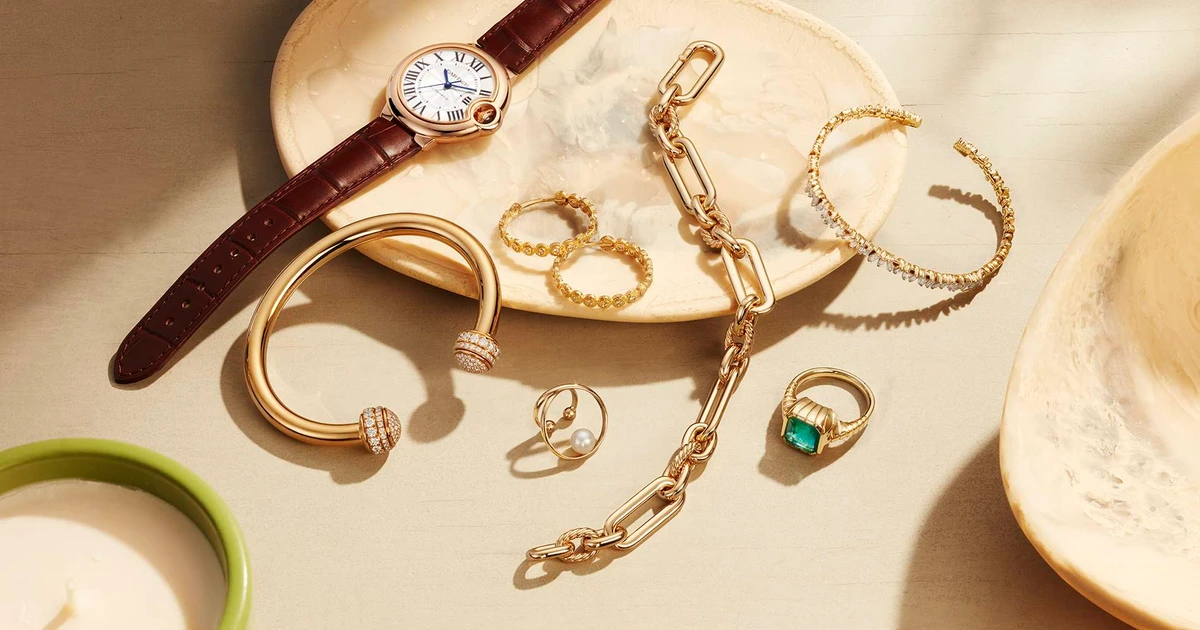
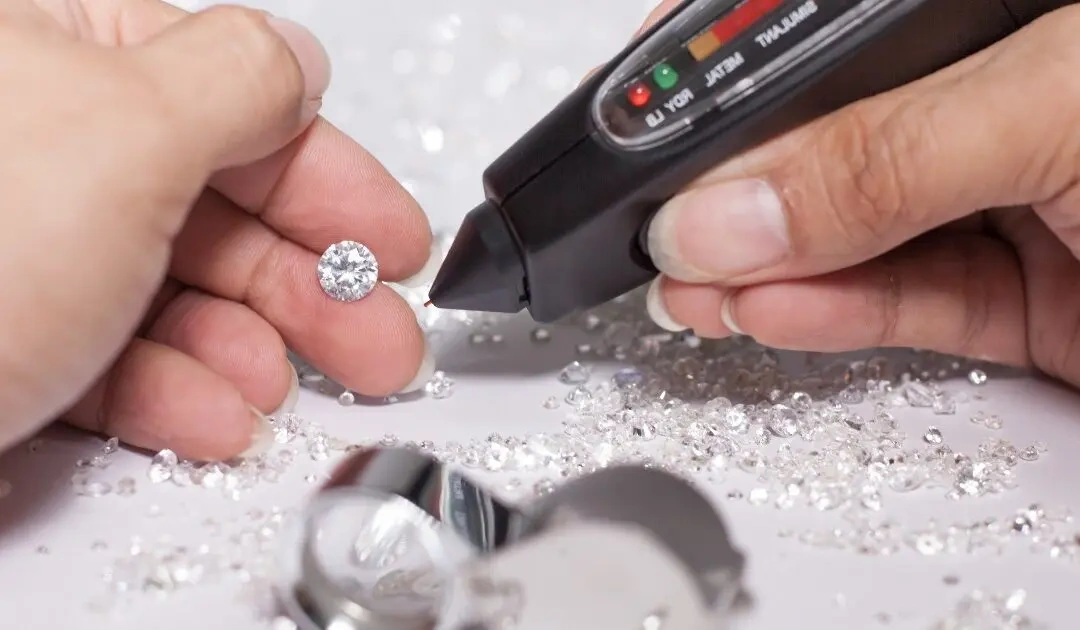
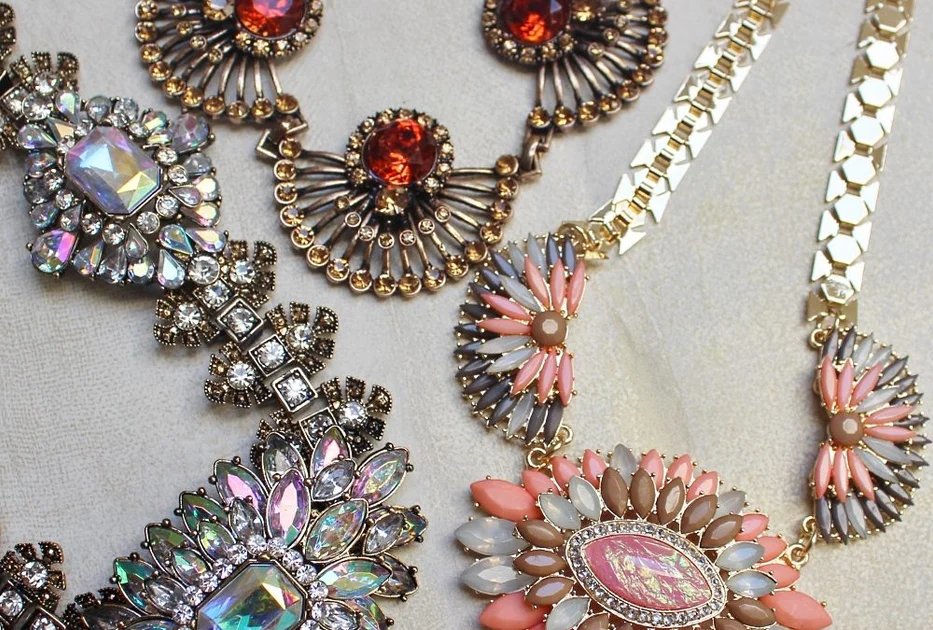
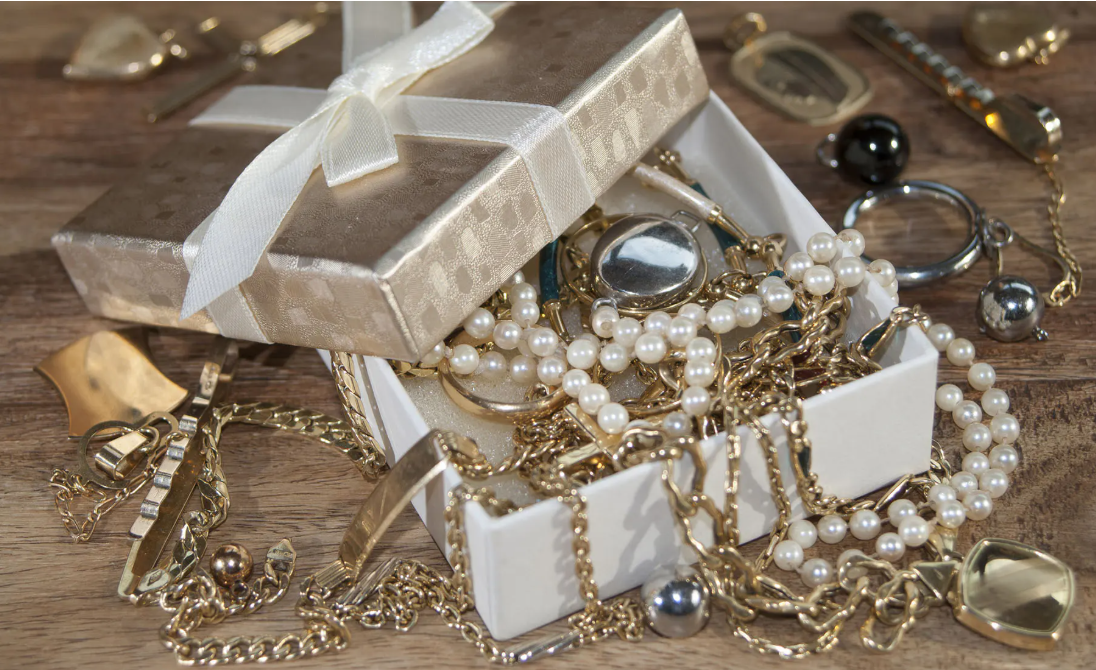
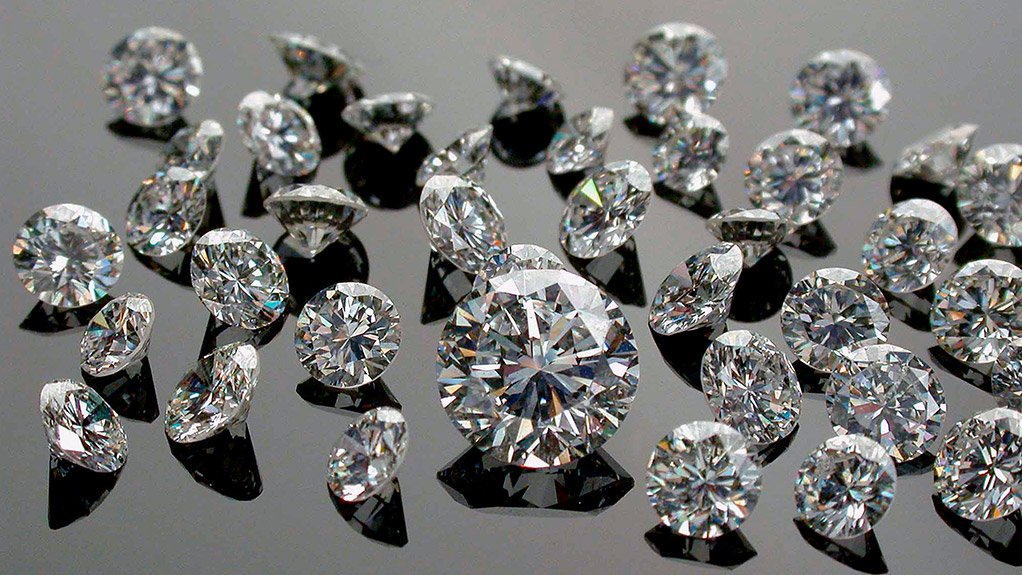
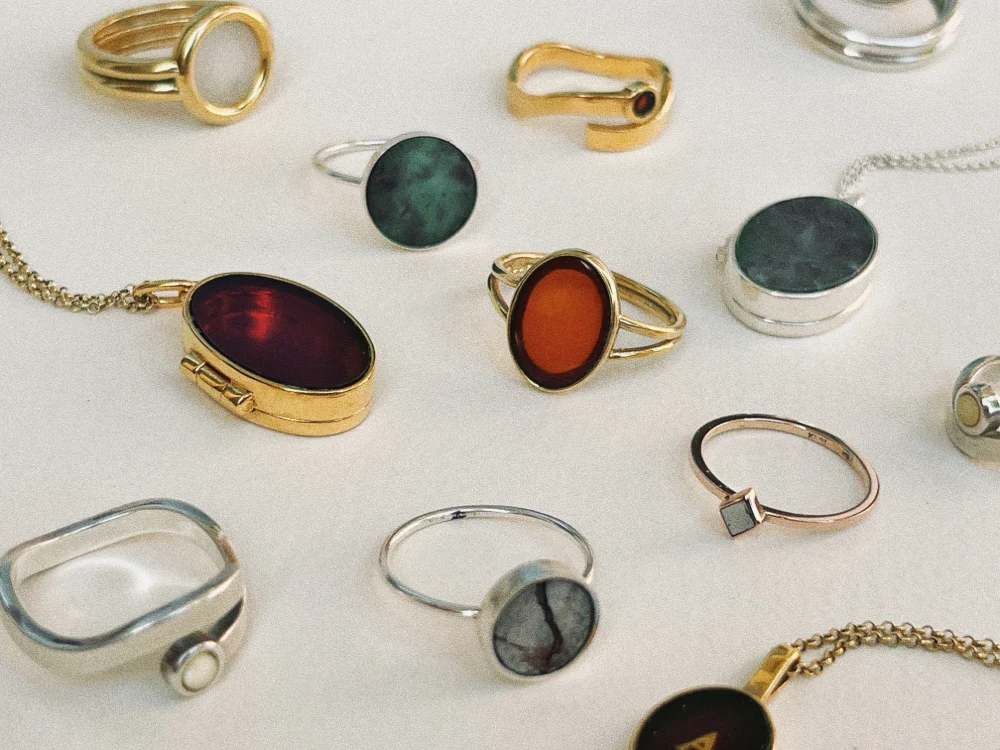
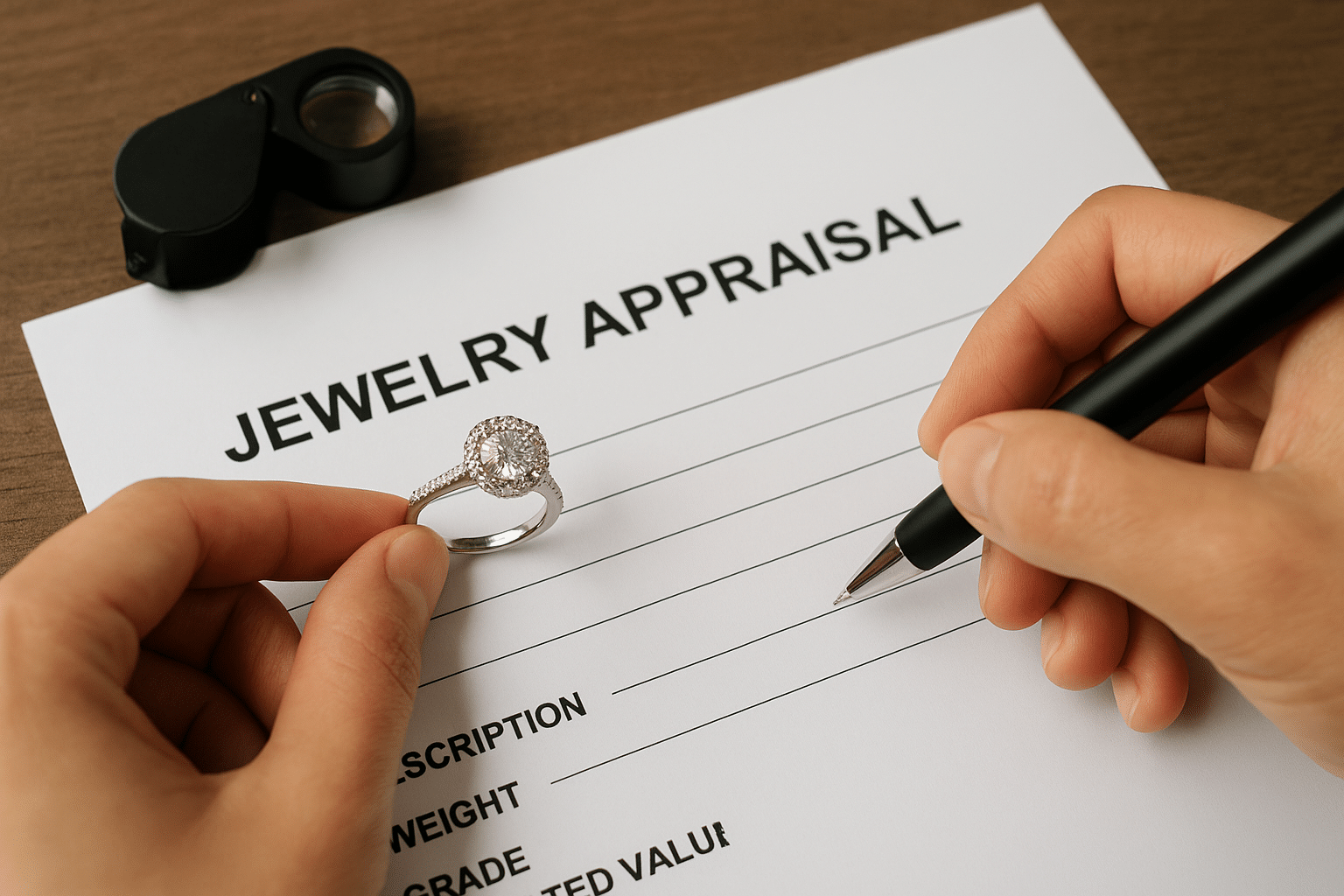
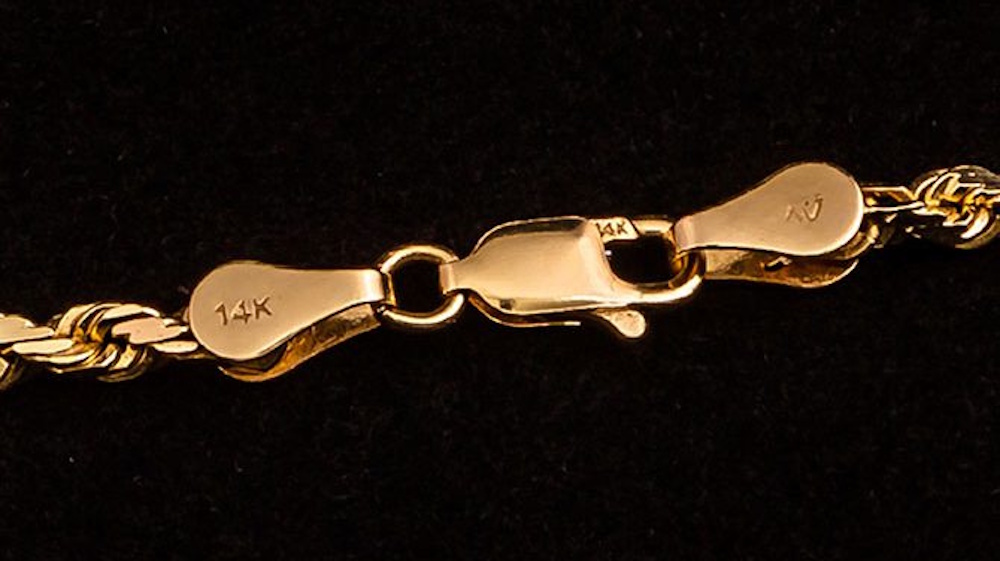
Tags
📧 Get More Articles Like This
Subscribe to receive product reviews and buying guides in your inbox!
We respect your privacy. Unsubscribe at any time.