Confusion about gold purity: The secret of weight and purity that jewelers may not tell you
Table of Contents
- The Deception That Costs Buyers Thousands
- The Karat System Exposed: What Numbers Really Mean
- The Weight Illusion: Why Heavy Doesn’t Mean Valuable
- Government Standards and Legal Protections
- The Color Deception: When Yellow Isn’t Pure
- Professional Testing Methods You Need to Know
- Smart Buying Strategies for Different Purposes
- Protecting Yourself in the Gold Market
- Frequently Asked Questions
The Deception That Costs Buyers Thousands
Sarah held the necklace in her palm, feeling its satisfying weight as the sales associate watched her reaction carefully. The golden chain caught the boutique’s warm lighting perfectly, creating an illusion of luxury that made her credit card practically leap from her wallet. When she asked about the quality, the jeweler smiled and said, “This is solid gold, feel how substantial it is. That weight tells you everything you need to know about its value.” Sarah nodded, impressed by the heft of the piece, and purchased it for three thousand dollars. Three months later, when she attempted to sell the necklace during a financial emergency, she discovered a devastating truth: the “heavy, valuable” piece contained only 41.7% actual gold because it was 10K, while the comparable weight 18K necklace at the shop next door, which felt nearly identical in her hand, contained 75% pure gold and was worth almost twice as much per gram. The jeweler had never mentioned karats during the sale, focusing entirely on weight and appearance, and Sarah had unknowingly paid premium prices for what amounted to a heavily alloyed piece with minimal gold content compared to what she believed she was buying.
This scenario plays out thousands of times daily across jewelry stores worldwide, creating a multi-billion dollar industry built partially on consumer confusion about the fundamental difference between weight and purity in gold jewelry. The karat system, which should provide clarity about gold content, instead becomes a source of bewilderment for buyers who don’t understand that a 10-gram piece of 10K gold contains far less actual gold than a 5-gram piece of 18K gold, despite weighing twice as much. Jewelers often exploit this knowledge gap by emphasizing how substantial a piece feels in the hand, knowing that human psychology associates weight with value and quality. The tactile experience of holding something heavy triggers an almost primal response in buyers, suggesting that the item is worth more simply because it has more mass, regardless of what that mass actually consists of. This psychological manipulation, combined with strategic lighting that makes all gold appear equally lustrous regardless of purity, creates an environment where customers make expensive decisions based on entirely incorrect assumptions about what they’re actually purchasing.
Before delving into the article, watch this video which highlights practical and professional methods for testing gold purity at home:
The confusion intensifies when buyers encounter terms like “solid gold,” which sounds impressive but merely indicates that the piece isn’t hollow or plated, revealing nothing about whether it’s 10K or 18K. Industry insiders understand that a solid 10K bracelet contains only 41.7% gold mixed with 58.3% other metals like copper, silver, and zinc, yet the average consumer hears “solid gold” and imagines something approaching pure gold quality. This linguistic sleight of hand proves remarkably effective because most people never question what “solid” actually means in the context of gold jewelry, assuming it’s a quality indicator rather than simply a structural description. The Federal Trade Commission’s 2018 revision of jewelry guidelines attempted to address some of these issues by requiring clearer disclosure of gold content, but enforcement remains inconsistent, and many retailers continue operating in gray areas that technically comply with regulations while maximizing customer confusion. Statistics from consumer protection agencies reveal that misunderstandings about gold purity rank among the top complaints in jewelry purchases, with thousands of buyers annually discovering only after purchase that they’ve paid premium prices for lower-karat gold that they believed was higher quality based on weight, appearance, and sales presentations.
The mathematical reality of karats creates shocking disparities that most buyers never contemplate before making purchases. When comparing a 20-gram 10K gold ring to a 10-gram 18K gold ring, the lighter piece actually contains more pure gold content: 7.5 grams of pure gold in the 18K ring versus only 8.34 grams in the heavier 10K ring, a difference that means the lighter ring has nearly the same gold content despite weighing half as much. This counterintuitive math confounds consumers who’ve been conditioned to equate weight with value across most consumer goods, from produce to electronics, where heavier generally does indicate more product. Gold jewelry deliberately subverts this expectation, and the industry’s reluctance to educate consumers about karat mathematics suggests a systemic preference for maintaining profitable confusion rather than empowering informed purchasing decisions. The situation becomes even more complex when considering that lower-karat gold alloys can actually be engineered to feel heavier than higher-karat alternatives by adjusting the ratios of dense alloy metals like copper and silver, creating pieces that seem substantial while containing minimal gold content relative to their weight.
Understanding the distinction between weight and purity requires examining why gold gets alloyed with other metals in the first place, a manufacturing reality that most jewelers conveniently omit when discussing quality with customers. Pure 24K gold, containing 99.9% gold, is extraordinarily soft and malleable, making it impractical for most jewelry applications because it bends, scratches, and deforms under normal wear conditions. Ancient goldsmiths discovered that mixing gold with harder metals like copper and silver created alloys that maintained gold’s beautiful appearance while gaining the structural integrity necessary for wearable jewelry. This practical necessity led to the development of the karat system, which divides gold purity into 24 parts, with pure gold representing all 24 parts and lower karats indicating the proportion of pure gold versus alloy metals. The system itself is logical and straightforward, but the industry’s presentation of this information to consumers often obscures rather than clarifies, with sales presentations emphasizing aesthetics and weight while treating karat ratings as technical minutiae that customers needn’t fully understand.

The economic implications of karat confusion extend far beyond individual purchase decisions, affecting insurance valuations, estate settlements, and long-term investment strategies for families who view gold jewelry as financial security. When individuals believe they own 18K gold heirlooms worth specific amounts based on gold content, discovering years later that pieces are actually 14K or even 10K can represent thousands of dollars in lost value and miscalculated financial planning. Insurance companies increasingly require professional appraisals that include specific karat testing, revealing widespread discrepancies between what policyholders believe they own and what their jewelry actually contains. Estate attorneys report frequent family disputes arising from deceased relatives’ jewelry collections, where heirs assumed certain pieces had high gold content based on weight or family stories, only to discover through professional testing that the actual karat ratings were significantly lower than believed. These revelations can dramatically affect estate division negotiations, creating conflicts that might have been avoided if the original purchasers had understood what they were buying decades earlier.
The Karat System Exposed: What Numbers Really Mean
The karat system operates on a foundation of simple mathematics that jewelers rarely explain in terms accessible to average consumers, preferring to let the numbers remain mysterious and therefore less likely to prompt difficult questions about value and pricing. Pure gold is defined as 24 karats, meaning all 24 parts of the alloy consist of gold with no other metals present, though even “pure” gold typically achieves only 99.9% purity due to technical limitations in refining processes that make absolute purity virtually impossible and prohibitively expensive to verify. This 99.9% standard, expressed as 999.9 fineness in the parts-per-thousand system, represents the practical limit of gold purity that the industry recognizes, with the theoretical 100% purity remaining an unattainable ideal that exists more in regulatory language than in actual products available for purchase. When a piece of jewelry is marked 18K, it contains 18 parts pure gold and 6 parts other metals, creating an alloy that is 75% gold by weight, a mathematical relationship that seems straightforward until consumers attempt to use this information to compare actual gold content across pieces with different weights and karats.
The progression downward from 24K reveals how dramatically gold content drops as karat ratings decrease, with each step representing a substantial reduction in actual gold despite relatively small changes in the number itself. An 18K piece contains 75% pure gold, making it a premium choice that balances purity with durability for fine jewelry. Moving down to 14K, which jewelers often describe as “standard” or “classic” without emphasizing the quality difference, the gold content drops to 58.3%, meaning less than two-thirds of the metal is actually gold while more than 40% consists of copper, silver, zinc, or other alloys. This represents a 16.7 percentage point reduction in gold content from 18K, a substantial difference that doesn’t always translate to proportional price reductions because retailers often use design complexity and brand positioning to justify pricing that obscures the pure gold content value. The drop to 10K, which contains only 41.7% gold, represents a piece that is actually more alloy metal than gold, yet jewelers market it as “solid gold” with the same terminology used for higher-karat alternatives, creating deliberate confusion about what consumers are actually purchasing.
Breaking down the actual gold content in concrete terms reveals the shocking reality of what buyers receive for their money across different karat ratings. In a 10-gram piece of jewelry, the following amounts represent actual pure gold content: 24K contains approximately 9.99 grams of pure gold, 22K contains about 9.17 grams, 18K contains 7.5 grams, 14K contains 5.83 grams, and 10K contains merely 4.17 grams of pure gold. This means that if gold is trading at $2,000 per troy ounce (31.1 grams), a 10-gram 24K piece contains roughly $642 worth of pure gold, while a 10-gram 10K piece contains only $268 worth, a difference of $374 in intrinsic metal value before considering any craftsmanship or retail markup. These numbers, which jewelers almost never present to customers during sales conversations, reveal that weight alone provides essentially no information about value unless combined with karat rating, and that two pieces of identical weight can differ by hundreds of dollars in actual gold content depending solely on their purity levels.
The color differences between karat levels provide another layer of complexity that jewelers exploit by presenting all their gold as equally “golden” under strategic showroom lighting that minimizes the visible distinctions between purities. Pure 24K gold exhibits an intensely rich, saturated yellow color that humans have prized throughout history, a hue that results from gold’s unique atomic structure and electron configuration. As the karat rating decreases and alloy metals increase, the color shifts perceptibly: 18K gold maintains a warm, rich yellow that most people recognize as “gold,” but with slightly less intensity than 24K; 14K gold appears noticeably paler, particularly when placed directly beside higher-karat pieces, exhibiting a lighter yellow that can almost seem washed out in certain lighting; and 10K gold often looks distinctly pale or even slightly greenish-yellow, particularly in pieces that use copper-heavy alloys, resulting in a color that trained eyes can immediately identify as lower quality. Jewelers counteract these natural color variations through strategic display techniques, using warm lighting that enhances yellow tones across all purities and avoiding direct comparisons between different karats that would allow customers to perceive these differences clearly.

The introduction of colored gold alloys—white gold, rose gold, and less common variants like green or black gold—adds another dimension to karat confusion because the visible color provides no information about purity whatsoever. White gold achieves its silvery appearance through alloying pure gold with white metals like palladium, nickel, or silver, then typically finishing the piece with rhodium plating to create a bright, crisp white surface that conceals the actual slightly grayish color of the underlying white gold alloy. Allergic reactions to jewelry alloy metals represent a significant concern that often goes unaddressed during purchase, as nickel and other whitening agents in gold alloys can trigger skin sensitivity in susceptible individuals. Understanding hypoallergenic metal options becomes crucial for people with known sensitivities, as certain white gold formulations use nickel while others employ palladium or platinum group metals that rarely cause reactions. The hypoallergenic jewelry selection process should account for which specific alloy metals manufacturers use in their gold formulations, not simply the karat rating, as two pieces of identical purity might contain drastically different alloy compositions that affect biocompatibility and skin safety for sensitive wearers. A white gold piece can be 10K, 14K, or 18K, with radically different gold content, yet appear visually identical because the rhodium plating creates uniform coloration regardless of what lies beneath. This reality means that consumers cannot rely on visual inspection to determine purity when shopping for white gold, making karat markings and hallmarks absolutely essential for understanding what they’re purchasing. Rose gold employs copper as a primary alloying agent to create its characteristic pink hue, and like white gold, can exist at any karat rating from 10K upward, with the color intensity providing no reliable indication of gold content since copper ratios can be adjusted to achieve desired shades at various purity levels.
The mathematical relationship between karats and fineness numbers, which appear on much European jewelry and increasingly on American pieces, provides more precise information than karats alone but requires understanding the conversion formula that jewelers rarely bother explaining to customers. Fineness expresses gold content in parts per thousand rather than parts per 24, offering greater specificity: 24K gold is 999 or 999.9 fineness (essentially pure), 22K is 916 fineness, 18K is 750 fineness, 14K is 585 fineness, and 10K is 417 fineness. These numbers allow for more exact representation of gold content, particularly important for international commerce where the karat system isn’t universally used, and they eliminate the fractional confusion that sometimes arises with karat calculations. A piece marked “585” immediately tells knowledgeable buyers that it contains 58.5% pure gold, information that’s mathematically equivalent to 14K but expressed with greater precision. However, American consumers typically lack familiarity with fineness numbers, having grown up with the karat system, creating opportunities for confusion when encountering European jewelry or international manufacturers who use fineness markings instead of or alongside karat stamps.
The Weight Illusion: Why Heavy Doesn’t Mean Valuable
The psychological power of weight in creating perceived value cannot be overstated, as human brains are hardwired through evolutionary history to associate mass with substance, quality, and worth in ways that the jewelry industry deliberately exploits. When a potential buyer lifts a necklace and feels satisfying heft in their palm, neurological responses activate that predate modern commerce by millions of years, triggering instinctive reactions that equate physical substance with value long before rational analysis of purity or composition can occur. This immediate, visceral response explains why sales associates consistently encourage customers to hold pieces, feel their weight, and experience the tactile satisfaction of substantial jewelry before discussing any technical specifications about karat ratings or gold content. The jewelry industry understands that once this psychological commitment forms—once the brain has decided that something feels valuable—customers become dramatically more receptive to making purchases regardless of the actual gold content revealed by karat markings they may not fully understand anyway.
The engineering of gold alloys allows manufacturers to deliberately manipulate weight independent of gold content, creating pieces that feel impressively heavy while containing minimal precious metal value relative to their mass. By selecting alloy metals strategically, jewelers can produce 10K gold that feels as substantial as or even heavier than 18K gold of the same volume, because different metals have different densities. Copper, for instance, has a density of 8.96 grams per cubic centimeter, while pure gold has a density of 19.32 grams per cubic centimeter, meaning that as copper content increases in lower-karat alloys, the overall density of the alloy decreases, but the physical size and perceived bulk can be maintained or even increased through design techniques. A chunky 10K gold bracelet with significant copper content might weigh 30 grams and feel impressively substantial, while a more delicate 18K gold bracelet weighing 20 grams contains more actual gold content (15 grams versus 12.5 grams) despite feeling lighter and less impressive in the customer’s hand during the crucial moment of sale.

The use of hollow construction techniques represents another method through which jewelers create the illusion of value through size and visual presence while minimizing gold content and therefore manufacturing costs. Hollow gold chains, bangles, and other jewelry pieces appear identical to solid construction when worn but contain dramatically less gold because the interior is empty air rather than solid metal. These pieces can be manufactured to specific weight targets that feel appropriate to customers while using far less gold than solid equivalents, creating substantial profit margins for retailers who price hollow pieces only slightly below solid alternatives despite the vast difference in actual gold content. Federal Trade Commission guidelines require that hollow gold be disclosed as such, with markings like “14K Gold-Hollow” to prevent deception, but enforcement remains inconsistent and many consumers fail to notice or understand these qualifications when they appear in small print on tags or receipts rather than in prominent sales discussions.
Comparing identical weights of different karat ratings reveals the stark mathematical reality of how weight alone provides essentially worthless information for assessing jewelry value. Consider two bracelets, each weighing precisely 20 grams: a 10K bracelet contains 8.34 grams of pure gold and 11.66 grams of alloy metals, while an 18K bracelet contains 15 grams of pure gold and only 5 grams of alloy metals. If gold is valued at $2,000 per troy ounce (31.1 grams), the 10K bracelet contains approximately $536 worth of pure gold, while the 18K bracelet contains approximately $965 worth of pure gold—a difference of $429 in intrinsic metal value despite identical weights. Yet when customers hold these pieces, they feel the same, weigh the same, and under jewelry store lighting may look similar enough that the untrained eye struggles to distinguish them. This scenario illustrates why jewelers who emphasize weight over purity are engaging in a form of misdirection that serves their interests rather than customer education.
The pricing structure in jewelry retail further obscures the weight-versus-purity reality because markup formulas often don’t scale proportionally with gold content, allowing retailers to charge premium prices for lower-karat pieces based on design, brand positioning, or simply taking advantage of customer ignorance. A designer might charge $3,000 for a 14K gold bracelet with intricate craftsmanship, while a plainer 18K bracelet from a less prestigious brand might cost $2,500, creating a situation where the more expensive piece actually contains less gold because retail pricing incorporates factors far beyond raw material value. This legitimate complexity in pricing—where artistry, brand reputation, and design complexity justify prices above gold content value—provides convenient cover for less ethical practices where retailers simply overcharge for lower-karat pieces by focusing sales presentations on weight, appearance, and emotional appeal while downplaying or never mentioning the substantial differences in gold content between karat levels.
The international variation in gold jewelry preferences adds another layer of complexity to weight versus purity considerations, as different cultures have developed distinct traditions about what constitutes desirable gold jewelry. In much of Asia and the Middle East, 22K and 24K gold jewelry remains the cultural preference, with consumers prioritizing purity and investment value over durability concerns, accepting that higher-karat pieces require more careful handling in exchange for maximum gold content. These markets often sell gold jewelry by weight with prices directly tied to current gold rates, making the relationship between weight and value transparent in ways that Western retail practices deliberately obscure. In contrast, Western markets have normalized 14K and even 10K gold as “standard” or “traditional,” with jewelers arguing that lower karats offer superior durability for active lifestyles, a partially true assertion that conveniently also maximizes profit margins by allowing the sale of less gold at prices that don’t fully reflect the reduced precious metal content.
Bold statement jewelry pieces often prioritize visual impact and design complexity over maximum gold purity, creating situations where 14K gold enables more intricate construction than softer 18K alternatives would support. The statement jewelry design approach embraces elaborate forms, substantial scale, and eye-catching aesthetics that sometimes work better with lower-karat gold’s enhanced structural strength, allowing jewelers to create dramatic pieces that wouldn’t be feasible in high-purity gold that bends or deforms under its own weight. Understanding this design philosophy helps explain why some impressive-looking pieces carry lower karat ratings without necessarily representing inferior value when craftsmanship and artistic merit justify the pricing despite reduced gold content.
Government Standards and Legal Protections
The National Gold and Silver Stamping Act, originally enacted in 1906 and subsequently amended to strengthen consumer protections, established federal standards for gold marking that theoretically protect buyers from fraudulent quality claims, though enforcement limitations and industry practices that technically comply while maximizing confusion limit the law’s practical effectiveness for average consumers. The Act requires that any gold article marked with a karat quality designation must also bear the trademark or name of the manufacturer or dealer responsible for that quality guarantee, creating legal accountability that allows authorities to track fraudulent practices back to specific businesses rather than allowing anonymous deception. However, the law does not require that gold be marked at all—unmarked gold can be legally sold without any quality designation, meaning that consumers who purchase pieces without clear karat stamps have essentially no legal recourse if the gold content proves lower than verbally promised during the sale. This voluntary aspect of marking creates a loophole where unscrupulous dealers can sell low-quality gold without technically violating federal law by simply omitting marks entirely while making verbal claims that leave no documentary evidence.
The National Gold and Silver Stamping Act established fundamental accountability measures when it was originally enacted in 1906, requiring that any quality mark on gold jewelry must be accompanied by a manufacturer’s trademark to enable enforcement against fraudulent claims. These National Gold Silver Stamping standards set specific tolerance limits for accuracy, preventing manufacturers from marking pieces with karat ratings significantly higher than actual gold content. The law has undergone multiple amendments to strengthen consumer protections, with the most significant changes occurring in 1976 and taking effect in 1981, tightening fineness tolerances and establishing the current standards that govern gold marking throughout interstate commerce in the United States.
The tolerance standards established in the National Gold and Silver Stamping Act, as amended in 1976 and made effective in 1981, set specific limits on how much actual gold content can deviate from the marked fineness, recognizing that perfect precision in manufacturing and assaying proves impossible while still protecting consumers from significant fraud. For gold articles tested without solder (measuring only the main body of the piece), the actual fineness must not vary by more than 3 parts per thousand from the marked fineness—so 14K gold marked as 585 fineness can test as low as 582 without violating federal law. The official federal regulations codified in Title 16 of the Code of Federal Regulations specify exact requirements for gold marking, plating designations, and manufacturer trademark placement that all jewelry businesses must follow. Understanding these federal gold marking regulations helps consumers recognize when dealers comply with legal requirements versus when suspicious practices might indicate fraud or quality misrepresentation. The regulations provide detailed definitions of terms like “gold electroplate,” “gold filled,” and “solid gold” that prevent manufacturers from using these phrases deceptively while still allowing marketing language that some consumers find confusing despite technical legal compliance. When testing the entire article including solder, which is typically lower in gold content because its primary purpose is structural bonding rather than precious metal value, the tolerance increases to 7 parts per thousand. These seemingly small tolerances actually represent meaningful amounts of gold value: in a 100-gram piece of 14K gold, a 7-part-per-thousand deviation means approximately 0.7 grams less pure gold than the marking indicates, worth roughly $45 at $2,000-per-ounce gold prices. The United States Code provisions governing falsely stamped gold establish specific legal standards that define acceptable variance between marked quality and actual gold content, creating enforceable benchmarks for industry compliance. These United States Code gold provisions include criminal penalties for egregious violations and civil remedies for consumers who purchase jewelry that doesn’t meet marked standards, though enforcement resources remain limited relative to the market’s size. The law applies to gold items in interstate commerce, including imports and exports, extending federal oversight beyond purely domestic transactions to protect American consumers purchasing jewelry from international sources. While this protects against egregious fraud, it does allow manufacturers to systematically operate at the lower end of acceptable ranges, extracting additional profit through tolerances that individually seem minor but collectively represent millions of dollars across the industry.
The Federal Trade Commission’s Guides for the Jewelry, Precious Metals, and Pewter Industries provide additional consumer protection frameworks that go beyond the basic marking requirements of the Stamping Act, offering detailed guidance on how jewelry marketers should describe and advertise their products to avoid deception. The 2018 revision of these guides made significant changes to gold standards, most notably eliminating the traditional 10-karat minimum threshold that had defined “gold” in American commerce for decades. The Federal Trade Commission’s comprehensive jewelry guidelines establish consumer protection standards that extend beyond basic marking requirements, addressing how manufacturers and retailers should describe gold products to prevent deception. These Federal Trade Commission guidelines now permit gold of any karat to be marketed as gold provided that karat fineness receives clear disclosure, a significant departure from historical standards that required minimum thresholds. The revision reflects updated consumer research suggesting that modern buyers understand quality variations when properly informed, though critics argue it opens doors for confusion when very low-karat items enter the market as “gold” jewelry. Previously, items below 10 karats could not be marketed as gold regardless of their actual gold content; the 2018 revision allows items of any karat to be called gold as long as the specific karat fineness is clearly and conspicuously disclosed. This change, which the FTC justified by citing consumer research suggesting that modern buyers understand that lower karats mean less gold, has proven controversial within the industry, with consumer advocates arguing that it opens the door to confusion when 1-karat or 5-karat items can now legally be sold as “gold” despite containing only trace amounts of actual gold (4.17% and 20.8% respectively).

The FTC guidelines also address specific terminology that jewelers commonly use in ways that can mislead consumers about gold content and construction. The term “solid gold,” as previously discussed, means only that the piece is not hollow—it provides no information about purity and can apply to 10K gold as legitimately as 24K gold. “Gold-filled” describes a mechanically bonded layer of gold alloy that must constitute at least one-twentieth of the total weight of the item, with the gold layer being at least 10-karat fineness; these pieces contain significantly more gold than gold-plated alternatives but far less than solid gold jewelry, yet the “filled” terminology sounds more impressive than “plated” and can confuse customers about what they’re actually purchasing. “Gold electroplate” requires only a minimal thickness of gold (at least 7 millionths of an inch or 0.175 microns) and contains so little gold that it will wear away with use, exposing the base metal beneath, yet the word “gold” in the designation leads some consumers to believe they’re purchasing something with substantial gold content rather than a thin decorative coating.
International standards add complexity for consumers purchasing jewelry abroad or from international sellers, as different countries maintain varying minimum karat requirements and marking conventions that don’t always translate clearly across borders. The United Kingdom, France, and several other European nations recognize 9-karat gold (37.5% purity) as legitimate gold jewelry, a standard that fell below the United States’ traditional 10-karat threshold prior to the 2018 FTC revision. Some Middle Eastern and Asian markets prefer and primarily sell 22-karat and 24-karat gold, with 18-karat considered relatively low quality, an inverse of Western preferences where 14-karat dominates retail offerings. European jewelry often uses fineness numbers instead of karats, stamping pieces with marks like “750” (18K), “585” (14K), or “375” (9K) that American consumers may not immediately understand without knowledge of the conversion system. These international variations create opportunities for confusion and occasionally outright fraud when sellers exploit customer unfamiliarity with foreign marking systems to misrepresent quality or to sell pieces that wouldn’t meet standards in the buyer’s home country.
Enforcement of gold marking and quality standards remains inconsistent despite clear federal regulations, as the agencies responsible for oversight—primarily the FTC and U.S. Customs and Border Protection—have limited resources relative to the vast scale of the domestic and international jewelry market. Small-scale violations often go undetected unless consumers file complaints and those complaints accumulate into patterns that justify investigative resources. Large-scale fraud operations occasionally face prosecution, particularly when they involve counterfeit hallmarks or systematic violation of marking requirements, but individual instances of misleading sales presentations, verbal claims that contradict marked quality, or strategic omission of information about karat ratings rarely result in legal consequences. This enforcement gap means that consumers cannot rely solely on government protection and must educate themselves about gold standards, insist on clear documentation of karat ratings, and verify claims through independent testing when making significant purchases.
The Color Deception: When Yellow Isn’t Pure
The manipulation of color perception in jewelry retail environments represents one of the most effective techniques for obscuring differences in gold purity, as controlled lighting can make 10K gold appear nearly as rich and golden as 18K or even 22K gold when viewed in isolation without direct comparison. Jewelry stores invest heavily in lighting design, using warm-toned bulbs with specific color temperatures measured in Kelvin that enhance yellow and golden hues while minimizing the pale or greenish tones that naturally emerge in lower-karat gold alloys. These lighting systems typically employ color temperatures around 2700K to 3000K, which fall in the warm white to soft white range that accentuates golden colors across the visible spectrum, making everything in the display case look rich, lustrous, and expensive regardless of actual gold content. The strategic positioning of light sources to eliminate shadows and create even illumination prevents the stark contrasts that might otherwise reveal color differences between pieces of varying purity displayed side by side.
The natural color progression from pure gold to lower karats follows predictable patterns based on alloy composition, patterns that become immediately obvious when pieces are placed in direct contact under neutral lighting but which showroom environments carefully prevent customers from experiencing. Pure 24K gold exhibits an intensely saturated, warm yellow-orange color that humans universally recognize as “golden,” a hue that results from gold’s unique absorption and reflection properties for different wavelengths of light. As copper is added to create lower-karat alloys, the color typically shifts toward a reddish-yellow for mid-karat ranges like 14K and 18K, though this can be partially counteracted by adding silver or other whitening agents to the alloy mix. The World Gold Council provides authoritative guidance on gold jewelry standards, color variations, and purity requirements recognized across international markets, serving as a comprehensive resource for understanding how different gold alloys achieve specific aesthetic and performance characteristics. According to World Gold Council jewelry standards, alloying gold with various metals creates the diverse color palette available in modern jewelry, from classic yellow to rose, white, and specialty colors like green or black gold. The organization’s research into gold alloy properties helps consumers understand relationships between color, durability, and purity that manufacturers leverage when designing jewelry for different markets and price points. As silver content increases relative to gold and copper in lower-karat alloys like 10K, the color often shifts toward greenish-yellow or pale yellow, losing the rich saturation that defines the appearance of higher-purity gold. These shifts are subtle enough that they don’t register consciously when viewing a single piece in isolation, but become strikingly obvious when 10K and 18K pieces are placed directly adjacent in consistent neutral lighting.
White gold’s popularity in contemporary jewelry markets partially stems from its ability to completely eliminate color as a purity indicator, creating situations where consumers have absolutely no visual method for distinguishing 10K white gold from 18K white gold without reading hallmarks or conducting tests. All white gold jewelry undergoes rhodium plating as a final manufacturing step, creating a uniform bright white surface that conceals the underlying alloy color and prevents the natural yellowing that would otherwise occur as the rhodium plating wears away over time. This rhodium coating, typically only a few microns thick, will eventually wear away through normal use, exposing the slightly grayish or yellowish color of the actual white gold alloy beneath, at which point the piece requires re-plating to restore its original appearance. Jewelers often fail to inform customers about this maintenance requirement during initial sales, allowing buyers to believe that white gold naturally possesses a bright white color permanently rather than understanding that they’re purchasing a plated product requiring periodic renewal. The cost and inconvenience of rhodium re-plating—typically necessary every one to three years depending on wear patterns—represents an ongoing expense that should factor into purchase decisions but rarely gets discussed until the original plating has already worn away.
Shop on AliExpress via link: wholesale-gold-testing-kit

Rose gold’s distinctive pink hue provides another example of how alloy composition controls appearance independent of purity, as the characteristic color comes entirely from copper content while the gold content can vary across the full karat range. An 18K rose gold piece and a 10K rose gold piece can appear nearly identical in color if their copper ratios are similar, despite the 18K version containing almost twice as much actual gold by percentage (75% versus 41.7%). The intensity of the rose color depends on the copper-to-gold ratio rather than the absolute gold content, meaning that jewelers can create deeply colored rose gold at lower karats by increasing copper content, or subtler pink tones at higher karats by using less copper, with the resulting color providing essentially no information about purity to customers who assume that richer color indicates better quality. This reality makes rose gold particularly susceptible to confusion about value, as the most beautifully colored pieces may actually contain the least gold, while paler rose gold items with less aesthetic appeal might have significantly higher gold content.
The recent emergence of trendy alternative gold colors—black gold, purple gold, blue gold, and others—further complicates the relationship between appearance and purity, as these unconventional colors result from specialized alloying or surface treatments that bear no relationship to traditional karat ratings. Black gold typically achieves its dark color through controlled oxidation of alloy metals or through specialized plating processes, not through any inherent property of the gold itself, and can be produced at any karat rating the manufacturer chooses. Similarly, purple gold typically uses aluminum as an alloying agent to create an intermetallic compound with distinctive coloration, but this compound is extremely brittle and impractical for most jewelry applications, leading manufacturers to use purple gold only as accent elements rather than primary structures. These exotic gold colors appeal to consumers seeking unique aesthetics, but their novelty creates additional opportunities for confusion about purity and value, as customers focused on the unusual appearance may neglect to verify the actual gold content that determines intrinsic worth.
The deliberate avoidance of direct karat comparisons in retail settings extends beyond lighting into display strategies that separate pieces of different purities across different cases, departments, or even separate stores within the same company. High-end jewelers typically stock primarily 18K gold and explicitly market their inventory as premium quality, while mass-market chains focus on 14K and 10K with messaging about value and durability, creating market segmentation where customers self-select into price categories that correlate with karat levels but never receive explicit education about the purity differences underlying those price differences. This segregation means that shoppers rarely encounter opportunities to directly compare 10K and 18K pieces side by side while receiving honest information about how color, weight, and purity relate to value. When such comparisons do occur, they typically happen only when customers specifically request them, and even then, sales associates often frame the differences in terms of durability and lifestyle suitability rather than acknowledging the fundamental quality gap in gold content.
Professional Testing Methods You Need to Know
Understanding how to verify gold purity through testing becomes essential for consumers who cannot rely on visual inspection or sales presentations to determine what they’re actually purchasing, yet most buyers remain completely unaware of the various testing methods available and how to access them before committing to expensive purchases. The simplest verification method involves carefully examining all hallmarks and stampings on a piece of jewelry, looking for both the karat marking and the manufacturer’s trademark or name that should legally accompany any quality designation. These markings typically appear in inconspicuous locations: on the inside of ring bands, on the clasps of necklaces and bracelets, on the posts of earrings, or on small tags attached to the piece. A jeweler’s loupe or even a smartphone camera with good macro capabilities can help decipher small markings that are difficult to read with the naked eye. However, hallmarks alone provide limited protection because unscrupulous manufacturers can stamp pieces with fraudulent markings, and pieces from countries with lax enforcement may bear marks that don’t accurately reflect actual gold content.
Identifying fake jewelry requires skills beyond simply reading hallmarks, as sophisticated counterfeiters increasingly produce convincing fakes complete with fraudulent stamps that mimic legitimate quality marks. Comprehensive fake jewelry detection techniques include weight analysis, magnetic testing, visual inspection for telltale signs of plating wear, and understanding common fraud patterns like gold-plated brass pieces stamped with karat marks they don’t deserve. Online shopping for gold jewelry introduces additional risks as photographs cannot reveal purity issues and return policies may not cover buyer’s remorse when testing reveals lower quality than expected, making verification upon receipt absolutely critical before return periods expire.
Acid testing remains one of the most widely used professional methods for verifying gold purity, employed by pawnshops, jewelry buyers, and appraisers worldwide because it provides reliable results at relatively low cost without requiring expensive electronic equipment. The test works by taking a small sample of the gold (traditionally by rubbing the piece across a touchstone to leave a streak, though some modern kits use different sample collection methods) and then applying specific acid solutions that react differently to gold of various purities. Higher-karat gold resists certain acid concentrations that dissolve lower-karat alloys, allowing trained testers to determine approximate purity by observing which acids affect the sample and which leave it unchanged. The method requires a testing kit with multiple acid solutions calibrated for different karat ranges, a black touchstone or testing plate, and knowledge of how to interpret the reactions correctly. While acid testing provides reasonably accurate results, it does have limitations: it only tests the surface of the item, meaning that gold-plated pieces can yield false positives if the tester doesn’t recognize the plating, and different alloy compositions can sometimes produce ambiguous results that require additional testing methods for confirmation.
Electronic gold testing devices have become increasingly sophisticated and accessible, offering non-destructive testing that appeals to consumers who want to verify purity without marking or damaging their jewelry, though quality equipment remains expensive enough that most individual buyers won’t own testing devices and must instead seek out professional services. Advanced electronic gold testers employ multiple technologies including electrical conductivity measurement, density calculation, and electromagnetic analysis to determine gold purity with increasing accuracy as technology improves. These electronic gold testing methods offer advantages over traditional acid testing by leaving no marks on jewelry and providing immediate digital readouts of karat fineness, though cheaper consumer-grade units sometimes produce unreliable results that can mislead buyers into false confidence about quality. Professional-grade testing equipment costs thousands of dollars but delivers accuracy sufficient for commercial transactions, making it standard equipment in pawn shops, jewelry stores, and refineries that need definitive purity verification before making purchasing or pricing decisions. These electronic testers work by measuring electrical conductivity, as pure gold and various gold alloys conduct electricity at different rates that correspond to their composition and purity. High-quality electronic testers can provide accurate karat readings in seconds without any visible impact on the tested jewelry, making them ideal for verification before purchase or for authenticating inherited pieces of uncertain provenance. However, the accuracy of electronic testers varies dramatically based on quality and calibration, with cheap consumer-grade units often producing unreliable results while professional-grade equipment costs thousands of dollars. Some testing methods use electromagnetic properties, others measure density through sophisticated weight-and-displacement techniques, and the most advanced systems combine multiple testing modalities to cross-verify results and detect sophisticated fraud attempts.
X-ray fluorescence (XRF) analysis represents the gold standard for accurate gold purity testing, capable of determining exact composition including percentages of gold and all alloying metals without damaging the tested piece or even leaving any detectable marks on its surface. The Gemological Institute of America has established itself as a preeminent authority on precious metals and gemstones since its founding in 1931, developing testing methodologies and educational programs that set industry benchmarks worldwide. While GIA gemological standards primarily focus on diamond grading through their famous 4Cs system, their expertise extends to gold testing and authentication, with research into advanced methods for detecting treatments, synthetic materials, and purity verification. The institute’s educational programs train professionals in proper gold evaluation techniques, ensuring that gemologists and appraisers possess skills necessary for accurate jewelry authentication and quality assessment. XRF technology works by bombarding the tested material with X-rays that cause atoms in the sample to emit secondary X-rays at wavelengths characteristic of specific elements, allowing sophisticated detectors to identify and quantify every element present in the alloy. This method can distinguish between 14K and 15K gold, can identify the specific alloy metals used (copper, silver, zinc, nickel, etc.) and their proportions, and can even detect the thin rhodium plating on white gold that might confuse other testing methods. However, XRF equipment costs tens of thousands of dollars, requires trained operators to interpret results correctly, and remains accessible primarily through specialized testing laboratories, gemological institutes, or high-end jewelry retailers and refiners who have invested in the technology. Consumers seeking XRF analysis typically must send pieces to testing facilities or locate local services offering XRF testing for a fee, making this level of verification impractical for routine purchases but valuable for authenticating high-value items or resolving disputes about purity.
Density testing provides another non-destructive verification method based on Archimedes’ principle, calculating the volume of a piece through water displacement and dividing mass by volume to determine density, which correlates directly with gold purity and alloy composition. Pure 24K gold has a density of 19.32 grams per cubic centimeter, while lower-karat alloys have progressively lower densities: 18K gold typically ranges from 15.5 to 16.0 g/cm³, 14K from 13.0 to 14.5 g/cm³, and 10K from 11.5 to 12.5 g/cm³, with the exact figures depending on which alloy metals were used. Density testing requires an accurate scale capable of measuring to at least 0.01 gram precision, a graduated cylinder or other volume measurement device, and the mathematical capability to calculate density and compare it to reference standards. The method works well for solid pieces of known construction, but hollow jewelry, pieces with gemstones, or items with complex structures that trap air bubbles can produce inaccurate volume measurements that lead to incorrect density calculations and false conclusions about purity. Professional density testers use sophisticated electronic balances with integrated water displacement systems and software that automatically calculates density and estimates karat rating, but these systems, like XRF equipment, remain expensive and generally inaccessible to individual consumers.
Understanding proper care and maintenance techniques becomes essential once you’ve verified your gold jewelry’s quality, as even high-karat pieces require specific handling to preserve their appearance and structural integrity over decades of ownership. Comprehensive jewelry care guidelines address cleaning methods appropriate for different karat levels, storage practices that prevent scratching and tarnishing, and maintenance schedules for items requiring periodic professional attention like rhodium re-plating for white gold pieces. The investment in quality gold jewelry deserves protection through informed care practices that extend the piece’s lifetime and maintain its aesthetic appeal regardless of whether it serves primarily decorative or financial purposes in your collection.
The practical application of testing methods for consumers making jewelry purchases requires either insisting on verification before purchase or building relationships with independent testing services who can authenticate pieces shortly after purchase while return periods remain open. Many reputable jewelers will accommodate customer requests to test pieces before sale, either by allowing customers to bring in their own testing equipment (for non-destructive methods like electronic testing) or by agreeing to third-party testing with return rights if results don’t match the represented quality. However, many retailers resist such requests, viewing them as implications of dishonesty, and some sales associates simply lack the knowledge or authority to deviate from standard sales procedures that assume customers trust the marked quality without verification. Consumers who insist on testing despite retailer resistance often find themselves negotiating with managers or leaving to find more accommodating vendors, a level of assertiveness that many buyers find uncomfortable but which provides the only reliable protection against purchasing lower-quality gold than they believe they’re getting.
Smart Buying Strategies for Different Purposes
Developing effective gold jewelry buying strategies requires first determining the primary purpose of the purchase—daily wear, special occasions, investment, or gifting—as each category has different optimal karat levels that balance competing priorities of purity, durability, cost, and resale value. For daily wear items like wedding bands, work-appropriate jewelry, or pieces that will experience frequent contact with hard surfaces and chemicals, 14K gold represents the optimal choice for most buyers, providing sufficient durability to resist scratching and deformation while maintaining a respectable 58.3% gold content that justifies the investment. The additional alloy metals in 14K gold create hardness that allows rings to maintain their shape under pressure, prevents chain links from stretching and breaking, and generally extends the usable lifetime of pieces beyond what’s possible with higher-karat alternatives that bend and scratch more easily. While 18K gold at 75% purity might seem like a superior choice, its increased softness makes it impractical for items worn constantly in active lifestyles, leading to disappointment when expensive pieces show significant wear after relatively short periods of use.
For special occasion jewelry that will be worn infrequently and carefully, prioritizing gold purity over durability makes economic and aesthetic sense, as pieces spent more time in storage than on the wearer’s body won’t face the physical stress that damages softer high-karat gold during daily wear. An 18K gold necklace or earrings intended for formal events will maintain its appearance for decades with minimal wear when properly stored, while providing the rich color and high gold content that distinguishes truly premium jewelry from mass-market alternatives. In this category, buyers can justify the higher per-gram cost of 18K or even 22K gold because the pieces serve primarily aesthetic and symbolic functions rather than needing to withstand the rigors of constant use. Cultural considerations often influence choices in this category, with certain traditions expecting wedding jewelry or ceremonial pieces to meet specific karat minimums as expressions of quality and respect for the occasion.
Investment-focused gold jewelry purchases require different calculus entirely, as the goal shifts from aesthetics and wearability to maximizing the ratio of gold content to total cost, ideally purchasing pieces as close to spot gold prices as possible while accepting minimal or no premium for craftsmanship and design. From a pure investment perspective, 24K gold coins or bars from reputable mints provide the most efficient vehicle for gold ownership, offering 99.9% purity at minimal markup over spot gold prices with the additional benefit of easy liquidity when selling. Strategic jewelry investment planning requires understanding which pieces appreciate over time versus those that depreciate regardless of gold content due to changing fashion trends or dated designs. The jewelry investment appreciation principles identify characteristics that preserve or enhance value: classic designs that transcend temporary fashion, high gold purity that maintains intrinsic worth independent of style preferences, superior craftsmanship from recognized makers whose work commands collector premiums, and pieces with historical significance or provenance that adds value beyond material content. Balancing these investment criteria against personal aesthetic preferences and wearability requirements helps buyers select pieces that serve both immediate enjoyment and long-term financial goals. However, buyers seeking the emotional satisfaction of wearing their investment should consider 22K gold jewelry, which provides 91.7% gold content in forms that remain wearable, though with the caveat that such pieces require careful handling to avoid damage from the softness of high-purity gold. Investment buyers should focus on simple designs with minimal craftsmanship premiums, purchase by weight rather than by piece, and maintain documentation of purchase prices and testing certificates that will facilitate future sales at fair market rates rather than at the discounted prices that jewelry buyers typically offer for pieces lacking proper documentation.
Buying gold jewelry as gifts introduces psychological and social dynamics that may justify paying premiums for branded designs, elaborate craftsmanship, and lower-karat pieces that the recipient will perceive as more valuable than they actually are based on appearance rather than gold content. Gift buyers often prioritize how a piece looks, whether it comes in impressive packaging, and whether the brand name carries prestige that will impress the recipient, factors that have nothing to do with actual gold purity or value but which influence the social meaning of the gift significantly. In these situations, a beautifully designed 14K piece from a recognized jeweler might provide more gift-giving success than a plainer 18K piece from an unknown maker, despite the latter containing more gold and representing better objective value. Understanding this dynamic allows buyers to make intentional choices about where to allocate their budget: toward gold content for recipients who value such things, or toward presentation and brand for recipients who lack the knowledge or interest to evaluate purity independently.
Comparing prices across multiple retailers while controlling for karat rating, weight, and design complexity reveals dramatic price variation that reflects differences in markup strategy, target market, and business model rather than any objective differences in product quality. A 10-gram 14K gold chain might retail for $600 at one store, $900 at another, and $1,200 at a third, with these variations largely representing different retailer positioning rather than meaningful differences in the actual gold content or manufacturing quality. Budget-conscious buyers benefit enormously from extensive price comparison, requesting detailed specifications including exact weight and karat rating, then calculating the per-gram cost of gold after accounting for reasonable craftsmanship premiums to identify which retailers offer genuinely better value versus which simply charge more because their target customers don’t comparison shop. Online retailers typically offer better prices than brick-and-mortar jewelry stores due to lower overhead costs, though buying gold online requires additional due diligence about return policies, testing procedures upon receipt, and authentication of pieces that buyers cannot physically examine before purchase.
Negotiation strategies in gold jewelry purchases vary dramatically depending on the retail environment, with independent jewelers and small chains often willing to negotiate meaningfully on price while large national chains typically maintain strict pricing policies that offer little room for discussion. Understanding wholesale gold prices (often called “spot prices” and widely published online) provides a baseline for evaluating whether retail markups are reasonable, though buyers must recognize that legitimate costs for manufacturing, design, retail overhead, and profit margin justify prices above melt value for finished jewelry. As a general guideline, retail prices for simple gold jewelry without significant gemstones typically range from 2 to 4 times the melt value of the gold content, with the lower multiples found in competitive markets and simpler designs, while the higher multiples occur in premium retail environments with elaborate designs. Any price more than 4 times melt value should trigger scrutiny about whether design and craftsmanship actually justify such premiums, or whether the retailer is simply exploiting customer ignorance about gold content and current market prices.
Protecting Yourself in the Gold Market
The intersection of weight and purity in gold jewelry creates a landscape where informed consumers can make decisions that preserve thousands of dollars over a lifetime of jewelry purchases, while uninformed buyers continue subsidizing an industry that profits from confusion and strategic misdirection. Understanding that weight alone provides essentially no information about value without corresponding knowledge of karat rating represents the first critical insight that protects against the most common sales tactics used to confuse buyers. When sales associates emphasize how substantial a piece feels, how impressive its size appears, or how the weight indicates quality, informed buyers should immediately request specific information about karat rating and use that information to calculate actual gold content rather than allowing themselves to be swayed by the psychological impact of heft in their hands. The discipline to insist on karat disclosure, verify hallmarks carefully, and when necessary request independent testing before committing to purchase separates successful jewelry buyers from those who repeatedly overpay for pieces containing far less gold than their prices suggest.
The rapid evolution of gold marking standards, particularly the 2018 FTC revision eliminating minimum karat requirements, means that consumers can no longer rely on assumptions about what “gold jewelry” means in terms of actual gold content. The emergence of 8K, 5K, and even lower-karat items legally marketed as gold requires that buyers verify specific karat ratings for every purchase rather than assuming that anything sold as gold in legitimate retail environments meets traditional quality thresholds. This regulatory change, while providing transparency through mandatory disclosure of karat ratings, also creates opportunities for confusion when customers accustomed to traditional standards encounter ultra-low-karat pieces that look like gold, feel like gold, and are marketed as gold but contain only trace amounts of actual precious metal. Vigilance about reading and understanding karat marks becomes absolutely essential in this new regulatory environment where virtually any gold content, however minimal, can be legally sold as gold jewelry with appropriate disclosure.
Shop on AliExpress via link: wholesale-jewelry-storage-box

Building expertise in gold evaluation typically requires making a few expensive mistakes that teach painful lessons about the gap between appearance and actual value, though readers of this article can shortcut that learning curve by applying the principles discussed to evaluate pieces they already own and to guide future purchases. Taking existing jewelry to independent testing services to determine actual karat ratings often reveals discrepancies between what buyers believe they own and what testing confirms, creating opportunities to correct misconceptions and avoid repeating past mistakes. Many people discover through testing that heirloom pieces assumed to be 18K are actually 14K or even 10K, that items believed to be solid gold are actually hollow or filled, or that pieces thought to contain significant gold value are primarily alloy with minimal precious metal content. These discoveries, while sometimes disappointing, provide valuable education that prevents future deception and allows more accurate assessment of jewelry’s actual worth for insurance, estate planning, and personal financial understanding.
The psychological aspects of gold purchasing—the emotional appeal of the metal, the symbolic significance of jewelry gifts, the status implications of wearing obviously expensive pieces—create vulnerabilities that even knowledgeable consumers must consciously resist when making decisions intended to maximize value rather than emotional satisfaction. Recognizing when paying premiums for brand names, elaborate designs, or impressive presentations serves legitimate personal or social purposes, versus when such premiums represent wasted money that could buy more gold or better quality, requires honest self-assessment about priorities and purposes. Some occasions justify paying for appearance and prestige over gold content, while others call for focusing ruthlessly on purity and value, with the key being making these choices intentionally rather than allowing retailers to make them by default through sales techniques designed to obscure the distinction between appearance and actual worth.
Future trends in gold jewelry appear to be moving toward greater transparency about purity and gold content, driven by consumer demand for information, enhanced ability to test and verify claims through affordable technology, and competitive pressure from online retailers who use detailed specifications and transparent pricing to differentiate themselves from traditional jewelers who rely on information asymmetry for profit margins. The proliferation of electronic gold testing devices affordable enough for consumer purchase, the availability of XRF testing services in more locations, and the growing awareness about karat differences through online education all suggest that the traditional model of selling gold jewelry through weight emphasis and purity obfuscation will become increasingly difficult to sustain. Informed consumers armed with testing equipment and market knowledge can drive this transition faster by refusing to accept vague assurances about quality, insisting on verification of karat claims, and favoring retailers who embrace transparency over those who resist customer education and independent testing.
Frequently Asked Questions
Question 1: What is the main difference between gold weight and gold purity?
Answer 1: Gold weight measures the total physical mass of a jewelry piece in grams or ounces, while gold purity (measured in karats) indicates the percentage of actual gold content versus other metals in the alloy. A heavy piece can have low purity, and a lightweight piece can have high purity, creating significant confusion for buyers. For example, a 20-gram piece of 10K gold contains only 8.34 grams of pure gold (41.7%), while a 10-gram piece of 18K gold contains 7.5 grams of pure gold (75%), meaning the lighter piece has almost as much actual gold content despite weighing half as much. The jewelry industry often exploits this counterintuitive relationship by emphasizing weight during sales presentations, knowing that customers associate heaviness with value. Understanding this distinction is critical for making informed purchases, as retail prices should reflect gold content rather than total weight. Buyers should always ask for both the karat rating and exact weight, then calculate the actual gold content to compare value across different pieces, rather than relying on how substantial something feels in hand or how impressive it looks based on size alone.
Question 2: Why don’t jewelers clearly explain karat ratings to customers?
Answer 2: Many jewelers benefit from customer confusion about karats because it allows them to emphasize weight, appearance, and brand over purity, potentially selling lower-quality gold at premium prices without extensive questions about actual gold content. When customers focus solely on how heavy a piece feels or how large it appears, they may overlook that 10K gold contains only 41.7% pure gold compared to 18K gold’s 75% purity, a difference that should substantially affect price but often doesn’t receive adequate explanation during sales conversations. Additionally, discussing karat ratings in detail might prompt uncomfortable questions about profit margins, as the markup on lower-karat gold typically exceeds the markup on higher-karat pieces when measured as a percentage of actual gold content. Some sales associates also lack comprehensive training about the karat system and couldn’t provide detailed explanations even if willing to do so, as many retailers emphasize sales techniques over product education. The industry has historically operated on an assumption that customers either don’t want technical details or wouldn’t understand them if provided, creating an environment where information remains voluntarily withheld unless specifically requested. Informed buyers should explicitly ask about karat ratings, insist on seeing hallmarks, and request written documentation of purity claims before making purchase decisions.
Question 3: How can I verify the actual gold content in my jewelry?
Answer 3: Verification methods range from simple visual inspection of hallmarks to sophisticated laboratory testing, depending on required accuracy and available resources. Start by examining all stampings on the piece using a jeweler’s loupe or magnified camera, looking for karat marks (10K, 14K, 18K, 24K) and the manufacturer’s trademark that should legally accompany quality designations in the United States under the National Gold and Silver Stamping Act. For more definitive verification, acid testing provides reliable results at moderate cost, using chemical solutions that react differently to gold of various purities—most pawnshops and jewelry buyers offer this service. Electronic gold testers measure electrical conductivity to determine purity without marking the piece, though quality equipment costs several hundred dollars for consumer-grade units and thousands for professional-grade devices. X-ray fluorescence (XRF) analysis represents the gold standard for accuracy, identifying exact composition including all alloy metals, but requires access to specialized laboratories or facilities with expensive equipment. Density testing based on Archimedes’ principle offers another non-destructive option for solid pieces without gemstones or hollow construction. For valuable pieces or when disputes arise about quality, seeking services from an independent gemological laboratory or certified appraiser provides documented results usable for insurance, legal proceedings, or retailer negotiations. Always verify purity before purchasing high-value items, during return periods after purchase, or when inheriting jewelry of uncertain provenance.
Question 4: What karat gold offers the best balance for daily wear jewelry?
Answer 4: For daily wear, 14K gold provides an optimal balance between durability and gold content at 58.3% purity, offering sufficient hardness to resist scratching, bending, and deformation while maintaining respectable gold content that justifies the investment and provides pleasing color. The alloy metals mixed with gold in 14K pieces—typically copper, silver, zinc, or nickel—create a harder material than higher-karat alternatives, allowing rings to maintain their shape under pressure, preventing chains from stretching and breaking, and generally extending the usable lifetime beyond what’s possible with softer 18K or 22K gold. Wedding bands, everyday chains, bracelets worn during work or exercise, and earrings subjected to frequent handling all benefit from 14K’s enhanced durability, making it particularly suitable for people with active lifestyles or occupations involving manual work. While 18K gold at 75% purity offers richer color and higher gold content, its increased softness makes it less practical for constant wear, often showing scratches and wear patterns within months of regular use. The price point of 14K gold also appeals to many buyers, costing significantly less per gram than 18K while still providing the appearance of quality gold jewelry rather than the paler, sometimes greenish tones that characterize lower-karat alternatives like 10K gold. For pieces that require both durability and aesthetic appeal in daily wear situations, 14K represents the most commonly recommended choice by jewelry professionals who prioritize practical performance over maximum gold content.
Question 5: Is 24K gold really the best choice for jewelry investment?
Answer 5: While 24K gold contains 99.9% pure gold, making it ideal for investment purposes, it proves too soft for most jewelry applications and typically delivers better investment value in coin or bar form rather than as jewelry. The extreme malleability of pure gold means that 24K jewelry bends easily, scratches from minimal contact, and deforms under pressure that wouldn’t affect lower-karat pieces, making it impractical for anything except carefully-preserved dress items worn infrequently. For investment-focused buyers seeking to own gold in wearable form, 22K gold at 91.7% purity provides nearly as much gold content while offering marginally better durability, though even 22K requires careful handling to avoid damage. However, investors seeking maximum efficiency should purchase 24K gold coins from reputable mints (such as American Gold Eagles, Canadian Gold Maple Leafs, or similar government-issued bullion) or gold bars from established refiners, as these formats trade at minimal premiums over spot gold prices and offer superior liquidity when selling. Jewelry always carries manufacturing and retail markups that reduce investment efficiency compared to pure investment-grade gold products. For buyers determined to own wearable gold as an investment, focusing on simple designs with minimal craftsmanship premiums, purchasing by weight at prices close to gold spot rates, and maintaining proper documentation facilitates eventual sale at fair market value. Traditional jewelry with elaborate designs typically cannot be liquidated for amounts reflecting full gold content because buyers discount for having to melt down artistic pieces, reducing the investment return compared to owning gold specifically produced for investment purposes.
Question 6: How much does gold purity affect the price per gram?
Answer 6: Gold pricing correlates directly with purity levels, with pure 24K gold commanding the highest price per gram and each lower karat proportionally less expensive based on its actual gold content. If 24K gold trades at $65 per gram (based on spot gold prices around $2,000 per troy ounce), then theoretically 18K gold (75% purity) should cost approximately $48.75 per gram of gold content, 14K gold (58.3% purity) around $37.90 per gram, and 10K gold (41.7% purity) roughly $27.10 per gram in terms of pure gold value. However, retail jewelry pricing doesn’t scale linearly with gold content because manufacturing costs, design complexity, and retailer markup strategies create price structures where lower-karat pieces often cost disproportionately more than their gold content justifies. A complex design in 10K gold might retail at prices that approach or even exceed a simpler 14K piece despite containing significantly less gold, as manufacturers and retailers add premiums for craftsmanship, brand positioning, and simply whatever the market will bear. Savvy buyers should calculate the per-gram cost of actual gold content by multiplying the piece’s weight by its purity percentage, then comparing that figure to current gold spot prices to determine whether the premium charged for manufacturing and retail markup falls within reasonable ranges. As a rough guideline, retail jewelry prices typically range from two to four times the melt value of gold content for pieces without significant gemstones, with higher multiples indicating either exceptional craftsmanship or excessive markup depending on the specific piece’s artistic and technical qualities.
Question 7: What are the legal standards for gold marking in the United States?
Answer 7: The National Gold and Silver Stamping Act establishes federal requirements for gold quality marking, mandating that any gold article stamped with a karat quality designation must also bear the manufacturer’s trademark or registered name of the company guaranteeing that quality. This creates legal accountability by allowing authorities to trace fraudulent markings back to specific businesses rather than allowing anonymous deception. The Act sets specific tolerance standards for accuracy: when testing without solder, the actual fineness cannot vary by more than 3 parts per thousand from the marked quality (so 14K gold marked as 585 fineness must test no lower than 582), while testing including solder allows tolerance of 7 parts per thousand to account for lower-quality solder used structurally rather than for precious metal value. However, the Act does not require that gold be marked at all—unmarked gold can legally be sold without quality designations, creating a significant loophole for unscrupulous dealers who avoid marking pieces while making verbal claims during sales that leave no documentary evidence. The Federal Trade Commission’s Guides for the Jewelry, Precious Metals, and Pewter Industries provide additional consumer protections beyond basic marking requirements, offering detailed standards for how gold products should be described and advertised. The 2018 revision of these guides eliminated the traditional 10-karat minimum threshold, allowing gold of any karat to be sold as gold provided the specific karat fineness is clearly disclosed, a change that increases the importance of consumers verifying karat markings rather than assuming that anything sold as gold meets traditional quality expectations. Enforcement remains inconsistent due to limited regulatory resources relative to the vast jewelry market, meaning consumers cannot rely solely on government oversight and must educate themselves about standards while insisting on proper documentation.
Question 8: Can jewelry marked as “solid gold” still be an alloy?
Answer 8: Yes, “solid gold” only means the piece isn’t hollow or plated; it provides no information whatsoever about purity and applies equally to 10K, 14K, 18K, or 24K gold. This terminology frequently confuses consumers who interpret “solid” as indicating high quality or purity when it actually describes only the construction method versus hollow or filled alternatives. A solid 10K gold ring contains only 41.7% pure gold with the remaining 58.3% consisting of alloy metals like copper, silver, zinc, or nickel, yet jewelers legally market it as “solid gold” using the same terminology applied to solid 18K pieces containing 75% pure gold or even solid 24K pieces at 99.9% purity. The Federal Trade Commission requires that solid gold pieces be marked with their karat rating, but the size and placement of these marks often make them difficult to notice compared to prominent “solid gold” descriptions in advertising and sales presentations. Related terms like “gold-filled” and “gold-plated” cause additional confusion because they sound similar to “solid gold” but describe entirely different construction methods. Gold-filled items feature a mechanically bonded layer of gold alloy constituting at least one-twentieth of the total weight, containing significantly more gold than plated alternatives but far less than solid pieces of equivalent karat. Gold-plated or gold-electroplated jewelry has only a thin surface coating of gold over base metal, often measuring just a few microns thick, providing attractive appearance initially but wearing away with use to expose the underlying non-precious metal. When evaluating any jewelry described as gold, consumers must look beyond construction descriptors like “solid,” “filled,” or “plated” to identify the actual karat rating that indicates pure gold content, as this number determines intrinsic value while construction terms affect only durability and longevity of appearance.
Question 9: Why do different countries have varying minimum standards for gold?
Answer 9: Cultural preferences, historical trading practices, economic factors, and regulatory philosophies create international variation in minimum gold standards that reflect each nation’s unique relationship with gold jewelry as both decoration and financial asset. In the United States, 10K gold traditionally represented the minimum standard to be called gold, though the 2018 FTC revision now allows any karat with proper disclosure, reflecting a regulatory philosophy emphasizing transparent labeling over prescriptive quality thresholds. European countries including the United Kingdom, France, Portugal, and Ireland recognize 9K gold (37.5% purity) as legitimate gold jewelry, a standard established during periods of economic constraint when maintaining access to gold jewelry at lower price points held social and economic importance. Germany, Greece, and Denmark accept even lower 8K gold (33.3% purity) as meeting their legal definitions, prioritizing affordability and market access over minimum quality requirements. In contrast, many Middle Eastern and Asian markets strongly prefer 22K and 24K gold, with cultural traditions valuing gold jewelry partly as wearable wealth that can be liquidated if necessary, making high purity essential for maintaining investment value. These markets often view Western preferences for 14K and 10K gold with suspicion or disdain, perceiving lower-karat pieces as insufficient quality regardless of price advantages or durability benefits. Indian markets traditionally favor 22K gold for wedding jewelry and ceremonial pieces while accepting 18K for daily wear, balancing cultural expectations of quality with practical durability needs. The lack of global standardization means that consumers purchasing jewelry internationally or from foreign manufacturers must understand the origin country’s standards and not assume that gold markings carry identical meaning across borders. A piece marked as gold in one country might not meet the minimum standards in another, creating opportunities for confusion and occasionally intentional fraud when items move through international commerce without adequate disclosure of quality differences.
Question 10: What is the fineness number and how does it relate to karats?
Answer 10: Fineness expresses gold purity in parts per thousand rather than the karat system’s parts per 24, providing more precise specification of exact gold content that proves particularly important in international commerce and European jewelry markets. The conversion between karats and fineness follows a straightforward formula: divide the karat number by 24 and multiply by 1000 to get fineness. Thus, 24K gold equals 999 or 999.9 fineness (representing 99.9% purity as absolute purity remains technically unattainable), 22K equals 916 fineness (91.6% purity), 18K equals 750 fineness (75% purity), 14K equals 585 fineness (58.5% purity), and 10K equals 417 fineness (41.7% purity). European jewelry commonly displays fineness stamps instead of or alongside karat markings, with numbers like “750,” “585,” or “375” appearing on pieces that American consumers might more readily recognize as 18K, 14K, or 9K respectively. The fineness system allows for more granular expression of purity, particularly important for specialized applications where exact composition matters for technical or regulatory reasons. Historical development of fineness measurement standards reveals fascinating evolution from ancient trading practices to modern precision specifications used in international precious metals markets. The fineness measurement system emerged from practical needs to express purity more precisely than fractional or percentage systems allowed, eventually becoming codified in regulations governing bullion trading, coin production, and jewelry manufacturing across multiple countries. Different fineness standards developed in various nations, with some maintaining traditional measures while others adopted metric-based systems, creating the need for conversion formulas and international agreements on equivalencies that facilitate global precious metals commerce. For example, “Good Delivery” gold bars used in international gold trading require minimum 995 fineness (99.5% purity), a standard more precisely communicated through fineness numbers than through approximate karat equivalents. Some jewelry markets use fineness numbers to distinguish quality levels that fall between traditional karat standards, such as 875 fineness (21K gold) popular in some vintage European jewelry but uncommon in modern American markets that typically jump from 18K to 22K without intermediate options. Understanding both systems prevents confusion when encountering international jewelry or dealing with manufacturers who use European marking conventions, as a piece stamped “585” is not lower quality than one marked “14K” despite the dramatically different numbering—they represent identical gold content expressed through different measurement systems. Buyers should familiarize themselves with the conversion formula and common fineness numbers to evaluate jewelry accurately regardless of which marking system the manufacturer employed, ensuring that purchasing decisions reflect actual gold content rather than confusion about numbering conventions that differ between markets.
Articles related:
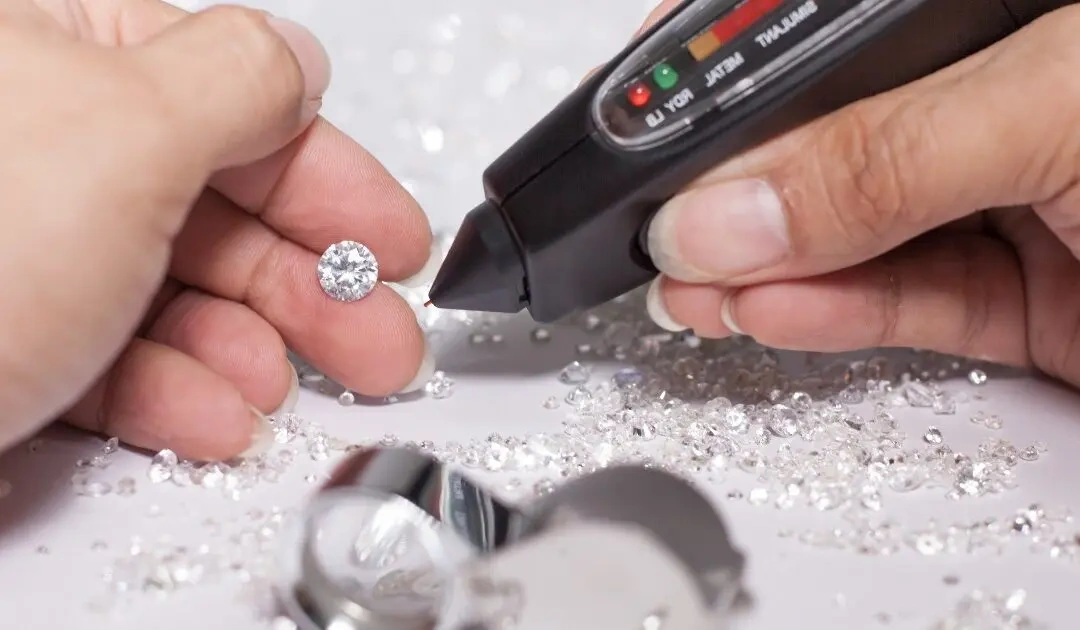

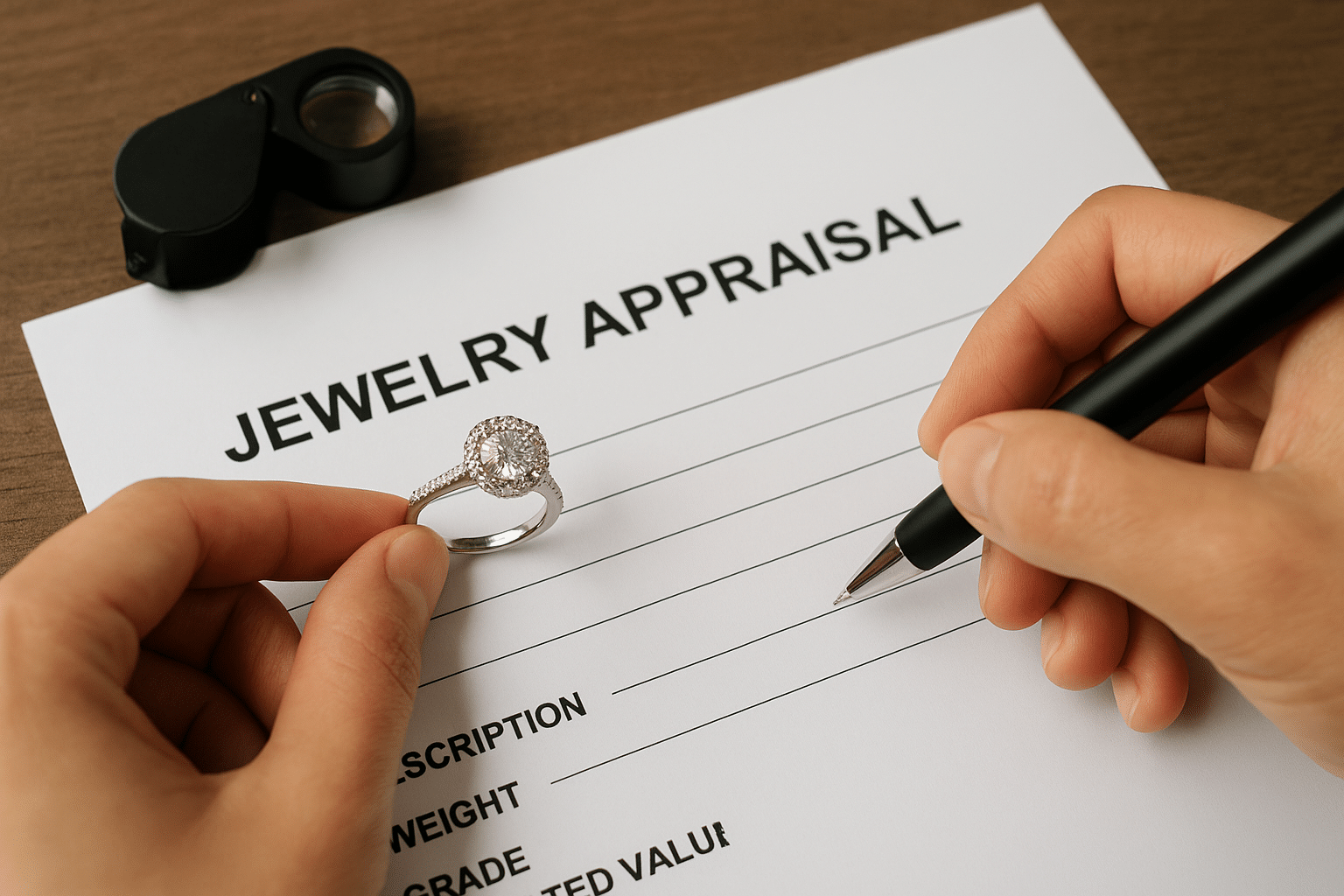
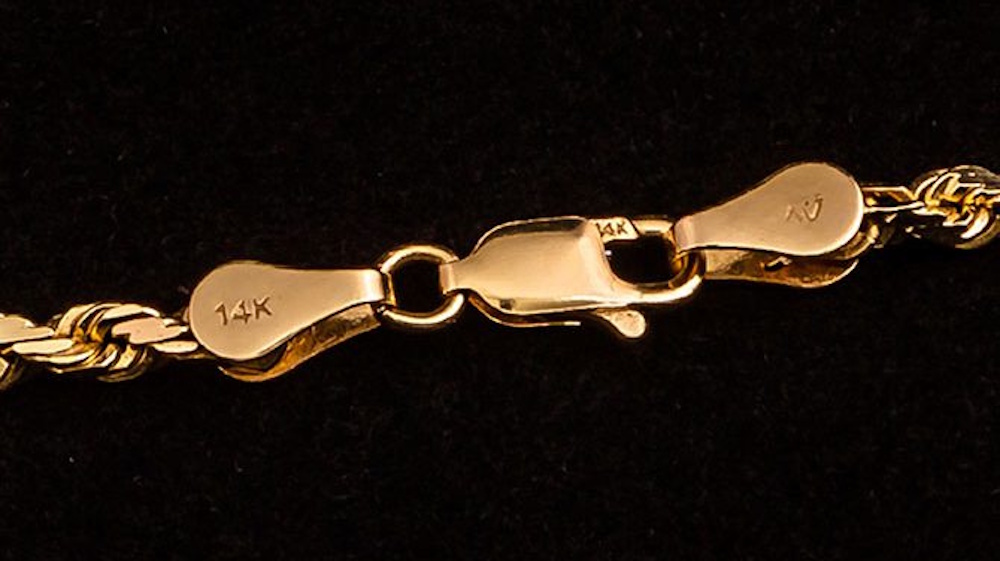
Tags
📧 Get More Articles Like This
Subscribe to receive product reviews and buying guides in your inbox!
We respect your privacy. Unsubscribe at any time.