Jewelry Sizing Mistakes: Why Your Ring Doesn't Fit After Resizing
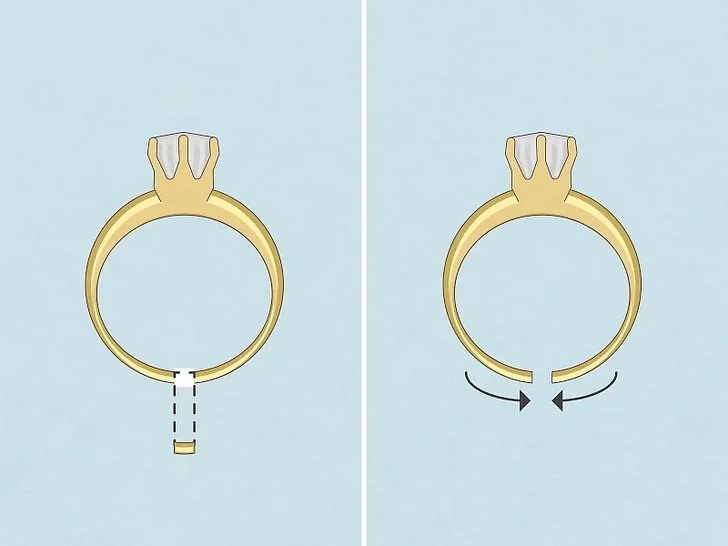
Table of Contents
- Understanding Why Professionally Resized Rings Still Don’t Fit
- The Hidden Science Behind Finger Size Variations
- Critical Measurement Mistakes That Guarantee Poor Fit
- Ring Design Factors That Complicate Sizing Success
- Temperature, Climate, and Timing: The Forgotten Variables
- Professional Sizing Standards vs. Common Practice Gaps
- Metal Properties and Their Impact on Sizing Longevity
- Solutions When Your Resized Ring Still Doesn’t Fit
- Conclusion
Introduction
The small velvet box opened, and there it was: a stunning diamond engagement ring that represented months of saving and planning. Sarah’s heart raced as Michael slipped it onto her finger during that perfect sunset proposal on the beach. But the moment of joy quickly faded when the ring slid past her knuckle and spun loosely around her finger. They both laughed nervously, assuming a quick trip to the jeweler would solve everything. Three weeks and two resizing attempts later, the ring still didn’t fit correctly. During their first attempt, the jeweler sized it down a full size, but it became too tight to pass over her knuckle. The second attempt aimed for a middle ground, yet the ring now twisted sideways and felt uncomfortable after an hour of wear. This frustrating experience affects thousands of people annually, despite professional resizing services.
The jewelry industry faces a persistent problem that contradicts its reputation for precision craftsmanship. According to gemological research institutions, approximately thirty-seven percent of all rings resized by professional jewelers require at least one additional adjustment to achieve proper fit. This statistic reveals a troubling gap between consumer expectations and industry delivery standards. The issue extends beyond simple measurement errors into complex territory involving human physiology, metal properties, design limitations, and environmental factors that most jewelers never adequately explain to their customers. Understanding why professionally resized rings fail to fit properly requires examining multiple interconnected factors that influence sizing accuracy from initial measurement through final adjustment.
The consequences of improper ring sizing extend far beyond mere inconvenience. A ring that doesn’t fit correctly poses significant risks including accidental loss when it slips off unexpectedly, potential injury when a too-tight band restricts blood circulation, and damage to the ring itself when constant adjustment causes metal fatigue and stone loosening. Financial implications also emerge as multiple resizing attempts weaken the band structure and potentially void manufacturer warranties. The emotional disappointment of receiving a cherished piece of jewelry that doesn’t fit properly can overshadow the sentiment behind the gift entirely. For engagement rings and wedding bands worn daily for decades, improper fit transforms a symbol of commitment into a source of constant frustration.
Modern consumers face a paradoxical situation where technological advances in jewelry manufacturing have created increasingly sophisticated designs, yet sizing accuracy has not improved proportionally. Computer-aided design systems can create intricate patterns down to fractions of a millimeter, but the fundamental process of measuring human fingers relies on techniques virtually unchanged since the early twentieth century. This technological disconnect creates situations where a ring’s design exceeds the industry’s ability to size it accurately for individual wearers. Additionally, the proliferation of online jewelry retailers has increased the frequency of sizing problems as customers cannot receive proper professional measurements before purchase. The combination of complex designs and inadequate measurement protocols sets the stage for widespread sizing failures.
The jewelry sizing problem also reflects deeper issues within the industry regarding professional training standards and consumer education. Many jewelry retailers employ sales staff who lack comprehensive gemological education and may not understand the biomechanical factors affecting ring fit. Certification programs focus heavily on gemstone identification and appraisal techniques while providing minimal instruction on proper sizing methodologies. This educational gap means even well-intentioned jewelers may follow outdated practices that produce inconsistent results. Consumers, meanwhile, receive little guidance about how to evaluate proper fit or what questions to ask before resizing services. The information asymmetry between industry professionals and customers creates an environment where sizing mistakes persist unchallenged.
Educational resources from independent gemological organizations help consumers make informed decisions about jewelry purchases and modifications. These nonprofit educational institutions provide unbiased information about gemstone quality assessment, jewelry construction, and proper fitting standards without commercial pressure. Access to authoritative educational content empowers consumers to ask appropriate questions and recognize quality service delivery.
Examining the root causes of sizing failures requires understanding that “proper fit” itself varies depending on ring design, metal selection, and individual anatomy. A comfort-fit band with rounded interior edges requires different sizing considerations than a flat-interior band of the same nominal size. Wide rings behave differently than narrow bands on the same finger. Rings with heavy stone settings pull forward differently than plain bands. These nuances mean that a single ring size measurement cannot accurately predict how different ring styles will fit the same person. Yet the industry continues operating largely on a one-size-fits-all measurement approach that ignores these critical variables. Until jewelers acknowledge that sizing represents a complex interplay of multiple factors rather than a simple numerical assignment, customers will continue experiencing fit problems after professional resizing.
Understanding consumer protection standards helps prevent deceptive practices in the jewelry industry. Federal regulatory frameworks establish clear guidelines about how jewelers should represent ring sizing services and communicate limitations to customers. These consumer protection measures ensure that businesses cannot mislead customers about what professional resizing can realistically achieve or misrepresent the condition of rings after modification.
The financial impact of sizing mistakes extends throughout the jewelry supply chain, affecting manufacturers, retailers, and consumers alike. Manufacturers face increased warranty claims and customer service costs when rings require multiple resizing attempts. Retailers lose credibility and face negative reviews when sizing services fail to meet expectations. Consumers waste time and money on repeated visits to jewelers and potentially permanent damage to beloved pieces. Industry estimates suggest that sizing-related issues cost the American jewelry market over three hundred million dollars annually in lost sales, warranty fulfillment, and reputation damage. These substantial economic consequences underscore the urgency of addressing systematic problems in sizing practices rather than treating each failed resizing as an isolated incident.
Proper jewelry maintenance following any sizing modification ensures rings maintain their structural integrity and aesthetic appearance throughout years of daily wear. Understanding appropriate cleaning methods, storage practices, and handling techniques protects both the investment and the emotional significance these pieces represent. Professional jewelers emphasize that post-modification care routines differ from standard maintenance because recently worked metal requires gentler treatment during the initial stabilization period.
Consumer product safety considerations extend to jewelry fitting standards because improperly sized rings pose tangible injury risks. Rings that restrict blood circulation can cause tissue damage, while loose rings increase loss risk and potential finger catching hazards. Product safety agencies monitor jewelry-related injuries and establish baseline safety expectations that sizing services should meet to protect consumer wellbeing.
Shop on AliExpress via link: wholesale-ring-sizer

Personal stories like Sarah and Michael’s illustrate how sizing problems create lasting impressions that overshadow positive aspects of jewelry ownership. Sarah still remembers the disappointment of her engagement ring fitting poorly more vividly than the romantic proposal itself. This negative association affects how she views the ring and influences whether she recommends the jeweler to friends. Multiplied across millions of jewelry purchases annually, these emotional impacts shape industry reputation and consumer confidence in ways that financial metrics cannot fully capture. The psychological dimension of sizing failures deserves recognition as a significant factor driving customer satisfaction or dissatisfaction.
Before delving into the details of the article, watch this video about enlarging rings while preserving their original appearance:
Understanding Why Professionally Resized Rings Still Don’t Fit
Professional jewelers undergo extensive training in metalworking techniques and gemstone handling, yet ring sizing remains one of the most frequently botched services in the industry. This paradox exists because sizing success depends on far more than technical metalworking skills. The process requires accurate biological measurement, understanding of materials science, recognition of design limitations, and effective client communication to set realistic expectations. When any of these elements falters, even the most skillfully executed metalwork produces a ring that doesn’t fit properly. The complexity of sizing extends well beyond simply cutting a ring shank, removing or adding metal, and soldering it back together.
The fundamental challenge begins with measuring a biological structure that constantly changes size. Human fingers are not rigid objects like the metal rings placed upon them. Fingers swell and contract throughout the day, between seasons, and in response to countless environmental and physiological factors. A finger measured at nine in the morning may be a half size smaller than the same finger measured at five in the evening after a full day of activity and natural fluid retention. This natural variation means that any single measurement captures only a snapshot of finger size at one particular moment under specific conditions. Yet jewelers typically take one quick measurement and base entire sizing decisions on that single data point. The inherent mismatch between variable biological reality and static metal measurement creates inevitable sizing problems.
Traditional ring sizing methodology relies on graduated mandrels and sizing sets that represent industry-standard measurements, but these tools have significant limitations. The mandrel system assumes fingers are perfectly cylindrical and uniform in shape, which rarely reflects reality. Most people have fingers that taper slightly from knuckle to base, or feature irregular shapes due to joint conditions or previous injuries. Standard sizing sets also assume all rings of the same marked size have identical interior dimensions, but manufacturing variations mean nominal sizes can differ by noticeable amounts between different jewelers and manufacturers. When a jeweler sizes a ring to “fit a size 6 mandrel,” they’re matching it to a theoretical standard that may not correspond to the customer’s actual finger anatomy.
Precision measurement protocols in commercial applications depend on established calibration standards and traceable measurement methodology. National measurement institutes define accuracy requirements for instruments used in consumer-facing applications where dimensional precision affects product functionality. These standardization principles apply across industries where consistent measurements determine whether products meet customer expectations.

The industry’s reliance on fractional sizing increments introduces another source of error. Ring sizes progress in steps that represent changes of approximately 0.4 millimeters in diameter, or about 1.26 millimeters in circumference. While these increments work reasonably well for average finger anatomy, they don’t accommodate everyone’s needs equally well. Some people fall precisely between standard sizes, and a half-size difference determines whether a ring feels comfortable or uncomfortable. Jewelers faced with between-size situations must make judgment calls about whether to size up or down, and these decisions don’t always match the customer’s actual needs. The fixed incremental system creates situations where perfect fit becomes mathematically impossible for certain anatomical configurations.
Professional sizing also fails when jewelers don’t account for ring design characteristics that affect how a ring sits on the finger. The width of a ring’s band significantly influences how it feels and fits. Wide bands contact more finger surface area and cannot flex as easily around the finger’s natural curve, making them feel tighter than narrow bands of the same interior circumference. Industry guidelines suggest wide rings may require sizing up by half to a full size compared to narrow bands for the same finger, but many jewelers fail to apply this adjustment. When a customer tries on a narrow sample band to determine size, then orders a wide ring in that size, disappointment follows inevitably. The jeweler sized the ring correctly according to the customer’s stated size preference, but that preference was based on wearing a differently proportioned ring.
Ring profile and interior shape create additional fit complications that standard sizing doesn’t address. Comfort-fit rings feature rounded interior edges that make them easier to slide over knuckles but may feel looser once positioned at the finger base. Standard flat-interior rings contact the finger more directly but encounter more resistance when passing over the knuckle joint. A customer accustomed to comfort-fit rings will find a flat-interior ring of the same size feels tighter, and vice versa. Weight distribution also matters, as rings with heavy stone settings tend to rotate toward the palm due to gravity, making them feel less secure even when properly sized. These design variables mean that a customer’s “correct size” varies depending on the specific ring being fitted.
Metal memory and work-hardening introduce time-dependent sizing changes that frustrate both jewelers and customers. When a ring undergoes resizing, the metalworking process alters the metal’s physical properties. The heated and manipulated sections may behave differently than the original ring structure, potentially causing the ring to gradually change shape during initial wear. Gold and platinum can work-harden when subjected to stress, becoming more rigid over time. This hardening may cause a ring to fit slightly differently six months after resizing compared to when the customer first picked it up. The jeweler performed the resizing correctly, but the ring’s fit changed afterward due to metal properties rather than errors in the sizing process.
Customer communication failures contribute significantly to post-sizing fit problems. Jewelers often fail to explain that finger size varies and that the ring should fit comfortably under average daily conditions rather than at the absolute smallest or largest finger size. Some customers insist on sizing rings to fit when their fingers are at their smallest, then discover the ring feels too tight during normal activities. Others request sizes that feel comfortable only when fingers are swollen, resulting in rings that spin and slide during cooler weather or morning hours. Without clear discussion of these trade-offs, jewelers and customers may have fundamentally different understandings of what “proper fit” means, guaranteeing disappointment regardless of technical sizing accuracy.
The proliferation of at-home ring sizing tools has created a new category of sizing problems. Customers arrive at jewelers with size determinations from plastic sizers, paper templates, or string measurements that bear little resemblance to their actual professional size. When jewelers honor these customer-supplied sizes rather than taking fresh professional measurements, problems multiply. The customer feels validated that their self-assessment was correct, and the jeweler avoids potential conflict by accepting the stated size. However, the resulting ring fits poorly because the initial measurement was fundamentally flawed. Resolving these situations requires tactful explanation that at-home sizing tools have inherent limitations that professional measurement overcomes.
The Hidden Science Behind Finger Size Variations
Human fingers represent remarkably dynamic structures that change dimensions throughout daily cycles, seasonal patterns, and life stages. Understanding these biological variations provides crucial context for why ring sizing challenges persist despite professional expertise. The anatomy of a finger includes bones, joints, ligaments, tendons, blood vessels, nerves, and soft tissue that all respond to environmental and physiological factors. Unlike the rigid metal rings placed upon them, fingers flex, swell, contract, and adapt constantly to changing conditions. This biological dynamism means that perfect ring fit represents a moving target rather than a fixed achievement.
Blood circulation patterns significantly influence finger size across different times of day. During morning hours when people first wake, fingers are typically at their smallest due to reduced inflammation and fluid distribution during sleep. As the day progresses and gravitational forces pull fluids downward into extremities, fingers gradually swell. Physical activity increases blood flow to hands and fingers, causing additional temporary expansion. Evening measurements may show fingers a full half-size or even a full size larger than morning measurements for the same person. This diurnal variation means that a ring sized to fit comfortably in the evening may feel loose during morning hours, while a ring sized for morning wear might feel uncomfortably tight by afternoon.
Temperature regulation through vasodilation and vasoconstriction creates substantial finger size changes in response to environmental conditions. When exposed to heat, blood vessels in fingers dilate to release excess body heat, causing fingers to swell noticeably. Cold exposure triggers vasoconstriction as the body prioritizes maintaining core temperature over extremity comfort, causing fingers to shrink. These thermoregulatory changes can alter finger size by up to a full size within minutes of temperature change. People who work in temperature-variable environments or engage in outdoor activities experience particularly dramatic finger size fluctuations that make consistent ring fit nearly impossible to achieve with a single fixed ring size.

Dietary factors influence finger size through sodium retention and fluid balance mechanisms. High-sodium meals cause temporary water retention throughout the body including the fingers, making rings feel tighter for hours or even days afterward. Alcohol consumption similarly promotes fluid retention and vasodilation that increases finger dimensions. Conversely, dehydration or diuretic use can cause fingers to shrink below their typical size. Hormonal fluctuations related to menstrual cycles create cyclical swelling patterns for many women, with fingers potentially expanding by a half size during certain cycle phases. These physiological variables mean that a person’s “true” ring size represents an average across multiple fluctuating states rather than a single fixed measurement.
Inflammatory responses to injury, arthritis, or systemic conditions create more persistent finger size changes that complicate long-term ring fitting. Arthritic joints often develop irregular bone growth and soft tissue inflammation that makes standard ring sizing inadequate. Knuckle arthritis creates particularly challenging sizing situations where the knuckle diameter far exceeds the finger base diameter, requiring compromise sizing or specialty solutions. Pregnancy causes widespread fluid retention that may increase finger size by multiple full sizes during later months, rendering previously comfortable rings unwearable until postpartum recovery. Medical conditions affecting circulation or inflammation can permanently alter finger dimensions, requiring ring resizing that would otherwise be unnecessary.
Weight changes influence finger size, though not as dramatically or immediately as many people assume. Significant weight gain or loss of twenty pounds or more often correlates with finger size changes of approximately half a size, but this relationship varies considerably between individuals. Some people’s fingers respond minimally to body weight changes while others show pronounced sensitivity. The timing of weight-related size changes also creates complications, as fingers may not return to their previous size immediately after weight loss. This lag effect means that rings sized during weight fluctuations may not fit properly once body weight stabilizes, requiring additional adjustment.
Aging processes gradually alter hand and finger anatomy in ways that affect ring fitting over decades of wear. Skin loses elasticity and natural padding diminishes, potentially allowing rings to slide more easily over knuckles that previously provided friction to keep rings secure. Joint changes may increase knuckle size relative to finger base size, creating sizing challenges that didn’t exist in younger years. These gradual changes mean that a ring sized perfectly at age twenty-five may no longer fit ideally at age sixty-five, even if the person’s weight and health remain stable. The slow pace of age-related changes often prevents people from recognizing that their ring size has shifted over time.
Occupational factors create unique finger size patterns based on hand use and environmental exposure. Manual laborers whose hands swell from physical exertion need different sizing considerations than office workers with minimal hand swelling. People who frequently immerse hands in water experience temporary expansion that affects ring fit during and after water exposure. Musicians who use fingers intensively may develop altered finger dimensions in specific digits due to repetitive motion. These occupation-related variations mean that an individual’s lifestyle should inform sizing decisions rather than relying purely on standardized measurement protocols.
The biomechanical reality of finger anatomy includes knuckle joints that nearly always exceed the diameter of the finger base where rings typically rest during wear. This anatomical fact creates an inherent compromise in ring sizing: the ring must be large enough to pass over the knuckle comfortably, yet small enough to stay secure at the narrower finger base. For people with prominent knuckles, this compromise becomes particularly challenging. Standard sizing approaches cannot fully resolve this anatomical mismatch, leading to situations where rings fit acceptably but not ideally. Specialty solutions exist for extreme knuckle-to-base size differences, but many jewelers fail to recognize when standard sizing approaches are insufficient for particular anatomical configurations.
Gemological research institutions have developed comprehensive methodologies for assessing proper ring fit that account for anatomical variations and design factors. Professional gemologists study the relationship between ring construction, finger anatomy, and comfort to establish best practices for sizing consultations. This gemological expertise informs recommendations that help consumers understand what constitutes realistic fitting expectations for different ring styles.
Critical Measurement Mistakes That Guarantee Poor Fit
The initial finger measurement represents the foundation upon which all subsequent sizing decisions rest, yet this crucial step frequently involves errors that doom the entire resizing process from the start. Professional jewelers learn measurement techniques during training, but real-world practice often deviates from ideal protocols due to time pressure, inadequate tools, or simple oversight. Understanding these common measurement failures illuminates why so many properly executed resizing jobs still produce poorly fitting rings. The problem often lies not in the metalwork but in the flawed data that guided it.
Measuring finger size at inappropriate times of day constitutes one of the most frequent yet easily avoidable measurement errors. Many jewelry stores encourage customers to visit during lunch hours or early afternoon when the shopping mall sees peak foot traffic. Unfortunately, these midday hours often coincide with maximum finger swelling after morning activities but before evening peaks. A measurement taken at two in the afternoon may not reflect the finger’s size during the hours when the ring will actually be worn most frequently. Professional sizing protocols recommend taking measurements at different times of day to understand a finger’s size range, but time-constrained retail environments rarely accommodate such thorough assessment.
Environmental conditions during measurement create another layer of error that few jewelers adequately account for. Customers who arrive at jewelry stores after walking through hot parking lots or cold winter streets have temporarily altered finger sizes that don’t reflect their typical dimensions. The stressed or excited emotional state of engagement ring shopping can increase heart rate and blood pressure, affecting finger circulation and size. Store temperature itself influences finger dimensions, with over-air-conditioned environments causing finger contraction while warm stores promote expansion. These environmental factors can easily create quarter to half-size measurement errors that persist throughout the sizing process because the initial measurement was taken under non-representative conditions.

Technique errors during physical measurement with ring sizers introduce substantial variability in sizing accuracy. The proper technique requires sliding the sizing ring over the customer’s knuckle and assessing fit at the finger base, but rushed measurements may skip the knuckle-passage test entirely. Some jewelers allow customers to self-measure by trying sizing rings from a set, but untrained customers rarely apply correct technique. They may select sizes that slide on easily without considering whether the knuckle passage felt comfortable, or choose sizes that feel snug without recognizing that finger swelling will make that size uncomfortable later. Measurement technique errors compound when jewelers fail to verify customer self-assessments through professional confirmation.
Failing to account for inter-finger and inter-hand size variations creates sizing problems when rings are transferred between fingers or hands. The left hand typically has different finger sizes than the right hand, with dominant hand fingers usually larger due to increased blood flow and muscle development. Ring fingers on the same hand are often different sizes despite appearing similar. When a customer borrows a ring from a different finger to determine size, or when a jeweler assumes size consistency between hands, these anatomical variations introduce measurement error. A ring that fits perfectly on the left ring finger may feel substantially different when worn on the right ring finger, even though both are nominally the same finger.
Inadequate communication about how the ring should fit leads to measurement errors even when the technical measurement process is correct. Different customers have different preferences for how securely they want rings to fit. Some prefer rings that slide on and off easily, accepting greater risk of loss in exchange for comfort. Others want rings that require significant effort to remove, minimizing loss risk but potentially causing discomfort. When jewelers don’t explicitly discuss these preferences and establish shared understanding of what “proper fit” means, they may measure for a fit standard that doesn’t match customer expectations. The resulting sized ring may be technically correct according to the jeweler’s definition of proper fit while simultaneously failing to meet the customer’s actual preferences.
Over-reliance on stated sizes from previous rings creates measurement errors when customers provide incorrect size information. People often misremember their ring size or assume that a ring they’ve worn comfortably for years is properly sized when it actually fits poorly but tolerably. Customers may reference ring sizes from decades earlier without recognizing that their finger sizes have changed due to aging, weight changes, or medical conditions. Some people confuse European sizing with American sizing or provide sizes for different fingers than the one being fitted. When jewelers accept stated sizes at face value without independent verification, these errors propagate directly into resizing specifications.
Neglecting to measure with appropriate width gauges when sizing for wide bands virtually guarantees sizing problems. Standard sizing sets typically feature narrow bands of two to three millimeters width, but many contemporary ring designs span five to ten millimeters or more. A finger measured with narrow gauges will need a larger size when fitted with a wide band, but many jewelers fail to use wide-band sizing tools or apply appropriate size adjustments. The customer tries narrow sizing rings, identifies their size based on that experience, and receives a wide ring in that size that feels uncomfortably tight. This measurement error stems from not matching the sizing tool width to the final ring width.
Digital measurement tools and phone-based sizing apps introduce new categories of measurement error that threaten traditional sizing accuracy. Various smartphone applications claim to measure ring size through photographs or finger tracing, but these tools lack the precision and standardization necessary for reliable sizing. Image-based measurements depend on correct scaling, which requires including a reference object of known size in the photograph. Users frequently forget this step or use inappropriate reference objects, rendering the measurements meaningless. Phone screen finger-tracing methods assume perfectly round finger shapes and cannot account for joint irregularities. Despite their convenience, these digital tools currently produce sizing recommendations that often differ substantially from professional measurements.
Ring Design Factors That Complicate Sizing Success
Ring design characteristics fundamentally influence how a piece fits and whether sizing attempts can succeed, yet jewelers frequently underestimate design limitations when accepting resizing jobs. Certain ring construction methods and aesthetic features limit or entirely preclude successful sizing without compromising the ring’s structural integrity or appearance. Understanding these design constraints helps explain why some resized rings never fit properly regardless of the jeweler’s technical skill. The design itself may be incompatible with the requested size modification, creating inevitable fitting problems.
Pavé settings featuring multiple small stones held by tiny metal beads create severe sizing limitations that many jewelers fail to acknowledge until after attempting the work. Resizing pavé rings requires cutting through areas containing dozens or hundreds of small stones, potentially loosening or losing gems during the process. The metal beads holding stones near the cut point must be heated during soldering, which can cause stones to crack or their settings to weaken. Even when jewelers successfully navigate these challenges, the repaired area often shows visible discontinuity in the pavé pattern where stone spacing changes or metal texture differs. These structural realities mean pavé rings often cannot be sized successfully, yet jewelers may attempt resizing without adequately warning customers about probable negative outcomes.
Channel-set designs incorporating continuous grooves filled with flush-mounted stones present similar complications that resist successful sizing. Cutting through a channel disrupts the continuous metal walls that secure the stones. Rejoining the channel after sizing may create visible seams where metal texture changes or channel depth varies slightly. The precise stone spacing within channels cannot be easily adjusted, meaning sized channels may show irregular gaps between stones in the repaired area. These technical limitations often result in structurally weakened channels that allow stones to loosen over time, even when the initial resizing appears successful. Rings with extensive channel settings should rarely undergo sizing, but jewelers under pressure to accommodate customer requests may attempt the work anyway.
Eternity bands and anniversary rings featuring gemstones around the entire circumference represent the most sizing-resistant design category. Traditional sizing by cutting and removing or adding material cannot work when every potential cut location contains valuable stones. Jewelers can sometimes add springs to slightly adjust interior dimensions, but this technique has limited range and may feel uncomfortable. Alternatively, jewelers can replace stones along a portion of the band with appropriately spaced substitutes for the new size, but this approach is expensive and may not match the original appearance perfectly. Many customers don’t learn that their eternity band cannot be sized until after they’ve gained or lost weight, developed arthritis, or experienced other circumstances requiring resizing.
Intricate engraving and milgrain detailing create aesthetic complications during sizing that technical metalworking cannot fully resolve. Cutting through engraved patterns interrupts the design continuity, and hand-engraving artists cannot always recreate patterns perfectly in sized areas. The aged patina of vintage engravings cannot be replicated in freshly worked metal, creating visual discontinuity between original and repaired sections. Milgrain beading along ring edges requires reforming after sizing, but achieving perfectly matched bead size and spacing in the sized area challenges even skilled jewelers. These aesthetic limitations mean sized rings may function properly but appear obviously altered when examined closely.
Tension settings that secure gemstones through precise metal spring pressure rather than prongs cannot undergo traditional sizing without fundamentally compromising their stone-holding mechanism. The metal tension must be calculated precisely for the original ring diameter, and changing that diameter alters the tension force potentially to the point where stones loosen or break. Most jewelers refuse to size tension-set rings at all, but some may attempt modifications without adequately explaining the risks. When sized tension-set rings fail catastrophically by losing valuable center stones, customers face unexpected financial losses in addition to fit problems.
Hollow construction and other weight-saving manufacturing techniques create structural fragility that resizing exacerbates significantly. Hollow shank rings feature thin metal walls with air space inside, making them lighter and less expensive than solid construction. Cutting and rejoining hollow shanks requires careful brazing techniques that many jewelers lack, and temperature management becomes critical to prevent metal collapse or warping. Resized hollow rings often develop weak points that bend or crack under normal wear stress. Customers unaware that their ring features hollow construction may not understand why resizing results in subsequent structural failures.
Mixed-metal designs incorporating multiple precious metal types create galvanic corrosion risks during sizing that jewelers should acknowledge but often don’t. When different metals like white gold and rose gold appear in the same ring, cutting and soldering operations risk contaminating one metal with another. The join between different metals may corrode over time when body chemistry creates an electrolytic cell between dissimilar metals. These metallurgical complications mean mixed-metal rings should undergo sizing with special precautions, including careful isolation of different metal sections and use of appropriate solder for each metal type. Jewelers who treat mixed-metal rings like single-metal construction may create long-term degradation that manifests months after sizing.
Temperature, Climate, and Timing: The Forgotten Variables
Environmental factors exert profound influence on ring fit through their effects on finger physiology, yet both jewelers and customers routinely overlook these variables when sizing decisions are made. The failure to account for environmental context during measurement and throughout the ring’s lifetime guarantees sizing problems for people whose daily environments differ substantially from the measurement conditions. Understanding environmental influences on fit provides crucial context for why rings may fit properly under some circumstances while feeling uncomfortable or insecure under others. The ring hasn’t changed, but the environmental conditions affecting the wearer’s finger have.
Seasonal temperature variations create predictable patterns of finger size change that should inform professional sizing decisions but rarely do. Summer heat causes finger expansion that typically reaches peak during the hottest afternoon hours of July and August, when fingers may swell a full size larger than their winter baseline. Winter cold contracts fingers to their annual minimum, with December through February representing the low point for finger dimensions. This approximately one-full-size annual variation means that a ring sized during winter may feel uncomfortably tight six months later during summer heat. Conversely, summer sizing may produce rings that spin and slide during winter months when fingers contract to their smallest annual dimensions.
Altitude changes affect ring fit through their influence on blood circulation and fluid retention patterns. People traveling to high altitude destinations often experience finger swelling as their bodies adjust to reduced atmospheric pressure and oxygen levels. Mountain resort visitors may discover their rings feel noticeably tighter at elevation than at sea level, creating temporary fit problems that resolve after returning home. Similarly, airplane cabin pressure changes cause finger swelling that makes rings uncomfortable during and immediately after flights. Frequent travelers experience these altitude-related size changes regularly, but jewelers rarely discuss how to manage rings that fit well at home yet become problematic during travel.
Humidity levels influence finger size through their effects on skin hydration and body fluid balance. High humidity environments promote finger swelling as the body works to maintain thermal regulation through reduced evaporative cooling. Arid climates allow greater evaporative cooling but may cause slight finger contraction due to dehydration effects. People relocating from humid to dry climates or vice versa often experience persistent changes in finger size that require ring resizing months after the move. These climate-adaptation effects develop slowly enough that people may not connect their ring fit problems with their geographic relocation, instead assuming the ring was sized incorrectly initially.
Exercise and physical activity patterns create transient but significant finger size increases that complicate ring fitting for active individuals. Cardiovascular exercise increases blood flow throughout the body including the hands, causing noticeable finger swelling during and for hours after vigorous activity. Resistance training involving gripping motions increases hand and finger blood flow particularly intensely. Athletes and fitness enthusiasts experience daily finger size fluctuations that may exceed a full size difference between resting and post-exercise measurements. Rings sized to fit comfortably during sedentary activities may become uncomfortably tight during or after workouts, while rings sized to accommodate exercise-induced swelling may feel loose during resting hours.
Medication effects on fluid retention create medically-induced finger size changes that patients and jewelers rarely anticipate during sizing consultations. Common medications including certain blood pressure drugs, anti-inflammatory agents, and hormone therapies can promote or reduce fluid retention affecting finger dimensions. Patients beginning new medications may experience finger swelling that makes previously comfortable rings feel tight, while discontinuing medications may cause opposite effects. These pharmaceutical influences on ring fit create scenarios where proper sizing at one point becomes improper sizing months later due to medication changes rather than errors in the original sizing process.
Dietary patterns and meal timing influence ring fit through sodium intake and its effects on fluid balance. Heavy meals high in sodium cause temporary water retention that increases finger size for several hours after eating. People dining late in the evening may wake with swollen fingers the next morning due to overnight sodium processing. Fasting or restricted eating patterns may cause slight finger contraction as body fluid balance shifts. These dietary variables mean that rings may fit comfortably during some parts of the day while feeling tight during others, creating confusion about whether sizing is actually correct.
Sleep position and overnight hand elevation affect morning finger size in ways that create daily sizing variation patterns. People who sleep with hands elevated may wake with slightly smaller fingers than those who sleep with hands at or below heart level. Sleeping position influences overnight fluid distribution and morning finger dimensions. These sleep-related size changes mean that a ring fitting perfectly during evening hours may feel loose the following morning, not due to sizing error but due to normal physiological fluid redistribution during sleep.
Professional Sizing Standards vs. Common Practice Gaps
The jewelry industry maintains published professional standards for ring sizing that represent best practices developed over decades of experience, yet actual retail practice often deviates substantially from these standards. Understanding the gap between ideal protocols and real-world implementation reveals why sizing problems persist despite the existence of clear professional guidelines. The standards themselves are sound, but inconsistent adherence to them creates the quality control failures that customers experience as fit problems after resizing. Industry organizations acknowledge this implementation gap as a persistent challenge requiring ongoing education and accountability measures.
Professional gemological organizations recommend taking multiple finger measurements at different times of day to understand the range of natural size variation, but time-constrained retail environments rarely permit such thorough assessment. The gemological standard calls for measuring fingers both morning and evening, ideally across several days to account for daily variation. This protocol would require customers to make multiple store visits solely for sizing purposes, which most retailers consider commercially impractical. Instead, jewelers typically take a single measurement during one store visit and base entire sizing decisions on that snapshot. The gap between recommended best practice and commercial reality guarantees that many rings are sized based on inadequate measurement data.
Industry guidelines specify using band-width-appropriate sizing tools that match the proportions of the ring being fitted, yet many jewelry stores maintain only narrow-band sizing sets. Professional standards recognize that wide bands require different sizing than narrow bands and recommend measuring with sizing tools at least as wide as the finished ring will be. However, wide-band sizing sets are more expensive and less commonly available than standard sets, leading many jewelers to measure all customers with narrow tools regardless of the final ring’s actual width. This failure to follow width-matching protocols virtually guarantees sizing errors for wide-band rings even when jewelers carefully follow all other measurement procedures.
Professional metalworking standards mandate specific solder types, temperature management protocols, and structural reinforcement techniques during resizing operations, but shortcuts are common when jewelers face deadline pressure. Best practice requires using solder with karatage matching the ring being sized, carefully controlling torch temperature to prevent overheating adjacent areas, and potentially adding structural reinforcement near sized sections on thin or delicate bands. However, expedited resizing jobs may skip reinforcement steps, use convenient but mismatched solder, or apply excessive heat that weakens the band structure. These metalworking shortcuts may not cause immediate visible problems but create long-term structural issues that manifest as fit problems months after resizing.
Quality control protocols recommended by industry standards include post-sizing inspection procedures that verify proper execution, but many retail jewelers lack comprehensive quality control systems. Professional standards suggest checking sized rings against mandrels to confirm correct final dimensions, examining soldered areas under magnification for structural integrity, and potentially test-wearing rings for extended periods before returning them to customers. In practice, many resize jobs receive only cursory visual inspection before being returned to customers. Missing or inadequate quality control allows flawed resizing to reach customers who then experience fit problems that proper inspection would have identified and corrected before delivery.
Documentation standards recommend maintaining detailed records of initial finger measurements, sizing instructions, and any customer communications about fit preferences, but recordkeeping varies widely across jewelers. Comprehensive documentation protects both jewelers and customers when disputes arise about whether sizing was performed according to agreed specifications. However, small independent jewelers may maintain minimal records, relying on memory or basic job tickets that lack detail about measurement conditions and customer preferences. When customers return claiming improperly sized rings, insufficient documentation prevents clear determination of whether the jeweler followed customer specifications or made independent sizing decisions that proved inappropriate.
Continuing education requirements for jewelers vary significantly across jurisdictions and professional organizations, creating inconsistent competency levels within the industry. Some states and professional associations require periodic recertification testing that includes sizing protocols, while others have no mandatory continuing education. Jewelers who received their training decades ago may continue practicing outdated sizing techniques without exposure to current best practices. The lack of universal continuing education requirements means customers cannot reliably assess whether individual jewelers maintain current knowledge of proper sizing methodologies.
Regulatory guidance documents published through federal administrative processes outline expectations for professional service providers in consumer-facing industries. These published standards create accountability frameworks that help consumers understand their rights and enable industry members to maintain compliance with evolving requirements. Accessing official regulatory documentation helps both businesses and consumers stay informed about current standards.
Consumer education represents an often-overlooked component of professional sizing standards that few jewelers implement effectively. Industry best practices recommend explaining finger size variation to customers, discussing how different ring designs require different fit standards, and setting realistic expectations about how seasonal changes will affect comfort. However, time pressure in retail environments and lack of customer education training among sales staff means most customers receive minimal information about factors affecting ring fit. This educational deficit leaves customers unprepared to evaluate whether their rings fit properly or to recognize normal fit variations as distinct from actual sizing errors.
Metal Properties and Their Impact on Sizing Longevity
The metallurgical characteristics of different precious metals used in fine jewelry significantly affect how rings respond to sizing procedures and how they maintain their fit over time, yet these material science factors receive inadequate consideration during routine resizing operations. Metals behave as living materials in the sense that their crystal structures evolve in response to stress, temperature changes, and mechanical working. Understanding how different metals respond to sizing allows realistic assessment of long-term fit stability and helps explain why some sized rings maintain excellent fit while others gradually deteriorate. The metal itself participates actively in determining sizing success rather than serving as passive material that jewelers simply manipulate.
Gold alloys exhibit work-hardening properties that cause metal to become progressively more rigid as it undergoes mechanical stress and deformation during sizing. When a gold ring is cut, spread or compressed, and resoldered, the worked areas experience crystal structure changes that increase hardness relative to undisturbed areas. This differential hardening may cause the ring to respond unevenly to subsequent stress, potentially developing subtle shape changes over time. Lower-karat gold alloys containing higher percentages of base metals work-harden more dramatically than high-karat alloys, making 10K and 14K gold rings more susceptible to post-sizing shape evolution than 18K or 22K pieces. These metallurgical effects mean properly sized rings may feel different six months after resizing compared to initial fitting due to work-hardening-induced shape changes.
Platinum’s exceptional density and hardness create unique sizing challenges that distinguish it from gold metalworking. Platinum requires higher temperatures for effective metalworking, exposing rings to thermal stress that can affect adjacent areas beyond the immediate sizing location. The metal’s hardness makes it more difficult to shape and requires more aggressive force during sizing operations, potentially creating structural stress concentrations. However, platinum’s superior durability means properly sized platinum rings maintain their shape and fit more consistently over time than gold rings. The trade-off between difficult initial sizing and superior long-term stability makes platinum resizing require specialized expertise that not all jewelers possess.
White gold rhodium plating creates post-sizing appearance issues that indirectly affect perceived fit even when sizing dimensions are correct. Most white gold jewelry receives rhodium plating to enhance whiteness and provide scratch resistance. Resizing exposes unplated metal in the sized area, creating color mismatch between plated and unplated sections. While this cosmetic issue doesn’t affect actual fit, customers often perceive poorly finished rings as ill-fitting because visual imperfection suggests lack of care in sizing work. Professional resizing should include replating entire rings after sizing to eliminate color inconsistency, but this add-on service increases costs and turnaround time, leading some jewelers to skip replating and deliver visually inconsistent products.
Silver’s softness and tendency toward tarnish make it both easy to size and prone to post-sizing deformation. Silver rings resize easily due to the metal’s malleability, but this same softness allows sized rings to bend and deform during normal wear. Resizing creates localized stress points where silver is more likely to bend, potentially causing the ring to develop oval shapes that feel comfortable in some orientations but uncomfortable when rotated. Sterling silver’s copper content promotes tarnish formation, and sized areas may tarnish at different rates than original metal, creating visual cues that highlight the resizing work. These factors make silver rings require more frequent inspection and potential reshaping to maintain proper fit over time.
Titanium and other alternative metals present extreme sizing challenges due to their hardness and non-traditional metalworking requirements. These contemporary jewelry materials cannot be sized through traditional cut-and-solder methods because their metallurgy doesn’t respond appropriately to jewelry-scale soldering techniques. Sizing titanium rings typically requires complete reconstruction by cutting out sections and welding replacement pieces, or in many cases jewelers must simply declare the rings cannot be sized at all. Customers purchasing alternative metal rings often don’t learn about sizing limitations until they need resizing work, discovering too late that their ring choices have permanently locked them into the original size.
Mixed-metal designs create galvanic corrosion risks that may not manifest immediately but develop over time after sizing. When dissimilar metals remain in contact within a ring, electrochemical reactions can occur particularly in the presence of body chemistry’s slightly acidic environment. Resizing operations that join different metal types or inadvertently contaminate one metal with another create galvanic cells that slowly corrode over months or years. This gradual corrosion weakens the ring structure and may cause shape changes that affect fit long after the initial resizing. Jewelers should isolate different metals during mixed-metal ring resizing, but this requires specialized knowledge that general jewelry repair shops may lack.
Temperature-induced metal expansion and contraction affects ring fit on a microscopic scale that accumulates to noticeable changes when jewelry experiences temperature extremes. Metal rings contract slightly when cold and expand when heated, with the magnitude depending on the specific metal’s thermal expansion coefficient. People living in climates with extreme seasonal temperature variations may notice their rings fit differently in summer heat versus winter cold, partially due to finger size changes but also partly due to the metal’s own thermal expansion. These metal-based dimension changes typically amount to only fractions of a millimeter but can influence perceived fit when combined with simultaneous finger size changes from temperature effects.
Solutions When Your Resized Ring Still Doesn’t Fit
When professional resizing fails to produce properly fitting rings, several remedial options exist beyond simply resizing again and hoping for better results. Understanding these alternative solutions helps customers and jewelers break out of cycle of repeated failed sizing attempts. Many fit problems stem from fundamental mismatches between ring characteristics and finger anatomy that traditional sizing cannot resolve, requiring creative approaches that transcend standard metalworking techniques. The key lies in accurately diagnosing why the ring doesn’t fit rather than assuming repeat sizing will somehow succeed where initial attempts failed.
Temporary sizing aids provide immediate fit improvement while avoiding permanent ring alteration that might prove unnecessary or counterproductive. Ring adjuster clips slip inside the shank and create additional interior resistance that prevents rings from sliding and rotating on the finger. These small spiral or spring clips work particularly well for rings sized slightly large or for managing seasonal finger size variations where the ring fits perfectly in summer but loosely in winter. Sizing beads represent a semi-permanent alternative where small metal spheres are soldered to the ring’s interior, creating contact points that grip the finger and prevent rotation. Both solutions allow the ring’s nominal size to remain unchanged while improving functional fit through enhanced grip rather than dimension alteration.
For rings with extreme knuckle-to-base size differentials, hinged shank modifications provide elegant solutions that traditional sizing cannot achieve. A hinged ring opens at the back to slip past the knuckle, then closes to fit snugly at the finger base. This specialized construction requires skilled goldsmithing to create invisible hinges with secure clasps, but results in rings that fit properly both during wear and during donning and removal. The hinged shank approach works particularly well for arthritis sufferers whose knuckle enlargement makes traditional sizing impractical. While more expensive than standard resizing, hinged modifications permanently solve fit problems that resist conventional approaches.
Ring guards and wraps offer protective solutions when rings cannot be sized due to design limitations or when temporary size adjustment is needed during transitional periods. Ring guards slip around the ring’s shank and effectively make it larger without permanent alteration. These solutions work well during pregnancy or medical treatments that cause temporary finger swelling, allowing the ring to be worn comfortably without permanent resizing that would require reversal later. High-quality guards are nearly invisible when properly fitted and allow continued ring wear during periods when the ring’s true size is inappropriate.
Professional consultation with certified gemologists or master jewelers may reveal underlying problems that standard retail jewelers missed. Independent appraisers can assess whether rings are actually properly sized but feel uncomfortable due to design characteristics rather than size errors. They may identify structural issues like bent shanks or worn prongs that affect how rings sit on fingers independent of sizing accuracy. Sometimes rings that feel uncomfortable are actually sized correctly, and the discomfort stems from sharp interior edges, poor finish work, or design elements incompatible with the customer’s hand anatomy. Accurate diagnosis of the actual problem determines what solutions will succeed.
Consideration of completely new rings may prove more cost-effective and satisfactory than continuing to modify problematic pieces. When rings have undergone multiple unsuccessful sizing attempts, the metal structure may be compromised to the point where additional modification risks catastrophic failure. Heavily worked metal becomes brittle and prone to cracking, and repeatedly heated gemstone settings may lose grip on stones. Sometimes the most practical solution involves accepting that particular ring cannot be successfully sized for particular fingers, and investing in replacement jewelry designed appropriately from the start. This option provides emotional closure rather than continuing to fight with ill-suited jewelry.
Education about proper ring care and awareness of fit-affecting factors empowers customers to manage rings successfully despite inherent sizing limitations. Understanding that fingers vary in size throughout days and seasons allows realistic expectations about when rings will feel comfortable versus uncomfortable. Learning to recognize warning signs of too-tight fit, such as finger indentation marks or difficulty removing rings, prevents damage from continuing to wear improperly sized jewelry. Customers educated about these factors can make informed decisions about when to wear rings versus when to leave them secured elsewhere, avoiding both loss risk from loose fit and injury risk from tight fit.
Professional jewelers should explicitly discuss sizing limitations during initial consultations rather than accepting all sizing jobs without regard to success probability. Customers benefit from honest assessments that certain ring designs cannot be sized successfully, certain anatomical configurations require specialty solutions beyond simple resizing, or particular timing represents poor choice for sizing due to temporary finger size changes. While jewelers may feel pressure to accept all business offered, the long-term reputation damage from failed sizing jobs exceeds short-term revenue benefits. Establishing clear expectations about what sizing can and cannot achieve protects both parties from disappointment.
Conclusion
The persistent problem of improperly fitting rings despite professional resizing reflects complex intersections of human physiology, material science, design constraints, and industry practice patterns that resist simple solutions. Understanding why professionally resized rings fail to fit requires recognizing that the process involves far more variables than jewelry industry practices typically accommodate. From initial finger measurement through final fitting, numerous potential failure points exist where errors, oversights, or inherent limitations create outcomes that disappoint customers and frustrate jewelers. The path forward requires both industry reforms to improve sizing protocols and customer education to establish realistic expectations about what sizing can achieve.
Meaningful improvement in sizing success rates demands systematic changes within the jewelry industry rather than relying on individual jewelers to voluntarily adopt more rigorous practices. Professional organizations should mandate comprehensive sizing education as part of jeweler certification programs, emphasizing measurement technique, anatomical awareness, and clear customer communication. Industry standards for sizing should be enforced through quality control monitoring rather than simply published as aspirational guidelines. Investment in proper sizing tools including width-appropriate gauge sets and environmental controls during measurement would eliminate many technical sources of error. These reforms require industry-wide commitment to prioritizing sizing accuracy over commercial convenience.
Legal compliance frameworks in the jewelry industry address consumer protection through clear standards about accurate representation of services and honest communication of limitations. Industry legal organizations provide guidance about avoiding deceptive practices and maintaining ethical business conduct. Understanding these legal standards helps both jewelers and consumers recognize what constitutes appropriate professional service delivery versus practices that violate consumer protection principles.

Customers bear responsibility for providing jewelers with adequate information about lifestyle factors, anatomical characteristics, and personal preferences that influence ring fit. Honest discussion about finger size variation patterns, climate exposure, activity levels, and past sizing experiences helps jewelers make appropriate recommendations. Customers should recognize that perfect fit may not be achievable for certain ring designs or anatomical configurations, and be willing to consider alternative solutions beyond traditional resizing. Accepting that rings sized appropriately for average conditions may feel uncomfortable during extreme temperature exposure or unusual activity represents realistic accommodation to the biological variability that metal rings cannot match. Unrealistic expectations guarantee disappointment regardless of jeweler competency.
The future of jewelry sizing may involve technological advances that improve measurement accuracy and accommodate biological variation more effectively. Digital scanning technologies that create three-dimensional finger maps across multiple time points could provide data far superior to single-moment mandrel measurements. Smart ring designs incorporating internal sizing mechanisms that automatically adjust to accommodate finger size changes could eliminate fit problems entirely for some applications. Custom manufacturing techniques using precise measurements derived from digital scans might reduce reliance on post-production sizing altogether. However, these technological solutions remain expensive and inaccessible for most consumers in 2026, meaning traditional sizing methodologies will continue dominating the industry for the foreseeable future.
The emotional significance of rings as symbols of commitment, achievement, and personal expression makes sizing problems particularly distressing to customers for whom jewelry represents far more than decorative objects. When engagement rings or wedding bands fit poorly, the practical discomfort compounds with symbolic disappointment that the tokens of important relationships or achievements have become sources of frustration. Jewelers should recognize these emotional dimensions and treat sizing problems with appropriate seriousness rather than dismissing them as minor technical issues. Comprehensive solutions that restore both physical comfort and emotional connection to problematic jewelry serve customers’ true needs beyond simply manipulating metal dimensions.
Ultimately, successful ring sizing requires collaborative partnership between knowledgeable jewelers and informed customers working toward shared understanding of what constitutes appropriate fit given specific circumstances. Neither party can achieve satisfactory outcomes alone, and both must acknowledge limitations inherent in placing rigid metal bands on constantly changing biological structures. The persistence of sizing problems despite professional expertise reflects fundamental challenges that cannot be entirely eliminated but can be significantly mitigated through improved practices, better communication, and realistic expectations. The goal should be achieving the best possible fit given inherent constraints rather than pursuing impossible perfection that biology and material science cannot support.
Professional jewelry associations establish ethical standards and technical competency requirements that member jewelers commit to maintaining. These industry organizations provide continuing education, certification programs, and consumer protection frameworks that distinguish qualified professionals from untrained practitioners. Membership in recognized professional associations signals jeweler commitment to maintaining high standards and following established best practices.
Shop on AliExpress via link: holesale-jewelry-cleaning-kit

Frequently Asked Questions
Question 1: What causes a ring to not fit properly after professional resizing?
Answer 1: Professional resizing failures stem from multiple interconnected factors that extend far beyond simple measurement errors. The most fundamental cause involves biological finger size variation that makes static metal rings incompatible with constantly changing finger dimensions. Fingers fluctuate throughout daily cycles due to circulation patterns, with morning measurements potentially differing by half a size from evening dimensions on the same finger. Seasonal temperature variations create even more dramatic changes, with summer heat causing finger expansion up to a full size larger than winter contraction produces. These natural variations mean that a ring sized correctly for one set of conditions may feel uncomfortable under different circumstances. Additionally, measurement technique errors compromise sizing accuracy when jewelers assess finger size at inappropriate times, fail to account for knuckle passage requirements, or use sizing tools that don’t match the final ring’s width and profile. Environmental conditions during measurement, such as store temperature or the customer’s recent physical activity, temporarily alter finger size and introduce errors that persist throughout the sizing process. Metal properties also influence long-term fit, as work-hardening from sizing operations may cause rings to gradually change shape during subsequent wear. Ring design characteristics create additional complications, particularly for pieces with pavé settings, channel-set stones, or intricate details that limit sizing options. Customer communication gaps contribute significantly when jewelers and customers hold different definitions of proper fit or fail to discuss lifestyle factors affecting comfort. The combination of these biological, technical, environmental, and communication variables creates a complex system where even skilled professional resizing may not produce rings that fit comfortably across all conditions the wearer encounters.
Question 2: How do temperature and humidity affect ring sizing accuracy?
Answer 2: Temperature and humidity exert profound influence on ring sizing accuracy through their physiological effects on finger dimensions and their environmental impact during the measurement process. Heat triggers vasodilation in finger blood vessels as the body attempts to dissipate excess warmth, causing blood flow increase that noticeably expands finger size. This thermoregulatory response can change finger dimensions by half a size within minutes of temperature exposure, with sustained heat creating even more dramatic expansion. Conversely, cold exposure causes vasoconstriction as the body prioritizes core temperature maintenance over extremity warmth, contracting fingers substantially below their normal dimensions. These temperature-induced changes create seasonal patterns where fingers reach their annual maximum size during summer months and minimum during winter, representing approximately one full size variation across the year for many people. Humidity compounds these effects by influencing the body’s thermoregulation efficiency and overall fluid balance. High humidity environments reduce evaporative cooling capacity, potentially increasing compensatory vasodilation and associated finger swelling. Arid climates allow efficient evaporative cooling but may cause slight dehydration-related finger contraction. During jewelry store visits, these environmental factors introduce measurement errors when customers arrive with temporarily altered finger sizes that don’t reflect their typical dimensions. Walking through hot parking lots, exposure to winter cold, or spending time in over-air-conditioned spaces all create temporary finger size changes that corrupt measurement accuracy if jewelers don’t allow adequate acclimation time. The interaction between immediate environmental conditions and long-term climate patterns means that rings sized during one season or in one climate zone may not fit properly when weather changes or after geographic relocation. Professional sizing protocols should account for these environmental variables by measuring at representative times and discussing expected seasonal variation with customers, but time-constrained retail environments rarely permit such thorough assessment.
Question 3: Why does ring width matter when determining proper size?
Answer 3: Ring width fundamentally affects how jewelry fits because wider bands interact differently with finger anatomy and biomechanics than narrow bands of identical interior circumference. Wide rings contact greater finger surface area, distributing pressure across more skin rather than concentrating it in a narrow band. This increased contact area means wide rings cannot flex as easily to accommodate the finger’s natural curve and subtle shape irregularities. The human finger is not perfectly cylindrical but rather features gradual taper from knuckle to base and slight compression under pressure that allows narrow bands to nestle comfortably. Wide bands resist this natural finger contour and may feel constrictive even when their measured interior diameter matches narrow ring sizes that feel comfortable. Biomechanically, wider bands also restrict finger joint motion more than narrow bands because they span closer to adjacent joints and prevent full flexion. This motion restriction manifests as perceived tightness regardless of actual sizing dimensions. Professional sizing guidelines recognize these width-related differences and recommend sizing wide bands half to a full size larger than narrow band measurements for the same finger. However, this width adjustment often gets overlooked when jewelers measure customers with standard narrow sizing sets then order wide rings without size compensation. Customers try on two-millimeter sizing samples to determine their size, then receive six-millimeter bands in that same size that feel uncomfortably tight because the jeweler failed to apply appropriate width-based size increase. The problem intensifies with extremely wide fashion rings or men’s wedding bands exceeding eight millimeters width, which may require multiple size increases compared to narrow band measurements. Material flexibility also interacts with width, as rigid metals like platinum in wide configurations feel tighter than flexible metals like gold at the same dimensions. Comfort-fit interior profiles partially mitigate width-related tightness by reducing actual contact area through rounded edges, but even comfort-fit wide bands generally require sizing adjustments compared to narrow flat-interior measurements.
Question 4: Can knuckle size variations cause sizing problems after resizing?
Answer 4: Knuckle size variations create one of the most challenging and frequently encountered sizing problems because rings must satisfy two conflicting requirements simultaneously. The ring must be large enough to slide comfortably over the knuckle joint during donning and removal, yet small enough to fit securely at the narrower finger base where it rests during wear. For most people, the knuckle diameter exceeds the finger base diameter by noticeable amounts, creating an inherent compromise in sizing where perfect fit becomes mathematically impossible using traditional rigid ring construction. The severity of this compromise varies dramatically between individuals based on genetic factors, age-related joint changes, and medical conditions affecting joint size. Young people with minimal knuckle-to-base differential may not encounter significant fitting challenges, while older individuals with arthritis-enlarged knuckles face extreme sizing difficulties. When the knuckle diameter exceeds the finger base by more than approximately one full size, standard ring sizing cannot achieve satisfactory results using conventional approaches. A ring sized large enough to pass comfortably over the enlarged knuckle will spin and slide loosely at the finger base, creating loss risk and rotational annoyance as heavy settings constantly turn toward the palm. Conversely, sizing the ring to fit snugly at the finger base makes knuckle passage uncomfortably tight or completely impossible, trapping the ring on the finger and requiring potentially damaging force for removal. Many poorly fitting resized rings stem from jewelers attempting to compromise between these conflicting requirements without explaining the anatomical limitations to customers. Professional solutions for extreme knuckle-to-base differentials include several specialized approaches beyond traditional sizing. Sizing beads or speed bumps soldered to the ring’s interior create friction points that prevent rotation while allowing the ring’s nominal size to accommodate the larger knuckle. Hinged shank designs allow the ring to open for passage over the knuckle then close for secure finger base fit. Some people ultimately accept that they must size for knuckle passage and manage looseness at the finger base through periodic tightening or wearing on different fingers during cold weather when fingers contract.
Question 5: What role does metal type play in sizing accuracy?
Answer 5: Metal type significantly influences sizing accuracy through material properties affecting workability during resizing, structural stability after modification, and long-term dimensional consistency during wear. Gold alloys of different karatages exhibit varying degrees of malleability and work-hardening response that affect how easily rings can be sized and how well they maintain new dimensions. Lower-karat gold containing higher base metal percentages, such as 10K and 14K alloys, work-harden more dramatically during sizing operations where the metal undergoes cutting, spreading or compressing, and resoldering. This intensive work-hardening creates differential hardness between sized areas and original metal, potentially causing the ring to respond unevenly to subsequent wear stress and gradually develop shape changes that affect fit. Higher-karat gold like 18K and 22K remains softer and less prone to severe work-hardening but may deform more easily during wear, particularly in thin or delicate designs. Platinum’s exceptional hardness and high melting point require specialized sizing techniques that expose rings to greater thermal stress than gold metalworking. However, platinum’s superior durability means properly sized platinum rings maintain their shape more consistently over decades of wear compared to gold pieces that may require periodic reshaping. White gold introduces additional complexity because most pieces receive rhodium plating for enhanced whiteness and scratch resistance. Resizing exposes unplated metal in sized areas, creating color discontinuity between plated and unplated sections that gives rings an unprofessional appearance even when dimensions are correct. Professional resizing should include replating the entire ring after sizing, but this additional step increases cost and turnaround time. Silver’s exceptional softness makes it easy to size but prone to post-sizing deformation during normal wear, potentially requiring periodic reshaping to maintain proper fit. Alternative metals including titanium, tungsten carbide, and stainless steel present extreme sizing challenges because their hardness and metallurgical characteristics don’t accommodate traditional jewelry sizing techniques. Many alternative metal rings cannot be sized at all using standard methods, requiring complete reconstruction or replacement when size changes are needed. Mixed-metal designs create galvanic corrosion risks when dissimilar metals remain in contact, particularly after sizing operations that may inadvertently contaminate one metal with another or create direct contact between previously separated materials. These metallurgical considerations mean that identical sizing procedures produce different outcomes depending on the ring’s metal composition.
Metal selection significantly impacts both sizing success and long-term wearing comfort, particularly for individuals with sensitive skin or metal allergies. Certain precious metals and alloys cause adverse reactions that manifest as discomfort mimicking poor fit, creating confusion about whether rings require resizing or metal substitution. Understanding which metals provide biocompatible properties helps consumers make informed choices that prevent skin-related complications often mistaken for sizing errors.
Question 6: How does ring design complexity affect sizing success?
Answer 6: Ring design complexity directly determines whether sizing can succeed at all and, when technically possible, whether the sized ring will maintain its aesthetic integrity and structural stability after modification. Pavé settings featuring dozens or hundreds of tiny gemstones held by delicate metal beads create severe sizing limitations because cutting through pavé areas risks loosening or losing stones during metalwork. The heat required for soldering can crack thermally sensitive gems or weaken their already minimal settings. Even when jewelers successfully navigate these technical challenges, the sized area typically shows visible discontinuity where stone spacing changes or metal texture differs from surrounding unmodified sections. Channel settings incorporating continuous grooves filled with flush-mounted stones present similar complications where cutting disrupts the structural walls securing stones and rejoining creates visible seams. The precise spacing of channel-set stones cannot easily adjust for sized circumferences, often resulting in irregular gaps between gems in modified areas. These technical realities mean rings with extensive pavé or channel settings should rarely undergo sizing, though customer pressure sometimes causes jewelers to attempt modifications despite low success probability. Eternity bands with gemstones encircling the entire circumference represent the most sizing-resistant category because every potential cut location contains valuable stones. Traditional sizing becomes impossible, leaving only limited options like adding interior springs for slight adjustment or replacing stones along a portion of the band with appropriately spaced substitutes matching the new size. Intricate engraving and milgrain detailing create aesthetic complications where cutting through decorative patterns interrupts design continuity that hand-engraving artists cannot perfectly recreate. The aged patina of vintage engravings cannot replicate in freshly worked metal, creating visual evidence of sizing work. Tension settings that secure gemstones through precise metal spring pressure rather than prongs cannot undergo sizing without fundamentally compromising their stone-holding mechanism because changing ring diameter alters the carefully calculated tension force. Hollow construction and weight-saving manufacturing techniques create structural fragility that sizing exacerbates through cutting and rejoining thin-walled components. Mixed-metal designs require isolating different metals during sizing to prevent galvanic corrosion, demanding specialized expertise beyond basic jewelry repair capabilities. Each design complexity layer reduces sizing success probability and increases the likelihood that technically correct resizing produces aesthetically or structurally compromised results.
Question 7: What measurement errors do at-home ring sizers commonly cause?
Answer 7: At-home ring sizing tools introduce multiple systematic errors that produce measurements substantially different from professional assessments, creating sizing problems when jewelers honor customer-supplied sizes without independent verification. Paper and string measurement methods promoted by numerous websites suffer from fundamental material property issues including stretching, warping, and dimensional instability. String inherently stretches under tension, causing customers to record circumferences larger than their actual finger size, resulting in rings sized too large. Paper measurements face humidity-induced dimension changes where moisture causes expansion and curling that corrupts measurement accuracy. Neither material provides the rigidity necessary for accurate assessment, and improper measurement technique compounds material limitations when customers don’t maintain consistent tension or fail to account for knuckle passage. Printable ring sizers depend on correct printer scaling settings that many users overlook, printing at incorrect sizes that make all subsequent measurements meaningless. Printer paper size variations between countries and incorrect page setup selections frequently produce scaling errors of several percentage points, translating to multiple size differences in final measurements. Plastic ring sizer sets mailed by some jewelry retailers represent improvement over paper methods but still suffer from limited size ranges, inadequate width representation, and absence of professional guidance during measurement. Customers using plastic sizers often select sizes based on ease of insertion rather than properly assessing knuckle passage and base fit security. Digital measurement applications for smartphones introduce additional error sources through photo perspective distortion, incorrect reference object selection, and algorithmic limitations. These apps typically require including a known-size reference object like a credit card or coin in the photograph alongside the finger being measured. Users frequently photograph from incorrect angles creating perspective error, use inappropriate reference objects whose actual dimensions differ from stated sizes, or forget the reference object entirely making the measurement impossible. The algorithms underlying these apps assume perfectly circular finger cross-sections and cannot account for shape irregularities or taper variations. Finger-tracing methods on smartphone screens suffer from parallax error between the finger position and screen surface, and screen size variations between devices introduce scaling inconsistencies. Perhaps most critically, at-home sizing methods occur without professional guidance about measurement timing, environmental acclimation, or width adjustment factors. Customers typically measure at whatever time they happen to think about sizing, potentially when fingers are unusually swollen or contracted, producing snapshot measurements that don’t reflect their typical size range.
Question 8: Why do fingers on different hands require different ring sizes?
Answer 8: Fingers on different hands and even different fingers on the same hand vary substantially in size due to anatomical asymmetries and differential usage patterns that jewelers and customers frequently overlook during sizing consultations. Dominant hand fingers typically measure half a size to a full size larger than their non-dominant hand counterparts because increased blood flow supports the greater muscular activity and dexterity demands placed on dominant hands. Right-handed people generally show larger right hand fingers, while left-handed individuals exhibit the opposite pattern. This hand dominance effect develops gradually over years of differential use and may not be obvious to casual observation, causing people to assume their hands mirror each other symmetrically when actual measurements reveal noticeable size differences. Individual finger variations within the same hand stem from different functional demands and anatomical proportions, with ring fingers commonly sized differently than middle fingers despite appearing similar. The physiological basis for these variations includes differences in blood vessel distribution, soft tissue padding, bone structure, and joint configuration between fingers. Medical conditions affecting individual digits, previous injuries causing localized swelling or joint changes, and occupational factors creating finger-specific development patterns all contribute to size asymmetries. These anatomical realities create sizing problems when customers borrow rings from different fingers to determine size or when jewelers assume size consistency without taking independent measurements for each specific finger intended for ring wear. A ring fitting perfectly on the right ring finger may feel uncomfortably tight on the left ring finger, or a ring comfortable on the middle finger might slide and spin when worn on the ring finger. Wedding band sets sized identically for both partners may fit properly on one person’s left hand but poorly on the other’s if their dominant hands differ. Temperature effects, arthritis, and other factors may impact hands asymmetrically, creating situations where one hand’s fingers remain relatively stable while the other hand experiences dramatic size fluctuations. Professional sizing requires measuring the specific finger on the specific hand where the ring will be worn, yet rushed retail environments sometimes shortcut this protocol by assuming symmetry or accepting customer size claims without verification. The failure to recognize and accommodate inter-hand and inter-finger size variations creates a substantial category of sizing failures where the ring is technically sized correctly but for the wrong finger.
Question 9: How do seasonal changes affect previously resized rings?
Answer 9: Seasonal finger size variations create cyclical patterns where rings professionally sized during one season fit uncomfortably or insecurely during other seasons, confusing customers who interpret these natural fluctuations as sizing errors. The annual cycle of finger size changes correlates with temperature and humidity variations that affect thermoregulation and fluid retention patterns. Summer heat causes peak finger expansion during July and August when fingers may swell a full size larger than their baseline dimensions, making rings sized during cooler months feel uncomfortably tight during hot weather. The vasodilation response to heat increases blood flow to fingers while heat-associated fluid retention adds additional expansion. Humidity compounds summer swelling by reducing evaporative cooling efficiency and promoting fluid retention as the body struggles to dissipate excess warmth. Air conditioning provides temporary relief but doesn’t eliminate the effect because outdoor exposure and the body’s overall thermoregulatory state maintain elevated fluid distribution to extremities. Winter cold triggers the opposite response where vasoconstriction prioritizes core temperature over extremity warmth, contracting fingers substantially below their average size. December through February represent the annual low point for finger dimensions, causing rings sized during summer to spin and slide loosely during winter months. The magnitude of seasonal variation differs between individuals based on climate zone, indoor environment control, and physiological factors, but most people experience at least half-size seasonal fluctuation with some showing full-size changes. Geographic factors influence seasonal patterns where residents of temperature-stable climates show minimal seasonal variation while those in extreme continental climates face dramatic fluctuations. People relocating between climate zones may experience persistent finger size changes that require ring resizing months after the move. Weight changes frequently accompany seasonal patterns with holiday eating causing winter weight gain and summer activity promoting weight loss, creating combined effects on finger size beyond pure temperature influence. Hormonal cycles interact with seasonal changes particularly for women, creating monthly fluctuations overlaid on seasonal patterns. Medical conditions affecting circulation or fluid retention manifest differently across seasons, with some conditions causing greater finger swelling during heat while others create opposite patterns. Rings properly sized for average conditions may feel uncomfortable during seasonal extremes, requiring temporary management through sizing aids or periodic ring rotation rather than permanent resizing that would create problems during opposite seasonal conditions.
Question 10: What post-sizing care mistakes cause fit problems?
Answer 10: Post-sizing care errors create fit problems even when the resizing itself was performed correctly, as rings require proper handling and settling time immediately after modification before they stabilize in their new configuration. The metal structure undergoes stress during sizing operations, and newly soldered joints need time to achieve full strength before exposure to demanding wear conditions. Jewelers should instruct customers to avoid strenuous activities for at least forty-eight hours after receiving resized rings to allow solder joints to fully solidify and any work-hardened areas to stabilize. However, many customers receive minimal post-sizing guidance and immediately resume normal wear including exercise, heavy lifting, or manual labor that places stress on still-vulnerable ring structures. This premature stress exposure can cause partial solder joint failure, subtle shape distortion, or work-hardened area fracturing that manifests as fit problems weeks after the initial resizing appeared successful. Temperature extremes pose particular risks to freshly sized rings because rapid heating or cooling creates thermal stress in metal that may not yet have achieved structural equilibrium. Exposure to hot water, steam, or direct sunlight can promote further shape changes in sized areas, while sudden cold exposure may cause brittle fracture in stress-concentrated zones. Chemical exposures including chlorine from swimming pools, harsh cleaning products, or acidic substances can attack solder joints before they fully stabilize, weakening the sizing repair and potentially causing structural failure. Customers should remove rings during cleaning, swimming, and other chemical exposures until the sizing has fully settled. The practice of immediately showcasing resized engagement rings or wedding bands through active social media photography can place rings at risk when enthusiastic wearers engage in energetic activities to capture the perfect photo. Professional jewelers should explicitly discuss these post-sizing restrictions rather than assuming customers understand appropriate care protocols. Long-term maintenance represents another frequently neglected aspect of post-sizing care, as sized rings benefit from periodic professional inspection to catch developing problems before they cause complete fit failures. Annual examinations can identify gradual shape changes, prong wear, or solder joint deterioration that threatens ring integrity. Jewelers should reshape slightly distorted rings before deformation becomes severe, but customers often don’t recognize that periodic reshaping constitutes normal maintenance rather than evidence of poor initial sizing. Proper post-sizing care includes documentation of the work performed, maintaining jeweler contact information for follow-up questions, and understanding warranty coverage for sizing-related issues. Many customers discard sizing paperwork and later cannot prove when or where resizing occurred, complicating warranty claims when problems develop. Education about warning signs of sizing problems allows early intervention before minor issues escalate to catastrophic failures requiring expensive repairs or complete ring replacement.
Articles related:
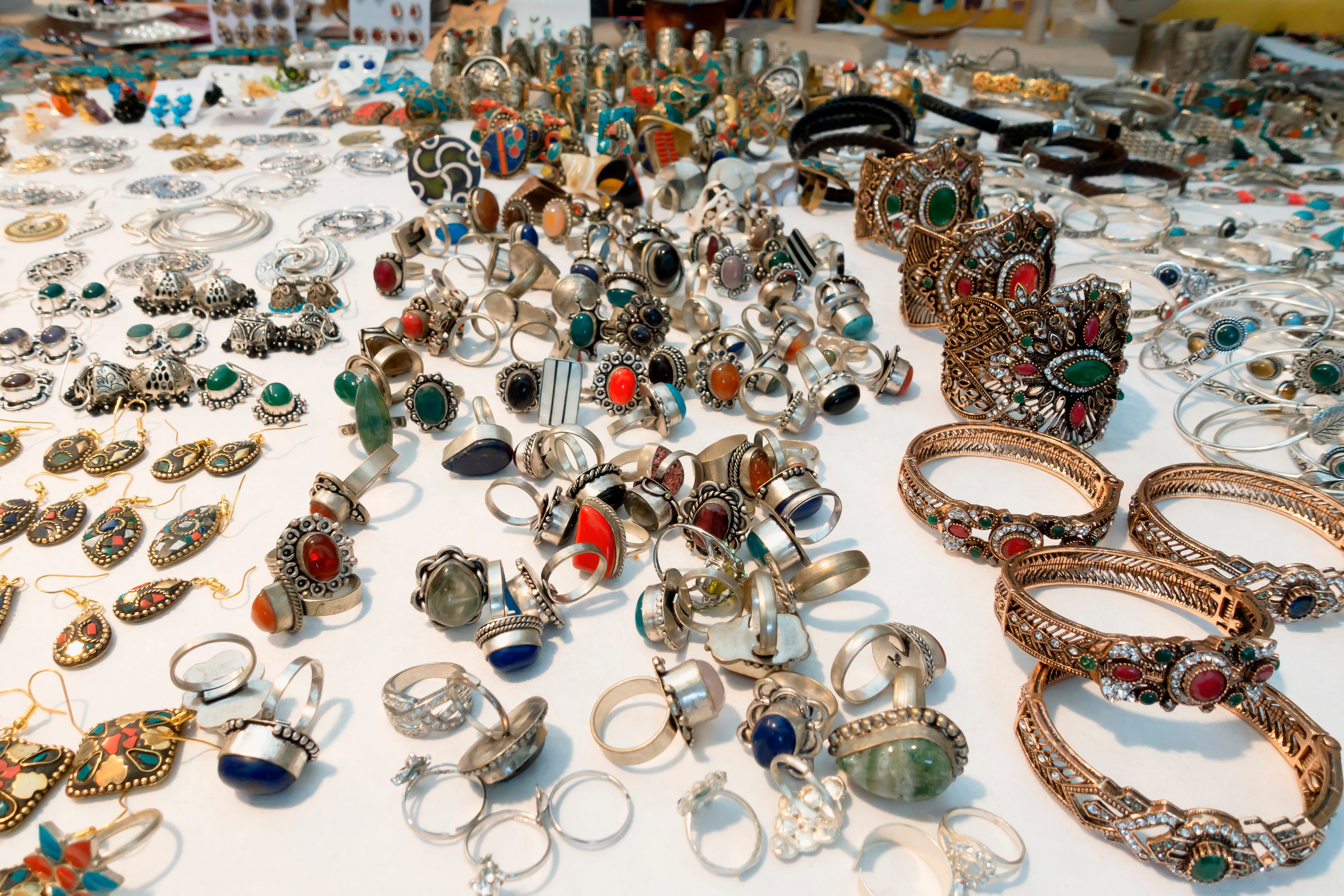
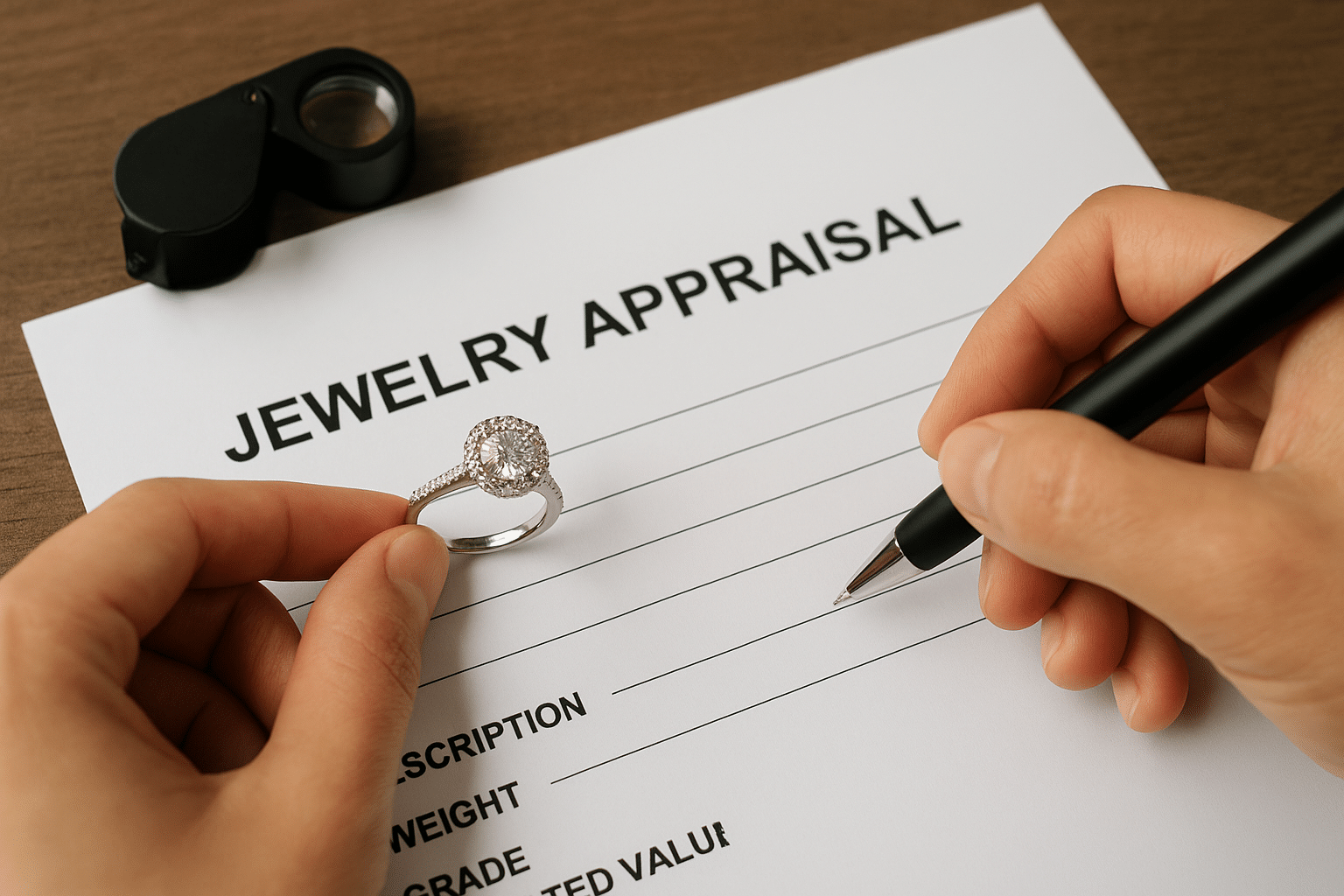
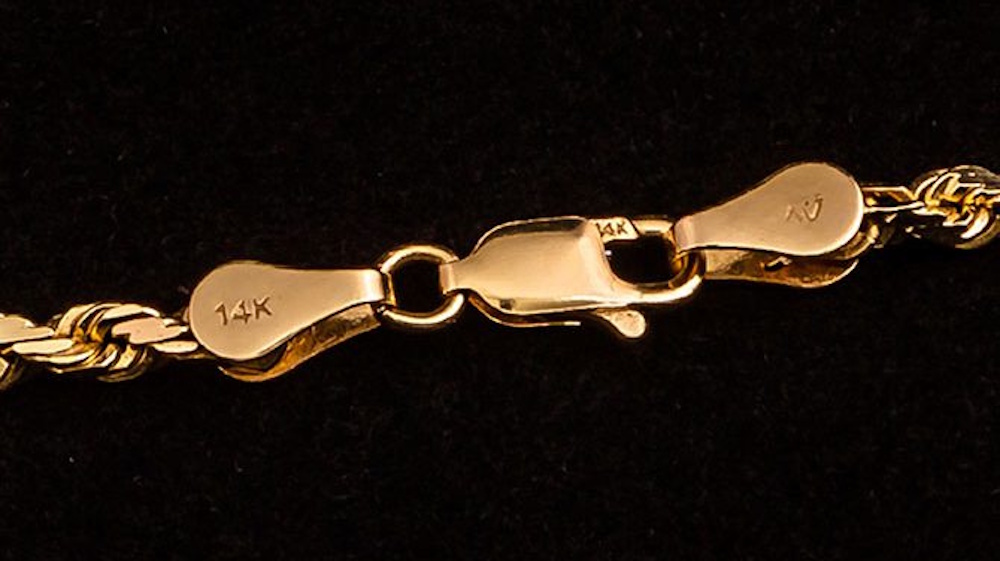
Tags
📧 Get More Articles Like This
Subscribe to receive product reviews and buying guides in your inbox!
We respect your privacy. Unsubscribe at any time.