Car Interior LED Lights: Transform your car into a wonderful experience
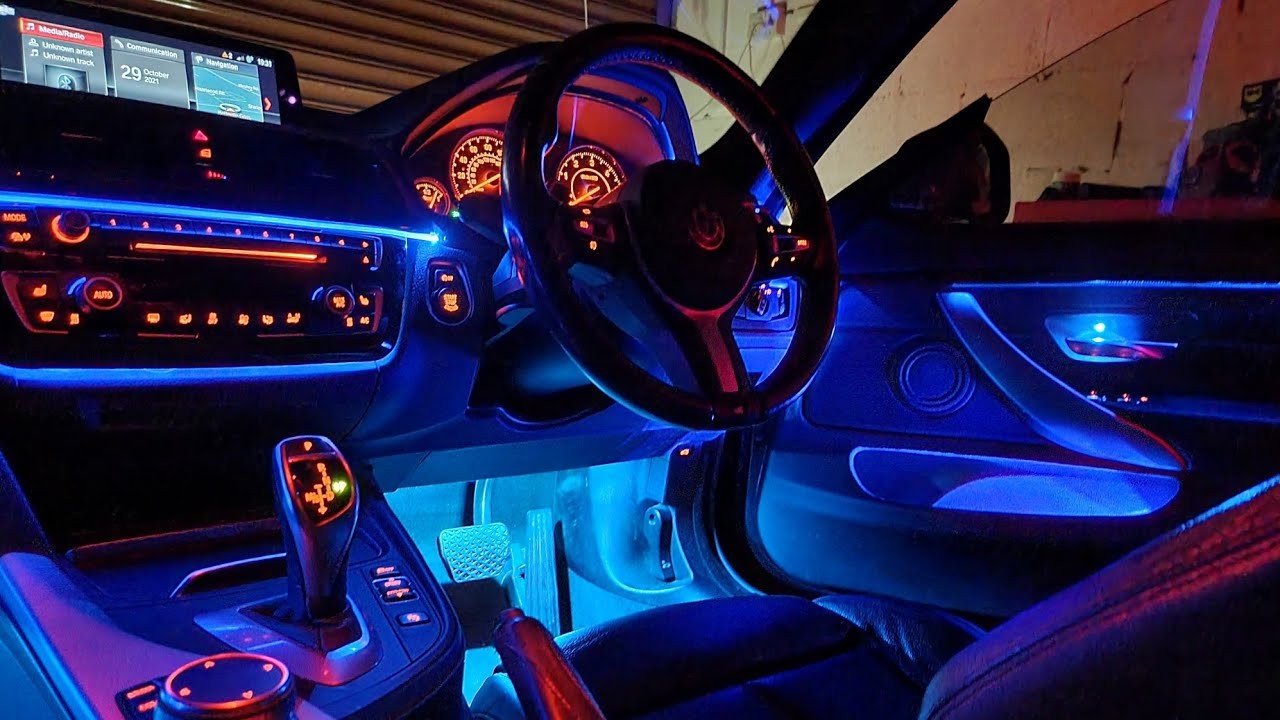
Table of Contents
- Introduction: The Night Everything Changed
- Understanding Modern Car Interior LED Technology
- Federal Regulations and Safety Standards for Interior Lighting
- Types of Interior LED Lighting Systems
- Installation Guide: From Basic to Advanced
- Smart LED Systems and App Integration
- Common Mistakes That Ruin LED Installations
- Conclusion: Your Luxury Transformation Awaits
Introduction: The Night Everything Changed
The dashboard clock read 2:47 AM when Sarah pulled into the hospital parking garage after a grueling 14-hour shift. Her hands trembled as she fumbled for her dropped phone in the darkness between the seats. The dome light had burned out weeks ago, and she’d been meaning to replace it. As she leaned awkwardly across the center console, her fingers brushing against old receipts and forgotten charging cables, something inside her snapped. “There has to be a better way,” she whispered to the empty car. That frustration led her down a rabbit hole of automotive lighting research that would completely transform not just her vehicle, but her entire driving experience.
Three weeks later, Sarah’s 2019 Honda Civic looked like something out of a luxury showroom. Soft blue ambient lighting illuminated the footwells, casting a gentle glow that made everything visible without being harsh. The door panels featured elegant white strips that activated when she opened the door, guiding her safely into the vehicle. The dashboard had subtle purple accents that made the interior feel like a premium European sedan. Total cost? Less than $150 for materials and two hours of her Saturday afternoon. Her coworkers couldn’t believe the transformation, and more importantly, she never fumbled in the dark again.
Before delving into the details of the article, watch this video which demonstrates the steps to transform your car’s interior with smart ambient lighting:
The automotive interior lighting revolution has exploded in 2026, driven by dramatic advances in LED technology, plummeting prices, and growing consumer awareness. What was once exclusive to vehicles costing $60,000 or more has become accessible to anyone with basic DIY skills and a modest budget. Modern LED systems offer features that didn’t exist even three years ago: voice-activated color changes, music synchronization that pulses lights with your favorite songs, smartphone apps that let you customize every detail, and automatic brightness adjustment based on ambient conditions. The transformation isn’t just aesthetic; proper interior lighting dramatically improves safety, reduces eye strain during night driving, and makes every journey feel more luxurious and intentional.
According to the Department of Energy’s latest research, LED technology has reached unprecedented efficiency levels, with modern automotive LEDs producing over 150 lumens per watt while consuming minimal power from your vehicle’s electrical system. The efficiency gains mean you can run a complete interior lighting system drawing less power than a single traditional dome light, with lifespans exceeding 50,000 hours of operation. For context, that’s equivalent to driving with your lights on for six continuous years. The technology has matured to the point where quality, reliability, and affordability align perfectly, creating the ideal moment for upgrading your vehicle’s interior lighting system.
The transformation in LED efficiency owes much to decades of research and development supported by federal agencies. The Department of Energy LED lighting program has driven dramatic improvements in semiconductor technology, establishing efficiency standards that pushed manufacturers toward innovations now benefiting automotive applications. These advances reduced energy consumption by over 75% compared to traditional incandescent technology while dramatically extending operational lifespans.
But here’s what most people don’t understand: not all LED systems are created equal, and the wrong choices can actually make your driving experience worse rather than better. Cheap systems from unknown manufacturers flicker at frequencies that cause headaches and eye strain, use adhesives that fail in summer heat causing strips to droop embarrassingly, and feature control systems so unintuitive you’ll give up trying to customize them. The color rendering can be so poor that it distorts how objects appear inside your vehicle, making it harder to find items rather than easier. Installation mistakes cause shorts, drain batteries, or create distracting reflections on windows that impair your visibility at night. Some configurations even violate federal and state lighting regulations, potentially resulting in citations or failed vehicle inspections. The difference between a transformative upgrade and an expensive mistake comes down to understanding what makes quality systems work and how to implement them correctly in your specific vehicle.
The market has responded to this growing demand with an overwhelming array of options. Walk into any automotive accessories store or browse online marketplaces, and you’ll find hundreds of LED lighting kits claiming to be the best. Some promise millions of colors, others tout smartphone integration, many boast about easy installation, and a few offer features that sound too good to be true because they are. How do you separate marketing hype from genuine capability? What features actually matter versus what’s just flashy advertising? Which installation methods provide reliability versus shortcuts that lead to failure? This comprehensive guide cuts through the confusion to give you everything you need to know about transforming your vehicle’s interior with LED lighting technology, backed by testing, real-world experience, and expert insights that will save you time, money, and frustration on your journey to a more luxurious driving experience.

Understanding Modern Car Interior LED Technology
The LED lights transforming car interiors in 2026 bear little resemblance to the crude, single-color strips sold just five years ago. Modern automotive LED technology has evolved through four distinct generations, each bringing significant improvements in brightness, color accuracy, control sophistication, and installation simplicity. Understanding these technological advances helps you make informed decisions when selecting systems for your vehicle, avoiding outdated technology sold at premium prices while identifying genuinely innovative features that enhance your experience. The current generation of LED systems incorporates semiconductor advances, smart connectivity, and refined manufacturing processes that weren’t economically feasible even three years ago.
First-generation car interior LED strips, popular from 2018 to 2021, used basic single-color LEDs with simple on/off switches or cigarette lighter plugs. These systems offered only one static color per strip, required separate strips for different colors, and featured rudimentary brightness control if any. The adhesive backing frequently failed in heat, causing strips to droop or fall completely. These primitive systems gave interior LED lighting a bad reputation among automotive enthusiasts, with many dismissing them as cheap gimmicks rather than legitimate upgrades. However, they demonstrated consumer demand for interior ambient lighting, paving the way for better solutions.
Second-generation systems emerged in 2022, introducing RGB (Red-Green-Blue) LEDs that could produce multiple colors from a single strip. These systems used infrared remote controls allowing users to select from preset colors and basic effects like fading or flashing. While more versatile than first-generation strips, they still suffered from poor color accuracy, limited brightness levels, and adhesives that failed under temperature stress. The remote controls required line-of-sight operation and were easily lost. Installation remained relatively crude, with wires often visible and connections prone to coming loose with vibration. The control boxes frequently overheated, causing failures within the first year of operation. Despite these limitations, second-generation systems proved that consumers wanted customizable interior lighting and would pay premium prices for better implementations.
Third-generation LED systems, launched in late 2023 and popular through 2024, brought significant improvements through smartphone app integration and better component quality. These systems replaced infrared remotes with Bluetooth connectivity, allowing control through dedicated mobile applications. The apps offered color wheels for precise selection, customizable presets, brightness dimming, and basic automation like automatic shutoff timers. The LED strips themselves improved dramatically, using higher-quality diodes with better color rendering and more reliable adhesives rated for automotive temperature ranges. Installation kits included better wire management solutions and more secure connection methods. However, these systems still lacked advanced features like music synchronization, voice control, or integration with vehicle systems, and many suffered from buggy apps that crashed or disconnected frequently.
Fourth-generation systems, representing the current state-of-the-art in 2026, incorporate artificial intelligence, advanced sensors, and seamless smart home integration. These systems feature music-reactive modes that analyze sound frequencies and pulse lights in perfect synchronization with your audio system, creating an immersive experience that feels like a concert venue inside your car. Voice control through Siri, Google Assistant, or Alexa allows hands-free operation without taking your eyes off the road. Ambient light sensors automatically adjust brightness based on exterior conditions, dimming during night driving and brightening in daylight. Some premium systems even include scene recognition that suggests lighting presets based on the time of day, number of occupants, or whether you’re parked or driving. The LEDs themselves now achieve color rendering indexes (CRI) above 90, meaning colors appear natural and true rather than washed out or distorted.
The technology behind these improvements centers on advances in LED chip design and manufacturing processes. Modern automotive LEDs use SMD (Surface-Mounted Device) designs rather than older through-hole components, allowing manufacturers to pack more diodes per linear foot while maintaining better heat dissipation. The individual LED packages have evolved from basic three-chip RGB designs to five-chip RGBW (adding white) and six-chip RGBWW (adding warm white) configurations that produce more natural and versatile colors. The addition of dedicated white channels eliminates the blue-tinged white that plagued earlier RGB systems, while warm white options create cozy atmospheres impossible with standard RGB mixing. Premium systems now use individually addressable LEDs, meaning each diode can display different colors and brightness levels, enabling flowing rainbow effects and sophisticated animations that were previously impossible.
Controller technology has progressed even more dramatically than the LEDs themselves. Early systems used simple analog dimmers and mechanical switches that offered minimal control. Modern controllers incorporate 32-bit microprocessors running sophisticated firmware that manages complex lighting algorithms, wireless communications, and power management. These smart controllers monitor voltage levels to prevent operation that could drain your battery, automatically shut off after preset periods, and even detect when your vehicle starts to adjust lighting appropriately. The wireless radios have improved from basic Bluetooth 4.0 connections that frequently dropped to Bluetooth 5.2 with ranges exceeding 150 feet and rock-solid reliability. Some premium systems include both Bluetooth and WiFi connectivity, with WiFi enabling integration with home automation systems so your garage lights and car interior lights coordinate when you arrive home.
Power management represents another critical advancement in modern LED systems. Early installations frequently caused battery drain because they lacked proper voltage regulation and monitoring. Current systems include sophisticated circuits that monitor battery voltage and automatically shut off if levels drop below safe thresholds. They incorporate current limiting to prevent overloading vehicle electrical systems and thermal management to prevent overheating in enclosed installation locations. Premium systems even include capacitors that smooth power delivery, eliminating flicker that can cause eye strain and headaches. The power draw has dropped dramatically; a complete interior lighting system now typically consumes 12-24 watts total, compared to 40-60 watts for older systems, while producing significantly more light output due to improved LED efficiency.
Installation technology has evolved to make proper implementation accessible to average vehicle owners rather than requiring professional installers. Modern systems include quick-disconnect connectors that plug together without soldering or crimping, adhesive-backed strips with automotive-grade 3M VHB (Very High Bond) tape that withstands temperature extremes and vibration, and color-coded wiring that eliminates confusion during installation. Many systems now feature modular designs where you can add or remove sections easily, allowing you to start with basic footwell lighting and expand to full interior coverage over time. The controller units have shrunk from bulky boxes that were difficult to hide to compact modules barely larger than a credit card that tuck invisibly behind dashboards or under seats. Wire management accessories like adhesive cable clips, split loom tubing, and routing channels help create professional-appearing installations even for first-time DIY enthusiasts.

LED Strip Specifications and Quality Indicators
Understanding LED strip specifications helps you differentiate quality products from cheap imitations being dumped on the market. The most important specification is LED density, measured in LEDs per meter or foot. Basic strips use 30 LEDs per meter, creating visible hotspots and uneven lighting. Mid-grade strips pack 60 LEDs per meter, providing smoother illumination suitable for most interior applications. Premium strips feature 120 or even 144 LEDs per meter, creating perfectly uniform glow with no visible individual diodes, ideal for installations near reflective surfaces where hotspotting would be obvious. Higher density costs more but dramatically improves perceived quality and luxury feel of the installation.
Color rendering index (CRI) measures how accurately colors appear under LED illumination compared to natural sunlight. Basic LEDs have CRI values around 70-75, causing colors to appear washed out and unnatural. Mid-grade automotive LEDs reach CRI 80-85, adequate for most applications. Premium LEDs achieve CRI 90-95, making colors appear vivid and true. This matters more than most people realize; poor CRI makes it difficult to distinguish similar colors in dim light, affects how your interior materials look, and can cause subtle eye strain as your brain works harder to process distorted color information. For installations where you want to showcase leather, wood trim, or custom interior details, high CRI is worth the premium cost.
LED binning and quality control separate professional-grade products from consumer-grade trash. Manufacturing LEDs involves semiconductor processes where slight variations create diodes with different brightness and color characteristics. Reputable manufacturers “bin” LEDs, grouping those with similar characteristics together so entire strips have consistent appearance. Cheap manufacturers skip binning, mixing random LEDs that create strips with visible color variations and brightness differences. You’ll notice this as sections that appear slightly different from others, or white light that looks blue in some areas and yellow in others. Quality manufacturers specify bin codes on their products; lack of any binning information is a red flag indicating poor quality control.
Government efficiency standards continue evolving to encourage adoption of superior LED technology across all applications. Recent DOE lighting efficiency standards implemented in 2024 raised minimum requirements to 120 lumens per watt for general service lamps, phasing out inefficient alternatives and accelerating the transition to LED technology. These efficiency mandates drive manufacturing improvements that benefit automotive applications through better components and lower prices.
Federal Regulations and Safety Standards for Interior Lighting
The legal landscape surrounding automotive interior lighting is more nuanced than most people understand, with federal regulations primarily focused on exterior lighting while giving states authority over interior modifications. Understanding these regulations prevents costly citations, failed inspections, and potential liability issues if lighting modifications distract you or other drivers. The National Highway Traffic Safety Administration (NHTSA) enforces Federal Motor Vehicle Safety Standard 108 (FMVSS 108), which governs lighting equipment on motor vehicles, though interior lighting receives less regulatory attention than exterior lights.
FMVSS 108 primarily regulates lamps visible from outside the vehicle, including headlights, taillights, turn signals, and side markers. Interior lighting falls into a gray area where federal regulations are less specific, giving states authority to establish their own rules. The federal standard does specify that any lighting equipment, including interior lights, cannot “impair the effectiveness of lighting equipment required by this standard.” This means interior LED lights must not create glare on windows that reduces visibility, shine through windows in ways that confuse other drivers about your vehicle’s position or intentions, or interfere with legally required exterior lighting functions. Violations of FMVSS 108 can result in federal penalties, vehicle recalls, or legal liability in accidents where lighting played a role.
The Department of Energy’s efficiency standards and lighting regulations primarily focus on general illumination and energy consumption rather than automotive applications. However, their research on LED technology, safety considerations, and best practices influences how automotive manufacturers and aftermarket suppliers design lighting products. Understanding that LEDs operate at dramatically different efficiency levels than traditional incandescent bulbs helps explain why modern systems can produce more light while consuming less power and generating minimal heat. The DOE’s work on color rendering, flicker, and human factors in lighting design directly applies to creating pleasant interior automotive environments.
State regulations regarding interior vehicle lighting vary significantly across jurisdictions. Some states explicitly prohibit interior lights visible from outside while the vehicle is in motion. Others allow interior lighting but restrict specific colors, with red and blue almost universally prohibited because they’re reserved for emergency vehicles. Some states permit white, amber, or other colors but regulate brightness levels visible through windows. A few states have no specific regulations about interior lighting, leaving enforcement to officer discretion based on whether lights create safety hazards or distract drivers. Before installing interior LEDs, research your specific state’s vehicle code or consult local law enforcement about current enforcement practices.
California’s vehicle code, often referenced as a model by other states, prohibits any interior lights that emit red color visible from the front of the vehicle or that flash, rotate, or oscillate. Colorado allows interior lighting as long as it doesn’t impair the driver’s vision or distract other motorists. Texas regulations focus on preventing lights that simulate emergency vehicles, prohibiting red, white, and blue lights visible at certain angles. Florida’s statutes are surprisingly permissive about interior lighting but give officers broad authority to cite drivers for anything they deem a safety hazard. New York prohibits interior lights that can be seen from outside and flash or rotate. These examples illustrate the variation across states; what’s legal in one jurisdiction may result in citations in another.
Professional standards organizations complement government regulations by establishing industry best practices for automotive lighting technology. The SAE automotive lighting standards developed by the Society of Automotive Engineers provide technical specifications that manufacturers reference when designing products, covering everything from LED testing procedures to performance requirements for different lighting applications. These voluntary standards often influence regulatory requirements and help ensure product quality across the industry.
Enforcement of interior lighting regulations varies dramatically by location and officer discretion. Some police departments have explicit policies against citing for interior lighting unless it clearly creates safety hazards, while others enforce regulations strictly. Officers often exercise discretion based on whether lighting appears professionally installed or looks like cheap aftermarket modifications, whether it’s used reasonably or set to bright, distracting configurations, and the driver’s attitude during the stop. Many citations for interior lighting occur secondarily during stops for other violations, with lighting added to the ticket list. Professional-appearing installations using appropriate colors and brightness levels rarely result in citations, while cheap systems with garish colors and excessive brightness attract unwanted attention.
The key to legal compliance is understanding the intent behind regulations: preventing lights that distract drivers, confuse other motorists, or impair visibility. Choose colors carefully, avoiding red and blue entirely and being cautious with bright whites that might simulate law enforcement vehicles. Install lights in locations where they illuminate the interior effectively without creating bright spots visible through windows at eye level. Use brightness levels sufficient for ambient lighting without being glaring. Avoid flashing, strobing, or rapidly changing color modes while driving. Configure systems to dim automatically at night and turn off with your ignition. These common-sense practices keep you legal in virtually all jurisdictions while maximizing the benefits of interior LED lighting.
Understanding how lighting affects human perception and safety requires examining research from technical organizations that study visual performance. Work by institutions following IEEE LED lighting standards has established critical parameters for flicker rates, color rendering, and brightness levels that prevent eye strain and maintain safe operating conditions. This research directly informs recommendations for automotive interior lighting configurations that enhance rather than impair driver performance.
Documentation matters for legal protection and proving compliance. Keep receipts showing purchase from legitimate automotive lighting suppliers rather than general electronics vendors. Maintain records of professional installation if you used installers. Photograph your installation showing proper placement, wire routing, and integration with vehicle systems. Keep copies of specifications demonstrating your lights meet automotive standards for color temperature, brightness, and electrical characteristics. If cited, this documentation helps demonstrate you made good-faith efforts to comply with regulations and installed quality products properly. Courts are more sympathetic to enthusiasts who invested in proper equipment and professional installation than those using cheap imports installed carelessly.
SAE Standards and Industry Best Practices
The Society of Automotive Engineers (SAE) develops technical standards that guide automotive lighting design, though their focus historically centered on exterior lighting and safety equipment. SAE J2938 provides testing standards for LED light sources, while J2650 addresses LED forward illumination devices like headlamps. While these standards don’t directly govern interior ambient lighting, they establish industry best practices regarding flicker rates, color consistency, thermal management, and electrical safety that responsible interior lighting manufacturers incorporate into their designs.
Industry best practices for interior LED installations emphasize proper wire gauge to prevent voltage drops and heating, secure mounting that won’t create hazards during accidents, routing that avoids hot exhaust components or moving parts, and integration methods that allow future maintenance without destructive disassembly. Professional installers follow guidelines preventing EMI (electromagnetic interference) with vehicle electronics, ensuring systems shut off properly with ignition to prevent battery drain, and using appropriate fusing to protect against electrical faults. Amateur installations that ignore these practices create safety hazards, damage vehicles, and give interior LED lighting a bad reputation among automotive professionals.
Technical specifications from industry testing organizations help distinguish professional-grade products from consumer electronics adapted for automotive use. Standards like SAE LED testing procedures establish rigorous validation protocols ensuring automotive LED components withstand vibration, temperature extremes, and electrical system fluctuations that would destroy standard consumer LEDs. Products meeting these specifications demonstrate manufacturer commitment to reliability rather than simply achieving lowest possible prices.

Types of Interior LED Lighting Systems Available in 2026
The marketplace offers six distinct categories of interior LED lighting systems, each designed for different needs, budgets, and technical capabilities. Understanding the differences helps you select systems matching your priorities, whether you value simplicity, advanced features, professional appearance, or maximum customization. Prices have dropped significantly as technology matured and competition intensified, but the old wisdom “you get what you pay for” remains relevant; understanding where manufacturers cut costs reveals which budget options represent good value versus which are simply cheap in every sense.
Basic Single-Color Strip Systems
The entry-level category consists of simple single-color LED strips with on/off switches or cigarette lighter plugs. These systems typically cost $25-40 for a basic kit covering footwells and come in fixed colors like white, red, blue, or amber. The LEDs are standard surface-mount designs with moderate brightness around 300-400 lumens per meter. Installation requires no electrical knowledge; you peel adhesive backing, stick strips in desired locations, and plug into power. These systems work for consumers wanting subtle ambient lighting without complexity or those testing whether interior lighting appeals to them before investing in advanced systems.
Advantages include rock-bottom prices, zero-complexity installation, minimal power consumption around 5-10 watts total, and no apps or controllers to malfunction. Disadvantages include inability to change colors, basic on/off control with no dimming, cheaper adhesives that may fail in heat, and simple wiring that may not include proper fusing. Quality varies dramatically between brands; premium manufacturers like Philips and Osram offer single-color strips with excellent reliability, while no-name imports fail quickly. If choosing this category, stick with established lighting brands even though they cost twice as much as generic alternatives; the reliability difference justifies the premium for lights you’ll use daily.
RGB Remote-Controlled Systems
RGB systems using infrared remote controls represent the entry point for customizable multi-color interior lighting, typically priced $45-85 for complete installations. These systems include strips with red, green, and blue LEDs that combine to produce various colors, control boxes managing power and color mixing, and handheld remotes offering preset colors, brightness levels, and basic effects like fading or strobing. The remotes typically feature 20-40 color buttons plus controls for brightness, speed, and mode selection. Installation complexity remains low, though some systems require wire splicing if extending strip lengths.
Advantages include significantly more versatility than single-color systems, better value than early RGB systems that cost twice as much three years ago, included mounting hardware and cable management accessories, and ability to change ambiance for different occasions. Disadvantages include remote controls requiring line-of-sight operation, remotes that get lost easily, inability to save custom colors or create advanced effects, and no smartphone integration or voice control. The infrared remotes can’t penetrate the dashboard or console areas where control boxes hide, forcing you to aim through gaps or move the remote around trying to establish connection. This category suits budget-conscious buyers wanting color choices without smartphone connectivity.
Emerging research into automotive lighting continues pushing boundaries beyond current consumer products. Studies examining vehicle LED lighting technology explore how advanced features like adaptive brightness control and health-optimized color temperatures could further improve driver comfort and safety. These innovations, currently appearing in high-end luxury vehicles, gradually filter down to aftermarket accessories as manufacturing costs decline and technology matures.
Smartphone App-Controlled Systems
The mid-range category features LED systems with Bluetooth connectivity and dedicated smartphone apps, priced $85-150 for comprehensive installations. These systems replaced infrared remotes with wireless modules connecting to iOS and Android applications, offering dramatically more control and customization. Apps provide color wheels for selecting millions of specific hues, customizable presets storing favorite configurations, brightness sliders with precise adjustment, effect modes creating dynamic lighting patterns, and timers for automatic control. Some include group controls managing multiple zones independently and scene creation combining different settings into one-touch configurations.
Advantages include vastly superior control compared to infrared remotes, ability to adjust lighting without line-of-sight restrictions, presets remembering your favorite configurations, timer functions preventing battery drain, and regular app updates adding new features. Disadvantages include occasional Bluetooth connectivity issues, apps varying dramatically in quality between manufacturers, battery requirements for maintaining connections, and dependence on smartphones for operation with no manual backup. Premium brands like Govee and Philips Hue offer robust apps with intuitive interfaces, while cheap systems suffer from buggy software that crashes or has confusing layouts. If choosing this category, research app reviews specifically; excellent hardware with terrible software creates frustrating experiences.
Premium Smart LED Systems with Advanced Features
High-end systems priced $150-300 represent the pinnacle of interior automotive lighting technology in 2026. These systems include all features of app-controlled systems plus music synchronization that analyzes audio frequencies and pulses lights accordingly, voice control through Alexa, Google Assistant, or Siri, integration with smart home platforms like HomeKit or SmartThings, ambient light sensors adjusting brightness automatically, and AI-powered scene recommendations based on context. The LED strips themselves typically feature higher density (120-144 LEDs per meter), better color rendering (CRI 90+), and individually addressable diodes enabling flowing effects. Installation kits include premium components with better adhesives, more secure connectors, and professional wire management accessories.
Advantages include the most sophisticated control available, immersive experiences impossible with basic systems, hands-free operation for safety, seamless integration with broader automation ecosystems, and best-in-class reliability from premium manufacturers. Disadvantages include significantly higher costs, more complex installation requiring greater care, reliance on stable WiFi/Bluetooth connections, and feature sets that may exceed what many users actually need or use. These systems justify their premium for enthusiasts who view their vehicles as extensions of their digital lifestyle, want maximum customization and automation, and appreciate cutting-edge technology. For average users wanting good ambient lighting, mid-range systems often provide better value.
Shop on AliExpress via link: wholesale-car-interior-led-lights
Professional Hardwired Installations
Some consumers choose professional installation services offering hardwired systems integrated directly with vehicle electrical systems, priced $300-800 including labor. Professional installers tap into circuits providing power only when ignition is on, preventing battery drain concerns. They route wires invisibly through door channels, under carpets, and behind trim panels, creating factory-appearance installations. Hardwired systems often integrate with existing switches or add custom controls mounted professionally in blank panels. These installations typically include comprehensive warranties covering both equipment and labor.
Federal lighting regulations overseen by the National Highway Traffic Safety Administration provide comprehensive frameworks governing automotive illumination to ensure consistent safety standards across all vehicles. Understanding these NHTSA requirements helps vehicle owners make informed decisions about modifications while maintaining legal compliance and avoiding potential citations during routine traffic stops or vehicle inspections.
Advantages include professional-quality results impossible for DIY enthusiasts, proper electrical integration preventing safety issues, invisible wire routing creating clean appearance, and warranties providing peace of mind. Disadvantages include much higher costs compared to DIY installations, inability to easily relocate or remove if preferences change, potential warranty complications with vehicle manufacturers, and finding qualified installers familiar with your specific vehicle model. Professional installation makes sense for luxury vehicles where appearance matters most, owners uncomfortable with electrical work, or permanent installations in vehicles kept long-term. For vehicles likely to be traded in a few years, removable systems offer better flexibility.
Custom Component Systems for Enthusiasts
A small but growing market exists for custom component systems where experienced enthusiasts select individual LED strips, controllers, power supplies, and accessories to create bespoke installations tailored precisely to their needs. These systems source LEDs from professional lighting suppliers rather than automotive-specific vendors, use commercial-grade controllers running open-source firmware like WLED, and integrate with home automation platforms. Pricing varies wildly from $100 to $1000+ depending on components selected.
Advantages include maximum flexibility and customization, ability to create unique effects impossible with consumer products, superior component quality from professional suppliers, and lower costs for those comfortable sourcing components separately. Disadvantages include requiring significant technical knowledge about LEDs, electrical systems, and programming, no support or warranties from integrated manufacturers, complex installations demanding careful planning, and results varying from spectacular to disastrous depending on builder competence. This approach suits hobbyists who enjoy tinkering, have electronics knowledge, and want ultimate control over every aspect of their lighting systems.

Installation Guide: From Basic to Advanced Techniques
Proper installation separates impressive transformations from frustrating failures. The process involves planning, preparation, execution, and testing phases that ensure reliable operation, professional appearance, and safe electrical integration. Even basic installations benefit from understanding best practices developed by professional installers over years of real-world experience. This comprehensive guide walks through every step from initial planning to final testing, with techniques applicable to any system from basic strips to complex smart installations.
Planning Phase: Measure, Map, and Visualize
Successful installations begin with thorough planning before purchasing any components. Sit in your vehicle and identify all locations where lighting would enhance appearance or functionality. Common zones include front footwells for driver and passenger, rear footwells for back-seat occupants, under-dash areas illuminating the center console, under seats creating floor glow, along door sills highlighting entry points, in the trunk for cargo visibility, and under the steering column for instrument cluster ambiance. Map these locations noting measurements for LED strip lengths needed in each area. Account for routing paths wires must travel from control boxes to each lighting zone, adding 20-30% extra length for routing flexibility and avoiding taut wires that might break.
Consider power source locations and controller placement carefully. The cigarette lighter/12V power outlet offers easiest power access but limits controller placement to nearby areas. Fuse panel taps provide cleaner power integration but require locating appropriate circuits and basic electrical knowledge. Battery connections offer maximum power availability but demand proper fusing and routing through firewalls. Controller boxes need placement where they remain hidden yet accessible for occasional adjustments, with adequate ventilation preventing overheating. Common locations include under seats, behind kick panels, or inside center console storage areas. Avoid locations near hot engine components, moving pedals, or areas that fill with water in rain.
Gather necessary tools before beginning installation: wire strippers for preparing connections, electrical tape for securing splices, zip ties for cable management, plastic trim removal tools preventing damage while accessing panels, isopropyl alcohol for cleaning surfaces before applying adhesive strips, multimeter for testing circuits and voltages, headlamp or work light illuminating cramped spaces, and optional heat gun for activating adhesive under strip backing. Professional installers also use wire loom split tubing for protecting wires, adhesive-backed cable clips for routing along hidden paths, and crimp connectors for more reliable connections than twist-and-tape splices. Investing $30-50 in quality installation tools dramatically improves results and makes the process less frustrating.
Surface Preparation: The Foundation of Reliability
The single most important factor determining whether LED strips stay attached long-term is proper surface preparation before applying adhesive backing. Factory interiors have protective coatings, dust accumulation, oils from skin contact, and residues from cleaners that prevent adhesive from bonding effectively. Professional installers spend significantly more time preparing surfaces than consumers expect, understanding that rushing this step leads to strips falling down within weeks.
Begin by thoroughly cleaning all installation surfaces with isopropyl alcohol (90%+ concentration preferred) and lint-free cloths. Scrub surfaces rather than just wiping, removing all contaminants. Allow surfaces to dry completely; even slight moisture causes adhesive failure. For textured surfaces like dashboard plastics, light sanding with fine-grit sandpaper (320-400 grit) creates smoother contact patches improving adhesion, though this permanently alters the surface and should be limited to areas that will be covered. Some professional installers use adhesion promoters, chemical treatments that enhance bonding on difficult plastics, available from automotive paint suppliers.
Test fit LED strips without removing adhesive backing, confirming planned locations work and strips reach intended positions without stretching. Mark starting points with small pieces of tape so you know exactly where strips should begin when you’re ready for final installation. Consider heat management; LED strips generate modest warmth, and placing them directly against fabrics or soft plastics can cause discoloration over time. Maintain small air gaps where possible, or apply strips to harder surfaces that tolerate heat better.
Basic Installation Technique for Plug-and-Play Systems
For systems using cigarette lighter power connections, installation is straightforward but still benefits from attention to detail. Route the power wire from the 12V outlet to where you plan mounting the controller, securing it along existing wire bundles or under carpet edges. Use zip ties or adhesive cable clips every 12-18 inches preventing wires from hanging loose where they might catch on feet or moving seats. The controller typically mounts under the driver seat or in center console storage using included double-sided tape or velcro strips. Ensure adequate ventilation around the controller; enclosed spaces with no airflow cause overheating failures in hot weather.
Remove short sections of adhesive backing on LED strips at a time, pressing firmly as you apply strips to prepared surfaces. Work slowly, avoiding stretching or tension that might cause strips to pull loose later. Pay special attention to corners; LED strips bend but don’t like sharp angles. For tight curves, consider cutting strips at designated cut points and using corner connectors rather than forcing strips around bends that stress adhesive connections. Press firmly along entire strip length for 30-60 seconds, activating the adhesive. Some installers use hair dryers on low heat setting to warm adhesive slightly, improving initial bonding, though excessive heat damages LED diodes.
Connect LED strip extensions to the controller using included plugs, following color-coding or installation diagrams provided. Most systems use consistent wiring conventions: red for positive, black for negative, with additional wires for data signals if using addressable LEDs. Check connections are fully seated; partial connections cause flickering or intermittent operation. Once all strips connect, plug the system into power and test all zones and colors before completing final wire routing and securing loose cables.
Advanced Hardwired Installation Techniques
Hardwired installations provide cleaner power integration and automatic operation tied to your vehicle’s ignition but require greater technical knowledge and careful execution. The process involves identifying appropriate power sources, running wires invisibly through the vehicle structure, and making secure electrical connections. This level of installation isn’t for beginners; mistakes can damage vehicle electrical systems, cause fires, or create shorts that blow expensive components.
Locate an appropriate power source that provides voltage only when ignition is on, preventing battery drain when the vehicle sits. Fuse panels typically include constant power circuits (always live), accessory circuits (on in ACC and RUN positions), and ignition circuits (on only in RUN position). Accessory circuits work best for interior lighting, allowing control before starting the engine. Use an automotive test light or multimeter to identify circuits matching desired behavior. Consult vehicle-specific wiring diagrams or online forums for your make and model; other owners often document good power sources saving trial-and-error testing.
Install proper fusing protecting LED circuits from shorts or overloads. Most interior LED systems need 3-5 amp fuses, though verify based on your specific system’s power draw. Professional inline fuse holders connect between the power source and LED controller, providing protection without modifying vehicle fuse panels. Position fuses close to power sources, within 18 inches ideally, so wiring between power source and fuse is short and protected by upstream vehicle fuses. Never connect aftermarket accessories without appropriate fusing; it’s asking for electrical fires or damaged vehicle systems.
Route power wires invisibly through vehicle structure using existing wire paths. Door channels, under carpet edges, behind kick panels, and through dashboard cavities provide concealed routing paths. Professional installers use fish tape or coat hanger wire to pull wires through difficult passages. Protect wires from sharp metal edges with grommets or edge guards preventing insulation abrasion that causes shorts. Avoid routing near hot engine components, moving pedals, or seat tracks that could pinch wires. Secure wires every 12 inches preventing rattles and maintaining separation from existing vehicle wiring that might cause interference.
Testing and Troubleshooting After Installation
After completing installation, systematic testing confirms everything works correctly before reassembling trim panels and securing wires permanently. Start with basic power-on testing: turn ignition to accessory position and verify the controller receives power. Check all LED zones illuminate in white at full brightness, confirming all strips connect properly. Test each color and effect mode, watching for zones that don’t respond or respond incorrectly. Dim lighting to lowest settings checking for flickering or uneven brightness suggesting voltage issues or poor connections.
Verify automatic features function correctly: timers shut off at programmed intervals, music sync modes respond to audio, voice commands control settings if supported, and smartphone apps maintain stable connections throughout the vehicle. Test while actually driving; vibration sometimes reveals connection issues not apparent while stationary. Listen for buzzing or humming suggesting electrical interference. Check connections warm slightly but don’t become hot; excessive heat indicates problems requiring investigation before failure occurs.
Common installation problems include strips falling due to inadequate surface preparation or cheap adhesives, flickering from loose connections or underpowered wiring, zones not responding because of faulty connectors or damaged strips, colors appearing wrong due to incorrect wiring polarity, and battery drain from systems not shutting off properly. Most issues resolve by carefully rechecking connections, improving surface preparation, and verifying correct wiring. Persistent problems after double-checking connections suggest faulty components requiring replacement.
Shop on AliExpress via link: wholesale-led-strip-lights-car

Smart LED Systems and App Integration: The Future of Interior Lighting
The transformation from basic LED strips to intelligent lighting systems represents one of the most dramatic advances in automotive accessories. Modern smart LED systems function as components of broader connected ecosystems, coordinating with smartphones, smart home devices, and even vehicle computer systems. Understanding these advanced capabilities helps you maximize value from premium systems or decide whether their features justify higher prices compared to basic alternatives. The technology has matured to where reliability and ease-of-use no longer pose obstacles, making smart features accessible to mainstream users rather than just technical enthusiasts.
Smartphone Apps: Control Interfaces That Make or Break User Experience
The smartphone application represents the primary interface for controlling smart LED systems, yet app quality varies dramatically between manufacturers. Premium apps feature intuitive interfaces that guide new users through setup and basic operations, color wheels providing precise color selection across millions of hues, preset galleries storing favorite configurations with one-touch recall, scene builders creating complex multi-zone lighting combinations, and scheduling functions automating lighting changes throughout the day. Advanced apps include effect editors for customizing animations, grouping controls managing multiple zones independently, and detailed settings adjusting sensitivity, speed, and transitions.
Poor-quality apps plague budget smart LED systems, creating frustration that overshadows any hardware advantages. Common problems include unintuitive layouts requiring trial-and-error to discover functions, frequent crashes or disconnections interrupting control, limited preset storage forcing recreation of favorite configurations repeatedly, slow response times creating lag between commands and lighting changes, and lack of updates leaving apps incompatible with newer phone operating systems. Before purchasing smart LED systems, research app reviews specifically; manufacturer websites emphasize hardware features while downplaying software shortcomings that ultimately determine daily user satisfaction.
The best apps in 2026 incorporate artificial intelligence suggesting lighting configurations based on context like time of day, detected music genre, or number of occupants sensed through connected devices. Machine learning adapts to your preferences over time, noting which colors and brightness levels you prefer in different situations and proactively offering those settings. Voice control integration allows hands-free operation through commands like “set interior lights to blue” or “dim cabin lighting to 30%.” Some systems even respond to natural language requests like “make the car feel relaxing” rather than requiring specific technical commands. These AI features remain optional; users preferring manual control can disable automation while retaining access when desired.
The evolution toward intelligent vehicle accessories extends beyond lighting into comprehensive ecosystems where multiple systems coordinate automatically. Modern smart car gadgets using AI now anticipate driver needs by analyzing patterns, weather conditions, and usage history to proactively adjust settings before you consciously recognize requirements. These advances represent the future direction of automotive customization where vehicles adapt to individual preferences rather than requiring constant manual adjustments.
Music Synchronization: Creating Immersive Experiences
Music-reactive LED systems analyze audio signals from your vehicle’s sound system, translating frequencies into lighting effects that pulse, flash, or change colors in synchronization with music. Basic implementations use simple volume-level detection, brightening lights with loud passages and dimming during quiet sections. Advanced systems perform frequency analysis, assigning bass tones to one color that pulses with kick drums, midrange frequencies to another color responding to vocals and guitars, and treble to a third color flashing with cymbals and high-hat patterns. The effect creates concert-like atmospheres transforming ordinary drives into memorable experiences.
Implementation quality separates impressive synchronization from gimmicky flashiness. Premium systems include sensitivity adjustments allowing you to dial in responsiveness matching your music preferences and sound system capabilities. Overly sensitive settings cause constant flashing that becomes distracting and annoying, while insufficient sensitivity produces minimal effects barely noticeable. The best systems include preset modes optimized for different music genres: electronic dance music with aggressive bass pulsing, rock with emphasis on drum patterns, jazz with subtle color shifts, and classical with gentle fading matching orchestral dynamics.
Microphone placement and audio input methods affect synchronization quality significantly. Systems using external microphones placed in the cabin pick up all sounds including road noise, conversation, and air conditioning, causing unintended light responses to non-music audio. Better systems tap directly into vehicle audio system outputs, receiving pure music signals without environmental contamination. Some premium installations integrate with vehicle audio systems at the head unit level, accessing digital audio streams before amplification for the cleanest possible sync signals. This requires additional installation complexity but produces dramatically better results for serious music enthusiasts.
Voice Control Integration: Hands-Free Operation for Safety
Voice control has evolved from novelty to genuinely useful functionality allowing safe operation while driving without taking hands off the wheel or eyes off the road. Modern smart LED systems integrate with major voice assistants: Amazon Alexa allows commands through Echo devices or Alexa Auto, Google Assistant responds through Android phones or Google Home, and Siri controls systems from iPhones or CarPlay interfaces. The integration quality determines whether voice control works reliably or frustrates with frequent misunderstandings and failed commands.
Effective voice control requires specific command phrases the system recognizes consistently. Premium systems include extensive command libraries: “turn on interior lights,” “set cabin color to purple,” “dim dashboard lighting,” “activate music sync mode,” “turn off all zones except footwells,” and custom commands you define for favorite configurations. Natural language processing in 2026 allows conversational phrasing rather than rigid syntax; saying “make it brighter in here” works as well as “increase interior lighting brightness to 80%.” The systems learn your voice patterns over time, improving recognition accuracy with repeated use.
Voice control particularly benefits drivers who frequently adjust lighting, want quick ambiance changes without fumbling with phones, or have passengers who might adjust lighting incorrectly if given manual control. However, voice control depends on stable network connections if using cloud-based assistants and quiet enough cabins for microphones to detect commands clearly. Noisy highway driving with windows down sometimes prevents reliable voice recognition. The best implementations include both voice and manual app control, letting you choose appropriate methods for different situations rather than forcing reliance on one approach.
Smart Home Integration: Coordinated Automation Ecosystems
The most advanced smart LED systems integrate with home automation platforms like Apple HomeKit, Google Home, Samsung SmartThings, or Home Assistant, enabling coordinated scenarios involving both vehicle and home devices. Example automations include garage door opening automatically triggering interior car lights, home security system arming causing car lights to flash confirming lock status, or morning routines that turn on car lights when you brew coffee signaling the vehicle is ready. These integrations appeal to smart home enthusiasts who view vehicles as extensions of connected living environments rather than separate entities.
Implementation requires systems supporting compatible protocols: HomeKit needs certified devices and secure pairing, Google Home uses Google Assistant integration and OAuth authentication, SmartThings relies on cloud connections and device handlers, while Home Assistant offers most flexibility through custom integrations requiring technical setup. Not all car LED systems support all platforms; research compatibility carefully before purchasing if home automation integration matters. Some systems require additional hub devices bridging between car LEDs and home automation platforms, adding cost and complexity.
The practical benefits justify integration complexity for users deeply invested in smart homes. Geofencing automatically adjusts car lighting when you approach or leave home, welcomes sequences illuminate cars dramatically when you walk to garages, and departure routines ensure lights turn off preventing battery drain. Some enthusiasts create elaborate scenarios: car lights pulsing red when home security alarms trigger, synchronized light shows coordinating vehicle and garage lighting for holidays, or mood matching where home and car lighting share color palettes throughout the day. These advanced integrations remain optional; basic smart LED functionality works perfectly without home automation connections.
Common Mistakes That Ruin LED Installations
Even experienced DIY enthusiasts make installation mistakes that compromise reliability, safety, or appearance. Learning from others’ errors saves money, time, and frustration. Professional installers encounter the same problems repeatedly, finding customers who attempted installations themselves then seek help fixing preventable issues. Understanding these common mistakes helps you avoid them, increasing your chances of successful first-time installation and long-term satisfaction with your interior LED lighting upgrade.
Inadequate Surface Preparation: The Primary Cause of Strip Failures
The overwhelming majority of “my LED strips fell down” complaints trace to rushing or skipping surface preparation. Consumer impatience causes them to clean surfaces hastily with whatever’s convenient rather than proper degreasing agents, skip cleaning entirely assuming factory-clean surfaces need no preparation, or apply strips immediately after cleaning without allowing drying time. Adhesive failure typically manifests within weeks as summer heat softens mediocre bonds, causing strips to droop embarrassingly or fall completely onto floor mats.
Professional preparation involves thorough cleaning with isopropyl alcohol, allowing complete drying, sometimes light sanding of textured surfaces, testing adhesion on small sections before committing to full installation, and using supplemental mechanical fastening on critical sections. The extra 30 minutes spent properly preparing surfaces prevents problems that require complete reinstallation. Some installers apply adhesion promoter chemicals on difficult plastics like polypropylene or textured surfaces, dramatically improving bond strength though adding cost and complexity beyond what most DIY installations require.
Temperature management during installation affects adhesive bonding significantly. Adhesives bond poorly in cold conditions; installations in winter garages where temperatures drop below 50°F often fail when weather warms. Similarly, excessive heat during installation causes adhesives to become too fluid, flowing rather than bonding properly. Ideal installation temperatures range 65-85°F with moderate humidity. If garage conditions fall outside this range, park vehicles in climate-controlled spaces a few hours before installation, allowing interior surfaces to reach appropriate temperatures for optimal adhesive performance.
Incorrect Wiring and Electrical Mistakes
Electrical errors range from annoying (systems that don’t work) to dangerous (fires). Common mistakes include reversing polarity connecting positive to negative and vice versa, insufficient wire gauge causing voltage drop and dim distant zones, missing or inadequate fusing creating fire hazards, splicing into wrong circuits causing constant power drain, and poor connection techniques producing intermittent operation or shorts. Most electrical mistakes manifest immediately or within days, though some create latent problems appearing months later after connections corrode or insulation degrades.
Polarity mistakes with DC systems cause LEDs not to illuminate or behave erratically. Unlike AC systems where polarity matters less, DC circuits require consistent positive and negative throughout. Some LED strips include reverse polarity protection preventing damage when wired backward, but protection circuits add cost so budget strips often lack this feature. Verifying polarity at each connection point using a multimeter prevents this basic but common error. Following color conventions helps: red for positive, black for negative, though cheap imported systems sometimes use different color schemes requiring verification against documentation.
Wire gauge selection matters more than consumers realize. LED systems specify maximum wire lengths for different gauges; exceeding those lengths causes voltage drop resulting in dim or uneven lighting. A 20-foot run of 20AWG wire might deliver 12 volts at the beginning but only 11.2 volts at the end, causing 7% brightness reduction in distant zones. Using thicker 18AWG or 16AWG wire for longer runs maintains proper voltage, costing slightly more but ensuring uniform brightness throughout your installation. Online voltage drop calculators help determine appropriate wire gauges for specific lengths and currents.
Poor Wire Routing and Cable Management
Wire routing separates professional-appearing installations from obvious amateur attempts. Common routing mistakes include leaving wires visible hanging below dashboards or dangling under seats, running wires where they snag on feet or interfere with pedals, routing near hot engine components that melt insulation, failing to secure wires allowing vibration to cause rattles, and taking direct routes that pull wires taut rather than adding slack for movement. These problems cause both aesthetic and functional issues, from annoying buzzes to complete failures when strained wires break.
Professional wire routing follows existing vehicle wire harnesses, tucking new wires alongside factory wiring and securing them with similar techniques. Door channels contain rubber conduits protecting wires passing from body to doors; aftermarket wires route through these same channels rather than running loosely where they pinch when doors close. Dashboard areas hide wires behind trim panels and inside ventilation ducts when carefully routed. Under-carpet routing follows edges along door sills where carpet tucks away, avoiding areas where feet contact floors. Patience and planning wire routes before installation prevents rushing into poor routing decisions that haunt you every time wires show or rattle.
Cable management accessories transform messy installations into professional appearances. Split loom tubing bundles multiple wires together while protecting from abrasion, heat shrink tubing covers connections providing insulation and strain relief, adhesive cable clips secure wires along hidden paths every 12-18 inches, and zip ties hold bundles together or attach wires to existing harnesses. The $20-30 spent on proper cable management accessories dramatically improves results. Some professional installers use flex tape or felt tape wrapping wire bundles, eliminating rattles while creating soft bundles that conform to curves better than stiff split loom.
Improper Controller Placement
Controller placement mistakes include mounting in locations that overheat, placing where controllers are visible from outside vehicles, positioning where access for adjustments is difficult, and failing to consider ventilation requirements. Controllers generate modest heat during operation; enclosed locations without airflow cause overheating and premature failure particularly during summer. Some consumers hide controllers in center consoles where they overheat when consoles close, behind dashboards pressed against hot HVAC ducts, or under seats directly on carpet blocking ventilation holes. These placement errors shorten controller lifespan or cause intermittent operation when thermal limits trigger automatic shutdowns.
Optimal controller locations balance concealment, ventilation, accessibility, and wire routing convenience. Under seats near front edges provides accessibility without being visible, with adequate airflow when mounted slightly above carpet. Behind kick panels offers concealment but requires trim removal for adjustments. Center console storage works if consoles remain ventilated and controllers don’t overheat during use. Some installations mount controllers behind glove boxes, in trunk side panels for rear-only lighting, or inside sealed enclosures with ventilation holes if moisture protection is needed. Testing locations during planning phase prevents discovering placement problems after completing installations.
Excessive Brightness and Distracting Configurations
Some enthusiasts install powerful lighting systems then run them at maximum brightness creating blinding glare that destroys night vision and distracts driving attention. What looks dramatic in showroom settings becomes uncomfortable and unsafe on dark roads. Bright interior lighting reflects off windows creating distracting spots in peripheral vision, reduces ability to see outside by constricting pupils adapted for bright interior rather than dark exterior, and draws attention from instruments and road to colorful ambiance in peripheral vision. These problems intensify with cheaper systems lacking smooth dimming capabilities or having poor color rendering that makes colors appear harsh rather than pleasant.
Appropriate brightness levels enhance ambiance without compromising safety. Footwell lighting should provide gentle glow visible when glancing down but not bright enough to illuminate the entire cabin. Door panel lights need sufficient brightness for entry assistance but should dim or turn off while driving. Dashboard accents work best at minimal brightness levels, just enough to be visible without drawing attention. Most premium systems include automatic brightness adjustment dimming lights at night; enable and adjust these features rather than maintaining constant brightness regardless of conditions. Many enthusiasts find they prefer much lower brightness than initially set once they experience nighttime driving with excessive lighting.
Color selection matters as much as brightness. Blue and purple appear brighter to human vision than reds and greens at similar lumen outputs, making cool colors more distracting at equivalent settings. Red light preserves night vision better than other colors, used by pilots and military personnel specifically because it minimally affects dark-adapted vision. White or amber work well for functional applications where you need to find objects, while blues and purples suit aesthetic ambiance better than task lighting. Avoid rapidly changing colors or flashing effects while driving; they’re fun when parked but dangerously distracting in motion. Save dynamic effects for car shows and stationary demonstrations.

Conclusion: Your Luxury Transformation Awaits
The journey from Sarah’s frustration fumbling in the dark to her satisfaction with perfectly illuminated comfort demonstrates the transformative power of well-implemented interior LED lighting. What began as a simple solution to a practical problem evolved into a complete reimagining of her relationship with her vehicle. She found herself looking forward to evening drives not just as transportation but as experiences worth savoring. Friends and family constantly complimented the ambiance, asking how she achieved such a dramatic transformation at such reasonable cost. Most importantly, she never experienced that helpless feeling of struggling to find dropped items in the darkness again.
Your transformation awaits similar rewards if you approach it with the knowledge, planning, and care this comprehensive guide provides. The technology has matured to where successful installations are achievable for anyone willing to invest modest time and effort into understanding proper techniques. Prices have dropped to levels making premium experiences accessible to mainstream budgets rather than remaining exclusive to luxury vehicles. The regulatory environment, while requiring awareness, doesn’t present insurmountable barriers for responsible enthusiasts who make informed choices about colors, brightness, and placement. The transformation from ordinary interior to luxury experience is genuinely within reach for any vehicle owner ready to take that first step.
Interior LED lighting represents just one category among many modifications that transform ordinary vehicles into personalized sanctuaries. Comprehensive guides covering best car accessories for comfort demonstrate how combining lighting upgrades with ergonomic seating enhancements, climate control improvements, and noise reduction solutions creates synergistic effects where the whole exceeds individual parts. Strategic accessory selection focusing on daily usability rather than flashy features delivers maximum satisfaction per dollar invested.
The decision between basic systems and premium smart LED technology depends on your priorities, budget, and comfort with technology. Basic single-color or RGB remote systems provide excellent ambiance at minimal cost, perfect for consumers wanting simple enhancement without complexity. Smartphone app-controlled systems offer dramatically more versatility and control while remaining accessible to users comfortable with mobile technology. Premium smart systems with voice control, music sync, and home integration deliver cutting-edge experiences justifying their costs for enthusiasts who value innovation and automation. Professional installation makes sense for luxury vehicles or owners uncomfortable with DIY electrical work, though most modern systems accommodate successful self-installation with patience and attention to detail.
Success requires honest assessment of your capabilities and realistic expectations about results. Watch installation videos specific to your vehicle model before purchasing systems, learning what challenges others encountered and how they overcame them. Join online communities where enthusiasts share experiences, recommendations, and troubleshooting advice. Start with basic installations to build confidence before attempting complex hardwired integrations. Don’t hesitate to seek professional help if you encounter problems beyond your skill level; the money spent on expert assistance costs less than damaged vehicle systems or unsafe installations. Remember that even professional installers initially struggled with their first installations; mastery comes through practice and learning from mistakes.
The environmental and economic benefits of LED lighting technology contribute to its appeal beyond aesthetic improvements. Modern LED systems consume a fraction of the power traditional lighting required while lasting decades rather than months. This efficiency reduces load on vehicle electrical systems, potentially improving fuel economy in gas vehicles or extending range in electric vehicles by tiny but real margins. The longevity means less frequent replacement reducing waste and long-term costs. High-quality systems installed properly easily outlast vehicle ownership periods, continuing to provide value for subsequent owners and potentially improving resale values for vehicles with premium lighting upgrades.
Looking forward, interior automotive lighting technology continues advancing rapidly with innovations likely to surprise us. Integration with augmented reality systems could project information onto lighting surfaces, mood sensing could adjust lighting based on driver stress levels detected through biometric sensors, and autonomous vehicles might use lighting to communicate with pedestrians and other road users. The humble LED strip transforming your car today represents just the beginning of lighting’s role in vehicular environments. By investing in quality systems now and understanding the underlying technology, you position yourself to easily adopt future innovations as they emerge.
The most important takeaway from this comprehensive exploration of car interior LED lighting is simple: the transformation is achievable, worthwhile, and more accessible than you might have imagined. Whether your motivation is practical lighting needs, aesthetic ambiance, or simply making your daily commute more enjoyable, modern LED systems deliver results that seemed impossible just a few years ago at prices that seemed unimaginable even more recently. Sarah’s story of transformation from frustration to satisfaction mirrors the experience of millions who’ve discovered how dramatically proper lighting changes their relationship with their vehicles. Your transformation begins with the first step of deciding this upgrade deserves your attention. The tools, knowledge, and technology all exist today to turn your ordinary vehicle into your personal luxury sanctuary. All that remains is your commitment to beginning the journey.
Frequently Asked Questions
Question 1: What are car interior LED lights and why should I install them?
Answer 1: Car interior LED lights represent customizable solid-state lighting systems designed specifically for automotive environments, providing ambient illumination that enhances both aesthetics and functionality within vehicle cabins. Unlike traditional dome lights or map lights serving purely functional purposes, modern LED systems transform interior spaces into customizable environments matching your mood, preferences, or specific needs. The technology utilizes light-emitting diodes mounted on flexible strips or rigid panels, powered by your vehicle’s 12-volt electrical system, and controlled through various interfaces from simple switches to sophisticated smartphone applications. Installation motivations vary widely among users. Some seek practical benefits like improved visibility when searching for dropped items, loading cargo at night, or simply seeing clearly enough to change music or adjust climate controls safely. Others prioritize aesthetic transformation, wanting their vehicles to feel more luxurious and personalized rather than generic and basic. The ambiance created by properly installed lighting systems makes time spent in vehicles more pleasant, whether commuting daily, traveling long distances, or simply sitting in parking lots waiting. Parents appreciate how ambient lighting calms children during night drives, while music enthusiasts enjoy synchronized lighting effects that make listening experiences more immersive. The minimal power consumption of modern LED technology means these benefits come without measurable impact on fuel economy or battery life, while exceptional longevity ensures years of enjoyment without maintenance or replacement needs. For vehicles lacking premium features from the factory, interior LED lighting offers arguably the most dramatic improvement in perceived luxury relative to modest investment of time and money required for implementation.
Question 2: Are interior LED lights legal in my vehicle?
Answer 2: The legality of interior LED lights varies significantly by jurisdiction, with federal regulations primarily governing exterior lighting while leaving interior lighting largely to state and local authorities. Federal Motor Vehicle Safety Standard 108 (FMVSS 108), enforced by the National Highway Traffic Safety Administration, focuses on lights visible from outside vehicles and prohibits any lighting modifications that impair effectiveness of required safety equipment. Interior lights fall into regulatory gray areas where federal law provides broad guidelines but states establish specific rules. Most jurisdictions permit interior ambient lighting provided it doesn’t distract drivers, interfere with visibility through windows, or simulate emergency vehicle lighting. Nearly all states explicitly prohibit red and blue interior lights visible from outside because those colors are reserved for law enforcement and emergency services. Some states like California also restrict lights that flash, rotate, or oscillate. White interior lighting draws scrutiny in some jurisdictions because bright white lights might be confused with police vehicles, though moderate white ambiance rarely results in citations. Amber, green, purple, and other colors generally face fewer restrictions. Enforcement varies dramatically based on location and individual officers. Urban areas with active traffic enforcement tend to scrutinize lighting modifications more carefully than rural jurisdictions. Professional-appearing installations using appropriate colors and brightness levels rarely attract attention, while cheap systems with bright garish colors or excessive visibility through windows invite citations. The key to legal compliance involves researching your specific state vehicle code, choosing colors carefully by avoiding prohibited hues, installing systems that don’t create distracting reflections on windows, using reasonable brightness levels that don’t impair your vision or distract other drivers, and configuring systems to dim automatically at night while turning off with vehicle ignition. Maintaining documentation of professional installation or quality DIY implementation helps demonstrate good-faith compliance efforts if questioned by authorities during traffic stops.
Question 3: How much do quality car interior LED lights cost in 2026?
Answer 3: Car interior LED lighting costs in 2026 span an extremely wide range depending on system sophistication, component quality, installation complexity, and whether you choose DIY implementation or professional installation services. Entry-level single-color LED strip systems cost $25 to $40 for basic kits providing footwell coverage, representing minimal investment for consumers testing whether interior lighting appeals to them before committing to more expensive options. These systems include simple strips, cigarette lighter power adapters, and on/off controls without dimming or color changes. Mid-range RGB systems controlled by infrared remotes range $45 to $85, offering customizable colors and basic effects like fading or strobing, suitable for budget-conscious buyers wanting color options without smartphone connectivity. Smartphone app-controlled systems, representing the sweet spot for most consumers balancing features and affordability, cost $85 to $150 for comprehensive installations including multiple zones, Bluetooth connectivity, and intuitive mobile applications. Premium smart LED systems featuring voice control, music synchronization, AI recommendations, and smart home integration command $150 to $300, justifying higher costs through cutting-edge capabilities and superior component quality from established manufacturers. Professional installation services add $100 to $200 for basic plug-and-play system setup, or $300 to $800 for comprehensive hardwired installations integrated directly with vehicle electrical systems featuring invisible wire routing and factory-quality appearance. Additional costs include optional accessories like extension strips for larger vehicles, upgraded controllers with better features, premium LED strips with higher density or better color rendering, professional cable management materials, and potential professional consultation for complex installations. While these price ranges seem broad, they reflect genuine market realities where budget systems from unknown manufacturers compete against premium products from established lighting companies. The old wisdom “you get what you pay for” remains relevant in interior LED lighting, with cheap systems frequently suffering adhesive failures, electrical problems, poor color quality, and reliability issues that negate initial savings when replacement becomes necessary within months rather than years. Quality systems from recognized manufacturers typically cost 50-100% more than generic alternatives but deliver dramatically better performance, reliability, and user experience justifying premium prices for consumers planning long-term use rather than temporary experimentation.
Question 4: Will LED lights drain my car battery?
Answer 4: Modern LED interior lighting systems, when properly installed and configured, consume negligible power and pose virtually zero battery drain risk under normal operating conditions. LED technology’s fundamental advantage over incandescent lighting involves extraordinary efficiency, producing significantly more light per watt of electricity consumed while generating minimal waste heat. Typical comprehensive interior LED installations draw 0.5 to 2 amperes total when fully illuminated, compared to standard headlights consuming 10 to 15 amperes or air conditioning systems drawing 20 to 30 amperes. To put this in perspective, running a complete interior LED system at full brightness for one hour consumes roughly the same battery capacity as starting your engine once. Quality LED systems include sophisticated power management circuits that monitor battery voltage continuously, automatically shutting off if voltage drops below thresholds indicating discharge risk. Most controllers feature programmable timers ensuring lights turn off after set periods ranging from 10 minutes to several hours, preventing accidental battery drain if you forget to turn systems off manually. Higher-end systems integrate with vehicle ignition circuits, receiving power only when keys are in accessory or run positions, making it virtually impossible for lights to remain on after you remove keys and lock doors. However, battery drain can occur through installation mistakes or using poorly designed systems. Hardwired connections directly to battery positive terminals without proper ignition integration allow lights to draw power continuously even when vehicles sit unused for days. Some cheap import systems lack voltage monitoring or automatic shutoff features, relying on users to remember manual shutoff. Controllers with standby power drain, remaining partially powered even when lights are off to maintain Bluetooth connections or clock circuits, slowly discharge batteries over extended periods if vehicles sit unused for weeks. Improper installations creating shorts or partially energized circuits cause continuous drain even though lights appear off. Prevention requires using systems with proper power management features, connecting through ignition-switched circuits rather than constant power sources, enabling automatic shutoff timers, and periodically checking battery voltage after extended periods without driving. If you notice difficulty starting engines after vehicles sit several days, LED lighting may contribute to drain, though other electrical issues or aging batteries usually cause similar symptoms. Addressing battery drain involves testing systems with multimeters to measure actual current draw, verifying automatic shutoff functions work properly, relocating connections to switched circuits if necessary, and replacing low-quality controllers with better alternatives featuring robust power management.
Question 5: Can I install interior LED lights myself?
Answer 5: Most car interior LED lighting systems feature DIY-friendly designs requiring no specialized electrical training or automotive expertise, making successful self-installation achievable for average vehicle owners willing to invest a few hours carefully following instructions and understanding basic concepts. Modern plug-and-play systems eliminate soldering, crimping, or complex wiring by using quick-disconnect connectors that simply snap together following color-coded wiring guides. Adhesive-backed LED strips mount without drilling or permanent modifications by peeling backing material and pressing strips onto cleaned surfaces. Cigarette lighter power adapters connect to existing 12-volt outlets without accessing vehicle electrical systems, providing instant power without touching fuse panels or wiring harnesses. Basic footwell lighting installations often complete within 30 to 60 minutes using included mounting hardware, while comprehensive interior coverage including multiple zones takes 1.5 to 3 hours depending on vehicle complexity and desired wire concealment quality. However, successful DIY installation depends on several factors including system complexity, vehicle-specific challenges, your comfort with basic electrical concepts, and quality expectations for final appearance. Basic single-color or RGB remote-controlled systems offer easiest installation since they require minimal wiring decisions and include everything necessary. Smartphone app-controlled systems add Bluetooth pairing and controller configuration but otherwise involve similar installation processes. Premium smart systems occasionally require WiFi network setup or integration with other devices adding complexity. Some vehicles present installation challenges from difficult-to-access interior panels, limited space for concealing controllers, or complex electrical systems where identifying appropriate power sources requires more research. Achieving professional-appearing results with completely hidden wiring demands patience routing cables through door channels, under carpets, and behind trim panels rather than accepting visible wires dangling under dashboards. Hardwired installations connecting directly to vehicle electrical systems via fuse taps or battery connections require significantly more skill, basic understanding of automotive electrical principles, ability to read wiring diagrams, and comfort accessing fuse panels or following wiring harnesses through vehicle structures. These advanced installations aren’t recommended for beginners lacking electrical confidence, and mistakes can damage vehicle electrical systems or create safety hazards. Most enthusiasts succeed with DIY installations by thoroughly researching their specific vehicle model beforehand, watching installation videos from others who’ve completed similar projects, joining online communities where experienced users offer advice, starting with basic implementations before attempting complex configurations, and recognizing when projects exceed personal comfort levels. The money saved by DIY installation often justifies modest investments in proper tools like trim removal sets, wire strippers, and cable management accessories that dramatically improve both process and results.
Question 6: What colors should I choose for interior LED lights?
Answer 6: Color selection for interior LED lighting involves balancing aesthetic preferences, functional requirements, psychological effects, legal considerations, and how different hues affect your ability to see clearly while driving safely at night. The color spectrum offers distinct advantages and disadvantages for automotive interior applications. Blue lighting creates calming, modern atmospheres reminiscent of luxury vehicles and premium electronics, but appears particularly bright to human vision even at low intensity settings because our eyes evolved greater sensitivity to blue wavelengths during daylight. Purple or violet combines blue’s contemporary aesthetic with red’s warmth, producing colors popular for creating sophisticated ambiance without the coldness of pure blue. Red light preserves night vision better than any other color because it minimally triggers the pupil constriction and chemical changes in retinas that occur under bright light exposure, which explains why pilots, astronomers, and military personnel universally prefer red illumination for instruments and task lighting in darkness. However, red interior lighting is prohibited or restricted in many jurisdictions because it can be confused with brake lights or emergency vehicle lighting when visible through windows. Green occupies a middle ground in the spectrum where human vision achieves peak sensitivity while maintaining reasonable night vision preservation, making it excellent for reducing eye strain during extended night driving. Amber or orange creates warm, cozy atmospheres while avoiding the regulatory concerns associated with red and preserving reasonable night adaptation, though some find these warm colors less aesthetically pleasing than cool blues or purples. White provides clean, modern aesthetics suitable for functional applications where you need to clearly see objects, read documents, or find items, though bright white severely impacts night vision and can create harsh rather than pleasant ambiance. Most quality systems offer RGB combinations creating millions of possible colors by mixing red, green, and blue LEDs in different intensities, while premium RGBW systems add dedicated white LEDs producing cleaner whites than RGB mixing achieves. The optimal approach involves configuring different colors for different situations rather than selecting one permanent color. Use red or dim amber for night driving when you want gentle ambient glow without impairing vision through windshields. Switch to blue or purple for urban evening driving where surrounding light reduces the need for dark-adapted vision. Enable white for practical tasks like finding dropped items, reading maps, or detailing vehicle interiors. Match colors to music moods when parked or using music-reactive modes for dramatic effect. Avoid colors prohibited by your jurisdiction; most states ban red and blue because they simulate emergency vehicles, while some also restrict certain configurations of white. When uncertain, stick with purple, green, amber, or multi-color systems letting you choose appropriate hues for different situations rather than committing to single colors that might prove limiting over time.
Question 7: How do smart LED systems differ from basic LED strips?
Answer 7: Smart LED systems and basic LED strips represent opposite ends of the technology spectrum in interior automotive lighting, with substantial differences in capabilities, control methods, user experiences, and prices reflecting the dramatic gulf between simple illumination and sophisticated programmable systems. Basic LED strips provide straightforward functionality through simple on/off switches, cigarette lighter plugs, or basic infrared remotes offering preset colors and minimal effects. These systems illuminate interiors in fixed patterns without customization, automation, or integration with other devices. Users manually turn them on, select from limited color options if RGB strips, adjust basic brightness if dimming exists, and manually turn them off when finished. The technology involves simple constant-current drivers powering LED arrays with rudimentary control electronics and no connectivity beyond direct wired or infrared remote connections. Basic systems suit users wanting simple ambient lighting enhancements without complexity, technology learning curves, or dependence on smartphones and wireless connections. Smart LED systems transform interior lighting into programmable platforms controlled through smartphone applications, voice commands, or automation routines integrated with broader digital ecosystems. Bluetooth connectivity replaces infrared remotes with wireless communication enabling control from anywhere in vehicles without line-of-sight requirements. Dedicated mobile applications provide intuitive color wheels for precise selection across millions of hues, customizable presets storing favorite configurations, scene builders creating complex multi-zone lighting combinations, scheduling functions automating changes throughout days, and detailed settings for adjusting every parameter. Premium smart systems incorporate music synchronization analyzing audio signals from vehicle sound systems and translating frequencies into lighting effects that pulse, flash, or change colors synchronized with music creating immersive concert-like experiences. Voice control integration with Amazon Alexa, Google Assistant, or Apple Siri enables hands-free operation through natural language commands without touching phones or taking attention from driving. Ambient light sensors automatically adjust brightness based on exterior conditions, dimming during night driving and brightening in daylight for optimal visibility without manual intervention. Some cutting-edge systems include artificial intelligence suggesting lighting configurations based on context like time of day, detected music genres, or historical usage patterns, learning your preferences over time and proactively offering appropriate settings. Smart home integration through platforms like Apple HomeKit, Google Home, or Samsung SmartThings enables coordinated automation scenarios where garage doors opening automatically trigger interior car lights, home security systems arming causes car lights to flash confirming lock status, or geofencing adjusts lighting when approaching or leaving home. Installation complexity differs significantly between system types. Basic strips require simply connecting power and adhering strips to surfaces with minimal wire routing and no configuration beyond possible infrared remote pairing. Smart systems demand additional steps including downloading and configuring mobile applications, pairing Bluetooth or WiFi connections, potentially setting up WiFi networks in vehicles, configuring voice assistant integrations, establishing smart home connections if desired, and customizing automation routines. The added complexity requires greater technical comfort and patience during setup, though manufacturers increasingly streamline processes with guided setup wizards and clear documentation. Reliability differences emerge from complexity disparities. Basic systems have fewer failure points since simple electronics and direct wired connections rarely malfunction beyond physical damage or cheap component failures. Smart systems introduce software bugs, wireless connectivity problems, smartphone compatibility issues, application crashes, and complex integration challenges that occasionally frustrate users. However, quality smart systems from reputable manufacturers generally deliver excellent reliability when properly configured, with most problems stemming from poor product quality rather than fundamental technology limitations.
Question 8: Where should I place interior LED lights in my car?
Answer 8: Strategic placement of interior LED lighting dramatically affects both aesthetic appeal and functional utility, with optimal locations balancing visibility, appearance, safety considerations, and installation practicality. The most popular and effective location involves front footwells illuminating the driver and front passenger floor areas, creating ambient glow that provides enough light to see clearly without being so bright it distracts from driving or impairs night vision through windshields. Footwell lighting should angle downward toward floor mats rather than upward where light might reflect on windshields or shine in drivers’ eyes. Under-seat placement creates floor glow effects popular in luxury vehicles, with LED strips mounted along seat bottom edges facing downward illuminating floor areas while remaining hidden from normal viewing angles. This placement works excellently in rear seats where passengers benefit from ambient lighting without strips being obviously visible. Door panel locations along the lower edges or within door pocket areas provide both aesthetic appeal and functional benefit, highlighting entry points and making it easier to find items stored in door pockets at night. Some installations incorporate strips running along entire door panel lengths for dramatic effect, though this often appears excessive and may draw unwanted attention from law enforcement. Dashboard accent lighting adds sophistication by highlighting center consoles, gauge clusters, or decorative trim elements, though this requires careful brightness control since lights near drivers’ primary sight lines can become extremely distracting if set too bright. Under-dash placement along the lower edge facing downward represents a compromise providing ambient glow visible without being directly in sight lines. Rear cargo areas including trunk spaces benefit tremendously from LED lighting improving visibility when loading or unloading at night, with strips mounted along trunk edges or under trunk lids activating when you open hatches. Some systems integrate cargo lighting with footwell systems allowing coordinated control, while others keep trunk lighting separate with independent switches since cargo areas need brighter functional lighting than cabin ambiance requires. Locations to avoid include anywhere lights might reflect on windshields or side windows creating distracting bright spots in peripheral vision, positions directly in drivers’ lines of sight toward instruments or road, near airbag deployment zones where strips might interfere with life-saving equipment, adjacent to hot engine components that might melt adhesives or damage LEDs through excessive heat, and in moving seat tracks or pedal areas where wires might get pinched or damaged. Window pillars occasionally seem tempting for mounting LED strips but create significant problems with reflections on glass surfaces visible while driving. Headliners offer aesthetic appeal in some installations but suffer from heat buildup if enclosed without ventilation and risk damaging headliner materials when adhesives fail. Center console interiors provide convenient locations for hiding controllers and main wiring hubs while sometimes accommodating short strips illuminating cup holders or storage compartments. Glove box interiors benefit from LED lighting making it dramatically easier to find registration documents, sunglasses, or other items stored in dark recesses. Some enthusiasts install LED strips inside climate control vents creating backlit effects, though this complicates vent operation and risks heat damage. The optimal approach involves starting with proven effective locations like front footwells and under seats, evaluating how those work for your preferences and vehicle characteristics, then expanding to additional zones if desired. Avoid trying to light every possible surface initially; subtle targeted lighting usually achieves better aesthetic results than comprehensive coverage that feels overwhelming or garish.
Question 9: How long do car interior LED lights last?
Answer 9: Quality automotive LED lighting systems demonstrate exceptional longevity compared to traditional incandescent bulbs, with properly manufactured and installed LEDs lasting 50,000 to 100,000 hours under normal operating conditions. These impressive lifespans translate to roughly 15 to 25 years of typical use when calculated at two hours average daily operation, meaning LED systems often outlast vehicle ownership periods rather than requiring periodic replacement like conventional bulbs. However, actual lifespan depends heavily on numerous factors including component quality, installation quality, operating conditions, electrical system characteristics, and usage patterns. Premium LEDs from established manufacturers using high-quality semiconductor materials and proper thermal management reach the upper end of lifespan ranges, while cheap LEDs from unknown suppliers may fail within 10,000 to 20,000 hours representing barely two to four years of use. LED failure modes differ fundamentally from incandescent bulbs that burn out suddenly and completely. Instead, LEDs gradually diminish in brightness over extended periods through a process called lumen depreciation where light output slowly declines until reaching levels defined as end-of-life, typically when output falls to 70% of initial brightness designated as L70 rating in lighting industry terminology. This gradual dimming means you might not notice degradation until comparing current brightness to photographs taken years earlier, unlike sudden bulb failures that leave you without light instantly. Heat represents the primary enemy of LED longevity, with elevated operating temperatures accelerating degradation of semiconductor materials and phosphor coatings that convert blue LED emissions into other colors. Quality automotive LED systems incorporate thermal management features like aluminum backing strips that conduct heat away from LED chips, gap spacing between individual LEDs allowing air circulation, and current regulation preventing excessive power draw that generates unnecessary heat. Installations that trap LED strips against soft materials without air gaps, locate strips near hot engine components, or operate in extreme climates without appropriate derating experience significantly shortened lifespans. Electrical system characteristics also impact longevity. Vehicle electrical systems nominally provide 12 volts but actually vary from 11 volts when batteries discharge to 14.5 volts or higher when alternators charge. Quality LED drivers regulate incoming voltage maintaining consistent current to LED chips regardless of voltage fluctuations, while cheap systems lacking proper regulation subject LEDs to overvoltage conditions that accelerate degradation. Voltage spikes from alternator switching or load dumping events can instantaneously damage cheap LEDs, while quality systems incorporate protection circuits absorbing or clamping transients. Vibration affects LED reliability differently depending on mechanical construction. Rigid LED strips mounted on aluminum backing resist vibration better than flexible strips that flex constantly with vehicle movement. Solder joints connecting LED chips to circuit boards can crack under repeated stress if manufacturing quality is poor or mechanical mounting allows excessive movement. Quality manufacturers use conformal coatings protecting solder joints and employ rigorous vibration testing ensuring automotive durability. Usage patterns influence effective lifespan through both operation duration and thermal cycling frequency. LEDs operated continuously at moderate brightness levels last longer than those repeatedly switched on and off or frequently cycled between maximum and minimum brightness because thermal expansion and contraction during temperature changes stresses materials and connections. Systems configured for subtle constant ambient lighting typically outlast those used primarily for dramatic effects cycling through bright colors rapidly.
Question 10: Do interior LED lights void my car warranty?
Answer 10: The relationship between aftermarket interior LED lighting and vehicle warranties involves complex legal principles, manufacturer policies, and practical realities that require understanding to make informed decisions about modifications without jeopardizing warranty coverage for unrelated components. The foundational legal protection comes from the Magnuson-Moss Warranty Act, federal legislation enacted in 1975 prohibiting manufacturers from denying warranty coverage simply because aftermarket parts or accessories were installed, unless the manufacturer can demonstrate that the aftermarket modification directly caused the failure for which warranty coverage is sought. This means vehicle manufacturers cannot implement blanket warranty voids for all modifications including interior LED lighting, though they retain rights to deny specific repair claims if they prove LED installations caused failures. Under Magnuson-Moss principles, installing interior LED lights cannot void warranty coverage for engine failures, transmission problems, or suspension issues because no plausible causal connection exists between interior lighting and powertrain or chassis components. However, manufacturers could potentially deny warranty claims for electrical system failures, battery replacement, alternator repairs, or wiring harness damage if they demonstrate LED installations contributed to failures through excessive electrical loads, improper connections causing shorts, or similar direct causation. The burden of proof rests on manufacturers to demonstrate causation rather than mere correlation. Practical application of these legal principles depends heavily on installation quality, documentation practices, relationships with dealerships, and specific circumstances of any warranty claims. Professional installations by reputable shops provide strongest protection because quality installers use proper techniques, maintain detailed records, often provide warranties covering their work, and can defend installation quality if questions arise. DIY installations save money but require meticulous documentation including photographs of installation process, receipts for quality components from legitimate suppliers, notes about specific procedures followed, and records of any professional consultations obtained. This documentation helps demonstrate good-faith efforts and quality implementation if warranty questions arise. Choosing installation methods minimizes warranty risks. Plug-and-play systems connecting through cigarette lighter outlets or using basic quick-disconnect wiring pose minimal risks since they make no permanent modifications to vehicle electrical systems and can be completely removed if necessary. Hardwired installations connecting to vehicle fuse panels, ignition circuits, or battery terminals involve greater risks since they permanently tap into electrical systems, though using proper fuse taps, appropriate wire gauges, and professional connections rather than twisted-wire splices reduces concerns substantially. Destructive modifications like drilling holes through firewalls, cutting factory wiring harnesses, or modifying factory components create much higher warranty risks than non-invasive installations. Dealer policies and individual service advisor attitudes significantly influence warranty outcomes regardless of legal principles. Some dealers routinely deny claims for any modified vehicles using “warranty void” threats, whether legally justified or not, banking on consumers lacking knowledge or willingness to challenge denials. Other dealers take reasonable approaches evaluating each situation individually and honoring legitimate warranty claims unless clear causation exists. Building positive relationships with service advisors, explaining modifications proactively rather than hiding them, and demonstrating installation quality often produces better outcomes than adversarial approaches. Manufacturer-specific policies vary from relatively accommodating to extremely hostile toward modifications. Some luxury manufacturers explicitly allow reasonable interior modifications including LED lighting provided installations meet quality standards. Performance brands targeting enthusiast buyers often tolerate extensive modifications understanding their customer base modifies vehicles regularly. Mass-market manufacturers maintain more conservative stances but rarely enforce blanket warranty voids except for obvious abuse or catastrophic failures clearly caused by modifications. Reading warranty documentation reveals specific exclusions and limitations, though few warranties explicitly address interior LED lighting because it represents relatively minor modification compared to engine tuning or suspension alterations manufacturers worry about more. The most prudent approach involves using quality plug-and-play systems for vehicles under warranty, documenting installations thoroughly if using hardwired methods, maintaining all original parts removed during modifications for potential reinstallation if warranty service becomes necessary, and being prepared to remove LED systems if dealers insist before performing warranty repairs. Most enthusiasts find properly installed quality LED systems never cause problems warranting removal, but having plans for such scenarios prevents surprises if issues arise.
Articles related:

Tags
📧 Get More Articles Like This
Subscribe to receive product reviews and buying guides in your inbox!
We respect your privacy. Unsubscribe at any time.