Car Seat Gap Fillers That Stop Your Phone from Disappearing Forever
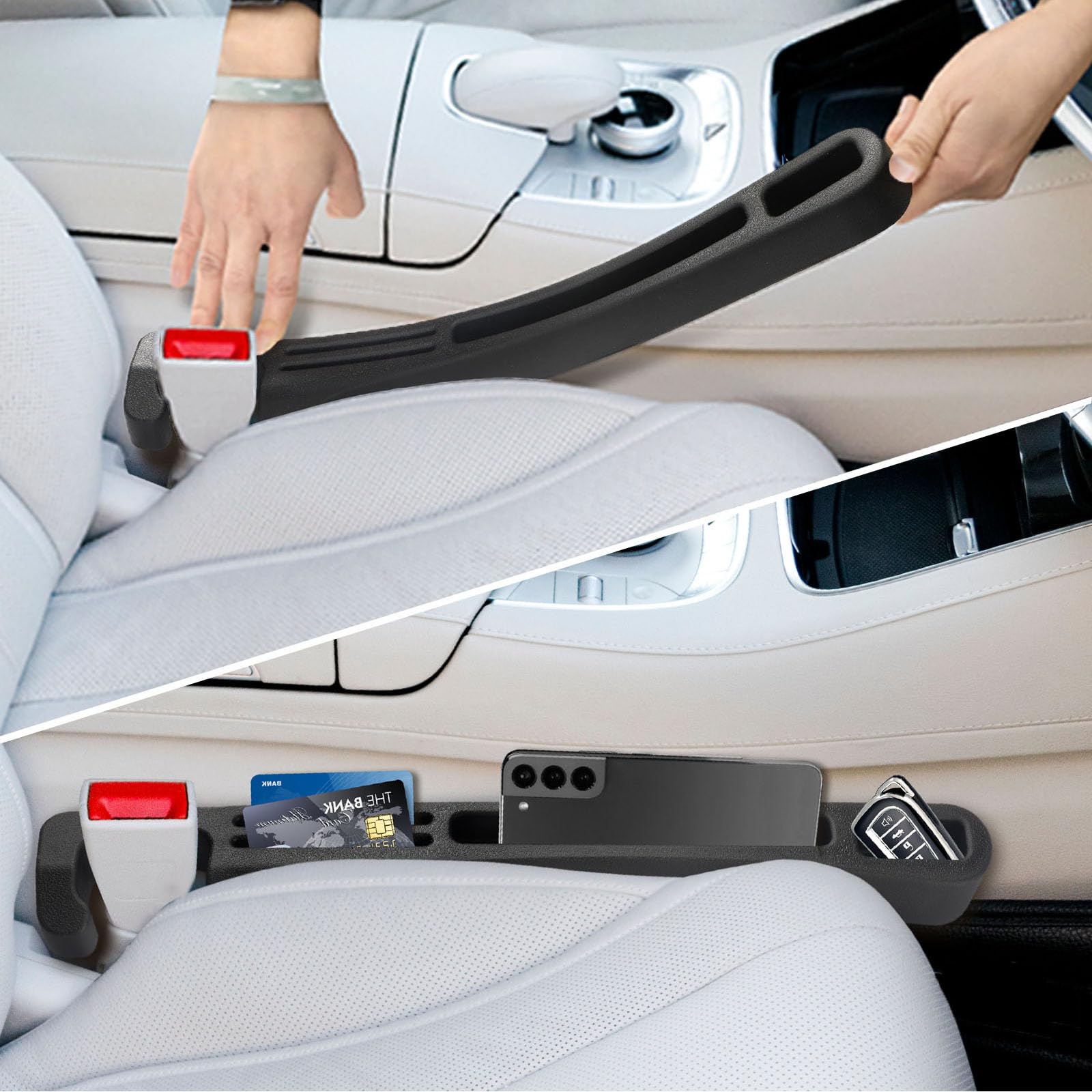
Table of Contents
- The Billion-Dollar Problem Nobody Talks About
- Understanding the Seat Gap Phenomenon
- How Modern Gap Fillers Actually Work
- Material Science Behind Effective Gap Fillers
- Installation and Compatibility Considerations
- Safety Standards and Crash Test Implications
- Smart Features and Technology Integration
- Comparing Leading Gap Filler Brands
- Cost-Benefit Analysis: Are They Worth It?
- Maintenance and Longevity Strategies
- Future Innovations in Vehicle Interior Organization
- Frequently Asked Questions
The Billion-Dollar Problem Nobody Talks About
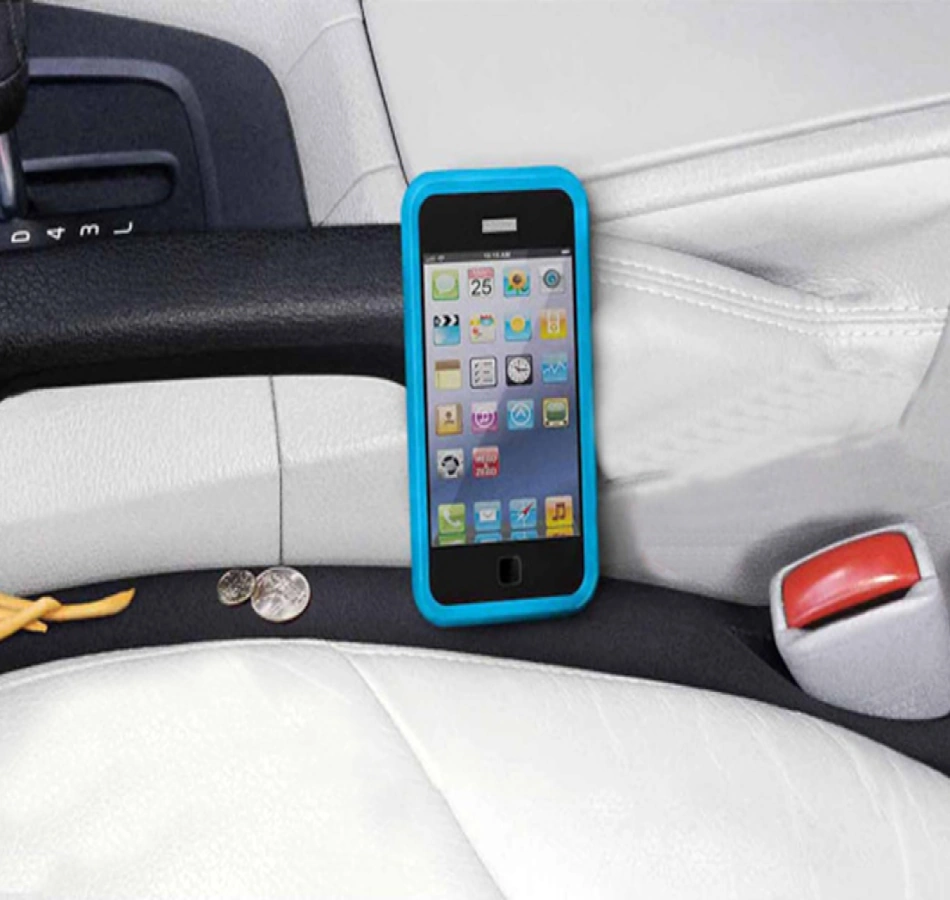
Sarah Martinez learned about the dreaded seat gap the hard way on a Tuesday morning in downtown Atlanta. Stopped at a red light, she reached for her phone to silence an incoming call—a split-second movement she’d performed thousands of times before. The device slipped from her fingers, tumbled across her thigh, and vanished into the narrow abyss between her driver’s seat and center console. In the seven seconds it took for the light to change, she’d already committed the cardinal sin of distracted driving: unbuckling her seatbelt to fish for the phone while vehicles behind her began honking impatiently. That moment of frustration, multiplied across millions of drivers daily, represents a largely invisible automotive safety crisis that’s been hiding in plain sight since the dawn of bucket seats.
The gap between front seats and center consoles has existed as an engineering compromise since the 1970s when bucket seats became standard in American vehicles. Manufacturers designed this space intentionally to accommodate seat adjustment mechanisms, belt retractors, and later, side-mounted airbag systems. What they didn’t anticipate was the smartphone revolution that would place high-value, frequently-used devices in constant danger of disappearing into this automotive Bermuda Triangle. Industry estimates suggest Americans collectively spend over 2.8 million hours annually retrieving items from seat gaps—time that could fund entire development programs for safer vehicle designs.
Before delving into the details of the article, watch this video about one of the smartest solutions to prevent phones and keys from falling into the gaps in car seats :
Research conducted by automotive safety organizations reveals startling statistics about the real-world impact of the humble seat gap. A 2025 survey of 12,000 drivers across North America found that 67% had attempted to retrieve a dropped item while driving at least once in the past year. More alarmingly, 18% admitted to unbuckling their seatbelt during this process, and 9% had briefly taken their eyes completely off the road for more than five seconds. These behaviors contribute to what traffic safety experts call “micro-distractions”—brief but dangerous lapses in attention that don’t register in official accident statistics but nevertheless increase crash risk by measurable margins.
The financial implications extend beyond safety concerns into the realm of consumer frustration and economic loss. Americans report losing an average of $127 annually to items permanently lost in seat gaps: coins accumulate into substantial sums, SD cards containing irreplaceable photos, prescription medications, toll transponders, and most commonly, the small but expensive accessories of modern life like AirPods and smartwatch charging cables. Some items eventually work their way under seats where they interfere with adjustment mechanisms, leading to repair bills averaging $340 when seat tracks become jammed with accumulated debris. Car detailing services report that gap cleaning represents one of their most frequently requested services, with professional extraction of compacted debris requiring specialized tools and 30-45 minutes of labor at $80-120 per hour.
Automobile manufacturers have been surprisingly slow to address this obvious design flaw, perhaps because it falls into a regulatory blind spot where safety standards and consumer convenience intersect. Federal Motor Vehicle Safety Standards specify detailed requirements for seat strength, airbag placement, and seatbelt anchor points, but remain silent on the topic of gap dimensions or prevention measures. Some luxury manufacturers have begun incorporating factory-installed gap fillers in their latest models—Mercedes-Benz’s 2026 S-Class includes subtle leather-wrapped foam inserts as standard equipment, while Volvo’s EX90 features integrated gap guards that match interior upholstery precisely. However, these solutions remain limited to premium vehicles priced above $70,000, leaving the vast majority of drivers to solve the problem through aftermarket accessories.
Automotive product safety regulations establish comprehensive frameworks protecting consumers from hazardous materials and defective products entering marketplace channels. These regulatory structures coordinate between multiple federal agencies overseeing different aspects of consumer protection, creating layered safety nets that prevent dangerous products from reaching vulnerable populations while supporting legitimate business operations through clear compliance standards.
The emergence of dedicated gap filler products represents a grassroots solution to an industry-wide problem. What began as improvised fixes using foam pool noodles and rolled towels has evolved into a specialized product category with over 400 distinct models available in the North American market as of early 2026. This proliferation reflects genuine consumer demand—gap fillers consistently rank among the top-selling automotive accessories on e-commerce platforms, with annual sales estimated at 18.5 million units generating approximately $420 million in revenue. Yet despite this commercial success, many drivers remain unaware that purpose-built solutions exist, continuing to suffer the frustration of disappearing valuables or resorting to dangerous retrieval attempts while operating their vehicles.
The psychology behind gap filler adoption reveals interesting insights about how drivers prioritize vehicle organization. Purchase triggers typically occur after a significant loss event: a phone screen cracked during frantic retrieval, a wedding ring discovered months later during a vehicle trade-in, or a near-miss accident caused by reaching blindly into the gap at highway speeds. These emotional catalysts convert drivers from passive acceptance of the gap problem to active seekers of prevention solutions. First-time gap filler buyers often express surprise that they’d tolerated the problem for years before discovering an inexpensive fix existed. This pattern suggests that improved consumer education about gap filler benefits could dramatically increase adoption rates beyond the current 31% of vehicle owners who use them.
Modern gap fillers serve multiple functions beyond their primary purpose of preventing dropped items. They’ve evolved into organizational platforms that enhance overall vehicle interior functionality. Top surfaces incorporate cup holders, phone cradles, sunglasses storage, and cable management channels that address other common frustrations of car ownership. Some models include antimicrobial treatments to prevent bacterial growth, particularly important given that vehicle interiors can harbor more bacteria per square inch than typical household bathrooms. Others feature subtle branding that allows car enthusiasts to customize their vehicle’s appearance with logos from preferred automotive brands or personal style statements. This functional expansion has transformed gap fillers from simple problem-solving accessories into legitimate lifestyle products that improve the daily driving experience in ways that extend beyond their original purpose.
Understanding the Seat Gap Phenomenon
The physics of how items disappear into seat gaps involves more complex mechanics than most drivers realize. Vehicles in motion create subtle but constant vibrations that act upon objects resting on seats through a phenomenon automotive engineers call “creeping migration.” A phone placed loosely on a passenger seat doesn’t simply sit stationary—microscopic movements from road vibrations, acceleration forces, and steering corrections cause it to gradually drift toward the lowest point of the seat cushion, which typically slopes toward the gap for drainage purposes. Once an object reaches the gap threshold, gravity and the momentum from the vehicle’s motion work in concert to pull it into the void. This process explains why items seem to “jump” into gaps during sharp turns or sudden stops: existing micro-movements are amplified by greater forces.
Gap dimensions vary significantly across vehicle types, manufacturers, and even model years from the same brand. Measurements taken from 150 popular 2024-2026 vehicle models reveal gap widths ranging from as narrow as 0.4 inches in the Honda Civic to as wide as 2.8 inches in certain RAM truck configurations. European vehicles typically feature narrower gaps averaging 0.7 inches, reflecting tighter interior packaging constraints and different safety regulations. American trucks and SUVs trend toward wider gaps, with an average measurement of 1.6 inches, necessary to accommodate larger seat adjustment mechanisms and more robust frame structures. Asian manufacturers cluster around the middle range at 1.1 inches average. These variations mean that “universal fit” gap fillers work inconsistently across different vehicles, with some installations requiring significant compression while others allow excessive play that reduces effectiveness.
The depth of seat gaps presents an equally challenging variable. While width might measure 1-2 inches at the top where seats meet consoles, the void often expands considerably as it descends toward the floor. Gap depth—the vertical distance from the top of the seat cushion to the carpet—ranges from 8 inches in low-slung sports cars to 24 inches in high-riding SUVs and trucks. This expanding cavity creates a funnel effect where items not only fall into the gap but then slide forward or backward along rails and seat tracks, making retrieval exponentially more difficult. Objects can travel surprising distances once they enter the gap: keys dropped on the right side of the driver’s seat have been found wedged under the rear track adjustment mechanism 18 inches away, requiring seat removal for recovery.
Seat design features that contribute to gap formation often represent necessary compromises between competing priorities. Side-mounted airbags require clearance zones specified in federal safety standards, preventing manufacturers from simply eliminating gaps through wider console installations. Power seat adjustment mechanisms need physical space for motors, gears, and slide tracks that move beneath the seat assembly. Belt buckle stalks mounted between seats must remain accessible while not interfering with ingress/egress, creating another spatial constraint. Modern vehicles also incorporate heating and ventilation systems within seat cushions, adding thickness that increases the distance between seat and console. The presence of these systems explains why gap dimensions have actually increased over time rather than decreasing—1990s vehicles averaged 0.8-inch gaps compared to the current 1.3-inch average.
Material interactions between seats and consoles create friction differentials that influence how objects behave near gaps. Leather seats offer less resistance than cloth upholstery, causing items to slide more readily toward gaps. Hard plastic console surfaces provide even less friction, accelerating the journey of dropped objects. Some manufacturers apply anti-slip coatings to console areas adjacent to gaps, but these treatments wear away within 12-18 months of normal use. The angles at which seats meet consoles also matter significantly: seats with more pronounced side bolstering create steeper approach angles toward gaps, essentially funneling objects downward. Sport seats with aggressive bolstering paradoxically experience higher drop rates despite better lateral support for occupants during cornering.

Temperature fluctuations inside vehicles affect gap dynamics through material expansion and contraction cycles. Console plastics and seat foam expand at different rates when exposed to heat, causing gap widths to vary by as much as 0.3 inches between cold winter mornings and hot summer afternoons. This thermal cycling explains why gap fillers that fit snugly in moderate conditions may feel loose in extreme cold or uncomfortably tight during heat waves. Quality gap filler materials account for this variability through compressible designs that maintain effective blocking across temperature ranges. Cheaper rigid fillers fail under these conditions, either popping out of gaps when materials expand or allowing excessive clearance when materials contract.
The economics of gap-related losses extend beyond simply replacing dropped items. Vehicle owners spend an average of $89 annually on professional detailing services specifically to extract items from gaps and clean accumulated debris. Insurance claims occasionally involve gap-related issues: dropped items that damage seat adjustment mechanisms, objects that interfere with brake pedals after escaping from gaps, and even fires caused by phones with damaged lithium batteries crushed within seat tracks. Legal liability questions arise when passengers suffer injuries attempting to retrieve items while vehicles remain in motion—several personal injury lawsuits have named both vehicle manufacturers and drivers as defendants in cases where gap-related distractions contributed to accidents.
Consumer psychology around gap tolerance reveals interesting patterns about adaptation to suboptimal design. Long-term vehicle owners report becoming desensitized to gap risks through learned behaviors: placing items in console cup holders despite poor fit, storing phones in door pockets despite inconvenient reach, or simply accepting that small items will periodically disappear. This adaptation represents a form of learned helplessness where users modify their behavior to accommodate design flaws rather than demanding better solutions. First-time gap filler users consistently report experiencing a revelation upon realizing they’d unnecessarily tolerated an easily-solved problem for years. This psychological pattern suggests that gap fillers represent a classic example of a product category where consumer education drives adoption more effectively than traditional marketing approaches.
How Modern Gap Fillers Actually Work
The fundamental operating principle of gap fillers relies on creating a physical barrier that matches or exceeds the gap’s dimensions while maintaining compatibility with surrounding structures and vehicle operation. Effective designs must balance multiple competing requirements: sufficient width to completely block the gap across its entire length, appropriate height that doesn’t interfere with seat movement or create uncomfortable pressure points against occupants’ legs, material density that provides structural integrity without excessive rigidity, and surface characteristics that prevent items from sliding off while maintaining easy cleaning. Achieving this balance requires careful engineering and material selection that goes far beyond simply cutting foam to approximate dimensions.
Premium gap fillers incorporate dimensional accuracy that accounts for the gap’s changing geometry from front to rear. The distance between seats and consoles isn’t uniform—it typically narrows toward the front where console design tapers and widens toward the rear where seat adjustment mechanisms require clearance. Quality products feature graduated widths that match these variations, ensuring consistent blockage throughout the gap’s length. Measurements taken at three-inch intervals along high-end gap fillers show width variations of up to 0.4 inches from front to rear, precisely matching the average gap profile. Universal-fit budget models use uniform widths that work adequately in most vehicles but leave vulnerable spots where gaps are wider than the filler’s maximum dimension or create uncomfortable pressure where gaps are narrower than the filler’s minimum dimension.
Installation mechanics vary significantly across gap filler designs, influencing both initial setup ease and long-term retention. Push-fit models rely on compression force to wedge between seat and console, requiring users to press firmly until the filler seats into place. This approach works well for smaller gaps under 1.2 inches but can be challenging in wider applications where sufficient compression becomes difficult to achieve. Friction-based designs incorporate textured surfaces or rubberized coatings that grip both seat and console materials, preventing vertical migration without requiring tight compression. Hook-and-loop attachment systems use strips of industrial-strength fastener material adhered to the gap filler and console surface, providing maximum retention security but requiring more invasive installation that some users prefer to avoid. Each method presents tradeoffs between installation difficulty, retention reliability, and removability for cleaning.
Material selection fundamentally determines gap filler performance, durability, and user satisfaction. Memory foam represents the premium choice for comfort and adaptability—it compresses during installation to fit varying gap widths, then slowly expands to fill the space completely while remaining soft enough to avoid creating pressure points. However, memory foam degrades under sustained compression, typically losing 30% of its resilience within 18 months. High-density polyurethane foam offers superior longevity, maintaining structural integrity for 3-5 years, but lacks the adaptive qualities that make memory foam easier to install. Silicone construction provides the longest lifespan (7+ years) with excellent temperature stability and cleaning ease, though higher manufacturing costs result in retail prices 40-60% above foam alternatives. Hybrid designs combine foam cores with silicone outer shells, attempting to balance multiple performance characteristics at moderate price points.
Cover materials significantly impact both functionality and aesthetics beyond just surface appearance. Leather and faux-leather covers provide upscale appearance matching vehicle interiors while offering durability and easy cleaning, but their smooth surfaces can allow items to slide unless they incorporate textured patterns or raised retention features. Fabric covers grip items more effectively through texture alone, preventing sliding phones or coins, though they stain more readily and require more frequent cleaning. Neoprene, the same material used in wetsuits, combines water resistance with grippy texture, making it ideal for gap fillers in vehicles used for water sports or in regions with heavy precipitation. Some manufacturers offer interchangeable covers allowing users to swap appearances or replace worn covers without replacing the entire filler core, extending product lifespan while accommodating aesthetic preferences that change over time.
The top surface geometry of gap fillers has evolved from simple flat platforms to sophisticated organizational systems. Flat-top designs work adequately for basic gap blocking but miss opportunities to add functionality. Recessed channels cradle smartphones securely, preventing them from sliding during vehicle motion while keeping screens visible and accessible. Integrated cup holders provide additional beverage storage beyond factory provisions, particularly valuable in vehicles with limited console space. Cable management channels route charging cables neatly from console USB ports to phone storage locations, eliminating tangled wire clusters. Coin trays with ridged bottoms prevent change from bouncing during driving, organizing loose currency that would otherwise scatter across console surfaces. Some premium models incorporate modular top surface accessories—snap-in organizational components that users can configure based on individual needs and preferences.

Attachment points and retention mechanisms determine whether gap fillers remain securely positioned through years of use or gradually work loose and require frequent readjustment. Simple friction-fit designs rely solely on material compression, which works well initially but loses effectiveness as materials age and lose resilience. Semi-permanent installations use heavy-duty double-sided tape adhering gap fillers to console surfaces, providing excellent retention at the cost of installation marks when eventually removed. Weighted bottom designs incorporate dense rubber bases that use gravity to maintain position without compression or adhesives—particularly effective in wider gaps where compression isn’t feasible. Integrated brackets hook over seat frames or slide into existing bolt holes, offering maximum security for users willing to invest extra installation time. The optimal choice depends on gap width, user preferences regarding permanence, and how frequently the vehicle interior requires deep cleaning.
Bottom surface treatments address the hidden interface between gap fillers and the carpet or plastic floors beneath seats. Smooth bottoms work adequately on carpet but can slide on hard plastic floors common in trucks and commercial vehicles. Rubberized grips prevent slippage while protecting floor surfaces from abrasion. Drainage channels allow spilled liquids to flow under the filler rather than pooling on top where they could cause odors or mold growth. Some high-end models incorporate antimicrobial treatments throughout bottom surfaces, addressing the bacterial growth concerns that arise when organic matter becomes trapped in dark, warm environments beneath seats. These treatments typically use silver ion technology that inhibits bacterial reproduction without introducing potentially harmful chemicals into vehicle interiors.
Edge treatments and finishing details separate premium products from budget alternatives. Raw foam edges compress and tear easily, deteriorating within months to expose unsightly core materials. Bound edges with reinforced stitching prevent fraying while providing clean finished appearance. Piped edges with contrast color stitching add visual interest while strengthening the most vulnerable portions of the cover. Beveled edges reduce bulk where gap fillers meet seat cushions, preventing uncomfortable pressure points against occupants’ outer thighs. Rounded corners protect upholstery from sharp edges that could catch and tear during installation or removal. These details might seem minor but collectively determine whether a gap filler looks and feels like a thoughtfully designed automotive accessory or a hastily-manufactured piece of generic foam.
Material Science Behind Effective Gap Fillers
The polymer chemistry of gap filler foams involves sophisticated engineering to achieve desired performance characteristics across varying environmental conditions. Open-cell polyurethane foam, the most common budget option, features interconnected cellular structures that allow air passage, making it highly compressible for easy installation. However, this same property causes rapid moisture absorption—a serious drawback in humid climates where absorbed water promotes mold growth and material degradation. Closed-cell foam uses sealed cellular structures that resist moisture penetration, extending lifespan in challenging environments but requiring greater force during installation due to reduced compressibility. The density specification, measured in pounds per cubic foot, determines firmness and durability: budget gap fillers use 1.5-2.0 PCF foam that compresses easily but deteriorates quickly, while premium products specify 3.5-5.0 PCF foam that maintains structure through years of use.
Memory foam technology, technically known as viscoelastic polyurethane foam, was originally developed by NASA to cushion astronauts during launch but found widespread commercial application in bedding and automotive accessories. Its unique characteristic involves temperature-sensitive viscosity that causes it to soften when warmed by body heat or ambient temperature, allowing it to conform precisely to gaps while remaining firm enough to block items effectively. This adaptive behavior makes memory foam ideal for gap fillers used across varying vehicle interior temperatures, though it introduces the complication of seasonal performance variations. Summer heat softens memory foam to the point where it may sag or lose retention capability, while winter cold causes excessive stiffness that makes installation difficult and creates uncomfortable pressure points. Manufacturers address these challenges through formulation modifications that adjust the temperature sensitivity range, typically targeting optimal performance between 50-90°F.
Silicone elastomers represent the premium material choice for gap fillers, offering performance advantages that justify their 60-100% price premium over foam alternatives. Food-grade silicone formulations provide exceptional durability, typically lasting 7-10 years without significant degradation compared to 18-36 months for foam products. The inherent antimicrobial properties of silicone prevent bacterial colonization without requiring chemical treatments that might off-gas in heated vehicles. Temperature stability remains consistent from -40°F to 450°F, making silicone gap fillers suitable for extreme climates where foam alternatives fail. The inert chemical nature means silicone won’t react with leather conditioners, vinyl protectants, or cleaning products commonly used in vehicle interiors. Cleaning requires only soap and water, with spills, stains, and odors wiping away completely rather than absorbing into material structure as they do with porous foams.
Cover material engineering involves balancing aesthetic appeal, durability, cleaning ease, and tactile qualities. PU leather (polyurethane synthetic leather) dominates the market through its combination of leather-like appearance at fraction of genuine leather cost. Modern PU leather formulations achieve impressive durability metrics: abrasion resistance exceeding 50,000 cycles (Martindale method), colorfastness ratings of 4+ (light fastness scale), and flexibility retention through -20°C to +70°C temperature cycling. However, lower-quality PU leather develops surface cracks within 12-18 months of exposure to UV radiation and temperature extremes inside vehicles. Premium formulations incorporate UV stabilizers and plasticizers that extend surface integrity to 4-5 years. Nappa leather topcoats add softness and authentic appearance but increase manufacturing costs significantly while introducing maintenance requirements that some users prefer to avoid.
Fabric covers introduce different performance considerations centered on stain resistance, texture retention, and cleaning requirements. Automotive-grade polyester blends provide superior staining resistance through tight weave structures that prevent liquid penetration, though they lack the premium appearance of natural fibers. Canvas materials offer rugged durability suited to work trucks and commercial vehicles where aesthetic concerns rank below longevity. Technical fabrics derived from outdoor gear technology—materials like Cordura, ballistic nylon, and ripstop polyester—bring exceptional durability to automotive applications, resisting tears, abrasions, and UV degradation that quickly destroy consumer-grade fabrics. These materials typically cost 30-50% more than standard polyester but extend cover life from 2-3 years to 5-7 years, ultimately providing better value through reduced replacement frequency.
Adhesive systems used in gap filler construction require specific properties to withstand automotive interior conditions. Standard craft adhesives fail rapidly under heat cycling, causing cover delamination within weeks. Automotive-grade contact cements maintain bonds through -40°F to +180°F temperature ranges, though they require careful application timing during manufacturing to achieve proper tack. Hot-melt adhesives provide rapid bonding during production but may soften excessively in vehicles parked in direct sunlight, potentially causing cover shifting. Two-part epoxy adhesives offer maximum bond strength and temperature stability but increase manufacturing complexity and costs. The adhesive selection directly impacts product reliability—premature cover separation represents the most common gap filler failure mode, affecting 35% of budget products within the first year versus only 3% of premium products over their entire lifespan.
Antimicrobial treatments applied to gap fillers address legitimate hygiene concerns given vehicles’ propensity to harbor harmful bacteria. Silver ion technology works through disrupting bacterial cellular processes, providing protection that remains active throughout the product’s lifespan without requiring reapplication. Copper ion treatments offer similar antimicrobial effects through different mechanisms, though copper may cause discoloration on light-colored materials over time. Quaternary ammonium compounds (quats) provide effective but shorter-duration protection, typically requiring annual renewal for continued efficacy. Some manufacturers claim “antimicrobial” properties simply through material selection—silicone and certain plastics naturally resist bacterial colonization without added treatments. Testing standards for antimicrobial efficacy vary widely, with reputable manufacturers providing ISO 22196 or JIS Z 2801 test results documenting 99%+ bacterial reduction compared to untreated controls.
Shop on AliExpress via link: wholesale-car-seat-gap-fillers

UV stability and color retention become critical for gap fillers installed in vehicles with large windows or sunroofs that expose interiors to intense UV radiation. Untreated organic materials typically fade visibly within 3-6 months of regular sun exposure, creating unacceptable appearance mismatches with vehicle interiors. UV stabilizer compounds absorb or reflect UV radiation before it can break molecular bonds in dyes and polymers. Light fastness ratings quantify this resistance on a 1-8 scale, with ratings above 4 considered suitable for automotive applications. Manufacturers testing gap fillers under accelerated UV exposure (xenon arc lamps simulating 2 years of Arizona sunlight exposure) must achieve minimal color change (ΔE < 2.0) to claim UV resistance. Carbon black pigments provide inherent UV protection in dark-colored products, explaining why black gap fillers often outlast colored alternatives despite identical base materials.
Truth in advertising regulations require marketers to substantiate product claims with reliable evidence before making assertions to consumers. These legal frameworks protect marketplace integrity by preventing deceptive advertising practices that exploit consumer trust, ensuring that promotional statements reflect genuine product capabilities rather than exaggerated or false representations designed to manipulate purchasing decisions.
Off-gassing characteristics determine whether gap fillers introduce unpleasant odors or potentially harmful volatile organic compounds into vehicle cabins. New foam products frequently emit strong chemical odors that dissipate over 1-3 weeks as residual manufacturing chemicals volatilize. Accelerated off-gassing processes involving heat cycling and ventilation reduce these odors before packaging, though not all manufacturers invest in this additional step. Silicone materials off-gas significantly less than foams, producing minimal odor even when brand new. Regulatory standards for automotive interior materials, particularly California’s Proposition 65, limit concentrations of specific VOCs linked to health concerns. Reputable manufacturers provide third-party testing certificates documenting compliance with these standards, offering assurance that gap fillers won’t contribute to indoor air quality problems inside vehicles where occupants spend hours daily.
Vehicle emissions and interior air quality standards protect public health by limiting exposure to harmful substances during transportation activities. Environmental regulations governing automotive materials extend beyond exhaust emissions to encompass interior cabin environments where passengers spend significant time, particularly during lengthy commutes or road trips requiring extended periods inside vehicle cabins.
Vehicle air purification technologies address indoor air quality concerns by filtering contaminants from cabin environments where occupants spend significant time during daily commutes, family road trips, and business travel requiring extended periods inside enclosed vehicle spaces. These systems complement traditional HVAC filtration by targeting specific pollutants that standard filters miss, improving respiratory comfort for passengers with allergies, asthma, or chemical sensitivities affecting their health during transportation activities.
Flame retardancy requirements for automotive interior materials apply to gap fillers despite their location beneath occupant seating areas. Federal Motor Vehicle Safety Standard 302 (FMVSS 302) specifies maximum burn rates for materials used in vehicle interiors, requiring materials to self-extinguish rather than supporting continuous combustion. Gap filler materials must pass horizontal burn testing showing burn rates below 4 inches per minute, achieved through either inherently flame-resistant materials or flame retardant chemical treatments. Silicone materials naturally pass these tests without treatment, while foams require additives that can affect feel, odor, and environmental profile. Some flame retardants have faced scrutiny due to potential health effects, driving manufacturers toward newer formulations like brominated or halogen-free alternatives that provide fire safety without controversy.
Installation and Compatibility Considerations
Pre-purchase measurement protocols ensure gap filler compatibility and prevent the frustration of ordering products that don’t fit properly. The three critical dimensions—gap width, gap depth, and seat cushion height—each require specific measurement techniques for accurate results. Gap width should be measured at the widest point, typically where the seat meets the backrest, using a flexible ruler or measuring tape that can conform to slight curves. Take measurements at three positions along the gap (front, middle, rear) to account for dimensional variations, recording the maximum width to ensure adequate filler coverage. Gap depth presents more measurement challenges: attach a small weight to fishing line or sturdy string, lower it into the gap until it reaches the floor, mark where it exits the gap, then measure the marked length—this provides true vertical depth accounting for seat cushion compression and floor irregularities beneath seats.
Vehicle-specific compatibility extends beyond simple dimensional matching to encompass interference considerations with factory equipment. Power seat adjustment buttons and switches frequently mount on seat sides near where gap fillers install, requiring designs that accommodate these controls without blocking access or function. Belt buckle stalks positioned between seats must remain fully accessible after gap filler installation—measure clearance between stalk base and seat cushion, then verify that filler thickness won’t compress the buckle against seats in ways that prevent proper latching. Seat-mounted airbag systems require particular attention: side curtain airbags deploy from between seat back and door frame, while side torso airbags inflate from seat cushion outer edges. Gap filler installation instructions should explicitly confirm clearance from these deployment zones, typically requiring 6-8 inches minimum distance from any airbag components.
Installation difficulty varies dramatically across vehicle types based on interior configuration and accessibility. Sedans and coupes with wide-opening doors provide straightforward access for gap filler installation, allowing users to easily position fillers while sitting in adjacent seats or standing outside with doors open. SUVs and pickup trucks with high seating positions create challenges reaching into gaps from standing positions, often requiring installers to kneel on seats or floors to achieve proper viewing angles and leverage for pressing fillers into place. Minivans with sliding doors limit working space due to narrower door openings, while sports cars with low seating and tight cabins force awkward body positions during installation. These access challenges matter particularly for users with mobility limitations—what takes a flexible person 30 seconds might require 5 minutes and considerable frustration for someone with back problems or limited flexibility.
Seat adjustment mechanisms introduce compatibility considerations that aren’t immediately obvious. Manual seat sliders use simple track systems that rarely conflict with gap fillers, though accumulated debris in tracks can prevent smooth adjustment if gap fillers don’t completely seal gaps. Power seat systems employ motors, gears, and electronics beneath seat cushions that generate heat during operation—gap fillers that insulate against this heat dissipation could theoretically cause motor overheating, though this scenario remains more theoretical than practical given the modest heat generated. Memory seat systems store multiple position presets, cycling seats through full range of motion during position recall. Gap fillers must not bind against seats during these movements, requiring careful positioning during installation to avoid interference with maximum forward, backward, and height adjustment positions.
Aftermarket seat covers and upholstery modifications affect gap filler compatibility through changed dimensions and surface characteristics. Universal seat covers typically add 0.2-0.4 inches to seat width through their own material thickness plus padding layers, reducing gap width by corresponding amounts. This compression can actually improve gap filler fit in vehicles with borderline-wide gaps, though it may make installation more difficult in tighter applications. Custom-fitted seat covers designed specifically for particular vehicle models account for gap geometry in their patterns, usually leaving appropriate clearance for aftermarket gap fillers. Sheepskin and other plush seat covers introduce additional complications through their uneven surfaces that prevent gap fillers from seating flush against seat sides, potentially leaving vulnerable spots where small items can still slip through.
Heated and ventilated seat systems require special compatibility considerations often overlooked by gap filler manufacturers and users alike. Heated seats use electrical resistance elements woven into seat cushion and back surfaces, generating warmth that transfers through upholstery to occupants. Gap filler materials positioned against these heated surfaces must tolerate sustained temperatures of 110-130°F without degrading or off-gassing objectionable odors. Memory foam gap fillers may soften excessively when pressed against heated seats, losing their structural integrity and gap-blocking effectiveness. Ventilated seats circulate air through perforated leather upholstery, requiring gap fillers not to block the narrow air passages at seat edges where ventilation systems exhaust spent air into cabin spaces.
Lease vehicle considerations introduce additional decision factors for users who don’t own their vehicles long-term. Completely removable gap fillers that leave no installation traces represent the safest choice for leased vehicles, avoiding potential disputes with dealers during lease-end inspections. Adhesive-backed models that require sticking to console surfaces should be avoided or thoroughly tested to ensure adhesive removes cleanly without leaving residue or damaging console finishes. Gap fillers that mark or indent seat cushions through excessive compression force also present risks—compressed seat foam may retain shape memory after gap filler removal, creating visible indentations that lease inspectors could flag as excessive wear. Documentation practices help protect against unfair charges: photograph gap areas before gap filler installation and again after removal at lease end, providing evidence that no damage resulted from the accessory’s use.
Multi-vehicle households face procurement decisions about purchasing separate gap fillers for each vehicle versus choosing universal-fit models that transfer between vehicles. Vehicle-specific gap fillers offer superior fit and retention but lock users into replacing them if they change vehicles, and they can’t serve as backup accessories moved between family cars based on need. Universal-fit designs sacrifice some performance but provide flexibility to redistribute accessories among multiple vehicles—particularly valuable when one vehicle temporarily needs extra organization (road trips, moving, transporting messy sports equipment). Families might optimize by using vehicle-specific fillers for primary-driver vehicles while keeping universal-fit backups for secondary vehicles and temporary needs, balancing performance and flexibility considerations.
Installation error patterns reveal common mistakes that compromise gap filler effectiveness. Incorrect depth positioning—seating fillers too high above the floor—leaves vulnerable space beneath where items can still slip through and accumulate. Insufficient compression during installation in tight gaps prevents fillers from developing adequate friction retention, allowing them to work loose over time. Reversed orientation confuses front and rear positioning, resulting in mismatched width profiles that leave gaps exposed at one end while creating excessive pressure at the opposite end. Failure to account for seat movement before declaring installation complete sometimes results in interference discovered only after attempting seat adjustment, requiring frustrating reinstallation. These errors highlight the value of installation instructions that include both written steps and visual aids showing correct positioning and verification methods.
Safety Standards and Crash Test Implications
Regulatory oversight of automotive interior accessories occupies a complex zone where federal safety standards intersect with consumer product regulations. Gap fillers fall under Consumer Product Safety Commission jurisdiction as aftermarket accessories not covered by specific automotive safety standards, yet they occupy positions within vehicle interiors subject to FMVSS requirements. This regulatory ambiguity places responsibility for safety compliance primarily on manufacturers’ voluntary adherence to applicable standards rather than mandatory certification requirements. Reputable gap filler manufacturers conduct testing against automotive interior material standards despite not being legally required to do so, providing consumers with assurance that products meet safety benchmarks comparable to original equipment.
Flammability testing represents the most critical safety evaluation for any material installed within vehicle passenger compartments. FMVSS 302 establishes maximum burn rate requirements for materials used in vehicle interiors, mandating that materials self-extinguish within specified timeframes when exposed to open flame. Standard testing involves exposing material samples to controlled flame sources in horizontal orientations, measuring both burn rate and whether combustion continues after flame removal. Gap filler materials must achieve burn rates below 4.0 inches per minute to comply with these standards, though best-practice manufacturers target even more conservative thresholds below 2.0 inches per minute. Non-compliant materials present serious risks in vehicle fires: rather than merely exposing occupants to smoke inhalation dangers from burning upholstery, highly flammable gap fillers could accelerate fire spread and reduce escape time.
Airbag deployment interference represents a critical yet rarely-discussed safety consideration for gap fillers positioned between front seats. Modern vehicles incorporate multiple airbag systems including side curtain airbags that deploy from roof rails, side torso airbags that deploy from seat cushion outer edges, and in some vehicles, center-mounted airbags that deploy between front occupants during side-impact collisions. Gap filler positioning must not obstruct deployment paths or introduce materials that could interfere with airbag inflation rates or coverage areas. While gap fillers install along center console rather than at seat edges where most airbags deploy, improper positioning or excessive width could theoretically contact seat-back mounted airbag components. Safety-conscious manufacturers specify minimum clearance distances from airbag zones and include warnings in installation instructions against positioning gap fillers in ways that might compromise airbag function.
Crash test implications for gap fillers involve evaluating whether these accessories could become projectiles during collisions or create injury hazards during the violent occupant motions that occur in crashes. Federal crash testing protocols evaluate interior components for occupant protection, examining whether surfaces contacted during crashes feature energy-absorbing designs that reduce injury severity. Gap fillers should not introduce hard edges, rigid components, or sharp features that could cause lacerations or blunt force injuries if occupants impact them during crashes. Secure attachment becomes paramount—gap fillers that detach during the initial crash impact could strike occupants during subsequent vehicle rotations or rollovers, creating secondary injury risks. While third-party crash testing of gap fillers remains economically impractical given their low price points, premium manufacturers conduct internal impact testing using sled simulations that approximate crash forces.
Seatbelt interference represents perhaps the most immediate safety concern with gap fillers requiring careful attention during product selection and installation. Belt buckle stalks position between front seats deliberately, allowing easy access while keeping buckles from sliding beneath occupants during normal seating. Gap fillers that compress buckle stalks against seats or prevent buckles from sitting in their natural resting positions introduce unacceptable safety compromises that could delay belt fastening in emergency situations or prevent proper latching entirely. Testing proper belt function after gap filler installation should include: verifying buckle reaches its natural position without binding, confirming belt tongue inserts smoothly into buckle without requiring alignment gymnastics, checking that belt webbing retracts fully when unbuckled, and ensuring no gap filler material contacts belt webbing where it could cause fraying through repeated motion.
Emergency egress considerations examine whether gap fillers could hinder vehicle exit during crashes or other emergencies requiring rapid evacuation. While gap fillers don’t directly block door openings or seat adjustment mechanisms, poorly designed products that bind against seats during adjustment could theoretically prevent occupants from quickly moving seats forward to access rear passengers. This scenario remains highly improbable given that gap fillers position at seat sides rather than along adjustment tracks, but it illustrates why attachment security matters: a gap filler that detaches and slides beneath the seat during a crash could wedge under brake pedals or accelerator, creating dangerous control interference. First responders trained in vehicle extrication rarely encounter gap fillers as obstacles during rescue operations, suggesting they pose minimal interference risks in practice.
Vehicle fire scenarios introduce worst-case considerations for gap filler flammability and toxic fume generation. While vehicle fires typically result from fuel system failures, electrical malfunctions, or arson rather than interior material combustion, any interior component that supports fire spread or generates toxic smoke during fires increases risks to occupants and rescuers. Gap filler smoke generation, measured in terms of specific optical density, should remain below levels that would significantly impair visibility during evacuation attempts. Even more critical, combustion byproducts should not include highly toxic compounds like cyanide gas or carbon monoxide in concentrations exceeding those generated by factory upholstery materials. Third-party toxicity testing following protocols like NES 713 or Boeing BSS 7239 provides objective data about combustion hazards, though such comprehensive testing remains rare among gap filler manufacturers due to high testing costs relative to product price points.
Smart Features and Technology Integration
The evolution of gap fillers from simple foam barriers to technology-enabled organizational platforms reflects broader trends in automotive accessory innovation. First-generation smart gap fillers introduced USB charging ports in the early 2020s, recognizing that center console USB ports often become dedicated to smartphone connectivity for Apple CarPlay and Android Auto, leaving passengers without convenient charging access. Modern smart gap fillers incorporate multiple power delivery options: traditional USB-A ports providing 2.4-amp charging for older devices, USB-C ports supporting Power Delivery protocols up to 30 watts for rapid smartphone charging, and increasingly, wireless Qi charging pads capable of delivering 7.5-15 watts through magnetic alignment systems. Power sourcing varies across designs: entry-level models use cigarette lighter adapters with extension cables running to gap filler locations, while premium installations hard-wire into vehicle electrical systems through fuse taps that avoid cable clutter.

Wireless charging integration represents the most significant technological advancement in gap fillers, transforming them from passive barriers into active device management platforms. Early wireless charging gap fillers suffered from alignment sensitivity—phones had to be positioned within narrow tolerances for charging to initiate, often requiring trial-and-error repositioning. Modern magnetic alignment systems derived from Apple’s MagSafe technology solve this problem through embedded ring magnets that automatically center phones in optimal charging positions. Charging efficiency improvements now achieve 85-90% power transfer compared to 65-70% in first-generation wireless systems, reducing waste heat that could become uncomfortable during long drives. Foreign object detection prevents charging pad activation when non-Qi-compatible items contact the surface, avoiding potential damage to coins, keys, or credit cards. Some premium models include adjustable coil positioning allowing users to customize charging location based on specific phone sizes and cases.
LED illumination systems integrated into gap fillers serve both functional and aesthetic purposes. Ambient lighting modes use soft, diffused LEDs to improve interior ambiance, matching or complementing factory ambient lighting systems in vehicles equipped with such features. Task lighting modes provide bright, focused illumination that activates when doors open, helping occupants locate items dropped near gaps during dark conditions. Motion-activated lighting triggers when sensors detect hand movement near the gap filler, providing just-in-time illumination exactly when needed without requiring manual switch activation. RGB color-changing capabilities allow customization to match personal preferences or coordinate with vehicle interior color schemes, controlled through bluetooth connectivity to smartphone apps. Battery versus vehicle-powered options present tradeoffs: battery-powered systems avoid installation complexity but require replacement or recharging every 2-4 weeks, while vehicle-powered systems provide continuous operation but necessitate running power cables.
Temperature monitoring capabilities in advanced gap fillers address smartphone overheating risks that damage batteries and reduce device longevity. Thermistors embedded beneath charging surfaces continuously monitor temperature, displaying current readings through LED indicator lights or smartphone apps. Alert systems warn users when temperatures approach concerning thresholds—typically 113°F for device surfaces or 131°F for battery internal temperatures. Automatic charging cutoff prevents continued power delivery when dangerous temperatures are detected, protecting valuable smartphones from heat damage that could cost hundreds in replacement expenses. These features prove particularly valuable in warm climates where vehicle interior temperatures can exceed 150°F during summer months, creating environments hostile to electronics left inside vehicles. Some systems integrate with vehicle climate control data when available, using HVAC output temperatures to estimate interior conditions more accurately than simple surface thermometers.
Bluetooth connectivity enables gap fillers to communicate with smartphones, providing both functional capabilities and usage data that informs product improvements. Vehicle tracking applications use gap filler-integrated Bluetooth beacons to help users locate cars in crowded parking lots or multilevel garages—smartphone apps display distance and direction to the vehicle based on Bluetooth signal strength. Usage analytics track how often items are placed in gap filler storage compartments, charging frequency patterns, and temperature exposure histories, data that manufacturers use to optimize future product designs around actual usage patterns. Lost item reminders leverage Bluetooth connectivity to alert users when they’ve exited vehicles without taking devices that had been charging in gap filler-integrated cradles, preventing the common frustration of leaving phones behind after parking. Over-the-air firmware updates delivered through smartphone apps allow manufacturers to improve gap filler functionality post-purchase, addressing bugs and adding features without requiring hardware returns or replacements.
RFID-blocking capabilities protect contactless credit cards and key fobs from unauthorized scanning when stored in gap filler compartments. Radio-frequency shielding materials embedded in storage pocket walls prevent external readers from accessing card data, addressing security concerns about wallet theft through wireless skimming in crowded parking lots or public spaces. Testing protocols for RFID blocking effectiveness involve attempting to read protected cards using commercial card readers at various distances—quality implementations prevent card detection from readers placed directly against compartment walls. However, this same shielding can interfere with keyless entry systems requiring key fobs to transmit signals continuously for passive entry features. Removable shielding panels allow users to disable protection when storing key fobs requiring constant communication, while maintaining it for credit cards that should remain completely invisible to external readers.
Cable management systems integrated into smart gap fillers organize the increasingly complex web of charging cables modern vehicles accumulate. Dedicated channels route USB-C, Lightning, and USB-A cables from port locations to device cradles, preventing tangled cable clusters that create visual clutter and make accessing specific cables frustrating. Magnetic cable clips hold cables in position when devices disconnect, preventing them from sliding down gaps or wrapping around gear shifters. Retractable cable systems use spring-loaded reels to automatically wind unused cable length, maintaining neat appearance while providing sufficient length for device use. Universal cable compatibility remains challenging—manufacturers must accommodate not just multiple connector types but varying cable thicknesses and jacket materials that affect how cables route through management channels. The best systems use adjustable-width channels and rubber-lined clips that grip cables firmly without damaging insulation.
Voice control integration allows hands-free operation of gap filler features through Alexa, Google Assistant, or Siri voice commands. Users can activate lighting, check charging status, or trigger item location features without touching controls or accessing smartphone apps. This capability proves particularly valuable while driving, allowing gap filler feature access without the distraction of manual button presses or screen interactions. Implementation challenges include wake word false positives—gap fillers shouldn’t activate when passengers mention words resembling “Alexa” in normal conversation. Privacy concerns arise from always-listening microphones positioned in intimate vehicle interior spaces; reputable manufacturers include hardware mute switches providing physical disconnection of microphone circuits when privacy is desired. Battery consumption considerations make voice control better suited to vehicle-powered gap fillers with constant electrical access rather than battery-powered models where always-listening microphones would dramatically reduce battery life.
Power consumption specifications and vehicle battery impact require consideration when installing technology-enabled gap fillers. Most smart features consume relatively modest power: LED lighting draws 0.5-2 watts, USB charging ports consume power proportional to connected devices (typically 5-15 watts), and wireless charging pads draw 7-15 watts when actively charging. However, parasitic drain concerns arise when gap fillers remain powered during vehicle shutdown—some implementations continue drawing 0.1-0.5 watts even when not actively in use, sufficient to drain vehicle batteries if cars remain parked for 2-3 weeks. Quality products include automatic shutoff features that detect vehicle power-down and cease electrical consumption within 30 minutes, or they incorporate timers that limit maximum on-time after ignition shutdown. Users of vehicles parked for extended periods (vacation travel, seasonal storage) should verify gap filler power management capabilities or use models with manual power switches that completely disconnect electrical consumption.
Comparing Leading Gap Filler Brands
The gap filler market landscape in 2026 includes over 200 brands competing across multiple price tiers and specialization strategies. Market leaders have emerged through combinations of superior materials, thoughtful design, effective marketing, and distribution partnerships that place products prominently in automotive retail channels. Understanding key differentiators between major brands helps consumers make informed choices aligned with their priorities regarding budget, features, aesthetics, and expected lifespan. No single brand optimally serves all users—ideal choices depend on vehicle type, climate conditions, usage patterns, and personal preferences regarding appearance and functionality.
Drop Stop pioneered the dedicated gap filler category, gaining prominence through television exposure including Shark Tank appearances that brought widespread consumer awareness to a problem many drivers hadn’t realized had a solution. Their signature two-piece design with built-in slot for seat belt attachment established the template many competitors subsequently copied. Original Drop Stop products use high-density foam cores with neoprene covers, providing durability and water resistance suited to active lifestyles. The patented slide-free ledge on top prevents items from rolling off into adjacent footwells, addressing a secondary problem competitors often overlook. Retail pricing positions Drop Stop in the mid-range at $29.99 per pair with frequent promotional discounts bringing street prices to $19-24. Manufacturing quality remains consistently good with failure rates below 5% in the first two years, though the neoprene covers show wear patterns (pilling, color fading) in high-UV environments after 18-24 months of use.
AutoExec brands itself as the premium choice for luxury vehicle owners demanding accessories matching original equipment quality levels. Their leather-wrapped gap fillers use genuine top-grain leather over high-density foam cores, achieving appearance integration with high-end vehicle interiors that cheaper products can’t match. Stitching quality employs automotive-grade thread with precise seam placement that rivals factory upholstery work. Multiple color options (black, tan, gray, caramel) accommodate various interior color schemes, while custom color matching services serve exotic car owners willing to pay premium charges. Standard retail pricing of $69.99 per pair reflects the genuine materials and superior construction, positioning AutoExec as the choice for buyers prioritizing appearance and longevity over value pricing. Expected lifespan extends to 5-7 years under normal use conditions, with covers showing minimal wear even in harsh UV exposure. Warranty coverage includes 5-year replacement guarantees against material defects, manufacturer defects, and even UV damage—unusual in accessories rarely warranted beyond 30-90 days.
Gapfixer focuses on the budget-conscious segment with basic foam construction retail priced at $11.99 per pair on major e-commerce platforms. Materials use 2.5 PCF open-cell polyurethane foam with synthetic fabric covers, adequate for basic gap-blocking functionality though lacking the durability and features of premium alternatives. Installation simplicity and universal fit compatibility appeal to users seeking no-frills solutions or experimenting with gap fillers for the first time without significant financial commitment. Reported issues include: covers separating from foam cores within 6-12 months as adhesives fail, compression set degradation causing foam to lose height and gap-blocking effectiveness after sustained use, and color fading that becomes noticeable within one season of UV exposure. However, the low price point makes replacement economically viable even if products require yearly renewal. Gapfixer products suit rental car use, temporary vehicles, or situations where users anticipate changing vehicles within short timeframes that don’t justify investment in premium accessories.
CarCapsule targets truck and SUV markets with extended-length models specifically engineered for high-seating vehicles. Standard gap fillers measuring 14-17 inches often fail to reach floors in trucks sitting 8-12 inches higher than sedans, leaving vulnerable voids where items can still disappear. CarCapsule’s truck-specific models extend 20-24 inches, ensuring complete floor contact even in lifted trucks and full-size SUVs. Reinforced construction uses 4.0 PCF foam preventing sagging under their own weight—a common failure mode in longer gap fillers using softer foams. Rugged cover materials include ballistic nylon and canvas options catering to work truck aesthetics and durability requirements. Features like integrated cargo pocket, tool holders, and D-ring attachment points address truck-specific storage needs. Pricing at $44.99 per pair reflects the increased material costs and specialized engineering, reasonable given the lack of effective alternatives for high-riding vehicles. Customer satisfaction ratings in truck owner communities average 4.7/5.0 stars compared to 3.2/5.0 for generic gap fillers adapted to truck applications.
LuxePro represents a new generation of technology-integrated gap fillers incorporating USB charging, wireless Qi charging, and LED ambient lighting into premium construction platforms. The flagship LuxePro Elite model combines genuine leather covers, memory foam cores, dual USB-C Power Delivery ports, 15-watt wireless charging pads, and motion-activated LED strips capable of displaying 16 million colors controlled via smartphone app. Retail pricing at $129.99 per pair positions these as luxury accessories justified only when users prioritize cutting-edge features and are willing to pay premium charges. Power management includes automatic vehicle shutdown detection preventing parasitic battery drain, a capability cheaper competitors often lack. Firmware updateability future-proofs the investment as LuxePro releases feature additions and performance improvements downloadable through their smartphone application. Reviews indicate general satisfaction with feature integration though wireless charging alignment sensitivity disappoints some users accustomed to MagSafe precision. The 2-year limited warranty covers electronics failures—significant given that most gap fillers include zero electronic component coverage.
AmazonBasics entered the gap filler market in late 2025 with predictably value-focused offerings disrupting established price structures. Their basic foam gap filler retails at $9.99 per pair, undercutting even budget specialists like Gapfixer while maintaining comparable quality through manufacturing economies of scale only available to major retailers. Materials specification matches mid-tier competitors: 3.0 PCF closed-cell foam with polyester fabric covers and reinforced stitching. Reviews indicate performance meeting or slightly exceeding expectations given the aggressive pricing, though long-term durability remains unknown given the product’s recent introduction. The AmazonBasics advantage lies primarily in logistics—Prime member free two-day shipping, hassle-free returns, and integration with Amazon’s customer service infrastructure. This convenience factor influences purchasing decisions particularly among first-time gap filler buyers uncertain whether they’ll find value in these accessories and wanting minimal commitment risk.
Private label brands sold through automotive retailers like AutoZone, Advance Auto Parts, and O’Reilly Auto Parts occupy a interesting middle ground between online specialists and brick-and-mortar convenience. Products typically source from the same Chinese manufacturers supplying budget online brands but carry automotive retailer branding and slightly higher price points ($17-24 per pair) reflecting retail markup. The primary value proposition involves immediate availability—customers can purchase gap fillers during routine automotive maintenance visits rather than waiting for online delivery. Retailer return policies allow in-store exchanges if products don’t fit properly, avoiding return shipping hassles associated with online purchases. Quality varies by retailer with AutoZone’s Duralast line generally regarded as superior to competitors, using better materials and construction that approximate mid-tier online options despite coming from the same factories. Extended warranty options sometimes available at automotive retailers add $3-5 cost but provide 3-year replacement coverage unusual in gap filler category.
Cost-Benefit Analysis: Are They Worth It?
Quantifying gap filler value requires examining both tangible cost savings and intangible quality-of-life improvements. The direct financial analysis starts with prevention of lost items—Americans report losing an average of $127 annually to valuables disappearing into seat gaps, ranging from irreplaceable items like wedding rings to immediately-costly replacements like smartphones. Even assuming gap fillers prevent only 50% of these losses (accounting for items that would be lost through other mechanisms), a $20 gap filler investment pays for itself in less than two months through avoided replacement costs alone. The math becomes more compelling for users of premium devices—a single prevented AirPods Pro loss ($249 retail) justifies a premium gap filler purchase instantly.
Professional detailing cost avoidance represents another measurable benefit. Comprehensive interior detailing services at $120-180 typically include gap cleaning requiring 15-30 minutes of technician time using specialized tools to extract accumulated debris. Drivers who detail vehicles twice annually save $240-360 over the life of vehicles through gap filler installation that prevents debris accumulation requiring professional removal. This calculation matters particularly for lease vehicles where end-of-term cleaning expectations may include gap detail work that lessees must either perform or pay professionals to complete. Even for owners who don’t regularly detail vehicles, the gap filler prevents gradual accumulation of sticky residues, food particles, and liquid spills that eventually create unpleasant odors requiring expensive remediation.
Opportunity cost calculations account for time savings that gap filler users experience compared to managing the perpetual frustration of disappearing items. Conservative estimates suggest drivers spend 45 seconds retrieving each dropped item from seat gaps, with average drivers experiencing 2-3 drop incidents weekly. Over a year, this accumulates to 78-117 minutes spent on frustrating retrieval tasks that gap fillers eliminate entirely. Valuing this time at minimum wage ($15/hour federally) yields $19.50-29.25 annual value, though many users rightfully value their leisure time at higher rates. The stress reduction and frustration avoidance carries psychological value that’s difficult to quantify but nonetheless real for anyone who’s experienced the specific helplessness of watching their phone disappear into an inaccessible void while stopped at a traffic light.
Safety benefits from distraction reduction introduce potentially life-saving value that dwarfs direct financial considerations. The estimated 2.8 million hours Americans spend annually retrieving items from seat gaps while driving represents exposure to elevated accident risk during every retrieval attempt. Accident cost analyses from NHTSA show the average motor vehicle crash costs $15,443 when accounting for property damage, injuries, emergency services, and productivity losses. If gap fillers prevent even 1% of retrieval-related accidents, the collective societal benefit exceeds $430 million annually—far outweighing the $420 million spent purchasing gap fillers. Individual benefit calculations require estimating personal accident risk reduction, but even conservative assumptions suggest meaningful safety value justifies gap filler adoption from pure risk management perspectives.
Comparison with alternative solutions provides context for gap filler value proposition. The “do nothing” option costs nothing initially but incurs ongoing losses through dropped items, cleaning costs, and time wastage that collectively exceed $200 annually. Makeshift solutions like pool noodles or rolled towels cost $3-8 but look cheap, lack functionality, require frequent repositioning, and don’t provide integrated storage features. Professional gap blocking through custom upholstery modification costs $200-500 for permanent solutions that can’t transfer between vehicles and may reduce vehicle resale value through non-reversible modifications. Compared against these alternatives, purpose-built gap fillers at $10-75 represent optimal balance between effectiveness, cost, and flexibility.
Longevity considerations significantly impact value calculations across product tiers. A $12 budget gap filler lasting 12-18 months costs $8-12 annually on an amortized basis, while a $60 premium gap filler lasting 5-7 years costs $8.57-12 annually—essentially identical total cost of ownership despite vastly different upfront expenditures. However, the premium option provides superior experience throughout ownership: better materials, enhanced features, and avoided replacement shopping trips. The “buy cheap, buy twice” principle applies perfectly to gap fillers—budget models requiring replacement after a year ultimately cost more over typical 6-year vehicle ownership than single purchases of mid-to-premium products. Savvy consumers recognize that durability justifies higher initial expenditures when lifetime costs favor quality over economy.
Feature utility assessment determines whether advanced gap filler capabilities justify their premium pricing. USB charging ports add $15-25 to gap filler costs but eliminate need for separate USB charging adapters ($8-15 each) while providing more convenient charging locations than dashboard-mounted alternatives. Wireless charging integration commands $40-60 premiums but delivers genuine convenience value for users making multiple short trips daily where plugging/unplugging cables becomes tedious. LED lighting features costing $10-20 extra prove valuable primarily for users who frequently access vehicles in darkness—less compelling for those parking in well-lit areas or only driving during daylight hours. The optimal feature selection depends entirely on individual usage patterns rather than one-size-fits-all recommendations.
Resale value transfer when changing vehicles affects total ownership calculations. Gap fillers represent portable accessories that move easily between vehicles, unlike most automotive accessories that require reinstallation or don’t fit subsequent vehicles. A gap filler purchased for one vehicle provides value through its entire lifespan regardless of how many vehicles the owner operates during that period. This portability reduces effective cost substantially for users who change vehicles every 2-3 years—the gap filler investment amortizes across multiple vehicles rather than being abandoned with each vehicle change. Universal-fit models offer maximum transfer capability though potentially suboptimal fit in each specific application, while vehicle-specific models provide superior experience in compatible vehicles but become less useful when owners switch to different vehicle types.
Lease versus ownership scenarios create different value propositions for gap filler adoption. Lease drivers often hesitate to invest in vehicle accessories for cars they’ll return in 3-4 years, but gap fillers’ removability and portability eliminate this concern. A $30 gap filler used across two consecutive leases provides 6-8 years of value, comparable to ownership scenarios. The ability to remove gap fillers completely before lease return prevents any questions during final inspection, unlike permanently installed accessories that might complicate lease end processes. For both lessees and owners, gap fillers represent rare accessories that genuinely improve vehicle experience without creating commitment beyond the modest initial investment.
Maintenance and Longevity Strategies
Proper cleaning protocols extend gap filler lifespan while maintaining hygienic conditions in vehicle interiors. Monthly removal allows inspection and cleaning on maintenance schedules simple enough for consistent execution without requiring extensive time commitments. The removal process itself provides opportunity to check for trapped items that escaped initial blockage—coins wedged alongside gap fillers, receipts compressed beneath them, or food particles that somehow worked past edges. Cleaning techniques vary by material composition: leather and faux-leather covers respond best to automotive leather cleaners applied with damp microfiber cloths using circular motions, followed by dry buffing to restore shine. Fabric covers benefit from fabric-specific upholstery cleaners or simple solutions of warm water with mild dish soap, applied with soft brushes to lift embedded dirt without saturating foam cores beneath. Silicone gap fillers offer easiest maintenance, requiring only soap and water plus optional vinyl protectant to maintain sheen.
Deep cleaning schedules should occur quarterly or after spill events to prevent long-term staining and odor development. Remove gap fillers completely, inspect underneath for accumulated debris, vacuum the gap area thoroughly using crevice tools to extract dirt from areas gap fillers usually cover. For washable gap fillers with removable covers, machine wash following manufacturer specifications—typically cold water gentle cycles with mild detergent, air drying rather than machine drying to prevent shrinkage. Non-washable models require spot cleaning with targeted stain removers appropriate to material types. Steam cleaning provides effective sanitization for gap fillers that can tolerate moisture and heat, killing bacteria and eliminating odors without chemical cleaners. Allow 24-48 hours complete drying before reinstallation to prevent mold formation within foam cores, particularly in humid climates where moisture evaporation occurs slowly.
Sun damage prevention strategies protect gap fillers from the intense UV radiation that penetrates vehicle windows and degrades organic materials. UV damage manifests as color fading, material brittleness, and accelerated deterioration of foam cellular structure. Window tinting reduces UV transmission by 99%, protecting not just gap fillers but entire vehicle interiors from sun damage while also reducing cabin temperatures. Windshield sun shades used during parking prevent direct UV exposure on gap fillers and adjacent interior surfaces. For gap fillers already showing UV damage, leather conditioning treatments can partially restore suppleness to dried-out covers, though they can’t reverse color fading already occurred. Regular application of UV protectant sprays formulated for automotive interiors provides some degree of protection, though effectiveness varies by product quality and application frequency. Dark-colored gap fillers inherently resist UV damage better than light colors due to carbon black pigments that absorb UV radiation before it can degrade polymer structures.
Seasonal storage considerations matter for vehicles used intermittently or stored during specific seasons. Gap fillers left installed during long-term vehicle storage can develop compression set—permanent deformation where materials lose their ability to recover original shapes after sustained compression. Remove gap fillers from vehicles stored longer than 30 days, allowing them to relax in unstressed configurations. Store removed gap fillers in climate-controlled environments rather than in vehicles experiencing temperature extremes that accelerate material degradation. Placing gap fillers in sealed plastic bags prevents dust accumulation and protects against pest intrusion—mice seeking nesting materials have been known to shred gap fillers left in stored vehicles. Apply similar practices for seasonal convertibles, classic cars, or recreational vehicles experiencing months of non-use between operating periods.
Shop on AliExpress via link: wholesale-seat-gap-fillers

Wear pattern monitoring helps identify when gap fillers require replacement before they fail completely. Regular inspections should check for: surface cracking in covers indicating material fatigue, loose stitching along seams suggesting imminent cover separation, compression loss in foam cores reducing gap-blocking effectiveness, discoloration from stains that won’t clean suggesting material saturation, and development of unpleasant odors indicating bacterial colonization. Establishing inspection routines during vehicle washing or seasonal tire rotations ensures regular monitoring without requiring dedicated maintenance sessions. Preemptive replacement when wear becomes noticeable but before functional failure prevents the frustration of gap fillers failing at inopportune times.
Repair versus replacement decisions depend on specific failure modes and gap filler construction quality. Cover separation from foam cores can often be repaired using fabric adhesive or contact cement, though repairs rarely achieve the durability of original construction. Stitching repairs use heavy-duty thread and curved upholstery needles, feasible for users with basic sewing skills but time-consuming compared to replacement costs of budget gap fillers. Foam compression typically can’t be reversed—once polyurethane foam develops permanent set, replacement represents the only effective solution. For premium gap fillers with genuine leather covers and quality construction, repair efforts may prove worthwhile given replacement costs of $60-120, while budget models under $20 make repair labor impractical.
Troubleshooting common problems helps maintain optimal gap filler performance through their service lives. Fillers working loose and requiring frequent repositioning typically indicate insufficient width for the gap, improper material selection without adequate grip characteristics, or wear-induced compression loss reducing friction retention. Solutions include: sizing up to wider gap fillers, adding thin rubber shelf liner to surfaces improving grip, or replacing worn fillers that no longer maintain proper dimensions. Odor development suggests moisture penetration into foam cores creating bacterial growth environments. Address through removal, thorough drying, application of antimicrobial sprays, and ensuring future spills are cleaned immediately before they can saturate materials. Color fading represents normal UV damage progression but can be minimized through window tinting and UV protectant applications. Visible staining requires prompt attention using appropriate cleaners for the specific stain type—prompt treatment within 24 hours usually prevents permanent discoloration.
Warranty coverage and manufacturer support vary dramatically across brands, influencing total cost of ownership when problems arise. Budget brands typically offer no warranty beyond standard merchant return periods (30 days), placing full replacement cost burden on consumers when products fail. Mid-tier brands frequently provide 1-2 year limited warranties covering material and manufacturing defects but excluding wear from normal use. Premium brands like AutoExec offer 5-year warranties with surprisingly comprehensive coverage including UV damage and general wear—unusual generosity reflecting manufacturer confidence in product longevity. Extended warranty options sold by retailers add $3-7 to purchase prices but may provide 3-year coverage on products where manufacturers offer minimal warranties. Filing warranty claims typically requires proof of purchase and photographs documenting defects, though reputable manufacturers usually honor claims promptly without excessive documentation requirements.
Upgrading strategies balance desire for improved features against environmental considerations of discarding functional products. Gap fillers represent accessories where upgrading makes sense primarily when: current models have failed or show obvious signs of imminent failure, vehicle changes introduce compatibility issues with existing gap fillers, significant feature improvements become available that address specific user frustrations, or appearance considerations demand better matching with vehicle interior upgrades. Environmental responsibility suggests maximizing lifespan of existing gap fillers rather than upgrading for minor improvements—properly maintained quality gap fillers can provide 5-7 years of service, during which time newer models’ improvements may not justify replacement of functional accessories. Donating still-functional gap fillers when upgrading allows others to benefit rather than sending them to landfills.
Future Innovations in Vehicle Interior Organization
The gap filler category continues evolving as manufacturers incorporate emerging technologies and respond to changing consumer preferences in vehicle organization. Near-term innovations likely within 1-3 years include artificial intelligence integration providing predictive features based on learned user behaviors. AI algorithms could analyze patterns in how users place items in gap filler storage, preemptively activating lighting when they typically access vehicles, adjusting wireless charging priority based on which devices need power most urgently, and suggesting organizational improvements through smartphone app notifications. Machine learning models trained on aggregated usage data could identify optimal gap filler configurations for specific vehicle models and usage scenarios, helping future buyers select accessories perfectly matched to their needs.
Smart vehicle accessories leverage machine learning algorithms to personalize automotive experiences, adapting functionality based on usage patterns observed during daily driving routines. These intelligent systems recognize individual preferences regarding climate control, seating positions, entertainment selections, and navigation destinations, automatically configuring vehicle environments for optimal comfort and convenience without requiring manual adjustments that distract from primary driving tasks during departure preparations.
Biometric security features represent logical additions for premium gap filler models targeting luxury vehicle owners concerned about cabin security. Fingerprint sensors integrated into gap filler storage compartments could secure valuables behind biometric locks, preventing theft of items stored within gap fillers if vehicles are left unlocked or broken into. Facial recognition systems using small cameras could customize gap filler lighting preferences, wireless charging priority, and storage configurations based on which household member drives the vehicle. These security features appeal particularly to shared vehicles used by multiple family members or ride-share drivers concerned about passenger theft of items stored between seats.
Vehicle recording technologies serve dual purposes as security devices deterring vandalism and theft while providing crucial evidence supporting insurance claims when accidents occur despite defensive driving efforts. These systems capture high-definition footage documenting road conditions, traffic violations by other drivers, and exact circumstances surrounding collisions or parking lot incidents where witness testimony might otherwise determine claim outcomes based on subjective recollections rather than objective video evidence.
Integration with vehicle telematics systems would allow gap fillers to communicate directly with vehicle computers, accessing data about remaining range in electric vehicles to optimize charging priority for essential devices, detecting vehicle theft attempts and alerting owners through independent cellular connections, and monitoring vehicle health parameters to alert drivers about maintenance needs. This deep integration requires cooperation between gap filler manufacturers and automakers—currently lacking but potentially forthcoming as both industries recognize mutual benefits. Tesla’s willingness to provide API access to approved third-party accessories suggests a pathway for such integration to emerge in the electric vehicle sector before expanding to traditional automotive manufacturers.
Sustainability initiatives will likely drive material innovation as environmental consciousness influences purchasing decisions. Bio-based foams derived from plant oils rather than petroleum feedstocks could reduce carbon footprints while maintaining performance characteristics. Recycled content covers made from post-consumer plastics and textiles would appeal to environmentally-conscious consumers without sacrificing durability. Modular designs allowing separate replacement of covers versus cores would extend product lifespans by enabling partial replacement of worn components rather than discarding entire assemblies. Take-back programs where manufacturers recycle old gap fillers when customers upgrade could close the loop on product lifecycles, though economic viability of such programs remains questionable given gap fillers’ low price points and high shipping costs relative to material recovery value.
Customization capabilities will likely expand beyond current options of color selection and basic features. 3D-scanning technology could allow customers to upload precise measurements of their specific vehicle’s gap dimensions, receiving custom-manufactured gap fillers perfectly fitted to their exact requirements. Personalization services might offer monogramming, logo embroidery, or custom color-matching to specific vehicle interior shades for appearance-conscious luxury vehicle owners. Modular accessory systems could allow users to swap organizational components on gap filler top surfaces based on current needs—phone cradles could convert to key trays, then to sunglasses holders, then back to phone cradles depending on what users carry daily.
Health monitoring features could transform gap fillers from passive accessories into active wellness platforms. Air quality sensors could monitor cabin conditions, alerting users to elevated carbon dioxide or volatile organic compound concentrations suggesting ventilation needs. Temperature and humidity monitoring could warn of conditions promoting mold growth or excessive heat potentially damaging devices. UV exposure tracking could quantify cumulative sun damage risk to vehicle interiors, helping users understand when window tinting or parking shade becomes advisable. These health-focused features align with broader trends toward wellness integration in consumer products across categories.
Vehicle-to-vehicle communication capabilities could enable interesting use cases for gap fillers in the emerging connected car ecosystem. Bluetooth mesh networking could allow gap fillers from multiple vehicles to coordinate, enabling features like: shared family location tracking using gap filler beacons as endpoints, temporary permissions allowing family members to locate and unlock vehicles using gap filler authentication, and usage analytics sharing among household vehicles to optimize organizational strategies across entire family fleets. Privacy considerations would require careful implementation to prevent unwanted surveillance capabilities, but consensual sharing among family members could provide genuine value.
Factory integration represents the ultimate evolution for gap filler technology—transitioning from aftermarket accessories to original equipment appearing in vehicles as-delivered. Several luxury automakers have begun including basic gap fillers as standard equipment in their latest models, though these implementations typically represent simple foam pieces rather than the feature-rich designs available in aftermarket products. As gap filler adoption increases and consumers demonstrate willingness to pay premium prices for advanced features, automotive manufacturers may expand original equipment offerings to include USB charging, wireless charging, and organizational features currently exclusive to aftermarket accessories. This integration would validate the gap filler category’s importance while potentially reducing aftermarket innovation as manufacturers claim this design space.
Regulatory developments may eventually formalize safety standards specifically for gap filler products, currently existing in a gray area between automotive interior components and general consumer accessories. Future standards might specify flammability requirements, airbag interference testing protocols, and mandatory safety warnings about proper installation. While such regulation would increase compliance costs for manufacturers, it would also provide consumers with greater confidence in product safety and potentially reduce liability concerns for both manufacturers and vehicle owners. Industry self-regulation through organizations like SAE International could preempt government mandates by establishing voluntary standards that demonstrate industry commitment to safety without regulatory compulsion.
Industry standardization efforts coordinate technical specifications across manufacturers, suppliers, and regulatory bodies to ensure product compatibility and safety throughout automotive ecosystems. These voluntary consensus standards facilitate innovation while maintaining quality benchmarks that protect consumers and support competitive marketplaces where multiple manufacturers can produce compatible products serving
Frequently Asked Questions
Question 1: What exactly are car seat gap fillers and how do they work?
Answer 1: Car seat gap fillers represent specialized automotive accessories engineered to seal the problematic space between vehicle front seats and center consoles where valuables frequently disappear during normal driving conditions. These products typically incorporate foam, silicone, or composite construction materials shaped into elongated wedge profiles measuring 14-24 inches in length depending on vehicle type, with widths ranging from 0.5-2.5 inches to accommodate varying gap dimensions across different makes and models. The fundamental operating principle involves creating a physical barrier that prevents items from slipping between seats while maintaining compatibility with seat adjustment mechanisms, belt buckle access, and vehicle safety systems including side-mounted airbags.
Premium gap fillers feature graduated width designs that match the natural taper of seat-console gaps, ensuring complete coverage from front to rear without creating uncomfortable pressure points against occupants’ legs or interfering with seat movement during adjustment. Memory foam varieties compress during installation to fit varying gap widths, then slowly expand to fill available space while remaining soft enough to avoid discomfort during extended seating. Top surface designs have evolved to include organizational features beyond simple gap blocking: integrated phone cradles prevent devices from sliding during vehicle motion, cup holders provide additional beverage storage, coin trays organize loose change, and cable management channels route charging cables neatly from console ports to device storage locations.
Installation procedures vary by design philosophy but generally require no tools or permanent modifications to vehicles. Push-fit models rely on compression force between seat and console to maintain position, requiring users to press firmly until fillers seat into gaps completely. Friction-based designs incorporate textured or rubberized surfaces that grip seat and console materials, preventing vertical migration even in wider gaps where compression isn’t feasible. Some premium models use lightweight adhesive backing or hook-and-loop fasteners for maximum retention security, though these approaches require more careful installation and may leave residue during removal. Most users complete installation within 1-3 minutes per gap filler after initial familiarization with the process.
Material selection fundamentally determines performance characteristics including durability, comfort, temperature stability, and cleaning requirements. High-density polyurethane foam offers excellent longevity, maintaining structural integrity through 3-5 years of continuous use while resisting compression set that causes cheaper foams to lose effectiveness within months. Silicone construction provides premium durability extending 7-10 years with superior temperature stability from -40°F to 450°F, making these models suitable for extreme climates where foam alternatives fail. Cover materials range from basic polyester fabrics to premium genuine leather, with choices impacting both aesthetic integration with vehicle interiors and practical considerations like cleaning ease and grip characteristics that prevent items from sliding off surfaces.
The effectiveness of gap fillers extends beyond simply catching dropped items to encompass safety benefits through distraction reduction. When drivers know their valuables can’t disappear into inaccessible voids, they’re less likely to attempt dangerous retrieval maneuvers while vehicles remain in motion—behavior contributing to thousands of accidents annually according to traffic safety research. Secondary benefits include maintaining cleaner vehicle interiors by preventing debris accumulation in gaps requiring professional detailing for removal, protecting seat adjustment mechanisms from jamming caused by accumulated items, and providing organizational platforms that keep frequently-used items readily accessible rather than scattered across console surfaces or stored in inconvenient door pockets.
Question 2: Can car seat gap fillers damage my vehicle’s interior or affect seat functionality?
Answer 2: Quality gap fillers engineered specifically for automotive applications incorporate design features that prevent damage to vehicle interiors and avoid interference with seat operation systems. The primary consideration involves proper sizing—gap fillers matched to specific vehicle dimensions seat snugly without exerting excessive force against seat frames or console structures that could cause scratching, indentation, or mechanical interference over time. Premium materials like memory foam with soft-touch covers or food-grade silicone compress slightly during installation to accommodate natural dimensional variations in gaps, then maintain position through friction rather than pressure that might damage surrounding surfaces or impede seat adjustment mechanisms.
However, significant risks arise from using incorrectly-sized products or cheaply-manufactured alternatives that prioritize cost reduction over engineering quality. Rigid plastic gap fillers without adequate cushioning can scratch leather upholstery during installation as users force them into position, creating permanent marks that reduce vehicle resale value and appear unsightly. Oversized models that require excessive compression force to install may interfere with power seat motors by constraining adjustment range or creating binding that causes motors to work harder than designed, potentially shortening electronic component lifespan or triggering premature failures requiring expensive repairs averaging $400-800 for power seat system diagnostics and component replacement.
Belt buckle interaction represents another critical compatibility consideration that gap filler designers must address through careful dimensional planning and placement specifications. Seat belt buckles mount on stalks positioned between seats deliberately to provide easy access while keeping them from sliding beneath occupants, and gap fillers positioned too close to these stalks can compress buckles against seats or prevent buckles from hanging in their natural resting positions. Such interference creates safety concerns by making belt fastening more difficult or preventing proper latching altogether—unacceptable compromises that quality gap filler designs specifically avoid through generous clearance zones around buckle mounting locations.
Side-mounted airbag systems introduce additional compatibility requirements that vary significantly across vehicle models and model years. Modern vehicles typically incorporate side curtain airbags that deploy from roof rails to protect occupants’ heads during rollover crashes, along with side torso airbags deploying from seat cushion outer edges to protect occupants’ chests and abdomens during side-impact collisions. Gap filler positioning along center console areas generally maintains safe distance from these deployment zones, but oversized or improperly-positioned gap fillers could theoretically obstruct inflation paths or interfere with sensors that trigger deployment. Reputable manufacturers test their products for airbag compatibility and provide installation instructions specifying minimum clearance distances from safety systems, though enforcement of these guidelines depends entirely on end-user compliance.
Leather and vinyl upholstery require special consideration due to these materials’ susceptibility to compression marking and color transfer from prolonged contact with dissimilar materials. Gap fillers with rough fabric covers or textured surfaces can cause abrasion damage to delicate leather seats through repeated friction during installation, removal, and normal vibration while driving. Color transfer occurs when dyes from gap filler covers migrate onto light-colored vehicle upholstery, particularly problematic with red or dark-colored gap fillers installed against tan or gray leather seats. Quality manufacturers address these concerns through color-fast fabric treatments and cover materials specifically formulated for automotive interior compatibility, but budget products sometimes skip these measures to reduce costs.
Seat adjustment verification after gap filler installation represents a critical but often-overlooked validation step that prevents discovery of interference issues only after problems occur. Users should systematically test all seat movements after installation: slide seats fully forward and fully rearward to verify gap fillers don’t bind against adjustment mechanisms, recline seat backs through full range of motion confirming no interference, and on vehicles equipped with power-adjustable seat heights or lumbar support, cycle through all possible positions ensuring gap fillers don’t obstruct these functions. This comprehensive testing takes only 2-3 minutes but prevents frustrating situations where interference becomes apparent during highway driving when immediate adjustment isn’t safely possible.
Reversibility considerations matter particularly for lease vehicles or situations where owners plan to sell vehicles within short timeframes. Gap fillers represent completely removable accessories that should leave no installation traces when properly selected and installed, making them lease-friendly unlike permanently-attached modifications that complicate lease returns. However, adhesive-backed models or those using heavy-duty double-sided tape can leave residue or marks on console surfaces requiring cleanup with adhesive removers before lease return inspections. Compression marking in seat cushions from excessive gap filler pressure typically recovers within 24-48 hours after removal as foam rebounds, but severe compression over extended periods could potentially cause visible indentations that lease inspectors might flag as excessive wear.
Professional installation services rarely prove necessary for gap fillers given their inherent simplicity, but some luxury vehicle dealerships and automotive accessory retailers offer installation assistance for customers concerned about compatibility or wanting assurance that installations won’t void vehicle warranties. These services typically charge $20-40 per vehicle but provide valuable peace of mind for owners of high-end vehicles where interior damage concerns justify the modest installation fee. Installation by experienced professionals also ensures proper verification of seat adjustment compatibility and airbag clearance, addressing safety considerations that do-it-yourself installers might overlook in their enthusiasm to solve the gap problem.
Question 3: Do gap fillers work in all vehicle types including trucks and SUVs?
Answer 3: Gap fillers function effectively across diverse vehicle categories including sedans, coupes, trucks, SUVs, minivans, and crossovers, though optimal performance requires selecting models specifically engineered for each vehicle type’s unique dimensions and interior configurations. Standard sedan gap fillers measuring 14-17 inches in length work adequately in compact through full-size cars where seating positions sit relatively low to the floor, creating gaps with modest depth measurements of 8-14 inches from seat cushion tops to carpet level. However, these same products prove inadequate in trucks and SUVs featuring raised seating positions that create gaps extending 18-24 inches vertically, leaving vulnerable voids beneath shorter gap fillers where items can still disappear and accumulate.
Truck-specific gap filler designs address these dimensional challenges through extended lengths that ensure contact with floor surfaces even in lifted trucks sitting substantially higher than factory specifications. Premium truck gap fillers incorporate reinforced construction using higher-density foams (typically 4.0-5.0 PCF compared to 2.5-3.5 PCF in sedan models) that resist sagging under their own weight—a common failure mode in longer foam products where gravity causes middle sections to droop away from gap edges over time. Additional reinforcement through internal support ribs, fabric reinforcing layers, or semi-rigid internal frames helps maintain straight profiles in truck applications where length demands exceed sedan gap filler capabilities. Manufacturers like CarCapsule and TruckGear specialize in these extended designs, offering 20-24 inch models that properly serve full-size pickup trucks and large SUVs like Chevy Suburbans, Ford Expeditions, and Cadillac Escalades.
Bench seat applications present entirely different design challenges compared to standard bucket seat configurations where gap fillers install between individual seats and center consoles. Older pickup trucks and some commercial vehicles feature continuous bench seating across the front row without center consoles, eliminating the traditional gap filler application entirely while sometimes creating even larger voids between bench seat sections where items can slip through. Full-width gap filler systems designed specifically for bench seats span the entire seating area, incorporating multiple segments that accommodate fold-down armrests and seat belt mounting points. These specialized products remain relatively uncommon in the consumer market given the declining prevalence of bench seating in modern vehicles, though some manufacturers offer custom solutions for classic truck restorers and commercial vehicle operators maintaining older fleet trucks.
Gap width variations across vehicle manufacturers create compatibility challenges for universal-fit gap filler designs attempting to serve multiple vehicle types simultaneously. Measurements of 150 popular vehicles reveal gap widths ranging from as narrow as 0.4 inches in Honda Civics and Toyota Corollas to as wide as 2.8 inches in RAM 2500 trucks and older Ford Explorers—a sevenfold difference that no single fixed-width product can optimally address. Universal-fit models typically target the middle range around 1.2 inches, using compressible foam construction that allows adjustment from approximately 0.7 inches (compressed) to 1.8 inches (relaxed). This adaptability works reasonably well across many applications but sacrifices optimal fit at both extremes: compressed installations in narrow gaps risk popping out under vibration, while relaxed installations in wide gaps lack sufficient friction for reliable retention.
Vehicle-specific gap fillers custom-engineered for particular makes, models, and even specific model years provide superior fit compared to universal alternatives, though they command premium prices reflecting their specialized engineering and limited production volumes. Companies like WeatherTech and Husky Liners leverage their expertise in custom-fit floor mats to produce precisely-dimensioned gap fillers for popular vehicle models, utilizing the same measurement databases that inform their primary product lines. These custom products incorporate contours matching the specific angles where seats meet consoles in target vehicles, achieving flush integration that appears nearly factory-original. Retail pricing typically runs 40-60% higher than universal-fit alternatives ($35-50 versus $20-30), but owners of luxury vehicles or those prioritizing appearance often find the premium worthwhile for significantly improved aesthetic integration.
Console design variations influence gap filler compatibility through differences in surface textures, mounting angles, and adjacent controls that must remain accessible after installation. Vehicles with soft-touch console surfaces provide better friction for gap filler retention compared to hard plastics common in economy vehicles, while steeply-angled consoles create more challenging installation geometry than vertical surfaces. Consoles incorporating storage compartments with hinged lids positioned near gap areas require gap fillers with tapered profiles that don’t interfere with lid operation. Cup holders mounted at console edges adjacent to gaps sometimes conflict with gap filler positioning, forcing users to choose between gap protection and convenient beverage storage—a frustrating compromise that better product design could avoid through strategic notching or dimensional adjustments.
Manual versus power seat configurations affect gap filler compatibility primarily through differences in adjustment mechanism sizes and heat generation characteristics. Manual seats use simple slider mechanisms that generate no heat and require minimal clearance beneath seats, creating forgiving environments for gap filler installation with low risk of interference. Power seats incorporate motors, gears, and electronic position sensors that occupy more space beneath seats while generating modest heat during adjustment cycles. Gap fillers positioned too close to these components could theoretically insulate against heat dissipation, though in practice this rarely causes problems given the minimal thermal output and intermittent operation of power seat systems. More relevant concerns involve ensuring gap fillers don’t obstruct power seat wiring harnesses or position sensor operation, considerations that vehicle-specific gap filler designs explicitly address through careful dimensional planning.
Sport seats with aggressive side bolstering present unique installation challenges through their pronounced lateral support structures that create steep approach angles toward gaps. The heavily-contoured surfaces of performance-oriented bucket seats mean gap fillers must conform to complex three-dimensional shapes rather than simply wedging between parallel surfaces. Some gap filler manufacturers offer “sport seat” versions with modified edge profiles designed to match these contours, though availability remains limited compared to standard profiles. Users installing standard gap fillers in sport seat applications often find they must trim products to achieve acceptable fit, an imperfect solution that may void manufacturer warranties while creating rough edges that detract from appearance.
Question 4: How do I choose the right gap filler for my specific car model?
Answer 4: Selecting optimal gap fillers for specific vehicles requires systematic measurement of three critical dimensions followed by evaluation of materials, features, and compatibility with vehicle-specific systems. The process begins with accurate gap width measurement using flexible measuring tape or string that conforms to gaps’ actual contours rather than rigid rulers that provide less reliable readings. Position the measuring device at the widest point of the gap—typically where seat cushions meet backrests—and record the dimension carefully, noting that gaps often narrow toward the front where console tapers and widen toward the rear where seat adjustment mechanisms require clearance. Measure at three points along the gap (front, middle, rear) to document dimensional variations, using the maximum width measurement to ensure adequate coverage throughout the gap’s entire length.
Gap depth measurement presents more technical challenges requiring creative approaches to accurately quantify the vertical distance from seat cushion tops to floor level. Attach a small fishing weight to sturdy string or lightweight chain, lower it into the gap until it contacts the floor beneath the seat, mark where the string exits the gap at seat cushion level, then extract and measure the marked length for precise depth reading. Account for seat cushion compression by measuring with normal occupant weight in the seat versus measuring empty, as this compression can alter effective gap depth by 1-2 inches depending on cushion firmness. For trucks and SUVs with particularly deep gaps, consider using a flexible measuring tape with a weighted end that can be dropped into gaps and read directly without requiring marking and extraction.
Seat cushion thickness measurement determines whether gap fillers will create uncomfortable pressure points against occupants’ outer thighs during extended driving sessions. Compress a flexible ruler vertically against the seat edge where it meets the gap, reading the thickness from seat frame to cushion surface. Gap fillers with heights exceeding this measurement will protrude above the seat cushion, potentially causing discomfort during long trips or for larger-bodied occupants whose thighs naturally spread wider when seated. Conversely, gap fillers significantly shorter than seat cushion height may appear visually awkward, creating obvious appearance discontinuity between seat and filler surfaces. Optimal selection targets gap filler heights matching seat cushion thickness within 0.5 inches for both comfort and aesthetic integration.
Material compatibility with existing vehicle upholstery significantly impacts both functional performance and aesthetic integration. Leather seats pair optimally with leather or suede-covered gap fillers through material similarity that prevents differential friction causing one surface to slide against another during vehicle motion. The matching surface characteristics ensure gap fillers and seats move together as units rather than shifting independently, maintaining consistent positioning throughout driving. Cloth seats work well with textured rubber or grippy fabric surfaces that maximize friction preventing slippage, though care must be taken to avoid rough textures that might snag or pill delicate cloth upholstery over time. Vinyl seats present intermediate characteristics, working adequately with either leather-like or fabric gap filler covers depending on specific vinyl formulation and surface treatment.
Vehicle-specific considerations extend beyond dimensional measurements to encompass unique features that might interfere with standard gap filler designs. Check whether your vehicle includes side-mounted airbag systems requiring clearance for proper deployment—consult owner’s manual or inspect seat edges for “SRS” or “Airbag” labels indicating presence of these safety systems. Note positions of seat belt buckle stalks and ensure gap filler designs provide adequate clearance for unobstructed buckle access and proper belt operation. Identify locations of power seat switches and controls mounted on seat sides, verifying that gap filler installation won’t block or impede these functions. For vehicles with heated or ventilated seats, confirm gap fillers won’t obstruct ventilation outlets at seat edges or insulate excessively against heating elements potentially causing thermal management issues.
Feature prioritization helps narrow selection from hundreds of available models by focusing on capabilities that address specific needs and preferences. Drivers who frequently drop phones into gaps should prioritize models with integrated phone cradles or wireless charging capabilities that keep devices securely positioned and conveniently accessible. Those carrying multiple beverages might value gap fillers incorporating additional cup holders supplementing factory provisions. Users in hot climates or with sensitive electronics should consider models including temperature monitoring features that warn of excessive heat potentially damaging devices. Families with children might appreciate antimicrobial treatments and water-resistant materials that withstand spill accidents and maintain sanitary conditions despite challenging use environments. Budget-conscious consumers may reasonably skip premium features, focusing instead on fundamental gap-blocking functionality using basic foam models at fraction of feature-rich alternatives’ costs.
reputation and warranty coverage provide important decision criteria when selecting between otherwise-similar products at comparable price points. Established brands with multi-year track records demonstrate product reliability through sustained market presence and accumulated customer feedback, while newer entrants may offer innovative features but lack proven longevity data. Review platforms like Amazon, automotive forums, and YouTube provide valuable insights into real-world performance from users operating gap fillers in similar vehicles and climates. Pay particular attention to reviews from verified purchasers of your specific vehicle make and model, as their experiences directly predict compatibility with your application. Warranty terms reveal manufacturer confidence in product quality—5-year warranties suggest genuine durability expectations while 30-day warranties hint at products designed for price competition rather than longevity.
Professional consultation services offered by specialty automotive accessory retailers provide expert guidance for challenging vehicle applications or users uncertain about measurement and selection processes. These retailers employ staff familiar with gap filler product lines and common compatibility issues across popular vehicles, offering recommendations based on accumulated experience rather than requiring customers to independently research hundreds of options. Consultation typically occurs free of charge in exchange for eventual purchase, making it risk-free way to access expertise without financial commitment. Some retailers maintain fitting databases documenting successful gap filler installations in specific vehicles, providing empirical data about which products work best in particular applications based on actual customer experiences rather than theoretical compatibility claims.
Trial-and-error approaches using returnable products allow direct testing of gap filler fit and functionality before committing to permanent solutions. Purchase gap fillers from retailers offering generous return policies (Amazon’s 30-day returns, AutoZone’s satisfaction guarantees), install them in your vehicle, evaluate fit and performance during normal driving conditions for several days, then return if unsatisfactory while trying alternative products until finding optimal matches. This approach costs nothing beyond temporary credit card holds and provides definitive answers about which products work best in your specific vehicle rather than relying on potentially-inaccurate product descriptions or other users’ subjective opinions. Multiple trial cycles may prove necessary but ultimately ensure complete satisfaction with final selections.
Question 5: Are there safety concerns with using gap fillers while driving?
Answer 5: Gap fillers designed specifically for automotive applications incorporate multiple safety features addressing legitimate concerns about introducing accessories into vehicle interiors where occupant protection systems must function unimpeded during crashes or emergencies. The fundamental safety requirement involves ensuring gap fillers don’t interfere with seat belt operation—the single most important safety device in vehicles responsible for preventing 15,000 deaths annually according to NHTSA data. Proper gap filler positioning maintains clear access to belt buckle stalks, allows unobstructed belt webbing retraction, and avoids creating pressure points that might prevent buckles from latching securely. Quality manufacturers explicitly test their products with various belt configurations, providing installation instructions specifying minimum clearance zones around buckle mounting locations to prevent any interference with these critical life-saving systems.
Airbag compatibility represents another paramount safety consideration that gap filler manufacturers must address through careful engineering and installation guidance. Modern vehicles incorporate sophisticated arrays of airbag systems protecting occupants from multiple crash directions: front airbags deploy from steering wheels and dashboards during frontal impacts, side curtain airbags deploy from roof rails during rollovers, side torso airbags deploy from seat cushion edges during side impacts, and some vehicles include center-mounted airbags deploying between front occupants during side collisions. Gap fillers install along center console areas generally distant from most airbag deployment zones, but oversized products or improper positioning could theoretically obstruct inflation paths or interfere with sensors triggering deployment decisions. Reputable manufacturers specify minimum clearance distances (typically 6-8 inches) from airbag components and provide installation verification procedures ensuring compliant positioning.
Smartphone integration technologies have transformed vehicle cabins into connected environments where mobile devices control navigation, entertainment, and communication functions essential to modern driving experiences. These connectivity systems require reliable device positioning that keeps smartphones accessible while preventing interference with vehicle operation, highlighting the importance of organizational accessories that accommodate technology integration without compromising safety or convenience during daily commutes and extended road trips.
Crash testing implications involve evaluating whether gap fillers could become projectiles during collisions or create injury hazards during the violent occupant motions characterizing crashes. Federal crash testing protocols examine interior components for occupant protection, analyzing whether surfaces contacted during crashes incorporate energy-absorbing designs reducing injury severity. Gap fillers introduce objects into interior environments that weren’t present during original vehicle safety certification, creating theoretical risks if products feature hard edges, rigid components, or sharp elements that could cause lacerations or blunt force injuries during occupant impacts. Quality gap filler designs exclusively use soft materials without metal reinforcements, hard plastic components, or exposed fasteners that might create injury risks. Secure attachment becomes critical—gap fillers that detach during initial crash impacts could strike occupants during subsequent vehicle rotations, creating secondary injury hazards beyond those from the primary collision event itself.
Flammability characteristics determine whether gap fillers present fire hazards in worst-case scenarios involving vehicle fires from fuel system failures, electrical malfunctions, or collisions. FMVSS 302 establishes maximum burn rate requirements for materials used in vehicle passenger compartments, mandating self-extinguishing behavior rather than sustained combustion that would accelerate fire spread and reduce occupant escape time. Gap fillers meeting these federal standards achieve burn rates below 4.0 inches per minute when exposed to standardized flame sources, comparable to factory upholstery materials already present in vehicles. Budget gap fillers from unknown manufacturers may not undergo flammability testing, introducing uncertain fire safety profiles that prudent consumers should avoid. Premium products typically provide certification documentation confirming FMVSS 302 compliance, offering assurance that gap fillers won’t exacerbate vehicle fire risks beyond baseline levels present in standard interiors.
Distraction reduction represents gap fillers’ most significant positive safety impact, addressing the dangerous behaviors that occur when drivers attempt retrieving dropped items while vehicles remain in motion. Research from NHTSA and the AAA Foundation for Traffic Safety documents that reaching for objects diverts drivers’ attention from roadways for an average of 4.6 seconds—sufficient time to travel 120 meters at highway speeds, equivalent to driving the length of a football field completely blind. Drivers who unbuckle seat belts to reach items fallen into gaps eliminate the primary occupant protection system exactly when their distraction increases crash risk, creating compounded danger. Gap fillers prevent these scenarios entirely by blocking items from entering gaps where they become temptingly accessible yet frustratingly difficult to retrieve, encouraging drivers to wait until safely stopped before addressing dropped belongings rather than attempting dangerous retrieval maneuvers during operation.
Emergency egress considerations examine whether gap fillers could hinder vehicle exit during crashes or emergencies requiring rapid evacuation. While gap fillers don’t directly obstruct door openings or seat adjustment controls, poorly-designed products that bind against seats during movement could theoretically delay occupants from quickly repositioning seats to access rear passengers trapped after accidents. This scenario remains highly improbable given gap fillers’ positions at seat sides rather than along adjustment tracks where binding would most likely occur, but it illustrates why secure attachment matters: detached gap fillers sliding beneath seats during crashes could wedge under brake pedals or accelerators, creating dangerous control interference exactly when precise vehicle management becomes most critical. Friction-based attachment systems that maintain retention during normal operation while allowing emergency removal if necessary represent optimal balance between security and accessibility.
Child safety seat compatibility matters for families installing gap fillers in vehicles equipped with rear-facing or forward-facing child restraint systems. Lower Anchors and Tethers for Children (LATCH) components route through spaces between seats and consoles where gap fillers typically position, potentially creating interference with proper LATCH connector installation or uncomfortable pressure where rigid connector hardware contacts gap filler materials. Some gap filler designs incorporate notched profiles specifically accommodating LATCH component routing, though these specialized products remain uncommon relative to standard designs. Families should verify gap filler compatibility with their specific child seat configurations before purchase, potentially requiring temporary gap filler removal during child seat installation followed by careful reinstallation working around LATCH components rather than attempting to compress connectors against gap filler materials.
Independent product testing provides consumers with objective performance data unavailable from manufacturer specifications or promotional materials alone. These comprehensive evaluation programs assess safety, reliability, and functionality across thousands of products annually, delivering insights that empower intelligent purchasing decisions while encouraging manufacturers to prioritize quality improvements addressing identified weaknesses in competitive product comparisons.
First responder access during emergency vehicle extrication rarely encounters gap fillers as obstacles according to fire department and EMT personnel trained in vehicular rescue operations. The accessories position in central interior locations typically untouched during door removal, roof cutting, or dashboard displacement procedures that rescue workers employ to extract crash victims. However, gap fillers that have detached during crashes and migrated to foot wells or beneath seats could create minor obstacles during rapid patient assessment and extraction, suggesting that secure retention serves safety purposes beyond simple convenience. Modern vehicle extrication emphasizes rapid interior access through various approach vectors, and firefighters trained on current techniques report that gap fillers present negligible interference compared to other aftermarket accessories like cargo nets, pet barriers, or storage organizers that more substantially complicate rescue operations.
Regulatory oversight of gap filler safety remains limited given their classification as aftermarket accessories outside specific automotive safety standard scope. No mandatory federal certification process validates gap filler safety before market introduction, placing responsibility for safe design entirely on manufacturers’ voluntary compliance with relevant standards and best practices. This regulatory gap means conscientious manufacturers who invest in safety testing and compliance documentation compete against cost-minimizing producers who skip these steps entirely while offering lower prices. Consumers bear responsibility for distinguishing between these product categories, ideally selecting gap fillers from reputable brands providing safety certifications and clear installation instructions addressing potential interference with vehicle safety systems.
Question 6: How much do quality gap fillers typically cost in 2026?
Answer 6: The automotive gap filler market in 2026 spans a broad pricing spectrum from $8 budget products through $130+ luxury models, with cost variations reflecting differences in materials, construction quality, feature integration, and expected longevity rather than simple markup disparities. Understanding price-performance relationships helps consumers identify appropriate products matching their budgets while avoiding false economy purchases that require premature replacement. The price tiers have stabilized into recognizable categories: entry-level budget products ($8-15), mid-range mainstream options ($18-40), premium quality models ($42-75), and luxury technology-integrated designs ($80-130+). Each tier serves distinct consumer segments with different priorities regarding features, aesthetics, and durability expectations.
Budget tier gap fillers priced $8-15 per pair represent basic functionality products using economy materials—typically 1.5-2.0 PCF open-cell polyurethane foam with basic polyester fabric covers. These products provide fundamental gap-blocking capability adequate for temporary needs, rental vehicles, or situations where users don’t require multi-year longevity. Expected lifespans range from 6-18 months depending on UV exposure, temperature extremes, and cleaning frequency, with common failure modes including cover separation from foam cores as adhesives degrade, visible compression set reducing gap-blocking effectiveness, and fabric pilling creating unsightly appearance deterioration. Budget products serve specific use cases appropriately—students driving hand-me-down vehicles for 12-18 months before upgrading, ride-share drivers treating accessories as disposable tools replaced quarterly, or skeptical first-time gap filler users testing the product category before committing to premium alternatives. The false economy concern arises when budget products require annual replacement throughout typical 6-year vehicle ownership periods, ultimately costing more than single purchases of mid-tier alternatives.
Mid-range gap fillers commanding $18-40 price points represent mainstream market products balancing acceptable quality with reasonable pricing accessible to average consumers. Materials upgrade to 2.5-3.5 PCF closed-cell foam providing superior moisture resistance and durability compared to budget alternatives, while cover options expand to include faux leather, suede-feel fabrics, and water-resistant neoprene suited to various aesthetic preferences and functional requirements. Construction quality improves through reinforced stitching, bound edges preventing fraying, and better adhesive systems maintaining cover attachment throughout 2-3 year expected lifespans. Feature integration begins appearing at this tier with some models incorporating basic storage pockets, simple cup holders, or coin trays augmenting fundamental gap-blocking functionality. Major brands including Drop Stop, Gapfixer, and private-label automotive retailer products occupy this price range, offering recognizable quality assurance through established brand reputations and customer service infrastructure supporting warranty claims when problems arise.
Premium segment gap fillers priced $42-75 differentiate through superior materials, advanced features, and significantly extended longevity justifying their 2-3x cost premiums over budget alternatives. Genuine leather covers, high-density memory foam cores, and precision manufacturing delivering tight tolerance fit elevate these products toward original equipment quality levels appropriate for luxury vehicle owners expecting accessories matching their vehicles’ premium interiors. Construction employs automotive-grade stitching matching factory upholstery quality, UV-stabilized materials resisting sun damage through 5-7 year lifespans, and antimicrobial treatments maintaining hygienic conditions without requiring frequent deep cleaning. Feature sophistication increases substantially with integrated USB charging ports, wireless Qi charging pads, LED lighting systems, and sophisticated organizational compartments addressing multiple interior storage challenges simultaneously. Brands like AutoExec and LuxePro occupy this tier, targeting discerning consumers prioritizing quality and longevity over initial cost considerations while avoiding the extreme prices of luxury segment alternatives.
Luxury tier products exceeding $80 per pair and reaching $130+ incorporate cutting-edge technology integration transforming gap fillers from passive accessories into active vehicle interior management platforms. Advanced wireless charging with MagSafe-compatible magnetic alignment, Power Delivery USB-C ports supporting 30-watt rapid charging, RGB LED ambient lighting controlled through smartphone apps, and Bluetooth connectivity enabling vehicle tracking and smart features justify substantial price premiums for technology enthusiasts and luxury vehicle owners. Materials specification reaches highest available standards: top-grain Nappa leather covers, temperature-stable silicone construction, and modular designs allowing component replacement extending product lifespans beyond typical vehicle ownership periods. Warranty coverage strengthens correspondingly with 3-5 year comprehensive warranties including electronics coverage unusual in automotive accessory categories. Market positioning targets luxury vehicle owners ($70,000+ vehicle values) for whom $100+ gap filler investments represent trivial percentages of total vehicle values while maintaining accessory quality consistency throughout interior environments.
Value propositions vary significantly across price tiers based on expected usage duration and total cost of ownership calculations. Budget gap fillers costing $12 with 12-month lifespans translate to $72 expenditure across 6-year vehicle ownership through six replacement cycles, plus time and hassle costs associated with repeated shopping and installation. Mid-range gap fillers at $30 lasting 3 years require two replacements totaling $60 over same 6-year period while reducing shopping frequency and providing better user experience throughout ownership. Premium gap fillers at $60 enduring full 6-year ownership periods eliminate replacement needs entirely while delivering superior quality throughout that timeframe. This lifecycle cost analysis reveals that premium products often represent better values than budget alternatives despite higher upfront investments, particularly for long-term vehicle owners rather than temporary users or those changing vehicles frequently.
Seasonal pricing patterns create opportunities for savvy consumers to acquire quality gap fillers at discounted rates during predictable promotional periods. January new year sales target resolution-minded consumers organizing vehicles for fresh starts, while July summer promotions coincide with road trip season when vehicle organization becomes more pressing. November Black Friday/Cyber Monday events consistently deliver year’s deepest discounts ranging 25-40% below regular pricing across most brands and retailers. Prime Day events on Amazon create mid-year discount opportunities specifically for products sold through that dominant e-commerce platform. Automotive enthusiast events like SEMA Show prompt year-end clearance sales as manufacturers introduce updated models displacing previous generations. Consumers willing to wait for these predictable discount windows can acquire $30-40 mid-range gap fillers for $18-24, achieving premium performance at budget pricing through strategic timing rather than compromising quality for immediate availability.
Bundling strategies and multi-vehicle discounts provide additional savings opportunities for households operating multiple vehicles requiring gap filler installations across family fleets. Manufacturers commonly offer pair pricing substantially below per-unit costs when purchasing two-pair sets suitable for dual-income households with his-and-hers vehicles both needing gap coverage. Family packs including four or six gap fillers target larger households with teenage drivers or multiple vehicle owners, delivering per-unit savings approaching 30-40% compared to single-pair purchases. Direct-from-manufacturer purchasing through brand websites occasionally provides better pricing than third-party retailers by eliminating distribution middleman markup, though convenience and return policy advantages of established retailers often justify modest price premiums for risk-averse consumers concerned about fit compatibility.
Question 7: Can gap fillers help prevent distracted driving incidents?
Answer 7: Gap fillers serve as highly effective distracted driving prevention tools by eliminating one of the most common reasons drivers divert attention from roadways and remove hands from steering wheels during vehicle operation. Academic research from transportation safety institutes documents that fumbling for dropped items represents a significant contributor to attention lapses causing thousands of crashes annually, with the specific action of reaching into seat gaps while driving creating particularly dangerous distraction scenarios. The National Highway Traffic Safety Administration reports that manual distractions involving physical manipulation of objects contribute to 18% of distraction-related crashes, while cognitive distractions from frustration and divided attention account for additional crash risk percentages difficult to quantify precisely but nonetheless substantial in aggregate impact on roadway safety.
The psychological mechanism through which gap fillers prevent distraction operates through multiple pathways beyond simply catching dropped items before they disappear. When drivers know their valuables remain accessible rather than vanishing into inaccessible voids, they experience reduced anxiety about losing important items like phones containing critical contact information, keys enabling vehicle and home access, or medications required for immediate health needs. This anxiety reduction translates directly into lower stress levels during driving, allowing cognitive resources to focus on roadway monitoring, hazard detection, and vehicle control rather than splitting attention between driving tasks and concern about retrieving disappeared belongings. The confidence that items remain where placed rather than mysteriously migrating into seat gaps eliminates preemptive worry that might otherwise create background cognitive load degrading overall driving performance even before items actually drop.
Risk behavior modification represents another significant safety benefit as gap fillers influence decision-making processes when items do fall or shift during vehicle motion. Without gap fillers, drivers face strong temptation to immediately attempt retrieval while still driving, particularly for high-value items like smartphones where delays in recovery might mean missing important calls or messages. This temptation frequently overrides better judgment, leading to dangerous behaviors including: unbuckling seat belts to gain additional reach, taking eyes completely off roadways for 4-6 seconds during retrieval attempts, removing one or both hands from steering wheels to feel blindly into gaps, and continuing retrieval efforts through multiple attempts rather than abandoning failed first attempts and waiting for safe stopping opportunities. Gap fillers eliminate these temptation scenarios entirely by ensuring items remain visible and accessible in their original positions or easily retrievable from gap filler top surfaces, making the safe choice to delay retrieval until stopped dramatically easier.
Transportation safety authorities have extensively documented the dangers of manual distractions during vehicle operation through comprehensive crash causation studies. Understanding these distraction mechanisms helps explain why seemingly minor actions like reaching for dropped items create disproportionate safety risks during driving. Research from vehicle safety organizations confirms that maintaining proper hand positioning and visual attention represents the foundation of defensive driving practices that prevent thousands of accidents annually across American roadways
The frequency of gap-related distraction incidents revealed through driver surveys and observational research provides sobering context about the magnitude of the problem gap fillers address. AAA Foundation studies indicate average drivers experience 2-3 dropped item incidents weekly, with 18% admitting they’ve attempted retrieval while driving and 31% acknowledging they’ve been tempted to retrieve items but resisted the urge. Extrapolating these frequencies across America’s 230 million licensed drivers suggests that gap-related retrieval attempts while driving occur approximately 14 million times daily nationwide—a staggering number reflecting the pervasiveness of this specific distraction source. Even assuming only 0.01% of these retrieval attempts contribute to crashes, the daily crash toll would exceed 1,400 incidents directly attributable to gap-related distractions, highlighting the substantial public safety benefit potential of widespread gap filler adoption.
Comparative risk analysis examining gap-related distractions against other well-documented distraction sources places this problem in perspective relative to more commonly discussed safety threats. Texting while driving receives extensive public attention and regulatory action due to its severe crash risk elevation—studies showing 23-times increased crash risk when composing or reading text messages. However, the ubiquity of gap-related distractions means aggregate safety impact potentially exceeds texting despite lower per-instance risk factors. Every driver experiences gap-related temptations regardless of texting habits, creating universal exposure across the entire driving population rather than limited exposure among subsets engaging in specific risky behaviors. This universality suggests that gap filler-based prevention strategies could deliver broader population-level safety benefits than education campaigns targeting specific behaviors practiced by only portions of driver populations.
Integration of gap fillers into defensive driving curricula and driver education programs remains virtually non-existent despite their demonstrated safety benefits, representing a significant missed opportunity for systematic distraction prevention. Driver training focuses extensively on avoiding phone use, managing passengers, controlling audio systems, and maintaining proper following distances, but rarely addresses the specific risks of dropped item retrieval or provides practical solutions like gap filler installation. Forward-thinking driving schools and insurance companies offering safe driving discounts could incorporate gap filler installation as recommended best practice, potentially incentivizing adoption through premium discounts similar to those offered for anti-theft devices and advanced driver assistance systems. The modest cost of gap filler installation ($15-40 per vehicle) represents trivial expense compared to comprehensive insurance policy values, making economic incentives feasible even under conservative actuarial assumptions about crash reduction percentages.
Emergency scenario implications extend gap filler safety benefits beyond routine distraction prevention into crisis situations where split-second decisions determine crash outcomes. When unexpected hazards appear suddenly requiring immediate evasive maneuvers—children running into roadways, vehicles making illegal turns across traffic paths, debris falling from trucks ahead—drivers’ ability to respond effectively depends on their hands being properly positioned on steering wheels and their attention being fully engaged with surrounding traffic rather than divided between driving and item retrieval tasks. Gap fillers ensure that even if items fall during these critical moments, drivers won’t experience additional distraction from attempting retrieval exactly when their full capabilities are most urgently needed for crash avoidance. The difference between clean hazard avoidance and collision often measures in tenths of seconds and inches of vehicle positioning—margins that distracted drivers sacrifice through divided attention during precisely the moments when focused concentration determines survival.
Public health cost-benefit analysis of gap filler adoption at population scale suggests remarkably favorable return on investment from systematic distraction prevention. If universal gap filler usage among America’s 280 million registered vehicles prevented even 1% of gap-related distraction crashes, the avoided accident costs would exceed $4 billion annually when accounting for property damage, medical expenses, lost productivity, and legal proceedings. This benefit vastly exceeds the $8-12 billion total cost of equipping all vehicles with basic gap fillers, achieving positive return within 2-3 years and delivering ongoing annual benefits thereafter. Obviously universal adoption remains unrealistic, but even 30-40% adoption among vehicles most susceptible to gap problems (newer vehicles with larger gaps, households with distraction-prone drivers) would generate billions in societal benefits from prevented crashes, injuries, and fatalities.
Liability considerations for employers operating vehicle fleets suggest gap filler installation could provide legal protection beyond direct safety benefits by demonstrating reasonable care in preventing predictable distractions. Companies whose employees drive as job functions—delivery services, sales representatives, service technicians, real estate agents—face vicarious liability for crashes involving employees during work-related driving. Documented safety measures including gap filler installation could influence negligence determinations by showing employers took proactive steps preventing known distraction sources rather than simply providing general safe-driving training. The modest per-vehicle cost of gap fillers becomes inconsequential compared to potential legal liability from serious crashes, making installation prudent risk management practice rather than optional enhancement for fleet operators concerned about duty-of-care obligations to employees and other road users.
Question 8: How do I properly clean and maintain car seat gap fillers?
Answer 8: Establishing systematic cleaning and maintenance routines dramatically extends gap filler lifespan while preventing hygiene issues that can develop when organic materials accumulate in warm, dark environments between vehicle seats. Monthly removal schedules provide optimal balance between maintenance thoroughness and time investment practicality, requiring approximately 5-10 minutes per gap filler for complete cleaning cycles including removal, inspection, cleaning, drying, and reinstallation processes. Mark recurring maintenance dates on calendars or set smartphone reminders ensuring consistent adherence to cleaning schedules rather than relying on remembering to perform maintenance spontaneously—schedules work where intentions alone often fail. Coordinate gap filler maintenance with other routine vehicle care activities like interior vacuuming, windshield washing, or tire rotations to leverage existing automotive care habits rather than creating entirely separate maintenance routines that might not receive consistent attention.
Removal techniques vary based on gap filler attachment methods but generally involve simple upward extraction for friction-fit models or careful peeling for adhesive-backed designs. Grip gap fillers firmly at their centers rather than edges, pulling straight upward with steady pressure to disengage friction retention without tearing materials or leaving portions wedged in gaps. For gap fillers using adhesive attachment, slowly peel from one end working gradually toward the opposite end while maintaining shallow peel angles (20-30 degrees) that minimize adhesive transfer to vehicle surfaces—steep peel angles increase residue likelihood. Inspect gaps themselves after removal, checking for accumulated coins, pens, food particles, or other items that escaped initial gap filler blockage through installation gaps or pre-gap filler accumulation periods. Use vacuum crevice tools to extract debris from gap areas before reinstalling cleaned gap fillers, ensuring clean foundations that won’t develop odors or attract pests.
Material-specific cleaning approaches prevent damage while achieving thorough sanitization appropriate to cover construction materials. Leather and faux-leather covers require gentle treatment using automotive leather cleaners formulated to clean without stripping protective coatings or causing drying that leads to cracking. Apply cleaners sparingly to damp microfiber cloths rather than directly onto gap filler surfaces, using gentle circular motions to lift accumulated dirt and oils without excessive rubbing that might abrade delicate leather finishes. Follow cleaning with leather conditioner applications maintaining suppleness and UV resistance in natural leather products, though skip conditioning on faux leather where conditioners may cause surface degradation. Fabric-covered gap fillers tolerate more aggressive cleaning using upholstery cleaners and soft-bristled brushes that agitate dirt from textile weaves without damaging fibers. Silicone construction provides easiest maintenance accepting soap-and-water cleaning with no special products required, though vinyl protectants can enhance appearance and provide additional UV resistance.
Deep cleaning quarterly or following significant spill events prevents permanent staining and odor development that simple surface cleaning can’t address. For gap fillers with removable washable covers, unzip and separate covers from foam cores, machine wash covers following care label instructions (typically cold water gentle cycles), and air dry rather than using heat that might cause shrinkage preventing cover reinstallation onto foam cores. Non-removable covers require spot treatment using appropriate stain removers matched to specific stain types: enzyme cleaners for protein-based stains from food or body fluids, solvent-based cleaners for oil and grease, and oxygen bleach for organic stains like coffee or wine. Steam cleaning provides effective deep sanitization for non-washable gap fillers that can tolerate moisture and heat, killing bacteria while lifting embedded dirt through high-temperature moisture penetration. Always ensure complete drying before reinstallation—at minimum 24 hours air drying in well-ventilated spaces, extending to 48-72 hours in humid climates where evaporation occurs slowly.
Stain prevention strategies minimize cleaning difficulty through protective measures and immediate response protocols. Applying fabric protector sprays to new gap fillers creates invisible barriers that prevent liquid absorption, allowing spills to bead and wipe away before penetrating materials. Scotchgard and similar products reapply easily during routine cleaning, maintaining protection that degrades through months of use and repeated cleaning cycles. Immediate spill response within minutes of incidents prevents most permanent staining—blot liquid spills immediately with absorbent towels using pressing motions rather than wiping that spreads contaminants, treat residual marks with appropriate spot cleaners, and allow thorough drying before considering spills successfully addressed. For solid spills like food particles, remove bulk material promptly using disposable utensils or paper towels, then treat remaining residues with appropriate cleaners before they bond permanently to gap filler surfaces through chemical reactions with materials.
Odor elimination requires different approaches than simple surface cleaning since odors typically originate from bacteria colonizing organic materials absorbed into gap filler foams rather than surface contaminants visible to users. Enzymatic odor eliminators specifically designed for automotive applications break down odor-causing organic compounds at molecular levels rather than simply masking smells with fragrances that fade within hours. Spray enzymatic cleaners directly onto affected areas, allowing them to penetrate materials completely during minimum contact times specified on product labels (typically 10-30 minutes), then blot excess moisture and allow thorough air drying. Baking soda treatments provide chemical-free odor absorption by sprinkling generous amounts onto gap filler surfaces, allowing 8-12 hour contact times during which baking soda absorbs odor molecules, then vacuuming thoroughly to remove all residue. For persistent odors resistant to these treatments, replace gap fillers entirely rather than continuing futile remediation attempts—stubborn odors indicate bacterial colonization deep within foam structures that surface treatments can’t adequately address.
Seasonal maintenance considerations account for climate-specific challenges affecting gap filler condition and cleaning requirements. Summer heat creates elevated temperatures inside vehicles that accelerate bacterial growth in gap fillers absorbing sweat, spilled beverages, or other moisture sources, necessitating more frequent cleaning cycles (every 2-3 weeks versus monthly during cooler months). Winter conditions introduce road salt, sand, and mud transferred from footwear and clothing onto seats then depositing onto gap fillers, requiring more aggressive cleaning approaches removing abrasive particles that might damage materials through continued presence. Spring allergy seasons deposit pollen into vehicles tracked on clothing and accessories, potentially triggering allergic responses in sensitive individuals unless removed through frequent vacuum cleaning and damp-wiping that captures pollen rather than simply redistributing it through dry cleaning methods that launch particles airborne.
Inspection during cleaning provides opportunities to identify wear patterns suggesting impending replacement needs before functional failures occur. Check systematically for: surface cracking in covers indicating material fatigue approaching failure points, loose or separated stitching along seams that will soon allow cover complete separation from foam cores, significant compression loss in foam causing gap fillers to no longer effectively block gaps, discoloration resisting cleaning attempts suggesting material saturation requiring replacement, and development of persistent odors indicating bacterial colonization that cleaning can’t adequately remediate. Document condition through photographs during periodic inspections, creating visual records revealing degradation patterns over time that might not appear obvious through casual observation but become clear when comparing images separated by months. Proactive replacement when wear becomes noticeable but before complete failure prevents frustrating situations where gap fillers fail during inconvenient times like during road trips or immediately before important meetings requiring professional vehicle presentation.
Storage during extended non-use periods preserves gap filler condition when vehicles sit unused for weeks or months such as during vacation travel, military deployment, or seasonal storage of recreational vehicles. Remove gap fillers from vehicles stored longer than two weeks, clean thoroughly before storage, and package in sealed plastic bags with desiccant packets preventing moisture accumulation during storage. Store in climate-controlled environments avoiding temperature extremes and direct sunlight that accelerate material degradation even during non-use periods. Label stored gap fillers identifying which vehicle and gap position they came from, preventing confusion when reinstalling after storage periods especially for households owning multiple vehicles with different gap filler models. This careful storage approach ensures gap fillers remain in like-new condition even after extended storage rather than discovering deterioration when attempting reinstallation months later.
Articles related:









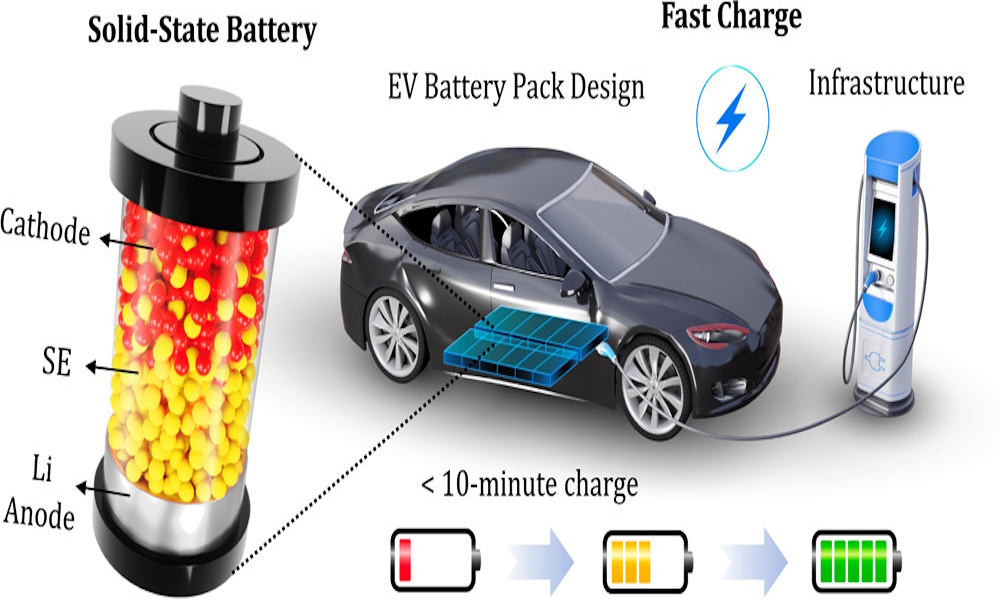
Tags
📧 Get More Articles Like This
Subscribe to receive product reviews and buying guides in your inbox!
We respect your privacy. Unsubscribe at any time.