Modern smart car devices: AI-powered accessories that anticipate your needs
Table of Contents
- Introduction: The Tuesday Morning My Car Saved Me From Disaster
- Understanding Automotive AI: Beyond Marketing Hype
- The Prediction Revolution: How Car AI Actually Works
- Voice-Controlled AI Co-Pilots: Your Intelligent Assistant
- Smart Dash Cams With Predictive Recording
- AI Climate Systems: Temperature Perfection Without Thinking
- Intelligent Navigation That Learns Your Routes
- Biometric Health Monitors: Your Car as Wellness Guardian
- Predictive Maintenance: Fixing Problems Before They Happen
- Building Your Complete AI Vehicle Ecosystem
- Conclusion: Embracing Your Intelligent Automotive Future
- Frequently Asked Questions
The six-fifteen alarm pierced through my bedroom like a fire siren, except I’d already snoozed it twice and was now staring at six-forty-seven on the clock with the horrifying realization that I’d overslept by an hour and twelve minutes on the single most important Tuesday of my professional year. The board presentation I’d been preparing for three months was scheduled for eight-thirty downtown, a forty-minute drive under ideal conditions that never actually exist during morning rush hour, and I was still in bed wearing yesterday’s clothes because I’d fallen asleep on the couch after rehearsing my slides until two AM. The mathematical impossibility of showering, finding clean clothes, grabbing breakfast, and somehow materializing at the office looking professional and prepared rather than like someone who’d just experienced a personal catastrophe hit me with the force of a freight train as I stumbled toward the bathroom in full panic mode.
Fifteen frantic minutes later I burst through my front door at seven-oh-three, hair still damp from the world’s fastest shower, wearing a suit I’d pulled from the back of my closet that I prayed still fit properly, clutching a travel mug of coffee I’d overfilled in my haste and was now sloshing dangerously with every movement, and carrying my laptop bag that felt heavier than usual because I’d apparently packed my entire desk in my panicked state. The mental calculations racing through my mind involved traffic patterns, shortcut routes through residential neighborhoods, the probability of hitting every red light because that’s how the universe works, and the growing certainty that I was about to humiliate myself in front of executives who’d flown in specifically for this presentation by arriving sweaty, disheveled, and twenty minutes late with some pathetic excuse about alarm clocks and traffic.
But here’s where this disaster Tuesday transformed into something approaching manageable through technology I’d installed three months earlier and honestly hadn’t thought much about since the initial excitement wore off. The moment I dropped into my driver’s seat and pulled the door closed, before I’d even reached for my keys or touched any controls, my car already knew something was catastrophically wrong with my morning routine. The AI system I’d been skeptical about when a friend recommended it had been silently observing my patterns for twelve weeks, learning the rhythms of my daily life with an attention to detail I didn’t consciously recognize, and it had just detected a massive deviation from everything it knew about my Tuesday mornings that normally began with calm seven-fifteen departures rather than this seven-oh-three explosion of chaos.
The voice assistant activated without prompting as I fumbled with my seatbelt, speaking in that eerily calm tone that AI systems always use regardless of circumstances. “Good morning. I’ve detected you’re running significantly behind your normal schedule and have a critical eight-thirty meeting downtown according to your calendar. Current traffic conditions show a seventeen-minute delay on your usual route due to a multi-vehicle accident blocking two lanes. I’ve calculated an alternate path using surface streets that should get you there by eight-twenty-two assuming you depart immediately. Your climate system is already warming the vehicle to your preferred stress-situation temperature of sixty-eight degrees, I’ve notified your assistant that you’re running late and requested someone set up the presentation equipment, and I can order your usual pre-meeting breakfast from the café near your office for pickup at eight-fifteen if you’d like.”
I sat there in stunned silence for approximately five seconds, which probably sounds like nothing but felt like an eternity given my time constraints, processing what had just occurred. My car—or more accurately, the constellation of AI-powered accessories I’d gradually added to my thoroughly average sedan over recent months—had recognized the abnormal departure time, cross-referenced it with my calendar showing the board meeting, analyzed real-time traffic to identify problems I wouldn’t discover until stuck in gridlock, calculated alternative routing accounting for current conditions rather than just suggesting my usual path, adjusted climate settings based on learned correlations between my stress levels and temperature preferences I didn’t consciously know I had, and proactively addressed multiple urgent needs without requiring any input from my already overwhelmed brain that was still trying to remember if I’d locked my front door.
The drive downtown became a masterclass in what genuine artificial intelligence actually means versus the marketing hype that most “smart” products hide behind. The AI dash cam automatically began recording when sensors detected my elevated heart rate and rapid breathing patterns that its algorithms had learned correlate with higher accident risk requiring documentation. The intelligent charging hub immediately allocated maximum power to my laptop that would need full charge for the presentation while throttling my phone that was already at eighty-seven percent, making optimization decisions I never would have consciously considered while my mind raced through slide transitions and talking points. The climate controller made gradual temperature adjustments as my stress-induced perspiration normalized, implementing changes subtle enough that I never noticed them happening but that prevented the overheating discomfort that usually accompanies my anxiety responses. The voice assistant filtered incoming notifications, correctly identifying which text messages required immediate attention versus what could wait until after my meeting, applying intelligence to communication triage that saved me from distraction while ensuring I didn’t miss anything truly urgent.
I pulled into the parking garage at eight-nineteen, grabbed my laptop bag, and sprinted toward the elevator with the profound realization that technology had just prevented what would have been a career-defining disaster. Without the AI systems working in concert to manage the crisis, I would have spent the first ten minutes of my drive stuck in traffic I didn’t know existed, arrived at eight-fifty sweating and apologizing, and delivered my presentation in the worst possible mental state. Instead, I walked into the conference room at eight-twenty-seven, took two minutes to compose myself, and delivered what turned out to be one of my best presentations because I wasn’t mentally destroyed from traffic nightmares and time panic.
The transformation in my relationship with my vehicle over those twelve weeks from when I’d first installed AI accessories to that Tuesday morning revelation represented something more profound than simply adding convenient features. For decades, cars had been machines requiring constant direction and management—every adjustment, every decision, every action demanded my attention and input. The AI revolution currently transforming automotive accessories changes that fundamental dynamic by introducing genuine intelligence capable of observation, learning, prediction, and initiative rather than just responding to commands. The difference between reactive tools waiting for instructions and proactive intelligent systems that anticipate needs and solve problems you haven’t explicitly articulated proves far more significant than I’d appreciated before experiencing it viscerally during a genuine crisis.
Check out this demonstration of cutting-edge car gadgets that exemplify how AI-powered technology is becoming an essential part of today’s smart vehicles :
The explosion of AI-powered car gadgets accelerating throughout twenty twenty-five and into twenty twenty-six reflects broader technological maturation where artificial intelligence transitions from experimental novelty that sounds impressive in demonstrations to practical utility that delivers genuine value during real-world daily use. Machine learning algorithms have become sophisticated enough to identify meaningful patterns in complex human behavior, powerful enough to process enormous datasets in real-time despite automotive hardware constraints, affordable enough that aftermarket accessories costing hundreds rather than thousands can incorporate legitimate intelligence, and reliable enough that people trust them to handle important decisions rather than treating them as interesting toys that fail when circumstances matter. The convergence of improved natural language processing enabling actual conversation rather than rigid commands, miniaturized computing power cramming desktop capabilities into portable devices, expanded sensor suites providing rich environmental awareness, cloud connectivity enabling learning from millions of vehicles simultaneously, and massive training datasets teaching algorithms to recognize patterns humans never consciously perceive has created perfect conditions for automotive AI to deliver on promises that seemed like science fiction just five years ago.
However, the proliferation of products claiming AI capabilities creates massive challenges for consumers trying to distinguish legitimate machine intelligence from glorified automation wearing trendy labels for marketing purposes. The automotive accessory market suffers from aggressive misuse of artificial intelligence terminology for products incorporating no actual learning capability or adaptive behavior beyond simple if-then programming that’s existed for decades. A climate control that remembers your last temperature setting and applies it automatically isn’t AI regardless of what the packaging claims—it’s basic memory storage that requires no intelligence whatsoever. Voice recognition that responds only to exact phrases spoken in specific formats isn’t artificial intelligence—it’s pattern matching against predetermined commands that’s been commercially available since the nineteen eighties. Without technical expertise to evaluate algorithmic sophistication, most consumers rely on marketing materials ranging from honestly accurate to wildly exaggerated to occasionally fraudulent, making informed purchasing decisions nearly impossible.
Beyond separating authentic AI from marketing fiction, consumers face practical questions about which intelligent accessories actually deliver meaningful value versus creating expensive complexity that sounds impressive during initial demonstrations but proves useless during normal daily driving. The automotive AI market spans everything from genuinely revolutionary systems transforming safety, convenience, and stress levels to expensive gadgets solving problems nobody actually has while introducing new frustrations through buggy implementation or features designed for controlled showroom demos rather than real-world conditions. Without honest assessments based on extended everyday use rather than best-case scenarios carefully orchestrated to showcase theoretical capabilities, making wise investment decisions becomes a gamble where consumers often lose.
This comprehensive guide cuts through the noise with brutal honesty about what AI car accessories genuinely deliver versus what marketing promises, examining the legitimate technological capabilities separating real artificial intelligence from automated response systems, exploring specific categories of AI-powered gadgets to identify which ones justify costs through practical utility, and providing frameworks for evaluating products to distinguish meaningful innovation from conventional technology wearing fashionable AI branding. The goal involves enabling informed decisions about which intelligent accessories enhance your specific driving experience rather than accumulating expensive gadgets that impress friends initially but ultimately sit unused because they address theoretical problems instead of real needs.
Different drivers discover value in different AI capabilities depending on individual circumstances and pain points rather than universal benefits applying equally to everyone. Daily commuters benefit enormously from predictive navigation avoiding traffic disasters and intelligent climate management reducing decision fatigue during repetitive drives where mental autopilot makes manual adjustment particularly error-prone. Parents transporting children need robust voice control systems enabling vehicle management without dangerous distraction from roads where split-second awareness gaps cause accidents. Technology professionals appreciate sophisticated integration possibilities and automation potential that multiple coordinated AI accessories enable when properly configured. Road warriors spending extensive time driving benefit from biometric monitoring systems identifying fatigue and recommending breaks before exhaustion compromises safety. Understanding which AI capabilities address your particular situation versus which features sound interesting but provide minimal practical benefit proves essential for building genuinely useful intelligent vehicle ecosystems rather than accumulating expensive technology that gathers dust.
The investment required for comprehensive AI enhancement varies dramatically depending on ambition and existing vehicle capabilities, ranging from modest upgrades to complete intelligent transformation. Basic AI functionality covering voice control and adaptive learning in single categories like navigation or climate can be achieved for one hundred to two hundred dollars through quality aftermarket accessories that deliver meaningful intelligence without breaking budgets. Comprehensive intelligent vehicle systems incorporating multiple coordinated accessories across navigation, entertainment, climate, safety, and maintenance categories typically require five hundred to one thousand dollars in total accessory investments when selecting mid-range products balancing capability with cost. Premium implementations approaching luxury vehicle factory AI capabilities might demand two thousand dollars or more when choosing top-tier components across all categories, but these investments seem modest compared to fifteen thousand to thirty thousand dollar premiums new vehicles with integrated AI command over equivalent non-intelligent models.
The rapid pace of AI development in automotive accessories means products purchased even eighteen months ago seem primitive compared to current offerings, while today’s cutting-edge systems will likely appear limited compared to what becomes available within the next year. This accelerating evolution creates tension between waiting for next-generation improvements versus purchasing current systems delivering immediate benefits despite knowing better versions arrive continuously. The practical approach involves identifying specific pain points in your current driving experience, implementing AI accessories addressing those particular frustrations, and accepting that incremental upgrades will continue as technology advances rather than expecting any purchase to represent permanent solutions immune to obsolescence.
Let’s explore the AI-powered car accessories actually working as advertised rather than just sounding impressive in marketing materials, examining specific capabilities delivering meaningful value versus demonstrations designed to look good but proving useless daily, and discussing practical considerations for building intelligent vehicle ecosystems that enhance rather than complicate your real-world driving experience.
Understanding Automotive AI: Beyond Marketing Hype
The term artificial intelligence suffers from severe definitional imprecision in automotive marketing where everything from basic voice recognition following scripted commands to sophisticated neural networks exhibiting genuine learning capabilities gets labeled as AI without meaningful distinction between fundamentally different technological sophistication levels. Understanding the spectrum of automotive intelligence helps evaluate product claims realistically and identify which accessories incorporate genuine machine learning versus simpler automation wearing AI labels purely for marketing appeal to technology-enthusiastic consumers willing to pay premium prices for intelligence whether real or imaginary.
The Intelligence Hierarchy
At the foundation of the automotive intelligence hierarchy sit basic automated systems executing rigid if-then logic programmed explicitly by engineers—if cabin temperature exceeds seventy-eight degrees then activate air conditioning, if voice input contains word navigation then open maps application, if accelerometer detects sudden deceleration then trigger dash cam recording. These systems represent automation rather than intelligence since they lack any learning capability, contextual awareness beyond their specific programmed triggers, or ability to adapt behavior based on experience. They perform valuable functions through eliminating manual steps and providing convenience, but calling them artificial intelligence misrepresents their technological sophistication and creates unrealistic expectations about capabilities.
Moving up the hierarchy we encounter adaptive systems that modify behavior based on user adjustments and preferences stored in memory but don’t independently identify patterns or anticipate needs beyond explicitly programmed rules. A climate system remembering your preferred temperature setting represents adaptation through memory rather than intelligence—it stores your manually configured preference and applies it automatically during startup, but never analyzes whether you prefer different temperatures under varying conditions or learns that you consistently adjust warmer when it’s raining despite identical ambient readings. These systems eliminate repetitive manual configuration improving convenience substantially, but they implement remembered preferences rather than discovered patterns and require explicit user input to establish those preferences initially.
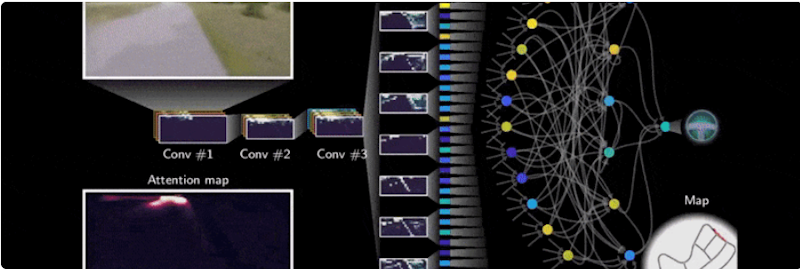
Genuine artificial intelligence emerges when systems independently identify patterns humans never explicitly program, make predictions about future needs based on contextual analysis incorporating multiple variables, and adapt behavior proactively rather than simply applying stored instructions or responding to explicit commands. When a navigation system observes that you consistently prefer highway routes during morning commutes despite slightly longer distances but choose surface streets for identical evening journeys to avoid rush hour traffic even when highways would theoretically be faster, and it makes these routing distinctions without anyone ever programming such rules, real machine learning is occurring. The system identified behavioral patterns through analyzing thousands of route choices correlated with temporal, environmental, and contextual factors, built predictive models forecasting your likely preferences given current conditions, and continues refining these models as it accumulates additional data revealing edge cases and exceptions to general patterns.
The highest tier of automotive AI incorporates deep learning neural networks that recognize extraordinarily complex multi-factor patterns, adapt continuously through reinforcement learning where outcomes inform future decisions, handle ambiguous situations through probabilistic reasoning rather than rigid rules, and even exhibit limited forms of transfer learning where knowledge gained in one domain improves performance in related areas. Advanced biometric monitoring systems don’t just detect elevated heart rates suggesting stress—they learn correlations between driving conditions, physiological responses, subsequent behavior patterns, and outcome metrics to make sophisticated predictions about accident risk, recommended intervention timing, and personalized alerting strategies that balance safety against alert fatigue from excessive warnings during false alarms.
Machine Learning Fundamentals Powering Automotive AI
Machine learning represents the technological foundation enabling genuine automotive intelligence by allowing systems to improve performance through experience rather than requiring explicit programming for every conceivable scenario. The core principle involves algorithms that identify statistical patterns in large datasets, build mathematical models predicting relationships between inputs and desired outputs, and refine these models continuously as they process additional examples. In automotive applications, this manifests as systems learning that you prefer warmer temperatures on rainy mornings, different navigation routes depending on time of day, higher audio volume on highways versus residential streets, or thousands of other subtle preferences and patterns that emerge from behavioral observation rather than conscious articulation.
The machine learning process begins with extensive data collection where systems observe user behaviors, environmental conditions, vehicle states, and outcomes across thousands of instances accumulating detailed records about contexts and actions. A climate AI records every manual temperature adjustment you make along with comprehensive contextual metadata including ambient temperature, weather conditions, humidity, sun position, time of day, estimated occupancy from weight sensors, previous settings before adjustment, and how long current settings had been active before you intervened. Over weeks and months, patterns emerge from this data that algorithms identify through statistical analysis—perhaps you consistently increase temperature three degrees when precipitation occurs, prefer two degrees cooler when multiple passengers occupy the vehicle, run systems warmer during morning hours versus evenings despite identical ambient conditions, or exhibit dozens of other correlations between context and preference.
The critical distinction between machine learning and conventional automation involves discovery capability where systems identify patterns nobody explicitly programmed them to recognize. Traditional automated systems require engineers anticipating every relevant scenario and coding appropriate responses—if weather equals rain then increase temperature by three degrees. Machine learning systems analyze behavioral data to discover which contextual factors correlate with which user preferences, identifying relationships that might surprise even users themselves who make consistent choices driven by subconscious factors they’ve never consciously articulated. This discovery enables AI accessories adapting to individual quirks and preferences impossible to capture through explicit programming because users couldn’t describe the patterns their own behavior follows.
The accuracy of machine learning predictions improves dramatically as training datasets expand, creating powerful incentives for cloud-connected AI systems that aggregate anonymized data across millions of vehicles. Individual learning from your personal behavior provides valuable personalization, but population-level patterns dramatically accelerate algorithm training and enable recognizing edge cases that individual vehicles might encounter rarely but that appear frequently in aggregate data. A climate AI learning only from your vehicle might take months identifying the correlation between rain and temperature preferences if you live in typically dry climates where precipitation occurs infrequently, but cloud-connected systems instantly incorporate this pattern learned from millions of users in wetter regions who’ve already provided abundant training examples.
Shop on AliExpress via link: wholesale-ai-car-machine-learning
The Prediction Revolution: How Car AI Actually Works
The fundamental value proposition of AI-powered car accessories centers on prediction—anticipating needs before you articulate them, identifying problems before they become emergencies, and making proactive adjustments maintaining optimal conditions rather than reacting after discomfort or inconvenience has already occurred. Understanding how automotive AI achieves these predictive capabilities demystifies technology that otherwise seems almost magical in its apparent ability to read minds and anticipate desires. The reality involves no telepathy or mysticism, just sophisticated pattern recognition analyzing enormous quantities of data to identify correlations that enable statistically accurate forecasting about human preferences and behaviors.
Pattern Recognition Across Multiple Data Dimensions
Effective prediction requires analyzing patterns across numerous data dimensions simultaneously rather than simplistic one-factor correlations that basic automation implements. Consider temperature preferences where naive automation might remember you like seventy-two degrees and maintain that setting constantly. This works poorly because comfortable temperature varies enormously based on weather conditions, sun exposure, time of day, physical activity levels before entering the vehicle, clothing choices, number of occupants, humidity, whether windows are open, and countless other factors that influence thermal comfort independent of ambient temperature readings.
AI climate systems address this complexity by collecting multidimensional data about every temperature adjustment—not just what you changed settings to, but comprehensive contextual information about conditions when adjustments occurred. Over time, machine learning algorithms identify which combinations of factors predict your preferences with high accuracy. The analysis might reveal you prefer seventy-four degrees on sunny mornings regardless of outside temperature, sixty-eight degrees during rainy conditions, seventy-one degrees when driving alone but sixty-nine with passengers, three degrees cooler on highways than city streets, and progressively warmer settings as winter progresses suggesting seasonal acclimatization that shifts preferences gradually rather than maintaining fixed year-round targets.
These multidimensional patterns prove impossible for humans to consciously recognize or articulate despite following them consistently. You’re not aware that you prefer different temperatures based on sun exposure or passenger count—you just feel uncomfortable and adjust settings in response to that discomfort without analyzing why particular conditions prompt particular preferences. AI systems identify these subconscious patterns by analyzing correlations across thousands of adjustment events, discovering relationships you’d never consciously notice but that predict your behavior with remarkable accuracy once sufficient training data accumulates.
Contextual Awareness Through Sensor Fusion
Sophisticated automotive AI achieves contextual awareness through sensor fusion combining data from diverse sources into comprehensive environmental understanding exceeding what any individual sensor provides. A navigation AI might integrate GPS position data, accelerometer readings revealing driving dynamics, traffic pattern analysis from cloud-connected systems, calendar appointments indicating destinations and schedule constraints, historical route preferences from past journeys, real-time weather conditions affecting route choices, current audio and climate settings suggesting mood or urgency, and even voice tone analysis from interactions with assistants that might indicate stress levels influencing routing priorities.
This sensor fusion creates contextual understanding enabling nuanced predictions accounting for numerous factors. The navigation system doesn’t just calculate fastest routes—it predicts which route you’ll prefer given current context. Morning commute to work during rainy weather when you’re running late based on unusual departure time might prompt highway recommendations prioritizing speed despite your general preference for surface streets, because the AI recognizes time pressure overrides normal routing preferences when you’re behind schedule. The same destination during relaxed weekend afternoon might generate scenic route suggestions accounting for your typical leisure driving preferences when time constraints don’t dominate decisions.
The accuracy of contextual predictions scales dramatically with sensor diversity and data richness. Basic systems with limited sensor inputs make crude predictions prone to errors, while comprehensive sensor suites enable remarkably accurate anticipation of needs and preferences. The investment in AI accessories with extensive sensor integration and cloud connectivity typically justifies costs through substantially superior performance compared to budget alternatives making predictions from limited data producing frequent frustrating mistakes that undermine user confidence in system intelligence.
Voice-Controlled AI Co-Pilots: Your Intelligent Assistant
Voice-activated AI assistants represent perhaps the most visible and heavily marketed category of intelligent automotive accessories, promising vehicle control through natural conversation rather than button pressing, menu navigation, or touchscreen interaction requiring visual attention that creates dangerous distraction during driving. The vision of simply speaking requests and having intelligent systems understand intent and execute appropriate actions has captivated engineers and consumers alike, producing extensive development investment and aggressive marketing claims. However, the reality of current voice AI capabilities exists somewhere between science fiction scenarios that marketing suggests and frustrating limited functionality characterizing earlier voice recognition systems requiring exact phrases in rigid formats.
Natural Language Understanding Versus Command Recognition
The spectrum of voice-activated automotive assistants ranges from basic command recognition systems barely deserving AI designation to sophisticated natural language platforms approaching conversational abilities of human assistants within constrained automotive domains. Entry-level systems recognize fixed vocabularies of commands spoken in specific formats, functioning essentially as voice-activated buttons rather than intelligent assistants. These might respond to “set temperature to seventy-two degrees” but fail if you say “I’m freezing” because they match exact phrases rather than understanding underlying intent expressed through natural language. The voice control provides convenience compared to manual adjustment but represents automation rather than genuine intelligence.
Mid-range voice AI incorporates natural language understanding interpreting intent from varied phrasings, handling conversational references and maintaining context across exchanges, and integrating with multiple vehicle systems enabling complex multi-step requests expressed casually rather than through rigid command structures. You might say “it’s too cold and the sun is too bright” and the assistant understands this implies increasing cabin temperature while deploying sun visors or tinting windows, executing both actions from a single natural statement rather than requiring separate explicit commands for each adjustment. The system remembers conversation context allowing follow-up requests like “actually make it warmer” without needing specification that you’re still discussing temperature rather than some unrelated setting. This represents genuine intelligence through language comprehension and contextual reasoning beyond simple pattern matching.
Premium voice AI platforms approach science fiction scenarios through sophisticated natural language processing handling complex conversational interactions, extensive integration with vehicle systems and external services ranging from navigation to smart home control, proactive suggestions based on learned preferences and detected contexts, and even personality customization allowing adjustment of communication styles and verbal mannerisms matching user preferences for formal versus casual interaction. These systems handle intricate requests like “find a highly-rated sushi restaurant that’s open now within five minutes of my route home, make a reservation for four at seven o’clock, and update navigation to stop there before heading home” executing multiple steps involving web searches, business hours verification, reservation booking through third-party services, and route modification from a single conversational request. The assistant might proactively interject suggestions like “you typically stop for coffee around this time on weekday afternoons—should I add your usual café to the route” based on learned behavioral patterns without waiting for explicit requests.
The practical value of voice AI scales dramatically with sophistication levels. Basic command recognition provides modest convenience over manual controls but frustrates users through limited vocabulary and rigid phrasing requirements that force unnatural speech patterns. Mid-range natural language understanding delivers substantial value through handling conversational speech and enabling comprehensive hands-free vehicle management significantly reducing dangerous distraction during driving when attention should focus on roads rather than fumbling with controls. Premium AI platforms transform in-vehicle experiences through genuinely conversational interaction feeling remarkably similar to competent human assistants handling routine decisions and management tasks. However, cost progression proves equally dramatic with entry systems available for fifty to eighty dollars, mid-range platforms costing one hundred fifty to two hundred fifty dollars, and premium AI commanding three hundred to five hundred dollars for capabilities approaching factory systems in luxury vehicles.
Integration Depth Determining Real-World Utility
The practical utility of voice AI assistants depends heavily on integration comprehensiveness with vehicle systems and external services rather than just language understanding sophistication. An assistant perfectly comprehending requests to adjust temperature provides no value if it can’t actually control climate systems—understanding without action delivers frustration rather than benefit. Limited integration constrains usefulness regardless of language processing capabilities, while comprehensive control access transforms voice AI into genuinely useful digital co-pilots managing most vehicle functions and many aspects of connected lives while drivers focus on roads.
Vehicle system integration typically occurs through several connection pathways with varying comprehensiveness and compatibility across different vehicles. Basic approaches involve assistants controlling only functions built into their own hardware—perhaps music playback and phone calls if devices include speakers and Bluetooth connectivity. This limited scope provides minimal advantage over smartphone voice assistants users already possess. Better implementations connect to vehicle systems through standard interfaces like Bluetooth for audio control, OBD2 diagnostic ports for vehicle data access, and sometimes proprietary adapters enabling climate system management, though implementation quality varies enormously across accessory manufacturers.
The most comprehensive aftermarket AI assistants employ multiple connection methods including vehicle-specific integration modules tapping directly into factory control systems, automated interaction with touchscreen interfaces through mechanical or capacitive actuators, and cloud-based services enhancing capabilities beyond what local vehicle access alone enables. Truly integrated systems might control climate through direct HVAC connections, manage navigation by integrating with existing GPS or smartphone mapping applications, handle entertainment through audio system Bluetooth, access vehicle diagnostics via OBD2, control smart home devices through internet connectivity, and integrate with calendars, email, messaging, and other online services through cloud platforms. This comprehensive scope enables genuinely useful scenarios marketing showcases rather than limited functionality many budget voice AI accessories actually deliver in real-world use.
Compatibility research proves critical when selecting voice assistants since integration depends heavily on specific vehicle makes, models, production years, and sometimes even trim levels with different factory systems. Some assistants offer broad compatibility across most vehicles through standardized connection methods, while others provide deep integration only for specific manufacturers or model ranges. Vehicle-specific integration typically delivers superior functionality through purpose-built connections to factory systems, but limits choices to assistants supporting particular vehicles. Universal solutions sacrifice some capability for broader compatibility, working adequately across different vehicles but never achieving seamless integration that vehicle-specific implementations provide.
Shop on AliExpress via link: wholesale-car-voice-assistant-smart
Smart Dash Cams With Predictive Recording
Dashboard cameras have evolved from passive recording devices continuously capturing whatever appears in their view into intelligent systems actively analyzing visual information, identifying significant events warranting preservation, and making contextual decisions about what matters enough to save versus what can be safely discarded without losing valuable documentation. This transformation from dumb recorders to smart witnesses represents one of the most practical applications of automotive AI, delivering genuine value through ensuring critical footage exists when needed while eliminating storage management burdens that plagued conventional dash cams requiring constant manual review and deletion preventing memory exhaustion.
Intelligent Event Detection Through Computer Vision
Traditional dash cams operated through continuous recording where everything gets captured to memory cards until storage fills completely, at which point oldest footage gets overwritten by new recordings in endless loops. This approach suffered from several critical limitations that AI-powered predictive systems address comprehensively. Storage capacity determines total recording time available before overwriting begins—perhaps several hours with large memory cards but inevitably insufficient for extended periods without manual intervention requiring users regularly reviewing footage and manually saving anything important before overwrite cycles delete it permanently. The continuous recording captures hours of mundane uneventful driving for every second of actually significant events, creating enormous data volumes requiring tedious review to identify what matters amid vast quantities of routine footage serving no useful purpose.
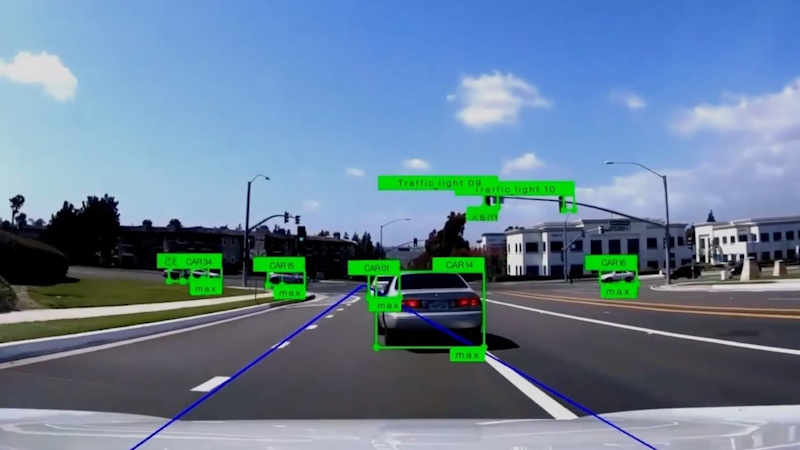
AI-powered predictive dash cams solve these problems through intelligent recording that identifies potentially significant events and automatically saves relevant footage while discarding routine driving segments that serve no documentation purpose worth preserving permanently. Computer vision algorithms continuously analyze video streams identifying specific objects including vehicles, pedestrians, cyclists, traffic signals, lane markings, and obstacles while tracking movement patterns and assessing potential collision risks or unusual behaviors warranting documentation. When systems detect events suggesting something noteworthy occurred—sudden braking, collision impacts, near-miss encounters, unusual vehicle behavior from others, aggressive driving patterns, traffic violations, or anything else indicating departures from normal safe driving patterns—they automatically mark footage for permanent retention while continuing to discard routine driving segments where nothing significant happened.
The practical value of intelligent recording proves substantial through multiple mechanisms. Automatic event identification ensures footage of actual accidents and near-misses gets preserved without requiring drivers remembering to manually save recordings immediately after stressful incidents when minds are elsewhere dealing with consequences. Storage efficiency from discarding routine footage dramatically extends effective recording periods before important events might be overwritten—instead of several hours of total recording time, intelligent systems effectively provide weeks or months of incident coverage because they’re only saving tiny fractions of time when significant events occur. Elimination of manual review requirements prevents footage management burdens that cause many people abandoning conventional dash cams after initial enthusiasm wanes and tedious reality of storage management becomes apparent.
Multi-Sensor Fusion For Accurate Event Classification
The sophistication of AI dash cams varies dramatically in how they identify significant events warranting footage preservation, ranging from simple accelerometer-based detection of impacts and hard braking to complex multi-sensor analysis incorporating visual recognition, audio detection, biometric monitoring, and contextual reasoning. Budget systems using only accelerometer data trigger recording when detecting sudden deceleration or lateral acceleration suggesting hard braking, sharp turns, or collision impacts. This basic approach catches obvious events but suffers from substantial false positive rates—routine hard braking for traffic lights, sharp turns navigating parking lots, and rough road surfaces all trigger recording despite nothing significant occurring, gradually filling storage with routine footage falsely flagged as important events.
Mid-range AI dash cams incorporate computer vision analyzing video streams to identify visual indicators of significant events—vehicles entering your lane unexpectedly, pedestrians stepping into roadways, sudden movements by nearby vehicles suggesting loss of control, traffic signal violations by others creating collision risks, and aggressive driving behaviors like tailgating or unsafe passing maneuvers. Visual analysis substantially reduces false positives by confirming that accelerometer detections actually correlate with visual evidence of significant events rather than merely rough road conditions or normal driving dynamics that happen to involve harder braking or sharper turns than average. Hard brakes trigger recording only if video shows vehicles suddenly appearing ahead or pedestrians entering roadways, not simply because you stopped quickly for traffic lights or navigated sharp curves.
Premium predictive dash cams employ comprehensive multi-factor analysis fusing data from cameras, accelerometers, GPS, microphones, and even biometric monitors if present to identify significant events through holistic assessment rather than single-factor triggers prone to errors. Systems might combine visual detection of vehicles drifting toward your lane with audio recognition of screeching tires and driver behavioral indicators like sudden steering inputs and increased heart rates to identify near-miss incidents with high confidence while filtering out the many false positives that single-factor detection generates. This comprehensive analysis achieves remarkably accurate event identification with false positive rates below five percent according to recent automotive safety research—meaning footage marked for preservation almost always represents genuinely significant events rather than routine driving falsely flagged as important through crude detection algorithms.
Advanced AI systems also incorporate contextual reasoning when evaluating whether detected events warrant footage preservation beyond just identifying that something unusual occurred. Sudden braking accompanied by visual detection of vehicles ahead might not trigger recording if systems recognize this as normal traffic flow at red lights, while identical sensor readings in contexts where traffic should be flowing freely suggests genuine incidents worth preserving. GPS data indicating location, speed, and whether you’re on highways versus residential streets influences event assessment—sharp turns and hard braking occur normally in parking lots but suggest possible incidents on highways where such maneuvers indicate emergency situations. This contextual awareness prevents storage bloat that simpler systems create through flagging routine driving as significant simply because it matches detection criteria without accounting for whether those patterns are actually unusual in current contexts.
AI Climate Systems: Temperature Perfection Without Thinking
Climate control represents one of the most frequent manual adjustments drivers make during trips, with behavioral studies finding typical commuters modify temperature, fan speed, or air distribution settings between three to seven times hourly depending on weather conditions, sun position changes, and vehicle occupancy variations. This constant fiddling reflects inherent challenges of maintaining comfortable cabin temperatures as external conditions change throughout drives and traditional automotive climate systems lack intelligence to anticipate these changes or adapt to individual preferences automatically. AI-powered smart climate controllers transform frustrating cycles of adjustment by learning temperature preferences across different conditions and proactively managing climate settings to maintain comfort without requiring attention or manual intervention.
Personalized Temperature Learning Through Behavioral Analysis
The fundamental insight enabling smart climate control involves recognizing that temperature comfort is highly individual and context-dependent rather than following universal patterns that simple thermostat automation can address adequately. Different people experience identical ambient temperatures as comfortable or uncomfortable based on factors including metabolic rates, body composition, clothing choices, and acclimatization to local climates developed through extended exposure to typical weather patterns in regions where they live. Even individual preferences vary substantially based on context—the same person might prefer sixty-eight degrees on rainy days and seventy-three on sunny days despite identical ambient temperatures because sunlight through windows creates perceptions of warmth that influence comfort independent of actual temperature measurements that thermostats use for control decisions.
Traditional climate control automation sets fixed temperatures based on thermostat targets, treating seventy-two degrees as seventy-two degrees regardless of external conditions or individual preferences that might make that setting comfortable or uncomfortable depending on context. This simplistic approach works poorly because it ignores contextual and individual factors determining actual comfort. Setting systems to seventy degrees produces dramatically different comfort levels depending on whether it’s sunny or cloudy, morning or evening, highway driving or city traffic, single occupant or multiple passengers, and countless other variables that fixed automation cannot account for without extensive manual programming that users won’t undertake and probably couldn’t accurately specify even if willing to invest that effort.
AI-powered climate controllers solve this problem through machine learning that identifies individual comfort preferences across different contexts by observing patterns in manual adjustments rather than requiring users explicitly programming complex rules accounting for every variable affecting comfort. Over the first few weeks of usage, systems record every temperature adjustment you make along with extensive contextual information including ambient temperature readings, weather conditions from connected services, sun position calculations based on time and GPS location, estimated occupancy from seat sensors, and current climate settings before adjustments occurred. Advanced systems even monitor whether windows are open affecting cabin conditions, track typical commute timing establishing behavioral patterns, and note whether vehicles were recently parked in sun or shade based on cabin temperature differentials between interior and ambient readings.
From this data, machine learning algorithms identify correlations predicting comfort preferences. Perhaps analysis reveals you consistently increase temperature two degrees when it’s raining, prefer three degrees cooler when driving with passengers, always adjust warmer during morning commutes versus evening drives despite identical ambient conditions, or run systems slightly cooler on highways than in city driving where lower speeds reduce air flow effects. These patterns might surprise you since many preferences reflect subconscious reactions rather than deliberate choices you could articulate if asked, but they emerge clearly from behavioral data and enable accurate prediction of likely desired settings given current conditions once sufficient training data accumulates.
The predictive accuracy of smart climate systems improves continuously as they accumulate additional data points, typically reaching eighty to ninety percent accuracy in anticipating desired settings after several months of learning according to automotive AI research studies. This means systems maintain comfortable temperatures requiring manual intervention only one or two times out of ten rather than the constant adjustment cycles characterizing manual climate management. The remaining adjustments typically reflect unusual situations outside systems’ accumulated experience—perhaps first drives with windows open after winter, wearing unusually heavy clothing for outdoor activities before driving, or dealing with malfunctioning heaters changing normal temperature dynamics. These edge cases contribute to ongoing learning as systems incorporate new patterns and refine models based on growing libraries of experiences.
Shop on AliExpress via link: wholesale-smart-car-climate-ai
Proactive Adjustment and Remote Pre-Conditioning
The most advanced AI climate controllers transcend reactive adjustment responding to detected discomfort and instead proactively manage conditions preventing discomfort from ever occurring. Rather than waiting for cabin temperatures deviating from preferred ranges and then activating heating or cooling to correct problems after they’ve already affected comfort, predictive systems anticipate changes before they impact comfort and begin conditioning proactively. If you typically depart for work at seven-thirty AM and systems know overnight temperatures dropped substantially based on weather data, they might begin pre-warming cabins at seven-fifteen so vehicles reach comfortable temperatures by normal departure times rather than starting cold and gradually warming during first portions of commutes when you’re most likely to be rushing and distracted.
This proactive intelligence extends to managing climate changes during drives rather than only pre-conditioning before departure. Systems might notice based on navigation data that you’ll soon transition from shaded streets to sun-exposed highways and begin cooling slightly before temperature changes occur so comfort remains consistent rather than waiting to react after sun exposure has already warmed cabins beyond comfortable ranges. Or they might recognize based on GPS coordinates and time of day that you’re approaching ends of typical morning commutes and begin reducing climate system operation since you’ll exit vehicles soon, preventing wasteful situations where systems aggressively condition cabins moments before you leave.
Remote conditioning capability enabled through smartphone app connectivity represents one of the most appreciated features of connected smart climate systems, allowing triggering vehicle heating or cooling before entering so you step into comfortable cabins rather than extreme temperatures that develop in parked vehicles exposed to weather. This proves particularly valuable in harsh climates where interior temperatures might reach one hundred thirty degrees during summer or drop below freezing in winter, creating genuinely dangerous conditions if you need to immediately drive rather than waiting for climate systems to normalize cabin temperatures gradually. Remote start plus smart climate conditioning ensures vehicles reach comfortable temperatures during pre-conditioning periods rather than simply running climate systems at maximum hoping temperatures improve before you need to depart.
Implementation quality of remote conditioning varies substantially across smart climate accessories, with budget systems providing only basic manual control requiring opening apps and activating heating or cooling manually, while premium implementations offer schedule-based automation that conditions vehicles at programmed times even without explicit daily activation. The most sophisticated systems incorporate contextual intelligence learning typical departure times and proactively initiating conditioning so cabins reach optimal temperatures precisely when you usually leave, eliminating needs for scheduled operation or manual activation while ensuring you never step into uncomfortable vehicles regardless of external weather conditions.
Intelligent Navigation That Learns Your Routes
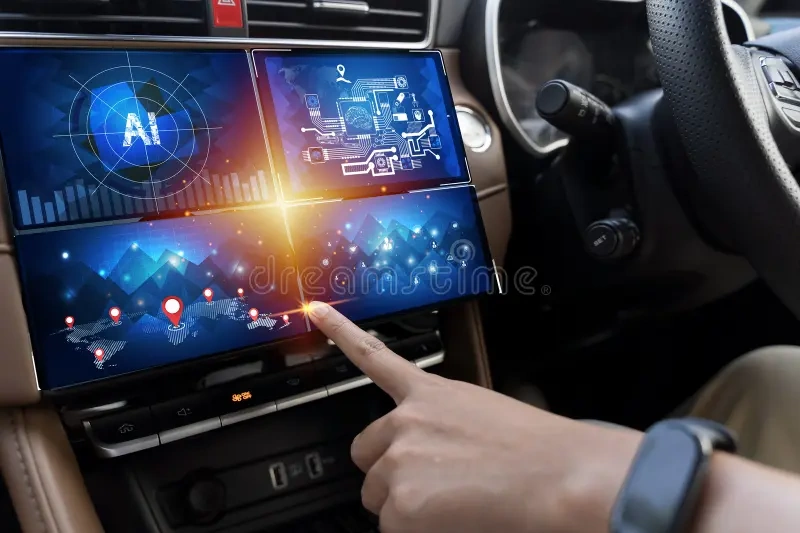
Navigation systems represent one of the earliest automotive technologies incorporating algorithmic decision-making, but differences between conventional GPS routing and genuinely intelligent AI navigation prove more substantial than many users appreciate despite both appearing superficially similar through providing turn-by-turn directions to destinations. Traditional systems calculate optimal routes based purely on cartographic data and current traffic conditions, treating all drivers as interchangeable and making routing decisions optimized for generic preferences about speed versus distance tradeoffs. AI-powered navigation learns individual routing preferences, adapts to personal patterns and priorities, and makes contextual predictions about which routes you’ll prefer in different situations rather than simply calculating whatever algorithms determine as objectively fastest or shortest paths.
Personalized Routing Beyond Generic Optimization
The fundamental limitation of conventional navigation systems involves their assumption that all drivers share identical priorities optimizing primarily for minimum travel time with secondary consideration of distance. This works adequately for many situations but fails to account for legitimate individual preferences that might prioritize different factors—some people strongly prefer highway driving even if marginally longer, others avoid highways whenever possible finding surface streets less stressful despite potentially slower average speeds. Some drivers prioritize avoiding left turns across traffic, others prefer minimizing turns overall even if routes include some left turns, while still others care little about turn complexity preferring simply fastest paths regardless. Environmental concerns might lead some drivers preferring routes minimizing fuel consumption even if slightly slower, while others prioritize avoiding toll roads despite time penalties from using free alternatives.
Traditional navigation systems accommodate these preferences poorly through crude settings like “avoid highways” or “avoid tolls” that make absolute binary distinctions rather than nuanced tradeoffs. Avoid highways settings eliminate all highway routing even when short highway segments dramatically improve overall travel times, while standard routing uses highways whenever they save even minor amounts of time regardless of whether marginal time savings justify stress some drivers experience from high-speed traffic. The boolean nature of these settings prevents expressing preferences like “use highways for trips longer than fifteen minutes but prefer surface streets for shorter drives” or “take highways during off-peak hours but avoid them during rush hour when traffic negates their speed advantages.”
AI navigation solves this problem through learning individual routing preferences from observing thousands of route choices rather than requiring explicit programming of complex rules. When presented with navigation suggestions, you sometimes accept recommended routes and sometimes choose alternatives through manual selection or simply driving different paths without following instructions. These deviations from algorithmic suggestions provide valuable data revealing actual preferences—if you consistently reject highway routes during evening commutes despite recommendations suggesting highways save time, systems learn you prioritize avoiding rush hour highway traffic over marginal time savings. If you accept highway routes on weekend trips but prefer surface streets for identical journeys during weekdays, systems identify temporal patterns in preferences that static settings cannot capture.
After observing patterns across hundreds of routes, machine learning algorithms build preference models predicting which route characteristics you value in different contexts. Models might reveal you strongly prefer highways for trips exceeding twenty minutes regardless of time of day, moderately prefer avoiding highways during weekday evening rush hours for shorter trips, care little about highway versus surface streets at other times when traffic is light, strongly avoid toll roads unless they save more than ten minutes, and prefer routes minimizing left turns across traffic even if slightly slower. These nuanced preferences capture complexity of real human routing priorities far better than crude binary avoid/prefer settings while requiring zero explicit configuration beyond simply using navigation normally and allowing systems observing your choices.
Contextual Routing and Predictive Destination Suggestions
The intelligence of AI navigation extends beyond learning static preferences to recognizing contextual patterns determining when different preferences apply and even anticipating destinations without requiring address entry. Sophisticated systems analyze correlations between various contextual factors—time of day, day of week, current location, calendar appointments, recent search history—and your typical destinations to predict where you’re likely heading with often surprising accuracy. If you consistently drive to the same office location Monday through Friday departures at roughly seven-thirty AM, systems recognize this pattern and proactively suggest navigation to work when you start driving during typical commute hours without needing address entry. The contextual awareness extends to routing preferences varying by situation rather than representing fixed individual characteristics. You might prefer fastest routes during morning commutes when you’re rushing to arrive on time but select scenic routes for identical journeys during weekend drives when you’re not time-constrained and can appreciate drives themselves rather than treating them as mere transportation. AI navigation learns these contextual patterns and adjusts routing recommendations accordingly—suggesting efficient highway paths on Tuesday mornings but offering scenic surface street routes on Saturday afternoons for the same destination. Systems might even recognize that you typically stop for coffee during morning commutes and proactively suggest routing through your usual café without explicit requests.
Advanced AI navigation platforms incorporate predictive destination suggestions that often feel remarkably accurate despite involving no mind reading beyond pattern recognition. Systems observe that departures from home at seven-thirty on weekday mornings consistently proceed to your office, that ten AM Saturday departures frequently head to particular grocery stores, that Thursday evening departures around six PM usually route to your gym, and that random time departures from work often navigate to your home. From these patterns plus contextual information from calendars, search history, and current location, systems predict likely destinations with sufficient accuracy that you can often simply tap suggested destinations rather than typing addresses or searching.
The error rate for destination predictions varies based on routine regularity and contextual clue richness, with highly regular patterns like work commutes achieving ninety percent or better prediction accuracy while less routine trips might see fifty to seventy percent accuracy. Even partial accuracy delivers value through reducing friction of address entry and navigation setup during substantial fractions of trips following predictable patterns. For the many trips that don’t match patterns, you simply enter destinations manually as with conventional navigation, losing nothing compared to traditional systems while gaining automatic routing for predictable journeys that represent significant fractions of total travel.
Biometric Health Monitors: Your Car as Wellness Guardian
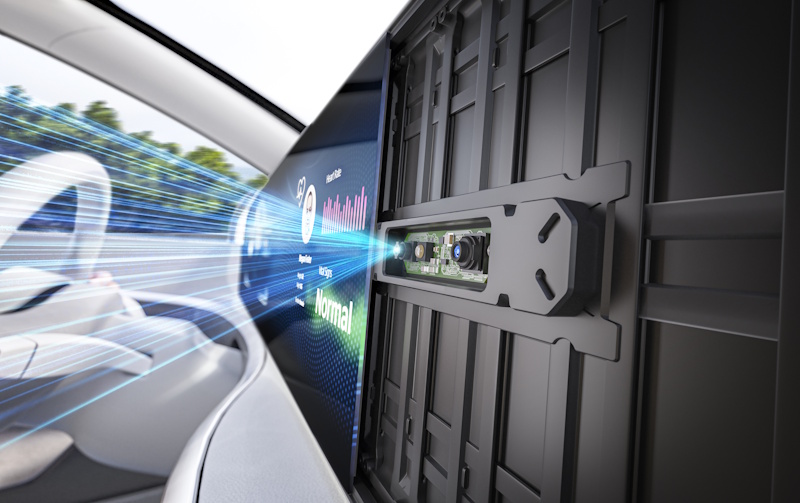
Biometric monitoring represents one of the most futuristic and potentially life-saving categories of AI car accessories, transforming vehicles from passive transportation into active health guardians monitoring driver physiological states and intervening when detected conditions suggest impairment, medical emergencies, or fatigue that could compromise safety. The technology combines various sensors measuring heart rate, breathing patterns, body temperature, perspiration levels, facial expressions, eye movement patterns, and other physiological indicators with machine learning algorithms that identify dangerous conditions warranting alerts or interventions. While this monitoring raises obvious privacy concerns about vehicles collecting intimate health data, the safety benefits from detecting drowsiness, distraction, medical emergencies, or impairment before accidents occur potentially justify surveillance that many drivers would otherwise reject.
Drowsiness Detection Through Multi-Modal Analysis
Driver fatigue causes or contributes to an estimated twenty to thirty percent of serious motor vehicle accidents according to traffic safety research, with drowsy driving impairment approaching intoxication levels when sleep deprivation becomes severe. Despite this enormous safety threat, most drivers substantially underestimate their own fatigue levels and continue driving when genuinely dangerous impairment exists. AI biometric monitoring addresses this through continuous assessment of drowsiness indicators and proactive intervention before impairment causes accidents rather than relying on drivers accurately self-assessing fatigue levels and making good decisions about when to stop driving.
Early drowsiness detection systems relied primarily on steering pattern analysis identifying erratic corrections and lane departures characteristic of micro-sleeps when drivers briefly lose consciousness for seconds at a time. While better than nothing, this approach detects drowsiness only after impairment becomes severe enough to affect driving behavior, missing opportunities for earlier intervention before dangerous situations develop. Modern AI biometric systems incorporate comprehensive multi-modal analysis combining steering pattern monitoring with eye tracking detecting prolonged blinks and reduced blink rates, facial recognition identifying expression changes and head position anomalies, heart rate variability analysis revealing stress and fatigue patterns, and sometimes even brain activity monitoring through electroencephalography sensors embedded in headrests for premium implementations.
The machine learning algorithms analyzing these multiple data streams identify drowsiness far earlier and more reliably than any single indicator alone. Eye tracking might detect blink patterns suggesting onset of fatigue fifteen to twenty minutes before steering impairment becomes apparent, enabling intervention through alerts or automated safety responses well before dangerous impairment develops. The multi-modal approach also reduces false positives that plague single-factor detection—perhaps unusual steering patterns reflect road conditions rather than drowsiness, or prolonged blinks result from dry eyes rather than fatigue. Combining multiple indicators requiring consistent patterns across different measurement types dramatically improves detection accuracy while reducing alert fatigue from excessive warnings during false alarms that cause drivers ignoring or disabling safety systems.
The intervention strategies upon detecting dangerous drowsiness vary from simple audio/visual alerts to active safety measures potentially including automated emergency stopping for fully autonomous vehicles. Basic systems provide escalating alerts starting with gentle notifications suggesting breaks and progressing to louder alarms if drowsiness indicators worsen without driver response. Advanced implementations might automatically adjust climate settings making cabins cooler to combat drowsiness, increase entertainment volume, inject steering wheel vibrations, or even deploy automated safety features like activating hazard lights and gradually reducing speed if impairment becomes severe and drivers don’t respond to warnings. The most sophisticated systems also learn individual fatigue patterns identifying that particular drivers typically experience drowsiness at specific times or after certain duration drives, enabling proactive suggestions for breaks before impairment develops rather than only reacting after fatigue detection occurs.
Medical Emergency Detection and Response
Beyond drowsiness monitoring, advanced biometric AI systems can detect medical emergencies including heart attacks, strokes, severe allergic reactions, and diabetic episodes through recognizing physiological pattern changes indicating acute health crises. Heart rate monitors identifying sudden arrhythmias, breathing pattern analysis detecting respiratory distress, facial recognition spotting drooping or asymmetry suggesting strokes, perspiration changes indicating shock, and other indicators can trigger emergency responses potentially saving lives when drivers experience medical crises while operating vehicles far from immediate help.
The challenge of medical emergency detection involves distinguishing genuine crises from normal physiological variations, exercise-induced changes, or responses to stressful driving situations that might produce similar physiological patterns without indicating actual medical emergencies. Machine learning addresses this through establishing individual baselines during normal driving and identifying deviations from personal norms rather than comparing against population averages that might not apply to specific individuals. The AI learns your typical heart rate patterns during different driving conditions, normal breathing rhythms, baseline facial expressions, and other physiological characteristics, enabling accurate detection of meaningful deviations suggesting genuine medical problems versus routine variations within normal ranges.
Upon detecting potential medical emergencies, the system response escalates based on severity assessments and driver responsiveness. Initial alerts ask if you need help through voice prompts or display messages allowing you to dismiss false alarms while confirming that systems detected concerning patterns. If you don’t respond or if physiological indicators suggest severe emergencies like cardiac arrest where consciousness may be lost, systems can automatically contact emergency services providing GPS location and medical information, activate hazard lights increasing visibility to other drivers, and potentially deploy automated vehicle control bringing cars safely to stops on roadway shoulders when vehicles possess autonomous driving capability. Even without autonomous features, the automatic emergency contact dramatically improves outcomes by summoning help immediately rather than waiting for other drivers noticing problems and calling emergency services themselves.
Shop on AliExpress via link: wholesale-car-biometric-health-monitor
Predictive Maintenance: Fixing Problems Before They Happen
Predictive maintenance represents perhaps the most practically valuable but least flashy category of AI automotive accessories, using machine learning to identify developing mechanical problems before they cause breakdowns or accidents rather than relying on scheduled maintenance intervals or waiting for warning lights indicating failures have already occurred. The technology analyzes data from vehicle sensors monitoring hundreds of parameters including engine performance metrics, transmission behavior, brake system conditions, electrical system health, tire pressures and temperatures, fluid levels and conditions, and countless other measurements, identifying subtle pattern deviations from normal baselines that indicate developing problems weeks or months before they become serious enough to trigger traditional diagnostic alerts or cause breakdowns.
Early Problem Detection Through Pattern Analysis
Traditional vehicle maintenance follows two primary approaches—scheduled service intervals based on time or mileage regardless of actual component condition, and reactive repairs addressing problems after warning lights illuminate or failures occur. Scheduled maintenance proves wasteful through servicing components that don’t yet need attention while missing problems developing between service intervals, while reactive repairs catch issues only after they’ve progressed to severity levels triggering alerts often too late to prevent damage or breakdowns. AI predictive maintenance offers superior alternative through continuous monitoring identifying problems at earliest stages when repairs are simplest and least expensive.
The predictive approach analyzes patterns in sensor data identifying subtle deviations from established baselines suggesting component degradation or developing failures. Perhaps engine vibration patterns shift slightly in ways human operators wouldn’t notice but that machine learning recognizes as characteristic of failing motor mounts based on data from millions of vehicles. Or brake system pressure fluctuations during normal operation exhibit minor variations that algorithms identify as early indicators of master cylinder seal degradation that will cause total brake failure in several months if not addressed proactively. Or transmission shift timing exhibits millisecond delays that predict solenoid problems developing before they progress to severity causing noticeable performance issues or triggering check engine lights.
The machine learning algorithms enabling these predictions learn from enormous datasets aggregating information across millions of vehicles and billions of miles of driving, identifying correlations between early-stage sensor patterns and subsequent component failures that occur weeks or months later. Individual vehicle learning contributes by establishing your specific vehicle’s normal baseline patterns accounting for age, condition, driving style, and environmental factors, enabling detection of meaningful deviations from personal norms rather than comparing against generic population averages that might not apply to your particular circumstances. The combination of population-level pattern recognition and individual baseline establishment produces remarkably accurate failure prediction with lead times sufficient for scheduling convenient repairs rather than dealing with roadside emergencies.
Maintenance Optimization and Cost Reduction
Beyond just identifying problems early, AI predictive maintenance optimizes service scheduling and reduces long-term ownership costs through several mechanisms. The precise component condition visibility enables replacing parts based on actual wear rather than conservative scheduled intervals, extending service life for components still functioning well while catching problems before they cause secondary damage that significantly increases repair costs. A battery beginning to degrade might be identified months before it fails completely, enabling replacement at your convenience rather than during roadside emergencies requiring tow trucks and emergency service fees. Brake pads showing wear patterns suggesting replacement needed within one thousand miles can be serviced during routine appointments rather than waiting until metal-on-metal contact damages expensive rotors.
The cost savings from avoiding secondary damage and emergency service fees often exceed the costs of AI predictive maintenance accessories within first few years of ownership. Catching a failing water pump before it causes engine overheating that warps cylinder heads transforms a two-hundred-dollar pump replacement into preventing a four-thousand-dollar engine rebuild. Identifying transmission problems before total failure prevents being stranded requiring expensive tows and rush repair fees charged for emergency service. Detecting electrical system issues before they cause alternator failure preventing being stranded with dead batteries in inconvenient locations. The cumulative savings from these avoided disasters easily justify predictive maintenance system investments for most vehicle owners.
The maintenance scheduling optimization also delivers value through consolidating service appointments and reducing vehicle downtime. Rather than bringing cars to shops whenever individual warning lights illuminate or scheduled service intervals arrive, predictive systems can identify multiple components needing attention and schedule comprehensive service appointments addressing everything simultaneously. This reduces number of shop visits saving time and inconvenience while enabling mechanics performing related work efficiently rather than addressing isolated components during separate appointments.
Building Your Complete AI Vehicle Ecosystem
The maximum value from AI automotive accessories emerges not from individual gadgets operating in isolation but from comprehensive ecosystems where multiple intelligent systems share data, coordinate operations, and deliver synergistic benefits exceeding what disconnected components provide separately. Building effective ecosystems requires strategic accessory selection prioritizing compatibility and integration over simply accumulating impressive-sounding features, thoughtful implementation sequencing that establishes foundational capabilities before adding advanced functions, and ongoing optimization adjusting configurations as you learn which features deliver genuine value versus which seemed useful theoretically but prove unnecessary in practice.
Strategic Selection for Compatibility and Integration
The proliferation of AI automotive accessories from dozens of manufacturers creates fragmented markets where products rarely integrate seamlessly without deliberate compatibility consideration during selection. Budget approaches of simply buying whatever seems most capable or affordable in each category typically produces collections of isolated gadgets that don’t communicate or coordinate, missing the synergistic benefits that properly integrated ecosystems deliver. Strategic selection requires identifying integration platforms or compatibility standards enabling data sharing and operational coordination across different accessory categories.
Several approaches enable integration depending on budget and technical sophistication. Comprehensive platforms from single manufacturers offer all major accessory categories designed to work together through proprietary integration protocols, sacrificing some category-specific performance for guaranteed compatibility and seamless operation. These prove ideal for users prioritizing simplicity and integration over absolute performance in every category. Open standards like automotive API specifications enable mixing compatible products from different manufacturers, providing flexibility to select best-in-category accessories while maintaining integration capability. This requires more research identifying which products support relevant standards but rewards effort through superior outcomes combining integration with category-leading performance.
The specific integration capabilities most valuable depend on your priorities and usage patterns. Voice control integration enabling single assistants managing all vehicle functions proves essential for hands-free operation reducing dangerous distraction. Climate and navigation coordination allowing navigation systems providing climate system recommendations based on upcoming route conditions demonstrates valuable synergy. Dash cam and biometric monitor integration enabling automatic recording when physiological stress indicators suggest elevated accident risk showcases safety-focused cooperation. Predictive maintenance systems sharing data with navigation enabling route modification avoiding breakdowns when critical components show impending failure represents sophisticated coordination delivering genuine value. Identifying which integrations matter for your situation versus which sound impressive but provide minimal practical benefit guides strategic accessory selection building useful ecosystems rather than accumulating disconnected gadgets.
Implementation Sequencing and Optimization
Even with compatible accessories, implementing complete AI ecosystems simultaneously overwhelms users through excessive complexity and learning curves while making troubleshooting difficult when inevitable problems occur. Sequential implementation starting with foundational capabilities and progressively adding advanced features proves more practical through spreading learning across manageable stages, enabling adaptation to each new capability before adding more, and simplifying problem identification when issues arise through limiting variables changing simultaneously.
The typical implementation sequence begins with voice control establishing hands-free operation that subsequent accessories can leverage, followed by safety features like dash cams and biometric monitoring addressing critical needs, then convenience functions like climate and navigation AI improving daily comfort, and finally maintenance prediction and ecosystem optimization refining overall operation. This progression builds foundational capabilities supporting advanced features while prioritizing safety-critical functions over mere conveniences and allowing adequate time learning each capability before adding complexity.
The ongoing optimization phase proves essential for extracting maximum value from AI ecosystems through adjusting configurations, disabling features that seemed useful but prove annoying in practice, and refining integration between components as you understand capabilities better through extended use. Many AI accessories ship with aggressive default settings generating excessive alerts or interventions that manufacturers include covering liability concerns but that experienced users disable after learning system capabilities and limitations. The optimization process transforms generic factory configurations into personalized systems matching your specific preferences, priorities, and tolerance for automation versus manual control.

Conclusion: Embracing Your Intelligent Automotive Future
The transformation of vehicles from mechanical transportation requiring constant direction and management into intelligent partners that observe patterns, anticipate needs, and proactively solve problems represents one of the most significant automotive revolutions since motorized transportation replaced horse-drawn carriages over a century ago. Unlike previous innovations primarily improving mechanical performance through more power, better efficiency, or enhanced passive safety, the AI revolution fundamentally changes the relationship between drivers and vehicles by introducing genuine machine intelligence capable of learning individual preferences, adapting to changing contexts, and making decisions based on sophisticated analysis rather than simply executing pre-programmed responses to specific inputs.
The journey from conventional vehicles to intelligent companions involves more than simply purchasing and installing accessories—it requires rethinking your relationship with your car and the role technology plays in daily driving experiences. Some people embrace this transition enthusiastically, delighting in every automated convenience and intelligent anticipation that reduces mental overhead and enhances comfort. Others find excessive automation unsettling or prefer maintaining direct control over all vehicle functions rather than delegating decisions to algorithms whose reasoning remains opaque even when predictions prove accurate. Neither approach is inherently wrong, but understanding your preferences and comfort levels with automation helps identify which AI capabilities enhance versus detract from your personal driving experience.
The investment in AI-powered automotive accessories delivers returns through multiple mechanisms beyond the obvious convenience that marketing materials emphasize. The time savings from better routing, more efficient charging management, and reduced time spent on manual vehicle management tasks accumulates substantially across weeks and months despite seeming modest on per-trip basis. The stress reduction from eliminating repetitive decisions and knowing intelligent systems handle routine management while you focus on driving or other priorities improves quality of life in ways that prove difficult to quantify but genuinely valuable. The safety improvements from earlier problem detection, drowsiness monitoring, and automated emergency responses potentially prevent accidents that would otherwise occur when human attention fails during critical moments. The cost savings from predictive maintenance avoiding expensive emergency repairs and secondary damage often exceed accessory investments within the first few years of ownership.
Your vehicle deserves better than serving merely as a passive machine requiring constant direction and management. You deserve better than spending mental energy on repetitive decisions, predictable adjustments, and routine management that algorithms could handle more consistently than human attention ever achieves. The right AI-powered accessories transform vehicles from machines demanding your constant management into intelligent partners that handle routine decisions automatically while learning your preferences and adapting to your patterns. The investment of moderate money combined with thoughtful selection delivers daily returns through reduced stress, enhanced convenience, improved safety, and the surprisingly delightful experience of technology that genuinely serves rather than merely demands your attention.
The pace of AI development in automotive accessories continues accelerating as algorithms improve, hardware becomes more powerful and efficient, manufacturers gain experience understanding which features drivers actually value versus which capabilities prove more burden than benefit, and competitive pressures drive innovation. The systems available today will seem primitive compared to what becomes possible within coming years, but waiting for perfect solutions that never arrive while missing benefits available now represents poor strategy. The practical approach involves implementing current AI capabilities addressing your specific pain points, accepting that incremental improvements will continue indefinitely, and embracing the reality that the intelligent automotive future isn’t coming eventually—it’s already here for those willing to adopt it.
Frequently Asked Questions
Question 1: What makes AI car gadgets different from regular smart accessories?
Answer 1: AI car gadgets fundamentally differ from basic smart accessories through incorporating genuine machine learning algorithms that analyze patterns in driving behavior, environmental conditions, and user interactions to predict needs and adapt automatically without requiring manual programming of every scenario. Regular smart accessories typically follow pre-programmed rules executing specific actions when particular conditions are met, essentially representing glorified automation despite “smart” marketing labels. These conventional systems might remember your preferred temperature setting and apply it automatically during startup, but they never learn that you actually prefer different temperatures depending on whether it’s sunny or rainy, morning or evening, driving alone or with passengers, or any of the countless contextual factors that influence real human preferences.
In contrast, genuine AI accessories observe thousands of interactions across weeks and months, identifying correlations between contexts and your actual behaviors that enable predicting what you’ll want before you ask. The climate AI doesn’t just remember that you set temperature to seventy-two degrees once—it learns that you prefer seventy-four degrees on sunny mornings, sixty-eight degrees during rain, seventy-one degrees when driving alone but sixty-nine with passengers, and progressively warmer settings as winter progresses suggesting seasonal acclimatization. These nuanced preference models capture complexity that simple automation cannot match because they discover patterns through behavioral analysis rather than requiring you to explicitly program complex rules for every conceivable situation.
The distinction becomes apparent through accuracy rates where basic smart accessories might correctly anticipate needs fifty to sixty percent of the time through applying remembered fixed preferences, while advanced AI systems achieve seventy-five to ninety percent accuracy through contextual prediction accounting for multiple variables simultaneously. This improvement from barely better than guessing to remarkably reliable anticipation transforms user experiences from occasionally convenient automation that frequently requires manual override into genuinely helpful intelligence that usually gets predictions right requiring intervention only for unusual situations outside accumulated experience.
Question 2: Can AI car accessories really predict what I need before I ask?
Answer 2: Advanced AI car accessories achieve remarkably accurate prediction of user needs through analyzing behavior patterns, environmental conditions, schedule data from connected calendars, biometric signals indicating physiological states, and contextual information from GPS, weather services, and other data sources to identify correlations between current situations and likely preferences or needs. After several weeks of learning individual patterns, quality systems correctly anticipate needs including climate adjustments, navigation routes, entertainment preferences, charging priorities, and maintenance requirements with seventy-five to ninety percent accuracy depending on routine regularity and contextual data richness available for analysis.
The prediction capability doesn’t involve actual mind reading or mystical abilities despite how accurate anticipation sometimes feels—it’s sophisticated pattern recognition identifying statistical correlations that enable probabilistic forecasting. If you consistently drive to your office Monday through Friday departures at roughly seven-thirty AM, the AI navigation recognizes this temporal and behavioral pattern and predicts with high confidence that seven-twenty-eight AM departures on Tuesday mornings probably intend office destinations even without explicit address entry. If you always increase climate temperature when rain starts despite identical ambient readings during dry weather, the system learns this correlation and proactively adjusts settings when precipitation begins rather than waiting for you to manually intervene after becoming uncomfortable.
The accuracy improves continuously as systems accumulate additional behavioral data revealing edge cases and exceptions to general patterns. Early prediction accuracy might be sixty to seventy percent during first few weeks when systems possess limited data, but this quickly improves toward eighty to ninety percent after several months of normal use providing thousands of examples teaching algorithms about your preferences across diverse contexts. Some particularly consistent routines like work commutes achieve ninety-five percent or better prediction accuracy, while less regular patterns like weekend leisure driving might stabilize around seventy to eighty percent because the higher variability makes perfect prediction impossible without actually reading minds to know spontaneous decisions.
Question 3: Are AI-powered car gadgets worth the higher cost compared to basic accessories?
Answer 3: Premium AI accessories costing one hundred fifty to three hundred dollars deliver substantial long-term value justifying higher initial investments through time savings, reduced driver fatigue, enhanced safety, and genuine convenience that basic accessories cannot match regardless of aggressive marketing claims. The return on investment emerges through multiple mechanisms that collectively exceed costs within first one to three years for most users who drive regularly rather than only occasionally using vehicles.
The time savings from AI navigation avoiding traffic disasters, climate systems eliminating constant manual adjustment, charging hubs optimizing power delivery without requiring management, and voice control enabling hands-free operation accumulate surprisingly quickly despite modest per-trip benefits. Saving five minutes per commute through better routing translates to roughly forty hours annually for typical daily commuters—literally an entire work week recovered through superior navigation. Eliminating repetitive climate adjustments might save only thirty seconds per trip but aggregates to fifteen to twenty hours yearly considering multiple adjustments per drive across hundreds of trips. Voice control preventing dangerous fumbling with touchscreens or knobs saves both time and potentially prevents accidents worth far more than any accessory cost.
The stress reduction from knowing intelligent systems handle routine decisions while you focus on driving or other priorities improves quality of life in ways difficult to quantify but genuinely valuable for anyone experiencing daily commute fatigue. The enhanced safety from early problem detection through predictive maintenance, drowsiness monitoring preventing fatigue-related accidents, and dash cams automatically recording incidents potentially prevents single accidents or breakdowns costing thousands of dollars that would exceed multiple accessory purchases. Mid-range AI gadgets typically offer optimal value-to-cost ratios providing meaningful intelligence without excessive pricing for marginal features seeing minimal real-world use, making them wise investments for most drivers seeking genuine capability rather than merely impressive specifications.
Question 4: Do AI car gadgets work in older vehicles without existing smart features?
Answer 4: Most AI automotive accessories function independently in any vehicle manufactured after nineteen ninety-six regardless of existing technology or factory smart features through connecting via universally available standard interfaces including twelve-volt power outlets, USB ports, and OBD2 diagnostic ports that all modern vehicles possess. This universal compatibility means you can bring advanced intelligence to thoroughly conventional vehicles without requiring factory integration or professional installation beyond basic plug-and-play accessory mounting that most users handle themselves without technical expertise.
The OBD2 port proves particularly valuable as the primary vehicle data connection enabling AI accessories reading engine diagnostics, performance metrics, speed, fuel consumption, and hundreds of other parameters from factory sensors already installed in every vehicle. All cars sold in United States after nineteen ninety-six and in Europe after two thousand and one include standardized OBD2 ports originally mandated for emissions compliance but now serving as universal vehicle data interfaces that aftermarket accessories exploit extensively. This means even twenty-year-old vehicles lacking any factory smart features can support sophisticated AI systems accessing comprehensive vehicle data enabling predictive maintenance, performance monitoring, and integration with driving behavior analysis.
However, some advanced features requiring direct control of specific vehicle systems like climate or motorized seats may experience limitations in older vehicles lacking electronic control interfaces that accessories can command remotely. A nineteen nineties vehicle with purely mechanical climate controls cannot be remotely adjusted by AI systems regardless of how intelligent algorithms might be, though these same systems work perfectly in newer vehicles with electronic climate management. The typical solution involves AI accessories providing intelligent recommendations through voice or visual interfaces while you manually implement adjustments, sacrificing some convenience compared to full automation but still delivering substantial value through superior decision-making even when you must physically execute actions yourself. Most core AI capabilities including navigation, voice control, dash cam intelligence, biometric monitoring, and predictive maintenance function fully in older vehicles, with only peripheral convenience features experiencing compatibility limitations based on specific vehicle equipment.
Question 5: What privacy risks exist with AI car gadgets collecting driving data?
Answer 5: AI car accessories collect extensive behavioral data including detailed route histories revealing everywhere you drive, precise schedules exposing daily routines and patterns, voice recordings capturing everything said near devices, biometric information about physiological states and health conditions, and comprehensive preference profiles documenting countless personal choices across climate settings, entertainment selections, and navigation priorities. This data collection creates legitimate privacy concerns because the information enables building remarkably detailed profiles about personal lives, habits, relationships, and behaviors that could be misused for marketing targeting, sold to data brokers, accessed by hackers exploiting security vulnerabilities, or requested by government agencies through legal processes.
Quality manufacturers implement several practices mitigating privacy risks while preserving functionality that requires data collection for enabling predictive features. Local processing keeps sensitive data on devices rather than transmitting everything to cloud servers where it might be accessed by employees, stolen by hackers, or requested by authorities, allowing AI algorithms analyzing behavioral patterns without that personal information ever leaving your control. Anonymization strips personally identifying details before any data transmission occurs for aggregate analysis improving algorithms across user populations, preventing individual tracking while enabling population-level learning that benefits everyone. Encryption protects stored and transmitted data from unauthorized access during potential breaches or interception attempts. Clear privacy controls enable users limiting data collection scope, deleting stored information, and understanding exactly what data is gathered and how it’s used rather than hiding surveillance behind vague terms of service that nobody reads.
Unfortunately, many budget AI accessories implement few or none of these protections while harvesting extensive data they monetize through sales to marketing firms, advertising networks, insurance companies, and data brokers buried in terms of service designed to be unreadable. The budget devices often transmit unencrypted data, store recordings permanently without deletion options, sell voice recordings and location histories to third parties, implement minimal security allowing potential hacker access to everything collected, and provide no meaningful privacy controls beyond complete disablement eliminating functionality. The price difference between budget and premium AI accessories often reflects not just capability differences but fundamentally different approaches to privacy where premium manufacturers treat user data as liability requiring protection while budget providers view it as asset to exploit for revenue beyond product sales.
Question 6: How long does it take AI car accessories to learn my preferences?
Answer 6: Basic pattern recognition typically requires one to two weeks of regular daily use for AI accessories accumulating sufficient behavioral data to identify simple correlations like preferred climate temperatures, common navigation destinations, or typical charging priorities. During this initial learning period, systems operate in data collection mode recording your actions and contextual information but still relying heavily on manual input or generic default settings because insufficient data exists for confident predictions. You’ll notice gradual improvements as algorithms begin recognizing obvious patterns, but prediction accuracy during early weeks might only reach sixty to seventy percent requiring frequent manual corrections teaching systems about edge cases and exceptions to emerging general rules.
Comprehensive preference learning across multiple contexts accounting for all the nuanced factors influencing decisions typically develops over four to eight weeks of accumulated experience providing thousands of examples across diverse situations. By this point, systems have encountered most common scenarios multiple times enabling identification of complex multi-factor patterns like preferring different climate settings based on combinations of weather conditions, time of day, occupancy, and recent activities rather than just simple one-to-one correlations. The prediction accuracy generally reaches eighty to eighty-five percent by six to eight weeks for users with relatively consistent routines, meaning systems correctly anticipate needs four times out of five requiring manual intervention only for unusual circumstances outside accumulated experience.
Advanced AI systems continue refining accuracy indefinitely as they accumulate additional behavioral data, with meaningful improvements continuing for six months before reaching performance plateaus where additional learning produces diminishing returns because systems have encountered virtually all normal situations and further data mostly confirms existing patterns rather than revealing new ones. However, systems never stop learning—they continuously update models incorporating new examples and adapting to changing preferences over time. If your climate preferences shift seasonally or your navigation patterns change after moving or changing jobs, AI accessories adapt to these evolving patterns rather than rigidly maintaining outdated preference models, ensuring predictions remain accurate despite life changes that would require manual reprogramming of conventional automated systems lacking genuine learning capability.
Question 7: Can multiple AI car gadgets from different brands work together?
Answer 7: Premium AI accessories increasingly support integration protocols and open standards enabling data sharing and coordinated operation across multiple devices even from different manufacturers, though implementation quality and compatibility varies dramatically across products requiring careful research before purchasing if integration represents priority. The industry is gradually moving toward standardized automotive AI platforms that facilitate interoperability, but current reality involves fragmented markets where seamless integration often requires selecting compatible products from same ecosystems or manufacturers designing products to work together explicitly.
The integration mechanisms enabling cross-device cooperation include standard protocols like automotive APIs allowing devices sharing basic data about vehicle state, location, and user preferences, manufacturer-specific platforms providing deeper integration for products within particular ecosystems, and cloud-based coordination services enabling devices communicating through shared online platforms even when direct local connections prove impossible. Devices supporting these integration methods can share data enabling valuable cooperation—voice assistants controlling climate systems from other manufacturers, dash cams receiving trigger signals from biometric monitors detecting stress indicating elevated accident risk warranting automatic recording, navigation systems sharing route information with climate controllers enabling proactive temperature adjustment before environmental conditions change along planned routes.
However, budget AI options typically lack interoperability standards and operate in complete isolation unable to coordinate with other devices even when cooperation would deliver obvious benefits. This creates potential conflicts when multiple gadgets compete for limited resources like voice control where users must choose which device handles commands or power connections where devices might interfere with each other through drawing excessive current simultaneously. Some budget devices even actively block integration attempts through proprietary protocols designed to lock users into single-manufacturer ecosystems preventing mixing and matching best-in-category accessories from different companies.
The practical solution involves either selecting comprehensive platforms from single manufacturers offering all major accessory categories designed to work together through proprietary integration, or carefully researching which products support relevant open standards enabling controlled mixing from different brands while maintaining integration capability. The extra research effort rewards users through superior outcomes combining ecosystem integration with category-leading performance rather than accepting mediocre capabilities across all categories from single manufacturers whose products might excel in some areas while disappointing in others.
Question 8: Do AI car accessories drain vehicle batteries when parked overnight?
Answer 8: Well-designed AI gadgets enter low-power standby modes when vehicles are off, drawing minimal current typically under fifty milliamps that’s comparable to factory systems like clocks, alarm systems, and keyless entry modules that run continuously without causing battery drain problems during normal parking durations. Quality devices include voltage monitoring that triggers automatic shutdown if battery charge drops below safety thresholds preventing complete discharge that would leave you stranded unable to start vehicles, and some premium implementations even include dedicated backup batteries preventing any drain on vehicle batteries during parking while maintaining functionality for security monitoring or scheduled pre-conditioning.
The power consumption during operation varies based on device complexity and active features, with voice assistants and climate controllers drawing substantial current when actively processing requests or running climate systems but entering efficient standby consuming minimal power when inactive. Dash cams present particular challenges because parking surveillance modes must maintain sensors and processors active for motion detection and recording potential security incidents, though intelligent power management can substantially reduce consumption through selective activation of minimal sensor suites until events trigger full system engagement. Biometric monitors similarly face tradeoffs between surveillance capability requiring continuous operation and battery preservation demanding aggressive power management.
Unfortunately, budget AI accessories sometimes lack proper power management implementing aggressive standby modes or automatic shutdown features, potentially depleting batteries during extended parking periods exceeding one to two weeks without driving. The devices might continuously run processors at full power, maintain constant cloud connections draining cellular data and battery simultaneously, or fail to implement voltage monitoring allowing complete battery discharge that requires jump starts or tow trucks before you can drive again. These power management failures represent design negligence rather than inherent limitations of AI technology, since quality implementations prove that sophisticated intelligence can coexist with responsible power consumption that doesn’t compromise vehicle reliability.
The practical recommendation involves selecting devices explicitly marketed as including advanced power management, reading user reviews carefully for battery drain complaints that indicate poor implementation, and initially monitoring battery voltage after installation to confirm devices aren’t unexpectedly consuming excessive power during parking. Most modern vehicles with healthy batteries tolerate fifty to one hundred milliamps of parasitic draw indefinitely, but older batteries or vehicles with existing electrical issues might experience problems even from well-designed accessories drawing current within normal specifications.
Question 9: What happens when AI car gadgets make incorrect predictions?
Answer 9: Quality AI systems treat incorrect predictions as valuable learning opportunities analyzing mismatches between predicted and actual needs to refine future accuracy through understanding what contextual factors weren’t properly accounted for during initial prediction or which patterns were identified incorrectly from insufficient data. When you manually override predicted climate settings, reject suggested navigation routes, or correct any other AI decision, sophisticated systems record not just that prediction failed but comprehensive contextual information about circumstances when failure occurred, enabling algorithms identifying what made this situation different from the patterns they’d previously learned.
This continuous learning from mistakes represents one of the fundamental differences between genuine machine learning and simple automation—AI systems actually improve through errors rather than repeatedly making identical mistakes indefinitely. If climate AI consistently predicts you want seventy-two degrees on rainy mornings but you always adjust to seventy-five, the algorithm recognizes this pattern mismatch and updates its model to incorporate the learning that your rain preference is warmer than initially predicted. After several corrections for similar situations, the system stops making that particular error having refined its understanding through feedback from your actual preferences versus its incorrect predictions.
Users can typically provide corrective feedback through multiple mechanisms including voice commands explicitly telling systems when predictions are wrong and what would have been correct, app interfaces reviewing recent predictions and marking errors for analysis, and simply manual overrides that algorithms interpret as implicit feedback that predictions weren’t accurate. Advanced implementations maintain confidence scores for different predictions, avoiding high-risk actions when prediction certainty falls below safety thresholds—perhaps suggesting routes verbally rather than automatically starting navigation when confidence is moderate, or requesting confirmation before making climate changes when context suggests unusual situation where learned preferences might not apply.
The error handling quality varies dramatically across AI accessories with budget implementations sometimes lacking any meaningful learning from mistakes, simply repeating identical predictions indefinitely regardless of consistent user corrections indicating those predictions are wrong. These systems collect behavioral data for initial training but never update models based on ongoing experience, essentially becoming frozen at whatever capability they achieved during initial learning periods and never improving despite months or years of additional usage providing abundant examples that could refine accuracy if algorithms actually incorporated feedback properly.
Question 10: How often do AI car accessories need software updates?
Answer 10: AI car gadgets require monthly to quarterly software updates improving algorithms through incorporating learnings from aggregate user data, adding features that manufacturers develop based on user feedback and competitive pressures, fixing bugs discovered through field use that didn’t appear during pre-release testing, and patching security vulnerabilities that hackers identify or that emerge as new attack methods develop. The frequent update cadence reflects the rapid pace of AI development where meaningful algorithmic improvements occur continuously rather than stabilizing at mature capabilities, and the connected nature of intelligent devices creating ongoing security risks that require vigilant patching unlike conventional automotive accessories operating in isolation without network connectivity vulnerabilities.
Premium manufacturers provide automatic over-the-air updates requiring no user intervention beyond occasionally confirming installation when vehicles are parked and charging, implementing seamless update processes similar to smartphone operating system updates that occur transparently in background without disrupting usage or requiring technical knowledge. The automatic updates ensure devices always run current software with latest improvements and security patches without users needing to remember manual update procedures or even being aware that updates occurred beyond possibly noticing subtle capability improvements or bug fixes after installations complete.
Budget devices frequently require manual update procedures involving downloading software to computers, connecting devices via USB cables, running specialized update applications, and potentially encountering technical problems during update processes that might require manufacturer support or even device returns for service if updates fail catastrophically. The manual update requirement combined with update complexity means many users simply never update budget AI accessories after initial installation, leaving them running outdated software missing important improvements and security patches until devices become effectively obsolete despite continuing to function at diminished capability compared to what current software would enable.
The long-term viability of AI accessories depends heavily on manufacturer commitment to providing updates for reasonable periods rather than abandoning products after initial sales to focus development resources on newer models. Quality manufacturers typically commit to minimum two to three years of active development with regular feature updates plus additional years of security patches ensuring devices remain secure even after new feature development ceases. Budget manufacturers sometimes abandon products within six to twelve months leaving users with devices that never receive promised features mentioned in marketing materials and that develop security vulnerabilities remaining unpatched indefinitely creating potential hacking risks that could compromise personal data or even vehicle security if vulnerabilities prove severe enough.
Articles related:
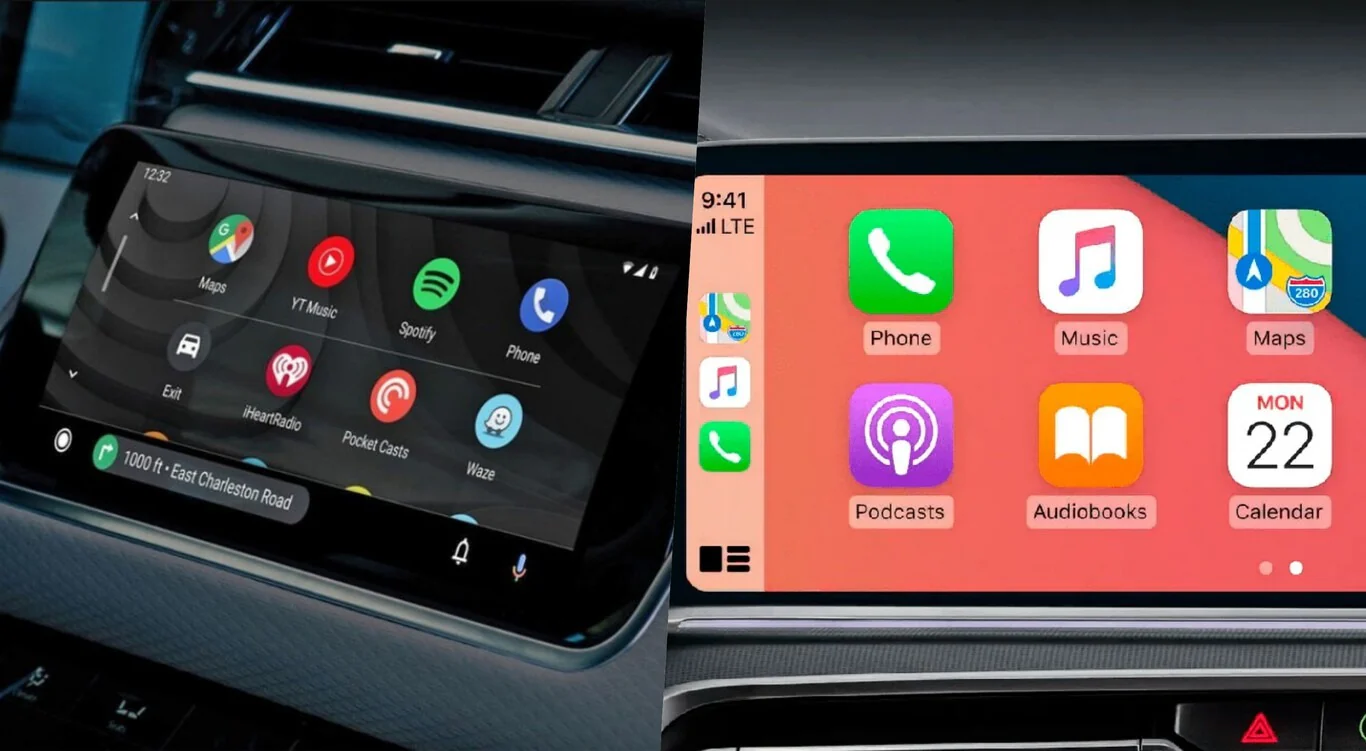
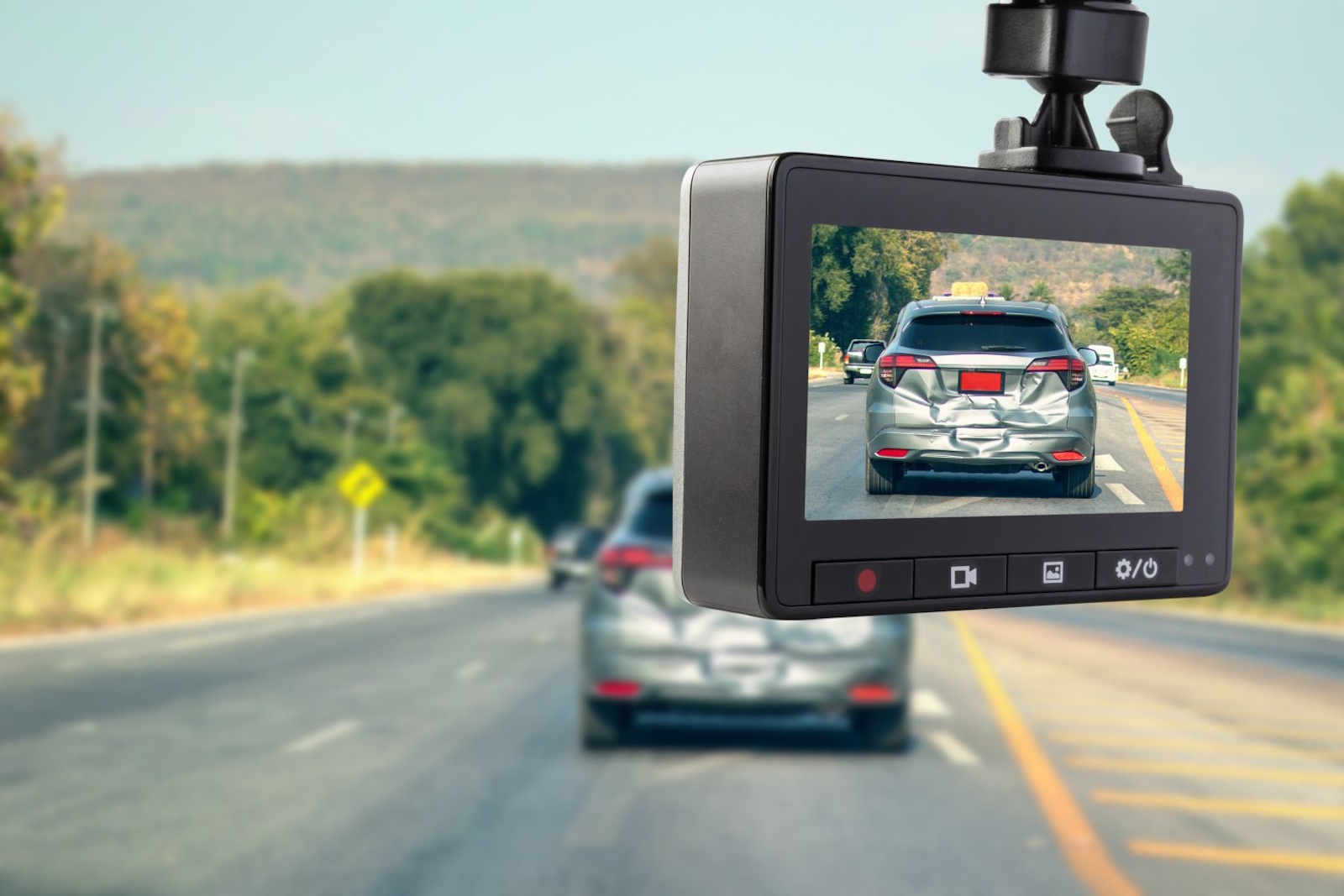
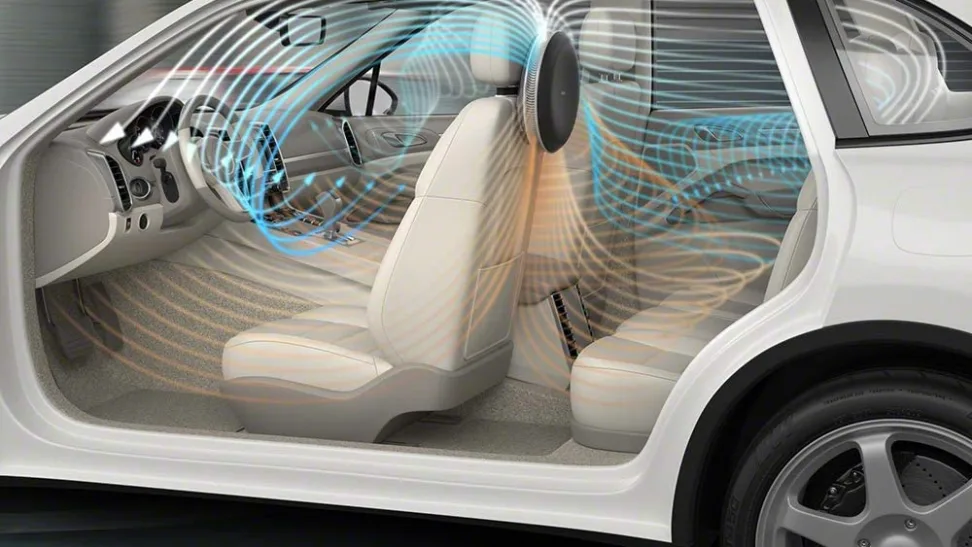
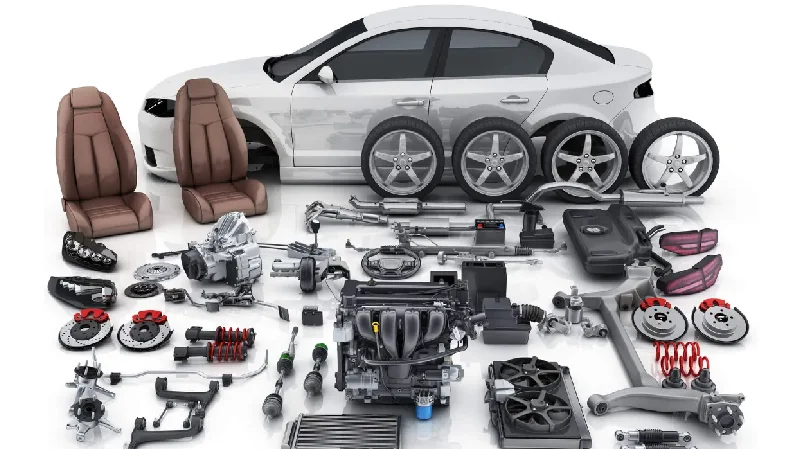

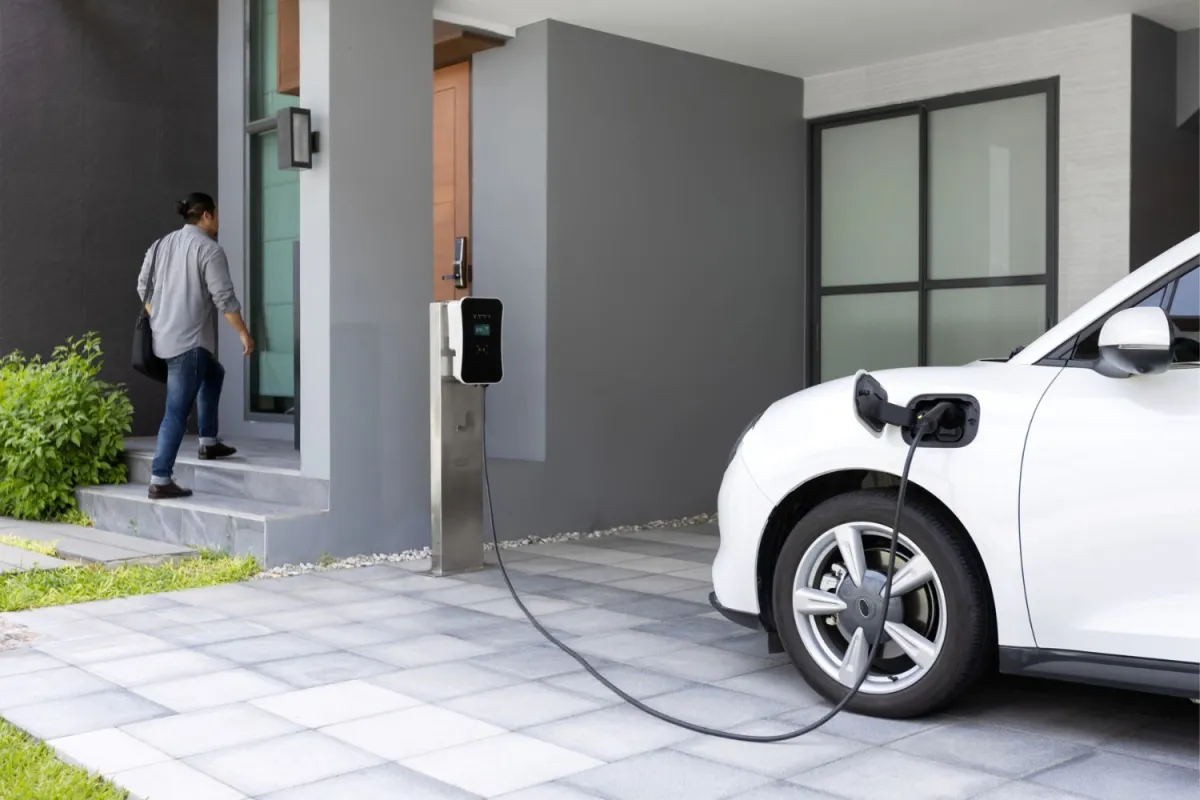

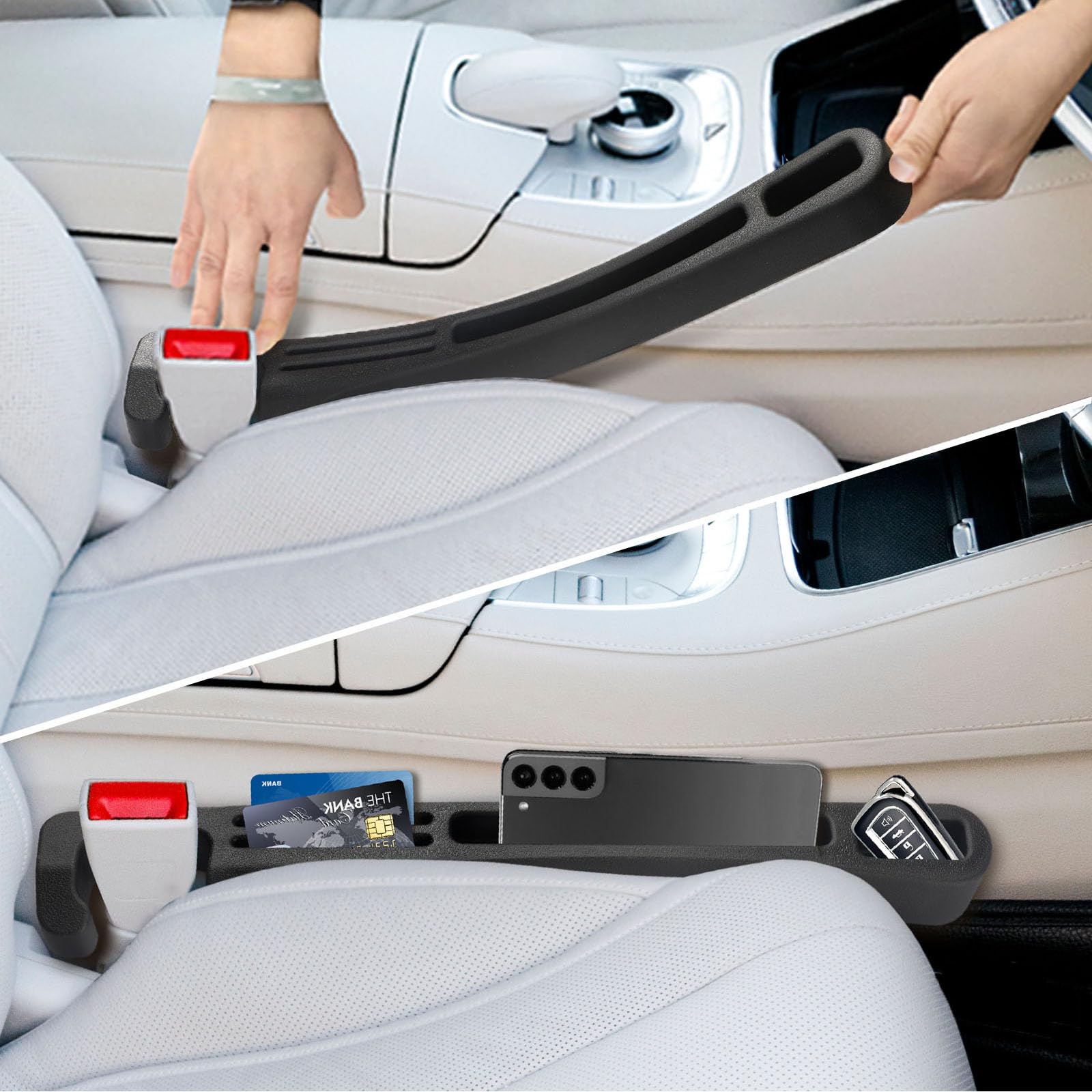
Tags
📧 Get More Articles Like This
Subscribe to receive product reviews and buying guides in your inbox!
We respect your privacy. Unsubscribe at any time.