Economical electric cars: Costs people often overlook
Table of Contents
- Introduction
- The Home Charging Infrastructure Investment
- Insurance Premium Surprises
- Battery Replacement Reality Check
- The Depreciation Dilemma
- Hidden Charging Network Costs
- Electricity Rate Complications
- Tax Credit Misconceptions
- Specialized Maintenance Expenses
- FAQ
Introduction
Sarah Mitchell stood in her driveway on a crisp October morning in 2025, staring at the gleaming electric sedan she had purchased just three months earlier. The vehicle represented her commitment to environmental sustainability and what she believed would be significant long-term savings compared to her old gasoline-powered car. The dealership salesperson had painted a compelling picture of minimal maintenance costs, pennies-per-mile fuel expenses, and substantial federal tax incentives that would offset the higher purchase price. Sarah had carefully calculated her monthly budget, factored in the advertised savings, and felt confident in her decision. Yet as she reviewed her credit card statement that morning, a growing sense of unease settled over her. The numbers didn’t match her expectations at all.
The electric vehicle revolution has transformed from a niche market dominated by early adopters into a mainstream automotive segment that captured over ten percent of new vehicle sales in the United States during 2025. Manufacturers have invested billions in battery technology, charging infrastructure, and production facilities to meet surging consumer demand. Environmental concerns, rising gasoline prices, and technological advances have converged to make electric vehicles an increasingly attractive option for American families. Government incentives at federal, state, and local levels have further accelerated adoption rates, with policymakers viewing electrification as essential to meeting climate goals. The automotive industry has responded with an expanding array of electric models spanning every vehicle category from compact sedans to full-size pickup trucks, offering consumers unprecedented choice in the electric vehicle marketplace.
Key takeaways: At minute [01:27], this video investigative report explains in detail why electric car insurance costs are significantly higher than expected, revealing hidden financial factors every buyer should consider for 2026.:
However, beneath the surface of attractive sticker prices and advertised fuel savings lies a complex landscape of hidden costs that catch many buyers unprepared. Sarah’s experience mirrors that of thousands of new electric vehicle owners who discover that the total cost of ownership extends far beyond the monthly payment and charging expenses. Industry research reveals a significant gap between consumer expectations and the financial reality of electric vehicle ownership, with many buyers underestimating total ownership costs by as much as fifty percent according to automotive economists. The challenge stems not from deceptive marketing but rather from the complexity of comparing fundamentally different propulsion technologies and the subtle expenses that accumulate over years of ownership. These overlooked costs range from one-time infrastructure investments to ongoing operational expenses that vary dramatically based on geography, usage patterns, and individual circumstances.

The financial implications of these hidden costs can substantially alter the economic calculation that initially made an electric vehicle seem attractive. A comprehensive analysis conducted by the American Automobile Association examining ownership expenses across multiple vehicle categories found that while electric vehicles excel in certain cost categories, they lag behind conventional vehicles in others, creating a nuanced total cost of ownership picture that defies simple generalizations. For instance, electric vehicles demonstrate clear advantages in fuel and basic maintenance expenses, with owners saving thousands of dollars over the vehicle’s lifetime in these categories alone. Yet these savings can be partially or entirely offset by higher insurance premiums, faster depreciation rates, charging infrastructure investments, and battery degradation concerns that don’t affect traditional vehicles. Understanding these trade-offs becomes essential for making informed purchasing decisions that align with both financial circumstances and practical transportation needs.
Sarah’s situation illustrates how these hidden costs manifest in real-world scenarios. Her initial budget calculations had focused on the obvious expenses including the vehicle payment, electricity for charging, and basic insurance coverage. She had factored in the federal tax credit that would reduce her effective purchase price by several thousand dollars and anticipated fuel savings of approximately eight hundred dollars annually based on her typical driving patterns. The dealership had emphasized the vehicle’s low maintenance requirements, noting the absence of oil changes, transmission services, and many other routine procedures associated with internal combustion engines. On paper, the economics appeared compelling with projected five-year savings that would more than compensate for the higher upfront cost compared to equivalent gasoline vehicles. Sarah felt confident she had thoroughly researched her decision and understood the financial commitment involved.
Yet reality began diverging from expectations almost immediately after purchase. The first surprise came when Sarah scheduled installation of a Level 2 home charging station, expecting a straightforward process based on the dealership’s casual mention of home charging capabilities. The electrician who inspected her garage delivered unwelcome news that her home’s electrical panel, installed in the 1990s, lacked sufficient capacity to safely support a high-powered charging station while maintaining adequate reserve for other household appliances. Upgrading the panel would require permitting, inspection, and several days of work by licensed electricians, with total costs exceeding three thousand dollars before even purchasing the charging equipment itself. This unexpected expense immediately eliminated a significant portion of the fuel savings Sarah had anticipated over the first several years of ownership, fundamentally altering the vehicle’s economic proposition.
The second shock arrived when Sarah received her updated insurance quote after the vehicle’s delivery. Despite maintaining a clean driving record and qualifying for multiple discount programs, her comprehensive coverage premium increased by nearly thirty percent compared to her previous vehicle. The insurance agent explained that electric vehicle repair costs, specialized technician requirements, and expensive battery replacement risks necessitated higher premiums to adequately cover potential claims. Sarah discovered that even minor collision damage could result in battery pack replacement if the protective housing sustained any compromise, with replacement costs potentially exceeding twenty thousand dollars for her particular model. These factors combined to create an insurance cost structure substantially higher than she had budgeted, adding hundreds of dollars annually to her ownership expenses that would persist throughout her time with the vehicle.
Academic research from institutions including the Massachusetts Institute of Technology has extensively documented the complexity of total cost of ownership comparisons between electric and conventional vehicles. These studies reveal that geographic location, driving patterns, electricity rates, available incentives, and vehicle selection create enormous variability in outcomes, making blanket statements about electric vehicle economics problematic. A vehicle that represents an excellent financial choice for a California resident with solar panels, high gasoline prices, and generous state incentives might prove economically disadvantageous for someone in a different state with low electricity costs but minimal incentive programs and different usage patterns. Understanding these nuances requires moving beyond simplified marketing messages to examine the specific factors that will impact individual ownership experiences.
The Home Charging Infrastructure Investment
The promise of convenient overnight charging at home represents one of the electric vehicle’s most compelling advantages, eliminating trips to gas stations and allowing owners to start each day with a full battery. However, transforming this promise into reality often requires substantial upfront investment that catches many new owners off guard. According to data from the Department of Energy’s Alternative Fuels Data Center, residential Level 1 charger costs can vary from zero dollars if no additional equipment is needed to nine hundred dollars for enhanced safety features and weather protection. Meanwhile, a residential Level 2 charger can range from three hundred eighty dollars to six hundred ninety dollars for the equipment alone, before factoring in professional installation costs that vary dramatically based on home electrical systems and local labor rates.
The installation process begins with an assessment of the home’s existing electrical infrastructure and its capacity to support high-power charging equipment. Most electric vehicles can technically charge using a standard household outlet, known as Level 1 charging, which provides approximately four to five miles of range per hour of charging time. For many owners, particularly those with short daily commutes and the ability to charge overnight, Level 1 charging proves sufficient without requiring any infrastructure investment beyond the charging cable typically included with the vehicle. However, the slow charging rate becomes problematic for households with longer commutes, multiple electric vehicles, or situations where the vehicle needs rapid recharging between trips. These circumstances push owners toward Level 2 charging systems that can deliver twenty to thirty miles of range per hour, dramatically reducing charging time and increasing convenience.
Level 2 charging systems operate on 240-volt circuits similar to those used for electric dryers or ovens, requiring dedicated electrical infrastructure that most garages lack. Professional installation typically involves running new electrical wiring from the home’s main panel to the charging location, installing a dedicated circuit breaker, mounting the charging equipment, and ensuring all work meets local electrical codes and permitting requirements. The complexity and cost of this work depend heavily on factors including the distance between the electrical panel and charging location, whether walls or ceilings need to be opened to run wiring, the capacity of the existing electrical panel, and local labor rates for licensed electricians. Simple installations in newer homes with electrical panels located near the garage might cost as little as five hundred dollars, while complex situations requiring panel upgrades, long wire runs, or structural modifications can exceed five thousand dollars.
The most expensive scenarios occur when the home’s electrical panel lacks sufficient capacity to support a charging station while maintaining adequate reserve for other household loads. Electrical codes require that the total demand on a panel not exceed its rated capacity, with safety margins built in to prevent overloading and fire hazards. Adding a 40-amp or 50-amp charging circuit to an already heavily loaded panel may necessitate a complete panel upgrade, increasing capacity from perhaps 100 amps to 200 amps to accommodate the additional load. This work involves coordination with the local utility company, permitting through municipal authorities, temporary power disconnection during installation, and potentially extensive rewiring to bring the installation up to current electrical codes. Total costs for these comprehensive upgrades can reach ten thousand dollars or more, representing a substantial hidden expense that dramatically impacts the vehicle’s total cost of ownership calculation.
Beyond the initial installation, ongoing operational considerations affect charging costs in ways many owners don’t anticipate. Electricity rates vary enormously across the United States, with residential costs ranging from under ten cents per kilowatt-hour in states with abundant hydroelectric power to over thirty cents per kilowatt-hour in areas dependent on expensive generation sources. These rate variations create dramatic differences in fueling costs, with the same vehicle costing three times as much to operate in high-cost electricity markets compared to low-cost regions. Many utilities offer time-of-use rate structures that charge different prices depending on when electricity is consumed, with peak rates during high-demand periods potentially doubling or tripling the cost compared to off-peak nighttime charging. Understanding and optimizing charging schedules to take advantage of these rate structures becomes essential for maximizing the economic benefits of electric vehicle ownership.
Smart charging systems that automatically schedule charging during the lowest-rate periods represent one solution to electricity cost optimization, but these systems themselves add to upfront expenses. Advanced charging stations with Wi-Fi connectivity, smartphone control, energy monitoring capabilities, and scheduling features typically cost several hundred dollars more than basic models, though the investment may pay for itself through electricity savings over time. Some utilities offer special electric vehicle charging rates that provide discounted electricity in exchange for allowing the utility to control when charging occurs, helping balance grid load while reducing costs for vehicle owners. These programs require compatible charging equipment and willingness to cede some control over charging schedules, but can generate substantial long-term savings for owners who can accommodate the constraints. The decision involves balancing upfront equipment costs against potential long-term operational savings, adding another layer of complexity to the infrastructure investment calculation.
Weather considerations further complicate charging infrastructure requirements in certain climates. Outdoor charging equipment must withstand temperature extremes, precipitation, and other environmental factors that can affect equipment longevity and performance. Cold weather reduces battery charging efficiency and requires additional energy for battery thermal management systems, increasing both charging time and electricity consumption. Extremely hot climates create similar challenges, with batteries requiring cooling to accept charge safely and efficiently. These factors may necessitate weather-protected charging installations, hardened equipment rated for extreme temperatures, or even climate-controlled garage spaces to optimize charging performance. Each enhancement adds cost to the infrastructure investment while potentially improving long-term reliability and reducing operational expenses through improved charging efficiency.
Owners of specialized charging accessories for electric vehicles discover additional optimization opportunities that can improve convenience while managing costs. Portable charging equipment, backup charging cables, adapters for different outlet types, and cable management systems represent ongoing investments that enhance ownership experience but contribute to total cost. The challenge lies in distinguishing between essential equipment that genuinely improves utility and optional accessories that provide marginal benefits at significant cost. Making these determinations requires understanding individual usage patterns, typical charging scenarios, and the specific features offered by different equipment options. For many owners, the infrastructure investment extends well beyond the initial charging station installation to encompass a suite of accessories and upgrades that accumulate over the first year of ownership.

Insurance Premium Surprises
The transition to electric vehicle ownership brings unexpected changes to insurance costs that catch many buyers unprepared. Industry data reveals that electric vehicle insurance premiums average approximately twenty-five percent higher than comparable gasoline vehicles, driven by a complex interplay of factors unique to electric propulsion technology. The American Automobile Association’s 2024 Your Driving Costs study found that the average annual cost of car insurance for an electric medium sedan reached two thousand fifty-three dollars, compared to one thousand five hundred eighty-three dollars for gasoline-powered medium sedans. This substantial premium difference persists across vehicle categories, with compact SUVs, luxury sedans, and pickup trucks all demonstrating similar patterns of elevated insurance costs for electric variants compared to their conventional counterparts.
The fundamental driver of higher electric vehicle insurance costs stems from elevated repair expenses following collision damage. Electric vehicles incorporate expensive battery packs, sophisticated power electronics, specialized electric motors, and complex thermal management systems that require trained technicians and specialized equipment for diagnosis and repair. Even relatively minor collision damage can compromise battery pack integrity, necessitating complete replacement rather than repair due to safety concerns about damaged lithium-ion cells. Insurance industry protocols typically mandate battery replacement whenever the protective housing sustains damage that could potentially affect internal components, erring on the side of caution to prevent fire risks or catastrophic failure. Battery replacement costs ranging from five thousand to twenty thousand dollars plus labor create exposure that insurers must account for in premium calculations, driving rates substantially higher than vehicles with conventional powertrains.
The scarcity of qualified electric vehicle technicians compounds repair cost challenges in ways that affect both claim expenses and processing time. Traditional automotive technicians receive extensive training on internal combustion engines, transmissions, fuel systems, and related components, but electric propulsion systems require entirely different expertise. High-voltage electrical systems, battery chemistry, regenerative braking integration, and power electronics demand specialized knowledge and safety protocols that few technicians currently possess. This skills gap limits the number of repair facilities capable of handling electric vehicle collision work, reducing competition and increasing labor rates while potentially extending repair times that drive up rental car costs during the claims process. Insurance companies factor these elevated expenses and extended claim durations into their premium calculations, passing costs along to policyholders through higher rates.
Parts availability represents another cost factor that distinguishes electric vehicle insurance from conventional vehicle coverage. The relatively limited production volumes of most electric models compared to high-volume gasoline vehicles mean that replacement parts often require special ordering rather than coming from readily available inventory at local parts suppliers. Certain proprietary components may only be available through manufacturer dealership networks at premium prices without aftermarket competition to provide cost alternatives. Extended parts delivery times increase rental car expenses during the repair process, while limited parts availability can create situations where vehicles remain undrivable for weeks or even months awaiting critical components. These factors combine to increase both the frequency and severity of total-loss declarations, where insurers determine that repair costs exceed the vehicle’s value and settle claims by purchasing the damaged vehicle from the owner.
The rapid pace of electric vehicle technology advancement creates unique depreciation patterns that affect insurance costs and claim settlements. As manufacturers introduce new models with substantially improved range, faster charging capabilities, enhanced software features, and reduced prices, older electric vehicles suffer accelerated depreciation compared to gasoline vehicles where year-over-year improvements occur more incrementally. This faster depreciation means that electric vehicles reach the threshold where repair costs exceed vehicle value more quickly than conventional cars, increasing the frequency of total-loss claims. Insurers must account for this elevated total-loss rate in their premium calculations, contributing to higher costs even for owners who never file a claim. The phenomenon creates a somewhat paradoxical situation where the rapid improvement in electric vehicle technology that benefits new buyers simultaneously penalizes existing owners through faster depreciation and higher insurance costs.
Limited historical data on electric vehicle reliability, repair costs, and claim patterns forces insurers to adopt conservative pricing approaches that may not accurately reflect actual risk for all models. The electric vehicle market has evolved rapidly over the past decade, with each generation of vehicles incorporating substantial improvements over predecessors. Insurers lack the decades of actuarial data available for conventional vehicles, making it difficult to precisely price risk for newer electric models with limited real-world performance history. This uncertainty tends to result in higher premiums that protect insurers against unknown risks, potentially overcharging owners of reliable models while underpricing coverage for vehicles with higher actual claim rates. As the electric vehicle market matures and more comprehensive data becomes available, insurance pricing should become more accurate and potentially more favorable for reliable models with strong safety records.
Some insurance companies have begun offering specialized electric vehicle policies or discounts designed to account for the unique characteristics of electric propulsion. These programs may provide premium reductions for owners who complete electric vehicle safety training, install advanced driver assistance systems, or agree to usage-based insurance monitoring that tracks driving behavior and adjusts rates accordingly. Certain insurers offer special coverage for home charging equipment, protecting the substantial infrastructure investment many owners have made. Battery degradation coverage represents another emerging insurance product that protects owners against excessive capacity loss beyond normal degradation patterns, though these policies typically come with substantial premiums and complex eligibility requirements. Evaluating these specialized coverage options requires careful comparison of costs against potential benefits, considering both the likelihood of needing the coverage and the financial impact of self-insuring against specific risks.
Battery Replacement Reality Check
Perhaps no aspect of electric vehicle ownership generates more anxiety and misinformation than battery replacement costs and timing. The traction battery pack represents the most expensive single component in an electric vehicle, with replacement costs ranging from five thousand dollars for compact models to twenty thousand dollars or more for luxury vehicles and long-range trucks, plus labor charges that can add another one thousand to three thousand dollars. These substantial figures fuel concerns about catastrophic expenses lurking just beyond the warranty period, potentially rendering otherwise functional vehicles economically unviable due to battery degradation. However, actual replacement statistics tell a very different story than the nightmare scenarios often portrayed in media coverage and online discussions, revealing that battery replacement represents a rare event rather than an inevitable expense.
Research tracking electric vehicle battery performance demonstrates remarkable durability that exceeds many owners’ expectations. A comprehensive study analyzing approximately fifteen thousand electric vehicles found that only 1.5 percent of batteries required replacement due to failure, with the vast majority continuing to function effectively well beyond warranty coverage periods. Modern lithium-ion battery technology has proven far more robust than early predictions suggested, with typical degradation rates averaging approximately two percent per year under normal usage conditions. This gradual decline means that a vehicle with a three hundred mile range when new would still provide approximately two hundred forty miles of range after ten years of use, remaining perfectly functional for most drivers’ daily needs despite the capacity loss. The slow degradation pattern allows owners to adjust their usage gradually over time rather than facing sudden catastrophic failure requiring immediate expensive replacement.
Comprehensive warranty coverage provides substantial protection against battery replacement costs during the period when failure risks are highest. Federal regulations require electric vehicle manufacturers to warranty battery packs for a minimum of eight years or one hundred thousand miles, whichever comes first, with many manufacturers offering even longer coverage periods. These warranties typically guarantee that battery capacity will not decline below a specified threshold, commonly seventy percent of original capacity, during the warranty period. If capacity falls below this threshold or the battery experiences a failure covered under warranty terms, the manufacturer must replace the pack at no cost to the owner. This comprehensive coverage means that the overwhelming majority of battery replacements occur under warranty, sparing owners from the substantial out-of-pocket expense that generates so much anxiety. Understanding warranty terms becomes essential for evaluating actual replacement cost risk rather than theoretical worst-case scenarios.
The situations where owners do face battery replacement costs outside warranty coverage typically involve vehicles that have substantially exceeded warranty mileage limits or age thresholds, suffered damage from accidents or flooding not covered by insurance, or experienced unusual degradation due to extreme operating conditions. High-mileage commercial applications like taxi or delivery service can accumulate two hundred thousand miles or more in just a few years, exceeding warranty coverage while potentially experiencing accelerated degradation from constant fast charging and heavy usage cycles. Owners who consistently operate in extreme temperature conditions, regularly charge to 100 percent capacity, or frequently discharge batteries to very low levels may experience faster than typical degradation that could necessitate replacement before the battery’s typical lifespan expires. These scenarios represent edge cases rather than normal ownership experiences, but they do create situations where substantial replacement costs become reality rather than theoretical concern.
Battery technology costs have declined dramatically over the past decade, falling approximately ninety percent since 2008 according to Department of Energy data. This cost trajectory continues downward as manufacturing scales increase, production processes improve, and battery chemistry evolves toward less expensive materials and more efficient designs. The practical implication for owners facing potential replacement is that the battery available when replacement becomes necessary will likely cost substantially less than the original equipment it replaces, mitigating the financial impact. Additionally, the replacement battery will incorporate technological improvements that may provide superior performance, longer lifespan, faster charging capability, or enhanced safety features compared to the original pack. This constant improvement cycle means that replacement, while still expensive, delivers meaningful value beyond simply restoring original functionality.
Alternative solutions to complete battery replacement offer cost-effective options for addressing certain failure modes and degradation patterns. Module-level repair, where technicians replace individual failed modules within the battery pack rather than the entire assembly, can cost two thousand to five thousand dollars depending on the extent of damage and the vehicle’s specific architecture. This approach works well when degradation or failure affects only portions of the pack while other modules remain healthy, delivering substantial cost savings compared to complete replacement. Refurbished battery packs, either from manufacturers’ certified remanufacturing programs or third-party suppliers, provide another option offering thirty to fifty percent savings compared to new packs while typically including warranty coverage for added peace of mind. These alternatives expand owners’ options when facing battery issues, allowing selection of the most appropriate solution based on specific circumstances rather than defaulting to expensive complete replacement.
The emergence of a robust secondary market for used electric vehicle batteries creates opportunities for cost-effective replacement while supporting sustainability goals through component reuse. Batteries removed from vehicles due to minor damage in other areas, warranty replacements, or normal vehicle retirement often retain substantial capacity that, while inadequate for automotive applications, remains valuable for stationary energy storage. Companies specializing in battery refurbishment and repurposing extract usable modules from these packs, test them comprehensively, and reconfigure them into replacement packs sold at substantial discounts compared to new units. This developing market should continue expanding as the electric vehicle fleet ages and more batteries become available, providing owners with cost-effective replacement options while extending the useful life of expensive battery materials.
Shop on AliExpress via link: wholesale-electric-vehicle-home-charger-level

The Depreciation Dilemma
Vehicle depreciation represents the largest single ownership cost for most vehicles, dwarfing fuel, insurance, and maintenance expenses over a typical ownership period. The difference between purchase price and eventual resale value constitutes a real economic loss that must be factored into total cost calculations, yet it often receives insufficient attention from buyers focused on monthly payments and operating expenses. Electric vehicles demonstrate depreciation patterns that diverge significantly from conventional vehicles, generally experiencing faster value loss that substantially impacts ownership economics. Market analysis from automotive research firms reveals that electric vehicles depreciate approximately thirteen percent more than gasoline vehicles over a five-year period, with some models experiencing even more dramatic declines that can cut resale values nearly in half.
The rapid pace of electric vehicle technology advancement drives much of this accelerated depreciation through a phenomenon economists call obsolescence. When manufacturers introduce new models offering substantially longer range, faster charging, enhanced features, or lower prices compared to models from just two or three years earlier, older vehicles suffer diminished desirability in the used market. A three-year-old electric vehicle with two hundred miles of range struggles to compete against new models offering three hundred miles or more at similar or lower price points, forcing used vehicle prices downward to maintain competitiveness. This technology-driven depreciation affects electric vehicles far more severely than conventional cars where year-over-year improvements occur incrementally rather than through the substantial capability jumps common in the rapidly evolving electric market.
Battery degradation concerns amplify depreciation pressures by creating uncertainty about remaining battery life and potential replacement costs. Prospective used electric vehicle buyers factor potential battery replacement expenses into their purchasing decisions, discounting offers to account for perceived risk. A five-year-old electric vehicle with documented battery degradation to eighty-five percent of original capacity creates questions about how much further the battery will degrade and when replacement might become necessary. These uncertainties depress market values even when the existing battery capacity remains perfectly adequate for most usage scenarios. Vehicles approaching the end of battery warranty coverage experience particularly sharp depreciation as buyers anticipate the transition from manufacturer coverage to self-insured battery risk.
Government incentive structures create additional depreciation pressures through their impact on new vehicle pricing. Federal tax credits up to seven thousand five hundred dollars for new electric vehicle purchases effectively reduced purchase prices for qualifying buyers, creating a substantial price gap between new vehicles purchased with incentives and used vehicles sold without similar benefits. When a buyer can purchase a new electric vehicle for seven thousand five hundred dollars less than the sticker price through tax credits, used vehicles must price substantially below their original cost to compete, even accounting for age and mileage. The removal of clean vehicle credits for vehicles acquired after September 30, 2025 under recent legislation may actually stabilize used electric vehicle prices by eliminating this incentive-driven discount on new purchases, though the long-term market impact remains uncertain.
Certain manufacturers demonstrate better depreciation resistance than others through brand reputation, vehicle quality, and specific model characteristics. Tesla vehicles, for instance, have historically retained value better than most electric competitors due to brand strength, software update capabilities that add features over time, and extensive Supercharger network access that enhances utility. Established luxury manufacturers with strong brand recognition tend to show better residual values than newer electric-only brands lacking market history and dealer networks. Vehicles with longer battery warranties provide buyers with extended protection that supports higher resale values, while models with shorter coverage create uncertainty that depresses prices. Understanding these manufacturer and model-specific factors becomes important when selecting a vehicle if resale value represents a priority.
The expanding used electric vehicle market should gradually moderate depreciation rates as buyers become more comfortable with the technology and better data emerges on battery longevity. Early electric vehicles suffered from range limitations, charging infrastructure gaps, and reliability concerns that suppressed used values as buyers remained skeptical of the technology. As electric vehicles have improved dramatically and charging infrastructure has expanded, used vehicle buyers have grown more confident, supporting stronger resale values. The maturing market should create more stable depreciation patterns that better reflect actual utility and condition rather than technology anxiety and obsolescence concerns. However, this transition remains ongoing with substantial model-to-model variation depending on specific capabilities and market positioning.
Lease versus purchase decisions become particularly important in the context of electric vehicle depreciation patterns. Leasing effectively transfers depreciation risk to the leasing company, with monthly payments calculated based on projected residual values at lease end. When actual depreciation exceeds projections, the leasing company absorbs the difference while the customer simply returns the vehicle and walks away. This arrangement can protect consumers from the financial impact of faster-than-expected depreciation, though lease payments reflect lessors’ conservative depreciation assumptions that may make leasing more expensive than anticipated. For buyers planning relatively short ownership periods of three years or less, leasing may provide better protection against depreciation uncertainty than purchasing and then selling in a potentially unfavorable used market.
Hidden Charging Network Costs
While home charging provides convenient and economical refueling for daily driving, longer trips and emergency situations necessitate access to public charging infrastructure that introduces cost complexity. The public charging landscape encompasses multiple competing networks, each with different pricing structures, membership programs, payment methods, and geographic coverage patterns that create confusion and unexpected expenses. Unlike gasoline stations where pricing remains relatively straightforward with per-gallon rates posted prominently, electric vehicle charging costs vary based on charger type, network operator, location, time of day, session length, and membership status. This complexity makes accurate cost prediction difficult and creates situations where drivers pay substantially more than anticipated for public charging sessions.
Pricing structures for public charging typically involve either per-kilowatt-hour charges similar to home electricity billing, or time-based fees charging for the duration the vehicle occupies the charging station regardless of energy delivered. Per-kilowatt-hour pricing provides more direct correlation to actual energy consumed, with rates typically ranging from thirty cents to seventy cents per kilowatt-hour depending on charger speed, location, and network operator. Time-based pricing charges by the minute, with rates varying based on charger power level and potentially different rates for active charging versus occupying a station after charging completes. These idle fees discourage drivers from leaving vehicles connected after sessions finish, freeing chargers for other users but creating anxiety about returning to the vehicle promptly to avoid expensive idle time charges.
DC fast charging, essential for long-distance travel and rapid refueling needs, costs substantially more than Level 2 charging or home charging due to the expensive infrastructure required and higher power delivery. Fast charging stations can deliver fifty to three hundred fifty kilowatts of power, enabling significant charge in twenty to thirty minutes, but this capability requires sophisticated power electronics, grid connections capable of delivering extreme power levels, and cooling systems to manage heat generation. These infrastructure costs drive fast charging prices to approximately fifty cents per kilowatt-hour or higher, making a full charge cost twenty-five to thirty dollars or more. When planning extended road trips in electric vehicles, understanding fast charging costs becomes essential for budgeting travel expenses that can approach or exceed gasoline costs for equivalent trips.
Charging network membership and subscription programs add another layer of cost complexity with varying value propositions depending on usage patterns. Many networks offer monthly subscription plans providing discounted charging rates in exchange for recurring membership fees ranging from five to thirty dollars monthly. Frequent travelers who regularly use public charging can achieve substantial savings through these programs, potentially recovering membership costs within a few charging sessions. However, occasional users who primarily charge at home may find subscription fees exceed their actual usage-based savings, making pay-per-session pricing more economical. Evaluating whether membership makes financial sense requires understanding typical monthly charging patterns and comparing subscription benefits against actual anticipated usage over time.
Some charging networks require account setup and mobile app installation before accessing chargers, creating situations where unprepared drivers discover they cannot charge without completing registration processes that may require email verification or credit card authorization. This access barrier can create significant problems for travelers who arrive at charging stations only to discover they lack the necessary accounts or payment methods to initiate charging sessions. Maintaining accounts with multiple charging networks to ensure access when traveling becomes important but creates password management complexity and potential for confusion about which network operates a particular charging station. The lack of universal payment standards across networks represents a significant inconvenience compared to gasoline stations where any credit card works at any pump regardless of brand or operator.
Dynamic pricing that varies charging costs based on time of day, grid demand, and other factors introduces additional unpredictability to public charging expenses. Some networks implement peak and off-peak pricing structures similar to utility time-of-use rates, charging premium rates during high-demand periods while offering discounts during low-traffic times. Others adjust pricing based on real-time electricity costs, passing market fluctuations directly to customers. While these dynamic pricing approaches can provide opportunities for savings through strategic timing, they also create situations where identical charging sessions cost vastly different amounts depending on when they occur. Understanding and optimizing for these pricing variations requires attention and planning that many drivers find burdensome compared to straightforward posted gasoline prices.
The total cost of ownership impact from public charging depends heavily on individual usage patterns and the availability of home charging alternatives. Drivers who charge primarily at home, using public charging only occasionally for long trips or emergency situations, experience minimal impact from high public charging costs since the majority of energy comes from economical home charging. Those lacking home charging access who depend on public infrastructure for all charging needs face substantially higher ongoing costs that can approach or exceed gasoline expenses for equivalent vehicles. This distinction makes home charging capability a critical factor in electric vehicle economics, with access to convenient affordable home charging transforming the ownership cost picture compared to dependence on expensive public infrastructure.
Shop on AliExpress via link: wholesale-portable-ev-charging-cable

Electricity Rate Complications
The cost to charge an electric vehicle at home depends fundamentally on local electricity rates that vary dramatically across the United States based on generation sources, transmission infrastructure, regulatory structures, and market conditions. Residential electricity prices range from under ten cents per kilowatt-hour in states with abundant hydroelectric power like Washington and Oregon to over thirty cents per kilowatt-hour in states dependent on expensive generation like Hawaii and California. This three-to-one variation creates dramatic differences in operating costs, with the same vehicle costing vastly different amounts to operate depending on location. Understanding local electricity rates and how they apply to vehicle charging becomes essential for accurate cost projections and economic comparisons between electric and conventional vehicles.
Time-of-use rate structures add complexity by charging different prices depending on when electricity is consumed, with substantial variations between peak and off-peak periods. Many utilities implement tiered pricing that charges premium rates during afternoon and early evening hours when electricity demand peaks, while offering significantly lower rates during overnight hours when demand drops. The rate spread between peak and off-peak periods can exceed two-to-one, meaning the same charging session costs twice as much during peak hours compared to off-peak periods. For owners who can schedule charging during low-rate periods, typically overnight between 9 PM and 6 AM, these rate structures provide opportunities for substantial savings. Those unable to control charging timing due to inconvenient schedules or limited battery capacity requiring daytime charging face higher ongoing costs that erode economic advantages.
Demand charges represent another utility billing mechanism that can significantly impact costs for electric vehicle owners, particularly those with multiple vehicles or high-powered charging equipment. Demand charges assess fees based on the highest power usage during any fifteen-minute interval within a billing period, regardless of total energy consumed. For residential customers, charging an electric vehicle can create a substantial demand spike that triggers these charges, adding twenty to fifty dollars monthly to electricity bills beyond regular energy charges. The charges persist throughout the billing period even if the high-demand event that triggered them was brief and never repeats, creating ongoing costs from occasional high-power usage. Multiple electric vehicles charging simultaneously amplify demand charge exposure, potentially creating situations where demand charges exceed energy charges in monthly electricity costs.
Special electric vehicle charging rates offered by many utilities provide alternatives to standard residential rates that can deliver savings for owners willing to accept certain constraints. These specialized rate plans typically offer deeply discounted electricity prices during overnight hours specifically for vehicle charging, sometimes as low as five cents per kilowatt-hour, in exchange for higher daytime rates or utility control over charging timing. Enrolling in these programs requires compatible charging equipment that can communicate with utility systems or respond to pricing signals, adding infrastructure costs that must be balanced against potential long-term savings. Some programs require separate metering for vehicle charging to prevent taking advantage of low EV rates for general household consumption, necessitating additional electrical work and metering equipment that increases upfront costs while enabling ongoing savings.
Seasonal electricity rate variations create additional cost fluctuations that affect annual charging expenses in ways that differ from stable monthly patterns. Summer months typically see higher electricity rates due to air conditioning demand and constrained generation capacity during peak heat periods, while winter rates may increase in cold climates due to heating loads. These seasonal patterns mean that charging costs fluctuate throughout the year, with summer or winter months potentially costing substantially more than spring and fall for identical charging activity. Budgeting for these variations requires understanding local utility rate structures and seasonal patterns rather than assuming consistent monthly costs based on a simple annual average.
Solar panel installation provides one strategy for managing electricity costs by generating on-site power that offsets grid consumption for both household loads and vehicle charging. Homeowners with adequate roof space and favorable solar conditions can invest in photovoltaic systems that generate electricity at costs below grid rates, particularly when considering federal tax credits and state incentives that reduce net installation costs. Pairing solar generation with electric vehicle charging creates a compelling sustainability narrative while potentially delivering economic benefits through reduced grid consumption. However, the substantial upfront investment required for solar installation, typically fifteen thousand to thirty thousand dollars or more depending on system size, requires long-term ownership and stable living situations to achieve payback. The complexity of accurately modeling solar economics, accounting for system degradation, inverter replacement, roof maintenance, and evolving utility net metering policies makes solar-plus-EV calculations challenging and highly dependent on local conditions.
Understanding and optimizing electricity costs requires active engagement with utility rate structures, charging patterns, and equipment capabilities rather than passive acceptance of whatever costs result from unmanaged charging. Smart charging systems that automatically schedule charging during lowest-rate periods, preferentially use solar generation when available, and minimize demand charge exposure through power limiting can generate meaningful savings that accumulate over years of ownership. These optimization opportunities represent another hidden complexity in electric vehicle economics where informed engaged owners can achieve substantially better outcomes than those who simply plug in whenever convenient without considering rate implications.
Tax Credit Misconceptions
Federal tax credits for clean vehicles have provided substantial financial incentives that influenced countless purchasing decisions since the programs began, with credits up to seven thousand five hundred dollars significantly reducing effective purchase prices for qualifying vehicles. However, understanding actual eligibility, claiming procedures, and recent legislative changes reveals complexity and limitations that catch many buyers unprepared. The Inflation Reduction Act of 2022 substantially revised clean vehicle credit eligibility requirements, introducing manufacturing location mandates, critical mineral sourcing restrictions, battery component requirements, manufacturer suggested retail price caps, and modified adjusted gross income limitations that disqualified many vehicles and buyers who would have qualified under previous rules.
The recent passage of legislation commonly known as the One, Big, Beautiful Bill in July 2025 dramatically altered the clean vehicle credit landscape by terminating the New Clean Vehicle Credit, Previously-Owned Clean Vehicle Credit, and Qualified Commercial Clean Vehicle Credit for vehicles acquired after September 30, 2025. This abrupt policy change eliminated incentives that many prospective buyers had factored into their purchase planning, fundamentally altering the economics of electric vehicle ownership for vehicles purchased after the cutoff date. According to guidance from the Internal Revenue Service on clean vehicle tax credits, vehicles must be acquired on or before September 30, 2025 to potentially qualify for credits, though placement in service can occur later if a binding purchase contract and payment were executed before the deadline.
The complexity of federal tax credit rules creates situations where buyers who believe they qualify discover after purchase that various eligibility requirements exclude them from receiving expected credits. Modified adjusted gross income limitations prevent credits for married couples filing jointly with income exceeding three hundred thousand dollars, heads of household above two hundred twenty-five thousand dollars, and single filers over one hundred fifty thousand dollars. These income limits apply to either the year the vehicle is placed in service or the preceding year, using whichever produces lower income, but many buyers don’t realize these thresholds exist until attempting to claim credits on tax returns. Discovering ineligibility after purchasing based on assumed credit availability creates significant financial hardship when the anticipated seven thousand five hundred dollar benefit fails to materialize.
Vehicle eligibility requirements related to manufacturing location, battery components, and critical minerals create another layer of complexity where vehicles that appear to qualify may not meet all criteria upon detailed examination. The Department of Energy maintains lists of potentially eligible vehicles based on manufacturer submissions, but actual eligibility depends on numerous factors including specific trim levels, option packages, battery configurations, and production timing. Some models qualify in certain configurations but not others, while mid-year production changes can affect eligibility without obvious indication to buyers. Relying on general model eligibility without verifying the specific vehicle identification number through official verification tools can result in purchasing vehicles assumed to qualify that actually don’t meet all requirements.
Manufacturer suggested retail price caps of fifty-five thousand dollars for sedans and eighty thousand dollars for trucks, vans, and SUVs exclude many luxury and long-range models from credit eligibility regardless of buyer income or other factors. These price limitations reflect congressional intent to direct incentives toward affordable vehicles rather than luxury purchases, but they eliminate credits for capable long-range models that many families would prefer for their flexibility and capability. The caps consider only base MSRP including manufacturer-installed options and accessories, excluding destination fees and dealer-installed additions, but the definitions and calculations create confusion about whether specific vehicles fall above or below thresholds.
The distinction between the New Clean Vehicle Credit available for new purchases and the Previously-Owned Clean Vehicle Credit for qualifying used vehicles creates different rules, limitations, and credit amounts that must be understood separately. Used vehicle credits top out at four thousand dollars and require purchase prices of twenty-five thousand dollars or less from licensed dealers, limiting eligible inventory to older models, smaller vehicles, and higher-mileage examples. The two-year age requirement for used vehicles means only models from 2024 or earlier qualify for 2026 purchases, restricting choice to older technology generations. Income limits for used vehicle credits apply separately from new vehicle limits, with different thresholds that may exclude some buyers who would qualify for new vehicle credits.
State and local incentives provide additional opportunities for electric vehicle purchase savings that persist even as federal programs end or restrict eligibility. California’s Clean Vehicle Rebate Project, for instance, continues offering rebates for qualifying vehicles purchased by income-eligible buyers, with amounts varying based on vehicle type and buyer income level. Other states including Colorado, New Jersey, and Massachusetts maintain their own incentive programs with different eligibility criteria, credit amounts, and claiming procedures. Utility companies in many regions offer additional rebates, discounted electricity rates, or free charging equipment to customers purchasing electric vehicles, creating location-specific benefits that substantially impact total cost calculations. Understanding and claiming all available incentives requires research into federal, state, local, and utility programs that may not be prominently advertised or easily discovered.

Specialized Maintenance Expenses
The simplified mechanical design of electric vehicles, lacking oil changes, transmission services, spark plug replacements, and many other routine maintenance items required by internal combustion engines, creates legitimate maintenance cost advantages that accumulate over ownership periods. Research from organizations including AAA demonstrates that electric vehicles require approximately twenty percent less maintenance and repair spending compared to gasoline vehicles over typical ownership periods, with savings resulting from fewer moving parts, reduced wear components, and simpler drivetrains. However, this overall cost advantage masks certain specific expenses that run higher for electric vehicles, creating surprises for owners expecting universally lower maintenance costs across all categories.
Tire replacement represents one area where electric vehicle owners face elevated costs driven by vehicle weight and power delivery characteristics. The heavy battery packs that provide electric propulsion add substantial weight compared to equivalent gasoline vehicles, with weight increases of five hundred to one thousand pounds common across vehicle categories. This additional weight accelerates tire wear, reducing tread life and necessitating more frequent replacement cycles. The instant torque delivery characteristic of electric motors, while providing exhilarating acceleration, creates additional stress on tires during launches that accelerates wear patterns. These factors combine to reduce tire life by twenty to thirty percent compared to lighter gasoline vehicles with less aggressive power delivery, creating ongoing expenses that partially offset savings in other maintenance categories.
Brake system maintenance presents an interesting paradox where regenerative braking reduces conventional brake wear while creating different service requirements. Regenerative braking systems capture energy during deceleration by using the electric motor as a generator, reducing reliance on friction brakes and dramatically extending brake pad and rotor life. Many electric vehicle owners discover their brake pads remain serviceable after one hundred thousand miles or more, far exceeding the twenty-five to forty thousand mile replacement intervals typical of conventional vehicles. However, the reduced brake usage can create corrosion and degradation issues where brake components deteriorate from disuse rather than excessive wear. Brake fluid requires more frequent changes to prevent moisture absorption that accelerates corrosion in underutilized brake systems, while rotors may develop surface rust that creates noise and vibration issues requiring machining or replacement.
Battery thermal management systems require coolant changes and leak inspections that represent maintenance categories absent from conventional vehicles. Electric vehicle batteries generate substantial heat during charging and discharge cycles that must be managed through active cooling systems using specialized coolants and complex plumbing networks. These thermal management systems require periodic inspection, coolant testing, and eventual fluid replacement to maintain optimal performance and prevent overheating that can damage expensive battery packs. The maintenance intervals and procedures vary significantly between manufacturers, with some recommending coolant changes every few years while others claim lifetime fluid fills. Understanding and following manufacturer recommendations becomes important for protecting battery health and avoiding expensive thermal management failures.
Software updates represent another unique maintenance category where electric vehicles require periodic dealer visits for system reprogramming that conventional vehicles don’t need. Over-the-air update capability in some modern electric vehicles reduces dealer visit requirements, but many models still require physical connection to dealer equipment for certain updates, particularly those affecting safety systems, battery management, or charging capabilities. These update procedures may require appointment scheduling, potentially long wait times, and occasional fees depending on manufacturer policies and update complexity. The necessity of maintaining current software to ensure optimal performance, access to charging networks, and safety system functionality creates ongoing service requirements that differ fundamentally from conventional vehicle maintenance patterns.
High-voltage electrical system maintenance and inspection requirements necessitate specialized technician expertise that limits service options and potentially increases labor costs. The high-voltage components in electric vehicles, typically operating at four hundred to eight hundred volts, require specific safety procedures, specialized diagnostic equipment, and comprehensive technician training before any service work can be performed safely. Not all repair facilities possess the equipment, training, and manufacturer authorization to service electric vehicles, limiting owner options compared to gasoline vehicles that can be serviced at nearly any shop. The specialized nature of electric vehicle service may result in higher labor rates, longer appointment wait times, and potential travel to distant service locations for owners in areas with limited service infrastructure.
When comparing models like the Tesla versus the Hyundai Ioniq , maintenance cost differences emerge based on manufacturer service networks, parts availability, and design philosophies that affect long-term ownership expenses. Tesla’s direct-to-consumer service model, company-owned service centers, and proprietary parts distribution create different cost structures than traditional manufacturers operating through independent dealer networks with more competitive parts sourcing. Understanding these manufacturer-specific factors becomes important when evaluating total cost of ownership rather than assuming all electric vehicles deliver identical maintenance cost profiles.
Cabin air filtration systems in electric vehicles often receive enhanced specifications including HEPA filters and activated carbon layers that provide superior air quality but cost more to replace than standard filters in conventional vehicles. Some manufacturers market advanced filtration as a premium feature that protects occupants from poor air quality, allergens, and even biological threats, but these sophisticated filters require replacement every twelve to eighteen months at costs of fifty to one hundred fifty dollars depending on vehicle model. While the enhanced filtration provides genuine benefits, the ongoing replacement costs contribute to maintenance expenses that buyers focused only on oil change elimination may not anticipate.
Frequently Asked Questions
Question 1: What is the average cost to install a Level 2 home charger for an electric vehicle?
Answer 1: Installing a Level 2 home charger typically costs between $500 and $2,000, depending on your home’s electrical system and wiring complexity. Simple installations in newer homes with electrical panels located near the garage fall toward the lower end of this range, while complex situations requiring panel upgrades or long wire runs reach the higher end. If your electrical panel requires upgrading to handle the additional load demanded by a charging station, installation costs can increase dramatically, potentially adding $3,000 to $7,000 or more to accommodate the infrastructure improvements. The total investment depends heavily on factors including the distance between your electrical panel and charging location, whether walls or ceilings need to be opened to run wiring, the capacity of your existing electrical panel, and local labor rates for licensed electricians. Professional installation ensures compliance with electrical codes and safety standards while typically including permitting and inspection coordination. This substantial upfront expense represents one of the most significant overlooked costs when purchasing an electric vehicle, fundamentally altering the ownership economics compared to simplified fuel cost comparisons that assume existing charging infrastructure.
Question 2: How much does an electric vehicle depreciate compared to gasoline vehicles?
Answer 2: Electric vehicles depreciate approximately 13% more than gasoline vehicles over a five-year period according to automotive market data and research from organizations tracking used vehicle values. Some models experience even more dramatic value declines, with certain electric vehicles losing as much as 60% of their value within five years compared to the overall market average of approximately 45% for conventional vehicles. This accelerated depreciation stems from multiple factors including rapid technology advancement that makes older models less desirable, battery degradation concerns that create uncertainty about remaining battery life, the elimination of federal tax incentives that previously subsidized new vehicle purchases, and the relative immaturity of the used electric vehicle market. However, depreciation patterns vary significantly between manufacturers and models, with certain brands like Tesla demonstrating better value retention through strong brand reputation, over-the-air software updates that add features over time, and extensive charging network access. The impact of depreciation on total cost of ownership can be substantial, potentially offsetting fuel and maintenance savings depending on ownership duration and resale timing. Understanding model-specific depreciation patterns becomes important when selecting a vehicle if resale value represents a priority in the purchasing decision.
Question 3: Are electric vehicle insurance rates higher than traditional cars?
Answer 3: Yes, electric vehicle insurance typically costs 15-25% more than comparable gasoline vehicles according to insurance industry data and studies from organizations including AAA and consumer insurance research groups. The higher premiums reflect multiple risk factors unique to electric vehicles including increased repair costs from expensive battery packs and specialized components, limited availability of qualified technicians capable of performing electric vehicle repairs, potential for minor collision damage to necessitate complete battery replacement due to safety protocols, and faster depreciation rates that affect total loss calculations. Insurance companies must account for battery replacement costs ranging from $5,000 to $20,000 plus labor when setting premiums, creating exposure that drives rates substantially higher than vehicles with conventional powertrains. The scarcity of trained electric vehicle technicians limits repair facility options while potentially extending claim processing time through parts availability challenges and specialized repair requirements. However, lower maintenance and fuel costs can offset these higher insurance expenses over the vehicle’s lifetime, and some insurers offer discounts for electric vehicle owners who complete safety training or install advanced driver assistance systems. Comprehensive evaluation of insurance quotes from multiple carriers becomes important given the variability in electric vehicle insurance pricing across different companies and their varying approaches to electric vehicle risk assessment.
Question 4: What hidden charging costs should EV owners expect?
Answer 4: Beyond base electricity costs, electric vehicle owners face numerous hidden charging expenses that significantly impact total operating costs. Subscription fees for charging network memberships range from $5 to $30 monthly, offering discounted rates for members but adding recurring costs that may or may not generate net savings depending on usage patterns. Demand charges assessed by utilities based on peak electricity usage can add $20-$50 monthly to electricity bills when vehicle charging creates consumption spikes, with these charges persisting throughout the billing period regardless of total energy consumed. Time-of-use rate variations mean peak-hour residential charging can cost twice as much as off-peak rates, punishing owners unable to schedule charging during low-rate periods. Public DC fast-charging rates reach approximately $0.50 per kilowatt-hour, making a full charge cost $25-$30 or more compared to pennies-per-mile for home charging. Some charging networks require account setup and mobile app installation before accessing chargers, creating barriers for unprepared travelers. Dynamic pricing that varies based on time of day, grid demand, and location introduces unpredictability where identical charging sessions cost vastly different amounts depending on timing. Idle fees charged when vehicles remain connected after charging completes penalize owners who don’t return promptly to move their vehicles, adding unexpected costs to charging sessions. These combined factors create a complex cost landscape far more complicated than the simple electricity rate calculations often presented in electric vehicle marketing materials.
Question 5: How much does electric vehicle battery replacement actually cost?
Answer 5: Battery replacement costs range from $5,000 for compact electric vehicles to $20,000 or more for luxury models and long-range trucks, plus an additional $1,000-$3,000 in labor costs for the complex removal and installation process. However, actual replacement statistics reveal this expense affects very few owners, with research tracking approximately 15,000 electric vehicles finding only 1.5% required battery replacement due to failure. Modern lithium-ion battery technology demonstrates remarkable durability with typical degradation rates averaging approximately 2% per year under normal usage conditions, allowing batteries to retain 80% or more of original capacity after ten years. Comprehensive warranty coverage protects owners during the highest-risk period, with federal regulations requiring manufacturers to warranty battery packs for a minimum of eight years or 100,000 miles, and many manufacturers offering even longer coverage. These warranties typically guarantee battery capacity will not decline below 70% of original capacity during the warranty period, with manufacturers replacing packs at no cost if they fall below this threshold or experience covered failures. The overwhelming majority of battery replacements occur under warranty, sparing owners from substantial out-of-pocket expenses. Alternative solutions including module-level repairs costing $2,000-$5,000 and refurbished batteries offering 30-50% savings provide cost-effective options for addressing certain failure modes without complete pack replacement.
Question 6: Do electric vehicles qualify for tax credits in 2026?
Answer 6: Federal clean vehicle tax credits up to $7,500 were terminated for vehicles acquired after September 30, 2025 under legislation passed in July 2025 commonly known as the One, Big, Beautiful Bill. This dramatic policy change eliminated the New Clean Vehicle Credit, Previously-Owned Clean Vehicle Credit, and Qualified Commercial Clean Vehicle Credit that had provided substantial financial incentives influencing countless purchasing decisions. Vehicles acquired on or before September 30, 2025 but placed in service later may still qualify for credits if buyers entered into binding written contracts and made payments before the deadline, though navigating these requirements requires careful attention to IRS guidance. State and local incentives remain available in many areas with programs varying significantly by location, potentially offsetting thousands of dollars in purchase costs even without federal support. California’s Clean Vehicle Rebate Project continues offering rebates for qualifying vehicles purchased by income-eligible buyers, while other states including Colorado, New Jersey, and Massachusetts maintain their own incentive programs with different eligibility criteria and credit amounts. Utility companies in many regions offer additional rebates, discounted electricity rates, or free charging equipment to customers purchasing electric vehicles. Understanding and claiming all available incentives requires comprehensive research into federal, state, local, and utility programs that may not be prominently advertised, making thorough investigation essential for identifying all potential savings opportunities.
Question 7: What are demand charges and how do they affect EV charging costs?
Answer 7: Demand charges are utility billing mechanisms that assess fees based on the highest power usage during any fifteen-minute interval within a billing period, regardless of total energy consumed over the entire month. For electric vehicle owners, charging creates substantial power demand spikes when the vehicle draws 7-19 kilowatts continuously from the electrical system to charge the battery pack rapidly. These demand spikes can trigger charges ranging from $20 to $50 monthly that persist throughout the billing period even if the high-demand event that triggered them was brief and never repeats, creating ongoing costs from occasional high-power usage. Multiple electric vehicles charging simultaneously amplify demand charge exposure dramatically by combining their individual power draws into even larger demand peaks that trigger higher charges. The charges remain in effect regardless of when during the billing period the peak occurred, meaning a single high-demand charging session on the first day of the billing cycle creates charges that persist for the entire month. Households with multiple electric vehicles, high-powered Level 2 charging equipment, or peak-hour charging patterns face particularly significant demand charge exposure that can exceed the actual energy charges in monthly electricity bills. Smart charging systems that limit charging power, stagger charging times for multiple vehicles, and schedule charging during periods when other household loads are minimal can help minimize demand charge impact through careful power management.
Question 8: How do public charging network subscription fees work?
Answer 8: Many charging networks offer membership programs with monthly subscription fees typically ranging from $5 to $30 in exchange for reduced per-kilowatt-hour charging rates or discounted time-based fees compared to pay-per-session pricing for non-members. These subscription programs aim to build customer loyalty while providing savings for frequent users who regularly utilize the network’s charging infrastructure. The value proposition depends heavily on individual charging patterns, with frequent travelers who regularly use public charging potentially recovering membership costs within just a few charging sessions through the discounted rates. However, occasional users who primarily charge at home may find subscription fees exceed their actual usage-based savings over the course of a month, making pay-per-session pricing more economical despite the higher per-session cost. Some networks offer multiple membership tiers with different fee levels and corresponding discount rates, requiring careful evaluation to select the tier that aligns with anticipated usage. Calculating whether membership makes financial sense requires understanding typical monthly charging patterns, estimating the number of public charging sessions anticipated, comparing subscription benefits against actual anticipated usage over time, and accounting for seasonal variations where summer road trips might justify temporary membership while winter months with minimal travel would not. The complexity of these calculations and the difficulty of accurately predicting future charging needs creates situations where owners either pay for subscriptions they underutilize or miss savings opportunities by avoiding subscriptions that would actually benefit them.
Question 9: What maintenance costs are actually higher for electric vehicles?
Answer 9: While electric vehicles have substantially lower overall maintenance costs compared to gasoline vehicles, certain specific expenses run higher due to unique characteristics of electric propulsion and battery systems. Tire replacement costs increase significantly because heavy battery packs add 500-1,000 pounds compared to equivalent gasoline vehicles, accelerating tire wear and reducing tread life by 20-30%. The instant torque delivery of electric motors creates additional stress during launches that further accelerates wear patterns, necessitating more frequent replacement cycles. Specialized brake fluid for regenerative braking systems requires more frequent changes to prevent moisture absorption that accelerates corrosion in underutilized brake components, with some manufacturers recommending changes every two years. Battery thermal management systems need coolant changes and leak inspections to maintain optimal performance and prevent overheating that could damage expensive battery packs, creating maintenance categories absent from conventional vehicles. Software updates may require dealer visits for system reprogramming that conventional vehicles don’t need, particularly for safety systems, battery management, or charging capabilities. High-voltage electrical system inspection and maintenance necessitates specialized technician expertise and diagnostic equipment, potentially resulting in higher labor rates at the limited facilities equipped to perform this work safely. Cabin air filtration systems with enhanced HEPA filters and activated carbon layers cost $50-$150 to replace compared to standard filters in conventional vehicles, though replacement intervals remain similar.
Question 10: How does cold weather impact electric vehicle operating costs?
Answer 10: Cold weather creates substantial increases in electric vehicle operating costs through multiple mechanisms that reduce efficiency and increase energy consumption. Battery chemistry operates less efficiently at low temperatures, with charging and discharging capacity declining significantly when battery temperatures drop below freezing, reducing available range by 20-40% in extremely cold conditions compared to moderate weather. Battery heating systems draw power from the battery pack to maintain optimal operating temperature, consuming energy that would otherwise power the vehicle and further reducing available range. Cabin heating requirements consume substantial energy in electric vehicles since they lack the waste heat generated by internal combustion engines that conventional vehicles use for cabin warming, with resistive electric heaters drawing several kilowatts continuously during cold weather operation. The combined impact of reduced battery efficiency and increased heating demands means the same trip that costs five dollars in electricity during moderate weather might cost seven to eight dollars in extremely cold conditions, representing a 30-50% increase in operating costs. Charging sessions take longer in cold weather as battery thermal management systems work to bring batteries to optimal charging temperature, reducing charging efficiency and increasing time spent at charging stations. Pre-conditioning the cabin and battery while still connected to charging infrastructure before departure helps mitigate some cold weather impacts by using grid power rather than battery capacity for heating, but this strategy requires planning and compatible vehicle features that not all electric vehicles provide. Winter operating cost increases prove particularly significant in northern climates where sustained cold weather persists for months, substantially impacting annual ownership costs compared to moderate climate regions.

Conclusion
The transition to electric vehicle ownership represents far more than simply swapping one fuel source for another, introducing a comprehensive set of financial considerations that extend well beyond the advertised purchase price and simple electricity cost calculations. Sarah Mitchell’s experience discovering unexpected infrastructure costs, elevated insurance premiums, and complex charging pricing structures mirrors the reality facing thousands of electric vehicle buyers who find that total ownership costs diverge significantly from initial projections. Understanding these hidden expenses transforms from optional research into essential preparation for anyone seriously considering electric vehicle purchase, enabling informed decisions based on comprehensive cost understanding rather than incomplete marketing messages and oversimplified comparisons.
The home charging infrastructure investment alone can add three thousand to seven thousand dollars to initial ownership costs depending on electrical system requirements, completely eliminating several years of anticipated fuel savings before the first mile is driven. Insurance premium increases of fifteen to twenty-five percent persist throughout ownership, adding hundreds of dollars annually that accumulate to thousands over typical ownership periods. Faster depreciation compared to gasoline vehicles affects resale values and lease-end equity, creating thousands of dollars in additional costs that only become apparent years after purchase when selling or trading the vehicle. Public charging network complexity, subscription fees, demand charges, and time-of-use rate variations create ongoing operational expenses that can transform the simple pennies-per-mile advantage into a complex optimization challenge requiring active management and engagement.
Yet despite these challenges and hidden costs, electric vehicles can still represent financially sound choices for buyers who understand the complete cost picture and whose circumstances align well with electric vehicle strengths. Owners with convenient home charging access, moderate commutes, access to workplace charging, and ability to schedule charging during low-rate periods often achieve substantial long-term savings that more than offset higher upfront and insurance costs. The simplified maintenance requirements, dramatically lower fuel expenses for home charging, potential access to high-occupancy vehicle lanes, reduced environmental impact, and enjoyable driving characteristics create value that extends beyond pure financial calculations. The key lies in entering ownership with comprehensive understanding of both costs and benefits rather than relying on marketing messages that emphasize advantages while downplaying challenges and hidden expenses that significantly impact total ownership economics.
The rapidly evolving electric vehicle market continues transforming with improving technology, expanding charging infrastructure, declining battery costs, and growing model availability creating better options and more favorable economics with each passing year. Today’s challenges including limited charging networks, high public charging costs, and faster depreciation may moderate as the market matures and electric vehicles transition from innovative alternatives to mainstream transportation. Understanding current limitations while recognizing ongoing improvements enables prospective buyers to make informed decisions based on present reality while anticipating future enhancements that will benefit long-term ownership. The electric vehicle revolution proceeds despite these challenges, driven by environmental imperatives, technological advancement, and improving economics that gradually overcome current obstacles. For buyers willing to navigate complexity and accept certain trade-offs, electric vehicles offer compelling transportation solutions that deliver both practical benefits and contribution to environmental sustainability goals.
Articles related:



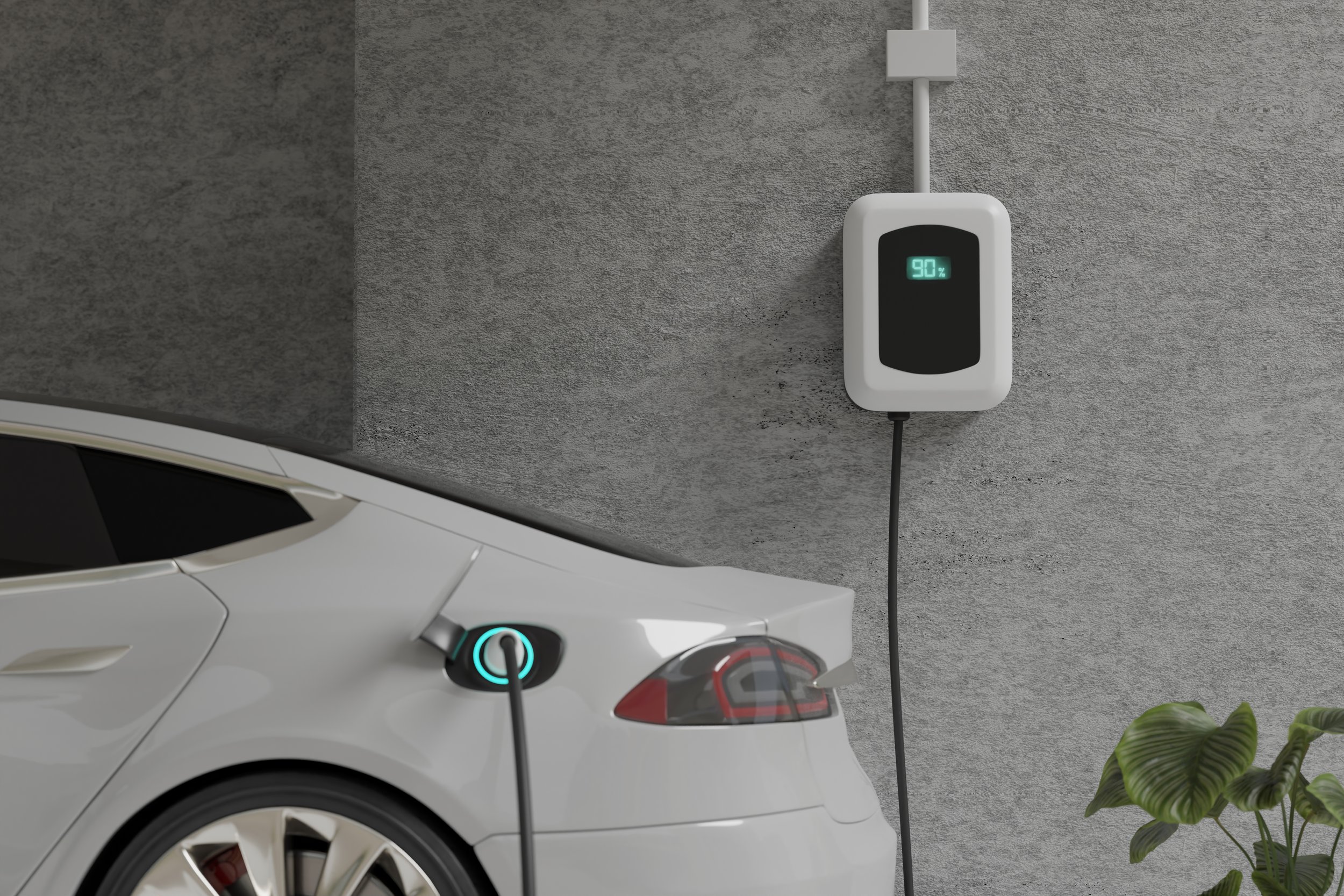
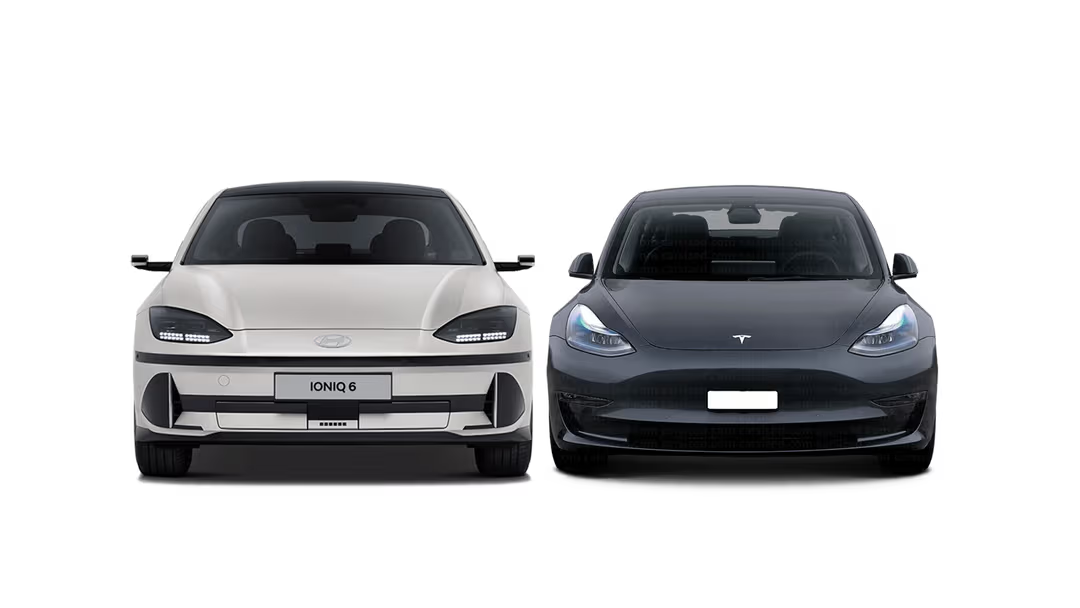

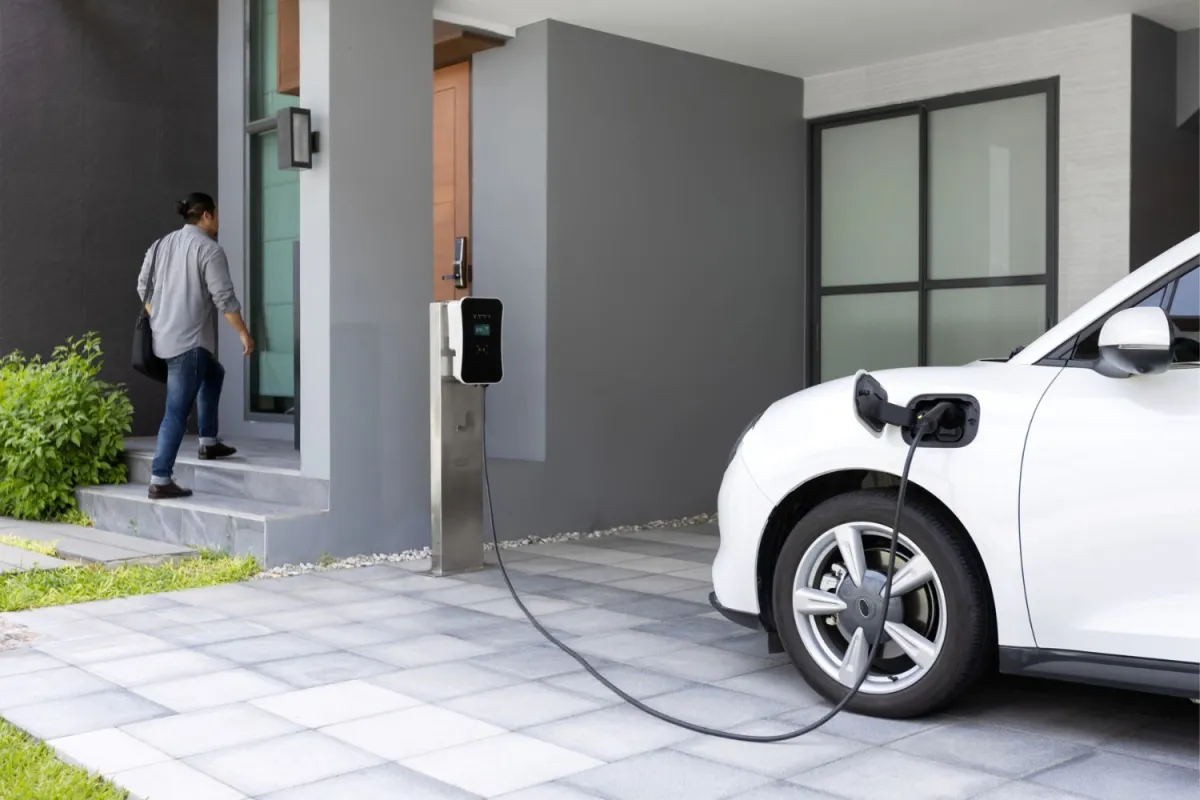

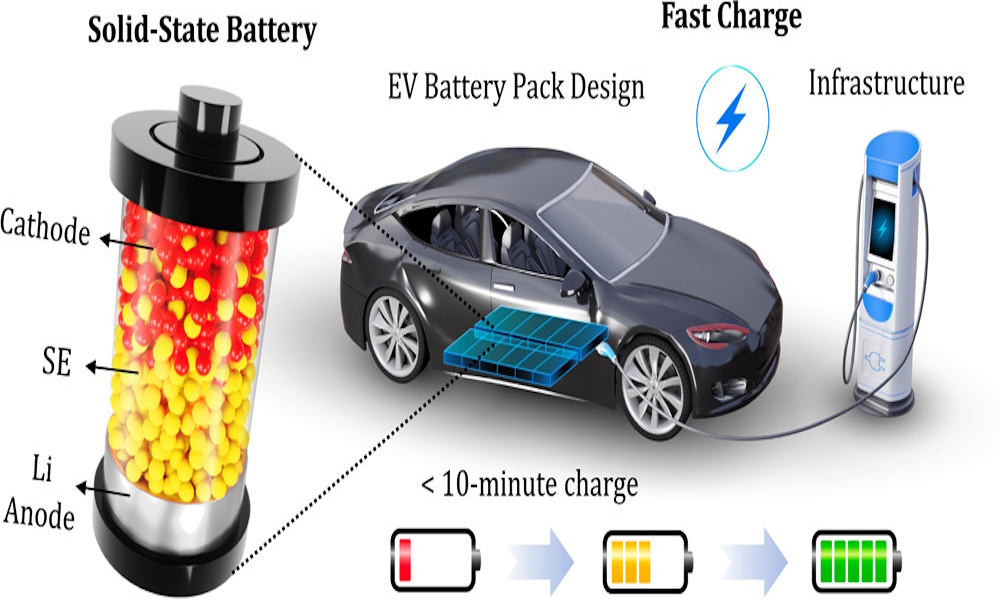


Tags
📧 Get More Articles Like This
Subscribe to receive product reviews and buying guides in your inbox!
We respect your privacy. Unsubscribe at any time.