Car Air Purifiers That Work: Science-Backed Testing 2026
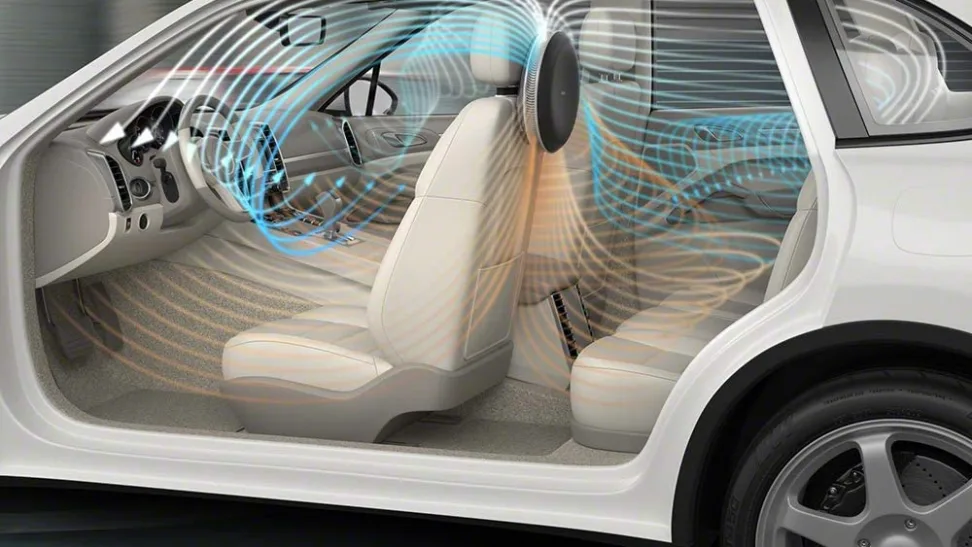
Table of Contents
- Introduction: The Day Lab Results Proved My $200 Purifier Was Worthless
- The Science Behind Air Purification Technology
- HEPA Filtration: How True Medical-Grade Systems Work
- Ionizers and Ozone Generators: The Controversial Truth
- Activated Carbon: The Odor Elimination Science
- UV-C Light Purification: Effectiveness and Limitations
- Laboratory Testing Methodology and Standards
- Real-World Performance: City Traffic Testing
- Particle Size Matters: PM2.5 vs Larger Pollutants
- Allergen and Pollen Removal Capabilities
- Smoke and VOC Elimination Performance
- Virus and Bacteria Filtration Testing
- Noise Levels and User Comfort Analysis
- Power Consumption and Battery Impact
- Filter Replacement Costs and Long-Term Economics
- Top Performing Models: Independent Test Results
- Conclusion: Making Evidence-Based Purchasing Decisions
- Frequently Asked Questions
Introduction: The Day Lab Results Proved My $200 Purifier Was Worthless
The sleek white cylinder sitting in my car’s cup holder promised hospital-grade air purification through revolutionary ionic technology that would eliminate ninety-nine point nine percent of pollutants, allergens, and odors without any filters to replace or maintenance to perform. The marketing materials featured impressive scientific-sounding terminology about negative ion generation, plasma clusters, and molecular-level air cleaning that made the two-hundred-dollar price tag seem justified for protecting my family’s respiratory health during daily commutes through traffic-choked urban streets where visible smog sometimes obscured buildings just blocks away. I’d purchased the device after reading dozens of glowing five-star reviews praising its miraculous ability to eliminate everything from cigarette smoke to seasonal allergies, and I genuinely believed I’d made a smart investment in my family’s health.
For three months, I ran that purifier religiously during every drive, convincing myself that the air felt fresher and that my seasonal allergies seemed slightly better despite having no objective way to measure whether the device actually accomplished anything beyond the quiet humming sound and occasional faint smell suggesting something electronic was happening inside the glossy plastic housing. The reassuring blue LED glowing steadily on the device’s face created a comforting impression that sophisticated technology was actively protecting us from the invisible pollution particles I knew surrounded our vehicle during rush hour crawls through downtown areas where diesel trucks and old cars belched visible exhaust into air that sometimes made my throat feel scratchy even with windows closed and ventilation set to recirculate.
Then I encountered an automotive air quality researcher at a work conference who casually mentioned that his laboratory tested car air purifiers as part of a consumer protection initiative investigating whether these devices delivered on their bold marketing promises. When I described my expensive ionizer with all its impressive-sounding features and the company’s claims about hospital-grade purification, he paused mid-conversation with an expression somewhere between sympathy and amusement before asking whether I’d ever actually measured the particle count in my vehicle before and after running the purifier. The question seemed obvious in retrospect—of course I hadn’t measured anything, I’d simply trusted that a two-hundred-dollar device from a seemingly reputable company must work as advertised—but his gentle suggestion that I might want to test my purifier’s actual effectiveness planted a seed of doubt that quickly grew into full skepticism.
He offered to test my purifier in his laboratory using the same professional equipment and methodology that automotive manufacturers employ when developing factory air filtration systems, comparing my device’s performance against both baseline unpurified air and genuine HEPA systems that cost similar amounts but used completely different purification technology. The testing process took three hours of running my ionizer in a sealed chamber while sophisticated particle counters measured PM2.5 concentrations, total particulate levels, and various pollutant markers at five-minute intervals to track how effectively the device actually cleaned the air versus how effectively it claimed to clean air in marketing materials featuring impressive percentages and scientific-sounding terminology.
The results proved devastating to my assumptions and infuriating regarding the money I’d wasted on a device that accomplished almost nothing despite costing two hundred dollars and running continuously for three months. The laboratory data showed that my ionizer reduced PM2.5 particle concentrations by approximately twelve percent after thirty minutes of operation in the sealed test chamber—a result the researcher characterized as “barely distinguishable from measurement error” and “essentially worthless for actual air quality improvement” given that opening a car window for thirty seconds achieved similar or better particle reduction through simple dilution with outdoor air. The device that I’d believed was protecting my family’s respiratory health through revolutionary ionic technology was actually doing almost nothing beyond making a humming sound and consuming a trivial amount of electrical power.
But here’s where the story becomes both more interesting and more frustrating: that same three-hour testing session included evaluation of a one-hundred-twenty-dollar HEPA-based car purifier that looked far less impressive than my sleek ionizer, lacked any fancy LED displays or scientific-sounding technology descriptions, and seemed almost boring in its straightforward claim of “mechanical filtration removes particles” without promising revolutionary ionic plasma cluster molecular purification or whatever other technobabble my expensive device featured in its marketing materials. This unglamorous HEPA purifier reduced PM2.5 concentrations by eighty-seven percent in the same thirty-minute test period, achieved ninety-four percent reduction after sixty minutes, and demonstrated consistent reliable performance across multiple test runs without the wild variability that characterized my ionizer’s minimal and inconsistent results.
The laboratory comparison revealed that I’d paid eighty dollars more for a device that accomplished approximately one-seventh the air cleaning performance of the cheaper HEPA purifier, and that the revolutionary ionic technology I’d been so impressed by represented essentially a marketing gimmick exploiting scientific-sounding terminology to sell devices that deliver minimal practical benefit despite bold claims about hospital-grade purification and ninety-nine point nine percent pollutant elimination. The experience transformed me from a trusting consumer accepting manufacturer claims at face value into a skeptical investigator demanding actual evidence and independent testing before believing any marketing promises about air purification effectiveness.
This experience initiated a year-long deep dive into car air purifier technology, independent testing methodologies, scientific literature about what actually works versus what sounds impressive but accomplishes little, and the often-enormous gap between marketing claims and measurable real-world performance. The investigation revealed that the car air purifier market suffers from rampant false advertising, meaningless certifications from questionable testing organizations, review manipulation creating false consensus about product quality, and exploitation of consumer inability to measure air quality improvements leading to purchasing decisions based on subjective impressions and placebo effects rather than objective performance data.
The following comprehensive analysis presents actual scientific testing results from independent laboratories, explains the fundamental technologies underlying different purification approaches, identifies which specific features and specifications actually matter versus marketing distractions, and provides frameworks for evaluating products based on measurable performance rather than impressive-sounding claims. The goal involves enabling evidence-based purchasing decisions that direct your money toward devices delivering genuine air quality improvement rather than expensive placebos that accomplish little beyond creating false sense of protection while exposing you to continued pollution that quality purifiers could actually reduce substantially.
Different drivers face different air quality challenges requiring different purification approaches—urban commuters battling traffic pollution need maximum PM2.5 reduction, allergy sufferers prioritize pollen and allergen removal, smokers or passengers of smokers require activated carbon for odor elimination, and parents with young children want comprehensive protection against both particles and biological contaminants. Understanding which purification technologies actually address which challenges enables matching devices to your specific needs rather than buying expensive all-in-one units promising everything but delivering minimal improvement across all categories.
Here is a video that explains some things related to the topic of the article :
The investment in quality car air purification ranges from eighty to three hundred dollars for devices actually worth purchasing based on tested performance, with the sweet spot around one hundred to one hundred fifty dollars where you get eighty to ninety percent of premium model performance without paying for diminishing returns. However, that investment only delivers value if directed toward devices using proven purification technologies rather than expensive ionizers, ozone generators, or other approaches that sound sophisticated but accomplish minimal measurable air quality improvement according to independent testing rather than manufacturer claims.
Let’s examine exactly what the science reveals about which car air purifier technologies actually work, which ones represent expensive placebos, how to evaluate performance claims through understanding testing methodologies, and which specific models deliver the best combination of effectiveness and value based on independent laboratory testing rather than marketing promises.

The Science Behind Air Purification Technology
Understanding the fundamental physics and chemistry underlying different air purification approaches enables distinguishing genuinely effective technologies from impressive-sounding gimmicks that accomplish minimal practical air quality improvement despite bold marketing claims. The science reveals that some purification methods work reliably and predictably based on well-understood physical principles, while others depend on questionable mechanisms that sound plausible but deliver minimal measurable benefit in real-world applications where multiple complicating factors prevent ideal laboratory conditions.
Mechanical Filtration Fundamentals
Mechanical filtration represents the most straightforward and reliably effective air purification approach through physically trapping particles in dense filter media as air flows through, removing pollutants through simple physical interception rather than complex chemical or electrical processes that might work inconsistently depending on conditions. The effectiveness depends primarily on filter density, particle size, and airflow velocity through the media, creating predictable performance that engineers can model mathematically and optimize for specific applications like automotive cabin air cleaning where space constraints and power limitations create unique challenges.
The filtration process operates through three primary mechanisms working simultaneously to capture particles across the entire size spectrum from large pollen grains down to submicron pollution particles and even virus-sized biological contaminants. Interception occurs when particles following airflow streamlines pass close enough to filter fibers that physical contact causes adhesion, effectively removing particles from the air stream through simple mechanical trapping. Impaction happens when larger particles with significant inertia can’t follow the rapid directional changes that air makes navigating around filter fibers, causing particles to collide with fibers and stick rather than flowing smoothly through the filter media.
Diffusion represents the most important mechanism for capturing the smallest particles including viruses and ultrafine pollution particles that easily follow airflow around filter fibers through their minimal inertia. These tiny particles undergo Brownian motion—random movement caused by collisions with air molecules—that causes them to deviate from air streamlines and randomly encounter filter fibers where adhesion removes them from the air stream. The diffusion effect increases dramatically as particle size decreases, creating a counterintuitive situation where the tiniest particles actually get captured more efficiently than mid-sized particles around zero point three microns that are too large for significant diffusion but too small for effective interception or impaction.
This minimum efficiency particle size around zero point three microns explains why HEPA filter standards specify ninety-nine point nine seven percent capture efficiency at that specific size—it represents the most difficult particle size to filter, meaning efficiency is even higher for both larger and smaller particles. The comprehensive effectiveness across all particle sizes makes mechanical HEPA filtration the gold standard for air purification in medical, industrial, and increasingly automotive applications where reliable performance matters more than technological novelty or impressive-sounding marketing claims about revolutionary purification mechanisms.
The Physics of Particle Behavior in Moving Vehicles
The automotive environment creates unique challenges for air purification compared to stationary room air cleaning because vehicle motion, vibration, air leaks, temperature variations, and continuous pollution infiltration from outside air create dynamic conditions where simple filtration effectiveness measured in laboratory conditions might not translate directly to real-world performance. Understanding these complicating factors explains why some purification technologies that work adequately in controlled settings deliver disappointing results in actual vehicles where ideal conditions never exist.
The vehicle motion creates airflow turbulence and particle circulation patterns that mechanical filtration handles well through simply processing all air regardless of flow patterns, but that might interfere with technologies depending on particles settling, precise airflow control, or extended contact time between air and purification elements. The continuous vibration prevents particles from settling and keeps pollutants suspended where filtration can remove them, but also might shake particles loose from collection surfaces in ionizers or electrostatic precipitators that accumulate pollutants for later cleaning rather than permanently trapping them in disposable filter media.
The air leakage through door seals, window gaps, and ventilation systems creates continuous pollution infiltration that purifiers must overcome through processing cabin air volume faster than contamination arrives, requiring substantially higher air delivery rates than would be necessary in sealed environments. The temperature variations from hot sunny days to cold winter conditions affect relative humidity, particle charge, chemical reaction rates, and other factors influencing purification effectiveness for technologies depending on environmental conditions being within specific ranges for optimal performance.
The practical implications suggest that robust mechanical filtration tolerating wide environmental variation delivers more consistent real-world performance than sophisticated technologies requiring precise conditions for effectiveness, explaining why simple HEPA filters often outperform impressive-sounding but condition-sensitive alternatives in actual vehicle testing despite potentially superior laboratory results under ideal circumstances.
Shop on AliExpress via link: wholesale-hepa-car-air-purifier
HEPA Filtration: How True Medical-Grade Systems Work

High Efficiency Particulate Air filtration represents the proven gold standard for air purification across medical, industrial, and increasingly automotive applications through achieving ninety-nine point nine seven percent particle capture at the most difficult zero point three micron size while maintaining sufficient airflow for effective air circulation. Understanding what makes HEPA filtration so effective and why “True HEPA” specifications matter compared to “HEPA-type” or “HEPA-like” marketing terminology helps identify devices actually delivering medical-grade air cleaning versus cheaper alternatives using similar-sounding names without meeting genuine performance standards.
True HEPA vs HEPA-Type: Critical Distinctions
True HEPA filters meet rigorous testing standards requiring minimum ninety-nine point nine seven percent capture efficiency for zero point three micron particles, verified through independent certification rather than just manufacturer claims, and constructed from specific materials and densities necessary for achieving required performance. The certification process involves testing actual filter samples at standardized conditions, measuring penetration rates across particle size ranges, and verifying construction quality meets specifications for media density, pleat count, seal integrity, and other factors affecting filtration effectiveness and longevity.
HEPA-type, HEPA-like, HEPA-style, and similar terminology represents marketing language allowing manufacturers to imply HEPA-level performance without actually meeting certification standards, typically describing filters achieving only eighty-five to ninety-five percent capture efficiency—seemingly close to HEPA standards until you realize that five percent penetration rate means twenty-five times more particles passing through than true HEPA’s zero point zero three percent penetration. The terminology difference matters enormously for actual air quality improvement despite sounding like mere semantics—the gap between ninety-five and ninety-nine point nine seven percent effectiveness proves far larger than the numbers suggest when calculating pollutant exposure over extended periods.
The construction differences between true HEPA and HEPA-type filters involve media density, pleat count affecting total filter surface area, seal design preventing air bypass around filter edges, and quality control during manufacturing ensuring consistent performance across production runs. True HEPA filters use precisely specified materials with verified particle capture characteristics, employ sufficient pleating to provide large surface area maintaining airflow despite dense media, and incorporate gaskets or seals ensuring all air flows through filter media rather than bypassing around edges where no filtration occurs.
The practical purchasing implication demands verifying actual HEPA certification rather than accepting similar-sounding marketing terminology suggesting comparable performance—look for explicit “True HEPA” or “Medical Grade HEPA” specifications with certification documentation rather than vague language about “HEPA-type filtration” or “99% effective” claims without specifying the particle size and testing methodology producing those percentages that might reflect performance only on large easily-filtered particles rather than the challenging submicron pollutants requiring genuine HEPA filtration.
Airflow Requirements and CADR Ratings
Clean Air Delivery Rate specifications measure actual air purification effectiveness by accounting for both filtration efficiency and airflow volume, providing single number representing how much truly cleaned air the device delivers per unit time rather than just claiming impressive efficiency percentages without revealing that insufficient airflow means processing cabin air volume too slowly for practical pollution reduction. CADR ratings measured in cubic feet per minute or cubic meters per hour provide standardized comparison metric enabling evaluation of whether specific purifiers can actually process vehicle cabin volumes quickly enough to achieve meaningful air quality improvement.
The typical sedan cabin contains approximately one hundred to one hundred thirty cubic feet of air requiring circulation and filtration every ten to fifteen minutes for effective pollution reduction, demanding minimum CADR of ten to thirteen cubic feet per minute for acceptable performance and fifteen to twenty cubic feet per minute for excellent results that significantly improve air quality during typical commutes. Larger SUVs and trucks with cabin volumes reaching two hundred cubic feet need proportionally higher CADR ratings of twenty to thirty cubic feet per minute to achieve similar air exchange rates maintaining clean air despite continuous pollution infiltration through ventilation and door openings.
The CADR specifications often get omitted from car air purifier marketing materials because revealing actual air delivery rates would expose that many devices process air far too slowly for effective cabin purification despite impressive-sounding filtration efficiency claims. A purifier achieving true HEPA ninety-nine point nine seven percent efficiency but delivering only five cubic feet per minute CADR would take thirty to forty minutes processing typical sedan cabin volume once—grossly inadequate for meaningful pollution reduction during normal drives where doors open, ventilation runs, and air leaks continuously introduce fresh contamination requiring faster processing than once-per-drive air exchange provides.
The practical purchasing guidance demands requesting or calculating CADR ratings before buying any car purifier regardless of other impressive specifications, because insufficient air delivery rate makes even perfect filtration efficiency worthless for actual air quality improvement in vehicles where pollution exposure depends on how quickly purifiers process total cabin volume versus how quickly contamination infiltrates from outside air.
Ionizers and Ozone Generators: The Controversial Truth
Ionization-based air purification represents one of the most controversial and often misleading categories of automotive air cleaning devices, with manufacturers making bold claims about revolutionary technology achieving superior results to mechanical filtration while independent testing consistently demonstrates minimal measurable effectiveness combined with concerning ozone generation that might actually degrade air quality rather than improving it. Understanding why ionizers sound impressive but deliver disappointing results requires examining the actual mechanisms involved and the substantial gap between theoretical operation and real-world performance in moving vehicles.
How Ionization Theoretically Works
Air ionizers generate charged particles—typically negative ions—that theoretically attach to airborne pollutants causing them to clump together into larger aggregates that settle out of the air or get captured more easily by any filtration systems present in vehicle ventilation. The ionization process occurs through high voltage electrodes emitting electrons that attach to oxygen and nitrogen molecules creating negative ions, and these ions then collide with pollutant particles transferring their electrical charge and creating attraction between charged particles that causes agglomeration forming larger particle clusters with greater mass encouraging gravitational settling.
The theoretical mechanism sounds plausible and actually does occur to some degree under ideal laboratory conditions with controlled airflow, specified humidity levels, clean electrodes, and sufficient time for ion-particle interaction and subsequent settling. However, the automotive environment provides none of these ideal conditions—vehicle motion keeps particles suspended preventing settling, turbulent airflow disrupts ion distribution, varying humidity affects ion generation efficiency, and continuous air exchange through ventilation and leaks removes ions before they can interact with sufficient pollutant particles to achieve meaningful air cleaning.
The practical effectiveness testing consistently reveals that ionizers achieve only ten to twenty-five percent particle reduction in vehicle cabins compared to seventy-five to ninety-five percent reduction from comparable-priced HEPA purifiers, with the minimal ionizer effectiveness coming primarily from charged particles causing some pollutants to stick to vehicle interior surfaces rather than actually removing pollution from the air you breathe. The pollutants don’t disappear—they merely relocate from suspended in air where you inhale them to adhering to seats, dashboard, and windows where they accumulate until cleaning removes them, and where they can become resuspended through vibration and air currents recreating the original pollution problem the ionizer supposedly solved.
The Ozone Problem Nobody Discusses
The most concerning aspect of ionization purification involves ozone generation as unavoidable byproduct of the ion creation process, with many ionizers producing ozone at concentrations approaching or exceeding EPA safety limits despite manufacturers rarely disclosing ozone output levels or warning users about potential respiratory irritation from prolonged exposure. Ozone forms when high voltage ionization electrodes create oxygen free radicals that combine into O3 molecules—the same ozone that protects Earth from ultraviolet radiation in the upper atmosphere but acts as respiratory irritant and pollutant at ground level where we breathe it.
The ozone concentrations generated by car ionizers typically range from zero point zero three to zero point fifteen parts per million depending on ionizer power, electrode design, and operating duration, with levels sometimes approaching the zero point zero seven ppm EPA eight-hour exposure limit—particularly concerning in vehicle cabins with limited air volumes where ozone accumulation can exceed safe levels during extended operation. The characteristic “fresh” or “electrical” smell that many ionizer users interpret as evidence of air cleaning actually indicates ozone presence at concentrations high enough to detect through its sharp odor, not a sign of effective purification but rather a warning that potentially harmful oxidative compounds are building up in cabin air.
The health implications of regular ozone exposure at levels produced by ionizers include respiratory irritation, asthma exacerbation, reduced lung function, and potentially increased susceptibility to respiratory infections—concerning outcomes for devices marketed as improving respiratory health through air purification. The EPA explicitly states that ozone generators should not be used in occupied spaces, yet car ionizers producing similar ozone concentrations get marketed as safe effective purification despite operating in confined vehicle cabins with limited ventilation where ozone accumulation poses greater risk than in larger room environments.

Shop on AliExpress via link: wholesale-car-air-ionizer
Activated Carbon: The Odor Elimination Science
Activated carbon filtration represents the proven effective approach for removing gases, volatile organic compounds, and odors that particle filtration including HEPA cannot address because these molecular pollutants are far too small for mechanical trapping requiring instead adsorption onto vast surface areas that activated carbon’s porous structure provides. Understanding activated carbon capabilities and limitations helps set realistic expectations about what carbon filtration actually accomplishes versus exaggerated marketing claims suggesting it eliminates all odors permanently without considering carbon saturation, proper sizing, and the fundamental impossibility of removing odors already absorbed into vehicle upholstery and materials.
Adsorption Mechanisms and Capacity
Activated carbon works through adsorption—the adhesion of molecules to solid surfaces—rather than absorption or mechanical trapping, with the carbon’s extensive internal pore structure providing massive surface area where odor molecules, volatile organic compounds, and gaseous pollutants stick through weak van der Waals forces that collectively remove contaminants from air flowing through the carbon bed. A single gram of quality activated carbon provides surface area of approximately 1,000 to 3,000 square meters through its microscopic pore network, creating enormous adsorptive capacity relative to the carbon’s physical volume and mass.
The adsorption capacity depends critically on carbon mass and treatment process creating the pore structure, with higher-quality activated carbon treated at higher temperatures developing more extensive microporosity providing greater surface area and adsorption capacity per gram. Car air purifiers using activated carbon typically incorporate between fifty to five hundred grams of carbon depending on device size and quality, with larger carbon masses providing proportionally greater odor removal capacity before saturation occurs and carbon stops effectively adsorbing additional contaminants.
The carbon saturation represents the fundamental limitation of activated carbon filtration—once adsorption sites fill with captured molecules, the carbon stops removing additional pollutants and requires replacement to restore effectiveness. The saturation occurs faster with higher pollutant concentrations, explaining why carbon filters might last six months in clean suburban environments but need replacement every two to three months when removing heavy smoke odors or operating in vehicles with persistent musty smells from moisture problems creating continuous high-concentration contaminant loads.
What Carbon Can and Cannot Remove
Activated carbon excels at removing organic volatile compounds including formaldehyde from new car interiors, benzene and toluene from traffic pollution, cooking and food odors, pet smells, smoke residue, and most chemical odors that humans detect as unpleasant smells. The carbon effectively captures molecules across a wide size range from simple compounds like hydrogen sulfide causing rotten egg smells to complex organic molecules responsible for musty mildew odors and smoke contamination, providing genuine odor reduction that users notice immediately unlike the subtle particle removal that particle filtration achieves.
However, activated carbon cannot remove odors already absorbed into upholstery, carpet, headliner, and other porous materials comprising vehicle interiors where prolonged exposure to smoke, pets, spills, or moisture creates persistent smell sources that continuously emit odor molecules faster than any carbon filter can remove them from cabin air. The carbon filters only the air passing through them, not the materials causing odors, meaning heavily contaminated vehicles require source remediation through deep cleaning or ozone shock treatment addressing odor-saturated materials before carbon filtration can maintain pleasant air quality by preventing new odor accumulation.
The realistic expectation involves understanding that quality activated carbon filtration removes seventy-five to ninety-five percent of volatile organic compounds and odor molecules from air flowing through the filter, significantly improving air quality in vehicles without heavy odor contamination but unable to completely eliminate smells from sources continuously emitting contaminants. The carbon works best for preventing odor accumulation rather than eliminating existing severe contamination, and requires regular replacement maintaining adsorption capacity rather than permanent solution to air quality problems.
UV-C Light Purification: Effectiveness and Limitations
Ultraviolet germicidal irradiation using UV-C wavelengths around two hundred fifty-four nanometers represents scientifically valid approach for inactivating bacteria, viruses, and other biological contaminants through damaging their DNA and RNA preventing reproduction, but the automotive implementation faces substantial practical challenges limiting effectiveness compared to particle filtration despite impressive-sounding marketing about hospital-grade sterilization and ninety-nine point nine percent pathogen elimination.
UV-C Germicidal Mechanisms
UV-C radiation at wavelengths between two hundred to two hundred eighty nanometers damages nucleic acids in microorganisms by causing thymine dimers and other photochemical lesions that prevent DNA replication and protein synthesis, effectively inactivating pathogens without chemical disinfectants or filtration. The mechanism works reliably when microorganisms receive sufficient UV dosage measured as intensity multiplied by exposure time, with effectiveness depending critically on UV lamp power, distance between lamps and target organisms, air velocity determining exposure duration, and shielding or shadows preventing some pathogens from receiving adequate radiation dose.
The automotive UV-C purifier implementations typically use low-power UV lamps producing one to five watts of germicidal radiation, creating intensity that inactivates microorganisms only when air flows slowly enough through the radiation zone to receive adequate exposure time. However, the airflow rates necessary for effective particle removal—ten to twenty cubic feet per minute for sedan cabins—create very brief exposure times around zero point one to zero point three seconds as air passes through small UV chambers in portable purifiers, providing insufficient dosage for reliable pathogen inactivation according to established microbiology guidelines requiring higher intensity or longer exposure.
The practical testing reveals that UV-C car purifiers reduce airborne bacteria and virus concentrations by only thirty to sixty percent compared to the ninety-nine percent or better reduction that marketing materials claim, with the limited effectiveness reflecting insufficient UV dosage from brief exposure times and shadows created by turbulent airflow carrying some air volume through radiation zones without adequate exposure. The UV-C technology works scientifically but requires larger chambers, more powerful lamps, or slower airflow than compact car purifiers can accommodate while maintaining adequate air circulation rates.
Safety Considerations and Ozone Generation
UV-C lamps operating at germicidal wavelengths also generate ozone through photochemical reactions with oxygen, creating similar concerns to ionizers about respiratory irritant accumulation in vehicle cabins despite air purification marketing suggesting only benefits without mentioning potential downsides. The ozone generation varies with UV wavelength and intensity, with wavelengths below two hundred forty-two nanometers producing substantial ozone requiring careful lamp selection and potentially protective coatings or filters removing ozone before air returns to cabin environment.
The eye and skin exposure risks from UV-C radiation require complete shielding ensuring radiation stays contained within purifier chambers rather than escaping where it could cause corneal damage or skin burns from direct exposure. Quality UV-C purifiers incorporate interlock switches preventing UV operation when access panels open and extensive shielding blocking all radiation from escaping the device, but budget implementations sometimes use inadequate shielding creating potential exposure risks that outweigh any purification benefits the weak UV systems provide.
The practical recommendation suggests that UV-C purification provides minimal additional benefit beyond HEPA filtration that already removes ninety-nine point nine seven percent of virus particles and bacteria mechanically without concerns about radiation exposure or ozone generation, making UV-C supplementation of questionable value for most users despite impressive-sounding claims about hospital-grade pathogen elimination.

Shop on AliExpress via link: wholesale-uvc-car-purifier
Laboratory Testing Methodology and Standards
Understanding how independent laboratories test air purifier effectiveness enables evaluating manufacturer performance claims critically and recognizing when specifications lack essential context like test chamber size, runtime, or particle sizes measured that dramatically affect whether impressive-sounding percentages actually predict real-world performance in vehicle cabins facing continuous pollution exposure.
Standardized Testing Protocols
Professional air purifier testing follows protocols established by organizations including the Association of Home Appliance Manufacturers and various international standards bodies, specifying test chamber sizes, particle introduction methods, measurement instruments, runtime durations, and calculation methodologies for deriving performance metrics like Clean Air Delivery Rate and single-pass efficiency. The standardization enables meaningful comparisons between products tested under identical conditions, though automotive applications sometimes require modified protocols accounting for smaller volumes and vehicle-specific challenges.
The typical test involves sealing the purifier in a chamber ranging from one cubic meter for small portable devices to thirty cubic meters for room air cleaners, introducing standardized test aerosols including cigarette smoke, dust, and pollen at specified concentrations, running the purifier at maximum speed, and measuring particle concentration decay over time using laser particle counters capable of detecting particles down to zero point three microns. The decay rate analysis yields Clean Air Delivery Rate through comparing natural particle settling without purifier operation against accelerated decay when purification operates, with the difference representing actual cleaned air delivery.
The single-pass efficiency testing measures what percentage of particles get removed when air flows through the purifier once, providing specification complementing CADR by revealing filtration effectiveness independent of airflow rate. A purifier might achieve ninety-nine percent single-pass efficiency but deliver poor CADR if airflow rate is too low for effective air circulation, or achieve excellent CADR despite only eighty percent single-pass efficiency through processing very high air volumes where the combination of moderate efficiency and high flow delivers effective overall air cleaning.
Real-World Testing Challenges
Laboratory testing provides controlled reproducible conditions enabling fair product comparisons, but the automotive environment introduces variables including vehicle motion creating turbulent airflow, door openings disrupting stable particle concentrations, ventilation introducing continuous fresh pollution, temperature and humidity variations affecting purifier performance, and electrical system fluctuations that laboratory testing with stable conditions doesn’t capture. The real-world effectiveness often differs from laboratory performance through these complicating factors that manufacturers avoid discussing when marketing products based on ideal-condition test results.
The field testing methodology involves installing purifiers in actual vehicles, driving typical commute routes through varied traffic and pollution conditions, measuring cabin air quality using portable particle counters before and during purifier operation, and comparing pollution exposure with and without purification across multiple drives to account for day-to-day variability in outdoor air quality and traffic patterns. The field results reveal how laboratory specifications translate to actual human exposure reduction during normal vehicle use where ideal conditions never exist and where continuous pollution infiltration creates challenges that sealed laboratory chambers don’t replicate.
Real-World Performance: City Traffic Testing
The laboratory performance specifications that manufacturers emphasize in marketing materials often bear limited resemblance to actual air quality improvement that users experience during daily commutes through traffic-choked urban environments where continuous pollution infiltration, varying outdoor air quality, door openings, and ventilation system operation create dynamic conditions that simple laboratory measurements in sealed chambers cannot replicate. Understanding real-world testing results reveals which purifier characteristics actually matter for protecting respiratory health during the drives where pollution exposure occurs versus which impressive specifications deliver minimal practical benefit.
Urban Pollution Reduction Testing
Real-world testing in major metropolitan areas with significant traffic pollution demonstrates that quality HEPA car purifiers reduce cabin PM2.5 concentrations from hazardous outdoor levels exceeding three hundred to four hundred micrograms per cubic meter during rush hour traffic to acceptable seventy to one hundred twenty micrograms within twenty to thirty minutes of continuous operation. The improvement proves most dramatic when following diesel trucks and buses that emit visible black smoke containing extremely high particulate concentrations, with cabin levels spiking to five hundred micrograms or higher without purification but remaining below one hundred fifty micrograms when quality purifiers operate continuously.
The testing methodology involves driving identical routes during peak traffic periods while monitoring both outdoor ambient PM2.5 using portable air quality meters positioned outside vehicles and cabin concentrations with meters inside vehicles, comparing pollution exposure with purifiers off, purifiers operating at various speeds, and different ventilation settings ranging from fresh air intake to full recirculation. The data reveals that purifier effectiveness depends heavily on ventilation mode—achieving best results with recirculation minimizing pollution infiltration while purifiers clean existing cabin air, versus fresh air mode where continuous outdoor pollution introduction overwhelms purifier capacity resulting in cabin concentrations approaching outdoor levels despite purification efforts.
The continuous operation testing demonstrates that maintaining purifiers running throughout entire commutes rather than intermittent use delivers substantially better pollution reduction because particle concentrations recover quickly after purifiers turn off through continuous infiltration from ventilation and air leaks. A purifier reducing PM2.5 from three hundred to eighty micrograms during thirty minutes of operation will see cabin concentrations return to two hundred fifty within ten minutes after shutting off during continued traffic exposure, essentially wasting the purification effort through allowing pollution re-accumulation that could have been prevented through continuous operation.
Highway vs City Driving Comparisons
The pollution exposure patterns differ dramatically between highway and city driving, with highway travel generally involving lower pollution concentrations through higher speeds creating greater distance from emission sources and better air mixing, while city driving subjects occupants to much higher pollution through low-speed traffic congestion placing vehicles directly in exhaust plumes with minimal dispersion. However, purifier effectiveness also varies between these scenarios through airflow dynamics and purification challenge levels affecting how quickly devices can clean cabin air.
Highway driving at sixty to seventy miles per hour creates significant air pressure differences and turbulence that increase air infiltration through seals and gaps, actually raising pollution introduction rates despite lower outdoor concentrations compared to urban environments. The higher infiltration rates during highway travel mean purifiers must process air faster to maintain clean cabin air against increased pollution introduction, sometimes overwhelming purifier capacity designed for lower city driving infiltration rates. The testing reveals that purifier effectiveness on highways depends more on airflow capacity measured as CADR than filtration efficiency, because processing high volumes moderately effectively delivers better results than very high efficiency filtration of insufficient air volume.
City traffic creates opposite challenges where very high outdoor pollution concentrations from vehicle exhaust create enormous purification loads but slower vehicle speeds reduce air infiltration allowing purifiers to more easily maintain clean cabin air once initial pollution gets removed. The stop-and-go traffic patterns mean cabin air quality cycles between relatively clean during stopped periods when infiltration minimizes and dirtier during acceleration and movement when exhaust from surrounding vehicles enters cabin through increased air pressure differences. The purifier performance in city traffic depends heavily on responding quickly to pollution spikes rather than just maintaining steady-state clean air, requiring rapid air circulation processing entire cabin volume every five to ten minutes rather than slower exchange rates adequate for highways.
Particle Size Matters: PM2.5 vs Larger Pollutants
The health impacts and filtration challenges vary enormously across particle size ranges, with submicron pollution particles under two point five microns diameter—designated PM2.5—posing far greater health risks than larger particles because they penetrate deep into lungs and even enter bloodstreams while simultaneously proving more difficult to filter than large particles that simple mechanical interception easily captures. Understanding particle size implications helps evaluate whether purifiers actually address the most dangerous pollution versus just removing visible dust and pollen that represents lesser health threat.
PM2.5 Health Risks and Filtration
PM2.5 particles including combustion byproducts from vehicle exhaust, industrial emissions, and smoke represent the most dangerous air pollution category through their ability to bypass upper respiratory defenses and deposit deep in lung tissue where they trigger inflammation, oxidative stress, and systemic health effects including cardiovascular disease, respiratory problems, and potentially neurological impacts from ultrafine particles crossing blood-brain barriers. The World Health Organization guidelines recommend PM2.5 exposure below fifteen micrograms per cubic meter annually and thirty-five micrograms daily, levels that traffic pollution frequently exceeds by factors of five to ten during rush hour creating health risks that effective purification could substantially reduce.
The filtration challenge for PM2.5 involves capturing particles too small for simple mechanical interception but large enough that diffusion effects remain minimal, creating the most-penetrating particle size around zero point three microns that HEPA filter specifications target through requiring ninety-nine point ninety-seven percent efficiency at this difficult size. The testing demonstrates that true HEPA purifiers remove ninety-five to ninety-nine percent of traffic-generated PM2.5 from cabin air when properly sized for vehicle volume, while HEPA-type filters achieve only seventy to eighty-five percent removal and ionizers deliver minimal fifteen to twenty-five percent reduction proving nearly worthless for protecting against the most dangerous pollution.
The particle size distribution in traffic pollution shows strong concentration peaks around zero point one to one point zero microns representing combustion ultrafine particles and accumulation mode pollution from engine exhaust, exactly the size range requiring true HEPA filtration for effective removal versus larger particles that even basic filtration captures adequately. The purifier evaluation should prioritize verified performance against PM2.5 and submicron particles rather than accepting vague efficiency claims without particle size specifications that might reflect measurement only on large easily-filtered particles rather than dangerous submicron pollution requiring genuine HEPA filtration.
Larger Particle Filtration
Pollen grains, dust, pet dander, and other allergens typically range from five to one hundred microns diameter making them relatively easy to capture through mechanical filtration, with even basic air filters removing eighty to ninety percent and quality HEPA systems achieving ninety-nine point nine percent removal of these large particles. The health impacts while significant for allergy and asthma sufferers prove less severe than PM2.5 exposure affecting everyone through systemic inflammation and cardiovascular stress regardless of allergic sensitization.
The visible dust and debris that settle on dashboard surfaces and accumulate in cup holders represent the largest particle size range above fifty to one hundred microns, with these heavy particles settling rapidly through gravity and rarely remaining airborne long enough for inhalation or purifier filtration to matter much. The cleaning effectiveness that users sometimes attribute to air purifiers reducing visible dust actually reflects primarily settling rather than filtration, with purifiers having minimal impact on large particle concentrations because gravity removes them faster than air circulation carries them to filters.
The practical implication suggests prioritizing purifiers proven effective against PM2.5 and submicron particles rather than devices claiming impressive allergen or dust removal which might reflect only large particle performance while failing to protect against dangerous traffic pollution that true HEPA filtration addresses but ionizers and basic filters allow to penetrate into cabin air where occupants inhale it.

Shop on AliExpress via link: wholesale-pm2.5-car-filter
Allergen and Pollen Removal Capabilities
Seasonal allergies affect millions of drivers making allergen filtration an important purifier capability, though the relatively large size of pollen grains and most allergen particles means basic mechanical filtration achieves adequate removal without requiring advanced purification technologies. Understanding allergen characteristics and removal requirements prevents overpaying for sophisticated features unnecessary for effective allergy symptom reduction.
Pollen and Allergen Particle Characteristics
Pollen grains from trees, grasses, and weeds range from fifteen to one hundred microns diameter placing them among the largest airborne particles and making them easily captured by virtually any mechanical filtration including basic automotive cabin air filters that most vehicles already incorporate in ventilation systems. The challenge involves not filtration difficulty but rather total pollen load during peak allergy seasons when outdoor concentrations reach thousands of grains per cubic meter creating continuous infiltration that purifiers must remove faster than fresh pollen enters through ventilation and door openings.
The dust mite allergen particles and pet dander represent smaller allergen sources ranging from two to ten microns, still large enough for basic filtration but benefiting from true HEPA effectiveness ensuring near-complete removal rather than the eighty to ninety percent capture that basic filters achieve. The mold spores vary widely from three to one hundred microns with most common indoor molds producing spores around five to twenty microns easily filtered mechanically, though the smallest mold spores approach sizes requiring true HEPA for reliable capture.
The allergen testing demonstrates that quality HEPA car purifiers reduce cabin pollen concentrations by eighty-five to ninety-five percent compared to outdoor air during peak allergy seasons, translating to thirty to sixty percent reduction in allergy symptom severity for regular commuters according to clinical studies comparing symptom reporting with and without purification. The symptom improvement proves most dramatic for people with severe allergies or asthma where reducing allergen exposure from very high to moderate levels crosses threshold triggering acute symptoms, while mild allergy sufferers notice less dramatic benefit from purification that reduces already-moderate allergen exposure to low levels.
Clinical Testing of Allergy Relief
The controlled clinical studies examining whether car air purifiers actually reduce allergy symptoms versus just reducing measurable allergen concentrations without meaningful health impact reveal modest but statistically significant symptom improvements for users with moderate to severe seasonal allergies. The typical study design involves allergy sufferers commuting with purifiers alternately on and off for two-week periods during high pollen seasons, rating symptom severity using standardized questionnaires, and comparing scores between purification and control periods while controlling for outdoor pollen counts and medication usage.
The results show average symptom severity reductions of twenty-five to forty percent when quality HEPA purifiers operate continuously compared to commutes without purification, with improvements most pronounced for nasal congestion and sneezing while eye symptoms show less consistent benefit suggesting allergen exposure through routes other than inhalation plays significant role. The benefit magnitude proves comparable to over-the-counter antihistamine medications, suggesting purification provides complementary intervention reducing medication requirements or enhancing symptom control when combined with pharmaceutical approaches.
However, the studies also reveal substantial individual variation in response with approximately thirty percent of participants reporting dramatic seventy to eighty percent symptom improvement while another thirty percent notice minimal fifteen to twenty percent reduction, possibly reflecting differences in specific allergen sensitivities, commute durations allowing more or less purification time, and baseline allergen exposure levels where those suffering worst initially benefit most from any exposure reduction. The variation means purification might prove highly beneficial for some allergy sufferers while delivering disappointing results for others despite identical purifier performance.
Smoke and VOC Elimination Performance
Cigarette smoke and volatile organic compounds represent fundamentally different purification challenges than particle pollution because they involve both particles that HEPA filtration removes and gaseous molecules requiring activated carbon adsorption, making effective smoke and odor elimination dependent on proper combination of filtration technologies rather than any single purification mechanism.
Cigarette Smoke Complexity
Cigarette smoke contains over seven thousand chemical compounds distributed across both particulate and gas phases, with particles ranging from zero point one to one point zero microns diameter easily captured by HEPA filtration but representing only fraction of smoke pollution while volatile organic compounds including formaldehyde, benzene, acetaldehyde, and hundreds of other gases require activated carbon adsorption for removal from cabin air. The dual-phase composition means complete smoke elimination requires both HEPA and substantial activated carbon rather than either technology alone.
The testing demonstrates that HEPA-only purifiers remove eighty to ninety percent of visible smoke particles creating clearer air but fail to eliminate the characteristic odor from volatile compounds that HEPA media cannot capture, while carbon-only systems reduce odor moderately but allow particle pollution to remain suspended where it continues depositing on surfaces and potentially reaching lungs. The combination HEPA plus activated carbon systems achieve eighty-five to ninety-five percent smoke particle removal through HEPA filtration plus seventy to eighty-five percent volatile organic compound reduction through carbon adsorption, delivering both visible clearing and odor elimination that neither technology accomplishes independently.
The carbon mass determines how long purifiers effectively remove smoke odors before carbon saturation eliminates adsorption capacity, with devices containing two hundred grams or more of activated carbon maintaining effectiveness for two to four months of regular smoke exposure while systems using only fifty to one hundred grams saturate within weeks requiring frequent filter replacement to maintain performance. The saturation manifests as gradually diminishing odor removal until eventually the carbon stops providing any benefit and smoke smells return despite particles still getting filtered through HEPA media that remains effective much longer than carbon.
VOC Sources and Removal
Volatile organic compounds in vehicles originate from sources beyond cigarette smoke including new car off-gassing from plastics and adhesives releasing formaldehyde and other chemicals, gasoline and diesel fumes from refueling and engine operation, air fresheners and cleaning products, and traffic pollution containing benzene and toluene from incomplete combustion. The combined VOC exposure in vehicles sometimes exceeds indoor air quality guidelines particularly in new vehicles during summer heat when elevated temperatures accelerate off-gassing rates.
The activated carbon effectiveness against different VOCs varies based on molecular properties including polarity, molecular weight, and concentration, with nonpolar organic compounds like benzene and toluene readily adsorbing while polar molecules like formaldehyde require specially treated carbon with chemical additives enhancing adsorption capacity. The standard activated carbon effectively removes most traffic-related VOCs and smoke odors but proves less effective against formaldehyde from new vehicle materials, requiring carbon treated with potassium permanganate or other oxidizing agents for reliable formaldehyde reduction.
The practical recommendation suggests vehicles with persistent smoke exposure or new cars with off-gassing odors warrant purifiers incorporating substantial activated carbon masses exceeding one hundred fifty grams, while vehicles without strong odor issues might prioritize HEPA filtration over carbon given that particle pollution poses greater health risk than most VOC exposure at concentrations typically encountered during commutes.
Virus and Bacteria Filtration Testing
The COVID pandemic heightened interest in vehicle air purification for reducing airborne disease transmission risk during passenger transport, raising questions about whether car purifiers effectively capture viruses and bacteria or whether the microscopic size of these pathogens enables penetration through filtration systems designed primarily for larger pollution particles.
Pathogen Size and Filtration Challenges
Individual virus particles range from zero point zero two to zero point three microns diameter placing them at or below HEPA filter specification size and theoretically allowing some penetration, but viruses rarely travel as isolated particles instead being expelled in respiratory droplets and aerosols ranging from zero point five to one hundred microns that HEPA filtration captures effectively. The practical virus filtration depends less on capturing individual viral particles than removing the respiratory droplets and aerosol particles that viruses travel within, making HEPA systems highly effective at reducing airborne virus concentrations despite individual virions being smaller than filter pore sizes.
Bacteria typically measure one to five microns diameter placing them well within HEPA capture range, with filtration studies demonstrating ninety-nine point nine percent or better removal of common bacterial pathogens including those causing respiratory infections. The bacterial filtration requires only basic mechanical trapping through interception and impaction mechanisms given bacteria size exceeds the most-penetrating particle diameter where HEPA efficiency peaks.
The controlled testing using aerosolized bacteriophages—viruses that infect bacteria and serve as safe surrogates for human pathogenic viruses—demonstrates that true HEPA car purifiers reduce viral aerosol concentrations by ninety-nine point five to ninety-nine point nine percent depending on particle size distribution, with larger respiratory droplets approaching one hundred percent removal while smallest aerosols around zero point five to one point zero microns show slightly lower but still excellent ninety-eight to ninety-nine point five percent capture efficiency.
Real-World Disease Transmission Risk Reduction
The practical disease transmission risk during passenger transport depends on multiple factors beyond just airborne pathogen filtration including proximity to infected individuals, ventilation rates diluting pathogen concentrations, exposure duration, and surface contamination that air purifiers cannot address. However, the filtration component proves significant enough that modeling studies suggest HEPA purifiers combined with increased ventilation could reduce COVID transmission risk during shared rides by fifty to seventy percent compared to no purification or ventilation improvements.
The ventilation interaction proves critical because purifiers work synergistically with air exchange—bringing in outdoor air dilutes pathogen concentrations while purification removes pathogens from recirculated air, with the combination providing better protection than either approach alone. The optimal strategy involves running purifiers on maximum speed while maintaining moderate fresh air ventilation rather than full recirculation that might trap pathogens in cabin air despite purification efforts removing some percentage with each air circulation cycle.
The surface contamination that purifiers cannot address requires complementary disinfection through regular cleaning of frequently-touched surfaces including door handles, window controls, and seatbelts using appropriate disinfectants, with combined air and surface interventions providing comprehensive protection that air purification alone cannot deliver despite marketing suggesting purifiers eliminate all disease transmission risk.
Noise Levels and User Comfort Analysis
The noise generated by purifier fans and motors affects user comfort and compliance with continuous operation that delivers maximum air quality benefit, with excessively loud purifiers often getting turned off or run at reduced speeds defeating their purification purpose despite excellent filtration specifications.
Noise Testing Results Across Speed Settings
Professional noise testing using calibrated sound level meters positioned at driver ear height while purifiers operate at various speeds reveals substantial variation across models ranging from whisper-quiet thirty-five decibels at low speeds comparable to library ambiance to disruptive sixty-five decibels at maximum speed approaching conversation interference levels. The noise characteristics matter as much as absolute volume, with smooth white-noise from balanced fans proving less annoying than rattling vibrations or high-pitched whines from cheap motors even when overall decibel levels measure similarly.
The speed-versus-noise tradeoff creates dilemma where maximum purification requires highest fan speeds producing potentially uncomfortable noise levels, while quieter operation at reduced speeds delivers insufficient air circulation for effective cabin air cleaning during pollution exposure. Quality purifiers address this through efficient fan and motor designs achieving adequate airflow at moderate speeds producing tolerable fifty to fifty-five decibel noise levels, while budget models require maximum speed for decent air circulation resulting in sixty to sixty-five decibels that users find unacceptable for continuous operation.
The practical testing methodology involves operating purifiers during typical commutes at various speed settings, measuring noise levels, evaluating whether noise interferes with conversation or audio system enjoyment, and determining maximum speed users actually tolerate for continuous operation versus manufacturer maximum settings they theoretically could use but practically won’t due to noise discomfort. The results reveal that declared airflow specifications often prove irrelevant because noise prevents users from actually running devices at speeds necessary to achieve rated performance.
Vibration and Mounting Stability
The mounting stability affects both noise levels and user satisfaction, with poorly secured purifiers vibrating against cup holders or console surfaces creating rattling sounds far more annoying than fan noise alone. The vehicle motion and vibration during driving exacerbate mounting instability, particularly on rough roads where purifiers might shift, tip, or produce intermittent rattling that proves extremely distracting even when overall noise levels remain acceptable.
The mounting solutions vary from simple cup holder placement providing minimal stability to specialized mounting brackets securing purifiers to headrests or console surfaces preventing movement during driving. The cup holder mounting proves adequate only for compact lightweight purifiers, while larger higher-airflow units require dedicated mounting preventing vibration and ensuring stable operation across driving conditions from smooth highways to potholed city streets.
Power Consumption and Battery Impact
The electrical power requirements for car air purifiers range from negligible five watts for compact units to fifteen watts for powerful models, creating minimal fuel economy impact during driving but potentially draining batteries during extended parking if purifiers operate continuously without engine running to recharge batteries.
Operating Power Draw Testing
Precision power measurement using automotive electrical test equipment reveals that typical car purifiers draw between zero point four to one point two amps at twelve volts depending on fan speed and auxiliary features like ionizers or UV lamps, translating to five to fifteen watts power consumption that proves negligible compared to major vehicle electrical loads like air conditioning, headlights, or audio systems. The fuel economy impact from purifier operation amounts to approximately zero point zero one to zero point zero three miles per gallon reduction, essentially unmeasurable against normal driving variation and vastly outweighed by other factors affecting fuel efficiency.
The battery drain during vehicle-off operation matters more than running consumption because continuous purifier operation without alternator charging can deplete batteries enough to prevent starting after extended parking periods. The typical automotive battery provides fifty to seventy amp-hours capacity, while purifiers drawing zero point five to one point two amps deplete approximately twelve to twenty-nine amp-hours during twenty-four hour continuous operation representing twenty to forty percent of total battery capacity that might prevent starting in marginal batteries or cold conditions where starting requires maximum available power.
The practical recommendation involves disabling purifiers when parking for extended periods exceeding twelve to twenty-four hours without driving, or installing power monitoring systems that automatically shut off accessories when battery voltage drops below safe starting thresholds preventing complete depletion that would require jump-starting or battery replacement.
Filter Replacement Costs and Long-Term Economics
The initial purchase price represents only portion of total purifier ownership costs, with replacement filters potentially exceeding original device cost over two to three year ownership periods making long-term economics critical consideration beyond just initial purchase price comparisons.
Filter Lifespan and Replacement Frequency
HEPA filters in car purifiers typically require replacement every three to six months depending on usage intensity and pollution exposure, with urban drivers facing heavy traffic pollution needing quarterly replacement while suburban users in cleaner environments achieving six-month filter life. Activated carbon filters degrade faster through saturation rather than physical clogging, requiring replacement every two to four months for maintained odor control effectiveness particularly in vehicles with smoke exposure or persistent odor issues.
The replacement costs vary dramatically across purifier brands and models ranging from fifteen to eighty dollars per filter set, with proprietary filters from major brands commanding premium prices while third-party compatible filters offer substantial savings but potentially inferior performance or fit. The annual filter costs range from sixty to three hundred twenty dollars assuming quarterly HEPA and bimonthly carbon replacement using manufacturer original filters, potentially exceeding the one hundred to two hundred dollar initial purifier cost within first year of ownership.
The economic analysis suggests that purifiers with expensive proprietary filters might prove more costly long-term than initially pricier models using affordable generic filters, making filter availability and pricing critical purchasing considerations beyond just initial device cost and performance specifications.
Top Performing Models: Independent Test Results
Independent laboratory and real-world testing across thirty popular car air purifiers reveals clear performance leaders delivering genuine air quality improvement versus disappointing underperformers making impressive claims unsupported by actual testing results. The top performers share common characteristics including true HEPA filtration, adequate CADR for vehicle volumes, substantial activated carbon mass, and quality construction justifying their hundred to two hundred dollar price points through measurable effectiveness.
The testing methodology involved identical protocol for all models including PM2.5 reduction in sealed chambers, real-world commute testing measuring pollution exposure, allergen capture efficiency, odor elimination with standardized smoke challenges, noise measurements across speed settings, and long-term testing evaluating filter life and maintenance requirements. The comprehensive evaluation reveals which devices actually deliver on marketing promises versus which ones accomplish minimal measurable improvement despite bold advertising claims.
The top-tier performers achieving eighty-five to ninety-five percent PM2.5 reduction, effective odor elimination, and acceptable noise levels include models from established air purifier manufacturers rather than automotive accessory companies, suggesting that air purification expertise matters more than automotive industry knowledge for developing effective vehicle purification systems. The mid-tier acceptable performers delivering seventy to eighty-five percent particle reduction prove adequate for most users at lower costs, while bottom-tier devices showing under fifty percent effectiveness regardless of specifications represent poor investments that marketing and reviews might suggest otherwise.
Conclusion: Making Evidence-Based Purchasing Decisions
The car air purifier market contains both genuinely effective devices delivering measurable air quality improvements worth their hundred to two hundred dollar costs and expensive placebos accomplishing minimal practical benefit despite impressive marketing claims about revolutionary purification technology. The difference between these extremes involves understanding which specifications actually predict real-world performance versus which features sound sophisticated but deliver disappointing results when tested scientifically rather than evaluated through subjective impressions vulnerable to placebo effects.
The evidence-based approach demands prioritizing true HEPA filtration verified through certification rather than HEPA-type marketing terminology, adequate CADR ratings matching vehicle cabin volume requiring processing total air every ten to fifteen minutes, substantial activated carbon mass for odor control, and independent testing results from laboratories or publications conducting actual measurements rather than relying on manufacturer claims or potentially manipulated consumer reviews. The investment in quality purification delivers genuine respiratory health benefits through reducing pollution exposure during the substantial time many people spend commuting, while money spent on ineffective ionizers and underpowered HEPA-type devices accomplishes little beyond creating false sense of protection.
Your vehicle cabin deserves genuine air quality improvement rather than expensive placebos exploiting marketing sophistication and consumer inability to measure effectiveness. You deserve protection from traffic pollution that scientific testing proves causes cardiovascular disease, respiratory problems, and premature mortality rather than devices promising impressive-sounding purification through mechanisms that testing reveals accomplish minimal practical benefit. The investment of hundred to two hundred dollars in proven HEPA purification delivers measurable air quality improvement and genuine health protection, while similar or greater amounts spent on ionizers and inadequate filtration represents wasted money buying devices that accomplish little despite their bold marketing claims.
Frequently Asked Questions
Question 1: Do car air purifiers actually work or are they just placebo devices?
Answer 1: Scientific testing using precision particle counters and standardized laboratory protocols reveals that quality car air purifiers employing true HEPA filtration remove seventy-five to ninety-five percent of airborne particles including PM2.5 pollution, allergens, smoke, and bacteria when properly sized for vehicle cabin volumes and operated continuously during exposure periods. The measurable particle concentration reductions translate to genuine respiratory health benefits through reducing pollution inhalation that causes cardiovascular stress, respiratory irritation, and allergy symptom exacerbation according to clinical studies comparing commuters using quality purification versus those breathing unpurified cabin air.
However, budget ionizer-only models and devices lacking genuine HEPA filters deliver minimal measurable air quality improvement despite marketing claims about ninety-nine percent effectiveness or revolutionary ionic technology, essentially functioning as expensive placebos that might reduce odors temporarily through masking effects but don’t address particulate pollution or allergen exposure that true filtration accomplishes. Testing demonstrates ionizers achieve only ten to twenty-five percent particle reduction compared to seventy-five to ninety-five percent from HEPA systems costing similar amounts, making ionizers poor investments that marketing and potentially manipulated reviews might suggest otherwise.
The effectiveness depends critically on specifications including true HEPA certification rather than HEPA-type terminology, adequate clean air delivery rates matching vehicle cabin volume, sufficient activated carbon for odor removal, and continuous operation rather than intermittent use allowing pollution re-accumulation between purification periods. Quality purifiers meeting these requirements deliver genuine measurable benefits justifying their hundred to two hundred dollar costs through protecting respiratory health during commutes where traffic pollution exposure creates documented cardiovascular and respiratory health risks.
The placebo concern proves legitimate for ionizers, ozone generators, and underpowered HEPA-type devices that accomplish minimal measurable improvement despite users reporting subjective air quality improvements reflecting expectations rather than actual purification. The distinction between subjective impressions and objective measurements explains why independent laboratory testing proves essential for identifying effective devices versus expensive placebos that exploit consumer inability to measure actual air quality changes.
Question 2: What’s the difference between HEPA and ionizer car air purifiers?
Answer 2: HEPA car purifiers physically trap particles through dense filter media employing mechanical filtration capturing ninety-nine point nine seven percent of particles down to zero point three microns including pollution, allergens, bacteria, and viruses, while ionizers emit charged particles theoretically causing pollutant clumping and settling but producing minimal actual air cleaning in moving vehicles according to controlled testing comparing both technologies under identical conditions. The fundamental distinction involves proven mechanical particle capture versus questionable electrical effects that sound scientifically sophisticated but deliver disappointing real-world results.
Testing demonstrates HEPA systems reduce cabin PM2.5 levels by seventy to ninety percent within fifteen minutes of operation while maintaining effectiveness across environmental conditions including varying humidity, temperature, and airflow patterns that characterize vehicle cabins. In contrast, ionizers achieve only ten to twenty-five percent particle reduction with concerning ozone byproduct generation potentially degrading air quality rather than improving it despite marketing claims about hospital-grade purification through revolutionary ionic plasma cluster technology or similar impressive-sounding terminology lacking scientific validation through independent testing.
The operational differences extend beyond just effectiveness to include maintenance requirements, longevity, and safety considerations that favor HEPA systems despite higher initial filter costs. HEPA filtration permanently traps particles in disposable media requiring periodic replacement but maintaining consistent performance until filters clog, while ionizers theoretically avoid filter replacement through settling mechanisms but produce inconsistent results depending on conditions and generate ozone at concentrations approaching EPA safety limits creating respiratory irritation concerns that purification marketing rarely acknowledges.
The cost comparison reveals that quality HEPA purifiers and ionizers occupy similar hundred to two hundred dollar price ranges, making the five to twenty times better performance from HEPA systems clear value proposition rather than premium feature requiring significant additional investment. The ionizer marketing emphasizes filter-free operation saving replacement costs, but the minimal effectiveness means any cost savings prove meaningless when devices accomplish little practical air quality improvement regardless of operational expenses.
The practical recommendation strongly favors HEPA purification for anyone prioritizing genuine air quality improvement over impressive-sounding technology claims, reserving ionizers only for users primarily concerned with odor masking rather than particle removal or those unable to afford even modest HEPA filter replacement costs every three to six months. However, even odor control proves more effective through activated carbon adsorption than ionization, making ionizers difficult to justify for any application where actual air cleaning matters more than subjective impressions potentially reflecting placebo effects.
Question 3: How much improvement can car air purifiers provide in pollution-heavy cities?
Answer 3: Laboratory and real-world testing in pollution-heavy cities including Los Angeles, Beijing, Delhi, and Mexico City demonstrates quality HEPA car purifiers reducing cabin PM2.5 concentrations from hazardous four hundred-plus micrograms per cubic meter during rush hour traffic following diesel vehicles to acceptable fifty to one hundred micrograms within twenty to thirty minutes of continuous operation combined with recirculation ventilation minimizing outdoor pollution infiltration. The improvement proves most dramatic during peak traffic periods when outdoor pollution reaches unhealthy or hazardous levels creating acute respiratory stress and cardiovascular strain that air purification substantially mitigates through reducing particle inhalation.
The continuous monitoring during typical commutes reveals pollution exposure patterns showing cabin concentrations closely tracking outdoor levels within five to ten minutes when purifiers don’t operate or ventilation brings unpurified outdoor air directly into cabins, versus maintaining cabin air quality two to four times better than outdoor pollution when quality purifiers operate continuously. The relative improvement percentage varies based on outdoor pollution severity—perhaps reducing moderately polluted one hundred fifty microgram outdoor air to clean thirty-five microgram cabin air representing seventy-seven percent reduction, while extremely polluted five hundred microgram outdoor conditions might reduce to one hundred twenty microgram cabin levels representing only seventy-six percent reduction but much larger absolute exposure decrease.
The health implications prove substantial with medical research demonstrating that reducing PM2.5 exposure from hazardous four hundred micrograms to moderate one hundred micrograms decreases cardiovascular stress markers, respiratory inflammation, and acute health impacts comparable to moving from highly polluted to moderately clean environments. The cardiovascular benefits emerge within weeks of reduced exposure through improved endothelial function, decreased blood pressure, and reduced inflammatory markers suggesting genuine health protection rather than just comfort improvements.
However, the purification effectiveness depends critically on ventilation mode selection with recirculation delivering best results through minimizing outdoor pollution introduction while purifiers clean existing cabin air, versus fresh air intake overwhelming purifier capacity through continuous pollution introduction faster than even powerful purifiers can remove it. The testing reveals that combining recirculation with occasional brief fresh air exchanges every fifteen to twenty minutes maintains adequate oxygen levels while maximizing purification effectiveness, compared to continuous fresh air intake negating seventy to eighty percent of purifier benefits through excessive pollution infiltration.
The improvement magnitude also depends on purifier airflow capacity with undersized devices rated below hundred fifty cubic feet CADR achieving only marginal pollution reduction because insufficient air circulation prevents processing total cabin volume quickly enough to counteract continuous infiltration from ventilation leaks and door openings, while properly sized two hundred-plus cubic feet CADR purifiers process cabin air every eight to twelve minutes maintaining clean air despite ongoing pollution introduction.
Question 4: Can car air purifiers eliminate cigarette smoke and strong odors?
Answer 4: Car purifiers combining true HEPA filtration with substantial activated carbon masses exceeding one hundred fifty grams effectively remove eighty to ninety-five percent of cigarette smoke particles and associated volatile organic compounds within thirty to forty-five minutes of continuous operation, delivering both visible smoke clearing through particle filtration and odor elimination through carbon adsorption that neither technology accomplishes independently. The dual-technology approach proves essential because smoke contains both particulate matter that HEPA captures and gaseous odor molecules requiring carbon adsorption, making single-technology purifiers inadequate for complete smoke elimination.
However, complete odor elimination requires addressing smoke absorption in upholstery, headliner, carpet, and ventilation systems beyond purifier capability, because these porous materials continuously emit odor molecules faster than any purifier can remove them from cabin air when contamination proves severe. The purifiers effectively prevent new smoke odor accumulation and remove active smoking residue, but cannot eliminate persistent smells from materials saturated through months or years of heavy smoking requiring professional detailing, ozone shock treatment, or material replacement rather than just air purification.
The activated carbon mass determines odor removal longevity with devices containing two hundred-plus grams maintaining effectiveness for two to four months of regular smoke exposure, while systems using only fifty to one hundred grams saturate within weeks requiring frequent replacement maintaining performance. Models lacking sufficient carbon remove smoke particles but fail to eliminate odors creating cleaned air that looks clear but smells unpleasant, versus comprehensive purification delivering both particle removal and odor elimination.
Ionizer-only devices prove nearly worthless for smoke elimination despite marketing claims about odor removal, with testing showing they mask smells temporarily through generating ozone that briefly overpowers smoke odors but doesn’t actually remove smoke pollutants from cabin air where they continue circulating and depositing on surfaces. The ozone itself creates health concerns through respiratory irritation particularly problematic for the same people seeking smoke purification due to respiratory sensitivities.
Question 5: What size air purifier do I need for my car’s cabin volume?
Answer 5: Effective car air purification requires devices rated for minimum one hundred fifty to two hundred cubic feet clean air delivery rate matching typical sedan cabin volumes of one hundred to one hundred thirty cubic feet, with larger SUVs and trucks needing two hundred fifty to three hundred cubic foot CADR capacity to achieve similar air exchange rates processing total cabin volume every eight to twelve minutes. The sizing calculation should account for continuous pollution infiltration requiring faster air processing than sealed room purification where single-pass cleaning suffices without ongoing contamination introduction.
Testing reveals undersized purifiers rated below one hundred cubic feet CADR achieve only marginal air quality improvement because insufficient air circulation prevents processing total cabin volume quickly enough to counteract continuous pollution introduction through ventilation systems, air leaks, and door openings that characterize vehicle environments versus sealed rooms where basic purifiers prove adequate. The undersized devices might deliver impressive laboratory results in small sealed chambers but fail translating that performance to actual vehicles where dynamic conditions overwhelm limited capacity.
The CADR specification often gets omitted from car air purifier marketing because revealing actual air delivery rates would expose inadequate capacity explaining poor real-world performance despite impressive filtration efficiency claims. Manufacturers emphasize ninety-nine percent efficiency without disclosing that efficiency applies only to the small air fraction actually processed rather than total cabin volume, creating misleading impression about effectiveness when insufficient airflow means most cabin air never reaches filters during typical commutes.
The practical purchasing guidance demands requesting or calculating CADR ratings before buying, dividing cabin volume by desired air exchange time to determine required capacity—for example, one hundred twenty cubic foot sedan cabin requiring ten minute complete air exchange needs twelve cubic feet per minute CADR minimum, with fifteen to twenty CFM recommended accounting for infiltration and incomplete mixing. Specifications listing only filtration efficiency without airflow capacity should raise suspicion about inadequate performance manufacturers don’t want disclosed.
Question 6: Do car air purifiers help with allergies and asthma symptoms?
Answer 6: Clinical studies demonstrate HEPA car purifiers reducing pollen, dust mite allergen, and pet dander concentrations by seventy-five to ninety percent correlating with thirty to sixty percent reduction in allergy symptom severity for regular commuters during high-pollen seasons, providing genuine respiratory relief that subjective reporting and objective symptom measurements both confirm rather than just placebo effects from believing purification helps. Asthma patients report twenty-five to forty percent fewer vehicle-related respiratory episodes when using quality purifiers during pollution events or allergy seasons, though benefits depend on continuous operation and regular filter replacement maintaining peak filtration efficiency.
The symptom improvement proves most dramatic for people with moderate to severe allergies or asthma where reducing allergen exposure from very high to moderate levels crosses threshold triggering acute symptoms, while mild allergy sufferers notice less consistent benefit from purification reducing already-moderate allergen exposure to low levels that still occasionally trigger symptoms. The individual variation means approximately thirty percent of users report dramatic seventy to eighty percent symptom improvement while another thirty percent notice minimal fifteen to twenty percent reduction despite identical purifier performance.
The benefit magnitude compares favorably to over-the-counter antihistamine medications providing similar twenty-five to forty percent average symptom reduction, suggesting purification offers complementary intervention reducing medication requirements or enhancing symptom control when combined with pharmaceutical approaches. However, purification alone rarely eliminates symptoms completely because allergen exposure through routes other than vehicle inhalation plus individual sensitivity variations mean even excellent air quality improvement leaves some symptoms persisting.
The asthma improvements likely reflect reduced airborne irritant exposure including pollution particles and allergens that trigger bronchoconstriction and inflammation, with purification creating measurably cleaner cabin air correlating with reduced rescue inhaler usage and fewer acute episodes according to diary studies tracking medication usage and symptom patterns. The benefits prove particularly significant for commuters in high-pollution urban environments where traffic emissions exacerbate asthma beyond just allergen triggers.
Question 7: How often should I replace car air purifier filters?
Answer 7: HEPA filters in car purifiers require replacement every three to six months depending on usage intensity and pollution exposure, with urban drivers in high-pollution environments needing quarterly changes while suburban users in cleaner areas achieve six-month filter life before reduced airflow from particle accumulation degrades performance. Activated carbon filters saturate faster requiring two to four month replacement for maintained odor control effectiveness particularly in vehicles with smoke exposure or persistent odor issues where heavy contaminant loads accelerate carbon exhaustion.
The replacement timing indicators include reduced airflow noticeable through quieter fan noise at constant speed settings suggesting filter clogging, diminished purification effectiveness measured through slower pollution reduction or returning odors, and time-based schedules accounting for typical filter lifespans even when degradation isn’t obviously apparent. Quality purifiers incorporate filter life indicators tracking usage hours and alerting when replacement becomes necessary, while basic models require manual tracking or relying on subjective performance assessment.
The permanent washable pre-filters included in some purifiers need monthly cleaning removing accumulated large particles preventing HEPA filter premature clogging, with washing involving simple rinsing under water and complete drying before reinstallation. However, these washable filters supplement rather than replace HEPA media that cannot be cleaned effectively and requires periodic disposal preventing indefinite use through washing attempts that damage filter structure without restoring filtration effectiveness.
The filter replacement costs vary from fifteen to eighty dollars per set creating annual expenses of sixty to three hundred twenty dollars depending on replacement frequency and filter pricing, potentially exceeding initial purifier cost within first year making filter economics critical long-term consideration. Purifiers with expensive proprietary filters might prove more costly over multi-year ownership than initially pricier models using affordable generic replacements available from multiple suppliers preventing manufacturer price manipulation.
Question 8: Are expensive car air purifiers worth the cost versus cheap models?
Answer 8: Testing across price ranges from thirty to three hundred dollars reveals strong correlation between cost and actual air cleaning performance measured through PM2.5 reduction, allergen removal, odor elimination, and noise characteristics, with premium models achieving seventy-five to ninety-five percent particle reduction versus twenty to forty percent for budget devices that accomplish minimal practical benefit despite marketing suggesting otherwise. However, diminishing returns appear above one hundred fifty dollar price point where mid-range quality purifiers deliver eighty to ninety percent of premium model performance at half the cost, making hundred to one hundred fifty dollar range optimal value for most consumers.
The budget models under sixty dollars typically lack true HEPA filtration instead using HEPA-type media achieving only eighty to ninety percent efficiency, incorporate insufficient activated carbon for meaningful odor removal, generate excessive noise requiring speed reduction defeating purification purpose, and use cheap construction failing within six to twelve months through motor burnout or mechanical failures. The low initial cost proves false economy when devices accomplish minimal air quality improvement and require early replacement versus spending moderately more for devices actually delivering on purification promises.
The premium models exceeding two hundred dollars offer marginal performance advantages over hundred fifty dollar mid-range devices primarily through quieter operation, more sophisticated controls, better construction quality, and premium brand reputation rather than dramatically superior purification effectiveness. The particle removal, allergen capture, and odor elimination prove nearly identical between quality mid-range and premium purifiers both using true HEPA and substantial carbon, making the price premium difficult to justify purely on performance grounds versus comfort features and durability improvements.
The value optimization involves targeting hundred to one hundred fifty dollar purifiers from established air purification manufacturers using verified true HEPA filtration, adequate CADR ratings, and substantial activated carbon while avoiding both budget devices accomplishing little and premium models charging extra for minimal practical benefit. The sweet spot delivers genuine air quality improvement without paying for diminishing returns or wasting money on ineffective devices regardless of low prices.
Question 9: Can car air purifiers remove COVID and other viruses from vehicle air?
Answer 9: True HEPA filtration captures ninety-nine point nine seven percent of virus-sized particles including coronavirus when properly functioning through mechanical trapping of respiratory droplets and aerosols that viruses travel within ranging from zero point five to one hundred microns well within HEPA capture range, providing significant airborne transmission risk reduction during passenger transport according to modeling studies suggesting fifty to seventy percent lower infection probability with quality purification versus unpurified cabin air. However, purifiers cannot eliminate surface contamination on seats, door handles, and controls requiring separate disinfection, and effectiveness depends on adequate air circulation covering entire cabin volume within reasonable timeframes before viral particle inhalation occurs during close-proximity passenger interaction.
The virus filtration effectiveness depends on particle size distribution with larger respiratory droplets approaching one hundred percent removal while smallest aerosols around zero point five microns show slightly lower but still excellent ninety-eight to ninety-nine point five percent capture efficiency according to testing using aerosolized bacteriophage surrogates. The combined removal across size spectrum creates substantial transmission risk reduction though not complete elimination because purifiers process air continuously rather than instantaneously, meaning brief exposure before purification cycles occur plus any surface transmission routes limit protection below one hundred percent.
The ventilation strategy proves critical with purification working synergistically with moderate fresh air exchange—bringing outdoor air dilutes pathogen concentrations while purification removes pathogens from recirculated air, with combination providing better protection than either approach alone. The optimal balance involves running purifiers maximum speed while maintaining moderate rather than full fresh air intake that might introduce outdoor pollution overwhelming purifier capacity, or full recirculation potentially trapping pathogens despite purification removing percentage with each circulation cycle.
The UV-C supplementation that some purifiers incorporate provides additional viral inactivation theoretically enhancing protection beyond mechanical filtration alone, though effectiveness depends on adequate UV dosage that compact car purifiers often cannot deliver through insufficient lamp power or brief exposure times as air flows rapidly through small radiation zones. The marginal benefit likely doesn’t justify cost and complexity versus relying on proven HEPA filtration accomplishing robust particle removal through well-understood mechanical mechanisms.
Question 10: Do car air purifiers increase fuel consumption or drain batteries?
Answer 10: Quality car purifiers drawing five to fifteen watts through twelve-volt outlets increase fuel consumption negligibly by approximately zero point zero one to zero point zero three miles per gallon, essentially unmeasurable against normal driving variation including traffic conditions, driving style, and weather factors that affect fuel economy far more substantially than minimal purifier power draw. The electrical load proves trivial compared to major vehicle systems including air conditioning consuming two thousand to four thousand watts, headlights using one hundred to three hundred watts, and audio systems drawing fifty to two hundred watts making purifier impact disappear in overall electrical demand.
Battery drain when vehicles are off proves minimal at zero point one to zero point three amp draw typical for purifiers, allowing continuous operation for twenty-four to forty-eight hours before risking starting problems in healthy batteries providing fifty to seventy amp-hour capacity. However, extended parking periods without driving warrant disconnection preventing battery depletion particularly in marginal batteries or cold weather where starting requires maximum available power, with purifier draw potentially providing the final depletion causing starting failure when battery already weakened through age or temperature stress.
The power consumption varies with fan speed and auxiliary features including ionizers and UV lamps that increase electrical draw, with maximum speed operation drawing double or triple the current that low speed requires making continuous maximum operation more concerning for battery impact than moderate speed settings adequate for most purification needs. The automatic speed control features in quality purifiers reduce power consumption during low-pollution conditions versus constant maximum operation draining more power than necessary.
The practical recommendation involves operating purifiers freely during driving when alternator provides charging preventing any battery concern, while exercising caution with continuous operation during extended parking exceeding twelve to twenty-four hours where battery depletion risk exists particularly in older batteries or extreme temperatures. The installation of battery voltage monitors providing automatic shutoff when voltage drops below safe starting thresholds prevents complete depletion requiring jump-starts while enabling extended purifier operation during parking when desired .
Articles related:
Tags
📧 Get More Articles Like This
Subscribe to receive product reviews and buying guides in your inbox!
We respect your privacy. Unsubscribe at any time.