EV Road Trip Survival Guide: Must-Have Accessories for 500+ Mile Journeys

Table of Contents
- Introduction: The Reality of Modern EV Road Trips
- Portable Charging Solutions: Your Lifeline on the Road
- Emergency Power and Safety Equipment
- Weather Protection and Climate Control
- Navigation and Trip Planning Tools
- Comfort and Convenience Accessories
- Organization and Storage Solutions
- Communication and Connectivity Gear
- Conclusion: Mastering the Long-Distance EV Journey
- Detailed FAQ
Introduction: The Reality of Modern EV Road Trips
The summer sun beat down mercilessly as Sarah pulled her electric SUV into what should have been her third charging stop on a 550-mile journey from Phoenix to Los Angeles. Her heart sank when she discovered all four DC fast chargers were occupied, with three more EVs queuing behind them. Her battery indicator showed 18% remaining, and the next charging station was 47 miles away. This was exactly the scenario she had feared when she first considered taking her electric vehicle on a long-distance road trip. But Sarah wasn’t panicking because she had spent weeks preparing for this moment, and hidden in her trunk was a carefully curated collection of accessories that would transform this potential disaster into a minor inconvenience.
The explosive growth of electric vehicle adoption has brought with it a new generation of road trippers facing challenges their gas-powered predecessors never encountered. According to recent data from the Department of Energy’s Alternative Fuels Data Center, the number of publicly available EV charging ports has doubled since the start of the Biden-Harris Administration, yet research consistently shows that 44% of EV owners still experience range anxiety, particularly when planning trips exceeding their vehicle’s single-charge range. This anxiety isn’t irrational fear but rather a practical concern rooted in the reality that EV road trips require different preparation, different planning, and crucially, different accessories than traditional road travel.
The infrastructure supporting electric vehicles has transformed dramatically over the past five years. Today, nearly 70% of the combined length of America’s ten longest interstates lies within ten miles of a fast charging station, a figure that has increased by 44% since 2021 alone. Yet despite these improvements, the fundamental difference between refueling a gasoline vehicle in five minutes and charging an EV in twenty minutes to an hour means that long-distance electric travel demands a completely reimagined approach to road trip preparation. The accessories you pack can mean the difference between a stressful, anxiety-ridden journey and a confident, enjoyable adventure that showcases the best aspects of electric vehicle ownership.
While this video provides a guide to taking a road trip in an electric car, there is still exclusive information at the bottom of this article, information you may not have discovered yet:
Understanding which accessories are truly essential versus merely convenient requires more than reading product descriptions or watching promotional videos. It demands real-world experience from drivers who have tested their gear across hundreds or thousands of miles, in varying weather conditions, across different charging networks, and through the inevitable unexpected situations that define road travel. The accessories that prove their worth on a 500-mile journey aren’t necessarily the ones with the highest star ratings or the most features. They are the tools and equipment that solve specific problems unique to electric vehicle travel, problems that many new EV owners don’t even realize exist until they’re 200 miles from home with limited charging options and no backup plan.
The cost of inadequate preparation extends beyond mere inconvenience. A 2023 study analyzing EV adoption barriers found that negative first experiences with long-distance electric travel significantly impact owners’ confidence in their vehicles and their likelihood of recommending EVs to others. Conversely, well-prepared drivers who successfully complete their first major road trip become the most passionate advocates for electric mobility, often citing the experience as transformative in their understanding of what modern EVs can accomplish. The difference between these two outcomes often comes down to having the right accessories, knowing how to use them, and understanding when each tool becomes critical to journey success.

This comprehensive guide draws from hundreds of hours of real-world EV road trip experience, countless interviews with long-distance electric vehicle drivers, analysis of charging infrastructure data from government sources, and extensive testing of accessories across various journey scenarios. We’ll explore not just what to pack, but why each item matters, when you’ll need it, and how it integrates into the broader strategy of successful long-distance electric travel. Whether you’re planning your first electric road trip or your fiftieth, whether you’re driving a Tesla with access to the Supercharger network or relying on multi-network charging apps, the accessories and strategies detailed here will transform your approach to extended EV journeys.
The modern electric vehicle road trip represents a fascinating intersection of cutting-edge automotive technology, expanding infrastructure networks, and the timeless adventure of the open road. With proper preparation, the right accessories, and a solid understanding of your vehicle’s capabilities and limitations, a 500-mile electric journey can be not just feasible but genuinely enjoyable. The key lies in approaching EV road trips not as a compromise compared to gasoline travel, but as a different experience that, when properly planned and equipped, offers unique advantages including lower fuel costs, quieter cabins, instant torque for passing, and the satisfaction of reducing your environmental impact while exploring the country. Let’s dive into the essential accessories that make these adventures possible.
Portable Charging Solutions: Your Lifeline on the Road
When Sarah finally reached that occupied charging station in Arizona, she didn’t join the queue of frustrated drivers. Instead, she drove two miles to a nearby RV park she had identified during her pre-trip planning, pulled out her portable Level 2 EVSE charger, connected her NEMA 14-50 adapter, and plugged into an available outlet at the park’s designated EV-friendly site. Within three hours, during which she enjoyed a relaxing lunch and explored the small desert town, her battery had climbed from 18% to 73%, more than enough to reach her final destination with comfortable margin. This scenario perfectly illustrates why portable charging solutions rank as the single most critical category of accessories for long-distance EV travel.
Selecting the right electric car charging accessories starts with understanding that the heart of any portable charging setup is the EVSE itself, often incorrectly called a “portable charger” but more accurately described as Electric Vehicle Supply Equipment. This critical device acts as the intelligent intermediary between an electrical outlet and your vehicle’s onboard charging system, regulating power flow and ensuring safe energy transfer. Unlike the Level 1 charging cables that come standard with most electric vehicles and deliver a mere 3 to 5 miles of range per hour from standard 120-volt outlets, a quality portable Level 2 EVSE capable of handling 240-volt connections can deliver 15 to 30 miles of range per hour, transforming what would be an overnight charging session into a practical two-to-three-hour stop.
The specifications that matter most when selecting a portable EVSE include maximum amperage capability with 32 amps representing the sweet spot for road trip use, cable length with 20 to 25 feet providing the flexibility needed to reach various outlet locations, build quality with weather-resistant construction protecting against rain and temperature extremes, and adjustable current settings allowing you to dial down power draw on older or uncertain electrical circuits. Premium models now incorporate smart features including WiFi connectivity for remote monitoring, scheduled charging capabilities, energy consumption tracking, and thermal management systems that prevent overheating during extended charging sessions in hot climates.
Equally important as the EVSE itself is a comprehensive collection of plug adapters that enable connection to the diverse array of outlet types you’ll encounter during road travel. The NEMA 14-50 adapter designed for RV park pedestals and modern electric dryer outlets represents your most versatile option, commonly found at campgrounds and newer residential installations. The NEMA 6-50 adapter connects to welding outlets and some RV parks, offering similar power delivery in a different configuration. The NEMA 10-30 adapter, though increasingly rare, still appears at older homes and some hotels, providing access to vintage dryer outlets. Finally, the NEMA 14-30 adapter handles newer dryer outlets found in apartments and condos built in the past decade.
Building a complete adapter kit requires investment typically ranging from $150 to $300 beyond the EVSE cost, but this expenditure fundamentally changes the charging landscape during long trips. According to data from electric vehicle charging experts, travelers with comprehensive adapter collections report 60% fewer instances of charging-related stress during multi-day journeys compared to drivers relying solely on public charging infrastructure. The psychological benefit of knowing you can charge almost anywhere translates into reduced range anxiety and more flexible routing options, allowing you to prioritize scenic routes or interesting destinations rather than planning exclusively around charger locations.
Understanding charging etiquette and electrical safety becomes paramount when using portable equipment at non-standard locations. Always obtain permission before plugging into outlets at businesses, hotels, or residential locations. Many establishments welcome EV charging but appreciate being asked first and may suggest specific outlets to use. Inspect outlets before connecting, looking for burn marks, loose connections, or other signs of electrical problems. Start charging at a lower amperage setting for the first ten minutes to ensure the circuit can handle the load, then increase if appropriate. Monitor your charging session remotely if possible, and never leave equipment unattended for extended periods at unfamiliar locations.
The evolution of charging standards adds complexity to portable charging decisions. The emergence of the J3400 connector, based on Tesla’s North American Charging Standard and now being adopted by major manufacturers including Ford, GM, and others starting in 2025, means that adapter compatibility extends beyond just outlet types to include vehicle charging ports themselves. Non-Tesla vehicles built before this transition require J1772 connectors, while newer models increasingly support J3400. Travelers should verify their specific vehicle’s charging port configuration and ensure their portable equipment matches or includes appropriate adapters. Tesla owners venturing beyond the Supercharger network need J1772 adapters to access the broader public charging infrastructure, though these typically come standard with Tesla vehicles.
Real-world testing reveals that charging speed depends not just on your equipment but on numerous external factors including the outlet’s actual electrical capacity which may differ from its rated amperage, the circuit breaker’s tolerance for sustained high loads, voltage fluctuations in older electrical systems, and even ambient temperature affecting both the outlet and charging equipment. Experienced long-distance EV travelers carry a small non-contact voltage tester to verify outlet voltage before connecting expensive charging equipment, identifying potential problems that could damage electronics or pose safety risks. This $20 tool has saved countless drivers from blown circuit breakers, damaged charging equipment, or worse.
The expansion of public charging infrastructure through programs like the National Electric Vehicle Infrastructure Formula Program, which provides nearly $5 billion over five years to help states create a network of EV charging stations along designated Alternative Fuel Corridors, means that the need for portable charging may decrease over time. However, current infrastructure gaps, particularly in rural areas and along less-traveled routes, ensure that portable charging solutions remain essential for adventurous travelers. The Department of Transportation’s rural EV toolkit specifically acknowledges these gaps and recommends that long-distance travelers maintain charging backup options including portable equipment.
Beyond the primary charging equipment, successful long-distance EV travelers pack several supporting accessories. Heavy-duty extension cords rated for the amperage your charging equipment demands extend your reach when outlets sit inconveniently far from parking spots. Weatherproof covers protect charging connections during rain or snow, preventing moisture-related charging interruptions. Cable organizers keep charging equipment tangle-free and prevent damage during transport. A dedicated waterproof storage bag for charging gear protects against trunk spills while keeping everything organized and quickly accessible when you need it.
Shop on AliExpress via link: For portable EV charging accessories

The psychological transformation that occurs when you add comprehensive portable charging capabilities to your EV road trip toolkit cannot be overstated. Range anxiety, that persistent worry about running out of battery power, diminishes dramatically when you know you can charge at RV parks, friends’ houses, or even sympathetic businesses with appropriate outlets. This confidence enables more spontaneous travel decisions, willingness to take scenic detours, and general relaxation that makes road trips genuinely enjoyable rather than stress-inducing exercises in precise navigation and charging station timing. Many long-distance EV travelers report that adding portable charging equipment represented a pivotal moment in their relationship with their vehicle, marking the transition from anxiety to confidence in electric mobility’s viability for all types of travel.
Emergency Power and Safety Equipment
Marcus learned the hard way about EV-specific emergency preparedness during his second electric road trip when a minor fender-bender 300 miles from home left his vehicle drivable but with the 12-volt auxiliary battery disconnected as a safety precaution. Unlike gasoline vehicles where you can jump-start the battery and continue driving, his EV’s high-voltage system refused to engage without proper 12-volt power to the control systems, leaving him stranded despite having a nearly full main battery pack. The incident taught him that emergency equipment for electric vehicles requires different thinking than traditional automotive emergency kits, a lesson that fundamentally changed how he prepared for subsequent long-distance journeys.
The foundation of EV emergency preparedness starts with understanding the dual-battery system present in most electric vehicles. While the massive high-voltage battery pack powers the electric motors and represents the vehicle’s primary energy storage, a conventional 12-volt auxiliary battery handles all the same functions it performs in gasoline vehicles, including powering lights, locks, infotainment systems, and critically, the safety systems that control high-voltage power delivery. When this 12-volt battery fails or becomes disconnected, the entire vehicle becomes inoperable despite the main battery containing hundreds of miles of stored energy. This makes a quality portable jump starter specifically rated for automotive use an absolutely essential emergency accessory, with models offering at least 1000 peak amps and including safety features like reverse polarity protection.
Fire safety takes on heightened importance in electric vehicles due to the unique characteristics of lithium-ion battery fires, which burn at extremely high temperatures, can reignite after appearing extinguished, and require different suppression techniques than gasoline fires. While battery fires remain statistically rare, the National Highway Traffic Safety Administration’s Battery Safety Initiative specifically addresses these concerns through research into fire prevention, detection, and suppression. Carrying a fire extinguisher rated specifically for electrical fires, typically marked as Class C or ABC multipurpose units with a minimum 5-pound capacity, provides critical capability during the minutes before emergency services arrive. Position the extinguisher in an easily accessible location, not buried in the trunk under luggage, and ensure all drivers know its location and operation.
Tire emergencies pose particular challenges for electric vehicles due to their typically heavier weight compared to equivalent gasoline vehicles, the absence of spare tires in many models to save weight and maximize cargo space, and the fact that many EVs come equipped with specialized low-rolling-resistance tires that may not be readily available at every service station. A comprehensive tire emergency kit should include a professional-grade tire repair kit with multiple plugs and insertion tools, a portable air compressor capable of inflating from completely flat within a reasonable timeframe with 12-volt models rated at minimum 150 PSI and 30-40 liters per minute flow rate, a tire pressure gauge accurate enough to detect the precise pressures recommended for your specific vehicle, and if your EV lacks a spare tire, either a space-saver spare with appropriate jack and tools or membership in a roadside assistance program with flatbed towing capability.
According to EPA guidance on electric vehicle range testing, maintaining proper tire pressure significantly impacts energy efficiency, with under-inflated tires potentially reducing range by 10% or more. This makes regular pressure monitoring particularly important during road trips where changing elevations and temperatures cause natural pressure fluctuations. Smart TPMS (Tire Pressure Monitoring System) add-ons that connect to smartphones provide real-time pressure alerts for all four tires plus the spare, offering peace of mind without the need for manual pressure checks at every stop.
The National Highway Traffic Safety Administration’s interim guidance for electric and hybrid vehicles emphasizes specific emergency response procedures that differ from conventional vehicles, particularly regarding high-voltage safety during post-crash scenarios. Every EV road tripper should carry printed emergency response guides specific to their vehicle make and model, which provide first responders with critical information about high-voltage component locations, emergency shut-off procedures, and safe extrication techniques. Many vehicle manufacturers provide these guides free through their websites, formatted as laminated cards that fit easily in the glove compartment. In an emergency situation, these guides can prevent responders from inadvertently creating additional hazards while attempting to assist accident victims.
Weather-related emergencies take on different considerations in electric vehicles compared to gasoline cars. Unlike gas vehicles that generate abundant waste heat for cabin warming, EVs must use battery power for climate control, with heating being particularly energy-intensive in cold weather. This makes emergency thermal protection equipment more critical for EV travelers, including high-quality emergency blankets rated for sub-zero temperatures, chemical hand and foot warmers for frigid conditions, and if traveling in winter climates regularly, a portable propane heater approved for vehicle use as a backup heat source that doesn’t drain the vehicle’s battery. Conversely, hot weather emergencies require attention to battery thermal management, making window sunshades, portable battery-powered fans, and even a spray bottle with water for evaporative cooling useful additions to the emergency kit.
Communication during emergencies becomes paramount when stranded in areas with limited cell coverage, a common scenario on rural highways and in mountainous regions where EV charging infrastructure remains sparse. A portable battery pack with substantial capacity, ideally 20,000mAh or greater, ensures your phone remains charged for emergency communications even if the vehicle’s 12-volt system becomes inaccessible. More serious preparedness enthusiasts might consider a satellite communicator like those offered by Garmin or SPOT, providing emergency SOS capabilities and two-way messaging even in areas with zero cellular coverage. These devices require subscription services but offer invaluable peace of mind for travelers regularly venturing into remote regions.
The FTC CARS Rule provides important consumer protection guidance for automotive purchases and services, emphasizing accurate advertising and transparency in pricing. This same principle of informed decision-making should guide emergency equipment purchases, with buyers carefully researching actual performance rather than accepting marketing claims at face value. For example, many advertised “20,000mAh” portable power banks actually deliver far less usable power than claimed, while some “portable” jump starters lack sufficient capacity for multiple jump attempts on vehicles with larger batteries. Read verified user reviews, check independent testing where available, and prioritize equipment from manufacturers with strong warranty support and responsive customer service.
First aid considerations for road travel haven’t changed significantly with the transition to electric vehicles, but the extended time potentially spent at charging stops makes a comprehensive first aid kit more likely to prove useful compared to quick gas station stops. Include supplies for treating common road trip ailments including headache relievers, anti-nausea medication, antihistamines for unexpected allergic reactions, bandages of various sizes, antiseptic wipes, tweezers for splinter removal, a snake bite kit if traveling through appropriate regions, and any prescription medications required by regular travelers with appropriate documentation. Many pre-assembled automotive first aid kits lack medication entirely due to liability concerns, making it necessary to customize your kit for your specific needs.
Visibility and signaling equipment helps ensure safety during roadside emergencies, particularly important given that electric vehicles make no engine noise that might alert approaching traffic to your presence. LED emergency flares or reflective warning triangles visible from a quarter-mile distance, a high-visibility safety vest that meets ANSI standards for each vehicle occupant, a powerful LED flashlight with both focused beam and wide flood modes plus extra batteries, and even an orange distress flag that can be attached to the vehicle’s antenna or window all contribute to safer roadside emergency management. Some states legally require specific safety equipment, making it worthwhile to research requirements for states along your planned route before departure.

The psychological component of emergency preparedness deserves recognition as equally important as the physical equipment. Knowing you have comprehensive emergency supplies, that you understand how to use them, and that you’ve planned for various contingency scenarios dramatically reduces travel stress and anxiety. This mental preparation manifests as greater confidence during the journey, more rational decision-making when unexpected situations arise, and ultimately, safer travel through better risk management. Many experienced EV road trippers report that the first long-distance journey where they needed to use their emergency equipment, even for something minor like a tire repair, represented a watershed moment that transformed their confidence in undertaking future extended electric travel.
Weather Protection and Climate Control
The morning Jennifer departed on her 600-mile journey from Seattle to San Diego, the weather forecast showed clear skies and moderate temperatures along her entire route. Six hours later, navigating an unexpected winter storm in northern Oregon at 12% battery charge with her range estimate dropping by the minute as freezing rain pelted the windshield and the heater fought against plummeting temperatures, she desperately wished she had packed the weather protection accessories her EV-experienced friend had recommended. Unlike gasoline vehicles that generate abundant waste heat from inefficient combustion engines, electric vehicles must heat their cabins using precious battery power, with cold weather potentially reducing driving range by 20% to 40% depending on temperatures and how aggressively you run the climate control systems.
Understanding how weather impacts electric vehicle performance forms the foundation for effective weather protection planning. Cold temperatures reduce battery chemistry efficiency at the cellular level, with lithium-ion batteries delivering less power as temperatures drop, a phenomenon well-documented in EPA electric vehicle range testing protocols. Additionally, dense cold air creates more aerodynamic drag, further impacting range. Heating the cabin, defrosting windows, and warming the battery pack all demand significant power. Conversely, hot weather forces the battery thermal management system to work overtime preventing overheating, while running air conditioning drains battery power. The Department of Energy’s testing shows that EVs can lose up to 40% of their range in extreme cold and up to 17% in extreme heat, figures that make weather protection accessories essential rather than optional for long-distance travel.
Passive thermal management strategies offer the most efficient approach to maintaining comfort without excessive battery drain. High-quality windshield sun shades with reflective surfaces block up to 95% of solar heat gain when parked, keeping interior temperatures dramatically cooler and reducing the air conditioning load when you return to the vehicle. During cold weather, the same sun shades work in reverse when installed on the inside of the windshield, trapping interior heat and reducing the energy needed to warm the cabin after cold-soak periods. Strategic placement of window shades on side and rear windows further enhances thermal management, with some EV owners creating custom-fitted multi-layer shade systems that transform the vehicle into a highly efficient thermal envelope during charging stops in extreme temperatures.
Seat heating and cooling represent highly efficient alternatives to cabin heating and air conditioning, directly warming or cooling vehicle occupants while using a fraction of the energy required for full cabin climate control. Most modern EVs include heated seats as standard or available equipment, but aftermarket seat heating pads offer solutions for vehicles lacking this feature, drawing power from 12-volt outlets while providing adjustable temperature control. Some premium aftermarket systems include both heating and ventilation functions, circulating air through perforated seat covers for summer cooling. Using seat climate control instead of cabin heating can improve cold-weather range by 15% to 20%, a substantial difference during long-distance travel when every mile of range counts.
Layered clothing strategies borrowed from outdoor recreation minimize climate control needs while maintaining comfort across varying conditions. A lightweight merino wool base layer provides excellent thermal regulation in both warm and cold conditions, wicking moisture while resisting odor during multi-day trips. A mid-layer fleece or down vest adds substantial warmth without bulk, easily removable as interior or exterior temperatures change. A weather-resistant outer shell protects against rain, wind, and snow during outdoor stops, with packable designs occupying minimal trunk space. Keep a complete change of clothing readily accessible in the passenger compartment rather than buried in luggage, allowing quick response to unexpected weather changes or spilled beverages.
Electric vehicle-specific thermal blankets designed with integrated heating elements powered by 12-volt outlets combine passive insulation with active warming capability, offering efficient supplemental heat for passengers without running the vehicle’s main climate control system. These blankets draw only 30 to 50 watts compared to the 2000 to 4000 watts consumed by cabin heaters, extending cold-weather range while maintaining passenger comfort during charging stops or when parked. Some advanced models include dual-zone controls, machine-washable construction, and automatic shutoff features preventing overheating. While initially developed for winter use, the same blankets provide comfort for passengers sensitive to air conditioning, allowing the driver to maintain a cooler cabin temperature that optimizes energy efficiency.
Window treatment extends beyond sun shades to include anti-fog solutions that maintain visibility without running the defroster, rain-repellent treatments that help water sheet off windows at highway speeds reducing the need for wipers and improving visibility, and even specialized films that block UV radiation while allowing visible light transmission, protecting both occupants and interior materials from sun damage while reducing thermal load. Professional ceramic window tinting, when properly specified to comply with local laws, dramatically reduces solar heat gain while maintaining visibility, an investment that pays dividends in reduced air conditioning energy consumption across years of ownership.
Portable auxiliary climate control devices offer targeted temperature management without engaging the vehicle’s main systems. A USB-powered desk fan pointed at the driver provides significant cooling sensation using just 5 watts, a fraction of the energy required for air conditioning. Portable evaporative coolers, essentially small swamp coolers that fit in cup holders, provide remarkable cooling efficiency in low-humidity climates through water evaporation. Even simple handheld battery-powered fans offer relief during stops at crowded charging stations where you might not want to run climate control while parked. For cold weather, a 12-volt electric blanket specifically designed for automotive use adds supplemental warmth using minimal power compared to full cabin heating.
Pre-conditioning represents the most powerful weather management strategy available to electric vehicle drivers, allowing you to heat or cool the cabin and battery pack while still connected to external power before departure. This process loads the climate control burden onto grid power rather than battery power, preserving maximum driving range for your journey. Most modern EVs support scheduled pre-conditioning through smartphone apps or vehicle settings, allowing you to specify departure times and desired cabin temperatures. Smart travelers charge their vehicles to 100% just before departure when facing extreme weather conditions, despite normally limiting charge to 80% for battery longevity, recognizing that the additional range buffer provides critical margin when weather impacts efficiency.
Weather monitoring technology helps anticipate conditions and adjust travel plans accordingly. Dedicated weather radio receivers provide continuous updated forecasts and emergency alerts even in areas with limited cell coverage, critical information for avoiding dangerous situations. Smartphone weather radar apps with precipitation intensity overlays help identify optimal charging stop timing, allowing you to arrive at charging stations during weather breaks rather than during downpours. Lightning detection capabilities warn of approaching electrical storms that could impact charging safety or require you to disconnect from charging equipment and retreat to the vehicle’s Faraday cage protection.
The National Weather Service provides critical weather information through multiple channels including dedicated websites, mobile apps, and even text alert subscriptions for specific geographic areas. Subscribing to alerts for regions along your planned route provides advance warning of weather systems that might impact travel safety or charging strategies. Winter storm warnings, extreme heat advisories, wind alerts that can dramatically impact EV range, and even air quality warnings that might affect travel enjoyment all help inform real-time route adjustments and charging stop timing during long-distance journeys.
Seasonal-specific preparation deserves dedicated attention based on regional climate patterns and travel timing. Winter travel requires consideration of tire choice with true winter tires dramatically improving traction on snow and ice at the cost of slight range reduction, carrying emergency supplies including sand or kitty litter for traction if stuck, extra warm clothing and blankets beyond normal packing lists, and researching charging locations with covered charging stalls that protect against weather exposure during the charging process itself. Summer travel demands attention to heat-related concerns including carrying extra drinking water beyond normal needs, planning charging stops during cooler morning or evening hours when possible, and being aware of battery thermal management system behavior that may limit fast charging speeds when batteries reach elevated temperatures.
Regional climate variations make universal weather protection recommendations impossible, with travelers needing to customize their preparations based on specific journey routes and seasonal timing. A winter trip through the northern tier states requires dramatically different preparation than a summer Southwest desert crossing, despite both being 500-mile electric journeys. Research typical weather patterns along your route for your specific travel dates, check historical weather data to understand typical temperature ranges and precipitation probability, and plan your equipment selections accordingly. The flexibility to adapt to changing weather conditions represents one of the most valuable skills long-distance EV travelers can develop.
Navigation and Trip Planning Tools
Three hours into his first unsupported 500-mile EV journey, Michael discovered that the route suggested by his vehicle’s built-in navigation system would leave him arriving at a critical charging station with just 4% battery remaining, a margin far too close for comfort given unpredictable traffic patterns and potential weather changes. Switching to his phone running dedicated EV route planning software revealed an alternate route adding just twelve minutes to total travel time but arriving at the same charger with a comfortable 22% buffer, plus identifying two backup charging locations within five miles of his planned route should the primary station prove unavailable. This experience taught him that navigation for long-distance electric travel demands specialized tools and strategies far beyond the capabilities of traditional GPS systems or even many built-in vehicle navigation platforms.
The foundation of successful EV trip planning rests on specialized route planning applications designed specifically for electric vehicles, with A Better Route Planner (ABRP) representing the gold standard for comprehensive journey planning. Unlike standard navigation apps that simply calculate the shortest path between two points, ABRP incorporates vehicle-specific energy consumption models, real-time weather data, elevation changes, traffic conditions, and most critically, charging network availability and reliability. Users input their specific vehicle make and model, typical driving style, current state of charge, and destination, receiving detailed route plans that include exactly where to charge, how long to charge at each stop, and predicted arrival percentages accounting for all variables affecting energy consumption.
Setting up ABRP for maximum effectiveness requires initial calibration against your actual driving style and vehicle efficiency. Most EVs display consumption rates in miles per kilowatt-hour or kilowatt-hours per 100 miles, but these factory efficiency estimates rarely match real-world performance especially when loaded with passengers and cargo on highway journeys. Experienced users recommend tracking consumption across several typical highway drives, then adjusting ABRP’s efficiency settings to match observed performance. This calibration process might show your vehicle achieves 3.2 miles per kWh on highways at 70 mph compared to the EPA-rated 3.8 miles per kWh, a difference that dramatically impacts range calculations and charging stop planning.
Complementing route planning applications, charging station locator apps provide real-time network availability, pricing, and user-reported reliability information. PlugShare stands out as the most comprehensive database, aggregating data from multiple charging networks while including user photos, check-ins, and critically, recent reviews noting charger operational status, amenities at the location, and any access restrictions. ChargePoint and Electrify America apps provide network-specific information for their respective charging stations, including real-time availability showing which individual charging stalls currently have vehicles connected. Many experienced travelers run multiple apps simultaneously, using PlugShare for comprehensive planning while having network-specific apps ready to initiate and pay for charging sessions.
Understanding the critical distinction between charging power ratings and actual delivered charging speeds prevents frustration and enables more accurate time planning. A station advertised as 350 kW DC fast charging may deliver substantially less power depending on your vehicle’s maximum charge acceptance rate which varies by make and model, battery temperature with cold batteries accepting power more slowly until warmed, and current battery charge level with most EVs tapering charge speeds significantly above 80% to protect battery longevity. Real-world experience shows that charging from 10% to 80% often takes only slightly longer than charging from 10% to 50%, while continuing from 80% to 90% might take as long as the entire first 70%, making multiple shorter charging stops generally faster than fewer longer stops.
The psychology of charging stop planning deserves careful consideration beyond pure mathematical optimization. While route planning software might suggest a challenging series of minimum-time stops arriving at each charger with just 10% battery remaining, this approach generates significant stress and leaves no margin for unexpected conditions. More seasoned EV travelers deliberately add buffer to their plans, targeting 20% to 25% arrival charges and accepting slightly longer total trip times in exchange for dramatically reduced anxiety and ability to handle unexpected detours or charger outages. The mental benefit of this conservative planning typically outweighs the time cost, making the overall journey more enjoyable despite marginally longer duration.
Backup planning separates confident travelers from anxious ones, with experienced drivers always identifying secondary charging locations before each planned stop. While charging infrastructure reliability continues improving, equipment failures, unexpectedly long waits at busy locations, or simple navigation errors making your intended stop inaccessible all create scenarios where backup plans prove essential. Modern EV route planning apps typically display multiple nearby charging alternatives, but manually reviewing these options before departure and noting them in a written backup plan provides peace of mind and faster decision-making when situations change unexpectedly during the journey itself.
Paper maps retain surprising utility in the modern era of digital navigation, providing backup when phone batteries die, cellular coverage disappears, or digital systems malfunction. Carrying state highway maps for regions along your route costs less than twenty dollars and occupies minimal space folded in door pockets, yet these simple analog tools have rescued countless travelers from navigation disasters. Updated annually to reflect new road construction, paper maps also help visualize geographic relationships and distances in ways that zoomed-in phone screens cannot match, aiding in understanding regional geography and identifying potential scenic detours or interesting destinations along your route.
Real-time traffic and weather integration transforms route planning from static pre-trip exercise into dynamic journey management. Apps like Waze provide crowd-sourced traffic information including accidents, road hazards, and police activity, helping you avoid delays that can cascade into charging schedule disruptions when you arrive at planned stops later than expected with lower battery percentages. Weather radar overlays available in apps from Weather Underground to Apple Weather help anticipate precipitation that will impact both energy consumption through increased aerodynamic drag and climate control demands, allowing proactive adjustments to charging plans and stop timing.
Community-sourced information through EV-specific forums, subreddits, and regional Facebook groups provides invaluable recent experience from drivers who have traveled your intended route. Posting detailed trip plans to these communities typically generates responses highlighting recently-failed chargers, construction-related road closures, seasonal road conditions, interesting destinations worth visiting, and even specific charging strategies that have worked well for others. Regional EV owner clubs represent another information source, with members often happy to provide detailed local knowledge about charging locations, backup options, and even emergency contact information should you encounter problems while traveling through their area.
Offline map capabilities become essential when traveling through rural areas with spotty cell coverage, a common scenario along many scenic routes and less-traveled highways. Google Maps allows downloading specific regions for offline navigation, providing basic routing even without cellular or WiFi connectivity. Dedicated offline GPS apps like Gaia GPS or CoPilot offer more robust offline functionality including detailed topographic maps useful for evaluating elevation changes that significantly impact EV energy consumption. Downloading maps for your entire planned route plus adjacent regions before departure ensures navigation capability regardless of connectivity, though the lack of real-time traffic and charger availability updates during offline operation makes these primarily emergency backup tools rather than primary navigation methods.
Physical charging adapters and payment methods require attention alongside digital planning tools. While most charging networks now support app-based payment and activation, carrying RFID cards or payment cards for major networks ensures access even when phones die or malfunction. Some older charging stations lack contactless payment capability, requiring membership cards for activation. Network-specific credit cards offering discounted charging rates or earning rewards points on charging purchases help offset travel costs, with some cards providing substantial discounts at specific charging networks making membership worthwhile for frequent travelers.
Time management strategy for long-distance EV travel differs fundamentally from gasoline road trips, requiring mental adjustment for travelers accustomed to rapid refueling. Rather than viewing charging stops as wasted time, successful EV travelers integrate charging with other necessary breaks, using charging time for meals, rest stops, exercise breaks, or even tourist attractions located near charging stations. This reframing transforms charging from an inconvenience into a built-in pacing mechanism that enforces healthier travel habits compared to marathon driving sessions common in gasoline vehicle travel. Many long-distance EV travelers report arriving at destinations less fatigued than comparable gas vehicle trips despite similar or slightly longer total trip times.
Trip documentation through photos, journal entries, and mileage logs serves multiple purposes beyond memory preservation. Detailed records of charging stops, arrival percentages, charging durations, and costs build valuable personal data for future trip planning, helping you refine efficiency estimates and charging strategies. Photos of charging locations, interesting sights along the route, and vehicle energy consumption screens provide reference materials when sharing trip reports with the EV community, contributing to collective knowledge while establishing your reputation as a knowledgeable source. Some travelers maintain detailed spreadsheets tracking every charging session, using this data to calculate actual trip costs, identify optimal charging networks, and even detect vehicle efficiency changes that might indicate maintenance needs.

Contingency communication protocols ensure safety when traveling through remote areas with limited connectivity. Sharing detailed trip itineraries with family or friends including planned charging stops and approximate arrival times provides a safety net should you encounter problems and lose communication capability. Scheduled check-in times using SMS, voice calls, or even satellite messaging services ensure someone knows your status regularly, with agreements that failure to check in within specified time windows triggers emergency protocols. While this level of planning might seem excessive for domestic travel, the combination of sparse EV charging infrastructure in some regions, cellular coverage gaps, and vehicle-specific challenges unique to electric travel makes such precautions genuinely valuable rather than merely paranoid.
Comfort and Convenience Accessories
The silence hit Rebecca first. Four hours into her inaugural 500-mile electric journey, navigating the quiet interior of her EV without the constant rumble and vibration of a traditional engine, she realized that every minor discomfort became magnified in the serene cabin. That slightly lumpy seat cushion she barely noticed during short commutes now demanded constant position shifting. The glare from afternoon sun that gas engine noise had somehow distracted from now drew her full attention. The temperature differential between her sun-baked side and the air conditioning creating an uncomfortable asymmetry she had never consciously noticed before. In the quiet efficiency of electric propulsion, comfort details that traditional road trippers might overlook become critical factors determining whether a long journey ends in satisfaction or discomfort. The good news is that with proper accessories and attention to ergonomics, the serene EV cabin environment transforms from distraction-free environment into genuine luxury.
Essential comfort and safety accessories including specialized seating solutions dominate long-distance driving experience more than any other single factor, with even excellent factory seats sometimes proving inadequate for extended highway sessions. Lumbar support cushions specifically designed for automotive use transform seat comfort for drivers suffering lower back pain or simply seeking better ergonomic positioning during multi-hour drives. Premium memory foam options mold to individual body shapes while providing firm support that prevents the gradual slouching common during long drives. Some cushions incorporate active heating or cooling elements, addressing temperature regulation independently of vehicle climate control systems while using minimal power drawn from 12-volt outlets. Position these cushions correctly at the small of the back rather than higher on the spine, with the correct placement dramatically affecting support effectiveness.
Neck support accessories prevent the stiff neck and shoulder pain that plague many long-distance drivers, with specialized automotive neck pillows designed around the specific geometries of vehicle seating rather than airline or home use. The best designs wrap partially around the neck providing support from multiple angles while allowing freedom of movement for checking mirrors and blind spots, critical safety requirements that many generic travel pillows fail to accommodate. Memory foam with adjustable fill allows customization for individual neck lengths and preferred firmness levels. For passengers, more substantial travel pillows enable actually sleeping during charging stops or boring highway stretches, helping multiple drivers share driving duties on very long journeys by allowing off-duty drivers to actually rest.
Temperature regulation accessories enhance the vehicle’s climate control system, providing personalized comfort zones without the energy cost of heating or cooling the entire cabin. Small USB-powered fans positioned on the dashboard or attached to air vents with adjustable clips direct airflow exactly where needed, creating localized cooling sensation using just 3 to 5 watts of power compared to thousands of watts for full air conditioning. Seat cooling pads with built-in ventilation fans pull heat away from the body using mesh construction and active airflow, particularly valuable during hot weather when leather or vinyl seats become uncomfortably warm even with air conditioning running. For cold weather, heated seat covers add warmth using 12-volt power with much less energy than cabin heating, with premium models offering independent zone controls for both front seat occupants.
Window management extends beyond weather protection to include privacy and security features valuable during charging stops when you might rest in the vehicle. Portable sunshades designed to fit specific vehicle makes and models attach magnetically or with suction cups, blocking sun glare during driving while providing privacy when parked. Custom-cut window screens allow opening windows for fresh air without admitting insects, particularly valuable during pleasant weather charging stops at parks or rest areas where you might relax outside the vehicle. Some advanced systems incorporate rain guards that permit partially open windows even during light rain, providing fresh air circulation without moisture intrusion.
Entertainment systems keep passengers engaged during long highway stretches, with modern options far exceeding the simple DVD players of previous generations. Tablet mounts positioned at optimal viewing angles for rear-seat passengers support streaming video, downloaded content, games, or even educational materials for younger travelers. Wireless headphone systems allow passengers to enjoy audio content without disturbing the driver, with Bluetooth headphones providing freedom of movement during charging stops while maintaining audio connection to devices. E-readers offer battery-efficient entertainment for book lovers, with modern color E-ink displays supporting both traditional text and graphic novels without the eye strain of backlit tablet screens.
Organization accessories combat the gradual descent into chaos common during multi-day road trips, keeping essential items accessible without searching through bags and cargo areas. Console organizers with multiple compartments corral charging cables, adapters, toll transponders, registration documents, and other small items that otherwise migrate throughout the vehicle interior. Door pocket organizers increase useful storage in typically underutilized spaces, perfect for water bottles, snacks, or frequently-needed items. Seat-back organizers provide passenger-side storage for tablets, books, snacks, and entertainment accessories, keeping these items off seats and floors where they become trip hazards or get damaged.
Beverage management accessories keep drinks secure and at optimal temperatures, more critical during EV road trips with longer charging stops compared to quick gas station refueling. Insulated cup holders with active temperature control maintain beverages hot or cold for hours using 12-volt power, eliminating the disappointing experience of returning to lukewarm coffee after a charging session. Portable coolers specifically designed for automotive use with efficient 12-volt compressors maintain refrigerator temperatures while consuming reasonable power, perfect for storing perishable snacks, cold drinks, or even temperature-sensitive medications. Some advanced models integrate with vehicle systems, powering down during charging stops then resuming cooling when you resume driving.
Snack organization prevents the common road trip problem of healthy eating intentions devolving into gas station junk food habits. Divided snack containers with multiple compartments organize healthy options including nuts, dried fruit, vegetable slices, and protein bars, keeping these readily accessible for drivers and passengers. Collapsible trash containers with leak-proof liners contain waste without taking up valuable cargo space, with some designs incorporating recycling separation for environmentally-conscious travelers. Portable cooler bags with ice packs maintain perishable items at safe temperatures for days when refilled regularly, allowing you to pack healthy meals from home rather than relying on fast food at charging stops.
Electronic accessories management prevents the tangled cable chaos that seems inevitable whenever multiple devices travel together. Cable organizers with multiple loops secure charging cables, adapters, and other wired accessories in compact bundles, preventing tangles and making it easy to find specific cables when needed. Labeled cable tags identify individual cables instantly, eliminating the need to trace cables to determine which device they connect to. Multi-port USB chargers consolidate device charging, with modern GaN (Gallium Nitride) chargers delivering high-speed charging to multiple devices simultaneously from a single outlet while generating minimal heat in compact form factors.
Ergonomic accessories address repetitive stress concerns during extended driving sessions, with simple items providing surprising comfort benefits. Steering wheel covers with memory foam padding reduce hand fatigue while improving grip, particularly valuable during hot weather when bare steering wheels become uncomfortably warm. Pedal covers with non-slip surfaces improve foot placement and comfort, especially in vehicles where factory pedal position or spacing feels awkward. Armrest cushions add comfort to center consoles that otherwise feel too hard during multi-hour driving sessions, with some designs incorporating storage pockets for additional organization.
Cleaning supplies maintain vehicle cleanliness despite the challenges of eating, drinking, and spending extended time in the confined space of a vehicle cabin. Microfiber cleaning cloths tackle dust, fingerprints, and minor spills without scratching surfaces, with designated cloths for different surfaces preventing cross-contamination. Spray bottles of appropriate cleaning solutions handle various materials including touchscreens, leather, plastic, and glass, with proper cleaners preventing damage to sensitive surfaces while removing grime. Handheld vacuum cleaners with 12-volt power connections enable regular cleaning during charging stops, preventing gradual accumulation of debris and maintaining a pleasant cabin environment throughout multi-day journeys.
Air quality accessories including advanced car air purifiers prove particularly valuable for passengers sensitive to odors or allergens, with electric vehicles’ tight cabin seals sometimes concentrating air quality issues. Portable HEPA air purifiers sized for automotive use cycle cabin air through fine filters, removing allergens, dust, and odors while consuming minimal power from 12-volt outlets. Activated charcoal bags passively absorb odors without fragrance or power requirements, perfect for naturally maintaining fresh cabin air without the overpowering scented products some people find objectionable. Essential oil diffusers designed for vehicle use provide subtle pleasant fragrances using natural oils rather than synthetic chemicals, with many drivers finding certain scents like peppermint or citrus energizing during long drives.
For travelers who need to maintain professional appearances during business trips, mobile organization accessories keep clothing neat and accessible. Garment bags with hooks designed to hang from vehicle grab handles transport suits and formal wear without wrinkling, eliminating the need for hotel ironing before meetings. Portable steamers using 12-volt power provide quick wrinkle removal during hotel stays, weighing less and packing smaller than traditional irons while proving faster and easier to use. Shoe bags prevent dirty footwear from contacting clean clothing in shared luggage areas, with some designs incorporating odor-absorbing materials for additional freshness.
Understanding that comfort is highly individual, the best approach involves experimenting with various accessories during shorter local trips before committing to specific solutions for major road trips. What proves comfortable for one driver might feel awkward for another based on body dimensions, personal preferences, and specific vehicle interior geometries. Many online EV communities maintain threads sharing comfort accessory recommendations specific to particular vehicle makes and models, providing starting points for your own experimentation. The relatively modest investment in comfort accessories pays dividends in reduced fatigue, better mood, and greater enjoyment of the overall journey, transforming long-distance electric travel from endurance test into genuinely pleasant experience.
Organization and Storage Solutions
The chaos crept in gradually. By the third day of Elizabeth’s weeklong electric road trip, her meticulously organized trunk had devolved into a jumbled mess of charging cables tangled with clothing, adapters mixed with snacks, dirty laundry mingling with clean, and the portable Level 2 charger buried somewhere beneath everything requiring ten minutes of frustrated excavation whenever she needed it. The disorganization added stress to an otherwise enjoyable journey, turned simple charging stops into lengthy affairs, and made her vow that future trips would feature dramatically better organizational systems. Upon returning home, she spent an afternoon researching and purchasing storage solutions that transformed her next electric road trip from organizational disaster into smooth operation where everything had its designated location and remained easily accessible throughout the journey.
The foundation of effective vehicle organization starts with understanding the unique storage requirements of long-distance EV travel, which differs significantly from gasoline vehicle road trips. Electric vehicles typically offer somewhat less cargo space than equivalent gasoline vehicles due to battery pack packaging, making space efficiency more critical. The need to carry charging equipment including bulky portable EVSE units, multiple adapters, extension cords, and backup charging cables creates substantial cargo demands absent from gas vehicle trips. The longer time spent at charging stops compared to gas station refueling means you need easier access to entertainment items, comfort accessories, and refresh supplies rather than having everything packed deeply in luggage. These factors make sophisticated organization systems essential rather than merely convenient for serious EV road trippers.
Modern car organization solutions revolutionize trunk storage systems, providing structured compartments that prevent gradual migration of items throughout the cargo area, with modular designs offering customization for individual needs. Heavy-duty cargo boxes with multiple compartments segregate different item categories, keeping charging equipment separate from clothing, food isolated from electronics, and emergency supplies readily identifiable in their designated location. Collapsible designs allow these organizers to fold flat when not needed for road trips, freeing cargo space during daily driving when you don’t need extensive trip organization. Waterproof construction protects contents from spills and leaks, critical when carrying both food items and expensive electronic charging equipment in the same vehicle.
Specialized charging equipment bags deserve particular attention given the importance and value of portable charging gear. Heavy-duty carrying cases with foam inserts custom-cut for specific charging equipment protect expensive portable EVSE units from damage during transport while keeping all related components together in one package. Cable management sleeves prevent charging cables from tangling with each other or snagging on other cargo, extending cable life by preventing the kinks and stress points that cause premature failure. Labeled storage pouches for individual adapters keep each adapter type readily identifiable, eliminating the frustration of sorting through a bag of similar-looking plugs trying to find the specific NEMA configuration needed for the next charging stop.
Vertical storage solutions maximize limited trunk space by utilizing height rather than just floor area, with several effective approaches suited to different vehicle geometries. Hanging organizers with multiple pockets attach to vehicle cargo area tie-downs or seat backs, providing accessible storage for frequently-needed items without consuming floor space. Stackable storage boxes create organized vertical layers, with clear plastic construction allowing identification of contents without opening each container. Compression bags reduce the volume of soft goods like clothing and sleeping bags, creating more space for rigid items like charging equipment and coolers that cannot compress.
Front-of-vehicle organization addresses items needed during driving rather than from cargo areas, requiring different solutions than trunk storage. Center console organizers with multiple compartments corral small items like charging cables, toll transponders, hand sanitizer, and snacks, keeping these accessories organized and instantly accessible without searching through cluttered console bins. Visor organizers provide document storage for vehicle registration, insurance cards, toll receipts, and charging network membership cards, presenting these in clear pockets for quick retrieval during the stress of traffic stops or toll booth confusion. Door pocket organizers increase the utility of typically underused side storage, perfect for water bottles, phone chargers, or frequently-accessed items that would otherwise clutter cup holders and seats.
Overhead storage solutions leverage space typically wasted in vehicle cabins, though with careful attention to weight limits and secure mounting to prevent items falling during driving. Cargo nets stretched across ceiling grab handles contain lightweight items like hats, gloves, or entertainment accessories, keeping these items accessible without occupying more valuable storage areas. Mounting systems for tablets or laptops near the ceiling position these devices at optimal viewing angles for rear passengers while removing them from seat and floor areas where they become trip hazards or get damaged. Hanging storage pockets designed for vehicle ceilings organize small accessories in clear view, making it easy to locate items quickly without searching through bags.
Installing dash cam systems for insurance protection and accident documentation should precede the art of efficient packing, which transforms random cargo loading into strategic space utilization with sophisticated systems maximizing available volume. Heavy items belong on the cargo floor nearest the rear axle for optimal weight distribution, including tools, spare tire if carried, and heavier charging equipment. Soft luggage that can compress fills irregular spaces more effectively than rigid suitcases, with compression packing cubes allowing further space optimization within bags themselves. Frequently-needed items remain near trunk openings or in passenger compartments for easy access without excavating entire cargo loads, including charging equipment that might be needed multiple times daily during multi-day journeys.
Packing cubes revolutionized travel organization when introduced years ago, with their utility proving particularly high for road trips involving multiple outfit changes and lengthy stays away from home. Color-coded cube systems allow instant identification of clothing categories, with red cubes for shirts, blue for pants, green for undergarments providing visual organization that eliminates rummaging through bags. Compression cubes with double zippers squeeze air out of packed clothing, reducing volume by up to 60% and creating space for additional items or allowing use of smaller luggage. Waterproof cubes protect contents from spills or leaks from other items, critical when packing charging equipment and electronic accessories alongside toiletries or food items.
Modular storage systems offer ultimate flexibility, allowing you to add or remove organizational components based on specific trip needs rather than committing to fixed configurations. Individual storage containers in standardized sizes stack efficiently while remaining removable for carrying specific items to hotel rooms or charging areas without dismantling entire organization systems. Color-coding or labeling individual modules creates instant identification systems, allowing quick location of needed items even when storage systems occupy areas you cannot directly see. Quick-release mounting systems allow removing entire organizational assemblies when you need full cargo capacity for large items, then reinstalling for return to organized road trip mode.
The psychology of organization extends beyond physical benefits to meaningful mental health advantages during extended travel. Knowing exactly where every item resides eliminates the low-grade stress of wondering if you packed important items or whether you can find them when needed. The efficiency of grabbing needed items quickly reduces charging stop duration, contributing to better schedule adherence and less rushed travel. The order and cleanliness enabled by good organization systems makes the vehicle feel more like a comfortable temporary home rather than a chaotic moving storage unit, improving overall travel enjoyment and willingness to undertake future long-distance electric journeys.
Documenting your organization system through photos or written notes helps maintain consistency across multiple trips and makes it easier to pack efficiently for future journeys. Many experienced travelers create detailed packing lists categorized by location (trunk left side, trunk right side, console, door pockets, overhead, seat back pockets) rather than just item categories, making it faster to verify complete packing and locate items during the trip. Digital packing apps allow maintaining shared packing lists for families or regular travel companions, ensuring everyone understands the organization system and can find or store items correctly without disrupting the system.

Communication and Connectivity Gear
The three bars of cell signal Michael had watched carefully during the past hour dropped to one, then zero, as his EV climbed through the mountain pass on the less-traveled scenic route he had chosen specifically to avoid highway monotony. His phone’s map display froze on the last cached view showing his location somewhere on a winding mountain road, his charging station locator app displayed “No Connection” where battery percentages and estimated arrival times should appear, and most concerningly, his portable charger wait-time app that had shown the destination charger’s current availability status now displayed stale data from twenty minutes ago. In that moment of disconnection from the digital infrastructure underpinning modern EV travel, Michael realized his backup communication and navigation plans had a critical gap, a gap that would add over two hours to his journey as he navigated the remainder of the route using paper maps and arrived at a charger with an unexpected three-vehicle queue requiring extended wait.
Cellular connectivity represents the invisible infrastructure supporting much of modern electric vehicle travel, with dependencies spreading across more aspects of the journey than most drivers consciously recognize. Real-time charging station availability data comes from cellular-connected chargers. Charging network mobile payment systems require internet connectivity for authorization. Route planning apps update estimated arrival percentages based on current traffic conditions received via cellular data. Vehicle remote monitoring allows checking charging progress from restaurants or hotels during charging stops. Entertainment streaming for passengers depends on wireless connectivity. Even basic navigation relies on cellular data for current map updates and routing around traffic or road closures. When cellular coverage disappears, the entire carefully orchestrated digital support system underlying long-distance EV travel collapses, leaving you dependent on backup systems that many travelers fail to prepare adequately.
Cellular coverage mapping before departure helps identify dead zones along your planned route, allowing proactive strategy development for these disconnected sections. Apps like OpenSignal or RootMetrics provide user-generated cellular coverage maps showing actual signal strength reported by real devices, more accurate than coverage maps published by carriers themselves. Comparing maps from multiple carriers sometimes reveals that switching to a different carrier for your primary travel device improves coverage along frequently traveled routes, or that maintaining backup phones on different networks provides redundancy. Downloading these maps for offline reference ensures you can check expected coverage even when already in a dead zone trying to determine how long until connectivity resumes.
Offline map capabilities transform smartphones into functional navigation tools even without cellular data, with several approaches offering different balances of features versus data storage requirements. Google Maps allows downloading specific geographic regions for offline navigation, providing turn-by-turn routing even without connectivity though lacking real-time traffic or charging station availability updates. Apple Maps similarly supports offline map downloads with iOS 17 and later, with particularly good integration for users already embedded in Apple’s ecosystem. Dedicated offline GPS apps like Gaia GPS or OsmAnd offer more sophisticated offline capabilities including topographic maps, waypoint management, and track recording, though with steeper learning curves requiring investment in understanding their interfaces before departure.
Satellite communication devices provide ultimate connectivity backup for travelers regularly venturing into areas with minimal cellular coverage, with several options balancing capability against subscription costs. Garmin’s inReach devices offer two-way text messaging plus emergency SOS capability via satellite, with message costs starting around $15 monthly for basic plans covering essential emergency communications. SPOT trackers provide one-way emergency messaging and location sharing, with lower subscription costs but reduced capability. Newer satellite-direct smartphones from Apple (iPhone 14 and later) and Google (Pixel 9 and later) build emergency satellite messaging directly into phones, though with limitations compared to dedicated satellite communicators. For drivers regularly traveling remote routes or those particularly concerned about emergency communications, satellite devices provide peace of mind worth the subscription costs.
Offline entertainment options prove critical for keeping passengers occupied during charging stops at locations lacking WiFi or cellular data, with several strategies working well for different traveler preferences. Downloaded video content through services like Netflix, Disney+, or Amazon Prime Video works perfectly without connectivity once downloaded, though requiring planning before departure to select and cache desired content. Audiobooks and podcasts downloaded through apps like Audible or Apple Podcasts provide hours of entertainment requiring minimal storage space. Digital book libraries synchronized to e-readers or tablet apps work completely offline, perfect for passengers preferring text-based entertainment. Gaming devices preloaded with offline-capable games entertain children and gaming enthusiasts without dependency on internet connectivity.
Mobile hotspot capabilities extend a single cellular connection to multiple devices, allowing tablets, laptops, and passenger phones to share one device’s data connection. Dedicated mobile hotspot devices often provide better performance than smartphone hotspot features, with higher-power cellular radios capturing signals in marginal coverage areas and battery life lasting full days without recharging. Understanding your cellular plan’s hotspot data limits prevents unexpected overage charges, with many “unlimited” plans actually capping hotspot usage at much lower thresholds than the primary device’s data allocation. Some travelers maintain separate hotspot devices on different carriers than their primary phones, providing connectivity redundancy along with the ability to share whichever connection works best in specific locations.
Modern infotainment systems with CarPlay and Android Auto integration provide seamless smartphone connectivity for navigation and entertainment, while some EVs offer built-in cellular connectivity for remote monitoring and over-the-air updates. Investing in smart car gadgets with AI-powered features alongside understanding your vehicle’s specific connectivity capabilities helps maximize utility during extended journeys. Some vehicles require active subscriptions to maintain cellular services, with costs varying from complimentary periods offered with new vehicle purchases to ongoing monthly fees. Learning whether your vehicle supports remote monitoring, remote climate control activation, charging progress monitoring, and software updates helps you take advantage of these capabilities when available or recognize limitations requiring alternative approaches.
WiFi network availability at charging locations varies significantly, with some stations offering free public WiFi while others provide no connectivity beyond your cellular data. Many truck stops hosting charging stations offer WiFi intended primarily for truckers, with connection quality varying from excellent to nearly unusable depending on user load. Hotels near charging stations typically offer guest WiFi, making combined charging-and-lodging stops particularly valuable for updating device apps, downloading entertainment content, or even working remotely during charging sessions. Fast food restaurants near charging locations similarly provide WiFi, with some experienced EV travelers deliberately planning charging stops at locations with reliable WiFi for concurrent productivity or entertainment downloads.
Cellular signal amplifiers or boosters improve reception in marginal coverage areas, with both handheld and vehicle-mounted options providing different balances of effectiveness versus convenience. Vehicle-mounted cellular boosters with external antennas provide the most powerful signal improvement, turning marginal one-bar connections into usable data speeds, though requiring professional installation and costing several hundred dollars. Handheld cellular boosters offer more modest improvements in smaller portable packages, with some models specifically designed for vehicle use providing boosted connectivity for a single phone at a time. Understanding FCC regulations governing cellular boosters ensures legal operation, with only carrier-approved boosters permitted for use in the United States.
Communication device charging management ensures phones and tablets remain powered throughout travel days involving multiple charging stops and extended driving periods. Multi-port USB car chargers with sufficient power output support simultaneous fast-charging of multiple devices, with modern GaN chargers delivering USB-C Power Delivery at up to 100 watts total output from compact form factors. Long charging cables reaching from front-seat charging ports to rear passenger areas allow backseat travelers to charge devices without cable strain or requiring unplugging front-seat connections. Backup battery banks carried in easily accessible locations provide emergency phone charging when vehicle electrical system access proves inconvenient or impossible, with 20,000mAh batteries providing multiple full phone charges before requiring recharging themselves.
Conclusion: Mastering the Long-Distance EV Journey
The photograph Sarah posted to her EV owner group showed her electric SUV silhouetted against a spectacular California sunset, the caption reading “550 miles completed, stress-free, thanks to proper preparation!” The post sparked dozens of responses from both experienced EV road trippers sharing congratulations and new electric vehicle owners asking for details about her preparation strategy. Her comprehensive response, detailing every accessory category from portable charging equipment through organization systems, became one of the group’s most-saved posts, referenced repeatedly by members planning their own first long-distance electric journeys. This exemplifies the transformation possible when you approach extended EV travel with proper equipment, realistic expectations, and strategic thinking rather than hoping infrastructure alone will carry you through.
The accessories detailed throughout this guide represent more than simple convenience items or optional additions. They form an integrated system addressing the unique challenges of long-distance electric travel while maximizing the inherent advantages electric vehicles offer. Portable charging solutions provide flexibility beyond public infrastructure, emergency and safety equipment ensures preparedness for unexpected situations, weather protection accessories manage climate impacts on range and comfort, navigation tools enable confident route planning, comfort items make extended time in the vehicle genuinely pleasant, organization systems prevent gradual descent into chaos, and communication gear keeps you connected even when cellular coverage fails. Together, these accessories transform potentially stressful 500-mile electric journeys into enjoyable adventures showcasing everything electric mobility can offer.
Success in long-distance EV travel ultimately stems from accepting that electric road trips differ fundamentally from gasoline vehicle journeys, then adapting your approach accordingly rather than fighting against these differences. The longer charging stops compared to gas station refueling become opportunities for better meals, more exercise, and healthier travel pacing when you plan charging locations thoughtfully. The need to monitor range more carefully than fuel gauge watching transforms into engaging route planning that helps you discover interesting places along the way. The requirement to think ahead about charging availability evolves into strategic thinking that makes you a better trip planner overall. The accessories enabling these adaptations don’t just solve problems; they unlock the unique advantages electric vehicles offer for long-distance travel.
The future of electric vehicle road trips continues brightening as infrastructure expands under programs like the National Electric Vehicle Infrastructure Formula Program, which provides nearly $5 billion over five years to help states create a network of EV charging stations along designated Alternative Fuel Corridors. The Department of Transportation’s approval of Electric Vehicle Infrastructure Deployment Plans for all 50 states plus the District of Columbia and Puerto Rico represents historic progress toward comprehensive charging coverage, with more than $1.5 billion already allocated to help build EV chargers covering approximately 75,000 miles of highway. As this infrastructure materializes over coming years, the dependency on some accessories like portable charging equipment may decrease, though other categories like comfort and organization items remain valuable regardless of charging network density.
The environmental benefits of electric vehicle adoption extend beyond zero tailpipe emissions to encompass reduced dependence on fossil fuels, quieter operation reducing noise pollution, and potential integration with renewable energy sources. Research from the Environmental Protection Agency shows that EVs typically produce lower levels of greenhouse gases than average new gasoline cars even accounting for electricity generation emissions, with these advantages growing as the electrical grid incorporates increasing proportions of renewable energy. Long-distance electric travel demonstrates the viability of electric mobility beyond urban commuting, accelerating the transition toward sustainable transportation while proving that environmental consciousness need not require sacrifice of travel freedom or adventure.
The community aspect of electric vehicle ownership deserves recognition as one of the unquantifiable benefits beyond the accessories themselves. Online forums, social media groups, and even spontaneous conversations at charging stations connect EV drivers in ways that gasoline vehicle ownership never fostered. This community shares knowledge about successful accessory selections, warns about recently-failed charging infrastructure, celebrates first long-distance journey successes, and provides moral support when challenges arise. Many long-distance EV travelers report that community connections significantly enhanced their confidence in undertaking extended journeys, providing both practical information and psychological reassurance that proved as valuable as physical accessories.
The skills developed through proper preparation for long-distance electric travel transfer surprisingly well to other aspects of life, with strategic thinking, backup planning, and resource management all representing broadly applicable capabilities. Learning to assess electrical infrastructure availability, understand energy consumption patterns, and optimize routes while maintaining safety margins exercises cognitive abilities that strengthen general problem-solving skills. The satisfaction derived from executing well-planned long-distance journeys builds confidence that extends beyond electric vehicle travel into other challenging endeavors. These secondary benefits complement the primary value of the accessories themselves, making the investment in proper equipment and knowledge acquisition worthwhile beyond immediate travel needs.
As you plan your own 500+ mile electric journey, remember that the goal isn’t perfection but rather adequate preparation for likely scenarios while maintaining flexibility to adapt as situations evolve. You won’t need every accessory mentioned in this guide for every journey, with trip-specific needs varying based on route, season, vehicle capabilities, and personal preferences. Start with the essentials particularly portable charging equipment, emergency supplies, and basic navigation tools then add other accessories based on your specific journey requirements and lessons learned from initial long-distance experiences. Many successful EV road trippers report that their preparation systems evolved significantly across their first several extended journeys as they discovered which accessories proved indispensable versus merely nice to have for their particular travel patterns.
The electric vehicle revolution represents one of the most significant transportation transformations in over a century, with long-distance travel capability proving critical to mainstream adoption beyond early-adopter enthusiasts. Every successful 500-mile electric journey demonstrates viability that influences others considering EV purchases, helping accelerate the transition toward sustainable transportation. Every EV driver who completes their first long-distance trip and shares their experience contributes to collective knowledge that makes subsequent travelers’ journeys easier and more enjoyable. By preparing properly, traveling thoughtfully, and sharing your experiences, you participate in building the foundation for the future of long-distance travel, a future that combines environmental responsibility with the timeless appeal of the open road.

The open road beckons, the charging infrastructure awaits, and with the right accessories packed carefully in your trunk, your electric vehicle is ready to prove that 500 miles represents not a barrier but an invitation to adventure. Safe travels, confident planning, and may your journey showcase everything electric mobility offers for the modern road tripper.
Frequently Asked Questions
Question 1: What are the most essential accessories for a 500+ mile EV road trip?
Answer 1: The most critical accessories for extended EV journeys include a portable Level 2 EVSE charger with comprehensive adapter collection covering NEMA 14-50, 6-50, 10-30, and 14-30 outlets, a tire repair kit with portable air compressor rated for full inflation capability, emergency power bank with 20,000mAh or greater capacity, weather protection gear appropriate for season and regional climate, and comprehensive navigation tools including both smartphone apps and paper map backups. These items address the three primary challenge categories unique to long-distance electric travel: charging flexibility beyond public infrastructure, roadside emergency capabilities accounting for EV-specific considerations, and comfort maintenance during extended time in vehicle cabins. While additional accessories certainly enhance journey quality, these fundamentals provide the foundation for successful completion of 500+ mile electric journeys with reasonable confidence and stress management. Building from this essential base, travelers can add category-specific accessories addressing their particular needs, preferences, and vehicle-specific requirements based on initial long-distance experiences and lessons learned through actual road trip scenarios.
Question 2: Do I really need a portable EV charger for long road trips?
Answer 2: Portable Level 2 charging equipment represents perhaps the single most valuable accessory for serious long-distance EV travel despite public charging infrastructure continuing to expand. While numerous DC fast charging stations now line major interstate highways as documented in Department of Energy charging infrastructure trends data showing consistent growth, several scenarios make portable charging critically important. First, all charging stations occasionally experience outages or extended wait times, with portable equipment providing backup options at RV parks, hotels, or friend’s homes when primary charging plans fail. Second, portable Level 2 chargers delivering 15 to 30 miles of range per hour compared to standard Level 1’s mere 3 to 5 miles dramatically expands charging location options, transforming overnight hotel stays into meaningful charging opportunities rather than minimal top-ups. Third, scenic routes and destinations often lack convenient public charging, with portable equipment enabling exploration beyond well-traveled corridors. Finally, the psychological benefit of knowing you have charging capability nearly anywhere with a 240-volt outlet reduces range anxiety substantially, transforming potentially stressful journeys into confident adventures. Quality portable EVSE units with comprehensive adapter collections cost $400 to $700 total, representing significant investment but providing capability that fundamentally changes what electric vehicles can accomplish for long-distance travel.
Question 3: How can I overcome range anxiety on long EV road trips?
Answer 3: Overcoming range anxiety requires combination of practical preparation, strategic planning, and psychological reframing rather than single solution. Start with pre-trip route planning using dedicated EV navigation apps like A Better Route Planner that account for elevation, weather, traffic, and real-time charging availability, providing realistic range estimates based on your specific vehicle and driving conditions. Maintain 20% to 25% buffer in battery calculations, targeting arrival at charging stations with comfortable margin rather than cutting timing close for marginally faster overall trip time. Pre-condition your vehicle’s cabin and battery pack while still connected to charging power before departure, loading climate control burden onto grid power rather than precious battery capacity. Join regional EV communities and forums where experienced travelers share recent route experience, charger reliability information, and backup charging location suggestions. Carry comprehensive portable charging equipment providing backup options when public infrastructure proves unavailable or unreliable. Research shows 44% of EV owners experience range anxiety despite improving infrastructure, but surveys also reveal that anxiety typically decreases dramatically after successfully completing first long-distance journey with proper preparation. The psychological transformation from theoretical worry to practical confidence based on real-world experience represents the most powerful anxiety remedy available.
Question 4: What safety equipment should I pack for EV road trips?
Answer 4: EV-specific safety equipment extends beyond traditional automotive emergency kits to address unique considerations of electric vehicle technology. Essential items include portable jump starter rated for minimum 1000 peak amps addressing 12-volt auxiliary battery issues unique to EV architecture, fire extinguisher rated specifically for Class C electrical fires with minimum 5-pound capacity, tire repair kit with professional-grade plugs plus portable air compressor capable of full inflation, emergency response guides specific to your vehicle make and model providing first responders with high-voltage safety information, substantial emergency battery pack ensuring phone charging for communications even without vehicle power access, high-visibility safety vest and emergency warning triangles or LED flares for roadside visibility, first aid kit customized for common road trip ailments and traveler-specific medical needs, and emergency blankets rated for extreme temperatures addressing EV heating efficiency challenges in cold weather. The National Highway Traffic Safety Administration’s Battery Safety Initiative emphasizes specific protocols for EV emergency situations, with printed emergency response guides providing critical information during high-stress scenarios when digital access might prove difficult. Consider additional items based on regional travel patterns, with winter travel requiring extra warm clothing and traction aids, while summer desert travel demands extra water and heat protection. The relatively modest investment in comprehensive safety equipment provides incalculable value during emergencies while delivering peace of mind that enhances journey enjoyment.
Question 5: How much does it cost to charge an EV on a 500-mile road trip?
Answer 5: Charging costs for 500-mile electric journeys vary substantially based on charging location types, regional electricity rates, and vehicle efficiency, but generally remain significantly lower than gasoline costs for equivalent distance. DC fast charging at public stations typically costs $0.30 to $0.50 per kilowatt-hour depending on charging network, location, and membership status, with some networks offering reduced rates for subscription members. For a typical mid-size EV achieving 3.0 miles per kilowatt-hour highway efficiency, 500-mile journey requires approximately 167 kilowatt-hours, translating to $50 to $84 in DC fast charging costs. This compares favorably to gasoline vehicles averaging 28 miles per gallon requiring roughly 18 gallons for same distance, costing $100 to $150 at current average fuel prices of $5.50 to $8.25 per gallon depending on region and grade. Costs decrease dramatically when incorporating Level 2 charging at destinations, hotels, or RV parks, with rates typically $0.10 to $0.25 per kilowatt-hour or sometimes included free with lodging or campground fees. Strategic trip planning mixing DC fast charging for mid-journey rapid charging with overnight Level 2 charging at hotels potentially reduces total trip charging costs to $35 to $60 for same 500-mile journey. EPA emissions comparison tools provide additional context showing electric vehicles typically produce lower lifetime greenhouse gas emissions while offering these lower operating costs, combining environmental and economic advantages.
Question 6: What charging adapters do I need for EV road trips?
Answer 6: Comprehensive adapter collection enables charging at diverse electrical outlets encountered during road travel, fundamentally expanding charging options beyond public DC fast charging networks. Essential adapters include NEMA 14-50 designed for RV park pedestals and modern electric dryer outlets delivering 40 to 50 amps at 240 volts representing the most commonly available high-power outlet type at campgrounds and newer residential locations, NEMA 6-50 handling welding outlets and some RV parks with similar 50-amp 240-volt capability in different pin configuration, NEMA 10-30 connecting to older dryer outlets found at established homes despite being gradually phased out, and NEMA 14-30 addressing newer dryer outlets in apartments and condos built within past decade. Additional specialty adapters for NEMA 6-30, L6-30, and other configurations increase flexibility though proving necessary less frequently than core four configurations. Tesla drivers need J1772 adapter for non-Tesla public charging, while non-Tesla drivers increasingly need NACS adapters as Ford, GM, and other manufacturers adopt Tesla’s charging standard starting 2025. Complete adapter collection costs $150 to $300 depending on quality and comprehensiveness, with premium options featuring better weather resistance, higher amperage ratings, and integrated safety features including ground fault protection. Department of Energy’s Alternative Fuels Data Center provides guidance on various connector types and their characteristics, helping travelers understand compatibility requirements for their specific vehicles and charging equipment.
Question 7: How do I plan charging stops for long-distance EV travel?
Answer 7: Effective charging stop planning combines specialized software, conservative assumptions, and flexible backup strategies rather than relying on single approach. Start with dedicated EV route planning applications like A Better Route Planner calibrated to your specific vehicle’s observed efficiency rather than manufacturer ratings, inputting current state of charge, destination, typical driving speed, and preferences for charging stop frequency versus duration. Plan stops every 150 to 200 miles allowing comfortable margin for unexpected conditions, targeting 20% to 25% arrival percentages at each charging location rather than cutting margins tighter for marginal time savings. Charge to 80% maximum at DC fast chargers taking advantage of fastest charging speeds in lower battery percentage ranges, with charging from 80% to 100% often taking longer than the entire 0% to 80% session due to battery protection protocols limiting charge speeds at high state of charge. Identify backup charging locations within five miles of each planned stop using apps like PlugShare showing alternative charging networks should primary locations prove unavailable, broken, or experiencing extended waits. Factor elevation changes along routes with climbing consuming substantially more energy than descending despite regenerative braking recovery, and monitor weather forecasts adjusting range estimates for temperature extremes, headwinds, or precipitation. Transportation Department rural EV toolkit provides additional planning guidance specifically addressing less-traveled routes where charging infrastructure remains sparse, emphasizing importance of advance planning and backup strategies for remote travel.
Question 8: What comfort accessories improve long EV road trips?
Answer 8: Comfort accessories transform long-distance electric travel from endurance test into enjoyable journey, with electric vehicles’ quiet cabins making comfort details more noticeable than in traditional vehicles. Key items include lumbar support cushions with memory foam construction addressing lower back discomfort during extended driving sessions, neck support pillows specifically designed for automotive use maintaining proper head and neck positioning during both driving and passenger rest periods, temperature regulation accessories including 12-volt seat heating pads, USB-powered fans, and thermal blankets providing personalized climate control without excessive battery drain, window management solutions including custom-fitted sun shades blocking glare during driving while providing privacy during charging stops, and entertainment systems including tablet mounts, wireless headphones, and e-readers keeping passengers engaged during long highway stretches. Organization accessories like console organizers, door pocket enhancers, and seat-back storage systems keep essential items accessible without clutter, while beverage management tools including insulated cup holders and portable coolers maintain drinks at optimal temperatures during extended charging stops. Cleaning supplies including microfiber cloths, appropriate cleaning solutions, and portable vacuums maintain pleasant cabin environment throughout multi-day journeys. Since comfort remains highly individual, experimentation during shorter local trips before committing specific solutions for major road trips helps identify which accessories provide genuine benefit for your particular vehicle, body dimensions, and travel preferences, with online EV communities offering valuable starting recommendations for specific vehicle makes and models.
Question 9: Are there special considerations for EV road trips in winter?
Answer 9: Winter EV road trips demand comprehensive additional planning beyond warm-weather travel due to cold temperatures reducing battery efficiency and range by 20% to 40% depending on severity. Essential preparations include carrying emergency thermal protection equipment including high-quality emergency blankets rated for sub-zero temperatures, extra warm clothing layers, chemical hand and foot warmers, and potentially portable propane heater approved for vehicle use providing backup heat source not draining vehicle battery. Pre-heat cabin and battery pack while still connected to charging power before departure loading thermal management burden onto grid power rather than battery capacity. Use seat heaters instead of cabin heating when possible as they consume fraction of power while providing equivalent occupant comfort. Plan for 30% more charging stops than equivalent warm-weather journey accounting for reduced range, and research charging locations offering covered charging stalls protecting against weather exposure during sessions themselves. Consider true winter tire installation if traveling regions with regular snow and ice, accepting slight range reduction in exchange for dramatically improved traction and safety. Monitor battery thermal management system behavior aware that cold batteries charge more slowly until warmed, with some charging sessions initially delivering reduced power. EPA guidance on electric vehicle range testing notes that real-world range factors include temperature impacts, emphasizing importance of conservative planning when conditions deviate from moderate temperatures. Finally, maintain full charge before attempting remote winter travel segments, recognizing that emergency situations lasting hours in extreme cold could drain battery for cabin heating faster than summer scenarios, making starting with maximum energy critical for safety margin.
Question 10: What organization accessories help manage EV charging cables and gear?
Answer 10: Specialized organization accessories prevent the chaos that naturally develops during multi-day road trips involving frequent charging equipment deployment and repacking. Essential items include dedicated trunk organizers with multiple compartments segregating charging equipment from clothing and other cargo, with modular collapsible designs allowing adjustment to trip-specific needs while folding flat when not required for daily driving. Heavy-duty carrying cases with foam inserts custom-cut for specific portable EVSE units protect expensive charging equipment during transport while consolidating all related components in single package with handles enabling easy carrying from vehicle to distant charging outlets. Cable management sleeves prevent charging cable tangling with themselves or other cargo, extending cable life by preventing kinks and stress points causing premature failure while speeding deployment and repacking at each charging stop. Labeled storage pouches for individual adapters keep each NEMA configuration type readily identifiable, eliminating frustration of sorting through bag of similar-looking plugs trying to locate specific adapter needed for current charging stop’s outlet configuration. Weatherproof storage bags protect charging gear from trunk spills while maintaining organization, with clear plastic construction allowing content identification without opening each container. Cargo boxes creating organized vertical layers maximize limited EV trunk space consumed by charging equipment, emergency supplies, and travel luggage. Proper organization prevents common scenario where portable EVSE becomes buried beneath luggage requiring ten-minute excavation project at each charging stop, transforming quick charging connections into time-consuming frustrations that cascade through entire trip schedule impacting overall journey enjoyment and destination arrival timing.
Articles related:
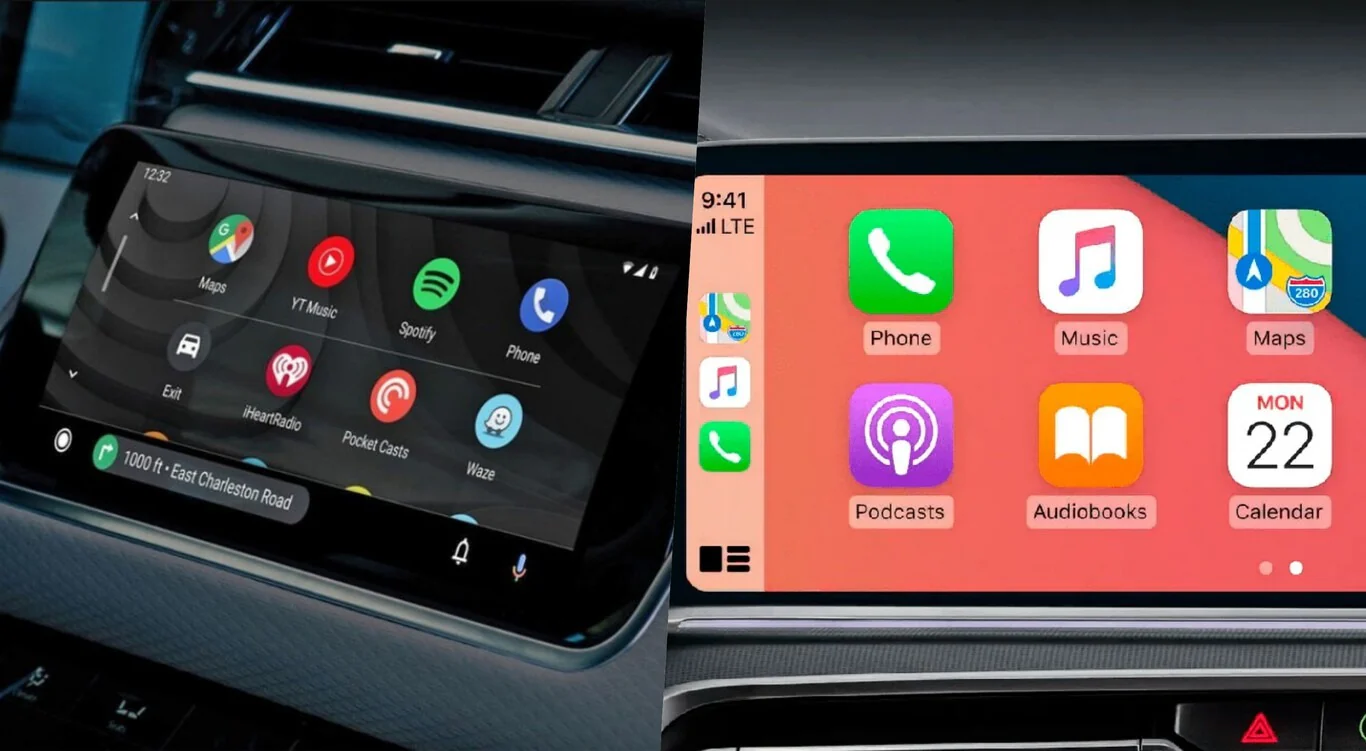
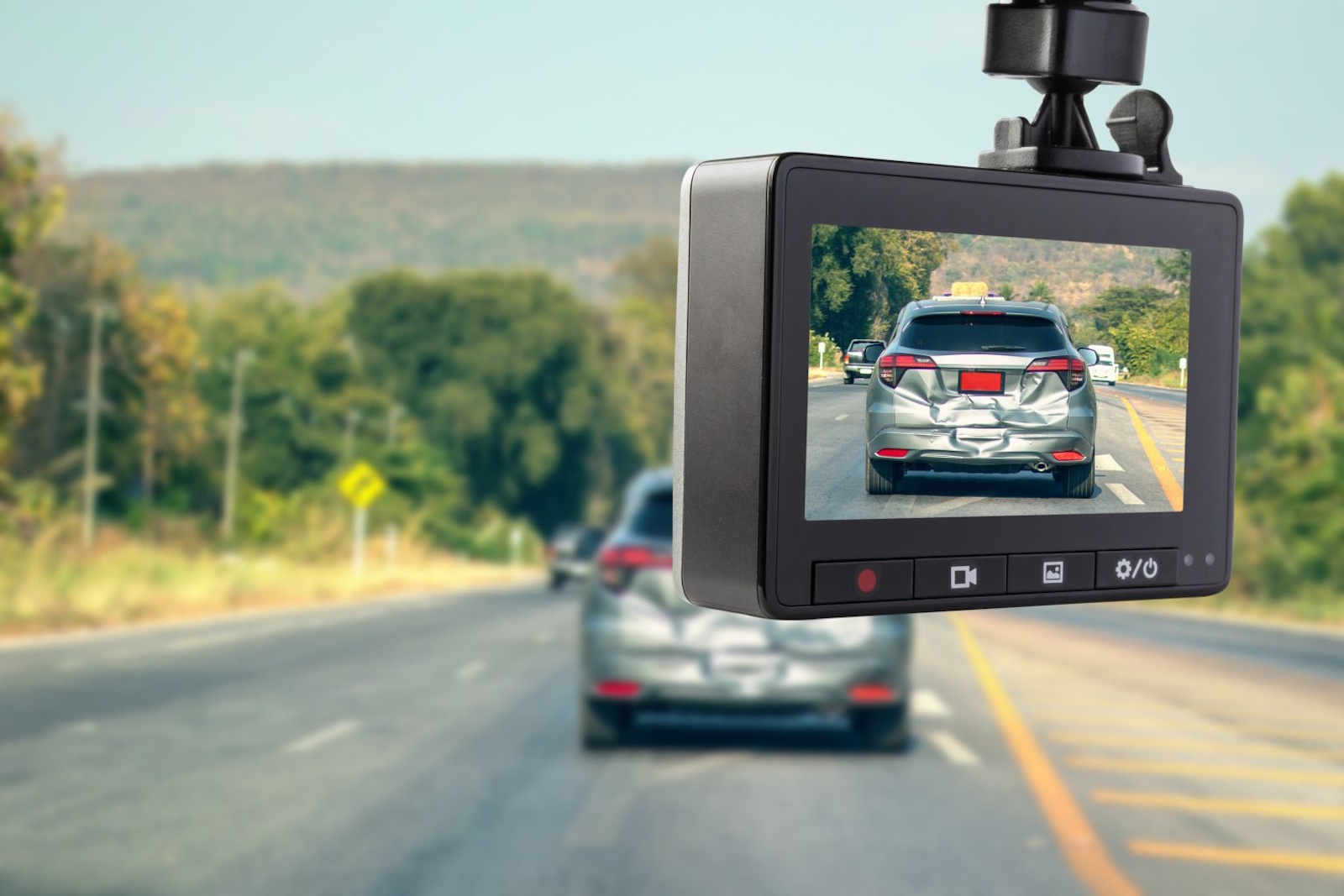
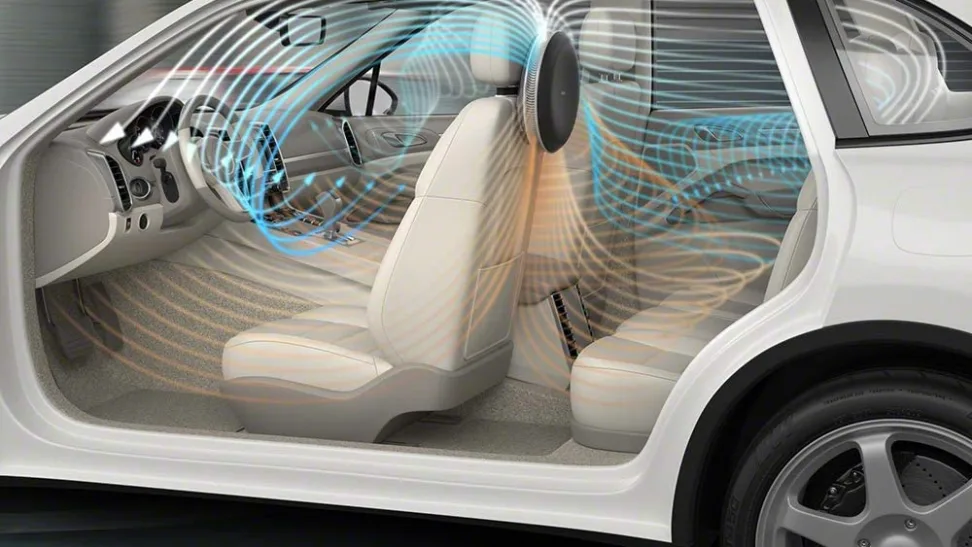
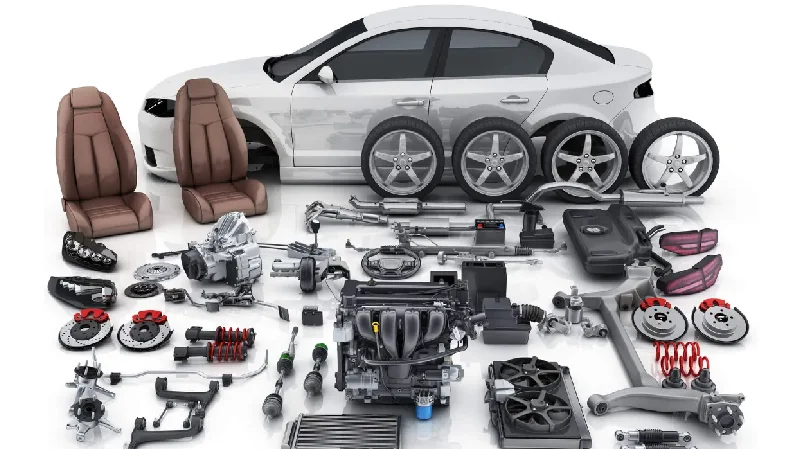

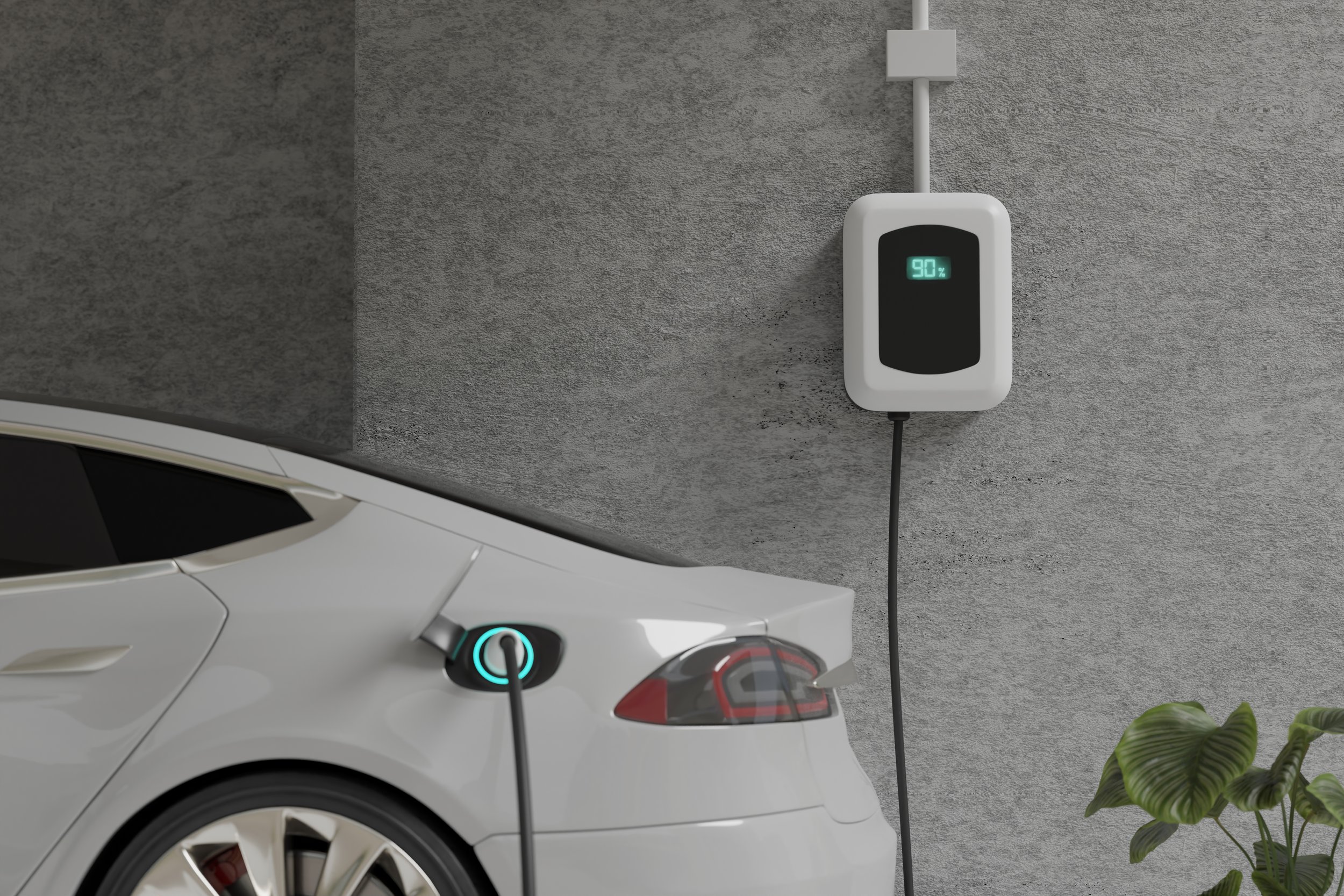
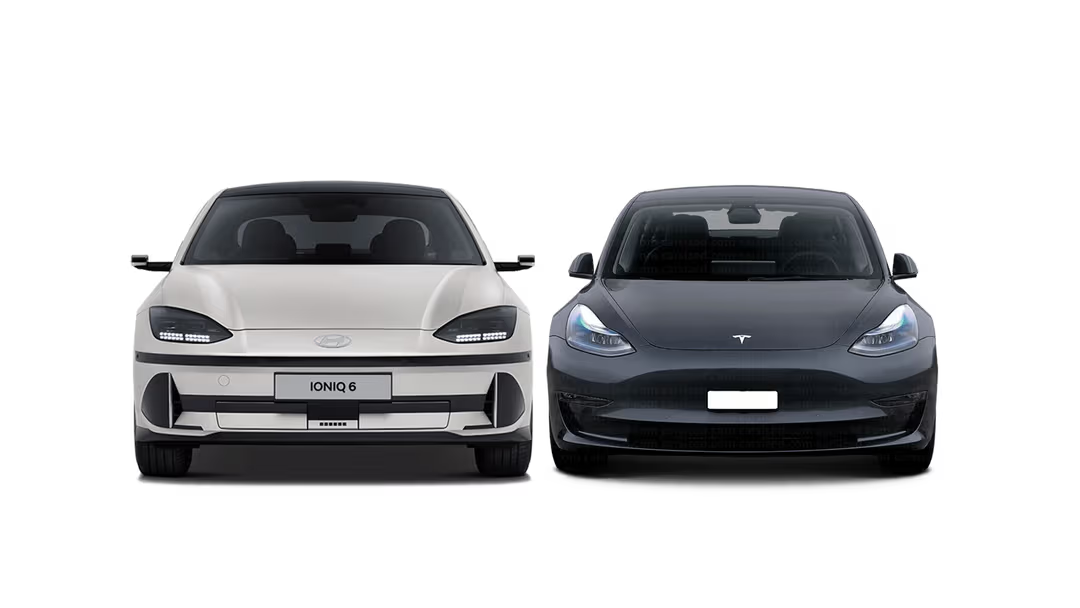
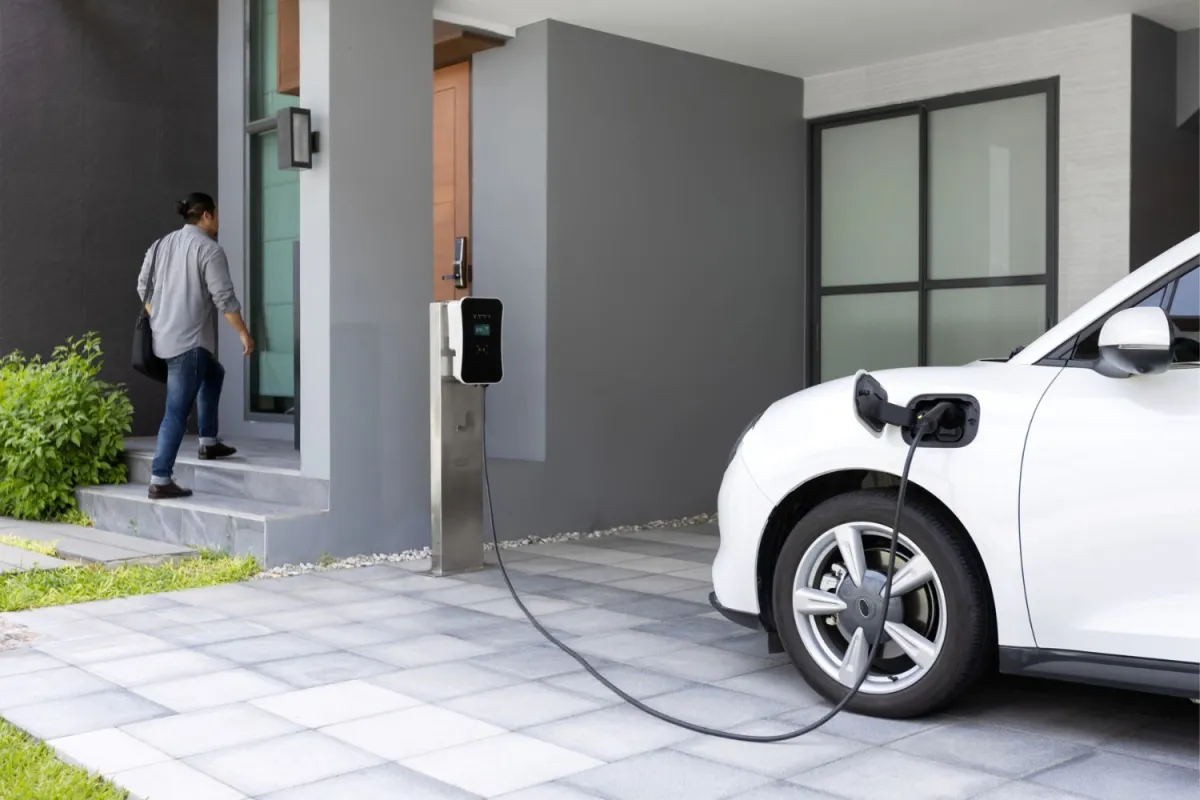
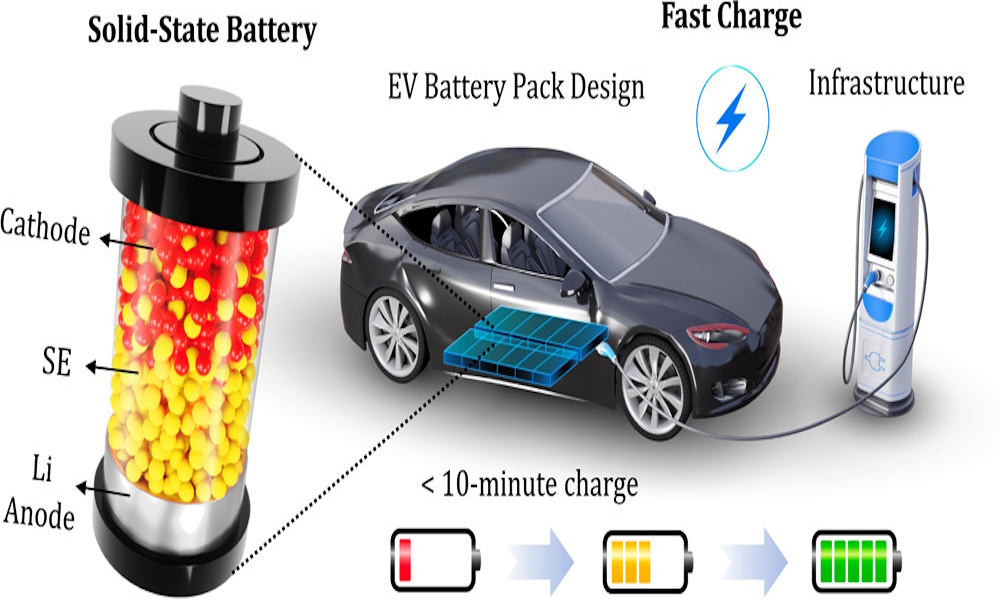

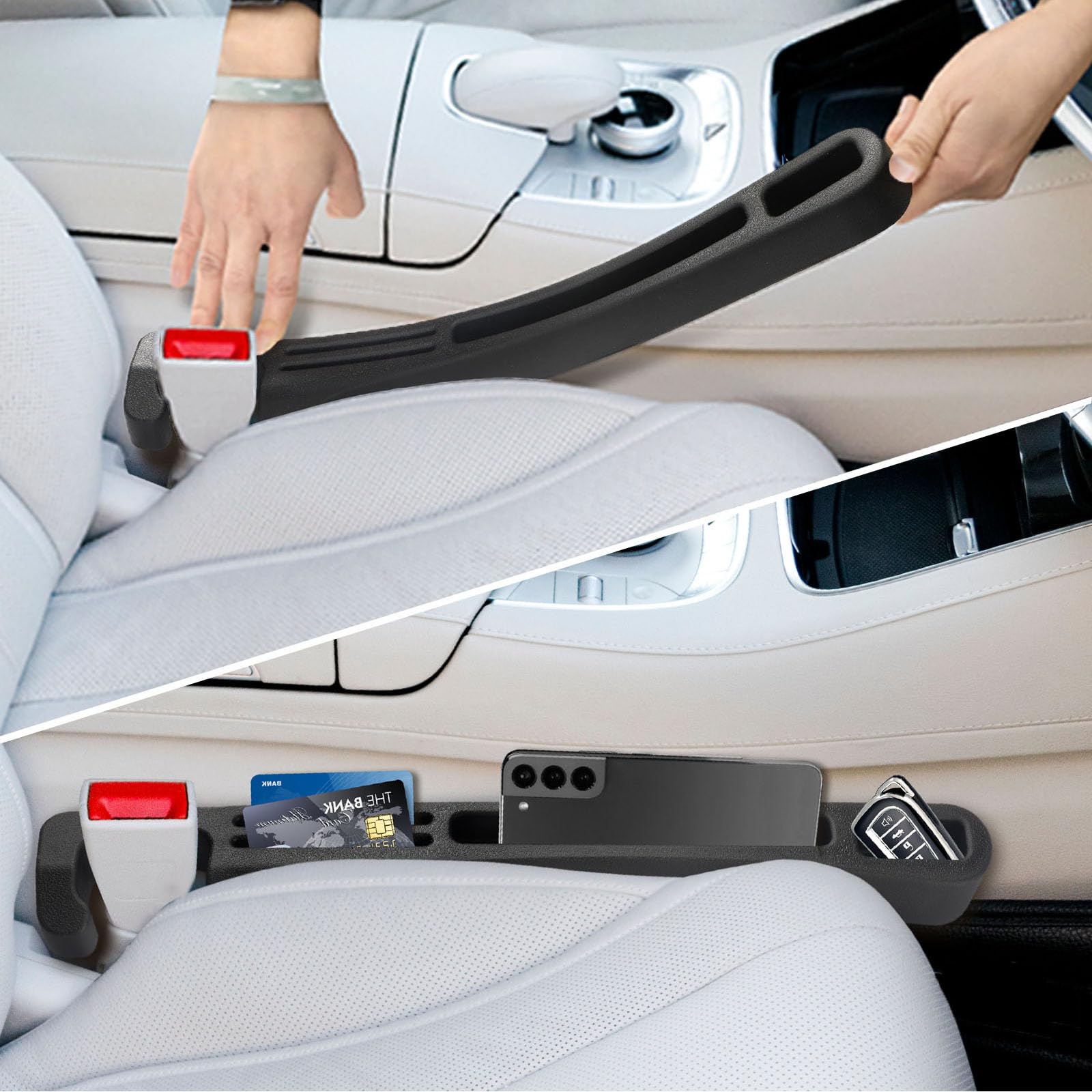
Tags
📧 Get More Articles Like This
Subscribe to receive product reviews and buying guides in your inbox!
We respect your privacy. Unsubscribe at any time.