Car Detailing Secrets: Professional Results Without Professional Prices
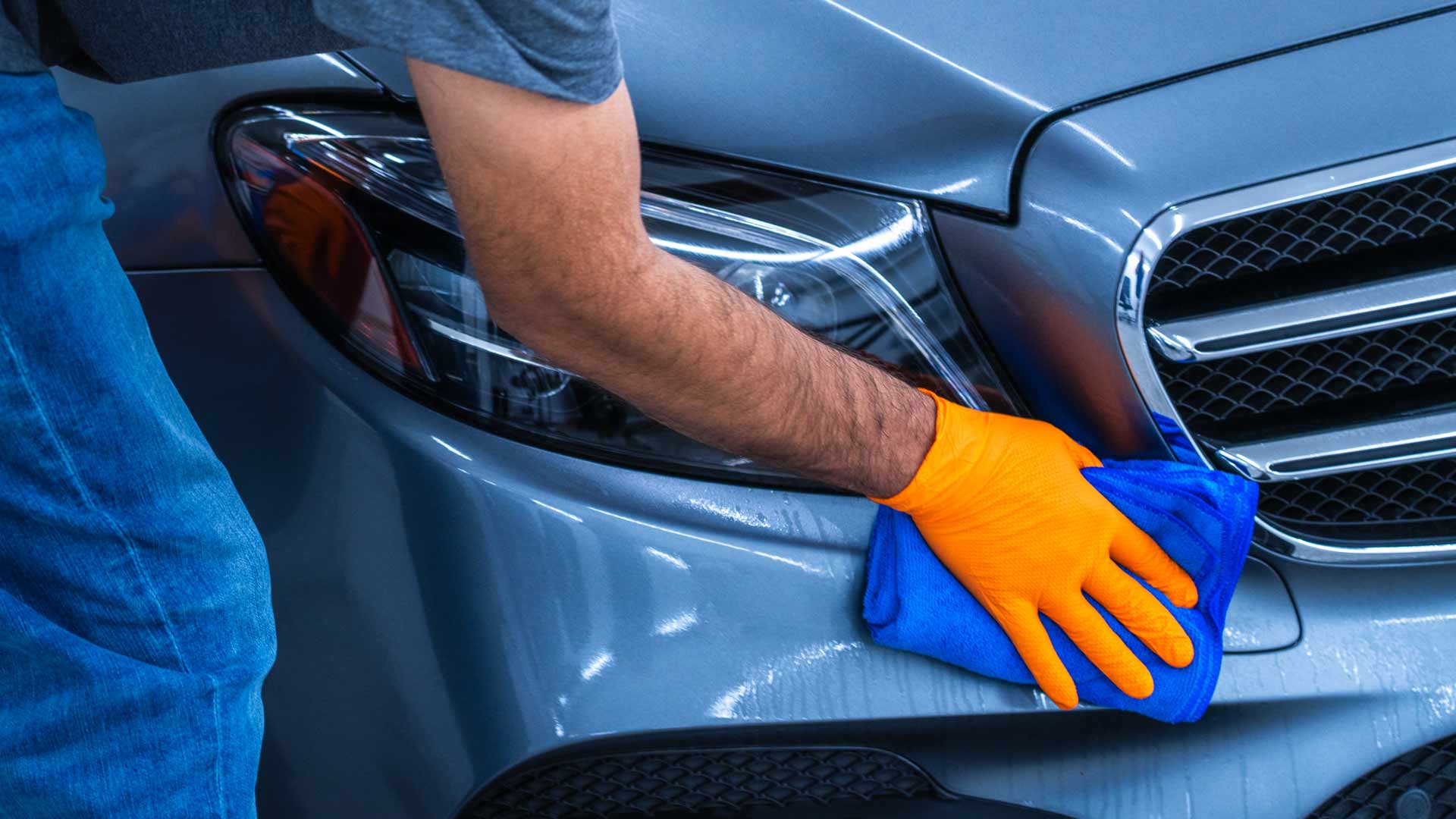
Table of Contents
- Introduction: The Truth About Professional Detailing
- Understanding Your Vehicle’s Paint System
- Essential Tools and Products for Home Detailing
- The Proper Washing Technique That Prevents Swirl Marks
- Paint Correction: Removing Years of Damage
- Protection Applications: From Wax to Ceramic Coatings
- Interior Detailing: Deep Cleaning Every Surface
- Maintenance Schedule: Keeping Results Long-Term
- Common Mistakes That Ruin Your Detailing Efforts
- Frequently Asked Questions
Introduction: The Truth About Professional Detailing
The afternoon sun caught the swirl marks on Michael’s black sedan like a spotlight on every mistake he had ever made. Five years of automated car washes, countless drive-through brush tunnels, and at least a dozen well-intentioned but poorly executed home washing sessions had transformed his once-pristine paint into a spiderweb of fine scratches visible from twenty feet away. His neighbor’s identical model sat in the adjacent driveway, gleaming like it had just rolled off the showroom floor despite being two years older. When Michael asked about the difference, his neighbor smiled and said three words that would change everything: “I detail it myself.”
That conversation sparked Michael’s journey into the world of professional-grade car detailing, and what he discovered shocked him. The detailing industry had successfully convinced millions of car owners that achieving showroom results required professional equipment, years of training, and budgets exceeding a thousand dollars per session. The reality proved far different. Within six months, Michael had transformed his swirl-marked sedan into a mirror-finish masterpiece that professional detailers stopped to photograph at car shows. His total investment? Less than three hundred dollars in products that would last two years. More importantly, he had learned that professional detailing results did not require professional prices—they required professional knowledge.
Before going into the details of the article, watch this video on how to achieve professional results in polishing your car on a limited budget.:
The detailing industry in North America has grown into a nine-billion-dollar sector driven largely by the perception that average car owners cannot achieve professional results at home. Mobile detailing services charge premium rates, luxury detailing shops command waiting lists, and even basic detail packages at dealerships exceed two hundred dollars. Meanwhile, the same results sit within reach of any car owner willing to invest time learning proper techniques and selecting appropriate products. The National Highway Traffic Safety Administration emphasizes that regular vehicle maintenance, including exterior care, helps identify safety issues like damaged trim, loose components, or surface rust before they become serious problems. Beyond aesthetics, detailing serves as preventive maintenance that protects your investment and enhances safety.
Modern paint protection technology has democratized professional detailing in ways impossible just a decade ago. Ceramic coatings that once required professional application and cost upwards of two thousand dollars now come in consumer formulations applying as easily as traditional wax. Advanced foam cannons bring commercial-grade wash quality to residential pressure washers. Dual-action polishers with foolproof safety features prevent the paint damage that once made correction work strictly professional territory. The tools have evolved, the products have improved, and the knowledge has spread through dedicated communities of enthusiast detailers sharing techniques online. Every barrier that once separated amateur car washing from professional detailing has fallen.
Yet most car owners remain stuck in the cycle of expensive professional services or inadequate home washing that slowly destroys their paint finish. They watch YouTube videos showing miraculous transformations but never attempt the work themselves, convinced that professional results require professional intervention. They spend hundreds annually on detailing services that deliver temporary results, not understanding that proper home detailing creates protection lasting months rather than weeks. The knowledge gap between professional detailers and average car owners has narrowed to nearly nothing—all that remains is the confidence to begin and the commitment to learn proper techniques rather than repeating common mistakes.
This comprehensive guide reveals the closely guarded secrets that professional detailers use to achieve stunning results, but presented in language and methods accessible to complete beginners. You will learn the scientific principles behind paint correction, understand why certain products work while others damage, discover the systematic approach that produces consistent results, and master the maintenance routines that preserve your work for months. More importantly, you will understand why professional-grade results have nothing to do with professional-grade prices and everything to do with understanding your vehicle’s unique needs and addressing them with appropriate products and techniques.
The journey from swirl-marked paint to mirror-finish perfection begins with understanding a fundamental truth that the detailing industry rarely discusses: your vehicle’s paint system is far more resilient and forgiving than professionals want you to believe. Clear coat technology used in modern automotive finishes can withstand proper paint correction multiple times over a vehicle’s lifetime. Interior materials respond remarkably well to appropriate cleaning when you understand their composition. Protection systems from traditional carnauba wax to advanced graphene coatings all deliver impressive results when properly applied to correctly prepared surfaces. The difference between amateur and professional results is not access to secret products or expensive equipment—it is knowledge, patience, and attention to detail that anyone can develop through practice and education.
Michael’s transformation from frustrated car owner to accomplished home detailer mirrors the journey thousands take annually when they discover that professional results truly are achievable at home. His neighbor’s advice proved accurate: the swirl marks could be corrected, the dull finish could be restored, the interior stains could be removed, and protection could be applied that would last far longer than any quick detail spray. The total cost remained a fraction of a single professional detailing session, and the satisfaction of personally transforming his vehicle exceeded any service he could purchase. More importantly, he gained skills and knowledge that would serve him for decades, protecting every vehicle he would own through proper care and maintenance rather than expensive professional intervention.

Understanding Your Vehicle’s Paint System
Your vehicle’s finish consists of multiple carefully engineered layers working together to create durability, color, and gloss. The base metal receives electrodeposition coating for corrosion resistance, followed by primer layers that provide adhesion and fill minor surface imperfections. Color coats deliver the hue you selected at purchase, whether single-stage paint or basecoat formulations. Finally, clear coat creates the glossy, protective outer layer that you actually see and touch when admiring your vehicle. This clear coat layer, typically twenty to forty micrometers thick, determines whether your paint appears deep and lustrous or dull and scratched. Understanding this clear coat is absolutely critical to successful detailing because everything you do—washing, correcting, protecting—affects this thin, transparent layer.
Clear coat serves as both cosmetic enhancement and practical protection, creating the wet-look gloss that makes paint appear deep while simultaneously shielding color layers from ultraviolet radiation, environmental contamination, and minor physical damage. Modern urethane clear coats cure into extremely hard finishes that resist scratching far better than the lacquers and enamels used decades ago. However, this hardness comes with brittleness—the clear coat can chip or crack under severe impact despite resisting light abrasion well. When detailers discuss “paint correction,” they refer specifically to leveling this clear coat layer through controlled abrasion that removes damaged upper clear coat to reveal perfect finish underneath. The correction process works only because clear coat thickness allows removal of several micrometers without compromising protection or appearance.
Industry standardization in automotive engineering including paint systems and coating specifications ensures consistent quality and performance across vehicle manufacturers and model years. SAE International automotive standards development programs establish technical requirements for paint application processes, coating thickness specifications, environmental resistance testing, and performance validation methods that vehicle manufacturers follow during production. These standards influence home detailing by establishing baseline clear coat properties and protection requirements that aftermarket products must consider for compatibility and effectiveness. Understanding industry specifications helps detailers recognize quality paint systems versus economy applications, informing appropriate correction aggressiveness and product selection. Standards for vehicle materials testing and performance evaluation provide framework that premium detailing product manufacturers reference when developing formulations optimized for modern automotive finishes rather than outdated paint technologies.
Environmental contamination attacks clear coat continuously through multiple mechanisms that gradually degrade appearance and structural integrity. Ultraviolet radiation from sunlight breaks down chemical bonds in urethane polymers through a process called photodegradation, causing yellowing, chalking, and eventual failure. Acidic rain and bird droppings etch into clear coat surfaces, creating permanent marks if not removed promptly. Industrial fallout containing metallic particles embeds into paint pores, oxidizing and creating rust spots visible as orange or brown staining. Tree sap and insect remains contain proteins and sugars that bond with clear coat at molecular level, hardening into contamination that resists normal washing. Each contamination type requires specific removal approaches because their chemical compositions and bonding mechanisms differ fundamentally.
Swirl marks and scratches in clear coat originate primarily from improper washing and drying techniques rather than normal driving exposure. Automated car washes use brushes or cloth strips that trap dirt particles, then drag those particles across paint surfaces under pressure, creating thousands of fine scratches. Washing with a single bucket allows dirt removed from the vehicle to recontaminate wash media, which then grinds that dirt into paint as you continue washing. Drying with regular towels instead of microfiber creates scratches as remaining dirt particles drag across clear coat. Even improper waxing technique creates swirls when applicators pick up dust particles during application and spread them in circular motions across the finish. The cumulative effect of these micro-scratches becomes visible as haziness or clouding in paint, particularly noticeable on dark colors under direct sunlight.
Paint oxidation represents another major clear coat enemy that many car owners misunderstand or ignore until damage becomes severe. Oxidation occurs when oxygen molecules react with the uppermost clear coat layer, breaking down polymer chains and creating a chalky, dull appearance. Light oxidation appears as slight hazing or loss of gloss, while moderate oxidation creates visibly dull patches that feel rough when touched. Severe oxidation penetrates through clear coat entirely, exposing color coat or primer and requiring repainting rather than detailing correction. The oxidation process accelerates dramatically with heat, sunlight exposure, and contamination, explaining why vehicle roofs and horizontal panels show oxidation first. Preventing oxidation through regular protection application is far easier than correcting it after the damage manifests.
Modern paint systems also incorporate special effect finishes that require specific detailing approaches different from standard solid colors. Metallic paints contain aluminum flakes suspended in color coat and clear coat layers, creating depth and sparkle effects. Pearl finishes use mica particles that refract light differently depending on viewing angle, producing the characteristic color shift. Matte and satin finishes deliberately eliminate high gloss through clear coat modifications, requiring special products that clean without adding shine. Each finish type responds differently to correction and protection products, making identification of your specific paint system critical before beginning any detailing work. The same compound that safely corrects gloss paint might create permanent hazing on matte finishes. Protection products formulated for metallic paint might appear cloudy on solid colors.
The clear coat thickness on your specific vehicle determines how much correction remains possible throughout its lifetime. Luxury vehicles often receive thicker clear coat applications providing greater correction latitude, while economy cars may have thinner coats limiting aggressive paint correction. Paint meters measuring clear coat thickness in micrometers allow precise determination of remaining correction potential, though these tools cost hundreds of dollars and remain unnecessary for most home detailers practicing conservative correction techniques. General guidelines suggest that factory clear coat applications range from 40 to 100 micrometers, with each proper paint correction session removing 1 to 3 micrometers. Simple mathematics indicates that even thin clear coats can withstand multiple proper corrections over a vehicle’s lifetime when approached conservatively and systematically.

Essential Tools and Products for Home Detailing
Building an effective home detailing kit requires balancing initial investment against long-term value and results quality. The good news for budget-conscious car owners is that professional results do not require professional-level investment in every product category. Strategic selection of key items where quality matters combined with economical choices for consumables creates a comprehensive detailing arsenal for under three hundred dollars that delivers results matching thousand-dollar professional services. Understanding which products justify premium investment versus where economy options perform adequately is perhaps the single most important skill for successful home detailing on a budget.
Washing equipment starts with the two-bucket system that forms the foundation of swirl-free paint care. Two five-gallon buckets cost under twenty dollars and last indefinitely, with one bucket holding wash solution and the other containing clean rinse water. Grit guards inserted into bucket bottoms trap dirt particles that fall from wash media, preventing recontamination when the mitt returns to wash solution. The wash mitt itself deserves premium investment because cheap synthetic mitts scratch paint while quality microfiber or lambswool mitts glide across surfaces without marring. A good wash mitt costs fifteen to thirty dollars but lasts years with proper care and makes the difference between scratched paint and flawless finish. pH-neutral car wash soap formulated specifically for automotive use prevents wax stripping and clear coat damage that dish soap or household cleaners cause. Consumer Reports testing confirms that automotive-specific wash products maintain appropriate pH balance protecting paint while effectively removing contamination.
Foam cannons have revolutionized home car washing by bringing commercial wash quality to residential pressure washers. These attachments create thick foam that clings to vertical surfaces, softening dirt for several minutes before contact washing begins. The extended dwell time allows cleaning agents to break down contamination chemically rather than relying on mechanical scrubbing that can scratch paint. Quality foam cannons range from forty to one hundred dollars depending on construction quality and adjustment options. The pressure washer itself need not be professional-grade; residential units producing 1,800 to 2,500 PSI deliver adequate performance for foam cannon use and general detailing tasks. More expensive pressure washers offer convenience features like better hose storage and variable pressure control, but basic models perform the core washing function identically at half the cost.
Paint correction tools represent the area where quality investment creates dramatic results improvement over economy options. Dual-action polishers prevent the paint damage that traditional rotary buffers cause in untrained hands through oscillating and rotating motion that spreads heat evenly across work areas. Entry-level dual-action polishers start around one hundred dollars and deliver results nearly identical to professional units costing five times more. The key differences appear in ergonomics, variable speed precision, and vibration dampening rather than actual paint correction capability. Foam pads in cutting, polishing, and finishing varieties cost five to eight dollars each and require replacement after several uses as they gradually lose effectiveness from compound saturation and fiber breakdown.
Compounds and polishes form the chemical half of paint correction, working with pad combinations to remove clear coat defects. Cutting compounds contain more aggressive abrasives removing deeper scratches and oxidation, while polishing compounds use finer abrasives creating high gloss. Finishing polishes contain minimal abrasives focusing on gloss enhancement after correction work completes. Three-stage correction systems using cutting, polishing, and finishing steps deliver showroom results, though single-stage correction with medium-cut polish suffices for most vehicles with light to moderate defects. Consumer-grade correction products from major manufacturers perform remarkably well and cost significantly less than professional formulations while delivering results indistinguishable to anyone except professional detailers examining paint under magnification.
Protection products span the widest price and performance range of any detailing category, from five-dollar liquid waxes lasting six weeks to three-hundred-dollar ceramic coatings protecting five years. Traditional carnauba wax delivers beautiful warm gloss and water beading for two to three months at minimal cost, making it ideal for detailers who enjoy regular application as part of vehicle care ritual. Synthetic sealants provide longer protection lasting four to six months with easier application than natural wax. Ceramic coatings chemically bond with clear coat creating semi-permanent protection lasting years, though proper application requires more skill and surface preparation. Research published in polymer science journals demonstrates that modern ceramic coatings offer superior hardness, hydrophobic properties, and resistance to scratches, corrosion, and ultraviolet degradation compared to traditional wax formulations, though at significantly higher cost.
Interior detailing tools focus on accessing tight spaces and applying appropriate pressure to different surface materials. Vacuum attachments with soft bristles prevent scratching when cleaning vents and crevices, while crevice tools reach between seats and into door pockets. Brushes in various stiffness levels allow appropriate agitation for different surfaces—soft brushes for leather and vinyl, medium brushes for plastic trim, stiffer brushes for floor mats and carpeting. Microfiber towels deserve quality investment for interior work because cheap towels leave lint and scratch delicate surfaces. Premium microfiber costs three to five dollars per towel and lasts hundreds of uses with proper laundering. Steam cleaners provide chemical-free cleaning power for interior surfaces at one hundred to two hundred dollars, though they remain optional rather than essential for achieving professional interior results.
Shop on AliExpress via link: wholesale-car-detailing-tools

Cleaning chemicals for interior work require surface-specific formulations preventing damage while delivering effective cleaning. All-purpose cleaners at proper dilution ratios work safely on most hard interior surfaces including plastics, vinyl, and coated fabrics. Leather requires dedicated pH-balanced cleaners preventing drying and cracking that harsh chemicals cause. Glass cleaners must be ammonia-free for use on tinted windows and near plastic components. Carpet and upholstery cleaners should lift stains without leaving sticky residues that attract future dirt. The Environmental Protection Agency provides guidance on selecting automotive cleaning products with appropriate volatile organic compound levels and proper ventilation requirements during interior detailing work. Fabric protectants applied after cleaning create stain-resistant barriers extending time between deep cleaning sessions, though proper initial cleaning remains far more important than protective coatings for long-term interior appearance.
The Proper Washing Technique That Prevents Swirl Marks
The two-bucket wash method forms the foundation of every professional detailing session because it prevents the single most common cause of paint damage during routine car care: grinding dirt into clear coat during the washing process itself. This systematic approach requires minimal additional effort compared to single-bucket washing while dramatically reducing swirl mark creation and paint degradation. The process begins with filling one bucket with diluted car wash soap according to manufacturer specifications—using too much soap creates excess suds that rinse poorly and leave residue, while too little soap fails to properly suspend dirt particles for safe removal. The second bucket contains only clean water for rinsing your wash mitt between panel passes, removing accumulated dirt before the mitt returns to soapy water.
Grit guards installed at the bottom of each bucket amplify the two-bucket system’s effectiveness through elegantly simple engineering. These plastic inserts create separation between settled dirt particles and the water column above, allowing dirt that falls from your wash mitt to drop through the guard and remain trapped below rather than returning to contaminate wash media when you retrieve your mitt for the next panel. Quality grit guards cost five dollars each and transform the two-bucket system from good practice to excellent protection against swirl marks. The National Highway Traffic Safety Administration recommends regular vehicle washing as part of comprehensive maintenance that helps identify paint chips, rust formation, or damaged trim requiring attention before problems become severe or safety-related.
Pre-washing with a foam cannon or foam gun eliminates the majority of loose surface contamination without any physical contact, dramatically reducing the dirt that subsequent wash mitt contact must remove. This pre-wash step may seem excessive to those accustomed to spray-and-scrub washing, but it represents perhaps the single most effective swirl mark prevention technique available to home detailers. The thick foam clings to vertical and horizontal surfaces for several minutes, allowing surfactants time to chemically break down dirt bonding and soften dried contamination. Pressure rinsing after foam dwell time literally blasts away 70-80% of surface dirt without a wash mitt ever touching paint. The subsequent contact wash then removes only the remaining stubborn contamination, drastically reducing mechanical scrubbing that creates swirls.
Washing technique itself requires methodical attention to pattern and pressure to prevent swirl mark creation. Always wash from top to bottom because lower panels accumulate heavier contamination that you do not want to spread to cleaner upper surfaces. Work in straight lines following body panel contours rather than circular motions that create the classic swirl mark pattern. Apply minimal pressure, allowing the wash mitt’s soft fibers to lift dirt rather than grinding particles against clear coat. Rinse your mitt in the clean water bucket after every single panel pass, then wring out excess water before returning to the soap bucket. This frequent rinsing removes accumulated dirt particles that would otherwise scratch subsequent panels. The seemingly tedious routine becomes automatic after several washing sessions and requires perhaps five additional minutes compared to careless single-bucket washing while preventing years of cumulative swirl mark damage.
Water quality significantly impacts washing results in ways most car owners never consider until they notice spotting or streaking that resists all drying efforts. Hard water contains dissolved minerals that deposit onto paint surfaces as water evaporates, creating white spots particularly visible on dark paint colors. These mineral deposits bond with clear coat and resist removal through normal washing, eventually requiring chemical treatment or light polishing for elimination. Softened or distilled water eliminates spotting but remains impractical for most home detailers filling wash buckets and pressure washers. The practical solution is timing your washing for overcast days or shaded areas where slower evaporation prevents spot formation, and thorough drying immediately after rinsing before water can evaporate naturally. Deionized water systems for final rinses offer another solution at moderate cost for detailers fighting stubborn water spot problems.
Drying technique matters as much as washing technique for swirl-free results. Never use regular bath towels or household rags that contain residual laundry detergent, fabric softener, or embedded dirt particles invisible to naked eye but perfectly capable of scratching clear coat. Microfiber drying towels specifically designed for automotive use feature longer, softer fibers that absorb water without grinding particles against paint. The proper drying motion is blotting or light dragging in straight lines rather than circular rubbing that creates swirls. Quality microfiber towels hold several times their weight in water, allowing you to dry an entire vehicle with just two or three towels if you wring them out periodically. Waffle-weave microfiber offers exceptional water absorption through its textured surface that channels water away from paint, reducing the number of passes required for complete drying.
Alternative drying methods prevent swirl marks even more effectively than premium microfiber towels when properly executed. Forced air drying using leaf blowers or dedicated car dryers literally blows water off surfaces without any physical contact whatsoever. Metro car dryers designed specifically for automotive use provide filtered, heated air that speeds evaporation while preventing the dust contamination that ordinary leaf blowers might introduce. Handheld electric blowers work well for small areas like mirrors, grilles, and emblems where towels cannot easily reach. The slight additional time investment pays dividends in absolutely swirl-free drying, particularly valuable after you have invested hours in paint correction creating a perfect finish. According to guidance from the Federal Trade Commission on proper vehicle maintenance, regular washing and appropriate drying techniques extend paint life and help maintain vehicle value.

Paint Correction: Removing Years of Damage
Paint correction is fundamentally controlled removal of damaged clear coat layers to reveal perfect finish underneath, accomplished through precise combination of mechanical action and chemical abrasion. Understanding this definition transforms correction from mysterious professional skill to logical process anyone can learn through practice and proper technique. When you see swirl marks, light scratches, or oxidation in your paint, you are actually seeing physical damage in the clear coat’s uppermost micrometers. Paint correction works by using increasingly fine abrasives combined with pad rotation to level the clear coat surface, removing the damaged upper layer entirely. The result is optically perfect clear coat reflecting light uniformly rather than scattering it through damaged areas, creating the deep gloss and mirror-like clarity characteristic of professional detailing work.
Single-stage correction suffices for most vehicles with light to moderate imperfections, using medium-cut polish and a cutting pad to address swirl marks, light scratches, and minor oxidation in one step. This approach balances efficiency with results quality, delivering dramatic improvement without the time investment required for multi-stage correction. The process begins with thoroughly washed and dried paint, as any remaining dirt or contamination will scratch paint during polishing. Clay bar treatment before correction removes embedded contaminants that washing cannot eliminate, creating perfectly smooth paint for optimal correction results. Work in two-foot-square sections using overlapping passes at moderate speed, allowing the polish and pad combination to cut through damaged clear coat rather than simply smearing polish across the surface.
Multi-stage correction tackles severe defects requiring aggressive cutting followed by progressively finer polishing stages to restore gloss. The first stage uses cutting compound and heavy-cut pad to remove deep scratches, severe oxidation, and heavy swirl marks. This stage removes the most clear coat material—typically two to three micrometers—and leaves the finish slightly hazy despite eliminating major defects. Second-stage polishing with medium polish and polishing pad refines the surface, removing haze left by cutting stage while addressing remaining minor imperfections. Final finishing uses ultra-fine polish and finishing pad to maximize gloss and create the wet-look depth that characterizes show-quality paint. Each stage requires complete removal of previous products before proceeding to prevent cross-contamination that reduces effectiveness.
Machine selection for paint correction dramatically influences results and ease of achieving them. Dual-action polishers provide the ideal balance of safety and effectiveness for home detailers through their combination of oscillating and rotating motion. Unlike rotary buffers that can burn through clear coat in untrained hands, dual-action polishers spread heat evenly and prevent paint damage even during extended work sessions. Modern dual-action units feature variable speed control allowing adjustment for different paint types and correction needs—slower speeds for soft paint preventing excessive heat buildup, higher speeds for hard clear coats requiring more aggressive cutting. Foam pads attach via hook-and-loop backing allowing quick changes between cutting, polishing, and finishing stages. Entry-level dual-action polishers perform identically to professional units for basic correction work, with price differences reflecting durability, vibration reduction, and comfort features rather than actual correction capability.
Pad and product combinations create specific correction results through their interactions with clear coat at microscopic level. Cutting pads made from firm foam transfer maximum mechanical energy to paint surfaces, allowing cutting compounds’ abrasives to remove material efficiently. Polishing pads use softer, more pliable foam that finesse surfaces rather than aggressively cutting them. Finishing pads feature ultra-soft foam that essentially burnishes paint to maximum gloss without removing material. Product chemistry matters equally—cutting compounds contain larger, harder abrasive particles that physically remove clear coat, while finishing polishes use tiny, round abrasive particles that refine rather than cut. Matching pad firmness to product aggressiveness optimizes correction efficiency and prevents either under-correction that leaves defects or over-correction that wastes time and removes unnecessary clear coat.
Testing in inconspicuous areas before attempting full-panel correction prevents catastrophic mistakes that could require professional repainting to correct. Door jambs, lower portions of bumpers, or areas near fuel filler doors provide ideal test locations where minor errors remain hidden while you perfect your technique. Start with least aggressive product and pad combination, then increase aggressiveness only if initial attempts prove insufficient. Conservative progression prevents removing more clear coat than necessary and builds confidence through successful correction of test areas before moving to highly visible panels. Professional detailers always test unfamiliar paint systems regardless of their experience because factory paint can vary significantly even within the same manufacturer and model year.
Paint thickness measurement using specialized gauges provides objective data about remaining clear coat thickness and correction safety margins. These digital meters measure total paint thickness including all layers, allowing calculation of clear coat depth by subtracting known primer and color coat thicknesses. Measurements below 80 micrometers total thickness suggest caution with aggressive correction, while readings above 120 micrometers indicate sufficient clear coat for multiple future corrections. Paint meters cost three hundred to one thousand dollars depending on accuracy and features, making them luxury items for home detailers rather than necessities. However, professional detailers always measure before correction, and services offering paint thickness reading for twenty to thirty dollars provide valuable peace of mind before attempting correction on expensive or sentimental vehicles.
Protection Applications: From Wax to Ceramic Coatings
Protection products serve dual purposes in professional detailing: creating barrier against environmental damage and enhancing visual appearance through improved gloss and depth. Understanding the chemical mechanisms behind different protection types allows informed selection matching your specific needs, budget, and maintenance preferences. Traditional carnauba wax has protected automotive paint for over a century through simple principle of creating sacrificial layer that environmental contamination damages instead of paint itself. The wax gradually degrades through washing and environmental exposure over two to three months, requiring reapplication to maintain protection. Modern synthetic sealants last longer through polymer chemistry that bonds more strongly with clear coat, though they sacrifice some of the warm, deep glow that natural carnauba produces.
Ceramic coating technology represents the most significant advancement in paint protection since clear coat introduction in the 1980s, though the term “ceramic coating” creates some confusion among consumers. These products do not actually contain ceramic materials like your bathroom tiles; rather, they use silicon dioxide and similar compounds that cure into extremely hard, glass-like protective layers. The curing process involves chemical bonding with clear coat at molecular level, creating semi-permanent protection that resists washing, environmental contamination, and UV degradation far better than traditional wax. Research in polymer science journals confirms that ceramic coatings provide superior hardness, scratch resistance, and hydrophobic properties compared to organic wax formulations, with protection lasting two to five years depending on product quality and environmental exposure.
Consumer-grade ceramic coatings have democratized this once-professional-only technology through simplified application processes and formulations forgiving minor technique errors. Products costing fifty to one hundred fifty dollars deliver 80-90% of professional-grade performance while applying as easily as traditional sealants for home detailers with basic skills. The primary difference between consumer and professional ceramic coatings is not protection quality but rather durability and installation difficulty. Professional coatings require perfect surface preparation, precise application technique, and often special environmental controls during curing, justifying their higher cost and professional installation. Consumer formulations sacrifice some ultimate durability and hardness for ease of application and tolerance for imperfect conditions.
Application technique for ceramic coatings requires more attention to detail than wax but remains accessible to careful home detailers following proper procedures. Paint must be perfectly clean and corrected before coating application because ceramic coatings lock in whatever condition exists underneath. Any remaining swirl marks, water spots, or contamination will be preserved and magnified by the coating’s gloss enhancement. Work in shaded area with paint cooled to ambient temperature, as heat accelerates curing and can cause premature hardening before achieving even coverage. Apply coating to applicator pad in small amounts—excess product wastes expensive coating and creates application difficulties. Work one panel at a time using cross-hatch pattern ensuring complete coverage. The coating will flash to haze within minutes, at which point you buff with microfiber towel to level the coating and remove excess. Timing matters critically during buffing; too early and you remove excess coating, too late and the cured coating resists leveling.
Layering ceramic coatings builds protection thickness and enhances performance through multiple thin applications rather than single heavy coat. Most consumer ceramic coatings recommend two to three layers applied twelve to twenty-four hours apart, allowing each layer to cure before adding the next. Multiple thin layers create more even coverage with fewer high spots or thin areas compared to single thick application. The total coating thickness remains measured in single-digit micrometers—far thinner than clear coat but sufficient to create measurable improvements in scratch resistance, hydrophobic properties, and gloss depth. Professional detailers often apply five or more coating layers on show cars and luxury vehicles, though diminishing returns suggest that three layers provide optimal cost-to-benefit ratio for most home detailers.
Maintenance requirements for ceramic-coated vehicles differ significantly from traditionally waxed paint, creating both benefits and considerations for home detailers. Coated paint sheds water dramatically better than wax, causing water to bead and sheet off surfaces rather than spreading into thin film. This hydrophobic action reduces water spotting and makes washing easier by preventing dirt from bonding strongly to coating surface. However, coated paint still requires regular washing because the coating does not prevent all contamination attachment—it simply makes removal easier. pH-neutral wash products prevent coating degradation, while avoiding harsh degreasers and alkaline cleaners preserves coating longevity. Periodic application of coating-specific maintenance products refreshes hydrophobic properties and adds additional protection without requiring full coating reapplication.
Graphene coatings represent the latest evolution in protection technology, building on ceramic coating chemistry while adding graphene particles for enhanced performance characteristics. These single-layer carbon structures provide exceptional strength-to-weight ratio and thermal conductivity, translating to improved scratch resistance and heat dissipation in automotive applications. Graphene-enhanced coatings demonstrate superior water-beading contact angles exceeding 110 degrees compared to 90-100 degrees for standard ceramic coatings. The improved thermal properties help prevent water spots by allowing heat from paint to transfer through coating more efficiently, reducing localized heating that deposits minerals during evaporation. As with ceramic technology, graphene coatings started as professional-only products but now include consumer formulations delivering impressive results at accessible prices for home detailers.
Interior Detailing: Deep Cleaning Every Surface
Interior detailing transforms living space within your vehicle through systematic deep cleaning of every surface material using appropriate products and techniques. Professional interior work requires understanding material composition and selecting compatible cleaning agents that remove contamination without causing damage, discoloration, or residue buildup. The process begins with complete removal of loose items, floor mats, and cargo area contents providing unrestricted access to all surfaces. Thorough vacuuming using crevice tools and brush attachments removes loose dirt, dust, and debris that would otherwise spread during wet cleaning or become embedded deeper through cleaning agitation. Pay particular attention to areas where dirt accumulates heavily: seat tracks, door pockets, center console crevices, and cargo area corners.
Leather surfaces demand dedicated pH-balanced cleaners preventing the drying and cracking that harsh chemicals cause to this natural material. Automotive leather differs significantly from furniture leather because it receives protective coatings during manufacturing, but these coatings degrade over time through use and cleaning, requiring periodic reapplication of leather conditioners. Clean leather using foam applicators or microfiber towels with gentle circular motions, working cleaner into grain patterns where body oils and dirt accumulate. Avoid excessive saturation that can damage foam backing or seam stitching underneath leather surface. After cleaning, apply leather conditioner replenishing natural oils and creating protective barrier against UV damage and future soiling. Quality leather conditioners absorb completely without leaving greasy residue that transfers to clothing.
Vinyl and plastic interior trim responds well to all-purpose cleaners diluted according to manufacturer specifications. These synthetic materials resist chemical damage better than leather but still require appropriate pH levels preventing discoloration or surface degradation. Textured plastic surfaces benefit from soft brush agitation loosening dirt from grain patterns and crevices that cloths cannot reach. Smooth vinyl cleans easily with simple wiping using microfiber towels and cleaning solution. Interior dressings applied after cleaning create satin or gloss finish while providing UV protection preventing fading and cracking. Consumer preferences vary regarding interior finish level—some prefer natural matte appearance while others enjoy enhanced gloss. Water-based dressings avoid the greasy feel and dust attraction characteristic of silicone-based products, though they require more frequent reapplication.
Carpet and fabric upholstery cleaning requires extraction methods removing both surface dirt and embedded contamination deep within fibers. Spray-on carpet cleaners combined with brush agitation lift stains and soil to surface where they can be blotted away with microfiber towels. Stubborn stains often require repeated applications with extended dwell time allowing cleaning agents to break down stain bonding. Wet-dry vacuums or carpet extraction machines provide professional-level results through hot water and cleaning solution injection followed by immediate extraction removing dissolved dirt and excess moisture. This extraction process prevents the residue buildup that spray-and-wipe cleaning can leave, which actually attracts future dirt making carpets dirty faster. Proper extraction leaves carpets slightly damp but not soaked, drying completely within hours in well-ventilated conditions.
Glass cleaning creates immediate visual impact through enhanced visibility and removal of film that gradually accumulates on interior glass surfaces. This film originates from dashboard and interior plastic components off-gassing vapors that condense on cooler glass surfaces, creating hazy coating particularly visible when sunlight strikes windows at low angles. Ammonia-free glass cleaners prevent damage to window tinting films while effectively removing contamination. Microfiber glass towels deliver streak-free results through their tight fiber weave that polishes glass to optical clarity. Clean interior glass using horizontal strokes on one side and vertical strokes on the other, making it immediately obvious which side contains any remaining streaks or film.
Headliner cleaning requires special care because this thin fabric adheres to foam backing using water-soluble adhesives that can fail if exposed to excessive moisture. Use upholstery cleaner spray very sparingly, misting rather than saturating fabric. Blot immediately with clean microfiber towels rather than scrubbing, which can damage delicate fabric or cause separation from backing. Headliners show staining easily, particularly around sunroof edges and grab handles, but aggressive cleaning causes worse problems than leaving minor stains visible. For severely stained or sagging headliners, professional replacement often proves more practical than restoration attempts risking adhesive failure.
Dashboard and center console cleaning removes dust, fingerprints, and grime from high-touch surfaces using appropriate cleaners for different material types. Many modern vehicles feature soft-touch plastics that scratch easily, requiring gentle cleaning with microfiber cloths rather than brushes. Button and control surfaces benefit from cotton swab or small brush cleaning reaching into crevices around edges. Avoid spray cleaners that can penetrate behind trim pieces or into electrical components; instead, spray cleaning solution onto cloth then wipe surfaces. Air vents collect substantial dust that standard wiping cannot remove; specialized vent brushes or compressed air blasts dislodge trapped dust allowing vacuum removal.
Door jambs and cargo areas often receive inadequate attention during routine interior cleaning despite visible dirt accumulation and high exposure to environmental contamination. Door jambs show road grime, mud, and salt residue requiring the same two-bucket washing technique used on exterior panels. Clean door seals carefully avoiding excessive pulling or bending that can damage rubber or create leaks. Cargo areas in SUVs and hatchbacks benefit from complete item removal followed by thorough vacuuming and wet cleaning similar to passenger compartment. Protect clean cargo areas with fitted cargo liners preventing direct contact between transported items and carpet surfaces.

Maintenance Schedule: Keeping Results Long-Term
Professional-grade detailing results last months rather than weeks when supported by appropriate maintenance routines preserving your initial work investment. Understanding the difference between maintenance and full detailing prevents the common mistake of treating every car care session as complete detail requiring hours of effort. Maintenance washing every two weeks using proper two-bucket technique and pH-neutral soap prevents dirt accumulation that bonds to paint and requires increasingly aggressive cleaning for removal. These quick maintenance washes take thirty to forty-five minutes including drying time, far less than the four to eight hours required for complete detailing sessions including paint correction and protection application.
Monthly inspections reveal developing issues requiring attention before they become serious problems needing professional intervention or extensive correction work. Walk around your vehicle in good lighting examining paint for new chips, scratches, or contamination like bird droppings, tree sap, or insect residue. Remove any contamination immediately before it etches into clear coat or hardens making removal difficult. Check protection effectiveness by observing water beading behavior during washing—diminished beading indicates depleted protection requiring reapplication. Interior inspection reveals developing stains, wear patterns, or accumulating dirt in high-traffic areas allowing targeted cleaning before issues spread. The Department of Energy notes that proper vehicle maintenance including regular cleaning can improve aerodynamics and potentially enhance fuel efficiency by reducing surface resistance.
Seasonal protection refresh provides opportunity to reapply wax or sealant maintaining barrier against environmental damage. Most protection products reach end-of-life around three to four months depending on environmental exposure and washing frequency, making quarterly protection application ideal for year-round protection maintenance. Spring preparation focuses on removing winter road salt and grime followed by protection against increasing UV exposure as days lengthen. Summer care emphasizes hydrophobic protection repelling heavy rain and preventing insect residue bonding. Fall detailing removes summer oxidation while preparing for winter contamination. Winter protection centers on salt resistance and easier contamination removal during cold-weather washing.
Quick detailer sprays extend time between protection applications through maintenance of existing coatings rather than replacement. These spray-on products contain light polymers and lubricants that enhance gloss, improve water beading, and provide minimal additional protection when applied over wax or sealant. Use quick detailer during or after maintenance washing to remove light dust, water spots, or fingerprints without full washing process. The products work particularly well for vehicles garaged or covered between uses that accumulate dust but not heavy contamination. Apply sparingly using quality microfiber towels, as excessive product creates streaking and residue buildup.
Interior maintenance focuses on preventing dirt accumulation and addressing spills immediately before they set into stains requiring extensive cleaning effort. Vacuum weekly or biweekly depending on vehicle use and passenger activity level. Wipe high-touch surfaces like steering wheel, door handles, and center console weekly using damp microfiber cloth removing oils, dust, and light dirt. Address beverage spills and food debris same-day before they dry and bond with fabric or carpet fibers. Place floor mats in high-traffic areas over carpet absorbing dirt and moisture, then clean mats separately preventing carpet soiling. Monthly interior wipe-down using appropriate cleaners for different surfaces maintains freshness between quarterly deep cleaning sessions.
Organization systems within vehicle interiors complement cleanliness efforts by reducing clutter accumulation that complicates maintenance and creates areas where dirt accumulates unnoticed. Strategic deployment of storage accessories and organizational tools maintains order between detailing sessions while protecting clean surfaces from damage caused by loose items shifting during driving. Modern car organization solutions including seat organizers, trunk dividers, and console accessories transform chaotic interiors into systematically arranged spaces where everything has designated location. The connection between organization and cleanliness becomes apparent when considering that organized vehicles remain cleaner longer because occupants maintain systems rather than allowing gradual disorder that inevitably accompanies accumulated dirt and debris. Proper organization also facilitates more efficient detailing by eliminating need to remove scattered items before cleaning can begin.
Record-keeping documents maintenance activities and identifies patterns helping optimize future detailing schedules. Simple spreadsheet or notebook tracking washing dates, products used, and observations about condition creates reference for evaluating product performance and protection longevity. Note which products perform well and which disappoint, building knowledge base informing future purchase decisions. Track seasonal issues like specific contamination types appearing certain times of year, allowing proactive protection application before problems develop. Many detailing enthusiasts photograph their vehicles after major detailing sessions, creating visual record documenting improvement and maintaining motivation for continued care.
Storage and parking decisions dramatically influence how long detailing results last and how much maintenance becomes necessary between full detailing sessions. Garage parking protects against UV exposure, precipitation, bird droppings, tree sap, and temperature extremes that all accelerate paint degradation and interior fading. Car covers provide portable protection when garage parking proves unavailable, though quality covers cost several hundred dollars and require clean paint to prevent trapped dirt scratching during cover installation and removal. Even simple habits like parking in shade when possible and avoiding spots under trees reduce environmental exposure requiring less frequent correction and protection work.
Common Mistakes That Ruin Your Detailing Efforts
Single-bucket washing remains the most widespread mistake causing paint damage during routine car care despite universal professional recommendations for two-bucket systems. The logic seems sound to uninitiated detailers: one bucket holds soapy water, wash the entire car, rinse it off, and you are finished. Unfortunately, this approach guarantees grinding dirt into clear coat because the wash mitt accumulates heavy contamination from lower panels, then spreads that contamination to cleaner upper panels as washing continues. Each panel pass recontamines the wash water further until you are essentially washing with dirty water containing suspended grit particles. The minimal additional effort required for two-bucket washing with grit guards prevents years of cumulative swirl mark damage, making this upgrade absolutely essential for anyone serious about maintaining pristine paint.
Washing in direct sunlight causes multiple problems that make achieving good results nearly impossible regardless of technique quality. Hot paint surfaces cause soap and water to evaporate rapidly, leaving deposits and streaks before you can rinse them away. The fast drying prevents proper dirt suspension in wash solution, reducing cleaning effectiveness and increasing likelihood of scratching as you scrub harder attempting to remove stuck contamination. Water spots form almost instantaneously as mineral-laden water evaporates on hot paint faster than you can dry surfaces. Professional detailers universally wash in shade or during cooler parts of day because working with ambient-temperature paint dramatically improves results while reducing effort required. Simply moving your washing schedule to early morning or evening hours, or choosing overcast days for detailing work, eliminates heat-related washing problems entirely.
Using incorrect products for specific surfaces represents perhaps the most damaging mistake home detailers make because damage may not become apparent for months or years after application. Dish soap seems like logical car wash alternative because it creates suds and removes grease effectively, but its high alkalinity strips protective wax and can degrade clear coat over time. Household glass cleaners containing ammonia damage window tinting and attack interior plastics, causing discoloration and brittleness. All-purpose household cleaners used on leather dry the material causing cracking and premature aging. Wheel cleaners designed for bare metal damage painted or powder-coated wheels. The solution requires matching products to surfaces: use pH-neutral car wash soap on paint, ammonia-free glass cleaner on windows, dedicated leather cleaner on hides, and surface-appropriate wheel cleaners on rims.
Over-application of products wastes money while actually degrading results compared to proper application amounts. More wax does not equal better protection; it creates thick layers that cure unevenly and buff to hazy finish rather than clear gloss. Excessive polish during paint correction creates slinging mess and wastes expensive product without improving correction effectiveness. Too much interior dressing creates greasy surfaces attracting dust and leaving residue on clothing. Heavy ceramic coating application causes high spots requiring extensive leveling work or complete removal and reapplication. Every detailing product includes manufacturer-recommended application amounts based on testing and chemistry; following these guidelines delivers optimal results while minimizing waste. A thin, even coat almost always outperforms thick, uneven application across all product categories.
Circular application motions for wax, sealant, or coating create the classic swirl mark pattern visible on paint under direct sunlight. This mistake originates from traditional “wax on, wax off” movie scenes showing circular buffing motions, but those circular motions actually create micro-scratches in circular patterns. Professional detailers use straight-line motions in single direction or cross-hatch patterns preventing any one scratch direction from dominating and creating visible swirls. The optical effect of scratches running in multiple directions cancels out compared to perfectly aligned circular scratches all refracting light identically. Changing this single technique costs nothing and prevents swirl mark creation during every waxing session.
Neglecting proper pad and brush cleaning leads to cross-contamination between products and scratching from embedded contamination. Polishing pads accumulate compound and removed clear coat debris during paint correction, gradually reducing effectiveness and potentially scratching paint if debris particles hardened into the foam. Dedicated pad cleaning solutions or simple dish soap and water remove contamination allowing pads to be reused multiple times before replacement becomes necessary. Wash mitts require thorough cleaning after each use, removing all dirt particles that settled into fibers. Machine washing with detergent and hot water followed by air drying restores mitts to like-new condition. Brushes used for interior cleaning accumulate dirt and cleaning product residue requiring periodic deep cleaning preventing transfer of old dirt to freshly cleaned surfaces.
Attempting paint correction without proper surface preparation wastes time and risks creating worse damage than existed initially. Clay bar treatment before polishing removes embedded contamination that would catch on polishing pads creating deep scratches during correction work. Even microscopic dirt particles missed during washing can scratch paint when dragged across surfaces under pressure from polishing machine. The preparation sequence matters critically: wash thoroughly, clay bar entire vehicle, rewash to remove clay residue, dry completely, then begin paint correction. Skipping any step compromises correction quality and safety, potentially creating damage requiring professional wet-sanding or repainting to repair.
Insufficient curing time for ceramic coatings before water exposure causes coating failure and wasted product investment. Consumer-grade ceramic coatings typically require 24-48 hours to cure fully before tolerating water contact, though exact timing varies by product chemistry and ambient conditions. Impatient detailers who wash their vehicles same-day after coating application, or get caught in unexpected rain, often find that coating never achieved intended durability because water exposure interrupted curing process. Reading and following product-specific curing requirements, checking weather forecasts before application, and using garage or covered parking during curing period prevents this expensive and frustrating mistake.
Shop on AliExpress via link: wholesale-microfiber-towels-car

Frequently Asked Questions
Question 1: What is the difference between car washing and car detailing?
Answer 1: Car washing focuses exclusively on removing surface dirt, dust, and grime using soap, water, and basic cleaning tools in process typically requiring fifteen to thirty minutes. This maintains basic cleanliness but does not address paint defects, embedded contamination, or interior deep cleaning. Car detailing represents comprehensive restoration and protection process involving multiple stages: thorough washing, clay bar decontamination, paint correction removing swirl marks and scratches, protection application with wax or ceramic coating, interior deep cleaning of all surfaces, and conditioning of leather, vinyl, and plastic components. Professional-level detailing requires four to eight hours or more depending on vehicle condition and desired results. Detailing restores vehicles to near-original condition while creating protection against future damage, whereas washing simply removes recent dirt accumulation. The Federal Trade Commission emphasizes that consumers should understand service differences when comparing basic car washes to comprehensive detailing packages, as pricing reflects dramatically different scope and time investment.
Question 2: How often should I detail my car to maintain its value?
Answer 2: Full comprehensive detailing should occur every four to six months for daily-driven vehicles in normal environmental conditions, balancing protection maintenance with time and cost considerations. Vehicles exposed to harsh environments including coastal salt air, industrial fallout, extreme sun exposure, or winter road salt benefit from quarterly detailing protecting against accelerated damage. Garage-kept vehicles driven occasionally require detailing just twice annually because reduced exposure minimizes contamination and UV damage. Between full detailing sessions, maintenance washing every two weeks using proper technique preserves initial detailing results while removing fresh contamination before it bonds to paint or interior surfaces. Spot treatments addressing bird droppings, tree sap, or insect residue should occur within 24-48 hours of contact preventing etching or staining. According to National Highway Traffic Safety Administration guidance, regular vehicle maintenance including appearance care helps identify potential safety issues like damaged trim, loose components, or surface rust before problems become severe. Well-maintained vehicles consistently command higher resale values because appearance directly influences buyer perceptions of overall vehicle condition and care history.
Vehicle safety connections to proper maintenance extend beyond mechanical systems to include bodywork and paint condition that detailing addresses. National Highway Traffic Safety Administration research on comprehensive vehicle maintenance emphasizes that regular exterior inspection during washing and detailing sessions helps identify developing safety issues including rust formation weakening structural components, damaged lighting assemblies reducing visibility, loose exterior trim creating hazards for other motorists, and degraded window seals allowing water intrusion affecting electrical systems. Summer driving safety recommendations specifically mention tire maintenance that detailers address during wheel and tire cleaning, when visual inspection can reveal uneven wear patterns, embedded objects, or sidewall damage requiring professional attention. Winter maintenance guidance highlights importance of removing road salt through regular washing preventing accelerated corrosion affecting crash safety performance over vehicle lifetime.
Question 3: Can I achieve professional detailing results at home?
Answer 3: Absolutely, and home detailers frequently match or exceed professional results through patient application of proper techniques and quality products. The International Detailing Association confirms that understanding surface materials, selecting appropriate chemicals, and following systematic processes matter far more than expensive equipment or professional shop access. Success requires education about paint systems, clear coat characteristics, interior material compatibility, and product chemistry, but this knowledge is freely available through manufacturer guides, detailing forums, and instructional videos. Entry-level tools like dual-action polishers, foam cannons, and quality microfiber towels provide professional-grade capability at consumer prices. The primary differences between professional and home detailing are speed and efficiency gained through experience rather than results quality—professionals complete work faster but achieve similar outcomes to careful home detailers willing to invest appropriate time. Start with conservative techniques and products, practice in inconspicuous areas, and build skills progressively rather than attempting aggressive correction immediately. Many professional detailers began as enthusiastic home detailers who developed expertise through self-education and practice, demonstrating that professional-level skills are achievable for dedicated amateurs.
Professional detailing industry organizations provide certification programs, educational resources, and standards development advancing detailing as legitimate automotive trade rather than unregulated service industry. The International Detailing Association certification program assessment covers knowledge of professional detailing standards including equipment usage, chemical selection, paint protection techniques, interior detailing methods, and safety compliance. These educational frameworks benefit home detailers by establishing best practices and technique standards that prevent damage from improper approaches while maximizing results quality and efficiency. IDA resources include study materials on detailing chemicals, surface identification, proper product application, and maintenance scheduling that transform detailing from trial-and-error experimentation to systematic process based on material science and proven techniques. While certification targets professional detailers, the underlying knowledge applies equally to serious enthusiasts pursuing professional-grade results through home detailing efforts.
Question 4: What is the biggest mistake people make when detailing their cars?
Answer 4: Using incorrect products for specific surfaces causes the most widespread and severe damage among home detailers because effects often manifest slowly over months or years rather than immediately. Dish soap used for car washing strips protective wax through high alkalinity while degrading clear coat chemical bonds, though damage appears gradually rather than during single wash. Household glass cleaners containing ammonia attack window tinting films and interior plastics, causing discoloration and brittleness developing over time. All-purpose cleaners applied to leather dry the natural material causing cracking and premature aging visible only after repeated applications. Wheel cleaners designed for bare metal damage painted or powder-coated finishes through aggressive chemicals dissolving protective layers. Consumer Reports testing consistently shows that automotive-specific products formulated for paint pH balance prevent finish degradation while delivering superior cleaning performance compared to household alternatives. Beyond product selection, improper technique during washing creates swirl marks through single-bucket methods grinding dirt into clear coat, while circular application motions for wax create visible pattern scratches. The solution requires education about surface compatibility and following manufacturer recommendations for application amounts, techniques, and cure times rather than assuming that general-purpose products suffice for specialized automotive surfaces.
Independent testing by consumer advocacy organizations provides valuable guidance for product selection eliminating marketing claims and focusing on actual performance characteristics. Consumer Reports automotive care product evaluations test wash soaps, waxes, polishes, and protection products under controlled conditions measuring cleaning effectiveness, protection durability, ease of application, and value relative to cost. Their car cleaning secrets research confirms that dedicated automotive products significantly outperform household alternatives in both immediate results and long-term paint protection, despite higher per-use costs. Testing methodology includes accelerated weathering exposing protected panels to equivalent of months of environmental exposure in days, revealing protection degradation rates that real-world use might not demonstrate for extended periods. These unbiased evaluations help home detailers select products likely to deliver advertised performance rather than relying solely on manufacturer claims or online reviews that may reflect limited testing conditions.
Question 5: How much money can I save by detailing my car myself?
Answer 5: Financial savings from home detailing prove substantial when comparing professional service costs to DIY product expenses and amortizing initial tool investment across multiple detailing sessions. Professional detailing services charge $150-$500 for basic exterior and interior packages, while premium services including paint correction and ceramic coating installation command $300-$1,200 or more depending on vehicle size and condition. Quality DIY products for complete detailing including wash supplies, clay bar, polish, protection products, and interior cleaners cost $100-$250 upfront, but these products handle ten to fifteen detailing sessions before requiring replacement. This reduces per-detail cost to $15-$25 for consumable products after initial tool investment in polisher, microfiber towels, and wash equipment totaling an additional $200-$300. Annual savings for vehicles detailed quarterly range from $600 to $3,000 depending on professional service rates in your area and complexity of work required. The Federal Trade Commission notes that proper vehicle maintenance including detailing prevents costly paint repairs later by addressing contamination and damage before deterioration requires professional repainting or refinishing. Beyond direct cost savings, home detailing builds valuable skills applicable to every vehicle you own, creating lifetime value exceeding dollars saved on any single vehicle.
Consumer protection extends to automotive service purchases including professional detailing when home detailing proves impractical or undesirable for specific situations. The Federal Trade Commission enforces regulations protecting consumers from deceptive practices in auto service industries, including misleading claims about detailing service benefits, warranty coverage implications, and required service frequencies. Understanding your rights as consumer helps evaluate professional detailing offers critically and avoid services that promise unrealistic results or unnecessary treatments. FTC guidance on auto warranties and service contracts clarifies that regular maintenance including paint care does not require dealership or professional service to maintain manufacturer warranties, debunking common misconceptions that independent detailing work voids coverage. Consumers should request written estimates before authorizing professional detailing work, verify included services match verbal promises, and report deceptive business practices to appropriate authorities protecting other consumers from similar issues.
Question 6: What is clay bar treatment and do I really need it?
Answer 6: Clay bar treatment removes embedded surface contamination including industrial fallout, brake dust, tar, and tree sap that normal washing cannot eliminate, using specialized detailing clay that safely pulls contaminants from paint pores without scratching. The clay contains mild abrasive properties allowing it to grab and extract embedded particles when lubricated with clay lubricant or diluted car wash solution and gently pulled across paint surfaces. You can verify contamination presence by running your hand across freshly washed paint and feeling roughness rather than glassy smoothness—that texture comes from embedded particles requiring clay removal. This treatment is essential before waxing or coating application because surface contamination prevents proper bonding, dramatically reducing protection effectiveness and durability. Most vehicles benefit from clay treatment every six to twelve months depending on environmental exposure, with vehicles near industrial areas, construction zones, or heavy rail traffic requiring more frequent treatment due to increased fallout contamination. The process takes one to two hours for average sedan and costs under thirty dollars for quality clay bar kits including multiple uses, making it excellent value for protection preparation and paint refinement. Professional detailers universally include clay treatment in comprehensive detailing packages because proper surface preparation directly influences final results quality and protection longevity.
Question 7: Are ceramic coatings worth the investment for home detailers?
Answer 7: Modern ceramic coatings provide exceptional value proposition for home detailers through combination of extended protection duration, superior performance characteristics, and manageable DIY application processes that previously required professional installation. Consumer-grade ceramic coatings deliver two to five years of protection compared to traditional wax requiring reapplication every two to three months, reducing long-term maintenance time and product costs despite higher initial investment. Quality consumer coatings cost $50-$150 for materials covering sedan, saving hundreds compared to professional application fees ranging $500-$2,000 while delivering 80-90% of professional-grade performance. Research published in polymer science journals confirms that ceramic coatings offer superior hardness, scratch resistance, hydrophobic properties, and UV protection compared to organic wax formulations, translating to better paint preservation over coating lifetime. For vehicles kept long-term—five years or more—ceramic coating investment pays back through reduced detailing frequency, eliminated wax purchases, easier maintenance washing due to improved hydrophobic properties, and enhanced resale value from superior paint condition. Application requires careful technique and perfect paint preparation, but numerous consumer products feature simplified formulations allowing successful home installation with basic detailing skills. Start with smaller, less expensive coating for initial experience before investing in premium products for primary vehicle, building confidence and technique through practice.
Academic research into automotive coating technology demonstrates continuous advancement in protection chemistry moving beyond traditional organic waxes to sophisticated nano-structured formulations. Peer-reviewed polymer science studies examine automotive paint protection coating development including comparative analysis of wax, ceramic, and emerging graphene-based formulations. This research quantifies performance differences through standardized testing measuring coating hardness, hydrophobic contact angles, ultraviolet degradation resistance, and scratch resistance under controlled laboratory conditions. Published findings confirm that ceramic coatings using silicon dioxide chemistry provide measurably superior protection compared to carnauba wax across multiple performance metrics, though at higher cost and application complexity. Graphene-enhanced coatings show exceptional promise for next-generation protection through improved flexibility, higher contact angles, and enhanced resistance to both mechanical and environmental damage. Understanding scientific basis for protection technology helps detailers make informed decisions about product selection based on actual performance characteristics rather than marketing claims.
Question 8: How do I remove swirl marks and light scratches from my car’s paint?
Answer 8: Paint correction removes swirl marks and light scratches through controlled abrasion using polishing compounds, foam pads, and dual-action polishers that level clear coat surfaces by removing damaged upper layers revealing perfect finish underneath. Begin with least aggressive approach using fine polish and polishing pad, progressing to cutting compounds only if fine polish proves insufficient for defect removal. Dual-action polishers prevent the paint damage that traditional rotary buffers cause in untrained hands through combined oscillating and rotating motion distributing heat evenly across work areas. Work in two-foot-square sections at moderate speed with overlapping passes, allowing compound and pad combination to actually cut through damaged clear coat rather than simply smearing polish across surface without achieving correction. Most light swirl marks respond to medium-cut polish applied with cutting or polishing pad using proper technique and adequate working time allowing abrasives to level clear coat. Testing in inconspicuous areas like door jambs or lower bumper sections prevents mistakes on highly visible panels while you develop proper pressure, speed, and technique. Consumer Reports testing shows that modern consumer-grade polishing compounds perform remarkably well compared to professional formulations when paired with appropriate pads and technique. After correction, thorough paint cleaning removes all polish residue before protection application, as remaining compound interferes with wax or coating bonding. Professional results require patience and conservative technique rather than aggressive correction removing excess clear coat unnecessarily.
Question 9: What interior cleaning products are safe for all car surfaces?
Answer 9: No single interior cleaning product safely works on all automotive surfaces because different materials require specific pH levels, chemical compositions, and dilution ratios preventing damage while achieving effective cleaning. pH-neutral all-purpose cleaners diluted according to manufacturer specifications work safely on most hard interior surfaces including plastics, vinyl, rubber, and coated fabrics, but even these versatile products should not contact leather or uncoated natural fibers without compatibility verification. Automotive leather demands dedicated pH-balanced cleaners specifically formulated preventing the drying, cracking, and discoloration that alkaline all-purpose cleaners cause to this natural material. Glass surfaces require ammonia-free formulations protecting window tinting films and preventing damage to plastic trim or electronic components that household glass cleaners would harm. Carpet and upholstery need specialized fabric cleaners containing surfactants and enzymes breaking down protein-based stains without leaving sticky residues attracting future dirt. The Environmental Protection Agency recommends checking product labels for volatile organic compound levels and ensuring adequate ventilation during interior cleaning, particularly important when using concentrated chemicals in enclosed vehicle cabins. Professional detailers maintain separate products for different surface categories—leather care, plastic and vinyl cleaning, fabric care, glass cleaning—rather than attempting universal solutions compromising effectiveness or safety. Investment in surface-appropriate products prevents costly damage from chemical incompatibility while delivering superior cleaning results compared to general-purpose alternatives that work adequately on some surfaces but damage others.
Federal environmental guidelines extend beyond product selection to include proper disposal of detailing waste materials generated during comprehensive vehicle care. Used wash water containing cleaning chemicals, removed contamination, and suspended dirt particles should not flow directly into storm drains because these systems discharge untreated into waterways where chemicals can harm aquatic ecosystems. The EPA’s vehicle maintenance environmental protection guidance addresses waste stream management from automotive care activities, including requirements for collection and proper disposal of used cleaners, solvents, and contaminated materials. Home detailers can minimize environmental impact by using biodegradable cleaning products when possible, collecting wash water runoff for proper disposal through sanitary sewer systems rather than storm drains, and selecting concentrated products requiring less packaging and shipping resources.
Question 10: How can I protect my car’s paint between detailed sessions?
Answer 10: Maintenance washing every two weeks using proper two-bucket technique with pH-neutral car wash soap prevents dirt accumulation that bonds to paint and damages clear coat through abrasion during delayed removal attempts. These quick maintenance washes remove fresh contamination before it hardens or etches into paint, taking thirty to forty-five minutes compared to hours required for complete detailing sessions. Monthly application of spray sealant or quick detailer products refreshes existing protection and enhances gloss without requiring full wax or coating reapplication, extending time between major protection applications. Immediate removal of environmental contamination including bird droppings, tree sap, and insect residue within 24-48 hours of contact prevents etching or staining requiring paint correction for elimination. Department of Energy research indicates that proper vehicle maintenance including paint care improves aerodynamics through reduced surface resistance and can marginally improve fuel efficiency, adding practical benefit to aesthetic preservation. Parking decisions dramatically influence protection longevity—garage storage protects against UV exposure, precipitation, bird droppings, and temperature extremes that all accelerate clear coat degradation. When garage parking proves unavailable, seek covered parking or shaded areas reducing direct sun exposure that degrades paint and interior materials. Quality car covers provide portable protection when permanent covered storage is impossible, though they require clean paint preventing trapped dirt from scratching during cover installation and removal, and cost several hundred dollars for well-fitted versions with appropriate fabric weight and breathability.
Aerodynamic efficiency improvements from proper vehicle maintenance including exterior care represent measurable fuel economy benefits beyond aesthetic considerations. Department of Energy fuel efficiency research demonstrates that clean, smooth vehicle exteriors reduce air resistance compared to dirt-accumulated or damaged surfaces that disrupt airflow creating drag. Their vehicle maintenance fuel economy guidance notes that keeping vehicles clean and addressing surface damage contributes to optimal performance alongside traditional maintenance like proper tire inflation and engine tuning. The cumulative effect of all maintenance factors including exterior condition can improve fuel economy by roughly ten percent according to research on owner-related fuel economy improvements. While paint and exterior care alone provides minimal direct fuel savings, the comprehensive vehicle care mindset that includes regular detailing typically correlates with better overall maintenance practices delivering significant efficiency improvements.
Articles related:


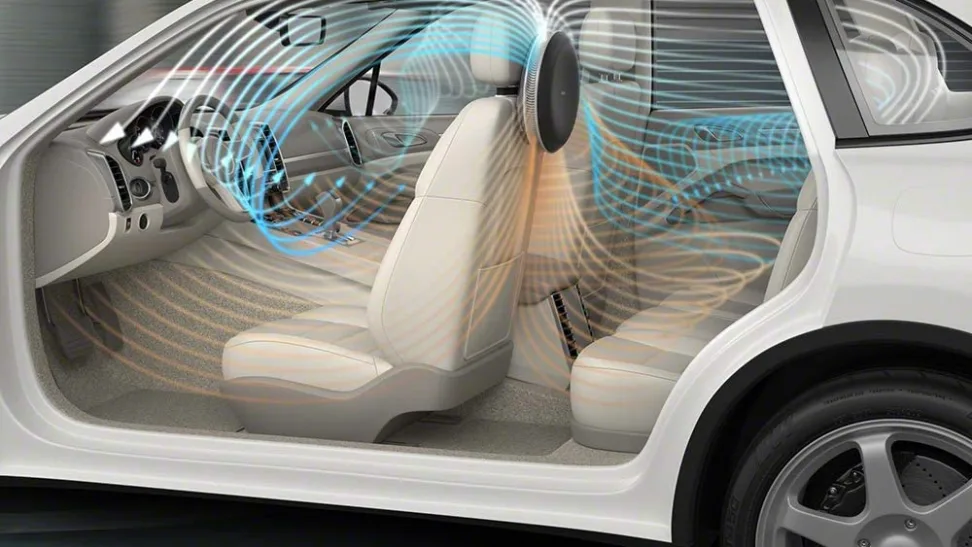
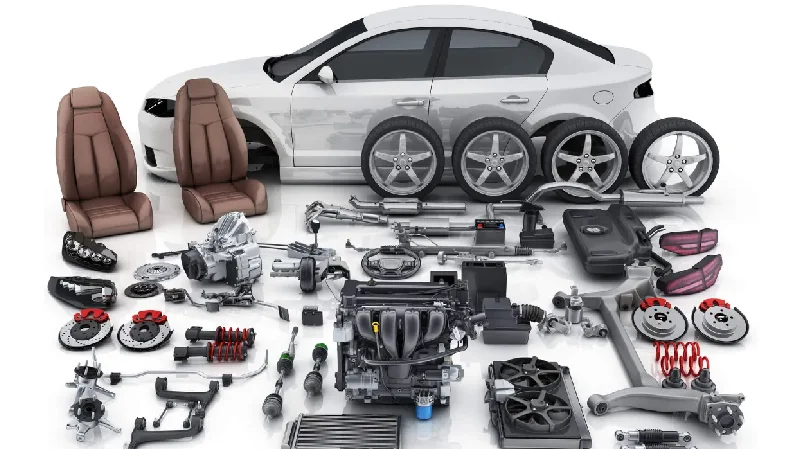







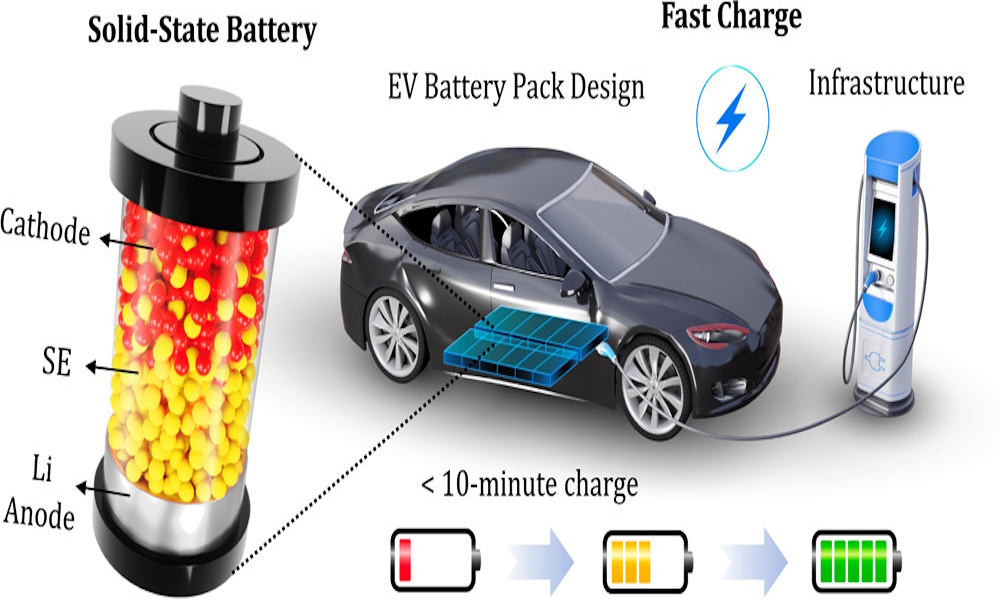
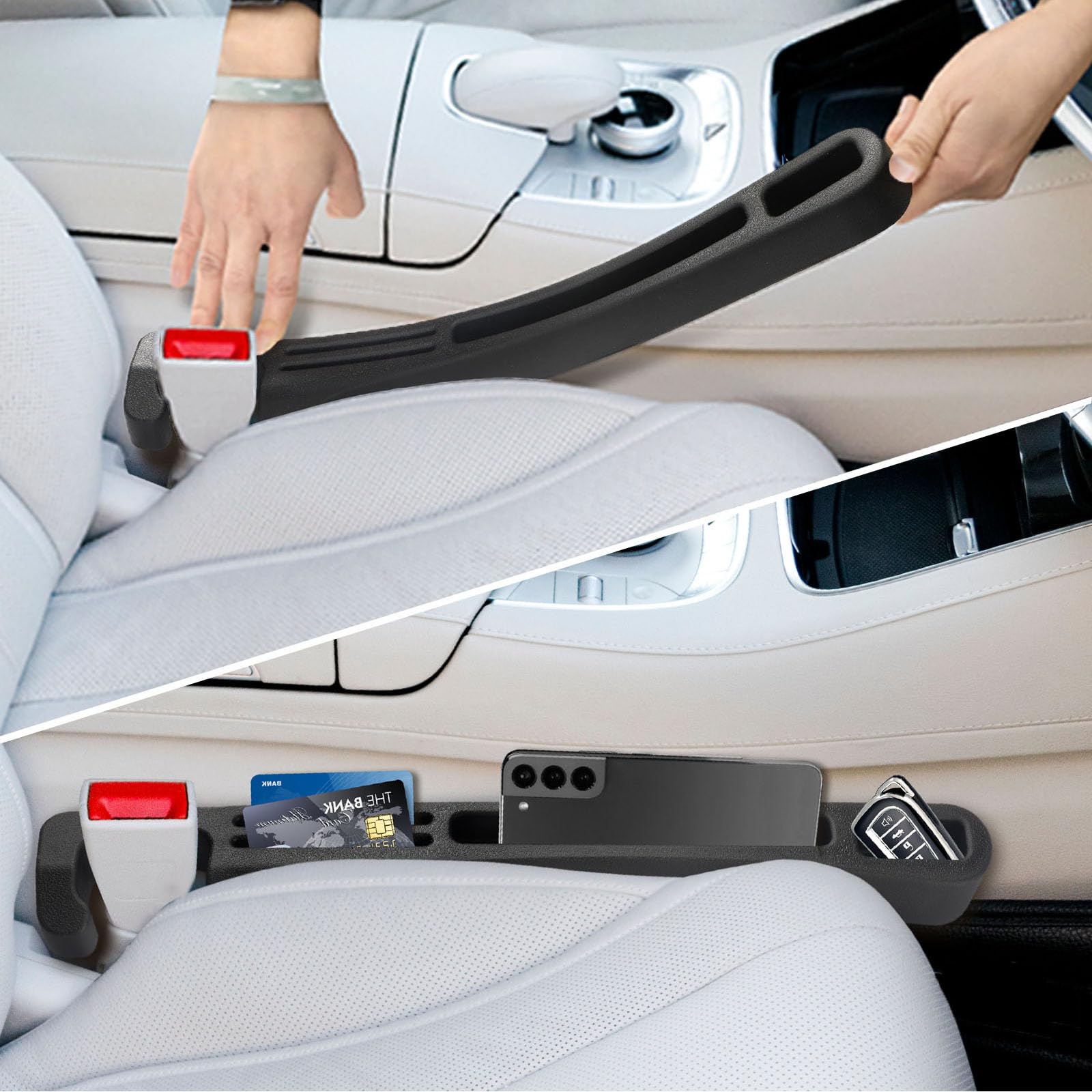
Tags
📧 Get More Articles Like This
Subscribe to receive product reviews and buying guides in your inbox!
We respect your privacy. Unsubscribe at any time.