Dash Cam Secrets: What Insurance Companies Hide From You
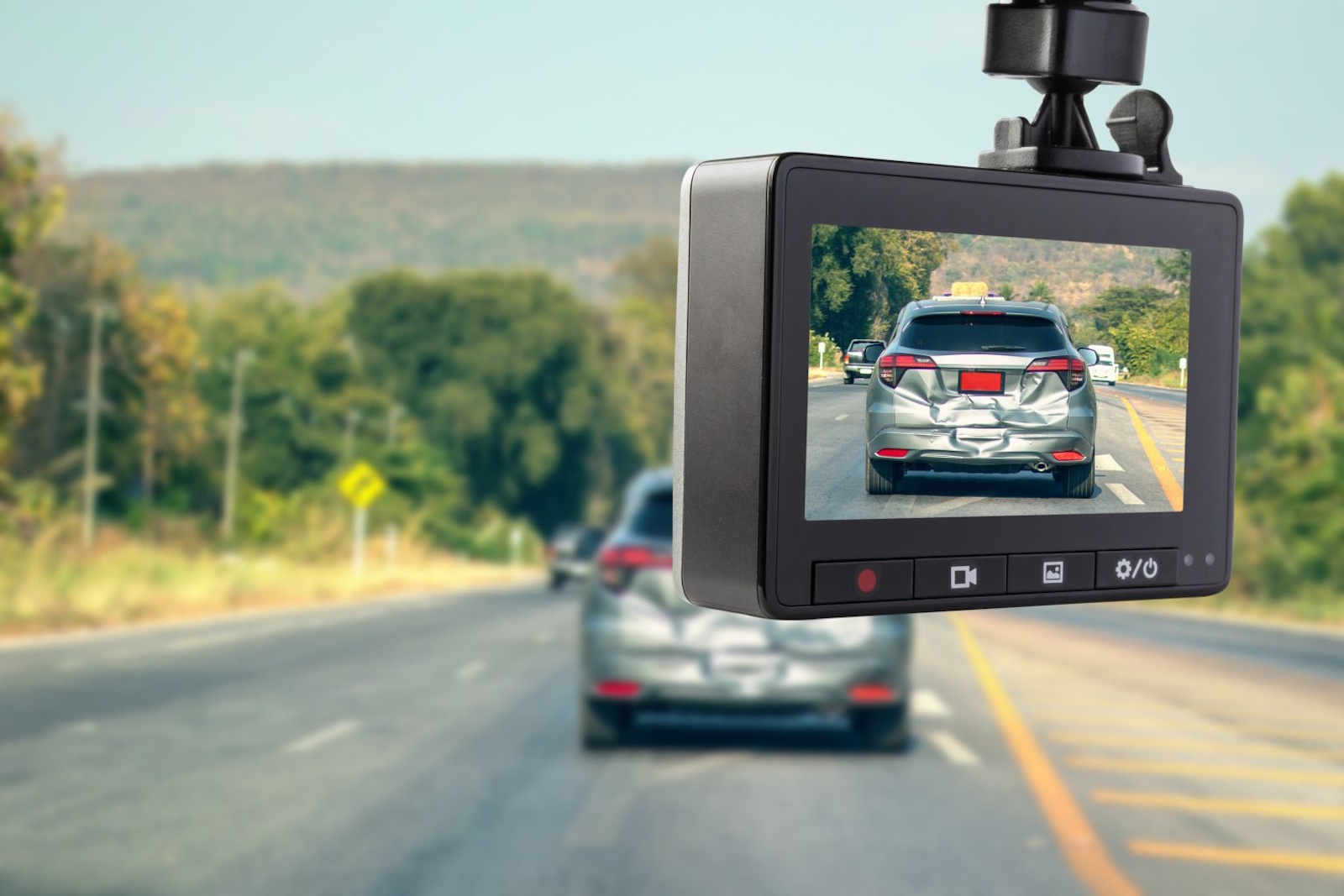
Table of Contents
- Introduction: The Day My Dash Cam Saved Me $47,000
- The Hidden Insurance Industry Perspective on Dash Cams
- Premium Discounts: The Truth Behind the Numbers
- How Insurance Companies Actually Use Your Footage
- Legal Rights and Obligations You Must Understand
- The Footage Paradox: Evidence That Helps and Hurts
- Claim Denial Tactics Involving Dash Cam Evidence
- Privacy Laws and Your Dash Cam Recordings
- Insurance Fraud Detection Through Dash Cams
- Maximizing Insurance Benefits With Strategic Dash Cam Use
- What Adjusters Look For in Your Footage
- The Future of Dash Cams and Insurance Relationships
- Conclusion: Protecting Yourself With Knowledge
- Frequently Asked Questions
Introduction: The Day My Dash Cam Saved Me $47,000
The intersection appeared completely clear when I entered it on a green light during a routine Tuesday morning commute, the kind of unremarkable drive through familiar streets I’d completed hundreds of times without incident or even conscious attention to the mundane details of traffic signals and right-of-way rules that govern every moment behind the wheel. I was mentally rehearsing a client presentation scheduled for later that morning, probably thinking about coffee and wondering whether I’d remembered to charge my laptop overnight, when a silver SUV materialized from my right side running the red light at approximately fifty miles per hour based on the accident reconstruction report I’d read weeks later when everything had escalated into depositions and legal proceedings I never imagined facing over a simple traffic accident.
The impact happened too quickly for conscious reaction—one moment I was driving normally through a green light, the next moment airbags exploded in my face accompanied by the sickening crunch of metal deforming and glass shattering while physics took over throwing my vehicle sideways across the intersection until it finally stopped against a light pole on the far corner. The confusion and adrenaline rush that follows serious accidents created the disoriented haze where you’re not entirely sure what just happened or whether you’re seriously injured until the initial shock wears off and coherent thought gradually returns. I sat there for what felt like hours but was probably thirty seconds trying to process what had occurred while my hands shook uncontrollably and my ears rang from the impact noise that had momentarily overwhelmed my auditory system.
The other driver, a middle-aged woman who appeared shaken but uninjured based on the brief interaction before police and ambulances arrived, immediately began insisting that I’d run the red light causing the collision. Her certainty proved unnerving given my absolute knowledge that my light had been green—I specifically remembered checking it and noting the clear intersection before proceeding, yet here she stood confidently telling the responding officer that I’d caused the accident through reckless traffic violation. Two witnesses who’d stopped to provide statements offered conflicting accounts with one supporting her version and another claiming uncertainty about signal status at impact moment, creating the ambiguous evidence situation that transforms straightforward accident claims into extended legal battles where truth becomes whatever you can prove rather than what actually occurred.
The investigating officer’s report noted the conflicting statements and listed fault as “undetermined pending further investigation” which I later learned represents the kiss of death for insurance claims because it prevents either party from clearly establishing liability necessary for the other driver’s insurance accepting responsibility. My insurance adjuster explained with barely concealed frustration that without clear fault determination, both companies would likely deny the other party’s claim forcing each driver to use their own collision coverage, pay deductibles, and accept premium increases despite potentially being blameless victims. The other driver’s insurance sent me a denial letter within a week citing the police report’s undetermined fault finding and their insured’s statement that I’d caused the accident by running a red light.
Then I remembered the dash cam I’d installed six months earlier after reading an article about insurance fraud and hit-and-run protection. The small camera had been recording continuously through the entire incident, silently capturing objective video evidence of exactly what had occurred at that intersection regardless of contradictory statements or unreliable witness memories. I retrieved the memory card that night, backed up the footage to three separate locations through paranoia about losing the only evidence that could prove my innocence, and reviewed the recording with growing relief as it showed crystal clear video of my green light, the other vehicle’s red light violation, and the impact sequence that left no ambiguity about fault.
The footage transformed my insurance claim overnight from contentious disputed liability into clear-cut third-party fault with the other driver’s insurance accepting full responsibility within forty-eight hours of receiving the video. My adjuster’s tone shifted from resignation to enthusiasm as she explained that the footage eliminated any possibility of prolonged dispute or litigation, that my rates wouldn’t increase since I’d been proven faultless, that I wouldn’t pay any deductible because the other insurance covered everything, and that the claim would close smoothly without the usual complications. The other driver’s insurance initially tried negotiating reduced settlement claiming the footage quality was poor or the timestamps might be inaccurate, but their objections collapsed when my attorney threatened to send the video to local news stations covering insurance fraud, and they settled for full replacement value of my totaled vehicle plus medical expenses and lost wages from missed work.
The final settlement exceeded forty-seven thousand dollars for the vehicle replacement, medical bills, lost income, and pain and suffering compensation that I would have never received without video evidence proving fault beyond any doubt. More importantly, the footage prevented the nightmare scenario my insurance adjuster had warned about where undetermined fault forces you using your own coverage, paying deductibles, accepting premium increases, and potentially facing lawsuit from the other driver claiming you’d caused their injuries through negligent traffic violation. The hundred-dollar dash cam investment delivered over forty-seven thousand dollars in value while preventing years of legal headaches, insurance complications, and the profound injustice of being blamed for an accident you didn’t cause with no way to prove your innocence.
But here’s what shocked me most during the claim process—the lengths my insurance company went to discourage me from sharing the dash cam footage publicly or even mentioning its existence to other drivers who might consider installing cameras. The adjuster who’d been so enthusiastic about my footage privately advised against posting it on social media or discussing the case publicly, citing privacy concerns and claim confidentiality that sounded reasonable until I later learned that insurance companies actively discourage dash cam adoption despite the clear evidence advantages because cameras cut both ways exposing their customers’ faults as often as they prove innocence. The industry maintains careful ambiguity about dash cam benefits through selective disclosure of advantages while downplaying the risks that footage can be used against you just as effectively as it protects you.
This experience opened my eyes to the complicated relationship between dash cams and insurance companies where the same footage that saved me forty-seven thousand dollars could just as easily have been used to deny my claim if the recording had shown me at fault. The insurance industry’s carefully calculated ambivalence toward dash cams reflects sophisticated risk analysis balancing fraud reduction benefits against increased liability exposure when policyholders’ own cameras document their violations. Understanding this dynamic proves essential for anyone considering dash cam installation or trying to maximize benefits while minimizing risks from having your driving permanently recorded and potentially subject to insurance company scrutiny.
The following video demonstrates the critical technical standards required for dash cam recordings to be recognized as definitive proof by insurance adjusters:
The secrets insurance companies don’t want you to know about dash cams extend far beyond simple premium discounts and claim processing efficiency. These secrets involve legal rights you probably don’t realize you have, obligations buried in policy fine print, tactics adjusters use to obtain footage you’re not required to provide, and strategies for protecting yourself from your own camera’s recordings being weaponized against you. The following comprehensive examination reveals exactly what the insurance industry hopes you never learn about dash cams, how to navigate the complex legal and practical considerations, and strategies for maximizing protection while minimizing the risks that make dash cams double-edged swords cutting both ways depending on what they record.
The Hidden Insurance Industry Perspective on Dash Cams
The insurance industry maintains a carefully orchestrated public position toward dash cams that emphasizes benefits like fraud reduction and faster claim processing while strategically downplaying the substantial risks that cameras expose policyholders to through creating permanent video evidence of every driving mistake, traffic violation, and momentary lapse in attention that might otherwise go unnoticed and undocumented. Understanding the industry’s actual internal perspective versus their public messaging reveals the calculated ambivalence that characterizes how insurers really view dash cam proliferation among their customer base.
The Fraud Reduction Paradox
Insurance companies publicly celebrate dash cams as powerful fraud deterrents that prevent staged accidents, exaggerated injury claims, and false liability assertions that cost the industry billions annually through fraudulent payouts and investigation expenses. Industry publications regularly cite statistics showing thirty to forty percent reductions in questionable claims from dash cam owners compared to drivers without cameras, positioning the technology as unambiguous positive development benefiting both insurers and honest customers through eliminating fraud that ultimately gets passed to all policyholders through higher premiums. This messaging creates impression that insurers enthusiastically support widespread dash cam adoption as beneficial technological advancement improving claim integrity.
However, internal industry analysis reveals more nuanced perspective acknowledging that while dash cams reduce fraud from policyholders, they simultaneously increase insurer liability exposure by documenting legitimate accidents more thoroughly than traditional investigation methods achieve. Before dash cams became common, insurance companies could dispute claims through challenging witness credibility, questioning accident sequences, and leveraging investigation ambiguity to minimize payouts or deny questionable claims that might have had legitimate basis but lacked concrete evidence. The permanent video record that dash cams create eliminates this ambiguity cutting both ways—it proves fraud conclusively but also proves legitimate claims insurers might otherwise successfully dispute, creating net liability increase despite fraud reduction benefits.
The sophisticated actuarial analysis insurance companies conduct shows that while individual fraudulent claims might be larger than average legitimate claims, the overall frequency of provable legitimate claims increases more than fraud decreases when dash cam adoption becomes widespread. A fraudulent staged accident might cost insurers twenty thousand dollars, while preventing it through dash cam evidence saves that amount—but the same camera also proves five legitimate ten-thousand-dollar claims the insurer might have previously disputed or settled for lesser amounts, creating net increase in total claim payouts despite successful fraud prevention. This paradoxical outcome explains why insurance industry publicly supports dash cams for fraud reduction while privately showing little enthusiasm for encouraging universal adoption that would increase their overall claim costs despite reducing fraud specifically.
The Premium Discount Deception
The widely advertised insurance premium discounts for dash cam installation appear to offer straightforward financial incentives encouraging camera adoption through reducing policy costs, with most companies claiming five to fifteen percent savings for vehicles equipped with approved dash cam systems. However, the reality of obtaining and maintaining these discounts proves substantially more complicated than marketing materials suggest, involving verification requirements, equipment specifications, and conditional clauses that eliminate discounts for many owners who install cameras expecting automatic premium reductions.
First, the advertised discount percentages typically apply only to specific policy components rather than total premiums—five percent off comprehensive and collision coverage might sound significant until you realize it doesn’t apply to liability coverage that represents the majority of most policies’ costs. A policy costing two thousand dollars annually with one thousand in comprehensive/collision and one thousand in liability coverage would see discount applied only to the one thousand comprehensive/collision portion, resulting in fifty-dollar annual savings from claimed “five percent discount” rather than the hundred dollars you’d expect from five percent of total premium. The semantic deception remains technically truthful while creating misleading impression about actual savings magnitude.
Second, obtaining discounts requires providing proof of dash cam installation through photographs, receipts, or professional installation verification that many insurers review skeptically. Some companies require cameras meeting specific technical specifications including minimum resolution, GPS logging capability, parking mode surveillance, and cloud backup features that budget cameras lack, rendering cheaper installations ineligible for discounts despite cameras being present and functional. The verification process can take weeks or months with multiple documentation requests and arbitrary rejections for minor issues, creating friction that discourages many customers from pursuing advertised discounts they technically qualify for based on marketing promises.
Third, the discounts often include continuation requirements demanding annual verification that cameras remain installed and functional, with automatic discount revocation if verification isn’t completed or if inspections reveal cameras have been removed or disabled. The ongoing verification burden combined with potential retroactive discount removal and premium back-billing for periods when cameras weren’t verified creates administrative headache that many customers abandon, accepting higher premiums rather than dealing with annual verification hassles. Insurance companies tacitly encourage this abandonment through making verification processes unnecessarily complex and communications easy to miss, allowing them to advertise discounts while ensuring relatively few customers successfully maintain them long-term.
Shop on AliExpress via link: wholesale-dash-cam-insurance
Internal Training on Footage Analysis
Insurance company claims adjusters and investigators receive extensive internal training on analyzing dash cam footage to identify evidence supporting claim denials, premium increases, or reduced settlements that public-facing marketing materials never acknowledge. These training programs teach adjusters to scrutinize recordings for traffic violations, distracted driving indicators, speed violations, aggressive driving behaviors, and any evidence contradicting policyholders’ claim narratives that can justify denying claims or reducing payouts regardless of whether the specific footage details relate directly to accidents under investigation.
The training emphasizes frame-by-frame analysis techniques for identifying momentary lapses visible in footage that might constitute negligence or policy violations—perhaps a brief glance at a phone visible in reflections, momentary lane drifting suggesting distraction, or speed slightly exceeding posted limits captured by GPS overlays. Adjusters learn to request full unedited footage extending minutes before and after incidents rather than just the immediate accident sequences, specifically to capture potential violations or negligent behaviors that occurred before collisions but establish patterns of unsafe driving that can justify partial or full fault attribution regardless of who technically caused the immediate impact.
The internal guidance also instructs adjusters on psychological tactics for encouraging policyholders to provide footage voluntarily when they’re not legally required to do so, using language implying that sharing recordings benefits claims processing or that failure to provide footage appears suspicious and might delay settlements. The training explicitly acknowledges that many policyholders don’t understand they can decline footage requests in many circumstances, and encourages adjusters to leverage this ignorance through requesting recordings as though compliance were mandatory rather than voluntary cooperation. The deliberate ambiguity about legal obligations to share footage serves insurer interests through obtaining evidence they couldn’t compel production of if policyholders understood their rights.
Premium Discounts: The Truth Behind the Numbers
The insurance premium discounts available for dash cam installation sound attractive in marketing materials but require careful examination to understand actual savings potential, qualification requirements, and hidden limitations that substantially reduce advertised benefits for many vehicle owners who install cameras expecting straightforward financial advantages.
Real Discount Amounts and Calculations
The actual premium savings from dash cam discounts typically range from thirty to one hundred fifty dollars annually depending on base policy costs, coverage selections, state regulations, and specific insurer discount structures. The five to fifteen percent discount percentages that companies advertise apply inconsistently across policy components with some insurers offering discounts only on comprehensive and collision coverage while excluding liability, medical payments, and other coverage types that might represent fifty to seventy percent of total premiums. This selective application means advertised percentage discounts translate to much smaller dollar amounts than naive percentage-of-total-premium calculations would suggest.
For example, a policy costing two thousand five hundred dollars annually might include one thousand dollars in comprehensive and collision coverage eligible for ten percent dash cam discount, producing hundred-dollar annual savings rather than the two hundred fifty dollars that ten percent of total premium would yield. The marketing materials emphasizing percentage discounts rather than dollar amounts deliberately create inflated expectations about savings magnitude while remaining technically truthful about the percentages applied to specified coverage components. Savvy consumers should request actual dollar amount quotes comparing premiums with and without dash cams rather than accepting percentage-based savings claims at face value.
The discount structures also vary by state due to regulatory restrictions limiting how much insurers can reduce premiums for voluntary safety equipment versus mandated safety features with proven accident reduction data. Some states prohibit dash cam discounts entirely while others cap maximum savings at specific dollar amounts or percentages below the discounts insurance companies advertise nationally. Consumers should verify specific discount availability in their state and with their particular insurer rather than assuming advertised national discounts apply universally regardless of location or coverage configuration.
Equipment Requirements and Qualification Rules
Qualifying for advertised dash cam discounts typically requires meeting specific equipment requirements that exclude budget cameras many consumers purchase assuming any dash cam entitles them to premium reductions. Common qualification requirements include minimum resolution specifications of 1080p or 4K video quality, GPS logging capability providing speed and location data, parking mode surveillance detecting incidents when vehicles are unattended, cloud backup preserving footage if cameras are damaged or stolen, and sometimes professional installation verification rather than self-installation that insurers can’t independently verify.
These requirements effectively mandate purchasing cameras costing one hundred fifty to three hundred dollars or more for models meeting all specifications, compared to budget options available for forty to eighty dollars that record video adequately but lack advanced features insurers require for discount qualification. The equipment cost combined with potentially professional installation fees of fifty to one hundred fifty dollars means qualifying for discounts might require three hundred to four hundred dollar initial investment that takes three to four years recovering through hundred-dollar annual premium savings assuming you successfully maintain discount qualification continuously.
The qualification documentation requirements add additional complexity through demanding receipts proving purchase of approved camera models, photographs showing proper installation, and sometimes video samples demonstrating functionality before insurers approve discounts. Some companies require submitting this documentation annually to maintain discounts rather than one-time verification, creating ongoing administrative burden that many customers abandon despite initially qualifying. The verification hassles combined with potential retroactive discount revocation if documentation lapses creates risk that discount benefits might be partially or fully eliminated through administrative issues rather than actually removing cameras.
How Insurance Companies Actually Use Your Footage
Understanding how insurance companies actually analyze and apply dash cam footage during claims investigations reveals practices substantially different from the beneficial fraud-reduction narrative that public marketing emphasizes, including aggressive scrutiny for any evidence supporting claim denials or reduced payouts regardless of relevance to specific accidents under investigation.
Frame-by-Frame Analysis Techniques
Insurance company investigators conduct extraordinarily detailed frame-by-frame analysis of dash cam footage looking for any evidence contradicting policyholders’ claim narratives or revealing violations, unsafe behaviors, or negligence that might justify denying claims or attributing partial fault regardless of whether the specific details directly caused accidents. This intensive scrutiny goes far beyond simple review of impact moments to examine minutes of footage before and after incidents searching for patterns suggesting distracted driving, aggressive behaviors, traffic violations, or any behaviors that could be characterized as contributory negligence reducing insurer liability.
The investigators specifically look for momentary distractions visible in windshield reflections or mirrors showing drivers glancing at phones, adjusting controls, or looking away from roads immediately before accidents even if these distractions didn’t directly cause collisions. A brief phone glance visible three seconds before another driver runs a red light and causes the accident might be completely irrelevant to fault determination, but investigators document it as evidence of distracted driving that contributed to the policyholder’s inability to avoid the collision through evasive action, establishing partial comparative negligence reducing the other driver’s liability and insurer payout obligations.
The speed analysis using GPS overlays or calculating vehicle velocity from visual reference points represents another common investigation technique for identifying violations that might not have caused accidents but establish unsafe driving patterns justifying reduced settlements. Footage showing travel at sixty-three miles per hour in a sixty zone captures technical speeding violation that investigators characterize as excessive speed contributing to accident severity or reducing reaction time despite the minimal excess over posted limits. The technical violation provides documentation supporting comparative fault assignment that reduces claim payouts even when the other party clearly caused the collision through much more egregious violations like red light running or drunk driving.
Third-Party Analysis and Reconstruction
For substantial claims involving serious injuries or high-value vehicles, insurance companies routinely hire third-party accident reconstruction specialists and video forensic analysts to examine dash cam footage far more thoroughly than basic adjuster review accomplishes. These specialists use sophisticated analysis software measuring precise speeds, trajectories, and timing sequences to develop alternative accident narratives that might attribute greater fault to policyholders than initial reviews suggested, specifically seeking evidence supporting reduced liability for insurers.
The reconstruction analysis might conclude that while another driver clearly caused an accident through running a red light, the dash cam footage shows the policyholder could have avoided collision through braking earlier once the traffic violation became apparent. The specialist testimony establishes that while the other driver bore primary fault, the policyholder’s failure to take evasive action constitutes contributory negligence reducing the other party’s liability from one hundred to seventy-five or sixty percent. This comparative fault finding reduces insurer payouts by twenty-five to forty percent of claim values despite the policyholder being a relatively innocent victim who reacted reasonably to another driver’s dangerous violation.
The costs of third-party reconstruction analysis—often five thousand to twenty thousand dollars for comprehensive reports—only make economic sense for insurers on substantial claims where potential savings from establishing comparative fault exceed analysis costs. However, the threat of commissioning expensive analysis creates leverage during settlement negotiations where insurers suggest that detailed footage review might reveal policyholder contributory negligence justifying reduced offers, pressuring claimants into accepting lower settlements rather than risking analysis that could further reduce their recoveries or even support complete claim denials if footage reveals more problematic behaviors than initial review detected.
Shop on AliExpress via link: wholesale-car-dash-camera-hd
Legal Rights and Obligations You Must Understand
The legal landscape surrounding dash cam footage, insurance claims, and disclosure obligations involves complex state-specific laws and policy contract language that create substantial ambiguity about when you must share recordings versus when you can legitimately refuse insurer demands for footage that might incriminate you or weaken your claim position.
No Universal Disclosure Requirement
Contrary to what many insurance adjusters imply during claim investigations, no universal legal requirement compels dash cam owners to provide footage to insurance companies outside of formal legal discovery processes during litigation. The widespread misconception that you must immediately turn over dash cam recordings to insurers when they request it stems from aggressive adjuster tactics leveraging legal ignorance rather than actual legal obligations that would force disclosure absent court orders or specific policy contract language creating contractual duties to cooperate with investigations.
The Fifth Amendment protection against self-incrimination that criminal defendants enjoy doesn’t directly apply to civil insurance claims, but parallel legal principles recognize that individuals can’t be forced to provide evidence against their own interests absent specific legal mechanisms compelling production. Insurance companies can’t simply demand dash cam footage and expect automatic compliance—they must either convince you to provide recordings voluntarily, identify policy contract language creating disclosure obligations, or obtain court orders through litigation forcing production during legal discovery processes.
However, the practical reality proves more complicated because insurance policy contracts typically include cooperation clauses requiring policyholders to assist with claim investigations, provide requested information and documentation, and generally facilitate the claims process. Insurers argue these cooperation clauses create contractual obligations to disclose dash cam footage when requested, and that refusing to provide recordings constitutes policy violation justifying claim denials for non-cooperation. The validity of these arguments varies by state, specific policy language, and whether footage is exculpatory or inculpatory, creating gray areas where legal counsel should review your particular situation before deciding whether to share recordings.
The Cooperation Clause Trap
The cooperation clauses that appear in virtually all insurance policies create potential obligations to disclose dash cam footage during claims investigations, though the scope of these obligations remains subject to interpretation and legal challenges depending on specific circumstances and state law. The clauses typically require policyholders to “cooperate with the company in investigation and settlement of claims” and to “provide information and assistance as the company may reasonably require,” language that insurers interpret broadly to encompass mandatory footage disclosure when dash cams exist.
However, courts in many jurisdictions have imposed limitations on cooperation clause scope preventing insurers from demanding unlimited access to all information and evidence regardless of relevance or privacy implications. The reasonable requirement qualifier in most cooperation clauses means footage requests must be genuinely relevant to claims investigation rather than fishing expeditions seeking any potentially damaging evidence, and that insurers can’t demand disclosure when doing so would violate policyholders’ fundamental rights or expose them to criminal liability separate from civil claim matters.
The practical application of cooperation clauses to dash cam footage creates tension between insurers’ legitimate investigation interests and policyholders’ rights to avoid self-incrimination or protect potentially damaging evidence. If footage clearly shows you caused an accident through drunk driving or reckless violation, cooperation clauses probably don’t require providing this evidence to your own insurance company that will use it to deny your claim and potentially report you to authorities. However, refusing to provide footage when the insurer has independent reason to believe it exists creates claim denial risk for non-cooperation that might exceed the risk of whatever the footage reveals.
The strategic decision about whether to disclose dash cam footage when insurers request it should involve legal consultation examining your specific policy language, state laws governing cooperation obligations, what the footage actually shows, and the potential consequences of disclosure versus refusal. Some situations clearly favor disclosure when footage proves you blameless and supports claim approval, while others clearly favor refusal when recordings would obviously justify claim denial or criminal prosecution. The difficult cases involve ambiguous footage that might be interpreted either favorably or unfavorably depending on analysis methodology and legal arguments about fault and negligence.
The Footage Paradox: Evidence That Helps and Hurts
Dash cam footage creates a fundamental paradox where the same technology that provides powerful protection against fraud and false fault attribution simultaneously creates permanent evidence of every mistake, violation, and negligent moment that might otherwise go unrecorded and unavailable for use against you. Understanding this double-edged nature proves essential for making informed decisions about dash cam installation and usage.
When Cameras Protect You
Dash cameras provide extraordinary protection in numerous accident scenarios where your innocence would be difficult or impossible to prove through traditional investigation methods relying on witness statements, damage analysis, and accident reconstruction that often produce ambiguous results easily disputed by opposing parties. Rear-end collisions where other drivers claim you reversed into them, red light violations by other parties who insist you ran the light instead, lane departure incidents where opposing drivers insist you crossed into their lanes, and hit-and-run cases where perpetrators flee leaving you with no way to identify them or prove you weren’t at fault—all these scenarios benefit enormously from video documentation showing exactly what occurred.
The fraud protection that dash cams provide extends beyond just documenting accidents to deterring staged collision scams where criminals deliberately cause accidents with innocent drivers and then file exaggerated injury claims and false vehicle damage reports. The visible presence of dash cameras often causes fraudsters to abort planned collisions or select different victims without cameras, while footage of actual staged accidents provides irrefutable evidence exposing fraud that might otherwise succeed through witness coordination and false medical documentation that insurers struggle to disprove absent video evidence.
The claim processing speed improvement that quality footage enables represents another substantial benefit through eliminating extended liability investigations that delay settlements for months while insurers negotiate fault percentages and challenge opposing party claims. Clear video evidence of another driver’s violation causing your accident allows immediate fault determination and rapid claim settlement without the usual back-and-forth between insurance companies disputing liability and trying to attribute partial fault to both parties. The time savings translates directly to financial benefits through faster vehicle repairs or replacements, quicker medical treatment authorizations, and reduced lost wages from accidents resolved in weeks rather than months.
When Cameras Expose You
The protective benefits that dash cams provide assume footage shows you driving lawfully and safely while other parties cause accidents through clear violations or negligence, but cameras record everything indiscriminately including your own mistakes, violations, and momentary lapses in attention that normally go unnoticed absent permanent video documentation. Every time you exceed speed limits, glance at your phone, drift across lane markings, roll through stop signs, or commit countless other minor violations that virtually all drivers regularly commit, your dash cam silently records evidence that could be used against you if accidents occur during or shortly after these violations.
The perpetual recording creates liability exposure that didn’t exist before installation because insurers couldn’t prove violations or negligent behaviors without video documentation. Before dash cams, you could reasonably claim you weren’t speeding or distracted when accidents occurred even if you actually were, because proving these claims required witness testimony that often proved unavailable or unreliable. The dash cam eliminates all ambiguity by capturing your actual behavior with timestamp precision, preventing any denial or mitigation of violations clearly visible in footage that sophisticated analysis might reveal even when you thought the camera angle wouldn’t capture certain activities.
The exposure extends beyond just the immediate accident moments to include minutes of footage before incidents that investigators analyze for patterns suggesting habitual violations or unsafe driving. A brief phone glance captured seconds before another driver causes an accident by running a red light becomes evidence of distracted driving that contributed to your inability to avoid the collision, establishing comparative fault that reduces your recovery despite the other driver clearly causing the crash. The speed violations, lane drifting, or other behaviors visible in extended footage create narrative supporting reduced liability even when these behaviors didn’t directly cause or contribute to accidents that would have occurred identically regardless of what you were doing moments before impact.
Shop on AliExpress via link: wholesale-dash-cam-front-rear
Claim Denial Tactics Involving Dash Cam Evidence
Insurance companies employ numerous tactics leveraging dash cam footage to justify claim denials or reduced settlements that might not withstand legal challenge but succeed through policyholder ignorance, intimidation, or inability to afford litigation contesting insurer decisions.
Comparative Negligence Exploitation
The comparative negligence doctrine that most states employ for allocating fault in accidents creates opportunities for insurers to use dash cam footage identifying any policyholder violations or unsafe behaviors to establish partial fault reducing insurer liability even when other parties clearly caused collisions through much more serious violations. The legal principle allows fault distribution among multiple parties rather than all-or-nothing attribution, meaning you can be found twenty or thirty percent at fault for an accident primarily caused by another driver’s drunk driving or reckless violation based on technical violations visible in your own dash cam footage.
Insurance companies aggressively exploit comparative negligence through analyzing footage for any evidence supporting partial fault attribution regardless of whether the violations actually contributed to accidents in any meaningful way. A technical speeding violation of five miles per hour over posted limits captured in dash cam GPS data becomes “excessive speed” in insurer analysis despite having zero actual contribution to a collision caused entirely by another driver running a red light. The characterization establishes comparative fault reducing the other driver’s liability from one hundred to eighty or seventy percent, cutting insurer payout obligations by twenty to thirty percent of claim values through legal manipulation rather than honest fault assessment.
The burden of challenging comparative fault findings falls on policyholders who must hire attorneys and potentially expert witnesses to contest insurer analysis, invest thousands of dollars in legal fees for disputes over settlements that might only be tens of thousands of dollars, and risk complete loss if courts uphold insurer fault allocation despite it being questionable or unfair. Many policyholders accept reduced settlements rather than fighting comparative fault determinations because litigation costs and risks exceed the difference between offered settlements and fair compensation, allowing insurers to systematically underpay claims through aggressive fault attribution that few victims have resources to effectively contest.
Policy Violation Allegations
Insurance companies scrutinize dash cam footage for evidence of policy violations that might void coverage entirely rather than just reducing payouts through comparative fault allocation, particularly looking for drunk driving, racing, commercial use of personal vehicles, or allowing unlisted drivers to operate vehicles—all common policy exclusions that insurers can invoke to deny claims completely if footage provides documentation. The violation need not have caused the accident to justify claim denial under policy exclusion clauses that void coverage when violations occur regardless of causal relationship to losses.
The footage analysis specifically searches for evidence suggesting blood alcohol impairment through erratic driving patterns, slurred speech on recordings with audio capability, or visible alcohol containers in vehicles that support allegations of drunk driving even absent actual chemical test results. The investigator characterizations of normal driving variations as “erratic weaving” or “delayed reactions” become evidence supporting drunk driving allegations that justify claim denials under policy exclusions for illegal activity, forcing policyholders to prove they weren’t intoxicated rather than insurers proving they were—a burden shift that makes defending against allegations extremely difficult absent conclusive evidence of sobriety.
The commercial use allegations similarly leverage any footage suggesting business activity including visible company materials, route patterns suggesting deliveries or services rather than personal travel, or conversations discussing business matters during drives. Insurers argue these indicators prove commercial vehicle use that personal auto policies exclude from coverage, denying claims for accidents occurring during trips that might have had any business component even if primarily personal in nature. The broad interpretation of commercial use creates claim denial opportunities based on ambiguous footage that insurers characterize unfavorably while policyholders lack resources to conclusively prove purely personal use.
Privacy Laws and Your Dash Cam Recordings
The legal privacy implications of dash cam recordings involve complex state-specific laws governing when you can record others, what you can do with recordings, and who can compel disclosure of footage that might contain private information about third parties unrelated to insurance claims.
Recording Consent Requirements
Dash cam recording laws vary dramatically by state with some jurisdictions requiring all-party consent for audio recordings while allowing unrestricted video recording of public spaces, others prohibiting recording in certain contexts regardless of consent, and many leaving substantial legal ambiguity about whether dashboard cameras fall within existing recording consent statutes designed for different technologies and contexts. The all-party consent states including California, Florida, Illinois, Maryland, Massachusetts, Montana, New Hampshire, Pennsylvania, and Washington technically require consent from everyone whose conversations are recorded, raising questions about whether dash cams with audio capability violate wiretapping laws when they record conversations with passengers or people outside vehicles during traffic stops and accidents.
The practical enforcement of consent requirements for dash cameras remains minimal with virtually no prosecutions for routine dash cam usage despite technical violations of all-party consent statutes in many circumstances, but the legal ambiguity creates risk that particularly aggressive prosecutors or civil litigants might pursue wiretapping charges or civil privacy violations if footage becomes part of controversial cases. The safer approach in all-party consent states involves disabling audio recording capability or posting clear notice that recording is occurring, though these precautions reduce the evidential value of footage that often benefits substantially from audio context explaining what happened during accidents and interactions with other drivers.
The video recording of public spaces generally enjoys much broader legal protection than audio recording based on reduced privacy expectations when people are visible in public areas, but even video recording faces some restrictions including prohibitions on recording in areas where privacy expectations exist such as inside other vehicles or private property visible from public roads. The dash cam positioning and field of view should focus on roadways and traffic rather than intentionally capturing private spaces, and footage should be used only for legitimate purposes like insurance claims and safety documentation rather than harassment, stalking, or other invasive purposes that might trigger privacy liability regardless of technical legality of the recording itself.
Footage Distribution and Third-Party Rights
The legal rules governing what you can do with dash cam footage after recording it involve balancing your rights to use recordings documenting accidents against third parties’ privacy rights limiting how recordings depicting them can be distributed or published without consent. Insurance claim usage and law enforcement cooperation generally enjoy broad legal protection as legitimate purposes not requiring subjects’ consent, but public posting of footage on social media or video sharing platforms raises more complicated questions about privacy violations, defamation liability, and consent requirements for depicting others.
The distinction between newsworthy public interest content and invasive privacy violations depends on context including what the footage shows, who is depicted, and how the content is framed when published. Footage showing another driver causing an accident through clear violation probably qualifies as newsworthy content that can be shared publicly without consent, particularly when identifying information is obscured and presentation doesn’t defame subjects beyond accurately depicting their actions. However, footage showing accident victims in distressed states, medical emergencies, or other sensitive situations might violate privacy rights if published without consent even when the recording itself was legal.
The insurance company sharing of footage with third parties including other insurers, law enforcement, and attorneys during litigation generally doesn’t require your consent beyond the authorization in policy contracts granting insurers broad rights to use information in claim files as necessary for investigation and settlement purposes. However, this authorized sharing can extend footage distribution far beyond what you anticipated when installing cameras for personal protection, potentially exposing recordings to discovery in litigation involving people you’ve never met or circumstances unrelated to why footage was originally created. The lack of control over footage once you provide it to insurers represents significant privacy risk that many dash cam owners don’t fully consider.
Insurance Fraud Detection Through Dash Cams
While insurance companies maintain ambivalent public positions toward dash cams as discussed earlier, the technology undeniably provides powerful fraud detection and prevention capabilities that benefit both insurers and honest policyholders through reducing the fraud that ultimately increases everyone’s premiums through inflated claim costs.
Staged Accident Prevention
Staged accident fraud involves criminals deliberately causing collisions with innocent drivers and then filing false injury claims, inflated vehicle damage reports, and fraudulent medical bills that can easily exceed fifty thousand to one hundred thousand dollars per incident when multiple “victims” claim serious injuries requiring extended treatment. The scams typically target vehicles appearing expensive or valuable on assumption they carry high liability limits, use precise accident choreography designed to appear like innocent driver’s fault, and rely on witness coordination and false documentation that traditional investigations struggle to disprove absent video evidence conclusively showing the setup.
Dash cam footage provides devastating evidence against staged accidents through capturing the suspicious pre-accident positioning, deliberate collision causation, and coordinated post-accident behavior that distinguishes fraud from legitimate accidents. The video might show the “victim” vehicle repeatedly brake-checking or swerving into your lane before the collision, accomplice vehicles boxing in your car to prevent evasion, or post-accident discussions revealing the fraud before participants realize they’re being recorded. Insurance companies maintain special investigation units specifically trained to recognize staged accident patterns in dash cam footage, and these units achieve remarkable success prosecuting fraud when quality video evidence documents the scams clearly.
The deterrent effect of visible dash cameras likely prevents more staged accidents than the cameras actually document because professional fraud rings specifically avoid targeting vehicles with obvious recording equipment that would capture evidence of their schemes. The calculation is simple—why target a vehicle with dashboard camera recording everything when thousands of cars without cameras make equally valuable targets with much lower detection and prosecution risk. The visible deterrence represents one of dash cam’s most valuable but hardest to quantify benefits because it prevents accidents that never occur and therefore generate no footage or documentation, but the anecdotal evidence from fraud investigators confirms that camera presence substantially reduces targeting likelihood.
Exaggerated Injury Claim Detection
Beyond completely fabricated staged accidents, insurance fraud frequently involves legitimate accidents where victims exaggerate injuries and damages to inflate claim payouts beyond actual losses suffered. The exaggeration might involve claiming persistent pain and disability from minor impacts that typically cause no significant injury, reporting vehicle damage exceeding actual repair costs, or falsifying pre-existing conditions as accident-related injuries to shift medical costs from health insurance to more generous auto liability coverage.
Dash cam footage assists detecting exaggerated injury claims through documenting accident severity and impact forces that biomechanical experts can analyze to determine whether claimed injuries are plausibly consistent with forces involved. A low-speed parking lot collision captured at five miles per hour makes highly suspicious the claimed severe whiplash requiring six months of treatment and permanent disability, particularly when footage shows the “victim” walking around normally immediately after impact before later claiming inability to move without assistance. The video evidence doesn’t prove the injuries are fabricated—some serious injuries don’t manifest immediately—but it provides powerful counter-evidence against exaggerated claims that helps insurers and courts distinguish legitimate injuries from fraud.
The audio recording capability of some dash cams occasionally captures damning admissions where accident participants discuss their plan to exaggerate injuries or damage before realizing they’re being recorded. The post-accident conversations about “making sure we get a good payout” or “claiming this hurts worse than it does” provide irrefutable evidence of fraud intent that transforms suspicious claims into prosecutable fraud cases. These recordings occasionally surface during litigation when accident participants forget about or don’t realize that dash cams captured their conversations, creating devastating impeachment evidence when they later testify under oath about their severe injuries and pure innocent victim status.
Shop on AliExpress via link: wholesale-dashcam-parking-mode
Maximizing Insurance Benefits With Strategic Dash Cam Use
Understanding the insurance industry’s actual perspective toward dash cams and the legal landscape surrounding footage disclosure enables strategic camera usage that maximizes protective benefits while minimizing the risks that cameras can be used against you when recordings capture your own violations or mistakes.
Selective Disclosure Strategies
The strategic approach to dash cam footage involves careful consideration of whether providing recordings to insurance companies helps or hurts your claim position before making disclosure decisions that can’t be reversed once footage enters insurer possession. The analysis should examine what the footage actually shows, whether it clearly establishes your innocence or might reveal violations or behaviors that could be characterized as contributory negligence, and whether refusing to provide recordings creates cooperation clause violations risking claim denial for non-cooperation.
When footage clearly shows another driver causing an accident through obvious violation like red light running while your driving appears lawful and reasonable, immediate disclosure serves your interests through accelerating fault determination and claim settlement while preventing extended liability disputes. The quality evidence eliminates insurer arguments about ambiguous fault or contributory negligence, forcing rapid settlement without the usual negotiation delays and lowball initial offers that characterize claims lacking clear proof. The disclosure decision becomes straightforward when footage unambiguously supports your position without revealing any behaviors that could be used against you.
However, when footage shows ambiguous circumstances where fault isn’t entirely clear, reveals your own violations that might establish comparative negligence despite another driver primarily causing the accident, or captures behaviors like distracted driving that could be characterized unfavorably regardless of actual fault, the disclosure decision requires much more careful consideration and probably legal consultation. Providing footage that might be interpreted against you invites detailed analysis searching for any evidence supporting reduced liability, while refusing to provide recordings that insurers have reason to believe exist creates cooperation clause violation risk and adverse inference that you’re hiding damaging evidence.
The strategic middle ground involves consulting attorneys before making disclosure decisions when footage quality or content raises concerns about whether recordings help or hurt your position. Attorneys can review footage confidentially under privilege, provide advice about whether disclosure serves your interests, and potentially negotiate limited disclosure arrangements where insurers receive only portions of recordings directly relevant to specific accident moments rather than extended footage before and after incidents that might reveal peripheral violations. The legal consultation costs typically prove worthwhile for substantial claims where footage analysis might significantly affect settlement values or claim approval.
Evidence Preservation and Documentation
Proper evidence preservation represents critical priority when dash cam footage captures accidents because losing recordings through camera malfunction, memory card corruption, or accidental deletion destroys irreplaceable evidence that might be essential for proving your innocence or defending against false fault allegations. The preservation should occur immediately after accidents through multiple redundant backups to different storage media and locations ensuring footage survives even if original cameras are damaged, stolen, or malfunction during the critical period before formal evidence collection occurs.
The backup process should include copying footage to multiple locations including cloud storage services, external hard drives, and computer hard drives to prevent single-point failure from destroying all copies if one storage medium fails. The original memory card from the dash cam should be removed and preserved separately rather than left in the camera where continuous recording might eventually overwrite the footage if the accident recording isn’t properly protected from the loop recording that most cameras employ. The timestamp integrity and metadata preservation should be maintained through using file formats that preserve creation dates and camera settings rather than converting to different formats that might strip metadata that helps establish footage authenticity.
The chain of custody documentation matters for footage that might be used in litigation where opposing parties might challenge authenticity or claim recordings were edited or manipulated. Creating written documentation of when and how footage was obtained, who had access to it, what copies were made and distributed to whom, and any analysis or processing applied to recordings helps establish that evidence wasn’t tampered with and maintains integrity necessary for court admissibility. The documentation burden might seem excessive for routine accidents, but creating proper records from the beginning prevents challenges to evidence authenticity that could undermine footage value if disputes progress to litigation requiring strict evidentiary standards.
What Adjusters Look For in Your Footage
Understanding the specific elements that insurance adjusters prioritize when analyzing dash cam footage enables better preparation for claim investigations and helps you anticipate how insurers might interpret recordings when you’re deciding whether footage disclosure serves your interests.
Speed and Traffic Violations
Insurance adjusters scrutinize dash cam footage for any evidence of speed violations or traffic rule violations regardless of whether these infractions directly caused or contributed to accidents, because violations establish comparative negligence that reduces insurer liability even when other parties clearly caused collisions. The speed analysis relies on GPS overlays if cameras provide them, calculations from visual reference points and known distances, or estimates based on road markings and impact dynamics that accident reconstruction specialists can derive from careful video analysis.
The traffic violation search extends beyond just major infractions like red light running to include minor violations that most drivers commit regularly without consideration including rolling stops at stop signs, incomplete stops before right turns on red lights, lane changes without signals, traveling in left lanes except for passing, and countless other technical violations that normally go unenforced and unnoticed but become evidence of unsafe driving when captured on dash cams and analyzed for claim investigation purposes. A rolling stop visible in footage from thirty seconds before another driver caused an accident by running a red light becomes evidence of your habitual violation of traffic laws that contributed to the general unsafe conditions surrounding the accident, establishing comparative fault despite the rolling stop having zero actual connection to the collision.
The distracted driving evidence represents particularly damaging finding because it supports comparative negligence claims even when other drivers obviously caused accidents through serious violations. Brief phone glances, eating while driving, conversations with passengers causing visual attention to shift from roads, adjusting radio or climate controls, or any behavior visible in footage suggesting divided attention gets characterized as dangerous distraction that prevented you from avoiding collisions through evasive action that undistracted drivers would have executed successfully. The characterization ignores the reality that most distraction instances don’t prevent reasonable accident avoidance and that the collisions would have occurred identically regardless, but it provides legal basis for establishing partial fault that reduces insurer payouts.
Pre-Accident Behavior Patterns
Insurance adjusters analyze extended footage before accident moments searching for behavior patterns suggesting unsafe driving habits that establish higher comparative fault percentages than isolated incident analysis would support. The pattern analysis might identify multiple lane position variations suggesting consistent inattention, several instances of following too closely indicating aggressive driving tendencies, or repeated minor traffic violations demonstrating habitual disregard for traffic laws that makes you partially responsible for creating dangerous conditions even when specific accidents were primarily caused by other drivers.
The behavior characterization proves highly subjective with vast room for interpretation differences between analysts seeking evidence supporting claim denials versus those honestly assessing driving quality. Normal lane position adjustments necessary for navigating traffic get characterized as erratic weaving suggesting impairment or distraction, reasonable following distances appropriate for traffic conditions get labeled as aggressive tailgating, and lawful speeds appropriate for conditions get described as excessive given weather or road circumstances. The negative characterizations create narrative supporting fault attribution that might not withstand objective analysis but succeeds through exploiting policyholder inability to effectively contest insurer interpretations without expensive expert testimony.
The post-accident behavior analysis searches for evidence contradicting injury or damage claims through showing accident participants moving normally, discussing minimal pain or damage, or behaving inconsistently with claimed severity. Footage showing you walking around inspecting damage without apparent pain or limitation becomes evidence against later claimed serious injuries requiring extended treatment, while conversations about minor damage visible in audio recordings contradict subsequent claims about extensive vehicle damage requiring total loss determinations. The analysis ignores delayed injury manifestation and shock effects that prevent accurate immediate assessment of injury severity, using immediate post-accident behavior to impeach later legitimate injury claims.
The Future of Dash Cams and Insurance Relationships
The evolving relationship between dash cams and insurance companies will likely intensify over coming years as camera adoption becomes nearly universal, insurers develop more sophisticated analysis capabilities, and regulatory frameworks mature to address the privacy and fairness concerns that current ambiguous legal landscape creates.
Mandatory Installation Trends
Some insurance companies have begun experimenting with mandatory dash cam installation as condition of coverage for high-risk drivers including young operators, those with poor driving records, and commercial vehicle operators where the cameras serve both as safety monitoring devices and evidence collection tools. The mandatory programs typically provide cameras at reduced cost or free while requiring continuous usage and granting insurers unrestricted access to footage for periodic driving behavior review beyond just accident investigation purposes.
The expansion of mandatory programs from high-risk populations toward general coverage requirements remains controversial due to privacy concerns about continuous surveillance and fears that insurers will use footage access for aggressive claim denial practices or premium increases based on minor violations detected in routine driving footage. However, the economic incentives for insurers to require installation continue growing as analysis capabilities improve and fraud prevention benefits accumulate, suggesting mandatory programs might gradually expand despite resistance from privacy advocates and consumer protection organizations.
The regulatory response to mandatory camera programs will likely determine their ultimate scope with some states potentially prohibiting required installation as unreasonable privacy invasion while others permit or even encourage the practice through seeing it as beneficial safety measure and fraud prevention tool. The varied regulatory landscape across jurisdictions will create complex compliance challenges for national insurers trying to develop consistent policies across different state requirements while maximizing the business benefits that comprehensive dash cam programs provide.
Conclusion: Protecting Yourself With Knowledge
The dash cam secrets that insurance companies prefer you didn’t know ultimately center on understanding that cameras create double-edged swords cutting both ways depending on what they record and how footage gets analyzed during claim investigations. The same technology that saved me forty-seven thousand dollars through proving my innocence could just as easily have been used to deny my claim if the recording had shown me at fault or revealed violations that adjusters could characterize as contributory negligence.
The knowledge that dash cams simultaneously protect you from false fault allegations while creating permanent evidence of every mistake and violation you commit requires strategic thinking about camera usage, footage disclosure, and claim management that most drivers never consider when installing cameras expecting simple fraud protection without understanding the complex legal and practical implications. Understanding your rights to refuse footage disclosure in some circumstances, the cooperation clause obligations that might require sharing in others, and the analysis techniques adjusters employ to find evidence supporting claim denials enables making informed decisions about when dash cams serve your interests versus when they create risks exceeding benefits.
The insurance industry’s carefully maintained ambivalence toward dash cams reflects sophisticated cost-benefit analysis recognizing that cameras reduce fraud but increase overall claim costs through providing evidence that proves legitimate claims insurers might otherwise successfully dispute. This fundamental conflict of interest means insurers will never wholeheartedly embrace dash cam adoption despite public messaging about fraud reduction benefits, and that their internal practices will continue prioritizing finding evidence in footage that supports claim denials regardless of whether the evidence actually relates to fair fault determination.
Your protection against insurance company tactics requires combining dash cam installation for genuine fraud protection with legal knowledge about disclosure rights and obligations, strategic thinking about when footage helps versus hurts your claim position, and willingness to consult attorneys before making disclosure decisions that can’t be reversed once footage enters insurer possession. The investment in understanding these complexities pays substantial dividends through preventing the situations where your own camera becomes the primary evidence used to deny your claim or reduce your settlement through aggressive interpretation of ambiguous footage.
The future of dash cams and insurance will continue evolving as technology improves, regulatory frameworks mature, and the balance between privacy rights and fraud prevention shifts based on societal priorities and political developments. Staying informed about these changes rather than treating camera installation as one-time decision enables adapting strategies as the landscape evolves and new risks or opportunities emerge from technological and legal developments.
Frequently Asked Questions
Question 1: Do dash cams actually lower car insurance premiums?
Answer 1: Most insurance companies offer five to fifteen percent premium discounts for vehicles equipped with dash cams, though discount availability varies dramatically by insurer, state regulations, and specific policy details that marketing materials don’t always clearly explain. Major carriers including State Farm, Progressive, Geico, and Allstate provide explicit dash cam discounts recognizing reduced claim fraud, faster claim processing, and clearer fault determination that cameras enable, with annual savings typically ranging from thirty to one hundred fifty dollars depending on base premium costs and coverage selections. However, many insurers quietly deny discounts exist or impose qualification requirements so stringent that few cameras actually qualify despite companies claiming to support dash cam adoption.
The advertised discount percentages typically apply only to comprehensive and collision coverage rather than total premiums, meaning five percent discount claims might translate to just fifty dollar annual savings rather than the hundred twenty-five dollars that five percent of a typical two thousand five hundred dollar policy would suggest. The selective application to coverage subsets rather than entire premiums creates misleading impression about savings magnitude while remaining technically truthful about percentage discounts offered. Consumers should request specific dollar amount quotes comparing premiums with and without cameras rather than accepting percentage-based discount claims without understanding actual financial impact.
The qualification requirements for obtaining advertised discounts often include camera specifications that exclude budget models many consumers purchase expecting automatic premium reductions. Common requirements include minimum 1080p or 4K resolution, GPS logging capability, parking mode surveillance, cloud backup features, and sometimes professional installation verification that combined requirements mandate cameras costing one hundred fifty to three hundred dollars plus potential installation fees. Budget cameras costing forty to eighty dollars recording video adequately but lacking advanced features typically don’t qualify for insurance discounts despite being installed and functional, forcing consumers to upgrade equipment or forgo advertised premium savings they expected when initially purchasing less expensive cameras.
The discount maintenance requirements add additional complexity through demanding annual verification that cameras remain installed and operational, with automatic discount revocation if verification isn’t completed or inspections reveal cameras have been removed or disabled. The ongoing verification burden combined with potential retroactive discount removal and premium back-billing for periods when cameras weren’t verified creates administrative hassle that many customers abandon rather than maintaining qualification through continued documentation submissions. Insurance companies tacitly encourage abandonment through making verification unnecessarily complex and communications easy to miss, allowing them to advertise discounts while ensuring relatively few customers successfully maintain them long-term.
Question 2: Can insurance companies use my dash cam footage against me?
Answer 2: Yes, insurance companies can and frequently do use dash cam footage against policyholders when recordings reveal driver fault, policy violations, distracted driving, traffic violations, or circumstances contradicting claim narratives submitted during investigations. Legal precedent firmly establishes dash cam videos as admissible evidence in claims disputes and litigation, meaning footage showing speeding, phone usage, aggressive driving, or any violations can justify claim denials, reduced settlements through comparative fault attribution, or premium increases regardless of whether you voluntarily provide recordings or insurers obtain them through legal discovery during litigation.
The insurance company analysis of footage extends far beyond simple review of accident moments to include detailed frame-by-frame examination of minutes before and after incidents searching for any evidence supporting claim denials or reduced payouts. Investigators specifically look for distracted driving indicators visible in windshield reflections or mirrors, speed violations calculated from GPS overlays or visual reference points, traffic violations like rolling stops or incomplete yields that establish unsafe driving patterns, and any behaviors that could be characterized as contributory negligence reducing insurer liability even when other drivers clearly caused collisions through much more serious violations.
The third-party analysis that insurers commission for substantial claims involves hiring accident reconstruction specialists and video forensic experts who use sophisticated software measuring precise speeds, trajectories, and timing sequences to develop alternative accident narratives attributing greater fault to policyholders than initial review suggested. These specialists might conclude that while another driver caused an accident through clear violation, the dash cam footage shows the policyholder could have avoided collision through braking earlier or taking evasive action, establishing contributory negligence that reduces the other party’s liability and insurer payout obligations by twenty-five to forty percent despite the policyholder being relatively innocent victim.
The practical reality is that providing dash cam footage to insurance companies creates risk that recordings will be analyzed far more aggressively than you anticipated searching for any evidence supporting claim denial regardless of whether that evidence actually relates to fault or accident causation. The footage that you installed for protection against false fault allegations becomes weapon that insurers use against you through identifying violations and behaviors that would go unproven and unavailable for use against you absent the permanent video documentation that dash cameras create. This paradoxical outcome requires strategic thinking about when footage disclosure serves your interests versus when it creates greater risk than refusing to provide recordings despite potential cooperation clause implications.
Question 3: Am I legally required to share dash cam footage with my insurance company?
Answer 3: No universal legal requirement exists compelling dash cam owners to provide footage to insurance companies outside of formal legal discovery processes during litigation, though specific policy contract language and state laws create complicated circumstances where refusing to share recordings might violate cooperation clauses justifying claim denials for non-cooperation. The widespread misconception that you must immediately turn over dash cam footage when insurers request it stems from aggressive adjuster tactics leveraging legal ignorance rather than actual universal legal obligations forcing disclosure absent court orders or specific contractual duties.
The insurance policy cooperation clauses that appear in virtually all contracts typically require policyholders to assist with claim investigations and provide information as companies may reasonably require, language that insurers interpret broadly to encompass mandatory footage disclosure when dash cams exist. However, courts in many jurisdictions have imposed limitations on cooperation clause scope preventing insurers from demanding unlimited evidence access regardless of relevance or self-incrimination implications, establishing that reasonable requirement qualifiers mean footage requests must be genuinely relevant to claims rather than fishing expeditions seeking any potentially damaging evidence.
The practical decision about whether to disclose footage when insurers request it involves analyzing what recordings actually show, whether they clearly support your position or might reveal violations establishing comparative fault, and whether refusing to provide footage creates greater risk through cooperation clause violations than whatever the footage contains. When recordings unambiguously prove your innocence and show lawful driving while other parties clearly caused accidents, immediate disclosure serves your interests through accelerating fault determination and claim settlement. However, when footage shows ambiguous circumstances or reveals your own violations that could be characterized as contributory negligence, the disclosure decision requires careful consideration and probably legal consultation before providing evidence that might be used against you.
The legal consultation costs typically prove worthwhile for substantial claims where footage analysis might significantly affect settlement values because attorneys can review recordings confidentially under privilege, provide advice about whether disclosure serves your interests, and potentially negotiate limited disclosure arrangements where insurers receive only portions directly relevant to accidents rather than extended footage revealing peripheral violations. The strategic approach involves understanding that no automatic disclosure obligation exists, that cooperation clauses have limits preventing unreasonable evidence demands, and that professional legal advice should guide decisions when footage content raises concerns about whether sharing helps or hurts your claim position.
Question 4: What dash cam features do insurance companies value most?
Answer 4: Insurance companies prioritize continuous loop recording capturing events several minutes before and after incidents enabling complete accident sequence documentation, GPS logging providing location and speed data verifying claim narratives, parking mode surveillance detecting vandalism and hit-and-runs when vehicles are unattended, and cloud backup ensuring footage survives camera damage or theft that might otherwise destroy critical evidence. Higher resolution cameras recording license plates clearly and wide-angle lenses capturing multiple lanes receive premium consideration, while cameras lacking these features may not qualify for insurance discounts despite being installed and functional.
The continuous loop recording with pre-event buffering proves essential for capturing complete accident context rather than just impact moments, because investigators need to see conditions and behaviors leading up to collisions to assess fault and contributory negligence accurately. Cameras that only activate upon impact detection miss crucial context about what both drivers were doing before collisions, how traffic was flowing, what violations occurred, and other factors influencing fault determination. The pre-event recording requirements typically demand thirty seconds to several minutes of footage before impact moments, meaning cameras must maintain continuous recording rather than motion-activated or impact-activated recording that misses critical context.
The GPS logging capability enables insurers to verify speeds, locations, and routes claimed in accident reports through objective data that can contradict false statements or reveal violations that verbal or written narratives might omit or mischaracterize. The GPS overlays showing precise speed readings prove or disprove speeding allegations definitively rather than relying on estimates or witness testimony subject to error and bias, while location data confirms whether accidents occurred where claimed or reveals route anomalies suggesting claim inconsistencies worth investigating further.
The parking mode surveillance detecting incidents when vehicles are unattended represents particularly valuable feature for insurers because it documents vandalism, hit-and-runs, and theft attempts that would otherwise go unrecorded leaving no evidence about what occurred or who was responsible. The parking mode typically uses motion detection or impact sensors to activate recording when events occur near parked vehicles, capturing footage that identifies perpetrators, documents damage as it happens, and provides evidence supporting claims that insurers might otherwise challenge as potentially fraudulent or exaggerated absent corroborating documentation.
Question 5: Can dash cam footage prove I’m not at fault in accidents?
Answer 5: Dash cam footage provides compelling evidence establishing fault in approximately seventy-five to eighty-five percent of accident claims according to insurance industry data and legal outcome analysis, particularly for rear-end collisions, red light violations, lane departure incidents, and hit-and-run cases where witnesses are unavailable or provide conflicting statements that traditional investigations struggle to resolve without objective video documentation. The footage clarity, camera positioning, timestamp accuracy, and overall video quality significantly affect evidentiary value, with professionally installed high-resolution cameras producing evidence far more likely to conclusively prove fault than budget installations with poor positioning or inadequate resolution.
The rear-end collision scenarios represent clearest cases where dash cam footage definitively establishes fault through showing whether the struck vehicle was stationary or moving, whether the rear driver maintained safe following distance, and whether any brake checking or sudden stops occurred that might establish comparative fault despite general presumption that rear drivers bear responsibility for rear-end collisions. The footage eliminates ambiguity about these critical factors that opposing drivers often dispute through claiming the front vehicle reversed, stopped suddenly without reason, or otherwise contributed to collisions beyond simply being in front when impacts occurred.
The red light violation and intersection collision scenarios benefit enormously from dash cam footage showing traffic signal status at entry moments, which driver had right of way, whether either party attempted avoidance, and the relative speeds suggesting who proceeded recklessly through intersections. The objective video evidence of signal colors and timing eliminates the conflicting driver statements and unreliable witness accounts that characterize most intersection accident investigations, providing clear proof that one driver violated traffic control devices causing collisions while the other proceeded lawfully through green lights or with right of way.
However, approximately fifteen to twenty-five percent of accidents involving dash cam footage still produce inconclusive or disputed fault determinations despite video documentation, typically because camera positioning failed to capture critical details, video quality proved insufficient for definitive analysis, timestamps were inaccurate undermining evidence credibility, or footage showed genuinely ambiguous circumstances where both drivers contributed to collisions through questionable decisions or violations. The footage quality and camera positioning prove absolutely critical for achieving evidentiary value that actually resolves fault questions rather than simply providing another piece of evidence that gets debated alongside all the other claim investigation information.
Question 6: Do insurance companies share dash cam footage with police or other parties?
Answer 6: Insurance companies routinely share dash cam footage with law enforcement during accident investigations, with other insurers involved in multi-party claims, and with attorneys during litigation without requiring policyholders’ explicit consent beyond the general authorization clauses included in standard policy contracts granting insurers broad rights to use claim file information for investigation and settlement purposes. The footage becomes part of official claim documentation subject to legal discovery in lawsuits, potentially exposing recordings to much broader distribution than owners anticipated when installing cameras primarily for personal protection against false fault allegations.
The law enforcement sharing occurs automatically when police request evidence during accident investigations or criminal prosecutions involving traffic violations, impaired driving, or vehicular crimes where dash cam footage might provide critical evidence. Insurance companies cooperate fully with law enforcement requests viewing such cooperation as both legal obligation and good corporate citizenship, sharing footage without notifying policyholders or seeking permission beyond what policy contract language already authorizes. The police access to footage can result in traffic citations, criminal charges, or evidence used against you in prosecutions that you never anticipated when the camera was installed to protect against insurance fraud.
The other insurance company sharing represents standard practice in multi-party accidents where multiple insurers investigate the same incident from different perspectives representing their respective policyholders’ interests. Your insurance company will share your dash cam footage with the other driver’s insurer as part of liability negotiations, and that insurer will analyze the recording searching for evidence supporting their insured’s position and your contributory fault. The footage you provided to your own insurer for protection becomes evidence that opposing insurers use against you through detailed analysis identifying any violations or behaviors supporting comparative fault attribution reducing their liability.
The attorney and litigation sharing occurs during discovery processes when lawsuits are filed over accident claims, with dash cam footage becoming evidence subject to production requests from opposing counsel representing other drivers, injured passengers, or any parties involved in accidents. The legal discovery rules require disclosing relevant evidence in your possession or control, meaning footage becomes available to opposing parties’ attorneys who will analyze it thoroughly searching for anything supporting their clients’ positions. The litigation exposure can extend footage distribution to expert witnesses, jury members during trials, and potentially public court records if cases proceed to trial rather than settling privately.
The practical reality is that providing dash cam footage to your insurance company effectively surrenders control over who sees recordings and how they’re used, with insurers exercising broad discretion about sharing with law enforcement, other insurers, attorneys, and third parties based on what they determine serves investigation and settlement purposes. The loss of control over footage distribution represents significant privacy consideration that many dash cam owners don’t fully appreciate when voluntarily providing recordings expecting them to remain confidential between themselves and their insurers.
Question 7: What happens if my dash cam footage contradicts my accident report?
Answer 7: Dash cam footage contradicting official accident reports or insurance claim narratives typically results in claim denials, potential fraud investigations, policy cancellations, and possible criminal charges if contradictions suggest deliberate misrepresentation rather than honest mistakes or confusion about accident details. Insurance companies prioritize video evidence over conflicting verbal or written statements regardless of your explanations, treating footage as objective truth that proves either your statements were inaccurate or that you intentionally misrepresented circumstances to gain favorable claim treatment.
The claim denial based on contradictory footage occurs almost automatically when recordings disprove key elements of your reported accident narrative, particularly regarding fault attribution, traffic signal status, impact sequences, or pre-accident behaviors that you described differently in official reports. If your accident report states you had a green light but dash cam footage clearly shows red light violation causing the collision, insurers will deny your claim for making false statements regardless of whether the discrepancy resulted from honest confusion, faulty memory, or deliberate deception. The burden shifts to you proving the contradiction reflects innocent mistake rather than fraud, a nearly impossible task when video evidence directly contradicts your sworn statements.
The fraud investigation that contradictory footage triggers involves detailed examination of all claim documentation searching for additional inconsistencies, interviews with witnesses and involved parties, analysis of your claim history for patterns of questionable reports, and coordination with special investigation units trained to prosecute insurance fraud. The investigation can expand far beyond the specific accident under review to examine your entire relationship with the insurer looking for previous claims that might have involved similar misrepresentations that went undetected absent video evidence. The investigative process itself creates substantial stress and legal exposure even if you ultimately avoid criminal prosecution, with the possibility of claim denial, policy cancellation, placement on industry fraud databases preventing future insurance coverage, and referral to law enforcement for criminal investigation.
The policy cancellation represents standard consequence for material misrepresentation in accident reports regardless of whether criminal fraud charges are pursued, with insurers exercising contractual rights to cancel coverage when policyholders provide false information material to claim investigations. The cancellation creates serious problems beyond just the current claim because future insurers will discover the cancellation history during application processes and either refuse coverage entirely or charge substantially higher premiums reflecting the fraud risk your history suggests. The cancellation consequences can persist for years affecting insurance availability and costs long after the specific incident that triggered the original cancellation.
The criminal prosecution risk depends on state laws and prosecutor discretion about pursuing insurance fraud charges, with some jurisdictions aggressively prosecuting even relatively minor misrepresentations while others focus resources only on sophisticated fraud schemes involving substantial financial losses. However, the possibility of criminal charges creates serious legal exposure requiring immediate consultation with criminal defense attorneys who can negotiate with prosecutors, explain circumstances potentially mitigating culpability, and defend against charges if prosecution proceeds. The legal representation costs combined with potential fines, restitution, and even incarceration for serious fraud convictions makes contradictory footage scenarios extremely serious situations requiring professional legal assistance rather than attempts to explain away discrepancies through claiming honest mistakes or faulty memories.
Question 8: Can I edit or delete dash cam footage before sharing with insurance?
Answer 8: Editing or deleting dash cam footage before providing it to insurance companies constitutes evidence tampering and insurance fraud in most jurisdictions, potentially triggering criminal prosecution beyond just civil claim denials, with penalties including substantial fines, restitution requirements, and possible imprisonment for serious cases involving significant financial fraud. Modern dash cams embed extensive metadata including timestamps, file creation dates, modification dates, camera serial numbers, and GPS coordinates that forensic analysis can examine to detect alterations, making tampering easily discoverable through routine investigation techniques that insurers and law enforcement regularly employ when footage authenticity is questioned.
The metadata analysis that reveals editing includes examining file properties showing when footage was created versus when it was modified, identifying gaps in timestamp sequences suggesting deleted portions, detecting inconsistencies between embedded GPS data and visual content, and analyzing video compression artifacts that appear differently when footage is re-encoded after editing compared to original camera recordings. Forensic video experts routinely hired by insurance companies for substantial claims can identify edits with remarkable accuracy through these technical analysis methods, making the belief that simple editing will go undetected dangerously naive and almost certain to fail under professional scrutiny.
The legal consequences of detected footage tampering extend far beyond just the specific claim where editing occurred to create presumption of fraud across your entire claim history, automatic claim denial regardless of actual fault or damages, policy cancellation with fraud notation preventing future insurance coverage, potential criminal prosecution for insurance fraud and evidence tampering, and civil liability for any costs insurers incurred investigating your fraudulent claim. Courts and prosecutors treat evidence tampering as serious offense demonstrating consciousness of guilt and deliberate attempt to pervert justice, often imposing harsher penalties than might apply to underlying accidents or claims that prompted the editing.
The proper approach when dash cam footage contains information you’d prefer insurers not see involves consulting attorneys about your legal rights and obligations regarding disclosure rather than attempting to hide or alter evidence through editing or deletion. Attorneys can review footage confidentially under privilege, advise whether you’re legally required to provide recordings or can legitimately refuse disclosure, negotiate limited sharing arrangements if appropriate, and represent your interests if insurers demand footage you’d prefer not to provide. The legal consultation costs prove far less expensive than the criminal prosecution, civil liability, and permanent insurance consequences that evidence tampering creates when discovered.
The deletion of footage after accidents but before insurance requests specifically asking for recordings raises similar evidence tampering concerns, particularly if you’ve mentioned dash cam existence to insurers or if cameras are visible in accident scene photographs making their presence known. The deliberate destruction of evidence that you know or should know is relevant to pending claims constitutes spoliation that courts can remedy through adverse inference instructions telling juries to assume destroyed evidence would have proven facts against you, or through outright claim dismissal as sanction for evidence destruction. The safer approach involves preserving all footage and consulting attorneys about disclosure obligations rather than making unilateral decisions to delete recordings that might later be deemed required evidence subject to preservation duties.
Question 9: How long should I keep dash cam footage after accidents?
Answer 9: Dash cam footage should be preserved for minimum three years after accidents to exceed statute of limitations periods for personal injury claims in most states, with five to seven year retention recommended for serious accidents involving injuries or significant property damage where extended litigation might occur beyond standard limitation periods. The preservation timeframe must account for discovery rules allowing late evidence requests, tolling provisions that extend limitation periods under certain circumstances, and the possibility of criminal investigations or civil lawsuits that might arise years after initial accidents when you’d otherwise consider it safe to delete recordings.
The immediate backup to multiple storage locations represents critical priority when accidents occur because dash cam memory cards have limited capacity and continuous loop recording will eventually overwrite footage if not properly preserved through copying to external storage before the recording cycle completes. The backup process should include cloud storage providing offsite redundancy protecting against physical loss or destruction, external hard drives offering large capacity and fast access, and computer hard drives ensuring convenient review access. The multiple redundant copies prevent single-point failure from destroying irreplaceable evidence through hardware malfunction, accidental deletion, theft, or physical damage to storage media.
The original memory card from the dash cam should be removed and preserved separately rather than left in the camera where continuous recording might overwrite footage despite attempts to protect it through camera settings, because many cameras don’t reliably prevent overwrite of supposedly protected files when memory fills completely. The original card preservation maintains the best evidence with unaltered metadata and file properties that might prove important for establishing authenticity if footage is challenged during litigation as potentially edited or manipulated. The original card serves as definitive reference proving that backup copies accurately represent actual recordings without modification or corruption during copying processes.
The extended retention beyond minimum statutory periods proves advisable for serious accidents because litigation sometimes extends many years through trial, appeals, and post-judgment proceedings where evidence remains relevant and producible under court orders. Accidents involving catastrophic injuries or fatalities might generate lawsuits continuing five to ten years through appellate processes, with footage remaining critical evidence throughout extended proceedings. The storage costs for preserving footage prove minimal compared to the consequences of destroying evidence that later becomes crucial for defending against claims or proving your position during protracted litigation.
The documentation of footage preservation including when backups were made, what storage media were used, who had access to recordings, and any analysis or processing applied to files helps establish chain of custody and evidence authenticity if footage admissibility is challenged during litigation. The written documentation combined with preserved original media provides strong foundation for overcoming authenticity challenges that opposing parties might raise attempting to exclude evidence harmful to their positions. The documentation effort seems burdensome during routine accident aftermath but proves invaluable if disputes progress to litigation requiring strict evidentiary standards and authentication procedures.
Question 10: Will having a dash cam make insurance companies investigate my claims more aggressively?
Answer 10: Insurance companies investigate claims from dash cam owners more thoroughly through detailed video analysis, third-party accident reconstruction when warranted, and enhanced scrutiny of claim narratives compared to cases lacking footage, but this increased investigation typically accelerates legitimate claims while deterring fraudulent ones rather than uniformly disadvantaging policyholders. The heightened scrutiny cuts both ways—proving fault clearly in valid claims through objective evidence while exposing exaggerations or misrepresentations in questionable cases where footage contradicts claim narratives or reveals violations establishing comparative fault.
The video analysis that insurers conduct on dash cam footage extends far beyond what traditional claim investigation achieves through witness interviews and damage inspection, involving frame-by-frame examination of extended footage before and after accidents, speed calculations from GPS data or visual reference points, behavioral analysis searching for distraction or violation indicators, and comprehensive review of all audio and visual information that might be relevant to fault determination or claim legitimacy. The intensive analysis discovers evidence supporting both claim approval and denial depending on what footage actually shows, making the investigation thoroughness beneficial when you’re innocent and potentially harmful when recordings reveal violations or behaviors that could be characterized unfavorably.
The third-party expert involvement that insurers commission for substantial claims with dash cam footage includes accident reconstruction specialists analyzing precise impact dynamics, forensic video analysts examining footage authenticity and extracting maximum information from recordings, medical experts reviewing injury claims against biomechanical forces visible in footage, and investigators conducting field inspections verifying claim details against video documentation. The expert analysis costs thousands to tens of thousands of dollars that insurers only invest when potential claim savings justify expenses, typically for cases involving serious injuries, high-value vehicles, or suspicious circumstances suggesting fraud worth thoroughly investigating.
The claim processing speed paradoxically both accelerates and delays depending on whether footage clearly supports straightforward claim approval versus revealing ambiguities or potential fraud requiring extended investigation. Clear video evidence of another driver’s obvious violation causing your accident while you drove lawfully enables immediate fault determination and rapid settlement without the usual liability negotiation delays, potentially resolving claims in days or weeks rather than months. However, footage showing ambiguous fault, revealing your own violations, or raising fraud suspicions triggers extended investigation that substantially delays claim resolution compared to cases without video evidence that might settle through quicker negotiation accepting some ambiguity rather than pursuing definitive fault determination through expensive analysis.
The practical reality for honest drivers operating vehicles lawfully is that dash cam footage generally benefits their claim outcomes through providing evidence proving innocence and accelerating legitimate claim processing despite the increased investigation scrutiny. The investigation thoroughness helps honest policyholders more than it hurts them by preventing false fault attribution and fraudulent claims from other parties. However, drivers who frequently violate traffic laws, engage in questionable behaviors, or might be tempted to exaggerate claims face increased exposure from dash cam footage that documents their actions and provides evidence that can be used against them through careful investigation analysis.
Articles related:
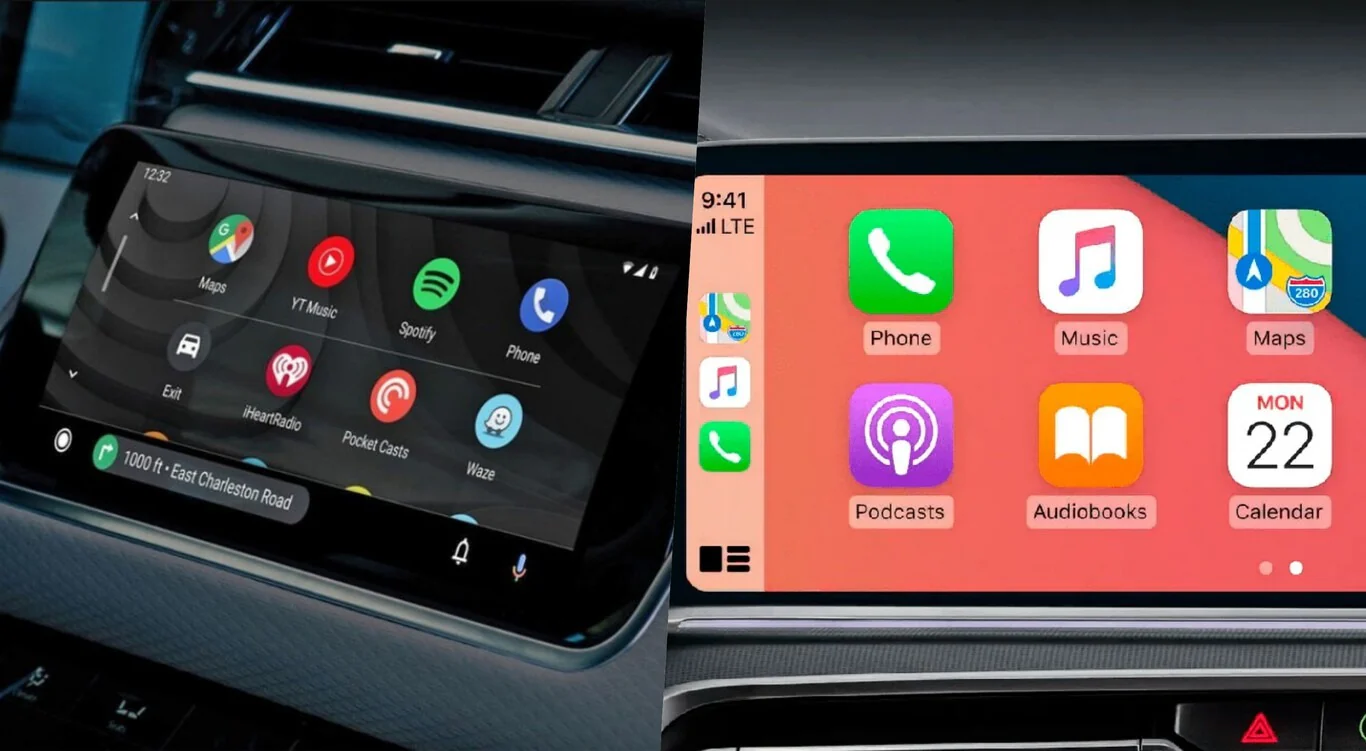
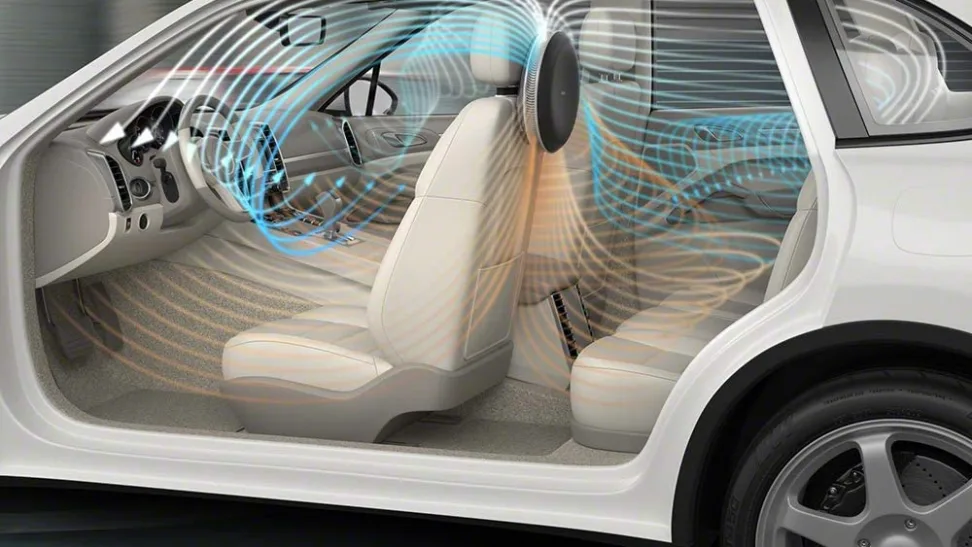









Tags
📧 Get More Articles Like This
Subscribe to receive product reviews and buying guides in your inbox!
We respect your privacy. Unsubscribe at any time.