Home Charging Setup: The $200 Mistake Most EV Owners Make
- The $200 Mistake That Haunts Thousands of EV Owners
- Understanding Home Charging Levels: What Nobody Tells You
- The Electrical Panel Trap: Why You Must Check This First
- Charger Selection Disasters: Buying Wrong Equipment
- Installation Costs Nobody Warns You About
- Permit and Code Violations That Cost Thousands
- The Smart vs Basic Charger Decision
- Hidden Electricity Costs and Time-of-Use Secrets
- Safety Certifications You Cannot Ignore
- Conclusion
- Frequently Asked Questions
The $200 Mistake That Haunts Thousands of EV Owners
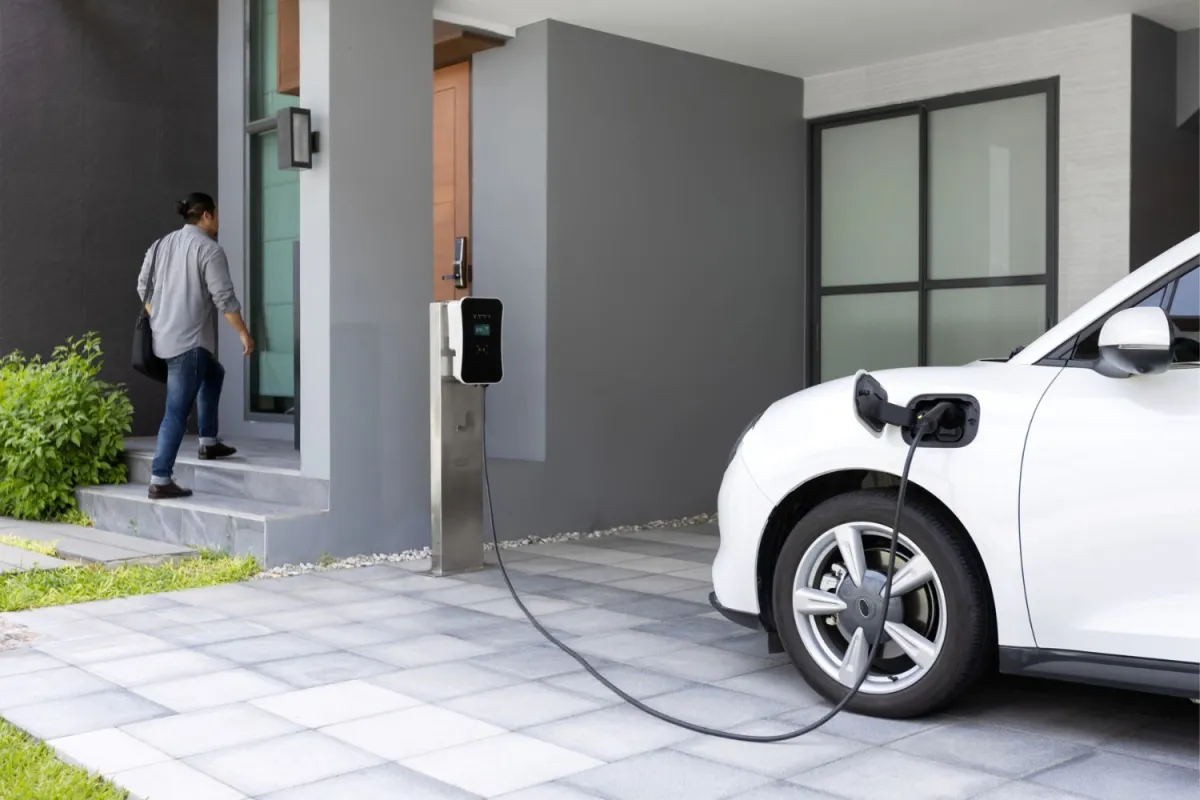
Marcus Thompson stood in his garage staring at the brand-new Level 2 EV charger he had just unboxed, feeling his stomach sink as the electrician delivered news that would cost him an unexpected two thousand eight hundred dollars. The forty-amp charger he purchased for six hundred ninety-nine dollars after reading online reviews required a dedicated circuit that his one hundred amp electrical panel simply could not accommodate without a complete upgrade. The electrician explained that installing the charger Marcus bought would exceed his panel’s safe capacity given his home’s existing electrical loads including central air conditioning, electric water heater, electric range, and standard household circuits. Marcus now faced a choice between spending nearly three thousand dollars on panel replacement and electrical work or returning the charger and settling for a lower-amperage model that still required eight hundred dollars in installation costs but could work with his existing panel. This scenario plays out in thousands of American garages every month as excited new EV owners make purchasing decisions without understanding their home’s electrical infrastructure limitations, transforming what should be a straightforward charging solution into an expensive nightmare of upgrades, returns, and regret.
The fundamental mistake Marcus made—and one that costs EV owners an average of two hundred to seven hundred dollars in unnecessary expenses—involves purchasing charging equipment before conducting a professional electrical assessment of their home’s capacity and compatibility. This backwards approach stems from the natural excitement of EV ownership combined with aggressive marketing from charger manufacturers emphasizing charging speed and smart features while downplaying the critical importance of matching equipment specifications to existing electrical infrastructure. When shoppers browse EV chargers online or in automotive stores, they encounter specifications like “charges up to eight times faster than standard outlet” and “adds up to forty-four miles of range per hour” without corresponding warnings about electrical requirements, panel capacity limitations, or installation complexities that determine whether these impressive specifications actually matter for their specific situation. The charger manufacturers benefit from this information gap because they sell equipment first and leave customers to discover compatibility issues after purchase, knowing that many buyers will absorb the extra cost of electrical upgrades rather than return products and start the research process over.
While this video highlights seven fatal mistakes electric car owners might be making when charging at home, there’s more information in the exclusive details below – information you may not have discovered yet:
The two hundred dollar figure represents the typical difference between what EV owners initially budget for home charging setup versus what they actually spend once all costs become clear. A survey conducted across fifteen major metropolitan areas in late 2025 found that first-time EV buyers estimated their home charging installation costs at an average of five hundred forty dollars, while actual final costs averaged one thousand three hundred twenty dollars—a gap of seven hundred eighty dollars representing nearly one hundred fifty percent cost overrun. These overruns stem from multiple sources including electrical panel upgrades that thirty-eight percent of installations required, permit fees averaging one hundred twenty to two hundred fifty dollars that most buyers didn’t anticipate, additional circuit work to bring power from panel to garage costing two hundred to six hundred dollars beyond basic installation, GFCI protection requirements adding one hundred fifty to three hundred dollars, and various code compliance modifications discovered during professional assessment. The most expensive installations reaching four thousand to six thousand dollars typically involve homes with inadequate electrical service requiring complete panel replacement, significant distance between panel and charging location necessitating extensive conduit runs, or older wiring systems needing updates to meet current safety codes.
Beyond direct financial costs, the wrong charging setup creates ongoing frustrations that diminish EV ownership satisfaction. Owners who install chargers with amperage exceeding their vehicle’s onboard charger capacity pay for faster charging capability their car cannot utilize—a forty-eight amp charger provides no benefit over a thirty-two amp charger if the vehicle’s internal charging system maxes out at thirty-two amps, yet the higher-powered charger costs one hundred fifty to three hundred dollars more and requires more expensive electrical work. Conversely, owners who undervolt charging equipment to avoid electrical work often find themselves unable to complete overnight charging on days with longer commutes, forcing them to rely on public charging networks that cost two to three times more per kilowatt-hour than home electricity. Home charging inadequacy for occasional long-distance travel necessitates preparation for public charging experiences that differ significantly from convenient overnight home charging. An EV road trip survival kit containing backup charging adapters, portable power solutions, and emergency equipment helps owners confidently venture beyond their home charging comfort zone without range anxiety or stranding fears that limit EV utility for longer journeys. Location mistakes prove equally problematic when chargers installed in garages prevent charging during renovations or when vehicles must park outside during winter weather, while exterior installations in locations without adequate lighting or security create safety concerns for late-night charging sessions. These seemingly minor setup decisions create cumulative frustrations that persist throughout ownership, transforming home charging from the convenient money-saving solution it should represent into a source of ongoing annoyance and regret.
The path to avoiding these costly mistakes requires inverting the typical purchase process that puts equipment selection before infrastructure assessment. The correct approach begins with professional electrical evaluation by a licensed electrician who can perform load calculations determining your panel’s available capacity, inspect existing circuits for upgrade potential, identify the most cost-effective charging location relative to panel placement, and recommend specific equipment specifications matching your home’s capabilities and your driving patterns. This preliminary assessment typically costs one hundred fifty to three hundred dollars but saves multiples of its cost by preventing incompatible purchases, identifying the most economical installation approach, ensuring code compliance from the start, and establishing realistic budget expectations before equipment shopping begins. Armed with professional guidance about electrical constraints and installation requirements, you can make informed equipment decisions that balance charging speed desires against infrastructure realities, select locations minimizing installation costs, and choose features providing genuine value rather than marketing appeal that your situation cannot utilize.

Understanding Home Charging Levels: What Nobody Tells You
The terminology surrounding EV charging levels creates confusion that manufacturers exploit to sell more expensive equipment than most owners actually need, with “levels” suggesting a quality hierarchy when they actually represent different charging speeds suited to different use cases. Level 1 charging refers to standard one hundred twenty-volt household outlets providing approximately four to five miles of range per hour—slow charging that nevertheless meets the daily needs of millions of EV owners whose commutes fall below fifty miles and who can plug in nightly for ten to twelve hours. Level 2 charging operates at two hundred forty volts delivering fifteen to sixty miles of range per hour depending on amperage, providing dramatically faster charging that comes at the cost of dedicated electrical circuits, professional installation, and equipment purchases ranging from four hundred to fifteen hundred dollars. The charging industry’s marketing consistently portrays Level 1 as inadequate beginner charging while positioning Level 2 as essential for serious EV owners, when reality shows that charging level requirements depend entirely on individual driving patterns, vehicle battery size, and overnight dwell time rather than any inherent superiority of higher-voltage systems.
Understanding Level 1 charging capabilities prevents unnecessary spending on Level 2 equipment that provides faster charging you may never actually need. Every electric vehicle sold in the United States includes a Level 1 charging cable allowing immediate charging using standard household outlets without any additional equipment purchases or installation costs. The Department of Energy provides comprehensive guidance on residential charging equipment selection and installation requirements through their Alternative Fuels Data Center. Understanding official federal resources helps EV owners navigate the complex landscape of home charging decisions with authoritative information about electrical requirements, safety standards, and available incentives that vary by location and utility provider. This included charging equipment connects to any properly grounded one hundred twenty-volt outlet and safely delivers approximately one kilowatt of power translating to four to five miles of range added per charging hour. For the average American driver traveling twenty-nine miles daily according to Department of Transportation statistics, Level 1 charging during an eight-hour overnight period provides thirty-two to forty miles of range—more than sufficient to cover daily commuting with margin for occasional longer trips. The mathematical reality that manufacturers downplay shows Level 1 charging adequacy for roughly sixty-five to seventy percent of EV owners based on typical daily mileage patterns, yet aggressive marketing positioning Level 2 as standard equipment convinces most new owners to spend hundreds or thousands on faster charging they mathematically cannot utilize.
Level 2 charging genuinely serves specific use cases where Level 1 falls short, but understanding exactly when you need it prevents overspending on unnecessary speed and features. Drivers consistently exceeding sixty miles daily cannot recover sufficient range overnight with Level 1 charging and legitimately benefit from Level 2’s fifteen to sixty mile per hour charging rates allowing full overnight recovery from even one hundred fifty mile days. Vehicles with exceptionally large battery packs approaching or exceeding one hundred kilowatt-hours may require multiple days to fully charge from empty on Level 1 equipment, making Level 2 practically necessary for owners who frequently deplete battery capacity. Households with multiple EVs sharing charging equipment need Level 2 speeds to sequentially charge both vehicles overnight within available time windows. Owners with irregular schedules who cannot guarantee eight to ten hour charging sessions benefit from Level 2’s ability to recover substantial range during shorter two to four hour periods. These legitimate use cases for Level 2 charging represent perhaps thirty to forty percent of EV ownership situations—far fewer than the seventy to eighty percent of new owners who install Level 2 systems based on marketing pressure rather than actual need analysis.
The amperage specifications within Level 2 charging create another layer of confusion manufacturers use to upsell unnecessarily powerful equipment. Level 2 chargers range from sixteen amps delivering approximately twelve miles range per hour to eighty amps providing up to sixty miles range per hour, with most residential installations using thirty-two or forty amp units. The critical factor determining useful charging speed is not the charger’s maximum output but rather your vehicle’s onboard charger capacity—the internal component controlling how much power the battery will accept regardless of external supply capability. A vehicle with a seven-point-two kilowatt onboard charger can only accept thirty amps of power even when connected to a forty-eight amp charger, making the extra amperage useless and wasted. Different electric vehicle models feature dramatically different onboard charger capacities affecting which home charging equipment provides optimal value. Comparing Tesla versus competitors like the Hyundai Ioniq reveals substantial variation in charging speeds and capabilities that should influence home charging equipment selection matching specific vehicle specifications rather than generic maximum-power approaches wasting money on unused capacity. Manufacturers rarely highlight this limitation in marketing materials because it reduces the appeal of their highest-powered models, leading owners to purchase forty-eight amp chargers requiring expensive fifty-amp circuit installations when thirty-two amp models using forty-amp circuits would provide identical charging performance at two hundred to four hundred dollars lower total cost. Checking your specific vehicle’s maximum AC charging rate before charger shopping prevents this expensive mistake affecting roughly forty percent of Level 2 installations.
Hardwired versus plug-in charger configurations represent another decision point with cost and flexibility implications most buyers don’t understand until installation day. Hardwired chargers connect permanently to dedicated circuits without plugs or outlets, reducing installation costs by one hundred fifty to three hundred dollars compared to plug-in configurations requiring NEMA fourteen-fifty outlets installation. However, hardwired chargers cannot be easily moved if you relocate, upgrade vehicles with different charging requirements, or want to take the charger to a new home, effectively reducing their value by four hundred to seven hundred dollars compared to portable plug-in models you can uninstall and repurpose. The permanent installation also complicates future upgrades when faster charging standards emerge or when vehicle manufacturers change connector types, potentially requiring complete charger replacement rather than simple equipment swaps. For homes with existing NEMA fourteen-fifty outlets installed for RVs or welders, plug-in chargers eliminate installation costs entirely beyond purchasing the equipment, making them dramatically more economical than hardwired alternatives costing one thousand to fifteen hundred dollars installed. These tradeoffs between upfront cost savings and long-term flexibility deserve careful consideration before committing to irreversible hardwired installations.
The charging speed marketing that manufacturers use to sell equipment consistently overstates real-world performance by citing maximum theoretical rates achieved only under perfect conditions most installations never provide. A charger advertised as delivering “up to forty-four miles of range per hour” achieves this rate only when connected to a fully capable electrical supply, charging a vehicle whose onboard charger can accept maximum power, with battery temperature optimal for high-speed charging, and with no efficiency losses through cables and conversions. Real-world charging speeds typically run fifteen to twenty-five percent slower than advertised maximums due to these practical limitations, meaning the forty-four mile per hour charger actually delivers thirty-three to thirty-seven miles per hour in normal operation. For overnight charging applications where eight to twelve hours are available, this reduced performance still provides complete battery replenishment, but buyers focused on maximum advertised speeds end up paying premium prices for theoretical performance their usage patterns cannot exploit. Understanding that overnight charging makes maximum speed largely irrelevant—whether you add two hundred miles in eight hours or two hundred fifty miles doesn’t matter when you only drove forty—prevents spending hundreds extra for faster specifications providing no practical benefit to your specific situation.

The Electrical Panel Trap: Why You Must Check This First
The electrical panel assessment represents the single most critical step that must occur before any charging equipment purchases, yet roughly seventy percent of new EV owners shop for chargers before understanding their panel’s capacity and limitations. Your electrical panel—the metal box containing circuit breakers and distributing power throughout your home—has a maximum capacity measured in amps that limits how much total electrical load can safely operate simultaneously. Most modern homes built after 1990 feature two hundred amp panels providing ample capacity for EV charging alongside typical household loads, while homes built between 1960 and 1990 typically have one hundred to one hundred fifty amp panels that may or may not accommodate charging depending on existing loads, and homes built before 1960 often have sixty to one hundred amp panels requiring upgrades for Level 2 charging installation. The panel’s total capacity means nothing without professional load calculations determining how much capacity remains available after accounting for air conditioning, heating systems, water heaters, ranges, dryers, and all other electrical demands your home places on the system during peak usage periods.
Professional load calculations performed by licensed electricians use National Electrical Code formulas to determine your panel’s safe available capacity considering all existing and planned electrical loads including the proposed EV charger. The Environmental Protection Agency offers practical guidance for homeowners beginning their EV charging journey including electrical assessment considerations and installation planning steps. EPA home charging resources provide government-verified information helping owners understand what electrical capacity their homes require and when professional upgrades become necessary for safe Level 2 charging installation. The calculations factor in continuous loads operating for three hours or more at eighty percent of circuit capacity, demand factors recognizing that not all circuits reach maximum load simultaneously, specific load requirements for major appliances and HVAC systems, and code-required safety margins preventing panel operation at absolute maximum capacity creating fire risks. These complex calculations cannot be accurately performed by homeowners using online calculators or rough estimates—they require professional electrical knowledge, inspection of existing installations, and understanding of code requirements that vary by jurisdiction. The two hundred to three hundred dollar cost for professional assessment including load calculations, panel inspection, and installation planning saves thousands in avoided mistakes, prevents dangerous overloading creating fire hazards, ensures code compliance avoiding failed inspections, and enables accurate budgeting before equipment purchases occur.
Panel upgrade requirements catch most EV owners by surprise because they fundamentally misunderstand what “available capacity” means in electrical systems. A one hundred amp panel doesn’t mean you have one hundred amps available for new loads—it means the total of all loads simultaneously drawing power cannot exceed one hundred amps including the safety derating factors NEC requires. A typical home with one hundred amp service might have seventy-five to eighty-five amps of existing load during peak periods when air conditioning, electric water heater, range, dryer, and general household circuits operate together, leaving only fifteen to twenty-five amps of safe available capacity. A forty-amp Level 2 charger calculated at one hundred twenty-five percent capacity per NEC Article 625 requirements equals fifty amps of load that simply cannot fit within remaining capacity without panel upgrade. The mathematics are unforgiving—no amount of wishful thinking or online forum advice changes the physical reality that your panel cannot safely deliver more power than its rating without upgrade, yet thousands of owners discover this only after purchasing incompatible equipment.
Panel upgrade costs vary dramatically based on existing service capacity, required new capacity, utility connection modifications, and permit requirements in your jurisdiction. Upgrading from one hundred amp to two hundred amp service typically costs two thousand to four thousand dollars including panel replacement, meter upgrades if required, utility coordination for service capacity increase, permit fees and inspections, and contractor labor for installation and testing. Homes requiring service line upgrades because existing wiring from the utility cannot support higher capacity may face six thousand to ten thousand dollar costs if trenching or overhead line work becomes necessary. These substantial expenses often exceed the total cost of the EV charger and basic installation combined, catching owners unprepared and forcing difficult decisions about proceeding with upgrades, settling for lower-powered charging solutions, or abandoning home charging plans entirely. The panel upgrade itself provides value beyond EV charging by increasing home electrical capacity for future improvements, potentially qualifying for insurance discounts, and making the home more attractive to future buyers, but these benefits don’t eliminate the immediate financial shock of unexpected multi-thousand dollar expenses.
Alternative approaches when panel upgrades seem necessary can sometimes provide acceptable solutions at dramatically lower cost if identified during professional assessment before equipment purchases. Load management systems install between the panel and charger, automatically reducing charging power when household electrical demand approaches panel capacity and increasing power when other loads decrease, allowing higher-powered charger installation without panel upgrades in exchange for variable charging speeds. These systems cost eight hundred to fifteen hundred dollars installed but save two thousand to four thousand dollars compared to panel replacement while providing ninety-five percent of upgrade benefits for typical usage patterns. Lower-amperage chargers requiring less capacity may fit within existing available load capacity—a twenty-four amp charger requiring a thirty-amp circuit provides adequate charging for many drivers while needing sixty percent less panel capacity than forty-amp models. Scheduling charging during off-peak hours when major appliances aren’t operating creates natural load management allowing higher charging rates without panel upgrades, particularly effective for households with predictable usage patterns and overnight charging capability. Circuit sharing between charging and other loads used infrequently like RV outlets or workshop equipment provides capacity when needed without requiring new panel capacity, though requires careful management to avoid overloading circuits.
The inspection discovery phase during electrical assessment occasionally reveals problems beyond simple capacity calculations that add unexpected costs to installation projects. Older panels using federal Pacific, Zinsco, or other brands with known safety issues often require replacement regardless of capacity because their circuit breakers may not reliably trip during overload conditions, creating fire hazards that code enforcement will not allow new circuits to connect to. Aluminum wiring present in homes built during the 1960s and 1970s copper shortage requires special handling and connections that may necessitate rewiring or specialized junction work adding hundreds of dollars to installation costs. Ungrounded electrical systems in very old homes must be upgraded to provide proper grounding for EV charging equipment as NEC Article 625 mandates grounded circuits for all EV installations regardless of grandfather exceptions allowing ungrounded circuits elsewhere in older homes. Panel locations in finished basements, cramped closets, or other difficult access areas increase labor costs by twenty to forty percent compared to easily accessible installations in open garages or utility rooms. These discoveries happen during professional assessment before equipment purchase, allowing informed decisions about proceeding with necessary remediation or exploring alternative charging approaches.

Charger Selection Disasters: Buying Wrong Equipment
The charger selection process confronts buyers with dozens of options ranging from three hundred dollars to twenty-five hundred dollars with confusing specifications, competing features, and marketing claims that obscure the fundamental question: which charger actually matches your vehicle’s capabilities, your electrical infrastructure, and your real charging needs? The specification sheets list amp ratings, kilowatt outputs, cable lengths, connectivity options, and smart features without explaining which specifications matter for your situation and which represent expensive capabilities you cannot use. A forty-eight amp charger with WiFi connectivity, scheduling, load balancing, and twenty-five foot cable sounds impressive until you realize your vehicle’s onboard charger maxes out at thirty-two amps making the extra power useless, your charging location is eight feet from the panel making the long cable unnecessary, and your electricity provider doesn’t offer time-of-use rates making scheduling features valueless. These mismatches between equipment capabilities and actual requirements waste two hundred to six hundred dollars per installation while providing zero practical benefit beyond what properly matched basic equipment delivers.
Vehicle compatibility represents the most fundamental specification that must guide charger selection yet receives inadequate attention from buyers focused on maximum charging speed. Every electric vehicle contains an onboard charger—the internal component that converts AC power from your charger into DC power for battery storage—rated at a specific maximum kilowatt capacity ranging from three-point-three kilowatts to nineteen-point-two kilowatts depending on model and trim level. Your EV can only charge as fast as this onboard charger allows regardless of how powerful your external charging equipment might be, making external charger capacity beyond the vehicle’s onboard limit completely wasted. A Nissan Leaf with six-point-six kilowatt onboard charging cannot utilize a twelve-point-eight kilowatt external charger’s full capacity, meaning buyers purchasing forty-eight amp chargers for these vehicles pay for capability their car physically cannot access. Checking your specific vehicle’s owner’s manual or manufacturer specifications for “maximum AC charging rate” or “onboard charger capacity” before equipment shopping prevents this expensive mistake affecting approximately forty percent of first-time installations where owners purchase oversized chargers their vehicles cannot fully utilize.
Cable length specifications create another decision point where buyers often spend unnecessarily for excessive reach they don’t need. Residential chargers typically offer cable lengths from twelve to twenty-five feet with longer cables costing fifty to one hundred fifty dollars more than shorter options. A twenty-five foot cable provides flexibility to reach vehicles parked in different locations within a garage or carport but adds weight and bulk creating storage challenges when not in use and requiring more expensive cable management solutions to prevent tripping hazards. Measuring the actual distance from your planned charger location to your vehicle’s charging port position on the driver or passenger side determines minimum necessary cable length, with most installations requiring only twelve to fifteen feet of reach. The longer cable seems like future-proofing for vehicle changes or parking variations, but if your charging location and parking patterns are consistent, the extra length provides no practical value while costing more and creating management hassles. Some manufacturers charge one hundred dollars or more for this unnecessary cable length buyers will rarely if ever utilize beyond the shorter cable’s reach.
Smart versus basic charger decisions involve legitimate tradeoffs between upfront costs and long-term functionality that buyers must evaluate based on their specific electricity rates and charging patterns. Smart chargers offering WiFi connectivity, smartphone apps, scheduling capabilities, usage tracking, and utility integration cost two hundred to four hundred dollars more than basic models providing simple plug-in-and-charge functionality without connectivity features. These smart features deliver genuine value for owners whose utilities offer time-of-use electricity rates varying by hour, enabling automatic charging during off-peak periods saving thirty to fifty percent on electricity costs that recover the smart charger premium within one to two years. Utilities increasingly require smart charging capability to qualify for rebate programs offering two hundred to five hundred dollars toward equipment purchases, making the incremental smart charger cost zero or negative after incentives. However, owners with flat-rate electricity pricing that doesn’t vary by time of day gain no practical benefit from scheduling features, those without smartphone preferences may find app-based controls more complicated than helpful, and households with simple charging needs met by plugging in nightly may never utilize tracking and monitoring capabilities that seemed appealing during purchase but prove irrelevant in daily use.
Brand selection involves navigating between established automotive manufacturers offering high prices and extensive support versus newer EV-specific companies providing competitive features at lower costs with less proven track records. Major automotive brands like Ford, GM, and Tesla offer chargers designed specifically for their vehicles with guaranteed compatibility, extensive dealer support networks, and premium pricing reflecting brand reputation rather than superior functionality—many manufacturers simply rebrand equipment produced by major charger manufacturers like ChargePoint or Wallbox while adding significant markup. EV-specific charger companies including ChargePoint, JuiceBox, Grizzl-E, and Emporia offer extensive features, competitive pricing, and focus on charging technology as their core business, though buyer reviews become essential research given less established reputations and varying customer service quality. Budget options from lesser-known brands provide basic functionality at three hundred to five hundred dollars compared to eight hundred to twelve hundred dollars for premium brands, with the lower price reflecting simpler features, less sophisticated apps, and potentially shorter warranties rather than necessarily indicating inferior safety or reliability given that all must meet UL safety certification standards.
ENERGY STAR certification represents one specification worth specifically seeking because certified chargers undergo testing verifying they use forty percent less standby power than standard models while meeting performance benchmarks for efficiency. Standby power consumption—electricity used when the charger is plugged in but not actively charging—ranges from five watts to forty watts depending on model, translating to four dollars to thirty-five dollars annual cost for equipment that spends ninety percent of its time in standby mode waiting for the next charging session. ENERGY STAR certified models limit standby consumption to reasonable levels while maintaining full functionality, saving fifteen to twenty-five dollars annually in electricity costs that accumulate to one hundred fifty to two hundred fifty dollars over a charger’s typical ten-year lifespan. ENERGY STAR certification programs for electric vehicle chargers establish verified efficiency standards that reduce standby power waste while qualifying equipment for utility rebates. The ENERGY STAR product finder database enables easy identification of certified chargers meeting government efficiency requirements that translate into measurable long-term electricity savings beyond basic safety compliance. Many utility rebate programs specifically require ENERGY STAR certification to qualify for incentives, making certified models effectively cheaper than non-certified options after rebates despite sometimes carrying slightly higher purchase prices. The Department of Energy maintains updated lists of ENERGY STAR certified EV chargers organized by brand, model, and features enabling easy identification of efficient options during equipment selection.

| Charger Type | Power Output | Typical Cost | Installation Cost | Best For |
|---|---|---|---|---|
| Level 1 (120V) | 1.4 kW | $0 (included) | $0 | Drivers under 40 miles/day |
| Level 2 (16A) | 3.8 kW | $300-$500 | $500-$800 | Light daily use, panel limited |
| Level 2 (32A) | 7.7 kW | $400-$700 | $800-$1,500 | Most residential needs |
| Level 2 (40A) | 9.6 kW | $500-$900 | $1,000-$2,000 | High daily mileage |
| Level 2 (48A+) | 11.5+ kW | $700-$1,500 | $1,200-$2,500 | Max speed vehicles only |
Installation Costs Nobody Warns You About
The equipment purchase price represents only forty to sixty percent of total home charging setup costs, with installation labor, materials, permits, and unexpected complications adding five hundred to three thousand dollars that catches unprepared owners by surprise. A six hundred dollar charger becomes a two thousand dollar project when installation requires running new circuits sixty feet from the electrical panel through finished walls, installing dedicated breaker panels in garages distant from main panels, upgrading service capacity, obtaining permits and inspections, and addressing code compliance issues discovered during professional assessment. These installation costs vary dramatically based on factors most buyers cannot accurately assess themselves including distance from electrical panel to charging location, wall construction and finish between panel and charger, existing electrical capacity and required upgrades, permit requirements and inspection fees in your jurisdiction, and electrician rates varying by region and demand. The national average installation cost of twelve hundred to fifteen hundred dollars for straightforward projects masks the reality that forty percent of installations encounter complications pushing costs to two thousand to three thousand dollars or higher.
Distance between your electrical panel and planned charger location represents the single biggest driver of installation cost variation, with each additional foot of required circuit run adding eight to fifteen dollars in materials and labor beyond basic installation charges. A charger installed in a garage ten feet from the main panel might cost eight hundred dollars installed with short conduit runs and minimal wall penetration, while the same equipment mounted on an exterior wall eighty feet from the panel located in a basement can require twenty-five hundred dollars in installation as electricians run conduit through walls, across ceilings, or underground to reach the charging location. The circuit run must use appropriate gauge wire to prevent voltage drop over distance—longer runs require heavier wire gauge adding cost beyond just the additional length needed. Conduit protecting the wiring adds further expense per foot especially when running through finished spaces requiring proper concealment or when exterior installations mandate UV-resistant weatherproof conduit meeting outdoor rating requirements. Many homes position electrical panels on interior walls opposite garage locations or in basements while vehicles park in driveways, creating worst-case distance scenarios where seventy to one hundred foot circuit runs become necessary at premium installation costs.
Wall construction and finish between panel and charger location create the second major cost driver that cannot be assessed without professional inspection. Open stud walls in unfinished garages or basements allow straightforward conduit installation visible on wall surfaces at minimal cost beyond basic circuit work, while finished walls with drywall or plaster require either surface-mounted conduit compromising aesthetics or fishing wire through wall cavities adding substantial labor charges. Exterior walls with insulation create additional complexity compared to interior partition walls, while walls containing plumbing, HVAC ducts, or existing electrical may require alternative routing paths increasing distance and cost. Basement ceiling installations reaching garages above can be relatively straightforward with exposed floor joists or prohibitively expensive with finished ceilings requiring removal and restoration adding hundreds of dollars. Concrete walls common in basements or exterior installations require special fasteners, drilling, and sealing adding two hundred to four hundred dollars compared to wood stud installations. Buyers cannot accurately predict these costs without professional assessment that includes physical inspection of the installation path rather than just panel capacity calculations.
Permit and inspection requirements vary enormously by jurisdiction with some municipalities requiring minimal documentation and flat fifty dollar fees while others mandate detailed plans, multiple inspections, and fees reaching three hundred to five hundred dollars for residential EV charging installations. The National Electrical Code requires all EV charging installations to comply with Article 625 specifications and to pass inspection by local authorities having jurisdiction, but enforcement and fee structures remain entirely local decisions. Some jurisdictions streamline EV charging permits recognizing the public policy benefit of encouraging electric vehicle adoption, offering same-day approvals and reduced fees, while others treat charging installations as major electrical work requiring extensive documentation, plan review, rough-in inspection, final inspection, and potentially separate building permits if exterior structures are involved. Many electricians include permit acquisition in their service charges but pass through permit fees separately, while others quote all-inclusive pricing embedding permit costs in total charges. Buyers must specifically ask about permit requirements and associated costs during estimate discussions to avoid surprise fees that can add three hundred to seven hundred dollars to final bills.
Hidden code compliance costs surface during professional installation when electricians discover existing electrical work that doesn’t meet current standards and must be remediated before new circuits can be safely added. GFCI protection requirements under modern NEC mandate ground fault circuit interrupter protection for all outdoor outlets and garage circuits including EV charging equipment, but older installations may lack this protection requiring one hundred fifty to three hundred dollars in additional GFCI breaker or outlet installation. Panel labeling and directory updates required by code to identify all circuits including the new EV charging circuit seem minor but reflect broader compliance reviews that may reveal other deficiencies requiring correction. Grounding system inadequacies in older homes must be addressed before EV charging installation as Article 625 mandates proper grounding for safety, potentially requiring grounding rod installation, bonding improvements, or other remediation costing two hundred to six hundred dollars beyond basic installation. Electrical systems modified by previous homeowners without permits sometimes surface during professional installation when licensed electricians refuse to connect new code-compliant work to existing non-compliant systems, forcing correction of problems created years earlier by others.
The timing of installation relative to home construction or renovation creates enormous cost differences that buyers planning ahead can exploit to slash expenses. Electricians can rough-in EV charging circuits during new home construction or major renovations for two hundred to four hundred dollars when walls are open and electrical work happens as part of larger projects, versus eight hundred to fifteen hundred dollars for the same circuit installation in a finished home requiring wall penetration, conduit, and restoration. Installing conduit and outlet infrastructure during construction even without purchasing charging equipment yet allows future charger installation at minimal cost simply by connecting equipment to existing infrastructure, a strategy costing three hundred to five hundred dollars during construction that saves one thousand to eighteen hundred dollars versus post-construction installation requiring full electrical runs through finished spaces. Buyers planning EV purchases within two to three years should include charging infrastructure in any renovation or construction projects regardless of current EV ownership, capturing the substantial cost savings of installation during open-wall construction phases.
Organizing cable management solutions properly from the start prevents the tangled mess most installations become when owners simply coil excess cable on the floor creating tripping hazards and accelerating cable wear. Wall-mounted cable management systems holding the charger and providing organized storage for excess cable cost forty to one hundred twenty dollars but maintain clean installations preventing damage to equipment and creating safe charging environments. Retractable cable reel systems popular in commercial installations cost one hundred fifty to three hundred dollars for residential versions but provide the most elegant storage solution automatically retracting cable after each use. Budget solutions using simple hooks or cable organizers from hardware stores cost fifteen to thirty dollars and work adequately if installed at appropriate heights preventing cable contact with garage floors where vehicles might run over equipment. Beyond basic charging equipment, specialized accessories can optimize the home charging experience and prevent common frustrations owners encounter with cable management and equipment protection. Electric car charging accessories including weatherproof covers, cable organizers, and protection systems help extend equipment lifespan while maintaining safe, organized charging environments that prevent damage to expensive charging infrastructure. Portable charging equipment benefits from dedicated storage protecting the charger and cable when not in use, preventing the common problem of chargers left on garage floors where they’re damaged by vehicles, tools, or moisture exposure degrading components and creating safety hazards.
Shop on AliExpress via link: wholesale-ev-charging-cable
Permit and Code Violations That Cost Thousands
The unlicensed DIY installation temptation proves irresistible to many technically confident EV owners who view charging equipment installation as straightforward electrical work within their capabilities, but this penny-wise decision creates pound-foolish problems ranging from immediate safety hazards to insurance claim denials to expensive remediation requirements discovered during home sale inspections. National Electrical Code Article 625 establishes specific requirements for EV charging system installation including dedicated circuits sized at minimum one hundred twenty-five percent of continuous load, proper conductor sizing based on distance and amperage, GFCI protection for all installations, proper grounding systems, disconnecting means within sight of the charging equipment, and listing and labeling requirements for all components. These technical requirements exceed the expertise of most homeowners who may successfully install light fixtures or outlets but lack the knowledge to properly calculate loads, size conductors accounting for voltage drop, install protection devices correctly, and verify grounding integrity essential for EV charging safety. The two hundred to four hundred dollars saved by avoiding professional installation seems attractive until the three thousand to eight thousand dollar costs of fixing dangerous amateur work, passing delayed inspections, satisfying insurance requirements, or remediating installations during home sales overwhelm the modest initial savings.
Insurance implications of unpermitted electrical work create serious financial risks most DIY installers never consider until claim denial leaves them personally liable for damages. Homeowner insurance policies typically exclude coverage for damages resulting from unpermitted modifications to electrical systems, meaning fires or accidents originating from DIY charging installations won’t be covered leaving homeowners personally responsible for all damages potentially reaching hundreds of thousands of dollars. Some insurers specifically require proof of permitted professional installation before covering EVs or home charging equipment, discovering during claim investigation that amateur unpermitted installations void coverage entirely. The insurance industry has not universally established clear policies around EV charging given the technology’s relative newness, creating ambiguity where some carriers don’t ask about charging installations while others specifically exclude coverage without proper permitting and professional installation documentation. Buyers who save eight hundred dollars on installation costs by doing the work themselves risk six-figure liability exposure if their amateur work causes fires, electrocutions, or property damage that insurance refuses to cover due to unpermitted amateur electrical modifications.
Code violation discovery during home sale inspections creates desperate situations where sellers must rapidly remediate substandard installations at premium emergency rates or reduce sale prices by amounts far exceeding original installation savings. Most states require electrical inspections during home sales revealing unpermitted additions including EV charging equipment installed without required permits and inspections. Buyers discovering these violations typically demand one of three remedies: professional reinstallation with proper permits adding one thousand to two thousand dollars to seller’s costs, price reduction equal to estimated remediation costs plus penalty for the hassle, or removal of unpermitted equipment entirely leaving the home without charging capability that may have been a selling point. Sellers facing these demands scramble to obtain after-the-fact permits through jurisdictional amnesty programs where available or hire licensed electricians to inspect and certify existing work meets code standards, processes costing five hundred to twelve hundred dollars beyond any required corrections. The worst-case scenarios involve electrical work so substandard that complete removal and reinstallation becomes necessary at full installation costs plus permit fees plus penalties for unpermitted work, turning eight hundred dollar installation savings into three thousand dollar remediation expenses.
Shop on AliExpress via link: wholesale-cable-organizer
Proper permitting processes vary by jurisdiction but generally follow predictable patterns that homeowners can navigate with professional contractor assistance. The process begins with permit application submission including site plans showing panel location, charging equipment location, circuit routing, and equipment specifications along with manufacturer’s documentation proving UL listing and code compliance. Many jurisdictions require load calculations demonstrating adequate panel capacity and proper circuit sizing supporting the proposed installation. Permit fees range from fifty dollars in streamlined jurisdictions to three hundred dollars in areas with extensive review requirements, with payment required before approval and work authorization. Upon approval, installation proceeds with rough-in inspection verifying proper conduit, box placement, and wire routing before walls close, followed by final inspection after equipment installation confirming code-compliant completed work. Inspection failures require corrections and re-inspection at additional cost and delay, making proper initial installation essential. Professional electricians handle permitting as standard service managing applications, coordinating inspections, and ensuring code-compliant work passing first inspection without corrections or delays.
Specific code requirements under NEC Article 625 establish safety standards that professional installers follow but DIY amateurs often miss creating dangerous installations. Dedicated circuits are mandatory for all EV charging equipment with no other outlets or loads sharing the circuit preventing overloading and ensuring consistent charging performance. Conductor sizing must account for continuous load at one hundred twenty-five percent of the charging equipment’s maximum output plus voltage drop calculations over circuit length, with many DIY installers using undersized wire that overheats during prolonged charging creating fire hazards. GFCI protection prevents electrocution from ground faults but requires proper installation and periodic testing that amateur installers often skip, leaving protection devices improperly configured or non-functional. Disconnecting means must be provided within sight of the charging equipment allowing emergency power cutoff, a safety feature amateur installations commonly omit assuming the main panel breaker provides adequate disconnection despite being out of sight. Proper grounding ensures fault current paths directing dangerous electricity safely to ground, but amateur work frequently creates improper grounding creating electrocution risks and equipment damage during fault conditions.
The emergence of online permitting systems and streamlined EV charging approval processes in progressive jurisdictions reduces bureaucratic burdens while maintaining safety oversight. California, Oregon, Washington, and several other states have implemented expedited permitting specifically for residential EV charging recognizing the public policy benefits of reducing installation barriers. These programs feature online applications, same-day or next-day approvals for standard installations, reduced permit fees, and streamlined inspection processes reducing total permitting time from weeks to days. Some jurisdictions allow licensed contractors to self-certify installations meeting standard specifications, eliminating separate inspection requirements when qualified professionals attest to code compliance and assume professional liability for their work. These improvements benefit homeowners by reducing delays and costs while maintaining safety standards through contractor accountability and spot-check inspections of self-certified work.
The Smart vs Basic Charger Decision
The smart charger category encompasses models offering WiFi or cellular connectivity, smartphone applications, scheduling capabilities, usage tracking, load management, and utility integration features distinguishing them from basic chargers providing simple plug-and-charge functionality without connectivity or intelligence. Smart chargers command premium pricing two hundred to four hundred dollars above equivalent basic models, creating genuine value questions about whether connected features justify additional cost or represent expensive technological sophistication that owners rarely utilize after the initial novelty fades. The decision requires honest assessment of your electricity pricing structure, charging patterns, technical comfort, and willingness to actively manage charging rather than simply plugging in nightly and allowing automatic charging without intervention or monitoring.
Time-of-use electricity rates create the most compelling financial case for smart charger investment by enabling automatic charging during off-peak hours when electricity costs thirty to fifty percent less than peak rates. Utilities increasingly offer EV-specific time-of-use plans featuring super off-peak rates as low as six to nine cents per kilowatt-hour overnight versus peak rates of twenty-five to thirty-five cents during early evening hours when grid demand peaks. A driver charging sixty kilowatt-hours monthly saves eighteen to twenty-four dollars monthly by scheduling charging during off-peak windows rather than allowing immediate charging when plugging in during peak hours, recovering the two hundred to three hundred dollar smart charger premium within ten to fifteen months while continuing to save two hundred to three hundred dollars annually throughout the charger’s decade-long lifespan. Smart chargers automate this schedule eliminating the need to remember to delay charging or manually start charging at midnight when rates drop, providing set-and-forget convenience that ensures consistent savings without daily intervention or the inevitable lapses when manual scheduling is forgotten.
Utility rebate programs increasingly require smart charging capability as a qualification criterion for incentive payments, effectively making smart chargers cheaper than basic models after rebates despite higher purchase prices. Utilities offer these rebates recognizing that smart chargers enable demand response programs where the utility can remotely reduce charging rates during grid stress periods preventing blackouts and avoiding expensive peaker plant operation. Rebates range from one hundred dollars to seven hundred dollars depending on utility and program with most falling in the two hundred to four hundred dollar range offsetting or exceeding the smart charger premium versus basic models. Some utilities provide ongoing monthly incentives of five to fifteen dollars for participation in managed charging programs accessible only through smart chargers, creating continuing value beyond initial rebates. Checking your specific utility’s current EV programs before equipment purchase reveals whether smart charging capability provides immediate financial return through rebates making the decision economically obvious rather than debatable.
Usage tracking and monitoring features appeal to data-oriented owners who want visibility into charging costs, energy consumption, and charging patterns, but these capabilities provide questionable practical value for most users whose charging needs remain consistent and predictable. Smart charger apps display session-by-session charging data including kilowatt-hours delivered, session duration, cost calculations based on electricity rates, and cumulative statistics over days, weeks, and months. The detailed tracking theoretically enables optimization of charging behavior and cost management, but the reality for most EV owners shows remarkably consistent patterns—they plug in nightly when arriving home, charge overnight during off-peak hours, and unplug in the morning when leaving, creating repetitive data that provides no actionable insights beyond confirming the routine works as expected. The initial weeks of monitoring prove interesting as owners explore app features and review charging statistics, but engagement typically declines sharply as the novelty fades and the reality emerges that charging data rarely changes sufficiently to warrant regular monitoring. Owners who truly benefit from detailed tracking include those with multiple household vehicles sharing charging equipment, households with variable electricity rates requiring active management, or those who charge irregularly due to inconsistent schedules or frequent long trips requiring different charging patterns.
Load management capabilities offered by advanced smart chargers prevent circuit overloading when multiple high-power devices operate simultaneously, automatically reducing charging current when household electrical demand approaches panel capacity. These systems typically install current transformers at the main electrical panel monitoring total house current draw and communicating with the charger to modulate charging power maintaining total consumption below limits. For homes without available panel capacity for dedicated high-power charging circuits, load management systems provide an alternative to expensive panel upgrades by intelligently sharing capacity between charging and other household loads. The systems cost eight hundred to fifteen hundred dollars for equipment and installation versus two thousand to four thousand dollars for panel upgrades, providing substantial savings for capacity-constrained homes while delivering ninety to ninety-five percent of upgrade benefits during typical usage. However, homes with adequate panel capacity gain no value from load management beyond perhaps preventing nuisance breaker trips if someone runs multiple high-power appliances while forgetting to account for active vehicle charging—a scenario smart scheduling features already prevent by charging during overnight hours when other loads are minimal.
Remote access and control features enabling charging start and stop from smartphone apps provide convenience for owners who forget to plug in or want to delay charging for various reasons, though the practical frequency of using these capabilities proves far lower than most buyers anticipate. The ability to start charging remotely helps when you forgot to plug in before leaving for work and want to add range during the day, or when electricity rate structures make charging at specific times advantageous and you want manual override of scheduled charging. However, the physical reality that someone must plug in the vehicle before any remote charging can occur limits utility—you cannot start charging remotely if the cable isn’t connected to the vehicle, making the feature useful only for delaying already connected charging rather than enabling truly remote charging initiation. Most EV owners quickly establish consistent plug-in routines making remote control largely unnecessary except for occasional exceptions, while push notifications alerting when charging completes or encounters errors provide genuine value for owners who want confirmation without physically checking the garage.
Vehicle integration and future-proofing considerations suggest potential long-term value from smart chargers beyond current feature utilization. Upcoming vehicle-to-grid and vehicle-to-home capabilities allowing EVs to power household loads during outages or peak rate periods will require smart bidirectional chargers, with current smart chargers more likely to support firmware updates enabling these future features than basic models requiring complete replacement. The vehicle-to-home market remains nascent with limited equipment availability and high costs in 2026, but analysts project widespread adoption by 2028-2030 as utilities develop programs compensating EV owners for grid services and manufacturers build bidirectional charging capability into new models. Smart chargers purchased today may gain significant additional functionality through software updates when vehicle-to-grid services become widespread, while basic chargers will require complete replacement to access these future capabilities potentially worth hundreds of dollars annually in utility compensation and backup power value.
Hidden Electricity Costs and Time-of-Use Secrets
The electricity costs of home EV charging surprise many new owners who underestimated consumption based on manufacturer’s optimistic efficiency claims or who failed to account for charging losses, seasonal variations, and the substantial difference between flat-rate and time-of-use electricity pricing structures. Marketing materials emphasize low cost-per-mile comparing EV electricity costs favorably against gasoline, but these comparisons use optimal efficiency figures and lowest electricity rates that many owners don’t achieve in real-world conditions with standard flat-rate residential electricity pricing. The national average electricity rate of approximately fourteen cents per kilowatt-hour translates to roughly four to five cents per mile for efficient EVs, genuinely cheaper than gasoline’s typical twelve to fifteen cents per mile in 2026, but this comparison assumes standard efficiency and average rates when actual costs vary from three cents to nine cents per mile depending on efficiency, rates, and charging practices owners establish.
Charging efficiency losses that occur during the AC-to-DC conversion process reduce the miles-per-kilowatt-hour you actually achieve compared to the vehicle’s rated efficiency posted on window stickers and marketing materials. Level 1 charging typically operates at eighty to eighty-five percent efficiency meaning fifteen to twenty percent of electricity drawn from your outlet is lost as heat during conversion rather than stored in the battery, while Level 2 charging achieves slightly better eighty-five to ninety percent efficiency due to more sophisticated onboard charger designs operating at higher voltages. A vehicle rated at three miles per kilowatt-hour under ideal conditions delivers only two-point-five to two-point-seven miles per kilowatt-hour when accounting for charging losses, increasing actual electricity costs by fifteen to twenty percent above calculations based on EPA ratings. Cold weather dramatically worsens efficiency as battery chemistry operates less efficiently at low temperatures while heating systems draw substantial power, with winter charging in cold climates consuming twenty-five to forty percent more electricity than summer charging for equivalent mileage. These seasonal and efficiency variations mean monthly electricity costs swing from forty-five dollars in summer to seventy-five dollars in winter for drivers maintaining consistent mileage year-round.
Time-of-use rate structures offered by most utilities create opportunities to reduce charging costs by thirty to sixty percent compared to flat-rate pricing if owners can consistently charge during designated off-peak periods typically occurring overnight. Standard residential electricity rates in most markets range from twelve to eighteen cents per kilowatt-hour regardless of time of day, while time-of-use plans segment days into periods charging different rates based on grid demand—peak periods from four PM to nine PM might cost twenty-eight to forty cents per kilowatt-hour reflecting expensive peaker plant operation during maximum demand, while super off-peak periods from midnight to six AM drop to six to ten cents per kilowatt-hour when utilities want to encourage consumption utilizing excess capacity from baseload plants that cannot easily adjust output. Drivers charging exclusively during super off-peak windows using time-of-use rates pay approximately half the electricity costs of those charging on flat-rate plans at all hours, saving thirty to fifty dollars monthly accumulating to three hundred sixty to six hundred dollars annually for typical driving distances.
The enrollment and commitment requirements of time-of-use plans deserve careful evaluation because rate structures apply to all household electricity consumption not just EV charging, potentially increasing total electricity costs if household usage patterns align poorly with rate structures. Time-of-use plans charge higher rates during peak evening hours when most families cook dinner, watch television, run laundry, and operate air conditioning or heating at maximum levels. Households with heavy evening electricity usage may find that EV charging savings during off-peak hours get offset by substantially higher costs for evening household consumption, creating neutral or even negative value compared to flat-rate pricing. Some utilities offer EV-specific time-of-use plans applying different rate structures only to separately metered EV charging circuits, allowing optimization of charging costs without affecting household rate structures, though these programs require separate meter installation adding three hundred to eight hundred dollars in setup costs that may or may not recover through charging savings depending on utilization. Running cost simulations comparing your household usage patterns against available rate structures using twelve months of historical electricity data prevents switching to time-of-use plans that increase rather than decrease total costs.
Seasonal rate variations beyond just time-of-use structures create additional cost considerations in regions with extreme summer air conditioning loads or winter heating demands. Some utilities implement seasonal pricing charging higher rates during summer peak months when air conditioning drives maximum grid stress, with winter rates dropping twenty to thirty percent when heating loads utilize natural gas rather than electricity in most homes. Other regions see inverse patterns with winter electrical heating creating peak season pricing while temperate summer months feature reduced rates. Understanding your utility’s seasonal structures and their interaction with your charging patterns prevents surprises when summer or winter bills arrive reflecting not just increased consumption but also rate increases amplifying cost impacts. Combining seasonal rates with time-of-use structures creates complex pricing schemes where optimal charging windows shift throughout the year requiring active management or smart charger scheduling adjustments matching current rate periods.
Demand charges assessed by some utilities based on your highest single-hour electricity consumption during billing periods can dramatically increase costs for EV owners who charge at high power levels during periods of heavy household electrical use. Commercial and industrial electricity rates commonly include demand charges calculated as a dollar amount per kilowatt of peak demand measured in any fifteen-minute interval, with some utilities extending these structures to residential customers during periods of grid stress or as part of experimental rate programs. A homeowner charging at ten kilowatts while simultaneously running central air conditioning, electric water heater, and range could spike peak demand to twenty kilowatts triggering demand charges of five to fifteen dollars per kilowatt-month on top of consumption charges, adding one hundred to three hundred dollars to that month’s bill even though the high demand occurred for only fifteen minutes. Avoiding demand charges requires load awareness and strategic scheduling preventing high-power charging during periods of heavy household consumption, easily managed through smart chargers with load monitoring but requiring vigilance for homeowners relying on manual charging management.
Solar panel integration with home charging creates the most economical electricity sourcing for EV owners fortunate enough to have appropriate roof space, solar resource, and financing capabilities. Solar installations sized to cover household consumption plus EV charging typically cost twelve thousand to twenty-five thousand dollars after federal tax credits depending on system size and installation complexity, generating electricity at effective costs of three to six cents per kilowatt-hour when amortized over twenty-five year system lifespans. Charging EVs with self-generated solar electricity eliminates marginal costs beyond the fixed system investment, reducing per-mile charging costs to approximately one to two cents for fuel costs that remain constant regardless of utility rate increases. However, solar generation timing rarely aligns with EV charging windows as panels produce maximum power during midday when most vehicles are away from home while charging needs occur overnight when solar production is zero, requiring either battery storage systems adding ten thousand to fifteen thousand dollars to capture and time-shift solar production or arrangements selling excess midday solar at wholesale rates while purchasing overnight grid electricity for charging at higher retail rates that reduce but don’t eliminate the economic benefits of solar-powered transportation.
Safety Certifications You Cannot Ignore
The safety certification landscape for EV charging equipment includes multiple standards from different organizations creating confusion about which certifications matter and which represent marketing rather than meaningful safety verification. Underwriters Laboratories two five nine four standard for Electric Vehicle Supply Equipment represents the primary safety certification that all residential charging equipment must carry to meet National Electrical Code requirements and qualify for installation under building permits. The UL 2594 testing process verifies proper construction, adequate electrical insulation, appropriate materials selection, protection against electric shock, resistance to environmental exposure including water and temperature extremes, and proper operation under fault conditions. Chargers lacking UL 2594 listing cannot legally be installed under most jurisdictional building codes, will fail building inspections, often void home insurance coverage, and create serious safety risks including fire and electrocution hazards that certified equipment is specifically tested to prevent.
ENERGY STAR certification supplements basic safety standards by verifying energy efficiency during standby modes when chargers await the next charging session while consuming power to maintain connectivity, displays, and ready status. The ENERGY STAR specification for EV chargers establishes maximum standby power consumption of forty watts for Level 2 equipment, ensuring certified models use substantially less electricity than uncertified chargers that may consume sixty to one hundred watts in standby mode. This efficiency difference translates to fifteen to thirty-five dollars annual electricity savings for equipment spending ninety percent of its time in standby between charging sessions, with cumulative savings over ten-year charger lifespans reaching one hundred fifty to three hundred fifty dollars offsetting any incremental cost of ENERGY STAR models. Many utility rebate programs specifically require ENERGY STAR certification for eligibility, with rebates of two hundred to five hundred dollars making certified chargers effectively cheaper than non-certified alternatives despite sometimes carrying higher purchase prices reflecting superior engineering and component selection.
National Electrical Manufacturers Association ratings including NEMA three R for weather resistance and NEMA four X for heavy weather protection indicate enclosure specifications protecting equipment from environmental exposure when installed outdoors or in unprotected locations. NEMA three R enclosures prevent rain, sleet, and ice damage allowing safe outdoor installation on exterior walls, in carports, or other locations without roof protection, using sealed enclosures preventing water intrusion that would create electrical hazards and equipment damage. NEMA four X provides more robust protection against sustained water exposure including direct water jets, making these enclosures appropriate for extremely wet locations or areas subject to wash-down procedures. Chargers without appropriate NEMA ratings will fail when installed outdoors despite manufacturers sometimes marketing them for exterior use, creating safety hazards as water intrusion causes ground faults, component damage, and potential fires or electrocution risk requiring expensive equipment replacement and possible electrical system damage.
Listed by a Nationally Recognized Testing Laboratory designation appearing on equipment nameplates indicates third-party verification meeting applicable safety standards including UL 2594 and National Electrical Code Article 625 requirements. CSA Group operates as an NRTL providing testing and certification services for electric vehicle charging equipment sold across North America. CSA certification programs verify compliance with Canadian and American electrical codes ensuring charging equipment meets safety requirements in both countries for manufacturers selling equipment across borders. NRTLs approved by the Occupational Safety and Health Administration include Underwriters Laboratories, Intertek, CSA Group, and several other organizations authorized to test and certify electrical equipment for safety compliance. Equipment bearing proper NRTL listing carries marks and labels identifying the testing organization, applicable standard, and model information enabling verification of certification authenticity. Building inspectors and authorities having jurisdiction routinely reject equipment lacking proper NRTL listing regardless of manufacturer claims about safety or compliance, making certification essential for permitting and inspection approval beyond the obvious safety benefits of independently verified equipment meeting established standards.
IP rating specifications for Ingress Protection indicate enclosure resistance to solid objects and liquids using two-digit codes where the first digit rates protection against solids and the second rates liquid protection. International Electrotechnical Commission maintains the IEC 61851 standard governing electric vehicle charging systems worldwide including safety requirements and charging modes. IEC 61851 standards provide the international framework that national codes like NEC reference when establishing residential charging requirements ensuring global consistency in EV charging safety and interoperability. Common IP ratings for EV chargers include IP54 providing protection against dust and water splashing from any direction suitable for covered outdoor installations, IP55 offering protection against water jets appropriate for most outdoor applications, and IP65 or IP67 delivering full dust sealing and protection against powerful water jets or temporary immersion suitable for harsh outdoor environments. Higher IP ratings don’t automatically indicate better chargers but rather appropriateness for specific installation environments—indoor garage installations need only basic IP44 protection while chargers mounted on exterior walls in rainy climates benefit from IP65 specifications preventing water intrusion and ensuring long-term reliability despite continuous weather exposure. Manufacturers sometimes list IP ratings selectively for components rather than complete assemblies, requiring careful reading of specifications to confirm the entire charger assembly rather than just the cable connector meets stated protection levels.
SAE J1772 connector standard compliance ensures physical compatibility with all electric vehicles sold in North America except Tesla vehicles which use proprietary connectors but include J1772 adapters enabling connection to standard charging equipment. The Society of Automotive Engineers maintains the J1772 standard establishing connector specifications, communication protocols, and safety requirements for AC charging systems. SAE J1772 specifications ensure universal compatibility across electric vehicle manufacturers creating the standardized charging infrastructure that enables seamless charging experiences regardless of vehicle brand or charging equipment provider. The SAE International J1772 standard establishes connector pin configuration, locking mechanism specifications, communication protocols, and safety interlock requirements that charging equipment must meet for universal vehicle compatibility. All Level 2 residential chargers sold in North America feature J1772 connectors as standard, but verifying explicit compliance prevents compatibility issues with specific vehicle models. The emerging North American Charging Standard promoted by Tesla and adopted by several manufacturers creates potential future complications for J1772 equipment, though adapter availability and backward compatibility provisions should prevent obsolescence of current J1772 chargers throughout their expected service lives.
Warranty coverage and support quality vary dramatically between manufacturers with differences that matter substantially if equipment failures occur requiring service or replacement. Premium manufacturers offer five to seven year warranties covering parts, labor, and shipping for equipment repairs or replacement creating total protection throughout expected service life and demonstrating manufacturer confidence in product reliability and longevity. Budget brands typically provide two to three year warranties with owners responsible for labor and shipping costs that can approach new equipment prices for repairs rendering warranty coverage nearly worthless beyond component replacement value. Customer service quality differences emerge during warranty claims and troubleshooting, with established manufacturers maintaining dedicated support teams providing phone, email, and chat assistance while budget brands often rely on third-party service centers with limited training creating frustrating and slow resolution processes. These service differences justify premium pricing for some buyers prioritizing peace of mind and responsive support over minimizing upfront costs through budget equipment selection with minimal backing.

Conclusion
The two hundred dollar mistake most EV owners make when setting up home charging represents far more than simple overspending—it reflects a systematic failure to properly assess electrical infrastructure, match equipment to actual needs, and understand the total cost implications of decisions made without professional guidance. The excitement of EV ownership combined with aggressive marketing from charging equipment manufacturers creates purchasing pressures that push owners toward equipment selection before infrastructure evaluation, resulting in expensive mismatches between charger capabilities and electrical system capacity, unnecessary feature purchases providing no practical benefit, and installation complications that could have been avoided through proper planning and professional assessment. Breaking this pattern requires inverting the typical process by starting with electrical evaluation, honestly assessing charging needs based on driving patterns rather than maximum theoretical speeds, and selecting equipment matching both infrastructure constraints and usage realities rather than marketing promises or online recommendations from owners with completely different situations.
The path to successful home charging setup begins with professional electrical assessment costing two hundred to three hundred dollars but preventing thousands in avoided mistakes, poor equipment choices, and installation complications. Licensed electricians perform load calculations revealing available panel capacity, inspect installation paths identifying cost drivers and complications, recommend appropriate equipment specifications for your specific situation, and establish realistic budget expectations preventing the shock of unexpected costs during installation. Armed with professional guidance, equipment selection becomes straightforward matching charger amperage to vehicle charging capability and electrical availability, choosing cable lengths based on actual installation geometry, evaluating smart features against electricity rate structures and usage patterns, and verifying safety certifications ensuring code compliance and long-term reliability. Installation proceeds smoothly with proper permitting, code-compliant work, and professional quality creating safe charging environments that will serve reliably throughout vehicle ownership and beyond.
Frequently Asked Questions
Question 1: What is the most common $200 mistake EV owners make with home charging?
Answer 1: The most prevalent and expensive error involves purchasing Level 2 charging equipment without first conducting professional electrical assessment of home panel capacity and available circuits. This backward approach leads to discovering after equipment purchase that installations require expensive panel upgrades, extended circuit runs, or cannot support purchased charger specifications at all. Owners then face difficult choices between absorbing unexpected upgrade costs of two thousand to four thousand dollars, returning equipment and settling for lower-powered alternatives, or abandoning home charging plans. The mistake compounds when buyers select chargers based on maximum charging speed without verifying their specific vehicle can utilize that power level, purchasing forty-eight amp chargers their car’s onboard charger cannot fully utilize when thirty-two amp models would provide identical performance at substantially lower equipment and installation costs. Professional electrical assessment before equipment purchase costs two hundred to three hundred dollars but routinely saves one thousand to three thousand dollars by matching equipment to actual infrastructure capabilities and identifying the most economical installation approaches before committing to specific charger models and specifications.
Question 2: Do I really need a Level 2 charger for my electric vehicle at home?
Answer 2: Level 2 charging necessity depends entirely on your specific daily driving distance, vehicle battery size, and available overnight charging time rather than being universally required for all EV owners despite marketing suggesting otherwise. The Level 1 charging equipment included with every EV sold in the United States delivers approximately four to five miles of range per hour using standard one hundred twenty-volt household outlets, providing thirty-two to forty miles of range during typical eight-hour overnight charging periods. This charging rate exceeds the twenty-nine mile daily average American commute making Level 1 adequate for approximately sixty-five percent of EV owners whose daily mileage remains below fifty miles allowing complete overnight recovery without additional equipment or installation costs. Level 2 charging becomes genuinely necessary for drivers consistently exceeding sixty miles daily requiring faster recovery, owners with exceptionally large battery packs over one hundred kilowatt-hours needing multiple days to fully charge on Level 1, households sharing single charging equipment between multiple EVs, or situations where irregular schedules prevent consistent eight to ten hour charging windows Level 1 requires. Honest assessment of actual driving patterns prevents unnecessary spending on Level 2 equipment purchased based on worst-case scenarios that rarely occur in practice.
Question 3: How much does proper home EV charging installation actually cost?
Answer 3: Professional Level 2 charging installation costs vary dramatically from five hundred dollars for straightforward installations with optimal conditions to six thousand dollars for complex situations requiring electrical panel upgrades and extended circuit runs through finished spaces. The national average installation cost ranges from twelve hundred to fifteen hundred dollars for standard residential projects including equipment, electrician labor, materials, permits, and inspections assuming no major complications or upgrades. Homes with adequate electrical panel capacity, garage locations near main panels, unfinished walls allowing easy conduit installation, and simple permitting requirements cluster toward the lower cost range, while installations requiring panel upgrades adding two thousand to four thousand dollars, long circuit runs through finished spaces adding eight to fifteen dollars per foot, extensive GFCI and grounding work, or complicated permit processes push total costs to twenty-five hundred to six thousand dollars. Simple installations using existing NEMA fourteen-fifty outlets installed for RVs or welders may cost only four hundred to six hundred dollars for equipment and plug-in connection, while complex retrofits in old homes with inadequate service and distant charging locations can exceed eight thousand dollars including full electrical service upgrades from one hundred amp to two hundred amp panels.
Question 4: Can I just plug my EV into a regular outdoor outlet?
Answer 4: Standard one hundred twenty-volt outdoor outlets can safely charge EVs using Level 1 equipment provided the outlet meets specific electrical code requirements including GFCI protection preventing electrocution from ground faults, weatherproof covers protecting connections from moisture, dedicated circuit status preventing load sharing with other devices that might overload the circuit during simultaneous operation, and proper installation following National Electrical Code standards for outdoor receptacles. Many EV owners successfully charge using existing garage or exterior outlets avoiding any installation costs beyond purchasing the vehicle which includes Level 1 charging cables as standard equipment. However, outdoor outlets on shared circuits serving multiple devices may trip breakers during charging as the continuous load exceeds circuit capacity designed for intermittent use, while outlets lacking GFCI protection create safety hazards requiring upgrade before EV charging use. Modern EV charging systems are specifically designed to operate safely in all weather conditions including rain and snow so outdoor charging location does not create safety concerns, but equipment must be rated for exterior use even though the charging process itself handles moisture exposure without problems when proper weatherproof equipment is used.
Question 5: What amp rating do I need for my home EV charger?
Answer 5: The appropriate charger amperage depends on your vehicle’s maximum AC charging rate and your actual daily driving distance rather than simply purchasing the highest amp rating available. Most electric vehicles have onboard chargers limiting AC charging to between thirty and forty-eight amps regardless of external charger capability, making higher-powered chargers useless if your vehicle cannot accept the additional power they theoretically provide. A thirty-two amp Level 2 charger delivering seven-point-seven kilowatts provides approximately twenty-five miles of range per charging hour, sufficient for most drivers who can charge overnight for eight to ten hours recovering two hundred to two hundred fifty miles—far more than typical daily driving requires. Forty amp chargers increase charging speed to approximately thirty miles per hour but require more expensive fifty-amp circuit installations and provide no benefit for vehicles whose onboard chargers max out at thirty-two amps anyway, while forty-eight amp and higher chargers appeal mainly to owners with vehicles capable of accepting maximum power who regularly drive one hundred fifty-plus miles daily requiring rapid recovery. Checking your specific vehicle’s owner manual for maximum AC charging rate prevents purchasing unnecessarily powerful chargers requiring expensive electrical work beyond what your actual vehicle capabilities and usage patterns can justify.
Question 6: Do I need to hire an electrician for EV charger installation?
Answer 6: Professional licensed electrician installation is strongly recommended and often legally mandated by building codes for Level 2 charging equipment despite the temptation to save installation costs through DIY work. Licensed electricians ensure proper load calculations confirming your panel can safely support the charging circuit without overloading existing capacity, correct conductor sizing accounting for distance and continuous load requirements under National Electrical Code Article 625, appropriate circuit breaker sizing at one hundred twenty-five percent of continuous load per code mandates, proper GFCI protection preventing electrocution hazards, compliant grounding systems essential for fault protection, permit acquisition and inspection coordination ensuring legal installation, and professional liability coverage protecting homeowners if installation problems occur. DIY installations risk code violations that fail building inspections and prevent home sales, insurance claim denials if amateur electrical work causes fires or accidents, dangerous electrical hazards including electrocution and fire risks from improper sizing or connections, and expensive remediation costs when substandard work must be corrected by professionals charging premium rates for emergency fixes. The eight hundred to twelve hundred dollar professional installation cost pales against the three thousand to eight thousand dollar correction costs for failed DIY attempts discovered during home sales or worse yet during fires and accidents creating liability exposure far exceeding modest professional installation investments.
Question 7: Will installing an EV charger increase my electricity bill significantly?
Answer 7: Monthly electricity cost increases from EV charging typically range from forty to one hundred dollars for average drivers depending on local electricity rates, daily mileage, vehicle efficiency, and whether time-of-use rate structures enable off-peak charging at reduced rates. At the national average electricity cost of approximately fourteen cents per kilowatt-hour, charging a vehicle driven one thousand miles monthly consuming an average of three hundred watt-hours per mile requires approximately three hundred kilowatt-hours costing forty-two dollars, significantly less than the one hundred twenty to one hundred sixty dollars monthly gasoline expenses for equivalent mileage in average gas vehicles. The total cost of EV ownership extends beyond home charging expenses to include vehicle depreciation, maintenance, insurance, and financing considerations that vary significantly between models. Understanding economical electric cars and their true ownership costs helps buyers select vehicles whose total expenses align with budgets while avoiding models with hidden costs that offset apparent purchase price savings. Time-of-use electricity rates can reduce charging costs by thirty to sixty percent through overnight charging during super off-peak periods when rates drop to six to ten cents per kilowatt-hour versus standard rates, lowering monthly costs to twenty-five to thirty-five dollars for the same driving distance. However, flat-rate electricity pricing combined with inefficient vehicles in cold winter climates can push monthly costs to eighty to one hundred twenty dollars, while drivers covering three thousand miles monthly in large SUVs may see one hundred fifty to two hundred dollar monthly electricity increases. The consistent pattern across all scenarios shows electricity costs running forty to sixty percent below equivalent gasoline expenses making EVs cheaper to fuel despite adding material amounts to monthly utility bills.
Question 8: What electrical panel capacity do I need for home EV charging?
Answer 8: Most homes with two hundred amp electrical panels have sufficient capacity for Level 2 EV charging without requiring upgrades though professional load calculations by licensed electricians are essential to confirm available capacity accounting for all existing household loads. The National Electrical Code requires EV charging circuits to be calculated at a minimum of seventy-two hundred watts or the charger’s nameplate rating whichever is higher, translating to approximately thirty-six continuous amps that must fit within remaining panel capacity after accounting for air conditioning, heating, water heaters, ranges, dryers, and all other household electrical demands. Homes with one hundred amp panels may support EV charging depending on existing load profiles, with installations possible when load calculations show adequate margin but upgrades necessary when existing loads already consume seventy to eighty amps leaving insufficient capacity for charging circuits. Older homes with sixty amp electrical service almost universally require panel upgrades to one hundred or two hundred amp capacity before Level 2 charging installation can proceed safely and legally, with upgrade costs ranging from two thousand to six thousand dollars depending on service entrance modifications and utility coordination requirements. Load management systems providing an alternative to upgrades cost eight hundred to fifteen hundred dollars installed, automatically reducing charging power when household electrical demand approaches panel limits allowing higher-powered charger installation without expensive panel replacement.
Question 9: Should I get a smart charger or a basic one?
Answer 9: Smart charger selection makes economic sense primarily for owners whose utilities offer time-of-use electricity rates enabling automatic charging during off-peak periods saving thirty to sixty percent on charging costs, or for those whose utilities provide rebates of two hundred to five hundred dollars requiring smart functionality for qualification. Time-of-use rate structures charge substantially different prices based on time of day with peak evening rates of twenty-five to forty cents per kilowatt-hour versus overnight off-peak rates of six to ten cents, creating monthly savings of thirty to fifty dollars through scheduled charging during cheapest periods that recover the two hundred to four hundred dollar smart charger premium within ten to fifteen months while continuing to save throughout the charger’s decade-long lifespan. Utility rebate programs increasingly require WiFi connectivity and demand response capability accessible only through smart chargers, making certified smart models effectively cheaper than basic chargers after applying available incentives despite higher purchase prices. However, owners with flat-rate electricity pricing gaining no benefit from scheduling, those without smartphone preferences finding app controls more complicated than helpful, or households with simple consistent charging patterns may find basic chargers perfectly adequate at two hundred to four hundred dollars lower cost without features they will rarely utilize beyond initial setup and experimentation.
Question 10: What safety certifications should my home EV charger have?
Answer 10: Critical safety certifications include UL 2594 listing for Electric Vehicle Supply Equipment indicating third-party verification meeting National Electrical Code Article 625 requirements, ENERGY STAR certification demonstrating tested efficiency standards and automatic qualification for many utility rebate programs, appropriate NEMA ratings for weather resistance when installed outdoors with NEMA three R minimum for rain protection or NEMA four X for heavy weather exposure, and Listed by Nationally Recognized Testing Laboratory designation from organizations including UL, Intertek, or CSA Group authorized by OSHA to certify electrical equipment safety. Chargers lacking proper UL 2594 listing cannot legally be installed under most jurisdictional building codes, will fail required electrical inspections, frequently void homeowner insurance coverage, and create serious safety hazards including fire and electrocution risks that certified equipment undergoes rigorous testing to prevent. ENERGY STAR certification supplements basic safety with verified energy efficiency during standby modes saving fifteen to thirty-five dollars annually in electricity costs while qualifying for utility rebates often exceeding any incremental cost of certified models. NEMA weather ratings ensure appropriate environmental protection preventing water intrusion and component damage when chargers install in outdoor or exposed locations, while NRTL listing provides building inspectors with verification that equipment meets applicable safety standards essential for permit approval and final inspection sign-off.
Articles related:
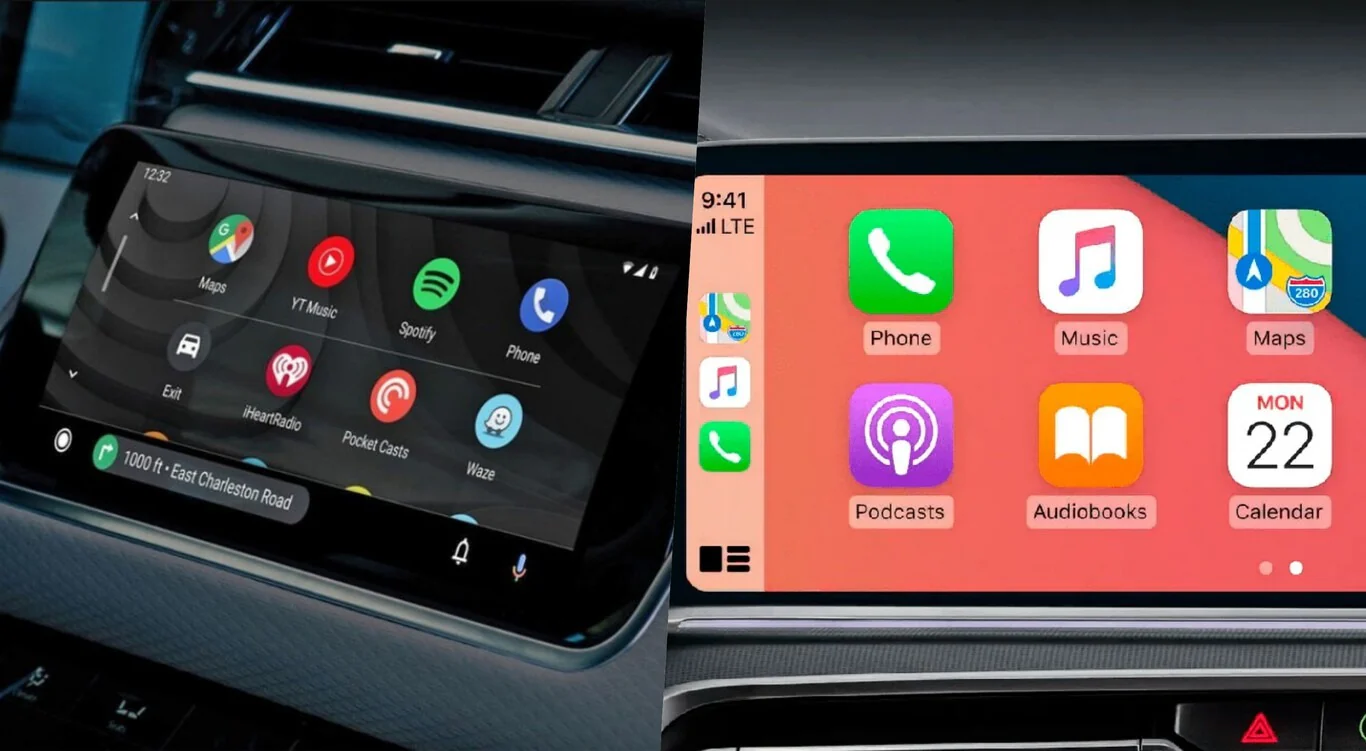


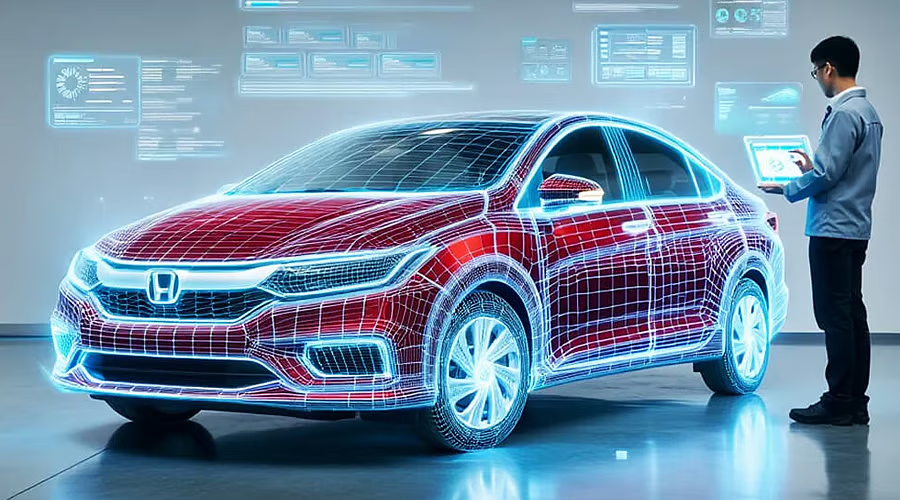
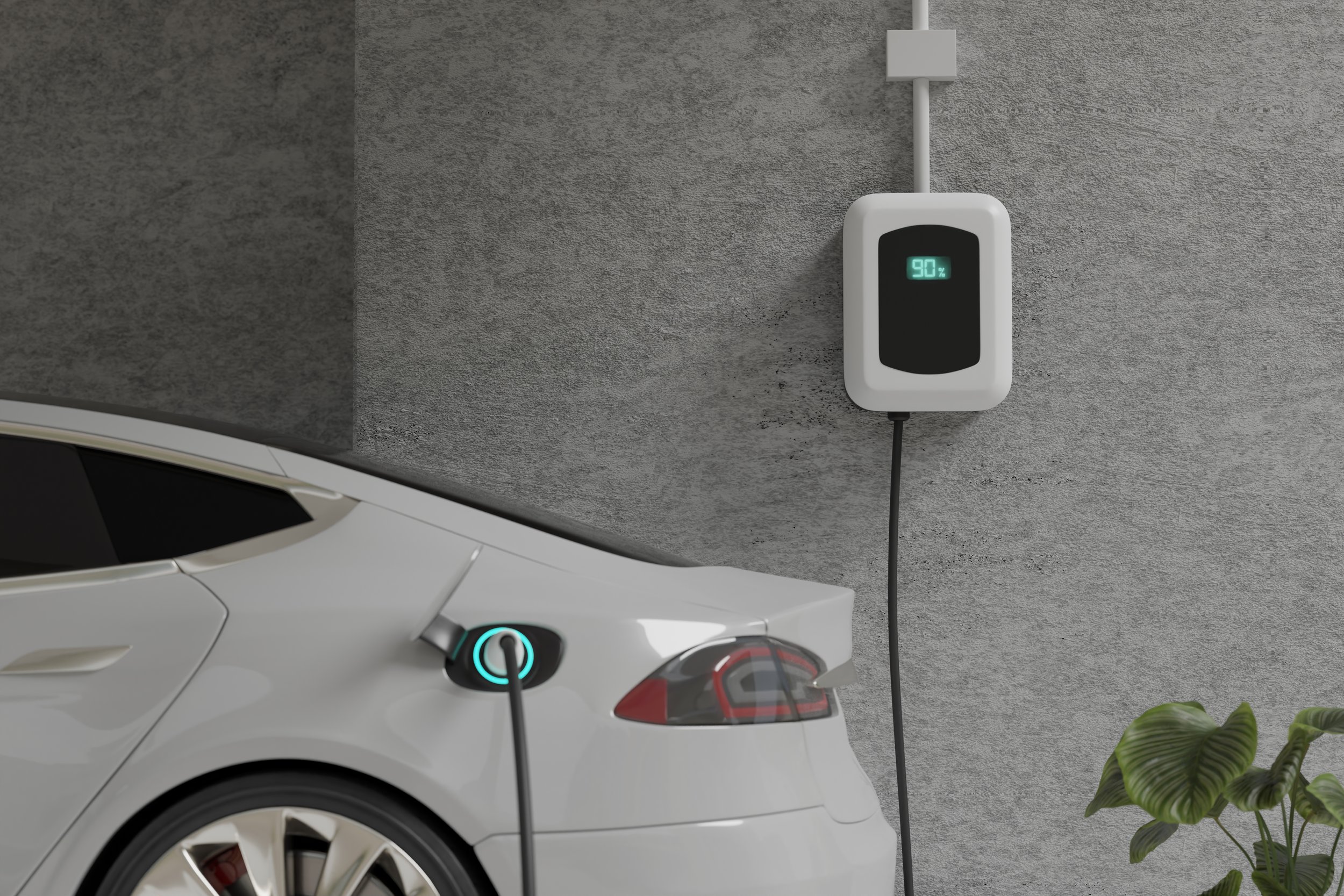
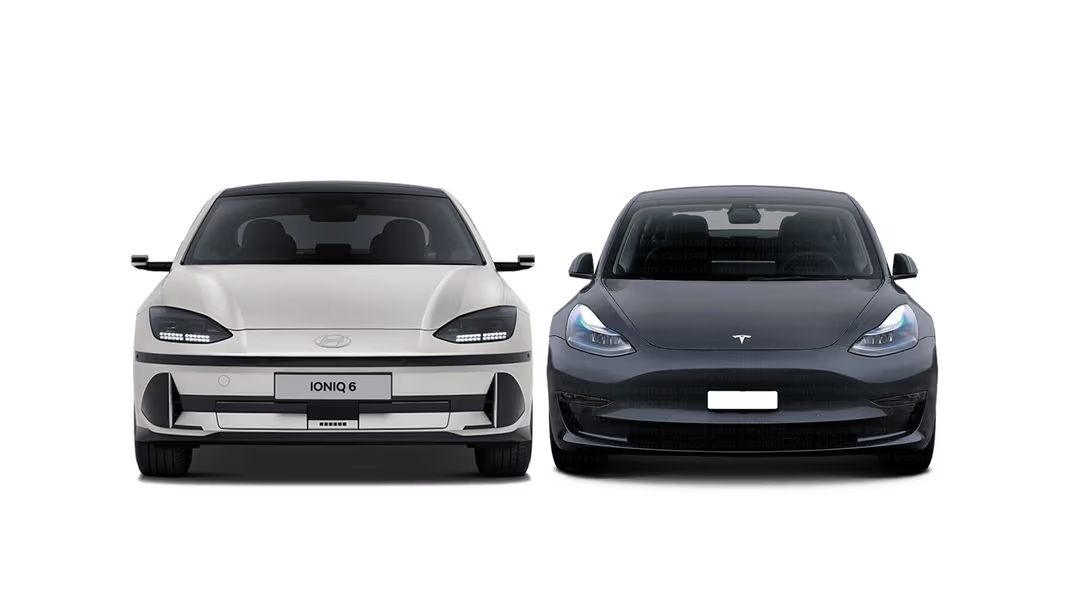

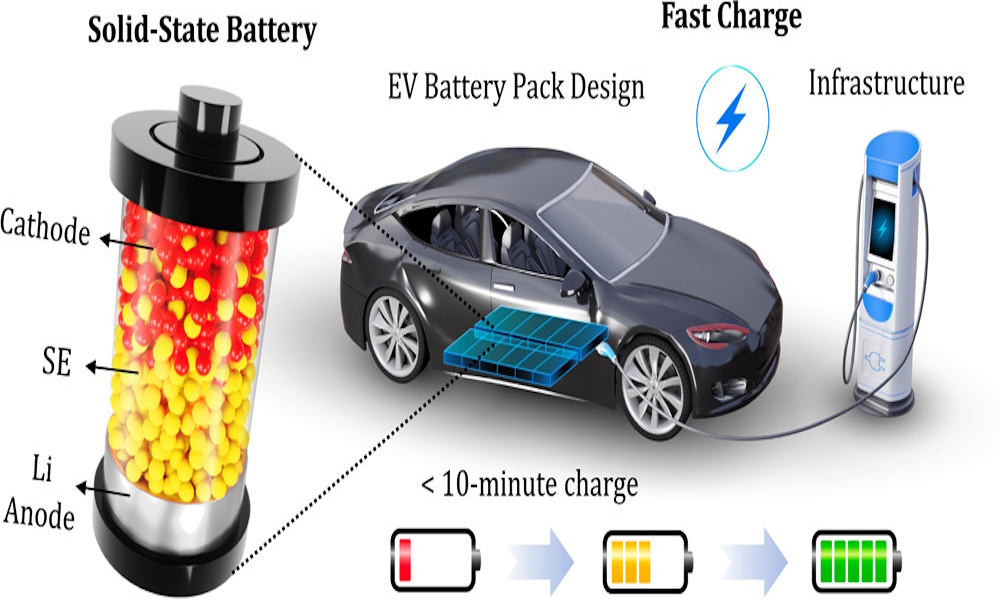


Tags
📧 Get More Articles Like This
Subscribe to receive product reviews and buying guides in your inbox!
We respect your privacy. Unsubscribe at any time.