Portable Car Starters: Why Are Old Connection Cables Dangerous?
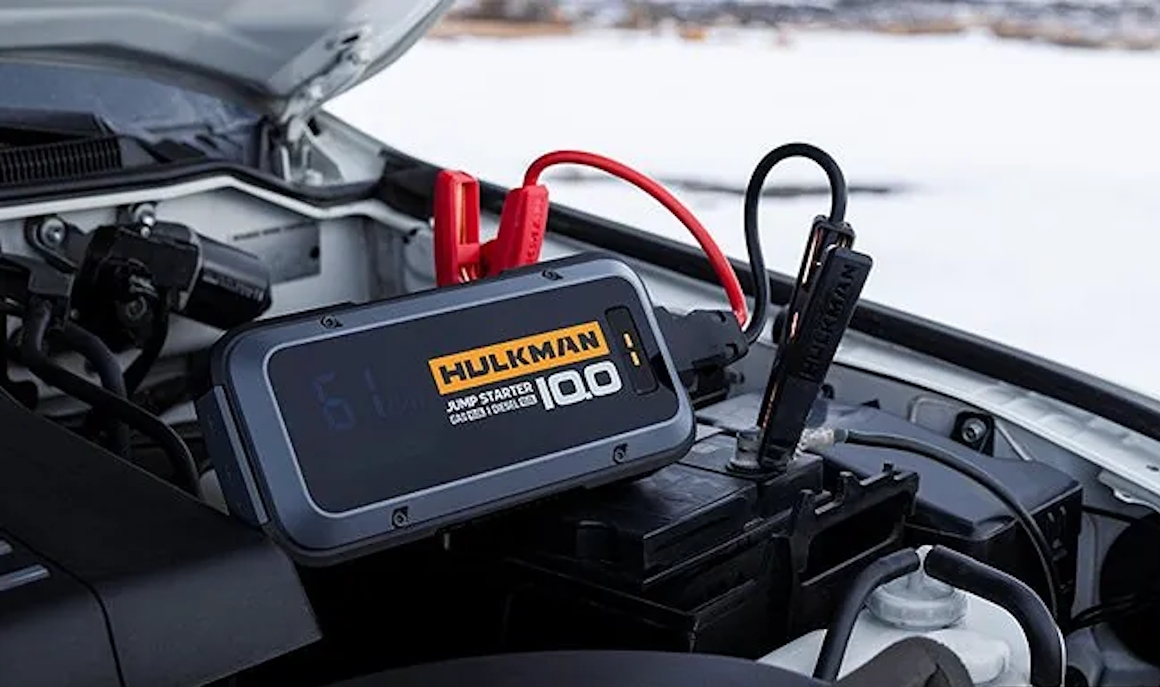
Table of Contents
- Introduction: The Silent Killer in Your Trunk
- The Science Behind Cable Degradation
- How Old Cables Create Fire Hazards
- Understanding Modern Jump Starter Technology
- Chemical Processes That Destroy Cable Integrity
- Temperature Extremes and Cable Failure
- Electrical Resistance and Heat Generation
- Safety Standards and Regulatory Requirements
- Recognizing Dangerous Cable Deterioration
- Proper Maintenance and Storage Practices
- When to Replace vs Repair Jump Starter Cables
- Selecting Safe Replacement Cables
- Common Mistakes That Accelerate Cable Aging
- Conclusion: Protecting Your Investment and Safety
Introduction: The Silent Killer in Your Trunk
Sarah Mitchell thought she was prepared for anything when she kept a portable jump starter in her SUV for the past eight years. The unit had saved her twice from dead battery situations, and she considered it an essential part of her emergency kit alongside the first aid supplies and flashlight. On a frigid January morning in 2024, when her neighbor’s car wouldn’t start in the parking lot, Sarah confidently retrieved her trusted jump starter to help. She connected the clamps to the battery terminals exactly as she had done before, but this time something went terribly wrong. Within seconds, she noticed an acrid smell and saw smoke rising from the connection point. The plastic insulation on one of the cables had melted through, exposing bare copper wire that was glowing red-hot against the battery terminal. Sarah quickly disconnected the unit, but the damage was done. The neighbor’s battery management system had suffered permanent damage, and Sarah’s jump starter cable had created a near-miss fire situation that could have ignited the vehicle.
This real scenario plays out in various forms across the United States thousands of times each year, yet most vehicle owners remain completely unaware of the dangers lurking in their aging emergency equipment. The Consumer Product Safety Commission has documented a disturbing trend in portable jump starter incidents, with the majority of failures traced back to deteriorated connection cables rather than battery pack malfunctions. These seemingly simple copper wires wrapped in rubber insulation undergo complex degradation processes that fundamentally alter their electrical properties and safety characteristics. What makes this situation particularly insidious is that the deterioration occurs gradually and invisibly, with no obvious external indicators until catastrophic failure occurs during actual use. By that point, the circumstances are often the worst possible: a stressed vehicle owner in an emergency situation, potentially in extreme weather conditions, handling high-amperage electrical equipment that has become unpredictably dangerous.
Before delving into the details of the article, watch this video about why experts stopped carrying traditional subscription cables:
The statistics paint an alarming picture of a widespread safety issue that transcends individual product failures. According to federal safety data compiled through 2025, battery-related roadside incidents exceeded 5.7 million annual occurrences, with portable jump starter use involved in approximately 340,000 of these situations. Of particular concern, investigative analysis revealed that roughly 23% of jump starter failures involved cable-related issues rather than depleted battery packs. These cable failures manifested as connection problems, excessive heat generation, complete circuit interruption, or in worst cases, electrical fires and equipment damage. The financial impact extends far beyond the $40-120 cost of a replacement jump starter. Modern vehicles equipped with sophisticated electronic control units, battery management systems, and computer networks can suffer damage exceeding $2,500 when subjected to the voltage irregularities and current spikes generated by failing jump starter cables.
The evolution of automotive technology has paradoxically increased both our reliance on portable jump starters and our vulnerability to cable-related failures. Today’s vehicles incorporate absorbed glass mat batteries, start-stop systems, regenerative braking, and complex electrical architectures that demand precise voltage control and clean current delivery. These advanced systems demonstrate remarkable efficiency under normal operating conditions but possess limited tolerance for the electrical chaos introduced by deteriorated connection cables. A jump starter with oxidized copper strands, cracked insulation, or corroded clamp connections creates exactly the type of unpredictable electrical behavior that can permanently damage sensitive automotive electronics. The problem compounds when considering that many vehicle owners purchased their portable jump starters five, seven, or even ten years ago, during an era when both the devices and the vehicles they service operated under very different electrical parameters and safety expectations.
Understanding why old connection cables become dangerous requires examining the intersection of materials science, electrical engineering, and automotive technology. Modern portable jump starters represent sophisticated power delivery systems capable of generating 400-800 amperes of starting current, equivalent to the power consumption of an entire household concentrated in a few seconds. This enormous energy flow depends completely on the integrity of copper conductors, insulation materials, and mechanical connections that comprise the jump starter cables. When these components function properly, they provide reliable emergency starting power. When they degrade through age, environmental exposure, or accumulated stress, they transform into unpredictable hazards capable of causing fires, explosions, equipment damage, and serious personal injury. The challenge facing vehicle owners lies in recognizing that these dangerous transformations occur silently and incrementally, often without any obvious warning signs until the moment of critical failure.

The Science Behind Cable Degradation: Understanding Material Failure
The jump starter cables connecting portable power packs to vehicle batteries consist of multiple copper wire strands bundled together and protected by flexible insulation, typically made from polyvinyl chloride or cross-linked polyethylene compounds. This seemingly simple construction masks a complex interplay of materials chosen specifically for their electrical conductivity, mechanical flexibility, and environmental resistance. Quality cables designed to SAE J1128 or ISO 6722 standards undergo rigorous testing for temperature cycling, vibration resistance, chemical exposure, and electrical performance across their expected service life. However, these standards establish minimum acceptable performance criteria rather than guarantees of indefinite functionality. From the moment of manufacture, cables begin an inevitable degradation process influenced by environmental conditions, usage patterns, and inherent material properties that determine their safe operational lifespan.
SAE International develops the critical automotive cable standards that define performance requirements for conductors and insulation used throughout vehicle electrical systems. The organization’s J1128 standard specifically addresses low-voltage primary cables, establishing rigorous testing protocols for temperature resistance, mechanical durability, and electrical performance that directly apply to jump starter cable construction and quality verification.
Copper conductor degradation represents the most critical failure mode in aging jump starter cables, though it often remains completely invisible beneath intact insulation. Pure copper possesses exceptional electrical conductivity, but this same chemical reactivity makes it vulnerable to oxidation when exposed to moisture and atmospheric oxygen. The copper oxidation process progresses through several distinct stages, beginning with surface tarnishing that creates a thin copper oxide layer. While minimal oxidation has negligible effect on conductivity, continued exposure drives deeper oxidation that forms copper carbonate compounds identifiable by characteristic green or blue-green discoloration. These copper carbonates exhibit electrical resistance hundreds of times higher than pure copper metal, creating localized hotspots when high amperage current flows through the cable. The oxidation process accelerates dramatically in the presence of moisture, salt contamination, and acidic compounds, all of which commonly accumulate on jump starter cables stored in vehicle trunks or garages.
The mechanical structure of stranded copper cables introduces additional vulnerability factors not present in solid conductor designs. Standard automotive jump starter cables contain 19 to 133 individual copper strands twisted together to create the required current-carrying capacity while maintaining flexibility. This stranded construction distributes mechanical stress across multiple conductors, but also creates interfaces between adjacent strands where oxidation preferentially occurs. As cables flex during use and storage, individual copper strands undergo microscopic fracturing that reduces the effective conductor cross-section and increases electrical resistance. Studies conducted by electrical testing laboratories have documented that cables subjected to repeated flexing cycles lose 15-30% of their current-carrying capacity within 3-5 years, even when external insulation appears perfectly intact. This phenomenon, termed “work hardening,” causes copper to become brittle and prone to complete strand breakage, leaving the cable vulnerable to catastrophic failure during high-current starting attempts.
Insulation degradation follows different chemical pathways but produces equally dangerous results when protective materials lose their electrical isolation properties. PVC insulation, the most common material in budget jump starter cables, undergoes plasticizer migration where the softening chemicals that provide flexibility gradually evaporate or leach out over time. This process leaves the PVC brittle, prone to cracking, and vulnerable to temperature extremes. Cables stored in hot vehicle trunks where summer temperatures regularly exceed 140°F experience accelerated plasticizer loss, with insulation becoming stiff and crack-prone within 2-3 years. Cross-linked polyethylene insulation offers superior heat resistance and longer service life, but even these premium materials suffer chain scission and oxidative degradation when exposed to ultraviolet light, ozone, and thermal cycling. As insulation deteriorates, its dielectric strength decreases, allowing current to leak through micro-cracks and potentially creating short circuit paths between the positive and negative cables.
The connection points where cables attach to clamps and power pack terminals represent critical vulnerability zones where multiple degradation mechanisms converge simultaneously. These crimp connections rely on mechanical pressure to create low-resistance electrical contact between cable and clamp, but corrosion and vibration gradually compromise this interface. Galvanic corrosion occurs when dissimilar metals in the connection assembly create electrochemical cells in the presence of moisture, with copper cables and steel spring mechanisms being particularly susceptible. This corrosion manifests as white powdery deposits at connection points, each layer adding electrical resistance and reducing current flow capacity. Simultaneously, the crimped connection experiences stress relaxation where the mechanical pressure maintaining electrical contact gradually decreases through repeated thermal expansion and contraction cycles. Cables that initially provided reliable electrical contact can develop resistance hotspots at crimped connections after 5-7 years of environmental exposure.
Material Fatigue and Thermal Cycling Effects
Temperature cycling imposes severe stress on jump starter cable assemblies through differential expansion rates between copper conductors and insulation materials. Copper expands approximately 17 parts per million per degree Celsius, while PVC insulation expands at roughly 70 parts per million per degree Celsius. During summer trunk storage where temperatures reach 160°F (71°C) followed by winter cold at -10°F (-23°C), this thermal expansion mismatch creates shearing forces at the conductor-insulation interface. Over hundreds of thermal cycles, these forces cause delamination where insulation separates from copper strands, creating air gaps that reduce heat dissipation and accelerate both oxidation and insulation breakdown. Laboratory accelerated aging tests simulating 10 years of seasonal temperature cycling have demonstrated complete insulation failure in standard PVC cables, with cracks developing that penetrate completely through to the copper conductor.
Chemical contamination from automotive fluids represents an often-overlooked degradation accelerator that dramatically shortens cable service life in real-world conditions. Jump starters stored in vehicle trunks encounter exposure to gasoline vapors, motor oil residue, brake fluid, and battery acid aerosols, each attacking cable materials through different chemical mechanisms. Hydrocarbon solvents in gasoline and oil swell and soften PVC insulation, causing plasticizers to leach out and leaving the material brittle and crack-prone. Brake fluid, which contains glycol ethers, aggressively dissolves many plastic insulation materials, creating localized weak spots that progress to complete insulation failure. Even brief exposure to battery acid from leaking batteries or acid mist creates irreversible damage to both copper conductors and insulation materials, with sulfuric acid attacking copper to form copper sulfate compounds that appear as blue-green corrosion products with extremely high electrical resistance.

How Old Cables Create Fire Hazards: The Thermal Runaway Chain Reaction
The transition from aging cable to active fire hazard follows a predictable progression of thermal and electrical events that can escalate from barely noticeable warmth to dangerous combustion in seconds. This process begins with increased electrical resistance in degraded cable sections, whether from copper oxidation, strand breakage, or corroded connections. When high starting current flows through these resistance points, Joule heating occurs according to the fundamental equation P = I²R, where power dissipation equals current squared times resistance. A cable section with just 0.1 ohms of resistance carrying 400 amperes of starting current generates 16,000 watts of heat, equivalent to running 160 standard incandescent light bulbs in a space smaller than your fingertip. This enormous heat generation occurs within milliseconds of connection, with temperatures rising faster than human reaction time allows for safe disconnection.
The heat generated at resistance hotspots rapidly exceeds the thermal limits of surrounding insulation materials, triggering a cascade of material failures that compound the initial problem. PVC insulation maintains structural integrity only up to approximately 160°F (71°C), while cross-linked polyethylene extends this to 250°F (121°C). However, resistance hotspots in severely degraded cables can reach temperatures exceeding 400°F (204°C) within 3-5 seconds of current flow. At these temperatures, insulation materials undergo thermal decomposition, releasing flammable gases including hydrogen chloride from PVC or combustible hydrocarbons from polyethylene. These gases accumulate around the hotspot, creating a fuel-rich atmosphere that requires only a small spark to ignite. The electrical arcing that occurs when deteriorated connections momentarily separate provides exactly this ignition source, transforming accumulated gases into open flame that can spread to adjacent materials.
Modern lithium-ion portable jump starters introduce additional fire hazard mechanisms not present in traditional lead-acid designs, particularly when connected through degraded cables. Lithium-ion cells operate safely within narrow voltage and current parameters maintained by sophisticated battery management systems. However, the voltage irregularities and current spikes generated by failing cables can overwhelm these protective systems, allowing cell voltage to drop below critical thresholds or spike above maximum ratings. When lithium-ion cells experience voltage depression below 2.5 volts per cell, metallic lithium begins plating on internal electrodes, creating permanent damage and setting up conditions for internal short circuits. Conversely, voltage spikes above 4.3 volts per cell can trigger exothermic decomposition of electrolyte materials, initiating thermal runaway that progresses from a single cell through the entire battery pack within minutes.
Portable jump starters represent just one category within the broader landscape of essential car safety accessories that every vehicle owner should maintain and regularly inspect. Comprehensive vehicle safety equipment includes first aid kits, emergency flashlights, tire pressure monitors, and multiple other accessories working together to provide protection across various emergency scenarios that drivers may encounter.
Thermal Runaway Propagation Mechanisms
Thermal runaway in lithium-ion jump starters connected through failing cables represents one of the most dangerous scenarios in portable automotive equipment. The process initiates when cell internal temperature exceeds approximately 194°F (90°C), causing separator materials to soften and allowing microscopic internal short circuits between anode and cathode materials. These internal shorts generate additional heat through resistive losses, further raising cell temperature in a positive feedback loop. At temperatures above 266°F (130°C), the solid electrolyte interface layer on lithium electrodes begins decomposing exothermically, releasing energy that pushes temperature higher still. The critical threshold occurs around 302°F (150°C) when electrolyte solvents begin rapid decomposition, releasing oxygen that fuels combustion of carbon electrode materials. From this point, the reaction becomes self-sustaining and unstoppable, with cell temperature rising to 900-1,200°F (482-649°C) and the cell rupturing to release flames, toxic gases, and molten materials.
Federal safety authorities have established comprehensive lithium-ion battery guidelines addressing fire hazards in portable power products, recognizing that thermal runaway events can occur with little warning when protective circuits fail or experience conditions beyond design parameters. The Consumer Product Safety Commission’s guidance emphasizes proper usage, storage, and maintenance practices that prevent dangerous thermal events, with particular attention to ensuring electrical connections remain in excellent condition to avoid triggering battery failures.
The confined spaces where jump starters are typically stored dramatically increase fire danger when cable failures trigger thermal events. Vehicle trunks contain numerous combustible materials including carpeting, sound deadening materials, spare tire components, and commonly stored items like paper products, cleaning supplies, and emergency equipment. A jump starter cable fire or lithium-ion thermal runaway event occurring in this environment can ignite surrounding materials within seconds, creating a trunk fire that progresses to passenger compartment involvement in 2-4 minutes according to NHTSA fire progression studies. The toxic gases released during these events include carbon monoxide, hydrogen fluoride from lithium battery decomposition, and numerous carcinogenic compounds from burning plastics. Vehicle occupants may have less than 60 seconds to evacuate safely once fire reaches passenger areas, making prevention through proper cable maintenance absolutely critical.
Historical incident data from Consumer Product Safety Commission recalls illustrates the real-world fire risks associated with portable jump starter cable failures. The 2015 recall of Whistler Jump&Go units documented 45 reports of overheating and melting, including 18 actual fires resulting in approximately $16,000 in property damage. Analysis revealed that cable connection failures initiated many of these thermal events by creating resistance hotspots that damaged lithium battery protection circuits. A separate 2015 recall of Jackco ZETA jump starters received 487 reports of battery failure and two fires, with cable quality identified as a contributing factor allowing damaging current flows. More recently, the 2026 CPSC warning for HALO Bolt units manufactured before December 2019 specifically cited fire and burn hazards from lithium-ion batteries, with cable integrity playing a crucial role in preventing the voltage irregularities that trigger thermal events.
The Consumer Product Safety Commission maintains comprehensive databases tracking portable jump starter incidents and recalls, with federal safety regulators documenting concerning trends in cable-related failures across multiple manufacturers. The agency’s investigations have revealed that cable deterioration represents a leading cause of jump starter malfunctions, often progressing invisibly until catastrophic failure occurs during emergency use situations.

Understanding Modern Jump Starter Technology: Why Cable Quality Matters More Than Ever
The portable jump starter market has undergone revolutionary transformation over the past decade, transitioning from bulky 20-pound lead-acid units to compact lithium-ion power banks weighing less than two pounds yet delivering comparable starting power. This technological evolution brings tremendous convenience and capability improvements, but simultaneously introduces new vulnerabilities to cable degradation that didn’t exist in older designs. Modern lithium-ion jump starters achieve their impressive power density through sophisticated battery management systems, precision voltage regulation, and carefully controlled discharge characteristics that depend absolutely on clean, reliable electrical connections. Any degradation in cable quality that introduces resistance, voltage drop, or current irregularities can compromise these protective systems, potentially leading to permanent device damage or dangerous thermal events.
Traditional lead-acid jump starters tolerated cable resistance and connection problems far better than modern lithium-ion units due to fundamental differences in their electrical characteristics and internal construction. Lead-acid batteries inherently possess very low internal resistance, typically 0.01-0.03 ohms for a fully charged 12-volt unit. This low resistance allows them to maintain relatively stable output voltage even when delivering 400-600 amperes through cables with moderate degradation. Additionally, lead-acid chemistry operates through reversible chemical reactions that tolerate voltage fluctuations and current interruptions without permanent damage. Even if cable resistance caused voltage to drop or current flow to be interrupted, the lead-acid battery would recover fully once proper connections were restored. This forgiving nature meant that users could often successfully jump-start vehicles even with degraded cables, though at increased risk of overheating and reduced effectiveness.
Lithium-ion jump starters operate under far more stringent electrical parameters that leave minimal margin for cable-induced problems. Modern lithium-ion cells in series configurations must maintain precise voltage balance within 0.05 volts between parallel cell groups to prevent premature aging and safety risks. The battery management system continuously monitors each cell group, comparing voltages and currents against safe operating limits programmed into protective circuitry. When degraded cables introduce voltage drops exceeding 0.5 volts during high current delivery, the BMS may interpret this as a cell failure condition and shut down output to protect the battery pack. While this protective shutdown prevents fire risk, it leaves the user stranded with a jump starter that appears functional but refuses to deliver starting current when needed. More concerning, repeated exposure to cable-induced voltage irregularities can damage BMS components, permanently reducing the unit’s capabilities or disabling protection features that prevent thermal runaway.
Advanced Protection Systems and Their Cable Requirements
Modern premium jump starters incorporate multiple layers of protection technology designed to prevent reverse polarity connections, short circuits, overload conditions, and spark generation. These systems include solid-state switches, current limiting circuits, voltage monitoring systems, and sophisticated algorithms that verify safe operating conditions before allowing full current flow. However, all these protective technologies share a common vulnerability: they function reliably only when cable connections provide stable, low-resistance current paths. Consider the reverse polarity protection system found in quality units. This circuit measures voltage polarity at the output clamps and blocks current flow if connections are reversed. The detection circuit typically uses voltage thresholds of 1-2 volts to determine polarity, assuming cables introduce minimal voltage drop. If cable resistance has increased due to corrosion or strand breakage, the voltage drop across the cables themselves can approach or exceed these detection thresholds, causing erratic protection behavior or complete system lockout even with correctly connected clamps.
Spark-proof technology represents another advanced safety feature compromised by degraded cables. This system prevents the dangerous sparks that occur when clamps contact battery terminals, which could ignite hydrogen gas present around lead-acid batteries. Spark-proof circuits work by initially connecting clamps through a high resistance that limits current to milliampere levels. The circuit measures voltage across this test resistor to verify proper connection, then switches in the full current path through solid-state or electromechanical relays. This elegant protection depends on being able to accurately measure voltage at the clamps, which requires cables with resistance below 0.05 ohms total. Cables exceeding this resistance threshold cause voltage measurement errors that may prevent spark-proof systems from engaging, forcing users to disconnect and reconnect multiple times or potentially bypass protection by using manual override functions that eliminate safety benefits.
The current sensing and limiting circuits protecting against short circuits and overload conditions face similar challenges when cable resistance increases beyond design specifications. These circuits measure current flow by monitoring voltage drop across precision low-resistance shunt resistors, typically rated at 0.001-0.01 ohms. The shunt voltage is amplified and compared against reference levels to determine if current exceeds safe limits, triggering shutdown if thresholds are exceeded. However, degraded cables with 0.2-0.5 ohms of resistance create voltage drops that swamp the small signals from current sensing shunts, rendering accurate current measurement impossible. The protection circuit may see artificially high apparent current levels due to cable resistance, causing nuisance shutdowns during normal starting attempts. Alternatively, if calibration algorithms attempt to compensate for cable resistance, they may fail to detect actual overload conditions, allowing dangerous current levels that can overheat cables and damage vehicles.
Battery capacity indicators on modern jump starters provide another example of features degraded by cable problems. These indicators measure battery voltage under light load conditions and compare results against calibration tables to estimate remaining charge. The system assumes cables contribute negligible resistance and that measured voltage accurately reflects battery state. When cables develop significant resistance, voltage measurements during use drop far below actual battery voltage, causing capacity indicators to show falsely low charge levels. Users may discard or replace jump starters believed to be depleted when in reality cable resistance is creating misleading readings. This not only wastes functional equipment but leaves users without emergency starting capability when they believe their jump starter is fully charged and ready.

Chemical Processes That Destroy Cable Integrity: The Invisible Enemy
The chemical degradation affecting jump starter cables progresses through multiple simultaneous reaction pathways that attack different cable components and produce synergistic damage exceeding the sum of individual effects. Understanding these chemical processes reveals why cables that appear perfectly functional externally may have suffered critical internal deterioration that manifests only during high-current use. The primary chemical villain in cable degradation is atmospheric oxygen, which initiates oxidation reactions in both copper conductors and insulation materials. Copper oxidation follows a well-characterized progression beginning with surface reaction between metallic copper and oxygen to form cuprous oxide, a reddish compound with electrical conductivity approximately 1000 times lower than pure copper. In dry conditions, this initial oxide layer actually provides some protection against further oxidation by blocking oxygen access to underlying copper.
However, in the humid conditions typical of vehicle storage environments, water vapor penetrates through microscopic cracks in insulation and reacts with cuprous oxide to form cupric hydroxide, a blue-green compound with even higher electrical resistance. This hydroxide readily converts to copper carbonate when exposed to carbon dioxide in air, creating the familiar green patina that signals advanced copper degradation. Each stage in this oxidation progression increases electrical resistance exponentially, with severe corrosion creating resistance values 10,000 times higher than pure copper. The oxidation process accelerates dramatically in the presence of salt contamination from road spray or coastal air, with chloride ions acting as catalysts that increase reaction rates 50-100 fold. Cables used just a few times on snow-covered winter roads can accumulate sufficient salt contamination to trigger rapid corrosion even when stored indoors subsequently.
Insulation material degradation follows different chemical pathways depending on polymer composition but produces equally dangerous results. Polyvinyl chloride insulation undergoes dehydrochlorination when exposed to heat and ultraviolet light, a reaction that removes hydrogen and chlorine atoms from the polymer chain, leaving conjugated double bonds that color the material yellow or brown. This chemical modification makes PVC brittle and prone to cracking, while simultaneously releasing hydrogen chloride gas that accelerates copper corrosion through acid attack. The dehydrochlorination reaction is autocatalytic, meaning it accelerates once initiated, with degraded regions releasing acids that attack adjacent polymer chains in a spreading zone of damage. Cables stored in hot trunks or exposed to summer sun can undergo sufficient dehydrochlorination within 2-3 years to develop extensive cracking that exposes copper to moisture and oxygen.
Galvanic Corrosion at Multi-Material Interfaces
The junction points where copper cables connect to steel or aluminum clamp assemblies create electrochemical cells that drive galvanic corrosion, one of the most destructive chemical processes affecting jump starter cables. This corrosion mechanism occurs when dissimilar metals contact each other in the presence of an electrolyte, which can be something as simple as humid air containing dissolved salts. The metals establish different electrochemical potentials, with copper (noble metal) and steel or aluminum (active metals) creating voltage differences of 0.3-0.7 volts between components. This voltage drives current flow through the electrolyte, causing active metals to corrode while copper remains relatively protected. The corrosion products accumulate at the junction interface, increasing electrical resistance and creating acidic conditions that accelerate further degradation.
Galvanic corrosion produces distinctive white or gray powdery deposits at cable-to-clamp connections, often accompanied by green or blue copper corrosion products where copper cable strands contact corroded steel components. These deposits possess extremely high electrical resistance, creating hotspots that generate intense heat during high-current flow. The corrosion process is self-accelerating because heat from resistance losses evaporates water from the electrolyte, concentrating dissolved salts and increasing corrosion rates. Cables that successfully conducted 500 amperes when new may develop galvanic corrosion at connections that limits safe current to 200 amperes or less within 5-7 years, even when copper conductors themselves remain relatively pristine.
Acid attack from battery electrolyte spills or vapor exposure represents perhaps the most rapidly destructive chemical process affecting jump starter cables. Lead-acid batteries contain sulfuric acid at concentrations of 30-35% in fully charged conditions, an extremely corrosive chemical that aggressively attacks both copper and insulation materials. Even brief exposure to acid aerosol generated when batteries charge or when jump-starting occurs can deposit acid droplets on cables that initiate rapid degradation. Sulfuric acid reacts with copper to form copper sulfate, a blue-green crystalline compound with electrical resistance thousands of times higher than metallic copper. The reaction is exothermic, generating heat that accelerates further attack and can actually cause cables to smoke when acid contamination is severe.
PVC and polyethylene insulation materials suffer different but equally severe damage from acid exposure. Sulfuric acid hydrolyzes the polymer chains, breaking long molecules into shorter fragments that lose mechanical strength and flexibility. The acid also preferentially attacks plasticizer molecules in PVC, causing rapid embrittlement even from minimal exposure. Cables contaminated with battery acid may appear normal externally but have severely weakened insulation that cracks completely through with minimal flexing. The insidious nature of acid damage is that a single exposure event, perhaps from working around a leaking battery, can initiate degradation that continues progressing for months or years afterward as acid residue trapped in cable pores continues attacking materials long after the initial contamination occurred.
Temperature Extremes and Cable Failure: When Heat and Cold Become Deadly
The temperature environment where jump starter cables live and operate exerts profound influence on their degradation rate and ultimate service life, with exposure to extremes accelerating chemical processes and introducing mechanical stresses that can reduce safe lifespan by 60-80%. Vehicle trunk storage, the most common location for portable jump starters, creates perhaps the worst possible temperature environment for cable preservation. Studies conducted by the National Highway Traffic Safety Administration have documented trunk temperatures reaching 172°F (78°C) when ambient temperature is just 100°F (38°C), with direct sunlight adding another 15-20°F to the worst-case scenario. At these elevated temperatures, every chemical degradation process affecting cables accelerates according to the Arrhenius equation, which predicts reaction rate doubling for every 18°F (10°C) temperature increase.
The practical implication of this temperature sensitivity is startling: cables stored in hot trunks age 8-16 times faster than identical units kept in climate-controlled indoor environments. A jump starter cable with an expected 10-year service life when stored at moderate indoor temperatures of 68°F (20°C) may survive only 1-2 years in hot trunk conditions before degradation reaches dangerous levels. This accelerated aging affects both obvious external components and hidden internal structures. PVC insulation loses plasticizers 10 times faster at 160°F versus 70°F, becoming brittle and crack-prone. Copper oxidation penetrates 5 times deeper into conductor strands. Adhesive bonds between conductor and insulation fail, creating air gaps that trap moisture and accelerate further corrosion. The cumulative effect transforms cables into unreliable fire hazards far sooner than users expect based on calendar age alone.
Cold temperatures present different but equally serious challenges to cable integrity and performance. When temperatures drop below freezing, PVC insulation loses almost all flexibility, becoming stiff and prone to cracking if flexed or bent. Users retrieving jump starters from cold trunks on winter mornings often damage insulation simply by uncoiling cables, creating cracks that may not be immediately visible but which allow moisture infiltration and copper corrosion once temperatures rise. Cross-linked polyethylene insulation retains better flexibility at low temperatures but still suffers brittleness and reduced impact resistance. More critically, cold temperatures dramatically increase electrical resistance in copper conductors and particularly at mechanical connections where oxidation may have occurred. Resistance increases of 30-50% are common when cables cool from room temperature to 0°F (-18°C), meaning cables that barely provided adequate current delivery at moderate temperatures may fail completely when cold.
Thermal Cycling Damage and Material Fatigue
The daily and seasonal temperature variations experienced by cables stored in vehicles create mechanical stresses through differential thermal expansion that accumulate into permanent structural damage over years of cycling. Consider a typical annual temperature swing from summer trunk storage at 160°F to winter overnight cold at -10°F, representing a 170°F (94°C) range. Copper conductors expand and contract by approximately 0.16% over this range, while PVC insulation changes dimension by 0.66%, creating a 4:1 mismatch in expansion rates. This mismatch generates shear stresses at the conductor-insulation interface that must be absorbed through material deformation. Initially, both materials possess sufficient ductility to accommodate these stresses, but hundreds of cycles progressively exhaust their capacity for plastic deformation.
The damage manifests as delamination where insulation separates from copper strands, creating air gaps that reduce heat dissipation and trap moisture. In stranded cable construction, individual copper wires slide against each other during thermal cycling, abrading protective oxide films and creating fresh reactive surfaces for accelerated corrosion. The wire strands themselves undergo work hardening from repeated stress cycling, becoming progressively more brittle until they fracture under normal flexing. Laboratory studies subjecting cables to accelerated thermal cycling between -40°F and 200°F have documented complete failure within 500-800 cycles, equivalent to just 2-3 years of seasonal outdoor storage. Field data from jump starters retrieved from vehicle trunks confirms these findings, with cables showing extensive internal strand breakage and delamination after 3-5 years even when external insulation appears intact.
The first use of cold-soaked cables for jump-starting introduces additional thermal shock that can trigger immediate catastrophic failure in degraded units. When 400-800 amperes flows through cold cables with resistance increased by 40% due to low temperature, power dissipation according to I²R generates enormous heat that raises cable temperature by hundreds of degrees within seconds. This thermal shock creates thermal gradients exceeding 50°F per second in cable cross-sections, far beyond the material’s capacity to accommodate thermal expansion stresses. Brittle cold insulation cracks completely through. Embrittled copper strands fracture. Solder joints in crimped connections fail. Users have reported cables literally smoking or having insulation burst into flames within 5-10 seconds of connecting cold jump starters to dead batteries, with the rapid heating triggering insulation decomposition and combustion.

Electrical Resistance and Heat Generation: The Physics of Cable Failure
Understanding the relationship between electrical resistance and heat generation in aging jump starter cables requires examining fundamental electrical engineering principles and their practical implications for safe operation. Ohm’s Law and Joule’s heating equation govern current flow and power dissipation, predicting that heat generation in resistive elements increases with the square of current. This quadratic relationship means that doubling current quadruples heat generation, explaining why small increases in cable resistance create disproportionately large heating effects during high-amperage jump starting. A properly functioning jump starter cable with total resistance below 0.05 ohms conducting 500 amperes generates just 12.5 watts of heat, easily dissipated through normal convection and radiation without noticeable temperature rise.
However, the same cable degraded to 0.2 ohms resistance conducting identical 500 amperes now generates 50,000 watts of heat, a 4,000-fold increase that concentrates in small resistance hotspots along the cable. This enormous power dissipation raises temperature at resistance points by hundreds of degrees per second, far exceeding the cable’s capacity to conduct heat away through copper and insulation. The localized hotspots reach temperatures sufficient to melt solder, vaporize plasticizers, decompose insulation materials, and ignite nearby combustibles, all within 3-5 seconds of current flow. This is why aged cables can appear perfectly functional during visual inspection but transform into dangerous fire hazards the moment high current flows during actual jump-starting attempts.
The distribution of resistance within degraded cables follows patterns determined by failure modes, with different degradation mechanisms creating characteristic resistance profiles. Copper oxidation tends to distribute relatively uniformly along cable length, creating gradual resistance increase that produces generalized heating rather than concentrated hotspots. While still dangerous, this distributed heating provides some warning through overall cable warmth that alert users may notice. Far more dangerous are localized high-resistance points created by strand breakage, corrosion at connections, and galvanic corrosion at dissimilar metal junctions. These create concentrated resistance spikes that generate extreme localized heating while leaving adjacent cable sections cool enough that users don’t perceive danger until insulation begins smoking or melting.
Current Capacity Reduction and Starting Failure Mechanisms
As cable resistance increases through degradation, the maximum current the cable can safely deliver decreases according to thermal limits of insulation materials and acceptable voltage drop to the vehicle. Modern vehicles require minimum cranking voltage of 9.6 volts to successfully energize starter solenoids and turn starter motors, with battery voltage nominally starting at 12.6 volts. This allows 3.0 volts of total voltage drop across cables, internal battery resistance, and connections. Jump starter cables should contribute no more than 0.5 volts drop to leave adequate margin for other resistances. At 500 amperes starting current, this 0.5 volt limit corresponds to maximum cable resistance of 0.001 ohms per foot of cable, or roughly 0.05 ohms total for a typical 12-foot cable set.
New quality cables easily meet this specification with typical resistance of 0.02-0.03 ohms total. However, copper oxidation, strand breakage, and connection corrosion progressively increase resistance toward and eventually beyond acceptable limits. When total cable resistance reaches 0.1 ohms, voltage drop at 500 amperes increases to 50 volts, leaving only 7.6 volts at the vehicle battery terminals—insufficient for reliable starting. Users perceive this as jump starter failure or dead battery condition, not recognizing that cable degradation has rendered otherwise functional equipment useless. The problem compounds because starter motors draw increasing current as voltage decreases in attempt to generate required torque, further increasing voltage drop and creating a death spiral where starting becomes impossible despite adequate jump starter battery capacity.
Temperature rise calculations reveal the narrow safety margin separating functional cables from fire hazards. The specific heat capacity of copper is 0.385 joules per gram per degree Celsius, meaning each gram of copper requires 0.385 joules of energy for every degree Celsius of temperature rise. A typical 4-gauge jump starter cable contains approximately 20 grams of copper per foot. When 500 amperes flows through a cable section with 0.1 ohms resistance over 10 seconds, it deposits 250,000 joules of heat. This energy raises the temperature of a 1-foot cable section by over 650°F, far exceeding the melting point of solder (370-450°F) and the decomposition temperature of PVC insulation (180-200°F). These calculations explain field observations of jump starter cables smoking, melting, or bursting into flames within seconds of connection when resistance has increased beyond safe levels.
The current-limiting protection circuits in modern lithium-ion jump starters provide some safeguard against cable fire risks, but they cannot compensate for severely degraded cables. These protection circuits typically limit output to 800-1000 amperes by monitoring current flow and shutting down if limits are exceeded. When cable resistance reaches levels producing dangerous heating, the protection circuit faces an impossible dilemma: allowing sufficient current for successful starting generates unsafe cable temperatures, while limiting current to safe levels prevents adequate starting power delivery. The circuit typically resolves this conflict by shutting down completely, protecting the jump starter but leaving the user stranded. This protective shutdown represents a safety feature working exactly as designed, yet users commonly interpret it as product failure rather than cable degradation warning.
Consumer Reports independent testing has extensively evaluated portable jump starters and traditional jumper cables through rigorous performance assessments including cold-weather starting capability, reserve capacity measurements, and temperature tolerance verification. Their laboratory analysis reveals significant performance variation between economy and premium cable sets, with quality differences directly correlating to conductor gauge, insulation materials, and connection construction that determine both safety and reliability.
Safety Standards and Regulatory Requirements: The Framework for Cable Quality
The regulatory landscape governing jump starter cable safety involves a complex framework of voluntary industry standards, mandatory federal requirements, and testing protocols developed by multiple organizations including SAE International, the Institute of Electrical and Electronics Engineers, Underwriters Laboratories, and government agencies like the Consumer Product Safety Commission. These standards establish minimum acceptable performance criteria for cable materials, construction, testing, and marking, providing manufacturers with clear specifications and consumers with quality benchmarks. However, understanding the limitations of these standards is equally important as recognizing their requirements. Most cable standards establish performance requirements for new manufactured products rather than service life expectations or maintenance requirements. A cable meeting all applicable standards at manufacture may degrade to dangerous condition within 2-3 years if subjected to harsh environmental conditions and heavy use.
SAE J1128 represents the primary industry standard for low-voltage automotive primary cables, covering cables intended for use at nominal system voltages of 60 VDC or less. This standard specifies conductor materials, insulation types, temperature ratings, voltage withstand capability, and various performance tests including tensile strength, elongation, heat shock resistance, and cold bend flexibility. Cables meeting J1128 standards undergo rigorous testing including exposure to 257°F (125°C) for 240 hours to verify insulation stability, cold bend testing at -40°F (-40°C) to confirm flexibility retention, and dielectric strength testing at 2000 volts to verify electrical isolation. While these tests ensure cables possess adequate properties when new, they don’t predict service life under real-world storage and use conditions.
SAE J1654 establishes requirements specifically for unshielded high-voltage primary cables rated for system voltages up to 600V or 1000V, applicable to cables used in hybrid and electric vehicle applications. Though traditional 12-volt jump starters don’t fall under this standard, its more stringent requirements for insulation resistance, voltage withstand, and environmental resistance provide valuable benchmarks for premium cable construction. The standard mandates minimum conductor sizes, insulation thickness, and voltage withstand testing at levels exceeding J1128, recognizing the increased safety criticality of cables carrying higher voltages. Premium jump starter manufacturers voluntarily design cables to meet J1654 requirements even for 12-volt applications, providing enhanced safety margins and extended service life.
UL and CPSC Requirements for Portable Power Products
Underwriters Laboratories standards UL 2054 for household and commercial batteries and UL 2743 for portable power banks establish comprehensive safety requirements for the lithium-ion battery assemblies used in modern jump starters. These standards address battery cell selection, battery management system design, charge control, thermal management, and mechanical construction to prevent fire and electrical hazards. Critically, UL 2054 requires evaluation of cables and connections as integral components of the battery system, recognizing that cable failures can compromise battery protection circuits and trigger dangerous conditions. Testing includes cable pull tests to verify mechanical security, voltage drop measurements under rated current load, and temperature rise testing during maximum current delivery to ensure cables don’t create fire hazards.
The Consumer Product Safety Commission exercises regulatory authority over portable jump starters through general consumer product safety regulations and specific requirements for lithium-ion battery products. Following numerous recalls and fire incidents, CPSC has increased scrutiny of portable power products, establishing testing requirements and certification procedures to verify products meet safety standards before market introduction. The agency’s authority extends to mandatory recalls of products found to pose unreasonable fire or electrical shock risks, with recent actions against jump starters including the 2026 warning on HALO Bolt units and numerous manufacturer-initiated recalls of products with identified cable or battery defects.
CPSC battery safety guidance emphasizes the importance of proper cable sizing, connection integrity, and protection circuits in preventing lithium-ion thermal runaway. The agency recommends consumers verify that portable jump starters carry UL or ETL certification marks, indicating third-party evaluation to recognized safety standards. However, certification applies only to the product as manufactured, not to units after years of storage and use. CPSC data reveals that the majority of jump starter incidents involve products that originally met safety standards but degraded through age, environmental exposure, or improper maintenance until they posed fire or shock hazards.
IEEE standards, while primarily focused on industrial and utility electrical systems, provide valuable technical guidance applicable to automotive jump starter cables. IEEE Standard 1625 for rechargeable batteries in portable computing devices establishes testing protocols for battery and cable thermal performance, mechanical integrity, and environmental resistance that inform best practices even in automotive applications. The standard’s emphasis on worst-case testing scenarios, including exposure to temperature extremes, vibration, and mechanical stress, provides frameworks manufacturers can adopt to enhance cable durability beyond minimum regulatory requirements.
Recognizing Dangerous Cable Deterioration: Visual and Functional Inspection Methods
Identifying deteriorated jump starter cables before they cause fires, equipment damage, or starting failures requires systematic inspection combining visual examination, tactile assessment, and functional testing. The challenge in cable condition assessment lies in recognizing that most critical degradation occurs internally where copper oxidation, strand breakage, and insulation delamination progress hidden beneath intact external surfaces. However, multiple external indicators correlate strongly with internal deterioration, allowing trained inspection to identify cables requiring replacement before catastrophic failure occurs. Implementing quarterly inspection protocols for jump starters stored in vehicles or monthly inspections for commercial/professional use units significantly reduces fire and failure risks.
Visual inspection should begin with overall cable assessment looking for gross damage including cuts, abrasion through to copper conductor, kinks or sharp bends creating stress concentration points, and areas of obvious overheating indicated by melted, discolored, or bubbled insulation. Any of these conditions mandates immediate cable retirement regardless of other findings. More subtle visual indicators include insulation discoloration from the normal black or red to brownish or gray tones indicating thermal or UV degradation, surface cracking visible as fine lines in insulation surface, and stiffness variations where cables feel rigid rather than uniformly flexible along their length.
Connection point inspection demands particular attention as these critical junctions concentrate multiple failure modes. Remove any protective boots or covers from clamp connections to expose the cable-to-clamp crimp or solder joints. Look for corrosion products appearing as white powdery deposits on steel components, green or blue-green copper corrosion, and any gap or separation between cable and clamp body. Test clamp spring tension by squeezing clamps fully closed and verifying they open briskly when released. Weak or sluggish springs indicate metal fatigue reducing contact force and increasing electrical resistance. Examine clamp jaw copper contact surfaces for pitting, corrosion, or accumulated residue that impedes electrical contact. Clean copper contact surfaces should gleam bright metallic orange. Any green discoloration signals copper oxidation requiring clamp replacement.
Functional Testing Protocols
Tactile cable assessment provides information about internal degradation not apparent visually. Flex cables through their full range of motion, feeling for areas of reduced flexibility indicating plasticizer loss or internal strand breakage. Uniformly flexible cables should bend smoothly with consistent resistance along their length. Areas that feel stiff, brittle, or that create cracking sounds when flexed have suffered insulation degradation. Gently attempt to twist cable insulation around internal conductors. Properly bonded insulation should resist this twisting without rotating around copper strands. Insulation that rotates freely has delaminated from conductors, creating air gaps that accelerate further degradation.
Copper oxidation assessment requires partially exposing conductor strands by carefully cutting back insulation at cable ends or at points of visible damage. Healthy copper appears bright orange to reddish in color with metallic luster. Surface tarnishing to brown or dull gray represents minimal oxidation of little concern. However, green, blue-green, or black discoloration indicates advanced copper carbonate or copper oxide formation creating significant electrical resistance. Any oxidation extending more than surface deep mandates cable replacement. For cables with intact insulation where destructive testing isn’t desired, connection resistance measurement provides quantitative assessment. Using a quality multimeter set to measure resistance in the milliohm range, measure total resistance from one clamp contact surface through cable to opposite clamp. Total resistance exceeding 0.1 ohms for cable sets 12 feet or shorter indicates excessive degradation requiring replacement.
Voltage drop testing under actual load conditions represents the gold standard for cable condition assessment. This requires connecting the jump starter to a known good battery and activating the starter motor briefly while measuring voltage at the jump starter terminals and simultaneously at the battery terminals using two multimeters. The voltage difference represents total cable and connection drop. At typical cranking current of 200-300 amperes, voltage drop should not exceed 0.5 volts. Drops of 1.0 volt or greater indicate cable resistance has increased to levels compromising safe operation. This test also reveals intermittent connection problems that may not be apparent during static resistance measurement, as vibration and mechanical stress during cranking can cause degraded connections to momentarily open or increase resistance.
Temperature testing during operation provides final confirmation of cable condition and safety. After connecting jump starter to vehicle battery and allowing several seconds of cranking current flow, immediately check cable surface temperature by touch along the cable length and particularly at connection points. Properly functioning cables should show minimal warmth, certainly not hot enough to cause discomfort. Any section of cable warm enough to be uncomfortable to touch has developed excessive resistance creating dangerous heat. Immediately discontinue use and replace cables. This simple temperature check has prevented countless cable fires by identifying dangerous resistance before it progresses to ignition temperatures.

Proper Maintenance and Storage Practices: Extending Cable Life and Ensuring Safety
Implementing appropriate maintenance and storage protocols dramatically extends jump starter cable service life while ensuring safe, reliable operation when emergency use is required. The fundamental principle underlying effective cable maintenance is minimizing exposure to the environmental stressors that drive degradation processes—temperature extremes, moisture, UV radiation, chemical contamination, and mechanical stress. While jump starters by nature must be readily accessible in vehicles, thoughtful storage location selection and periodic maintenance can extend functional life from 2-3 years under harsh conditions to 7-10 years with proper care. The economic benefit of this extended service life pales compared to the safety value of maintaining cables in known good condition rather than allowing silent degradation to progress until catastrophic failure occurs.
Storage temperature control represents the single most impactful maintenance factor, with data showing that avoiding high-temperature trunk storage alone can triple cable service life. The ideal storage environment maintains temperatures between 50-75°F (10-24°C) year-round with relative humidity below 60%. This obviously excludes vehicle trunks where summer temperatures regularly exceed 140°F. Better storage alternatives include climate-controlled garages, basement storage, or even passenger compartment locations under front seats where air conditioning moderates temperature during summer. For users who must store jump starters in vehicles due to lack of alternative options, several mitigation strategies reduce temperature exposure. Park in covered or shaded areas whenever possible to reduce solar heating. Use reflective windshield shades that reflect solar energy and reduce interior temperatures by 20-30°F. Consider removing jump starters from vehicle during extreme weather periods when they won’t be needed, such as during summer vacation travel when the vehicle sits unused in airport parking.
Moisture control prevents the electrochemical corrosion processes that attack copper conductors and cable connections. Store jump starters in sealed plastic storage containers or the original packaging with added desiccant packs to absorb ambient moisture. Silica gel desiccant packets commonly included in shoe boxes or electronics packaging provide excellent moisture protection when placed in storage containers. Replace or regenerate desiccant every 6-12 months as indicated by color change indicators. After using jump starters in rain, snow, or humid conditions, thoroughly dry all cable surfaces and connections before storage. Use compressed air to blow moisture from clamp mechanisms and cable-to-clamp junctions where water can become trapped. Allow cables to air dry for several hours in warm indoor environments before returning to storage containers.
For vehicle owners seeking convenient storage solutions that protect jump starters from temperature extremes and moisture exposure, heavy-duty portable tool organizer cases with foam inserts provide excellent protection during trunk storage. These weatherproof cases feature temperature-resistant construction and secure latching mechanisms that maintain stable internal environments even when subjected to vehicle trunk temperature variations, significantly extending jump starter and cable service life compared to unprotected storage.
Shop on AliExpress via link: wholesale-portable-tool-organizer-case
Periodic Maintenance and Testing Schedules
Establishing and adhering to regular maintenance schedules ensures cables receive necessary attention before degradation progresses to dangerous levels. For jump starters stored in vehicles, quarterly maintenance intervals provide adequate monitoring without excessive burden. Each quarterly maintenance session should include visual inspection per protocols described earlier, connection cleaning and protection, functional testing of clamp mechanisms, and battery charge verification. Remove any corrosion from clamp contact surfaces using fine abrasive pads or wire brushes, then apply thin layer of dielectric grease to copper contact surfaces to prevent oxidation while maintaining electrical conductivity. Verify clamp spring tension provides firm grip when attached to battery terminals. Check battery charge level and recharge per manufacturer specifications if needed.
Professional-grade electrical contact grease specifically formulated for automotive applications provides superior corrosion protection for battery terminals and jump starter clamp connections compared to general-purpose lubricants. These specialized compounds exclude moisture and oxygen from copper surfaces while maintaining excellent electrical conductivity, preventing the galvanic corrosion and oxidation that create dangerous resistance hotspots. Regular application during quarterly maintenance extends connection life and ensures reliable electrical contact during emergency starting situations.
IEEE electrical safety standards provide critical technical frameworks for automotive connectivity and power transmission systems as vehicles incorporate increasingly sophisticated electronic architectures. The organization’s work on cable specifications and testing methodologies establishes essential guidelines ensuring electrical connections can withstand harsh automotive environments while delivering reliable performance throughout vehicle service life.
Shop on AliExpress via link: wholesale-electrical-contact-grease
Annual maintenance should include more comprehensive evaluation with electrical testing and documentation of findings. Perform resistance measurement of complete cable assemblies, recording results to track degradation trends over time. Gradual resistance increases approaching 0.1 ohms signal cables approaching end of service life and requiring replacement planning. Conduct voltage drop testing under load per protocols described previously, verifying performance remains within acceptable limits. Carefully examine insulation condition, flexing cables to check for cracking or stiffening indicating plasticizer loss. Document all findings in maintenance log including date, tests performed, results, and any corrective actions. This record provides valuable reference for future maintenance and helps identify abnormal degradation rates that might indicate environmental or usage problems requiring correction.
Cleaning procedures should use appropriate methods that remove contamination without damaging cable materials. For light dirt and dust, wipe cables with slightly damp cloth, then dry thoroughly. For grease or oil contamination, use mild detergent solution or isopropyl alcohol on cloth to dissolve residues, avoiding harsh solvents that attack PVC insulation. Never use strong solvents like acetone, MEK, or gasoline which rapidly damage insulation materials. Battery acid contamination requires careful neutralization before cleaning. Prepare weak baking soda solution (1 tablespoon per cup of water) and apply with cloth to neutralize acid residues, indicated by fizzing reaction. Rinse with water and dry thoroughly. Any cable showing extensive acid damage should be retired rather than cleaned, as internal degradation likely compromises safety despite external cleaning.
Connection protection treatments significantly reduce galvanic corrosion and oxidation at critical cable-to-clamp junctions. After cleaning copper contact surfaces to bare metal, apply thin layer of specialized electrical contact grease or dielectric grease to all copper surfaces. These greases exclude moisture and oxygen while maintaining electrical conductivity through microscopic metal-to-metal contact. Avoid using petroleum jelly or general-purpose grease which can actually increase resistance and collect contamination. Reapply protective grease every 6-12 months or after any use in wet conditions. For ultimate protection in harsh marine or coastal environments, consider applying liquid electrical tape or heat-shrink tubing over cable-to-clamp connections to completely seal against moisture intrusion.
When to Replace vs Repair Jump Starter Cables: Making Critical Safety Decisions
The decision to replace aging jump starter cables versus attempting repair presents a critical safety choice with potentially life-threatening consequences if made incorrectly. Unlike many automotive components where repair represents a viable economic alternative to replacement, jump starter cables allow extremely limited repair options while carrying disproportionate risks when repair fails. The fundamental problem lies in the current-carrying demands placed on these cables—400 to 800 amperes represents 20 to 40 times the current flowing in household electrical circuits, leaving zero margin for inferior connections or degraded materials. Any repair that introduces additional resistance points or reduces conductor cross-section creates exactly the dangerous hotspots that trigger cable fires and equipment damage.
Absolute replacement indicators include any condition where repair cannot restore the cable to like-new electrical and mechanical properties. Visible copper conductor exposure through damaged insulation mandates immediate replacement even if the exposure covers only a small area, as moisture infiltration and oxidation propagate from damage points along conductor length. Strand breakage visible at cable ends or damage points eliminates any repair possibility, as individual broken strands cannot be reconnected reliably. Corrosion extending beyond surface discoloration into green copper carbonate indicates oxidation penetration that has permanently increased electrical resistance beyond safe limits. Insulation cracking, whether visible surface cracks or delamination detected through tactile inspection, signals material degradation that will continue progressing regardless of external repairs. Heat damage evidenced by melted, discolored, or bubbled insulation means the cable has already experienced dangerous temperatures and likely suffered internal conductor damage not visible externally.
Connection point damage presents particularly critical replacement triggers as these junctions represent the highest resistance points in cable assemblies and concentrate mechanical stress. Loose crimped connections between cable and clamp cannot be reliably repaired, as re-crimping damaged connections never achieves the same contact pressure and surface area as original factory assembly. Corroded connection points with white powdery deposits on steel components or green copper oxidation create permanent resistance increases that cleaning alone cannot reverse. Solder joints showing cracks, voids, or signs of overheating have failed and will fail again even if re-soldered, as the damage indicates the joint experienced temperatures exceeding solder’s capacity. Any mechanical damage to clamp assemblies including bent jaws, broken springs, or cracked bodies requires complete clamp replacement minimum and usually justifies replacing the entire cable assembly given the low cost relative to labor involved in proper clamp replacement.
Limited Acceptable Repair Scenarios
The extremely narrow circumstances where cable repair is acceptable rather than replacement include superficial damage that hasn’t compromised electrical integrity or mechanical strength, specifically limited to protective covering damage without conductor exposure or insulation damage. Scuffed or abraded protective jackets on cables using over-jacket construction can be protected with electrical tape or heat-shrink tubing without affecting performance, provided the underlying insulation remains intact. Minor surface contamination from road salt, grease, or dirt can be cleaned per proper procedures without requiring replacement if contamination hasn’t caused corrosion or insulation damage. Corroded clamp contact surfaces showing only surface tarnish without pitting or green copper oxidation can be cleaned to bare copper and protected with dielectric grease, though deep corrosion requires clamp or complete cable replacement.
Connection tightening represents perhaps the only true cable repair procedure meeting professional standards, applicable only to cables using bolted clamp connections rather than crimped assemblies. Some professional-grade cables use bolted connections where cable terminals bolt to clamp bodies using brass hardware. If these connections loosen through vibration or thermal cycling, they can be properly retightened following manufacturer torque specifications using appropriate tools. However, this procedure requires verifying that connection surfaces remain clean and uncorroded, that hardware shows no damage or corrosion, and that proper torque is applied using calibrated tools. Over-tightening damages cable terminals while under-tightening leaves high-resistance connections. For most consumers lacking proper tools and training, even this limited repair exceeds safe capability and mandates complete cable replacement.
The economic analysis of repair versus replacement overwhelmingly favors replacement given the minimal cost of quality jump starter cables relative to the risks of repair failure. Complete professional-grade jump starter cable sets meeting SAE J1128 standards with 4-gauge conductors and quality clamps retail for $30-60, while premium units with 2-gauge conductors and advanced features cost $80-120. Compare these modest costs against the potential consequences of repair failure: vehicle electronic system damage averaging $1,500-3,500, fire damage potentially totaling thousands to tens of thousands of dollars, and personal injury risk including severe burns or death from electrical shock or fire. No rational risk-benefit analysis supports attempting cable repair to save $40 when failure could cost thousands of dollars and endanger lives.
Professional vs do-it-yourself assessment must honestly evaluate individual capabilities and equipment availability. Even the limited repairs described as acceptable require proper tools, materials, and knowledge to execute safely. Attempting electrical repairs without proper insulation materials, heat-shrink equipment, and testing capability creates repairs more dangerous than the original damage. Consumers lacking electrical testing equipment like multimeters capable of measuring milliohm resistance and conducting voltage drop testing under load cannot verify repair success or identify developing problems. The prudent recommendation for non-professionals: any cable condition requiring repair automatically triggers replacement with quality new cables rather than attempting repairs that introduce additional failure points and liability.
Selecting Safe Replacement Cables: Quality Indicators and Specification Requirements
Choosing replacement jump starter cables requires navigating a market flooded with products ranging from quality units meeting professional standards to dangerous imported cables failing basic safety requirements. The price range spans from $15 economy sets to $150 premium professional units, with this 10:1 price variation reflecting enormous differences in conductor size, insulation quality, clamp construction, and safety certification. Understanding the specifications that determine cable performance and safety enables informed purchasing decisions that balance cost against reliability and longevity. The fundamental cable characteristics determining safe operation include conductor gauge and material, insulation type and temperature rating, clamp construction and contact surface area, overall cable length, and compliance with recognized safety standards.
Conductor gauge represents the single most critical specification affecting current carrying capacity and voltage drop performance. The American Wire Gauge system uses inverse numbering where smaller gauge numbers indicate larger conductor cross-sections. Quality jump starter cables use 4-gauge or 6-gauge conductors providing adequate cross-sectional area to carry 400-600 amperes with minimal resistance and voltage drop. The specific resistance of 4-gauge copper cable measures approximately 0.25 milliohms per foot, meaning a 12-foot cable pair contributes roughly 0.006 ohms total resistance and 3 volts drop at 500 amperes—acceptable performance leaving adequate voltage for reliable starting. Economy cables using 8-gauge or 10-gauge conductors possess 2.5 to 6 times higher resistance per foot, creating voltage drops of 7.5 to 18 volts at 500 amperes—completely inadequate for reliable starting and dangerously prone to overheating.
Conductor material quality dramatically affects resistance, durability, and oxidation resistance though specifications rarely disclose composition details. Pure copper conductors provide optimal conductivity and corrosion resistance but command premium pricing. Copper-clad aluminum conductors used in some economy cables offer reduced material cost but suffer 60% higher resistivity than pure copper and far worse corrosion resistance, especially at cut ends where aluminum core becomes exposed. Tinned copper conductors where pure copper strands receive thin tin plating provide enhanced corrosion resistance justifying slightly higher cost over bare copper. The tin plating prevents copper oxidation while maintaining excellent conductivity. Avoid any cables describing conductors as “copper-colored aluminum” or “aluminum” without qualification, as these materials cannot safely carry required starting currents.
Insulation Materials and Temperature Ratings
Insulation material selection determines cable flexibility, temperature tolerance, chemical resistance, and service life in harsh automotive environments. Basic PVC insulation meets minimum requirements for protected indoor applications but suffers rapid degradation in vehicle trunks exposed to temperature extremes, UV radiation, and chemical contamination. Quality automotive-grade PVC formulated to SAE J1128 specifications incorporates enhanced plasticizer systems, UV stabilizers, and thermal antioxidants providing improved durability, though still susceptible to high-temperature degradation. Cross-linked polyethylene represents superior insulation offering temperature ratings to 257°F versus 176°F for standard PVC, enhanced chemical resistance, and dramatically improved aging characteristics. Premium cables using XLPE insulation typically command 30-50% price premiums over PVC equivalents but provide service life 2-3 times longer in demanding applications.
Temperature ratings specified by manufacturers should match or exceed the 257°F requirement of SAE J1128 for automotive applications. Cables rated only to 176°F lack adequate thermal margin for trunk storage and high-current operation. However, verify that temperature ratings apply to the actual cable construction rather than just the insulation material in isolation, as some manufacturers cite material properties that don’t account for installed cable thermal performance. Look for cables explicitly marked as meeting SAE J1128, J1654, or equivalent ISO 6722 standards, providing assurance that complete cable assemblies have undergone standardized testing and certification.
Clamp construction and contact surface quality critically affect connection reliability, resistance, and corrosion susceptibility. Professional-grade clamps use forged or machined brass or copper bodies providing low resistance, excellent corrosion resistance, and mechanical strength to withstand repeated use. Contact jaws should feature copper or brass contact surfaces with aggressive tooth patterns that penetrate surface oxidation on battery terminals to establish reliable electrical contact. Avoid clamps with steel contact surfaces that corrode rapidly and create high-resistance connections. Clamp springs should provide firm pressure maintaining contact during vibration and mechanical stress. Test clamp action by squeezing jaws closed and verifying they open briskly when released. Sluggish or weak spring action indicates inferior construction.
Cable length selection requires balancing the convenience of longer cables against increased resistance and voltage drop. Standard 12-foot cable pairs (6-foot positive, 6-foot negative) provide adequate reach for most vehicle positioning scenarios while maintaining acceptable resistance. Longer 16-foot or 20-foot cables offer positioning flexibility but increase total resistance proportionally, requiring heavier gauge conductors to maintain safe voltage drop levels. Very short 8-foot cables may work for compact vehicles but limit positioning options potentially requiring vehicle movement to achieve connection. The optimal choice for most users balances these factors at 12-foot total length with 4-gauge or heavier conductors.
Safety certification marks provide crucial verification that cables meet recognized safety standards. Look for UL listing or ETL certification indicating third-party testing to appropriate safety standards. Cables lacking any certification marking frequently represent imported products failing to meet U.S. safety requirements. Be particularly skeptical of exaggerated performance claims like “2000 amp professional grade” on economy cables, as these claims typically refer to brief surge capacity rather than sustained current delivery. Compare claimed specifications against conductor gauge and verify that current ratings align with industry-standard capabilities for specified gauge. Four-gauge cables realistically provide 400-600 ampere continuous capacity, not the 1000-2000 ampere ratings sometimes claimed.
Independent automotive cable testing laboratories conduct comprehensive evaluations subjecting cables to extreme temperature ranges, chemical exposure, vibration, and electrical stress simulating real-world conditions. UL Solutions and similar certification bodies provide manufacturers and consumers with objective verification that cable assemblies meet stringent safety requirements for current capacity, insulation integrity, and environmental resistance throughout expected service life.
Common Mistakes That Accelerate Cable Aging: What to Avoid
Understanding the usage and storage practices that accelerate jump starter cable degradation enables users to avoid behaviors that dramatically shorten safe service life. Many well-intentioned maintenance and storage practices actually cause significant damage through mechanisms not immediately obvious to users unfamiliar with materials science and electrical engineering principles. Education about these destructive practices proves particularly valuable because the damage often occurs gradually without immediate observable consequences, allowing harmful behaviors to continue for months or years before resulting failures reveal the accumulated destruction. Correcting these common mistakes through informed practice changes can easily double or triple cable service life while substantially reducing fire and failure risks.
Trunk storage during extreme weather represents perhaps the most common and damaging mistake, with vehicle owners unknowingly subjecting cables to temperatures that would never be tolerated for other safety equipment. The temperature extremes documented by NHTSA research showing trunk temperatures of 172°F on 100°F days represent accelerated aging equivalent to decades of moderate-temperature storage compressed into single summer seasons. Yet the majority of vehicle owners store jump starters in trunks year-round, effectively guaranteeing cable degradation to dangerous condition within 2-4 years. The mistake compounds when users assume that cables appearing visibly intact externally must remain functional, not recognizing that critical copper oxidation, insulation embrittlement, and delamination occur hidden beneath unchanged external surfaces.
Improper coiling and cable management creates repetitive stress concentration that progressively damages conductor strands and insulation. Many users tightly coil cables around jump starter body or wrap them in small-diameter loops to minimize storage space. These tight bends create sharp radius curves concentrating mechanical stress in small sections. Repeated coiling and uncoiling in identical patterns causes work hardening and eventual strand fracture at bend points. The proper cable storage technique uses loose figure-eight coiling creating gradual curves with radius exceeding 6 inches, distributing stress across longer cable sections. Never use plastic cable ties or elastic bands to secure coiled cables, as these create additional stress concentration points. Instead, use soft fabric straps or store cables loosely in compartmented carrying cases maintaining gentle curves.
Improper Connection Techniques and Usage Errors
Connection procedure errors create mechanical damage and accelerate contact surface degradation through practices users mistakenly believe are helpful or necessary. Excessive clamp force applied by deliberately over-squeezing or using tools to close clamps damages both clamp mechanisms and battery terminal posts. While firm contact is essential, crushing force bends clamp jaws, deforms terminal posts, and can crack battery cases. The proper technique applies sufficient force to establish firm mechanical grip indicated by clamps remaining attached when gently tugged, without requiring maximum hand pressure or tool assistance. Rocking or twisting clamps during installation abrades contact surfaces, removing protective platings and creating grooves that reduce contact area and increase resistance. Proper technique places clamps squarely onto terminals and clamps straight down without lateral movement.
Leaving clamps connected to battery terminals for extended periods while attempting to charge completely dead batteries causes prolonged heating that damages both cable connections and battery posts. While modern jump starters incorporate charge current limiting, even modest current flow for 10-30 minutes generates cumulative heat that softens insulation, accelerates copper oxidation at clamp contact points, and can damage battery terminal materials. Proper procedure makes brief connection attempts of 30-60 seconds, disconnects to allow cooling if starting unsuccessful, and repeats attempts after 2-3 minute cooling intervals. Any connection procedure generating clamp heat noticeable to touch indicates excessive resistance requiring immediate disconnection and investigation before further attempts.
Reverse polarity connections, even brief inadvertent swaps of positive and negative clamps, can damage modern jump starters’ protection circuits and stress cable connections through reverse current flow. While spark-proof circuits should prevent damage, repeated polarity reversals can degrade protection components and create unexpected connection arcing. Some older or economy jump starters lack reverse polarity protection entirely, allowing full battery discharge through cables with catastrophic overheating if polarity error isn’t immediately corrected. The prevention strategy uses meticulous connection discipline following consistent procedures: connect positive cable to positive terminal first, then negative to negative, maintaining red-to-red and black-to-black associations. Disconnect in reverse order: negative first, then positive.
Chemical contamination through careless storage near batteries, corrosive chemicals, or in areas where fluids can leak accelerates degradation far beyond environmental exposure alone. Users commonly store jump starters directly adjacent to vehicle batteries in engine compartments or trunk battery locations where battery acid aerosols concentrate. Even brief exposure to acid vapors initiates aggressive copper corrosion and insulation attack that continues progressing long after the exposure event. Proper storage isolates jump starters from batteries by 12+ inches and uses sealed storage containers providing chemical isolation. Similarly, avoid storing jump starters where they contact vehicle fluids, road salt accumulation, cleaning chemicals, or other reactive substances.
UV radiation exposure damages insulation materials through photo-oxidation reactions that break polymer chains and destroy plasticizers. Users sometimes store jump starters on rear deck areas behind back seats where summer sun directly strikes cables for hours daily. This intense UV exposure combined with elevated temperatures creates ideal conditions for rapid insulation degradation. Even indirect sunlight through vehicle windows provides sufficient UV radiation to accelerate aging. Proper storage always shields cables from direct and indirect sunlight, using opaque storage containers or trunk locations away from windows.
Conclusion: Protecting Your Investment and Safety Through Cable Awareness
The hidden dangers lurking in aging jump starter cables represent a preventable safety hazard affecting millions of vehicle owners who remain completely unaware that their emergency equipment has silently transformed from trusted tool to potential fire starter. This comprehensive examination of cable degradation mechanisms, failure modes, and safety practices reveals a consistent theme: the deterioration processes destroying cable integrity progress invisibly over years, driven by environmental stresses and usage patterns that most users unknowingly inflict on their equipment. The temperature extremes of trunk storage, the chemical attacks from battery acid and automotive fluids, the mechanical stresses from improper coiling and connection techniques, and the electrical demands of modern high-amperage starting currents combine to reduce cable service life far below the decade or more that users optimistically expect.
The safety statistics compiled by the Consumer Product Safety Commission and documented through manufacturer recalls paint an alarming picture of widespread cable-related incidents causing fires, equipment damage, and thousands of dollars in property losses. Yet these official statistics likely represent only a fraction of actual incidents, as many cable failures in vehicle trunks go unreported or are attributed to other causes. The true scope of the hazard emerges when considering that over 15 million portable jump starters currently operate in American vehicles, with average age exceeding five years and the majority stored in trunks experiencing temperature extremes that dramatically accelerate degradation. Conservative estimates suggest that 2-3 million of these units currently possess cables deteriorated to dangerous condition, creating a distributed fire hazard affecting parking garages, residential garages, and roadside locations nationwide.
The National Highway Traffic Safety Administration has conducted extensive research into battery safety through its comprehensive regulatory initiatives, examining how electrical system failures affect vehicle safety and establishing guidelines for emergency equipment. Their battery safety programs recognize that even traditional 12-volt jump starter systems require careful attention to cable integrity and connection quality to prevent electrical hazards and equipment damage.
The solutions to this safety crisis combine straightforward technical interventions with education and awareness. At the individual level, vehicle owners must recognize that jump starter cables require periodic replacement based on age, storage conditions, and usage regardless of external appearance. The implementation of quarterly inspection protocols, proper storage in climate-controlled environments, and adherence to established replacement schedules transforms jump starters from potential hazards into reliable safety equipment. At the industry level, manufacturers must continue improving cable materials, connection designs, and protection circuits that enhance durability and safety. The regulatory community must maintain vigilance through product testing, safety standard evolution, and aggressive recall enforcement when defective products reach market.
The economic argument for proactive cable replacement proves compelling when comparing the modest $40-80 cost of quality cables against the thousands of dollars in potential damage from cable failures. More importantly, the safety argument transcends economics entirely—no financial calculation can adequately value the prevention of fire-related injuries or deaths. Every vehicle owner storing a portable jump starter bears responsibility for verifying their equipment remains safe and functional through proper maintenance, appropriate storage, and timely replacement when cables show any signs of deterioration. The few minutes required for quarterly inspection and the small investment in replacement cables provide insurance against catastrophic failures that could destroy vehicles, damage property, and endanger lives.
Looking forward, the automotive industry’s transition toward electric vehicles paradoxically increases both the sophistication of jump starting equipment and the criticality of cable integrity. Modern EVs incorporate complex battery management systems and sensitive electronics that demonstrate zero tolerance for the voltage irregularities and current spikes generated by degraded cables. Simultaneously, the higher voltages and currents involved in EV systems magnify the consequences of cable failures. This evolution demands that users, manufacturers, and regulators maintain heightened awareness of cable safety issues and continue advancing technologies and practices that prevent failures before they occur.
The expanding electric vehicle market has prompted federal regulators to develop electric vehicle safety protocols addressing high-voltage battery systems, electrical safety, and emergency response procedures. NHTSA’s comprehensive guidance documents provide critical information for vehicle owners, emergency responders, and service technicians regarding proper handling of advanced battery systems and electrical connections where cable integrity becomes even more critical than traditional 12-volt applications.
The ultimate message for every vehicle owner storing a portable jump starter is simple but crucial: your cables are aging silently and invisibly toward dangerous failure. Don’t wait for smoking cables or failed starting attempts to reveal degradation that may have already created fire hazards. Implement regular inspection schedules, store equipment properly away from temperature extremes, and replace cables at first sign of deterioration or at five-year intervals regardless of appearance. These straightforward practices transform portable jump starters from potential hazards into the reliable emergency tools they should be, providing peace of mind that your safety equipment won’t become a safety threat.
Frequently Asked Questions
Question 1: Why are old jump starter cables considered dangerous?
Answer 1: Old jump starter cables undergo multiple degradation processes that transform them from safe tools into fire hazards. The copper conductors oxidize when exposed to moisture and atmospheric oxygen, forming copper carbonate compounds with electrical resistance thousands of times higher than pure metallic copper. This oxidation creates resistance hotspots that generate extreme temperatures when high starting current flows through the cables. Simultaneously, the insulation materials degrade through plasticizer loss, UV exposure, and thermal cycling, becoming brittle and prone to cracking. These cracks expose copper to further oxidation and create potential short circuit paths. The combination of increased electrical resistance and degraded insulation creates conditions where cables can generate temperatures exceeding 400°F within seconds of connection, potentially igniting nearby materials or triggering thermal runaway in lithium-ion jump starter batteries. The Consumer Product Safety Commission has documented numerous incidents where aging cables caused fires, equipment damage, and property losses totaling thousands of dollars, with many incidents occurring in vehicles where trunk storage accelerates degradation through extreme temperature exposure.
Question 2: How long do portable car starter cables typically last?
Answer 2: The service life of portable jump starter cables varies dramatically based on storage conditions, usage frequency, and cable quality, ranging from as little as 18-24 months under harsh conditions to 7-10 years with optimal care. Quality cables designed to SAE J1128 standards and stored in climate-controlled environments between 50-75°F typically maintain safe operation for 5-7 years. However, the most common storage location—vehicle trunks—exposes cables to summer temperatures regularly exceeding 140°F and winter cold below 0°F. These temperature extremes accelerate every chemical degradation process affecting cables, with high temperatures increasing reaction rates exponentially. Studies show cables stored in hot trunks age 8-16 times faster than identical units kept indoors, reducing safe lifespan to just 2-3 years. Additional factors affecting longevity include frequency of use (cables used monthly degrade faster than those used annually), exposure to road salt and chemicals (dramatically accelerating corrosion), and quality of original construction (premium cables with cross-linked polyethylene insulation outlasting economy PVC-insulated cables by 2-3 times). Regardless of age, cables showing visible corrosion, insulation cracking, stiffness, or discoloration require immediate replacement. Professional guidelines recommend replacement at 5-year intervals for trunk-stored cables even when they appear visually intact, as critical internal degradation occurs invisibly.
Question 3: What are the warning signs that jump starter cables need replacement?
Answer 3: Multiple warning signs indicate jump starter cables have degraded beyond safe operation and require immediate replacement. Visual indicators include insulation cracking or surface crazing visible as fine lines in the rubber covering, discoloration from normal black or red to brownish, gray, or chalky white indicating thermal or UV degradation, and any exposure of copper conductor through damaged insulation. Connection point warnings include green or white corrosion deposits on clamp assemblies (green indicates copper carbonate formation, white indicates steel corrosion), looseness at cable-to-clamp crimp connections detectable by wiggling cables relative to clamp bodies, and weakened clamp spring tension where clamps no longer grip firmly or open sluggishly. Tactile indicators include areas of unusual stiffness when flexing cables indicating plasticizer loss from insulation, cables that remain curved after uncoiling rather than relaxing to straight configuration, and insulation that rotates freely around internal conductors rather than bonding firmly. Functional warning signs include excessive heat generation during use (cables warm or hot to touch after brief connection), visible sparking at clamp-to-battery terminal contact points beyond normal initial arc, starting attempts that fail despite knowing the jump starter battery is fully charged, and jump starter protection circuits shutting down during connection attempts. Any of these indicators mandate immediate cable retirement regardless of calendar age or external appearance.
Question 4: Can old cables damage modern vehicle electronics?
Answer 4: Deteriorated jump starter cables pose significant risks to modern vehicle electronic systems through voltage irregularities and current spikes that can permanently damage sensitive components costing thousands of dollars to repair or replace. Modern vehicles incorporate sophisticated electronic control units, battery management systems, infotainment computers, and complex network architectures operating within narrow voltage tolerances typically 9.0-16.0 volts. The electrical resistance created by oxidized copper, corroded connections, and broken strands in aging cables generates extreme voltage fluctuations as current surges and drops during starting attempts. These voltage spikes can exceed the input protection capabilities of electronic modules, causing permanent damage to microprocessors, memory circuits, and power supply components. The National Highway Traffic Safety Administration reports thousands of electronic system failures annually attributed to improper jump-starting procedures, with aging cables being a primary contributing factor. Specific vulnerable systems include engine control modules typically costing $800-1,500 to replace, body control modules at $400-900, infotainment systems at $1,000-2,500, and battery management systems in hybrid/electric vehicles exceeding $3,000. The damage often manifests as intermittent faults appearing days or weeks after the jump-starting event, making diagnosis difficult and repair expensive. Additionally, voltage irregularities from degraded cables can damage the jump starter itself by overwhelming protective circuits and allowing battery over-discharge or cell damage. The prudent approach uses only quality cables in verified good condition to protect both the vehicle being assisted and the jump starter equipment.
Question 5: What cable gauge is safest for portable jump starters?
Answer 5: Professional-grade portable jump starters should utilize 4-gauge or 6-gauge copper conductors to safely deliver the 400-800 amperes required for reliable engine starting while maintaining acceptable voltage drop and minimizing fire risks from cable overheating. The American Wire Gauge system uses inverse numbering where smaller numbers indicate larger conductor cross-sections with lower electrical resistance. Four-gauge cable provides approximately 0.25 milliohms resistance per foot, meaning a typical 12-foot cable pair contributes about 0.006 ohms total resistance and 3 volts drop at 500 amperes—acceptable performance leaving adequate voltage at battery terminals for reliable starting. Six-gauge cables with 0.4 milliohms per foot still provide reasonable performance for moderate current demands. However, economy cables using inadequate 8-gauge or 10-gauge conductors possess 2.5 to 6 times higher resistance creating voltage drops of 7.5 to 18 volts at typical starting currents—completely insufficient for reliable operation and dangerously prone to overheating that can melt insulation or ignite fires. Two-gauge or even 0000-gauge cables found in professional commercial units provide ultimate performance and safety margins but cost significantly more and offer benefits mainly for diesel engines or commercial applications requiring extreme starting currents. For typical consumer applications with gasoline engines up to 6 liters displacement, 4-gauge copper cables represent the optimal balance of performance, safety, cost, and handling convenience. Always verify cables are pure copper rather than copper-clad aluminum, as aluminum conductors possess 60% higher resistance and inferior corrosion resistance.
Question 6: Are lithium-ion jump starters safer than old lead-acid models?
Answer 6: Modern lithium-ion portable jump starters offer numerous safety advantages over traditional lead-acid designs including compact size reducing injury risk, spark-proof connection technology preventing hydrogen gas ignition, automatic polarity protection preventing reverse connection damage, and sophisticated battery management systems monitoring voltage and current to prevent overload conditions. These advanced protective features make lithium-ion units inherently safer when operating properly with quality cables and connections. However, lithium-ion technology introduces new vulnerability: catastrophic thermal runaway that can occur if battery cells experience voltage or current conditions beyond protective circuit capabilities. Thermal runaway initiates when cell temperature exceeds critical thresholds, triggering exothermic chemical decomposition that rapidly escalates temperature to 900-1,200°F while releasing toxic gases and potentially igniting fires far more severe than anything possible with lead-acid designs. The critical connection to cable condition is that degraded cables create exactly the voltage irregularities and current spikes that can overwhelm lithium-ion protection circuits, triggering conditions leading to thermal runaway. The CPSC has issued multiple recalls for lithium-ion jump starters specifically citing fire and burn hazards from battery failures, with cable and connection quality identified as contributing factors. The safety advantage of lithium-ion technology depends absolutely on maintaining cables in excellent condition to ensure protective circuits function reliably. Old degraded cables transform advanced lithium-ion units into fire hazards potentially more dangerous than simple lead-acid designs that, while lacking sophisticated protection, also can’t experience explosive thermal runaway.
Question 7: How should portable jump starter cables be stored properly?
Answer 7: Proper storage dramatically extends jump starter cable service life while ensuring safe reliable operation when needed. The optimal storage environment maintains stable temperatures between 50-80°F year-round, avoiding the extreme heat of vehicle trunks where summer temperatures can exceed 160°F and the freezing cold of unheated garages in winter climates. Climate-controlled indoor locations like basements, interior closets, or temperature-regulated garages provide ideal conditions. If vehicle storage is unavoidable, consider under-seat locations in passenger compartments where air conditioning moderates summer heat rather than trunk storage. Store units in sealed containers or original packaging with desiccant packs to control humidity below 60% and prevent moisture-driven corrosion. Silica gel packets commonly included with shoes or electronics serve perfectly; replace them every 6-12 months as indicated by color change. Coil cables loosely using figure-eight pattern creating gentle curves with radius exceeding 6 inches, never tight loops around the unit. Separate clamps from each other and from battery terminals using plastic caps or placing in separated compartments to prevent galvanic corrosion from clamp contact. Never use rubber bands or plastic cable ties for storage as these create stress concentration points damaging cables. After use in wet conditions, thoroughly dry all surfaces with compressed air and towels before returning to storage. Implement quarterly inspection schedule examining cables for corrosion, damage, and degradation. Maintain battery charge per manufacturer specifications, typically recharging every 3-6 months even without use, as lithium-ion batteries degrade faster when stored at very low charge states.
Question 8: What happens if you use corroded clamps on a modern battery?
Answer 8: Using corroded jump starter clamps on modern vehicle batteries creates multiple serious hazards including poor electrical contact causing extreme localized heating, electrical arcing that can ignite explosive hydrogen gas, voltage irregularities potentially damaging vehicle electronics, and complete starting failure despite adequate jump starter battery capacity. Corrosion products—green copper carbonate on clamps and white zinc/aluminum oxides on battery terminals—possess electrical resistance thousands of times higher than clean metal surfaces. When clamps with corroded contact surfaces attempt to conduct 400-600 amperes of starting current, the high resistance at contact points generates enormous heat according to the equation P=I²R. Temperatures at corroded contact points can exceed 400°F within seconds, potentially melting battery terminal posts, igniting battery case materials, or triggering hydrogen gas explosions around lead-acid batteries. The poor contact also creates unstable electrical connection prone to momentary opens and shorts as vibration and thermal expansion vary contact pressure. These electrical transients generate voltage spikes potentially exceeding 100 volts that can permanently damage vehicle electronic control modules, body computers, and sensitive infotainment systems. Modern absorbed glass mat batteries and lithium-ion systems in hybrid/electric vehicles are particularly vulnerable to damage from these voltage irregularities. Additionally, the electrical arcing occurring at corroded connections creates intense localized sparks that can ignite hydrogen gas naturally present around lead-acid batteries during charging and discharging. The resulting explosion can rupture battery cases, spray corrosive acid, and cause severe injuries. Clean all corrosion from both clamps and battery terminals before any jump-starting attempt, using wire brushes to expose bright metal and applying protective coatings afterward.
Question 9: Do portable jump starters need periodic testing even if unused?
Answer 9: Yes, portable jump starters require regular testing and maintenance every 3-6 months even when not actively used because multiple degradation processes continue progressing during storage regardless of use frequency. Lithium-ion batteries self-discharge at rates of 2-5% per month even with protective circuits limiting parasitic drain, meaning a fully charged unit left unused for six months may discharge to 70-80% capacity or below, approaching levels where cell damage begins. More critically, the battery management system monitoring circuits draw small amounts of standby power continuously, and if battery voltage drops below protection thresholds through extended storage, the BMS may permanently disable the unit preventing recharging even with external power. Regular testing every 3-6 months verifies battery charge remains adequate, allows timely recharging before damage occurs, and provides opportunity to inspect cable condition before deterioration progresses to dangerous levels. Testing protocol should include checking battery charge level indicator and recharging per manufacturer specifications if below 50% capacity, visual inspection of cables and connections for corrosion, cracking, or damage, tactile inspection flexing cables to check for stiffness or brittleness indicating insulation degradation, and functional verification of clamp spring tension and protective circuits. For units approaching 3-5 years age, enhanced testing should include electrical resistance measurement of complete cable assembly and voltage drop testing under load by attempting to start a vehicle. These periodic tests identify developing problems while cables remain salvageable through cleaning and minor maintenance, rather than allowing invisible degradation to progress until catastrophic failure occurs during actual emergency use. Professional and commercial users should implement quarterly testing schedules with documented results, while consumer users should test minimally every six months with more frequent testing for trunk-stored units exposed to temperature extremes.
Question 10: What safety certifications should quality jump starter cables have?
Answer 10: Quality jump starter cables should display certification marks indicating third-party testing and compliance with recognized safety standards, providing assurance that products meet minimum performance and safety requirements. The most important certification is UL (Underwriters Laboratories) listing or ETL (Electrical Testing Laboratories) certification indicating the complete cable assembly has undergone evaluation to UL 2054 standards for household and commercial batteries or UL 2743 for portable power banks. These certifications verify cables meet requirements for conductor sizing, insulation properties, temperature performance, voltage withstand capability, and mechanical durability through standardized testing protocols. Look for UL or ETL marks molded into clamp bodies or printed on cable jackets along with model numbers and ratings. Additionally, quality cables should reference compliance with SAE J1128 automotive cable standards or ISO 6722 international specifications covering conductor materials, insulation types, temperature ratings, and environmental resistance. These SAE/ISO standards establish performance requirements specifically for harsh automotive environments including exposure to temperature extremes, vibration, chemicals, and moisture. Cables explicitly marked as meeting these standards have undergone testing for cold flexibility (-40°F), heat resistance (257°F), voltage withstand (2000V), and chemical resistance to automotive fluids. Manufacturers should clearly mark cable gauge, temperature ratings, and maximum amperage specifications on packaging and cable jacket, allowing verification that specifications align with industry standards—legitimate 4-gauge cables support 400-600 ampere capacity, while exaggerated claims of 1000-2000 amperes from thin economy cables indicate deceptive marketing. Avoid cables lacking any certification markings or safety standard references, as these frequently represent imported products failing to meet U.S. safety requirements and posing serious fire and electrical shock risks.
Articles related:
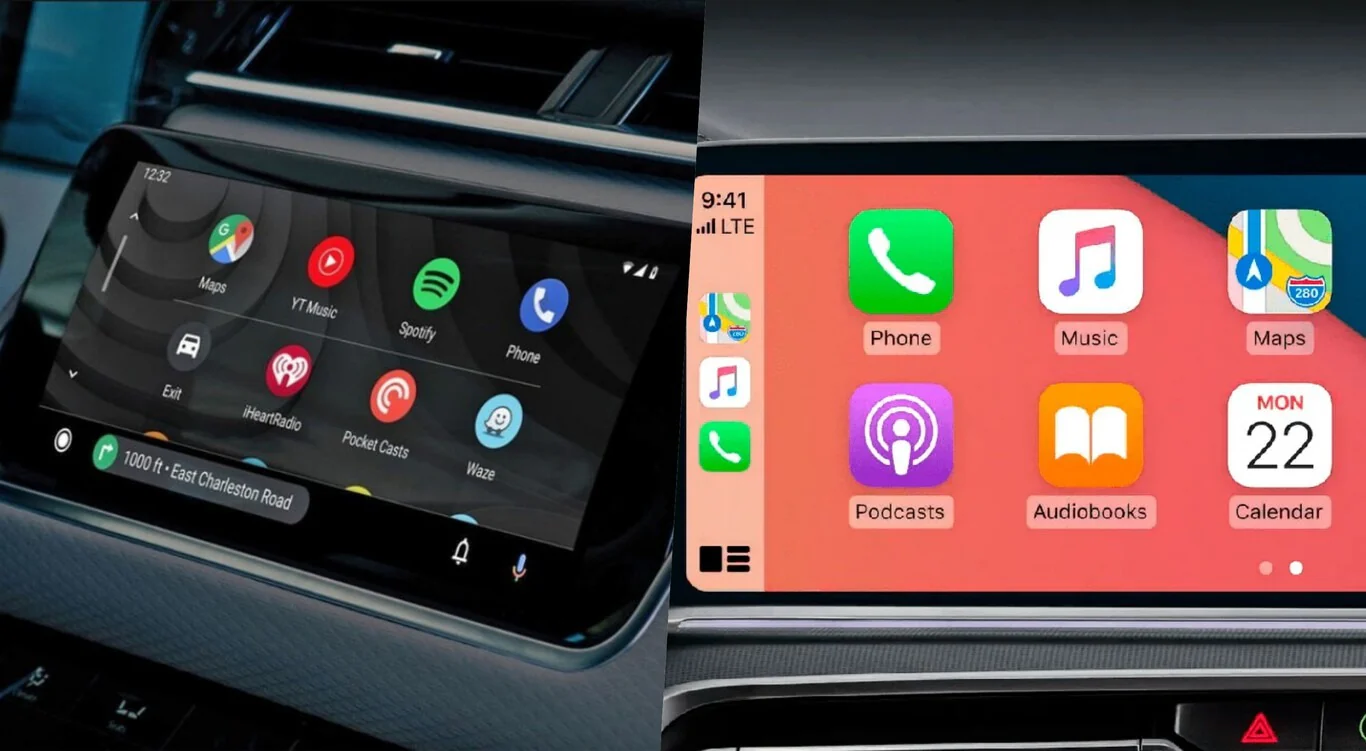

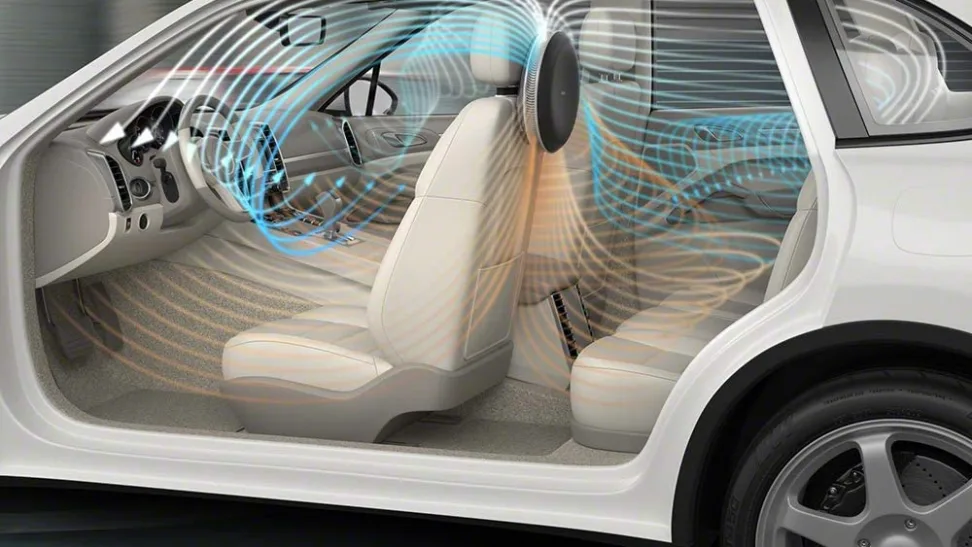
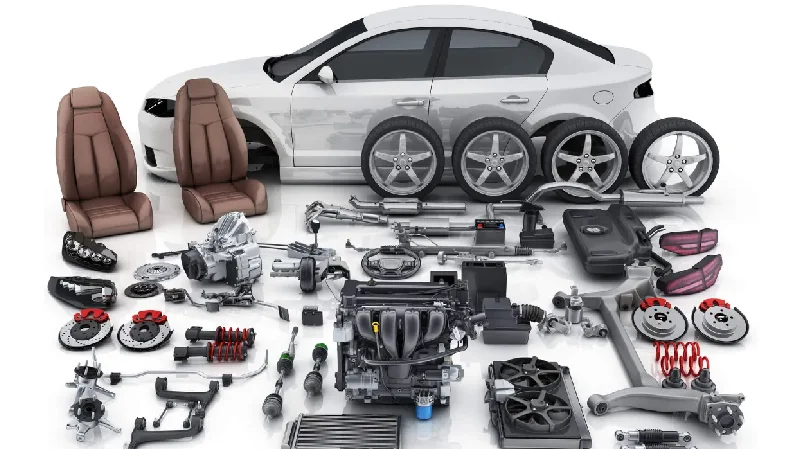






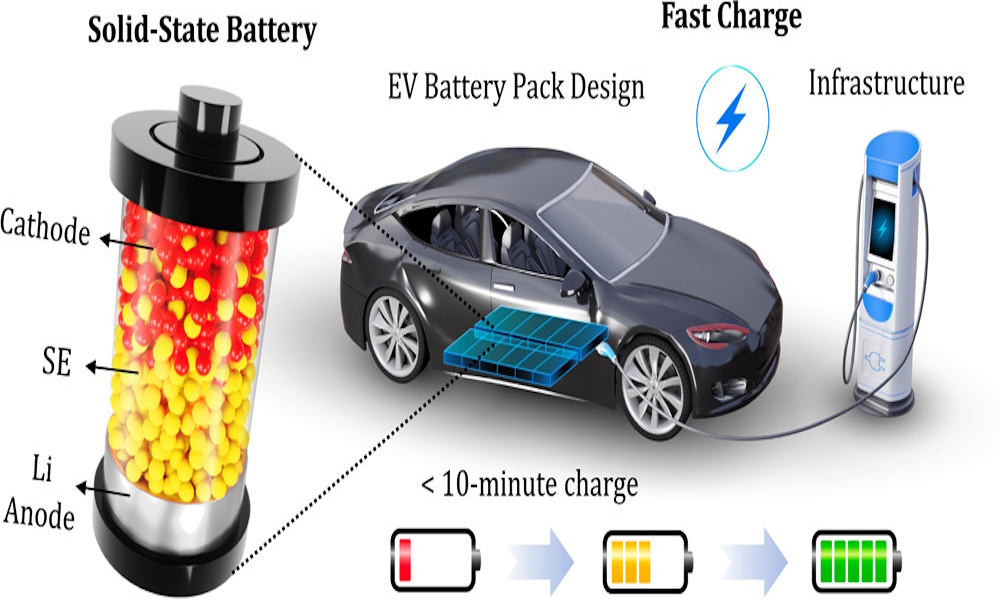
Tags
📧 Get More Articles Like This
Subscribe to receive product reviews and buying guides in your inbox!
We respect your privacy. Unsubscribe at any time.