Kitchen Ventilation Failure: The Silent Reason Your Family Gets Sick More Often
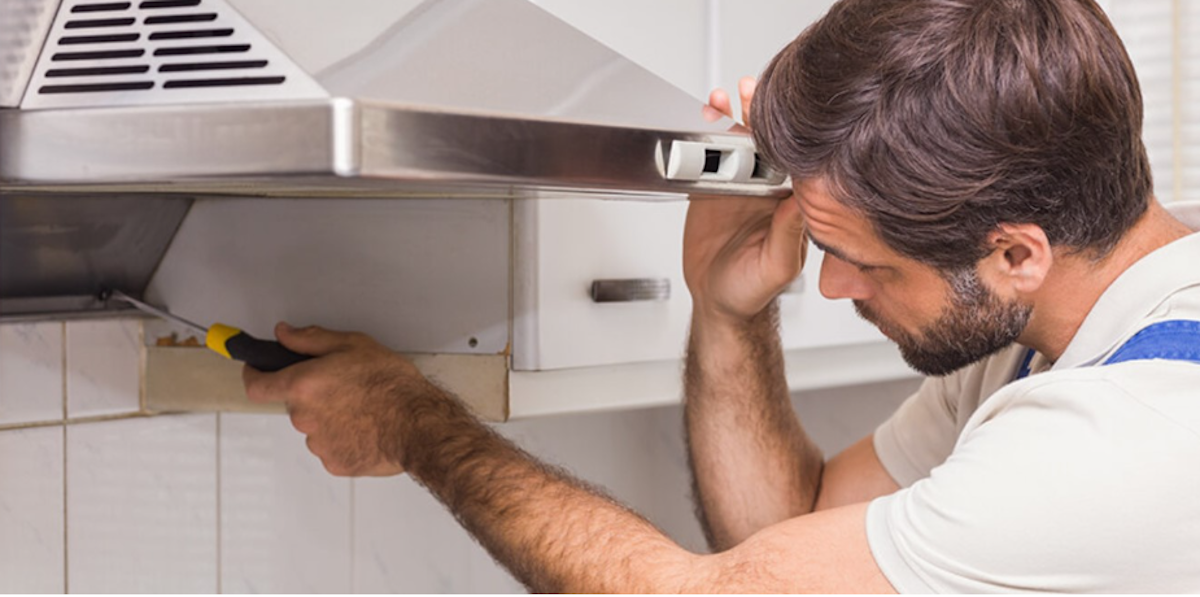
Table of Contents
- Introduction: The Hidden Danger in Every Kitchen
- The Science Behind Cooking Emissions and Health
- Understanding Nitrogen Dioxide: The Primary Culprit
- How Poor Ventilation Creates a Toxic Home Environment
- The Shocking Truth About Range Hood Effectiveness
- Children and Vulnerable Populations at Greatest Risk
- Comprehensive Ventilation Solutions That Actually Work
- Conclusion: Taking Control of Your Kitchen Air Quality
Introduction: The Invisible Threat Hiding in Your Kitchen
Sarah Martinez never connected the dots until her eight-year-old daughter Emma developed asthma. The wheezing started subtly, barely noticeable during playtime, then escalated into frightening midnight episodes that sent them rushing to the emergency room three times in six months. Doctors prescribed inhalers and allergy medications, but Emma’s symptoms persisted. Sarah tried everything: replaced carpets, banished the family cat to her sister’s house, installed expensive air purifiers in every bedroom. Nothing worked. The breakthrough came during a routine conversation with their pediatric pulmonologist, who asked a question that changed everything: “What kind of stove do you have, and do you use your range hood when cooking?”
That seemingly innocuous question revealed a truth that millions of American families unknowingly live with every single day. Sarah’s gas stove, which she used multiple times daily to prepare fresh, healthy meals for her family, was silently poisoning the air they breathed. The range hood above it? A ductless model that merely recirculated the same polluted air back into their kitchen. For years, every time Sarah boiled water for pasta, sautéed vegetables, or baked chicken, she was filling their 1,200 square foot home with levels of nitrogen dioxide that exceeded outdoor air quality standards. The pollution didn’t just affect Emma while Sarah cooked. It spread throughout their entire home, lingering for hours in bedrooms, living rooms, and even bathrooms. Emma’s asthma attacks typically occurred at night, several hours after dinner, when nitrogen dioxide concentrations in her bedroom peaked.
Before delving into the details of the article, watch this video where home appliance experts present a guide to kitchen ventilation:
Sarah’s story represents a public health crisis that researchers have only recently begun to quantify. In 2024, Stanford University researchers published groundbreaking studies revealing that approximately 50 million American homes with gas or propane stoves regularly expose occupants to nitrogen dioxide levels that exceed World Health Organization guidelines. The research, published in Science Advances and PNAS Nexus, found something even more alarming: nitrogen dioxide concentrations routinely breached health benchmarks in bedrooms within one hour of gas stove use and remained elevated for hours after burners were turned off. This means families who think they’re only exposed to cooking emissions while actively preparing food are actually breathing toxic pollutants for most of their day. The implications extend far beyond individual households. Researchers estimate that gas and propane stoves may contribute to approximately 200,000 current childhood asthma cases nationwide, with nitrogen dioxide exposure alone accounting for roughly 50,000 of these cases. The annual death toll attributed to long-term exposure from residential gas stove use may reach 19,000 adults, rivaling deaths from some infectious diseases.
Academic institutions have led critical research efforts to understand indoor pollution from cooking appliances through comprehensive home monitoring studies. Stanford researchers documented that nitrogen dioxide bedroom exposure exceeded health limits within one hour of gas stove use and remained elevated for hours afterward, demonstrating that cooking emissions represent a whole-home exposure problem affecting sleeping areas.
Yet despite these staggering numbers, kitchen ventilation remains one of the most overlooked aspects of home safety. Most homeowners invest thousands in kitchen renovations, selecting premium countertops and designer backsplashes, while installing inadequate or completely non-functional ventilation systems. Many don’t realize their expensive range hood doesn’t vent outdoors at all. Others never turn on their exhaust fans, unaware that cooking without ventilation is equivalent to running a car engine in their living room. The EPA has established comprehensive guidelines for indoor air quality, recommending minimum ventilation rates and specific capture efficiency ratings for kitchen exhaust systems, yet residential construction codes often lag behind the science, and enforcement remains inconsistent. Homes built before 2010 frequently lack any kitchen ventilation whatsoever, while newer homes may have systems installed primarily for code compliance rather than actual air quality protection.

The Science Behind Cooking Emissions and Health Impact
The Complete Pollutant Profile From Your Kitchen
Cooking releases a complex mixture of pollutants that many homeowners assume are harmless cooking odors. The reality is far more dangerous. When you heat cooking oil, whether on gas, electric, or induction burners, temperatures exceeding 350°F cause the oil to break down and release fine particulate matter known as PM2.5. These microscopic particles measure 2.5 micrometers or smaller, approximately one-thirtieth the diameter of a human hair. Their tiny size allows them to bypass the body’s natural defense mechanisms in the nose and throat, traveling deep into lung tissue where they cause inflammation, trigger asthma attacks, and contribute to long-term cardiovascular disease. Decades of epidemiological research have established that long-term PM2.5 exposure increases the risk of premature death in people with existing heart or lung disease, and is linked to the development of chronic heart and lung conditions, impacts on brain health, and adverse birth outcomes.
The chemical composition of cooking-generated PM2.5 makes it particularly hazardous. These particles often contain polycyclic aromatic hydrocarbons, compounds formed when organic matter like meat, fish, or vegetables is cooked at high temperatures. Some polycyclic aromatic hydrocarbons are known carcinogens, meaning they can directly damage DNA and initiate cancer development. High-heat cooking methods like grilling, frying, and broiling generate the highest concentrations. Asian-style cooking, which frequently involves high-heat stir-frying and deep-frying, has been specifically associated with elevated indoor pollution levels and increased cancer risk in poorly ventilated environments. A 2025 study published in the Journal of Building and Environment found that opening both kitchen doors after cooking reduced particulate matter by over ninety-five percent within ten minutes, demonstrating both the severity of the pollution and the effectiveness of proper ventilation.
The health effects of nitrogen oxides have been thoroughly documented by federal health agencies through decades of exposure research. The Agency for Toxic Substances and Disease Registry has established that exposure to nitrogen oxides respiratory effects can damage airways through multiple mechanisms including irritation of eyes, nose, throat, and lungs, potentially causing coughing, shortness of breath, and fluid buildup.
Gas and propane stoves add an entirely separate category of pollutants because they burn fossil fuels directly in your kitchen. Natural gas combustion produces nitrogen dioxide, carbon monoxide, formaldehyde, and benzene even when no food is cooking. Simply lighting a burner or preheating an oven floods your kitchen with these toxic gases. Research conducted across more than one hundred homes found that nitrogen dioxide emissions scaled linearly with the amount of fuel burned, measured by carbon dioxide production. Larger burners running at high heat produced proportionally more nitrogen dioxide than smaller burners on low settings. Propane stoves showed similar emission patterns to natural gas stoves. In stark contrast, electric induction stoves and electric coil stoves produced statistically zero nitrogen dioxide emissions. The difference isn’t subtle or marginal. It’s the fundamental difference between burning fossil fuels indoors versus using electricity to generate heat without combustion.
Understanding Long-Term Versus Short-Term Exposure
Health effects from cooking emissions operate on two different timescales, both dangerous in distinct ways. Short-term exposure occurs during and immediately after cooking, when pollutant concentrations spike dramatically. During typical gas stove use, nitrogen dioxide levels frequently exceed both World Health Organization and Environmental Protection Agency short-term exposure benchmarks. These acute exposures can trigger immediate respiratory symptoms: coughing, wheezing, chest tightness, shortness of breath. For people with existing asthma, short-term exposure can precipitate attacks severe enough to require emergency medical treatment. Children are especially vulnerable because their airways are smaller and more reactive to irritants. Studies have documented that even a single cooking episode can elevate bedroom nitrogen dioxide concentrations to levels that cause measurable airway response in asthmatic individuals.
Long-term exposure represents the cumulative health burden from breathing moderately elevated pollutant levels day after day, year after year. This is where ventilation failure inflicts its most insidious damage. Gas and propane stoves increase long-term nitrogen dioxide exposure by an average of four parts per billion across the United States, which represents seventy-five percent of the World Health Organization’s annual exposure guideline. Think about what that statistic actually means. The World Health Organization has established a guideline representing the threshold where scientific evidence shows health harms begin occurring with regular exposure. American homes with gas stoves are operating at three-quarters of that dangerous threshold just from normal stove use, before accounting for any outdoor pollution sources. In smaller homes under eight hundred square feet, residents experience four times higher long-term nitrogen dioxide exposure compared to residents of homes exceeding three thousand square feet, because the same emissions concentrate in less air volume.

The epidemiological evidence linking long-term nitrogen dioxide exposure to serious health outcomes has grown increasingly robust over the past two decades. The Environmental Protection Agency has officially determined that nitrogen dioxide is “causal” of more severe respiratory symptoms in people with asthma, meaning the scientific evidence is strong enough to conclude nitrogen dioxide directly causes these health effects rather than merely correlating with them. The agency has further classified long-term nitrogen dioxide exposure as “likely causal” of respiratory illnesses such as asthma development in previously healthy individuals. Multiple high-quality scientific studies have demonstrated that children living in homes with gas stoves have elevated risk of developing asthma compared to children in homes with electric stoves. A landmark study published in the International Journal of Epidemiology found that children in gas-cooking homes showed a dose-response relationship between bedroom nitrogen dioxide levels and respiratory illness prevalence: forty-four percent in the lowest exposure group, fifty-nine percent in the middle group, and seventy-one percent in the highest exposure group.
Understanding Nitrogen Dioxide: The Primary Indoor Air Pollutant
Chemical Properties and How NO2 Damages Respiratory Tissue
Nitrogen dioxide, chemically abbreviated as NO2, is a reddish-brown gas with a sharp, harsh odor that most people can detect at concentrations above point one parts per million. However, the concentrations produced by residential gas stoves typically fall below the odor threshold, allowing this toxic pollutant to accumulate undetected. Nitrogen dioxide is a highly reactive oxidizing agent, meaning it aggressively seeks electrons from other molecules, causing chemical damage to whatever it contacts. When you inhale nitrogen dioxide, it dissolves in the moisture lining your respiratory tract, forming nitric and nitrous acids that directly burn and inflame the delicate tissues of your airways. This chemical assault triggers a cascade of biological responses. The immune system recognizes the damaged tissue and sends inflammatory cells to the area, causing swelling that narrows airways and increases mucus production. For asthmatic individuals, this inflammation compounds their existing airway hypersensitivity, making attacks more frequent and severe.
The damage nitrogen dioxide causes extends beyond immediate inflammation. Research compiled in the World Health Organization’s Guidelines for Indoor Air Quality documents that nitrogen dioxide exposure increases susceptibility to respiratory infections by viruses and bacteria. The mechanism appears to involve impairment of the respiratory tract’s natural defense systems. Normally, hair-like structures called cilia line your airways and constantly sweep mucus containing trapped particles and microorganisms upward toward your throat where they can be swallowed and destroyed by stomach acid. Nitrogen dioxide exposure paralyzes these cilia, allowing infectious agents to penetrate deeper into the lungs. Additionally, nitrogen dioxide may suppress certain immune cell functions, reducing your body’s ability to fight off respiratory pathogens. This explains why children in homes with gas stoves consistently show higher rates of respiratory infections, more severe symptoms when infected, and longer recovery periods compared to children in homes with electric stoves.
The Disproportionate Impact on Small Homes and Disadvantaged Communities
The health burden from gas stove emissions follows a disturbing pattern of inequality. Research quantifying nitrogen dioxide exposure across different housing types reveals that people living in residences smaller than eight hundred square feet incur four times more long-term exposure than people in residences larger than three thousand square feet. This size-based disparity occurs because the same emission rate produces much higher concentrations when confined to smaller air volumes. A gas burner on high heat for ten minutes releases identical amounts of nitrogen dioxide whether installed in a studio apartment or a sprawling suburban home, but the studio apartment occupant breathes air with dramatically higher pollutant concentrations. The mathematics are simple but the consequences are severe: smaller homes mean higher exposure, which means greater health risks.

This exposure disparity maps directly onto existing socioeconomic and racial inequalities in American housing. Lower-income families disproportionately live in smaller homes and apartments, often in older buildings with inadequate or non-existent ventilation systems. They are more likely to be renters who lack authority to install proper exhaust systems even when they understand the health risks. Rental properties frequently feature the cheapest appliances available, meaning gas stoves rather than more expensive induction alternatives. Landlords have little incentive to invest in ventilation upgrades because they don’t personally experience the health consequences and can simply find new tenants when current ones leave due to health problems. Research has documented that American Indian and Alaska Native populations, Black and Latino families, and low-income households of all races experience substantially higher exposure to nitrogen dioxide from gas stove use compared to white and higher-income populations.
These disparities compound existing health inequalities. Lower-income communities already face higher baseline rates of asthma and other respiratory diseases due to factors including proximity to highways and industrial pollution sources, lower-quality healthcare access, higher rates of smoking, and greater exposure to occupational hazards. Stacking additional nitrogen dioxide exposure from gas stoves on top of these existing burdens creates a cumulative health crisis. Children in these communities face triple jeopardy: higher baseline asthma rates, worse indoor air quality from cooking emissions, and less access to proper medical care when their condition worsens. The American Public Health Association has called for multipronged approaches to address gas stove emissions, emphasizing that solutions must be designed with equity in mind rather than inadvertently widening existing disparities.
How Poor Ventilation Creates a Toxic Indoor Environment Throughout Your Home
The Myth of Localized Kitchen Pollution
One of the most dangerous misconceptions about cooking emissions is that they remain confined to the kitchen. Many homeowners believe that closing the kitchen door or only cooking for brief periods limits exposure to whoever happens to be cooking. Research using sophisticated air quality monitoring equipment has demolished this myth completely. Stanford researchers measuring nitrogen dioxide concentrations throughout more than one hundred homes found that pollutants spread from kitchens to every room in the house within one hour of gas stove use. Bedrooms located two rooms away from kitchens routinely exceeded health benchmarks, and concentrations remained elevated for two to four hours after cooking ended. Think about the implications. If you cook dinner at six o’clock in the evening, your child’s bedroom may have unhealthy nitrogen dioxide levels from eight o’clock until ten o’clock or later, precisely when they’re sleeping and spending eight continuous hours breathing that polluted air.
The physics of how cooking pollutants spread throughout homes involves both active and passive air movement. Active movement occurs when your home’s heating or cooling system operates. Forced-air HVAC systems use fans to circulate air throughout your home, distributing pollutants along with the conditioned air. A kitchen pollutant gets picked up by the return air duct, travels to the central air handler, mixes with air from other rooms, and then gets redistributed through supply ducts to bedrooms, living rooms, and bathrooms. This circulation continues as long as the system runs, constantly re-exposing occupants to pollutants generated hours earlier. Passive movement occurs through natural pressure differences and temperature gradients. Warm air rises, creating convection currents that carry pollutants from the kitchen upward into second-floor bedrooms. Open doorways create pathways for diffusion, allowing concentrations to gradually equalize throughout connected spaces. The combined effect is comprehensive contamination.
Air Exchange Rates and the Build-Up of Indoor Pollutants
Understanding why pollutants accumulate to dangerous levels requires understanding air exchange rates, a fundamental concept in indoor air quality. The air exchange rate describes how quickly outdoor air replaces indoor air, typically measured in air changes per hour. An air change rate of one point zero means the entire volume of air in your home is theoretically replaced once per hour. Modern homes, built to maximize energy efficiency, are substantially more airtight than older homes. This airtightness has significant benefits for reducing heating and cooling costs, but creates serious drawbacks for indoor air quality. When there is minimal infiltration through cracks and gaps, limited natural ventilation from open windows, and no mechanical ventilation systems, the air exchange rate drops very low and pollutant levels increase dramatically.
The American Society of Heating, Refrigerating and Air-Conditioning Engineers recommends in Standard 62.2 that homes receive point thirty-five air changes per hour but not less than fifteen cubic feet per minute per person as minimum ventilation rates to provide acceptable indoor air quality that minimizes adverse health effects. Many homes, especially tightly-built newer construction and heavily weatherized older homes, fall well below these recommendations. Without adequate air exchange, cooking emissions have nowhere to go. Nitrogen dioxide, carbon monoxide, particulate matter, and other pollutants accumulate to concentrations that would never occur outdoors because outdoor environments have effectively infinite dilution capacity. Your home becomes a sealed container collecting toxic emissions batch after batch, meal after meal, day after day.
Specific technical standards for residential ventilation have been codified through extensive research and engineering analysis. The American Society of Heating, Refrigerating and Air-Conditioning Engineers has determined that homes require minimum ventilation requirements of point thirty-five air changes per hour but not less than fifteen cubic feet per minute per person to maintain healthy indoor environments. These standards specifically address kitchen ventilation through requirements for intermittent exhaust capacities that help control pollutant levels and moisture in areas where cooking occurs.
Secondary Reactions and Co-Pollutant Effects
The danger doesn’t end with the pollutants initially released during cooking. Secondary chemical reactions occurring on indoor surfaces and in the air create additional hazardous compounds. Nitrogen dioxide, for example, undergoes surface chemistry reactions with walls, furniture, and other materials to produce nitrous acid, another respiratory irritant. These reactions continue long after cooking ends, serving as a persistent source of indoor pollution. Additionally, nitrogen dioxide can react with volatile organic compounds released from cleaning products, air fresheners, personal care products, and off-gassing building materials to form ultrafine particles and other secondary pollutants. The complete chemical environment in a home with poor ventilation becomes extraordinarily complex, with pollutants interacting in ways that may produce effects different from exposure to individual compounds in isolation.

Gas stove combustion produces co-pollutants alongside nitrogen dioxide that may contribute to health effects attributed to nitrogen dioxide in epidemiological studies. These include ultrafine particles, which are produced during all gas combustion but become concentrated when ventilation is inadequate. Carbon monoxide, while usually not reaching acutely toxic levels from cooking, may contribute to chronic low-level exposure effects including headaches, fatigue, and subtle cognitive impairment. Formaldehyde, a known human carcinogen, is released during gas combustion and from heated cooking oils. Benzene, another carcinogen linked to leukemia, is emitted by gas stoves even when no cooking is occurring, simply from pilot lights and burner ignition. The combined exposure to this mixture of pollutants may produce synergistic effects where the whole is more harmful than the sum of individual parts. You can find high-quality products for improving kitchen ventilation on including ducted exhaust fans and advanced filtration systems designed for various kitchen configurations.
Shop on AliExpress via link: wholesale-range-hood
The Shocking Truth About Range Hood Effectiveness
Ducted Versus Ductless: A Critical Distinction Most Homeowners Miss
Walk into any appliance showroom and you’ll see dozens of gleaming range hoods, from basic under-cabinet models to professional-grade stainless steel behemoths promising restaurant-quality ventilation. Sales staff emphasize aesthetic appeal, noise levels, lighting features, and cubic feet per minute ratings. What many fail to emphasize, or actively obscure, is the single most important factor determining whether a range hood actually protects your health: whether it vents outdoors or merely recirculates air. Ductless range hoods, also called recirculating hoods, pull air through grease filters and charcoal filters before blowing it back into your kitchen. They capture some particulate matter and reduce cooking odors, giving the impression they’re cleaning your air. The harsh reality is that ductless hoods do absolutely nothing for gaseous pollutants like nitrogen dioxide, carbon monoxide, formaldehyde, or benzene. These molecules pass straight through filters and return to your breathing space at full concentration.
Ducted range hoods, in contrast, exhaust air through ductwork to the outdoors, removing pollutants from your home entirely. The difference in health outcomes is not marginal. It’s the difference between continuous exposure to toxic gases and actual pollutant removal. Yet ductless hoods dominate the market in apartments, condos, and even many single-family homes because they’re substantially cheaper and easier to install. No ductwork means no need to cut holes through walls or roofs, no concerns about duct length or number of turns reducing airflow, no weatherproofing where ducts exit the building. For builders and landlords focused on minimizing costs and installation time, ductless hoods are attractive. For occupants concerned about health, they’re essentially worthless for gas emission control.
Why Most Range Hoods Fail to Capture Cooking Emissions
Even homeowners who invest in ducted range hoods often don’t get the protection they expect because most hoods fail to capture more than seventy-five percent of pollutants generated during cooking. The capture efficiency of a range hood depends on multiple factors beyond just the fan’s cubic feet per minute rating. The hood’s physical design matters enormously. Hoods must be positioned close enough to the cooking surface and extend sufficiently beyond the cooktop’s edges to intercept rising cooking plumes. Most building codes require hoods to extend three inches beyond the cooktop on each side, but this minimum standard often proves inadequate for actual pollutant capture, especially on larger cooktops or when using back burners. Professional kitchens typically use hoods that extend six inches or more beyond cooktop edges specifically because testing has proven this extra coverage dramatically improves capture rates.
The height at which a hood is mounted creates another critical variable. Mount a hood too high above your cooktop and thermal plumes carrying pollutants will spread laterally before reaching the hood’s capture zone. The hot air expands and slows as it rises, creating an expanding cone of contaminated air. If the hood’s capture area doesn’t encompass the full width of this cone at the mounting height, pollutants escape into your kitchen. Most manufacturers recommend mounting heights between twenty-four and thirty inches above electric cooktops and thirty to thirty-six inches above gas cooktops. The greater height for gas stems from the higher heat output and larger plume volume generated by open flames. Homeowners often install hoods higher than recommended either for aesthetic reasons or to avoid hitting their heads while cooking, unknowingly sabotaging the hood’s effectiveness.
Understanding Airflow Requirements and Real-World Performance
The cubic feet per minute rating indicates how much air a range hood theoretically moves, but translating CFM into actual pollutant removal requires understanding how hoods perform under real conditions. A hood rated at four hundred CFM doesn’t necessarily deliver four hundred CFM of actual exhaust when installed. Ductwork creates resistance that reduces airflow. Every ninety-degree turn in the duct adds significant resistance. Long duct runs compound the problem. A hood might achieve its rated CFM when tested with minimal straight ductwork in a laboratory but deliver only half that airflow when installed with twenty feet of ductwork and three turns. Many homeowners and even contractors don’t account for these real-world reductions, assuming the nameplate rating represents installed performance.
Building codes and EPA guidelines establish minimum ventilation capacity recommendations based on kitchen size and stove type. The 2022 residential building code requires kitchen exhaust fans that can provide at least one hundred CFM intermittent use or airflow equivalent to five air changes per hour based on kitchen volume for continuous use. This represents a bare minimum for code compliance, not necessarily adequate health protection. Larger kitchens, heavy cooking styles, and gas stoves all demand higher capacity. California’s Title 24 energy standards go further, establishing capture efficiency ratings based on dwelling unit floor area and range fuel type. These regulations recognize that homes with smaller floor areas have less opportunity to dilute cooking contaminants, requiring higher capture efficiency or CFM to maintain safe indoor air. The standards specify that enclosed kitchens need mechanical ventilation systems verified by certified testing to provide at least one hundred CFM at less than three sones noise level, or airflow equivalent to five air changes per hour.
The Problem With Range Hood Usage Behavior
The most effective range hood in the world provides zero protection if you don’t turn it on, yet research consistently finds that many homeowners rarely or never use their kitchen exhaust fans. The reasons vary but follow predictable patterns. Noise tops the list of complaints. Older range hoods and budget models generate sixty to seventy decibels or higher, roughly equivalent to normal conversation at three feet or a vacuum cleaner. This noise level makes conversation difficult and television viewing impossible, leading many cooks to leave fans off rather than deal with the disruption. More expensive hoods with improved fan designs and sound insulation can operate at thirty-five to forty-five decibels, quiet enough for normal conversation but still audible. Even when noise isn’t prohibitive, simple forgetfulness or habit prevents consistent use. People who grew up in homes without range hoods or where they were never used don’t develop the automatic behavior of turning them on before cooking.

The effectiveness of ventilation during cooking has been quantified through careful measurement in real homes. A 2025 study published in Atmosphere examined eighteen homes with gas stoves where participants cooked normally while recording activities and mitigation efforts. All homes showed enhanced pollutant levels during and immediately after cooking. The researchers quantified minutes per day above health thresholds for PM2.5, carbon dioxide, nitrogen dioxide, and carbon monoxide. On average, homes exhibited thirty-eight minutes per day over one or more health thresholds, with PM2.5 and nitrogen dioxide as the pollutants of greatest concern. Six homes had much higher occurrences, averaging seventy-three minutes per day above thresholds. When no mitigation was used, homes averaged one point zero minute over health thresholds per minute of cooking. When mitigation was used specifically ventilation fans or filtration that value decreased by thirty-four percent. This demonstrates that while ventilation helps substantially, even with hood use, homes regularly exceed safe exposure levels.
Recent peer-reviewed research has quantified the effectiveness of different mitigation strategies for cooking emissions through controlled home testing. A 2025 study documented that HEPA filter ventilation effectiveness varied significantly depending on pollutant type, with HEPA units removing particulate matter while ventilation fans proved highly effective for all pollutants including gases, reducing average pollutant lifetime from forty-five minutes to seven minutes.
Children and Vulnerable Populations at Greatest Risk
Why Children’s Developing Lungs Face Disproportionate Harm
Children aren’t simply small adults when it comes to air pollution exposure. Their physiology creates multiple pathways for disproportionate harm that make cooking emissions particularly dangerous for young people. Children breathe more air per kilogram of body weight than adults, taking fifty percent more breaths per pound and thereby inhaling proportionally higher doses of whatever pollutants exist in their environment. Their faster breathing rate reflects higher metabolic demands from growth and development. A six-year-old child and a thirty-year-old adult sitting in the same room with identical nitrogen dioxide concentrations will have markedly different internal exposure levels, with the child receiving substantially higher dose per unit body weight. This fundamental physiological difference means children experience greater health impacts from the same environmental conditions.
Lung development continues throughout childhood and adolescence, making these years a critical window of vulnerability. The intricate branching structures of airways and the delicate gas-exchange surfaces of alveoli are still forming and maturing. Exposure to respiratory irritants during this developmental period can cause permanent structural changes that reduce lung function throughout life. Studies have documented that children with high exposure to nitrogen dioxide show reduced lung development compared to children with lower exposure, measured as decreased forced expiratory volume and reduced peak flow rates. These aren’t temporary effects that resolve when exposure ends. They represent actual physical changes in lung architecture that persist into adulthood, predisposing individuals to respiratory disease for their entire lives. The concept mirrors how prenatal and early childhood nutrition affects adult height and bone density. Critical developmental windows closed, opportunities for normal development lost.
The mechanistic pathways connecting nitrogen dioxide exposure to childhood asthma have been elucidated through decades of research. Chronic exposure to respiratory irritants promotes airway hyperreactivity, a hallmark feature of asthma where airways constrict excessively in response to triggers that wouldn’t affect normal airways. The inflammation caused by repeated nitrogen dioxide exposure can remodel airway walls, thickening smooth muscle layers and increasing mucus gland size. These structural changes make airways more prone to constriction and slower to recover when attacks occur. Additionally, nitrogen dioxide exposure during critical developmental periods may alter immune system development, promoting allergic sensitization and the immunological patterns characteristic of asthma. Children in homes with gas stoves show higher rates of asthma incidence controlling for other risk factors, demonstrating that the stove exposure itself drives new disease development rather than merely worsening existing conditions.
The Compounding Effects on Individuals With Pre-Existing Respiratory Disease
For the approximately eight million American children and twenty-five million adults who already have asthma, cooking emissions represent a persistent trigger that makes disease management extraordinarily difficult. Asthma is characterized by episodic airway narrowing caused by smooth muscle constriction, mucosal swelling, and excess mucus production. These physiological changes reduce airflow, creating the characteristic wheezing, coughing, chest tightness, and shortness of breath. Between acute attacks, asthmatics may feel relatively normal, leading many to minimize the severity of their disease. However, their airways remain chronically inflamed and hyperreactive, poised to constrict dramatically when exposed to triggers. Nitrogen dioxide from cooking serves as a potent trigger precisely because it causes direct chemical injury to already-compromised airways.
Research directly measuring airway response to nitrogen dioxide exposure in asthmatic individuals has demonstrated cause-and-effect relationships. A study published in the American Journal of Respiratory and Critical Care Medicine measured peak expiratory flow rates before and after cooking in adult non-smoking women with mild to severe persistent asthma. Peak expiratory flow represents how fast someone can blow air out of their lungs, providing a quantifiable measure of airway obstruction. The researchers found that short-term nitrogen dioxide levels during gas cooking episodes caused measurable decreases in peak flow, indicating acute airway constriction. Even more concerning, continued exposure to repeated cooking episodes over a two-week period caused increased peak airflow variability, a marker of poorly controlled asthma that predicts future exacerbations and emergency department visits. The women weren’t developing new asthma from the cooking exposure. They already had the disease. The nitrogen dioxide was making their existing condition dramatically worse.
Elderly Populations and Chronic Disease Interactions
While children receive substantial attention in cooking emission research due to their vulnerability and asthma risks, elderly populations face equally serious but less publicized dangers. Age-related decline in lung function means many elderly individuals have reduced respiratory reserve even without diagnosed lung disease. Their airways and alveoli show normal age-related changes including decreased elasticity, reduced ciliary function, and diminished immune response. These changes make elderly people more susceptible to respiratory infections and slower to recover when infected. Nitrogen dioxide exposure compounds these baseline vulnerabilities. The combination of impaired natural defenses and chemical irritation from cooking emissions creates a perfect storm for respiratory complications.
Elderly individuals with chronic obstructive pulmonary disease face particular hazards from cooking emissions. COPD, which includes chronic bronchitis and emphysema, causes progressive airflow limitation that worsens over time. Most COPD results from smoking, but non-smokers can develop the disease through long-term exposure to other respiratory irritants including occupational dusts, air pollution, and indoor cooking emissions. Once COPD develops, exposure to respiratory irritants accelerates disease progression. Studies have linked long-term nitrogen dioxide exposure to increased COPD incidence and mortality, establishing that the pollutant doesn’t merely trigger acute exacerbations but actually drives chronic disease development. Elderly COPD patients living in homes with gas stoves experience more frequent exacerbations, more hospitalizations, faster lung function decline, and higher mortality rates compared to similar patients in homes with electric stoves.
Cardiovascular disease, the leading cause of death in elderly populations, also interacts dangerously with cooking emission exposure. Fine particulate matter from cooking penetrates deep into lungs and crosses into the bloodstream, triggering systemic inflammation that accelerates atherosclerosis and increases risk of heart attacks and strokes. Elderly individuals often have pre-existing cardiovascular disease, making them especially sensitive to these effects. The combination of respiratory and cardiovascular vulnerability explains why elderly populations show elevated mortality risk from both short-term and long-term exposure to indoor air pollution from cooking.
Comprehensive Ventilation Solutions That Actually Work
Selecting and Installing Effective Ducted Range Hoods
Protecting your family from cooking emissions begins with selecting the right ventilation equipment. Ducted range hoods that exhaust air outdoors represent the gold standard for residential kitchen ventilation. When shopping for a hood, prioritize these specifications over aesthetic features. First, ensure the hood is actually ducted, not recirculating. Sales literature sometimes obscures this distinction using terms like “convertible,” which means the hood can be configured as either ducted or ductless depending on installation. Verify that your installation will use ducting to the outdoors. Second, select adequate capacity measured in cubic feet per minute. For standard residential cooking on electric or induction stoves, minimum four hundred CFM provides adequate ventilation for most situations. Gas stoves demand higher capacity, ideally six hundred CFM or greater, because they generate substantially more pollutants. Heavy cooking styles, large cooktops, or professional-grade ranges require even higher capacity.
Third, consider capture efficiency ratings if available. California’s Title 24 standards pioneered the use of ASTM E3087 capture efficiency testing, which measures what fraction of emitted tracer gas a range hood directly exhausts. Capture efficiency accounts for both the hood’s airflow capacity and its physical design’s ability to intercept cooking plumes. Higher capture efficiency means less pollutant escape into your kitchen. Look for hoods certified by the Home Ventilating Institute or Association of Home Appliance Manufacturers with documented capture efficiency test results. Fourth, evaluate noise levels measured in sones. Hoods producing less than three sones operate quietly enough for conversation during cooking, increasing likelihood you’ll actually use them. More expensive hoods with superior fan blade design, vibration isolation, and sound insulation can achieve high airflow with minimal noise, though expect to pay premium prices for this combination.
Installation quality matters as much as equipment selection. Hire contractors experienced in range hood installation who understand the importance of proper ductwork. Duct material should be smooth metal, either galvanized steel or aluminum, rather than flexible foil ducts that create excessive resistance and restrict airflow. Size ducts to match the hood’s outlet, typically six to eight inches diameter for residential applications. Minimize duct length and number of turns, as every ninety-degree elbow substantially reduces airflow. When turns are unavoidable, use gentle radius elbows rather than sharp angles. Seal all duct joints with metal tape or mastic, never fabric-backed duct tape which degrades over time. Terminate ductwork with a proper exterior wall cap or roof cap that includes a damper to prevent backdraft when the hood isn’t operating. Install the hood at the manufacturer’s recommended height, typically thirty to thirty-six inches above gas cooktops or twenty-four to thirty inches above electric cooktops.
Federal agencies have documented the particular dangers associated with combustion appliances in residential settings. The EPA’s research on sources of combustion products shows that people at particular risk from nitrogen dioxide exposure include children and individuals with asthma and other respiratory diseases. Installing and using exhaust fans vented to the outdoors in kitchens represents a critical safety measure.
Implementing Whole-Home Ventilation Strategies
Kitchen ventilation shouldn’t exist in isolation from your home’s overall air quality strategy. Comprehensive protection requires addressing whole-home ventilation to manage pollutant accumulation in all rooms. Modern building science recognizes that mechanical ventilation systems represent essential equipment for maintaining healthy indoor environments, not optional upgrades. The American Society of Heating, Refrigerating and Air-Conditioning Engineers Standard 62.2 provides detailed requirements for residential ventilation system design. The standard specifies continuous whole-dwelling ventilation based on home size and occupancy, plus local exhaust ventilation in kitchens and bathrooms. Complying with these recommendations typically requires either exhaust-only systems that use fans to continuously remove air from the home, supply-only systems that continuously introduce outdoor air, or balanced systems that do both.
For homes without whole-house ventilation systems, the most straightforward solution involves installing a dedicated exhaust fan that runs continuously or on a timer to meet the recommended air change rates. Energy recovery ventilators and heat recovery ventilators represent more sophisticated options that exchange indoor and outdoor air while recovering heat energy, minimizing the heating and cooling penalties associated with ventilation. These systems work especially well in climates with extreme temperatures where simple exhaust ventilation would substantially increase energy costs. The recovered heat or cooling from exhausted air preconditions incoming fresh air, maintaining comfort while ensuring adequate air exchange. Installation requires professional HVAC contractors but provides comprehensive air quality benefits extending far beyond cooking emission control.

Portable air cleaners can supplement but never replace proper ventilation. High-efficiency particulate air filters effectively remove PM2.5 and larger particles, significantly reducing particulate exposure from cooking. Position HEPA units in the kitchen during cooking and run them for at least twenty minutes after cooking concludes to capture particles that escaped your range hood. However, HEPA filters do nothing for gaseous pollutants like nitrogen dioxide, carbon monoxide, or benzene. Some air cleaners incorporate activated carbon or oxidation technologies claiming to remove gases, but effectiveness varies widely and many produce unwanted byproducts including ozone. The safest approach combines HEPA filtration for particles with proper ventilation to remove gases, rather than relying solely on filtration.
Behavioral Strategies and Lifestyle Modifications
Technology alone won’t protect your family if you don’t use it correctly. Developing consistent habits around kitchen ventilation represents an equally important component of comprehensive solutions. Make turning on your range hood the first step of cooking, before even lighting burners or preheating ovens. This practice ensures the hood operates during the highest emission phase when burners first ignite and the combustion process hasn’t stabilized. For maximum effectiveness, leave the hood running for fifteen to twenty minutes after cooking ends to clear residual pollutants. Set a timer if necessary to avoid forgetting. These extra minutes of operation make substantial differences in total exposure because pollutant concentrations decay gradually after emissions cease.
Adjust your cooking techniques to minimize emissions. Use lids on pots and pans when practical to contain emissions at the source. Lower cooking temperatures slightly, using medium-high heat instead of high heat, to reduce particulate matter generation from superheated oils. Choose cooking methods that minimize smoking and splattering. When practical, use small appliances like electric pressure cookers, slow cookers, toaster ovens, or microwaves for tasks that would otherwise require stovetop or oven cooking. These appliances generally produce fewer emissions than conventional cooking methods. If you regularly prepare foods that generate heavy smoke or strong odors, consider doing this cooking outdoors on a grill to completely eliminate indoor emission exposure.
Maintain your ventilation equipment to ensure continued effectiveness. Range hood grease filters trap particles but require regular cleaning to maintain airflow. Most manufacturers recommend washing metal filters monthly in the dishwasher or with degreasing dish soap. Charcoal filters in ductless hoods lose effectiveness quickly and require replacement every three to six months, though remember these hoods provide minimal health protection regardless of filter condition. Check exterior duct terminations periodically for obstructions like bird nests or accumulated lint. Ensure dampers open freely when the hood operates and close completely when it doesn’t.
Transitioning Away From Gas Cooking Appliances
The most effective solution for eliminating nitrogen dioxide exposure from cooking involves replacing gas stoves with electric alternatives. Induction cooktops represent the premium option, offering performance advantages that exceed gas including faster heating, more precise temperature control, superior energy efficiency, and dramatically improved safety. Induction uses electromagnetic fields to heat cookware directly while the cooktop surface remains relatively cool, eliminating burn hazards and reducing heat gain in your kitchen during summer. The technology requires ferromagnetic cookware, meaning pots and pans must contain iron, but most stainless steel and all cast iron cookware works perfectly. Initial cost exceeds conventional electric coil cooktops but declining prices and utility rebate programs increasingly make induction competitive with gas. For those seeking detailed comparisons of different cooking technologies, including energy efficiency analysis and performance testing, InfoProds has published comprehensive research on gas versus electric versus induction cooking that examines emissions, operating costs, and cooking performance.
Electric resistance cooktops, whether traditional coil-style or smooth ceramic glass, cost less than induction but provide substantial health benefits compared to gas by eliminating nitrogen dioxide, carbon monoxide, benzene, and formaldehyde emissions. All cooking methods generate particulate matter from heated food and oils, but only gas combustion adds the toxic gas burden. Electric stoves produce zero nitrogen dioxide, period. Switching from gas to electric eliminates approximately seventy-five percent of the health burden associated with cooking, removing the most dangerous pollutant category entirely. For renters who cannot modify installed appliances, portable induction burners offer a practical compromise. These countertop units range from affordable single-burner models to premium double-burner versions sufficient for most cooking tasks. Using portable induction for daily cooking while reserving the gas stove for occasional use substantially reduces exposure.
Financial assistance and policy changes are making these transitions increasingly accessible. Multiple states and municipalities have established rebate programs covering partial costs of electric stove purchases and induction cooktop conversions. Some jurisdictions have enacted building codes requiring electric cooking in new construction or major renovations, gradually shifting the housing stock away from gas. Federal tax credits under inflation reduction legislation may cover additional costs. For homeowners planning kitchen renovations, budgeting for electric cooking plus robust ducted ventilation should take priority over cosmetic upgrades, given the profound health implications. Exploring modern kitchen design approaches that integrate advanced ventilation with electric cooking technologies can help you create kitchens that support both health and culinary aspirations. You can explore energy-efficient cooking solutions and ventilation equipment on including portable induction cooktops and ducted exhaust fans suitable for various home configurations.
Shop on AliExpress via link: wholesale-kitchen-appliances
Modern kitchen renovations increasingly integrate advanced ventilation systems with contemporary design approaches to optimize indoor air quality. Homeowners exploring smart kitchen technology discover that newer systems can incorporate automated controls and monitoring capabilities that work alongside traditional ventilation methods to maintain healthier cooking environments.
Conclusion: Taking Control of Your Kitchen’s Air Quality Today
The invisible threat of cooking emissions demands immediate attention from every household. Sarah Martinez’s story, with which we began this journey, represents millions of families unknowingly poisoning themselves during the simple act of preparing meals. Her daughter’s asthma wasn’t caused by mysterious environmental factors or unavoidable genetic predisposition. It resulted from a preventable exposure to nitrogen dioxide that a properly installed and consistently used ducted range hood could have eliminated. The research published in 2024 and 2025 has removed any remaining scientific uncertainty about the health dangers of cooking emissions. Gas and propane stoves release nitrogen dioxide that causes and worsens asthma, contributes to respiratory infections, reduces lung development in children, and may be responsible for tens of thousands of deaths annually. The evidence is clear, the mechanisms are understood, and the solutions are available.
Your kitchen ventilation system represents one of the most important health protection measures in your entire home, yet it receives a fraction of the attention devoted to security systems, water filtration, or even kitchen aesthetics. This misplaced priority must change. Installing a high-quality ducted range hood that actually exhausts air outdoors, running it consistently during and after cooking, maintaining proper whole-home ventilation, and ultimately transitioning to electric cooking appliances will protect your family more effectively than any number of vitamins, supplements, or health insurance policies. Indoor air quality isn’t an abstract environmental concern. It’s the air your children breathe while sleeping, the air you inhale during family dinners, the air that either supports health or drives disease. Take control of it today. Your family’s respiratory health depends on the choices you make about kitchen ventilation, and the consequences of inaction are simply too severe to ignore any longer.
Frequently Asked Questions
Question 1: Why is kitchen ventilation failure so dangerous for my family’s health?
Answer 1: Kitchen ventilation failure creates a comprehensive health threat by allowing multiple classes of toxic pollutants to accumulate throughout your home at concentrations that regularly exceed outdoor air quality standards. When you cook without proper ventilation, nitrogen dioxide from gas combustion, fine particulate matter from heated oils and foods, carbon monoxide, formaldehyde, and benzene all build up to levels that cause immediate respiratory symptoms and long-term health damage. The danger extends far beyond the kitchen itself. Research using advanced air quality monitoring has documented that pollutants spread to every room in your home within one hour of cooking, with bedroom concentrations frequently exceeding health benchmarks and remaining elevated for two to four hours after burners are turned off. This means your family members breathe toxic air even while sleeping, creating continuous exposure that drives chronic disease development. Children are particularly vulnerable because their developing lungs and higher breathing rates per body weight cause disproportionate internal exposure. The health consequences include new asthma development in previously healthy children, worsened symptoms in those with existing asthma, increased susceptibility to respiratory infections, reduced lung development, and potentially increased risk of cardiovascular disease and cancer from long-term exposure. The ventilation failure problem compounds in smaller homes where the same emission quantities concentrate in less air volume, creating exposure disparities that disproportionately harm lower-income families living in apartments and small houses.
Question 2: What are the main pollutants released when cooking without proper ventilation?
Answer 2: Cooking releases a complex mixture of dangerous pollutants that vary based on your stove type and cooking methods. All cooking generates fine particulate matter designated PM2.5, microscopic particles measuring 2.5 micrometers or smaller that penetrate deep into lung tissue causing inflammation and cardiovascular effects. These particles often contain polycyclic aromatic hydrocarbons, cancer-causing compounds formed when organic matter is cooked at high temperatures, with grilling, frying, and broiling producing the highest concentrations. Gas and propane stoves add an entirely separate category of pollutants because they burn fossil fuels directly in your kitchen, producing nitrogen dioxide as the primary health concern, along with carbon monoxide which causes headaches and subtle cognitive impairment at low levels, formaldehyde which is a known human carcinogen, and benzene which is linked to leukemia and other blood cancers. Nitrogen dioxide represents the most thoroughly studied and documented threat, with research establishing that typical gas stove use increases long-term nitrogen dioxide exposure by an average of four parts per billion nationwide, representing seventy-five percent of the World Health Organization’s annual exposure guideline. Stanford University research measuring emissions across more than one hundred homes found that nitrogen dioxide emissions scaled linearly with the amount of gas burned, with all electric and induction stoves producing statistically zero nitrogen dioxide while every gas and propane stove generated substantial quantities. The health effects are not theoretical or speculative. The Environmental Protection Agency has officially classified nitrogen dioxide as “causal” of respiratory symptoms in asthmatics and “likely causal” of asthma development, meaning the scientific evidence is strong enough to establish direct causation rather than mere correlation.
Question 3: How does poor ventilation affect children specifically?
Answer 3: Children face uniquely severe health risks from cooking emissions due to fundamental physiological differences that make them more vulnerable than adults to the same environmental conditions. Children breathe approximately fifty percent more air per kilogram of body weight compared to adults, reflecting their higher metabolic demands from growth and development, which means they inhale proportionally higher doses of whatever pollutants exist in their environment. A child and adult sitting in the same room with identical nitrogen dioxide concentrations will have markedly different internal exposure levels, with the child receiving substantially higher dose per unit body weight. Additionally, lung development continues throughout childhood and adolescence, creating a critical window of vulnerability where exposure to respiratory irritants can cause permanent structural changes that reduce lung function throughout life. Studies have documented that children with high nitrogen dioxide exposure show measurably reduced lung development compared to children with lower exposure, manifesting as decreased forced expiratory volume and reduced peak flow rates that persist into adulthood. The mechanistic pathways connecting nitrogen dioxide to childhood asthma have been thoroughly established through decades of research showing that chronic exposure promotes airway hyperreactivity, causes airway wall remodeling with thickened smooth muscle and enlarged mucus glands, and may alter immune system development to promote allergic sensitization. Epidemiological studies consistently demonstrate dose-response relationships, with one landmark study finding that children in gas-cooking homes showed respiratory illness prevalence of forty-four percent in the lowest nitrogen dioxide exposure group, fifty-nine percent in the middle group, and seventy-one percent in the highest exposure group. Research published in 2024 estimates that gas and propane stoves contribute to approximately 200,000 current childhood asthma cases in the United States, with nitrogen dioxide exposure alone accounting for roughly 50,000 of these cases, representing entirely preventable disease burden caused by inadequate ventilation.
Question 4: Can opening windows replace a proper kitchen exhaust fan?
Answer 4: While opening windows provides some ventilation benefit and is certainly better than no air exchange at all, it cannot replace the consistent, reliable pollutant removal provided by a properly designed and installed ducted kitchen exhaust fan. Natural ventilation through open windows depends on unpredictable environmental factors including wind speed and direction, temperature differences between indoor and outdoor air, and the specific configuration and placement of windows in your home. These variables create inconsistent airflow that may provide adequate ventilation one day and virtually none the next day under different weather conditions. Wind-driven ventilation works well when strong breezes blow across your home but fails during calm conditions. Temperature-driven stack ventilation functions when significant indoor-outdoor temperature gradients exist but provides minimal air exchange when temperatures are similar. The physics of natural ventilation mean you cannot reliably predict or control how much air exchange occurs or where pollutants travel within your home. In contrast, a ducted mechanical exhaust fan provides known, measurable airflow capacity that operates identically regardless of weather, removing pollutants directly at their source before they can spread throughout your home. The capture efficiency of a properly installed range hood positioned close to your cooktop intercepts cooking plumes as they rise, exhausting them outdoors before they mix into your general indoor air. Windows cannot provide this source capture function. Moreover, windows may not be practical to open during extreme heat or cold when outdoor conditions make natural ventilation uncomfortable or prohibitively expensive from energy loss. The EPA and building codes establish minimum mechanical ventilation requirements specifically because natural ventilation cannot ensure adequate indoor air quality under all conditions. Windows should supplement mechanical ventilation by providing additional air exchange when weather permits, but they represent an unreliable primary strategy that leaves your family unprotected during significant portions of the year.
The Environmental Protection Agency has established comprehensive indoor air quality guidelines that emphasize the critical importance of proper ventilation in residential buildings. Research conducted under EPA indoor air quality standards demonstrates that inadequate ventilation can increase indoor pollutant levels by failing to bring in sufficient outdoor air to dilute emissions from indoor sources and by not carrying indoor air pollutants out of the home effectively.
Question 5: What’s the difference between ducted and ductless range hoods?
Answer 5: Ducted and ductless range hoods represent fundamentally different approaches to kitchen ventilation with dramatically different health protection outcomes. Ducted range hoods exhaust air through metal ductwork that terminates outdoors, removing pollutants from your home entirely and replacing them with fresh outdoor air through normal infiltration and ventilation pathways. When a ducted hood operates, contaminated air containing nitrogen dioxide, carbon monoxide, particulate matter, and other cooking emissions travels through ducts to an exterior wall cap or roof cap where it exits your home. This removal process eliminates pollutants rather than attempting to filter or clean them, providing definitive protection against accumulation. Ductless range hoods, also called recirculating hoods, pull air through grease filters to trap particles and charcoal filters to absorb some odors, then blow the supposedly cleaned air back into your kitchen. The fundamental limitation of ductless hoods is that filters can trap particles but do absolutely nothing for gaseous pollutants. Nitrogen dioxide, carbon monoxide, formaldehyde, and benzene pass straight through all filters and return to your breathing space at full concentration. The charcoal filters may reduce cooking odors temporarily, creating the false impression that air is being cleaned, but odor reduction bears no relationship to toxic gas removal. For homes with gas stoves where nitrogen dioxide represents the primary health threat, ductless hoods provide essentially zero protection against the most dangerous pollutant category. The only scenario where ductless hoods provide meaningful benefit is in homes with electric stoves where nitrogen dioxide isn’t generated, and even then they only address particulate matter while allowing volatile organic compounds and other gaseous emissions to accumulate. The price difference between ducted and ductless hoods often tempts homeowners and landlords to choose ductless models because they’re cheaper and easier to install with no ductwork required, but this cost savings comes at the expense of actual health protection. For genuine air quality improvement, ducted hoods represent the only acceptable choice, with EPA guidelines and building codes increasingly specifying ducted ventilation as mandatory rather than optional.
Question 6: How long do cooking pollutants stay in the air after I finish cooking?
Answer 6: Cooking pollutants persist at unhealthy concentrations far longer than most people realize, with research documenting elevated levels lasting two to four hours after cooking ends in homes without adequate ventilation. Stanford University researchers measuring nitrogen dioxide concentrations throughout more than one hundred homes found that pollutant levels peaked during active cooking, as expected, but then decreased slowly rather than dropping rapidly when burners were turned off. The decay rate depends on your home’s air exchange rate, which describes how quickly outdoor air replaces indoor air. In tightly-built modern homes with minimal air infiltration and no mechanical ventilation operating, the air exchange rate may be very low, causing pollutants to linger for extended periods. Under controlled laboratory testing, researchers found that average pollutant lifetime, defined as time to reach thirty-seven percent of original concentration, was forty-five minutes with no ventilation. This means that even three-quarters of an hour after cooking ends, more than one-third of the original pollutants remain airborne. The most concerning finding from the Stanford research was that nitrogen dioxide concentrations routinely breached health benchmarks in bedrooms within one hour of gas stove use and stayed above safe levels for hours after burners were turned off. This pattern has profound implications for exposure assessment because it means the person who cooked dinner isn’t the only one exposed, and the exposure doesn’t end when cooking ends. Children who go to bed two or three hours after dinner may spend their entire night breathing nitrogen dioxide at concentrations exceeding World Health Organization guidelines. The pollutant persistence problem is exacerbated by how cooking emissions spread through homes. Once nitrogen dioxide and other gases mix into your home’s general air volume, they distribute via HVAC system air circulation and natural convection currents to every room. Removing these dispersed pollutants requires whole-home air exchange that happens gradually through infiltration and mechanical ventilation. Running your range hood for fifteen to twenty minutes after cooking substantially reduces pollutant persistence by continuing to exhaust contaminated air while the concentrations are highest, but even this extended operation may not prevent all spread to other rooms depending on home size and ventilation rates.
Groundbreaking peer-reviewed research from Stanford University has quantified the nationwide health burden from residential gas stove emissions with unprecedented precision. The Stanford nitrogen dioxide research published in Science Advances utilized sophisticated indoor air quality modeling across more than one hundred homes to demonstrate that pollution from gas and propane stoves affects entire families, not just those actively cooking.
Question 7: Are electric stoves safer than gas stoves for indoor air quality?
Answer 7: Electric and induction stoves are dramatically safer than gas and propane stoves from an indoor air quality perspective because they eliminate the toxic gaseous pollutants generated by fossil fuel combustion. The difference is not marginal or subject to debate. Research measuring emissions from more than one hundred residential stoves found that all electric induction stoves and all electric coil and radiant stoves produced statistically zero nitrogen dioxide emissions, meaning emissions were indistinguishable from background levels and measurement uncertainty. In stark contrast, every single gas and propane stove tested generated substantial nitrogen dioxide emissions that scaled linearly with the amount of fuel burned. The fundamental physics explain this categorical difference. Gas and propane stoves burn natural gas or liquefied petroleum gas directly on your cooktop, creating a combustion reaction between fuel and oxygen that produces carbon dioxide, water vapor, and various nitrogen oxides including nitrogen dioxide. This combustion process also generates carbon monoxide from incomplete burning, plus formaldehyde and benzene as byproducts. These toxic gases are released directly into your kitchen air without any exhaust treatment. Electric stoves, whether traditional resistance coils or modern induction models, use electricity to generate heat without any combustion, producing no nitrogen dioxide, no carbon monoxide, no formaldehyde, and no benzene. The health implications of this distinction are enormous. Switching from gas to electric cooking eliminates the primary driver of respiratory disease associated with cooking, removing the pollutant category most strongly linked to childhood asthma development, asthma exacerbations in existing patients, and chronic respiratory disease. All cooking methods, regardless of stove type, generate particulate matter when food and oils are heated to high temperatures, so electric stoves don’t eliminate particle emissions. However, particulate matter can be effectively controlled with HEPA filtration and is less immediately dangerous than nitrogen dioxide at typical residential concentrations. The complete elimination of gas-specific pollutants by switching to electric cooking represents the single most effective intervention for protecting your family’s respiratory health in the kitchen environment.
Question 8: What ventilation capacity (CFM) should my range hood have?
Answer 8: Selecting adequate range hood capacity measured in cubic feet per minute requires considering multiple factors including your stove type, kitchen size, cooking style, and local building codes. The EPA and residential building codes establish minimum standards of at least one hundred CFM for intermittent use or airflow equivalent to five air changes per hour based on kitchen volume for continuous use. These minimums represent baseline code compliance for basic functionality but may not provide optimal health protection under all conditions. For typical residential cooking on electric or induction stoves with moderate cooking frequency, four hundred CFM provides adequate capacity for most situations, capturing cooking plumes effectively while operating at reasonable noise levels. Gas stoves demand substantially higher capacity, with six hundred CFM or greater recommended, because gas combustion generates much larger volumes of pollutants requiring more exhaust to maintain acceptable indoor air quality. Professional-grade ranges with high BTU burners, heavy daily cooking, or Asian-style cooking that frequently uses high-heat methods may require eight hundred to twelve hundred CFM or even higher to adequately control emissions. Kitchen size also influences required capacity. California’s Title 24 energy standards recognize that smaller floor areas have less dilution capacity for pollutants, establishing capture efficiency requirements that effectively mandate higher CFM in smaller homes and apartments. Enclosed kitchens without open floor plans need more powerful ventilation than kitchens open to living areas where pollutants can disperse into larger air volumes. However, CFM ratings alone don’t guarantee performance because actual installed capacity depends heavily on ductwork design. Every ninety-degree turn in duct routing adds resistance that reduces airflow. Long duct runs compound resistance effects. A hood rated at six hundred CFM might deliver only three hundred CFM when installed with twenty feet of ducting and multiple turns. Quality installation requires minimizing duct length, using gentle radius elbows instead of sharp angles, and properly sizing duct diameter to match the hood’s outlet. The noise-capacity tradeoff represents another consideration. Higher CFM typically means more noise measured in sones unless you invest in premium hoods with superior fan blade design and sound insulation. Hoods operating below three sones remain quiet enough for conversation during cooking, increasing likelihood of consistent use which matters more than theoretical capacity if noise deters you from operating the hood.
Question 9: Can poor kitchen ventilation cause asthma in healthy children who never had it before?
Answer 9: Yes, extensive scientific evidence demonstrates that long-term exposure to nitrogen dioxide from gas and propane stoves is causally linked to new asthma development in children who previously had no respiratory disease. This isn’t speculative correlation but established causation supported by multiple lines of evidence including toxicological studies showing biological mechanisms, epidemiological studies documenting dose-response relationships in human populations, and expert consensus from organizations including the Environmental Protection Agency. The EPA has officially classified long-term nitrogen dioxide exposure as “likely causal” of respiratory illnesses including asthma, meaning the available scientific evidence is sufficiently strong to conclude that nitrogen dioxide directly causes these health outcomes rather than merely associating with them. Research published in Science Advances in 2024 estimated that gas and propane stoves contribute to approximately 50,000 current cases of childhood asthma from long-term nitrogen dioxide exposure alone, out of roughly 200,000 total childhood asthma cases associated with all pollutants from gas stove use. These aren’t trivial numbers representing rare outcomes. They represent tens of thousands of children developing a chronic disease that will affect their health, quality of life, healthcare costs, and potentially life expectancy for decades to come. The biological mechanisms connecting nitrogen dioxide to asthma development involve chronic airway inflammation, structural remodeling of airway walls with thickened smooth muscle and enlarged mucus glands, promotion of airway hyperreactivity, and potential alterations in immune system development that favor allergic sensitization. Multiple epidemiological studies have documented that children living in homes with gas stoves show higher asthma incidence rates compared to children in homes with electric stoves, with some studies demonstrating clear dose-response relationships where higher nitrogen dioxide exposure correlates with proportionally higher asthma risk. A landmark British study found respiratory illness prevalence of forty-four percent in children with lowest bedroom nitrogen dioxide levels, fifty-nine percent in the middle exposure group, and seventy-one percent in the highest exposure group, clearly showing that more nitrogen dioxide causes more respiratory disease. The consistency across different study designs, populations, and geographic regions strengthens confidence that the relationship is causal rather than confounded by other variables. Parents can meaningfully reduce their children’s asthma risk by ensuring adequate kitchen ventilation and ideally transitioning to electric cooking appliances.
Question 10: What’s the most effective mitigation strategy if I can’t install a ducted range hood?
Answer 10: For situations where installing a ducted range hood isn’t feasible due to building constraints, rental restrictions, or financial limitations, implementing multiple complementary mitigation strategies simultaneously can substantially reduce exposure even though no combination fully replaces proper ducted ventilation. First, invest in a high-quality portable HEPA air purifier sized appropriately for your kitchen volume and position it as close to your cooking area as safely possible. Run the purifier on maximum setting during cooking and continue operation for at least twenty to thirty minutes after cooking ends. HEPA filtration effectively removes ninety-nine point ninety-seven percent of particles including PM2.5 from cooking, providing significant protection against particulate exposure although it does nothing for gaseous pollutants like nitrogen dioxide. Second, maximize natural ventilation by opening multiple windows to create cross-ventilation where air flows through your kitchen rather than simply in and out of a single window. Position box fans or window fans in windows to mechanically enhance natural airflow, using one fan to blow fresh air into the kitchen and another to exhaust cooking emissions outdoors. This active fan-assisted natural ventilation dramatically outperforms simply opening windows passively. Third, modify cooking techniques to minimize emissions at the source. Use lids on pots and pans when practical to contain emissions, reduce cooking temperatures slightly to decrease particulate matter generation from superheated oils, and favor cooking methods that produce less smoke. Fourth, consider portable induction burners as a replacement for gas stovetop cooking. Quality single or double-burner induction units cost one hundred to three hundred dollars and eliminate nitrogen dioxide emissions entirely for any cooking tasks they can accommodate. Reserve your gas stove for occasional use requiring multiple burners or large pots. Fifth, implement strategic timing to minimize exposure during peak concentration periods. Cook when windows can be opened, avoid cooking immediately before bedtime when pollutants would persist during sleeping hours, and consider preparing meals outdoors on grills during suitable weather. Sixth, close bedroom doors during and after cooking to limit pollutant spread to sleeping areas, though recognize this provides only partial protection since air circulation will eventually distribute pollutants throughout your home. The combination of HEPA filtration, enhanced natural ventilation with fans, electric cooking when possible, and emission-reducing cooking techniques can reduce total exposure by sixty to eighty percent compared to unmitigated gas stove use, though this still leaves meaningful residual exposure that only ducted ventilation or complete transition to electric cooking can eliminate.
Understanding the fundamental differences between cooking technologies helps homeowners make informed decisions about their kitchen appliances and indoor air quality. Comprehensive testing has revealed that the choice between gas versus electric versus induction cooking dramatically impacts both pollutant emissions and energy efficiency. While all cooking methods generate particulate matter from heated food, only gas combustion produces the toxic nitrogen dioxide, carbon monoxide, and benzene that create the most serious health risks in residential environments.
Articles related:
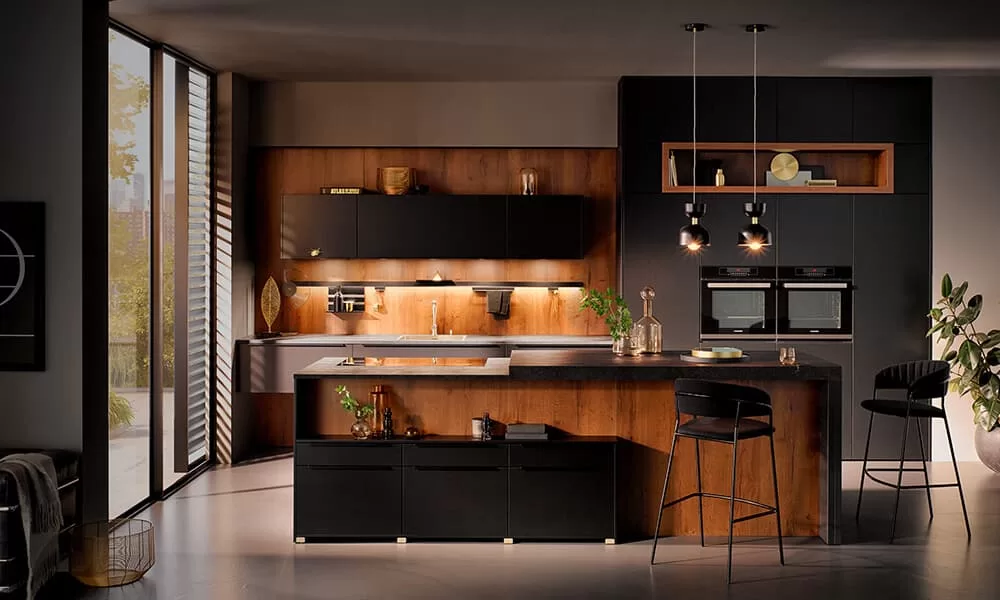
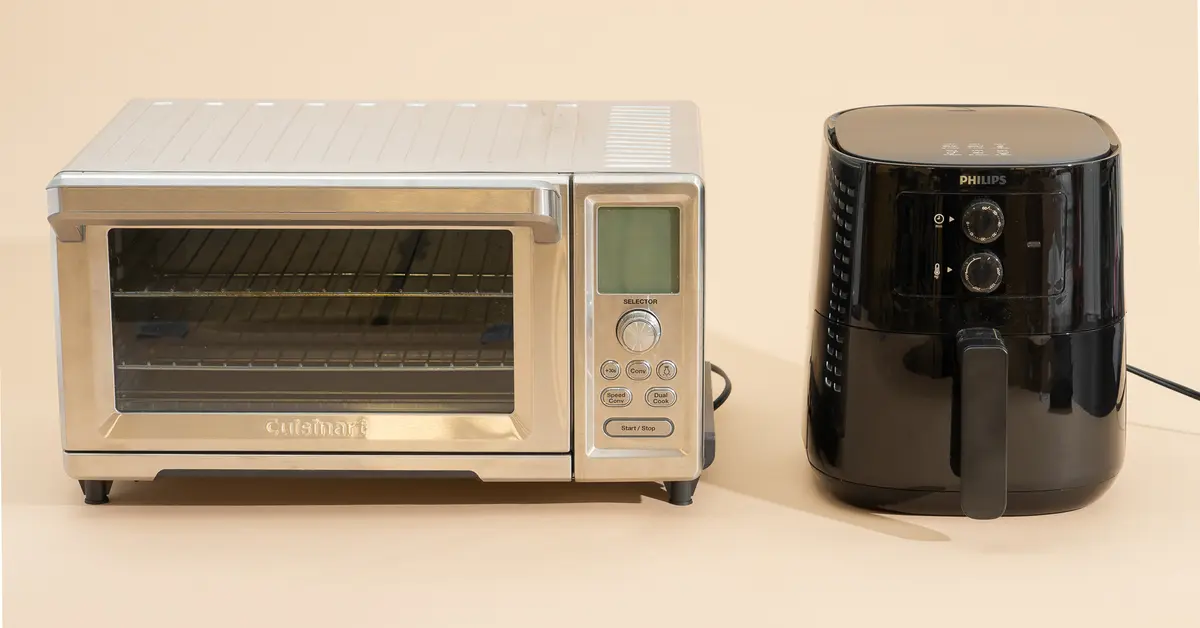





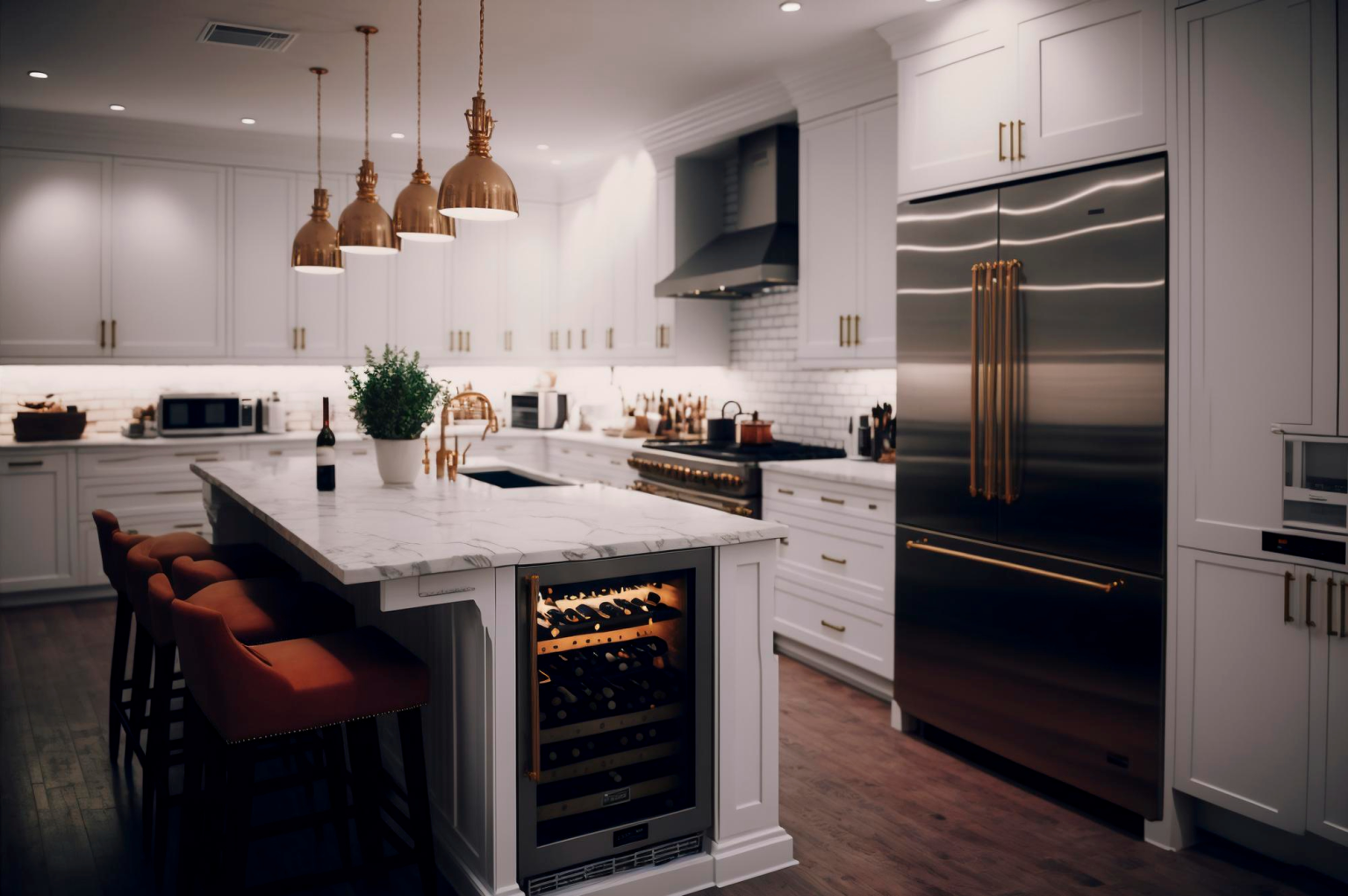

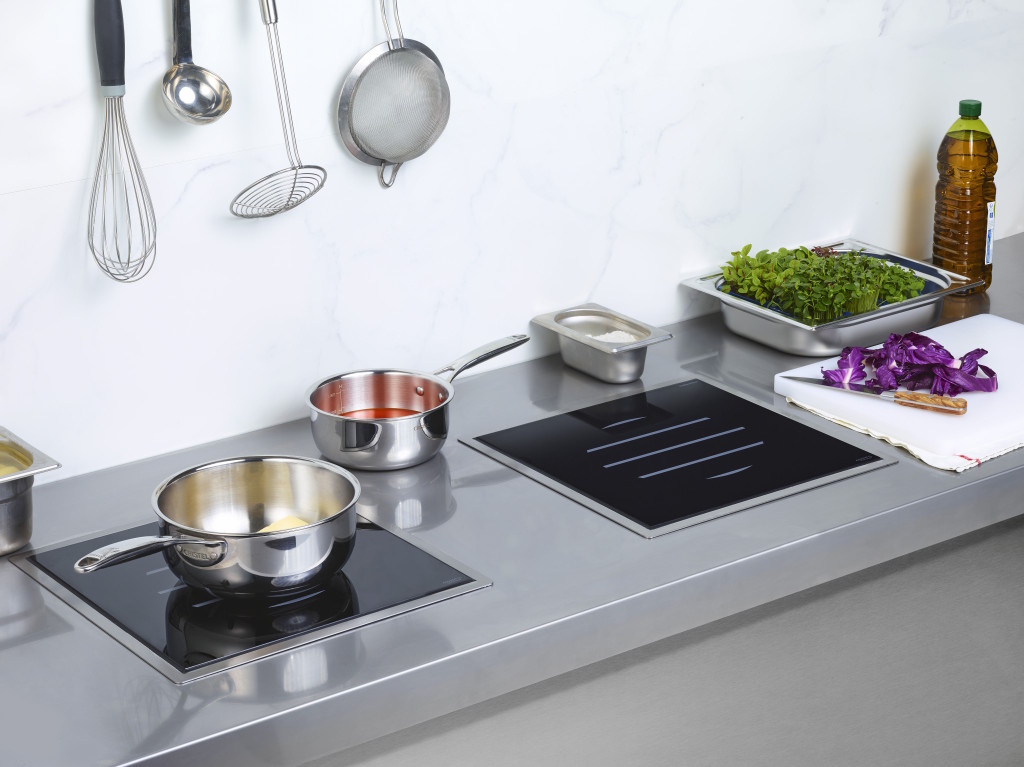


Tags
📧 Get More Articles Like This
Subscribe to receive product reviews and buying guides in your inbox!
We respect your privacy. Unsubscribe at any time.