The Ultimate Guide to Buying a Coffee Machine and How to Make Coffee
Table of Contents
- Introduction: Your Journey to Perfect Coffee at Home
- 1. Understanding Different Types of Coffee Machines
- 2. Essential Features to Consider When Buying
- 3. Budget Guide: Finding Your Perfect Price Point
- 4. Selecting the Right Coffee Beans
- 5. The Science of Coffee Grinding
- 6. Mastering Coffee Brewing Techniques
- 7. Water Quality and Temperature Control
- 8. Milk Frothing for Espresso Drinks
- 9. Coffee Machine Maintenance and Cleaning
- 10. Common Coffee Mistakes to Avoid
- Conclusion: Brewing Your Perfect Cup
- Frequently Asked Questions
Introduction: Your Journey to Perfect Coffee at Home
There’s something transformative about that first sip of perfectly brewed coffee in the morning—the rich aroma filling your kitchen, the comforting warmth of the cup in your hands, and that complex flavor awakening your senses and energizing your day. For millions of people worldwide, coffee isn’t just a beverage; it’s a ritual, a necessity, and for many, an art form worth mastering.
The journey to exceptional home-brewed coffee has never been more accessible, yet paradoxically, it’s never been more confusing. Walk into any appliance store or browse online retailers, and you’ll encounter an overwhelming array of coffee machines—from simple $30 drip makers to $5,000 commercial-grade espresso systems. Marketing promises abound: “barista-quality results,” “café perfection at home,” “professional brewing simplified.” But which machine truly delivers? Which features matter, and which are merely expensive gimmicks? How do you navigate countless options to find the equipment that matches your specific needs, budget, and coffee preferences?
The global coffee machine market generates over $18 billion annually, with home coffee equipment representing the fastest-growing segment. This explosion of options reflects coffee culture’s evolution—what was once a simple morning routine has transformed into a sophisticated hobby for enthusiasts and a practical necessity for those seeking to replicate expensive café drinks at home. Consider this: if you purchase a $5 latte five days weekly, you’re spending approximately $1,300 annually on coffee drinks alone. A quality home espresso machine costing $500-800 pays for itself within six months while offering unlimited customization, convenience, and the satisfaction of crafting beverages to your exact specifications.
But exceptional coffee requires more than just purchasing expensive equipment. The finest espresso machine in the world produces mediocre results with stale beans, improper grinding, or incorrect brewing technique. Conversely, a simple French press costing $25 can produce extraordinary coffee when combined with fresh beans, proper grinding, and correct methodology. This fundamental truth—that knowledge, technique, and quality ingredients matter more than equipment cost—forms the foundation of this comprehensive guide.
Understanding coffee preparation encompasses multiple interconnected elements that work together creating your final cup. The machine itself represents just one component, albeit an important one. Equally crucial are the coffee beans you select, their freshness and origin, how you grind them, the water you use for brewing, your technique and timing, how you maintain your equipment, and ultimately, your willingness to learn and experiment. Excellence in any one area cannot compensate for deficiencies in others—great coffee demands a holistic approach addressing every variable affecting your final beverage.
This guide demystifies home coffee brewing by providing clear, actionable information across every aspect of coffee preparation. Whether you’re a complete beginner purchasing your first coffee maker, an intermediate enthusiast looking to upgrade equipment or improve technique, someone frustrated with inconsistent results despite following conventional advice, or a dedicated coffee lover wanting to master advanced preparation methods, you’ll find practical guidance addressing your specific situation and goals.
While the following video highlights some coffee machines to choose from, there is still plenty more information about coffee machines and their preparation at the bottom of this article - information you may not have discovered yet :
We’ll begin by exploring different coffee machine categories, examining their strengths, limitations, and ideal use cases. You’ll learn which features genuinely enhance your coffee experience versus marketing additions that sound impressive but provide minimal practical benefit. Budget considerations receive honest discussion—coffee equipment spans enormous price ranges, and understanding what each tier delivers helps you invest wisely based on your priorities and consumption patterns.
Beyond equipment selection, we delve deeply into the coffee-making process itself. Coffee bean selection significantly impacts your results—understanding different varieties, roast levels, and freshness indicators enables informed purchasing decisions that elevate any brewing method. Grinding represents perhaps the most underestimated variable in coffee preparation; we’ll explain why grind quality often matters more than brewing equipment quality, how to select appropriate grinders, and techniques for optimizing this crucial step.
Brewing methodology varies dramatically across different preparation styles—drip coffee, espresso, French press, pour-over, and cold brew each require distinct approaches. We provide detailed instructions for each method, explaining the science behind proper technique while offering troubleshooting guidance for common problems. Water quality, often completely overlooked, profoundly affects extraction and flavor; you’ll learn simple improvements that transform coffee quality without expensive equipment investments.
For those interested in espresso-based drinks, milk frothing receives comprehensive coverage. Creating silky microfoam for cappuccinos and lattes represents a skill unto itself—proper technique, equipment understanding, and practice enable you to replicate professional results at home. We explain various frothing methods, from manual steam wands requiring technique development to automatic systems prioritizing convenience.
Maintenance and cleaning directly impact both beverage quality and equipment longevity. Neglected machines produce progressively worse coffee while failing prematurely, yet proper care takes minimal time when incorporated into regular routines. We provide realistic maintenance schedules and techniques preventing problems before they develop, alongside troubleshooting guidance when issues arise.
Perhaps most valuably, this guide identifies common mistakes undermining coffee quality even when using premium equipment and ingredients. Many people inadvertently sabotage their results through practices that seem logical but actually cause problems. Understanding these pitfalls helps you avoid frustration and wasted money while accelerating your progression toward consistently excellent coffee.
The goal isn’t perfection or competition-level precision—it’s simply making coffee you genuinely look forward to drinking, every single day, without dependence on expensive café visits or frustration with inconsistent results. Home coffee brewing should be enjoyable, not stressful. It should fit comfortably into your morning routine rather than dominating it. And it should produce beverages matching or exceeding what you’d purchase commercially, at a fraction of the cost.
Coffee preparation rewards curiosity and experimentation. As you develop understanding and experience, you’ll discover preferences you never knew you had—perhaps you’ll fall in love with the bright, fruity notes of light-roast Ethiopian beans prepared via pour-over, or maybe you’ll perfect a specific espresso blend that creates your ideal morning cappuccino. The journey itself provides satisfaction beyond the destination, turning a daily necessity into a genuine interest you actively enjoy.
Your coffee education begins now. Every improvement, no matter how small, compounds over time—better beans, more consistent grinding, proper water temperature, correct brewing ratios. These incremental refinements accumulate into dramatic quality improvements that make you wonder how you ever accepted mediocre coffee. Let’s begin transforming your coffee experience from disappointing or merely acceptable into something truly exceptional, one cup at a time.
1. Understanding Different Types of Coffee Machines
The coffee machine marketplace offers numerous designs, each engineered around specific brewing philosophies and user needs. Rather than becoming overwhelmed by hundreds of individual models, understanding fundamental categories helps you identify which type aligns with your preferences, lifestyle, and coffee goals.
Drip Coffee Makers: Simplicity and Reliability
Drip coffee makers represent the most traditional and widely adopted home brewing method worldwide. These machines heat water and distribute it over ground coffee held in a paper or permanent filter, with gravity pulling the brewed coffee into a carafe below. This fundamental simplicity makes drip makers exceptionally reliable—there’s minimal technical complexity that could malfunction, and operation requires no specialized knowledge or skill.
Modern drip makers range from basic models offering simple on/off operation to sophisticated versions incorporating programmable timers, precise temperature control, and brew strength adjustment. The programmability proves particularly valuable for morning routines—loading water and coffee the night before, setting a timer, and waking to freshly brewed coffee waiting eliminates early morning preparation steps when you’re least functional.
Drip makers excel at producing larger quantities efficiently. If your household includes multiple coffee drinkers, or you frequently entertain guests, the ability to brew 8-12 cups simultaneously provides convenience that single-serve methods cannot match. The cost of entry remains remarkably accessible—perfectly functional drip makers exist at every price point from $30 to $300, with even budget options producing good coffee when used correctly with quality beans.
The brewing process itself is forgiving and consistent. Unlike espresso or pour-over methods requiring precise technique, drip makers automate the critical variables—water temperature, flow rate, and contact time—producing reliable results batch after batch without requiring user expertise. This consistency makes drip makers ideal for people who want good coffee without becoming coffee hobbyists.
However, drip makers have inherent limitations. The automated process offers limited control over extraction variables, which matters to enthusiasts wanting to optimize each brew. Most models keep coffee hot via warming plates that gradually degrade flavor through continued heat application—coffee tastes best within 30 minutes of brewing. While adequate for everyday needs, drip makers don’t produce concentrated coffee required for espresso-based drinks like lattes and cappuccinos.
Shop on AliExpress via link: wholesale-drip-coffee-maker
Espresso Machines: Intensity and Versatility
Espresso machines occupy the opposite end of the coffee spectrum from drip makers. These devices force hot water through finely ground coffee under high pressure (typically nine bars), extracting concentrated coffee in 25-30 seconds. This pressure-based extraction creates espresso’s characteristic intensity, complexity, and the coveted crema layer—the golden-brown foam topping properly pulled shots.
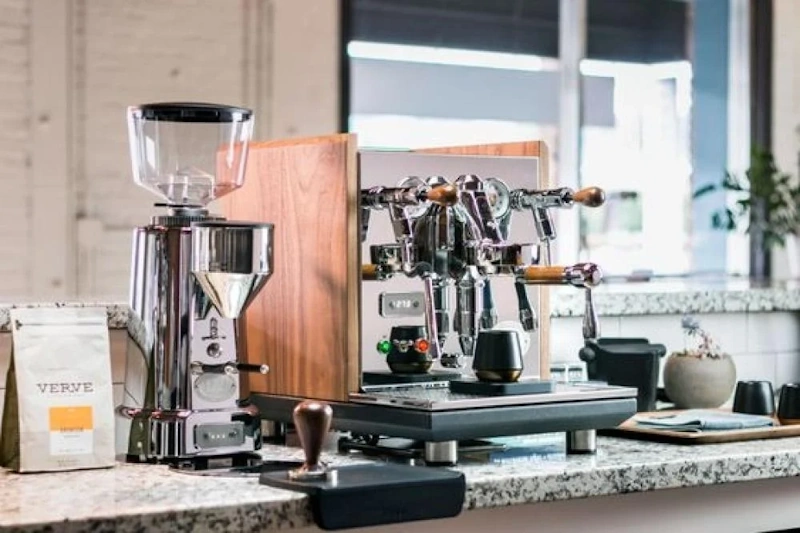
Espresso machines span enormous range in complexity and price. Manual machines require users to control every variable—grind size, dose weight, tamping pressure, water temperature, extraction time—offering complete control but demanding considerable skill development. Semi-automatic machines automate water temperature and pressure while leaving grinding, dosing, and timing to the user, providing balance between control and convenience. Fully automatic machines handle nearly everything at button presses, from grinding beans to frothing milk, prioritizing ease of use over hands-on involvement.
The versatility of espresso machines represents their greatest appeal for many users. Beyond pulling espresso shots, most include steam wands for frothing milk, enabling creation of cappuccinos, lattes, macchiatos, and numerous other specialty drinks that otherwise require café visits. For households consuming primarily milk-based coffee beverages, espresso machines potentially eliminate hundreds or thousands of dollars in annual café spending while offering unlimited customization.
The process of learning espresso preparation becomes a rewarding hobby for enthusiasts. Variables like grind fineness, dose amount, tamping technique, and extraction timing all affect results—mastering these factors and understanding their interactions provides intellectual engagement beyond simply consuming caffeine. Many people discover genuine enjoyment in the ritual itself, finding the morning espresso preparation meditative and satisfying.
These benefits come with significant considerations. Espresso machines require substantial investment—quality semi-automatic models start around $300, with serious enthusiast equipment costing $800-2,000. Learning curve is steep; producing consistently good espresso requires practice, patience, and willingness to waste coffee during skill development. Maintenance demands more attention than simpler machines—daily cleaning of portafilters and group heads, regular backflushing, descaling, and eventual replacement of wear components like gaskets and shower screens.
French Press: Traditional Immersion Brewing
French press represents coffee preparation at its most elemental—coarsely ground coffee steeps in hot water for several minutes before a plunger with mesh filter separates grounds from liquid. This full immersion brewing extracts coffee oils and fine particles that paper filters remove, creating beverages with pronounced body, robust flavor, and slight texture that many enthusiasts prefer over cleaner-tasting filtered coffee.
The French press appeals through multiple characteristics. Simplicity ranks foremost—with no electricity, no paper filters, and minimal components, these devices are virtually indestructible and work anywhere you can boil water. Cost is negligible; quality French presses cost $25-60 and last indefinitely with basic care. The hands-on process provides connection to your coffee preparation that automatic machines eliminate—you control every variable and directly observe the brewing progression.
Results showcase coffee beans’ full character. The metal mesh filter allows natural oils through, contributing to French press coffee’s distinctive mouthfeel and flavor complexity. This makes French press particularly rewarding when using high-quality, freshly roasted beans whose subtle notes shine through the preparation method.
Limitations include the manual attention required. You must separately heat water to proper temperature, time the four-minute steeping precisely, and carefully press the plunger avoiding disturbance of settled grounds. The metal filter allows fine sediment into your cup—acceptable to many users as part of French press character, but objectionable to those preferring completely clean beverages. French press lacks warming capability; coffee must be consumed shortly after brewing or transferred to thermal carafe maintaining temperature.
Single-Serve Pod Machines: Ultimate Convenience
Single-serve pod systems revolutionized home coffee through prioritizing convenience above all else. These machines brew individual cups using pre-packaged pods containing pre-measured, pre-ground coffee. Users simply insert a pod, add water, press a button, and receive hot coffee within 60 seconds. This eliminates measuring, grinding, and cleanup beyond occasionally rinsing the drip tray.
The convenience factor cannot be overstated. Pod machines remove virtually every barrier to brewing coffee—no skills required, no decisions beyond pod selection, no mess, and minimal time investment. Consistency is guaranteed; each pod produces identical results regardless of user competence. The variety available has expanded dramatically—pods now include regular coffee in various roasts and origins, espresso, specialty flavors, tea, hot chocolate, and more.
Compact footprint suits small kitchens or office environments where full-size machines wouldn’t fit. Many models are aesthetically pleasing enough to leave permanently visible rather than requiring storage. The combination of speed, ease, and variety makes pod machines popular in households where multiple people want different beverages or where time constraints make traditional brewing impractical.
Several significant disadvantages temper these benefits. Per-cup cost dramatically exceeds brewing with fresh beans—pod coffee typically costs $0.50-1.00 per cup versus $0.15-0.30 for equivalent amounts of fresh-ground coffee. This difference accumulates substantially for daily drinkers; someone consuming two cups daily spends an extra $250-500 annually using pods.
Environmental impact is considerable and increasingly controversial. Billions of plastic and aluminum pods enter landfills annually, with recycling programs available for some but not all pod types. Even compostable pods require commercial composting facilities unavailable in many areas. For environmentally conscious consumers, this waste represents serious ethical concern potentially outweighing convenience benefits.
Coffee quality generally lags behind fresh-ground alternatives. Pre-ground coffee in sealed pods loses freshness over weeks and months despite protective packaging—freshly ground beans taste noticeably better. Customization is limited to whatever pod manufacturers offer; you cannot experiment with different beans, adjust strength beyond preset options, or control brewing parameters.
Pour-Over Coffee Makers: Precision and Clarity
Pour-over systems attract enthusiasts appreciating hands-on brewing and precise control over extraction variables. Manual pour-over uses simple cone-shaped drippers holding paper filters—you pour hot water over grounds in controlled circular motions, managing flow rate and ensuring even saturation. This method produces exceptionally clean, nuanced coffee highlighting subtle flavor notes that other methods might obscure.
The appeal lies in several factors. Equipment is inexpensive—ceramic or plastic drippers cost $15-40 and last indefinitely. The brewing process becomes a mindful morning ritual for many practitioners, providing meditative focus that automatic machines eliminate. Results can be extraordinary; properly executed pour-over showcases coffee complexity and allows you to experience how small technique adjustments affect flavor.
Technique matters enormously in pour-over brewing, which represents both appeal and challenge. Variables include water temperature, pouring speed, pouring pattern, total brew time, and bloom duration—each affects extraction and final flavor. This control enables endless experimentation and continued skill development, but it also means consistency depends entirely on user technique. Beginners often struggle with pour-over initially, producing uneven extractions until they develop proper pouring rhythm and timing.
Time investment is significant. Each cup requires several minutes of focused attention, pouring in specific patterns while monitoring timing. This makes pour-over impractical when rushing or brewing for multiple people simultaneously. You need additional equipment—a kettle (preferably gooseneck style for pour control), scale for measuring coffee and water, and timer for tracking extraction.
Shop on AliExpress via link: wholesale-pour-over-coffee-dripper
Moka Pots: Stovetop Espresso-Style Brewing
Moka pots bridge the gap between regular coffee and espresso, using steam pressure to force water through coffee grounds without requiring electricity. These distinctive aluminum or stainless steel devices have three chambers—water boils in the bottom chamber, pressure forces it through coffee in the middle chamber, and brewed coffee collects in the top chamber. The result produces stronger, more concentrated coffee than drip methods but less intense than true espresso.
Moka pots appeal through affordability and durability. Quality units cost $30-80 and, with proper care, last decades—many families use the same moka pot across generations. No electricity requirement provides versatility; moka pots work on gas stoves, electric stoves, and camping stoves, making them practical beyond home use. The coffee produced has bold character satisfying those who find regular drip coffee too weak while avoiding espresso machine expense.
Limitations include lack of true espresso pressure—moka pots generate approximately 1-2 bars versus espresso machines’ 9 bars—meaning you won’t achieve authentic espresso with characteristic crema or exact flavor profile. Brewing parameters are difficult to adjust; the device dictates most variables, leaving minimal room for experimentation. Attention is required during brewing—you must monitor heat level preventing over-extraction or burnt flavors if temperature runs too high. The coffee must be consumed immediately as there’s no warming capability.
Understanding these machine categories helps narrow options dramatically. Your ideal choice depends on how you drink coffee—black coffee versus milk drinks; single servings versus multiple cups; quick preparation versus ritual enjoyment; and budget considerations. Many enthusiasts eventually own multiple devices for different situations, but starting with one machine matching your primary needs makes most sense. The perfect machine isn’t necessarily the most expensive or feature-rich; it’s the one you’ll actually use consistently, producing coffee you genuinely enjoy.
2. Essential Features to Consider When Buying
Selecting a coffee machine involves evaluating numerous features affecting usability, coffee quality, and long-term satisfaction. Manufacturers emphasize different capabilities, sometimes promoting impressive-sounding features providing minimal practical benefit. Understanding which features genuinely enhance your coffee experience versus marketing additions helps you invest wisely.
Brewing Capacity and Water Reservoir Size
Brewing capacity represents one of the first considerations, particularly for households with multiple coffee drinkers or those who entertain frequently. Drip coffee makers typically advertise capacity in cups, though these measurements often use 5-ounce “cups” rather than actual 8-12 ounce mugs—a “twelve-cup” machine might yield six to eight real servings. Consider your maximum typical consumption in a single brewing session, adding margin for occasional guests or unexpectedly busy mornings.
Water reservoir size directly relates to capacity but deserves separate consideration. Larger reservoirs reduce refilling frequency, which matters more than initially apparent—needing to refill water daily versus twice daily significantly affects perceived convenience and workflow. Removable reservoirs improve the refilling experience tremendously; you can take them directly to the sink rather than carefully pouring water into fixed tanks positioned awkwardly under cabinets.
For espresso machines, reservoir size becomes particularly important since water is consumed both for brewing shots and generating steam for milk frothing. Machines with undersized reservoirs force frequent refills during multi-drink preparation sessions. Some premium models include plumbed connections eliminating manual refilling entirely, though this requires appropriate placement near water lines.
Temperature Control and Stability
Water temperature profoundly impacts extraction quality, with optimal brewing typically requiring 195-205°F (90-96°C) for most coffee types. Temperature too low produces sour, under-extracted coffee lacking body and sweetness; temperature too high creates bitter, over-extracted harshness. Basic machines offer no temperature adjustment, which works fine if they’re properly calibrated but provides no recourse if you prefer different extraction characteristics or if the preset temperature doesn’t suit specific beans.
Mid-range and premium machines increasingly include temperature control, allowing adjustment in small increments optimizing extraction for different coffee types or personal preferences. Some advanced espresso machines offer separate temperature settings for brewing versus steam generation, providing precise control over both espresso extraction and milk frothing. Temperature stability matters as much as absolute temperature—good machines maintain consistent temperature throughout brewing, while cheaper units experience fluctuations affecting extraction consistency.
Programmability and Automation
Programmable features transform coffee machines from appliances requiring morning interaction into devices that have coffee ready when you wake. Basic programmability includes delayed start timers—load water and coffee the night before, set the desired brewing time, and wake to fresh coffee eliminating early morning preparation steps. More sophisticated programming allows saving multiple custom drink settings, particularly relevant for automatic espresso machines where different household members can program their preferred americano, latte, or cappuccino recipes.
The value of programmability varies tremendously by personal routine and priorities. Early risers following consistent schedules benefit enormously from waking to prepared coffee. People with irregular hours or who genuinely enjoy the morning brewing ritual might rarely use programmable features. Consider your actual lifestyle rather than abstract appeal—a feature sounds useful but only provides value if you’ll actually use it regularly.
Milk Frothing Capabilities
For those interested in cappuccinos, lattes, and other milk-based drinks, frothing capability separates basic coffee machines from those enabling full café-style beverage repertoire. Steam wands represent the traditional approach, producing dry steam that heats and aerates milk when you submerge the wand and activate steam flow. Manual steam wands require technique development to achieve proper microfoam texture but offer complete control and potential for latte art once you’ve mastered the skill.
Automatic frothing systems draw milk from containers via tubes and froth it internally before dispensing directly into your cup, typically with adjustable foam density settings. These prioritize convenience over ultimate quality—results are respectable but rarely match manually steamed microfoam’s velvety texture. However, they eliminate the learning curve and technique requirements, making quality milk drinks accessible to anyone regardless of skill level or willingness to practice.
Physical Size and Footprint
Machine dimensions significantly impact daily satisfaction yet often receive insufficient consideration during purchase decisions. Measure your available counter space carefully, accounting for not just the machine’s footprint but also clearance needed to access water reservoirs, bean hoppers, and service panels. Height relative to overhead cabinets matters—some machines fit perfectly on counters but won’t slide under typical cabinetry, forcing alternative placement or constant moving.
Weight considerations arise if you’ll frequently move the machine for cleaning or storage. Bulky machines dominating counters create resentment over time, even if their features initially seemed appealing. Conversely, compact machines that tuck neatly into allocated spaces feel less intrusive and integrate better into kitchen workflow. Visit stores to see machines physically if possible—online dimensions don’t convey actual presence the way seeing them in person does.
Ease of Cleaning and Maintenance
Cleaning requirements directly predict long-term satisfaction and usage patterns. Coffee machines accumulate oils, mineral deposits, and milk residue that degrade performance and flavor when neglected, yet complex cleaning processes often get skipped. Machines with removable, dishwasher-safe components dramatically reduce maintenance burden compared to those requiring manual scrubbing of fixed parts.
Daily cleaning needs vary by machine type. Drip makers need accessible filter baskets and carafes. Espresso machines benefit from removable drip trays, easy-access group heads, and simple portafilter disassembly. Milk systems particularly need straightforward cleaning since residual milk quickly spoils, creating sanitation issues and off-flavors. Some machines include automatic cleaning cycles for internal components, though these sometimes require expensive proprietary cleaning tablets.
Build Quality and Material Selection
Construction quality separates machines serving reliably for years from those requiring replacement after months. Material selection provides clues—metal components generally outlast plastic equivalents in high-wear areas. Stainless steel boilers maintain temperature consistency better than aluminum and resist corrosion from mineral-laden water. Solid feel and substantial weight usually correlate with better build quality, while machines feeling flimsy or lightweight often disappoint.
Brand reputation matters, though not absolutely. Established manufacturers typically provide better parts availability, customer support, and warranty service extending machine lifespan. Reading long-term user reviews—particularly those mentioning reliability after six months or a year—reveals potential durability issues that aren’t apparent from specifications or brief testing.
Shop on AliExpress via link: wholesale-espresso-machine
Evaluating features requires balancing specifications against your actual usage patterns and priorities. Create a list of must-have features based on how you’ll really use the machine, then nice-to-have features that would enhance but aren’t essential, recognizing which advertised features you’ll likely never use. A machine perfectly matching your top three priorities delivers more satisfaction than one including numerous features you don’t need. Focus on capabilities you’ll use daily rather than chasing specifications that look impressive but provide minimal practical benefit in your specific situation.
3. Budget Guide: Finding Your Perfect Price Point
Coffee machine prices span extraordinary range—from under $30 for basic models to over $5,000 for commercial-grade equipment. Understanding what different price tiers deliver helps establish realistic expectations and guides budget allocation for maximum value relative to your needs and priorities.
Under $75: Basic Functionality
This entry tier includes simple drip coffee makers, French presses, pour-over drippers, and moka pots—equipment handling fundamental brewing without sophisticated features or premium materials. Drip makers at this level typically offer basic on/off operation, simple glass carafes on warming plates, and straightforward filter baskets. French presses feature glass or stainless carafes with basic metal mesh filters and simple plunger mechanisms.
These products work perfectly well for their intended purposes despite low cost. The fundamental brewing processes function identically to expensive alternatives; budget machines simply omit convenience features and use less expensive materials. This tier works excellently for college students establishing first apartments, those unsure about coffee commitment wanting to start affordably, vacation homes or guest rooms needing functional equipment without significant investment, and office breakrooms serving basic coffee needs.
The key is maintaining appropriate expectations. These machines won’t produce espresso, won’t include programmability or advanced features, and may not last as long as premium alternatives. But they will brew satisfying coffee when used correctly with quality beans and proper technique—which matters far more than equipment cost for basic preparation methods.
$75-200: Improved Quality and Features
This range represents excellent value for most consumers, including enhanced drip coffee makers with programmable timers, thermal carafes maintaining temperature without warming plates, brew strength adjustment, and improved filtration systems. Single-serve pod machines populate this tier, offering ultimate convenience with brand-name reliability. Entry-level pour-over machines with some automation appear here, along with quality manual espresso makers like premium moka pots.
Quality and feature improvements become noticeable at this price point. Programmable drip makers eliminate morning preparation steps through delayed start functions. Thermal carafes preserve coffee flavor for hours without degradation that warming plates cause. Build quality increases with more metal components replacing plastic, improving durability and longevity. Some machines introduce modest customization through brew strength adjustment or temperature presets.
For many households, machines in this range provide optimal balance—sufficient features for satisfying daily use without costs requiring extensive justification. This tier particularly suits those drinking primarily drip coffee or single-serve convenience seekers, people wanting reliability without premium pricing, and anyone establishing their first serious coffee setup.
$200-500: Serious Equipment
This mid-to-upper range brings genuinely capable machines with meaningful feature sets and quality construction supporting regular use. Entry to mid-level espresso machines appear here, offering semi-automatic operation that produces legitimate espresso with proper technique. These include capable steam wands for milk frothing, enabling creation of cappuccinos, lattes, and other specialty drinks.
Drip machines at this level often include precision temperature control, multiple programming options, and certified brewing standards ensuring optimal extraction. Some single-serve systems with expanded capabilities like brewing both pods and fresh grounds provide flexibility. Entry-level automatic espresso machines with basic grinder integration start appearing at the upper end of this range.
This investment level makes sense for developing coffee enthusiasm beyond casual consumption—people who’ve progressed from simply needing caffeine to appreciating coffee’s flavors and variations. The capability to produce espresso-based drinks dramatically expands your repertoire, making café visits less necessary while providing complete creative control. Quality components deliver consistency making technique development more rewarding, as results reliably reflect your skill rather than equipment limitations.
$500-1,200: Enthusiast Territory
This tier enters enthusiast territory where machines balance automation with control, introducing genuinely impressive capabilities. Automatic espresso machines with sophisticated milk frothing systems produce café-quality drinks at button presses. Premium drip coffee makers achieve professional extraction standards with precise temperature stability and shower head designs ensuring optimal saturation. Machines with quality burr grinder integration provide fresh-ground convenience without significant quality compromise.
Build quality reaches levels ensuring years of reliable operation under daily use. Dual-boiler espresso machines allowing simultaneous brewing and steaming appear in this range, dramatically improving workflow when making multiple milk drinks. Advanced features like smartphone connectivity, multiple user profiles saving drink preferences, and extensive customization options become common.
Buyers in this range typically identify as serious coffee enthusiasts who’ve outgrown basic equipment but don’t require commercial-grade capabilities. The investment makes financial sense if currently spending significantly on café drinks—someone purchasing a $5 latte daily spends $1,825 annually, making even an $800 machine pay for itself in under six months while offering unlimited customization. These machines suit households where multiple members appreciate quality coffee and will utilize full capabilities.
Above $1,200: Premium and Professional Equipment
This upper tier includes premium automatic espresso machines offering extensive drink menus, sophisticated control systems, and commercial-grade components designed for high-volume output. High-end drip brewers with certified performance and competition-level pour-over machines appear here. Machines typically include quality burr grinders producing consistently-sized particles crucial for optimal extraction.
Features at this level include dual boilers with PID temperature controllers maintaining stability within single-degree precision, rotary pumps operating more quietly than vibratory alternatives, pre-infusion systems improving extraction, and volumetric dosing eliminating measurement guesswork. Build quality ensures decades of reliable service with proper maintenance.
Few home users genuinely benefit from equipment at these prices—capabilities exceed what even dedicated hobbyists typically need. Coffee quality improvements over properly-used machines costing half as much are real but subtle, noticeable mainly to trained palates or in direct comparison. Primary value becomes reliability, longevity, pride of ownership, and having absolute best tools available regardless of strict practical necessity.
This level suits coffee professionals practicing at home, serious hobbyists for whom coffee represents a primary passion, affluent individuals wanting finest tools available, and small businesses where coffee quality impacts client impressions justifying premium equipment as business expense.
Budget allocation should extend beyond the machine to supporting equipment and ongoing costs. Quality grinders often matter more than machine sophistication—even expensive espresso machines produce mediocre results with poorly ground coffee. Budget $75-250 for capable burr grinders if buying espresso equipment. Quality beans cost more than supermarket alternatives but dramatically affect results—expect $12-18 per pound for specialty coffee.
Accessories like tampers, milk pitchers, cleaning supplies, and scales add up quickly. Water filters or filtration systems protect equipment and improve flavor. Calculate realistic total setup costs including machine, grinder, initial supplies, and several months of beans to avoid surprise disappointment.
Consider total cost of ownership beyond initial purchase. Cheaper machines sometimes cost more long-term through higher electricity consumption, expensive proprietary supplies, or early replacement needs. Pod machines impose ongoing per-cup costs significantly exceeding fresh-ground alternatives. Machines requiring professional descaling services or expensive replacement parts can add hundreds to lifetime costs.
Ultimately, the right budget depends on individual circumstances including current coffee spending patterns, household consumption levels, skill level and interest in coffee preparation as hobby, available space and whether equipment will be prominently visible, and financial priorities balancing coffee enjoyment against other spending. Focus on value alignment with your specific needs rather than absolute spending or arbitrary quality tiers when establishing your coffee budget.
4. Selecting the Right Coffee Beans
Even the most sophisticated coffee machine cannot compensate for poor quality beans—exceptional coffee fundamentally begins with excellent ingredients. Understanding bean selection, freshness indicators, and storage practices dramatically improves results regardless of equipment sophistication. The difference between mediocre and extraordinary coffee often hinges more on bean quality than brewing equipment quality.
Coffee Species and Varieties
Arabica beans represent approximately 70% of global coffee production and include virtually all specialty coffee worth drinking. These beans grow at higher elevations where cooler temperatures slow development, allowing more complex flavor compounds to form. Arabica coffee exhibits cleaner, more nuanced taste with higher acidity and subtle sweetness. Flavor profiles vary enormously—from bright, fruity Ethiopian beans to chocolate-noted Colombian varieties to earthy Sumatran coffee—but all share Arabica’s fundamental flavor complexity and lower bitterness compared to alternatives.
Robusta beans comprise most remaining commercial coffee production, grown primarily at lower elevations where they resist disease better and produce higher yields. Robusta contains roughly twice the caffeine of Arabica but tastes harsher and more bitter with less flavor complexity. Some traditional Italian espresso blends include small Robusta percentages adding crema and perceived body, but pure Robusta rarely satisfies discerning palates. Unless specifically seeking traditional Italian espresso style, focus exclusively on Arabica beans for home brewing.
Single-Origin vs. Blends
Single-origin coffees come from specific geographic regions—sometimes individual farms or particular lots within farms—showcasing distinctive characteristics of their terroir. The combination of soil composition, climate patterns, altitude, and processing methods creates unique flavor profiles that coffee enthusiasts appreciate exploring. Ethiopian coffee often displays bright, fruity, wine-like qualities. Colombian coffee tends toward balanced, mild sweetness with caramel notes. Sumatran coffee produces earthy, full-bodied flavor with low acidity.
Exploring single-origin beans educates your palate about how growing conditions affect flavor, helping you discover preferences and develop appreciation for coffee’s remarkable diversity. Many roasters provide detailed information about farm elevation, processing method, and tasting notes, enabling informed exploration of different origins and characteristics.
Blends combine beans from multiple origins, pursuing specific flavor profiles or consistency across seasons. Skilled roasters create blends balancing complementary characteristics—perhaps using bright Central American beans for acidity, Indonesian beans for body, and African beans for fruit notes. Well-designed blends achieve complexity and balance difficult to find in single-origin coffees. Blends also provide consistency since roasters can adjust proportions as individual origins vary seasonally, maintaining familiar flavor profiles customers expect.
Neither approach is inherently superior to the other. Single-origins offer transparency and exploration opportunities, allowing you to experience each origin’s unique character. Blends pursue deliberate flavor crafting and reliability, creating specific taste experiences through careful component selection. Most enthusiasts enjoy both categories for different purposes—perhaps single-origins for weekend appreciation and blends for reliable daily drinking.
Roast Levels and Flavor Development
Roast level profoundly impacts flavor beyond origin characteristics themselves. Light roasts preserve beans’ inherent flavors most completely, highlighting origin distinctions and nuanced notes. Acidity remains pronounced, fruitiness or floral qualities appear clearly, and coffee tastes brighter and more complex. Light roasts suit brewing methods emphasizing clarity like pour-over, where subtle notes can shine without being overshadowed by roast-developed flavors.
Medium roasts balance origin character with roast-developed flavors, creating approachable coffee most people find immediately enjoyable. Caramelization begins developing sweetness and body while acidity moderates slightly. Origin characteristics remain evident but become more integrated with roasting flavors rather than dominating the profile. Medium roasts work excellently across brewing methods from drip to espresso, offering versatility making them popular for everyday consumption.
Dark roasts emphasize roast-developed flavors—caramelization and Maillard reactions create bold, bittersweet characteristics with pronounced body and minimal acidity. Origin characteristics fade substantially as roast flavors dominate the profile. Dark roasts produce intense, consistent flavor some people love while others find overpowering. French, Italian, and Spanish roasts fall into dark territory, sometimes becoming nearly black with oily surfaces. These roasts suit espresso blends where intensity stands up to milk in cappuccinos and lattes.
Freshness: The Critical Factor
Coffee begins staling immediately after roasting as volatile flavor compounds escape and oxidation progresses. Peak flavor typically occurs three to fourteen days after roasting, after initial degassing completes but before significant staling occurs. Beyond three to four weeks, quality deteriorates noticeably even with proper storage. Coffee purchased from supermarkets often sits weeks or months in distribution before reaching shelves, then waits additional weeks before purchase—this stale coffee never achieves its potential regardless of brewing skill or equipment quality.
Seeking specialty roasters providing roast dates and shipping immediately after roasting ensures beans arrive at peak freshness. Online ordering often delivers fresher coffee than local stores unless you have quality local roasters. Look for roast dates prominently displayed on packaging—purchase decisions should prioritize recent roasting over specific origins or roast levels, since freshness affects quality more than other variables within reasonable bounds.
Shop on AliExpress via link: wholesale-coffee-beans.html
Storage Practices Preserving Freshness
Oxygen, light, heat, and moisture all degrade coffee, so proper storage protects against these factors. Airtight containers made from opaque materials work best—dedicated coffee canisters with quality seals or vacuum-sealed containers with degassing valves optimize storage conditions. Store containers in cool, dark locations like pantries, avoiding placement near stoves, windows, or other heat and light sources that accelerate staling.
Countertop storage provides convenience but exposes coffee to light and temperature fluctuations. If keeping coffee visible for easy access, use opaque containers rather than clear glass showing contents. Never store coffee in original bags without transferring to proper containers—most coffee bags aren’t designed for long-term storage once opened, allowing air infiltration even when carefully rolled closed.
Freezing coffee is controversial but effective when done correctly. Divide fresh coffee into weekly portions immediately upon purchase, vacuum-sealing or placing in genuinely airtight containers. Freeze these portions, removing only what you’ll consume in one week. When removing a portion, don’t open the container until it reaches room temperature—this prevents condensation forming when cold coffee meets warm air. Never refreeze coffee or repeatedly open frozen storage. This approach preserves coffee effectively for two to three months with minimal quality loss.
However, freezing isn’t necessary for coffee you’ll consume within its optimal window. Simple airtight room-temperature storage works perfectly for quantities you’ll finish within three to four weeks. Only freeze coffee if you must buy larger quantities than you can consume fresh, or if you’ve found exceptional beans you want to preserve for special occasions.
Grinding: The Moment of Truth
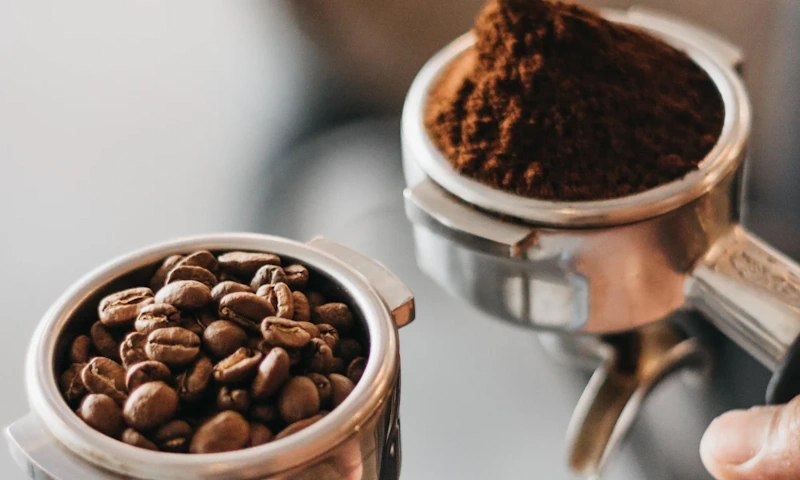
Coffee stales dramatically faster once ground due to massively increased surface area exposed to air. Ground coffee loses appreciable freshness within fifteen to thirty minutes—the difference between fresh-ground and pre-ground coffee brewed identically is immediately apparent to anyone comparing them. This reality is why dedicated grinders or machines with integrated grinders become essential rather than optional for anyone serious about coffee quality.
Always grind immediately before brewing whenever possible. Pre-grinding even the night before noticeably reduces quality compared to morning grinding. Convenience of pre-ground coffee seems appealing but cannot overcome the massive quality sacrifice. If grinding noise concerns early morning household members, invest in quieter grinders or wake slightly earlier—the improvement justifies the modest inconvenience.
Understanding coffee bean selection transforms purchasing from grabbing whatever’s available into intentional choices supporting quality. The knowledge helps you evaluate retailer offerings critically, recognizing value versus marketing hype while avoiding expensive mistakes on beans that won’t suit your preferences or equipment. While bean selection might initially seem overwhelming, fundamentals are straightforward—buy recently roasted Arabica beans from reputable sources, store them properly in airtight containers away from light and heat, and grind immediately before brewing. These simple practices elevate any brewing method dramatically.
5. The Science of Coffee Grinding
Grinding transforms whole beans into particles ready for extraction, but grind quality profoundly affects brewing success in ways many people underestimate. Understanding grinding parameters, equipment options, and proper technique helps optimize this crucial step. Many experienced coffee enthusiasts eventually conclude that grinder quality matters more than brewing equipment quality once you have functional machines—even expensive espresso machines cannot overcome poor grinding.
Why Grind Size Matters
Grind size directly affects extraction speed and efficiency. Water flows through coarse grounds quickly, extracting less total material but preventing over-extraction of bitter compounds. Coarse grinding suits immersion methods like French press and cold brew where coffee steeps for minutes, limiting the need for rapid extraction. Medium-coarse to medium grinds work for drip coffee makers, balancing extraction time with filter flow rates. Fine grinds dramatically increase surface area and slow water passage, enabling espresso machines to extract concentrated flavors in twenty-five to thirty seconds. Extra-fine grinds approach flour consistency for Turkish coffee, where grounds remain in the final drink.
Matching grind size to brewing method is absolutely essential. Using fine espresso grind in French press produces over-extracted, muddy coffee with excessive sediment. Coarse grounds in espresso machines cause water to rush through without adequate extraction, creating weak, sour shots lacking body and complexity. Most brewing methods have optimal grind ranges discovered through decades of experimentation—starting within recommended ranges then adjusting based on taste produces best results.
The Consistency Problem
Grind consistency matters as much or potentially more than size itself. Inconsistent grinding produces particles ranging from large boulders to dust-like fines, with each size extracting at different rates. Boulders under-extract, contributing sour, underdeveloped flavors and thin body. Fines over-extract, adding bitterness and harshness while potentially clogging filters. The resulting coffee tastes muddled and unbalanced regardless of overall grind size settings.
Quality grinders minimize this particle distribution problem through superior cutting mechanisms, producing grounds where most particles fall within narrow size ranges. Cheaper grinders create wider distributions with more fines and boulders, fundamentally limiting quality ceiling regardless of coffee or brewing equipment quality. This is why serious coffee enthusiasts prioritize grinder upgrades even before brewing equipment—consistent grinding enables optimization impossible with inadequate grinders.
Burr Grinders: The Gold Standard
Burr grinders represent the universally acknowledged standard for quality grinding. These devices crush beans between two serrated surfaces—either flat disks or conical shapes—that can be adjusted closer together or farther apart controlling grind size. The crushing action produces remarkably consistent particle sizes compared to alternatives, with minimal generation of fines and boulders.
Burr grinders come in enormous price range. Entry-level burr grinders suitable for drip coffee and French press start around $50-75, delivering dramatic improvements over blade grinders while remaining affordable. Espresso-capable burr grinders with stepless adjustment and consistency meeting espresso’s demanding requirements begin around $150-200. Professional-quality grinders offering marginal improvements valuable mainly to serious enthusiasts and commercial operations cost $400-1,000 or more.
The grinding mechanism itself generates less heat than blade grinders, preventing flavor degradation from temperature increases during grinding. Burr material affects longevity—steel burrs typically last through grinding 500-1,000 pounds of coffee before requiring replacement, while ceramic burrs exceed that lifespan. However, ceramic burrs are more brittle and susceptible to damage from rocks or debris occasionally found in coffee beans.
Blade Grinders: Why to Avoid Them
Blade grinders use spinning blades to chop beans randomly, similar to food processors. While dramatically cheaper at $15-30, they produce wildly inconsistent results unsuitable for quality coffee. The chopping action creates everything from dust to nearly whole beans in the same batch, guaranteeing uneven extraction. Grinding time affects particle size—longer grinding creates finer results but simultaneously increases fines and boulders rather than narrowing distribution.
Heat generation from high-speed blade friction damages flavor compounds, particularly problematic during extended grinding sessions attempting to achieve finer consistency. The resulting coffee tastes inferior to burr-ground equivalents even when using identical beans and brewing equipment.
Blade grinders work acceptably only if you have absolutely no alternatives and aren’t particular about quality. Anyone serious about improving coffee should prioritize burr grinder acquisition over almost any other equipment upgrade. The difference blade versus burr grinding makes exceeds most other improvements you can implement.
Shop on AliExpress via link: wholesale-burr-coffee-grinder
Manual vs. Electric Grinders
Manual grinders use hand cranks to turn burrs, requiring physical effort but no electricity. Quality manual grinders produce excellent consistency rivaling electric models costing much more—an $80 manual grinder often outperforms $200 electric alternatives. The grinding process takes one to two minutes of arm work for enough coffee for one or two cups, providing tactile engagement some people enjoy as part of their coffee ritual.
Manual grinders are compact, portable, and silent—perfect for small kitchens, travel, or situations where noise matters. They excel for single-serve methods like espresso, pour-over, or Aeropress. The primary limitation is capacity—grinding enough coffee for a full drip pot becomes tedious, making manual grinders less practical for large-volume brewing.
Electric grinders save effort and enable higher volumes but introduce considerations like counter space, noise, and power consumption. Direct-drive grinders connect motors directly to burrs, creating higher speeds that finish grinding quickly but generate more heat and noise. Gear-reduced motors run burrs slower with less heat generation and quieter operation but extend grinding time. Motor quality affects longevity dramatically—cheap motors burn out after months of daily use while quality components last years without issues.
Stepped vs. Stepless Adjustment
Stepped grinders have predetermined grind size positions—perhaps forty discrete settings from coarse to fine. Each click changes grind size by a fixed amount. Stepped adjustment works well for drip coffee and French press where precise grinding matters less. However, limitations appear with espresso, where optimal settings might fall between available steps.
Stepless grinders allow infinite adjustment within their range, enabling the precise dialing-in that espresso demands. The ability to make tiny adjustments between what would be discrete steps in stepped grinders makes finding the exact perfect grind much easier. While stepless sounds unequivocally better, stepped grinders offer repeatability advantages—you can reliably return to position twenty-three after adjusting for different brewing methods, whereas stepless positions might vary slightly.
Grind Retention and Its Effects
Grind retention refers to coffee remaining in grinders between uses. Some machines trap grounds in internal pathways, burr chambers, and dispensing chutes, releasing them during subsequent grinding to mix with fresh coffee. High retention becomes problematic when switching between different beans or adjusting grind size—stale grounds contaminate fresh batches, and size adjustments take multiple grinding cycles to fully take effect as old grounds clear out.
Low-retention grinders minimize this issue through design optimizations reducing internal spaces where grounds accumulate. Single-dose grinders accept exact quantities for immediate use, eliminating retention entirely but requiring weighing beans before each grinding session. While this adds a step, many enthusiasts prefer single-dosing for maximum freshness and complete flexibility switching between beans.
Grinder Maintenance
Burrs gradually dull over time and miles of grinding, typically requiring replacement after several hundred pounds of coffee depending on burr material and usage patterns. Signs indicating replacement needs include difficulty achieving fine grinds even at finest settings, increased grounds retention as worn burrs trap more particles, and noticeably inconsistent particle sizes despite thorough cleaning.
Regular cleaning removes accumulated oils and particles affecting grind consistency and flavor. Disassemble burr chambers monthly for thorough cleaning using small brushes and vacuum, removing all trapped grounds and oily residue. Some grinders feature removable burrs for easy cleaning while others require more involved disassembly. Avoid using water or liquids in electric grinders except for specifically designed wash-safe models.
Grinder cleaning tablets offer convenient deep-cleaning option. These food-safe tablets run through grinders like coffee beans, with absorbent material binding oils and residue while cleaning burr surfaces. Follow up with purging by grinding and discarding small amounts of actual coffee, ensuring no tablet residue remains.
Understanding and optimizing grinding transforms it from an afterthought into a crucial step deserving attention and appropriate investment. The difference between mediocre and excellent coffee often hinges more on grind quality than any other single variable. While premium grinders represent significant investments, even modest upgrades from blade to entry-level burr grinders produce dramatic improvements. For those ready to enhance their coffee setup with reliable grinding capability, exploring quality burr grinders reveals options across price ranges delivering the consistent particle size that unlocks coffee’s full potential.
6. Mastering Coffee Brewing Techniques
Brewing technique determines whether quality beans and proper grinding translate into excellent coffee or disappointing results. Each brewing method has optimal parameters and common pitfalls separating successful execution from mediocre outcomes. Understanding the science behind extraction while developing practical skills enables consistently satisfying coffee regardless of equipment sophistication.
Drip Coffee Brewing Fundamentals
Drip brewing seems deceptively simple—add water and grounds, press start—but subtle technique adjustments significantly impact results. Begin with water quality; tap water containing chlorine, heavy minerals, or off-flavors directly affects coffee taste. Filtered water or bottled spring water typically works better than straight tap water unless you’re fortunate to have excellent municipal water. Avoid distilled water, which lacks minerals necessary for proper extraction and tastes flat.
Water temperature should reach 195-205°F for optimal extraction. Most quality drip makers handle this automatically, maintaining proper temperature throughout brewing cycles. If manually adding hot water to pour-over or other methods, use a thermometer confirming temperature or let boiled water rest thirty to forty-five seconds before pouring.
Coffee-to-water ratio fundamentally affects strength and flavor balance. Standard ratios fall around 1:15 to 1:17—approximately 60 grams of coffee per liter of water, or one to two tablespoons per six ounces. Adjusting within this range lets you dial in personal preferences—more coffee creates bolder brews while less produces milder results. Measuring by weight using kitchen scales provides accuracy and repeatability compared to volume measurements affected by grind size and bean density variations.
Grind size for drip coffee typically ranges from medium to medium-coarse, resembling sea salt or coarse sand. Too fine creates over-extraction and slow drip rates potentially causing basket overflow; too coarse produces weak, under-extracted coffee lacking body and complexity. Brew time for full pots usually runs four to six minutes—significantly shorter or longer suggests adjusting grind size or checking machine function.
Pre-wetting grounds before full brewing, called blooming, releases trapped carbon dioxide and promotes even extraction. Some machines automate blooming with brief pause cycles; for others, manual pre-wetting with small amounts of water, waiting thirty seconds, then starting the brew cycle improves results noticeably.
Espresso Extraction Mastery
Espresso represents coffee brewing’s most technically demanding method, requiring precision across multiple variables simultaneously. Successful shots extract complex flavors in concentrated form topped with rich crema, while failures produce bitter harshness or sour weakness. The learning curve is substantial but systematic approach and persistence yield rewarding mastery.
Begin with quality fresh beans—espresso magnifies both excellence and flaws, making bean selection crucial. Freshly roasted espresso blends or medium-to-dark single origins work best. Light roasts can produce interesting espresso but require more skill extracting properly without sourness.
Grinding for espresso demands precision—aim for consistency resembling fine table salt, though exact settings vary between grinders and beans. Starting too coarse produces fast shots under twenty seconds tasting sour and weak. Too fine creates slow or stalled extractions exceeding forty seconds, tasting bitter and harsh. Dial in by adjusting grind incrementally—many espresso grinders need only one or two position changes to dramatically affect extraction time.
Weigh doses precisely using scales, typically 18-20 grams for double baskets. Consistency in dosing eliminates variables when adjusting grind, ensuring changes in results reflect grind adjustments rather than dose variations. Distribution ensures even density throughout the coffee puck—after dosing into portafilter, grounds settle unevenly with clumps and voids causing channeling where water finds paths of least resistance rather than flowing evenly.
Tamping compresses grounds into dense, level puck resisting water flow. Apply approximately thirty pounds of pressure—enough that pushing harder doesn’t compress further. Level tamping matters more than absolute pressure—uneven pucks cause channeling. Keep tamper perpendicular to basket, applying even pressure across entire surface. Polish by lightly twisting tamper while maintaining pressure, creating smooth top surface.
Extraction timing provides critical feedback. Aim for 25-30 seconds from pump activation to achieving target yield, typically 40-45 grams of espresso from 18-20 grams of coffee. Extraction too fast indicates grinding too coarse—shots taste sour, thin, and underdeveloped. Extraction too slow suggests grinding too fine—shots taste bitter, harsh, and over-extracted.
Visual cues during extraction indicate quality. Espresso should flow steadily in thin streams resembling warm honey, thickening into mouse-tail consistency as extraction progresses. Very fast drips or gushing indicates severe channeling or under-dosing. Very slow drops or complete stalls suggest over-dosing or too-fine grinding. Crema should form richly, appearing reddish-brown with color varying by beans, persisting for minutes after extraction.
French Press Perfection
French press brewing rewards attention to detail despite apparent simplicity. Start with coarsely ground coffee resembling breadcrumbs or coarse sea salt—particles significantly smaller cause excessive sediment and over-extraction. Measure coffee using scales, typically 30 grams per 500ml water, adjusting for stronger or weaker preferences.
Boil water then let rest forty-five seconds to reach optimal temperature around 200°F. Add grounds to empty press, pour small amount of water twice the coffee weight to bloom grounds, releasing trapped carbon dioxide. Wait thirty to forty seconds observing grounds expand and bubble. After blooming, pour remaining water in circular motion ensuring all grounds contact water.
Stir gently with wooden or plastic spoon to fully saturate any floating grounds—avoid metal spoons potentially chipping glass carafes. Place lid with plunger raised, not pressing yet, to retain heat during steeping. Wait four minutes for extraction—times between three and five minutes work depending on preference, but consistency matters for repeatability.
After steeping completes, press plunger slowly and steadily downward over twenty to thirty seconds. Fast pressing agitates settled grounds, increasing sediment and bitter compounds in final cup. Press only until plunger reaches grounds level—forcing it to bottom disturbs settled bed. Pour coffee immediately after pressing since extraction continues while grounds contact water, causing over-extraction if left sitting.
Pour-Over Precision
Manual pour-over brewing provides maximum control over variables, enabling exceptional clarity and flavor when executed skillfully. Begin with medium-to-medium-fine grounds resembling regular sand. Grind consistency matters enormously—uneven particles cause irregular extraction visible as color variations during brewing.
Place filter in dripper, rinse with hot water eliminating paper taste and preheating vessel. Discard rinse water before adding coffee. Measure coffee precisely, typically 15-30 grams depending on dripper size, targeting 1:15 to 1:17 coffee-to-water ratios.
Bring water to boil, let rest to 195-205°F, or use gooseneck kettles with built-in thermometers for precision. Pour twice the weight of water over grounds to bloom, starting timer simultaneously. Pour in slow, expanding spiral motion ensuring all grounds contact water evenly. Watch grounds bubble and expand as trapped carbon dioxide releases.
After thirty to forty-five seconds, begin main pouring phase. Pour in controlled circular motions maintaining consistent water level, neither flooding grounds nor letting them dry out. Total brew time typically runs 2:30 to 3:30 minutes depending on coffee amount and desired strength.
Pouring technique profoundly affects extraction. Pour steadily without sudden stops or floods disturbing coffee bed. Maintain even circular patterns avoiding center-only or edge-only pouring creating uneven extraction. Flow rate should keep grounds submerged but not swimming. Some brewers prefer continuous pouring while others use multiple smaller pours with brief intervals.
Observing coffee bed provides feedback. Ideally, grounds settle into flat layer after water drains, indicating even extraction. Sloped beds or collapsed centers suggest uneven pouring or channeling. Excessively fast brew times under two minutes indicate too-coarse grinding or insufficient coffee amount. Slow times over four minutes suggest too-fine grinding or over-dosing.
Cold Brew Simplicity
Cold brew’s appeal lies in forgiving nature and distinct flavor profile. Use coarsely ground coffee—consistency resembling breadcrumbs or French press grind. Coffee-to-water ratios vary based on desired concentrate strength, typically 1:4 to 1:8. Stronger ratios like 1:4 produce concentrate requiring dilution before drinking; weaker ratios produce ready-to-drink cold brew.
Combine coffee and water in containers—dedicated cold brew makers, French presses, mason jars, or any vessel holding mixture works. Stir thoroughly ensuring all grounds saturate. Some grounds initially float due to trapped air—stirring submerges them. Cover container, optionally refrigerating, and wait twelve to twenty-four hours.
After steeping, separate grounds from liquid through filtration—purpose-built cold brew makers include integrated filters simplifying this step. For containers without filters, strain through fine-mesh sieves, coffee filters, cheesecloth, or specialized nut milk bags. Multiple filtration stages might be necessary removing all sediment.
Resulting cold brew concentrate stores refrigerated for up to two weeks without significant quality loss—this longevity is unique among brewing methods, making cold brew convenient for batch preparation. For ready-to-drink preparations, serve over ice directly. For concentrates, dilute with water, milk, or non-dairy alternatives to taste.
Mastering brewing techniques transforms quality beans and equipment into consistently excellent coffee. Each method has learning curves, but systematic practice using proper measurements, temperatures, and timing produces reliable results. Keep notes documenting successful formulas since coffee memory is unreliable. Most importantly, don’t let pursuit of perfection prevent enjoying good coffee—minor imperfections rarely matter as much as we imagine.
7. Water Quality and Temperature Control
Water comprises over ninety-eight percent of brewed coffee, yet its quality receives surprisingly little attention from many coffee enthusiasts. Understanding water chemistry and its effects on extraction enables optimizing this fundamental ingredient, often producing more noticeable improvements than equipment upgrades.
Understanding Water Chemistry
Water hardness refers to dissolved mineral content, primarily calcium and magnesium. Hard water contains high mineral concentrations while soft water has minimal minerals. Moderate hardness benefits coffee extraction—minerals provide buffering capacity stabilizing pH and enabling effective extraction of desirable flavor compounds.
However, excessive hardness causes problems. Mineral deposits accumulate in coffee equipment, restricting water flow and affecting temperature consistency. Scale eventually damages heating elements and internal components. Heavily mineralized water can impart metallic or mineral tastes overshadowing coffee flavors.
Very soft water creates opposite problems. Without sufficient minerals, water extracts too aggressively, pulling harsh and bitter compounds while failing to properly extract balanced flavors. Soft water also lacks buffering capacity, allowing pH fluctuations affecting extraction consistency. Additionally, soft water provides no protection against corrosion in metal brewing components.
Ideal water for coffee contains approximately 50-175 parts per million total dissolved solids with balanced calcium and magnesium composition. This moderate mineral content supports optimal extraction while avoiding buildup problems plaguing very hard water.
Chlorine and pH Concerns
Chlorine and chloramine added to municipal water for disinfection negatively impact coffee taste. Even low concentrations detectable more by odor than direct taste become pronounced when water concentrates through brewing. Chlorine creates medicinal or swimming-pool flavors clashing with coffee’s natural characteristics.
pH measures water acidity or alkalinity on scales from zero to fourteen, with seven being neutral. Slightly acidic to neutral water ranging pH 6.5-7.5 works best for coffee, promoting optimal extraction of acids, sugars, and oils creating balanced flavor. Highly alkaline water above pH 8 causes under-extraction, producing flat, dull coffee missing brightness and complexity. Very acidic water below pH 6 increases extraction of undesirable bitter compounds.
Improving Water Quality
Carbon filtration effectively removes chlorine, chloramine, and organic compounds affecting taste while leaving beneficial minerals intact. Activated carbon filters attach to faucets, integrate into pitcher systems, or install inline with plumbing. These filters improve taste dramatically at low cost, representing minimum water treatment for quality coffee.
Reverse osmosis systems remove virtually all dissolved solids, producing nearly pure water. While this sounds ideal, pure water lacks minerals necessary for proper extraction, producing flat-tasting coffee. However, RO provides excellent starting point for customizing water composition—add specific minerals in precise amounts creating optimal brewing water.
Bottled water offers variable results depending on mineral content. Spring water typically contains beneficial minerals in reasonable amounts, working well for coffee. However, brands vary dramatically—some contain excessive minerals while others approach distilled water purity. Check labels for total dissolved solids and mineral content, targeting moderate levels.
Temperature Control Matters
Water temperature profoundly affects extraction. The ideal brewing temperature falls between 195-205°F for most coffee. Water too cool produces sour, under-extracted coffee lacking body and sweetness. Water too hot creates bitter, harsh over-extraction.
Most quality brewing equipment handles temperature automatically through thermostats and heating elements. For manual methods, boil water and let rest thirty to sixty seconds reaching optimal range. Inexpensive thermometers confirm temperature if wanting precision.
Understanding and optimizing water quality provides meaningful improvements with minimal investment. Basic attention through carbon filtration and maintaining moderate mineral content makes dramatic differences. Clean, mineral-balanced water lets your beans and equipment perform at potential.
8. Milk Frothing for Espresso Drinks
Milk-based coffee drinks dominate café menus and home preferences, making milk frothing technique essential for anyone wanting cappuccinos, lattes, or similar beverages. Properly frothed milk transforms simple espresso into complex, satisfying drinks whose appeal lies as much in texture as taste.
Understanding Milk Science
Milk frothing incorporates air into liquid milk while heating, creating microfoam—tiny uniform bubbles suspended throughout milk rather than large separated foam sitting atop liquid. Quality microfoam feels velvety and pours smoothly, integrating seamlessly with espresso.
Temperature matters enormously—heating to 140-155°F develops sweetness and proper texture. Temperatures above 160°F scald milk, creating burnt flavors and breaking down proteins maintaining foam structure. Milk composition affects frothing capability—whole milk’s fat content provides richness and stability. 2% milk froths adequately with lighter texture. Skim milk froths easily, producing more volume but tasting thinner.
Steam Wand Technique
Espresso machines with steam wands provide professional frothing capability requiring skill development. Begin with cold milk in appropriate-sized pitchers filling one-third full, allowing room for expansion. Purge steam wand briefly before immersing, clearing condensed water.
Submerge wand tip just below milk surface, angling pitcher creating circular flow. As you engage steam, wand tip position causes milk to whirlpool while drawing air. The initial phase incorporates air—keep wand positioned drawing air, creating subtle hissing. This phase lasts only seconds for cappuccino-quantity milk.
As foam volume increases, gradually lower pitcher keeping wand tip at optimal position. Once adequate volume develops, push wand deeper stopping aeration while continuing heating. The second phase spins milk creating microfoam without adding more air. Position wand off-center deeper in milk maintaining whirlpool motion.
Remove pitcher when proper temperature is reached. Most pitchers become too hot to comfortably hold around 140°F, providing physical feedback. Immediately wipe steam wand clean and purge briefly clearing milk from tip.
Automatic Frother Systems
Many home machines include automatic frothing drawing milk from containers and delivering frothed milk directly into cups. These prioritize convenience over texture control. Results vary by machine quality—premium automatics produce respectable microfoam while budget versions create merely acceptable results.
Handheld Frother Tools
Battery-powered handheld frothers use spinning whisks creating foam through mechanical agitation. Heat milk separately, then immerse frother and activate until desired foam develops. Results differ from steam frothing—foam tends toward larger bubbles. The low cost makes handheld frothers accessible to everyone.
Understanding and practicing frothing is essential for milk-based drinks. While requiring deliberate practice, achieving consistently good microfoam happens relatively quickly. The capability to create café-quality milk drinks adds tremendous value to espresso machine investments.
9. Coffee Machine Maintenance and Cleaning
Regular maintenance preserves coffee quality, extends equipment lifespan, and prevents costly repairs. Establishing consistent cleaning routines takes minimal time but dramatically affects satisfaction.
Daily Cleaning Essentials
For drip makers, immediately rinse filter basket thoroughly and wash carafe with dish soap. For espresso machines, purge group head after each shot, rinse portafilter and basket, and wipe group head gasket. Steam wands require immediate cleaning after each use—wipe exterior thoroughly and purge steam briefly.
Weekly Deep Cleaning
Run water-only cycles through drip makers flushing internal pathways. For espresso machines, remove shower screens and soak in cleaner solution. Backflush using cleaning powder. Remove and wash drip trays thoroughly.
Monthly Maintenance
Descaling represents the most critical monthly maintenance. Mineral deposits accumulate in heating elements and internal tubing. Use manufacturer-recommended descaling agents. Replace water filters monthly.
Understanding and executing proper maintenance protects equipment while ensuring consistently excellent coffee. Neglecting maintenance costs far more long-term through reduced quality and premature replacement.
10. Common Coffee Mistakes to Avoid
Understanding common pitfalls helps avoid them while troubleshooting problems.
Using Pre-Ground Coffee
Coffee stales dramatically faster once ground. Always grind immediately before brewing.
Improper Storage
Store beans in airtight, opaque containers away from light and heat.
Wrong Grind Size
Match grind size to brewing method—fine for espresso, coarse for French press.
Neglecting Cleaning
Establish cleaning routines and follow religiously.
Skipping Heat Protectant
If using pre-ground temporarily, consume quickly and store properly.
Avoiding these common mistakes positions you for consistently satisfying coffee.
Conclusion: Brewing Your Perfect Cup
Achieving exceptional coffee at home requires understanding equipment, technique, and ingredients working together. Focus on fundamentals—quality fresh beans, proper grinding, correct brewing parameters, and regular maintenance. Start with improvements matching your current situation, building habits that compound into dramatic quality enhancements over time. Your perfect coffee awaits through knowledge, consistency, and patience.
Frequently Asked Questions
Q: How often should I replace my coffee machine? Quality machines last 5-15 years with proper maintenance. Replace when frequent repairs cost significant percentages of replacement price or when unable to maintain proper temperatures.
Q: Can I use regular tap water? Tap water suitability depends on local quality. Carbon filtration removes chlorine and organic compounds, dramatically improving coffee made from municipal water.
Q: Is expensive equipment worth it? Not necessarily—mid-range equipment often provides best value. Focus on features matching your needs rather than price.
Q: How long do beans stay fresh? Beans maintain peak flavor 2-6 weeks after roasting when properly stored. Buy quantities you’ll consume within a month.
Q: Should I buy machine with built-in grinder? Consider tradeoffs—convenience versus flexibility. Separate grinders enable individual optimization.
Q: How do I know if I need protein or moisture? Stretch test helps—hair stretching excessively needs protein; breaking immediately needs moisture.
Q: What’s difference between espresso and regular beans? No fundamental difference—both use same coffee beans. Espresso roasts typically trend darker.
Q: Can I make good coffee without expensive equipment? Absolutely—French press with manual grinder produces excellent coffee when using quality beans and proper technique.
Q: How important is water temperature? Water temperature profoundly affects extraction. Optimal brewing requires 195-205°F for most coffee.
Q: Should I preheat equipment? Preheating matters particularly for espresso. For larger volume drinks, preheating helps but matters less.
Articles related:
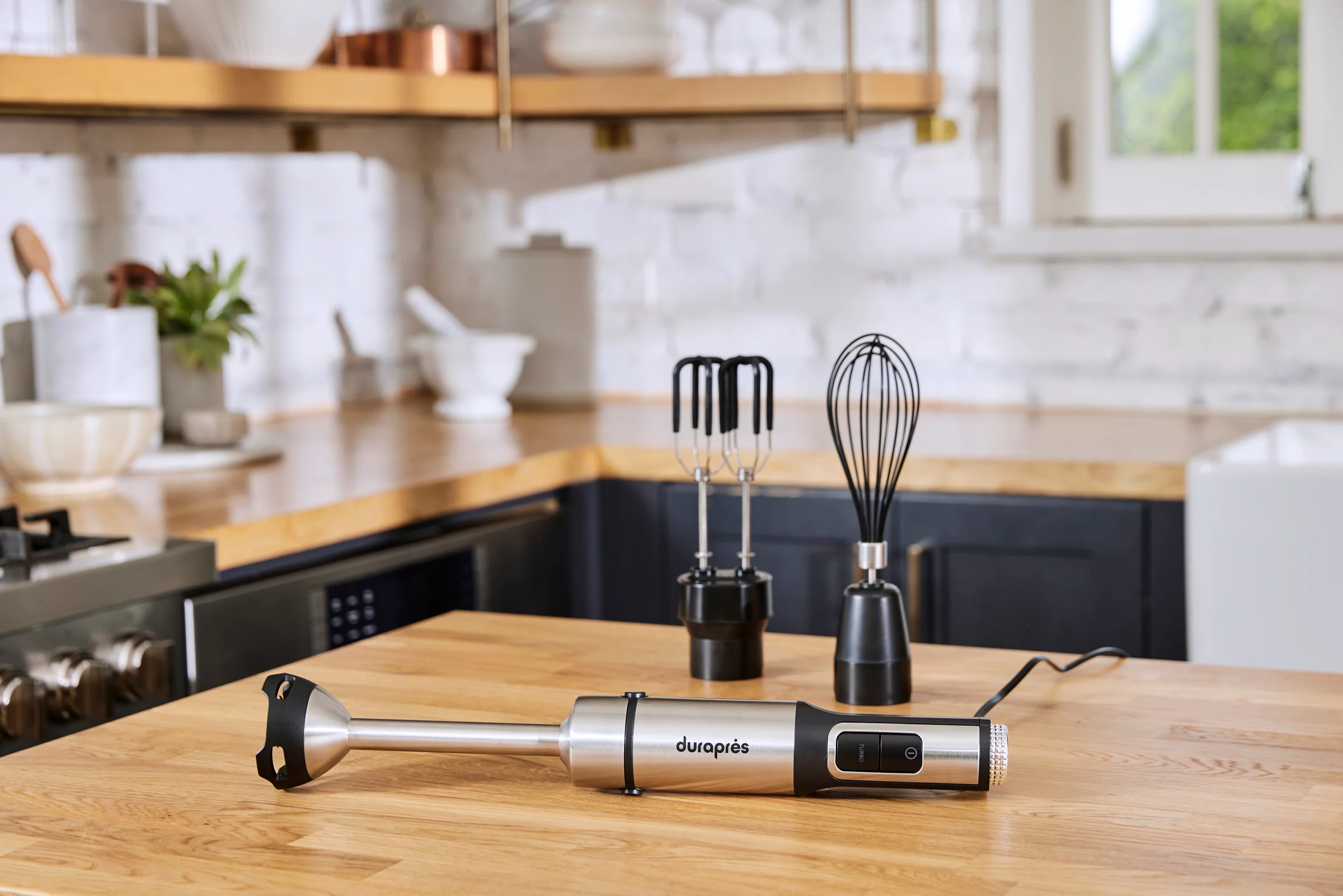
Tags
📧 Get More Articles Like This
Subscribe to receive product reviews and buying guides in your inbox!
We respect your privacy. Unsubscribe at any time.