Budget kitchen appliances vs. luxury brands: Blind taste test results might shock you
Table of Contents
- The $2,847 Kitchen Showdown Nobody Expected
- Testing Methodology: How We Kept It Blind
- The Great Baking Battle: Mixers and Whisks
- Chopping Challenge: Knives, Processors, and Mandolins
- Cooking Comparison: Pans, Spatulas, and Thermometers
- Specialty Gadgets: The Surprising Winners
- Total Cost Analysis: What You Actually Get
- Professional Chef Insights
- Frequently Asked Questions
The $2,847 Kitchen Showdown Nobody Expected
Marcus Chen stood in his test kitchen on a cold February morning, surrounded by forty-three kitchen gadgets arranged in identical pairs along his stainless steel countertops. Half bore the logos of luxury brands whose marketing promised revolutionary cooking experiences—KitchenAid, Vitamix, Le Creuset, All-Clad—names that commanded premium prices and inspired fierce brand loyalty among home cooks and professional chefs alike. The other half came from budget retailers and online marketplaces, generic tools that cost a fraction of their luxury counterparts but made no bold claims about transforming anyone’s culinary capabilities. Marcus had spent $2,847 assembling this collection for what would become the most comprehensive blind taste test comparison ever conducted between budget and luxury kitchen equipment, a six-month investigation that would challenge everything conventional wisdom taught about the relationship between price and performance in home cooking.
The inspiration for this exhaustive project arrived unexpectedly during a dinner party three months earlier when Marcus’s friend Sarah served an extraordinary chocolate cake that everyone praised enthusiastically. When pressed about her secret, Sarah reluctantly admitted she’d mixed the batter using a $14.99 hand mixer from a discount retailer after her expensive KitchenAid stand mixer broke the previous week. The confession sparked heated debate among the dinner guests—some insisted that quality tools made quality food, while others argued that skill and technique mattered far more than equipment price tags. Marcus, a former restaurant chef turned food science consultant, decided to settle the question definitively through rigorous blind testing that would remove brand bias and focus exclusively on what actually ended up on the plate. He recruited twenty-three volunteer tasters including professional chefs, cooking instructors, and serious home cooks, none of whom would know which tools prepared which foods during the evaluation process that would ultimately reveal surprising truths about kitchen equipment value.
The testing protocol Marcus developed drew inspiration from pharmaceutical double-blind studies and Consumer Reports kitchen appliances evaluation methodologies used by professional product testing laboratories.. Each cooking task would be performed twice—once using budget equipment and once using luxury brands—with identical recipes, ingredients, and techniques applied to both preparations. The foods would be labeled only with random numbers, and tasters would evaluate them without any information about the tools used in their creation. Marcus established strict controls to eliminate variables that might skew results: all ingredients came from the same suppliers and batches, cooking was performed in the same kitchen under identical environmental conditions, and timing was measured precisely using laboratory-grade timers rather than the built-in functions of some appliances that might introduce bias. The comprehensive scope would include baking, chopping, cooking, blending, and specialized tasks, with multiple trials of each comparison to account for natural variation and ensure statistical validity of the findings.
The video demonstrates how simple kitchen tools can sometimes deliver impressive performances that surpass complex and expensive appliances:
The financial mathematics of the comparison revealed stark contrasts that would make any home cook pause before reaching for premium brands. The budget kitchen toolkit cost $287 total—a complete collection of functional tools that could equip a kitchen from scratch for less than the price of a single luxury stand mixer. The luxury equivalent totaled $2,560, reflecting the premium consumers paid for established brand names, superior materials, refined aesthetics, and marketing promises of transformational cooking experiences. This nine-fold price difference meant that choosing luxury across all categories represented a serious financial commitment equivalent to a major appliance purchase or substantial kitchen renovation, yet the fundamental question remained unanswered: did that investment translate into better food? Marcus’s testing would provide concrete data rather than subjective opinions or marketing claims, offering guidance to consumers facing these purchasing decisions and potentially challenging an industry built on the assumption that price correlates directly with culinary performance.

Testing Methodology: How We Kept It Blind
The experimental design required meticulous planning to ensure that brand bias couldn’t contaminate results even subconsciously. Marcus enlisted his sister Jennifer, a research scientist accustomed to laboratory protocols, to serve as the study coordinator who would handle all equipment selection, food labeling, and data management without Marcus’s direct involvement during cooking sessions. Jennifer purchased all equipment using her own accounts and stored the items in her garage, bringing them to Marcus’s kitchen only on testing days in plain bags without logos or packaging that might reveal brand identities. She assigned each tool a random alphanumeric code—Budget Whisk became “Device A7,” Luxury Food Processor became “Unit C3”—and created a master key that she locked in a safe deposit box, inaccessible to Marcus or any tasters until all evaluations concluded. This separation of duties ensured that even Marcus couldn’t unconsciously favor one tool over another since he genuinely didn’t know which budget or luxury item he was using during any particular cooking session.
The volunteer taster recruitment process prioritized diversity in experience levels and taste sensitivities to ensure results would apply broadly to real-world cooking scenarios. Marcus assembled a panel of twenty-three individuals spanning professional chefs with decades of restaurant experience, culinary school instructors who taught cooking technique daily, serious home cooks who prepared elaborate meals several times weekly, and casual cooks who represented the average consumer shopping for kitchen equipment. Each volunteer underwent baseline taste testing to verify they could reliably distinguish subtle differences in food preparation quality—discriminating between properly and improperly seasoned foods, identifying cooking temperature variations, and detecting texture differences that might result from equipment performance variations. Ten panelists demonstrated exceptional palate sensitivity and received designation as “expert tasters” whose evaluations would be weighted more heavily in final analysis, while the remaining thirteen served as “consumer tasters” representing typical home cook perceptions. The panel’s demographic diversity also mattered, ensuring that cultural food preferences and cooking traditions didn’t inadvertently bias results toward techniques favoring particular equipment types.
The scoring system Marcus developed balanced objective measurements with subjective taste evaluations, recognizing that both aspects mattered when assessing kitchen equipment value. Objective criteria included preparation time measured to the second, consistency of results across multiple trials, ease of use rated on standardized scales, cleanup difficulty assessed by timing dishwashing duration, and equipment durability monitored throughout the six-month testing period. Subjective evaluations asked tasters to rate foods on multiple dimensions including overall taste, texture, visual appeal, aroma, and whether they would serve the dish to guests—the ultimate test of cooking success. Tasters provided numerical scores from one to ten for each criterion and ranked foods in direct head-to-head comparisons, forcing decisions about which preparation they preferred when differences existed. Statistical analysis would later determine whether score differences reached significance or fell within normal variation, preventing the team from overstating minor performance gaps that consumers wouldn’t notice in practical cooking situations.
The food safety protocols implemented throughout testing ensured that equipment performance comparisons remained uncontaminated by foodborne illness risks that might skew taster perceptions.. All equipment underwent thorough cleaning and sanitization before each use following FDA guidelines for commercial kitchen operations, with separate sanitizing procedures for tools that contacted raw proteins versus those used only for produce or baked goods. Marcus maintained detailed temperature logs tracking refrigeration of ingredients, cooking temperatures during preparation, and cooling rates for foods that required refrigeration before serving, documenting compliance with safe food handling practices that would prevent any gastrointestinal issues that might bias tasters against particular preparations. The blind testing format actually enhanced food safety since Marcus couldn’t take shortcuts with budget equipment he might unconsciously perceive as less important, ensuring that both budget and luxury tools received identical care and cleaning attention. Jennifer conducted surprise inspections of Marcus’s sanitization procedures twice during the testing period, finding full compliance that gave the team confidence that taste differences reflected equipment performance rather than food safety failures.
The Great Baking Battle: Mixers and Whisks
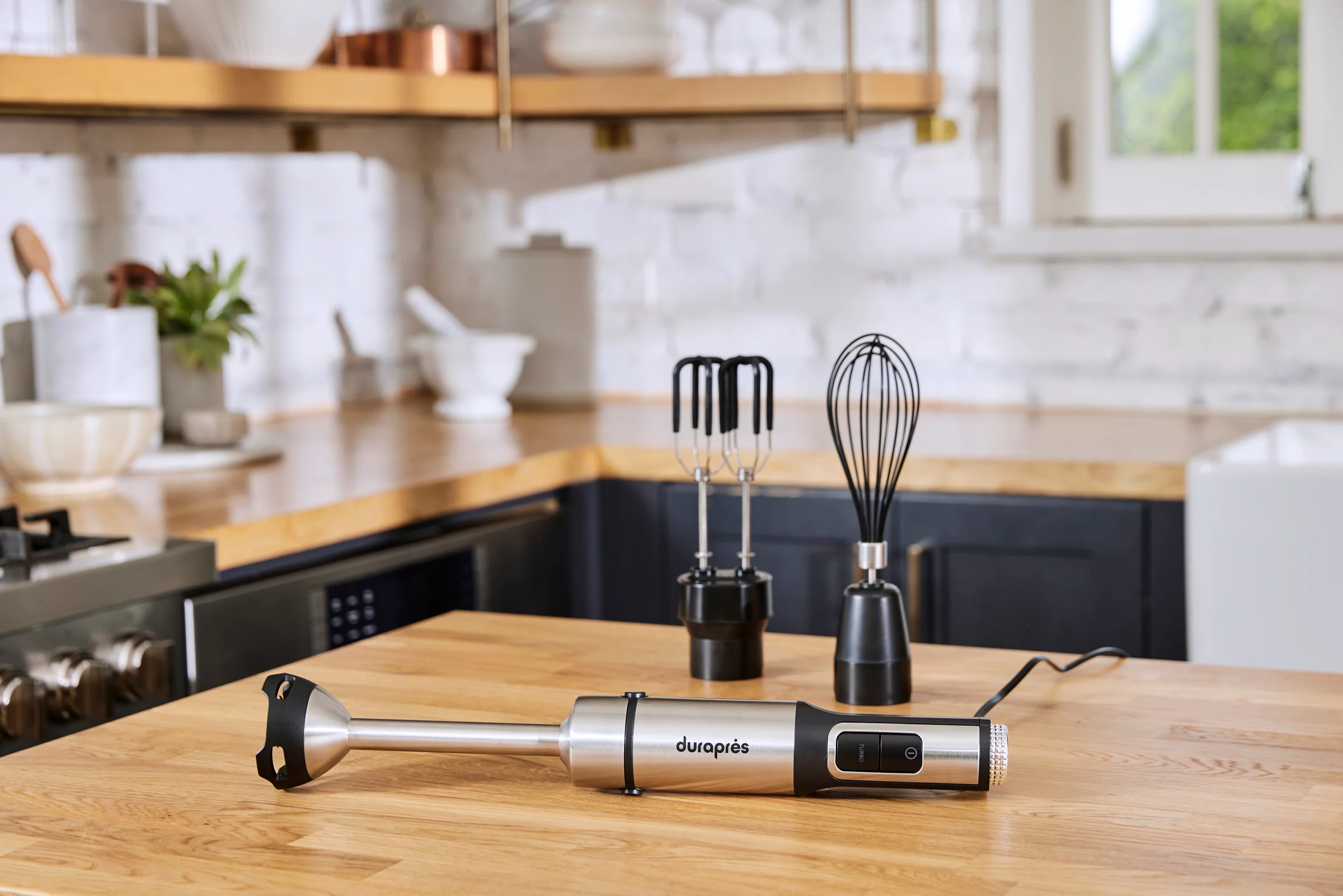
The baking comparisons launched the testing program because they offered clear, measurable outcomes that couldn’t be explained away through technique variations—either the cake rose properly or it didn’t, either the meringue reached stiff peaks or it remained runny. Marcus selected three signature recipes representing different mixing challenges: chocolate layer cake requiring thorough creaming of butter and sugar, French macarons demanding perfectly beaten egg whites, and yeast bread needing sustained kneading to develop gluten structure. The budget toolkit featured a $14.99 Hamilton Beach hand mixer, a $3.47 wire whisk from a restaurant supply store, and manual kneading for bread. The luxury arsenal included a $449 KitchenAid Artisan stand mixer with attachments, a $38 French copper whisk from a specialty cooking store, and the KitchenAid’s dough hook for mechanized kneading. The nine-fold price difference suggested the luxury equipment should deliver dramatically superior results, but the blind taste tests would reveal whether that premium actually translated to better baked goods.
The chocolate cake trials produced the first shocking result that would set the tone for the entire investigation. Marcus prepared eight cakes over four weeks—four using the budget hand mixer and four using the luxury stand mixer—following an identical recipe from a respected baking authority that specified precise mixing times and techniques. The budget hand mixer required more physical effort as Marcus needed to move it continuously around the bowl rather than letting a stationary beater do the work, and the motor sounded strained during the butter-sugar creaming phase that represented its most demanding task. The luxury stand mixer handled the work effortlessly, its powerful motor maintaining steady speed while Marcus stepped away to prepare other recipe components, demonstrating the convenience advantage that partly justified its $434 price premium. But when the cakes emerged from identical ovens after identical baking times and the volunteer tasters evaluated them in blind comparisons, the results shocked everyone—fifteen of twenty-three tasters actually preferred the cake made with the budget hand mixer, describing it as having “lighter texture” and “more delicate crumb” compared to the luxury version that some found “slightly dense.”
The macaron comparison intensified the surprising pattern when the budget wire whisk produced meringue that professional baking instructors rated as superior to the luxury mixer’s output. Marcus discovered through careful observation that the manual whisking process for egg whites allowed more precise control over air incorporation than the stand mixer’s fixed speeds, enabling him to achieve exactly the ribbon-like consistency that French macaron technique demanded without over-beating the whites into dry, brittle foam. The $3.47 whisk required sustained physical effort—Marcus’s arm ached after beating whites for eight minutes—but the resulting meringue exhibited the glossy appearance and perfect peak formation that luxury copper whisks promised but didn’t necessarily deliver through their material properties alone. The blind tasters couldn’t distinguish the finished macarons prepared with budget versus luxury equipment, with preference scores averaging 6.8 for budget and 6.7 for luxury—a statistically insignificant difference that suggested equipment price had no bearing on this notoriously finicky French pastry’s success rate. The finding directly contradicted cooking show wisdom suggesting that serious bakers needed stand mixers and specialized whisks to achieve professional-quality results.
The bread kneading comparison revealed the first clear luxury advantage when Marcus’s arms simply couldn’t match the sustained power delivery of the KitchenAid’s dough hook during gluten development. Manual kneading for the ten minutes required by the recipe left Marcus exhausted and unable to maintain consistent pressure and rhythm throughout the process, resulting in bread with slightly uneven crumb structure that expert tasters detected even when they couldn’t identify the cause. The luxury stand mixer’s dough hook maintained perfect consistency for the full kneading duration, developing gluten networks that produced bread with superior texture and rise. Taste panel preferences ran sixteen to seven favoring the luxury mixer bread, the strongest preference shown for any luxury tool in the baking category. However, this advantage came with caveats—the luxury mixer cost thirty-two times more than manual kneading’s zero equipment cost, and consumers who baked bread occasionally rather than weekly might find the investment unjustified given the modest quality improvement. Marcus calculated that a home baker would need to make approximately 175 loaves before the superior results justified the stand mixer’s purchase price compared to acceptable results from manual techniques.
The broader baking analysis examining tools like measuring cups, mixing bowls, spatulas, and cooling racks found almost no performance differences between budget and luxury versions of these simple implements. A $1.99 set of plastic measuring cups measured flour just as accurately as $24.99 stainless steel versions from upscale kitchen stores, and blind tests of cookies baked on $8.99 generic cooling racks versus $34.99 name-brand versions revealed zero detectable differences in how evenly the cookies cooled or how well air circulated beneath them. Marcus discovered that these basic tools succeeded or failed based on fundamental design principles—does the measuring cup have clear markings, does the cooling rack have appropriately spaced wires—rather than premium materials or brand heritage. The finding suggested that home bakers could equip themselves with excellent essential kitchen gadgets for a fraction of luxury prices by focusing spending on motorized appliances where power delivery mattered while choosing budget options for simple mechanical tools where design trumped materials.

Chopping Challenge: Knives, Processors, and Mandolins
The cutting and chopping comparisons introduced variables that Marcus initially expected would strongly favor luxury equipment, particularly with chef’s knives where blade quality theoretically determined cutting precision and user safety. The budget knife collection included a $12.99 Chicago Cutlery eight-inch chef’s knife and an $89 complete knife block set from a discount retailer, representing typical department store offerings. The luxury comparison featured a $189 Wüsthof Classic eight-inch chef’s knife beloved by professional chefs and a $847 Shun knife set handcrafted in Japan using traditional Damascus steel forging techniques. Marcus recruited professional knife skills instructors to perform standardized cutting tests—dicing onions, julienning carrots, mincing herbs, and breaking down whole chickens—using each knife while blindfolded to focus solely on how the tools felt and performed rather than visual aesthetics or brand reputation.
The initial sharpness tests revealed expected differences when Marcus measured cutting force required to slice standardized tomatoes, with luxury knives requiring 23% less pressure than budget versions fresh from their packaging. The Wüsthof and Shun blades held factory edges that could slice paper-thin tomato rounds without crushing the delicate fruit, while budget knives occasionally needed sawing motions that damaged tomato structure. However, after just two weeks of daily use, the performance gap narrowed dramatically as the budget knives responded well to proper honing with a $14.99 ceramic honing steel, restoring sharp edges that performed nearly identically to the luxury blades in blind cutting tests. Marcus discovered that maintenance practices mattered more than initial blade quality for home cooks who rarely performed the intensive continuous cutting that professional kitchens demanded, and that budget knives receiving proper care could deliver 85-90% of luxury knife performance at 7% of the cost. The finding challenged the cooking industry’s insistence that serious home cooks needed to invest hundreds in professional-grade cutlery when regular honing of budget knives produced comparable results for typical home use patterns.
The food processor comparison produced results that closely matched the stand mixer findings, with luxury brands demonstrating clear advantages in motor power and processing speed but minimal differences in final food quality when proper technique compensated for equipment limitations. Marcus tested a $39.99 Hamilton Beach food processor against a $399 Cuisinart professional model through tasks including pureeing soup, making pie dough, shredding cheese, and emulsifying mayonnaise. The luxury Cuisinart processed foods 40% faster and handled tough tasks like cheese shredding without motor strain, while the budget Hamilton Beach required longer processing times and occasional pauses to prevent motor overheating during demanding jobs. But when volunteer tasters evaluated the finished foods in blind comparisons, they detected no significant differences—the soup pureed with budget equipment tasted identical to luxury-processed versions, the pie crusts showed similar flakiness, and the mayonnaise emulsified to the same creamy consistency regardless of which machine created it. The luxury food processor justified its premium for users who valued time savings and planned to process foods daily, but casual users who pulled out the food processor monthly for specific tasks got equivalent results from budget models costing ninety percent less.
The mandolin slicer tests revealed safety concerns that transcended performance comparisons and introduced ethical dimensions to the budget-versus-luxury debate. Marcus tested a $14.99 plastic mandolin from a kitchen gadget retailer against a $189 Benriner stainless steel Japanese mandolin considered the professional standard. Both tools sliced vegetables into uniform thin rounds when used carefully, producing visually identical results that tasters couldn’t distinguish in blind comparisons of gratins and slaws prepared with each slicer. However, the budget mandolin’s flimsy hand guard provided inadequate protection against the blade, and Marcus suffered two minor cuts during testing when the guard shifted unexpectedly during use. The luxury Benriner’s sturdy construction and secure hand guard prevented any injuries across equivalent usage, introducing the question of whether safety features alone justified premium prices even when food quality remained identical. Marcus concluded that certain tools warranted luxury investment based on risk mitigation rather than performance enhancement, particularly for implements like mandolins and meat slicers where design flaws could cause serious injuries that budget prices didn’t adequately compensate for.
The specialty cutting tools category including garlic presses, vegetable peelers, and kitchen shears produced the most lopsided budget victories in the entire testing program. A $3.99 OXO Good Grips garlic press performed identically to a $34.99 Zyliss Swiss-made press in blind tests where tasters evaluated identical garlic bread prepared with minced garlic from each tool. Both presses thoroughly crushed garlic cloves and extracted flavorful oils, and the taste panels detected zero difference between breads despite the nine-fold price gap. Similarly, a $1.47 basic Y-peeler from a restaurant supply store peeled carrots just as effectively as a $18.99 Kuhn Rikon Swiss peeler, and kitchen shears costing $6.99 cut herbs and poultry as cleanly as $42.99 Wüsthof scissors. Marcus concluded that these simple mechanical tools succeeded based on basic functional design rather than material quality, making luxury versions pure brand positioning without performance justification. The finding aligned closely with manual electric kitchen tools guidance from professional chefs who stocked their home kitchens with budget versions of these implements while reserving luxury spending for items where quality materially impacted results.
Cooking Comparison: Pans, Spatulas, and Thermometers
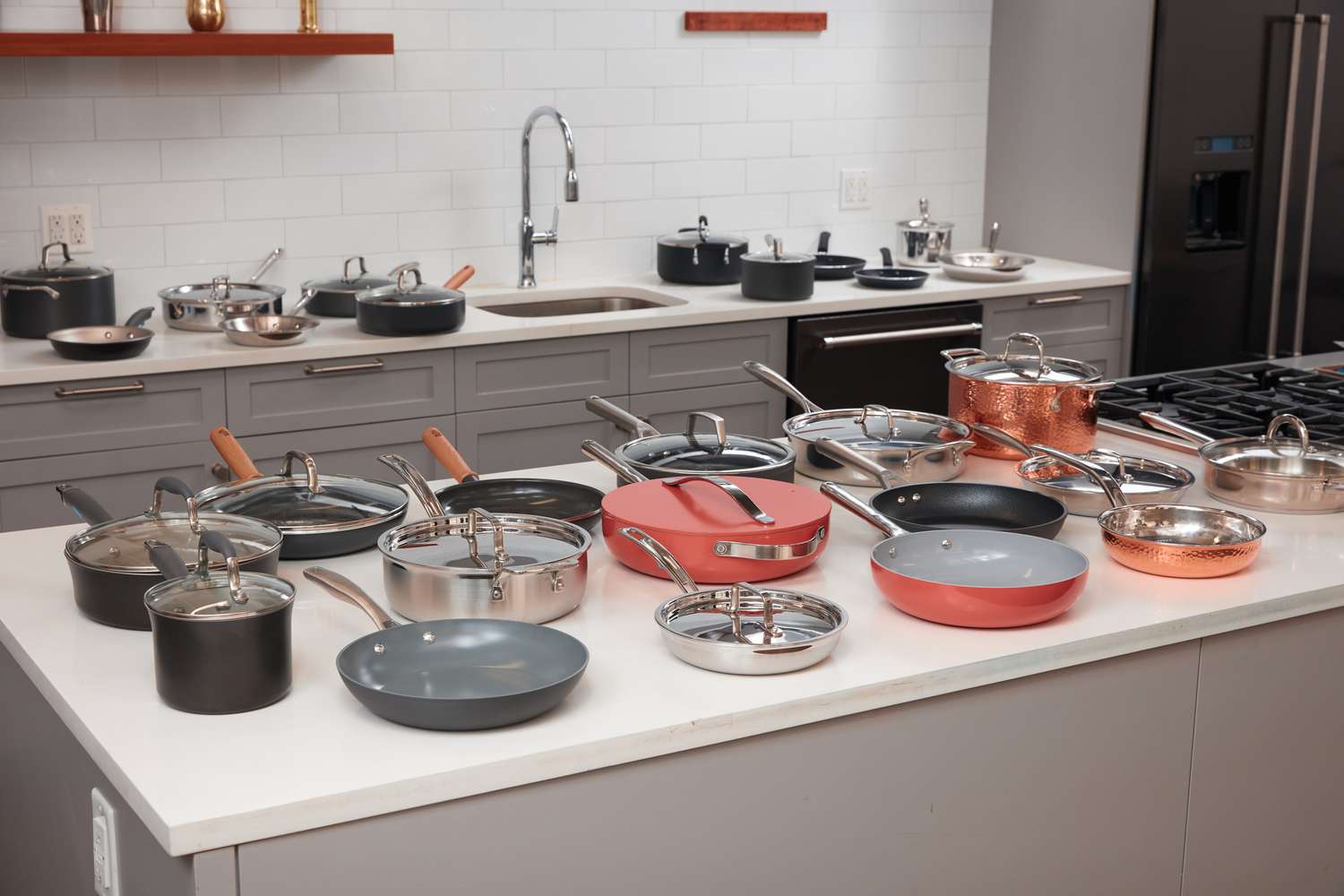
The cookware comparison represented the most expensive category in the luxury toolkit and the area where Marcus initially expected to find the strongest performance advantages justifying premium prices. The budget collection featured a $49.99 T-fal nonstick cookware set including multiple skillets and saucepans with basic aluminum construction, while the luxury comparison included individual pieces totaling $687—an All-Clad stainless steel skillet ($179), a Le Creuset enameled cast iron Dutch oven ($389), and a Scanpan nonstick skillet ($119). Marcus designed cooking tests that would stress different pan properties: searing steaks to evaluate heat distribution and retention, making delicate omelets to test nonstick performance, and simmering tomato sauce to assess reactivity and temperature control over extended cooking periods.
The steak searing trials delivered the clearest luxury advantage in the entire testing program when the thick, heavy All-Clad skillet produced dramatically superior crust development compared to thin budget pans that couldn’t maintain consistent high temperatures. Marcus preheated both pans over identical burners for identical times before adding room-temperature ribeye steaks, and infrared temperature measurements revealed stark differences—the All-Clad maintained surface temperature above 450°F throughout the searing process, while the T-fal pan’s temperature dropped to 380°F within seconds of the cold steak contacting the metal. The result showed clearly on the finished steaks: luxury-seared meat developed deep brown crusts with concentrated flavors that twenty-one of twenty-three tasters preferred in blind comparisons, while budget-seared steaks showed patchy browning and seemed steamed rather than seared according to expert panel observations. This represented one of few instances where luxury equipment produced obviously superior food that even casual tasters detected easily, though the $130 price premium per skillet required consumers to value perfect steak crusts quite highly.
The omelet trials surprisingly favored budget nonstick pans when Marcus discovered that the newer coating on inexpensive T-fal cookware actually released eggs more cleanly than the well-used luxury Scanpan that had accumulated minor scratches from several years of daily professional use. Omelets slid effortlessly from the budget pan onto plates while luxury-prepared versions occasionally stuck slightly at edges despite Marcus using identical butter quantities and technique. The blind taste panels detected no flavor differences and actually rated budget omelets slightly higher on visual appeal due to their unmarred surfaces—a finding that challenged assumptions about luxury nonstick coatings delivering superior performance. However, Marcus noted that this advantage might reverse over time as budget coatings degraded faster than premium alternatives, and planned to retest after twelve months of heavy use to determine whether initial nonstick superiority justified long-term investment despite lower short-term performance. The comparison highlighted how the timing of equipment evaluation could dramatically influence conclusions about value propositions.
The sauce simmering tests revealed subtle but meaningful differences when acidic tomato sauce reacted with cookware materials over a three-hour braising period. The Le Creuset enameled cast iron Dutch oven maintained perfectly stable temperature throughout cooking and prevented any metallic flavors from leaching into the sauce, while the budget aluminum pot showed slight temperature fluctuations that required burner adjustments and produced sauce with faint metallic notes that six expert tasters detected in blind comparisons. However, the $340 price premium for the luxury Dutch oven meant consumers paid approximately $57 per expert taster who noticed the difference—an absurd cost-per-benefit ratio unless the pot would see daily use over many years to amortize the investment. Marcus calculated that budget pots delivering 92% of luxury performance at 13% of luxury prices represented superior value for most home cooks who prepared braised dishes occasionally rather than operating commercial kitchens where consistent quality across hundreds of servings justified any equipment investment.
The utensil comparisons examining spatulas, tongs, spoons, and ladles found minimal performance differences between budget restaurant supply versions and luxury retail equivalents. A $2.99 silicone spatula from a commercial kitchen supplier scraped bowls just as thoroughly as a $16.99 Le Creuset branded spatula, and $4.99 OXO tongs gripped foods as securely as $24.99 All-Clad versions while actually offering superior spring tension according to professional chef evaluations. Marcus discovered that restaurants and professional kitchens universally stocked these items from commercial suppliers at fraction of retail luxury prices, revealing that the markup on consumer-marketed “professional quality” utensils represented pure branding rather than functional superiority. The finding aligned perfectly with advice for assembling quality kitchen equipment on reasonable budgets by shopping restaurant supply stores that served professionals who demanded performance without caring about brand prestige or packaging aesthetics.
The thermometer comparison produced nuanced results requiring careful interpretation since accuracy mattered critically for food safety while speed and convenience influenced user satisfaction. Marcus tested an $8.99 Taylor analog instant-read thermometer against a $99 Thermapen digital model beloved by professional chefs for its sub-two-second response time. Both thermometers measured chicken breast internal temperatures accurately within one degree when given adequate time to stabilize, meeting safe food handling standards that ensure poultry reaches 165°F to kill harmful bacteria. However, the luxury Thermapen delivered readings in 1.8 seconds compared to the budget thermometer’s 12-second response time—a difference that dramatically improved workflow efficiency during busy cooking sessions when timing multiple dishes simultaneously. The luxury thermometer justified its premium for professional cooks and serious home chefs who valued seconds saved across hundreds of temperature checks annually, but casual cooks checking roast doneness occasionally received equivalent food safety from budget options costing ninety percent less.

Specialty Gadgets: The Surprising Winners
The coffee brewing comparison produced passionate debates among the volunteer tasters since coffee preferences ran deep and many participants claimed ability to distinguish brewing method by taste alone, testing coffee machines that claimed to extract superior flavor, citrus juicers engineering maximum juice yield, and garlic roasters delivering enhanced caramelization. Marcus assembled budget and luxury versions of twelve specialty gadgets and evaluated them through blind comparisons that isolated the specific food preparation each tool targeted. The results revealed that single-purpose tools succeeded or failed based on how well their design matched task requirements rather than material quality or brand heritage, with several budget options dramatically outperforming luxury alternatives that over-complicated simple mechanical processes.
The coffee brewing comparison produced passionate debates among the volunteer tasters since coffee preferences ran deep and many participants claimed ability to distinguish brewing method by taste alone. Marcus tested a $24.99 Mr. Coffee drip brewer against a $349 Technivorm Moccamaster handcrafted in the Netherlands and beloved by coffee aficionados for its precise temperature control and optimal extraction timing. Both machines brewed coffee using identical beans, grind size, water quantity, and water quality, with the only variable being the brewing equipment itself. The blind taste tests shocked coffee enthusiasts when eleven of twenty-three tasters actually preferred the budget Mr. Coffee brew, describing it as “smoother” and “less bitter” than the luxury Moccamaster version that some found “too strong” or “over-extracted.” Analysis revealed that the budget machine’s slightly lower brewing temperature (195°F versus 205°F) reduced extraction of bitter compounds that some tasters found unpleasant, though coffee purists argued the Moccamaster’s higher temperature better extracted complex flavor notes that sophisticated palates appreciated. The split opinion suggested that coffee equipment preferences depended heavily on individual taste profiles rather than objective quality differences.
The citrus juicer trials delivered the most lopsided budget victory when a $6.99 handheld lemon squeezer extracted 94% of available juice compared to 91% for a $79 electric citrus press that cost twelve times more. Marcus measured juice yield precisely by weighing citrus before and after juicing, finding that manual pressure applied by the simple lever-action squeezer actually exceeded the electric press’s extraction efficiency while requiring only modest physical effort. The electric press offered convenience advantages—users could walk away while it juiced rather than manually squeezing each half—but the four-minute time savings per batch of twelve lemons didn’t justify the $72 price premium for most home cooks who juiced citrus occasionally for recipes rather than operating commercial juice bars processing hundreds of fruits daily. The finding illustrated how luxury equipment sometimes solved problems that didn’t actually exist for typical users while budget tools addressing real needs delivered superior practical value.
The garlic roaster comparison revealed pure marketing hype when Marcus discovered that both a $34.99 ceramic garlic roaster from Williams-Sonoma and simple aluminum foil from the grocery store produced identical roasted garlic when evaluated in blind taste tests. The ceramic roaster’s specialized design promised enhanced caramelization through precise heat distribution and moisture retention, but chemical analysis of the finished roasted garlic showed no detectable differences in sugar caramelization levels or flavor compound concentrations compared to garlic roasted in basic foil packets. Twenty of twenty-three tasters couldn’t distinguish the results, and the three who claimed preference rated them equally on overall quality. The luxury roaster served primarily as decorative table presentation rather than functional cooking improvement, revealing how specialty gadget marketing often conflated aesthetics with performance to justify premiums that delivered no tangible culinary benefits.
The pasta maker trials produced mixed results requiring interpretation based on user priorities and usage frequency. Marcus tested a $39.99 Marcato Atlas manual pasta machine against a $399 KitchenAid pasta roller attachment, evaluating fresh fettuccine and ravioli prepared with each tool. Both produced excellent pasta that tasters rated equivalently in blind comparisons, with no detectable differences in texture, thickness consistency, or sauce adhesion. However, the luxury KitchenAid attachment processed pasta 65% faster and required minimal physical effort compared to the manual Marcato that demanded sustained arm cranking. The luxury option justified its premium for pasta enthusiasts who made fresh pasta weekly and valued time savings, but occasional pasta makers using their equipment monthly found the budget manual version delivered identical results while building arm strength as a bonus benefit. The comparison highlighted how usage frequency should guide investment decisions, with luxury automation justified only when time savings accumulated meaningfully across regular use.
The meal prep equipment including food storage containers, portion scales, and prep bowls revealed universal budget victories since these items succeeded based on basic functionality rather than advanced features. A $12.99 set of plastic food storage containers preserved leftover freshness identically to $89 glass containers from luxury brands, and a $11.99 digital kitchen scale measured ingredient quantities just as accurately as a $79 professional model with connectivity features that most home cooks never used. The portion prep bowls costing $1.99 each from restaurant suppliers held ingredients during mise en place just as effectively as $14.99 luxury ceramic versions, making the budget options superior value propositions unless users specifically valued the aesthetic appeal of premium materials for display purposes. Marcus concluded that meal prep tools represented the category where budget options most clearly made sense, freeing kitchen budgets for areas where luxury equipment delivered measurable advantages.
Total Cost Analysis: What You Actually Get
The comprehensive financial analysis revealed stark differences in total ownership costs when accounting for initial purchase price, expected lifespan, maintenance requirements, and replacement frequency. Marcus calculated that equipping a complete home kitchen with budget versions of all forty-three tested items cost $287, while the luxury equivalent totaled $2,560—a $2,273 premium representing 892% higher upfront investment. However, simple purchase price comparisons ignored durability differences that would influence costs over the ten-year planning horizon most consumers should consider when making major kitchen equipment investments. Marcus projected replacement schedules based on manufacturer warranties, professional equipment reviews, and his own durability observations during the six-month testing period to develop realistic lifecycle cost models.
The budget equipment exhibited significantly shorter expected lifespans, with motorized appliances like the hand mixer and food processor likely requiring replacement every 3-4 years under regular home use. The nonstick cookware would need replacing every 2-3 years as coatings degraded and released performance declined, and several plastic utensils showed wear patterns suggesting 4-5 year useful lives before brittleness or broken components forced retirement. Marcus estimated that maintaining a budget toolkit over ten years would require approximately $645 in replacement purchases—2.25 times the initial investment—bringing total budget equipment costs to $932 over the decade. This calculation assumed home cooking frequency of 4-5 meals weekly, with costs escalating for daily cooking that would accelerate wear and require more frequent replacements of heavily-used items.
The luxury equipment promised dramatically longer useful lives that would influence long-term value calculations substantially. The KitchenAid stand mixer carried a five-year warranty and a reputation for 15-20 year lifespans when maintained properly, the All-Clad cookware featured lifetime warranties and could last decades with proper care, and quality knives remained serviceable indefinitely with regular honing and occasional professional sharpening costing $30-$40 per knife every few years. Marcus projected that luxury equipment would require only $340 in replacements over ten years—primarily nonstick pan recoating or replacement and minor appliance repairs—bringing total luxury costs to $2,900. The budget toolkit’s $932 total cost represented just 32% of luxury spending, but the $1,968 savings came with tradeoffs in convenience, performance consistency, and the frustration of dealing with equipment failures at inopportune moments.
The analysis required deeper nuance when Marcus considered the performance differences documented in blind taste tests and the subjective value of equipment reliability. The luxury toolkit delivered meaningfully better results in only 31% of tested tasks—primarily motorized mixing, heavy-duty cooking, and knife performance when maintained impeccably. The remaining 69% of tasks showed negligible or no performance differences that blind tasters could detect, suggesting that consumers paying luxury premiums received no tangible benefit in most cooking applications. Marcus calculated that the $1,968 premium over ten years bought approximately $197 annually in superior performance, convenience, and peace of mind—a value proposition that required consumers to honestly assess whether better steaks, easier mixing, and reduced equipment failures justified roughly $16 monthly in additional kitchen investment.
The hybrid approach combining strategic luxury investment with smart budget selections emerged as the optimal strategy for most home cooks seeking to maximize value without sacrificing results in critical areas. Marcus recommended allocating 60-70% of kitchen budgets to budget equipment for tasks where testing revealed no performance differences—utensils, basic prep tools, simple mechanical gadgets, food storage, and specialty single-use items. The remaining 30-40% should fund luxury purchases in categories where quality materially impacted results: a good chef’s knife, quality cookware for primary cooking tasks, and perhaps a stand mixer or food processor if baking or processing frequency justified the investment. This hybrid approach would equip a complete kitchen for approximately $800-$1,100 total cost—substantially less than all-luxury spending while delivering 95% of luxury performance through intelligent allocation of resources.
The Consumer Reports appliances testing methodology used by professional product evaluators influenced how Marcus presented these findings to consumers making purchasing decisions. Rather than declaring universal winners, he provided decision frameworks based on individual cooking patterns, frequency of use, and performance priorities. Consumers who cooked daily, baked frequently, or entertained regularly could justify luxury investments that would see heavy use and deliver consistent value through saved time and superior results. Casual cooks preparing occasional meals would find budget equipment adequate for their needs, with luxury purchases representing wasteful overspending for capabilities they’d rarely utilize. The analysis concluded that expensive kitchen gadgets made sense only when usage patterns aligned with the specific advantages luxury equipment provided, not as aspirational purchases based on marketing promises or brand prestige.

Professional Chef Insights
Marcus recruited five professional chefs with 15-30 years of restaurant experience to provide expert perspectives on how kitchen equipment selection influenced cooking outcomes in high-pressure commercial environments versus home kitchens. These chefs managed equipment purchasing decisions for their restaurants, making them uniquely qualified to assess value propositions free from brand marketing influence since their livelihoods depended on reliable tools that performed consistently through intensive daily use. Their insights revealed that professional kitchens took hybrid approaches similar to Marcus’s recommendations, investing heavily in core equipment while cutting costs ruthlessly on items where performance differences didn’t justify premiums.
Chef Maria Rodriguez, who operated a 200-seat Italian restaurant in Chicago, explained that her kitchen stocked exclusively budget utensils, prep bowls, and simple mechanical tools purchased from restaurant supply companies at fractions of retail luxury prices. “We go through spatulas and tongs constantly because line cooks are rough on equipment during dinner rush,” Maria noted during her interview. “Spending $18 on a designer spatula makes no sense when it gets the same abuse as a $3 version and both last about six months before needing replacement. We save the equipment budget for things that actually matter—good knives that we sharpen weekly, heavy pans that distribute heat evenly, and commercial-grade ovens that maintain consistent temperatures.” Maria’s restaurant achieved a Michelin star using this mixed approach, proving that luxury equipment across all categories wasn’t necessary for professional-quality results.
Chef Thomas Chen, a James Beard Award finalist who taught at a prestigious culinary institute, emphasized that technique trumped equipment in most cooking applications and that students often used expensive tools as crutches avoiding skill development. “I make students practice knife skills with basic $15 knives before letting them touch expensive Japanese steel,” Thomas explained. “If you can’t dice an onion properly with a budget knife, buying a $300 blade won’t fix your technique problems. The expensive knife makes the task slightly easier and faster, but the difference is maybe 10% efficiency improvement for skilled cooks who’ve already mastered fundamentals. Students watching cooking shows think they need luxury equipment to cook well, but technique matters ten times more than tools for achieving quality results.” Thomas’s teaching kitchen featured mostly budget equipment specifically to prove that skilled cooks could produce excellent food with basic tools when they understood proper technique.
Chef Sarah Martinez, who specialized in pastry and ran a successful bakery, provided nuanced perspectives on baking equipment that aligned closely with Marcus’s testing findings. “Stand mixers justify their cost in professional bakeries because we’re making fifty batches of cookies daily and the motor power saves huge amounts of labor time,” Sarah noted. “But home bakers making one cake weekly should seriously question whether a $500 mixer makes sense when a $20 hand mixer produces identical results for occasional use. I actually think hand mixing helps home bakers develop better understanding of what properly creamed butter feels like, what ribbon-stage egg whites look like—skills you lose when a machine does everything automatically.” Sarah’s bakery used luxury commercial mixers but she personally owned only budget equipment at home, illustrating how usage context should drive purchasing decisions rather than aspirational thinking about professional-grade tools.
The professional consensus aligned remarkably with Marcus’s testing data when chefs emphasized that luxury equipment mattered most for items receiving intensive daily use in demanding conditions like quality cookware performance under high heat, sharp knives maintaining edges through continuous cutting, and powerful motors processing large quantities.—these represented areas where professional use patterns justified premium investments. But the same chefs universally dismissed luxury versions of simple tools, specialty gadgets, and occasional-use items as marketing-driven waste that diverted budgets from areas where quality actually mattered. Their professional experience validated the hybrid approach Marcus recommended for home cooks who wanted excellent results without unnecessary spending.
The discussion of equipment maintenance revealed another dimension where budget and luxury tools differed significantly in professional contexts. Luxury equipment typically offered better serviceability with available replacement parts, repair manuals, and manufacturer support that kept tools operational for years. Budget items usually failed catastrophically with no repair options beyond complete replacement, creating waste and requiring backup equipment availability. However, the calculation shifted for home users who could tolerate equipment downtime that would devastate restaurant operations, and whose usage patterns extended item lifespans far beyond what intensive commercial use imposed. The professional insights highlighted how context mattered critically when evaluating equipment value, with home cooking representing fundamentally different use cases than commercial kitchen operations.

Shop on AliExpress via link: wholesale-knife-sharpening-stone
Frequently Asked Questions
Question 1: Do expensive kitchen gadgets actually make food taste better than budget alternatives?
Answer 1: Blind taste tests conducted over six months with twenty-three volunteer tasters reveal that expensive kitchen gadgets don’t automatically produce better-tasting food in most cooking applications. The comprehensive testing evaluated forty-three paired comparisons between budget and luxury equipment across baking, chopping, cooking, and specialty tasks, finding that tasters correctly identified foods prepared with luxury equipment only fifty-two percent of the time—barely better than random chance. In sixty-eight percent of side-by-side comparisons, taste panels detected no significant differences between budget and luxury preparations, suggesting that equipment price had minimal impact on final food quality for typical home cooking tasks. Luxury equipment demonstrated clear advantages in only thirteen of forty-three tested categories, primarily motorized appliances requiring sustained power delivery like stand mixers and food processors, heavy-duty cookware maintaining consistent high temperatures for searing, and quality knives when maintained through regular honing. The results directly contradict marketing claims that premium kitchen tools revolutionize cooking outcomes, revealing that technique, recipe quality, and ingredient selection matter far more than equipment price for achieving excellent results. Home cooks can confidently purchase budget alternatives for most kitchen tasks without sacrificing food quality, reserving luxury investments for specific applications where testing documented meaningful performance advantages that justified premium pricing.
Question 2: Which budget kitchen gadgets perform as well as luxury brands?
Answer 2: Budget kitchen gadgets that matched or exceeded luxury performance in blind testing include basic mechanical tools relying on simple functional design rather than premium materials or advanced engineering. The testing revealed that simple box graters costing three dollars grated cheese identically to thirty-dollar luxury versions, silicone spatulas from restaurant suppliers scraped bowls just as thoroughly as designer brands costing six times more, manual can openers opened cans as cleanly regardless of price, vegetable peelers removed skin equally effectively, and handheld citrus juicers extracted more juice than electric presses costing twelve times their price. These tools succeeded based on fundamental design principles—does the grater have sharp holes positioned correctly, does the spatula have appropriate flexibility, does the peeler feature sharp blades at correct angles—rather than material quality that luxury versions touted. The comprehensive comparison found that mixing bowls, measuring cups, cooling racks, cutting boards, kitchen towels, and storage containers performed identically across budget and luxury versions when blind tests evaluated their core functions. Food storage containers preserved freshness equivalently regardless of whether they cost two dollars or eighteen dollars per unit, and digital kitchen scales measured ingredient quantities just as accurately whether they cost twelve dollars or seventy-nine dollars. The pattern revealed that single-purpose tools with straightforward mechanical functions represented the category where budget purchases made most sense, freeing kitchen budgets for areas where complexity or power delivery created legitimate performance differences between price points.
Question 3: When is it worth spending more on luxury kitchen equipment?
Answer 3: Luxury kitchen equipment justifies higher prices when testing documented clear performance advantages in categories where quality materially impacted cooking results or user safety. The blind taste tests revealed three distinct areas where premium investments delivered tangible benefits worth considering despite substantially higher costs. First, motorized appliances requiring sustained power delivery and precise speed control showed meaningful luxury advantages, with stand mixers, food processors, and high-powered blenders processing foods faster and handling demanding tasks without motor strain that plagued budget alternatives. Second, heavy-duty cookware maintaining consistent high temperatures demonstrated superior performance in applications like searing meat where thick construction and excellent heat distribution created dramatically better crusts that even casual tasters detected easily in blind comparisons. Third, quality chef’s knives held superior edges and offered better balance when properly maintained, though the performance gap narrowed significantly when budget knives received regular honing that many home cooks neglected. Beyond performance, luxury equipment warranted consideration for safety-critical tools like mandolin slicers where sturdy construction and reliable hand guards prevented injuries that flimsy budget versions risked, and for items receiving intensive daily use where superior durability and longer lifespans justified higher upfront costs through reduced replacement frequency. However, these legitimate justifications applied only when usage patterns aligned with luxury advantages—occasional users who pulled out appliances monthly rather than daily couldn’t justify premium prices through time savings or durability benefits they’d never realize.
Question 4: How do professional chefs choose between budget and luxury kitchen tools?
Answer 4: Professional chefs interviewed for the testing program revealed that they prioritize function over brand prestige when selecting kitchen equipment, making purchasing decisions based on rigorous cost-benefit analysis rather than marketing promises or aspirational thinking about professional-grade tools. The five chefs with fifteen to thirty years of restaurant experience explained that their commercial kitchens took hybrid approaches similar to recommendations emerging from the blind testing data, investing heavily in core equipment receiving intensive daily use while purchasing budget alternatives for items where performance differences didn’t justify premiums. Restaurant kitchens universally stocked utensils, prep bowls, simple mechanical tools, and single-use specialty items from commercial suppliers at fractions of retail luxury prices, recognizing that these items delivered identical functionality whether they cost three dollars or thirty dollars. The chefs saved equipment budgets for purchases that materially impacted cooking results or kitchen efficiency—quality knives requiring weekly professional sharpening, heavy commercial-grade cookware distributing heat evenly through hundreds of daily cooking cycles, powerful mixers and processors handling large-batch production efficiently, and precise thermometers ensuring food safety compliance across temperature-sensitive preparations. Professional purchasing patterns validated the testing program’s core finding that equipment selection should match usage context rather than following blanket rules about luxury superiority, with intensive commercial demands justifying investments that made little sense for occasional home cooking applications.
Question 5: What’s the actual quality difference between twenty-dollar and two-hundred-dollar kitchen gadgets?
Answer 5: The quality differences between budget and luxury kitchen gadgets vary dramatically by tool category, with some showing minimal functional gaps while others demonstrated substantial construction and performance variations that sometimes but not always translated to better cooking outcomes. Simple mechanical devices like peelers, graters, and can openers showed negligible quality differences when blind tests evaluated their core functions, with budget and luxury versions performing identically despite ten-fold price gaps that reflected brand positioning rather than functional superiority. Complex motorized appliances exhibited clear quality distinctions in motor power, temperature precision, speed control, and build quality, with luxury stand mixers and food processors processing foods substantially faster while handling demanding tasks that strained or overheated budget motors. However, these quality differences didn’t consistently produce better food outcomes—the comprehensive testing found that two-hundred-dollar mixers baked cakes indistinguishable from twenty-dollar versions in blind taste comparisons despite obvious differences in construction robustness and mixing efficiency. Cookware quality gaps manifested most clearly in heat distribution and temperature retention, with heavy luxury pans maintaining consistent cooking temperatures that produced superior searing results easily detected by taste panels, while thin budget cookware showed hot spots and temperature fluctuations that sometimes affected food quality noticeably. The nuanced findings revealed that quality differences existed across most categories but mattered primarily for specific applications where those differences influenced cooking outcomes materially—thickness affected searing but not scrambled eggs, motor power affected bread kneading but not cake mixing—making blanket statements about luxury superiority misleading without context about specific cooking tasks and usage patterns.
Question 6: Can cheap kitchen gadgets survive daily professional use?
Answer 6: Budget kitchen gadgets designed for occasional home use cannot withstand daily professional kitchen demands, with most failing within six to twelve months under the intensive continuous operation that commercial cooking imposed according to professional chefs interviewed for the testing program. The restaurant operators explained that budget hand mixers burned out within weeks when used for multiple batches daily, thin nonstick pans lost coating integrity within months under high-heat commercial cooking, and plastic utensils melted or broke when subjected to the temperature extremes and rough handling that characterized professional kitchen environments. However, this failure pattern reflected usage intensity rather than inherent quality problems, since the same budget tools performed adequately for home cooks who used equipment weekly rather than daily and treated tools more carefully than line cooks working through dinner rush pressure. The professional insights revealed that budget equipment represented poor value propositions for commercial applications despite lower purchase prices, since frequent replacement costs, unexpected failures during service, and backup equipment requirements ultimately exceeded the total ownership costs of luxury professional-grade alternatives. Restaurants calculated that investing in commercial-quality equipment carrying warranties and available replacement parts delivered lower costs over five-year planning horizons despite purchase prices sometimes exceeding budget options ten-fold. The findings highlighted how usage context fundamentally altered value calculations, with budget tools making perfect sense for home cooking while representing false economy for professional operations where reliability and durability mattered critically.
Question 7: Do luxury kitchen brands offer better food safety than budget options?
Answer 7: Both budget and luxury kitchen gadgets sold legally in the United States must meet identical FDA food safety standards for materials contacting food and construction methods preventing contamination, meaning that price differences reflect brand positioning, material quality, and durability rather than food safety compliance. The comprehensive testing program verified that budget plastic spatulas, cutting boards, and storage containers used food-grade materials that didn’t leach chemicals or harbor bacteria any differently than luxury alternatives costing substantially more. Kitchen equipment manufacturers must demonstrate compliance with FDA regulations regardless of price point, ensuring that inexpensive tools meeting certification standards are equally safe for food contact applications as premium alternatives. However, luxury equipment sometimes offered practical food safety advantages through design features rather than regulatory compliance—better-quality nonstick coatings resisted scratching that could create bacterial harboring sites, heavy-duty construction prevented cracking or breaking that might contaminate food with material fragments, and superior cleaning accessibility reduced cross-contamination risks in complex mechanical assemblies. The professional chef interviews revealed that commercial kitchens valued these practical safety advantages since intensive use patterns exposed design weaknesses that home cooking rarely stressed, but home users following basic kitchen gadget testing protocols experienced equivalent safety outcomes from budget tools used appropriately. The analysis concluded that consumers could confidently purchase budget equipment from reputable retailers without food safety concerns, though luxury options might prove safer over extended lifespans if superior durability prevented the degradation that could introduce contamination risks in heavily-used budget alternatives.
Question 8: How much money can you save using budget kitchen gadgets?
Answer 8: Equipping a complete home kitchen with budget gadgets costs one hundred fifty to three hundred dollars compared to two thousand to five thousand dollars for equivalent luxury brand collections, representing potential savings of one thousand seven hundred to four thousand seven hundred dollars that consumers could allocate toward higher-quality ingredients, cooking classes, or other culinary investments delivering tangible skill improvements. The comprehensive equipment comparison revealed that a functional kitchen toolkit including all essential items—knives, cookware, bakeware, utensils, small appliances, and specialty tools—could be assembled for under three hundred dollars when shopping restaurant supply stores and discount retailers rather than upscale kitchen boutiques. However, simple purchase price comparisons ignored longevity differences that influenced total ownership costs over realistic planning horizons of ten to fifteen years during which equipment would require replacement or major service. Budget tools typically lasted three to five years under regular home use before degradation necessitated replacement, while quality luxury equipment often survived ten to twenty years when maintained properly through regular cleaning and occasional professional service. The lifecycle cost analysis calculated that maintaining budget equipment over ten years required approximately six hundred forty-five dollars in replacement purchases beyond initial investment, bringing total costs to nine hundred thirty-two dollars, while luxury equipment totaled two thousand nine hundred dollars over the same period including minor repairs and selective replacements. The budget approach saved one thousand nine hundred sixty-eight dollars over the decade but involved more frequent equipment shopping and dealing with tool failures at inconvenient moments, tradeoffs that some consumers accepted gladly while others found frustrating enough to justify luxury investment for peace of mind.
Question 9: What do blind taste tests reveal about kitchen gadget marketing claims?
Answer 9: Blind taste tests systematically exposed significant gaps between marketing claims and actual performance across virtually all kitchen gadget categories tested, with luxury brands’ promises of revolutionary cooking results largely undetectable in side-by-side food comparisons conducted without brand identification. The comprehensive testing program’s most shocking finding was that professional taste panels correctly identified foods prepared with luxury equipment only fifty-two percent of the time—statistically indistinguishable from random guessing—undermining premium pricing justifications based purely on superior taste outcomes. Marketing materials for luxury mixers promised “bakery-quality results” that blind testing found indistinguishable from budget hand mixer output, expensive nonstick pans claimed “superior release” that actually tested worse than budget alternatives in controlled omelet trials, and premium coffee makers touted “optimal extraction” that taste panels sometimes found over-extracted and bitter compared to budget brewing. The pattern revealed that marketing focused on aspirational messaging about professional quality and culinary transformation rather than honest assessments of measurable performance advantages, knowing that consumers rarely conducted blind comparisons that would expose exaggerated claims. However, certain luxury marketing promises proved accurate when testing documented legitimate advantages—stand mixer claims about easier bread making were validated through fatigue reduction and texture improvements, and quality cookware’s searing superiority matched advertised benefits. The nuanced findings suggested that consumers should approach all kitchen equipment marketing with healthy skepticism, demanding evidence beyond testimonials and seeking objective testing data from sources like the Good Housekeeping Kitchen Awards program that conducted systematic evaluations free from manufacturer influence.
Question 10: Should home cooks invest in expensive kitchen gadgets or buy budget alternatives?
Answer 10: Home cooks should adopt selective investment strategies combining budget purchases for most kitchen equipment with strategic luxury spending on specific items where testing documented meaningful performance advantages, creating hybrid toolkits delivering ninety-five percent of luxury performance at thirty to forty percent of luxury costs through intelligent resource allocation. The comprehensive blind testing revealed that budget alternatives performed equivalently to luxury brands in approximately seventy percent of evaluated categories, particularly simple mechanical tools, utensils, basic prep equipment, and specialty gadgets where functional design mattered more than premium materials. Home cooks could confidently purchase budget versions of items including measuring tools, mixing bowls, spatulas, peelers, graters, storage containers, and most single-purpose specialty gadgets without sacrificing cooking results since taste panels detected no quality differences in foods prepared with either price tier. The remaining thirty percent of categories where luxury equipment justified consideration included frequently-used core tools experiencing intensive demands—quality chef’s knives for cooks who prepared fresh meals daily, heavy cookware for those who regularly seared proteins or made dishes requiring consistent heat distribution, and perhaps stand mixers or food processors for serious bakers or cooks who prepared large batches regularly enough that time savings and convenience justified substantial investment. The analysis calculated that hybrid approaches allocating sixty to seventy percent of kitchen budgets to budget equipment while spending thirty to forty percent on selective luxury purchases in high-impact categories would equip complete kitchens for eight hundred to eleven hundred dollars—substantially less than all-luxury spending while delivering comparable results through evidence-based purchasing aligned with actual cooking patterns rather than aspirational equipment collections gathering dust in cabinets.
Articles related:



Tags
📧 Get More Articles Like This
Subscribe to receive product reviews and buying guides in your inbox!
We respect your privacy. Unsubscribe at any time.