Stainless Steel vs Nonstick vs Cast Iron: The Cookware Wars Settled (Health + Performance)
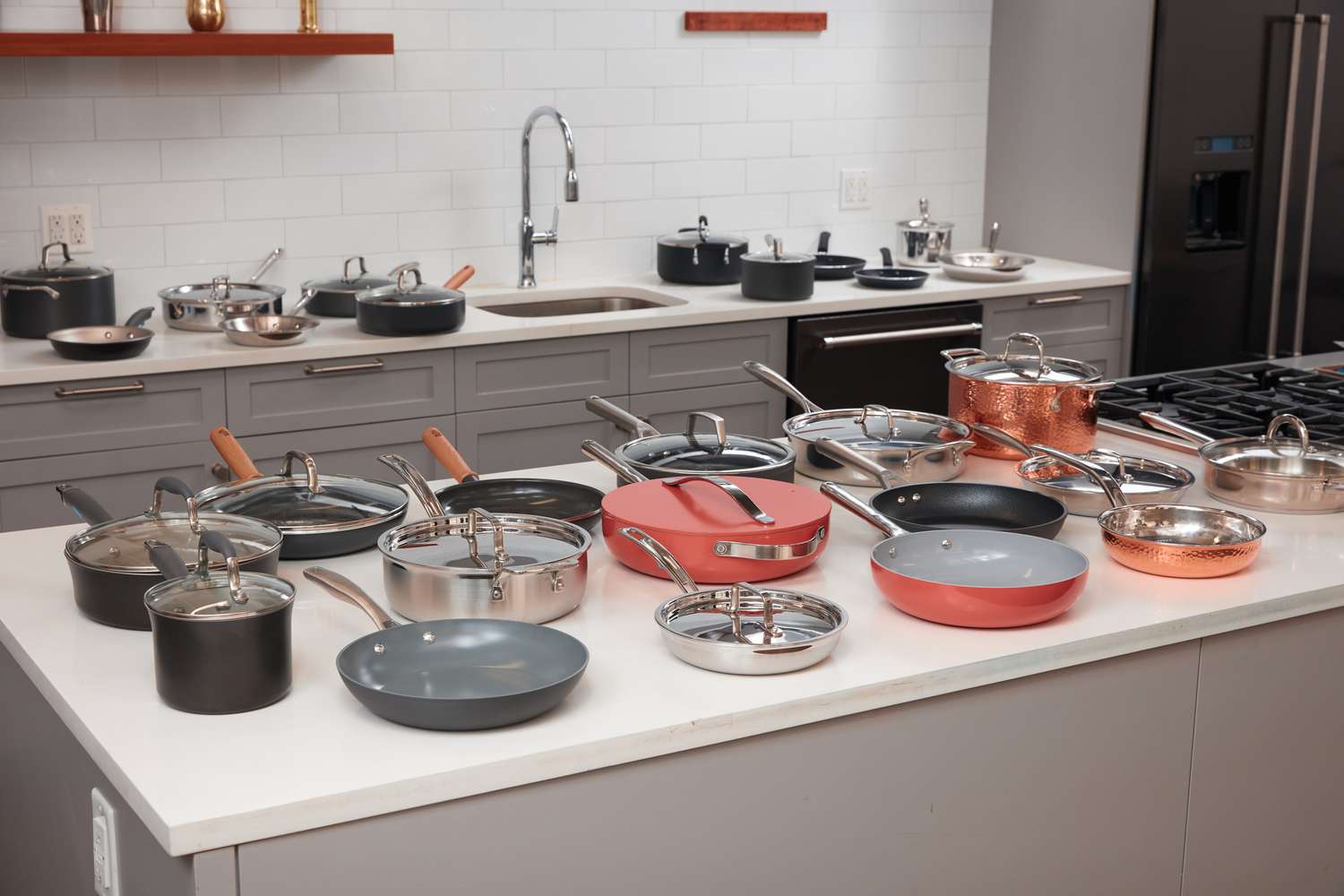
Table of Contents
- The Culinary Crossroads: A Personal Tale of Burnt Eggs and Broken Dreams
- The Nonstick Revolution: Convenience at a Chemical Cost?
- Stainless Steel: The Indestructible Professional Standard
- Cast Iron: The Ancient Titan of Heat Retention
- The Health Verdict: Toxic Fumes vs. Mineral Leaching
- The Performance Showdown: Searing, Simmering, and Sauteing
- Maintenance and Longevity: The Price of Convenience
- Conclusion: Settling the War for Your Kitchen
- Detailed Frequently Asked Questions
The Culinary Crossroads: A Personal Tale of Burnt Eggs and Broken Dreams
I remember the exact moment my kitchen confidence shattered. It was a cold Tuesday morning in 2021, and I was attempting to impress my future in-laws with a simple omelet. I had just purchased a shiny new “bargain” pan, promising effortless cooking. Within seconds, the delicate yellow eggs transformed into a grey, fused mess that refused to leave the surface. The smell of acrid smoke filled the air—not the smell of food, but something synthetic. It was the smell of a cheap nonstick coating disintegrating under heat it was never meant to handle. That morning, we ate toast, and I spent the next three hours scrubbing a pan that eventually went into the trash. It was a wake-up call that started my obsession with the “Cookware Wars.”
We live in an era where marketing often screams louder than science. Walk into any department store today, and you are bombarded with “diamond-infused,” “granite-tough,” and “space-age” claims. But beneath the shiny labels lies a fundamental question of chemistry and physics. Why do we choose the tools we use to feed our families? According to shocking statistics from recent market reports, over 70% of households primarily use nonstick cookware, yet nearly 40% of those users express deep concern regarding the long-term health implications of chemical coatings. Furthermore, global waste data suggests that millions of nonstick pans end up in landfills every year because their surfaces fail within 24 months, creating a staggering environmental footprint that most of us ignore in the name of a “slide-off” egg.
This guide isn’t just a review; it is a deep dive into the soul of your kitchen. We are going to deconstruct the materials that define our culinary lives. We will explore why a cast iron skillet passed down from your grandmother might be the most “high-tech” tool you own, and why that professional-looking stainless steel set might be the key to unlocking flavors you never thought possible at home. As we navigate the complex landscape of Toxicology safety standards, we must confront the reality that what we cook in is just as important as what we cook. Join me as we settle the cookware wars once and for all, focusing on the intersection of health, performance, and the sheer joy of a perfect meal.

The Nonstick Revolution: Convenience at a Chemical Cost?
The allure of nonstick cookware is undeniable, representing the ultimate promise of the modern, fast-paced lifestyle. For decades, the ability to cook without a lake of butter or oil has been sold as the pinnacle of healthy living. However, the history of these coatings is mired in controversy and shifting scientific consensus. Traditional nonstick surfaces relied heavily on PTFE (Polytetrafluoroethylene), a synthetic polymer that provides that signature slippery surface. While the industry has largely moved away from PFOA—a surfactant linked to various health issues—the new generation of “GenX” chemicals and other PFAS variations still raise eyebrows among environmental health advocates.
When we examine the FDA cookware regulations, we see a landscape that is constantly evolving to keep up with chemical engineering. The primary danger with nonstick isn’t actually the coating itself at room temperature; it is what happens when that coating meets high heat. At temperatures exceeding 500°F (260°C), PTFE begins to break down, releasing fumes that can cause “Teflon flu” in humans and can be lethal to pet birds. This limitation means that nonstick is fundamentally unsuited for tasks like searing a steak or charring vegetables, yet many home cooks use them for every single meal, unknowingly stressing the material beyond its safety limits.
The performance of nonstick is a double-edged sword that every cook must balance. On one hand, it makes delicate tasks like cooking crepes, fish, or eggs a stress-free experience. On the other hand, the very nature of the nonstick barrier prevents the Maillard reaction—the chemical process that creates browning and deep flavor profiles. Because food doesn’t “grip” the pan, it doesn’t develop that savory crust we crave. For those interested in expanding their culinary horizons, relying solely on nonstick is like trying to paint a masterpiece with only one color. It is a tool of convenience, but often a barrier to true culinary excellence.
For those looking to upgrade their kitchen arsenal with smarter tools, integrating high-quality nonstick is just one part of the puzzle. If you are curious about how these pans fit into a modern, automated home, you should explore the smart kitchen IoT reality to see how sensors are now being used to prevent the very overheating that makes nonstick dangerous. In 2026, the best nonstick pans are those that tell you exactly when they are getting too hot, bridging the gap between convenience and safety.
Stainless Steel: The Indestructible Professional Standard
If you step into the kitchen of a Michelin-starred restaurant, you won’t see rows of black nonstick pans. Instead, you will see the silver gleam of stainless steel. There is a reason this material remains the gold standard for chefs worldwide: it is essentially indestructible. High-quality stainless steel, specifically the 18/10 variety (18% chromium, 10% nickel), offers a non-reactive surface that won’t leach metallic flavors into your delicate lemon-butter sauce or react with acidic tomatoes. It is the workhorse of the culinary world, capable of moving from a high-heat stovetop to a blistering oven without a second thought.
The magic of stainless steel lies in its ability to facilitate the “fond”—those tiny brown bits of caramelized food that stick to the bottom of the pan after searing. When you deglaze these bits with wine or stock, you unlock the foundation of professional-grade sauces. This is a level of flavor development that is simply impossible with nonstick surfaces. Furthermore, when considering EU food-contact guidelines, stainless steel consistently ranks as one of the safest materials for long-term food preparation. It doesn’t chip, it doesn’t peel, and it doesn’t harbor bacteria in microscopic scratches.
However, the learning curve for stainless steel can be intimidating for the uninitiated. Many beginners complain that “everything sticks,” leading to frustrating cleanup sessions. The secret lies in heat management. The “Leidenfrost Effect” is a physical phenomenon where a liquid, in near contact with a surface significantly hotter than the liquid’s boiling point, produces an insulating layer of vapor which keeps that liquid from boiling rapidly. In practical terms, if you heat your stainless pan sufficiently before adding oil and food, the food will actually “float” on a layer of steam, preventing sticking. It requires patience and practice, but the rewards are a lifetime of superior cooking results.
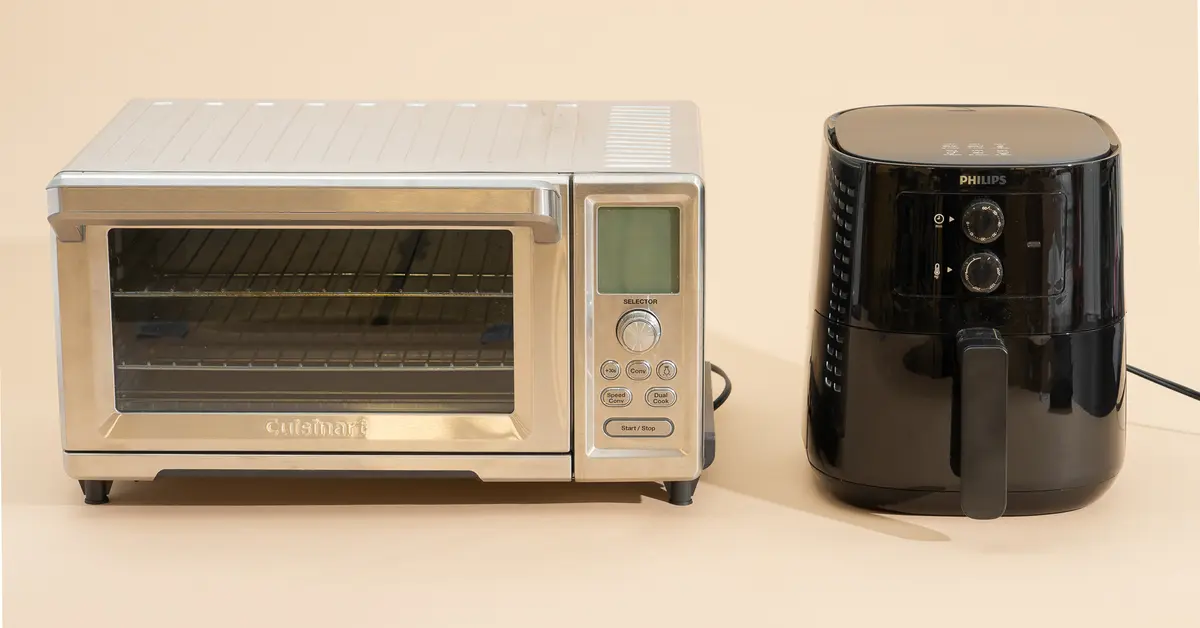
Comparing stainless steel to other modern appliances often reveals interesting parallels in efficiency and heat control. For instance, when we look at the air fryer vs oven vs microwave debate, we see a similar focus on how heat distribution affects the final texture of the food. Stainless steel excels in a similar way, providing the most even heat distribution when constructed with an aluminum or copper core. This “cladding” is what separates a cheap, thin pan from a professional-grade tool that will last several lifetimes.

Cast Iron: The Ancient Titan of Heat Retention
There is something deeply primal about cooking with cast iron. It is a material that feels significant in the hand, a heavy piece of molten history that bridges the gap between the hearths of our ancestors and the induction cooktops of today. Unlike stainless steel, which excels at rapid heat changes, cast iron is all about thermal mass. It takes a long time to heat up, but once it gets hot, it stays hot. This makes it the ultimate tool for searing a thick ribeye steak or baking a crusty loaf of cornbread. The heat retention ensures that when you drop a cold piece of protein into the pan, the temperature doesn’t plummet, allowing for an immediate and violent sear.
The most fascinating aspect of cast iron is its “living” surface. Through a process called seasoning, layers of fats and oils are baked onto the iron, undergoing polymerization to create a natural, remarkably effective nonstick coating. This isn’t a chemical film applied in a factory; it is a bond created through use. In fact, a well-seasoned cast iron skillet can become nearly as slippery as a Teflon pan, but without the chemical baggage. Furthermore, according to Iron leaching research, using this cookware can actually boost the nutritional value of your food by adding essential minerals, making it a favorite for those focused on holistic health.
However, cast iron is not without its demands. It is the “high-maintenance” partner of the kitchen. You cannot leave it to soak in the sink, nor can you put it in the dishwasher, unless you want to find a rusted orange mess the next morning. It requires a specific ritual: wash with minimal soap (or none at all), dry immediately on the stove, and apply a light coat of oil. For some, this ritual is a meditative part of the cooking process; for others, it is a deal-breaker. But for those who commit, a cast iron pan is more than a tool—it becomes an heirloom that carries the flavors of thousands of meals.
When building a complete kitchen, it is important to look at how these heavy-duty tools complement modern gadgets. If you are following the ultimate guide to kitchen gadgets in 2026, you will see that cast iron remains a staple even alongside the most advanced technology. Its reliability is unmatched, and in an age of disposable products, it stands as a testament to the value of things that are built to last.
The Health Verdict: Toxic Fumes vs. Mineral Leaching
In 2026, the conversation around cookware has shifted from “what cooks best” to “what is safest for my family.” This shift is driven by an increasing awareness of environmental toxins and their long-term effects on the human endocrine system. When we look at the data from the Environmental safety data, it becomes clear that the “forever chemicals” used in traditional nonstick coatings have a massive impact not just on our bodies, but on the global water supply. This has led many consumers to abandon nonstick entirely in favor of “cleaner” alternatives like ceramic or traditional metals.
The health debate, however, is nuanced. While cast iron leaches iron—which is generally a positive—it can be problematic for individuals with hemochromatosis (iron overload). Similarly, cheap stainless steel from unverified sources might leach small amounts of nickel or chromium if the alloy is of poor quality. This is why sourcing matters. Professional-grade 18/10 stainless steel is specifically designed to be stable and non-reactive, even under the stress of high-acid cooking. The key to a healthy kitchen is not just choosing the right material, but choosing the highest quality version of that material you can afford.
Another often-overlooked aspect of kitchen health is the role of fats and oils. Because nonstick pans require less oil, they have been championed for heart health. However, the high-heat cooking often performed in these pans can cause oils to reach their smoke point faster, creating carcinogenic compounds. In contrast, the heavy browning achievable in cast iron and stainless steel allows for a more flavorful result with potentially less “burnt” oil if managed correctly. By following Clinical health insights, we can see that a balanced approach—using nonstick for low-heat eggs and stainless/iron for everything else—is likely the safest path forward.
For those dedicated to a healthy lifestyle, the tools used for meal preparation are just as vital as the pans themselves. Proper preparation reduces the time food spends under high heat, preserving nutrients. Check out our meal prep tools and tips for a deep dive into how to organize your kitchen for maximum nutritional impact. Using the right tools at the right time is the secret to a kitchen that nourishes rather than just feeds.

The Performance Showdown: Searing, Simmering, and Sauteing
When we strip away the marketing and the health concerns, we are left with the raw performance of the pan. How does it handle a delicate piece of sea bass? How does it react when you need to drop the temperature instantly to prevent a garlic burn? This is where the physics of the materials truly shine. Stainless steel is the master of “responsiveness.” Because most high-end stainless pans are “tri-ply” or “5-ply” (layers of steel sandwiching aluminum or copper), they change temperature rapidly. If you see your onions browning too fast, you can turn down the flame and the pan reacts almost instantly.
Cast iron is the polar opposite. It is a slow-moving giant. It possesses incredible “thermal memory.” This is why it is the only choice for deep-frying or for maintaining a steady simmer over a long period. However, this same property makes it dangerous for beginners; if the pan gets too hot, it stays too hot for a long time, often leading to scorched food even after the heat is turned off. Nonstick performance is purely about the “release.” It excels in the 200°F to 350°F range, where ease of use is more important than crust formation. But try to push it further, and the performance collapses.
In 2026, the modern cook often integrates these traditional pans with advanced appliances. For example, knowing how to choose the right gear is essential for a cohesive kitchen experience. Many people find that their cooking journey begins with a great pan and ends with a specialized machine. Our guide to buying the best coffee machine shows how the same principles of heat stability and material quality apply across all kitchen categories. Whether it’s the brass boiler in an espresso machine or the copper core in a skillet, the material dictates the result.

Maintenance and Longevity: The Price of Convenience
We live in a “throwaway” culture, but the kitchen is one of the few places where we can still find products that last a century. The longevity of your cookware is directly tied to its maintenance requirements. Nonstick is the most fragile; even with the best care, the polymer chains will eventually break down. Most experts suggest that a nonstick pan used daily has a lifespan of about three years. If you see scratches or the surface feels “gritty,” it’s already leaching chemicals and losing its effectiveness.
Stainless steel maintenance is about restoration. It can be scratched, scorched, and covered in burnt grease, yet it can almost always be brought back to a mirror finish with a bit of “Bar Keepers Friend” or a vinegar soak. It doesn’t require seasoning, and it doesn’t mind the dishwasher (though hand-washing is always better for the handles). It is the ultimate choice for the busy family that wants high performance without the “babying” required by cast iron.
Cast iron maintenance is a lifestyle choice. It requires a relationship. You must learn to read the sheen of the pan to know when it needs another layer of oil. You must learn to clean it while it’s still warm to avoid stubborn stuck-on bits. But the reward for this effort is a tool that actually gets better the more you use it. While a nonstick pan is at its best the day you buy it and declines from there, a cast iron skillet is at its best twenty years after its first use. This “ancestral” quality makes it a favorite for those who value sustainability and tradition.
To truly master the kitchen, one must understand the full ecosystem of appliances and tools. If you are looking for a comprehensive overview of how to equip your home for the long haul, don’t miss our best kitchen appliances guide. It covers everything from the heavy hitters to the subtle essentials that make maintenance easier and cooking more enjoyable.

Conclusion: Settling the War for Your Kitchen
The “Cookware Wars” don’t have a single winner because every cook has different needs. However, if we look at the intersection of health, performance, and value, a clear strategy emerges for 2026. The smartest kitchen is a hybrid one. You don’t need a 12-piece set of any single material. Instead, you need a curated collection of specialists. A high-quality 10-inch nonstick pan for eggs and delicate fish is essential for stress-free mornings. A 12-inch stainless steel skillet is your daily driver for meats, sauces, and sautéed vegetables. And a heavy cast iron skillet is your weekend warrior for the perfect steak and baked treats.
By choosing your tools based on science rather than marketing, you reclaim control over your kitchen. You move away from the anxiety of “forever chemicals” and towards the confidence of professional-grade browning and lifetime durability. Remember that the best pan in the world is the one that makes you want to cook. Whether it’s the sleek, modern lines of stainless steel or the rugged, soulful weight of cast iron, your cookware is the bridge between raw ingredients and a shared memory. Invest in quality, learn the techniques of heat management, and your kitchen will reward you for decades to come.

Frequently Asked Questions
Question 1: Is nonstick cookware safe to use in 2026?
Answer 1: The safety of nonstick cookware in 2026 remains a topic of significant discussion among health professionals and environmental scientists. While modern manufacturers have largely phased out PFOA, many still utilize other PFAS (per- and polyfluoroalkyl substances) to achieve that signature non-stick effect. These chemicals are stable at low to medium temperatures, but once the pan exceeds roughly 500°F (260°C), the coating begins to thermally degrade. This process releases polymer fumes that can cause temporary flu-like symptoms in humans and is highly toxic to small pets, especially birds. Furthermore, as the coating ages and develops microscopic scratches, there is a risk of small particles of the coating being ingested with food. While not immediately toxic in small amounts, the long-term cumulative effects of these synthetic polymers are still being studied. Therefore, the consensus is that nonstick is safe for low-heat tasks like cooking eggs or pancakes, provided the pan is in good condition. However, for high-heat cooking or for those seeking to eliminate synthetic chemicals from their environment, moving toward natural alternatives like stainless steel or cast iron is highly recommended. Always replace a nonstick pan if you see peeling, deep scratches, or if the surface starts to feel sticky even after washing.
Question 2: Why do professional chefs prefer stainless steel pans?
Answer 2: Professional chefs choose stainless steel because it offers a level of precision, durability, and versatility that other materials cannot match in a high-pressure kitchen environment. The primary reason is its “non-reactive” nature; unlike copper or raw cast iron, stainless steel does not react with acidic ingredients like tomatoes, citrus, or wine, which are foundational to French and Italian cuisine. This ensures that the flavor of the dish remains pure and untainted by metallic notes. Additionally, stainless steel is the champion of “fond” creation. The slight sticking that occurs allows for the caramelization of proteins, which are then lifted off the pan through deglazing to create complex, deeply flavored sauces. From a practical standpoint, stainless steel is virtually indestructible. It can handle metal whisks, abrasive scouring pads, and extreme temperature shifts without warping or losing its properties. In a restaurant where equipment is used for 12 hours a day, the fact that a stainless pan can be thrown into a dishwasher and come out looking new is a massive advantage. While it lacks the natural nonstick properties of other pans, a chef’s mastery of temperature control makes this a non-issue, allowing for a tool that serves as a reliable extension of their skill.
Question 3: Does cast iron really add iron to your food?
Answer 3: Yes, it is a scientifically proven fact that cooking with cast iron increases the iron content of food. This occurs through a process called “leaching,” where minute amounts of the metal are transferred from the pan into the ingredients being cooked. The amount of iron transferred depends on several factors: the acidity of the food, the moisture content, and the duration of cooking. For instance, simmering a tomato-based pasta sauce (which is highly acidic) in a cast iron Dutch oven for several hours will result in a significantly higher iron boost compared to quickly searing a dry steak. Research has shown that for individuals struggling with iron-deficiency anemia, using cast iron can be a helpful supplemental strategy to increase dietary intake. However, this leaching is also why cast iron can sometimes impart a “metallic” taste to delicate foods if the pan isn’t properly seasoned. The “seasoning”—that layer of polymerized oil—acts as a partial barrier, but it is not 100% impermeable. For most people, this added iron is a health benefit, but for those with conditions like hemochromatosis, where the body stores too much iron, it is generally advised to stick with non-reactive materials like stainless steel or high-quality nonstick.
Question 4: Which cookware is the easiest to maintain?
Answer 4: The answer to which cookware is “easiest” depends on whether you value short-term convenience or long-term reliability. In the short term, nonstick is the undisputed winner. Its primary purpose is to make cooking and cleaning effortless. Most food can be wiped away with a soft sponge and warm soapy water, requiring no soaking or scrubbing. However, this “ease” comes with a strict set of rules: no metal utensils, no high heat, and no dishwasher. If you break these rules, the pan is ruined. On the other hand, if you look at “ease” as the ability to be handled roughly without consequence, stainless steel wins. You can use metal spatulas, you can accidentally burn food in it, and you can toss it in the dishwasher every night. It requires more effort during the actual cooking to prevent sticking, but the cleanup can be outsourced to a machine or handled with heavy-duty cleaners. Cast iron is the most difficult to maintain initially because it requires a specific “dry and oil” ritual after every use to prevent rust. However, once you develop the habit, it takes less than 60 seconds to maintain. Ultimately, for the average modern user, a high-quality stainless steel pan offers the best balance of being “tough enough to forget about” while still providing professional results.
Question 5: Can I use metal utensils on modern nonstick coatings?
Answer 5: Despite the bold marketing claims of many “new generation” nonstick pans in 2026—some of which claim to be reinforced with diamond dust, titanium, or ceramic particles—the short answer is still “no” if you want your pan to last. While these reinforced coatings are significantly more durable than the Teflon pans of the 1990s, they are not immune to physical damage. Metal utensils, especially those with sharp or thin edges like spatulas and forks, can create microscopic gouges in the surface. These gouges may not be visible to the naked eye at first, but they create “entry points” where moisture and fats can get underneath the coating. Over time, this causes the nonstick layer to lift, bubble, and eventually peel away. Furthermore, once a nonstick surface is scratched, its effectiveness drops dramatically, and food will begin to stick in those specific areas. To ensure you get the full 3 to 5 years of life out of a nonstick pan, you should strictly use silicone, wood, or high-heat resistant plastic. If you find yourself constantly reaching for metal tools, it is a clear sign that you should be doing that specific type of cooking in a stainless steel or cast iron pan instead, where metal tools are not only safe but often preferred.
Question 6: What is the best pan for searing a steak?
Answer 6: For a truly elite, restaurant-quality sear, cast iron is the undisputed heavyweight champion. The secret lies in a physics concept called “thermal mass.” Because cast iron is so dense and heavy, it can hold a massive amount of heat energy. When you place a cold, raw steak into a preheated cast iron skillet, the pan has enough stored energy to keep the surface temperature high enough to trigger the Maillard reaction instantly. This creates that thick, flavorful, dark-brown crust that seals in juices and provides the signature steakhouse texture. Stainless steel is the runner-up; it provides excellent browning and allows you to see the color of the “fond” clearly, but it loses its heat much faster than cast iron when the meat hits the pan. Nonstick is the worst choice for searing for two reasons: first, you cannot safely heat the pan to the 450°F+ temperatures required for a great sear without damaging the coating; and second, the slippery surface actually prevents the meat from making the kind of intimate contact with the metal that is necessary for deep browning. If you want the perfect steak, go with cast iron, use a high-smoke-point oil, and don’t move the meat until it naturally releases from the surface.
Question 7: How often should I replace my cookware?
Answer 7: The replacement timeline varies wildly based on the material and how much you’ve invested in it. Nonstick pans are, by their very nature, “consumable” items. Even with perfect care, the coating will eventually lose its non-stick properties due to the natural expansion and contraction of the metal and the breakdown of the polymers. Most home cooks find they need to replace their primary nonstick skillet every 2 to 5 years. If you see the coating changing color, feeling rough, or if food starts to stick where it used to slide, it’s time to let it go. In stark contrast, stainless steel and cast iron are “legacy” items. A high-quality 3-ply stainless steel pan or a solid cast iron skillet has no “expiration date.” These pans do not have coatings to wear off; the cooking surface is the metal itself. Unless the pan warps so severely that it no longer sits flat on the stove, or the handle falls off and cannot be repaired, there is no reason to ever throw them away. In fact, many people are still using cast iron pans made in the early 20th century. This makes the “per use” cost of stainless and iron significantly lower than nonstick, even if the initial price tag is higher.
Question 8: Is ceramic nonstick better than traditional PTFE?
Answer 8: Ceramic nonstick is often marketed as the “healthy” or “eco-friendly” alternative to traditional PTFE (Teflon) coatings. Ceramic coatings are made from a “sol-gel” process that converts a silica-based liquid into a hard, glass-like layer. The main advantage of ceramic is that it is 100% free of PTFE and PFOA, and it can withstand much higher temperatures (up to 800°F) without releasing toxic fumes. This makes it a safer “fail-safe” for cooks who might accidentally leave a pan on a hot burner. However, from a performance and longevity standpoint, ceramic often falls short. The glass-like surface is more brittle than PTFE, meaning it can chip more easily. More importantly, ceramic pans tend to lose their nonstick ability much faster—sometimes within just 6 to 12 months of heavy use. This happens because the microscopic pores in the ceramic surface become clogged with carbonized oil that is almost impossible to remove. So, while ceramic is “better” in terms of peak heat safety and environmental impact during manufacturing, traditional PTFE-based pans (like those using high-end Quantanium or Autograph coatings) usually provide a superior and longer-lasting nonstick experience for the average user.
Question 9: Does stainless steel cause food to stick badly?
Answer 9: The reputation of stainless steel as a “sticky” material is almost entirely due to improper technique rather than the metal itself. When people try to cook in stainless steel as if it were nonstick—adding food to a cold or lukewarm pan—the proteins in the food form chemical bonds with the metal, resulting in a stubborn, burnt mess. To prevent this, you must master the “hot pan, cold oil” rule. First, heat the empty pan over medium heat until a drop of water flicked onto it beads up and rolls around like a marble (the Leidenfrost Effect). This indicates the pan is at the perfect temperature. Only then do you add your oil, swirl it to coat, and immediately add your food. The heat creates a localized layer of steam that lifts the food off the surface, creating a “physical” nonstick barrier. Another key tip is patience: when searing meat in stainless steel, it will initially stick, but as the crust forms (the Maillard reaction), the meat will naturally “release” itself from the pan. If you try to flip it too early and it’s sticking, it’s simply the pan telling you it’s not finished browning yet.
Question 10: Are expensive cookware sets worth the investment?
Answer 10: In the world of cookware, you generally get what you pay for, but buying a “set” is often a trap. Expensive individual pieces are worth the investment because of their construction. High-end pans use “fully clad” technology, where layers of heat-conducting aluminum or copper are sandwiched between layers of durable stainless steel from the base all the way up the sides. Cheap pans often only have a “disk” at the bottom, leading to hot spots where food burns while the rest of the pan stays cool. However, buying a 15-piece set often means you are paying for five pans you will use and ten that will just take up space in your cabinet. The smartest investment strategy in 2026 is to “buy the best, but buy fewer.” Instead of a $600 set of mediocre pans, spend that $600 on four world-class pieces: a 12-inch clad stainless skillet, a 10-inch high-end nonstick pan, a 5-quart cast iron Dutch oven, and a large stainless stockpot. This “hybrid” approach gives you the best tool for every possible task and ensures that 75% of your collection will literally last for the rest of your life, providing better value than any cheap set ever could.
Articles related:


Tags
📧 Get More Articles Like This
Subscribe to receive product reviews and buying guides in your inbox!
We respect your privacy. Unsubscribe at any time.