Secret Food Preservation Methods That Work Without Electricity or Refrigeration
Table of Contents
- Introduction: The Ancient Wisdom We Almost Lost
- The Science Behind Electricity-Free Food Preservation
- Salt Curing: Nature’s Original Preservative
- Dehydration: Removing the Enemy of Preservation
- Fermentation: Harnessing Beneficial Bacteria
- Root Cellaring: Underground Cold Storage
- Oil and Fat Preservation: Creating Protective Barriers
- Vinegar and Acid Preservation
- Smoke Curing: The Double Protection Method
- Combining Methods for Maximum Shelf Life
- Conclusion: Rediscovering Food Independence
- Frequently Asked Questions
Introduction: The Ancient Wisdom We Almost Lost
The fluorescent lights flickered in my grandmother’s basement one humid summer afternoon in 2019, and within seconds, everything went dark. A transformer had blown somewhere in the neighborhood, leaving us without power for what would become three sweltering days. I watched helplessly as my refrigerator full of groceries slowly warmed, knowing that hundreds of dollars of food would soon be waste. Meanwhile, my grandmother calmly walked to her pantry and pulled out jars of vegetables she had prepared months earlier, smiling as she reminded me that our ancestors never needed electricity to keep their families fed through winter, war, or natural disaster.
That moment changed everything for me. I realized that somewhere between the invention of the electric refrigerator in 1913 and the modern smart kitchen of 2026, humanity had abandoned thousands of years of food preservation wisdom. We had become completely dependent on a fragile power grid for our most basic survival need, storing food. According to the United States Department of Agriculture, the average American household loses approximately four hundred dollars worth of food annually due to spoilage, and this number skyrockets during power outages. Agricultural research institutions have documented the effectiveness of traditional preservation methods through rigorous scientific testing and validation. The USDA Complete Guide to Home Canning represents over one hundred and seventy years of accumulated research distilled into practical applications that home preservers can implement safely. This comprehensive resource validates traditional techniques while providing modern safety parameters, ensuring that ancient preservation wisdom meets contemporary food safety standards. During the widespread blackouts of 2025 alone, an estimated two point three billion dollars worth of perishable food was lost across North America when refrigeration systems failed.
This video showcases traditional and effective methods for preserving food without electricity, and there’s still more information on food preservation in the exclusive details below—insights you probably haven’t discovered yet:
What my grandmother understood, and what I was about to rediscover, was that electricity is not a requirement for food preservation. It is merely a convenience that has made us forget the reliable, time-tested methods that sustained human civilization for millennia. From the salt mines of ancient China to the fermentation cellars of medieval Europe, from the smoke houses of indigenous Americans to the root cellars of frontier families, our ancestors developed sophisticated preservation techniques that worked flawlessly without a single watt of power. These methods did not just keep food edible, they often enhanced nutritional value, developed complex flavors, and created foods that could last not just weeks but months or even years.
The urgency of understanding these methods extends far beyond personal preparedness. Climate change is increasing the frequency and severity of extreme weather events that disrupt power supplies. In 2024, the National Oceanic and Atmospheric Administration recorded sixty-three billion-dollar weather disasters in the United States alone, many of which caused extended power outages. Political instability, aging infrastructure, and the increasing vulnerability of electrical grids to various threats mean that our dependence on refrigeration represents a genuine security risk for families and communities. Meanwhile, the global movement toward sustainable living and reduced energy consumption makes electricity-free preservation methods more relevant than ever.
Learning these preservation techniques is not about returning to some romanticized past or preparing for apocalyptic scenarios. It is about reclaiming food sovereignty, reducing energy consumption, minimizing food waste, and reconnecting with the sensory, hands-on processes that transform raw ingredients into shelf-stable nutrition. These methods work just as effectively in a modern apartment as they did in a nineteenth-century farmhouse. They require minimal investment in equipment, rely on ingredients that are universally available, and produce foods with unique flavors and textures that cannot be replicated through industrial processing.
In researching and testing these preservation methods over the past five years, I have discovered that they fall into several distinct categories, each with its own mechanisms, advantages, and ideal applications. Some work by removing moisture, others by creating hostile environments for spoilage organisms, and still others by encouraging beneficial microorganisms that outcompete harmful bacteria. Understanding the science behind each method reveals why they work so reliably and how they can be adapted to modern ingredients, tastes, and living situations.
The beauty of these preservation methods lies in their simplicity and accessibility. Traditional manual tools often outperform their electric counterparts for preservation work by providing better control and requiring no power source. Understanding manual versus electric tool capabilities helps preservation practitioners choose implements that enhance rather than complicate their workflows. Simple hand-operated equipment frequently proves more reliable and durable than complex electronic alternatives for traditional food preservation tasks. Unlike canning, which requires specialized equipment, precise timing, and careful attention to safety protocols, many traditional preservation techniques are remarkably forgiving and intuitive. They provide clear visual and olfactory feedback about whether the process is proceeding correctly, and they often improve with practice rather than requiring perfect execution from the start. For someone living in a small apartment, these methods can transform a kitchen into a productive food preservation center without the need for pressure canners, vacuum sealers, or chest freezers.
What follows is a comprehensive exploration of the most effective food preservation methods that require no electricity, based on both historical practices and modern scientific understanding. Each method has been tested extensively, not in laboratory conditions but in real kitchens by people seeking practical, reliable ways to extend the life of their food. These are not theoretical concepts or historical curiosities, but living techniques that work just as effectively today as they did centuries ago, and in some cases, even better thanks to our improved understanding of food safety and microbiology.

The Science Behind Electricity-Free Food Preservation
Before diving into specific techniques, understanding the fundamental science of food preservation illuminates why these ancient methods work so reliably. Food spoilage is not a mysterious process but a predictable biological phenomenon that occurs when microorganisms, primarily bacteria, yeasts, and molds, find favorable conditions to reproduce. These organisms require four essential elements to thrive, moisture, moderate temperatures, nutrients, and appropriate pH levels. Remove or alter any of these factors sufficiently, and food becomes inhospitable to the microbes that cause spoilage.
Water activity, scientifically measured as aw, represents the most critical factor in food preservation. Microorganisms need water in its free, unbound state to carry out metabolic processes and reproduce. When water is removed through dehydration, bound up through salt or sugar, or frozen, it becomes unavailable to bacteria despite still being present in the food. Most bacteria require a water activity above zero point ninety to survive, while molds and yeasts can tolerate slightly lower levels. By reducing water activity below these thresholds, preserved foods become stable at room temperature indefinitely.
Salt preservation works through the osmotic principle, where high salt concentrations draw water out of both food cells and bacterial cells. When salt concentration reaches approximately ten percent or higher, most harmful bacteria cannot survive. The salt creates a protective barrier that prevents new contamination while simultaneously dehydrating existing microorganisms. This dual action makes salt one of the most effective preservatives known to humanity, and unlike synthetic preservatives, salt has been recognized as safe for consumption throughout recorded history.
Fermentation represents an entirely different preservation strategy that harnesses beneficial microorganisms to create conditions hostile to spoilage bacteria. When vegetables are submerged in brine and kept in an oxygen-free environment, naturally occurring lactic acid bacteria begin to proliferate. These bacteria consume sugars in the vegetables and produce lactic acid as a metabolic byproduct. As acid levels increase, the pH drops below four point six, the threshold at which dangerous bacteria like Clostridium botulinum cannot survive or produce toxins. The fermented food becomes self-preserving, protected by its own acidity and the continued presence of beneficial bacteria.
Temperature control, even without refrigeration, plays a crucial role in several preservation methods. Root cellaring exploits the natural temperature stability of underground spaces, where temperatures remain consistently cool but above freezing throughout winter. This slows metabolic processes in both vegetables and spoilage organisms, extending shelf life dramatically without halting these processes entirely. The ideal root cellar maintains temperatures between thirty-two and forty degrees Fahrenheit with humidity levels between eighty-five and ninety-five percent, conditions that naturally occur in properly constructed underground storage spaces.
Acid preservation through vinegar or fermentation creates environments where pH levels drop below four point six, the critical threshold for food safety. This pH level prevents the germination of bacterial spores and inhibits the growth of most pathogenic bacteria. Pickled foods preserved in vinegar solution remain stable at room temperature because the acetic acid creates an inhospitable environment for spoilage organisms while the food itself remains nutritious and flavorful. The Centers for Disease Control and Prevention recognizes properly acidified foods as having extremely low risk of foodborne illness when stored correctly.
During emergency situations or extended power outages, understanding safe food handling becomes even more critical for household survival. Government agencies have established comprehensive guidelines specifically addressing food preservation during crises when normal refrigeration systems fail completely. The CDC emergency preparedness programs provide detailed protocols for maintaining food safety during disasters, emphasizing that properly preserved foods using traditional methods often prove more reliable than depending solely on electrical refrigeration systems during extended outages.
Oxygen exclusion forms the basis of several preservation methods, particularly oil preservation and certain fermentation techniques. Many spoilage organisms and virtually all molds require oxygen to survive. By submerging foods in oil or ensuring that fermented vegetables remain completely covered by brine, oxygen is excluded from contact with the food surface. This creates an anaerobic environment where aerobic spoilage organisms cannot thrive, while simultaneously preventing oxidation reactions that degrade food quality. The protective layer of oil or brine acts as a physical barrier maintaining food quality for extended periods.
Smoke curing combines multiple preservation mechanisms in a single process. The smoke itself contains compounds like phenols and formaldehyde that have antimicrobial properties, while the heat from smoking partially dehydrates the food surface. Additionally, the smoke creates a protective coating that seals the food against contamination. Wood smoke also acts as an antioxidant, preventing the rancidity that would otherwise occur in preserved meats. This multi-layered approach makes smoke curing one of the most effective preservation methods for proteins, with properly smoked and dried meats remaining edible for years when stored in cool, dry conditions.
Understanding these scientific principles reveals that successful food preservation is not mysterious but logical and predictable. Each method manipulates one or more of the factors that microorganisms require for growth. By removing moisture, increasing salt or acid concentration, excluding oxygen, or maintaining temperatures outside the optimal range for bacterial growth, foods become stable without refrigeration. This scientific foundation, developed through millennia of practical experience and confirmed by modern microbiology, provides confidence that these methods work reliably when executed properly.
Salt Curing: Nature’s Original Preservative
Salt curing stands as humanity’s oldest and most reliable food preservation method, with archaeological evidence of salted fish dating back over eight thousand years. The method requires only salt and time, making it accessible to anyone regardless of location or resources. When salt concentration in food reaches approximately ten percent, virtually all harmful bacteria are inhibited, while the food remains perfectly edible and nutritious. Modern testing by food scientists has confirmed what ancient peoples discovered through experience, properly salt-cured foods can remain safe and edible for years without any refrigeration.
The dry salt cure method works by coating meat or fish completely in coarse salt, then allowing the salt to draw out moisture over several days or weeks. For every ten pounds of meat, approximately three pounds of salt are needed to achieve proper preservation. The meat is layered with salt in a cool, dark place, traditionally a cellar or shed, where it gradually loses moisture while absorbing salt. After two to four weeks, depending on the thickness of the meat, the cure is complete. The meat surface becomes firm and dry, while the interior remains protected by the high salt concentration. Excess salt is brushed off before storage or soaking in water before cooking.
The brine cure, also called wet curing, submerges meat in a saturated salt solution rather than coating it with dry salt. A proper brine for preservation contains at least one pound of salt per gallon of water, creating a solution strong enough to float a fresh egg. Meats or vegetables are completely submerged in this brine, weighted down to prevent any surface exposure to air. The brine cure penetrates more evenly than dry salt and is particularly effective for irregularly shaped pieces or whole fish. After several weeks in the brine, the food is removed, rinsed, and either used immediately or dried for long-term storage.
Fish preservation through salting has sustained coastal communities for millennia and remains widely practiced today. Fresh fish are gutted, split open, and layered with coarse salt, with the proportion being roughly one pound of salt for every three pounds of fish. The fish are stacked in wooden boxes or barrels, with each layer salted heavily, and left for one week. During this time, the salt draws out moisture, which drains away through gaps in the container. After the initial cure, the fish are rinsed briefly and hung in a cool, airy location to dry completely. Properly prepared salt fish can last for several years and was the protein staple for sailors and remote communities before refrigeration.
Vegetable salt preservation creates a different product than salt-cured meats but follows similar principles. Vegetables are sliced or shredded, mixed with salt at a ratio of approximately three tablespoons of salt per five pounds of vegetables, and packed tightly into containers. The salt draws out vegetable juices, creating a self-brine that covers the vegetables completely. This process differs from fermentation because the high salt concentration prevents bacterial growth entirely rather than encouraging beneficial bacteria. Salt-preserved vegetables last for months and can be rinsed and soaked before use to remove excess salt.
Preserved lemons represent one of the most successful applications of salt preservation to fruit, creating a unique ingredient that has become essential in Middle Eastern and North African cuisine. Whole lemons are quartered partially, stuffed with coarse salt, and packed tightly into jars where their own juices create a preserving brine. Additional lemon juice is added to ensure complete submersion. After one month at room temperature, the lemon rinds soften and develop a complex, intensely flavored character that fresh lemons cannot provide. These preserved lemons last for a year or more and actually improve with age as flavors mellow and integrate.
The equipment needed for salt curing is remarkably simple, consisting only of coarse salt, food-grade containers, and weights to keep items submerged in brine. The salt itself must be pure, without additives like iodine or anti-caking agents that can interfere with the curing process or create off-flavors. Sea salt or kosher salt works perfectly, while table salt should be avoided due to these additives. Glass, ceramic, or food-grade plastic containers are suitable, while metal should be avoided as it can react with salt and affect food quality. Wooden barrels, traditional for large-scale curing, impart subtle flavors and allow for slight moisture exchange that can improve the final product.
Common mistakes in salt curing include using insufficient salt, which allows bacterial growth before preservation is complete, or failing to maintain complete coverage of food with either dry salt or brine. Another error is storing cured foods in excessively warm locations, where even high salt content may not prevent spoilage. Properly cured foods should be stored in cool, dark, dry conditions, ideally below sixty degrees Fahrenheit. Visual indicators of successful curing include firm texture, no slime or discoloration, and a pleasant, slightly salty aroma. Any signs of mold, unusual colors, or off odors indicate that the cure has failed and the food should be discarded.

Dehydration: Removing the Enemy of Preservation
Dehydration removes water from food to levels where microorganisms cannot survive, typically reducing moisture content to below twenty percent for most foods and below ten percent for long-term storage. This method has been used for at least twelve thousand years, with evidence of sun-dried foods found in Middle Eastern archaeological sites. Modern research confirms that properly dehydrated foods retain most nutrients while remaining shelf-stable for twelve to eighteen months without any special storage conditions. The process requires no special ingredients, only time, air circulation, and either solar heat or very low temperature heat sources.
Sun drying represents the most ancient and energy-free dehydration method, requiring only consistently sunny weather and temperatures above eighty-five degrees Fahrenheit. Foods are sliced thinly, typically one-quarter inch or less, and arranged on clean screens or racks in direct sunlight. The drying surface must allow air circulation from below, so elevated racks work better than solid surfaces. Depending on humidity and temperature, most fruits and vegetables dry completely in two to five days. Foods must be brought inside each evening to prevent moisture reabsorption from night air, and they should be covered with cheesecloth to prevent insect contamination while still allowing moisture to escape.
Solar dehydrators improve upon simple sun drying by creating a more controlled environment that speeds the drying process and produces more consistent results. These devices can be built from simple materials like wood, screening, and clear plastic or glass. The basic design creates a chamber where sunlight heats air, which rises through vents and passes over food arranged on screens. This constant flow of warm, dry air removes moisture more efficiently than passive sun exposure. Solar dehydrators work even in partly cloudy conditions and can dry foods in one to three days rather than the three to five days required for direct sun drying.
Air drying suits herbs, flowers, and other delicate items that would be damaged by direct sun exposure. Herbs are tied in small bundles and hung upside down in a warm, dry, well-ventilated area away from direct sunlight. The ideal location maintains temperatures between sixty-five and eighty degrees Fahrenheit with low humidity. Attics, covered porches, and spare rooms often provide perfect conditions. Most herbs dry completely in one to two weeks, at which point they should be stored in airtight containers away from light. Properly dried herbs retain their essential oils and remain potent for one to two years, far longer than store-bought dried herbs which often sit on shelves for months before purchase.
Oven drying provides a low-heat alternative when outdoor drying is impractical due to weather or living situation. Modern kitchen appliances can significantly enhance traditional preservation methods when used thoughtfully and efficiently. Understanding energy efficiency comparisons between different heating methods helps preserve foods while managing electricity costs effectively. Making informed choices about when to use various cooking and heating methods allows preservation practitioners to balance traditional techniques with modern convenience tools strategically. Modern ovens can be set to temperatures as low as one hundred and forty degrees Fahrenheit, while older ovens may require propping the door slightly open to prevent overheating. Foods are arranged on racks, allowing air circulation around all sides, and dried until they reach the proper moisture content. This typically requires six to twelve hours for most fruits and vegetables. While this method does require electricity or gas, it uses far less energy than refrigeration would over the storage period of the dried foods.
Testing for proper dryness is crucial because insufficient drying leads to mold growth during storage while excessive drying can make foods brittle and unpalatable. Fruits should be pliable and leathery without any moisture visible when squeezed or torn, but not so dry that they shatter when bent. Vegetables should be brittle and snap cleanly when broken. Herbs should crumble easily when rubbed between fingers. When uncertain, it is always better to dry foods slightly more than slightly less, as over-dried foods can be rehydrated while under-dried foods will spoil in storage.
Conditioning dried foods before final storage ensures even moisture distribution and reveals any pieces that were insufficiently dried. The dried food is placed in large glass jars, filled only two-thirds full, and sealed. Each day for one week, the jars are shaken to redistribute contents. If condensation appears on the jar sides, the food needs additional drying. This conditioning period allows any remaining moisture to equilibrate throughout the batch, preventing localized damp spots that could harbor mold growth. After conditioning, foods can be packed more tightly for long-term storage.
Storage of dehydrated foods requires protection from moisture, light, and oxygen. Glass jars with tight-fitting lids work well for amounts that will be used within several months. For longer storage, dried foods can be vacuum-sealed or stored in containers with oxygen absorber packets. The storage location should be cool, dark, and dry, ideally below sixty degrees Fahrenheit with low humidity. Under these conditions, most dried fruits and vegetables remain edible for twelve to eighteen months, while some items like dried beans or grains can last for years. Home-dehydrated foods typically retain more nutrients than commercially dried products because lower temperatures are used and the time from harvest to preservation is shorter.

Fermentation: Harnessing Beneficial Bacteria
Fermentation transforms fresh foods into shelf-stable products while simultaneously increasing their nutritional value, digestibility, and flavor complexity. This biological process relies on beneficial microorganisms, primarily lactic acid bacteria, which naturally occur on vegetable surfaces. These bacteria thrive in oxygen-free, slightly salty environments, where they convert sugars into lactic acid. As acid levels rise, the pH drops below four point six, creating conditions where harmful bacteria cannot survive. The resulting fermented foods remain stable at room temperature for months and actually improve in flavor over time.
The basic fermentation process for vegetables requires only salt, water, and containers that can be sealed against oxygen. Fresh vegetables are chopped or shredded, mixed with salt at a ratio of approximately three tablespoons per five pounds of vegetables, and packed tightly into jars. The salt draws out vegetable juices, creating a brine that covers the vegetables completely. A weight holds everything beneath the liquid surface, excluding oxygen while allowing carbon dioxide produced during fermentation to escape. At room temperature, active fermentation begins within twenty-four hours and continues for one to two weeks, after which the fermented vegetables can be stored for six to nine months without refrigeration.
Sauerkraut exemplifies the simplicity and reliability of lacto-fermentation. Fresh cabbage is shredded finely, mixed with salt, and massaged until enough liquid releases to cover the cabbage when packed tightly. The salt concentration needs to be approximately two percent of the cabbage weight, which translates to roughly three tablespoons of salt per five pounds of cabbage. Packed into jars with weights holding the cabbage below the brine level, fermentation proceeds at room temperature for three to four weeks. During this time, the cabbage transforms from crisp and mildly flavored to soft, tangy, and complex. Properly fermented sauerkraut remains stable at cool room temperature for six months or longer, and refrigeration extends this to over a year.
Kimchi follows similar fermentation principles but incorporates additional vegetables, spices, and often fish sauce or fermented seafood for complex umami flavors. The base is typically napa cabbage, salted to remove excess moisture, then mixed with radishes, scallions, garlic, ginger, and chili paste. The high salt content and spice combination create an environment where beneficial bacteria thrive while harmful organisms are inhibited. Kimchi ferments actively for three to five days at room temperature, developing its characteristic tangy, spicy flavor profile, then continues to mature over several weeks. Traditional Korean households stored large quantities of kimchi in earthenware pots buried underground, where cool stable temperatures allowed the fermentation to continue slowly throughout winter.
Fermented pickles differ fundamentally from vinegar pickles because they rely on bacterial fermentation to create acidity rather than added vinegar. Cucumbers or other vegetables are submerged in a salt brine, typically three tablespoons of salt per quart of water, with spices like dill, garlic, and peppercorns added for flavor. Kept at room temperature and protected from oxygen, lactic acid bacteria begin converting sugars to acid within days. The pickles gradually transform from fresh and crunchy to tangy and complex over two to four weeks. Fermented pickles remain stable at room temperature for several months and can be stored even longer in cool conditions, with the flavor continuing to develop over time.
Understanding the signs of successful fermentation versus contamination is essential for safety and confidence. Successful fermentation produces a pleasantly sour aroma, sometimes described as similar to yogurt or sourdough bread. Cloudy brine is normal and indicates active bacterial growth. Small bubbles rising through the brine show carbon dioxide production from active fermentation. A thin white film on the liquid surface, called kahm yeast, is harmless and can simply be skimmed off. However, any fuzzy mold, particularly colored molds, indicates contamination, and the batch should be discarded. Off odors, such as putrid or rotten smells, also indicate failed fermentation.
Temperature management significantly affects fermentation success and final flavor. Warmer temperatures, between seventy and seventy-five degrees Fahrenheit, produce faster, more vigorous fermentation but can result in softer texture and less complex flavors. Cooler temperatures, between sixty and sixty-five degrees Fahrenheit, slow fermentation and produce crisper vegetables with more nuanced flavors. Traditional fermentation practices often involved starting fermentation at room temperature for several days to ensure good bacterial growth, then moving containers to cooler storage where slow fermentation continued throughout winter. Federal regulatory agencies have established extensive safety frameworks governing fermented food production, recognizing both the traditional wisdom behind these methods and modern scientific understanding of microbial processes. The FDA fermentation safety standards outline specific requirements for commercial production while acknowledging that home fermentation using traditional techniques remains inherently safe when proper procedures are followed. These standards confirm that the natural acids produced during fermentation create preservation environments that have protected food for thousands of years. This two-stage approach combines the reliability of warm-temperature fermentation with the quality advantages of cool storage.
The equipment for fermentation is remarkably simple but must meet certain requirements. Building a well-equipped kitchen for food preservation requires thoughtful selection of versatile tools that serve multiple purposes across different preservation methods. Essential kitchen equipment for preservation work includes quality jars, sharp knives, and measuring tools that support various techniques from fermentation to dehydration. Investing in multi-functional tools rather than single-purpose gadgets creates efficient workspaces where traditional preservation methods can flourish alongside modern cooking. Containers must be non-reactive, so glass or food-grade ceramic works perfectly while metal should be avoided. Wide-mouth jars make packing vegetables easier and allow better monitoring of fermentation progress. Weights to keep vegetables submerged can be purpose-made ceramic or glass weights, or improvised from clean rocks, small water-filled jars, or even cabbage leaves folded to create a tight cap. Airlocks, while not essential, allow gas to escape while preventing oxygen entry, creating ideal conditions for fermentation. However, traditional fermentation used simple cloth covers that allowed gas exchange while excluding contaminants, proving that sophisticated equipment is not necessary for success.
Root Cellaring: Underground Cold Storage
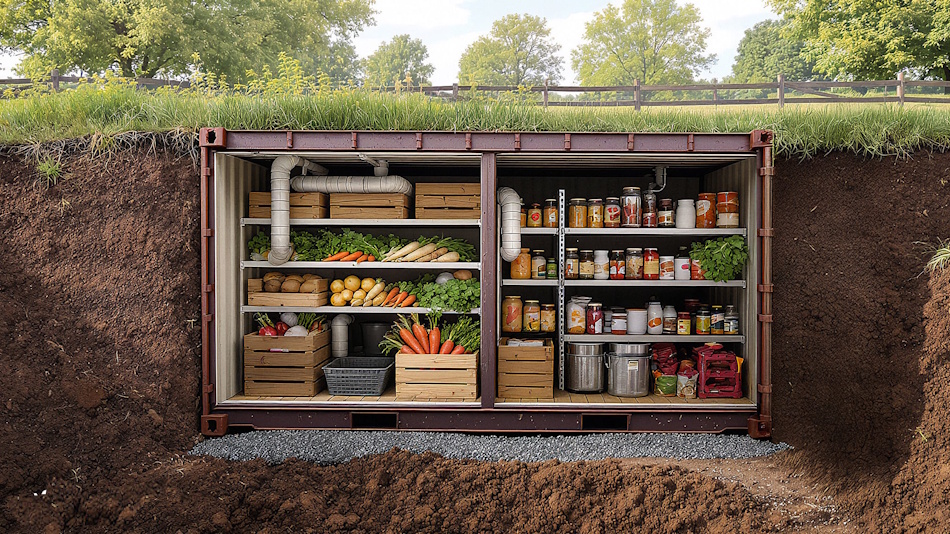
Root cellaring exploits the natural temperature stability of underground spaces to store certain vegetables for months without any energy input. The earth maintains relatively constant temperatures just a few feet below the surface, staying cool but above freezing throughout winter in most climates. Combined with the high humidity found in underground spaces, these conditions slow respiration and moisture loss in vegetables while preventing freezing damage. A properly managed root cellar can store certain vegetables for four to eight months, providing fresh produce throughout winter without electricity.
The ideal root cellar maintains temperatures between thirty-two and forty degrees Fahrenheit with humidity levels between eighty-five and ninety-five percent. While traditional root cellars provide excellent passive cooling through earth insulation, innovative low-technology solutions have emerged that apply similar principles in different contexts. International development organizations have successfully implemented evaporative cooling systems in regions without reliable electricity, proving that simple physics can replace complex refrigeration effectively. The MIT evaporative cooling research project has documented significant success using clay pot coolers and forced-air evaporative chambers to extend vegetable storage life in off-grid communities across multiple continents, demonstrating that food preservation technology need not be complex or energy-intensive to be highly effective. These conditions occur naturally in underground spaces, particularly when vents allow cool outside air to enter while warmer air escapes. Traditional root cellars were separate underground structures, often dug into hillsides, with stone or earth walls providing insulation and thermal mass. Modern adaptations can be as simple as a corner of an unheated basement, a buried barrel or trash can, or a dedicated insulated space in a garage or outbuilding. The key requirements are consistent cool temperatures, high humidity, darkness, and adequate air circulation.
Building a simple root cellar can be accomplished with minimal investment and construction skills. One effective approach involves burying a clean metal trash can or plastic barrel in a shaded location, leaving only the lid accessible above ground. Vegetables are placed inside, with the lid covered by a thick layer of straw or leaves for insulation. This provides an environment cool enough for storage yet protected from hard freezes. Another approach uses an unheated basement corner, where walls are insulated and vents allow cool air entry. Stored vegetables create their own humidity through respiration, maintaining the moist environment they require. Even apartment dwellers can create effective storage by placing vegetables in a cooler on an unheated balcony or in an unheated stairwell.
Not all vegetables suit root cellar storage, and understanding which crops thrive in these conditions prevents waste and disappointment. Root vegetables like potatoes, carrots, beets, turnips, rutabagas, and parsnips excel in root cellar conditions, often lasting four to eight months when properly stored. Winter squash and pumpkins also store well but require slightly drier conditions than root vegetables. Apples and pears can be stored successfully but should be kept separate from other produce because they release ethylene gas that can cause sprouting in potatoes and premature ripening in other vegetables. Onions and garlic need dry conditions rather than the high humidity ideal for roots, so they are better stored in a separate, drier location.
Preparation of vegetables for root cellar storage significantly impacts how long they remain in good condition. Systematic food preparation approaches create efficiency in preservation work while ensuring consistent quality across batches. Comprehensive meal preparation strategies that incorporate preservation techniques allow households to process seasonal abundance efficiently while maintaining organized kitchen workflows. Developing structured preparation routines transforms occasional preservation projects into sustainable year-round practices. Root vegetables should be harvested after a light frost, which converts starches to sugars and improves flavor, but before hard freezes damage them. Excess soil is gently brushed off, but vegetables should not be washed because moisture promotes rot. Any damaged or bruised specimens are set aside for immediate use because they will not store well. Tops are trimmed to about one inch to prevent moisture loss through the stems, but the roots themselves should not be cut or damaged. Properly prepared vegetables are then layered in boxes or bins with damp sand, sawdust, or peat moss surrounding them to maintain humidity and prevent shriveling.
Storage techniques vary depending on the specific vegetable. Potatoes and root vegetables store best when layered in boxes with damp sand between layers, ensuring they do not touch each other. This prevents rot from spreading if one vegetable does spoil. Cabbage can be pulled with roots attached and replanted in damp sand in the cellar, where it continues to live and stays fresh for months. Winter squash and pumpkins should be cured at room temperature for two weeks before storage, which hardens their skins and heals any minor damage. They then store well on shelves in a dry section of the cellar. Apples store longest when wrapped individually in newspaper to prevent ethylene gas spread and slow ripening.
Monitoring stored produce prevents losses and allows early intervention if problems develop. Root cellars should be checked weekly, with any spoiling vegetables removed immediately before rot spreads to others. Temperature monitoring ensures that conditions remain in the optimal range, particularly during extreme weather when ventilation may need adjustment. Humidity can be increased by placing pans of water in the cellar or decreased by increasing ventilation. Proper air circulation prevents carbon dioxide buildup from vegetable respiration and helps maintain even temperatures throughout the storage space. A small battery-operated fan can improve circulation in larger cellars, though traditional cellars relied solely on natural convection.
Common problems in root cellaring include excessive moisture leading to mold and rot, insufficient humidity causing shriveling, and temperature fluctuations that either freeze vegetables or allow premature sprouting. Solutions are generally straightforward, improving drainage or ventilation reduces excess moisture, while adding damp sand or water containers increases humidity. Insulation and careful vent management stabilize temperatures. Vegetables that begin sprouting can still be used and are not harmful, though quality declines. Freezing damage usually ruins texture irreparably, but frozen vegetables can still be cooked if used immediately upon thawing.
[ ](Root Cellar Storage - Underground Food Preservation System)
Oil and Fat Preservation: Creating Protective Barriers
Preserving foods in oil or fat creates an oxygen-free environment that prevents oxidation and microbial growth. This ancient technique, practiced across Mediterranean and Middle Eastern cultures for millennia, works because oil forms an impermeable barrier that seals food from air and moisture while adding flavor and protecting delicate ingredients. Foods preserved in oil can last for months at room temperature, though cool storage extends shelf life significantly. The method works particularly well for vegetables, herbs, cheeses, and even some meats, transforming them into intensely flavored ingredients that enhance countless dishes.
The basic oil preservation process requires completely covering prepared foods with high-quality oil in a sealed container. Extra virgin olive oil is traditional and provides the best flavor, though any refined oil with a mild flavor works effectively. Foods must be completely dry before oil immersion because any water content can harbor bacterial growth and cause spoilage. Vegetables are typically blanched or roasted first to reduce moisture content and partially cook them, then cooled completely and dried thoroughly before packing into jars. The oil is poured over the vegetables until they are completely covered with at least one-quarter inch of oil above the highest piece.
Preserved vegetables in oil create versatile ingredients for year-round cooking. Sun-dried tomatoes packed in olive oil epitomize this method, with the drying process removing moisture before oil creates a protective seal. Roasted peppers, eggplants, and mushrooms preserve beautifully when first cooked to reduce moisture, cooled, and then submerged in oil with herbs and garlic. The vegetables absorb oil flavor while the oil takes on the essence of the vegetables, creating a product where both elements are delicious and useful. These preserved vegetables maintain texture and flavor for three to six months at room temperature and even longer when stored in cool conditions.
Confit represents a related preservation method where foods are cooked slowly in fat, then stored completely submerged in that same fat. Traditional duck or goose confit involves salting the meat, then cooking it gently in its own rendered fat at temperatures around two hundred degrees Fahrenheit for several hours. The cooked meat is placed in jars and completely covered with the cooking fat, which solidifies when cool and creates an airtight seal. Properly prepared confit can last for several months without refrigeration and was historically the primary method for preserving meat through winter. The technique works equally well with vegetables, particularly root vegetables and alliums, which become meltingly tender through the slow cooking process.
Cheese preservation in oil protects already-aged cheeses from further moisture loss while adding herbs and aromatics that enhance flavor. Hard cheeses like parmesan or aged cheddar are cut into small cubes or slices, placed in jars with peppercorns, herbs, and sometimes garlic, then completely covered with olive oil. The cheese continues to age slowly while protected from mold and drying. This method works only with already-aged, low-moisture cheeses because fresh cheeses contain too much moisture for safe room-temperature storage. Oil-preserved cheeses last for several months and provide intensely flavored additions to salads, pasta, and cheese boards.
Herb preservation in oil creates concentrated flavor pastes useful in countless applications. Fresh herbs are chopped finely or pureed with oil to create a thick paste, then packed into small jars and topped with a protective layer of oil. Basil pesto represents the most famous example, combining fresh basil with oil, garlic, nuts, and cheese into a preserve that maintains bright green color and fresh flavor for months. Simpler versions use single herbs pureed with oil, creating versatile flavoring bases that add instant depth to soups, sauces, and marinades.
Safety considerations for oil preservation focus primarily on moisture content and proper submersion. Any water content in preserved foods creates risk of botulism, particularly in low-acid foods like garlic or vegetables. For this reason, all vegetables must be thoroughly dried before oil preservation, and many recipes include acidic ingredients like lemon juice or vinegar to further ensure safety. Commercially, oil-preserved foods often require acidification or refrigeration, but traditional home preservation methods that ensure complete dryness and proper technique remain safe when executed carefully. Foods in oil should always be stored with the lid tightly sealed and the contents checked periodically to ensure oil coverage remains complete.
Shop on AliExpress via link: wholesale-food-storage-jars
Vinegar and Acid Preservation
Vinegar preservation, distinct from fermentation-based pickling, uses the acetic acid in vinegar to create an environment too acidic for bacterial growth. This method has been used for at least four thousand years and remains one of the most reliable preservation techniques. When foods are submerged in vinegar with at least five percent acidity or in vinegar-based brines, the low pH prevents bacterial growth while the food absorbs the vinegar’s tangy flavor. Properly prepared vinegar pickles remain stable at room temperature for a year or more, requiring no refrigeration or special storage conditions.
Quick pickling represents the simplest approach to vinegar preservation, requiring no cooking or complicated procedures. Raw vegetables are packed into jars with aromatics like garlic, dill, mustard seeds, or chili peppers. A brine made from equal parts vinegar and water, with salt and sometimes sugar added, is poured over the vegetables while hot. The jars are sealed immediately, and the pickles are ready to eat after twenty-four hours. These quick pickles maintain crisp texture because the vegetables are not cooked, and they develop complex flavors as they age over weeks and months. The high acidity makes them safe for room-temperature storage despite the lack of processing.
Hot-pack pickling involves briefly cooking vegetables in the vinegar brine before packing into jars. This method works well for vegetables that benefit from slight softening, like onions or peppers, and ensures that the vegetables are heated thoroughly for better preservation. The hot vegetables and brine are packed into hot jars, sealed immediately, and allowed to cool slowly. The heat from the product creates a partial vacuum as it cools, improving the seal and ensuring long storage life. Hot-pack pickles tend to have softer texture than quick pickles but often develop more integrated flavors as the vegetables absorb the brine more fully.
Fruit preservation in vinegar creates sweet-and-sour condiments that enhance both savory and sweet dishes. Fruits are typically cooked briefly in a syrup made with vinegar, sugar, and spices until they soften slightly and absorb the flavors. Common examples include pickled cherries, spiced pickled peaches, and preserved blueberries. The combination of acid from vinegar and sugar creates an environment where bacteria cannot survive, while the fruit maintains much of its structure and develops complex flavor. These fruit pickles store at room temperature for a year and serve as condiments for meats, additions to salads, or accompaniments to cheese boards.
The vinegar-brine ratio determines both preservation effectiveness and final flavor. A fifty-fifty mixture of vinegar to water creates sufficient acidity for safe preservation while producing a moderately tangy result. Higher vinegar proportions create more intensely flavored pickles and provide an extra safety margin. The vinegar itself must have at least five percent acidity, which commercial vinegars consistently maintain. Home-made or artisan vinegars may have variable acidity and should not be used for preservation unless acidity has been tested. Salt in the brine enhances flavor and provides additional preservation action, though it is not strictly necessary for safety when proper vinegar concentration is maintained.
Flavor customization in vinegar pickles offers endless possibilities for creative preservation. Aromatics like garlic, onions, ginger, and hot peppers infuse the brine and vegetables with distinctive flavors. Whole spices, including mustard seeds, coriander, peppercorns, cloves, and cinnamon, add complexity and depth. Fresh herbs like dill, basil, oregano, and thyme contribute aromatic notes that complement different vegetables. Asian-inspired pickles might include rice vinegar, ginger, and sesame oil, while Mediterranean versions might feature olive oil, oregano, and lemon. The versatility of vinegar pickling allows preservation techniques to adapt to any culinary tradition.
Storage of vinegar-preserved foods requires protection from light and moderate temperatures but no refrigeration. Dark storage prevents color fading in pickles, particularly those made with colorful vegetables or spices. Cool storage, ideally below seventy degrees Fahrenheit, extends shelf life and maintains better texture, though room temperature storage remains safe. Jars should be checked periodically to ensure seals remain intact and no liquid has leaked. Any jar that shows signs of mold, bulging lids, or unusual odors should be discarded immediately. Properly stored vinegar pickles often improve with age as flavors meld and intensify over the first several months.

Smoke Curing: The Double Protection Method
Smoke curing combines dehydration with antimicrobial compounds from wood smoke to create one of the most effective preservation methods known. The process dates back at least one hundred thousand years to when early humans discovered that meat dried near fire lasted longer than meat dried in open air. Modern understanding reveals that wood smoke contains over two hundred compounds, many with antimicrobial and antioxidant properties. When these compounds are absorbed into food surfaces during smoking, they create a protective layer that inhibits bacterial growth and prevents rancidity. Combined with the moisture reduction from smoke heat, this creates a preservation method capable of keeping foods edible for years.
The cold smoking method exposes foods to smoke at temperatures below ninety degrees Fahrenheit, preserving without cooking and maintaining raw texture. This technique requires careful temperature control and extended smoking times, often days or even weeks for large pieces of meat. The low temperature prevents fat from rendering and protein from cooking, while smoke compounds gradually penetrate deep into the food. Cold-smoked foods like traditional hams, bacon, and salmon develop intense flavors and firm textures while becoming shelf-stable through combined dehydration and smoke protection. The process requires cool ambient temperatures, traditionally done during winter months, and adequate ventilation to maintain consistent low temperatures in the smoking chamber.
Hot smoking cooks foods while simultaneously smoking them, operating at temperatures between one hundred and ninety and two hundred and fifty degrees Fahrenheit. This faster process typically requires only four to eight hours and produces fully cooked products that are ready to eat immediately. Hot smoking provides excellent flavor but less preservation effect than cold smoking because the shorter duration allows less dehydration and smoke penetration. Hot-smoked foods should be consumed within days unless additional preservation methods like salt curing or refrigeration are employed. The method works excellently for fish, poultry, and vegetables intended for immediate or short-term use.
Building a simple smoker requires only basic materials and can be accomplished without carpentry skills. A traditional method uses a barrel or metal drum with holes drilled near the bottom for air intake and near the top for smoke exit. Racks inside hold food while a small fire burns beneath, producing smoke that rises around the food before escaping. More elaborate designs use separate fireboxes connected to smoking chambers by pipes, allowing better temperature control by separating heat source from smoking area. Even simpler approaches include using cardboard boxes or metal filing cabinets as temporary smokers for occasional use.
Wood selection significantly impacts final flavor and smoking effectiveness. Hardwoods like oak, hickory, maple, and fruitwoods produce clean smoke with pleasant flavors and good antimicrobial properties. Softwoods like pine should never be used because they contain resins that create acrid smoke and leave unpleasant flavors. Different woods impart different flavors, with hickory providing strong, traditional smoke flavor, fruitwoods offering sweeter, milder notes, and oak delivering medium intensity with balanced character. The wood should be seasoned and completely dry, as green wood produces excessive creosote that can make foods bitter and potentially harmful.
Preparation of foods for smoking typically involves brining or dry curing before the smoking process begins. This pre-treatment adds flavor, draws out moisture, and begins the preservation process before smoking further enhances it. A basic brine for smoking contains one cup of salt per gallon of water, with sugar, spices, and herbs added for flavor. Meats soak in this brine for anywhere from several hours to several days, depending on size and desired intensity. After brining, foods are air-dried for several hours until the surface develops a tacky feel called pellicle, which helps smoke adhere evenly during the smoking process.
The smoking process itself requires attention to temperature, smoke production, and time. For cold smoking, maintaining temperatures below ninety degrees requires careful fire management or smoking during cold weather. Smoke should be thin and bluish, not thick and white, which indicates incomplete combustion and can create bitter flavors. Hot smoking maintains higher temperatures through larger fires or more frequent wood addition. Food is rotated occasionally to ensure even smoke exposure. The process continues until food reaches the desired level of smoke flavor and preservation, which can be judged by color, texture, and moisture loss.
Testing completion in smoked foods requires evaluating multiple factors. Properly smoked items should have even, golden to brown coloration across all surfaces. When touched, the surface should feel dry and slightly firm. The texture should be noticeably changed from fresh, with meat becoming firmer and drier. For cold-smoked items intended for long storage, significant weight loss from moisture removal is expected and desired. Hot-smoked foods should reach safe internal temperatures, typically one hundred and sixty-five degrees Fahrenheit for poultry and one hundred and forty-five degrees for fish. A slight smoke aroma should be noticeable but not overwhelming.
Combining Methods for Maximum Shelf Life
The most effective long-term preservation often comes from combining multiple techniques, creating layered protection that ensures safety and quality over extended storage periods. Traditional food cultures developed these combinations through centuries of experience, recognizing that methods used together provide greater reliability than any single approach. Modern understanding of food science confirms this wisdom, showing how different preservation mechanisms complement each other to create products that can last for years without refrigeration while maintaining safety and palatability.
Salt curing combined with smoking produces some of the longest-lasting preserved meats known. Country ham exemplifies this combination, where fresh ham is dry-cured in salt for several weeks, then hung in cool conditions to equalize the salt distribution, and finally cold-smoked for days or weeks. The salt removes moisture and inhibits bacterial growth, while smoke adds antimicrobial compounds and antioxidants that prevent rancidity. The combined effect creates a product that can hang at room temperature for years, actually improving in flavor as it ages. Traditional European salamis follow similar principles, using salt, fermentation, and sometimes smoke to create shelf-stable sausages.
Fermentation followed by dehydration creates particularly safe and nutritious preserved foods. Fruit leathers traditionally started with crushed fruit mixed with honey, allowed to ferment slightly, then dried in the sun into portable, long-lasting sheets. The fermentation increases acidity and develops complex flavors, while dehydration removes the moisture that bacteria require. Similarly, some traditional meat preparations involve brief fermentation to develop flavor and acidify the product, followed by drying to remove moisture. The acid from fermentation provides a safety margin during the drying process, when moisture levels might otherwise allow bacterial growth.
Root cellaring combined with preservation treatments extends storage life beyond what either method achieves alone. Carrots that have been briefly blanched and then stored in damp sand in a root cellar last longer than either fresh carrots in a cellar or blanched carrots at room temperature. The blanching inactivates enzymes that would otherwise cause deterioration, while the cool, moist conditions of the cellar slow respiration and prevent drying. This combination preserves optimal texture and flavor for eight months or longer. Similarly, apples can be briefly dipped in acidulated water before root cellar storage, which prevents oxidation while the cool conditions prevent spoilage.
Oil preservation after acid treatment provides dual protection particularly useful for vegetables. Sun-dried tomatoes, for instance, undergo drying that removes most moisture, then are packed in oil with vinegar or lemon juice added. The dried condition prevents bacterial growth, the acid provides additional safety, and the oil excludes oxygen while adding flavor. This tri-layered approach creates a product stable for a year or more at room temperature. Roasted vegetables can be treated similarly, with acidic ingredients like vinegar or lemon juice added before oil coverage for maximum preservation.
Pickling combined with dehydration produces shelf-stable snacks and ingredients that combine the best qualities of both methods. Vegetables are first pickled in vinegar brine to create acidity, then partially or fully dehydrated to concentrate flavors and remove moisture. The result is intensely flavored chips or strips that remain shelf-stable indefinitely. Korean preserved radish strips exemplify this approach, pickled first for flavor and safety, then dried to create a crunchy snack that lasts for months. Similarly, pickled then dried mushrooms or onions create flavor concentrates useful in cooking.
Strategic combination planning considers both the characteristics of specific foods and the intended storage duration. Foods with high moisture content benefit from methods that remove water before employing techniques that prevent contamination. High-protein foods that are prone to bacterial spoilage benefit from combinations that create multiple barriers to bacterial growth. Understanding how different preservation methods complement each other allows creative adaptation based on available resources, climate conditions, and intended use of the final product.
Monitoring combined-method preservations requires attention to indicators from each component technique. Salt-smoked meats should show both the firm texture of proper salt cure and the color and aroma of adequate smoking. Fermented-dried foods should maintain the characteristic tangy taste of fermentation along with the crisp texture of thorough drying. When any indicator suggests a problem, the entire product should be evaluated carefully, and when in doubt, discarded. The advantage of combined methods is their redundancy, providing multiple safety factors, but this does not eliminate the need for careful observation and common sense.
Conclusion: Rediscovering Food Independence
Learning these electricity-free preservation methods transforms our relationship with food from passive consumption to active participation in an ancient human tradition. Each method represents not just a technique but a connection to countless generations who kept their families fed through creativity, observation, and understanding of natural processes. In an era when climate change, energy costs, and supply chain disruptions make food security increasingly uncertain, these skills provide genuine resilience. They offer the ability to take advantage of abundant harvests, preserve garden surpluses, and maintain household food security regardless of external circumstances.
The immediate practical benefits of mastering these preservation methods extend beyond emergency preparedness into everyday life. Home-preserved foods often surpass commercial products in flavor, texture, and nutritional value because preservation happens at peak ripeness rather than being timed for shipping logistics. Financial savings accumulate rapidly when seasonal abundance can be captured and enjoyed year-round. A basket of tomatoes purchased at peak season for a few dollars becomes jars of sun-dried tomatoes in oil worth far more at retail prices. Vegetables from a summer garden transform into months of preserved foods rather than briefly enjoyed fresh produce.
The environmental impact of reducing food waste and energy consumption should not be underestimated. Contemporary research increasingly emphasizes preservation approaches that align with sustainability goals while maintaining food security and nutritional quality. Recent studies on sustainable preservation innovations explore how traditional methods combined with modern understanding can reduce environmental footprints while improving food access and safety outcomes. These research findings confirm that electricity-free preservation techniques represent not only practical alternatives during emergencies but also environmentally responsible choices that support long-term food system resilience. According to recent Environmental Protection Agency data, food waste accounts for approximately eight percent of global greenhouse gas emissions. Preservation allows surplus food to be utilized rather than discarded, directly addressing this waste. Additionally, preserving foods without refrigeration eliminates the constant energy draw of freezers and reduces dependence on industrial food systems that require enormous energy inputs for processing, packaging, and transportation. These individual actions, multiplied across communities, create meaningful environmental benefits.
The sensory and culinary advantages of traditionally preserved foods deserve celebration beyond their practical value. Fermented vegetables develop complex, tangy flavors impossible to achieve through other methods. Salt-cured meats acquire intensity and depth that fresh products cannot match. Smoke-cured fish develops a character that transforms simple protein into delicacy. These are not compromise foods eaten only out of necessity, but ingredients that chefs seek out and home cooks prize for their unique qualities. Learning preservation methods opens new culinary possibilities rather than limiting food choices.
Starting the journey into food preservation requires neither expensive equipment nor specialized knowledge. A single jar of fermenting vegetables or a batch of dehydrated fruit provides immediate satisfaction and builds confidence for more ambitious projects. Mistakes, when they occur, are usually obvious through appearance or smell, and the financial cost of a failed batch is minimal. Success builds upon success, with each preserved jar representing increased skill and understanding. Within a season or two, what seemed mysterious becomes familiar, and preservation shifts from occasional experiment to regular practice.
Community connection emerges naturally from practicing these preservation methods. Sharing preserved foods creates bonds and conversations. Excess production becomes gifts that friends and family genuinely appreciate. Knowledge exchange happens organically as practitioners learn from each other’s experiences and adaptations. Preservation traditions, often lost as previous generations passed, can be revived and adapted for contemporary life. These connections, built around practical skills and tangible products, provide social benefits that extend far beyond the food itself.
The path forward involves beginning with one method that appeals personally and mastering it before expanding to others. Perhaps fermentation calls to someone interested in probiotic foods and ancient traditions. Another person might be drawn to the meditative process of preparing vegetables for root cellar storage. The specific entry point matters less than taking action, experimenting, and learning from both successes and failures. Resources exist abundantly through books, online communities, and local workshops, but ultimately these preservation methods teach themselves through practice.
As my grandmother demonstrated during that power outage years ago, food security rooted in traditional knowledge provides something money cannot buy: confidence and independence. The jars lining her shelves represented not just preserved food but preserved knowledge, a tangible connection to practices that sustained humanity for millennia before electric refrigeration existed. In learning these same methods, we reclaim that knowledge for ourselves and future generations, ensuring that the wisdom of preservation survives even as technology continues to advance.
Frequently Asked Questions
Question 1: What are the most effective food preservation methods that work without electricity?
Answer 1: The most effective electricity-free preservation methods include salt curing, which has preserved foods for over eight thousand years by creating hostile environments for bacteria through high salt concentrations. Dehydration removes moisture that microorganisms need to survive, with properly dried foods lasting twelve to eighteen months or longer. Lacto-fermentation harnesses beneficial bacteria to create acidic conditions that prevent spoilage while enhancing nutritional value and developing complex flavors. Root cellaring utilizes naturally cool underground temperatures to slow respiration in certain vegetables, extending storage life for four to eight months. Oil preservation creates oxygen-free barriers around foods, preventing oxidation and microbial growth. Vinegar preservation uses acetic acid to create environments too acidic for bacterial survival. Smoke curing combines dehydration with antimicrobial compounds from wood smoke to create exceptional preservation. Each method works reliably when executed properly, with some foods responding better to specific techniques. The key to success lies in understanding the scientific principles behind each method and applying them carefully to appropriate foods. Many traditional cultures combined multiple methods to achieve even greater shelf life and safety margins.
Question 2: How long can preserved food last without refrigeration?
Answer 2: Storage duration for preserved foods without refrigeration varies significantly based on the preservation method and storage conditions. Properly dehydrated foods typically remain safe and edible for twelve to eighteen months when stored in cool, dark, dry locations, with some items like dried beans and grains lasting for years. Salt-cured meats can be stored for one to two years depending on salt concentration and storage environment. Fermented vegetables maintain quality for six to nine months at cool room temperature, often improving in flavor during the first several months. Root vegetables in proper cellar conditions last four to eight months, with some varieties like winter squash potentially lasting even longer. Foods preserved in oil typically remain good for three to six months at room temperature and significantly longer in cool storage. Vinegar pickles can last a year or more when properly prepared and sealed. Smoke-cured products, particularly when combined with salt curing, can remain edible for several years under appropriate conditions. The critical factors affecting storage life include initial food quality, proper technique execution, storage temperature stability, protection from light and moisture, and periodic monitoring for any signs of spoilage.
Question 3: Is fermented food safe to eat without refrigeration?
Answer 3: Properly fermented foods are exceptionally safe and often become safer through the fermentation process itself, making them ideal for non-refrigerated storage. During lacto-fermentation, beneficial bacteria convert sugars to lactic acid, creating an acidic environment with pH levels typically below four point six. This acidity prevents the growth and toxin production of dangerous bacteria including Clostridium botulinum, the organism responsible for botulism. The beneficial bacteria that dominate properly fermented foods actively suppress pathogenic organisms through competitive exclusion and antimicrobial compound production. Traditional fermented foods like sauerkraut, kimchi, and pickles were stored without refrigeration for centuries in cultures worldwide, with fermentation cellars maintaining cool but not cold temperatures throughout winter. The safety of fermented foods actually depends on proper fermentation technique rather than refrigeration. Key safety factors include sufficient salt concentration, complete submersion beneath brine, clean equipment, and proper fermentation time to allow acid development. Successful fermentation produces characteristic tangy aroma and flavor, while any putrid smells, unusual colors, or fuzzy mold indicate contamination and require disposal. When fermentation proceeds correctly, the resulting food remains safe at room temperature for months and provides beneficial probiotics that support digestive health.
Question 4: What foods can be preserved using salt alone?
Answer 4: Salt preservation works effectively for a remarkably wide range of foods through osmotic action that draws out moisture and creates hostile environments for bacterial growth. Meats of all types respond well to salt curing, from beef and lamb to poultry, with traditional preparations like country ham, prosciutto, and salt beef remaining edible for years when properly cured. Fish preservation through salting has sustained coastal communities for millennia, with cod, herring, salmon, and many other species transformed into shelf-stable products through dry salt or brine curing methods. Vegetables including cabbage, cucumbers, green beans, and root vegetables can be preserved in salt, either through dry salting or brine submersion. Some fruits, particularly lemons and other citrus, preserve beautifully when quartered and packed with salt, creating intensely flavored ingredients used in Middle Eastern and North African cuisines. The salt draws out fruit juices which combine with the salt to create a preserving brine. Even dairy products like cheese can be preserved in salt, with feta cheese traditionally stored in brine for extended periods. The key to successful salt preservation lies in using sufficient salt concentration, typically around ten percent or higher, and ensuring complete coverage of the food with either dry salt or saturated brine. Non-iodized salt works best, as iodine and anti-caking agents can interfere with preservation and create off-flavors.
Question 5: Can you preserve fresh vegetables without canning equipment?
Answer 5: Fresh vegetables can be preserved through numerous methods that require no canning equipment whatsoever, making food preservation accessible even in the smallest kitchens. Lacto-fermentation needs only salt, water, and containers, with vegetables like cabbage, cucumbers, and carrots transformed into shelf-stable fermented foods through simple brining and room-temperature storage. Dehydration requires only heat and air circulation, which can be provided by the sun, a low-temperature oven, or a simple homemade solar dehydrator constructed from basic materials. Salt preservation works by layering vegetables with salt in containers, drawing out moisture to create a self-preserving brine without any cooking or sealing required. Oil preservation involves preparing vegetables through roasting or blanching, then submerging them in oil to exclude oxygen and create a protective barrier. Root cellaring simply requires cool, dark, humid storage conditions found in basements, buried containers, or even unheated spaces in apartments. Vinegar preservation creates pickles by pouring hot vinegar brine over raw vegetables in jars without any pressure canning or water bath processing. These methods not only avoid canning equipment but often produce superior results with better texture, more complex flavors, and enhanced nutritional value compared to commercially canned products. Technology integration into traditional food practices can enhance rather than replace time-tested techniques when approached thoughtfully. Modern smart kitchen technology adaptations allow monitoring temperature and humidity conditions for optimal preservation environments without fundamentally changing traditional methods. This hybrid approach respects preservation wisdom while leveraging contemporary tools to improve consistency and safety margins in home food preservation. The techniques rely on understanding basic preservation principles rather than specialized equipment, making them practical for anyone regardless of budget or living situation.
Question 6: What is the safest method for beginners to try?
Answer 6: Dehydration represents the safest and most straightforward preservation method for beginners due to its simple principle of moisture removal and clear visual indicators of success. The process involves thinly slicing fruits or vegetables and exposing them to warm, dry air until moisture content drops below levels that support bacterial growth. Success is easy to verify through texture and appearance, with properly dried foods becoming leathery or crisp depending on the item, while any remaining moisture indicates need for additional drying. Equipment can be as simple as screens in the sun or racks in a low-temperature oven, making the barrier to entry minimal. Safety risks are extremely low because thorough drying creates conditions where harmful bacteria cannot survive. Lacto-fermentation serves as another excellent beginner method despite seeming more mysterious initially. The process essentially manages itself once vegetables are submerged in brine, with beneficial bacteria naturally present on vegetables doing the preservation work. Visual and olfactory cues clearly indicate successful fermentation versus contamination, with pleasant tangy smells and cloudy brine signaling success while putrid odors or fuzzy mold indicating problems. Both methods provide immediate feedback that helps beginners develop confidence and understanding. Starting with simple projects like dehydrated apple slices or fermented sauerkraut allows skill development before attempting more complex preservation methods. The forgiving nature of these techniques means that minor variations in technique still produce safe, edible results, while serious problems announce themselves obviously enough that contaminated batches are unlikely to be consumed accidentally.
**Question 7: **How do you know if preserved food has gone bad?
Answer 7: Detecting spoilage in preserved foods requires attention to several sensory indicators that clearly distinguish safe products from contaminated ones. Visual inspection should reveal consistent coloration appropriate to the preservation method, with any unusual discoloration, dark spots, or color changes indicating potential problems. Mold growth, particularly fuzzy colonies in colors like black, green, pink, or orange, always indicates spoilage and requires immediate disposal of the entire batch, as visible mold likely has invisible roots throughout the product. Texture changes can signal problems, with slime formation on vegetables, excessive softness in should-be-firm foods, or unusual stickiness all suggesting bacterial growth. Properly preserved foods maintain consistent texture throughout their storage life. Odor provides perhaps the most reliable indicator, with spoiled foods developing distinctly unpleasant smells. Fermented foods should smell pleasantly tangy or sour, similar to yogurt or sourdough, while putrid, rotten, or sewage-like odors indicate dangerous contamination. Preserved meats should smell appropriately cured and perhaps smoky, never rancid or decayed. Container integrity matters particularly for jarred preserves, with bulging lids, broken seals, or signs of leakage all suggesting gas production from bacterial growth. When opening jars, any spurting liquid or unusual pressure release indicates fermentation from harmful bacteria rather than beneficial preservation. The cardinal rule remains that when any doubt exists about preserved food safety, the food should be discarded without tasting, as a small financial loss far outweighs the risk of foodborne illness.
Question 8: What are the essential supplies needed for food preservation?
**Answer 8: **Essential preservation supplies are remarkably simple and affordable, with most items already present in many kitchens. Selecting appropriate equipment for food preservation requires understanding which tools deliver genuine value versus those that simply occupy kitchen space. Thorough kitchen appliance evaluations help identify versatile implements that support multiple preservation methods while avoiding unnecessary gadgets. Smart equipment choices create functional preservation workspaces without excessive investment or clutter. Quality salt forms the foundation of multiple preservation methods, with coarse sea salt or kosher salt working perfectly while table salt should be avoided due to additives. A supply of clean glass jars in various sizes provides containers for fermentation, oil preservation, and vinegar pickling, with wide-mouth jars offering easier packing and monitoring. Weights to keep fermenting vegetables submerged can be purpose-made glass or ceramic weights, though clean rocks, smaller water-filled jars, or even folded cabbage leaves work effectively. Sharp knives and cutting boards allow proper preparation of foods for preservation, with consistent sizing ensuring even processing. Clean water, preferably filtered to remove chlorine that can interfere with fermentation, serves as the base for brines and washing. Cheesecloth or breathable fabric covers allow gas exchange during fermentation while excluding contaminants. For specific methods, additional supplies prove useful, wooden barrels or food-grade plastic containers for large-scale fermentation, drying racks or screens for dehydration, thermometers for monitoring storage areas, and pH testing strips for verifying adequate acidity in fermented or pickled foods. Quality olive oil or other preserving oils become necessary for oil preservation methods. Most of these supplies represent one-time investments that serve for years of preservation activities, making the overall cost remarkably low compared to the value of food preserved.
Budget-conscious approaches to acquiring preservation equipment demonstrate that expensive tools rarely prove necessary for successful food preservation. Careful equipment investment decisions comparing budget options to premium alternatives reveal that quality preservation happens through technique mastery rather than costly gadgets. Practical experience shows that affordable, basic implements often outperform elaborate expensive equipment for home food preservation purposes.
Question 9: Can preserved foods maintain their nutritional value?
Answer 9: Preserved foods often retain excellent nutritional value and can even exceed fresh foods in certain nutrients, particularly when preservation happens at peak ripeness compared to fresh foods that may have traveled long distances or sat in storage. Dehydration concentrates many nutrients while removing only water, with vitamins and minerals remaining largely intact though some heat-sensitive vitamins like vitamin C experience partial losses during the drying process. Scientific research into osmotic dehydration and advanced preservation techniques has revealed that these methods can actually enhance certain nutritional properties while extending shelf life dramatically. Studies on osmotic dehydration methods published by research institutions demonstrate that controlled moisture removal not only preserves foods but can concentrate beneficial compounds and improve bioavailability of certain nutrients. These findings validate traditional preservation practices while opening new possibilities for improving nutritional retention through carefully controlled techniques. Fermentation actually enhances nutritional value by generating beneficial probiotics that support digestive health, increasing the bioavailability of minerals through breakdown of compounds that inhibit absorption, and in some cases creating new vitamins like vitamin K2 and certain B vitamins through bacterial metabolism. Salt curing maintains protein and mineral content while removing primarily water, though sodium content obviously increases significantly. Smoke curing preserves protein while adding antioxidant compounds from wood smoke that may provide health benefits. Studies by researchers at institutions like the National Institutes of Health have found that fermented vegetables can contain higher levels of certain beneficial compounds compared to their fresh counterparts. Vitamin C degrades in most preservation methods, but other antioxidants often remain stable or concentrate. Preserved foods maintain their fiber content completely, as fiber is not affected by any preservation process. The nutritional profile of properly preserved foods generally far exceeds that of highly processed commercial products, which often contain added sugars, preservatives, and excessive sodium while having undergone processing that degrades many beneficial compounds. Home-preserved foods using traditional methods provide whole-food nutrition without chemical additives.

Question 10: What is the biggest mistake people make when preserving food?
Answer 10: The most critical and common mistake in food preservation involves improper moisture and salt management, which allows harmful bacteria to thrive when they should be inhibited. Many beginners use insufficient salt in fermentation or curing, hoping to reduce sodium content, but this compromises the hostile environment that prevents dangerous bacterial growth. Proper salt concentration, typically around two to three percent for fermentation and ten percent or higher for curing, is essential for safety and cannot be reduced without risking contamination. Excess moisture in foods intended for dehydration or salt preservation creates pockets where bacteria can multiply despite preservation efforts. Foods must be dried thoroughly before oil preservation, as any water content can harbor botulism-producing bacteria in the oxygen-free environment. Another frequent error involves failing to keep fermented foods completely submerged beneath brine, allowing surface exposure that permits mold growth and can compromise the entire batch. Using contaminated equipment represents another common mistake, with unwashed jars, dirty hands, or improperly cleaned tools introducing harmful bacteria that preservation methods cannot always overcome. Temperature management errors occur when people store preserved foods in locations that are too warm, accelerating spoilage even in properly preserved items, or when they attempt fermentation in excessively cold conditions that prevent beneficial bacteria from establishing. Monitoring failures lead to problems going unnoticed until entire batches are lost, when regular inspection during early preservation stages could have caught issues that are easily corrected. Understanding that preservation methods have specific requirements that cannot be modified arbitrarily prevents the majority of preservation failures and ensures safe, high-quality results.
Articles related:

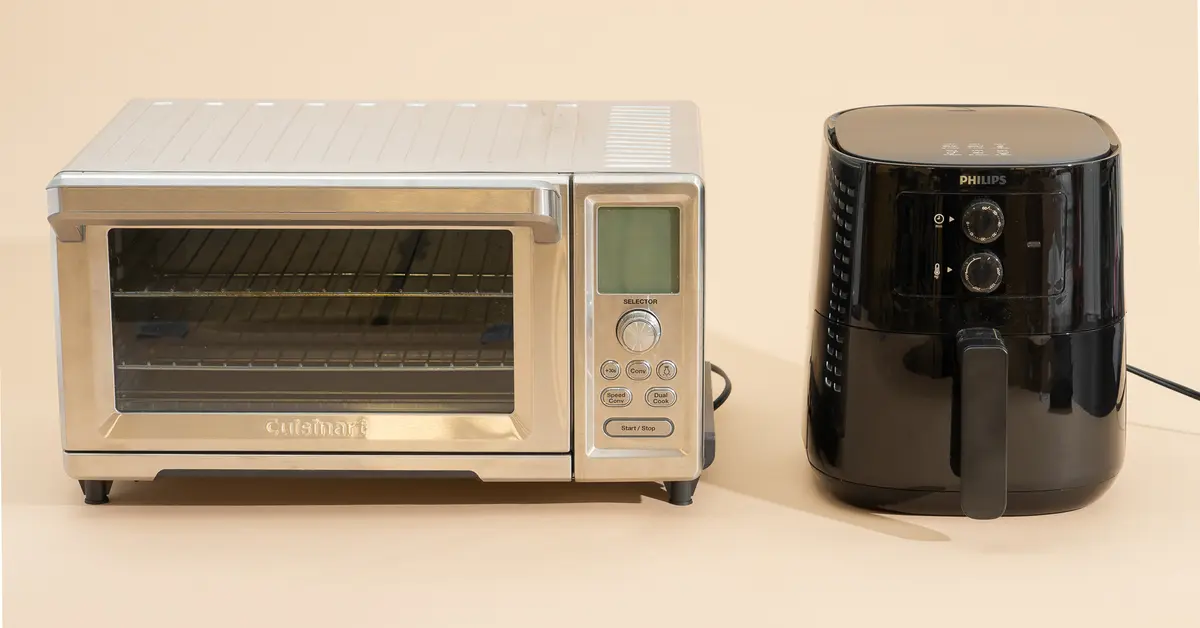



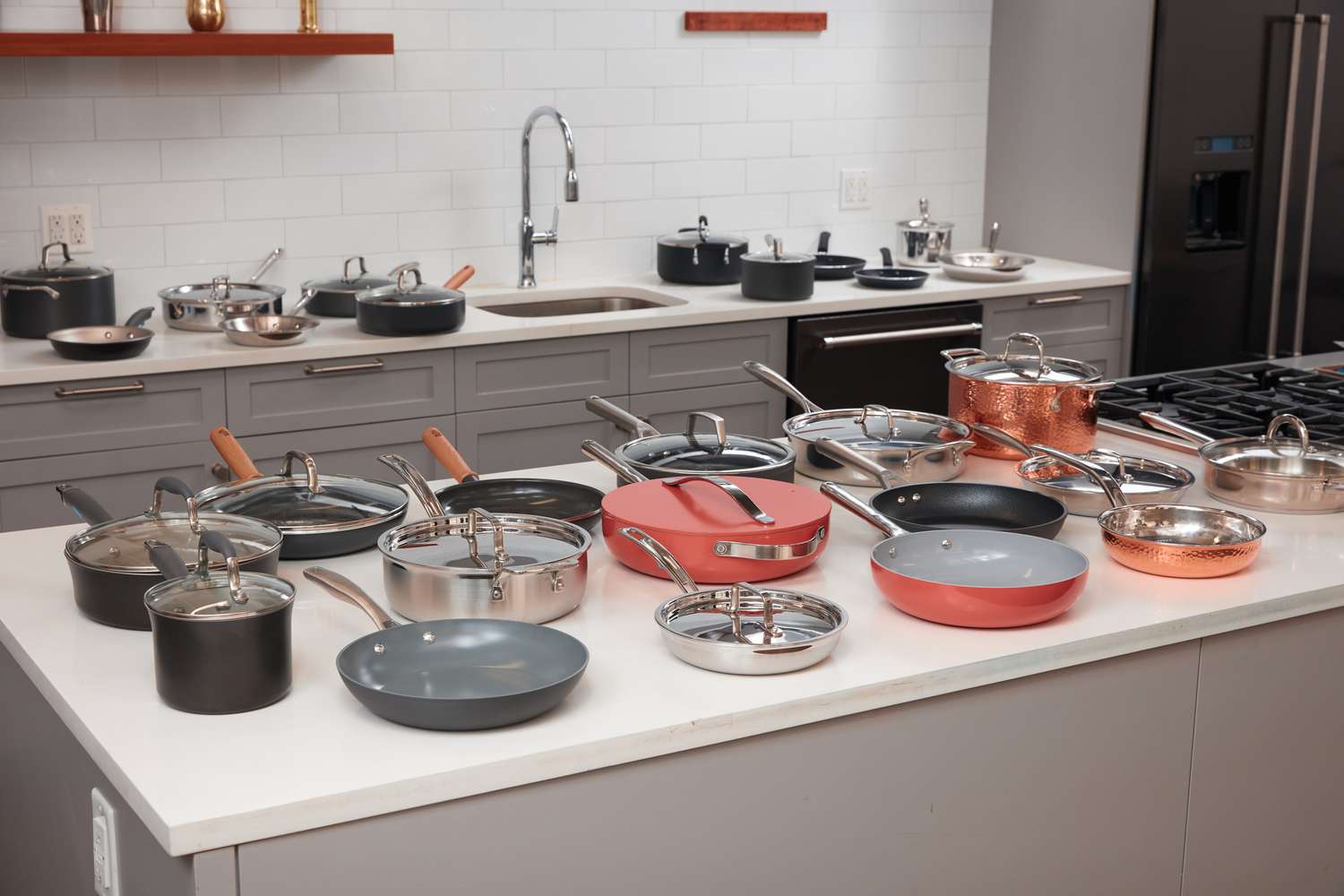
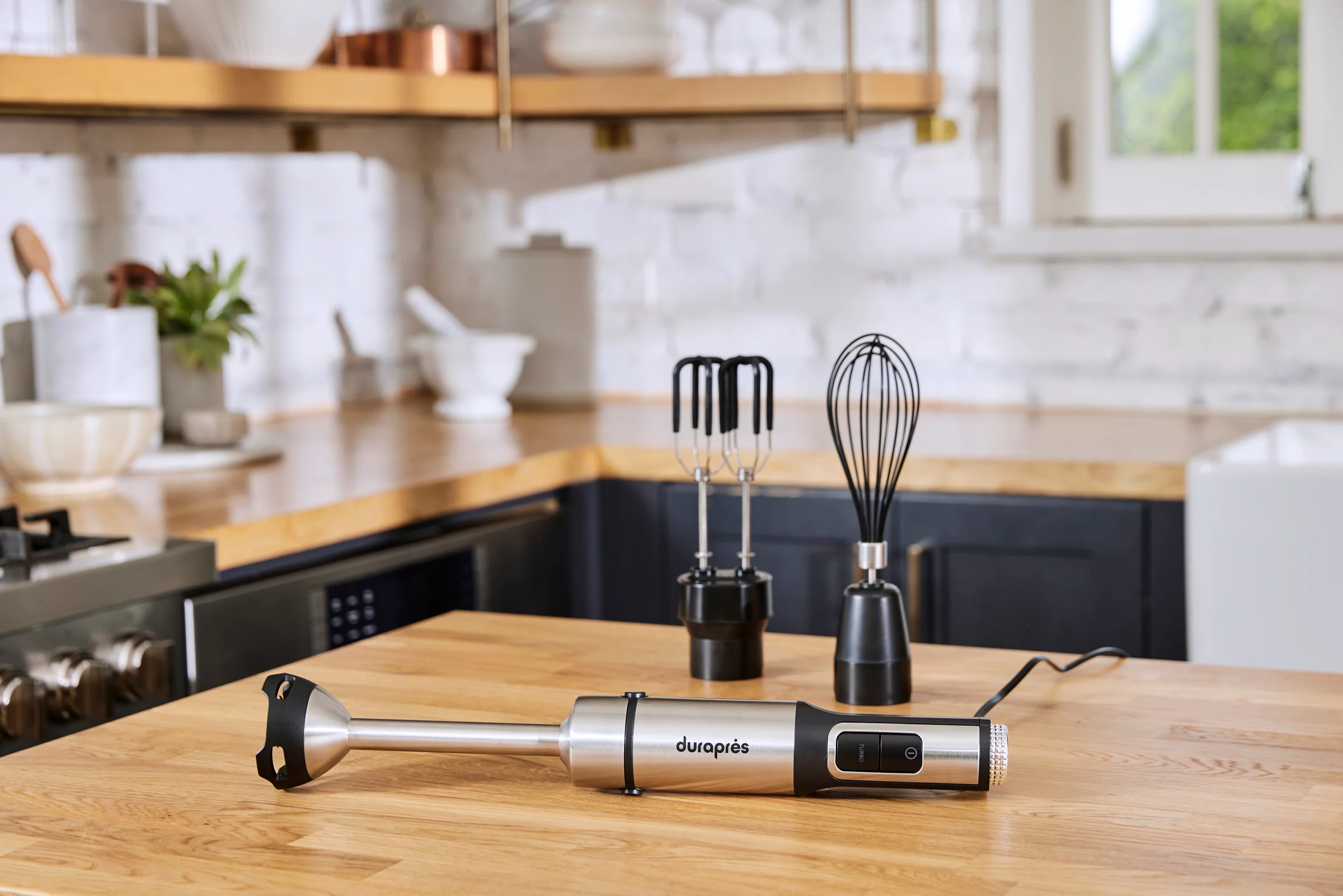


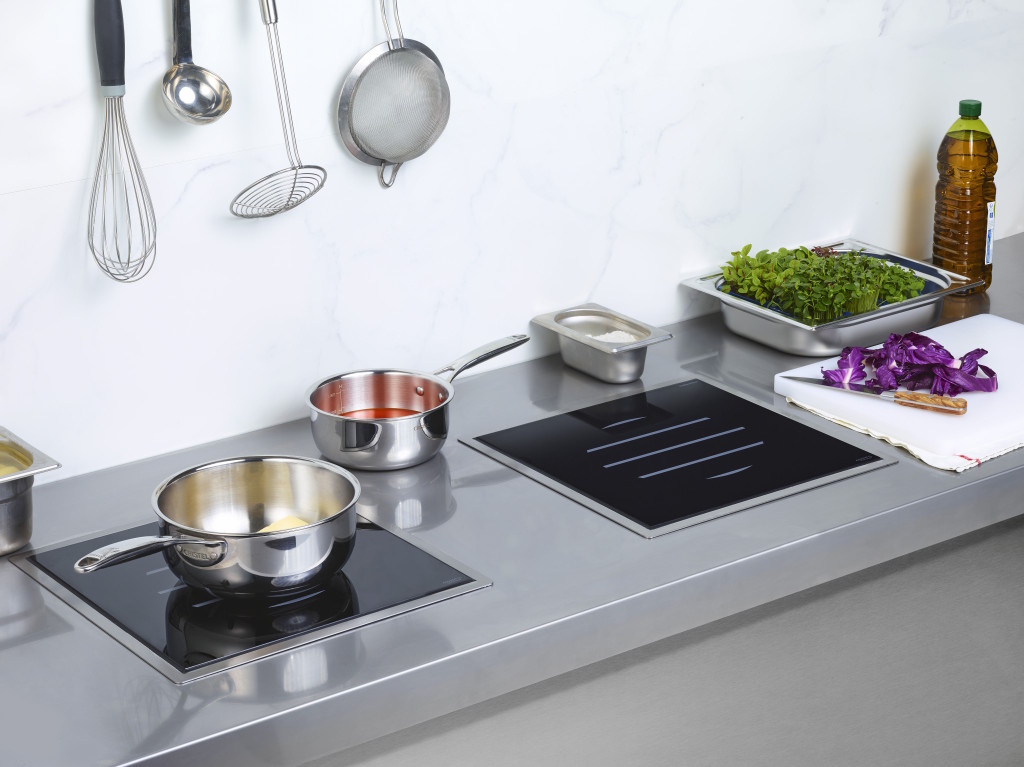
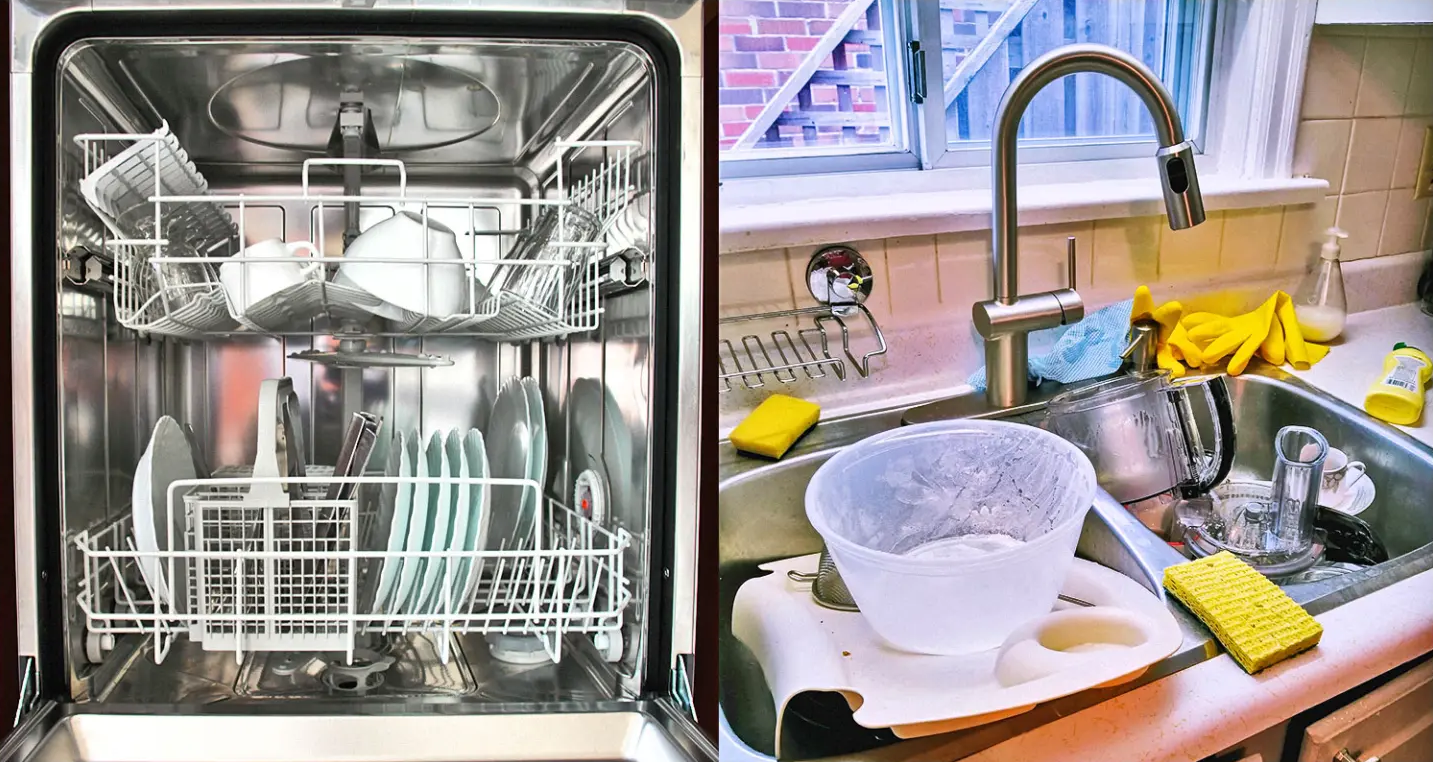
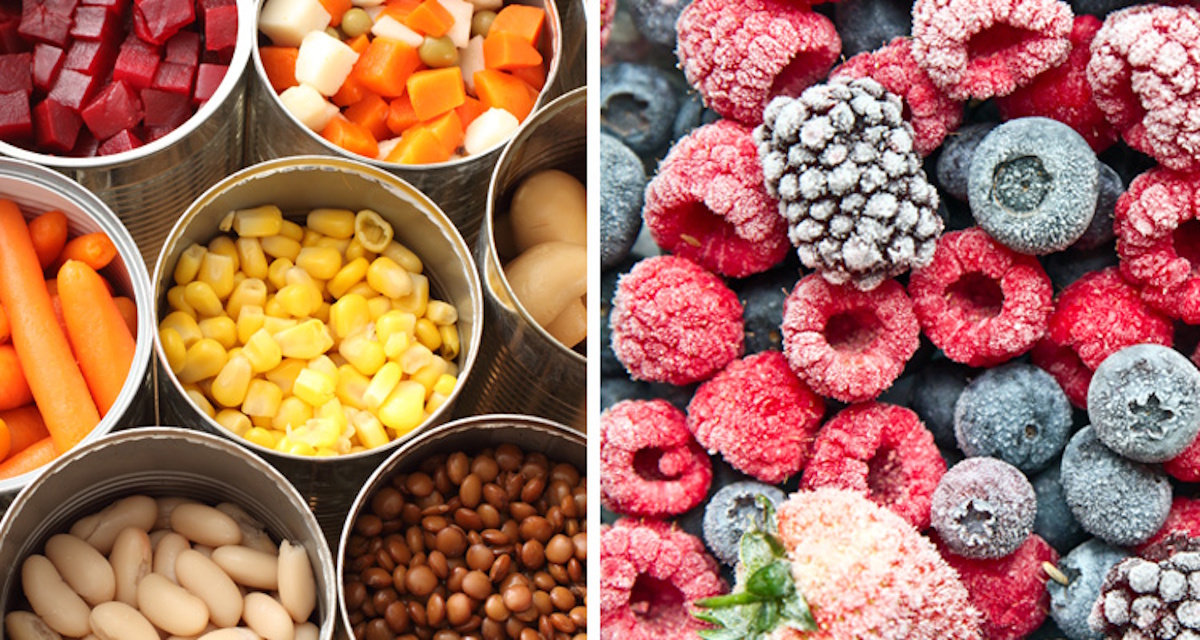

Tags
📧 Get More Articles Like This
Subscribe to receive product reviews and buying guides in your inbox!
We respect your privacy. Unsubscribe at any time.