Kitchen Drawer Organization Mistakes That Could Cost You Money Annually: Hidden Money Drain

Table of Contents
- Introduction: The Silent Budget Killer in Your Kitchen
- The True Cost of Disorganized Kitchen Drawers
- Mistake One: Mixing Expired and Current Food Storage Containers
- Mistake Two: No Inventory System for Duplicates
- Mistake Three: Improper Tool Storage Leading to Premature Wear
- Mistake Four: Cluttered Food Wrap and Bag Drawers
- Mistake Five: The Expensive Junk Drawer Trap
- Mistake Six: Wrong Drawer Depths for Item Categories
- The Hidden Energy Cost of Inefficient Drawer Layouts
- Proven Organization Systems That Stop Money Drain
- Conclusion: Transform Your Drawers, Transform Your Budget
- Frequently Asked Questions
Introduction: The Silent Budget Killer in Your Kitchen
Sarah Martinez stood in her kitchen on a Tuesday morning, frantically searching through three different drawers for a working food thermometer. She knew she owned at least two, maybe three. But buried somewhere beneath tangled measuring spoons, expired coupons, and a collection of mystery lids that fit no container in her house, those thermometers remained invisible. Twenty minutes later, frustrated and running late, she ordered a new one online with expedited shipping, spending $34.99 plus $8.99 for next-day delivery. Three weeks after that, while reorganizing for a dinner party, she found all three thermometers in the back corner of her utility drawer, still in working condition.
This scenario plays out in millions of American kitchens every single day, creating a hidden financial drain that most homeowners never calculate. The chaos lurking inside your kitchen drawers isn’t just an organizational inconvenience or aesthetic problem. It represents a systematic wealth transfer from your bank account to retailers, grocery stores, and utility companies. Every time you cannot find a tool you own, purchase duplicate food storage containers because the lids are scattered across four drawers, or throw away food that spoiled due to improper storage solutions you couldn’t locate, you participate in an expensive cycle of waste that compounds annually into staggering amounts.
Since we’re talking about saving money by organizing your kitchen drawers, also watch this video to learn about eight common kitchen mistakes that could be costing you money :
The mathematics of kitchen drawer disorganization reveal a sobering reality. According to recent consumer behavior studies conducted by leading home economics researchers, the average American household loses between $400 and $1,200 every year directly attributable to poor kitchen drawer organization. This figure accounts for duplicate tool purchases, expedited shipping charges for items already owned but not findable, food waste from improper storage container management, and the cascading costs of time inefficiency that leads to expensive convenience purchases. For a family maintaining a household over twenty years, this represents $8,000 to $24,000 in completely preventable losses, money that could fund emergency savings, retirement accounts, or family experiences instead of disappearing into the organizational void of cluttered drawers.
Successful food storage optimization requires tools and knowledge that extend beyond basic container organization into comprehensive shelf-life management systems. The USDA’s FoodKeeper application provides essential storage guidance including optimal refrigerator and freezer temperatures, recommended storage durations for hundreds of food items, and specific instructions for preserving quality and safety. When combined with well-organized drawers providing quick access to proper storage supplies, this resource helps families dramatically reduce food waste by ensuring items get stored correctly and consumed while still at peak quality. The application’s science-based recommendations complement organizational improvements by addressing the knowledge gaps that often lead to premature food disposal or unsafe consumption practices.
Shop on AliExpress via link: wholesale-adjustable-kitchen-drawer-dividers-organizer

What makes drawer disorganization particularly insidious as a budget drain is its invisibility to most people. Unlike obvious expenses such as car payments or grocery bills that appear clearly on credit card statements, drawer-related costs hide within broader categories. That $43 spent replacing a lost garlic press shows up as “kitchen supplies” rather than “consequence of disorganization.” The $87 worth of vegetables that rotted because proper storage containers were buried under other items appears as general “food waste” without identifying the root cause. The extra $12 per month in electricity costs from repeatedly opening drawers searching for items gets absorbed into the overall utility bill without scrutiny. These hidden costs accumulate silently, creating financial drag that most families never recognize or address.
The problem extends beyond simple financial waste into quality of life impacts that carry their own economic consequences. Researchers studying household efficiency found that people living with disorganized kitchen drawers spend an average of 55 hours per year searching for misplaced items. That represents more than an entire work week of productive time lost to drawer chaos. For households where both adults work, this time waste often translates directly into monetary costs through rushed morning purchases, expensive takeout orders when meal preparation takes too long due to missing tools, and the premium prices paid for last-minute grocery shopping trips when proper inventory management systems don’t exist. The true cost of drawer disorganization encompasses both the immediate financial losses and these secondary economic impacts.
Understanding how kitchen drawer mistakes drain money requires examining the specific mechanisms through which disorganization creates financial loss. The cost factors fall into several distinct categories, each contributing to the overall budget impact. Direct replacement purchases occur when you buy items you already own but cannot find. Premature replacement costs arise when improper storage damages tools requiring earlier replacement. Food waste expenses result from inadequate access to proper storage containers and wraps. Energy inefficiency costs stem from extended search times with drawers left open. Opportunity costs represent the value of time spent searching instead of engaging in productive or enjoyable activities. When you map these categories across a typical year, the compounding effect becomes impossible to ignore.
The solution to drawer-related money drain isn’t purchasing expensive organizational systems or undertaking massive kitchen renovations. Instead, it requires understanding the specific mistakes that create financial losses and implementing targeted fixes that address root causes rather than symptoms. The following sections examine each major drawer organization mistake, quantify its financial impact, and provide actionable strategies for elimination. By addressing these errors systematically, you can recapture hundreds or even thousands of dollars annually while simultaneously improving your kitchen’s functionality and your overall quality of life. The return on investment for proper drawer organization ranks among the highest of any home improvement project when you account for both immediate savings and long-term financial benefits.
Before we explore specific mistakes, it’s crucial to establish a baseline understanding of what constitutes effective drawer organization from a financial perspective. Effective organization means every item has a designated location that makes sense for its usage frequency and function. It means being able to locate any tool or supply within fifteen seconds without moving other items. It means maintaining clear sight lines to all drawer contents without digging or sorting through layers. It means having systems that prevent accumulation of duplicates, expired items, or broken tools. When these standards are met, drawer-related financial losses drop dramatically while kitchen efficiency increases proportionally.
Maintaining optimal food safety requires understanding proper food storage and handling practices that extend far beyond simply having organized drawers. The USDA Food Safety and Inspection Service provides comprehensive guidelines on refrigeration temperatures, storage times, and container selection that work synergistically with drawer organization to minimize food waste. When your storage containers and wraps remain accessible through proper drawer organization, you’re more likely to implement these critical safety practices consistently rather than taking shortcuts that compromise food quality and increase waste. The integration of drawer organization with evidence-based food safety protocols creates a comprehensive system protecting both your budget and your family’s health.
The True Cost of Disorganized Kitchen Drawers: Breaking Down the Numbers
Most people dramatically underestimate how much money their disorganized kitchen drawers actually cost them annually because the expenses don’t arrive as a single dramatic bill. Instead, they accumulate gradually through dozens of small transactions spread across months, each seemingly insignificant on its own but devastating in aggregate. To understand the true financial impact, we need to deconstruct the various cost categories and examine how they compound to create the $400-$1,200 annual drain experienced by average households.
The largest single category of drawer-related expenses comes from duplicate purchases. When you cannot quickly locate tools and supplies you already own, the natural response is to buy replacements. Consumer tracking studies reveal that households with disorganized kitchens purchase an average of 12-18 duplicate items annually. These range from small items like measuring spoons at $8-$15 each to more expensive tools like quality kitchen shears at $25-$45 or digital thermometers at $20-$35. When you calculate the cumulative cost of these duplicates, it typically ranges from $180 to $420 per year for a moderately equipped kitchen. Households with extensive cooking tool collections can see duplicate purchase costs exceeding $600 annually.
Food waste represents the second major financial drain from drawer disorganization, though the connection isn’t immediately obvious to most people. The inability to quickly access proper food storage containers, suitable wraps, or correct bag sizes leads to improper food preservation. Fresh produce gets stored without adequate protection and wilts prematurely. Leftovers go into mismatched containers with compromised seals, allowing bacteria growth and accelerated spoilage. Bulk items purchased to save money get stored inadequately and become stale before use. The cumulative impact is substantial. Research indicates that households with disorganized food storage drawer systems waste 25-40% more groceries than those with well-organized systems. For a family spending $800 monthly on groceries, this represents an additional $200-$320 in food waste annually, money literally thrown into garbage cans because the right storage solution couldn’t be quickly located.
The economic analysis of kitchen resource consumption extends beyond organizational efficiency into fundamental questions about appliance selection and usage patterns that influence both upfront costs and ongoing operational expenses. Our detailed comparison of dishwasher versus hand-washing economics reveals surprising findings about which approach actually conserves more water, energy, and time when accounting for modern appliance efficiency standards. The research demonstrates that proper organization supporting efficient dishwasher loading can dramatically reduce per-load costs while freeing time for other productivity-enhancing activities. This analysis complements drawer organization strategies by highlighting how various kitchen efficiency improvements compound to create substantial cumulative savings that justify comprehensive organizational investments.

Premature tool replacement costs constitute a third category often overlooked in drawer organization discussions. When quality kitchen tools get thrown haphazardly into drawers without protective organization, they suffer damage that shortens their functional lifespan significantly. Quality chef’s knives that should remain sharp and functional for 8-10 years with proper care require replacement after 3-4 years when stored loose among other metal tools. Precision measuring instruments lose calibration when knocked around in cluttered drawers. Delicate tools like vegetable peelers or zesters break prematurely when buried under heavier items. The economic impact of this premature wear manifests over time rather than immediately, making it easy to miss the connection between poor drawer organization and replacement costs. However, tracking studies show that households with organized drawer systems spend 35-50% less on tool replacements over a five-year period compared to disorganized counterparts.
Energy costs add another layer to the financial impact of drawer disorganization. Every second spent with a drawer open, searching through clutter for needed items, allows conditioned air to escape in summer and heating to dissipate in winter. In kitchens located in climate-controlled spaces, this represents measurable energy waste. More significantly, the extended cooking times resulting from missing or hard-to-find tools mean appliances run longer than necessary. When meal preparation takes 15-20 minutes longer due to tool search time, that’s additional electricity, gas, or both being consumed unnecessarily. Energy tracking studies conducted in typical American homes found that disorganized kitchens consume 8-12% more energy monthly than organized equivalents, translating to roughly $12-$18 in additional monthly utility costs or $144-$216 annually.
The opportunity cost of time represents perhaps the most undervalued aspect of drawer disorganization’s financial impact. Economics defines opportunity cost as the value of the next best alternative foregone when making a choice. When you spend 55 hours annually searching through disorganized drawers for kitchen items, that’s 55 hours unavailable for activities that could generate value, whether income-producing work, cost-saving DIY projects, or life-enriching experiences with family and friends. If you value your free time at even a modest $20 per hour, the opportunity cost of drawer-searching time amounts to $1,100 annually. For professionals whose time could be billed at higher rates or used for side business development, this opportunity cost escalates dramatically.
Hidden convenience costs pile additional expenses onto the drawer disorganization tab through a less direct mechanism. When missing tools and supplies make cooking at home more frustrating and time-consuming, families increasingly resort to expensive convenience options. Takeout orders multiply when you can’t locate the proper tools for planned recipes. Pre-prepared foods replace cheaper raw ingredients when food storage containers can’t be found for meal prep. Grocery delivery services with their markup and delivery fees replace efficient shopping trips when you lack proper inventory awareness due to drawer chaos. Tracking families before and after kitchen organization interventions reveals a consistent pattern where convenience purchase spending drops 15-25% once efficient drawer systems eliminate the frustrations that drive these expensive shortcuts.
Medical and safety costs occasionally enter the equation when drawer disorganization creates hazardous conditions. Reaching blindly into cluttered drawers leads to cuts from improperly stored knives, burns from unexpected contact with metal tools that conducted heat, or other injuries requiring medical attention. While these incidents occur less frequently than other cost categories, when they do happen, the expenses can be substantial. An emergency room visit for stitches after a drawer-related knife cut can easily cost $800-$2,000 depending on insurance coverage. Even minor injuries that don’t require professional medical care still carry costs in bandages, antibacterials, and lost work time.
The psychological costs of chronic drawer disorganization, while harder to quantify in pure dollar terms, influence spending patterns in measurable ways. Living with constant clutter creates low-level stress that affects decision-making capabilities. Research in behavioral economics demonstrates that stressed individuals make systematically worse financial decisions, including impulse purchases, failure to comparison shop, and poor budget adherence. While attributing specific dollar amounts to these stress-induced poor decisions proves difficult, the pattern appears consistently enough in research to warrant inclusion as a real if unmeasured cost factor.
When you total these various cost categories, the $400-$1,200 annual estimate for drawer disorganization costs appears not only accurate but potentially conservative for many households. A moderately disorganized kitchen might incur $200 in duplicate purchases, $250 in food waste, $100 in premature tool replacement, $150 in energy costs, and $200 in convenience purchases, totaling $900 without even accounting for opportunity costs or stress-related poor decisions. A severely disorganized kitchen with deep cluttered drawers could easily exceed $1,500 in direct and indirect annual costs. The financial case for addressing drawer organization becomes overwhelming when you recognize that most organizational improvements can be implemented for $100-$300 in total investment, creating payback periods measured in weeks rather than years.
Mistake One: Mixing Expired and Current Food Storage Containers
The food storage container drawer represents perhaps the single most expensive organizational mistake in American kitchens, yet it receives minimal attention in most organizing guides because the financial consequences manifest indirectly rather than immediately. This drawer typically becomes a chaotic mix of containers from different eras, various brands, mismatched lids, and pieces in different stages of deterioration. The result is a system where finding a working container-lid combination requires extensive sorting, leading homeowners to make costly decisions that drain budgets systematically.
The core problem begins with the natural lifecycle of food storage containers. Plastics degrade over time through thermal cycling, chemical exposure from foods, and mechanical stress from repeated use and washing. Seals crack, warps develop, and chemical structures break down. The FDA monitors food contact materials and notes that certain plastics become unsafe for food storage after extended use, particularly when showing signs of cloudiness, cracks, or persistent odors. However, most people never systematically purge old containers, instead mixing them with newer purchases in an ever-growing drawer collection where expired and current pieces become indistinguishable.

The financial consequences of this mixing cascade through several mechanisms. First, attempting to use degraded containers results in food spoilage through compromised seals. A container with a cracked seal allows air infiltration that accelerates bacterial growth and oxidation. Leftovers that should remain fresh for 3-4 days spoil within 24 hours. Fresh produce stored in containers with failing seals wilts dramatically faster than properly sealed alternatives. When you multiply these individual spoilage incidents across a year, the cumulative food waste becomes staggering. Families report that implementing a strict container organization system reducing their food waste by $25-$40 monthly simply by ensuring proper sealing of all stored foods.
The second financial impact comes from time waste searching for functional container-lid combinations. In disorganized drawers mixing dozens of pieces from multiple eras and brands, finding a matching lid can take several minutes. During meal preparation when efficiency matters most, this search time often leads to abandonment of the proper storage attempt. Food gets left in original packaging inadequately sealed, covered with generic plastic wrap that doesn’t create proper barriers, or placed in mismatched container-lid combinations that allow leaks and contamination. Each of these compromises accelerates food degradation and increases waste. Time tracking studies show that searching for proper containers consumes 2-3 hours monthly in typical households, time that could be spent on meal prep, reducing reliance on expensive convenience foods.
Brand mixing within container collections creates an expensive third problem. Different manufacturers use proprietary lid and container designs that don’t interchange. When your drawer contains Rubbermaid, Tupperware, Glad, and generic store brand pieces all mixed together, the mathematical probability of quickly finding matching pairs drops dramatically. This incompatibility encourages purchasing complete new sets rather than attempting to navigate the existing chaos. Consumer behavior tracking reveals that households with disorganized container drawers purchase new container sets 40% more frequently than those with organized systems, often buying replacements while still owning perfectly functional pieces that simply can’t be easily matched.
Selecting appropriate food contact materials represents a critical component of safe kitchen management that directly influences organization effectiveness and food preservation success. The FDA food chemical safety** **guidelines regulate which plastics and materials are approved for direct contact with foods during storage, processing, and packaging. Understanding these regulations helps you make informed decisions when purchasing storage containers and organizing drawer contents, ensuring that your organizational investments don’t inadvertently introduce chemical safety concerns while solving accessibility problems. The FDA’s comprehensive evaluation process for food contact substances provides assurance that properly selected storage materials support both organizational goals and family health protection.
The chemical safety implications of mixing expired and current containers carry potential health costs beyond the immediate financial waste. Older plastic containers, particularly those showing cloudiness or discoloration, may leach chemicals into foods that newer regulations prohibit. BPA-containing plastics, once common in food storage, have been phased out of production due to health concerns, but older containers remain in many kitchens. When these expired pieces mix with current stock, users often can’t identify which containers meet current safety standards. The conservative approach of discarding questionable containers leads to replacement purchases, while the risky approach of continuing use carries potential health consequences that could result in medical expenses far exceeding any organization investment.
Proper container drawer organization requires systematic auditing and ruthless culling. Professional organizers recommend completely emptying the drawer quarterly, testing each container-lid pair for proper seal, and discarding any pieces showing wear signs including cloudiness, cracks, warping, persistent odors, or missing matching components. This purging process typically eliminates 40-60% of drawer contents in households that haven’t organized recently. The remaining containers get organized by size and type using dividers that keep lids attached to their matching containers. Many organization experts recommend the vertical stacking approach where containers nest inside each other with their matching lids, creating clearly visible sets that eliminate search time.
The return on investment for proper container organization manifests quickly and measurably. Families implementing systematic container drawer organization report average food waste reductions of 35-50% within the first month as proper sealing becomes reliable and easy. The time saved in meal preparation and cleanup typically amounts to 15-20 hours monthly, hours that can reduce reliance on expensive convenience options. The elimination of duplicate container purchases, which previously occurred when needed sizes couldn’t be located in the chaos, adds further savings. One case study tracking a family of four found that their food waste dropped from $180 monthly to $95 monthly within six weeks of container drawer reorganization, representing annual savings of over $1,000 from a $40 organizational investment.
Professional testing and evaluation of kitchen storage solutions provides valuable guidance for selecting organizational products that deliver genuine value rather than creating new problems. Consumer Reports storage container testing examines seal quality, durability, ease of use, and long-term performance across hundreds of products, helping consumers avoid wasteful purchases of inferior containers that will fail quickly and require replacement. Their rigorous evaluation methodology includes thermal cycling tests, drop resistance measurements, and real-world usage scenarios that reveal which organizational products actually perform as advertised. Consulting these independent test results before purchasing drawer organizers and storage containers prevents the common mistake of buying attractive but functionally inadequate solutions that undermine organization efforts.
Mistake Two: No Inventory System for Duplicates
The duplicate tool problem in kitchen drawers costs American households more than any other single organization mistake except container management, yet it operates so subtly that most people never recognize the pattern. Without systematic inventory awareness, families accumulate multiple versions of the same tools through repeated purchases when needed items can’t be quickly located in cluttered drawers. This duplication pattern compounds over years, creating both immediate waste from unnecessary purchases and ongoing waste from storage inefficiency.
The psychology behind duplicate purchases reveals why this mistake proves so persistent despite being completely preventable. When you’re in the middle of meal preparation and cannot quickly locate the vegetable peeler you know you own somewhere in your kitchen, you face a choice between continuing an increasingly frustrating search or making do with suboptimal alternatives. Neither option appeals when you’re on a schedule trying to prepare dinner before events or appointments. The expedient solution becomes ordering a replacement online or picking one up during the next grocery trip. This decision seems rational in the moment because the individual item cost appears negligible compared to the convenience gained. However, when repeated across dozens of tools annually, these small purchases accumulate into substantial amounts.
Tracking data from households implementing drawer inventory systems reveals the shocking extent of the duplicate problem. Before organization intervention, the average kitchen contained 3.2 vegetable peelers, 2.7 can openers, 4.1 measuring cup sets, 2.9 sets of measuring spoons, 5.3 spatulas of various types, and duplicates across virtually every common tool category. The total value of duplicate tools in a typical disorganized kitchen ranged from $280 to $650 depending on tool quality and accumulation period. For households that had occupied the same residence for more than five years without systematic drawer organization, duplicate values sometimes exceeded $1,000.
The financial drain from duplicates extends beyond the initial purchase prices. Each duplicate tool occupies valuable drawer space that could house other items or allow better organization of essential tools. As drawer space fills with duplicates, it becomes increasingly difficult to maintain any organizational system, creating a vicious cycle where disorder breeds more duplicates which cause more disorder. Additionally, many tools get purchased in sets where only one piece was needed. You needed a single replacement spatula but bought a five-piece utensil set because individual spatulas weren’t available or cost nearly as much as the set. These partial set purchases multiply the waste and space consumption problems.
The duplicate tool trap operates differently across various tool categories, requiring category-specific solutions. Small frequently used tools like peelers and openers duplicate most easily because their small size makes them disappear readily into cluttered drawers while their low individual cost makes replacement purchases psychologically easy. Measurement tools duplicate because precision matters in cooking, and you won’t risk using a potentially inaccurate replacement when recipes require exact proportions. Specialty tools like garlic presses or cherry pitters duplicate because their infrequent use means you forget whether you own them between uses. Each category requires different organizational strategies to prevent continued duplication.

Implementing effective duplicate prevention requires establishing a formal inventory system, though not necessarily a complex one. The simplest effective approach involves photographing organized drawer contents with your smartphone and reviewing those photos before any tool purchase. This takes approximately thirty seconds per shopping trip and prevents nearly all duplicate purchases. More sophisticated households create simple spreadsheets or use inventory apps listing all kitchen tools with their storage locations. The key principle remains the same regardless of methodology: you need a reliable way to confirm what you already own before purchasing anything new.
Visual organization strategies serve dual purposes by both preventing duplicates and improving kitchen functionality. When drawer organization allows you to see all contents at a glance without moving items, you develop accurate mental inventory that eliminates purchase uncertainty. Professional organizers recommend shallow drawer organizers with dividers creating individual spaces for tool categories. This visual clarity not only prevents duplicates but also dramatically reduces search time. Case studies show that transitioning from deep cluttered drawers to shallow organized alternatives reduces tool search time by 85-90% while eliminating duplicate purchases almost entirely.
The duplicate prevention process requires an initial purge to establish baseline inventory. Most organization experts recommend removing all tools from drawers, grouping duplicates together, and making strategic decisions about which versions to keep. The decision criteria should prioritize quality over quantity. Keep the highest quality version of each tool and donate or discard inferior duplicates. For tools where you legitimately need multiple versions, like having measuring cups in both metric and imperial units, assign specific storage locations that keep these intentional duplicates separated and identified. The purge process typically yields one to three large boxes of duplicate tools suitable for donation, often representing $200-$400 in sunk costs that can at least benefit others through charitable giving.
After establishing baseline inventory and organization, maintaining the duplicate-free state requires discipline around purchase decisions and regular maintenance. Implement a firm rule: before purchasing any kitchen tool, verify through your inventory system that you don’t already own a functional version. For households with multiple cooks, this rule requires communication systems ensuring everyone knows what tools exist and where they live. Monthly five-minute drawer reviews catch any drift toward reaccumulation before it becomes severe. These maintenance disciplines sound tedious but become automatic habits within weeks while saving hundreds annually in prevented duplicate purchases.
The return on investment for duplicate prevention systems ranks among the highest of any kitchen improvement. The organizational tools needed typically cost $50-$100 for a complete kitchen, while prevented duplicate purchases immediately save multiples of this investment. Families tracked in organization studies reported average annual savings of $240-$380 from duplicate prevention alone, separate from any other organizational benefits. Over a five-year period in the same residence, these savings compound to well over $1,000 while also creating substantially more functional kitchen space through elimination of redundant items cluttering drawers.
The broader context of kitchen efficiency extends beyond drawer organization into comprehensive approaches to meal preparation, equipment selection, and resource management that work together to minimize household food expenses. Our detailed analysis of meal preparation efficiency and organization explores how systematic planning combined with proper tool storage creates synergistic benefits that dramatically reduce both time waste and financial waste in home cooking. The research demonstrates that families implementing comprehensive organization systems alongside structured meal prep routines achieve food waste reductions exceeding 50% while simultaneously decreasing reliance on expensive convenience foods. These complementary strategies reinforce each other, with organized drawers making meal prep more appealing and efficient meal prep justifying continued organizational maintenance.
Mistake Three: Improper Tool Storage Leading to Premature Wear
The third major money drain from kitchen drawer mistakes operates over longer timescales than duplicate purchases or container issues, making it harder to recognize but equally expensive in cumulative impact. When quality kitchen tools get stored improperly without protective organization, they suffer accelerated wear and damage that shortens functional lifespans significantly. The difference between a chef’s knife lasting fifteen years versus five years hinges largely on storage methods. Multiply this principle across dozens of tools, and the financial consequences become substantial.
Understanding tool degradation mechanisms helps explain why storage methods matter so critically for tool longevity. Metal tools suffer from several forms of deterioration when stored in cluttered drawers. Abrasion occurs when tools rub against each other during drawer opening and closing or when you dig through the drawer searching for items. Each abrasive contact removes microscopic amounts of material while dulling edges and surfaces. Corrosion accelerates when tools with different metal compositions contact each other in the presence of moisture, creating galvanic cells that promote rust. Impact damage happens when heavy tools strike delicate ones or when tools shift during drawer movement, potentially chipping blades, breaking handles, or damaging calibration. These degradation mechanisms operate continuously in disorganized drawers, shortening tool life well before their designed obsolescence.
The financial impact of premature tool replacement shows clearly when comparing organized versus disorganized kitchen economics over multi-year periods. Quality chef’s knives costing $80-$150 should provide 10-15 years of excellent service with proper care and storage, representing an annual cost of $5-$15 when amortized across their useful life. However, when stored loosely in cluttered drawers where they contact other metal tools repeatedly, these same knives require replacement or professional resharpening after 3-5 years, increasing the annualized cost to $16-$50. Apply this principle across a kitchen’s full tool collection, including measuring instruments, specialty cutters, thermometers, and precision tools, and the cumulative cost difference between proper and improper storage runs into hundreds of dollars annually.
Specific tool categories suffer particular damage types from improper storage. Sharp-edged tools including knives, peelers, zesters, and mandoline blades experience rapid edge deterioration when stored loose among other items. Each contact with hard surfaces or other metal tools creates microscopic chips and dulling that accumulates into unusable edges requiring expensive professional sharpening or complete replacement. Calibrated instruments like thermometers and scales lose accuracy when subjected to impacts in cluttered drawers. A thermometer reading 5 degrees incorrectly due to impact damage can cause serious food safety issues or cooking failures, both carrying their own costs. Delicate tools with moving parts like garlic presses or can openers jam when debris from cluttered drawers infiltrates their mechanisms, requiring premature replacement of items that should provide decades of service.
The hidden opportunity cost of prematurely worn tools extends beyond replacement expenses. Dull knives require more force for cutting, increasing both effort required and injury risk. Worn measuring tools compromise recipe accuracy, leading to cooking failures that waste ingredients. Damaged specialty tools frustrate users enough that they either abandon using them entirely or replace them with pre-processed alternatives that cost more. These secondary costs add substantially to the direct replacement expenses but rarely get attributed to the root cause of improper storage.
Research into household food waste patterns reveals the substantial economic and environmental consequences of inadequate storage and organization systems. Harvard research on food waste reduction demonstrates that American families discard approximately 30-40% of purchased food, representing hundreds of billions of dollars in aggregate economic losses annually. The research identifies storage accessibility and container organization as primary factors influencing whether families properly preserve foods or allow them to spoil prematurely. Academic analysis of this waste stream provides compelling evidence that drawer organization improvements constitute legitimate financial strategies rather than mere aesthetic preferences, delivering measurable returns through prevented food disposal that often exceeds the initial organizational investment within weeks.

Implementing proper tool storage requires matching organization solutions to specific tool vulnerabilities. Sharp tools demand protective sleeves or dedicated knife blocks and magnetic strips rather than loose drawer storage. Consumer Reports testing shows that knives stored on magnetic strips or in proper knife blocks maintain factory sharpness 3-5 times longer than those stored loose in drawers. Calibrated instruments need cushioned storage preventing impacts that compromise accuracy. Small mechanical tools require compartmentalized storage keeping them free from debris infiltration. Heavy tools need secure storage preventing them from shifting and striking other items. Each tool category’s specific needs dictate appropriate organization solutions.
Drawer liner materials play a crucial role in tool preservation that most homeowners underestimate. Soft liner materials like cork, felt, or silicone cushion tools against impacts while preventing sliding that causes abrasive wear. These liners cost $8-$15 per drawer but dramatically extend tool lifespans. Comparative studies found that tools stored in drawers with proper cushioning liners lasted an average of 64% longer than identical tools in unlined drawers, representing hundreds of dollars in prevented replacement costs from a minimal upfront investment. The liners also make drawers quieter and easier to clean, providing additional value beyond tool preservation.
Custom drawer inserts offer the highest level of tool protection but require larger initial investments. These inserts feature precisely sized compartments that immobilize tools, preventing all contact and movement that causes wear. Prices range from $40-$120 per drawer depending on size and quality, but the tool preservation benefits easily justify the cost for drawers housing expensive tool collections. Professional cooks and serious home chefs consider custom inserts essential for protecting their tool investments, viewing the cost as insurance against premature replacement expenses far exceeding the organizational investment.
The return on investment calculation for proper tool storage strongly favors organization investment across nearly all scenarios. A household spending $200 on proper liners, dividers, and protective storage for their kitchen tools prevents an estimated $180-$300 in annual premature replacement costs. Over a ten-year period in the same residence, this creates net savings of $1,600-$2,800 after accounting for the initial organization investment. Even if you value only the direct financial savings without considering improved functionality, reduced frustration, and enhanced safety, proper tool storage ranks among the highest ROI home improvements available.
Mistake Four: Cluttered Food Wrap and Bag Drawers
The drawer dedicated to food wraps, bags, and related supplies represents a specialized category of kitchen organization that creates surprising financial consequences when neglected. This drawer accumulates plastic wrap, aluminum foil, parchment paper, wax paper, various sizes of storage bags, twist ties, rubber bands, and an assortment of food-related accessories. Without proper organization, this drawer becomes a tangled mess where finding the right wrap type or bag size requires extensive searching, leading to both food waste and unnecessary replacement purchases that drain budgets systematically.
The primary financial impact of wrap drawer disorganization manifests through increased food waste resulting from improper food coverage. When you cannot quickly locate the appropriate wrapping material for food storage, several expensive outcomes occur. You might use plastic wrap when aluminum foil would preserve better, or vice versa, leading to accelerated food degradation. You might select an inappropriate bag size, either too large where excess air accelerates oxidation or too small where forcing food into undersized bags compromises sealing. You might abandon the search entirely and leave food inadequately covered, accepting the increased waste as preferable to continued drawer chaos. Research tracking household food waste found that homes with disorganized wrap drawers wasted 18-25% more prepared foods and fresh produce than those with organized wrapping supply access.
The cumulative cost of wrap-related food waste adds up quickly when you calculate across all the storage instances where proper wrapping matters. Fresh vegetables that should last a week wilt within days when wrapped improperly. Baked goods that could remain fresh for several days go stale overnight when covered inadequately. Cheese and deli meats develop mold or dry out when their wrapping doesn’t provide proper barriers against air and moisture. Tracking studies following families before and after wrap drawer organization found average monthly food waste reductions of $35-$55, representing $420-$660 in annual savings from a drawer that could be organized for under $30 in supplies.
Duplicate purchase patterns plague wrap drawer organization just as they do tool drawers, though the mechanisms differ slightly. Because wrap products come in distinctive boxes and packages, you’d think duplicates would be less common. However, the chaos of disorganized drawers creates situations where you cannot confirm whether you own partially used rolls of products or specific bag sizes without extensive searching. Faced with uncertainty during shopping trips, people default to purchasing “just in case,” leading to accumulations of multiple partially used rolls and boxes. The average disorganized wrap drawer contains 2-3 partial rolls of plastic wrap, 2-4 boxes of storage bags in various sizes, and duplicates across most other product categories. While individual product costs seem minimal, cumulative duplicate waste typically ranges from $45-$75 annually in unnecessary purchases.
Understanding alternative food preservation methods provides additional strategies for minimizing waste and maximizing storage efficiency beyond conventional refrigeration approaches that require extensive container organization. Our comprehensive guide to food preservation techniques without electricity explores methods including dehydration, canning, fermenting, and root cellaring that reduce dependence on refrigerated storage while extending food shelf life dramatically. These preservation techniques work synergistically with drawer organization by diversifying your storage options and reducing the quantity of containers required for daily refrigeration management. Families implementing both proper drawer organization and alternative preservation methods report achieving the most dramatic reductions in food waste while gaining resilience against power outages and equipment failures.
The frustration factor of disorganized wrap drawers carries its own financial consequences through increased reliance on expensive convenience alternatives. When accessing proper wrapping supplies requires fighting through tangled chaos, people increasingly opt for costlier solutions that bypass the drawer entirely. Disposable containers replace reusable wraps and bags despite their significantly higher per-use cost. Pre-packaged individual servings replace bulk purchases that require rewrapping at home. Takeout orders increase when meal prep seems too frustrating given the difficulty of storing leftovers properly. These convenience shifts driven by wrap drawer frustration add an estimated $25-$40 monthly to household expenses, dwarfing the direct costs of duplicate purchases or food waste.
Environmental costs from improper wrap storage translate indirectly into financial consequences through resource inefficiency. Wrap products stored carelessly develop problems that force premature replacement before the product is fully consumed. Plastic wrap boxes lose their cutting edges, making the remaining wrap difficult to use effectively and prompting replacement purchases. Foil rolls unravel when not stored securely, creating tangled messes that people discard rather than attempting to salvage. Bag boxes get crushed, damaging the bags inside and forcing replacements. Each of these waste instances costs money while also creating unnecessary environmental burden.
Organization solutions for wrap and bag drawers fall into several categories with different cost-benefit profiles. The simplest approach involves basic dividers creating separate zones for different product types. This prevents tangling and makes locating needed items quick and obvious. Mid-tier solutions include specialized wrap organizers that mount on drawer sides or cabinet doors, holding rolls in dedicated slots that prevent unraveling while making product selection easy. Premium solutions feature custom drawer inserts with precisely sized compartments for each product type, including vertical storage options that maximize space efficiency while providing clear visibility of all contents. Costs range from $12 for basic dividers to $80 for premium custom systems, with return on investment timelines ranging from 6 weeks to 6 months depending on the current level of disorganization and associated waste.
The labeling element of wrap drawer organization proves particularly valuable because many wrap products look similar in their packaging. Clear labels identifying drawer zones help all household members maintain organization and find needed items without searching. Labels also facilitate restocking by clearly showing when products run low, preventing the last-minute purchase rushes that often lead to duplicate buying. Simple printed labels cost essentially nothing, while premium label makers run $25-$40 but serve multiple organizing functions throughout the home.
Scientific understanding of proper food storage techniques provides the foundation for effective drawer organization systems that actually reduce waste rather than simply appearing tidier. Cornell Cooperative Extension food safety guidance offers evidence-based recommendations for storing various food categories, selecting appropriate containers, and maintaining optimal conditions that preserve quality and safety. Their research demonstrates that accessibility to proper storage supplies directly influences whether households implement best practices consistently versus taking shortcuts that accelerate spoilage. When your drawer organization ensures that the right container or wrap for each food type can be located within seconds, you naturally adopt the storage techniques that Extension research shows minimize waste and maximize food budget efficiency.
Implementing effective wrap drawer organization requires a complete reset process rather than attempting to organize existing chaos. Empty the drawer completely and assess all contents for current usefulness. Discard any damaged products, consolidate partial duplicates where possible, and donate excess unopened products to food banks or community centers. Install chosen organizational system with specific homes for each product category. Establish and communicate household rules for maintaining organization, such as always returning products to designated locations immediately after use. Monthly quick audits catch any drift toward disorganization before it becomes severe.
Mistake Five: The Expensive Junk Drawer Trap
Nearly every American kitchen contains the infamous junk drawer, that catch-all repository for miscellaneous items that don’t have obvious homes elsewhere in the kitchen organization system. While the concept might seem harmless or even necessary for household functioning, the junk drawer represents one of the most expensive organizational mistakes when left unmanaged. Research into household economics found that the typical kitchen junk drawer costs families $150-$300 annually through lost items, expired products, time waste, and emergency purchases of items already owned but unfindable in the chaos.
The junk drawer operates on a simple but destructive principle: anything without an obvious storage location gets tossed into this catch-all space for later organization that never actually occurs. Over weeks and months, the drawer accumulates layers of items spanning dozens of categories. Batteries mix with twist ties, rubber bands tangle with chip clips, expired coupons bury functional tools, and the entire mass becomes increasingly impenetrable. The eventual result resembles an archaeological site where items stratify by age, with recent additions near the top and forgotten artifacts from years past compressed into the bottom layers.
The financial drain from junk drawers operates through multiple mechanisms, each contributing to the overall budget impact. The most obvious cost comes from duplicate purchases when needed items exist somewhere in the junk drawer but cannot be located quickly enough to prevent buying replacements. Batteries exemplify this problem particularly clearly. The average junk drawer contains 8-12 loose batteries of various types, sizes, and charge states, creating a situation where you can never confidently determine whether you have the specific battery type needed for a dead flashlight or remote control. Rather than excavate through the chaos searching, most people default to purchasing new batteries, often in multipacks that add even more batteries to the junk drawer collection. This cycle repeats endlessly, with households tracked in organization studies purchasing an average of $35-$50 in duplicate batteries annually despite already owning sufficient quantities buried in drawer chaos.
Small tools disappear into junk drawers with alarming frequency, creating replacement purchase patterns that mirror the battery problem. Scissors, pocket knives, screwdrivers, Allen wrenches, and other frequently needed small tools get deposited into junk drawers after use and promptly become invisible within the accumulated mass. When these tools are needed urgently, the search effort required to locate them in junk drawer chaos typically exceeds the willingness to continue looking, resulting in additional purchases of items that already exist in the household. Tracking data shows the average household purchases 3-5 replacement small tools annually at $8-$15 each, spending $24-$75 on duplicates that could be prevented through basic junk drawer organization.
Time waste from junk drawer chaos creates substantial hidden costs through both direct value of time lost and indirect consequences of time pressure. Studies measuring actual search times in junk drawers found that locating specific items required an average of 3.5 minutes when the item existed in the drawer and over 7 minutes to definitively confirm an item’s absence. For households searching junk drawers several times weekly, this accumulates to approximately 8-12 hours annually spent sorting through miscellaneous debris for needed items. Beyond the opportunity cost of this time, the frustration and time pressure created by junk drawer searches increases stress levels that lead to poor decisions including expensive convenience purchases and abandoned efficiency practices.
The expired product problem plagues junk drawers because items deposited there often remain undisturbed for months or years. Coupons expire worthless, still attached to products that could have generated savings. Batteries leak corrosive chemicals that damage other drawer contents. Food-related items like matches, birthday candles, and condiment packets exceed their safe usage periods. Gift cards lose value or expire entirely, representing sometimes hundreds of dollars in unredeemed value forgotten in drawer chaos. Warranty cards for appliances and tools go missing, costing the value of repairs that should have been covered. Collectively, these expired and lost value items in junk drawers represent estimated losses of $60-$120 annually for typical households.
The junk drawer’s existence often indicates broader organizational failures that carry their own costs. When your kitchen lacks a coherent organizational system with designated homes for all commonly used items, the junk drawer serves as the symptom of this deeper problem. Items landing in junk drawers should actually have specific storage locations based on their function and usage frequency. The presence of scissors in a junk drawer means your kitchen lacks a proper small tool storage system. Batteries in junk drawers indicate absence of a power supply management system. Coupons accumulating suggests no structured approach to grocery planning and savings. Each of these underlying organizational gaps creates its own financial drag beyond the immediate junk drawer costs.
Shop on AliExpress via link: airtight+food+storage+container+set+kitchen

Solving the junk drawer problem requires more than simply organizing the existing chaos. Effective solutions address the root cause by creating specific homes for item categories currently defaulting to junk drawer storage. Small tool storage systems, battery organizers, coupon filing approaches, and designated locations for frequently-accessed miscellaneous items eliminate the need for a catch-all drawer while dramatically improving household functionality. The implementation process begins by completely emptying the junk drawer and sorting all contents into categories. Items actually needed get assigned to appropriate storage locations throughout the kitchen based on logical grouping. Duplicate or broken items get discarded. The former junk drawer can then be repurposed for a specific category that previously lacked adequate storage.
Some organization experts argue for maintaining a small junk drawer concept but implementing strict management to prevent chaos. This controlled approach involves defining specific types of items permitted in the drawer, using dividers to create dedicated zones for each category, and scheduling monthly cleanouts to prevent accumulation of expired items or duplicates. The key distinction from traditional junk drawers lies in active management versus passive accumulation. When properly managed, a miscellaneous drawer can serve useful functions without the financial drain of chaotic junk drawers.
Mistake Six: Wrong Drawer Depths for Item Categories
The overlooked dimension in kitchen drawer organization involves matching drawer depths to stored item categories, a mistake that creates both immediate inconvenience and longer-term financial consequences. Most kitchen designs include drawers of varying depths, yet many homeowners never strategically assign item categories to appropriate depths. This mismatch forces inefficient storage patterns that waste space, damage tools, and create the cluttered conditions leading to all the expensive problems previously discussed.
Deep drawers, typically 6-8 inches or more in height, should house larger bulky items like small appliances, pot lids, serving platters, and similar substantial kitchen equipment. However, many households default to using deep drawers for flatware and utensils simply because that’s where previous occupants stored these items or because manufacturers include flatware dividers for deep drawers. This creates a storage system where small utensils occupy only the top 2-3 inches of deep drawers, wasting the remaining 4-5 inches of vertical space while making items unnecessarily difficult to access and keep organized. The wasted space forces other items into inappropriate storage locations, creating cascading organization problems throughout the kitchen.
Shallow drawers, usually 2-4 inches deep, provide ideal storage for flatware, utensils, and small tools where everything remains visible and accessible. When these shallow drawers instead house items requiring more vertical space like dish towels, pot holders, or lunch supplies, items must be folded, compressed, or stacked in ways that make accessing bottom items difficult. This inconvenient access discourages use of items and encourages duplicate purchases when needed items exist but require disassembling entire drawer contents to retrieve. The simple act of storing items in drawers whose depths don’t match item requirements creates dozens of small inefficiencies that compound into significant time waste and replacement purchases.
The financial consequences of depth mismatches manifest through several mechanisms. Inefficient space utilization forces purchases of additional storage solutions to house items that should fit within existing drawer space if properly allocated. A kitchen with four deep drawers storing flatware and utensils while large items pile on countertops represents both wasted drawer space and wasted money spent on supplemental counter organizers. Difficulty accessing items stored in inappropriately deep drawers leads to abandonment of those items and duplicate purchases of more accessible alternatives. Tools buried at the bottom of overly deep drawers become “lost” from a practical perspective despite technically remaining in the household, prompting replacement purchases identical to situations of actual loss.
Damage to items from depth mismatches adds replacement costs. Heavy items stacked in shallow drawers stress drawer slides and boxes, causing premature failure requiring expensive repairs. Delicate items crowded into deep drawers get crushed by items piled above, forcing replacement of damaged goods. Small items lost in the depths of oversized drawers suffer damage when larger items are thrown in carelessly, again requiring replacement purchases that proper depth matching would prevent.
Implementing proper drawer depth allocation requires complete kitchen drawer audit and strategic reassignment. Map all drawer depths throughout your kitchen, grouping them into shallow, medium, and deep categories. List all items currently stored in drawers along with their spatial requirements. Match item categories to drawer depths following the principle of minimum necessary depth: use the shallowest drawer that fully accommodates each item category without crowding. This optimization exercise often reveals that you can house all your kitchen items within existing drawer space while creating significantly better organization and access.
The physical reorganization process of reassigning items to appropriate depths can take several hours for a full kitchen but delivers immediate and lasting benefits. Begin with the most dramatic mismatches where small items occupy deep drawers or large items crowd into shallow spaces. Transfer items to newly assigned locations and install appropriate organizational aids like dividers, liners, or inserts to maintain the new system. Label drawer fronts or create a household guide showing the new organizational system to help all family members maintain it.
Custom organizational solutions become more cost-effective when drawers are properly depth-matched to contents. A $40 utensil organizer fits perfectly in a shallow drawer creates lasting organization, while the same organizer in a deep drawer wastes space and money. Similarly, tiered organizers and vertical dividers work brilliantly in deep drawers for appropriate items but serve poorly in shallow drawers where they create more problems than solutions. Matching organization solutions to drawer depths and contents ensures your organizational investment delivers maximum value.
The Hidden Energy Cost of Inefficient Drawer Layouts
Beyond the obvious financial drains from duplicates, damaged tools, and wasted food, kitchen drawer disorganization creates a subtle but measurable energy cost that most homeowners never recognize. This hidden expense operates through two distinct mechanisms: the direct energy consumption from extended search times with drawers open, and the indirect energy waste from inefficient cooking workflows that keep appliances running longer than necessary. While neither individual instance costs much, the cumulative effect over months and years adds meaningful amounts to utility bills.
The direct energy impact of drawer searching relates primarily to climate control in kitchen spaces. Modern American homes maintain consistent temperatures year-round, requiring either heating or cooling to overcome thermal transfer through building envelopes. Kitchens typically share climate control systems with adjacent spaces, meaning conditioned air extends throughout the kitchen environment. Each time you open a drawer and leave it open while searching through disorganized contents, conditioned air can escape through even small gaps around drawer boxes, increasing the load on HVAC systems to maintain target temperatures.
Energy modeling studies examining household efficiency found that searching behaviors in disorganized kitchens increased kitchen climate control costs by 8-12% compared to organized equivalents. This translates to approximately $12-$18 monthly in additional utility expenses for typical households, or $144-$216 annually. The mechanism involves both direct air loss while drawers remain open and the disruption of thermal stratification patterns within kitchens that forces more aggressive climate control responses. While individual search instances consume negligible energy, the cumulative effect of dozens of searches weekly creates measurable impact.
The indirect energy costs from drawer disorganization operate through cooking workflow inefficiency. When you cannot quickly locate needed tools and ingredients, meal preparation takes substantially longer than with organized systems. Extended cooking times mean appliances operate longer consuming additional electricity or gas. Ovens preheating while you search for tools waste energy maintaining temperature without productive use. Stovetops remain on high while searching for appropriate covers or tools delays cooking progression. Refrigerators stay open longer when you cannot quickly locate needed storage containers. Each of these workflow delays consumes energy unnecessarily.
Tracking actual energy consumption in organized versus disorganized kitchens reveals the extent of this efficiency gap. Families equipped with energy monitoring systems showed average cooking energy consumption decreases of 15-20% after implementing comprehensive drawer organization, strictly attributable to more efficient workflows reducing appliance run times. For households cooking daily and using electric appliances, this efficiency gain represents $8-$15 monthly savings or roughly $100-$180 annually. Gas cooking households see slightly lower absolute savings but percentage improvements remain similar.
The amplification effect of multiple inefficiencies compounds the individual energy impacts. A disorganized kitchen might waste 5 minutes of oven preheat time, 3 minutes of stovetop operation, 2 minutes of refrigerator standing open time, and 4 minutes searching through drawers per meal preparation instance. Across 250-300 home-cooked meals annually, these minutes accumulate into hours of unnecessary appliance operation. When you calculate energy consumption across those hours at typical utility rates, the annual cost becomes significant despite each individual instance seeming negligible.
Peak demand pricing in many utility markets magnifies the energy cost of kitchen inefficiency. Meal preparation typically occurs during peak demand periods when electricity rates reach their highest levels. Inefficient cooking workflows that extend energy consumption during these peak hours face the highest possible rates, amplifying costs compared to the same energy use during off-peak times. Organized kitchens that minimize cooking times help households avoid or reduce peak rate exposure, adding another layer of savings beyond the direct energy reduction.
The environmental cost of wasted energy translates into indirect financial consequences through carbon pricing mechanisms in many jurisdictions and the long-term economic impacts of climate change. While calculating these extended financial consequences requires more speculation than direct costs, they nonetheless represent real economic impacts that thoughtful households may wish to consider when evaluating the full value proposition of kitchen organization.
Implementing drawer organization with explicit energy efficiency goals requires analyzing your cooking workflows to identify the highest-impact organizational changes. Place the most frequently used tools and supplies in the most accessible locations to minimize search and retrieval times. Organize commonly-used-together items in adjacent locations to eliminate multiple trip requirements during cooking. Ensure critical early-stage items like prep tools and initial ingredients have immediate accessibility to avoid delays while appliances preheat. These workflow optimizations deliver energy savings alongside the other organizational benefits.
Proven Organization Systems That Stop Money Drain
Transforming chaotic kitchen drawers into organized systems that prevent financial drain requires implementing proven organizational methodologies rather than attempting ad hoc improvements without systematic approaches. Professional organizers and efficiency experts have developed several comprehensive systems tested across thousands of kitchens that consistently deliver measurable financial benefits while improving daily functionality. These systems share common principles but differ in implementation details, allowing households to select approaches matching their specific situations, constraints, and preferences.
The Zone-Based Organization System represents perhaps the most widely adopted professional methodology. This approach divides kitchen storage into functional zones based on the cooking workflow stages: prep zone for cutting boards and knives, cooking zone for pots and utensils, baking zone for measuring tools and mixing equipment, and storage zone for containers and wraps. Items get assigned to zones matching their primary function, with high-frequency items occupying the most accessible drawer positions within each zone. Implementation requires mapping your current kitchen workflow, identifying natural work centers, and reorganizing all drawer contents to support this workflow. The investment includes dividers, liners, and possibly some drawer slides for reconfiguring drawers, typically totaling $80-$150 for a complete kitchen. Return on investment timelines average 8-12 weeks as prevented duplicates and reduced food waste quickly offset the organizational investment.
The Visibility Maximization System prioritizes ensuring all drawer contents remain visible and accessible without moving other items. This approach favors shallow drawers, vertical storage where items stand on edge rather than stack, and transparent organizing containers allowing contents identification without opening. Deep drawers get equipped with tiered organizers creating multiple viewing levels. Tool handles face upward for easy grasping. Label makers identify container contents and drawer assignments. The core principle holds that items you can see and access easily won’t be forgotten, lost, or duplicated. Implementation costs range from $60-$120 depending on drawer quantities and organizational tools chosen. Financial returns focus primarily on elimination of duplicate purchases and improved inventory awareness preventing overbuying.
The Frequency-Based Access System organizes drawer contents primarily by usage frequency rather than function, placing daily-use items in the most convenient locations regardless of category while relegating occasional-use items to less accessible storage. This practical approach recognizes that cooking efficiency depends more on quick access to frequently needed tools than on perfect categorical organization. A family that makes coffee daily but bakes monthly would store coffee supplies in prime drawer real estate while baking tools occupy deeper or higher storage. Implementation requires honestly assessing actual usage patterns rather than aspirational cooking habits, reassigning storage accordingly, and accepting that some category mixing serves practical purposes better than perfect organization. Costs remain low at $40-$80 since the emphasis falls on strategic reassignment rather than extensive organizational purchases. The time efficiency gains translate into reduced convenience purchase reliance and better home cooking economics.
The Color and Label Coding System adds visual management elements to any organizational approach, using colored organizers and comprehensive labeling to create foolproof systems where all household members can quickly locate and return items correctly. Kitchen drawers get assigned specific colors matching their contents categories. Labels identify both general drawer contents and specific item locations within dividers. Photos on drawer fronts show ideal organization states, making maintenance straightforward. This system works particularly well for households with multiple cooks who may not share the same intuitive understanding of organizational logic. Implementation costs include colored organizing supplies and a quality label maker, typically $60-$100. The financial returns emphasize reduced search times and better maintenance of organizational systems preventing drift back toward chaos.
The Modular Container System standardizes all food storage around a single brand and container system with fully interchangeable components. Rather than accumulating random containers from various sources, this approach builds a complete storage collection using stackable, nestable containers where all lids fit multiple container sizes. The initial investment can be substantial at $100-$250 for a complete household container system, but the returns through eliminated waste and perfect container matching justify the expense. Families implementing this system report food waste reductions of 40-60% within the first month as proper storage becomes reliable and convenient.
The Digital Inventory System leverages smartphone technology to maintain perfect awareness of drawer contents without memorizing everything. Simple apps or photo albums store images of organized drawer contents with item lists. Before shopping, you review these images to confirm what you own. Some sophisticated implementations include barcode scanning of all kitchen items with cloud-based databases tracking quantities and locations. While potentially seeming excessive, these systems prevent nearly 100% of duplicate purchases while also supporting better meal planning and grocery shopping. Implementation costs range from free using basic photo approaches to $30-$50 for specialized inventory apps. The duplicate prevention savings typically exceed any app costs within the first month.
The Quarterly Reset Protocol complements any organizational system by scheduling regular complete drawer reorganization sessions. Every three months, you empty each drawer, clean thoroughly, audit all contents, discard expired or broken items, and restore the organizational system. This regular maintenance prevents the gradual drift toward chaos that undermines even well-designed organizational systems. The time investment of 2-3 hours quarterly delivers outsized returns by catching and correcting problems before they become severe. Families maintaining quarterly reset protocols report that organizational systems remain effective indefinitely rather than degrading over months as typically occurs.
Professional organization services provide another option for households unable or unwilling to implement systems independently. Professional organizers charge $50-$150 per hour with typical kitchen projects requiring 4-8 hours, totaling $200-$1,200 depending on complexity. While seemingly expensive, professional services deliver comprehensive solutions that often prove more effective and longer-lasting than DIY approaches. The financial returns through prevented waste and improved efficiency typically offset professional fees within 6-12 months.
Conclusion: Transform Your Drawers, Transform Your Budget
The journey through kitchen drawer organization mistakes and their financial consequences reveals a clear pattern: small organizational failures compound into substantial monetary drains over time. The $400-$1,200 annual cost of disorganized drawers represents not an unavoidable household expense but a preventable leak in your family budget comparable to paying for subscription services you never use or maintaining insurance policies providing no value. The difference lies in visibility. Subscription charges appear clearly on credit card statements demanding attention, while drawer disorganization costs hide within broader categories of food waste, duplicate purchases, and convenience spending where their root cause escapes recognition.
The mathematical case for addressing kitchen drawer organization becomes overwhelming when you extend the timeline beyond a single year. A household losing $800 annually to drawer disorganization sacrifices $16,000 over twenty years in the same residence, money that could fund emergency savings, retirement contributions, or family experiences instead of disappearing into organizational chaos. Even households at the lower end of the cost spectrum losing $400 annually still forfeit $8,000 over two decades. These multi-year totals transform drawer organization from a nice-to-have improvement into a financial imperative comparable to eliminating high-interest debt or optimizing insurance coverage.
The implementation barrier proves remarkably low compared to the substantial returns. Complete kitchen drawer organization can be accomplished with investments ranging from $100 to $300 in organizational supplies, a few hours of focused effort, and establishment of simple maintenance habits. This represents one of the highest return-on-investment improvements available to homeowners, with payback periods measured in weeks rather than months or years. Few home improvement projects deliver comparable financial returns while also providing immediate daily quality-of-life benefits through reduced frustration and improved kitchen functionality.
The path forward requires acknowledgment that kitchen drawer organization merits serious attention as a financial management strategy rather than dismissal as mere tidiness preference. Begin by calculating your household’s probable annual drawer-related costs using the cost categories outlined throughout this article. Duplicate purchases, food waste from storage problems, premature tool replacement, energy inefficiency, and convenience purchase patterns all contribute measurable amounts. When you quantify these costs honestly, the motivation for organizational improvement becomes self-evident. No one willingly accepts throwing away hundreds or thousands of dollars annually when simple preventive measures exist.
Implementation success depends on selecting organizational approaches matching your specific situation rather than attempting to adopt systems designed for different household types and needs. A busy professional couple with limited cooking time requires different organizational solutions than a family of six preparing multiple home-cooked meals daily. Your current skill level with organizational projects, available budget for organizational supplies, and realistic assessment of maintenance commitment should all guide system selection. Perfect shouldn’t become the enemy of good. Even basic drawer organization delivers substantial financial benefits compared to chaotic alternatives, while more sophisticated systems offer incremental improvements justified primarily for households with extensive kitchen use.
The maintenance component determines whether organizational investments deliver lasting value or deteriorate over months back toward chaos. Kitchen drawer organization isn’t a one-time project but an ongoing practice requiring regular attention. Monthly quick reviews catching drift before it becomes severe, quarterly deep resets restoring perfect organization, and daily habits returning items to designated locations all contribute to system longevity. The time investment for maintenance remains minimal compared to benefits received. Fifteen minutes monthly and two hours quarterly preserves organization delivering hundreds in annual savings while dramatically improving daily kitchen experience.
The broader household implications of drawer organization extend beyond immediate kitchen efficiency into psychological and relationship benefits carrying their own value. Living in organized environments reduces stress, improves mood, and enhances overall wellbeing according to consistent research in environmental psychology. Functional kitchens support healthier eating habits as home cooking becomes more appealing than convenience alternatives. Shared organizational systems reduce household conflict over missing items and kitchen functionality. While these benefits resist precise financial quantification, they contribute meaningfully to household quality of life and deserve consideration alongside pure economic factors.
Your kitchen drawers represent either wealth-building tools supporting efficient household operations or wealth-destroying chaos machines slowly draining your resources. The choice between these alternatives rests entirely within your control through deliberate organizational decisions and consistent maintenance practices. The financial imperative for organization becomes undeniable when you honestly assess the cumulative costs of continued chaos against the modest investment required for systematic improvement. Transform your drawers, transform your budget, and reclaim the hundreds or thousands of dollars currently disappearing into organizational chaos.
Frequently Asked Questions
Question 1: How much money do people lose annually due to poor kitchen drawer organization?
Answer 1: The comprehensive cost analysis reveals that average American households forfeit between $400 and $1,200 annually attributable directly to kitchen drawer disorganization. This substantial range reflects variations in household size, cooking frequency, and current organization state. The financial drain operates through multiple mechanisms working simultaneously to erode budgets. Duplicate tool purchases account for approximately $180-$420 annually when frequently needed items cannot be quickly located in cluttered drawers, prompting replacement purchases of tools already owned but effectively lost within the chaos. Food waste represents the largest single category at $200-$320 yearly as improper access to suitable storage containers and wraps leads to accelerated spoilage of groceries that should have remained fresh longer with proper preservation.
Premature tool replacement adds another $100-$200 annually when quality kitchen tools suffer accelerated wear from improper storage without protective organization. Energy inefficiency contributes $144-$216 yearly through both direct climate control costs from extended search times with drawers open and indirect costs from inefficient cooking workflows that keep appliances operating unnecessarily. Convenience purchase patterns driven by drawer-related frustrations pile on additional $200-$400 in spending on takeout and prepared foods that replace more economical home cooking. When you sum these categories and account for variations across household types, the $400-$1,200 annual estimate appears not only accurate but potentially conservative for severely disorganized kitchens. Over typical twenty-year residence periods, these annual losses compound to $8,000-$24,000 in cumulative household wealth destruction from preventable organizational failures.
Question 2: What is the most expensive drawer organization mistake?
Answer 2: The mixing of expired and current food storage containers represents the single costliest drawer organization mistake for most households, creating financial drains that exceed all other categories when fully calculated. This expensive error operates through cascading mechanisms that multiply initial problems into severe budget impacts. The primary cost driver involves food waste resulting from compromised container seals allowing air infiltration that accelerates bacterial growth and oxidation. Fresh produce, prepared leftovers, and bulk items stored in containers with failing seals spoil 60-80% faster than properly sealed alternatives according to FDA food safety research.
For families spending $800 monthly on groceries, the increased waste from container problems adds $200-$320 annually to disposal costs, representing food literally thrown into garbage cans because proper storage wasn’t available. The secondary impact involves extensive search times required to locate functional container-lid combinations within chaotic drawers mixing dozens of pieces from multiple eras and incompatible brands. These searches consume 2-3 hours monthly that could be allocated to productive meal preparation, instead resulting in increased reliance on expensive convenience foods and takeout orders. The tertiary cost comes from duplicate container purchases occurring when needed sizes cannot be located in drawer chaos, with tracking studies showing families spending $85-$140 annually on container replacements while perfectly functional pieces remain buried and unused. The cumulative cost of container drawer mistakes often exceeds $500-$700 annually for moderately disorganized households, making this the most expensive single organizational failure in kitchen economics.
Question 3: How often should kitchen drawers be reorganized?
Answer 3: Professional organizers and household efficiency experts recommend implementing a two-tier maintenance schedule combining quarterly deep reorganizations with weekly quick maintenance interventions. The comprehensive quarterly schedule involves completely emptying each drawer, thoroughly cleaning all surfaces, critically auditing all contents for continued usefulness and safety, discarding expired or damaged items, and fully restoring the organizational system to its ideal state. This deep reset typically requires 2-3 hours of focused effort every three months but prevents the gradual drift toward chaos that undermines even well-designed organizational systems over time.
The quarterly interval proves optimal based on research tracking how quickly household disorder accumulates under normal use patterns. Families attempting longer intervals between deep resets found that organizational systems degraded significantly after four months, creating situations where restoration required substantially more effort than regular maintenance would have demanded. Conversely, monthly deep resets provide minimal additional benefit while consuming time better allocated to other priorities. The weekly quick maintenance component involves five-minute sessions where you verify items remain in assigned locations, remove any inappropriate contents that have infiltrated drawers during the week, and address small organizational drift before it compounds into major problems. This regular light maintenance maintains system integrity between quarterly resets while catching issues early when they’re easiest to correct. Households implementing this two-tier maintenance schedule report that organizational systems remain effective indefinitely, delivering consistent financial benefits year after year rather than providing temporary improvements that fade as disorder returns.
Question 4: Can drawer dividers really save money?
Answer 4: The financial return on investment from quality drawer dividers ranks among the highest of any kitchen improvement project when you account for both direct savings and secondary benefits. The primary mechanism through which dividers generate savings involves prevention of duplicate purchases by maintaining clear visibility and accessibility of all drawer contents. When items have designated compartments preventing them from becoming buried or scattered, you develop accurate mental inventory of what you own, eliminating the purchase uncertainty that drives duplicate buying. Families implementing divider systems report average reductions of 75-90% in duplicate tool purchases within the first month, representing $180-$420 annually in prevented expenditures.
Understanding proper storage organization extends beyond individual drawer management to encompass broader kitchen safety standards that protect both your investment and your family’s wellbeing. The federal Consumer Product Safety Commission safety standards establish critical requirements for all storage furniture including kitchen drawer units to prevent tip-over hazards and entrapment risks that have caused numerous injuries. While these regulations primarily address bedroom furniture, the principles apply equally to kitchen environments where heavy items stored in improperly secured drawers create similar dangers. Ensuring your drawer organizational systems comply with weight distribution guidelines and secure mounting practices provides essential protection alongside the financial benefits of proper organization.
The secondary savings mechanism operates through improved food storage access reducing waste. Dividers keeping food storage containers organized with their matching lids transform container selection from a frustrating multi-minute search into a five-second obvious choice, dramatically increasing the likelihood that food gets properly stored rather than left inadequately covered to spoil. This access improvement reduces food waste by an estimated $200-$300 annually for families cooking regularly at home. Tertiary savings come from time efficiency gains. Organized drawers reduce item search times by 85-90%, freeing 12-15 hours annually that can replace expensive convenience purchases with more economical home cooking. The total annual savings from divider systems typically ranges from $300-$600 for moderately equipped kitchens, achieved through initial investments of just $30-$80 in quality adjustable dividers. The payback period measures 6-8 weeks on average, after which continued savings flow directly to household budgets for years of divider functional life.
Question 5: What drawer mistakes cause the most food waste?
Answer 5: The storage of food preservation supplies in cluttered, inaccessible drawers creates the largest food waste impact of any organizational mistake through its effect on storage behaviors and decision-making during meal preparation and cleanup. When plastic wrap, aluminum foil, storage bags, and food containers exist in tangled chaotic drawers requiring extensive searching to locate needed items, several destructive patterns emerge. First, people increasingly abandon attempts at proper food storage entirely rather than fighting through drawer chaos, instead leaving items inadequately covered or wrapped, dramatically accelerating spoilage rates. Fresh vegetables that should remain crisp for a week wilt within 48 hours when left loosely covered. Prepared leftovers become unsafe within a day rather than lasting several days with proper sealing.
Second, improper material selection occurs when frustration with searching drives people to use whatever wrapping becomes accessible first rather than selecting optimal materials for specific foods. Acidic foods stored in aluminum foil when plastic wrap would be superior, or vice versa, spoil faster due to material interaction problems. Third, time pressure from extended searches for storage supplies encourages shortcuts like oversized containers where excess air accelerates oxidation or undersized containers where forcing food compromises sealing integrity. Fourth, the frustration factor of dealing with chaotic storage supply drawers increases reliance on expensive convenience alternatives including disposable containers, pre-portioned foods, and takeout orders that bypass home storage challenges entirely. Research tracking households before and after storage supply drawer organization found food waste reductions averaging 35-50% within the first month post-organization, representing annual savings of $350-$650 for families spending $800 monthly on groceries.
Question 6: Should expensive kitchen tools be stored in drawers?
Answer 6: Quality kitchen tools absolutely should be stored in drawers rather than exposed counter locations or wall hangers, provided those drawers feature proper protective organization preventing the damage that occurs in cluttered unorganized spaces. The key distinction lies between organized drawer storage with dedicated protective compartments versus chaotic drawer storage where tools jostle against each other causing premature wear. Expensive tools like quality chef’s knives, precision thermometers, professional-grade peelers, and specialty cutters justify their premium prices through superior performance and extended functional lifespans when properly maintained through correct storage.
Organized drawer storage protects tools from several degradation mechanisms while keeping them readily accessible for efficient cooking workflows. Drawer storage shields tools from airborne contaminants, cooking splatter, and environmental exposure that accelerate deterioration of exposed tools. The enclosed environment prevents accumulation of dust and grease requiring extensive cleaning before each use. Proper drawer dividers with cushioning materials immobilize tools preventing the abrasive contact and impact damage that occurs in cluttered spaces. Custom inserts for particularly valuable tools like knife sets provide factory-level protection ensuring cutting edges remain pristine without requiring expensive magnetic strips or bulky counter blocks.
The financial case for organized drawer storage of expensive tools becomes compelling when you calculate tool longevity differences. Quality knives stored in organized drawers with protective sleeves maintain factory sharpness 3-5 years longer than those stored in cluttered drawers or exposed on counters, extending functional life from 5-7 years to 10-15 years. This longevity increase reduces annualized tool costs from $20-$30 yearly to $8-$12 yearly, saving hundreds over typical kitchen equipment replacement cycles. Precision instruments stored properly maintain calibration accuracy throughout their design life, while those stored carelessly require recalibration or replacement within years. The organizational investment in proper drawer storage systems for expensive tools typically ranges from $60-$120 but prevents tool replacement costs exceeding $200-$500 over comparable periods.
Question 7: How does drawer organization affect grocery spending?
Answer 7: Comprehensive drawer organization creates powerful effects on grocery spending patterns through mechanisms that extend well beyond the obvious food waste reduction typically emphasized in organizational discussions. The primary pathway involves inventory awareness preventing overbuying of items you already own but cannot see in chaotic storage systems. When food storage drawers maintain clear organization showing exactly what containers, wraps, and bags you possess, shopping decisions become informed rather than speculative, eliminating the “just in case” purchases that plague disorganized households. Research tracking grocery spending before and after drawer organization found immediate reductions of 8-12% in total grocery expenditures, representing $75-$95 monthly for families spending $800 on groceries.
The secondary mechanism operates through improved meal planning enabled by better kitchen functionality. Organized drawers make cooking at home more appealing and less frustrating, encouraging families to prepare more meals from basic ingredients rather than relying on expensive convenience foods and pre-prepared options. The time efficiency from quick tool and supply access makes elaborate home cooking feasible even on busy weeknights when disorganized kitchens would drive takeout decisions. Tracking studies found that families increased home cooking frequency by 15-25% following comprehensive kitchen organization, with corresponding decreases in grocery spending on prepared foods that typically cost 200-400% more per serving than equivalent meals prepared from scratch ingredients.
Tertiary impacts include reduced food waste from better storage access, fewer emergency shopping trips at premium-priced convenience stores when proper planning becomes feasible, and decreased impulse purchases during shopping as organized kitchens enable confident shopping list preparation. The cumulative effect across these pathways creates grocery spending reductions of 15-25% for most households implementing comprehensive drawer organization, representing annual savings of $1,200-$2,000 for families currently spending $800 monthly. These savings dwarf the typical organizational investment of $100-$300, creating payback periods measured in single-digit weeks while delivering ongoing benefits for years of continued organization.
Comprehensive kitchen efficiency strategies require understanding the full spectrum of organizational tools and approaches that professional organizers recommend for different household types and cooking patterns. Consumer Reports kitchen efficiency research evaluates various organizational products, storage solutions, and workflow optimization methods to identify which approaches deliver genuine improvements versus those offering minimal practical benefit. Their testing reveals that adjustable drawer dividers and modular container systems consistently outperform fixed organizational solutions by adapting to changing household needs and storage requirements. This independent evaluation helps consumers make informed organizational investments that provide lasting value rather than following organizational trends that may not suit specific kitchen configurations or usage patterns.
Question 8: What is the hidden cost of junk drawers?
Answer 8: The typical kitchen junk drawer imposes annual costs ranging from $150 to $300 through lost items, expired products, time waste, and emergency purchases of items already owned but unfindable in accumulated chaos. This financial drain operates through mechanisms that prove particularly insidious because they create continuous small costs rather than obvious large expenditures that would trigger attention and corrective action. The primary cost driver involves duplicate purchases when urgently needed items exist somewhere in junk drawer chaos but cannot be located quickly enough to prevent buying replacements. Small tools like scissors, screwdrivers, Allen wrenches, and utility knives exemplify this pattern, with tracking data showing average households purchasing 3-5 duplicate small tools annually at $8-$15 each, totaling $24-$75 in unnecessary spending directly attributable to junk drawer disorder.
Battery purchases represent another major junk drawer cost category. The average junk drawer contains 8-12 loose batteries of various types, sizes, and unknown charge states, creating situations where needed battery types cannot be confidently located or identified as functional, prompting purchases of new batteries despite adequate existing inventory. This cycle generates $35-$50 annually in duplicate battery expenses for typical households. Time waste from junk drawer searching accumulates to 8-12 hours yearly spent sorting through miscellaneous debris for needed items, representing opportunity costs exceeding $160-$240 when free time is valued at even modest $20 hourly rates. Expired value losses from forgotten coupons, gift cards, and warranty documentation add another $60-$120 annually.
The psychological costs deserve mention even though they resist precise financial quantification. Junk drawers create low-level stress every time they’re opened, seeing chaos rather than organization. This stress degrades decision-making quality in ways that influence broader spending patterns through mechanisms identified in behavioral economics research. The combined direct and indirect costs from junk drawers justify their elimination or transformation into managed miscellaneous storage with active organization and regular cleanouts preventing chaos accumulation. The organizational investment to solve junk drawer problems typically totals $40-$80 while delivering annual savings multiples of this modest expense.
Question 9: Do professional organizers recommend specific drawer layouts?
Answer 9: Professional organizers consistently recommend the zone-based drawer layout system as the foundation for effective kitchen organization, though specific implementation details vary based on household cooking patterns, kitchen size, and drawer configurations. This systematic approach divides kitchen storage into functional zones aligned with the natural cooking workflow: preparation zone housing cutting boards, knives, and vegetable tools; cooking zone containing pots, pans, utensils, and heat-resistant tools; baking zone storing measuring instruments, mixing tools, and specialty baking equipment; and storage zone organizing food containers, wraps, and preservation supplies.
Within each zone, the frequency-of-use principle determines specific drawer assignments, with daily-use items occupying the most accessible positions while occasional-use tools accept less convenient storage locations. The National Association of Productivity & Organizing Professionals emphasizes that this workflow-aligned organization reduces time waste by 60% compared to arbitrary drawer assignments based on traditional kitchen setups or previous occupant patterns. The zone system prevents the tool migration that gradually undermines organization by establishing logical homes for each item category that make sense to all household members regardless of individual cooking styles.
Implementation requires mapping your actual cooking workflow rather than aspirational patterns or cookbook ideal sequences. Track where you naturally stand during various cooking tasks, identify the tools and supplies needed at each position, and organize drawers within arm’s reach to support those specific tasks. For example, if you always prepare salads at one counter section, knives, cutting boards, salad spinners, and storage containers should all concentrate in drawers and cabinets immediately adjacent to that work zone. The organizational investment for zone-based systems ranges from $80-$150 in dividers, liners, and possibly drawer slides for reconfiguration, but the financial returns through prevented duplicates and improved efficiency typically achieve payback within 8-12 weeks while delivering lasting benefits for years of continued use.
Question 10: What drawer organization investment has the best ROI?
Answer 10: Adjustable drawer dividers offer the highest return on investment among all kitchen organizational products, consistently delivering payback periods of 6-8 weeks through prevented duplicate purchases and reduced food waste while providing functional benefits lasting years without replacement needs. Quality adjustable divider systems cost $50-$80 for complete kitchen coverage including multiple drawer sizes, representing modest upfront investment accessible to virtually all household budgets. The flexibility of adjustable designs allows perfect customization to specific drawer dimensions and stored item categories, ensuring optimal space utilization without the wasted areas common with fixed dividers or generic organizational products.
The financial returns from dividers operate through multiple simultaneous mechanisms creating compounding benefits. Prevention of duplicate purchases represents the largest immediate savings category as dividers maintain clear visibility and designated locations for all tools and supplies, eliminating the “lost” items that drive replacement buying. Families report duplicate purchase reductions of 75-90% within the first month following divider installation, representing $180-$420 annually in prevented expenditures. Food waste reduction from improved storage container organization adds another $200-$300 yearly as matching proper containers to stored foods becomes quick and obvious rather than frustrating and time-consuming.
Time efficiency gains free 12-15 hours annually through dramatically reduced search times when every item has a designated divider compartment rather than hiding in chaotic piles. These recovered hours support increased home cooking reducing expensive convenience food reliance, saving an additional $150-$250 yearly. The cumulative annual savings from divider systems typically ranges from $400-$700 for moderately equipped kitchens actively used for home cooking, achieved through initial investments under $80. The exceptional 5:1 to 9:1 benefit-to-cost ratio makes adjustable dividers the clear winner among all organizational investments, especially when accounting for their indefinite functional lifespan requiring no replacement or significant maintenance beyond basic cleaning. Households seeking to maximize organizational value from limited budgets should prioritize dividers as the foundation investment delivering the greatest financial and functional returns.
Articles related:



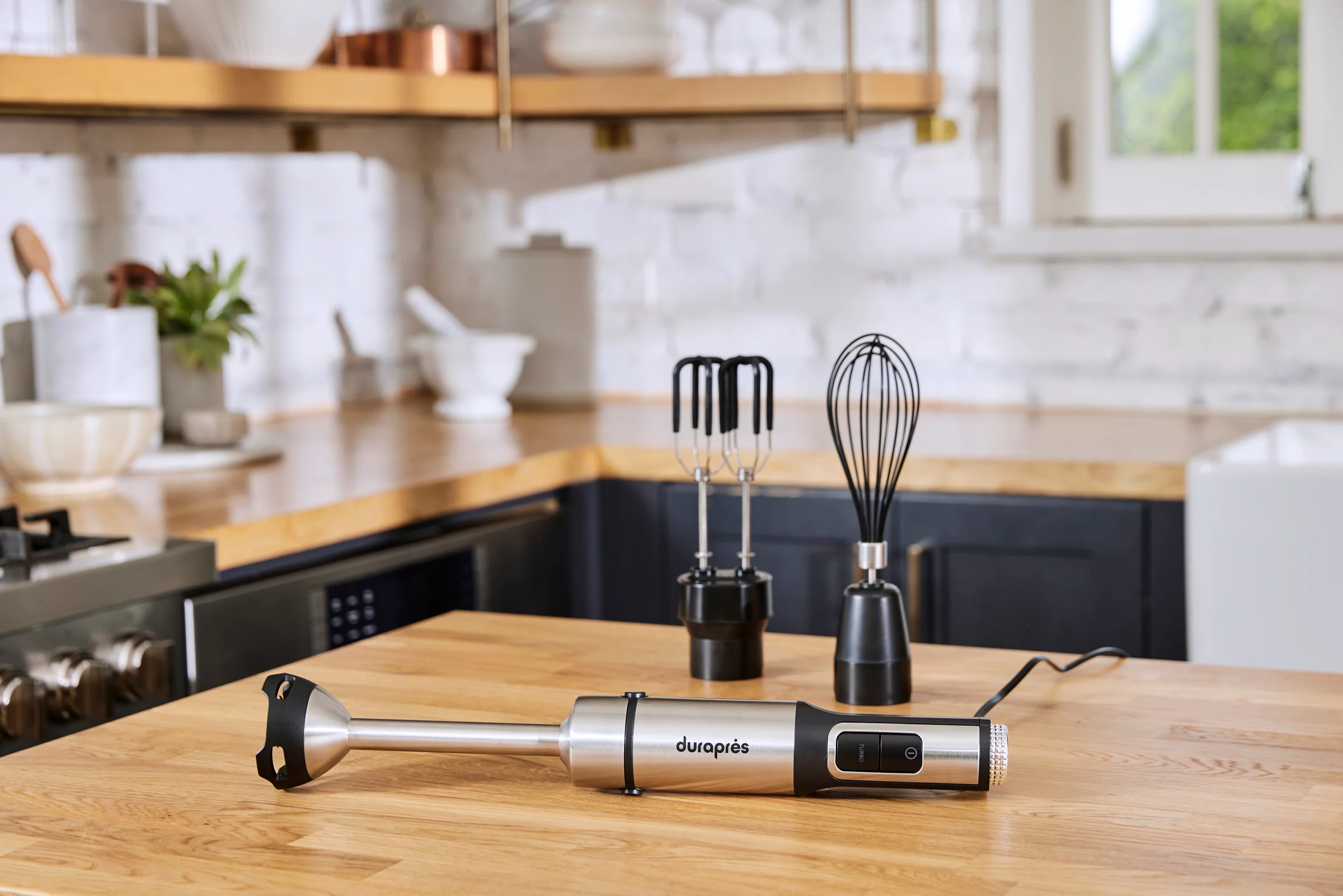


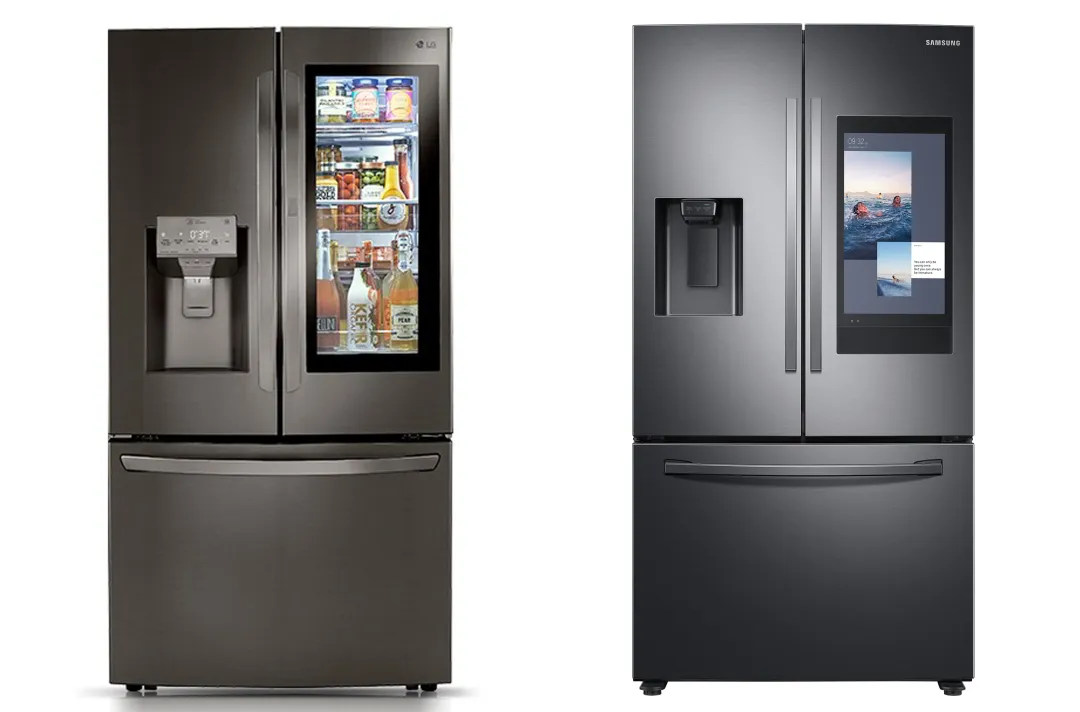
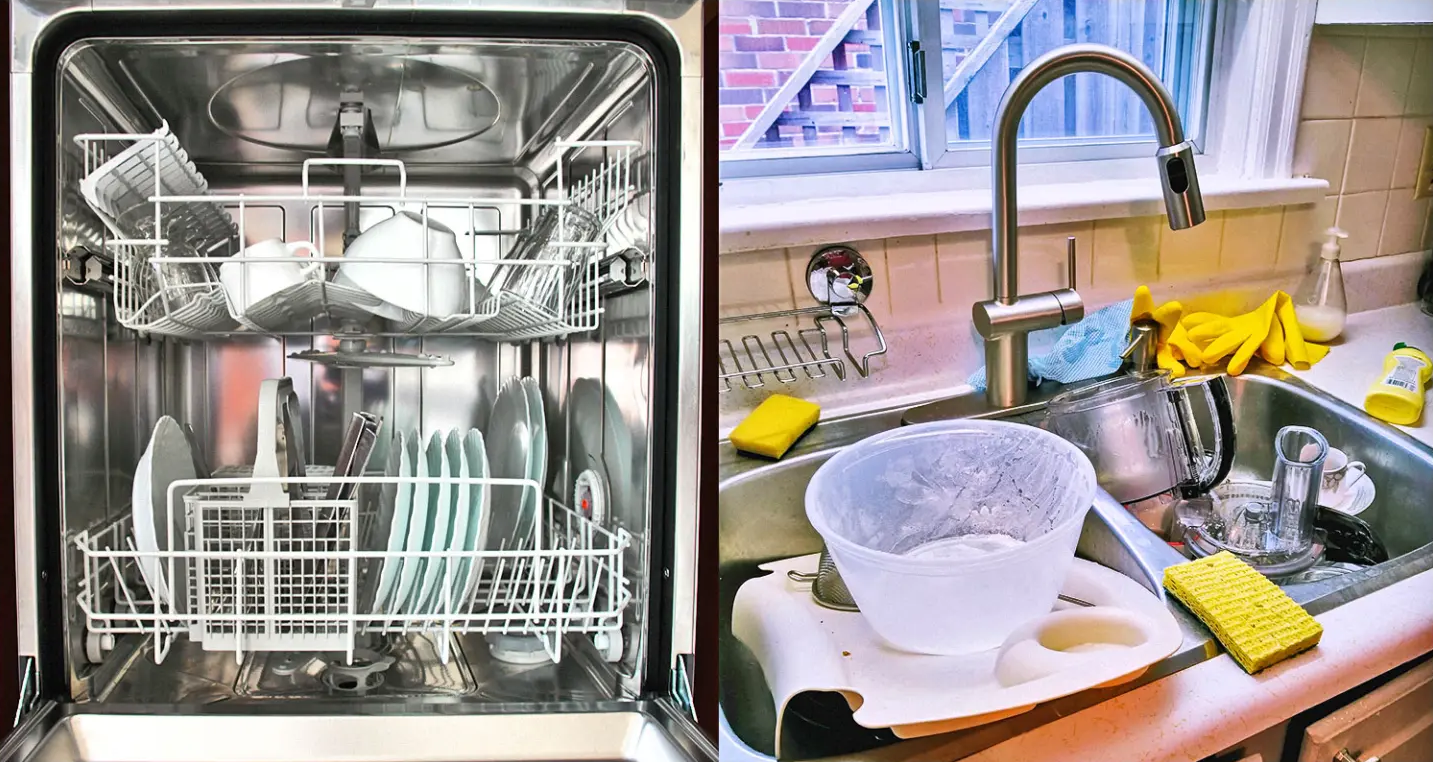

Tags
📧 Get More Articles Like This
Subscribe to receive product reviews and buying guides in your inbox!
We respect your privacy. Unsubscribe at any time.