Manual vs Electric Kitchen Tools: What Professional Chefs Actually Use at Home
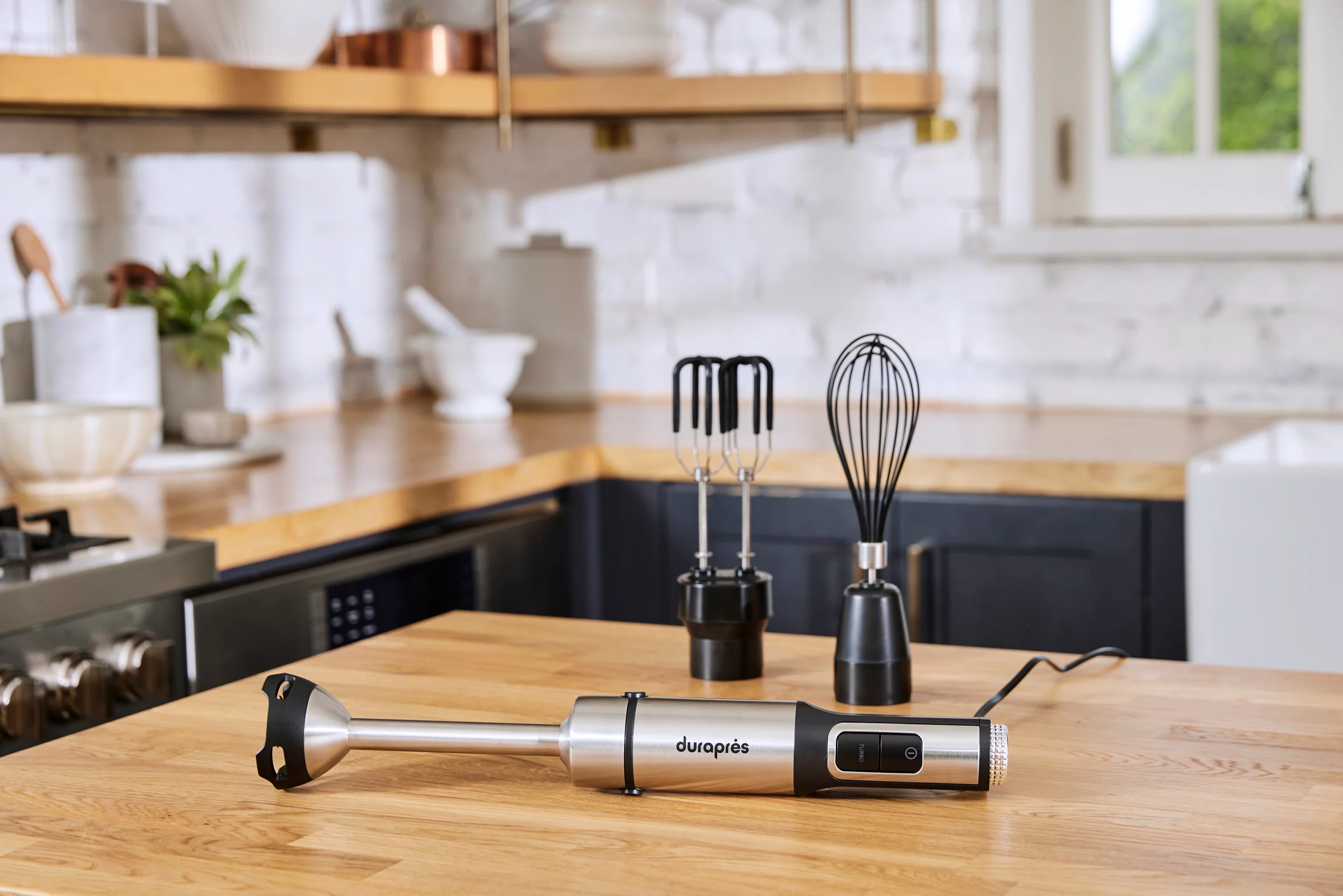
Table of Contents
- Introduction: The Professional Chef’s Home Kitchen Reality
- Knives: The Manual Mastery Debate
- Mixing and Whisking: When Arms Beat Motors
- Food Processing: Manual Precision vs Electric Speed
- The Safety Factor Nobody Discusses
- Cost Analysis: Lifetime Value Comparison
- What Chefs Actually Buy for Their Homes
- Conclusion: Building Your Optimal Kitchen
- Frequently Asked Questions
Introduction: The Professional Chef’s Home Kitchen Reality
Chef Marcus Chen walked through his home kitchen with a visitor expecting to see the latest electric gadgets and high-tech appliances filling every counter and cabinet space, but instead discovered a surprisingly minimalist setup dominated by well-worn manual tools including vintage carbon steel knives, wooden cutting boards showing decades of knife marks, and a simple mortar and pestle occupying prime counter real estate. “People assume professional chefs fill their home kitchens with restaurant equipment and every electric gadget available,” Marcus explained while reaching for his favorite manual knife rather than the electric food processor gathering dust in a corner cabinet, “but after spending twelve hours daily in commercial kitchens surrounded by industrial machinery, the last thing we want at home is more complicated equipment requiring setup, cleaning, and maintenance.” This sentiment echoes consistently among professional chefs whose home cooking practices reveal surprising preferences for manual tools, traditional techniques, and simple implements that contradict consumer marketing messages promoting electric convenience as modern cooking’s inevitable future.
The disconnect between professional practice and consumer trends becomes apparent when examining chef home kitchens versus average households, as research shows consumers accumulate electric appliances at accelerating rates while professional cooks deliberately minimize gadget proliferation in personal spaces. The average American kitchen contains 15-25 electric appliances including food processors, blenders, electric mixers, coffee makers, toasters, and numerous single-purpose gadgets purchased based on infomercial promises or gift-giving conventions rather than genuine cooking needs or quality considerations. Professional chefs maintain 3-5 carefully selected electric tools for specific high-volume tasks while relying primarily on manual implements that restaurant experience proves deliver superior results, require less maintenance, and support cooking skill development that electric automation prevents. This fundamental difference in tool philosophy reveals insights about cooking quality, technique mastery, and equipment value that marketing departments prefer consumers never discover.
While the following demonstration highlights a practical comparison between manual and electric kitchen tools, there is still information about true cooking efficiency that lies in the details of the article and which you may not have discovered yet:
The reasons underlying professional chef preferences for manual tools extend beyond romantic notions about traditional cooking or technophobic resistance to modern convenience, instead reflecting pragmatic assessments of tool performance, cleaning requirements, failure rates, and long-term value accumulated through years of intensive kitchen work using every implement category. Chefs develop intimate knowledge of how different tools affect ingredient texture, cooking control, technique requirements, and final dish quality through daily high-volume cooking that exposes equipment limitations, maintenance challenges, and performance inconsistencies invisible during occasional home use. The safe food handling standards established by federal agencies emphasize cleaning and sanit
izing kitchen tools thoroughly between uses, requirements that manual implements meet easily through simple washing while electric appliances create contamination risks through complex assemblies, sealed motor housings, and moisture-sensitive components preventing adequate sanitation without elaborate disassembly procedures most home cooks never perform correctly.
The professional insights about manual versus electric tools challenge deeply entrenched consumer beliefs shaped by decades of appliance marketing emphasizing that modern cooking requires electric convenience and that manual methods represent outdated approaches yielding inferior results compared to technology-enabled alternatives. Food safety basics from government agencies stress proper utensil cleaning and maintenance, with research documenting that simpler manual tools enable more thorough sanitation than complex electric assemblies creating bacterial harborage sites in crevices, gaskets, and sealed spaces. The examination of what professional chefs actually use at home exposes uncomfortable truths about kitchen equipment industry practices, consumer purchasing patterns, and cooking quality trade-offs that electric tool adoption introduces despite advertising claims promising revolutionary improvements. This article reveals the specific manual tools that professionals prioritize, the selective electric applications where automation genuinely improves outcomes, and the decision frameworks enabling home cooks to build optimal tool collections balancing quality, convenience, safety, and long-term value.
The timing proves particularly relevant as consumers increasingly seek cooking guidance during economic uncertainty, sustainability concerns, and desire for authentic skill development that pandemic-era home cooking emphasized. Smart kitchen IoT reality discussions often overlook that connectivity and automation cannot substitute for fundamental cooking competence, proper technique, and quality ingredients that manual tools and traditional methods emphasize. The professional chef perspectives provide authoritative counterweight to consumer marketing while offering practical equipment selection criteria grounded in performance evidence rather than convenience promises or technological novelty. Understanding these professional insights empowers home cooks to make informed tool investments building capabilities rather than accumulating gadgets, developing skills rather than equipment dependence, and creating kitchens supporting enjoyable cooking rather than appliance management obligations that electric tool proliferation generates.
Knives: The Manual Mastery Debate
The knife category represents the most fundamental divergence between professional and consumer approaches to kitchen tools, as chefs universally emphasize manual knife skills as cooking’s cornerstone while electric alternatives including food processors, slicers, and choppers dominate consumer kitchens promising convenience that professionals recognize undermines technique development and ingredient quality. Professional chefs maintain collections of 3-5 carefully selected manual knives covering all cutting requirements including 8-10 inch chef’s knife for general prep, 3-4 inch paring knife for detailed work, 8-10 inch serrated bread knife for specific tasks, and occasionally specialty knives for particular cuisines or ingredients, with total investment ranging $200-600 for quality implements serving decades with proper care and maintenance. The consumer market conversely promotes electric knife sharpeners, food processors, mandoline slicers, and numerous electric cutting gadgets supposedly saving time and effort compared to manual knife work, yet professional experience demonstrates these alternatives compromise ingredient texture, cooking control, and skill acquisition that traditional knife techniques enable through repeated practice and tactile engagement.
The knife sharpening controversy particularly reveals professional versus consumer philosophical differences, as chefs almost universally prefer manual whetstone sharpening maintaining precise blade geometry, controlling removal rates, and preserving knife longevity compared to electric sharpeners that aggressive grinding mechanisms, preset angles ignoring blade design variations, and potential overheating from friction damage blade temper and edge characteristics. Manual sharpening requires technique development through practice and potentially initial frustration, though professionals emphasize this learning investment pays permanent dividends through superior sharpness, extended blade life, and deep understanding of edge geometry enabling field repairs and quick touch-ups impossible with electric systems. The electric sharpener convenience proves illusory as frequent use necessitates continual blade replacement from excessive metal removal and damaged cutting edges, while manual whetstone sharpening performed quarterly or semi-annually maintains peak performance throughout decades-long knife lifespans creating dramatically superior cost-effectiveness and sustainability outcomes.
The cutting technique discussion extends beyond sharpening to actual food preparation, where manual knife work provides texture control, ingredient respect, and cooking meditation that food processors and electric choppers cannot replicate despite speed advantages for high-volume tasks. Professional chefs emphasize that proper knife cuts—brunoise, julienne, chiffonade, and others—produce consistent cooking times through uniform sizing, create desired textures enhancing dish mouthfeel, and demonstrate respect for ingredients that mechanical processing lacks through careful hand cutting acknowledging food’s role beyond mere fuel. The tactile feedback from manual cutting enables cooks to feel ingredient resistance, adjust technique for different products, and recognize ripeness or quality variations informing cooking adjustments, while food processors eliminate sensory information reducing cooking to robotic task execution without understanding or adaptation. The skill development through repetitive manual cutting builds speed over time while maintaining quality, creating capable cooks who don’t require electricity or specific gadgets to prepare excellent meals in any kitchen environment.
The food processor debate particularly divides professional and consumer perspectives, as chefs selectively deploy these electric tools for specific high-volume tasks including bulk vegetable chopping during meal prep, nut grinding for sauces, and bread dough mixing for large batches, while recognizing processors poorly handle delicate herbs, create undesirable textures in many applications, and introduce cleaning obligations exceeding time savings for small-batch cooking. The consumer tendency to use food processors as primary chopping tools rather than occasional specialized implements reveals fundamental misunderstanding of tool appropriate applications, with marketing encouraging processor overuse producing mediocre results that proper knife work would dramatically improve. Professional guidance suggests home cooks invest processor money into excellent chef’s knife and quality cutting board instead, developing manual skills serving complete cooking repertoire while avoiding appliance dependence, cleaning complexity, and texture compromises that food processor reliance introduces into daily cooking routines.
The knife safety education proves critical as statistics show more injuries from dull knives requiring excessive pressure than sharp implements cutting cleanly with minimal force, yet consumer fear of sharp manual knives drives electric tool adoption supposedly offering safer alternatives despite evidence showing electric cutting gadgets create different injury risks through blade exposure during cleaning, unexpected motor activation, and false security reducing proper caution. Kitchen safety guidelines emphasize maintaining sharp manual knives, using proper cutting boards providing stable surfaces, employing correct cutting techniques with fingers tucked safely, and storing knives securely when not in use—practices that promote safety while developing competence rather than replacing skill development with electric alternatives introducing their own hazard profiles. The professional perspective values sharp manual knives as essential tools demanding respect and proper technique rather than dangerous implements requiring electric substitutes, recognizing that cooking mastery requires direct ingredient engagement that mechanical mediation through electric tools prevents home cooks from experiencing and understanding.

Mixing and Whisking: When Arms Beat Motors
The mixing and whisking tool category demonstrates another striking divergence between professional home preferences and consumer purchasing patterns, as chefs maintain quality manual whisks, wooden spoons, and traditional mixing bowls while selectively using stand mixers only for demanding applications requiring prolonged mixing that causes arm fatigue, compared to consumers defaulting to electric mixers for nearly all mixing tasks despite manual alternatives often producing superior results with less cleanup obligation. Professional bakers particularly emphasize manual mixing benefits for developing ingredient familiarity, recognizing texture changes indicating proper incorporation, and maintaining precise control over mixing intensity affecting final product outcomes including gluten development, fat distribution, and aeration levels that determine baked good quality. The tactile feedback from manual whisking enables cooks to feel emulsion formation, detect undermixing or overmixing, and adjust technique responsively, while electric mixers operate at preset speeds potentially overworking batters before visual cues indicate problems or undermixing delicate preparations requiring gentle folding rather than vigorous mechanical beating.
The stand mixer versus manual whisk decision particularly illuminates professional thinking, as chefs acknowledge stand mixers prove invaluable for bread dough requiring 10-15 minutes kneading or meringues demanding extended whipping achieving stiff peaks, yet emphasize these applications represent perhaps 10-20% of home cooking mixing requirements while remaining 80-90% of tasks benefit from manual whisking providing superior control, immediate cleanup, and skill development. The consumer tendency to use stand mixers as default mixing tools rather than occasional specialized implements reveals how marketing shapes purchasing decisions encouraging appliance acquisition for capabilities rarely necessary in typical home cooking contexts. The cost analysis comparing $300-500 stand mixer investment against $15-30 quality whisk purchase further exposes questionable consumer prioritization, particularly given stand mixer cleaning requirements, counter space occupation, and 5-10 year lifespan compared to manual whisk decades-long utility and drawer-friendly storage characteristics.
The whisk technique discussion reveals depth of knowledge that professional training and experience provide, as chefs distinguish between balloon whisks for maximum aeration, French whisks for general mixing, flat whisks for pan sauce preparation, and specialized whisks for specific applications, demonstrating how traditional tool diversity enables precision matching implement to task rather than adopting one-size-fits-all electric approach. The hand mixer category presents compromise position between stand mixers and manual whisks, offering electric convenience in portable package without counter space sacrifice, though professionals note hand mixers still introduce cleaning complexity, durability concerns, and technique short-cutting that manual alternatives avoid while building arm strength and mixing proficiency through regular practice. The best kitchen appliances guide might recommend stand mixers as essential tools, yet professional chefs use them sparingly at home precisely because daily restaurant equipment exposure reveals their limited necessity for typical home cooking volumes and frequencies.
The egg whipping application particularly demonstrates manual versus electric trade-offs, as hand-whisked eggs create stable foams through gentle air incorporation and protein network formation that careful manual technique optimizes, while electric mixing introduces excessive air or overworks proteins depending on speed selection and timing precision difficult to achieve without experience and attention. Professional pastry chefs emphasize recognizing visual cues indicating proper whisking completion including ribbon stage for whole eggs, soft peaks for whipped whites, and stiff peaks for meringues—tactile and visual literacy that manual practice develops but electric automation prevents through removing direct sensory engagement with ingredient transformation processes. The meringue preparation represents classic example where electric stand mixer genuinely provides advantage through sustained high-speed whipping producing stable foam while freeing hands for other tasks, illustrating how selective electric tool deployment for demanding applications makes sense while routine tasks benefit from manual approaches building skills and delivering excellent results without equipment dependencies.
The cleanup reality proves particularly important for understanding why professionals limit electric mixer usage at home despite restaurant kitchen access to industrial dishwashers and prep staff handling equipment maintenance, as residential dishwasher limitations, hand-washing requirements for attachments, and assembly complexity make thorough electric mixer cleaning more burdensome than quick manual whisk washing under running water with simple soap application. The food safety considerations regarding proper cleaning and sanitizing kitchen utensils emphasize that tools must be thoroughly cleaned after each use, requirements that manual implements meet easily while electric mixer crevices, gear assemblies, and attachment connection points create bacterial harborage sites requiring careful attention most home cooks provide inconsistently. The professional insight suggests home cooks honestly assess their mixing needs, investing in stand mixers only when bread baking or extensive baking constitutes regular activities rather than purchasing based on aspirational cooking plans or marketing persuasion that these appliances enable baking competence without technique development or practice commitment.
Food Processing: Manual Precision vs Electric Speed
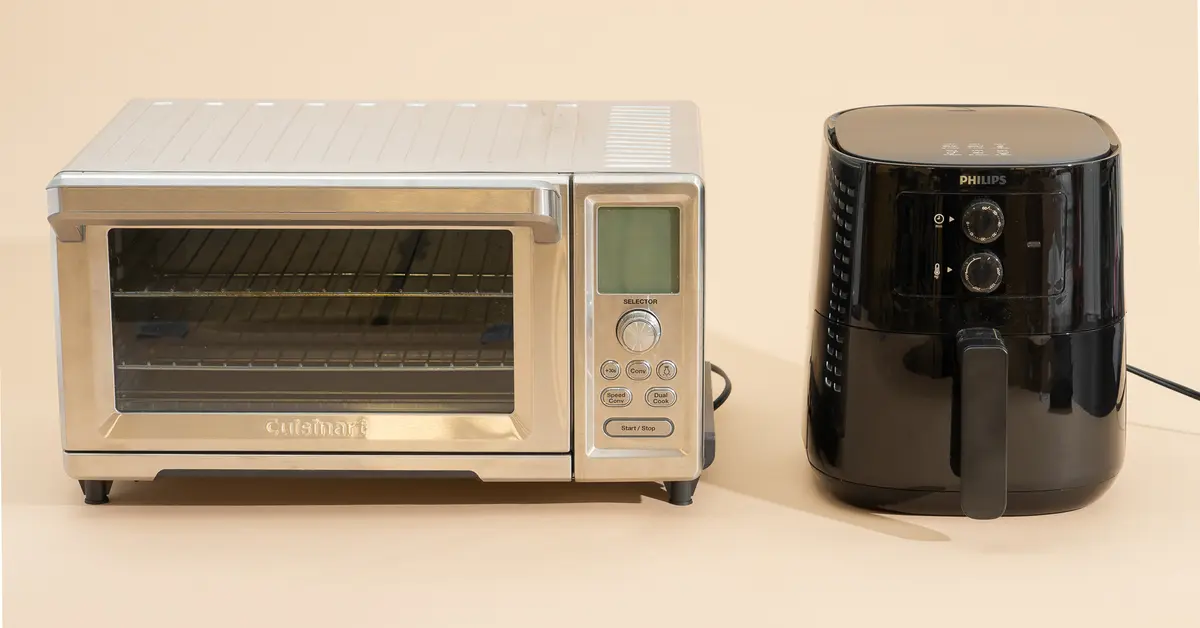
The food processing tool category encompasses diverse implements handling tasks from garlic mincing through vegetable grating to spice grinding, with professional chefs demonstrating surprisingly strong manual preferences despite electric alternatives offering obvious speed advantages, revealing how quality considerations, cleanup realities, and batch size appropriateness influence tool selection more significantly than pure time efficiency. Professional kitchens deploy large industrial food processors for high-volume vegetable prep processing hundreds of pounds daily, yet these same chefs use manual graters, mortar and pestle, and knife-based chopping at home where batch sizes rarely justify electric equipment setup, operation, and cleaning overhead exceeding manual approach time requirements. The air fryer versus oven versus microwave comparisons reveal similar patterns where usage frequency and volume determine whether electric convenience justifies equipment investment and storage allocation, with professional perspectives emphasizing context-appropriate tool selection rather than blanket electric or manual supremacy claims.
The garlic preparation controversy particularly exposes professional versus consumer tool philosophy differences, as chefs universally advocate manual garlic pressing, mincing, or microplane grating over electric choppers that mechanically damage garlic cell structure releasing excessive enzymes creating bitter off-flavors and destroying delicate aromatic compounds distinguishing quality garlic preparation from mediocre alternatives. The Meal prep tools and tips guidance might promote electric garlic presses or food processor garlic chopping for convenience, yet professional palates immediately detect quality differences between careful manual preparation and mechanical processing, recognizing that ingredients deserve respect through proper handling rather than efficiency-driven processing compromising flavor and texture. The manual garlic preparation requires minimal time investment—typically 30-60 seconds per clove using proper technique—making electric alternatives dubious convenience propositions when considering equipment retrieval, operation, and cleaning requirements that manual knife work avoids entirely.
The cheese grating application demonstrates another scenario where manual box graters or microplane tools provide superior results compared to electric shredding through fresher flavor from immediate consumption versus pre-shredded convenience products containing anti-caking agents and moisture barriers, texture control through coarse versus fine grating selection matching recipe requirements, and cleanup simplicity through quick tool rinsing versus electric shredder disassembly and component washing. Professional chefs emphasize fresh cheese grating transforms dishes through aromatic compound volatility and texture characteristics impossible with pre-processed alternatives, while electric shredders prove worthwhile only for high-volume applications exceeding typical home cooking batch sizes. The cost comparison reveals manual box graters costing $15-30 lasting decades versus electric shredders at $30-100 requiring replacement every 3-7 years, further supporting manual tool preference for home cooking contexts where quality and value trump marginal time savings.
The spice grinding discussion highlights additional manual advantages as mortar and pestle techniques release essential oils, create desired coarse or fine textures through controlled grinding pressure, and provide aromatic meditation enhancing cooking enjoyment, while electric spice grinders offer speed advantages though producing uniform powder losing texture variation that manual grinding enables through technique adjustment. Professional chefs recognize spice grinding frequency in home cooking rarely justifies electric grinder investment, with manual mortar and pestle providing adequate capacity and superior quality for typical home requirements while occupying minimal storage space and requiring simple cleaning compared to electric grinders with blade assemblies and motor housings complicating sanitation. The sustainability perspective additionally favors manual tools through zero electricity consumption, renewable material construction from ceramic or stone, and indefinite lifespan versus electric grinders consuming energy and incorporating plastics plus electronic components creating disposal challenges at eventual replacement.
The nut chopping and bread crumb production applications represent reasonable electric food processor use cases when batch sizes justify equipment involvement, as manual nut chopping proves tedious for cup-quantity requirements and bread crumb production from dried bread pieces similarly benefits from mechanical processing efficiency. Professional chefs acknowledge these legitimate electric tool applications while emphasizing they constitute occasional rather than daily requirements, suggesting home cooks consider food processor purchase only when regular large-batch cooking including nut-based sauces, homemade bread crumbs, or extensive vegetable prep constitutes actual rather than aspirational cooking patterns. The essential kitchen gadgets evaluation framework applies context-appropriate criteria considering usage frequency, batch sizes, quality requirements, and cleanup realities rather than accepting marketing claims that electric convenience universally improves cooking regardless of specific application, user skill level, or genuine necessity versus manufactured gadget dependence.

The Safety Factor Nobody Discusses
The food safety implications of manual versus electric kitchen tool selection receive insufficient attention in consumer discussions despite federal agency guidelines establishing clear standards for kitchen equipment sanitation and proper food handling procedures requiring thorough cleaning between uses—standards that tool design either facilitates or impedes through physical characteristics affecting cleaning accessibility and thoroughness. The safe food handling standards emphasize washing cutting boards, dishes, utensils, and counter tops with hot soapy water after preparing each food item, requirements straightforward for simple manual implements featuring smooth surfaces and minimal crevices but challenging for electric appliances containing sealed motor housings, blade assemblies requiring disassembly, and numerous components creating bacterial harborage sites when inadequately cleaned. Professional chefs prioritize food safety through rigorous sanitation practices learned through health department inspections and commercial kitchen standards enforcement, with home cooking practices reflecting these professional safety priorities through tool selection favoring easily cleanable manual implements over complex electric gadgets complicating proper sanitizing procedures.
The cutting board and knife combination represents ideal food safety model as smooth surfaces, minimal seams, and simple geometry enable thorough washing, visual inspection confirming cleanliness, and sanitizing solution application destroying residual bacteria, while electric food processor alternatives introduce blade assemblies, rubber gaskets, bowl rim seals, and motor shaft connections creating contamination risks when components inadequately separated or cleaned. The kitchen safety guidelines specify using separate cutting boards and utensils for produce versus items, requirements easily met with multiple manual cutting boards and knife sets but complicated when single food processor handles all chopping without mid-preparation cleaning between ingredient categories. The professional practice emphasizes visual cleanliness verification as basic sanitation requirement—“if it looks dirty, it is dirty”—achievable with manual smooth-surfaced tools but difficult with electric appliance internal mechanisms invisible during casual inspection and inaccessible without complete disassembly most consumers never perform.
The dishwasher safety question particularly complicates electric tool sanitizing as many appliances prohibit dishwasher cleaning for motor components, electronic controls, or sealed assemblies, forcing hand-washing that research shows less effective than machine cleaning for bacterial elimination through lower water temperatures, shorter contact times, and inadequate sanitizing solution concentrations. The food safety research documents that 20% of consumers fail to properly clean kitchen tools and surfaces before food preparation, with electric appliance complexity exacerbating sanitation shortcomings through intimidating disassembly requirements, unclear cleaning instructions, and time pressures motivating inadequate cleaning shortcuts. Manual tools conversely support sanitation through straightforward washing procedures, dishwasher compatibility for most implements, and simple geometries enabling visual and tactile confirmation of cleanliness that electric gadgets prevent through sealed internal components accumulating hidden contamination.
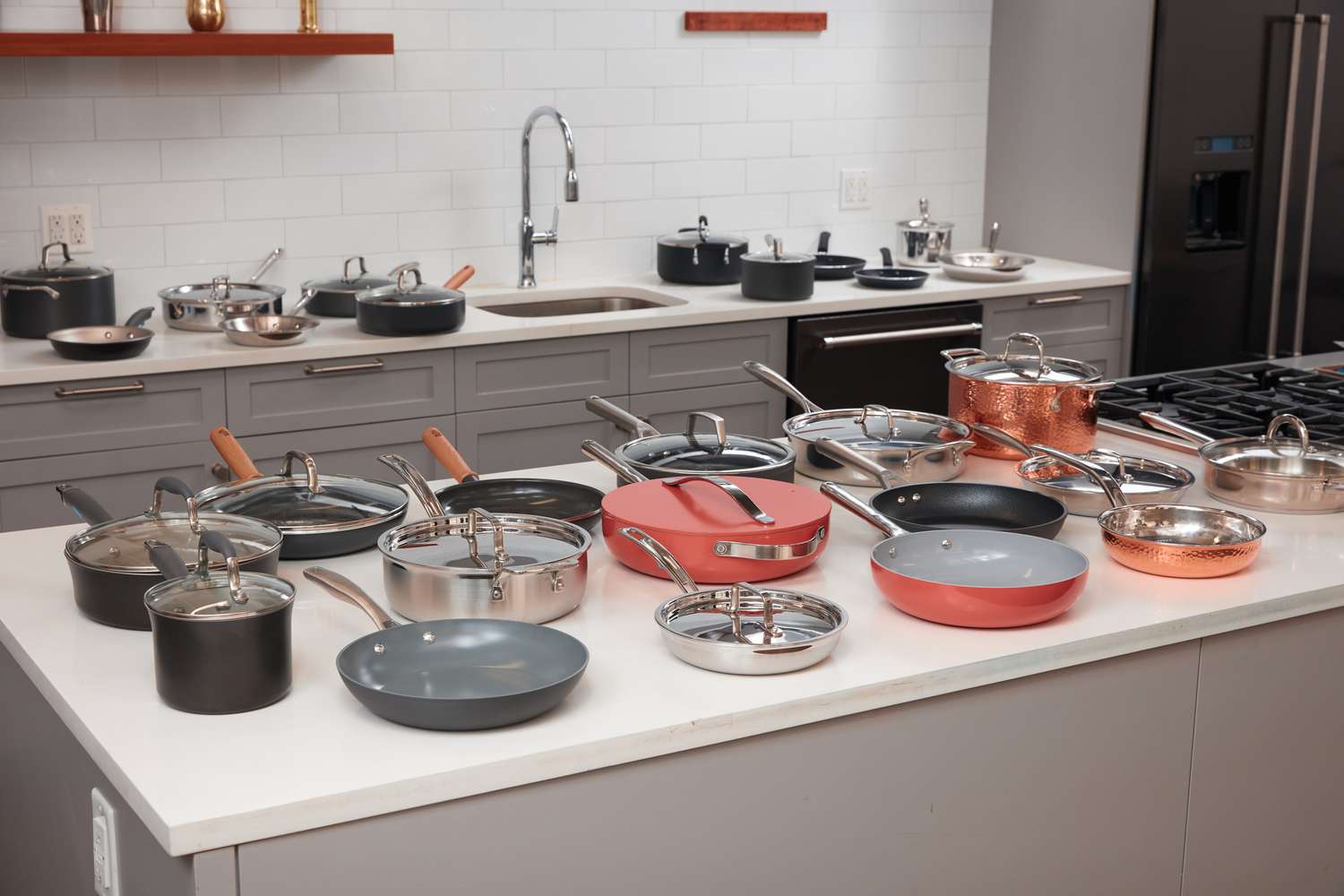
The cross-contamination prevention proves critical for food safety as bacteria spread between raw and cooked foods, different protein types, and produce versus animal products through shared tools and surfaces—risks that manual tool simplicity and cleaning ease minimize compared to electric appliances requiring careful disassembly, component tracking, and reassembly after washing creating opportunities for contamination transfer during handling. The cookware comparison between simple manual pans and complex electric cookers similarly reveals how design simplicity facilitates sanitation while technological complexity impedes thorough cleaning, with professional chefs favoring equipment enabling confident cleanliness verification rather than hoping sealed components contain no bacterial growth from inadequate previous cleaning. The food safety training emphasizes “clean as you go” philosophy maintaining sanitary workspace throughout cooking, practices that manual tools support through quick rinsing and minimal cleaning requirements compared to electric equipment accumulating during cooking for eventual burdensome cleaning sessions creating temptation to postpone or abbreviate sanitation procedures.
The longevity and sanitation relationship proves particularly relevant as older electric appliances develop gasket degradation, seal failures, and component wear creating new bacterial harborage sites absent when equipment new, while manual tools maintain sanitation characteristics throughout decades-long lifespans through durable materials and simple geometries that aging doesn’t compromise. Professional chefs recognize equipment sanitation capabilities as fundamental purchasing criteria alongside performance and cost considerations, with manual tool preference reflecting assessment that food safety requirements favor simple designs over complex assemblies regardless of convenience or speed advantages that inadequate sanitation negates. The consumer education about proper kitchen tool cleaning often proves insufficient for electric appliance complexity, with manufacturer instructions emphasizing operational guidance over comprehensive sanitation procedures and users frequently unaware of contamination risks from inadequate cleaning practices that commercial kitchens would fail health inspections for maintaining.
Cost Analysis: Lifetime Value Comparison
The financial analysis comparing manual versus electric kitchen tool investments reveals dramatic long-term value differences that consumer focus on purchase prices obscures, as lifecycle costs including acquisition, energy consumption, maintenance, replacement, and eventual disposal create total ownership expenses orders of magnitude higher for electric appliances compared to manual implements serving decades without recurring costs beyond occasional modest maintenance. Professional chefs develop keen cost awareness through restaurant equipment budgets and personal experience replacing failed appliances, with purchasing decisions reflecting understanding that initial low prices for consumer electric gadgets prove deceptive when considering 3-7 year replacement cycles versus 20-30 year manual tool lifespans that proper care and occasional maintenance enables. The quality manual chef’s knife costing $150-300 serves professional cooking careers spanning decades while maintaining performance through periodic $10-20 sharpening, creating per-year costs under $10-15 that budget electric food processors costing $50-100 every 5 years cannot match even ignoring electricity consumption and potential repair expenses.

The stand mixer cost analysis particularly illuminates lifecycle value considerations as quality electric mixers cost $300-500 with typical 10-15 year lifespans absent repairs, creating $20-50 annual costs before electricity consumption, replacement paddle/hook costs, or repair expenses from motor failures or gear problems common as units age. The manual whisk alternative costing $15-30 serves indefinitely with proper care while consuming zero electricity, requiring no repairs, and occupying minimal storage space, though obviously limiting mixing capacity and speed for demanding applications requiring prolonged mechanical action. The appropriate comparison recognizes stand mixers serve legitimate purposes for serious bakers regularly producing bread or complex desserts, though casual home cooks purchasing based on aspirational cooking plans rather than established patterns waste resources on appliances generating minimal value relative to investment while simpler manual alternatives would adequately serve actual cooking requirements. Ultimate guide to buying coffee machines demonstrates similar patterns where consumer purchases often exceed genuine needs driven by marketing promises rather than realistic usage assessment.
The replacement cycle implications prove particularly significant for environmental sustainability and consumer economics as electric appliances following 5-10 year obsolescence patterns generate electronic waste, consume manufacturing resources for repeated replacements, and create recurring purchase obligations that manual tool durability avoids through multi-generational utility. Professional chefs frequently inherit quality manual tools from previous generations or purchase vintage implements at estate sales, recognizing that well-made traditional tools maintain functionality indefinitely while electric alternatives contain planned obsolescence through unrepairable designs, discontinued parts availability, and technological updates rendering older models obsolete regardless of mechanical condition. The sustainability-conscious consumer increasingly questions consumption patterns encouraging disposal and replacement rather than repair and longevity, values that manual tool construction and design philosophy support while electric appliance business models depend on planned obsolescence maintaining sales volumes through forced replacement purchases.
The energy consumption analysis reveals modest but cumulative costs as electric appliances collectively consume significant electricity through standby power draws, operational usage, and charging requirements that manual alternatives completely avoid, with typical households spending $50-150 annually on kitchen appliance electricity that manual tool adoption would eliminate while improving energy efficiency and reducing environmental footprint. The cost savings calculations depend on usage patterns and electricity rates, though the principle remains valid that eliminating unnecessary electric tools reduces both purchase costs and operational expenses while manual alternatives provide equivalent functionality for typical home cooking requirements. The professional perspective emphasizes total cost of ownership including acquisition, operation, maintenance, storage, and replacement rather than focusing exclusively on purchase prices that marketing emphasizes while obscuring long-term expense patterns favoring simple durable manual tools over complex electric alternatives requiring ongoing investment throughout ownership periods.
The repair versus replacement economics prove particularly disadvantageous for electric appliances as service costs typically exceed replacement prices for consumer-grade equipment, creating disposable appliance culture where malfunctions prompt purchases rather than repairs that would extend equipment lifespans and reduce waste. Professional restaurant equipment features repairable designs with available service parts and established repair networks, though consumer appliances follow opposite philosophy discouraging repair through sealed assemblies, proprietary components, and repair costs approaching new unit prices. Manual tools conversely support repair culture through simple designs enabling user maintenance, replacement parts like knife handles and cutting board resurfacing available at reasonable costs, and straightforward repairs maintaining functionality without specialized knowledge or expensive service. The economic and environmental implications favor manual tool investment building lasting value rather than participating in disposable appliance culture that electric gadget design and business models promote through deliberate obsolescence strategies.

What Chefs Actually Buy for Their Homes
The revealing examination of professional chef home kitchens exposes which tools they actually purchase for personal use versus restaurant equipment access, providing authentic guidance unfiltered by marketing influence or commercial relationships affecting many cooking publication recommendations. Executive Chef Sarah Mitchell maintains remarkably minimal home kitchen with three quality knives including 10-inch chef’s knife, 4-inch paring knife, and 10-inch serrated bread knife totaling $400 investment serving 15 years thus far, supplemented by four manual whisks in different sizes, wooden spoon collection, quality tongs, microplane grater, manual citrus juicer, and Japanese mandoline—comprehensive tool set costing under $600 total enabling complete cooking repertoire without electricity dependence beyond refrigeration and cooking appliances. Sarah’s single electric appliance beyond standard range and refrigerator consists of stand mixer used weekly for bread baking justifying its counter space and $400 investment, while food processor gift remains stored unused for three years demonstrating how consumer assumptions about chef equipment needs reflect marketing influence rather than professional cooking realities.
The knife investment philosophy proves remarkably consistent across interviewed chefs emphasizing quality over quantity through single excellent chef’s knife receiving daily use rather than extensive knife collections gathering dust, with professional guidance suggesting home cooks invest $150-250 in proper chef’s knife matching hand size and cooking style while skipping knife set packages containing numerous implements rarely used. Chef Marcus Chen specifically recommends Japanese gyuto knife for serious home cooks appreciating exceptional sharpness and edge retention, or German chef’s knife for those preferring heavier substantial feel and rock-chopping motion, while emphasizing proper cutting board costing $40-80 proves equally important for knife performance and safety through stable work surface preventing blade damage from hard surfaces like granite or glass. The cutting board material debate favors wood or quality plastic over bamboo or composite materials, with chefs noting wooden boards require more maintenance through regular oiling but reward care through superior knife-friendliness and natural antibacterial properties that proper maintenance maintains.
The hand tool collection recommendations emphasize versatility and durability through implements serving multiple functions rather than specialized gadgets, with balloon whisk handling general mixing, flat whisk suited for pan sauces, microplane grater processing cheese/citrus/garlic/ginger, metal tongs providing cooking manipulation, wooden spoons offering stirring without surface scratching, and kitchen shears enabling herb cutting and package opening. The combined investment for comprehensive manual hand tool collection totals $150-200 delivering decades of service while occupying minimal drawer space, dramatically undercutting single electric food processor costs while providing greater cooking capability through technique development these manual tools encourage. Chef interviews consistently emphasize manual tools as cooking foundations that electric appliances supplement for specific applications rather than replacing through automation supposedly improving convenience while actually diminishing skill development and cooking engagement that traditional implements require.
The selective electric tool category warranting investment according to professional chefs includes stand mixer for regular bread bakers or extensive dessert preparation, food processor for weekly large-batch cooking or regular entertaining, and potentially immersion blender for soup enthusiasts appreciating puree convenience over manual food mill processing. These recommendations require honest usage assessment rather than aspirational cooking projections, with chefs cautioning that most home cooks overestimate how frequently they’ll actually use electric appliances sitting unused while manual alternatives would adequately serve actual cooking patterns. The essential kitchen gadgets home needs evaluation suggests
consumers audit existing equipment usage before new purchases, selling or donating unused appliances rather than accumulating storage problems and cleaning obligations that gadget proliferation creates.
The brand and quality recommendations from professional chefs favor established manufacturers with proven durability records rather than trendy newcomers or celebrity endorsements, with knife recommendations including Wusthof, Victorinox, Global, Shun, MAC, and others known for quality manufacturing and appropriate pricing rather than premium positioning based on marketing rather than performance. The cookware recommendations similarly emphasize proven materials like heavy-gauge stainless steel, cast iron, and carbon steel over expensive designer brands or non-stick surfaces requiring frequent replacement, though cast iron versus stainless steel versus non-stick comparisons reveal legitimate trade-offs requiring personal preference assessment. The professional guidance consistently prioritizes function over fashion, durability over trends, and value over prestige, with purchasing decisions reflecting cooking performance and long-term utility rather than kitchen aesthetic considerations or social signaling that consumer purchases often emphasize.
The building kitchen collection strategy suggested by professional chefs emphasizes gradual acquisition through experience-informed replacement of inadequate tools rather than comprehensive initial purchases creating immediate financial burden and storage challenges. The starter kit recommendation includes one quality chef’s knife, decent cutting board, heavy-bottomed 10-inch skillet, 4-quart saucepan, balloon whisk, wooden spoon, tongs, and basic measuring cups/spoons totaling $300-400 investment supporting complete cooking repertoire while identifying genuine needs through actual cooking rather than assumed requirements that marketing suggests. The upgrade path proceeds through replacing starter tools with superior versions as budget permits, adding specialty implements only when established usage patterns justify specialized equipment, and avoiding trend-driven purchases promising revolutionary convenience rarely delivering genuine cooking improvement over traditional approaches.
Conclusion: Building Your Optimal Kitchen
The comprehensive examination of professional chef home kitchen practices reveals surprising manual tool preferences contradicting consumer assumptions and marketing messages promoting electric convenience as modern cooking’s inevitable path, exposing instead how quality considerations, cleaning realities, skill development, and long-term value favor traditional implements for most home cooking applications. Professional chefs apply selective electric tool deployment for genuine high-volume efficiency gains while defaulting to manual approaches building cooking competence, maintaining ingredient quality, and avoiding equipment dependencies that electric gadget accumulation creates through marketed convenience promising time savings that inadequate cleaning, storage management, and actual usage patterns rarely deliver. The decision framework prioritizes cooking outcomes over process efficiency, recognizing that manual techniques produce superior results while developing skills and ingredient understanding that electric automation prevents through removing direct engagement with food transformation processes essential for culinary mastery.
The financial analysis demonstrates dramatic lifecycle value differences favoring manual tool investment through decades-long utility, zero energy consumption, minimal maintenance, and multi-generational durability compared to electric appliances requiring replacement every 5-10 years, consuming ongoing electricity, generating electronic waste, and following business models encouraging disposal and replacement rather than repair and longevity that manual implements enable. The kitchen space considerations additionally favor manual tools through compact storage, drawer-friendly proportions, and minimal counter occupation compared to electric appliances demanding dedicated storage areas, accessible outlets, and counter real estate creating workflow complications in typical home kitchens lacking professional commercial kitchen spatial generosity. The sustainability implications prove increasingly relevant as consumers question consumption patterns, with manual tools supporting repair culture, renewable materials, and indefinite utility while electric alternatives perpetuate disposable appliance patterns through planned obsolescence and unrepairable designs serving manufacturer interests over consumer value.
The food safety insights reveal how manual tool simplicity facilitates thorough cleaning and sanitizing meeting federal agency standards requiring kitchen equipment washing after each use, requirements straightforward for smooth-surfaced manual implements but challenging for electric appliances containing complex assemblies, sealed motor housings, and numerous components creating bacterial harborage sites when inadequately cleaned. Professional chefs prioritize sanitation through tool selection favoring easily cleanable designs over convenience features complicating proper sanitizing procedures, with home cooking practices reflecting commercial kitchen safety standards learned through health department inspections and professional training. The cross-contamination prevention proves easier with manual tools through quick washing between uses compared to electric equipment requiring burdensome disassembly creating temptation for sanitation shortcuts that inadequate cleaning introduces into cooking workflows.
The skill development argument proves particularly compelling as manual cooking builds technique proficiency, ingredient familiarity, and cooking confidence through direct physical engagement that electric automation prevents by removing tactile learning opportunities essential for culinary competence. Professional chefs emphasize that cooking mastery requires repetitive practice developing knife skills, emulsion recognition, texture sensitivity, and timing intuition that recipes cannot fully communicate though manual tool usage naturally teaches through sensory feedback absent when machines mediate cook-ingredient interaction. The adaptability that manual cooking creates enables confident improvisation, problem-solving, and technique adjustment across cuisines and cooking contexts, while electric gadget dependence produces narrow capabilities requiring specific equipment potentially unavailable when cooking in unfamiliar kitchens or during equipment malfunctions.
The practical recommendations for home cooks building optimal kitchen tool collections emphasize investing in fewer high-quality manual implements rather than accumulating numerous electric gadgets, prioritizing excellent chef’s knife, quality cutting board, comprehensive hand tool set, and durable cookware as foundations supporting complete cooking repertoire without unnecessary equipment complexity or expense. The selective electric tool adoption for legitimate high-volume applications including stand mixers for regular bread baking or food processors for frequent large-batch cooking proves justified when honest usage assessment confirms genuine need rather than aspirational plans, though most home cooks benefit from resisting marketing pressure promoting gadget acquisition as cooking competence prerequisite. The gradual collection building through experience-informed purchases, quality emphasis over quantity accumulation, and versatile implement prioritization creates sustainable kitchen development avoiding consumer trap of disposable appliance culture and manufactured gadget dependence that electric tool marketing promotes while manual tool mastery enables.

Frequently Asked Questions
Q1: Why do professional chefs prefer manual knives over electric knife sharpeners at home?
Professional chefs overwhelmingly choose manual whetstone sharpening over electric systems because manual methods preserve blade geometry, enable precise angle control matching knife design specifications, and prevent excessive metal removal that electric sharpeners cause through aggressive grinding mechanisms shortening blade lifespan. The tactile feedback from manual sharpening allows experienced users to feel edge condition and adjust pressure accordingly, creating superior sharpness compared to preset electric systems that cannot accommodate different blade types, steel hardnesses, or sharpening requirements. Manual techniques also avoid overheating risks that electric friction generates, potentially damaging blade temper and edge retention characteristics that distinguish professional-grade knives from consumer equivalents.
Q2: When do professional chefs actually prefer electric tools over manual alternatives?
Professional chefs selectively employ electric tools for high-volume repetitive tasks where manual execution causes fatigue or time inefficiency, including stand mixers for large-batch bread dough requiring extended kneading, food processors for bulk vegetable chopping during meal prep sessions, and immersion blenders for soup pureeing eliminating tedious manual straining. Electric tools prove advantageous when consistent results matter more than nuanced control, such as precise temperature maintenance in sous vide circulators or uniform grinding in electric spice mills, though chefs emphasize these applications represent exceptions rather than comprehensive electric tool adoption. The decision framework prioritizes task frequency, volume requirements, and whether electric automation genuinely improves outcomes versus merely offering convenience that compromises quality or technique development.
Q3: How do manual and electric tools compare for food safety in home kitchens?
Manual tools generally offer superior food safety advantages through simpler cleaning processes, fewer crevices harboring bacteria, and immediate visual inspection confirming sanitation adequacy, while electric appliances create contamination risks through complex assemblies, motor housing gaps, and electrical components preventing thorough washing or sanitizing. The food safety guidelines from federal agencies emphasize that kitchen tools must be washable in hot soapy water and sanitizable between uses, standards that manual implements like knives, cutting boards, and whisks easily meet but that electric gadgets with sealed motors, electronic controls, and multiple detachable parts struggle to achieve without special disassembly and careful moisture avoidance. Cross-contamination risks increase with electric tools requiring blade removal, processor bowl handling, and attachment changes during meal preparation, creating multiple touchpoints spreading bacteria compared to single-piece manual tools maintaining cleaner operational workflows.
Q4: What manual kitchen tools do professional chefs consider absolutely essential?
Professional chefs identify sharp manual knives as the single most critical tool category including chef’s knife for general prep, paring knife for detailed work, and serrated bread knife for specific cutting tasks, followed by quality cutting boards providing stable work surfaces, manual whisks enabling precise emulsion control, wooden spoons for stirring without surface damage, and metal tongs offering dexterous food manipulation during cooking. Additional essential manual tools include box graters for fresh ingredient processing, manual citrus juicers extracting maximum yield, kitchen shears for herb cutting and package opening, and manual can openers providing reliable access without battery dependence. These fundamental implements enable complete meal preparation without electricity while developing knife skills, technique proficiency, and ingredient understanding that electric shortcuts prevent home cooks from acquiring through repeated practice and tactile engagement with food.
Q5: How does tool choice affect cooking technique development and skill building?
Manual tool usage forces technique development through direct physical engagement with ingredients, building knife skills through repetitive cutting practice, developing whisking endurance and emulsion recognition, and creating tactile sensitivity to texture changes indicating cooking progress, while electric tools automate processes preventing skill acquisition and reducing cook competency when equipment unavailable or malfunctioning. Professional chefs emphasize that manual cooking builds intuitive understanding of ingredient behavior, timing requirements, and technique adjustments that recipes cannot fully communicate, creating adaptable cooks who troubleshoot problems and modify approaches based on sensory feedback rather than appliance-dependent individuals helpless without specific gadgets. The muscle memory, hand-eye coordination, and ingredient familiarity developed through manual cooking create confidence and creativity that electric convenience undermines by removing tactile learning opportunities essential for culinary mastery.
Q6: What are the long-term cost differences between manual and electric kitchen tools?
Manual kitchen tools deliver dramatically superior long-term value through decades-long lifespans, zero energy consumption, minimal maintenance requirements, and simple repair options, while electric appliances demand replacement every 3-7 years, consume ongoing electricity, require expensive repairs exceeding replacement costs, and generate electronic waste environmental impacts. Quality manual knives costing $100-300 serve 20-30 years with periodic sharpening at $5-10 annually totaling lifetime costs under $500, while electric knife sharpeners, food processors, and specialty appliances costing $50-200 each require replacement multiple times across equivalent timeframes with cumulative expenses exceeding $1,000 plus electricity costs. The maintenance simplicity of manual tools eliminates service calls, warranty concerns, and replacement part searches, while electric equipment introduces motor failures, electrical issues, and obsolescence when manufacturers discontinue models or accessories.
Q7: How do storage and kitchen space requirements differ between tool types?
Manual tools occupy minimal space through compact designs, stackable configurations, and drawer-friendly proportions, while electric appliances demand counter real estate, dedicated storage areas, and accessible electrical outlets creating kitchen clutter and workflow interruptions. Professional chefs maintain streamlined home kitchens emphasizing frequently-used manual implements within arm’s reach while relegating electric gadgets to storage for occasional deployment, recognizing that appliance proliferation complicates cooking through equipment management overhead, cleaning obligations, and decision paralysis selecting appropriate tools for each task. The spatial efficiency of manual tools enables complete cooking capabilities in small apartments, RVs, or vacation properties where electric appliance accumulation proves impractical, while also facilitating kitchen organization through simple drawer dividers and wall-mounted magnetic strips versus bulky appliance garages and cabinet dedicators.
Q8: What role does sustainability play in professional chefs’ tool preferences?
Sustainability considerations increasingly influence chef tool selection as manual implements eliminate electricity consumption, avoid planned obsolescence cycles, utilize renewable materials like wood and steel, and enable repair extending usable lifespans versus electric appliances consuming energy during operation and manufacturing, incorporating plastics and electronics creating disposal challenges, and following replacement-oriented business models prioritizing new sales over longevity. The environmental impact analysis reveals manual tools generating minimal lifecycle footprint through durable construction, local repair economies, and eventual recyclability of metal components, while electric gadgets contribute carbon emissions through manufacturing energy, operational electricity drawing from fossil fuel grids, and electronic waste accumulation as malfunctioning units enter landfills unable to be economically repaired or effectively recycled given material complexity.
Q9: How do professional chefs balance convenience and quality when choosing tools?
Professional chefs apply selective decision frameworks prioritizing quality outcomes over convenience shortcuts, deploying electric tools only when automation genuinely improves results or enables otherwise impossible techniques while defaulting to manual methods for core cooking tasks where hand control, sensory feedback, and ingredient engagement produce superior dishes. The evaluation process considers whether electric convenience compensates for compromised texture, reduced technique development, increased cleaning complexity, or diminished cooking satisfaction, with chefs frequently concluding that manual approaches deliver better food and more enjoyable cooking experiences despite requiring additional time or physical effort. This quality-first orientation contrasts with consumer marketing emphasizing convenience and time savings, exposing how professional perspectives value cooking process and outcome excellence over pure efficiency maximization that electric tool advertisements promote.
Q10: What advice do professional chefs give home cooks about building kitchen tool collections?
Professional chefs counsel home cooks to invest in fewer high-quality manual tools rather than accumulating numerous electric gadgets, recommending excellent chef’s knife, quality cutting board, heavy-bottomed pots, and essential hand tools as foundation supporting complete cooking repertoire without electricity dependence or appliance clutter. The acquisition strategy emphasizes gradual collection building through experience-informed purchases replacing unsatisfactory tools with superior versions, avoiding trendy gadgets promising revolutionary convenience but delivering mediocre results and storage burdens, and prioritizing versatile implements serving multiple functions over single-purpose appliances with limited utility. Chefs stress that cooking competency develops through manual tool mastery creating adaptable skills transferable across cuisines and cooking contexts, while electric gadget reliance produces narrow capabilities requiring specific equipment that may be unavailable when cooking in unfamiliar kitchens.
Articles related:









Tags
📧 Get More Articles Like This
Subscribe to receive product reviews and buying guides in your inbox!
We respect your privacy. Unsubscribe at any time.