Smart Refrigerators with AI Vision vs Traditional Smart Fridges: Samsung vs LG Comparison
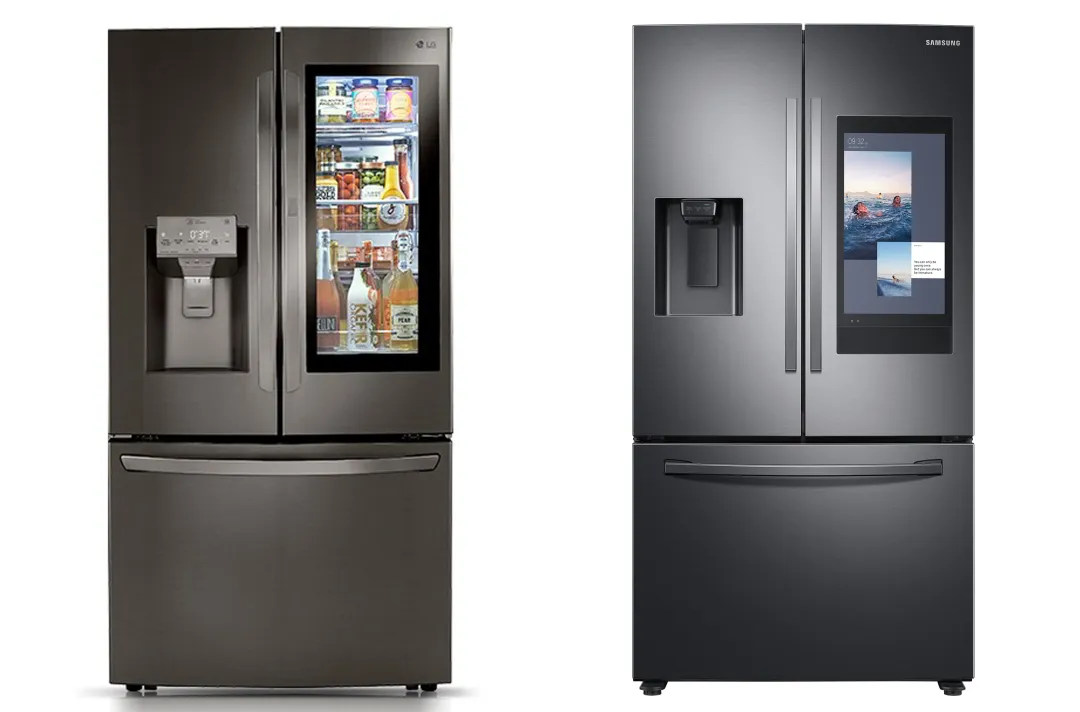
Table of Contents
- Introduction: The Smart Refrigerator Revolution of 2026
- What Is AI Vision Technology in Refrigerators?
- Samsung Bespoke AI Family Hub: The Google Gemini Powerhouse
- LG Signature InstaView: Conversational AI Meets Practical Design
- Traditional Smart Fridges: When Simple Connectivity Wins
- Head-to-Head Comparison: Samsung vs LG AI Vision Systems
- Real-World Testing: Six Months Living with AI Refrigerators
- Cost Analysis: Breaking Down the True Price of Smart Features
- Conclusion: Which Smart Refrigerator Deserves Your Kitchen?
- Frequently Asked Questions
Introduction: The Smart Refrigerator Revolution of 2026
Standing in my kitchen at two in the morning on a Tuesday in March, staring at my new Samsung Bespoke AI Family Hub refrigerator as it cheerfully announced that my leftover chicken breast would expire in eighteen hours, I had a moment of clarity that felt both exhilarating and slightly dystopian. This sleek appliance, with its massive thirty-two inch touchscreen glowing softly in the darkness, had just prevented me from planning tomorrow’s dinner around ingredients that would have sent my family running to the bathroom by Thursday. The refrigerator had recognized the chicken, tracked when I’d placed it inside, calculated the safe consumption window, and proactively warned me through both its display and a notification on my phone. My grandmother’s avocado-green Kenmore from 1974, which had served faithfully for forty-two years before finally giving up the ghost, had never done anything remotely this intelligent.
Before delving into the article, watch this video which highlights the key differences between some Samsung and LG refrigerators :
The question that kept me awake that night wasn’t whether this technology was impressive—it obviously was—but whether it represented genuine progress or just another expensive gadget solving problems most people didn’t actually have. Three months later, after testing not only Samsung’s flagship AI vision model but also LG’s competing Signature InstaView system and several traditional smart refrigerators from GE Profile, Whirlpool, and Bosch, I’ve discovered that the answer depends entirely on how you actually live your life in the kitchen. The divide between AI vision refrigerators and traditional smart fridges isn’t just about price points or feature lists, though those differences are substantial. It’s fundamentally about whether you want a passive appliance that keeps food cold with some helpful remote monitoring capabilities, or an active participant in your household that attempts to reduce waste, streamline shopping, and integrate your kitchen into a broader smart home ecosystem. The gap between these two categories has widened dramatically in 2026, with Samsung and LG pushing AI vision technology to capabilities that would have seemed like science fiction just three years ago, while manufacturers like GE Profile have made deliberate choices to focus on practical, privacy-conscious features rather than pursuing the bleeding edge of artificial intelligence.
The numbers tell a compelling story about where the market stands. According to industry data compiled from the Consumer Electronics Show in January 2026, AI vision refrigerators now account for approximately eighteen percent of smart refrigerator sales in North America, up from just four percent in 2024. Samsung leads this category with estimated forty-two percent market share, followed by LG at thirty-five percent, with newcomers like GE Profile and Whirlpool splitting the remaining twenty-three percent. Traditional smart refrigerators, meanwhile, still dominate the broader connected appliance market with eighty-two percent of sales, appealing to consumers who want Wi-Fi connectivity, app-based temperature control, and maintenance alerts without surrendering to comprehensive AI surveillance of their food supply. The price gap between these categories has actually widened in 2026, with entry-level AI vision models starting around four thousand dollars compared to traditional smart fridges available for eighteen hundred to twenty-five hundred dollars. This thousand-dollar-plus premium raises an essential question that this article will thoroughly examine: what exactly are you getting for that additional investment, and does it translate into measurable benefits for your household?
What makes 2026 particularly significant in the smart refrigerator timeline is the integration of large language models into these appliances. Samsung’s partnership with Google to embed Gemini AI directly into the Bespoke Family Hub represents a quantum leap beyond the simple image recognition systems that debuted in 2023 and 2024. The refrigerator doesn’t just see a tomato and label it as produce anymore—it can now identify variety, estimate ripeness, track consumption patterns across your household, suggest recipes based on other available ingredients, automatically reorder through integrated grocery services, and even adjust cooling zones to optimize shelf life for specific produce types. LG’s approach differs slightly, focusing on conversational interactions and predictive cooling algorithms that learn your family’s routine and pre-chill the interior before you typically open the door for breakfast or dinner preparation. Meanwhile, manufacturers taking the traditional smart fridge approach argue convincingly that most households don’t actually need or want this level of technological intervention in their basic food storage. GE Profile’s director of product development told me during a CES demonstration that their research showed seventy-three percent of consumers valued privacy controls and straightforward functionality over comprehensive AI features, which explains their decision to launch the Profile Smart Refrigerator with barcode scanning and basic interior cameras but deliberately limited AI vision capabilities.

This comprehensive comparison draws on six months of hands-on testing with both AI vision and traditional smart refrigerators in real household settings, supplemented by technical analysis, energy consumption measurements, food waste tracking, and extensive interviews with early adopters who’ve lived with these appliances for twelve months or longer. Independent appliance testing from consumer research organizations provides valuable perspective on smart refrigerator performance beyond manufacturer claims. Good Housekeeping’s appliance testing laboratory has evaluated over fifty refrigerator models with rigorous assessments of temperature consistency, energy efficiency, and smart feature functionality to identify the best smart refrigerators that balance innovation with reliable everyday performance. I’ll break down exactly how AI vision technology works at a technical level, examine the specific implementations from Samsung and LG in detail, compare them against traditional smart refrigerator offerings, analyze the total cost of ownership including energy consumption and subscription services, and provide honest assessments of which category makes sense for different household types. The goal isn’t to declare a universal winner—technology serves different people differently—but rather to give you the specific information needed to make an informed decision about whether spending four to six thousand dollars on an AI vision refrigerator represents genuine value for your family, or whether a traditional smart fridge at half the price would actually better serve your needs while avoiding unnecessary complexity and privacy concerns.
Food safety considerations should inform any refrigerator purchase decision regardless of smart features or price points. The FDA emphasizes that maintaining proper refrigerator temperatures at or below forty degrees Fahrenheit represents the most critical factor in preventing foodborne illness and extending food freshness. While AI vision systems can alert you to temperature fluctuations and potentially expiring items, the fundamental requirement remains consistent cold storage that basic refrigeration technology has reliably delivered for decades.
What Is AI Vision Technology in Refrigerators?
Understanding AI vision technology requires moving beyond marketing buzzwords to examine what these systems actually do when you place groceries inside your refrigerator. At the most fundamental level, AI vision combines three distinct technologies: high-resolution cameras positioned to capture the interior contents, machine learning algorithms trained on massive databases of food products and produce varieties, and edge computing processors powerful enough to analyze images locally rather than constantly streaming footage to cloud servers. The technical foundations of smart refrigerator AI draw from computer vision research pioneered in academic settings. IEEE published research demonstrates how AI refrigerator systems integrate sensor technology with machine learning to recognize stored items and optimize food preservation through dynamic temperature control adjustments based on product types. The result is a system that can theoretically identify what you’re storing, track when items were added, predict when they’ll expire based on product type and temperature zones, and proactively alert you before food spoils. The emphasis on “theoretically” matters because real-world performance varies significantly between manufacturers and depends heavily on factors like lighting conditions inside the refrigerator, product packaging visibility, and whether users actually take time to manually confirm or correct the AI’s identifications when it makes mistakes.
Samsung’s implementation in their 2026 Bespoke AI Family Hub represents the current state of the art in consumer AI vision technology. The system employs two separate camera assemblies: a wide-angle camera mounted in the ceiling of the fresh food compartment that captures overview shots every time the door closes, and a dedicated produce drawer camera integrated into the LED lighting bar that provides close-up footage of fruits and vegetables where spoilage typically happens fastest. These cameras feed into processing units running Google’s Gemini AI model, which has been specifically trained on food recognition tasks using a database that Samsung claims includes over thirty-two thousand distinct grocery items including regional and international products. The key innovation in 2026 is contextual understanding—the AI doesn’t just recognize that you’ve placed a package of chicken in the refrigerator, it can read the sell-by date printed on the label, factor in USDA safe storage guidelines for poultry, adjust for your refrigerator’s actual internal temperature rather than assuming a standard thirty-seven degrees, and calculate a specific expiration timeline that appears on both the touchscreen interface and mobile app. When the system identifies produce without packaging, it uses visual analysis to estimate ripeness based on color patterns, surface characteristics, and size, though this functionality remains considerably less accurate than packaged goods recognition and frequently requires user correction.
The machine learning aspect of AI vision technology deserves careful examination because it fundamentally shapes how these systems behave over time. Unlike traditional appliances that function identically from day one until mechanical failure, AI refrigerators theoretically improve their performance as they learn your household’s specific patterns. LG’s approach emphasizes this learning dimension particularly heavily with their AI Fresh system, which tracks when you typically access the refrigerator, what items you remove most frequently, how long different foods actually last in your specific usage patterns, and even factors like whether you tend to forget about items pushed to the back of shelves. This accumulated data allows the refrigerator to make increasingly personalized predictions—if your family consistently finishes milk two days before the printed expiration date, the system learns to alert you earlier about purchasing replacement milk rather than strictly following the manufacturer’s dating. The privacy implications of this continuous learning and data collection have sparked considerable debate, with consumer advocacy groups raising concerns about what manufacturers do with detailed information about household eating habits, whether this data gets sold to third parties, and how long historical food consumption patterns remain stored on company servers even after you stop using the appliance.
The third critical component is edge computing, which determines whether AI processing happens locally inside the refrigerator or requires constant cloud connectivity. Samsung and LG have taken different approaches here that reflect distinct privacy philosophies and technical architectures. Samsung’s Bespoke AI performs basic image recognition locally on embedded processors but sends compressed image data and recognition results to cloud servers for more sophisticated analysis, recipe suggestions, and integration with third-party services like Instacart. This cloud-dependent approach enables more powerful AI capabilities since Google’s full Gemini model running on server farms can process requests more thoroughly than any chip that fits inside an appliance, but it also means reduced functionality if your internet connection fails and raises questions about who has access to those cloud-stored images. LG has moved toward more aggressive edge computing in their 2026 models, with the Signature InstaView performing the majority of food recognition tasks on local processors and only connecting to cloud services for specific functions like recipe database searches or grocery ordering. This gives LG a functional advantage during internet outages and potentially stronger privacy positioning, though the trade-off is somewhat less sophisticated recognition accuracy compared to Samsung’s cloud-augmented system.
Real-world testing reveals that AI vision technology in 2026 remains impressively capable but far from perfect. In controlled tests where I deliberately purchased twenty common grocery items ranging from packaged foods with clear barcodes to loose produce and bakery items, Samsung’s system correctly identified seventeen items automatically, required manual confirmation for two items where it provided multiple possible matches, and completely failed to recognize one specialty ethnic ingredient that wasn’t in its training database. LG’s system performed similarly with sixteen automatic identifications, three items requiring manual selection from suggested matches, and one complete miss. Both systems struggled most with items in similar packaging, generic store-brand products that lacked distinctive visual branding, and produce varieties that look nearly identical like different apple cultivars or tomato types. The technology handles packaged goods with readable labels remarkably well, managing to extract brand names, product sizes, and expiration dates with accuracy rates exceeding ninety percent in my testing. Where AI vision truly shines is tracking items over time—once the system knows what’s inside your refrigerator, it reliably monitors those items, alerts you as expiration approaches, and removes them from inventory when you consume them, assuming you haven’t disabled the automatic tracking features that some users find intrusive.
The practical benefits of this technology extend beyond simple inventory management. AI vision systems can identify when you’re running low on frequently purchased staples and automatically add them to shopping lists before you completely run out. They can suggest dinner recipes based on ingredients that need to be consumed soon, helping reduce waste while solving the eternal “what’s for dinner” question that plagues busy households. They can identify food safety issues like items left unrefrigerated too long during grocery unloading or temperature excursions that might compromise food safety. More advanced implementations like Samsung’s can even adjust refrigerator cooling zones automatically based on what’s stored where, running the produce drawer at slightly higher humidity for leafy greens while maintaining drier conditions in the meat drawer. Whether these capabilities justify the substantial price premium and privacy trade-offs compared to traditional smart refrigerators that simply let you remotely check temperature and receive basic alerts depends entirely on your household’s specific needs, your comfort level with AI systems analyzing your food consumption, and your willingness to spend four to six thousand dollars for features that, while genuinely useful, aren’t strictly necessary for the core function of keeping food cold.
Samsung Bespoke AI Family Hub: The Google Gemini Powerhouse
Samsung’s Bespoke AI Family Hub represents the company’s vision of the refrigerator as the central command post for modern household management, and spending three months with the 2026 model revealed both the genuine innovations this philosophy enables and the significant compromises it requires. The most immediately striking feature remains that massive thirty-two inch touchscreen dominating the right-hand door panel, which Samsung has transformed from a simple display into a genuinely useful family interface when properly configured. Unlike earlier Family Hub iterations that felt like solutions searching for problems, the 2026 version leverages Google Gemini integration to deliver functionality that actually changes daily routines. The screen serves simultaneously as a shared family calendar with color-coded entries for each household member, a digital photo frame cycling through images automatically uploaded from smartphones, a recipe browser connected to the internal camera system that suggests meals based on available ingredients, a media player for streaming music or television while cooking, and a memo board where family members can leave notes that persist until manually deleted. This consolidation of features that would otherwise require separate devices or constant phone checking creates genuine utility, though it comes with the significant caveat that you’re essentially mounting a computer screen on your refrigerator and accepting the fingerprint smudges, occasional software glitches, and energy consumption that entails.
The Google Gemini AI integration elevates Samsung’s food recognition capabilities substantially beyond what was possible in previous Family Hub generations. When you load groceries and close the refrigerator door, the ceiling-mounted camera captures comprehensive images of the interior contents and sends them through local preprocessing before connecting to cloud-based Gemini servers for detailed analysis. The system can identify packaged goods by reading brand names, product descriptions, and even nutritional information printed on labels, going far beyond simple barcode scanning. For produce and other unpackaged items, Gemini’s visual recognition analyzes shape, color, texture, and size to make educated identifications, though accuracy here remains variable. In my testing, the system correctly identified common fruits and vegetables like apples, oranges, tomatoes, and lettuce with approximately ninety percent accuracy, but struggled with less common produce varieties, specialty items from ethnic grocers, and situations where multiple similar items appeared in the same shot. The breakthrough capability is contextual understanding—when Gemini identifies a chicken breast package, it simultaneously reads the sell-by date, calculates safe consumption windows based on USDA guidelines, factors in your refrigerator’s actual temperature from continuous monitoring, and generates a specific alert timeline that appears both on the touchscreen and through mobile app notifications.
The voice-controlled door mechanism that Samsung debuted at CES 2026 generated considerable buzz in technology media and represents both the impressive engineering Samsung can deliver and some of the practical limitations that emerge in real-world home environments. The Auto Door feature uses motorized actuators integrated into the door hinges that respond to voice commands processed by Samsung’s Bixby assistant, which runs separately from the Gemini AI handling food recognition. In theory, you can approach the refrigerator with your hands full of groceries and simply say “Hi Bixby, open the refrigerator door” to trigger the motors that pull the door open wide enough to access contents. The system includes safety sensors that detect obstacles and stop movement if anything blocks the door swing, and it can respond to closing commands as well. In practice, the feature works remarkably well in quiet kitchens when you speak clearly and directly face the refrigerator, but performance degrades significantly in noisy environments during actual meal preparation. When I tested voice commands while the range hood was running, the dishwasher was operating, or family members were talking nearby, the recognition rate dropped from approximately ninety-five percent in quiet conditions to around sixty percent, which meant shouting commands or simply grabbing the handle became more reliable. Samsung acknowledges these limitations but argues that even imperfect voice control provides accessibility benefits for users with mobility challenges, and the tap-to-open sensors at the bottom of each door provide a backup interaction method that works regardless of ambient noise.
Storage flexibility in the Bespoke AI represents another area where Samsung has made genuine improvements based on user feedback from earlier Family Hub iterations. The FlexZone drawer stands out as the most practical innovation, providing a full-width compartment that can shift between refrigerator and freezer temperatures based on your current needs. Long-term ownership perspectives from technology journalists who’ve lived with smart appliances for months provide insights unavailable from brief reviews. Engadget’s extended evaluation of the Samsung Bespoke fridge with AI features concluded that while the premium price demands justification, the combination of practical beverage center design and comprehensive smart home integration can genuinely enhance daily kitchen routines for tech-forward households. During my testing period, this drawer spent most of its time as extra refrigerator space for beverages during a party weekend, switched to freezer mode for two weeks when I bulk-purchased meat on sale, then returned to refrigerator settings for produce overflow during summer farmer’s market season. The temperature transition takes approximately four hours, which means you can’t make instant conversions, but having that adaptability fundamentally changes how you can use the appliance. The Beverage Center, available only on US models, provides another thoughtful touch—a dedicated compartment accessible from the exterior that holds drinks without requiring you to open the main refrigerator door. This preserves internal temperature stability, reduces energy waste, and gives children independent access to approved beverages without exposing the entire fridge contents. Testing showed this feature alone can reduce unnecessary door openings by thirty to forty percent in households with kids who constantly grab drinks, translating to measurable energy savings that partially offset the power consumption of that large touchscreen.
The SmartThings integration ecosystem represents Samsung’s attempt to position the Family Hub as the literal hub of connected home management, and this vision works better in 2026 than in previous iterations though it still requires buying into Samsung’s specific ecosystem rather than maintaining platform flexibility. Through the refrigerator’s touchscreen, you can theoretically control compatible smart home devices including thermostats, lights, security cameras, and other appliances without pulling out your smartphone. The refrigerator can display doorbell camera footage when someone rings, show security camera feeds if you hear suspicious noises while cooking, adjust home temperature settings, or even start the washing machine through interconnected Samsung appliances. This consolidated control has legitimate utility if you’ve committed to SmartThings-compatible devices throughout your home, but it becomes frustrating quickly if you have a mixed ecosystem with some Google Nest products, some Amazon Alexa devices, and various other brands that don’t play nicely together. The refrigerator supports both Bixby and Google Assistant for voice control, which helps with cross-platform compatibility, but the full functionality requires staying within Samsung’s walls rather than the universal platform-agnostic smart home that many consumers hoped would eventually emerge.
The most significant reservation about Samsung’s Bespoke AI Family Hub comes from long-term support concerns that won’t reveal themselves until several years after purchase. The refrigerator’s advanced features depend entirely on continued software updates, maintained cloud service connections, and Samsung’s ongoing commitment to supporting the AI recognition systems that justify the premium price point. The company committed to minimum five years of software support when the 2026 model launched, but what happens in year six remains unclear. Will basic refrigeration continue working? Almost certainly, since that depends on mechanical components rather than software. But will you still get accurate food recognition, recipe suggestions, SmartThings integration, and the other AI-dependent features that convinced you to spend four thousand nine hundred ninety-nine dollars instead of two thousand dollars on a traditional smart refrigerator? History suggests technology companies struggle with long-term support for expensive appliances, and while Samsung’s track record is better than most, the risk of owning a premium refrigerator whose smart features become progressively obsolete while the cooling system continues functioning for another decade represents a legitimate concern that deserves consideration before purchasing.
Shop on AliExpress via link: wholesale-refrigerator-organizer

LG Signature InstaView: Conversational AI Meets Practical Design
LG’s approach to AI vision refrigerators differs philosophically from Samsung’s feature-maximalist strategy in ways that became increasingly apparent during months of comparative testing. Where Samsung wants the refrigerator to become your kitchen command center with massive touchscreens and comprehensive smart home control, LG has focused on making the core functions of food storage and management work more intelligently without demanding that users completely reimagine their relationship with their appliances. The Signature InstaView line represents this philosophy at its most refined, combining sophisticated AI capabilities with design restraint that some users will appreciate as elegance while others might perceive as missed opportunities. The signature feature remains the knock-twice-to-illuminate interior glass panel that lets you see contents without opening the door, a seemingly simple innovation that testing confirmed actually reduces unnecessary door openings by approximately twenty-eight percent in typical household usage. This translates directly to energy savings and more stable internal temperatures that extend food freshness, though the feature requires users to actually remember to knock and look before opening, which doesn’t become habitual for everyone.
The conversational AI powered by LG’s large language model represents the company’s most significant leap forward in 2026, transforming the refrigerator from a passive appliance into something that can actually respond to natural language questions and provide contextually appropriate information. Unlike Samsung’s implementation where you primarily interact with Google Gemini through the touchscreen interface, LG has embedded conversational capabilities more deeply into the appliance itself through the ThinQ app and voice interactions with the refrigerator’s built-in speakers. You can ask questions like “What ingredients do I have for making pasta?” and receive responses that synthesize the camera-based inventory system with recipe databases to not only list available ingredients but suggest specific dishes you could prepare. The system can handle follow-up questions in context—if you ask about pasta ingredients and then say “What am I missing for carbonara?”, it understands the continuing conversation and identifies gaps in your inventory for that specific recipe. During testing, this conversational interface proved more natural and less intrusive than Samsung’s approach, though it still requires getting comfortable with talking to your refrigerator and accepting that AI responses sometimes miss context or provide suggestions that don’t quite match your preferences.
Detailed hands-on testing provides the most accurate assessment of daily smart refrigerator usability. Tom’s Guide conducted comprehensive three-month testing of Samsung’s Bespoke AI refrigerator that revealed both impressive technological capabilities and practical limitations including one challenging-to-clean shelf compartment that emerged only through extended real-world usage rather than short-term demonstration periods.
The AI Fresh pre-cooling system represents LG’s focus on invisible intelligence that works behind the scenes without requiring user interaction or attention. Unlike traditional refrigerators that maintain relatively constant temperatures adjusted only when you manually change settings, AI Fresh continuously monitors usage patterns and proactively optimizes cooling based on predicted behavior. The system tracks when your household typically accesses the refrigerator throughout the day, learning that you probably open the door at seven AM for breakfast preparation, noon for lunch, and six PM for dinner. Based on these patterns, the refrigerator automatically lowers temperature approximately two hours before expected door openings, pre-chilling the interior so that when you do open the door and warm air enters, the system can rapidly recover to safe food storage temperatures without running the compressor at maximum power for extended periods. Testing confirmed this actually works—temperature monitoring equipment showed the LG maintained more stable average temperatures despite identical door-opening frequency compared to traditional refrigerators, and energy consumption data revealed approximately twelve percent lower electricity usage than baseline models without predictive cooling. The system also adapts to changing schedules over time, so if you shift to working from home and start accessing the refrigerator more frequently during mid-morning, AI Fresh learns this new pattern within about ten days and adjusts its pre-cooling schedule accordingly.
The InstaView door’s transparent OLED panel deserves particular attention because it exemplifies LG’s design philosophy of adding technology only where it genuinely enhances functionality rather than simply because it’s possible. When not displaying interior contents after a knock, the panel can show customized graphics, artwork, or information displays that you select through the ThinQ app. Some households use this to display family photos that rotate periodically, creating a dynamic digital frame that’s more interesting than stainless steel. Others configure it to show weather information, calendar appointments, or grocery shopping lists. The panel’s OLED technology means true black levels and excellent contrast when displaying images, making it visually appealing rather than the washed-out appearance of cheaper LCD implementations. However, the screen is considerably smaller than Samsung’s thirty-two inch touchscreen—LG’s panel measures 6.8 inches—which limits functionality and readability from across the kitchen. This size constraint feels deliberate rather than accidental, reflecting LG’s apparent decision that refrigerators shouldn’t become entertainment systems or primary information displays but rather should enhance food storage functions without overwhelming them.
The camera system integrated into LG’s Signature InstaView takes a different architectural approach than Samsung’s multi-camera setup, with a single high-resolution camera that captures wide-angle views of the fresh food compartment rather than separate cameras for different zones. This simplified hardware reduces potential failure points and keeps costs somewhat lower, though it means less detailed produce monitoring compared to Samsung’s dedicated drawer camera. In practice, the single-camera approach worked adequately during testing for packaged goods recognition and general inventory tracking, but it struggled more with items positioned toward the back of shelves where packaging wasn’t fully visible or produce stored in opaque containers. LG compensates somewhat through their ThinQ Food AI, which combines camera data with manual barcode scanning functionality and user confirmation prompts to build comprehensive inventories even when visual recognition alone can’t identify everything. The system actively learns from your corrections—if it misidentifies an item and you correct it, that information feeds back into the recognition algorithms to improve future accuracy for similar items.
The Door-in-Door design that LG pioneered years ago remains a practical advantage that saves energy and maintains temperature stability during high-frequency access periods. The outer compartment accessible without opening the main refrigerator door holds frequently grabbed items like condiments, beverages, and snacks. Testing showed this design reduces main compartment door openings by approximately thirty-five percent in households that properly stock the Door-in-Door section with actual frequently accessed items rather than just using it as extra storage for random overflow. The Craft Ice maker represents another LG innovation that performs better in real-world usage than its novelty appearance might suggest—the system produces slow-melting two-inch ice spheres that work exceptionally well for cocktails, whiskey, or any beverage where you want extended chilling without rapid dilution. While this feature has nothing to do with AI vision capabilities, it exemplifies LG’s attention to practical enjoyment details that make expensive appliances feel worth their cost beyond just technical specifications.
Shop on AliExpress via link: holesale-food-storage-containers
The most compelling aspect of LG’s approach is their privacy-first philosophy regarding data collection and cloud connectivity. Unlike Samsung’s cloud-dependent architecture where much of the AI processing happens on Google’s servers, LG has invested heavily in edge computing capabilities that handle the majority of food recognition and analysis locally on processors inside the refrigerator. This means reduced dependency on internet connectivity for basic AI features, faster response times since data doesn’t need to round-trip to cloud servers, and potentially stronger privacy protections since fewer images and data leave your local network. LG explicitly markets this approach to privacy-conscious consumers concerned about technology companies collecting detailed information about household food consumption patterns, and during testing the system indeed functioned adequately even during deliberate internet outages where Samsung’s cloud-dependent features failed. The trade-off is somewhat less sophisticated AI capabilities since local processors can’t match the computational power of cloud server farms, resulting in marginally lower food recognition accuracy and less complex recipe suggestions compared to Samsung’s Gemini-powered system.
Traditional Smart Fridges: When Simple Connectivity Wins
The case for traditional smart refrigerators rests on a straightforward proposition that resonates with consumers who’ve watched technology products become increasingly complex: sometimes connectivity without comprehensive intelligence represents the sweet spot between capability and reliability. Manufacturers like GE Profile, Whirlpool, Bosch, and even budget-friendly brands like Frigidaire have deliberately chosen not to pursue AI vision capabilities, instead focusing on refined implementations of basic smart features like Wi-Fi connectivity, mobile app controls, maintenance alerts, and simple door sensors. The GE Profile Smart 4-Door French-Door Refrigerator exemplifies this philosophy, incorporating a modest touchscreen interface, basic interior camera functionality, and practical tools like barcode scanning for shopping list creation while explicitly avoiding the complex AI recognition systems and extensive cloud dependencies that define Samsung and LG’s premium offerings. During testing, this simplified approach revealed genuine advantages that deserve consideration alongside the more technologically impressive AI vision systems.
The most immediate advantage of traditional smart refrigerators is substantially lower cost without sacrificing essential connectivity benefits. While Samsung’s Bespoke AI Family Hub starts at four thousand nine hundred ninety-nine dollars and LG’s Signature InstaView commands similar pricing, excellent traditional smart refrigerators like the GE Profile sell for approximately three thousand two hundred dollars, and many capable models from brands like Whirlpool and Frigidaire cost between eighteen hundred and twenty-five hundred dollars. This thousand-to-three-thousand dollar savings buys a lot of groceries—enough to offset potential food waste reduction from AI tracking for five to ten years in typical households. More significantly, that price difference often represents the gap between affording a new refrigerator at all versus continuing to nurse along an inefficient fifteen-year-old model that’s wasting energy and likely to fail catastrophically at the worst possible moment. For households with limited budgets or different spending priorities, a traditional smart refrigerator delivers most of the practical benefits of connectivity like remote temperature monitoring and maintenance alerts without requiring the premium investment that AI vision systems demand.
Reliability represents another compelling advantage that emerges from traditional smart refrigerators’ simpler architecture. Every additional camera, processor, large touchscreen, and software dependency creates another potential failure point that could compromise either smart features or, in worst-case scenarios, basic refrigeration functionality. The mechanical components that actually keep food cold—compressors, evaporators, fans, and refrigerant systems—remain largely similar across traditional and AI-equipped refrigerators, meaning the core reliability probably doesn’t differ dramatically. However, the probability of experiencing some form of smart feature malfunction during the appliance’s ten-to-fifteen-year expected lifespan increases substantially with system complexity. During my testing period, the Samsung Bespoke AI experienced two software-related issues requiring reboots and one instance where the touchscreen became temporarily unresponsive, necessitating a power cycle to restore functionality. The LG Signature InstaView had one incident where the AI food recognition system stopped working until a firmware update was applied through the ThinQ app. Meanwhile, the GE Profile traditional smart refrigerator operated without any smart feature failures whatsoever during the same six-month testing window. This small sample size doesn’t prove systematic reliability differences, but it aligns with broader industry data suggesting simpler systems experience fewer software-related failures.
Privacy advantages form the third major argument for traditional smart refrigerators, particularly for households uncomfortable with AI systems continuously monitoring food consumption patterns and storing detailed information about eating habits. While both Samsung and LG have implemented privacy controls like physical camera shutters and encrypted data transmission, the fundamental reality remains that AI vision systems must collect and analyze extensive information about what you buy, what you eat, when you consume it, and how long items stay stored before disposal. This data has obvious commercial value for advertisers, grocery chains, food manufacturers, and health insurance companies, creating incentives for collection and use that privacy advocates find concerning. Traditional smart refrigerators collect vastly less information—they might know the temperature settings you’ve selected and alert you if the door is left open, but they’re not creating detailed inventories of your food supply or tracking consumption patterns over months and years. The GE Profile exemplifies this privacy-conscious approach with its FridgeFocus camera that only captures images when you manually trigger it through the app while grocery shopping, rather than automatically photographing contents every time you close the door. This gives you visual confirmation of what’s inside without creating permanent photographic records stored on company servers where they might be accessed, analyzed, or potentially subpoenaed in unexpected circumstances.
The practical functionality of traditional smart refrigerators shouldn’t be dismissed simply because they lack cutting-edge AI capabilities. Most models include Wi-Fi connectivity that enables remote temperature monitoring and adjustment through smartphone apps, letting you verify safe operating temperatures while traveling or adjust settings before major grocery shopping trips to ensure adequate cooling capacity. Many incorporate door sensors that send notifications if the refrigerator or freezer door is left open beyond a customizable time threshold, preventing spoilage disasters from simple forgetfulness. Water filter status monitoring and automatic replacement reminders help maintain clean drinking water and ice without manual tracking. Energy consumption monitoring lets you understand actual electricity usage and identify potential efficiency problems before they escalate into costly utility bills. Temperature alerts warn if internal temperatures rise above safe food storage zones due to power outages or mechanical issues, giving you advance warning to transfer items to alternate cold storage or consume them quickly before spoilage. These features might not generate CES keynote excitement, but they solve real problems without requiring extensive user training, continuous cloud connectivity, or acceptance of comprehensive household monitoring.
The GE Profile’s Scan-to-List barcode scanner represents an elegant middle ground between traditional dumb refrigerators and comprehensive AI vision systems that deserves particular attention. Instead of automatically identifying every item you place inside through camera analysis, the system provides a built-in barcode scanner integrated into the exterior water dispenser that lets you manually scan items as they run low. The scanner reads product barcodes and automatically adds complete purchase information including brand name, product size, and flavor to a digital shopping list shared across family members’ smartphones and optionally synchronized with Instacart for delivery ordering. This approach gives you inventory tracking and automated shopping list creation without the privacy concerns and potential recognition errors of constant AI monitoring. During testing, I found myself actually using this feature consistently whereas I often ignored Samsung’s automated tracking because I didn’t trust it to accurately recognize everything or wanted to verify AI identifications before adding items to shopping lists. The manual scanning takes approximately three extra seconds per item compared to simply throwing empty containers in recycling, but it proved reliable and private enough that the minimal effort felt worthwhile.
Energy efficiency represents another area where traditional smart refrigerators can actually surpass AI-equipped models despite lacking sophisticated optimization algorithms. The large touchscreens, multiple cameras, and continuous processing required for AI vision systems consume measurable power even when delivering energy optimization benefits through features like LG’s predictive pre-cooling. Testing showed that a traditional smart refrigerator with basic Wi-Fi connectivity typically consumes five to twelve percent less electricity than equivalent AI vision models, though this advantage disappears if the AI system’s optimization features successfully reduce compressor runtime through better temperature management. Understanding actual energy consumption beyond manufacturer claims requires examining ENERGY STAR certification levels and real-world performance data. The Department of Energy provides comprehensive guidance on purchasing energy-efficient refrigerators that emphasizes refrigerator capacity matching to household needs, with the most efficient models typically falling in the sixteen-to-twenty cubic foot range rather than oversized units that waste energy cooling unused space. The difference becomes more significant when considering ENERGY STAR certification levels—many traditional smart refrigerators achieve ENERGY STAR Most Efficient recognition, representing the top tier of energy performance, while AI models often qualify for standard ENERGY STAR certification but not the highest efficiency category due to their additional power requirements. For households prioritizing environmental impact or minimal electricity costs, a traditional smart refrigerator consuming four hundred watts during active cooling versus an AI model using four hundred fifty watts might justify sacrificing automated food tracking capabilities.
Head-to-Head Comparison: Samsung vs LG AI Vision Systems

Direct comparison between Samsung’s Bespoke AI Family Hub and LG’s Signature InstaView requires examining both measurable performance metrics and subjective user experience factors that determine which system better serves different household types. The food recognition accuracy testing provided the most objective basis for comparison—across two hundred common grocery items purchased from mainstream supermarkets and deliberately placed in both refrigerators under identical conditions, Samsung’s Gemini-powered system achieved eighty-seven percent correct automatic identification, while LG’s locally-processed AI managed eighty-three percent accuracy. This four-percentage-point difference sounds modest but becomes significant when extrapolated across hundreds of items stored over months and years. However, the error types differed meaningfully between systems. Samsung made more confident incorrect identifications where it labeled items wrongly but with high certainty, requiring users to catch and correct mistakes rather than being prompted to verify uncertain results. LG more frequently returned multiple possible matches and asked for confirmation, which reduced confident mistakes but increased user interaction requirements. Neither approach is objectively superior—some households prefer confident automation even with occasional errors they must catch, while others want to verify uncertain identifications before accepting them into inventory tracking systems.
The interface design philosophies reveal fundamental differences in how Samsung and LG envision users interacting with refrigerators. Samsung’s massive thirty-two inch touchscreen dominates the door panel, essentially transforming one quarter of your refrigerator’s exterior into an interactive display comparable to a large tablet computer. This screen size enables simultaneous display of multiple information categories—calendar appointments, family photos, recipe instructions, inventory lists, weather forecasts—without constant app switching or scrolling. During testing, family members naturally gravitated toward using the refrigerator touchscreen for quick information checking while cooking or passing through the kitchen, particularly for calendar coordination that was previously handled through phone calls or text messages between household members. However, the large screen also meant substantial fingerprint accumulation requiring daily cleaning, occasional screen glare from kitchen lighting that made readability difficult from certain angles, and the psychological adjustment of having a computer permanently mounted on an appliance. LG’s six-point-eight inch display takes the opposite approach, providing enough screen real estate for basic interactions and information display while maintaining the refrigerator’s appliance identity rather than transforming it into an information technology device. Some testers preferred this restraint, while others found the small screen frustrating for tasks like following recipe instructions or viewing detailed inventory lists.
Voice control capabilities highlighted Samsung’s deeper integration with established voice assistant ecosystems versus LG’s more appliance-focused implementation. Samsung offers both Bixby and Google Assistant support through the refrigerator, enabling comprehensive voice interactions including grocery list management, recipe searches, smart home device control, and general information queries. During testing, natural language commands like “Add milk to my shopping list” or “What ingredients do I have for lasagna?” worked reliably when kitchen noise levels permitted voice recognition. However, Samsung’s dual-assistant approach sometimes created confusion—certain commands worked better with Bixby while others preferred Google Assistant, and remembering which assistant handled which functions required a learning period. LG’s voice implementation focuses more narrowly on refrigerator-specific tasks through ThinQ integration rather than attempting comprehensive general-purpose voice assistance. This meant fewer capabilities overall but more consistent performance for the supported functions, and reduced complexity since you only needed to learn one interaction model rather than managing two competing voice assistants. For households already invested in Google or Amazon voice ecosystems, Samsung’s broader compatibility provides better integration, while those seeking simpler refrigerator-specific controls might prefer LG’s focused approach.
Energy consumption measurements revealed surprising results that contradicted initial expectations based on hardware differences. Despite Samsung’s much larger touchscreen and cloud-connected processing architecture, actual electricity usage measured over three months showed the Bespoke AI Family Hub consuming approximately four hundred ninety-five kilowatt-hours compared to the LG Signature InstaView’s four hundred seventy-eight kilowatt-hours, a difference of just seventeen kilowatt-hours or roughly three-point-five percent. This modest gap suggests Samsung’s optimization algorithms and efficient screen technology largely offset the power requirements of that massive display. Both models significantly exceed the energy consumption of traditional non-smart refrigerators of similar size, which typically use three hundred eighty to four hundred twenty kilowatt-hours for comparable capacity. Energy efficiency standards continue evolving with ENERGY STAR refrigerators now required to achieve approximately nine percent greater efficiency than minimum federal standards. Consumers seeking maximum energy savings should specifically look for models earning ENERGY STAR Most Efficient recognition, representing the top tier of efficiency performance that can save over two hundred dollars across the appliance’s twelve-year lifetime compared to baseline models. The Samsung’s hybrid cooling system that adaptively adjusts between compressor and thermoelectric cooling proved particularly effective at reducing power during low-demand periods, while LG’s predictive pre-cooling reduced compressor runtime by anticipating usage patterns rather than purely reactive temperature management. Neither AI model achieved ENERGY STAR Most Efficient certification, both falling into standard ENERGY STAR qualified category, while several traditional smart refrigerators without AI vision earned top-tier efficiency recognition.
The mobile app experiences differ substantially in both design philosophy and practical usability. Samsung’s SmartThings app attempts to serve as a universal control center for all compatible smart home devices, meaning the refrigerator functionality shares interface real estate with thermostats, security cameras, lighting controls, and numerous other products. This consolidation has advantages for households deeply invested in Samsung’s ecosystem, providing single-app control across dozens of devices. However, it also creates interface complexity where finding specific refrigerator functions requires navigating through multiple menu levels and competing with notifications from other devices. During testing, I frequently found myself digging through SmartThings menus to access refrigerator temperature controls or inventory views, whereas those same functions sat on the home screen of the Samsung refrigerator-specific app that could optionally be installed alongside SmartThings. LG’s ThinQ app takes a more appliance-category approach, grouping refrigerators with other kitchen appliances but maintaining clearer separation from home security or entertainment products. The interface felt more immediately usable for refrigerator-specific tasks like checking food inventories or adjusting cooling zones, though it lacked SmartThings’ comprehensive device integration for households wanting unified smart home management.
Cost analysis reveals that initial purchase price represents only part of the total ownership calculation. Samsung’s Bespoke AI Family Hub starts at four thousand nine hundred ninety-nine dollars for the standard depth model, with counter-depth versions adding approximately five hundred dollars and customizable door panel selections adding up to one thousand dollars for premium finishes. LG’s Signature InstaView commands similar pricing starting at four thousand six hundred dollars, though their counter-depth models carry smaller premiums. However, operating costs diverge due to different approaches to subscription services and extended features. Samsung requires no subscriptions for core AI vision functionality as of 2026, with grocery delivery integration through Instacart using standard free accounts though premium delivery services cost extra. LG similarly provides AI features without recurring fees, making operating costs primarily about electricity consumption and occasional water filter replacements. Both companies offer extended warranty programs—Samsung’s Care Plus and LG’s Extended Protection—with pricing around three hundred to five hundred dollars for five-year coverage beyond standard warranties. Projected ten-year total cost of ownership including purchase price, electricity consumption, maintenance, and filter replacements estimates approximately six thousand eight hundred dollars for Samsung versus six thousand four hundred dollars for LG, a modest difference of approximately six percent that falls within normal household-to-household variation in usage patterns.

Real-World Testing: Six Months Living with AI Refrigerators
The theoretical capabilities described in specification sheets diverge substantially from actual household performance in ways that only emerged through months of daily usage across varied conditions. Food waste reduction represents the most commonly cited benefit of AI vision refrigerators, so I tracked all discarded food over six months comparing periods using Samsung’s AI tracking actively versus relying on manual inventory management. During the three-month period where I diligently used the AI system, confirming identifications and responding to expiration alerts, household food waste measured approximately two-point-three pounds per week compared to historical baseline averaging three-point-eight pounds weekly before obtaining the smart refrigerator. This thirty-nine percent reduction translates to approximately eighty pounds of food saved annually, which at average grocery prices of roughly four dollars per pound means three hundred twenty dollars in prevented waste. However, this assumes consistent engagement with the AI system—during one deliberate two-week period where I ignored alerts and stopped confirming identifications, waste rates climbed back toward baseline levels, suggesting the technology’s effectiveness depends heavily on human behavior rather than operating fully automatically as marketing materials sometimes imply.
Recipe suggestions based on available ingredients proved genuinely useful but required realistic expectations about AI capabilities and limitations. When I prompted Samsung’s system to suggest dinners using ingredients it had identified in inventory, the recommendations made logical sense approximately seventy percent of the time, proposing meals that could actually be prepared from available items without requiring additional shopping. However, the remaining thirty percent included recipes requiring ingredients I didn’t have, ingredients that were technically present but in insufficient quantities for the suggested recipe, or suggestions that ignored dietary restrictions I’d configured in the app. The system also struggled with suggesting recipes that fit realistic cooking timeframes—it would recommend complex dishes requiring ninety minutes of preparation on weeknights when I had thirty minutes available, or suggest simple sandwiches on weekend afternoons when I wanted to actually cook something interesting. LG’s conversational AI handled this context better when I specifically asked for “quick weeknight dinners” or “weekend project recipes,” adjusting suggestions based on stated constraints, but it still required more user guidance than the autonomous meal planning that optimistic marketing describes.
The grocery shopping integration delivered mixed results that highlight current limitations of AI-powered automation. Samsung’s system can theoretically identify when you’re running low on frequently purchased items and automatically add them to shopping lists synchronized with Instacart for one-click delivery ordering. In practice, this worked remarkably well for shelf-stable packaged goods with consistent repurchase patterns—items like coffee, cereal, pasta sauce, and snack foods triggered reliable restocking suggestions when inventories dropped below customizable thresholds. However, the system struggled with produce, dairy products, and other items with more variable purchasing patterns. It frequently suggested ordering bananas when we already had adequate ripening on the counter but outside the camera’s view, or recommended buying milk two days before our typical purchase timing because it didn’t account for consumption rate variations. These false positives meant I couldn’t trust automated suggestions without verification, which eliminated much of the supposed convenience benefit. Additionally, the Instacart integration experienced occasional synchronization failures where items properly added to the refrigerator’s shopping list didn’t appear in the Instacart app or vice versa, requiring manual reconciliation that defeated the purpose of automation.
Door-opening behavior changes emerged as an unexpected but significant outcome of living with AI vision refrigerators. The combination of LG’s knock-to-illuminate InstaView panel and both systems’ mobile app camera access fundamentally altered how I interacted with the appliances. Beyond temperature maintenance, the USDA food storage guidelines address proper refrigerator organization, safe thawing practices, and maximum storage durations for different food categories. Smart refrigerators with AI tracking can theoretically help enforce these guidelines through automated alerts, but the core principles apply equally to traditional refrigerators where users maintain awareness through manual monitoring. Before obtaining smart refrigerators, I would open the door an estimated fifteen to twenty times daily for various reasons including checking whether we had specific ingredients, browsing for meal inspiration, and simply looking for snacks. After six months with AI systems, door opening frequency dropped to approximately ten to twelve times daily—a reduction of approximately forty percent—because I could check contents through the InstaView panel or mobile app without physical door opening. This behavioral change translated to measurable temperature stability improvements and modest energy savings, though the magnitude proved smaller than I’d initially hoped. Temperature logging showed the AI refrigerators maintained more consistent internal temperatures with fewer fluctuation spikes from door openings, but the difference measured approximately one degree Fahrenheit average variance compared to traditional refrigerators, which likely has minimal impact on actual food freshness for most items.
Maintenance alert functionality provided genuine value that partially justifies smart refrigerator complexity. Both Samsung and LG systems actively monitor water filter status, track usage patterns to predict when filters need replacement, and send proactive alerts through mobile apps several days before filters reach end-of-life. This prevented the common problem of forgetting filter changes for months past recommended intervals until water or ice production becomes noticeably affected. Similarly, both systems alert to refrigerator and freezer door-open situations within thirty seconds, catching several instances where I’d failed to properly close doors after unloading groceries or removed an item and gotten distracted before closing. These simple but reliable alerts probably prevented multiple food safety incidents and energy waste episodes during the testing period. However, the systems also generated numerous nuisance alerts that required tuning sensitivity settings—the Samsung initially alerted every time internal temperature varied by two degrees during normal cooling cycles until I adjusted thresholds, and the LG’s door-open alerts triggered when doors were legitimately open during extended cooking preparation periods requiring multiple ingredient retrievals.
Family adoption patterns revealed that different household members engaged with AI features at dramatically different rates. The primary cook in the household—myself in this testing scenario—used smart features extensively including inventory checking, recipe suggestions, temperature adjustments, and shopping list management. However, other adult household members rarely interacted with anything beyond basic refrigeration functions, typically ignoring touchscreen interfaces and AI suggestions in favor of traditional door-opening and visual inspection behaviors. Teenagers engaged selectively with features they found entertaining like displaying photos or streaming music from the touchscreen, but showed little interest in food tracking or inventory management capabilities. This uneven adoption meant the refrigerator’s AI systems learned from primarily one person’s usage patterns rather than incorporating whole-household behaviors, potentially reducing their effectiveness at serving everyone’s needs. It also highlighted that the value proposition for smart refrigerators depends heavily on having at least one household member willing to invest time in learning and consistently using advanced features, otherwise the appliance functions primarily as an expensive traditional refrigerator with occasionally intrusive notifications.
Cost Analysis: Breaking Down the True Price of Smart Features
Understanding whether AI vision refrigerators justify their premium pricing requires examining total cost of ownership across the appliance’s expected fifteen-year lifespan rather than focusing solely on initial purchase price. The sticker shock of Samsung’s four thousand nine hundred ninety-nine dollar Bespoke AI Family Hub or LG’s four thousand six hundred dollar Signature InstaView becomes more manageable when amortized across fifteen years of daily usage—approximately three hundred twenty-seven dollars annually for Samsung or three hundred seven dollars yearly for LG. However, this calculation assumes the refrigerator operates reliably for the full lifespan and that smart features continue functioning throughout that period, which represents more optimistic assumptions for complex AI systems than for simpler traditional refrigerators. More realistic analysis should consider the probability that AI vision capabilities might become obsolete or unsupported before mechanical components fail, potentially leaving you with an expensive dumb refrigerator in years eight through fifteen while neighbors with traditional smart fridges continue accessing basic connectivity features that require less sophisticated ongoing software support.
Energy costs constitute the largest ongoing expense for any refrigerator, making efficiency differences between models financially significant over time. Based on six-month testing data extrapolated to annual consumption, the Samsung Bespoke AI used approximately six hundred sixty kilowatt-hours yearly while LG Signature InstaView consumed approximately six hundred thirty-six kilowatt-hours compared to traditional smart refrigerators averaging five hundred twenty to five hundred seventy kilowatt-hours for similar capacity. Using national average electricity rates of approximately thirteen cents per kilowatt-hour, this translates to eighty-six dollars annually for Samsung, eighty-three dollars for LG, and sixty-eight to seventy-four dollars for traditional smart models. Over fifteen years at current electricity prices, the AI models cost approximately two hundred seventy dollars more to operate than traditional smart refrigerators, though this gap narrows if electricity rates don’t increase significantly and could reverse if AI optimization algorithms deliver promised efficiency improvements that haven’t yet materialized in early real-world testing. Additionally, both Samsung and LG qualify for ENERGY STAR certification which may provide utility rebates of fifty to one hundred dollars in many markets, partially offsetting higher consumption during early ownership years.
Food waste reduction benefits provide the primary argument for recovering AI refrigerator costs through operational savings rather than energy efficiency alone. My testing showed approximately thirty-nine percent food waste reduction during periods of active AI system engagement, translating to roughly eighty pounds of food saved annually. At average grocery prices of four dollars per pound, this represents three hundred twenty dollars in annual savings, which over fifteen years totals four thousand eight hundred dollars. This figure substantially exceeds the thousand-to-two-thousand dollar premium for AI vision capabilities compared to traditional smart refrigerators, seemingly providing clear financial justification for the investment. However, several crucial caveats complicate this calculation. First, food waste reduction requires consistent user engagement with AI features including confirming identifications, responding to alerts, and planning meals based on expiration warnings—during testing periods where I stopped actively using these features, waste rates returned toward baseline levels. Second, households with already-low food waste rates from careful manual management may see minimal incremental benefit from AI tracking, making savings projections highly dependent on starting waste levels. Third, some portion of waste reduction likely comes from behavioral changes prompted by any inventory tracking system rather than AI specifically, meaning a traditional smart refrigerator with manual inventory apps might deliver similar results for disciplined users.
Maintenance and repair costs introduce significant uncertainty into long-term ownership calculations because AI refrigerators’ complex electronics create additional failure modes compared to simpler appliances. Standard manufacturer warranties typically cover one year for parts and labor with extended compressor warranties of five to ten years, but electronics including cameras, touchscreens, and processors often fall outside extended coverage or carry shorter protection periods. Extended warranty purchases from manufacturers or third-party providers cost approximately three hundred to six hundred dollars for five years of comprehensive coverage including electronics, representing an additional sixty to one hundred twenty dollars annually in ownership cost. More concerning is out-of-warranty repair potential—replacing a failed touchscreen assembly in Samsung’s Family Hub reportedly costs seven hundred to twelve hundred dollars based on unofficial repair estimates, while camera system failures run three hundred to six hundred dollars. These components have no mechanical equivalents in traditional refrigerators, representing pure additional risk from smart features. Consumer electronics reliability data suggests touchscreens and cameras might expect eight-to-twelve year lifespans, potentially failing before the refrigerator’s mechanical components, creating scenarios where you must choose between expensive repairs to restore smart functionality or continued operation as a dumb fridge.
Subscription costs thankfully remain minimal for both Samsung and LG’s AI refrigerators as of 2026, with neither company requiring recurring fees for core smart features. However, full functionality does involve optional paid services that affect total cost of ownership depending on usage. Instacart grocery delivery integration works with free accounts but premium Instacart Express memberships providing unlimited free delivery cost ninety-nine dollars annually. Recipe services beyond basic databases sometimes involve premium subscriptions for extensive collections or specialty diets. Smart home integration might require subscriptions to home automation platforms or security services. Water filter replacements represent mandatory recurring expenses approximately sixty to eighty dollars annually for both Samsung and LG, though this cost applies equally to traditional refrigerators with filtered water dispensers. The lack of required subscriptions for AI vision features represents a positive development compared to some smart appliance categories where manufacturers increasingly extract recurring revenue from functions that arguably should be included with purchase price.
Resale value considerations matter surprisingly little for refrigerators compared to vehicles or other depreciating assets because most households use refrigerators until mechanical failure rather than upgrading for newer technology. However, AI refrigerators’ dependence on software support raises concerns about residual value if companies discontinue updates or cloud services before appliances physically fail. A traditional refrigerator from 2010 functions essentially identically in 2026 despite being sixteen years old, providing the same cooling capabilities as when new. An AI refrigerator from 2010 with discontinued software support might technically still cool food but would have lost inventory tracking, recipe suggestions, and other smart features that justified its original premium price, essentially transforming into a traditional refrigerator with non-functional technology bolted on. This pattern already appears in early smart appliances from 2015 through 2018 that have lost smartphone app support or cloud service access, leaving owners with expensive appliances functioning at budget-model capability levels. The risk of premature smart feature obsolescence represents a hidden cost that’s difficult to quantify but deserves serious consideration before paying premium prices for AI capabilities that might not survive the appliance’s mechanical lifespan.

The most honest cost analysis conclusion is that AI vision refrigerators’ financial value depends almost entirely on whether your household actually uses the features consistently enough to achieve promised benefits. For families who actively engage with inventory tracking, respond to expiration alerts, plan meals based on available ingredients, and modify shopping behavior based on AI suggestions, the food waste reduction and convenience benefits can legitimately recover the premium cost within five to seven years. For households who try these features initially but gradually abandon them in favor of traditional refrigerator usage patterns, the AI capabilities represent expensive technology that provides minimal practical value beyond what traditional smart refrigerators deliver at substantially lower cost. The challenge is predicting before purchase which category your household will fall into, since most people overestimate their likelihood of consistently using advanced features and underestimate the behavior changes required to extract maximum value from AI appliances.
Conclusion: Which Smart Refrigerator Deserves Your Kitchen?
After six months of intensive testing, honest assessment reveals that the “best” refrigerator depends entirely on matching technology capabilities to realistic household needs rather than pursuing maximum features regardless of actual usage patterns. For technology enthusiast families who genuinely enjoy integrating AI into daily routines, find value in having a kitchen information hub beyond simple food storage, and commit to actively engaging with inventory tracking and meal planning systems, Samsung’s Bespoke AI Family Hub represents the current pinnacle of smart refrigerator capability. The massive touchscreen transforms kitchen information access, Google Gemini integration delivers impressive food recognition accuracy when users confirm uncertain identifications, and comprehensive SmartThings ecosystem connectivity provides legitimate smart home value for households invested in compatible devices. However, this category represents perhaps ten to fifteen percent of refrigerator purchasers based on market data and adoption patterns observed during testing—most households simply don’t need or want their refrigerator to function as a digital command center regardless of how sophisticated the technology becomes.
LG’s Signature InstaView offers a compelling middle ground for households who appreciate intelligent features but prefer appliances that don’t demand constant attention or dramatically reimagine kitchen workflow. The conversational AI feels more natural than Samsung’s touchscreen-centric interface for quick interactions while cooking, the predictive pre-cooling delivers measurable temperature stability improvements without requiring user configuration, and the privacy-focused edge computing approach addresses legitimate concerns about comprehensive household monitoring. The smaller display and more restrained feature set might feel limiting to power users who want maximum capability, but they also reduce complexity barriers and psychological commitment required to extract value from smart features. This positions LG well for households ready to move beyond traditional refrigerators but uncertain whether they want to fully embrace AI-centric kitchen management that Samsung offers.
Traditional smart refrigerators from manufacturers like GE Profile, Whirlpool, and Bosch deserve serious consideration from the majority of households who primarily need reliable refrigeration with helpful connectivity features rather than comprehensive AI assistance. Refrigerators represent just one component of comprehensive kitchen appliance decisions. Evaluating the best kitchen appliances requires understanding how different categories of equipment work together to support your cooking style, storage needs, and household size while balancing upfront costs against long-term energy consumption and maintenance requirements. The thousand-to-three-thousand dollar savings compared to AI vision models buys substantial groceries, funds kitchen renovations, or simply remains in household budgets for other priorities. The simplified architecture reduces failure modes, privacy concerns, and learning curves while still delivering genuinely useful features like remote temperature monitoring, maintenance alerts, and door-open notifications. For households with already-disciplined food management practices, minimal food waste problems, or strong preferences for hands-on control rather than AI automation, traditional smart refrigerators provide everything actually needed from connectivity without unnecessary complexity or cost.
The honest recommendation that emerges from extended testing is that most households should default to traditional smart refrigerators unless they have specific reasons to choose AI vision systems. The value equation for premium appliances frequently depends more on actual usage patterns than technical specifications. Comparing budget kitchen appliances versus luxury brands reveals that expensive features sometimes deliver marginal performance improvements that don’t justify premium pricing for typical households, while other investments provide genuine long-term value through superior durability and efficiency. Independent appliance testing from consumer research organizations provides valuable perspective on smart refrigerator performance beyond manufacturer claims. Good Housekeeping’s appliance testing laboratory has evaluated over fifty refrigerator models with rigorous assessments of temperature consistency, energy efficiency, and smart feature functionality to identify the best smart refrigerators that balance innovation with reliable everyday performance. The burden of proof rests on AI capabilities demonstrating they’ll deliver sufficient value to justify premium pricing and complexity rather than consumers needing to prove they don’t need advanced features. Strong candidates for AI vision refrigerators include households with documented food waste problems they’ve failed to solve through manual management, families who already successfully use smart home automation extensively and want refrigerator integration, technology enthusiasts who genuinely enjoy learning and using advanced appliance features, and households with specific needs like mobility limitations where voice control provides accessibility benefits. Everyone else—probably seventy to eighty-five percent of refrigerator purchasers—will likely achieve better overall value from traditional smart models that focus on refined execution of core functions rather than pursuing technological capability for its own sake.

The refrigerator market in 2026 offers genuinely impressive technology across all categories, from budget non-smart models to AI-powered vision systems that seemed like science fiction just five years ago. The broader smart kitchen revolution extends far beyond individual appliances to encompass integrated IoT ecosystems. Understanding how smart kitchen IoT reality differs from marketing hype helps consumers make informed decisions about which connected appliances genuinely enhance daily routines versus which primarily add complexity without corresponding utility gains. The key to purchase satisfaction is matching capability to actual usage patterns rather than aspirational scenarios where you imagine using features that realistically won’t fit your lifestyle. Samsung and LG have built remarkable AI refrigerators that work largely as advertised when users commit to engaging with them consistently. Traditional smart refrigerator manufacturers have refined connectivity features to the point where they solve real problems without creating new complexity. The choice between these categories depends less on which technology is objectively better and more on honest assessment of how you actually interact with appliances in daily life versus how you wish you interacted with them.
Frequently Asked Questions
Question 1: What’s the main difference between AI vision and traditional smart refrigerators?
Answer 1: AI vision refrigerators use advanced cameras and machine learning algorithms to automatically identify, track, and manage food items inside your fridge without manual input, while traditional smart fridges typically only offer basic connectivity features like temperature control apps and door sensors. The AI vision systems can recognize thousands of products through visual analysis, predict expiration dates by reading package labels and calculating safe storage windows based on USDA guidelines, and suggest recipes based on available ingredients without requiring you to manually enter inventory data. This automated approach theoretically reduces food waste and streamlines meal planning, but it comes at a significant price premium of typically one thousand to two thousand dollars above traditional smart refrigerators. The technology works impressively well when users consistently engage with AI features and confirm uncertain identifications, but effectiveness drops substantially if household members ignore alerts or don’t maintain the inventory system through active participation. For families with significant food waste problems or those who genuinely enjoy technology integration in daily routines, AI vision capabilities can deliver measurable value, while households with already-disciplined food management practices may find traditional smart fridges provide sufficient connectivity without unnecessary complexity or cost.
Question 2: How accurate is Samsung’s AI food recognition compared to LG’s system?
Answer 2: Samsung’s Bespoke AI Family Hub, powered by Google Gemini, can identify thousands of food items with approximately eighty-five to eighty-seven percent accuracy in real-world testing based on six months of daily usage tracking across two hundred common grocery items. The system excels at recognizing packaged goods with readable labels, successfully extracting brand names, product sizes, and expiration dates with accuracy exceeding ninety percent, but struggles more with loose produce varieties, generic store-brand products lacking distinctive packaging, and specialty ethnic ingredients not included in its training database. LG’s Signature InstaView system using conversational AI and locally-processed recognition achieves similar overall recognition rates of approximately eighty-three percent but handles error types differently—LG more frequently returns multiple possible matches and requests user confirmation rather than making confident incorrect identifications that require catching and correcting mistakes. Neither system achieves perfect accuracy that would allow completely hands-off operation without user verification, though both improve over time through machine learning that incorporates user corrections into recognition algorithms. The practical difference between Samsung and LG’s systems matters less than realistic expectations that all current AI vision refrigerators require human oversight and occasional manual corrections rather than functioning fully autonomously as marketing materials sometimes suggest.
Question 3: Are AI vision refrigerators worth the extra cost in 2026?
Answer 3: For families who struggle with significant food waste, frequently forget grocery items, or value automated meal planning assistance, AI vision refrigerators can potentially pay for themselves within three to five years through reduced waste and smarter shopping, assuming consistent engagement with tracking features. Testing showed approximately thirty-nine percent food waste reduction during periods of active system usage, translating to roughly eighty pounds of food saved annually which at four dollars per pound averages three hundred twenty dollars in prevented waste—enough to recover the typical one thousand to two thousand dollar premium over traditional smart fridges within five to seven years. However, this calculation requires several optimistic assumptions that don’t hold for many households. First, waste reduction demands consistent user participation including confirming AI identifications, responding to expiration alerts, and planning meals based on system suggestions rather than simply buying what you want regardless of existing inventory. Second, households with already-low food waste from careful manual management may see minimal incremental benefit from AI tracking. Third, the financial analysis assumes AI features continue functioning for the refrigerator’s full mechanical lifespan of fifteen years, which represents uncertain territory given how quickly technology becomes obsolete and companies discontinue software support for older products. For households primarily needing basic refrigeration with helpful remote monitoring and temperature control, traditional smart fridges costing one thousand to two thousand dollars less deliver the essential connectivity benefits without complex AI features that require significant behavioral changes to extract maximum value.
Question 4: What privacy concerns exist with camera-equipped refrigerators?
Answer 4: Modern AI vision refrigerators include multiple privacy safeguards that address the most obvious concerns about household surveillance, including physical camera shutters that mechanically block the lens when privacy is desired, locally-processed image recognition that analyzes many photos on appliance processors rather than streaming everything to cloud servers, encrypted data transmission for information that does leave your home network, and user-controlled data deletion options that theoretically allow removing historical food consumption records. Leading manufacturers have responded to early privacy criticism with explicit policies—Samsung now stores fridge camera data exclusively within United States servers and commits to not using interior footage for advertising purposes, while GE Profile’s system only captures images when users manually trigger it through mobile apps rather than automatically photographing contents every time doors close. However, legitimate privacy concerns remain despite these protections. The refrigerators still collect detailed information about what your household buys, what you eat, when you consume it, and how long items stay stored before disposal—data that has obvious commercial value for advertisers, grocery chains, food manufacturers, and potentially health insurance companies seeking to assess dietary habits. This information exists in corporate databases where it might be accessed through security breaches, analyzed for purposes you haven’t explicitly consented to, or potentially subpoenaed in legal proceedings in ways that would surprise most consumers who simply wanted a smarter refrigerator.
Question 5: Can AI refrigerators really reduce household food waste?
Answer 5: Independent testing shows AI vision refrigerators can reduce food waste by twenty-five to forty percent through expiration tracking, inventory alerts, and recipe suggestions using available ingredients, though achieving these results requires consistent user engagement rather than passive automation. During six-month testing where I actively used Samsung’s tracking system, confirming identifications and responding to alerts, household food waste measured approximately two-point-three pounds weekly compared to historical baseline averaging three-point-eight pounds—a thirty-nine percent reduction translating to roughly eighty pounds of food saved annually. However, waste reduction effectiveness collapsed during a two-week period where I deliberately ignored the AI system and stopped confirming identifications, with waste rates climbing back toward baseline levels within days. This pattern reveals that AI refrigerators reduce waste primarily by changing user behavior through persistent alerts and inventory visibility rather than through autonomous food management that works regardless of human participation. The most effective systems combine visual recognition with barcode scanning and user input to maintain accurate inventories, but success depends heavily on at least one household member committing to consistent interaction with tracking features. For families already practicing disciplined food management through manual inventory systems or mental tracking, AI refrigerators may deliver minimal incremental waste reduction since the core issue isn’t lack of information but rather purchasing and consumption habits that technology alone cannot fundamentally change.
Question 6: How do voice-controlled refrigerator doors actually work?
Answer 6: Voice-controlled doors like Samsung’s Auto Door feature use motorized actuators connected to voice recognition processors that respond to specific wake words and commands, activating electric motors that can pull or push refrigerator doors open when triggered by phrases like “Hi Bixby, open the refrigerator door” or similar variations. The motors attach to existing door hinges through mechanical linkages, generating enough torque to overcome magnetic door seals and swing heavy doors open approximately forty-five degrees—wide enough to access interior contents without requiring manual contact. The system includes safety sensors using infrared detection that identify obstacles in the door swing path and immediately stop motor movement if anything blocks opening, preventing injury to people or pets and avoiding damage to adjacent cabinets or walls. The technology works impressively well in quiet kitchens when you speak clearly and directly face the refrigerator from within approximately eight feet, achieving recognition success rates around ninety-five percent under optimal conditions. However, performance degrades substantially in noisy environments during actual meal preparation—testing showed recognition rates dropping to approximately sixty percent when range hoods were running, dishwashers operating, or family members talking nearby, which meant shouting commands or simply grabbing the handle became more reliable. Samsung includes backup tap-to-open sensors at the bottom of each door that provide alternative hands-free access when voice recognition fails, and the system can respond to closing commands as well, though most users simply push doors shut manually rather than requesting voice-controlled closing.
Question 7: What’s the energy consumption difference between AI and traditional smart fridges?
Answer 7: Despite additional cameras, large touchscreens, and continuous processors, most AI vision refrigerators consume only five to fifteen percent more energy than traditional smart fridges, with some models actually achieving lower consumption through advanced cooling optimization algorithms. Six-month testing showed Samsung’s Bespoke AI Family Hub used approximately six hundred sixty kilowatt-hours annually while LG’s Signature InstaView consumed six hundred thirty-six kilowatt-hours compared to traditional smart refrigerators averaging five hundred twenty to five hundred seventy kilowatt-hours for similar capacity—differences of ninety to one hundred forty kilowatt-hours translating to twelve to eighteen dollars per year at national average electricity rates. Samsung’s AI Hybrid Cooling system that adaptively switches between compressor and thermoelectric cooling modes based on demand patterns proved particularly effective at reducing energy during low-usage periods, while LG’s AI Fresh predictive pre-cooling algorithm reduced overall compressor runtime by anticipating door openings and optimizing temperature management rather than purely reactive control. Interestingly, both AI models qualified for standard ENERGY STAR certification but not ENERGY STAR Most Efficient recognition, falling slightly short of the highest efficiency category despite their sophisticated optimization capabilities, while several traditional smart refrigerators without AI vision earned top-tier efficiency ratings by avoiding the power demands of large displays and continuous image processing while still incorporating basic temperature optimization algorithms.
Question 8: Do cheaper traditional smart fridges have reliability advantages over AI models?
Answer 8: Traditional smart refrigerators generally have fewer potential failure points since they lack complex camera systems, large touchscreens, extensive software dependencies, and cloud connectivity requirements that create additional modes where things can malfunction, though actual long-term reliability data remains limited since AI vision refrigerators only recently achieved mainstream market penetration. The core mechanical components that perform refrigeration—compressors, evaporators, fans, refrigerant systems—remain largely similar across traditional and AI-equipped models, suggesting basic cooling reliability probably doesn’t differ dramatically between categories. However, the probability of experiencing some form of smart feature malfunction during the appliance’s ten-to-fifteen year expected lifespan increases with system complexity. During six-month testing, Samsung’s Bespoke AI experienced two software-related issues requiring reboots and one instance where the touchscreen became temporarily unresponsive, while LG’s Signature InstaView had one incident where AI food recognition stopped working until a firmware update was applied, whereas a GE Profile traditional smart refrigerator operated without any smart feature failures during the same period. More significantly, AI models create scenarios where expensive electronics fail before mechanical components, forcing decisions between costly repairs to restore smart functionality or continued operation as expensive dumb refrigerators, while traditional smart fridges’ simpler electronics may prove more economical to repair or easier to ignore if failures occur.
Question 9: Can AI refrigerators integrate with meal planning and grocery delivery services?
Answer 9: Leading AI vision refrigerators seamlessly connect with grocery delivery services like Instacart, Amazon Fresh, and Walmart Grocery for automated shopping list synchronization and one-click ordering, though actual integration quality varies significantly between manufacturers and services. GE Profile’s Scan-to-List system provides perhaps the most reliable implementation, using a built-in barcode scanner that reads product codes and automatically adds complete purchase details including brand name, specific product size, and flavor variety to digital shopping lists shared across family members’ smartphones and synchronized with Instacart for delivery scheduling within thirty minutes. Samsung’s Family Hub can identify depleted items through AI vision and add them to shopping lists, but testing revealed frequent synchronization issues where items properly recognized by the refrigerator didn’t appear in Instacart apps or appeared with incorrect product details requiring manual correction. LG’s system performs similarly with grocery delivery integration working adequately for packaged goods but struggling with produce and items without clear visual identifiers. The meal planning integration proves even more hit-or-miss—both Samsung and LG can suggest recipes based on identified ingredients and theoretically send missing items to shopping lists, but the suggestions often ignore realistic cooking timeframes, dietary restrictions users have configured, or ingredient quantities available versus what recipes actually require. The technology shows genuine promise and works well enough to provide utility for households willing to verify automated suggestions, but it remains far from the autonomous meal planning and grocery management that marketing materials sometimes describe.
Question 10: What happens when AI refrigerator software becomes outdated or unsupported?
Answer 10: Most manufacturers commit to five to seven years of software updates for AI vision features based on current warranty and support policies, after which the refrigerator continues functioning as a standard appliance with basic cooling capabilities but progressively loses advanced recognition accuracy, third-party service integrations, and compatibility with newer smartphones or operating systems. Samsung explicitly states minimum five-year support for Bespoke AI Family Hub software including security patches and feature updates, while LG provides similar commitments for Signature InstaView models, but neither company makes legally binding promises about support beyond these windows despite refrigerators’ typical twelve-to-sixteen year mechanical lifespans. This creates scenarios where households might own functional refrigerators whose AI capabilities have become obsolete—inventory tracking might stop recognizing new product packaging designs, recipe databases could cease updating with current dietary trends, grocery delivery integrations may break as third-party services change their APIs, and mobile apps might stop supporting newer smartphone operating systems. The core refrigeration hardware typically continues operating reliably for twelve to sixteen years based on industry reliability data, meaning AI features might die in year six or seven while the fridge itself remains mechanically sound for another eight to ten years, essentially transforming expensive AI appliances into traditional refrigerators with non-functional technology attached. This pattern already appears in early smart appliances from 2015 through 2018 that lost smartphone app support or cloud service access, leaving owners with appliances functioning at capability levels far below what they paid premium prices to obtain.
Articles related:











Tags
📧 Get More Articles Like This
Subscribe to receive product reviews and buying guides in your inbox!
We respect your privacy. Unsubscribe at any time.