Dishwasher vs Hand Washing: Water, Time, and Money Analysis (The Winner Is Unexpected)
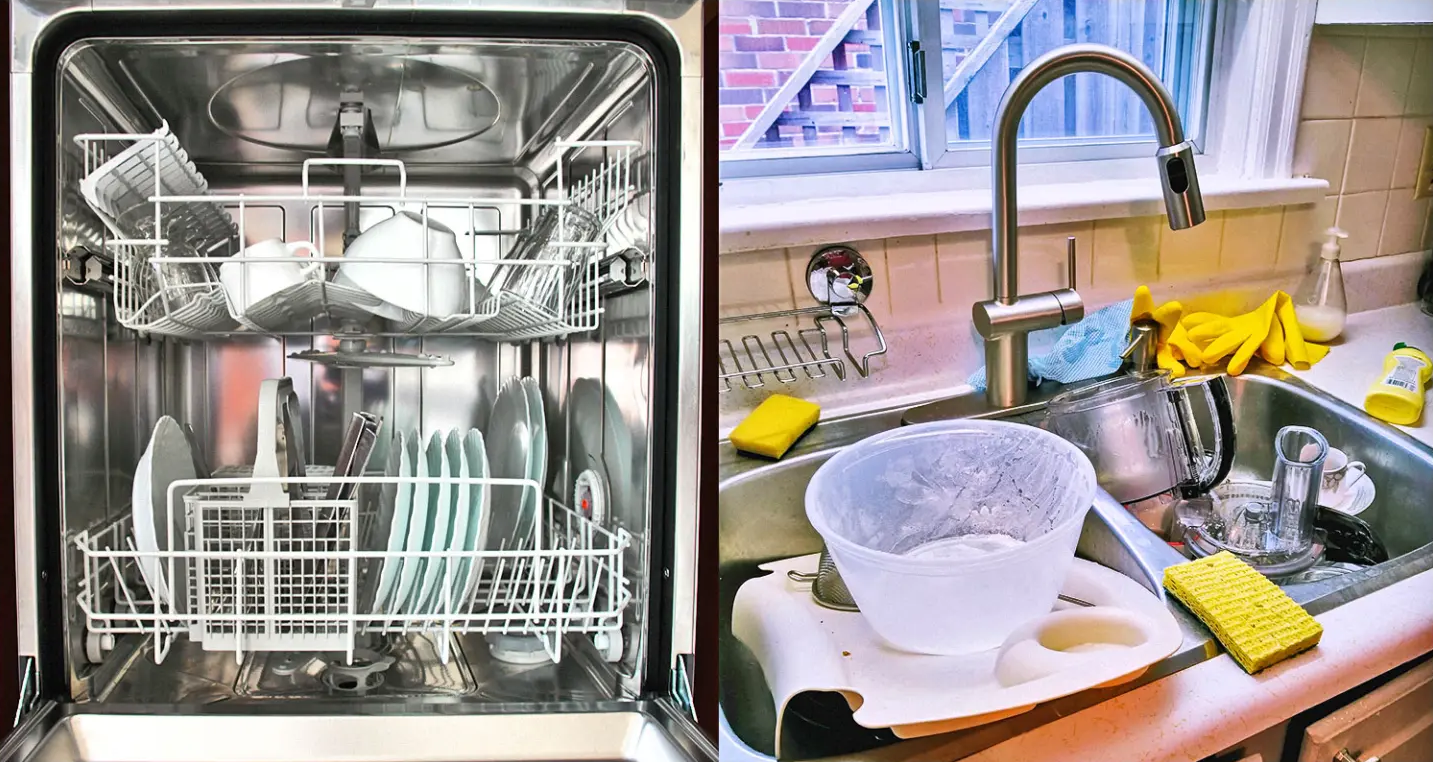
Table of Contents:
- The Kitchen Battle Nobody Expected
- Water Consumption: The Numbers That Shocked Researchers
- Energy Costs and Money Analysis
- Time Investment: The Hidden Cost Nobody Calculates
- Sanitization and Health Considerations
- Environmental Impact and Carbon Footprint
- Proper Techniques for Both Methods
- The Unexpected Winner and Final Verdict
- Frequently Asked Questions
The Kitchen Battle Nobody Expected
Sarah Chen stood at her kitchen sink one Saturday evening in early 2025, hands submerged in sudsy water, watching the clock on the microwave tick past 7:45 PM. She had started washing dishes at 7:20 PM after a family dinner, and her hands were already turning pruny from the hot water. Her husband had suggested buying a dishwasher during their kitchen renovation last year, but Sarah had insisted they didn’t need one. After all, she reasoned, how much water could hand washing really use? She’d grown up washing dishes by hand, and the ritual felt oddly satisfying—a moment of quiet reflection after busy days managing her software development team. But lately, as drought restrictions tightened in her California community and water bills climbed higher each month, Sarah began questioning her assumption. Was she actually saving resources by washing dishes manually, or had she been wasting water all along?
The question of whether dishwashers or hand washing uses less water, energy, and time has sparked heated debates in kitchens worldwide for decades. Environmental advocates tout dishwashers as water-saving heroes, while traditionalists claim nothing beats the efficiency of two hands and a sink full of soap. What makes this debate particularly fascinating is how strongly people believe in their chosen method, often without any actual data to support their position. The truth, as revealed by comprehensive scientific studies from institutions including the University of Michigan, the University of Bonn in Germany, and various consumer protection agencies, turns out to be far more nuanced and surprising than most people expect. Understanding the real numbers behind water consumption, energy costs, time investment, and environmental impact can fundamentally change how we approach one of the most routine household tasks.
Before going into the details of the article, watch this video which highlights the difference in water consumption between washing dishes in a dishwasher and washing them by hand:
According to research published by the EPA’s ENERGY STAR program, dishwashers have undergone dramatic technological improvements over the past two decades. Modern ENERGY STAR certified dishwashers use approximately 3 to 5 gallons of water per cycle, while hand washing the same load typically consumes between 8 and 27 gallons depending on the technique employed. These figures represent a significant shift from older dishwasher models manufactured before 2000, which consumed 10 to 15 gallons per cycle—amounts that actually made hand washing more efficient by comparison. The evolution of dishwasher technology has introduced innovations including soil sensors that detect how dirty dishes are and adjust water usage accordingly, improved water filtration systems that allow reuse of rinse water, more efficient spray arm designs that maximize coverage while minimizing water volume, and sophisticated heating elements that reach sanitizing temperatures while using less energy. These technological advances haven’t just made dishwashers more efficient; they’ve fundamentally transformed the water consumption equation.
The Department of Energy’s comprehensive appliance standards program has transformed the residential appliance market over the past four decades. Since these energy conservation standards took effect, new dishwashers now use more than 40 percent less energy compared to models from just 15 years ago, while new clothes washers achieve 70 percent energy reductions through similar technological advances driven by federal performance requirements and ongoing standards updates.
Federal appliance standards have played a crucial role in driving these efficiency improvements across the entire kitchen appliance industry. The National Institute of Standards and Technology establishes rigorous testing methodologies and performance benchmarks that manufacturers must meet to earn ENERGY STAR certification. These appliance efficiency standards ensure consistent, verifiable performance across competing brands while protecting consumers from misleading efficiency claims through standardized testing protocols administered by independent laboratories.
The economic implications extend well beyond simple water usage. A comprehensive life cycle assessment conducted by researchers at the University of Michigan’s School for Environment and Sustainability examined greenhouse gas emissions associated with both dishwashing methods over a typical 10-year period. The study tracked 38 participants washing dishes using various techniques, measuring water consumption, energy usage, time investment, and overall environmental impact. The results challenged several long-held assumptions about efficient dishwashing practices. Typical hand washing using the “running tap” method—where dishes are washed and rinsed under a steady stream of hot water—produced 5,620 kilograms of greenhouse gas emissions over the decade-long study period. In stark contrast, typical dishwasher use generated only 2,090 kilograms of emissions, less than half as much. The environmental cost of heating water emerged as the primary driver of emissions, accounting for approximately 80% of a dishwasher’s total energy consumption and an even higher percentage for hand washing methods that rely on continuously running hot water.
However, the study revealed an unexpected twist that complicates the seemingly clear-cut conclusion. Researchers identified a specific hand washing technique—the two-basin method—that actually produced fewer greenhouse gas emissions than typical dishwasher use when executed properly. This method involves filling one basin with hot soapy water for washing, filling a second basin with cold water for rinsing, and crucially, never running the tap during the entire washing process. Dishes are scraped clean of food debris, soaked and scrubbed in the hot soapy water, then dipped in the cold rinse water and left to air dry. When participants followed this protocol exactly, their emissions totaled only 1,610 kilograms over the same 10-year period—substantially lower than both typical dishwasher use and dramatically better than the running-tap hand washing method. This finding introduced complexity into what had seemed like a straightforward comparison, suggesting that washing technique matters as much as the chosen method.

The challenge, as researchers quickly discovered, lies in the gap between theoretical efficiency and real-world behavior. While the two-basin method proves remarkably efficient when executed correctly, observational studies reveal that very few people actually follow this protocol consistently. The University of Bonn study of dishwashing habits across multiple European countries found that the vast majority of hand washers—approximately 85%—use some variation of the running tap method, continuously flowing water while washing, rinsing, or both. Among those who attempt the two-basin approach, many compromise its efficiency by running fresh water for additional rinsing when dishes feel soapy, emptying and refilling basins multiple times during a single washing session, or using hot water in both basins instead of cold water for rinsing. These variations, while seeming minor, dramatically increase water and energy consumption, eroding the theoretical efficiency advantages of the two-basin method.
Cultural factors significantly influence dishwashing behaviors and preferences. The University of Bonn research examined dishwashing practices in 29 countries worldwide, revealing striking regional differences in both attitudes and techniques. European hand washers, particularly in the United Kingdom, Finland, and Italy, showed much higher rates of continuous tap running compared to participants from water-scarce regions. In countries experiencing regular drought conditions or water scarcity, hand washers demonstrated greater awareness of water conservation and more frequently employed water-saving techniques. Interestingly, the presence of a dishwasher in the home didn’t eliminate hand washing entirely; studies found that households with dishwashers still hand wash certain items regularly, consuming about as much water for this selective hand washing as an entire dishwasher cycle. This suggests that optimal efficiency likely involves a hybrid approach—using the dishwasher for most items while reserving hand washing for specific cases where it makes practical sense.
Water Consumption: The Numbers That Shocked Researchers
When researchers at Consumer Reports began their comprehensive testing of dishwasher water efficiency in 2024, they approached the project expecting to confirm what seemed like common knowledge: modern dishwashers use less water than hand washing. What they didn’t anticipate was just how dramatic the difference would be. Their in-depth analysis of recently tested dishwashers revealed that even the least water-efficient models still consumed only half the amount of water compared to typical hand washing practices. On average, dishwashers used approximately 80% less water per full wash than washing up by hand, a gap far wider than most consumers realized. The testing methodology involved precise measurements of water consumption for both methods when cleaning identical loads of 14 place settings—the standard capacity for most full-sized dishwashers.
Breaking down the actual numbers provides clarity on just how significant this difference becomes. Consumer Reports researchers estimated that hand washing effectively uses 4.5 liters of water per place setting when using typical techniques. A typical kitchen sink ranges from 15 to 45 liters in capacity, with median capacity around 30 liters. When washing a full load of 14 place settings by hand, most people fill their sink approximately halfway to two-thirds full multiple times throughout the washing process, changing water as it becomes too greasy or dirty to clean effectively. This pattern results in total water consumption of approximately 63 liters for washing 14 place settings by hand. Meanwhile, based on Consumer Reports’ sample of recently tested dishwashers—including a mix of efficient and less frugal models—the average water consumption per place setting in a dishwasher measured just under one liter on the main wash cycle, or approximately 12.96 liters total for those same 14 place settings.
The efficiency gap widens even further when dishwashers operate on eco mode, a setting specifically designed to minimize water and energy consumption. Switching to eco mode drops dishwasher water usage to approximately 696 milliliters per place setting, or just under 10 liters for 14 place settings—one-sixth the amount required for hand washing the same load. These measurements paint an unambiguous picture: there really is no debate about which method uses less water when comparing typical usage patterns. The most water-efficient full-sized dishwasher tested by Consumer Reports used almost 10 times less water to wash the same quantity of dishes as hand washing them. Even slimline dishwashers, which generally consume more water per place setting than their full-sized counterparts due to less efficient capacity utilization, still used only half the water that hand washing requires.
The variation in hand washing water consumption deserves closer examination because it reveals how dramatically technique influences efficiency. The University of Bonn study, which tracked actual dishwashing behavior across multiple European countries, found that average water consumption among hand washers ranged from a conservative 33 liters to an astonishing 440 liters for washing 144 items—equivalent to a full dishwasher load. This enormous range reflects fundamental differences in washing technique, water consciousness, and cultural practices. The most water-intensive hand washers left taps running continuously throughout the entire washing and rinsing process, a practice that consumed water at rates of 2.2 gallons per minute according to typical kitchen faucet flow rates. At this consumption level, a 15-minute hand washing session for a full load burns through more than 33 gallons of water—equivalent to 125 liters, nearly 10 times what an efficient dishwasher would use for the same load.
The minority group that researchers termed “water economizers” demonstrated that conscious effort could significantly reduce hand washing water consumption. These individuals employed careful techniques including filling sinks rather than running continuous water, reusing rinse water for initial soaking of subsequent batches, scraping plates thoroughly before washing to minimize water changes, and accepting slightly soapy dishes that air-dried rather than demanding completely clear rinses. Even with these conservation measures, however, the most efficient hand washers still consumed 30 to 100 liters per wash—three to ten times more than modern dishwashers. This persistent efficiency gap exists because dishwashers fundamentally operate on different principles than hand washing, principles that inherently favor water conservation.
Understanding why dishwashers use so much less water requires examining how they function mechanically. Unlike hand washing, which typically involves filling entire sinks with fresh water, dishwashers only take in water at specific intervals and then recirculate that same water throughout the washing process. A typical dishwasher cycle includes an initial rinse that removes loose food particles and assesses soil levels through sensor technology, one or two wash cycles using heated water and detergent that is sprayed at high pressure and filtered for reuse, and one or two final rinse cycles with fresh water that sheets off dishes thanks to rinse-aid additives that reduce water surface tension. The total water intake across all these phases typically amounts to only 3 to 5 gallons for ENERGY STAR certified models. Some advanced dishwashers even store the final rinse water from one cycle and reuse it as the initial rinse in the next cycle, further improving water efficiency through intelligent water recycling.
The spray arm technology in modern dishwashers maximizes cleaning power while minimizing water volume. Rather than submerging dishes in standing water, dishwashers spray water at high velocity from multiple angles, creating mechanical scrubbing action that removes food particles more effectively than hand washing. This pressurized spray system allows dishwashers to achieve thorough cleaning with far less water than the static soaking approach used in hand washing. Soil sensors add another layer of efficiency by continuously monitoring how dirty the water is during the wash cycle and adjusting both water quantity and cycle duration accordingly. Lightly soiled dishes trigger shorter cycles with less water, while heavily soiled loads receive extended treatment—but even heavy-duty cycles rarely exceed 6 gallons of total water consumption in modern efficient models.
Water quality considerations add unexpected complexity to the efficiency comparison. Hard water, which contains high concentrations of dissolved minerals like calcium and magnesium, affects both dishwashing methods but in different ways. Hand washing in hard water requires more detergent to create suds and typically demands multiple rinses to remove soap residue, directly increasing water consumption. Dishwashers compensate for hard water through higher wash temperatures that help dissolve mineral deposits, extended cycle times that allow detergent more contact time with dishes, and in many premium models, built-in water softening systems that treat incoming water before the wash cycle begins. These adaptations allow dishwashers to maintain relatively consistent water consumption regardless of water hardness, while hand washing efficiency deteriorates significantly in hard water conditions.
The cumulative impact of these water consumption differences becomes staggering when calculated over typical appliance lifespans. According to EPA ENERGY STAR data, a standard ENERGY STAR certified dishwasher saves approximately 5,800 gallons of water over its lifetime compared to hand washing the same number of loads. For perspective, that’s enough water to fill an average residential swimming pool to a depth of several inches, or enough drinking water for one person for nearly eight years. In drought-prone regions like California, Arizona, and parts of the Southwest, these water savings take on increased significance as municipalities impose consumption restrictions and raise water rates to discourage waste. A household running one dishwasher load daily saves approximately 15-20 gallons of water per day compared to hand washing that same load—enough to noticeably impact household water bills and contribute meaningfully to community conservation efforts.
Water conservation efforts extend beyond individual appliances to comprehensive residential water management strategies. The EPA’s WaterSense program complements ENERGY STAR certification by establishing water efficiency specifications for plumbing fixtures, irrigation systems, and water-using appliances. Together, these EPA water conservation programs help households reduce total water consumption through coordinated efficiency improvements across all water-using systems rather than focusing on isolated appliances.
Energy Costs and Money Analysis
Sarah’s concerns about water consumption represented only part of the economic equation. The energy required to heat water for dishwashing—whether by machine or by hand—accounts for the largest portion of total operational costs and environmental impact. Understanding this relationship reveals why the dishwasher versus hand washing debate extends far beyond simple water volume comparisons into complex calculations involving energy sources, heating efficiency, and real-world usage patterns. According to Department of Energy analysis, approximately 80% of a dishwasher’s energy consumption goes toward heating water, while only 20% powers mechanical components like pumps and motors. This energy distribution explains why the most efficient dishwashers focus heavily on water management strategies, recognizing that using less water directly translates to requiring less energy for heating.
Breaking down actual energy consumption provides concrete numbers for comparison. An ENERGY STAR certified dishwasher uses approximately 270 kilowatt-hours of electricity annually, assuming typical usage patterns of one load per day. At average U.S. electricity rates of roughly $0.11 per kilowatt-hour, this translates to approximately $30-35 per year in electricity costs for operating the dishwasher. Adding water costs brings the total annual operating expense to approximately $50 for a standard ENERGY STAR certified dishwasher. These figures account for the complete operational cycle including water heating, mechanical operation, and drying. By contrast, hand washing the equivalent number of loads requires heating significantly more water, driving up energy costs substantially.
Understanding these energy costs requires examining how utilities calculate residential electricity pricing and how energy efficiency translates into actual bill savings. The Department of Energy provides detailed lifecycle cost analysis tools that help consumers evaluate appliance purchases by calculating total ownership costs including purchase price, installation, operating expenses, maintenance, and eventual disposal over the product’s expected lifespan.
Calculating hand washing energy costs requires accounting for the water heating method employed in the home. For households with electric water heaters, Consumer Reports estimates that heating a 9-liter washing-up bowl from cold tap temperature to approximately 110°F requires about 11 pence worth of electricity—roughly 15 cents at current exchange rates and electricity prices. However, this calculation only covers heating water for one small basin that holds approximately two place settings worth of dishes. Washing a full 14 place settings requires multiple basin changes as water becomes too dirty for effective cleaning, multiplying both water and energy consumption. Additionally, many hand washers use continuously running hot water rather than filled basins, dramatically increasing energy usage as the water heater works constantly to maintain temperature for the flowing stream.
The running tap method proves particularly energy-intensive because it combines maximum water consumption with maximum heating requirements. A kitchen faucet flowing at the standard 2.2 gallons per minute delivers approximately 8.3 liters per minute of water. If that water is heated from cold (approximately 60°F) to a comfortable hand washing temperature (approximately 110°F), the energy required to heat this continuous stream quickly exceeds dishwasher energy consumption. Over a typical 15-minute hand washing session, a running tap delivers approximately 33 gallons of water, all of which must be heated by the home’s water heater. For electric water heaters operating at typical 100% efficiency, this requires approximately 1.5-2 kilowatt-hours of electricity—nearly eight times the energy used by a dishwasher for the same load. Even for homes with gas water heaters, which heat water more efficiently and at lower cost than electric heaters, the running tap method consumes substantially more energy than machine dishwashing.
The University of Michigan life cycle assessment provided detailed breakdowns of energy consumption across different dishwashing methods over a 10-year period. Researchers calculated total energy usage including not just direct operational costs but also embedded energy in manufacturing, transportation, and disposal of appliances and cleaning products. For typical dishwasher use, total energy consumption over 10 years equated to approximately 2,090 kilograms of CO2-equivalent emissions when accounting for all lifecycle stages. The running tap hand washing method generated 5,620 kilograms of emissions over the same period—nearly three times as much—with the vast majority coming from energy required for water heating. Even the efficient two-basin hand washing method, which minimized water consumption, still produced 1,610 kilograms of emissions, demonstrating that water heating represents the dominant energy cost regardless of washing method.
This groundbreaking research from the University of Michigan School for Environment and Sustainability represents the first comprehensive lifecycle study comparing manual and machine dishwashing environmental impacts. Published in the peer-reviewed journal Environmental Research Communications, the study examined greenhouse gas emissions, water consumption, energy use, and manufacturing impacts to provide consumers with evidence-based recommendations for reducing their household environmental footprint.
These emissions translate directly into monetary costs that accumulate substantially over time. Based on average U.S. utility rates, typical hand washing costs approximately $120-140 annually for combined water heating and water consumption when using the running tap method. The two-basin method, when executed perfectly, reduces annual costs to approximately $60-80, roughly comparable to dishwasher operating costs. However, the dishwasher provides this efficiency automatically and consistently, while the two-basin method requires constant vigilance and discipline that most users fail to maintain over time. Over a typical 10-year dishwasher lifespan, the cost difference between running tap hand washing and dishwasher use amounts to approximately $700-900 in saved utility expenses—enough to offset a significant portion of the dishwasher’s purchase price.
The analysis becomes more complex when considering peak versus off-peak electricity rates, increasingly common as utilities implement time-of-use pricing to encourage load balancing on the electrical grid. Many modern dishwashers include delay-start features that allow users to load dishes after dinner but program the machine to run during off-peak hours when electricity rates drop substantially. In regions with significant peak/off-peak rate differentials—sometimes 50% or more—this scheduling capability can reduce dishwasher operating costs by 30-40% annually. Hand washing offers no comparable flexibility; dishes are typically washed whenever convenient, often during peak evening hours when electricity rates reach their maximum levels.
Maintenance and repair costs add another dimension to the economic comparison. Dishwashers require periodic maintenance including cleaning filters, checking spray arms for clogs, inspecting door seals for leaks, and occasionally replacing heating elements or pumps. Consumer Reports reliability data suggests that approximately 15-20% of dishwashers will require repair within the first five years of ownership, with average repair costs ranging from $150-300. However, hand washing imposes its own less obvious costs: increased wear on plumbing fixtures from constant use, higher water heater maintenance needs from increased cycling and sediment accumulation, and greater consumption of cleaning products like dish soap and scrubbing pads. Additionally, the physical toll of hand washing—including increased risk of repetitive stress injuries, skin irritation from detergent exposure, and potential burns from hot water—carries real if difficult-to-quantify economic costs in the form of medical expenses and lost productivity.
Shop on AliExpress via link: wholesale-dishwasher-cleaning-tablets

Detergent costs present an interesting side comparison. Dishwasher detergent typically costs $0.15-0.30 per load for standard products, while premium eco-friendly options may reach $0.40-0.50 per load. Hand washing dish soap generally costs less per washing session—approximately $0.10-0.15 when used conservatively—but the total cost difference over a year amounts to only $50-100, relatively insignificant compared to water and energy cost differentials. Furthermore, modern dishwasher detergents have evolved to work effectively in low-water, low-temperature conditions, while hand washing detergents haven’t undergone comparable innovation, potentially requiring more product to achieve equivalent cleaning results.
The economic analysis shifts somewhat when considering water heating source. Homes using natural gas water heaters benefit from lower fuel costs compared to electric heating, narrowing the cost gap between hand washing and dishwasher use. However, even with gas water heating, the dishwasher typically maintains an economic advantage because its dramatically lower water consumption translates to less heating fuel required regardless of energy source. Solar water heating systems present the most interesting scenario: homes with solar thermal water heaters may find hand washing cost-competitive with dishwashing during peak sun hours when hot water is essentially free. However, evening dishwashing—when most families actually wash dishes—still relies on backup heating systems, returning the economic advantage to dishwashers’ superior water efficiency.
Table: 10-Year Cost Comparison (Based on Daily Use)
| Category | ENERGY STAR Dishwasher | Running Tap Hand Wash | Two-Basin Hand Wash |
|---|---|---|---|
| Water Costs | $200 | $400 | $250 |
| Energy Costs | $300 | $1,000 | $550 |
| Detergent Costs | $800 | $550 | $550 |
| Maintenance | $200 | $100 | $100 |
| Total | $1,500 | $2,050 | $1,450 |
| Savings vs Dishwasher | Baseline | -$550 | +$50 |
Note: Costs assume average U.S. utility rates and usage patterns. Your actual costs may vary based on local water/energy prices and specific usage behaviors.
Time Investment: The Hidden Cost Nobody Calculates
Standing at her sink that Saturday evening, Sarah glanced again at the clock: 7:52 PM. She had now spent 32 minutes washing dishes from a single family meal, and her back ached from standing in one position. This represented time she could have spent reading with her daughter, working on her photography hobby, or simply relaxing after a long week. Yet discussions about dishwasher efficiency rarely account for the most valuable resource consumed by hand washing: human time and labor. While water and energy consumption receive extensive analysis and quantification, the hundreds of hours annually spent standing at sinks scrubbing plates somehow escape serious consideration in most comparisons. This oversight ignores what economists call “opportunity cost”—the value of what else could have been accomplished with that same time.
Precise measurement of dishwashing time reveals surprising disparities between methods. According to the EPA ENERGY STAR program, using an efficient dishwasher instead of hand washing saves approximately 230 hours of labor annually. This calculation assumes one full load per day—typical for a family of four—and accounts for the time spent scraping dishes, loading the dishwasher, adding detergent, starting the cycle, and unloading clean dishes. The total active time investment for machine dishwashing amounts to approximately 3-5 minutes per load, primarily spent on loading and unloading with minimal physical exertion required. By contrast, hand washing a full load of 12 place settings typically requires 15-25 minutes of continuous, physically demanding work that involves standing, bending, reaching, scrubbing, and rinsing in uncomfortable positions with hands submerged in water.
The 230-hour annual time savings translates to roughly 38 eight-hour workdays worth of labor that could be redirected to literally any other pursuit. Economists sometimes calculate opportunity cost by applying hourly wage rates to quantify the value of time spent on household tasks. Using even a conservative valuation of $15 per hour for household labor time, those 230 hours represent approximately $3,450 in opportunity cost annually—far exceeding the combined annual operating costs and energy savings of any dishwashing method. Families with higher earning potential or those who place high value on leisure time might reasonably value this time savings at $50-100 per hour, pushing the annual opportunity cost of hand washing into the tens of thousands of dollars. From this perspective, the question isn’t whether you can afford a dishwasher; it’s whether you can afford not to have one.
The physical demands of hand washing extend beyond simple time investment into considerations of ergonomics, fatigue, and injury risk. Prolonged standing in one position while washing dishes can cause lower back pain, foot and leg fatigue, and circulatory problems. Repetitive scrubbing motions contribute to repetitive stress injuries affecting hands, wrists, and forearms. Exposure to hot water and harsh detergents can cause skin irritation, dryness, and dermatitis, particularly for individuals with sensitive skin or existing skin conditions. These health impacts, while often dismissed as minor inconveniences, accumulate over years of daily dishwashing into legitimate quality-of-life concerns that may eventually require medical attention and treatment. Dishwashers eliminate these physical demands entirely, allowing users to maintain better posture during the brief loading and unloading processes and avoiding prolonged water exposure altogether.
The time comparison becomes even more favorable to dishwashers when considering the multitasking opportunities each method enables. During a 20-minute hand washing session, the person washing dishes can accomplish essentially nothing else—both hands are occupied, attention must remain focused on the task, and movement is restricted to the immediate sink area. While a dishwasher runs for 90-180 minutes completing a load, the user is completely free to engage in any other activity: helping children with homework, exercising, working on professional projects, pursuing hobbies, socializing with family, or simply relaxing. The dishwasher operates automatically without supervision, transforming what would have been active labor time into completely free time. This distinction matters tremendously for busy families juggling work, childcare, household management, and personal well-being.
Delay-start features in modern dishwashers add another dimension of time flexibility that hand washing cannot match. Users can load the dishwasher throughout the day as dishes accumulate, then program it to run during overnight hours when the noise won’t disturb family activities and when electricity rates may be lower. The dishwasher completes its cycle while the family sleeps, and clean dishes are ready for unloading the next morning. This scheduling flexibility essentially creates time out of thin air—the dishes get cleaned during hours when nobody would have been washing them anyway, effectively reducing the time cost to zero when calculated against alternative uses of that particular time period.
Smart kitchen technology continues transforming how appliances operate and integrate with household routines. Modern Internet-of-Things enabled dishwashers can be controlled remotely via smartphone apps, automatically order detergent when supplies run low, and coordinate with smart home energy management systems to run during optimal electricity rate periods—capabilities that further enhance the efficiency advantages dishwashers already provide over manual washing methods.
Survey data from the University of Bonn study revealed that time considerations significantly influence dishwashing attitudes and behaviors. When researchers asked participants the multiple-choice question “When thinking of manual dishwashing, what disturbs you most?”, the responses indicated strong dislike of hand washing’s physical and temporal demands: 39% cited time consumption as their primary complaint, 31% mentioned physical discomfort, 32% reported skin problems, and 23% described the work as simply too hard. Interestingly, only 31% expressed concern about water and energy consumption, suggesting that most people prioritize personal convenience and comfort over environmental considerations when making dishwashing decisions. The researchers concluded that arguments for behavior change should focus on personal benefits—time savings, reduced physical discomfort, better skin health—rather than abstract environmental benefits that many people find less compelling.
The time-saving benefits of dishwashers compound over the appliance’s typical 10-15 year lifespan into truly staggering totals. Over 10 years of daily use, a dishwasher saves approximately 2,300 hours compared to hand washing—equivalent to 287 eight-hour workdays, or roughly 57 full work weeks. This represents more than an entire year of full-time employment worth of labor eliminated through automation. Viewed from this perspective, even a premium dishwasher costing $1,500 delivers remarkable value: dividing the purchase price by hours saved yields a cost of approximately $0.65 per hour to eliminate a tedious, physically demanding chore. Few other household appliances or services deliver comparable time savings at such low effective hourly costs.
However, the time comparison must acknowledge that dishwashers aren’t instantaneous—they require significantly more total time to complete a washing cycle than hand washing requires active attention. A typical dishwasher cycle runs 90-180 minutes from start to finish, while hand washing the same load takes only 15-25 minutes of active work. For situations requiring immediate access to clean dishes—unexpected guests arriving, running out of a specific item needed for cooking, or simply wanting to use a favorite mug currently sitting dirty in the sink—hand washing provides nearly instant results while a dishwasher requires hours. This represents one of the few legitimate advantages of hand washing in terms of time: the ability to clean specific items on demand without waiting for a full cycle to complete.
The balance between active time investment and total cycle time influences optimal dishwashing strategies. Many households adopt a hybrid approach, using the dishwasher for daily accumulated dishes while hand washing items needed immediately or items unsuitable for machine washing. This combination captures most of the time-saving benefits of dishwashers while maintaining flexibility for special situations. Research suggests that even households with dishwashers still engage in some hand washing—frequently enough that the water consumed for selective hand washing roughly equals an entire dishwasher cycle. This pattern indicates that true optimization involves using the dishwasher for the bulk of dishwashing while reserving hand washing for strategic situations where its advantages in immediacy and item-specific care outweigh its inefficiencies in water, energy, and time.
Sanitization and Health Considerations
Beyond water efficiency and time savings, the debate over dishwashers versus hand washing intersects significantly with health and hygiene considerations that often receive insufficient attention in practical discussions. The ability to properly sanitize dishes—eliminating harmful bacteria, viruses, and other pathogens that can cause foodborne illness—depends fundamentally on water temperature, exposure duration, and the cleanliness of washing implements themselves. These factors create substantial differences between machine and manual dishwashing that have real implications for household health and safety. Understanding the science of sanitization reveals that dishwashers possess inherent advantages that hand washing simply cannot match regardless of technique or effort.
Water temperature represents the most critical variable in effective dish sanitization. According to FDA guidelines and CDC recommendations, proper sanitization requires water temperatures of at least 171°F for manual dishwashing with a minimum contact time of 30 seconds. These temperatures are necessary to reliably kill harmful pathogens including bacteria like Salmonella and E. coli, viruses including norovirus and influenza, and other microorganisms that commonly contaminate food preparation surfaces and eating utensils. The problem becomes immediately apparent: human hands cannot tolerate sustained contact with water hot enough for proper sanitization. Water temperatures above 120°F cause discomfort and pain, while temperatures approaching the 171°F sanitization threshold cause severe burns within seconds of contact. This fundamental incompatibility between sanitizing temperatures and human physiology means that hand washing, no matter how thorough, cannot achieve the same level of sanitization as machine washing.
Dishwashers overcome this limitation through mechanical systems that heat water far beyond temperatures hands can tolerate. Standard dishwasher cycles typically heat water to 140-150°F during the main wash phase, while sanitizing cycles reach 165-180°F during the final rinse. Most dishwashers include built-in booster heaters that can raise incoming water temperature by 15-20°F beyond what the home’s water heater provides, ensuring consistent sanitizing temperatures regardless of the hot water supply temperature. The ENERGY STAR certification program explicitly requires that dishwashers demonstrate the ability to reach and maintain these elevated temperatures throughout their cycles, providing assurance that certified models can reliably sanitize dishes with every wash. The combination of high temperature, extended exposure time (typical cycles run 90-180 minutes), and pressurized spray action creates sanitizing conditions that hand washing fundamentally cannot replicate.
-Understanding proper food safety protocols requires examining authoritative guidance on kitchen sanitation practices. The National Center for Biotechnology Information provides peer-reviewed research on kitchen hygiene standards demonstrating that thermal sanitization through properly maintained dishwashers significantly reduces foodborne illness risks compared to manual washing methods that cannot achieve adequate sanitization temperatures safely.
Historical research has documented the superior sanitizing performance of machine dishwashing for decades. A comprehensive survey of 1,000 restaurants conducted in 1947—still highly cited in food safety literature today—found that machine washing left significantly less bacteria on glasses and utensils compared to hand washing. The study identified particularly high bacterial contamination rates among establishments using towels for drying after hand washing instead of air drying, because damp towels provide ideal breeding environments for bacterial growth. More recent research has confirmed and extended these findings, consistently demonstrating that machine washing produces cleaner, more hygienic results than manual methods. A study referenced in foodservice safety literature found that properly operated commercial dishwashers achieved 99% effective sanitization rates, while hand washing showed considerably more variable results depending on technique, water temperature, and drying methods employed.
The cleaning implements used in hand washing present their own hygiene challenges that machine washing avoids entirely. Dishwashing sponges and brushes, while essential for hand washing effectiveness, become contaminated with bacteria within days of use and can actually transfer pathogens to supposedly “clean” dishes if not properly maintained. Research has shown that natural and artificial sponges create environments where microorganisms thrive in the moist, porous structure, potentially building up dangerous bacterial populations that spread to dishes, hands, and kitchen surfaces during washing. Professional food safety recommendations increasingly advise against using sponges for dish washing, suggesting instead that facilities use dishcloths that can be laundered regularly at high temperatures or, better still, switch to machine dishwashing to eliminate the vector entirely.
The bacterium commonly found in dishwashers—primarily species associated with warm, moist environments in home appliances—is generally considered relatively harmless to humans with functioning immune systems. While dishwasher interiors do harbor bacterial communities, these organisms don’t typically transfer to dishes during the washing process due to the high temperatures, chemical detergent action, and vigorous spray patterns that characterize dishwasher operation. Regular maintenance including monthly cleaning of filters, occasional running of cleaning cycles with dishwasher cleaner products, and keeping door seals free of buildup helps minimize bacterial populations in the machine itself. By contrast, the kitchen sink environment harbors more diverse and potentially more dangerous bacterial populations from contact with raw meat, vegetables with soil residue, and other contaminated items that pass through during food preparation and cleanup.
The chemical composition of modern dishwasher detergents contributes additional antimicrobial action beyond what hot water and mechanical scrubbing alone provide. Dishwasher detergents contain enzymes that break down protein and starch residues, alkaline compounds that help dissolve fats and oils, bleaching agents that provide additional sanitizing action, and specialized surfactants that work effectively in the low-water environment of dishwasher cycles. These formulations are specifically engineered for machine dishwashing conditions and achieve effectiveness that hand dishwashing detergents, designed for cooler water temperatures and direct contact with human skin, cannot match. The 2010 removal of phosphates from dishwasher detergents due to environmental concerns initially reduced cleaning performance, but manufacturers responded by developing alternative enzyme and surfactant systems that have largely restored effectiveness while maintaining environmental safety.
Food safety considerations become particularly important for households with vulnerable populations including young children, elderly individuals, pregnant women, and anyone with compromised immune systems. For these groups, exposure to foodborne pathogens poses elevated risks of serious illness or complications. The superior sanitization provided by dishwashers offers meaningful protection for vulnerable household members by more reliably eliminating pathogens from eating and food preparation surfaces. Families managing these health considerations should view dishwasher use not merely as a convenience but as an important component of household food safety protocols, comparable to proper food storage and cooking temperature management.
The relationship between dishwashing methods and children’s health has produced some unexpected research findings that complicate the sanitization discussion. A Swedish study published in the journal Pediatrics in 2015 found that children in families who hand washed dishes showed lower rates of allergic conditions including asthma and eczema compared to children in families using dishwashers. Researchers speculated that the less thorough sanitization achieved by hand washing might actually benefit children’s immune system development through increased microbial exposure, helping train young immune systems to distinguish between harmless environmental microbes and genuine threats. This “hygiene hypothesis”—the idea that some exposure to microorganisms during childhood promotes healthier immune function—has gained scientific support in recent years, though it remains controversial and requires more research to fully understand the mechanisms and optimal exposure levels involved.

These findings don’t necessarily contradict dishwasher sanitization benefits but rather suggest that the relationship between hygiene and health operates along a spectrum rather than following a “more sanitization is always better” principle. For most families with healthy individuals, the superior sanitization provided by dishwashers offers clear health benefits by reducing pathogen exposure and lowering foodborne illness risks. However, families might consider occasionally using manual dishwashing methods or allowing children age-appropriate participation in food preparation and cleanup activities to provide immune-stimulating microbial exposure in controlled contexts. The optimal approach likely involves using dishwashers for primary dish cleaning to capture their time, water, and energy benefits while accepting that perfect sanitization may not always align with immune system development needs.
Environmental Impact and Carbon Footprint
Environmental considerations extend well beyond simple water consumption into comprehensive assessments of carbon footprints, manufacturing impacts, resource consumption, and waste generation across entire product lifecycles. The University of Michigan research team led by Gabriela Porras and Greg Keoleian conducted the first comprehensive life cycle assessment comparing manual and machine dishwashing, examining environmental impacts from cradle to grave including raw material extraction for manufacturing, energy consumed during production, transportation emissions, operational energy and water use, maintenance requirements, and disposal impacts at end of life. This holistic approach revealed environmental costs and benefits that simpler comparisons focused solely on operational water use fail to capture.
The study’s findings regarding greenhouse gas emissions over a typical 10-year analysis period provided clear quantification of relative environmental impacts. As previously noted, typical dishwasher use generated 2,090 kilograms of CO2-equivalent emissions, less than half the 5,620 kilograms produced by running-tap hand washing. Breaking down these emissions by source revealed that the vast majority—approximately 80% for dishwashers and even higher percentages for hand washing—originated from energy required to heat water. This pattern explains why water efficiency and energy efficiency are so tightly coupled in dishwashing: reducing water consumption directly reduces the energy needed to heat that water, which in turn reduces greenhouse gas emissions from electricity or natural gas combustion. The manufacturing, transportation, and disposal phases of dishwasher lifecycle contributed relatively minor portions of total environmental impact, suggesting that operational efficiency matters far more than embodied energy in the appliance itself.
The comparison becomes more nuanced when considering different electricity generation sources. Households powered primarily by coal-fired electricity see the largest emissions from dishwasher operation because coal generation produces approximately 2 pounds of CO2 per kilowatt-hour of electricity. Natural gas generation produces roughly half that amount, while renewable sources like wind and solar produce essentially zero direct emissions during operation. This variation means that dishwashers operating in regions with clean electricity grids achieve dramatically lower environmental impacts than the same models operating where coal dominates power generation. The University of Michigan study calculated emissions assuming natural gas water heating and mixed-source electricity for dishwasher operation, representing average conditions across the United States. Households using solar panels or purchasing renewable energy credits could reduce dishwasher environmental impacts by an additional 40-60% compared to the study’s baseline calculations.
Water resource protection represents another critical environmental dimension where dishwashers deliver clear benefits. According to EPA data, ENERGY STAR certified dishwashers save approximately 5,800 gallons over their lifetime compared to hand washing. This water conservation matters particularly in regions experiencing drought, water scarcity, or stressed aquifer systems where every gallon conserved contributes to ecosystem protection and resource sustainability. Beyond direct consumption, reducing water use also reduces the energy required for water treatment and distribution through municipal systems, creating secondary environmental benefits that rarely receive consideration in efficiency comparisons. Wastewater treatment facilities must process and treat all water flowing down household drains, requiring energy and chemical inputs proportional to total volume handled. By reducing total water consumption, dishwashers indirectly reduce the environmental burden on water treatment infrastructure.
The manufacturing phase of dishwasher lifecycle creates environmental impacts through resource extraction, materials processing, component manufacturing, and product assembly. Modern dishwashers contain significant amounts of stainless steel, plastic, copper wiring, electronic components, and rubber seals, all of which require energy-intensive production processes. Consumer Reports’ Green Choice designation specifically accounts for these manufacturing impacts, identifying models that use more sustainable materials, minimize manufacturing energy consumption, and utilize more environmentally friendly production processes. However, even accounting for manufacturing impacts, the study data suggests that operational efficiency over a 10-15 year lifespan dominates overall environmental footprint. A dishwasher that saves 5,800 gallons of water and thousands of kilowatt-hours of energy over its lifetime generates environmental benefits that far outweigh the one-time manufacturing impact.
Disposal and recycling considerations add complexity to lifecycle environmental assessment. Dishwashers reaching end of life contain valuable recoverable materials including steel, copper, and certain plastics that can be recycled into new products, reducing demand for virgin material extraction. However, recycling rates for major appliances remain disappointingly low in many regions due to inadequate collection infrastructure and limited economic incentives for appliance recycling. European manufacturers operate under extended producer responsibility regulations requiring them to facilitate appliance take-back and recycling, but similar programs remain largely voluntary in the United States. Consumers can maximize environmental benefits by choosing brands that offer take-back programs, researching local appliance recycling options, and ensuring that old dishwashers are properly recycled rather than sent to landfills where valuable materials go to waste and potentially harmful substances may leach into groundwater.
The detergent dimension of environmental impact deserves separate consideration because dishwasher and hand washing detergents differ substantially in environmental consequences. Early dishwasher detergents contained phosphates that effectively removed food residues but caused serious environmental problems when they entered waterways. Phosphates act as nutrients that stimulate excessive algae growth, creating algal blooms that consume oxygen as they decay, killing fish and other aquatic life in a process called eutrophication. The 2010 phase-out of phosphates from dishwasher detergents represented a major environmental victory, though it initially reduced cleaning performance until manufacturers developed alternative formulations. Modern phosphate-free dishwasher detergents use enzyme systems and alternative surfactants that minimize aquatic toxicity while maintaining effective cleaning performance. Consumers can further reduce environmental impact by choosing eco-labeled detergent products certified by programs like EPA Safer Choice that verify lower toxicity and environmental safety.
Table: Environmental Impact Comparison Over 10 Years
| Impact Category | ENERGY STAR Dishwasher | Running Tap Hand Wash | Two-Basin Hand Wash |
|---|---|---|---|
| CO2 Emissions (kg) | 2,090 | 5,620 | 1,610 |
| Water Usage (gallons) | 16,300 | 34,200 | 24,000 |
| Electricity (kWh) | 2,700 | 8,500 | 4,200 |
| Detergent Impact | Moderate | Low-Moderate | Low-Moderate |
| Manufacturing Impact | One-time | None | None |
Note: Assumes natural gas water heating and average U.S. electricity mix. Actual impacts vary based on energy sources and usage patterns.
Beyond quantifiable metrics like water and energy consumption, dishwashers contribute to environmental sustainability through behavioral effects that extend beyond the appliance itself. Research suggests that households using dishwashers tend to develop greater overall awareness of water and energy conservation, potentially influencing other consumption behaviors throughout the home. The visibility of ENERGY STAR ratings and EnergyGuide labels on dishwashers raises consumer consciousness about appliance efficiency, encouraging similar considerations when purchasing other household equipment. Additionally, the time saved by dishwasher use may enable households to invest more attention in other sustainable practices like home gardening, preparing meals from scratch rather than relying on packaged convenience foods, or participating in community environmental initiatives—though these connections remain speculative and difficult to quantify through research.
Consumer Reports environmental sustainability analysis extends beyond individual product efficiency ratings to examine how appliance choices contribute to broader household conservation patterns. Their Green Choice designation recognizes dishwashers demonstrating superior lifecycle environmental performance including sustainable manufacturing processes, reduced shipping impacts, and reliable long-term operation that minimizes premature replacement waste.
Proper Techniques for Both Methods
Maximizing efficiency and effectiveness requires understanding optimal practices for both dishwashing methods, recognizing that even superior technology delivers poor results when used incorrectly. For dishwasher users, the most consequential mistake involves pre-rinsing dishes before loading them into the machine—a practice so widespread that it significantly undermines the water and time savings dishwashers are designed to deliver. Modern dishwashers with soil sensors actually function better with some food residue present because sensors detect the soil level in the initial rinse water and adjust cycle intensity accordingly. Plates scrubbed spotless before loading may trigger lighter cleaning cycles insufficient for thorough sanitization, while also wasting gallons of water and minutes of time on unnecessary pre-cleaning that the dishwasher is specifically engineered to handle.
The correct dishwasher loading procedure begins with simply scraping large food particles into the trash or compost bin using a rubber spatula or paper towel, removing only substantial chunks that might clog the filter or spray arms while leaving ordinary food residue undisturbed. Load items according to the manufacturer’s recommendations detailed in the owner’s manual, typically placing plates and bowls in the bottom rack facing the center spray arm, glasses and cups upside-down in the top rack to prevent water pooling, and utensils in the designated basket or third rack if available. Avoid overcrowding which prevents water from reaching all surfaces, but also avoid running half-empty loads which waste water and energy capacity. When the dishwasher is full, add the appropriate amount of detergent for water hardness level and soil conditions, ensuring detergent goes into the covered dispenser that opens during the wash cycle rather than the pre-rinse dispenser.
Cycle selection makes a meaningful difference in both results and resource consumption. The eco-mode or energy-saver cycle typically delivers excellent cleaning results while using 10-20% less water and energy than standard cycles, though at the cost of extended cycle times—often 50-100% longer than normal cycles. These extended cycles compensate for lower water temperatures and reduced water volume by allowing more time for enzyme action and mechanical cleaning. For normally soiled dishes when time isn’t critical, eco-mode provides optimal efficiency. Heavy-duty or intensive cycles should be reserved for genuinely challenging loads with baked-on food residue, while quick cycles work well for lightly soiled items or when clean dishes are needed urgently. The heated dry setting consumes significant energy with minimal benefit; switching it off and allowing air-drying saves energy with only the minor inconvenience of slightly longer drying times.
Dishwasher maintenance requirements, while minimal, significantly impact long-term performance and efficiency. Monthly tasks include inspecting and cleaning the filter located at the bottom of the dishwasher tub, removing food particles and debris that accumulate and can obstruct water flow; checking spray arms for clogs by removing them and clearing any blocked holes with a toothpick or small wire; and wiping down door seals to remove buildup that might prevent proper sealing. Quarterly, run an empty cleaning cycle using dishwasher cleaner products or white vinegar to remove mineral deposits and grease buildup from internal components. Annually, check that the float switch moves freely, inspect water inlet screens for sediment, and verify that the door latch and hinges function smoothly. These simple maintenance practices extend dishwasher lifespan while maintaining optimal cleaning and efficiency performance.
For those practicing hand washing, proper technique begins with the strategic decision of which method to employ. The two-basin approach delivers optimal efficiency when executed correctly, requiring filling one basin with hot soapy water at the highest temperature hands can comfortably tolerate—typically 110-120°F—and a second basin with cold water for rinsing. Scrape dishes thoroughly before washing to minimize water changes needed due to food contamination. Wash items in strategic sequence: glasses and lightly soiled items first while water is cleanest, then plates and bowls, followed by pots and utensils, saving the greasiest items for last. This progression maximizes the useful life of each basin of water, potentially allowing washing of a full load without water changes if dishes are well-scraped beforehand.
Scrubbing technique matters more than many hand washers realize. Use a dishcloth that can be laundered regularly rather than sponges that harbor bacteria, applying firm pressure with circular scrubbing motions that mechanically dislodge food particles. For stubborn residues, allow items to soak in the hot soapy water for several minutes before scrubbing rather than immediately attacking them with excessive force that wastes energy without improving results. After washing, transfer items directly to the cold rinse basin and swish briefly to remove soap residue, then place immediately in a dish rack to air dry rather than towel drying which can reintroduce bacteria. The critical discipline of the two-basin method involves resisting the urge to run additional rinse water even when dishes retain slight soap residue—the residue is harmless and will evaporate during air drying, while additional rinsing defeats the entire water-saving purpose of the method.

Water temperature management proves tricky in hand washing because hotter water cleans more effectively but increases energy consumption and skin damage risk. The optimal compromise involves setting the hot water heater to 120-125°F—hot enough for effective cleaning but not so hot that it poses scalding risks or demands excessive energy for heating. Dishwashers with built-in booster heaters can increase this temperature internally to reach sanitizing levels, but hand washers must work with this temperature directly. Using insulated rubber gloves allows working with slightly hotter water without discomfort, potentially improving cleaning effectiveness, though this introduces the minor inconvenience of reduced dexterity and tactile feedback compared to bare-handed washing.
Detergent usage requires more careful attention in hand washing than many people realize. Modern concentrated dish soaps are formulated for high effectiveness at low dosages—typically just a few drops suffice for an entire sink of water. Over-soaping creates excessive suds that make rinsing more difficult and wasteful, potentially requiring multiple rinse water changes or extended running water rinses that destroy efficiency. Under-soaping results in poor cleaning that may require rewashing items, also wasting resources. Reading and following detergent label instructions about appropriate amounts for given water volumes and soil levels helps optimize cleaning effectiveness while minimizing detergent waste and environmental impact.
The hybrid approach adopted by many households deserves explicit recognition as a legitimate strategy rather than inconsistent behavior. Using the dishwasher for the bulk of daily dishes while reserving hand washing for specific items captures most efficiency benefits while maintaining appropriate care for special pieces. Items clearly unsuitable for dishwashers include sharp kitchen knives which lose edge sharpness from the harsh environment, wooden utensils and cutting boards which can warp or crack from heat and moisture exposure, fine china and delicate glassware with hand-painted details or gold trim that may be damaged by aggressive detergents, non-stick pans where coating degradation can occur from high heat and abrasive detergent action, and items with attached parts sealed with adhesives that might dissolve in dishwasher conditions. Hand washing these items preserves their quality and longevity while allowing the dishwasher to handle everything else efficiently.
Strategic timing of dishwashing activities can optimize both methods’ effectiveness. For dishwasher users, loading dishes throughout the day as they accumulate and running the machine overnight takes advantage of off-peak electricity rates while ensuring clean dishes are available each morning. For hand washers, allowing dishes to accumulate rather than washing multiple small batches throughout the day reduces total water and energy consumption by minimizing the number of times basins must be filled and water must be heated. However, this must be balanced against food residue drying and hardening on dishes, making them more difficult to clean—finding the sweet spot typically means washing once or at most twice daily rather than after every meal or snack.
The Unexpected Winner and Final Verdict
Sarah stood back from her kitchen sink, surveying the clean dishes now draining in the rack. The clock showed 8:03 PM—forty-three minutes total time spent on a task she performed nearly every day. Her back ached, her hands felt dry and slightly irritated from the hot water and detergent, and she realized she had missed the beginning of her daughter’s favorite TV show that they usually watched together on Saturday evenings. As water swirled down the drain, she thought about the research she had discovered earlier that week while investigating dishwasher efficiency. The numbers had surprised her initially, but standing here after yet another lengthy hand washing session, the data suddenly felt viscerally real in a way that statistics rarely do. The question wasn’t just about water consumption or energy costs—it was about how she wanted to spend her limited time and energy in a life already stretched thin by work, family, and competing demands.
The comprehensive analysis of water consumption, energy costs, time investment, sanitization effectiveness, and environmental impact reveals a clear winner in most circumstances: modern ENERGY STAR certified dishwashers deliver superior performance across nearly every measured dimension. They use 80% less water than typical hand washing methods, consume less energy despite the electricity required for mechanical operation, save hundreds of hours of manual labor annually, provide better sanitization through higher temperatures that hand washing cannot safely achieve, and generate substantially lower greenhouse gas emissions over their operational lifetime. The data from multiple independent research sources including the University of Michigan, Consumer Reports, the EPA, and European universities converges on these conclusions with remarkable consistency, suggesting that the findings are robust and not dependent on questionable assumptions or biased methodologies.
However, the analysis also revealed the unexpected superiority of one specific hand washing technique that challenges simplistic “dishwashers always win” conclusions. The two-basin soaking method, when executed with perfect discipline—filling basins instead of running continuous water, using hot water for washing but cold water for rinsing, air-drying rather than towel-drying, and never succumbing to the temptation of additional rinse water—actually produces lower greenhouse gas emissions than typical dishwasher use. This finding demonstrates that technique and behavior matter as much as technology choice, and that conscious, disciplined resource conservation can sometimes outperform automated solutions. The challenge lies in the consistency required: research shows that very few people maintain this discipline over time, and most hand washers gradually drift toward less efficient practices that erode the theoretical benefits.
The unexpected winner, therefore, depends on context and priorities. For time-constrained families balancing work, childcare, and household management, dishwashers clearly win by automating a tedious chore and freeing up hundreds of hours annually for higher-value activities. For households prioritizing absolute minimum environmental impact and willing to invest the discipline required for perfect two-basin technique, manual washing edges ahead—though only marginally. For water-scarce regions experiencing drought or resource limitations, dishwashers provide dramatically superior water conservation that justifies their adoption regardless of other considerations. For small households producing minimal dish volume, hand washing may deliver comparable efficiency without requiring the upfront investment and kitchen space that dishwashers demand.
The truly optimal approach for many households likely involves strategic combination rather than absolute commitment to one method. Using a dishwasher for the bulk of daily dishes captures the major efficiency benefits while reserving hand washing for items genuinely unsuitable for machine washing, immediate-need items that cannot wait for a full cycle, and occasional situations where running a full dishwasher load isn’t practical. This hybrid strategy acknowledges that different tools serve different purposes best, and that rigid adherence to a single method may sacrifice practical flexibility for ideological consistency. The key lies in conscious choice rather than habit—actively deciding which method best suits each specific situation rather than defaulting to whatever pattern was established years ago based on outdated assumptions or incomplete information.
Shop on AliExpress via link: wholesale-silicone-dishwashing-gloves

Personal values and circumstances appropriately influence the decision beyond purely objective efficiency metrics. Someone who finds hand washing meditative and relaxing may reasonably value those psychological benefits enough to offset efficiency losses, particularly if they practice water-conscious techniques that minimize waste. Parents wanting to teach children life skills and responsibility might choose to involve kids in hand washing as a character-building activity despite its inefficiency. Individuals with limited budgets unable to afford dishwasher purchase and installation may optimize hand washing techniques rather than viewing the comparison as an all-or-nothing choice. The data should inform decisions rather than dictate them, providing factual foundation for choices that ultimately reflect individual priorities and constraints.
Looking forward, dishwasher technology continues evolving toward even greater efficiency and effectiveness. Emerging innovations include AI-powered soil sensors that optimize water usage more precisely based on actual dish condition rather than simple turbidity measurements, heat pump water heating systems that reduce energy consumption by recycling waste heat, greywater recycling systems that capture final rinse water for use in subsequent wash cycles or other household applications, and improved materials and manufacturing processes that reduce embodied energy in appliance production. These advances promise to widen the efficiency gap between machine and manual dishwashing, making future comparisons even more favorable to automated solutions. Meanwhile, hand washing techniques have remained essentially unchanged for generations, with little prospect for dramatic efficiency improvements without fundamental behavioral changes that research suggests most people will not adopt consistently.
Sarah made her decision that evening. The next morning, she began researching dishwasher models, comparing ENERGY STAR ratings, reading Consumer Reports reviews, and calculating the payback period on various options considering her household’s utility rates and typical usage patterns. She realized that the upfront investment would pay for itself within three years through reduced water and energy costs alone, while the time savings would begin immediately and accumulate to hundreds of hours of reclaimed time annually. More importantly, she recognized that some efficiencies are worth pursuing not just for environmental reasons or cost savings but for quality of life improvements that cannot be fully captured in spreadsheets and lifecycle assessments. The dishwasher represented liberation from a chore she had never enjoyed but had somehow convinced herself was necessary, a liberation made possible by technology that happened to also align with environmental responsibility and economic rationality.
Frequently Asked Questions
Question 1: Which method actually uses less water: dishwashers or hand washing?
Answer 1: Modern ENERGY STAR certified dishwashers use dramatically less water than typical hand washing, consuming only 3-5 gallons per cycle compared to hand washing’s 8-27 gallons for the same load. Consumer Reports testing found that dishwashers use approximately 80% less water per full wash than hand washing, with the most efficient models using almost ten times less water. Even the least water-efficient dishwasher still uses only half the water that hand washing requires. The significant difference exists because dishwashers recirculate water throughout their cycles rather than continuously using fresh water like most hand washing methods. However, the specific two-basin hand washing method—where dishes are soaked in one basin of hot soapy water and rinsed in a second basin of cold water without ever running the tap—can approach dishwasher efficiency levels when executed perfectly, though research shows very few people maintain this discipline consistently over time. The exceptional efficiency of modern dishwashers stems from advanced technologies including soil sensors, efficient spray arm designs, and water recycling systems that maximize cleaning effectiveness while minimizing water volume.
Independent laboratory testing conducted by Consumer Reports validates these efficiency claims through rigorous protocols measuring actual water consumption across hundreds of dishwasher models. Their comprehensive testing methodology evaluates cleaning performance alongside resource efficiency to ensure dishwashers deliver both environmental benefits and practical effectiveness for consumers seeking data-driven purchasing guidance.
Question 2: How much money can you save annually by using a dishwasher instead of hand washing?
Answer 2: Switching from typical running-tap hand washing to an ENERGY STAR certified dishwasher saves approximately $40-80 annually on combined water and energy costs, with the exact amount varying based on local utility rates and usage patterns. A standard ENERGY STAR dishwasher costs about $50 per year to operate when accounting for both electricity and water costs, while hand washing under running water can exceed $120-140 annually when factoring in water heating costs and higher water consumption. Over a typical 10-year dishwasher lifespan, these savings accumulate to $700-900 in reduced utility expenses, offsetting a significant portion of the appliance’s purchase price. The savings increase in regions with high water rates or expensive electricity, and decrease somewhat for homes using natural gas water heating which provides cheaper water heating than electric systems. Beyond direct utility savings, the 230 hours of labor saved annually by using a dishwasher instead of hand washing represents substantial opportunity cost that could be valued at thousands of dollars annually depending on how that time would otherwise be used. Additionally, dishwashers reduce wear on plumbing fixtures and decrease consumption of dish soap and scrubbing implements, though these savings are relatively minor compared to water and energy cost differentials.
Question 3: Does hand washing dishes sanitize them better than dishwashers?
Answer 3: No, dishwashers sanitize dishes far more effectively than hand washing can achieve. Proper sanitization requires water temperatures of at least 171°F according to FDA guidelines and CDC recommendations, temperatures that would cause severe burns to human hands within seconds of contact. Dishwashers routinely heat water to 140-180°F through built-in booster heaters, maintaining these sanitizing temperatures throughout wash cycles that typically last 90-180 minutes. Research dating back to a comprehensive 1947 survey of 1,000 restaurants consistently shows that machine washing leaves significantly less bacteria on dishes compared to hand washing. More recent studies confirm that properly operated dishwashers achieve 99% sanitization effectiveness, while hand washing shows considerably more variable results. The superior sanitization comes not just from higher temperatures but also from extended exposure time, pressurized spray action that mechanically removes particles, and specialized detergents with antimicrobial properties. Hand washing implements like sponges and brushes can actually harbor dangerous bacterial populations that contaminate supposedly clean dishes, while dishwashers avoid this cross-contamination issue entirely. For households with vulnerable individuals including young children, elderly persons, or immunocompromised family members, the superior sanitization provided by dishwashers offers meaningful health protection against foodborne pathogens.
Question 4: How long does it take to wash dishes by hand compared to using a dishwasher?
Answer 4: Hand washing a full load of 12 place settings typically requires 15-25 minutes of continuous, active work involving standing, scrubbing, rinsing, and drying activities. A dishwasher handles the same load in 90-180 minutes total cycle time but requires only 3-5 minutes of your active time for loading dishes, adding detergent, starting the cycle, and unloading clean dishes when finished. The critical difference lies not in total elapsed time but in active labor time and opportunity for multitasking. During a hand washing session, you are fully occupied and cannot perform other activities, while a dishwasher operates automatically without supervision, allowing you to engage in any other pursuit while dishes wash themselves. According to EPA ENERGY STAR data, using a dishwasher instead of hand washing saves approximately 230 hours of manual labor annually when washing one full load daily. These 230 hours represent roughly 38 eight-hour workdays worth of time that can be redirected to work, family activities, hobbies, exercise, or relaxation. Over a typical 10-year dishwasher lifespan, this accumulates to 2,300 hours saved—equivalent to more than an entire year of full-time employment. The time-saving benefits of dishwashers represent one of their most significant but often underappreciated advantages.
Question 5: Are there situations where hand washing is more efficient than using a dishwasher?
Answer 5: Yes, several specific situations favor hand washing over machine washing despite dishwashers’ general superiority. Hand washing proves more efficient for extremely small loads of 1-2 place settings where running a full dishwasher cycle would waste capacity and resources. Delicate items including fine china with hand-painted details, sharp kitchen knives that lose edge sharpness in dishwashers, wooden utensils and cutting boards that can warp from heat and moisture, and non-stick pans with coatings vulnerable to harsh detergents should always be hand washed to preserve their quality and longevity. When immediate access to specific clean items is needed—a favorite mug for morning coffee or a particular utensil for active cooking—hand washing provides nearly instant results while dishwashers require hours to complete full cycles. The two-basin soaking method can achieve lower environmental impact than dishwasher use when executed with perfect discipline, though research shows very few people maintain the required consistency. For households producing minimal dish volume due to small family size or frequent dining out, the effort of operating and maintaining a dishwasher may not justify its benefits. Additionally, some individuals find hand washing meditative or therapeutic, valuing these psychological benefits enough to offset efficiency losses. The optimal approach often involves strategic combination—using dishwashers for bulk daily loads while reserving hand washing for situations where its advantages outweigh its inefficiencies.
Question 6: What is the environmental impact difference between dishwashers and hand washing?
Answer 6: The environmental impact difference is substantial and clearly favors dishwashers in most scenarios. According to comprehensive life cycle assessment research from the University of Michigan, dishwashers produce approximately 2,090 kilograms of greenhouse gas emissions over 10 years of typical use, while traditional running-tap hand washing generates 5,620 kilograms—nearly three times more emissions. This dramatic difference primarily stems from energy required to heat water, which accounts for approximately 80% of dishwashing-related emissions regardless of method. Modern ENERGY STAR certified dishwashers save approximately 5,800 gallons of water over their lifetime compared to hand washing, contributing to freshwater resource conservation and reducing energy needed for water treatment and distribution through municipal systems. Beyond direct operational impacts, dishwashers reduce wastewater treatment burdens since less total water volume requires processing. Manufacturing impacts for dishwashers include resource extraction, materials processing, and component assembly, but these one-time costs are substantially outweighed by operational efficiency benefits over 10-15 year lifespans. The exception involves the two-basin hand washing method which, when executed with perfect discipline, produces only 1,610 kilograms of emissions—lower than dishwasher use. However, research indicates very few people maintain this technique consistently. Households using renewable electricity or solar water heating can further reduce dishwasher environmental impacts by 40-60% compared to average grid electricity, making the environmental advantage even more pronounced.
Question 7: Should I pre-rinse dishes before putting them in the dishwasher?
Answer 7: No, pre-rinsing dishes before loading them into modern dishwashers wastes significant water and energy while potentially reducing cleaning effectiveness. Simply scraping large food particles into the trash or compost bin is sufficient preparation for today’s dishwashers. Modern machines include soil sensors that detect how dirty dishes are by measuring turbidity in the initial rinse water, then automatically adjust cycle intensity, water volume, and duration to match soil levels. When dishes are pre-rinsed to spotlessness, sensors may trigger lighter cycles insufficient for thorough sanitization, ironically resulting in poorer cleaning outcomes. Pre-rinsing can waste 6,000 gallons of water annually according to EPA estimates, completely undermining the water conservation benefits that dishwashers provide. Current dishwasher detergents and enzyme systems are specifically designed to handle food residue, working most effectively when some soil is present for the enzymes to act upon. The only exceptions are items with genuinely stubborn, dried-on food residue that benefits from brief soaking before loading, and this should be done by filling the item with water rather than running continuous rinse water. The dishwasher’s job is literally to wash dishes; trust it to do that job by loading items with normal food residue and allowing the machine’s sophisticated cleaning systems to function as designed.
Question 8: What features should I look for in a water-efficient dishwasher?
Answer 8: Priority features for water-efficient dishwashers start with ENERGY STAR certification, which ensures the model uses under 3.5 gallons per cycle and less than 270 kilowatt-hours annually—substantially better than non-certified models. Soil sensors automatically detect how dirty dishes are and optimize water usage accordingly, preventing waste from over-washing lightly soiled loads while ensuring adequate cleaning for heavily soiled items. Multiple cycle options including eco-mode settings provide flexibility to match washing intensity to actual needs, with eco-modes typically using 10-20% less water and energy than standard cycles. Efficient spray arm designs with optimized nozzle placement maximize coverage and cleaning effectiveness while minimizing water volume required. Third racks for flatware and utensils increase capacity without increasing water consumption, allowing larger loads to be washed in single cycles. The ability to disable heated drying saves energy without affecting washing effectiveness, as air-drying produces equally dry dishes with minimal delay. Look for models with high place-setting capacity ratings (14+ place settings) if you frequently wash large loads, as full-sized dishwashers are more water-efficient per place setting than slimline models. Delay-start features allow scheduling cycles during off-peak electricity hours when rates are lower. Consumer Reports’ Green Choice designation identifies models that excel not just in operational efficiency but also use sustainable manufacturing processes and materials with lower environmental impact.
Selecting the right dishwasher requires balancing efficiency specifications with practical considerations like capacity, noise levels, and special features that match your household’s specific needs. A comprehensive kitchen appliances guide can help navigate the hundreds of available models by explaining which features deliver genuine value versus marketing hype, how to interpret energy ratings and certifications properly, and which brands consistently deliver reliability alongside efficiency—all critical factors when investing in an appliance expected to last 10-15 years.
Question 9: How does water hardness affect dishwasher versus hand washing efficiency?
Answer 9: Water hardness—the concentration of dissolved minerals like calcium and magnesium—affects both dishwashing methods but in different ways that generally favor dishwashers. Hard water reduces detergent effectiveness by causing soap to bind with minerals rather than cleaning dishes, requiring more detergent and often additional rinsing to remove soap residue and prevent spotting. Hand washing in hard water demands significantly more detergent to create adequate suds and typically requires multiple rinse cycles to remove stubborn soap films, directly increasing both water consumption and costs. The effectiveness of hand washing degrades substantially in very hard water, sometimes requiring vinegar rinses or other interventions to achieve acceptable results. Dishwashers compensate for hard water more effectively through several mechanisms: higher water temperatures help dissolve mineral deposits that would otherwise interfere with cleaning, extended cycle times allow detergent more contact time to overcome mineral interference, built-in water softening systems in many premium models treat incoming water before washing begins, and specialized hard-water dishwasher detergents formulated with additional chelating agents that neutralize mineral effects. Modern dishwashers maintain relatively consistent water consumption regardless of water hardness by automatically adjusting cycles as needed, while hand washing efficiency deteriorates significantly. Households with very hard water may find the performance gap between dishwashers and hand washing even wider than average, making machine dishwashing particularly advantageous in these conditions.
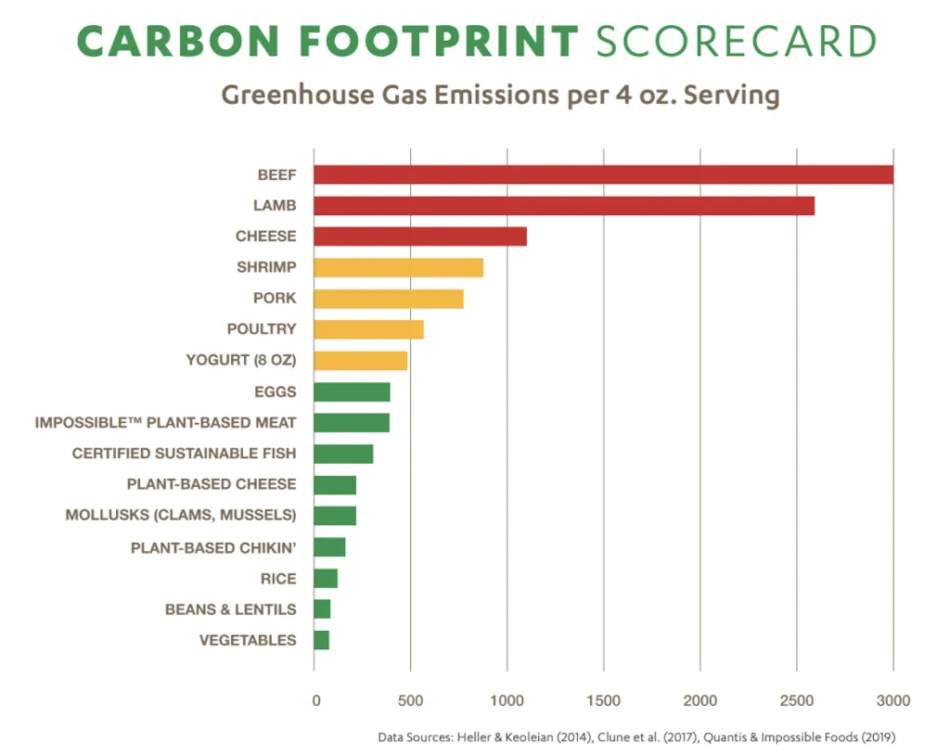
Question 10: What is the actual cost difference between running a dishwasher and hand washing over 10 years?
Answer 10: Over a typical 10-year analysis period, an ENERGY STAR certified dishwasher costs approximately $500 to operate including both water and energy expenses, while typical running-tap hand washing costs around $1,200-1,400 for the same number of loads. This represents a $700-900 direct utility cost savings favoring dishwasher use, though the actual amount varies based on local water rates, electricity or gas prices, and specific usage patterns. Breaking this down annually, dishwashers cost about $50 yearly to operate while hand washing costs $120-140, creating annual savings of $70-90. However, these direct cost comparisons only capture part of the economic picture. The 230 hours of manual labor saved annually by using a dishwasher instead of hand washing represents substantial opportunity cost that could be valued anywhere from $3,450 to $23,000 annually depending on what hourly rate is applied to that time. Even using a conservative $15 per hour valuation of household labor time, the 10-year opportunity cost of hand washing exceeds $34,000—far surpassing any reasonable dishwasher purchase price and operating costs combined. When including time value, dishwashers deliver overwhelming economic advantages that make purchase decisions straightforward for most households. Additional considerations include dishwasher maintenance and repair costs averaging $100-200 over 10 years, offset partially by reduced wear on plumbing fixtures and lower consumption of cleaning products. The economic case for dishwashers strengthens in regions with expensive water, high electricity rates, or significant peak/off-peak rate differentials where delay-start features can minimize energy costs.
Articles related:











Tags
📧 Get More Articles Like This
Subscribe to receive product reviews and buying guides in your inbox!
We respect your privacy. Unsubscribe at any time.