Gas Stove vs Electric vs Induction: Complete Energy and Cooking Performance Showdown
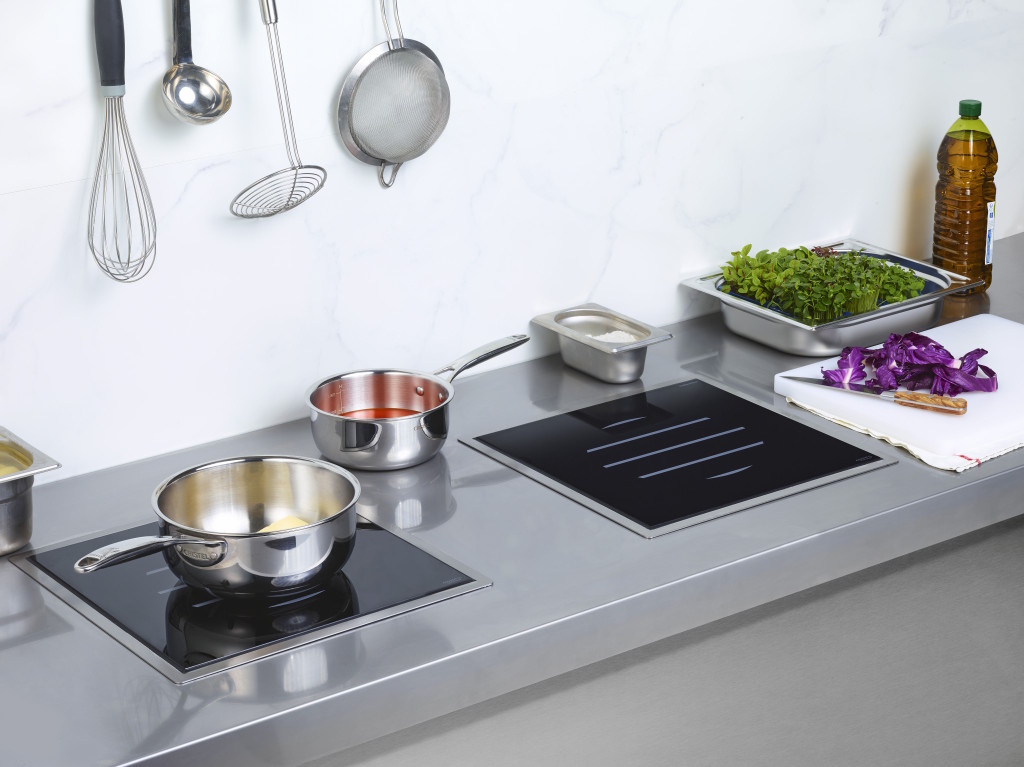
Table of Contents
- Introduction
- Understanding the Three Technologies
- Energy Efficiency: The Numbers That Matter
- Real-World Cooking Performance Comparison
- Health and Safety Considerations
- Cost Analysis: Purchase, Installation, and Operation
- Environmental Impact and Climate Considerations
- The Verdict: Which Technology Wins in 2026?
- Frequently Asked Questions
Introduction
The kitchen represents the heart of every home, and the choice of cooking appliance stands as one of the most consequential decisions homeowners face during renovations or new construction. Throughout my fifteen years as a home energy consultant, I’ve witnessed countless families agonize over this exact decision, often relying on outdated information or marketing claims that obscure the genuine performance differences between gas, electric, and induction cooking technologies. Last autumn, I stood in my sister’s newly renovated kitchen as she prepared to finalize her appliance order, watching her struggle with the same question that brings many readers to this comprehensive comparison today.
She had grown up cooking on gas, convinced that professional chefs universally preferred open flames for their superior control and instant heat adjustability. Her contractor pushed electric coil stoves as the economical choice, emphasizing their reliability and lower installation costs. Meanwhile, her environmentally conscious daughter campaigned passionately for induction technology, armed with sustainability statistics and efficiency claims that seemed almost too impressive to believe. The decision paralyzed her for weeks, and I realized that despite mountains of technical specifications available online, consumers lack accessible, honest comparisons that address real cooking needs rather than abstract energy metrics.
Before delving into the article, watch this video which highlights a professional comparison between gas, induction, and electric ovens:
The stakes for this decision extend far beyond kitchen aesthetics or cooking preferences. According to recent data from the Department of Energy, cooking appliances account for a significant portion of residential energy consumption, though the exact percentage varies dramatically based on household cooking habits and appliance efficiency. More critically, emerging research from Stanford University and other leading institutions has revealed that gas stoves contribute substantially more to indoor air pollution than previously understood, with implications for respiratory health that affect millions of American households. The climate impact of methane leakage from gas cooking appliances, even when turned off, equals the carbon dioxide emissions from approximately half a million gasoline-powered vehicles across all homes using gas cooking nationwide.
Beyond environmental and health considerations, the financial implications demand careful analysis. The upfront cost difference between these technologies can span several thousand dollars, while operating expenses vary based on regional energy prices, cooking frequency, and efficiency characteristics that manufacturers often present in confusing or misleading ways. Installation requirements differ substantially, with gas stoves necessitating professional gas line connections, electric models requiring 240-volt circuits, and induction cooktops potentially demanding expensive electrical panel upgrades in older homes. The decision becomes even more complex when factoring in available rebates and tax incentives, which have expanded considerably under recent federal legislation designed to encourage electrification of home appliances.
This comprehensive comparison draws on the latest government testing data, peer-reviewed academic research, and real-world performance measurements to provide the complete picture consumers need. Rather than advocating for any particular technology, this analysis presents verified performance metrics, honest cost comparisons, and practical considerations that allow readers to make informed decisions based on their specific circumstances, cooking habits, and priorities. Whether energy efficiency, cooking performance, health considerations, or budget constraints drive your decision, the following sections provide the detailed information necessary to choose confidently among these fundamentally different cooking technologies.

Understanding the Three Technologies
The fundamental differences between gas, electric, and induction cooking technologies extend far deeper than the visible flames or heating elements that most consumers notice first. Understanding how each technology generates and transfers heat to cookware reveals why performance characteristics diverge so dramatically and helps explain the often counterintuitive efficiency measurements that appear in government testing data and manufacturer specifications.
Gas stoves burn natural gas or propane through burners that produce open flames, generating heat through combustion that radiates outward in all directions. This represents the oldest modern cooking technology still widely used in contemporary kitchens, with designs that have remained relatively unchanged for decades despite incremental improvements in burner efficiency and ignition systems. The combustion process inherently wastes substantial energy by heating the surrounding air rather than transferring heat exclusively to cookware, a limitation that fundamental thermodynamics makes impossible to overcome completely. Modern gas stoves have eliminated inefficient standing pilot lights, which previously consumed gas continuously even when no cooking occurred, but they still face efficiency constraints inherent to combustion-based heating.
Electric coil stoves utilize resistive heating elements made from nickel-chromium alloys that become extremely hot when electrical current passes through them. These glowing orange coils transfer heat to cookware through direct contact and thermal radiation, achieving better energy transfer efficiency than gas flames because less heat escapes into the surrounding environment. The thermal mass of the coils themselves represents both an advantage and limitation; they retain heat well for simmering but respond slowly to temperature adjustments, creating challenges for cooking techniques requiring rapid heat changes. Electric smooth-top ranges use similar resistive heating elements placed beneath a ceramic glass surface, improving aesthetics and cleaning convenience while maintaining comparable efficiency to traditional coil designs.
Induction technology represents a completely different heating approach based on electromagnetic energy rather than thermal conduction or radiation. When alternating current flows through copper coils beneath the cooktop surface, it generates a rapidly oscillating magnetic field that induces electrical currents within ferromagnetic cookware placed above. These induced currents encounter resistance within the metal cookware, generating heat directly inside the pot or pan rather than heating a separate element that then transfers warmth to the vessel. This direct heating mechanism explains induction’s superior efficiency and the seemingly magical ability of the cooktop surface to remain relatively cool while the cookware becomes extremely hot.
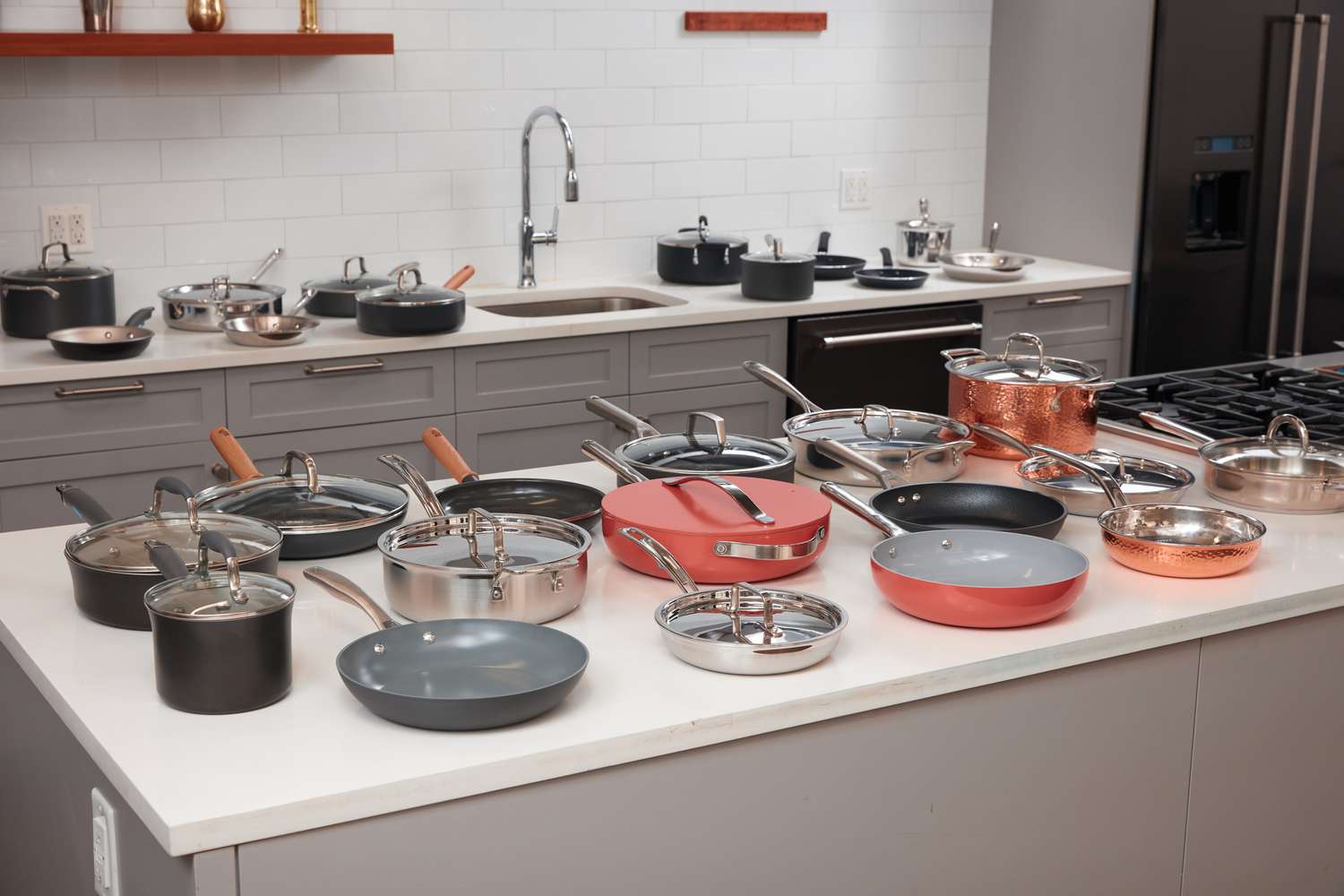
Selecting appropriate cookware represents a critical complement to cooking appliance choices, with material and construction quality influencing both cooking performance and energy efficiency. Comprehensive comparisons of stainless steel nonstick and cast iron cookware reveal that each material excels for different applications, with induction compatibility adding an additional selection criterion that gas and electric users never considered. Cast iron and carbon steel provide excellent magnetic coupling for induction while offering superior heat retention for searing, though their weight and maintenance requirements deter some cooks. Stainless steel with magnetic bases works well across all cooking technologies while providing durability and versatility, though heat distribution varies significantly based on construction quality and aluminum or copper core layers.
The electromagnetic principles underlying induction impose specific cookware requirements that distinguish it from gas and electric technologies, which work with virtually any pot or pan material. Induction cooktops can only heat cookware containing sufficient iron or steel to interact with the magnetic field, excluding pure aluminum, copper, and non-magnetic stainless steel alloys. A simple magnet test reveals compatibility; cookware that attracts a magnet strongly will work with induction, while materials that show weak or no magnetic attraction require induction adapter discs or replacement. This cookware limitation represents the most common barrier preventing households from adopting induction technology, though the availability of compatible cookware has expanded dramatically as induction adoption increases.
Operating frequencies for induction cooktops typically range between twenty-five and fifty kilohertz, creating rapidly alternating magnetic fields that generate heat without the cooktop glass surface itself becoming hot from direct heating. The glass does warm from contact with hot cookware, but it remains significantly cooler than electric coil or smooth-top surfaces, reducing burn risks and preventing spilled food from burning onto the surface during cooking. This characteristic makes induction cooktops notably safer for households with children and dramatically easier to clean, as food residue wipes away easily rather than carbonizing onto hot surfaces.
Safety features built into modern cooking appliances also vary considerably across technologies. Gas stoves require careful attention to ensure burners extinguish completely after use, as unnoticed gas flow presents serious carbon monoxide and explosion hazards. Electric coils retain dangerous heat long after power cuts off, creating burn risks for anyone touching what appears to be an inactive stove. Induction cooktops incorporate automatic shutoff features that detect when cookware has been removed, eliminating the possibility of accidentally leaving the appliance on without a pot or pan present. This automatic detection, combined with cooler surface temperatures, makes induction the safest cooking technology currently available.
Energy Efficiency: The Numbers That Matter
Energy efficiency measurements for cooking appliances confuse many consumers because different testing methodologies produce varying results, and manufacturers often emphasize whichever metrics present their products most favorably. The Department of Energy has developed standardized test procedures that allow direct comparison across technologies, though understanding what these efficiency percentages actually mean requires examining how they’re measured and what real-world factors influence practical energy consumption.
Federal appliance efficiency regulations evolve continuously as testing methodologies improve and new technologies enter the residential market. Recent Department of Energy conservation standards for conventional cooking products establish minimum efficiency requirements while providing manufacturers flexibility in achieving those targets through various technological approaches. The rulemaking process involves extensive stakeholder consultation, economic analysis, and technical feasibility studies to ensure standards deliver meaningful energy savings without imposing unreasonable burdens on manufacturers or consumers. These federal efficiency standards work in concert with ENERGY STAR voluntary certification to create a comprehensive framework guiding the cooking appliance market toward continuously improving performance.
The DOE test procedure uses a hybrid test block composed of aluminum fitted inside a ferromagnetic stainless steel base, allowing consistent measurement across gas, electric, and induction technologies. Testing begins with both the appliance and test block at room temperature, then measures how much energy transfers from the cooktop to the block as it heats from seventy-seven degrees Fahrenheit to a target temperature, followed by a reduced-power simmering phase. Energy transfer efficiency represents the percentage of total energy consumed by the appliance that actually heats the test block, with remaining energy lost to the surrounding environment.
Recent DOE testing found induction cooktops achieve energy transfer efficiency between 70.7% and 73.6% for comparable large cooking elements, with some high-end models reaching 84% efficiency through improved coil coupling and frequency tuning. These measurements demonstrate that for every one hundred watts of electricity consumed, induction transfers seventy to eighty-four watts as useful heat to cookware, with remaining energy dissipated through electronics, electromagnetic field losses, and heat conducted through the glass surface. Electric coil stoves showed 71.9% efficiency in the same testing protocol, performing comparably to induction despite their fundamentally different heating mechanism.
Gas stoves measured only 43.9% efficiency in standardized testing, meaning more than half the energy content of the natural gas burned escapes as wasted heat rather than warming cookware. This dramatic efficiency disadvantage stems from combustion physics; flames radiate heat in all directions, heating not only the pot bottom but also the cooktop surface, surrounding air, and nearby kitchen surfaces. Even perfectly designed burners cannot overcome these fundamental thermodynamic limitations, though premium gas ranges with sealed burners and optimized flame patterns achieve slightly better efficiency than basic models.
However, these cooktop efficiency measurements tell only part of the energy story. When evaluating total system efficiency from primary energy source to useful cooking heat, the analysis becomes more complex. Natural gas stoves burn fuel directly at the point of use with minimal transmission losses, while electric stoves rely on power plants that waste substantial energy during electricity generation. Fossil fuel power plants typically convert only thirty to fifty percent of fuel energy into electricity, and transmission losses consume an additional five percent before electricity reaches homes. Accounting for these upstream inefficiencies, the total system efficiency of electric and induction cooking drops to approximately twenty-five to forty percent when powered by fossil fuel electricity.
This system-level analysis changes dramatically in regions where renewable electricity sources dominate the grid. Solar and wind power generate electricity with minimal energy conversion losses, making electric and induction cooking highly efficient from source to cooking surface when powered by renewables. As the electrical grid continues transitioning toward renewable energy, the efficiency advantage of electric cooking technologies will strengthen further, while gas stoves remain locked into combustion’s inherent inefficiency regardless of upstream improvements.
Real-world cooking efficiency depends heavily on factors beyond the cooktop’s inherent energy transfer characteristics. Proper pan selection dramatically impacts efficiency for all cooking technologies; using cookware that fully covers electric coils or matches burner sizes on gas stoves minimizes wasted energy. For induction, flat-bottomed cookware with full magnetic contact optimizes heating efficiency, while warped or poorly fitting pans reduce performance. Cooking techniques also matter substantially; using lids traps heat and moisture, reducing cooking times and energy consumption regardless of stove type.
The superior efficiency of induction technology translates into faster cooking times that compound energy savings beyond simple efficiency percentages. Independent testing found induction boils one liter of water in three minutes and forty-five seconds, compared to eight minutes fifteen seconds for electric coil and seven minutes twenty seconds for gas stoves. This speed advantage means induction not only wastes less energy during operation but also runs for shorter durations to accomplish the same cooking tasks, multiplying the practical energy savings.
Temperature control precision also influences real-world efficiency, though manufacturers rarely discuss this aspect. Induction’s rapid response allows precise temperature maintenance, preventing overshoot and the wasted energy required to compensate. Gas stoves respond quickly to adjustments but lack precision, with flame sizes providing only approximate heat levels. Electric coils respond slowly to changes, often requiring cooks to move pots between burners rather than adjusting temperatures, wasting time and energy.

Real-World Cooking Performance Comparison
Beyond abstract efficiency percentages, cooking performance characteristics determine whether cooks enjoy using their appliances and can execute desired culinary techniques successfully. Professional chefs have traditionally preferred gas stoves for reasons extending beyond simple tradition or familiarity, though recent advances in electric technologies challenge many assumptions about performance differences.
Heat responsiveness represents perhaps the most noticeable performance distinction between technologies. Gas flames respond instantly to burner adjustments, providing immediate visual feedback as flames grow larger or smaller according to dial positions. This immediate response allows cooks to prevent overheating by quickly reducing heat when ingredients begin scorching or sauces approach boiling. The visual flame also provides intuitive feedback about heat levels, making it easier for beginning cooks to develop timing instincts.
Induction cooktops match or exceed gas’s responsiveness with temperature changes occurring in under two seconds, faster than gas valve modulation which requires fifteen to twenty-two seconds for complete adjustment. However, induction lacks the visual flame feedback, requiring cooks to develop new instincts based on digital displays and cooking sounds rather than visual cues. Many cooks initially find this adjustment challenging, though most report preferring induction’s precision once they adapt to the different feedback mechanisms.
Electric coil stoves lag significantly in responsiveness, requiring thirty to ninety seconds for coils to visibly change temperature after adjustment. This sluggishness frustrates cooks attempting techniques like stir-frying that demand rapid temperature changes, often forcing them to move cookware between burners set at different temperatures rather than adjusting a single burner’s heat level. The thermal mass that makes coils excellent for maintaining steady simmering temperatures becomes a liability when recipes call for quick adjustments.
Maximum heat output varies considerably across technologies and individual models. High-end gas ranges often feature power burners exceeding fifteen thousand BTUs per hour, generating intense heat suitable for searing steaks or achieving wok hei in Asian cooking. Standard gas burners typically deliver seven to nine thousand BTUs, sufficient for most cooking but potentially limiting for specialized techniques. Electric coils generally provide between twelve hundred and twenty-four hundred watts per element, equivalent to approximately four thousand to eight thousand BTUs, adequate for most cooking but rarely matching gas power burners.
Induction cooktops commonly deliver twenty-four hundred to thirty-six hundred watts per zone, with boost modes temporarily providing up to four thousand watts for rapid boiling. While these wattage figures appear modest compared to gas power burners, induction’s superior efficiency means the useful heat delivered to cookware often exceeds gas despite lower total power consumption. A thirty-six hundred watt induction burner transfers approximately three thousand watts of useful heat to the pan, comparable to a twelve thousand BTU gas burner that transfers only about four thousand BTUs of useful heat given its forty percent efficiency.
Low-temperature control for gentle simmering reveals another important performance distinction. Gas burners struggle to maintain very low heat levels, as flames below a certain size become unstable and extinguish. This makes techniques like barely simmering stocks or melting chocolate challenging, often requiring creative solutions like placing pans on trivets above the burner or using double boilers. Electric coils cycle on and off to maintain low temperatures, creating temperature fluctuations unsuitable for delicate techniques requiring constant gentle heat.
Induction excels at precise low-temperature control, maintaining steady temperatures as low as one hundred degrees Fahrenheit with minimal fluctuation. This precision enables techniques like tempering chocolate, holding sauces at serving temperature, or sous-vide style cooking in water baths without dedicated equipment. The ability to set and maintain exact temperatures represents induction’s most significant performance advantage for serious home cooks.
Heat distribution across cookware also varies by technology. Gas flames heat primarily the center of pans, creating hot spots that require frequent stirring to prevent scorching. Electric coils concentrate heat where the coil contacts the pan bottom, also creating potential hot spots though less severe than gas. Induction generates heat throughout the cookware base wherever magnetic field coupling occurs, providing more even heating that reduces stirring requirements and prevents scorching.
Special cooking techniques present unique considerations for each technology. Wok cooking traditionally relies on gas flames that extend up the wok sides, heating more than just the flat bottom. Electric and induction cooktops struggle to replicate this heating pattern without specialty wok burners or adapters. However, flat-bottomed carbon steel woks work excellently on induction, achieving higher heat transfer efficiency than gas despite the different heating pattern. Charring vegetables or peppers over open flames represents one technique where gas maintains an insurmountable advantage, though stovetop charring represents a tiny fraction of most households’ cooking tasks.
Professional-grade features available across technologies continue evolving. High-end gas ranges offer precise simmer burners, griddle plates, and infrared broilers. Premium electric ranges incorporate bridge elements for large cookware and warming zones for holding finished dishes. Induction cooktops increasingly feature flexible cooking zones that detect cookware size and shape automatically, power-sharing that allocates available wattage optimally across active burners, and connectivity features allowing remote monitoring and control.
Health and Safety Considerations
The health implications of cooking appliance choices have gained prominence following recent research revealing that gas stoves contribute more significantly to indoor air pollution than previously recognized. Stanford University researchers published findings in 2024 demonstrating that gas stoves emit nitrogen dioxide at concentrations exceeding Environmental Protection Agency outdoor exposure limits within minutes of operation, particularly in smaller kitchens or homes with inadequate ventilation systems.
Nitrogen dioxide represents a respiratory irritant that can trigger asthma attacks, exacerbate existing respiratory conditions, and contribute to the development of childhood asthma. The Stanford research estimated that gas stove usage contributes to approximately fifty thousand cases of current pediatric asthma annually across the United States from long-term nitrogen dioxide exposure alone. Academic institutions continue investigating the health implications of cooking appliance choices as evidence accumulates regarding indoor air quality impacts. Recent Stanford climate and health research has fundamentally altered scientific understanding of how residential gas combustion affects both atmospheric chemistry and human respiratory health. Their comprehensive measurement campaigns spanning dozens of homes revealed that methane leakage occurs continuously even when appliances remain off, contributing climate forcing comparable to hundreds of thousands of vehicles when aggregated across all U.S. households using gas cooking. These findings have prompted renewed evaluation of building codes, appliance standards, and public health guidance as policymakers grapple with balancing consumer choice against mounting evidence of environmental and health consequences. This estimate derives from modeling that combined measured emission rates with data on housing characteristics, occupant behavior, and outdoor air quality across millions of American households.
The health risks extend beyond nitrogen dioxide to include other combustion byproducts released during gas cooking. Carbon monoxide emissions from gas stoves can accumulate to concerning levels in poorly ventilated spaces, though proper combustion with blue rather than yellow flames minimizes this hazard. Formaldehyde, classified as a human carcinogen, releases when natural gas burns, with concentrations potentially reaching levels associated with increased cancer risk during extended cooking sessions without adequate ventilation. Particulate matter from cooking processes combines with combustion products to create complex indoor air pollution that affects all occupants but poses particular risks for children, elderly individuals, and those with existing respiratory conditions.
Methane leakage from gas stoves occurs continuously even when appliances are turned off, contributing both to climate change and potential indoor air quality concerns. The Stanford research team measured emissions from fifty-three homes and found that more than three-quarters of total methane emissions occurred during steady-state-off periods when stoves were not actively being used. This persistent leakage suggests that gas line connections and internal fittings leak small amounts of unburned natural gas constantly, though concentrations remain well below explosive thresholds in properly ventilated homes.
Electric and induction cooktops eliminate combustion-related indoor air pollution entirely, producing zero nitrogen dioxide, carbon monoxide, or other gas-phase pollutants during operation. However, all cooking processes release particulate matter, volatile organic compounds, and other pollutants from heated oils, food, and cooking methods regardless of heat source. A 2012 Department of Energy sponsored study found that emission rates from cooking foods themselves considerably exceed what gas burners generate, with common ingredients like olive oil producing over eleven times more emissions per hour than the gas range itself.
Proper ventilation remains critically important for all cooking technologies to remove moisture, heat, and cooking-related pollutants from kitchen air. Range hoods capable of exhausting at least one hundred cubic feet per minute provide effective pollutant removal when used consistently during all cooking activities. However, surveys show that home cooks use ventilation only twenty-five to forty percent of the time, often finding range hood noise annoying or forgetting to activate them before cooking begins. Recirculating range hoods that filter air without exhausting outdoors remove less than twenty-five percent of ultrafine particles smaller than 0.3 micrometers, providing inadequate protection against the health effects of cooking pollutants.
Physical safety hazards vary considerably across cooking technologies. Gas stoves present risks from open flames that can ignite clothing, hair, or flammable materials placed too close to burners. Undetected gas leaks create explosion and carbon monoxide poisoning risks, though modern safety features and proper installation minimize these dangers substantially. Electric coils remain dangerously hot long after power shuts off, creating burn risks for anyone touching what appears to be an inactive stove or placing items on seemingly cool burners.
Induction cooktops provide superior safety characteristics through several mechanisms. The cooking surface itself remains relatively cool, heating only from contact with hot cookware rather than generating heat directly in the glass. Automatic pan detection prevents the cooktop from operating without appropriate cookware present, eliminating risks from accidentally activating burners. Residual heat indicators warn users when the glass surface remains hot from recent cooking, preventing burns from touching areas that appear cool.
Tipover risks affect all freestanding range designs, with particularly serious consequences when children climb on open oven doors. Anti-tip brackets have been required since 1991 for new range installations, though many homeowners and installers fail to properly secure these safety devices. Consumer safety standards for cooking appliances address multiple hazard categories beyond the obvious burn and fire risks that concern most households. The Consumer Product Safety Commission maintains oversight of voluntary standards development for both electric and gas cooking equipment, working with industry stakeholders to strengthen safety provisions continuously as new hazards emerge or existing standards prove inadequate. Their free standing kitchen ranges program specifically targets tipover prevention, a particularly serious hazard responsible for dozens of fatalities over recent decades, predominantly affecting young children who climb on open oven doors. Understanding these safety standards helps consumers evaluate whether their cooking appliance installation meets current safety recommendations regardless of when their home was originally built. From 1980 through 2008, the Consumer Product Safety Commission documented thirty-eight fatalities from range tipovers, with twenty deaths involving children aged one to five years. Proper anti-tip bracket installation provides essential protection regardless of which cooking technology families choose.
Electromagnetic field exposure from induction cooktops occasionally raises consumer concerns, though research consistently shows these fields remain well within safety limits at normal operating distances. Modern pacemakers meeting ISO 14117 compliance standards include shielding against electromagnetic interference in the frequency ranges induction cooktops operate. Clinical studies show zero interference incidents with compliant cardiac devices when users maintain at least sixty centimeters distance between their chest and the active cooktop during operation, easily achieved during normal cooking activities.
Shop on AliExpress via link: wholesale-kitchen-storage-containers

Cost Analysis: Purchase, Installation, and Operation
The total cost of ownership for cooking appliances extends far beyond the purchase price that consumers typically focus on during shopping. Installation expenses, operating costs over the appliance’s lifetime, and maintenance requirements combine to create comprehensive financial impacts that often surprise homeowners who failed to consider these factors during their initial decision.
Purchase prices for cooking appliances span enormous ranges depending on features, brands, and quality levels. Basic freestanding gas ranges start around four hundred dollars for no-frills models from value brands, while professional-grade gas ranges from premium manufacturers can exceed ten thousand dollars. Standard electric coil ranges represent the most economical option, with acceptable models available for three hundred dollars, though feature-rich versions reach two thousand dollars. Induction cooking technology commands premium pricing, with entry-level portable single-burner units starting around one hundred dollars but full-size ranges typically costing between one thousand and three thousand dollars for mid-range models.
The price gap between induction and other technologies has narrowed considerably as manufacturing volumes increase and component costs decline. Five years ago, the least expensive induction ranges cost more than two thousand dollars, making them inaccessible to budget-conscious households. Today, several manufacturers offer four-burner induction ranges for under one thousand dollars, competitive with mid-range gas and premium electric models. This price convergence means that upfront cost increasingly represents less of a barrier to induction adoption, though it remains more expensive than basic gas or electric alternatives.
Installation costs vary dramatically based on existing home infrastructure and the technology being installed. Gas stove installation requires professional gas line connection, typically costing between three hundred and one thousand dollars depending on whether suitable gas lines already run near the kitchen. Homes without existing gas service face substantially higher costs; running new gas lines from the street can cost between two thousand and five thousand dollars, making gas cooking prohibitively expensive unless other gas appliances justify the infrastructure investment.
Electric ranges need 240-volt circuits that most homes built after 1960 already include in kitchens. When this circuit exists, installation costs remain modest at fifty to two hundred dollars for basic hookup. However, older homes wired only for 120-volt service require electrical panel upgrades and new circuit installation, potentially costing five hundred to two thousand dollars. Induction cooktops share these 240-volt requirements, with the additional complication that high-power models may exceed the capacity of existing kitchen circuits. Upgrading from a forty-amp to a fifty-amp circuit adds several hundred dollars to installation costs.
Operating expenses depend critically on local energy prices, which vary enormously across the United States. Natural gas costs range from roughly eight dollars per thousand cubic feet in some southern states to over twenty dollars in expensive markets like Hawaii. Electricity prices span similar variation, from about eight cents per kilowatt-hour in Idaho and Washington to over thirty cents in Hawaii and parts of California. These regional price differences can completely reverse the operating cost equation between technologies.
For a household that cooks moderately, using their cooktop or oven for approximately one hour daily, annual energy costs vary based on both appliance efficiency and local energy prices. In regions with average energy costs, gas stoves typically consume about twelve dollars monthly in natural gas for cooking, while electric coil stoves use approximately fifteen dollars monthly in electricity given their comparable usage but higher electricity costs per energy unit. Induction cooktops, despite superior efficiency, often cost similarly to electric coils due to electricity pricing, though households cooking frequently or in regions with low electricity costs see greater savings.
The efficiency advantages of induction become more apparent when examining energy consumption for specific cooking tasks. Boiling water for pasta represents a common cooking activity where efficiency differences translate directly into cost variations. Gas stoves consume approximately 0.15 therms to boil six quarts of water, costing roughly two cents at average gas prices. Electric coils use about 0.5 kilowatt-hours for the same task, costing six cents at twelve cents per kilowatt-hour. Induction accomplishes this in 0.4 kilowatt-hours due to superior efficiency and faster heating, costing about five cents, demonstrating how even small efficiency gains accumulate over thousands of cooking sessions.
Maintenance and repair costs differ substantially across technologies. Gas stoves require periodic cleaning of burners and grates, occasional igniter replacement costing fifty to one hundred fifty dollars, and potential gas valve repairs running two hundred to four hundred dollars. Electric coil elements eventually burn out, requiring replacement every few years at fifteen to forty dollars per coil. Induction cooktops have fewer moving parts and no burners to clean, but electronic component failures can prove expensive to repair, with control board replacements sometimes exceeding five hundred dollars.
Lifespan expectations influence total cost of ownership calculations. Electric coil stoves demonstrate the longest average service life at fifteen to twenty years, benefiting from simple, durable heating elements that rarely fail. Gas ranges typically last thirteen to fifteen years before major component failures necessitate replacement. Induction cooktops, representing newer technology with sophisticated electronics, currently show average lifespans of ten to fifteen years, though this estimate may improve as manufacturing processes mature and long-term reliability data accumulates.
Energy costs have trended upward faster than general inflation over recent decades, making efficiency increasingly valuable. A highly efficient induction cooktop that costs two hundred dollars more than a comparable electric coil model but saves thirty dollars annually in energy costs achieves payback in less than seven years, well within the appliance’s expected lifespan. However, this calculation assumes stable energy prices and consistent cooking habits, factors that may change substantially over a decade of appliance ownership.
Available rebates and incentives significantly impact the real cost of switching to electric cooking technologies. Federal tax credits through the Inflation Reduction Act provide up to eight hundred forty dollars for qualifying electric cooking appliances through December 2026, though income restrictions limit eligibility. Many state and local utility programs offer additional rebates ranging from one hundred to several thousand dollars for replacing gas appliances with electric alternatives. California, New York, Massachusetts, and Washington have particularly generous incentive programs, with some covering complete appliance costs for low-income households transitioning away from gas cooking.
Environmental Impact and Climate Considerations
The climate implications of cooking appliance choices extend beyond the obvious energy consumption during use to encompass manufacturing impacts, refrigerant leakage, methane emissions, and the carbon intensity of electricity generation. Understanding these factors requires examining the complete lifecycle environmental footprint rather than focusing narrowly on operating energy efficiency.
Direct greenhouse gas emissions from cooking vary dramatically between gas and electric technologies. Gas stoves emit carbon dioxide through combustion of natural gas or propane, releasing approximately 0.04 pounds of CO2 per thousand BTUs of gas burned. For a household using their gas stove moderately, annual carbon dioxide emissions total roughly four hundred pounds from cooking activities alone. More significantly, gas stoves leak methane continuously even when turned off, with total U.S. residential gas cooking contributing methane emissions equivalent to carbon dioxide emissions from approximately five hundred thousand gasoline-powered vehicles when assessed on a twenty-year climate impact timeframe.
Electric and induction cooktops produce zero direct emissions, though their climate impact depends entirely on how electricity generation occurs. Cooking powered by coal-fired electricity may actually produce more greenhouse gas emissions than gas cooking when accounting for coal’s carbon intensity and power plant efficiency losses. However, as electrical grids incorporate increasing percentages of renewable energy from wind, solar, and hydroelectric sources, electric cooking’s climate advantage strengthens continuously.
Regional electricity grid composition creates enormous variation in the climate impact of electric cooking. In states like Washington, Oregon, and Idaho where hydroelectric power dominates, electric cooking produces minimal greenhouse gas emissions. Conversely, states heavily reliant on coal power like West Virginia and Wyoming see electric cooking contributing substantial emissions. National grid trends favor electric cooking increasingly as renewable energy deployment accelerates; the average U.S. electricity grid became approximately thirty-five percent cleaner between 2010 and 2024 as coal plants retired and renewable capacity expanded.
Manufacturing impacts vary across appliance types based on material requirements and production complexity. Gas stoves use relatively simple cast iron grates, steel burners, and basic controls, creating modest manufacturing footprints. Electric coil stoves require similar materials with the addition of nickel-chromium heating elements. Induction cooktops demand sophisticated electronics including high-frequency power supplies, control circuits, and specialized glass-ceramic cooktop surfaces, increasing manufacturing energy and material requirements. However, lifecycle analyses typically find that operating energy consumption dominates total environmental impact, making these manufacturing differences relatively minor compared to years of daily use.
Material extraction for rare earth magnets used in some induction designs raises environmental justice concerns due to mining practices in source countries. However, most induction cooktops use ferrite or ceramic magnets rather than rare earth variants, minimizing this issue. The glass-ceramic surfaces used on both induction and smooth-top electric ranges require energy-intensive manufacturing but provide durability exceeding twenty years of service, amortizing this impact across long useful lives.
Waste reduction potential differs across technologies. Gas stoves produce no material waste during operation beyond combustion products. Electric and induction cooktops consume electricity that may be generated from renewable sources producing zero waste, or from fossil fuels creating ash, scrubber sludge, and carbon dioxide. The ability of electric cooking to utilize renewable electricity represents its fundamental environmental advantage; gas cooking remains perpetually tied to fossil fuel combustion regardless of technological improvements.
Indoor air quality impacts affect both building energy consumption and occupant health. Gas stoves release moisture, heat, and combustion products that increase humidity levels and temperature in kitchens. This forces heating and cooling systems to work harder to maintain comfortable conditions, indirectly increasing energy consumption beyond the cooking process itself. Research found that gas cooking in summer increases air conditioning loads measurably, with controlled chamber testing showing gas stoves adding 350 BTU per hour to room heat load compared to only 120 BTU per hour for induction cooking.
Building electrification strategies increasingly recognize cooking appliances as important components of comprehensive decarbonization efforts. As homes transition to heat pump water heaters, heat pump space heating, and electric vehicles, replacing gas cooking eliminates the need for gas service entirely, allowing households to disconnect from fossil fuel infrastructure completely. This full electrification enables maximum benefit from rooftop solar installations and positions homes to achieve net-zero carbon emissions as electricity grids continue their renewable energy transitions.
Grid flexibility represents an emerging environmental benefit of electric cooking that gas cannot provide. Smart induction cooktops can participate in demand response programs, automatically reducing power consumption during peak demand periods when electricity typically comes from less efficient and more polluting peaker plants. This grid-friendly operation helps reduce overall electricity system emissions beyond the individual appliance’s direct impact.
Shop on AliExpress via link: wholesale-induction-cookware

The Verdict: Which Technology Wins in 2026?
After examining energy efficiency data, real-world cooking performance, health considerations, comprehensive costs, and environmental impacts, the optimal cooking technology depends on individual household circumstances, priorities, and constraints. No single answer applies universally, though clear patterns emerge for different user profiles and situations.
For households prioritizing energy efficiency and environmental impact while accepting higher upfront costs, induction represents the unambiguous winner. The combination of superior energy transfer efficiency, faster cooking times, zero direct emissions, and compatibility with renewable electricity makes induction the most environmentally responsible choice available in 2026. Recent federal and state incentive programs significantly reduce the effective cost premium, making induction financially viable for far more households than just a few years ago.
Cooking enthusiasts who value precise temperature control and rapid response should strongly consider induction despite its learning curve. The ability to set exact temperatures, change heat levels in under two seconds, and maintain delicate simmering temperatures surpasses both gas and electric alternatives. While gas stoves traditionally dominated professional kitchens, many high-end restaurants now install induction equipment due to these performance advantages combined with improved kitchen air quality and reduced cooling loads.
Budget-conscious households replacing existing appliances in homes already equipped with appropriate gas or electric service may find staying with their current fuel type most economical. A basic electric coil range costing three hundred dollars provides reliable cooking performance for a fraction of induction’s cost, while gas ranges offer familiar operation without requiring electrical upgrades. However, available rebates often make induction competitive even on tight budgets, warranting investigation before defaulting to conventional technologies.
Health-conscious families, particularly those with children, asthma sufferers, or respiratory sensitivities, should avoid gas cooking or ensure absolutely rigorous ventilation practices if gas represents the only viable option. The nitrogen dioxide emissions and other combustion byproducts create genuine health risks that indoor air quality research continues documenting more thoroughly. Electric coil or induction cooking eliminates these combustion-related pollutants, providing measurably healthier indoor environments.
Renters face constraints that homeowners avoid, typically unable to replace appliances or upgrade electrical infrastructure. Those renting homes with gas stoves should use range hoods consistently and consider portable induction burners for situations allowing flexibility. Single-burner induction units costing one hundred dollars provide healthier cooking options for renters unable to replace full ranges, while delivering superior efficiency and performance for most cooking tasks.
Households with reliable renewable electricity from rooftop solar, community solar programs, or utility green power options gain maximum environmental benefit from induction cooking. The combination of zero-emission electricity and highly efficient induction technology creates genuinely sustainable cooking with minimal climate impact. Conversely, homes in regions where coal dominates electricity generation may find gas cooking produces lower emissions currently, though this calculus shifts as grids incorporate more renewables.
Professional home cooks executing specialized techniques may still prefer gas for specific applications like wok cooking over traditional round-bottom woks or directly charring ingredients over open flames. However, flat-bottom carbon steel woks perform excellently on induction, achieving comparable or superior results for stir-frying despite different heating patterns. The specialized use cases where gas maintains clear advantages represent tiny fractions of typical household cooking.
Looking forward to future-proofing kitchen investments, induction represents the technology trajectory that appliance manufacturers and building codes increasingly favor. New construction in many jurisdictions faces restrictions or prohibitions on gas infrastructure, while building performance standards increasingly mandate high-efficiency electric appliances. Choosing induction today aligns with likely regulatory trends and avoids potential stranded assets as gas cooking faces mounting pressure from health, climate, and building electrification policies.
The decision ultimately requires honest assessment of personal priorities, cooking habits, budget realities, and home infrastructure. Households cooking infrequently may find efficiency differences academically interesting but practically insignificant, while serious home cooks preparing three meals daily should prioritize performance and health over upfront cost savings. Those committed to climate action can justify induction’s premium as an effective personal carbon reduction investment, while families stretching budgets may reasonably prioritize immediate affordability.
Whatever technology households choose, proper installation, appropriate cookware, and good cooking practices matter enormously for safety, efficiency, and performance. Using lids, matching cookware size to burner dimensions, maintaining equipment properly, and employing vigorous ventilation during all cooking activities optimize results regardless of whether flames, glowing coils, or invisible magnetic fields provide the heat.

Frequently Asked Questions
Question 1: Which stove type is most energy efficient in 2026?
**Answer 1: **Induction cooktops demonstrate the highest energy transfer efficiency among residential cooking technologies, with recent Department of Energy testing confirming efficiency rates between 70.7% and 84% depending on specific models and cooking element sizes. This represents approximately twice the efficiency of gas stoves, which typically achieve only 40-44% energy transfer efficiency due to fundamental thermodynamic limitations of combustion heating. Electric coil stoves fall between these extremes at 71-74% efficiency, performing comparably to induction at the point of use though consuming more total energy when upstream electricity generation losses are considered. However, as electrical grids incorporate increasing percentages of renewable energy from wind and solar sources, the total system efficiency of induction cooking improves continuously while gas remains constrained by combustion physics. The efficiency advantage of induction translates into measurably faster cooking times for common tasks like boiling water, with induction completing this task in approximately half the time required by electric coils, compounding the energy savings beyond simple efficiency percentages. For households seeking to minimize cooking energy consumption, induction represents the clear choice in 2026, particularly in regions where renewable electricity constitutes a significant portion of grid power.
Question 2: Do gas stoves really pose health risks from indoor air pollution?
Answer 2: Yes, substantial peer-reviewed research published between 2022 and 2024 confirms that gas stoves contribute significantly to indoor air pollution through multiple mechanisms that affect respiratory health. Stanford University researchers found that gas stoves emit nitrogen dioxide at concentrations that can exceed Environmental Protection Agency outdoor safety guidelines within just minutes of operation, particularly in smaller kitchens or homes lacking adequate mechanical ventilation. These elevated nitrogen dioxide levels correlate with increased asthma incidence, with researchers estimating approximately 50,000 cases of current pediatric asthma across the United States attributable to long-term nitrogen dioxide exposure from gas cooking. Medical and public health organizations have intensified focus on indoor combustion sources as research reveals their contribution to respiratory disease burden. The American Lung Association research on residential combustion comprehensively documents the health impacts of fuel-burning appliances including both heating equipment and cooking stoves. Their systematic literature review identifies specific pollutants of concern, exposure pathways, and vulnerable populations at highest risk from residential combustion emissions. This authoritative health perspective complements engineering analyses of appliance efficiency, reminding consumers that optimal technology choices must balance energy performance against health protection, particularly for households including children, elderly individuals, or anyone with existing respiratory conditions. Beyond nitrogen dioxide, gas combustion releases carbon monoxide, formaldehyde classified as a human carcinogen, and fine particulate matter that penetrates deep into respiratory systems. Even when turned off, gas stoves leak methane continuously from fittings and connections, with Stanford measurements showing that over three-quarters of total methane emissions occur during steady-state-off periods when no cooking occurs. While proper ventilation substantially reduces exposure to these pollutants, surveys indicate that households use range hoods only 25-40% of the time during cooking, leaving most homes exposed to elevated pollutant levels regularly. Electric and induction cooktops eliminate combustion-related indoor air pollution entirely, though cooking processes themselves still release particulates and volatile organic compounds from heated oils and food regardless of heat source. Households concerned about indoor air quality should either transition to electric cooking technologies or commit to rigorous ventilation practices including exhaust hoods venting outdoors rather than recirculating models that remove less than 25% of ultrafine particles.
Question 3: What are the actual operating costs for each stove type?
Answer 3: Operating costs for cooking appliances vary enormously based on regional energy prices, household cooking frequency, and appliance efficiency characteristics, making universal cost comparisons misleading without considering specific circumstances. In regions with average energy costs of approximately twelve cents per kilowatt-hour for electricity and one dollar per therm for natural gas, a household cooking moderately for about one hour daily can expect monthly operating costs of roughly eight to fifteen dollars for gas stoves, twelve to eighteen dollars for electric coil stoves, and ten to sixteen dollars for induction cooktops. These cost ranges reflect both energy prices and efficiency differences, with induction’s superior efficiency partially offsetting electricity’s typically higher cost per energy unit compared to natural gas. However, regional energy price variations completely alter this equation; areas with inexpensive hydroelectric power like the Pacific Northwest see electric cooking costs drop to five to eight dollars monthly, while regions with expensive electricity approaching thirty cents per kilowatt-hour face monthly electric cooking costs exceeding twenty-five dollars. Natural gas prices show similar regional variation, ranging from under one dollar per therm in gas-producing states to over two dollars in expensive markets. The efficiency advantages of induction become most apparent when examining specific cooking tasks rather than general monthly costs. Boiling six quarts of water for pasta costs approximately two cents with gas, six cents with electric coil, and five cents with induction at average energy prices, demonstrating how small per-task differences accumulate across thousands of cooking sessions over appliance lifetimes spanning fifteen years. Households should calculate operating costs using their local energy rates and realistic estimates of cooking frequency rather than relying on national averages that may bear little resemblance to their actual circumstances.
Comprehensive appliance selection processes evaluate multiple factors beyond simple energy efficiency or upfront costs. Detailed guidance on best kitchen appliances helps consumers navigate complex trade-offs between capacity, features, reliability, and operating expenses across all major equipment categories. While cooking ranges and cooktops receive substantial attention during kitchen planning, supporting appliances like refrigerators, dishwashers, and ventilation systems contribute equally to overall kitchen functionality and energy consumption. Taking a holistic approach to kitchen equipment selection ensures that individual appliance choices complement each other rather than creating conflicts or inefficiencies within the complete system.
Question 4: Can I use my existing cookware with an induction cooktop?
Answer 4: Induction cooktops require cookware containing sufficient ferromagnetic material to interact with the electromagnetic field generated beneath the cooking surface, limiting compatibility to pots and pans made from cast iron, carbon steel, or magnetic stainless steel alloys. A simple compatibility test involves placing a magnet on the cookware’s bottom surface; if the magnet adheres firmly, the cookware will work effectively with induction, while weak or non-existent magnetic attraction indicates incompatibility. Most stainless steel cookware works with induction, though some premium stainless steel uses non-magnetic alloys like 18/10 austenitic stainless that won’t heat on induction surfaces. Cast iron and carbon steel cookware, including enameled cast iron from brands like Le Creuset, performs excellently on induction due to strong ferromagnetic properties. Aluminum, copper, glass, and ceramic cookware lack magnetic properties and cannot be used directly on induction cooktops without adapter discs. These induction adapter discs, essentially ferromagnetic metal plates placed between the cooktop and non-compatible cookware, allow use of aluminum or copper pots though with reduced efficiency and slower heating compared to proper magnetic cookware. Cookware designed specifically for induction typically features flat bottoms ensuring maximum contact with the cooking surface, as warped or uneven bases reduce coupling efficiency and may trigger the cooktop’s automatic pan detection to shut off power. While transitioning to induction may require replacing some cookware, many households already own substantial collections of compatible pots and pans without realizing it, making the actual replacement costs lower than initially feared. Testing existing cookware with a simple magnet before purchasing an induction cooktop prevents unwelcome surprises and allows accurate budgeting for any necessary cookware investments.
Question 5: How long does it take each stove type to boil water?
**Answer 5: **Water boiling times vary significantly across cooking technologies due to fundamental differences in energy transfer efficiency and power delivery characteristics, with induction demonstrating clear speed advantages for this common cooking task. Independent testing using standardized protocols found that induction cooktops boil one liter of room-temperature water in approximately three minutes and forty-five seconds when operating at maximum power, nearly half the time required by electric coil stoves which need about eight minutes and fifteen seconds for identical water volumes. Gas stoves fall between these extremes, requiring approximately seven minutes and twenty seconds to achieve boiling, faster than electric coils but substantially slower than induction despite gas’s reputation for rapid heating. These timing differences compound across cooking sessions; a household boiling water twice daily for pasta, vegetables, or beverages saves roughly eight minutes daily when using induction versus electric coils, accumulating to nearly fifty hours annually. The speed advantage stems from induction’s superior energy transfer efficiency combined with rapid heat delivery directly within the cookware rather than heating intermediate elements or relying on combustion. For larger water volumes common in tasks like preparing pasta for families, the time savings increase proportionally; boiling six quarts of water for a pound of pasta takes induction approximately nine to ten minutes compared to twenty to twenty-five minutes for electric coils and sixteen to eighteen minutes for gas. Households frequently performing water-heating tasks for cooking, coffee, or tea find induction’s speed advantage particularly valuable, effectively reclaiming substantial time otherwise spent waiting for water to reach temperature. However, these laboratory test results assume optimal conditions including properly sized cookware with flat bottoms and maximum power settings; real-world timing may vary based on cookware quality, initial water temperature, altitude, and power setting selections during actual cooking.
Question 6: Are there government rebates available for switching to electric cooking?
Answer 6: The Inflation Reduction Act passed in 2022 established federal tax credits providing up to 840 dollars for qualifying electric cooking appliances purchased and installed through December 31, 2026, though income eligibility restrictions limit these benefits to households earning below specified thresholds that vary based on family size and location. Beyond federal incentives, numerous state and local utility programs offer substantial rebates ranging from one hundred dollars to several thousand dollars for replacing gas appliances with electric alternatives, with particularly generous programs operating in California, New York, Massachusetts, Washington, and Colorado. California’s Technology and Equipment for Clean Heating initiative provides rebates up to 840 dollars for induction ranges with additional incentives available for low-income households, while New York’s Clean Heat program offers similar support through participating utilities. Massachusetts residents can access rebates through Mass Save combining utility funding with state clean energy investments, sometimes covering complete appliance replacement costs for income-qualified participants. Many municipal utility districts operate independent incentive programs separate from state initiatives, making it essential for households to check with their specific electricity provider rather than relying solely on state-level program information. Building comprehensive kitchen equipment collections requires balancing individual appliance capabilities with overall system efficiency and functionality. Evaluating essential kitchen gadgets that modern homes need in 2026 helps households prioritize investments beyond just the primary cooking surface, ensuring that supporting equipment complements rather than duplicates the capabilities of ranges and cooktops. Small appliances like electric kettles, toaster ovens, and specialized cooking devices often provide more energy-efficient alternatives for specific tasks than using full-size ranges, particularly when preparing small portions or performing simple heating operations that don’t require powerful burners or large oven cavities. Some programs impose requirements beyond simple appliance replacement, such as mandatory recycling of old gas equipment, professional installation verification, or minimum efficiency standards exceeding basic Energy Star certification. The combination of federal tax credits with state and local rebates can reduce the effective cost of premium induction ranges to levels comparable with basic gas or electric alternatives, fundamentally altering the cost-benefit analysis for households considering cooking technology transitions. However, navigating multiple incentive programs requires patience and attention to application deadlines, income documentation requirements, and approved equipment lists that vary across jurisdictions. Websites like Rewiring America and state energy office portals provide searchable databases of available incentives organized by zip code, simplifying the research process for households investigating electric cooking transitions.
Question 7: Which stove type offers the best temperature control for cooking?
Answer 7: Induction cooktops provide superior temperature precision and control compared to gas and electric alternatives, with response times under two seconds enabling rapid adjustments impossible with other technologies while digital controls allow setting exact target temperatures for specialized cooking techniques. Traditional gas stoves respond quickly to burner adjustments with flames visibly changing size within seconds, offering good practical control for most cooking though lacking the precision to maintain specific temperatures consistently. The visual flame feedback provides intuitive heat level indication helping cooks develop timing instincts, though actual temperature delivered to cookware varies based on pan placement, flame adjustment, and environmental factors like drafts affecting combustion. Electric coil stoves demonstrate the slowest temperature response, requiring thirty to ninety seconds for visible changes after adjustment and suffering from thermal mass that continues radiating heat even after power cuts off. This sluggishness frustrates cooks attempting techniques requiring rapid temperature changes like stir-frying or preventing sauces from scorching, often forcing them to move cookware between burners preset at different temperatures rather than adjusting a single element. Induction’s electromagnetic heating mechanism enables response times comparable to gas but with the added capability of maintaining precise temperature targets, allowing techniques like tempering chocolate at exactly 88 degrees Fahrenheit or holding hollandaise sauce at 150 degrees without constant monitoring. Many induction cooktops incorporate actual temperature sensors that measure cookware temperature directly, providing closed-loop control impossible with gas or electric technologies that adjust only input power without feedback about achieved temperatures. For low-temperature applications requiring gentle heat like barely simmering stocks or melting butter without browning, induction excels by cycling power rapidly to maintain steady temperatures as low as 100 degrees Fahrenheit, while gas burners struggle to sustain flames at very low settings and electric coils cycle on and off with noticeable temperature swings. Professional and serious home cooks increasingly recognize induction’s precision advantages as valuable for advanced techniques despite the technology’s different feedback mechanisms requiring some adaptation from those accustomed to visual flame assessment.
The division between manual versus electric kitchen tools extends beyond cooking surfaces to encompass numerous food preparation tasks where both approaches offer distinct advantages. Examining which manual or electric kitchen tools professional chefs actually use at home reveals that expertise doesn’t automatically favor either category universally, with tool selection depending on specific tasks, preparation volumes, and personal preferences. Knife work typically favors manual techniques for precision and control, while electric mixers and food processors excel for repetitive or high-volume tasks that would prove tedious manually. This nuanced approach recognizing context-dependent tool selection applies equally to cooking surface choices, where no single technology dominates across all cooking scenarios.
**Question 8: **What maintenance requirements differ between stove types?
**Answer 8: **Gas stoves demand the most extensive maintenance among cooking technologies, requiring regular cleaning of burner ports to prevent clogging that causes uneven flames, periodic inspection and potential replacement of electronic igniters costing 50 to 150 dollars, and occasional gas valve servicing to ensure proper shut-off and flow control. Proper combustion indicated by blue rather than yellow flames requires clean burners and correctly adjusted air shutters, with yellow flames signaling incomplete combustion that wastes energy while producing elevated carbon monoxide. Gas line connections need periodic leak checking using soap solution or electronic detectors, particularly after any work on the stove or nearby gas lines, though properly installed connections rarely develop leaks during normal operation. Grease accumulation on grates and burner caps necessitates frequent cleaning to prevent fire hazards and maintain appearance, with heavy cast iron grates requiring careful drying to prevent rust formation. Electric coil stoves need replacement of individual heating elements periodically as they eventually burn out after years of thermal cycling, with replacement elements costing 15 to 40 dollars each and installation simple enough for homeowners to perform without professional assistance. Drip pans beneath coils require regular cleaning to remove spilled food and prevent smoke when residue burns during subsequent cooking, though some households simply replace these inexpensive pans rather than cleaning them. Smooth-top electric ranges need gentle cleaning with ceramic cooktop cleaners rather than abrasive materials that can scratch the glass surface, with particular attention to removing sugary spills immediately as they can pit the glass when heated. Induction cooktops require minimal maintenance beyond wiping the flat glass surface with appropriate cleaners, as the relatively cool surface prevents most spilled food from burning onto the glass during cooking incidents. The absence of burner ports, grates, or drip pans eliminates the tedious cleaning that gas and electric coil designs require, making induction the lowest-maintenance cooking technology for busy households. However, induction’s sophisticated electronics make professional repair necessary when control boards or power supplies fail, with these components sometimes costing 500 dollars or more to replace compared to the simple element swaps possible with electric coils.
Question 9: How do installation costs compare for different stove types?
**Answer 9: **Installation costs vary dramatically based on existing home infrastructure and the specific cooking technology being installed, with gas stoves typically incurring the highest expenses when homes lack existing gas service while electric and induction installations prove most expensive in older homes requiring electrical panel upgrades. Gas range installation in homes with existing gas lines running near the kitchen typically costs 300 to 1,000 dollars for professional connection including pressure testing and safety verification, though this assumes proper gas line sizing and compatible fittings. Homes without existing gas service face substantially higher costs ranging from 2,000 to 5,000 dollars for running new gas lines from the street to the kitchen, making gas cooking prohibitively expensive unless other gas appliances like furnaces or water heaters justify the infrastructure investment. Electric coil ranges need 240-volt circuits that most homes built after 1960 include in kitchen areas, with installation costs of 50 to 200 dollars when appropriate circuits exist, covering only the labor to connect the range and verify proper operation. Older homes wired only for 120-volt service require new circuit installation from the electrical panel to the kitchen, potentially costing 500 to 1,500 dollars depending on distance, accessibility, and whether the existing panel has available circuit breaker slots. Induction cooktops share electric ranges’ 240-volt requirements with the complication that high-powered models drawing 40 to 50 amps may exceed existing kitchen circuit capacity sized for 30 or 40-amp conventional electric ranges. Upgrading circuit capacity requires both new wiring and potentially larger circuit breakers, adding several hundred dollars to installation costs beyond basic hookup fees. Homes with electrical panels already at maximum capacity face the most expensive scenario, requiring complete panel replacement costing 1,500 to 3,000 dollars before the new cooking appliance can even be connected. Many rebate programs include installation cost coverage or connect applicants with qualified installers offering discounted services, potentially offsetting the higher installation expenses associated with switching fuel types. Homeowners should obtain detailed installation quotes before purchasing appliances to avoid unpleasant surprises when contractors discover unforeseen electrical or gas line challenges requiring expensive remediation.

**Question 10: **Which stove type has the longest expected lifespan?
Answer 10: Electric coil stoves typically demonstrate the longest average service life at fifteen to twenty years due to their simple, durable resistive heating elements that contain no moving parts and tolerate repeated thermal cycling without degradation. The straightforward design with minimal electronics beyond basic power control makes electric coils highly reliable, with most failures limited to individual heating elements that homeowners can replace inexpensively without professional assistance. Gas ranges average thirteen to fifteen years of service before major component failures necessitate replacement, with electronic igniters, gas valves, and oven thermostats representing the components most likely to fail over time. Well-maintained gas stoves from quality manufacturers occasionally exceed twenty years of service, though safety considerations may prompt replacement even when units remain functional if gas valves show signs of leakage or burners develop uneven flames indicating clogged ports. Induction cooktops represent the newest cooking technology with sophisticated electronics including high-frequency power supplies, control boards, and touch-sensitive interfaces that introduce potential failure points beyond simple heating elements. Current data suggests induction cooktop lifespans average ten to fifteen years, though this estimate carries uncertainty as the technology hasn’t existed in widespread residential use long enough to establish definitive long-term reliability statistics. The electronic components critical to induction operation can fail catastrophically, sometimes requiring expensive control board replacements that may exceed half the cost of a new cooktop, potentially making repair economically unviable compared to replacement. However, manufacturing quality continues improving as induction production volumes increase, and premium models from established appliance manufacturers likely exceed average lifespan expectations based on superior component selection and more robust designs. Regardless of technology choice, proper installation, appropriate electrical supply, and regular maintenance significantly influence actual service life, with many premature failures attributable to electrical problems, installation errors, or poor maintenance rather than inherent appliance limitations. Extended warranty programs offered by manufacturers and retailers provide some protection against expensive repairs during the first five to ten years of ownership, potentially worth considering given the high cost of control board replacements for induction or gas valve servicing for gas ranges.
Articles related:








Tags
📧 Get More Articles Like This
Subscribe to receive product reviews and buying guides in your inbox!
We respect your privacy. Unsubscribe at any time.