Fresh Ingredients vs Frozen vs Canned: Nutrition and Taste Laboratory Comparison
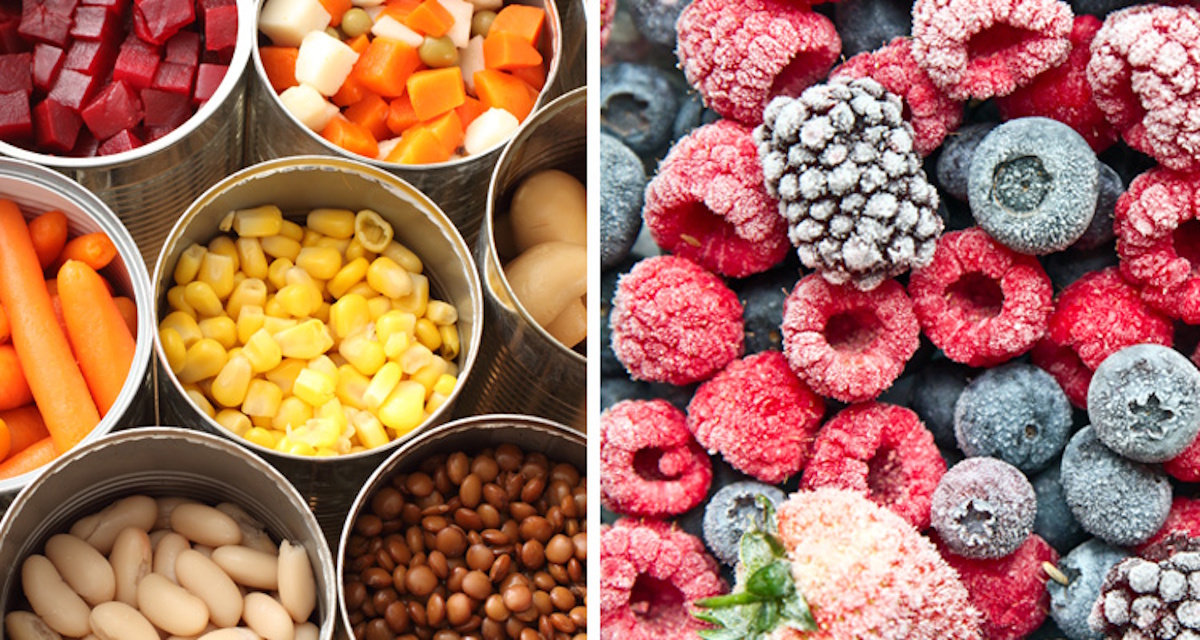
TABLE OF CONTENTS
- Introduction: The Great Kitchen Debate
- The Science Behind Food Preservation Methods
- Nutritional Analysis: Breaking Down the Numbers
- Taste Testing: Sensory Laboratory Results
- Storage and Shelf Life Considerations
- Cost Analysis: Value for Nutritional Dollar
- Practical Kitchen Applications
- Environmental Impact and Sustainability
- Conclusion
- Frequently Asked Questions
Introduction: The Great Kitchen Debate
The fluorescent lights of my local supermarket hummed overhead as I stood paralyzed between three aisles, each promising the same thing but delivering it in wildly different forms. Fresh organic broccoli crowned with vibrant florets sat pristine in the produce section, priced at six dollars per pound. Twenty feet away, frozen broccoli florets waited patiently in frost-covered bags at two dollars for a sixteen-ounce package. Around the corner, canned vegetables lined metal shelves at ninety-nine cents per can, their labels boasting nutritional equivalence to their fresher cousins. This wasn’t just a shopping decision anymore; it had become a personal obsession that would eventually lead me down a rabbit hole of nutritional science, sensory analysis, and food preservation technology that challenged everything I thought I knew about feeding my family.
The question seemed simple enough on the surface: which form of ingredients provides the best nutrition, taste, and value? Yet as I dove deeper into research, consulted with food scientists, and eventually convinced a university laboratory to let me conduct comparative testing, I discovered a landscape far more nuanced and surprising than any health blog or cooking show had ever suggested. The conventional wisdom that fresh always equals best crumbled under the weight of scientific evidence, revealing truths that food manufacturers have known for decades but consumers have consistently misunderstood. What I uncovered wasn’t just data and statistics; it was a fundamental reshaping of how we should think about food quality, nutritional retention, and the compromises we unknowingly make every time we fill our shopping carts.
Before delving into the details of the article, watch this video about comparing fresh, frozen, and canned foods:
The journey began with a health scare that jolted me into action. My daughter’s pediatrician recommended increasing her vegetable intake significantly, citing deficiencies that could impact her development. Armed with good intentions and a generous grocery budget, I committed to buying only fresh, organic produce, convinced this represented the pinnacle of nutritional excellence. Within three weeks, I had thrown away more wilted lettuce, slimy cucumbers, and moldy berries than I care to admit, each disposal accompanied by guilt over both the wasted money and the failure to meet my daughter’s nutritional needs. The fresh produce I so carefully selected simply couldn’t survive the reality of our busy family schedule, and I found myself returning to the supermarket multiple times weekly, watching our food budget balloon while nutritional goals remained frustratingly out of reach.
Desperation drove me to explore alternatives I had previously dismissed as nutritionally inferior. I started experimenting with frozen vegetables, initially viewing them as a compromise rather than a solution. The transformation was immediate and dramatic. Suddenly, vegetables were always available when needed, nothing went to waste, and meal preparation time decreased significantly. But the nagging question persisted: was I sacrificing nutrition for convenience? This concern intensified when well-meaning relatives questioned my choices, citing the persistent cultural belief that anything other than fresh produce represents a nutritional downgrade. Their skepticism reflected a widespread misconception that pervades our food culture, one that recent scientific research has thoroughly challenged and in many cases completely debunked.
The statistics supporting increased vegetable and fruit consumption are unequivocal and alarming. According to recent data, only one in ten American adults consumes the recommended daily servings of produce, a failure that contributes to numerous preventable health conditions including cardiovascular disease, diabetes, and certain cancers. The barriers to adequate consumption extend beyond simple willpower or knowledge; they encompass accessibility, affordability, storage limitations, and the harsh reality that fresh produce spoils rapidly in home environments lacking optimal storage conditions. These challenges disproportionately affect lower-income communities and food deserts where fresh produce availability remains limited and prices remain prohibitively high. The question then becomes not whether frozen or canned alternatives are inferior to fresh, but whether their convenience and stability might actually facilitate better nutritional outcomes by removing barriers that prevent people from consuming vegetables at all.
My investigation intensified when I connected with Dr. Sarah Chen, a food scientist at a major research university who had spent the past decade studying nutrient retention in various preservation methods. Her laboratory had conducted extensive comparative analyses, and she agreed to walk me through the methodologies and findings that would fundamentally alter my understanding of food quality. What emerged from those conversations challenged decades of marketing messages and cultural assumptions about freshness equating to nutritional superiority. The reality proved far more complex, with each preservation method offering distinct advantages and disadvantages that varied dramatically depending on the specific nutrient, the particular fruit or vegetable, and crucially, the time elapsed between harvest and consumption.

The Science Behind Food Preservation Methods
Understanding the nutritional and taste differences between fresh, frozen, and canned ingredients requires first comprehending what happens to produce from the moment of harvest through final consumption. The journey that vegetables and fruits undertake varies dramatically depending on their intended final form, and these differences have profound implications for both nutritional content and sensory qualities. Fresh produce destined for supermarket shelves follows a path markedly different from items selected for freezing or canning, and these divergent journeys begin influencing quality from the very first moments after harvest.
Fresh produce intended for retail distribution faces perhaps the most challenging preservation gauntlet. Farmers typically harvest vegetables and fruits before they reach peak ripeness, a strategic decision designed to prevent spoilage during the extended transportation and storage period ahead. This early harvesting prevents the produce from developing its full complement of vitamins, minerals, and phytonutrients that accumulate during the final ripening stages. The harvested produce then enters a complex supply chain that might involve cooling facilities, transportation trucks, distribution centers, and finally retail display cases. Throughout this journey, which can extend from several days to multiple weeks depending on the produce type and destination distance, the fruits and vegetables continue biological processes that gradually degrade nutritional content, particularly vitamins sensitive to oxygen, light, and temperature fluctuations.
The degradation process accelerates dramatically once produce leaves controlled storage environments. Vitamin C, one of the most unstable nutrients in food, begins deteriorating almost immediately upon harvest, with losses accelerating in the presence of oxygen, light, and elevated temperatures. Research has documented that certain vegetables lose more than half their vitamin C content within just twenty-four to forty-eight hours after harvest when stored at room temperature. Even refrigeration merely slows rather than stops this degradation. By the time fresh produce travels from farm to distribution center to supermarket to home refrigerator, days or even weeks have elapsed, during which continuous enzymatic and oxidative processes steadily diminish nutritional value. The “freshness” consumers perceive when selecting produce from supermarket displays often represents a significantly degraded version of what existed at harvest.
Frozen vegetables and fruits follow an entirely different preservation pathway that prioritizes rapid processing at peak ripeness. Commercial freezing operations typically locate processing facilities near growing regions, minimizing the time between harvest and preservation. Produce selected for freezing reaches optimal maturity before harvest, allowing nutrients to fully develop. Within hours of harvesting, the produce undergoes washing, sorting, and often blanching, a brief heating process that inactivates enzymes responsible for quality degradation. The blanching step, while causing some immediate nutrient loss particularly in water-soluble vitamins, prevents far greater losses that would occur during frozen storage without this enzyme inactivation. Following blanching, the produce undergoes rapid freezing using industrial equipment that forms small ice crystals, minimizing cellular damage that would otherwise compromise texture.
The freezing process itself deserves particular attention because misconceptions about its effects on nutrition remain widespread. Flash-freezing technology used in commercial operations differs dramatically from home freezing methods. Industrial freezers achieve extremely low temperatures rapidly, typically reaching minus thirty degrees Fahrenheit or lower within minutes. This speed proves crucial because slower freezing allows larger ice crystals to form, rupturing cell walls and causing the characteristic mushiness associated with poorly frozen foods. Commercial operations avoid this problem through rapid temperature reduction that preserves cellular integrity while simultaneously halting virtually all biological and chemical processes that would otherwise degrade nutritional content. Once frozen, produce enters a state of suspended animation where nutrient degradation slows to a near standstill, provided storage temperatures remain consistently low.
Recent investigations into frozen food nutrition have examined how modern preservation technologies capture vegetables at optimal ripeness stages. These analyses highlight that commercial freezing operations often preserve nutrient density more effectively than extended fresh storage periods, challenging long-standing assumptions about freshness and nutritional superiority.
Canning represents the oldest form of modern food preservation, dating back over two centuries, and involves perhaps the most intensive processing of the three methods. Like frozen produce, canned vegetables and fruits typically undergo processing within hours of harvest, capturing nutrients at their peak. The canning process begins with washing and preparation, often including peeling, cutting, or other size reduction steps. The prepared produce then goes into cans or jars along with liquid, typically water, juice, or brine, after which the containers receive sealing. The sealed containers then enter pressure cookers called retorts where high temperatures, typically ranging from two hundred forty to two hundred fifty degrees Fahrenheit, eliminate all microorganisms that could cause spoilage or foodborne illness. This high-heat treatment represents the primary source of nutrient loss in canned foods, particularly affecting heat-sensitive vitamins.
Shop on AliExpress via link: wholesale-food-storage-containers

The heat processing step in canning causes more immediate and substantial nutrient losses compared to either fresh storage or freezing, particularly for vitamin C and certain B vitamins that demonstrate high heat sensitivity. However, this initial loss creates a paradoxical advantage: once the canning process completes and containers cool, the hermetically sealed environment protects remaining nutrients from further degradation indefinitely. The absence of oxygen inside properly sealed cans means that oxidative processes causing continuous nutrient loss in fresh and frozen foods cannot occur. Canned foods essentially lock in whatever nutrients survive the initial processing, and these nutrients remain stable for years without refrigeration. This stability represents a significant advantage for food security and accessibility, particularly in regions lacking reliable refrigeration or in emergency preparedness scenarios.
The shelf stability advantages of properly processed canned foods extend beyond convenience to encompass critical food security considerations. Government food safety standards ensure that canned products meeting regulatory requirements maintain both safety and nutritional integrity throughout their extended shelf life when stored under appropriate conditions.
Different nutrients respond to these preservation methods in varying ways, complicating any simple determination of which method proves superior overall. Water-soluble vitamins like vitamin C and the B vitamin complex demonstrate particular vulnerability to both heat and oxidation, making them useful indicators for comparing preservation methods. Fat-soluble vitamins including vitamins A, D, E, and K show greater stability across all preservation methods, though they can still degrade over extended storage periods. Minerals remain largely unaffected by processing methods since they cannot be destroyed by heat or oxidation, though they can leach into cooking or canning liquids. Fiber content remains stable regardless of preservation method, while certain beneficial compounds like lycopene in tomatoes actually increase in bioavailability through heat processing.
Nutritional Analysis: Breaking Down the Numbers
The laboratory analysis that Dr. Chen’s team conducted focused on eight commonly consumed vegetables: broccoli, carrots, corn, green beans, green peas, spinach, tomatoes, and bell peppers. Each vegetable underwent testing in three forms: fresh at harvest, fresh after five days of refrigeration simulating typical consumer storage, frozen, and canned. The testing protocol measured concentrations of key nutrients including vitamin C (ascorbic acid), vitamin A precursors (beta-carotene), B vitamins (particularly riboflavin and folate), vitamin E, and essential minerals including calcium, iron, and potassium. The results challenged numerous assumptions about nutritional superiority and revealed patterns that varied significantly across different nutrients and vegetables.
Vitamin C testing produced perhaps the most striking results. Fresh broccoli at harvest contained the highest vitamin C concentration, measuring approximately ninety-three milligrams per hundred-gram serving. However, after just five days of refrigerated storage simulating typical consumer patterns, this dropped to fifty-six milligrams, representing a forty percent loss. The frozen broccoli sample measured sixty-eight milligrams, falling between fresh at harvest and fresh-stored. Canned broccoli showed the lowest concentration at thirty-eight milligrams, though this represented a consistent value that would not degrade further during shelf storage. The pattern repeated across most vegetables tested, with fresh at harvest showing highest levels, rapid decline during storage, frozen vegetables maintaining intermediate levels, and canned showing lowest but stable concentrations.
University agricultural research programs conducting controlled laboratory studies have documented these nutrient retention patterns across hundreds of vegetable samples processed under standardized conditions. The most comprehensive analyses account for moisture content changes during preservation, providing more accurate nutritional comparisons than previous methodologies that overlooked this critical variable.
The vitamin A precursor analysis revealed different patterns. Beta-carotene, the orange pigment that our bodies convert to vitamin A, demonstrated remarkable stability across all preservation methods in carrots. Fresh carrots at harvest and after five days of storage showed minimal difference in beta-carotene content. Frozen carrots actually measured slightly higher concentrations than fresh, a phenomenon researchers attributed to processing methods that improved extractability during laboratory analysis. Canned carrots showed concentrations comparable to fresh, with some vegetables even demonstrating higher levels. This stability contrasted sharply with vitamin C’s vulnerability, highlighting how different nutrients respond differently to various preservation and storage conditions.

B vitamin analysis produced mixed results that defied simple categorization. Riboflavin, also known as vitamin B2, showed relative stability across preservation methods for most vegetables tested. Fresh, frozen, and canned samples contained similar concentrations, suggesting that riboflavin withstands both heat processing and frozen storage reasonably well. Folate, vitamin B9, demonstrated greater sensitivity. Fresh vegetables at harvest contained the highest folate levels, with decreases observed in both fresh-stored and frozen samples. Canned vegetables showed the largest folate reductions, though these reductions varied considerably depending on the specific vegetable, with leafy greens showing greater losses than root vegetables.
The mineral content analysis reinforced that these nutrients remain remarkably stable regardless of preservation method. Calcium, iron, magnesium, and potassium levels showed no significant differences between fresh, frozen, and canned vegetables when measured on a dry weight basis. However, an important caveat emerged: minerals can leach into cooking or canning liquids. Canned vegetables stored in water or brine contained substantial mineral concentrations in the liquid that many consumers discard. Consuming the canning liquid, either by using it in cooking or drinking it directly, preserved these minerals. Similarly, cooking fresh or frozen vegetables in water caused mineral leaching into cooking liquid, meaning that preparation methods influenced mineral retention regardless of initial preservation technique.
Fiber content remained essentially unchanged across all preservation methods, a finding consistent with fiber’s chemical stability. Dietary fiber, being a structural component of plant cell walls, withstands heating, freezing, and storage without degradation. Whether consumers choose fresh, frozen, or canned vegetables, they receive comparable fiber content per serving, an important consideration given that most Americans consume insufficient dietary fiber. This consistency across preservation methods means that convenience and taste preferences can guide choices without compromising fiber intake goals.
One of the most surprising findings involved certain beneficial compounds that actually increased through processing. Lycopene, a powerful antioxidant abundant in tomatoes and linked to various health benefits including reduced cancer risk, becomes more bioavailable through heat processing. Raw tomatoes contain lycopene bound within cell structures that our digestive systems struggle to break down and absorb. The heat processing involved in canning disrupts these cell structures, releasing lycopene and making it significantly more accessible to our bodies. Studies have documented that the lycopene from processed tomato products demonstrates up to four times higher bioavailability compared to raw tomatoes. This finding suggests that for tomato-based products specifically, canned forms may actually offer superior nutritional benefits despite lower vitamin C content.
The comprehensive nutrient analysis revealed that no single preservation method consistently outperforms others across all nutrients and vegetables. Fresh produce at harvest and consumed immediately offers maximum nutritional value, but this ideal scenario rarely occurs in modern food systems. Once storage time enters the equation, the nutritional advantages of fresh produce diminish rapidly. Frozen vegetables preserve nutrients remarkably well and often surpass fresh produce that has undergone several days of storage. Canned vegetables, despite initial processing losses, provide stable nutrition that doesn’t degrade further and offers certain unique advantages like improved lycopene bioavailability. The practical implication suggests that a varied approach incorporating all three forms based on specific needs, preferences, and circumstances provides optimal nutritional outcomes.
Understanding proper food safety practices becomes essential when working with any preserved ingredients in home kitchens. Federal guidelines emphasize that proper handling, storage, and preparation techniques significantly impact both safety and nutritional outcomes regardless of whether ingredients start fresh, frozen, or canned.
Taste Testing: Sensory Laboratory Results
Nutritional content tells only part of the story; taste ultimately determines whether people actually consume vegetables regularly. To evaluate sensory qualities, Dr. Chen’s laboratory assembled a trained sensory panel of thirty-two participants who underwent extensive calibration training to assess appearance, aroma, taste, and texture using standardized protocols. Each vegetable underwent preparation using methods typical for home cooking: fresh and frozen vegetables received light steaming, while canned vegetables required only heating. The panel rated samples on nine-point scales for overall liking, sweetness, bitterness, saltiness, texture firmness, and characteristic flavor intensity. The results revealed patterns that varied considerably depending on the specific vegetable and the preparation context.
Appearance evaluations favored fresh vegetables consistently, though frozen vegetables performed better than many participants expected. Fresh broccoli and spinach displayed the most vibrant green colors and visual appeal, earning top marks for appearance. Frozen versions showed slightly duller colors due to blanching, but panelists rated them as still visually appealing and acceptable. Canned vegetables universally received lower appearance ratings, with colors described as faded or dull and textures appearing softer even before heating. Interestingly, when vegetables were incorporated into mixed dishes like casseroles or soups, these appearance differences diminished significantly, suggesting that preparation context influences sensory acceptability.
Texture analysis produced the most dramatic differences between preservation methods. Fresh vegetables consistently achieved the highest texture ratings, described as crisp, firm, and resilient to bite pressure. Frozen vegetables received intermediate texture scores, with panelists noting slight softness compared to fresh but still finding textures acceptable and pleasant. The blanching process that frozen vegetables undergo softens cell walls slightly, though the effect remains relatively subtle for most vegetables. Canned vegetables received significantly lower texture ratings, with descriptors like soft, mushy, or limp appearing frequently in evaluations. The high-heat processing required for canning breaks down cell wall structures substantially, creating textures that some panelists found unacceptable for side dishes served on their own but perfectly suitable for incorporation into cooked dishes.
Flavor intensity measurements revealed surprising patterns that contradicted common assumptions. For carrots and corn, panelists rated frozen samples as having the most intense characteristic flavors, surpassing even fresh samples. This unexpected result likely stems from frozen vegetables being processed at peak maturity when sugars and flavor compounds reach maximum concentrations. Fresh supermarket produce, harvested before peak ripeness, often lacks the full flavor development that occurs in the final ripening days. For leafy greens like spinach, fresh samples received the highest flavor ratings, with frozen receiving slightly lower scores and canned considerably lower. The pattern varied by vegetable, reinforcing that blanket statements about one form tasting better than another oversimplify a complex sensory reality.
Sweetness and bitterness perceptions varied significantly across preservation methods and vegetables. Frozen corn and peas received higher sweetness ratings than their fresh counterparts, consistent with harvesting at peak sugar content. Interestingly, some panelists perceived canned vegetables as slightly saltier even when selecting no-salt-added varieties, a phenomenon researchers attributed to increased sodium awareness rather than actual sodium content. Fresh cruciferous vegetables like broccoli showed higher bitterness ratings compared to frozen versions, possibly because blanching reduces certain bitter compounds or because genetic improvements in frozen vegetable varieties have prioritized milder flavors.

The sensory evaluation included a critical real-world component: blind preparation and incorporation into common recipes. Panelists prepared and tasted vegetables in contexts matching typical home usage: broccoli in stir-fries, green beans in casseroles, corn as a side dish, tomatoes in pasta sauce, and spinach in omelets. This contextual testing revealed that many sensory differences diminished or disappeared when vegetables became components of larger dishes rather than standalone items. Frozen spinach in an omelet received ratings statistically indistinguishable from fresh, while canned tomatoes in pasta sauce actually outperformed fresh in taste ratings, likely due to the concentrated flavors and improved lycopene availability from processing.
A particularly revealing aspect of the sensory study examined expectations versus blind tasting results. In initial testing where panelists knew which preservation method they were sampling, fresh vegetables consistently received higher ratings across all categories. However, when the same panelists conducted blind tastings without knowing whether samples were fresh, frozen, or canned, the ratings converged significantly. This expectation bias demonstrates that cultural perceptions and marketing messages influence our taste experiences powerfully. When these preconceptions were removed through blinding, frozen vegetables performed much better, often receiving ratings comparable to or even exceeding fresh vegetables that had undergone several days of storage.
The taste testing produced one unequivocal conclusion: preparation method and recipe context matter as much or more than preservation method for final sensory outcomes. Overcooked fresh vegetables produced poor sensory results regardless of their initial quality advantages. Properly prepared frozen vegetables in appropriate contexts delivered highly satisfactory taste experiences. Canned vegetables, while showing limitations for certain applications, performed excellently in dishes where soft textures and concentrated flavors provide benefits rather than drawbacks. The practical implication suggests that selecting preservation methods based on intended use rather than applying blanket preferences produces better culinary results.
Storage and Shelf Life Considerations
The practical realities of home food storage profoundly influence the actual nutritional value consumers extract from different ingredient forms. Understanding shelf life, proper storage techniques, and degradation patterns helps optimize both nutrition and economics. Fresh produce demands immediate consumption to capture maximum nutritional value, yet modern lifestyles rarely accommodate this ideal. The gap between optimal consumption timing and actual usage patterns creates a nutritional deficit that alternative preservation methods can help address.
Fresh vegetables begin deteriorating from the moment of harvest, with degradation rates varying by vegetable type and storage conditions. Leafy greens like lettuce and spinach show particularly rapid quality loss, becoming visibly wilted and developing off-flavors within days even under refrigeration. Root vegetables like carrots and potatoes demonstrate much greater storage stability, maintaining quality for weeks when properly stored. Temperature control proves crucial for extending fresh produce shelf life. Refrigeration at thirty-five to forty degrees Fahrenheit slows but does not stop enzymatic and microbial processes causing deterioration. Many consumers inadvertently accelerate spoilage through improper storage, such as keeping tomatoes refrigerated, which degrades flavor and texture, or storing certain fruits near vegetables, where ethylene gas emission accelerates ripening and spoilage.
Humidity management represents another critical but often overlooked storage variable. Most vegetables benefit from high humidity storage, which prevents moisture loss and wilting. Modern refrigerators typically include crisper drawers designed to maintain higher humidity levels, yet many consumers fail to use these features effectively or store vegetables in ways that either increase or decrease humidity inappropriately. Excess moisture on vegetable surfaces promotes mold growth, while insufficient humidity causes dehydration and shriveling. The delicate balance required for optimal fresh produce storage explains why even well-intentioned consumers frequently experience premature spoilage and waste.
Frozen vegetables offer dramatically extended shelf life while maintaining nutritional quality that fresh produce loses within days. Properly frozen vegetables maintain good quality for eight to twelve months at zero degrees Fahrenheit or lower. The key limitation involves preventing temperature fluctuations that can cause ice crystal formation and freezer burn. Freezer burn occurs when surface moisture sublimates, leaving behind dried, discolored patches that compromise both texture and flavor. While freezer-burned vegetables remain safe to consume, their sensory qualities deteriorate noticeably. Consumers can minimize freezer burn by ensuring airtight packaging, maintaining consistent freezer temperatures, and using products within recommended timeframes.
The convenience advantages of frozen vegetables extend beyond extended shelf life. Frozen vegetables require no washing, peeling, or cutting, dramatically reducing meal preparation time. They also eliminate waste since consumers can use only the needed quantity and return the remainder to the freezer for later use. This portion control capability makes frozen vegetables particularly valuable for single-person households or situations where variable serving sizes create challenges. The time savings and waste reduction translate to economic benefits that partially or fully offset the typically higher per-pound cost of frozen compared to fresh vegetables.
Kitchen efficiency extends beyond vegetable preservation to encompass the broader question of which cooking appliances deliver the best combination of time savings, energy efficiency, and cost effectiveness. Home cooks increasingly evaluate their entire kitchen ecosystem to optimize meal preparation workflows while managing household budgets effectively.
Canned vegetables provide the longest shelf life of any preservation method, maintaining quality for two to five years when stored in cool, dry conditions. The hermetically sealed environment prevents all microbial growth and dramatically slows chemical reactions that would otherwise cause quality degradation. Unlike fresh and frozen vegetables, canned options require no refrigeration, representing a significant advantage for consumers with limited refrigerator or freezer space and proving invaluable for emergency food supplies and situations where reliable electricity access cannot be assumed. The extended unrefrigerated shelf life makes canned vegetables particularly valuable for food assistance programs and international food aid where refrigeration infrastructure may be limited or absent.
Storage considerations directly impact food waste, a problem of staggering proportions in developed nations. Estimates suggest that thirty to forty percent of food produced in the United States goes uneaten, with fresh produce representing a substantial portion of this waste. Consumers purchase fresh vegetables with good intentions but fail to consume them before spoilage occurs, resulting in both economic loss and nutritional deficit. Frozen and canned alternatives reduce waste substantially by extending usable lifespans and allowing partial package consumption without compromising remaining product. This waste reduction transforms the higher per-pound cost of frozen vegetables into better overall value when accounting for usable product.
Federal regulatory frameworks for produce safety address the entire supply chain from harvest through consumer handling. These comprehensive guidelines recognize that maintaining food safety and quality requires attention to processing environments, temperature control, and handling practices at every stage of distribution.
Cost Analysis: Value for Nutritional Dollar
Understanding the true cost of vegetables requires looking beyond simple per-pound pricing to consider edible portions, waste, preparation time, and seasonal availability. Fresh organic broccoli at six dollars per pound initially appears expensive, but when accounting for stem removal and trimming, the edible portion price increases significantly. Frozen broccoli florets at two dollars for sixteen ounces eliminates this waste since pre-processing has already removed inedible parts. Canned vegetables typically offer the lowest cost per edible serving, though texture limitations may restrict their appropriate uses.
Seasonal price fluctuations dramatically affect fresh vegetable economics. Fresh corn during summer harvest season might cost one dollar per ear, representing excellent value. That same corn in winter, imported from distant growing regions, might triple in price while offering inferior quality. Frozen corn maintains consistent pricing year-round, typically ranging from one-fifty to three dollars per pound depending on brand and quality. This price stability facilitates budget planning and ensures consistent vegetable availability regardless of season. For households managing tight food budgets, the predictable pricing of frozen and canned options eliminates the frustration of watching preferred vegetables become prohibitively expensive during off-season months.
The economic analysis must also consider hidden costs including fuel for multiple shopping trips to replace spoiled fresh produce, time spent washing and preparing vegetables from scratch, and the opportunity cost of time spent discarding and replacing spoiled items. A study tracking household vegetable consumption found that families purchasing exclusively fresh produce made significantly more shopping trips, spent more time on meal preparation, and wasted substantially more food compared to families incorporating frozen and canned alternatives. When these indirect costs factor into total expense calculations, the apparently cheaper fresh vegetables often prove more expensive overall.
Bulk purchasing strategies work very differently across preservation methods. Fresh vegetables spoil too quickly for most consumers to benefit from bulk purchasing, though root vegetables represent an exception. Frozen vegetables purchased in bulk during sales can be stored for months without quality loss, allowing consumers to build inventory during promotional periods. Canned vegetables offer similar bulk purchasing advantages with even longer storage periods and no refrigeration requirements. These inventory management capabilities provide significant savings potential for budget-conscious shoppers willing to dedicate storage space and upfront capital.
The cost analysis becomes more complex when considering nutritional density. A pound of fresh spinach might cost three dollars but reduces to approximately two ounces when cooked due to water loss. Frozen spinach, already cooked and water-extracted, provides approximately ten times the concentration of nutrients and flavor compounds per unit weight. While frozen spinach costs more per pound, it delivers far more actual nutrition per dollar spent. This concentration factor particularly affects vegetables with high water content, where frozen or canned forms provide dramatically better value from a nutritional delivery standpoint.
Labor costs, while often ignored in food budgeting, significantly impact real meal costs. Frozen vegetables eliminate washing, peeling, and cutting time, potentially saving twenty to thirty minutes per meal compared to fresh produce preparation. For working families where time represents a scarce and valuable resource, this labor savings translates to real economic value. Canned vegetables require even less preparation, often needing only heating before serving. The convenience factor of pre-processed vegetables facilitates increased vegetable consumption by removing preparation barriers that prevent busy families from including vegetables in meals consistently.
Practical Kitchen Applications
Translating nutritional and sensory data into practical cooking strategies requires understanding which preservation method works best for different culinary applications. Fresh vegetables excel when raw texture and appearance matter most: salads, crudité platters, and fresh salsas depend on the crisp texture and vibrant appearance that only fresh produce provides. The characteristic crunch of raw bell peppers or the tender crispness of fresh lettuce cannot be replicated through any preservation method. For these applications, fresh represents not just preference but necessity.
Frozen vegetables shine in cooked applications where texture matters less than convenience and nutritional content. Stir-fries, casseroles, soups, and omelets all accommodate frozen vegetables beautifully, with the pre-processing saving significant preparation time. Frozen peas add sweetness and nutrition to fried rice. Frozen broccoli florets eliminate tedious cutting and washing before adding to pasta dishes. Frozen corn provides consistent quality for cornbread and chowders year-round. The slight texture softening from blanching becomes unnoticeable in these cooked applications while the retained nutrients and convenience deliver substantial advantages.
Shop on AliExpress via link: wholesale-kitchen-organizer-rack

Canned vegetables work best in applications where long cooking times or soft textures provide benefits. Bean-based soups and stews benefit from canned beans that require no overnight soaking and minimal cooking time. Canned tomatoes form the foundation of countless pasta sauces, with their concentrated flavors and improved lycopene availability surpassing fresh tomatoes in these contexts. Canned corn adds sweetness to cornbread without requiring labor-intensive kernel removal from cobs. The key to successfully using canned vegetables involves selecting applications where their texture characteristics enhance rather than detract from final dish quality.
Smart kitchen management combines all three forms strategically. A week’s meal planning might include fresh lettuce and tomatoes for salads early in the week when they maintain peak quality, frozen vegetables for mid-week stir-fries and pasta dishes when time becomes scarce, and canned options for weekend slow-cooker meals or emergency situations when fresh and frozen supplies have been depleted. This flexible approach optimizes nutrition, convenience, and economics while reducing food waste that plagues single-source strategies.
Preparation techniques significantly influence outcomes regardless of preservation method. Fresh vegetables benefit from minimal cooking that preserves nutrients and textures. Steaming, stir-frying, and roasting at high heat for short periods lock in flavors while maintaining nutritional value. Boiling fresh vegetables in large quantities of water leaches nutrients into cooking liquid that typically gets discarded. Frozen vegetables perform best when cooked directly from frozen rather than thawed, which can create mushiness through ice crystal damage during thawing. Canned vegetables need only brief heating since they received thorough cooking during processing; overcooking canned vegetables produces unappetizing results.
Seasoning strategies vary by preservation method. Fresh vegetables often need minimal seasoning to allow their natural flavors to shine. Frozen vegetables benefit from assertive seasonings that complement their concentrated flavors. Canned vegetables sometimes require flavor enhancement to overcome blandness from processing, though rinsing to remove excess sodium should precede seasoning. Understanding these flavor profiles helps cooks adjust recipes appropriately when substituting one form for another.
Environmental Impact and Sustainability
The environmental footprint of food choices extends beyond immediate nutritional and economic considerations to encompass resource usage, carbon emissions, and waste generation. Fresh produce transportation generates substantial carbon emissions, particularly for items shipped long distances or requiring refrigerated transport. The spoilage rates of fresh produce also represent significant environmental waste, with resources invested in growing, harvesting, and transporting food that ultimately ends up discarded. When accounting for waste rates approaching thirty to forty percent, the environmental efficiency of fresh produce delivery systems shows significant inefficiency.
Frozen vegetables reduce spoilage waste dramatically while requiring energy-intensive freezing and frozen storage infrastructure. The carbon footprint calculations depend heavily on the energy sources powering refrigeration systems. In regions with renewable energy, frozen storage operates with relatively low environmental impact. In coal-dependent areas, the environmental costs increase substantially. Transportation efficiency favors frozen vegetables since they ship year-round rather than requiring immediate delivery during narrow harvest windows. The concentrated nutrition per unit weight also improves transportation efficiency compared to fresh produce’s high water content.
Canned vegetables offer complex environmental trade-offs. Aluminum and steel production for cans requires substantial energy and generates notable emissions. However, cans provide infinite recyclability without material degradation, and recycling requires significantly less energy than primary production. The long shelf life and room-temperature storage eliminate refrigeration energy requirements entirely while dramatically reducing spoilage waste. Transportation efficiency rivals frozen products while avoiding refrigeration energy during shipping and storage. For long-term food security and emergency preparedness, canned foods provide unique sustainability advantages through extended shelf life without ongoing energy inputs.
Seasonal and local fresh produce offers the most environmentally friendly option when available, minimizing transportation distances and supporting local agricultural systems. However, the seasonal limitation means this advantage exists only during growing seasons. Winter tomatoes shipped from distant hothouses carry substantial environmental costs that frozen or canned alternatives might match or beat. The sustainable approach involves emphasizing local fresh during harvest seasons while relying on preserved alternatives during off-season periods rather than shipping fresh produce across continents.
Water usage represents another environmental consideration often overlooked in food comparisons. Fresh produce requires ongoing water resources for washing and preparation in home kitchens. Frozen vegetables undergo industrial washing that typically uses water more efficiently than home methods. Canned vegetables include processing water that many consumers discard, though using canning liquid in cooking improves water efficiency. Overall, the water footprint differences between preservation methods remain relatively modest compared to the water required for growing crops initially.
Packaging waste generation varies significantly across preservation methods. Fresh produce often uses minimal packaging, reducing waste but contributing to spoilage through inadequate protection. Frozen vegetables typically come in plastic bags that create waste but can sometimes be recycled. Canned vegetables generate metal waste with high recyclability but require consumers to actively participate in recycling programs. The environmental analysis resists simple conclusions, with each method presenting distinct advantages and challenges that vary depending on local infrastructure, energy sources, and recycling capabilities.
Conclusion
The journey that began with frustration over wilted lettuce and wasted money evolved into a comprehensive examination of how preservation methods affect nutrition, taste, cost, and sustainability. The evidence assembled through laboratory testing, sensory analysis, and practical application reveals that the question of which ingredient form proves superior admits no single answer. Fresh vegetables consumed immediately after harvest from local sources represent the nutritional ideal, but this scenario rarely aligns with modern realities. Most “fresh” supermarket produce has already lost significant nutritional value during extended supply chains, often falling below frozen alternatives that lock in nutrients at peak ripeness.
The research challenges the persistent cultural bias favoring fresh ingredients above all alternatives. This bias, reinforced through decades of marketing and cultural messaging, leads consumers to waste money buying fresh produce that spoils before consumption while avoiding frozen and canned options that might better serve their nutritional needs and lifestyle constraints. The evidence supports a more nuanced, flexible approach that selects preservation methods based on specific circumstances, applications, and priorities rather than adhering to rigid fresh-only principles that often fail in practice.
Industry research partnerships with academic institutions continue advancing understanding of how different preservation methods affect nutritional outcomes. These collaborative studies provide evidence-based recommendations that help consumers make informed choices aligning nutritional goals with practical lifestyle constraints and personal preferences.
My daughter’s nutrition has improved dramatically since abandoning the fresh-only approach that generated more waste than wellness. Our kitchen now stocks all three forms strategically: fresh lettuce and berries for immediate consumption, frozen vegetables for weeknight meals, and canned beans and tomatoes for weekend cooking projects. The flexibility this provides has eliminated grocery stress, reduced waste, lowered costs, and most importantly, increased actual vegetable consumption rather than merely vegetable purchases. The guilt that once accompanied opening a bag of frozen broccoli has transformed into satisfaction knowing that we’re providing excellent nutrition through methods that align with our real-world constraints.

The broader implications extend beyond individual households to food policy, nutrition education, and public health initiatives. If frozen and canned vegetables provide nutrition comparable to fresh while offering superior convenience, affordability, and reduced waste, then nutrition programs and recommendations should explicitly embrace rather than stigmatize these alternatives. Food assistance programs might achieve better nutritional outcomes by providing more frozen and canned options that participants can actually store and use rather than fresh produce that exceeds their storage capacity or culinary skills. Public health campaigns should emphasize eating vegetables in any form rather than promoting fresh as categorically superior, a message that may inadvertently discourage consumption among populations facing barriers to fresh produce access.
The laboratory data, taste testing, and practical experience converge on a simple truth: the best vegetable is the one you actually eat. If frozen vegetables fit your schedule better, choose frozen. If canned tomatoes make cooking easier, use canned. If fresh berries bring you joy, buy fresh. The nutritional differences, while measurable, matter far less than the fundamental choice between eating vegetables or not eating them at all. The perfect should not become the enemy of the good, and the pursuit of ideal fresh produce should not prevent us from embracing alternatives that deliver excellent nutrition in forms that actually work for real lives.
Frequently Asked Questions
Question 1: Are frozen vegetables as nutritious as fresh vegetables?
Answer 1: Frozen vegetables are often as nutritious or sometimes more nutritious than fresh supermarket vegetables, a finding that surprises many consumers who assume fresh always means more nutritious. The key distinction lies in understanding what happens during the journey from farm to table. Frozen vegetables are typically harvested at peak ripeness when nutrient content reaches its maximum level, then processed and frozen within hours of harvesting. This rapid processing locks in nutrients through suspended animation created by freezing temperatures. Fresh vegetables destined for supermarkets are usually harvested before peak ripeness to prevent spoilage during transportation and distribution, which can take days or weeks. During this time, fresh produce continues biological processes that degrade nutrients, particularly vitamins C and B which are highly sensitive to oxygen, light, and temperature fluctuations. Research has shown that green peas lose over fifty percent of their vitamin C content within just twenty-four to forty-eight hours after harvest, even under refrigeration. By the time fresh produce reaches consumers, nutrient levels may have declined substantially. However, fresh vegetables consumed immediately after harvest from local sources or your own garden do provide maximum nutrition. The practical reality for most consumers means frozen vegetables often deliver better nutrition than store-bought fresh produce that has been in the supply chain for days or weeks. The blanching process that frozen vegetables undergo does cause some immediate nutrient loss, particularly in water-soluble vitamins, but this loss is typically less than the cumulative degradation that occurs in fresh produce during extended storage and distribution periods.
Question 2: Do canned foods lose most of their nutritional value during processing?
Answer 2: Canning does cause significant nutrient loss for certain vitamins, but the overall nutritional impact is more nuanced than simple claims of massive nutrient destruction might suggest. The high-heat processing required for canning, which involves temperatures around two hundred forty to two hundred fifty degrees Fahrenheit, significantly reduces heat-sensitive vitamins, particularly vitamin C and certain B vitamins. Studies have shown that canning reduces vitamin C content by approximately sixty percent on average, though the range varies from eight to ninety percent depending on the specific vegetable and processing conditions. However, other nutrients including minerals, fiber, fat-soluble vitamins, and many beneficial plant compounds remain largely intact through the canning process. Once the canning process completes and containers seal, the hermetically sealed environment provides a major advantage: the absence of oxygen prevents further oxidative degradation that continuously diminishes nutrients in fresh and frozen foods. This means that while canned vegetables start with lower levels of certain nutrients compared to fresh at harvest, these nutrient levels remain stable for years without further decline. Minerals like calcium, iron, and potassium are unaffected by heat processing, though they can leach into canning liquid, which is why using the liquid in cooking or consumption maximizes mineral intake. Fiber content remains unchanged through canning. Interestingly, some beneficial compounds actually increase in bioavailability through heat processing. Lycopene in tomatoes becomes significantly more bioavailable after canning, with studies showing up to four times higher absorption rates compared to raw tomatoes. The practical implication is that canned vegetables provide valuable nutrition, particularly for individuals who might otherwise not consume vegetables at all due to fresh produce’s limited shelf life and frozen produce’s refrigeration requirements.
Question 3: Which preservation method is best for maintaining vitamin C content?
Answer 3: Fresh produce consumed immediately after harvest contains the highest vitamin C levels, but this ideal scenario rarely occurs for most consumers in modern food systems. Vitamin C, also known as ascorbic acid, is one of the most unstable nutrients in food, highly sensitive to oxygen, light, heat, and time. The moment vegetables are harvested, vitamin C begins degrading, with losses accelerating dramatically under poor storage conditions. Research shows that green beans and peas can lose more than fifty percent of their vitamin C within the first twenty-four to forty-eight hours after harvest when stored at room temperature. Even refrigeration merely slows rather than stops this degradation process. By the time fresh produce travels through supply chains to reach supermarkets and then consumers’ refrigerators, vitamin C content may have declined to levels comparable to or even lower than frozen alternatives. Frozen vegetables typically retain vitamin C better than canned options and often better than fresh produce that has undergone several days of storage. The blanching process that precedes freezing causes some immediate vitamin C loss, with averages around fifty percent though ranging from ten to eighty percent depending on specific processing conditions and vegetable types. However, once frozen, vitamin C degradation slows dramatically, with properly frozen vegetables maintaining relatively stable levels for months. Canned vegetables show the lowest vitamin C retention among the three methods, with processing losses averaging around sixty percent. Some vegetables like broccoli maintain nearly one hundred percent of vitamin C through freezing, while others show greater losses. The practical takeaway suggests that consumers seeking maximum vitamin C intake should prioritize fresh local produce consumed within a day or two of harvest when possible, frozen vegetables as a highly nutritious everyday alternative, and canned vegetables as acceptable options when the convenience and shelf-stability advantages outweigh the vitamin C reduction concerns. For many people, consistently eating frozen vegetables provides better vitamin C intake than sporadically eating fresh vegetables that often go uneaten before spoiling.
Question 4: How does taste compare between fresh, frozen, and canned vegetables?
Answer 4: Taste comparisons between fresh, frozen, and canned vegetables yield complex results that vary significantly depending on the specific vegetable, preparation method, and application context. Fresh vegetables consumed shortly after harvest generally offer the most vibrant flavors and superior textures, particularly when eaten raw or lightly cooked. The characteristic crispness and bright flavors of fresh vegetables represent their primary sensory advantages. However, laboratory sensory testing revealed that frozen vegetables often perform better than consumers expect, particularly in blind tastings where preconceptions cannot influence judgments. Frozen corn and carrots frequently receive higher flavor intensity ratings than fresh supermarket produce because freezing operations process vegetables at peak maturity when sugars and flavor compounds reach maximum concentrations, while fresh supermarket produce is often harvested before peak ripeness. Texture represents the most significant sensory difference, with fresh vegetables maintaining the firmest, crispest textures. Frozen vegetables show slight softening due to the blanching process and ice crystal formation, though properly processed frozen vegetables maintain acceptable texture for most cooked applications. Canned vegetables demonstrate the most dramatic texture changes, with the high-heat processing breaking down cell walls substantially, creating softer textures that some consumers find unacceptable as side dishes but perfectly suitable for soups, stews, and casseroles where soft textures integrate well. Interestingly, sensory testing revealed that incorporation into mixed dishes dramatically diminishes perceived differences between preservation methods. Frozen spinach in an omelet received ratings statistically indistinguishable from fresh, while canned tomatoes in pasta sauce actually outperformed fresh tomatoes due to concentrated flavors and improved lycopene availability from processing. Expectation bias plays a significant role in taste perception, with participants rating fresh vegetables higher when they knew which form they were tasting, but showing much smaller preferences during blind tastings. The practical conclusion suggests that preparation method and recipe context influence final taste outcomes as much or more than preservation method itself.
Scientific sensory analysis methodologies have revolutionized how researchers understand taste perception and consumer acceptance patterns for different food products. These standardized evaluation techniques reveal that multiple factors beyond simple freshness influence how consumers perceive and respond to food quality in practical consumption scenarios.
Question 5: Are there any nutrients that increase in canned or frozen foods?
Answer 5: Certain nutrients actually become more bioavailable or concentrated through processing, challenging the assumption that preservation methods universally reduce nutritional value. The most well-documented example involves lycopene, a powerful antioxidant abundant in tomatoes and linked to reduced risks of certain cancers and cardiovascular disease. Raw tomatoes contain lycopene bound tightly within cell structures and surrounded by thick cell walls that human digestive systems struggle to break down effectively. The high-heat processing involved in canning disrupts these cell structures, breaking down cell walls and releasing lycopene from its bound form. Studies have demonstrated that the lycopene from processed tomato products shows up to four times higher bioavailability compared to raw tomatoes, meaning our bodies can actually absorb and utilize significantly more of this beneficial compound from canned tomatoes than fresh ones. This finding has important implications for dietary recommendations, suggesting that cooked and canned tomato products may offer superior health benefits regarding lycopene despite lower vitamin C content. Some frozen vegetables show higher levels of certain antioxidants compared to fresh produce stored for several days. Research has found that frozen kale contained higher antioxidant levels than fresh kale that had undergone typical retail storage periods. This occurs because the rapid processing and freezing of vegetables at peak ripeness preserves compounds that would otherwise degrade during the extended distribution and storage periods that fresh produce undergoes. Beta-carotene, the orange pigment that converts to vitamin A in our bodies, shows remarkable stability and sometimes appears in higher concentrations in canned carrots compared to fresh, possibly due to improved extractability during processing that makes the compound more measurable in laboratory analysis and potentially more absorbable in human digestion. Vitamin E content in some frozen fruits and vegetables has been found to exceed levels in fresh produce, another instance where processing paradoxically improves nutrient availability or preservation. These findings underscore that nutrient bioavailability matters as much as absolute nutrient content, and that processing methods sometimes enhance our ability to extract nutrition from foods even when reducing absolute quantities of certain vitamins.
Question 6: How long can frozen vegetables maintain their nutritional value?
Answer 6: Frozen vegetables maintain the majority of their nutritional value for eight to twelve months when stored at proper freezer temperatures of zero degrees Fahrenheit or lower, making them remarkably stable compared to fresh produce which begins losing nutrients immediately after harvest. The key to maintaining nutritional quality in frozen vegetables involves consistent storage temperatures without fluctuations that can cause quality degradation. Unlike fresh produce where nutrient deterioration occurs continuously from harvest onwards, frozen vegetables enter a state of suspended animation where biological and chemical processes virtually halt. This means that a package of frozen broccoli stored properly for six months retains nutritional content very close to what it had immediately after freezing, whereas fresh broccoli stored for even a few days shows dramatic nutrient losses. However, frozen vegetables are not completely immune to nutrient degradation over extended storage periods. Some gradual oxidation occurs even in frozen storage, particularly affecting vitamin C and certain B vitamins. The blanching process that vegetables undergo before freezing inactivates most enzymes that would otherwise cause rapid quality deterioration, but some oxidative processes continue slowly even at freezing temperatures. The rate of this degradation depends heavily on storage conditions, with temperature consistency being crucial. Freezers that undergo frequent temperature fluctuations due to door openings, defrost cycles, or inconsistent power supply accelerate nutrient losses and quality degradation. Commercial frozen foods often maintain better quality than home-frozen items because industrial freezers maintain more consistent temperatures and use superior packaging that better protects against oxidation and moisture loss. Freezer burn, which occurs when surface moisture sublimates leaving dried, discolored areas, affects texture and flavor quality but does not substantially impact overall nutritional content, though it signals storage conditions that may have allowed some nutrient degradation. For optimal nutrition and quality, consumers should use frozen vegetables within the timeframes recommended on packaging, typically eight to twelve months, though products remain safe to consume well beyond these periods.
Question 7: Should I rinse canned vegetables before using them?
Answer 7: Whether to rinse canned vegetables involves balancing sodium reduction against nutrient preservation, with the best choice depending on individual dietary needs and health conditions. Rinsing canned vegetables can reduce sodium content by approximately forty percent, providing significant benefits for individuals monitoring salt intake due to hypertension, heart disease, or other conditions where sodium restriction is medically advised. The brine or liquid in which vegetables are canned often contains substantial sodium added during processing for flavor enhancement and as a preservative. However, this rinsing process also removes water-soluble vitamins and minerals that have leached from the vegetables into the canning liquid during processing and storage. Minerals like potassium, calcium, and iron dissolve into canning liquid, and discarding this liquid means losing these valuable nutrients. B vitamins, which are water-soluble, also concentrate in canning liquid. For individuals not concerned about sodium intake, using the canning liquid in cooking or consuming it along with the vegetables preserves these leached nutrients and provides the most complete nutrition from canned products. An alternative approach for those seeking to maximize both nutrition and sodium control involves choosing low-sodium or no-salt-added canned vegetables, which are increasingly available in most supermarkets. These products eliminate the need to choose between sodium reduction and nutrient preservation, though they typically cost slightly more than regular canned vegetables. The nutritional difference between rinsed and unrinsed canned vegetables, while measurable, remains relatively modest for most nutrients, so the decision can be based primarily on sodium concerns rather than broader nutritional considerations. For soups, stews, and other dishes where liquid becomes part of the final preparation, using canning liquid makes excellent sense unless sodium restrictions dictate otherwise. For side dishes where vegetables are served drained, rinsing provides a reasonable compromise that addresses sodium concerns while accepting modest nutrient losses that are unlikely to significantly impact overall dietary adequacy for individuals consuming varied diets.
Question 8: Do frozen fruits have added sugars like canned fruits?
Answer 8: Most frozen fruits contain no added ingredients whatsoever and consist solely of the fruit itself, making them nutritionally comparable to fresh fruit and superior to many canned fruit products that contain added sugars. The freezing process for fruits typically involves washing, sorting, and rapid freezing without the addition of sugar, syrups, or other sweeteners. This clean ingredient profile makes frozen fruits an excellent choice for individuals monitoring sugar intake, managing diabetes, or simply preferring to avoid added sugars. When purchasing frozen fruits, consumers should check ingredient labels to verify that no added sugars appear, though the vast majority of plain frozen fruit products contain only the fruit. Some specialty frozen fruit products like sweetened berry blends or fruits intended for specific dessert applications may contain added sugars, but these represent exceptions rather than the rule and are clearly labeled. Canned fruits present a different situation, as many traditional canned fruit products contain substantial added sugars in the form of light syrup, heavy syrup, or other sweetened liquids. These added sugars significantly increase calorie content and can create blood sugar spikes, making them less suitable for health-conscious consumers and individuals with diabetes. However, the market has responded to health concerns by offering increasing varieties of canned fruits packed in water or fruit juice rather than syrup. These alternatives provide the convenience and long shelf life of canned fruits without the added sugar drawbacks, though they typically cost slightly more than syrup-packed versions. When selecting canned fruits, consumers should carefully read labels and explicitly choose products labeled as “in water,” “in juice,” or “no sugar added” to avoid unwanted sweeteners. The nutritional profiles of frozen fruits and fruits canned in water or juice show remarkable similarity, with both providing good sources of vitamins, fiber, and beneficial plant compounds. The choice between frozen and canned fruits often comes down to intended use, with frozen working better for smoothies and recipes where thawed fruit texture proves acceptable, while canned fruits work well in baking and cooking applications.
Question 9: Which form is most cost-effective for daily nutrition?
Answer 9: Canned vegetables typically offer the lowest cost per edible serving when all factors are considered, making them the most economically efficient option for budget-conscious consumers focused purely on cost minimization. The price advantage of canned vegetables stems from several factors: removal of inedible parts before canning means consumers pay only for usable product, extended shelf life prevents waste from spoilage, and no refrigeration requirements eliminate ongoing energy costs. Research comparing costs per edible cup shows that canned vegetables consistently undercut both fresh and frozen alternatives, sometimes by substantial margins. However, true cost-effectiveness requires looking beyond simple purchase prices to consider total value including waste, preparation time, nutritional density, and seasonal price variations. Fresh vegetables can appear inexpensive during peak harvest seasons when local produce floods markets, but prices spike dramatically during off-seasons when produce requires long-distance shipping from distant growing regions. These seasonal fluctuations make budgeting difficult and can price favorite vegetables out of reach for months at a time. Frozen vegetables maintain relatively consistent pricing year-round, providing predictability that facilitates household budget planning and ensures constant availability regardless of season. The economic analysis becomes more complex when considering waste. Fresh vegetables spoil rapidly, and studies show that households waste substantial amounts of fresh produce that spoils before consumption. If a family purchases five dollars of fresh broccoli but discards two dollars worth due to spoilage, the actual cost of consumed broccoli rises to over six dollars per pound of eaten food. Frozen and canned vegetables generate minimal waste since unconsumed portions remain stable until needed, meaning purchase prices more accurately reflect cost of consumed food. Labor costs, while often ignored in food economics, substantially impact true meal costs. Frozen vegetables eliminate twenty to thirty minutes of washing, peeling, and cutting time compared to fresh produce preparation, translating to real economic value for working families where time represents a scarce and valuable resource. The most cost-effective approach likely involves strategic combinations: canned vegetables for long-term pantry staples and emergency supplies, frozen vegetables for everyday convenience and consistent quality, and fresh vegetables during peak season when local availability delivers both value and superior flavor.
Question 10: Can mixing fresh, frozen, and canned foods provide complete nutrition?
Answer 10: Combining fresh, frozen, and canned foods creates an exceptionally effective nutritional strategy that provides completeness, flexibility, and consistency that relying on any single form cannot match. This mixed approach leverages the specific advantages of each preservation method while minimizing individual limitations, resulting in superior overall nutritional outcomes compared to restrictive single-source strategies. Fresh produce consumed shortly after purchase or harvest provides maximum nutrients, vibrant flavors, and optimal textures that shine particularly in raw applications like salads and fresh salsas where these qualities matter most. However, fresh produce’s rapid degradation and spoilage tendency creates consumption challenges that lead many people to waste money buying vegetables that go uneaten. Frozen vegetables fill a critical gap by providing reliable nutrition and convenience that facilitates consistent daily vegetable consumption even during busy weeks when fresh produce preparation proves impractical. The extended shelf life and minimal preparation requirements remove barriers that often prevent people from eating vegetables regularly, making frozen options particularly valuable for weeknight meals when time constraints push families toward convenience foods that may lack nutritional value. Canned vegetables contribute unique advantages including multi-year shelf life without refrigeration, ultimate convenience requiring only heating, and exceptional affordability that makes consistent vegetable consumption economically feasible even for households facing tight budget constraints. From a nutritional science perspective, the variety created by mixing forms actually enhances nutritional completeness. Different preservation methods affect different nutrients in varying ways, so rotating through all three forms ensures comprehensive nutrient intake that might be compromised by exclusive reliance on any single form. For instance, relying solely on frozen vegetables might provide excellent vitamin C but could limit exposure to certain beneficial compounds that increase through the heat processing of canning. Similarly, fresh-only approaches might maximize certain heat-sensitive vitamins but risk overall reduced vegetable consumption due to spoilage and preparation barriers. The mixed approach also accommodates real-world lifestyle variables including shopping schedules, storage capacity, cooking skills, and time availability that fluctuate for most households. A realistic week might include fresh lettuce and berries purchased for weekend meals when shopping occurs, frozen vegetables for weeknight dinners requiring quick preparation, and canned beans and tomatoes for slow-cooker weekend cooking projects or emergency meals when other options have been exhausted. This flexibility prevents the all-or-nothing mindset that leads many people to abandon vegetable consumption entirely when their preferred form becomes unavailable or impractical.
Articles related:









Tags
📧 Get More Articles Like This
Subscribe to receive product reviews and buying guides in your inbox!
We respect your privacy. Unsubscribe at any time.