Herbs and Foods Beneficial for Skin Health, Radiance, and a Clear Complexion
Table of Contents
- Introduction: The Revolutionary Connection Between Your Plate and Your Face
- Understanding Nutritional Dermatology: The Science Behind Food and Skin
- Essential Vitamins That Transform Skin Health
- Powerful Herbs for Radiant Complexion
- Antioxidant-Rich Foods That Fight Aging
- Omega Fatty Acids: Your Skin’s Best Friends
- Hydration and Water-Rich Foods for Plump Skin
- The Gut-Skin Axis: Probiotics and Fermented Foods
- Foods to Avoid for Better Skin Health
- Building Your Skin-Healthy Meal Plan
- Conclusion: Your Journey to Radiant Skin Starts in the Kitchen
- Frequently Asked Questions
Introduction: The Revolutionary Connection Between Your Plate and Your Face
Sarah had tried everything. For three years, her bathroom counter overflowed with expensive serums, prescription creams, and dermatologist-recommended treatments that promised flawless skin. She invested thousands of dollars into products with exotic ingredients and scientific-sounding names, yet her complexion remained dull, her acne persistent, and those fine lines around her eyes seemed to deepen with each passing month. One evening, while scrolling through her phone after another disappointing look in the mirror, Sarah stumbled upon something that would completely transform her approach to skin care.
It wasn’t a new miracle cream or cutting-edge laser treatment. Instead, she discovered emerging research from 2025 about nutritional dermatology—the fascinating science of how the foods we eat directly impact our skin’s health, appearance, and aging process. The concept seemed almost too simple to be true. Could changing what she ate really make more difference than all those expensive products combined? Skeptical but desperate, Sarah decided to give nutrition-focused skin care a genuine try. She began incorporating specific herbs, vegetables, and nutrient-dense foods into her daily meals while maintaining her basic skin care routine. Within just six weeks, something remarkable happened that made her coworkers ask what new expensive treatment she’d started. Her skin exhibited a luminosity she hadn’t seen since her twenties, the persistent breakouts had dramatically decreased, and even those stubborn fine lines appeared softer and less pronounced.
Before delving into the details of the article, watch this video in which international beauty expert Bobbi Brown reviews the best herbs for glowing skin:
What Sarah discovered reflects a growing body of scientific evidence that’s revolutionizing how we think about skin health in 2026. The skin care industry generates over $150 billion globally, with consumers constantly searching for that perfect product to achieve flawless skin. Yet many overlook the most powerful tool available—the transformative potential of the foods they consume every single day. Your skin is your body’s largest organ, constantly regenerating and responding to the nutrients you provide through your diet. Every meal presents an opportunity to nourish your skin from the inside out, supporting collagen production, fighting free radical damage, reducing inflammation, and maintaining that healthy barrier function that keeps your complexion clear and radiant. Recent research published in leading dermatology journals throughout 2025 has conclusively demonstrated that nutritional interventions can significantly improve various skin conditions, from acne and eczema to premature aging and hyperpigmentation.
The connection between diet and skin isn’t new—ancient healing traditions have recognized this relationship for thousands of years. However, modern science has now identified the specific mechanisms through which nutrients affect skin health at the cellular level. We understand how vitamin C stimulates collagen synthesis, how omega-3 fatty acids reduce inflammatory responses, how polyphenols protect against oxidative stress from environmental pollutants and UV radiation, and how certain amino acids support the skin’s natural repair processes. This knowledge empowers us to make informed dietary choices that deliver visible results, often more effectively and sustainably than topical products alone. The emerging field of nutricosmetics combines nutritional science with dermatological research to create evidence-based strategies for achieving and maintaining beautiful, healthy skin throughout all life stages.
In this comprehensive guide, we’ll explore the fascinating world of skin-nourishing foods and herbs, backed by the latest scientific research from 2026. You’ll discover which specific nutrients your skin desperately needs, which foods provide them in the most bioavailable forms, how to structure your meals to maximize skin benefits, and which dietary pitfalls to avoid that might be sabotaging your skin health without you realizing it. We’ll examine the powerful herbs that have stood the test of time and now have scientific validation, the surprising vegetables that deliver more anti-aging benefits than expensive creams, the simple dietary swaps that can clear persistent acne, and the hydration strategies that plump and brighten your complexion naturally. Whether you’re battling acne, fighting signs of aging, dealing with dryness and sensitivity, or simply wanting to enhance your natural radiance, the answers lie not just in your medicine cabinet but in your kitchen, grocery cart, and the conscious choices you make three times every single day.

Understanding Nutritional Dermatology: The Science Behind Food and Skin
The relationship between nutrition and skin health operates through multiple interconnected biological pathways that researchers have only recently begun to fully understand. Your skin consists of complex layers—the epidermis, dermis, and hypodermis—each requiring specific nutrients to maintain structure, function, and appearance. The epidermis, your skin’s outermost protective barrier, contains keratinocytes that constantly regenerate, requiring adequate protein, vitamins, and minerals for this renewal process. The dermis beneath contains collagen and elastin fibers that give skin its firmness and elasticity, and these structural proteins depend heavily on vitamin C, copper, and amino acids for their formation and maintenance. The deepest layer, the hypodermis, consists of fat cells that provide cushioning and insulation, and the quality of fats in your diet directly influences the composition and health of these cells.
When you consume nutrients through food, they travel through your digestive system, get absorbed into your bloodstream, and eventually reach your skin cells through the extensive network of blood vessels in the dermis. This delivery system explains why topical application of nutrients has limitations—many beneficial compounds can’t penetrate the skin’s barrier effectively when applied externally, but they can reach every skin cell when consumed as part of your diet. The nutrients delivered through your bloodstream support various critical functions including cellular energy production, DNA repair mechanisms, protein synthesis for tissue building, and the creation of protective compounds that defend against environmental damage. Your skin cells use these nutrients to manufacture new collagen, repair UV damage, regulate oil production, maintain proper hydration levels, and combat the inflammatory processes that lead to conditions like acne, rosacea, and premature aging.
The concept of oxidative stress plays a central role in understanding how diet affects skin aging. Free radicals are unstable molecules generated by normal metabolic processes, but they’re also created in excessive amounts by environmental exposures like UV radiation, pollution, cigarette smoke, and stress. These free radicals damage cellular components including DNA, proteins, and lipid membranes, leading to what we recognize as aging skin—wrinkles, sagging, age spots, and dullness. Antioxidants from foods neutralize these free radicals before they cause damage, essentially acting as your skin’s internal defense system. Different antioxidants protect different parts of your cells and work synergistically, which is why eating a diverse range of antioxidant-rich foods proves more effective than taking isolated antioxidant supplements. Vitamin C primarily protects the water-soluble parts of your cells, vitamin E guards lipid-rich cell membranes, and carotenoids like beta-carotene accumulate in skin tissue where they absorb harmful UV rays and quench free radicals.
Inflammation represents another crucial pathway linking diet to skin health. Chronic low-grade inflammation accelerates aging, triggers acne breakouts, exacerbates conditions like eczema and psoriasis, and contributes to redness and sensitivity. Certain foods promote inflammation—particularly refined sugars, trans fats, and processed foods high in omega-6 fatty acids without balancing omega-3s. Conversely, anti-inflammatory foods like fatty fish, leafy greens, berries, and turmeric help calm inflammatory responses throughout your body, including in your skin. The balance between pro-inflammatory and anti-inflammatory compounds in your diet significantly influences your skin’s appearance and its susceptibility to various conditions. Recent research from 2025 has identified specific inflammatory markers that decrease when people switch from processed, high-sugar diets to whole-food, plant-rich eating patterns, with corresponding improvements in skin clarity, tone, and texture.
The gut-skin axis has emerged as one of the most fascinating areas of dermatological research in recent years. Your gut microbiome—the trillions of bacteria living in your digestive system—influences skin health through multiple mechanisms including immune system modulation, nutrient absorption efficiency, and the production of metabolites that affect inflammation levels. An imbalanced gut microbiome, often called dysbiosis, has been linked to various skin conditions including acne, eczema, and rosacea. Probiotic-rich fermented foods and prebiotic fibers that feed beneficial gut bacteria support a healthy microbiome, which in turn supports clear, balanced skin. This connection explains why some people notice dramatic skin improvements when they address digestive issues or incorporate fermented foods into their regular diet. The communication between gut and skin happens through immune signaling molecules, hormonal pathways, and even the vagus nerve, creating a complex but powerful relationship that nutritional interventions can positively influence.
The Role of Macronutrients in Skin Structure
Beyond micronutrients like vitamins and minerals, the macronutrients in your diet—proteins, fats, and carbohydrates—fundamentally shape your skin’s health and appearance. Proteins provide the amino acids necessary for building collagen, elastin, keratin, and other structural components of skin. Without adequate protein intake, your body cannot maintain or repair skin tissue effectively, leading to premature aging, poor wound healing, and loss of firmness. The quality of protein matters too, with complete proteins containing all essential amino acids proving most beneficial for skin health. Collagen-specific amino acids like glycine, proline, and hydroxyproline support the dense collagen matrix that keeps skin plump and youthful, and while your body can manufacture these from other amino acids, consuming collagen-rich foods or collagen-building nutrients enhances this process.
Dietary fats often get an unfairly bad reputation, but they’re absolutely essential for healthy, beautiful skin. Your cell membranes consist primarily of lipids, and the types of fats you consume directly determine the composition and functionality of these membranes. Omega-3 fatty acids create more fluid, flexible cell membranes that function optimally, while trans fats and excessive saturated fats can make membranes more rigid and less efficient. Beyond membrane structure, fats help your skin maintain its protective lipid barrier that prevents moisture loss and keeps irritants out. People consuming very low-fat diets often develop dry, flaky, and inflamed skin because their bodies lack the raw materials needed to produce and maintain this crucial barrier. The key lies in choosing the right fats—emphasizing omega-3s from fish and flaxseed, monounsaturated fats from olive oil and avocados, and limiting damaged fats from fried foods and processed snacks.
Carbohydrates influence skin health primarily through their impact on blood sugar and insulin levels. High-glycemic foods that rapidly spike blood sugar trigger a cascade of hormonal responses that increase sebum production, promote inflammation, and accelerate the formation of advanced glycation end products that damage collagen and elastin. These AGEs make skin less elastic and more prone to wrinkles, essentially causing your skin to age faster from the inside. Conversely, low-glycemic carbohydrates from vegetables, legumes, and whole grains provide steady energy without these negative effects. They also tend to be rich in fiber, which supports gut health, helps regulate blood sugar, and promotes the excretion of hormones and toxins that might otherwise contribute to skin problems. The way you combine carbohydrates with proteins and fats in meals further influences their glycemic impact, with balanced meals causing less dramatic blood sugar fluctuations than carbohydrates consumed alone.

Essential Vitamins That Transform Skin Health
Vitamin A stands as one of the most powerful nutrients for skin health, influencing everything from cell turnover and oil production to pigmentation and aging. This fat-soluble vitamin exists in two primary forms in foods—preformed vitamin A (retinol) from animal sources like liver, eggs, and dairy, and provitamin A carotenoids like beta-carotene from colorful fruits and vegetables. Once in your body, vitamin A regulates gene expression in skin cells, essentially telling them how to behave and function. It accelerates cell turnover, helping shed old, damaged cells and replace them with fresh, healthy ones, which is why vitamin A derivatives like retinoids are so effective in anti-aging treatments. For dietary vitamin A to benefit your skin, consistent intake over time allows it to accumulate in skin tissue and exert its regulatory effects. Sweet potatoes, carrots, spinach, kale, and butternut squash provide abundant beta-carotene, while a weekly serving of liver offers concentrated retinol if you enjoy organ meats.
Vitamin C deserves its reputation as a skin superstar due to its multiple crucial roles in maintaining healthy, youthful skin. This water-soluble antioxidant acts as a cofactor for enzymes that synthesize collagen, meaning your body literally cannot produce collagen without adequate vitamin C. This explains why vitamin C deficiency leads to scurvy, characterized by skin that bruises easily and wounds that won’t heal properly. Beyond collagen production, vitamin C provides potent antioxidant protection, neutralizing free radicals before they damage cellular components and DNA. It also helps regenerate other antioxidants like vitamin E after they’ve been oxidized, extending their protective effects. Vitamin C brightens skin by interfering with melanin production, helping fade hyperpigmentation and even out skin tone. The body cannot store vitamin C effectively, so you need consistent daily intake from foods like citrus fruits, strawberries, bell peppers, broccoli, and kiwi. Cooking destroys much of the vitamin C in foods, so including some raw sources in your daily diet ensures adequate intake for optimal skin benefits.
Research from Harvard Medical School vitamin studies demonstrates how vitamin C’s antioxidant properties combat free radical damage, support collagen production, brighten hyperpigmentation, and protect against UV-induced photoaging when consumed consistently through diet or quality topical formulations.
Vitamin E functions primarily as a lipid-soluble antioxidant, protecting cell membranes from oxidative damage caused by free radicals. Your skin’s lipid barriers depend on vitamin E to maintain their integrity and function, preventing moisture loss and protecting against environmental assaults. This vitamin works synergistically with vitamin C, with the two antioxidants protecting different parts of your cells and actually regenerating each other in an elegant biological cycle. Vitamin E also possesses anti-inflammatory properties that benefit various skin conditions from acne to eczema. Nuts, seeds, wheat germ oil, and avocados provide rich sources of this protective nutrient. Interestingly, vitamin E exists in multiple forms, with alpha-tocopherol being most abundant in supplements but gamma-tocopherol often showing more potent anti-inflammatory effects in research studies. Getting vitamin E from diverse whole food sources ensures you receive the full spectrum of protective compounds rather than just isolated alpha-tocopherol.
The B-complex vitamins, though often overlooked in skin health discussions, play indispensable roles in maintaining healthy, vibrant skin. Niacin improves the skin’s barrier function and helps retain moisture, while also showing benefits in reducing redness and inflammation associated with conditions like rosacea. Riboflavin supports cellular energy production and the synthesis of other vitamins, and deficiency manifests as cracked, sore lips and inflammation around the nose and eyes. Biotin, while popularly promoted for hair and nail health, also supports the enzymes involved in fatty acid synthesis that maintain your skin’s protective lipid barrier. Pantothenic acid aids wound healing and may help with acne when taken in higher amounts. Folate supports the creation of new skin cells and helps repair DNA damage from UV exposure. B12, found primarily in animal products, is essential for cell reproduction and deficiency can cause hyperpigmentation and vitiligo-like patches. These vitamins work together as a team, which is why eating a varied diet rather than focusing on individual supplements typically produces the best results for skin health.
Vitamin D occupies a unique position in skin health because your skin actually produces it when exposed to sunlight, yet many people remain deficient due to indoor lifestyles, sunscreen use, and living in northern latitudes. This vitamin-hormone regulates cell growth, repair, and metabolism in skin cells, and research suggests it plays roles in wound healing, preventing premature aging, and protecting against certain skin cancers. The paradox of vitamin D is that while sun exposure generates it, that same sun exposure also damages skin through UV radiation. Finding the balance involves brief, unprotected sun exposure for vitamin D production followed by protection, or obtaining vitamin D through diet and supplements. Fatty fish, especially salmon, mackerel, and sardines, provide the highest dietary amounts, while fortified dairy products, egg yolks, and mushrooms exposed to UV light offer modest amounts. Given that adequate vitamin D levels support not just skin health but bone density, immune function, and mood regulation, monitoring your levels through blood tests and supplementing as needed makes sense for most people, particularly during winter months when sun exposure is minimal.
Academic research institutions studying micronutrient roles in skin have extensively documented how vitamins, minerals, and other dietary compounds maintain barrier functions, support cellular renewal, protect against oxidative damage, and influence the visible signs of healthy versus compromised skin throughout the aging process.
Powerful Herbs for Radiant Complexion
Turmeric has transcended its traditional use in Ayurvedic medicine to become one of the most researched herbs for skin health in modern science. The active compound curcumin delivers powerful anti-inflammatory and antioxidant effects that benefit skin both internally when consumed and topically when applied. Research published throughout 2025 continues to demonstrate curcumin’s ability to modulate inflammatory pathways at the cellular level, reducing the production of pro-inflammatory cytokines that contribute to acne, rosacea, and aging. Curcumin also inhibits the enzyme tyrosinase that produces melanin, potentially helping fade dark spots and even out skin tone. Additionally, this golden compound protects against UV-induced damage by neutralizing free radicals and supporting DNA repair mechanisms. For maximum absorption, consume turmeric with black pepper (which contains piperine that enhances curcumin bioavailability by up to 2000%) and healthy fats. Golden milk, curries, turmeric tea, and even adding a quarter teaspoon to smoothies are practical ways to incorporate this skin-loving herb into your daily routine.
Green tea deserves its reputation as a skin-protecting powerhouse, thanks to its high concentration of polyphenols, particularly epigallocatechin gallate. These compounds demonstrate impressive abilities to protect skin from UV damage, reduce inflammation, prevent collagen breakdown, and even show potential in preventing certain types of skin cancer according to ongoing research. When you drink green tea regularly, these protective polyphenols accumulate in your skin tissue, where they absorb UV radiation and neutralize the free radicals that accelerate aging. Studies have shown that people who consume green tea daily have more resistance to sunburn and show less collagen degradation after UV exposure compared to non-drinkers. Green tea also appears to reduce sebum production and has antimicrobial properties that may help with acne. For optimal benefits, brew green tea with water around 175°F rather than boiling water, which can destroy some of the beneficial compounds, and steep for three to five minutes. Drinking three to four cups daily provides therapeutic amounts of polyphenols, though even one or two cups offer significant protective effects.
Rosemary extends far beyond its culinary uses to offer remarkable benefits for skin health through its rich content of carnosic acid, rosmarinic acid, and other potent antioxidants. These compounds protect against oxidative stress more effectively than many synthetic antioxidants, helping prevent the cellular damage that manifests as premature aging. Rosemary’s anti-inflammatory properties benefit various skin conditions, while its antimicrobial activity may help combat acne-causing bacteria. Interestingly, rosemary also shows promise in protecting skin against UV damage and may help prevent the development of certain skin cancers according to preliminary research. The herb appears to enhance circulation, potentially improving nutrient delivery to skin cells and promoting that healthy, rosy glow associated with good circulation. Fresh rosemary can be steeped as tea, added generously to roasted vegetables and meats, or infused into olive oil for cooking. Even the aroma of rosemary has been studied for its stress-reducing effects, which indirectly benefits skin by lowering cortisol levels that can trigger inflammatory skin conditions.
Basil, particularly holy basil, contains compounds called adaptogens that help your body manage stress more effectively, and since stress profoundly impacts skin health, this herb offers indirect but powerful skin benefits. Holy basil also provides direct antioxidant and anti-inflammatory effects through compounds like eugenol and rosmarinic acid. These substances protect skin cells from damage and help calm inflammatory responses that contribute to acne, eczema, and accelerated aging. Sweet basil varieties contain higher amounts of vitamin A in the form of beta-carotene, which supports skin cell turnover and repair. The antimicrobial properties of basil may help combat the bacteria involved in acne breakouts when consumed regularly. Fresh basil adds a burst of flavor to salads, pestos, tomato dishes, and even water or lemonade infusions. Thai basil and its unique compounds offer similar benefits with a different flavor profile, showing that experimenting with various basil varieties not only prevents flavor boredom but also provides a wider range of protective compounds.
Ginger’s reputation as a digestive aid connects directly to its skin benefits through the gut-skin axis, but this warming herb also offers direct effects on skin health. Gingerols, the compounds responsible for ginger’s spicy kick, demonstrate potent anti-inflammatory properties that can help calm skin conditions characterized by inflammation like acne and eczema. Ginger also improves circulation, potentially enhancing nutrient delivery to skin cells and contributing to that healthy flush of good color. The antioxidants in ginger protect against free radical damage and may help slow aging processes in skin. Some research suggests ginger may even help fade scars and hyperpigmentation due to its effects on melanin production. Fresh ginger root can be steeped as tea, grated into stir-fries and soups, blended into smoothies, or even mixed with lemon juice as a morning tonic. Starting your day with warm ginger tea not only awakens your digestive system but also delivers anti-inflammatory compounds that support clear, healthy skin throughout the day.

Antioxidant-Rich Foods That Fight Aging
Berries stand among nature’s most powerful anti-aging foods, packed with anthocyanins, ellagic acid, and other polyphenols that protect skin from oxidative stress and inflammation. Blueberries, in particular, contain some of the highest antioxidant concentrations of any common food, neutralizing free radicals before they damage collagen and elastin fibers. Strawberries deliver exceptionally high vitamin C levels alongside their own unique set of protective polyphenols, supporting collagen production while fighting oxidative damage simultaneously. Blackberries and raspberries provide ellagic acid, which research suggests may protect skin cells from UV damage and even help prevent skin cancer development. The deep purple and red pigments in these fruits indicate their high anthocyanin content, compounds that reduce inflammation and protect against cellular aging. Fresh berries offer maximum benefits, but frozen berries retain most of their antioxidant content and provide year-round access to these skin-protecting foods. Adding a cup of mixed berries to your breakfast, blending them into smoothies, or simply snacking on them throughout the day delivers a concentrated dose of youth-preserving compounds that accumulate in your skin tissue over time.
Dark leafy greens like spinach, kale, collards, and Swiss chard provide an impressive array of skin-supporting nutrients in every bite. These vegetables deliver high amounts of vitamin K, which helps with skin healing and may reduce dark circles under eyes, along with beta-carotene that your body converts to vitamin A for cell renewal and repair. They’re also excellent sources of vitamin C for collagen production, folate for new cell creation, and iron for oxygen transport to skin cells. The chlorophyll that gives these greens their color shows potential as an anti-aging compound, though more research is needed to fully understand its effects. Lutein and zeaxanthin, carotenoids abundant in leafy greens, protect against blue light damage from screens and support overall skin health. The fiber in these vegetables supports gut health and healthy elimination of toxins that might otherwise affect skin clarity. Rather than forcing yourself to eat large salads if you don’t enjoy them, try incorporating greens into smoothies, sautéing them with garlic as a side dish, adding them to soups and stews, or wilting them into pasta dishes where their flavor becomes mild and unobtrusive.
Tomatoes deserve special recognition for their high lycopene content, a carotenoid that provides remarkable photoprotective effects when consumed regularly. Research consistently shows that people who consume tomato products daily have better resistance to sunburn and less oxidative damage from UV exposure compared to those who don’t. Lycopene accumulates in skin tissue where it absorbs and neutralizes harmful UV rays, essentially providing internal sun protection. Cooking tomatoes actually increases lycopene bioavailability, so tomato sauce, paste, and soup offer more protective effects than raw tomatoes. Consuming tomatoes with healthy fats like olive oil further enhances lycopene absorption since it’s a fat-soluble nutrient. Beyond lycopene, tomatoes provide vitamin C, potassium, and other antioxidants that support overall skin health. The combination of these nutrients makes tomatoes a true superfood for skin protection, particularly beneficial for people living in sunny climates or spending significant time outdoors. A simple daily habit of adding tomato sauce to pasta, including sun-dried tomatoes in salads, or sipping tomato juice can provide substantial skin-protecting benefits over time.
Dark chocolate, when chosen carefully, delivers impressive amounts of flavanols that benefit skin health in multiple ways. These compounds improve blood flow to skin, enhance hydration, increase skin thickness and density, and protect against UV damage. Studies have shown that people consuming high-flavanol cocoa daily for several months develop skin that’s more resistant to sunburn, has better texture, and shows improved hydration compared to control groups. The key lies in choosing chocolate with at least 70% cacao content and minimal added sugar, as the sugar can counteract the beneficial effects. The more processed and sweetened the chocolate, the fewer beneficial flavanols it contains. One to two ounces of dark chocolate daily provides therapeutic amounts of these protective compounds without excessive calories or sugar. Interestingly, the antioxidant capacity of dark chocolate surpasses many fruits and vegetables, making it one of the most concentrated sources of skin-protecting compounds available. However, chocolate should complement rather than replace vegetable and fruit intake, as those foods provide different antioxidants and nutrients that work synergistically with chocolate’s flavanols.
Pomegranates have been celebrated for their health benefits throughout history, and modern research validates their impressive effects on skin health. These jewel-like fruits contain ellagic acid, punicalagins, and other potent polyphenols that protect skin from UV damage, support collagen production, and reduce inflammation. Some research suggests pomegranate compounds may even help regenerate skin cells and promote wound healing. The fruit’s high vitamin C content further supports collagen synthesis, while its anti-inflammatory effects benefit conditions like acne and rosacea. Pomegranate extract has shown promise in preventing certain types of skin cancer in laboratory studies, though more human research is needed. The seeds provide fiber that supports gut health and the beneficial bacteria linked to clear skin. Fresh pomegranate arils can be sprinkled on salads, yogurt, or oatmeal, while pure pomegranate juice offers a convenient alternative if you avoid added sugar versions. Some people find removing the seeds tedious, but submerging the fruit in a bowl of water makes the seeds sink while the white membrane floats, dramatically simplifying the process and making this skin-protecting fruit more accessible for regular consumption.
Omega Fatty Acids: Your Skin’s Best Friends
Omega-3 fatty acids, particularly EPA and DHA found abundantly in fatty fish, rank among the most important nutrients for healthy, beautiful skin. These essential fats integrate into cell membranes throughout your body, including in your skin cells, where they maintain membrane fluidity and function. In skin specifically, omega-3s reduce inflammation, which helps calm conditions like acne, eczema, and psoriasis while also slowing the inflammatory aging process. They support the skin’s natural oil production and lipid barrier, preventing moisture loss and maintaining that plump, hydrated appearance. Research has demonstrated that people consuming omega-3-rich fish regularly have fewer wrinkles, better skin texture, and less severe photoaging compared to those eating little seafood. Salmon, mackerel, sardines, herring, and anchovies provide the highest amounts of these beneficial fats. Wild-caught fish generally contain higher omega-3 levels than farmed fish, though farmed salmon still offers respectable amounts. Aim for at least two servings of fatty fish weekly for optimal skin benefits, or consider a high-quality fish oil supplement if you don’t eat fish regularly, ensuring it’s been tested for purity and mercury content.
The Food and Drug Administration regulates dietary supplements including botanical products and herbal preparations, requiring manufacturers to follow good manufacturing practices while providing consumer resources about safety considerations and proper usage of supplements for skin health and overall wellness.
The balance between omega-6 and omega-3 fatty acids significantly impacts skin health and overall inflammation levels. While some omega-6 fatty acids are essential and beneficial, the modern Western diet contains far too much omega-6 relative to omega-3, creating a pro-inflammatory state that manifests in various health problems including skin issues. Excessive omega-6 intake from vegetable oils like corn, soybean, and sunflower oil can increase inflammatory compounds that trigger acne, accelerate aging, and exacerbate skin conditions. The goal isn’t eliminating omega-6 completely but rather rebalancing the ratio by increasing omega-3 intake and moderating omega-6 consumption. Practical strategies include choosing olive oil or avocado oil instead of vegetable oils high in omega-6, increasing fatty fish consumption, adding ground flaxseed or chia seeds to meals, eating more walnuts and fewer omega-6-heavy nuts, and being mindful of hidden vegetable oils in processed foods. When your omega-6 to omega-3 ratio improves toward the evolutionary ratio humans consumed historically, many people notice clearer skin, reduced redness, and better overall skin health within weeks.
Plant-based omega-3 sources like flaxseed, chia seeds, hemp seeds, and walnuts provide ALA, a form of omega-3 that your body must convert to the more active EPA and DHA forms. While this conversion is notoriously inefficient in humans, these plant sources still offer valuable benefits for skin health. They provide fiber that supports gut health, lignans with estrogenic effects that may benefit skin, and other protective compounds beyond just omega-3s. Ground flaxseed offers the best absorption since whole flaxseeds often pass through the digestive system undigested. Chia seeds form a gel when soaked, which some find easier to digest than the dry seeds. Hemp seeds provide a nearly ideal omega-6 to omega-3 ratio along with high-quality protein and minerals beneficial for skin. Walnuts contain not only ALA but also polyphenols and vitamin E that protect skin. For people following plant-based diets, consuming multiple servings of these foods daily while considering an algae-based DHA supplement ensures adequate omega-3 intake for optimal skin health. Even for omnivores, including these plant omega-3 sources alongside fish consumption provides additional benefits from the fiber, lignans, and varied antioxidants they contain.
Evening primrose oil and borage oil, while not technically omega-3s, contain gamma-linolenic acid, an omega-6 fatty acid with anti-inflammatory properties that paradoxically benefits inflammatory skin conditions. GLA helps regulate prostaglandins, hormone-like compounds involved in inflammation, and appears particularly beneficial for eczema and other inflammatory skin problems. Your body can theoretically produce GLA from other omega-6 fats, but this process is often impaired by factors like aging, stress, nutrient deficiencies, and metabolic issues. Supplementing with GLA-rich oils may help some people with persistent inflammatory skin conditions that don’t respond to other interventions. Evening primrose oil comes from the seeds of a wildflower and typically contains 8-10% GLA, while borage oil from borage plant seeds contains higher concentrations of 20-26% GLA. Some people report improvements in skin texture, reduced inflammation, and better moisture retention after several weeks of supplementation. However, these oils should be used thoughtfully as part of an overall anti-inflammatory approach rather than as isolated interventions, since an imbalanced diet high in inflammatory foods will likely overshadow any benefits from GLA supplementation alone.

Hydration and Water-Rich Foods for Plump Skin
Water forms the foundation of skin health, accounting for approximately 30% of your skin’s composition and playing crucial roles in maintaining elasticity, delivering nutrients to cells, and flushing out toxins that can contribute to acne and dullness. Dehydrated skin appears tight, flaky, and more prone to showing fine lines and wrinkles. When you’re adequately hydrated, your skin cells plump up, creating a smoother, more radiant appearance. The amount of water individuals need varies based on size, activity level, climate, and diet, but a general guideline suggests drinking half your body weight in ounces daily. For example, a 150-pound person would aim for 75 ounces, roughly nine cups. However, this includes all fluids and the water content in foods, not just plain water consumption. Drinking water consistently throughout the day proves more effective than gulping large amounts at once, as your body can only absorb and use so much at a time. Starting your day with a glass of water rehydrates after sleep’s natural fast, and keeping water visible on your desk or in your bag serves as a reminder to sip regularly. Many people confuse thirst for hunger, so drinking water before reaching for snacks can prevent unnecessary calorie consumption while improving skin hydration.
Cucumbers contain over 95% water, making them one of the most hydrating foods available while also providing silica, a trace mineral that supports collagen production and skin elasticity. The skin of cucumbers contains fiber and additional nutrients, so eating them unpeeled maximizes benefits. Cucumbers also offer vitamin K, which aids in skin healing, and antioxidant compounds that fight inflammation. The cooling, anti-inflammatory properties of cucumbers explain their traditional use in facial treatments, though eating them provides more consistent benefits than topical application. Adding cucumber slices to water creates a refreshing infused beverage that encourages increased water consumption while providing those beneficial plant compounds. Cucumber salads, cucumber sticks with hummus as snacks, or simply chomping on chilled cucumber slices on hot days are easy ways to boost hydration. The high water content combined with fiber makes cucumbers incredibly filling despite being very low in calories, supporting weight management efforts that indirectly benefit skin health by reducing inflammation associated with excess body fat.
Watermelon’s name perfectly describes its approximately 92% water content, and this summertime favorite delivers not only hydration but also significant amounts of lycopene, the same photoprotective compound found in tomatoes. Watermelon actually contains more lycopene per serving than raw tomatoes, making it an exceptional choice for protecting skin from UV damage. It also provides vitamins A and C, both crucial for skin health, along with amino acids like citrulline that support blood flow and may enhance that healthy glow. The natural sugars in watermelon provide quick energy without the inflammatory response that refined sugars trigger. Eating watermelon as a fresh fruit provides maximum benefits, though blending it into smoothies or making agua fresca are refreshing alternatives. The white rind, often discarded, contains citrulline in even higher concentrations than the pink flesh and can be pickled, stir-fried, or blended into smoothies for adventurous eaters. Watermelon’s combination of hydration, lycopene, vitamins, and electrolytes makes it an ideal post-workout snack that supports both recovery and skin health.
Oranges and other citrus fruits provide substantial water content alongside their famous vitamin C levels, delivering dual benefits for skin hydration and collagen production. The fiber in whole oranges slows sugar absorption, preventing the blood sugar spikes that can trigger inflammatory responses affecting skin. Citrus fruits also contain hesperidin and other flavonoids that support blood vessel health and may reduce dark circles under eyes by improving circulation. The limonene in orange peel shows antimicrobial properties and provides a concentrated source of beneficial compounds, though the peel should be organic if you plan to consume it due to pesticide concentrations on conventional citrus skins. Eating a whole orange provides more benefits than drinking orange juice, which lacks fiber and concentrates the sugars, though fresh-squeezed juice consumed immediately retains more nutrients than commercially processed juice. The combination of hydration, vitamin C, fiber, and protective flavonoids makes oranges an excellent daily choice for skin health. Clementines, tangerines, and grapefruit offer similar benefits with varying nutrient profiles, so rotating among different citrus fruits provides diverse protective compounds throughout the seasons.
Celery often gets dismissed as a nothing-but-water vegetable, and while it does contain about 95% water, it also provides vitamin K, folate, potassium, and beneficial plant compounds. The high water content combined with fiber makes celery incredibly filling for very few calories, and the sodium and potassium it contains help maintain proper hydration balance. Celery contains luteolin, a flavonoid with anti-inflammatory properties that may benefit skin by calming systemic inflammation. The vegetable’s natural nitrates convert to nitric oxide in your body, supporting healthy blood flow that delivers nutrients and oxygen to skin cells. Crunchy celery sticks provide a satisfying snack that supports jaw exercise and takes time to eat, helping prevent mindless snacking on less healthy options. Spreading almond butter on celery adds protein and healthy fats that slow digestion and provide additional skin benefits. Adding celery to soups, stews, and stir-fries contributes bulk and nutrients without significantly affecting flavor. Even celery juice, while lacking the fiber of whole celery, provides concentrated nutrients and hydration for people who find it easier to drink vegetables than eat them, though whole celery offers more complete nutritional benefits.
The Gut-Skin Axis: Probiotics and Fermented Foods
The gut-skin axis represents one of the most exciting areas of dermatological research, revealing how the trillions of bacteria in your digestive system profoundly influence your skin’s health, appearance, and susceptibility to various conditions. Your gut microbiome affects skin through multiple pathways including immune system modulation, inflammation control, nutrient absorption efficiency, production of beneficial metabolites, and even neurotransmitter synthesis that affects stress levels. An imbalanced gut microbiome, characterized by too few beneficial bacteria and too many harmful ones, has been linked to acne, eczema, rosacea, psoriasis, and premature aging. The communication between gut and skin happens through immune signaling molecules called cytokines, hormonal pathways, and the vagus nerve connecting gut to brain. When your gut harbors abundant beneficial bacteria like Lactobacillus and Bifidobacterium species, they produce short-chain fatty acids and other compounds that reduce system-wide inflammation, strengthen your immune system, and support the tight junctions in your gut lining that prevent inflammatory molecules from entering your bloodstream and eventually affecting your skin.
Yogurt containing live active cultures provides one of the most accessible sources of beneficial probiotics that support healthy gut flora. These beneficial bacteria help maintain the diversity and balance of your microbiome, crowding out harmful bacteria and supporting optimal digestive function. The probiotics in yogurt can reduce gut inflammation, improve nutrient absorption, support immune function, and produce vitamins like B12 and K2 that benefit skin health. Choosing plain yogurt without added sugars ensures you’re not feeding harmful bacteria that thrive on sugar. Greek yogurt provides extra protein that supports skin structure and repair, while some brands fortify their yogurt with additional probiotic strains beyond the basic cultures. The live cultures must be present at consumption time, so check labels for “live and active cultures” statements and avoid yogurts that have been heat-treated after fermentation, which kills the beneficial bacteria. Consuming yogurt regularly, ideally daily, allows beneficial bacteria to colonize your gut and exert their positive effects. Topping yogurt with berries, nuts, and a drizzle of honey creates a skin-supporting breakfast or snack that combines probiotics with antioxidants, healthy fats, and prebiotic fibers that feed beneficial gut bacteria.
Kefir, a fermented dairy drink similar to drinkable yogurt, contains even more diverse probiotic strains than yogurt and may offer more pronounced benefits for gut and skin health. Traditional kefir contains dozens of different bacterial and yeast species that work synergistically to support digestive health, reduce inflammation, and strengthen immune function. The fermentation process also makes kefir’s nutrients more bioavailable and breaks down lactose, making it tolerable for many people who struggle with other dairy products. Kefir’s slightly tangy, effervescent flavor appeals to some people more than yogurt’s thicker texture. Drinking a glass of kefir daily provides substantial probiotic benefits, or you can use it in smoothies, as a base for salad dressings, or even as a replacement for buttermilk in baking. Water kefir and coconut kefir offer non-dairy alternatives, though they typically contain fewer probiotic strains than dairy kefir. The key to any fermented food is consistency—occasional consumption provides minimal benefits, while daily or near-daily intake allows beneficial bacteria to establish themselves in your gut ecosystem.
Kimchi and sauerkraut represent fermented vegetables that provide probiotics alongside the vegetables’ own nutrients, creating a powerhouse combination for gut and skin health. These fermented foods contain Lactobacillus bacteria that survive stomach acid and colonize your intestines, where they produce beneficial compounds, strengthen your gut lining, and support immune function. The vegetables themselves provide fiber, vitamins, minerals, and antioxidants, while fermentation increases nutrient bioavailability and creates additional beneficial compounds. Kimchi, Korea’s national dish, combines fermented cabbage with garlic, ginger, and chili peppers, all of which offer their own anti-inflammatory and antimicrobial benefits. Sauerkraut provides a simpler flavor profile that works well as a condiment on sandwiches, as a side dish with proteins, or mixed into salads. For maximum probiotic benefits, choose refrigerated versions rather than shelf-stable varieties that have been pasteurized, which kills the beneficial bacteria. Eating a few forkfuls daily provides sufficient probiotics without requiring large portions. Some people initially experience digestive discomfort when introducing fermented foods, so starting with small amounts and gradually increasing allows your system to adjust comfortably.
Miso paste, made from fermented soybeans and sometimes grains, provides concentrated probiotics along with enzymes that support digestion and nutrient absorption. This traditional Japanese fermented food contains beneficial Aspergillus oryzae cultures that break down complex molecules, making nutrients more accessible while producing beneficial compounds during fermentation. Miso also provides complete protein, B vitamins, minerals, and antioxidants from the soybeans. The paste’s umami-rich, savory flavor enhances many dishes beyond traditional miso soup. Mixing miso into salad dressings, marinades for vegetables or proteins, or stirring it into cooked grains adds depth of flavor while delivering probiotic benefits. White miso offers a milder, slightly sweet taste, while red miso provides more intense, earthy flavors. Since heat kills beneficial bacteria, adding miso to dishes after cooking or using it in preparations that aren’t heated preserves its probiotic content. One to two tablespoons of miso daily provides substantial benefits without excessive sodium, though people with salt-sensitive blood pressure should use it moderately. Combining miso with prebiotic vegetables like onions and garlic in dishes supports the growth of beneficial bacteria once they reach your gut.

Foods to Avoid for Better Skin Health
High-glycemic foods that rapidly spike blood sugar trigger a cascade of hormonal responses that negatively impact skin health through multiple mechanisms. When blood sugar rises quickly, your body releases insulin to shuttle that sugar into cells. High insulin levels increase sebum production, making skin oilier and pores more prone to clogging. Insulin also raises levels of androgens, male hormones present in both sexes that stimulate oil glands and contribute to acne. Beyond these direct effects, sugar molecules attach to collagen and elastin proteins in a process called glycation, forming advanced glycation end products that make these structural proteins stiff and brittle. This accelerates visible aging through increased wrinkles, sagging, and loss of firmness. White bread, white pasta, white rice, sugary beverages, candy, and pastries rank among the worst offenders. Replacing these with low-glycemic alternatives like whole grains, legumes, and vegetables provides steady energy without the harmful effects. Even when consuming higher-glycemic foods occasionally, combining them with protein, healthy fats, and fiber blunts their glycemic impact. Understanding that every high-sugar meal or snack potentially contributes to both immediate breakouts and long-term aging motivates many people to make better choices consistently.
Dairy products, particularly skim and low-fat milk, show associations with acne in multiple studies, though the mechanisms remain somewhat unclear. Theories suggest that hormones naturally present in milk, even from organic sources, may stimulate oil production and inflammation in susceptible individuals. Milk proteins also raise insulin and IGF-1 levels, which can trigger the same acne-promoting cascade that high-glycemic foods initiate. Interestingly, full-fat dairy sometimes shows weaker associations with acne than skim milk, possibly because the fat slows absorption and moderates the hormonal response. Fermented dairy like yogurt and kefir seems less problematic, perhaps because fermentation breaks down some of the problematic compounds while adding beneficial probiotics. Not everyone experiences skin problems from dairy—individual responses vary significantly based on genetics, gut health, and overall diet quality. If you suspect dairy affects your skin, try eliminating it completely for four to six weeks while keeping a detailed diary of your skin’s appearance. If you see improvements, you can experiment with gradually reintroducing different types of dairy to identify which products, if any, you can tolerate without skin issues. Many people find they can enjoy small amounts of high-quality, full-fat dairy or fermented varieties without problems, while others achieve their clearest skin by avoiding dairy entirely.
Trans fats and excessive saturated fats promote inflammation throughout your body, including in your skin, while also potentially disrupting the beneficial fats in cell membranes. Trans fats, found in partially hydrogenated oils, prove so harmful that many countries have banned them from the food supply, though they still lurk in some processed foods. These artificial fats increase inflammatory markers, disrupt normal cell membrane function, and have been linked to numerous health problems beyond skin issues. Saturated fats from animal products and tropical oils aren’t inherently harmful in moderate amounts, but excessive intake can promote inflammation, especially when omega-3 intake is insufficient to balance them. The modern Western diet often contains far too much saturated fat from meat, cheese, and butter while lacking anti-inflammatory omega-3s from fish and plant sources. Practical strategies include choosing lean proteins more often, using olive or avocado oil instead of butter for cooking, limiting cheese to smaller portions as a flavor accent rather than the main component, increasing fatty fish consumption, and being mindful of hidden saturated fats in baked goods, processed meats, and fried foods. The goal isn’t eliminating all saturated fat but rather achieving a balance that doesn’t promote inflammation.
Alcohol dehydrates your body and skin, dilates blood vessels potentially worsening redness and rosacea, depletes B vitamins crucial for skin health, increases inflammation, and impairs your liver’s ability to process toxins that might otherwise be eliminated through skin. While occasional moderate drinking likely has minimal lasting effects on skin, regular or excessive consumption visibly ages skin through multiple mechanisms. Alcohol disrupts sleep quality, preventing the deep restorative sleep when growth hormone peaks and skin repairs itself most effectively. It also raises cortisol, a stress hormone that breaks down collagen and triggers inflammation. Some alcoholic beverages pose more problems than others—cocktails with sugary mixers combine alcohol’s dehydrating effects with sugar’s inflammatory and glycating effects, creating a particularly bad combination for skin. Red wine, often touted for resveratrol content, provides such small amounts that you’d need to drink harmful quantities to get meaningful benefits that you could obtain more effectively from grapes or berries. If you choose to drink, limiting alcohol to special occasions, staying well-hydrated with water between drinks, choosing wine or spirits with low-sugar mixers, and always removing makeup and following your skin care routine before bed minimizes but doesn’t eliminate the negative effects on skin health.
Processed meats like bacon, sausage, hot dogs, and deli meats contain high levels of sodium, nitrates, and advanced glycation end products that promote inflammation and accelerate aging. The high salt content can cause fluid retention and puffiness, while nitrates may trigger inflammation in susceptible individuals. The AGEs formed during high-heat processing of meats damage collagen and elastin, contributing to wrinkles and sagging. Processed meats also often contain saturated fats and lack the anti-inflammatory omega-3s found in fish. Additionally, the charring that occurs when grilling or frying meats creates heterocyclic amines and polycyclic aromatic hydrocarbons, compounds that generate free radicals and may increase cancer risk. This doesn’t mean you can never enjoy bacon at brunch, but making processed meats a dietary staple likely contributes to premature aging and skin problems. Choosing fresh, minimally processed meats more often, incorporating more fish and plant proteins, cooking meats at lower temperatures, trimming charred portions, and pairing meats with antioxidant-rich vegetables helps mitigate some harmful effects. Many people notice clearer, more radiant skin when they reduce processed meat consumption, even without other dietary changes.
Building Your Skin-Healthy Meal Plan
Creating a practical eating pattern that consistently delivers skin-supporting nutrients requires understanding which foods to emphasize, how to combine them effectively, and how to structure meals throughout your day. The foundation of a skin-healthy diet resembles general healthy eating recommendations—plenty of colorful vegetables and fruits, adequate protein from varied sources, healthy fats particularly omega-3s, whole grains instead of refined carbohydrates, and minimal processed foods. However, you can optimize this basic template specifically for skin health by emphasizing particular foods and nutrients. Starting your day with a protein-rich breakfast stabilizes blood sugar and prevents the mid-morning energy crash that might lead you to reach for skin-sabotaging sugary snacks. Eggs with vegetables provide protein, antioxidants, and choline that supports cell membranes. Greek yogurt topped with berries and walnuts delivers probiotics, antioxidants, omega-3s, and protein. A smoothie blending spinach, frozen berries, protein powder, ground flaxseed, and kefir or yogurt creates a nutrient-dense skin-supporting meal you can consume quickly. The key is consistently starting your day with nutrients that support stable blood sugar and provide building blocks for skin health rather than beginning with refined carbohydrates and sugar that spike blood sugar and promote inflammation.
Lunch should continue delivering vegetables, lean protein, and healthy fats while avoiding the high-glycemic refined carbohydrates that cause afternoon energy crashes and blood sugar fluctuations. A large salad with mixed greens, colorful vegetables like bell peppers and tomatoes, grilled salmon or chicken, avocado, and olive oil dressing provides vitamins, minerals, omega-3s, and polyphenols. A Buddha bowl with quinoa or brown rice, roasted sweet potato, chickpeas, steamed broccoli, tahini dressing, and kimchi delivers complex carbs, plant protein, fiber, and probiotics. Leftover dinner proteins with a large serving of cooked vegetables and a moderate portion of whole grains makes a satisfying, skin-supporting midday meal. The combination of protein, healthy fats, and fiber slows digestion and keeps blood sugar stable throughout the afternoon. Including water-rich vegetables like cucumber, celery, or tomatoes supports hydration beyond your water intake. Making lunch your largest meal of the day aligns with your body’s natural metabolic rhythms, as research suggests you metabolize food more efficiently earlier in the day, potentially reducing inflammation and supporting better blood sugar control that benefits skin health.
Dinner provides another opportunity to pack in skin-supporting nutrients, though eating lighter in the evening may support better sleep quality, which directly impacts skin health and repair processes. A serving of fatty fish like salmon or mackerel provides omega-3s and protein, paired with roasted vegetables seasoned with turmeric and black pepper for anti-inflammatory benefits. Stir-fries offer flexibility to include numerous colorful vegetables with lean protein and minimal oil, seasoned with fresh ginger and garlic for their anti-inflammatory and antimicrobial properties. Slow cooker meals like chicken or bean-based chilis loaded with tomatoes, peppers, and leafy greens make easy, nutrient-dense dinners. Including fermented foods as condiments—a spoonful of sauerkraut on your plate, miso-based sauce on vegetables, or kimchi alongside your protein—adds probiotic benefits without requiring elaborate preparation. Finishing dinner at least three hours before bedtime supports better sleep quality and allows your body to focus on repair processes rather than digestion while you sleep. Many people find that when they establish consistent meal timing with dinner at least three to four hours before bed, they wake with clearer, more rested-looking skin.
Understanding how beauty sleep impacts skin reveals that quality rest triggers growth hormone release, supports cellular repair, reduces cortisol levels, and allows optimal blood flow to skin tissue, making consistent sleep patterns as crucial as nutrition for maintaining youthful, clear, radiant complexion.
Snacking smartly bridges the gaps between meals without sabotaging your skin health goals, and the right snacks can actually contribute valuable nutrients. Fresh fruit with a handful of nuts combines antioxidants, fiber, healthy fats, and protein to satisfy hunger while supporting skin health. Vegetable sticks with hummus or guacamole delivers fiber, vitamins, healthy fats, and keeps blood sugar stable. A small serving of dark chocolate with its flavanols provides antioxidant benefits and satisfies sweet cravings without excessive sugar. Green tea or herbal teas offer hydration plus beneficial plant compounds between meals. The timing of snacks matters too—if you need them, having snacks available prevents desperate hunger that leads to poor food choices. However, some people find that eating larger, more satisfying meals eliminates the need for snacks entirely, and going longer between meals may offer benefits through intermittent fasting that some research links to improved cellular repair processes. Experimenting to find what works for your schedule, hunger patterns, and energy needs while prioritizing whole foods over processed snacks supports consistent progress toward clearer, more radiant skin.
Meal preparation strategies dramatically increase your success with maintaining skin-healthy eating patterns even during busy weeks. Dedicating a few hours on weekends to wash and chop vegetables, cook proteins in bulk, prepare whole grains, and assemble grab-and-go containers means healthy choices remain convenient when time is short. Making large batches of skin-supporting staples like quinoa, brown rice, roasted vegetables, and lean proteins allows mixing and matching throughout the week without repetitive meals. Keeping frozen berries, pre-washed greens, canned beans, and canned tomatoes in your pantry ensures you always have skin-supporting foods available.
Shop on AliExpress via link: wholesale-glass-meal-prep-containers
provide convenient storage for pre-portioned meals that maintain food quality and make it easy to grab healthy lunches. Creating a rotation of simple, reliable recipes you enjoy prevents decision fatigue and ensures you consistently eat foods that support your skin health goals. Even preparing just two or three components—like batch-cooking proteins and washing vegetables—dramatically reduces the friction of eating well during hectic weekdays. Many people find that when healthy, skin-supporting foods are the most convenient options in their refrigerator, they naturally make better choices without requiring constant willpower or decision-making.
The United States Department of Agriculture provides evidence-based guidance emphasizing that filling half your plate with fruits and vegetables at every meal delivers the vitamins, minerals, and phytonutrients essential for maintaining skin’s protective barrier, supporting collagen synthesis, and defending against environmental damage that accelerates visible aging.

Conclusion: Your Journey to Radiant Skin Starts in the Kitchen
The evidence is overwhelming and undeniable—what you eat profoundly impacts your skin’s health, appearance, and aging process in ways that topical products alone simply cannot match. Every meal presents an opportunity to nourish your skin from within, providing the raw materials your body needs to produce collagen, defend against free radicals, reduce inflammation, maintain proper hydration, and support all the complex biological processes that culminate in clear, radiant, youthful-looking skin. The beauty industry would prefer you believe that expensive serums and creams hold the secret to flawless skin, and while quality topical products certainly have their place in a comprehensive skin care approach, they work best when supported by solid nutritional foundations. You cannot out-cream a poor diet, but you can amplify good skincare through excellent nutrition that works on skin health from the inside out.
The herbs and foods we’ve explored throughout this guide—from omega-3-rich salmon and antioxidant-packed berries to anti-inflammatory turmeric and probiotic-rich fermented foods—represent powerful tools available to everyone regardless of budget constraints or access to expensive treatments. These are not exotic superfoods requiring specialty health stores or expensive shipping; they’re accessible ingredients found in regular grocery stores, farmer’s markets, and even basic convenience stores in most communities. The democratization of skin health through nutrition means that beautiful, healthy skin isn’t reserved only for those who can afford luxury products and dermatologist visits. While professional skin care certainly has value for specific concerns, the foundational work of building and maintaining skin health happens three times daily at your dining table, not in a dermatologist’s office or at a beauty counter.
Implementing these dietary changes requires patience, consistency, and realistic expectations about timelines. Unlike some topical treatments that may show quick results, nutritional improvements work at a deeper level that takes time to manifest visibly. You might notice improved hydration and reduced inflammation within two to three weeks, but significant changes in texture, tone, and aging markers typically require consistent efforts over several months. This timeline frustrates people accustomed to instant gratification, but the lasting benefits of nutritional approaches far exceed temporary improvements from quick fixes. When you build your skin health through proper nutrition, those improvements persist as long as you maintain healthy eating patterns, unlike effects from products that disappear once you stop using them. The investment of time and effort pays dividends not just in your skin’s appearance but in your overall health, energy levels, and reduced risk of numerous chronic diseases.
Building comprehensive approaches that combine proper nutrition with effective external care creates synergistic benefits, as demonstrated in structured skincare routines for beginners that address both internal nourishment and topical protection for optimal results in achieving and maintaining clear, radiant, healthy-looking skin.
Comprehensive botanical and herbal dietary supplement guidance from federal health agencies helps consumers understand how plant-based nutrients support skin structure, function, and appearance while navigating quality considerations and evidence-based usage recommendations for various herbal preparations.
Starting your nutritional skin care journey doesn’t require perfection or overhauling your entire diet overnight, which often leads to overwhelm and abandonment of new habits. Instead, begin by adding one or two skin-supporting foods or habits each week, building gradually toward a complete eating pattern that consistently supports your skin health goals. Perhaps this week you add a serving of fatty fish and replace refined snacks with nuts and berries. Next week you experiment with fermented foods and increase vegetable intake. Gradually, these additions crowd out less beneficial foods without feeling restrictive or requiring militant dietary rules that make eating stressful rather than enjoyable. Progress over perfection should be your mantra, as consistently eating well most of the time delivers dramatically better results than attempting dietary perfection, failing, and giving up entirely.
Remember that skin health represents just one piece of overall wellness, and the same eating patterns that benefit your skin also reduce your risk of heart disease, diabetes, cancer, and cognitive decline while supporting healthy weight, stable mood, and abundant energy. When you frame dietary improvements as investments in comprehensive wellbeing rather than purely cosmetic interventions, the motivation to maintain healthy habits strengthens considerably. Your skin serves as visible feedback about your internal health status, with clear, radiant skin often reflecting a body that’s well-nourished, adequately hydrated, and functioning optimally. By nourishing your body with nutrient-dense whole foods, you’re supporting every system and organ, with your skin’s improved appearance being one pleasant side effect among many health benefits.
Your journey to radiant skin through nutrition starts with the very next meal you eat. You have the power, knowledge, and tools needed to transform your skin from within by making conscious choices about what you put on your plate. The herbs, vegetables, fruits, fats, and proteins we’ve discussed throughout this guide await you at your local grocery store, ready to nourish not just your skin but your entire being. Start today, stay consistent, be patient with the process, and trust that your body will respond to these nutritional gifts with glowing, healthy, beautiful skin that radiates vitality from the inside out.
Frequently Asked Questions
Question 1: What foods are best for glowing skin?
Answer 1: Fatty fish like salmon and mackerel provide omega-3 fatty acids that reduce inflammation and support skin’s lipid barrier, creating plump, hydrated skin. Berries deliver powerful antioxidants called anthocyanins and polyphenols that protect collagen and elastin from free radical damage while providing vitamin C for collagen synthesis. Leafy greens like spinach and kale offer vitamins A, C, and K alongside minerals and chlorophyll that support cell renewal and repair. Nuts, particularly walnuts and almonds, supply healthy fats, vitamin E, and minerals that maintain cell membranes and protect against oxidative stress. Sweet potatoes and carrots provide beta-carotene that converts to vitamin A for proper cell turnover. These foods work synergistically when consumed consistently, with visible improvements typically appearing within six to eight weeks of regular consumption as beneficial compounds accumulate in skin tissue and support ongoing cellular processes.
External care complements internal nutrition by providing targeted support for specific concerns, and proper techniques for moisturizing and cleansing skin remove impurities, maintain hydration, support barrier function, and prevent the rough texture that develops when skin lacks appropriate external care alongside nutritional support
Question 2: Can herbs really improve skin complexion?
Answer 2: Scientific research increasingly validates traditional herbal remedies for skin health, with numerous studies published throughout 2024 and 2025 demonstrating herbs’ significant effects on complexion. Turmeric contains curcumin, which modulates inflammatory pathways at the cellular level, reduces melanin production for more even tone, and protects DNA from UV damage. Green tea’s polyphenols, particularly EGCG, protect against photoaging, reduce sebum production, and demonstrate antimicrobial properties beneficial for acne-prone skin. Rosemary provides carnosic acid and rosmarinic acid that offer potent antioxidant protection exceeding many synthetic compounds while supporting circulation for improved nutrient delivery to skin cells. Basil supplies vitamins A and K alongside anti-inflammatory compounds that calm reactive skin. Ginger’s gingerols reduce systemic inflammation that manifests as skin problems while improving circulation. The key to seeing results from herbs involves consuming them regularly over several months, as their benefits accumulate gradually rather than providing instant transformation.
Question 3: How long before diet changes improve skin appearance?
Answer 3: The timeline for visible skin improvements from dietary changes varies depending on the specific change, individual factors, and the skin concern being addressed. Initial improvements in skin hydration and reduced inflammation typically appear within two to three weeks as your body responds to increased water intake and anti-inflammatory foods. More noticeable changes in texture, clarity, and tone generally become apparent after six to eight weeks of consistent dietary improvements, as this timeframe allows for significant cell turnover and accumulation of protective compounds in skin tissue. Deeper structural improvements like reduced wrinkles, enhanced firmness, and diminished hyperpigmentation usually require three to six months of sustained nutritional support, as collagen and elastin remodeling occurs slowly. Some individuals see dramatic changes quickly while others need more time, depending on genetics, age, baseline diet quality, stress levels, sleep quality, and overall health status. Patience and consistency prove essential for lasting results rather than expecting immediate transformation.
The scientific foundation supporting nutrition’s role in skin health continues expanding with research published by the National Institutes of Health documenting how dietary patterns directly influence cellular aging processes, collagen metabolism, and inflammatory responses affecting skin appearance and function throughout all life stages.
Question 4: What nutrients are most important for clear skin?
Answer 4: Vitamin C stands as arguably the most crucial nutrient for skin health because your body cannot produce collagen without it, and collagen comprises approximately 75% of your skin’s dry weight. This antioxidant vitamin also neutralizes free radicals, brightens skin by inhibiting melanin production, and regenerates other antioxidants like vitamin E. Vitamin A regulates cell turnover, oil production, and pigmentation while supporting the immune system’s ability to manage acne-causing bacteria. Omega-3 fatty acids reduce inflammation throughout the body and in skin specifically, supporting the lipid barrier that prevents moisture loss while calming conditions like acne and eczema. Zinc regulates oil gland activity, supports wound healing, protects against UV damage, and exhibits antimicrobial properties important for clear skin. Vitamin E protects cell membranes from oxidative damage and works synergistically with vitamin C. Additional beneficial nutrients include selenium for antioxidant enzyme function, copper for collagen cross-linking, and polyphenols from plants that provide diverse protective effects. Consuming these nutrients from varied whole foods ensures optimal absorption and utilization compared to isolated supplements.
Question 5: Should I take supplements or focus on whole foods?
Answer 5: Whole foods should form the foundation of your skin-supporting nutrition strategy because they contain not just isolated nutrients but also fiber, beneficial plant compounds, cofactors, and other substances that work synergistically to enhance nutrient absorption and biological effects. Foods provide nutrients in balanced ratios that your body recognizes and utilizes efficiently, whereas supplements deliver concentrated amounts that may create imbalances or not absorb well without accompanying cofactors from food. Additionally, eating nutrient-dense whole foods displaces less nutritious options from your diet, creating multiple benefits beyond just the nutrients themselves. However, supplements can play a valuable role in addressing specific deficiencies identified through blood testing or filling gaps when dietary intake consistently falls short despite best efforts. For example, vitamin D supplementation often proves necessary in northern latitudes with limited sun exposure, and omega-3 supplements benefit people who don’t eat fish regularly. Before taking any supplements, consult with a healthcare professional who can assess your individual needs through appropriate testing and recommend evidence-based supplementation if warranted, as excessive intake of certain nutrients can actually harm skin health and overall wellbeing.
Question 6: Do certain foods cause acne or skin problems?
Answer 6: Multiple studies have identified associations between certain dietary patterns and acne, though individual responses vary significantly based on genetics, hormones, gut health, and overall lifestyle. High-glycemic foods like white bread, sugary snacks, and sweetened beverages spike blood sugar and insulin levels, which triggers increased sebum production and inflammation that can lead to breakouts in susceptible individuals. Dairy products, particularly skim milk, show correlations with acne in several research studies, possibly due to hormones naturally present in milk and dairy’s effects on insulin and IGF-1 levels. However, not everyone experiences acne from these foods—some people show no connection while others notice clear cause-and-effect relationships. Keeping a detailed food and symptom diary for several weeks helps identify personal triggers that may be contributing to your specific skin issues. Current dermatological thinking as of 2026 recognizes that while diet influences acne, it represents one factor among many including hormones, genetics, stress, sleep quality, skincare practices, and environmental exposures. No single food definitively causes acne in all people, making personalized approaches based on individual responses most effective.
Question 7: Can I reverse sun damage through nutrition?
Answer 7: While nutrition cannot completely erase existing sun damage like deep wrinkles, significant pigmentation changes, or precancerous lesions that require medical intervention, certain nutrients can support your skin’s natural repair mechanisms and provide protection against future damage. Lycopene from tomatoes and watermelon accumulates in skin tissue where it absorbs UV radiation and neutralizes free radicals, with studies showing regular consumers develop less sunburn and oxidative damage. Vitamin C supports DNA repair processes after UV exposure and stimulates collagen production to help restore skin’s structural integrity. Green tea polyphenols protect against photoaging and may help prevent certain types of skin cancer according to ongoing research. Beta-carotene and other carotenoids provide internal photoprotection by quenching reactive oxygen species generated by UV exposure. These foods work best when combined with external sun protection like broad-spectrum sunscreen, protective clothing, and avoiding peak sun hours. Over time, consistent consumption of photoprotective foods alongside proper sun protection practices may reduce the appearance of existing sun damage through enhanced repair processes while preventing additional damage that would otherwise accumulate.
Question 8: What’s the best way to stay hydrated for skin health?
Answer 8: Optimal hydration for skin health involves consistent water intake throughout the day rather than gulping large amounts occasionally, as your body can only absorb and utilize a certain amount at once. Most people benefit from drinking eight to ten 8-ounce glasses daily, though individual needs vary based on body size, activity level, climate, and dietary water content. Starting your morning with a large glass of water rehydrates after sleep’s natural overnight fast and helps establish good hydration momentum for the day ahead. Keeping a reusable water bottle visible on your desk or in your bag provides reminders to sip regularly before thirst develops, as thirst actually indicates early dehydration. Water-rich foods like cucumbers, watermelon, oranges, and lettuce contribute to overall hydration status while providing vitamins and minerals. Herbal teas count toward fluid intake and offer additional benefits from beneficial plant compounds. Limiting dehydrating beverages like alcohol and excessive caffeine helps maintain hydration, as these substances act as diuretics that increase fluid loss. Proper hydration plumps skin cells, improves elasticity, supports nutrient delivery to cells, aids toxin elimination, and creates that dewy, healthy appearance characteristic of well-hydrated skin.
Question 9: Are organic foods better for skin health?
Answer 9: Organic produce contains fewer pesticide residues than conventionally grown produce, which some experts believe benefits overall health including skin condition by reducing toxic burden, though research definitively proving organic foods’ superiority for skin health specifically remains limited. The most crucial factor for skin health is eating abundant fruits and vegetables regularly, whether organic or conventional, as the benefits from these foods’ vitamins, minerals, antioxidants, and fiber vastly outweigh any potential risks from pesticide residues. If budget allows, prioritizing organic versions of the “Dirty Dozen” fruits and vegetables that consistently test highest for pesticide residues—strawberries, spinach, kale, apples, grapes, and others—makes strategic sense. For everything else, conventional produce serves perfectly well, especially after thorough washing which removes most surface contaminants. Focusing your financial resources on eating more total produce rather than exclusively buying organic but eating less overall likely provides greater skin benefits through increased nutrient intake. Some people notice improvements in skin clarity when switching to predominantly organic diets, though determining whether this results from reduced pesticide exposure or simply from increased produce consumption and decreased processed food intake proves difficult.
Question 10: How do probiotics affect skin appearance?
Answer 10: The gut-skin axis represents a fascinating area of current research revealing how gut bacteria profoundly influence skin health through multiple mechanisms including immune system modulation, inflammation control, and production of beneficial metabolites that affect skin systemically. Probiotics from fermented foods like yogurt, kefir, kimchi, and sauerkraut introduce beneficial bacteria species that help restore microbial balance in your digestive system. These beneficial bacteria reduce gut inflammation that otherwise contributes to systemic inflammation manifesting as skin problems. They strengthen gut barrier function, preventing inflammatory molecules from entering your bloodstream and triggering immune responses that affect skin. Certain probiotic strains produce vitamins like B12 and K2 that benefit skin health, while others create short-chain fatty acids with anti-inflammatory properties. Clinical studies have demonstrated probiotics’ benefits for managing acne, eczema, rosacea, and even premature aging in some individuals. The key lies in consuming probiotic foods regularly over extended periods, as occasional consumption provides minimal lasting benefits. Most people notice initial improvements in skin clarity within four to six weeks of daily probiotic consumption, though maximizing benefits may require several months of consistent intake.
Articles related:
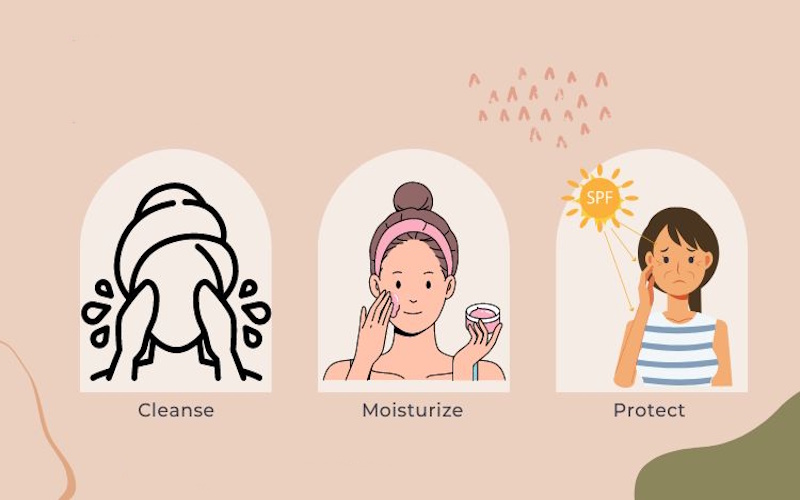







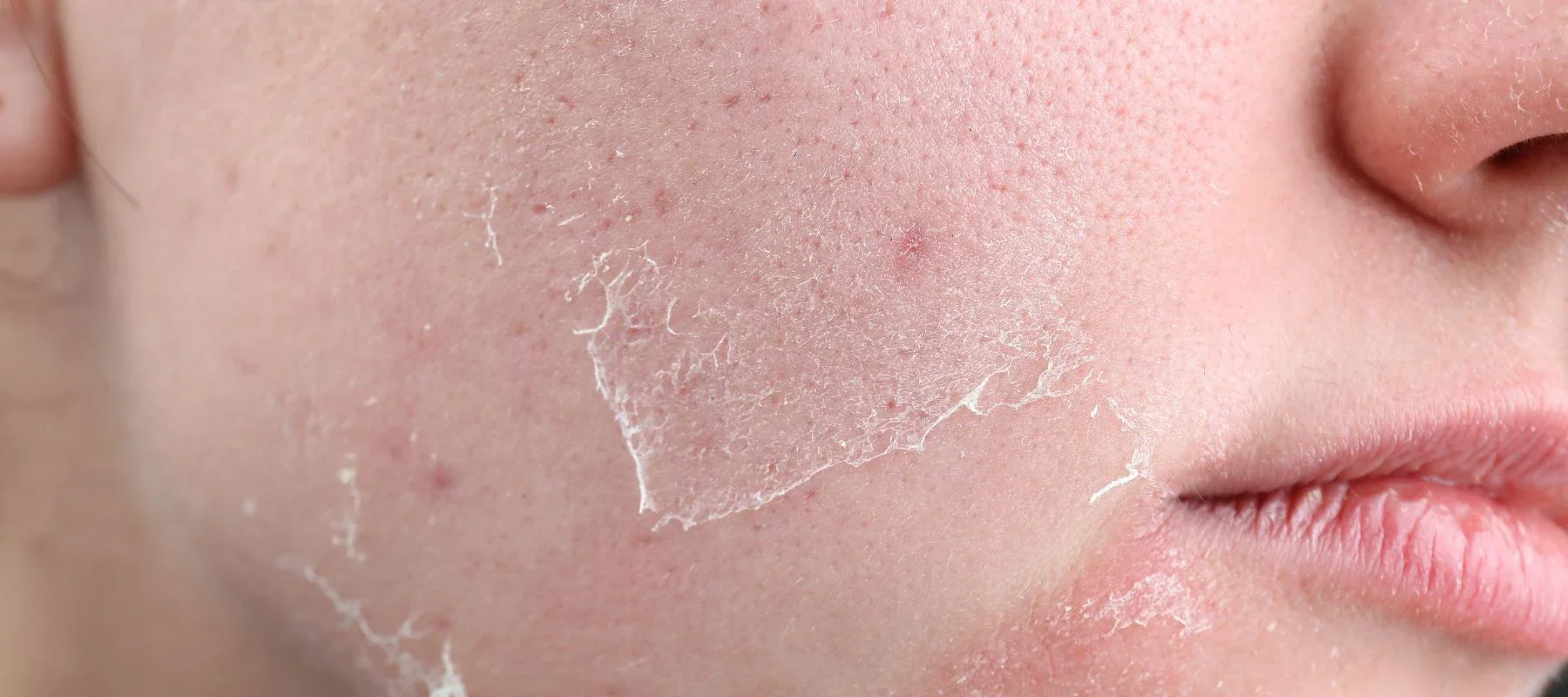



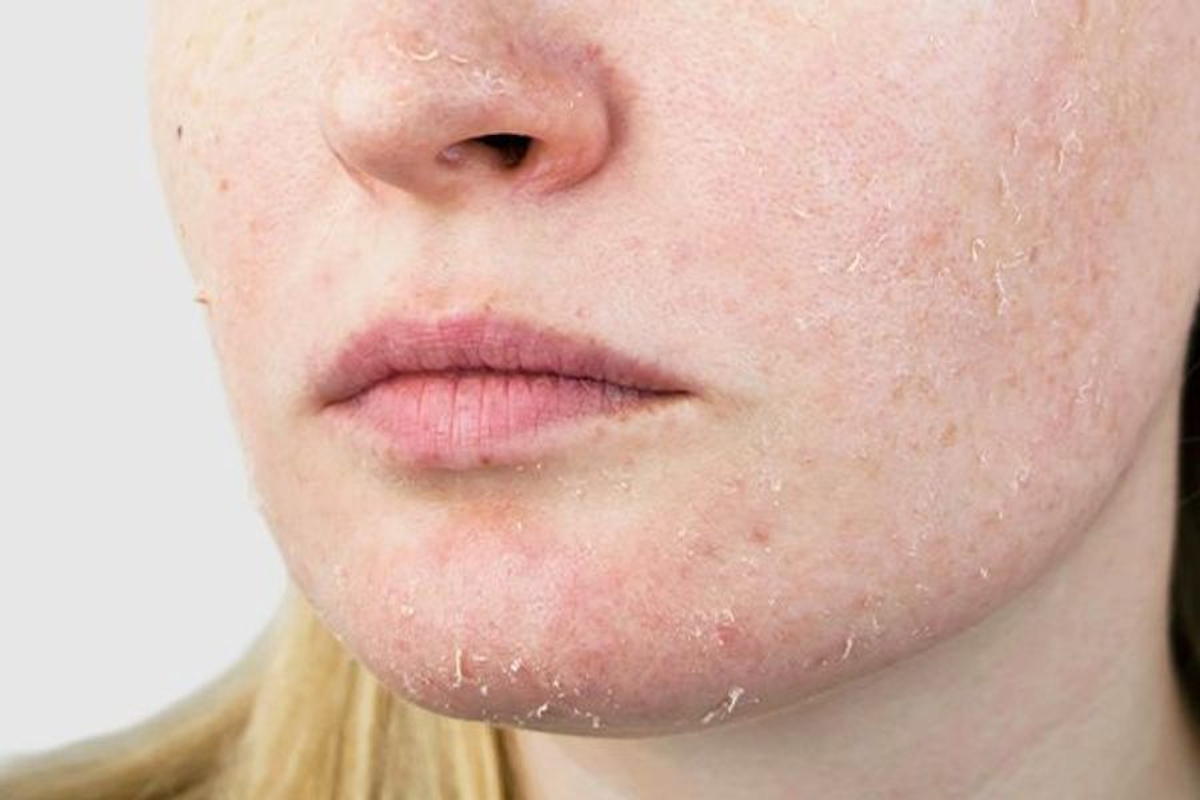
Tags
📧 Get More Articles Like This
Subscribe to receive product reviews and buying guides in your inbox!
We respect your privacy. Unsubscribe at any time.