What You Need to Know About LED Light Therapy Face Masks
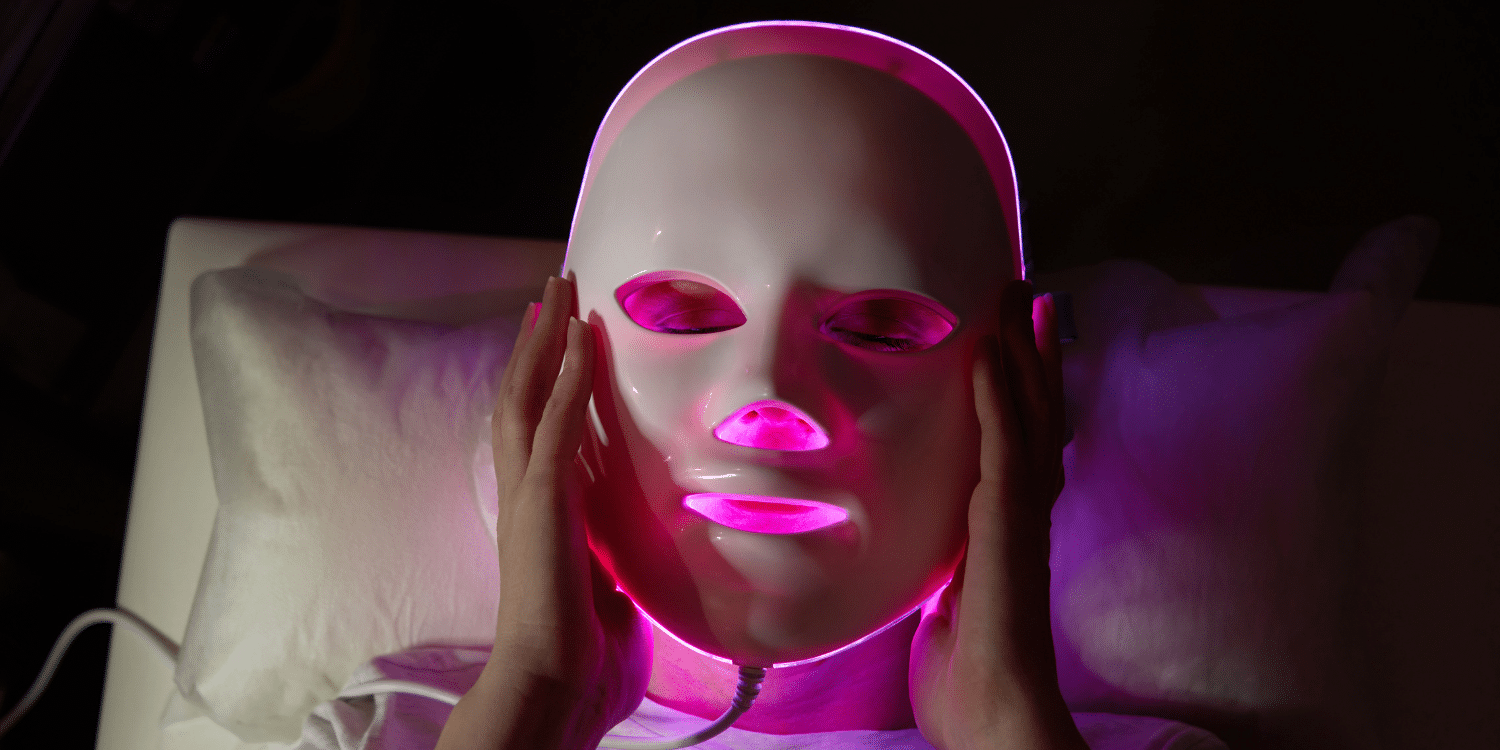
Table of Contents
- Introduction: The LED Revolution in Skincare
- Understanding LED Light Therapy Technology
- The Science Behind Photobiomodulation
- Different Wavelengths for Different Results
- FDA Clearance: What It Means and Why It Matters
- Comparing At-Home Devices to Professional Treatments
- Choosing the Right LED Mask for Your Needs
- Safety Considerations and Contraindications
- Realistic Expectations and Treatment Protocols
- Conclusion
- Detailed FAQ
Introduction: The LED Revolution in Skincare
The bathroom mirror reflected a face that Sarah barely recognized anymore. At thirty-seven, the fine lines around her eyes had deepened into pronounced crow’s feet, and the dull, uneven texture of her skin made her look perpetually exhausted. She had tried countless serums, expensive creams, and even contemplated Botox injections, but nothing seemed to turn back the clock on her aging skin. Then, during a late-night scroll through social media, she stumbled upon something that looked like it belonged in a science fiction movie: women wearing glowing LED face masks, claiming their skin had transformed within weeks. The images were mesmerizing—faces bathed in red, blue, or yellow light, promising to reverse years of damage without needles, chemicals, or downtime.
Sarah’s skepticism was warranted. The beauty industry is notorious for overpromising and underdelivering, capitalizing on people’s insecurities with products that rarely live up to their marketing hype. Yet, the more she researched LED light therapy face masks, the more intrigued she became. These weren’t just another gimmick peddled by influencers with flawless filters and sponsored partnerships. The technology had legitimate scientific backing, with research conducted by reputable institutions and government agencies demonstrating measurable improvements in skin health. Medical professionals were endorsing these devices, and clinical studies were showing statistically significant results for everything from acne to wrinkles. But with hundreds of options flooding the market, ranging from fifty-dollar masks on discount websites to thousand-dollar professional-grade devices, how could anyone possibly know which ones actually worked?
Before delving into the article, watch this video which highlights a detailed medical analysis of the effectiveness of LED masks:
The global LED therapy market has experienced explosive growth over the past five years, reaching an estimated value exceeding one point five billion dollars in twenty twenty-five. This surge reflects not just clever marketing but genuine technological advancement and accumulating clinical evidence supporting photobiomodulation therapy. According to recent analysis, the number of published studies on LED therapy in dermatology has more than doubled since twenty twenty, with researchers exploring applications beyond basic skin rejuvenation to include wound healing, inflammatory conditions, and even hair restoration. The National Institutes of Health has funded numerous investigations into the cellular mechanisms underlying light therapy’s effects, revealing complex interactions between specific wavelengths and cellular chromophores that trigger beneficial biological responses.
What makes LED light therapy particularly fascinating is its origins in an unexpected place: outer space. In the early nineteen nineties, NASA scientists developed high-intensity LED arrays for growing plants during long-duration space missions. During experiments, researchers noticed something remarkable—their own cuts and wounds healed noticeably faster when exposed to these specific wavelengths of red light. This serendipitous discovery launched decades of research into therapeutic light applications, eventually leading to the FDA clearance of the first LED devices for medical use. Today’s at-home face masks are direct descendants of that pioneering space technology, miniaturized and optimized for consumer use while retaining the core scientific principles that made them effective in the first place.
The appeal of LED therapy extends beyond its NASA pedigree and scientific validation. Unlike invasive procedures that require downtime, or harsh treatments that can damage the skin barrier, LED therapy is remarkably gentle and non-traumatic. The light energy penetrates the skin without generating heat, making it suitable even for sensitive skin types that typically react poorly to aggressive treatments. There are no needles, no chemicals, no painful recovery periods—just pure light working at the cellular level to stimulate your skin’s natural regenerative processes. For people exhausted by the endless cycle of trying new products that irritate, inflame, or simply don’t work, LED therapy offers a refreshingly different approach grounded in photobiology rather than wishful thinking.
However, the explosion of LED devices has created its own challenges. Walk into any beauty store or browse online retailers, and you’ll encounter a bewildering array of masks, wands, panels, and handheld devices, each claiming to be revolutionary. Some boast seven different colors, others promise instantaneous results, while still others advertise professional-grade power at consumer prices. The marketing language is deliberately confusing, with terms like “FDA-approved,” “clinically proven,” and “dermatologist-recommended” thrown around without proper context or verification. Many consumers, desperate for solutions and overwhelmed by choices, end up purchasing ineffective devices that deliver disappointing results, reinforcing their skepticism about the entire category. Understanding what separates legitimate therapeutic devices from glorified toys has never been more important.
This comprehensive guide will navigate you through the complex world of LED light therapy face masks, providing the knowledge you need to make informed decisions about your skincare investments. We’ll explore the actual science behind photobiomodulation, examining peer-reviewed research published in respected medical journals rather than relying on marketing claims or anecdotal testimonials. You’ll learn exactly what FDA clearance means, why it matters, and how to verify whether a device truly meets regulatory standards. We’ll break down different wavelengths and their specific applications, helping you match the right technology to your particular skin concerns. Most importantly, we’ll provide realistic expectations about what LED therapy can and cannot accomplish, ensuring you approach this treatment with appropriate understanding rather than unrealistic hopes. Whether you’re dealing with persistent acne, fighting the visible signs of aging, or simply seeking to optimize your skin health, this guide will equip you with everything you need to know about LED light therapy face masks in twenty twenty-six.

Understanding LED Light Therapy Technology
Light-emitting diode therapy, commonly abbreviated as LED therapy, represents a sophisticated application of photobiomodulation principles that have been studied extensively in laboratory and clinical settings for more than three decades. At its core, this technology harnesses specific wavelengths of visible and near-infrared light to induce beneficial biological responses at the cellular level, fundamentally different from simply shining any colored light on your skin. The precision engineering required to create effective LED devices involves careful calibration of wavelength specificity, power density, beam geometry, and exposure duration—factors that separate therapeutic devices from decorative light sources. Understanding these technical parameters helps explain why not all LED masks are created equal, and why some devices costing fifty dollars may be fundamentally incapable of producing therapeutic effects regardless of how brightly they glow.
The journey from light source to cellular response involves multiple complex steps that researchers are still working to fully understand. When appropriately calibrated LED light contacts the skin, photons penetrate through the epidermis and reach various depths depending on their wavelength characteristics. This isn’t passive illumination—the light energy is actively absorbed by specific molecular structures called chromophores that exist within skin cells. The primary chromophore responsible for LED therapy’s effects is cytochrome c oxidase, a critical enzyme in the mitochondrial respiratory chain where cellular energy production occurs. When this enzyme absorbs photons of specific wavelengths, it becomes activated, triggering a cascade of beneficial effects including increased adenosine triphosphate synthesis, enhanced cellular metabolism, improved oxygenation, and modulation of inflammatory pathways. These changes manifest at the tissue level as improved wound healing, increased collagen production, reduced inflammation, and enhanced skin barrier function.
What distinguishes LED therapy from other light-based treatments is its non-thermal, non-ablative nature. Laser treatments and intense pulsed light work by creating controlled thermal damage to stimulate healing responses—essentially injuring the skin in precise ways to trigger repair mechanisms. LED therapy operates through an entirely different mechanism, directly stimulating cellular function without causing any tissue damage whatsoever. This fundamental difference explains why LED treatments require no recovery time, cause no pain, and can be used safely and frequently without cumulative damage concerns. The light doesn’t heat the tissue, doesn’t destroy cells, and doesn’t compromise the skin barrier. Instead, it works with your body’s existing biological machinery, essentially giving your cells an energy boost that allows them to function more efficiently and effectively.
The evolution of LED technology itself deserves recognition. Early LED devices from the nineteen sixties and seventies were relatively crude, producing broad, inconsistent wavelengths with minimal power output. The breakthrough came when NASA commissioned the development of highly specific, narrow-bandwidth LEDs for their space agriculture program. These advanced LEDs could generate precise wavelengths with minimal spectral variation, ensuring that plants received exactly the light frequencies needed for optimal photosynthesis. When researchers began investigating these same LEDs for medical applications, they discovered that wavelength precision was equally crucial for therapeutic effects. Modern medical-grade LED devices maintain wavelength specificity within five to ten nanometers, ensuring reliable delivery of therapeutic energy. Consumer devices that lack this precision may produce visually similar colors but fail to deliver the specific wavelengths necessary for photobiomodulation.
Power density, measured in milliwatts per square centimeter, represents another critical factor determining therapeutic efficacy. Research has established therapeutic windows for different applications—too little power produces no effect, while excessive power can paradoxically inhibit beneficial responses or even cause damage. This phenomenon, known as the biphasic dose response or Arndt-Schulz curve, means there’s an optimal energy level for each application. Most effective facial LED devices deliver power densities between five and fifty milliwatts per square centimeter, calibrated to provide adequate stimulation without oversaturation. Cheaper devices often fail to meet minimum therapeutic thresholds, while some overpowered devices intended for other applications may deliver inappropriate energy levels for facial use. Understanding these parameters helps explain why professional guidance and quality certification matter so significantly in device selection.
The Science Behind Photobiomodulation
Photobiomodulation—the technical term for therapeutic light application—has transitioned from alternative medicine curiosity to mainstream medical modality supported by hundreds of peer-reviewed studies published in prestigious scientific journals. The term itself reflects this evolution, replacing the earlier designation “low-level laser therapy” to acknowledge that the therapeutic mechanism isn’t heat-based and doesn’t require lasers specifically. Instead, both lasers and LEDs can induce photobiomodulation when they deliver appropriate wavelengths at suitable power levels. The mechanism centers on light’s interaction with cellular components, particularly the cytochrome c oxidase enzyme complex located in mitochondrial membranes. When this copper-containing enzyme absorbs red or near-infrared photons, it undergoes conformational changes that enhance its catalytic activity, leading to increased electron transport chain efficiency and elevated ATP production.
This energy boost at the mitochondrial level cascades through multiple cellular pathways, creating wide-ranging beneficial effects. Increased ATP availability allows cells to perform their specialized functions more effectively—fibroblasts produce more collagen and elastin, keratinocytes enhance barrier function, and immune cells regulate inflammatory responses more appropriately. Additionally, photobiomodulation influences cellular signaling pathways including the activation of transcription factors, modulation of reactive oxygen species, and regulation of nitric oxide synthesis. These changes don’t just affect individual cells but coordinate tissue-level responses including angiogenesis, wound healing, and tissue remodeling. The complexity of these interactions explains why LED therapy can address such diverse conditions from acne to aging, as it fundamentally enhances cellular function rather than targeting a single specific pathway.
The wavelength-specific nature of photobiomodulation creates what researchers call the “optical window” or “therapeutic window”—the range of light frequencies that effectively penetrate biological tissues and interact with target chromophores. Shorter wavelengths in the blue spectrum, around four hundred fifteen nanometers, are strongly absorbed by porphyrins found in acne-causing bacteria, generating reactive oxygen species that destroy these microorganisms. These shorter wavelengths penetrate only into the epidermis, making them ideal for surface-level concerns like acne. Red light wavelengths between six hundred twenty and six hundred sixty nanometers penetrate deeper into the dermis where fibroblasts reside, stimulating collagen synthesis and reducing inflammatory mediators. Near-infrared wavelengths from eight hundred ten to eight hundred fifty nanometers achieve the deepest penetration, reaching into subcutaneous tissues and even affecting underlying muscle and bone in some applications.
Research published by the National Institutes of Health has documented these mechanisms in exquisite detail through both in vitro and in vivo studies. Government-funded medical research institutions have invested substantially in understanding how light interacts with human tissue at the molecular level. Studies examining LED light effects on skin cells have revealed specific genetic and protein expression changes following photon absorption. This NIH photobiomodulation research provides the scientific foundation validating LED therapy’s biological mechanisms, moving the technology from theoretical possibility to evidence-based medical intervention. One significant study examining human dermal fibroblasts exposed to red and near-infrared LED light demonstrated statistically significant increases in collagen type I, collagen type III, and elastin gene expression within just three days of treatment. The cellular-level changes induced by specific light wavelengths have been extensively documented through laboratory investigations. Research examining collagen and elastin production demonstrates that low-level light therapy stimulates protein synthesis through non-thermal mechanisms. These NIH-published findings on skin protein synthesis provide objective measurements confirming that photobiomodulation produces real biological effects rather than just subjective improvements, establishing LED therapy’s scientific legitimacy. Protein synthesis measurements confirmed these genetic changes translated into actual increased production of extracellular matrix components essential for youthful skin structure. Histological analysis of human skin samples treated with LED therapy revealed increased dermal density, enhanced cross-linking of collagen fibers, and improved organization of elastic fiber networks. These aren’t subjective improvements or photographic tricks—they’re measurable, objective changes documented through multiple independent research methodologies.
The anti-inflammatory effects of LED therapy have particularly strong scientific support. Multiple studies have demonstrated that red and near-infrared light modulate inflammatory cytokine production, reducing pro-inflammatory signaling molecules like tumor necrosis factor-alpha and interleukin-1-beta while promoting anti-inflammatory factors. This balanced immune response proves valuable for numerous skin conditions characterized by excessive inflammation, from acne and rosacea to eczema and psoriasis. The mechanism involves both direct effects on immune cells and indirect effects through improved tissue oxygenation and enhanced cellular metabolism. Unlike pharmaceutical anti-inflammatory agents that often come with significant side effects, photobiomodulation achieves inflammation control through natural cellular processes, making it remarkably safe for long-term use.
Clinical trials have progressively built the evidence base supporting LED therapy’s efficacy. A landmark randomized controlled trial published in dermatology literature examined ninety patients receiving eight LED red-light treatments over four weeks, with more than ninety percent reporting noticeable improvements including smoother skin texture, reduced redness, and diminished age spots. Larger follow-up studies have replicated these findings across diverse populations, demonstrating consistency and reliability. Most importantly, these studies have employed rigorous methodologies including blinded assessments, standardized outcome measures, and objective instrumentation rather than relying solely on subjective patient reports. The accumulation of high-quality evidence has convinced regulatory agencies to clear LED devices for specific therapeutic claims, marking a significant milestone in the technology’s acceptance within mainstream medicine.
Comprehensive literature reviews synthesizing hundreds of studies help medical professionals understand the breadth of evidence supporting different light therapy applications. Systematic analyses of randomized controlled trials provide the highest quality evidence for clinical decision-making. Reviews of LED dermatology applications examine efficacy across conditions from acne to wound healing, identifying which uses have strong evidence versus those requiring further investigation.

Different Wavelengths for Different Results
The visible light spectrum stretches from violet at approximately four hundred nanometers through blue, green, yellow, and orange to red at roughly seven hundred nanometers, with near-infrared extending beyond into the invisible range. Each region of this spectrum interacts differently with biological tissues, creating opportunities for targeted therapeutic interventions. Understanding these wavelength-specific effects enables informed selection of LED devices matched to particular skin concerns. Not every wavelength has been studied extensively for dermatological applications, but several have accumulated substantial research support demonstrating clear therapeutic benefits when applied at appropriate parameters.
Blue light therapy, typically operating at four hundred fifteen nanometers, has become the most extensively validated wavelength for treating acne vulgaris. The mechanism involves selective absorption by porphyrins produced by Propionibacterium acnes bacteria living in sebaceous follicles. When these molecules absorb blue light energy, they enter an excited state and generate reactive oxygen species that are toxic to the bacteria, effectively killing them without harming surrounding human cells. Multiple clinical trials have demonstrated that consistent blue light exposure reduces inflammatory acne lesions by forty to sixty percent over eight to twelve weeks of treatment. The effects are most pronounced for mild to moderate inflammatory acne, with less impact on comedonal acne or severe cystic forms. Importantly, blue light therapy doesn’t contribute to antibiotic resistance, making it valuable for patients who have used or wish to avoid oral antibiotics. The treatment is also well-tolerated with minimal side effects, though some temporary dryness or slight irritation may occur initially as bacterial populations are reduced.
Red light wavelengths between six hundred thirty and six hundred sixty nanometers represent the most versatile therapeutic option for addressing signs of aging and promoting general skin health. These wavelengths penetrate through the epidermis into the papillary and reticular dermis where fibroblasts manufacture collagen and elastin, the structural proteins responsible for skin firmness and elasticity. Clinical studies using red LED therapy have documented increases in collagen density ranging from fifteen to twenty-five percent after twelve weeks of consistent treatment, with corresponding improvements in skin texture, fine lines, and overall appearance. The effects accumulate gradually rather than appearing dramatically overnight, reflecting the time required for new collagen synthesis, organization, and maturation. Red light also demonstrates anti-inflammatory properties, making it beneficial for conditions like rosacea where chronic inflammation contributes to visible redness and sensitivity.
Near-infrared wavelengths, particularly eight hundred thirty nanometers, achieve the deepest tissue penetration among commonly used therapeutic wavelengths. While less visible to the human eye compared to red or blue light, near-infrared energy penetrates several millimeters into tissue, potentially affecting deeper dermal structures and even underlying subcutaneous layers. This deep penetration makes near-infrared particularly valuable for wound healing applications and for addressing more significant photodamage. Some research suggests near-infrared light may enhance the effects of red light when used in combination, as the two wavelengths appear to act synergistically on cellular metabolism and collagen production. Many professional LED panels and high-end consumer devices incorporate both red and near-infrared LEDs to capitalize on this synergy, though the incremental benefit compared to red light alone remains an active area of research.
Yellow light therapy, operating around five hundred eighty-nine nanometers, occupies an interesting middle ground in penetration depth and biological effects. Some studies suggest yellow light may help reduce inflammation, improve lymphatic drainage, and enhance skin radiance, though the evidence base is less robust compared to blue and red wavelengths. Yellow light is sometimes marketed for reducing redness, treating hyperpigmentation, and improving overall skin tone. However, it’s important to note that regulatory agencies have not cleared yellow LED devices for specific therapeutic claims, as the supporting evidence doesn’t yet meet the stringent standards required for medical device approval. This doesn’t necessarily mean yellow light is ineffective, but rather that more research is needed to definitively establish its therapeutic role.
Green light at approximately five hundred twenty nanometers has been investigated primarily for hyperpigmentation concerns. The proposed mechanism involves targeting melanocytes and melanin production pathways, potentially helping to lighten dark spots and even out skin tone. Some preliminary studies have shown promising results for reducing melasma and post-inflammatory hyperpigmentation, though again, the evidence remains limited compared to better-studied wavelengths. Green light therapy represents an emerging application that requires additional rigorous clinical trials before definitive efficacy claims can be substantiated. The challenge with all these less-studied wavelengths is distinguishing genuine therapeutic effects from placebo responses, which can be substantial in skincare applications where subjective assessments dominate outcome measures.
Combination protocols using multiple wavelengths sequentially or simultaneously have gained popularity based on the rationale that different wavelengths target different cellular processes and skin depths. Some devices alternate between blue and red light to simultaneously address both acne bacteria and inflammation, a combination that has shown enhanced efficacy compared to either wavelength alone in several clinical trials. Other devices combine red and near-infrared wavelengths to maximize collagen stimulation across different dermal depths. While the theoretical basis for combination therapy makes sense, not all combinations have been validated through clinical research, and some may be more about marketing differentiation than therapeutic optimization. When evaluating multi-wavelength devices, look for evidence that the specific combination used has been studied rather than assuming that more colors automatically means better results.
FDA Clearance: What It Means and Why It Matters
The Food and Drug Administration’s role in regulating LED light therapy devices represents a crucial consumer protection measure that separates legitimately therapeutic products from unverified alternatives. Understanding FDA regulatory pathways helps consumers navigate marketing claims and make informed purchasing decisions. The most important distinction involves “FDA-cleared” versus other terms frequently misused in marketing materials. FDA clearance refers to the 510(k) premarket notification process, where manufacturers demonstrate that their device is “substantially equivalent” to a legally marketed predicate device in terms of safety and effectiveness. This process requires extensive documentation including technical specifications, safety testing results, and often clinical data supporting the device’s intended use. Most LED therapy devices qualify as Class II medical devices requiring this 510(k) clearance before legal marketing for therapeutic claims.
The 510(k) process isn’t merely paperwork—it demands rigorous evidence. Manufacturers must provide detailed information about the device’s construction, materials, electrical safety, electromagnetic compatibility, biocompatibility, and operational specifications. For LED devices, this includes precise wavelength characterization, power output measurements, beam uniformity data, and thermal safety testing. Clinical evidence requirements vary depending on the specific claims made, but generally involve demonstrating that the device produces its intended effect without causing harm. The FDA review typically takes several months, during which agency scientists evaluate the submission and may request additional data or clarification. Only after satisfactory review does the FDA issue a clearance letter assigning a specific K-number that can be verified in the agency’s public database. This K-number provides concrete proof of regulatory clearance and should be prominently displayed in legitimate product documentation.
Verifying a device’s regulatory status involves checking the official government database maintained by federal health authorities. The FDA clearance database allows consumers to independently confirm whether manufacturers’ claims about regulatory approval are legitimate. Understanding these FDA clearance procedures helps distinguish between truly validated therapeutic devices and products making unsubstantiated medical claims without proper governmental oversight.
Terms like “FDA-approved,” “FDA-certified,” or “FDA-registered” are often used misleadingly in LED device marketing. FDA approval refers to a different, more stringent pathway called Premarket Approval reserved for high-risk Class III medical devices like heart valves or implantable defibrillators. LED therapy devices virtually never go through this approval process because they’re classified as lower-risk Class II devices. Using “FDA-approved” for an LED mask is either an error or deliberately deceptive marketing. Similarly, “FDA-registered” simply means the manufacturer has registered with the FDA as required by law—every company making medical devices must register, but this registration doesn’t indicate any review of the device itself. It’s analogous to having a business license versus having your products safety-tested. “FDA-certified” isn’t a term the agency uses at all—the FDA doesn’t certify devices, it clears or approves them through specific regulatory pathways.
Why does FDA clearance matter so significantly for consumers? First, it provides assurance that the device actually emits the wavelengths claimed at appropriate power levels. Uncleared devices may produce light that looks red but doesn’t fall within the therapeutic wavelength range, or may operate at insufficient power to stimulate biological responses. Second, clearance confirms electrical and thermal safety testing—you’re not risking burns, shocks, or other injuries from poorly designed circuitry. Third, cleared devices follow quality manufacturing standards ensuring consistency between units and ongoing quality control. Without clearance, you might receive a device that performs nothing like the version tested by the company or varies widely from one unit to another. Fourth, clearance provides legal recourse and accountability—cleared devices must have proper labeling, instructions, and adverse event reporting systems. If problems arise, regulatory mechanisms exist for addressing them.
Verifying FDA clearance is straightforward. The FDA maintains a publicly accessible 510(k) database on their website where consumers can search by device name, manufacturer, or K-number. Simply entering the product name or company name should retrieve relevant clearance letters if they exist. Legitimate manufacturers will also provide their clearance number in product documentation and are usually happy to direct consumers to their FDA entry. Be suspicious of vague claims like “FDA-cleared technology” without specific device clearance information—this often means some component or similar device is cleared, but not the specific product being sold. Also watch for foreign regulatory approvals like CE marking from Europe being presented as equivalent to FDA clearance—they’re not. CE marking involves different standards and processes that don’t necessarily align with FDA requirements.
The clinical implications of clearance extend beyond safety to efficacy expectations. When the FDA clears a device for specific indications like “treatment of full-face wrinkles” or “mild-to-moderate acne,” they’ve reviewed evidence supporting those specific claims. Using a device cleared for one purpose to treat a different condition falls outside its cleared indications, and the manufacturer cannot legally market it for those other uses. This doesn’t mean the device won’t help with other concerns, but it does mean there’s no regulatory validation of effectiveness for those applications. Understanding these nuances helps set realistic expectations about what cleared devices can legitimately promise versus what represents hopeful speculation or marketing exaggeration beyond regulatory boundaries.

Comparing At-Home Devices to Professional Treatments
The distinction between consumer-grade LED devices designed for home use and professional equipment used in dermatology practices involves more than just price differences. Professional LED systems typically deliver significantly higher power densities, often three to five times the intensity of consumer devices, allowing for more aggressive treatments that produce results more quickly. A professional-grade LED panel might deliver fifty to one hundred milliwatts per square centimeter, compared to ten to thirty milliwatts for home devices. This power difference means professional treatments can achieve in twenty to thirty minutes what might require sixty minutes or longer with a home device. The higher intensity also enables deeper photon penetration and more pronounced cellular stimulation, potentially producing more dramatic improvements for severe concerns like deep wrinkles or significant photodamage.
Professional treatments also benefit from dermatologist expertise in treatment customization. A qualified practitioner can assess your specific skin type, concerns, and medical history to develop an optimized treatment protocol. They can adjust parameters like wavelength selection, treatment duration, power levels, and frequency based on your individual response and tolerance. They can also combine LED therapy with other modalities in strategic sequences—for example, using LED following microneedling or chemical peels to enhance healing and results. This professional judgment and ability to customize treatment based on real-time assessment provides value that no pre-programmed home device can replicate. Additionally, dermatologists can identify contraindications or concerns that might make LED therapy inappropriate or require special precautions that a consumer might not recognize independently.
The cost-effectiveness equation favors different options for different situations. Professional LED treatments typically range from twenty-five to two hundred fifty dollars per session, with protocols usually requiring six to twelve sessions initially followed by monthly or quarterly maintenance. This creates an annual cost that can easily exceed two thousand to three thousand dollars. In contrast, a high-quality home device might cost five hundred to one thousand dollars as a one-time investment, with no ongoing per-treatment costs beyond electricity. For chronic conditions requiring long-term management or for maintenance of results after initial improvement, home devices clearly provide superior economics. However, for someone seeking maximum results in minimum time, or for addressing severe concerns that benefit from high-intensity treatment, professional sessions may justify their premium pricing.
Home device advantages extend beyond cost to include convenience, privacy, and treatment consistency. You can use a home device on your schedule without appointment booking, commute time, or waiting room delays. For people with busy schedules or limited access to dermatology practices, this convenience proves invaluable. Some individuals also prefer the privacy of home treatment compared to clinical settings, particularly for visible skin concerns that cause self-consciousness. Consistency represents another significant benefit—adherence to treatment protocols improves dramatically when treatment fits seamlessly into daily routines rather than requiring dedicated trips to appointments. Research on chronic condition management consistently shows that adherence challenges doom many therapeutic interventions, and convenience plays a major role in maintaining long-term treatment consistency.
However, home devices carry responsibility for proper use without professional supervision. Users must educate themselves about appropriate techniques, treatment frequencies, contraindications, and expected outcomes. Misuse—such as treating too frequently, using excessive treatment duration, or failing to protect eyes properly—can reduce effectiveness or even cause problems. The FDA clearance process for home devices includes safety features and usage limitations designed to prevent misuse, but user responsibility remains essential. People with complex medical histories, extensive medications, or unusual skin conditions should consult professionals before initiating home LED therapy, even with cleared devices. Professional dermatologists can identify subtle skin issues that might affect LED therapy suitability and recommend complementary treatments. Learning about dermatologists’ secret drugstore products they use personally can also help you select affordable supportive skincare that works alongside your LED treatments without breaking the budget, creating a cost-effective comprehensive approach to skin health. The accessibility of home treatment shouldn’t be confused with the absence of need for professional guidance when circumstances warrant it.
The ideal approach for many people involves a hybrid model—starting with professional treatments to establish a baseline and develop an optimized protocol, then transitioning to home maintenance to sustain results cost-effectively. This combines the expertise and power advantages of professional treatment with the convenience and economics of home devices. Many dermatologists now explicitly recommend this approach, offering initial intensive professional treatment series followed by guidance on appropriate home devices for ongoing care. This collaborative model allows patients to benefit from professional expertise while taking control of their long-term skin health management. It also establishes a relationship where the dermatologist can periodically reassess progress and adjust recommendations as needs evolve over time.
Choosing the Right LED Mask for Your Needs
Selecting an appropriate LED device from the overwhelming marketplace options requires understanding key specifications and matching them to your specific concerns and circumstances. Begin with identifying your primary skin goals—are you primarily targeting acne, focusing on anti-aging concerns, or seeking general skin health optimization? This focus determines which wavelengths are most important. For acne, blue light capability is essential, preferably combined with red light for addressing inflammation. For anti-aging, red light with or without near-infrared provides the most evidence-based benefits. For combination concerns, multi-wavelength devices offer versatility, though they typically cost more than single-wavelength options.
Device type represents the next major decision point. Full-face masks provide comprehensive coverage and hands-free convenience, making them ideal for facial treatments and for people who want to multitask during sessions. When starting your LED therapy journey, exploring various device types helps identify what works best for your lifestyle and preferences. Many people begin with affordable options to test their commitment before investing in premium devices. Browse LED light therapy masks on AliExpress to compare features, read user reviews, and find options that fit your budget while still providing legitimate therapeutic wavelengths for skin treatment. However, masks can feel claustrophobic to some users and may not accommodate all face shapes comfortably. Handheld wands offer targeted treatment capability and portability but require manual positioning and movement throughout treatment, which some find tedious. Panel devices provide the largest treatment areas and highest power but lack portability and require dedicated treatment space. For facial treatment specifically, most consumers find full-face masks provide the best balance of coverage, convenience, and effectiveness, though personal preference and specific needs should guide this choice.
Shop on AliExpress via link: wholesale-led-light-therapy-mask
Power specifications require careful attention. Look for devices that clearly state their power density in milliwatts per square centimeter for each wavelength. Therapeutic red light should deliver at least five to ten milliwatts per square centimeter, with quality devices typically providing fifteen to thirty milliwatts. Blue light requires similar ranges. Be suspicious of devices that don’t specify power output or use vague terms like “professional-strength” without quantitative data. Also verify that the stated power is measured at the appropriate distance from the device—power decreases with distance according to the inverse square law, so specifications should reflect power at the distance the device will actually be used, typically zero to five millimeters from the skin surface for masks.
Treatment duration and protocols vary significantly between devices and directly impact practicality. Some devices require only ten-minute sessions three times weekly, while others specify thirty-minute daily treatments. Longer treatment requirements aren’t necessarily better or worse—they reflect different power outputs and dosing strategies. However, they significantly affect adherence likelihood. Honestly assess whether you’ll actually comply with the manufacturer’s recommended protocol. A slightly less powerful device requiring briefer treatments that you’ll actually use consistently beats a more powerful device with demanding protocols you’ll abandon after a few weeks. Look for devices with built-in timers that automatically shut off after the appropriate duration to eliminate guesswork and ensure proper dosing.
Eye protection deserves serious consideration. LED therapy involves bright light that can be uncomfortable or potentially harmful when directed at unprotected eyes. Quality face masks incorporate eye openings, shields, or cutouts that prevent light from reaching the eyes while still treating the periorbital area. Some devices include goggles or recommend wearing sunglasses during treatment. Never compromise on eye protection to treat periorbital wrinkles or under-eye concerns—the potential risk outweighs any benefit. If a device doesn’t provide adequate eye protection or clear guidance on eye safety, consider it a significant warning sign about the manufacturer’s attention to safety details.
Build quality and design practicality matter more than many consumers realize. Devices should feel substantial and well-constructed rather than flimsy or cheap. Flexible materials in face masks improve comfort and skin contact compared to rigid designs, but the flexibility shouldn’t compromise LED positioning or power delivery. Adjustable straps or sizing options ensure proper fit across different face shapes and sizes. Easy-to-clean surfaces and replaceable components extend device longevity. USB or rechargeable battery power offers convenience compared to requiring wall outlets, particularly for bathroom use. Intuitive controls and clear indicators enhance usability compared to confusing button configurations or unclear operating status. These practical considerations determine whether you’ll actually enjoy using the device versus finding excuses to avoid it.
Warranty, return policies, and customer support provide important safety nets for what represents a significant purchase. Reputable manufacturers offer at least one-year warranties covering defects and malfunctions, with some extending to two or three years. Clear return policies allowing thirty to sixty days for evaluation let you verify the device works as expected and that you tolerate treatment without adverse reactions. Responsive customer support helps troubleshoot issues and provides guidance on optimal use. Poor or nonexistent support suggests a manufacturer more interested in sales than customer satisfaction and raises questions about their product confidence. Reading verified customer reviews can provide insights into reliability, customer service quality, and real-world performance beyond marketing promises.
Price positioning requires realistic assessment. The cheapest options available, particularly those costing under one hundred dollars, rarely provide therapeutic wavelengths or adequate power despite appearing similar to quality devices. These products capitalize on consumer confusion and are essentially decorative rather than therapeutic. However, the most expensive options aren’t automatically superior—some premium pricing reflects brand positioning rather than meaningfully better specifications. The sweet spot for quality FDA-cleared home devices typically falls between three hundred and seven hundred dollars, with some excellent options at both ends of that range. Compare specifications carefully rather than assuming price directly correlates with effectiveness. A four-hundred-dollar device with proper clearance and good specs will vastly outperform an eight-hundred-dollar device lacking regulatory clearance or providing inadequate power output.

Safety Considerations and Contraindications
LED light therapy enjoys a remarkably favorable safety profile when compared to most medical and cosmetic treatments, but this doesn’t mean it’s appropriate for everyone or entirely without considerations. The non-thermal, non-ablative nature of photobiomodulation means there’s no tissue damage, no downtime, and generally minimal side effects when devices are used appropriately. However, certain medical conditions, medications, and circumstances require special caution or complete avoidance of LED therapy. Understanding these contraindications and potential complications ensures safe and beneficial use while avoiding unnecessary risks or adverse outcomes.
Photosensitivity represents the most important safety consideration for LED therapy candidates. Certain medications increase skin sensitivity to light exposure, potentially causing reactions ranging from mild redness to severe burns even with normally safe LED wavelengths and intensities. Photosensitizing medications include some antibiotics, particularly tetracyclines and fluoroquinolones, certain nonsteroidal anti-inflammatory drugs, some diuretics, and various psychiatric medications including lithium and certain antidepressants. Isotretinoin, commonly prescribed for severe acne, significantly increases photosensitivity and generally contraindicates LED therapy during treatment and for several months after discontinuation. If you’re taking any prescription medications, consult your physician or pharmacist about potential photosensitivity before beginning LED therapy. Even some herbal supplements like St. John’s Wort can increase light sensitivity.
Active skin conditions in treatment areas require careful evaluation. LED therapy should not be used over areas with active infections, open wounds, or severe inflammation unless under specific medical guidance. While LED therapy can accelerate wound healing in appropriate contexts, treating acute injuries or infections without professional assessment risks worsening the condition or delaying proper medical care. Skin cancers or suspicious lesions should never be treated with home LED therapy—any concerning spots require dermatologist evaluation and biopsy if indicated. Using LED therapy to attempt treating a melanoma or other skin cancer could delay diagnosis and proper treatment with potentially life-threatening consequences. When in doubt about any skin lesion or condition, obtain professional evaluation before beginning light therapy.
Seizure disorders, particularly photosensitive epilepsy, require special precautions with LED therapy. While most individuals with epilepsy can safely use LED devices, those with known photosensitive triggers should consult their neurologist before treatment. The bright, flashing lights during device startup or if strobing features are present could potentially trigger seizures in susceptible individuals. Some devices offer adjustable ramp-up features that gradually increase intensity rather than turning on abruptly, which may be safer for these users. If you have epilepsy or any seizure history, discuss LED therapy with your treating physician to assess personal risk and determine appropriate precautions.
Pregnancy introduces theoretical concerns about light therapy that remain inadequately studied. While there’s no clear evidence that LED therapy at wavelengths and intensities used for skincare poses fetal risk, the absence of comprehensive safety data means most practitioners recommend avoiding or minimizing use during pregnancy as a precautionary measure. This conservative approach reflects the general principle of limiting any non-essential interventions during pregnancy rather than specific known risks. The same reasoning applies to breastfeeding mothers, though concerns are even more theoretical in that context. If you’re pregnant or breastfeeding and considering LED therapy, discuss it with your obstetrician to make an informed decision based on your specific circumstances.
Eye safety demands consistent attention with every LED treatment. Even though quality devices incorporate eye protection features, users must ensure proper use of these features with each session. Never look directly at activated LED arrays, and never remove or disable eye shields to treat periorbital areas—the potential for retinal damage outweighs any cosmetic benefit. People with pre-existing eye conditions like macular degeneration, cataracts, or retinal disorders should consult an ophthalmologist before using LED therapy, as these conditions might increase vulnerability to light-induced eye damage. If you experience any eye pain, visual changes, or discomfort during or after LED treatment, discontinue use immediately and seek ophthalmologic evaluation.
Implanted electronic devices create additional safety considerations. While LED therapy doesn’t generate electromagnetic fields that would interfere with pacemakers or other implanted devices in the way that some other technologies do, the prudent approach involves consulting with your cardiologist or the physician who placed the device before beginning therapy. This precaution ensures no unforeseen interactions or concerns specific to your particular device model or placement. Similarly, metal implants in facial or neck areas, while unlikely to be problematic, warrant discussion with your physician to rule out any heating or other concerns.
Skin type considerations extend beyond safety to effectiveness and side effects likelihood. People with darker skin tones should exercise particular caution as some research suggests higher susceptibility to post-inflammatory hyperpigmentation from light therapies. While LED therapy doesn’t cause the thermal injury that can trigger hyperpigmentation with laser treatments, visible light exposure has been linked to pigmentation changes in darker skin. Starting with shorter treatment durations and carefully monitoring for any darkening or uneven pigmentation allows early detection and adjustment of protocols if needed. Consulting with a dermatologist experienced in treating darker skin types provides valuable guidance for optimal and safe use.
The most common side effects of LED therapy are mild and transient, typically resolving quickly without intervention. Temporary redness immediately after treatment is normal and usually fades within thirty to sixty minutes. Mild dryness or slight flaking may occur as cellular turnover increases, easily managed with increased moisturization. Some people experience minor eye strain or headaches, usually indicating they need better eye protection or shorter session durations. Severe reactions like blistering, prolonged erythema, or significant pain indicate treatment intensity or duration is inappropriate and require immediate discontinuation and medical evaluation. While such severe reactions are rare with properly functioning FDA-cleared devices used according to instructions, they can occur with excessive treatment or device malfunction.
Long-term safety remains an area of ongoing research, though available evidence is reassuring. Unlike UV light exposure which accumulates DNA damage over time, red and infrared wavelengths don’t appear to cause cumulative harm with repeated use. Studies following patients using LED therapy for several years haven’t identified concerning trends in skin aging, cancer risk, or other adverse outcomes. However, the technology’s relatively recent widespread adoption means truly long-term data spanning decades aren’t yet available. This uncertainty doesn’t suggest avoiding LED therapy but rather supports periodic reassessment with healthcare providers and staying informed about emerging research findings.
Realistic Expectations and Treatment Protocols
Setting realistic expectations represents perhaps the most important factor determining satisfaction with LED light therapy. The technology offers genuine benefits supported by solid scientific evidence, but it’s not miraculous, and it won’t transform your skin overnight or replicate surgical facelift results. Understanding what LED therapy can realistically accomplish, how long results take to manifest, and what factors influence outcomes helps maintain motivation during the necessary treatment period while avoiding disappointment from unrealistic hopes fueled by exaggerated marketing claims or carefully curated social media before-and-after photos.
For acne treatment, most clinical studies show meaningful improvement beginning around four to six weeks of consistent use, with optimal results typically achieved by twelve weeks. The improvement manifests gradually as bacterial populations decrease and inflammation subsides. You won’t wake up after one treatment with clear skin—instead, you’ll notice fewer new breakouts developing, existing lesions healing faster, and overall reduction in inflammation severity. Most people experience forty to sixty percent reduction in inflammatory lesions with consistent blue light therapy, which represents substantial improvement but not complete clearance. Combination blue and red light typically produces better results than either wavelength alone, potentially reaching sixty to seventy percent lesion reduction. These improvements require ongoing maintenance—discontinuing treatment often leads to gradual recurrence as bacterial populations rebound and inflammatory processes resume.
Anti-aging applications require even more patience. Collagen synthesis, maturation, and visible improvements in skin texture occur over months rather than weeks. Most quality studies documenting collagen increases and wrinkle reduction show measurable changes starting around eight weeks, with continued improvement through twelve to sixteen weeks or longer. Realistic expectations involve subtle but noticeable refinement—fine lines becoming less prominent, skin texture becoming smoother and more even, overall improvement in firmness and elasticity. LED therapy won’t eliminate deep wrinkles, restore dramatically sagging skin, or provide Botox-like paralysis of expression lines. It works by supporting your skin’s natural regenerative capacity, meaning results reflect optimization of existing processes rather than dramatic artificial intervention. The improvements, while measurable and visible, represent enhancement rather than transformation.
Treatment frequency and consistency prove crucial for achieving results. Most protocols recommend three to five sessions per week, with daily use often providing optimal outcomes. Missing treatments or inconsistent application significantly reduces effectiveness—photobiomodulation effects accumulate with repeated exposure, but the benefits don’t persist indefinitely after treatment stops. Think of LED therapy like exercise—skipping workouts undermines your fitness program, and stopping entirely causes gradual loss of progress. This requirement for consistency represents a significant commitment that not everyone can maintain. Honestly assess whether you’re likely to adhere to the necessary schedule before investing in a device. Setting up reminder systems, incorporating treatment into established routines, and choosing devices that make treatment convenient all improve adherence likelihood.
Session duration varies by device but typically ranges from ten to thirty minutes per treatment. Longer isn’t necessarily better—appropriate dosing depends on power output, with higher-powered devices requiring shorter exposure times to deliver optimal energy doses. Following manufacturer guidelines is essential, as both insufficient and excessive exposure can reduce effectiveness. Some people make the mistake of assuming that if twenty minutes is good, forty minutes must be better. However, the biphasic dose response means excessive exposure can actually inhibit beneficial responses, wasting time and potentially reducing effectiveness. Trust the manufacturer’s protocols developed based on their device’s specifications and clinical testing.
Individual variation in response remains substantial and poorly predictable. Some people notice dramatic improvements while others experience minimal change despite identical protocols. Factors influencing response include baseline skin condition, age, genetics, overall health status, environmental factors, and lifestyle habits. Someone with mild photodamage may see remarkable improvement, while someone with severe sun damage might notice less dramatic change even though they’re experiencing similar percentage improvement. Genetic variations in cellular response to light stimulation likely play a role in this individual variability but aren’t something you can test or predict currently. The only way to know how well you’ll respond is to try treatment consistently for the recommended duration, making it somewhat of a trial-and-error process.
Complementary skincare practices enhance LED therapy effectiveness. Using quality cleansers ensures treatments target clean skin without barrier interference from makeup, oil, or debris. Starting with a clean canvas before each LED session maximizes light penetration and cellular response. For beginners establishing their first comprehensive skincare routine, understanding the complete cleanse-tone-treat-moisturize sequence creates a solid foundation. A complete skincare routine for beginners helps ensure your LED therapy sessions build on proper fundamental practices rather than attempting to compensate for inadequate basic care, setting you up for optimal long-term results. Applying appropriate serums before treatment may enhance ingredient penetration and provide additional active compounds for cellular use. Supporting your LED therapy with quality skincare products enhances overall results without requiring expensive luxury brands. Affordable serums containing beneficial ingredients like hyaluronic acid, vitamin C, and niacinamide work synergistically with light therapy. You can find skin care serums on AliExpress offering effective formulations at budget-friendly prices, allowing you to maintain comprehensive skincare routines without excessive costs that might otherwise limit your consistency. Moisturizing after treatment supports the enhanced cellular activity and barrier function improvements induced by photobiomodulation. Diligent sunscreen use protects newly generated collagen and prevents photodamage that would undermine treatment benefits. Understanding which skincare ingredients work synergistically with LED therapy versus those that might cause problems becomes crucial for optimizing results. While LED therapy itself doesn’t contain harmful chemicals, combining it with certain skincare products requires careful consideration. Learning about best anti-aging serums can help you select complementary products that enhance rather than interfere with your photobiomodulation treatments, creating a comprehensive anti-aging strategy. LED therapy works synergistically with good skincare practices rather than replacing them—think of it as an enhancement to a solid foundation rather than a magic solution that eliminates the need for proper cleansing, moisturizing, and sun protection.
Shop on AliExpress via link: wholesale-skin-care-serum
Maintenance protocols differ from initial treatment schedules. Once you’ve achieved desired improvements through intensive initial treatment, most people can maintain results with reduced frequency—perhaps two to three sessions weekly instead of five to seven. However, completely stopping treatment typically leads to gradual regression as the enhanced cellular activity returns to baseline. This ongoing maintenance requirement represents an important consideration when evaluating the overall commitment LED therapy entails. Unlike a surgical procedure that provides permanent structural change, LED therapy provides ongoing functional support that requires continuation for sustained benefit. Understanding and accepting this requirement prevents frustration and ensures long-term success.
Documentation of your progress helps maintain objectivity and motivation. Taking baseline photographs before starting treatment and then monthly progress photos under consistent lighting allows objective assessment of changes that occur too gradually for day-to-day perception. Our brains are remarkably poor at accurately remembering subtle gradual changes, often leading to the perception that nothing is improving even when objective evidence shows clear progress. Similarly, focusing too intensely on daily appearance creates unrealistic expectations and discouragement. Monthly assessment provides appropriate intervals for noticing changes while avoiding excessive focus that amplifies every minor fluctuation. Some people find keeping a treatment log tracking adherence, side effects, and subjective impressions helps identify patterns and optimize protocols.

Conclusion
LED light therapy face masks represent a fascinating convergence of space-age technology, photobiology research, and practical skincare application. The journey from NASA’s plant-growth experiments to today’s sophisticated consumer devices illustrates how scientific discovery can yield unexpected practical applications with meaningful real-world benefits. After examining the extensive research evidence, understanding the complex mechanisms of photobiomodulation, and evaluating the regulatory landscape, it becomes clear that LED therapy occupies a unique position in the skincare arsenal—it’s neither a miracle cure nor a worthless gimmick, but rather a legitimate, science-backed modality with specific strengths and limitations that make it valuable for appropriate users with realistic expectations.
The scientific foundation supporting LED therapy has matured considerably over the past two decades. What began as intriguing preliminary observations has evolved into a substantial body of peer-reviewed research documenting specific mechanisms, optimal parameters, and measurable clinical outcomes. The evidence isn’t perfect—like most areas of medical research, gaps remain, and not every question has been definitively answered. However, the overall evidence base is strong enough to have convinced regulatory agencies to clear devices for specific therapeutic indications, and substantial enough to have earned endorsement from major professional dermatology organizations. This scientific validation distinguishes LED therapy from many skincare trends that rely primarily on anecdotal reports and marketing hype rather than rigorous clinical investigation.
The practical accessibility of effective LED therapy through at-home devices has democratized what was once available only through expensive professional treatments. This accessibility empowers consumers to take active control of their skin health, integrating evidence-based interventions into daily routines without ongoing costs or professional supervision requirements. However, this convenience carries responsibility—home users must educate themselves about proper technique, contraindications, and realistic expectations to maximize benefits while avoiding misuse. The FDA clearance system provides essential consumer protection and quality assurance, but only if consumers verify clearance status and choose certified devices rather than being misled by lookalike products lacking regulatory validation.
Perhaps most importantly, LED therapy represents a fundamentally different approach to skincare—working with rather than against natural biological processes. Instead of damaging skin to trigger repair responses, or blocking specific biochemical pathways, or covering imperfections with cosmetic camouflage, photobiomodulation enhances cellular function through energy supplementation. This mechanism explains both the treatment’s excellent safety profile and its requirement for consistent ongoing use. You’re not fixing a broken system with a one-time intervention; you’re supporting continuous normal function that requires ongoing support for sustained benefit. Understanding this fundamental nature of the technology helps frame appropriate expectations and commitment levels.
Looking forward, LED therapy technology continues to evolve. Newer devices incorporate smartphone connectivity for treatment tracking, adaptive protocols that adjust based on response, and increasingly sophisticated wavelength combinations targeting multiple cellular pathways simultaneously. Research continues exploring optimal parameters, new applications, and combination protocols with other modalities. The growing consumer adoption and clinical acceptance of LED therapy will likely drive further innovation and refinement over the coming years. As the technology matures and evidence accumulates, treatment protocols will become increasingly personalized and optimized for specific conditions and individuals.
For Sarah, whose journey opened this article, the decision to invest in LED therapy proved transformative not because it erased twenty years of aging overnight, but because it provided steady, measurable improvement over several months of consistent use. Her crow’s feet didn’t disappear entirely, but they softened noticeably. Her skin texture became smoother and more even. The dullness that had made her look perpetually tired gradually gave way to a subtle radiance. Most importantly, she felt empowered by taking active steps to improve her skin rather than passively accepting its decline or resorting to invasive procedures she feared. These realistic improvements, achieved through understanding the science and maintaining commitment to proper protocols, represent what LED therapy does best—supporting your skin’s natural potential rather than promising impossible transformations.
Whether LED light therapy face masks are right for you depends on your specific circumstances, goals, and willingness to commit to consistent use over time. If you’re dealing with mild to moderate acne, seeking gradual anti-aging improvements, or wanting to optimize overall skin health, and you can commit to regular sessions for several months, LED therapy offers a scientifically validated, safe, and increasingly affordable option worth serious consideration. If you’re seeking dramatic rapid transformation, have severe skin concerns requiring intensive intervention, or can’t maintain consistent treatment schedules, other approaches might better suit your needs. The key lies in honest self-assessment, thorough research into specific devices, verification of FDA clearance, and realistic expectations aligned with actual clinical evidence rather than marketing promises. Armed with this comprehensive understanding, you can make informed decisions about whether LED therapy deserves a place in your skincare regimen.

Frequently Asked Questions
Question 1: How do LED light therapy face masks actually work on the skin?
Answer 1: LED light therapy face masks deliver specific wavelengths of visible and near-infrared light that penetrate into various skin depths depending on their wavelength characteristics. When photons of appropriate wavelengths contact skin cells, they’re absorbed by chromophores within cellular structures, particularly cytochrome c oxidase enzymes located in mitochondrial membranes where cellular energy production occurs. This absorption triggers a cascade of biological responses including increased adenosine triphosphate synthesis, enhanced cellular metabolism, improved tissue oxygenation, and modulation of inflammatory pathways. At the tissue level, these cellular changes manifest as accelerated wound healing, increased collagen and elastin production, reduced inflammation, and improved skin barrier function. Red light wavelengths penetrate deeper into the dermis to stimulate fibroblasts and collagen synthesis, while blue light wavelengths remain at the surface where they generate reactive oxygen species that kill acne-causing bacteria. The light energy doesn’t cause thermal damage or tissue destruction—instead, it works with your body’s existing biological machinery, essentially providing an energy boost that allows cells to function more efficiently. This photobiomodulation process is non-invasive, non-thermal, and fundamentally different from laser treatments or intense pulsed light which work by creating controlled tissue damage to trigger healing responses. The mechanism has been extensively studied and documented in peer-reviewed research published by institutions including the National Institutes of Health, demonstrating measurable changes in gene expression, protein synthesis, and tissue structure following LED light exposure at appropriate therapeutic parameters.
Question 2: Are LED face masks safe for all skin types and tones?
Answer 2: LED light therapy is generally considered safe for use across various skin types when FDA-cleared devices are used according to manufacturer instructions. Unlike ultraviolet light which damages DNA and can cause skin cancer, the visible and near-infrared wavelengths used in LED therapy don’t emit harmful UV radiation and haven’t been linked to carcinogenesis or accelerated photoaging in clinical studies. The non-thermal, non-ablative nature of LED therapy means there’s no tissue damage, burning, or compromising of the skin barrier that occurs with more aggressive treatments like lasers or chemical peels. However, important caveats exist—people with darker skin tones should exercise particular caution as some research suggests increased susceptibility to post-inflammatory hyperpigmentation triggered by visible light exposure. While LED therapy doesn’t cause the thermal injury that typically triggers pigmentation changes with laser treatments, the potential for visible light to affect melanin production in darker skin requires monitoring for any unwanted darkening. Additionally, certain medical conditions, medications, and circumstances contraindicate LED therapy use. Before investing in LED technology, understanding which skincare ingredients might interact with light therapy or cause photosensitivity becomes essential. Some beneficial skincare actives like retinoids can increase skin sensitivity during LED treatments. Knowing about harmful chemicals in beauty products helps you avoid ingredients that could interfere with or complicate your LED therapy regimen, ensuring your entire skincare approach works harmoniously rather than creating conflicting effects. Photosensitizing medications including some antibiotics, acne drugs like isotretinoin, certain psychiatric medications like lithium, and various other pharmaceuticals can increase light sensitivity and cause adverse reactions. People with active skin infections, open wounds, skin cancer, or suspicious lesions should not use LED therapy on affected areas without medical supervision. Those with epilepsy, particularly photosensitive epilepsy, should consult neurologists before use. Pregnant and breastfeeding individuals should discuss LED therapy with their physicians as safety data for these populations remains limited. Always verify your device is FDA-cleared, follow manufacturer instructions precisely, use proper eye protection, and consult a dermatologist before beginning treatment if you have any medical conditions, take medications, or have concerns about appropriateness for your particular circumstances.
Question 3: How long does it take to see results from LED mask treatments?
Answer 3: The timeline for visible results from LED light therapy varies significantly depending on the specific skin concern being addressed, the consistency and frequency of treatment, and individual biological variability in cellular response. For acne treatment with blue light therapy, initial improvements typically become noticeable around four to six weeks of consistent use, with optimal results usually achieved by eight to twelve weeks. Clinical studies demonstrate forty to sixty percent reduction in inflammatory lesions with regular blue light exposure, with combination blue and red light potentially producing even better outcomes. You won’t experience overnight clearing—instead, improvement manifests gradually as bacterial populations decrease and inflammation subsides, with fewer new breakouts developing and existing lesions healing more quickly. Anti-aging applications require substantially more patience as collagen synthesis, maturation, and organization occur over months rather than weeks. Most research documenting measurable increases in collagen density and visible reduction in fine lines shows changes beginning around eight weeks, with continued improvement through twelve to sixteen weeks or longer of consistent treatment. Realistic anti-aging expectations involve subtle but noticeable refinement—fine lines becoming less prominent, improved skin texture and smoothness, enhanced firmness and elasticity—rather than dramatic transformation or elimination of deep wrinkles. Skin tone improvements including reduced redness and more even pigmentation may be noticed somewhat earlier, potentially within four to eight weeks depending on the severity of baseline concerns. These timeframes assume consistent adherence to recommended protocols, typically involving three to seven treatment sessions per week at appropriate durations for your specific device. Individual variability means some people respond more quickly or dramatically while others require longer treatment periods or experience more modest improvements despite identical protocols. Factors influencing response speed include age, baseline skin condition severity, genetics, overall health status, environmental factors, and complementary skincare practices. Documentation through regular photography under consistent lighting helps track gradual changes that occur too slowly for day-to-day perception, preventing discouragement from unrealistic expectations of rapid transformation.
Question 4: What’s the difference between at-home and professional LED treatments?
Answer 4: At-home LED devices and professional treatments differ substantially in power output, treatment intensity, customization capability, and cost structure, though both can produce beneficial results when used appropriately. Professional LED systems used in dermatology offices typically deliver three to five times higher power densities than consumer devices, often reaching fifty to one hundred milliwatts per square centimeter compared to ten to thirty milliwatts for home units. This increased intensity enables more aggressive treatments that achieve results more quickly—professional sessions might accomplish in twenty to thirty minutes what requires sixty minutes or longer with home devices. The higher power also facilitates deeper photon penetration and more pronounced cellular stimulation, potentially producing more dramatic improvements for severe concerns like significant photodamage or deep wrinkles. Beyond power differences, professional treatments benefit enormously from dermatologist expertise in assessment, customization, and combination protocols. Qualified practitioners can evaluate your specific skin type, concerns, medical history, and treatment goals to develop optimized individualized protocols, adjusting wavelength selection, duration, intensity, and frequency based on your response and tolerance. They can strategically combine LED therapy with complementary modalities like microneedling, chemical peels, or topical treatments in sequences that enhance overall efficacy. This professional judgment and ability to customize treatment based on real-time clinical assessment provides value impossible to replicate with pre-programmed home devices. However, the cost equation heavily favors home devices for long-term use—professional sessions typically range from twenty-five to two hundred fifty dollars each, with initial protocols requiring six to twelve sessions plus ongoing maintenance, easily exceeding two to three thousand dollars annually. Quality home devices cost five hundred to one thousand dollars as one-time investments with no per-treatment costs. Home devices also provide convenience, privacy, and improved adherence compared to requiring appointments, travel, and clinic visits. Many dermatologists now recommend a hybrid approach—initial professional treatment series to establish baseline improvement and develop optimized protocols, followed by home device maintenance to sustain results cost-effectively while maintaining occasional professional reassessment.
Question 5: Does FDA clearance really matter when buying an LED mask?
Answer 5: FDA clearance represents a critical distinction separating legitimate therapeutic devices from ineffective products regardless of how similar they appear superficially. When the Food and Drug Administration clears an LED device through the five-ten-k premarket notification process, they’ve reviewed extensive technical documentation including precise wavelength specifications, power output measurements, electrical safety testing, biocompatibility data, and often clinical evidence demonstrating the device produces its claimed effects without causing harm. This clearance verifies the device actually emits the therapeutic wavelengths claimed at appropriate power densities, meets electrical and thermal safety standards preventing burns or shocks, follows quality manufacturing protocols ensuring consistency between units, and has proper labeling, instructions, and adverse event reporting systems. Without clearance, you have no assurance the device produces light in therapeutic wavelength ranges—it might emit visually similar colors that fall outside effective ranges. Power output might be insufficient to stimulate biological responses, or conversely, excessive and potentially harmful. Electrical design might create safety hazards. Manufacturing quality might vary wildly between units. Terms like FDA-approved, FDA-registered, or FDA-certified are frequently misused in marketing and don’t indicate the same level of regulatory review—FDA approval refers to a different, more stringent process for high-risk Class Three devices that LED masks never undergo, while FDA registration simply means the manufacturer registered with the agency as legally required but doesn’t indicate device review. FDA-certified isn’t a term the agency uses at all. Verifying clearance is straightforward using the FDA’s public five-ten-k database where you can search by device name, manufacturer, or clearance number. Legitimate manufacturers prominently display their clearance information and provide K-numbers that can be independently verified. The clinical implications extend beyond safety to efficacy expectations—when FDA clears a device for specific indications like treatment of full-face wrinkles or mild-to-moderate acne, they’ve reviewed evidence supporting those particular claims, providing reasonable confidence the device can deliver on its promises when used as directed. Using an uncleared device or one cleared for different purposes represents an uncontrolled experiment with your skin health, sacrificing regulatory protection and validation that clearance provides.
Question 6: Can I use LED therapy if I’m taking medication?
Answer 6: Certain medications significantly increase photosensitivity, making skin more reactive to light exposure including the wavelengths used in LED therapy, potentially causing reactions ranging from uncomfortable irritation to severe adverse events. The most important photosensitizing drug classes include certain antibiotics, particularly tetracyclines commonly prescribed for acne and doxycycline used for various infections, as well as fluoroquinolones like ciprofloxacin and levofloxacin. Isotretinoin, prescribed for severe acne under brand names like Accutane, dramatically increases photosensitivity and generally contraindicates LED therapy during treatment and for several months following discontinuation. Certain nonsteroidal anti-inflammatory drugs including ibuprofen and naproxen can increase light sensitivity in some individuals. Various diuretics used for blood pressure or fluid retention may enhance photosensitivity. Psychiatric medications including lithium and some antidepressants, particularly certain selective serotonin reuptake inhibitors, can increase light sensitivity. Even some common supplements and herbal products like St. John’s Wort possess photosensitizing properties. If you take any prescription medications or supplements, consult your physician or pharmacist specifically about photosensitivity potential before beginning LED therapy. Don’t assume that because a medication doesn’t list photosensitivity as a common side effect that it’s entirely safe—individual responses vary, and less common reactions still occur. Beyond photosensitizing medications, other drugs and medical conditions require evaluation before LED therapy. People taking immunosuppressant medications should discuss LED therapy with treating physicians. Those with implanted electronic devices like pacemakers should consult cardiologists, though LED therapy doesn’t generate electromagnetic fields that typically interfere with these devices. Anyone taking medications affecting skin healing, cell proliferation, or inflammatory responses should verify compatibility with photobiomodulation. The safest approach involves comprehensive disclosure of all medications, supplements, and medical conditions to your dermatologist or physician before initiating LED therapy, allowing professional assessment of potential interactions or contraindications specific to your situation. Don’t discontinue necessary medications to pursue LED therapy without medical supervision—often adjustments to treatment timing or protocols can enable safe LED use while maintaining necessary pharmaceutical therapy.
Question 7: How do different LED colors treat different skin concerns?
Answer 7: Different wavelengths of light penetrate skin to varying depths and interact with distinct cellular targets, enabling wavelength-specific therapeutic applications for different skin concerns. Blue light, operating at approximately four hundred fifteen nanometers, represents the shortest therapeutic wavelength with the shallowest penetration depth, remaining primarily in the epidermis. Blue light’s mechanism for acne treatment involves selective absorption by porphyrins naturally produced by Propionibacterium acnes bacteria residing in sebaceous follicles. When these molecules absorb blue light energy, they enter excited states and generate reactive oxygen species toxic to the bacteria, effectively killing them without harming surrounding human cells or contributing to antibiotic resistance. Clinical studies demonstrate that consistent blue light exposure reduces inflammatory acne lesions by forty to sixty percent over eight to twelve weeks, with effects most pronounced for mild to moderate inflammatory acne and less impact on comedonal or severe cystic forms. Red light wavelengths between six hundred thirty and six hundred sixty nanometers penetrate significantly deeper, reaching through the epidermis into the papillary and reticular dermis where fibroblasts manufacture structural proteins. Red light stimulates these fibroblasts to increase collagen and elastin production, the proteins responsible for skin firmness, elasticity, and youthful appearance. Research has documented collagen density increases of fifteen to twenty-five percent after twelve weeks of red light therapy, with corresponding improvements in fine lines, skin texture, and overall appearance. Red light also demonstrates anti-inflammatory properties beneficial for conditions like rosacea where chronic inflammation contributes to visible symptoms. Near-infrared wavelengths, particularly eight hundred thirty nanometers, achieve the deepest penetration among commonly used therapeutic wavelengths, potentially affecting structures several millimeters into tissue including deeper dermal layers and possibly subcutaneous structures. Near-infrared proves particularly valuable for wound healing and addressing significant photodamage, and some evidence suggests it works synergistically with red light when combined. Yellow light around five hundred eighty-nine nanometers occupies a middle position in penetration depth with proposed benefits for reducing inflammation, improving lymphatic drainage, and enhancing skin radiance, though evidence supporting yellow light remains less robust than for blue and red wavelengths. Green light at approximately five hundred twenty nanometers has been investigated primarily for hyperpigmentation through proposed mechanisms involving melanocyte targeting, with some preliminary positive results for melasma and post-inflammatory hyperpigmentation requiring additional research validation. Combination protocols using multiple wavelengths can address multiple concerns simultaneously or synergistically—blue plus red light for acne treats both bacterial populations and inflammation with superior efficacy compared to either alone, while red plus near-infrared maximizes collagen stimulation across different dermal depths.
Question 8: Are there any side effects from using LED face masks?
Answer 8: LED light therapy demonstrates an exceptionally favorable safety profile with minimal side effects when FDA-cleared devices are used according to manufacturer instructions, making it one of the safest aesthetic treatments available. The most common reactions are mild and transient, typically resolving quickly without requiring intervention or causing lasting concerns. Temporary redness or flushing immediately following treatment occurs frequently as increased blood flow delivers nutrients and oxygen to treated areas, usually fading completely within thirty to sixty minutes. Some users experience mild dryness or slight flaking, particularly when first beginning treatment, as cellular turnover increases and enhanced skin renewal occurs. This response typically resolves as skin adjusts to treatment, and increasing moisturization usually manages any discomfort effectively. Minor eye strain or mild headaches occasionally occur, usually indicating inadequate eye protection or excessive treatment duration requiring adjustment. Temporary increased sensitivity to touch or skincare products may develop during initial treatment weeks as cellular activity increases, generally resolving as skin adapts to therapy. These common reactions don’t indicate harm and typically don’t require discontinuation—simple protocol adjustments like shorter session duration, reduced frequency, or increased moisturization usually suffice. Serious adverse events from properly functioning FDA-cleared LED devices used appropriately are exceptionally rare. Blistering, prolonged erythema lasting multiple days, significant pain, or severe reactions indicate treatment intensity or duration was inappropriate, device malfunction, or unrecognized contraindications requiring immediate discontinuation and medical evaluation. Such severe reactions might occur with counterfeit or uncertified devices lacking proper engineering controls, devices used at excessive power or duration beyond manufacturer specifications, or in individuals with photosensitivity conditions or medications they didn’t disclose. Unlike ultraviolet light which accumulates DNA damage potentially causing skin cancer, research hasn’t identified carcinogenic potential from red and near-infrared wavelengths used in LED therapy. Long-term safety studies following patients using LED therapy for several years haven’t revealed concerning trends in accelerated aging, malignancy development, or other significant adverse outcomes. The non-thermal mechanism means no cumulative heat damage occurs with repeated use. However, some theoretical concerns warrant consideration—prolonged blue light exposure has raised questions about potential free radical generation and possible contribution to photoaging, though therapeutic blue light protocols involve much shorter exposures than environmental blue light from screens and lighting. People with darker skin tones should monitor for hyperpigmentation changes as visible light can affect melanin production. Anyone experiencing unusual or concerning reactions should discontinue use, document the reaction with photographs, and consult a dermatologist for evaluation and guidance.
Question 9: How much should I expect to spend on a quality LED mask?
Answer 9: The LED face mask market spans an enormous price range from under fifty dollars for basic devices to well over one thousand dollars for premium professional-grade systems, creating confusion about necessary investment for effective results. Understanding the relationship between price, quality, and effectiveness helps make informed purchasing decisions without overpaying or buying inadequate devices. At the bottom end, devices costing under one hundred dollars rarely provide legitimate therapeutic benefits despite visual similarity to quality masks. These products typically lack FDA clearance, don’t emit appropriate therapeutic wavelengths despite producing colored light, provide insufficient power density to stimulate biological responses, and often sacrifice safety features and build quality. They capitalize on consumer confusion, essentially functioning as decorative items rather than therapeutic devices. Avoiding this category entirely protects you from wasting money on ineffective products that may discourage you from trying legitimate LED therapy. The sweet spot for quality FDA-cleared consumer devices typically ranges from approximately two hundred fifty to seven hundred dollars. Within this range, numerous excellent options exist from reputable manufacturers offering proper wavelength specificity, adequate power output, FDA clearance for specific indications, reasonable build quality, and appropriate safety features. A well-designed device at three hundred fifty dollars with proper clearance and specifications will vastly outperform an eight hundred dollar device lacking regulatory validation or providing inadequate power. Higher prices within this range may reflect additional features like multiple wavelength options, wireless operation, premium materials, extended warranties, or brand positioning rather than fundamentally superior therapeutic capability. Compare specifications carefully—wavelength accuracy, power density measurements, FDA clearance status, coverage area, and treatment duration requirements—rather than assuming price directly indicates effectiveness. The premium segment exceeding seven hundred to one thousand dollars includes professional-grade devices approved for home use, typically offering higher power output approaching clinical device levels, more sophisticated wavelength combinations, larger treatment areas, and premium construction quality. Whether this premium investment proves worthwhile depends on your specific needs, budget, and commitment level—someone planning consistent long-term use for significant concerns might justify the investment, while someone uncertain about adherence or addressing minor concerns might start with mid-range options. Remember that even premium home devices can’t match true professional clinical equipment power and customization capability. Consider the total value equation including device longevity, treatment cost per session, and cost compared to alternative treatments. A six hundred dollar device used consistently for three years represents approximately fifty cents per treatment if used three times weekly, far less than professional treatments, quality serums, or repeated purchases of ineffective products. Prioritize FDA clearance verification, manufacturer reputation, warranty coverage, and return policy flexibility over lowest price or highest feature count.
Question 10: Can LED masks replace my regular skincare routine?
Answer 10: LED light therapy should be understood as a powerful enhancement to comprehensive skincare practices rather than a replacement for fundamental skin health habits that remain essential regardless of which advanced treatments you incorporate. The photobiomodulation effects LED therapy produces work synergistically with quality topical products and basic skincare discipline to optimize overall results beyond what either approach achieves independently. Proper cleansing remains absolutely fundamental—LED therapy targeting dirty skin compromised by makeup residue, accumulated oil, environmental pollutants, and cellular debris cannot penetrate effectively or stimulate optimal cellular responses. Starting LED sessions with thoroughly clean skin ensures photons reach target cells without interference from surface barriers. Quality serums applied before or after LED treatment provide active ingredients that enhanced cellular metabolism can utilize more effectively, potentially amplifying benefits from both the light therapy and the topical products. Moisturization following treatment supports the increased cellular activity and barrier function improvements that LED therapy stimulates, preventing the dryness or irritation that insufficient hydration could cause. Perhaps most critically, diligent daily sunscreen application remains non-negotiable—LED therapy stimulates new collagen production and cellular renewal, but these improvements will be rapidly destroyed by UV exposure if you don’t protect them. Sunscreen prevents the photodamage that would completely undermine the anti-aging benefits you’re working to achieve through LED therapy. The relationship between LED therapy and other skincare approaches should be viewed as complementary and synergistic rather than substitutional. LED therapy enhances what quality products and good habits accomplish, while proper foundational skincare creates optimal conditions for LED therapy to work effectively. People who maintain excellent basic skincare discipline while adding LED therapy generally achieve superior results compared to those who rely solely on the technology while neglecting fundamental practices. Consider LED therapy as an advanced optimization tool within a comprehensive regimen rather than a magic solution eliminating the need for proper cleansing, moisturizing, targeted treatments, and sun protection. The most successful skincare approaches combine multiple evidence-based modalities—LED therapy represents one powerful tool that works best when integrated into a well-rounded program addressing skin health from multiple angles simultaneously. Some people make the mistake of abandoning effective existing routines when they begin LED therapy, expecting the technology to handle everything. Instead, maintain your proven beneficial practices and add LED therapy as an enhancement that amplifies rather than replaces those foundational elements. This integrated approach maximizes the likelihood of achieving and sustaining the optimal skin health and appearance that motivated your interest in LED therapy initially.
Articles related:
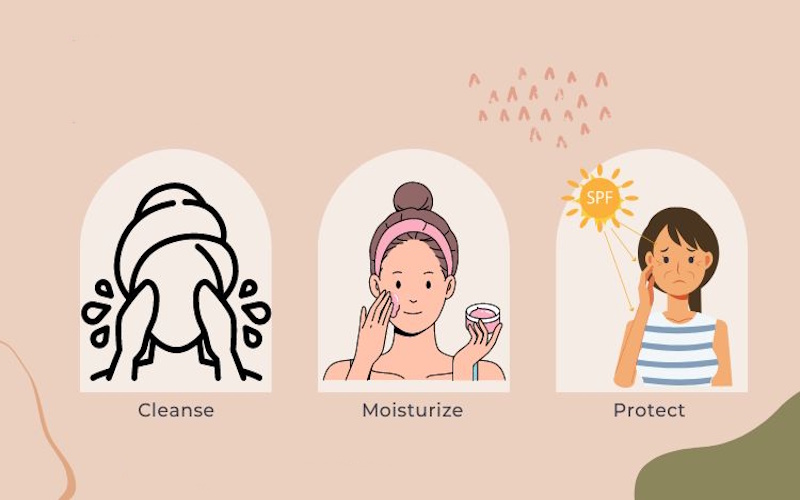
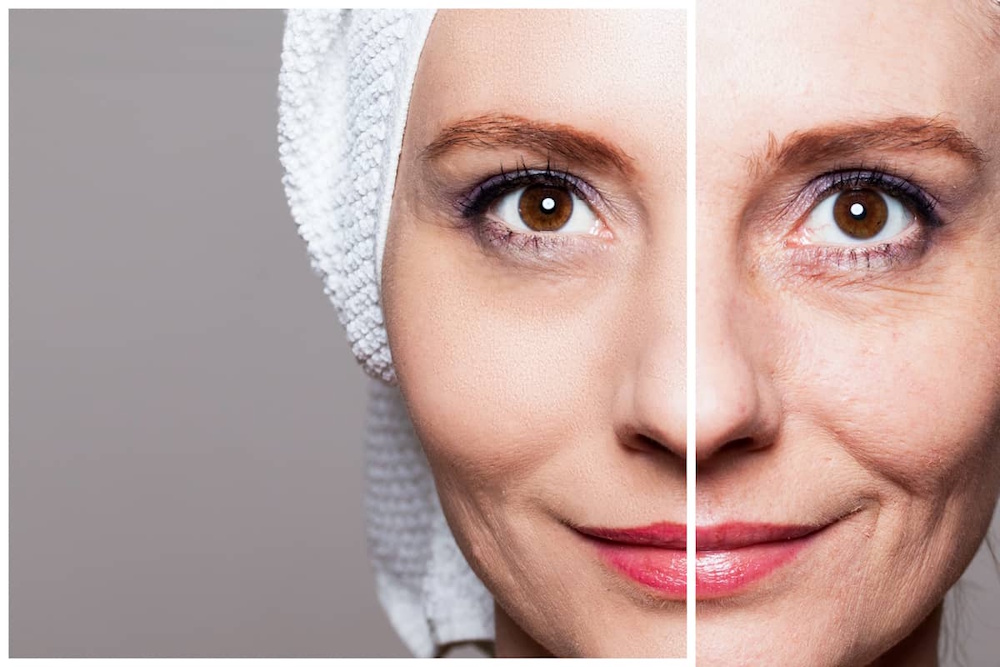






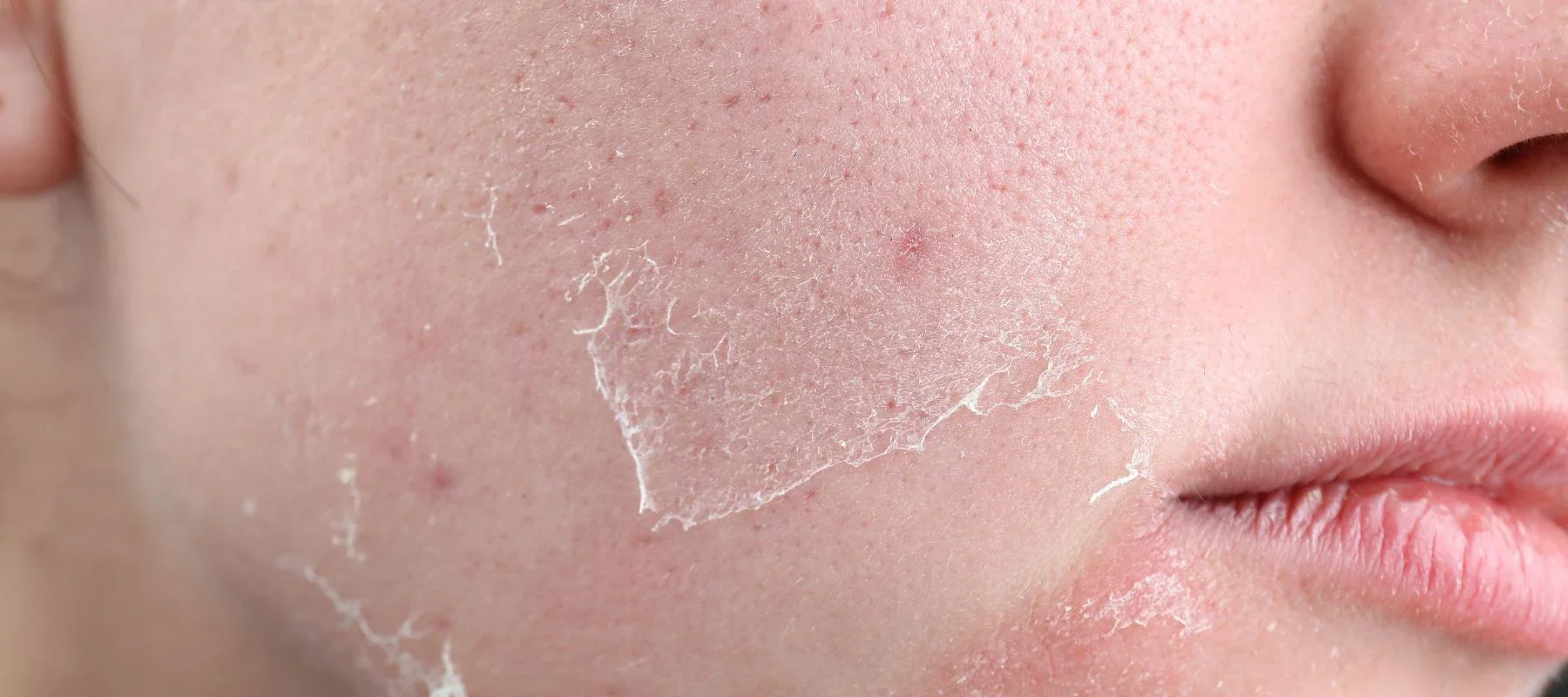
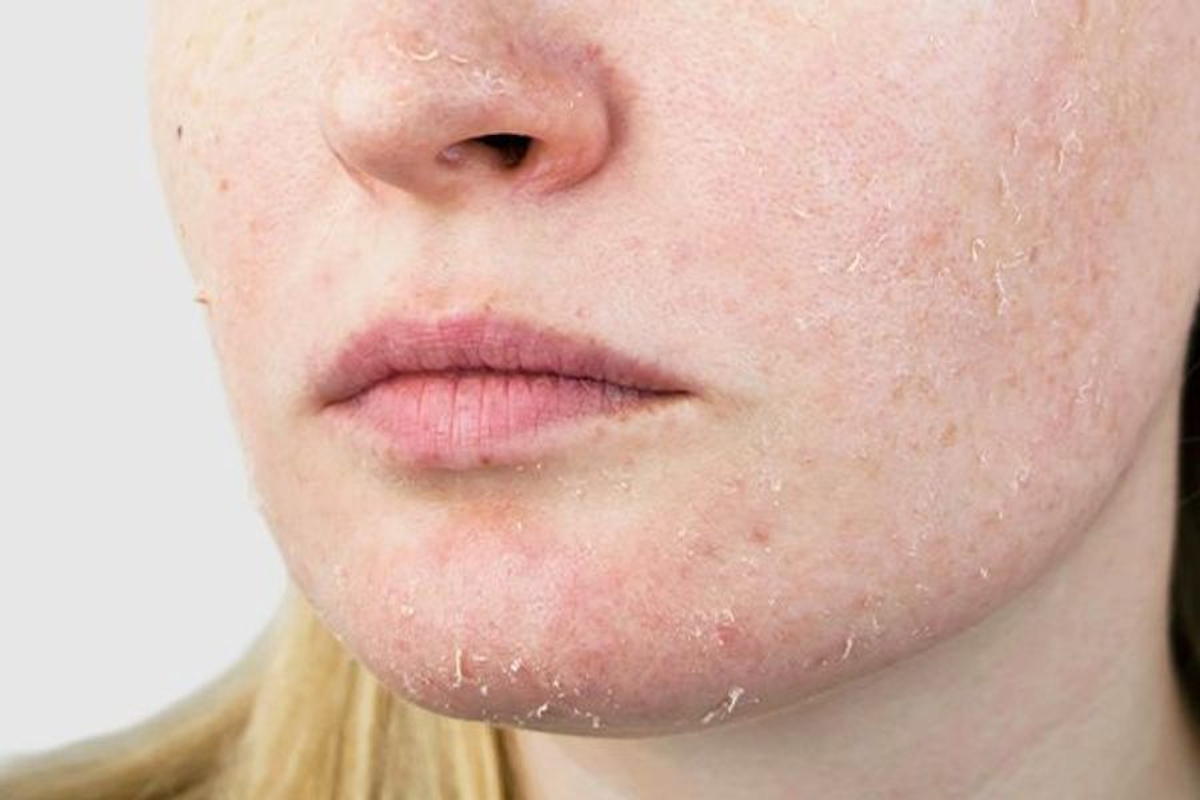
Tags
📧 Get More Articles Like This
Subscribe to receive product reviews and buying guides in your inbox!
We respect your privacy. Unsubscribe at any time.