Best Anti-Aging Serums to Reduce Visible Signs of Aging in 2026: Transform Your Skin
Introduction: The Science of Youthful Skin
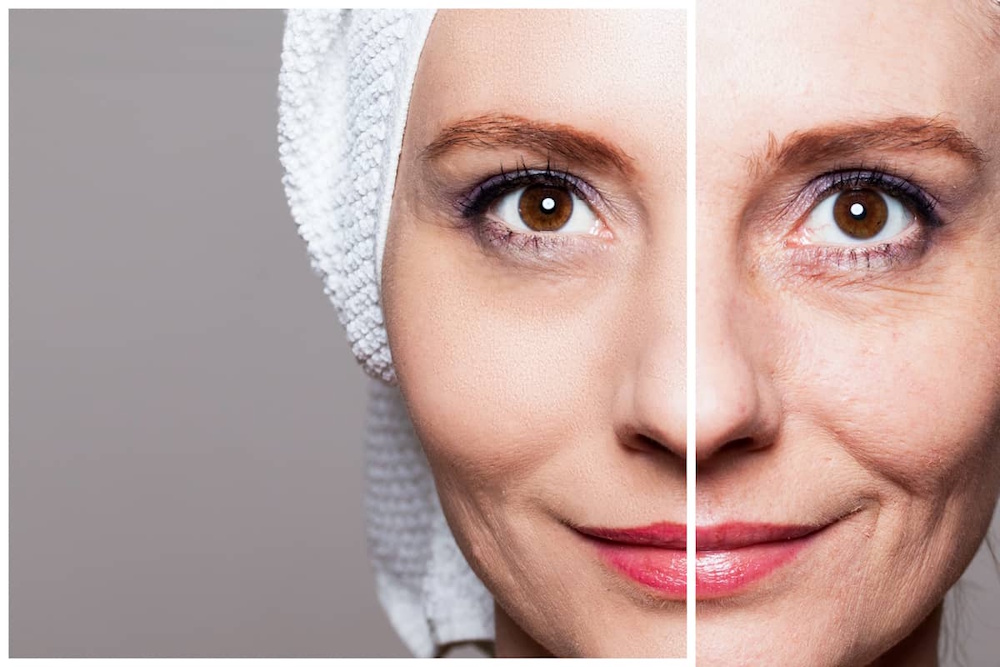
Aging is inevitable, but looking your age isn’t. The visible signs of aging—wrinkles, fine lines, age spots, sagging skin, and uneven texture—result from decades of sun exposure, environmental damage, cellular decline, and natural collagen loss. While we can’t stop time, modern skincare science has developed powerful solutions that can dramatically reduce and even reverse these visible signs.
Anti-aging serums represent the most concentrated, effective form of skincare available today. Unlike moisturizers that primarily hydrate the skin’s surface or cleansers that simply remove dirt, serums deliver high concentrations of active ingredients deep into the skin where aging actually occurs. These lightweight formulations penetrate multiple skin layers, targeting the cellular processes that cause aging and stimulating the biological mechanisms that create youthful skin.
The global anti-aging market has exploded to over $60 billion annually, driven by scientific breakthroughs that actually work. Ingredients like retinol, vitamin C, hyaluronic acid, and peptides aren’t marketing buzzwords—they’re scientifically validated compounds with decades of clinical research proving their effectiveness. Dermatologists consistently recommend these ingredients because peer-reviewed studies demonstrate measurable improvements in skin appearance, texture, and health.
In this comprehensive guide, we’ll explore the best anti-aging serums of 2026—products that combine cutting-edge science with practical results. Whether you’re in your 30s starting preventive care, your 40s addressing early aging signs, or your 50s and beyond seeking more dramatic improvements, the right serum can transform your skin and restore a more youthful appearance.
Understanding how these serums work, what ingredients to look for, and how to use them properly can mean the difference between wasting money on ineffective products and achieving genuine, visible results. Let’s dive into the science-backed solutions that dermatologists trust and millions of people use successfully.
1. Retinol Serum: The Gold Standard of Anti-Aging
Why Retinol Dominates Anti-Aging Skincare
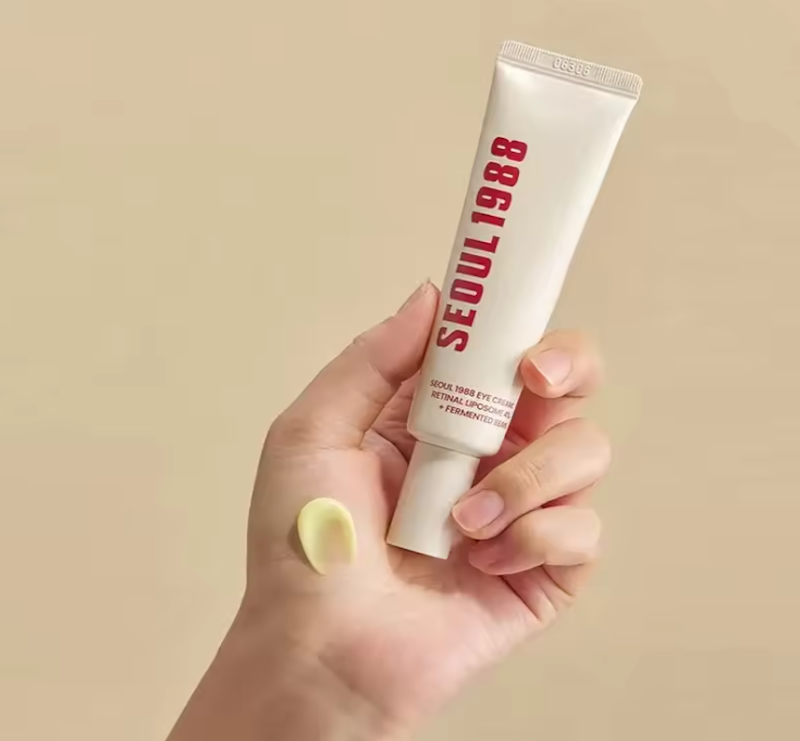
If you could only choose one anti-aging ingredient for the rest of your life, dermatologists worldwide would unanimously recommend retinol. This vitamin A derivative has more scientific research supporting its effectiveness than any other anti-aging compound. Over 700 peer-reviewed studies have documented retinol’s ability to reduce wrinkles, improve skin texture, fade age spots, and stimulate collagen production.
Retinol works at the cellular level, actually changing how your skin cells behave. It accelerates skin cell turnover, replacing dull, damaged surface cells with fresh, healthy ones. It penetrates deep into the dermis where it stimulates fibroblasts—the cells responsible for producing collagen and elastin, the proteins that keep skin firm, smooth, and resilient. As we age, collagen production naturally declines by approximately 1% per year after age 30. Retinol reverses this decline, instructing your skin to produce more collagen like it did when you were younger.
The Visible Results You Can Expect
Clinical studies demonstrate impressive results from consistent retinol use. After 12 weeks of nightly application, most users experience:
Reduced fine lines and wrinkles: Crow’s feet around eyes diminish by 30-50%. Forehead lines become less pronounced. Smile lines around the mouth soften noticeably. The skin simply looks smoother, as if years have been erased.
Improved skin texture: Rough, uneven texture transforms into smooth, refined skin. Large pores appear smaller as cell turnover clears debris and excess oil. The skin’s surface becomes more uniform and pleasant to touch.
Faded age spots and hyperpigmentation: Dark spots from sun damage gradually fade as retinol inhibits excess melanin production and accelerates the shedding of pigmented cells. Sun damage that took years to develop can improve dramatically with consistent treatment.
Increased firmness: As collagen production increases, skin regains some of its youthful bounce and elasticity. Sagging areas become slightly firmer. The overall contour of the face appears more lifted and defined.
Brighter complexion: By removing dull surface cells and stimulating circulation, retinol reveals the fresher, more radiant skin beneath. Many users describe their complexion as “glowing” after several weeks of use.
Understanding Retinol Strength and Formulation
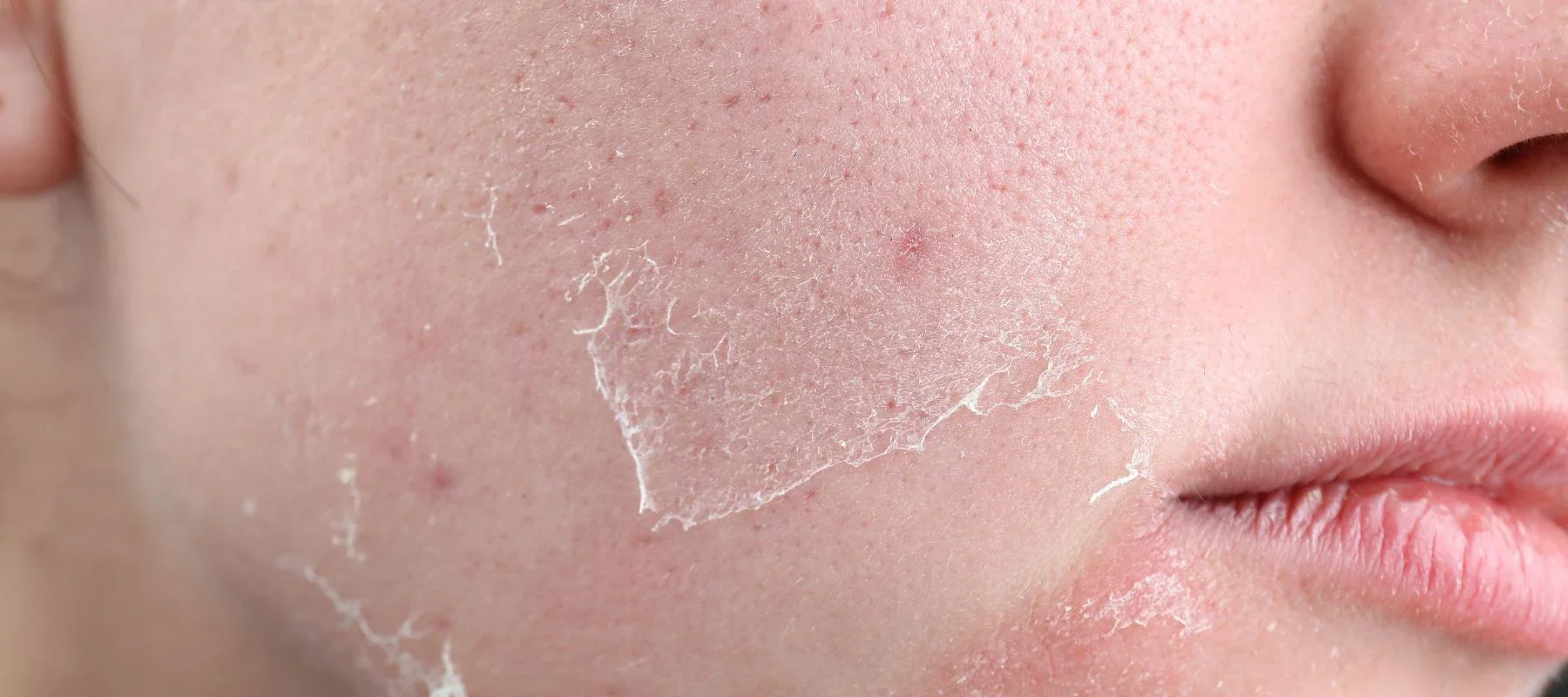
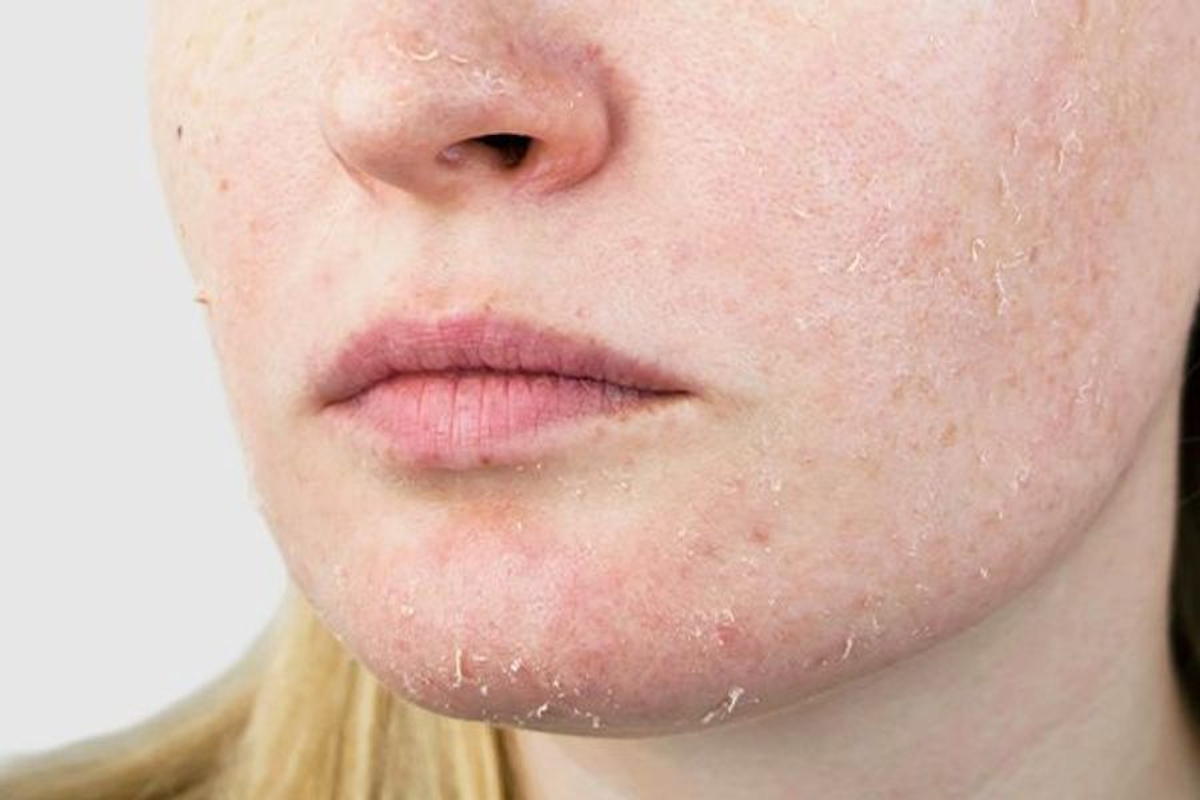
Retinol comes in various strengths, typically ranging from 0.25% to 1.0% in over-the-counter products. Beginners should start with lower concentrations (0.25-0.3%) to allow skin to build tolerance. The most common side effect—retinization—causes temporary redness, dryness, and flaking as skin adjusts to increased cell turnover. This adaptation period typically lasts 2-4 weeks.
Once your skin tolerates the lower strength without irritation, you can gradually increase to 0.5% or 1.0% for more dramatic results. Higher concentrations aren’t always better—using too strong a formula too quickly damages the skin barrier and creates more problems than it solves. Patience and gradual introduction yield the best long-term results.
Premium retinol serums use encapsulated or time-release formulations that deliver retinol gradually throughout the night, minimizing irritation while maintaining effectiveness. These advanced delivery systems represent a significant improvement over older formulations that caused widespread irritation and discouraged continued use.
How to Use Retinol Serum Properly
Retinol effectiveness depends entirely on proper use. Follow these guidelines for optimal results:
Apply only at night: Retinol breaks down in sunlight, losing effectiveness. Nighttime application allows it to work uninterrupted during your skin’s natural repair cycle. Never apply retinol in the morning.
Start slowly: Use retinol 2-3 times per week initially, gradually increasing to nightly use as tolerance develops. Rushing this process causes unnecessary irritation and may force you to discontinue use entirely.
Apply to completely dry skin: Wait 20-30 minutes after cleansing before applying retinol. Damp skin increases penetration beyond optimal levels, causing irritation. Patience here prevents problems.
Use a pea-sized amount: Retinol is potent—a little goes far. One pea-sized drop covers your entire face. Dot it on forehead, cheeks, and chin, then spread evenly. Using more doesn’t produce better results, just more irritation.
Follow with moisturizer: After retinol absorbs (wait 10-15 minutes), apply a rich moisturizer to combat dryness. This “sandwich” technique—retinol followed by moisturizer—maximizes benefits while minimizing side effects.
Always wear sunscreen during the day: Retinol increases sun sensitivity. Daily broad-spectrum SPF 30+ sunscreen is absolutely mandatory when using retinol. This isn’t optional—it’s essential for preventing sun damage that would counteract all your anti-aging efforts.
Who Benefits Most from Retinol Serum
Retinol suits almost everyone concerned with aging, but certain individuals see particularly dramatic results:
People in their 30s starting preventive care: Early intervention prevents wrinkles from forming deeply. Starting retinol in your 30s means you may reach your 50s with skin that looks decades younger.
Those with moderate to severe sun damage: Years of UV exposure create deep wrinkles, numerous age spots, and rough texture. Retinol addresses all these issues simultaneously, making it ideal for reversing accumulated damage.
Individuals with acne-prone skin: Retinol’s cell-turnover properties prevent clogged pores and reduce acne while simultaneously addressing aging. It’s one of the few ingredients that treats both acne and wrinkles effectively.
Anyone with uneven skin tone: Retinol’s ability to fade dark spots and promote even pigmentation makes it valuable for anyone dealing with hyperpigmentation, melasma, or post-inflammatory marks.
Important Precautions and Contraindications
Certain individuals should avoid or carefully consider retinol use:
Pregnant or nursing women: Vitamin A derivatives can potentially harm fetal development. Although topical retinol absorption is minimal, most doctors recommend avoiding it entirely during pregnancy and breastfeeding as a precaution.
People with extremely sensitive skin: Some individuals simply cannot tolerate retinol regardless of concentration or formulation. If you’ve tried multiple retinol products with persistent severe irritation, consult a dermatologist about alternatives like bakuchiol.
Those using certain medications: Some prescription drugs increase photosensitivity or interact with retinoids. Discuss retinol use with your doctor if you’re on any long-term medications.
Shop on AliExpress via link: Retinol Anti-Aging Serums
2. Vitamin C Serum: Antioxidant Protection and Brightening Power
The Multi-Benefit Miracle of Vitamin C
While retinol works primarily on cellular turnover and collagen production, vitamin C (ascorbic acid) approaches anti-aging from a different angle—antioxidant protection and brightening. This essential nutrient serves as your skin’s defense system against environmental damage while actively reversing existing discoloration and stimulating collagen synthesis.
Every day, your skin faces assault from free radicals—unstable molecules generated by UV radiation, pollution, cigarette smoke, and even normal metabolism. These free radicals damage cellular structures, break down collagen, create inflammation, and accelerate visible aging. A single day of sun exposure can generate trillions of free radicals in your skin. Over decades, this cumulative damage manifests as wrinkles, sagging, and age spots.
Vitamin C neutralizes free radicals before they cause damage, acting like a shield protecting your skin from environmental aging. Studies show that applying vitamin C serum before sun exposure significantly reduces UV damage, sunburn severity, and long-term photodamage. While it doesn’t replace sunscreen, vitamin C provides an additional layer of protection that sunscreen alone cannot offer.
Brightening Effects and Even Skin Tone
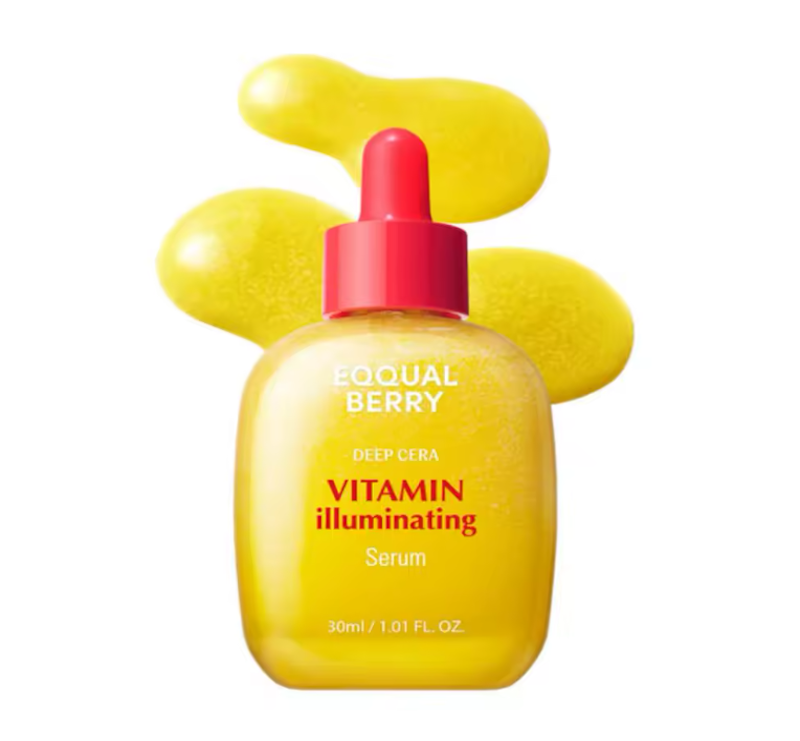
Beyond its protective properties, vitamin C delivers visible brightening effects that many users notice within weeks. It works through multiple mechanisms to create a more radiant, even complexion:
Inhibits melanin production: Vitamin C interferes with tyrosinase, the enzyme responsible for melanin synthesis. By reducing excess melanin production, it prevents new dark spots from forming and gradually lightens existing hyperpigmentation.
Fades existing discoloration: Consistent vitamin C use visibly reduces age spots, sun damage, melasma, and post-inflammatory hyperpigmentation. Clinical studies show 30-50% reduction in dark spot appearance after 12 weeks of daily use.
Creates overall radiance: By promoting cell turnover and improving skin health, vitamin C creates what users describe as a “glow” or “radiance.” Skin looks more luminous, fresh, and youthful rather than dull and tired.
Reduces redness: Anti-inflammatory properties help calm irritated skin and reduce redness from rosacea, acne, or environmental sensitivity.
Collagen-Boosting Properties
Vitamin C isn’t just defensive—it actively stimulates collagen production. As a necessary cofactor for collagen synthesis, vitamin C enables the biochemical reactions that create collagen fibers. Without adequate vitamin C, your body cannot produce collagen efficiently regardless of other factors.
Topical vitamin C increases collagen production in skin tissue, improving firmness, reducing fine lines, and enhancing skin structure. Combined with retinol (used alternately—vitamin C in morning, retinol at night), these ingredients create a powerful one-two punch against aging.
Choosing the Right Vitamin C Formulation
Vitamin C effectiveness depends heavily on formulation quality. This ingredient is notoriously unstable—it degrades rapidly when exposed to light, air, or water, losing potency before you see results. Premium formulations address these challenges:
L-ascorbic acid concentration: The most researched and effective form, L-ascorbic acid, works best at 10-20% concentrations. Lower concentrations provide insufficient benefit, while higher concentrations often cause irritation without additional advantage.
Low pH formulation: Vitamin C requires acidic pH (around 3.5) to penetrate skin effectively. Well-formulated serums maintain this pH while remaining tolerable for skin.
Airless packaging: Pump bottles or opaque tubes protect vitamin C from oxygen and light exposure, preserving potency. Avoid jars or clear bottles—by the time you use half the product, much of the vitamin C has degraded.
Stabilizing ingredients: Quality formulations include vitamin E and ferulic acid, which stabilize vitamin C, enhance its effectiveness, and provide additional antioxidant benefits.
How to Use Vitamin C Serum for Best Results
Vitamin C application differs from retinol in important ways:
Apply in the morning: Unlike retinol, vitamin C works best during the day when it can protect against environmental damage. Apply it after cleansing and before sunscreen.
Use on clean, dry skin: Wait a few minutes after cleansing for skin to dry completely. Apply 3-4 drops of vitamin C serum, spreading evenly across face and neck.
Wait before applying moisturizer: Allow vitamin C to absorb for 1-2 minutes. Its low pH means it works best when allowed to penetrate before applying other products.
Always follow with sunscreen: This combination—vitamin C plus SPF—provides superior protection against UV damage and environmental aging compared to either alone.
Store properly: Keep vitamin C serum in a cool, dark place. Some people refrigerate it to extend shelf life. Discard any serum that turns dark brown or orange—this indicates oxidation and loss of effectiveness.
Expected Timeline for Results
Vitamin C works faster than retinol for certain benefits:
Immediate radiance: Many users notice brighter, more radiant skin after just a few applications. The antioxidant and hydrating effects create immediate visible improvement.
2-4 weeks: Skin tone begins to even out. Minor discolorations start fading. Overall complexion appears fresher and healthier.
8-12 weeks: Significant fading of age spots and sun damage. Fine lines may appear reduced. Collagen-boosting effects become noticeable as skin firmness improves.
3-6 months: Dramatic transformation in skin brightness, tone, and texture. Long-standing hyperpigmentation shows substantial improvement.
Who Benefits Most from Vitamin C Serum
Vitamin C’s versatility makes it suitable for nearly everyone:
People with sun damage and age spots: Vitamin C’s brightening and protective properties directly address these concerns.
Those seeking prevention: Even young adults benefit from vitamin C’s protective effects. Starting early prevents damage that causes aging later.
Individuals with dull, tired-looking skin: The radiance boost from vitamin C transforms lackluster complexions into glowing, healthy-looking skin.
Anyone exposed to pollution: City dwellers and those in polluted environments benefit tremendously from vitamin C’s ability to neutralize pollution-related free radicals.
People who cannot tolerate retinol: For those who find retinol too irritating, vitamin C provides substantial anti-aging benefits with minimal side effects.
Combining Vitamin C with Other Ingredients
Vitamin C plays well with many skincare ingredients:
Vitamin C + Sunscreen: The ideal morning combination for maximum protection and anti-aging benefits.
Vitamin C + Vitamin E + Ferulic Acid: This trio, popularized by research, provides synergistic antioxidant protection far exceeding any ingredient alone.
Vitamin C (morning) + Retinol (night): This schedule allows you to use both powerhouse ingredients without interaction or irritation. Many dermatologists recommend this exact routine.
Avoid: Don’t use vitamin C with benzoyl peroxide (deactivates vitamin C) or immediately with niacinamide at high concentrations (may cause temporary flushing in sensitive skin, though recent research suggests they’re fine together).
Shop on AliExpress via link: Vitamin C Anti-Aging Serums
3. Hyaluronic Acid Serum: Deep Hydration and Plumping Power
Understanding Skin Hydration and Aging
As we age, our skin loses moisture at accelerating rates. Young skin contains high levels of hyaluronic acid (HA), a molecule that holds up to 1,000 times its weight in water. This exceptional water-binding capacity keeps young skin plump, smooth, and resilient. However, natural hyaluronic acid production declines significantly with age—by our 40s, we have only about half the hyaluronic acid we had in our youth.
This moisture loss creates several visible aging signs: Fine lines deepen into wrinkles as dehydrated skin loses plumpness. Skin appears crepey and thin rather than smooth and supple. The complexion looks dull and tired instead of fresh and dewy. Even makeup application becomes difficult as products emphasize dry patches rather than gliding smoothly.
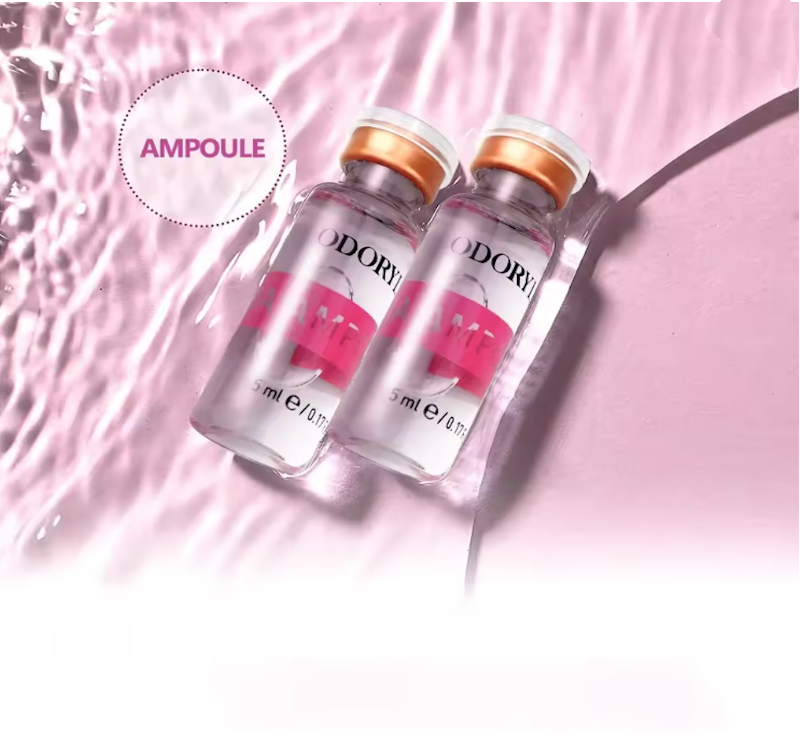
Hyaluronic acid serums replenish this crucial moisture-binding molecule, restoring hydration levels and creating immediate visible improvements. Unlike moisturizers that sit primarily on the skin’s surface, hyaluronic acid penetrates into deeper layers, attracting and binding water molecules where they’re needed most.
The Immediate Plumping Effect
One of hyaluronic acid’s most appealing qualities is its rapid, visible effect. Within hours of application, most users notice:
Plumper, smoother skin: As HA draws moisture into skin tissue, fine lines literally fill in from beneath. The skin’s surface becomes smoother and more even. This isn’t an illusion—the hydration genuinely plumps skin cells, reducing the depth and visibility of lines.
Improved skin texture: Rough, flaky texture transforms into smooth, soft skin. HA’s hydrating properties normalize the skin barrier, allowing proper cell turnover and preventing the buildup of dead cells that create rough texture.
Enhanced radiance: Well-hydrated skin reflects light better, creating a natural glow. Dehydrated skin appears dull because its uneven surface scatters light. HA’s smoothing effect restores light-reflecting properties.
Better makeup application: Foundation and other cosmetics glide on smoothly over well-hydrated skin and look more natural. Many makeup artists apply hyaluronic acid serum before makeup for this exact reason.
Different Molecular Weights for Different Benefits
Advanced hyaluronic acid serums contain multiple molecular weights of HA, each serving specific purposes:
High molecular weight HA (1,000-1,800 kDa): Sits on skin’s surface, providing immediate hydration and creating a moisture barrier that prevents water loss. This form creates the immediate plumping effect users love.
Medium molecular weight HA (100-300 kDa): Penetrates into upper skin layers, providing sustained hydration throughout the day. This form bridges surface and deep hydration.
Low molecular weight HA (below 50 kDa): Penetrates deepest, reaching the dermis where it provides long-term hydration benefits and may stimulate collagen production. This form creates lasting improvements rather than temporary effects.
Premium serums combine all three weights, creating immediate results plus cumulative long-term benefits. Single-weight formulations can’t match this comprehensive approach.
How Hyaluronic Acid Complements Other Anti-Aging Ingredients
HA serves as the perfect complement to more powerful but potentially drying anti-aging ingredients:
With retinol: Retinol often causes dryness and irritation. Applying hyaluronic acid serum before moisturizer helps maintain hydration and reduces retinol side effects. Many people find retinol tolerable only when paired with excellent hydration.
With vitamin C: HA’s hydrating properties complement vitamin C’s brightening effects. The combination creates radiant, plump, even-toned skin.
With peptides and growth factors: These advanced ingredients work better in well-hydrated skin. HA creates the optimal environment for cellular communication and repair.
With any exfoliating ingredient: AHAs, BHAs, and enzymes remove dead skin cells but can be drying. HA replenishes lost moisture, allowing you to use exfoliants more frequently without irritation.
Application Technique for Maximum Effectiveness
Hyaluronic acid works best when applied strategically:
Apply to damp skin: This is crucial. HA draws water from its surroundings—if applied to completely dry skin, it may actually draw moisture from deeper layers, potentially causing dryness. Apply HA while skin is still slightly damp from cleansing, or mist your face with water before application.
Use twice daily: Unlike retinol (night only) or vitamin C (usually morning only), HA benefits from twice-daily use. Apply morning and evening for optimal hydration.
Layer properly: HA goes on after cleansing but before heavier products. The typical order: cleanser → hyaluronic acid serum → other treatment serums → moisturizer → sunscreen (morning).
Follow with moisturizer: HA draws water into skin, but you need an occlusive moisturizer to seal that hydration in. Think of HA as filling a bucket with water—you need a lid (moisturizer) to prevent evaporation.
Don’t skip it in humid weather: Some people think they don’t need HA in summer or humid climates. Wrong—while environmental humidity helps, topical HA still provides benefits year-round.
Benefits for All Skin Types
Hyaluronic acid’s unique properties make it suitable for literally every skin type:
Dry skin: Obviously benefits from intense hydration. HA can transform chronically dry skin into comfortably hydrated skin when used consistently.
Oily skin: Many people with oily skin avoid moisturizing, but dehydration can actually trigger excess oil production. HA provides needed hydration without adding oil, helping normalize sebum production.
Sensitive skin: HA is one of the gentlest active ingredients available. It rarely causes irritation and actually soothes inflamed, reactive skin.
Combination skin: Different areas of your face may need different care, but HA works everywhere. It provides hydration where needed without causing problems in already-oily zones.
Mature skin: Aging skin desperately needs the moisture-binding properties that decline with age. HA restores hydration capacity, making mature skin look and feel decades younger.
Long-Term Benefits Beyond Immediate Hydration
While HA provides instant gratification, its long-term benefits are equally impressive:
Improved skin barrier function: Well-hydrated skin maintains a healthy barrier that protects against environmental damage and prevents moisture loss. This creates a positive cycle where skin becomes better at retaining hydration naturally.
Enhanced healing: Hydrated skin heals faster from damage, whether from sun exposure, environmental assault, or skincare treatments. HA supports skin’s natural repair processes.
Better tolerance of active ingredients: When your skin’s hydration status is optimal, you can use stronger anti-aging ingredients without irritation. HA enables more aggressive treatment approaches.
Reduced appearance of pores: While HA doesn’t shrink pores physically, well-hydrated skin makes pores appear smaller because plump, smooth skin creates a more refined texture.
Choosing Quality Hyaluronic Acid Serums
Look for these features in premium HA serums:
Multiple molecular weights: As discussed, multi-weight formulations provide comprehensive benefits that single-weight products cannot match.
Concentration: Quality serums contain 1-2% hyaluronic acid, which provides optimal benefits without the sticky texture that higher concentrations create.
Additional hydrating ingredients: Glycerin, aloe vera, ceramides, and other humectants and emollients complement HA’s effects.
Clean formulation: Avoid unnecessary fragrances, dyes, and irritants that provide no benefit and may cause sensitivity.
Proper packaging: While HA is more stable than vitamin C, airless pumps still provide better protection than open jars.
Shop on AliExpress via link: Hyaluronic Acid Anti-Aging Serums
4. Peptide Serum: Advanced Cellular Communication and Collagen Synthesis
The Cutting Edge of Anti-Aging Science
While retinol, vitamin C, and hyaluronic acid have decades of research behind them, peptides represent the cutting edge of anti-aging science. These short chains of amino acids act as cellular messengers, telling your skin cells how to behave. Different peptides send different signals—some instruct cells to produce more collagen, others trigger elastin synthesis, still others reduce inflammation or stimulate repair processes.
Think of peptides as the language your skin cells use to communicate. Young skin speaks this language fluently, with cells constantly signaling each other to produce collagen, repair damage, and maintain optimal function. As we age, this cellular communication breaks down. Cells become less responsive to signals and produce fewer signaling molecules themselves. Peptide serums restore this communication, essentially teaching old skin to act young again.
The peptide category includes hundreds of different compounds, each with specific functions. Premium anti-aging serums combine multiple peptides to address various aspects of aging simultaneously. This multi-peptide approach delivers results that single-peptide formulations cannot match.
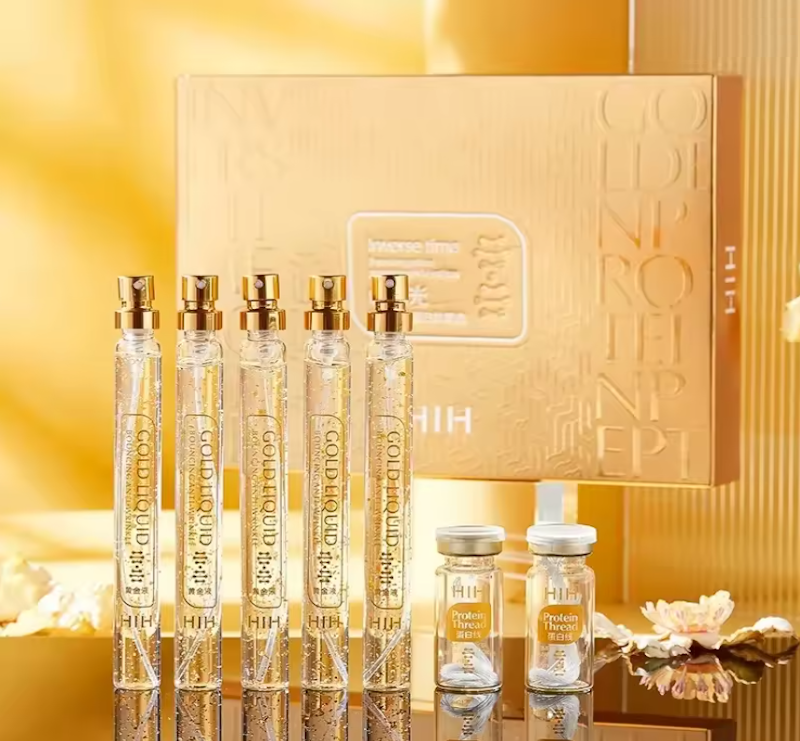
Key Peptide Types and Their Functions
Understanding the major peptide categories helps you choose effective products:
Signal peptides (collagen-boosting): Peptides like Matrixyl (palmitoyl pentapeptide-4) and Matrixyl 3000 signal fibroblasts to produce more collagen and elastin. Clinical studies show these peptides can increase collagen production by up to 117% after several months of use. This isn’t just surface improvement—it’s actual structural enhancement of skin tissue.
Carrier peptides: These peptides deliver essential minerals like copper and manganese to skin cells, supporting the enzymatic processes involved in collagen synthesis and wound healing. Copper peptides are particularly well-researched, showing benefits for skin firmness and overall appearance.
Neurotransmitter-inhibiting peptides: Often called “Botox in a bottle” (though this comparison overstates their effects), these peptides like Argireline reduce muscle contractions that create expression lines. They can’t match Botox’s dramatic results, but they provide noticeable softening of dynamic wrinkles around eyes and forehead with consistent use.
Enzyme-inhibiting peptides: These peptides block enzymes that break down collagen and elastin, preserving existing skin structure. By preventing breakdown while other peptides stimulate production, enzyme inhibitors create a double benefit.
Visible Results from Peptide Serums
Peptides work more slowly than some anti-aging ingredients, but their results are substantial and long-lasting. After 8-12 weeks of consistent use, users typically experience:
Improved skin firmness: As collagen and elastin production increases, skin regains bounce and resilience. Sagging areas become slightly firmer. The overall facial contour appears more lifted and defined.
Reduced wrinkle depth: Particularly for fine lines and expression lines, peptides create measurable reduction in depth and visibility. Studies document 30-50% improvement in fine line appearance after three months.
Enhanced skin thickness: Aging skin becomes thinner as collagen depletes. Peptides reverse this thinning, creating sturdier skin that better resists damage and looks healthier.
Better skin texture: As cellular function improves, skin texture becomes more refined and smooth. Roughness, large pores, and uneven surface all improve gradually.
Accelerated healing: Peptides support skin’s natural repair processes, helping it recover from environmental damage, sun exposure, and the stress of daily life.
Why Peptides Work Better in Serums
Peptides require careful formulation to remain effective. They’re relatively large molecules that struggle to penetrate skin, and they degrade easily if not properly preserved. Premium peptide serums address these challenges:
Lightweight serum base: Serums’ thin consistency allows better peptide penetration than creams or lotions. The peptides can reach the deeper layers where collagen production occurs.
Proper pH balance: Peptides function best at specific pH levels. Quality formulations maintain optimal pH for both skin health and peptide activity.
Stabilizing ingredients: Advanced formulations include compounds that protect peptides from degradation, ensuring they remain active throughout the product’s shelf life.
Complementary ingredients: The best peptide serums include additional actives like antioxidants, hydrators, and soothing agents that enhance overall effectiveness.
How to Incorporate Peptide Serums into Your Routine
Peptides are relatively gentle and compatible with most other skincare ingredients, but strategic use maximizes their benefits:
Apply twice daily: Unlike retinol’s night-only application, peptides work well morning and evening. Use them consistently for cumulative benefits.
Layer appropriately: Apply peptide serum after cleansing and toning but before heavier treatments or moisturizers. If using multiple serums, apply the thinnest consistency first.
Combine with complementary ingredients: Peptides work synergistically with:
- Hyaluronic acid: Creates optimal hydration for peptide function** - **Vitamin C: Supports collagen synthesis that peptides stimulate** - **Retinol: Used at different times (peptides day/night, retinol night only) creates comprehensive anti-aging coverage** - **Niacinamide: Enhances skin barrier while peptides work on deeper structures
Give them time: Peptides require patience—you won’t see overnight results. Commit to at least 8-12 weeks of consistent use before evaluating effectiveness.
Don’t skip sunscreen: While peptides aren’t photosensitive like retinol, sun protection remains essential. UV damage undermines all your anti-aging efforts, including peptide benefits.
Who Benefits Most from Peptide Serums
Peptides suit a wide range of anti-aging needs:
People seeking gentler alternatives to retinol: Those who cannot tolerate retinol due to sensitive skin or medication contraindications can achieve substantial anti-aging benefits from peptides without irritation.
Individuals with loss of firmness: If sagging, loss of definition, and decreased bounce are your primary concerns, peptides’ collagen-boosting properties directly address these issues.
Those wanting comprehensive anti-aging without multiple products: Multi-peptide serums address multiple aging mechanisms simultaneously—collagen production, elastin synthesis, inflammation reduction, and repair support—in a single product.
Anyone over 40: As natural collagen production declines significantly in our 40s and beyond, peptides’ ability to stimulate production becomes increasingly valuable.
People combining professional treatments: If you get laser treatments, chemical peels, or microneedling, peptides support the healing process and enhance results by promoting collagen synthesis during the crucial recovery period.
The Science Behind Peptide Effectiveness
Unlike some skincare claims that rely on marketing rather than evidence, peptides have substantial scientific backing. Multiple double-blind, placebo-controlled studies demonstrate their effectiveness:
A landmark study on Matrixyl 3000 showed that participants using the peptide experienced significant improvement in wrinkle depth and skin firmness compared to placebo after 12 weeks. Skin biopsies revealed actual increases in collagen and other structural proteins—proof that changes weren’t just surface-level.
Research on copper peptides demonstrates enhanced wound healing, increased collagen production, and improved skin thickness. These compounds have been studied for decades in medical contexts before their cosmetic applications.
Studies of neurotransmitter-inhibiting peptides show measurable reduction in muscle contractions and improvement in expression lines, though effects are significantly less dramatic than Botox injections.
Realistic Expectations and Patience
It’s important to maintain realistic expectations with peptides. They won’t:
- Replace professional treatments: Peptides can’t match the dramatic results of Botox, fillers, or laser treatments. They’re maintenance and gradual improvement tools, not miracle workers.** - **Work overnight: Peptides stimulate biological processes that take time. Collagen production doesn’t increase instantly. Expect gradual, cumulative improvements over months.** - **Reverse severe aging: If you have deep wrinkles, significant sagging, or extreme sun damage, peptides alone won’t restore youthful appearance. They work best for prevention and addressing mild to moderate aging signs.
What peptides will do is provide genuine, measurable improvement in skin quality, firmness, texture, and appearance when used consistently as part of a comprehensive skincare routine. They’re powerful tools that deliver real results for patient, committed users.
Choosing Quality Peptide Serums
Look for these features when selecting a peptide serum:
Multiple peptides: Single-peptide products can’t address the various aspects of aging as effectively as multi-peptide formulations. Look for serums containing 3-5 different peptides.
Meaningful concentrations: Peptides should appear near the beginning of the ingredient list, indicating substantial concentrations rather than token amounts included for marketing purposes.
Supporting ingredients: Quality formulations include hydrators (hyaluronic acid, glycerin), antioxidants (vitamins C and E), and soothing agents (niacinamide, allantoin) that create optimal conditions for peptide function.
Proper preservation: Peptides degrade without proper preservatives. Don’t fear preservatives in peptide products—they’re necessary for ingredient stability.
Reputable brands: Given the complexity of peptide formulation, established skincare brands with scientific backing tend to produce more reliable products than unknown manufacturers making exaggerated claims.
Shop on AliExpress via link: Peptide Anti-Aging Serums
Building the Complete Anti-Aging Routine
Combining Serums for Maximum Impact
While each serum discussed provides substantial benefits individually, strategic combination creates synergistic effects that exceed the sum of individual products. Here’s how to build a comprehensive routine:
Morning routine:
- Cleanser
- Vitamin C serum (antioxidant protection and brightening)
- Peptide serum (collagen stimulation)
- Hyaluronic acid serum (hydration)
- Moisturizer with SPF 30+ (hydration and sun protection)
Evening routine:
- Cleanser
- Retinol serum (cell turnover and collagen production)
- Hyaluronic acid serum (hydration to counteract retinol dryness)
- Peptide serum (collagen stimulation)
- Rich night moisturizer (seal in treatments and hydration)
This schedule allows you to use all four serum types without conflicts or excessive layering at once. Each ingredient works at its optimal time for maximum effectiveness.
Adjusting for Your Skin Type and Concerns
Dry or sensitive skin: Focus heavily on hyaluronic acid and use lower-strength retinol initially. Consider using retinol only 3-4 times weekly rather than nightly until tolerance builds.
Oily or acne-prone skin: You still need all these ingredients, but choose lightweight formulations and don’t skip moisturizer—dehydration can worsen oil production.
Mature skin with significant sun damage: Emphasize retinol and vitamin C, which directly address photodamage. Consider using retinol nightly once tolerance develops.
Preventive care (20s-30s): Focus on vitamin C and sunscreen during the day. Add retinol 2-3 times weekly for prevention. Save intensive peptide use for later decades.
The Role of Patience and Consistency
Skincare isn’t instant gratification. The most effective anti-aging ingredients work by changing cellular behavior and stimulating biological processes—changes that take time to produce visible results. Expect this timeline:
2-4 weeks: Initial improvements in hydration, texture, and radiance. These early changes reflect improved skin surface condition.
6-8 weeks: Noticeable reduction in fine lines, better skin tone, and improved texture. Surface-level changes become clearly visible.
3-6 months: Significant improvement in wrinkles, firmness, and overall skin quality. Deeper structural changes become apparent.
6-12 months: Maximum benefits achieved. Collagen and elastin production changes create substantial transformation in skin appearance and health.
Consistency matters infinitely more than perfection. Using your serums 6 days a week for months produces better results than using them perfectly for 3 weeks then quitting. Build habits and maintain them for life-changing results.
Professional Treatments as Complementary Options
Serums work excellently alone, but they also enhance results from professional treatments:
Chemical peels: Vitamin C and peptides support healing and enhance brightening effects. Retinol should be paused 1 week before and after peels.
Microneedling: Peptides and hyaluronic acid applied after microneedling penetrate deeply and accelerate collagen production stimulated by the procedure.
Laser treatments: All four serum types support healing and enhance results when used properly during recovery periods.
Botox and fillers: Topical serums don’t interfere with injectables and help maintain skin quality between appointments, potentially extending time between treatments.
Conclusion: Invest in Your Skin’s Future
Your face is the first thing people see and the clearest indicator of age. Investing in quality anti-aging serums isn’t vanity—it’s self-care and practical investment in how you look and feel for decades to come. The visible signs of aging aren’t inevitable consequences of time—they’re largely preventable and reversible with the right ingredients used consistently.
Retinol remains the gold standard for comprehensive anti-aging, stimulating collagen production and accelerating cell turnover. Vitamin C protects against environmental damage while brightening and evening skin tone. Hyaluronic acid provides the deep hydration that makes skin look plump, smooth, and youthful. Peptides offer cutting-edge cellular communication that tells aging skin to behave young again.
These aren’t expensive luxuries—they’re scientifically validated solutions with decades of research proving their effectiveness. The difference between skin that ages naturally and skin that maintains a youthful appearance often comes down to consistent use of these proven ingredients.
Start today. Choose the serum that addresses your primary concern—retinol for wrinkles, vitamin C for sun damage and brightness, hyaluronic acid for dehydration, or peptides for loss of firmness. Experience the difference quality ingredients make. Then expand your routine as you discover the transformative power of comprehensive anti-aging care.
Your future self—looking years younger than your actual age—will thank you for making this smart investment in skin health. Transform your complexion from showing every year you’ve lived to reflecting the vitality you feel inside.
Frequently Asked Questions
Q: Can I use all four types of serums together? A: Yes! In fact, using them together creates synergistic benefits that exceed individual use. Apply them in the right order (thinnest to thickest consistency) and at appropriate times (retinol at night, vitamin C in morning).
Q: How long before I see results from anti-aging serums? A: Initial improvements like better hydration and radiance appear within 2-4 weeks. Significant wrinkle reduction and firmness improvements take 8-12 weeks. Maximum benefits appear after 4-6 months of consistent use. Patience is essential.
Q: Can I use anti-aging serums if I have sensitive skin? A: Yes, but start cautiously. Begin with hyaluronic acid and peptides, which are gentlest. Introduce retinol and vitamin C gradually at lower concentrations, allowing your skin to build tolerance before increasing strength.
Q: Are expensive serums worth it compared to affordable options? A: Price doesn’t always equal quality, but effective concentrations of active ingredients, proper formulation, and quality testing cost money. Very cheap products often contain insufficient active ingredient concentrations to produce results. Mid-range products often offer the best balance of effectiveness and value.
Q: Should I stop using serums once I see improvement? A: No! Anti-aging skincare is ongoing maintenance. Stop using effective ingredients and your skin will resume aging naturally. Think of it like exercise—stopping workouts means losing the fitness you gained. Continued use maintains and builds upon results.
Q: Can men use these anti-aging serums? A: Absolutely. Skin aging is identical between genders. Men benefit from the same ingredients women do. In fact, because men traditionally do less skincare, they often see more dramatic improvements when they start using effective anti-aging products.
Q: Will these serums interfere with my prescription acne medication? A: It depends on the medication. Many prescription retinoids shouldn’t be combined with over-the-counter retinol. Discuss your complete skincare routine with your dermatologist to ensure safe, effective combinations.
Articles related:




Tags
📧 Get More Articles Like This
Subscribe to receive product reviews and buying guides in your inbox!
We respect your privacy. Unsubscribe at any time.