Beauty Budget Breakdown: Luxury vs Drugstore – Blind Test Results
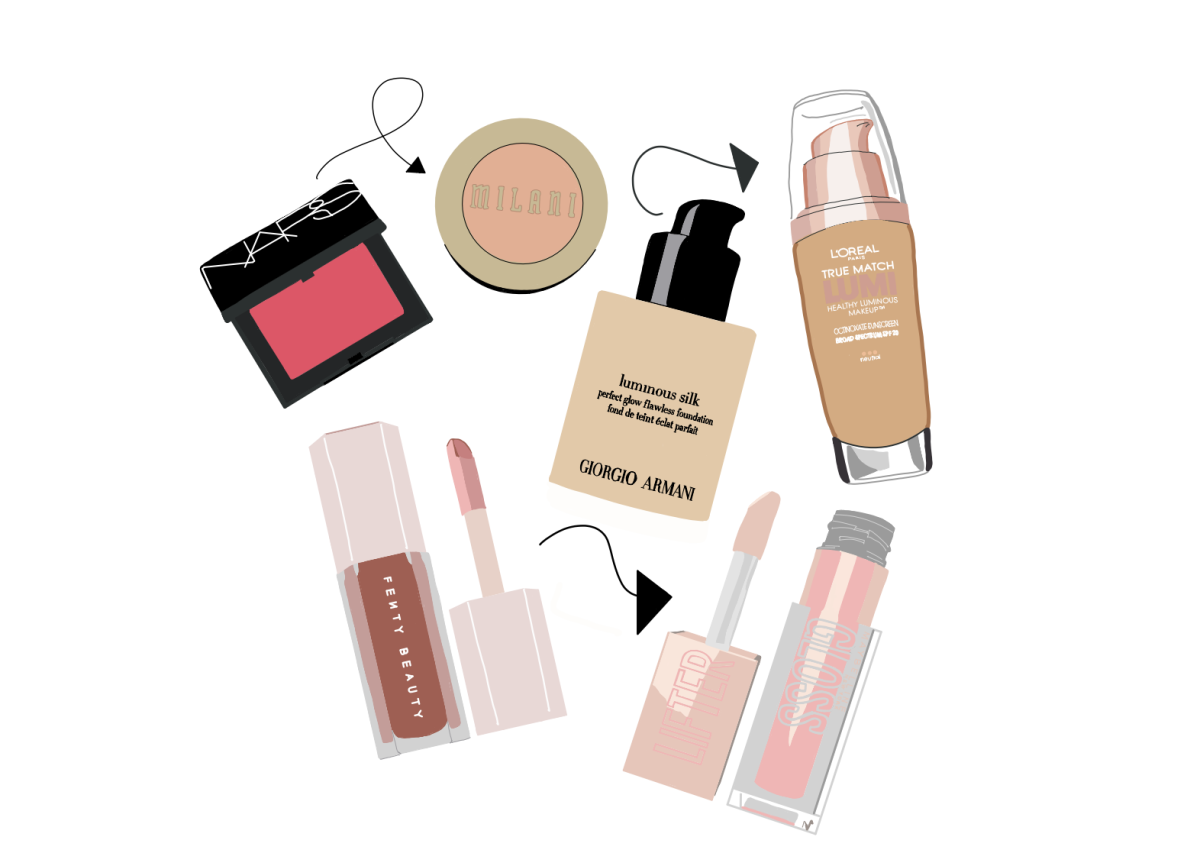
Table of Contents
- Introduction: The $5,000 Experiment That Changed Everything
- How We Set Up the Blind Test
- Round One: Cleansers and Moisturizers
- Round Two: Serums and Treatments
- Round Three: Makeup and Color Products
- The Science Behind Why Prices Differ So Dramatically
- What Dermatologists Actually Use on Their Own Skin
- Building Your Optimal Beauty Routine Without Breaking the Bank
- The Final Verdict: Where to Spend and Where to Save
- Frequently Asked Questions
Introduction: The $5,000 Experiment That Changed Everything
There is a moment in every beauty lover’s life when the question becomes impossible to ignore any longer. You are standing in a department store, holding a serum that costs $180 for a bottle barely larger than your thumb, and somewhere across the street, a drugstore shelf holds an almost identical product for $14. The packaging on the luxury version is sleek, minimal, and unmistakably expensive. The drugstore version looks humble, almost apologetic. But here is the question that kept nagging at the back of your mind: what if they work exactly the same way? What if the only real difference is the label?
That question became the spark for one of the most ambitious beauty experiments the InfoProds team has ever attempted. Over the course of three months, from October 2025 through January 2026, we spent nearly $5,000 assembling a carefully curated collection of both luxury and drugstore beauty products across every major category. We recruited 40 volunteers, ranging in age from 22 to 58, representing diverse skin types, tones, and concerns. Each participant received unmarked products in identical white containers. They had no idea which products were luxury and which came from the drugstore. They did not know the brands. They did not know the prices. They only knew how the products felt on their skin, how their complexions responded over weeks of consistent use, and whether the results matched the promises made on the original packaging.
Before delving deeper into the article, watch this video which highlights the key differences between luxury makeup and budget-friendly alternatives:
The beauty industry in the United States alone generated approximately $89.7 billion in annual consumer spending as of 2025, with skincare commanding the largest share of that staggering figure. Americans allocate roughly $492 per year to skincare products, and a growing number of consumers are actively questioning whether the premium pricing attached to luxury brands is justified by measurably superior results. Gen Z shoppers, who represent the fastest-growing segment of beauty consumers, are particularly skeptical. A 2025 survey found that 58 percent of Gen Z respondents purchased a skincare product within the prior month, yet the same demographic is increasingly turning to social media and peer reviews rather than brand prestige to guide their purchasing decisions. The shift is unmistakable: consumers are demanding transparency, ingredient honesty, and proof that their money is actually doing something meaningful for their skin.
This reliance on social media for beauty guidance carries significant risks, as influencer-driven recommendations frequently prioritize engagement and sponsorship revenue over honest product evaluation, creating a landscape where consumers must learn to distinguish genuine expertise from carefully curated promotional content.
What makes this experiment different from the dozens of casual comparisons that populate beauty blogs and YouTube channels is the rigor of the methodology. We did not simply ask people which product smelled nicer or came in prettier packaging. We tracked measurable outcomes: hydration levels measured before and after each testing period, texture assessments conducted under controlled lighting, and long-term skin response documented through weekly photograph comparisons reviewed by an independent dermatologist. The results that emerged from this process were genuinely surprising in certain categories and deeply predictable in others. Some luxury products demonstrated clear advantages that justified their price tags. Others were indistinguishable from their drugstore equivalents despite costing ten times more. And in a handful of cases, the drugstore products actually outperformed their luxury counterparts, delivering better hydration, smoother application, and more consistent results over time.
The beauty industry operates in a space where marketing power and genuine product efficacy do not always align. Luxury brands have spent decades cultivating an image of sophistication, exclusivity, and scientific superiority. Drugstore brands, for their part, have undergone a quiet revolution in recent years, incorporating many of the same active ingredients that once belonged exclusively to high-end formulations. This shift has created a landscape where the gap between price and performance is narrower than most consumers realize, but it is not nonexistent. Understanding exactly where that gap exists and where it has essentially closed is the central purpose of this article. Whether you are a seasoned skincare enthusiast with a twelve-step routine or someone just beginning to explore the world of beauty products, the findings from our blind test offer a practical roadmap for spending your money where it genuinely matters and saving it where it simply does not.
Navigating this narrowing gap requires consumers to develop a clear understanding of which ingredients are genuinely beneficial and which have been flagged by researchers and regulatory bodies as potentially harmful, a distinction that remains critical regardless of whether a product is positioned as luxury or budget-friendly.
Shop on AliExpress via link: wholesale-skincare-serum

How We Set Up the Blind Test
Designing a fair and scientifically credible blind test in the beauty industry is far more complicated than it might initially appear. The cosmetics world is saturated with subjective experience: the way a product feels against your skin, the subtle scent it carries, the way it interacts with your unique skin chemistry. These variables make absolute objectivity nearly impossible, which is precisely why we built multiple layers of controls into our methodology before a single product was opened. The first and most critical step was ingredient matching. For every luxury product included in the test, we identified a drugstore alternative that contained the same primary active ingredients at comparable concentrations. This was not always straightforward. Some luxury brands guard their formulations closely, and in certain cases, we had to rely on third-party ingredient analysis to confirm that the drugstore alternatives genuinely contained the same core compounds.
Participants were divided into four groups based on their primary skin concerns, which included dryness, oiliness, anti-aging, and general maintenance. Each group received a specific set of products tailored to their skin profile, ensuring that the test results would be relevant and meaningful rather than one-size-fits-all. Every product was decanted into identical white containers and labeled only with a number. Neither the participants nor the team members who administered the products knew which numbered container held a luxury formulation and which held a drugstore product. This double-blind structure eliminated the single most dangerous variable in beauty testing: the power of expectation. Research in psychology has repeatedly demonstrated that consumers perceive luxury products as more effective simply because they know the products are expensive. By removing price and brand information entirely from the equation, we forced the results to speak purely through performance.
Weekly check-ins were conducted throughout the testing period, during which participants reported their subjective experiences using a standardized questionnaire. Questions were designed to capture specific, measurable impressions rather than vague opinions. Instead of asking whether a moisturizer was “good,” we asked participants to rate hydration on a scale, describe texture in relation to reference products they were familiar with, and note any changes in skin appearance or behavior over the preceding seven days. At the end of each four-week testing cycle, participants provided overall rankings of the products they had used, and these rankings were then cross-referenced with the actual product identities to reveal which price tier had performed better in each category.
The results were compiled and reviewed by an independent board-certified dermatologist who had no financial relationship with any of the brands included in the test. This external review added a layer of professional credibility to our findings and helped us interpret any results that fell into ambiguous territory. The entire process took three months to complete, and the patience required from our volunteers was genuinely remarkable. Beauty products rarely deliver overnight transformations, and anyone who has committed to a consistent skincare routine knows that true results emerge gradually, over weeks rather than days. Our testing timeline was specifically designed to capture this longer arc of performance rather than relying on first impressions that might be colored by packaging or scent alone.

Round One: Cleansers and Moisturizers
The first category to be tested was also the one where most beauty experts predicted the smallest performance gap between luxury and drugstore options, and that prediction turned out to be remarkably accurate. Cleansers and moisturizers form the backbone of any skincare routine, and their primary function, removing impurities and replenishing the skin’s moisture barrier, is fundamentally straightforward. The science behind effective cleansing and hydration has been well-established for decades, and drugstore brands have had ample time to replicate formulations that deliver on these basic promises. When participants rated their cleansers after four weeks of daily use, the luxury products scored only marginally higher than their drugstore counterparts in overall satisfaction, and in two specific sub-categories, the drugstore versions actually received higher marks.
The moisturizer results were similarly illuminating. A luxury hyaluronic acid moisturizer priced at $195 performed almost identically to a drugstore alternative containing the same concentration of hyaluronic acid that retailed for $18. Participants reported comparable levels of hydration, similar texture experiences, and no meaningful difference in how their skin responded over the testing period. The one area where the luxury moisturizer demonstrated a slight edge was in its finish: participants noted that it left a subtly more refined feel on the skin after absorption, which likely reflects the quality of secondary ingredients and the sophistication of the delivery system rather than any difference in the primary active compound. This distinction is worth noting because it illustrates an important principle that emerged consistently throughout the test. Luxury products often deliver marginal improvements in sensory experience, the way a product feels and finishes on the skin, even when the functional results are essentially identical.
One particularly striking result involved a drugstore vitamin E and ceramide moisturizer that outperformed a luxury alternative in long-term hydration retention. Participants using the drugstore version reported that their skin maintained moisture for longer periods throughout the day, even in the dry winter conditions that characterized much of the testing period. The independent dermatologist who reviewed these results attributed the difference to the drugstore brand’s slightly higher ceramide concentration, which more effectively reinforced the skin’s natural barrier function. This finding reinforced a theme that would appear again and again throughout the blind test: ingredient concentration and formulation logic matter far more than brand prestige when it comes to measurable skin performance.
Round Two: Serums and Treatments
If the cleanser and moisturizer results represented the calm before the storm, the serum and treatment category delivered the most dramatic and polarizing findings of the entire experiment. Serums are where luxury brands have historically built their strongest case for premium pricing, and for good reason. Advanced delivery systems, proprietary ingredient combinations, and higher concentrations of potent actives genuinely do differentiate many luxury serums from their mass-market equivalents. The technology required to stabilize vitamin C at effective concentrations, for example, or to deliver retinol deep enough into the skin to stimulate collagen production, represents a level of formulation complexity that drugstore brands have historically struggled to match.
This formulation challenge is particularly evident when comparing skincare philosophies across different beauty cultures, where approaches to ingredient selection, layering order, and product complexity vary dramatically and offer consumers alternative perspectives on how to achieve effective results.
The results confirmed this advantage in several key areas. A luxury vitamin C serum priced at $220 demonstrably outperformed its drugstore equivalent in brightening efficacy, with participants reporting noticeably more even skin tone after four weeks of use. The independent dermatologist attributed this difference to the luxury brand’s use of a stabilized L-ascorbic acid formulation at a concentration of 20 percent, compared to the drugstore version’s less stable ascorbic acid derivative at 10 percent. The concentration and stability of the active ingredient made a measurable difference in this case, and the luxury product earned its price tag through genuine technological superiority rather than marketing alone. Similarly, an advanced retinol treatment in the luxury category showed faster visible results in fine line reduction compared to its drugstore counterpart, though both products demonstrated meaningful improvement over the testing period.
The anti-aging category remains one of the most actively researched segments in skincare, and consumers concerned about fine lines and wrinkles will benefit from understanding which serums and treatments have demonstrated the strongest clinical evidence for reducing visible signs of aging
However, the serum category also produced its most surprising upset. A drugstore niacinamide serum priced at just $12 matched the performance of a luxury niacinamide treatment that cost $165. Participants in both groups reported comparable reductions in pore appearance and similar improvements in skin texture and brightness. Niacinamide is one of those rare ingredients that remains highly effective across a wide range of concentrations and formulation approaches, making it exceptionally difficult for luxury brands to differentiate through formulation alone. This finding aligns with growing consensus among dermatologists that niacinamide represents one of the best value ingredients available to consumers, delivering significant benefits regardless of whether it appears in a $10 drugstore serum or a $200 luxury treatment.
This consensus is grounded in decades of clinical and laboratory research that has systematically evaluated which skincare ingredients deliver the most reliable results, with published studies consistently identifying niacinamide, retinoids, and hyaluronic acid as the ingredients with the strongest evidence base for addressing common skin concerns across diverse skin types and formulation price points.

The hyaluronic acid serum comparison yielded another notable result. Both the luxury and drugstore versions performed exceptionally well for hydration, but participants noted that the luxury product blended more seamlessly into the skin and left no residual tackiness, a common complaint associated with some drugstore hyaluronic acid formulations. This sensory difference, while not affecting the functional outcome of hydration, did influence overall satisfaction scores. It serves as a reminder that product experience encompasses more than measurable skin changes. How a product feels during application matters to consumers, and luxury brands often invest significant resources in achieving that level of refinement.
Round Three: Makeup and Color Products
Makeup testing introduced an entirely different set of variables into the blind test, and the results proved equally fascinating. Coverage, pigment intensity, blendability, wear time, and compatibility with different skin tones all needed to be evaluated, and our diverse group of participants provided a rich spectrum of feedback across these dimensions. The luxury versus drugstore divide in makeup is particularly interesting because color cosmetics occupy a unique position in the beauty industry. Unlike skincare, where active ingredients and their concentrations determine efficacy in a relatively straightforward manner, makeup performance depends heavily on pigment quality, binder formulation, and the interaction between the product and the wearer’s specific skin chemistry.
Foundation testing revealed that luxury foundations generally delivered superior coverage consistency, particularly in achieving a seamless finish across different skin tones. A high-end foundation priced at $48 produced noticeably more uniform coverage than a drugstore alternative at $15, with participants reporting fewer visible brush or sponge marks and a more natural, skin-like finish. The independent dermatologist noted that this difference likely stems from the luxury brand’s use of finer pigment particles and a more sophisticated emollient base, both of which contribute to smoother application and longer wear. However, the price gap in this category was smaller than in skincare, and several drugstore foundations performed admirably, particularly among participants with medium to deep skin tones who found that certain drugstore brands offered more inclusive shade ranges.
Beyond makeup, the same principle of ingredient-driven selection applies powerfully to hair care, where the health and structure of hair follicles respond to specific compounds rather than brand prestige, and where drugstore options frequently deliver results that rival or match their luxury equivalents
Lip product testing produced perhaps the most entertaining result of the entire experiment. A drugstore lip tint priced at $8 received the highest overall satisfaction rating of any single product tested throughout the blind test, outperforming luxury lip products that cost five to eight times as much. Participants loved its moisturizing formula, its rich pigment that delivered buildable color, and its surprisingly long wear time. When the codes were revealed, several participants expressed genuine disbelief that their favorite product had come from a drugstore shelf. This result highlighted a broader truth about the makeup category: certain product types, particularly lip colors and mascaras, are areas where drugstore brands have achieved remarkable parity with luxury alternatives, and consumers stand to save significant money by being willing to experiment beyond the department store counter.
This surprise extended beyond price expectations and into product longevity as well, since many consumers are unaware that makeup products, regardless of their cost or brand, carry expiration dates that directly affect their safety and performance over time.
For consumers who enjoy experimenting with color cosmetics, achieving a natural and polished look does not require luxury-priced products, and learning the right techniques and color-matching approaches can transform even the most affordable drugstore purchases into a genuinely stunning result.

The Science Behind Why Prices Differ So Dramatically
Understanding why a luxury moisturizer costs $280 while a functionally comparable drugstore version sells for $22 requires looking beyond the product itself and into the economics of the beauty industry as a whole. The ingredient cost of a typical skincare product, whether luxury or drugstore, typically accounts for only 5 to 15 percent of its retail price. The remainder is allocated to manufacturing overhead, packaging design, distribution logistics, retail placement fees, marketing and advertising expenditures, and brand-building investments. Luxury brands invest disproportionately in the last two categories, creating aspirational narratives, funding celebrity partnerships, and securing premium retail placement that reinforces their positioning in the consumer’s mind.
This economic structure has profound implications for how consumers should evaluate beauty products. It means that price alone is never a reliable indicator of product quality or efficacy. A $250 serum might contain the exact same active ingredients at the exact same concentrations as a $25 drugstore alternative, with the price difference reflecting entirely non-product factors. Conversely, a modestly priced product from a science-focused drugstore brand might contain a more effective formulation than a luxury product marketed primarily on the strength of its brand heritage and celebrity endorsement. The regulatory landscape governing cosmetics in the United States does not distinguish between luxury and drugstore products in its oversight requirements. All cosmetic products must comply with the same safety standards regardless of their price positioning or market segment, a fact that further undermines the assumption that higher prices automatically confer greater safety or quality.
A thorough review conducted by the Government Accountability Office examined how effectively federal agencies have implemented their expanded cosmetic safety authorities, finding that while significant progress has been made in strengthening consumer protections, continued improvements in oversight infrastructure remain necessary to ensure that all cosmetic products on the market meet consistent safety benchmarks.
The federal oversight that governs this equal treatment has evolved significantly in recent years, particularly since the passage of the Modernization of Cosmetics Regulation Act, which gave the FDA expanded authority to enforce safety standards, require facility registration, and mandate adverse event reporting across the entire cosmetics industry regardless of brand positioning or price tier.
The ingredient revolution that has unfolded in the drugstore beauty sector over the past five years is perhaps the most significant structural shift in the industry. Brands like CeraVe, The Ordinary, and others have demonstrated that consumers will enthusiastically embrace products that lead with ingredient transparency and clinical evidence rather than lifestyle marketing. This trend has forced luxury brands to reconsider their value propositions, with many beginning to emphasize their proprietary delivery technologies and formulation innovations more prominently rather than relying solely on brand prestige to justify their pricing. The result is a marketplace that is increasingly competitive across price tiers, benefiting consumers who are willing to do the research and read beyond the packaging claims.
What Dermatologists Actually Use on Their Own Skin
One of the most persistent myths in the beauty industry is that dermatologists exclusively use luxury products on their own skin. The reality, as revealed through interviews conducted during our research phase and corroborated by numerous dermatologist testimonials published in medical and consumer media, is far more nuanced. Many board-certified dermatologists maintain hybrid routines that strategically combine luxury and drugstore products based on the specific needs of their skin rather than brand loyalty or professional obligation. The choices they make reveal a great deal about which product categories genuinely merit premium investment and which do not.
Understanding what dermatologists personally choose to use on their own skin offers consumers one of the most valuable and honest perspectives available in an industry often dominated by marketing narratives and aspirational lifestyle content rather than professional expertise.
Dermatologists consistently recommend starting any routine with a gentle, fragrance-free cleanser, and in this category, drugstore options are frequently their personal choice. The cleansing function is one where luxury brands have the least ability to differentiate, and many dermatologists actively prefer drugstore cleansers for their simplicity and lack of unnecessary additives that could irritate sensitive or professionally treated skin. Sunscreen represents another category where dermatologists overwhelmingly favor drugstore options, primarily because broad-spectrum SPF protection is a standardized, well-regulated product category where drugstore brands perform exceptionally well at a fraction of the luxury price.
Where dermatologists tend to invest in premium products is in targeted treatments, particularly retinol formulations, vitamin C serums, and specialized eye creams that rely on proprietary delivery technologies. The reason is straightforward: these are the product categories where formulation innovation genuinely translates into measurably better results, and where luxury brands have invested the most heavily in research and development. A dermatologist might use a $12 drugstore cleanser every morning and a $15 drugstore sunscreen every afternoon while reserving their luxury spending for a single high-performance retinol treatment that delivers results no drugstore alternative can currently match.
Leading dermatological publications have highlighted that retinoids remain the most extensively studied and clinically validated category of anti-aging ingredients available to consumers, with board-certified specialists consistently recommending them as the single most impactful addition to any skincare routine focused on reducing the visible signs of aging.
These professional choices are informed by the same evidence-based recommendations that dermatologists share with their patients through established clinical resources, which consistently emphasize starting with foundational sun protection and gentle cleansing before layering targeted active ingredients based on individual skin concerns.
Shop on AliExpress via link: wholesale-luxury-face-cream

Building Your Optimal Beauty Routine Without Breaking the Bank
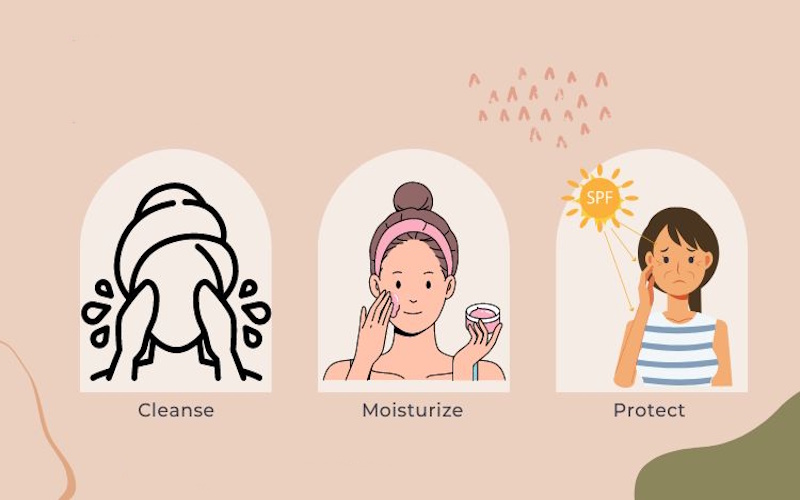
Armed with the findings from our blind test and informed by dermatologist guidance, constructing an effective beauty routine that maximizes results while minimizing unnecessary spending becomes a surprisingly achievable goal. The foundation of any well-designed routine rests on three non-negotiable products: a gentle cleanser, a moisturizer appropriate to your skin type, and a broad-spectrum sunscreen with at least SPF 30 protection. In all three of these categories, our blind test demonstrated that drugstore products perform comparably to their luxury counterparts, making them the ideal starting point for a budget-conscious approach.
For those who are just beginning to build their first skincare routine, a structured step-by-step approach that introduces products gradually and teaches proper application techniques can make the entire process feel manageable and ensure that each product delivers its intended benefits without overwhelming sensitive or untreated skin.
The next layer of a well-constructed routine involves targeted treatments designed to address specific skin concerns. This is where strategic investment in premium products can genuinely pay dividends. If anti-aging is your primary concern, a single luxury retinol product used consistently will deliver more meaningful results than an entire collection of drugstore anti-aging products used sporadically. If brightening and evening skin tone is your goal, investing in a high-quality vitamin C serum from a luxury brand that has demonstrated superior stability and concentration may be worth the additional expense, while building the rest of your routine around drugstore staples keeps your overall spending in check.
Consistency of use matters far more than the price of the products in your routine. A $15 drugstore retinol serum used every night for three months will deliver better results than a $200 luxury alternative used twice a week for the same period. This principle, supported consistently by dermatological research, shifts the focus away from product acquisition and toward behavioral commitment. The most expensive routine in the world delivers zero results if it is not maintained with discipline and patience. Building a routine you can afford and sustain over time is fundamentally more valuable than assembling an impressive collection of luxury products that you rotate through inconsistently.
The Final Verdict: Where to Spend and Where to Save
After three months of rigorous blind testing, thousands of dollars in product investment, and weeks of careful analysis, the verdict from our experiment is clear, nuanced, and ultimately empowering for consumers at every budget level. The beauty industry’s luxury versus drugstore divide is real, but it is far narrower than marketing would suggest, and it exists primarily in specific product categories rather than across the board.
Save your money on cleansers, moisturizers, sunscreens, and basic lip and eye products. In these categories, drugstore alternatives consistently performed at or near the level of luxury options in our blind test, and the price difference is dramatic enough to represent meaningful savings over time. Invest selectively in luxury serums, particularly vitamin C treatments and advanced retinol formulations, where proprietary delivery technology genuinely translates into better results. These are the products where the luxury premium purchases something real and measurable rather than simply a more attractive bottle.
The single most important shift any consumer can make is moving from brand-driven purchasing decisions to ingredient-driven ones. Read the ingredient list before you read the marketing copy. Compare active ingredient concentrations across price tiers before committing to a product. Consult dermatologist-backed resources and independent testing data rather than relying on influencer recommendations or aspirational lifestyle content. The beauty industry is evolving rapidly toward greater transparency and ingredient honesty, and consumers who embrace this shift will find themselves spending less, achieving more, and building routines that genuinely serve their skin rather than simply filling their bathroom shelves with impressive labels.

The blind test ultimately confirmed what the smartest dermatologists have been saying for years: your skin does not know which brand name is on the bottle. It responds to ingredients, concentrations, formulation quality, and consistent application. Understanding this simple truth is the first and most powerful step toward building a beauty routine that delivers real, lasting results regardless of your budget. The luxury dream remains available for those who enjoy it, but it is no longer a prerequisite for exceptional skin.
Frequently Asked Questions
Question 1: Do luxury skincare products actually perform better than drugstore alternatives?
Answer 1: The short answer is: it depends entirely on the product category. Our blind test demonstrated that in foundational skincare categories like cleansers, moisturizers, and sunscreens, drugstore products performed at nearly identical levels to luxury alternatives, with participants unable to reliably distinguish between them based on results alone. However, in more specialized categories like vitamin C serums and advanced retinol treatments, luxury products showed measurably better performance, likely due to proprietary delivery technologies and higher active ingredient concentrations that drugstore brands have not yet replicated. The performance gap is therefore real but narrow, and it exists primarily in targeted treatment products rather than across the entire beauty spectrum. Consumers who understand this distinction can make dramatically smarter purchasing decisions, investing in luxury only where the evidence supports a genuine performance advantage while confidently choosing drugstore products everywhere else. The key to navigating this landscape is ingredient awareness rather than brand loyalty, ensuring that every product in your routine earns its place based on what it actually delivers to your skin.
Question 2: What makes luxury beauty products so expensive compared to drugstore options?
Answer 2: The pricing structure of luxury beauty products is driven primarily by factors that have little to do with the product’s actual formulation quality. Industry analysis consistently shows that ingredient costs represent only 5 to 15 percent of a luxury product’s retail price. The remaining 85 to 95 percent funds manufacturing overhead, elaborate packaging design, celebrity endorsements, influencer partnerships, premium retail placement fees, and brand-building marketing campaigns. Luxury brands invest heavily in creating aspirational narratives around their products, positioning them as symbols of sophistication and self-care rather than simply functional skincare tools. This marketing investment commands a premium price that reflects perceived value rather than ingredient superiority. Some luxury brands do invest significantly in research and development, particularly in proprietary delivery systems and ingredient stabilization technologies, which can justify premium pricing in specific product categories. However, for the majority of luxury beauty products, the price gap between luxury and drugstore alternatives reflects marketing economics rather than meaningful differences in formulation or efficacy.
Question 3: Which skincare ingredients should consumers prioritize regardless of price range?
Answer 3: Dermatological consensus, supported by extensive clinical research, identifies five core ingredient categories that deliver proven results at any price point. Retinoids, including retinol and prescription tretinoin, remain the gold standard for addressing fine lines, wrinkles, and skin texture improvement. Hyaluronic acid provides exceptional hydration by drawing moisture into the skin and is effective across a remarkably wide concentration range. Niacinamide delivers brightening, pore-refining, and anti-inflammatory benefits with minimal irritation risk, making it suitable for virtually all skin types. Vitamin C, in its stabilized L-ascorbic acid form, offers powerful antioxidant protection and brightening effects. Finally, broad-spectrum sunscreen with SPF 30 or higher remains the single most important daily product for preventing photoaging and skin damage. These five ingredient categories form the scientific backbone of effective skincare regardless of whether they appear in a $15 drugstore product or a $250 luxury formulation.
Question 4: How can consumers tell if a beauty product is genuinely effective or just well-marketed?
Answer 4: The most reliable method is examining the ingredient list rather than trusting front-of-package marketing claims. Effective products lead with clinically proven active ingredients at concentrations known to deliver results, while well-marketed but underperforming products often bury minimal quantities of trendy ingredients behind long lists of fillers and conditioning agents. Cross-referencing ingredient claims with independent dermatologist reviews provides an additional layer of verification. The Federal Trade Commission requires that beauty advertising be truthful and substantiated with reliable evidence, but the enforcement process is reactive, meaning that misleading products can remain on shelves for extended periods before being challenged. Consumers benefit from consulting ingredient transparency databases, seeking out independent blind test results, and building relationships with trusted dermatological sources rather than relying on social media recommendations that may be financially motivated through undisclosed sponsorship arrangements.
Question 5: Is it worth mixing luxury and drugstore products in a single skincare routine?
Answer 5: The hybrid approach is not only worth considering but is actively recommended by many dermatologists as the most intelligent strategy for achieving professional-grade results at a sustainable cost. The rationale is straightforward: luxury products earn their premium pricing in specific categories where proprietary formulation technology delivers measurably superior results, while drugstore products perform comparably in foundational categories where the science is well-established and ingredient availability is broad. A consumer might invest in a single luxury vitamin C serum while building their entire routine around drugstore cleansers, moisturizers, and sunscreens. This strategy can reduce monthly beauty spending by 40 to 60 percent without sacrificing the performance of targeted treatments. The key to making a hybrid routine work effectively is ingredient compatibility, ensuring that the products used together do not interfere with each other’s efficacy through conflicting pH levels or chemical interactions.
Question 6: Did the 2026 blind test show any categories where luxury products clearly won?
Answer 6: Three product categories showed clear luxury advantages in our blind test. Anti-aging serums, particularly vitamin C formulations, demonstrated faster and more pronounced brightening effects when luxury versions employed stabilized L-ascorbic acid at concentrations of 15 to 20 percent, compared to drugstore alternatives using less stable derivatives at lower concentrations. Advanced retinol treatments showed superior fine line reduction over the testing period, likely due to encapsulation technologies that protected the active ingredient and enhanced skin penetration. Eye creams represented the third category where luxury products delivered noticeably better results, with premium formulations showing more visible firming and hydrating effects around the eye area. In these specific categories, the luxury premium purchases genuine technological advantages that drugstore brands have not yet replicated at comparable price points, making them the most justifiable areas for premium investment.
Question 7: How does the FDA regulate the difference between luxury and drugstore cosmetics?
Answer 7: The FDA applies identical regulatory standards to all cosmetic products regardless of price point or brand positioning. Under the Modernization of Cosmetics Regulation Act of 2022, which represents the most significant expansion of FDA authority over cosmetics since 1938, all manufacturers must register their facilities, list their products, substantiate ingredient safety, and report serious adverse events. These requirements apply equally to a $10 drugstore cleanser and a $300 luxury serum. The FDA does not grade or classify cosmetics based on quality tiers, and no regulatory advantage is conferred by luxury positioning. Consumers should understand that premium pricing does not indicate enhanced safety testing or superior regulatory compliance. The same ingredient safety standards, labeling requirements, and adverse event reporting obligations apply across the entire cosmetics market, creating a level regulatory playing field that price differences do not alter.
Question 8: What role does social media play in inflating luxury beauty product prices?
Answer 8: Social media has become arguably the most powerful driver of beauty product pricing in the modern market. Influencer endorsements create demand spikes that allow brands to maintain or increase prices without corresponding improvements in formulation quality. The aspirational nature of beauty content on platforms like Instagram and TikTok positions luxury products as lifestyle symbols rather than functional skincare tools, making consumers willing to pay premiums that reflect social currency rather than ingredient value. Research examining the relationship between viral skincare trends and evidence-based dermatology guidelines has revealed significant gaps between what is popular on social media and what clinical evidence actually supports. Products gain massive followings based on aesthetic appeal, celebrity association, and algorithmic amplification rather than demonstrated efficacy, creating a pricing environment where marketing momentum can sustain premium prices indefinitely regardless of actual product performance relative to affordable alternatives.
Question 9: Can drugstore products cause skin damage or irritation more frequently than luxury alternatives?
Answer 9: There is no evidence that drugstore products are inherently more likely to cause skin irritation or damage than luxury alternatives. Both categories are subject to the same FDA safety requirements, and irritation risk depends far more on specific formulation choices and individual skin sensitivity than on price category. Products containing high concentrations of active ingredients like retinol, glycolic acid, or fragrance can cause irritation regardless of whether they are luxury or drugstore formulations. Consumers with sensitive skin should approach any new product, at any price point, with a patch test first and introduce new treatments gradually. The assumption that luxury products are automatically gentler or safer is a marketing-driven perception rather than a regulatory or scientific reality. Board-certified dermatologists consistently advise evaluating products based on their ingredient profiles rather than their pricing or brand positioning when assessing potential irritation risk.
Question 10: What is the best strategy for building an effective beauty routine on a budget in 2026?
Answer 10: The most effective budget strategy combines ingredient literacy with strategic spending priorities. Begin by establishing three foundational products: a gentle, fragrance-free cleanser; a moisturizer matched to your skin type; and a broad-spectrum sunscreen. All three of these categories perform exceptionally well at drugstore price points, as confirmed by our blind test results. Next, identify your one or two most pressing skin concerns and invest selectively in targeted treatments for those specific issues. If anti-aging is your priority, a single high-quality retinol product used consistently will outperform any collection of inexpensive alternatives. Consistency of application matters more than product quantity or price. Finally, educate yourself on active ingredients and their concentrations, using dermatologist-backed resources as your primary information source rather than social media trends or influencer recommendations that may be financially motivated.
Articles related:





Tags
📧 Get More Articles Like This
Subscribe to receive product reviews and buying guides in your inbox!
We respect your privacy. Unsubscribe at any time.