Winter Skin Crisis: The $200 Beauty Mistake Destroying Your Face (and Body)
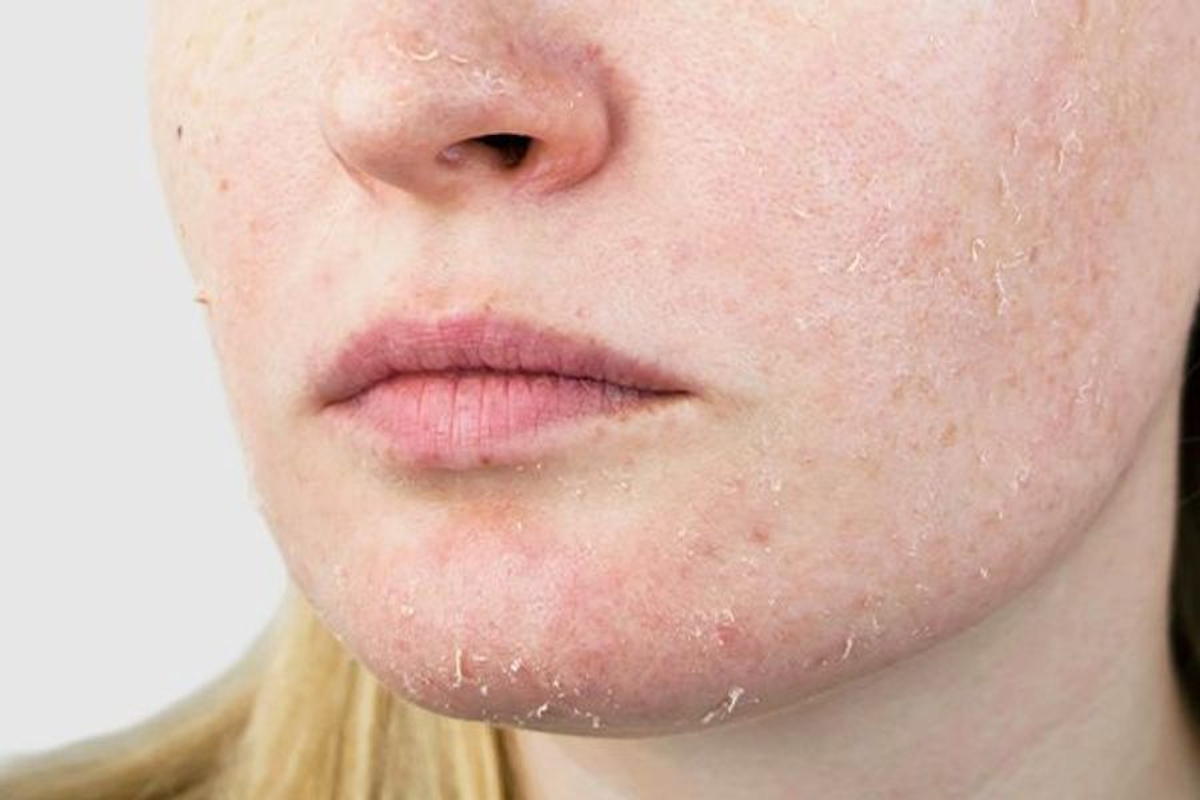
Table of Contents
- Introduction: The $200 Jar That Ruined My Winter
- The Science Behind Winter Skin Destruction
- Why Expensive Products Fail When Temperatures Drop
- The Hidden Truth About Luxury Beauty Marketing
- What Dermatologists Actually Use on Their Own Skin
- The Winter Skincare Reset Protocol
- Budget-Friendly Products That Outperform Luxury Brands
- Common Winter Skincare Mistakes Costing You Hundreds
- Conclusion: Reclaiming Your Skin and Your Wallet
Introduction: The $200 Jar That Ruined My Winter
The cream sat on my bathroom counter like a trophy, its heavy glass jar reflecting the bathroom light with an almost mocking gleam. Two hundred dollars. I had saved for three months to afford this miracle in a jar, this promise of perfect winter skin from a brand whose advertisements featured women with porcelain complexions gliding through snowy landscapes without a single flake of dry skin. The saleswoman at the department store counter had been so convincing, her own skin luminous under the harsh fluorescent lights, her manicured fingers gesturing elegantly as she explained how this particular formulation would revolutionize my winter skincare routine. She spoke of rare botanicals harvested at dawn in remote valleys, of peptide sequences discovered in Swiss laboratories, of a molecular structure so advanced that it could penetrate seven layers deep into my skin. I believed every word because I was desperate, standing there with my face raw from the biting January wind, my usual moisturizer having failed me spectacularly as temperatures plummeted. That desperation cost me dearly, not just the money I handed over with trembling fingers, but the weeks of increasingly damaged skin that followed as I stubbornly continued using the product, convinced that such an expensive investment must eventually deliver results.
Three weeks later, my face looked worse than it had before I bought the cream. The dryness had spread from my cheeks to my forehead, my skin felt perpetually tight as if it might crack with each smile, and small patches of eczema had appeared around my nose for the first time in my life. I had developed what dermatologists call a compromised skin barrier, a condition that affects six in ten Americans during winter months according to a Harris Poll conducted in partnership with leading skincare researchers. My expensive cream, loaded with anti-aging peptides and exotic plant extracts, had been stripping away my skin’s natural protective layer every single time I applied it, creating a vicious cycle where I needed more product to address the damage the product itself was causing. The irony wasn’t lost on me as I sat in the dermatologist’s office two hundred dollars poorer and with skin that looked ten years older than it had a month before. The doctor asked to see the jar, turning it over in her hands with a familiar expression that I would later recognize as professional exasperation mixed with sympathy. She had seen this scenario play out countless times in her practice, patients arriving with faces ravaged not by winter weather alone but by their well-intentioned attempts to combat it with products that promised miracles but delivered misery.
Before delving into the details of the article, watch this medical video about the most common skin problems in winter and how to prevent them :
What she told me next changed everything I thought I knew about winter skincare. The ingredients in my two-hundred-dollar cream, while scientifically sound for summer use, were exactly wrong for winter conditions. The glycolic acid that had given me a healthy glow in August was now dissolving the lipid barrier my skin desperately needed to retain moisture in February. The lightweight consistency I had admired when I first opened the jar, that elegant texture that absorbed so beautifully, meant the formula lacked the occlusive properties necessary to seal in hydration against brutal cold and dry indoor heating. The rare botanical extracts, those expensive ingredients that justified the premium price tag, were acting as irritants on my already sensitized skin, triggering inflammation that made everything worse. She explained that the beauty industry rarely discusses how seasonal changes require completely different approaches to skincare, how the same brand that works wonderfully in humid summer conditions can become actively harmful when temperature and humidity plummet. This disconnect between marketing promises and dermatological reality costs Americans an estimated three point seven billion dollars annually in ineffective or harmful winter skincare purchases, according to market research data from the Federal Trade Commission’s consumer protection division.
Winter dryness often manifests most severely on body areas that receive less natural oil protection than facial skin. Understanding proper moisturize and cleanse techniques for rough skin helps address the uncomfortable dryness, flaking, and cracking that develop on hands, arms, legs, and other frequently exposed areas during cold weather.
The statistics surrounding winter skincare failures are staggering and sobering. Research published in the Journal of Cosmetic Dermatology reveals that nearly seventy-eight percent of consumers continue using the same skincare products year-round despite seasonal changes that dramatically alter skin’s needs and responses. Studies conducted by the National Institutes of Health demonstrate that skin exposed to indoor winter environments for just six hours experiences measurable increases in temperature, pore size, roughness, redness, and wrinkle formation, yet most people address these symptoms by buying more expensive products rather than understanding the environmental factors driving the damage. The American Academy of Dermatology reports that one in five adults remains unaware that sunburn can occur during winter months, leading to compounded damage when UV exposure combines with compromised skin barriers. Clinical trials measuring transepidermal water loss show that winter conditions can increase moisture evaporation rates by up to three hundred percent compared to summer baseline measurements, yet the average consumer’s response is to apply more of the same ineffective products rather than switching to formulations designed for these challenging conditions.
My dermatologist handed me a prescription for a basic ceramide cream that cost twelve dollars at my local pharmacy, along with instructions to simplify my entire routine to just three products: a gentle cleanser, the ceramide moisturizer, and a mineral sunscreen. She emphasized that I should throw away not just the expensive cream but also the seven other products I had been layering on my face in increasingly desperate attempts to fix the dryness, the toner with witch hazel, the vitamin C serum, the retinol treatment, the exfoliating pads, all of them working against my skin’s winter needs rather than supporting them. Within one week of following her simplified protocol, my skin showed more improvement than it had during the entire month I had been using luxury products. The tight feeling disappeared, the eczema patches began to heal, the overall texture smoothed out, and I learned a lesson worth far more than the two hundred dollars I had wasted on that beautiful jar of ineffective cream. Winter skincare isn’t about spending more money or using more products or finding that one magical formulation that will solve everything, it’s about understanding what your skin actually needs during cold months and having the wisdom to ignore marketing hype in favor of dermatological science.
This article will reveal the truth about winter skincare that the beauty industry doesn’t want you to know, the scientific reasons why expensive products often fail when temperatures drop, the specific ingredients and formulations that actually protect winter skin, and the budget-friendly alternatives that dermatologists use on their own faces. You will discover why the cream you bought in January isn’t working by February, learn to identify marketing manipulation disguised as science, understand the biological changes that make winter skin uniquely vulnerable, and develop a protocol that will keep your skin healthy throughout cold months without emptying your wallet. The two hundred dollars I wasted taught me lessons that have since saved me thousands, and I’m sharing every single insight so you can skip the expensive mistakes and go straight to solutions that actually work.
Shop on AliExpress via link: wholesale-hyaluronic-acid-serum

The Science Behind Winter Skin Destruction
Winter transforms your skin at the cellular level in ways that most people don’t understand until the damage becomes visible. The outermost layer of your skin, the stratum corneum, functions as a protective barrier composed of dead skin cells held together by lipids in a structure dermatologists compare to bricks and mortar. This barrier retains water inside your skin while keeping irritants and allergens outside, maintaining a delicate balance that keeps your complexion healthy and comfortable. Cold air holds dramatically less moisture than warm air, creating an environment where humidity levels both outdoors and indoors plummet to desert-like conditions that pull water directly from your skin through a process called transepidermal water loss. Research conducted by Columbia University dermatologists demonstrates that winter weather depletes skin of its natural oils, causing water to escape through the compromised barrier at accelerated rates that leave skin dehydrated regardless of how much water you drink.
The physics of winter air explains why even well-hydrated bodies can have desperately dry skin during cold months. Air’s capacity to hold water vapor decreases exponentially as temperature drops, meaning that frigid outdoor air arriving at your skin’s surface acts like a sponge actively drawing moisture away from the stratum corneum. When you step indoors, heating systems compound this problem by creating hot, dry environments that continue extracting water from your already depleted skin. A groundbreaking study published in the journal Skin Research and Technology tracked participants exposed to heated indoor environments during Korean winters, measuring skin parameters before and after six-hour exposure periods. The results revealed significant increases in skin temperature that caused pores to expand and expose skin to dry air in enclosed environments, making skin rough and prone to premature wrinkle formation. The researchers found that even participants with healthy, normal skin experienced measurable barrier disruption after relatively brief exposure to typical indoor winter conditions.
Scientific studies measuring indoor environmental effects on skin validate what dermatologists observe clinically about winter damage patterns. Research published through the NIH winter indoor environment study quantified how just six hours of heated indoor exposure significantly increases skin temperature, pore size, and wrinkle formation, establishing that indoor heating damages skin as severely as outdoor cold.
Your skin’s natural defense system breaks down under sustained winter assault in predictable and progressive stages. The lipid matrix that holds your skin barrier together begins to thin as cold temperatures slow sebum production, reducing the natural oils that would normally seal in moisture and provide protection against environmental stressors. This thinning allows increased water evaporation while simultaneously making skin more permeable to irritants and allergens that wouldn’t normally penetrate healthy skin. Dead skin cells that should slough off naturally instead accumulate on the surface because the enzymatic processes that facilitate normal skin turnover slow down in winter conditions, creating a rough, flaky appearance that no amount of makeup can conceal. Blood vessels near the skin’s surface constrict in response to cold exposure as your body prioritizes maintaining core temperature over peripheral circulation, reducing the delivery of nutrients and oxygen to skin cells while impairing the removal of metabolic waste products.
The transition between outdoor cold and indoor heat creates additional stress that accelerates skin damage through rapid temperature fluctuations. Moving from frigid outdoor air into warm indoor spaces causes blood vessels in your skin to expand and contract quickly, leading to redness and inflammation as the vascular system struggles to regulate blood flow through these dramatic environmental changes. This process, repeated multiple times daily during normal winter activities, weakens capillary walls and can contribute to the development of persistent redness conditions like rosacea in susceptible individuals. The inflammatory response triggered by these temperature swings releases chemical mediators that further compromise the skin barrier, creating a cascading effect where each exposure to cold-heat-cold cycles makes your skin progressively more vulnerable to the next exposure.
Understanding the molecular changes occurring in winter skin reveals why summer skincare products often backfire during cold months. The proteins that maintain your skin barrier’s structure, particularly filaggrin, don’t function properly at lower temperatures, affecting the production of natural moisturizing factors that would normally keep skin hydrated from within. Ceramide levels in the skin barrier decrease during winter months just when you need them most, reducing the lipid content that prevents water loss and maintains barrier integrity. The enzyme systems responsible for repairing damaged skin components slow their activity in cold conditions, meaning that minor damage that would heal quickly in summer persists and accumulates during winter. These biological realities explain why your skin can feel dry and uncomfortable even when you’re drinking plenty of water and using moisturizer, the problem isn’t lack of water in your body but rather your skin’s reduced ability to retain that water against environmental pressures actively working to remove it.
Clinical measurements of skin health parameters show dramatic seasonal variations that validate what many people experience but don’t fully understand. Transepidermal water loss measurements taken during winter months consistently show values two to three times higher than summer baseline measurements in the same individuals, indicating massive increases in the rate at which skin loses moisture to the environment. Skin pH measurements shift toward more alkaline values in winter as the acid mantle that protects against bacterial colonization becomes disrupted, increasing susceptibility to infections and inflammatory conditions. Cutaneous blood flow measurements reveal reduced circulation to facial skin during cold months, explaining the pale, dull appearance that makes people reach for brightening products that often contain acids that further damage already compromised barriers. Elasticity measurements demonstrate measurable decreases in skin’s ability to bounce back after deformation, reflecting the cumulative impact of dehydration, reduced circulation, and impaired barrier function on the structural proteins that keep skin firm and resilient.

Why Expensive Products Fail When Temperatures Drop
The formulation strategies that make luxury skincare products attractive in warm months become liabilities when winter arrives, yet companies rarely reformulate or warn consumers about seasonal limitations. High-end anti-aging creams typically contain active ingredients like retinoids, alpha hydroxy acids, and vitamin C derivatives that work by controlled irritation, stimulating cell turnover and collagen production through carefully calibrated inflammatory responses. These mechanisms function well when skin barrier integrity remains strong and environmental conditions support normal repair processes, but winter’s assault on the stratum corneum transforms beneficial stimulation into harmful damage. The glycolic acid that gave you a healthy glow in July strips away the protective lipid layer your skin desperately needs in January, creating raw, sensitized surfaces that can’t retain moisture or defend against cold wind. Retinol formulations that promoted smooth texture during humid summer months now trigger excessive dryness and flaking as they accelerate cell turnover faster than winter-slowed repair mechanisms can handle, leaving you with more dead skin cell accumulation rather than less.
Luxury brands often prioritize elegant textures and fast absorption over the occlusive properties necessary for winter protection, creating products that feel wonderful on application but provide inadequate long-term barrier support. The lightweight lotions and serums that customers love for their non-greasy finish achieve this quality by minimizing the very ingredients that would seal in moisture against winter conditions, petrolatum, mineral oil, and other substances the beauty industry has unfairly demonized despite their proven effectiveness. Dermatological research consistently demonstrates that ointment-based formulations containing these occlusive agents outperform elegant creams and lotions in preventing transepidermal water loss, yet consumers perceive these effective ingredients as old-fashioned or inferior compared to exotic botanical extracts with beautiful names and no proven winter efficacy. A study analyzing cosmetic formulations found that products costing more than one hundred dollars per ounce frequently contained lower concentrations of barrier-repairing ingredients like ceramides compared to drugstore alternatives that cost ninety percent less.
The rare and expensive ingredients that justify premium price tags often provide no measurable benefit for winter-damaged skin and can actively make problems worse. Exotic plant extracts might contain antioxidants beneficial under ideal conditions, but winter-compromised skin doesn’t need more antioxidants, it needs moisture retention and barrier repair. These botanical ingredients frequently cause allergic or irritant contact dermatitis in sensitized winter skin, triggering inflammation that compounds existing damage rather than healing it. Marketing emphasizes the rarity and difficulty of sourcing these ingredients to justify high costs, but rarity doesn’t correlate with effectiveness for the specific challenges of winter skincare. A peptide isolated from deep-sea creatures or a rare flower blooming only once every seven years might sound impressive in advertising, but it won’t help your skin retain moisture better than simple glycerin or petrolatum costing pennies per application.
Premium packaging and brand positioning create psychological factors that make expensive products seem more effective than they actually are, a phenomenon extensively documented in consumer psychology research. Studies measuring perceived product efficacy show that people report better results from products they believe cost more, even when using identical formulations in differently labeled containers. This placebo effect means you might initially think your expensive cream is working simply because you want to believe your investment was worthwhile, delaying the recognition that your skin is actually getting worse. The beautiful glass jar, the luxurious box, the prestigious brand name, all of these elements create expectations that can override objective assessment of actual results for weeks or even months. By the time you acknowledge that the product isn’t working, you’ve often developed significant barrier damage requiring medical intervention to repair.
The business model of luxury skincare creates incentives that work against consumer interests, particularly regarding seasonal formulation needs. Developing separate winter and summer versions of products would increase manufacturing complexity and inventory costs while potentially confusing customers accustomed to year-round consistency in their favorite brands. Companies find it more profitable to create one formulation optimized for the largest market segment, typically younger consumers in temperate climates who prioritize anti-aging benefits over barrier protection. This means that winter-specific needs get ignored in favor of universally marketable anti-wrinkle and brightening claims that test well in consumer focus groups but fail to address the seasonal challenges that cause the most actual skin damage. The scientific research informing product development focuses on proving marketing claims rather than optimizing real-world effectiveness across varying environmental conditions, resulting in products that photograph beautifully and feel luxurious but provide inadequate protection when you need it most.
Consumer protection extends beyond product safety to advertising truthfulness, with regulatory agencies monitoring how beauty brands market their formulations. The FTC cosmetics advertising standards require that marketing claims be truthful, substantiated, and not misleading, yet enforcement limitations mean many questionable claims persist in the marketplace especially for expensive luxury products.
Federal Trade Commission enforcement actions reveal how luxury brands manipulate scientific language to create false impressions of superior efficacy. The FTC’s case against L’Oréal for its Génifique and Youth Code products demonstrates how companies make dramatic claims about gene activation and youth protein production without adequate scientific substantiation, charging premium prices for products that can’t deliver promised results. The settlement prohibiting L’Oréal from claiming their products boost gene activity or make skin act younger unless supported by competent scientific evidence exposes the gap between marketing promises and actual capabilities. These enforcement actions represent only the cases egregious enough to trigger regulatory intervention, suggesting widespread industry practices of overstating product benefits while underdelivering actual results, particularly for winter-specific challenges that receive minimal research attention compared to universally marketable anti-aging benefits.
The Hidden Truth About Luxury Beauty Marketing
The beauty industry operates under regulatory frameworks that allow marketing claims most consumers would consider misleading or false, creating an environment where expensive products succeed commercially despite lacking superior effectiveness. Federal regulations administered by the Food and Drug Administration classify most skincare products as cosmetics, meaning they don’t require premarket safety approval or efficacy testing before companies sell them to consumers. This regulatory gap means that brand claims about transformation, renewal, or revolutionary results don’t need scientific backing as long as the language stays vague enough to avoid crossing into drug territory. The Federal Trade Commission regulates advertising claims and can take action against deceptive practices, but enforcement capacity limitations mean that only the most egregious violations receive regulatory attention, leaving countless misleading marketing messages unchallenged.
Companies exploit consumer ignorance about ingredient functionality to justify premium pricing for products that don’t deliver proportional benefits. Marketing departments focus-test language that sounds scientific without making specific, testable claims that could trigger regulatory scrutiny or enable consumer lawsuits. Terms like clinically tested, dermatologist recommended, and scientifically formulated create impressions of rigorous research without actually committing to measurable results. The phrase clinically tested merely indicates that someone applied the product to human skin and recorded observations, not that the product demonstrably outperforms cheaper alternatives or provides benefits beyond temporary cosmetic effects. Similarly, dermatologist recommended might mean a single dermatologist received payment to endorse the product rather than indicating consensus among medical professionals that this formulation represents optimal treatment for any condition.
The influencer marketing ecosystem has created new mechanisms for spreading misleading information about expensive skincare products while evading regulatory oversight. Companies supply social media influencers with products and talking points, often including false certification claims or exaggerated benefit statements that the influencer presents as personal experience and independent opinion. The Federal Trade Commission’s enforcement actions against companies providing influencers with materials for making prohibited claims reveal how brands use third parties to make statements they couldn’t legally make directly in their own advertising. A recent regulatory update implementing civil penalties up to fifty-one thousand seven hundred forty-four dollars for each instance of deceptive review practices signals increased scrutiny of these tactics, but enforcement remains sporadic relative to the volume of misleading content generated daily across social media platforms.
The psychology of price perception creates self-reinforcing cycles where expensive products maintain market positions despite lacking superior effectiveness. Consumers interpret high prices as signals of quality, assuming that premium costs reflect superior ingredients, advanced research, or exceptional manufacturing standards rather than marketing budgets and brand positioning strategies. This price-quality heuristic becomes especially powerful in categories like skincare where product performance is subjective, delayed, and difficult to measure objectively. If you pay two hundred dollars for a cream, your brain generates cognitive pressure to perceive positive results that justify the expenditure, making you more likely to report satisfaction even when objective measurements would show no improvement or actual decline in skin condition.
Beauty counter sales tactics exploit information asymmetry and emotional vulnerabilities to sell expensive products to customers who would benefit more from cheaper alternatives. Salespeople receive training in recognizing insecurities and amplifying them to create perceived needs that expensive products can address. The well-lit mirror that shows every pore and line, the magnifying glass examination that reveals imperfections you never noticed before, the earnest consultation about your specific skin concerns, all of these create psychological pressure to make purchases that feel like investments in self-care but often represent expensive mistakes. Commission structures incentivize recommending the most expensive products regardless of customer needs, and salespeople face no accountability for long-term results because customers rarely return to complain that a product didn’t work as promised.
The clinical study infrastructure supporting luxury skincare claims operates under standards far less rigorous than pharmaceutical research, producing results that sound impressive but lack scientific validity. Companies fund studies designed to generate marketable statistics rather than determine actual efficacy, using small sample sizes, short durations, and subjective assessment methods that would never pass peer review in medical journals. A study claiming ninety percent of women saw visible results might involve twenty participants who self-reported perceptions after one week of use, with no control group, no blinded assessment, and no measurement of whether results exceeded what petroleum jelly would have provided. These studies exist primarily to generate marketing claims, not to advance dermatological knowledge or help consumers make informed decisions about product selection.

What Dermatologists Actually Use on Their Own Skin
Board-certified dermatologists overwhelmingly choose simple, inexpensive products for their own winter skincare routines, revealing a stark disconnect between what medical professionals know works and what the beauty industry sells to consumers. When Mayo Clinic dermatologists speak publicly about their personal skincare practices, they consistently emphasize that expensive products don’t necessarily work better than less expensive options and that ingredient quality matters far more than brand prestige or packaging elegance. Dr. Dawn Davis, a Mayo Clinic dermatologist, recommends choosing among three basic categories of moisturizers, ointments containing oil, creams with both oil and water, and water-based lotions, selecting based on skin condition severity rather than price point or marketing claims. For extremely raw skin, she advocates starting with simple ointments like petroleum jelly, then transitioning to hypoallergenic, fragrance-free creams or lotions once skin improves, emphasizing that these products only last a few hours at maximum and require frequent reapplication regardless of cost.
The American Academy of Dermatology’s winter skincare recommendations focus almost exclusively on simple, affordable interventions that address the root causes of winter skin damage rather than superficial symptoms. Board-certified dermatologists emphasize applying moisturizer immediately after washing to trap existing moisture in skin, using ointments or creams rather than lotions because they contain more effective moisturizing ingredients, and avoiding products with fragrances that can irritate winter-sensitized skin. They recommend switching to gentle, moisturizing cleansers rather than continuing to use the same foaming or exfoliating products that worked fine during summer months. These professional recommendations rarely mention the expensive serums, masks, or treatments that dominate beauty magazine advertisements and department store counters, instead focusing on fundamentals that cost under twenty dollars per month to implement properly.
Understanding the difference between luxury marketing and genuine product value helps consumers allocate their skincare budgets wisely. A comprehensive beauty budget breakdown comparing luxury versus drugstore products reveals that ingredient quality and concentration matter far more than brand prestige, with many affordable alternatives outperforming expensive counterparts in clinical effectiveness.
Dermatologists consistently identify ceramide-containing products as essential for winter barrier repair, pointing to these naturally occurring lipids as more important than any exotic botanical extract or expensive peptide complex. Clinical research demonstrates that ceramides maintain skin homeostasis and protect the skin barrier, with particular importance during prolonged exposure to winter indoor environments where heating systems accelerate moisture loss. Products containing ceramide NP specifically show measurable improvements in maintaining skin hydration when applied to one side of the face during six-hour exposures to heated indoor environments, with statistical significance in preventing the increases in pore size, roughness, redness, and wrinkle formation that occur on untreated skin. These ceramide formulations cost a fraction of luxury creams that lack adequate concentrations of these barrier-repairing lipids, yet deliver superior protection against winter damage when used consistently.
The dermatologist-approved approach to winter exfoliation contradicts popular beauty advice promoting aggressive treatments and expensive chemical peels. Medical professionals recommend minimizing rather than increasing exfoliation during winter months, recognizing that removing surface cells faster than winter-slowed skin can replace them leads to increased sensitivity and barrier damage. Board-certified dermatologists advise patients to cut back on products containing alpha hydroxy acid or beta hydroxy acid during cold weather, even when combining these acids with moisturizing creams, because the exfoliating effect proves too harsh for winter-compromised skin. If you must continue using retinoids or chemical exfoliants, dermatologists recommend using them every other night rather than daily, buffering them with moisturizer to reduce irritation, and never layering multiple exfoliating products on the same evening. These conservative approaches prevent the progressive barrier damage that drives people to buy increasingly expensive products in desperate attempts to fix problems caused by over-treatment.
Dermatologists prioritize sun protection during winter months with the same emphasis they apply year-round, pushing back against the common misconception that winter sun presents minimal skin damage risk. Board-certified dermatologists note that UV rays, especially UVA radiation responsible for aging damage, penetrate clouds and window glass throughout the year, with snow potentially reflecting UV rays to increase total exposure. The American Academy of Dermatology survey revealing that nearly one in five adults remains unaware that sunburn can occur during winter demonstrates how this misconception leads to preventable damage that compounds the effects of cold and dry air on skin health. Dermatologists recommend continuing to use broad-spectrum SPF 30 or higher daily, choosing moisturizing formulations that can double as hydration during winter months, and reapplying every two hours during extended outdoor exposure, particularly at high altitudes or while skiing where UV intensity increases dramatically.
Strategic product rotation prevents the over-exfoliation that damages winter skin while maintaining beneficial active ingredient effects. The skin cycling method approach teaches how to alternate between treatment nights and recovery nights, allowing winter-compromised skin adequate time to repair between exposures to acids or retinoids.
The professional consensus on winter hand protection emphasizes simple interventions that most people neglect despite their cost-effectiveness and proven results. The American Academy of Dermatology recommends wearing warm gloves every single time you go outside and using dish-washing gloves before immersing hands in water or doing any cleaning that would bring hands into contact with chemicals. Hand washing and sanitizer use, unavoidable for maintaining hygiene, strips skin of protective oils, so dermatologists advise carrying a non-greasy hand cream everywhere to moisturize hands immediately after every washing. These basic protective measures prevent the cracking, bleeding, and infection risks that develop when hand skin becomes severely damaged, yet their simplicity and low cost mean that beauty companies rarely promote them in favor of expensive hand treatments that provide inferior protection.
The Winter Skincare Reset Protocol
Transitioning your skincare routine for winter requires deliberate simplification rather than addition of more products, a concept that contradicts beauty industry marketing but aligns with dermatological science. The first step involves auditing your current products to identify formulations that worked well during warmer months but now undermine your skin’s winter needs. Foaming cleansers that leave your skin feeling squeaky clean accomplish that sensation by stripping away oils your skin desperately requires to maintain its protective barrier during cold, dry conditions. Toners containing alcohol or witch hazel, exfoliating pads with salicylic acid or glycolic acid, vitamin C serums formulated with irritating pH levels, retinol treatments used daily rather than intermittently, all of these common products actively damage winter skin despite their benefits during other seasons. Creating a winter-only storage box for these products allows you to resume using them when environmental conditions improve without the temptation to continue applying them when they’re causing harm.
The core winter routine recommended by dermatologists consists of just three essential steps that can be implemented with products costing under fifty dollars total. Start with a gentle, cream-based cleanser specifically labeled as moisturizing or for sensitive skin, avoiding products with fragrance, alcohol, or exfoliating beads. Apply this cleanser to your face with lukewarm water, not the hot water that feels comforting but dissolves your skin’s protective lipid layer, and limit total cleansing time to one minute or less to minimize moisture loss. The second step involves applying a rich moisturizer containing ceramides, hyaluronic acid, or glycerin within sixty seconds of washing while skin remains damp, a timing detail that makes enormous difference in moisture retention by trapping water in your skin before it evaporates into dry air. The third essential step requires daily application of broad-spectrum SPF 30 or higher mineral sunscreen, ideally one with moisturizing properties that provides dual benefits of sun protection and additional hydration.
Clinical research from leading medical institutions confirms that proper moisturizer application timing dramatically affects effectiveness regardless of product cost. Mayo Clinic winter moisturizing guidance emphasizes applying products to damp skin immediately after washing, a technique that provides superior hydration compared to expensive creams applied to dry skin.
Adjusting the frequency and timing of product application proves as important as selecting the right products for winter skin protection. Cleansing your face twice daily makes sense during summer’s increased sweating and oil production, but winter conditions rarely require this level of cleaning and the additional cleansing actively harms skin by removing protective oils. Dermatologists recommend full facial cleansing only in the evening, using just a splash of lukewarm water in the morning before applying moisturizer and sunscreen. This reduced cleansing frequency allows your skin to maintain more of its natural protective oils while still removing dirt, makeup, and environmental pollutants accumulated during the day. People with naturally dry skin benefit even more from this modification, often experiencing dramatic improvements within three to five days of switching to once-daily cleansing.
Humidifier use represents one of the most effective and underutilized interventions for winter skin protection, providing environmental moisture that reduces transepidermal water loss while you sleep. The American Academy of Dermatology specifically recommends adding a filtered, cool-mist humidifier in bedrooms during winter, noting that adequate sleep serves as an essential component for maintaining healthy skin and that uninterrupted nighttime hours provide perfect opportunities for skin recovery. Running a humidifier throughout the night counteracts the drying effects of indoor heating systems, maintaining humidity levels that allow your skin barrier to function properly rather than constantly working to retain moisture against desert-dry air. This intervention doesn’t wait until skin becomes irritated or cracked, it prevents damage from occurring in the first place by addressing one of the primary environmental factors driving winter skin problems. Quality humidifiers cost between thirty and seventy dollars and last multiple years, making them more cost-effective than the expensive creams people buy trying to compensate for environmental damage that could be prevented.
Shower and bath modifications provide opportunities for significant skin protection with zero additional cost beyond behavioral changes. Water temperature represents the single most important factor, with dermatologists unanimously recommending lukewarm rather than hot water despite how uncomfortable this feels during cold months. Hot water feels soothing but acts like a solvent on your skin’s lipid barrier, dissolving the fats that keep moisture sealed in and irritants locked out. Limiting total shower time to five to ten minutes reduces the duration of this damaging exposure while still allowing adequate cleansing. Immediately after bathing, while skin remains damp, represents the optimal moment for moisturizer application because the product can trap the water that has penetrated your skin during washing rather than trying to add moisture to already dry skin. People who wait even five minutes after showering to apply moisturizer miss this critical window and get dramatically less benefit from the same product.
The protocol for damaged skin that has already developed significant winter-related problems requires additional temporary interventions beyond the basic three-step routine. Start by applying a thick layer of petrolatum-based ointment to the most severely affected areas before bed, covering them with clean cotton gloves or socks if hands or feet are damaged. This occlusive therapy creates an environment where your skin can repair itself without fighting against environmental moisture loss, often producing visible improvement within twenty-four to forty-eight hours. Add a ceramide-rich repair cream specifically formulated for compromised barriers, applying it twice daily to face and body until symptoms resolve. Eliminate all exfoliating products, anti-aging treatments, and fragranced items completely until your skin barrier recovers, typically requiring two to three weeks of simplified care. If improvement doesn’t occur within one week or if symptoms worsen, consult a board-certified dermatologist because prescription treatments may be necessary to address underlying conditions beyond simple winter dryness.
Professional dermatological organizations provide evidence-based guidance for winter skin protection that emphasizes simple, affordable interventions over expensive products. The American Academy of Dermatology winter recommendations focus on barrier protection through proper moisturizing, gentle cleansing, and environmental modifications rather than premium-priced specialty formulations.

Budget-Friendly Products That Outperform Luxury Brands
Petroleum jelly stands as the single most cost-effective skincare product for winter protection, available at any drugstore for three to five dollars per jar that lasts months even with daily use. Dermatological research consistently demonstrates that petrolatum provides superior occlusive properties compared to elegant creams costing forty times more, creating an effective barrier that prevents transepidermal water loss while allowing skin to repair itself underneath this protective seal. The American Academy of Dermatology specifically recommends petrolatum-based products for severely dry or raw skin, for lips prone to chapping, and as a general protective measure against winter weather damage. Despite its proven effectiveness, petroleum jelly suffers from image problems created by beauty industry marketing that dismisses it as old-fashioned or inferior compared to exotic ingredients with beautiful names, even though no botanical extract or peptide complex provides comparable barrier protection at any price point.
Ceramide moisturizers available at drugstores for twelve to eighteen dollars per container deliver the same barrier-repairing benefits as luxury formulations costing ten times more, with ingredient concentrations often matching or exceeding those found in prestige brands. Clinical studies demonstrating ceramide’s effectiveness in maintaining skin homeostasis and protecting against environmental damage used affordable commercial formulations available at mass-market retailers, not expensive department store products. The specific research showing that ceramide creams prevent increases in pore size, roughness, redness, and wrinkle formation during winter indoor exposure involved products anyone can purchase without prescription or special consultation. This scientific validation of affordable ceramide products undermines the beauty industry’s justification for premium pricing, revealing that brand name and packaging contribute more to cost than actual ingredient quality or concentration.
Glycerin-based moisturizers represent another category where inexpensive options perform as well as or better than luxury alternatives, with this humectant ingredient demonstrating effectiveness across price ranges. Glycerin attracts moisture from the environment and from deeper skin layers to the surface, providing hydration that supplements what you apply topically. Products listing glycerin as a top-three ingredient cost as little as eight to twelve dollars at drugstores, yet they contain the same glycerin molecules that appear in creams priced at one hundred dollars or more. The additional ingredients in expensive formulations, fragrance, exotic extracts, expensive oils, contribute more to sensory experience and marketing appeal than to measurable improvements in winter skin protection. Dermatologists emphasize that glycerin content matters far more than brand prestige when selecting moisturizers for winter barrier support.
Medical professionals who treat skin conditions daily make product choices based on clinical evidence rather than marketing promises or luxury branding. Discovering dermatologists’ secret drugstore products reveals that board-certified specialists often use the same affordable formulations they recommend to patients, prioritizing proven ingredients over premium price tags.
Mineral sunscreens based on zinc oxide or titanium dioxide provide superior protection for winter-sensitized skin compared to chemical sunscreens, with affordable options performing identically to expensive alternatives. These physical UV filters work by creating an actual barrier on your skin’s surface rather than absorbing into skin and creating chemical reactions that can irritate winter-compromised barriers. Dermatologists consistently recommend mineral sunscreens for sensitive skin conditions, winter-damaged faces, and situations where maximum protection matters more than cosmetic elegance. Drugstore mineral sunscreens costing twelve to twenty dollars per bottle contain the same zinc oxide or titanium dioxide molecules as luxury versions costing sixty to one hundred dollars, with the price difference reflecting packaging and marketing rather than protective capability. The slightly heavier texture that makes some people prefer expensive formulations provides no additional benefit and may actually indicate lower mineral concentration rather than superior quality.
Gentle cleansers recommended by dermatologists cluster in the eight to fifteen dollar price range, with more expensive options offering no measurable advantages in winter skin protection. The ideal winter cleanser should remove dirt and oil without stripping away your skin’s protective barrier, requiring specific formulation balance that costs the same to achieve regardless of final retail price. Products specifically labeled as gentle, for sensitive skin, or fragrance-free from established drugstore brands consistently receive dermatologist recommendations alongside or instead of luxury alternatives costing three to five times more. The difference between a ten-dollar gentle cleanser and a fifty-dollar luxury cleanser lies primarily in packaging, marketing budget, and profit margin rather than cleansing effectiveness or skin compatibility during winter conditions.
Hyaluronic acid serums available for fifteen to twenty-five dollars at mass-market retailers contain the same molecule at comparable concentrations to luxury serums costing one hundred dollars or more, making them exceptional values for adding hydration to winter routines. This humectant can hold up to one thousand times its weight in water, making it exceptionally effective at attracting and retaining moisture in skin. Recent innovations have made hyaluronic acid affordable enough for body products in addition to facial formulations, extending these benefits to hands, arms, legs, and other areas suffering from winter dryness. The marketing emphasis on molecular weight variations in different hyaluronic acid formulations creates false distinctions that justify premium pricing for products delivering minimal additional benefit compared to standard affordable versions. Dermatologists confirm that basic hyaluronic acid products provide the hydration boost winter skin needs without requiring investment in expensive specialty formulations.
Understanding which skincare ingredients provide genuine winter benefits helps consumers make informed choices that prioritize effectiveness over marketing hype. Mayo Clinic product recommendations from their dermatology experts consistently emphasize that expensive formulations don’t necessarily work better than affordable alternatives containing the same active ingredients.
Common Winter Skincare Mistakes Costing You Hundreds
Using summer products in winter represents the single most common and expensive mistake people make, costing them money on ineffective products while simultaneously damaging skin and creating need for additional treatments. The lightweight lotions that felt perfect in July’s humidity can’t provide adequate occlusive protection against February’s dry air, leaving your skin progressively more dehydrated despite religious application. Exfoliating acids that promoted healthy cell turnover during warm months now strip away barrier protection faster than winter-slowed skin can replace it, creating cumulative damage that worsens week after week. Anti-aging serums formulated to penetrate deeply into summer skin become too aggressive for winter’s compromised barrier, triggering inflammation that accelerates rather than reduces visible aging. People spend hundreds of dollars buying multiple products trying to fix damage these summer formulations cause, never recognizing that eliminating the problem products would resolve symptoms more effectively than adding treatments.
Hot water represents a universally appealing but uniformly damaging choice during cold weather, with each hot shower or bath dissolving more of your skin’s protective lipid layer. The immediate comfort of hot water masks the progressive harm it causes, making this mistake particularly insidious because the damage accumulates gradually over weeks before becoming obvious. Dermatologists consistently identify hot water as a top contributor to winter skin problems, yet most people resist switching to lukewarm temperatures because cold weather makes hot showers feel like necessary comfort rather than optional luxury. The five to ten minutes you spend in excessively hot water can strip your skin of oils that took hours or days to produce, creating a deficit that no moisturizer can fully compensate for regardless of price. Reducing water temperature by just ten to fifteen degrees preserves significantly more natural skin protection while still providing adequate warmth and cleanliness.
Over-exfoliation driven by beauty industry marketing about cellular renewal and fresh skin leads to severe barrier damage that can require weeks or months to fully repair. Physical scrubs with abrasive particles, chemical peels with high-concentration acids, exfoliating brushes and devices, all of these become progressively more harmful as winter conditions compromise your skin’s ability to recover from the controlled damage these products inflict. People often increase exfoliation frequency when they notice dry, flaky skin, not recognizing that the flaking results from barrier damage rather than insufficient cell removal, creating a vicious cycle where increased exfoliation worsens the underlying problem. The American Academy of Dermatology recommends reducing or eliminating exfoliation during winter months, but this advice contradicts product marketing that emphasizes year-round use for optimal results, leaving consumers confused about which authority to trust.
Professional medical guidance about seasonal skincare adjustments helps consumers understand why year-round product routines often fail during winter months. The AAD winter skin care tips from board-certified dermatologists recommend reducing or eliminating exfoliation when cold weather compromises skin barrier function, advice that contradicts beauty industry marketing promoting year-round active treatment.
Neglecting sun protection during winter months creates UV damage that compounds the effects of cold and dry air on skin aging and barrier function. The misconception that winter sun can’t cause significant harm leads people to skip sunscreen application, exposing their already compromised skin barriers to UV radiation that penetrates through clouds and reflects off snow to increase total exposure. This UV damage triggers inflammatory responses in skin that’s already struggling to maintain barrier integrity against environmental stressors, accelerating aging processes and increasing cancer risk. Board-certified dermatologists emphasize that sun protection remains equally important year-round, but compliance drops dramatically during winter months when people mistakenly believe they face minimal UV exposure.
Layering too many products creates compatibility problems and overwhelms winter-stressed skin with more active ingredients than compromised barriers can process safely. The beauty industry promotes elaborate multi-step routines requiring eight to twelve products applied in specific sequences, generating revenue through increased product sales while often harming skin health through excessive intervention. Winter skin needs simplification rather than complication, focusing on three or four essential products that work together to support barrier function rather than seven or more treatments that may counteract each other or create cumulative irritation. Each additional product increases the likelihood of ingredient interactions that sensitize skin, with fragrances, preservatives, and active components potentially triggering allergic or irritant contact dermatitis when skin barrier function has been compromised by environmental factors.
Building an effective winter skincare routine requires understanding how to layer products strategically rather than randomly combining multiple treatments. Learning complete skincare routine fundamentals helps beginners avoid the common mistake of over-complicating their regimen with unnecessary steps that waste money while potentially damaging winter-stressed skin through ingredient incompatibilities.
Ignoring body skin in favor of facial focus creates uncomfortable conditions on hands, arms, legs, and other areas that suffer equally from winter environmental exposure. People will invest hundreds of dollars in facial skincare while allowing their body skin to become severely dry, cracked, and uncomfortable because marketing emphasis creates false impression that facial skin deserves premium treatment while body skin can make do with basic products. The truth is that body skin faces the same environmental challenges as facial skin, often with greater exposure due to clothing friction, frequent hand washing, and direct contact with harsh weather. Dermatologists recommend applying moisturizer to body skin immediately after showering while skin remains damp, using affordable products that provide adequate hydration without expensive facial formulation refinements. Hands particularly require dedicated attention with gloves for outdoor exposure, protective gloves for wet work, and frequent moisturizer application after washing.
Waiting until skin becomes severely damaged before seeking professional help allows problems to progress beyond what over-the-counter products can address, requiring prescription treatments that could have been avoided with earlier intervention. Board-certified dermatologists emphasize that patients don’t need to be in pain or itching before scheduling appointments, recommending consultation whenever skin changes become noticeable and home treatments don’t produce improvement within one to two weeks. Prescription medications can address inflammation or dryness that has gotten out of control far more effectively than any amount of expensive over-the-counter products, yet many people delay seeing dermatologists because they assume professional care will be more expensive than self-treatment. This false economy costs money, time, and unnecessary suffering while skin damage progresses to stages requiring more intensive and prolonged treatment than would have been necessary with earlier intervention.

Conclusion: Reclaiming Your Skin and Your Wallet
The two-hundred-dollar jar of cream that ruined my winter taught lessons worth far more than the money it cost, transforming my understanding of skincare from product-centered consumerism to science-based self-care. Winter skin doesn’t need expensive solutions promising miracles through rare ingredients and advanced formulations, it needs fundamental support that allows your skin’s natural barrier to function properly against environmental challenges that actively work to compromise it. The disconnect between beauty industry marketing and dermatological reality costs consumers billions of dollars annually while causing skin damage that simple, affordable interventions could prevent. Understanding the biological changes occurring in winter skin, recognizing how product formulations interact with seasonal conditions, and implementing dermatologist-approved protocols with budget-friendly products delivers superior results compared to throwing money at luxury brands whose business models prioritize profit over genuine effectiveness.
The path forward begins with simplification rather than complication, stripping away marketing-driven product accumulation in favor of three or four essential items that address your skin’s actual winter needs. Gentle cleansing that doesn’t strip protective oils, rich moisturizing that seals in hydration and repairs barrier damage, consistent sun protection that prevents UV damage regardless of season, these fundamentals cost under fifty dollars to implement yet provide better protection than elaborate routines costing ten times more. Adding a bedroom humidifier addresses environmental factors that undermine even perfect product selection, preventing damage before it occurs rather than trying to repair it after the fact. Reducing water temperature during showers and applying moisturizer to damp skin immediately after bathing represent zero-cost behavioral modifications that dramatically improve outcomes without requiring any product purchases.
The beauty industry will continue promoting expensive products through sophisticated marketing that exploits insecurities and obscures scientific reality, making ongoing education and critical thinking essential for protecting both your skin and your finances. When salespeople emphasize rarity, exotic sourcing, or proprietary formulations, remember that these factors rarely correlate with winter effectiveness and often serve primarily to justify premium pricing. When advertisements showcase before-and-after photos with dramatic transformations, recognize that lighting, angles, and digital manipulation create false impressions of product capabilities that can’t be replicated in real-world use. When influencers rave about expensive products that changed their skin, understand that many received payment or free products in exchange for endorsements that may or may not reflect genuine experiences or results.
The Federal Trade Commission has taken enforcement action against major beauty brands for making unsubstantiated scientific claims about their products. The L’Oréal deceptive advertising settlement demonstrates how even prestigious companies market products with gene-activation claims they cannot scientifically support, revealing the gap between luxury pricing and actual proven effectiveness.
Your skin deserves protection based on dermatological science rather than marketing fiction, simple interventions that work rather than complex regimens that impress. The ceramide cream costing twelve dollars at your pharmacy will repair your barrier more effectively than the serum costing one hundred twenty dollars at the department store. The petroleum jelly purchased for three dollars will seal in more moisture than the luxury balm priced at sixty dollars. The mineral sunscreen available for fifteen dollars will provide better protection for winter-sensitized skin than the chemical sunscreen costing seventy dollars. These budget-friendly choices don’t represent settling for less, they represent choosing what actually works over what sells through beautiful packaging and persuasive advertising.
Breaking free from expensive beauty mistakes requires recognizing that skin health depends more on understanding and supporting natural processes than on purchasing premium products. Your skin barrier knows how to protect and heal itself if you provide appropriate environmental conditions and avoid products that undermine its function. Winter challenges this natural capability through reduced humidity, temperature extremes, and indoor heating that collectively stress every aspect of skin physiology, but these challenges respond to straightforward interventions rather than complex solutions. The money you save by choosing effective affordable products over ineffective luxury alternatives can fund dermatologist consultations that provide personalized guidance based on your specific skin type and concerns rather than generic marketing messages designed to sell products to anyone.
The revolution in your winter skincare won’t come from discovering the perfect expensive product that finally lives up to its promises, it will come from understanding what your skin actually needs and having the wisdom to provide those essentials regardless of what beauty counters promote. Start tonight by simplifying your routine, removing the summer products that no longer serve you and the expensive mistakes that actively harm winter skin. Replace them with gentle cleansing, rich moisturizing, and consistent protection that cost less than one luxury cream but deliver results that no amount of money can buy through products alone. Your skin will respond within days, transforming from tight, uncomfortable, and progressively damaged to soft, comfortable, and visibly healthy as you support rather than undermine its natural protective capabilities.
The choice stands before you clearly: continue wasting money on beautiful jars containing formulations that fail winter’s tests, or invest wisely in simple solutions backed by dermatological consensus and scientific evidence. Choose products based on ingredient lists rather than brand prestige, on proven effectiveness rather than marketing promises, on what your skin actually needs rather than what companies want to sell. This shift from consumer to informed advocate for your own skin health saves money immediately while preventing the cumulative damage that makes future treatment more expensive and difficult. Your two hundred dollars can fund six months of dermatologist-approved winter protection or one month of luxury cream that may make problems worse, the mathematics favors wisdom over wishful thinking every single time.

Frequently Asked Questions
Question 1: Why does my expensive winter moisturizer stop working after a few weeks?
Answer 1: Your expensive moisturizer likely contains anti-aging ingredients like retinoids, glycolic acid, or alpha hydroxy acids that become too aggressive for winter-compromised skin. These active ingredients work through controlled irritation, stimulating cell turnover and collagen production in ways that function well during summer when your skin barrier remains strong. However, winter conditions weaken your protective stratum corneum through reduced humidity, cold temperatures that slow natural oil production, and indoor heating that accelerates transepidermal water loss. The same ingredients that gave you healthy glow in warmer months now strip away the lipid layer your skin desperately needs to retain moisture against harsh environmental conditions. Additionally, winter slows your skin’s natural repair mechanisms, meaning the stimulation these products provide exceeds your ability to recover from the controlled damage they inflict. This creates a vicious cycle where continued use progressively damages your barrier, making skin feel tighter and drier despite religious product application. The solution isn’t finding a more expensive product with stronger active ingredients but rather switching to gentler formulations that support barrier repair through ceramides, hyaluronic acid, and occlusive agents. Board-certified dermatologists emphasize that winter skin needs protection and restoration rather than stimulation, making simple barrier-repairing products more effective than complex anti-aging treatments regardless of price differences.
Question 2: Are luxury skincare products really better than drugstore brands for winter skin?
Answer 2: Mayo Clinic dermatologists explicitly confirm that expensive skincare products don’t necessarily work better than less expensive alternatives, with ingredient quality and formulation strategy mattering far more than brand prestige or packaging elegance. Research analyzing cosmetic formulations found that products costing over one hundred dollars per ounce frequently contained lower concentrations of barrier-repairing ingredients like ceramides compared to drugstore alternatives costing ninety percent less. The price differential between luxury and budget products primarily reflects marketing budgets, premium packaging, department store placement costs, and profit margins rather than superior ingredient quality or effectiveness. Clinical studies demonstrating ceramide cream effectiveness in preventing winter skin damage used affordable commercial formulations available at mass-market retailers, proving that drugstore products deliver results comparable to prestige brands when key ingredients match. Dermatologists consistently recommend specific drugstore products alongside or instead of luxury alternatives because medical training emphasizes ingredient functionality over brand positioning. The rare botanical extracts, proprietary peptide complexes, and exotic oils that justify premium pricing rarely provide measurable winter benefits and can actually increase irritation risk in compromised skin. Federal Trade Commission enforcement actions against companies like L’Oréal reveal how luxury brands make dramatic claims about gene activation and transformative results without adequate scientific substantiation, charging premium prices for products that can’t deliver promised outcomes. Your twelve-dollar ceramide cream from the pharmacy will repair winter barrier damage more effectively than a one-hundred-dollar luxury serum containing the same ceramides at lower concentrations plus fragrance and botanical extracts that add sensory appeal but no functional benefit.
Question 3: What’s the biggest winter skincare mistake people make?
Answer 3: Continuing to use the same skincare products year-round despite seasonal changes that dramatically alter skin’s needs represents the most common and costly winter mistake. Research published in the Journal of Cosmetic Dermatology reveals that nearly seventy-eight percent of consumers maintain identical routines across all seasons, ignoring how temperature, humidity, and environmental conditions transform skin’s requirements and responses to different formulations. Summer products formulated for warm, humid conditions actively damage winter skin through multiple mechanisms that compound over weeks of continued use. Lightweight lotions lack the occlusive properties necessary to prevent transepidermal water loss in dry winter air, leaving your skin progressively more dehydrated despite faithful application. Exfoliating acids that promoted healthy cell turnover during summer now strip barrier protection faster than winter-slowed skin can regenerate it, creating cumulative damage that manifests as increasing dryness, sensitivity, and visible flaking. Foaming cleansers designed to remove summer’s excess oil production strip away the reduced oils your skin produces during winter, compromising the lipid matrix essential for barrier integrity. The American Academy of Dermatology emphasizes seasonal skincare adjustments as fundamental to maintaining healthy skin, particularly recommending switches to cream-based cleansers and richer moisturizers when cold weather arrives. Hot showers compound this mistake by dissolving whatever protective oils remain after inappropriate cleanser use, with the combination of hot water plus summer products creating barrier damage that no amount of additional products can fully compensate for. Board-certified dermatologists report that patients often arrive with severely compromised skin from using summer formulations throughout winter, having spent hundreds of dollars on additional treatments trying to fix damage that eliminating the problem products would resolve more effectively than any added interventions.
Question 4: How can I tell if a winter skincare product is actually working?
Answer 4: Effective winter skincare products demonstrate measurable results within three to seven days of consistent use, with your skin feeling noticeably more comfortable within minutes of initial application rather than tight, greasy, or irritated. The immediate sensation after applying moisturizer provides crucial feedback about product appropriateness, with properly formulated winter products creating smooth, comfortable feeling that lasts several hours before reapplication becomes necessary. If your skin feels tight, itchy, or uncomfortable within thirty minutes of product application, the formulation doesn’t match your winter needs regardless of price or marketing claims. Within the first week of using appropriate products, you should notice reduced flaking, improved texture, and decreased tightness even before applying moisturizer. Clinical measurements show that properly formulated winter products reduce transepidermal water loss within forty-eight hours of initial use, with these changes translating to visible and tactile improvements that users can assess without specialized equipment. If your skin still feels dry, tight, or uncomfortable after two weeks of consistent product use following dermatologist-recommended protocols, the product isn’t working despite any marketing promises or positive reviews from other users. Individual skin varies significantly in its responses to different formulations, making personal assessment more reliable than generic product ratings or recommendations. Effective winter skincare shouldn’t require faith or patience beyond the one to two week mark, with truly appropriate products delivering obvious improvements quickly because they’re supporting rather than fighting against your skin’s natural protective mechanisms. If you’re constantly questioning whether a product is working, analyzing minor changes, or convincing yourself to give it more time despite persistent discomfort, these doubts themselves indicate the product isn’t meeting your needs. Trust your skin’s feedback over marketing claims, with comfort and visible improvement serving as reliable indicators that distinguish effective products from expensive mistakes.
Question 5: What ingredients should I avoid in winter skincare products?
Answer 5: Alcohol-based formulations top the list of winter ingredients to avoid because alcohol evaporates rapidly while pulling moisture from your skin, directly counteracting your moisturizing efforts and exacerbating dehydration. Products listing alcohol, alcohol denat, or isopropyl alcohol high in their ingredient lists strip away protective oils while providing no compensating benefits during winter months, making them actively harmful regardless of what other beneficial ingredients the formulation contains. Harsh surfactants including sodium lauryl sulfate create the squeaky-clean sensation many people mistakenly interpret as thorough cleansing but actually indicate excessive stripping of your skin’s protective lipid barrier. The American Academy of Dermatology specifically recommends avoiding antibacterial soaps, deodorant soaps, and scented cleansers during winter because these formulations prioritize properties irrelevant to winter skincare while incorporating ingredients that sensitize already compromised skin. Strong chemical exfoliants including alpha hydroxy acids like glycolic acid and lactic acid, beta hydroxy acids like salicylic acid, and physical exfoliants with abrasive particles all accelerate barrier damage during winter by removing protective cells faster than cold-slowed skin can replace them. Benzoyl peroxide treatments for acne become too drying for winter conditions in many people, requiring adjustment to lower concentrations, less frequent application, or temporary discontinuation until warmer weather returns. Fragrances serve no functional skincare purpose and frequently trigger allergic or irritant contact dermatitis in winter-sensitized skin, making fragrance-free formulations essential for anyone experiencing increased sensitivity during cold months. Retinoids including prescription tretinoin and over-the-counter retinol remain beneficial for many people during winter but require modifications like reduced frequency, buffering with moisturizer, or temporary breaks if dryness becomes problematic. Essential oils often marketed as natural alternatives to synthetic fragrances contain volatile compounds that can irritate compromised skin barriers, despite their botanical origins and pleasant scents making them seem gentler than chemical alternatives.
Question 6: Can indoor heating really damage my skin as much as cold weather?
Answer 6: Indoor heating creates environmental conditions equally or more damaging to skin compared to outdoor cold exposure through mechanisms that compound outdoor effects rather than providing protective relief. Heating systems generate hot, dry air that actively pulls moisture from your skin through the same physical processes that make cold outdoor air harmful, with the combination of low humidity indoors and outdoors creating continuous dehydration that never allows your skin barrier to recover. Groundbreaking research from Korean dermatology scientists measured skin parameters before and after six-hour exposures to typical heated indoor winter environments, finding statistically significant increases in skin temperature that caused pores to expand and directly expose skin to dry air in enclosed spaces. These temperature increases triggered measurable deterioration in multiple skin health markers including increased roughness, redness, and wrinkle formation even in participants with healthy normal skin at baseline, demonstrating that indoor heating damages all skin types rather than only affecting people with pre-existing conditions. The study revealed that hydration levels on forearms decreased rapidly during indoor heating exposure while transepidermal water loss increased significantly, indicating progressive barrier dysfunction over the six-hour measurement period that represents less than a typical workday or sleep period. Most concerning, the research showed that even participants whose facial skin maintained adequate hydration through sebum secretion experienced significant damage on body areas like forearms where natural oil production can’t compensate for environmental moisture loss. The transition between outdoor cold and indoor heat creates additional stress through rapid temperature fluctuations that force blood vessels to constrict and dilate repeatedly, weakening capillary walls while triggering inflammatory responses that further compromise barrier integrity. People often spend sixteen or more hours daily in heated indoor environments during winter, meaning indoor heating exposure duration far exceeds outdoor cold exposure and creates cumulative damage that builds throughout the season unless actively prevented through humidifier use and appropriate skincare.
Question 7: How do I know if I have winter-damaged skin or a skin condition?
Answer 7: Winter-damaged skin typically manifests on areas with greatest environmental exposure including face, hands, and lips, developing when weather changes and improving noticeably with increased hydration and barrier protection. These patterns differentiate seasonal damage from chronic skin conditions that persist regardless of environmental changes, appear in unexpected locations, and resist standard moisturizing interventions that resolve simple winter dryness. Board-certified dermatologists explain that winter skin damage worsens progressively through cold months as cumulative exposure overwhelms your barrier’s protective capacity, then improves rapidly when spring arrives and environmental stressors diminish even without changes to skincare routines. Conditions like eczema, psoriasis, and dermatitis persist across seasons with variable intensity but never fully resolve through environmental changes alone, requiring medical management beyond what moisturizers and lifestyle modifications can provide. Winter-damaged skin responds predictably to dermatologist-recommended interventions including gentler cleansing, richer moisturizing, humidifier use, and hot water avoidance, showing measurable improvement within one to two weeks of implementing appropriate protocols. If symptoms persist despite two weeks of properly executed winter skincare adjustments, or if you develop persistent rashes, severe scaling, or painful cracking that doesn’t improve with over-the-counter treatments, these signs indicate underlying conditions requiring professional diagnosis and prescription therapy. The location of symptoms provides additional diagnostic clues, with winter damage concentrating on exposed areas while conditions like eczema often affect body folds and areas protected from weather exposure. Symmetry matters as well, with winter damage potentially appearing asymmetrically based on exposure patterns while many dermatological conditions display characteristic bilateral symmetry. Age of onset offers further differentiation, as true skin conditions typically begin during childhood or early adulthood while winter skin damage can develop at any age when environmental exposure exceeds your current protective capacity. If you’re uncertain whether symptoms represent simple winter dryness or underlying conditions, err toward seeking dermatologist consultation because early professional intervention prevents progression requiring more intensive treatment.
Question 8: Why does my skin feel worse in winter despite using more products?
Answer 8: Increasing product quantity rarely improves winter skin problems and frequently exacerbates them through ingredient incompatibilities, excessive active components, and overwhelming of already compromised skin barriers. The beauty industry promotes elaborate multi-step routines requiring eight to twelve products because complexity generates revenue through increased purchases, not because layering numerous formulations optimizes skin health during challenging winter conditions. Each additional product increases the probability of ingredient interactions that sensitize skin, with preservatives, fragrances, and active compounds potentially triggering allergic or irritant contact dermatitis when your barrier function has been weakened by environmental exposure. Winter-stressed skin can’t effectively process multiple active ingredients applied simultaneously, particularly when these ingredients work through different or conflicting mechanisms that create cumulative irritation exceeding your diminished repair capacity. Products designed to complement each other during normal conditions may counteract each other when applied to winter-compromised skin, with acids disrupting the pH balance that ceramide creams attempt to restore or retinoids accelerating cell turnover that barrier-damaged skin can’t sustain. Board-certified dermatologists consistently recommend simplification rather than multiplication of winter skincare steps, emphasizing that three or four well-chosen products supporting barrier function deliver superior results compared to elaborate routines incorporating seven or more treatments. The time and money spent researching, purchasing, and applying excessive products would generate better outcomes if redirected toward perfecting application technique for essential items, optimizing environmental factors through humidifier use and temperature control, and making lifestyle adjustments including reduced shower heat and frequency. Many people layer products desperately trying different combinations to find something that works, not recognizing that the variety itself creates problems while individual products that might be effective alone become harmful when combined inappropriately with incompatible formulations. The psychological satisfaction of elaborate routines can mask recognition that skin is deteriorating rather than improving, with the ritual feeling of multiple applications creating false impression of comprehensive care despite objective worsening of symptoms.
Question 9: Should I stop using anti-aging products in winter?
Answer 9: Complete cessation of anti-aging products isn’t necessary for most people during winter, but strategic modifications to frequency, application method, and product selection become essential for preventing damage while maintaining long-term benefits. Retinoids represent the gold standard for anti-aging treatment with the strongest scientific evidence supporting their effectiveness, making their continued use valuable if adjusted appropriately for winter conditions. The American Academy of Dermatology recommends using retinoid products every other night rather than daily during winter months, allowing extra recovery time between applications when your skin’s natural repair mechanisms slow due to cold temperatures and reduced circulation. Buffering retinoids with moisturizer before or after application reduces irritation while maintaining effectiveness, with some dermatologists recommending the sandwich method of applying moisturizer, then retinoid, then additional moisturizer to minimize dryness while preserving anti-aging benefits. Never combine retinoids with other exfoliating products during the same evening application, as layering multiple treatments that accelerate cell turnover overwhelms winter-compromised skin’s ability to regenerate protective barrier components. Alpha hydroxy acids and beta hydroxy acids should be reduced to once or twice weekly during winter rather than the daily or alternate-day frequency that works during warmer months, with some dermatologists recommending complete temporary discontinuation if skin becomes noticeably irritated. Vitamin C serums can continue year-round for many people but require attention to formulation pH and concentration, as highly acidic versions that worked fine during summer may need replacement with gentler buffered alternatives during winter. Peptide products generally cause less irritation than acids or retinoids, allowing continued use throughout winter with possible increase to compensate for reduced use of stronger active ingredients. The key principle involves listening to your skin’s feedback rather than rigidly following year-round protocols, recognizing that effective anti-aging requires healthy skin foundation that becomes impossible to maintain if aggressive treatments damage your barrier beyond its capacity to repair itself during challenging environmental conditions.
Question 10: What’s the fastest way to repair winter-damaged skin on a budget?
Answer 10: Start immediately with petroleum jelly or petrolatum-based ointments costing under ten dollars, applying thick layers to severely affected areas before bed and covering with clean cotton gloves or socks if hands or feet require treatment. This occlusive therapy creates an environment where your skin can repair itself without fighting environmental moisture loss, often producing visible improvement within twenty-four to forty-eight hours as your natural repair mechanisms function without constant dehydration stress. Add a fragrance-free ceramide moisturizer available at drugstores for twelve to eighteen dollars, applying it to damp skin within sixty seconds of every shower or face washing to trap water before it evaporates into dry air. This timing detail makes enormous difference in moisture retention, with studies showing that moisturizer applied to damp skin provides three to four times more hydration compared to the same product applied to fully dried skin. Switch to lukewarm water for all bathing and limit total shower time to five to ten minutes, eliminating the hot water that feels comforting but dissolves your skin’s protective lipid barrier faster than any moisturizer can replace it. Install a basic cool-mist humidifier in your bedroom for thirty to seventy dollars, running it throughout the night to maintain humidity levels that allow your skin barrier to function properly rather than constantly working to retain moisture against desert-dry heated air. Apply broad-spectrum mineral sunscreen with SPF 30 or higher every morning even during winter, choosing affordable zinc oxide formulations costing fifteen to twenty dollars that protect winter-sensitized skin better than chemical alternatives while preventing UV damage that compounds environmental stress. Eliminate all exfoliating products, anti-aging treatments with acids or retinoids, fragranced items, and harsh cleansers completely until symptoms resolve, typically requiring two to three weeks of simplified gentle care. These straightforward interventions total under one hundred dollars in initial investment with most products lasting months, delivering faster and more dramatic improvements compared to expensive specialty treatments because they address root causes of winter damage rather than masking symptoms with temporary cosmetic effects.
Articles related:
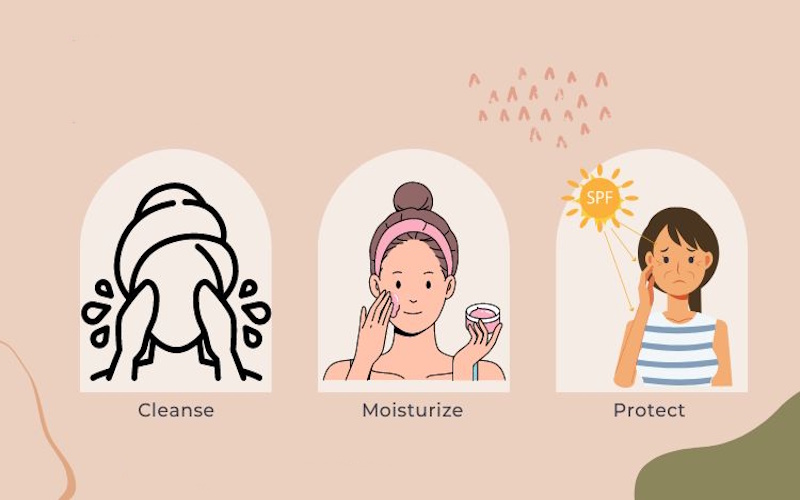
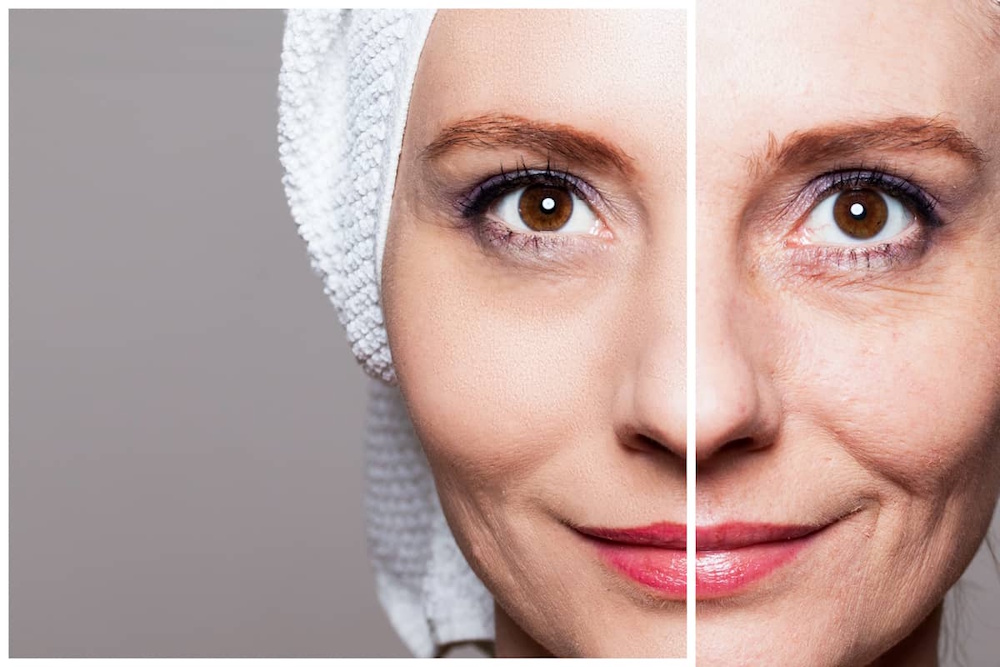
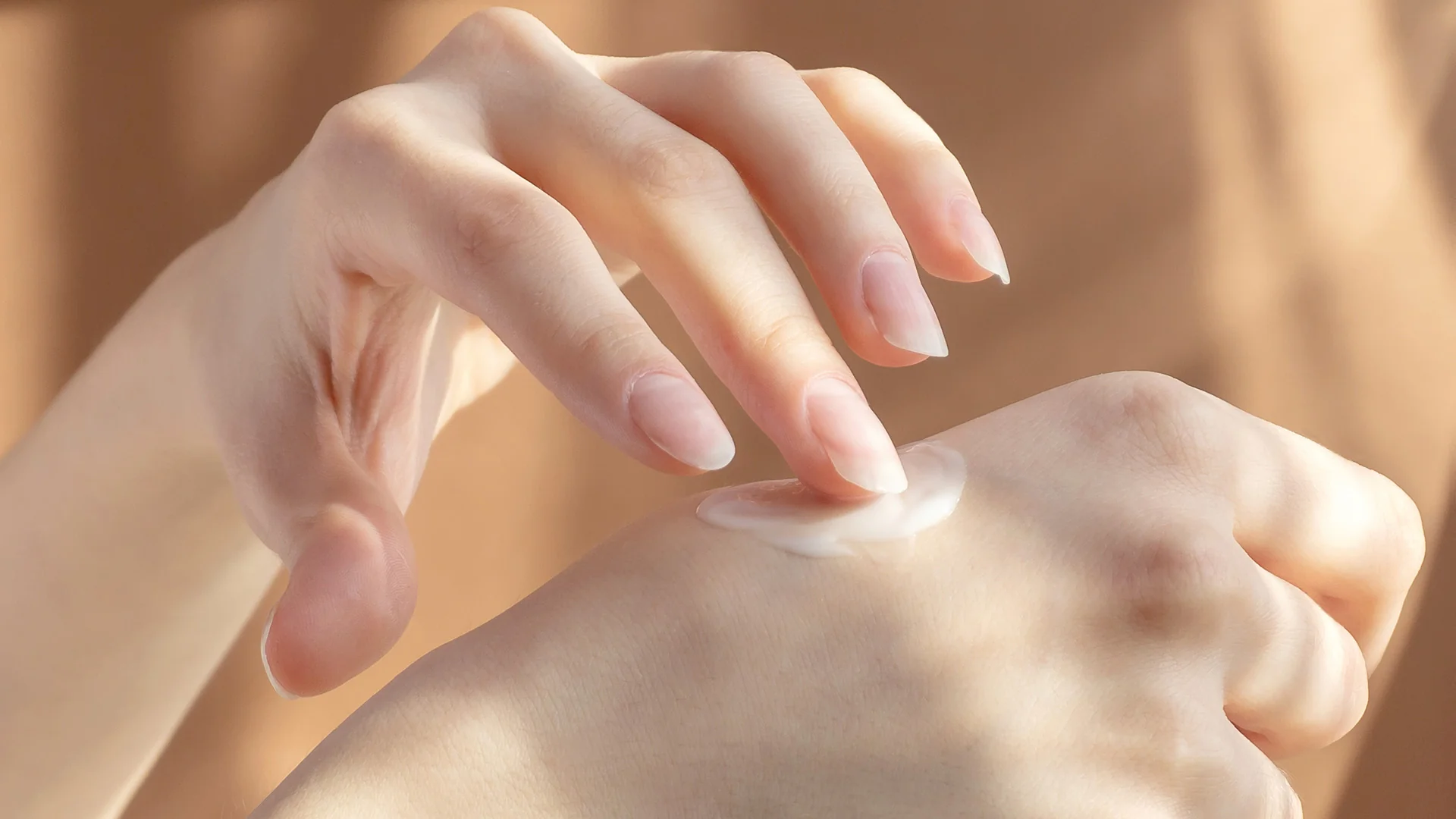




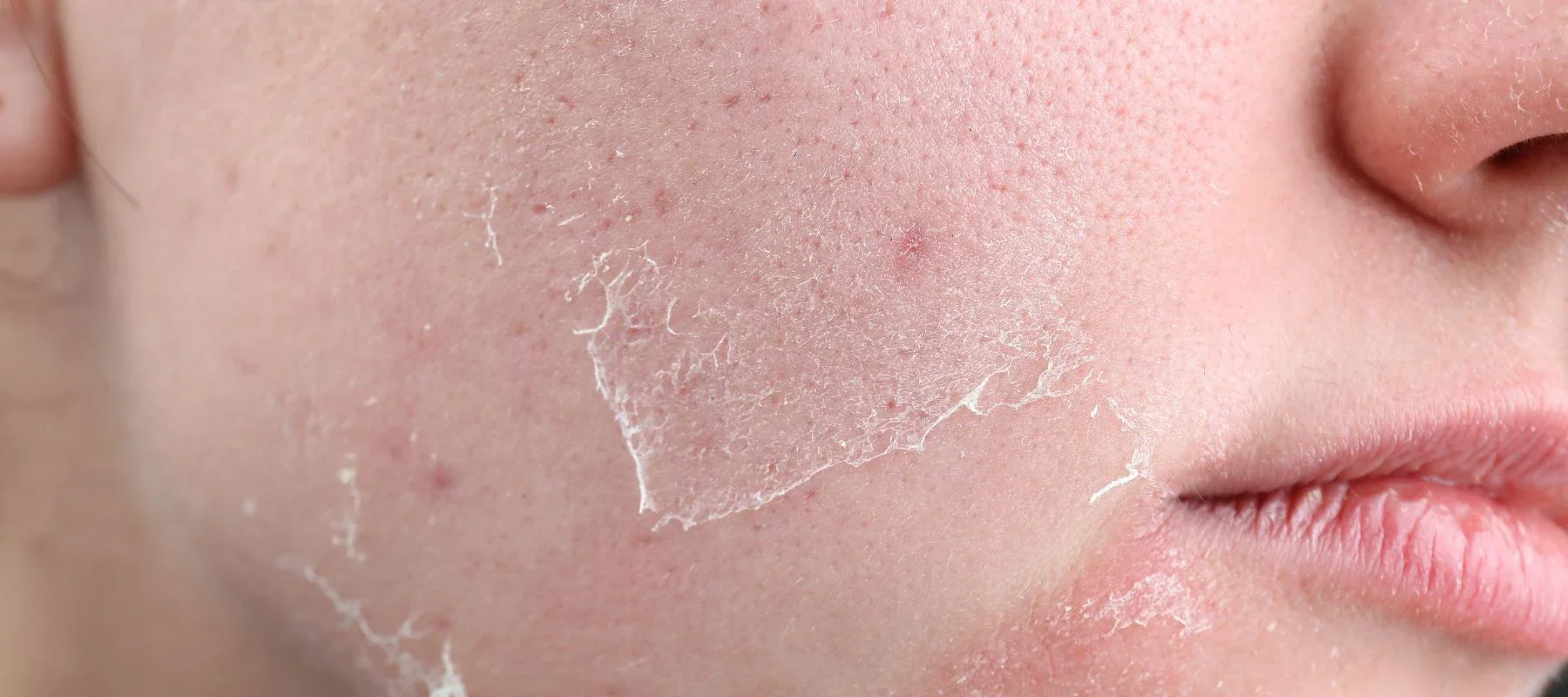


Tags
📧 Get More Articles Like This
Subscribe to receive product reviews and buying guides in your inbox!
We respect your privacy. Unsubscribe at any time.