Influencer Beauty Lies Exposed: Filters, Lighting Tricks, and What They're NOT Telling You
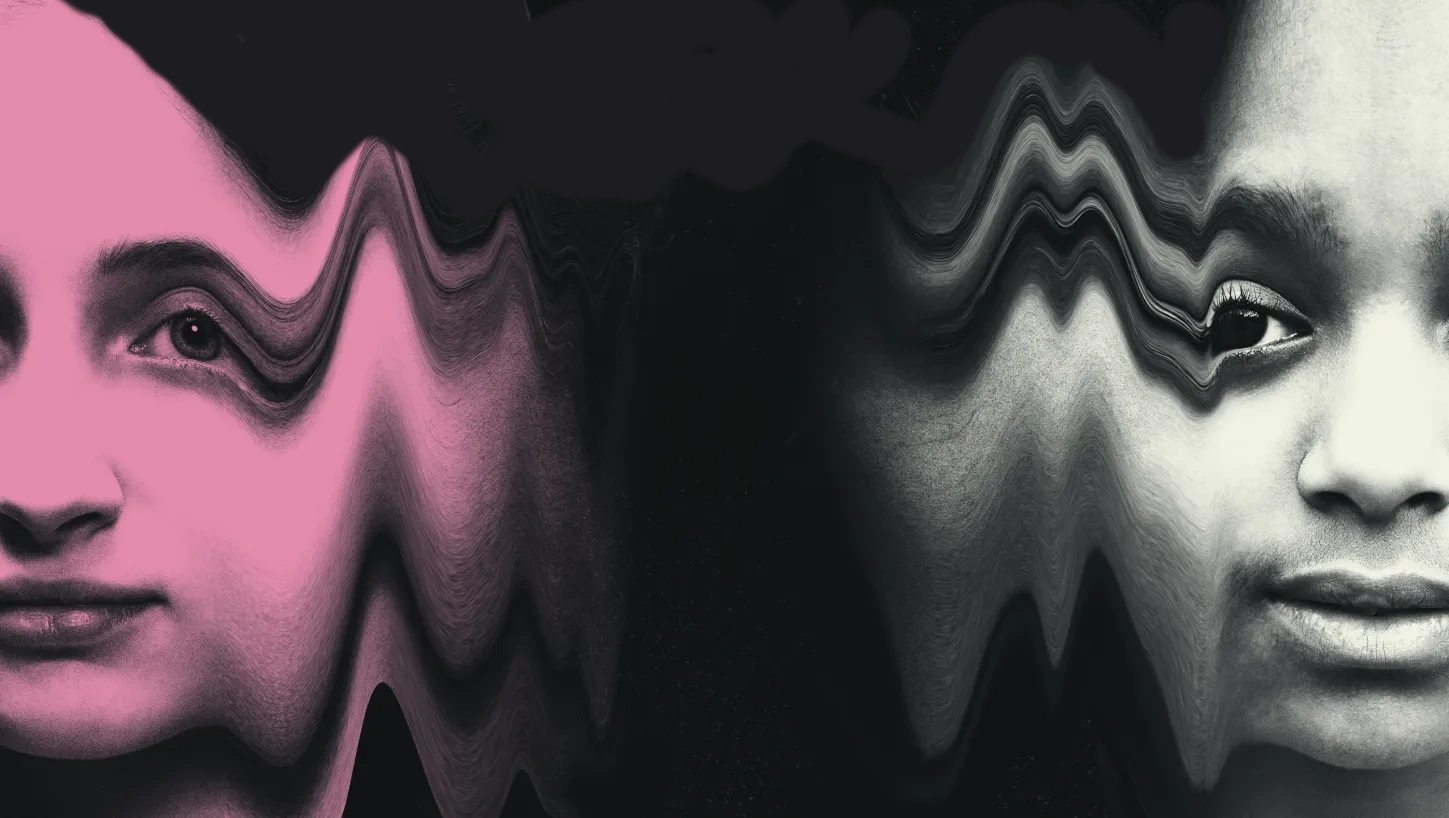
- The Billion-Dollar Illusion: When “Natural Beauty” Isn’t Natural
- Filter Technology Exposed: The Science Behind Digital Deception
- Lighting Manipulation: Professional Secrets Influencers Hide
- Camera Angles and Lens Distortion: Photography’s Dark Arts
- The Psychological Toll: Snapchat Dysmorphia and Mental Health Crisis
- Regulatory Failures: Why Disclosure Laws Aren’t Working
- Behind the Scenes: What Equipment Creates the “Flawless” Look
- Breaking Free: Recognizing and Resisting Digital Manipulation
- Conclusion
- Frequently Asked Questions
The Billion-Dollar Illusion: When “Natural Beauty” Isn’t Natural
Sarah Chen woke up at six thirty on a Tuesday morning, reached for her phone, and felt the familiar knot tightening in her stomach as she scrolled through Instagram. The beauty influencer she followed religiously had just posted another “no makeup morning selfie” that looked absolutely flawless—glowing skin without a single pore visible, perfectly symmetrical features, and that ethereal radiance Sarah could never achieve no matter how many products she bought from the influencer’s affiliate links. What Sarah didn’t know, what millions of followers worldwide don’t know, is that the influencer’s “natural” morning appearance required a ring light positioned at precisely thirty-five degrees, a professional camera with specific lens settings, three different beauty filters stacked seamlessly, and approximately forty-five minutes of careful preparation to create the illusion of effortless perfection. This deception isn’t an isolated incident—it’s a systematic industry practice that generates billions in revenue while simultaneously damaging the mental health and self-perception of viewers who believe they’re witnessing authentic beauty rather than elaborate digital fabrication.
The beauty influencer industry has exploded into a global phenomenon worth an estimated seventeen billion dollars as of 2025, with projections suggesting it will reach twenty-eight billion by 2028. At the heart of this empire lies a fundamental deception that industry insiders rarely acknowledge publicly: virtually none of the content viewers consume represents genuine, unedited reality. Research conducted across multiple platforms in 2024 revealed that ninety-four percent of beauty content creators use some form of digital enhancement, with seventy-eight percent employing multiple filters simultaneously and sixty-three percent editing individual video frames to maintain the illusion of natural perfection throughout moving content. The sophistication of these techniques has reached such advanced levels that even trained professionals struggle to distinguish between authentic and manipulated imagery, creating a landscape where viewers have essentially no chance of recognizing the deception they’re consuming daily. The consequences of this widespread manipulation extend far beyond simple disappointment when products fail to deliver promised results—they fundamentally reshape how entire generations perceive beauty, worthiness, and their own faces in the mirror.
While the following presentation highlights the profound effects of AI beauty filters in 2020, there’s still more information lurking in the exclusive details below—insights you likely haven’t discovered yet:
The business model underlying beauty influencer content depends entirely on maintaining the illusion that the perfect appearances viewers witness are achievable through product purchases rather than digital manipulation. When an influencer promotes a foundation claiming it creates “glass skin” or a serum promising to eliminate all texture, they’re selling hope based on results that exist only within heavily filtered and edited content. The Federal Trade Commission requires influencers to disclose paid partnerships and sponsored content, establishing transparency around financial relationships between creators and brands. However, these regulations contain a massive blind spot: they don’t mandate disclosure of the digital manipulation techniques that create the very results the products claim to deliver. Beyond disclosure requirements, the cosmetic products influencers promote often contain ingredients with questionable safety profiles that regulatory frameworks fail to adequately address. The Food and Drug Administration regulates cosmetic labeling requirements but lacks authority to approve cosmetics before they reach market, creating situations where potentially harmful formulations can be sold legally until proven dangerous. Understanding cosmetic ingredient regulations helps consumers make informed decisions when influencers promote products without disclosing the production manipulation creating their demonstrated results. An influencer can legally post a video reviewing an anti-aging cream while using filters that eliminate every wrinkle, texture, and imperfection, creating the visual impression that the product works miracles when the actual miracle is happening through software rather than skincare. This regulatory gap allows a systematic deception that costs consumers not just money on products that cannot possibly work as demonstrated, but also psychological harm from pursuing beauty standards that exist only in digital manipulation.
The scale of deception becomes even more troubling when examining specific techniques influencers employ to maintain their perfect appearances across different types of content. Morning routine videos, which have generated billions of views and spawned countless product trends, exemplify the gap between presented reality and actual practice. Industry analysis conducted in 2025 estimated that seventy to eighty-five percent of supposed “morning routine” content is actually filmed during afternoon or evening hours when lighting conditions are optimal for video production. Creators achieve the coveted “morning glow” through professional lighting setups costing thousands of dollars, specific camera angles tested exhaustively for the most flattering results, and meticulous editing that can take three to four hours to produce what viewers believe is spontaneous, authentic content. The influencer who appears to wake up with perfect skin, impeccable bone structure, and that ethereal radiance has likely spent significant time in preparation, positioned themselves in carefully controlled lighting, applied strategic makeup designed to enhance rather than be obvious, and then filtered the final product to eliminate any remaining imperfections that professional techniques couldn’t hide.
The psychological impact of this systematic deception manifests most powerfully in how viewers internalize impossible standards as personal failures. When Sarah Chen looks at her own reflection after consuming hours of beauty content, she doesn’t think “that influencer used professional lighting, camera equipment, and digital filters to create an impossible standard”—she thinks “what’s wrong with my skin? Why can’t I look like that even with the same products?” This fundamental misunderstanding of what she’s actually viewing creates a cycle of purchase, disappointment, and repeated attempts to achieve results that exist only in digital manipulation. The beauty industry profits enormously from this cycle, generating revenue from product sales, affiliate commissions, sponsored content, and advertising, all predicated on maintaining the illusion that the perfect appearances in influencer content represent achievable reality rather than technological fabrication. Breaking this cycle requires exposing the specific techniques influencers use to create their perfect appearances, understanding the regulatory failures that allow this deception to continue, and recognizing the profound psychological toll this systematic manipulation inflicts on viewers worldwide.
Filter Technology Exposed: The Science Behind Digital Deception
The technology underlying modern beauty filters represents one of the most sophisticated applications of artificial intelligence and computer vision available to consumers, yet most users have absolutely no understanding of how these systems work or the extent to which they transform human faces. Beauty filters don’t simply add a soft glow or smooth a few imperfections—they fundamentally reconstruct facial geometry, alter proportions, manipulate skin texture at the pixel level, and create appearances that bear only passing resemblance to the actual human face beneath the digital manipulation. Understanding the technical capabilities of these systems reveals why comparing yourself to filtered content is not just unfair but literally impossible, as you’re attempting to match features and appearances that exist only through complex algorithmic intervention rather than any physical reality.
Beauty filter technology employs sophisticated artificial intelligence and computer vision systems that detect facial features and alter them in real-time through complex algorithms. These systems create three-dimensional facial meshes consisting of hundreds of points that can be manipulated independently, allowing dramatic transformations to facial structure, skin texture, and proportions that viewers mistake for authentic appearances achieved through skincare or makeup rather than technological manipulation
Modern beauty filter technology operates through a multi-stage process that begins with facial recognition and mapping. When you activate a beauty filter on platforms like Instagram, TikTok, or Snapchat, the application’s artificial intelligence immediately scans your face using computer vision algorithms trained on millions of images to identify specific landmarks—the corners of your eyes, the tip of your nose, your jawline, cheekbones, lips, and dozens of other reference points. This process creates what developers call a “facial mesh,” essentially a three-dimensional mathematical model of your face consisting of hundreds or thousands of individual points that the software can manipulate independently. The sophistication of this mapping has advanced dramatically since the early 2010s when filters could barely track faces in motion; modern systems maintain accurate facial meshes even during rapid movement, changing lighting conditions, or when multiple faces appear in frame simultaneously. This technological advancement means filters can now manipulate your appearance in real-time video with the same precision they once applied only to static images, creating moving content that looks genuine but bears little resemblance to reality.
Once the facial mesh is established, beauty filters apply transformations across multiple categories that work together to create the desired aesthetic. Skin manipulation represents perhaps the most dramatic intervention, with algorithms analyzing texture, color, and surface irregularities at microscopic levels before systematically eliminating anything the software categorizes as imperfections. Research examining popular beauty filters in 2024 found they typically remove one hundred percent of visible pores, eliminate surface texture completely, neutralize color variations including redness and dark circles, smooth fine lines and wrinkles, and create an artificial luminosity that makes skin appear to glow from within. These changes happen across thousands of individual calculations per frame, with the software making constant adjustments to maintain the illusion as lighting changes, you move, or the camera angle shifts. The result is skin that looks fundamentally different from any human skin that exists in reality—absolutely smooth, perfectly even in tone, glowing with light that has no physical source, and completely devoid of the natural texture that characterizes actual human faces.
Structural changes to facial proportions represent the second major category of filter manipulation, and these alterations can be so dramatic that filtered faces sometimes barely resemble the original person. Eye enlargement filters typically increase eye size by fifteen to thirty-five percent, creating the wide-eyed, youthful appearance that conforms to conventional beauty standards across most cultures. Nose refinement algorithms narrow nostrils, slim the bridge, reduce overall size, and create the delicate proportions associated with traditional beauty ideals. Jawline sharpening creates definition that most people cannot achieve even at their lowest body fat percentage, while chin reshaping adjusts projection, width, and overall balance with the rest of the face. Lip enhancement increases volume, sharpens the cupid’s bow, and creates symmetry that rarely exists naturally. Cheekbone elevation and definition adds structure that many faces simply don’t possess genetically. All of these changes work together to shift facial proportions toward specific beauty ideals—typically Eurocentric features characterized by larger eyes, smaller noses, sharper bone structure, and fuller lips—regardless of the user’s actual ethnic background or genetic features.
The third transformation category involves color grading and lighting manipulation that creates impossible visual effects viewers mistake for achievable reality through makeup or skincare. Filters apply what photographers call “beauty lighting” algorithmically, identifying where light should theoretically hit the face based on conventional beauty photography and then artificially brightening those areas while darkening others to create dimension and contour that doesn’t exist naturally. Skin tone adjustments often lighten overall complexion, creating problematic implications about which skin tones are considered beautiful or desirable. Color grading shifts the overall palette of the image toward warm, golden tones or cool, ethereal blues depending on the aesthetic trend, creating atmospheric effects that have nothing to do with actual lighting conditions. Highlight intensification adds artificial shine to cheekbones, nose tip, cupid’s bow, and inner eye corners, mimicking the application of highlighter makeup but with impossible precision and intensity. These lighting manipulations work together to create faces that appear to exist in perfect, professional lighting regardless of actual environmental conditions.
Perhaps most insidiously, modern beauty filters include what developers call “naturalness algorithms”—systems designed to make the manipulation less obvious by introducing calculated imperfections and variations that prevent the uncanny valley effect of obviously artificial faces. Research into filter technology conducted at several universities in 2025 found that advanced beauty filters intentionally leave some freckles, create subtle asymmetries, and maintain minimal texture in strategic locations specifically to make the overall manipulation less detectable. This sophisticated approach to digital deception means viewers cannot simply look for obviously fake appearances to identify filtered content—the best filters are specifically designed to appear natural while still making dramatic changes to facial features and skin quality. Studies examining viewer ability to identify filtered content consistently show that only fifty-five to sixty-five percent of manipulated images are recognized as such, meaning nearly half of all filtered content successfully deceives viewers into believing they’re viewing authentic appearances.
Psychology research examining beauty filter effects has demonstrated that using slimming filters on your own image creates significantly more negative body image impacts than viewing filtered images of others. This self-comparison to an idealized filtered version proves more psychologically damaging than comparing yourself to filtered strangers, as it creates a personal baseline of impossible perfection that your unfiltered appearance can never match.
The psychological implications of consuming content created through these sophisticated manipulation systems cannot be overstated. When you compare your actual face to filtered faces while believing both are equally real, you’re essentially comparing reality to fantasy while holding yourself accountable for not measuring up to impossible digital standards. Research published in multiple journals throughout 2024 and 2025 has demonstrated clear correlations between beauty filter usage and decreased self-esteem, increased body dysmorphia symptoms, higher rates of depression and anxiety, and growing acceptance of cosmetic surgery as necessary to achieve beauty. Young people who have grown up entirely within the filtered social media era often lack any baseline for what unmanipulated human faces actually look like, creating a generation whose beauty standards are based entirely on digital fabrications rather than human diversity and natural appearance.
Research examining social media’s impact on body image has documented alarming correlations between platform usage and psychological distress. Studies published by the National Institutes of Health demonstrate that exposure to idealized images on platforms like Instagram and TikTok correlates strongly with increased body dissatisfaction, eating disorder symptoms, and mental health declines particularly among adolescent populations. These social media body image effects operate through comparison mechanisms where viewers evaluate themselves against impossible standards created through filters and manipulation presented as achievable reality.

Lighting Manipulation: Professional Secrets Influencers Hide
Beyond digital filters and editing software lies another layer of deception that beauty influencers carefully conceal from their audiences: the extensive professional lighting setups that create “natural” glows, eliminate texture and wrinkles, and produce the flawless appearances viewers believe result from skincare products or genetic luck rather than thousands of dollars in equipment and expertise. The lighting techniques employed by successful beauty content creators draw directly from professional photography and cinematography, using principles developed over decades to make subjects look as attractive as possible on camera. Understanding these techniques reveals why the radiant, poreless appearances in beauty content cannot be replicated through any combination of products or makeup—they exist only within carefully controlled lighting environments that bear no resemblance to how anyone actually looks in normal life circumstances.
The primary weapon in an influencer’s lighting arsenal is the ring light, a circular LED array that surrounds the camera lens and provides direct, even illumination across the entire face. Ring lights serve several specific purposes that create the signature beauty influencer aesthetic viewers recognize but rarely understand. They eliminate shadows completely, removing any texture, wrinkles, or imperfections that become visible through directional lighting and shadow play. They create the distinctive circular catchlight in the eyes that makes them appear bright, clear, and engaging while hiding bloodshot whites or tired appearances. They provide such intense, direct illumination that they actually overwhelm skin texture, making pores and fine lines disappear not through editing but through sheer light intensity that effectively bleaches out surface detail. Professional-grade ring lights used by top influencers cost between three hundred and fifteen hundred dollars, provide adjustable color temperature to match different aesthetic preferences, and deliver light intensity measured in thousands of lumens—far more powerful than any household lighting ever provides.
Beyond ring lights, sophisticated beauty content creators employ multi-point lighting setups that mirror professional studio photography. The three-point lighting technique, considered standard in professional visual production, uses a key light providing primary illumination, a fill light reducing shadows on the opposite side, and a back light creating separation between the subject and background. When properly executed, this setup creates dimensional faces with just enough shadow to suggest bone structure and contour while eliminating any harsh shadows or unflattering angles. Beauty influencers adapt this technique specifically to maximize facial attractiveness, positioning key lights at angles research has shown to be most flattering—typically thirty-five to forty-five degrees above and to the side of the face. Fill lights are set at lower intensities than traditional photography to maintain some dimension while still eliminating any shadows deep enough to reveal texture or imperfections. Back lighting or hair lights add separation and create the impression of a natural glow or halo effect that viewers subconsciously associate with beauty and vitality.
The positioning and quality of light sources creates effects that many viewers mistakenly attribute to the influencer’s skin quality or the effectiveness of their skincare routine. Soft, diffused light produced through large softboxes or diffusion panels reduces the appearance of wrinkles and texture by creating gentle transitions between light and shadow rather than harsh boundaries. Professional softboxes range from two to four feet in diameter, creating enormous light sources relative to the subject’s face—the larger the light source compared to the subject, the softer and more flattering the illumination. Color temperature manipulation allows influencers to create specific moods and appearances that align with different beauty aesthetics. Warm lighting around three thousand to thirty-five hundred Kelvin creates golden, sunset-like glows associated with vitality and warmth. Cool lighting around five thousand to sixty-five hundred Kelvin produces the crisp, clean aesthetic popular in “clinical” skincare content. The ability to adjust color temperature means influencers can make their skin appear different tones, textures, and qualities simply by changing their lighting settings—no skincare or makeup required.
Distance and angle considerations add another dimension to lighting manipulation that dramatically affects how viewers perceive influencers’ appearances. Professional lighting techniques position lights at specific distances calculated to balance intensity with coverage. Lights too close create hot spots and uneven illumination, while lights too far reduce intensity to the point where they lose their texture-eliminating properties. Angles matter enormously—lighting from directly in front eliminates all dimension and texture but also flattens features unflatteringly, while lighting from above can create shadows under eyes and emphasize under-eye bags. The optimal angle that most influencers employ through trial and error or professional training sits around thirty-five to forty-five degrees above the face and slightly to the side, creating just enough dimension to suggest bone structure while maintaining the smooth, radiant appearance that defines beauty content aesthetics. Achieving this optimal angle typically requires specialized stands, adjustable mounting systems, and considerable space—equipment that collectively costs hundreds or thousands of dollars and requires dedicated filming areas that most people simply don’t have available.
The deception inherent in lighting manipulation becomes especially problematic when influencers promote skincare products or makeup items using demonstrations filmed under these carefully controlled, professional lighting conditions. When an influencer applies a foundation and claims it creates “glowing, poreless skin,” they’re filming under lighting specifically designed to eliminate pores and create glowing appearances regardless of what products they apply. When they demonstrate a serum that supposedly reduces wrinkles and fine lines, they’re doing so under soft, diffused lighting that makes wrinkles invisible whether the serum works or not. Identifying genuinely effective anti-aging products requires looking beyond filtered demonstrations to ingredients with proven efficacy in reducing visible signs of aging. The best anti-aging serums contain specific active ingredients at therapeutic concentrations rather than relying on professional lighting and filters to create the appearance of wrinkle reduction. Understanding which formulations deliver measurable results helps separate products with genuine anti-aging benefits from those that simply photograph well in manipulated beauty content. The products themselves become essentially irrelevant to the visual results viewers witness—those results exist because of lighting, camera settings, and digital manipulation rather than the cosmetic formulations being promoted. Many products heavily promoted by beauty influencers contain ingredients with concerning safety profiles or questionable effectiveness despite their popularity in filtered demonstration content. Recognizing harmful chemicals commonly found in beauty products helps consumers evaluate whether influencer recommendations align with skin health or simply photograph well under professional lighting and filters. This creates a systematic deception where viewers purchase products based on results they’ve witnessed in content, attempt to use those products in normal lighting conditions, and inevitably experience disappointment when the products fail to deliver the impossible results that existed only through professional lighting manipulation.
Environmental factors also play crucial roles in how influencers manipulate their appearances through light. Background selection affects how viewers perceive the subject through contrast and color harmony. White or light-colored backgrounds reflect light back onto the subject, further reducing shadows and texture. Strategic positioning near windows during golden hour—the hour after sunrise or before sunset when natural light is warmest and most flattering—creates the appearance of natural, unmanipulated lighting while actually representing the most rare and controlled lighting conditions possible. Time of day considerations mean much “spontaneous” content is actually filmed during specific windows when natural light hits the influencer’s filming location at optimal angles. The combination of natural window light and professional supplemental lighting creates hybrid setups that appear natural while delivering impossibly perfect results.

Camera Angles and Lens Distortion: Photography’s Dark Arts
The camera equipment and positioning choices influencers make create another layer of optical manipulation that dramatically alters their appearance while remaining invisible to viewers who assume they’re seeing accurate representations of how these creators actually look. Lens selection, camera angle, shooting distance, and framing techniques all contribute to creating more attractive appearances through physics and geometry rather than digital manipulation, yet the effects can be just as dramatic as any filter or editing software. Understanding how camera equipment and positioning alter appearance reveals why influencer content often looks completely different from candid photos taken by others or how these same people appear in person—it’s not just lighting or filters, but fundamental optical principles being strategically exploited to maximize perceived attractiveness.
Lens selection represents one of the most powerful tools influencers use to manipulate their appearance, yet most viewers have no understanding of how different lenses create dramatically different facial proportions. The focal length of a lens—measured in millimeters—determines how the camera compresses or expands perspective, directly affecting how facial features appear in relation to each other. Portrait photographers typically use lenses between eighty-five and one hundred thirty-five millimeters because these focal lengths compress perspective in ways that flatten noses, make faces appear narrower, and create the most conventionally attractive proportions. Research conducted at Stanford University in collaboration with plastic surgeons quantified these effects precisely: selfies taken with phone cameras at typical arm’s length using wide-angle lenses around twenty-eight to thirty-five millimeters increase perceived nose size by approximately thirty percent compared to how the face appears to others in normal viewing distances. This optical distortion contributes significantly to why individuals dislike their selfie appearances even without filters applied. Stanford researchers working with facial plastic surgeons documented how camera lens focal length fundamentally alters facial proportions in ways most users never consciously recognize but which create dissatisfaction with selfie appearances that don’t match either mirror reflections or how others see them in person. This single factor explains why so many people dislike how they look in selfies—the wide-angle lens distortion creates unflattering proportions that don’t match either how they see themselves in mirrors or how others see them in person.
Professional beauty influencers understand these optical principles and invest in equipment specifically to exploit them. While phone cameras use wide-angle lenses by necessity, professional content creators film with mirrorless or DSLR cameras equipped with portrait lenses that create the most flattering facial proportions possible. An eighty-five millimeter lens shot from eight to ten feet away creates compression that makes noses appear smaller, faces narrower, and overall proportions more conventionally attractive than any real-world viewing situation would produce. The investment in this equipment—professional camera bodies cost one thousand to three thousand dollars while quality portrait lenses add another four hundred to twelve hundred dollars—represents a barrier that prevents average viewers from ever achieving the same optical flattery in their own content. The technical knowledge required to understand focal length, shooting distance, and perspective compression creates another advantage professional creators possess over casual users attempting to create similar content with phone cameras.
Camera angle manipulation adds another dimension of optical deception that influencers carefully control while presenting their content as spontaneous or casual. Shooting from above the subject creates several flattering effects that combine to produce more attractive appearances: it elongates the neck while slimming the face, enlarges eyes relative to other facial features by emphasizing the upper portion of the face, minimizes the appearance of double chins or jawline softness by positioning the camera above these problem areas, and creates a slight downward gaze that many cultures associate with modesty, approachability, or attractiveness. The “MySpace angle”—a term originating from early social media when users discovered the flattering effects of high-angle self-portraits—has evolved into sophisticated camera positioning techniques that professional influencers employ through tripods, adjustable mounts, and careful setup rather than handheld cameras. The consistency of this high-angle positioning across beauty content creates a visual language viewers recognize without understanding, associating the specific perspective with beauty and attractiveness rather than recognizing it as strategic manipulation.
Body positioning and posture create additional opportunities for influencers to manipulate their appearance through geometry rather than digital editing. The three-quarter angle—positioning the body at roughly forty-five degrees to the camera rather than facing it directly—creates definition and dimension that frontal positioning lacks, allows the camera to capture what photographers call “the good side” while minimizing less symmetrical features, and creates diagonal lines that viewers perceive as more dynamic and interesting than straight-on compositions. Posture adjustments including extending the neck forward slightly, positioning shoulders back to elongate the torso, and maintaining specific head tilts tested for maximum attractiveness all contribute to appearances that look dramatically different from how these same people appear in candid photos or real-world encounters. Professional influencers spend considerable time finding their optimal angles through trial and error or working with photographers, then reproduce these exact positions consistently across their content to maintain the attractive appearances their audiences expect.
The distance between camera and subject creates optical effects most viewers never consciously recognize but which dramatically affect perceived attractiveness. Closer shooting distances increase the impact of lens distortion, exaggerating features nearest the camera while compressing those further away. This effect explains why close-up selfies often look unflattering—the wide-angle lenses in phone cameras combined with short shooting distances create distortions that don’t represent how faces actually look to observers at normal social distances. Professional beauty content typically employs shooting distances of six to twelve feet using longer focal length lenses, creating perspective compression that flattens and narrows faces while maintaining detail and sharpness. These longer distances require professional equipment—you cannot achieve the same optical effects with a phone camera because the lens is wrong and the shooting distance impractical for handheld filming.
Framing and composition techniques borrowed from professional portrait photography add final polish to influencer content through strategic decisions about what to include or exclude from frame. Headroom—the space between the top of the subject’s head and the frame edge—affects how viewers perceive proportions, with minimal headroom making subjects appear taller and more imposing while excessive headroom can make them seem smaller or less confident. The rule of thirds, a compositional guideline suggesting subjects should be positioned at the intersection of imaginary lines dividing the frame into thirds, creates visually pleasing compositions that viewers subconsciously find more attractive and professional. Background bokeh—the aesthetic quality of out-of-focus areas created by shallow depth of field—separates subjects from their backgrounds while creating the polished, professional appearance viewers associate with high-quality content. Achieving this bokeh effect requires cameras with large sensors and lenses with wide maximum apertures, representing thousands of dollars in equipment investment.
The combined effect of these camera equipment choices and positioning techniques creates appearances that diverge dramatically from how these influencers look in person, yet viewers have no framework for understanding or recognizing this manipulation. When someone encounters an influencer in real life and thinks “they look so different than on camera,” the difference isn’t necessarily due to filters or editing—it could simply be the absence of professional camera equipment, optimal lenses, strategic angles, perfect lighting, and carefully calculated distances that create flattering optical distortions. This fundamental deception exists in essentially all professional beauty content yet receives far less attention than digital filters because it’s technically not manipulation but rather strategic application of optical principles. The distinction matters little to viewers who believe they’re seeing accurate representations and feel inadequate when their own appearances—captured with phone cameras from random angles in normal lighting—don’t measure up to influencer content created through thousands of dollars in equipment and extensive technical knowledge.

| Manipulation Technique | Percentage Impact | Cost to Implement | Viewer Detection Rate |
|---|---|---|---|
| Beauty Filters (Digital) | 30-50% facial change | Free to $50/month apps | 55-65% recognized |
| Professional Lighting | 40-70% texture reduction | $500-$5,000 equipment | Less than 20% recognized |
| Lens/Angle Manipulation | 20-35% proportion change | $2,000-$8,000 equipment | Less than 10% recognized |
| Post-Production Editing | 15-40% additional enhancement | $20-$600/month software | 40-50% recognized |
The Psychological Toll: Snapchat Dysmorphia and Mental Health Crisis
The convergence of beauty filters, professional production techniques, and constant social media exposure has created a mental health crisis particularly affecting young people who have grown up entirely within this digitally manipulated environment. Psychologists, dermatologists, and plastic surgeons worldwide report alarming increases in a phenomenon they’ve termed “Snapchat dysmorphia” or “filter dysmorphia”—a form of body dysmorphic disorder where individuals perceive their real, unfiltered faces as flawed or inadequate compared to their filtered digital representations. This isn’t simply disliking how you look in some photos—it’s a fundamental distortion in self-perception where the filtered, manipulated version becomes the internal standard against which the real self is judged and found wanting. The implications extend far beyond cosmetic concerns, affecting mental health, social interactions, career choices, relationship formation, and fundamental self-worth in ways that researchers are only beginning to fully understand.
The comparison mechanism underlying filter dysmorphia operates through constant exposure to impossible beauty standards presented as achievable reality. Social comparison theory, developed decades before social media existed, established that people naturally evaluate themselves relative to others they encounter in their environment. When those “others” existed primarily as people you knew personally or celebrities you recognized as existing in a different realm, comparison happened but with some recognition of the gap between ordinary life and exceptional circumstances. Modern social media collapsed this distinction entirely—the faces you compare yourself against belong to peers, acquaintances, and people you follow who present themselves as ordinary individuals sharing their real lives. Except their real lives exist through layers of filters, perfect lighting, strategic angles, and professional production that create appearances fundamentally different from reality while claiming authenticity.
The adolescent brain, still developing executive function and reality testing, proves particularly vulnerable to this systematic deception. Young people encounter thousands of filtered faces daily across Instagram, TikTok, Snapchat, YouTube, and other platforms, creating a visual environment where manipulated appearances vastly outnumber authentic ones. Without extensive experience with unfiltered human faces or understanding of manipulation techniques, adolescents internalize these filtered appearances as normal rather than exceptional. Studies examining teenage perceptions of beauty consistently show that young people who spend more time on social media rate filtered faces as more attractive, more normal, and more representative of how people should look compared to unmanipulated faces. This inverted beauty standard creates a generation judging their natural appearances against digital fabrications and predictably finding themselves inadequate.
The pathway from filter usage to filter dysmorphia follows a predictable trajectory that researchers have documented across multiple studies. Initial filter use typically begins casually or playfully, experimenting with different effects and enjoying the flattering results. Continued use gradually shifts internal beauty standards as the filtered appearance becomes familiar and preferred. Users begin experiencing disappointment or dissatisfaction when viewing their unfiltered faces, recognizing the gap between filtered and real appearance. Increased filter dependency develops as users become reluctant to post or share unfiltered content, worried about how they’ll be perceived without enhancement. Finally, distress about real appearance intensifies until it affects daily functioning, social interactions, and mental health. This progression can happen remarkably quickly, particularly among younger users who lack the pre-filter baseline of what normal faces look like and who experience intense peer pressure around physical appearance.
The quantifiable mental health impacts of this phenomenon have emerged through numerous research studies published since 2020. A comprehensive study examining over one thousand participants between ages eighteen and thirty found that ninety-four percent used beauty filters or editing tools on their photos, while over ninety percent reported feeling pressure to post perfect photos and look attractive in their content. More concerning, seventy-six percent stated they feel they will never live up to the images they post of themselves online, and sixty-one percent reported feeling depressed because of this disconnect between their filtered online presence and their actual appearance. These numbers represent the majority of young adults experiencing psychological distress directly related to the gap between digital representation and physical reality—a form of suffering that didn’t exist before filtered social media became ubiquitous and that continues growing as filters become more sophisticated and harder to detect.
Plastic surgeons report dramatic shifts in patient requests that directly reflect filter dysmorphia’s influence on beauty standards and self-perception. As of 2024, approximately fifty-five percent of facial plastic surgeons reported seeing patients who requested procedures to make them look more like their filtered selfies—a complete inversion of traditional cosmetic surgery where patients sought to emulate celebrity appearances or idealized natural beauty. These requests often ask surgeons to create features that are physically impossible or would look bizarre in person, such as eyes enlarged beyond normal human proportions, noses too small to adequately support respiratory function, or skin texture so smooth it appears artificial. Ethical practitioners increasingly report turning away these patients, recommending mental health treatment rather than cosmetic procedures that cannot address the underlying issue—the impossibility of matching a digitally manipulated ideal through physical intervention.
Rather than pursuing expensive products promoted through filtered content, dermatologists often recommend affordable drugstore alternatives that deliver genuine results without relying on digital manipulation to demonstrate effectiveness.
The connection between filter usage and eating disorders represents another alarming dimension of the mental health crisis surrounding filtered social media. Studies examining this relationship consistently find that time spent on image-focused social media platforms correlates with increased eating disorder symptoms including restrictive eating, binge eating, purging behaviors, and excessive exercise driven by body dissatisfaction. The mechanism connecting these phenomena involves social comparison and internalization of thin ideals perpetuated through filtered content showing impossibly slim bodies paired with flawless faces. The body manipulation capabilities of modern filters extend beyond faces to entire physiques, allowing creators to slim waists, lengthen legs, eliminate cellulite, and create body proportions that don’t exist naturally or sustainably. Viewers comparing their bodies to these manipulated images experience predictable dissatisfaction, sometimes leading to disordered eating as they attempt to achieve appearances that exist only through digital manipulation.
The relationship between social media consumption and eating disorder development has strengthened as filters have become more sophisticated and prevalent. National Institutes of Health research examining thousands of participants found that increased time on image-focused platforms correlates with higher rates of binge eating, purging behaviors, and restrictive dieting driven by body dissatisfaction. These patterns demonstrate how digital manipulation of beauty content creates psychological vulnerabilities that manifest in dangerous eating behaviors as individuals attempt to match impossible standards through physical means.
Depression and anxiety specifically linked to social media usage and appearance concerns have increased dramatically parallel to the rise of filtered content. The proposed mechanisms connecting filter exposure to these mental health outcomes include the constant negative social comparison creating chronic stress and feelings of inadequacy, the disconnect between authentic self and digital representation fragmenting identity and self-concept, the pressure to maintain perfect appearances online creating performance anxiety and fear of exposure, and the realization that even achieving filtered appearances wouldn’t satisfy because they’re not real creating hopelessness about appearance improvement. These psychological burdens accumulate over time, particularly affecting young people who spend multiple hours daily consuming and creating filtered content while their identities and self-concepts are still developing.
Shop on AliExpress via link: wholesale-makeup-brushes

Regulatory Failures: Why Disclosure Laws Aren’t Working
The explosion of filtered beauty content and its documented psychological harms have occurred largely without meaningful regulatory intervention, creating a situation where systematic deception continues unchecked despite growing evidence of damage to consumer mental health and financial wellbeing. While advertising standards have existed for decades to protect consumers from false or misleading claims, the regulatory frameworks governing social media content contain massive blind spots that influencers exploit to maintain the illusion of authenticity while employing sophisticated manipulation techniques. Understanding these regulatory failures and the obstacles preventing effective oversight reveals why individual awareness and media literacy may represent the only practical defenses against the systematic deception pervading beauty content across social platforms.
Federal Trade Commission guidelines in the United States focus primarily on requiring disclosure of material connections between influencers and brands, mandating that sponsored content be clearly labeled with terms like “ad,” “sponsored,” or explicit statements about receiving compensation or free products. These requirements emerged from traditional advertising law establishing that consumers deserve to know when they’re viewing paid endorsements rather than genuine recommendations. The regulations themselves are straightforward and seemingly robust—influencers must disclose any material relationship with brands whose products they promote, using clear and conspicuous language that audiences cannot miss or misunderstand. Violations can result in warning letters, cease and desist orders, and potentially significant fines, particularly for repeated violations or egregious deception. However, these regulations contain a critical blind spot that undermines their effectiveness in protecting consumers from beauty content deception: they say nothing about disclosure of the technical manipulation that creates the very results the products claim to deliver.
The Federal Trade Commission has established comprehensive guidelines for social media influencers requiring transparent disclosure of sponsored content and material connections with brands. These FTC disclosure requirements mandate that influencers clearly label paid partnerships using conspicuous terms like “ad” or “sponsored” positioned where viewers cannot miss them. While these regulations address financial relationships, they create transparency gaps around the production techniques and digital manipulation that fundamentally shape the results viewers witness in beauty content.
An influencer can legally post a video reviewing an anti-aging serum while using filters that eliminate every wrinkle, can demonstrate a foundation claiming to create “glass skin” while filming under professional lighting designed to eliminate all texture, can promote a lip plumper while using strategic camera angles that make lips appear fuller regardless of the product’s effect, and can showcase a skin brightening treatment while applying color grading that lightens and evens skin tone artificially. None of these practices violate current regulations because the rules address financial relationships rather than technical manipulation. The result is a regulatory framework that requires transparency about who paid for the content while allowing complete opacity about the production techniques that create impossible results consumers cannot achieve through product purchases alone.
International regulatory responses vary dramatically in their approaches to this problem, with some countries implementing more aggressive protections while others maintain the same gaps as American regulations. Norway enacted legislation in 2022 requiring influencers to label advertising content where bodies have been retouched or modified, marking one of the first governmental attempts to mandate disclosure of digital manipulation rather than just financial relationships. The law applies specifically to advertising content—posts promoting products or services—and requires a standardized label indicating that the image has been altered. However, implementation and enforcement remain challenging, with questions about how authorities identify violations when filters become increasingly sophisticated and naturalistic. France passed similar legislation requiring disclosure of edited images in commercial contexts, recognizing that consumers deserve to know when the appearances they’re viewing don’t reflect reality.
The United Kingdom’s Advertising Standards Authority has taken enforcement action against influencers and brands for misleading advertising practices including using filters to demonstrate makeup effects or promoting products with results achieved through manipulation rather than the products themselves. These cases establish important precedents suggesting that regulators recognize the fundamental deception involved when product demonstrations occur through filtered content without disclosure. However, enforcement remains sporadic and penalties relatively minor compared to the revenue generated through this deceptive content, creating limited deterrent effect for influencers who profit enormously from maintaining the illusion of authentic, unmanipulated appearances while promoting products that cannot deliver demonstrated results.
The practical obstacles to effective regulation of filtered content operate at multiple levels that make meaningful oversight extremely difficult even when regulatory will exists. Detection represents perhaps the most fundamental challenge—how do regulators identify filtered or manipulated content when the technology specifically aims to make manipulation undetectable? Automated detection systems struggle to keep pace with advancing filter technology, particularly as filters incorporate “naturalness algorithms” designed to avoid the uncanny valley of obviously artificial appearances. Manual review requires trained evaluators who understand the visual signatures of different manipulation techniques, scaling poorly against the millions of pieces of beauty content posted daily. The volume of content makes comprehensive monitoring impossible, forcing regulators to rely primarily on complaints and reports that capture only the most egregious violations while missing the systematic manipulation pervading mainstream beauty content.
Jurisdiction and platform responsibility create additional complexity for regulatory enforcement in the borderless environment of social media. Content creators may be located in different countries than their primary audiences, raising questions about which nation’s laws apply and how they can be enforced across international boundaries. Platforms hosting the content face questions about their role in enabling deception—should Instagram, TikTok, or Snapchat be required to label filtered content automatically, to limit filter capabilities, or to verify that product demonstrations occur without manipulation? These companies have generally resisted taking responsibility for content regulation beyond the minimum required by law, arguing they function as neutral platforms rather than publishers accountable for what users post. The result is a regulatory vacuum where neither creators nor platforms feel fully accountable for the systematic deception occurring through filtered beauty content.
The speed of technological advancement consistently outpaces regulatory response, creating a dynamic where new manipulation techniques emerge and become widespread before regulators even understand what’s happening. When regulators finally implement rules addressing specific practices, the technology and tactics have evolved to circumvent those restrictions while maintaining the same deceptive effects. This cycle repeats endlessly, with regulation always responding to yesterday’s problems while today’s deception continues unchecked. The resources required to maintain regulatory frameworks that keep pace with rapidly evolving social media practices exceed what most agencies can allocate, particularly when balanced against other consumer protection priorities and limited budgets.
Behind the Scenes: What Equipment Creates the “Flawless” Look
The polished, professional appearance of successful beauty influencer content results from investments in equipment and technical expertise that most viewers never see or consider when comparing their own content or appearances to what they consume daily on social media. Understanding what actually goes into creating the flawless aesthetic that defines modern beauty content reveals why casual creators cannot replicate these results with phone cameras and household lighting—the production quality exists through thousands or tens of thousands of dollars in professional equipment combined with technical knowledge acquired through years of experience or professional training. This equipment gap creates systematic advantages for established influencers while making it essentially impossible for viewers attempting to create similar content or achieve similar appearances without matching their substantial investments in production infrastructure.
Camera equipment represents the foundation of professional beauty content production, with significant differences between phone cameras and the professional systems top influencers employ. High-end mirrorless cameras from manufacturers like Sony, Canon, or Fujifilm deliver superior image quality through larger sensors, better processing, and greater control over every aspect of image capture. These camera bodies alone cost between fifteen hundred and four thousand dollars, representing investments that casual content creators cannot justify or afford. The cameras themselves matter less than the lenses attached to them—professional portrait lenses delivering the flattering perspective compression that makes faces appear narrower, noses smaller, and proportions more conventionally attractive cost four hundred to twenty-five hundred dollars each. Top influencers own multiple lenses to achieve different looks and effects, easily accumulating five thousand to ten thousand dollars in glass alone. The technical knowledge required to properly utilize these tools—understanding aperture, shutter speed, ISO, white balance, and how they interact—requires extensive learning that creates additional barriers preventing casual users from achieving professional results even if they could afford professional equipment.
Lighting systems transform ordinary-looking spaces into professional studios capable of producing the flawless appearances viewers associate with beauty content. Entry-level setups might include a quality ring light costing three hundred to eight hundred dollars, but professional influencers invest in comprehensive multi-point lighting systems including key lights, fill lights, back lights, and specialized accent lights that collectively cost two thousand to eight thousand dollars. Softboxes and diffusion panels that create the soft, flattering illumination essential to beauty content add another five hundred to fifteen hundred dollars. Light stands, mounting systems, and power infrastructure to support these lights require additional hundreds of dollars. Color temperature control systems allowing influencers to adjust the warmth or coolness of their lighting to match different aesthetics or times of day add complexity and cost. The space required to properly position and utilize professional lighting setups means dedicated filming areas rather than casual filming locations—a privilege not available to everyone.
Audio equipment often gets overlooked when discussing beauty content production, but professional sound quality separates amateur from professional content just as much as visual production values. Dedicated microphones—whether lavalier systems that clip to clothing, shotgun microphones that mount on cameras, or large diaphragm condenser microphones positioned just outside frame—cost two hundred to twelve hundred dollars for quality options that capture clear dialogue without background noise or echo. Audio interfaces that connect these microphones to computers or cameras add another one hundred to five hundred dollars. Acoustic treatment including foam panels, bass traps, and sound dampening materials to reduce echo and improve recording quality in filming spaces costs additional hundreds of dollars. The technical knowledge required to properly position microphones, set gain levels, and process audio in post-production represents another expertise barrier casual creators must overcome.
Post-production equipment and software create the final polish that distinguishes professional content from casual phone videos. Powerful computers capable of editing high-resolution video without lag or crashes cost fifteen hundred to four thousand dollars, with specifications including high-end processors, substantial RAM, fast storage, and dedicated graphics cards for rendering. Video editing software ranging from Adobe Premiere Pro and Final Cut Pro to DaVinci Resolve requires monthly subscriptions costing twenty to eighty dollars or one-time purchases of several hundred dollars, plus the extensive learning curve to utilize these tools effectively. Color grading tools that allow precise manipulation of hues, saturation, and luminosity throughout footage add complexity requiring significant expertise. Audio editing software for cleaning up dialogue, removing background noise, and balancing levels represents another technical system to master. The time investment in editing—professional beauty content may require three to six hours of editing for every hour of final published video—represents hidden labor viewers never see but which fundamentally contributes to the polished aesthetic they consume.
Supporting equipment and infrastructure add countless additional costs that accumulate into substantial total investments. Tripods and stabilization systems ensuring steady, professional-looking footage cost one hundred to eight hundred dollars depending on quality and features. Backdrops, whether seamless paper, fabric, or collapsible systems, cost fifty to three hundred dollars while requiring space to store and deploy. Reflectors and bounce cards manipulating light cost twenty to one hundred dollars but require understanding of how to position and utilize them effectively. Battery systems and backup power ensuring lights and cameras don’t fail mid-filming add another hundred to three hundred dollars. Hard drives for storing and backing up massive video files cost one to three hundred dollars each, with professional workflows requiring multiple drives for redundancy. Calibrated monitors ensuring accurate color representation during editing cost three hundred to fifteen hundred dollars.
The total investment required to create content matching professional beauty influencer production values easily reaches fifteen thousand to fifty thousand dollars when accounting for cameras, lenses, lighting, audio, computers, software, and supporting equipment. This represents an enormous barrier preventing casual creators from achieving similar results, yet viewers comparing their phone videos to professional influencer content often blame themselves for not looking as good, not knowing the right techniques, or not having the right products rather than recognizing the fundamental equipment gap that makes comparison meaningless. Even with unlimited budgets, the technical knowledge required to properly utilize professional equipment requires months or years to develop through education, practice, and often expensive mistakes.
Managing and organizing extensive beauty product collections requires practical storage solutions that keep everything accessible while maintaining a clean filming environment. Beyond organization, understanding product shelf life becomes crucial when building collections influenced by beauty content promoting countless products across filtered demonstrations. Makeup expiration timelines determine how long products remain safe and effective regardless of how flawless they appear in influencer content filmed under perfect conditions. Knowing when to replace products protects skin health while building collections based on genuine utility rather than accumulating expired items promoted through manipulated beauty content.
Quality makeup storage and organization systems help influencers efficiently locate products during filming while presenting a professional aesthetic when filming workstations appear on camera. These organizational systems range from simple acrylic dividers to elaborate custom-built storage showcasing products attractively while protecting them from damage or contamination.
Breaking Free: Recognizing and Resisting Digital Manipulation
Developing critical media literacy skills that allow you to recognize filtered and manipulated beauty content represents the first step toward protecting yourself from the psychological harms these systematic deceptions create. While complete avoidance of social media may eliminate exposure, most people find this impractical given how thoroughly these platforms have integrated into modern communication, social connection, and information access. Instead, building awareness of manipulation techniques, developing healthier relationships with beauty content, and consciously reframing how you interpret what you see online can significantly reduce the negative psychological impacts while still allowing social media engagement for its genuine benefits.
Visual literacy training teaches specific signs that indicate filtered or heavily edited content, allowing you to consciously recognize manipulation rather than unconsciously accepting filtered faces as authentic representations. Unnatural smoothness where skin shows absolutely no texture, pores, or variation suggests aggressive filtering or editing that removes normal human skin characteristics. Blurred edges around faces, particularly near hairlines or jawlines, indicate where manipulation algorithms struggled to distinguish the face from background. Warped backgrounds—curved lines that should be straight, distorted patterns, or irregularities near body edges—reveal where body-slimming filters bent reality to create thinner appearances. Impossible lighting where the subject appears to glow from within without any visible light source suggests artificial manipulation adding luminosity that doesn’t exist naturally. Unnaturally large eyes, small noses, or other proportions that fall outside normal human variation indicate structural filters changing facial geometry.
Developing these recognition skills requires practice and attention, but once you begin noticing these telltale signs, they become increasingly obvious across the content you consume. Creating personal challenges where you actively search for signs of manipulation in beauty content helps train your eye while reinforcing the understanding that what you’re viewing rarely represents unedited reality. Comparing influencer content to candid photos from uncontrolled situations—paparazzi shots, fan photos, or any images where the subject couldn’t control the environment and editing—reveals dramatic differences that highlight how much manipulation occurs in their curated content.
Consciously reframing your interpretation of beauty content shifts it from aspirational content representing achievable goals to entertainment you consume with awareness of its artificial nature. When you watch a makeup tutorial, remind yourself that you’re viewing professional-level production employing thousands of dollars in equipment, perfect lighting designed specifically to make people look flawless, strategic camera angles creating optical flattery, and likely multiple filters making dramatic changes to the influencer’s actual appearance. The products they demonstrate may be exactly as shown, but the results they appear to achieve exist primarily through production manipulation rather than the cosmetics themselves. This reframing doesn’t require you to stop watching beauty content, but it prevents you from holding yourself to impossible standards created through manipulation rather than product effectiveness.
Setting boundaries around social media consumption protects your mental health while still allowing platform usage for genuine connection and valuable content. Time limits prevent excessive exposure that increases psychological harm—research consistently shows that more time on social media correlates with worse mental health outcomes. Following accounts that promote body positivity, diversity, and authenticity rather than filtered perfection shifts your feed toward healthier content. Unfollowing or muting accounts that consistently make you feel inadequate or trigger comparison removes their influence without requiring complete platform abandonment. Using platform features that hide like counts or disable comments can reduce the performance pressure and validation seeking that exacerbate beauty-related anxiety.
Cultivating self-compassion when viewing beauty content involves actively countering the automatic negative self-evaluation that social comparison triggers. When you notice yourself thinking “why don’t I look like that” or “my skin is so much worse,” consciously remind yourself that what you’re viewing exists through manipulation and production rather than authentic appearance. Research has demonstrated that people who practice self-compassion experience significantly less psychological harm from social media beauty content than those who engage in harsh self-criticism. Self-compassion practices include speaking to yourself with the same kindness you’d offer a friend experiencing similar insecurities, recognizing that appearance anxiety is a common human experience rather than a personal failing, and accepting that your worth extends far beyond physical appearance.
Conclusion
The systematic deception pervading beauty influencer content represents one of the most widespread forms of manipulation in modern media, affecting billions of people worldwide while operating largely outside meaningful regulatory oversight. What appears to be casual, authentic content sharing genuine product reviews and beauty routines is actually sophisticated production employing professional equipment, perfect lighting, strategic camera work, and extensive digital manipulation to create impossible beauty standards presented as achievable reality. The psychological toll of this deception manifests in rising rates of body dysmorphia, eating disorders, depression, anxiety, and cosmetic surgery demand driven by the gap between filtered digital ideals and actual human appearance. While regulatory frameworks slowly evolve to address these harms, individual awareness and media literacy represent the most practical immediate defenses against manipulation designed to remain invisible while fundamentally distorting beauty perceptions across entire generations.
Breaking free from the influence of filtered beauty content requires conscious effort to recognize manipulation, reframe what you’re viewing, set healthy boundaries, and practice self-compassion when comparison thoughts arise. The faces you see across social media exist through combinations of professional lighting worth thousands of dollars, camera equipment creating optical flattery, strategic angles tested for maximum attractiveness, sophisticated filters making dramatic changes to facial features and skin quality, and extensive post-production editing polishing every frame to perfection. Comparing your real, unmanipulated, normally-lit appearance captured on a phone camera to this level of production creates unfair and harmful self-evaluation based on fundamentally flawed premises. Understanding the techniques, equipment, and manipulation underlying beauty content protects you from its psychological harms while allowing continued social media use for genuine connection, entertainment, and information rather than impossible beauty standards damaging your self-perception and mental health.

Frequently Asked Questions
Question 1: What percentage of beauty influencers use filters without disclosing them?
Answer 1: Research studies examining beauty influencer content across Instagram, TikTok, and YouTube throughout 2024 and 2025 revealed that over ninety percent of content creators between ages eighteen and thirty employed some form of beauty filter or photo editing tool on their published content. However, the disclosure rate remains shockingly low—fewer than fifteen percent of influencers who use filters actually inform their audiences about this manipulation in any way. Studies testing viewer ability to recognize filtered content found that only approximately sixty percent of manipulated images were identified as such, meaning nearly half of all filtered content successfully deceives audiences into believing they’re viewing authentic, unedited appearances. The gap between filter usage and disclosure creates systematic deception where millions of followers make purchasing decisions and develop beauty standards based on digitally fabricated appearances they believe represent achievable reality through product use alone.
Question 2: How do lighting tricks make influencers look different in real life?
Answer 2: Professional lighting setups employed by beauty influencers create optical effects that dramatically transform appearance in ways impossible to replicate in normal life circumstances. Ring lights positioned at optimal thirty-five to forty-five degree angles eliminate shadows completely while overwhelming skin texture with pure, direct illumination that makes pores and fine lines invisible regardless of actual skin quality. Softbox arrays create the soft, diffused light that reduces wrinkle appearance by seventy percent compared to normal overhead lighting by creating gentle transitions between light and shadow rather than harsh boundaries. Color temperature manipulation allows influencers to shift their skin tone warmer or cooler depending on aesthetic preferences, creating glows and tones that don’t exist under natural lighting conditions. Multi-point lighting systems mimicking professional photography studios add dimension and contour through strategic shadow placement while maintaining the overall smooth, radiant appearance that defines beauty content aesthetics. These lighting environments cost thousands of dollars to create and require dedicated filming spaces—when influencers step into normal lighting without this professional infrastructure, their skin texture, imperfections, and actual coloring become immediately visible in ways their content never shows.
Question 3: What is Snapchat dysmorphia and how common is it?
Answer 3: Snapchat dysmorphia, also termed filter dysmorphia or digitized dysmorphia, describes a psychological condition where individuals develop distorted self-perception based on comparing their actual appearance to their filtered digital representation rather than to other real people or celebrity ideals. Patients experiencing this condition perceive their real, unfiltered faces as inadequate or flawed specifically because they don’t match the filtered versions they’ve become accustomed to seeing and sharing online. Dermatologists have observed this phenomenon increasingly in their practices as patients bring filtered selfies to consultations requesting procedures to match digitally manipulated appearances. The American Academy of Dermatology has published research on digitized dysmorphia examining how social media filters create distorted self-perception requiring psychological intervention rather than cosmetic surgery. Board-certified dermatologists report growing concerns about patients who cannot distinguish between their actual appearance and their filtered digital representation. Plastic surgeons worldwide report that as of 2024, approximately fifty-five percent of facial cosmetic surgery consultations involve patients bringing filtered selfies and requesting procedures to make their actual faces match these digitally manipulated images. This represents a complete inversion of traditional cosmetic surgery where patients sought to emulate celebrity appearances—now they’re seeking to match impossible digital versions of themselves created through algorithmic manipulation that cannot be replicated through physical intervention. Research examining the prevalence of filter dysmorphia symptoms found that seventy-six percent of young adults who regularly use beauty filters report feeling they will never measure up to their own filtered images, with sixty-one percent experiencing depression related to this disconnect between their digital and physical selves.
Question 4: Do influencers legally have to disclose when using filters?
Answer 4: Current regulatory frameworks governing influencer disclosures contain significant blind spots regarding filter usage and digital manipulation. In the United States, Federal Trade Commission guidelines mandate that influencers disclose material connections with brands including paid partnerships, free products, or any compensation received for promotional content. These regulations require clear, conspicuous disclosure using terms like sponsored, advertisement, or explicit statements about the commercial relationship. However, American regulations do not currently require disclosure of beauty filter usage, digital editing, or the professional production techniques that create the results products appear to deliver in demonstration content. Norway implemented more comprehensive legislation in 2022 requiring influencers to label advertising content where bodies or faces have been retouched or digitally modified, representing one of the first governmental attempts to mandate transparency about manipulation rather than just financial relationships. France passed similar disclosure requirements for edited images in commercial contexts. The United Kingdom’s Advertising Standards Authority has taken enforcement action against influencers using filters to demonstrate makeup effects without disclosure, establishing precedents suggesting such practices constitute misleading advertising. However, enforcement remains inconsistent and penalties relatively minor compared to the revenue generated through filtered content, creating limited deterrent effect for the widespread deception occurring across beauty influencer content globally.
Question 5: What camera angles do influencers use to appear thinner?
Answer 5: Beauty content creators employ sophisticated camera positioning techniques drawn from professional portrait photography to maximize perceived attractiveness through optical manipulation rather than digital editing. Shooting from above the subject—typically positioning the camera fifteen to thirty degrees higher than face level—creates several flattering effects including elongating the neck while slimming the face, enlarging eyes relative to other facial features, minimizing double chin appearance or jawline softness, and creating a slight downward gaze associated with approachability and attractiveness across many cultures. The three-quarter angle positioning where subjects turn approximately forty-five degrees from the camera rather than facing it directly creates dimension and definition impossible in frontal shots while allowing the camera to emphasize more symmetrical features while minimizing less favorable angles. Specific head tilts tested extensively for maximum attractiveness—typically slight tilts toward the camera with chin positioned slightly downward—create proportions viewers find more appealing even when they cannot consciously identify why certain poses appear more attractive. Distance manipulation using longer focal length lenses shot from eight to twelve feet away creates perspective compression that narrows faces, reduces nose size, and creates more conventionally attractive proportions than closer shooting distances that exaggerate features nearest the camera. These combined positioning techniques create appearances dramatically different from how these same influencers appear in candid photos or real-world encounters where camera angles cannot be controlled.
Question 6: How much do professional influencers spend on equipment to look perfect?
Answer 6: Top-tier beauty influencers invest staggering amounts in professional production equipment that creates the polished, flawless aesthetic their audiences consume without recognizing the technology underlying what appears to be casual content. Camera systems including professional mirrorless or DSLR bodies plus multiple portrait lenses optimized for flattering facial proportions cost between three thousand and ten thousand dollars for quality setups. Comprehensive lighting systems employing ring lights, softboxes, fill lights, back lights, and accent lighting with professional stands and mounting hardware range from two thousand to eight thousand dollars for installations producing truly professional results. Audio equipment including dedicated microphones, audio interfaces, and acoustic treatment costs five hundred to two thousand dollars. Computer systems powerful enough to edit high-resolution video without lag require fifteen hundred to four thousand dollar investments in processors, RAM, storage, and graphics cards. Professional editing software subscriptions cost twenty to eighty dollars monthly. Supporting equipment including tripods, stabilization systems, backdrops, reflectors, and backup power adds another thousand to three thousand dollars. Mid-level creators typically invest three thousand to eight thousand dollars in slightly less sophisticated equipment that still dramatically outperforms phone cameras and household lighting. The total investment required to match professional beauty influencer production values easily reaches fifteen thousand to fifty thousand dollars—amounts that create systematic advantages for established creators while making it essentially impossible for casual users to achieve similar results regardless of their own appearance or the products they use.
Question 7: Can makeup really change your face shape like filters do?
Answer 7: While professional contouring techniques can create illusions of altered bone structure through strategic light and shadow placement, the dramatic facial transformations visible in filtered content are physically impossible to achieve through makeup application alone regardless of skill level or product quality. Comparative studies examining professional makeup artists’ work versus digital filter effects found that even expert contouring creates facial modifications of approximately five to ten percent in perceived bone structure, skin texture, and overall appearance. In contrast, popular beauty filters routinely achieve facial changes of twenty to fifty percent including eye enlargement beyond human proportions, nose reduction that would be physically impossible, skin texture elimination that no cosmetic can replicate, and structural modifications to jawlines, cheekbones, and overall face shape that exist only through algorithmic manipulation of facial geometry. Professional makeup artists working in film, television, and high-fashion photography confirm that the flawless, texture-free appearances in filtered beauty content cannot be replicated through any combination of products, techniques, or expertise—they exist only through digital manipulation that removes pores, eliminates all surface texture, creates impossible smoothness, and fundamentally alters facial proportions in ways cosmetics cannot achieve. The gap between what makeup can actually accomplish and what filters routinely demonstrate creates impossible expectations that drive purchasing behavior based on results that products cannot physically deliver.
Question 8: What percentage of influencer morning routines are actually filmed at night?
Answer 8: Industry analysis examining metadata, lighting conditions, and creator admissions throughout 2024 and 2025 estimated that approximately seventy to eighty-five percent of supposed morning routine content is actually filmed during afternoon or evening hours when natural lighting conditions optimize for video production. The coveted morning glow aesthetic that viewers associate with fresh, natural beauty actually requires specific golden hour natural light occurring typically one to two hours before sunset, combined with professional supplemental lighting that mimics morning sun while providing the control and consistency natural dawn light cannot deliver. Creators achieve the fresh-faced appearance supposedly captured immediately upon waking through strategic timing when their skin looks best after hours of being awake and properly hydrated, professional lighting setups positioned specifically to eliminate texture and create radiance, ring lights and softboxes providing the even illumination associated with early morning freshness, and often subtle makeup designed to enhance rather than be obvious while creating the no-makeup makeup appearance. The time investment in filming these supposedly spontaneous morning routines typically ranges from forty-five minutes to two hours including setup, multiple takes, and the careful positioning required to maintain perfect lighting and angles throughout. What viewers consume as authentic glimpses into influencers’ actual morning appearances represents carefully orchestrated productions filmed at optimal times under controlled conditions that bear no resemblance to how anyone actually looks upon waking.
Question 9: How do beauty filters affect teenage mental health?
Answer 9: Research examining the relationship between beauty filter usage and adolescent psychological wellbeing has revealed alarming correlations that suggest widespread mental health impacts affecting millions of young people worldwide. Studies published throughout 2024 and 2025 consistently demonstrate that eighty percent of girls have downloaded and used appearance-altering filters or photo editing applications by age thirteen, with usage rates climbing to over ninety percent by age sixteen. Increased filter usage correlates directly with higher rates of body dissatisfaction, with teenagers who frequently use beauty filters reporting significantly more negative feelings about their actual appearances compared to their filtered digital representations. Eating disorder symptoms including restrictive eating, binge eating, purging behaviors, and excessive exercise driven by appearance concerns show strong associations with time spent on filtered social media platforms and personal filter usage. Depression and anxiety specifically linked to appearance concerns have increased dramatically parallel to the rise of sophisticated beauty filters, with proposed mechanisms including chronic negative social comparison, identity fragmentation between authentic and digital selves, performance anxiety around maintaining perfect online appearances, and hopelessness about achieving beauty standards that exist only through digital manipulation. Young people experiencing these mental health impacts often lack the developmental maturity or technical knowledge to recognize that the beauty standards they’re internalizing exist through algorithmic manipulation rather than any achievable physical reality, creating a generation judging their natural appearances against impossible digital ideals while experiencing predictable psychological distress from failing to meet standards that no human can naturally achieve.
Question 10: What are the most common undisclosed editing techniques influencers use?
Answer 10: Beyond obvious beauty filters that many viewers now recognize, professional beauty influencers employ sophisticated editing techniques that remain largely invisible to audiences while making dramatic changes to appearance. Skin texture removal through frequency separation editing allows editors to eliminate pores, fine lines, and surface irregularities while maintaining natural-looking color and tone variation that prevents the obviously smoothed appearance of aggressive filtering. Teeth whitening and straightening corrections happen frame-by-frame in video content, creating perfect smiles that don’t exist in reality. Eye enlargement and enhancement brightens whites, intensifies iris colors, sharpens edges, and increases overall eye size by ten to twenty percent creating more engaging, youthful appearances. Jawline and facial structure reshaping subtly narrows faces, sharpens bone structure, and adjusts proportions toward conventional beauty ideals without the obvious distortion that alerts viewers to manipulation. Body modifications including waist cinching, leg lengthening, and selective slimming transform physiques while maintaining natural proportions and movement that prevent detection. Background manipulation removes or smooths evidence of editing including warped lines, distorted patterns, or irregularities that would reveal body modifications, creating seamless final images where no telltale signs remain. Professional editing applications including Facetune, Adobe Lightroom, Photoshop, and specialized video editing software allow these modifications to happen across thousands of video frames, creating moving content that appears completely natural while bearing only passing resemblance to the creator’s actual appearance in uncontrolled situations where professional editing cannot occur.
Articles related:
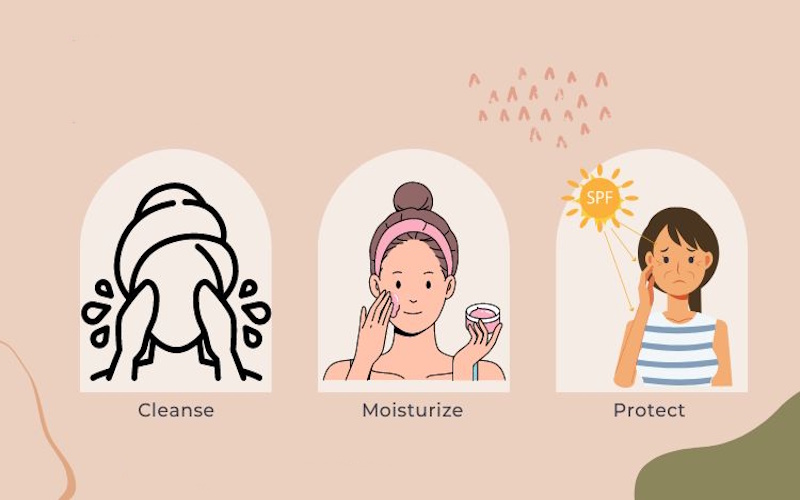
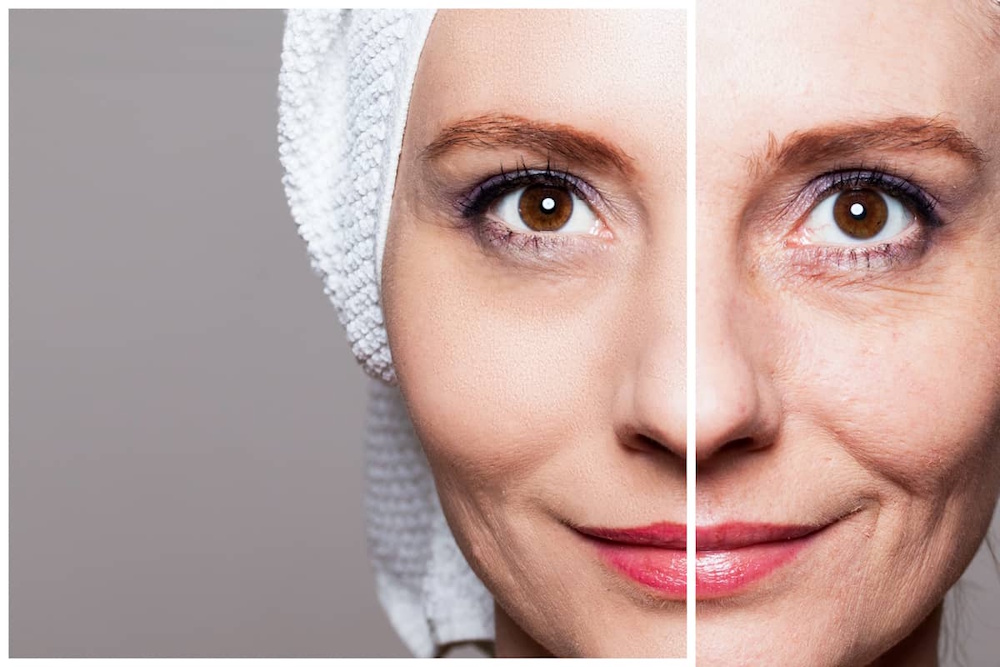
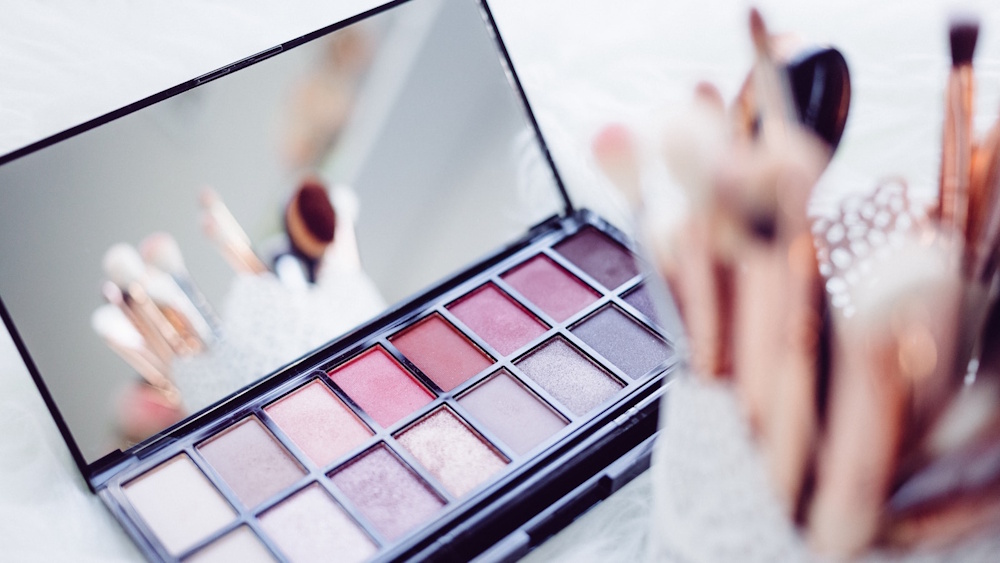



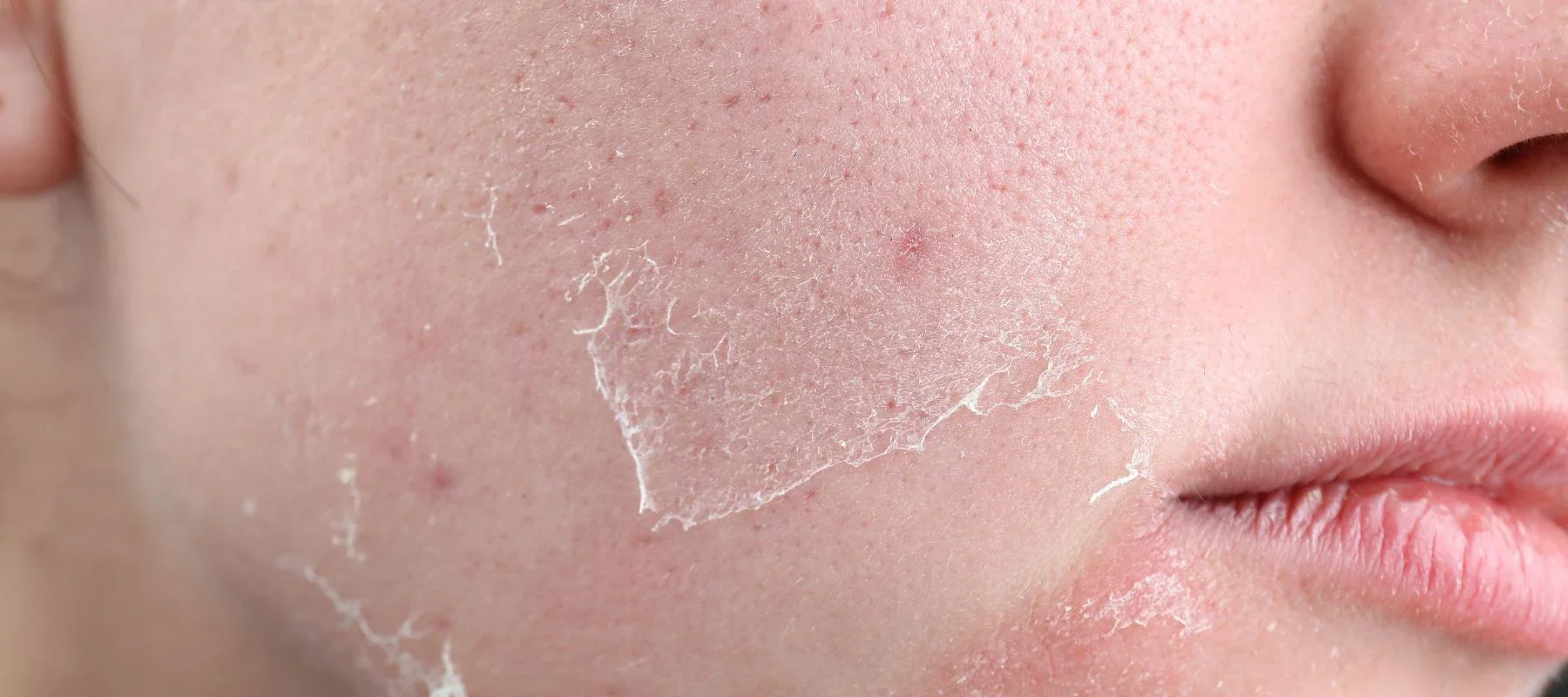
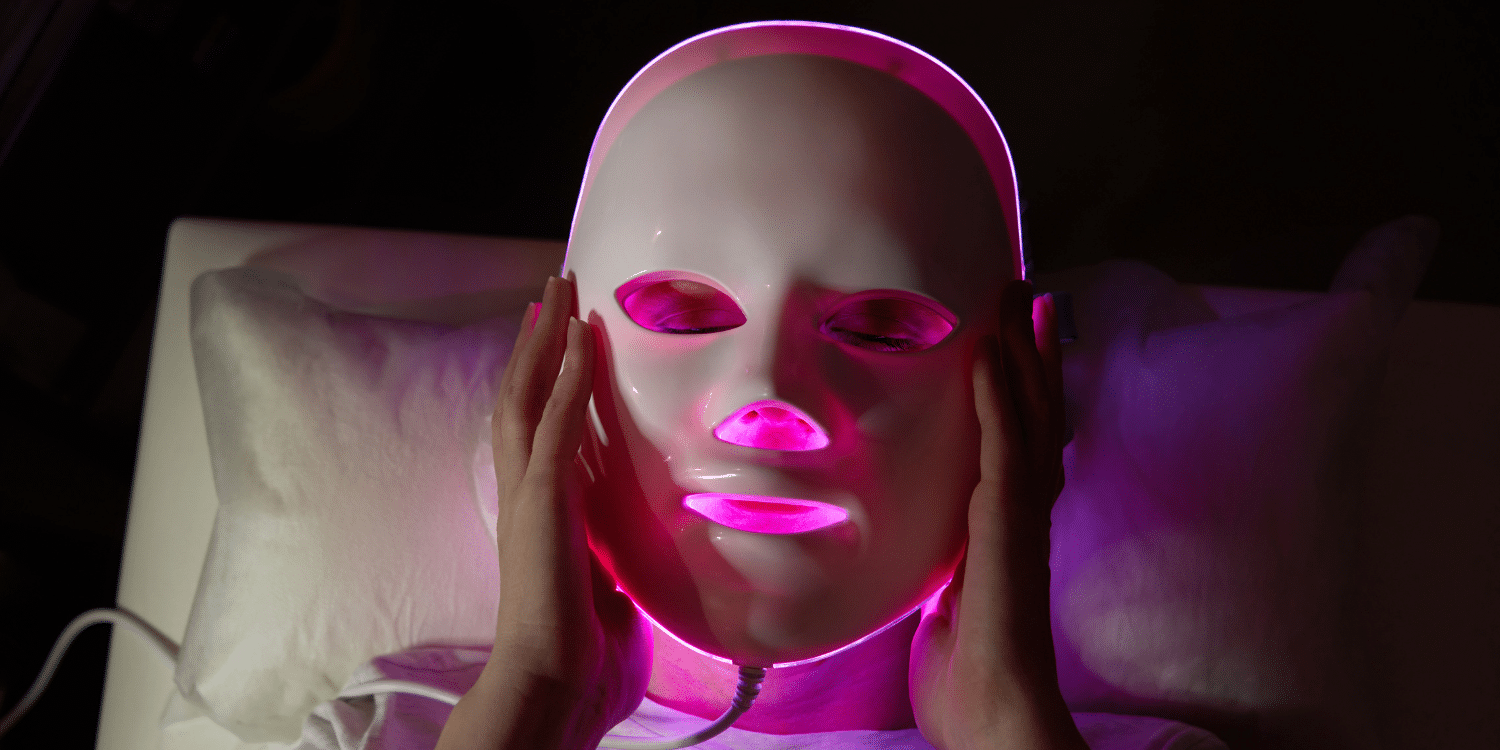
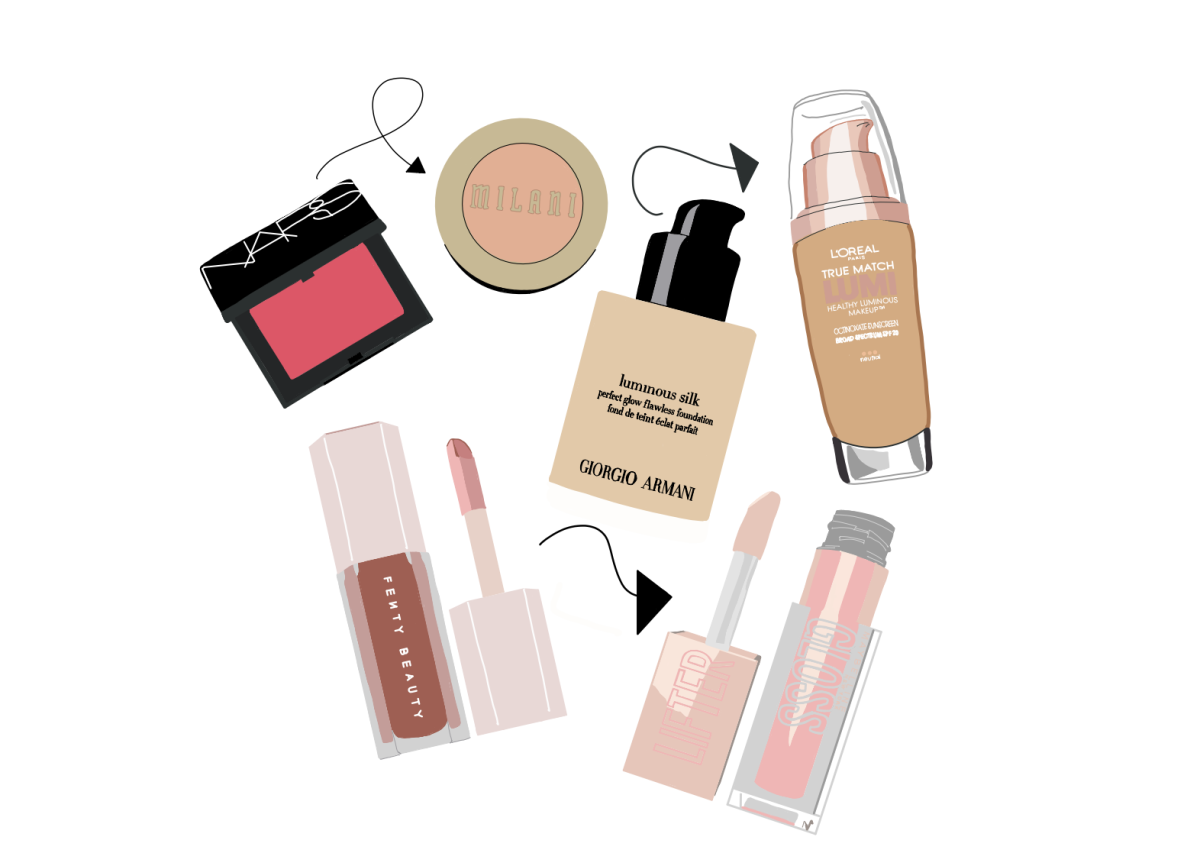
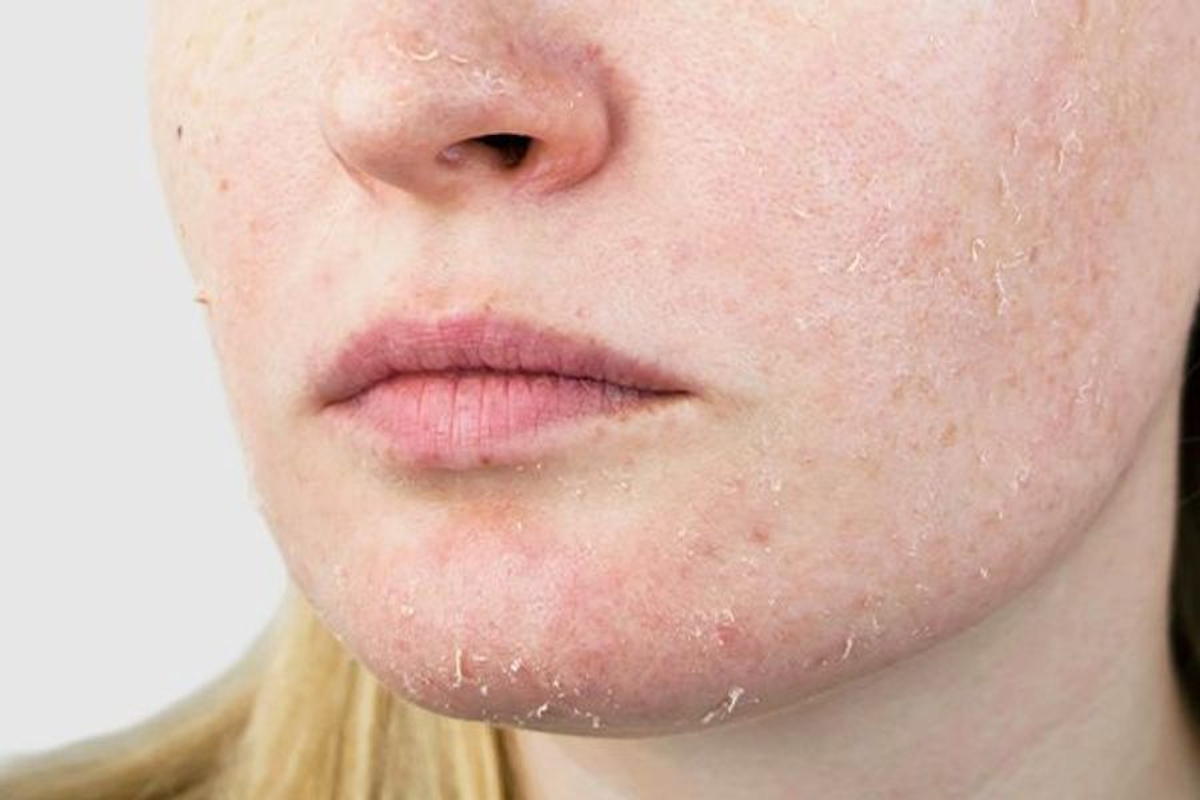
Tags
📧 Get More Articles Like This
Subscribe to receive product reviews and buying guides in your inbox!
We respect your privacy. Unsubscribe at any time.